Skip to content
Chad Davis Photography
Photo Archive
Photo Archive
  • Home
  • ICE in Minneapolis
  • Minneapolis Uprising
  • Travel
    • Belize
    • Bruges, Belgium
    • Costa Rica
    • Dominican Republic
    • Guatemala
    • Las Vegas
    • London
    • Tampa, Florida
    • Tokyo
  • Series
    • ICE in Minneapolis
    • Minneapolis Uprising
    • Minneapolis and COVID-19
    • NASA Michoud Assembly Facility
    • Outside the 2024 Republican National Convention
    • Tesla Takedown: Minneapolis
    • No Kings – Hands Off – 50501 Protests Minnesota
  • Contact
Photo Archive
Photo Archive
Chad Davis Photography
Photo Archive
Photo Archive
Photo Archive
Photo Archive
Chad Davis Photography
Photo Archive
Photo Archive
  • Home
  • ICE in Minneapolis
  • Minneapolis Uprising
  • Travel
    • Belize
    • Bruges, Belgium
    • Costa Rica
    • Dominican Republic
    • Guatemala
    • Las Vegas
    • London
    • Tampa, Florida
    • Tokyo
  • Series
    • ICE in Minneapolis
    • Minneapolis Uprising
    • Minneapolis and COVID-19
    • NASA Michoud Assembly Facility
    • Outside the 2024 Republican National Convention
    • Tesla Takedown: Minneapolis
    • No Kings – Hands Off – 50501 Protests Minnesota
  • Contact
Photo Archive
Photo Archive
Chad Davis Photography
Photo Archive
Photo Archive
Photo Archive
Photo Archive
A decommissioned SNCB/NMBS Autorail Série 400, unit no. 4001, rests abandoned on a disused siding near Charleroi, Belgium. Built in the early 1950s by BN (La Brugeoise et Nivelles), these diesel multiple units were among Belgium’s first post-war efforts to modernize regional and intercity rail travel, replacing steam on secondary lines. The streamlined design and two-tone red-and-cream livery reflected the optimism of that era’s industrial renewal. Decades later, this car’s faded paint, shattered windows, and rust-etched steel now mark the slow decay of a machine that once represented progress in Belgian transport history. The surrounding derelict depot underscores the decline of Wallonia’s railway manufacturing heritage.

Abandoned SNCB Autorail 4001, Charleroi

A decommissioned SNCB/NMBS Autorail Série 400, unit no. 4001, rests abandoned on a disused siding near Charleroi, Belgium. Built in…

Abandoned, Abandoned Train, Belgium, Charleroi, Minnesota, Train
A 118-meter-tall cooling tower stands amid overgrown trees at the former Monceau-sur-Sambre power station near Charleroi, Belgium. Constructed in the 1960s as part of a large coal-fired generating complex operated by Electrabel, the hyperboloid structure was engineered from reinforced concrete with vertical ribbing to support its weight and withstand wind pressure. The tower once cooled thousands of cubic meters of water per hour, discharging excess heat from the station’s turbines that supplied electricity to the industrial Walloon region. Following the plant’s closure in the early 2000s, the site has remained disused, its monumental scale and weathered surface now emblematic of Charleroi’s industrial decline and gradual environmental recovery.

Monceau-sur-Sambre power cooling tower

A 118-meter-tall cooling tower stands amid overgrown trees at the former Monceau-sur-Sambre power station near Charleroi, Belgium. Constructed in the…

Abandoned, Belgium, Charleroi, Cooling tower, Minnesota, Monceau-sur-Sambre, Power Plant
Dense vegetation surrounds the concrete base of a decommissioned cooling tower in Charleroi, Belgium. The structure’s massive form rises from a patch of overgrowth and debris, where nature has begun reclaiming the once-industrial site. The cooling tower, part of an abandoned power plant complex, remains a reminder of the region’s post-industrial landscape and transition away from coal-era energy infrastructure.

Cooling Tower Edge in Charleroi

Dense vegetation surrounds the concrete base of a decommissioned cooling tower in Charleroi, Belgium. The structure’s massive form rises from…

Abandoned, Belgium, Charleroi, Cooling tower, Minnesota, Monceau-sur-Sambre, Power Plant
Looking along Rue de Fer toward Namur’s main station in Wallonia, Belgium. Historic brick and limestone façades line the street, with the HEMA storefront sign visible among local shops and cafés. Buses and pedestrians move through the late afternoon traffic on a damp autumn day, reflecting the city’s mix of preserved 19th-century architecture and contemporary commercial life near the railway hub.

Rue de Fer and Station Approach, Namur

Looking along Rue de Fer toward Namur’s main station in Wallonia, Belgium. Historic brick and limestone façades line the street,…

Belgium, Crane, Namur
Namur, Belgium

Namur, Belgium

Namur, Belgium

Belgium, Namur
Liège-Guillemins Station, located in Liège, Belgium, serves as one of the country’s primary high-speed rail hubs and a striking example of modern European transport architecture. The current structure, designed by Spanish architect Santiago Calatrava, officially opened on September 18, 2009, following nearly a decade of planning and construction. Built to accommodate Belgium’s integration into the European high-speed rail network, the station connects Liège with major cities such as Brussels, Paris, Aachen, and Cologne through Thalys, ICE, and InterCity services.

The building’s sweeping glass and steel canopy extends over 160 meters in length and 32 meters in height, eliminating the need for traditional walls and creating a sense of openness and transparency. Beneath its arched form, five railway platforms are arranged along ten tracks, with pedestrian bridges and elevators providing clear lines of movement between levels. The structure replaced a 1958 station on the same site, symbolizing Liège’s transition from its industrial past toward a contemporary, design-focused identity.

Today, Liège-Guillemins stands not only as a critical piece of transportation infrastructure but also as a civic landmark. The station anchors a redeveloped district along the Meuse River, linking the city’s historic center with new public spaces, and continues to draw attention for its combination of engineering precision and architectural expression.

Liège-Guillemins station in Liege

Liège-Guillemins Station, located in Liège, Belgium, serves as one of the country’s primary high-speed rail hubs and a striking example…

Belgium, Liege, Liège-Guillemins, Train Station
The sweeping steel-and-glass structure of Liège-Guillemins railway station stands as one of Europe’s most recognizable contemporary transport terminals. Designed by Spanish architect Santiago Calatrava and opened in 2009, the station was conceived as both a functional rail hub and a civic landmark, replacing an older mid-20th-century facility on the same site. Its vast, arching roof—constructed without a traditional façade—allows daylight to flood the platforms while emphasizing openness and movement rather than enclosure.

Liège-Guillemins serves as a major junction on Belgium’s high-speed rail network, connecting Liège with Brussels, Paris, Cologne, and Frankfurt. The station’s design reflects early 21st-century priorities in European rail infrastructure: intermodality, passenger flow efficiency, and architectural visibility as a symbol of urban reinvestment. The exposed structure, rhythmic ribs, and inclined glazing make the engineering legible, turning the building itself into an expression of transit in motion.

Liege-Guillemins Railway Station in Belgium

The sweeping steel-and-glass structure of Liège-Guillemins railway station stands as one of Europe’s most recognizable contemporary transport terminals. Designed by…

Belgium, Liege, Liege-Guillemins Railway Station, Train Station
A Thalys PBKA high-speed train waits at Köln Hauptbahnhof beneath the station’s large arched glass canopy. The streamlined red train, built by Alstom and operated on international routes between Germany, Belgium, France, and the Netherlands, reflects the late-afternoon light along its metallic bodywork. Overhead, the steel lattice roof filters the daylight across the platforms, and through the patterned glass, the spires of Cologne Cathedral rise faintly in the background—a visual reminder of the station’s central location beside one of Europe’s most recognizable landmarks.

Thalys High Speed Train

A Thalys PBKA high-speed train waits at Köln Hauptbahnhof beneath the station’s large arched glass canopy. The streamlined red train,…

Cologne Central Station, Thalys, Train, Train Station
Panomera Surveillance Cameras found in Germany.

Panomera Surveillance Cameras

Panomera Surveillance Cameras found in Germany.

Panomera, Security, Security Camera, Surveillance
View from the platform at Berlin Friedrichstraße station overlooking Georgenstraße below. The elevated tracks run alongside a mix of modern and postwar office buildings, including the Aerztezentrum at No. 147. Pedestrians and cyclists move through the busy commercial street beneath, while the station’s glass and steel structure reflects the late-day light.

Elevated tracks at Berlin Friedrichstraße station

View from the platform at Berlin Friedrichstraße station overlooking Georgenstraße below. The elevated tracks run alongside a mix of modern…

Berlin, Berlin Friedrichstraße Station, Germany, Station, Subway, Train, Train Station
View east from Berlin Friedrichstraße station showing the elevated S-Bahn tracks leading toward Alexanderplatz. Overhead wires and supporting steel structures frame the route, with graffiti-covered industrial buildings on the left and mid-century offices on the right. The Berlin TV Tower (Fernsehturm) rises in the distance, a landmark visible across the city skyline.

Berlin Friedrichstraße train station S Bahn Tracks

View east from Berlin Friedrichstraße station showing the elevated S-Bahn tracks leading toward Alexanderplatz. Overhead wires and supporting steel structures…

Berlin, Berlin Friedrichstraße Station, Germany, Subway, Train, Train Station
Berlin Friedrichstraße station in the early evening, with an S-Bahn BR 481 series train stopped under the steel and glass canopy. The curved elevated tracks lead into the main hall, a design characteristic of the city’s prewar rail architecture. Overhead wires and support structures frame the scene, while a few commuters move along the quiet platform as daylight fades into artificial light.

Berlin Friedrichstraße train station

Berlin Friedrichstraße station in the early evening, with an S-Bahn BR 481 series train stopped under the steel and glass…

Berlin, Berlin Friedrichstraße Station, Germany, Subway, Train, Train Station
Tracks curve eastward from Berlin Friedrichstraße station, one of the city’s busiest S-Bahn and regional rail interchanges. The elevated viaduct carries multiple lines, including the S3, S5, S7, and S9, which link central Berlin with its outer districts and neighboring cities. The view looks toward Alexanderplatz, with the Fernsehturm television tower visible in the distance — a defining landmark of the former East Berlin skyline.

Friedrichstraße station opened in 1882 and served as a symbolic and logistical border crossing during the Cold War, when it connected both East and West Berlin rail networks. Today, the station remains a major transit hub, handling thousands of passengers daily and sitting at the junction of the north–south and east–west S-Bahn corridors. The surrounding area has since been redeveloped with modern offices, hotels, and shops while retaining its role as one of Berlin’s central transport arteries.

Eastward Curve at Berlin Friedrichstraße

Tracks curve eastward from Berlin Friedrichstraße station, one of the city’s busiest S-Bahn and regional rail interchanges. The elevated viaduct…

Berlin, Berlin Friedrichstraße Station, Germany, Subway, Train, Train Station
A Deutsche Bahn Intercity-Express (ICE) train moves through the rail network, distinguished by its white body and red horizontal stripe. The train belongs to the ICE 3 or ICE T family, units designed for high-speed operation up to 300 km/h and used on long-distance routes across Germany and neighboring countries. Overhead catenary lines supported by lattice-steel gantries deliver 15 kV AC power, the standard for Germany’s electrified mainlines.

The ICE network, launched in the early 1990s, forms the backbone of long-distance rail travel in the country, linking cities such as Berlin, Frankfurt, Cologne, and Munich. These trains are built for both speed and efficiency, with lightweight aluminum bodies, regenerative braking, and pressure-sealed cabins for tunnel travel. The scene reflects the characteristic organization of German rail infrastructure—multiple tracks, overhead power, and vegetation at the margins—where local and international services share one of Europe’s busiest and most interconnected systems.

Intercity Express (ICE) train in Berlin

A Deutsche Bahn Intercity-Express (ICE) train moves through the rail network, distinguished by its white body and red horizontal stripe….

Berlin, Deutsche Bahn, Germany, ICE, Intercity Express, Train
Entering a Berlin train station.

Stairs at a Berlin train station

Entering a Berlin train station.

Berlin, Germany, Stairs, Train Station
The Olympiastadion in Berlin stands in the foreground, framed by the dense tree cover of the Westend district. Behind it, the cooling towers and chimneys of the Reuter power plants dominate the skyline — part of Berlin’s long-standing energy infrastructure along the Spree River. The large natural-draft cooling tower at left belongs to the Reuter West plant, commissioned in the late 1980s and operated by Vattenfall, while the taller stack at right is part of the older Reuter facility dating back to 1930, later converted to modern combined-heat-and-power operation.

The contrast between the stone colonnades of the 1936 Olympic Stadium and the industrial silhouettes in the distance captures the layered character of Berlin’s western edge — where historic architecture, post-war redevelopment, and ongoing energy production coexist within a few kilometers. The area remains one of the city’s key power-generation corridors, supplying electricity and district heating to much of central and western Berlin.

Olympiastadion Berlin and Reuter Power Plant

The Olympiastadion in Berlin stands in the foreground, framed by the dense tree cover of the Westend district. Behind it,…

Berlin, Germany, Kraftwerk Reuter West, Olympiastadion, Olympics, Stadium
A modern hotel room in Berlin’s Mitte district looks out through a floor‑to‑ceiling window onto a restored 19th‑century residential block across the street. The room features two neatly made single beds with white linens, a dark-framed headboard with soft backlighting, a bedside table with a phone, and sheer curtains patterned with portrait graphics. Outside, the opposite building displays yellow stucco and red-brick detailing typical of Gründerzeit architecture, with tall windows, cornices, and balconies above a tree‑lined sidewalk. The scene is consistent with accommodations such as the Arcotel Velvet Berlin, located along a corridor of cafés, galleries, and tram routes that connect the Mitte neighborhood with nearby cultural sites. The image reflects the mix of contemporary hospitality design and historic streetscapes that characterize central Berlin decades after reunification.

Arcotel Velvet Berlin Hotel Room

Looking out from a room at the Arcotel Velvet Berlin.

Arcotel Berlin, Berlin, Germany, Hotel, Hotel Room
Kurt-Schumacher-Platz station serves Berlin’s U6 U-Bahn line in the Reinickendorf district, located in the city’s northwest. Opened on May 3, 1956, the station was part of the first postwar U-Bahn expansion and named after German statesman Kurt Schumacher, a key figure in rebuilding the Social Democratic Party after World War II.

The station features light-colored wall tiles with horizontal gray stripes and minimalist red lettering, reflecting mid-1950s West Berlin design. It includes a central island platform and two tracks, serving as an important stop between Afrikanische Straße and Scharnweberstraße. Above ground, the station connects to several bus routes and lies near the approach to the U6 tunnel under the former Tegel Airport area. Today, it remains a key link for northern Berlin commuters traveling toward the city center.

Kurt-Schumacher-Platz Train Station Berlin

Kurt-Schumacher-Platz station serves Berlin’s U6 U-Bahn line in the Reinickendorf district, located in the city’s northwest. Opened on May 3,…

Berlin, Germany, Kurt-Schumacher-Platz, Public Transit, Station, Subway, Train Station
Rehberge U-Bahn Station, Wedding, Berlin. A mint-green tiled wall runs the length of the platform, marked with the station name “REHBERGE” in black lettering and punctuated by large tile-mounted photographs showing nearby park landscapes and public sculpture. The single visible track and empty platform suggest a lull between trains beneath continuous fluorescent fixtures. Part of Berlin’s BVG U6 line, Rehberge serves the Wedding district adjacent to Volkspark Rehberge and local sports grounds. The station opened in 1956 during the postwar northern extension of the U6, linking central Berlin with growing residential areas north of the city center.

Keywords
- Activities: commuting, waiting, traveling
- Buildings: subway station platform, tiled walls
- Location: Wedding, Berlin, Germany, Rehberge
- Objects: station signage, tiled photo murals, benches, lighting fixtures, rail tracks
- People: none visible
- Moods: quiet, orderly
- Sceneries: urban interior, transit corridor
- Texts: “REHBERGE” station name on wall
- Companies: BVG (Berliner Verkehrsbetriebe)
- Weather: not applicable (underground)
- Plants: depicted in murals (park trees)
- Animals: none
- Vehicles: subway trains (not in frame)

Rehberge U-Bahn Station in Berlin

Rehberge U-Bahn Station, Berlin

Berlin, Germany, Public Transit, Rehberge, Subway, Train, Train Station, U-Bahn
A kiosk filled with magazines, drinks, and snacks stands at the center of the Seestraße U-Bahn platforms in Berlin’s Wedding district. Yellow-tiled walls, riveted black columns, and twin tracks frame the underground scene, with the station name “Seestraße” visible on wall signage. A few commuters pass by digital advertising displays while the rails in the foreground separate the opposing platforms. Operated by BVG on the U6 line, Seestraße opened in 1923 and served as the northern terminus until the line was extended to Tegel in the late 1950s, making it a long-standing node in Berlin’s public transit network. Keywords — Activities: commuting, waiting, vending; Buildings: train station, subway platform, kiosk; Location: Berlin, Germany, Wedding, Seestraße Station, U6, U‑Bahn; Objects: newsstand, magazines, signs, advertising screens, rails, columns, fluorescent lights; People: commuters, pedestrians; Moods: routine, quiet, utilitarian; Sceneries: underground, urban transit; Texts: “Seestraße,” “BVG,” “Zeitschriften & Tabak,” “Tabak & Getränke,” “Journale • Eis & Snacks”; Companies: BVG, Lycamobile, PERMA; Weather: underground; Plants: none; Animals: none; Vehicles: subway (U‑Bahn).

Market at the Seestrabe Station in Berlin

A store at the Seestrabe Station in Berlin.

Berlin, Germany, Market, Public Transit, Seestrabe Station, Subway, Train Platform, Train Station, U-Bahn
Seestraße U-Bahn platforms in Berlin’s Wedding district sit empty, their yellow-tiled walls and metal benches illuminated by ceiling fixtures. Twin side platforms flank two tracks, with black steel columns, track ballast, tactile edging, stairways, and signage reading “Seestraße” visible across the way. The station serves Line U6 of the Berliner Verkehrsbetriebe (BVG) network, a north–south route linking Tegel with the city center and beyond. Opened in 1923 on the former Line C, Seestraße reflects the interwar expansion of Berlin’s underground and remains a neighborhood transit hub connecting residents to tram and bus services at street level.

Seestrabe U-Bahn Station in Berlin

Seestraße U-Bahn Station, Berlin Germany

Berlin, Germany, Public Transit, Seestrabe Station, Subway, Train Platform, Train Station, U-Bahn
An underground passageway connects the platforms of Wedding U-Bahn station to its street-level exits on Müllerstraße in Berlin’s Mitte district. The corridor is tiled in light yellow ceramic, part of the BVG’s standardized postwar design used throughout many West Berlin stations rebuilt or renovated in the 1960s and 1970s.

Directional signage guides passengers toward exits, connecting bus routes, and public facilities, while an escalator and stairway lead to the main entrance. The faint graffiti on the walls and motion blur of a passing commuter emphasize the station’s everyday function within Berlin’s public transport network. Wedding station serves both the U6 line and the S-Bahn Ring, forming a key interchange point in the city’s northern transit system.

Leopoldplatz U-Bahn Station in Berlin

An underground passageway connects the platforms of Wedding U-Bahn station to its street-level exits on Müllerstraße in Berlin’s Mitte district….

Berlin, Germany, Leopoldplatz, Subway, Train, Train Station, U-Bahn
Leopoldplatz is a key interchange station in Berlin’s U-Bahn network, connecting the U6 and U9 lines beneath the bustling Wedding district. The wall’s yellow ceramic tiles with minimalist blue and ochre accents were installed during the 1960s modernization period, reflecting the BVG’s functional yet color-coded design philosophy. The clean geometry, restrained signage, and durable materials are hallmarks of mid-century German transit infrastructure, designed for clarity and longevity in high-traffic environments.

Leopoldplatz U-Bahn Station

The Leopoldplatz U-Bahn Station in Berlin Germany.

Berlin, BVG, Germany, Leopoldplatz, Subway, Train, Train Station, U-Bahn, U6, U9
This view of Leopoldplatz’s lower-level U9 platform highlights the minimalist postwar design typical of 1960s Berlin infrastructure. The use of pale yellow tiles, stainless steel seating, and green-painted support columns was chosen to create a bright, efficient environment for high-traffic commuter service. The station connects to major commercial and residential zones and is part of the BVG modernization program maintaining accessibility and structural updates across Berlin’s U-Bahn network.

Leopoldplatz U-Bahn Station Platform

The Leopoldplatz U-Bahn Station in Berlin Germany.

Berlin, BVG, Germany, Leopoldplatz, Subway, Train, Train Station, U-Bahn, U9
Wittenbergplatz station on Berlin’s U2 line features a distinctive orange-tiled design characteristic of the city’s postwar modernization of U-Bahn interiors. The platform level seen here includes advertising panels with hand-illustrated city scenes, part of a campaign promoting outdoor advertising (“Draussenwerbung”) by Wall GmbH, a longtime transit advertising company in Berlin.

Opened in 1902 as part of the city’s first underground railway, Wittenbergplatz is one of Berlin’s oldest stations and a key junction serving the U1, U2, and U3 lines. The orange tiles were installed during mid-20th-century refurbishments to brighten the subterranean space, contrasting with the original Jugendstil architecture preserved at the main hall above. The modern signage displays U6 connections, while the station’s layout—with three island platforms—continues to serve one of the busiest interchange points in Berlin’s U-Bahn network.

Berlin Wedding train station

Wittenbergplatz station on Berlin’s U2 line features a distinctive orange-tiled design characteristic of the city’s postwar modernization of U-Bahn interiors….

Berlin, Berlin-Wedding station, Brick, Germany, Public Transit, S-Bahn, Subway, Train, Train Station, U-Bahn, Wedding
Wedding Station’s interior is defined by its vivid orange tile walls and contrasting yellow service panels, part of a mid-century renovation reflecting the BVG’s color-coded design language. The U6 platform connects northern districts to central Berlin and the former border zone at Kochstraße during the Cold War. Today, the station remains a link between diverse working-class and immigrant neighborhoods, emblematic of Berlin’s layered transit history.

Berlin-Wedding station

Berlin-Wedding station S-Bahn station in Berlin, Germany

Berlin, Berlin Metro, Berlin-Wedding station, Brick, BVG, Germany, Public Transit, S-Bahn, Subway, Train, Train Station, U-Bahn, U6 line, Wedding, Wedding Station
The U6 line of Berlin’s U-Bahn runs through central neighborhoods including Wedding, one of the city’s oldest working-class districts. The bright orange rolling stock, manufactured by Stadler and others for the BVG network, is a visual hallmark of Berlin’s underground system. Opened in 1923, the Wedding station has seen extensive modernization while retaining its early 20th-century layout. The long exposure emphasizes the U-Bahn’s continuous movement through Berlin’s post-industrial north.

Subway train at the Wedding station in Berlin

A train passes through the Wedding station in Berlin Germany.

Berlin, BVG, Germany, Subway, Train Station, U6, Wedding, Wedding Train Station
A white station sign reading “Wedding” in black block letters is mounted on an orange, small-rectangle tiled wall inside Wedding station in Berlin, Germany. The station serves the Wedding neighborhood in the Mitte district and functions as an interchange between the U6 U‑Bahn line and the Berlin Ringbahn S‑Bahn. The stark typography and modular tiles reflect the practical design found across much of Berlin’s postwar transit architecture. Operated by BVG for the U‑Bahn and S‑Bahn Berlin GmbH for suburban rail, Wedding is a local hub for commuters moving between the north of the city and central Berlin. No passengers are visible in the frame, emphasizing the graphic clarity of the station’s wayfinding.

Wedding station sign, Berlin

A white station sign reading “Wedding” in black block letters is mounted on an orange, small-rectangle tiled wall inside Wedding…

Berlin, Berlin-Wedding station, Brick, Germany, Public Transit, S-Bahn, Subway, Train, Train Station, U-Bahn, Wedding Station
An early evening view over central Berlin captures the intersection of Friedrichstraße and Dorotheenstraße near the Spittelmarkt area. Traffic lights reflect off the damp pavement as trams and cars navigate the junction, while a construction crane rises above the rooftops—evidence of the city’s ongoing redevelopment and modernization efforts.

In the foreground, postwar concrete office buildings contrast with a restored 19th-century corner structure featuring a domed roof and classical detailing. The muted light and overcast sky lend the scene a subdued atmosphere typical of Berlin’s autumn season, illustrating the coexistence of historical architecture, socialist-era infrastructure, and contemporary urban growth.

Invalidenstrabe Berlin Germany

Looking down Invalidenstraße street in Berlin Germany.

Berlin, Germany, Invalidenstrabe
Brandenburger Tor station on Berlin’s U-Bahn line U5, located beneath Pariser Platz near the Brandenburg Gate, features a modern minimalist design with dark wall panels and integrated LED displays. The exhibits along the platform present historical imagery under the theme “Symbol der Teilung” (Symbol of Division), reflecting the area’s proximity to the Berlin Wall and its role in postwar history. Opened in 2009 as part of the short U55 shuttle and later connected to Alexanderplatz in December 2020, the station serves as both a transport hub and a small public exhibition space within central Berlin’s government district.

Benches At Brandenburger Tor Train Station

The Brandenburger Tor station in Berlin, Germany. Metal benches on the train platform.

Berlin, Brandenburger Tor, Germany, Public Transit, Subway, Train Station
The Brandenburger Tor station on Berlin’s U5 line sits directly beneath Pariser Platz, adjacent to the Brandenburg Gate. The interior features dark composite wall panels inlaid with gold lettering and a series of illuminated displays tracing Berlin’s 20th-century history, including the city’s division and post-reunification development. Originally opened in 2009 as part of the short U55 shuttle between Hauptbahnhof and Bundestag, the station became a through stop in December 2020 when the U5 extension to Alexanderplatz was completed, reconnecting the eastern and western portions of the U-Bahn network after nearly six decades of separation.

Brandenburger Tor Train Station

The Brandenburger Tor station on Berlin’s U5 line sits directly beneath Pariser Platz, adjacent to the Brandenburg Gate. The interior…

Berlin, Brandenburger Tor, Germany, Public Transit, Subway, Train, Train Station
Brandenburger Tor station, once part of the short U55 shuttle line, connects major landmarks including the Reichstag, Unter den Linden, and Pariser Platz. Integrated into the extended U5 line in 2020, it features a minimalist architectural design with grey pillars, illuminated ceilings, and historical display panels documenting Berlin’s 20th-century events. The station’s clean geometry and subdued tones contrast with the symbolic weight of the district it serves.

Brandenburger Tor Train Station

The Brandenburger Tor station in Berlin, Germany.

Berlin, Brandenburger Tor, BVG, Germany, Public Transit, Subway, Train, Train Station, U5, U55
The Brandenburger Tor station in Berlin, Germany.

Yellow Train Arrives At Berlin’s Brandenburger Tor Station

The Brandenburger Tor station in Berlin, Germany.

Berlin, Brandenburger Tor, Germany, Public Transit, Subway, Train Station
Gold-lettered signage reading “Brandenburger Tor” is set into a grid of dark, brushed metal panels on the platform wall of Berlin’s Brandenburger Tor station. The underground stop serves as an interchange between the U5 line and the north–south S‑Bahn in the city’s government quarter, steps from the Brandenburg Gate and Pariser Platz. The S‑Bahn station opened in 1936 as Unter den Linden, became a Cold War “ghost station” from 1961 to 1989, and was renamed Brandenburger Tor in 2009. The U‑Bahn platforms, opened in 2009 and fully integrated into the extended U5 in 2020, make the site a key public transit node for commuters and visitors to central Berlin.

Brandenburger Tor Train Station

The Brandenburger Tor station in Berlin, Germany.

Berlin, Brandenburger Tor, Germany, Public Transit, Subway, Train, Train Station
A bright yellow BVG U-Bahn train marked “U55 Hauptbahnhof” stands at the underground platform of Berlin Hauptbahnhof. An information sign with an arrow hangs above the platform, while a large network map of the S- and U-Bahn lines is mounted on the concrete wall to the right. Through the windows, a few seated passengers are visible inside the multi-door carriage numbered 2658. The U55 operated as a short shuttle between Berlin Hauptbahnhof and Brandenburger Tor, opened in 2009 to link the new central station with the government quarter. In December 2020 the shuttle was integrated into the extended U5 line, a major step in Berlin’s east‑west metro connection.

U55 shuttle at Berlin Hauptbahnhof platform

A bright yellow BVG U-Bahn train marked “U55 Hauptbahnhof” stands at the underground platform of Berlin Hauptbahnhof. An information sign…

Berlin, Germany, Hauptbahnhof, Subway, Train, Train Platform, Train Station, U55
Passengers move across multiple levels inside Berlin Hauptbahnhof, Germany’s central rail hub in the capital. A red double-decker Regionalbahn train stands at a middle platform with doors open, marked by a large bicycle symbol on one carriage. A red Deutsche Bahn locomotive blurs past on a lower track, while travelers ride escalators that cut diagonally through the scene. Above, a retail concourse includes a Relay shop and a blue banner advertising KERN language services, with platform indicators for tracks 1–2 visible. Opened in 2006 on the site of the former Lehrter Bahnhof, Berlin Central Station is a major interchange for regional, long‑distance, and S‑Bahn services in Germany.

Berlin Hauptbahnhof – Berlin Central Station

The Berlin Central Station in Berlin, Germany.

Berlin, Berlin Central Station, Berlin Hauptbahnhof, Germany, Hauptbahnhof, Station, Subway, Train, Train Station
The glass-and-steel facade of Berlin Hauptbahnhof rises under an overcast sky in Berlin, Germany. The image shows the arched glass roof canopy anchored by steel cables and a rectilinear tower with blue‑tinted window grids, part of the station’s multi-level entrance complex. Located in the Mitte district near the government quarter and the River Spree, the station opened in 2006 on the former site of Lehrter Bahnhof as a flagship post‑reunification infrastructure project. Today it is a major hub for Deutsche Bahn’s ICE and regional services, with S‑Bahn and the U5 metro connection below, linking north–south and east–west routes across the capital and beyond.

Berlin Hauptbahnhof Berlin Central Station

The Berlin Central Station in Berlin, Germany.

Berlin, Berlin Central Station, Berlin Hauptbahnhof, Germany, Hauptbahnhof, Station, Subway, Train, Train Station
Berlin Hauptbahnhof’s lower-level platforms, located roughly 15 meters below street level, form part of Germany’s central north–south high-speed rail corridor. The underground section, opened in 2006 alongside the completion of the station’s glass-and-steel main hall, accommodates long-distance and regional trains running through the Tiergarten tunnel. The design emphasizes polished concrete, steel, and indirect lighting—elements typical of the Deutsche Bahn architectural style of the early 2000s. Platforms 1 through 8 serve ICE and IC services linking Berlin with cities such as Munich, Frankfurt, and Hamburg, while upper levels connect to the S-Bahn and U-Bahn networks.

Lower platforms at Berlin Hauptbahnhof

Berlin Hauptbahnhof’s lower-level platforms, located roughly 15 meters below street level, form part of Germany’s central north–south high-speed rail corridor….

Berlin, Berlin Central Station, Berlin Hauptbahnhof, Germany, Hauptbahnhof, Station, Subway, Train, Train Station
The lower platforms of Berlin Hauptbahnhof, serving tracks 5 and 6, form part of the deep-level north–south route opened with the station in 2006. This subterranean level, approximately 15 meters below ground, connects long-distance ICE services between Hamburg, Leipzig, and Munich through the Tiergarten Tunnel. The design reflects the precision and uniformity of modern German rail architecture—clean concrete forms, stainless steel fixtures, and bright LED signage. The symmetrical layout, glass partitions, and central clock emphasize efficiency and clarity, key elements of the Hauptbahnhof’s function as Europe’s largest crossing-station hub.

Tracks 5 and 6 at Berlin Hauptbahnhof

The lower platforms of Berlin Hauptbahnhof, serving tracks 5 and 6, form part of the deep-level north–south route opened with…

Berlin, Berlin Central Station, Berlin Hauptbahnhof, Germany, Hauptbahnhof, Station, Subway, Train, Train Station
Passengers move across multiple levels inside Berlin Hauptbahnhof, Germany’s central rail hub in the capital. A red double-decker Regionalbahn train stands at a middle platform with doors open, marked by a large bicycle symbol on one carriage. A red Deutsche Bahn locomotive blurs past on a lower track, while travelers ride escalators that cut diagonally through the scene. Above, a retail concourse includes a Relay shop and a blue banner advertising KERN language services, with platform indicators for tracks 1–2 visible. Opened in 2006 on the site of the former Lehrter Bahnhof, Berlin Central Station is a major interchange for regional, long‑distance, and S‑Bahn services in Germany.

Berlin Hauptbahnhof – Berlin Central Station

The Berlin Central Station in Berlin, Germany.

Berlin, Berlin Central Station, Berlin Hauptbahnhof, Germany, Hauptbahnhof, Station, Subway, Train, Train Station
A narrow, fenced pathway runs beneath the towering structure of Berlin Hauptbahnhof — Germany’s largest and most complex railway station — where elevated train lines stretch above the Spree River. The gleaming glass panels and steel framework of the upper platforms contrast sharply with the damp pavement and industrial underpass below. Puddles glisten from a recent rain, while construction barriers and wild greenery frame the scene, hinting at the city’s perpetual state of transformation. Built as a symbol of reunified Berlin, the Hauptbahnhof connects north to south, east to west — a convergence of architecture, engineering, and history that mirrors Berlin’s layered identity. The stillness here beneath the trains creates a hidden perspective on one of Europe’s busiest transport hubs, where modern motion meets quiet decay.

Path Beneath Berlin Hauptbahnhof

A narrow, fenced pathway runs beneath the towering structure of Berlin Hauptbahnhof — Germany’s largest and most complex railway station…

Berlin, Berlin Central Station, Berlin Hauptbahnhof, Germany, Hauptbahnhof, Station, Subway, Train, Train Station
A yellow BVG tram glides through the wet streets of Berlin at dusk, its reflection faintly shimmering on the rain-darkened tracks. The city’s extensive tram system, one of the oldest in the world, continues to serve as a vital part of daily life — connecting neighborhoods across the capital with quiet precision. Cyclists share the street below, a hallmark of Berlin’s commitment to sustainable urban transport and rhythmically layered street design.

Evening Tram in Central Berlin

A yellow BVG tram glides through the wet streets of Berlin at dusk, its reflection faintly shimmering on the rain-darkened…

Berlin, BVG, Germany, Light Rail, Subway, Train
A view from the window of an Air Berlin aircraft shows the wing slicing through dense cloud layers, with a narrow band of golden light marking the horizon. Once a major German airline founded in 1978, Air Berlin operated routes across Europe before ceasing operations in 2017. The image captures both the serenity and impermanence of flight — a quiet moment over the continent that the airline once connected so extensively.

Above the Clouds — Air Berlin Flight

A view from the window of an Air Berlin aircraft shows the wing slicing through dense cloud layers, with a…

Air Berlin, Aircraft, Airplane, Airport, Berlin, Germany
The main terminal complex of Zürich Airport (Flughafen Zürich) sits under a clear blue sky, its modern glass façade reflecting the activity of Switzerland’s busiest air hub. Completed in stages through the early 2000s, the airport serves as the primary gateway for Swiss International Air Lines and one of Europe’s most efficient transfer points. The wide apron and UBS-branded jet bridges foreground the balance between Swiss precision, aviation infrastructure, and corporate presence that defines Zürich’s role in global travel.

Flughafen Zürich Terminal Apron

The main terminal complex of Zürich Airport (Flughafen Zürich) sits under a clear blue sky, its modern glass façade reflecting…

Airport, Swiss Airlines, Switzerland, UBS, Zurich, Zurich Airport
A Swiss International Air Lines jet climbs into the clear summer sky after takeoff from Zurich Airport (Flughafen Zürich), leaving behind the rolling green hills of Kloten in the background. The well-marked taxiways and precise runway layout reflect Switzerland’s meticulous approach to aviation infrastructure. Beyond the airport, clusters of small homes and industrial buildings blend into the forested landscape — a typical Swiss juxtaposition of modern efficiency and natural calm.

Departure from Zurich Airport Runway

A Swiss International Air Lines jet climbs into the clear summer sky after takeoff from Zurich Airport (Flughafen Zürich), leaving…

Aircraft, Airplane, Airport, Swiss Airlines, Switzerland, Takeoff, Tarmac, Zurich, Zurich Airport
Two Swiss International Air Lines Airbus A320 aircraft sit on the ramp at Zurich Airport, their red and white tails bearing the iconic Swiss cross. The foreground jet, registration HB-IJD, is being towed toward its gate while another prepares for boarding nearby. Behind them, the glass façade of the terminal reflects the surrounding hills of Kloten, a reminder of Switzerland’s seamless integration of precision engineering and alpine landscape. The scene captures the calm efficiency of Swiss aviation — clean, orderly, and unmistakably national in character.

Swiss A320 Fleet at Zurich Airport

Two Swiss International Air Lines Airbus A320 aircraft sit on the ramp at Zurich Airport, their red and white tails…

Airbus A320, Aircraft, Airplane, Airport, Swiss Airlines, Swiss International Air, Switzerland, Zurich, Zurich Airport
An Airbus narrow-body jet prepares for departure on a bright afternoon, its cockpit crew performing preflight procedures before pushback. The aircraft’s clean nose profile reveals pitot tubes, static ports, and the angular geometry typical of the A320 family. Yellow taxiway markings and the tow bar connection below hint at the precision choreography of ground operations—where every motion, from refueling to final clearance, is timed to the minute. Captured from above, the composition highlights the symmetry and order that define modern commercial aviation.

Airbus Cockpit Preflight Checks

An Airbus narrow-body jet prepares for departure on a bright afternoon, its cockpit crew performing preflight procedures before pushback. The…

Airbus A320, Aircraft, Airplane, Airport, Cockpit, Pilot, Switzerland, Zurich, Zurich Airport
Inside a Swiss Federal Railways (SBB) first-class carriage, red headrest covers and subdued lighting create an atmosphere of quiet precision. The leather seating, overhead racks, and narrow aisle reflect the efficient use of space characteristic of Swiss design. Through the window, conductors confer on the platform, moments before departure — a scene that captures the punctual rhythm of Switzerland’s rail network. Since its founding in 1902, SBB has become one of Europe’s most respected operators, moving hundreds of thousands daily with near-perfect reliability across a network that links mountain towns, lakeside cities, and international hubs.

SBB First Class Carriage Interior

Inside a Swiss Federal Railways (SBB) first-class carriage, red headrest covers and subdued lighting create an atmosphere of quiet precision….

Public Transportation, SBB, Swiss train, Switzerland, Train, Zurich
Two blue-and-white Zürich trams move through a broad, tree-lined avenue near the city center, a familiar sight in the Swiss metropolis where public transport defines the pace of daily life. Operated by VBZ, the Zürich tram network dates back to the 1880s and remains one of Europe’s most efficient urban systems, linking every corner of the city with clockwork precision. The clean lines of the vehicles, the restrained architecture, and the soft autumn light together reflect the city’s balance of historic character and modern functionality — a seamless integration of movement, order, and urban calm.

Zürich Tram Lines Along City Streets

Two blue-and-white Zürich trams move through a broad, tree-lined avenue near the city center, a familiar sight in the Swiss…

Public Transportation, SBB, Swiss train, Switzerland, Train, VBZ tram, Zurich
Rows of bicycles fill the parking area beside Zürich Hauptbahnhof, one of Europe’s busiest railway stations. The extensive bike racks serve daily commuters who combine cycling with train travel, a common practice in Swiss cities emphasizing sustainable urban mobility. Behind the bicycles, a Swiss Federal Railways (SBB) regional train waits at the platform, reflecting the integration of rail and cycling infrastructure within Zürich’s public transit system.

Bicycle Parking at Zürich Train Station

Rows of bicycles fill the parking area beside Zürich Hauptbahnhof, one of Europe’s busiest railway stations. The extensive bike racks…

Bicycle, Biking, Public Transportation, Switzerland, Train, Train Station, Zurich
Entrance to the underground level of Zürich Hauptbahnhof (Zurich Central Station), one of Europe’s busiest railway hubs, serving over 400,000 passengers daily. The signage indicates access to the SBB national rail network and SZU suburban lines, along with the underground shopping complex “ShopVille.” Built into the heart of the city, Zürich HB’s design integrates modern transport infrastructure with pedestrian access and retail spaces, showcasing Switzerland’s efficiency in urban transit engineering.

Zürich Hauptbahnhof Underpass Entrance

Entrance to the underground level of Zürich Hauptbahnhof (Zurich Central Station), one of Europe’s busiest railway hubs, serving over 400,000…

Hauptbahnhof, Stairs, Subway, Switzerland, Train, Train Station, Zurich, Zürich Central Station, Zürich Hauptbahnhof, Zurich HB
A close-up view of a Swiss vending machine stocked with a mix of snacks and essentials, including Malbuner Party Sticks, Ceylor condoms, Bic lighters, and Capri-Sun drinks. Prices are listed in Swiss francs (CHF), reflecting Switzerland’s high cost of everyday convenience. The assortment—ranging from chocolates to practical items—illustrates the country’s vending culture, where machines often offer both food and personal necessities in public spaces such as train stations and city centers.

Condoms in a Zurich vending machine

A vending machine found on the streets of Zurich, Switzerland

Candy, Condom, Pregnancy, Switzerland, Vending Machine, Zurich
Construction work is underway along a street in Zurich, Switzerland, with several construction vehicles and materials visible in the foreground. The site is fenced off with wooden barriers, and the street is lined with colorful residential buildings, including a pink building with red shutters and a small balcony. In the background, modern office buildings and a hotel can be seen, indicating ongoing development in the area. The weather is clear with a bright blue sky, suggesting a sunny day during the development project.

Construction in Zurich, Switzerland

Construction work is underway along a street in Zurich, Switzerland, with several construction vehicles and materials visible in the foreground….

Construction, Development, Switzerland, Zurich
An underground train platform at Zürich Airport station, with tracks 43 and 44 visible. The station features striped tile flooring, overhead signage, and modern lighting. Few passengers are present, and escalators can be seen in the background leading to the upper levels.

Zurich Airport Station

An underground train platform at Zürich Airport station, with tracks 43 and 44 visible. The station features striped tile flooring,…

Station, Switzerland, Train, Train Station, Zurich
A digital train schedule display at Zurich Airport showing the departure times and stops for the S16 Light Rail train service. The screen indicates the train departs at 10:01, with stops including Oerlikon, Hardbrücke, Zürich HB, and Stadelhofen, before arriving at Herrliberg-Feldmeilen at 10:35. The display is mounted on a yellow wall, and a small analog clock is visible in the bottom right corner of the screen.

Zurich Airport S16 Light Rail Departure Schedule

A digital train schedule display at Zurich Airport showing the departure times and stops for the S16 Light Rail train…

Flughafen, Light Rail, Switzerland, Train, Transit, Zurich
The entrance of a Migros supermarket in Zurich, Switzerland, is shown in this photo. The large, illuminated red sign spelling 'MIGROS' dominates the storefront, with smaller signs repeating the name above the entrance. Inside, shoppers are seen browsing various sections, including fresh produce and flowers, with shopping carts and self-scanning kiosks visible. The setting appears to be during daytime or early evening, with a lively atmosphere typical of a busy retail location in Switzerland.

Migros Supermarket in Zurich, Switzerland

The entrance of a Migros supermarket in Zurich, Switzerland, is shown in this photo. The large, illuminated red sign spelling…

Migros, Supermarket, Switzerland, Zurich
Northtown Yard in North Minneapolis.

Northtown Yard in North Minneapolis

Northtown Yard in North Minneapolis.

Freight Train, Minneapolis, Minnesota, Northtown Yard, Rail, Rail yard, Train
General Mills elevator in Minneapolis.

General Mills factory in Northeast Minneapolis

General Mills elevator in Minneapolis.

Freight Train, General Mills, Grain Elevator, Mill, Minneapolis, Minnesota, Northeast Minneapolis, Rail, Rail yard
Calhoun Square at Hennepin/Lake in Uptown Minneapolis.

Famous Daves at Hennepin Ave and Lake St in Minneapolis

Calhoun Square at Hennepin/Lake in Uptown Minneapolis.

Calhoun Square, Hennepin Ave, Lake Street, Minneapolis, Minnesota, Neon, Neon Sign, Uptown Minneapolis
Downtown Minneapolis Skyline with I35W bridge crossing the Mississippi River.

Reflections on the Mississippi in Minneapolis

Downtown Minneapolis Skyline with I35W bridge crossing the Mississippi River.

Bridge, Downtown Minneapolis, I-35W Bridge, Interstate 35W, Minneapolis, Minneapolis Skyline, Minnesota, Mississippi River
The Cedar Lake Trail passes through the industrial district of St. Louis Park, Minnesota, illuminated here by the community’s water tower and nearby grain elevators. This segment of the trail follows a former railroad right-of-way once used by the Minneapolis & St. Louis Railway, which connected local industries to the region’s freight network. The corridor’s transformation into one of the country’s first bicycle “freeways” in the 1990s marked a major milestone in urban redevelopment and sustainable transportation planning.

Once lined with lumberyards, steel fabricators, and mills, the area surrounding the trail reflects the industrial origins of St. Louis Park—a community that grew rapidly in the early 20th century due to its proximity to both Minneapolis and key rail junctions. The trail today bridges that history, offering cyclists and commuters a route through a landscape where freight trains, utility towers, and legacy industry remain active reminders of the city’s manufacturing past.

Cedar Lake Trail at Night, St. Louis Park

The Cedar Lake Trail passes through the industrial district of St. Louis Park, Minnesota, illuminated here by the community’s water…

Bike Trail, Biking, Cedar Lake Trail, Freight Train, Grain Elevator, Minneapolis, Minneapolis Bike Trail, Minnesota, paved trail, Trail, Train, Water Tower
HCMC, Hennepin County Medical Center in downtown Minneapolis

HCMC, Hennepin County Medical Center, Minneapolis

HCMC, Hennepin County Medical Center in downtown Minneapolis

Downtown Minneapolis, HCMC, Hennepin Healthcare, Minneapolis
Hennepin County Medical Center in downtown Minneapolis. September 2017.

Hennepin Healthcare in Minneapolis at night

Hennepin County Medical Center in downtown Minneapolis. September 2017.

Hennepin Healthcare on Chicago Ave in Downtown Minneapolis, Minneapolis, Minnesota
Chicago Avenue in Downtown Minneapolis on September 1, 2017.

Chicago Avenue from Downtown Minneapolis

Chicago Avenue in Downtown Minneapolis on September 1, 2017.

Chicago Ave, Minneapolis, Minnesota
Hennepin Healthcare in downtown Minneapolis.

Hennepin Healthcare on Chicago Ave in Downtown Minneapolis

Hennepin Healthcare in downtown Minneapolis.

Downtown Minneapolis, HCMC, Hennepin Healthcare, Minneapolis
Minneapolis as seen from around the 25th floor of the AT&T Tower in downtown Minneapolis.

Looking out North from the AT&T Tower

Minneapolis as seen from around the 25th floor of the AT&T Tower in downtown Minneapolis.

Downtown Minneapolis, Minneapolis, Minnesota
Looking out of AT&T Tower in Downtown Minneapolis.

Downtown Minneapolis High Rises

Looking out of AT&T Tower in Downtown Minneapolis.

Capella Tower, Downtown Minneapolis, Minneapolis, Wells Fargo Center
Basilica of Saint Mary near downtown Minneapolis as seen from the other side of Interstate 94.

Basilica of Saint Mary and I-94

Basilica of Saint Mary near downtown Minneapolis as seen from the other side of Interstate 94.

Basilica of Saint Mary, Church, Downtown Minneapolis, I-94, Minneapolis
The rocky shoreline at Taconite Harbor, Minnesota, once served as a vital shipping point for the state’s iron mining industry. Built in the early 1950s by the Erie Mining Company, the harbor was designed to handle massive shipments of processed taconite pellets from the Mesabi Iron Range, transported by a private 74-mile rail line to the Lake Superior coast. The harbor’s docks, loading equipment, and nearby company housing formed a self-contained industrial community that thrived for decades.

The surrounding area was developed during a period of postwar expansion when Minnesota’s natural resources fueled North American manufacturing. Taconite Harbor operated until the early 2000s, when global shifts in steel production led to its closure. What remains today—crumbling concrete piers, rusted transmission towers, and wind-swept rock formations—speaks to both the resilience of the landscape and the region’s deep connection to the rise and fall of heavy industry along the North Shore.

Taconite Harbor Shoreline, North Shore of Lake Superior

The rocky shoreline at Taconite Harbor, Minnesota, once served as a vital shipping point for the state’s iron mining industry….

Clouds, Duluth, Lake Superior, Minnesota, North Shore, Rocks, Shoreline, Shroeder, Taconite Harbor
A 1906 manhole cover from the former Port Arthur Public Utilities Commission, now part of Thunder Bay’s unified public works system. Before amalgamating with Fort William in 1970, Port Arthur operated its own water, sewer, and electrical services, reflecting the industrial ambitions of this Lake Superior port. Cast in iron more than a century ago, the cover remains a tangible remnant of early municipal engineering in northwestern Ontario.

1906 Port Arthur Utilities Cover, Thunder Bay

A 1906 manhole cover from the former Port Arthur Public Utilities Commission, now part of Thunder Bay’s unified public works…

Canada, Manhole, Manhole Lid, Port Arthur, Thunder Bay
This steel swing bridge in Thunder Bay, Ontario, carries the Canadian Pacific Railway line across the Kaministiquia River near the city’s grain terminals. Built in the early 20th century, the structure allowed both rail and maritime traffic to pass through the busy industrial waterfront—pivoting open for ships bound to and from Lake Superior. The bridge remains an important relic of Thunder Bay’s era as one of Canada’s foremost grain-shipping hubs, linking prairie rail lines to Great Lakes freighters and global export routes.

Canadian Pacific Swing Bridge, Thunder Bay

This steel swing bridge in Thunder Bay, Ontario, carries the Canadian Pacific Railway line across the Kaministiquia River near the…

Canada, Canadian Pacific, Thunder Bay, Train Bridge
Grain Elevator in Thunder Bay, Canada.

Thunder Bay Grain Elevators in 2017

Grain Elevator in Thunder Bay, Canada.

Abandoned, Abandoned Grain Elevator, Canada, CN, Freight Train, Grain Elevator, Grass, Industrial, Industry, Milling, Minnesota, Ontario, Thunder Bay, Train
Grain Elevator in Thunder Bay, Canada.

Abandoned Thunder Bay Grain Elevator

Grain Elevator in Thunder Bay, Canada.

Abandoned, Abandoned Grain Elevator, Canada, Grain Elevator, Minnesota, Ontario, Silos, Thunder Bay
The rusting conveyor systems and storage bins of the former Great West Lumber Sawmill stand as remnants of Thunder Bay’s once-thriving forest industry. Established near the Lake Superior waterfront in the early 20th century, the mill was part of a vast network that processed and shipped lumber across North America. Its maze of steel ducts and conveyors once carried sawdust, chips, and milled timber, feeding the region’s economic boom. Today, the overgrown machinery reflects a post-industrial landscape—silent evidence of a city that helped fuel Canada’s forestry trade for generations.

Conveyor Systems at the Former Great West Lumber Sawmill, Thunde

The rusting conveyor systems and storage bins of the former Great West Lumber Sawmill stand as remnants of Thunder Bay’s…

Abandoned, Great West Lumber, Sawmill, Thunder Bay
The remains of the Saskatchewan Pool B complex in Thunder Bay, Ontario, stand as a testament to the city’s industrial and maritime heritage. Once part of one of the largest grain handling networks on the Great Lakes, these structures were built in the early 20th century to serve the growing wheat trade flowing from the Canadian Prairies to Atlantic markets. Operations here slowed by the 1980s as newer, more efficient elevators replaced them. Today, the site lies silent along the waterfront, its silos and offices weathered by decades of Lake Superior winds.

Abandoned Buildings at Saskatchewan Pool B, Thunder Bay

The remains of the Saskatchewan Pool B complex in Thunder Bay, Ontario, stand as a testament to the city’s industrial…

Abandoned, Canada, Grain Elevator, Saskatchewan Pool B, Thunder Bay
Overgrown foliage surrounds the rusting stairway of the former Saskatchewan Pool B grain elevator in Thunder Bay, Ontario. Built in 1928 as part of the cooperative grain-handling network operated by the Saskatchewan Wheat Pool, the facility once stored and shipped millions of bushels of prairie wheat through the Lake Superior port. After decades of service under the Canadian Wheat Board era, the elevator was decommissioned and left to decay, its concrete silos and steel infrastructure now reclaimed by vegetation and time along the industrial waterfront.

Saskatchewan Pool B Elevator Ruins — Thunder Bay

Overgrown foliage surrounds the rusting stairway of the former Saskatchewan Pool B grain elevator in Thunder Bay, Ontario. Built in…

Abandoned, Canada, Grain Elevator, Saskatchewan Pool B, Thunder Bay
A rusted steel door and staircase, now surrounded by dense summer growth, mark one of the remaining entrances to the Saskatchewan Pool B grain elevator in Thunder Bay, Ontario. Completed in 1928, this concrete complex was once among the largest cooperative elevators on the Lakehead, operated by the Saskatchewan Wheat Pool to handle prairie grain for export through the Great Lakes. After the decline of Canada’s centralized grain trade, the elevator was shuttered and abandoned, leaving its reinforced concrete and steel framework to slowly merge with the encroaching forest.

Overgrown Doorway — Saskatchewan Pool B Elevator, Thunder Bay

A rusted steel door and staircase, now surrounded by dense summer growth, mark one of the remaining entrances to the…

Abandoned, Canada, Grain Elevator, Saskatchewan Pool B, Thunder Bay
Evening settles over the North Shore as the moon rises above Lake Superior, seen from Silver Creek Township, Minnesota. The calm waters reflect the fading light of dusk along a rugged basalt shoreline shaped by ancient lava flows nearly a billion years old. This stretch of coast, north of Two Harbors, remains one of the most geologically significant and least developed sections of Minnesota’s Superior shoreline—where forests of spruce and pine meet one of the world’s largest freshwater lakes under an endless sky.

Moonrise over Lake Superior, Silver Creek Township

Evening settles over the North Shore as the moon rises above Lake Superior, seen from Silver Creek Township, Minnesota. The…

Duluth, Lake Superior, Minnesota, Moon, North Shore, Silver Creek Township, Sunset
The Theodore Hamm's Brewing Company was an American brewing company established in 1865 in St. Paul, Minnesota. Becoming the 5th "largest brewery" in the United States, Hamm's expanded with additional breweries that were acquired in other cities, including San Francisco, Los Angeles, Houston, and Baltimore.

Hamm's Brewery Power Plant in St Paul Minnesota

The Theodore Hamm's Brewing Company was an American brewing company established in 1865 in St. Paul, Minnesota. Becoming the 5th…

Abandoned, Hamms Brewery, Minnesota, Power Plant
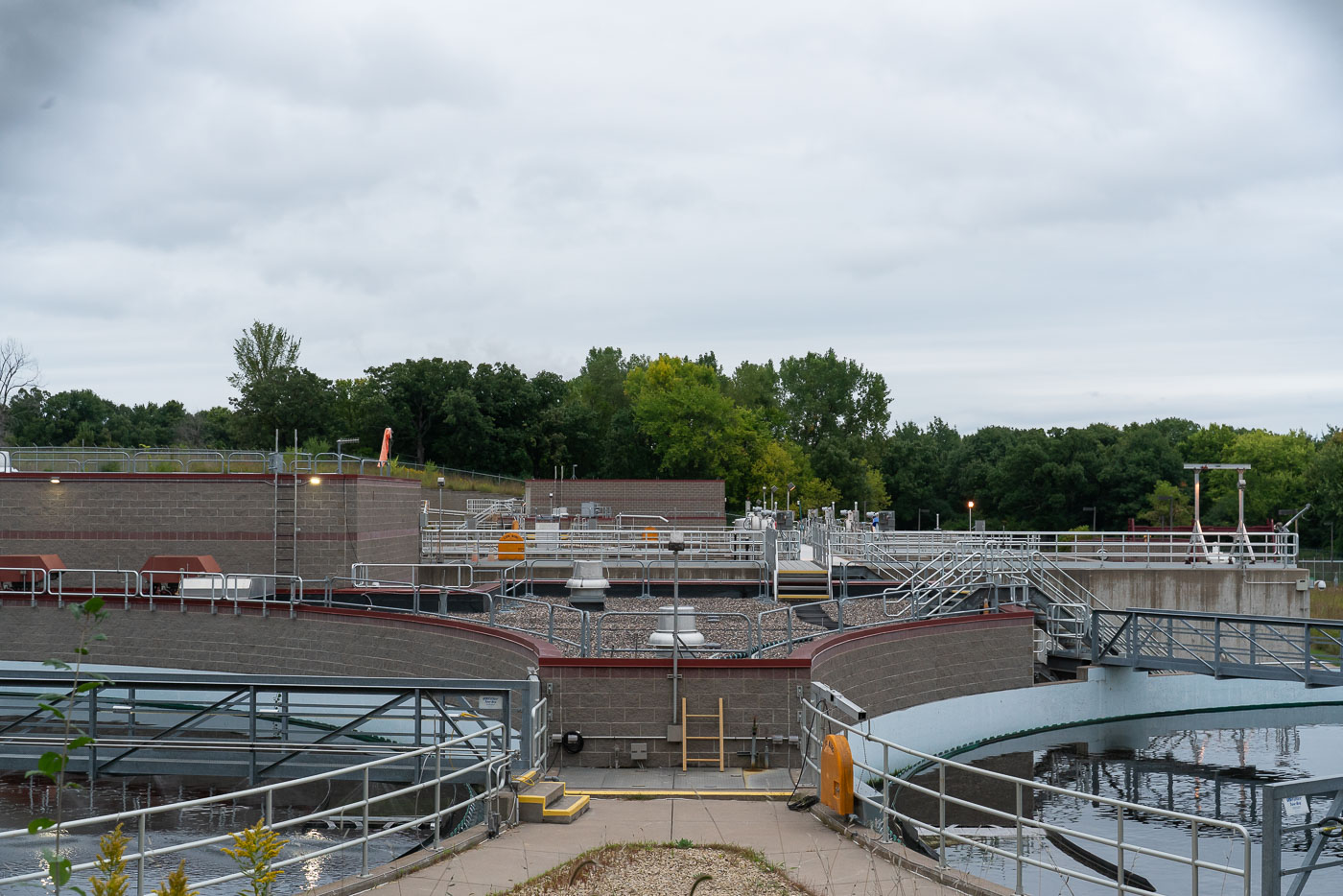
Marathon City Wastewater Treatment Plant

Marathon City Wastewater Treatment Plant at night

Marathon City Wastewater Treatment Plant

Marathon City, Treatment Plant, Wastewater, Wastewater Treatment Plant
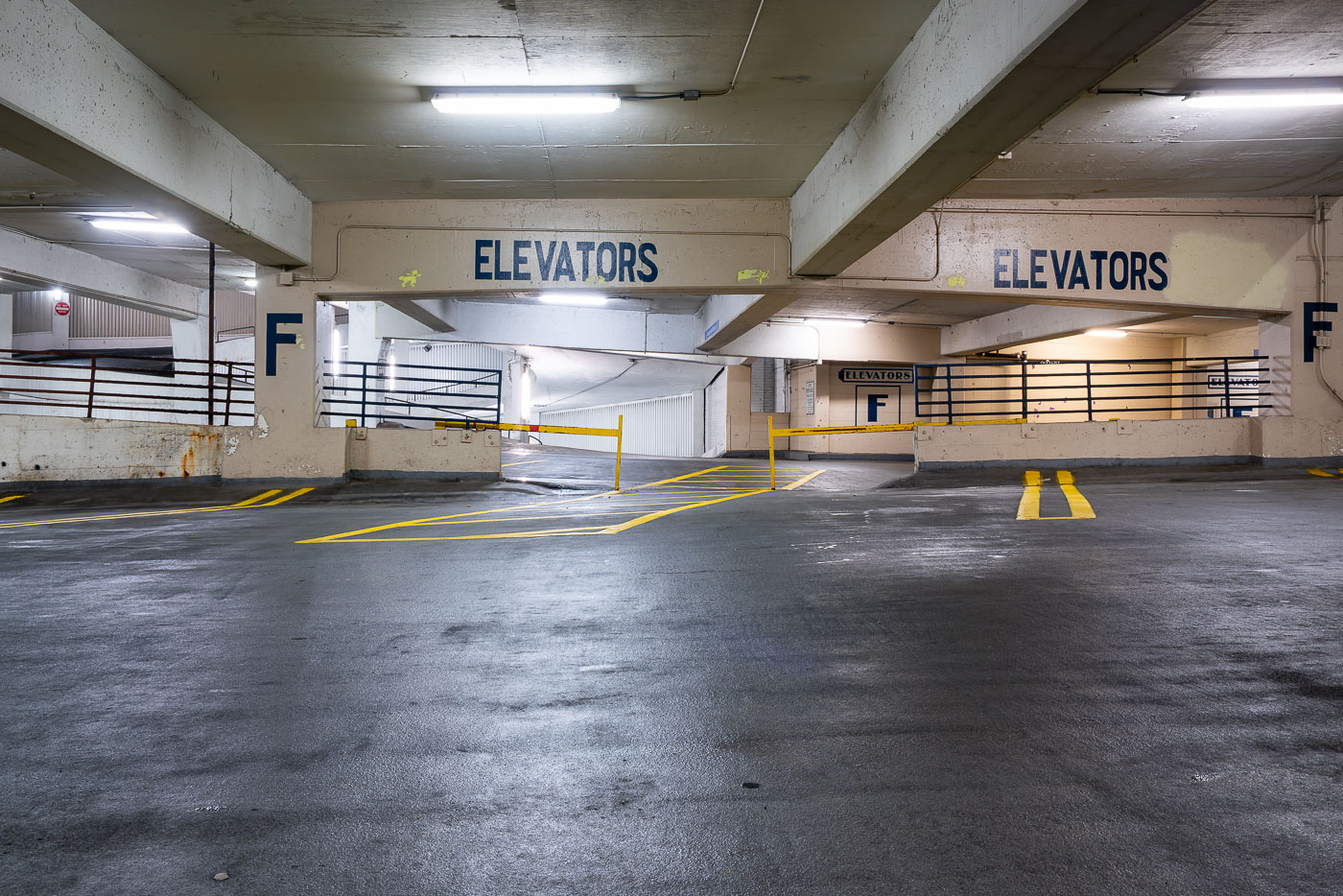
Spiral parking garage in downtown Minneapolis. These type of parking garages are so photogenic.

Spiral Parking garage

Spiral parking garage in downtown Minneapolis. These type of parking garages are so photogenic.

Downtown Minneapolis, Minneapolis, Parking Garage
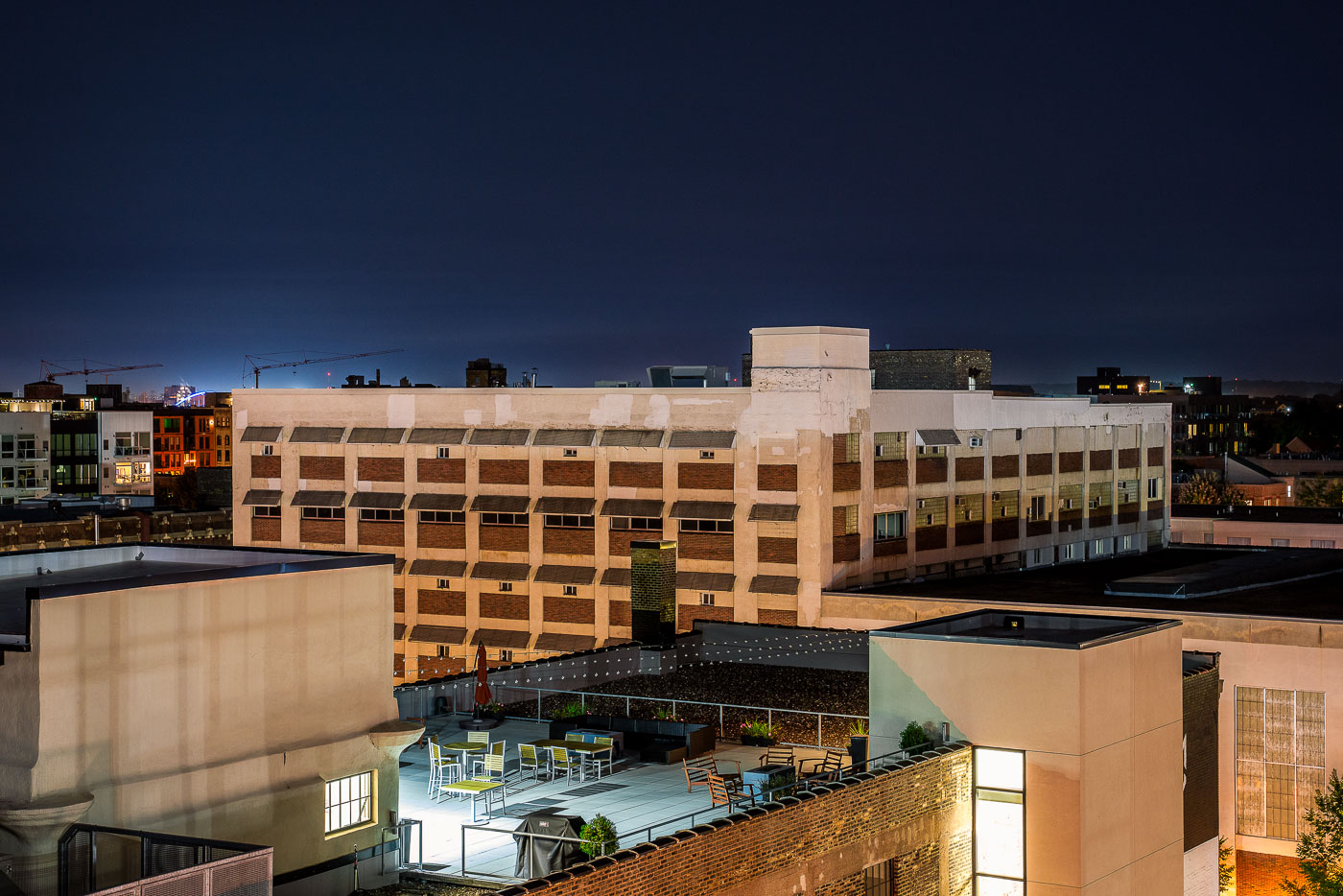
Seven Steakhouse in Downtown Minneapolis in June 2017. The restaurant closed for good in winter 2022.

Seven Steakhouse Sushi & Rooftop in Downtown Minneapolis

Seven Steakhouse in Downtown Minneapolis in June 2017. The restaurant closed for good in winter 2022.

Downtown Minneapolis, Hennepin Ave, Mayo Clinic, Minneapolis, Minnesota, N 7th St, Seven Steakhouse Sushi, Target Center
Edition Apartments and US Bank Stadium in Downtown East Minneapolis.

Edition Apartments, Downtown East

Edition Apartments and US Bank Stadium in Downtown East Minneapolis.

Downtown Minneapolis, Edition Apartments, Minneapolis, Minnesota, NFL Stadium, Stadium, US Bank Stadium
CS36B off of Highway 240 near the Saddle Pass Trailhead. The trail is a short hike up the Badlands Wall giving views of the White River Valley.

Badlands National Park

CS36B off of Highway 240 near the Saddle Pass Trailhead. The trail is a short hike up the Badlands Wall…

Badlands National Park, National Park, South Dakota
Sunset at the Buffalo Gap National Grasslands.

Sheep Mountain Road Sunflowers

Sunflowers found near the Sheep Mountain Overlook trailhead. Sheep mountain has long been one of our favorite spots near the…

Buffalo Gap National Grasslands, National Grassland, South Dakota, Sunset
A beautiful rainbow at the Buffalo Gap National Grasslands. We camped here and woke up to this during the sunrise.

Rainbow Sunrise in the Buffalo Gap

A beautiful rainbow at the Buffalo Gap National Grasslands. We camped here and woke up to this during the sunrise.

Badlands National Park, Buffalo Gap National Grasslands, National Park, Natonal Grassland, Park, Rainbow, South Dakota, Sunrise
Along Highway 87 in the central Black Hills National Forest, this view captures the rugged landscape typical of the region’s granite highlands. Massive weathered outcrops rise sharply from the forest floor, remnants of the ancient Harney Peak granite formation that underlies much of this terrain. Scattered ponderosa pines cling to crevices in the rock, while fallen trunks and new saplings trace the slow recovery of the forest from past fires. The setting lies near the scenic Needles Highway corridor—an area known for its narrow tunnels, steep grades, and ever-changing mountain light that defines the wilderness character of western South Dakota.

Spectacular Badlands Sunrise

Sunrise over our tent at the Buffalo Gap National Grasslands. This Bureau of Land Management spot is one of our…

Custer State Park, South Dakota
A long-forgotten mine entrance lies hidden in the forested slopes near the old gold mining town of Lead, South Dakota. The timber-framed portal, now partially collapsed and overtaken by vegetation, dates back to the late 19th or early 20th century—part of the Black Hills’ extensive network of small exploratory mines that sprang up after the 1876 gold rush. Streams like this one often run through or near these adits, carrying trace minerals that once drew prospectors to the region. Though many of these shafts were short-lived, they remain scattered reminders of South Dakota’s mining heritage and the rugged ambition that once fueled settlement in the Black Hills.

Abandoned Mine Entrance in the Black Hills

A long-forgotten mine entrance lies hidden in the forested slopes near the old gold mining town of Lead, South Dakota….

Abandoned, Black Hills, Mine, South Dakota
These towering concrete presidential busts sit hidden in the woods near Lead, South Dakota—remnants of a once-ambitious roadside attraction called Presidents Park. Conceived by Texas artist David Adickes and opened in 2003, the park showcased forty-three sculptures, each roughly 20 feet tall, depicting every U.S. president from Washington through George W. Bush. The attraction struggled to draw visitors and closed by 2010, leaving the massive heads stranded in the forest. Over time, nature reclaimed the site, with fallen branches, moss, and pine needles collecting around the statues. Today, the figures stand as haunting relics of early-2000s Americana tourism and the impermanence of grand civic art in private hands.

Forgotten Presidents in the Black Hills Forest

These towering concrete presidential busts sit hidden in the woods near Lead, South Dakota—remnants of a once-ambitious roadside attraction called…

Abandoned, Park, President's Park, Presidents, South Dakota, Statue
Gold Run Park in Lead, South Dakota.

Gold Run Park in Lead, South Dakota

Gold Run Park in Lead, South Dakota.

Gold Run Park, Lead, Minneapolis, Minnesota, South Dakota
Sunset at the Buffalo Gap National Grasslands.

Sunset at the Buffalo Gap National Grasslands

Sunset at the Buffalo Gap National Grasslands.

Buffalo Gap National Grasslands, National Grassland, South Dakota, Sunset
Bighorn Sheep at Buffalo Gap National Grassland in South Dakota.

Bighorn Sheep at the Buffalo Gap National Grassland

Bighorn Sheep at Buffalo Gap National Grassland in South Dakota.

Animal, Bighorn Sheep, Buffalo Gap National Grasslands, National Grassland, South Dakota
Superior Minerals Company in Savage, MN

Superior Minerals Company in Savage, MN

Superior Minerals Company in Savage, MN

Grain Elevator, Minnesota, Savage, Superior Minerals Company
A barge on the Minnesota River in Savage Minnesota.

Barge on the Minnesota River

A barge on the Minnesota River in Savage Minnesota.

Barge, Grain Elevator, Minnesota, Minnesota River, River, Savage
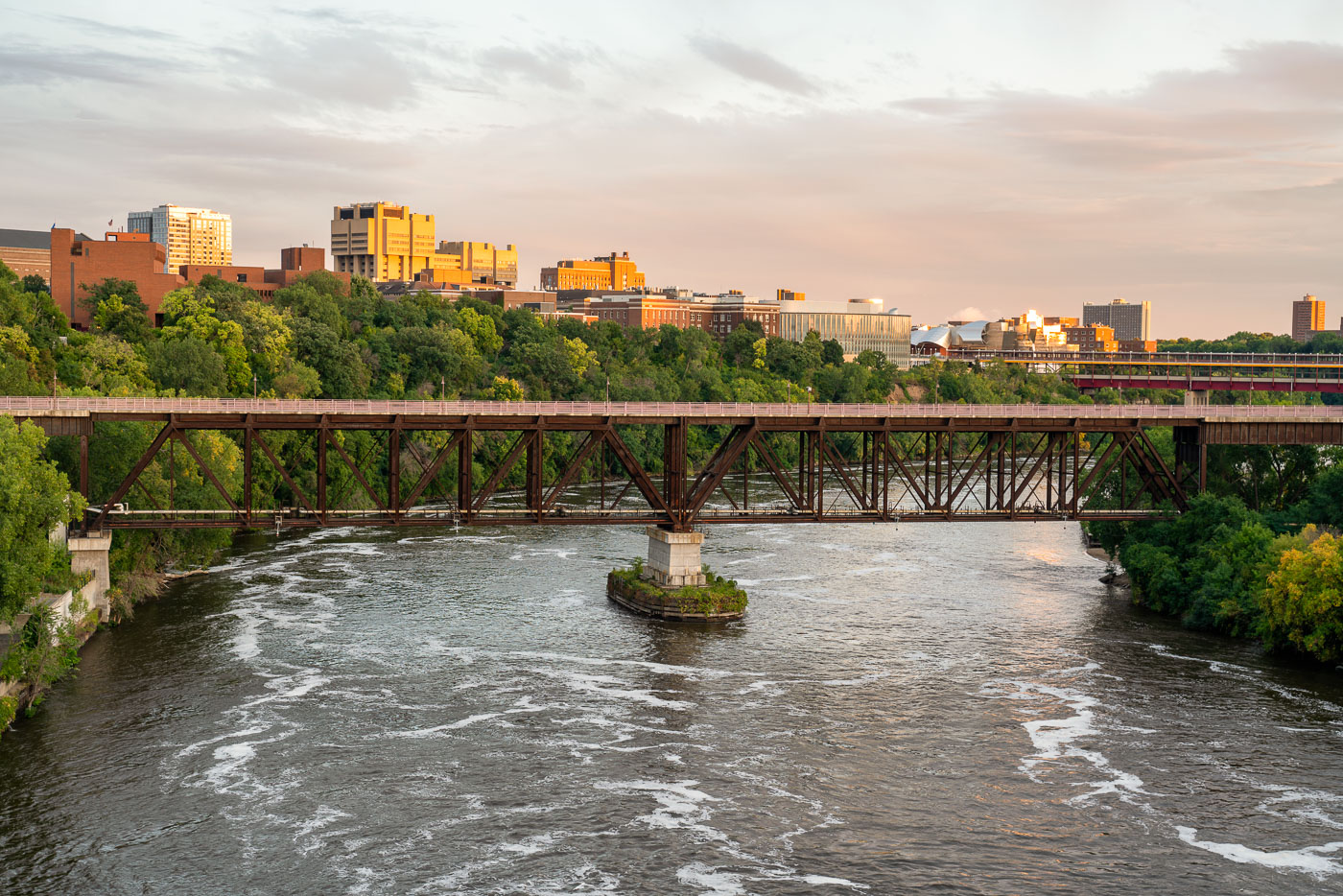
A wooden freight train bridge over the Mississippi River in Minneapolis.

Wooden train bridge over a river

A wooden freight train bridge over the Mississippi River in Minneapolis.

Clouds, Colorful sunset, Minneapolis, Minnesota, Mississippi River, Sunset, Train Bridge
Mississippi River, Minneapolis

Mississippi River, Minneapolis

Mississippi River, Minneapolis

Bridge, Clouds, Downtown Skyline, Minneapolis, Mississippi, River, Sunset
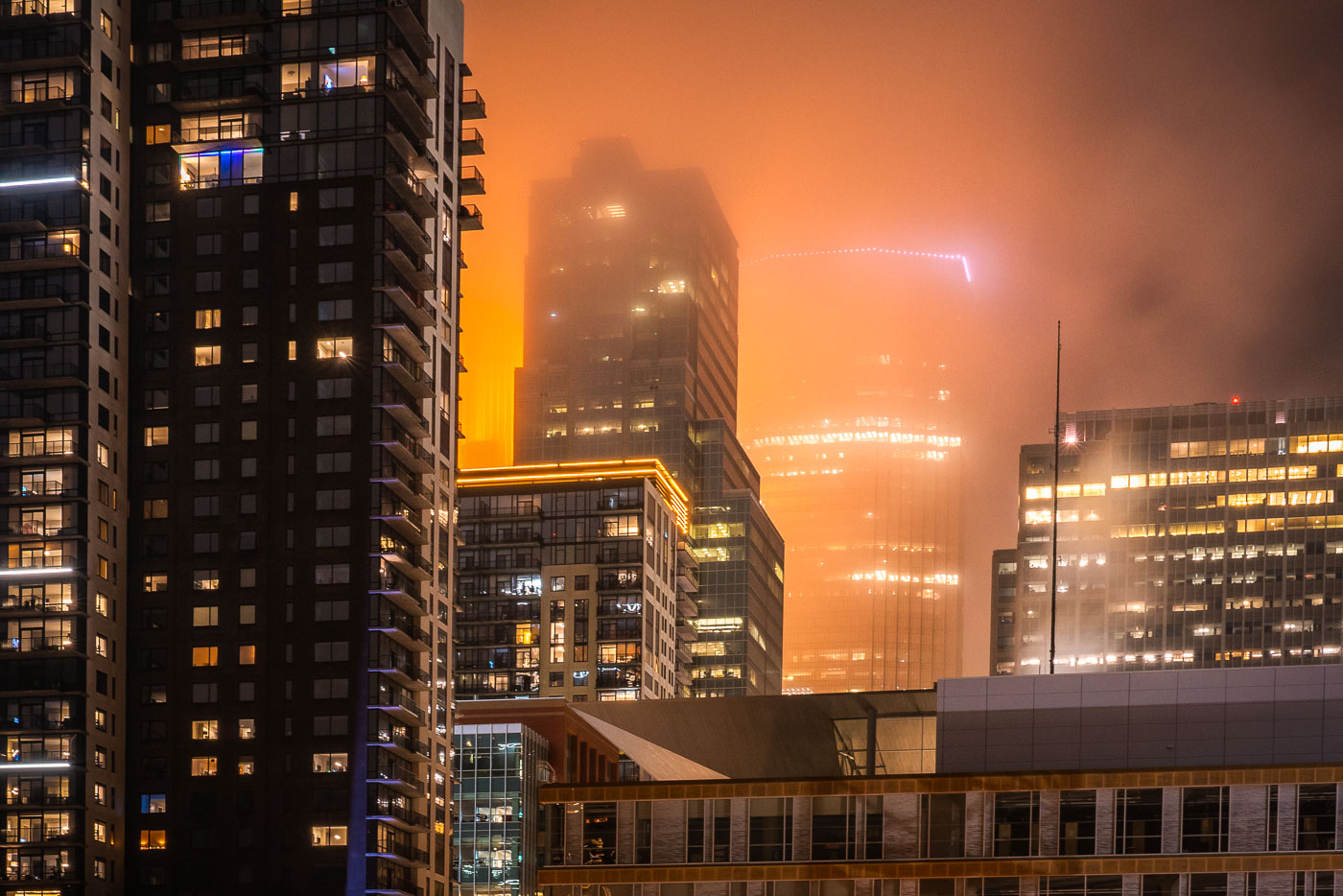
A look down between the Fifth Street Towers in Downtown Minneapolis.

Between Fifth Street Towers in Minneapolis

A look down between the Fifth Street Towers in Downtown Minneapolis.

Downtown Minneapolis, Fifth Street Towers, Minneapolis
Sunset in Downtown Minneapolis.

June sunset in Downtown Minneapolis

Sunset in Downtown Minneapolis.

Downtown Minneapolis, Minneapolis, Sunset
Fifth Street Towers in Downtown Minneapolis during sunset.

Fifth Street Towers during sunset

Fifth Street Towers in Downtown Minneapolis during sunset.

Colorful sunset, Downtown Minneapolis, Fifth Street Towers, Minneapolis, Sunset
The crown on top of the Capella Tower.  They recently switched the lighting over to LED lighting.

Close up of the Capella Tower Crown

The crown on top of the Capella Tower. They recently switched the lighting over to LED lighting.

Capella Tower, Downtown Minneapolis, Minneapolis, Skyscraper
From Wiki: The St. Croix Crossing is an extradosed bridge that spans the St. Croix River, between Oak Park Heights, Minnesota and St. Joseph, Wisconsin. Connecting Minnesota State Highway 36 and Wisconsin State Highway 64, the bridge carries four lanes of traffic (two lanes in each direction), and includes a bike/pedestrian path on the north side

St. Croix Crossing Bridge connecting Wisconsin and Minnesota

From Wiki: The St. Croix Crossing is an extradosed bridge that spans the St. Croix River, between Oak Park Heights,…

Bridge, Highway 36, Minnesota, Oak Park Heights., Stillwater, Wisconsin
The Baker Center in downtown Minneapolis.

Baker Center Windows In Downtown Minneapolis

The Baker Center in downtown Minneapolis.

Baker Center, Downtown Minneapolis, Minneapolis, Minnesota
Located in the Walker's sculpture garden.

Spoon & Cherry in Minneapolis

Located in the Walker's sculpture garden.

Basilica of Saint Mary, Downtown, Downtown Minneapolis, Long Exposure, Minneapolis, Minneapolis Skyline, Minnesota, Sculpture, Sculpture Garden, Skyline, Spoonbridge and Cherry, Walker, Walker Art Museum, Walker Museum
Walker Sculpture Garden in Minneapolis.

Walker Sculpture Garden Glass building

Walker Sculpture Garden in Minneapolis.

Art Gallery, Art Museum, Downtown Minneapolis, Minneapolis, Minnesota, Walker Art Museum, Walker Museum
Northstar Center in downtown Minneapolis.

Northstar Center outside passageway

Northstar Center in downtown Minneapolis.

Downtown Minneapolis, Minneapolis, Northstar Center
A sign on Nicollet Mall in downtown Minneapolis referring to it's construction. So over it is right.

Nicollet Mall Under Construction 2017

A sign on Nicollet Mall in downtown Minneapolis referring to it's construction. So over it is right.

Construction, Construction Sign, Downtown Minneapolis, Minneapolis, Minnesota, Nicolelt mall, Redevelopment
The now demolished Dahl Violin Shop building in downtown Minneapolis.

Dahl Violin Shop in Downtown Minneapolis

The now demolished Dahl Violin Shop building in downtown Minneapolis.

Dahl Violin Shop, Downtown Minneapolis, Minneapolis
The back of a now demolished building in downtown Minneapolis.

Violin Shop in Downtown Minneapolis

The back of a now demolished building in downtown Minneapolis.

ATT Tower, Downtown Minneapolis, IDS Center, Minneapolis
Emergency Eyewash sign found in an abandoned basement.

Emergency Eyewash Sign

Emergency Eyewash sign found in an abandoned basement.

Abandoned, Abandoned Basement, Emergency Eyewash, Minnesota, Sign
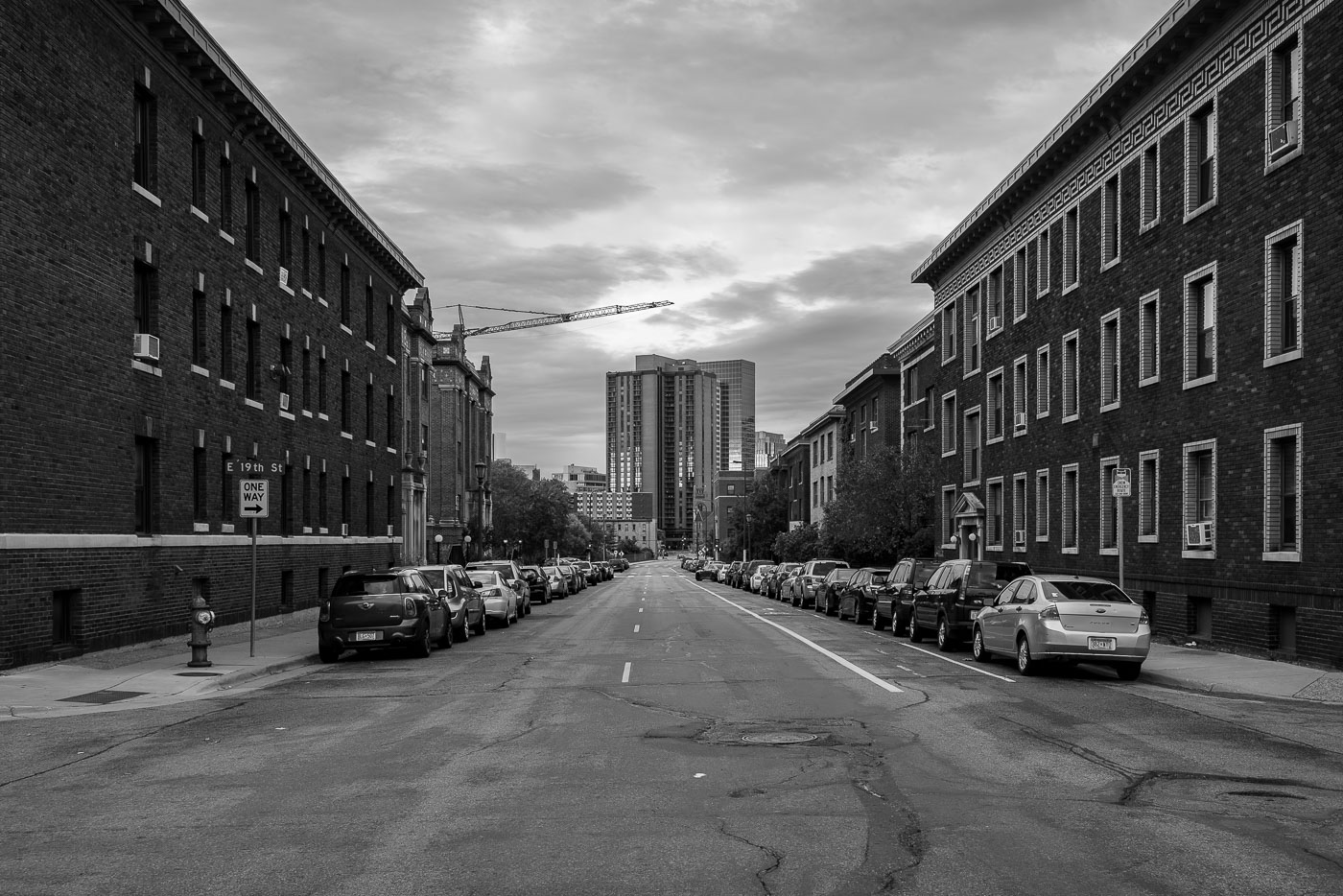
N 3rd Street in the North Loop in Minneapolis.

3rd Street in North Loop Minneapolis

N 3rd Street in the North Loop in Minneapolis.

Downtown Minneapolis, Minneapolis, Minneapolis North Loop, Minnesota, N 3rd St
Prince's Paisley Park in Chanhassen, Minnesota.

Prince’s Paisley Park at night

Prince's Paisley Park in Chanhassen, Minnesota.

Chanhassen, Minnesota, Paisley Park, Prince
Westminster Junction in St. Paul, Minnesota

Westminster Junction Sign in St. Paul

Westminster Junction in St. Paul, Minnesota

Minnesota, Rail, Rail yard, Westminster Junction
Freight trains rolling through St. Paul, MN.

Summer Freight Trains in St. Paul

Freight trains rolling through St. Paul, MN.

Freight Train, Graffiti, Minnesota, Train
A close-up of an Alstom railway switch machine, showing the locked levers for power and hand-throw operation, used to control train track switches.

Alstom Railway Switch

A close-up of an Alstom railway switch machine, showing the locked levers for power and hand-throw operation, used to control…

Alstom Transportation, Rail, Railway Switch, Train Equipment
Built in the late 19th century, this rail tunnel sits near Bridal Veil Creek between Minneapolis and St. Paul and was constructed to accommodate expanding freight and passenger service for the Great Northern and Northern Pacific rail systems. Its heavy stone block walls and reinforced concrete beams reflect early railroad engineering adapted to the region’s steep ravines and waterways. The tunnel once served as a vital connector between Minneapolis rail yards and the Midway district, supporting grain, timber, and industrial shipments. Though still active today, it carries far lighter traffic and has become known for its weathered masonry, natural overgrowth, and layers of graffiti, showing where urban infrastructure meets forgotten industrial corridors.

Historic Bridal Veil Railway Tunnel, Minneapolis–St. Paul

Built in the late 19th century, this rail tunnel sits near Bridal Veil Creek between Minneapolis and St. Paul and…

Minnesota, Railway Tunnel, Westminster Junction
Once part of the historic rail convergence near Westminster Junction in St. Paul, this corridor reflects the city’s long-standing role as a freight and passenger gateway for the Upper Midwest. The junction has served multiple carriers over the decades, supporting connections to Chicago, Minneapolis, and broader national rail networks. The single-track line in the foreground sits alongside a broader multi-track right-of-way, characteristic of the region’s use for heavy rail traffic, including grain, intermodal, and freight hauling. Dense summer vegetation lines the route, showing how rail corridors often double as preserved green space, even amid active infrastructure. The distant bridge marks the approach toward downtown St. Paul, where several major rail yards historically managed traffic between river, road, and rail transport.

Freight Line Corridor Near Westminster Junction, St. Paul

Once part of the historic rail convergence near Westminster Junction in St. Paul, this corridor reflects the city’s long-standing role…

Freight Train, Minnesota, Westminster Junction
Minikahda Club golf course in Minneapolis, Minnesota.

Minikahda Club in Minneapolis

Minikahda Club golf course in Minneapolis, Minnesota.

Bde Maka Ska, Golf, Golf Club, Golf Course, Minikahda Club, Minneapolis
A tower crane outside a church where a large addition is being added on Nicollet Mall in Downtown Minneapolis.

Church Development in Downtown Minneapolis

A tower crane outside a church where a large addition is being added on Nicollet Mall in Downtown Minneapolis.

Downtown Minneapolis, Minneapolis, Minneapolis Development, Minnesota, Nicolelt mall
Minneapolis Convention Center in Downtown Minneapolis.

Above the Minneapolis Convention Center

Minneapolis Convention Center in Downtown Minneapolis.

Convention Center, Downtown Minneapolis, Minneapolis, Minneapolis Convention Center
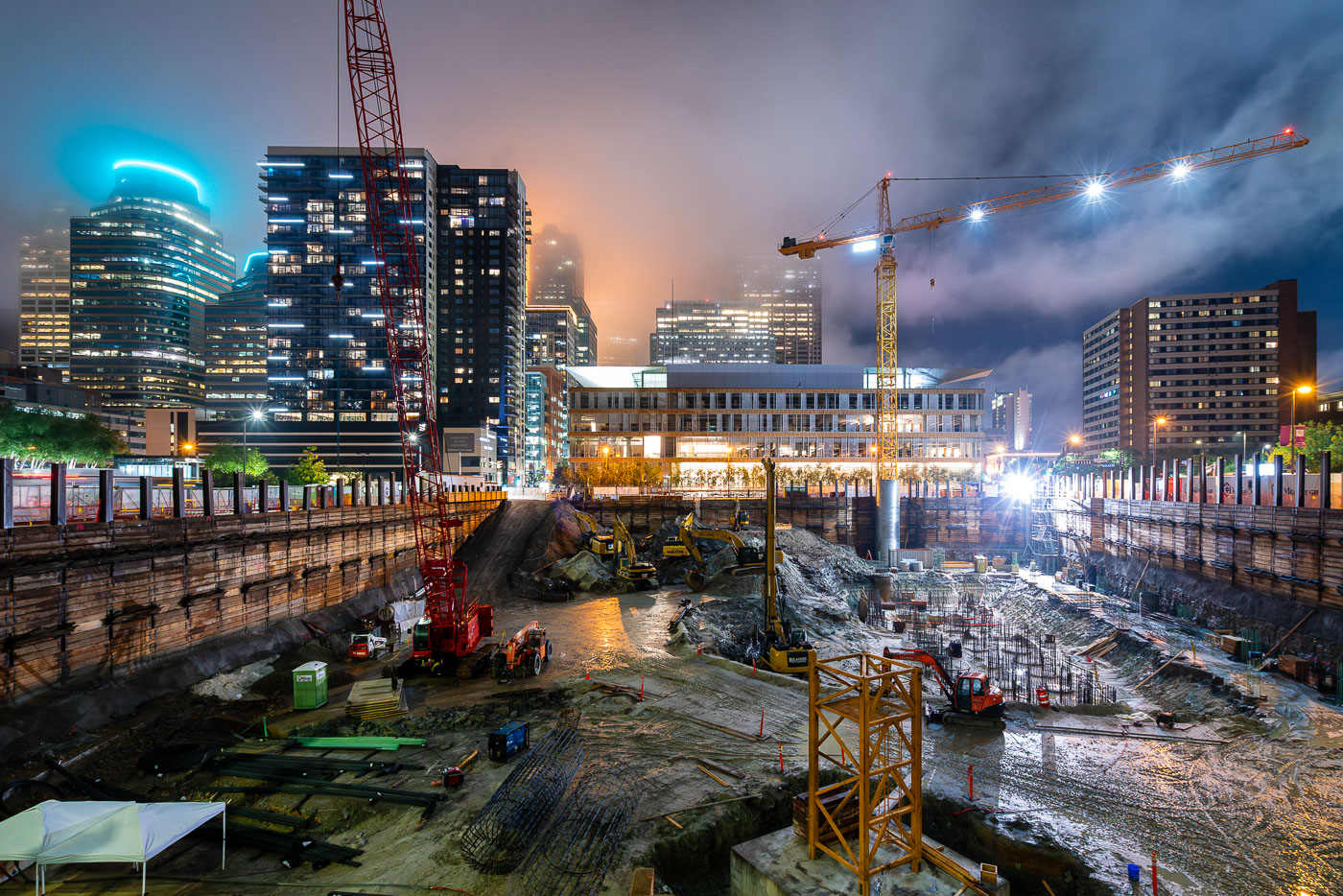
Nicollet Mall under construction in downtown Minneapolis. 2017

Nicollet Mall Construction in 2017

Nicollet Mall under construction in downtown Minneapolis. 2017

Construction, Downtown, Downtown Minneapolis, Long Exposure, Minneapolis, Minnesota, Nicolelt mall
← Previous 1 … 42 43 44 … 47 Next →
Collapse All | Expand All
  • Current Events  (7)
    • 2024 Republican National Convention  (1)
    • Annunciation Catholic Church Shooting  (1)
    • Defend Minnesota Benefit Show  (1)
    • Minneapolis and COVID-19  (1)
    • No Kings, Hands Off, Good Trouble Protests  (1)
    • Tesla Takedown  (1)
  • Series  (1)
    • NASA Rocket Factory  (1)
  • Travel  (396)
    • Asia  (55)
      • Japan  (55)
        • Tokyo  (55)
    • Central America  (206)
      • Belize  (85)
      • Costa Rica  (51)
      • Guatemala  (70)
    • Europe  (19)
      • France  (19)
        • Paris  (19)
    • North America  (116)
      • United States  (116)
        • Massachusetts  (23)
          • Boston  (23)
        • Minnesota  (15)
          • Minneapolis  (15)
        • Nevada  (67)
          • Las Vegas  (67)
        • South Dakota  (10)
        • Wisconsin  (1)
          • Milwaukee  (1)

2024 Republican National Convention 2024 RNC 50501 Abandoned Ambergris Caye Art Bar Barricade Belize Bike Trail Biking Black Lives Matter Boards Bridge Brooklyn Center Brooklyn Center Police Burned Building Central America Chicago Ave Cityscape Construction Courthouse Daunte Wright Deona Marie Knajdek Derek Chauvin Derek Chauvin Trial Donald Trump Downtown Minneapolis E 38th St Elon Musk Federal Agent Fire Flyer George Floyd George Floyd Square Golden Valley Graffiti Guatemala Hennepin Ave Hennepin County Government Center Hotel ICE Immigration Japan Lake Street Las Vegas March Memorial Metro Transit Midtown Greenway Milwaukee Minneapolis Minneapolis-Cityscape Minneapolis Police Minneapolis Police 3rd Precinct Minneapolis Police Officer Minneapolis Skyline MinneapolisUprising Minnesota Minnesota State Capitol Mural National Guard Nevada New York New York City NFL Stadium Nicollet Ave No Kings Operation Metro Surge People Police Police Officer Police Station Politics Protest Protester Protest Sign Rally Renee Good Republican National Convention Retail Store Riot Security Sign Snow South Minneapolis Squad Car Stadium Subway Sunset Tesla Tesla Takedown Train Train Station Trial Trump Uptown Minneapolis USA Winston Smith Wisconsin

Follow My Work

  • Flickr
  • Instagram
  • Threads
  • Home
  • ICE in Minneapolis
  • Minneapolis Uprising
  • Travel
    • Belize
    • Bruges, Belgium
    • Costa Rica
    • Dominican Republic
    • Guatemala
    • Las Vegas
    • London
    • Tampa, Florida
    • Tokyo
  • Series
    • ICE in Minneapolis
    • Minneapolis Uprising
    • Minneapolis and COVID-19
    • NASA Michoud Assembly Facility
    • Outside the 2024 Republican National Convention
    • Tesla Takedown: Minneapolis
    • No Kings – Hands Off – 50501 Protests Minnesota
  • Contact

© 1996-2026 Chad Davis
chad@chaddavis.photography


Built in Minneapolis.