Church

47 photos · 2008–2026

47 photographs tagged Church, 2008–2026.
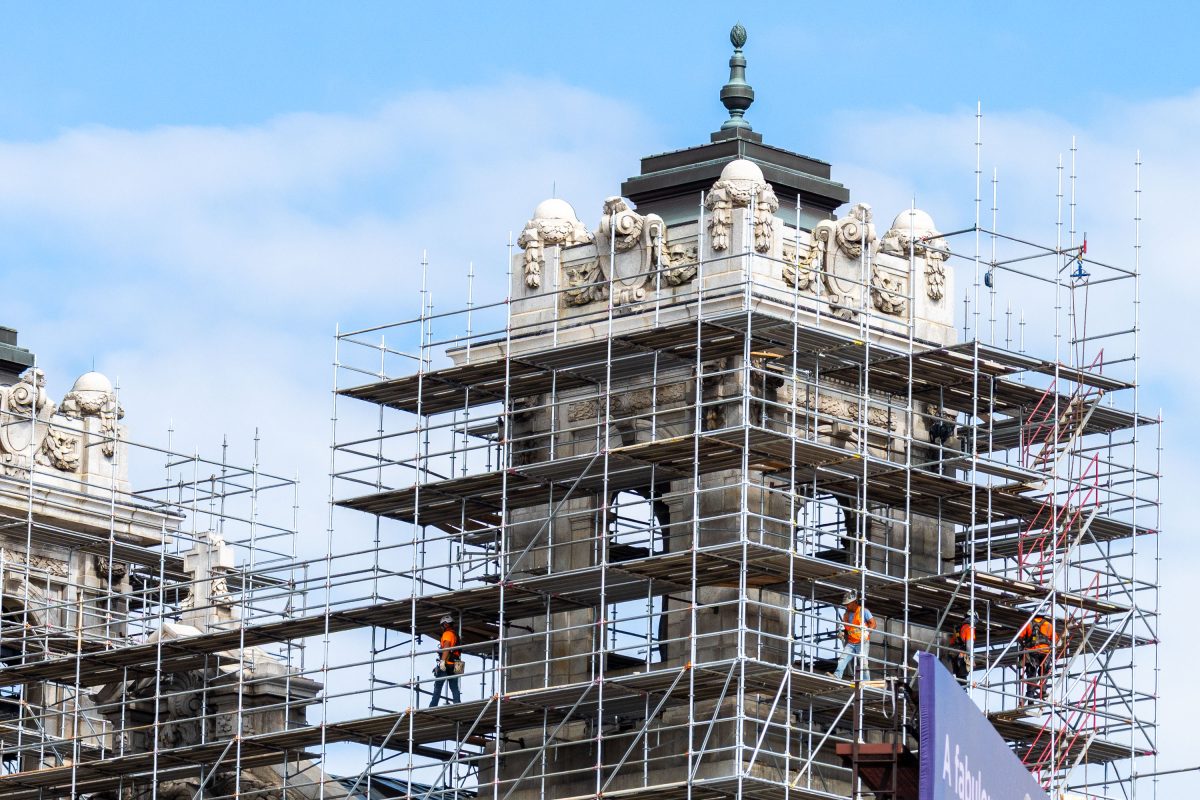
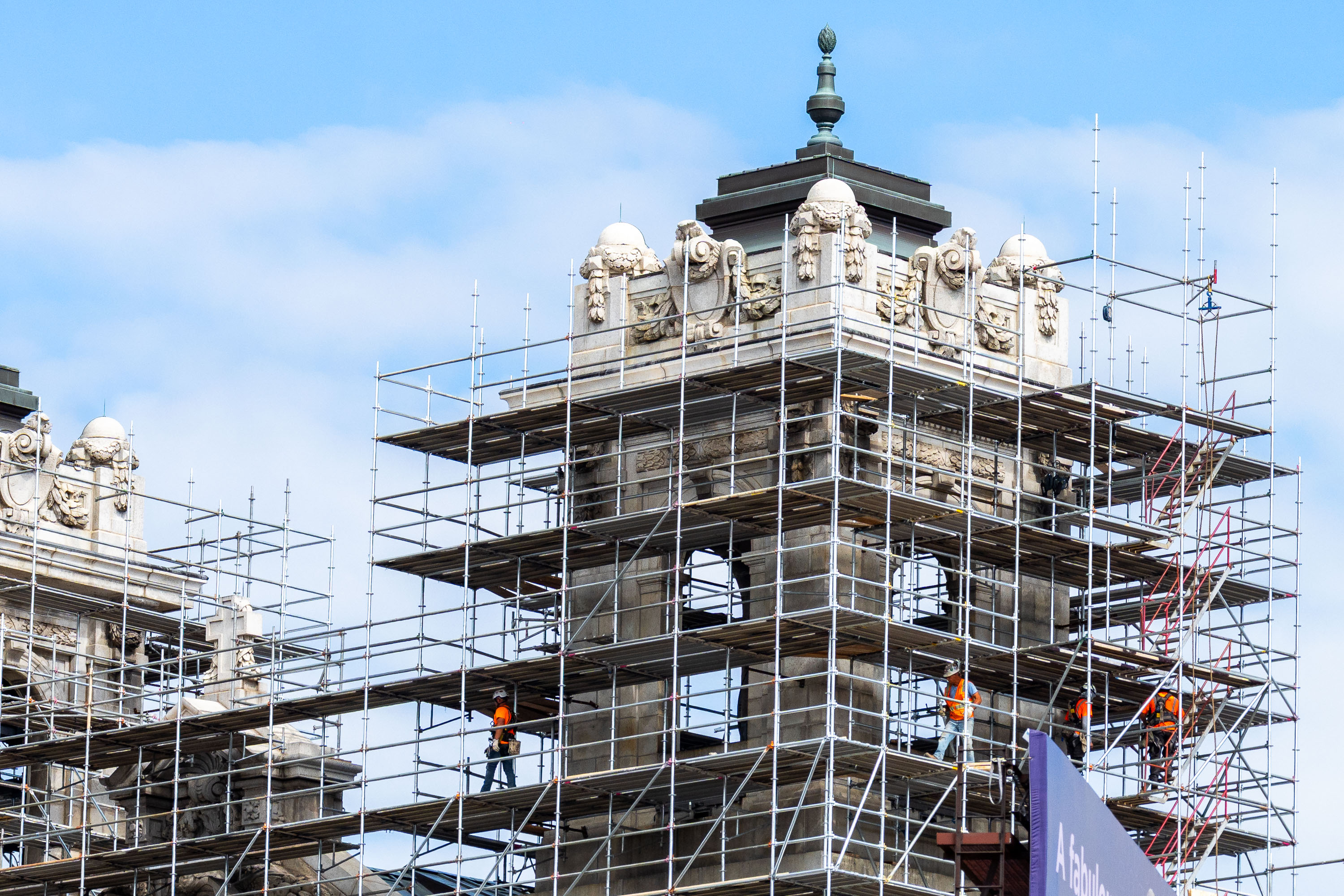
Construction workers on scaffolding restore ornamental details of the Basilica of Saint Mary in Minneapolis.
The Basilica of Saint Mary, dedicated in 1926, was the first basilica named in the United States and serves as co-cathedral of the Archdiocese of Saint Paul and Minneapolis. Designed by Emmanuel Louis Masqueray in the Beaux-Arts style, the building sits at the corner of Hennepin Avenue and 17th Street. Its dome rises roughly 224 feet, a scale that has made stone and copper repairs an ongoing undertaking for the parish.

Scaffolding Covers a Tower at the Basilica of Saint Mary

Police and law enforcement vehicles parked outside Annunciation Catholic School in South Minneapolis after a mass shooting on August 27, 2025.
Law enforcement vehicles from multiple agencies, including Minneapolis Police, are parked along the street outside Annunciation Catholic School and Church in South Minneapolis. This extensive response took place on August 27, 2025, following a mass shooting at the school. The tragic event resulted in the deaths of two children and injuries to seventeen individuals, fourteen of whom were children.

Rows of Police SUVs Outside Annunciation Catholic School

Police officers secure Annunciation Catholic School in Minneapolis following a mass shooting on August 27, 2025.
Police officers secure the area around Annunciation Catholic School and Church in Minneapolis on August 27, 2025, following a mass shooting. The incident resulted in the deaths of two children and injuries to seventeen others, fourteen of whom were children. The yellow police tape cordons off the street, indicating an active investigation into the tragic event.

Police Cross Crime Tape Near Annunciation School Shooting

Law enforcement personnel gather outside Annunciation Catholic School in South Minneapolis following a mass shooting on August 27, 2025
Law enforcement personnel gather at Annunciation Catholic School in Minneapolis on August 27, 2025, following a mass shooting. The incident resulted in the deaths of two children and injuries to seventeen others, fourteen of whom were children. The school, located in South Minneapolis near Garfield Avenue, serves as a community educational institution.

Police Gather at Annunciation Catholic School Near Garfield Avenue

Minneapolis Police and Allina Health ambulance respond at Annunciation Catholic School following a mass shooting on August 27, 2025.
An Allina Health ambulance and Minneapolis Police vehicles present outside Annunciation Catholic School and Church in Minneapolis on August 27, 2025. The incident tragically resulted in the deaths of two children and injuries to seventeen others, with fourteen of the injured also being children.

Ambulance and Police at Annunciation School Shooting in Minneapolis

Ambulances at Minneapolis School Shooting
Emergency vehicles, including ambulances and Minneapolis Park Police, are lined up on Garfield Avenue near Annunciation Catholic School on August 27, 2025. The response followed a mass shooting at the school that resulted in the deaths of two children and injuries to seventeen others, fourteen of whom were children. Annunciation Catholic School, established in 1925, serves students from pre-kindergarten through eighth grade and is part of the Archdiocese of Saint Paul and Minneapolis.

Ambulances and Police at Annunciation Catholic School, Minneapolis

FBI at Minneapolis School Shooting
Federal Bureau of Investigation (FBI) and Minneapolis Police officers secure the area around Annunciation Catholic Church and School on August 27, 2025. The site was the location of a mass shooting that resulted in the deaths of two children and injuries to seventeen others, fourteen of whom were children.

FBI and Police at Minneapolis Church Shooting Site

Creative Church yard sign advertising free Minnesota State Fair tickets in Maple Grove, Minnesota.
Creative Church in Maple Grove, Minnesota, advertises free Minnesota State Fair tickets with yard signs along a street median. According to the offer, recipients must attend a church service to receive the tickets.

“FreeStateFairTicket.com” Yard Sign Along a Street Median at Night

The spire at Hennepin Avenue United Methodist Church
The spire at the Hennepin Avenue United Methodist Church in Loring Park Minneapolis seen at night on July 8, 2025.

Spire of Hennepin Avenue United Methodist Church Lit Up at Night

Painting inside music box theatre
Music Box Theatre on Nicollet Ave in Minneapolis. Built in the 1920s the theatre was recently purchased by Miracle City church.

Painting inside Music Box Theatre

Ornate blue wall detail inside Music Box Theatre in Minneapolis.
Music Box Theatre on Nicollet Ave in Minneapolis. Built in the 1920s the theatre was recently purchased by Miracle City church.

Inside Music Box Theatre

Inside the music box theatre
Music Box Theatre on Nicollet Ave in Minneapolis. Built in the 1920s the theatre was recently purchased by Miracle City church.

Music Box Theatre, Minneapolis

Music Box theatre main room
Music Box Theatre on Nicollet Ave in Minneapolis. Built in the 1920s the theatre was recently purchased by Miracle City church.

The Music Box Theatre in Minneapolis

Kids room inside the music box theatre
Music Box Theatre on Nicollet Ave in Minneapolis. Built in the 1920s the theatre was recently purchased by Miracle City church.

Kids room at Music Box Theatre

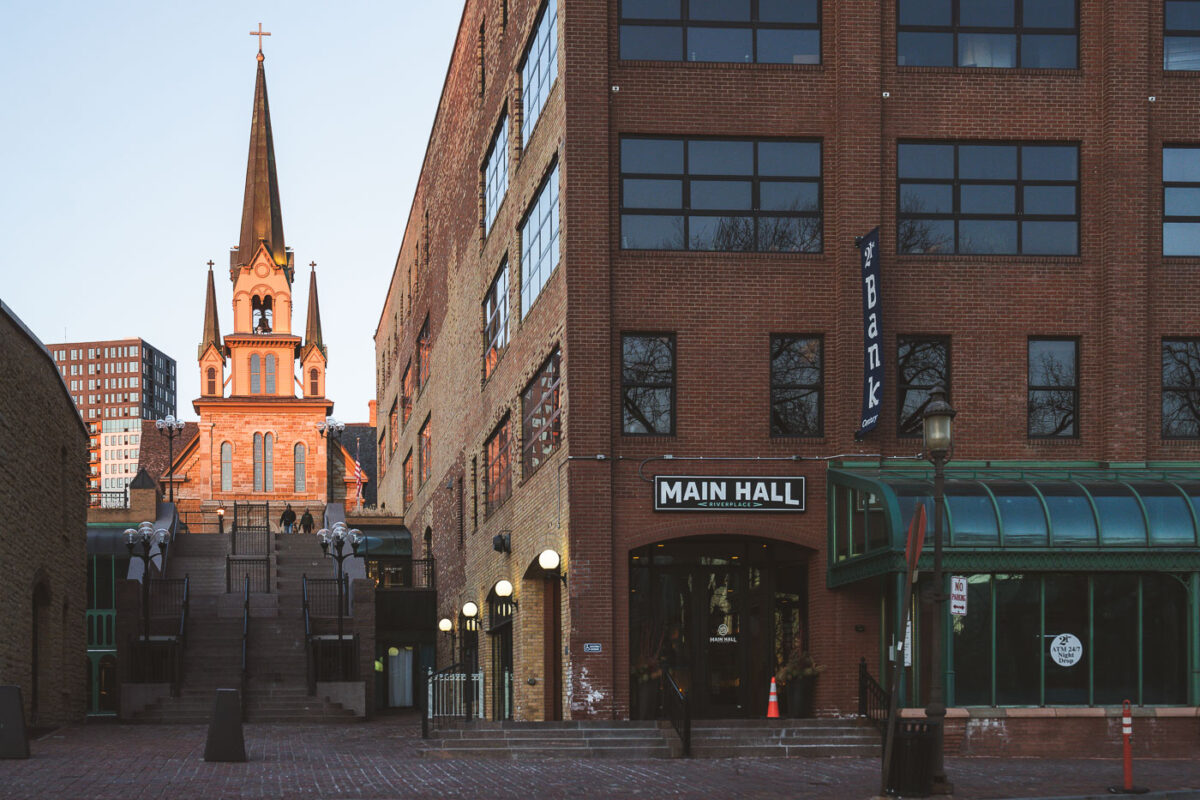
Our Lady of Lourdes Catholic Church, Minneapolis's oldest continuously used church, stands on Main Street with its distinctive Gothic Revival spire.
Our Lady of Lourdes Catholic Church, situated on Main Street in Minneapolis, is the city's oldest continuously used church building. Consecrated in 1857, this Gothic Revival structure features a prominent spire and stone facade.

Main Hall at RiverPlace Near Our Lady of Lourdes Church, Minneapolis

The Basilica of Saint Mary's domed tower with cross rises above downtown Minneapolis buildings under a blue sky.
The Basilica of Saint Mary stands near downtown Minneapolis, with its domed central tower rising above surrounding buildings.

Dome of the Basilica of Saint Mary at Dusk
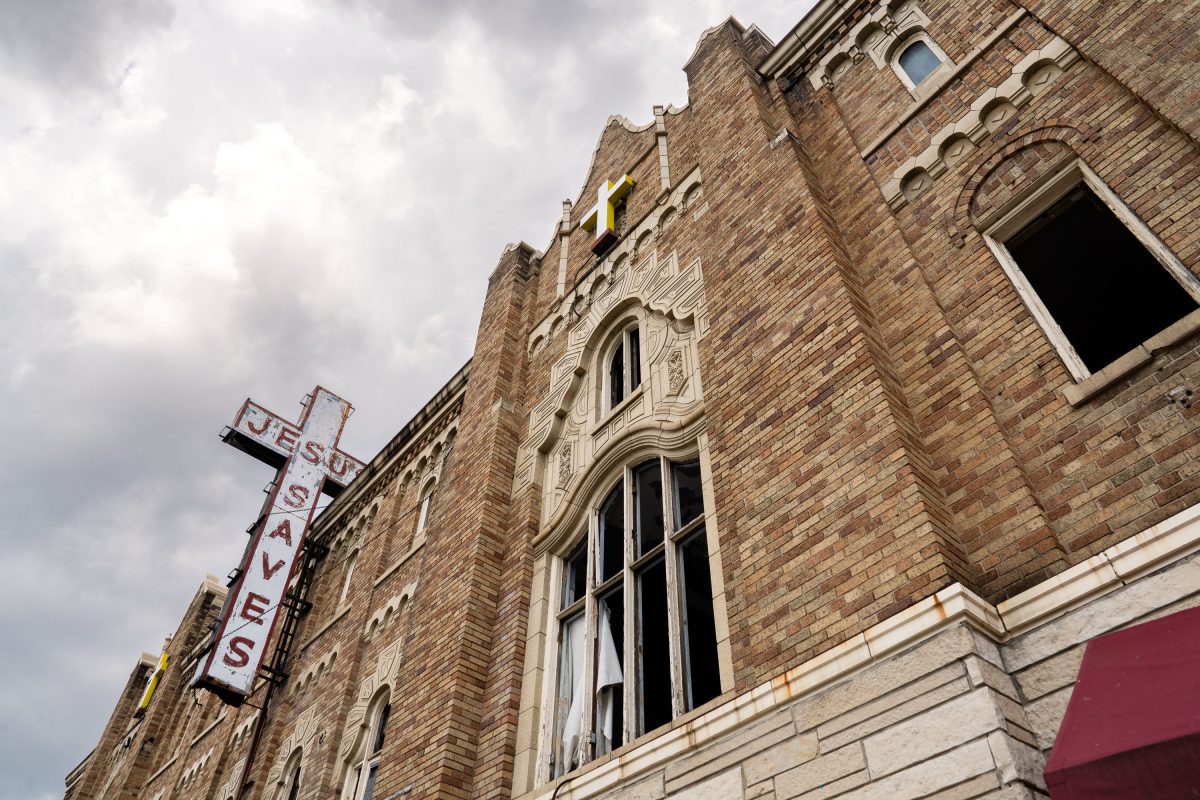
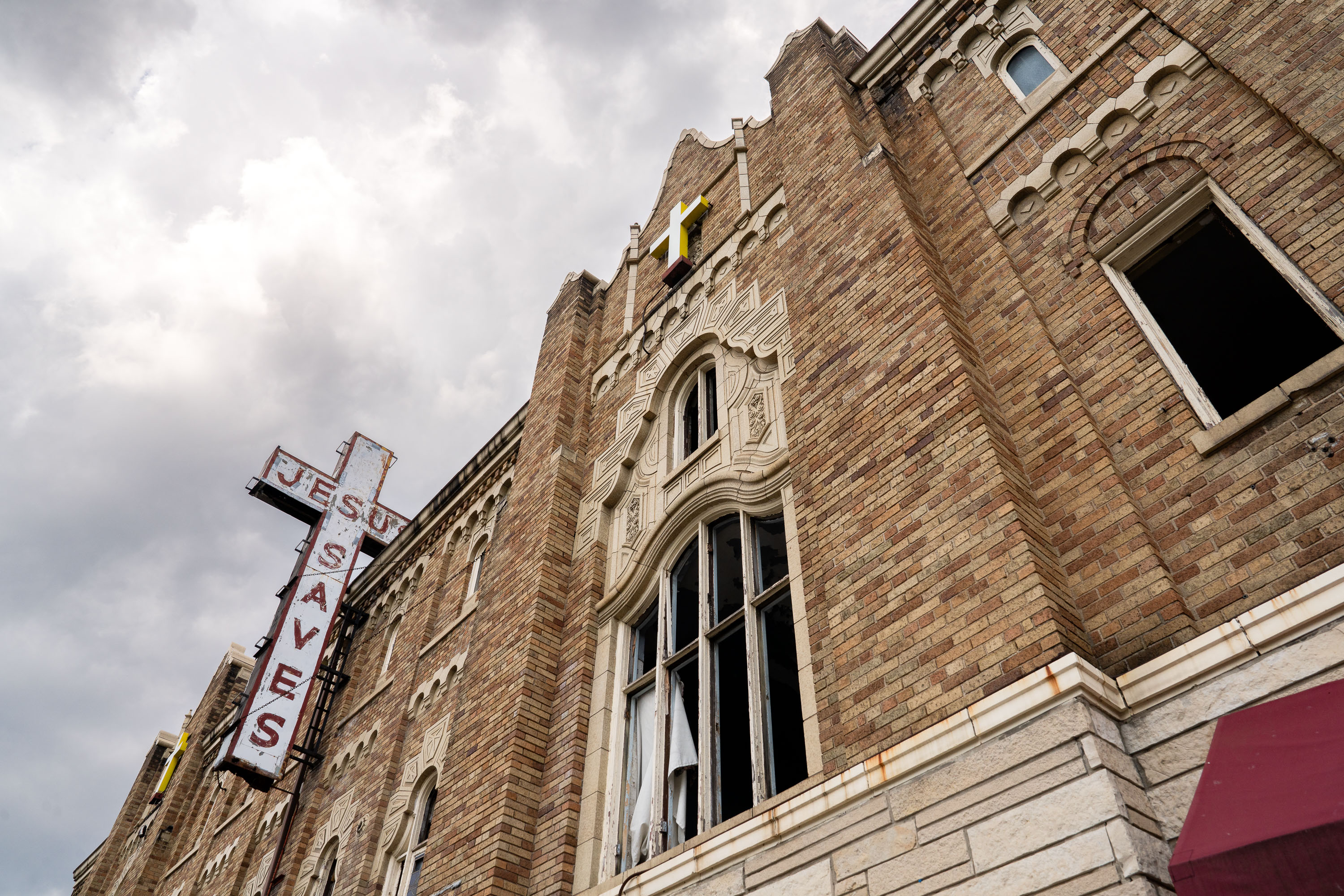
Abandoned brick church with "Jesus Saves" sign on facade in Milwaukee, Wisconsin.
Formerly the Zenith Theater, the long abandoned church still shows off it's Gothic Revival brickwork and arched window openings.

“Jesus Saves” Cross at Abandoned Church in Milwaukee
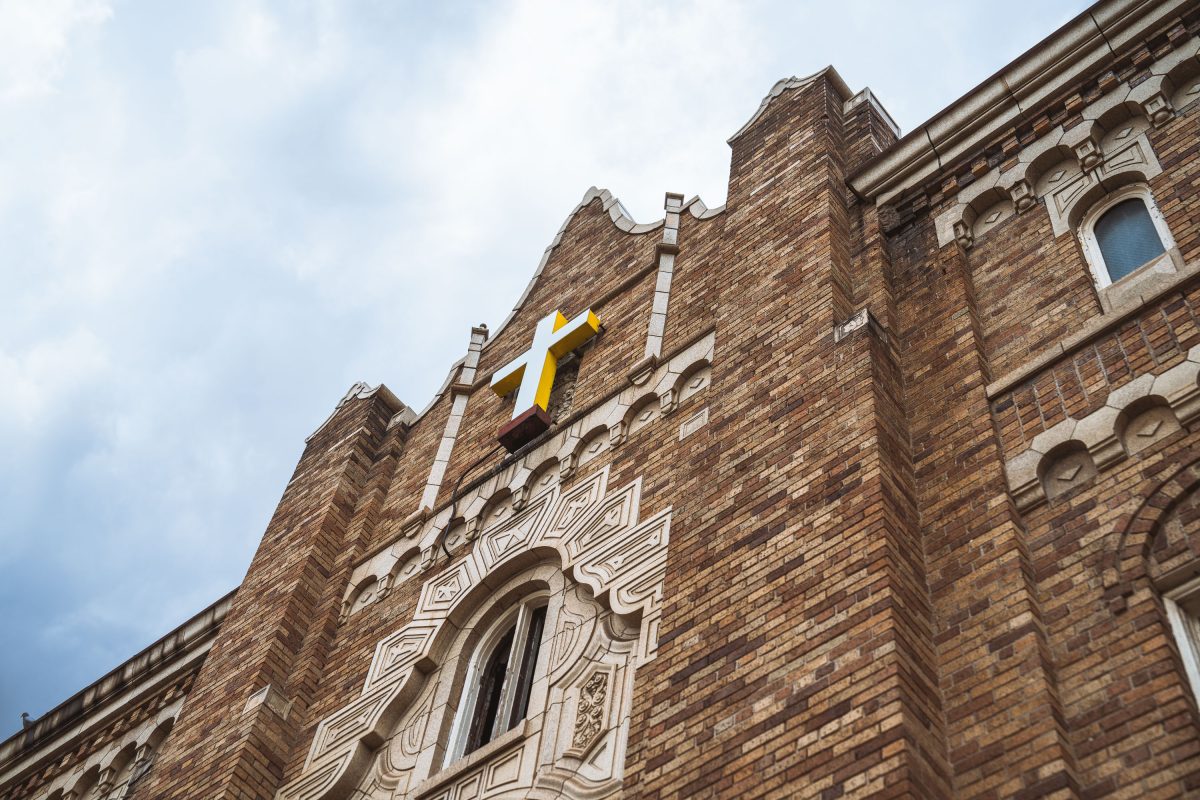
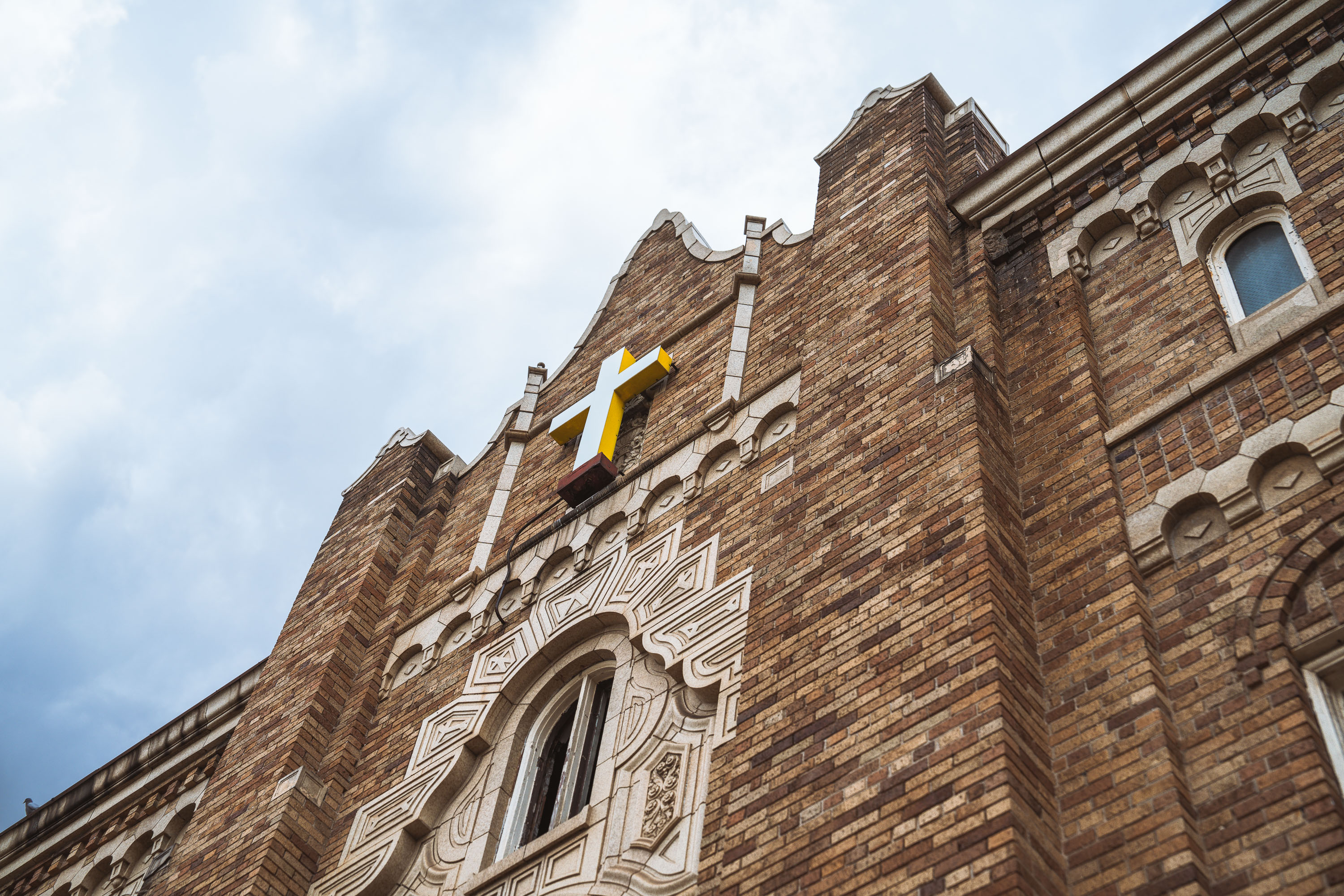
A yellow cross mounted on the brick facade of the abandoned Zenith Theater in Milwaukee.
This building on Milwaukee's south side once housed the Zenith Theater before being converted into a church.

Former Zenith Theater Building in Milwaukee
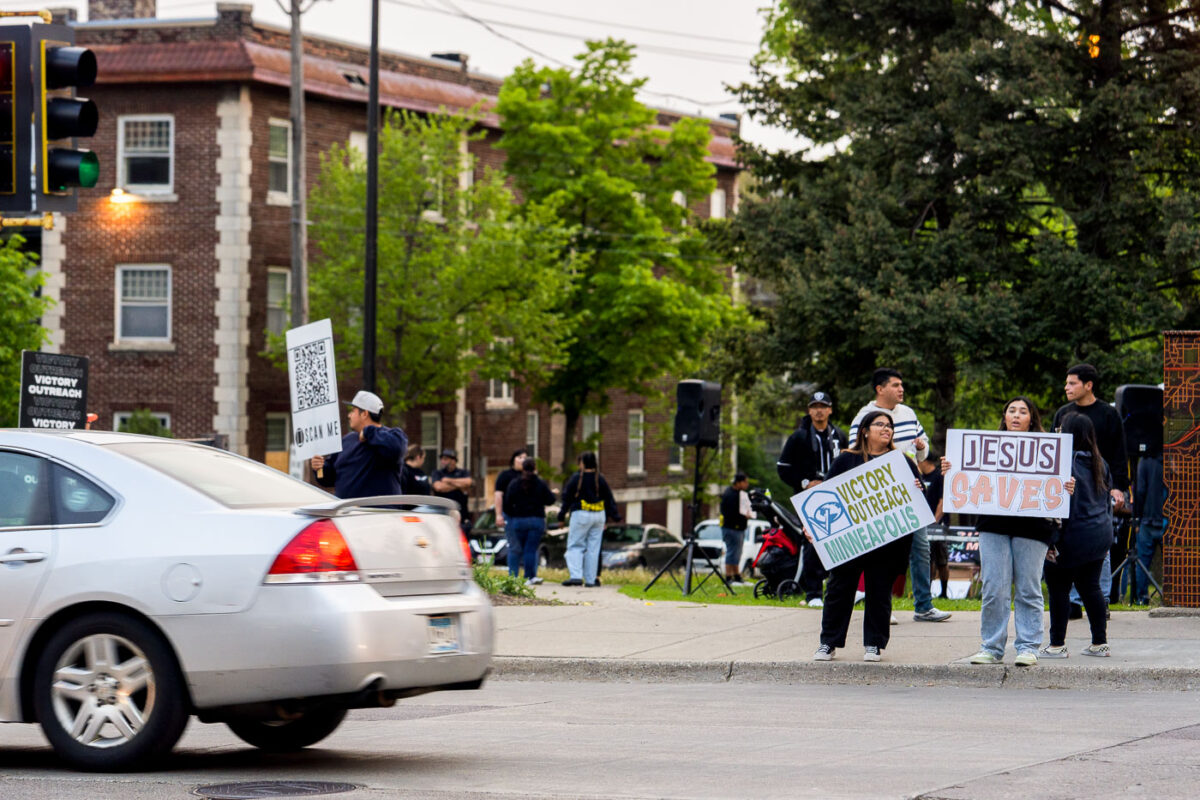
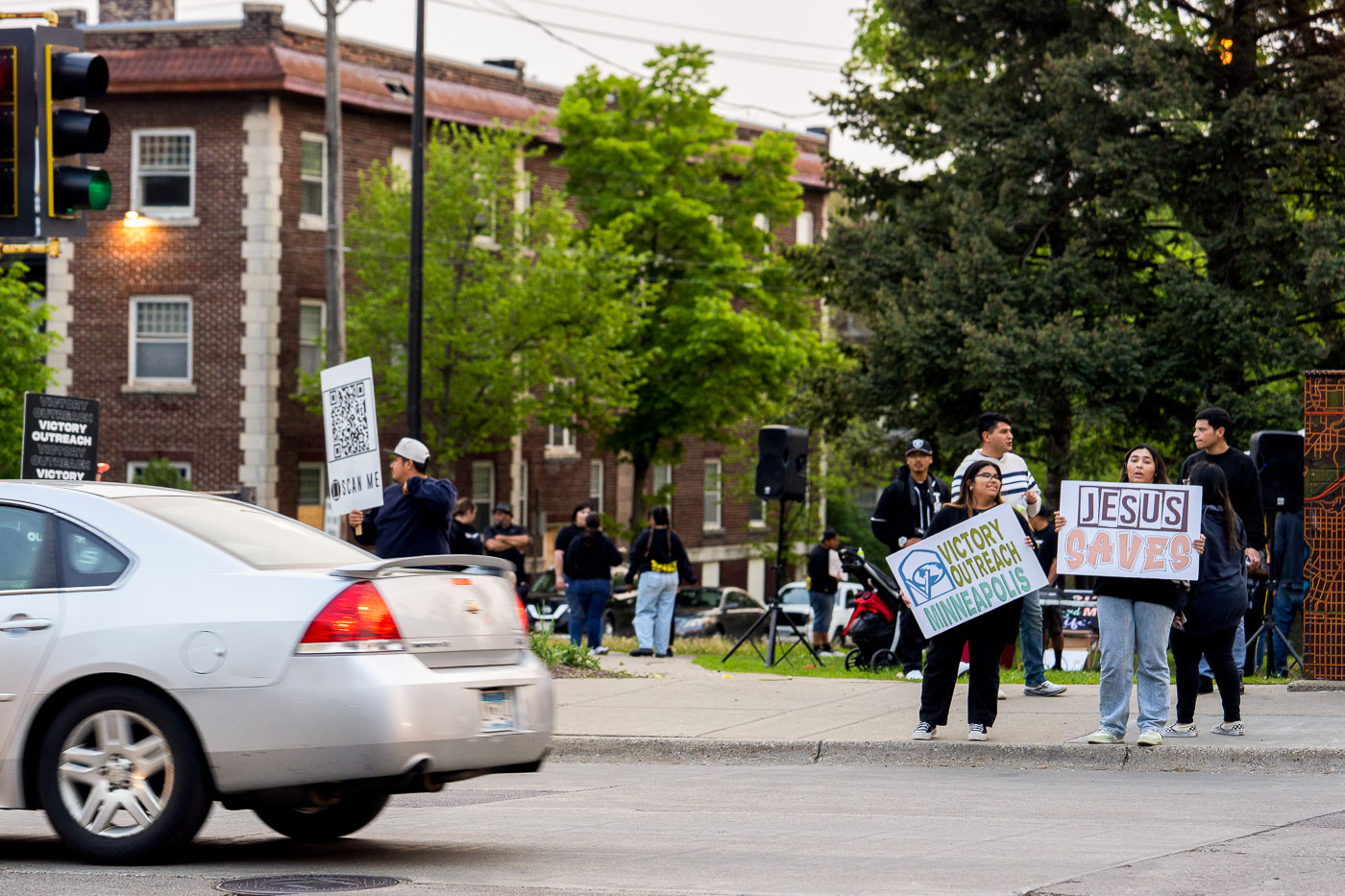
Victory outreach jesus saves signs on Hennepin Minneapolis
Victory Outreach Minneapolis members held signs on Hennepin Avenue in the Uptown neighborhood of Minneapolis. The organization is a Christian ministry focused on helping individuals overcome addiction and other life challenges.

Victory Outreach Minneapolis on Hennepin Avenue
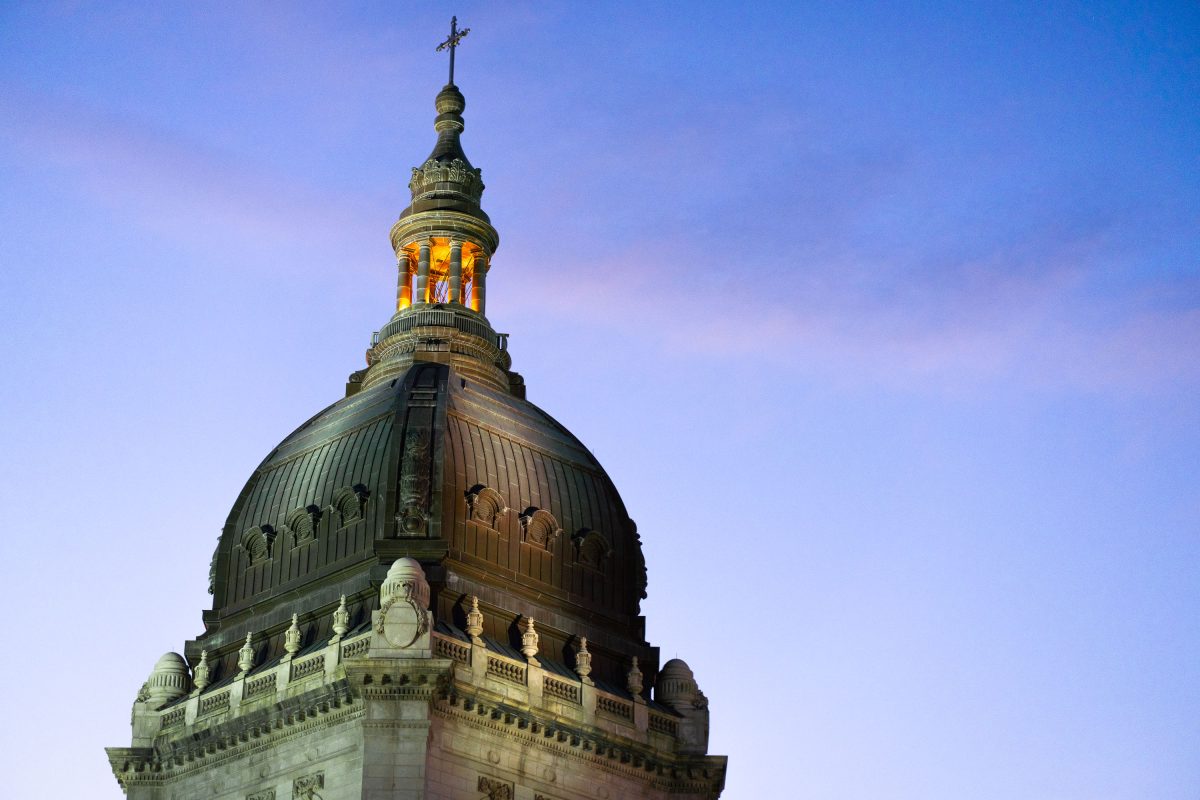
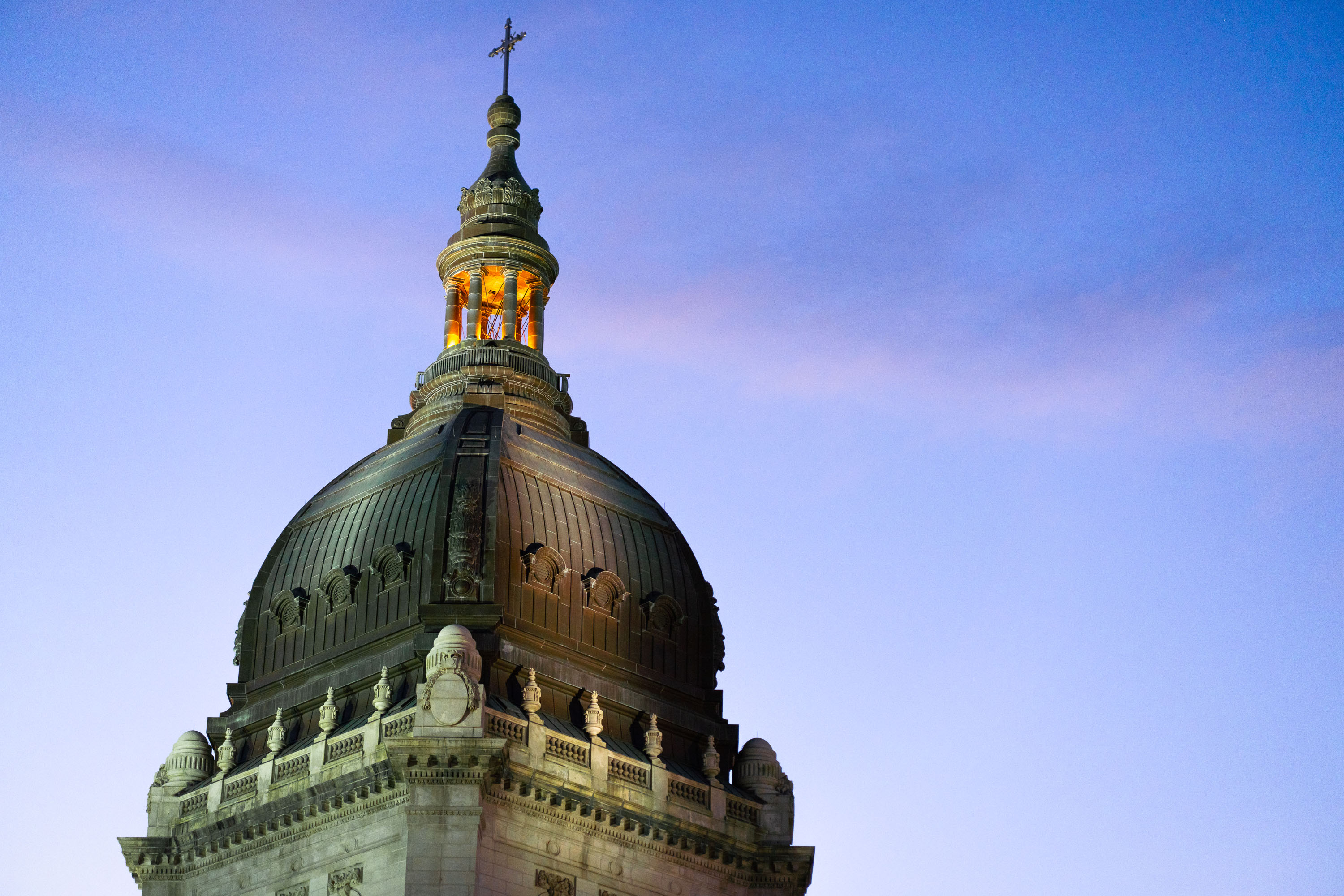
Basilica of Saint Mary dome with illuminated lantern tower and cross in Minneapolis.
The Basilica of Saint Mary, dedicated in 1926, was the first church in the United States to be designated a basilica, an honor granted by Pope Pius XI in 1926. Designed by architect Emmanuel Masqueray in the Beaux-Arts style, it serves as co-cathedral of the Archdiocese of Saint Paul and Minneapolis alongside the Cathedral of Saint Paul. The dome rises above Hennepin Avenue near downtown Minneapolis, topped by a lantern and cross that mark the roofline from throughout the surrounding neighborhood. The building is listed on the National Register of Historic Places and remains an active parish church.

Dome and Lantern, Basilica of Saint Mary, Minneapolis

Pride flags hanging at a church in Loring Park Minneapolis
Saint Mark's Episcopal Cathedral in Minneapolis's Loring Park neighborhood displays Pride flags and a rainbow-painted staircase. The cathedral, a prominent example of Gothic Revival architecture, was consecrated in 1911. It serves as a spiritual center for its congregation and a landmark within the city. The display of Pride symbols signifies the cathedral's support for the LGBTQ+ community, reflecting a broader trend of religious institutions embracing inclusivity.

Pride Flags at Saint Mark’s Episcopal Cathedral, Minneapolis
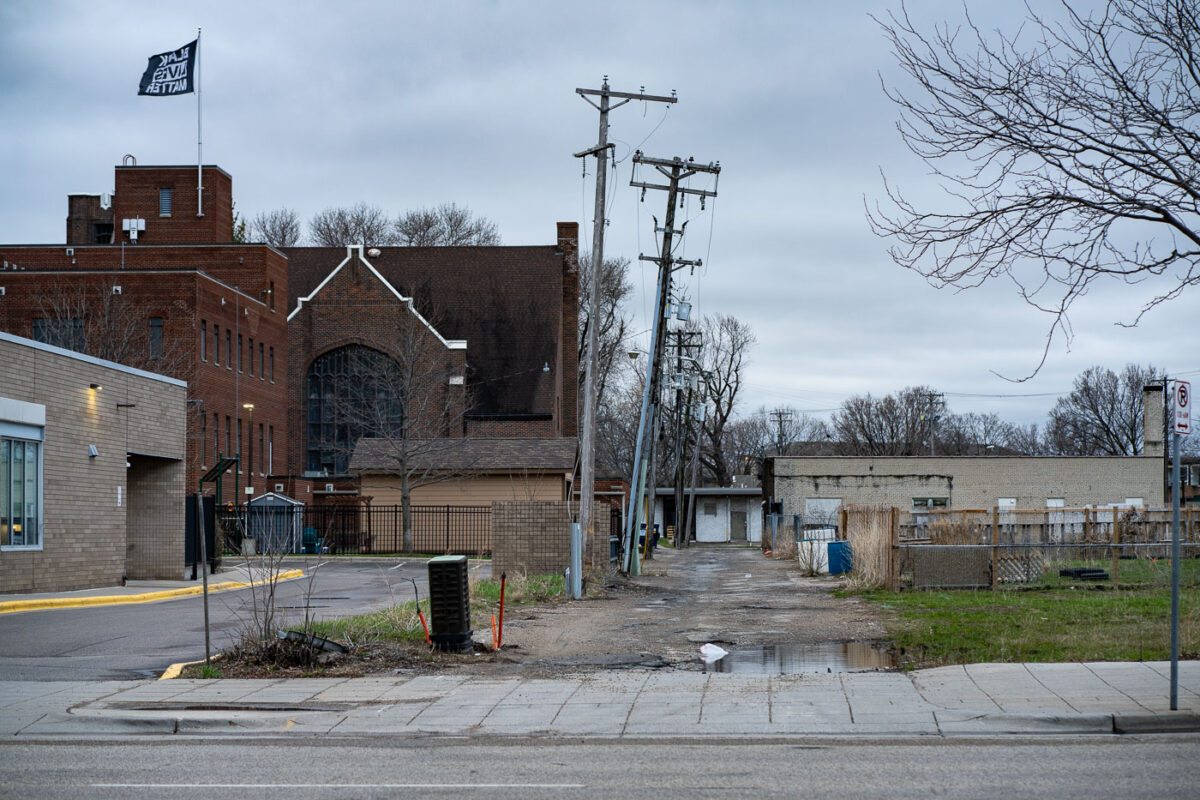
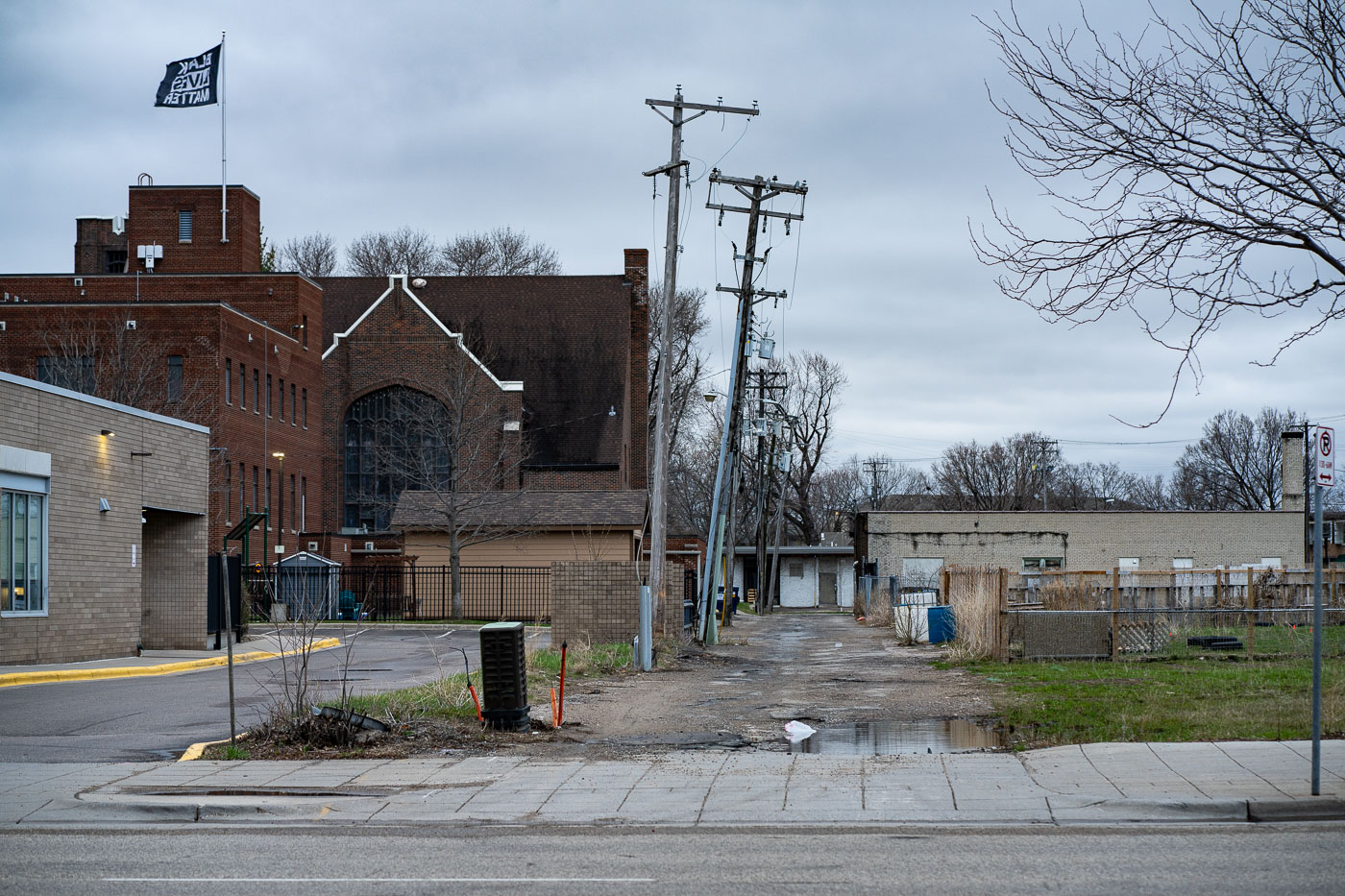
Black Lives Matter flag over a church near the burned Minneapolis police station
A Black Lives Matter flag flies atop a church in Minneapolis, near the site of the Third Precinct police station that was set ablaze during protests in May 2020. The flag's presence signifies solidarity with the movement for racial justice that gained national attention following the murder of George Floyd.

Black Lives Matter Flag Flies Over Minneapolis Church
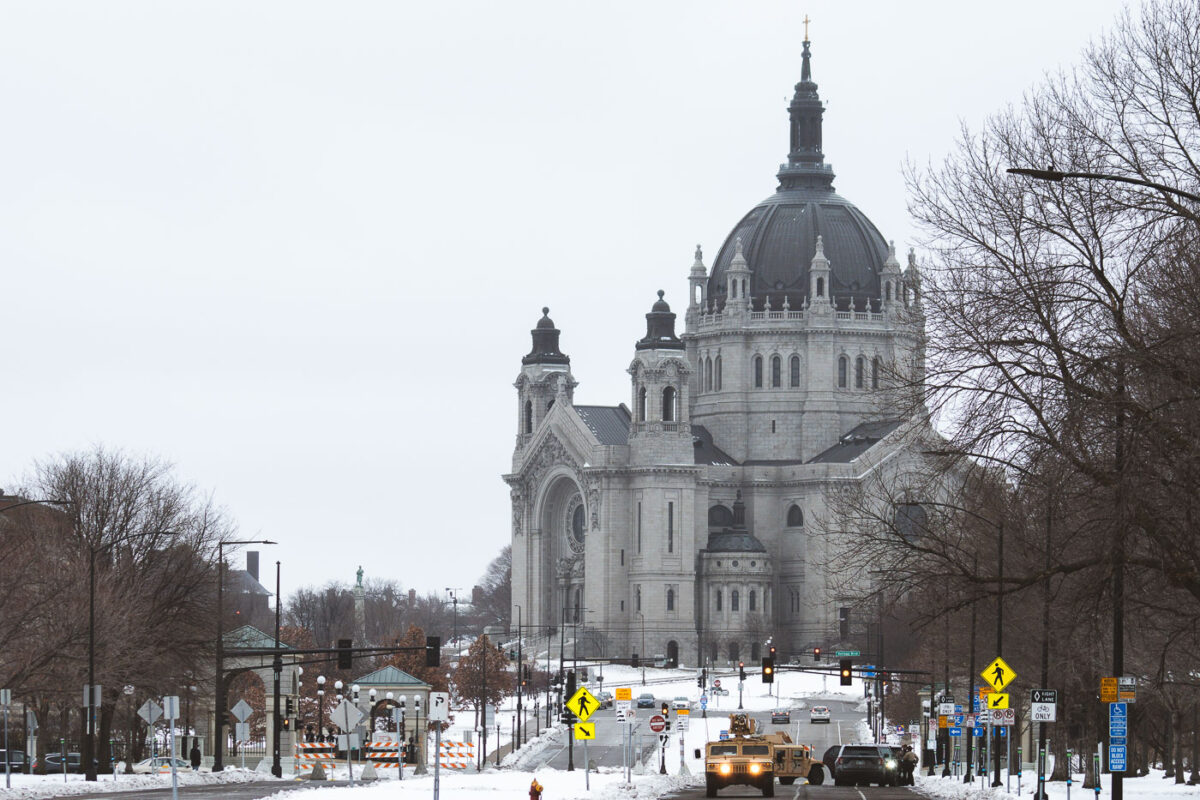
Cathedral of Saint Paul and the National Guard
The Cathedral of Saint Paul, a prominent landmark in St. Paul, Minnesota, stands under heavy security during a pro-Trump rally. The presence of a National Guard vehicle and multiple law enforcement agencies underscores the heightened security measures implemented across state capitols following reports of potential violence. The cathedral, completed in 1912, is a significant example of Beaux-Arts architecture and serves as the mother church of the Roman Catholic Archdiocese of Saint Paul and Minneapolis. The rally, which drew approximately 20 attendees, occurred amidst a period of national unrest and political tension.

Cathedral of Saint Paul with National Guard Vehicle

Dismantling Racism on a church sign in Minneapolis
Hennepin Avenue United Methodist Church, a long-standing institution in Minneapolis, displays a sign promoting a "Dismantling Racism" sermon series. This initiative reflects the church's commitment to social justice, particularly in the wake of the Black Lives Matter movement and the Minneapolis Uprising. Located on Hennepin Avenue near Downtown, the church serves as a community hub. The presence of both the American and Pride flags on its grounds further underscores its inclusive mission and engagement with contemporary social issues.

Hennepin Avenue United Methodist Church: Dismantling Racism
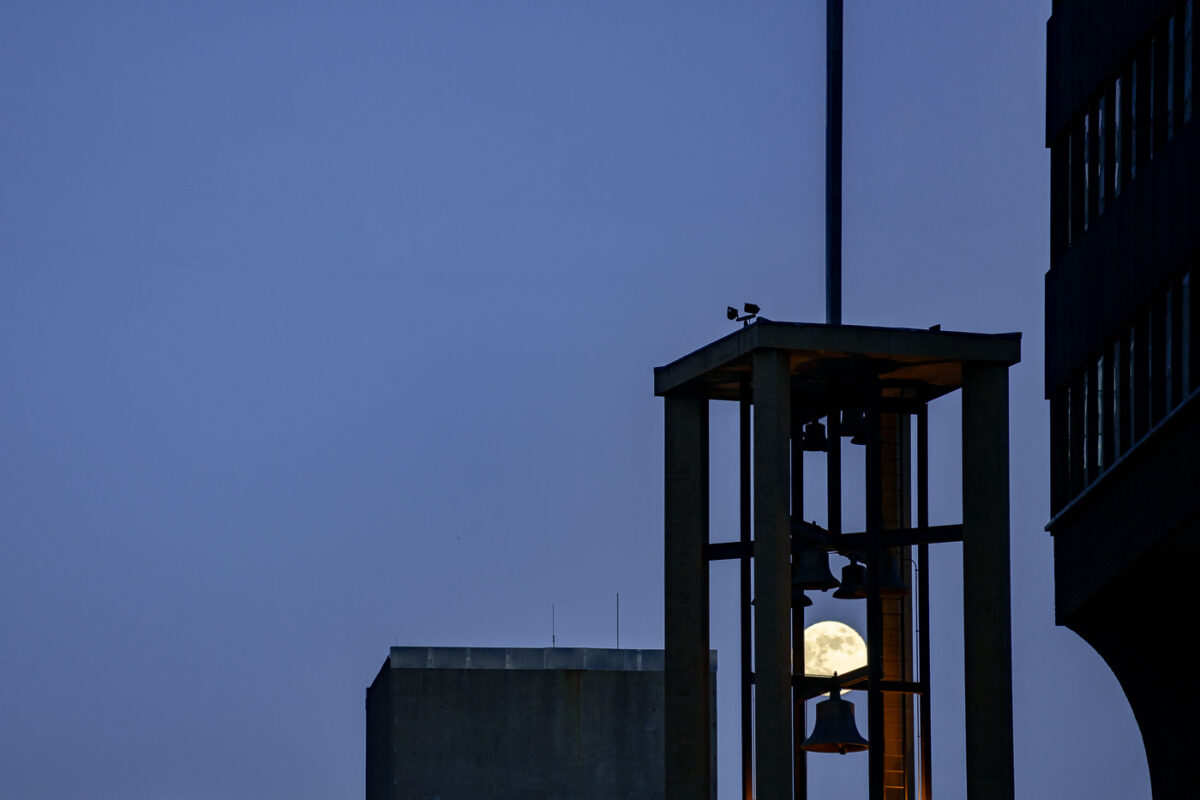
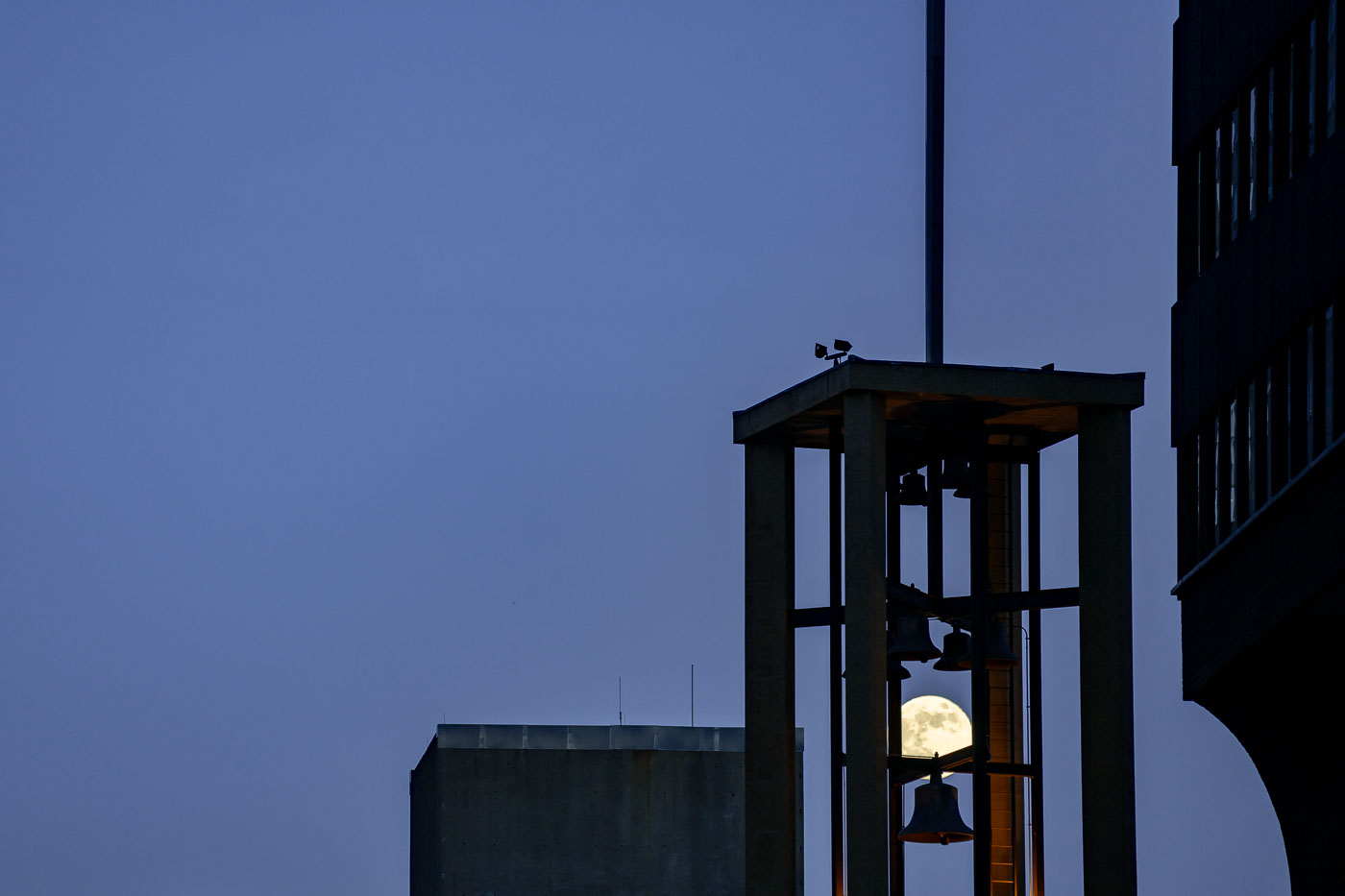
Full moon rises behind a church bell tower in Downtown Minneapolis.
A full moon rises behind a church bell tower in Downtown Minneapolis. The open tower houses bells for the church, with nearby high-rises placing the structure within the downtown core.

Full Moon Behind Downtown Minneapolis Bell Tower

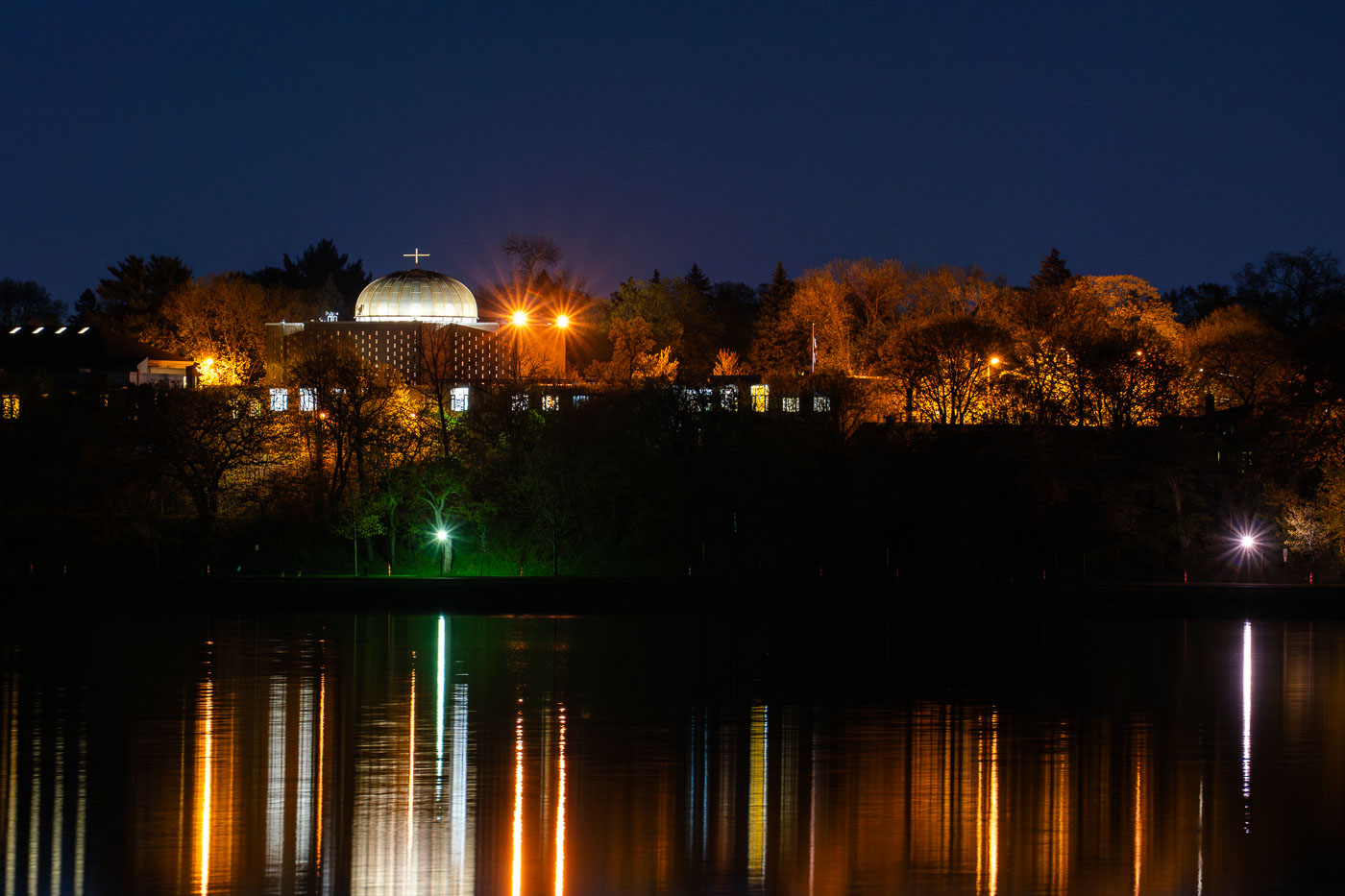
St. Mary's Greek Orthodox Church illuminated at night across Bde Maka Ska lake in Minneapolis.
St. Mary's Greek Orthodox Church as seen from across Bde Maka Ska in Minneapolis.

St. Mary’s Greek Orthodox Church at Night Across Bde Maka Ska
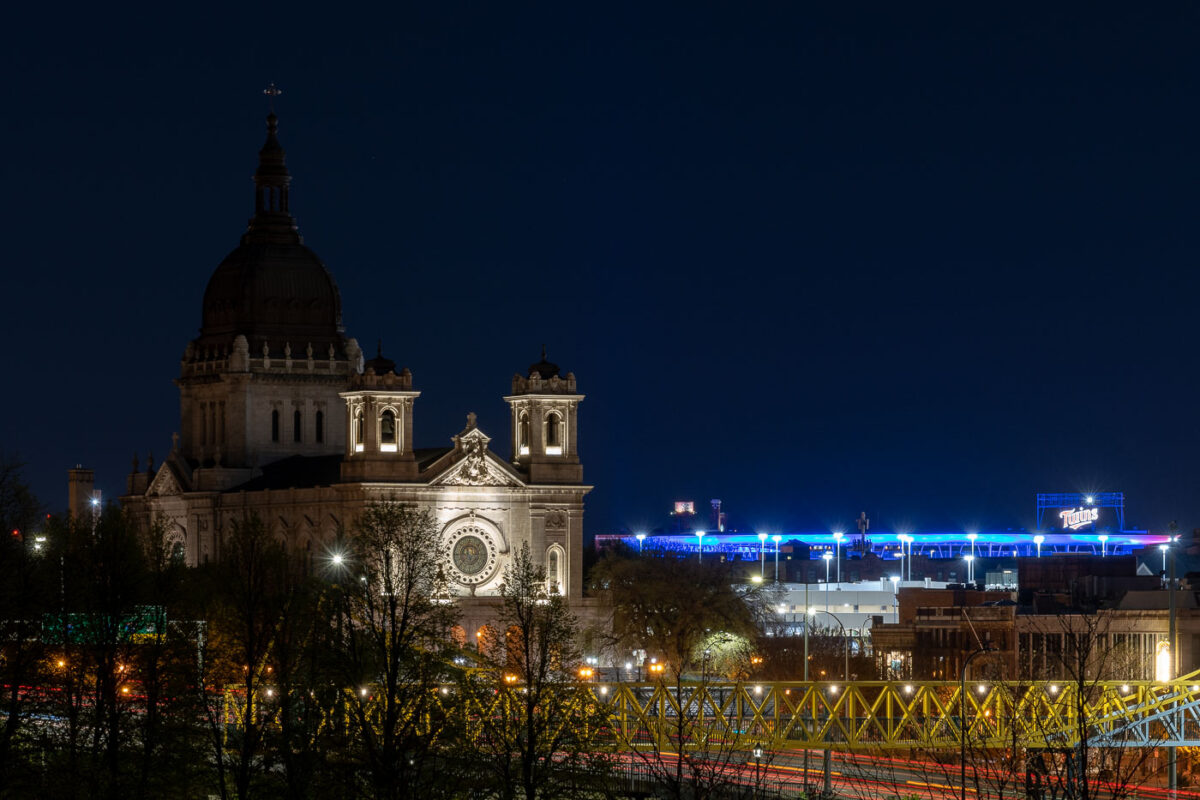
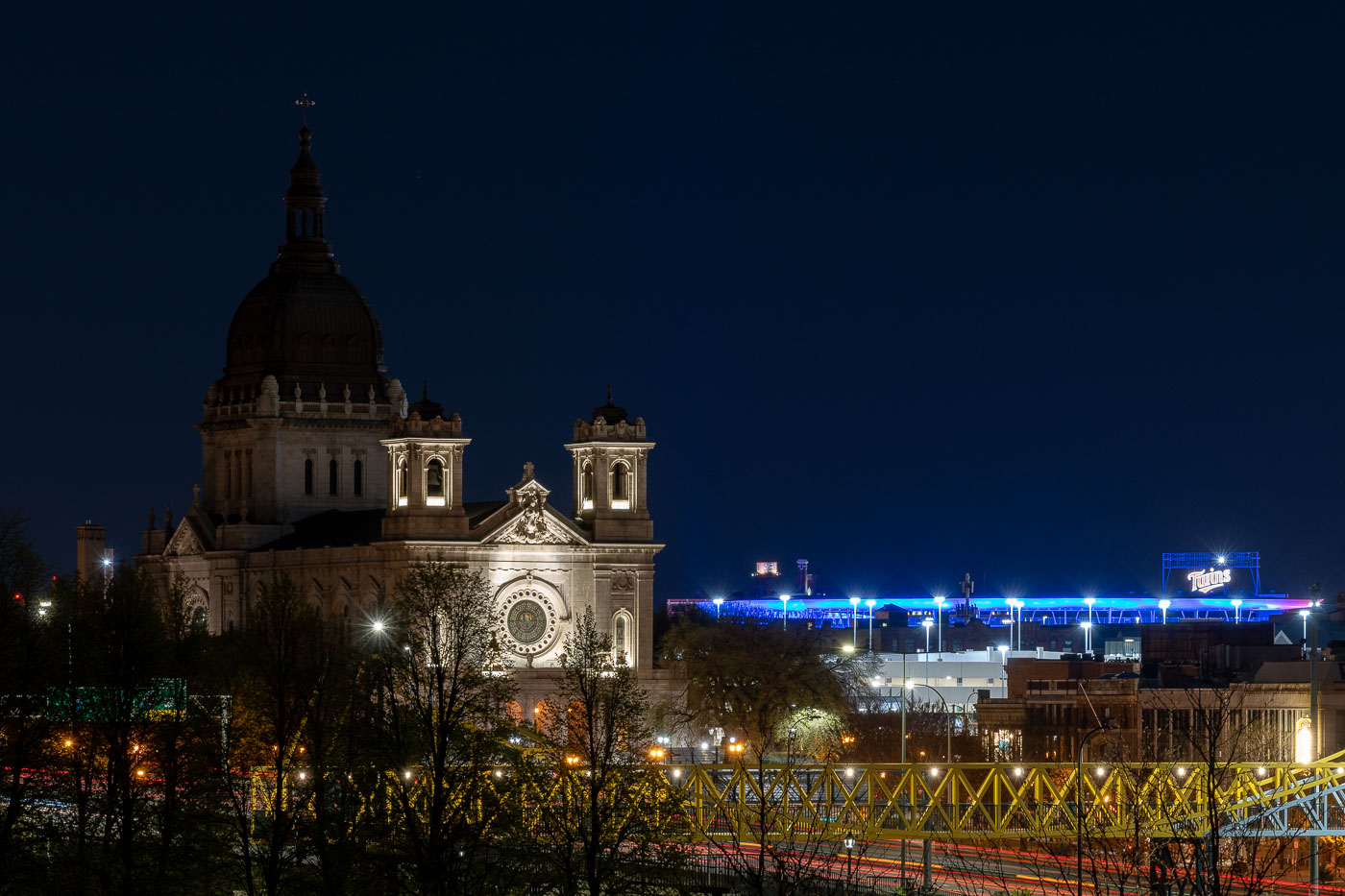
The Basilica of Saint Mary and Target Field illuminated at night in downtown Minneapolis.
The Basilica of Saint Mary stands at 1600 Hennepin Avenue in downtown Minneapolis, completed in 1926 as the first basilica designated in the United States. Target Field, home of the Minnesota Twins, opened in 2010 on the north side of downtown near the Mississippi River.

Basilica of Saint Mary Rises Over Target Field at Night
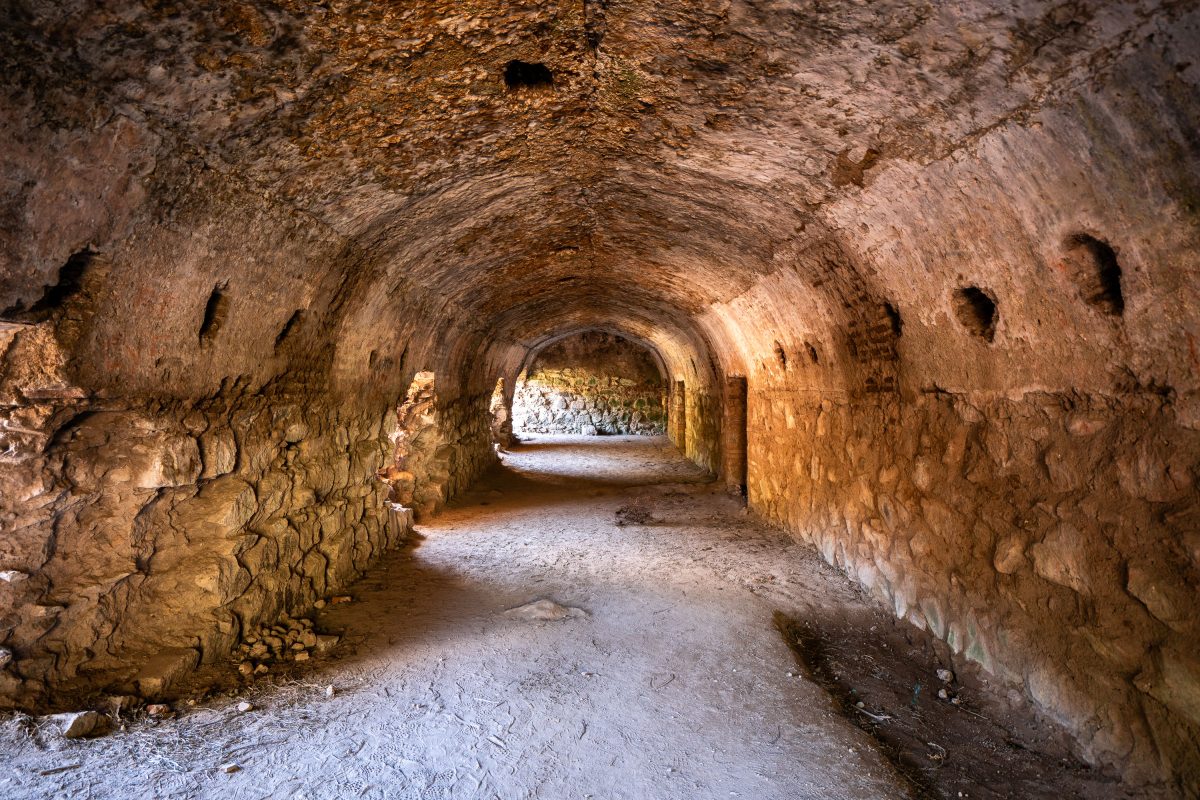
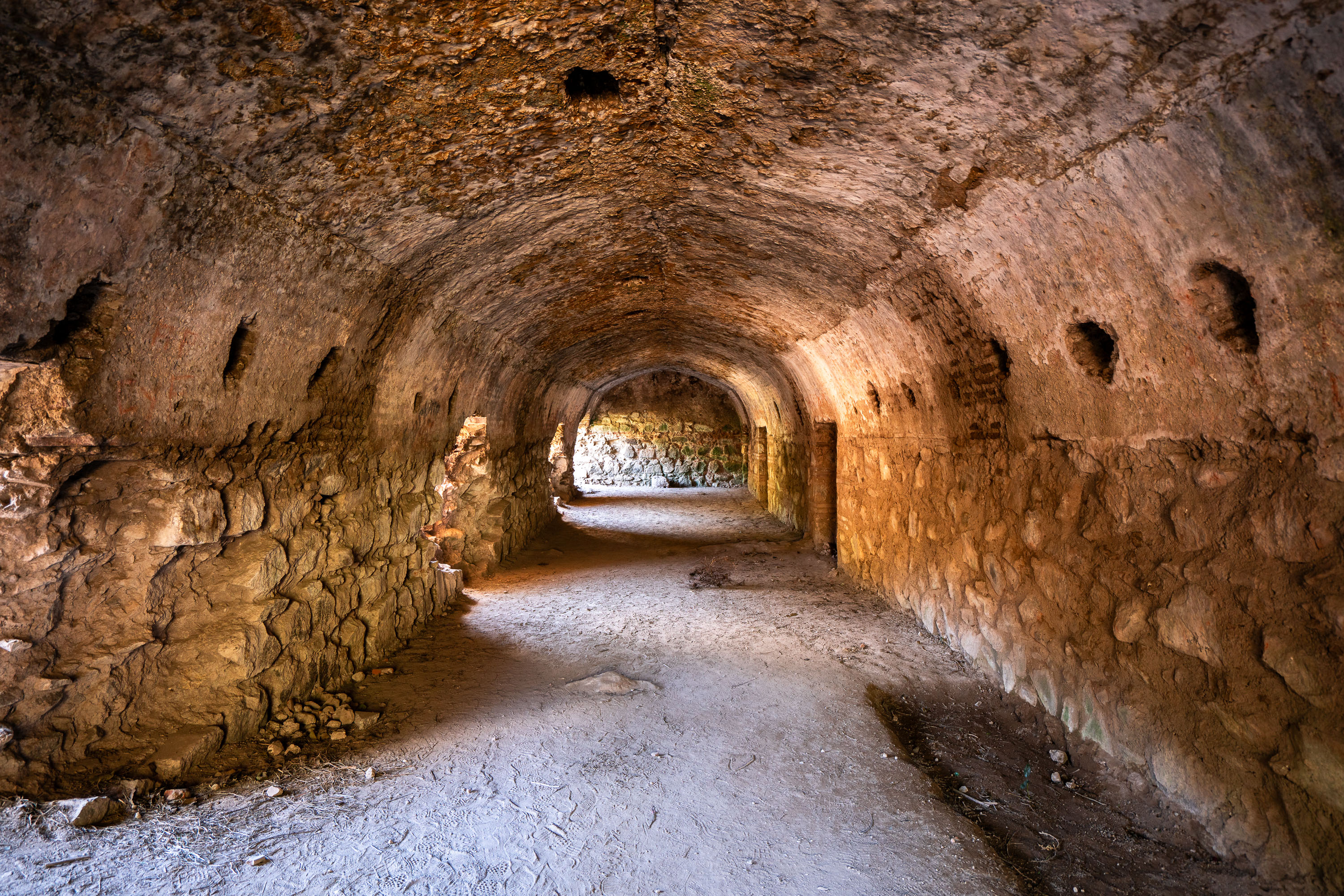
Vaulted stone corridor in the San Francisco el Grande convent ruins in Antigua Guatemala, a 16th-century Franciscan complex damaged by earthquakes.
San Francisco el Grande was founded by Franciscan friars in 1579 as one of colonial Antigua's largest church and convent complexes. The 1773 Santa Marta earthquake collapsed much of the convent, contributing to the Spanish crown's decision to relocate the capital to present-day Guatemala City. Hermano Pedro de Betancourt, later canonized as Guatemala's first saint, ran a hospital and hospice from this site before his death in 1667. The barrel-vaulted corridors that remain were once service passages and storage rooms connecting the convent's cloisters, left roofless and exposed after the colonial-era collapse.

Stone Corridor in the San Francisco el Grande Ruins, Antigua
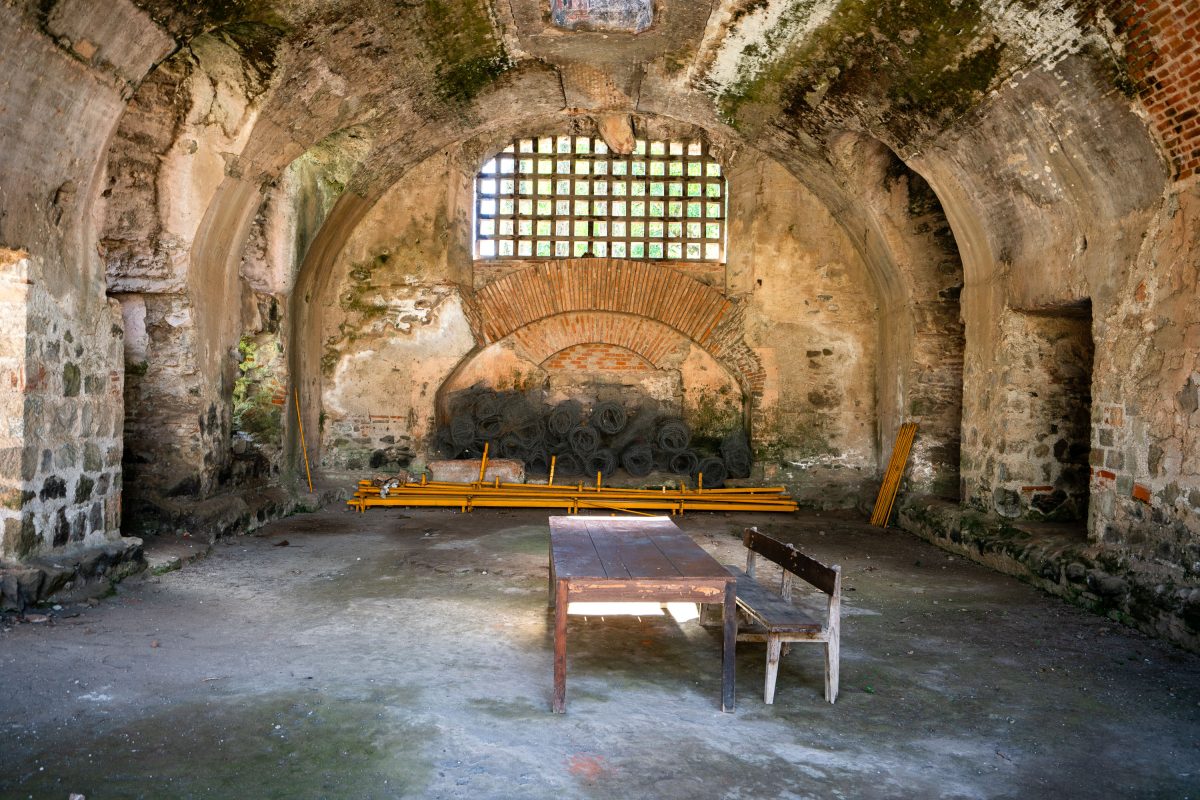
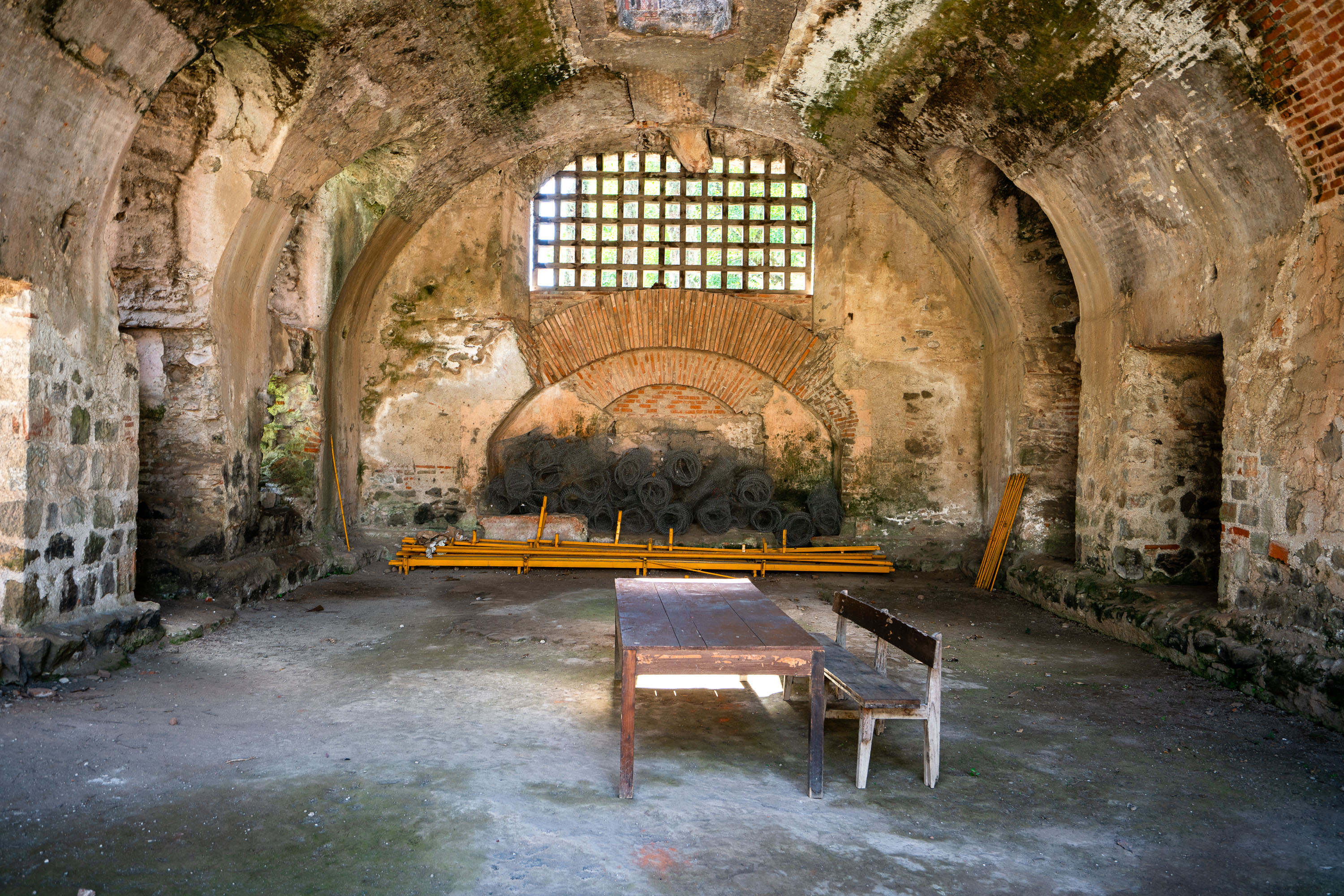
Vaulted stone and brick chambers with arched ceilings in the ruins of San Francisco el Grande Convent, Antigua Guatemala.
San Francisco el Grande was founded by Franciscan friars in the 16th century and grew into one of the largest religious complexes in colonial Antigua Guatemala. The 1773 Santa Marta earthquake badly damaged the convent along with much of the city, and the complex was never fully rebuilt. The surviving chambers, with their thick masonry arches, formed part of the friars' living and working quarters, constructed to support the weight of upper floors that no longer stand. The adjoining church was later restored and today holds the tomb of Hermano Pedro de San José Betancur, a Franciscan lay brother canonized in 2002 as Guatemala's first saint.

Friars’ Quarters at San Francisco el Grande, Antigua
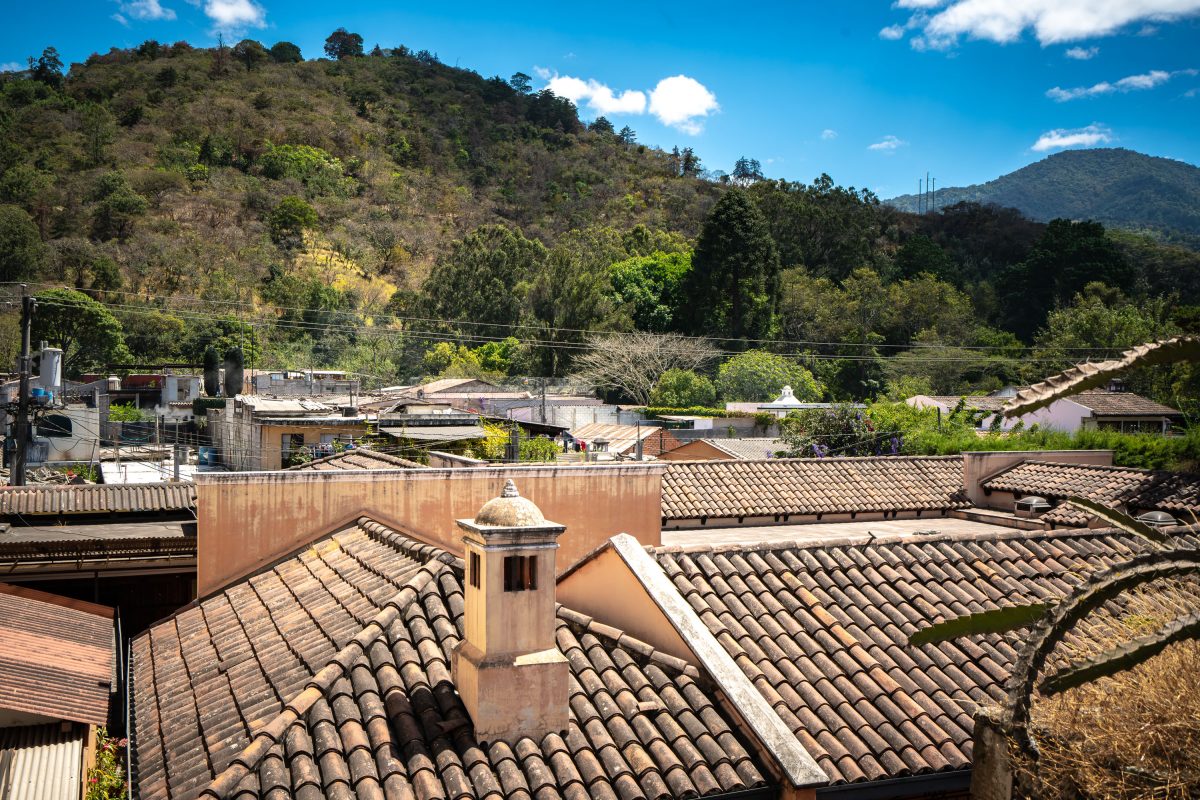
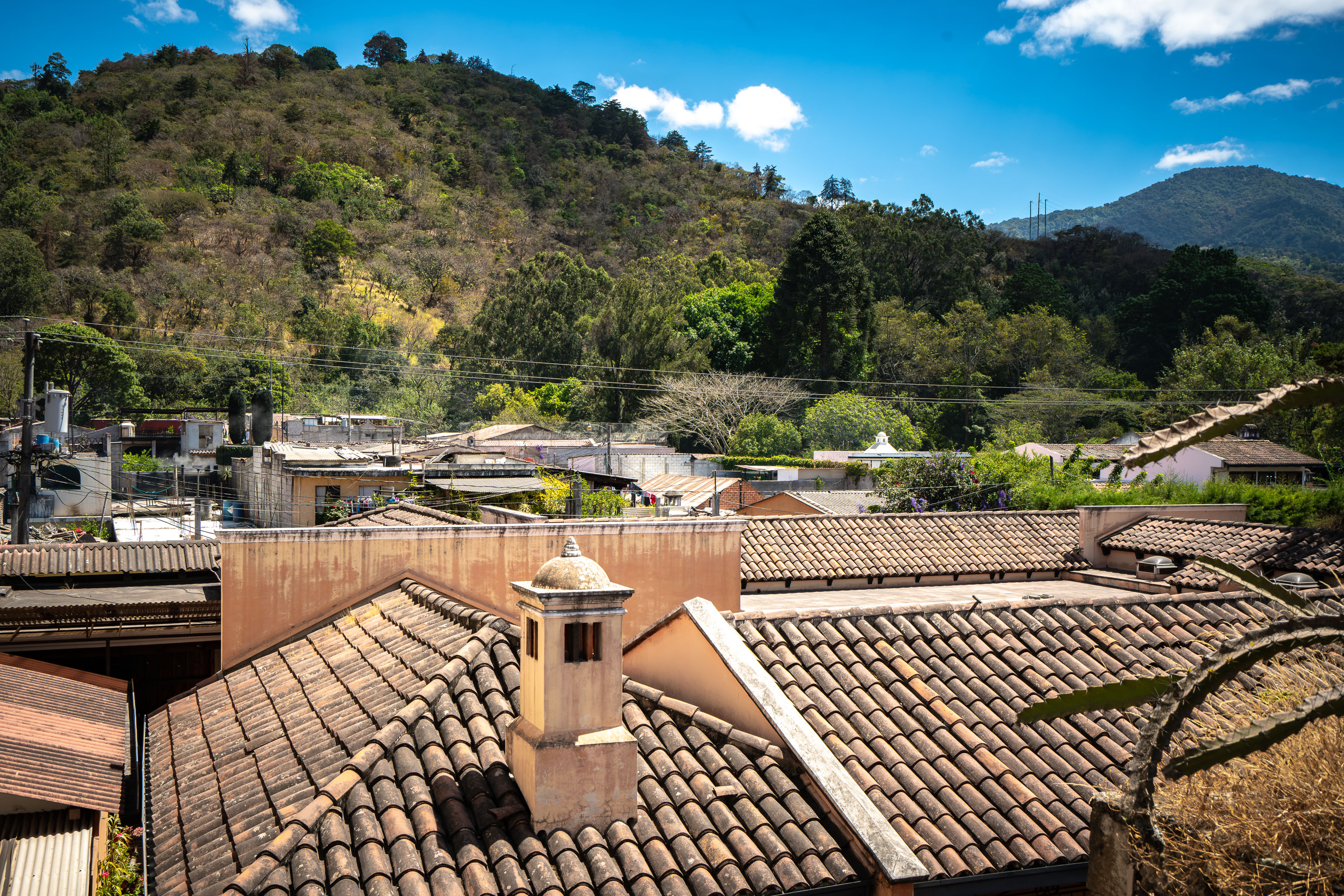
Terracotta clay tile roofs with a white cupola overlook the colonial city of Antigua Guatemala, with forested volcanic hills in the background.
Antigua Guatemala sits in the Panchoy Valley, ringed by the volcanoes Agua, Fuego and Acatenango, whose forested slopes form the backdrop to the city's historic center. Clay tile roofing has been required across Antigua since UNESCO designated it a World Heritage Site in 1979, a building code meant to preserve the colonial-era character the city held as capital of the Captaincy General of Guatemala. Nearby, the Iglesia de San Francisco el Grande, founded by Franciscan friars in 1579, has been rebuilt multiple times after earthquakes, including the 1773 Santa Marta quake that prompted colonial authorities to relocate the capital to present-day Guatemala City. Hermano Pedro de San José Betancourt, a Franciscan missionary canonized in 2002, is entombed inside the church, which continues to draw pilgrims today.

Clay Tile Rooftops Beneath the Hills of Antigua Guatemala
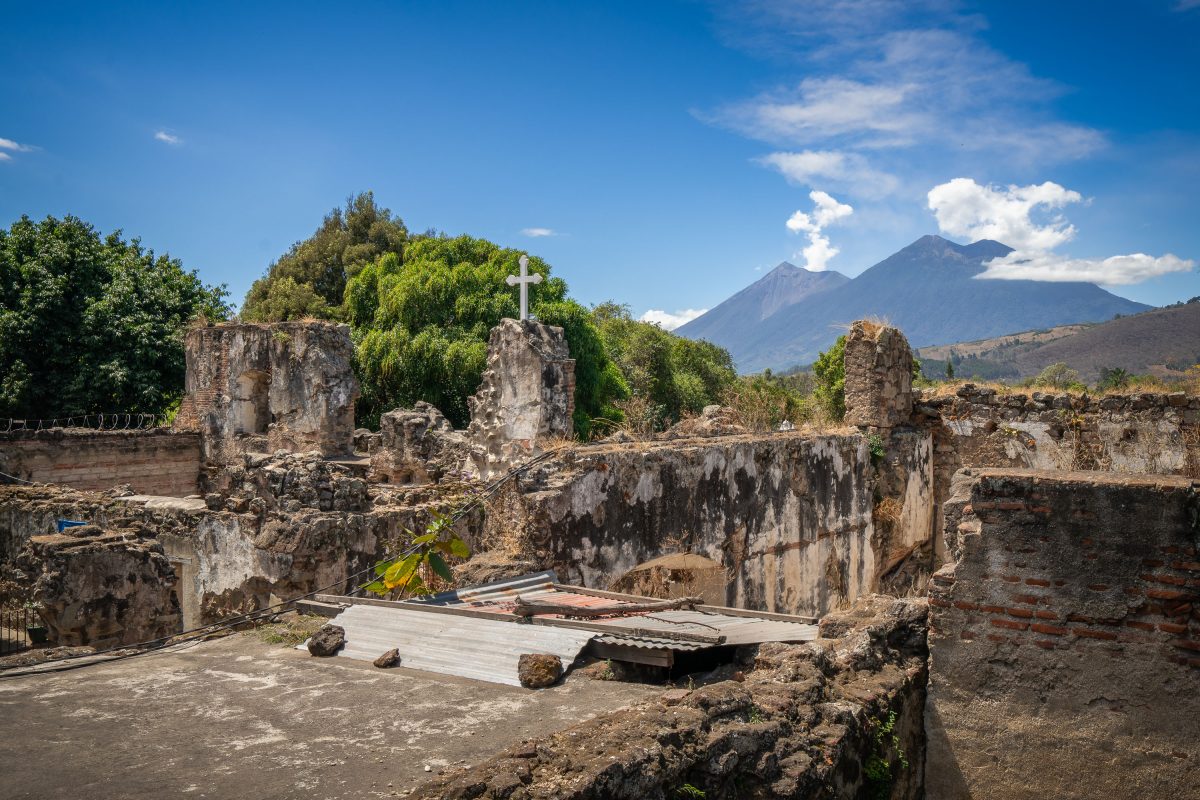
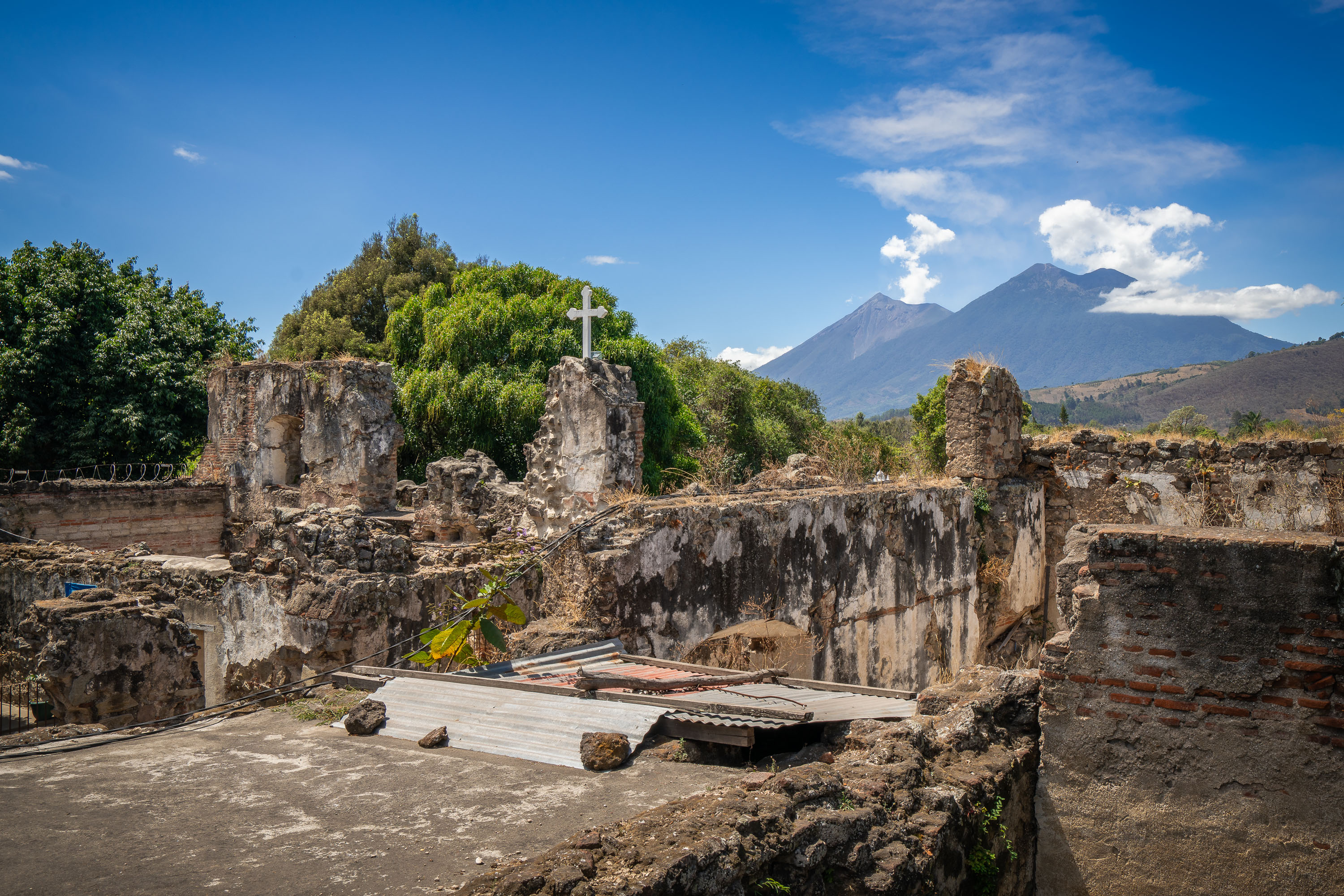
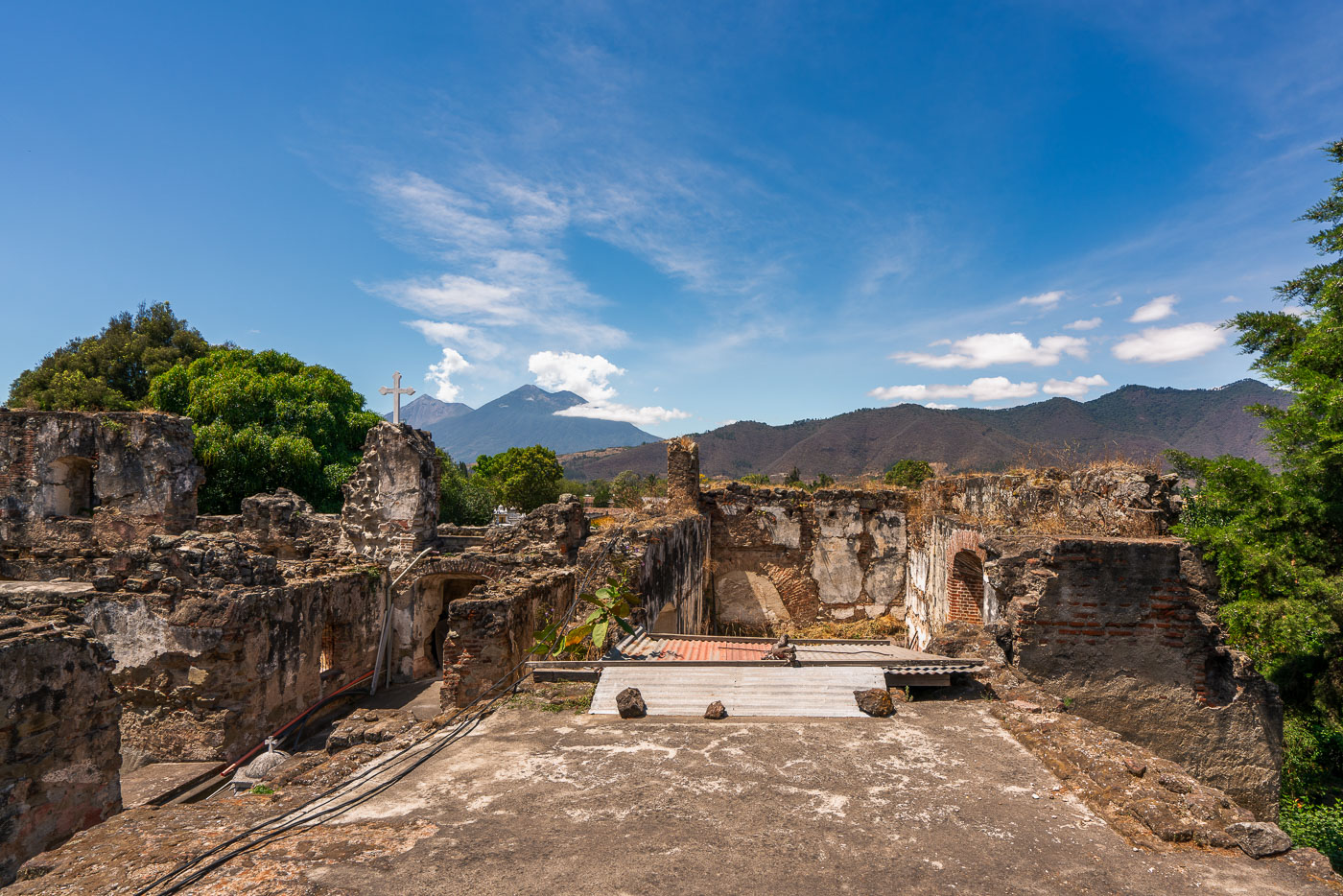
Roofless stone walls and cross at the San Francisco Convent ruins in Antigua Guatemala with volcanoes in the background.
The San Francisco Convent in Antigua Guatemala was founded by Franciscan friars in 1579 and grew into one of the largest religious complexes in colonial Central America, with a church, cloisters, a school, and an infirmary. Earthquakes repeatedly damaged the structure, most severely in 1773, when the destruction led Spanish authorities to relocate Guatemala's capital to what is now Guatemala City. Much of the convent was never rebuilt, leaving the roofless walls and archways that remain part of a protected site within Antigua's UNESCO World Heritage zone. The adjoining church, rebuilt in the 20th century, holds the tomb of Hermano Pedro de San José Betancourt, a Franciscan friar canonized in 2002 and venerated throughout Guatemala. Volcán de Fuego and Volcán Acatenango rise beyond the ruins, part of the volcanic chain that borders the Panchoy Valley where Antigua sits.

San Francisco Convent Ruins Below Volcán de Fuego and Acatenango
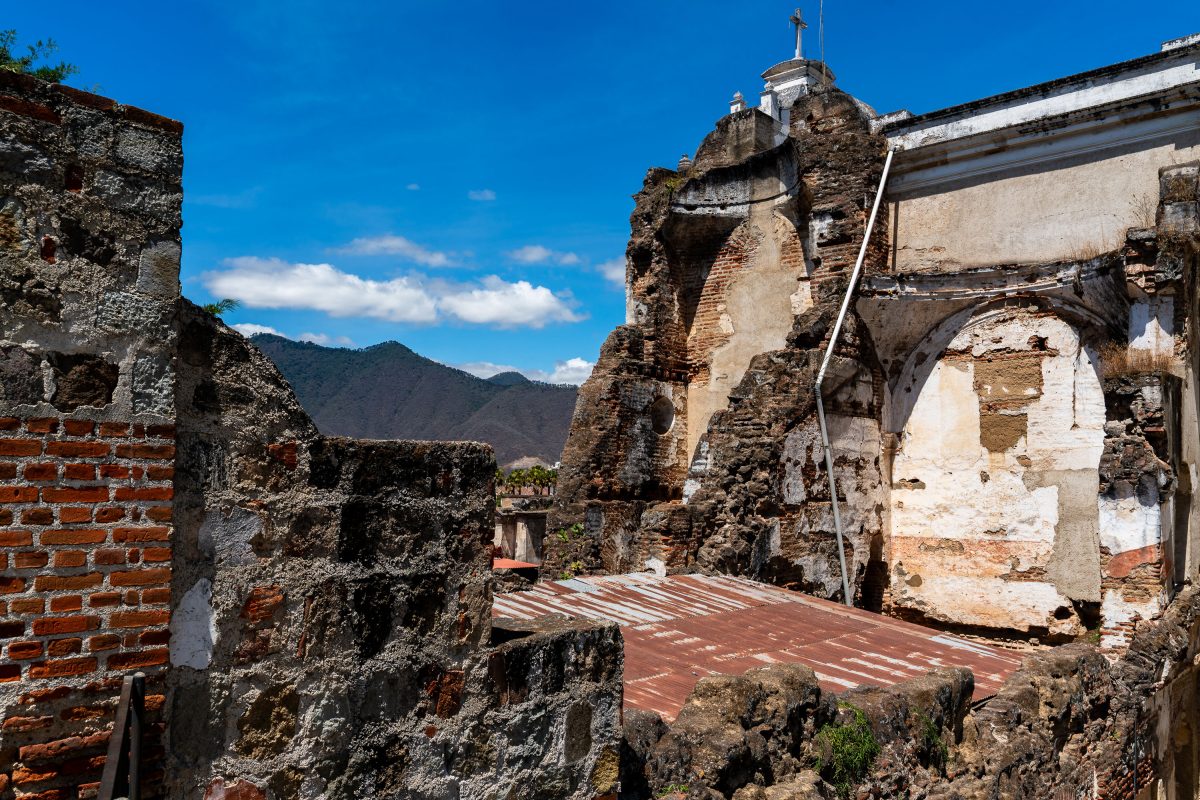
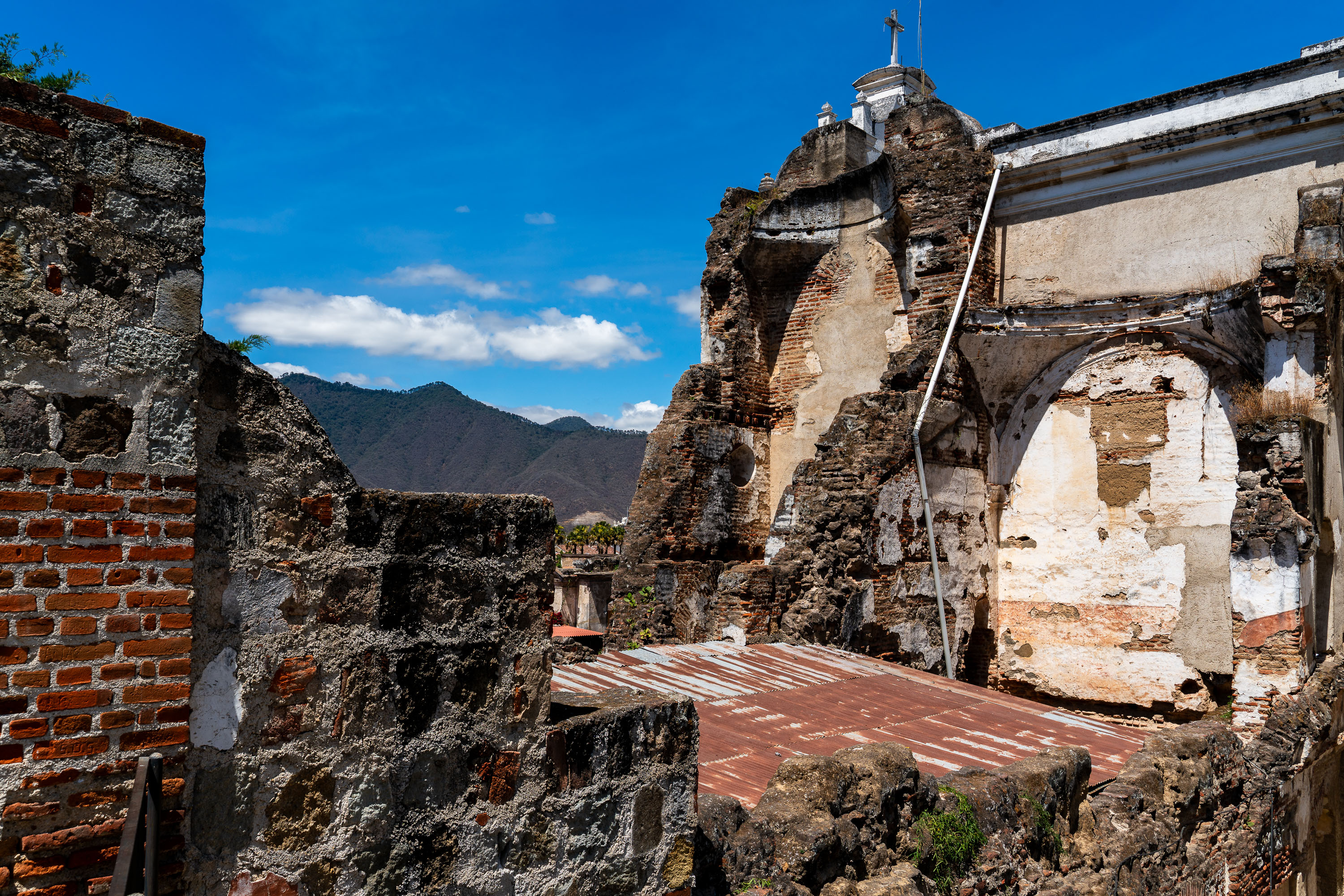
Ruined stone walls and arches of the San Francisco el Grande church and convent in Antigua Guatemala, with mountains visible beyond the colonial structure.
San Francisco el Grande's bell tower and adjoining walls still bear the damage from the 1773 Santa Marta earthquake, the disaster that drove Spanish colonial authorities to abandon Antigua as the capital of the Kingdom of Guatemala. Franciscan friars had built the original complex starting in 1579, eventually expanding it to include a school, printing press, and infirmary alongside the church. Rather than fully rebuild after the quake, the friars left much of the structure as rubble, and later repairs focused only on portions needed for active worship. A restored section of the church today holds the tomb of Hermano Pedro de San José Betancur, a Franciscan lay brother canonized in 2002. The surrounding ruins, along with the rest of Antigua's colonial center, were named a UNESCO World Heritage Site in 1979.

Crumbling Bell Tower of San Francisco el Grande, Antigua
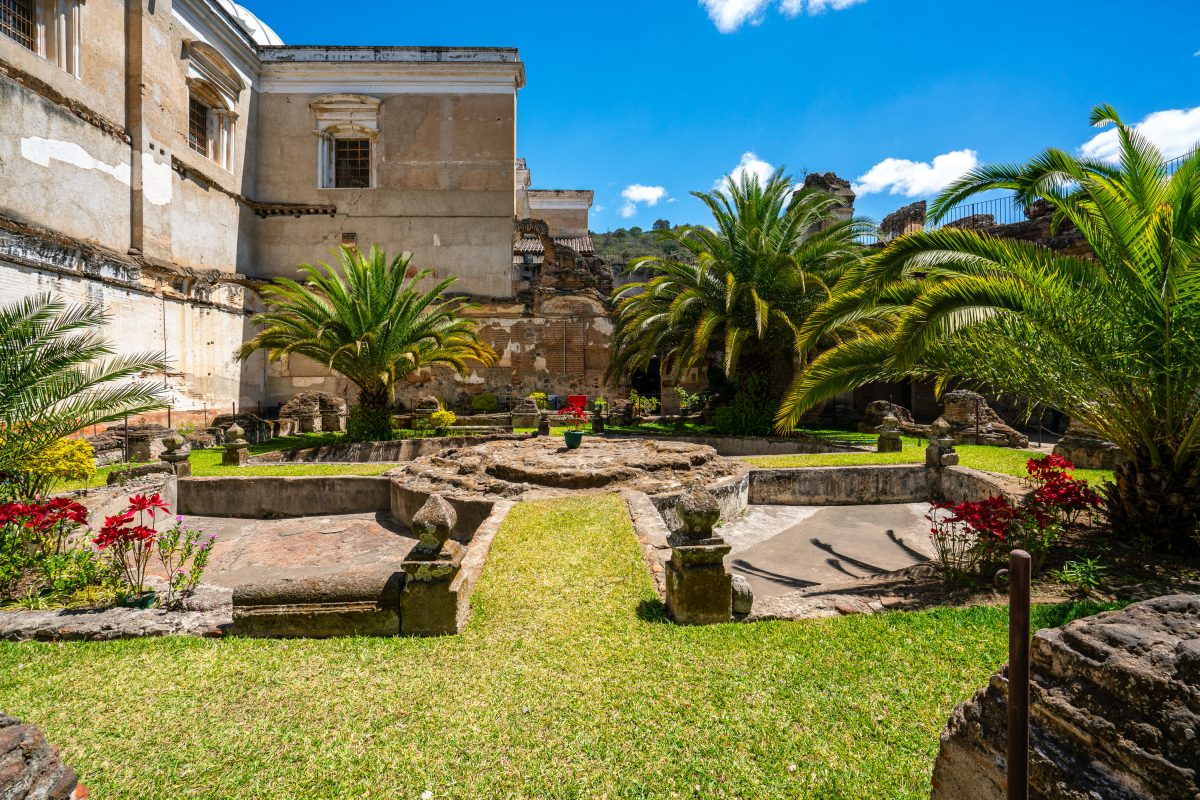
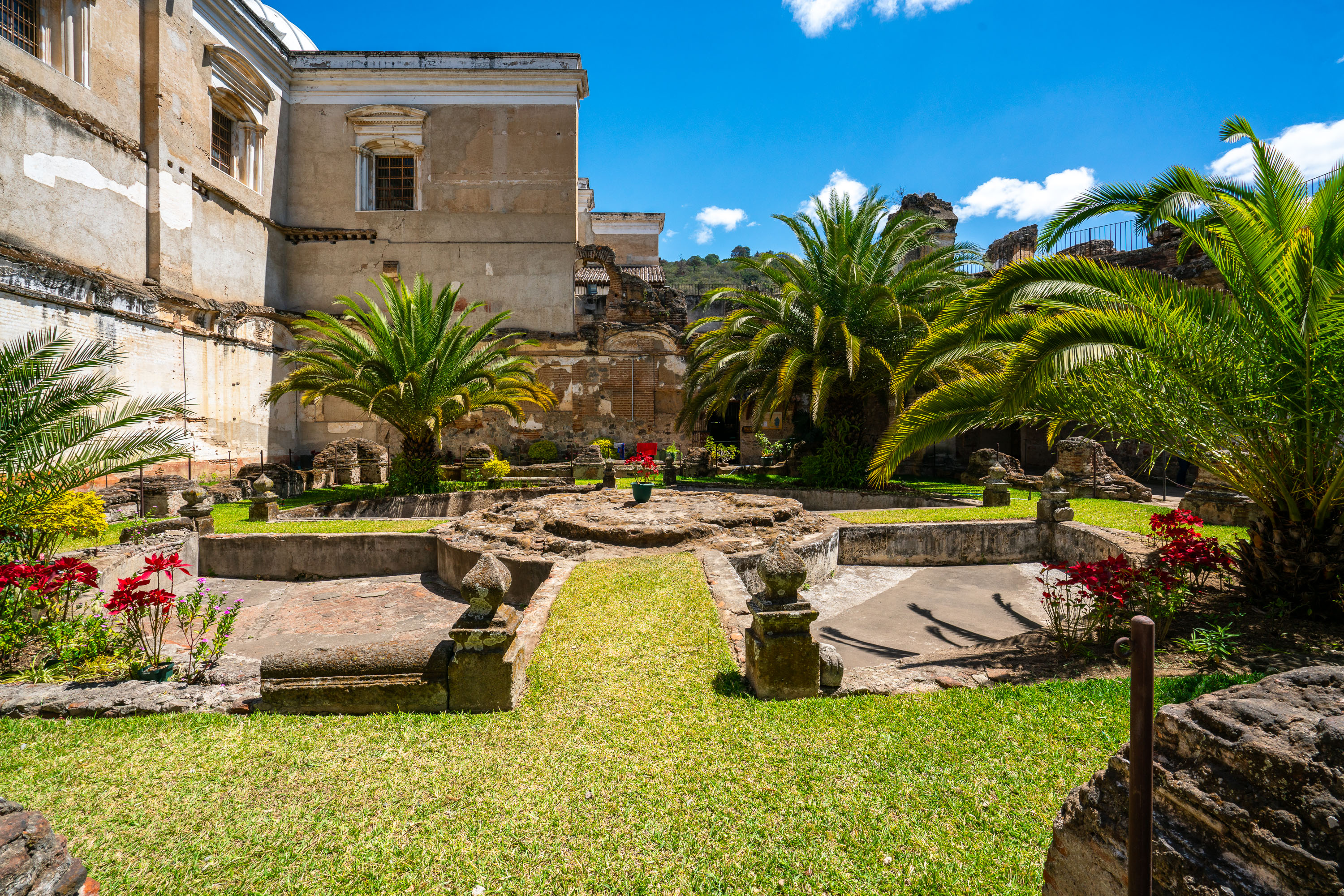
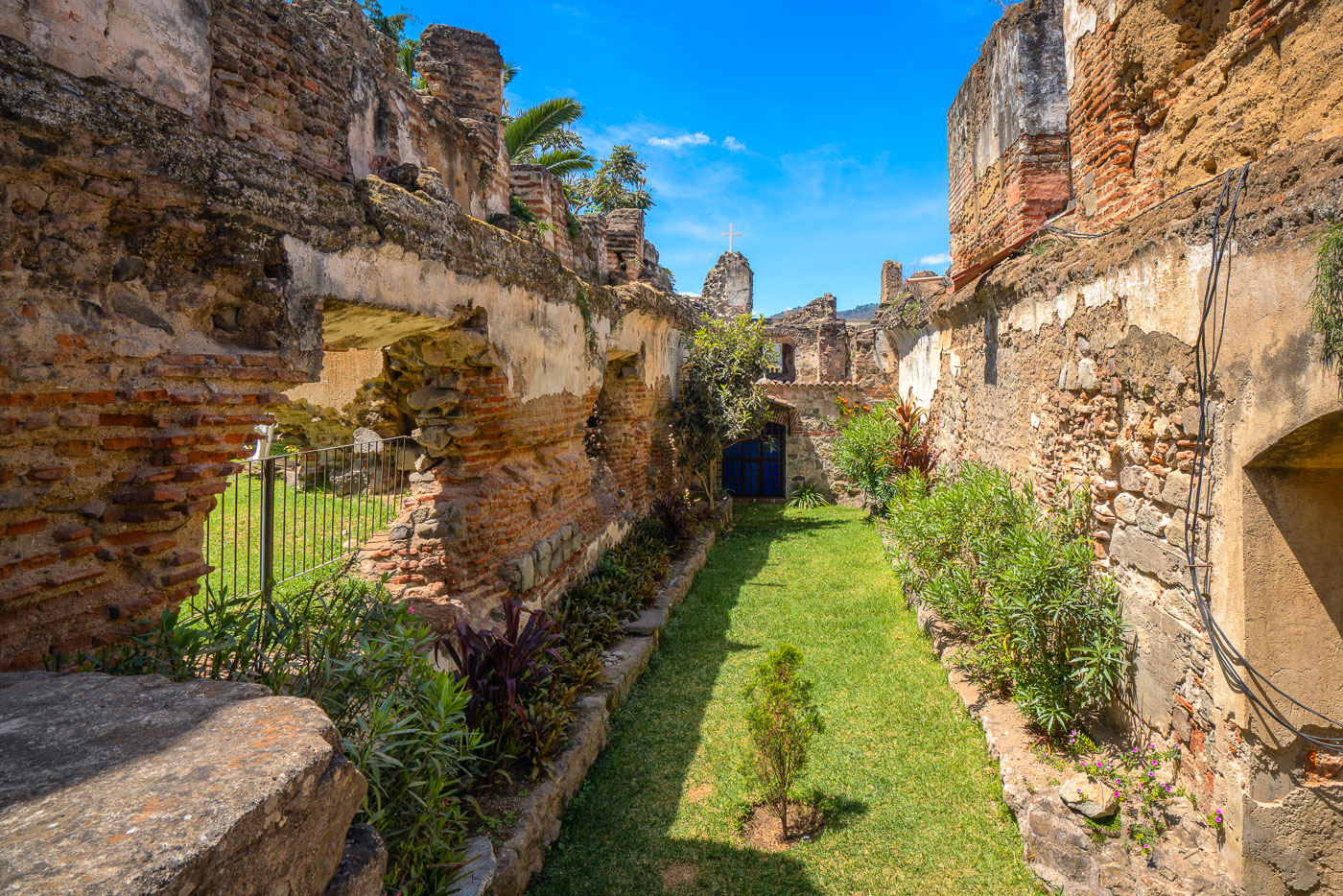
Restored courtyard garden at the San Francisco Convent ruins in Antigua Guatemala with colonial stone structures and tropical palms.
The Convento de San Francisco el Grande was established by Franciscan friars in 1579 and became one of the largest monastic complexes in colonial Central America, housing a church, cloisters, and schools around a series of courtyard gardens. The 1773 earthquake that leveled much of Antigua left the convent in ruins, and the site saw little restoration after the colonial capital relocated to present-day Guatemala City. Hermano Pedro de Betancourt, canonized in 2002 as Guatemala's first saint, served at the convent and is entombed in its adjoining church, drawing pilgrims to the grounds to this day. Conservation efforts in recent decades have stabilized portions of the stonework and reopened the gardens to visitors.

Garden Courtyard at San Francisco El Grande, Antigua Guatemala
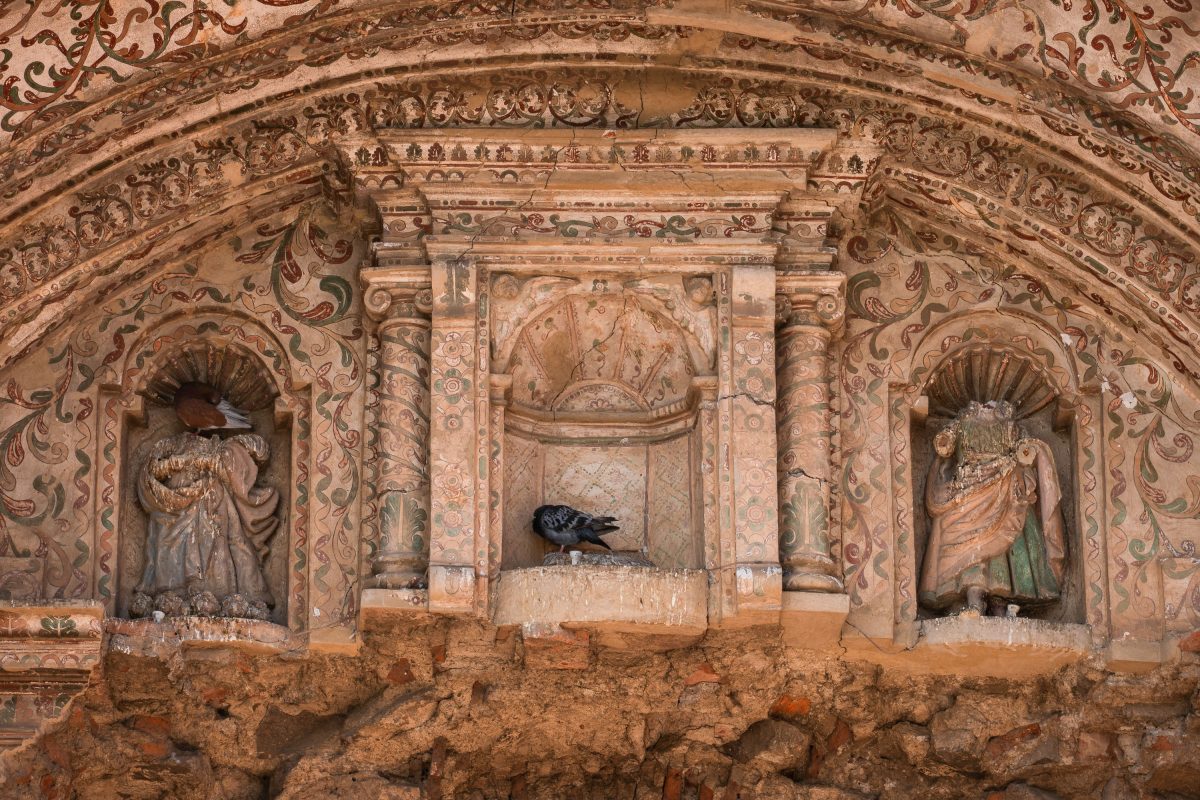
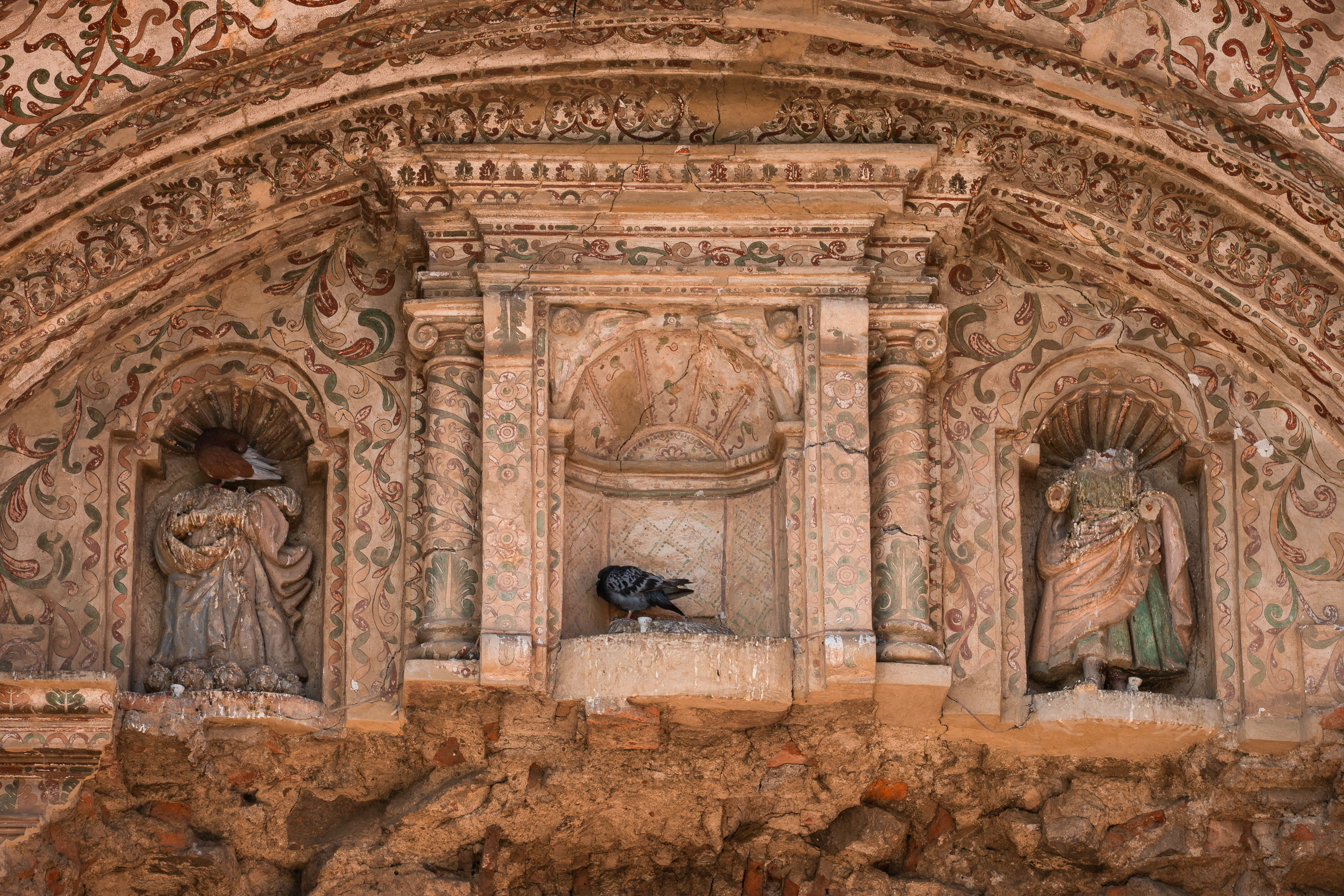
Stone saint statues in ornate carved niches on a weathered colonial church facade in Antigua, Guatemala.
This carved facade belongs to a colonial-era church in Antigua, Guatemala, once the seat of the Spanish Captaincy General of Guatemala. Founded in 1543, the city served as the colonial capital until earthquakes in 1773 badly damaged its buildings, prompting Spanish authorities to move the seat of government to present-day Guatemala City. Many of Antigua's Baroque church facades, built through the 17th and 18th centuries, combine sculpted saint niches with painted stucco ornament, a style brought from Spain and adapted by local craftsmen. Antigua's historic center was added to the UNESCO World Heritage List in 1979 in recognition of its surviving colonial architecture.

A Pigeon Nests Between Saint Statues on an Antigua Church Facade
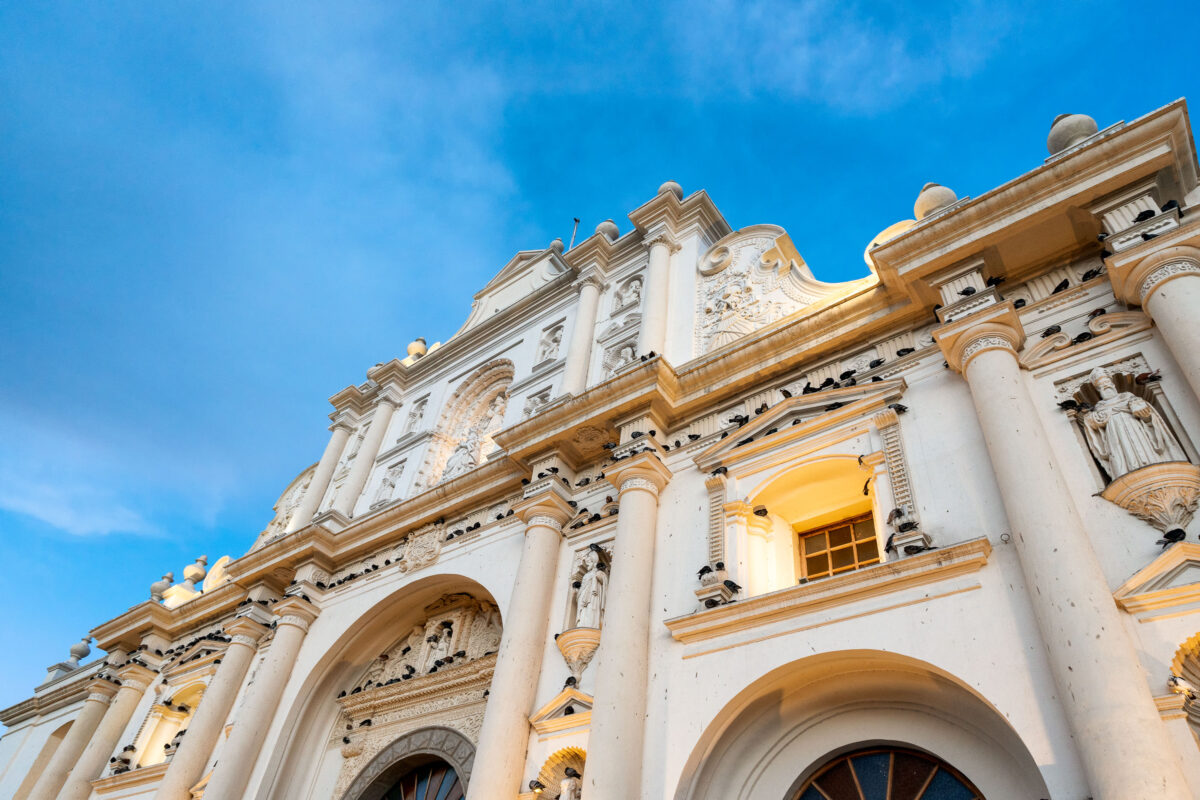
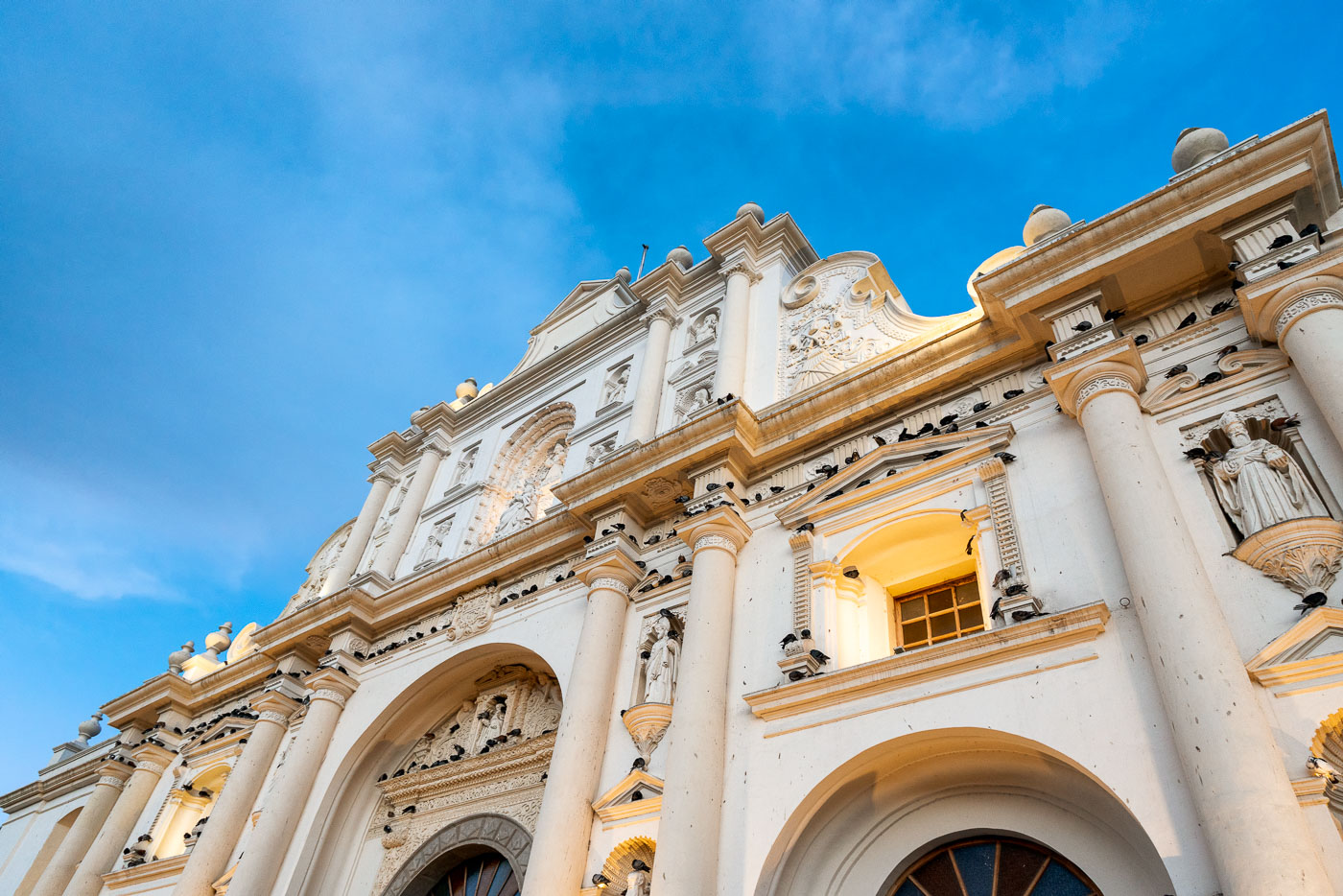
Ornate white and gold facade of the Cathedral of Saint James the Apostle in Parque Central, Antigua Guatemala, beneath clear blue sky.
The Cathedral of Saint James the Apostle anchors the east side of Parque Central in Antigua Guatemala, seat of the Archdiocese of Santiago de Guatemala. Spanish colonial authorities first consecrated a church on this site in 1545, with later rebuilding producing the baroque facade seen today after earlier structures were destroyed by earthquakes in 1717 and 1773. Only the front portion was restored for regular use following the 1773 damage, while the rest of the original cathedral remains in ruins behind it. Antigua's historic center, including the cathedral, was designated a UNESCO World Heritage Site in 1979.

Baroque Facade of the Cathedral of Saint James, Antigua
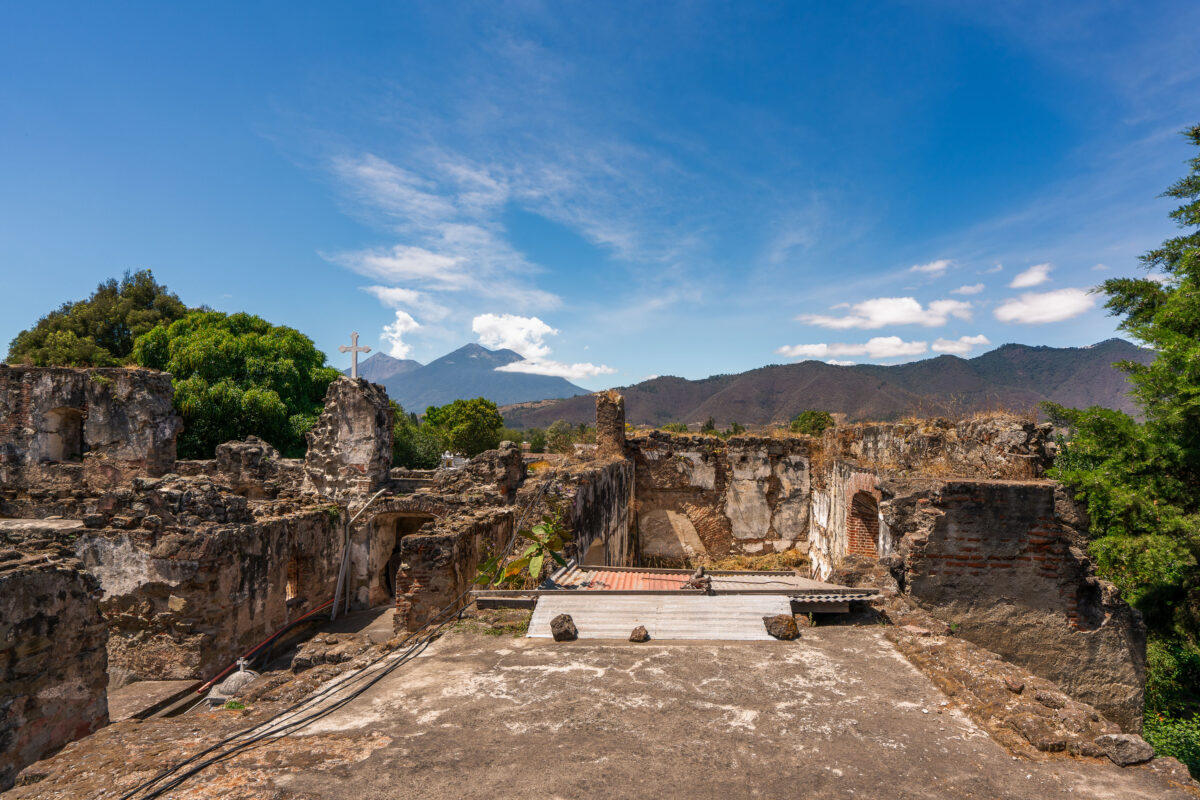
Stone ruins of the San Francisco el Grande colonial church and convent in Antigua, Guatemala, with Agua Volcano visible in the distance.
San Francisco el Grande began as a Franciscan church and convent built in Antigua in 1579. Earthquakes, most severely the 1773 Santa Marta tremors, left much of the original structure in ruins, and the complex stood largely abandoned until restoration efforts took hold in the 20th century. A newer sanctuary adjoining the ruins now holds the tomb of Hermano Pedro de San José Betancur, canonized in 2002 as Guatemala's first saint, drawing pilgrims from across Central America. Volcán de Agua, a 3,760-meter stratovolcano southeast of the city, has long served as a landmark for travelers approaching Antigua.

A Stone Cross Among the Ruins of San Francisco el Grande
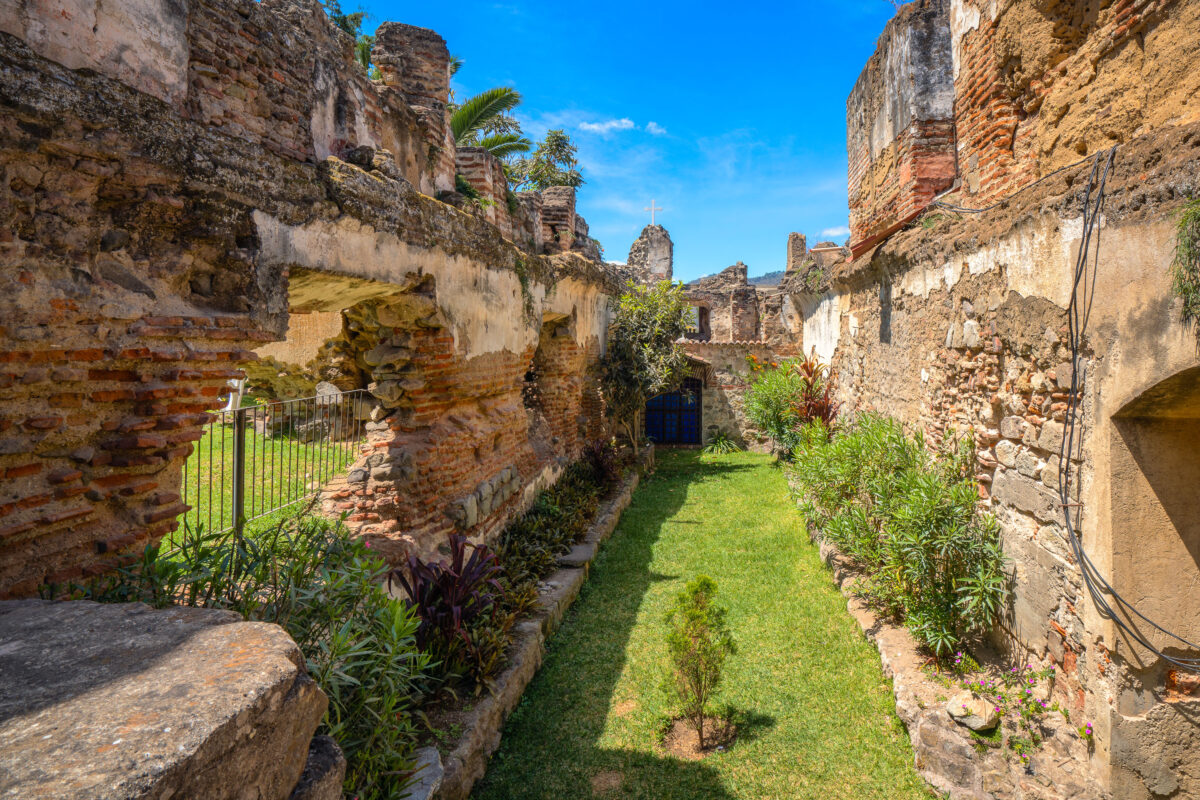
Ruins of Santuario San Francisco el Grande, a colonial-era church complex in Antigua, Guatemala, with stone walls and overgrown garden.
San Francisco el Grande, founded by Franciscan friars in the 16th century, once ranked among the largest religious complexes in colonial Antigua. Earthquakes in 1773 left much of the church and adjoining cloister in ruins, prompting the capital to relocate to present-day Guatemala City. The brick and masonry walls that remain standing today were never fully restored, leaving exposed arches and crumbling vaults alongside the original convent gardens. Franciscan friar Hermano Pedro de Betancourt, later canonized as Guatemala's first saint, lived and worked at this site, and his tomb draws pilgrims to the adjacent working church.

Garden Passage Through the Ruins of San Francisco el Grande
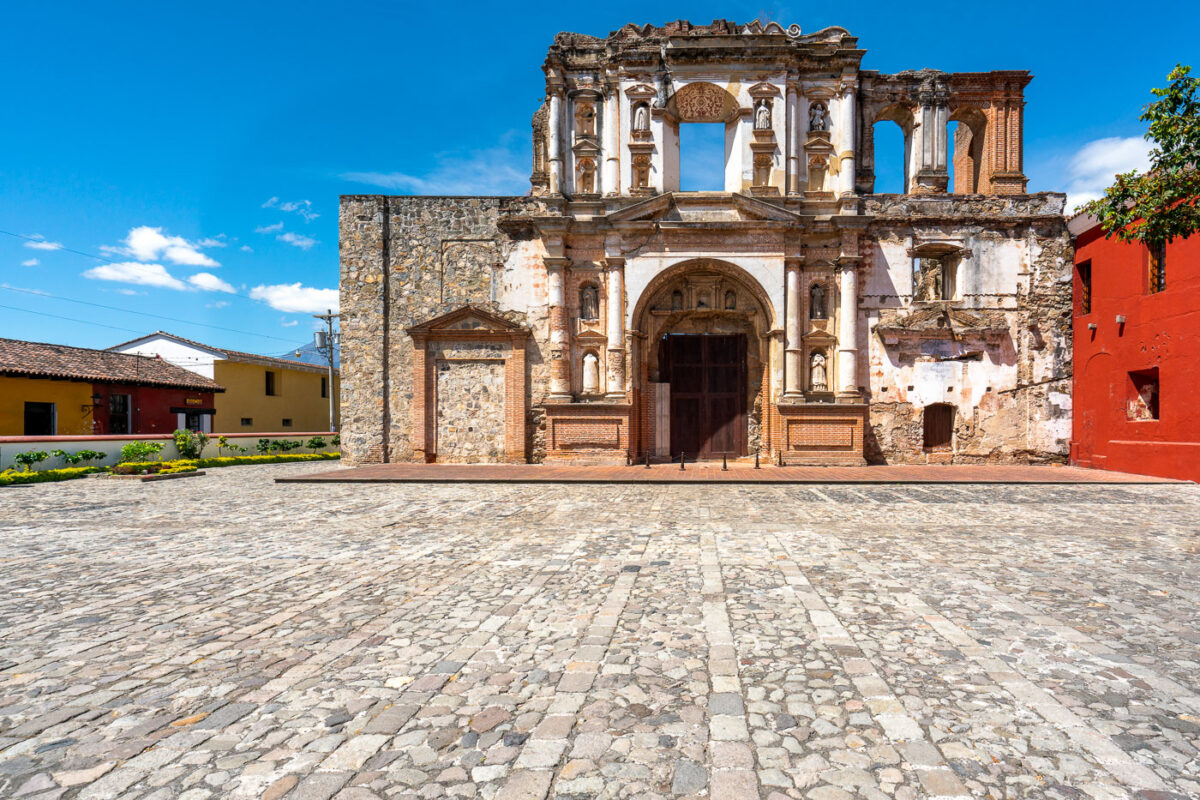
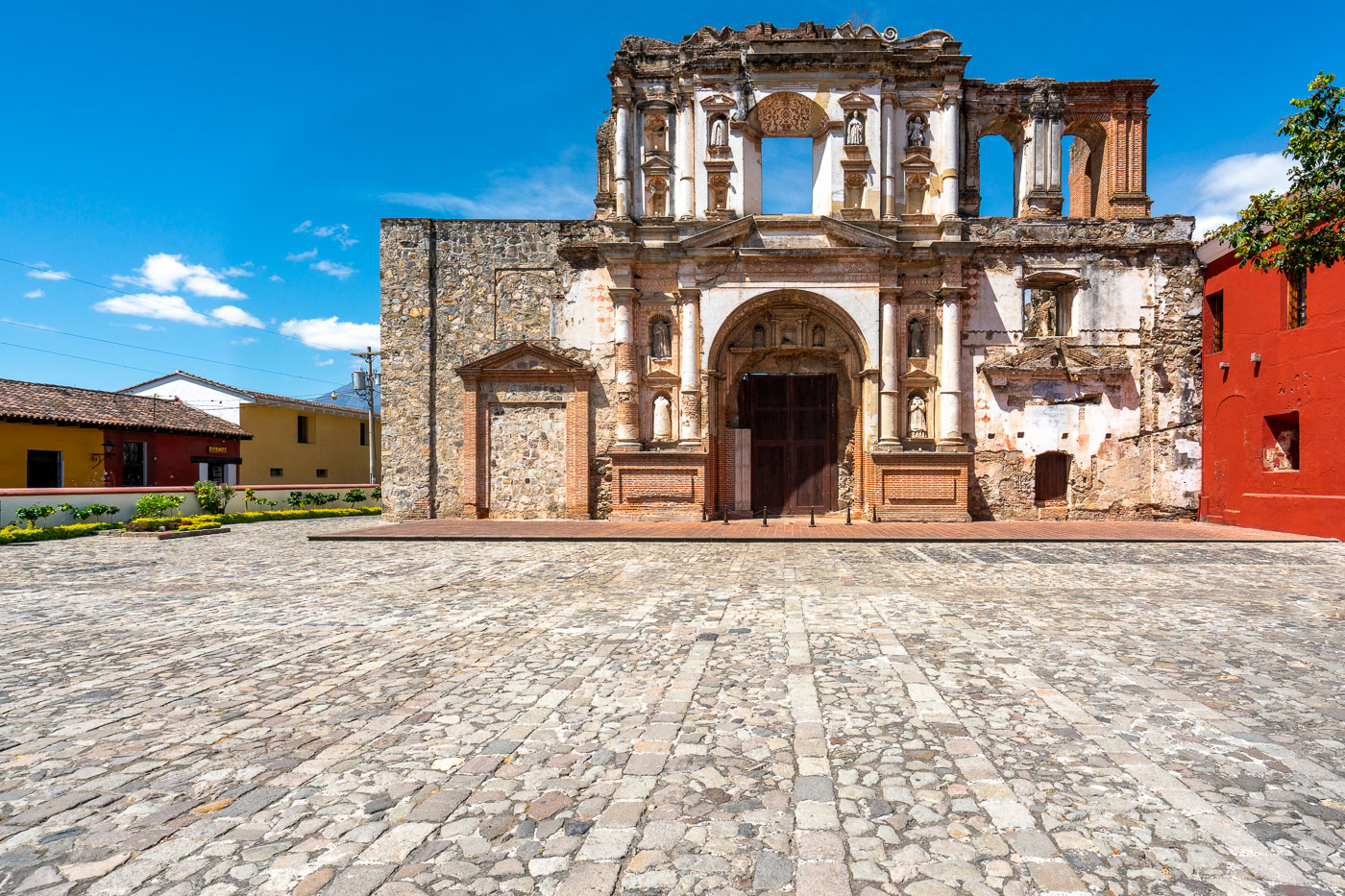
Ruins of the Iglesia y Convento de la Compañía de Jesús, a late-17th-century Jesuit church and convent in Antigua Guatemala.
The Compañía de Jesús complex in Antigua Guatemala was built by the Jesuit order, with construction on this church completed in 1699. Spain's 1767 expulsion of the Jesuits emptied the building before earthquakes later in that century left the facade and nave in ruins. The surviving entrance shows the churrigueresque style common to Antigua's late Baroque churches, with niches that once held statues of saints. Restoration work in recent decades has stabilized the ruins, and part of the former convent now houses a cultural center and hotel built around the old cloisters.

Facade of Iglesia y Convento de la Compañía de Jesús, Antigua
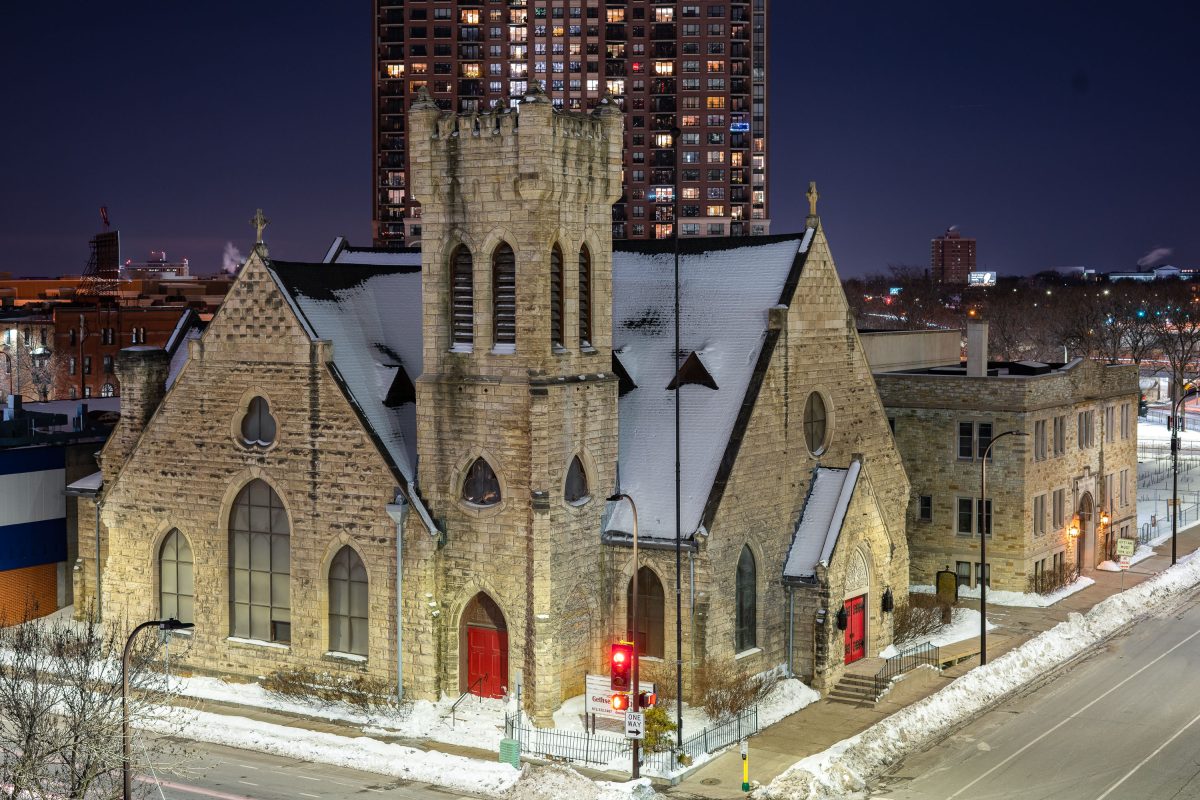
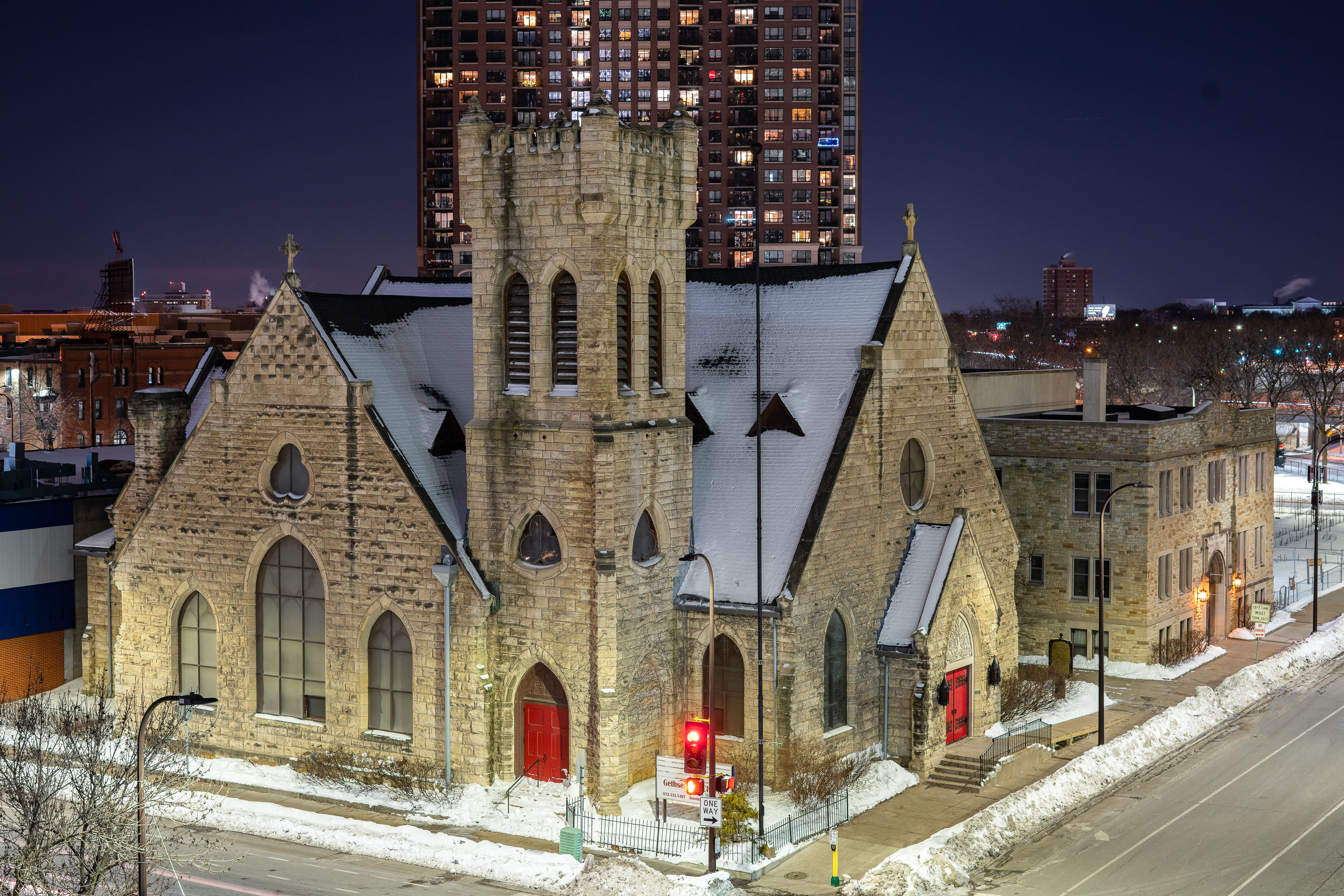
Gethsemane Episcopal Church's stone tower and snow-covered roof stand below a high-rise in downtown Minneapolis.
Gethsemane Episcopal Church stands at 905 4th Avenue South in downtown Minneapolis. The congregation was organized in 1856, making it one of the oldest Episcopal parishes in the city, and the current limestone building dates to the 1880s in a Gothic Revival style. The church has long served an urban parish role, offering outreach programs alongside regular worship. It sits within blocks of the Minneapolis Convention Center and the city's Loring Park neighborhood, surrounded in recent decades by high-rise residential towers built up around the older structure.

Gethsemane Episcopal Church Beneath Downtown Minneapolis High-Rise
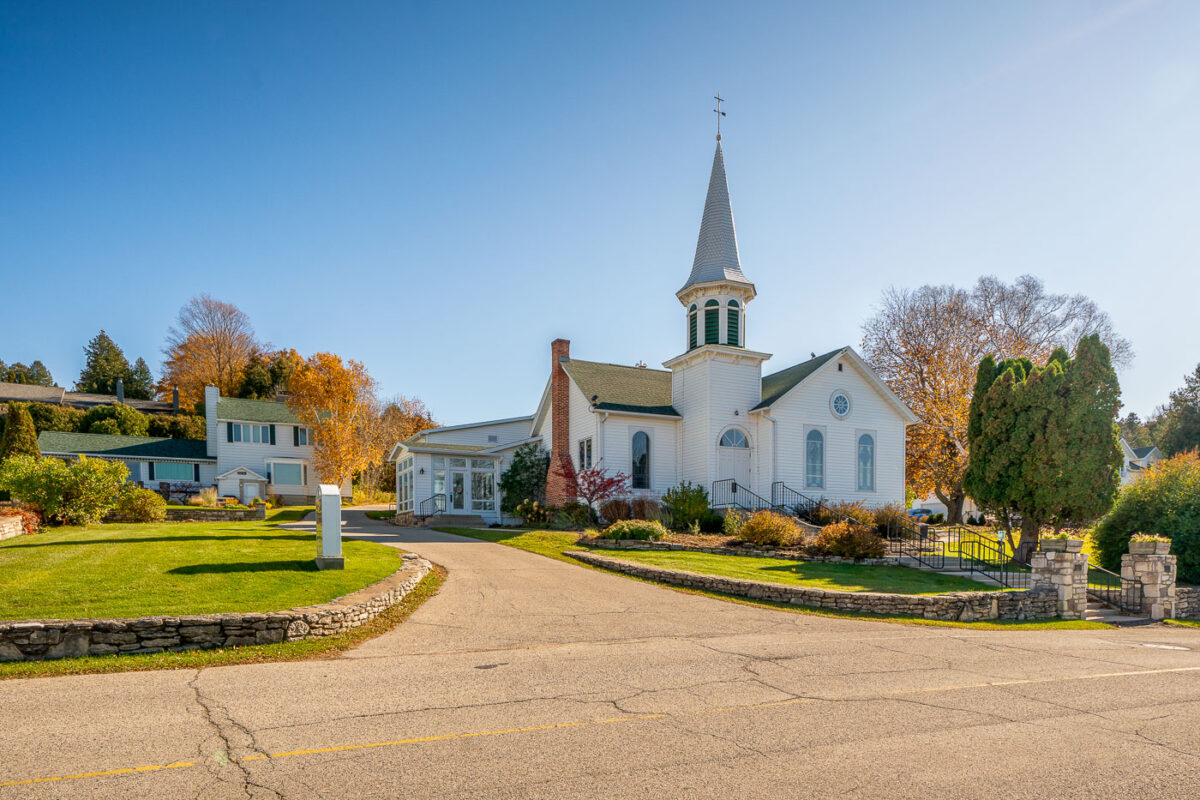
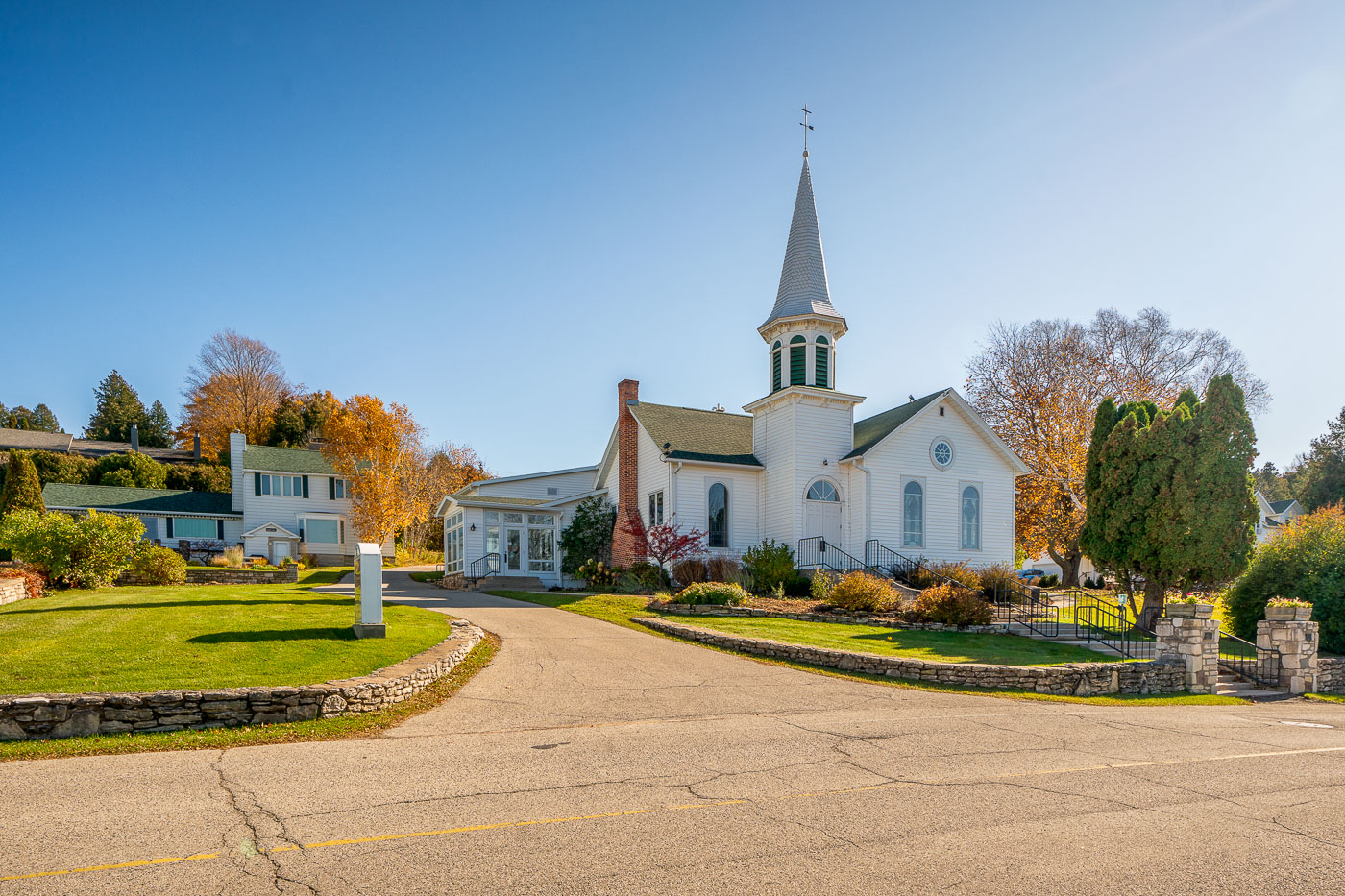
Ephraim Moravian Church, a white clapboard steeple church, stands in Ephraim, Wisconsin, overlooking Eagle Harbor.
Ephraim Moravian Church stands at the center of Ephraim, Wisconsin, overlooking Eagle Harbor on the Door County peninsula. The congregation formed in 1853 when Norwegian immigrants, led by Reverend Andreas Iverson, settled the area and established the Moravian community that gave the village its name. Built soon after in the same era, the church has served as the spiritual center for one of the few Moravian settlements in the Midwest. It is part of the Ephraim Historic District, listed on the National Register of Historic Places in 1988.

Moravian Church of Ephraim, Door County, Wisconsin

Trinity Episcopal Cathedral in red sandstone stands among modern buildings with Wasatch Mountains beyond at dusk in Salt Lake
Trinity Episcopal Cathedral stands near downtown Salt Lake City, built in the Gothic Revival style favored by American Episcopal congregations in the late 19th and early 20th centuries. The congregation traces its roots to the early decades of Utah statehood, when Episcopal missions established parishes alongside the city's growing population.

Trinity Episcopal Cathedral Near Downtown Salt Lake City
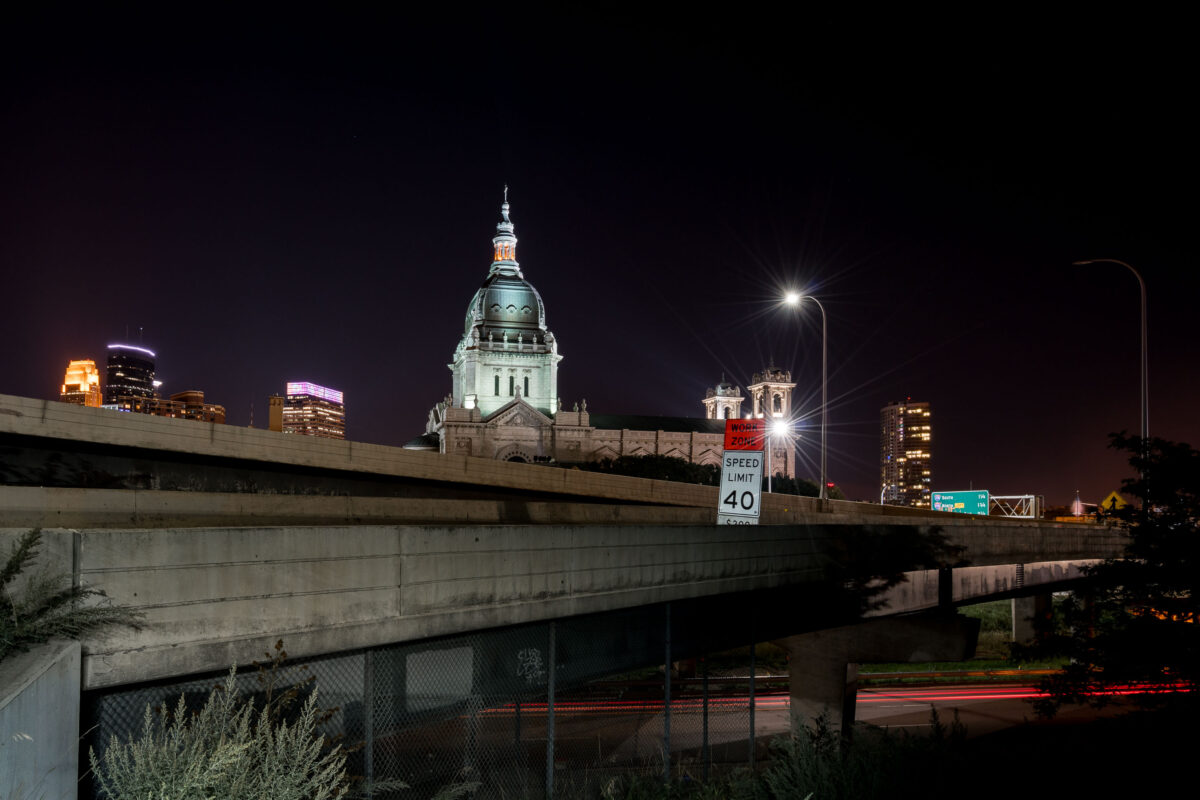
The Basilica of Saint Mary in Minneapolis is illuminated at night, with Interstate 94 passing beneath an overpass in the foreground.
The Basilica of Saint Mary, a prominent Roman Catholic church in Minneapolis, is illuminated at night, with Interstate 94 visible in the foreground. Construction of the basilica began in 1907 and it was consecrated in 1914, designed by architect Edward L. Masqueray in a French Renaissance style. It served as the seat of the Archdiocese of Saint Paul and Minneapolis until 2008. The interstate highway, completed in the 1960s, represents a significant piece of mid-20th century urban infrastructure that reshaped the city's landscape and transportation networks.

Basilica of Saint Mary and I-94 at Night, Minneapolis
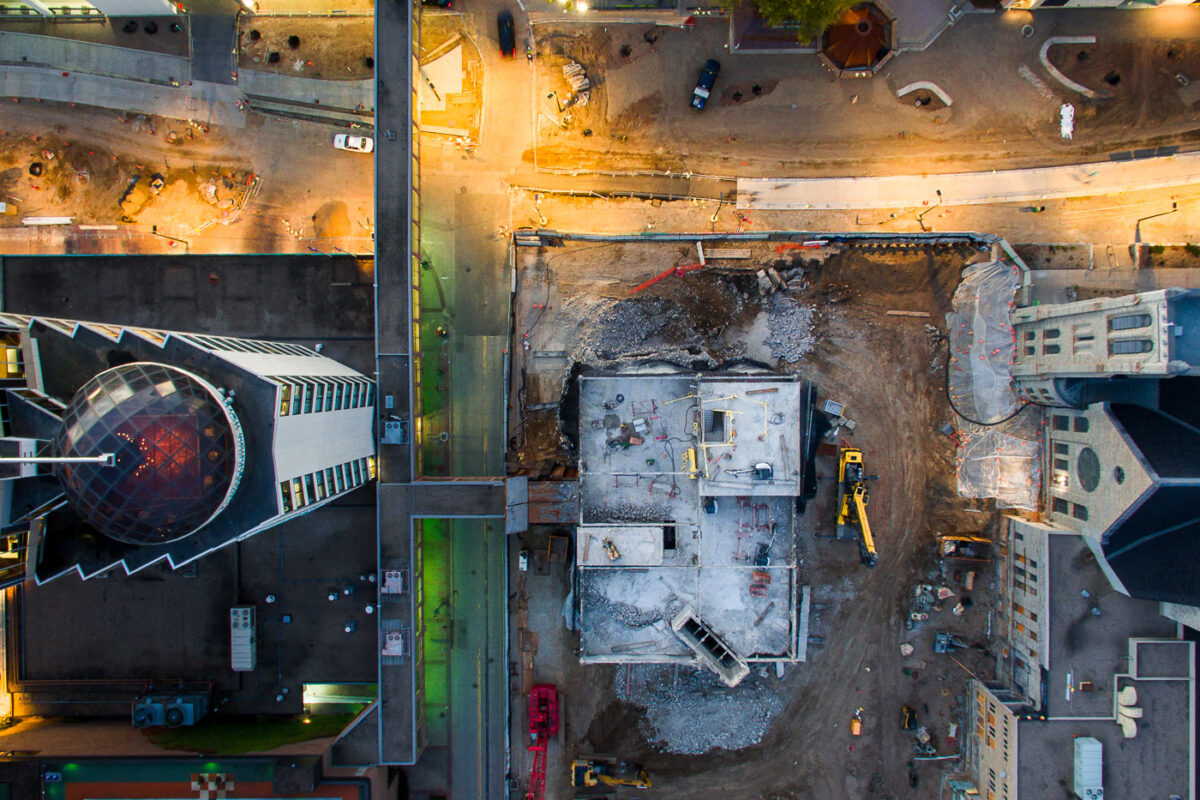
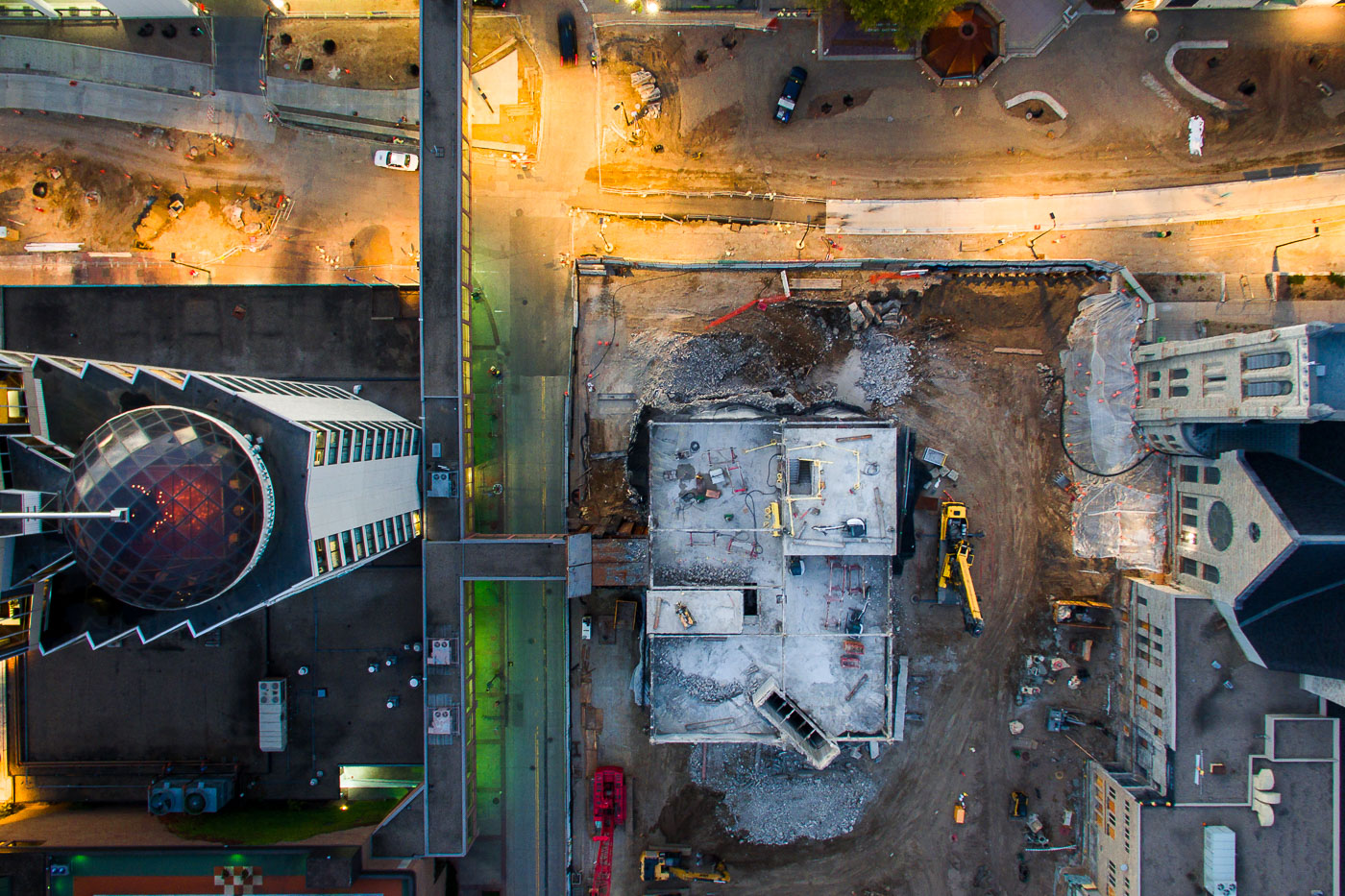
Demolition of an office building on Nicollet Mall in Minneapolis for the expansion of Westminster Presbyterian Church. The Millennium Hotel is visible.
Demolition work is underway on Nicollet Mall in downtown Minneapolis, clearing an eight-story office building to make way for an expansion of Westminster Presbyterian Church. The church, a prominent fixture in the city's core, is undertaking this project to increase its capacity and services. The adjacent Millennium Hotel is visible in the background, highlighting the ongoing development in this central business district.

Westminster Presbyterian Church Expansion, Minneapolis
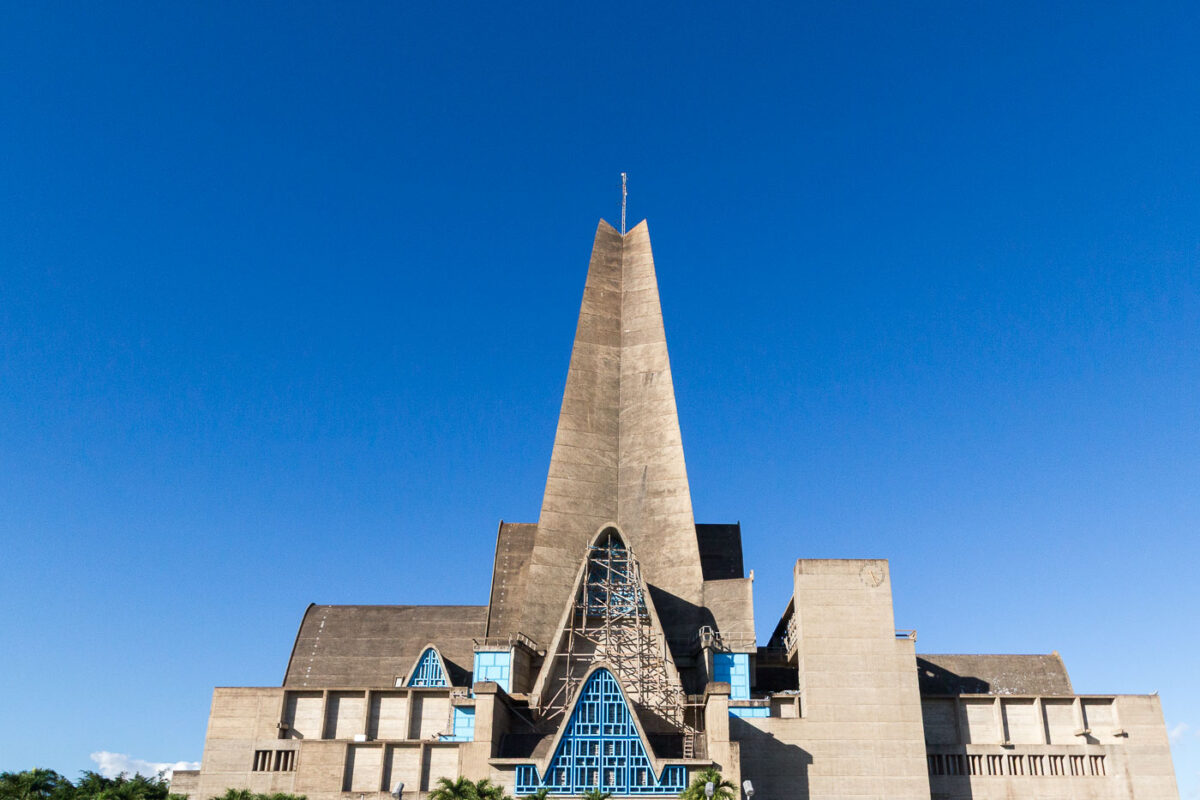
Basílica Catedral Nuestra Señora de la Altagracia in Higüey, Dominican Republic, features a tall concrete spire and blue-trimmed entrance.
Basílica Catedral Nuestra Señora de la Altagracia in Higüey, Dominican Republic, is a Roman Catholic basilica and one of the country’s principal pilgrimage destinations. Completed in 1971, the church was designed by French architects André-Jacques Dunoyer de Segonzac and Pierre Dupré in reinforced concrete, with twin towering forms framing the main entrance. The basilica is dedicated to Our Lady of Altagracia, the patroness of the Dominican Republic, and receives large crowds for the annual feast day on January 21.

Soaring Spire of the Basílica de Higüey
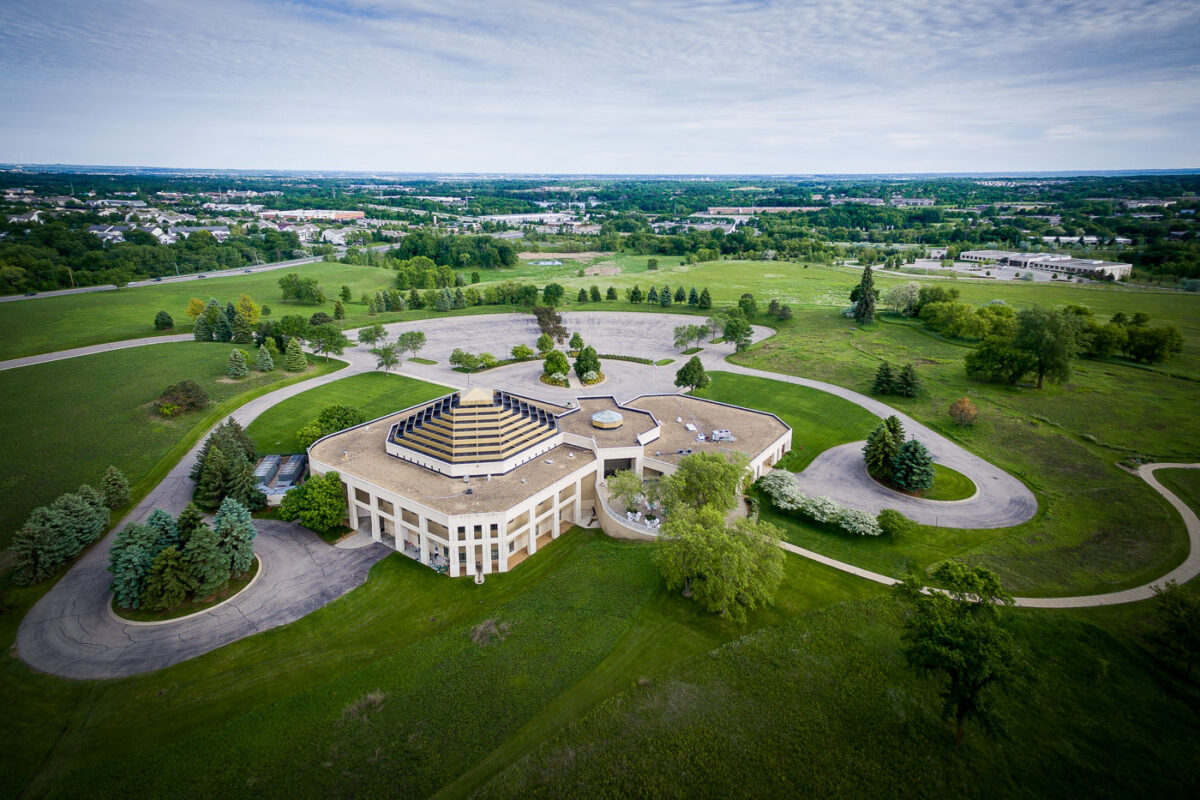
The Temple of Eck, spiritual center for Eckankar in Chanhassen, Minnesota, features a distinctive tiered, pyramidal roof and sits on 174 acres near Lake Ann.
The Temple of Eck, located in Chanhassen, Minnesota, serves as the spiritual center for the Eckankar faith in the United States. Completed in 1990 at a cost of $8.2 million, the structure sits on approximately 174 acres purchased by the church in 1985. The building's distinctive tiered, pyramidal roof is a prominent architectural feature. It is situated near Lake Ann, contributing to the serene setting of the religious complex.

Temple of Eck in Chanhassen, Minnesota
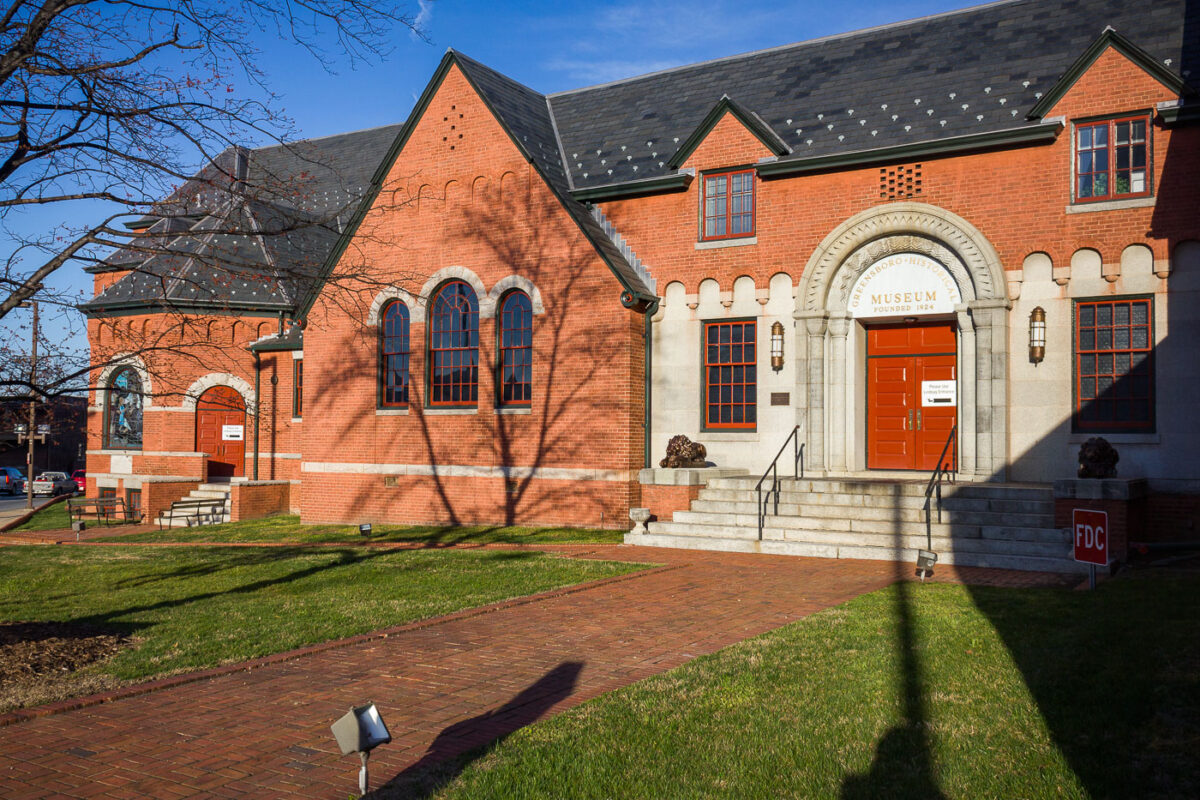
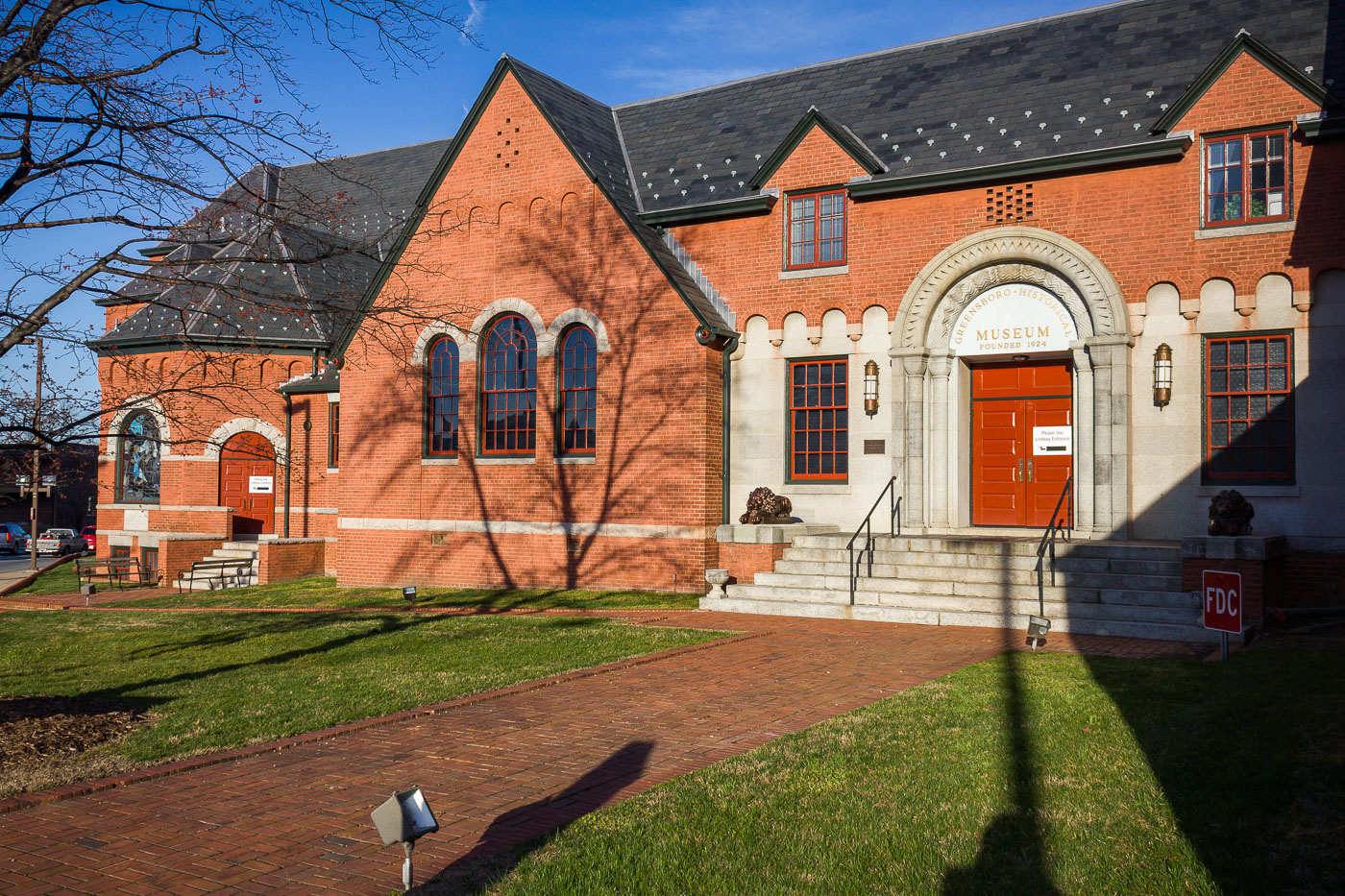
Greensboro History Museum in the former First Presbyterian Church, a red brick building with cream stone entrance at 130 Summit
The Greensboro History Museum occupies the former First Presbyterian Church at 130 Summit Avenue, a Gothic Revival building completed in 1892 with later additions, including the Smith Memorial Building. The congregation moved to a new location in the 1920s, after which the structure was adapted for museum use. Today it houses exhibits on the city's social and industrial history, including displays on textile manufacturing and civil rights. The building is listed on the National Register of Historic Places.

Greensboro History Museum’s Summit Avenue Entrance

Spalling masonry exposes red brick on an abandoned church wall in Minnesota.
Spalling masonry on an abandoned church in Minnesota exposes red brick beneath a cracked concrete exterior. The wall section has failed mortar, broken concrete facing, and lichen growth near the damaged joint.

Spalling Masonry on Abandoned Minnesota Church