Museum

15 photos · 2009–2024

15 photographs tagged Museum, 2009–2024.
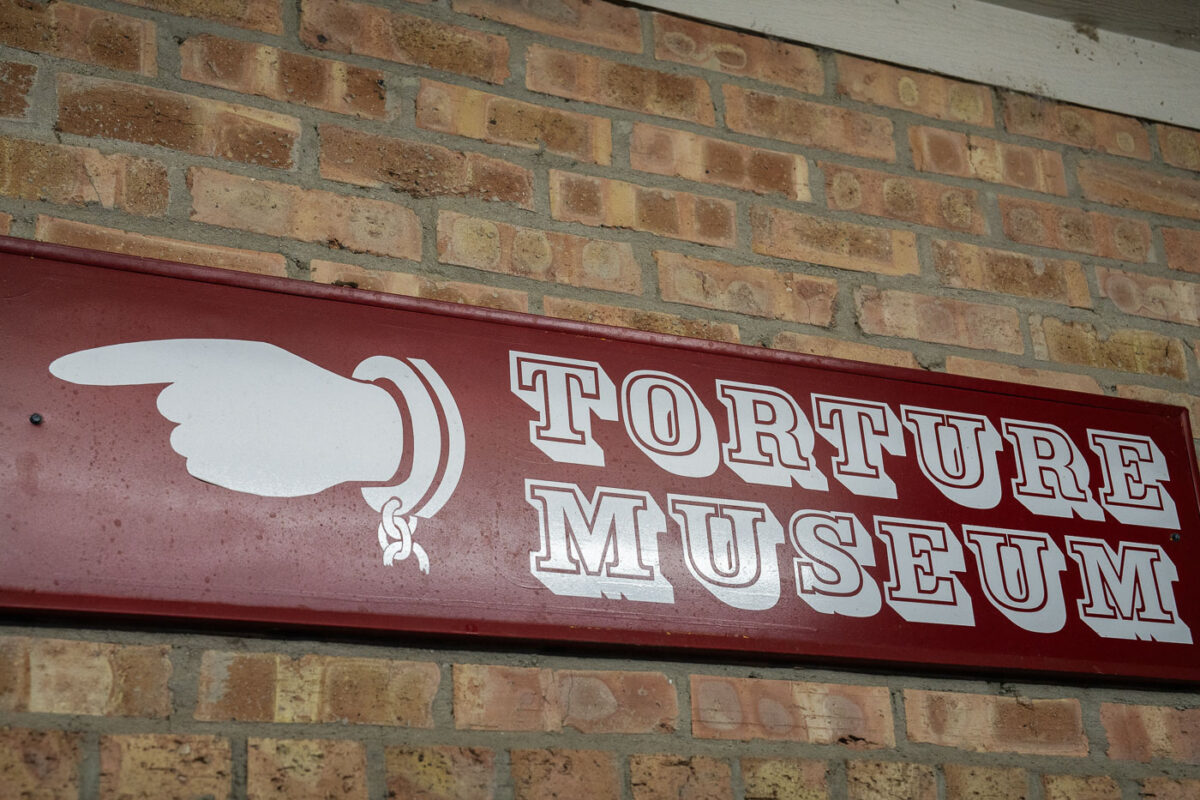
Torture Museum sign with white hand pointing icon on red background mounted on brick wall in Wisconsin Dells.
The Torture Museum is one of several novelty attractions along the main tourist strip in Wisconsin Dells, a city whose downtown economy has centered on tourism since the mid-20th century. Storefront museums of this kind typically display replicas of medieval and early modern devices — racks, iron maidens, stocks — paired with placards describing their historical use. Wisconsin Dells draws several million visitors annually, and its commercial strip mixes water parks with wax museums, haunted houses, and similar paid attractions competing for foot traffic.

Sign Pointing to the Torture Museum in Wisconsin Dells
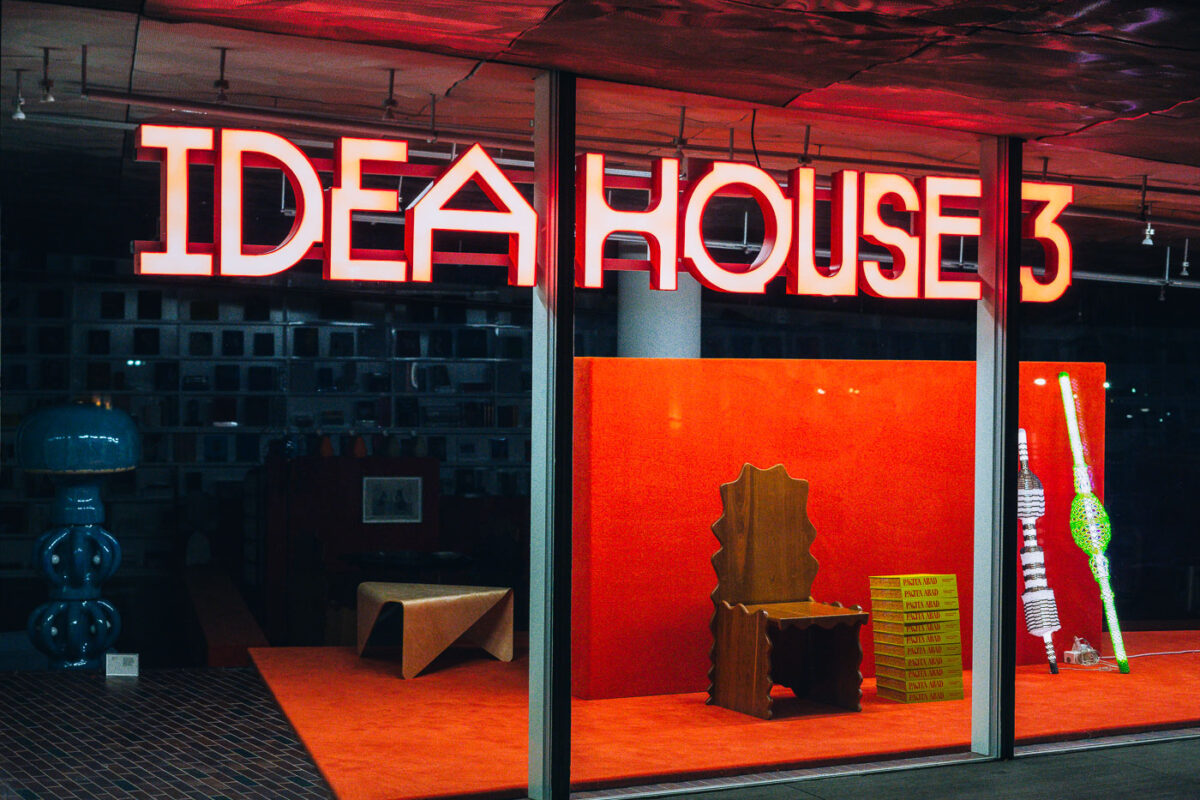
Idea House 3 installation at Walker Art Center in Minneapolis.
Idea House 3 at Walker Art Center in Minneapolis is a design installation associated with the museum’s exhibition program. The title refers to a curated house concept presented by the Walker Art Center.

Idea House 3 at Walker Art Center

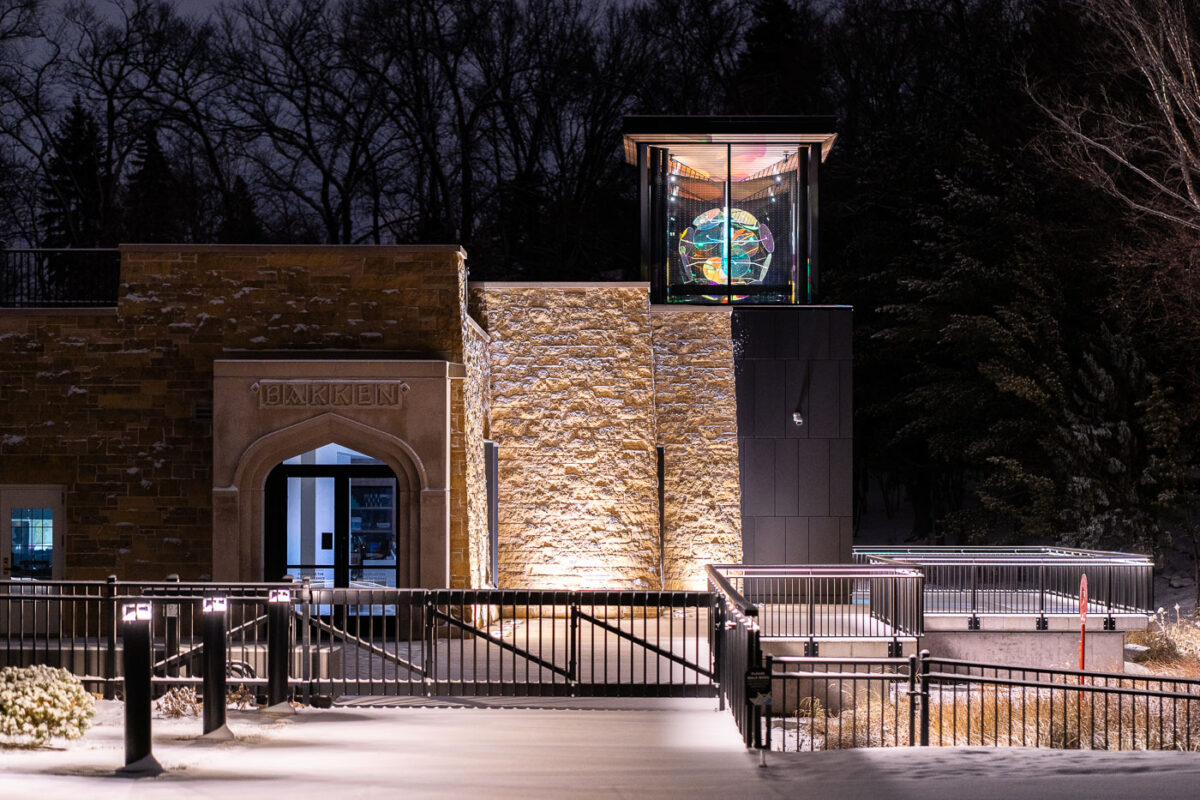
The Bakken Museum after a fresh snowfall
The Bakken Museum in Minneapolis, Minnesota, is dedicated to the history of innovation in medicine and technology. Founded in 1975 by Earl Bakken, co-founder of Medtronic, the museum houses exhibits on medical devices and the scientific principles behind them. The building's architecture combines historic stone elements with modern design, as seen here during a winter snowfall.

The Bakken Museum, Minneapolis, in Winter Snow
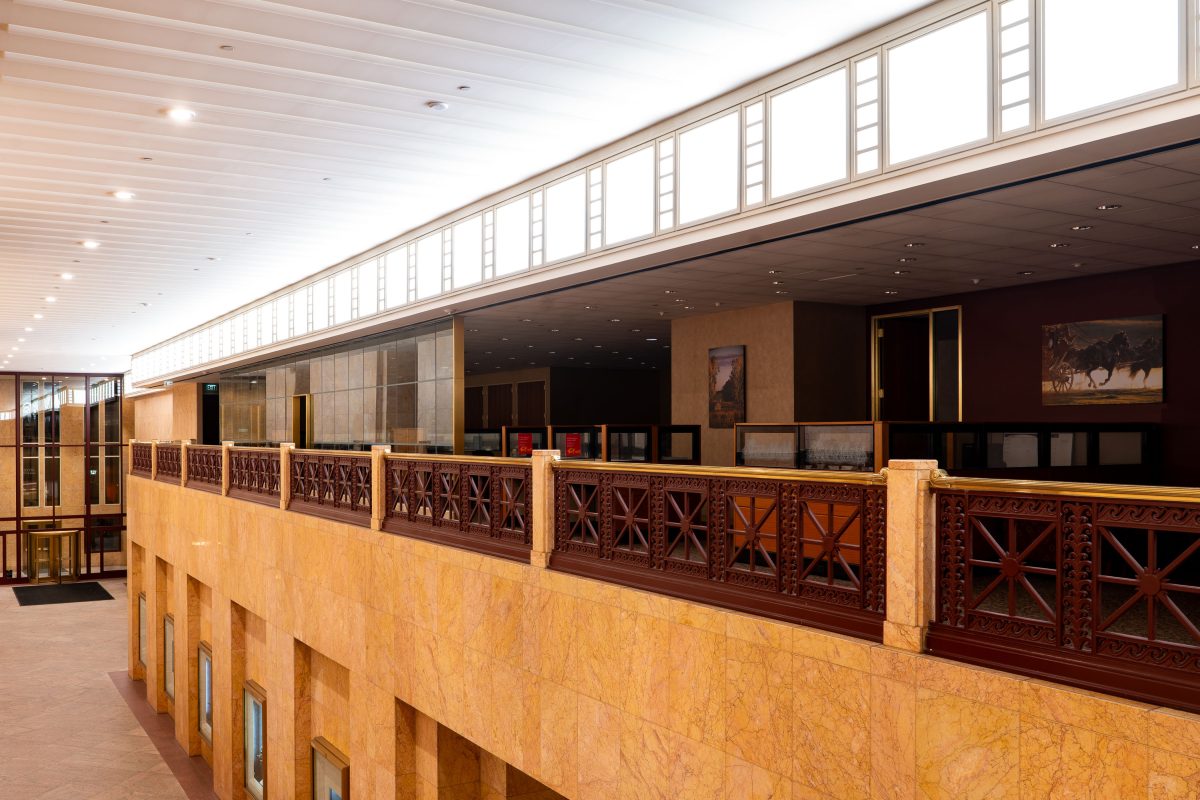
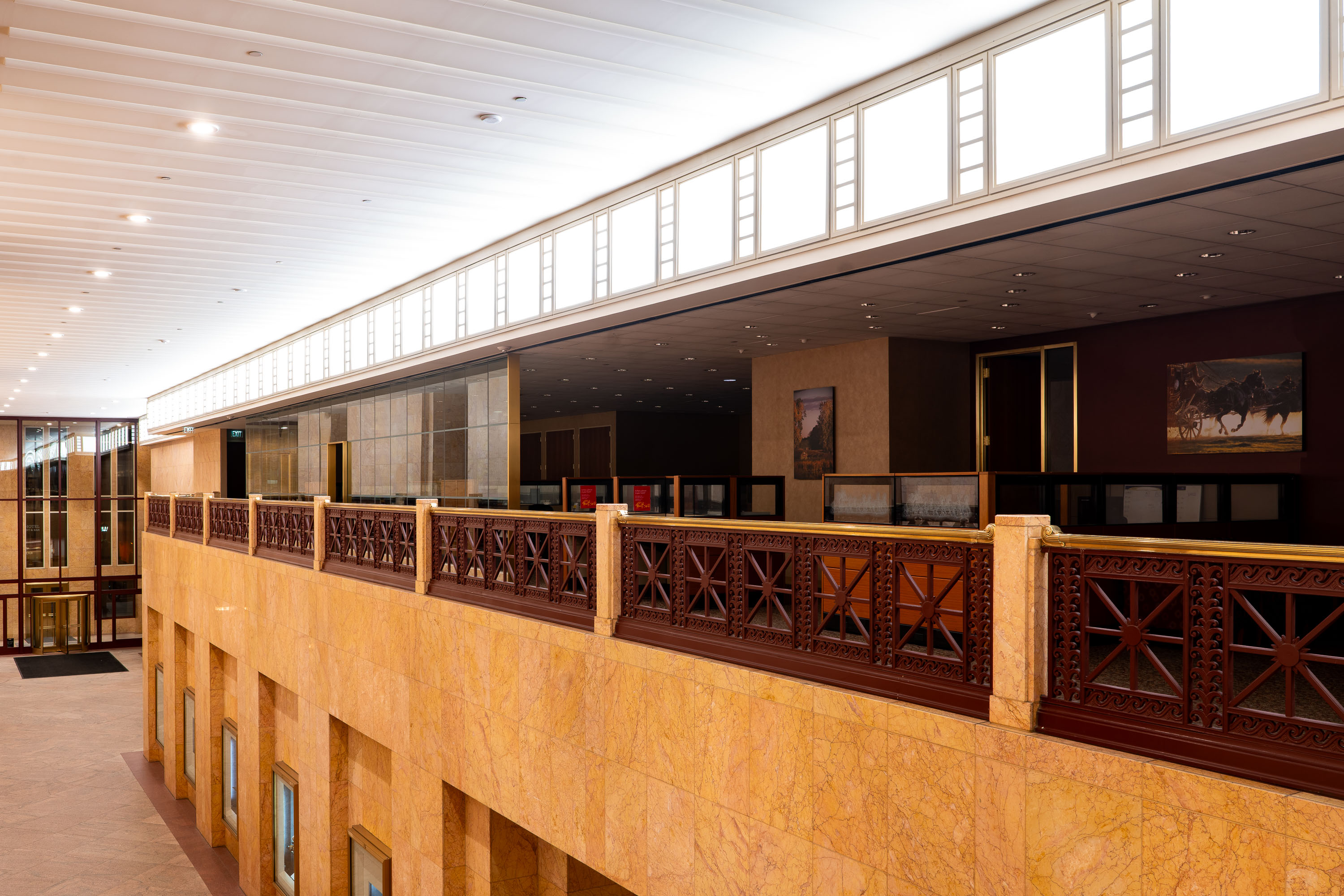
Interior of the Wells Fargo Center Museum in downtown Minneapolis featuring wooden railings and gallery spaces.
The Wells Fargo History Museum occupies the mezzanine level of the Wells Fargo Center at 90 South Seventh Street in downtown Minneapolis. Wells Fargo operates a small chain of these free museums in cities where it has a historic presence, using them to display stagecoaches, mining-era artifacts, and archival s tied to the company's founding in 1852. The exhibit cases along the balcony rail typically rotate items from the bank's corporate archives, including gold specimens and correspondence from the stagecoach express era. The Wells Fargo Center tower itself, completed in 1988 and designed by Cesar Pelli, rises 58 stories above the museum's perch overlooking the building's lobby.

Mezzanine Balcony, Wells Fargo History Museum, Minneapolis
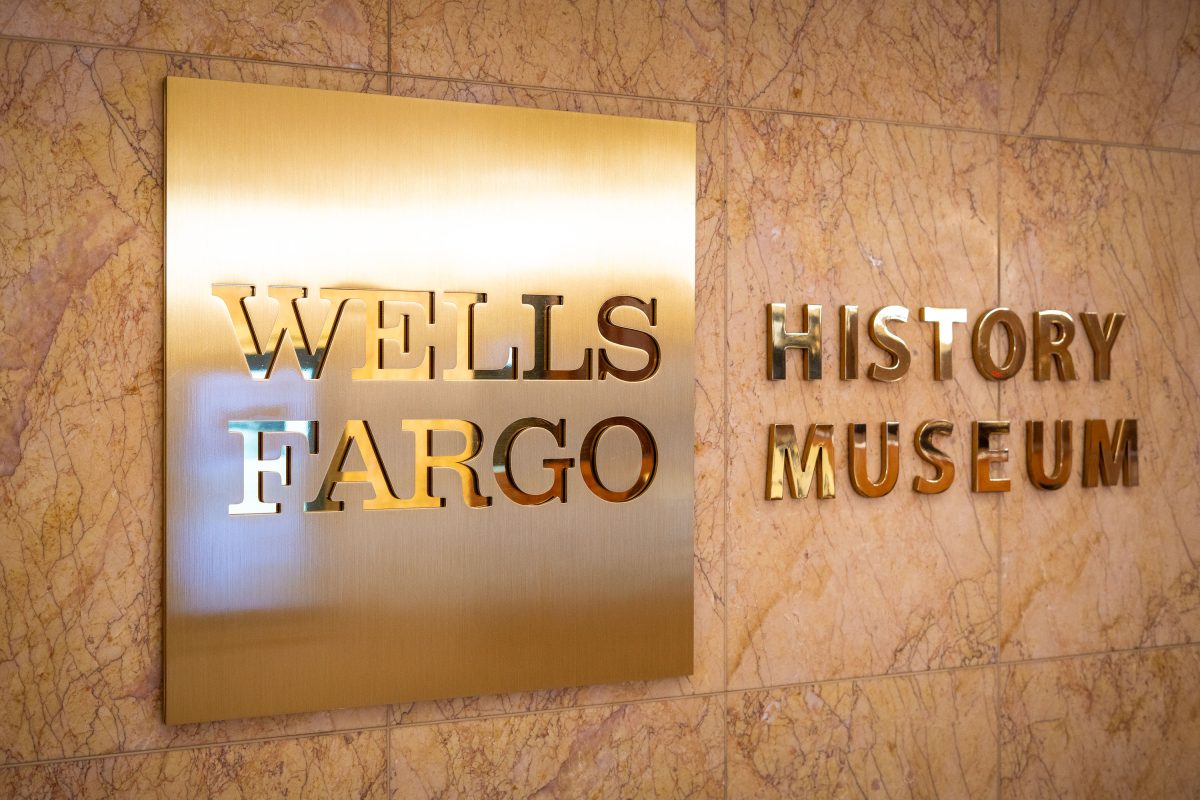
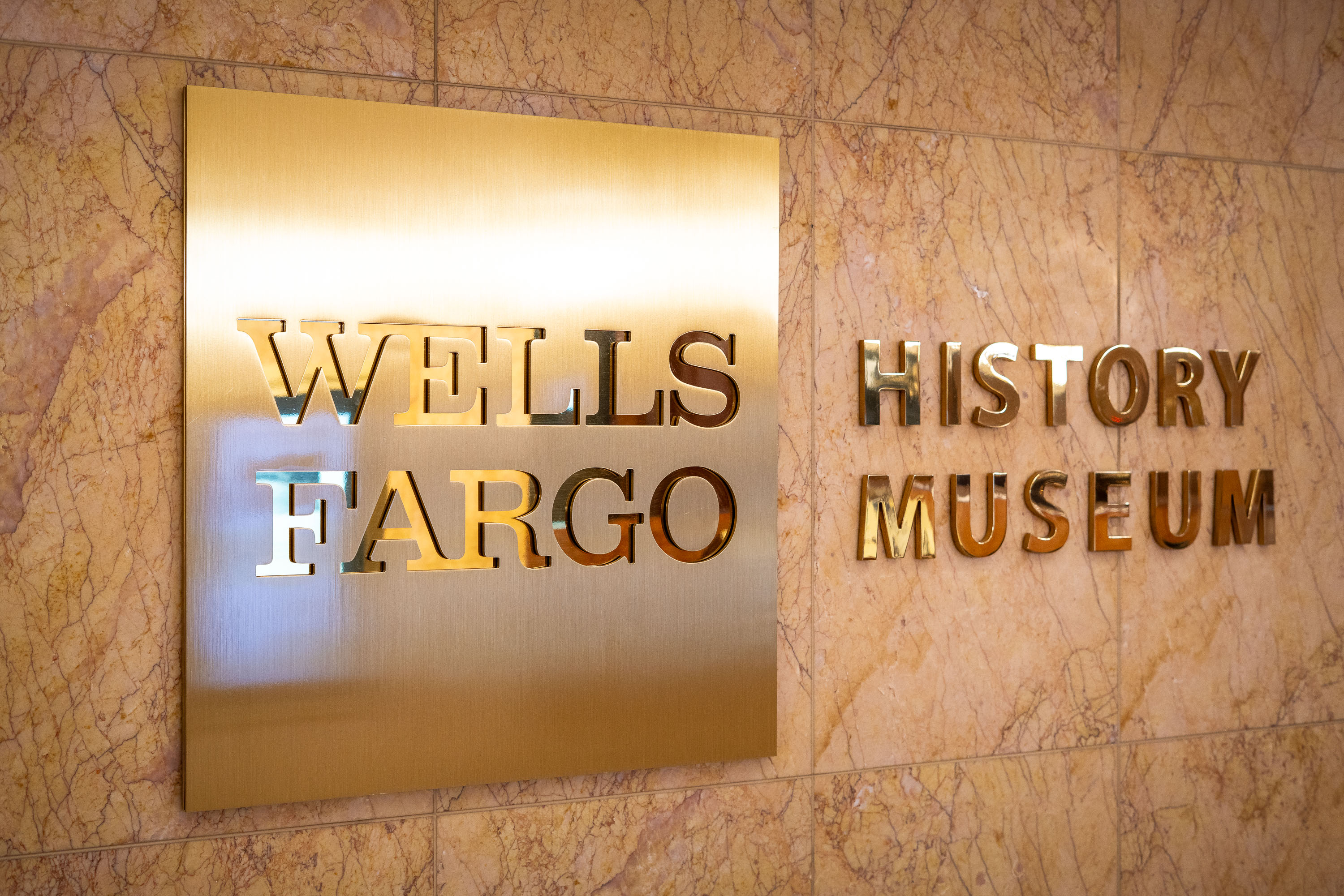
Wells Fargo History Museum signage mounted on marble wall in Minneapolis.
Wells Fargo operates several history museums across its footprint, including this one inside Wells Fargo Center in downtown Minneapolis. The museums showcase artifacts from the company's founding in 1852 by Henry Wells and William Fargo, when it began as an express delivery and banking service for customers headed to California during the Gold Rush. Exhibits typically include stagecoaches, mining-era currency, and telegraph equipment tracing the company's expansion across the American West. Wells Fargo Center itself, completed in 1988, is a 58-story skyscraper designed by César Pelli and remains one of the tallest buildings in Minneapolis.

Wells Fargo History Museum, Wells Fargo Center, Minneapolis
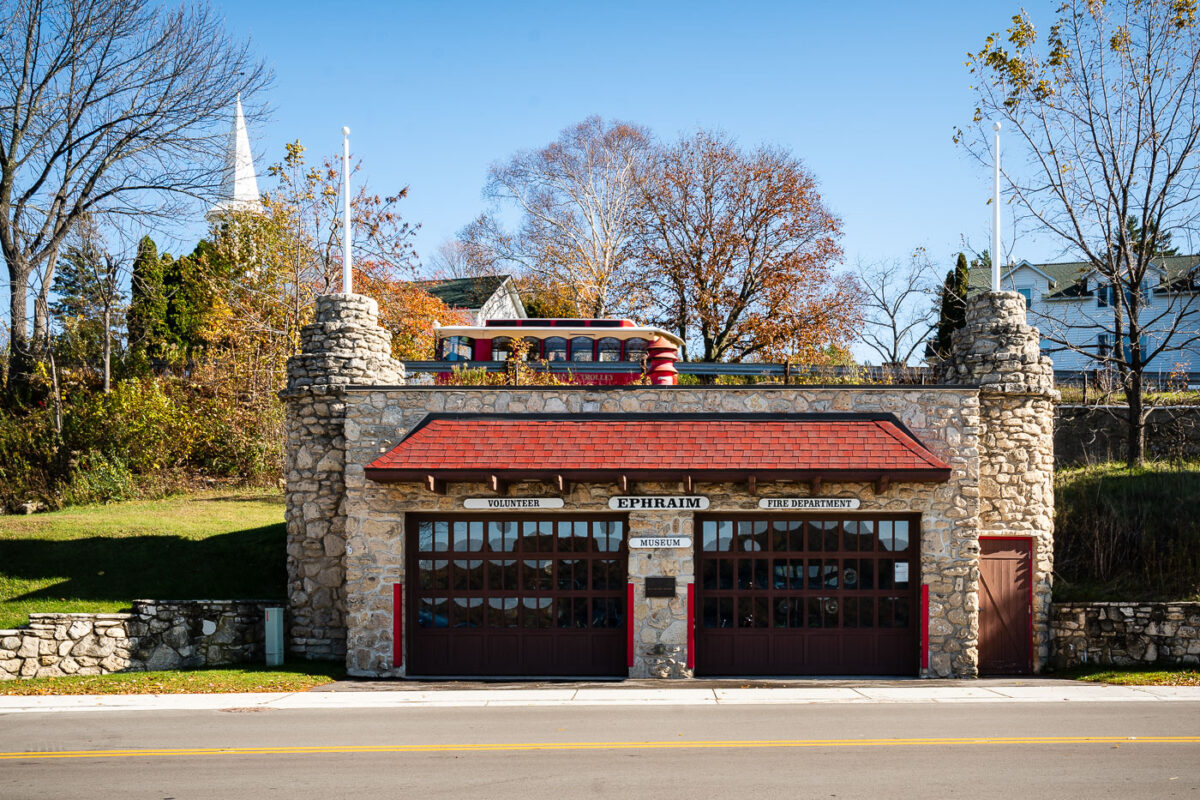
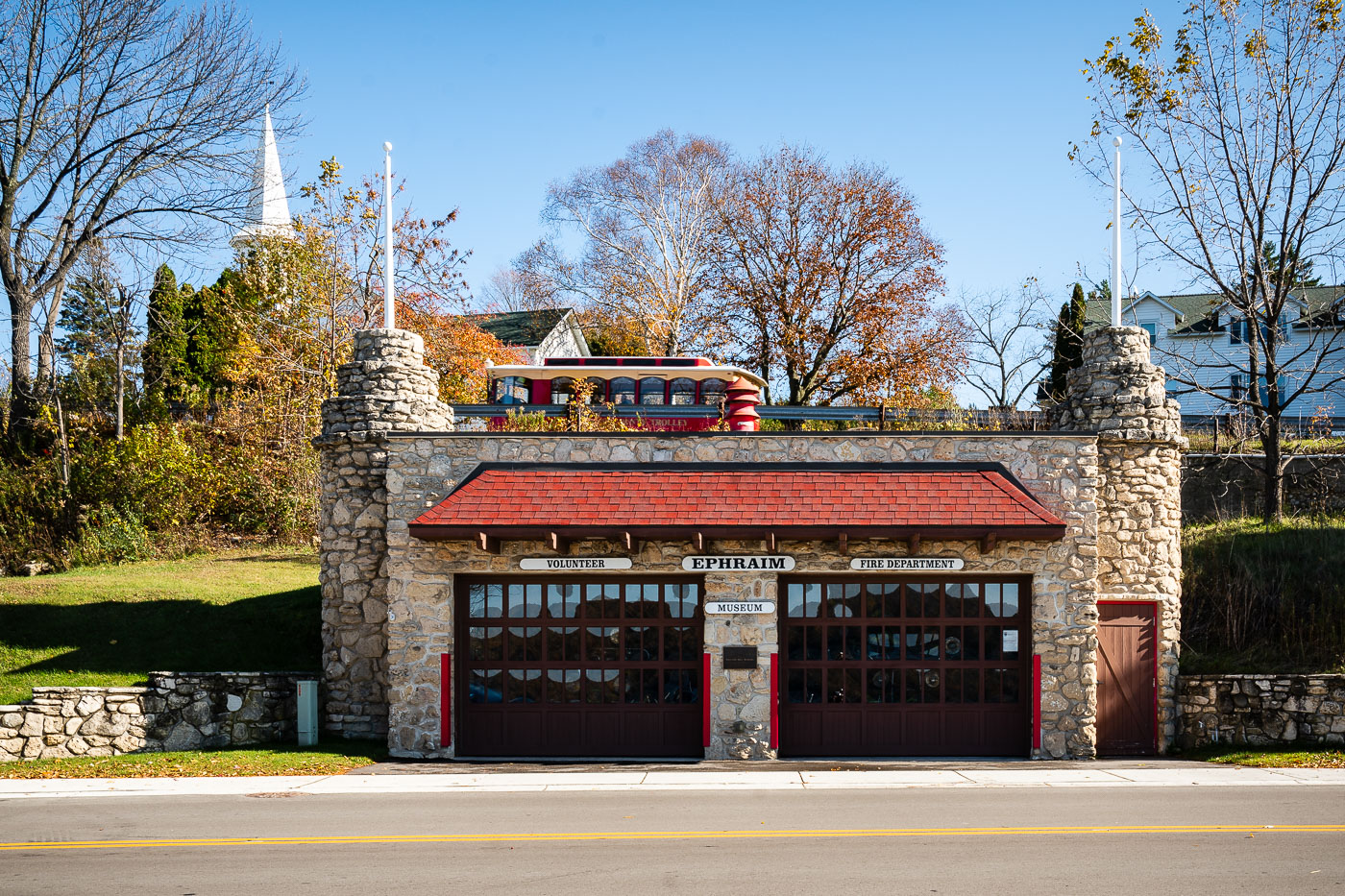
Historic stone fire department museum with red doors in Ephraim, Wisconsin.
The Ephraim Fire Department Museum occupies a stone firehouse built to house the village's volunteer fire company, a fixture of this Door County community on the Green Bay shoreline. The building's twin arched bays once sheltered fire apparatus before the department moved to updated quarters, leaving the original structure to be preserved as a museum. Ephraim's volunteer fire service dates back to the early 20th century, when local residents organized to protect the resort village's wood-frame cottages and inns. The museum now displays vintage firefighting equipment tied to the village's history, including antique hose carts and early motorized trucks. Ephraim itself was founded in 1853 by Moravian settlers, and the fire company grew alongside the town as it developed into a summer destination.

Stone Firehouse of the Ephraim Fire Department Museum
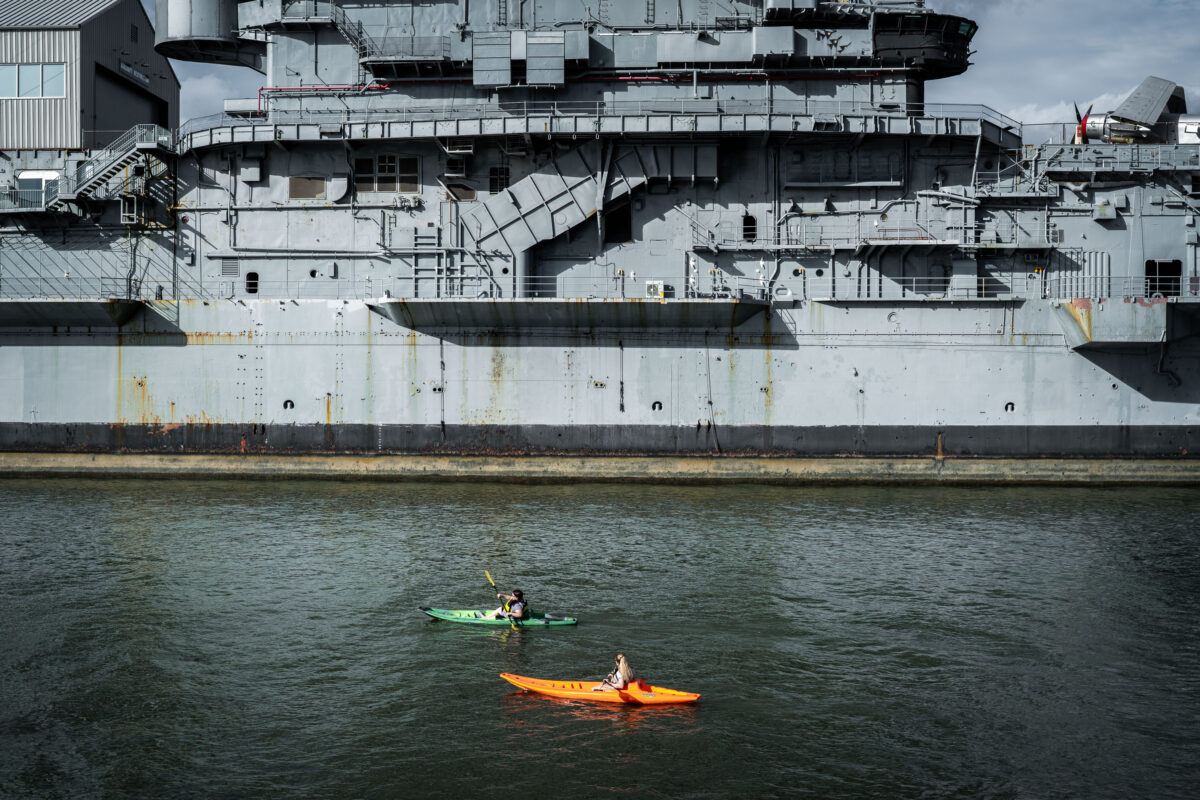
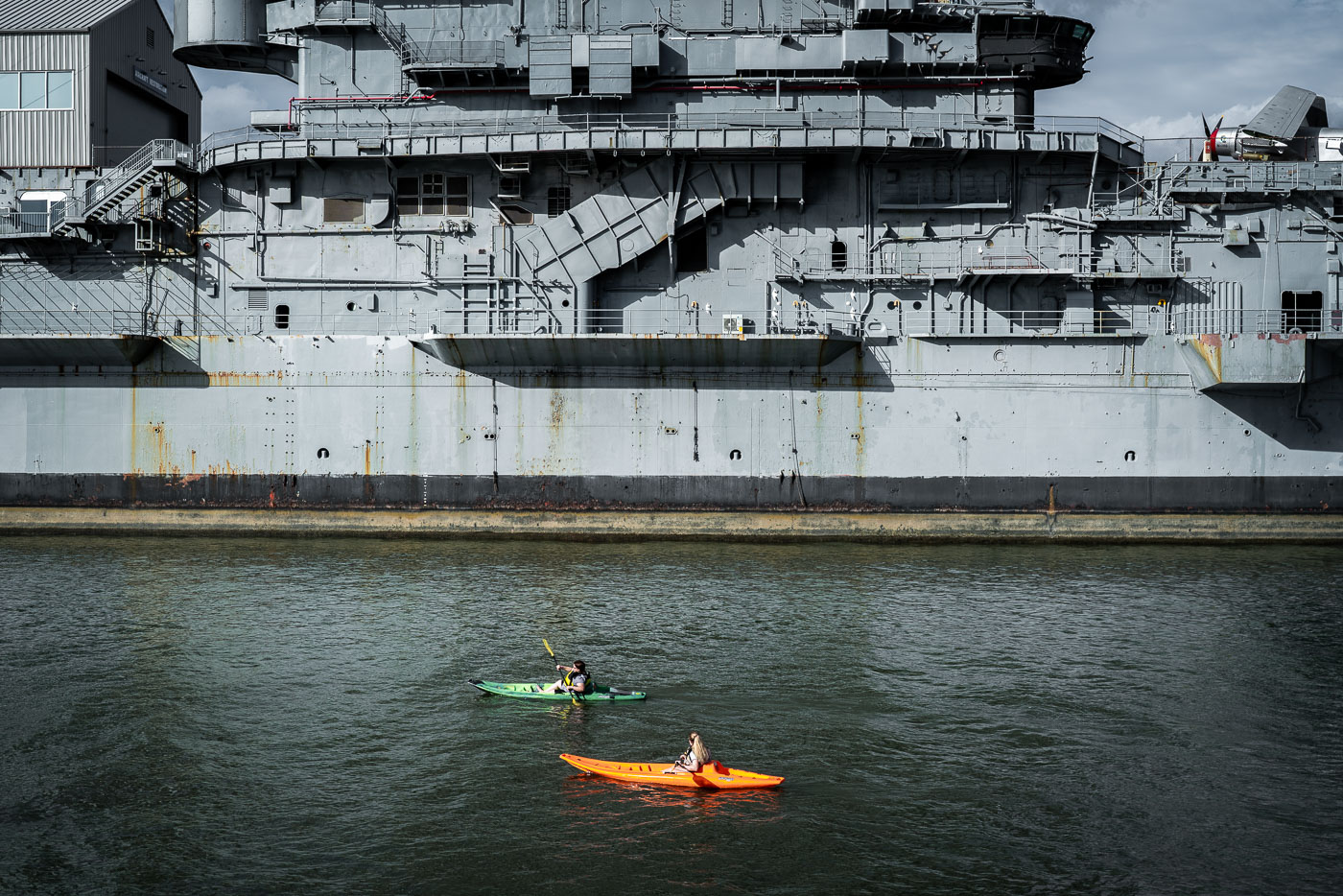
Two kayakers paddle on the Hudson River in front of the USS Intrepid aircraft carrier docked at Pier 86 in Manhattan.
Kayakers pass USS Intrepid on the Hudson River in Manhattan. The vessel is a decommissioned Essex-class aircraft carrier from World War II and the Korean War. It is permanently berthed at Pier 86 as the centerpiece of the Intrepid Sea, Air & Space Museum.

Kayakers Paddle Past the USS Intrepid’s Hull
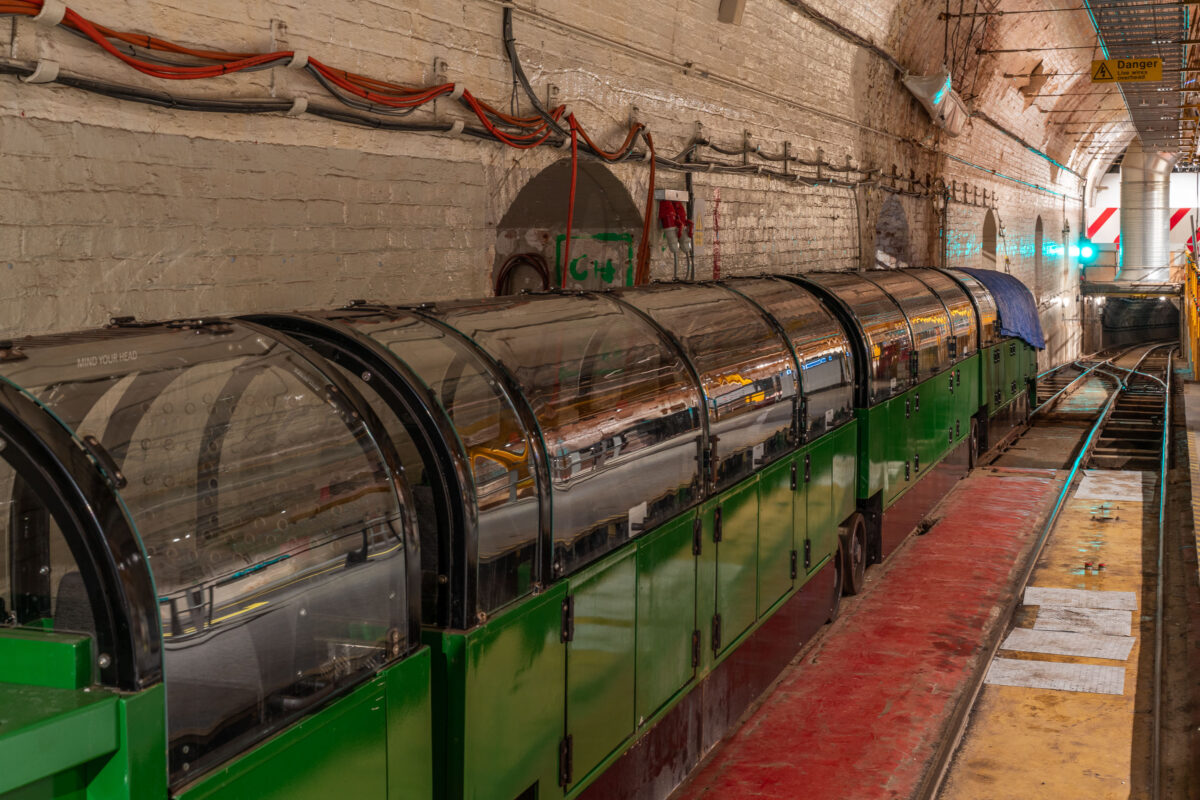
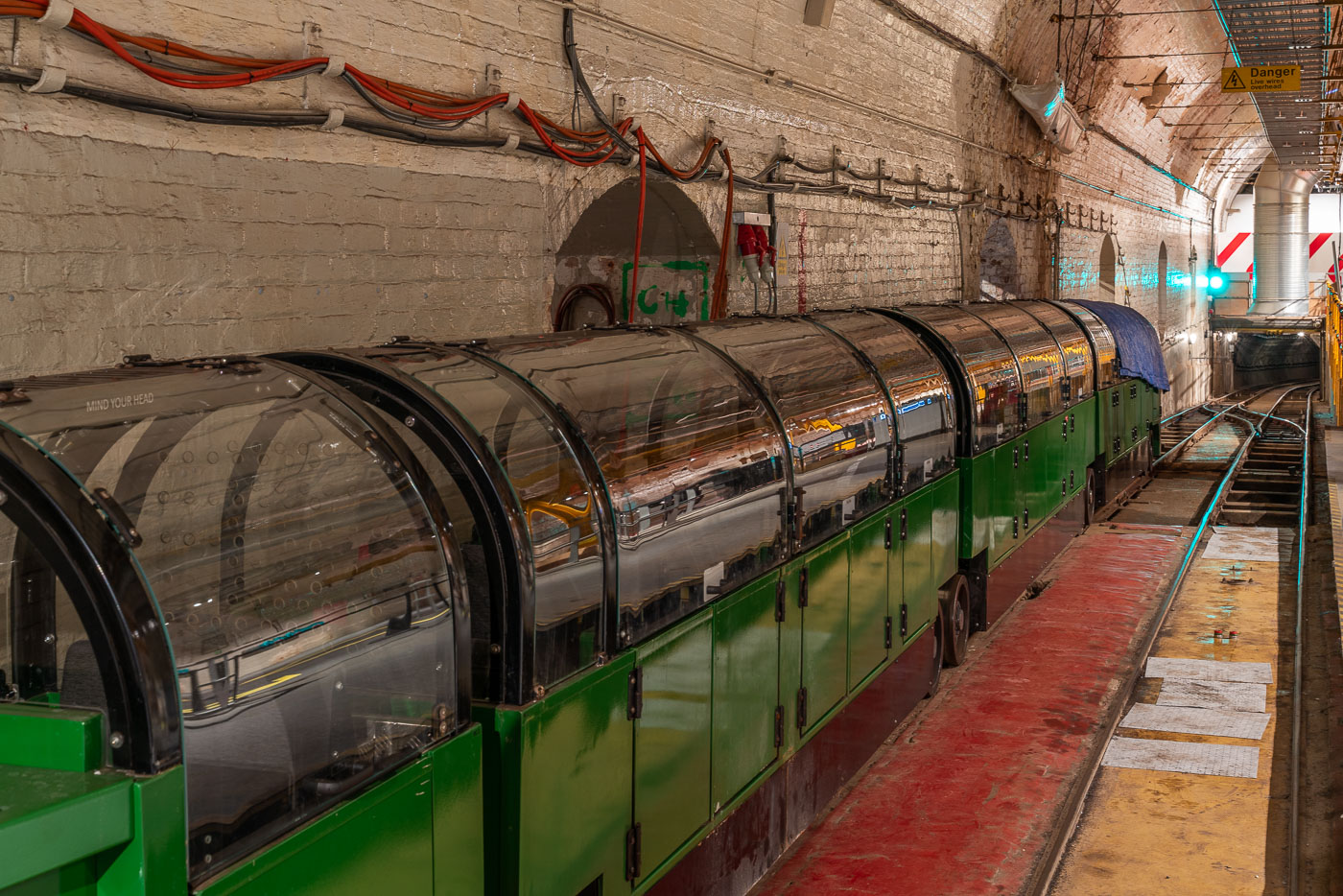
London Mail Rail train on display at the Postal Museum in London.
A preserved Mail Rail train is displayed at the Postal Museum in London. The driverless electric railway, known as the Post Office Railway, opened in 1927 and once carried mail through tunnels beneath central London.

London Mail Rail Train, Postal Museum
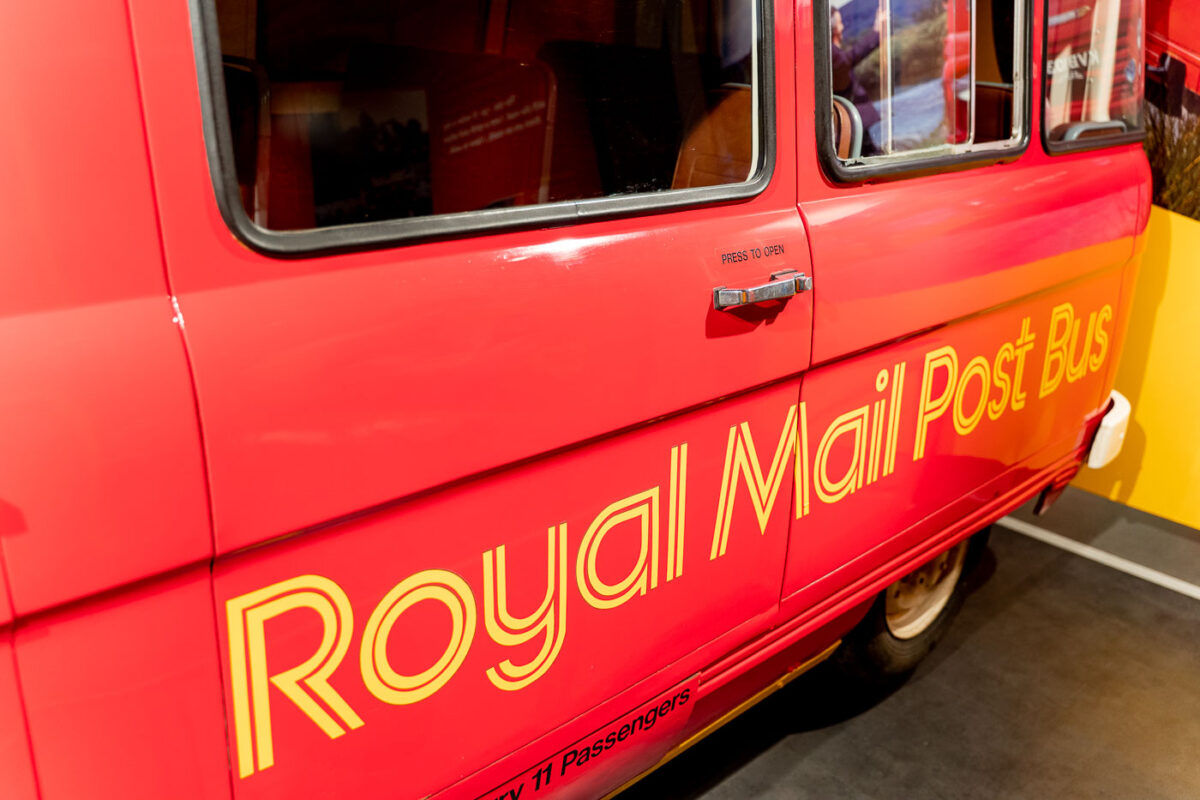
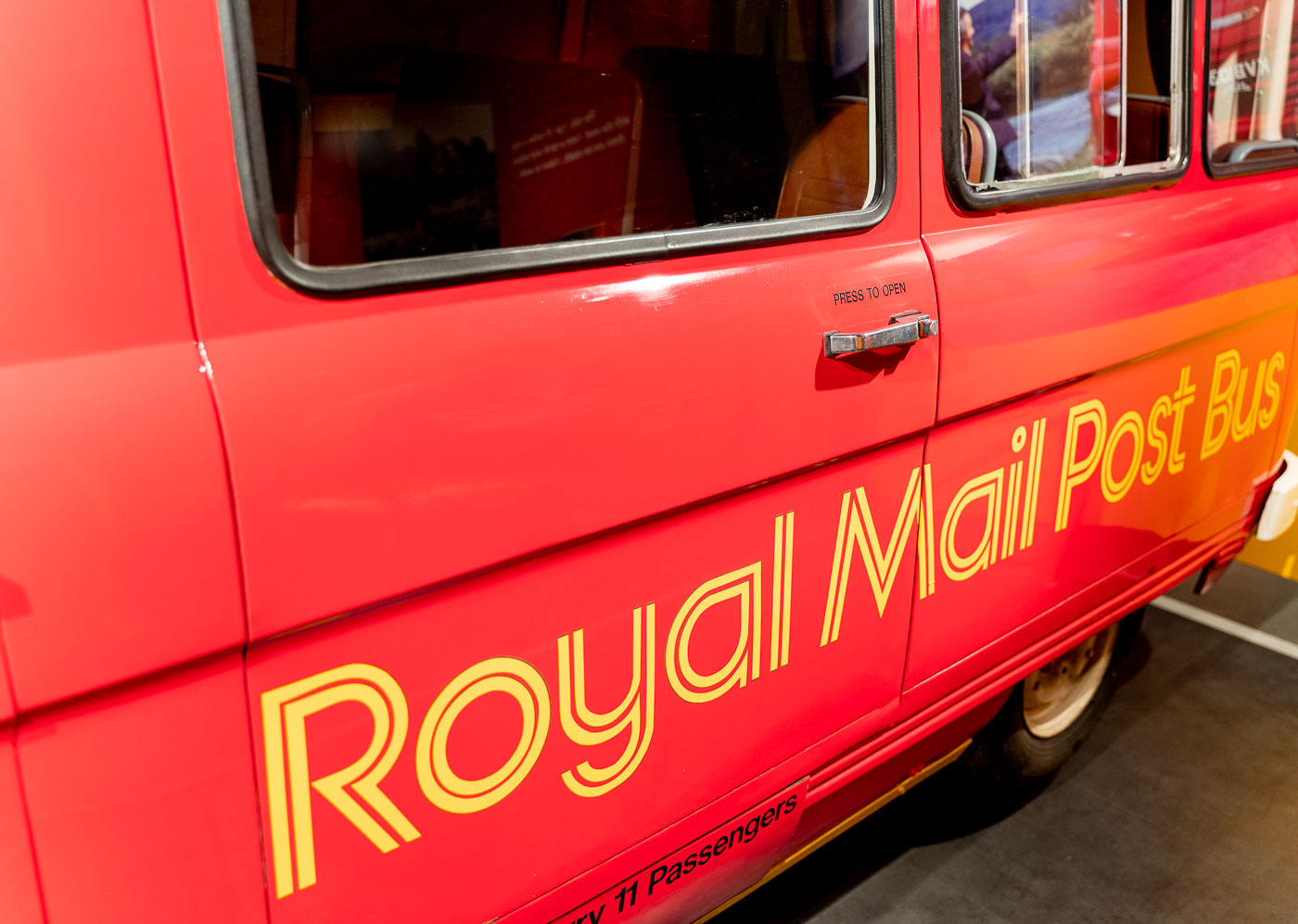
Royal Mail Post Bus on display at a museum in London.
A preserved Royal Mail Post Bus is displayed at a museum in London. The vehicle carries the red and gold Royal Mail livery associated with the rural Post Bus service introduced in 1967 to combine mail delivery with passenger transport on remote routes.

Royal Mail Post Bus at Museum Display, London
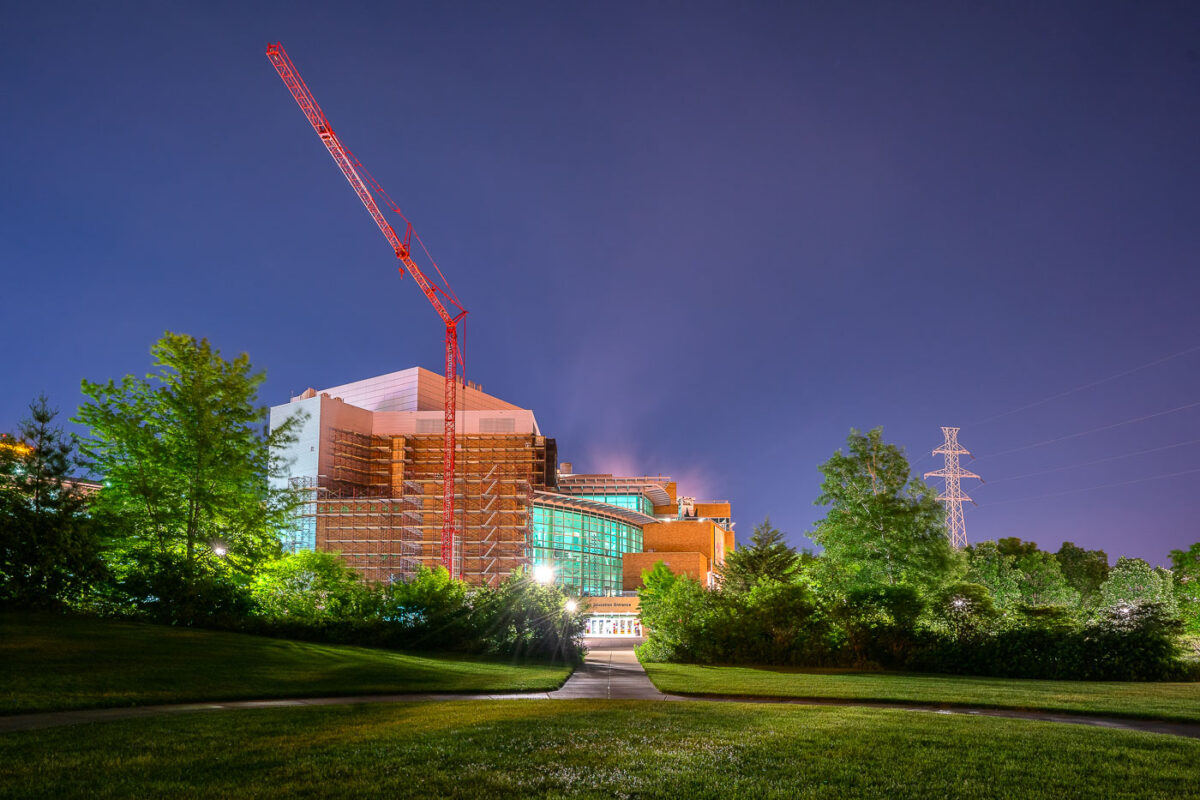
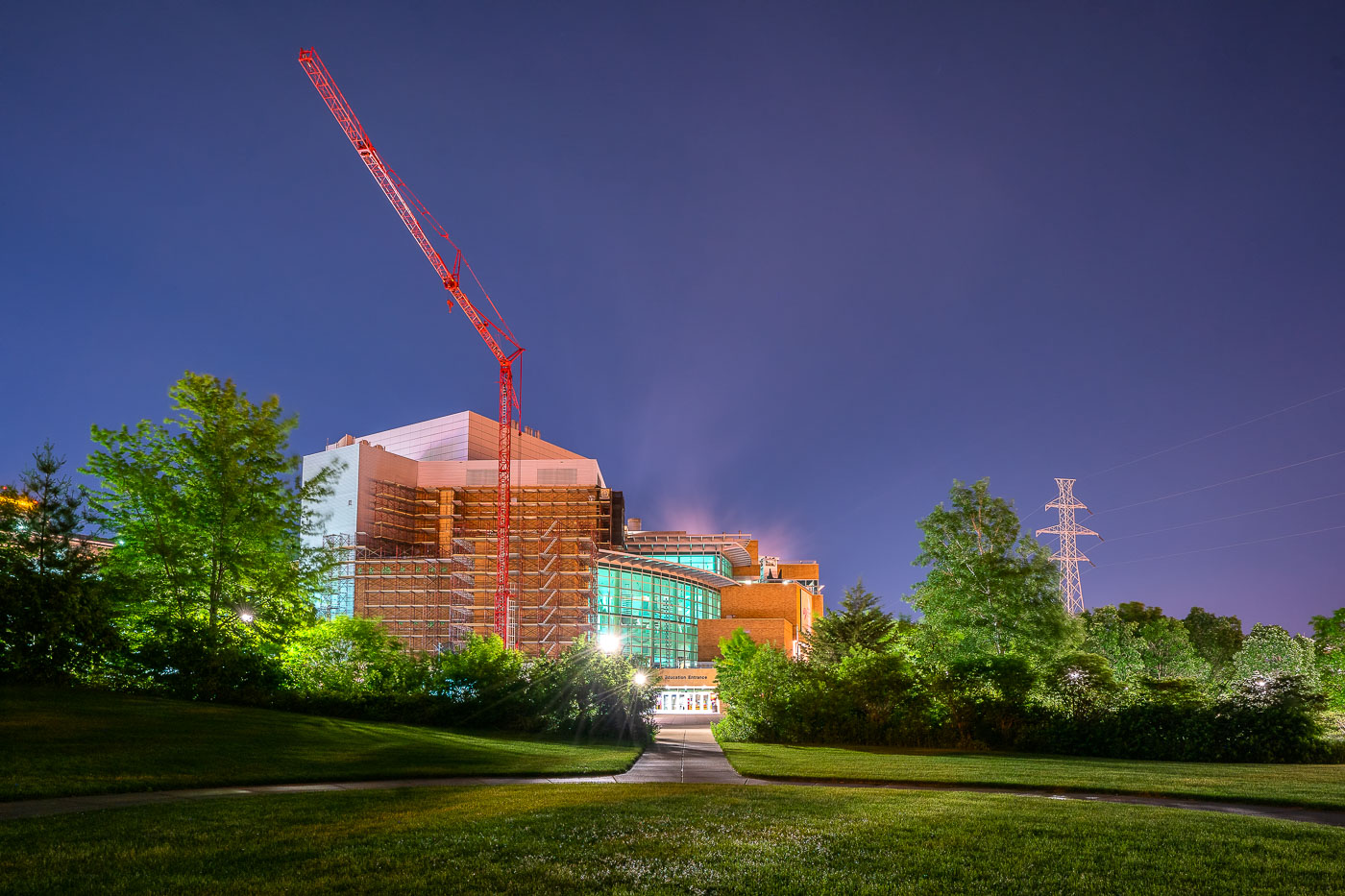
Science Museum of Minnesota under construction in St. Paul, Minnesota, with a tower crane at night.
Science Museum of Minnesota, St. Paul, Minnesota, under construction at night. The museum sits on the Mississippi riverfront in downtown St. Paul and underwent major expansion and renovation in the early 2000s. A tower crane and scaffolding are in place around the building during the work.

Science Museum of Minnesota Under Construction, St. Paul
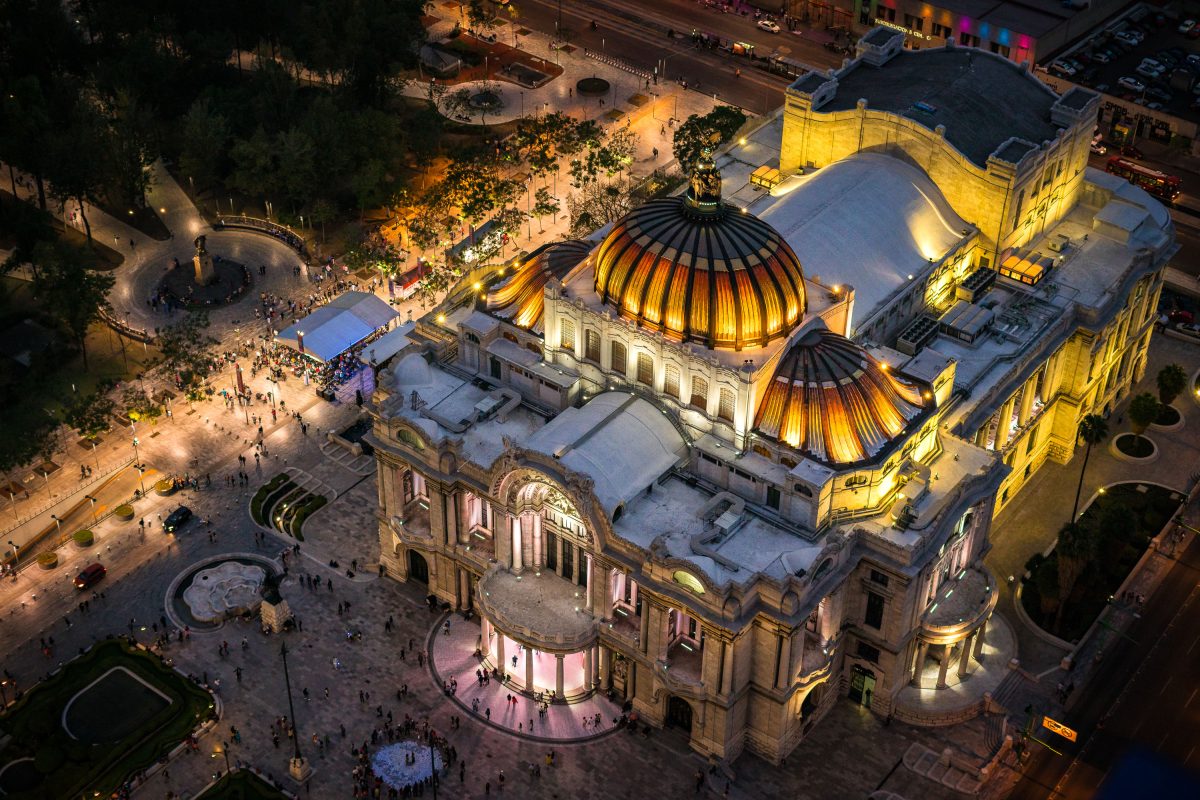
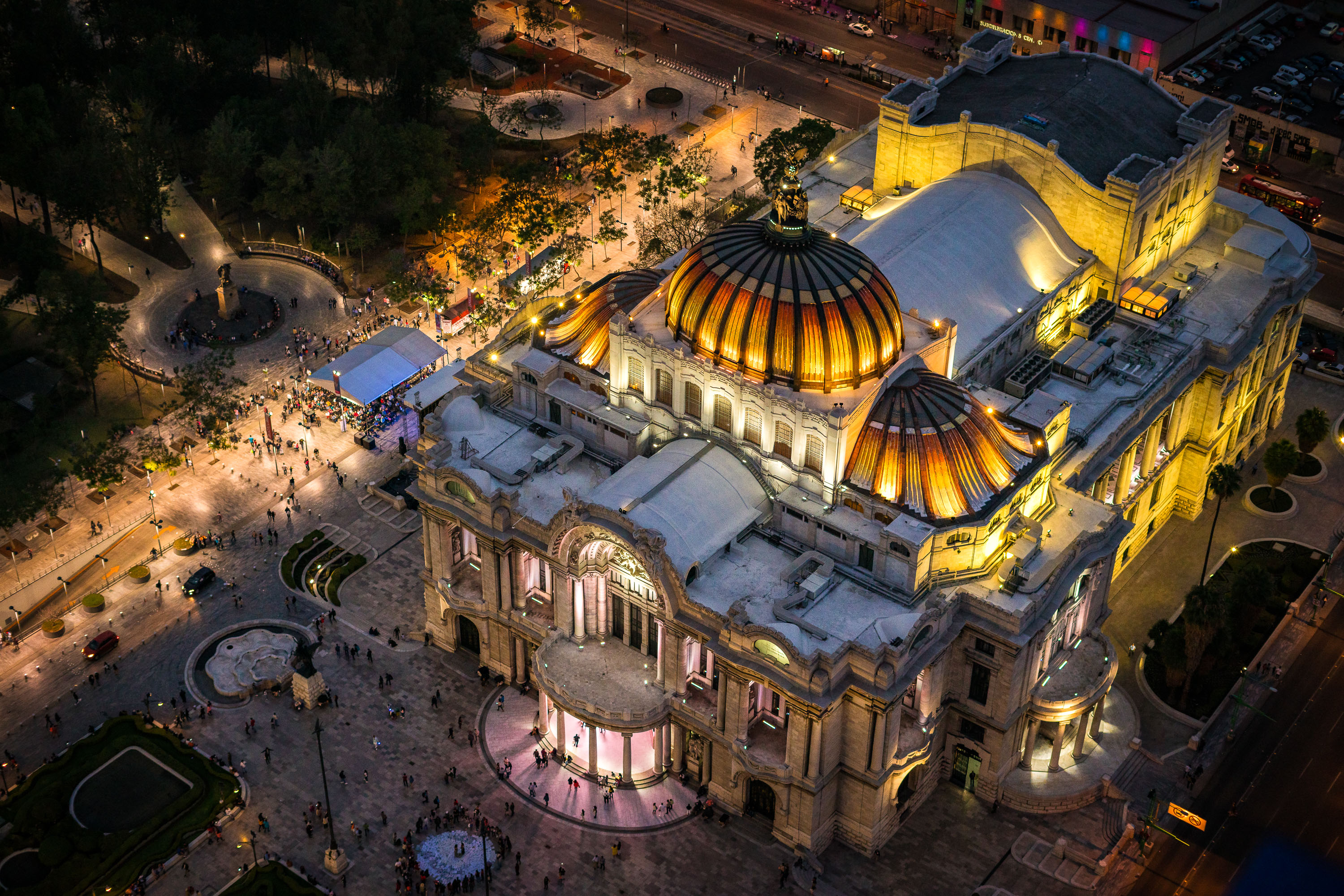
Palacio de Bellas Artes illuminated at night with its golden domes and neoclassical facade overlooking the Alameda Central plaza in Mexico City.
Palacio de Bellas Artes sits at the western edge of the Alameda Central in downtown Mexico City. Construction began in 1904 under architect Adamo Boari, whose Art Nouveau design used a marble exterior that proved too heavy for the site's soft soil; work stalled for years before Federico Mariscal completed the project in 1934 with an Art Deco interior. The building houses murals by Diego Rivera, David Alfaro Siqueiros, and Rufino Tamayo, along with a Tiffany glass curtain depicting the Valley of Mexico that serves as the stage backdrop for the National Auditorium. It remains home to the Palacio de Bellas Artes Museum and the National Institute of Fine Arts, hosting opera, theater, and the Ballet Folklórico de México.

Aerial View of Bellas Artes Illuminated Beside Alameda Central
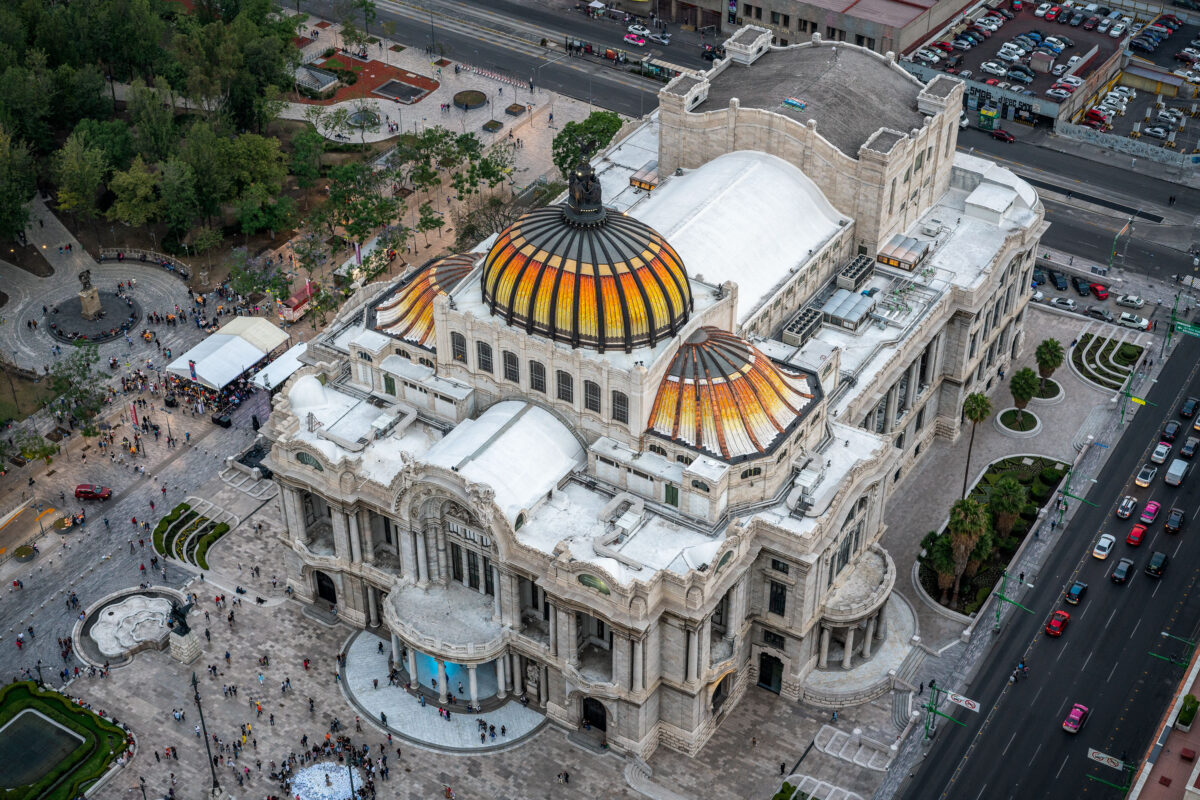
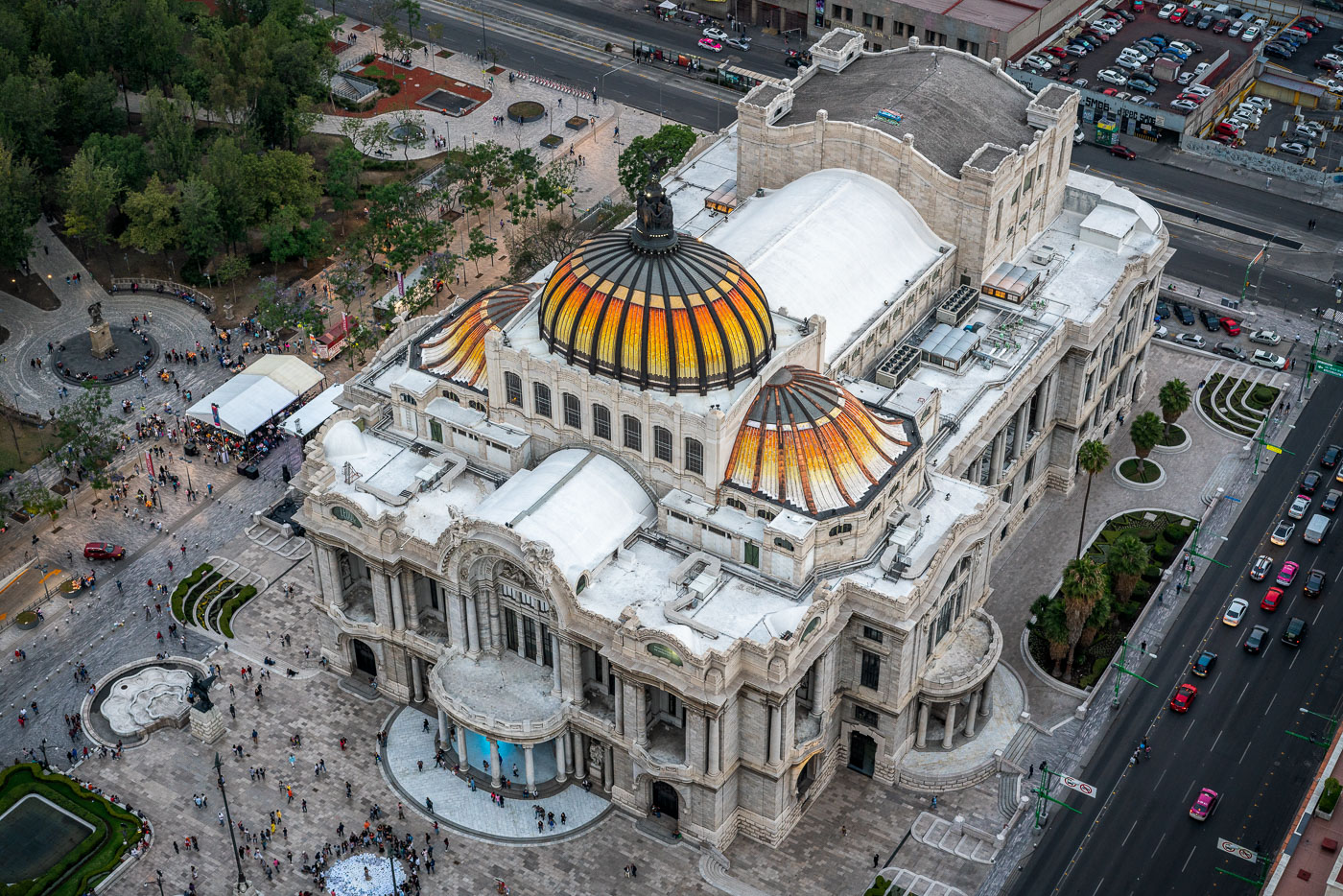
Aerial view of Palacio de Bellas Artes with its distinctive golden domes, surrounded by plazas and adjacent buildings in Mexico City's historic center.
Palacio de Bellas Artes in Mexico City is a major performing arts venue and museum on the edge of Alameda Central. Construction began in 1908 and the building opened in 1934, combining Art Nouveau and Art Deco design. It houses murals by major Mexican artists and is one of the city’s best-known cultural landmarks.

Aerial View of Palacio de Bellas Artes’ Domes
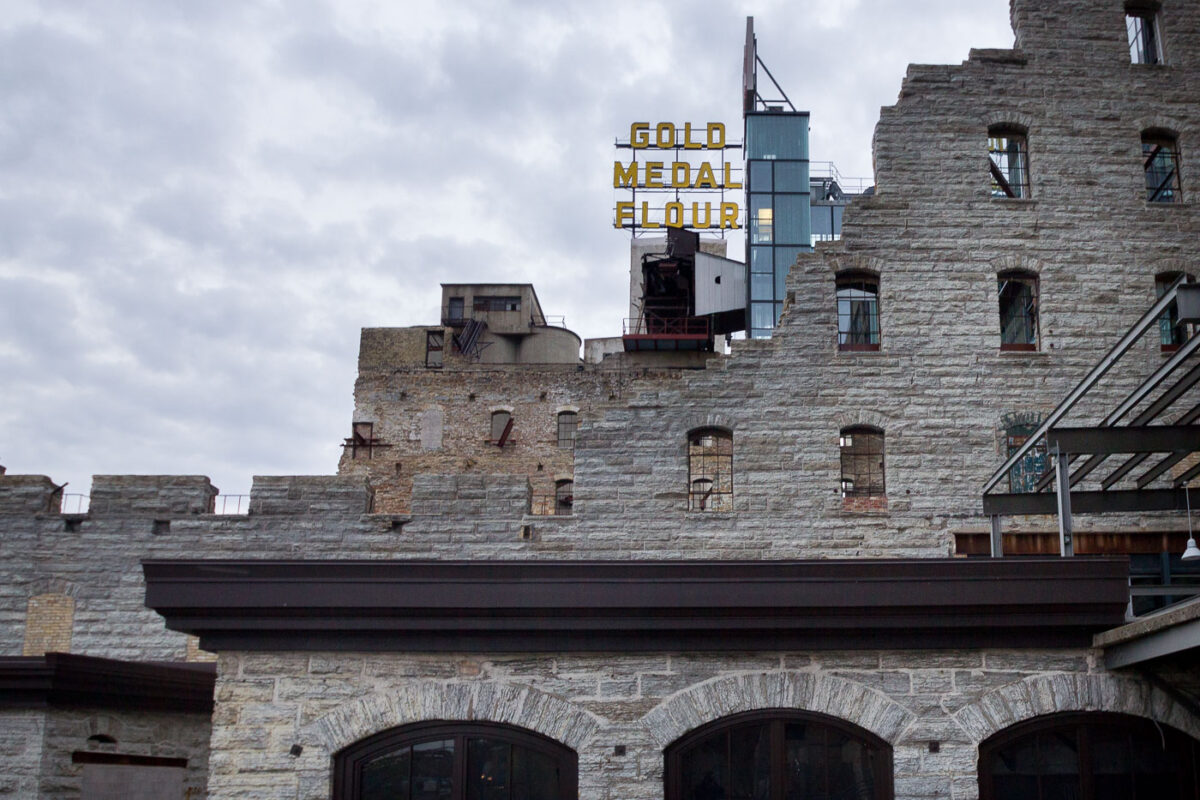
The Gold Medal Flour sign is displayed on the historic Washburn Mill in Minneapolis, once the world's largest flour mill, now part of the Mill City Museum.
The Gold Medal Flour sign stands atop the historic Washburn Mill in Minneapolis, a structure that was once the largest flour mill in the world. The mill, part of the Mill City Museum complex, represents a significant chapter in the city's industrial past. Its conversion into a museum preserves the legacy of Minneapolis's flour milling industry, which was central to the city's economic development in the late 19th and early 20th centuries. The sign itself is a recognizable landmark, evoking the area's heritage as a major center for grain processing and flour production.

Gold Medal Flour Sign on Washburn Mill, Minneapolis
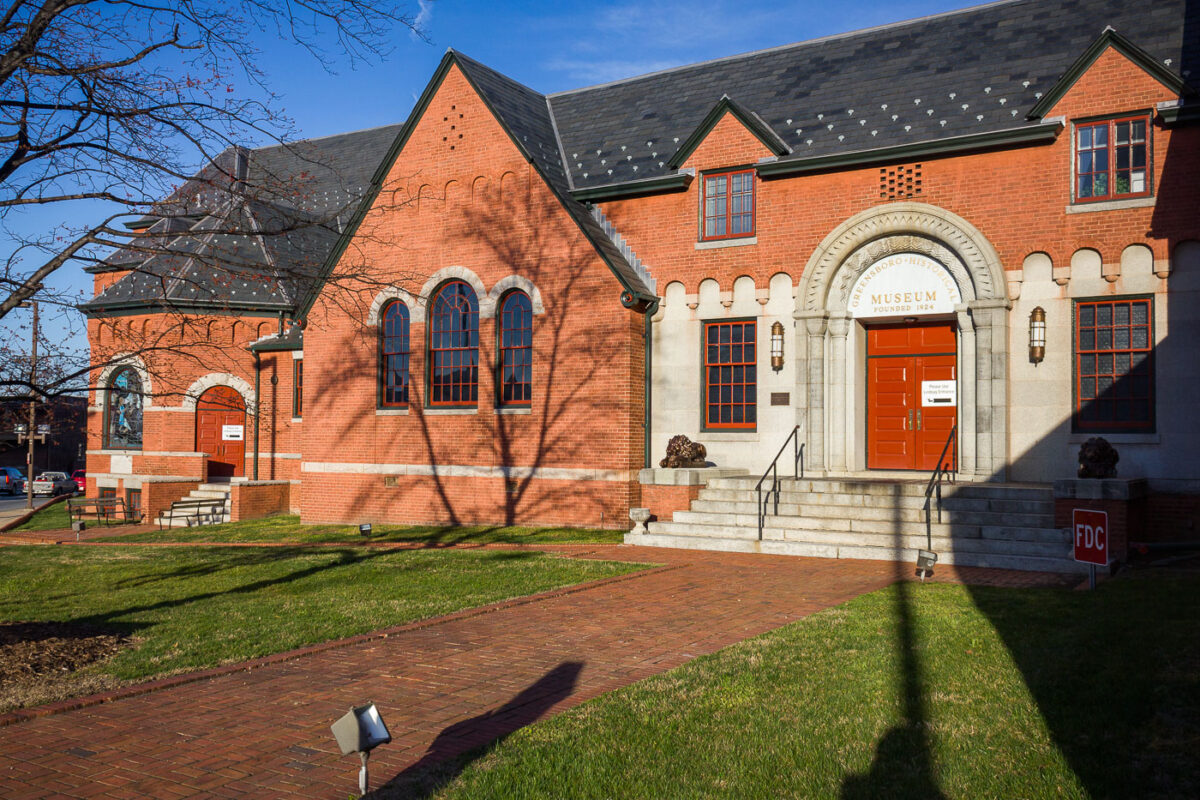
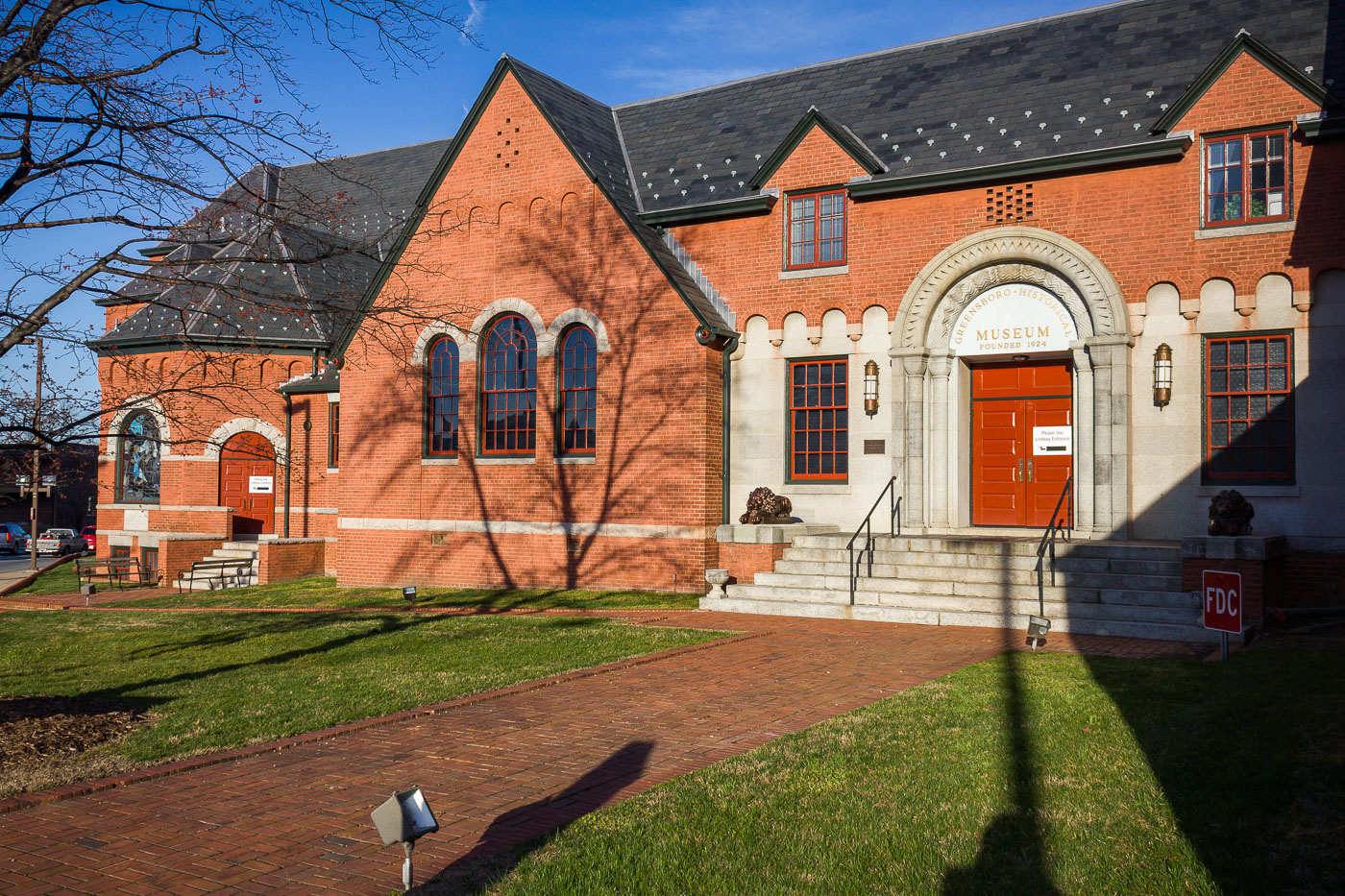
Greensboro History Museum in the former First Presbyterian Church, a red brick building with cream stone entrance at 130 Summit
The Greensboro History Museum occupies the former First Presbyterian Church at 130 Summit Avenue, a Gothic Revival building completed in 1892 with later additions, including the Smith Memorial Building. The congregation moved to a new location in the 1920s, after which the structure was adapted for museum use. Today it houses exhibits on the city's social and industrial history, including displays on textile manufacturing and civil rights. The building is listed on the National Register of Historic Places.

Greensboro History Museum’s Summit Avenue Entrance
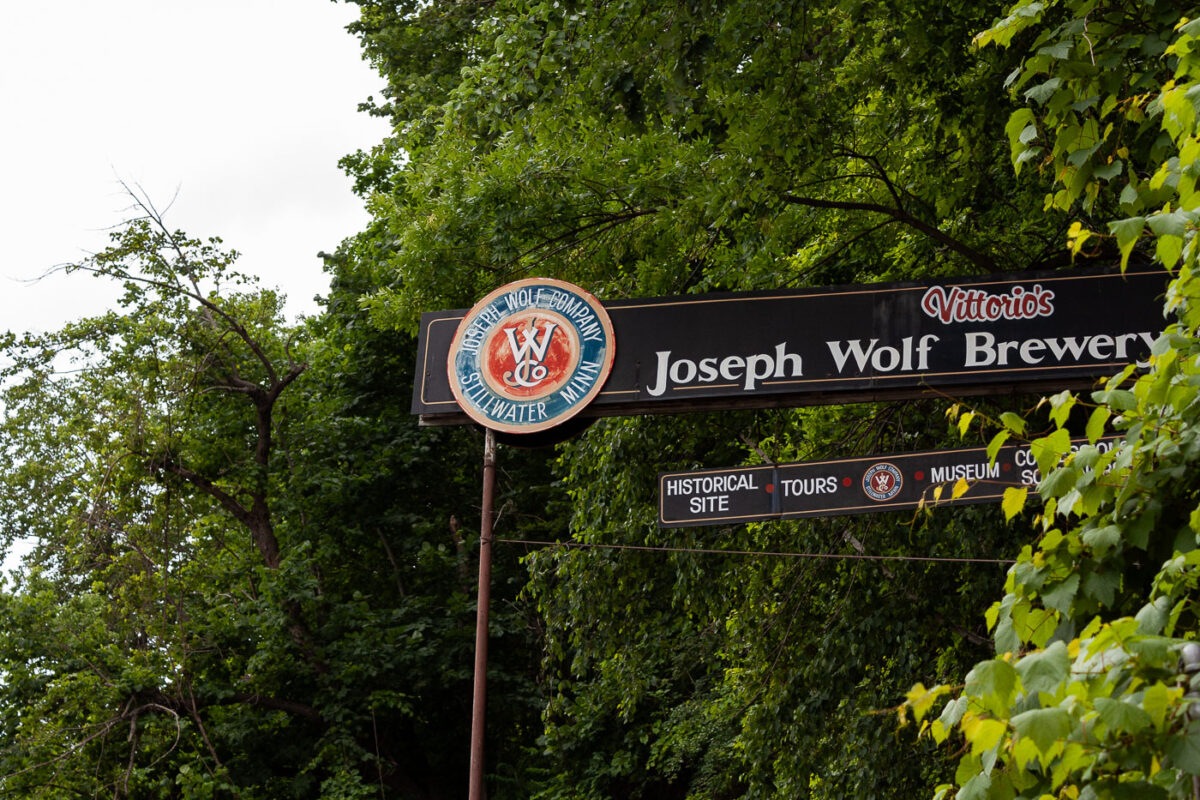
Joseph Wolf Brewery sign in Stillwater, Minnesota, marking a historical site and museum.
Joseph Wolf Brewery in Stillwater, Minnesota, is marked by a sign identifying it as a historical site, museum, and tour location. The site preserves the legacy of the Joseph Wolf Brewing Company in the city’s brewing history.

Joseph Wolf Brewery sign, Stillwater, Minnesota