History

9 photos · 2009–2020

9 photographs tagged History, 2009–2020.
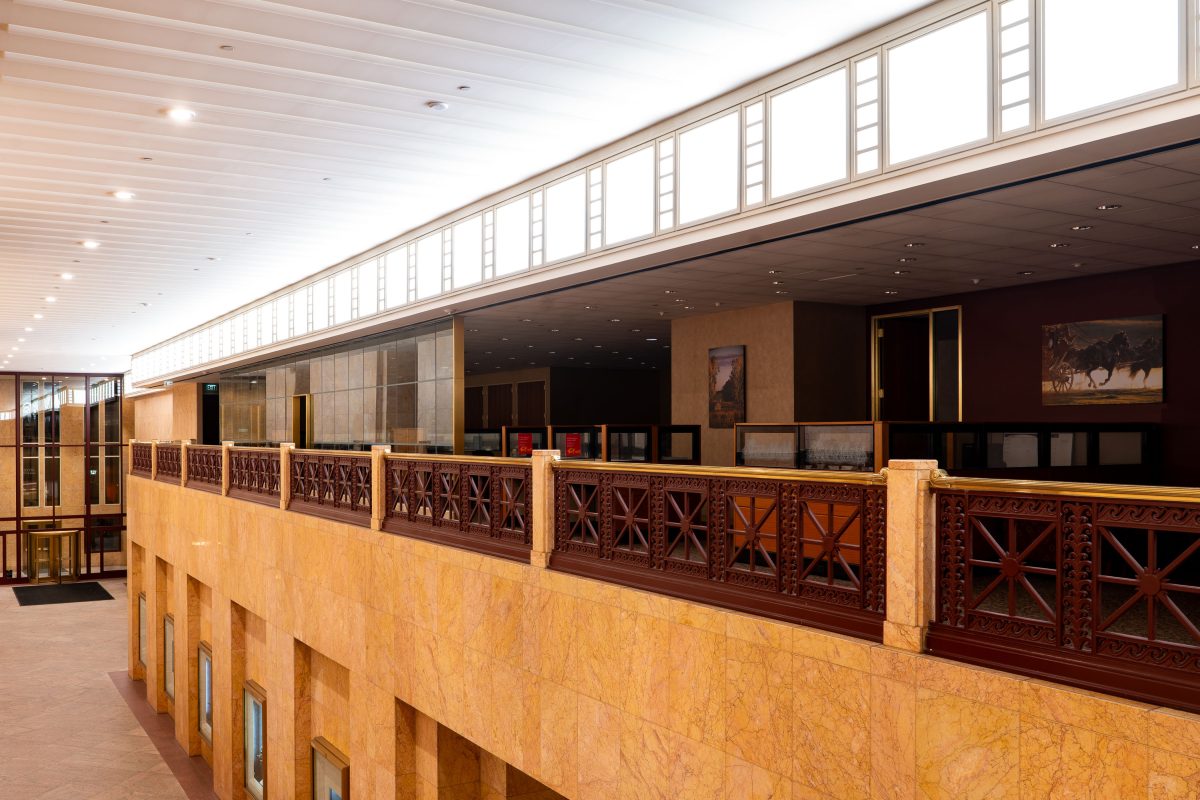
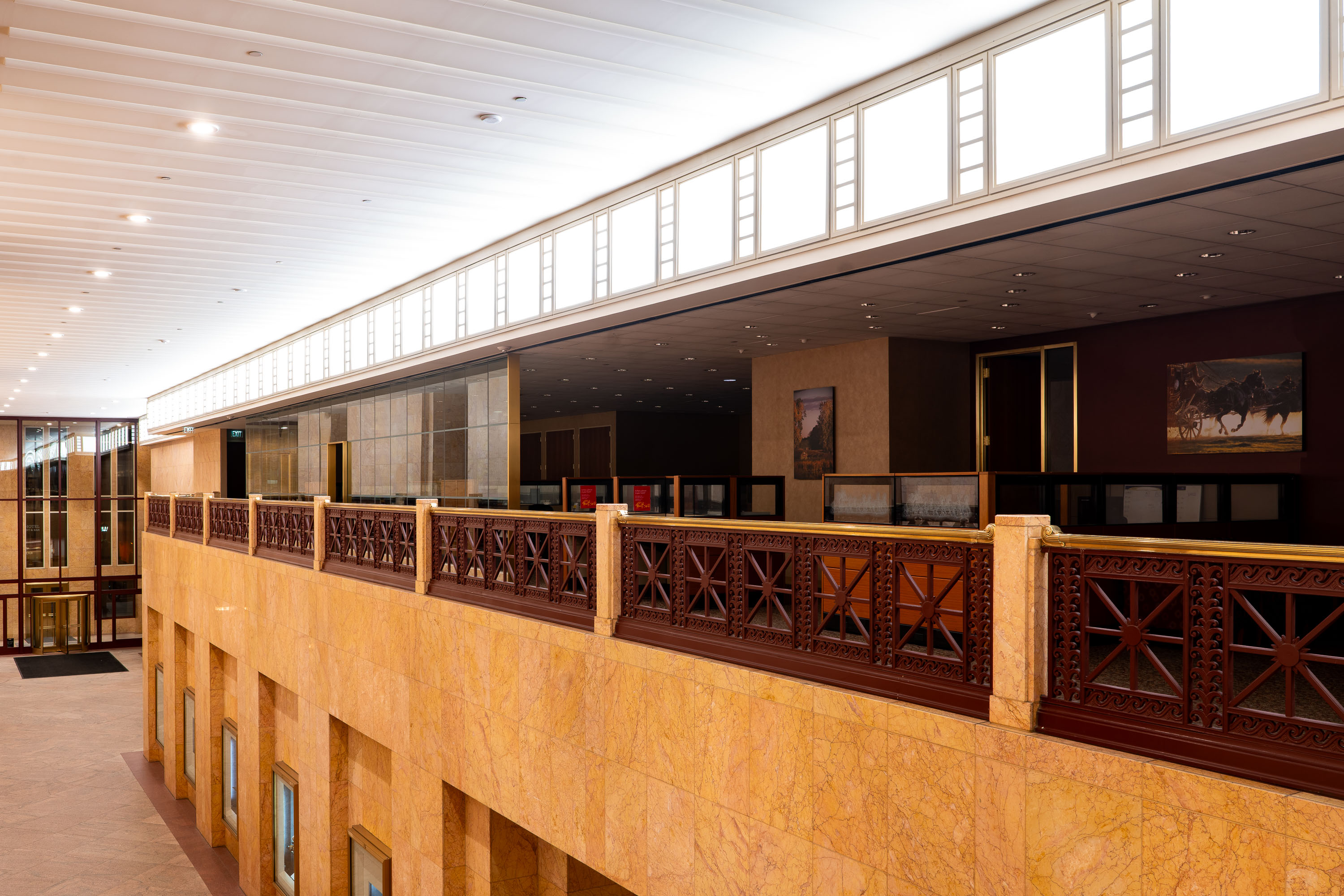
Interior of the Wells Fargo Center Museum in downtown Minneapolis featuring wooden railings and gallery spaces.
The Wells Fargo History Museum occupies the mezzanine level of the Wells Fargo Center at 90 South Seventh Street in downtown Minneapolis. Wells Fargo operates a small chain of these free museums in cities where it has a historic presence, using them to display stagecoaches, mining-era artifacts, and archival s tied to the company's founding in 1852. The exhibit cases along the balcony rail typically rotate items from the bank's corporate archives, including gold specimens and correspondence from the stagecoach express era. The Wells Fargo Center tower itself, completed in 1988 and designed by Cesar Pelli, rises 58 stories above the museum's perch overlooking the building's lobby.

Mezzanine Balcony, Wells Fargo History Museum, Minneapolis
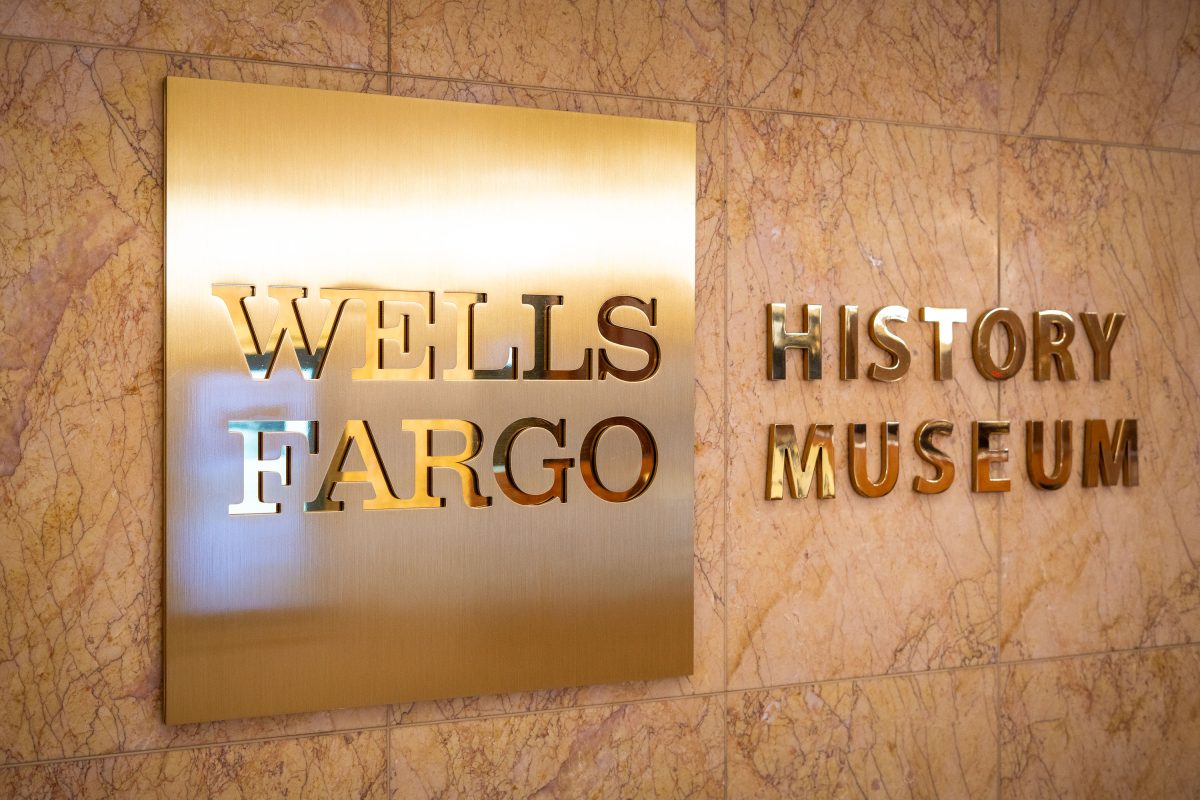
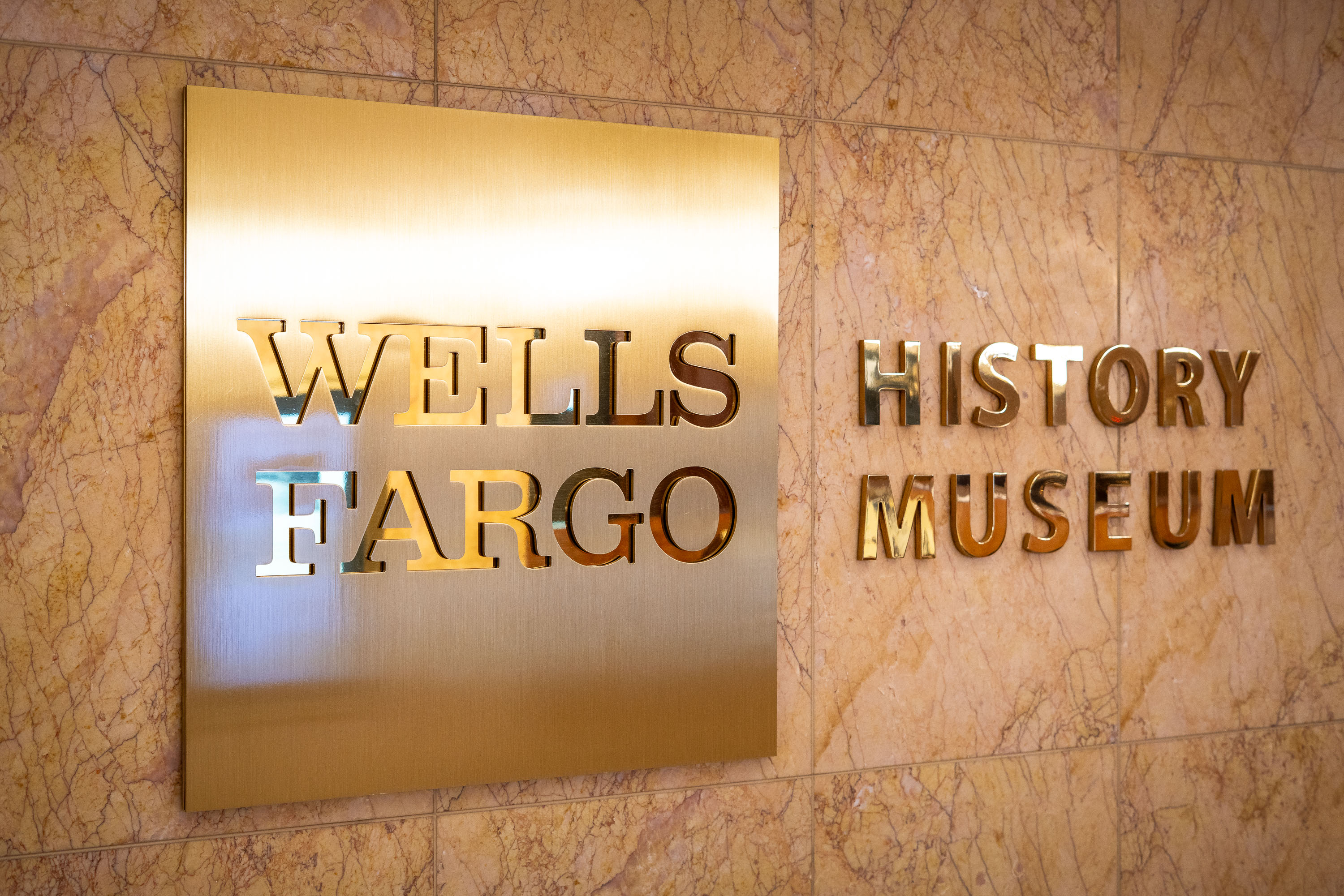
Wells Fargo History Museum signage mounted on marble wall in Minneapolis.
Wells Fargo operates several history museums across its footprint, including this one inside Wells Fargo Center in downtown Minneapolis. The museums showcase artifacts from the company's founding in 1852 by Henry Wells and William Fargo, when it began as an express delivery and banking service for customers headed to California during the Gold Rush. Exhibits typically include stagecoaches, mining-era currency, and telegraph equipment tracing the company's expansion across the American West. Wells Fargo Center itself, completed in 1988, is a 58-story skyscraper designed by César Pelli and remains one of the tallest buildings in Minneapolis.

Wells Fargo History Museum, Wells Fargo Center, Minneapolis
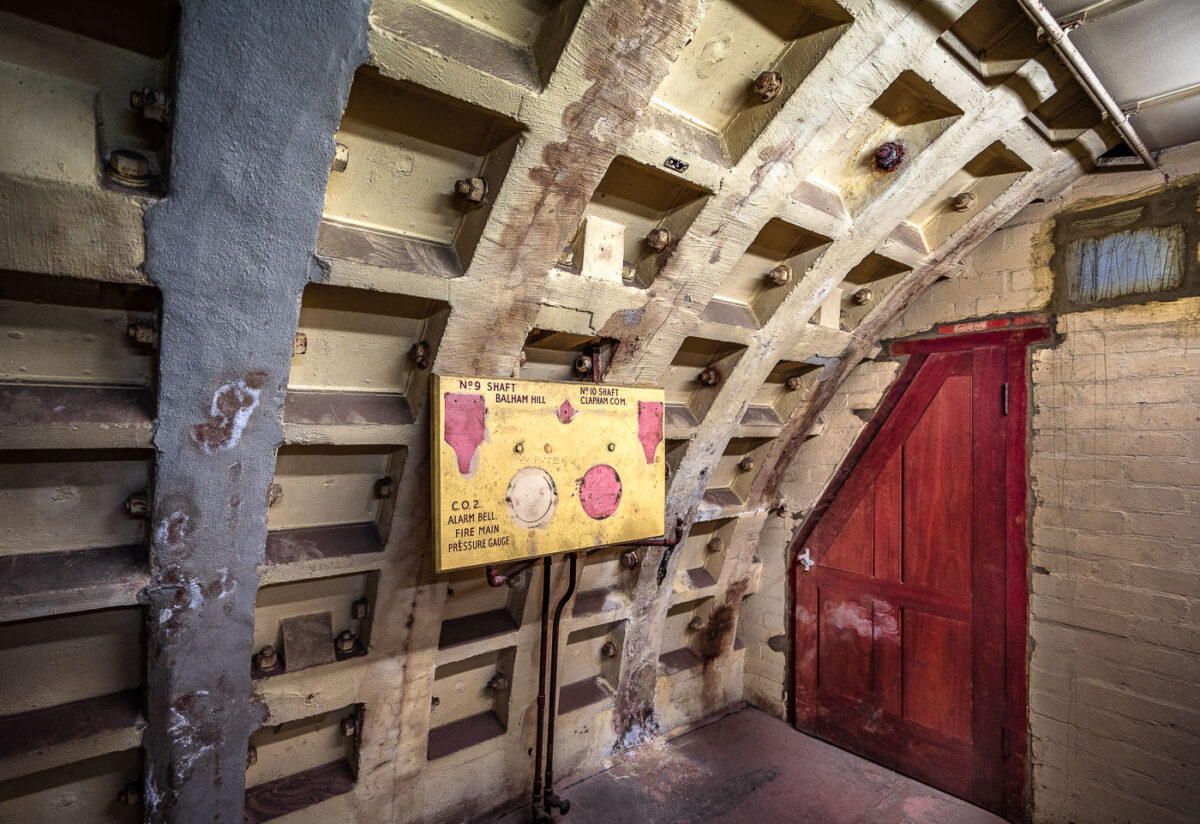
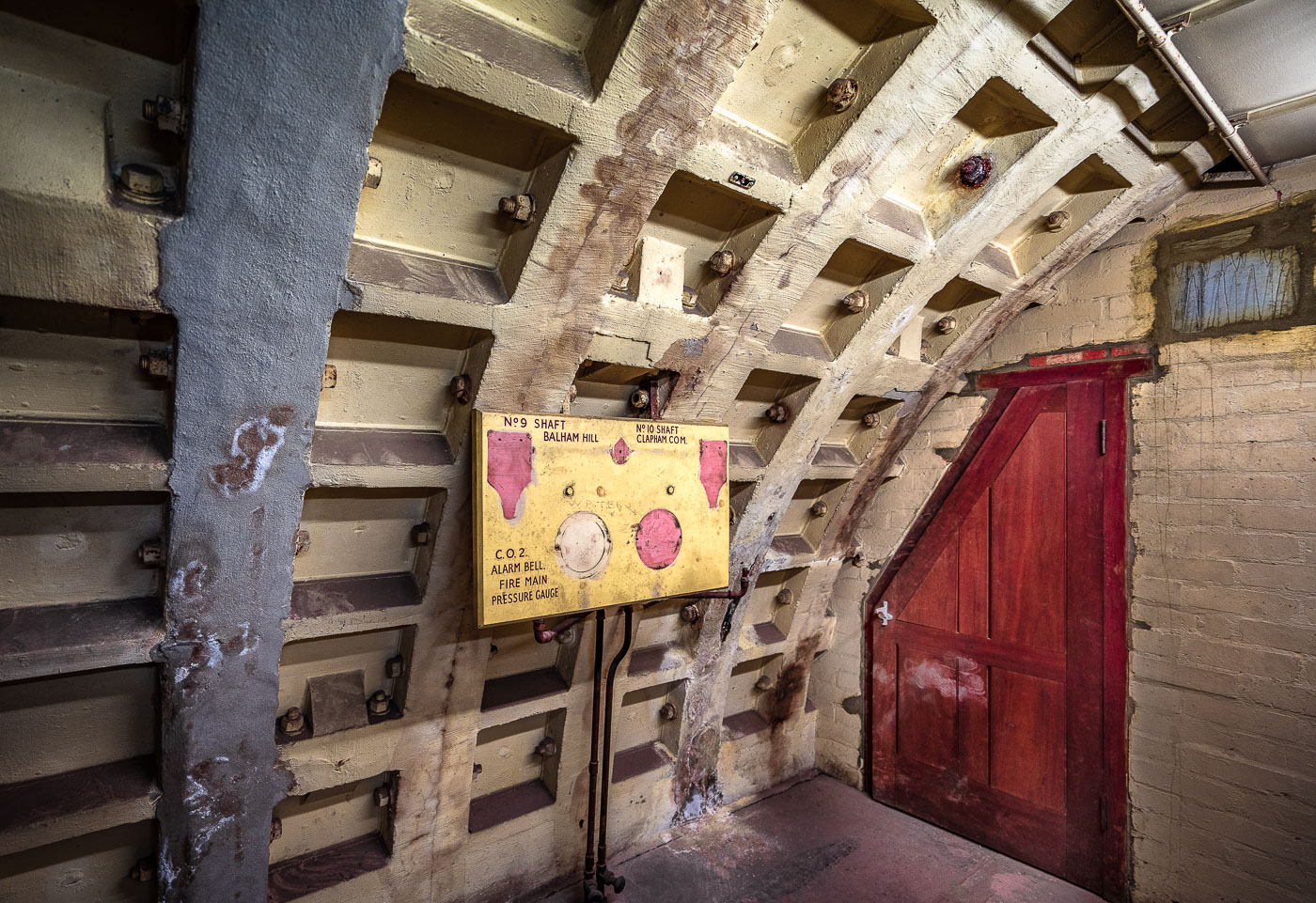
Clapham South Deep Shelter pressure panel with red door, London
Clapham South Deep Shelter in London contains this WWII pressure and alarm panel, marked for Shaft 9 at Balham Hill and Shaft 10 at Clapham Common. The panel monitored carbon dioxide, fire main pressure, and alarm systems in the deep-level shelter opened in 1942.

Clapham South Deep Shelter Pressure Panel, London
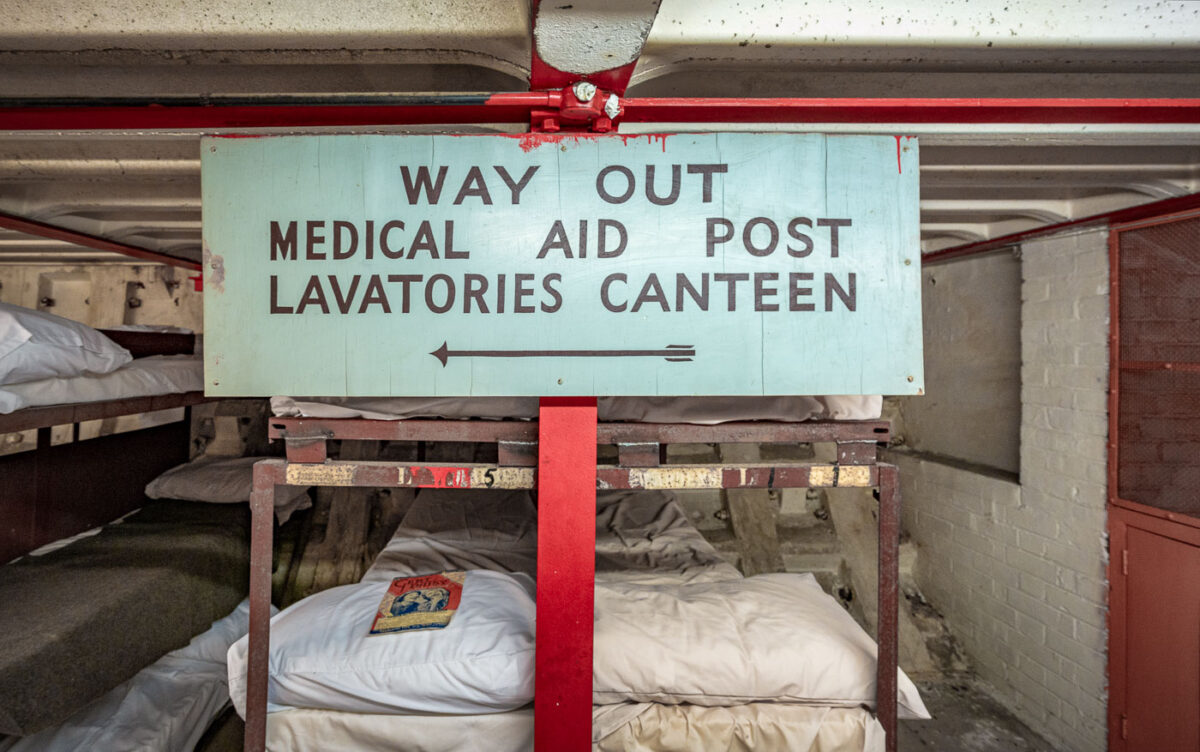
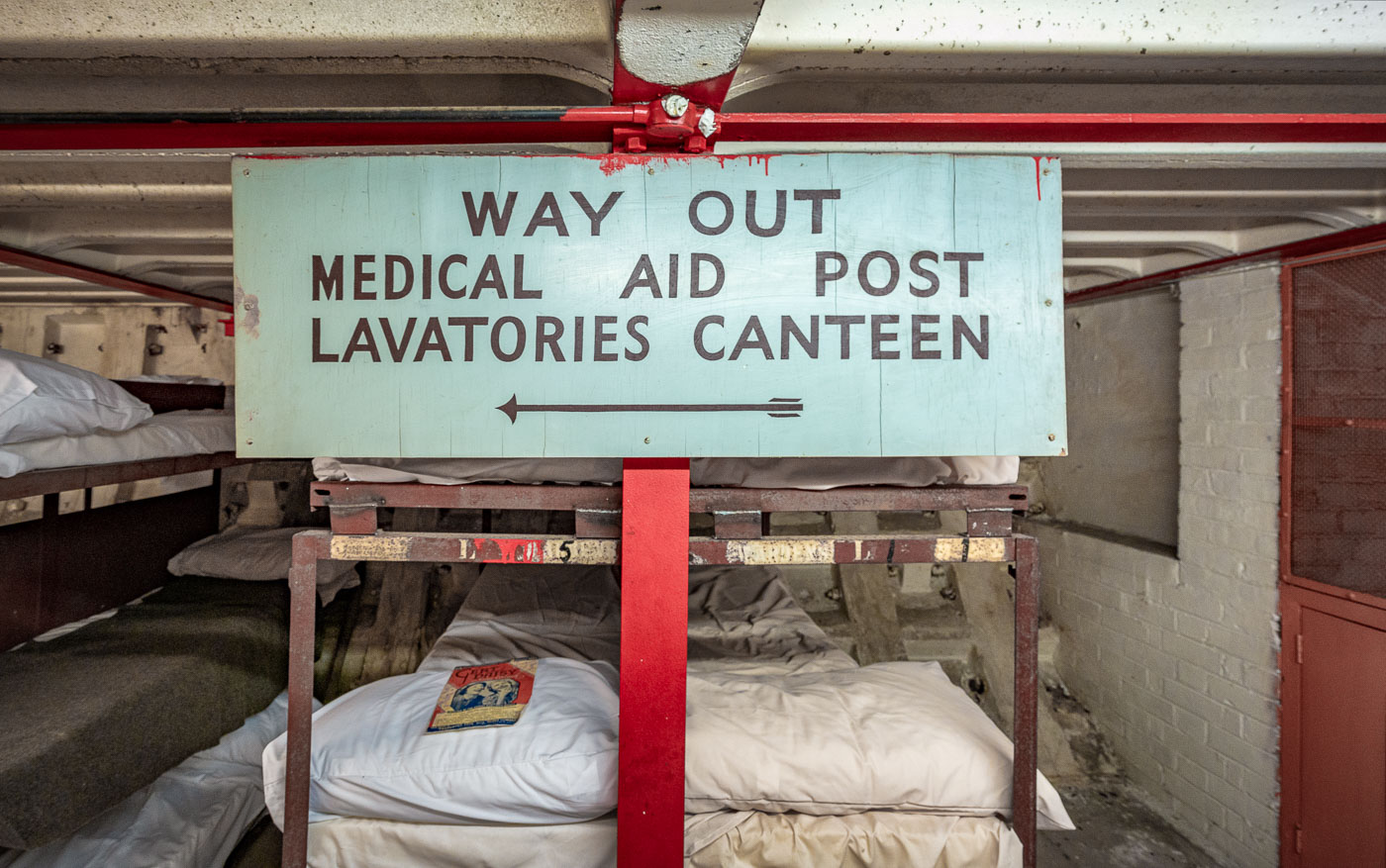
Clapham North Deep Shelter sign above bunk beds in London.
Clapham North Deep Shelter in London includes a painted direction sign for the medical aid post, lavatories and canteen. The deep-level shelter was built beneath the Underground during World War II to protect civilians during air raids.

Clapham North Deep Shelter Sign, London
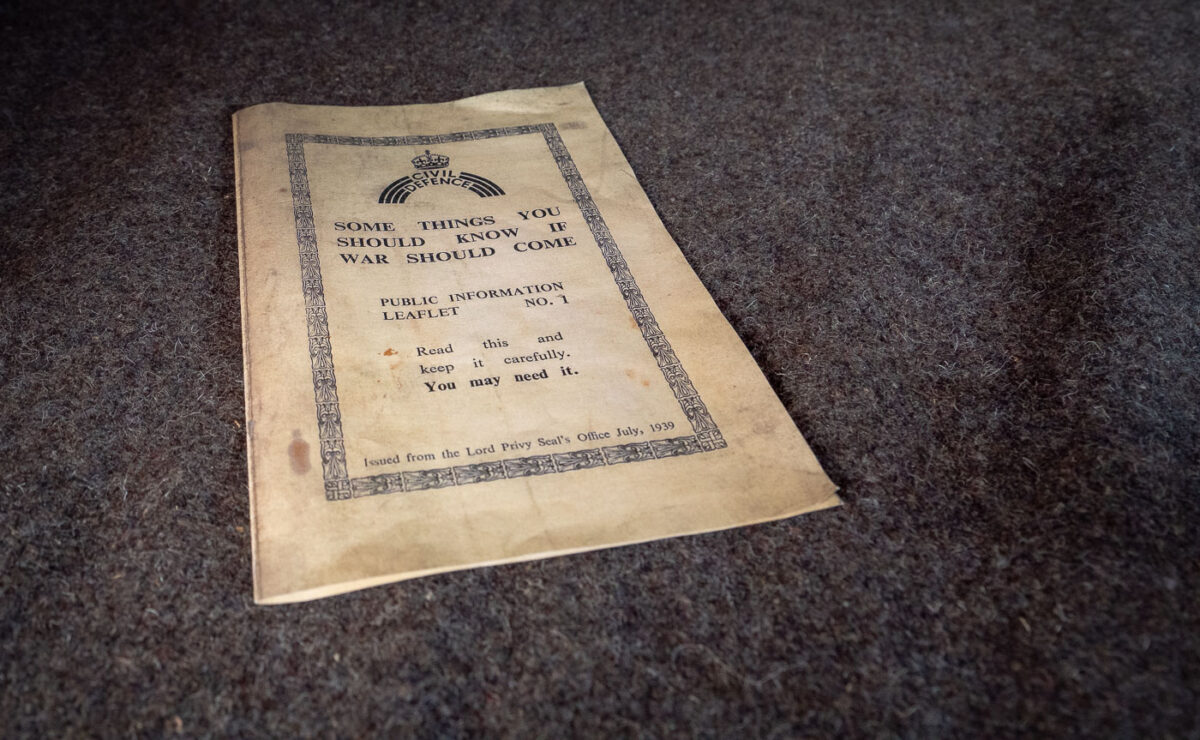
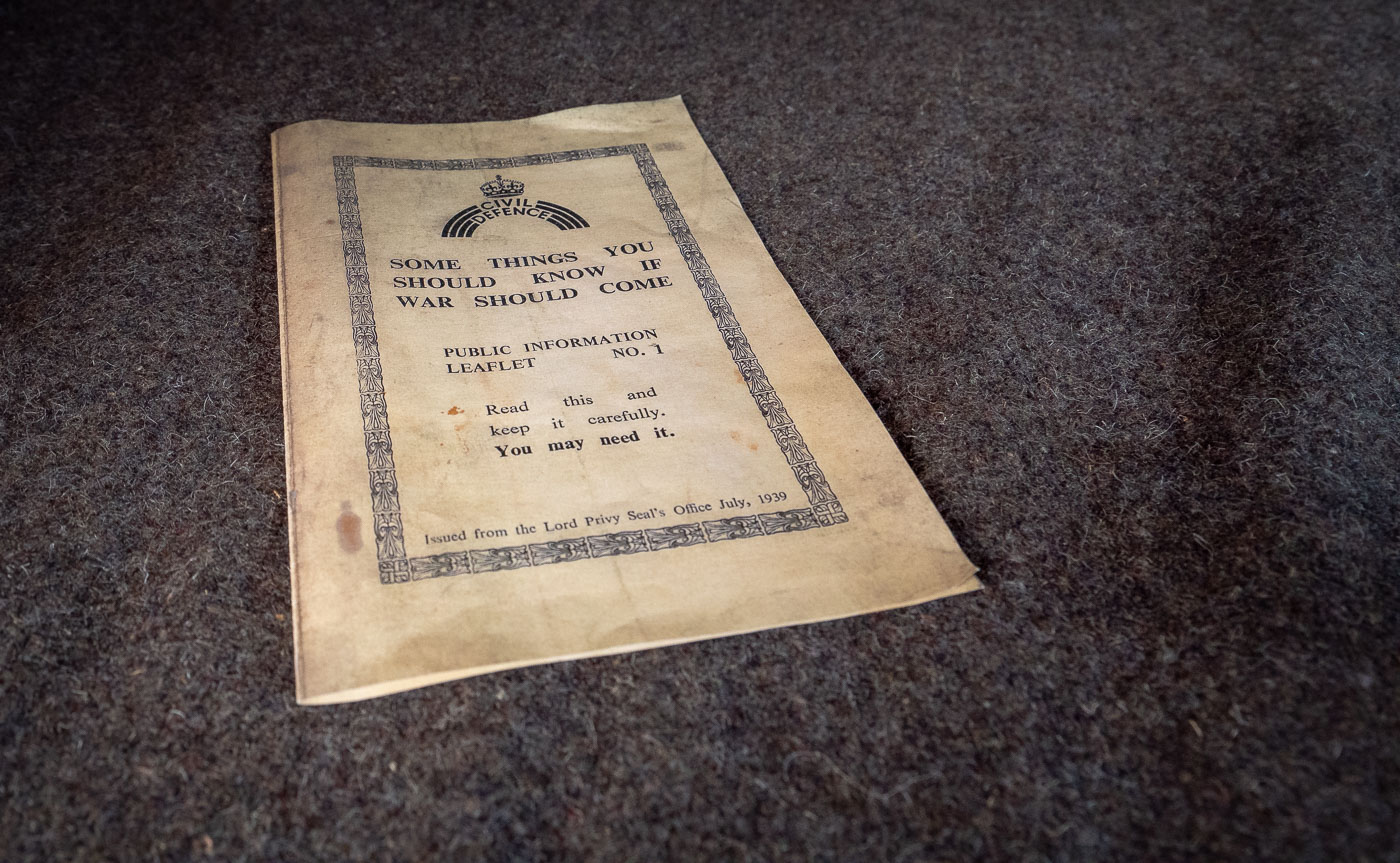
1939 Civil Defence leaflet titled Some Things You Should Know if War Should Come
The 1939 Civil Defence public information leaflet No. 1, titled Some Things You Should Know if War Should Come, was issued by the Lord Privy Seal’s Office in July 1939. It was the first in a series of pamphlets intended to prepare British civilians for blackout rules, air raids, and gas attacks before the outbreak of World War II.

1939 Civil Defence Leaflet No. 1

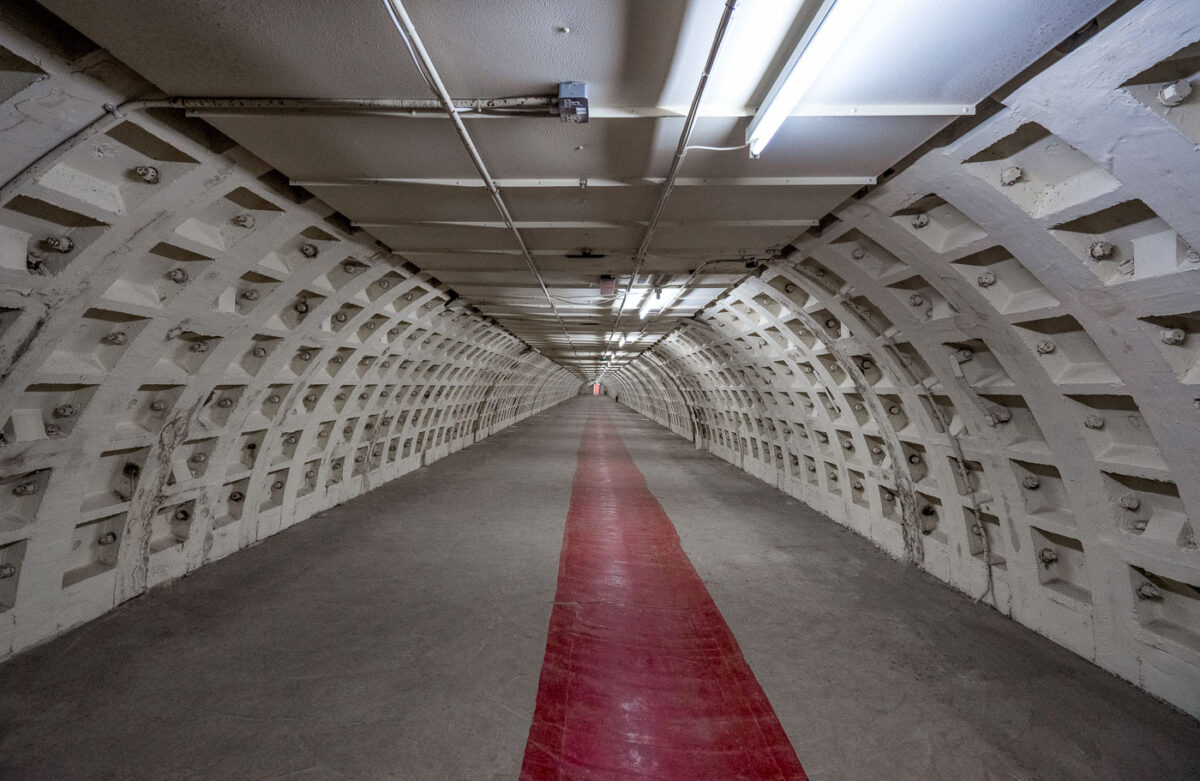
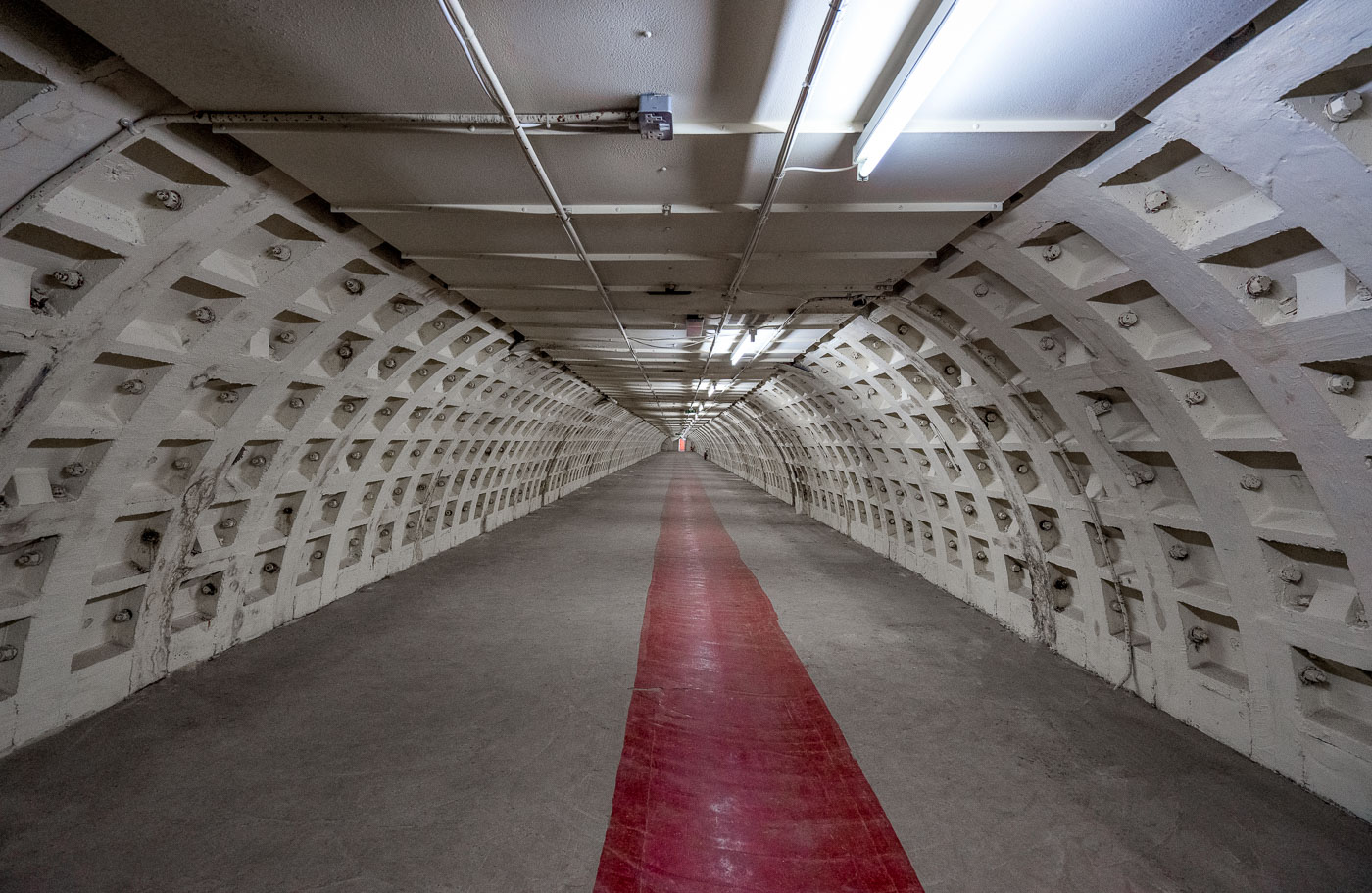
Clapham North Deep Shelter Tunnel in London with cast-iron lining and fluorescent lights
Clapham North Deep Shelter Tunnel in London is one of eight deep-level shelters built by London Underground during World War II. Completed between 1940 and 1942, it was designed to house civilians during air raids and retains its cast-iron lining and later lighting.

Clapham North Deep Shelter Tunnel, London
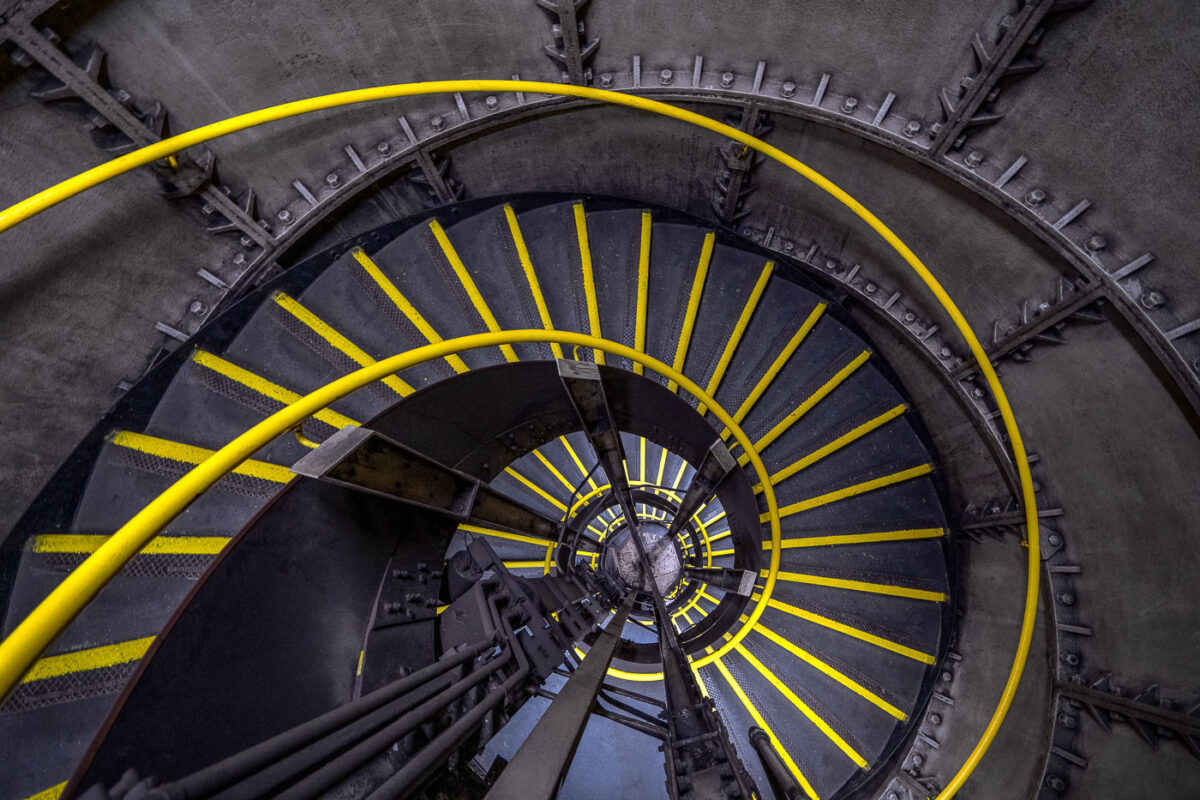
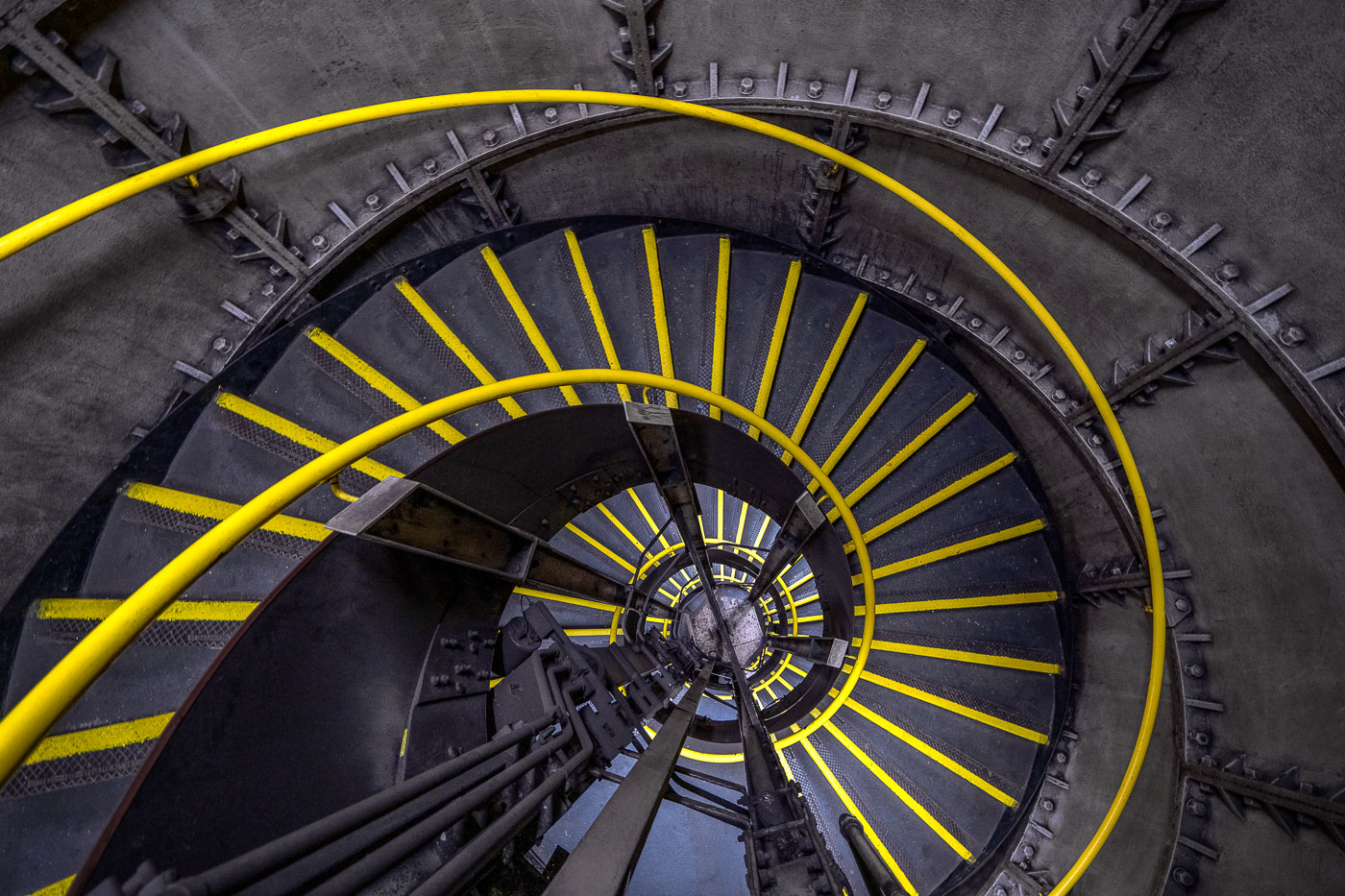
Clapham North Underground Station spiral staircase in London, with yellow-edged steps winding around a central shaft.
Clapham North Underground Station in London has a spiral emergency staircase descending to the Northern Line platforms. The cast-iron stairwell wraps around a central shaft and is fitted with yellow anti-slip strips and handrails for access and evacuation.

Clapham North Underground Station Spiral Staircase, London
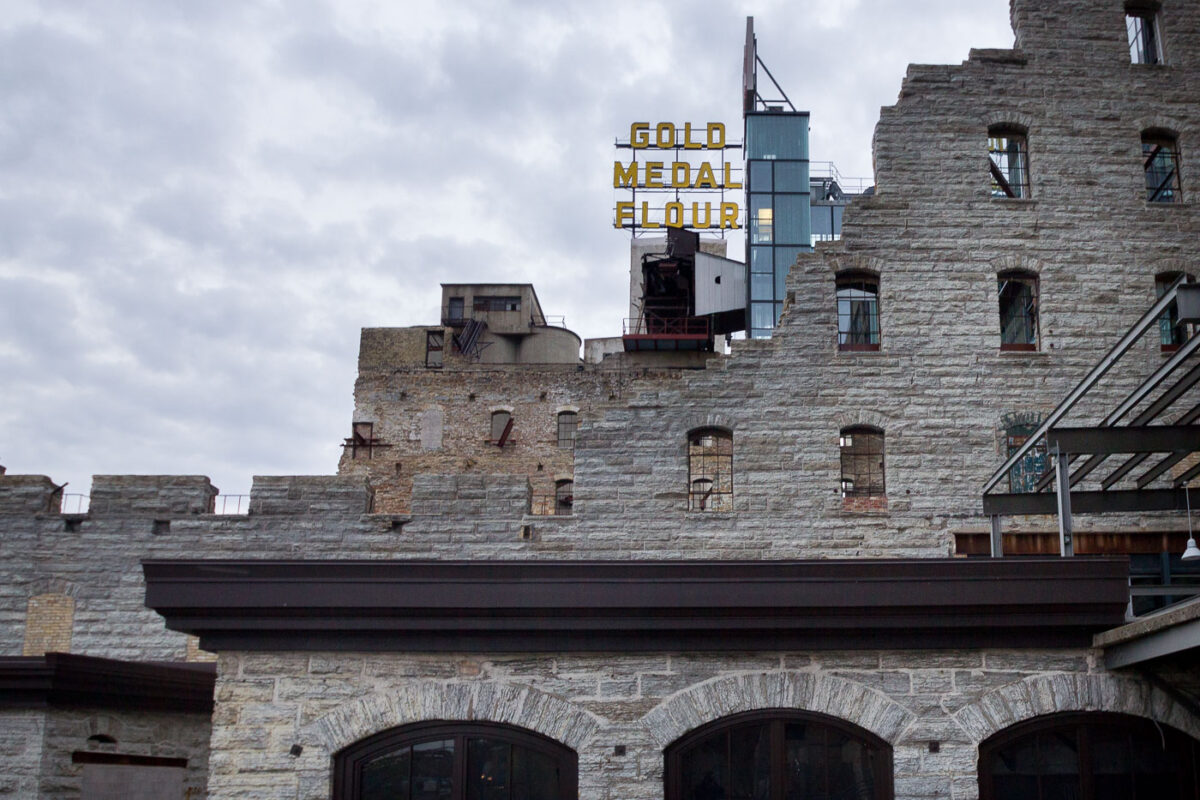
The Gold Medal Flour sign is displayed on the historic Washburn Mill in Minneapolis, once the world's largest flour mill, now part of the Mill City Museum.
The Gold Medal Flour sign stands atop the historic Washburn Mill in Minneapolis, a structure that was once the largest flour mill in the world. The mill, part of the Mill City Museum complex, represents a significant chapter in the city's industrial past. Its conversion into a museum preserves the legacy of Minneapolis's flour milling industry, which was central to the city's economic development in the late 19th and early 20th centuries. The sign itself is a recognizable landmark, evoking the area's heritage as a major center for grain processing and flour production.

Gold Medal Flour Sign on Washburn Mill, Minneapolis

Boarded-up brick building at Fort Snelling, Minnesota, a historic military installation near Minneapolis.
This brick building, located at Fort Snelling near Minneapolis, Minnesota, has boarded-up windows and doors, indicating disuse. Fort Snelling is a historic military installation that served as a key strategic post for the U.S. Army in the Upper Midwest. The fort's history dates back to its establishment in 1819, and it played a significant role in westward expansion and military operations throughout the 19th and 20th centuries. The architectural style of the building suggests it may have been constructed during the fort's active military period, likely serving administrative or residential purposes for personnel.

Fort Snelling Building with Boarded Windows