Place Archive

Antigua

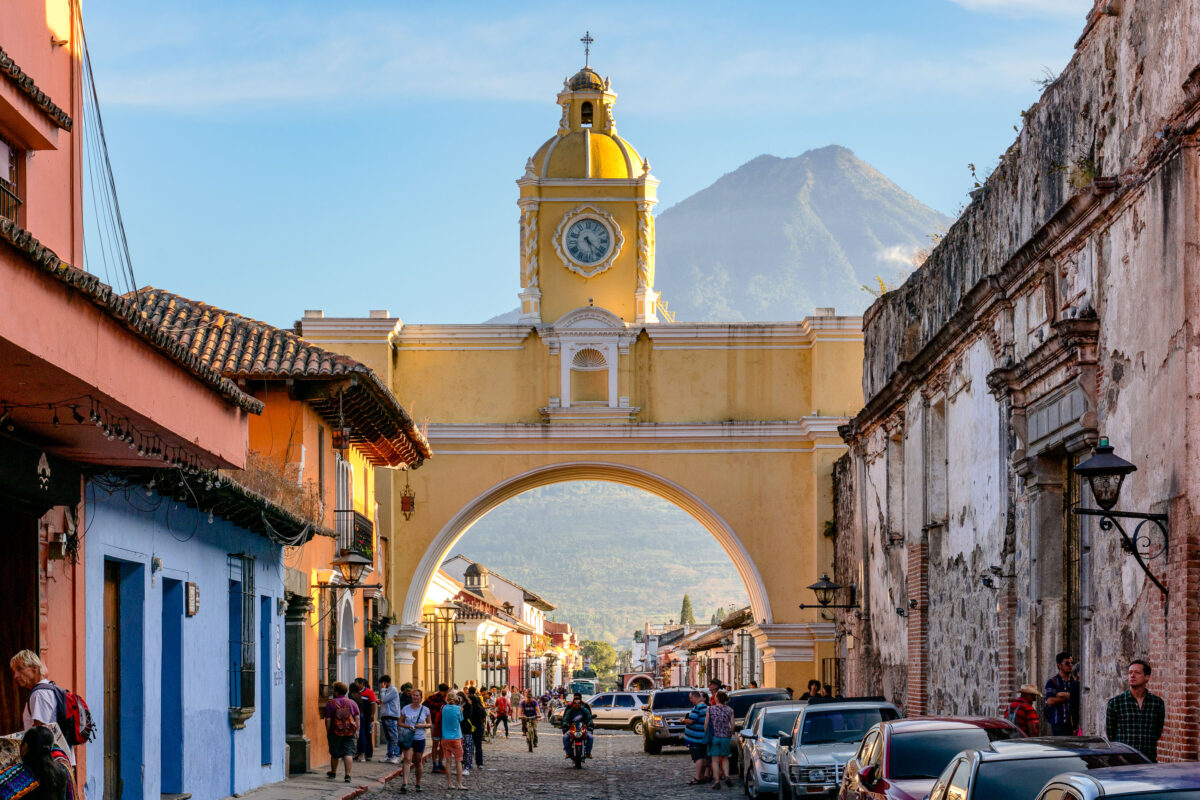
Antigua, Guatemala, features well-preserved colonial architecture such as the 17th-century Santa Catalina Arch, originally a passageway for nuns. The city’s cobblestone streets, active markets, and ruins like the Jesuit church reflect its history as a former colonial capital under constant influence from the nearby Agua Volcano.

33 photos

Photos from Antigua
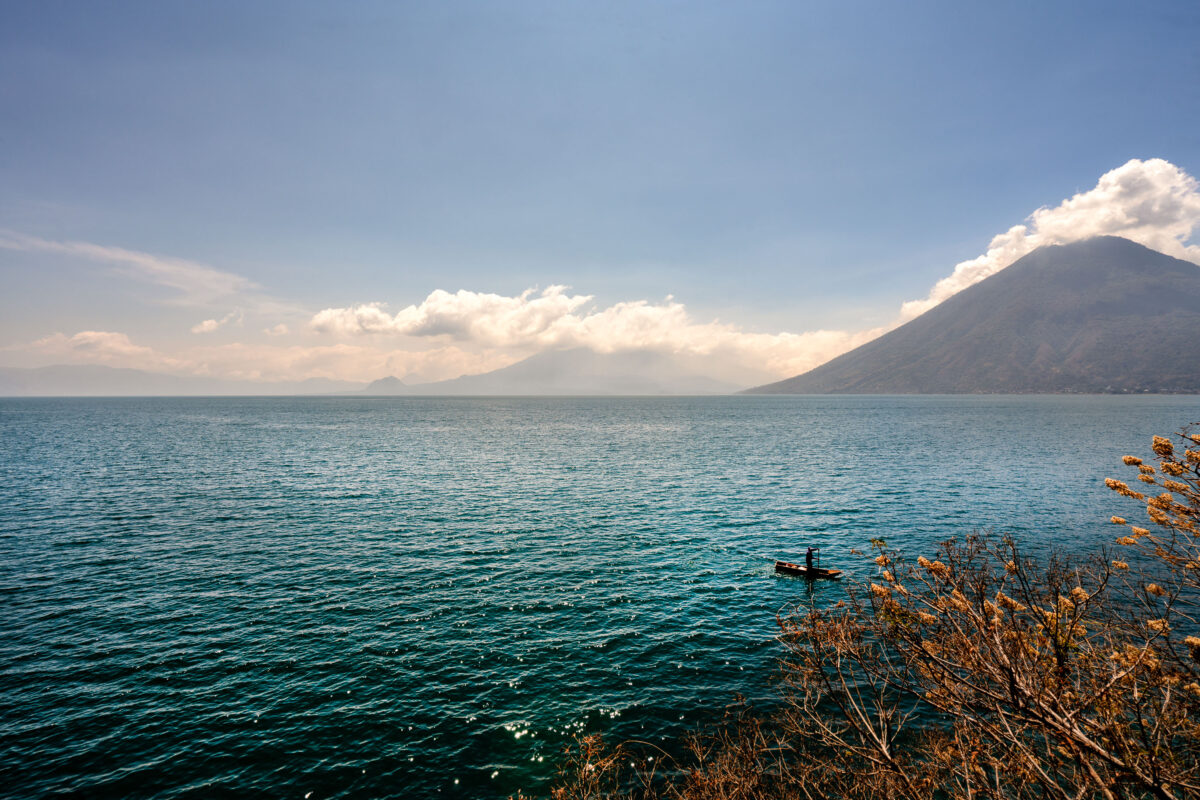
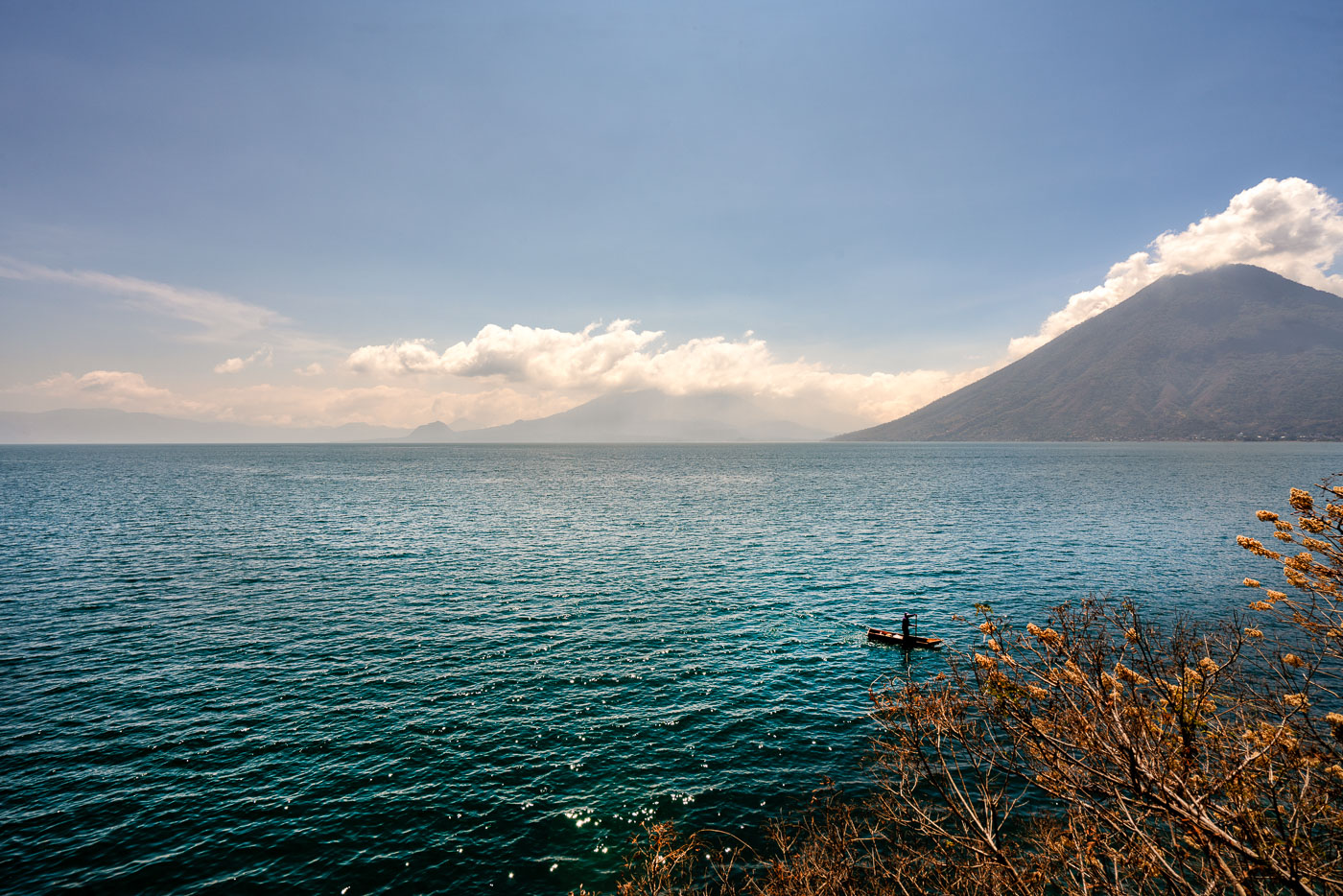
Sunny morning at Lake Atitlan Guatemala
A lone kayaker navigates the waters of Lake Atitlán in Guatemala, with the prominent Volcano San Pedro forming a dramatic backdrop. Lake Atitlán, formed by a massive volcanic eruption approximately 84,000 years ago, is renowned for its stunning natural beauty and the surrounding Maya villages. The lake and its volcanoes are a significant geographical and cultural landmark in Guatemala, attracting visitors and serving as a vital resource for local communities who rely on its waters for fishing and transportation.
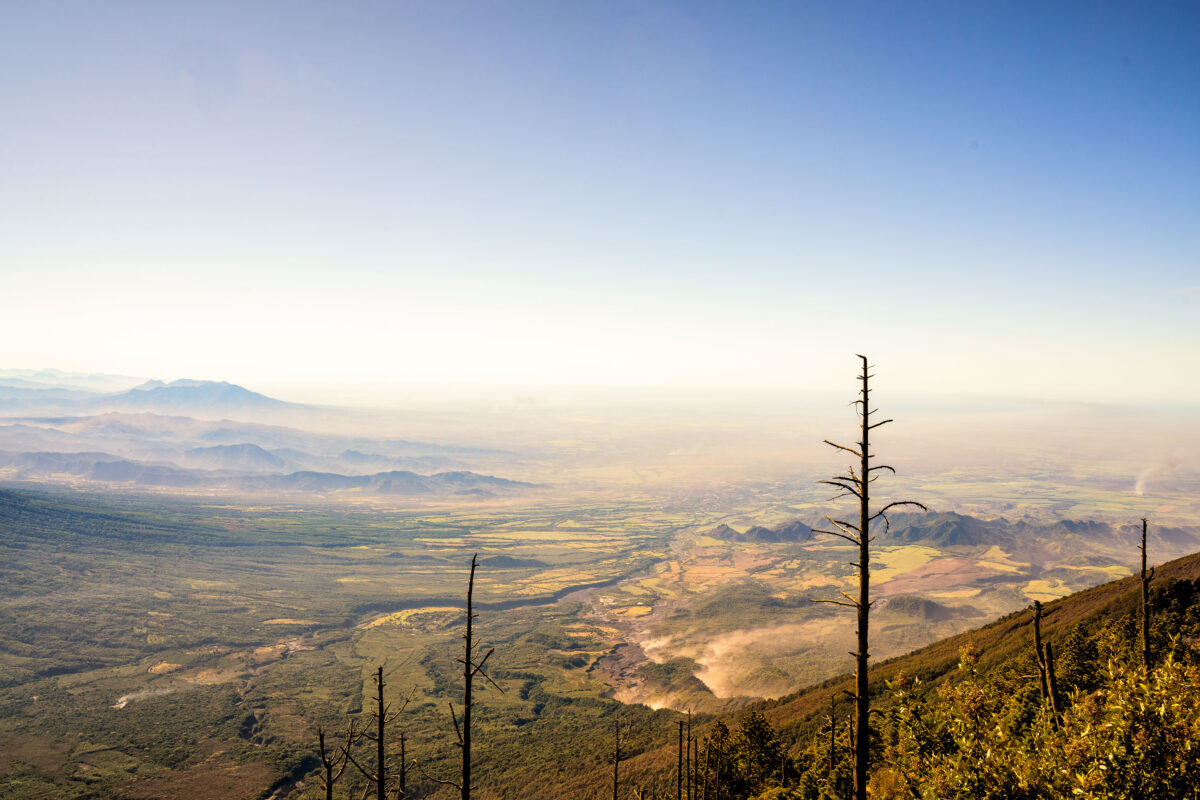
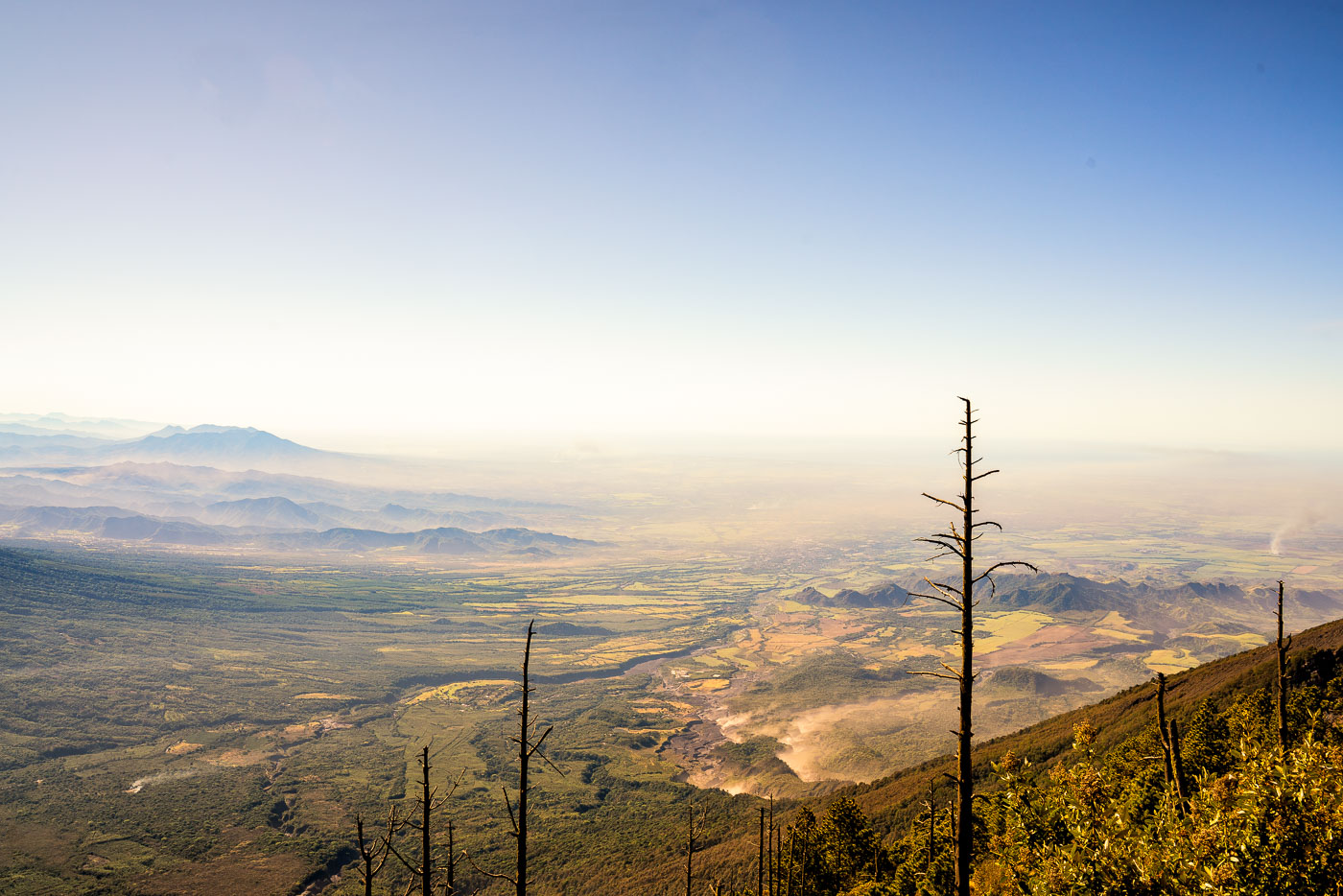
Acatenango Volcano view
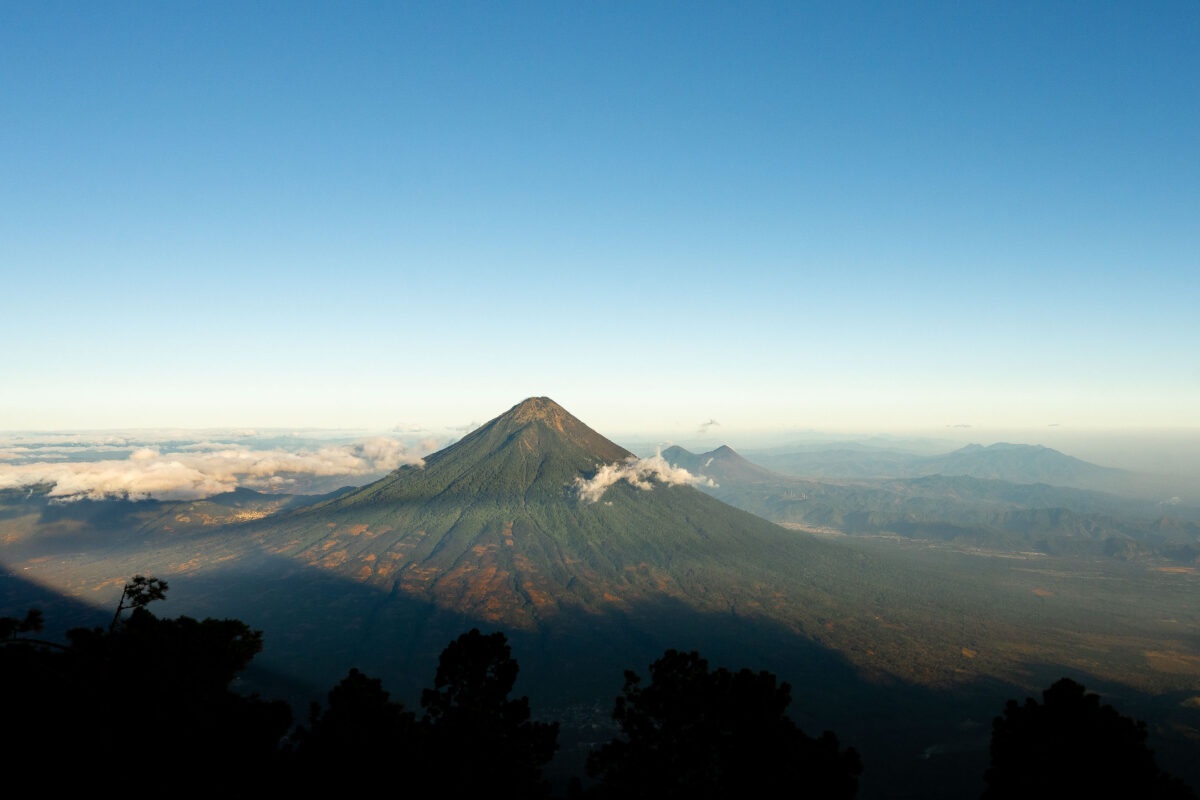
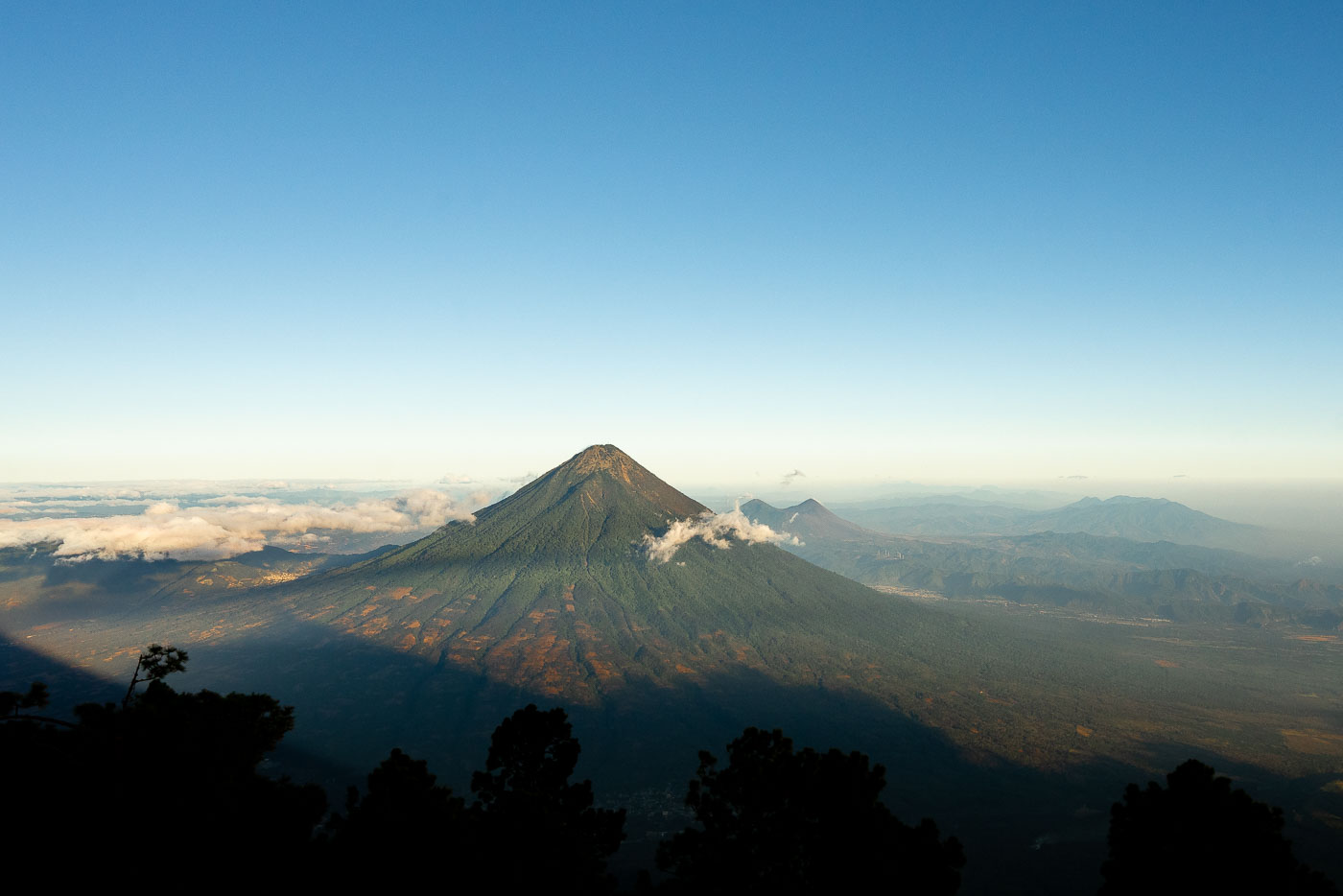
The landscape surrounding Acatenango Volcano in Guatemala offers a sweeping vista of the surrounding valleys and the distant Fuego Volcano. Acatenango is part of the Guatemala Fire Belt, a chain of volcanoes formed by the subduction of the Cocos Plate beneath the Caribbean Plate. The fertile volcanic soil in the valleys below has historically supported agriculture, contributing to the region's development. This vantage point provides a sense of the vastness of the volcanic terrain that shapes the geography and livelihoods of communities near Antigua Guatemala.
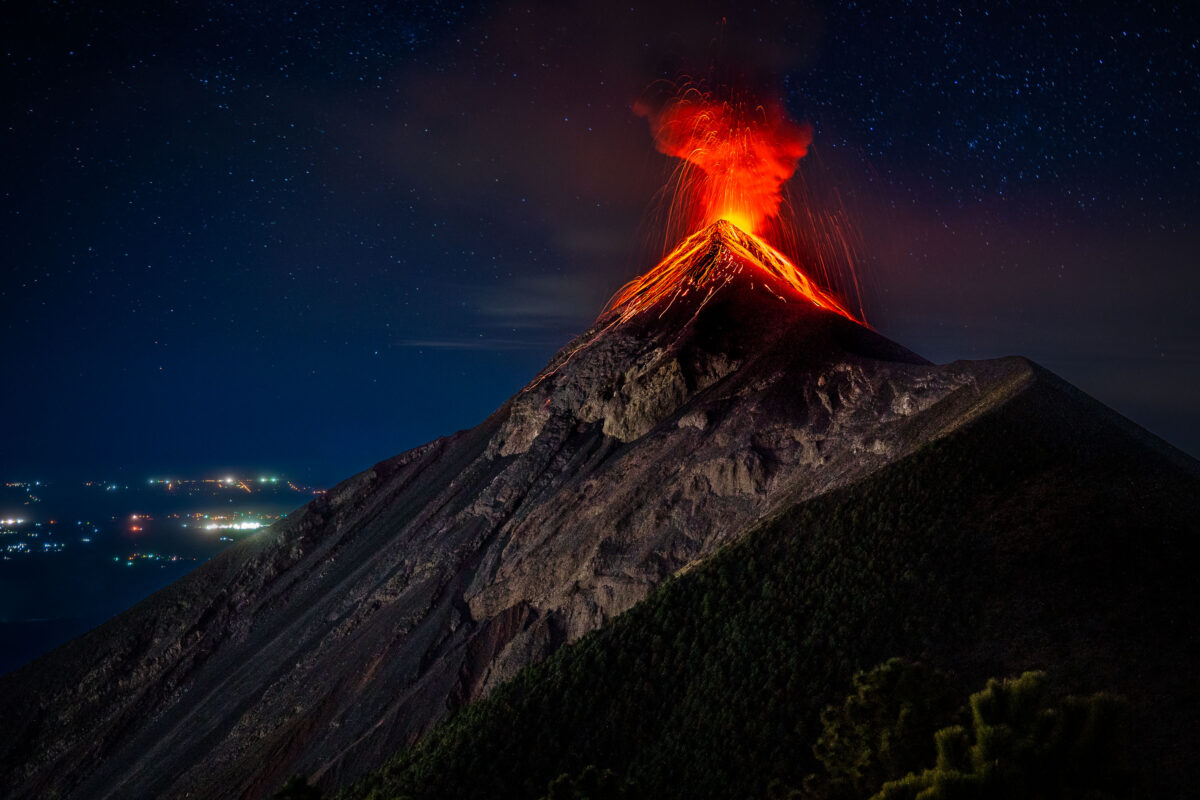
Fuego Volcano erupts at night in Guatemala
Volcán de Fuego, one of Central America's most active volcanoes, erupts at night near Antigua, Guatemala. Located in the Acatenango volcanic chain, Fuego is known for its frequent and often dramatic eruptions, characterized by incandescent lava flows and ash plumes. Its proximity to populated areas, including the historic city of Antigua, a UNESCO World Heritage site, makes its activity a constant concern for local communities. The volcano's persistent activity has shaped the surrounding landscape and influenced the region's history and culture for centuries.
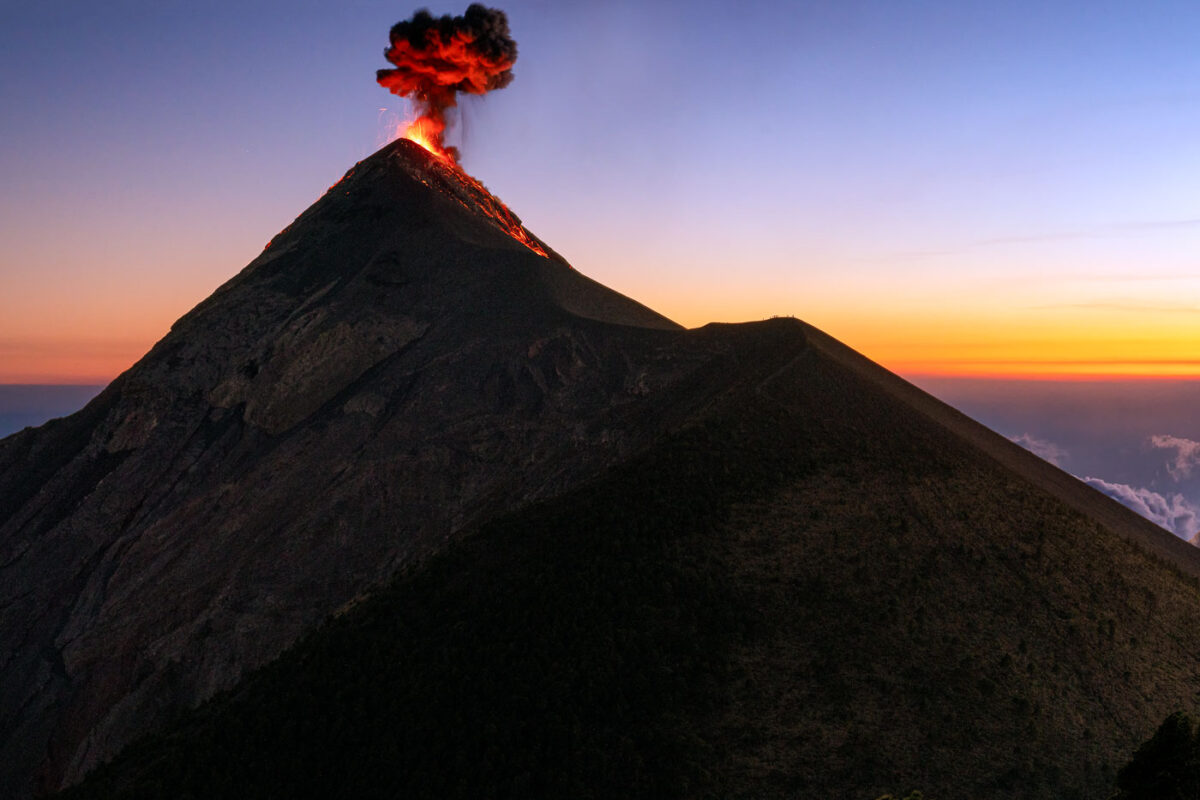
Sunset and volcano eruptions in Guatemala
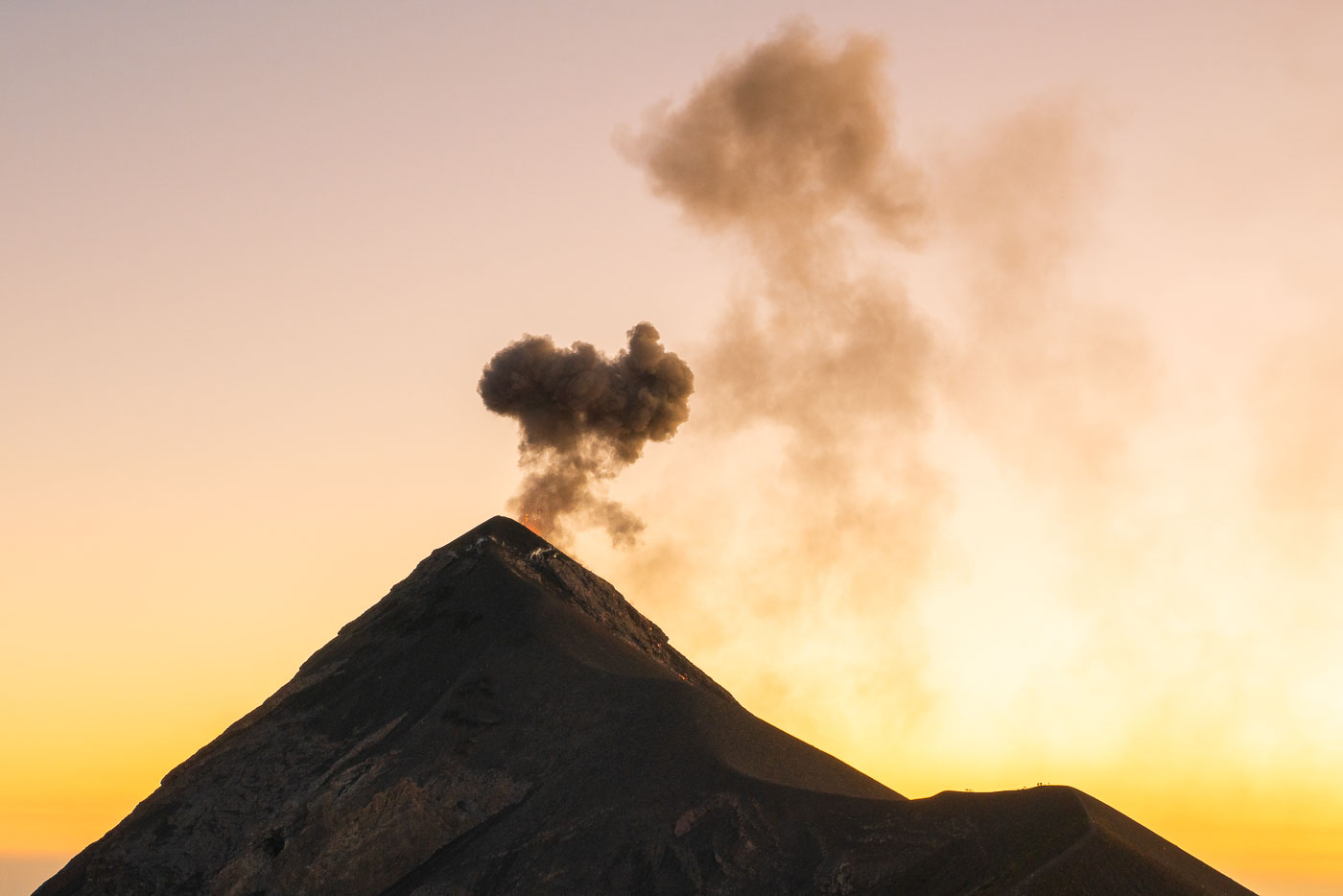
The Fuego volcano in Guatemala erupts at sunset, spewing ash and lava. Fuego is one of Guatemala's most active volcanoes, known for its frequent eruptions and incandescent lava flows. Its geological activity has shaped the surrounding landscape and influenced the region's history and culture for centuries. The volcano's consistent eruptions make it a significant natural phenomenon, drawing scientific interest and posing ongoing challenges for nearby communities.
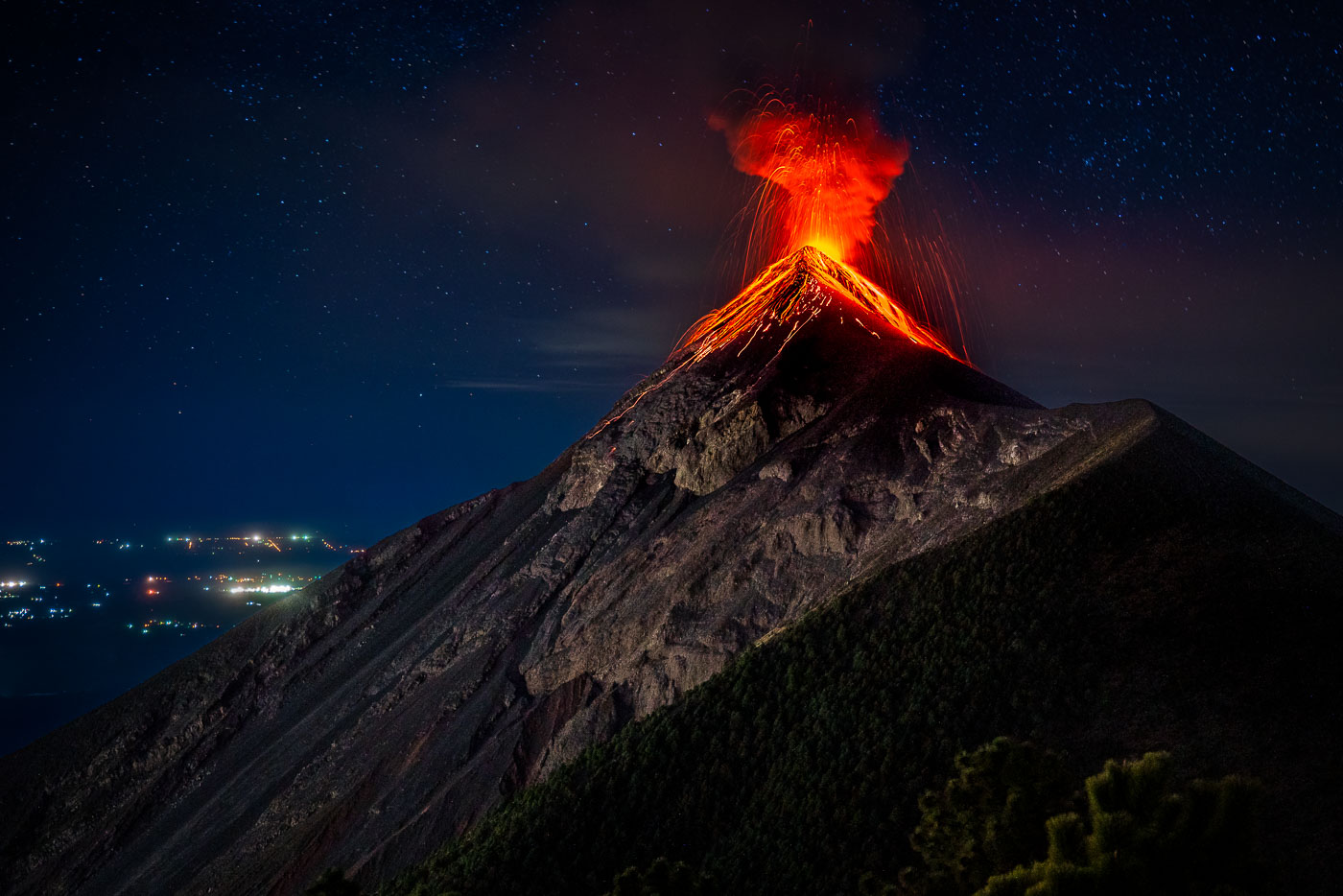
Volcano erupts in Guatemala
The Fuego Volcano, located near Antigua, Guatemala, is one of Central America's most active volcanoes. It is part of the Pacific Ring of Fire, a horseshoe-shaped zone known for its frequent seismic and volcanic activity. Fuego is a stratovolcano, characterized by its steep conical shape, and has been in a state of near-constant eruption since at least 1542. These eruptions, often characterized by ash plumes and lava flows, pose a significant hazard to nearby communities but also contribute to the region's fertile soil.
Guatemala Volcano Sunset
Acatenango Volcano, Guatemala. This stratovolcano, located in the Guatemalan Highlands, is part of the Cordillera de los Andes. It is one of the most prominent volcanoes in the region, standing at 3,976 meters (13,045 feet) tall. The volcano is known for its frequent eruptions, with its last major eruption occurring in 1972. The surrounding landscape is characterized by lush vegetation and agricultural terraces, reflecting centuries of human settlement and cultivation. The view captures the dramatic interplay of light and shadow as the sun sets over the volcanic chain.
Agua Volcano seen from Acatenango Volcano
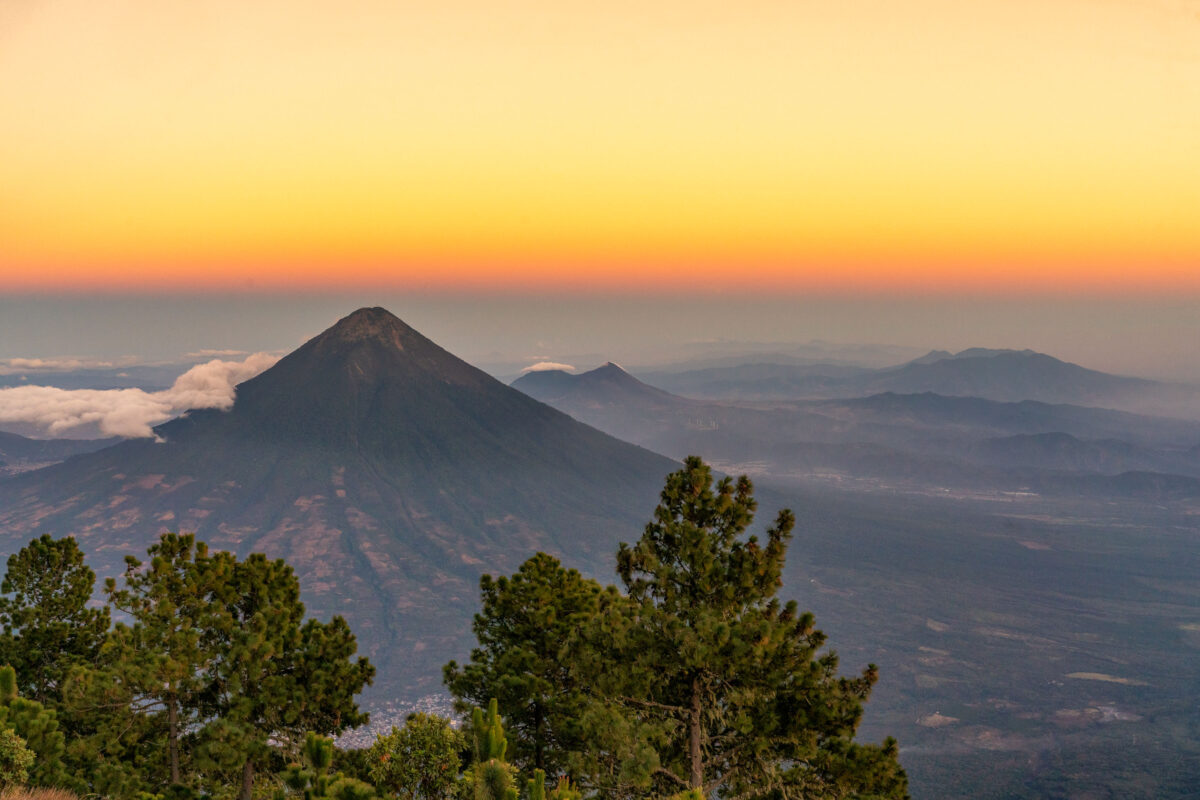
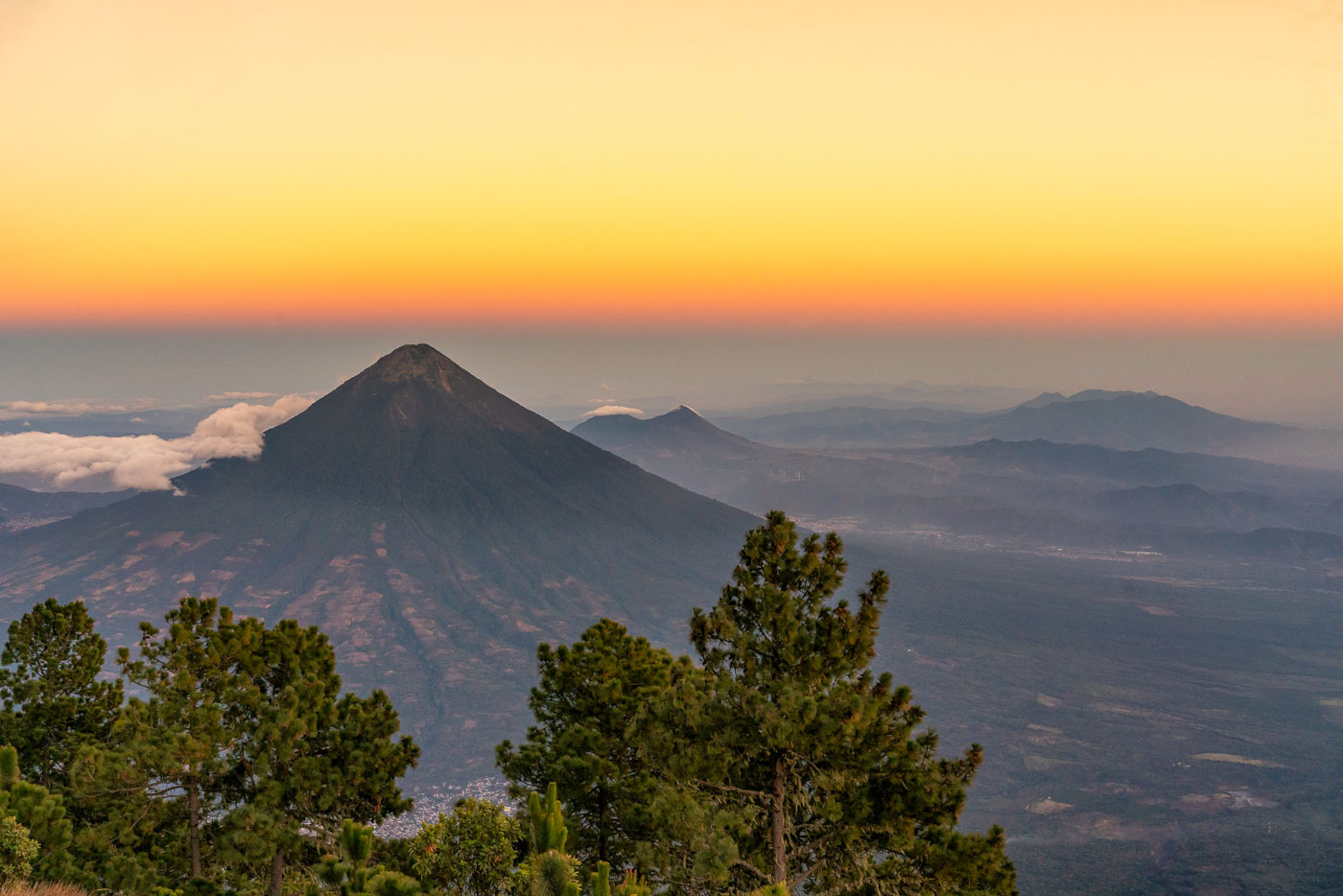
Agua Volcano and Pacaya Volcano, Guatemala. This photograph, taken from the slopes of Acatenango Volcano, showcases two of Guatemala's prominent stratovolcanoes. Agua Volcano, the leftmost and most symmetrical, is a dormant volcano that looms over the colonial city of Antigua. Pacaya Volcano, to the right, is an active volcano known for its frequent eruptions and lava flows. Both are part of the Central American Volcanic Arc, a chain of volcanoes formed by the subduction of the Cocos Plate beneath the Caribbean Plate.
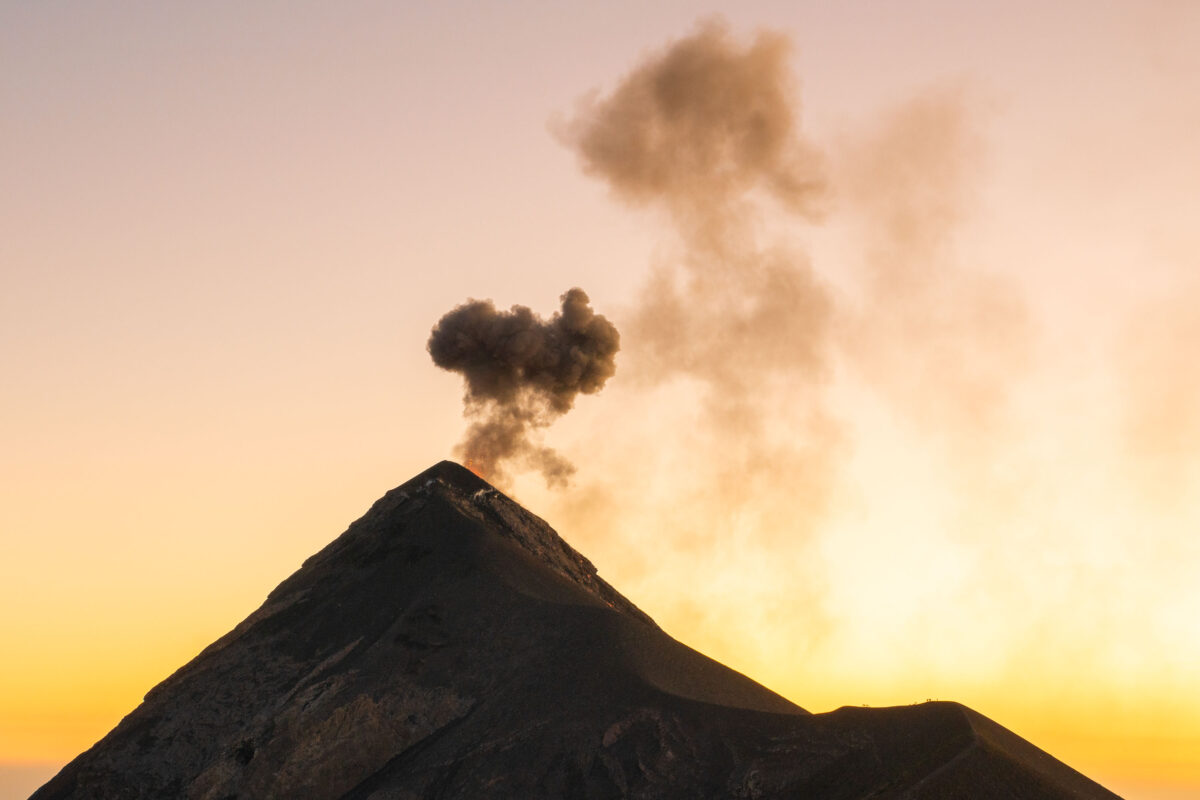
Fuego Volcano erupts in Guatemala
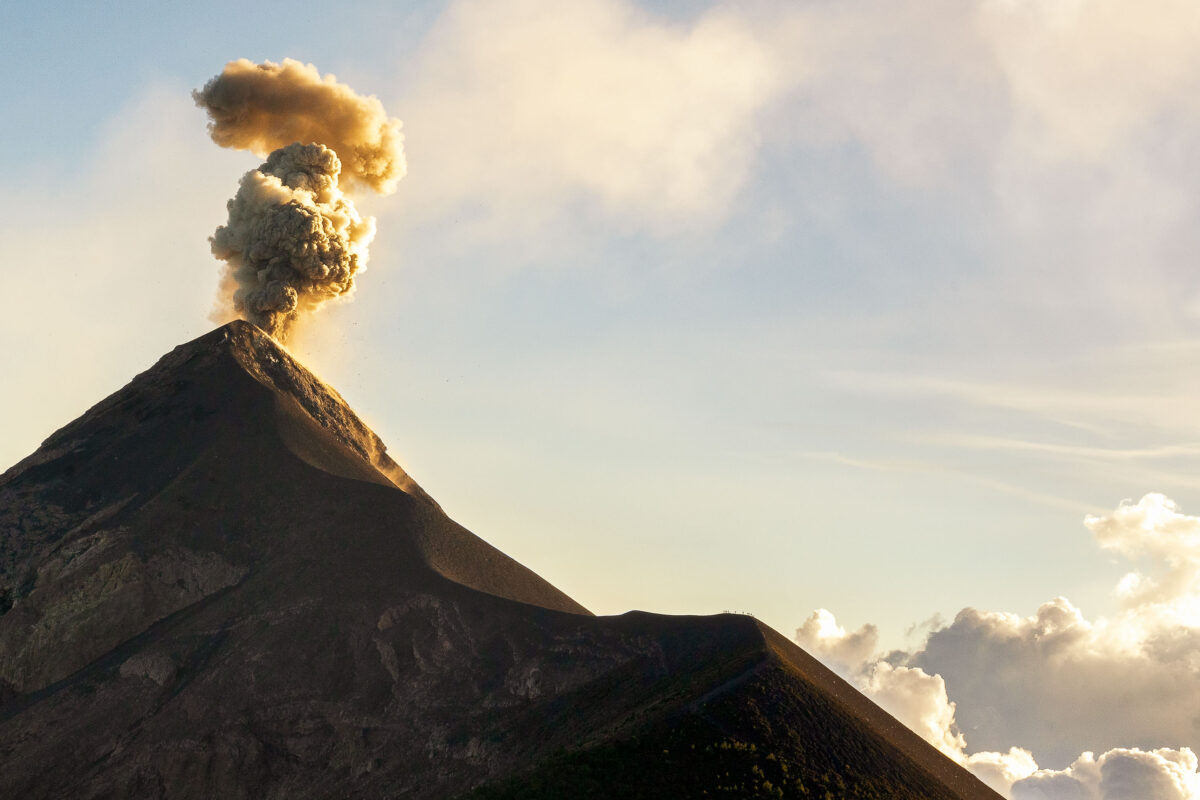
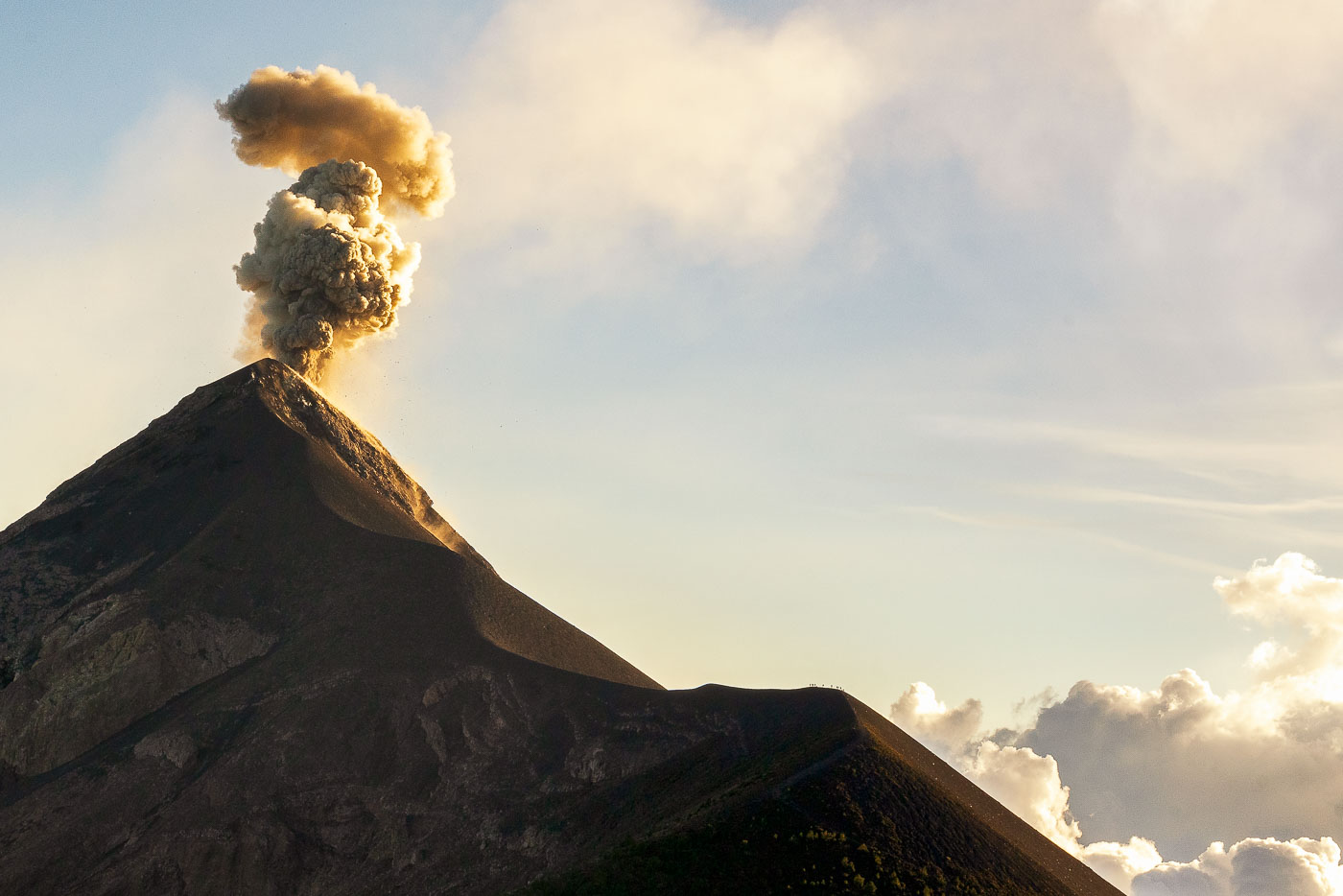
The Fuego volcano, located near Antigua, Guatemala, is one of the most active volcanoes in Central America. Its frequent eruptions, like the one captured here, release ash and gas plumes high into the atmosphere. The volcano's proximity to the historic city of Antigua, a UNESCO World Heritage site, makes its activity a significant concern for residents and a subject of ongoing geological study. Fuego is part of the Pacific Ring of Fire, a horseshoe-shaped zone known for its high concentration of earthquakes and volcanic activity.
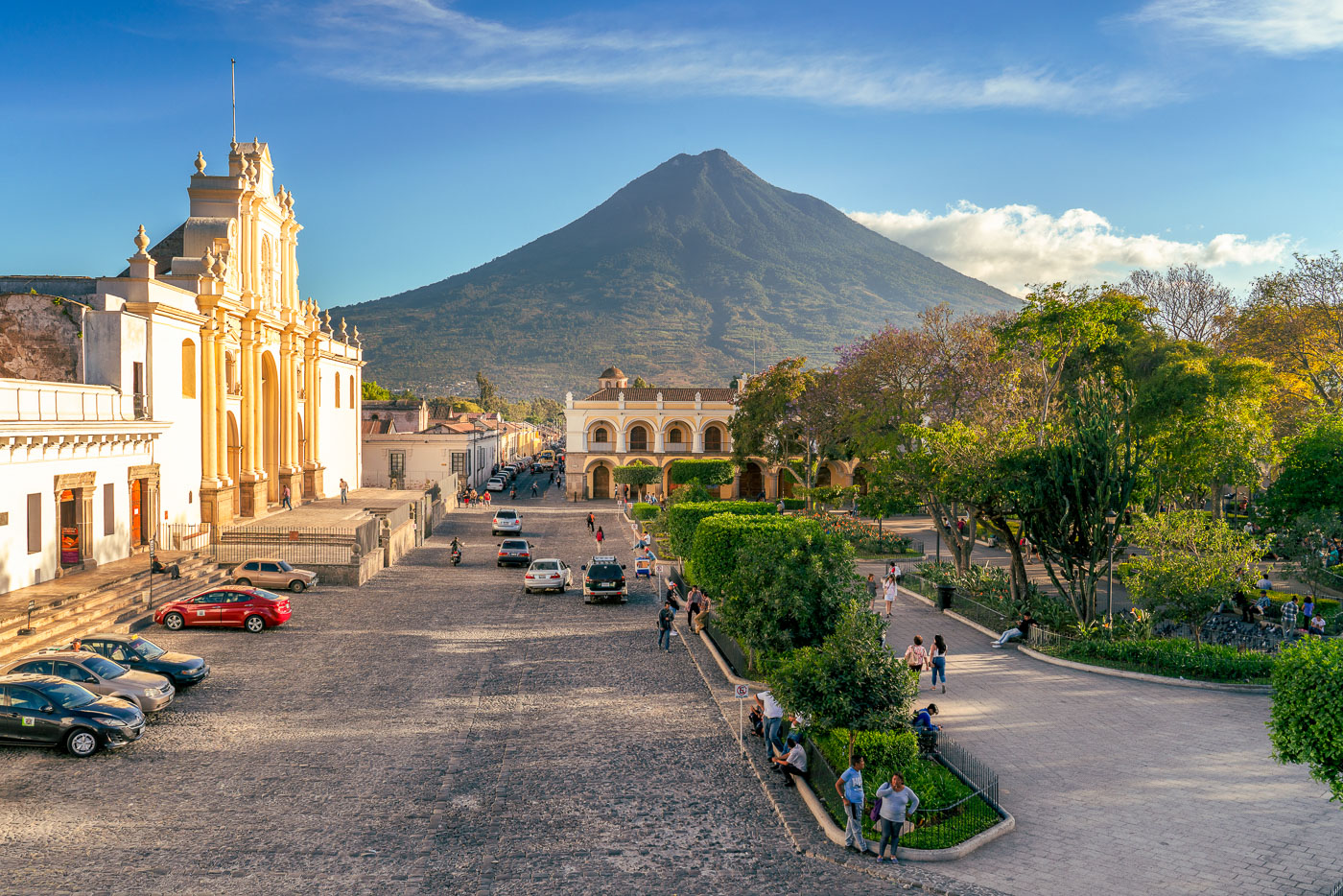
Blue hour in Antigua Guatemala
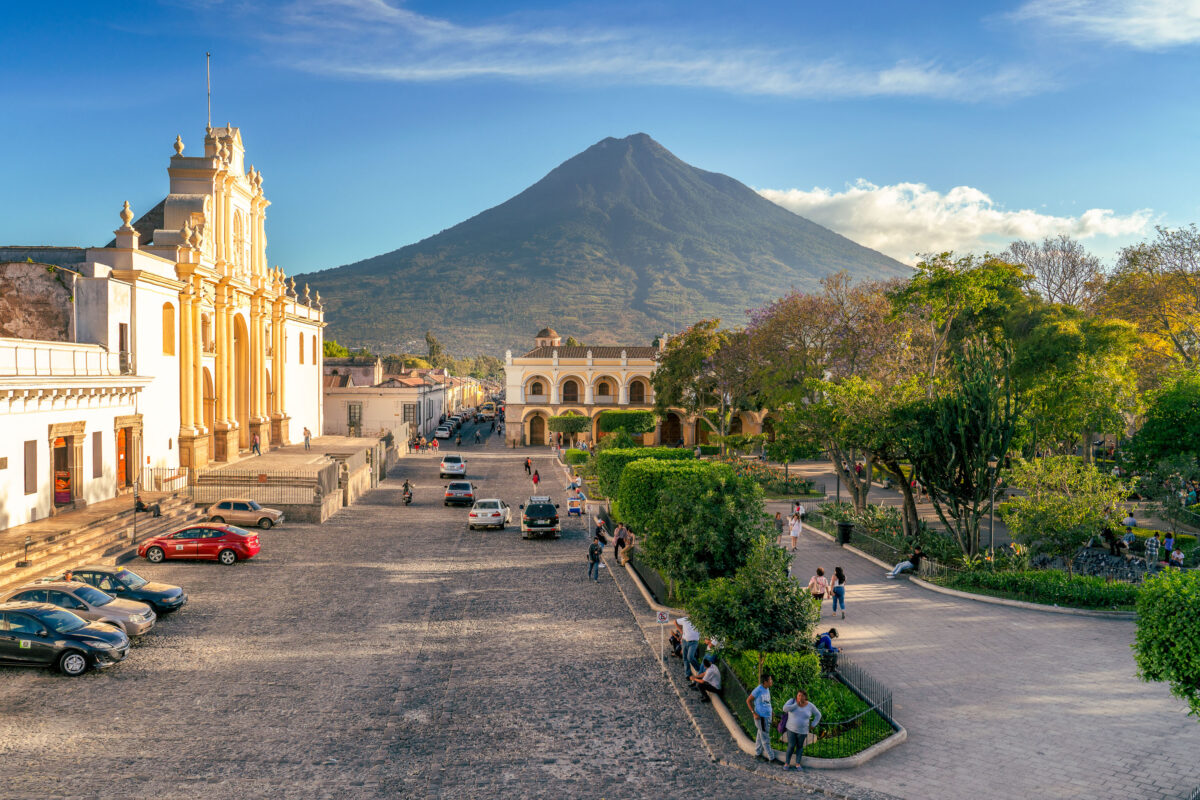
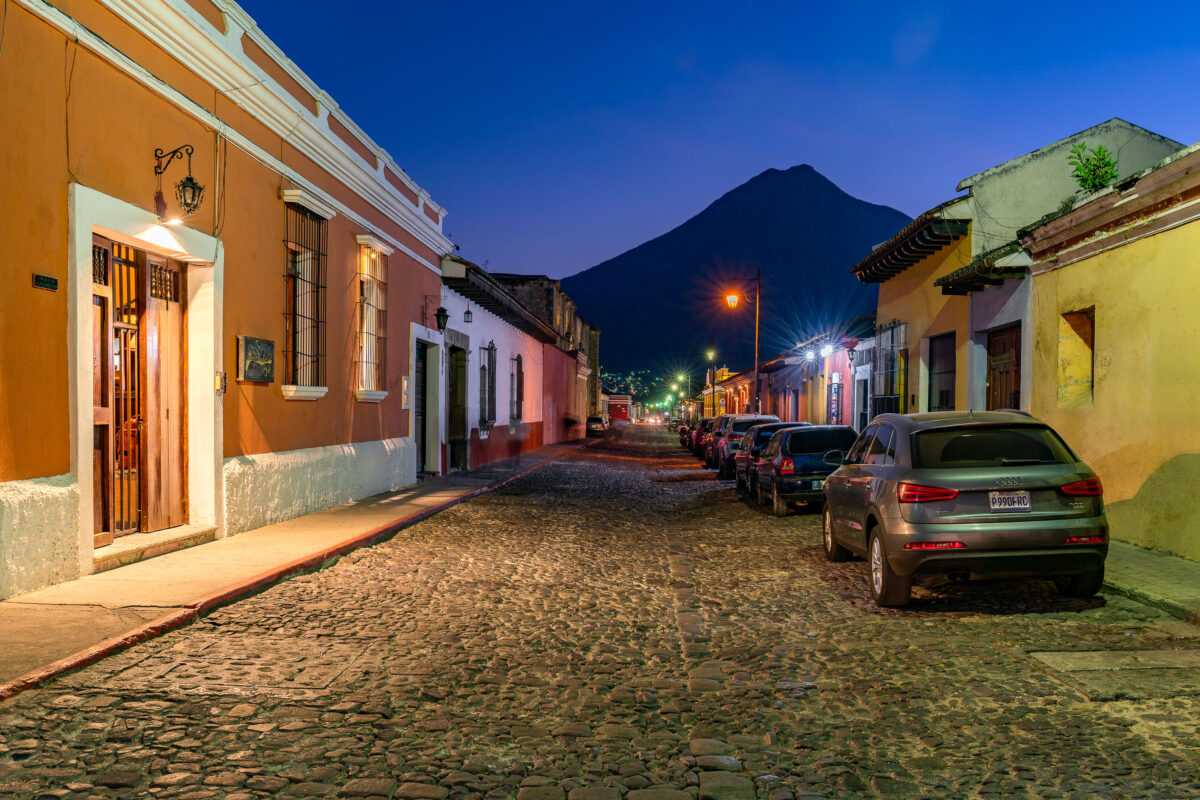
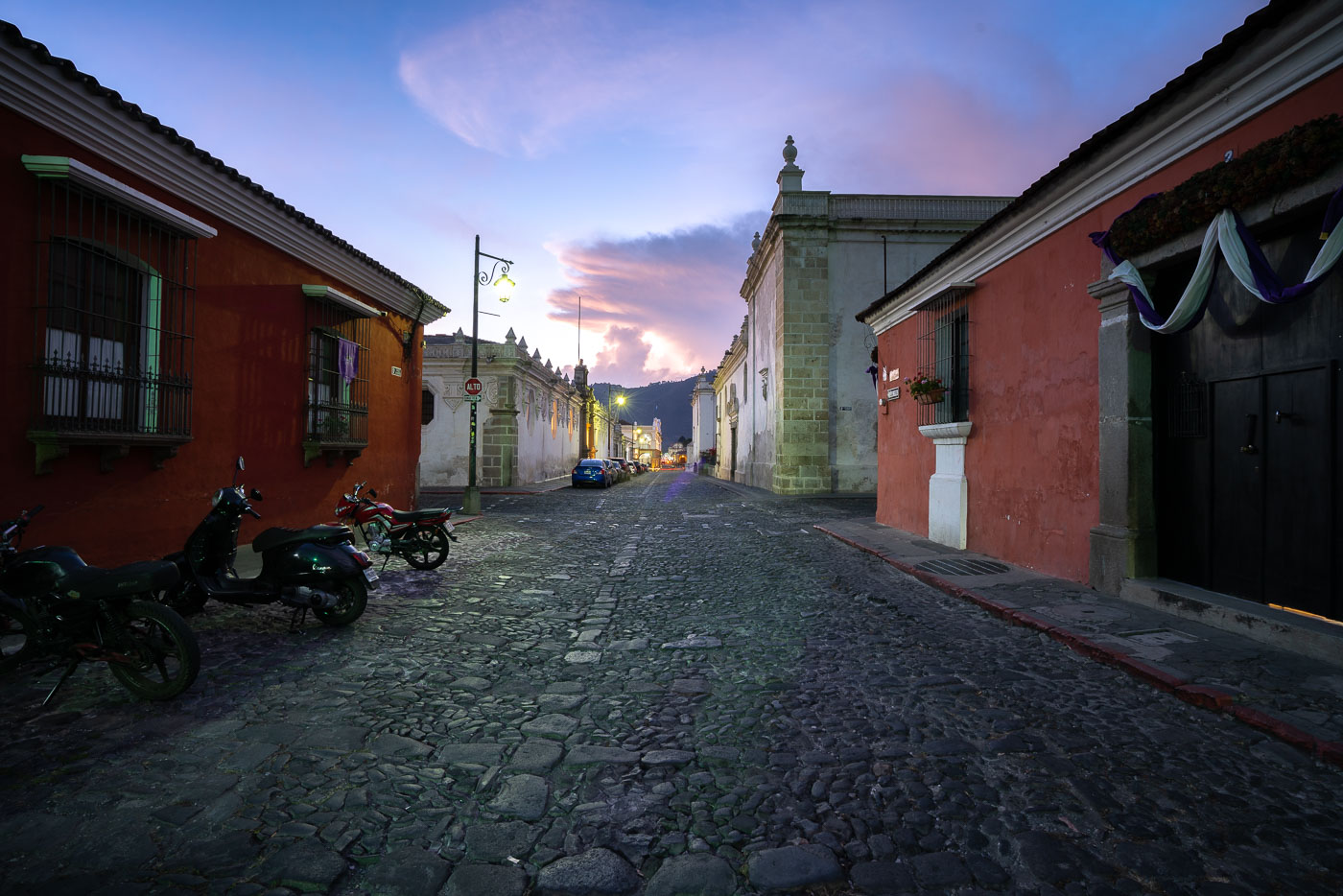
Antigua Guatemala, a UNESCO World Heritage site, was the colonial capital of the Captaincy General of Guatemala for over 200 years. The city's cobblestone streets, like this one illuminated at dusk, have been maintained since its founding in 1542. The prominent Agua Volcano, one of three stratovolcanoes surrounding the city, serves as a constant geographical backdrop. Despite numerous earthquakes and volcanic eruptions that led to its relocation in 1776, Antigua retains much of its 18th-century architecture and urban layout, showcasing its historical significance as a major center of Spanish colonial power in Central America.
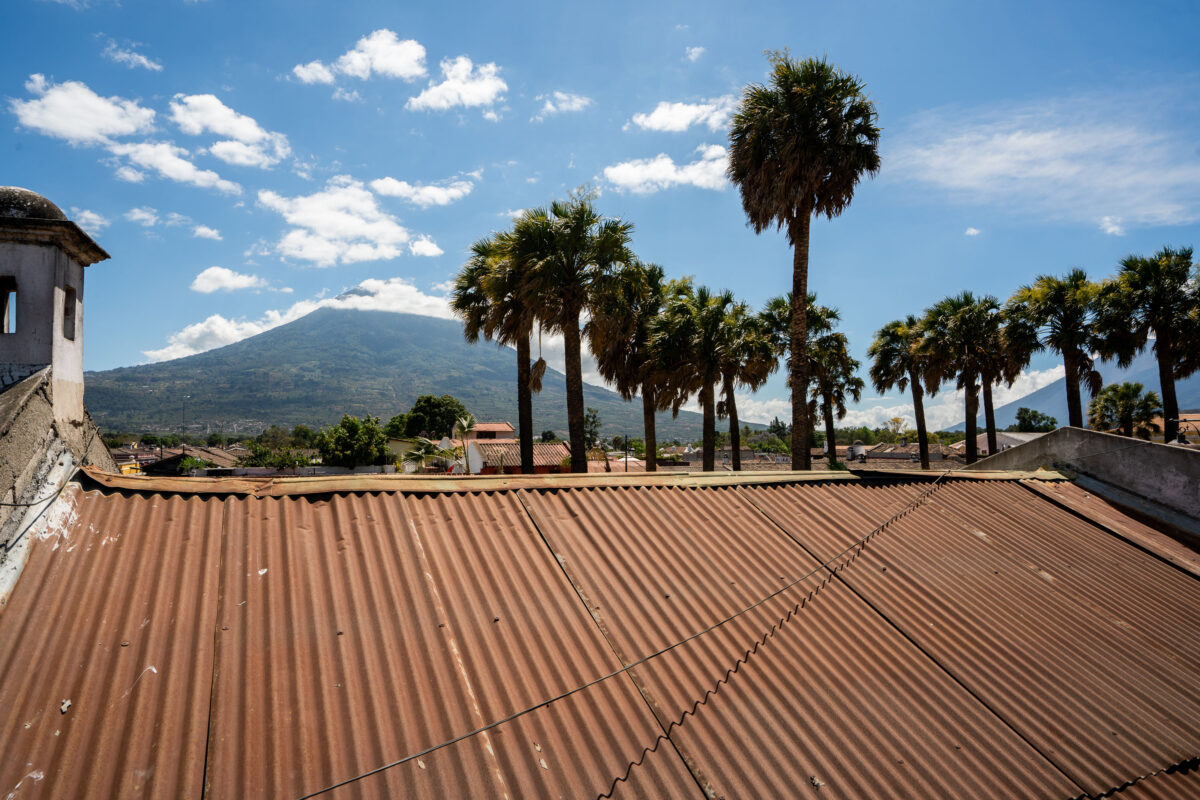
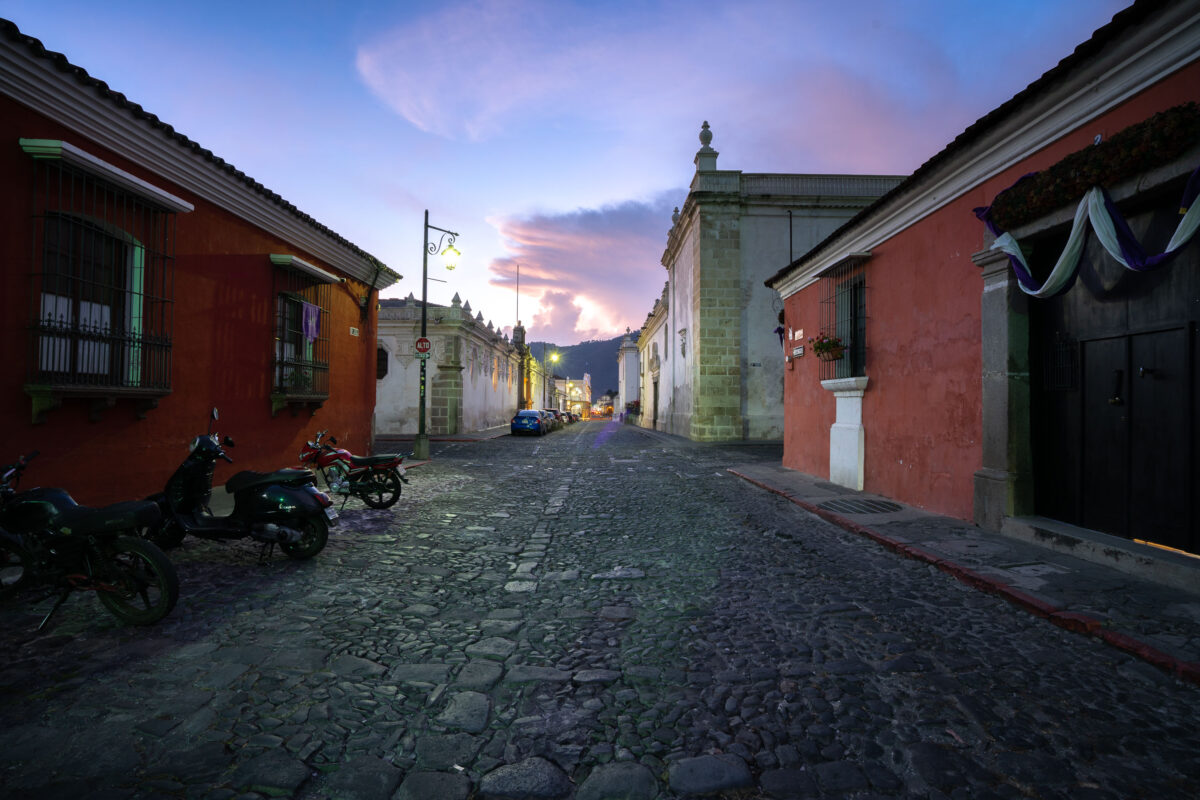
Sunset and Clouds in Antigua Guatemala
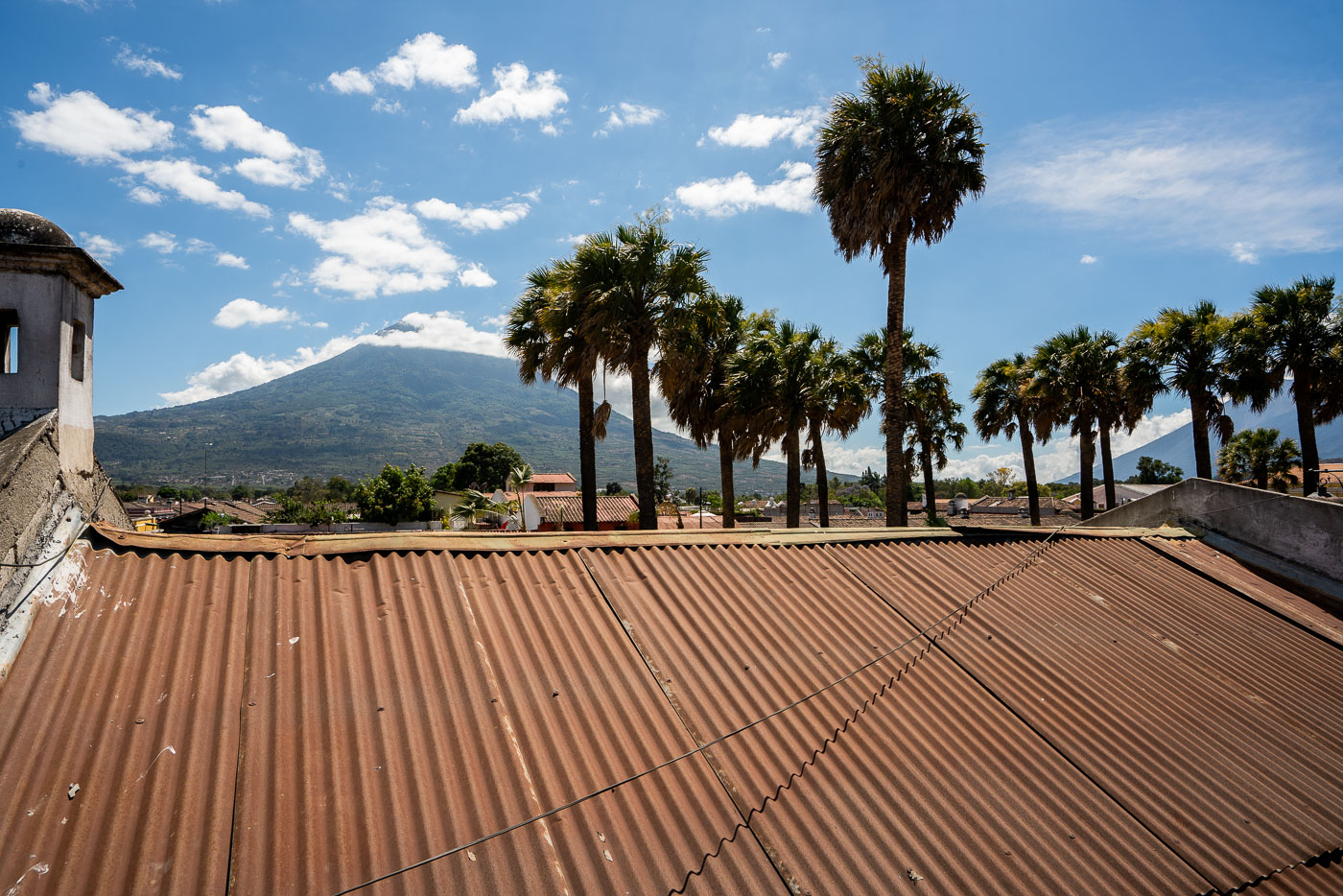
Antigua Guatemala's historic cobblestone streets are illuminated by streetlights at dusk. Founded in 1542, Antigua served as the colonial capital of the Captaincy General of Guatemala for over two centuries. The city's well-preserved Spanish Baroque architecture and cobblestone roads reflect its historical significance as a major administrative and cultural center. Despite damage from earthquakes and volcanic activity, Antigua remains a UNESCO World Heritage site, drawing visitors who experience its enduring colonial charm.
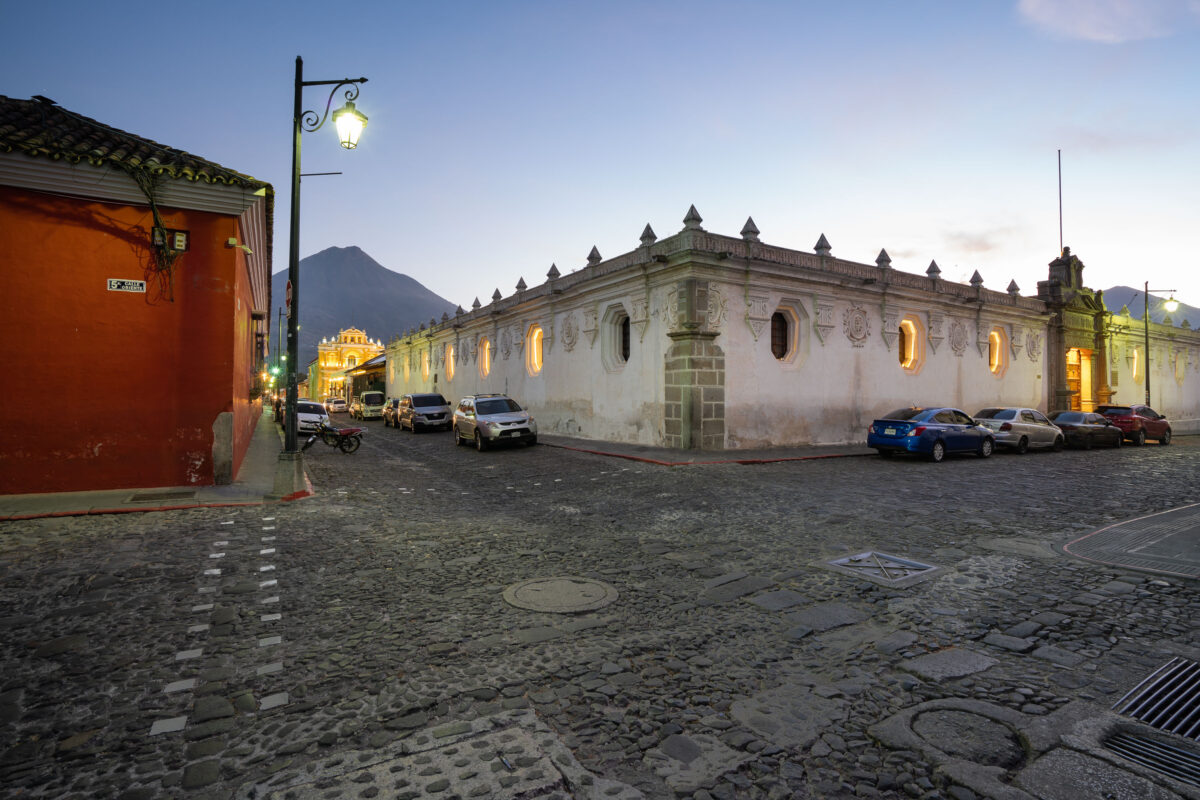
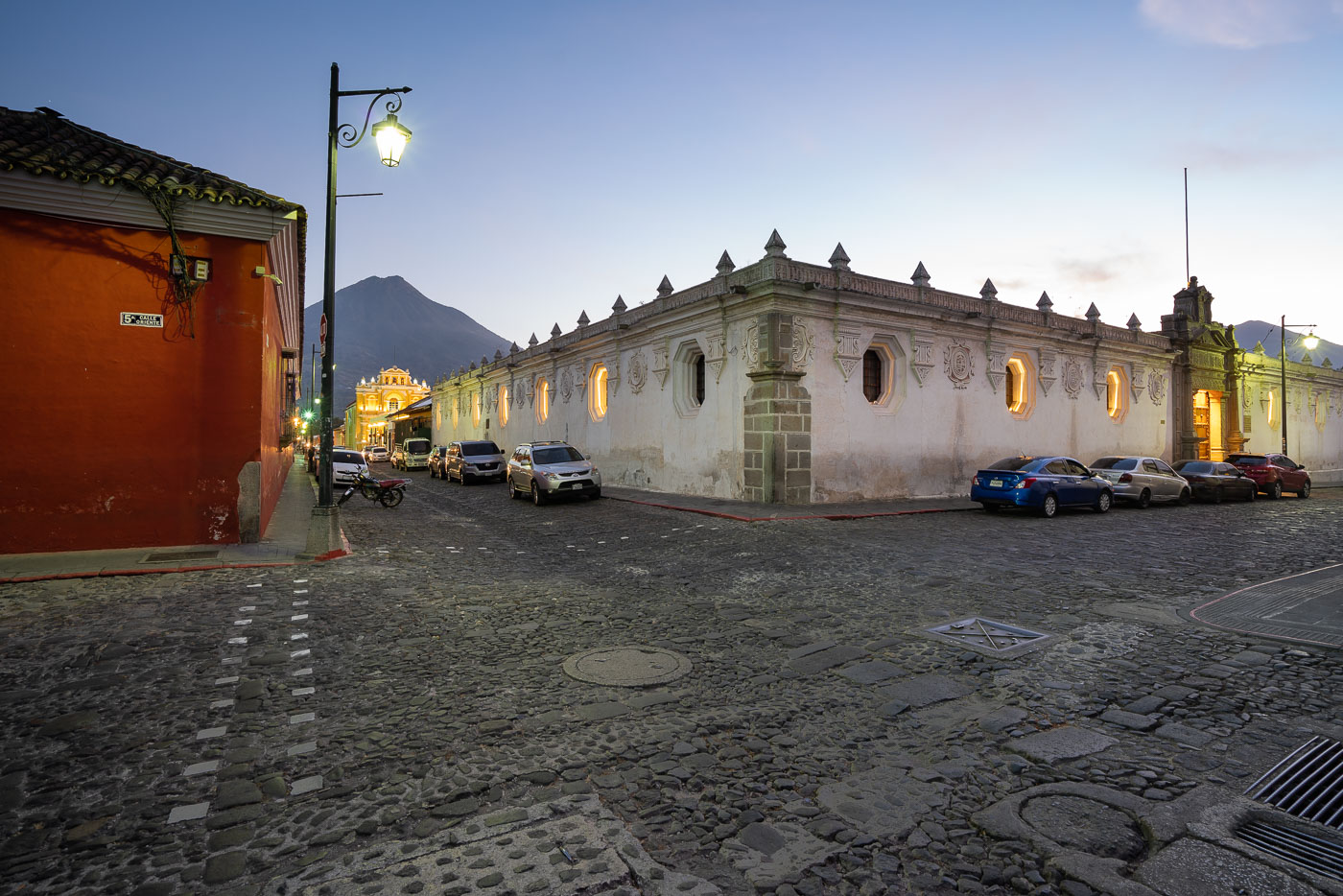
Sunsets in Antigua Guatemala and cobble roads
5a Calle Oriente in Antigua, Guatemala, is a historic street paved with cobblestones, a common feature in colonial-era cities. The street is illuminated by traditional lampposts, casting a warm glow on the surrounding architecture as dusk settles. In the background, the Agua Volcano, a stratovolcano that has been dormant since 1906, looms over the city. Antigua Guatemala itself served as the Spanish colonial capital of Central America from 1543 until 1773, when earthquakes destroyed much of the city, leading to the capital's relocation to present-day Guatemala City.
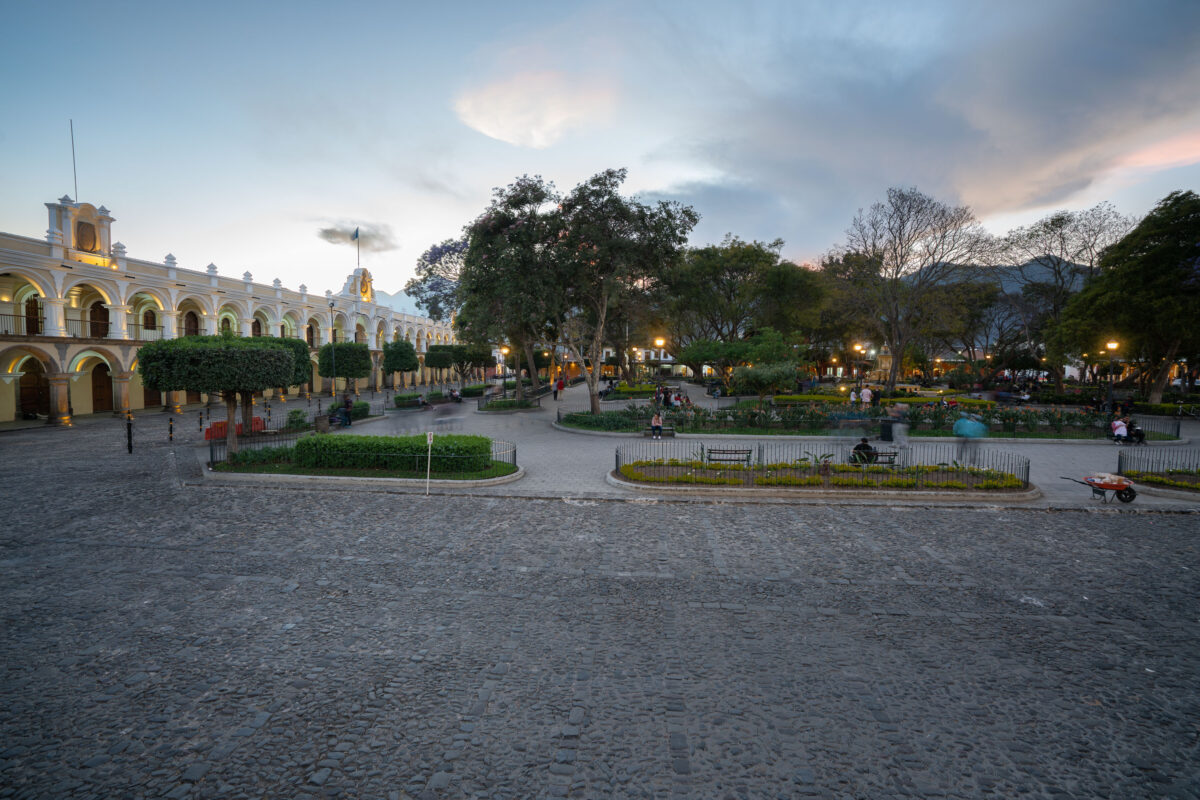
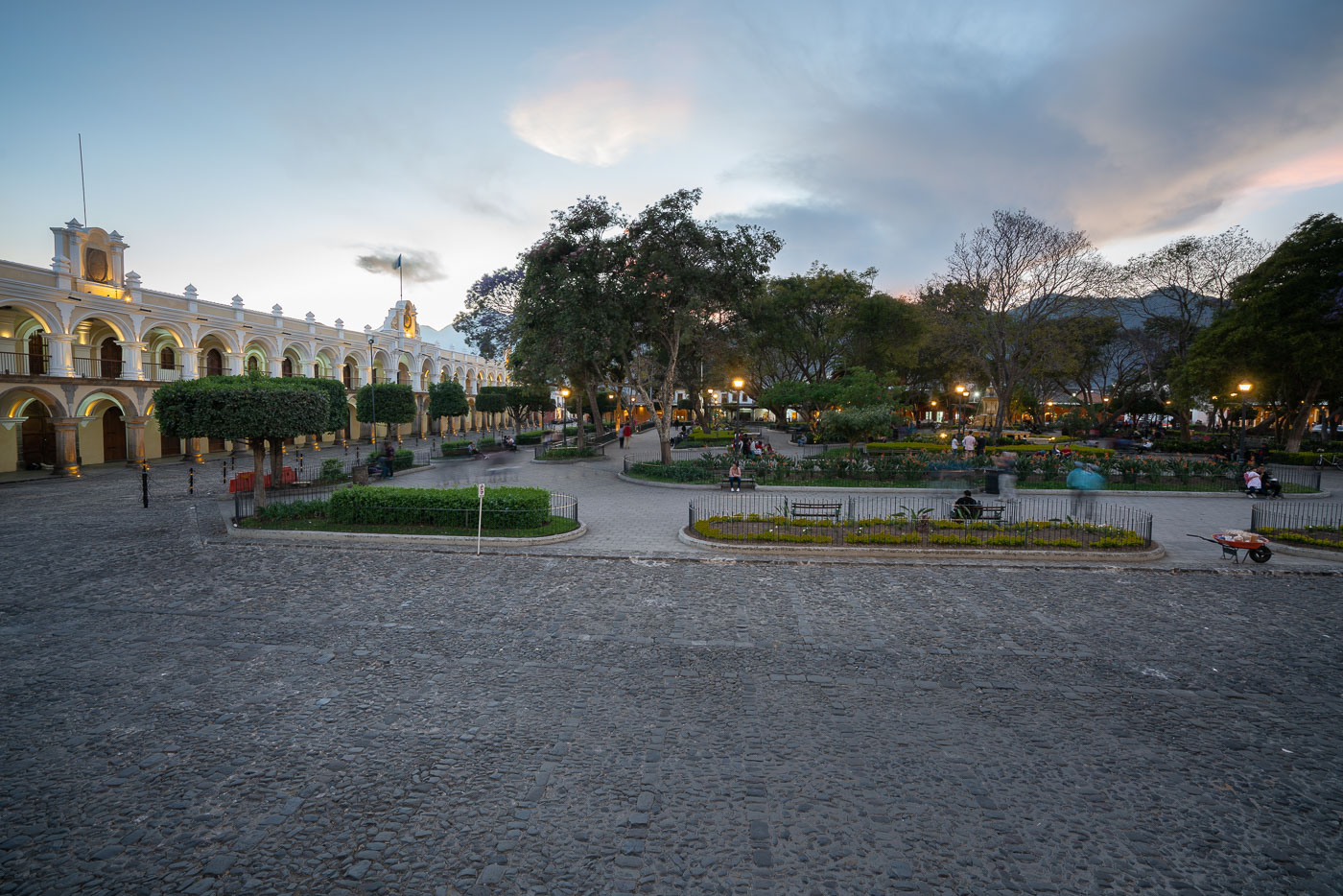
Parque Central de Antigua Guatemala
Parque Central in Antigua Guatemala, a UNESCO World Heritage site, is the city's main public square. Established in the 16th century, it served as the heart of colonial life and administration. The square is flanked by historic buildings, including the Palace of the Captains General, which now houses government offices and a museum. Today, Parque Central remains a vibrant gathering place for locals and tourists, featuring gardens, fountains, and pathways, all set against the backdrop of Antigua's well-preserved Spanish Baroque architecture and cobblestone streets.
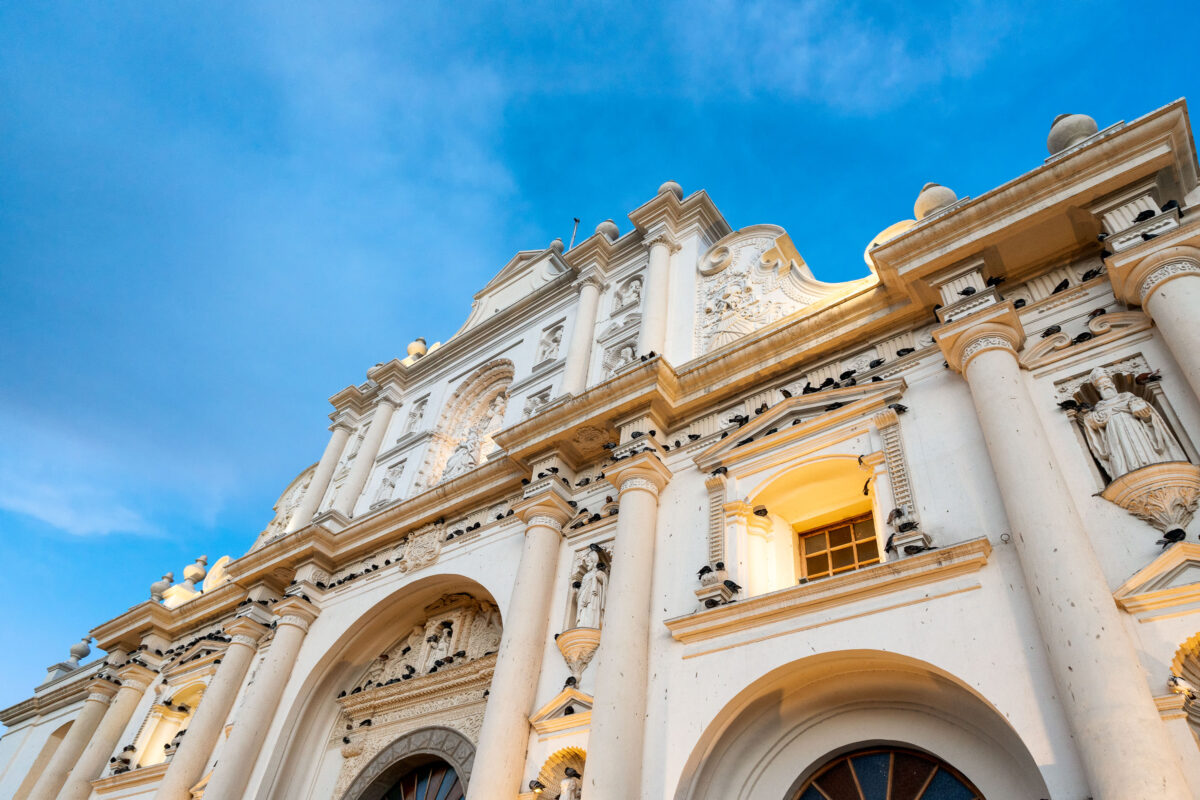
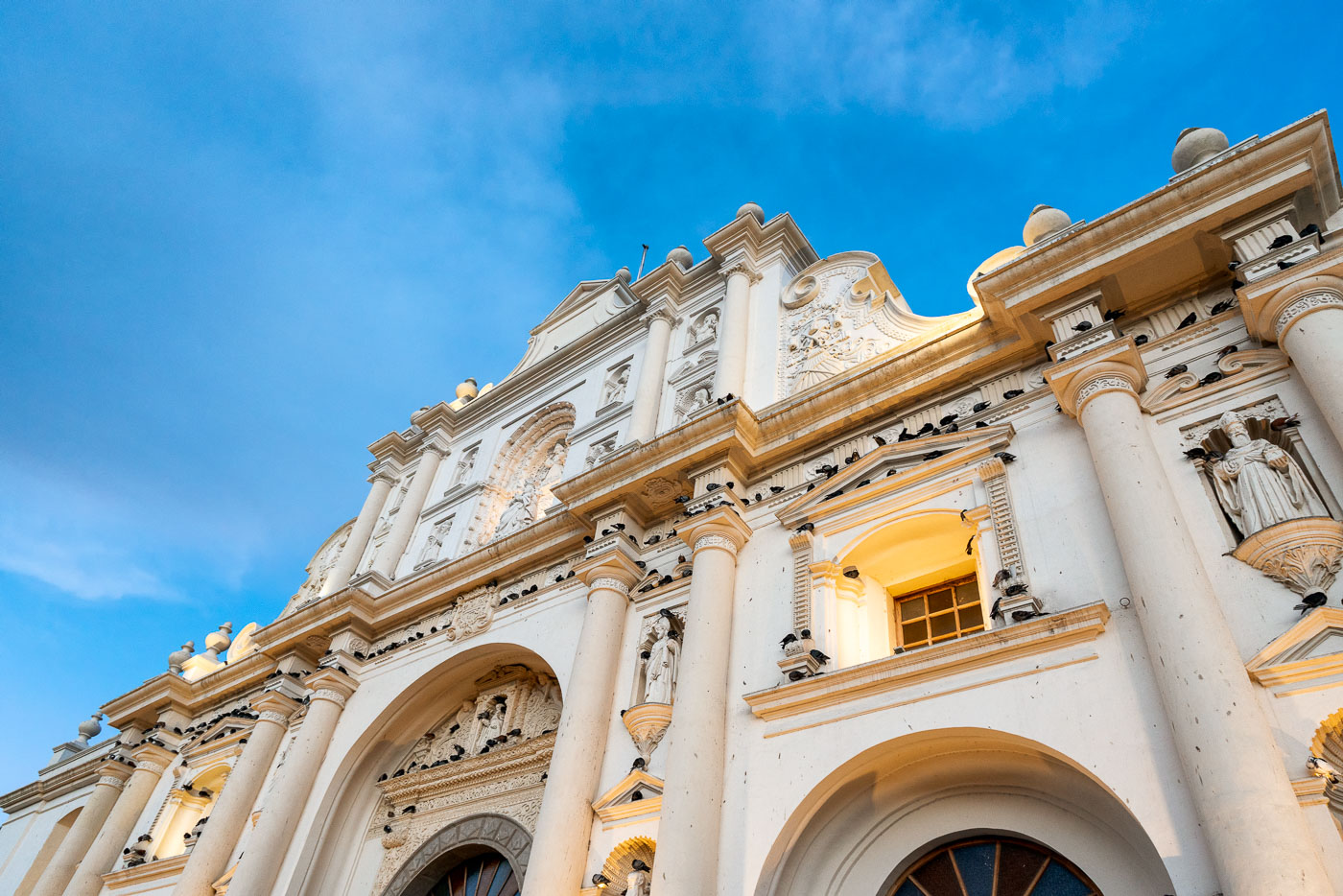
Antigua Guatemala Cathedral in Guatemala
The facade of the Antigua Guatemala Cathedral, officially known as the Cathedral of Saint James the Apostle, stands against a bright blue sky. Originally constructed in 1545, the cathedral has been rebuilt multiple times due to earthquakes that have plagued the region. The current structure, largely completed in the late 17th century, showcases Baroque architectural elements. It serves as the principal church of the Archdiocese of Santiago of Guatemala and remains an active place of worship and a significant historical landmark in Antigua Guatemala, a UNESCO World Heritage site.
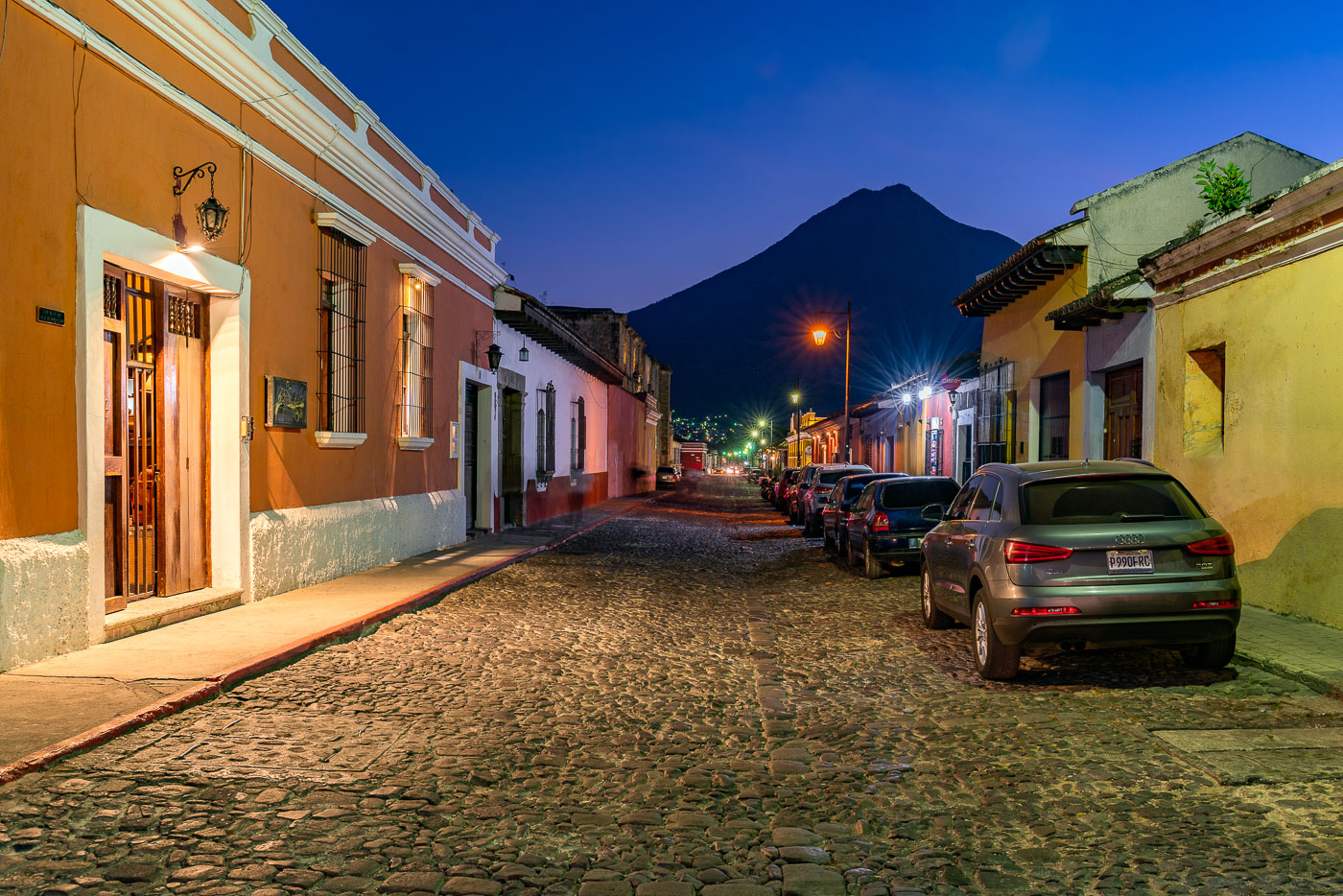
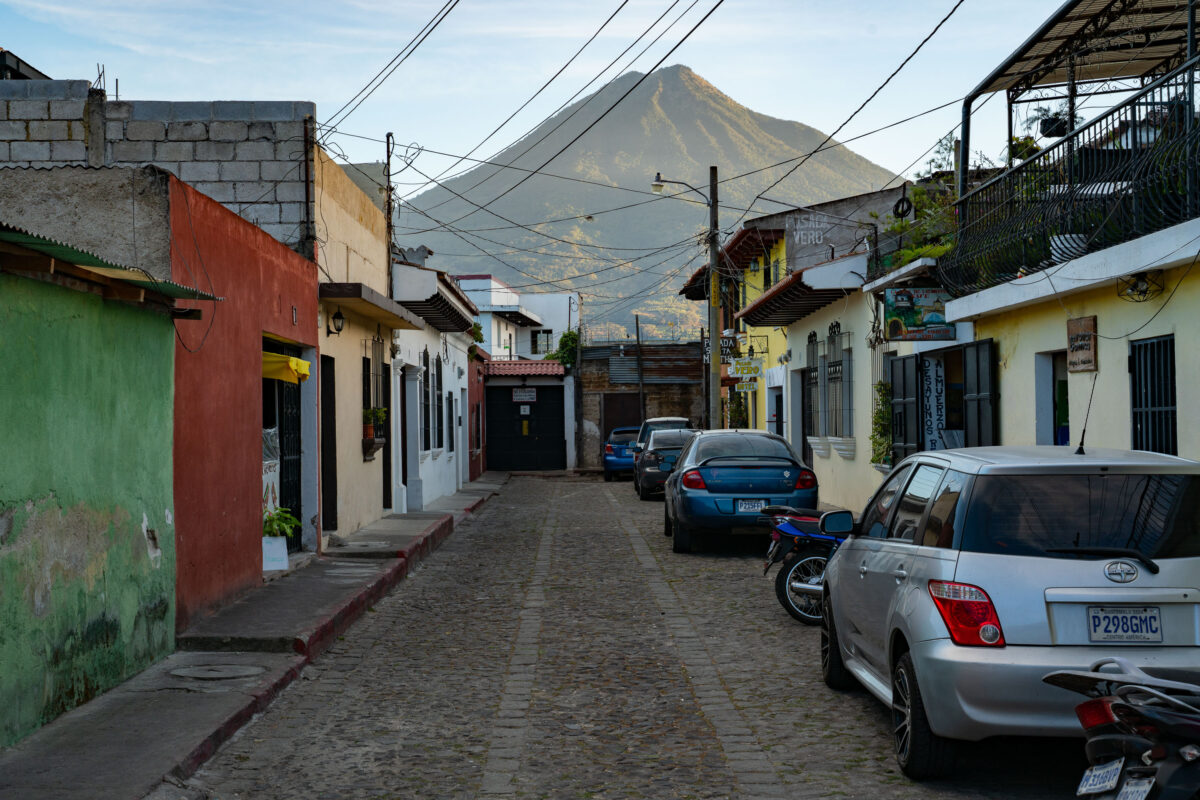
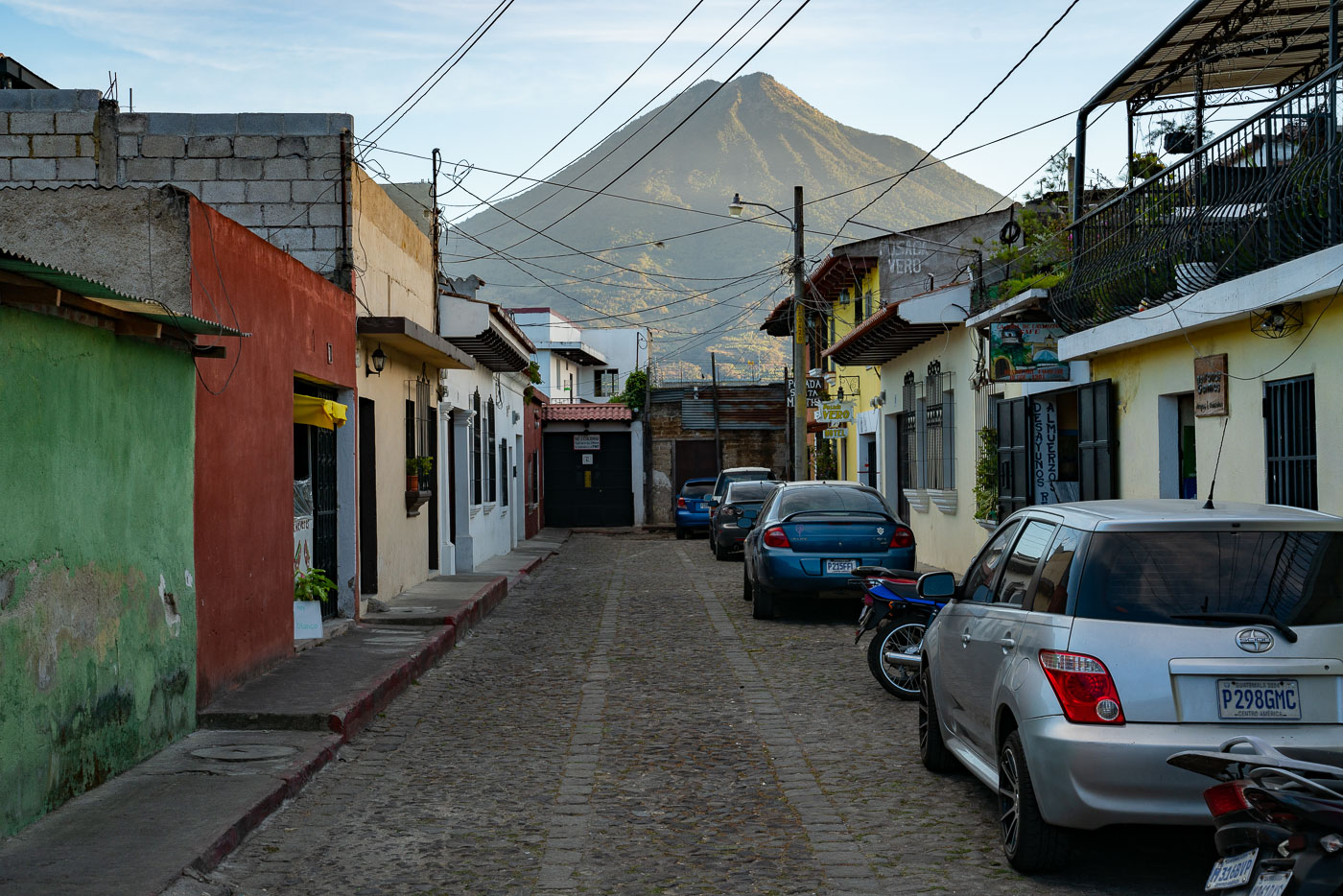
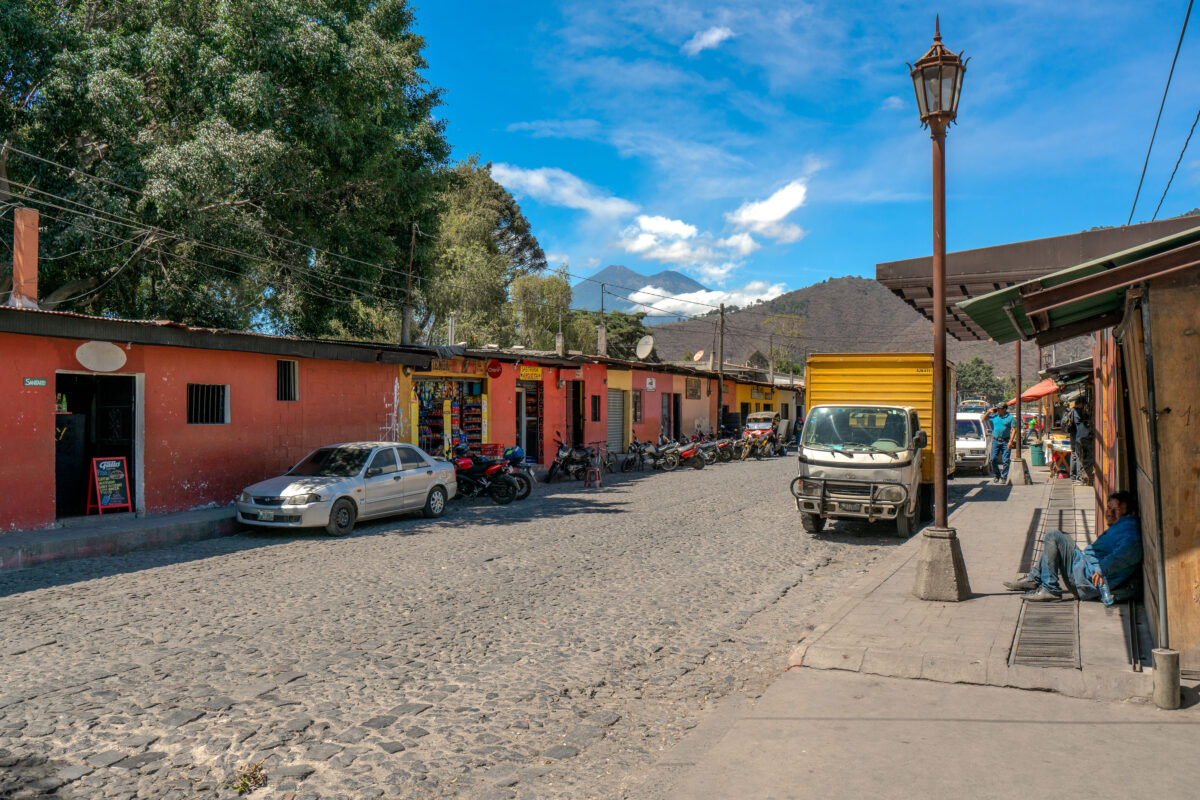
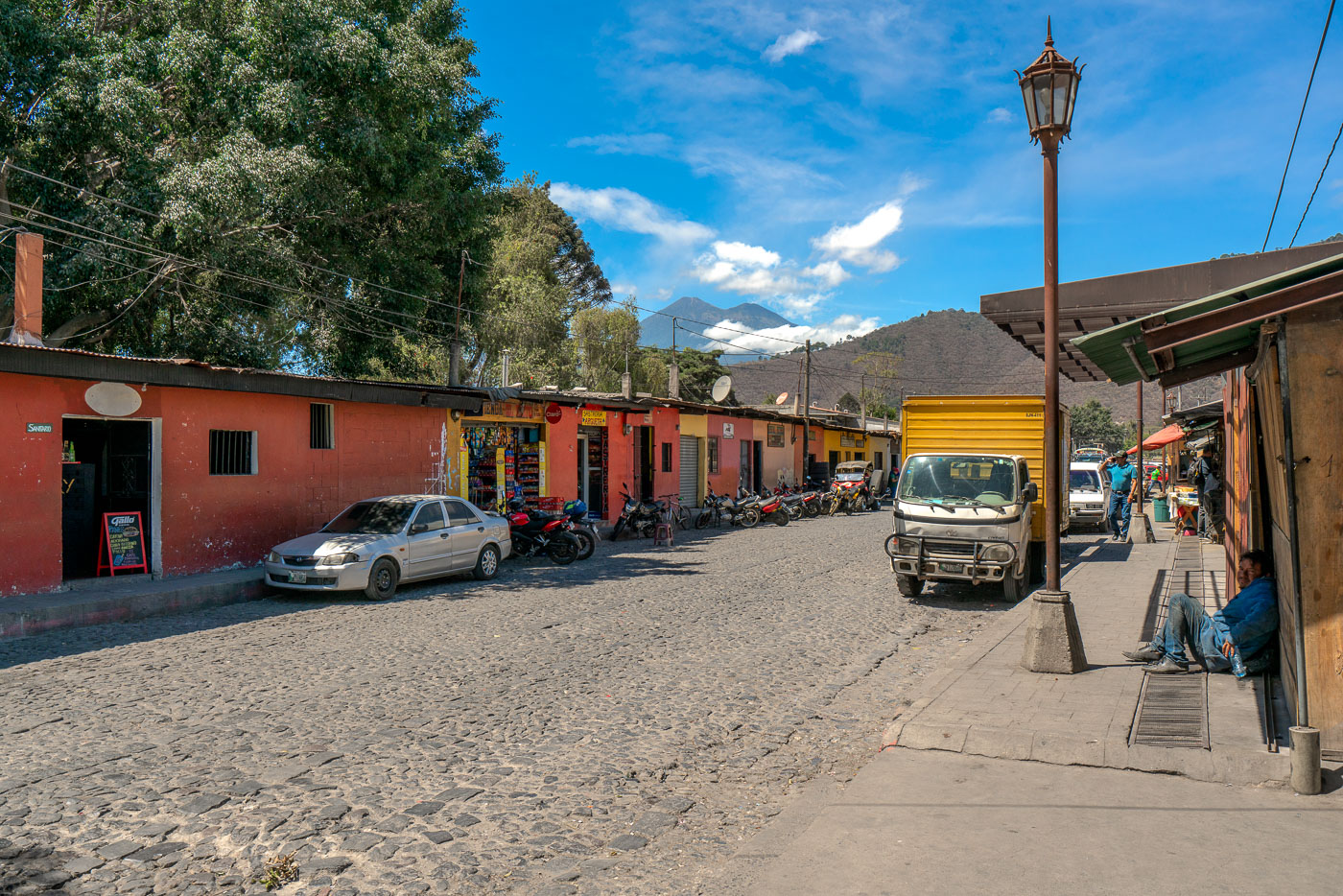
Cars parked in Antigua Guatemala
A cobblestone street in Antigua, Guatemala, is framed by colorful buildings and leads towards the prominent Volcán de Agua. Antigua, a UNESCO World Heritage site, served as the Spanish colonial capital of Guatemala for over two centuries until it was largely destroyed by earthquakes in 1773. The city's well-preserved colonial architecture and cobblestone streets are characteristic of its historical significance. The volcano, one of three active stratovolcanoes surrounding the city, is a constant geographical presence and a reminder of the region's volcanic activity.
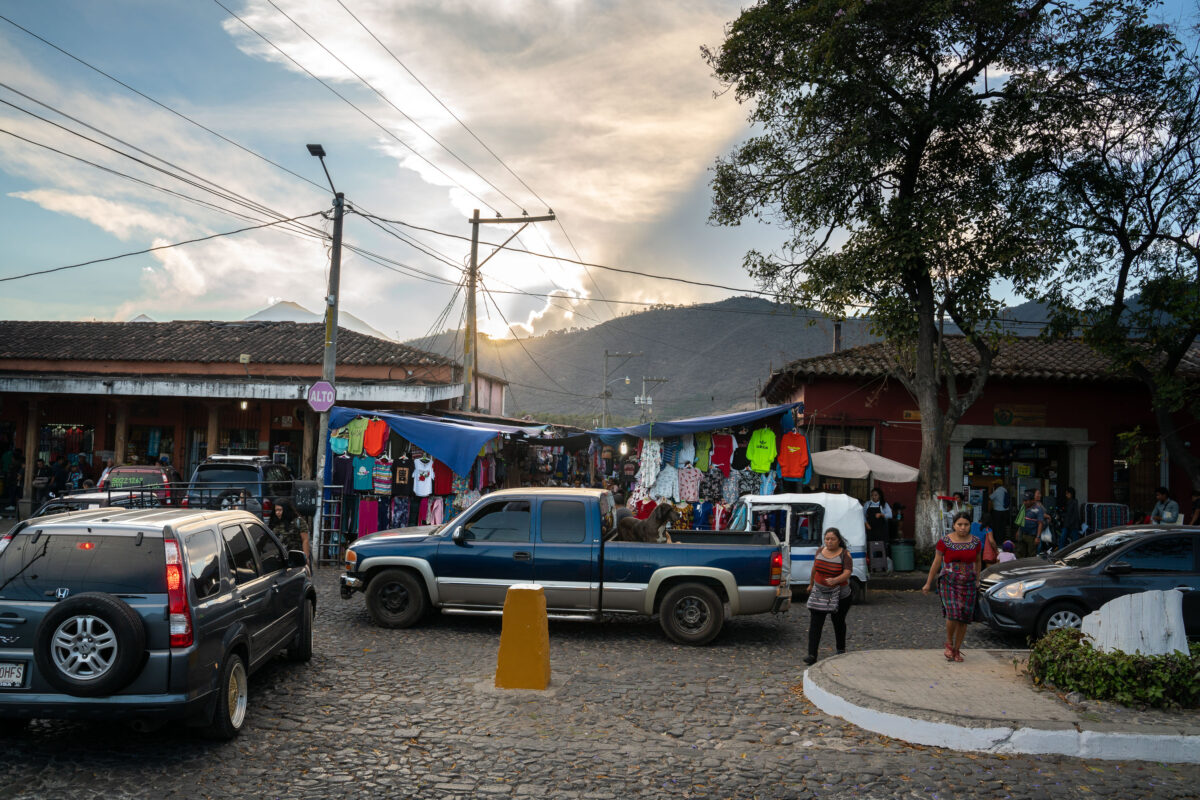
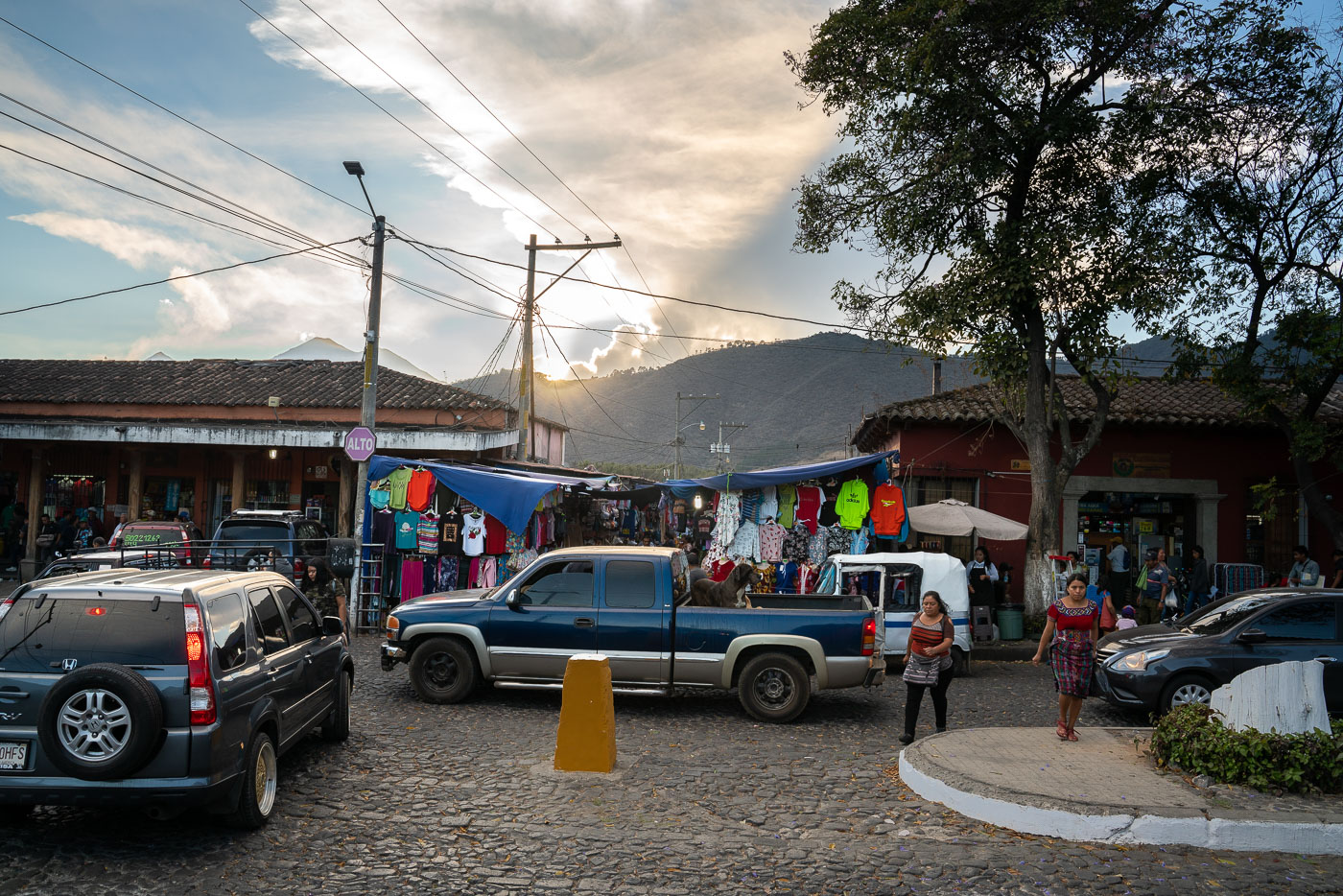
Sun sets behind a volcano in Antigua Guatemala
Antigua, Guatemala: Market stalls and volcano at sunset. The historic center of Antigua, a UNESCO World Heritage site, is characterized by its cobblestone streets and colonial architecture. This image captures a bustling market scene with vendors selling textiles and goods, set against the backdrop of a volcano at dusk. Antigua served as the colonial capital of Guatemala for over two centuries, and its well-preserved ruins and structures offer a glimpse into its rich past.
Santa Catalina Arch in Antigua Guatemala
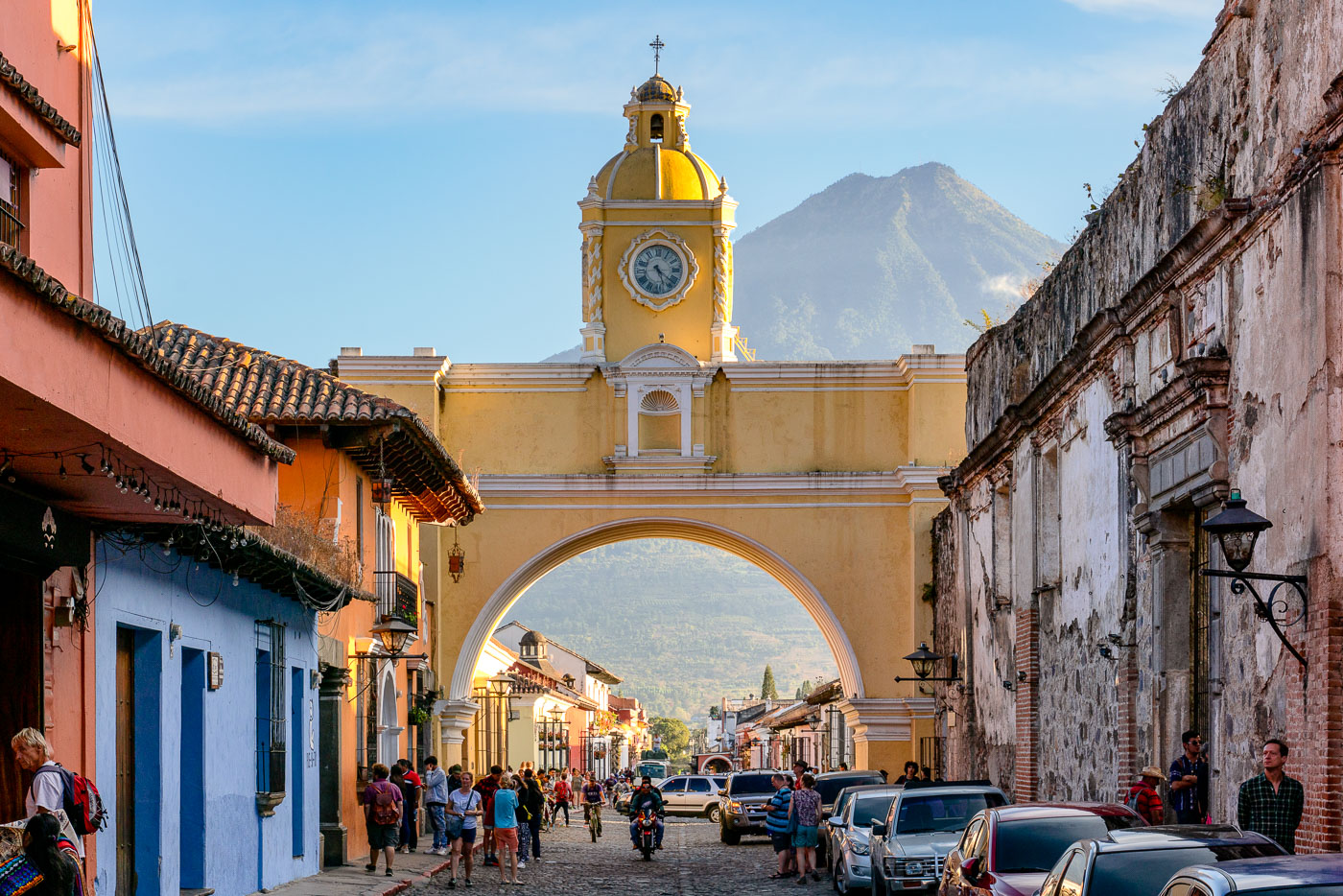
The Santa Catalina Arch, a prominent landmark in Antigua Guatemala, Guatemala, was constructed in the 17th century. Originally, it served as a passageway connecting the Santa Catalina convent to an adjacent school, facilitating movement for cloistered nuns without them having to venture onto the streets. A clock was later added to the arch's summit in the 1830s, during the period of the Central American Federation. The arch stands today as a symbol of the city's colonial past, with the Agua Volcano visible in the background.
Agua Volcano seen in Antigua Guatemala
The Volcán de Agua looms over Antigua Guatemala, a city renowned for its well-preserved Spanish colonial architecture. Founded in the early 16th century, Antigua served as the capital of the Kingdom of Guatemala for over two centuries. The city's cobblestone streets and Baroque-style buildings, many of which were rebuilt after earthquakes, reflect its historical importance as a major administrative and religious center. Today, Antigua Guatemala is a UNESCO World Heritage site, attracting visitors with its rich history and picturesque setting.
Volcano in Antigua Guatemala
The Agua Volcano looms over Antigua, Guatemala, a city founded in the 16th century as the colonial capital of the Captaincy General of Guatemala. This stratovolcano, one of three major volcanoes surrounding Antigua, has been dormant since its last eruption in 1541, which contributed to the city's eventual relocation. Today, Antigua remains a UNESCO World Heritage site, celebrated for its well-preserved Spanish Baroque architecture and its enduring cultural significance.
San Francisco el Grande in Antigua
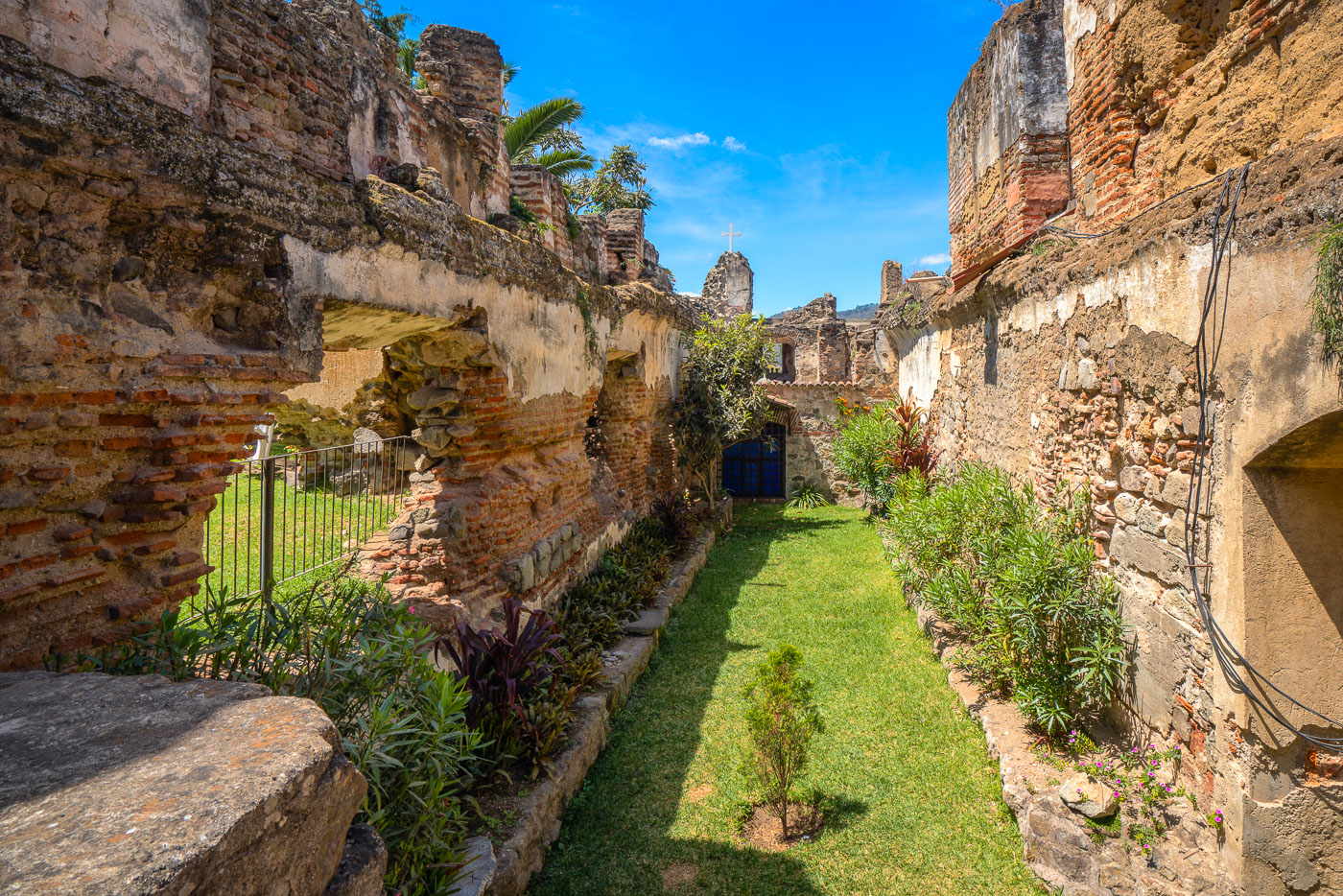
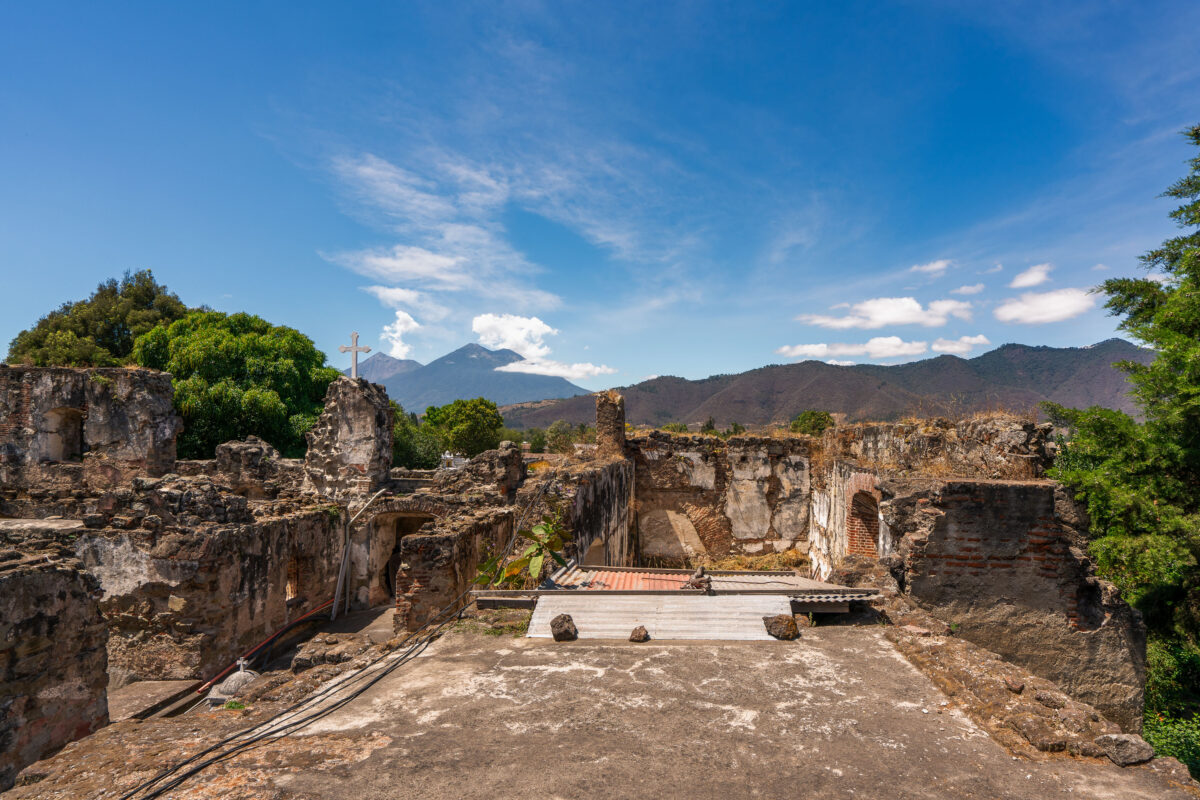
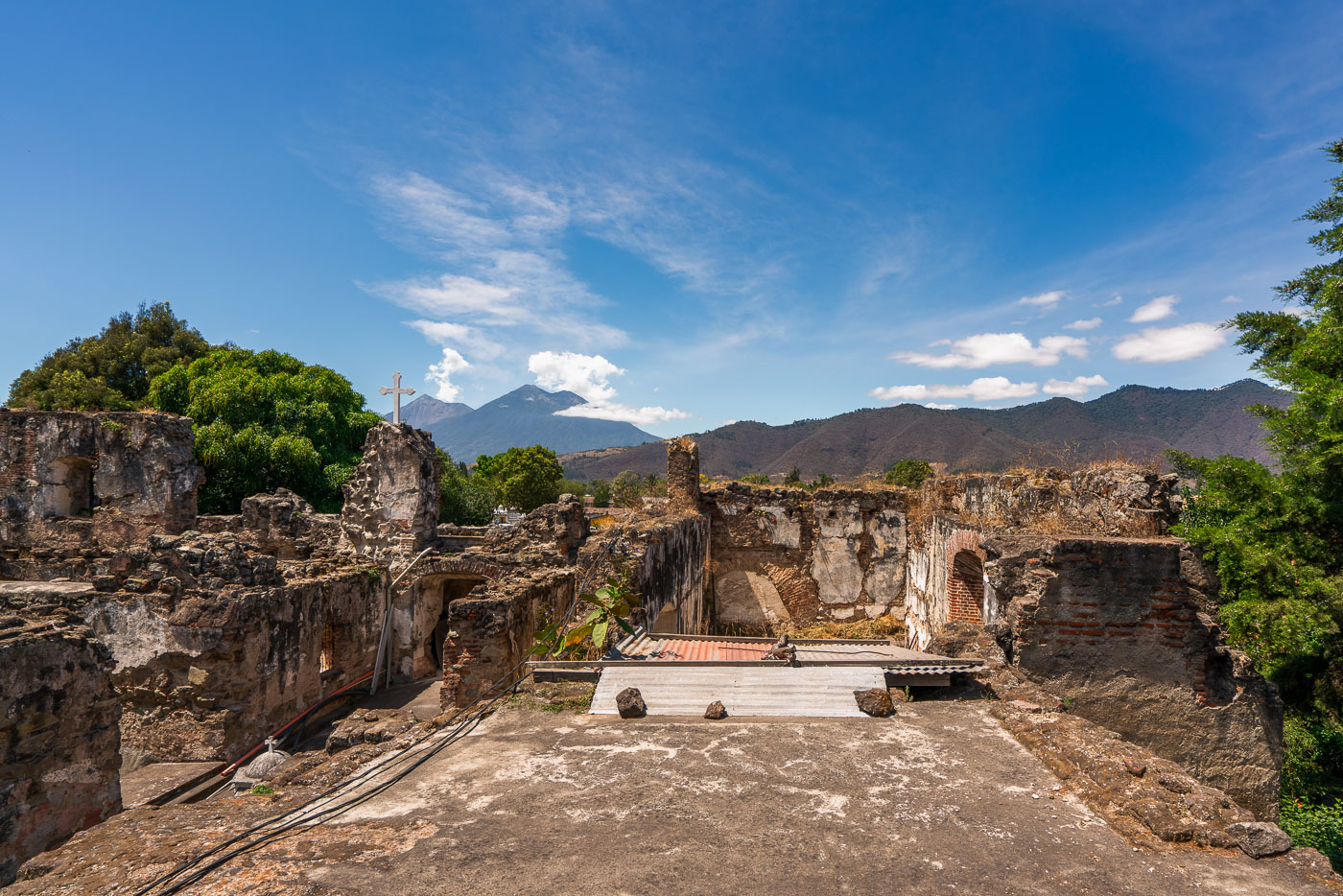
The ruins of the San Francisco el Grande church in Antigua, Guatemala, stand against the backdrop of the Agua Volcano. Originally constructed in 1702, this significant religious structure was largely destroyed by earthquakes, a common occurrence in Antigua's history. The remaining stone and brickwork offer a glimpse into the colonial-era architecture and the enduring presence of faith in the region, despite the destruction of the original edifice.
Santuario San Francisco el Grande in Antigua
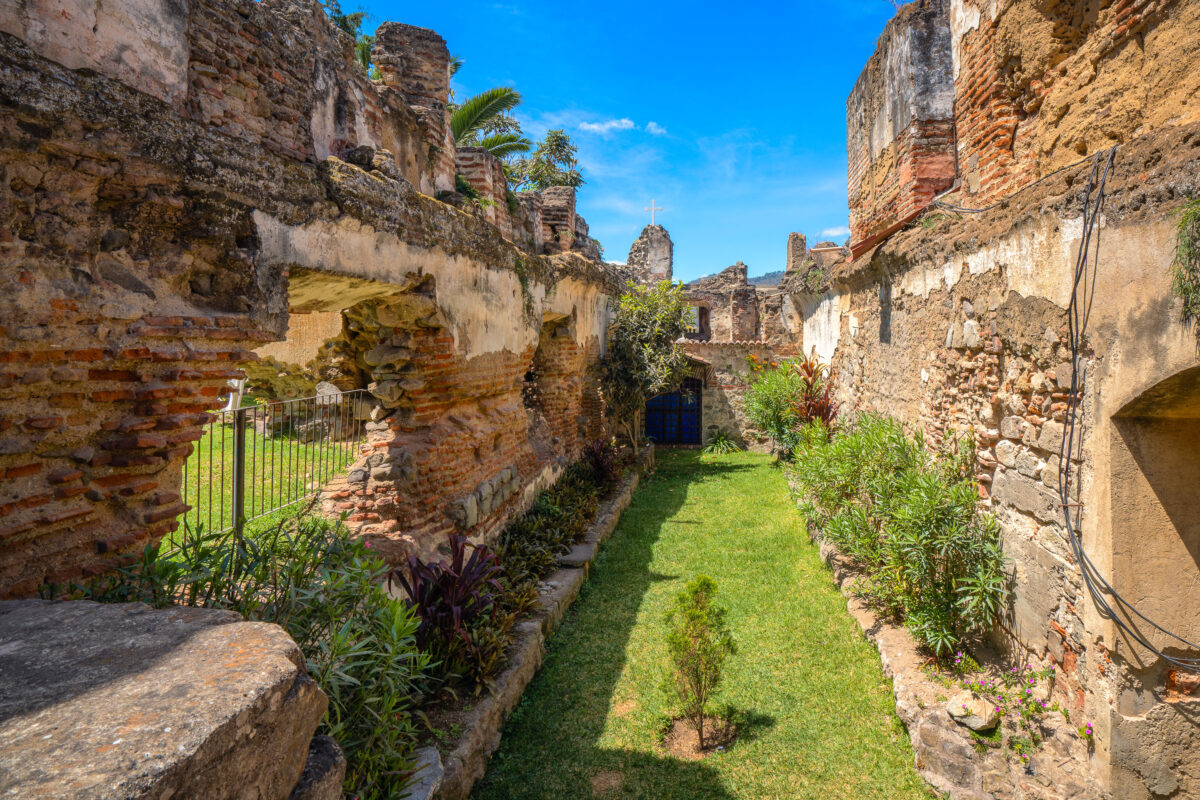
The ruins of Santuario San Francisco el Grande in Antigua, Guatemala, stand as a testament to the city's colonial past. Originally constructed in 1702, this church was a significant religious institution in the former capital of the Captaincy General of Guatemala. Like many structures in Antigua, it suffered damage from earthquakes, notably the devastating 1773 earthquake, which led to its abandonment and eventual ruin. Today, the preserved ruins are a popular historical site, offering a glimpse into the architectural grandeur and seismic challenges faced by the city.
A Chicken Bus in Antigua Guatemala
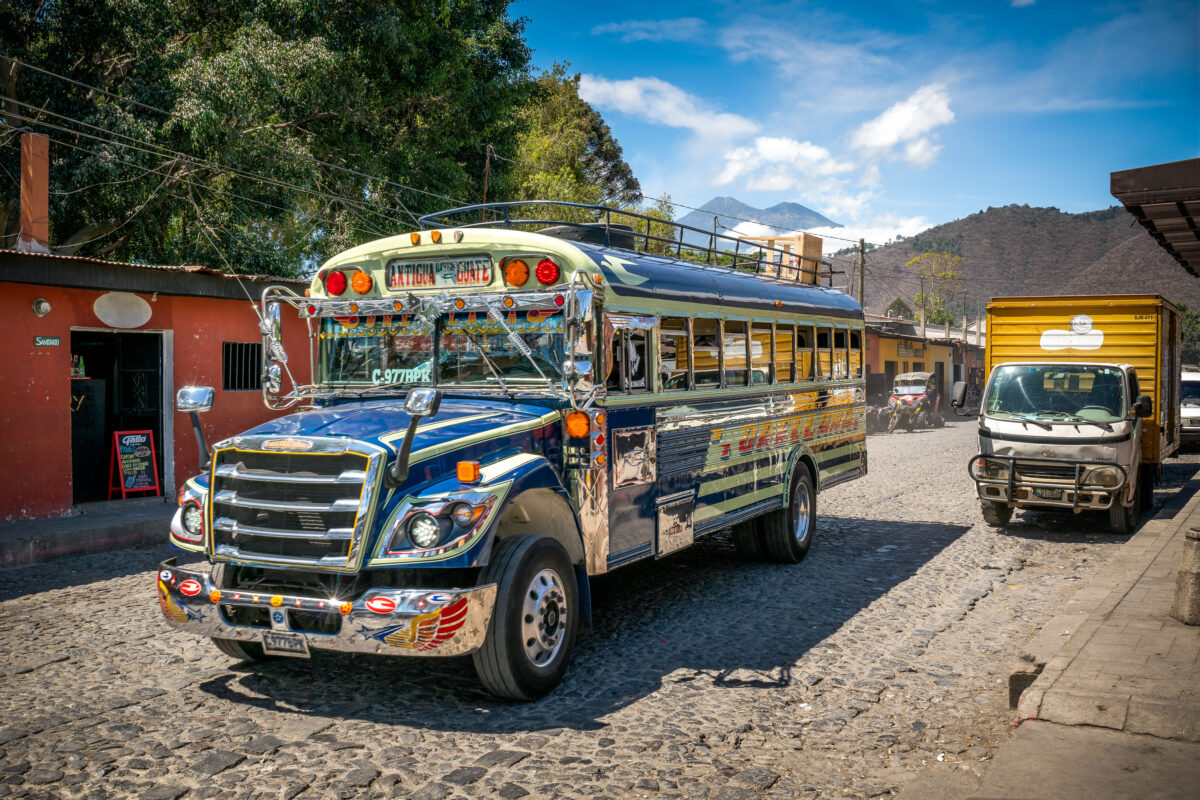
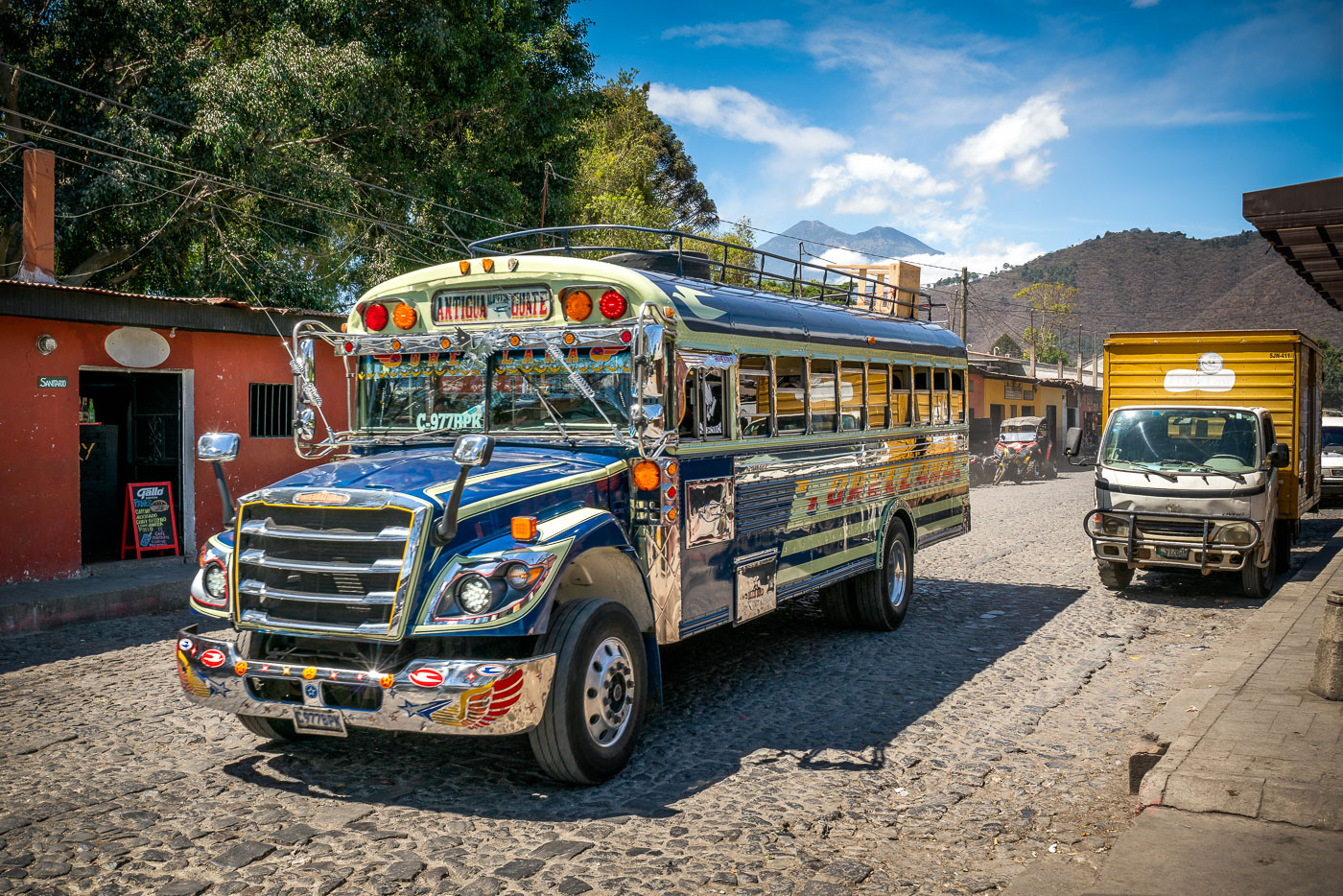
A brightly decorated "chicken bus", a repurposed North American school bus, navigates the cobblestone streets of Antigua Guatemala. These buses are a primary mode of public transportation throughout Guatemala and other parts of Latin America, often serving as vibrant, mobile community hubs. The "chicken bus" tradition reflects a resourceful approach to transportation, with each bus uniquely adorned by its owners, showcasing local artistry and pride. In the background, the Agua Volcano looms, a constant geographical presence over the historic city.
Volcanos seen in Antigua Guatemala
The Agua Volcano looms over a street in Antigua, Guatemala, a city renowned for its well-preserved Spanish colonial architecture. Founded in the 16th century, Antigua served as the capital of the Captaincy General of Guatemala for over two centuries. Despite significant damage from earthquakes, particularly in 1773, the city's historic center has been meticulously restored and is recognized as a UNESCO World Heritage site. The cobblestone streets and colorful buildings visible today reflect its enduring colonial past, while the active volcano serves as a constant geographical backdrop.
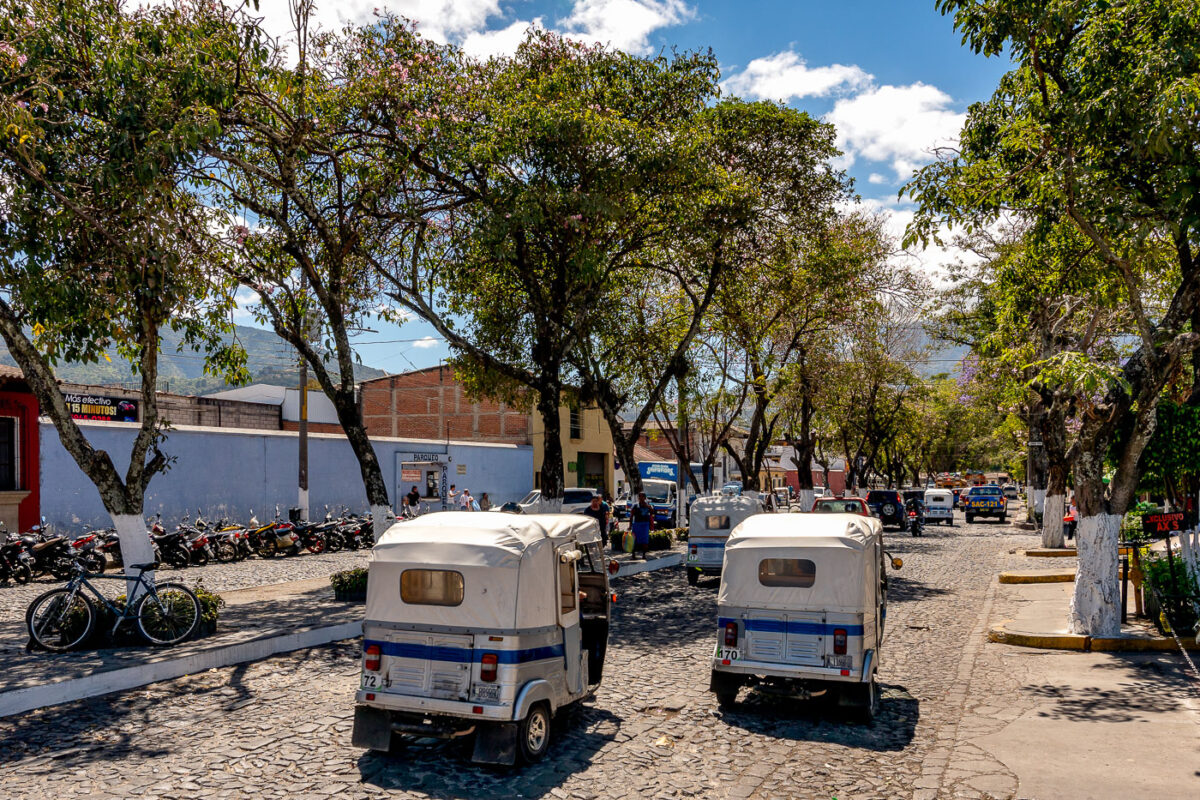
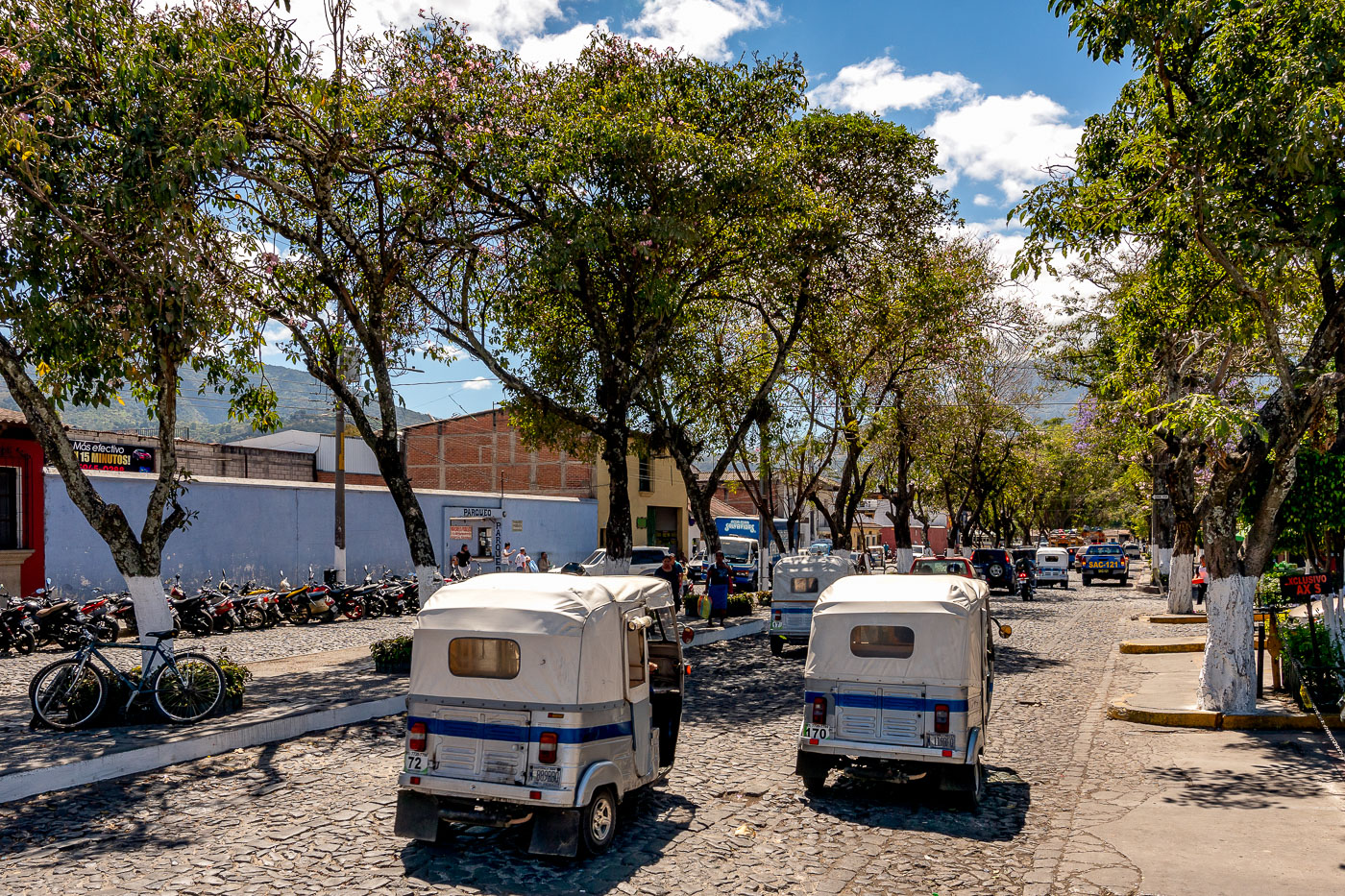
Tuk Tuks in Antigua Guatemala
Tuk-tuks, also known as auto-rickshaws, navigate the historic cobblestone streets of Antigua, Guatemala. These three-wheeled vehicles are a common form of public transportation in many cities worldwide, offering an affordable and accessible way for locals and tourists to travel. Antigua, a UNESCO World Heritage site, is renowned for its well-preserved Spanish Baroque architecture and its picturesque, often uneven, stone-paved streets, which lend a unique character to the city's transportation landscape. The presence of tuk-tuks highlights the blend of traditional urban environments with modern, localized transit solutions.
Shiopping the Antigua Central market
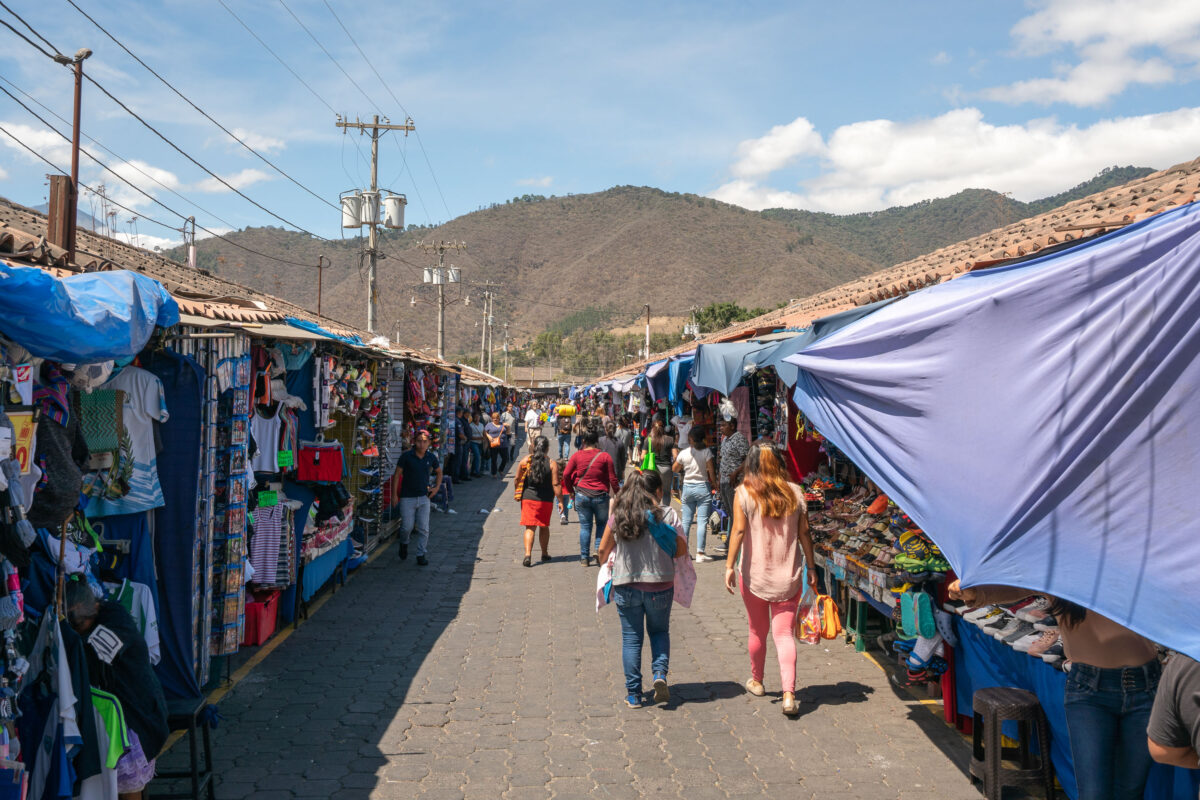
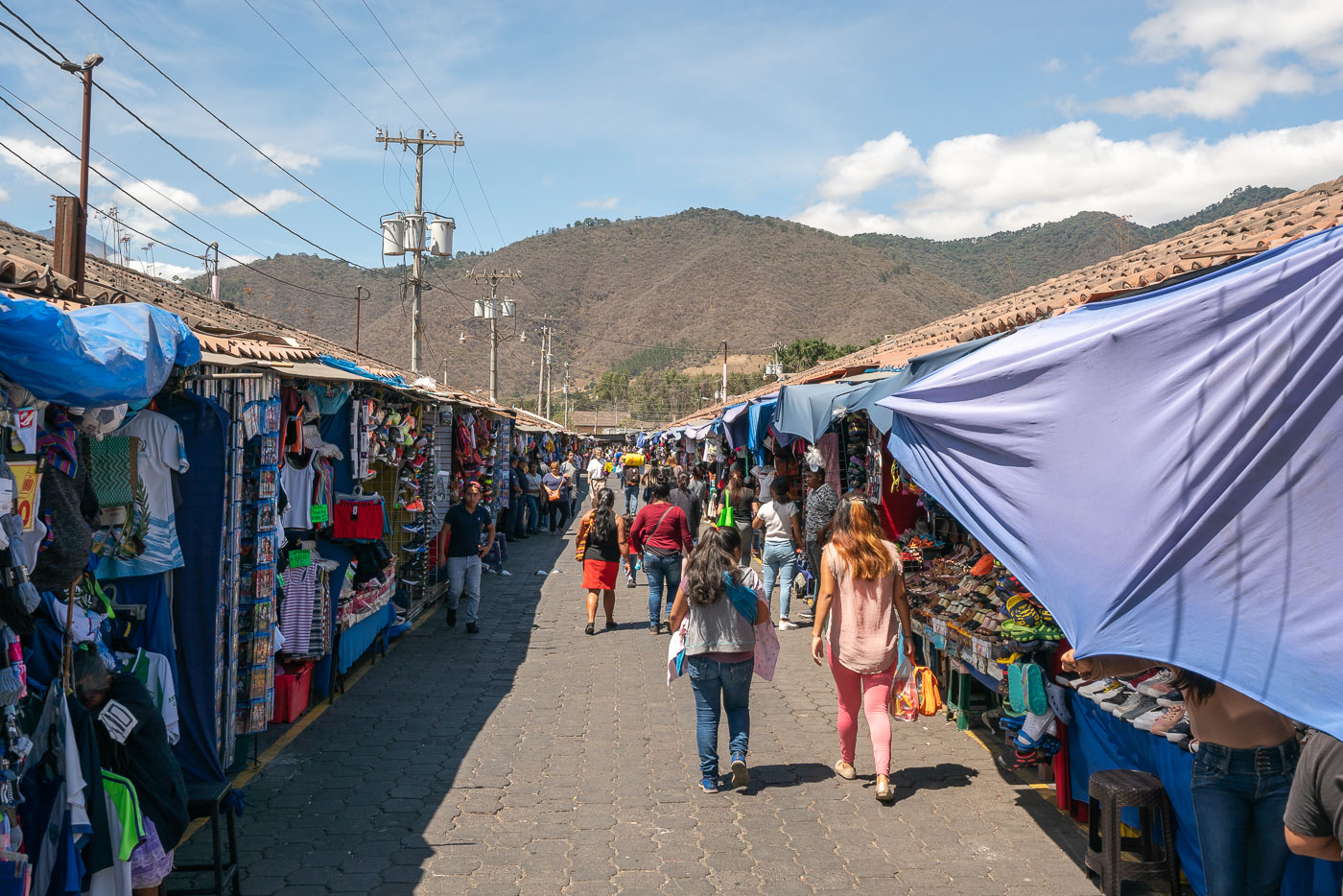
The Mercado Central in Antigua, Guatemala, is a bustling marketplace that serves as a vital hub for commerce and daily life. Established to consolidate various vendors, it offers a wide array of goods, from local produce and textiles to handicrafts and everyday necessities. The market's open-air layout, with stalls lining a central walkway, reflects a traditional approach to commerce that has been a cornerstone of Guatemalan urban environments for generations. It continues to be a significant site for both residents and visitors to experience the local culture and economy.

Built in Minneapolis

Photographs showcasing change over time

Browse by location, move through long-running series, or start with recent work.