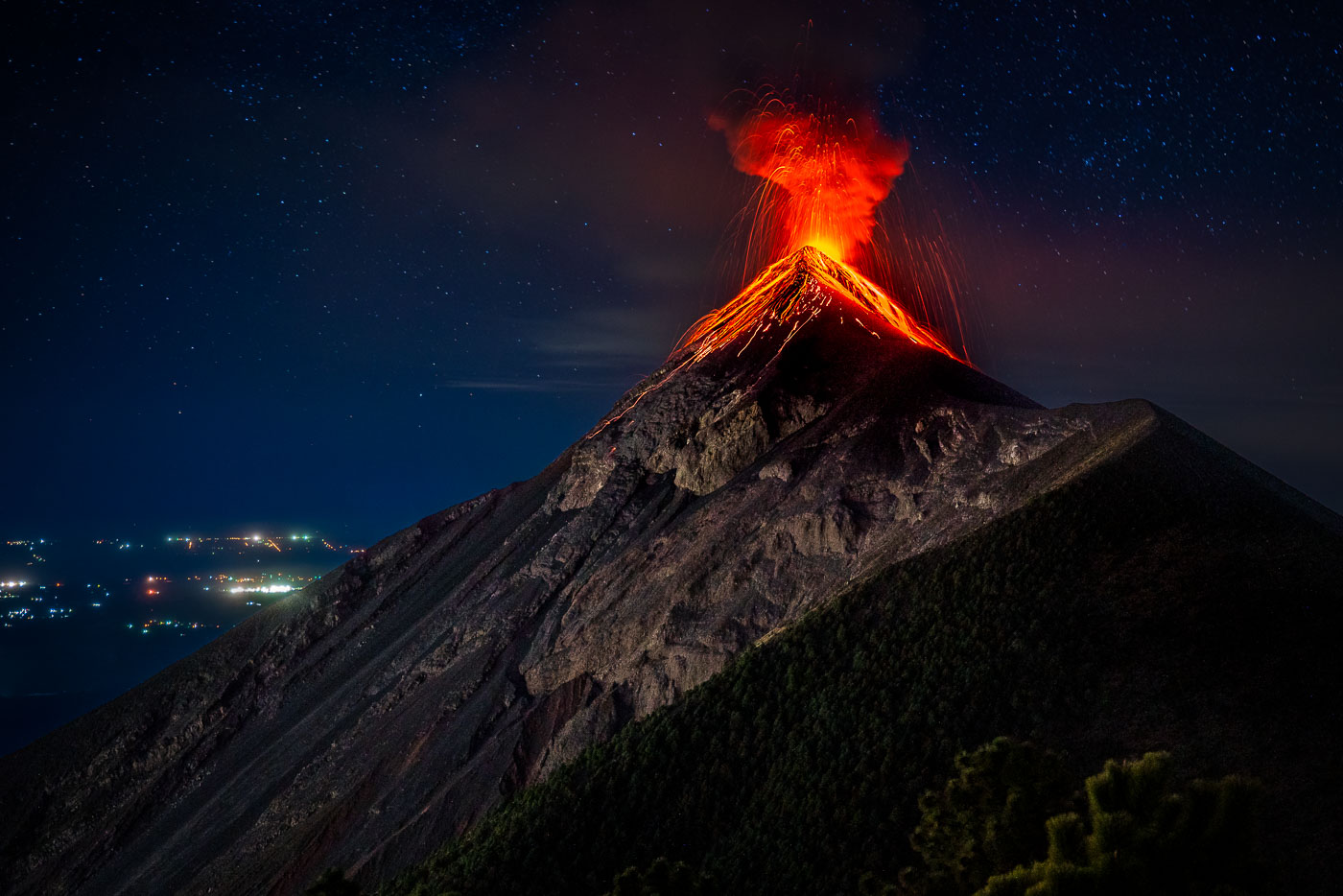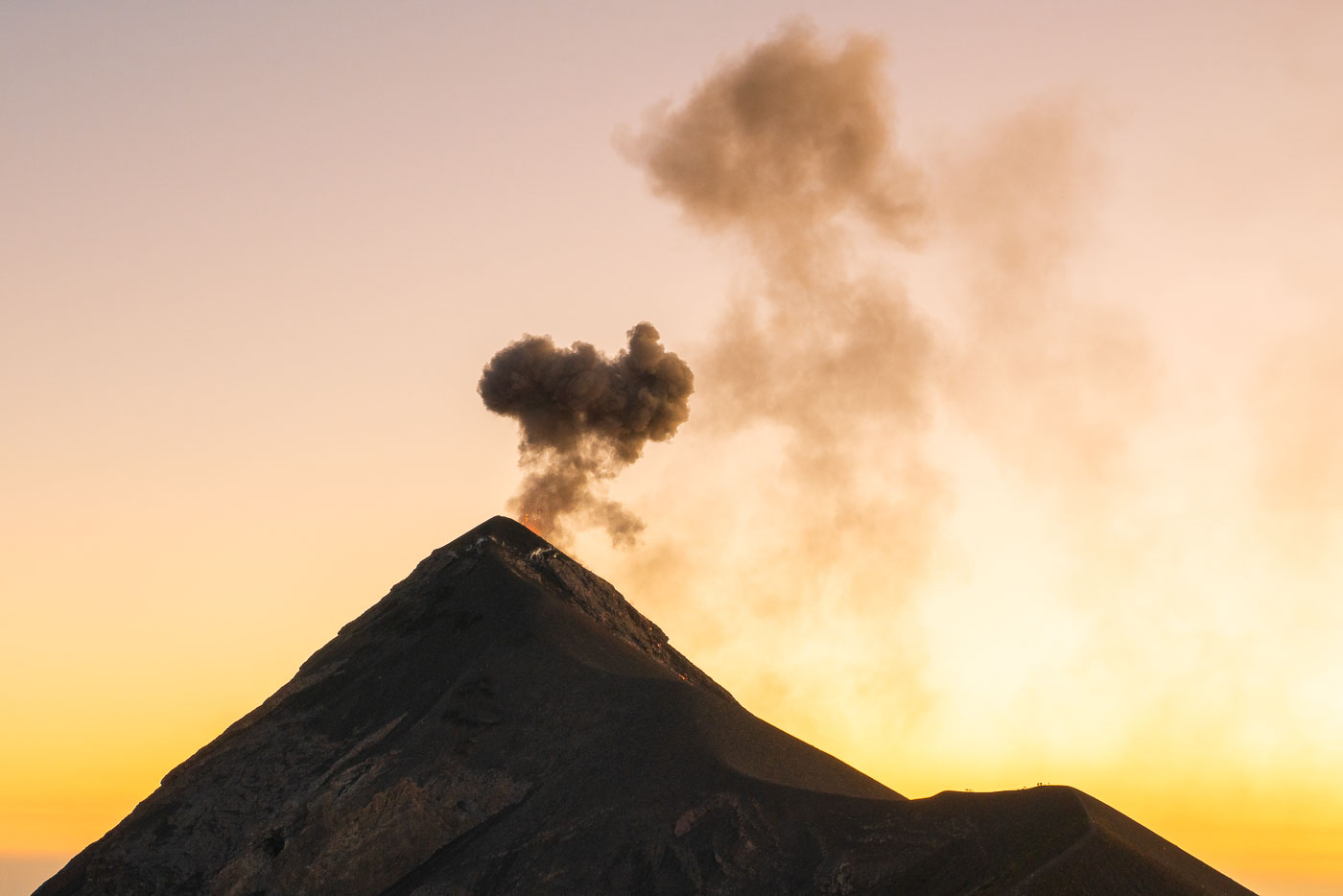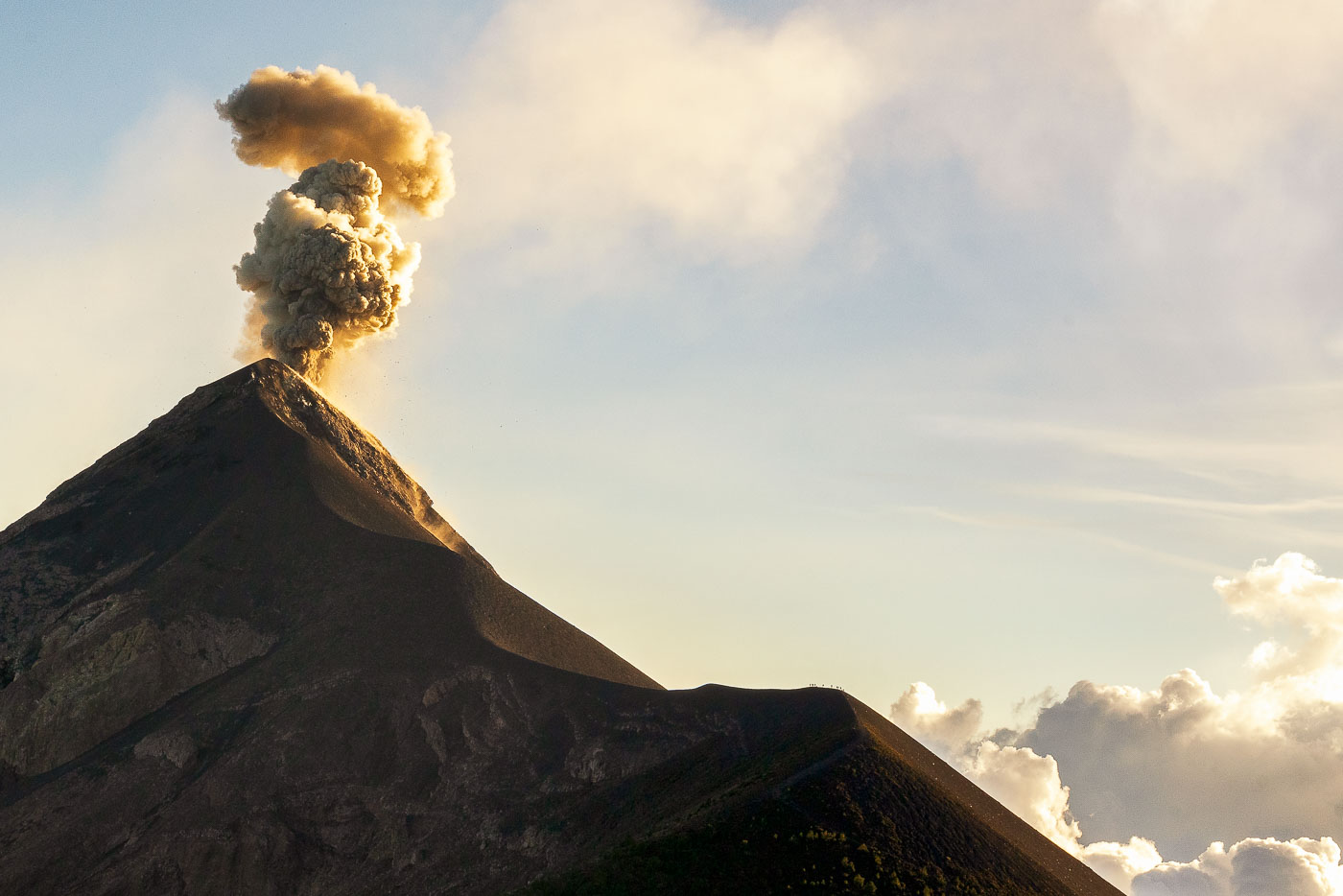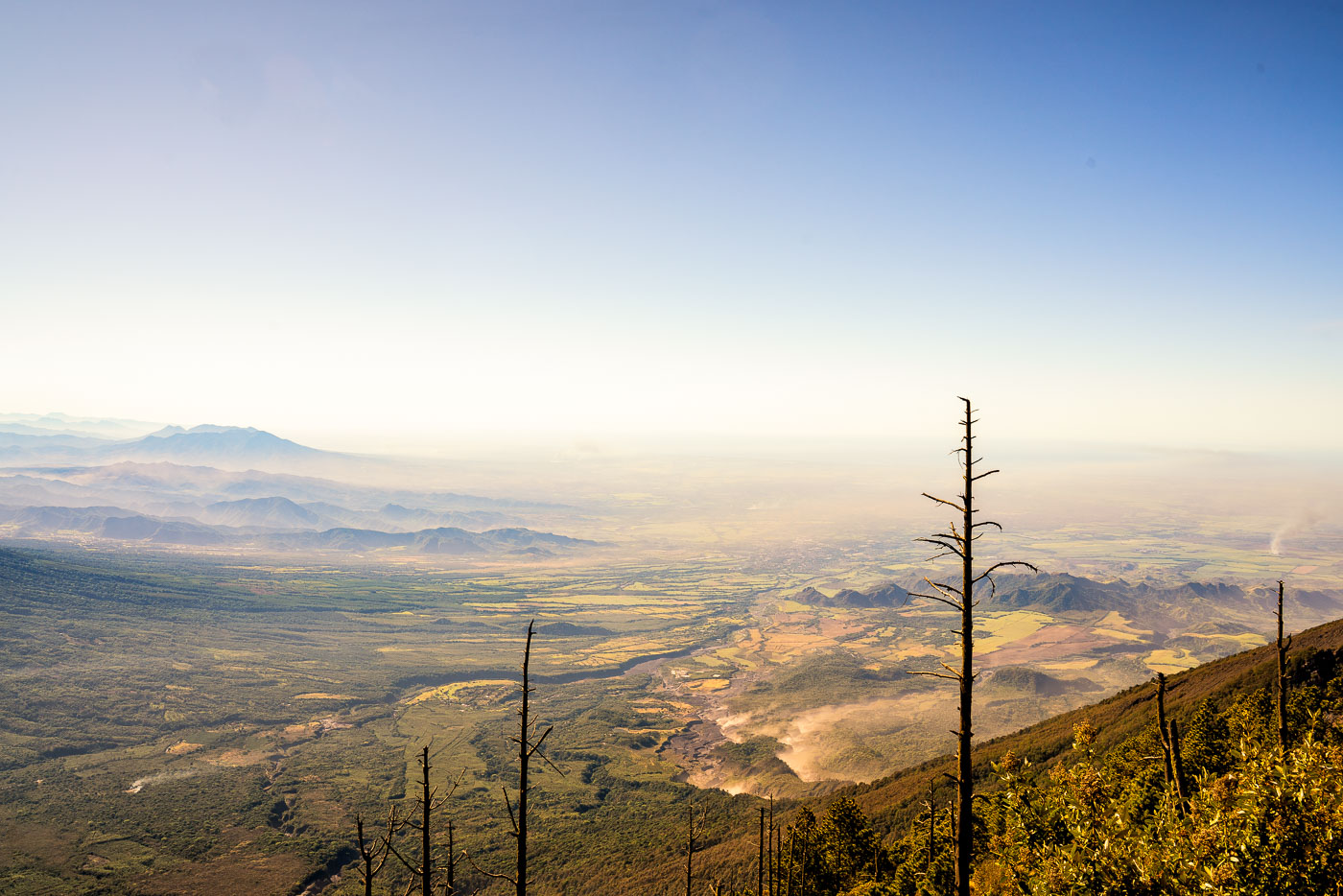
Acatenango Volcanic Valley Overlook, Guatemala
The view from Acatenango Volcano near Antigua Guatemala.
The view from Acatenango Volcano near Antigua Guatemala.
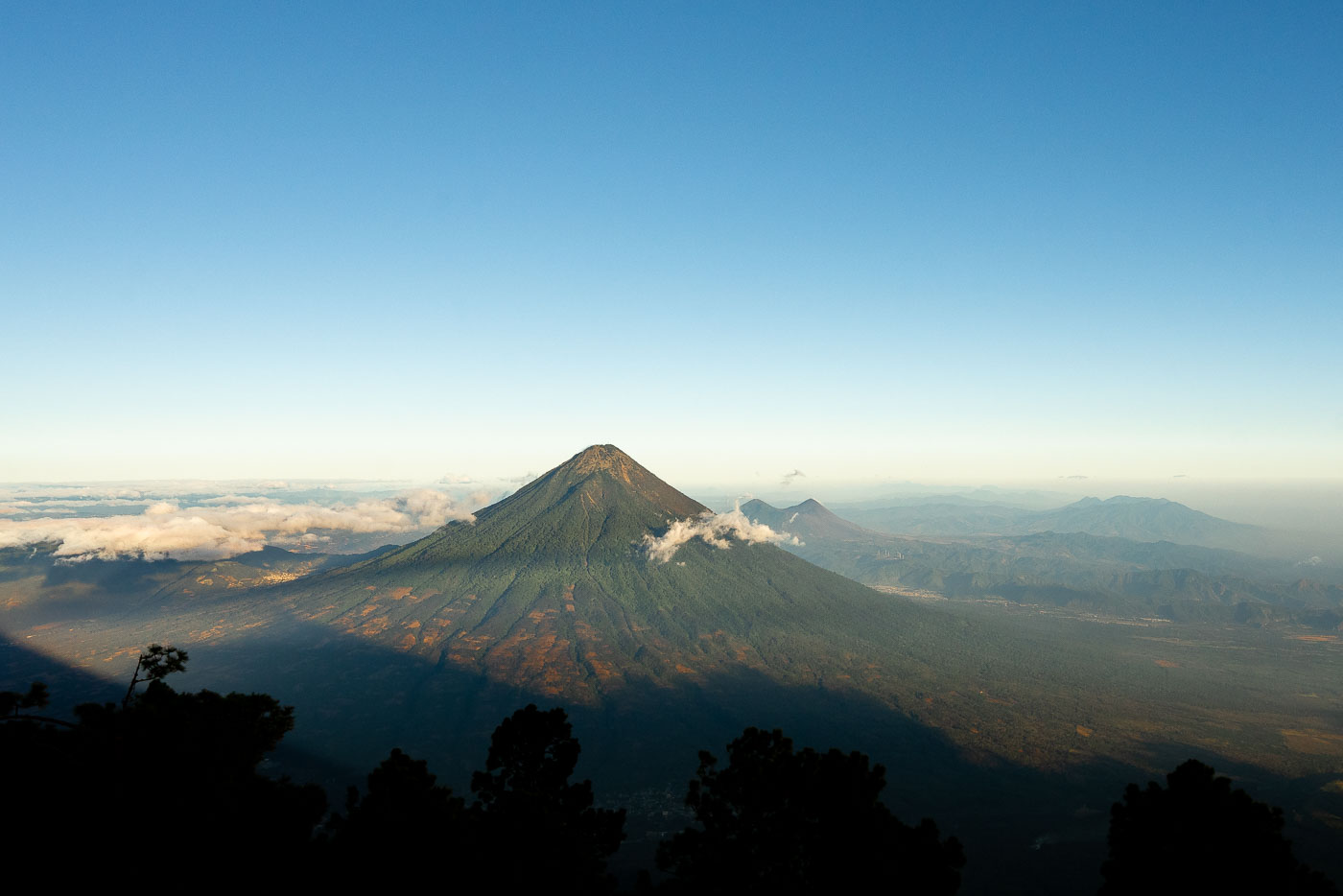
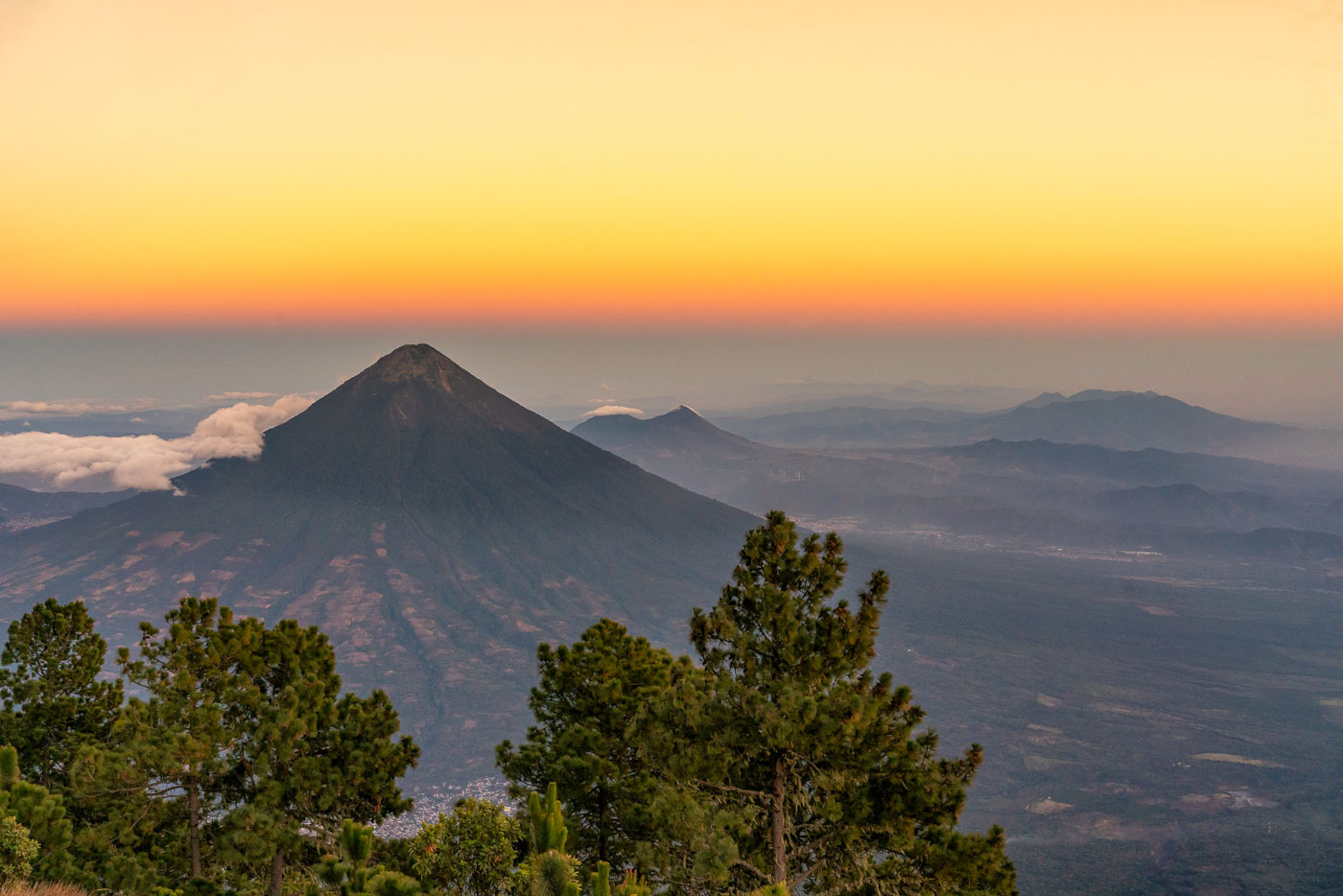
Agua Volcano (left) and Pacaya (right) as seen from Acatenango Volcano.
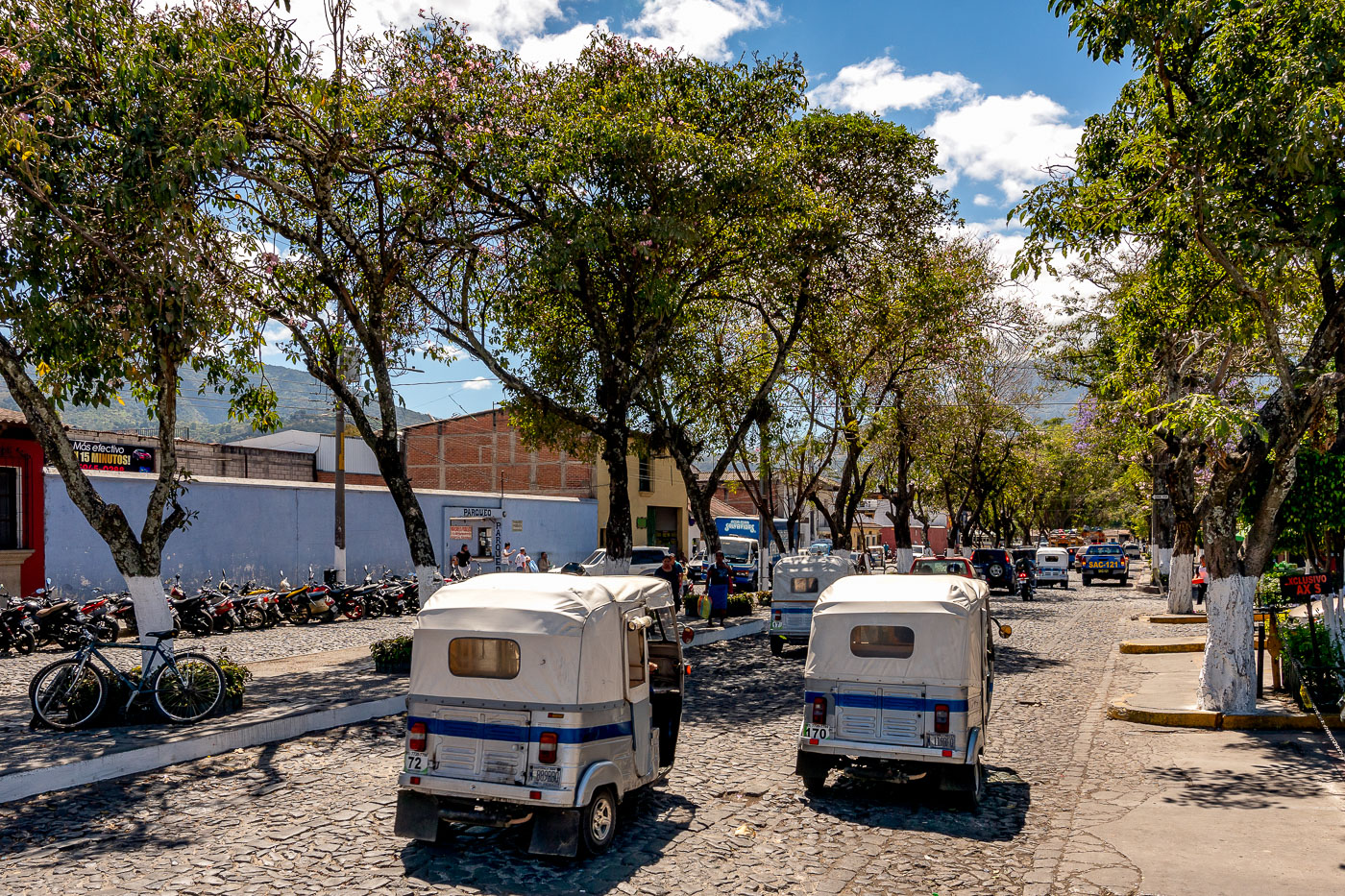
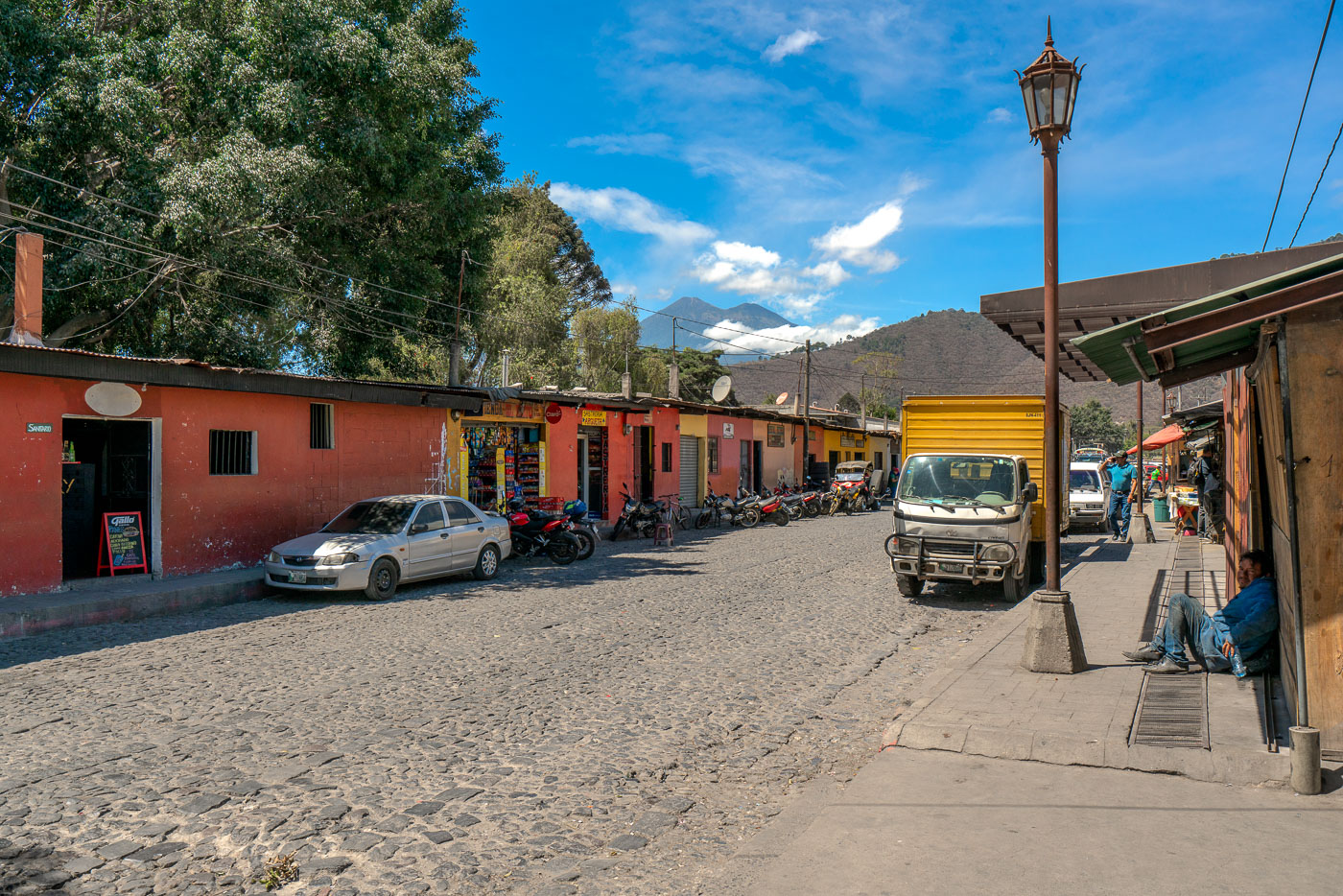
Tuk Tuks in Antigua, Guatemala on a sunny day.
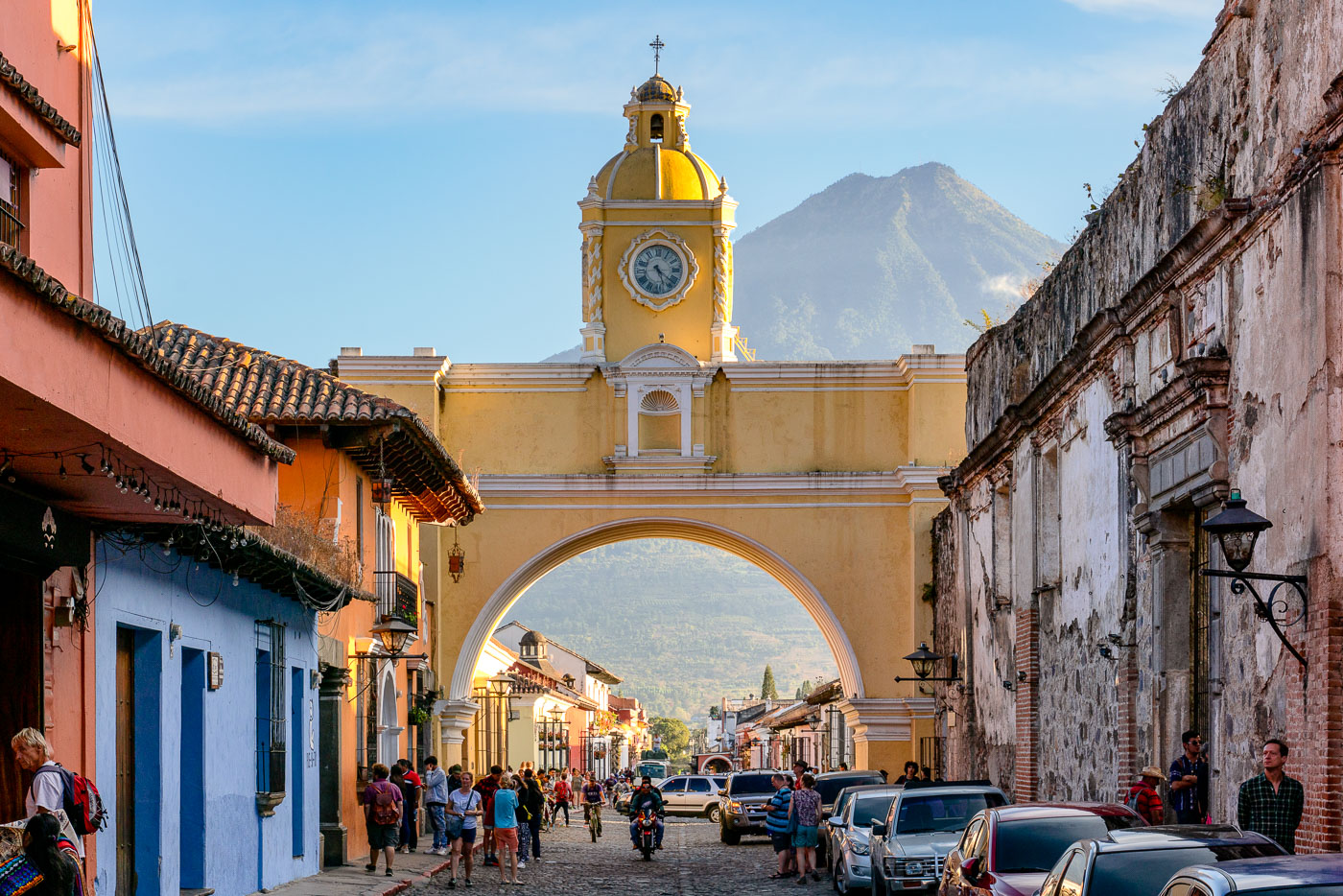
The Santa Catalina Arch is one of the distinguishable landmarks in Antigua Guatemala, Guatemala, located on 5th Avenue North.[1] Built in the 17th century, it originally connected the Santa Catalina convent to a school, allowing the cloistered nuns to pass from one building to the other without going out on the street. A clock on top was added in the era of the Central American Federation, in the 1830s.
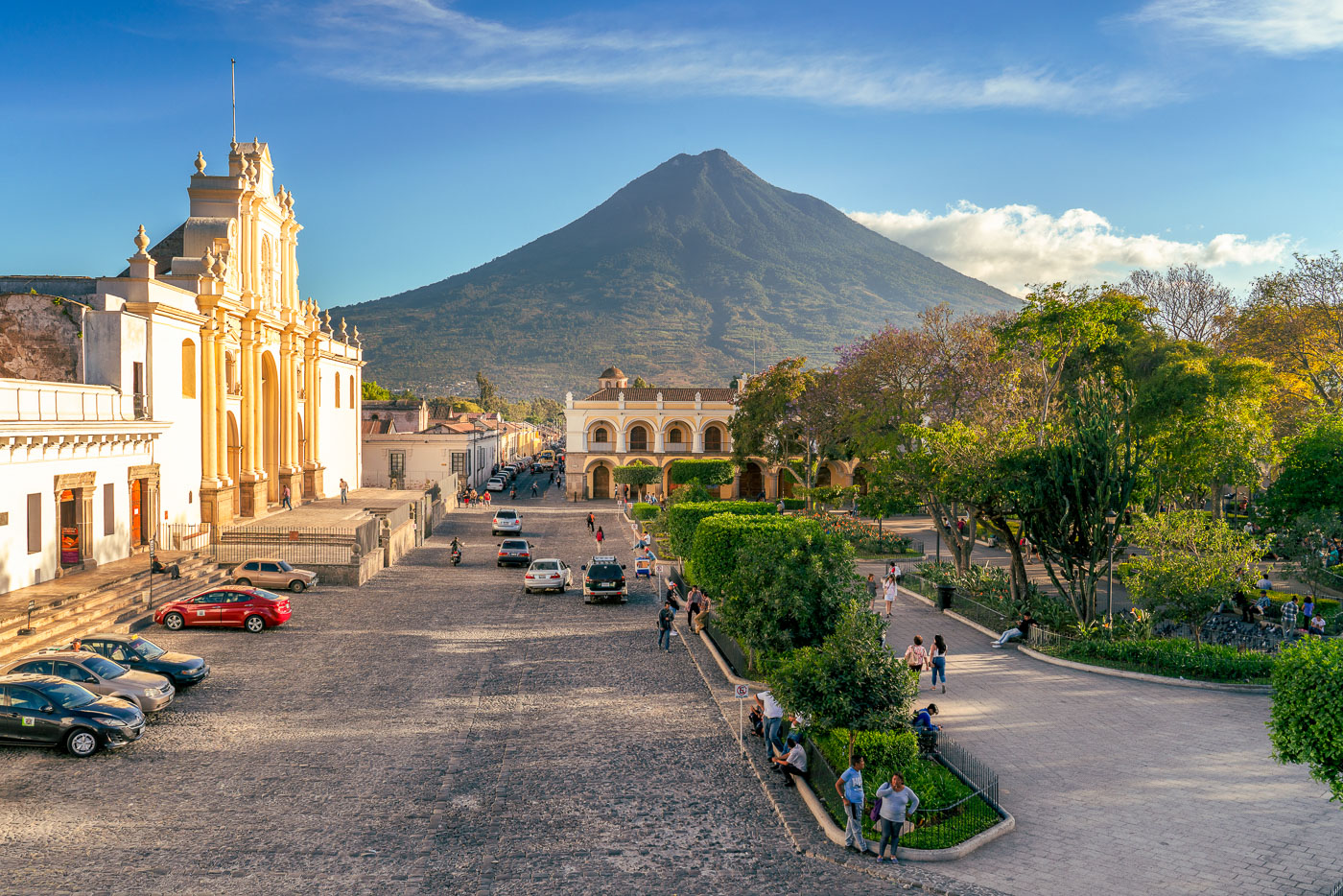
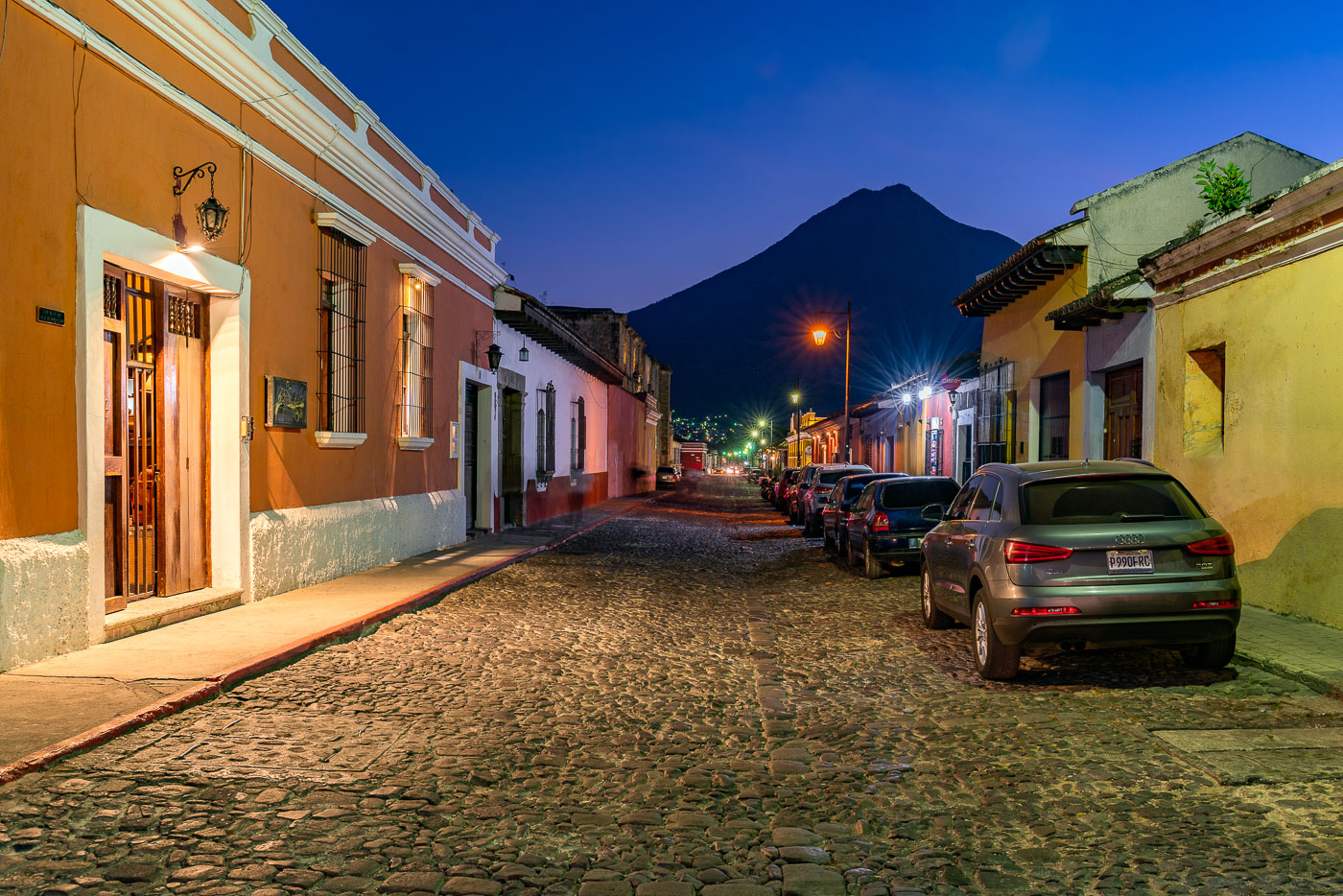
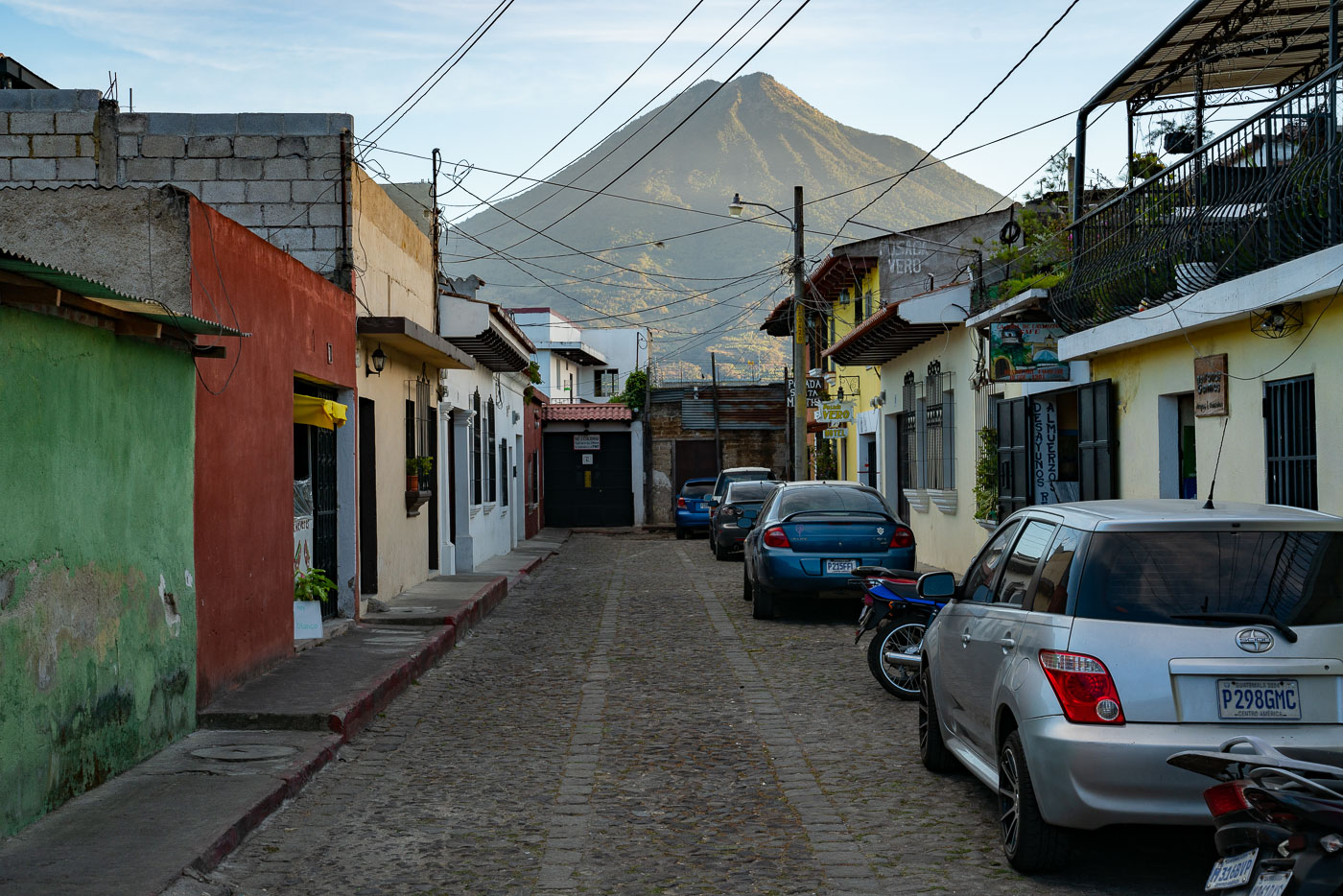
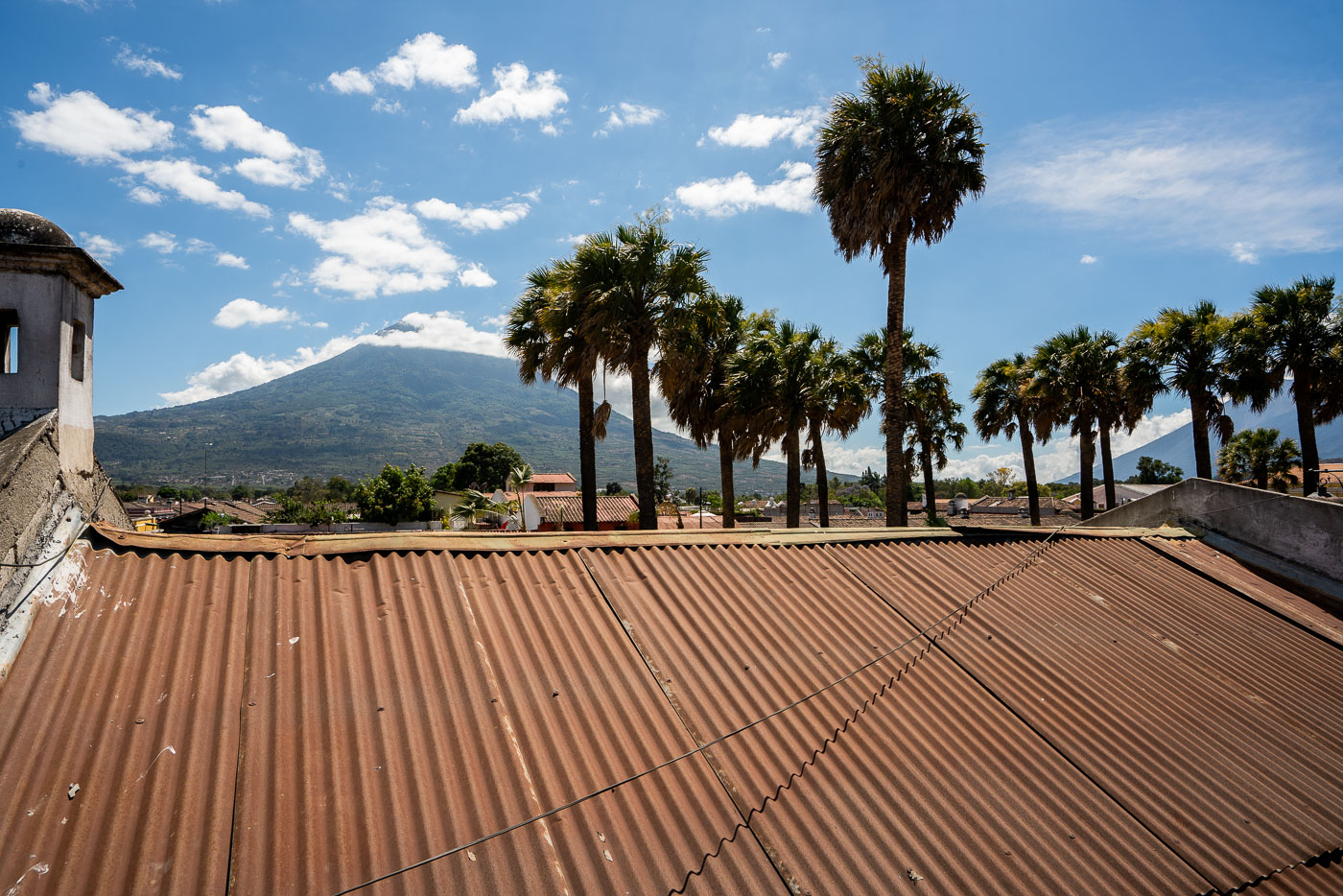
Agua Volcano (Volcán de Agua) as seen from Antigua, Guatemala.
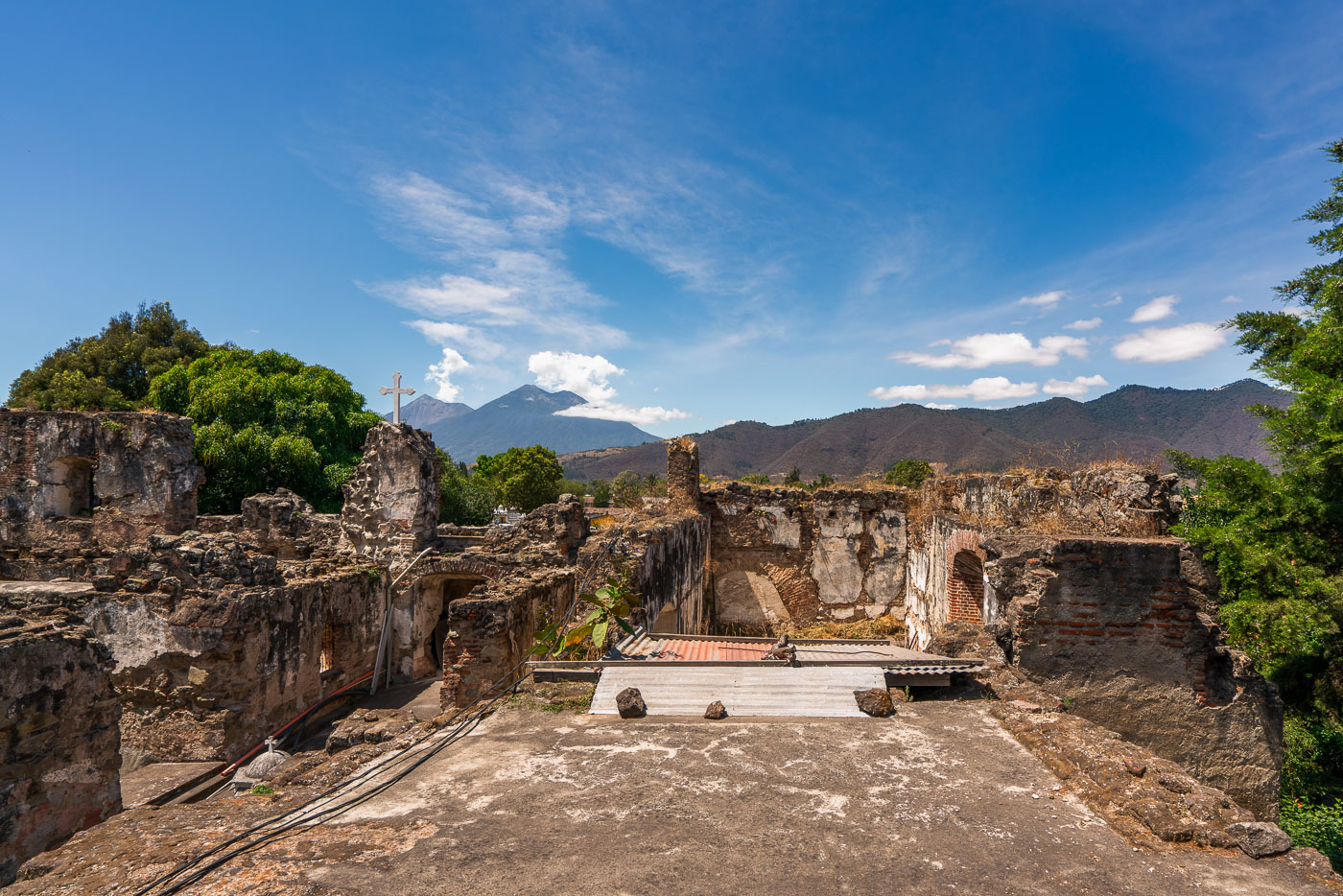
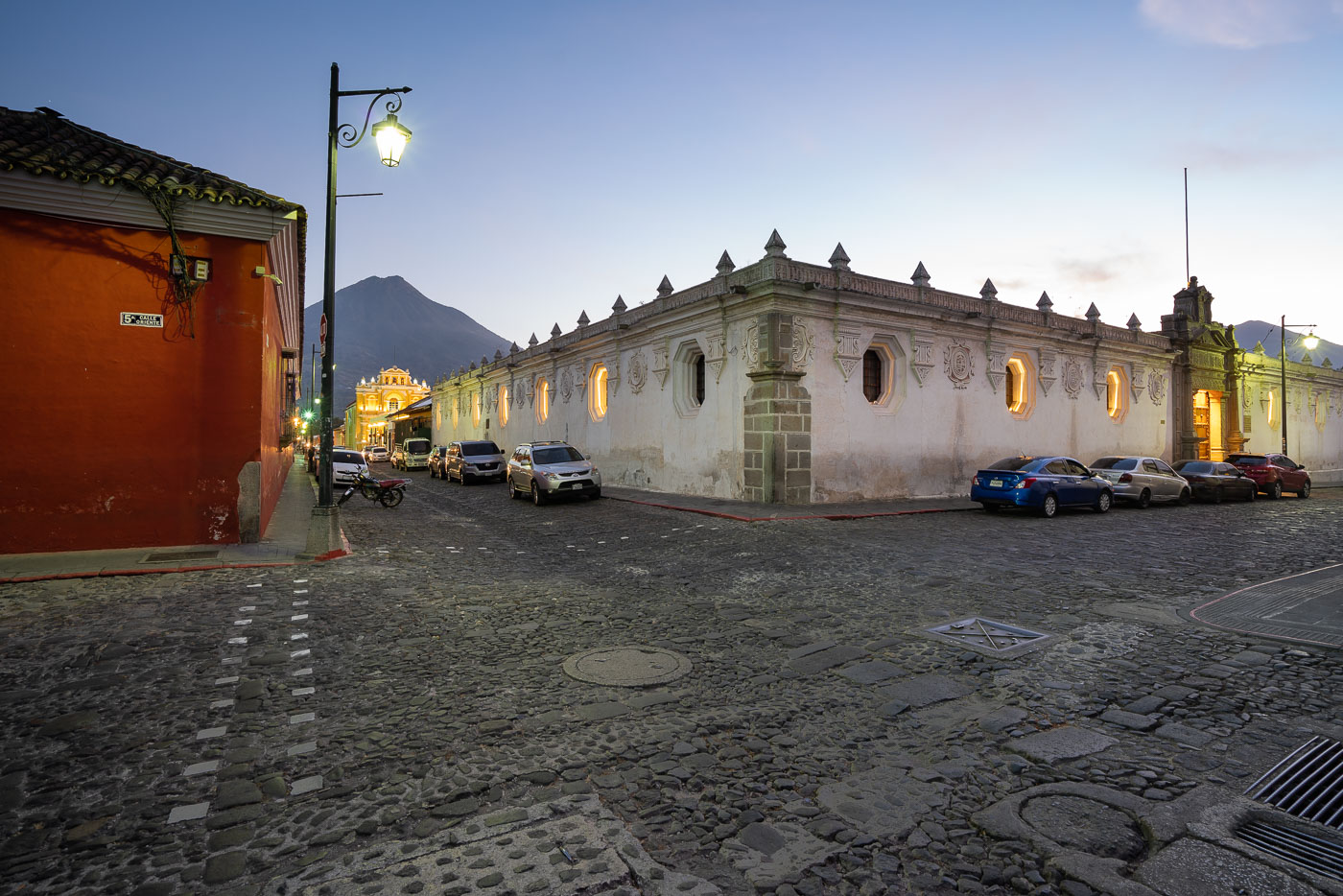
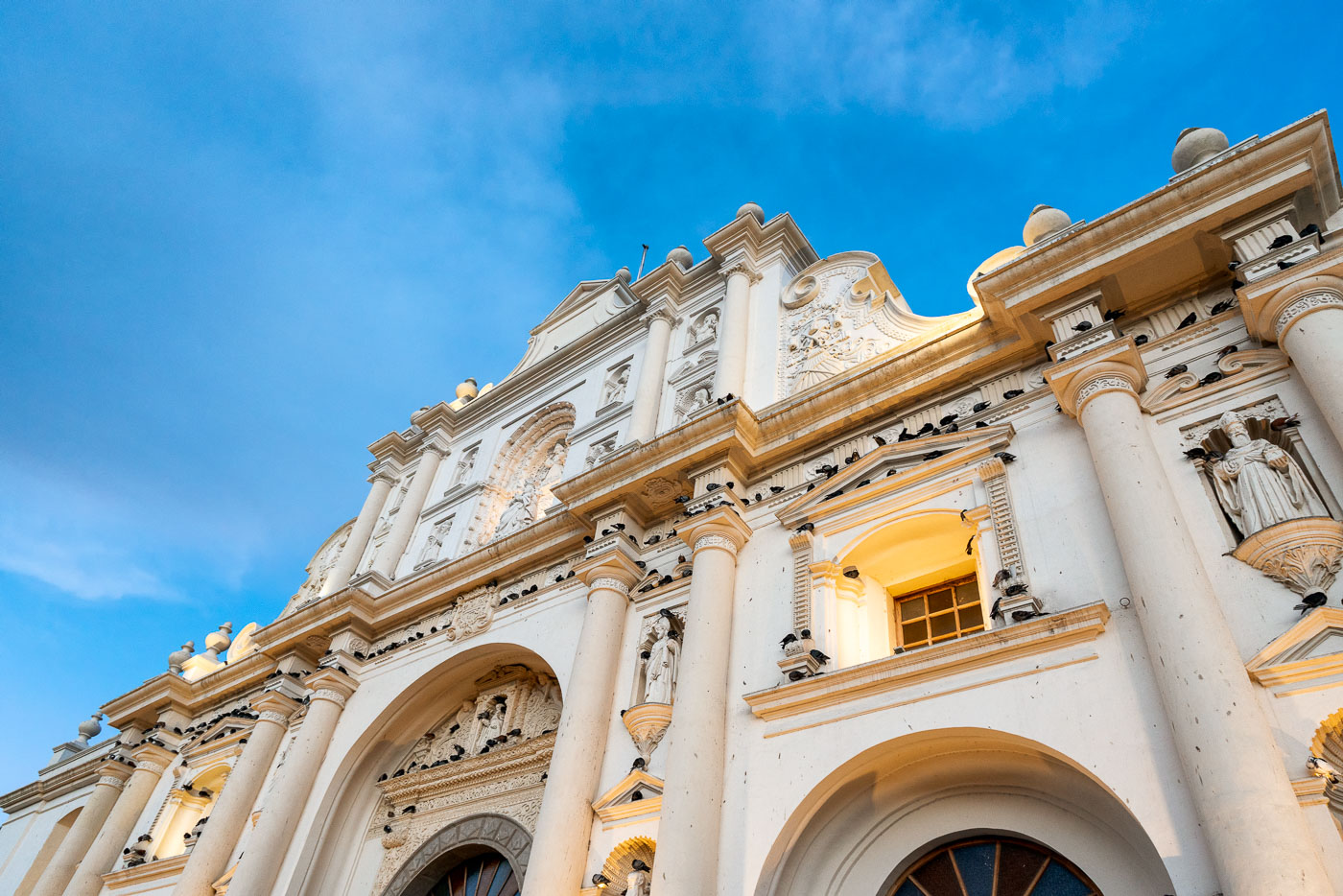
Santuario San Francisco el Grande. A church in Antigua that was built in 1702.
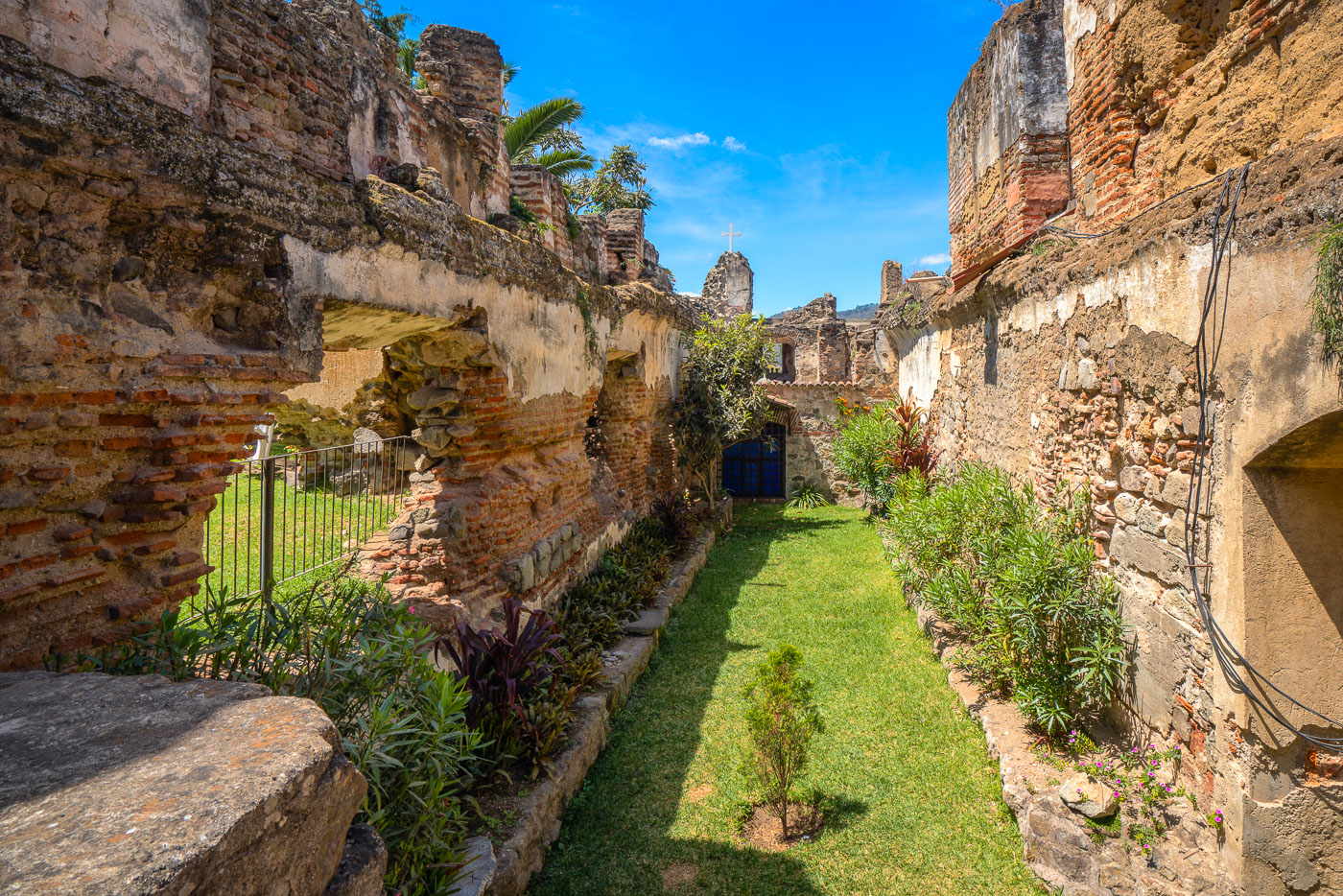
Santuario San Francisco el Grande. A church in Antigua that was built in 1702.
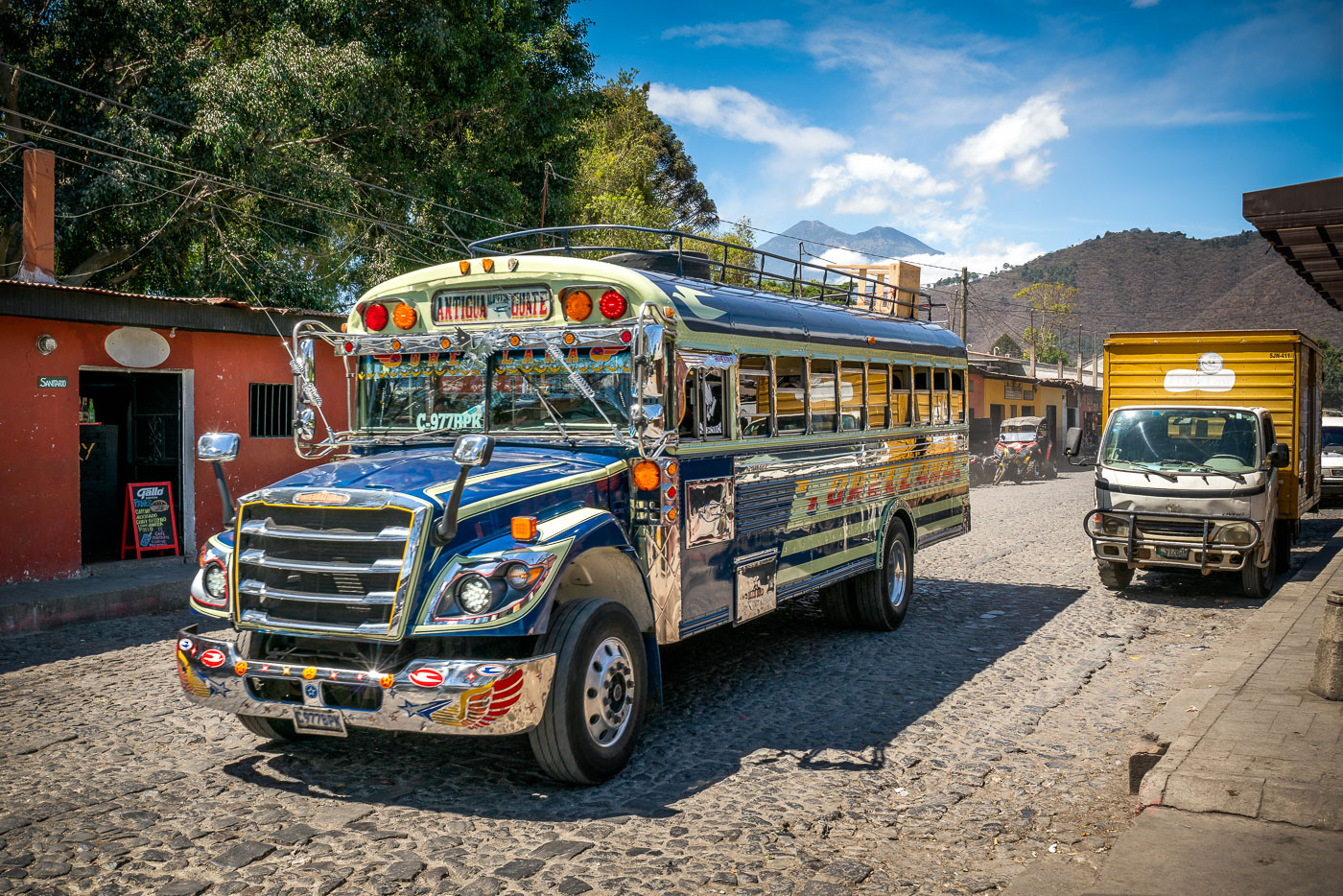
A Chicken Bus in Antigua Guatemala. The buses are commonly used as transportation in Latin America.
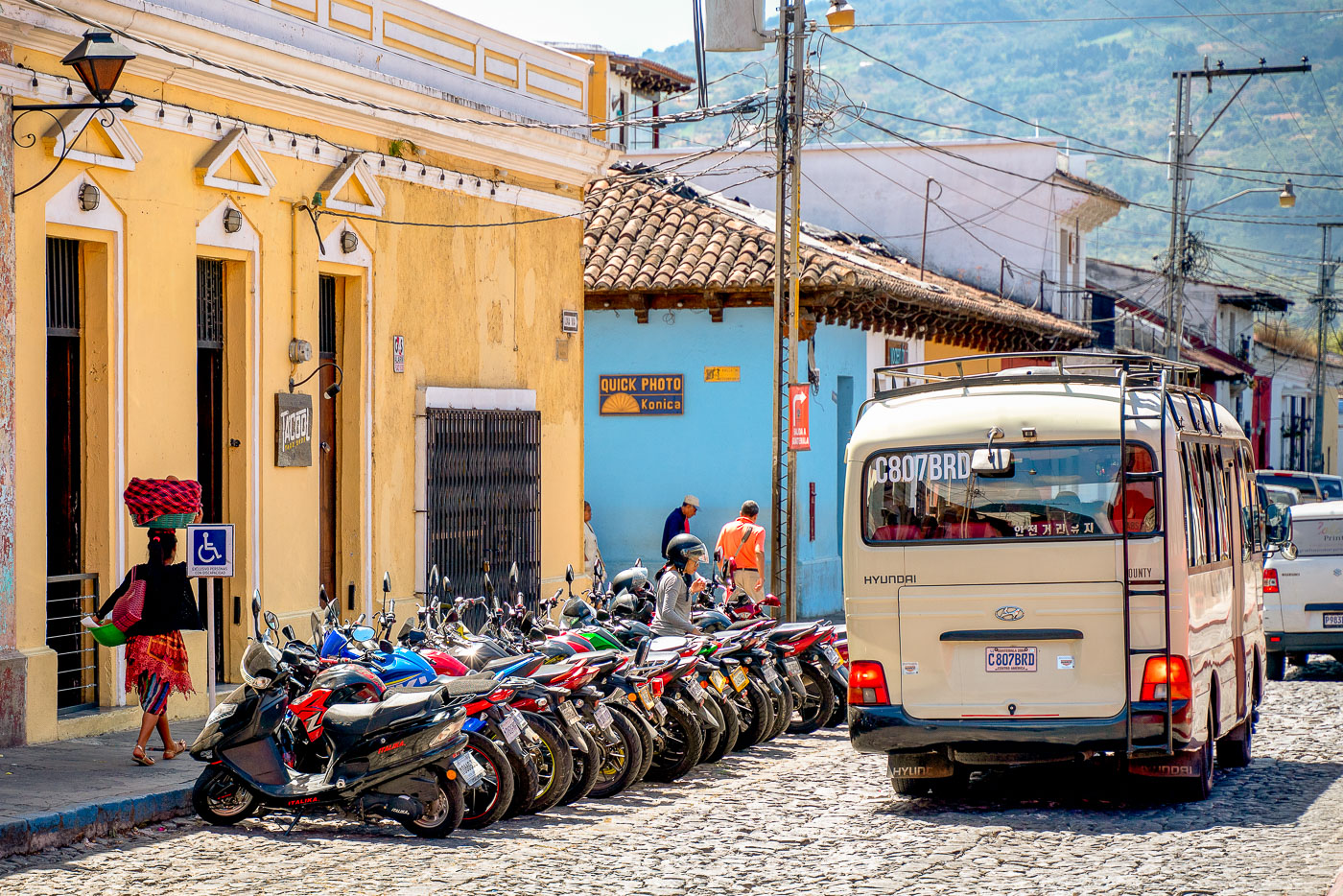
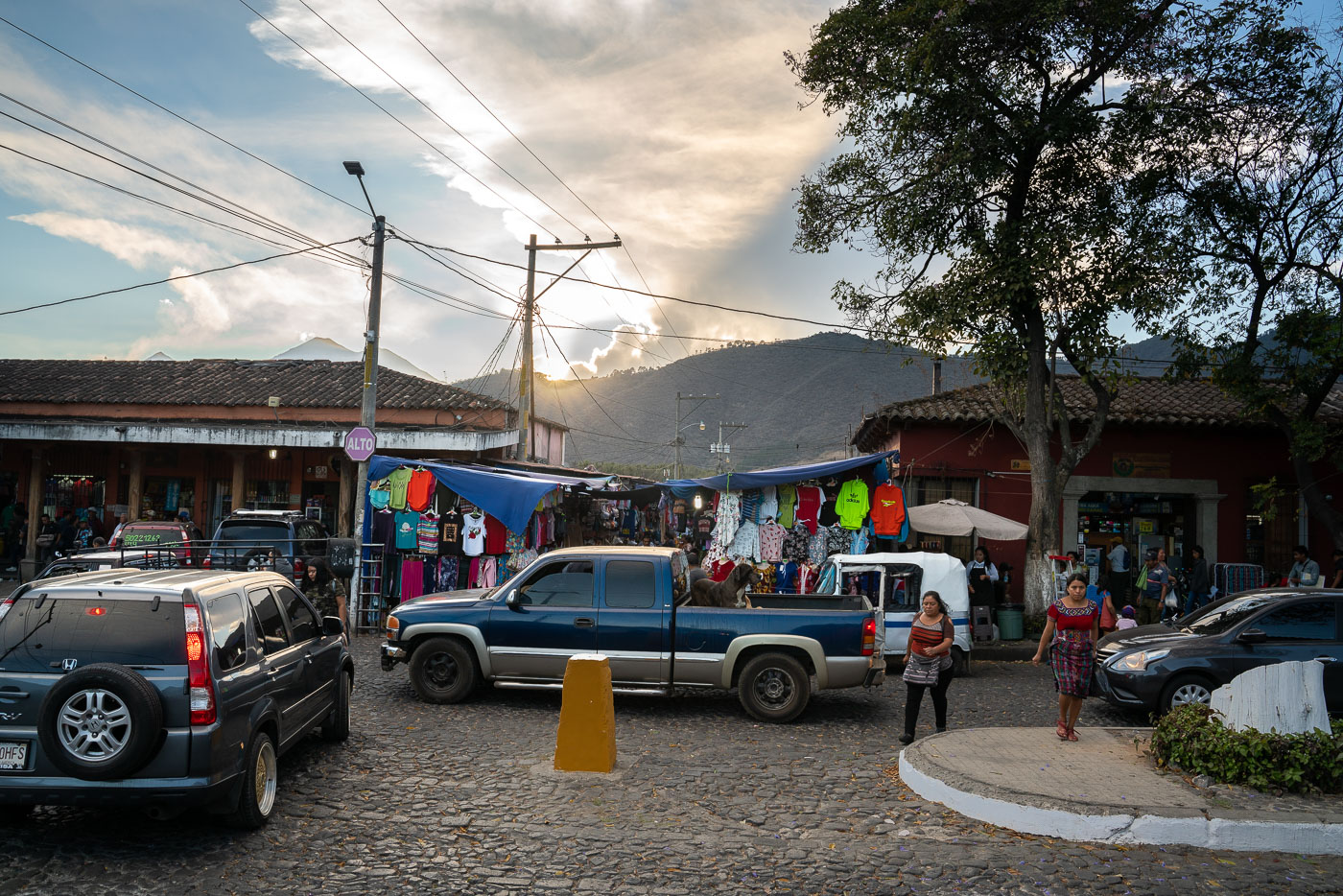
Woman carrying bread in Antigua, Guatemala and a bunch of motor bikes.
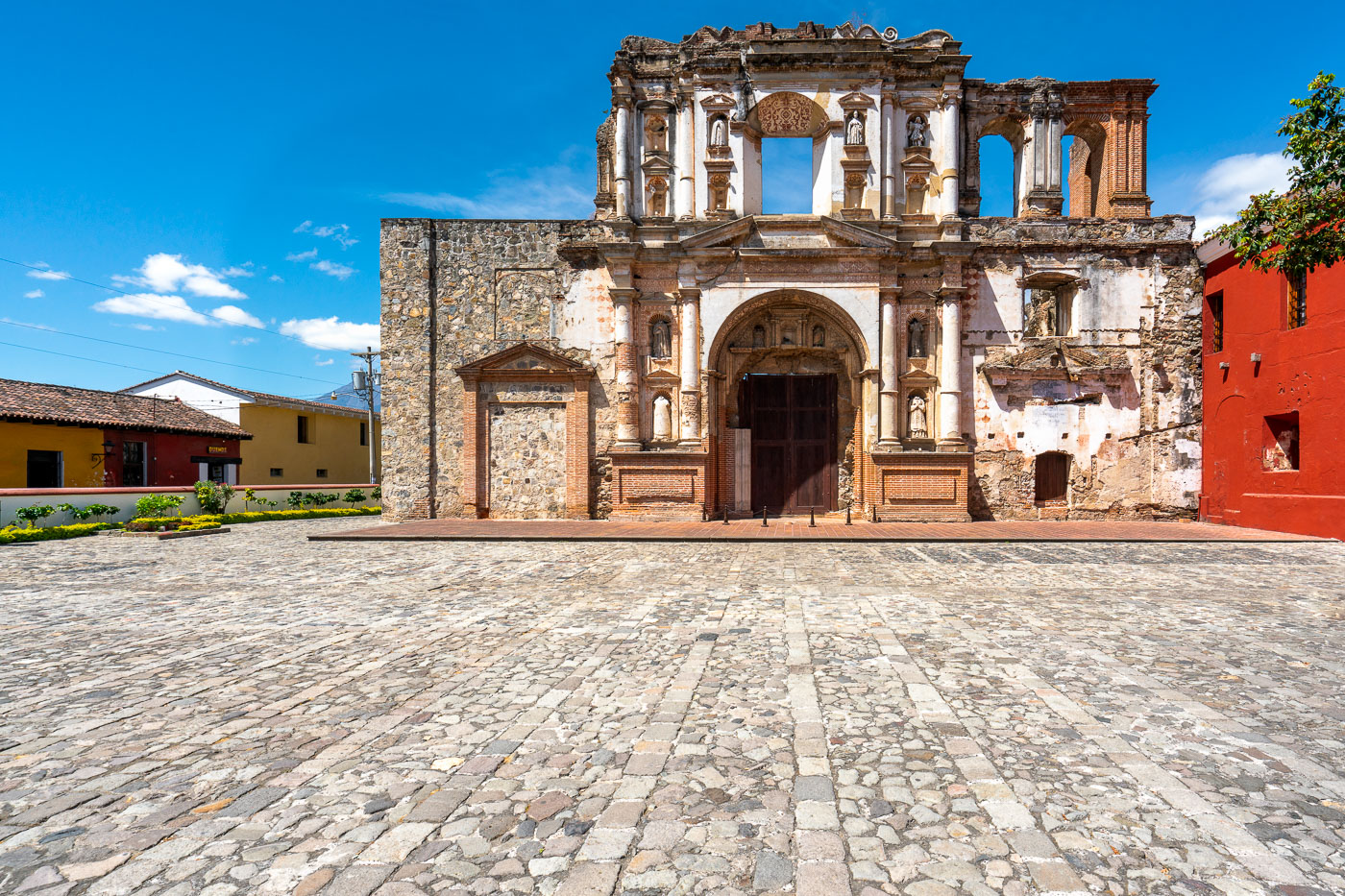
The Church and convent of the Society of Jesus in Antigua Guatemala is a religious complex that was built between 1690 and 1698. It was built on a block that is only 325 yards away from the Cathedral of Saint James on a lot that once belonged to the family of famous chronicler Bernal Díaz del Castillo and had three monastery wings and a church. There were only a maximum of 13 Jesuit priest at any given time in the building, but they also hosted Jesuit brothers and secular students. In the building was the San Lucas School of the Society of Jesus, until the Jesuits were expelled from the Spanish colonies in 1767.
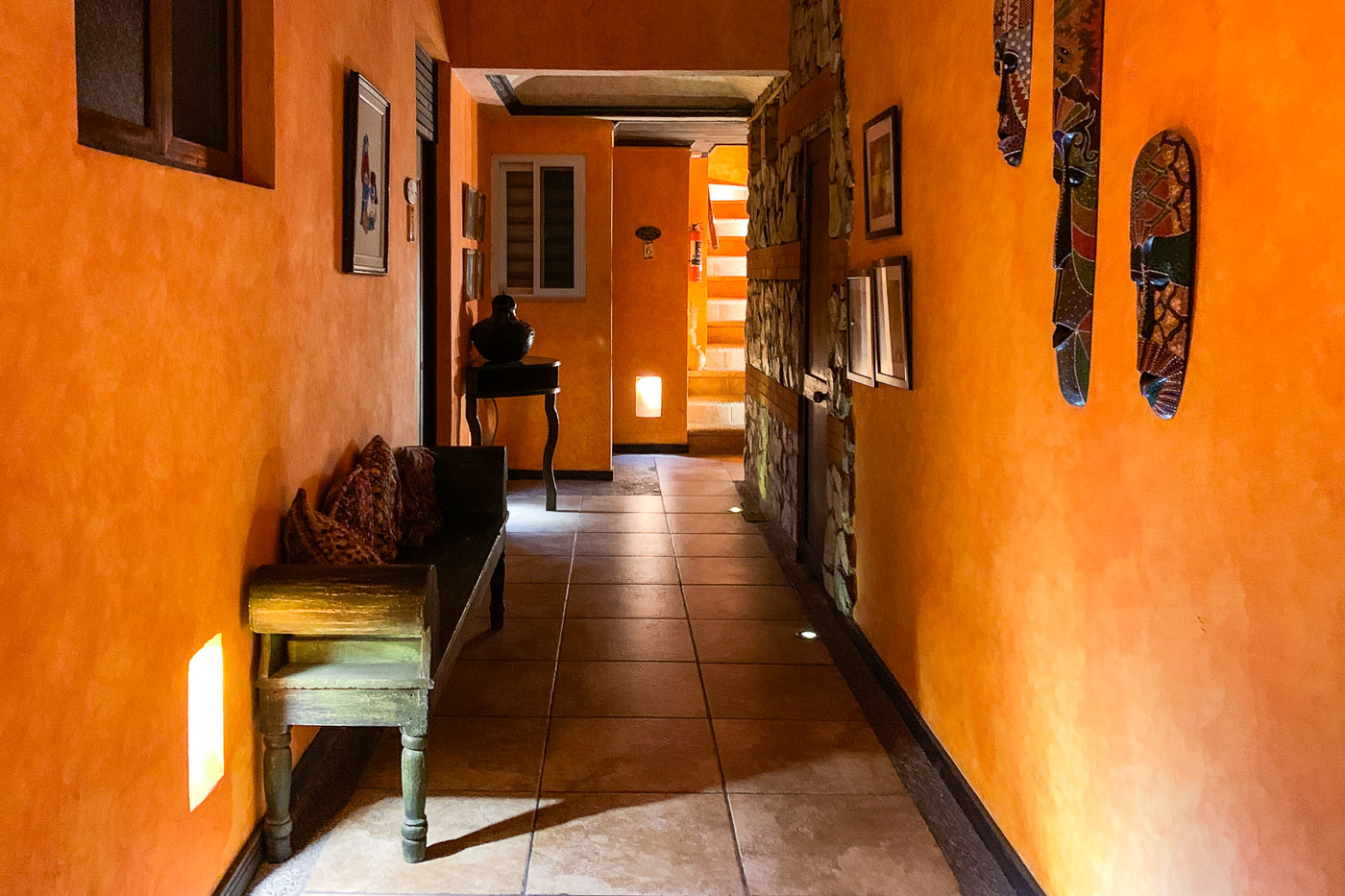
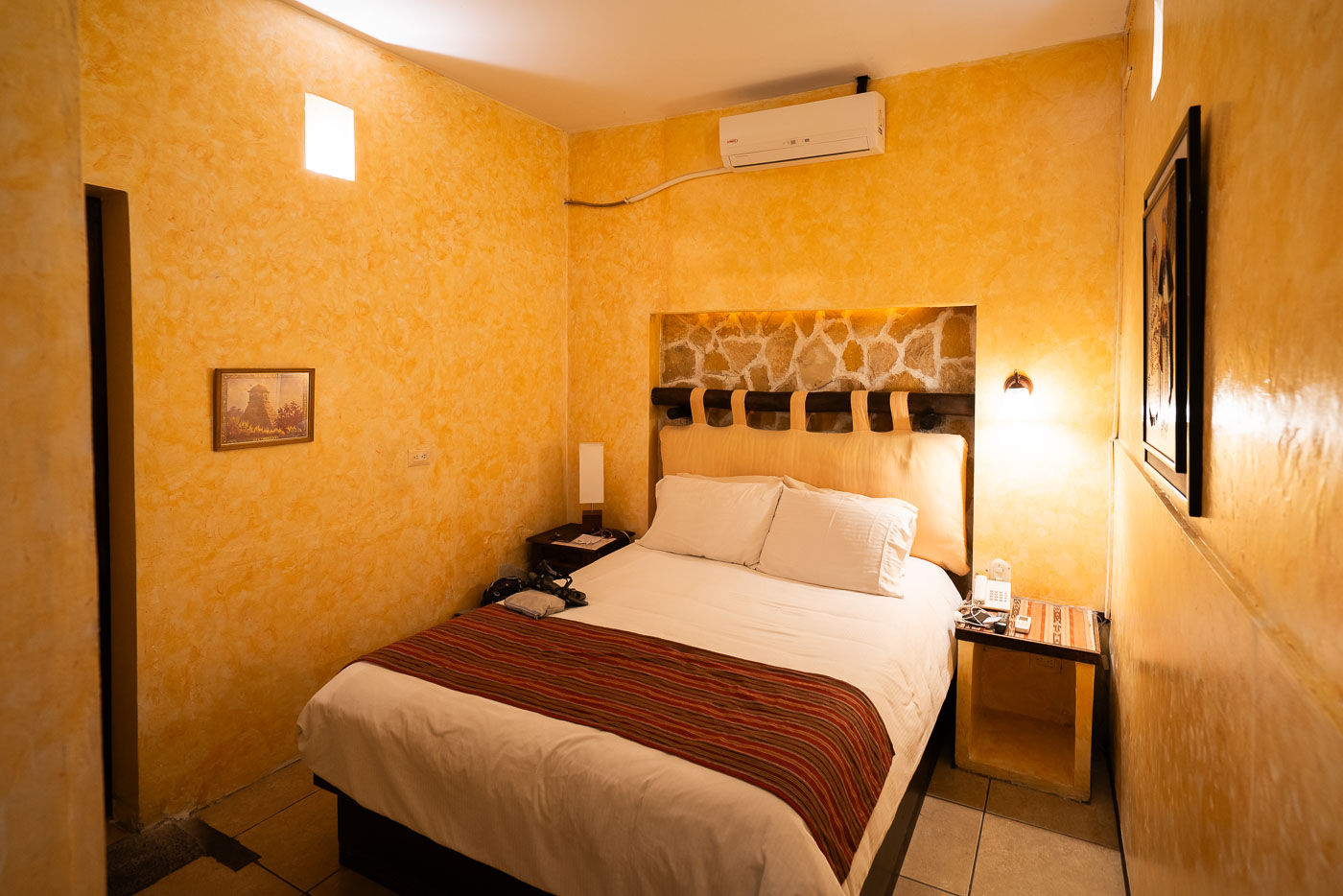
Inside Casa Bella Boutique Hotel in Antigua, Guatemala.
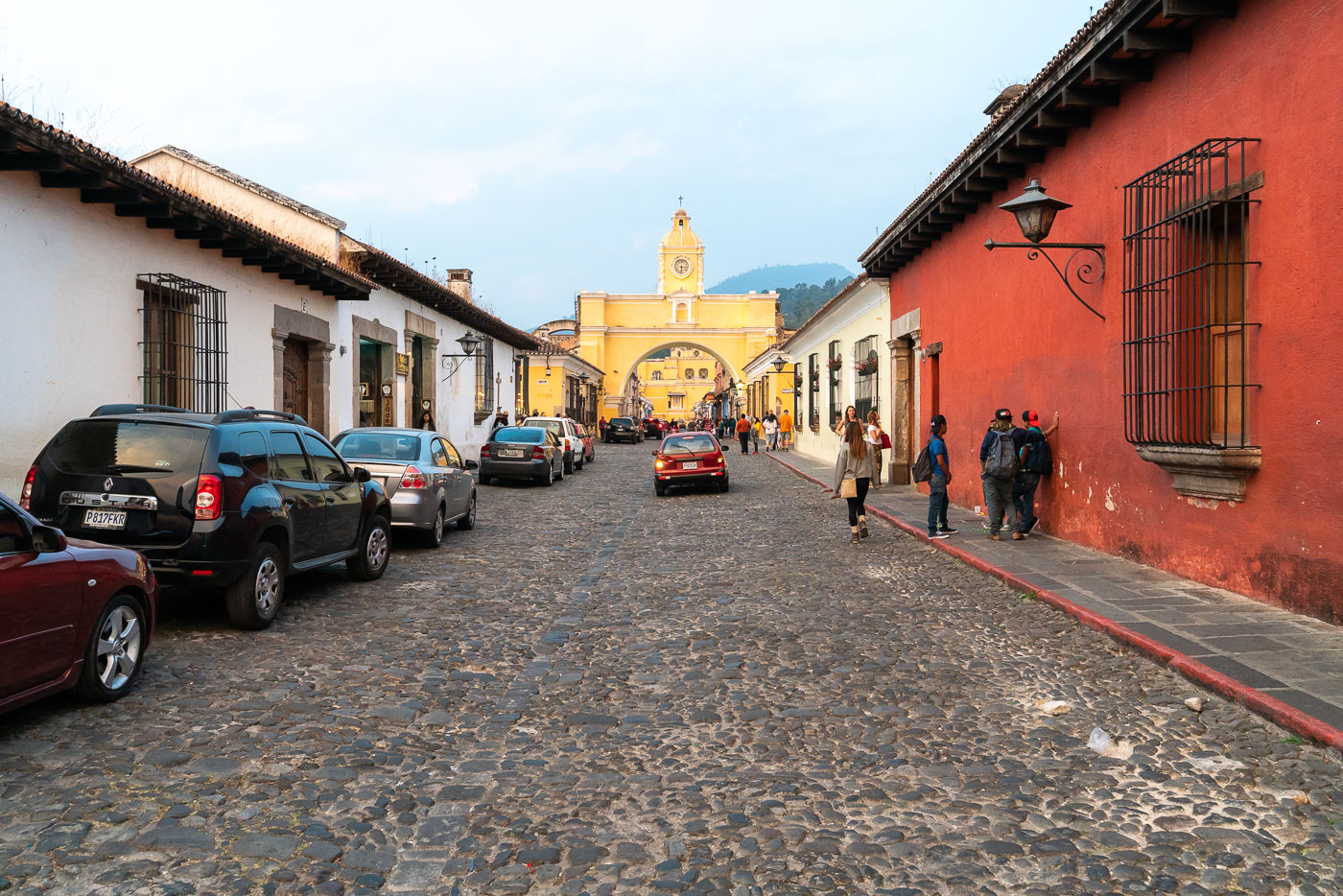
The Santa Catalina Arch in Antigua, Guatemala.
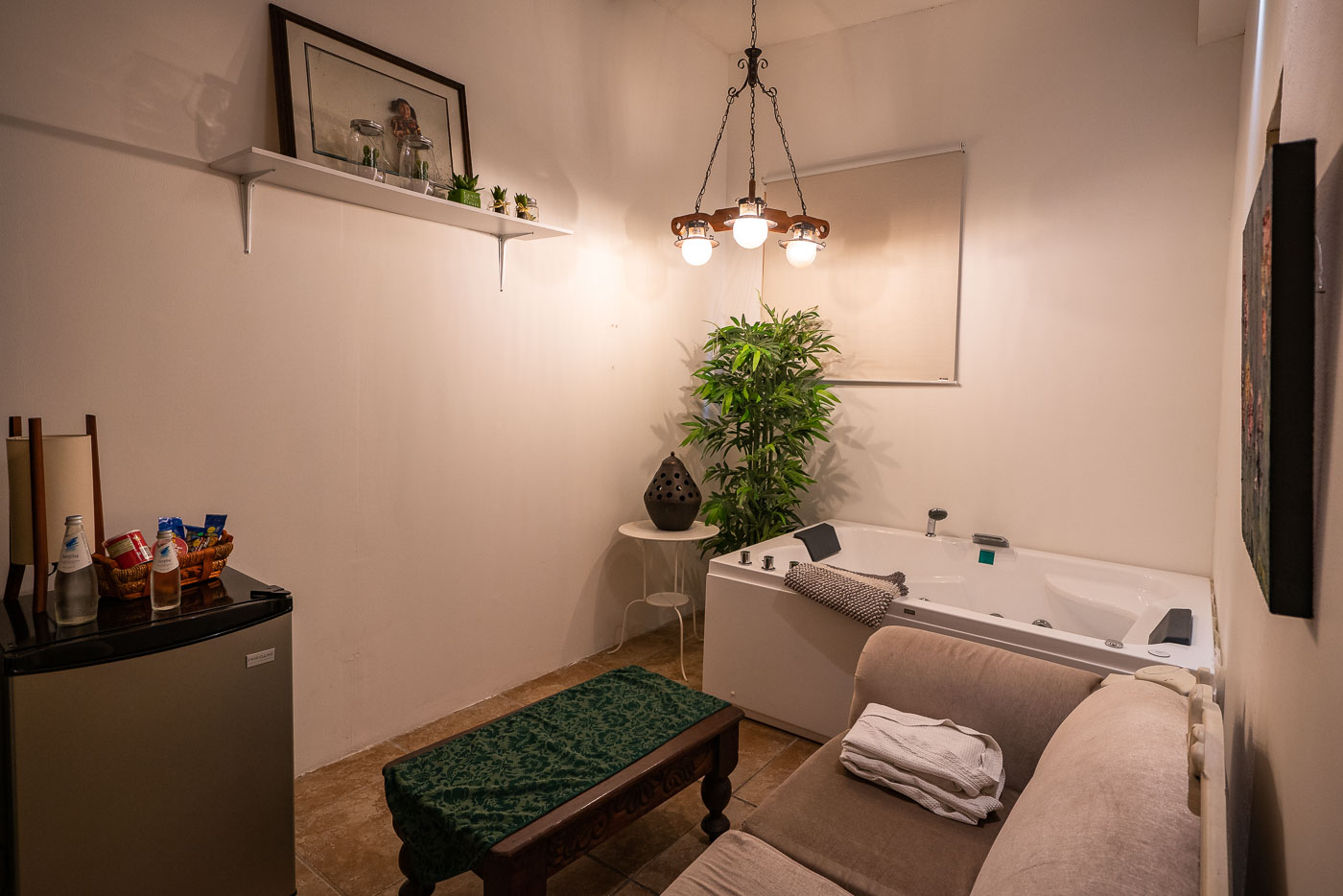
Casa Bella Boutique hotel in Anituga Guatemala. Located at 2 Avenida Sur No. 5, 2a Avenida Sur.
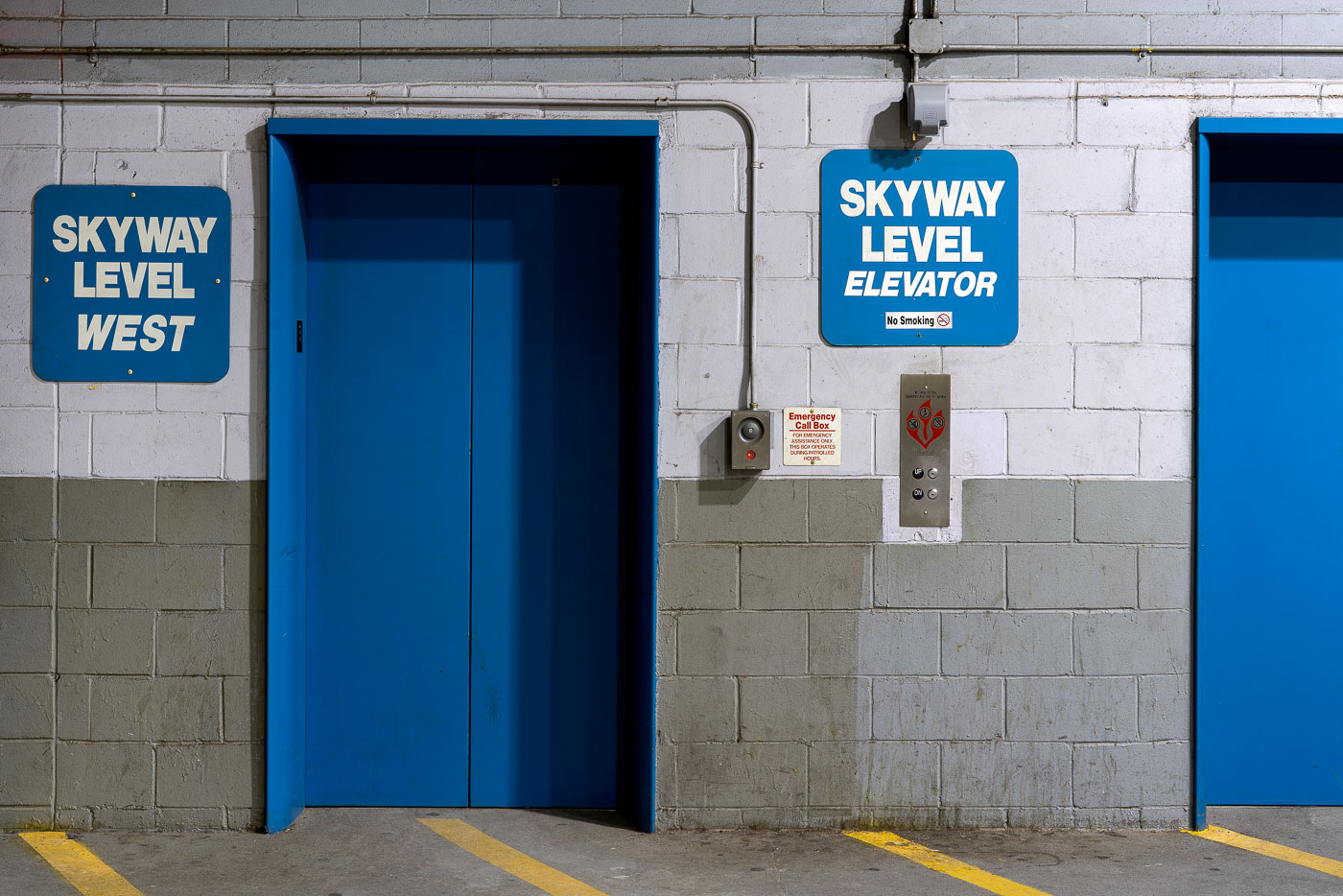
Skyway elevators in a parking ramp in downtown Minneapolis.
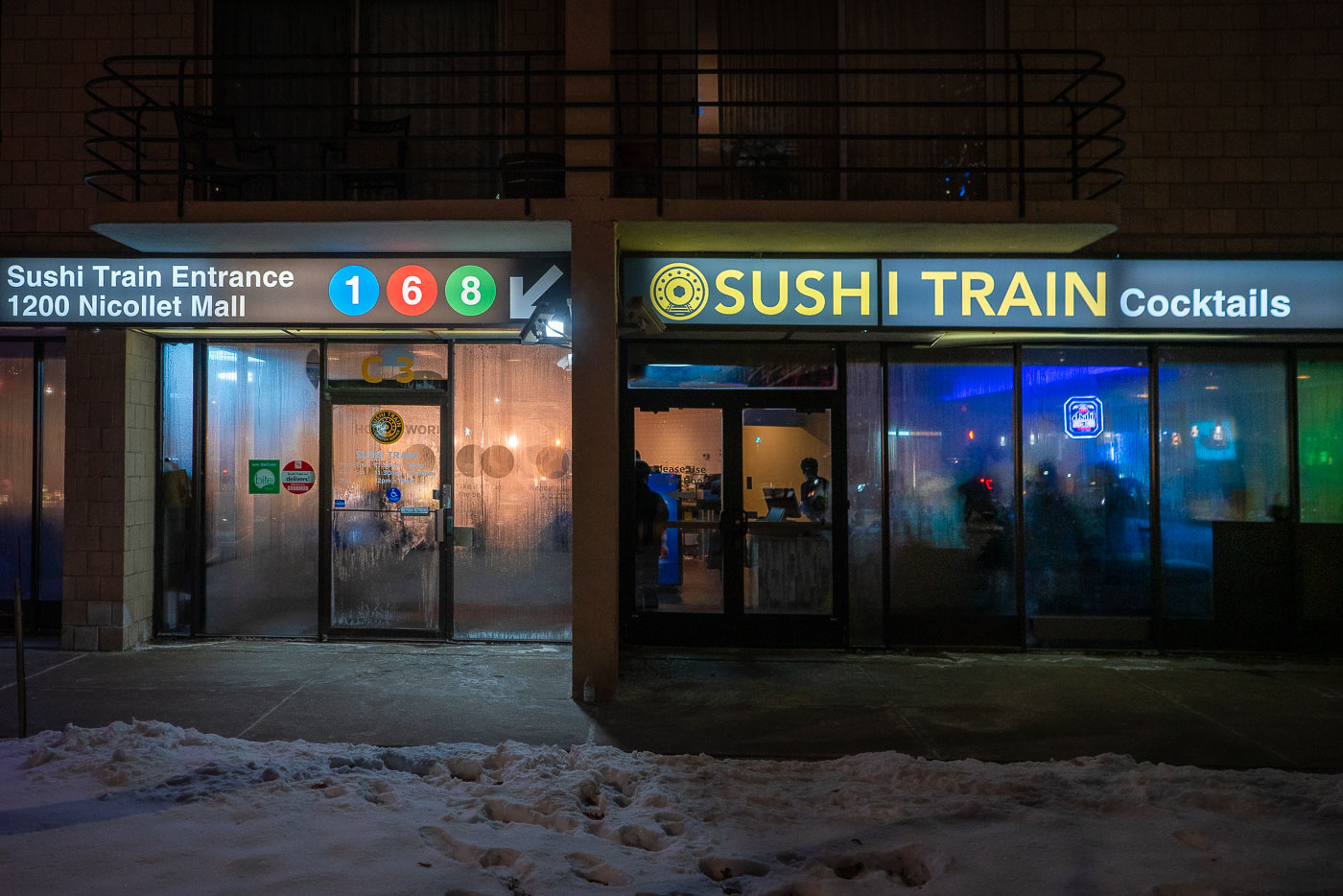
The Sushi Train Restaurant at 1200 Nicollet Mall in downtown Minneapolis.
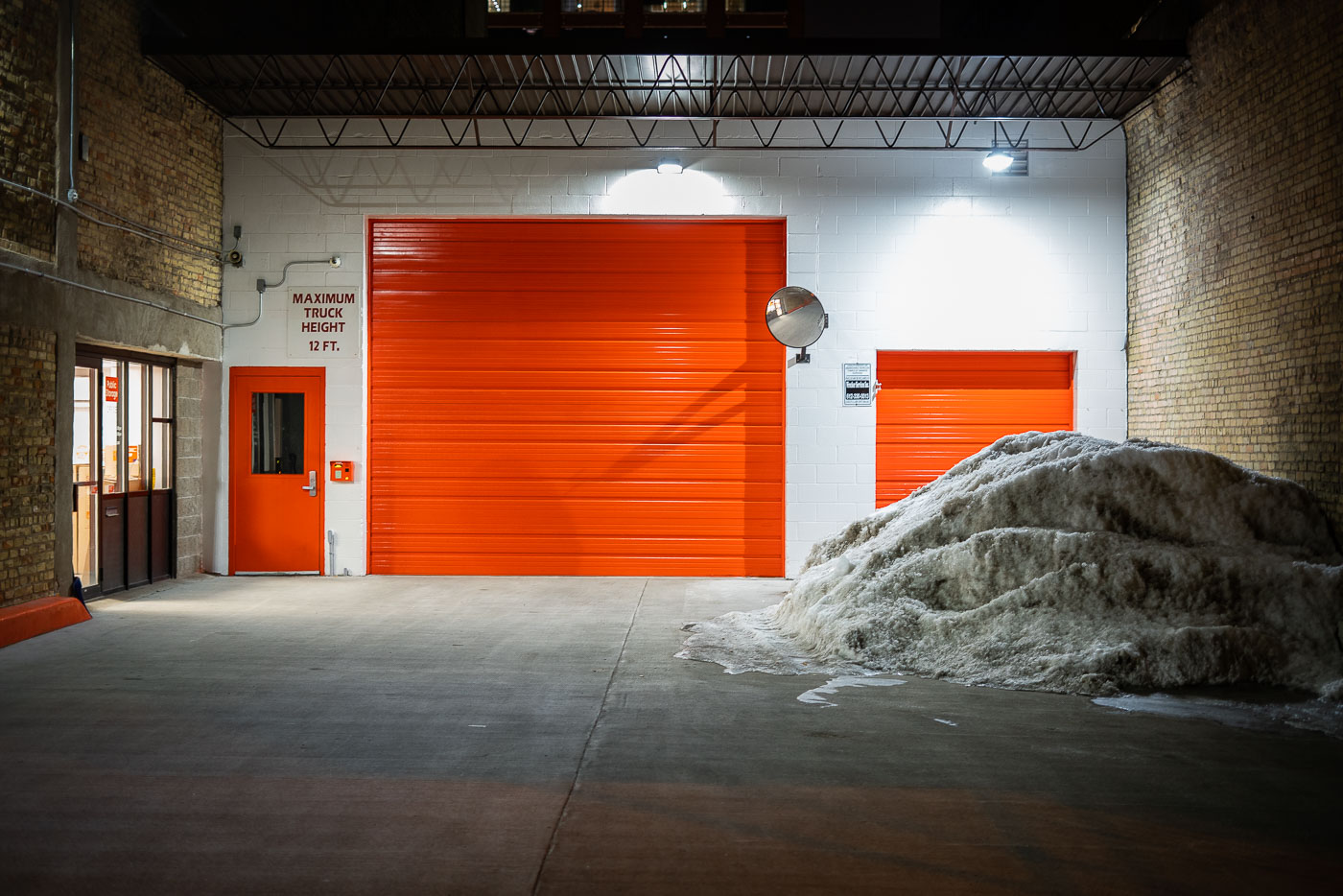
A brightly illuminated Public Storage loading bay in Minneapolis displays bold orange doors and a utility entrance against a white painted brick wall, contrasting with the older exposed brick perimeter of the facility. The clean geometric design and reflective overhead lighting highlight the modern storage architecture. Alongside the bay, a large mound of plowed and refrozen urban snow—common in Minneapolis winters—rests against the wall, showing traces of salt and grime accumulated through repeated freeze–thaw cycles. The pragmatic blend of winter maintenance and commercial storage design captures both the climate and the industrial character of the city.
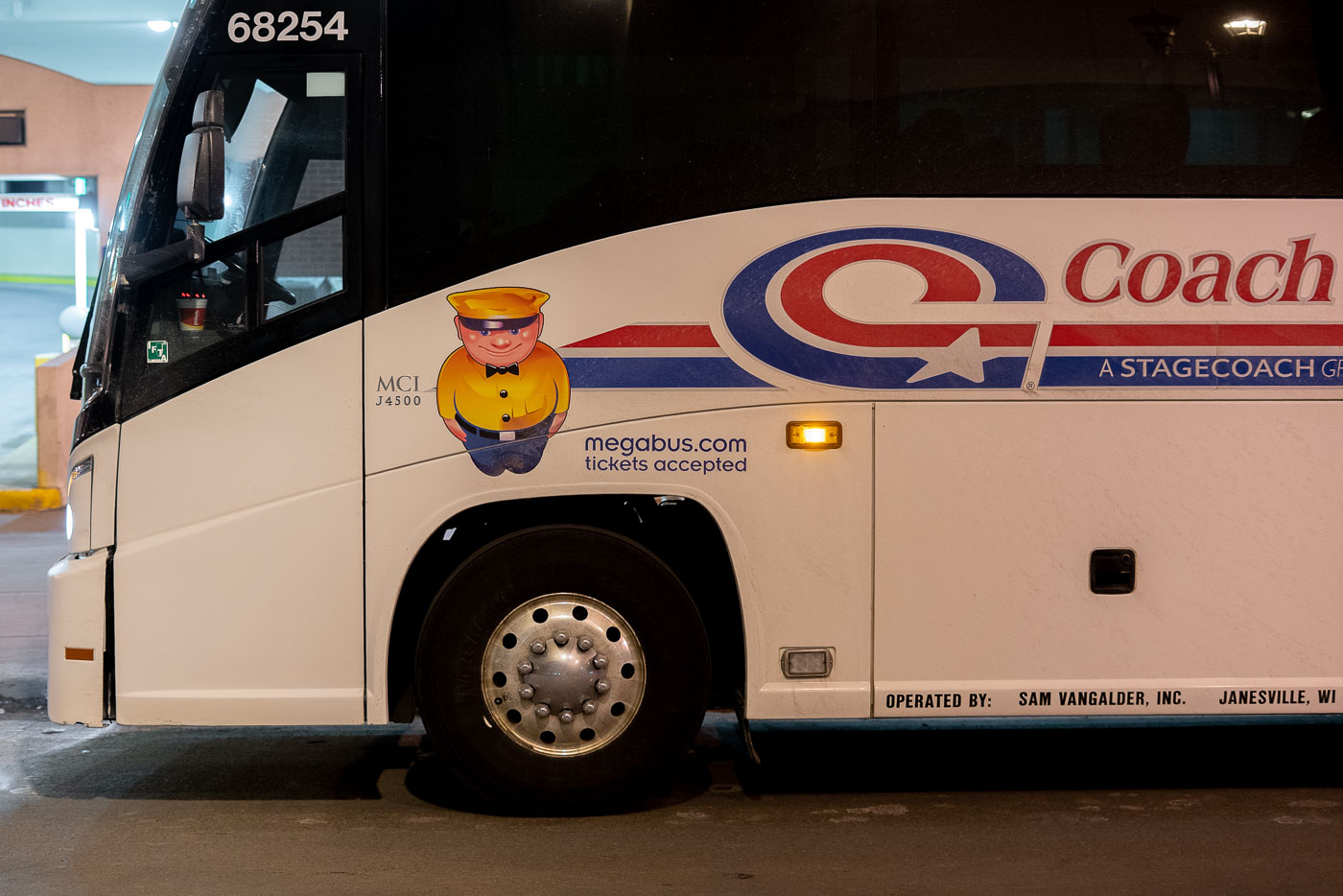
A Coach USA intercity bus displaying the Megabus “$1 fare” mascot along its passenger side, indicating that the service accepts Megabus.com tickets. Coach USA, a subsidiary of Stagecoach Group, operates regional and interstate routes across the United States, often in partnership with Megabus since their brands share booking systems and fleet resources. The bus shown is an MCI J4500 model, widely used for long-distance motorcoach travel due to its capacity and highway comfort. The collaboration between Megabus and Coach USA expanded low-cost express travel options throughout the Midwest and beyond, allowing travelers to board Coach USA-operated vehicles with tickets purchased via Megabus’s digital platform.
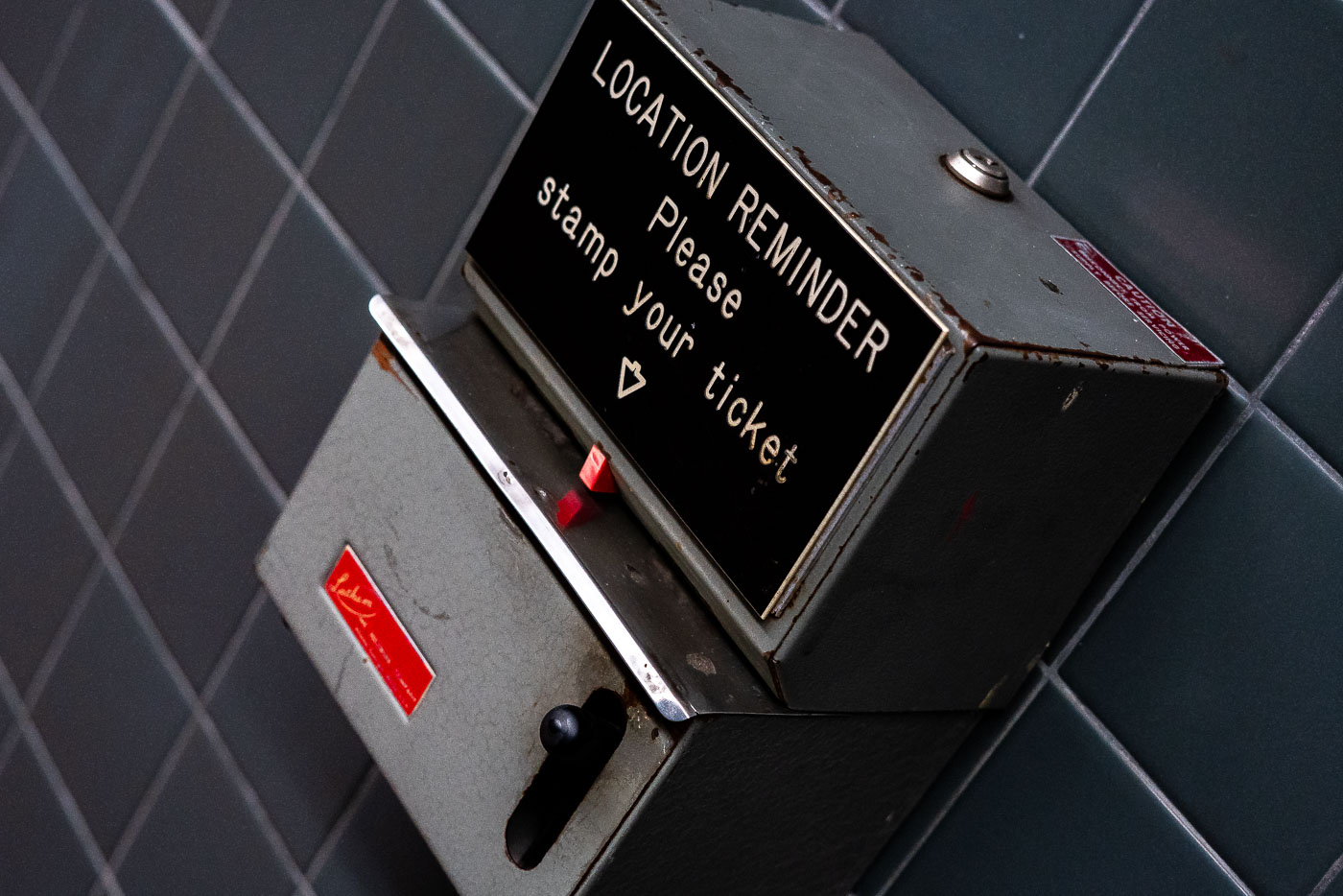
“Location Reminder” ticket stamping machine, once used in transit stations to help passengers remember where they parked or to mark their travel tickets with time and place. The metal box features a lever-operated stamping mechanism, a faded instructional label, and worn edges that show decades of use. Devices like this were common in train station parking facilities and older public transit hubs before digital systems replaced manual timestamping. The angled mounting on tiled wall, along with the utilitarian industrial design, reflects mid-20th-century station infrastructure, where functional machines like this played a part in daily commuter routines.