Immigration

555 photos · 2015–2026

555 photographs tagged Immigration, 2015–2026.

ICE Agents walking down Portland after Renee Good Killing
ICE agents on Portland Avenue following the shooting death of Renee Good minutes earlier by Jonathan Ross. On January 7, 2026, 37-year-old Renée Nicole Good was fatally shot by an Immigration and Customs Enforcement agent during a federal immigration enforcement operation in south Minneapolis. Video recorded by bystanders showed Good attempting to drive away as agents surrounded her vehicle before an ICE agent fired multiple shots into the SUV. Federal officials claimed the shooting was justified because the agent feared being struck by the vehicle, while witnesses, local officials, and independent video analyses questioned that account and called for further investigation. Good, a Minneapolis resident, and community advocate, was remembered by family and supporters as compassionate and deeply involved in supporting immigrant communities. Her death sparked large protests across Minneapolis and intensified national debate over immigration enforcement, the use of federal agents in local operations, and the expanding role of ICE under the Trump administration. The ICE agent that shot Renee Good has been identified as Jonathan Ross of Chaska, Minnesota.

ICE and Police Officers on Portland Avenue After Renee Good Shooting

A candlelight vigil is held at the Renee Good Memorial in Minneapolis, marked by a wooden cross, flowers, and candles.
A candlelight vigil is held at the Renee Good Memorial in Minneapolis on the first night following her death. Good was killed by an Immigration and Customs Enforcement (ICE) agent during Operation Metro Surge. On January 7, 2026, 37-year-old Renée Nicole Good was fatally shot by an Immigration and Customs Enforcement agent during a federal immigration enforcement operation in south Minneapolis.

Children Light Candles at Renee Good Memorial in Minneapolis

A flyer reading "RIP RENEE MURDERED BY ICE" is posted on an electrical box in South Minneapolis.
A flyer posted on an electrical box in South Minneapolis reads "RIP RENEE MURDERED BY ICE" and features a photograph of Renee Good. The flyer was placed in response to her death, which occurred during an encounter with U.S. Immigration and Customs Enforcement (ICE) agents during Operation Metro Surge. On January 7, 2026, 37-year-old Renée Nicole Good was fatally shot by an Immigration and Customs Enforcement agent during a federal immigration enforcement operation in south Minneapolis.

“RIP Renee” Flyer Taped to a Minneapolis Utility Box

Street barricades on Portland Avenue in Minneapolis after the killing of Renee Good by an ICE agent.
Street barricades on Portland Avenue in Minneapolis following the killing of Renee Good by an Immigration and Customs Enforcement (ICE) agent. The barricades were put up on the blocks around the Renee Good Memorial. On January 7, 2026, 37-year-old Renée Nicole Good was fatally shot by an Immigration and Customs Enforcement agent during a federal immigration enforcement operation in south Minneapolis. Video recorded by bystanders showed Good attempting to drive away as agents surrounded her vehicle before an ICE agent fired multiple shots into the SUV.

Traffic Checkpoint Near Renee Good Memorial in Minneapolis

Red graffiti reading "ICE KILLS" is spray-painted on a snowbank along Portland Avenue in Minneapolis.
The words "ICE KILLS" are spray-painted in red onto a snowbank along Portland Avenue in Minneapolis near where Renee Good was killed by an ICE agent. On January 7, 2026, 37-year-old Renée Nicole Good was fatally shot by an Immigration and Customs Enforcement agent during a federal immigration enforcement operation in south Minneapolis. Video recorded by bystanders showed Good attempting to drive away as agents surrounded her vehicle before an ICE agent fired multiple shots into the SUV.

“ICE KILLS” Spray-Painted on a Snowbank on Portland Avenue

A large crowd gathers in South Minneapolis for a vigil honoring Renee Good, who was killed by an ICE agent.
A large crowd gathered in South Minneapolis for a vigil honoring Renee Good. Good was killed earlier in the day by an Immigration and Customs Enforcement (ICE) agent while she was observing ICE operations. On January 7, 2026, 37-year-old Renée Nicole Good was fatally shot by an Immigration and Customs Enforcement agent during a federal immigration enforcement operation in south Minneapolis. Video recorded by bystanders showed Good attempting to drive away as agents surrounded her vehicle before an ICE agent fired multiple shots into the SUV. Federal officials claimed the shooting was justified because the agent feared being struck by the vehicle, while witnesses, local officials, and independent video analyses questioned that account and called for further investigation. Good, a Minneapolis resident, and community advocate, was remembered by family and supporters as compassionate and deeply involved in supporting immigrant communities. Her death sparked large protests across Minneapolis and intensified national debate over immigration enforcement, the use of federal agents in local operations, and the expanding role of ICE under the Trump administration. The ICE agent that shot Renee Good has been identified as Jonathan Ross of Chaska, Minnesota.

Evening Vigil for Renee Good in South Minneapolis

Protesters in South Minneapolis hold signs opposing ICE and immigration policies, with the city skyline in the background.
A large crowd gathered in South Minneapolis for a vigil and protest following the death of Renee Good. Good, who was reportedly observing Immigration and Customs Enforcement (ICE) activities, was killed by an ICE agent earlier that day. On January 7, 2026, 37-year-old Renée Nicole Good was fatally shot by an Immigration and Customs Enforcement agent during a federal immigration enforcement operation in south Minneapolis. Video recorded by bystanders showed Good attempting to drive away as agents surrounded her vehicle before an ICE agent fired multiple shots into the SUV. Federal officials claimed the shooting was justified because the agent feared being struck by the vehicle, while witnesses, local officials, and independent video analyses questioned that account and called for further investigation. Good, a Minneapolis resident, and community advocate, was remembered by family and supporters as compassionate and deeply involved in supporting immigrant communities. Her death sparked large protests across Minneapolis and intensified national debate over immigration enforcement, the use of federal agents in local operations, and the expanding role of ICE under the Trump administration. The ICE agent that shot Renee Good has been identified as Jonathan Ross of Chaska, Minnesota.

“No Human Will Ever Be Illegal” Sign at Renee Good Vigil

Protesters in Minneapolis hold a sign reading "MURDERER! ICE GET FUCKED" and "REMEMBER" with a butterfly graphic.
Protesters in Minneapolis hold a sign depicting an ICE agent and reading "MURDERER! ICE GET FUCKED." The sign also includes the word "REMEMBER" and a butterfly graphic, in reference to Renee Good. The sign displays a photo of Jonathan Ross who was later identified as the one who shot and killed Renee Good. On January 7, 2026, 37-year-old Renée Nicole Good was fatally shot by an Immigration and Customs Enforcement agent during a federal immigration enforcement operation in south Minneapolis. Video recorded by bystanders showed Good attempting to drive away as agents surrounded her vehicle before an ICE agent fired multiple shots into the SUV. Federal officials claimed the shooting was justified because the agent feared being struck by the vehicle, while witnesses, local officials, and independent video analyses questioned that account and called for further investigation. Good, a Minneapolis resident, and community advocate, was remembered by family and supporters as compassionate and deeply involved in supporting immigrant communities. Her death sparked large protests across Minneapolis and intensified national debate over immigration enforcement, the use of federal agents in local operations, and the expanding role of ICE under the Trump administration. The ICE agent that shot Renee Good has been identified as Jonathan Ross of Chaska, Minnesota.

“Murderer” Sign Names Jonathan Ross in Renee Good Killing

Border Patrol BORTAC Agents after Renee Good Killing
Portland Avenue and 34th Street in South Minneapolis following the killing of Renee Good. On January 7, 2026, 37-year-old Renée Nicole Good was fatally shot by an Immigration and Customs Enforcement agent during a federal immigration enforcement operation in south Minneapolis. Video recorded by bystanders showed Good attempting to drive away as agents surrounded her vehicle before an ICE agent fired multiple shots into the SUV.

BORTAC Agents on Portland Avenue After Renee Good Shooting
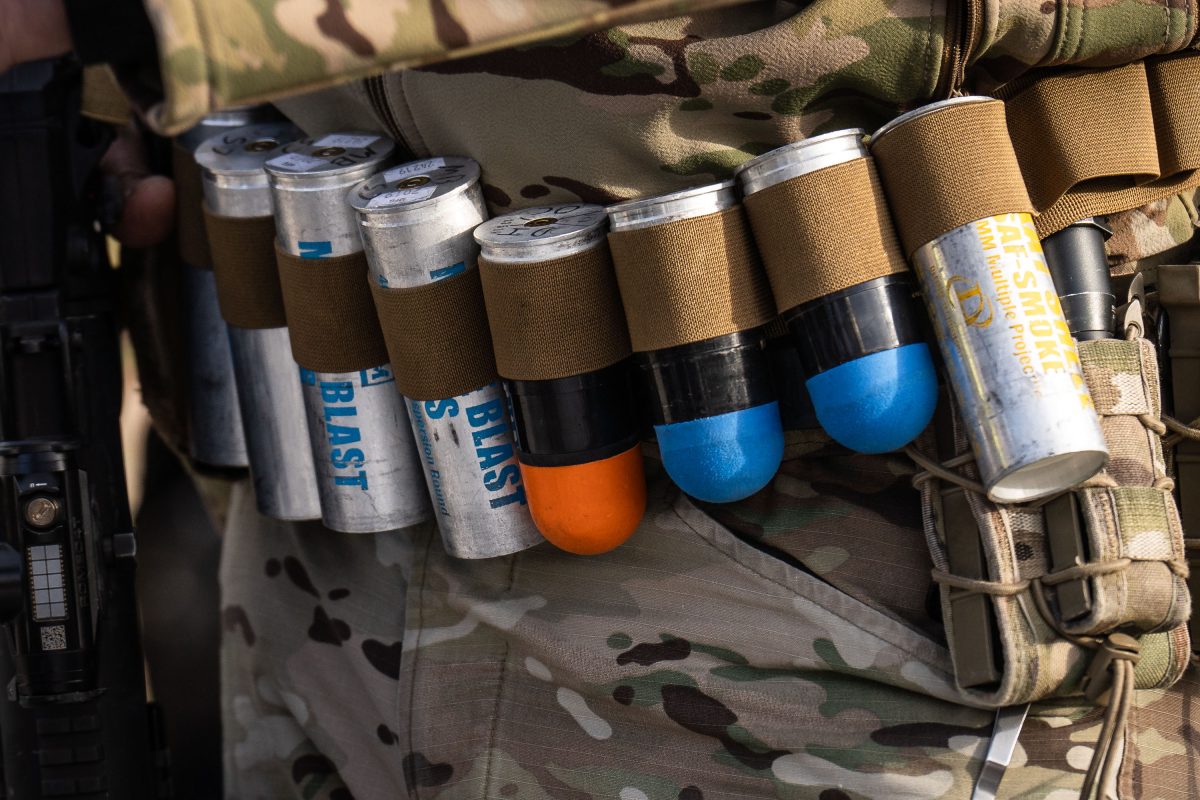
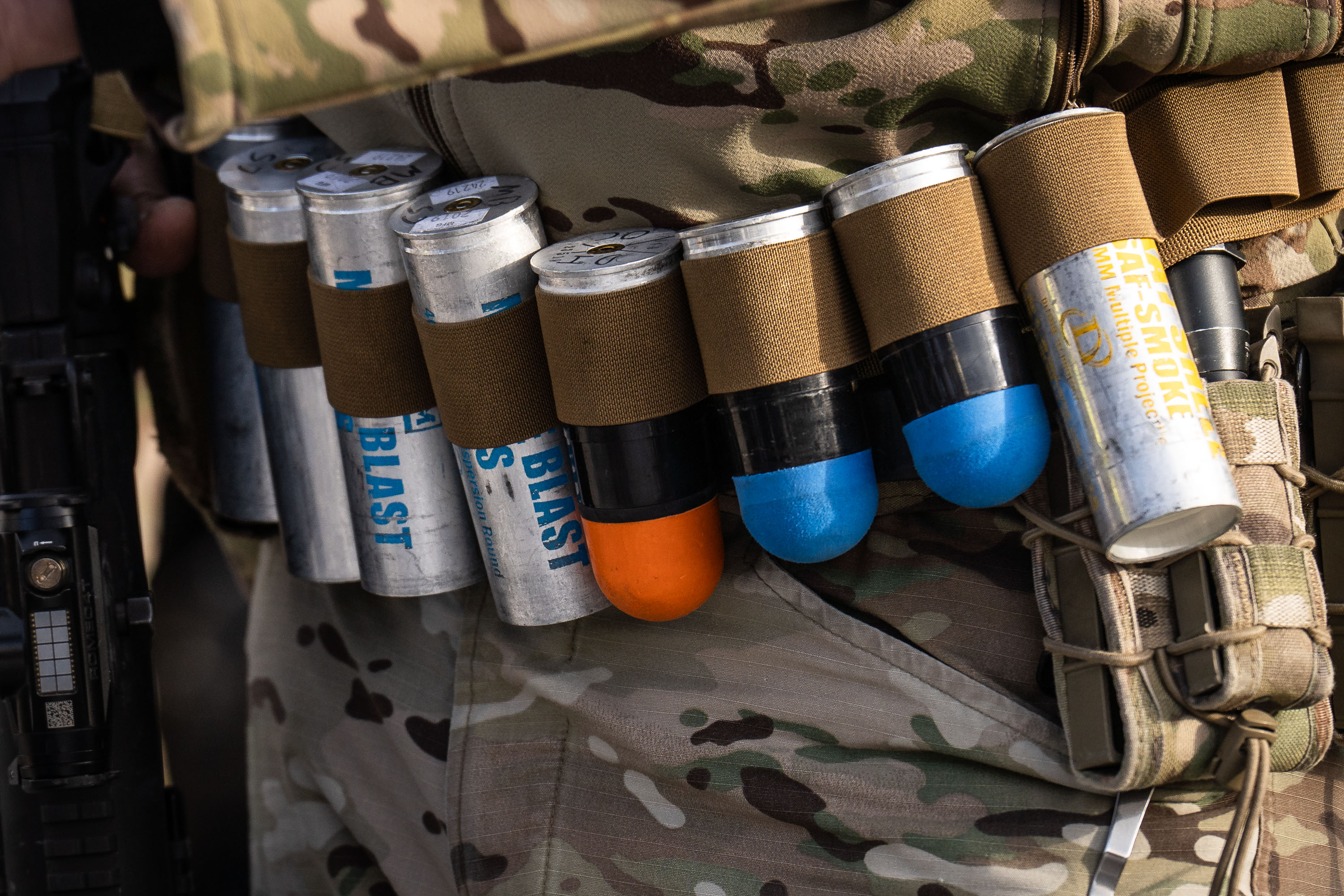
Defense Technologhy rounds used by federal agents in Minneapolis
Federal agent with 40mm less lethal rounds and canisters on his waist band. The canisters from Defense Technology are SUPER BLAST — Diversion Round flash bang and a Military Style SAF-SMOKE white smoke round.

Defense Technologhy rounds used by federal agents in Minneapolis

Protesters in Minneapolis hold a sign demanding the arrest of an ICE agent for the killing of Renee Good.
Protesters gathered in Minneapolis on January 7, 2026, to protest the killing of observer Renee Good by an Immigration and Customs Enforcement (ICE) agent. The killing, which occurred during Operation Metro Surge, occurred earlier in the day on Portland Avenue in South Minneapolis. On January 7, 2026, 37-year-old Renée Nicole Good was fatally shot by an Immigration and Customs Enforcement agent during a federal immigration enforcement operation in south Minneapolis. Video recorded by bystanders showed Good attempting to drive away as agents surrounded her vehicle before an ICE agent fired multiple shots into the SUV. Federal officials claimed the shooting was justified because the agent feared being struck by the vehicle, while witnesses, local officials, and independent video analyses questioned that account and called for further investigation. Good, a Minneapolis resident, and community advocate, was remembered by family and supporters as compassionate and deeply involved in supporting immigrant communities. Her death sparked large protests across Minneapolis and intensified national debate over immigration enforcement, the use of federal agents in local operations, and the expanding role of ICE under the Trump administration. The ICE agent that shot Renee Good has been identified as Jonathan Ross of Chaska, Minnesota.

“Arrest This Murderer” Sign at Renée Good Protest March, Minneapolis

A protest sign reading "No More MN (N)ice" is displayed at a vigil for Renee Good in Minneapolis.
A protest sign reading "No More MN (N)ice" is displayed at a vigil for Renee Good in Minneapolis. Good was killed by an Immigration and Customs Enforcement (ICE) agent earlier on the day. On January 7, 2026, 37-year-old Renée Nicole Good was fatally shot by an Immigration and Customs Enforcement agent during a federal immigration enforcement operation in south Minneapolis. Video recorded by bystanders showed Good attempting to drive away as agents surrounded her vehicle before an ICE agent fired multiple shots into the SUV. Federal officials claimed the shooting was justified because the agent feared being struck by the vehicle, while witnesses, local officials, and independent video analyses questioned that account and called for further investigation. Good, a Minneapolis resident, and community advocate, was remembered by family and supporters as compassionate and deeply involved in supporting immigrant communities. Her death sparked large protests across Minneapolis and intensified national debate over immigration enforcement, the use of federal agents in local operations, and the expanding role of ICE under the Trump administration. The ICE agent that shot Renee Good has been identified as Jonathan Ross of Chaska, Minnesota.

“No More MN (N)ice” Heart Sign at Renée Good Vigil

Protesters gather in South Minneapolis holding signs against ICE following the death of Renee Good.
A vigil was held in South Minneapolis to honor Renee Good, who was killed by an Immigration and Customs Enforcement (ICE) agent. Attendees held signs with messages such as "Killer ICE Off Our Streets" and "ICE Out of Minnesota," expressing grief and anger over Good's death and broader concerns about immigration enforcement. On January 7, 2026, 37-year-old Renée Nicole Good was fatally shot by an Immigration and Customs Enforcement agent during a federal immigration enforcement operation in south Minneapolis. Video recorded by bystanders showed Good attempting to drive away as agents surrounded her vehicle before an ICE agent fired multiple shots into the SUV. Federal officials claimed the shooting was justified because the agent feared being struck by the vehicle, while witnesses, local officials, and independent video analyses questioned that account and called for further investigation. Good, a Minneapolis resident, and community advocate, was remembered by family and supporters as compassionate and deeply involved in supporting immigrant communities. Her death sparked large protests across Minneapolis and intensified national debate over immigration enforcement, the use of federal agents in local operations, and the expanding role of ICE under the Trump administration. The ICE agent that shot Renee Good has been identified as Jonathan Ross of Chaska, Minnesota.

Evening Vigil for Renée Good in South Minneapolis

Observer films an ICE agent on snowy Portland Avenue in South Minneapolis following a fatal shooting on January 7, 2026.
An observer films an ICE agent shortly after another ICE agent shot and killed Renee Good on Portland Avenue in South Minneapolis. On January 7, 2026, 37-year-old Renée Nicole Good was fatally shot by an Immigration and Customs Enforcement agent during a federal immigration enforcement operation in south Minneapolis. Video recorded by bystanders showed Good attempting to drive away as agents surrounded her vehicle before an ICE agent fired multiple shots into the SUV. Federal officials claimed the shooting was justified because the agent feared being struck by the vehicle, while witnesses, local officials, and independent video analyses questioned that account and called for further investigation. Good, a Minneapolis resident, and community advocate, was remembered by family and supporters as compassionate and deeply involved in supporting immigrant communities. Her death sparked large protests across Minneapolis and intensified national debate over immigration enforcement, the use of federal agents in local operations, and the expanding role of ICE under the Trump administration. The ICE agent that shot Renee Good has been identified as Jonathan Ross of Chaska, Minnesota.

Bystander Films Tactical Agent Near Renee Good Shooting Site

U.S. Border Patrol Chief Gregory Bovino in tactical gear at the Renee Good scene.
U.S. Border Patrol Chief Gregory Bovino is pictured in Minneapolis following the shooting death of Renee Good on .January 7, 2026. On January 7, 2026, 37-year-old Renée Nicole Good was fatally shot by an Immigration and Customs Enforcement agent during a federal immigration enforcement operation in south Minneapolis. Video recorded by bystanders showed Good attempting to drive away as agents surrounded her vehicle before an ICE agent fired multiple shots into the SUV. Federal officials claimed the shooting was justified because the agent feared being struck by the vehicle, while witnesses, local officials, and independent video analyses questioned that account and called for further investigation. Good, a Minneapolis resident, and community advocate, was remembered by family and supporters as compassionate and deeply involved in supporting immigrant communities. Her death sparked large protests across Minneapolis and intensified national debate over immigration enforcement, the use of federal agents in local operations, and the expanding role of ICE under the Trump administration. The ICE agent that shot Renee Good has been identified as Jonathan Ross of Chaska, Minnesota.

Gregory Bovino Amid Federal Agents After Renee Good is Killed

U.S. Border Patrol Chief Greg Bovino stands in tactical gear after Renee Good is killed.
Greg Bovino, chief of the U.S. Border Patrol’s El Centro Sector, stands with federal agents in south Minneapolis on January 7, 2026 following the shooting death of Renee Good. On January 7, 2026, 37-year-old Renée Nicole Good was fatally shot by an Immigration and Customs Enforcement agent during a federal immigration enforcement operation in south Minneapolis. Video recorded by bystanders showed Good attempting to drive away as agents surrounded her vehicle before an ICE agent fired multiple shots into the SUV. Federal officials claimed the shooting was justified because the agent feared being struck by the vehicle, while witnesses, local officials, and independent video analyses questioned that account and called for further investigation. Good, a Minneapolis resident, and community advocate, was remembered by family and supporters as compassionate and deeply involved in supporting immigrant communities. Her death sparked large protests across Minneapolis and intensified national debate over immigration enforcement, the use of federal agents in local operations, and the expanding role of ICE under the Trump administration. The ICE agent that shot Renee Good has been identified as Jonathan Ross of Chaska, Minnesota.

Border Patrol Chief Greg Bovino Amid Agents in South Minneapolis

Armed ICE agents in tactical gear on Portland Avenue in South Minneapolis after Renee Good was killed.
An Immigration and Customs Enforcement (ICE) agent shot an observer at the intersection of Portland Avenue and 34th Street in South Minneapolis. On January 7, 2026, 37-year-old Renée Nicole Good was fatally shot by an Immigration and Customs Enforcement agent during a federal immigration enforcement operation in south Minneapolis. Video recorded by bystanders showed Good attempting to drive away as agents surrounded her vehicle before an ICE agent fired multiple shots into the SUV. Federal officials claimed the shooting was justified because the agent feared being struck by the vehicle, while witnesses, local officials, and independent video analyses questioned that account and called for further investigation. Good, a Minneapolis resident, and community advocate, was remembered by family and supporters as compassionate and deeply involved in supporting immigrant communities. Her death sparked large protests across Minneapolis and intensified national debate over immigration enforcement, the use of federal agents in local operations, and the expanding role of ICE under the Trump administration. The ICE agent that shot Renee Good has been identified as Jonathan Ross of Chaska, Minnesota.

Armed Federal Agents At Renee Good Scene

Armed ICE agents in tactical gear secure Portland Avenue and 34th Street in South Minneapolis after Renee Good was killed.
On Portland Avenue and 34th Street in South Minneapolis where Renee Good was shot and killed by an ICE agent. On January 7, 2026, 37-year-old Renée Nicole Good was fatally shot by an Immigration and Customs Enforcement agent during a federal immigration enforcement operation in south Minneapolis. Video recorded by bystanders showed Good attempting to drive away as agents surrounded her vehicle before an ICE agent fired multiple shots into the SUV. Federal officials claimed the shooting was justified because the agent feared being struck by the vehicle, while witnesses, local officials, and independent video analyses questioned that account and called for further investigation. Good, a Minneapolis resident, and community advocate, was remembered by family and supporters as compassionate and deeply involved in supporting immigrant communities. Her death sparked large protests across Minneapolis and intensified national debate over immigration enforcement, the use of federal agents in local operations, and the expanding role of ICE under the Trump administration. The ICE agent that shot Renee Good has been identified as Jonathan Ross of Chaska, Minnesota.

Tactical Officers Face Crowd Near Renée Good Shooting Site

ICE agents in tactical gear assemble on Portland Avenue in south Minneapolis following a fatal shooting on January 7, 2026.
On Portland Avenue and 34th Street in South Minneapolis where Renee Good was shot and killed by an ICE agent. On January 7, 2026, 37-year-old Renée Nicole Good was fatally shot by an Immigration and Customs Enforcement agent during a federal immigration enforcement operation in south Minneapolis. Video recorded by bystanders showed Good attempting to drive away as agents surrounded her vehicle before an ICE agent fired multiple shots into the SUV. Federal officials claimed the shooting was justified because the agent feared being struck by the vehicle, while witnesses, local officials, and independent video analyses questioned that account and called for further investigation. Good, a Minneapolis resident, and community advocate, was remembered by family and supporters as compassionate and deeply involved in supporting immigrant communities. Her death sparked large protests across Minneapolis and intensified national debate over immigration enforcement, the use of federal agents in local operations, and the expanding role of ICE under the Trump administration. The ICE agent that shot Renee Good has been identified as Jonathan Ross of Chaska, Minnesota.

Federal Agents Walk Down Portland Avenue, Minneapolis

BORTAC officer in tactical gear stands behind yellow police tape at Portland Avenue and 34th Street in south Minneapolis after Renee Good was killed.
Portland Avenue and 34th Street in South Minneapolis where City of Minneapolis officials have confirmed an ICE agent shot an observer. On January 7, 2026, 37-year-old Renée Nicole Good was fatally shot by an Immigration and Customs Enforcement agent during a federal immigration enforcement operation in south Minneapolis. Video recorded by bystanders showed Good attempting to drive away as agents surrounded her vehicle before an ICE agent fired multiple shots into the SUV. Federal officials claimed the shooting was justified because the agent feared being struck by the vehicle, while witnesses, local officials, and independent video analyses questioned that account and called for further investigation. Good, a Minneapolis resident, and community advocate, was remembered by family and supporters as compassionate and deeply involved in supporting immigrant communities. Her death sparked large protests across Minneapolis and intensified national debate over immigration enforcement, the use of federal agents in local operations, and the expanding role of ICE under the Trump administration. The ICE agent that shot Renee Good has been identified as Jonathan Ross of Chaska, Minnesota.

BORTAC Officer Amid Crowd at Renée Good Shooting Site

ICE agents assemble on Portland Avenue in Minneapolis following a fatal shooting on January 7, 2026.
Federal agents assemble along Portland Avenue in south Minneapolis on January 7, 2026 shortly after an ICE agent shot and killed American citizen Renee Good. On January 7, 2026, 37-year-old Renée Nicole Good was fatally shot by an Immigration and Customs Enforcement agent during a federal immigration enforcement operation in south Minneapolis. Video recorded by bystanders showed Good attempting to drive away as agents surrounded her vehicle before an ICE agent fired multiple shots into the SUV. Federal officials claimed the shooting was justified because the agent feared being struck by the vehicle, while witnesses, local officials, and independent video analyses questioned that account and called for further investigation. Good, a Minneapolis resident, and community advocate, was remembered by family and supporters as compassionate and deeply involved in supporting immigrant communities. Her death sparked large protests across Minneapolis and intensified national debate over immigration enforcement, the use of federal agents in local operations, and the expanding role of ICE under the Trump administration. The ICE agent that shot Renee Good has been identified as Jonathan Ross of Chaska, Minnesota.

Federal Agents Assemble on Portland Avenue After Renee Good Shooting

ICE agent in tactical gear stands by a vehicle on Portland Avenue in Minneapolis during Operation Metro Surge.
ICE agents and law enforcement vehicles are present at the intersection of Portland Avenue and 34th Street in South Minneapolis shortly after the shooting death of observer Renee Good. On January 7, 2026, 37-year-old Renée Nicole Good was fatally shot by an Immigration and Customs Enforcement agent during a federal immigration enforcement operation in south Minneapolis. Video recorded by bystanders showed Good attempting to drive away as agents surrounded her vehicle before an ICE agent fired multiple shots into the SUV. Federal officials claimed the shooting was justified because the agent feared being struck by the vehicle, while witnesses, local officials, and independent video analyses questioned that account and called for further investigation. Good, a Minneapolis resident, and community advocate, was remembered by family and supporters as compassionate and deeply involved in supporting immigrant communities. Her death sparked large protests across Minneapolis and intensified national debate over immigration enforcement, the use of federal agents in local operations, and the expanding role of ICE under the Trump administration. The ICE agent that shot Renee Good has been identified as Jonathan Ross of Chaska, Minnesota.

Tactical Officer Exits Vehicle on Portland Avenue, Minneapolis

ICE agent in tactical gear stands at a law enforcement vehicle on a snow-covered Minneapolis street.
ICE agents and law enforcement vehicles are present at the intersection of Portland Avenue and 34th Street in South Minneapolis shortly after the shooting death of observer Renee Good. On January 7, 2026, 37-year-old Renée Nicole Good was fatally shot by an Immigration and Customs Enforcement agent during a federal immigration enforcement operation in south Minneapolis. Video recorded by bystanders showed Good attempting to drive away as agents surrounded her vehicle before an ICE agent fired multiple shots into the SUV. Federal officials claimed the shooting was justified because the agent feared being struck by the vehicle, while witnesses, local officials, and independent video analyses questioned that account and called for further investigation. Good, a Minneapolis resident, and community advocate, was remembered by family and supporters as compassionate and deeply involved in supporting immigrant communities. Her death sparked large protests across Minneapolis and intensified national debate over immigration enforcement, the use of federal agents in local operations, and the expanding role of ICE under the Trump administration. The ICE agent that shot Renee Good has been identified as Jonathan Ross of Chaska, Minnesota.

Federal Agent Exits Vehicle Near Renee Good Scene

Minneapolis police put up crime scene tape on Portland Avenue, where Renee Good was killed.
Portland Avenue and 34th Street in South Minneapolis where City of Minneapolis officials have confirmed an ICE agent shot an observer. On January 7, 2026, 37-year-old Renée Nicole Good was fatally shot by an Immigration and Customs Enforcement agent during a federal immigration enforcement operation in south Minneapolis. Video recorded by bystanders showed Good attempting to drive away as agents surrounded her vehicle before an ICE agent fired multiple shots into the SUV. Federal officials claimed the shooting was justified because the agent feared being struck by the vehicle, while witnesses, local officials, and independent video analyses questioned that account and called for further investigation. Good, a Minneapolis resident, and community advocate, was remembered by family and supporters as compassionate and deeply involved in supporting immigrant communities. Her death sparked large protests across Minneapolis and intensified national debate over immigration enforcement, the use of federal agents in local operations, and the expanding role of ICE under the Trump administration. The ICE agent that shot Renee Good has been identified as Jonathan Ross of Chaska, Minnesota.

Police Secure Portland Avenue Crime Tape After Renée Good Shooting

Minneapolis residents reflected in the sun glasses of a Border Patrol officer.
Portland Avenue and 34th Street in South Minneapolis where City of Minneapolis officials have confirmed an ICE agent shot an observer. On January 7, 2026, 37-year-old Renée Nicole Good was fatally shot by an Immigration and Customs Enforcement agent during a federal immigration enforcement operation in south Minneapolis. Video recorded by bystanders showed Good attempting to drive away as agents surrounded her vehicle before an ICE agent fired multiple shots into the SUV. Federal officials claimed the shooting was justified because the agent feared being struck by the vehicle, while witnesses, local officials, and independent video analyses questioned that account and called for further investigation. Good, a Minneapolis resident, and community advocate, was remembered by family and supporters as compassionate and deeply involved in supporting immigrant communities. Her death sparked large protests across Minneapolis and intensified national debate over immigration enforcement, the use of federal agents in local operations, and the expanding role of ICE under the Trump administration. The ICE agent that shot Renee Good has been identified as Jonathan Ross of Chaska, Minnesota.

Crowd Reflected in a Border Patrol Officer’s Sunglasses, Minneapolis

Armed ICE agents in tactical gear after Renee Good killing.
Portland Avenue and 34th Street in South Minneapolis where City of Minneapolis officials have confirmed an ICE agent shot an observer. On January 7, 2026, 37-year-old Renée Nicole Good was fatally shot by an Immigration and Customs Enforcement agent during a federal immigration enforcement operation in south Minneapolis. Video recorded by bystanders showed Good attempting to drive away as agents surrounded her vehicle before an ICE agent fired multiple shots into the SUV. Federal officials claimed the shooting was justified because the agent feared being struck by the vehicle, while witnesses, local officials, and independent video analyses questioned that account and called for further investigation. Good, a Minneapolis resident, and community advocate, was remembered by family and supporters as compassionate and deeply involved in supporting immigrant communities. Her death sparked large protests across Minneapolis and intensified national debate over immigration enforcement, the use of federal agents in local operations, and the expanding role of ICE under the Trump administration. The ICE agent that shot Renee Good has been identified as Jonathan Ross of Chaska, Minnesota.

ICE Officers Guard Renee Good Killing Scene

ICE agents and law enforcement vehicles at Portland Ave and 34th St, Minneapolis, during Operation Metro Surge.
ICE agents and law enforcement vehicles are present at the intersection of Portland Avenue and 34th Street in South Minneapolis shortly after the shooting death of observer Renee Good. On January 7, 2026, 37-year-old Renée Nicole Good was fatally shot by an Immigration and Customs Enforcement agent during a federal immigration enforcement operation in south Minneapolis. Video recorded by bystanders showed Good attempting to drive away as agents surrounded her vehicle before an ICE agent fired multiple shots into the SUV. Federal officials claimed the shooting was justified because the agent feared being struck by the vehicle, while witnesses, local officials, and independent video analyses questioned that account and called for further investigation. Good, a Minneapolis resident, and community advocate, was remembered by family and supporters as compassionate and deeply involved in supporting immigrant communities. Her death sparked large protests across Minneapolis and intensified national debate over immigration enforcement, the use of federal agents in local operations, and the expanding role of ICE under the Trump administration. The ICE agent that shot Renee Good has been identified as Jonathan Ross of Chaska, Minnesota.

Federal Agents Stage at Portland Ave and 34th St, Minneapolis

Graffiti reading "FUCK MPD FUCK ICE" on a barrier of former 3rd precinct after Renee Good was killed.
Graffiti reading "FUCK MPD FUCK ICE" is spray-painted on a concrete barrier surrounding the future Minneapolis Democracy Center. This follows the shooting death of Renee Good. On January 7, 2026, 37-year-old Renée Nicole Good was fatally shot by an Immigration and Customs Enforcement agent during a federal immigration enforcement operation in south Minneapolis. Video recorded by bystanders showed Good attempting to drive away as agents surrounded her vehicle before an ICE agent fired multiple shots into the SUV.

“Fuck MPD Fuck ICE” Graffiti at Minneapolis Democracy Center Site

Minneapolis Police Squad Car, Renee Good Crime Scene
A Minneapolis Police squad car at the scene of the Renee Good killing. On January 7, 2026, 37-year-old Renée Nicole Good was fatally shot by an Immigration and Customs Enforcement agent during a federal immigration enforcement operation in south Minneapolis. Video recorded by bystanders showed Good attempting to drive away as agents surrounded her vehicle before an ICE agent fired multiple shots into the SUV.

Tactical Agents Near Police SUV After Renee Good Shooting

ERO agents in Minneapolis after Renee Good shooting
Portland Avenue and 34th Street in South Minneapolis where City of Minneapolis officials have confirmed an ICE agent shot an observer. On January 7, 2026, 37-year-old Renée Nicole Good was fatally shot by an Immigration and Customs Enforcement agent during a federal immigration enforcement operation in south Minneapolis. Video recorded by bystanders showed Good attempting to drive away as agents surrounded her vehicle before an ICE agent fired multiple shots into the SUV.

ERO Agents Behind Police Tape Near Renée Good Shooting Site

Pink note on Modern Times window announcing closure after Renee Good was killed at 34th Street and Portland Avenue in Minneapolis.
A handwritten note posted on the window of Modern Times in Minneapolis announces the business's closure due to an observer being shot at 34th Street and Portland Avenue. The note refers to the killing of Renee Good by ICE agent Jonathan Good during Operation Metro Surge. On January 7, 2026, 37-year-old Renée Nicole Good was fatally shot by an Immigration and Customs Enforcement agent during a federal immigration enforcement operation in south Minneapolis. Video recorded by bystanders showed Good attempting to drive away as agents surrounded her vehicle before an ICE agent fired multiple shots into the SUV. Federal officials claimed the shooting was justified because the agent feared being struck by the vehicle, while witnesses, local officials, and independent video analyses questioned that account and called for further investigation. Good, a Minneapolis resident, and community advocate, was remembered by family and supporters as compassionate and deeply involved in supporting immigrant communities. Her death sparked large protests across Minneapolis and intensified national debate over immigration enforcement, the use of federal agents in local operations, and the expanding role of ICE under the Trump administration. The ICE agent that shot Renee Good has been identified as Jonathan Ross of Chaska, Minnesota.

“We Are Closing Today” Sign at Modern Times, Minneapolis
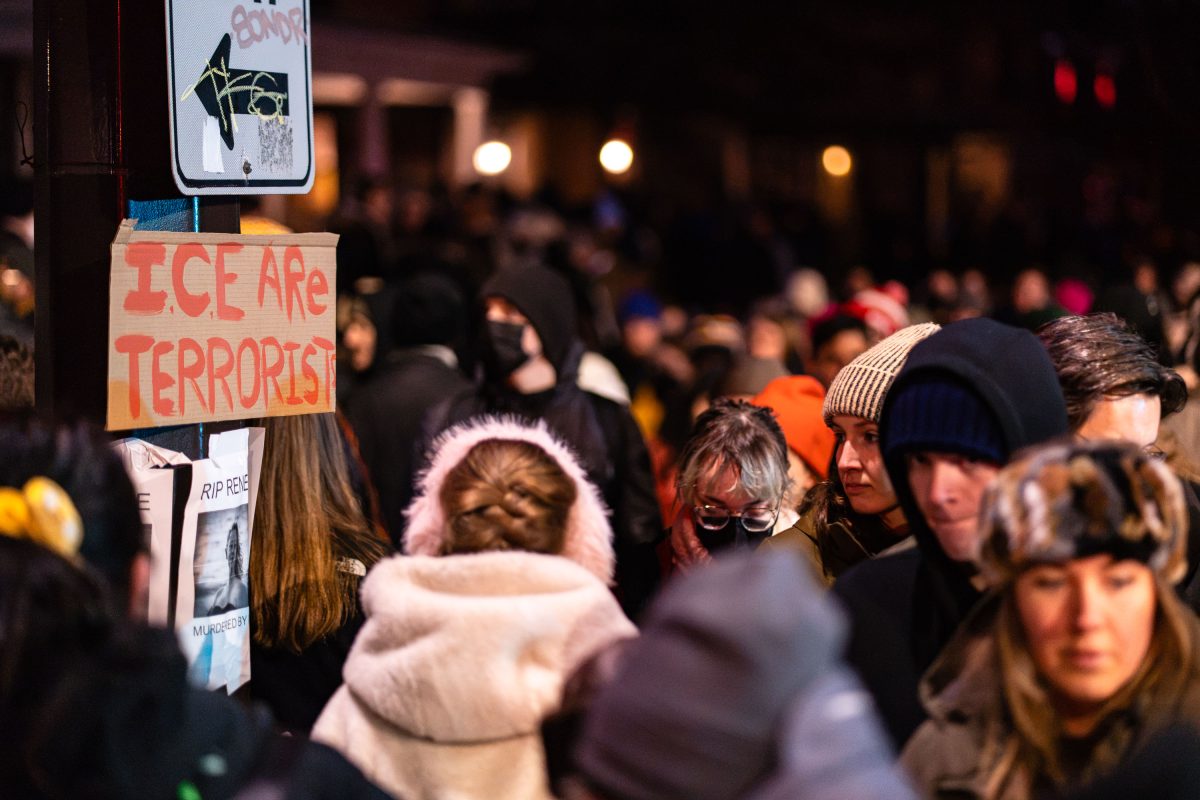
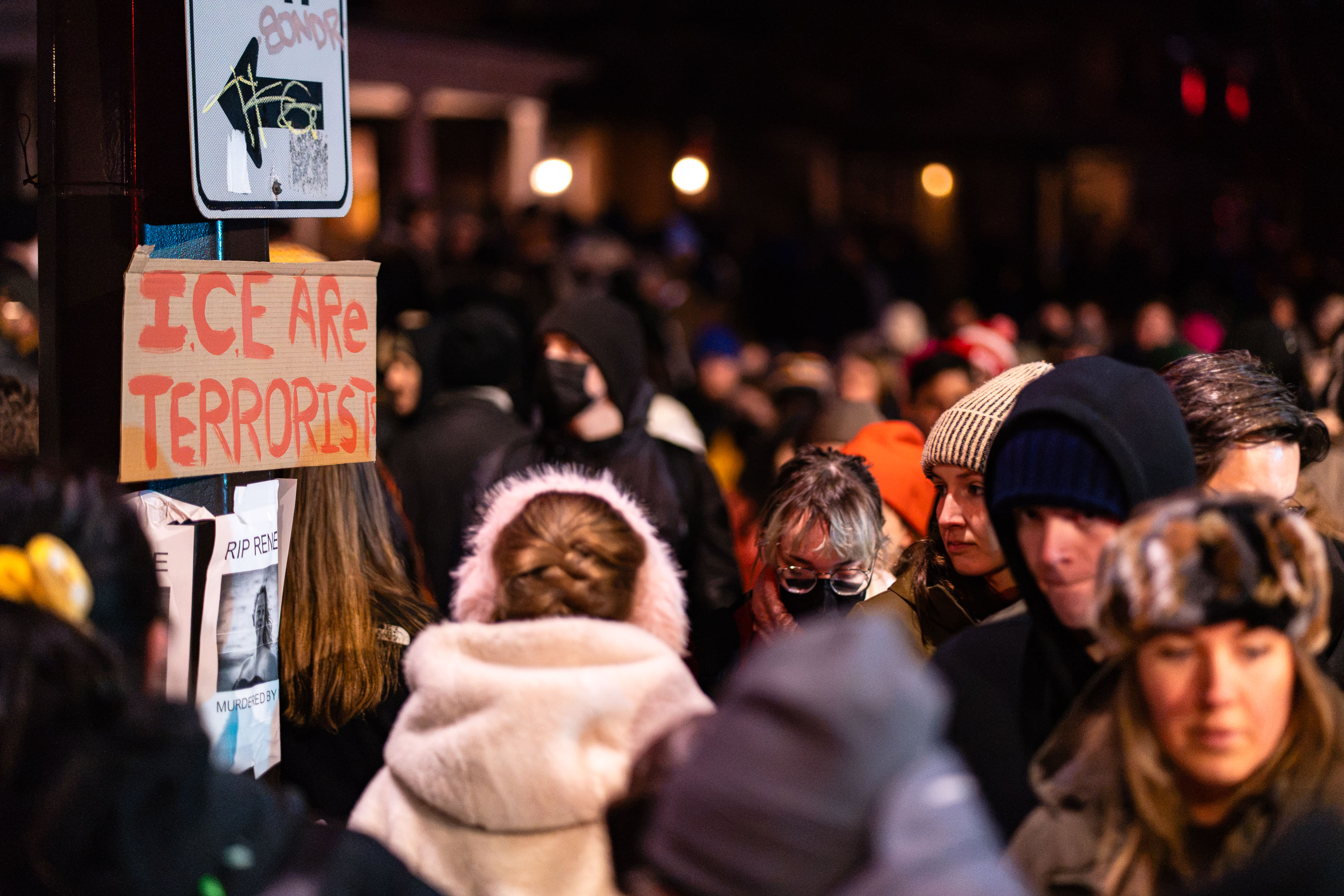
ICE ARE TERRORISTS Protest Sign, Renee Good Killing
Protesters outside where Renee Good was killed in Minneapolis. /good/

“ICE Are Terrorist” Sign at Renee Good Vigil in Minneapolis

Federal officer is followed by citizen after Renee Good killing.
Portland Avenue and 34th Street in South Minneapolis where City of Minneapolis officials have confirmed an ICE agent shot an observer. On January 7, 2026, 37-year-old Renée Nicole Good was fatally shot by an Immigration and Customs Enforcement agent during a federal immigration enforcement operation in south Minneapolis. Video recorded by bystanders showed Good attempting to drive away as agents surrounded her vehicle before an ICE agent fired multiple shots into the SUV. Federal officials claimed the shooting was justified because the agent feared being struck by the vehicle, while witnesses, local officials, and independent video analyses questioned that account and called for further investigation. Good, a Minneapolis resident, and community advocate, was remembered by family and supporters as compassionate and deeply involved in supporting immigrant communities. Her death sparked large protests across Minneapolis and intensified national debate over immigration enforcement, the use of federal agents in local operations, and the expanding role of ICE under the Trump administration. The ICE agent that shot Renee Good has been identified as Jonathan Ross of Chaska, Minnesota.

Federal Officer Secures Portland Avenue After Fatal ICE Shooting

Business storefront displays judicial warrant requirement sign and holiday decorations behind yellow security gates.
A sign posted on the exterior of a business in Minneapolis, Minnesota, states that a judicial warrant is required for entry into non-public areas. The signs appeared during Operation Metro Surge.

“We Accept EBT” and Judicial Warrant Signs on Minneapolis Storefront

Graffiti reading "Stop The Occupation" on a stop sign in South Minneapolis.
A stop sign in South Minneapolis bears the words “Stop the Occupation,” painted across its lower half. The paint first appeared on stop signs referring to the Palestinian occupation.

“Stop the Occupation” Painted on a Minneapolis Stop Sign

Signs on a Minneapolis business window state "No ICE or CBP Access" and "Everyone Is Welcome Here! Except I.C.E."
Signs posted on the front window of Monarca in Minneapolis, Minnesota, state that the business will not allow Immigration and Customs Enforcement or Customs and Border Protection agents to enter without a judicial warrant. The notices describe the premises as private property, say administrative warrants are not valid there, and add that “Everyone Is Welcome Here! Except I.C.E.” Photographed in late December 2025, the display identifies the restaurant’s policy toward federal immigration enforcement and asserts constitutional protections for people inside the business regardless of immigration status.

“No ICE or CBP Access” Signs in Minneapolis

A sign in Minneapolis, Minnesota, states "Federal Agents Not Permitted on Premises," requiring a warrant for entry.
A sign posted on a snowbank in Minneapolis, Minnesota, states that federal agents, including ICE, DEA, and ATF personnel, are not permitted on the property without a valid warrant. The notice placed in late December as thousands of federal agents arrived in Minneapolis.

“Federal Agents Not Permitted on Premises” Sign in Minneapolis

A Metro Transit bus passes a George Floyd mural at George Floyd Square in Minneapolis.
A Metro Transit Route 38G bus passes Unity Foods and a mural of George Floyd at George Floyd Square in Minneapolis. George Floyd Square, at the intersection of 38th Street and Chicago Avenue, became a memorial and organizing site after Floyd was murdered by Minneapolis police in May 2020.

Route 38G Bus Passes George Floyd Mural at Unity Foods

A sticker protesting ICE operations is affixed to a street pole in South Minneapolis.
An anti-ICE sticker is affixed to a street pole in South Minneapolis. The printed design combines an image of the Virgin Mary with the text “Hail Mary Full of Grace Kick I.C.E. Out of This Place,” using Catholic prayer language to oppose U.S. Immigration and Customs Enforcement. The sticker was photographed near George Floyd Square during a period of visible local resistance to federal immigration enforcement in Minneapolis.

“Kick I.C.E. Out of This Place” Sticker Near George Floyd Square

A snowman holding a protest sign reading "Love Thy Neighbor — Resist" stands in Powderhorn Park, Minneapolis.
A snowman holding a hand-lettered sign reading “Love Thy Neighbor Resist” during Operation Metro Surge.

Snowman Holds “Love Thy Neighbor Resist” Sign in Powderhorn Park

A banner reading "Neighbors Say ICE Out!" is displayed on Lake Street in Minneapolis.
A handmade “Neighbors Say ICE Out!” banner is posted along Lake Street in Minneapolis on December 27, 2025. The message expresses neighborhood opposition to U.S. Immigration and Customs Enforcement.

“Neighbors Say ICE Out!” Sign Along Lake Street Traffic

Shoppers browse perfumes at Karmel Mall in Minneapolis, a hub for the Somali community.
Shoppers browse perfumes and fragrances inside Karmel Mall in Minneapolis. The indoor market is a major commercial center for the city’s Somali community, with small retailers selling imported goods, clothing, food, and personal care products.

Browsing Perfume Shelves at Karmel Mall

A man in a frog costume fist bumps another man inside a barbershop in Minneapolis.
A man in an inflatable frog costume fist-bumps a barber inside a shop at Karmel Mall in Minneapolis during an anti-ICE march. The demonstration moved through the city on a cold day, beginning at Mercado Central and ending at Karmel Mall on Lake Street.

Frog Costume Fist Bump at a Karmel Mall Barbershop

Protestors at Hamdi Coffee in Minneapolis, marching to protest ICE actions.
Protesters gather inside Karmel Mall outside Hamdi Coffee in Minneapolis during an anti-ICE march on December 20. Karmel Mall is a major center for Somali-owned businesses in the city, and the protest was organized in response to immigration enforcement and rhetoric affecting Somali and other immigrant communities.

“Families Belong Together” Sign Inside Karmel Mall

Protesters gather inside Karmel Mall in Minneapolis during a march against ICE.
Following a large protest down Lake Street, the community filled the Karmel Mall to support businesses that have been impacted by immigration enforcement.

Crowded Interior of Karmel Mall During Lake Street Protest March

Protesters gather at Karmel Mall in Minneapolis to protest ICE policies.
Protesters enter the lobby of Karmel Mall in Minneapolis, Minnesota, during an anti-ICE march on December 20. The gathering was tied to opposition to U.S. Immigration and Customs Enforcement and to rhetoric aimed at the local Somali community, with marchers moving along Lake Street from Mercado Central to Karmel Mall.

Marchers Enter Karmel Mall’s Lobby During Anti-ICE Protest

Flags of the United States, Palestine, and Somalia fly at Karmel Mall in Minneapolis.
Flags of the United States, Palestine, and Somalia fly outside Karmel Mall on Lake Street in Minneapolis. The mall is a major shopping center and gathering place for the city’s Somali community.

American, Palestinian, and Somali Flags Outside Karmel Mall

Protesters at Karmel Mall in Minneapolis hold American and Somali flags during a demonstration against ICE.
Protesters gather outside Karmel Mall on Lake Street in Minneapolis during a demonstration against U.S. Immigration and Customs Enforcement.

American and Somali Flags Raised Outside Karmel Mall

American flag protest at Karmel Mall in Minneapolis.
Karmel Mall on East Lake Street in Minneapolis is shown behind traffic lights and directional signs, with an American flag in the foreground. The shopping center is a major commercial hub for the city’s Somali community.

American Flag Near Karmel Mall on Lake Street

Protesters at Karmel Mall in Minneapolis hold signs supporting immigrants and protesting ICE.
Protesters march near Karmel Mall on Lake Street at Pillsbury Avenue in south Minneapolis during a demonstration against Immigration and Customs Enforcement. Karmel Mall is a major commercial center for Minneapolis’s Somali community.

“Immigrants Make America Great” Sign Near Karmel Mall

Protesters in Minneapolis hold signs including “I.C.E. Naughty and Not Nice” during a winter march.
Protesters march on Lake Street in Minneapolis during a demonstration against U.S. Immigration and Customs Enforcement, with a holiday-themed sign reading “I.C.E. Naughty and Not Nice”.

“ICE Naughty and Not Nice” Sign at Lake Street Protest

Protesters in Minneapolis hold anti-ICE signs during a winter march.
Protesters march in Minneapolis during a demonstration against U.S. Immigration and Customs Enforcement, with handmade signs including “BURN ICE” and “IMMIGRANTS WELCOME” visible above the crowd.

“Immigrants Welcome” and “Burn ICE” Signs at Minneapolis Protest

Protesters hold signs on Lake Street in Minneapolis during a demonstration against ICE.
Protesters march on Lake Street in Minneapolis during a demonstration against U.S. Immigration and Customs Enforcement, with one participant holding a sign reading, “Stop traumatizing our students! Kids can’t learn in fear.” The protest took place during Operation Metro Surge, a period of increased ICE activity in the region.

“Kids Can’t Learn in Fear” Sign at Lake Street ICE Protest

Thousands protest ICE actions on Lake Street in Minneapolis, December 20, 2025.
Protesters march along Lake Street in south Minneapolis on December 20, 2025, during a protest and march against U.S. Immigration and Customs Enforcement. Signs reading “Immigrants Are Not the Problem,” “ICE Out,” and other anti-deportation messages.

Minneapolis Protest Against ICE on Lake Street, December 20, 2025

Protesters in Minneapolis hold signs opposing ICE during sub-zero temperatures.
A large protest and march on Lake Street in South Minneapolis with signs reading “Minnesotans Know ICE Is Slippery and Dangerous It’s Time to De-Ice!,” “ICE Out!,” and “No ICE".

“It’s Time to De-Ice” Sign at Minneapolis ICE Protest

Protester holds "ICE OUT MSP" sign at Minneapolis demonstration against Immigration and Customs Enforcement operations.
A protester in Minneapolis holds a sign reading “ICE OUT MSP” during a demonstration against U.S. Immigration and Customs Enforcement operations. Other bundled-up participants and protest signs are visible behind her, indicating the rally took place in very cold winter conditions.

“ICE Out MSP” Sign Raised at Winter Protest in Minneapolis

Protesters outside V & Lake St Station in Minneapolis hold signs reading "ICE OUT" during a rally.
Protesters gather outside V & Lake St Station in Minneapolis during a demonstration against U.S. Immigration and Customs Enforcement. Signs reading “ICE OUT” and other messages are visible in front of the station entrance, a major Metro Transit hub linking light rail and bus service on Lake Street. The protest took place during Operation Metro Surge, an ICE enforcement initiative, as participants assembled in below-freezing winter conditions.

“ICE Out” Sign Raised Outside V & Lake St Station in Minneapolis

A sign on a Minneapolis business reads "NO ICE ENTER WITHOUT COURT ORDER" and "STOP NO ICE ACCESS IN THIS BUSINESS."
A sign posted on a business in Minneapolis reads "NO ICE ENTER WITHOUT COURT ORDER." This notice, along with a "STOP NO ICE ACCESS IN THIS BUSINESS" sticker, indicates the business's stance on Immigration and Customs Enforcement (ICE) access.

“No ICE Enter Without Court Order” Sign at Karmel Mall

Notice at Karmel Mall on Lake Street warns of ICE presence.
A notice posted on the door of Karmel Mall on Lake Street in Minneapolis explains a whistle symbol used as a community warning about nearby Immigration and Customs Enforcement activity. The sign tells passersby that the whistle is meant to alert neighbors to stay aware and cautious when ICE is in the area, particularly when leaving the building.

Whistle Warning Sign for ICE Activity at Karmel Mall

Karmel Mall Entry Restrictions, Minneapolis
A notice on Karmel Mall in South Minneapolis regarding entry restrictions. "This property is private.No law enforcement officer, including Immigration and Customs Enforcement (ICE), may enter without presenting a valid judicial warrant signed by a judge."

“Judicial Warrant Required” Notice Posted at Karmel Mall

Posters advocating for Somali neighbors and immigrant rights are affixed to an electrical box on Hennepin Avenue in Minneapolis.
Posters supporting immigrant rights are attached to utility control boxes on Hennepin Avenue in Uptown Minneapolis. The messages during Operation Metro Surge read “Protect Our Somali Neighbors,” “Immigrants Are Not The Enemy,” and “Know Your Rights".

“Know Your Rights” Posters on Hennepin Avenue in Uptown Minneapolis

An ICE armored vehicle and law enforcement SUVs are on a snowy street in Burnsville, Minnesota.
A Roshel Senator armored vehicle, used by Immigration and Customs Enforcement (ICE), is shown alongside other law enforcement vehicles during an operation in Burnsville, Minnesota. This particular operation, part of "Operation Metro Surge," involved federal agents and was conducted in a residential area.

Armored Vehicle During ICE Operation in Burnsville

A person walks two dogs past a mural in Minneapolis during a snowfall.
A person walks two dogs past a colorful mural on a fence in South Minneapolis during a snowfall. The mural features the text "We who believe in freedom cannot rest until it comes," a quote often associated with civil rights and social justice movements.

Dog Walker Passes “We Who Believe in Freedom” Mural During Snowfall

A sign reading "We Love Our Somali Neighbors" is displayed at the Cedar Cultural Center in Minneapolis.
"We love our Somali neighbors" at The Cedar. The sign comes as the federal government prepares to increase immigration enforcement in Minneapolis.

Cedar Cultural Center: “We Love Our Somali Neighbors” Sign

Immigrant Power By Vision poster in Minneapolis
Posters promoting "Immigrant Power by Vision" and "Immigrant Power by Culture" are displayed on a shipping container on Lake Street in Minneapolis. The shipping containers are in a vacant lot at the corner of Chicago and Lake where art installations have occurred after buildings were destroyed following the murder of George Floyd.

“Immigrant Power” Posters at Chicago and Lake, Minneapolis

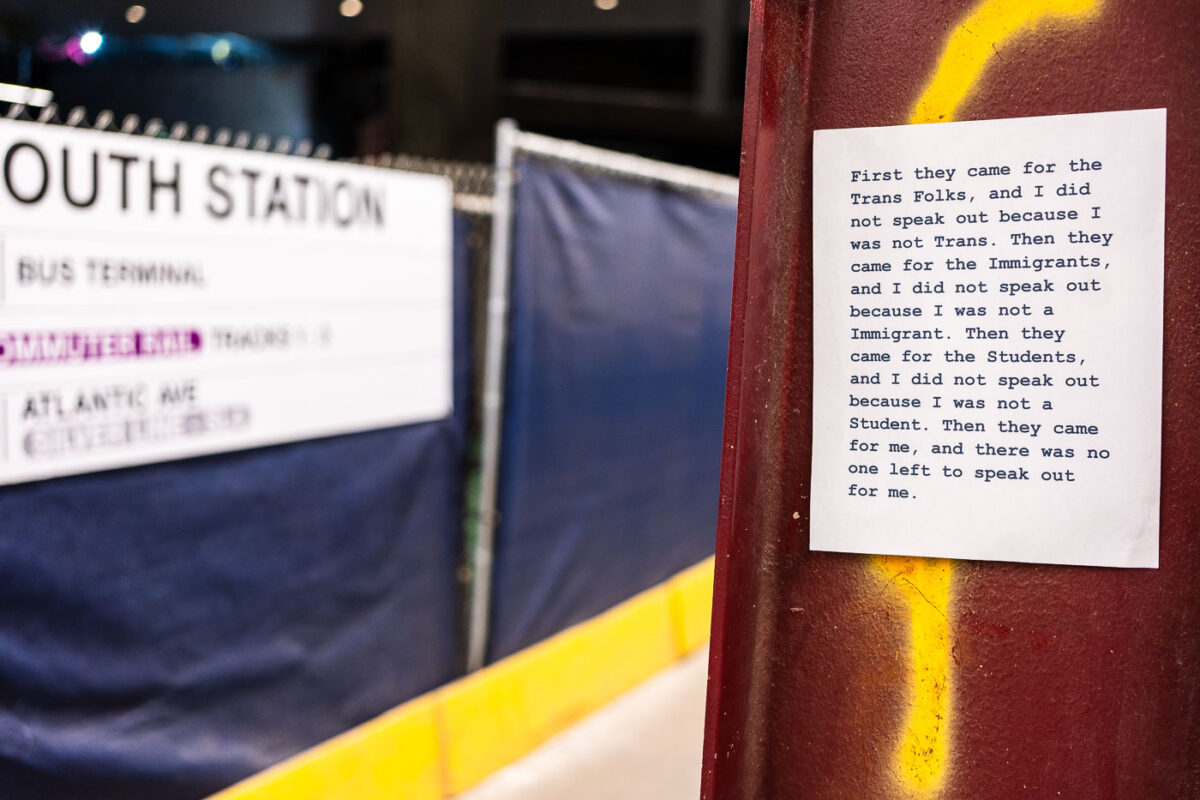
Posted protest message at South Station in Boston quoting anti-oppression text about marginalized communities.
South Station is Boston's primary intercity transportation hub, serving Amtrak, MBTA commuter rail, the Red Line, and Silver Line bus connections. A paper flyer posted near the terminal paraphrases Martin Niemöller's post-World War II confession about political complacency under Nazi rule, updating its list of targeted groups to trans people, immigrants, and students. The original quote is widely used in political and activist messaging to warn against staying silent as different groups are singled out one after another.

“First They Came for the Trans Folks” Flyer at South Station

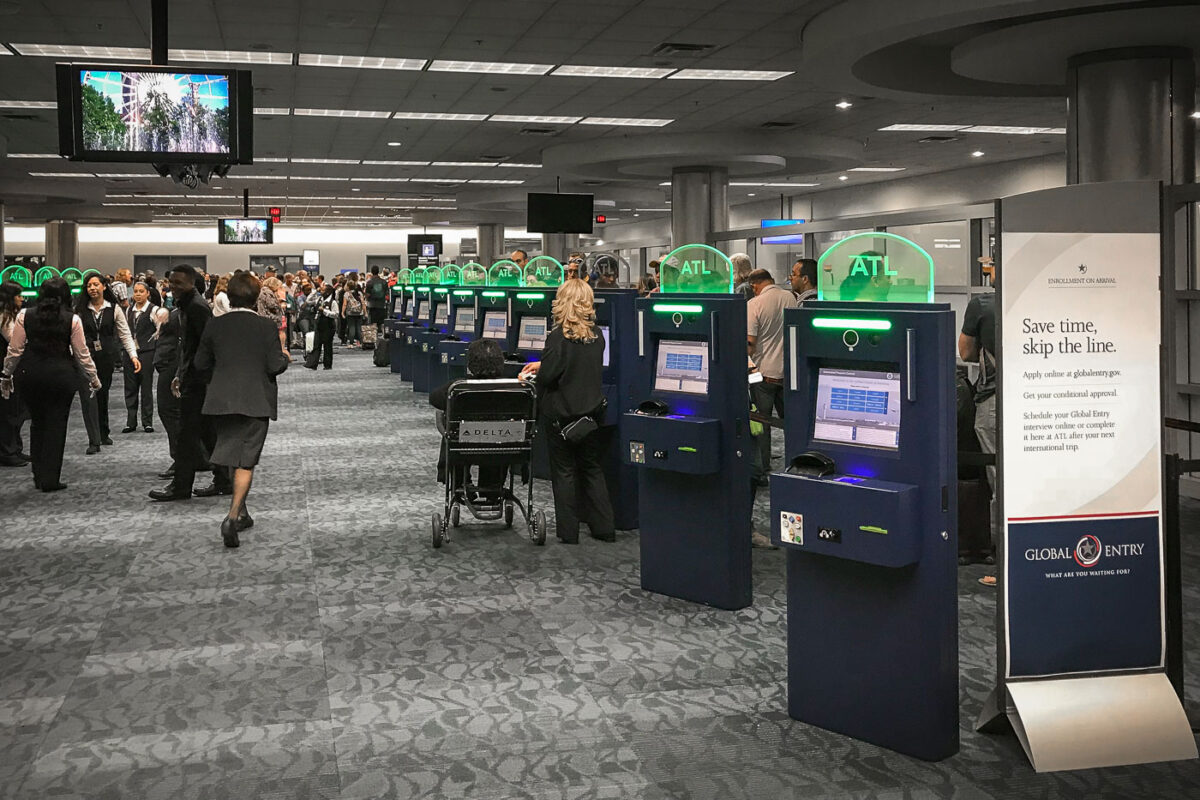
Travelers use green-lit Global Entry kiosks at Hartsfield-Jackson Atlanta International Airport.
These kiosks at Hartsfield-Jackson Atlanta International Airport process arriving international travelers enrolled in Global Entry, the U.S. Customs and Border Protection program for pre-approved low-risk travelers. Travelers in line scan their passports at the machines before a printed receipt sends them to a CBP officer for final review.

Global Entry Kiosks at Hartsfield-Jackson Atlanta Airport

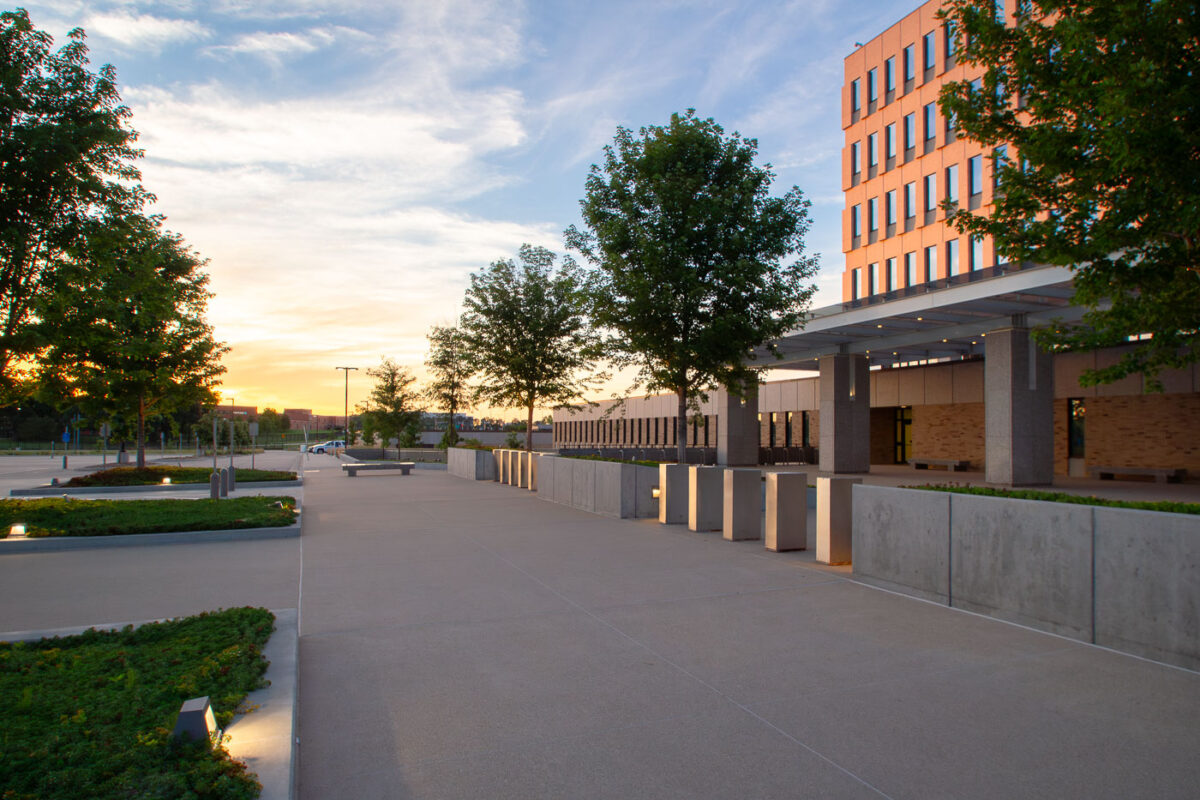
Bishop Henry Whipple Federal Building in Minneapolis at sunset.
The Bishop Henry Whipple Federal Building in Minneapolis houses the Immigration Court and other federal offices. The complex is a U.S. General Services Administration property used for administrative and judicial functions.

Bishop Henry Whipple Federal Building, Minneapolis

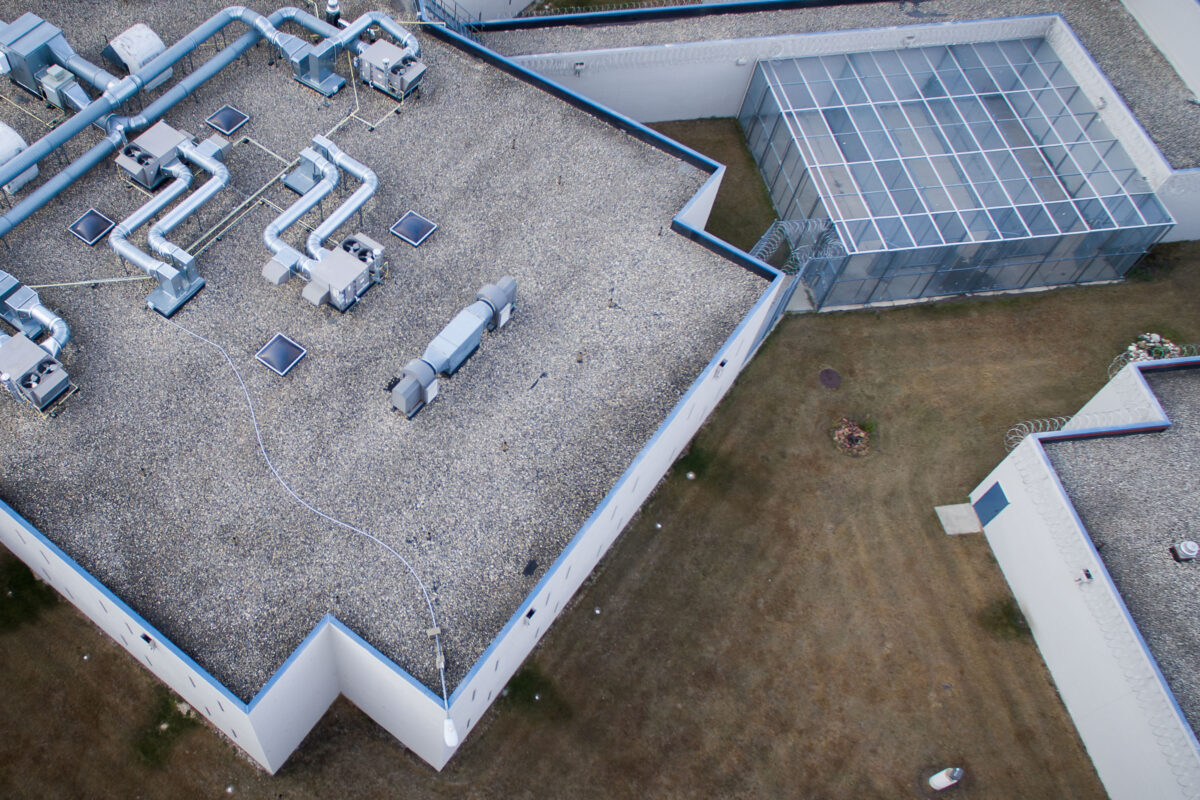
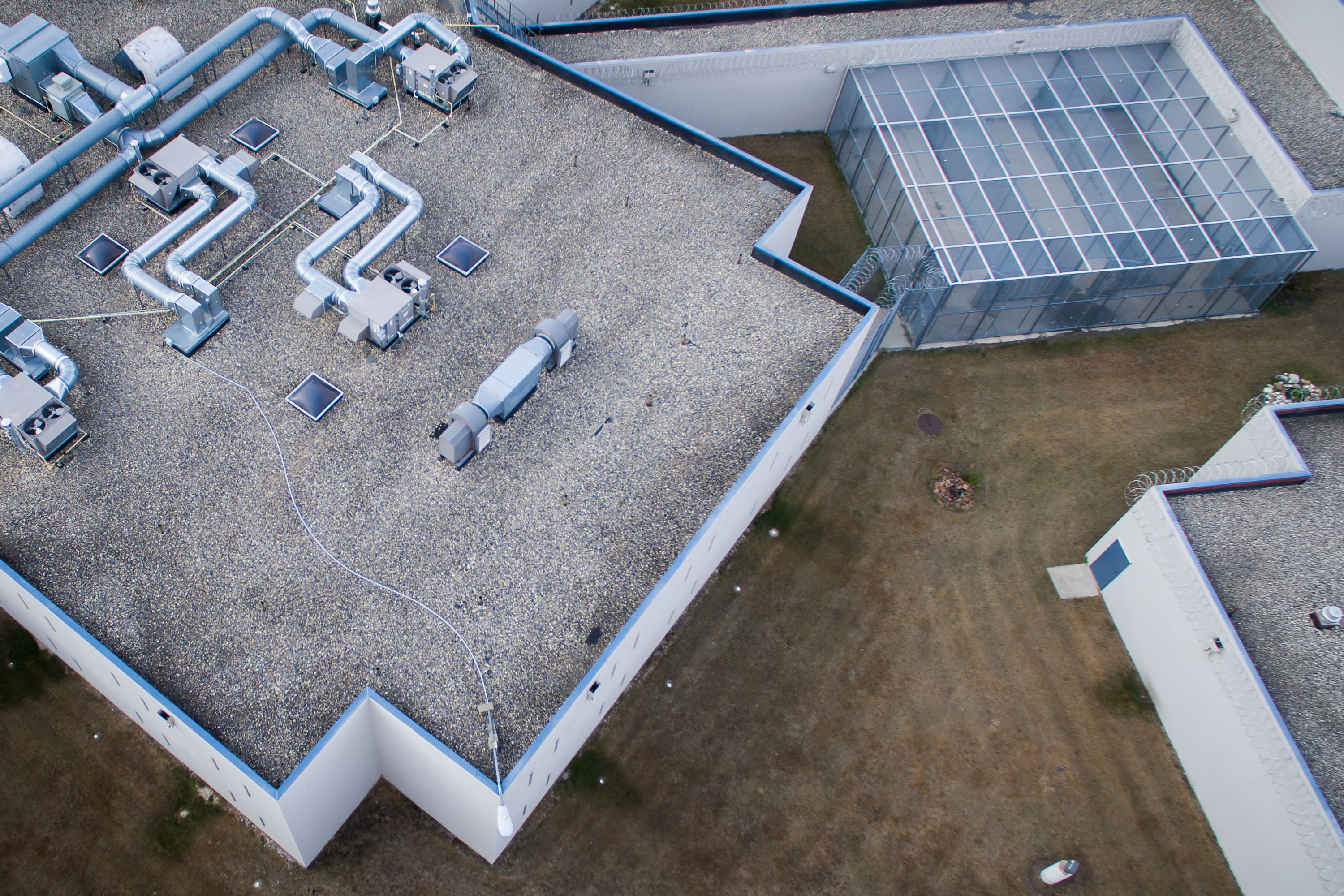
Aerial view of recreation yard at CoreCivic Prairie Correctional Facility in Appleton, Minnesota, showing HVAC equipment, solar
The CoreCivic Prairie Correctional Facility in Appleton, Minnesota. The 1,600-bed facility has been closed since 2010. It's being considered by the federal government for use as an Immigration and Customs Enforcement (ICE) detention center.

Aerial View of Rooftop HVAC Units at the Prairie Correctional Facility
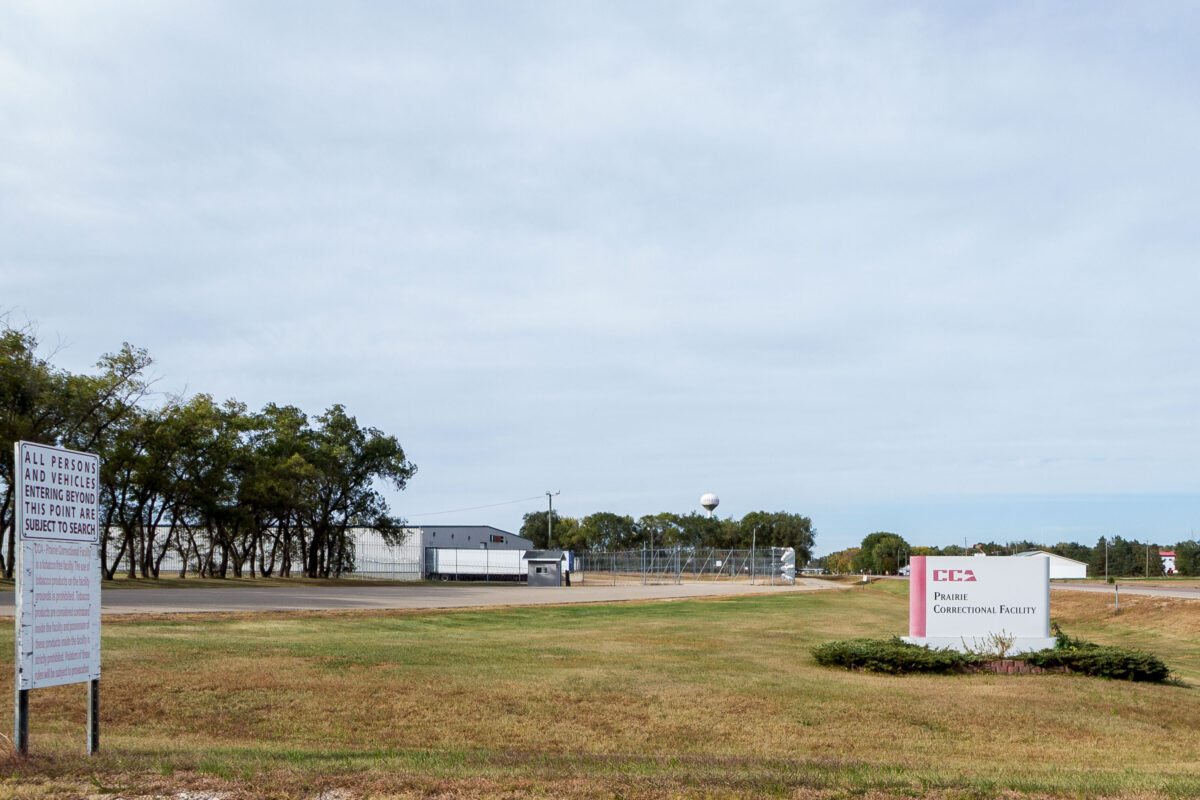
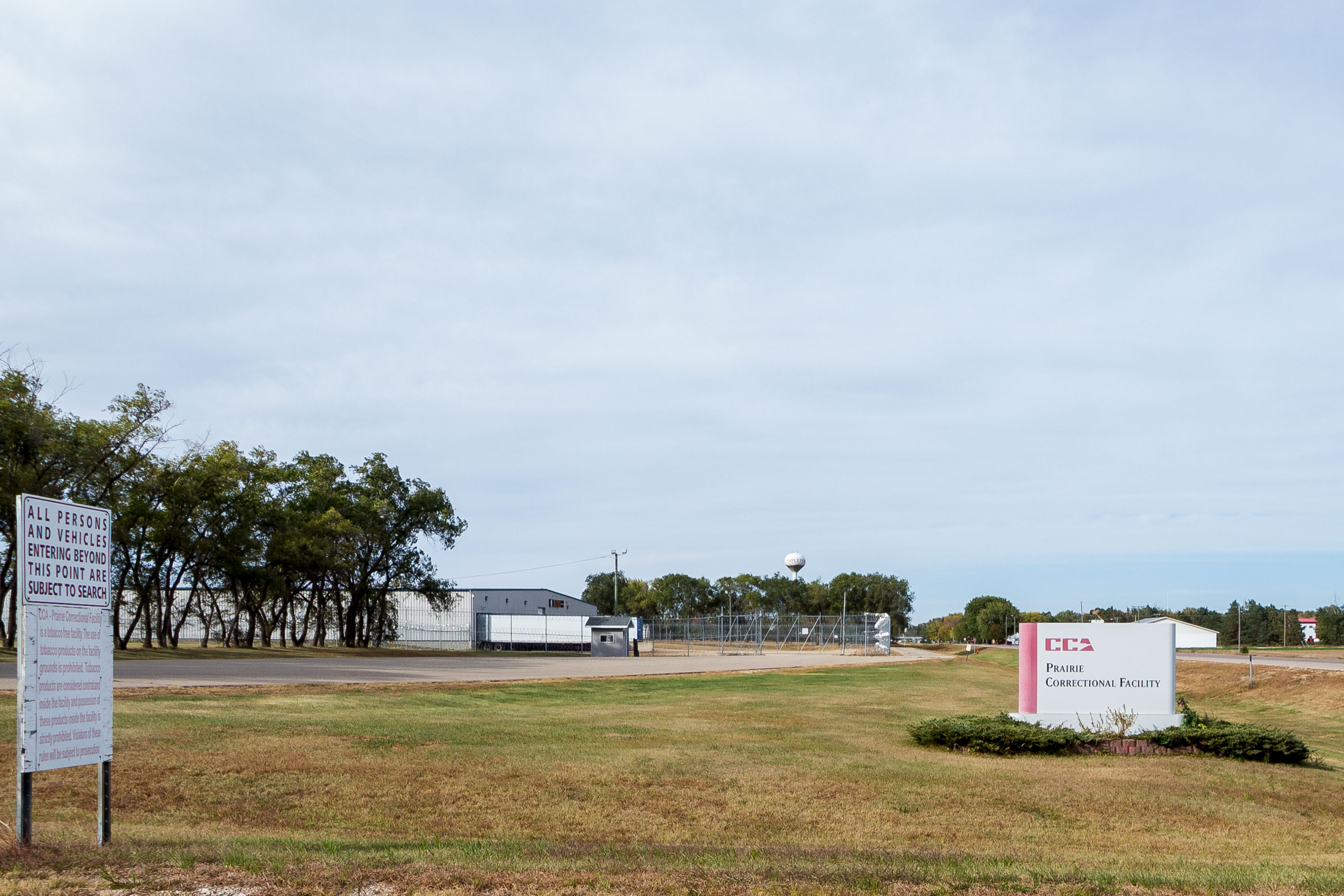
Prairie Correctional Facility entrance sign and grounds in Appleton, Minnesota.
The CoreCivic Prairie Correctional Facility in Appleton, Minnesota. The 1,600-bed facility has been closed since 2010. It's being considered by the federal government for use as an Immigration and Customs Enforcement (ICE) detention center.

Warning Sign Near the Prairie Correctional Facility Entrance
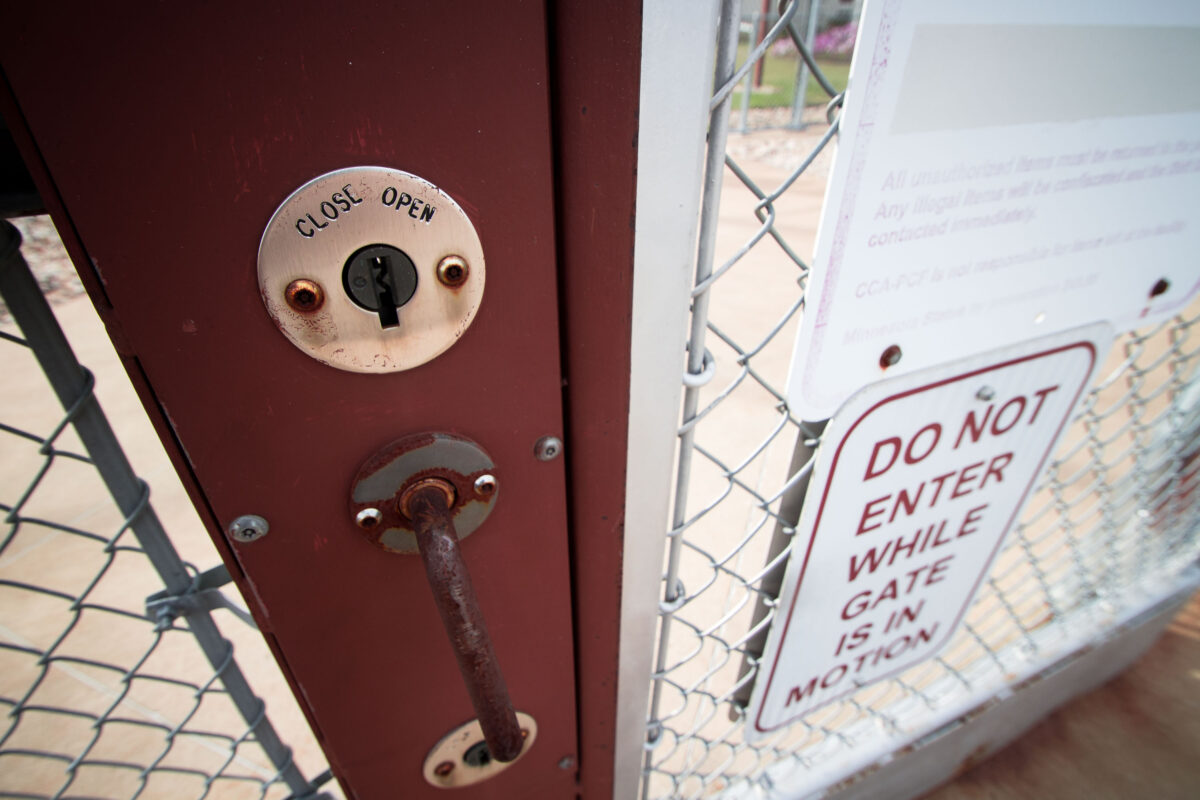
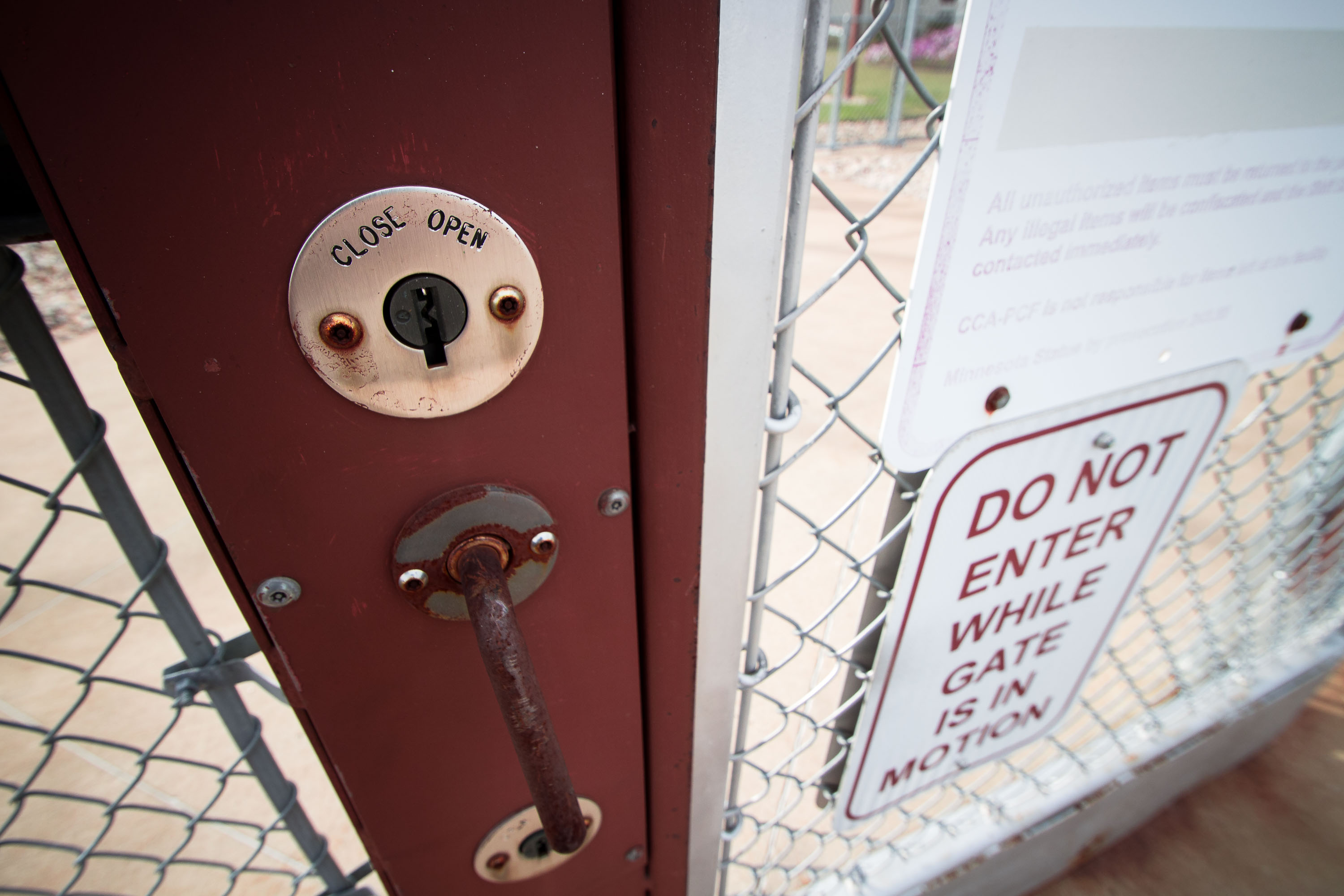
Close and open switch on burgundy metal gate at Prairie Correctional Facility in Appleton, Minnesota.
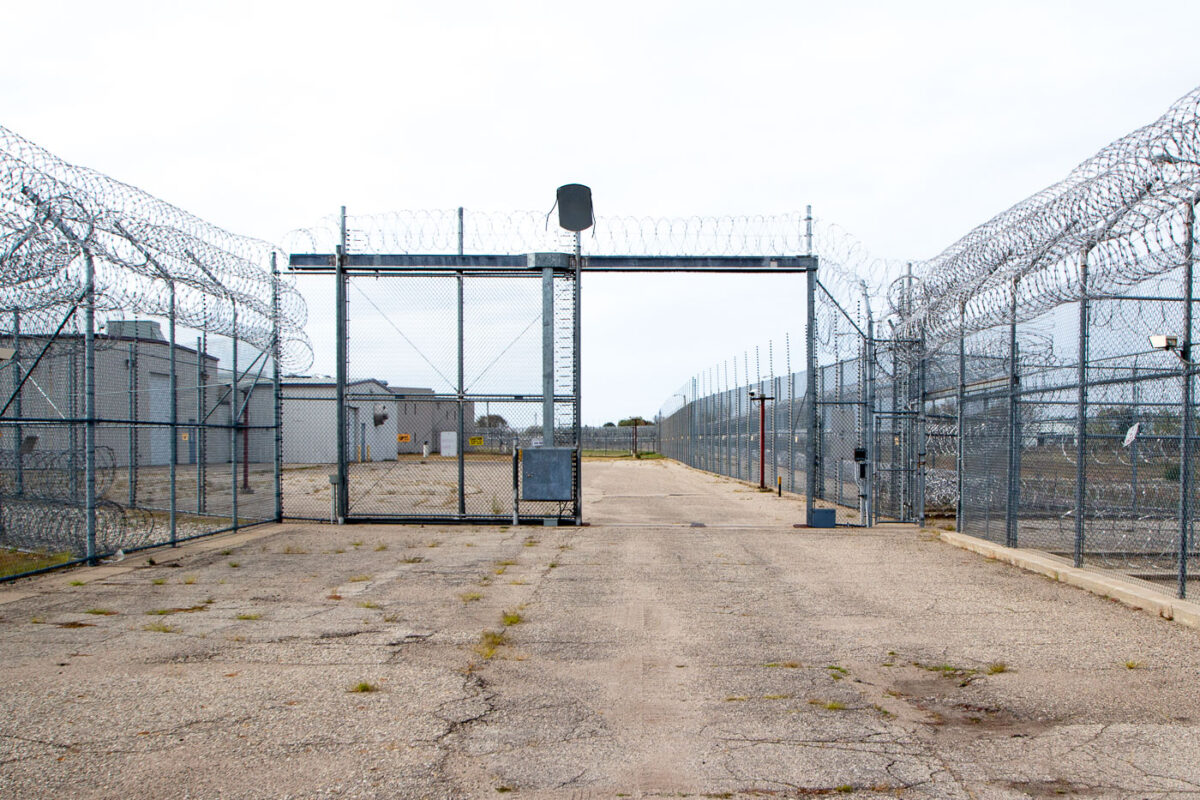
Razor wire and security fencing surround the Prairie Correctional Facility in Appleton, Minnesota. The 1,600-bed facility has been closed since 2010. It's being considered by the federal government for use as an Immigration and Customs Enforcement (ICE) detention center.

“Do Not Enter While Gate Is in Motion” Sign at Prairie Correctional Facility
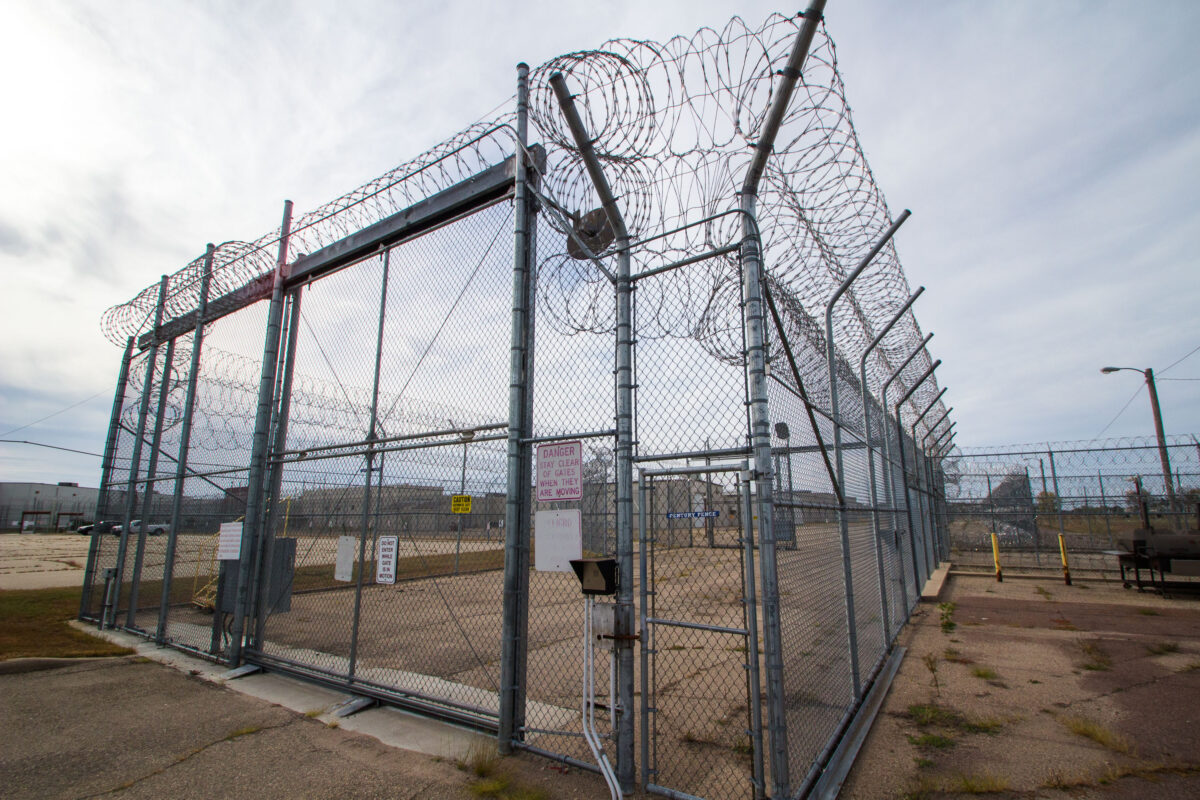
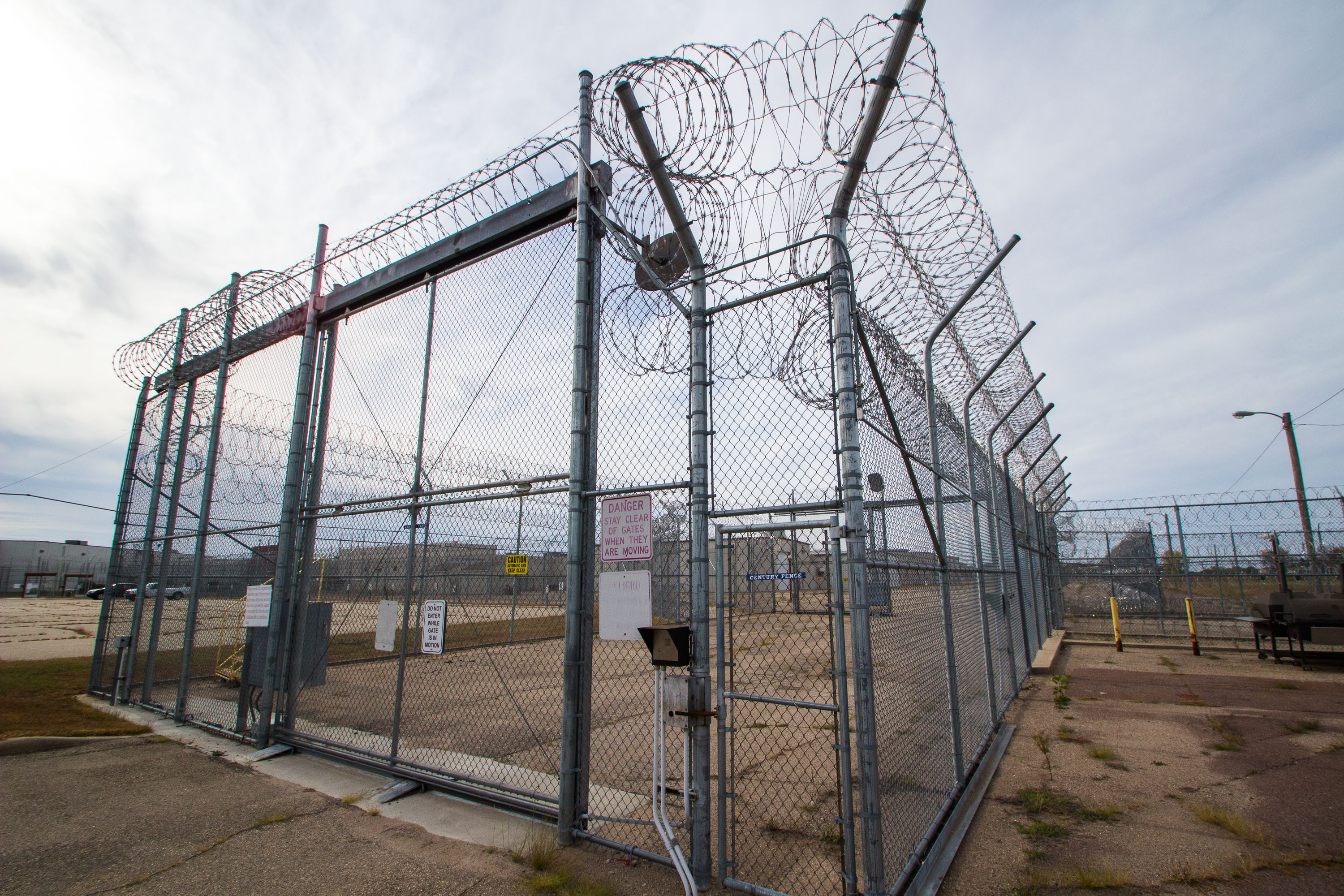
Razor wire and chain-link security fencing enclose the Prairie Correctional Facility in Appleton, Minnesota.
Razor wire and security fencing surround the Prairie Correctional Facility in Appleton, Minnesota. The 1,600-bed facility has been closed since 2010. It's being considered by the federal government for use as an Immigration and Customs Enforcement (ICE) detention center.

Razor Wire Fencing at the Prairie Correctional Facility in Appleton
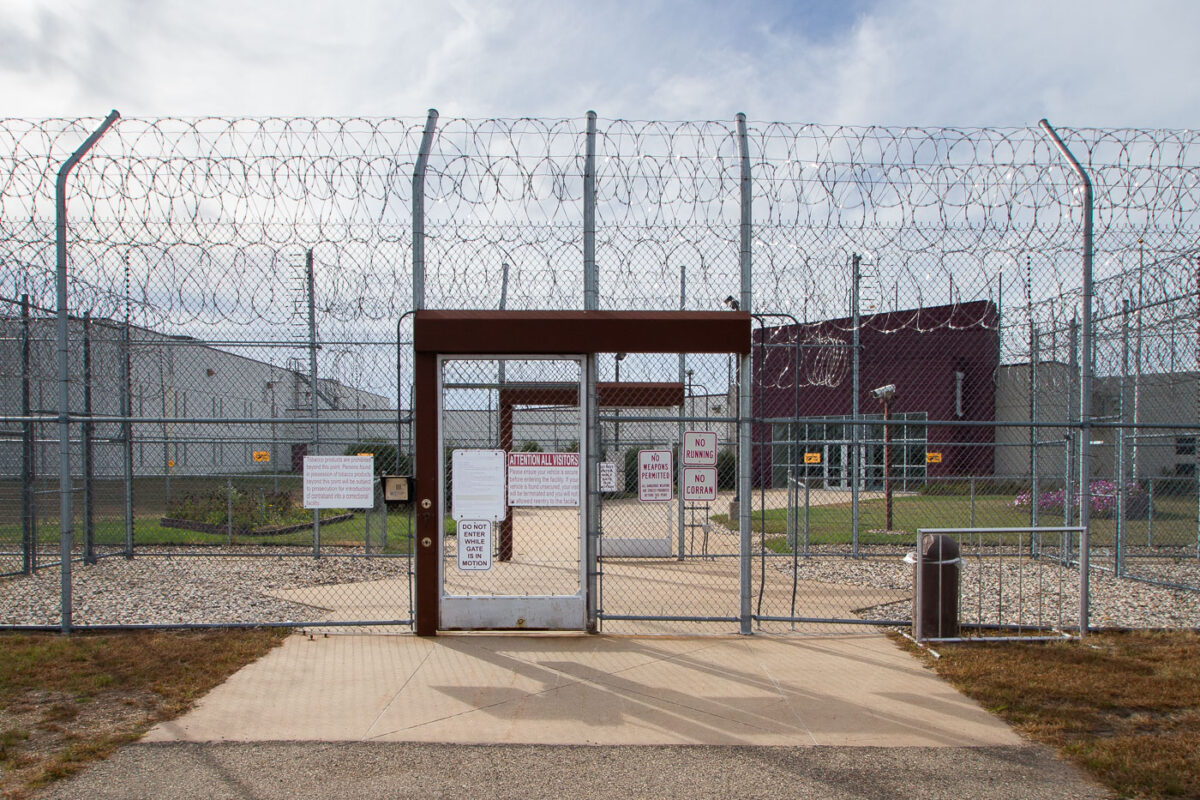
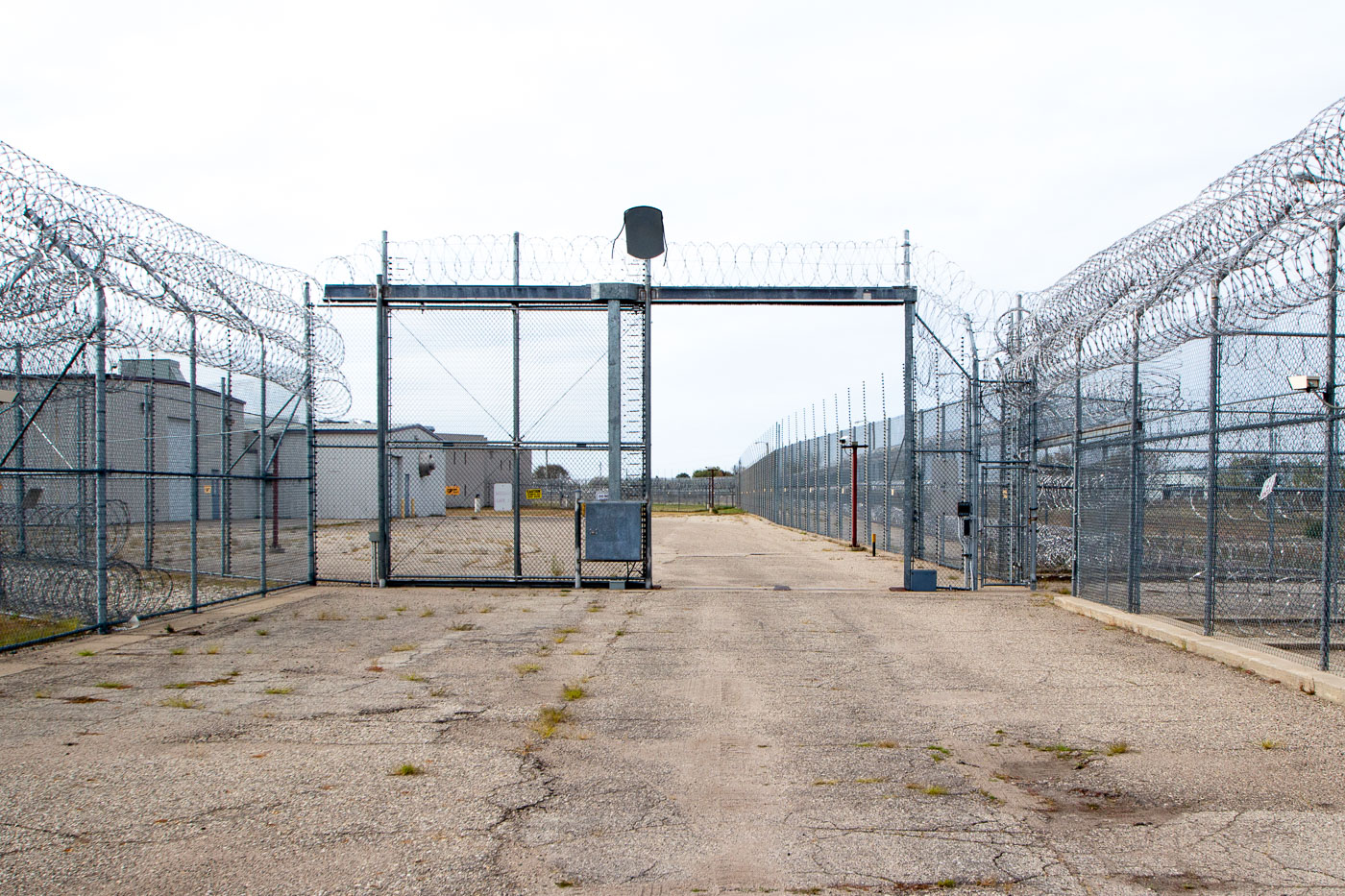
Entrance gate with razor wire fencing at Prairie Correctional Facility in Appleton, Minnesota.
The entrance to the Prairie Correctional Facility in Appleton, Minnesota, a 1,600-bed correctional institution that ceased operations in 2010. The facility may re-open as a Immigration and Customs Enforcement (ICE) detention center.

Security Gate at Prairie Correctional Facility in Appleton
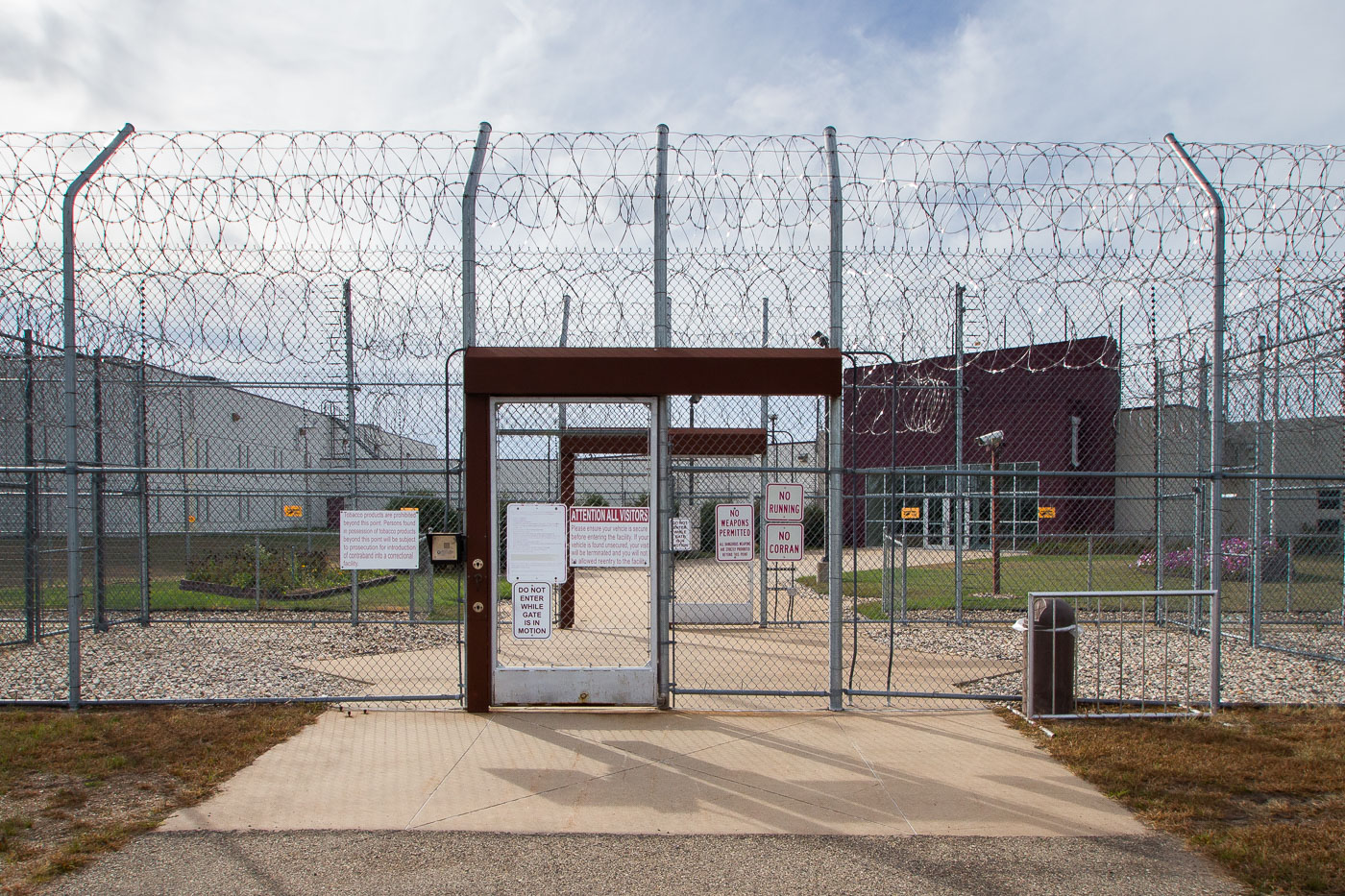
Prairie Correctional Facility entrance gate with razor wire fencing in Appleton, Minnesota.
Razor wire and security fencing surround the Prairie Correctional Facility in Appleton, Minnesota. The 1,600-bed facility has been closed since 2010. It's being considered by the federal government for use as an Immigration and Customs Enforcement (ICE) detention center.

Security Gate at the Prairie Correctional Facility in Appleton
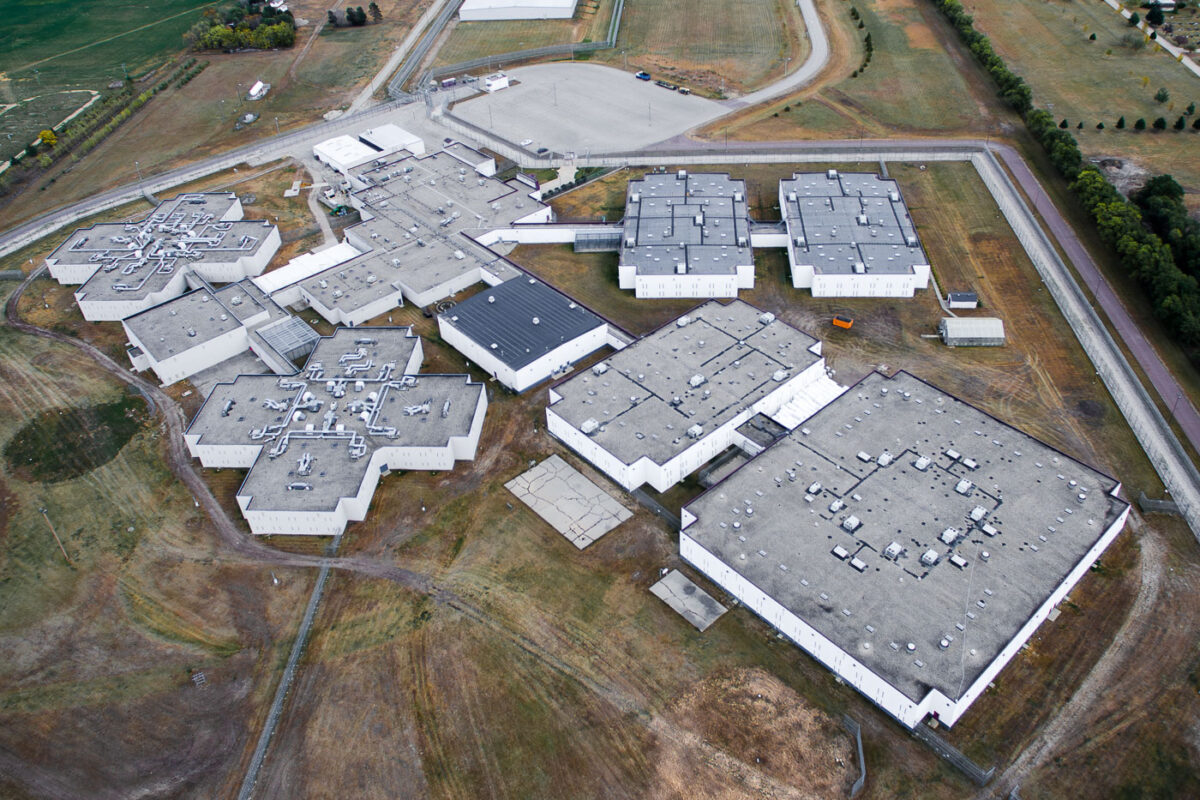
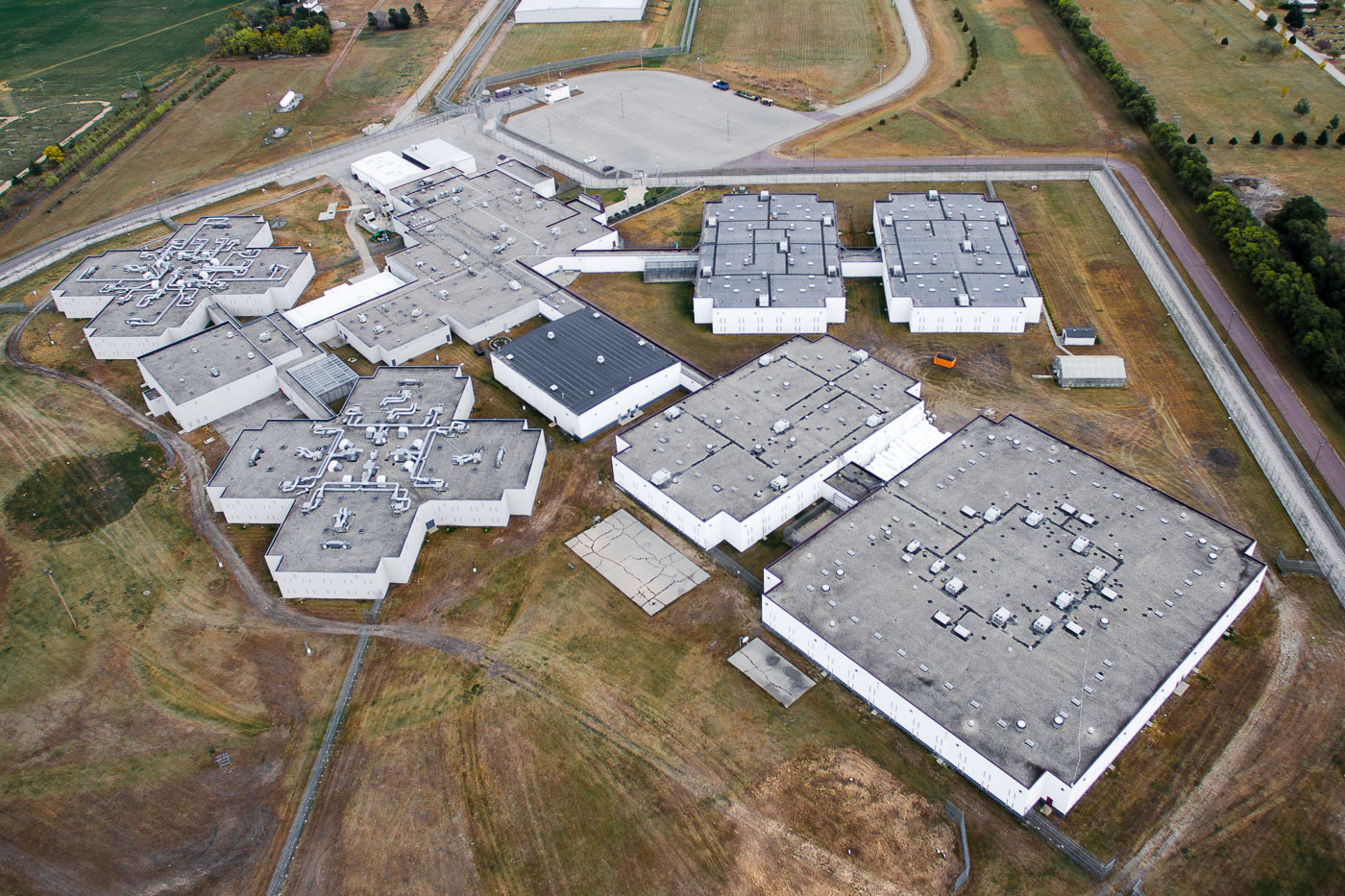
Aerial view of Prairie Correctional Facility, a closed private prison complex in Appleton, Minnesota, showing multiple buildings
The CoreCivic Prairie Correctional Facility in Appleton, Minnesota. The 1,600-bed facility has been closed since 2010. It's being considered by the federal government for use as an Immigration and Customs Enforcement (ICE) detention center.

Aerial View of the Prairie Correctional Facility in Appleton