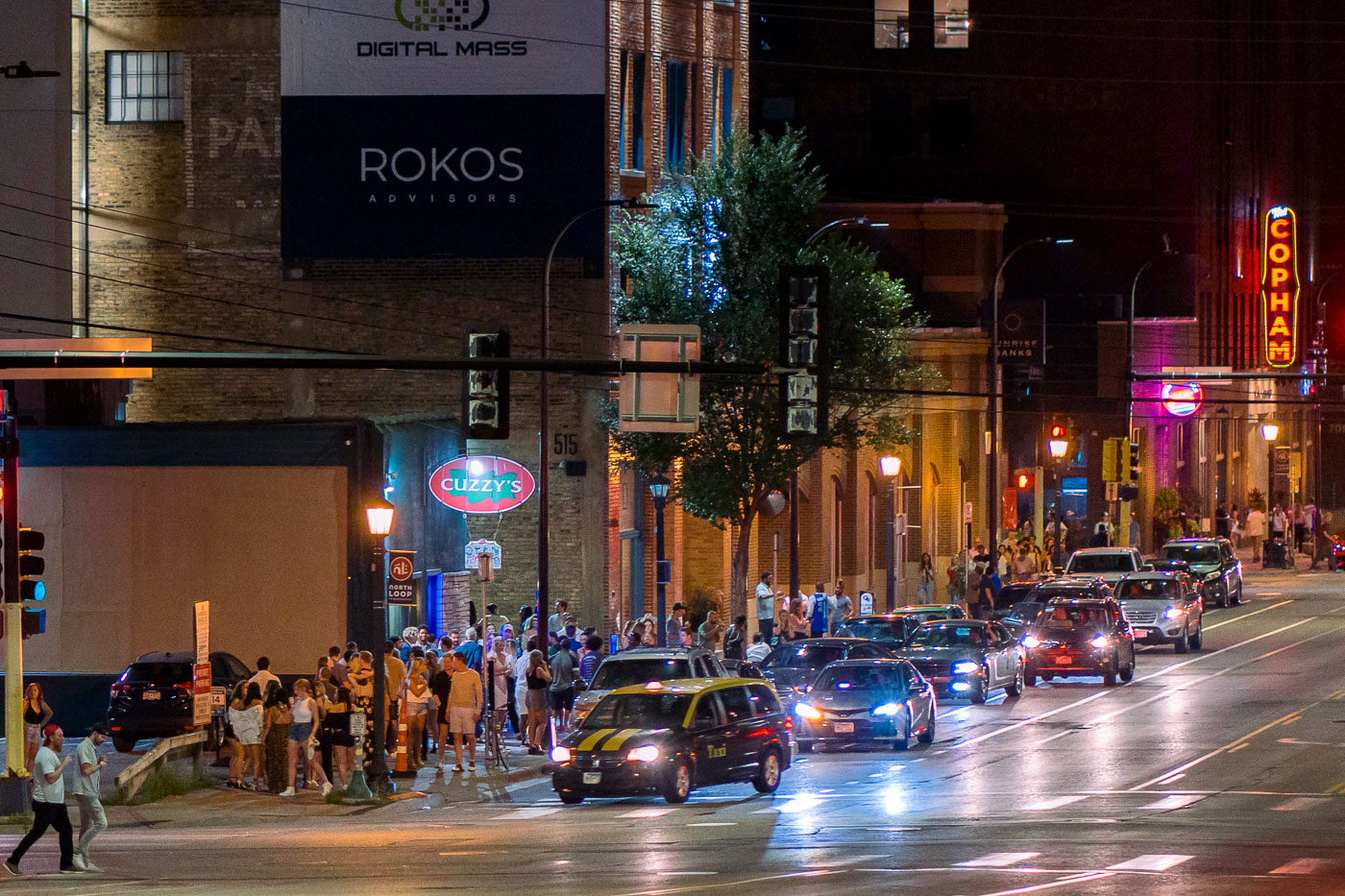
Crowds outside bars on Washington Avenue in Minneapolis North Loop at night.

Minneapolis North Loop: Crowds on Washington Ave at Night

Washington Avenue in Minneapolis's North Loop district is a popular nightlife destination, as seen by the crowds gathered outside bars and establishments on a summer evening. The North Loop, historically a warehouse district, has transformed into a vibrant area for entertainment and dining, while retaining much of its early 20th-century industrial architecture. This street, a key artery in the neighborhood, bustles with activity, showcasing the area's contemporary appeal amidst buildings that speak to its past as a center for commerce and industry.
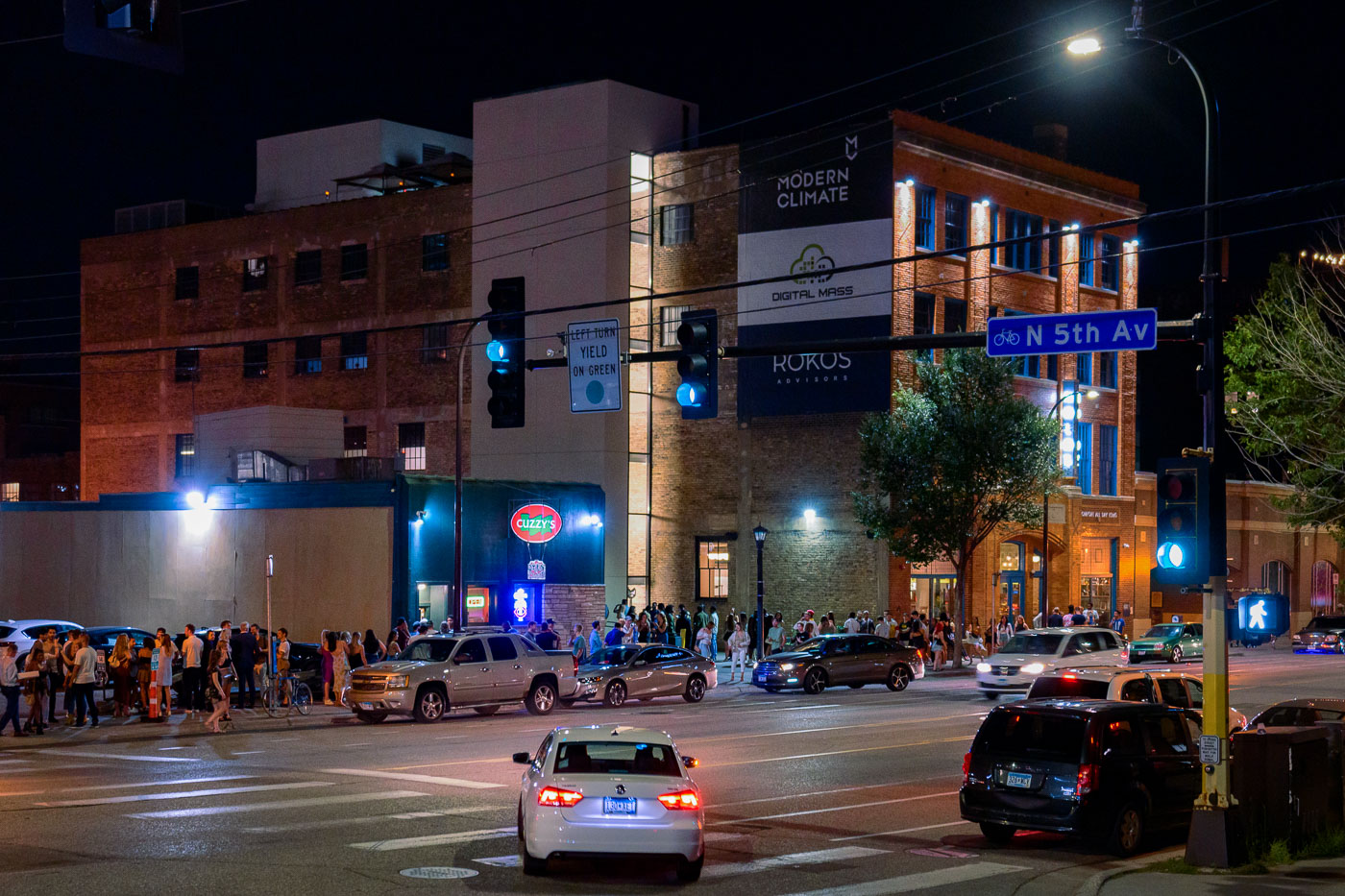
Night traffic and crowds at Washington Avenue and North 5th Avenue in downtown Minneapolis.

Minneapolis: Washington Ave & N 5th Ave at Night

Washington Avenue and North 5th Avenue in Minneapolis at night is a vibrant commercial and social hub. The area's brick buildings, reflecting historical architecture, house modern businesses such as "Cuzzy's," "Modern Climate," and "Digital Mass." This intersection is a significant thoroughfare, connecting parts of downtown Minneapolis. It also holds historical significance as a focal point during the 2020 Minneapolis Uprising.

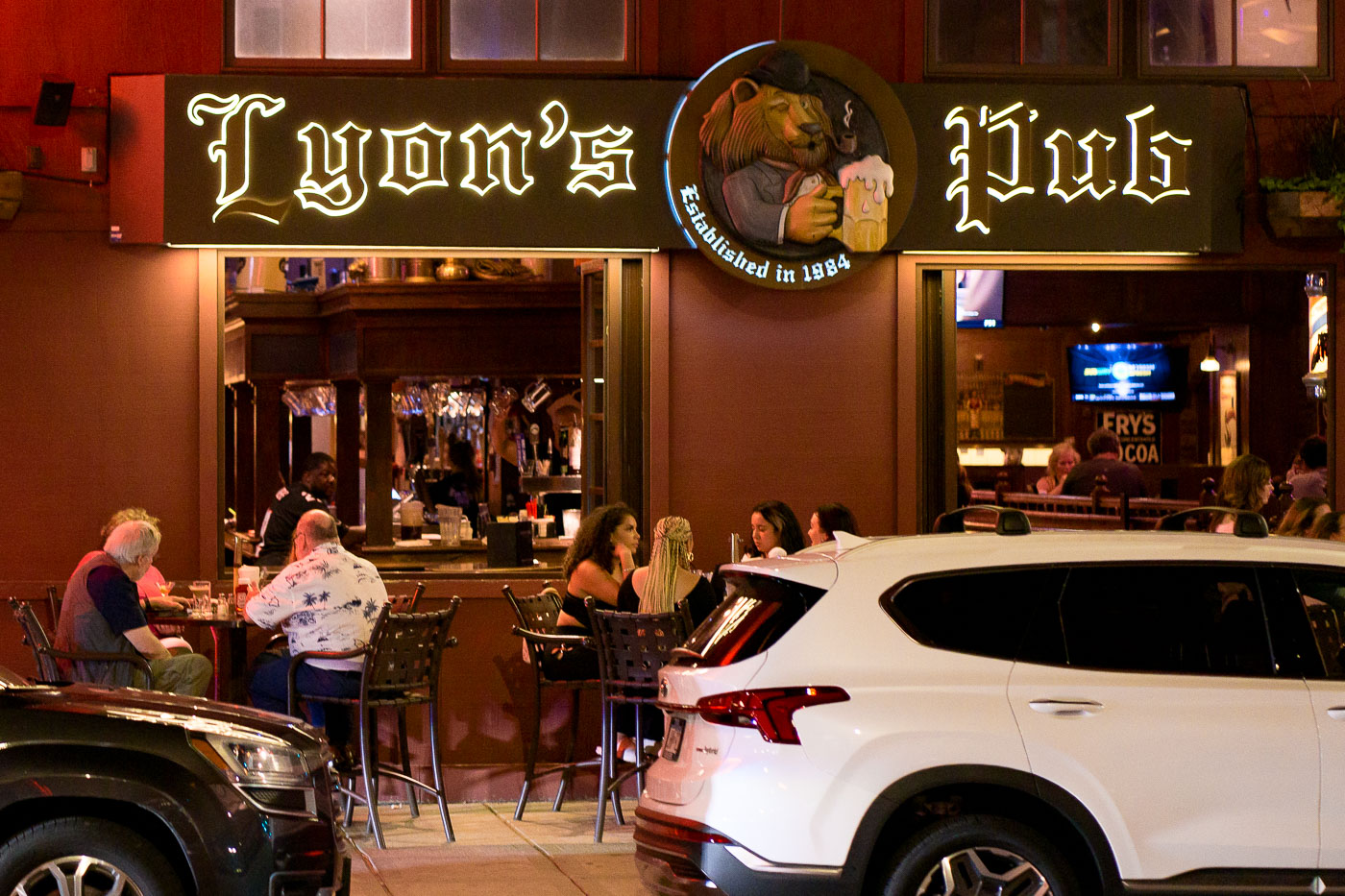
Lyon's Pub in downtown Minneapolis with patrons at outdoor tables at night.

Lyon’s Pub, Downtown Minneapolis Nightlife, July 2022

Lyon's Pub, established in 1984, is a long-standing establishment in downtown Minneapolis, known as a hub for the city's nightlife. The photograph, taken in July 2022, shows patrons gathered at the bar and outdoor seating. This period followed the 2020 Minneapolis Uprising, a significant event that reshaped the city's social and physical environment. Lyon's Pub continues to serve as a community gathering place amidst the ongoing recovery and development of the downtown area.

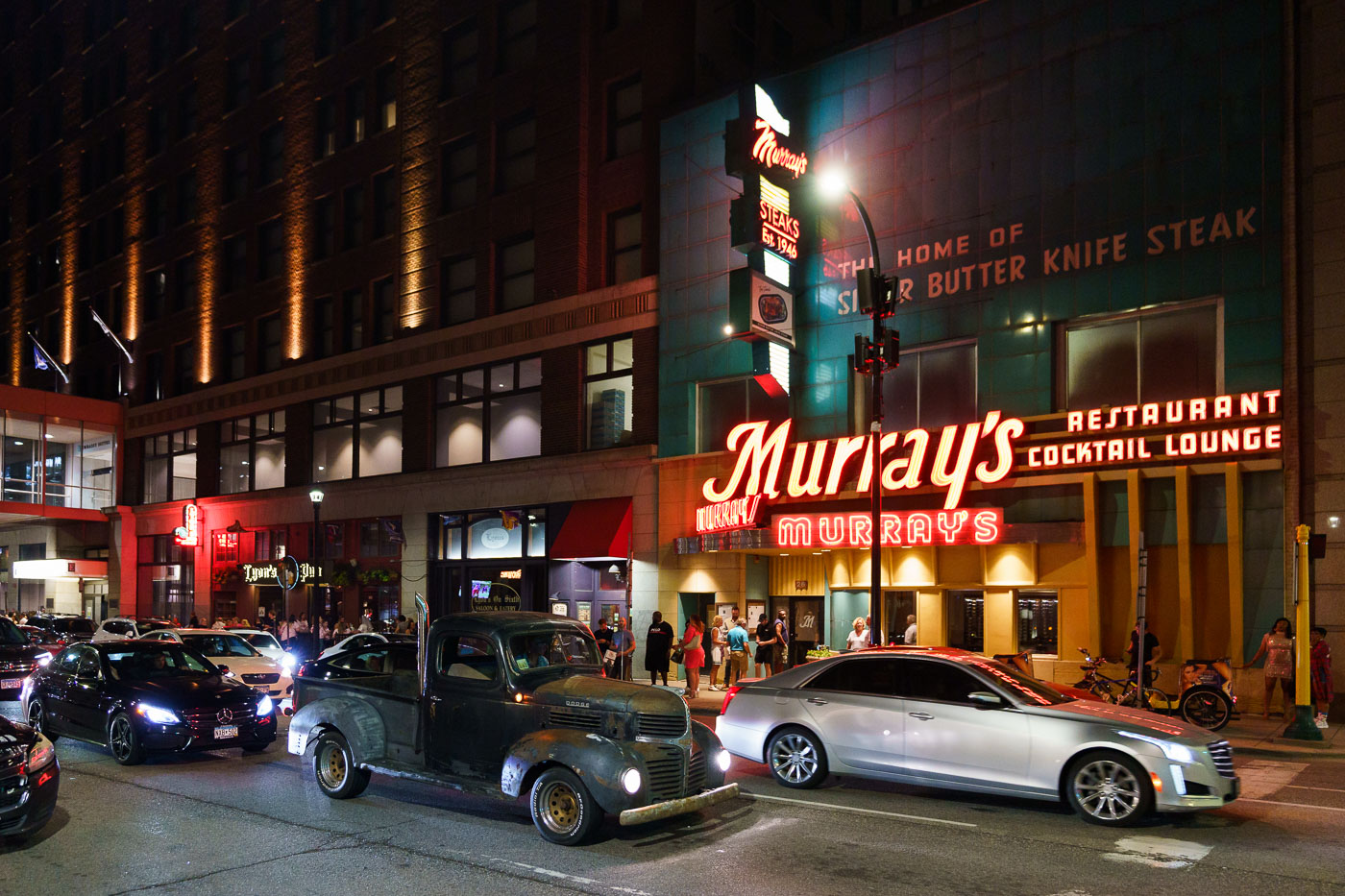
Murray's Steakhouse on South 6th Street in downtown Minneapolis at night.

Murray’s Steakhouse, Downtown Minneapolis, Est. 1946

Murray's Steakhouse, established in 1946, is a historic restaurant located in downtown Minneapolis. Renowned for its "Silver Butter Knife Steak," it has been a prominent dining establishment for over seven decades. The restaurant's classic neon signage and architectural presence contribute to its enduring character on the Minneapolis streetscape. Murray's continues to offer a traditional steakhouse experience to its patrons.

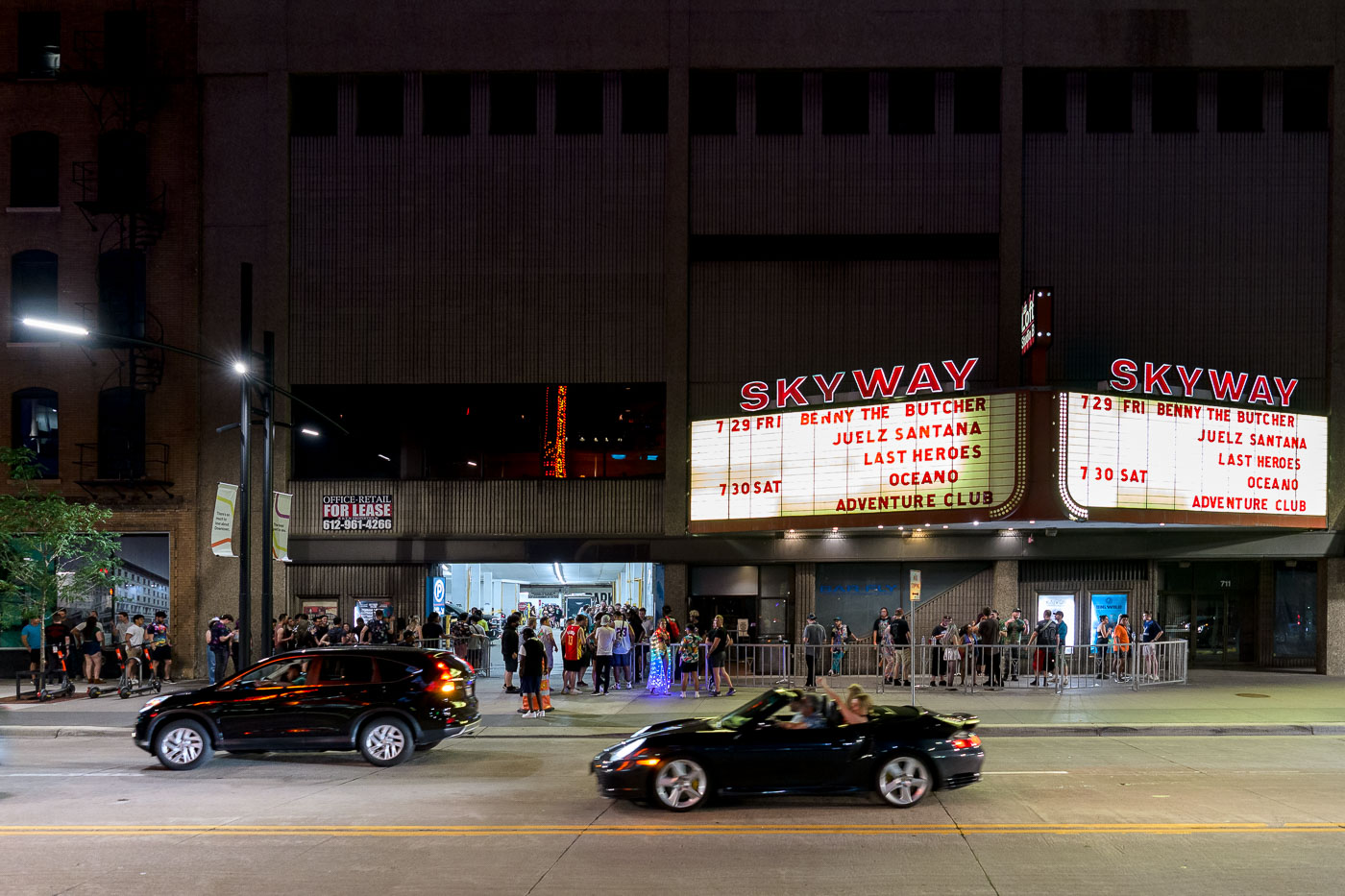
Skyway Theatre marquee in downtown Minneapolis advertising Benny the Butcher, Juelz Santana, Last Heroes and Oceano.

Skyway Theatre Minneapolis: Benny the Butcher, Last Heroes, Oceano

The Skyway Theatre in downtown Minneapolis is a venue for live music and events. The marquee advertises upcoming performances by Benny the Butcher, Juelz Santana, Last Heroes, Oceano, and Adventure Club for July 29th and 30th. This establishment has been a significant part of the city's entertainment scene, contributing to the cultural vibrancy of the downtown area.

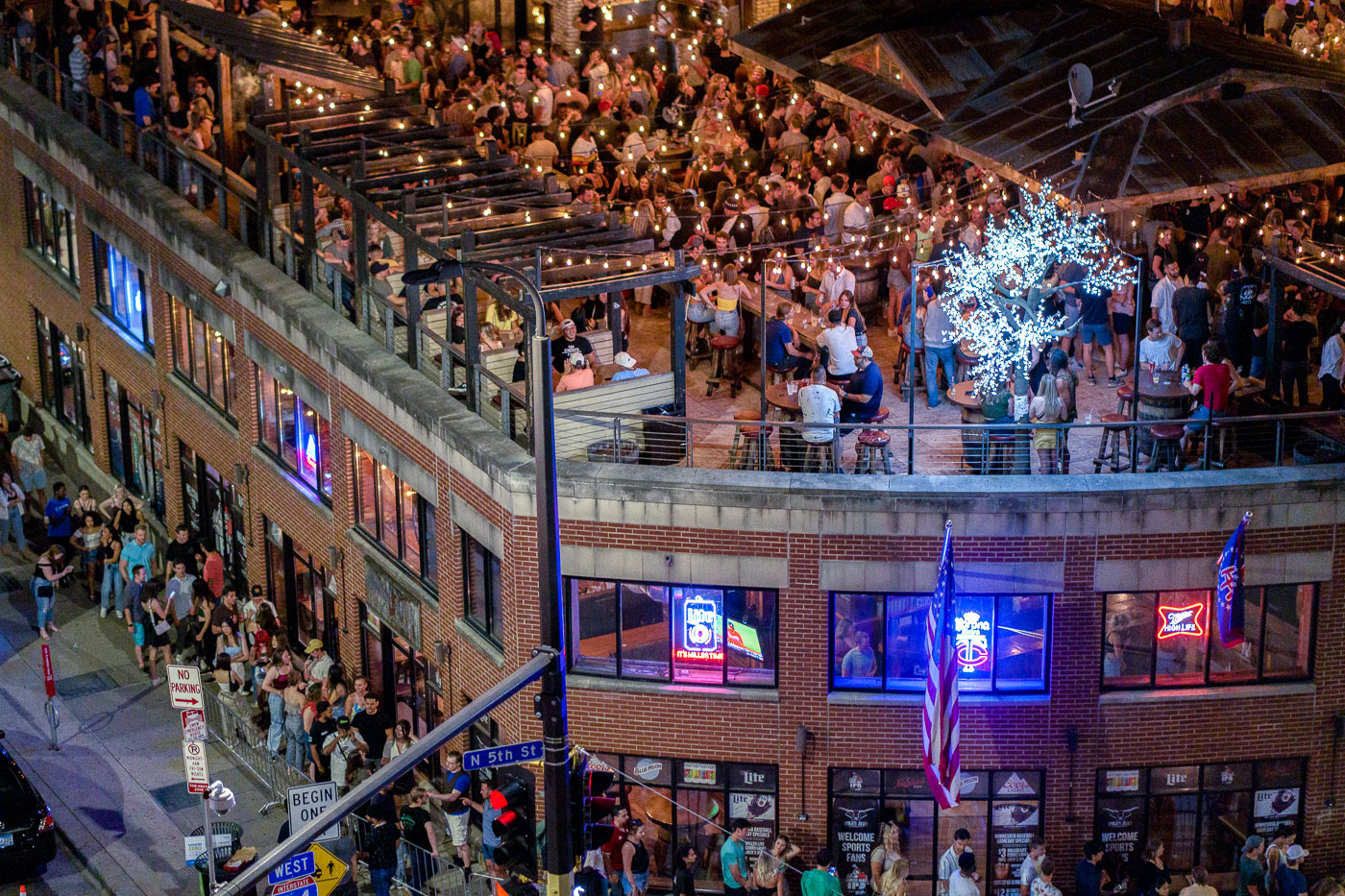
Crowds at Cowboy Jack's rooftop bar in downtown Minneapolis on a summer night.

Cowboy Jack’s, Downtown Minneapolis, July 2022

In July 2022, patrons filled the multi-level outdoor seating area of Cowboy Jack's, a bar in downtown Minneapolis, Minnesota. The establishment, illuminated by string lights, was a hub of activity during a period of resurgence for the city's nightlife following the 2020 Minneapolis Uprising. This event significantly impacted the downtown area, and the return of public gatherings at venues like Cowboy Jack's marked a step towards normalcy.

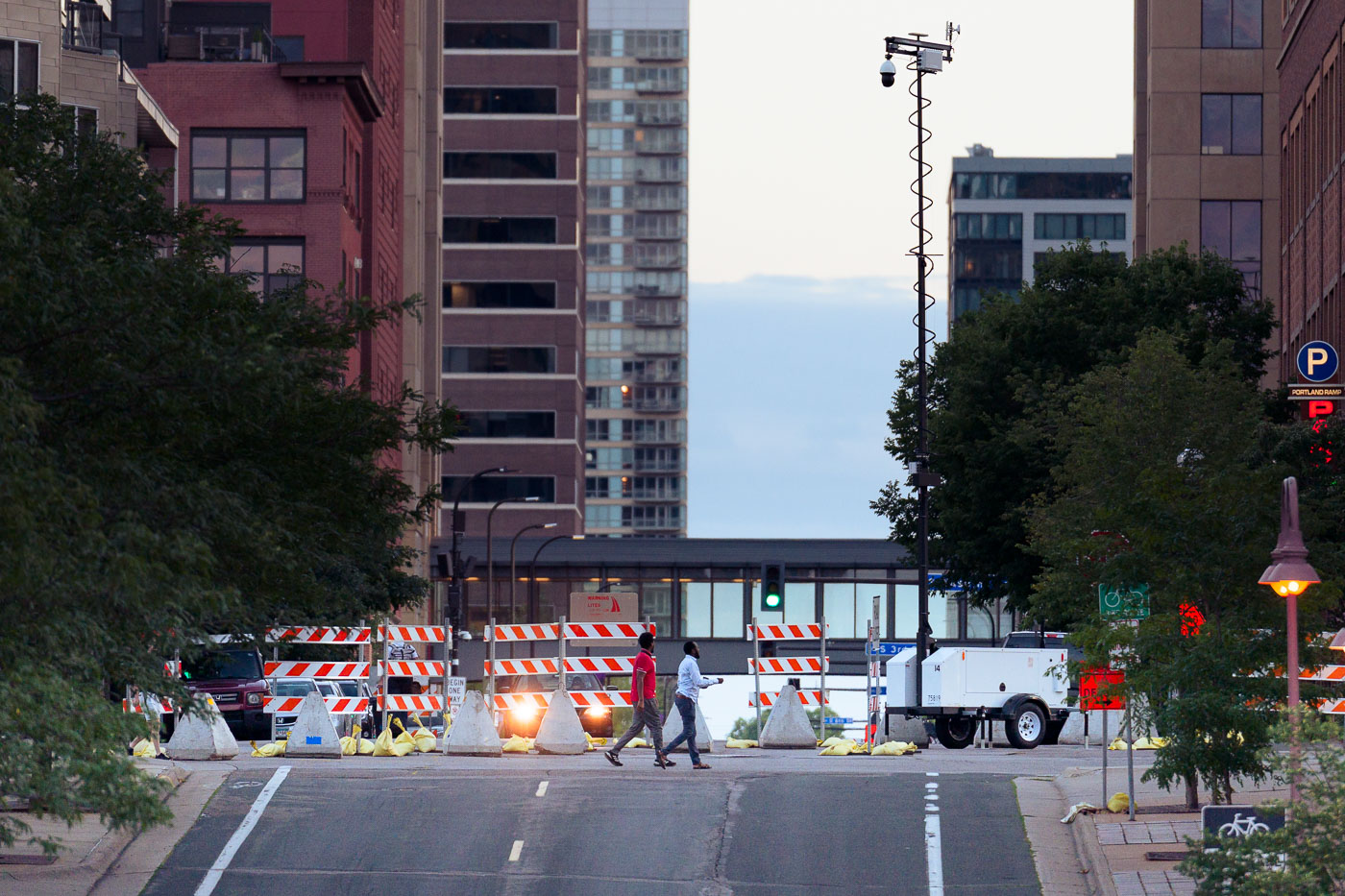
Street barriers and a surveillance camera in Minneapolis's Mill District at dusk.

Minneapolis Mill District: Barriers and Surveillance Camera

Concrete barriers and a surveillance camera are positioned in Minneapolis's Mill District, a measure reportedly implemented to deter "hot rodders." The presence of these security installations, alongside temporary construction barriers, indicates a response to concerns about public safety or unauthorized vehicle access. The Mill District, characterized by its historic industrial architecture and recent redevelopment, has also been a site of significant public events, including the Minneapolis Uprising, which may have influenced the deployment of such security infrastructure.

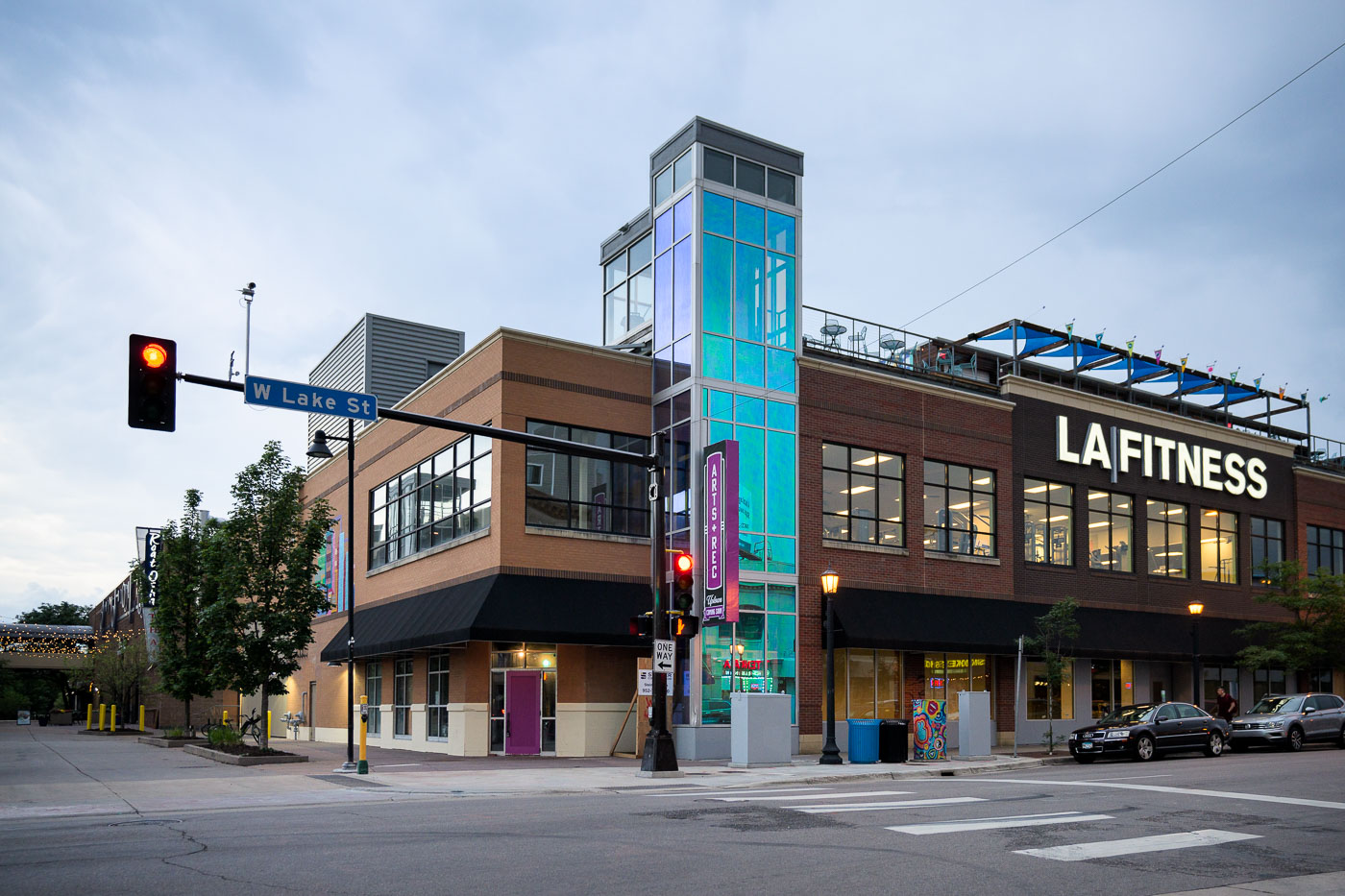
LA Fitness and Arts + Rec on W Lake St in Minneapolis

Arts + Rec and LA Fitness, W Lake St, Minneapolis

The Arts + Rec facility and LA Fitness occupy the Seven Points complex on W Lake Street in Minneapolis's Uptown neighborhood. This development was built on the site of the former Seven Points Mall, which was a significant commercial hub before its closure. The Arts + Rec center provides community programs, while LA Fitness offers fitness amenities. The area has historically been a center for commerce and community life, with this redevelopment continuing that role.

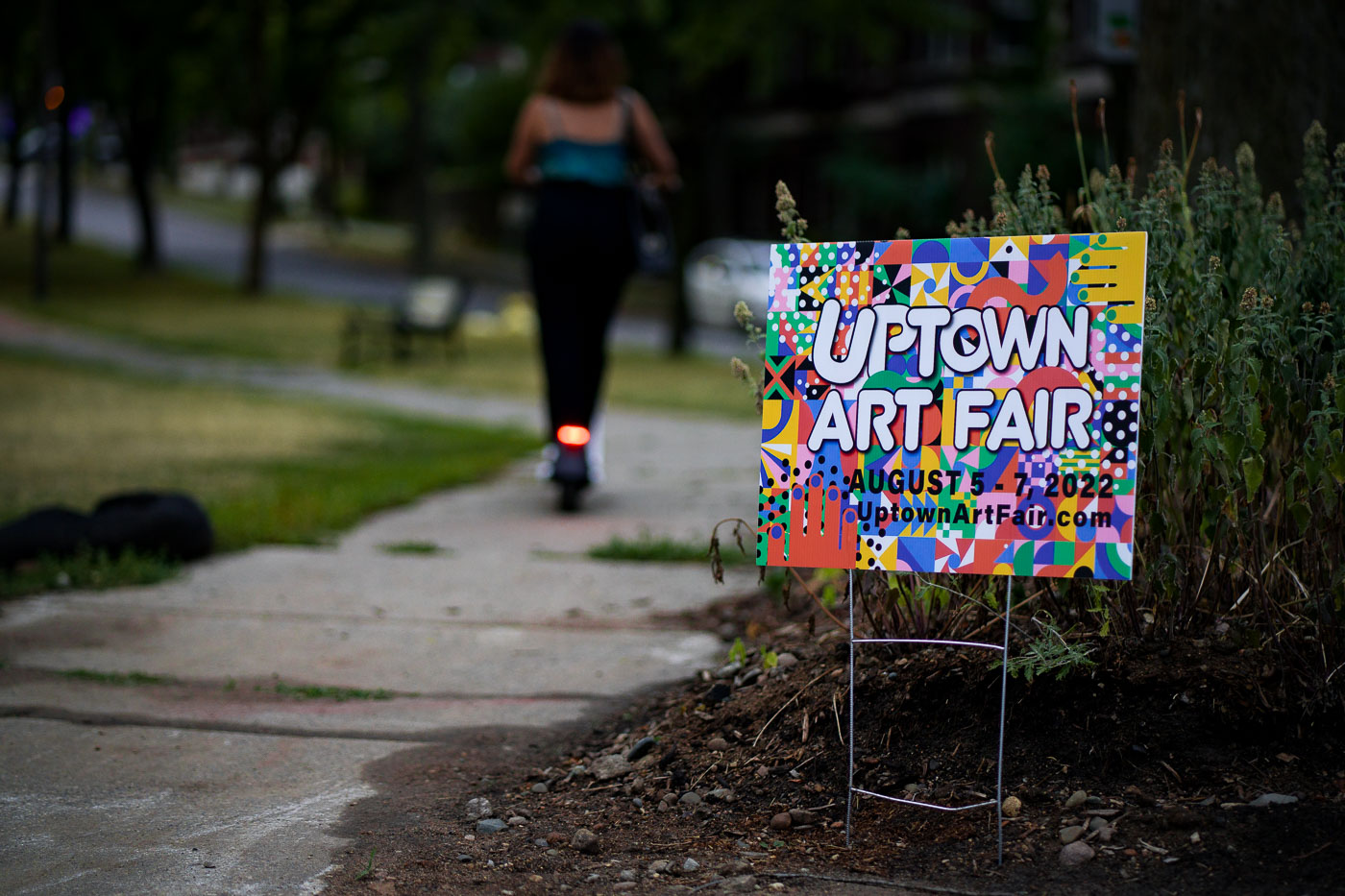
Uptown Art Fair sign on a Minneapolis sidewalk with a scooter rider in the background.

Uptown Art Fair Sign, Minneapolis, August 2022

A sign announces the Uptown Art Fair in Minneapolis, which took place from August 5-7, 2022. This annual event is a juried exhibition that draws artists and visitors from across the country to the Uptown neighborhood. The fair has been a significant cultural fixture in Minneapolis, contributing to the area's reputation as a vibrant arts district and drawing substantial crowds.

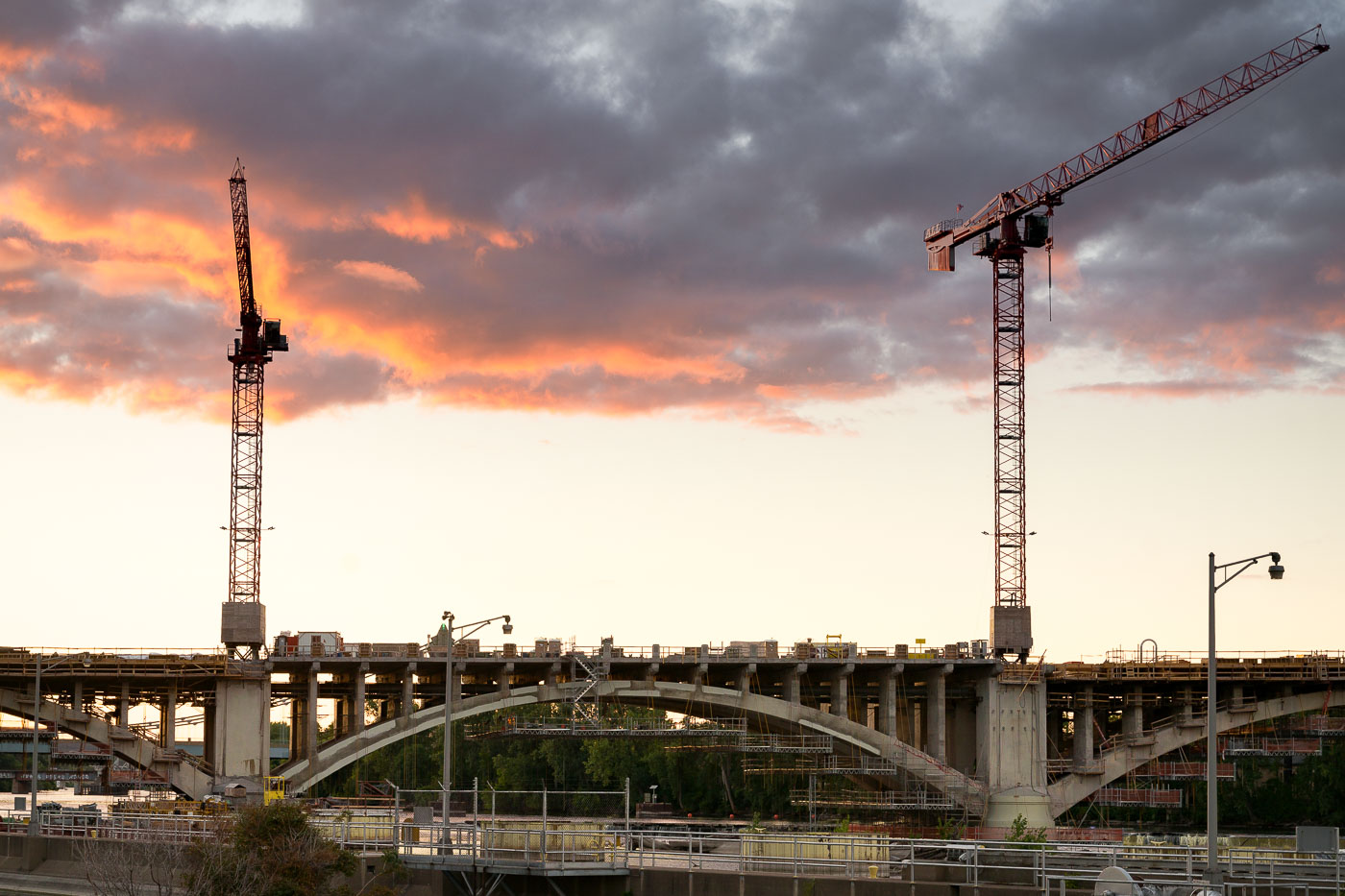
Third Avenue Bridge under construction in Minneapolis at sunset with two cranes.

Third Avenue Bridge Construction, Minneapolis Sunset

Construction cranes are visible over the Third Avenue Bridge in Minneapolis during a sunset. This bridge is a critical link between downtown Minneapolis and the Northeast community, spanning the Mississippi River. The ongoing reconstruction project aims to modernize the structure, which was originally built in the early 20th century and has served as a key piece of the city's transportation network.

Water taxi on the Mississippi River below Hennepin Avenue Bridge and the Grain Belt sign in Minneapolis.

Minneapolis Water Taxi, Hennepin Ave Bridge, Grain Belt Sign

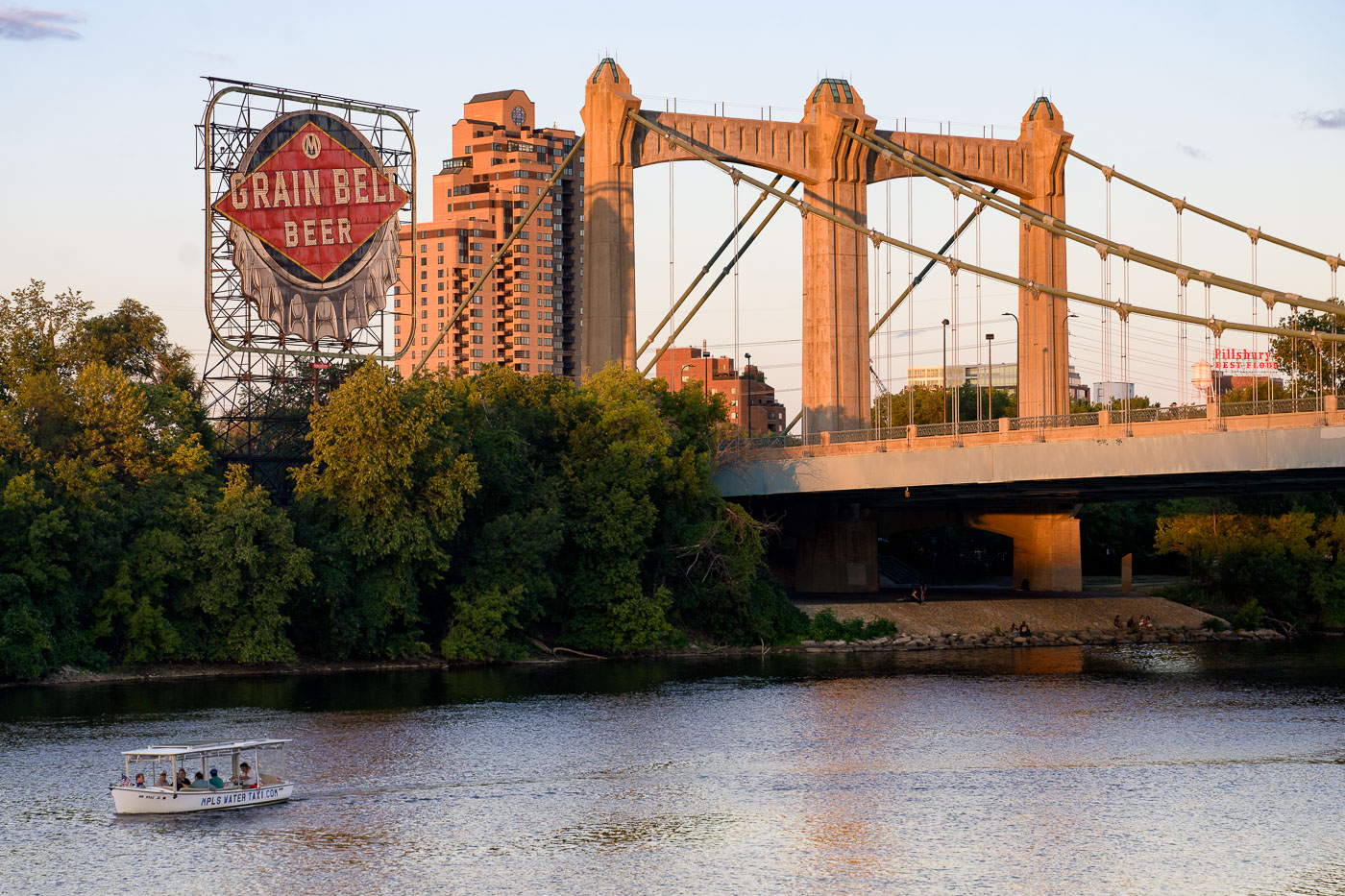
A water taxi travels on the Mississippi River in Minneapolis, passing under the Hennepin Avenue Bridge. Completed in 1929, the bridge is a significant example of early 20th-century infrastructure. The historic Grain Belt Beer sign, a remnant of the area's industrial past, is visible in the background, alongside modern residential buildings. The Mississippi River remains a vital transportation corridor, with services like the water taxi continuing its historical role.

Horse-drawn carriage on Stone Arch Bridge in Minneapolis with downtown skyline behind.

Horse-drawn carriage on Stone Arch Bridge, Minneapolis skyline

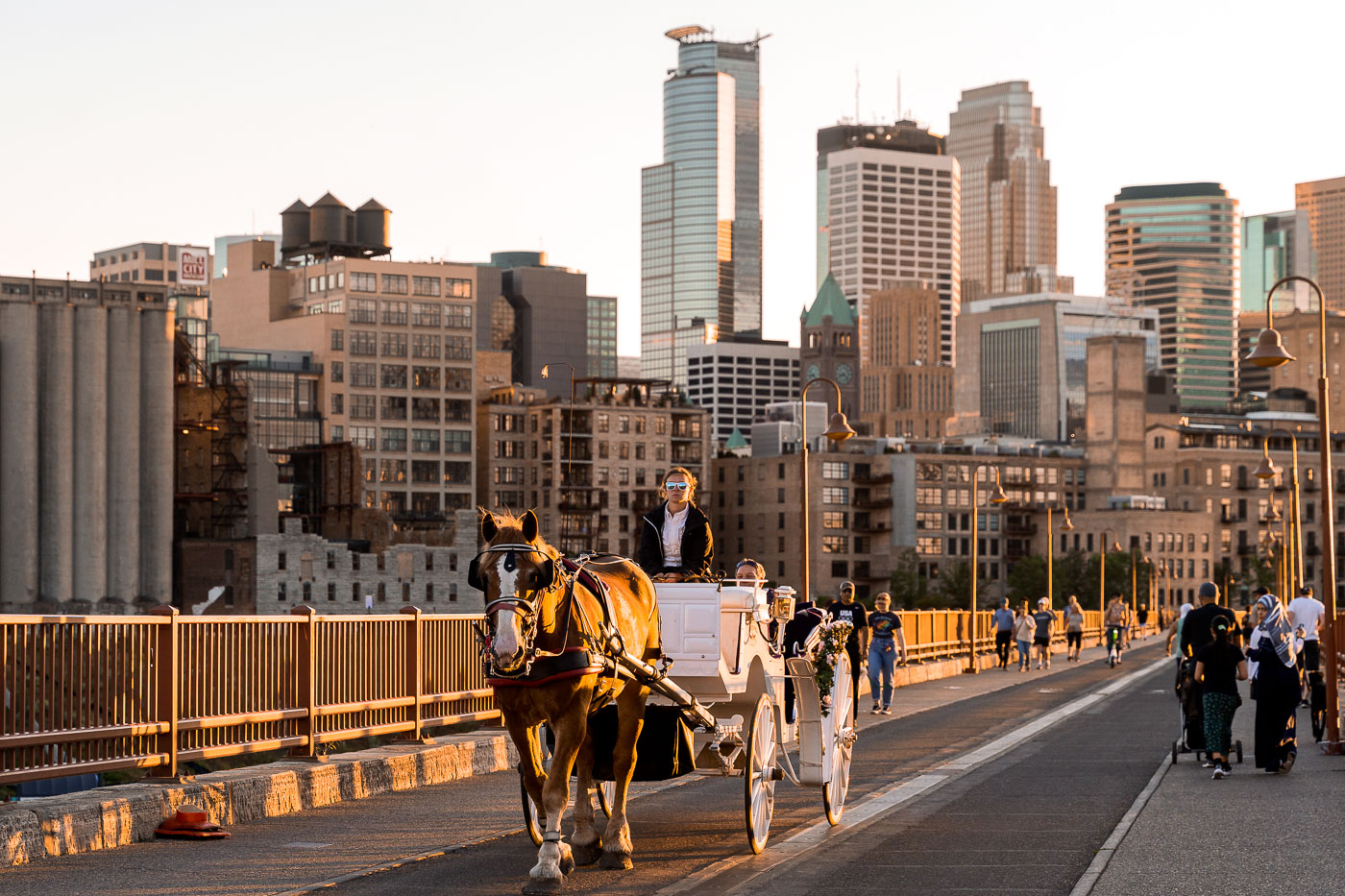
A horse-drawn carriage traverses the Stone Arch Bridge in Minneapolis, with the city's downtown skyline in the background. Constructed in 1883, the bridge originally served as a railway bridge for the Great Northern Railway before its conversion to a pedestrian and bicycle path, reopening in 1994. The bridge is a significant historical landmark offering views of the Mississippi River and the urban environment. It remains a popular destination for visitors and residents, providing a connection to Minneapolis's industrial heritage and its modern cityscape.

Concrete barricades beside an apartment building near Stone Arch Bridge in Minneapolis, July 2022.

Minneapolis: Barricades Near Stone Arch Bridge, July 2022

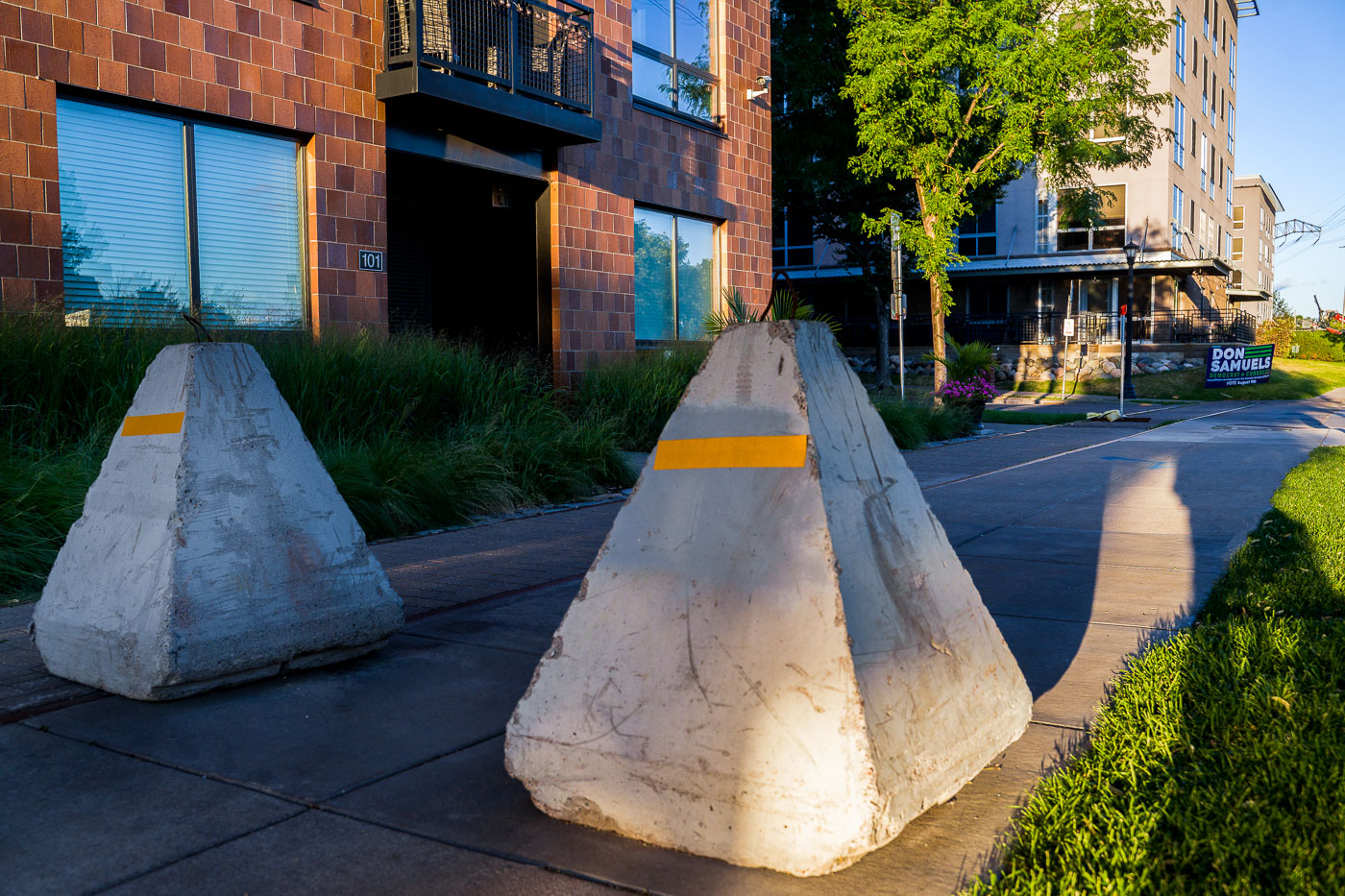
Concrete barricades are placed near the Stone Arch Bridge in Minneapolis, July 2022. These barriers were installed following public safety concerns and incidents that occurred on July 4th, 2022, a date often associated with large gatherings and past unrest in the city. The presence of these security measures reflects ongoing efforts to manage public spaces and ensure safety during periods of heightened activity. A campaign sign for Don Samuels, a candidate for Congress, is visible in the background, indicating the political climate of the area at the time.

Food truck and lawn games near Stone Arch Bridge in Minneapolis.

Minneapolis Stone Arch Bridge area with food trucks and games

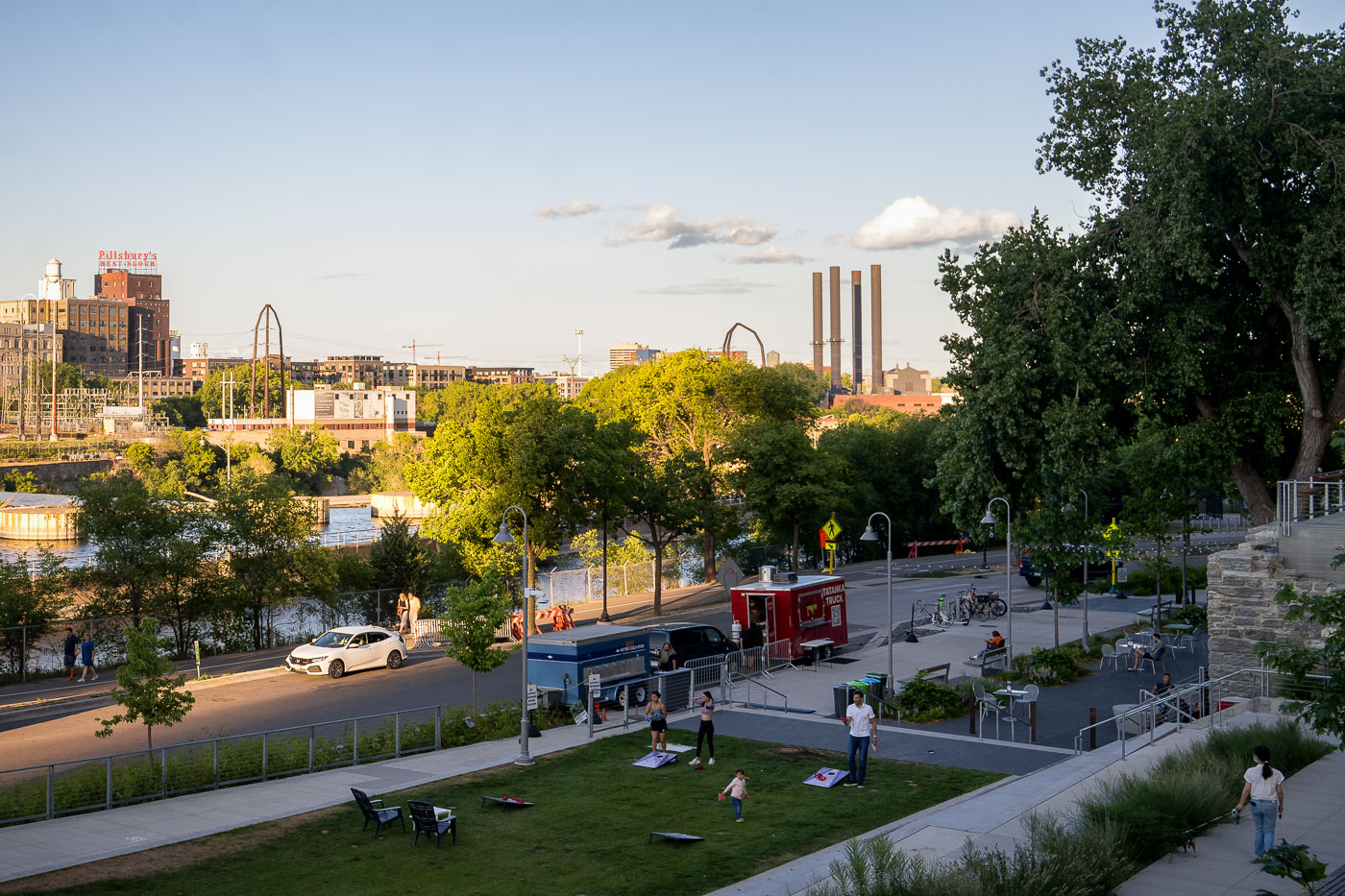
The Stone Arch Bridge, originally constructed in 1883 for the Great Northern Railway, now serves as a pedestrian walkway across the Mississippi River in Minneapolis. The bridge offers views of the city's historic mill district, an area that was once the industrial center of Minneapolis. Today, the surrounding riverfront has been redeveloped into a public park, attracting visitors with amenities like food trucks and lawn games, such as cornhole, transforming the former industrial zone into a vibrant urban gathering space.

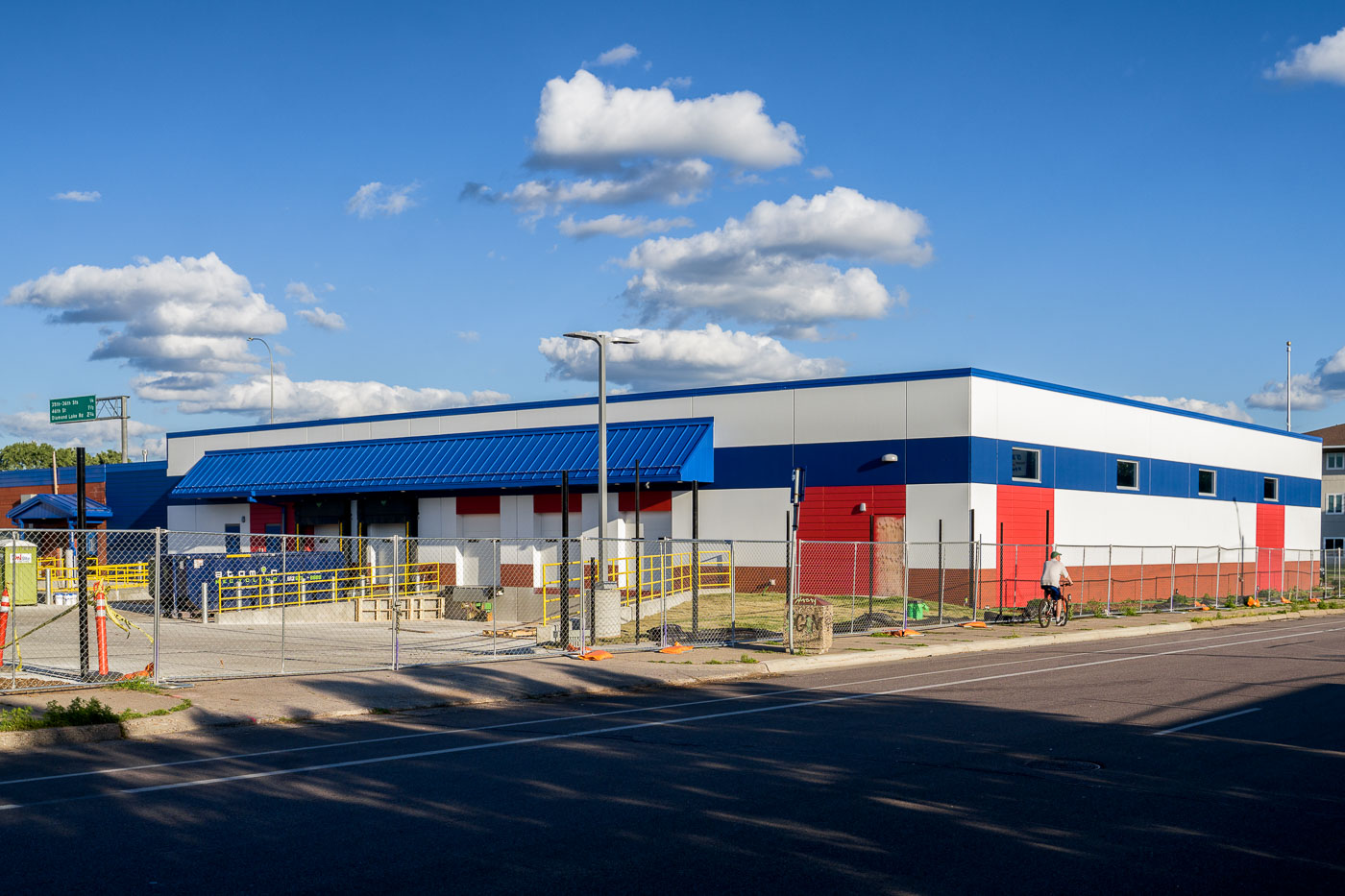
Rebuilt USPS Lake Street Station in South Minneapolis behind a chain-link fence.

Rebuilt USPS Lake Street Station, South Minneapolis

The rebuilt USPS Lake Street Station in South Minneapolis is shown here, a structure that was destroyed during the unrest following the murder of George Floyd in 2020. The post office serves as a critical community resource, providing essential postal services to residents and businesses in the surrounding neighborhoods. Its reconstruction represents a commitment to restoring public infrastructure and supporting the ongoing recovery of the Lake Street corridor.

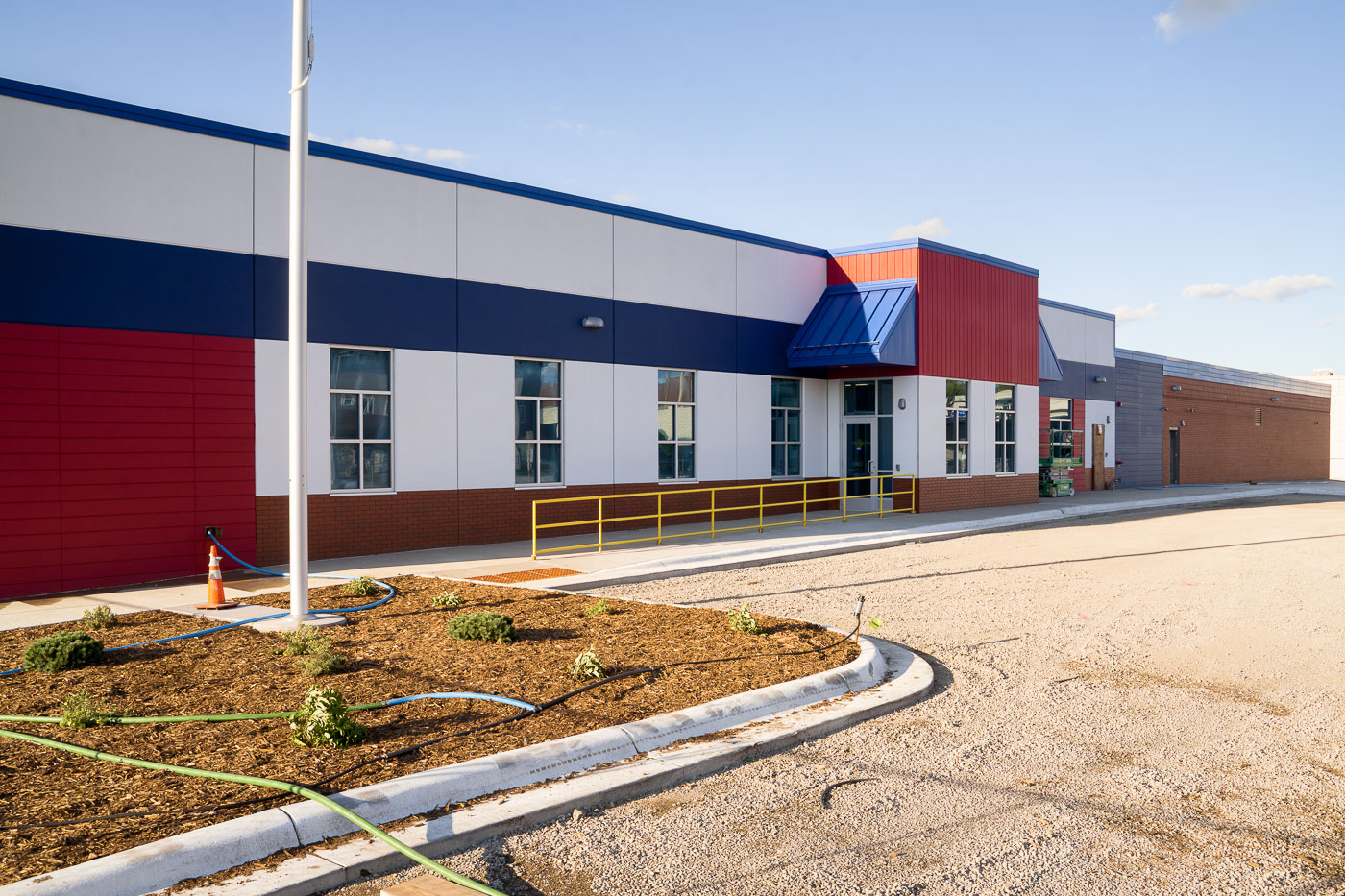
Rebuilt USPS Lake Street Station in South Minneapolis, with new facade and entry ramp.

USPS Post Office Gets Rebuilt

The USPS Lake Street Station in South Minneapolis, rebuilt after its destruction during the 2020 unrest following the murder of George Floyd, serves as a critical community resource. This facility provides essential postal services to residents and businesses in the surrounding neighborhoods. Its reconstruction represents a commitment to restoring public infrastructure and supporting the ongoing recovery of the Lake Street corridor.

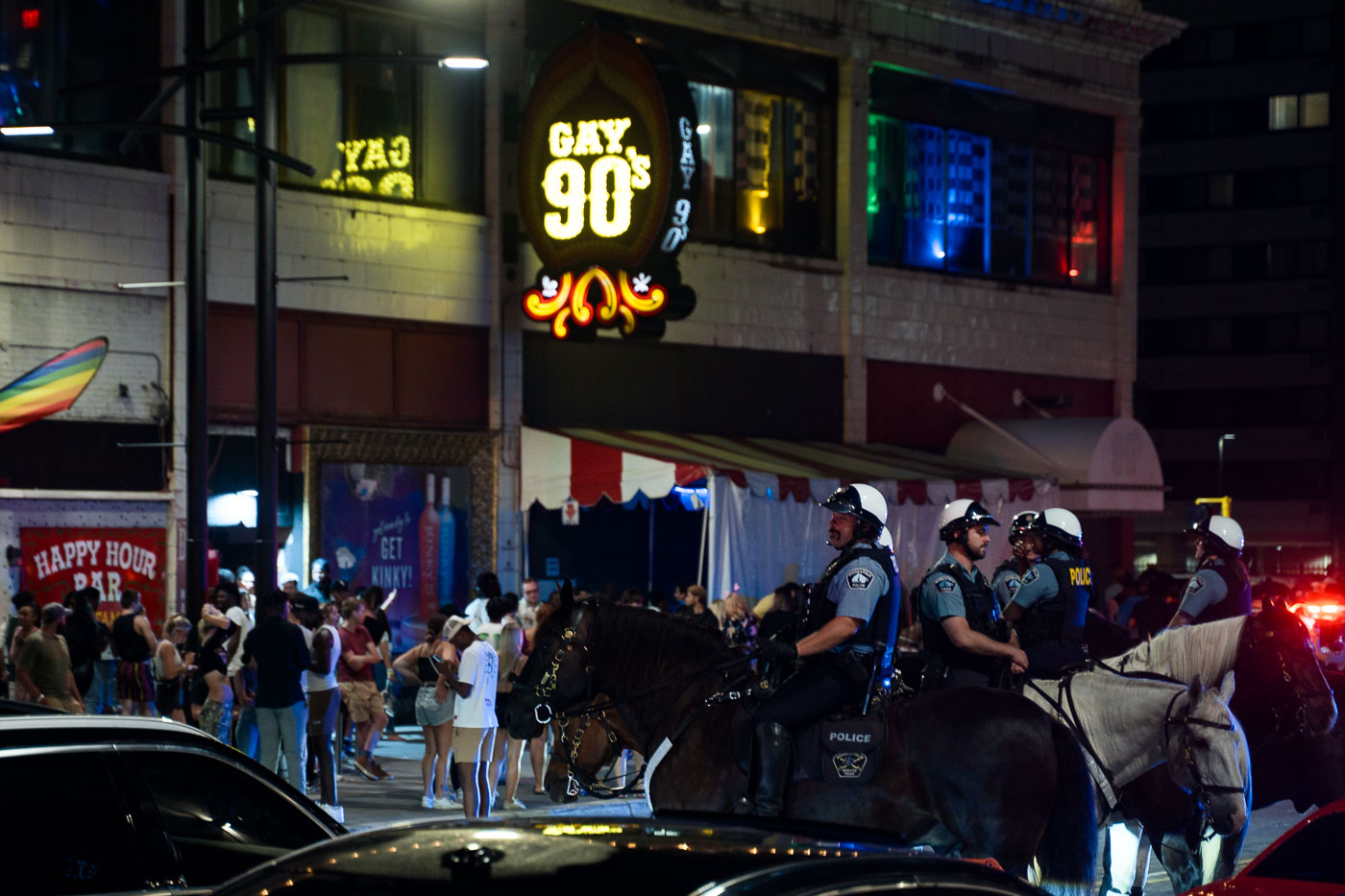
Mounted police outside the Gay 90's bar in downtown Minneapolis at night.

Mounted Police Outside Gay 90s Bar, Minneapolis 07/24/22

Mounted police officers are seen outside the Gay 90's bar in Minneapolis on July 24, 2022. The Gay 90's is a long-standing LGBTQ+ establishment in the city's downtown area, known for its nightlife. The presence of mounted police is common during public events or gatherings to maintain order and ensure safety. This image was taken during a period of heightened social awareness in Minneapolis following the murder of George Floyd in 2020, though the specific reason for the police presence on this particular night is not specified.

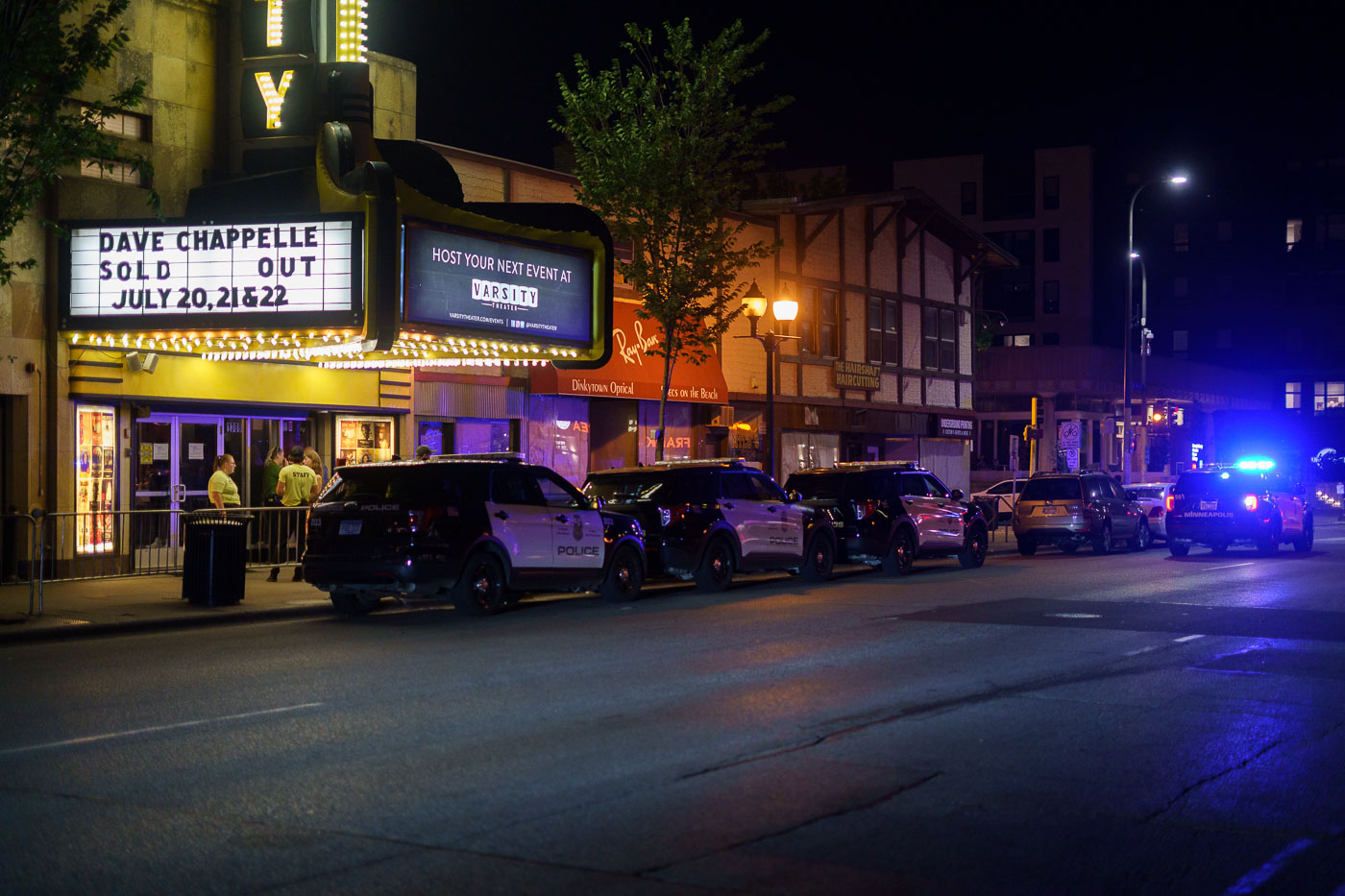
Police cars outside Varsity Theater in Minneapolis during Dave Chappelle shows.

Dave Chappelle Show, Police Cars at Varsity Theater, Minneapolis

Police vehicles were stationed outside the Varsity Theater in Minneapolis on July 20, 2022, during the first night of a sold-out engagement by comedian Dave Chappelle. The Varsity Theater, a historic venue in the Dinkytown neighborhood, has a long-standing reputation for hosting live performances and film screenings. The visible police presence suggests a heightened security measure, possibly in response to past controversies surrounding Chappelle's performances or general public safety concerns.

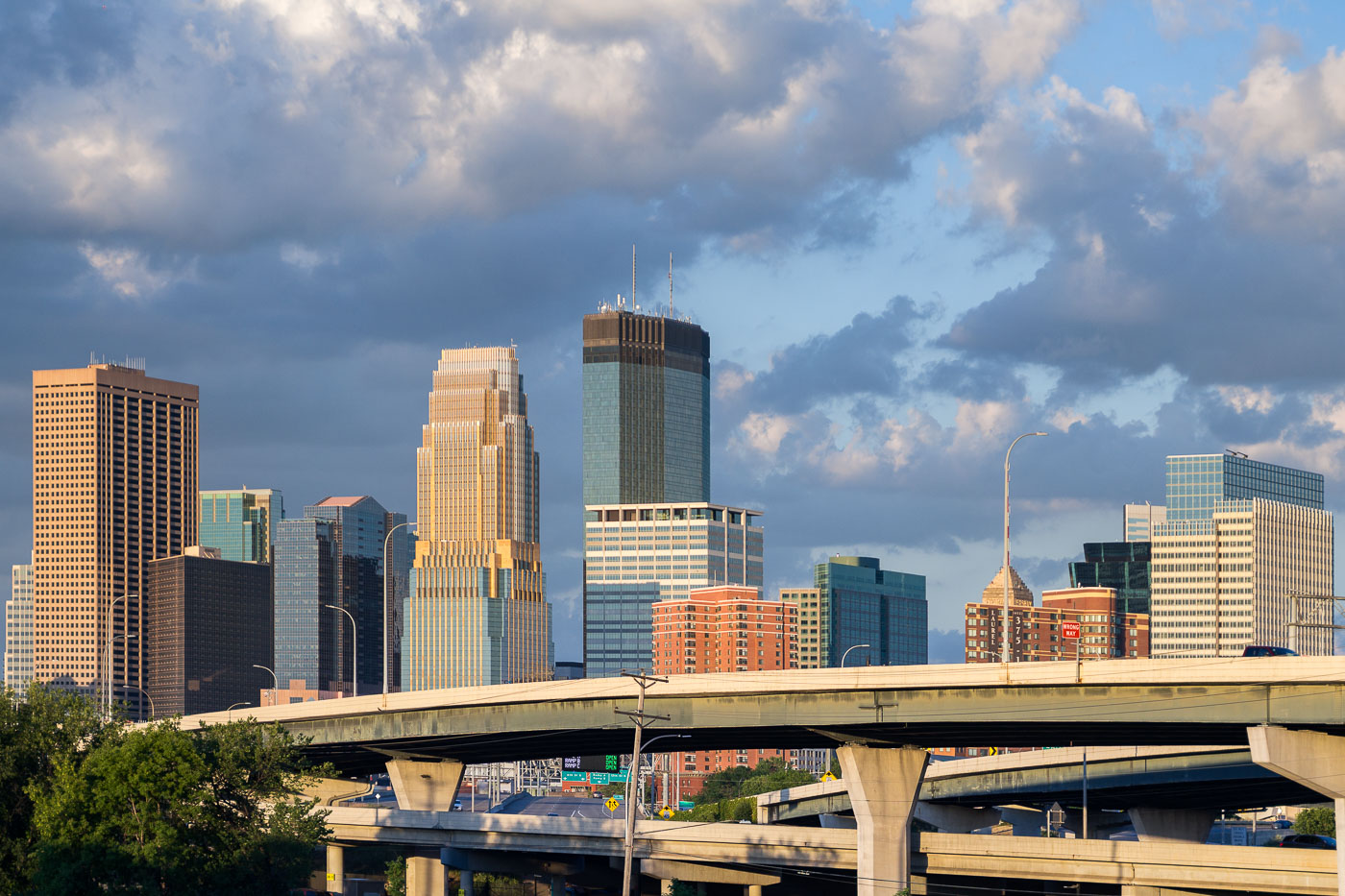
Minneapolis skyline behind I-35W overpasses near downtown.

Minneapolis Skyline and I-35W Overpasses

The Minneapolis skyline rises behind the elevated overpasses of Interstate 35W, a major north-south freeway. This complex network of concrete structures, viewed from the Cedar Lake Trail, facilitates regional transportation and connects the city's central business district with surrounding areas. The construction of I-35W, completed in stages from the 1960s through the 1990s, significantly reshaped the urban environment and continues to serve as a vital artery for commerce and daily commutes in the Twin Cities metropolitan area.

Marching band in the Minneapolis Torchlight Parade on Nicollet Mall, Minneapolis.

Minneapolis Torchlight Parade on Nicollet Mall, July 20, 2022

A marching band performs during the Minneapolis Torchlight Parade on Nicollet Mall on July 20, 2022. Nicollet Mall, a pedestrian promenade in downtown Minneapolis, serves as a primary venue for public events and celebrations. The mall's design facilitates large gatherings, and parades like this one are a recurring feature, underscoring its role in the city's cultural and civic life. The presence of spectators and performers highlights the mall's function as a central space for community engagement.

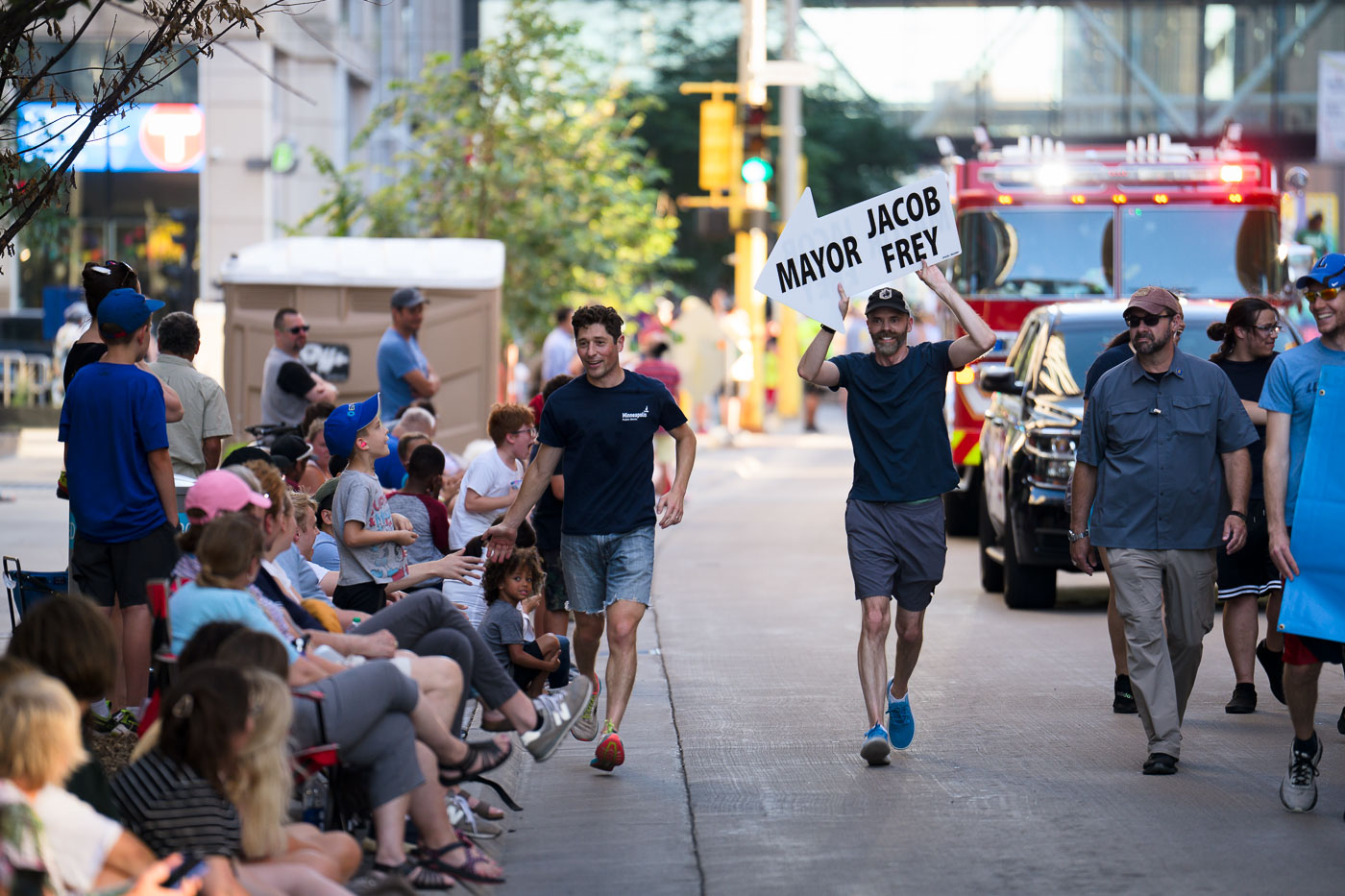
Mayor Jacob Frey walks in the Minneapolis Torchlight Parade as a supporter carries a sign ahead of him.

Mayor Jacob Frey at Minneapolis Torchlight Parade 07/20/22

Mayor Jacob Frey participates in the annual Minneapolis Torchlight Parade on July 20, 2022. This event is a central part of the Minneapolis Aquatennial, a summer festival that highlights the city's connection to its waterways. The parade, which winds through downtown Minneapolis, traditionally includes community groups, local businesses, and elected officials, fostering civic pride and community engagement.

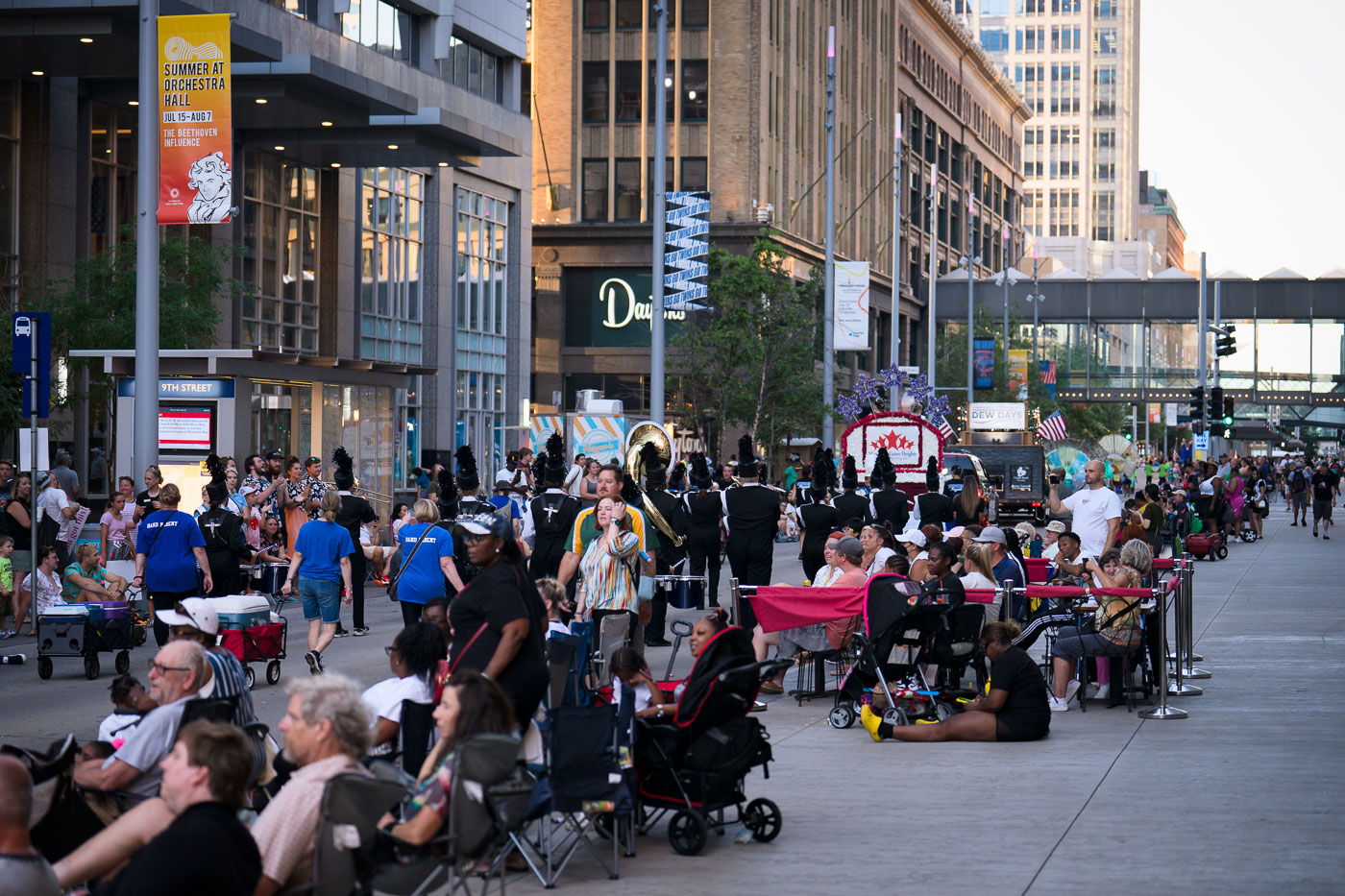
Crowds line Nicollet Mall in downtown Minneapolis before the Torchlight Parade.

Minneapolis Torchlight Parade on Nicollet Mall, July 20, 2022

On July 20, 2022, crowds gathered along Nicollet Mall in downtown Minneapolis for the annual Torchlight Parade. This event, a traditional precursor to the Minnesota State Fair, transforms the pedestrian mall into a vibrant public space. Nicollet Mall, a central thoroughfare for commerce and community events, has been a focal point for Minneapolis's urban life since its pedestrianization in the 1960s. The parade route highlights the city's community spirit and provides a lively atmosphere for residents and visitors.

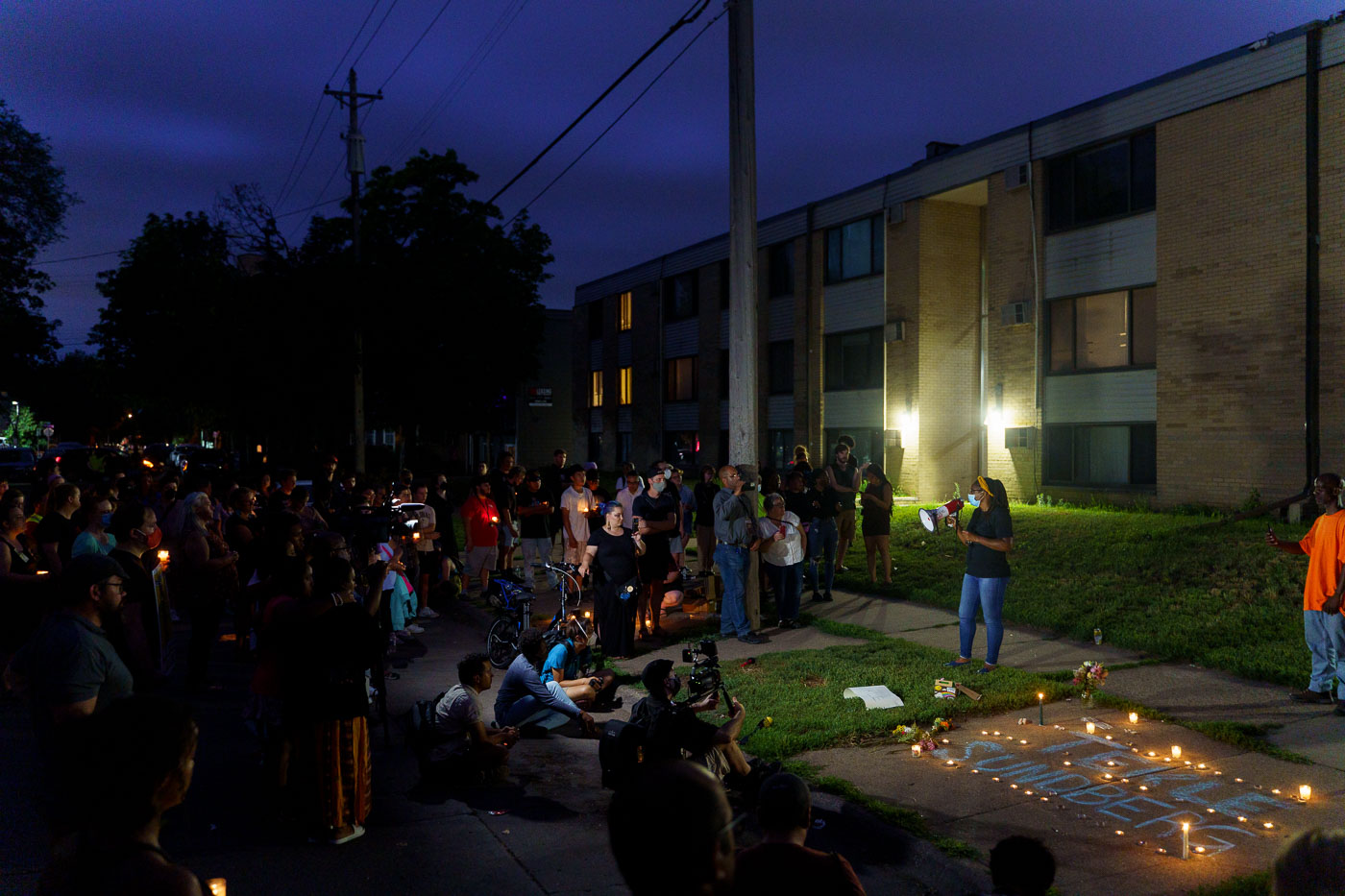
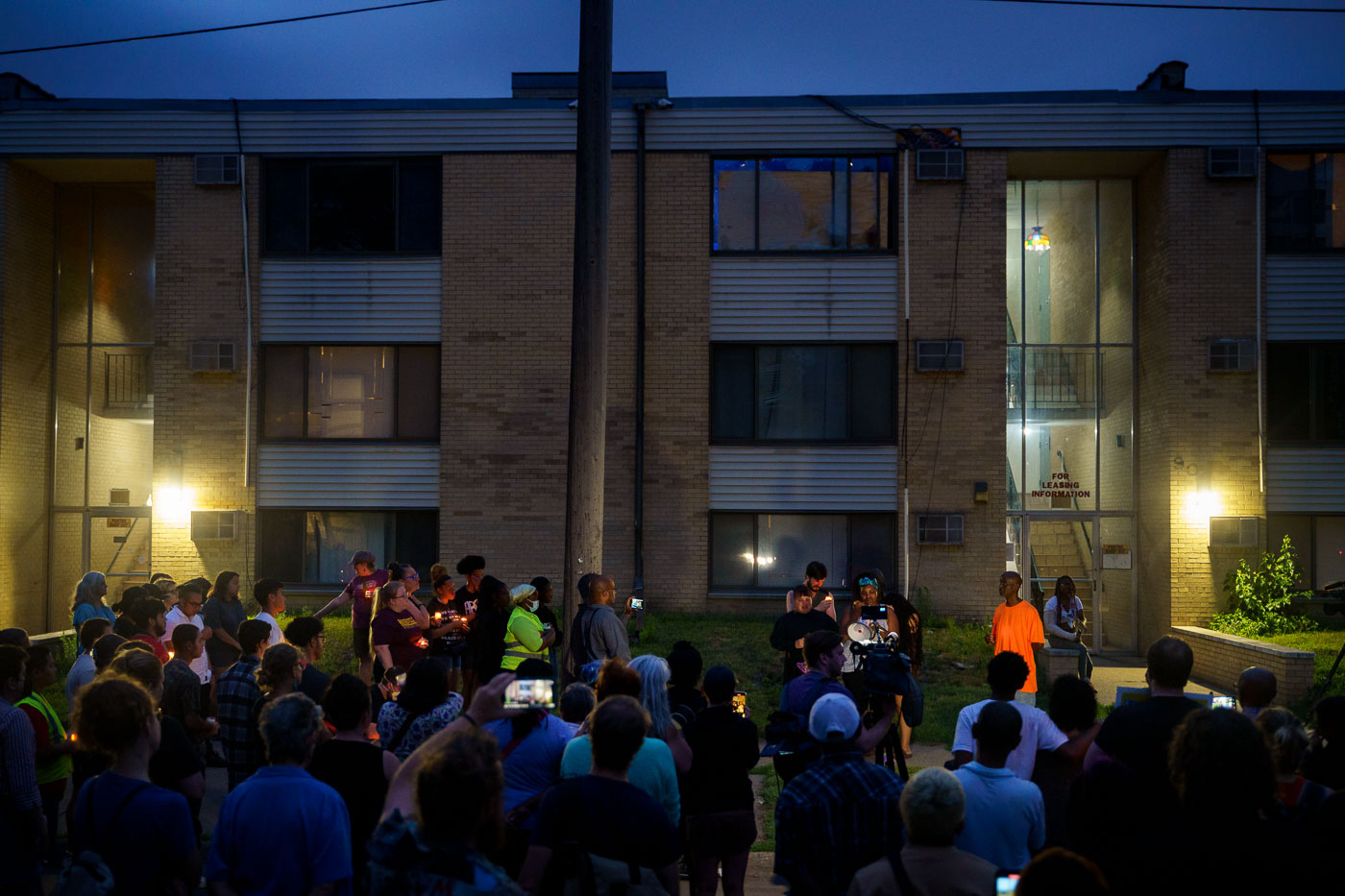
Candlelight vigil outside Tekle Sundberg's Minneapolis apartment building on July 14, 2022.

Minneapolis Vigil for Tekle Sundberg, July 14, 2022

On July 14, 2022, a vigil was held outside the Minneapolis apartment building where Tekle Sundberg died during a police standoff. Attendees gathered with candles and flowers, illuminating a chalk message on the sidewalk that read "TEKLE SUNDBERG." Marcia Howard addressed the crowd at the site of Sundberg's death. This event occurred amidst ongoing public discourse and protests concerning police conduct and accountability.

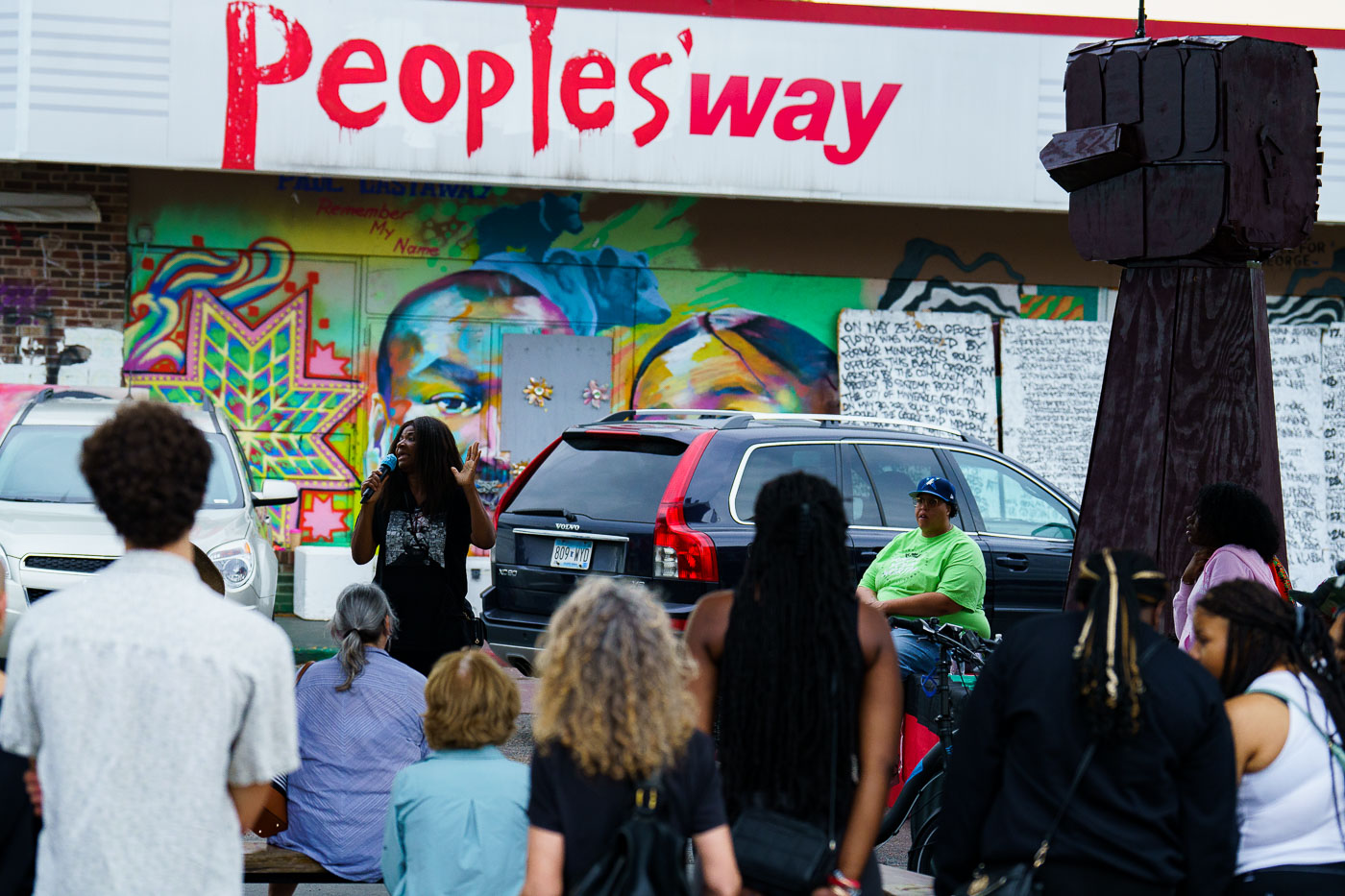
Speaker addresses a rally at George Floyd Square in Minneapolis beneath the People's Way sign.

George Floyd Square Akron Solidarity rally

A rally for solidarity with Akron was held at George Floyd Square in Minneapolis, a site of ongoing protest and community organizing. Speakers, including George Floyd's aunt Angela Harrelson, addressed the crowd, expressing solidarity with Jayland Walker, who was killed by police in Akron, Ohio. Artists were present, working on a raised fist sculpture intended for Akron, symbolizing shared struggles. The event took place against a backdrop of murals and signage, including "People's Way," reflecting the area's significance.

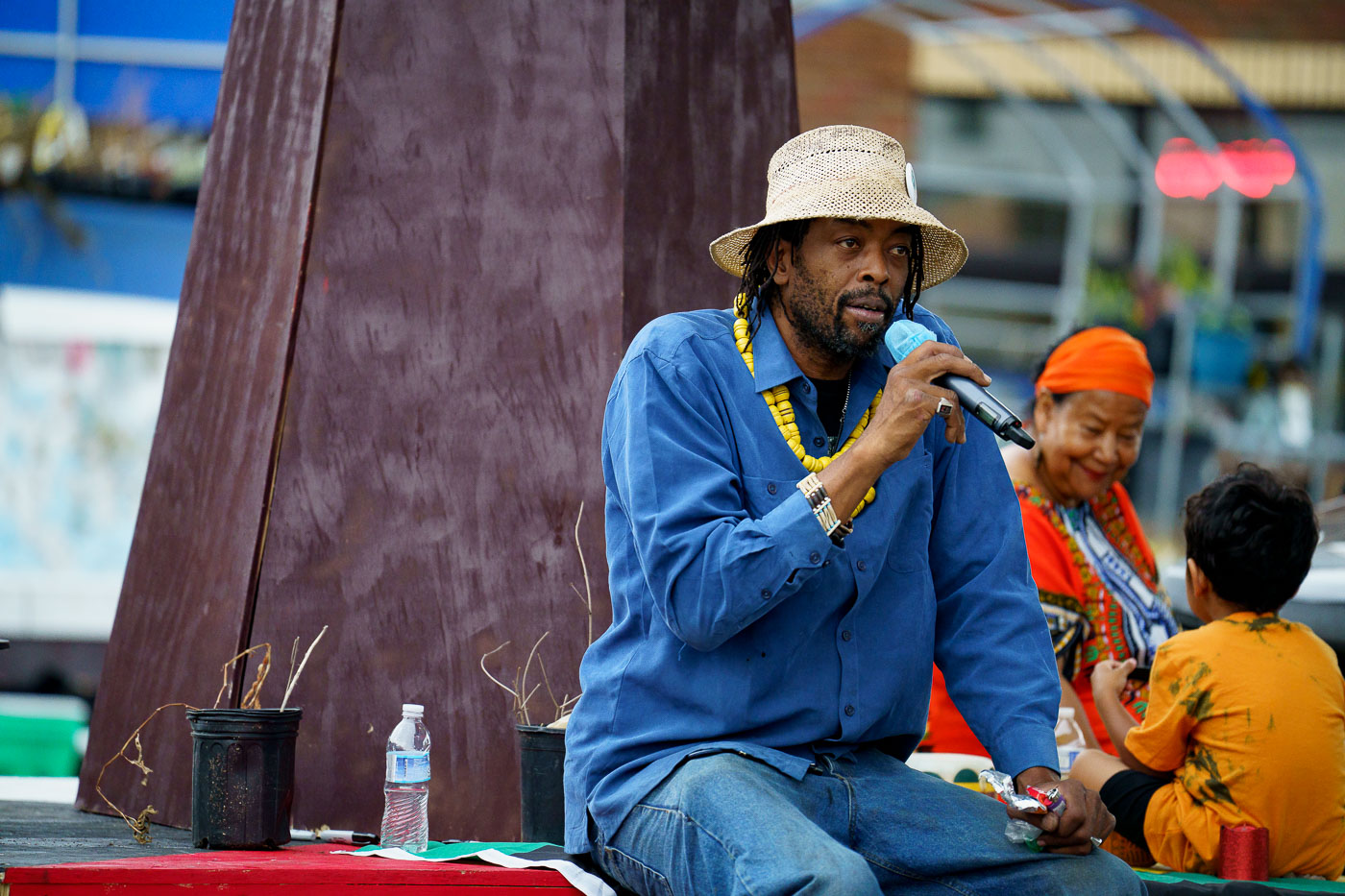
Jay Webb speaks at George Floyd Square in Minneapolis during an Akron solidarity rally.

Jay Webb speaks at George Floyd Square, Akron Solidarity

A rally for solidarity with Akron was held at George Floyd Square in Minneapolis, Minnesota. Speakers, including George Floyd's aunt Angela Harrelson and community member Jay Webb, addressed the crowd about community and solidarity with Jayland Walker, who was killed by police in Akron, Ohio. Artists were present, working on a raised fist sculpture intended for Akron, symbolizing shared struggles and support.

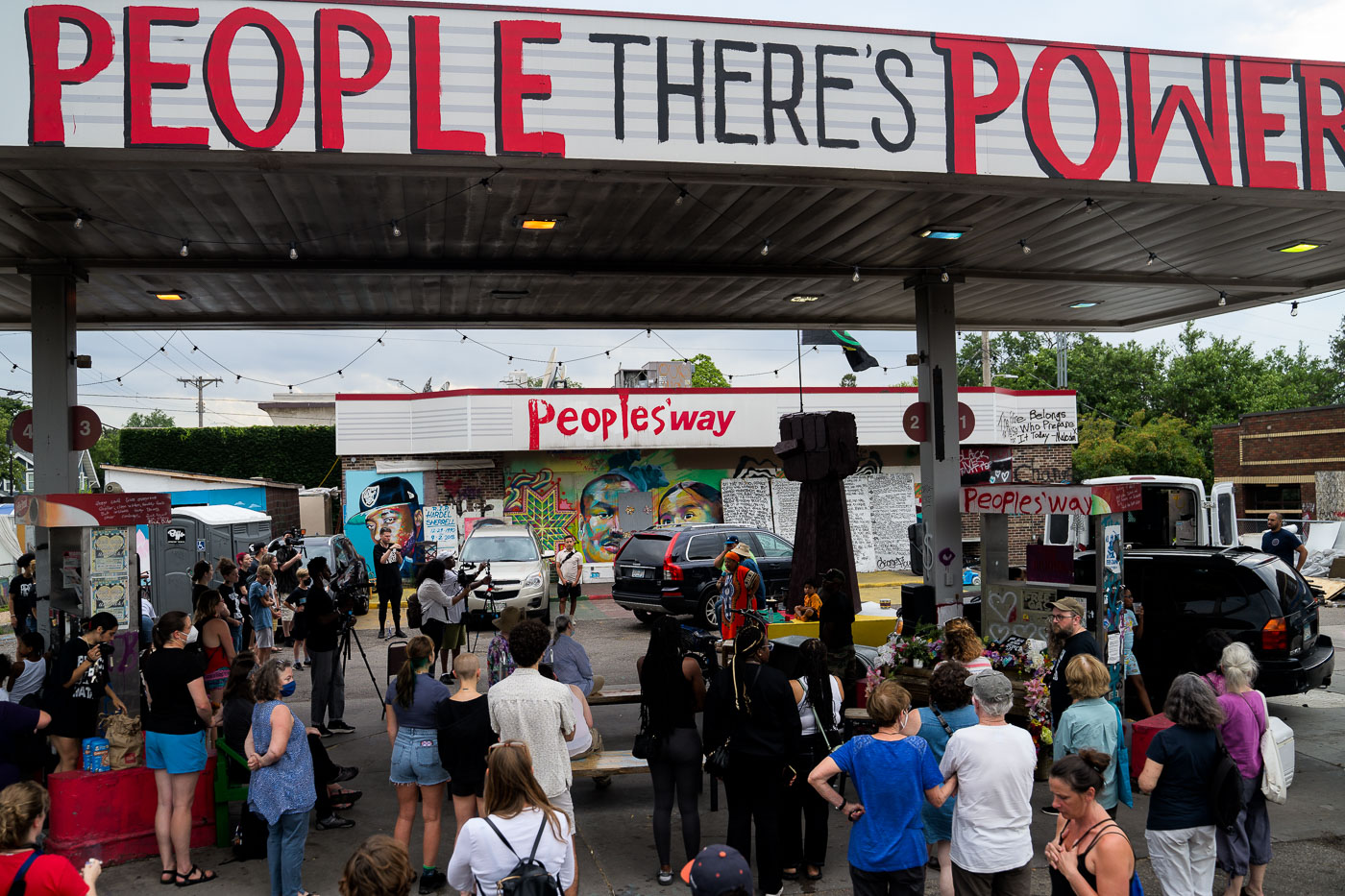
Rally at George Floyd Square in Minneapolis beneath a “People There’s Power” canopy sign.

George Floyd Square Rally for Akron Solidarity

A rally for solidarity with Akron was held at George Floyd Square in Minneapolis, Minnesota, a site that has become a focal point for protest and community organizing since the murder of George Floyd in 2020. Speakers, including George Floyd's aunt Angela Harrelson, addressed the crowd, expressing solidarity with Jayland Walker, who was killed by police in Akron, Ohio. Artists were present, working on a raised fist sculpture intended for Akron, symbolizing shared struggles and support. The event took place at the "Peoples Way" gas station, which has been transformed into a space for activism and remembrance.

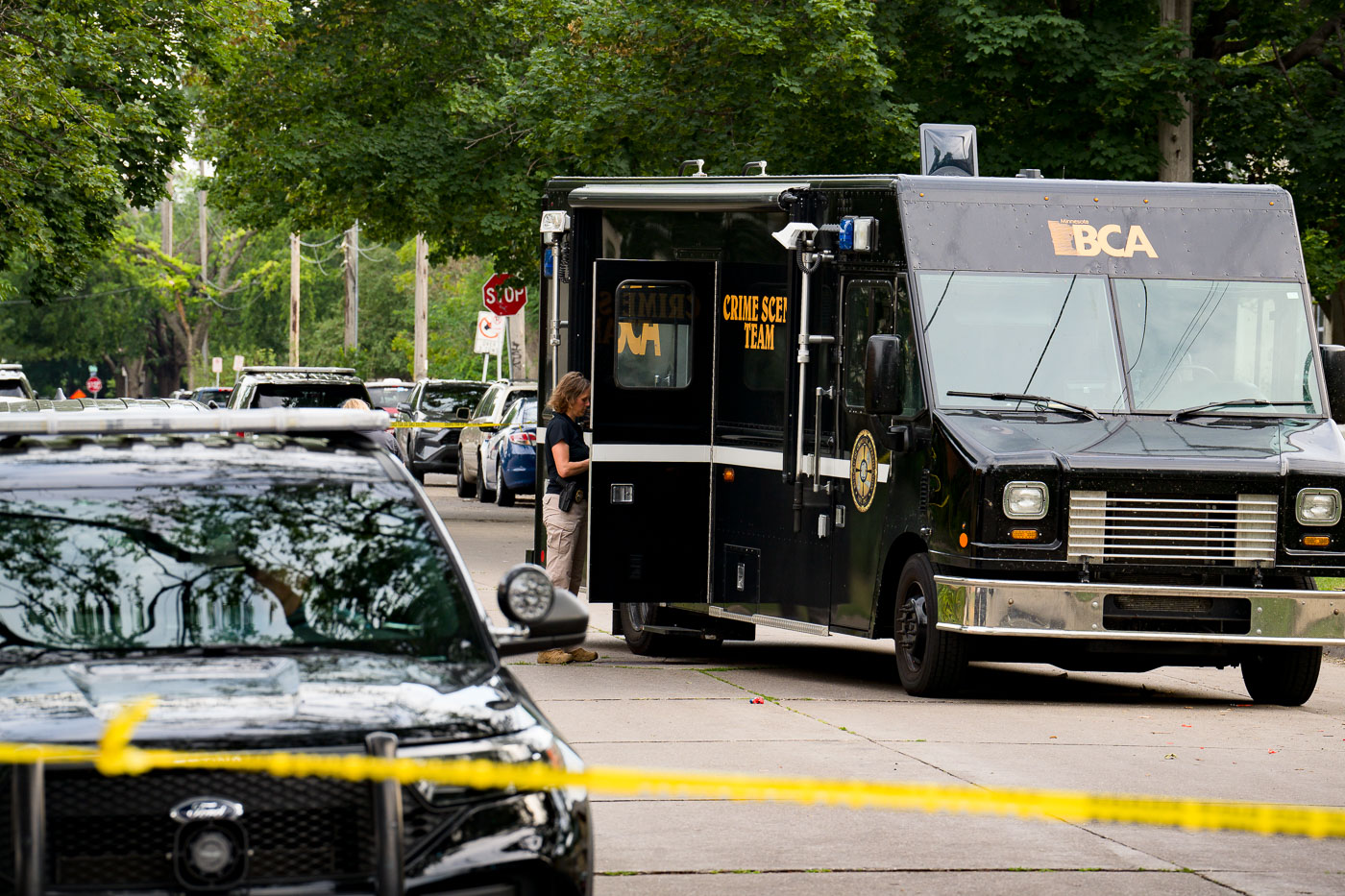
Minnesota BCA Crime Scene Team investigates an officer-involved shooting in Minneapolis on July 14, 2022.

Minnesota BCA Investigates Officer-Involved Shooting in Minneapolis

The Minnesota Bureau of Criminal Apprehension (BCA) Crime Scene Team investigates an officer-involved shooting that occurred on July 14, 2022, in Minneapolis. The BCA is the state's primary agency for investigating such incidents, ensuring an independent and thorough review. This investigation is crucial for accountability and understanding the events that transpired. The presence of the crime scene unit underscores the seriousness of the incident and the commitment to gathering evidence.

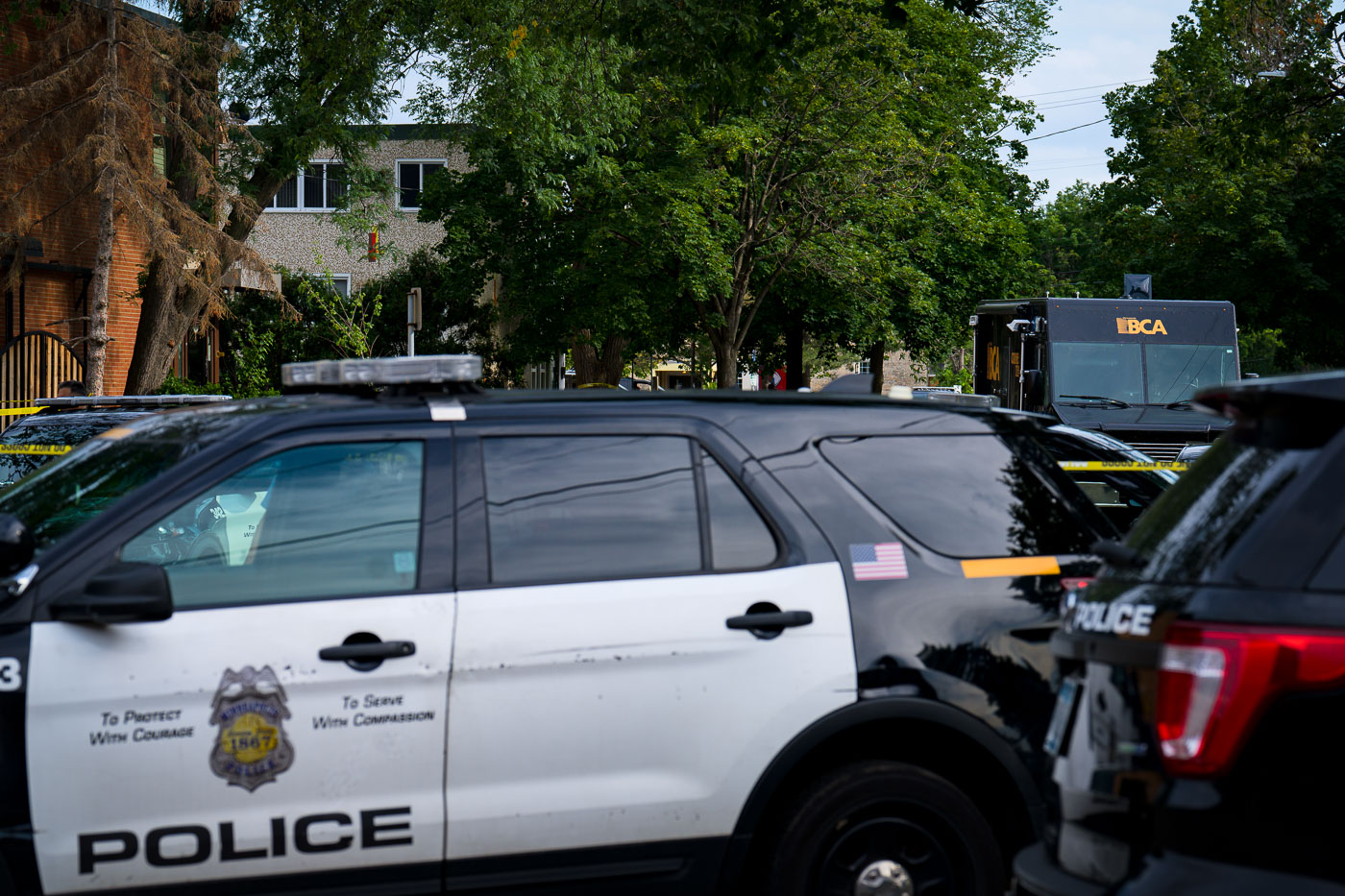
Police SUVs and a BCA truck at an officer-involved shooting investigation in Minneapolis.

Minneapolis: BCA Investigates Officer-Involved Shooting July 14, 2022

The Minnesota Bureau of Criminal Apprehension (BCA) investigated an officer-involved shooting on July 14, 2022, in Minneapolis, which resulted in the death of Tekle Sundberg. Police vehicles and a BCA investigation truck are present at the location, marked with yellow police tape. This incident occurred in a period of heightened scrutiny of police conduct in Minneapolis, following the murder of George Floyd in 2020.

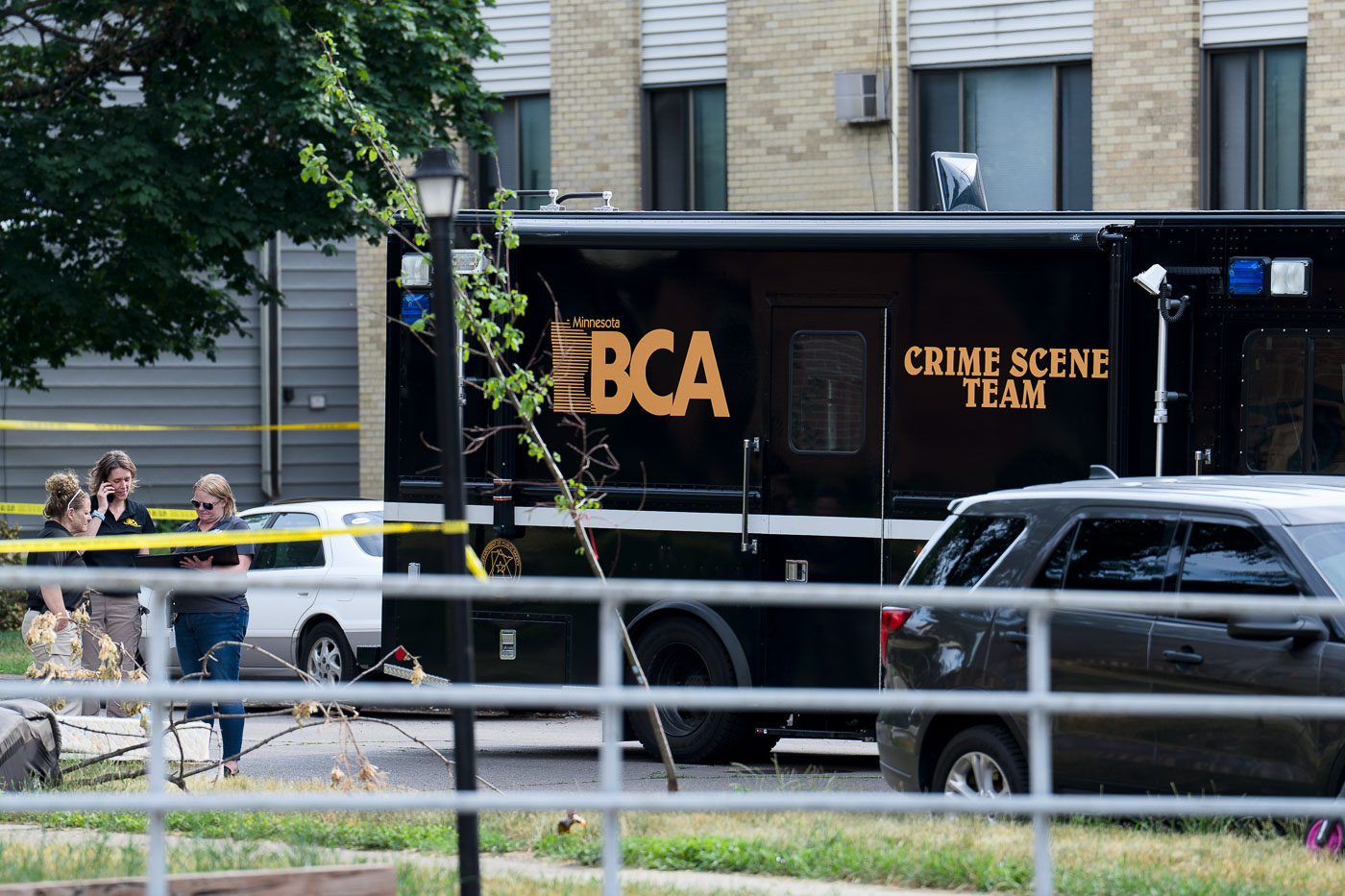
Minnesota BCA investigators beside a crime lab truck in South Minneapolis on July 14, 2022.

BCA Crime Scene Team in South Minneapolis, July 14, 2022

Minnesota Bureau of Criminal Apprehension (BCA) crime scene investigators responded to South Minneapolis on July 14, 2022. The BCA's presence was in response to an officer-involved shooting death that occurred on that date. This incident occurred within a year of the 2020 Minneapolis Uprising, which followed the murder of George Floyd and led to increased scrutiny of law enforcement conduct in the city. Consequently, officer-involved incidents became subjects of intense public and official interest.

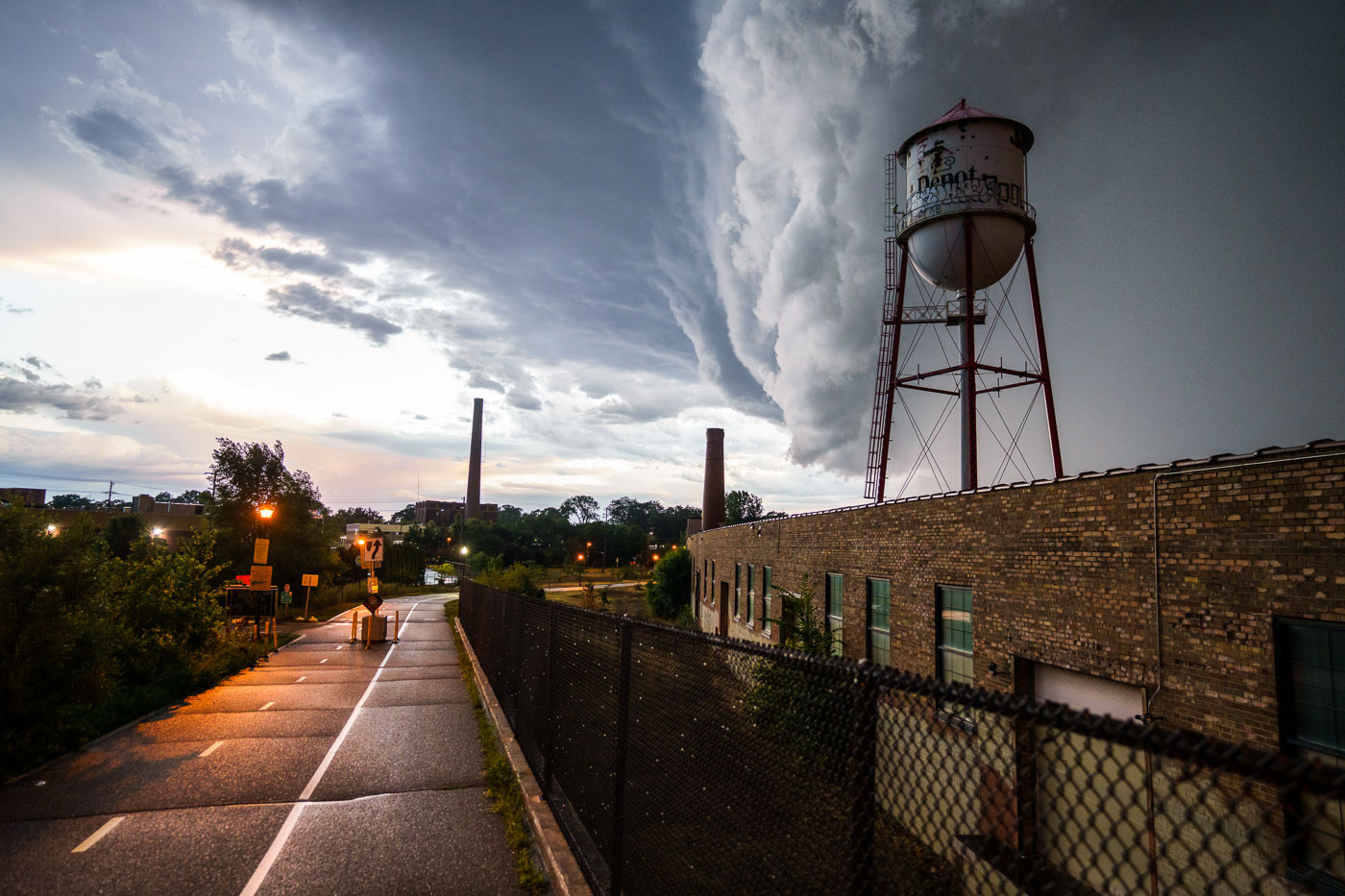
Depot water tower in Minneapolis beneath a thunderstorm over the Roof Depot site.

Minneapolis Depot Water Tower Under Storm Clouds

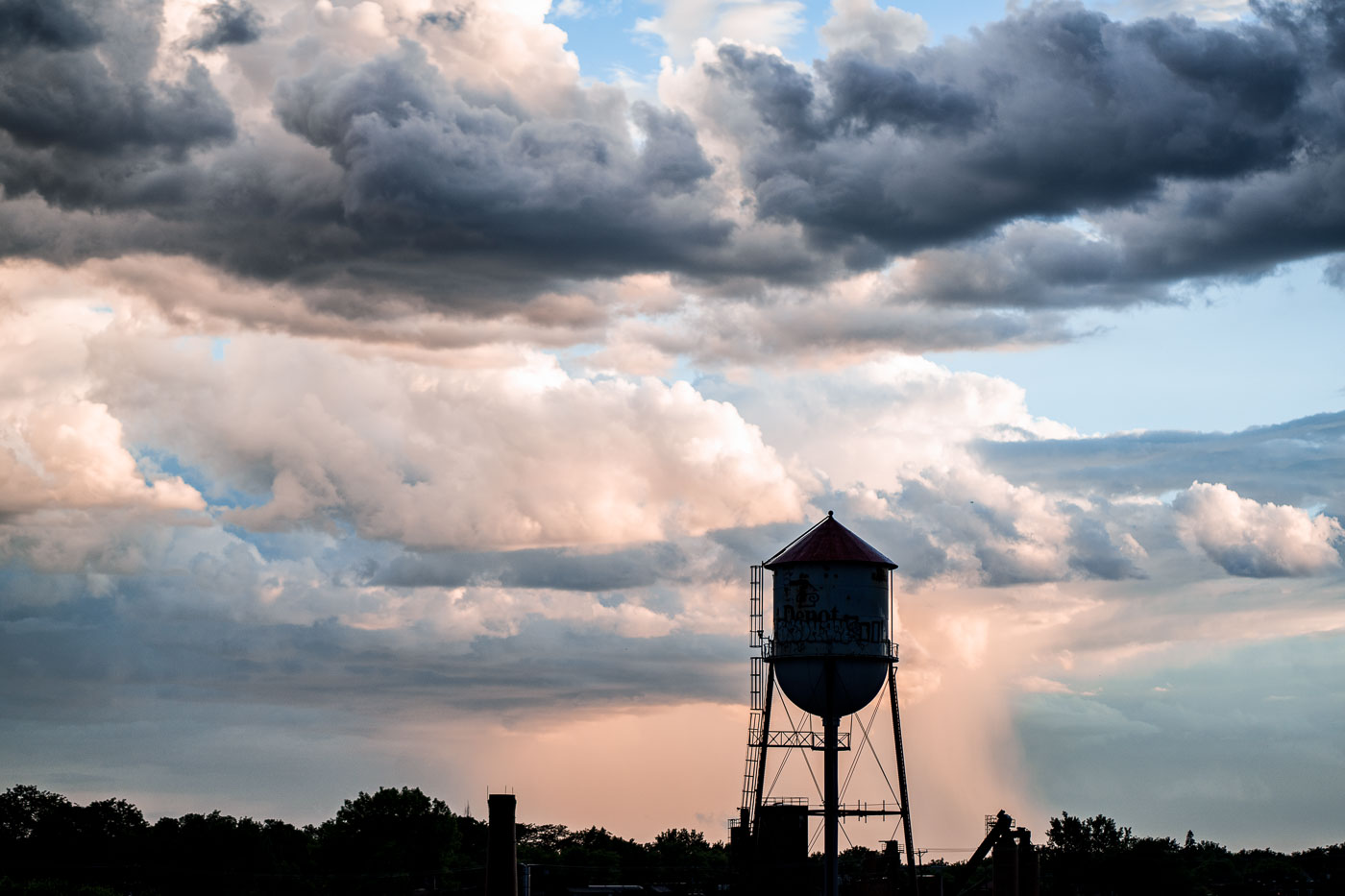
A massive storm front approaches Minneapolis on July 12, 2022, casting dark clouds over the city's industrial landscape. The photograph features a prominent water tower, labeled "Depot," and a brick industrial building, likely part of a former manufacturing or processing facility given the presence of smokestacks in the background. Water towers like this were essential for providing water pressure for industrial processes and fire suppression in urban and industrial areas. This particular tower, with its distinctive "Depot" marking, may have served a specific industrial complex or transportation hub within Minneapolis.

Storm clouds over downtown Minneapolis above a wet roadway after rain.

Minneapolis Thunderstorm Approaching Downtown July 12 2022

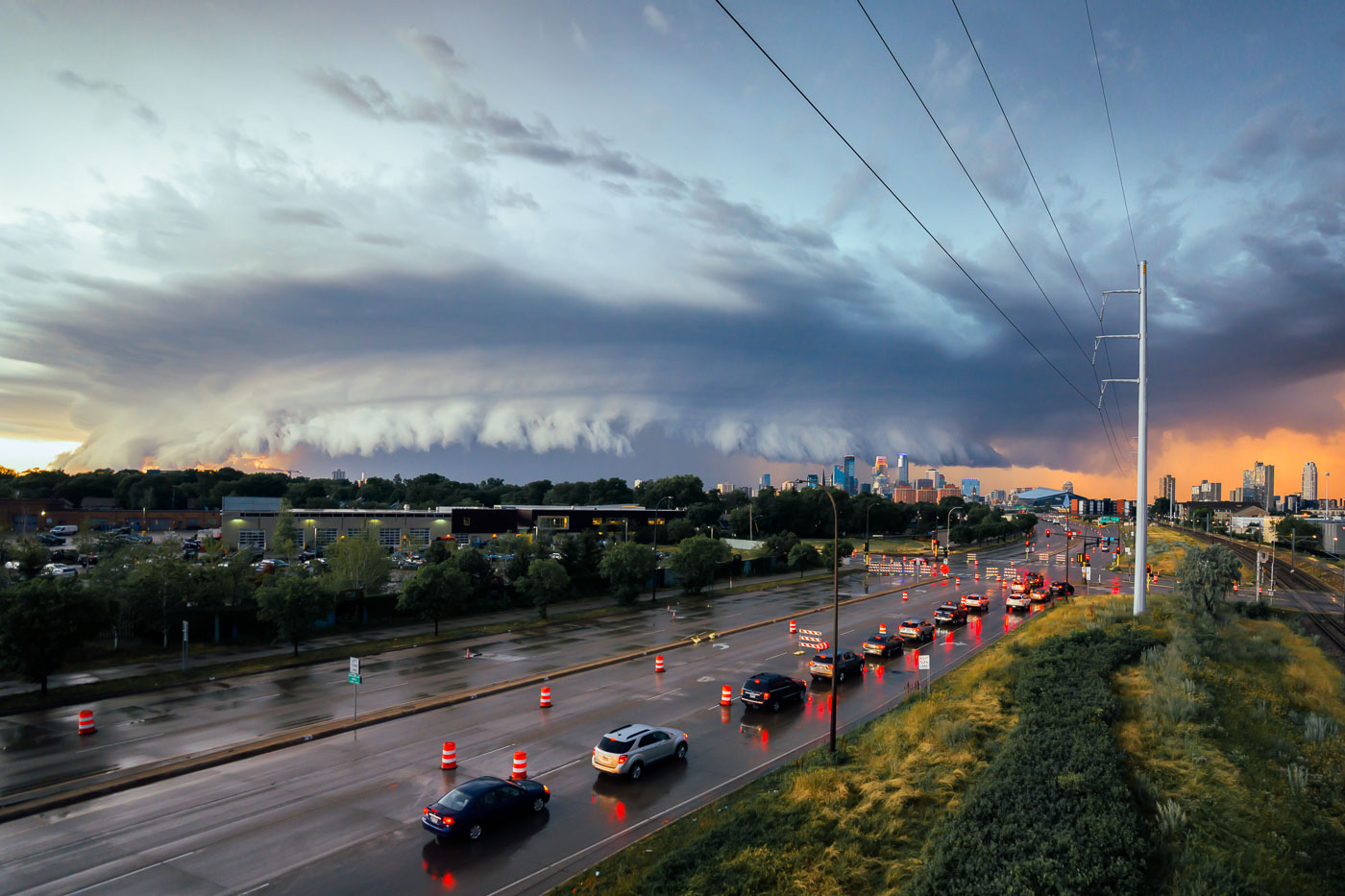
A severe thunderstorm approaches the Minneapolis skyline on July 12, 2022. The city's downtown core, with its characteristic modern architecture, is visible in the distance under a dramatic, dark cloud formation. The foreground shows a wet roadway, indicating recent rainfall, with traffic continuing despite the approaching weather. This image captures a moment of atmospheric intensity over a major Midwestern urban center, highlighting the dynamic relationship between weather and the built environment.

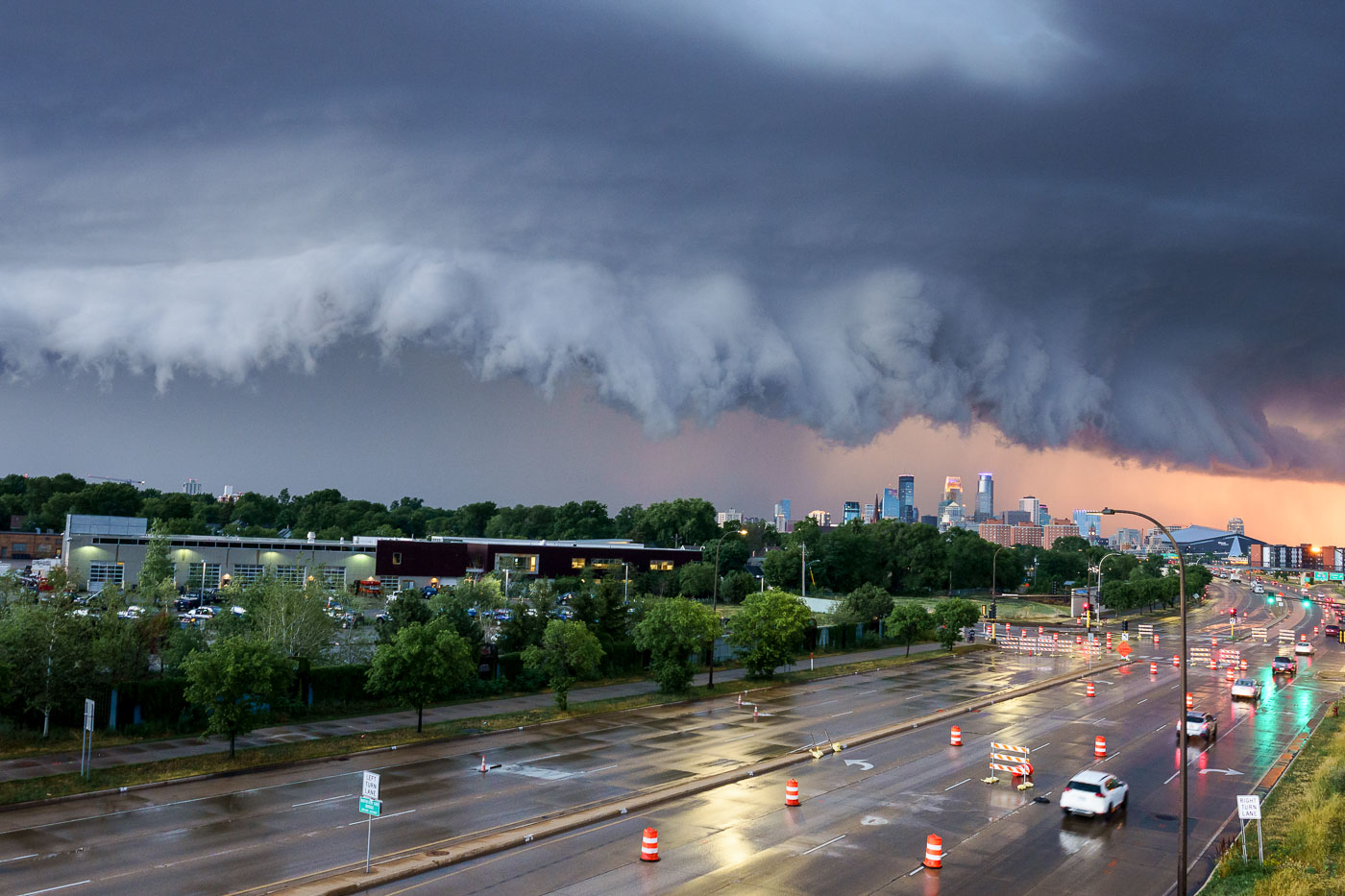
Storm clouds over Minneapolis, Minnesota, above wet traffic lanes and the downtown skyline.

Minneapolis Storm Clouds Over Highway and Skyline

A powerful storm front approaches Minneapolis, Minnesota, on July 12, 2022. The image captures the city's skyline under a dramatic sky, with traffic moving along a wet highway. The presence of construction barrels suggests ongoing infrastructure work, a common characteristic of urban environments. This type of weather event is typical for the region during the summer months, impacting daily life and transportation.

Roof Depot water tower in Minneapolis beneath dark clouds and distant rain.

Roof Depot Water Tower Under Stormy Skies, Minneapolis

The Roof Depot water tower stands silhouetted against a dramatic sky in Minneapolis. Water towers like this one were essential for providing consistent water pressure to industrial and residential areas, particularly before the widespread adoption of modern pumping systems. This structure, likely built in the early to mid-20th century, served the needs of the surrounding industrial district. Its presence signifies a period of significant urban and industrial development in Minneapolis.

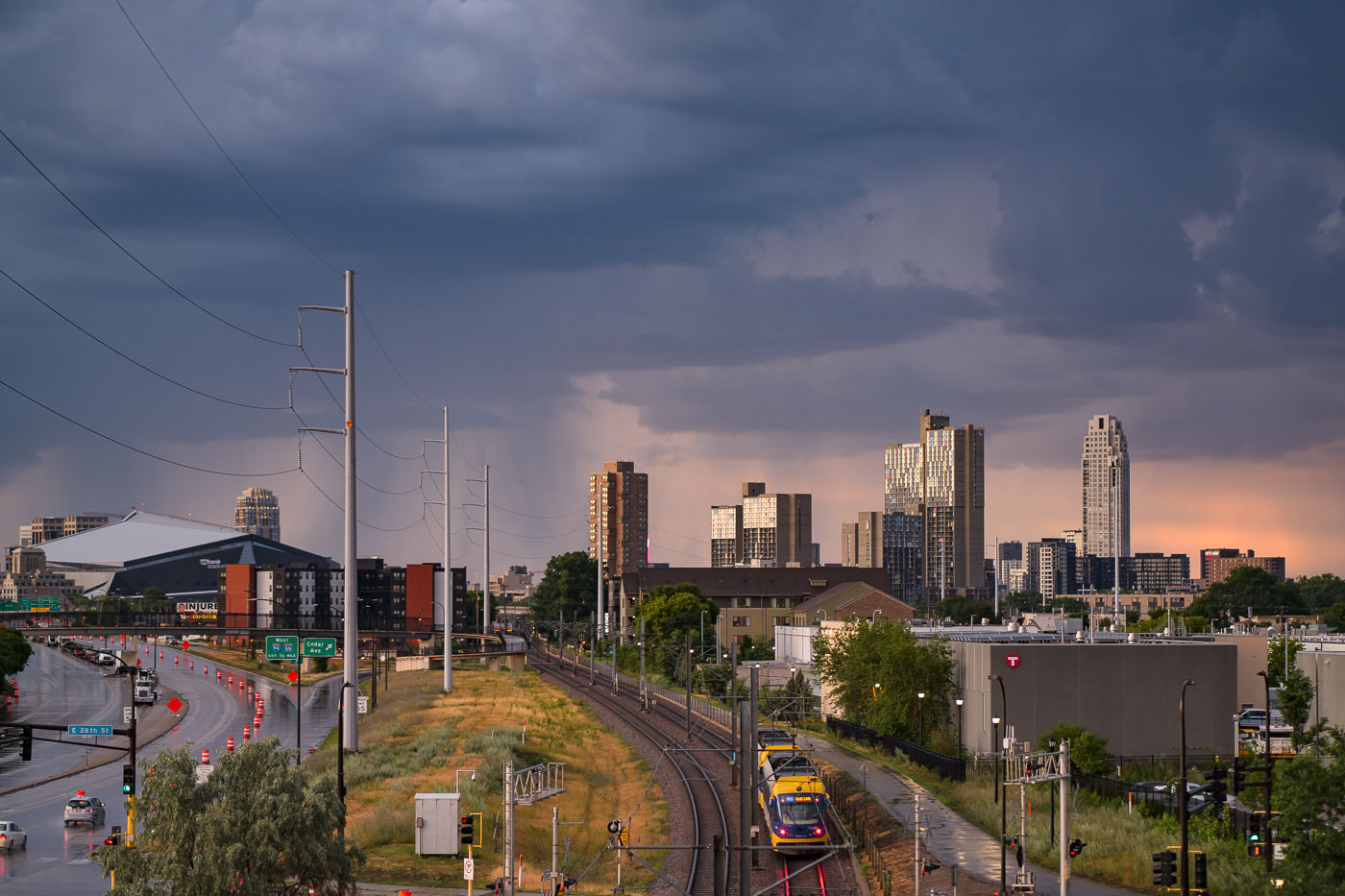
Metro Blue Line train near U.S. Bank Stadium in Minneapolis under storm clouds.

Minneapolis: Light Rail Under Storm Clouds Near US Bank Stadium

Storm clouds loom over the Minneapolis skyline on July 12, 2022, with the U.S. Bank Stadium visible on the left. The image also features the Metro Blue Line light rail, a key component of public transit in the Twin Cities. Opened in 2004, the Blue Line connects Minneapolis-Saint Paul International Airport and the Mall of America to downtown Minneapolis, serving as a vital link for commuters and visitors. The infrastructure facilitates access to the city's core employment centers and cultural attractions.

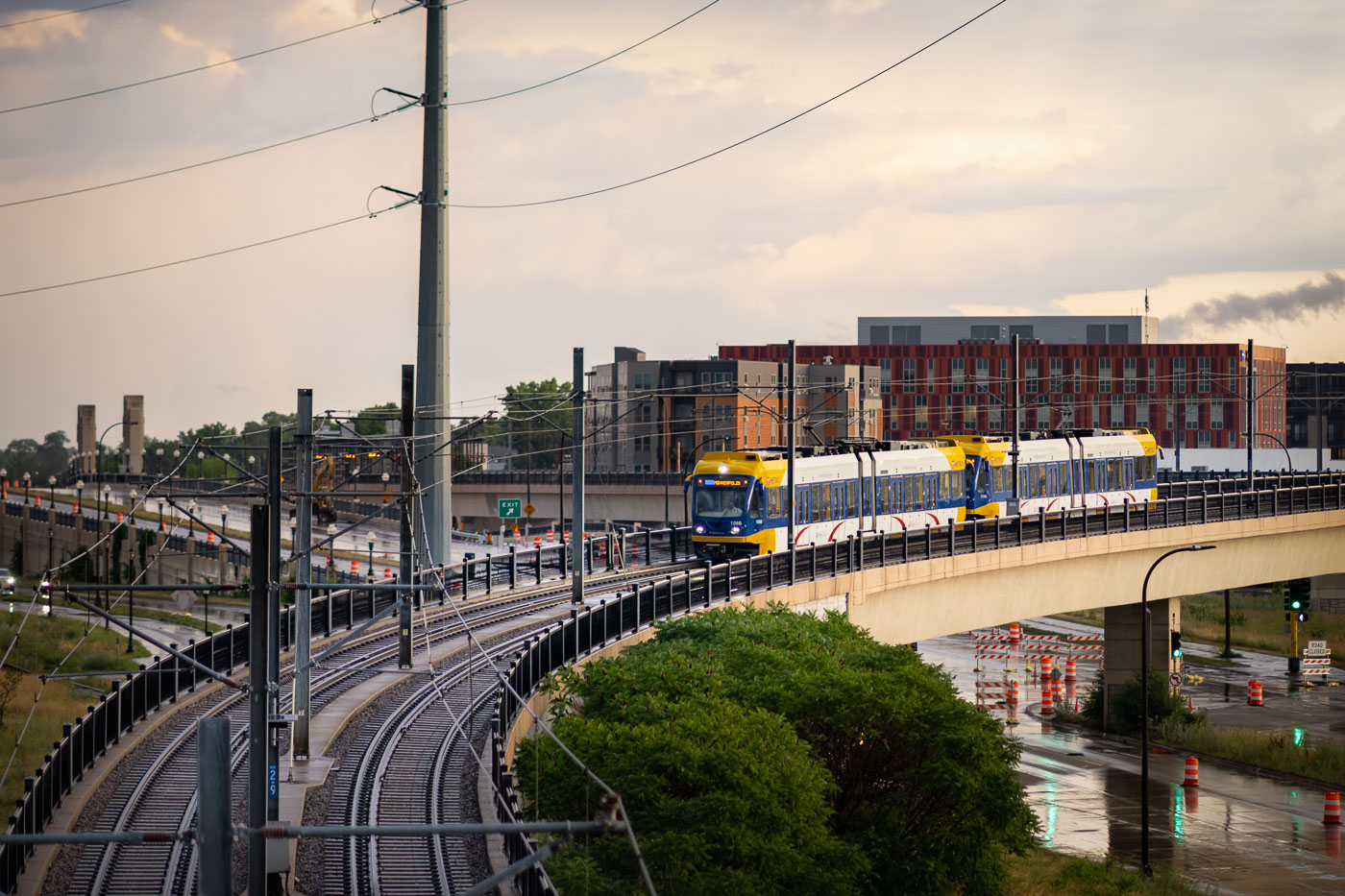
Metro Transit Blue Line train on an elevated track in Minneapolis after rain.

Minneapolis Blue Line Light Rail on Elevated Track

A Metro Transit Blue Line light rail train operates on an elevated track in Minneapolis. Opened in 2004, the Blue Line connects Minneapolis and Saint Paul, with extensions serving the Minneapolis-Saint Paul International Airport and northern suburbs. This elevated segment provides a dedicated right-of-way, ensuring efficient transit operations above street traffic. The light rail system is a crucial element of public transportation in the Twin Cities, linking residential areas with business districts and cultural attractions.

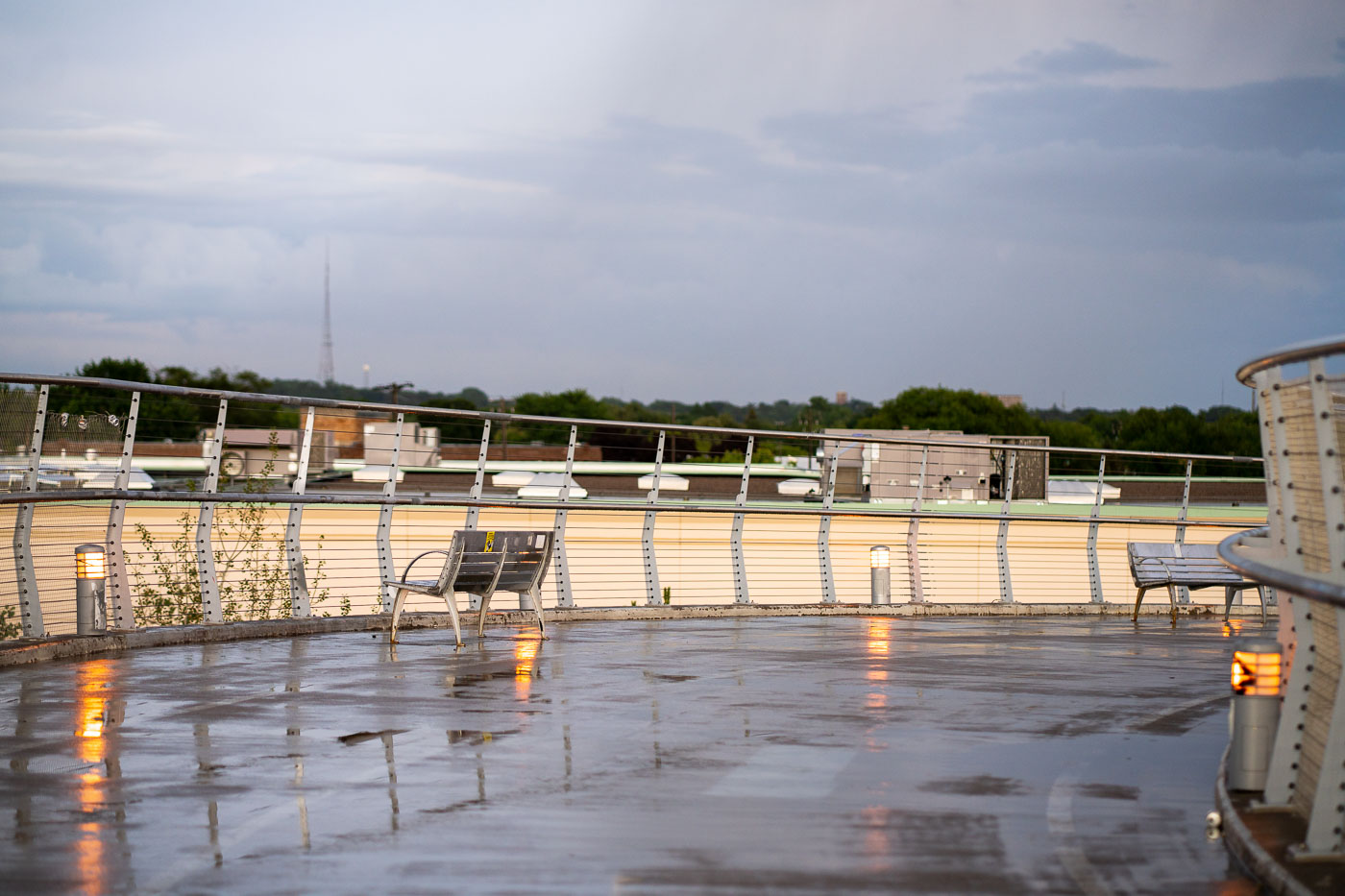
Wet deck on the Martin Olav Sabo Bridge in Minneapolis after rain.

Martin Olav Sabo Bridge, Minneapolis: Wet Deck After Rain

The Martin Olav Sabo Bridge in Minneapolis, also known as the "Hiawatha Line Bridge," is a pedestrian and bicycle bridge that opened in 2002. It spans the Hiawatha Avenue Light Rail corridor, connecting the Longfellow and Cooper neighborhoods and serving as a crucial link for non-motorized transit. The bridge's design includes aesthetic features like integrated lighting and seating areas, intended to enhance the user experience. The "wet deck" in the title refers to the bridge's surface, glistening with reflections after recent rain.

Cyclist on the Midtown Greenway in Minneapolis below a pedestrian bridge and apartment buildings.

Midtown Greenway, Minneapolis: Pedestrian Bridge and Apartments

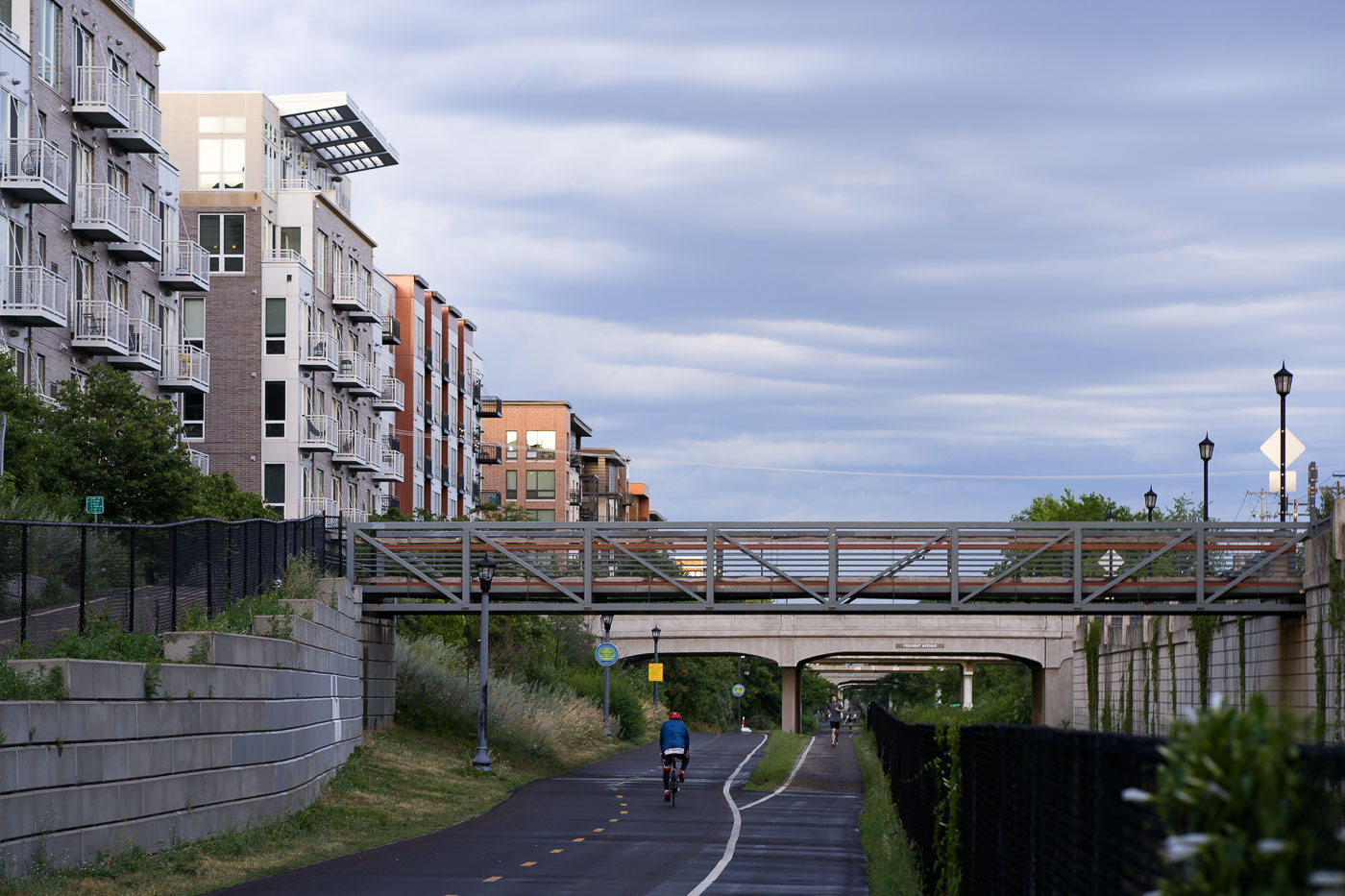
The Midtown Greenway in Minneapolis is a 5.5-mile-long trail developed on a former railroad corridor, providing a vital artery for cyclists and pedestrians through the city. Adjacent apartment buildings, constructed in recent years, demonstrate the integration of modern residential development with the trail's active use. A pedestrian bridge spans the greenway, connecting neighborhoods and enhancing access to this popular urban path.

Minnesota State Patrol vehicles parked in downtown Minneapolis at night.

Minnesota State Patrol Cars Downtown Minneapolis Night

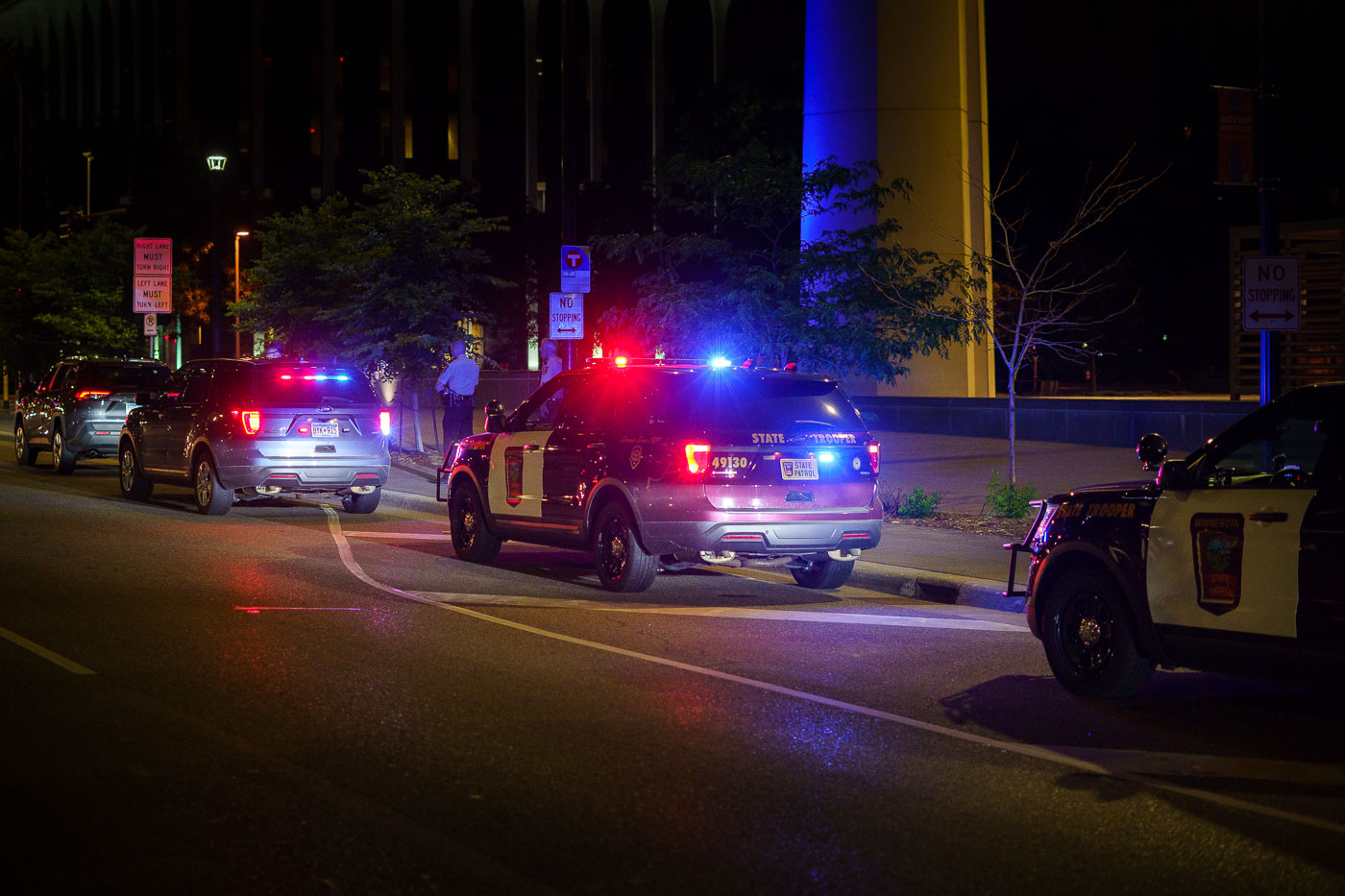
Minnesota State Patrol vehicles are parked on a street in downtown Minneapolis at night. The increased presence of State Patrol and local police vehicles in the city became notable during periods of civil unrest. This image was taken during a time of heightened public attention and increased law enforcement presence in Minneapolis due to protests and demonstrations.

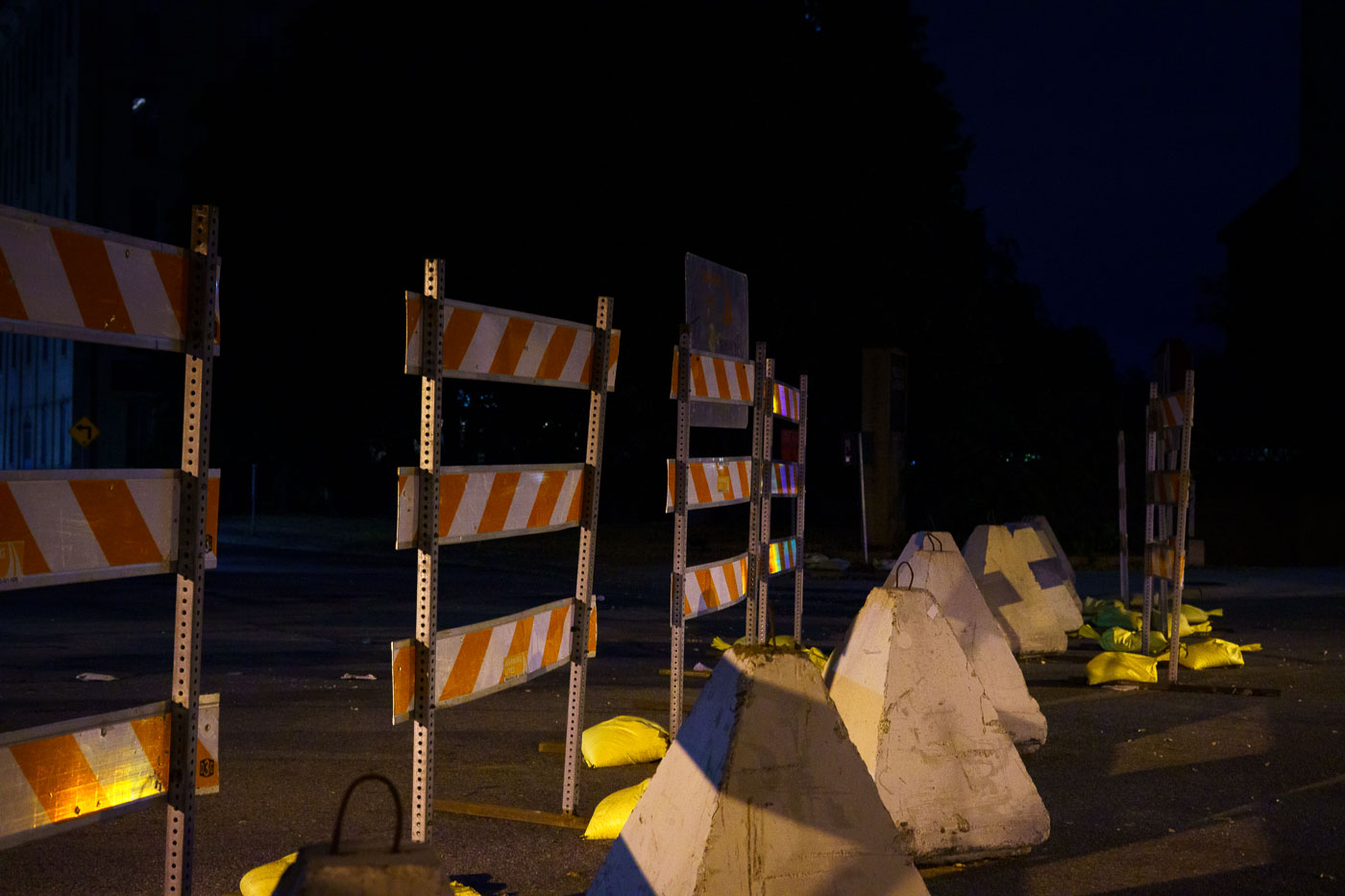
Barricades and concrete barriers on a downtown Minneapolis street at night.

Minneapolis Downtown Barricades After Hot Rodder Takeovers

Temporary barricades and concrete barriers were deployed in downtown Minneapolis following multiple weekends of unauthorized "hot rodder takeovers." These events, characterized by large groups of vehicles performing stunts, raised public safety concerns and caused significant traffic disruptions. The city's response aimed to restrict vehicle access and prevent further disturbances in the downtown core, thereby restoring order and ensuring the safety of pedestrians and residents.

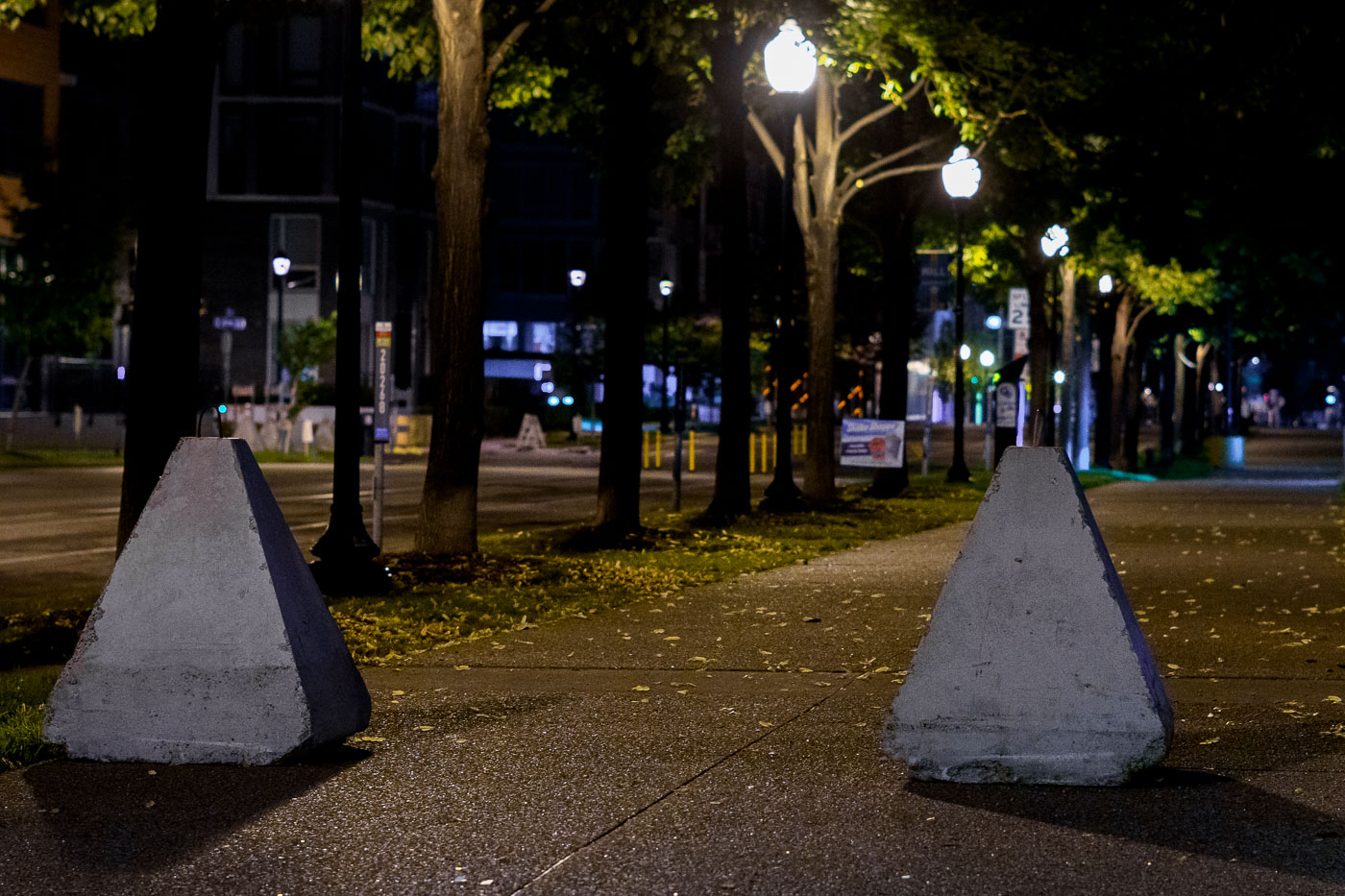
Concrete barricades on a downtown Minneapolis sidewalk at night.

Minneapolis Downtown Barricades After Hot Rodder Events

Concrete barricades line a sidewalk in downtown Minneapolis, a measure implemented by city officials following disruptive "hot rodder takeovers." These events, characterized by large gatherings of vehicles and public disturbances, led to the deployment of traffic control measures to prevent vehicles from accessing pedestrian areas. The barricades served as a physical deterrent, aiming to restore order and public safety in the urban environment. This response reflects the city's efforts to manage public spaces in response to unsanctioned vehicular events.

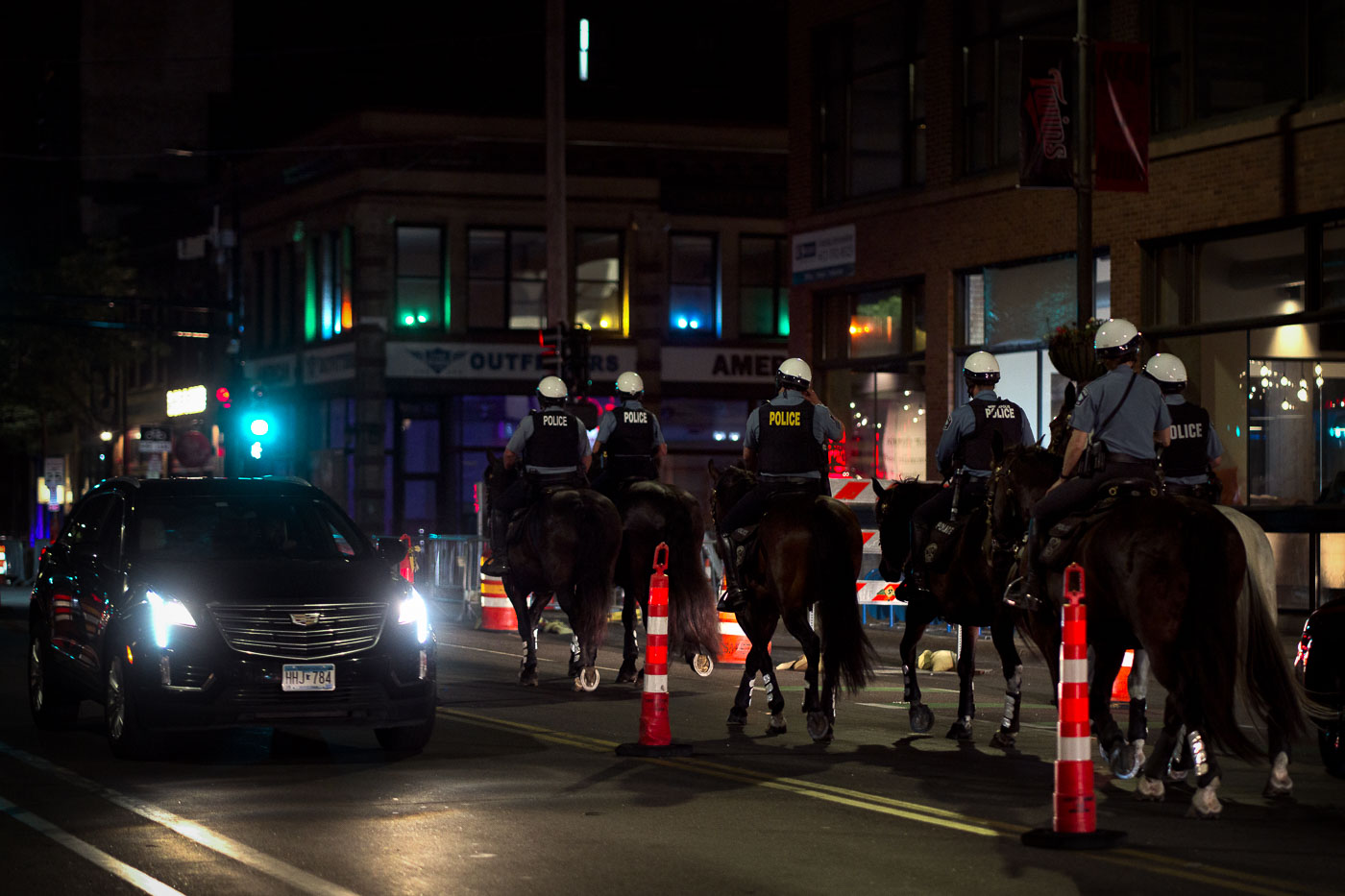
Minneapolis Police mounted patrol officers on Nicollet Mall at night.

Minneapolis Police Mounted Patrol on Nicollet Mall at Night

Minneapolis Police Mounted Patrol officers on horseback patrol Nicollet Mall at night. This unit is frequently deployed for crowd management and public order during events and protests in the downtown area. Nicollet Mall, a significant pedestrian thoroughfare in Minneapolis, is lined with businesses and cultural institutions. The mounted patrol's presence serves as a visible deterrent and provides mobility in dense urban settings during public gatherings or civil unrest.

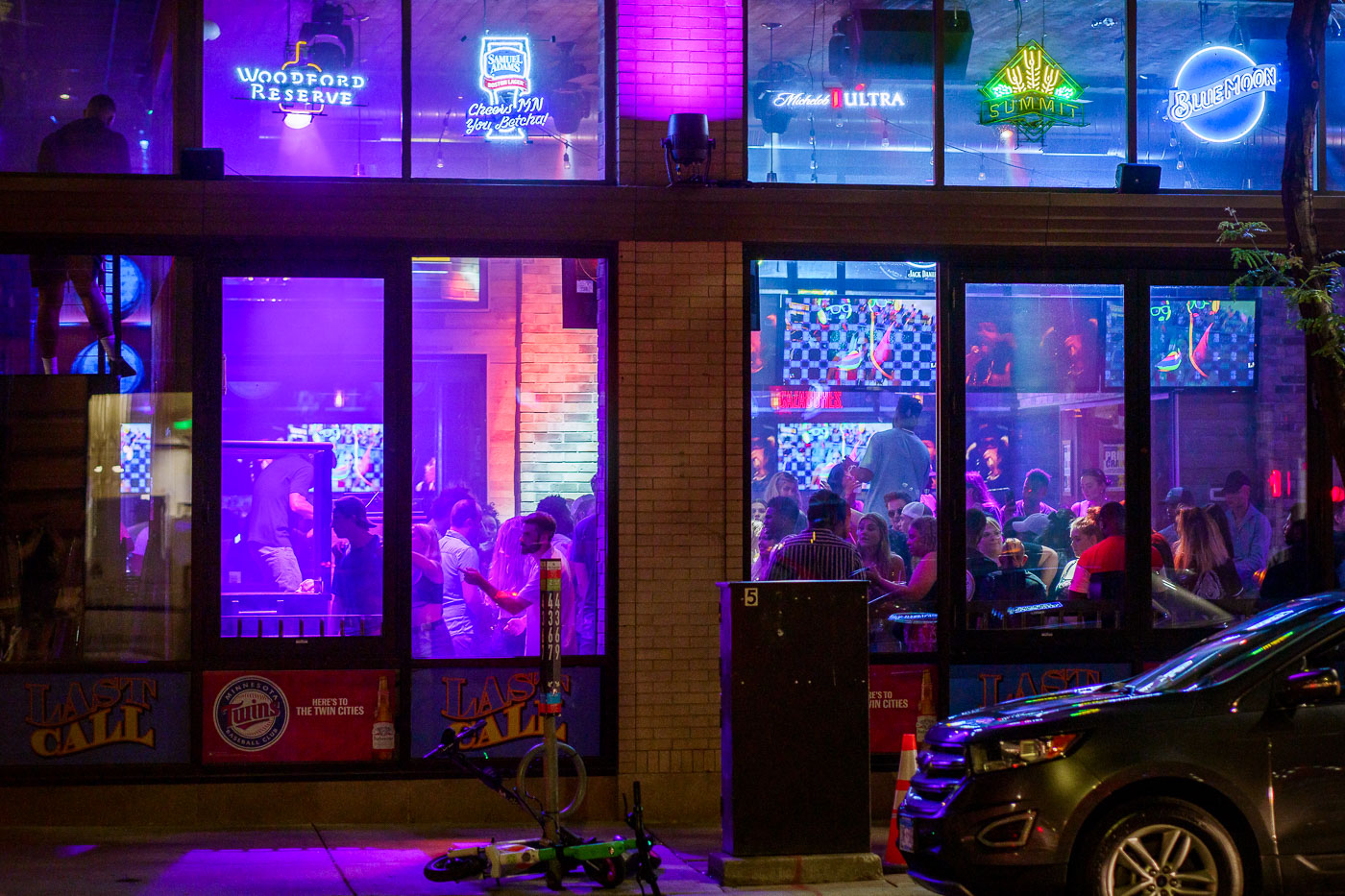
Last Call nightclub in downtown Minneapolis with neon beer signs and a crowded interior at night.

Minneapolis Nightclub, July 2022: Neon Signs & Last Call

A nightclub in downtown Minneapolis, Minnesota, on a summer night in July 2022. The establishment displays neon signage for various brands, including Woodford Reserve, Samuel Adams, Michelob Ultra, Summit, and Blue Moon, alongside "Last Call" lettering. The presence of multiple screens and a lively interior suggests a typical late-night entertainment venue. This photograph was taken two years after the widespread protests and unrest in Minneapolis following the murder of George Floyd in May 2020, a period that significantly impacted the city's social and political landscape.

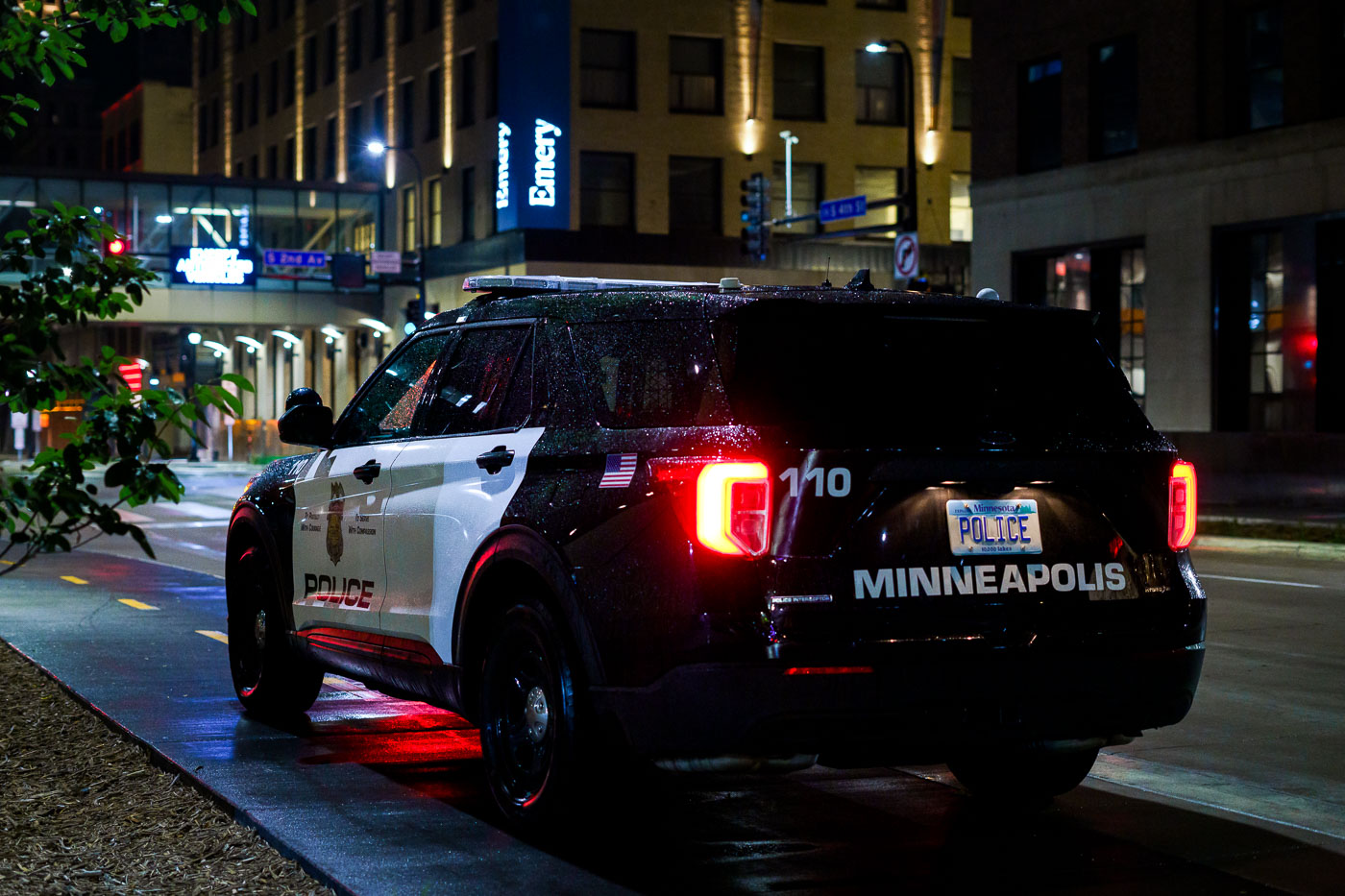
Minneapolis police SUV on 7th Street South near the Emery Hotel in downtown Minneapolis at night.

Minneapolis Police Squad Car on 7th Street South

A Minneapolis Police Department squad car is parked on 7th Street South in downtown Minneapolis, near the Emery building. The vehicle, marked with "Police" and "Minneapolis," is a common sight in the city's urban core, where it serves to maintain public order and respond to emergencies. The presence of a police vehicle in this area, particularly given the "MinneapolisUprising" keyword, may allude to the heightened tensions and public events that have occurred in the city. The "Emery" building, a structure that has been part of the downtown Minneapolis landscape for many years, is visible in the background.

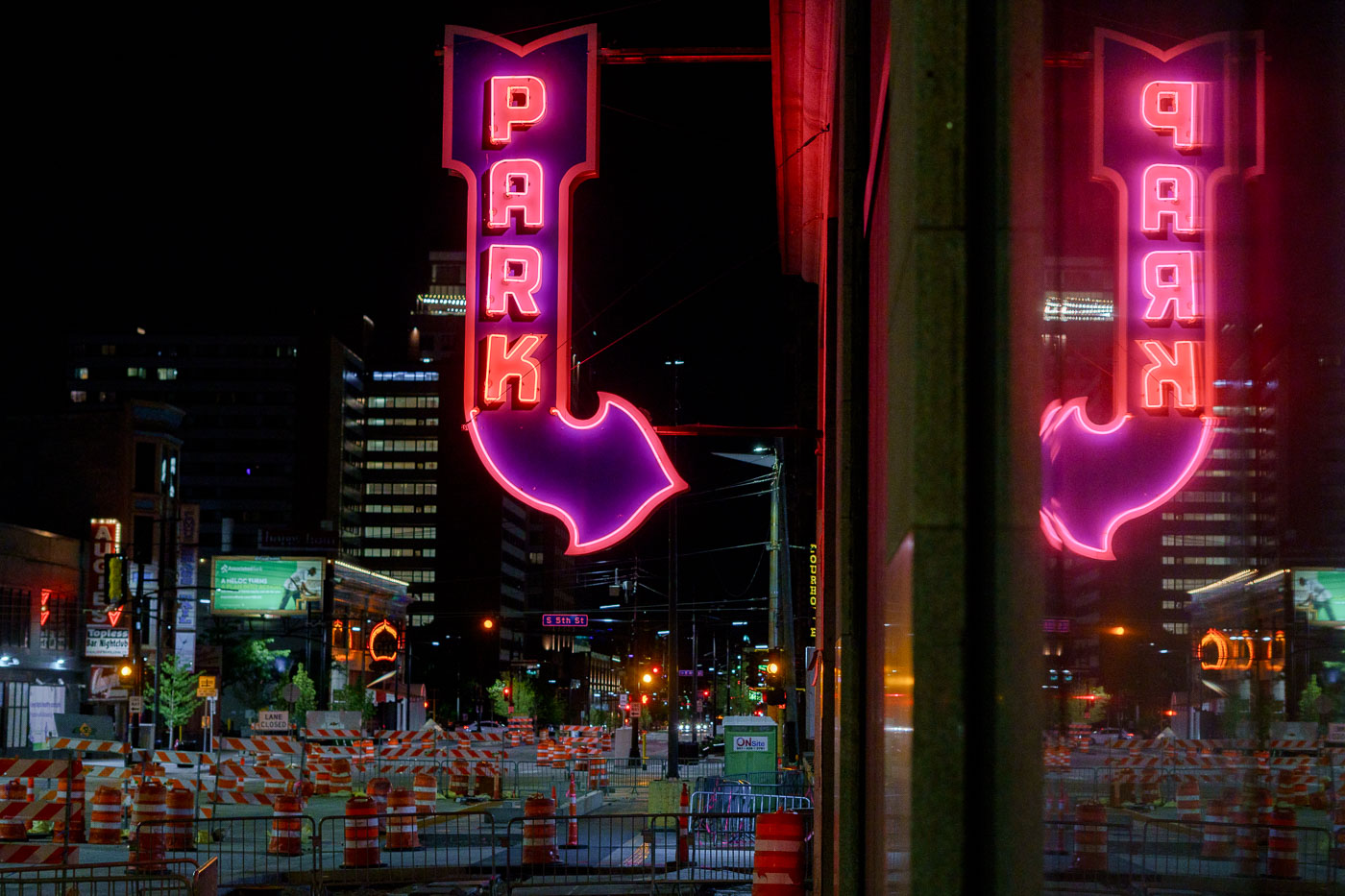
Reflected Neon “PARK” Sign on 5th Street, Minneapolis

Reflected Neon “PARK” Sign on 5th Street, Minneapolis

A bright magenta-and-red “PARK” marquee glows above 5th Street in downtown Minneapolis, its arrow pointing toward one of the city’s long-running parking ramps. The large mirrored surface on the right captures a full duplicate of the sign, emphasizing the heavy neon presence that once defined the downtown entertainment and retail district. Signs like this were installed in the mid-20th century as automobile traffic surged and developers converted older commercial buildings into multi-level garages to serve Nicollet Mall, the Gateway renewal area, and the growing high-rise core.

At street level, the rows of construction barrels and lane closures reflect Minneapolis’s ongoing cycle of roadway and transit upgrades — a pattern familiar in this part of the city as utility work, sidewalk rebuilds, and streetcar-era infrastructure get modern replacements. Even with the constant change, the surviving neon parking signs remain some of the most recognizable visual anchors of the nighttime downtown streetscape.

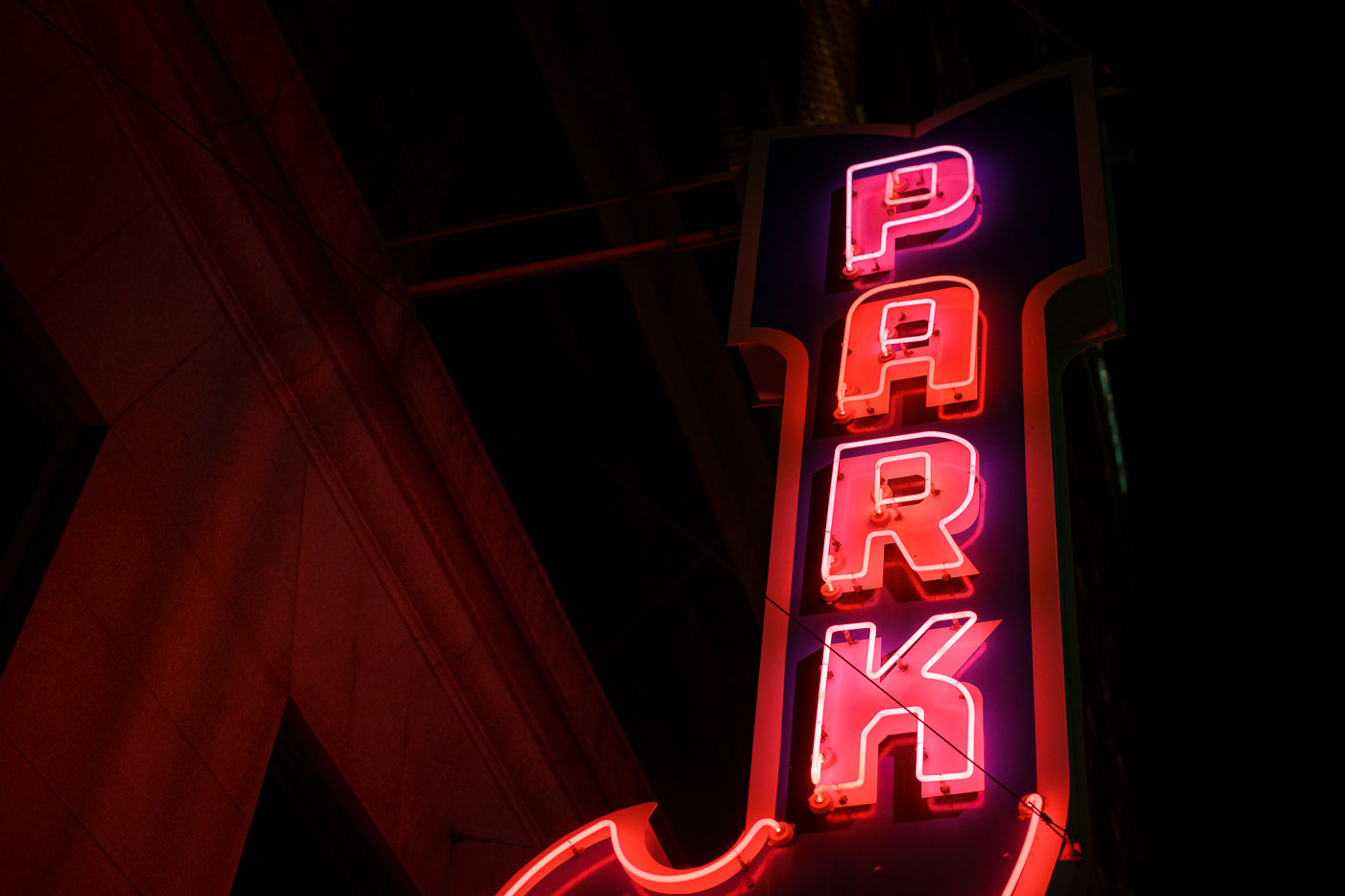
Vintage Neon “Park” Sign in Downtown Minneapolis

Vintage Neon “Park” Sign in Downtown Minneapolis

A classic vertical “PARK” marquee glows in red and magenta neon, marking one of downtown Minneapolis’s older parking structures that date back to the mid-20th century. These illuminated signs were once a staple of the city’s core, guiding drivers through the dense commercial grid before digital wayfinding and modern garages became standard. Many of these vintage markers survive as quiet architectural artifacts, attached to early high-rise buildings constructed during the postwar retail boom. Their hand-bent tubing and heavy steel housings reflect a period when neon craftsmanship was central to the city’s nighttime identity, especially along corridors near Nicollet Avenue, Hennepin Avenue, and the warehouse district.
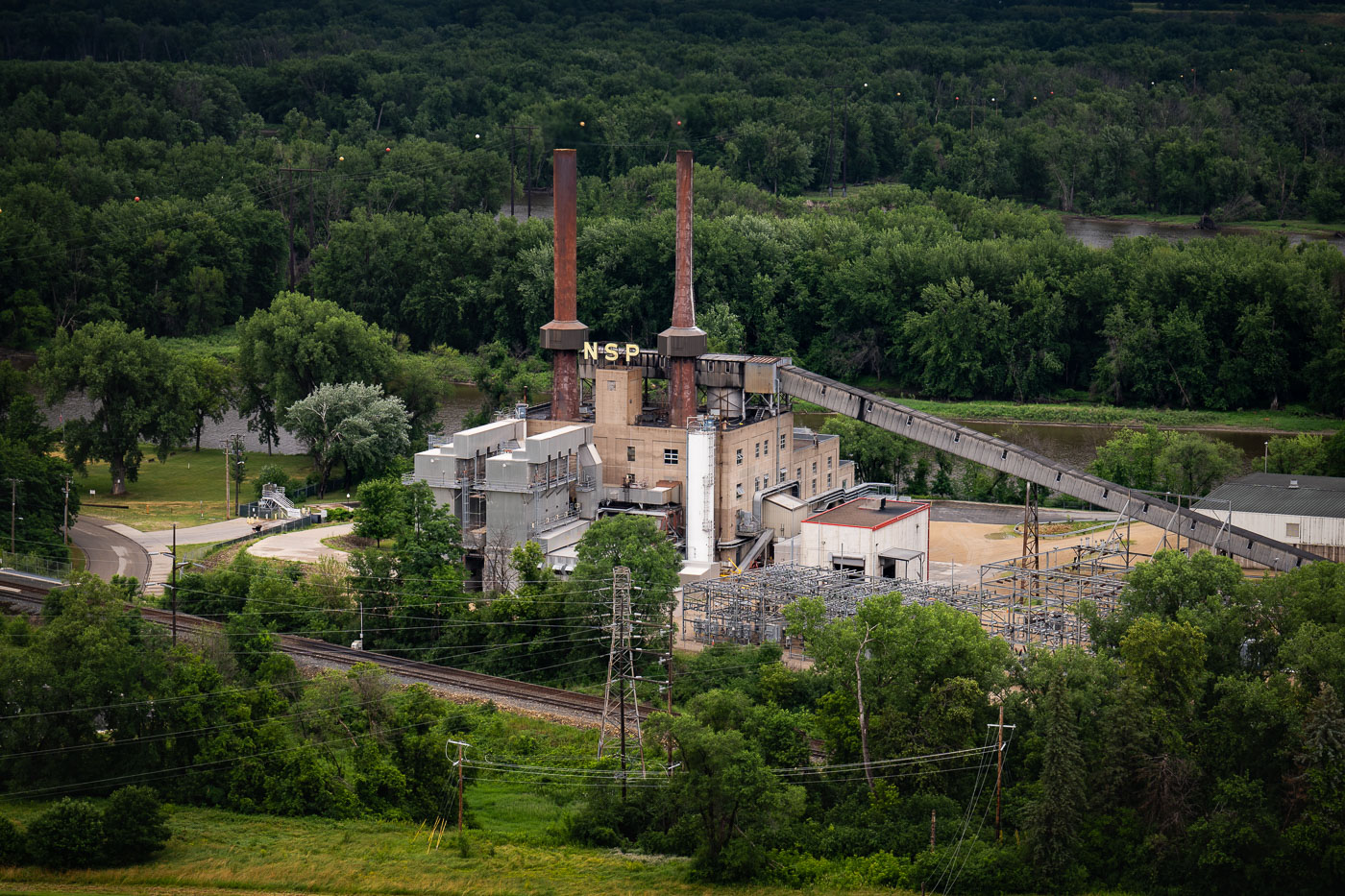
Power plant surrounded by trees

NSP Power Plant Above the Mississippi River

Perched along a bend of the Mississippi River north of downtown Red Wing, the historic Northern States Power (NSP) steam plant stands out with its twin rust-colored smokestacks and the familiar “NSP” lettering still mounted between them. Built in the mid-20th century as a coal-fired generating station, the facility once fed electricity into the regional grid and played a key role in the expansion of Northern States Power’s service territory across southeastern Minnesota.

The long enclosed conveyor stretching from the riverfront marks where coal deliveries once arrived by barge, a reminder of how closely the plant’s operations were tied to the Mississippi’s working waterfront. Although the plant has been retired for years, the structure remains an important industrial landmark—visible from Memorial Park high above the river—and sits near the broader Prairie Island energy complex that includes transmission infrastructure and the nearby nuclear generating station. Surrounded by forested riverbanks and the bluffs that define Red Wing’s geography, the site reflects a layered history of energy production, transportation, and landscape along this stretch of the Upper Mississippi.

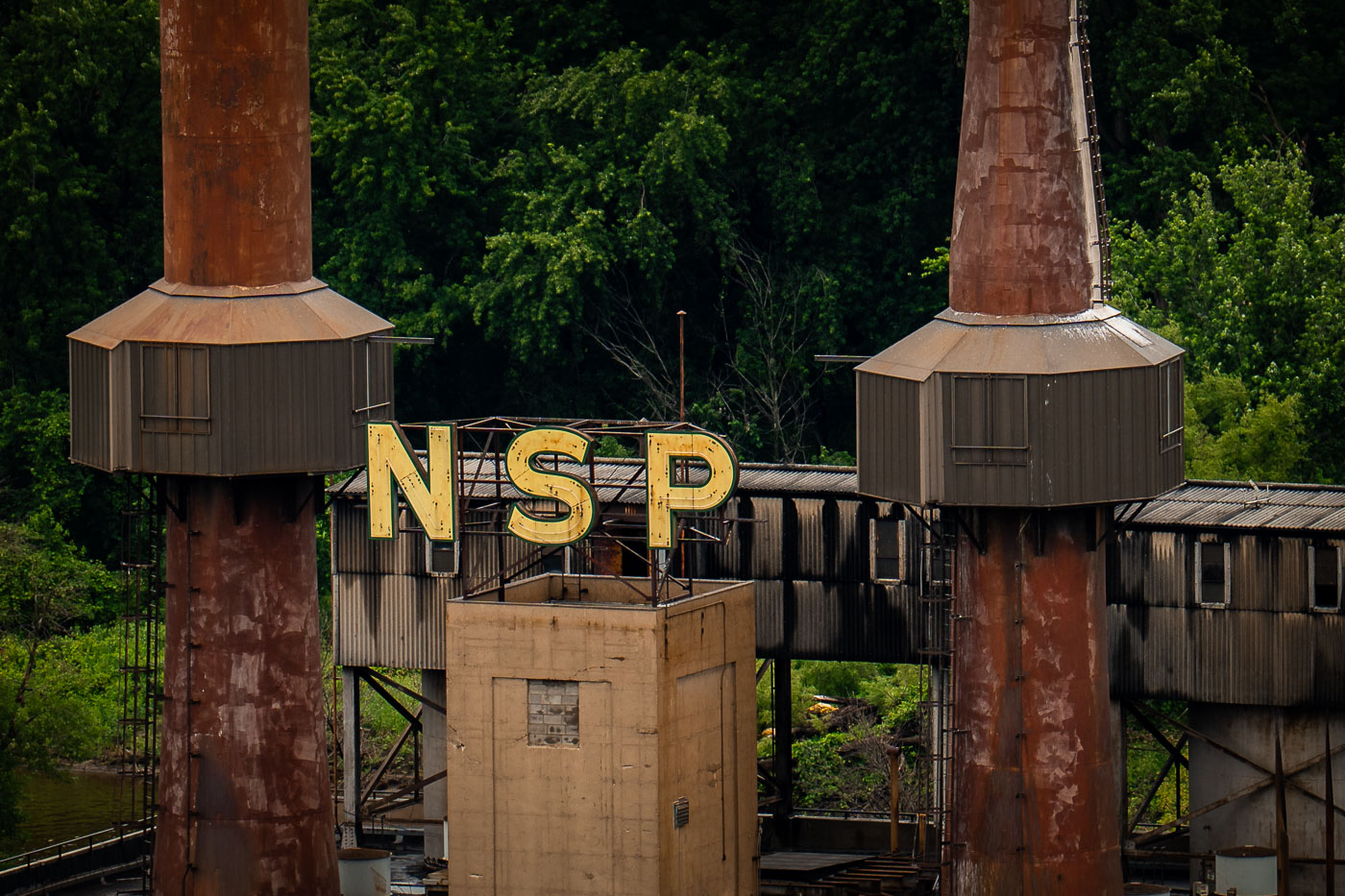
NSP Power Plant Landmark, Red Wing, Minnesota

NSP Power Plant Landmark, Red Wing, Minnesota

The large yellow “NSP” letters seen here belong to the historic Northern States Power Company generating station in Red Wing, Minnesota. Perched along the Mississippi River just north of downtown, the plant was once a key part of the regional electrical grid operated by NSP—now Xcel Energy. Although much of the facility has been retired or repurposed, the tall brick stacks and the weathered rooftop lettering remain some of the most recognizable industrial features on Red Wing’s riverfront.
Built in the mid-20th century, the station reflects an era when coal-fired plants lined major waterways to take advantage of cooling capacity and barge-delivered fuel. The surrounding corridor, including the nearby railway and grain terminals, has long formed one of Red Wing’s primary industrial zones. Today, while the plant no longer plays the role it once did, the NSP letters survive as a visual marker of the city’s energy-production past.

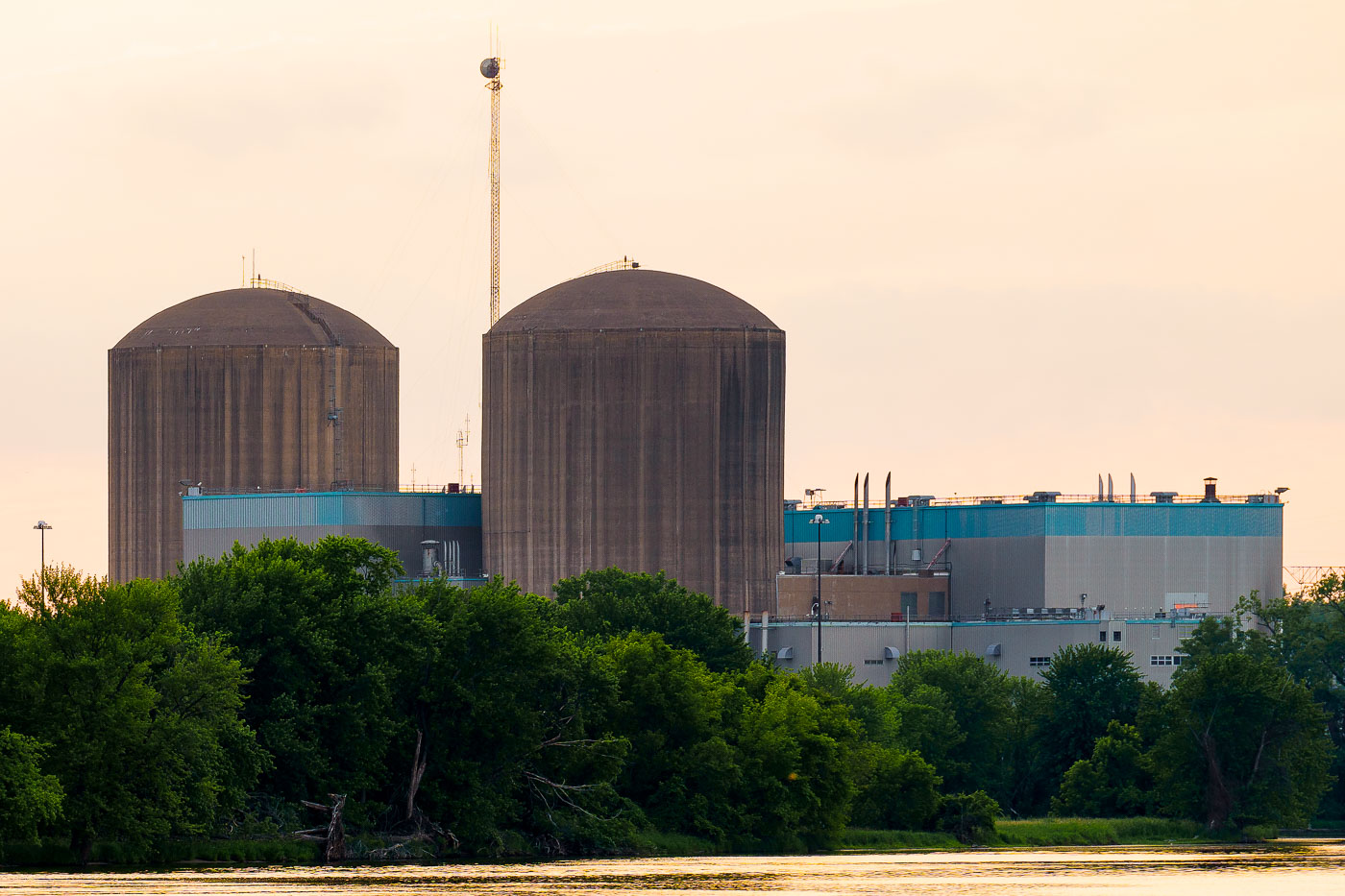
Prairie Island Nuclear Generating Plant at Sunset

Prairie Island Nuclear Generating Plant at Sunset

The twin concrete containment domes pictured here belong to the Prairie Island Nuclear Generating Plant, located along the Mississippi River just northwest of Red Wing, Minnesota. Operated by Xcel Energy, the facility houses two pressurized-water reactors that began commercial operation in the early 1970s. The domed structures serve as reinforced containment buildings, designed to house the reactor vessels and critical safety systems.

Set against the river and surrounded by dense tree cover, the plant sits adjacent to the Prairie Island Indian Community, whose proximity has been central to public discussions about nuclear safety, spent-fuel storage, and long-term energy planning in Minnesota. The low evening light in this image highlights the muted textures of the domes and the teal-panel cladding of the turbine and support buildings, offering a clear view of one of the state’s most prominent pieces of energy infrastructure.

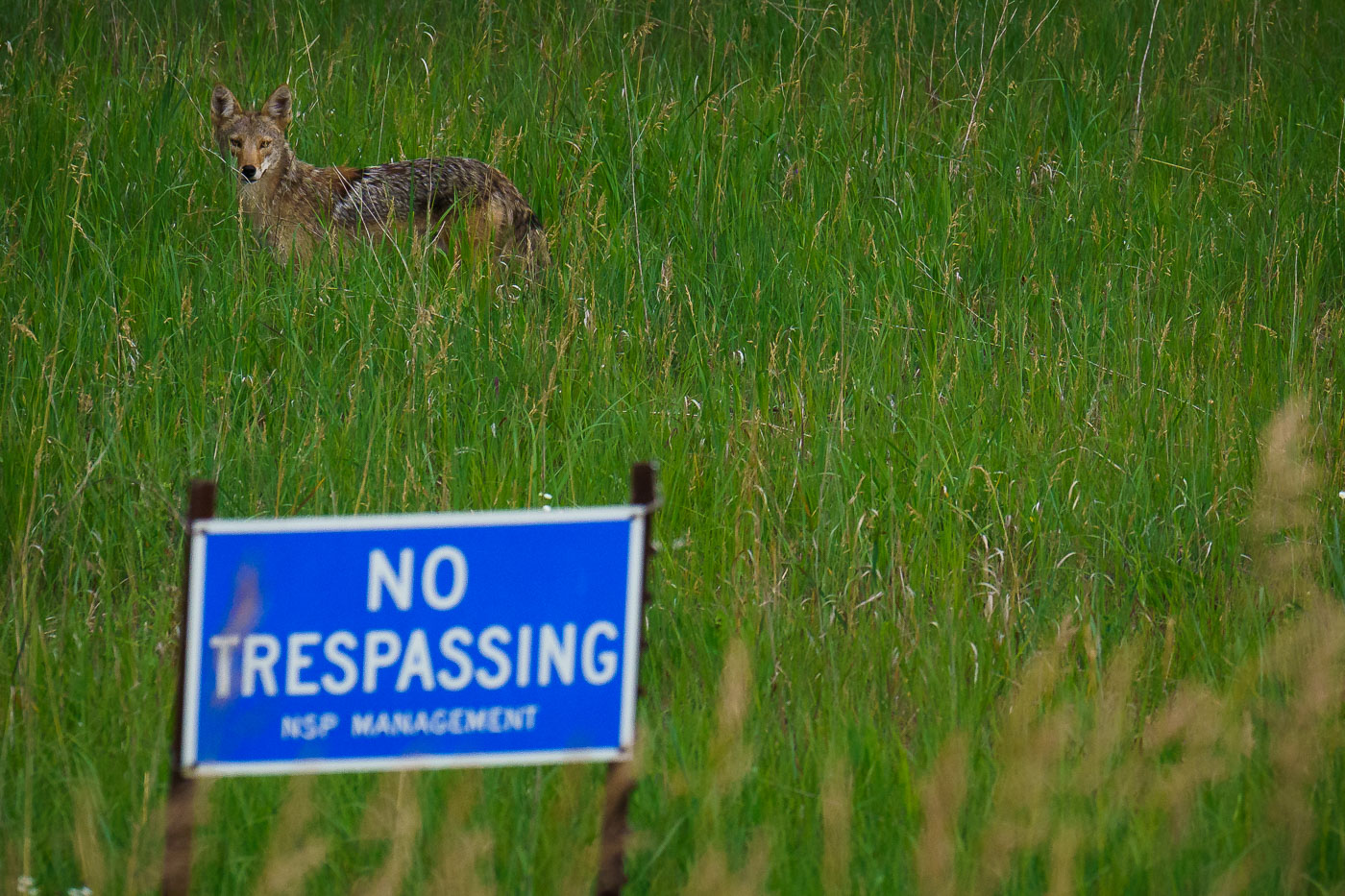
Coyote Near NSP Property Line

Coyote Near NSP Property Line

A lone coyote stands alert in the tall summer grass just beyond an NSP Management – No Trespassing sign near the Prairie Island area north of Red Wing, Minnesota. This stretch of river valley and utility-owned land forms a surprisingly rich habitat corridor, where deer, foxes, coyotes, and bald eagles move freely between the Mississippi River floodplain and the wooded bluffs nearby.

Despite the industrial footprint of the nearby power infrastructure, the surrounding fields and wetlands remain largely undeveloped, giving wildlife space to thrive. The coyote’s appearance at the edge of restricted property underscores how tightly human operations and natural ecosystems overlap along this section of the river.

Built in Minneapolis

Photographs showcasing change over time

Browse by location, move through long-running series, or start with recent work.