Minneapolis Police

516 photos · 2009–2026

516 photographs tagged Minneapolis Police, 2009–2026.

Minneapolis Police along with State Patrol Conservation Officers arrive to the 5th Precinct with a large amount of tactical gear to clear out and arrest 51 people protesting after Derek Chauvin is released on bail.

Officers arrest 51 after Derek Chauvin makes bail

Minneapolis Police along with State Patrol Conservation Officers arrive to the 5th Precinct with a large amount of tactical gear to clear out and arrest 51 people protesting after Derek Chauvin is released on bail.

Officers in riot gear after Derek Chauvin makes bail

Minnesota State Patrol arrive to arrest protesters gathering at the Minneapolis Police 5th precinct after Derek Chauvin was released on bail.

State Patrol officers outside the 5th precinct

Protests outside the Minneapolis police 5th precinct police station as Derek Chauvin makes bail.

ACAB car and protests at 5th precinct

Protesters raise fists outside 5th precinct police station
Protesters kneel on Nicollet Avenue outside the Minneapolis Police 5th Precinct. This protest occurred following the pre-trial release of former police officer Derek Chauvin on bond, who was charged in the May 25, 2020 death of George Floyd.

Minneapolis Protesters Kneel at 5th Precinct, Nicollet Ave

Protesters outside downtown police station
Protesters march through Downtown Minneapolis in October 2020, the day after Derek Chauvin was released on bail. This march was part of sustained protests against police brutality and racial injustice, which intensified following the killing of George Floyd earlier that year. Participants carried signs demanding 'Justice for George Floyd' and advocating for the 'Defund And Abolish' movement, reflecting widespread calls for systemic change.

Protesters march Downtown Minneapolis after Derek Chauvin release

Protests after Derek Chauvin is released from jail
A protest sign reading "Hey Derek you forgot your hat!" is held during a march in downtown Minneapolis, the day after former Minneapolis Police Officer Derek Chauvin was released on bond. The sign also features a drawing resembling a Ku Klux Klan hood, with additional text including "BREAK THE THIN BLUE LINE" and "ARREST KILLER KKK OPS?". Protesters marched towards the Minneapolis Police 1st Precinct to voice opposition to Chauvin's release and demand police accountability.

Minneapolis Protest Sign: ‘Hey Derek you forgot your hat’

Protesters walk by the 1st precinct police station
Protesters march past the Minneapolis First Precinct in Downtown Minneapolis. This march occurred the day after former Minneapolis Police Officer Derek Chauvin was released on bond. Chauvin had been charged in the May 25, 2020 death of George Floyd, an event that sparked widespread protests against police brutality and racial injustice.

Protesters march past Minneapolis First Precinct after Chauvin release

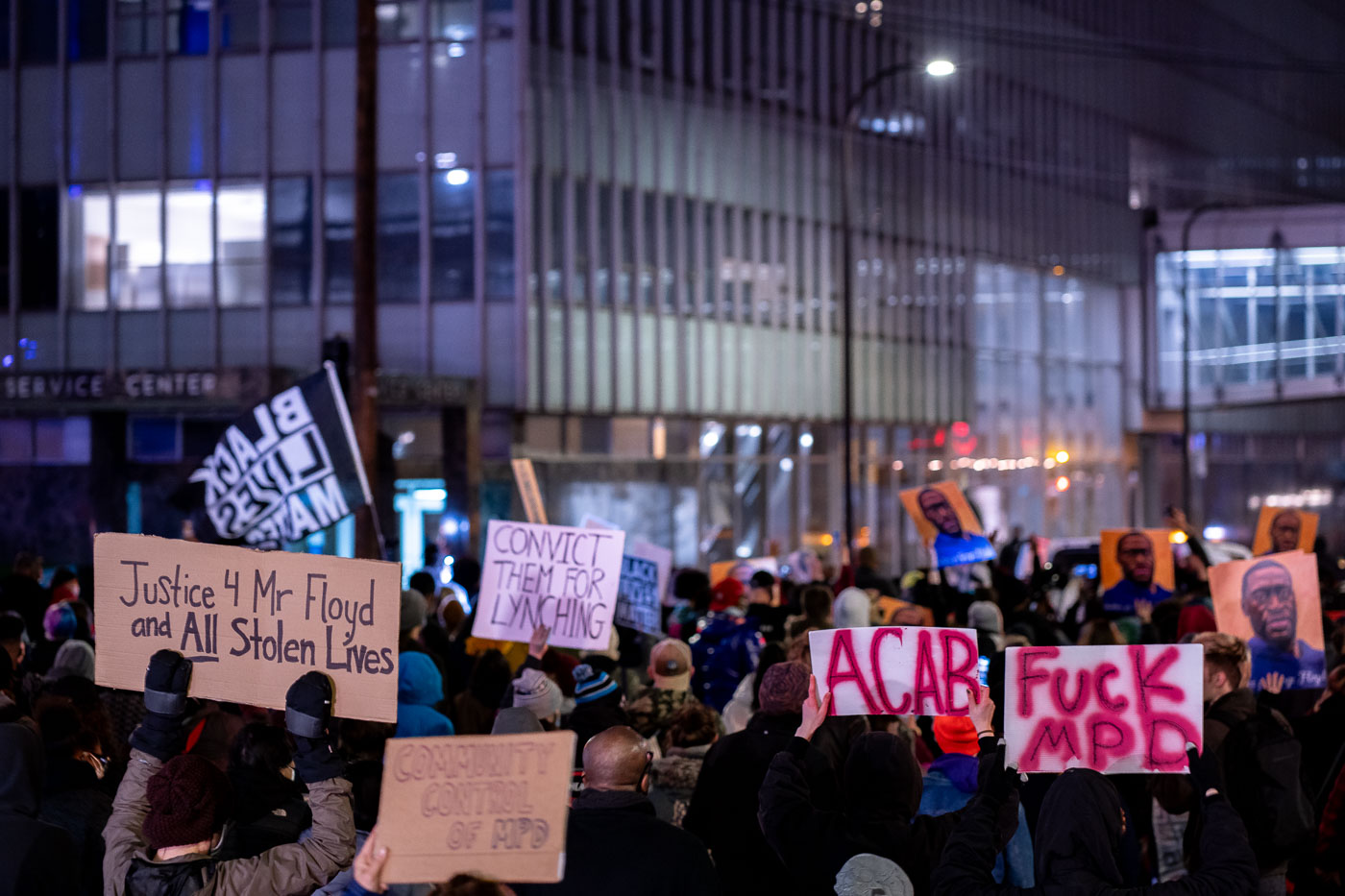
Minneapolis police at convention center
Following the destruction of the Minneapolis Third Precinct in May 2020, the Minneapolis Police Department relocated its operations to the Minneapolis Convention Center in Downtown Minneapolis.

Minneapolis Police Station at Convention Center Night

Nekima Levy Armstrong speaks outside the 4th precinct
Community activist Nekima Levy Armstrong addresses a protest outside the Minneapolis Police 4th Precinct. The gathering was part of the 25th annual National Day of Protest to Stop Police Brutality, Repression and the Criminalization of a Generation. The 4th Precinct, located in North Minneapolis, has historically been a significant site for protests concerning police conduct and accountability.

Nekima Levy Armstrong speaks at Minneapolis 4th Precinct Protest

Protesters holding up signs outside the 4th precinct
Protesters gather outside the Minneapolis Police 4th Precinct during the 25th annual National Day of Protest to Stop Police Brutality. Participants hold signs expressing dissent against the justice system and police, reflecting themes central to the Black Lives Matter movement. This annual protest, observed on October 22nd, addresses ongoing concerns regarding police conduct and systemic injustices.

Protesters with anti-police brutality signs, Minneapolis 4th Precinct

Michelle Gross speaks outside the 4th precinct police station
Michelle Gross, founder of Communities United Against Police Brutality, addresses a gathering at the Minneapolis Fourth Precinct. The protest was organized as part of the 25th National Day of Protest to Stop Police Brutality. This location, the Minneapolis Police Fourth Precinct, has been a focal point for numerous protests against police misconduct and racial injustice in the city.

Michelle Gross addresses Minneapolis 4th Precinct Protest

Black Lives matter protesters march through North Minneapolis
Protesters march during the 25th National Day of Protest to stop police brutality in North Minneapolis. Prior to the march, they gathered outside the Minneapolis police 4th precinct police station.

25th National Day of Protest to stop police brutality march in Minneapolis

Protesters again outside the 3rd precinct
Protesters march from South High School to the Minneapolis Third Precinct, expressing solidarity with Philadelphia following the killing of Walter Wallace Jr. in October 2020. The Minneapolis Third Precinct, which was a significant site during the 2020 protests for George Floyd, served as a symbolic location for this demonstration against police brutality. This march highlights the continued demands for police accountability and racial justice in Minneapolis and across the United States.

Minneapolis 3rd Precinct Protest for Walter Wallace Jr.

Police arrest protesters at Bryant Square Park in Minneapolis on election night, November 3, 2020.
Bryant Square Park, a public park in the Uptown neighborhood of Minneapolis, was the site of arrests following a protest march on the night of November 3, 2020. Officers from the Minneapolis Police Department, Minneapolis Park Police, and Hennepin County Sheriff's Office took part in detaining marchers after the group arrived at the park. That night's demonstration was one of several held across the city as results from the 2020 presidential election came in.

Police Detain Protesters at Bryant Square Park on Election Night

Law enforcement officers conduct arrests at Bryant Square Park in Minneapolis on Election Night.
Bryant Square Park sits at Bryant Avenue South and West 31st Street in the Uptown neighborhood of Minneapolis, a few blocks from the corridor where a march passed earlier that night. Officers from the Minneapolis Police Department, Minneapolis Park Police, and Hennepin County Sheriff's Office converged on the park following the demonstration, making a series of arrests. The operation came on Election Night 2020, months after the killing of George Floyd had drawn sustained protest activity to Minneapolis streets and parks.

Police Move Through Bryant Square Park After Election Night March

Minneapolis Police officers conduct arrests at Bryant Square Park in Uptown Minneapolis on election night.
Bryant Square Park sits in the Uptown neighborhood of Minneapolis, at the corner of Bryant Avenue South and 33rd Street. The park has served as a gathering point for marches and demonstrations in the years since George Floyd's death in police custody in May 2020. On the night of November 3, 2020, Minneapolis Police officers and members of the press assembled near the park as a march moved through the area, part of a wider pattern of protest activity that continued across the city into the fall election season.

Police Gather Outside Bryant Square Park on Election Night

Minneapolis Police officer stands in street during election night protest in Uptown Minneapolis.
A Minneapolis police officer stands watch beside a squad car during an election night protest in Uptown Minneapolis on November 3, 2020. Officers deployed in tactical gear and rifles that night as marches moved through the neighborhood toward Bryant Square Park, where police made several arrests. The response came amid a broader wave of unrest that had gripped Minneapolis for months following George Floyd's killing that May, with departments across the city on heightened alert for potential Election Day disturbances.

Armed Officer Stands Guard During Uptown Election Night Protest

Minnesota State Patrol officers form a line across Interstate 94 in Minneapolis during a November 2020 nighttime protest march.
Interstate 94 runs through the heart of Minneapolis, connecting downtown to St. Paul and serving as a major route for commuters and freight alike. On the night of November 4, 2020, following the presidential election, Minnesota State Patrol troopers formed a line across the freeway's lanes to stop a march that had moved onto the highway from surrounding streets. State Patrol, rather than Minneapolis police, holds jurisdiction over incidents on the interstate system within city limits. That night's march ended with 646 arrests, one of the largest mass detentions in Minnesota history, after demonstrators were held on the freeway for several hours before being processed and released.

State Patrol Blocks I-94 During Post-Election Protest March

Minneapolis police officers monitor protesters marching on Interstate 94 during a November 2020 demonstration.
Officers from the Minneapolis Police Department hold a pedestrian overpass above Interstate 94 as protesters fill the freeway below. The demonstration followed the November 2020 election, when marchers moved from downtown Minneapolis toward Cedar-Riverside to protest the presidential race outcome. Minnesota State Patrol and Minneapolis Police later blocked both ends of the freeway and detained roughly 646 people, one of the largest mass arrests in the state's history. Interstate 94 links Minneapolis and St. Paul and has been a repeated site of demonstrations shutting down traffic in both cities.

Police Line an I-94 Overpass During Minneapolis Protest

Minneapolis Police mounted officers on horseback at night during post-election march crowd management.
Minneapolis Police Department's mounted patrol unit responded to a march that followed the 2020 presidential election, when demonstrators moved onto Interstate 94. That night's march ended with roughly 646 arrests, one of the largest mass detentions in Minneapolis history.

Mounted Police Await Orders During Minneapolis Post-Election March

Police officers confront protesters on Interstate 94 in Minneapolis on November 4, 2020, during post-election demonstrations.
Minnesota State Patrol troopers moved in on Interstate 94 near downtown Minneapolis after marchers left city streets and walked onto the highway on the night of November 4, 2020, hours after Election Day. Officers blocked both directions of traffic and held the group on the roadway before arresting 646 people, one of the largest mass arrests in Minnesota history. Most of those detained were released without formal charges in the days that followed.

State Patrol Detains Protesters on I-94 After Election Night March

Police officers and Minnesota State Patrol conduct mass arrests of protesters on Interstate 94 in Minneapolis on November 4, 2020.
Interstate 94 in Minneapolis was the site of a mass arrest on November 4, 2020, the day after Election Day, when Minnesota State Patrol troopers and Minneapolis police stopped a march that had moved onto the freeway's eastbound lanes near downtown. Officers detained 646 people that night, one of the largest mass arrests in Minnesota history, loading protesters onto transit buses brought in for the operation. The march followed the national call of the presidential race for Joe Biden and was one of several demonstrations moving through downtown Minneapolis that week.

Armored State Patrol Vehicle on I-94 During Minneapolis Mass Arrest

Minneapolis police officer stands guard near Interstate 94 during a November 4, 2020 protest, with "FLOYD" graffiti visible on
Interstate 94 cuts through central Minneapolis, connecting downtown to the University of Minnesota area and beyond. On the night of November 4, 2020, demonstrators marched onto the freeway following the presidential election, part of a wave of protests that had continued in the city since George Floyd's killing that May. State troopers and Minneapolis police shut down the highway and moved in to clear it, ultimately arresting roughly 646 people—the largest single mass arrest in Minnesota history. Graffiti reading "FLOYD" marks the concrete retaining wall beneath the overpass, one of many such markings left across the city during that period.

Police Officer Near “FLOYD” Graffiti Along I-94 in Minneapolis

Minneapolis Police officers stand on Interstate 94 during a November 2020 nighttime protest against Trump's election challenges.
Minneapolis police officers stand along a fence on the I-94 overpass, monitoring a crowd gathered on the highway after the November 2020 presidential election. Protesters had marched onto the interstate to oppose President Trump's attempts to challenge the election results. Law enforcement closed the highway and arrested 646 people that night, the largest mass arrest in Minnesota history. Many demonstrators carried signs calling for community control of police and denouncing voter suppression.

Minneapolis Police Watch Over I-94 Protesters After the 2020 Election

Protesters gather on Minnehaha Avenue outside Hook and Ladder theater in Minneapolis carrying "Rise" and "People Power" signs.
The Hook and Ladder Theater & Lounge sits on Minnehaha Avenue in Minneapolis's Longfellow neighborhood, inside a converted firehouse that now serves as home base for the Firehouse Performing Arts Center. The building stands a few blocks from the Minneapolis Police Third Precinct station, which was set ablaze during the unrest following George Floyd's killing in May 2020. Marchers carrying "Rise" and "People Power" flags passed the venue on November 7, 2020, the day major news networks projected Joe Biden as the winner of the presidential election.

Post-Election March Passes the Hook and Ladder on Minnehaha Avenue

Protesters gather outside Minneapolis Police Third Precinct holding a "No Coup" sign during a November 2020 demonstration.
The Minneapolis Police Third Precinct sits on Lake Street in South Minneapolis, and it was here that protesters gathered after Joe Biden was declared the winner of the 2020 presidential election. A demonstrator's hand-lettered "No Coup" sign spoke to fears that Donald Trump would refuse to concede the race. The precinct building had been burned during the unrest following George Floyd's death in May 2020, and by this gathering it remained fenced off and reinforced with concrete barriers as the department continued to operate out of temporary quarters elsewhere in the city.

“No Coup” Sign Outside the Minneapolis Third Precinct

Protesters hold signs reading "No Burning Trash" and "Stop Environmental Racism" at a Minneapolis gathering in November 2020.
Marchers carried hand-painted signs reading "No Burning Trash" and "Stop Environmental Racism" through Minneapolis on November 7, 2020, the day major news outlets projected Joe Biden as the winner of the presidential race. The demonstration linked opposition to waste incineration and pollution in low-income neighborhoods with the broader wave of marches that followed the election call. Environmental justice organizing in the Twin Cities has long focused on facilities like the Hennepin Energy Recovery Center, a downtown trash-burning incinerator that critics have targeted for its emissions impact on nearby communities of color.

“Stop Environmental Racism” Signs at a Minneapolis March

Protesters wearing orange "Democracy Defender" vests gather outside Minneapolis Police Third Precinct on Lake Street.
"Democracy Defender" vests mark volunteers from Nonviolent Peaceforce, a global nonprofit that trains civilians in unarmed protection work at protests and conflict zones. The group deployed monitors at marches across Minneapolis following the 2020 presidential election, positioning themselves between demonstrators and police to de-escalate potential confrontations. A "Green New Deal" sign carried nearby points to the range of causes represented in the crowd that day. The Third Precinct station had already become a of unrest in Minneapolis months earlier, drawing continued demonstrations through the fall.

“Democracy Defenders” March Near Minneapolis Police 3rd Precinct

Protesters gather outside Minneapolis Police Third Precinct on Lake Street carrying signs for environmental justice and social
The Minneapolis Police Third Precinct sits on East Lake Street, rebuilt after the original station was burned during the unrest that followed George Floyd's killing in May 2020. This gathering came on the day Joe Biden was declared the winner of the 2020 presidential election, drawing marchers carrying "Green New Deal" signs and a "Rise" banner tied to environmental justice organizing. The precinct has remained a recurring gathering point for demonstrators addressing policing and broader calls for political change in the years since 2020.

Climate Justice March Rebuilds Outside the Third Precinct

"Abolish The Police" mural on boarded windows of Hook and Ladder Theater on Minnehaha Avenue in Minneapolis with pedestrians
The Hook and Ladder Theater & Lounge sits on Minnehaha Avenue in Minneapolis's Longfellow neighborhood, a live-music venue that had its plywood window coverings turned into protest art after the killing of George Floyd in 2020. The "Abolish the Police" mural, along with the "Justice" and "Love" lettering beside it, remained on the boards well after the unrest that summer, turning the building into an ongoing outdoor gallery. People gathered outside the venue in November 2020, in the days following the announcement of the presidential election results, as debates over policing and public safety continued in the city.

“Abolish The Police” Mural on the Hook and Ladder in Minneapolis
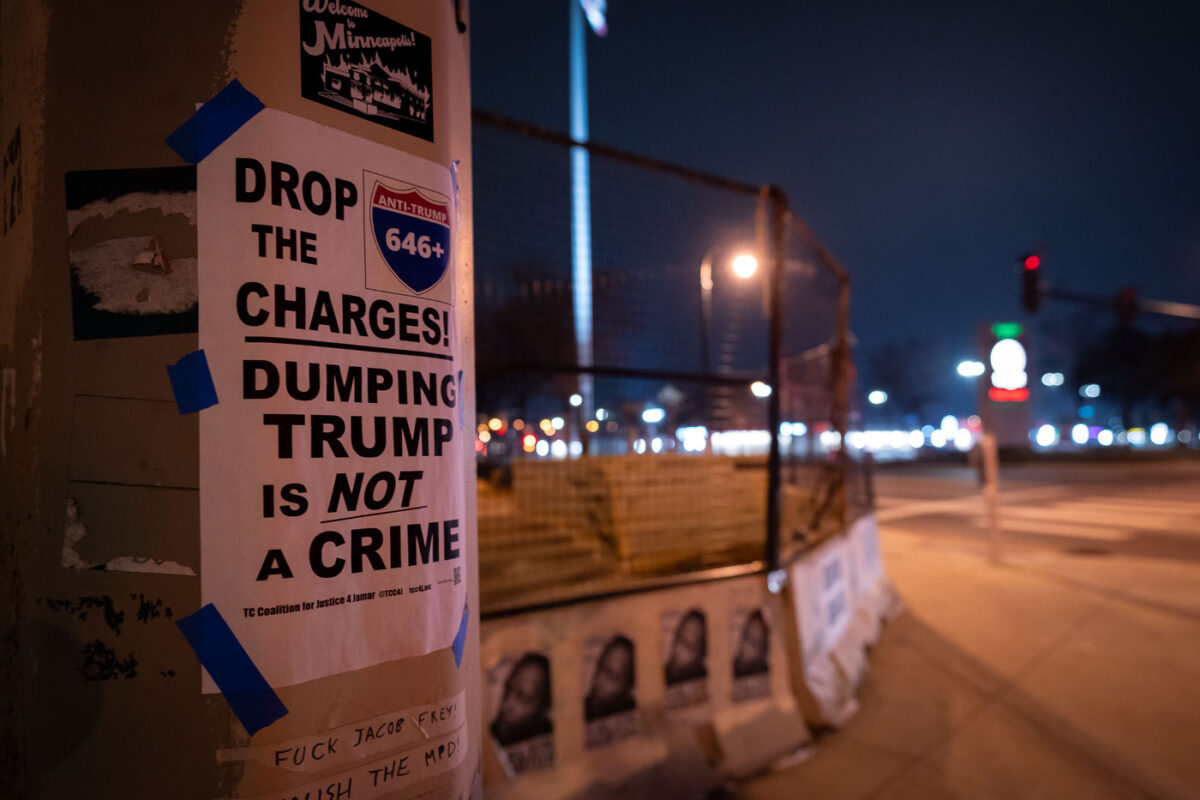
Dumping trump is a not a crime
Flyers are affixed to a pole outside the Minneapolis Third Precinct police station on Lake Street. This station was significantly damaged by fire during the Minneapolis Uprising in May 2020, following the murder of George Floyd. The prominent flyer demands "DROP THE CHARGES!" and states "DUMPING TRUMP IS NOT A CRIME." This call to "Drop the Charges" refers to the 646 individuals criminally charged during the largest mass arrest in Minnesota history, which occurred after a post-election march onto I-94. Other messages on the pole, including "ABOLISH THE MPD!", reflect ongoing demands for police reform and accountability in Minneapolis.

Dumping Trump Is Not a Crime Flyer, Minneapolis 3rd Precinct
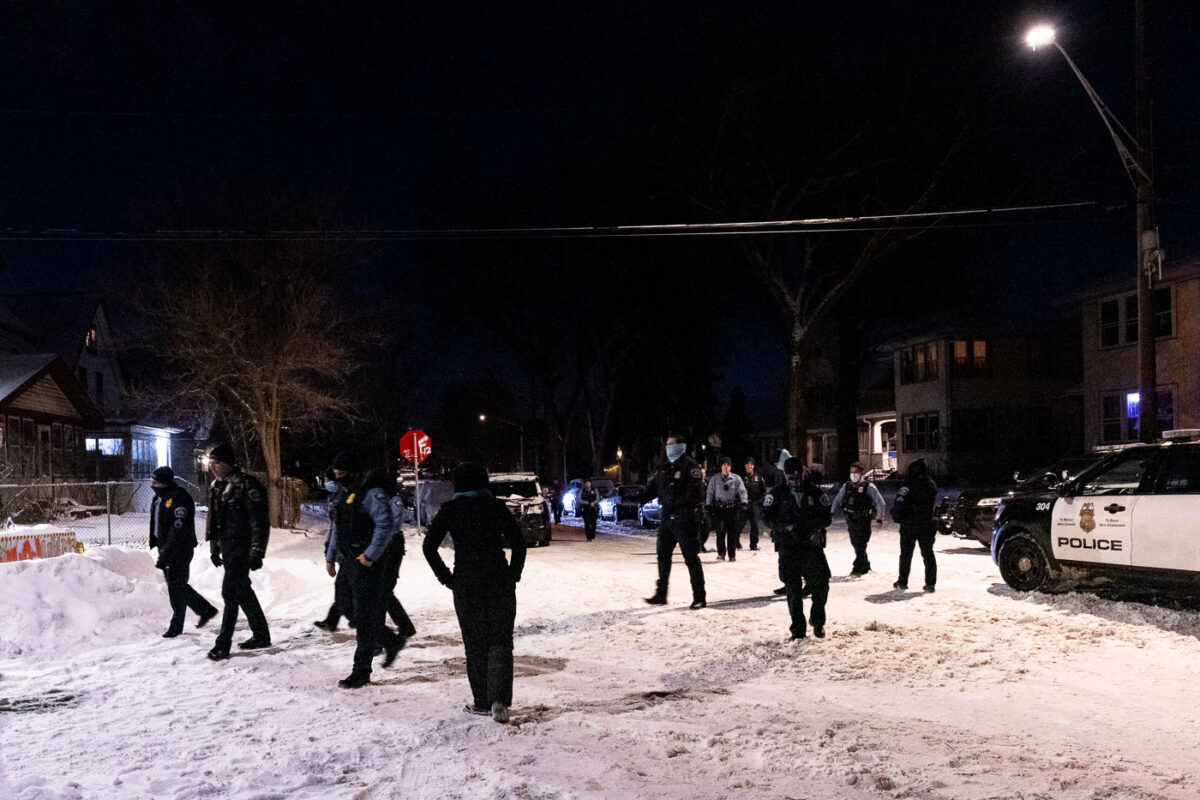
Large amount of police enter George Floyd Square
Minneapolis Police officers arrive at George Floyd Square, located at the intersection of E 38th Street and Elliot Avenue in South Minneapolis, following a shooting incident. Prior to their arrival, two victims had been transported to hospitals by community members present at the square. Residents at the square confronted the responding officers, subsequently offering to escort five of them to collect shell casings from the site. George Floyd Square emerged as a significant memorial and protest site after the murder of George Floyd in May 2020.

Minneapolis Police respond to George Floyd Square shooting
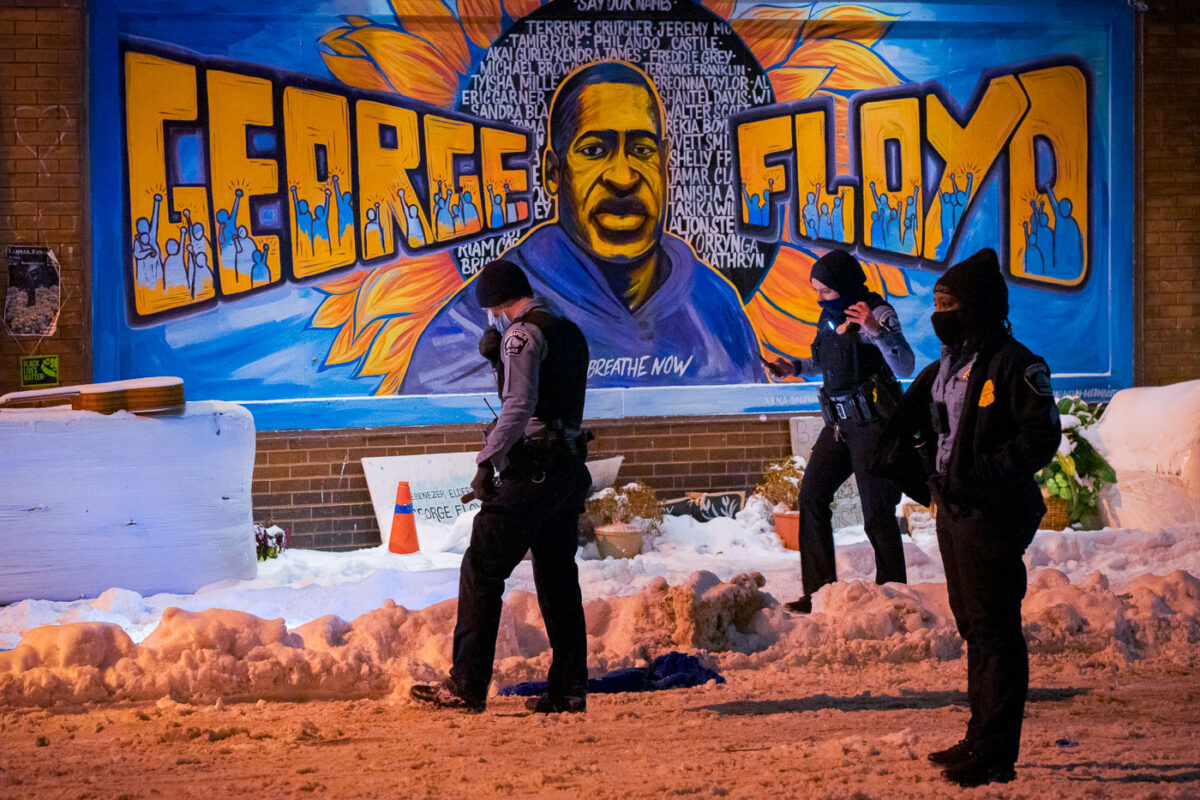
Police in front of George Floyd mural
Minneapolis Police officers investigate a shooting at George Floyd Square in South Minneapolis on December 27, 2020. This site, located at the intersection of E 38th Street and Chicago Avenue, transformed into a significant memorial and protest space following the murder of George Floyd in May 2020.

Minneapolis Police Investigate Shooting at George Floyd Square
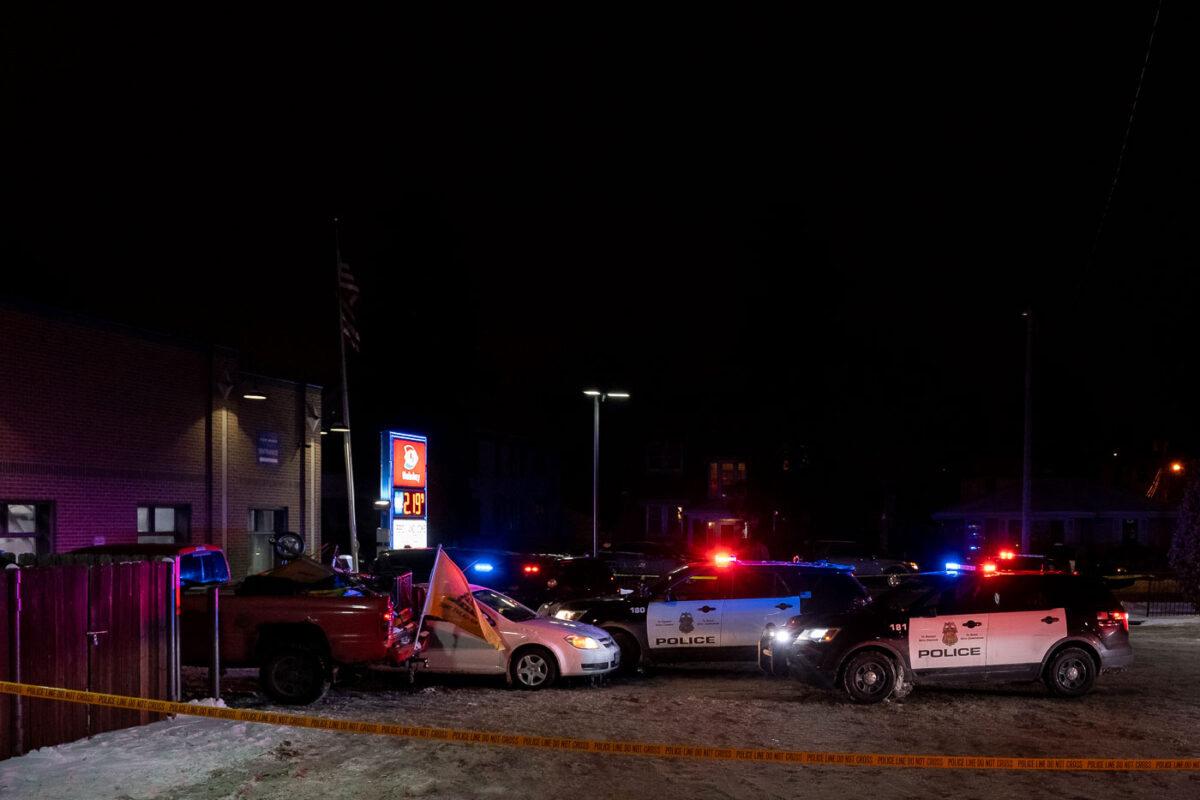
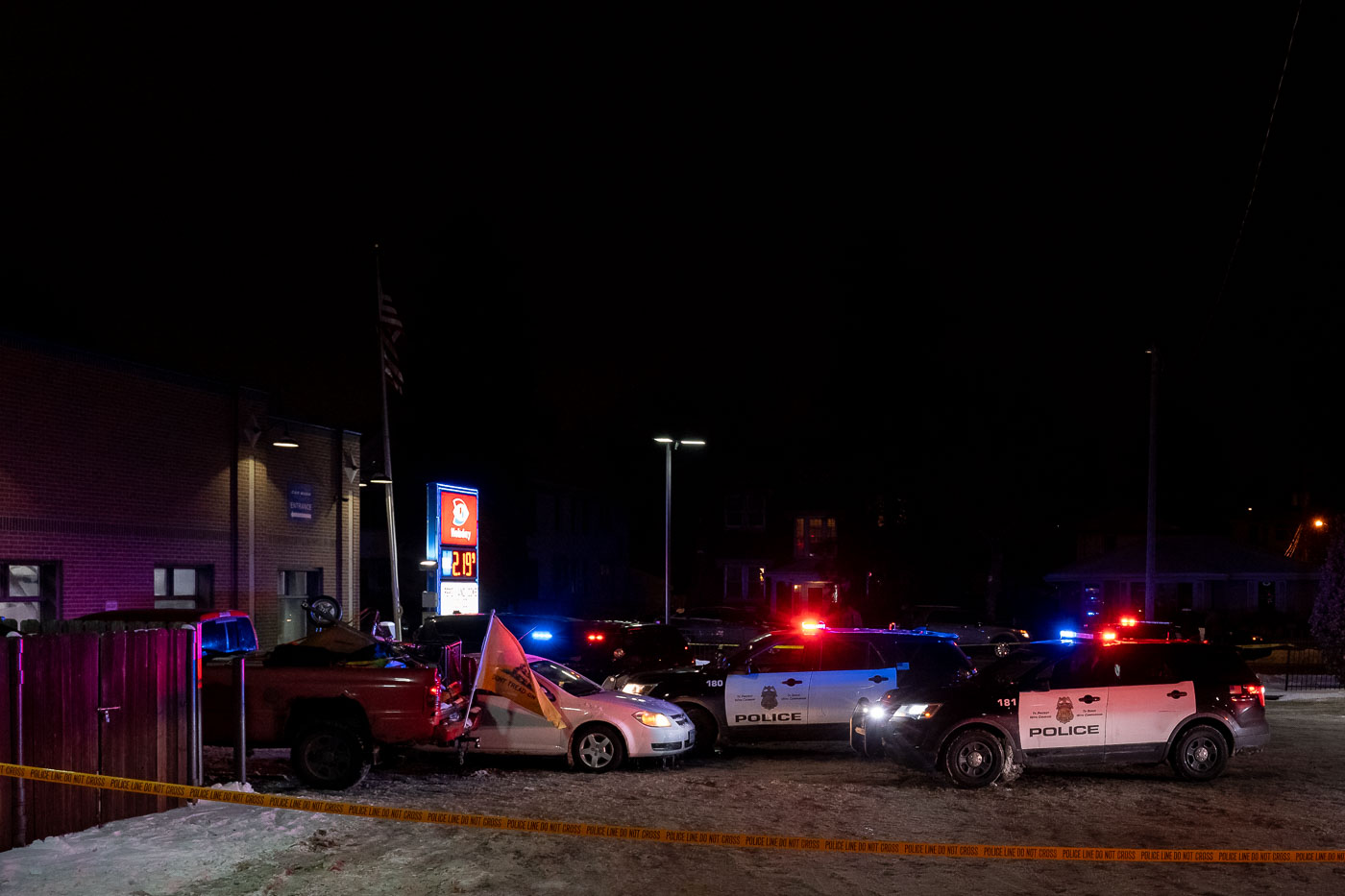
Minneapolis Police at 36th and Cedar
Minneapolis Police vehicles are parked at the Holiday gas station near the intersection of 36th Avenue and Cedar Avenue in Minneapolis, following the fatal shooting of Dolal Idd. The incident occurred on December 30, 2020, after a traffic stop, leading to a police investigation at the site. A 'Don't Tread On Me' flag is visible on one of the civilian vehicles within the secured perimeter. This event occurred during a period of heightened public scrutiny and protest regarding police conduct in Minneapolis.

Dolal Idd Killed by Minneapolis Police at 36th & Cedar
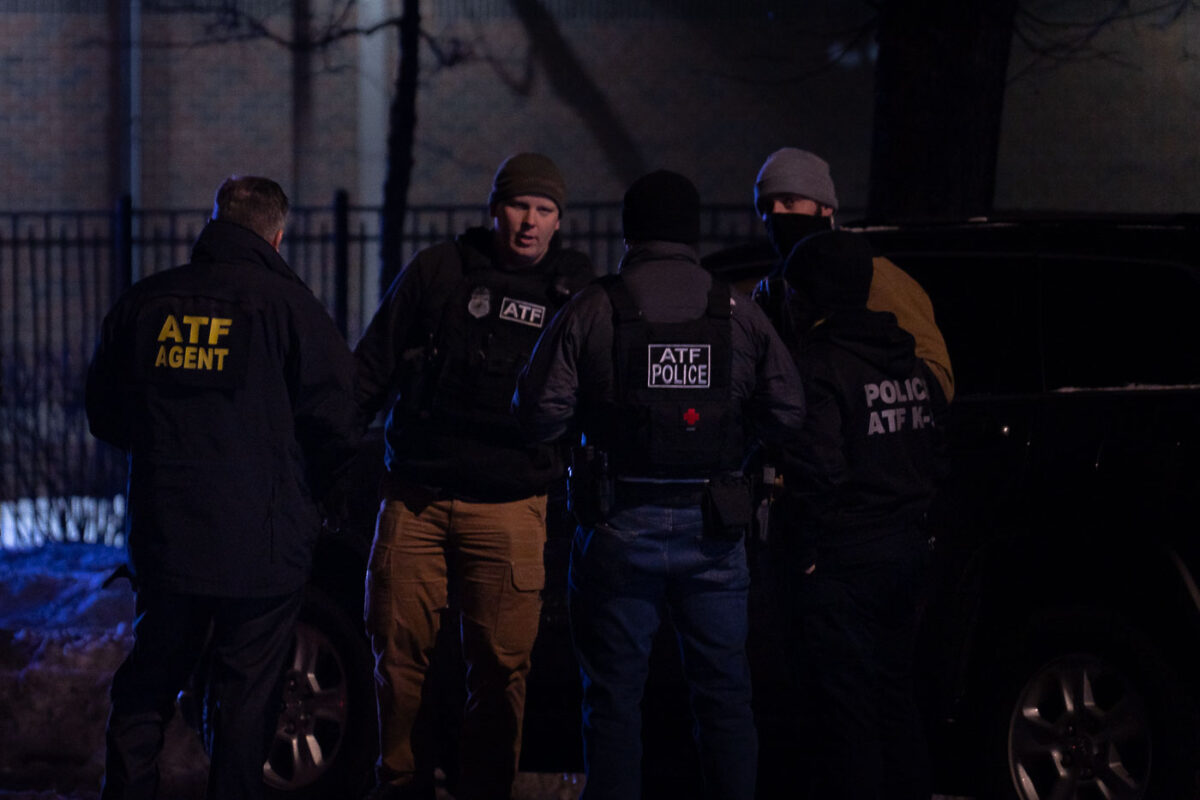
ATF and DEA at the Dolal Idd killing crime scene
Federal agents from the Bureau of Alcohol, Tobacco, Firearms and Explosives (ATF) and the Drug Enforcement Administration (DEA) gather outside the Holiday Gas station in Minneapolis. This location, situated near 36th Avenue and Cedar Avenue, became a focal point following the fatal shooting of Dolal Idd by Minneapolis Police on December 31, 2020.

ATF and DEA Investigate Dolal Idd Killing, Holiday Gas
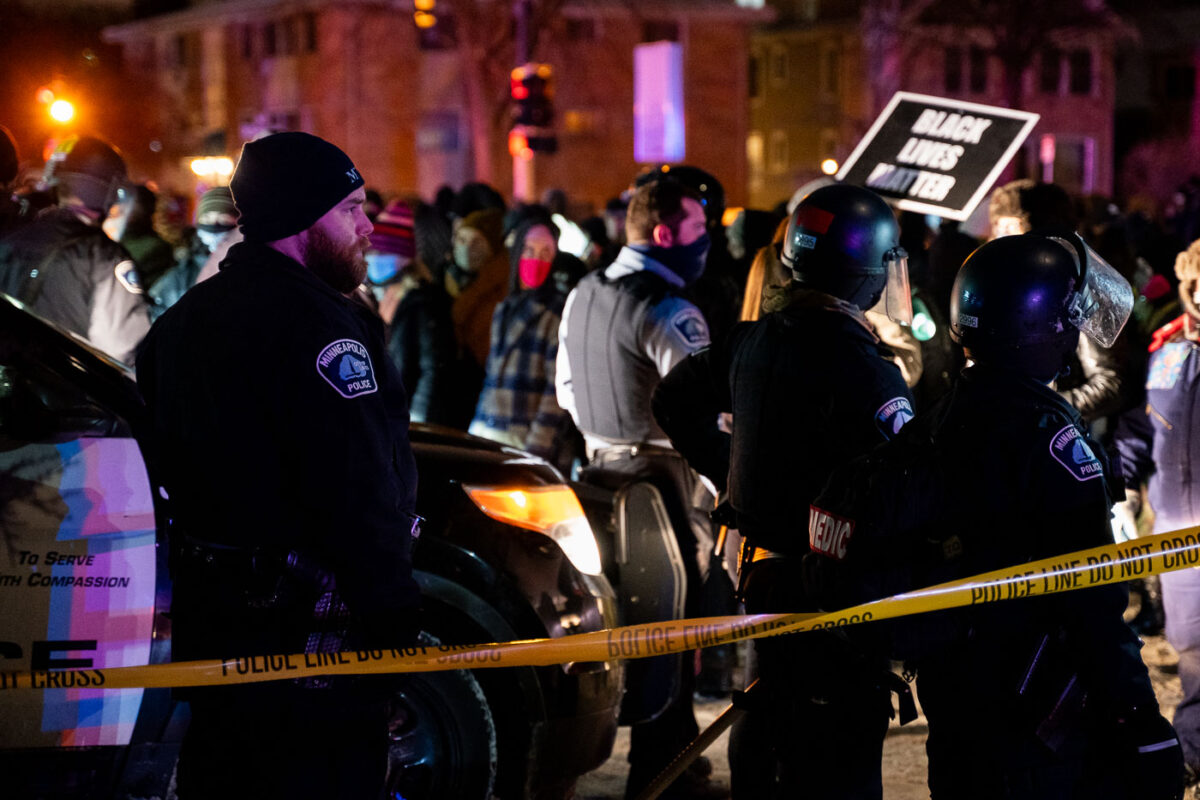
Protesters gather after Dolal Idd was killed by police
Minneapolis police officers stand guard at the Holiday Gas station located at 36th Avenue and Cedar Avenue in Minneapolis. This location became a focal point for protests following the fatal shooting of Dolal Idd by Minneapolis police. Protesters gathered to demand accountability and justice, with signs such as 'Black Lives Matter' visible among the crowd.

Minneapolis Police, Protesters at Holiday Gas, Dolal Idd Protest
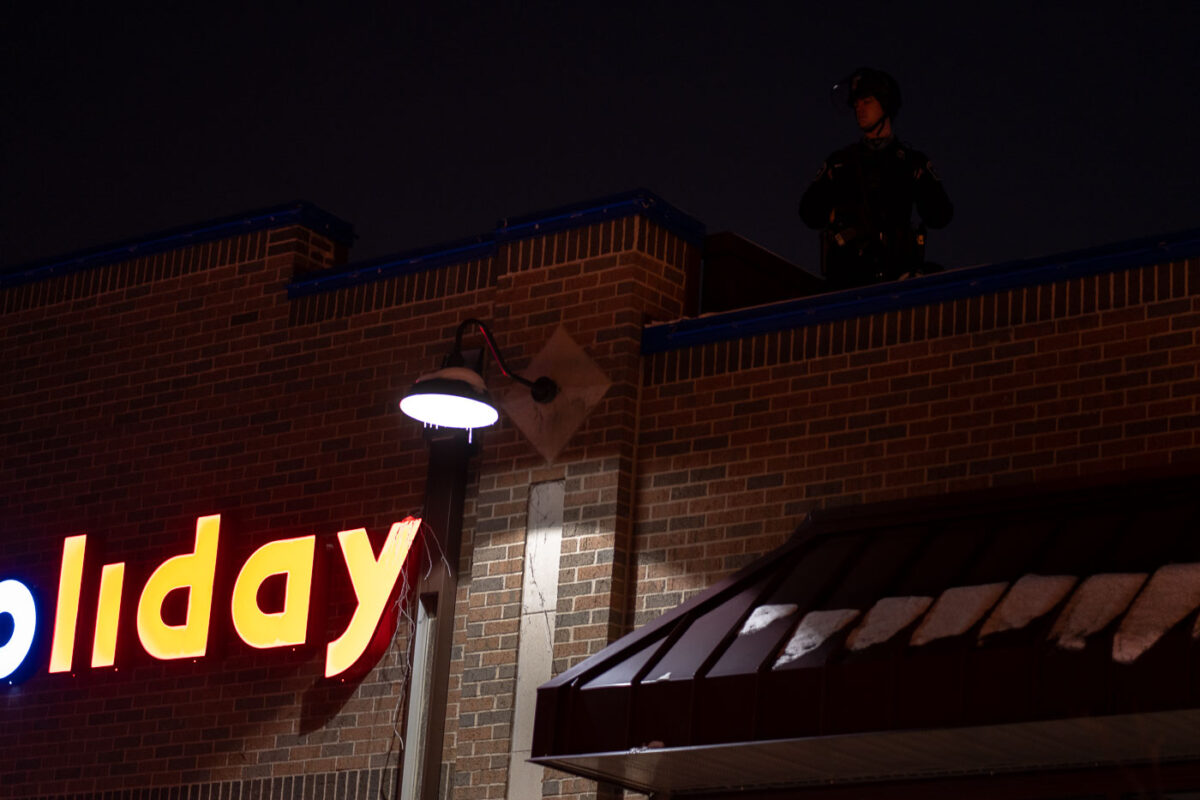
Minneapolis police on roof of Holiday Gas
Minneapolis Police Officer on Holiday Gas Station Roof during Protest. A Minneapolis Police officer stands on the roof of the Holiday gas station at 36th Avenue and Cedar Avenue. This deployment occurred during a protest outside the station, where community members gathered following the fatal shooting of Dolal Idd by Minneapolis police.

Minneapolis Police Officer on Holiday Gas Roof, 36th & Cedar
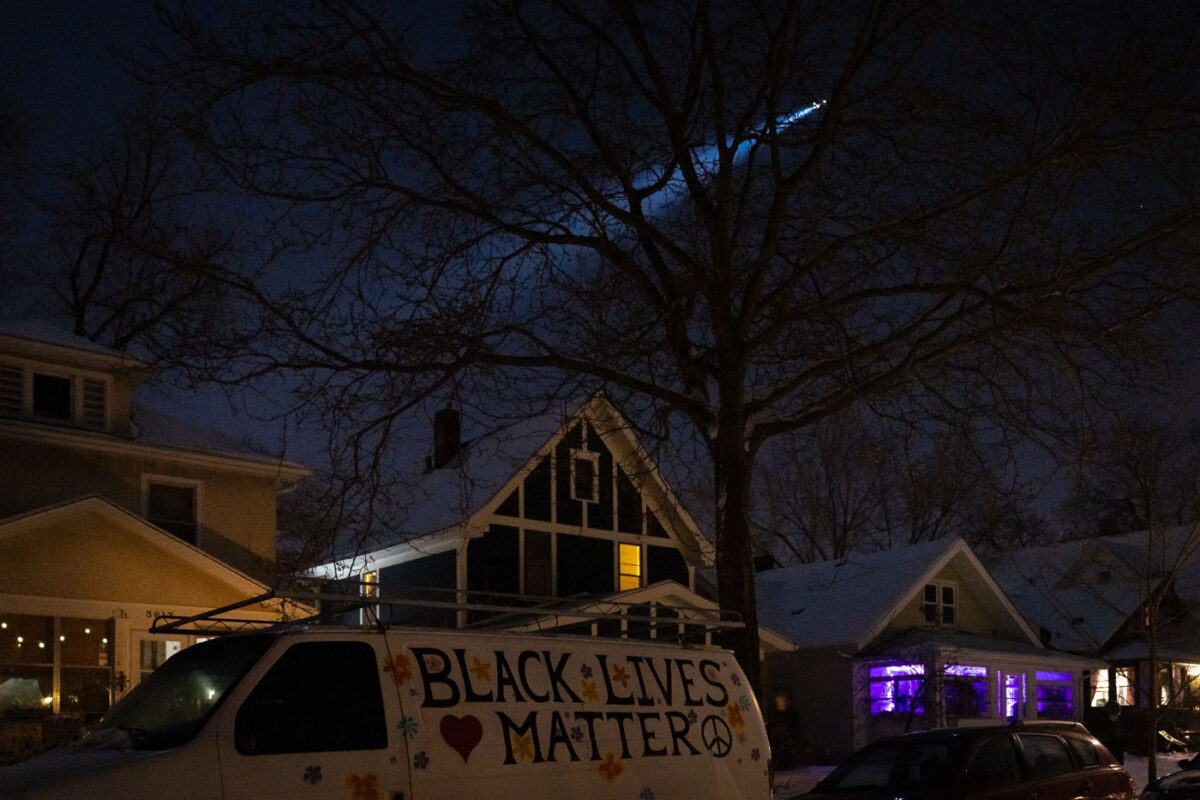
Helicopter over protesters outside 36th and Cedar Ave
A police helicopter's spotlight illuminates the night sky above 36th Street and Cedar Avenue in Minneapolis during a protest. This gathering took place outside the Holiday Gas station, the site where Dolal Idd was killed by Minneapolis Police on December 30, 2020.

Helicopter over Dolal Idd Protest, 36th & Cedar, Minneapolis
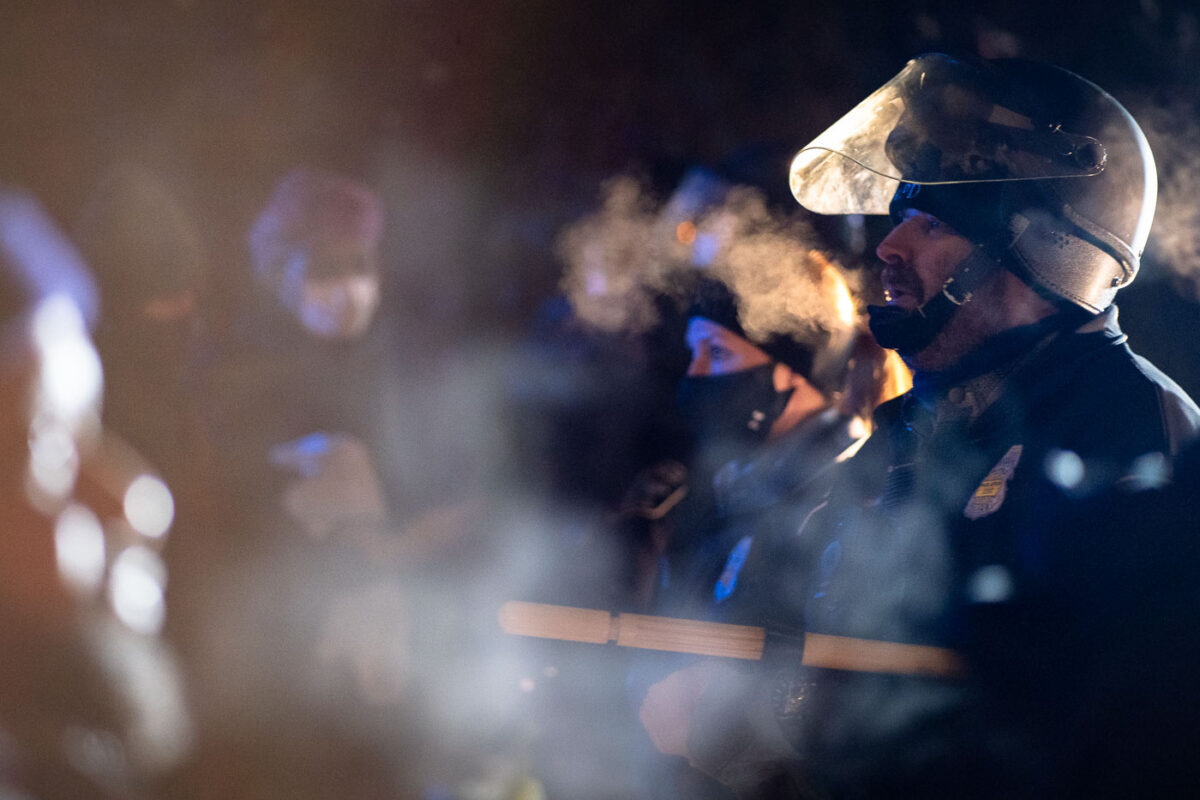
Police officer outside the Dolal Idd crime scene
A Minneapolis police officer stands during a protest following the fatal shooting of Dolal Idd. This protest took place near the intersection of 36th Avenue and Cedar Avenue in Minneapolis, outside the Holiday Gas station where Idd was killed by Minneapolis Police. Dolal Idd was shot by Minneapolis Police on December 30, 2020, leading to public protests regarding police use of force.

Minneapolis Police Officer at Dolal Idd Protest, 36th & Cedar
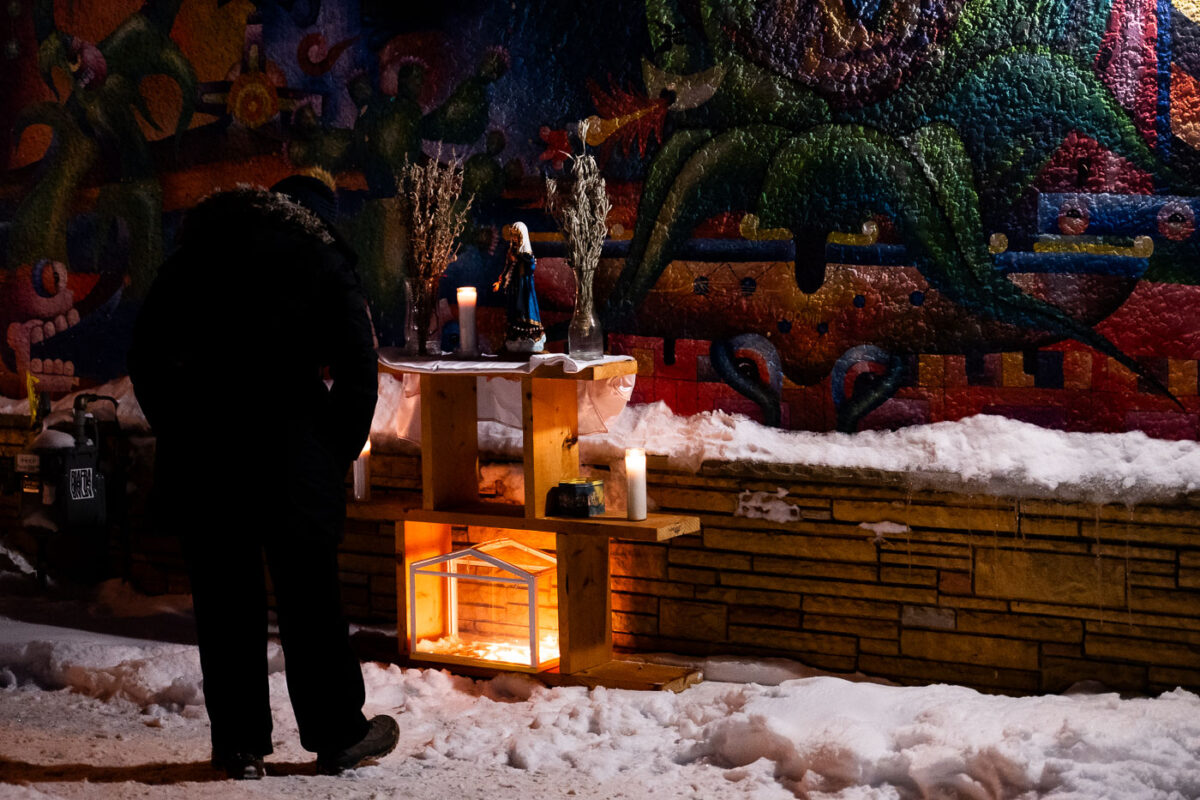
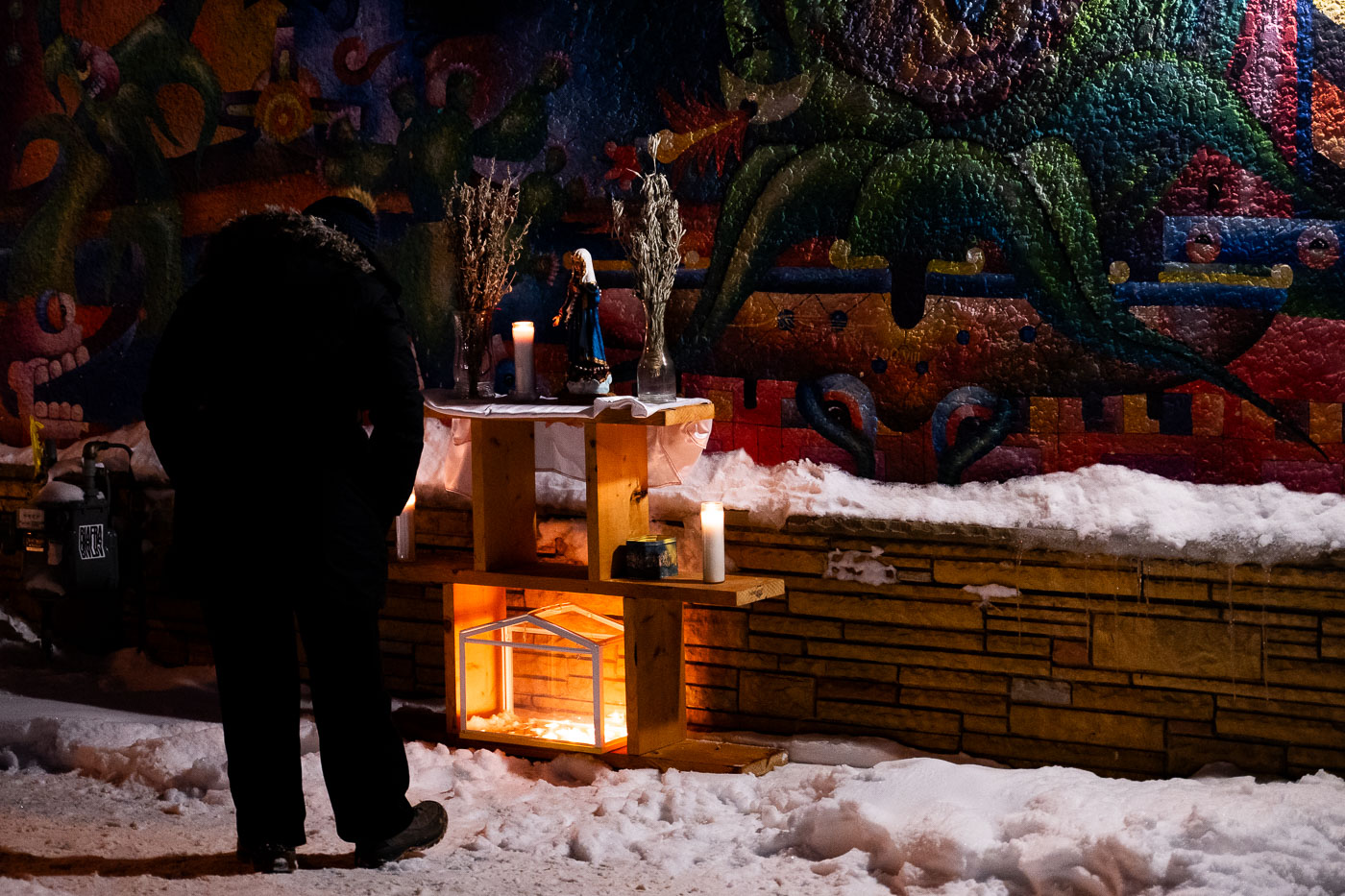
A vigil near where Dolal Idd was killed by Minneapolis police
A participant stands at a candlelight vigil for Dolal Idd at the intersection of 36th Avenue and Cedar Avenue in Minneapolis. This memorial event took place across from the Holiday Gas station where Idd was killed by Minneapolis Police on December 30, 2020.

Dolal Idd Candlelight Vigil, 36th & Cedar, Minneapolis
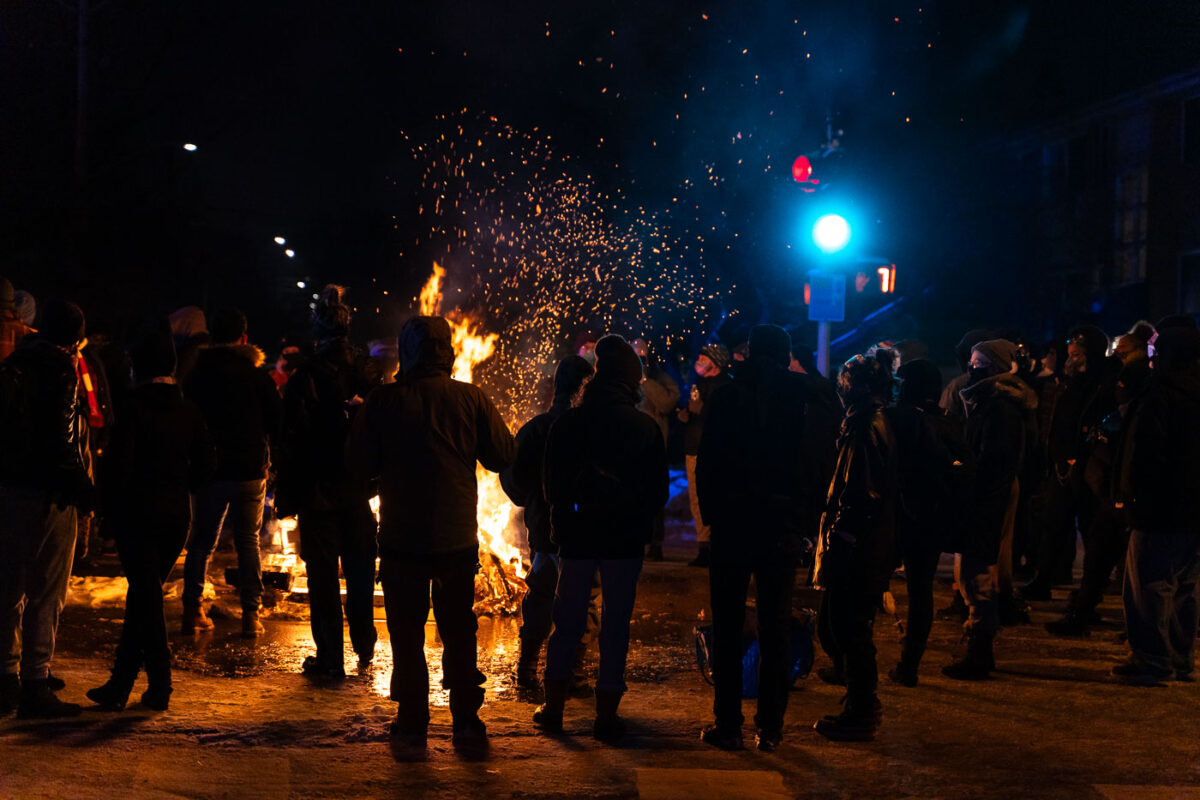
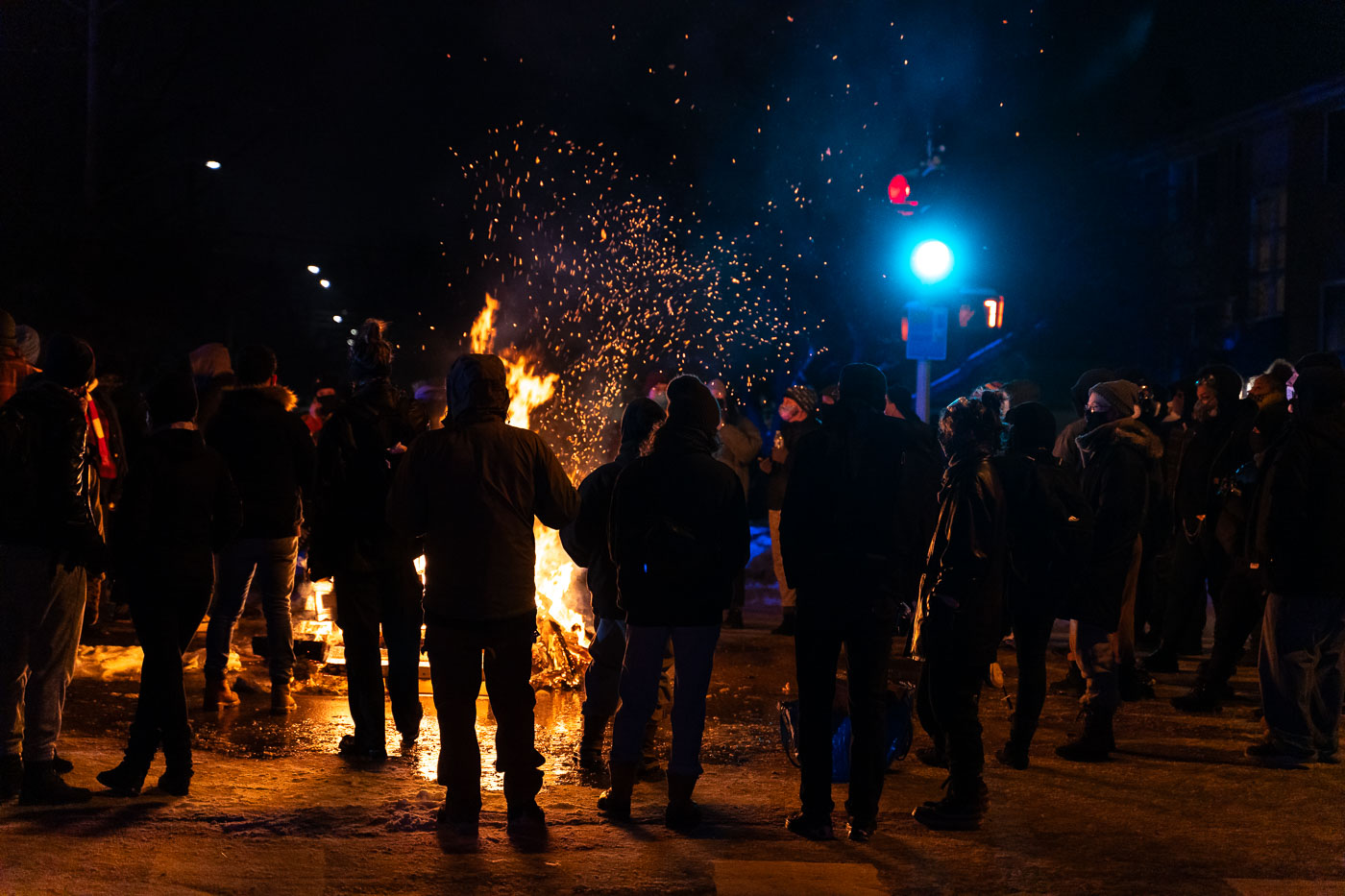
Protesters around a fire after Dolal Idd was killed
Protesters gathered at the intersection of 36th Avenue and Cedar Avenue in Minneapolis, following the fatal shooting of Dolal Idd by Minneapolis Police. This protest took place amidst ongoing public unrest and calls for police accountability, intensified by the killing of George Floyd by Minneapolis Police earlier in the year, approximately one mile from this location.

Protesters with bonfire at 36th & Cedar after Dolal Idd killing
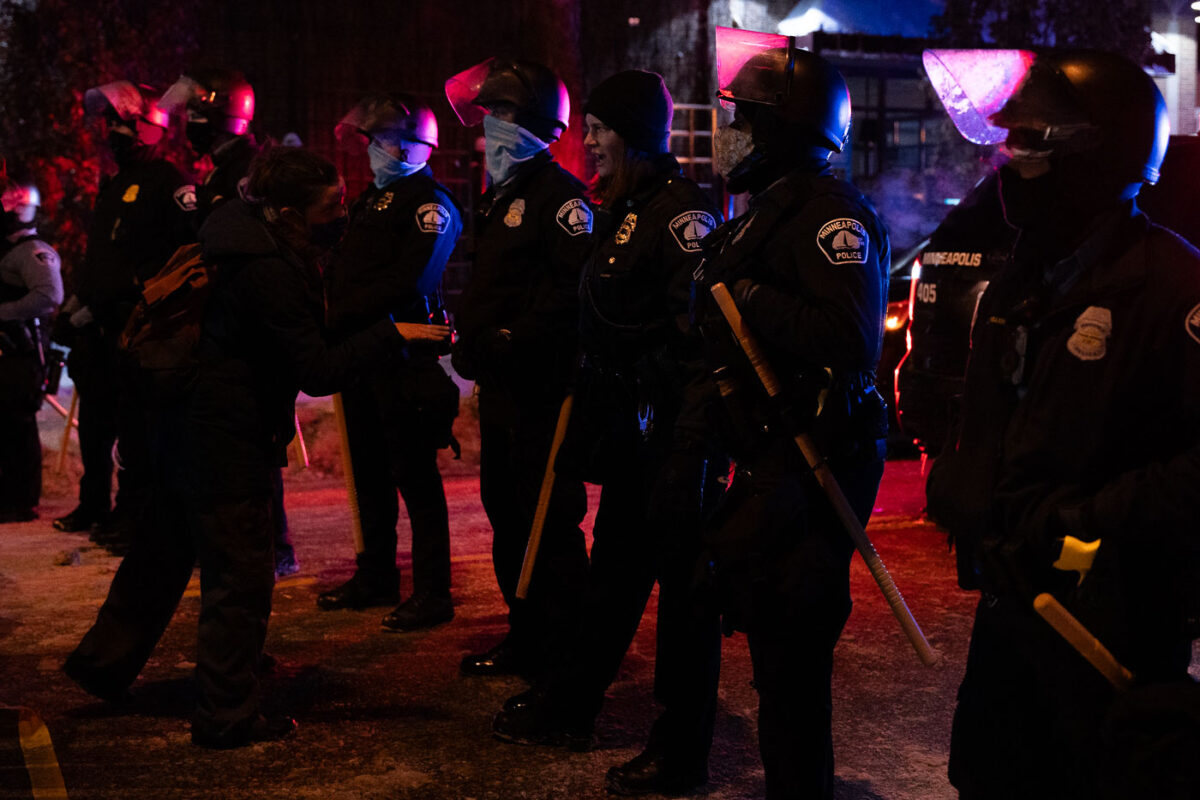
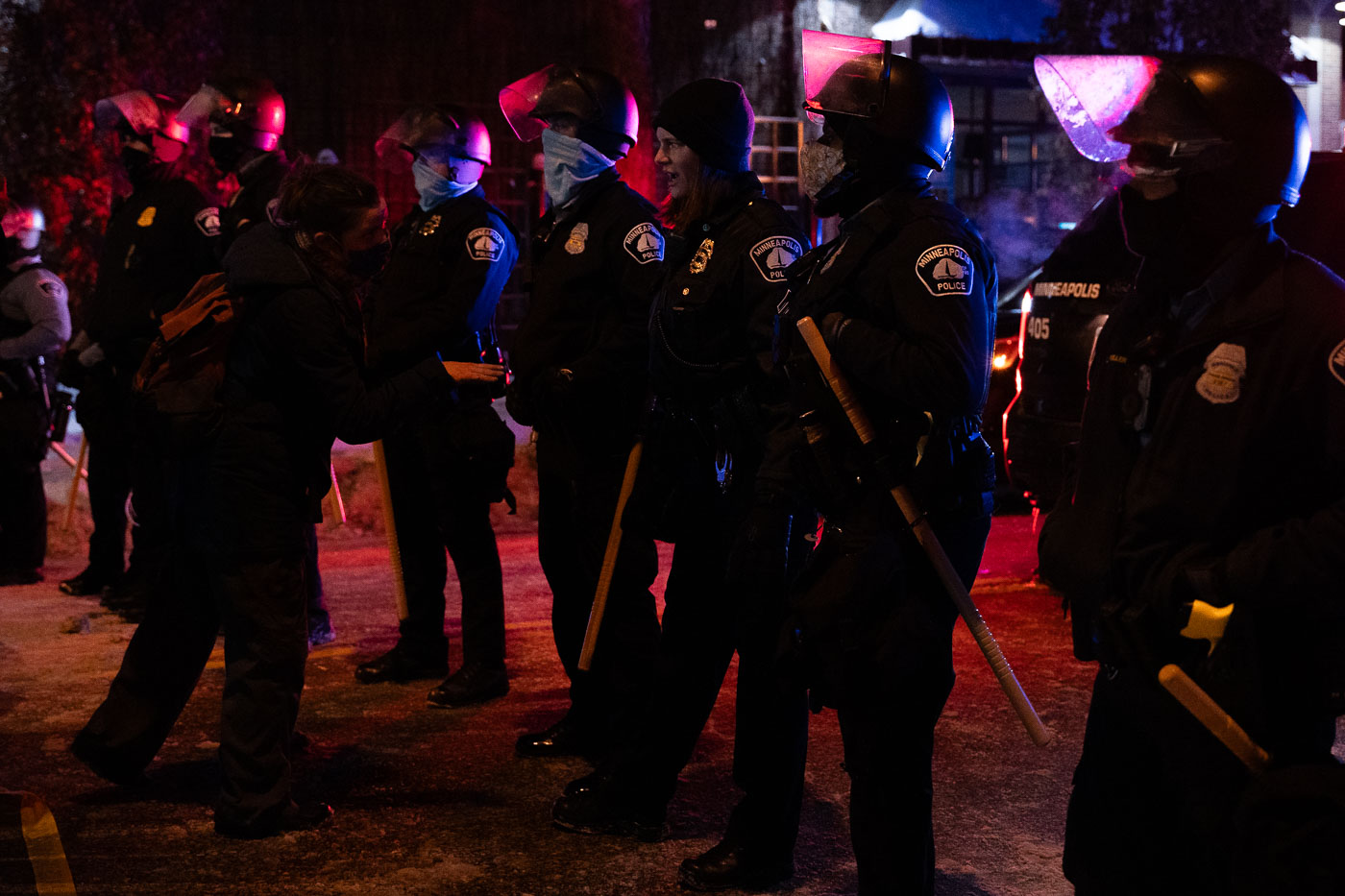
Protesters and police after Dolal Idd was killed
Minneapolis Police officers stand in formation during a protest at the Holiday Gas station located at 36th Avenue and Cedar Avenue in Minneapolis. The protest took place following the fatal shooting of Dolal Idd by Minneapolis Police earlier in the day.

Minneapolis Police at Dolal Idd Protest, Holiday Gas
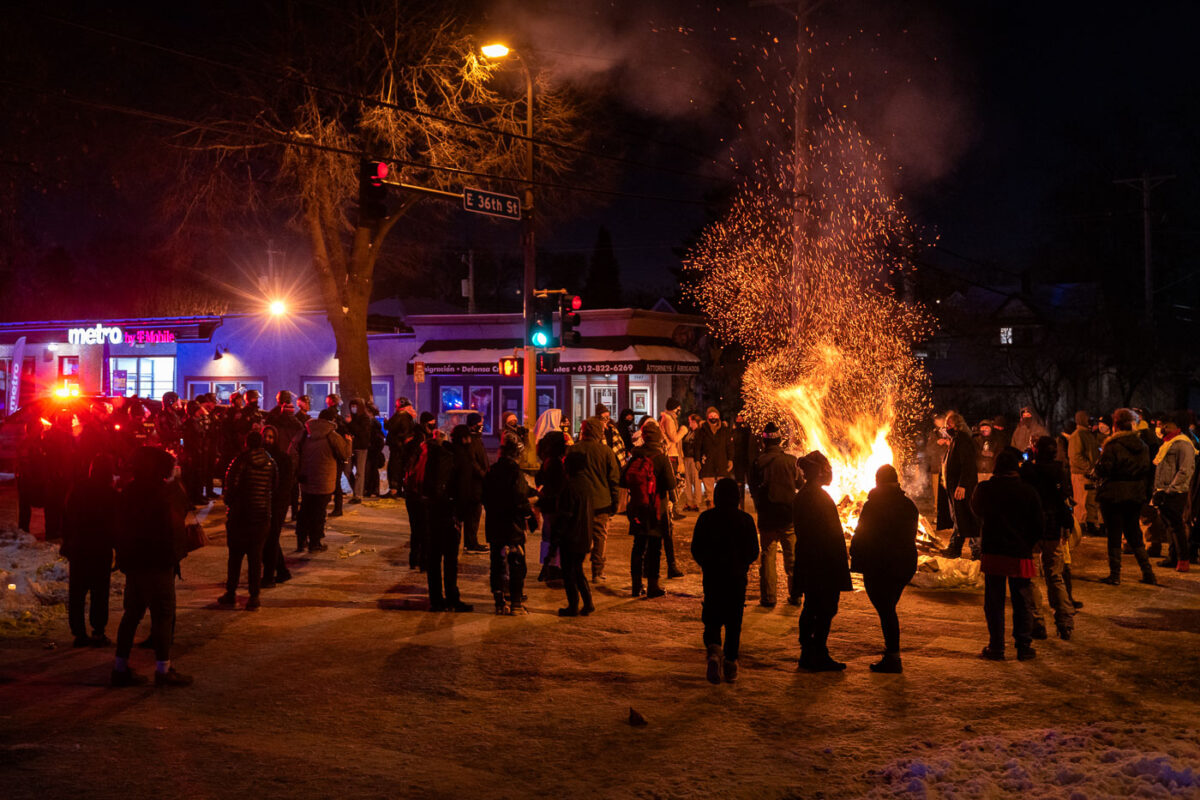
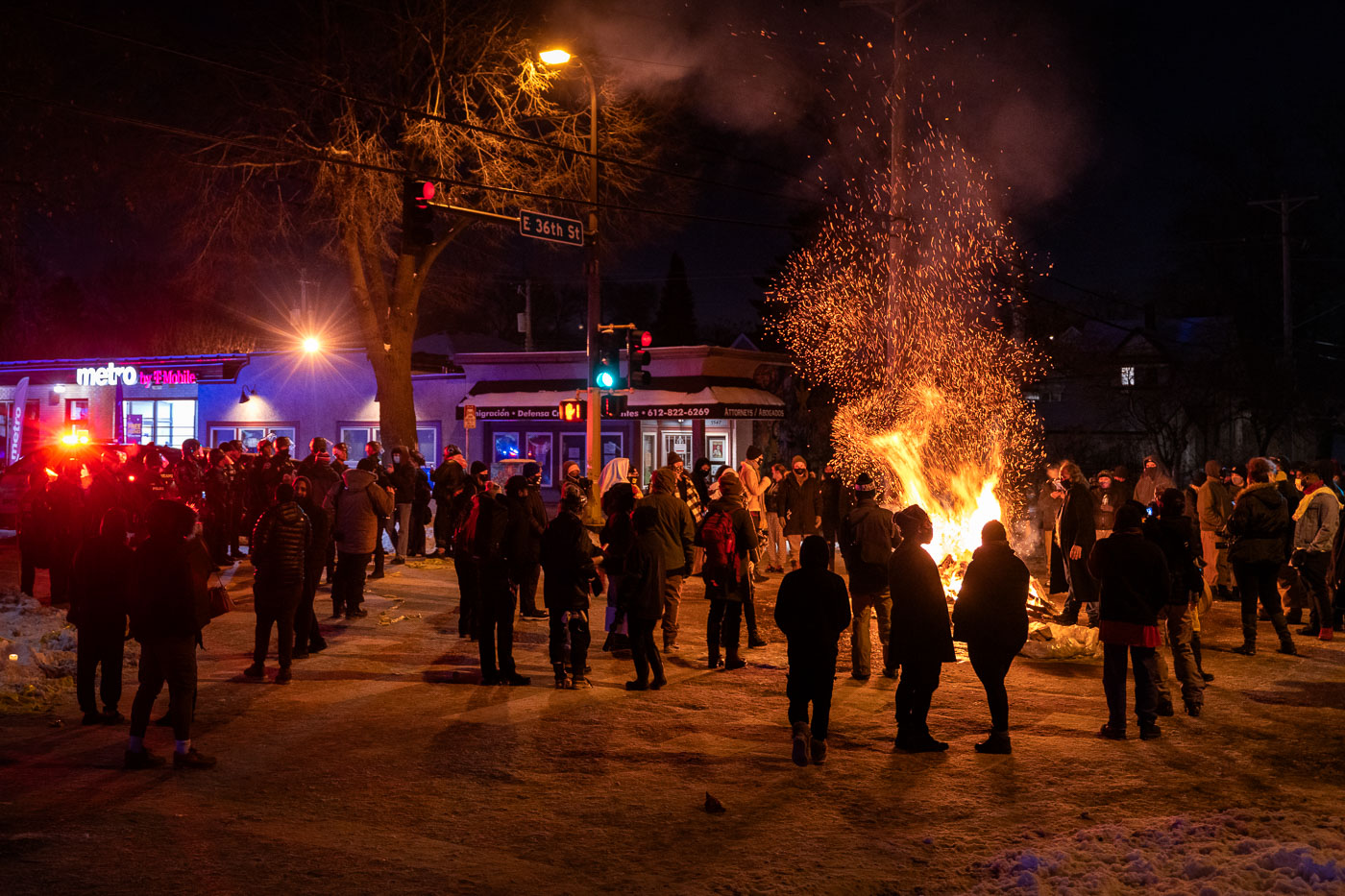
Protesters and large campfire on Cedar Ave in Minneapolis
Protesters gather on East 36th Street in Minneapolis, near the Holiday gas station where Dolal Idd was killed by Minneapolis police in December 2020. This protest occurred less than a year after George Floyd's killing by police approximately one mile away, fueling ongoing unrest against police violence in the city.

Protesters around a street fire on E 36th St, Minneapolis
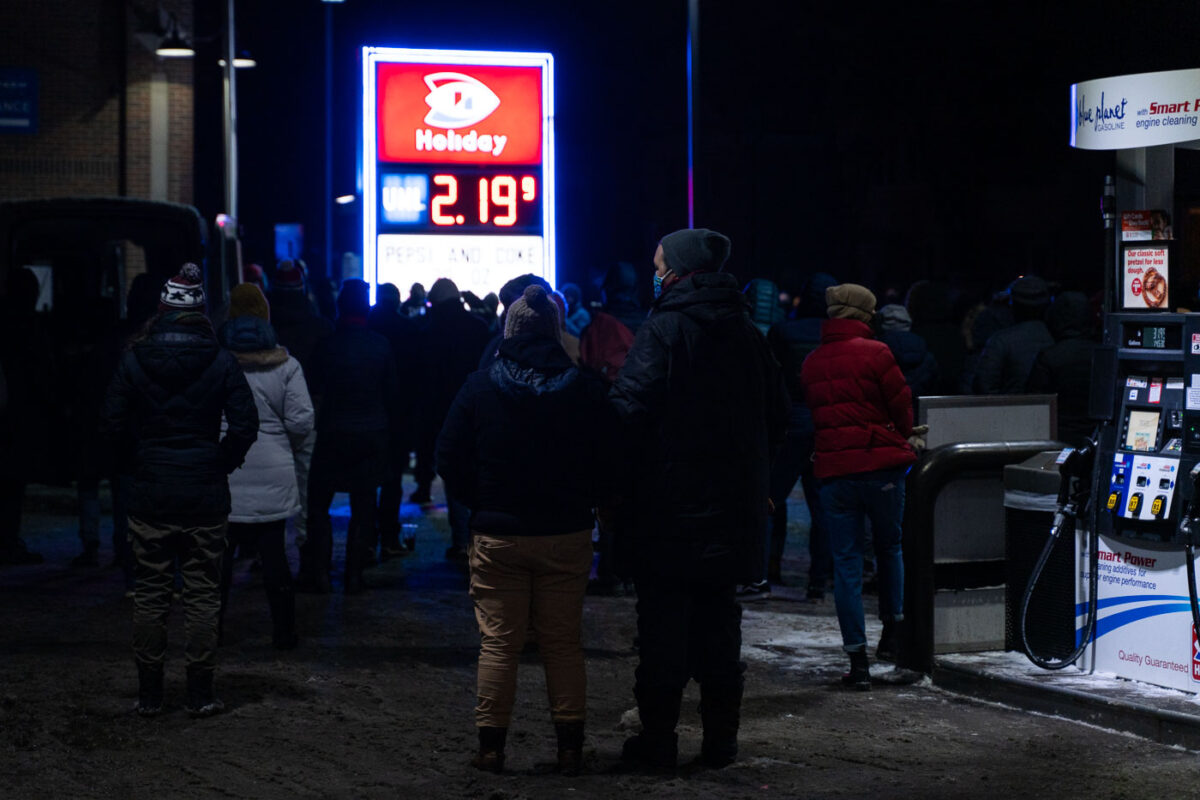
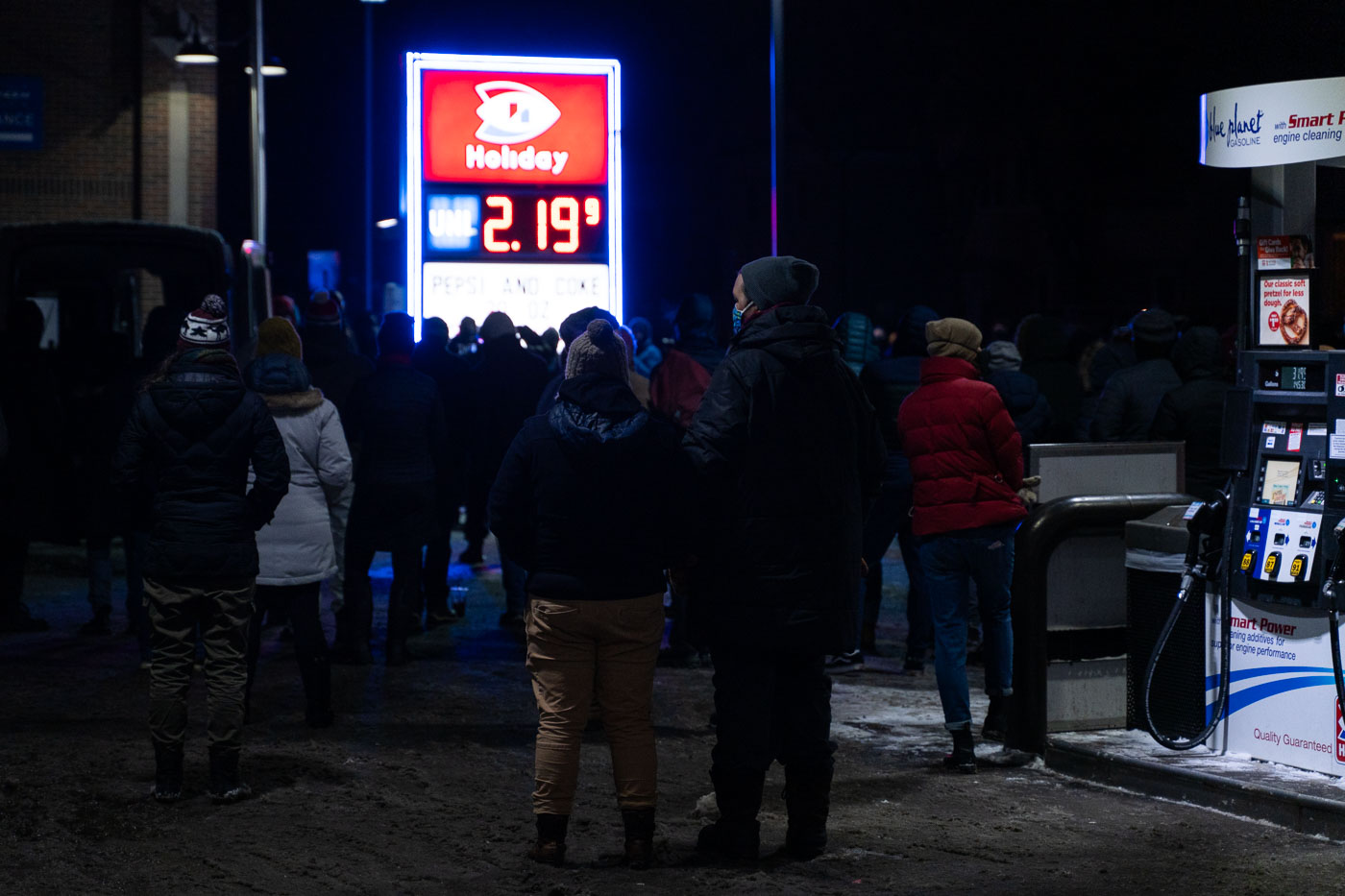
Protest the day after Dolal Idd was killed
Protesters gather at the Holiday Gas station located at 36th Avenue and Cedar Avenue in Minneapolis. This protest occurred on December 31, 2020, the day after Dolal Idd was shot and killed by Minneapolis police during a traffic stop.

Minneapolis Protest at Holiday Gas after Dolal Idd killing
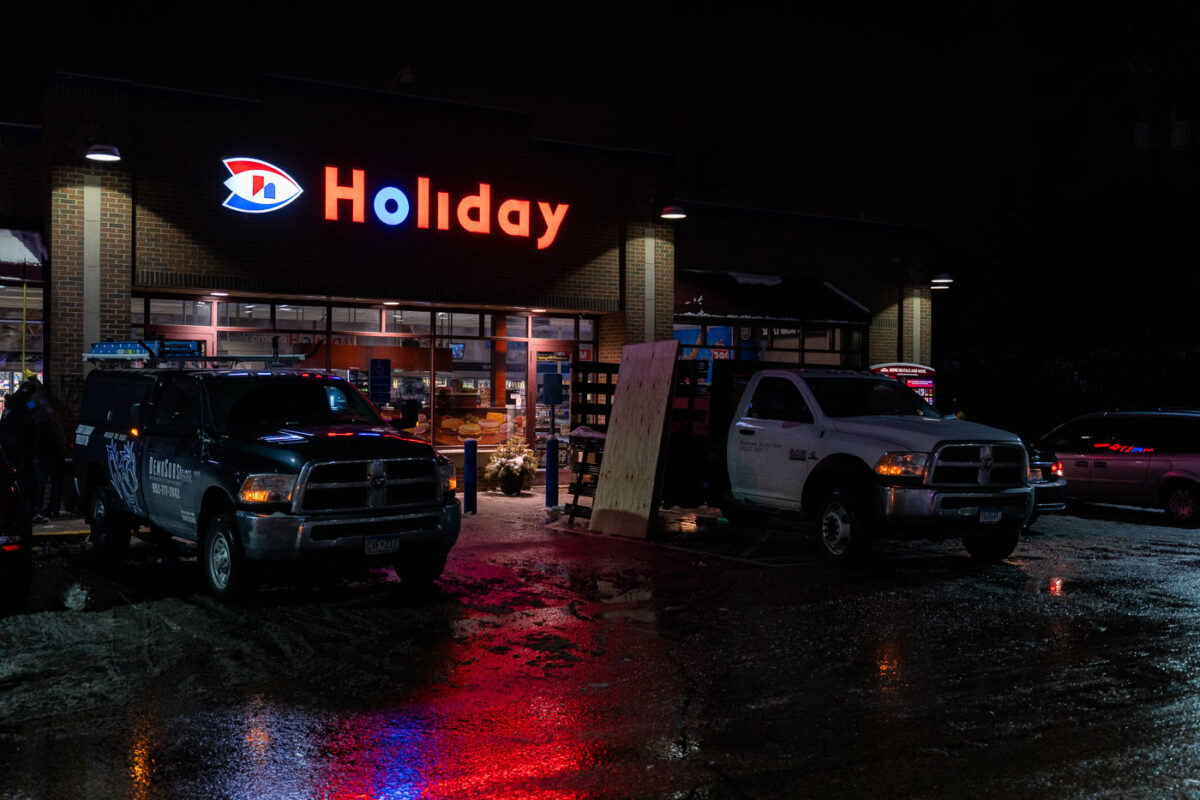
Boards going up at Holiday Gas after Dolal Idd shooting
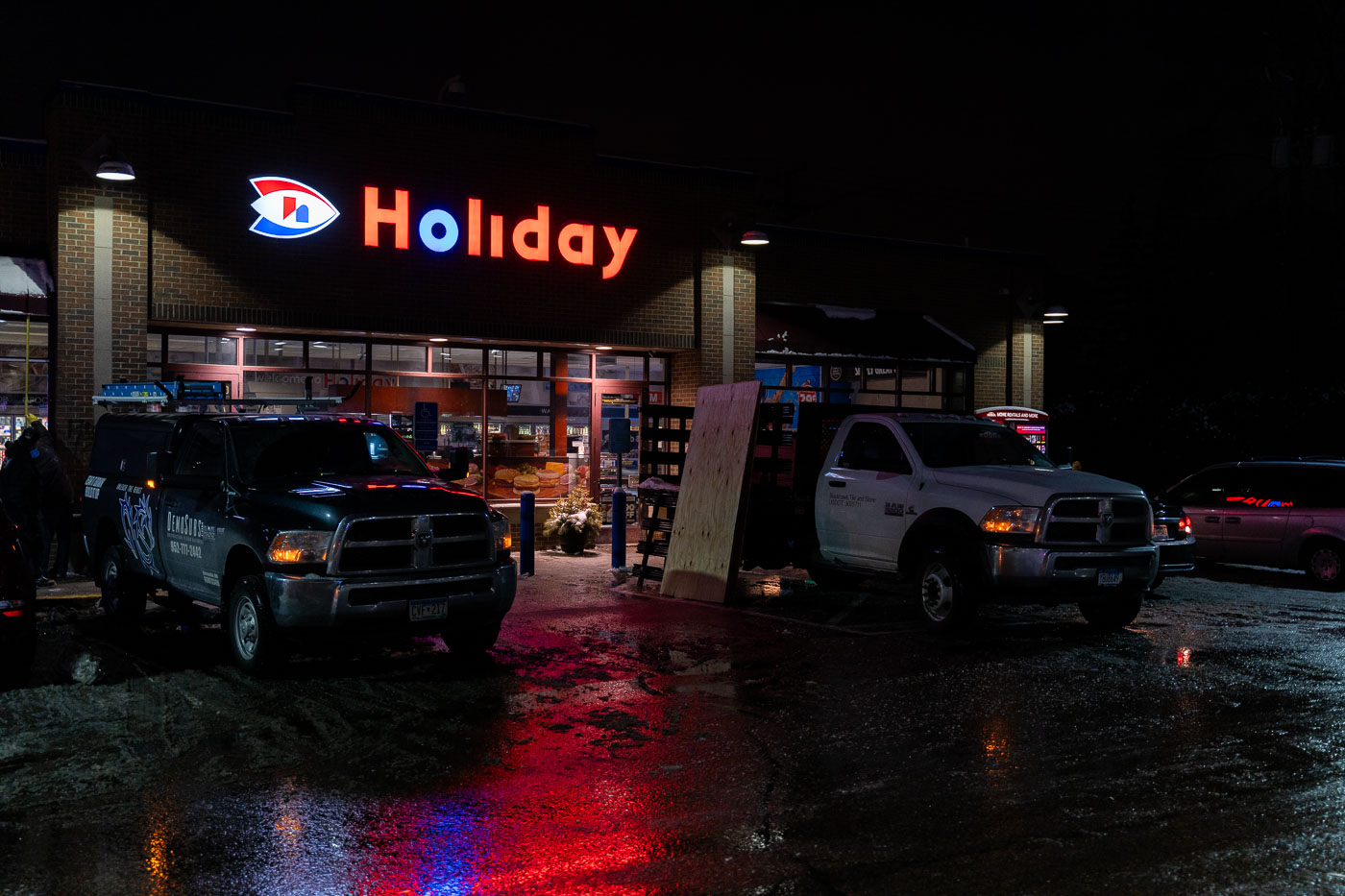
Workers board up the windows of a Holiday Gas station on Cedar Avenue in South Minneapolis. This precautionary measure was taken in anticipation of potential unrest following the Minneapolis Police shooting of Dolal Idd on December 30, 2020. The incident occurred in a city that had experienced widespread protests and civil unrest earlier in 2020, particularly after the killing of George Floyd by Minneapolis police approximately one mile from this location.

Holiday Gas boarded on Cedar Ave after Dolal Idd killing
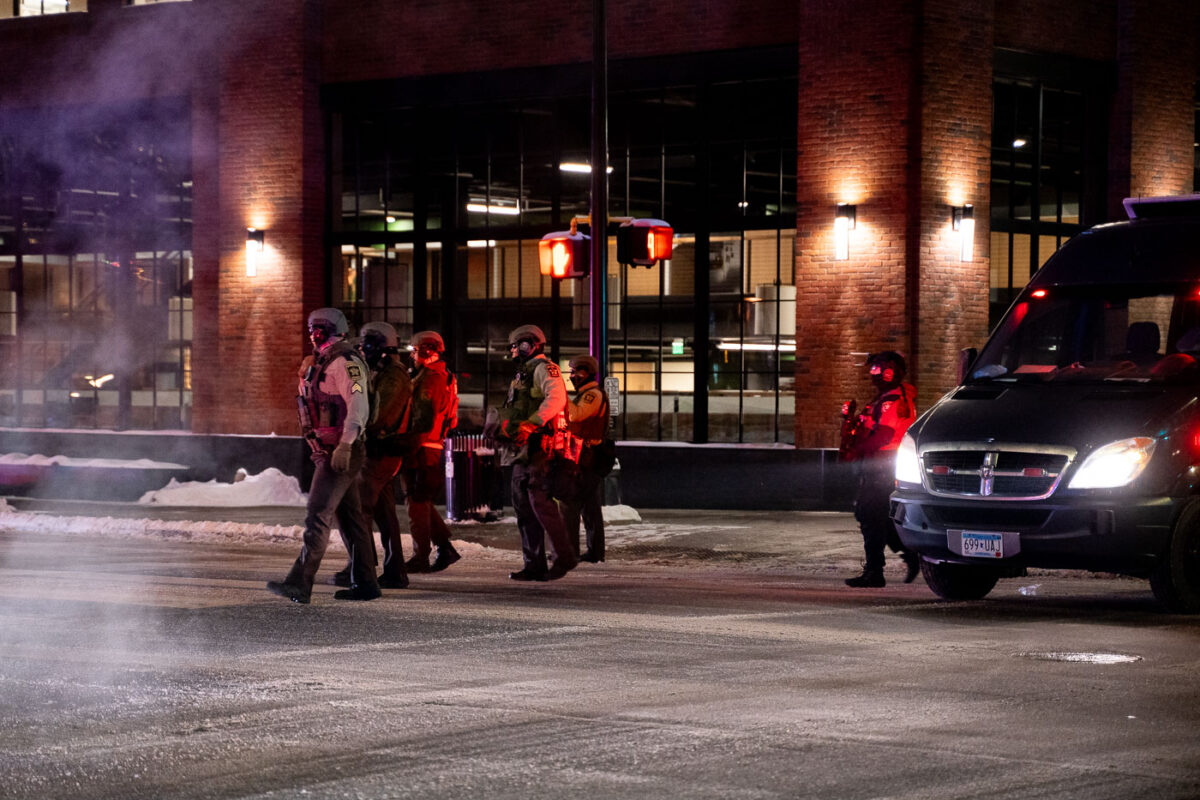
Police at new years eve protest
Hennepin County Sheriff's Department deputies are present in Downtown Minneapolis during a New Year's Eve protest. This event was part of an annual nationwide "Noise Protest" organized to call for the abolishing of prisons and to stand in solidarity with incarcerated individuals. The protest in Minneapolis led to approximately 40 arrests, reflecting ongoing public engagement with issues of criminal justice and incarceration.

Hennepin County Sheriff at Minneapolis New Year’s Eve Protest
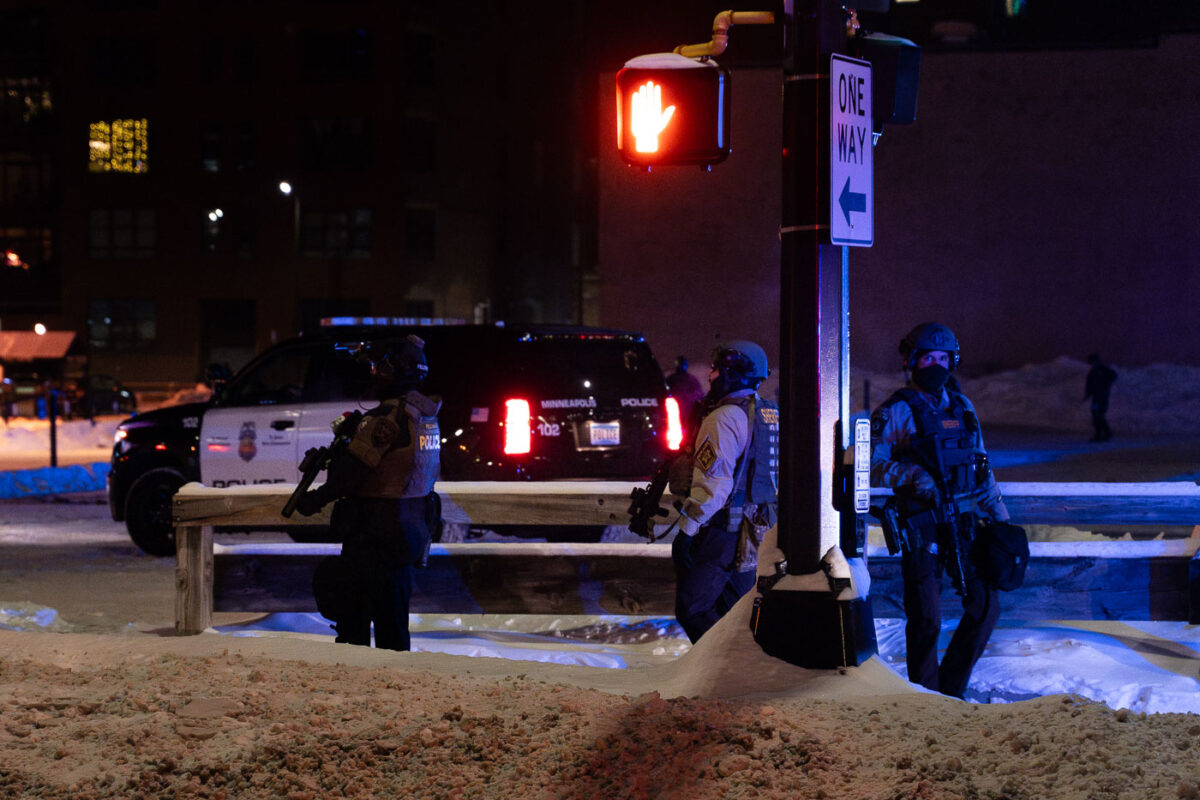
Police look for protesters on new years
On New Year's Eve, approximately 100 individuals gathered in Downtown Minneapolis for a nationwide protest supporting those imprisoned by the state. Following an incident where the Hennepin County Jail was spray-painted, multiple law enforcement agencies, including Minneapolis Police, State Patrol, Golden Valley Police Department, and Hennepin County Sheriffs, responded to the area. This coordinated response, which included state aerial surveillance, led to the arrest of dozens of participants.

Minneapolis Police & Hennepin Sheriff Respond to Noise Demo
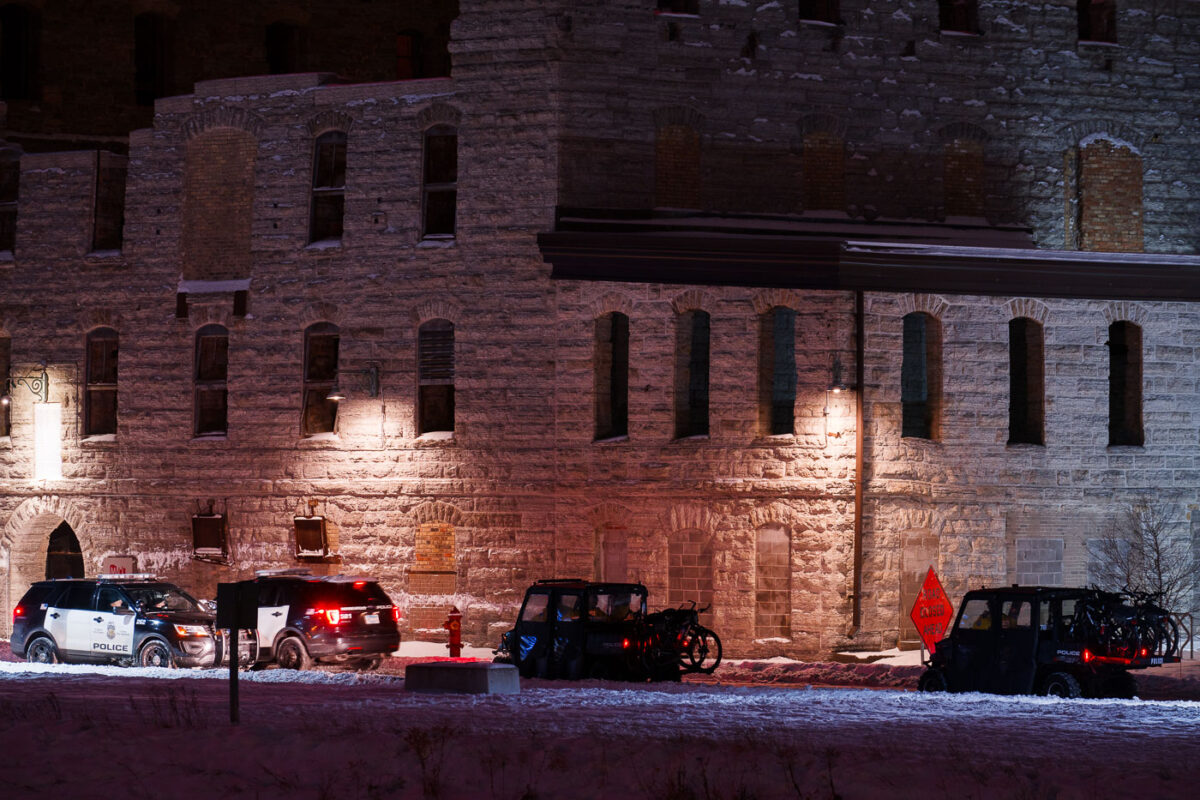
Mnneapolis police make arrest at Noise Demo protest
Police vehicles are present at Mill Ruins Park in Minneapolis on New Year's Eve, following a protest. Approximately 100 individuals gathered in response to a nationwide call to protest the imprisonment of state inmates. The protest escalated when the jail was spray-painted, leading to a significant police response involving Minneapolis Police, State Patrol, Golden Valley PD, and Hennepin Sheriffs, resulting in numerous arrests. Mill Ruins Park, located on the Mississippi River, is a historic site that was once the heart of Minneapolis's flour milling industry.

Minneapolis Police Arrests at Noise Demo Protest, Mill Ruins Park
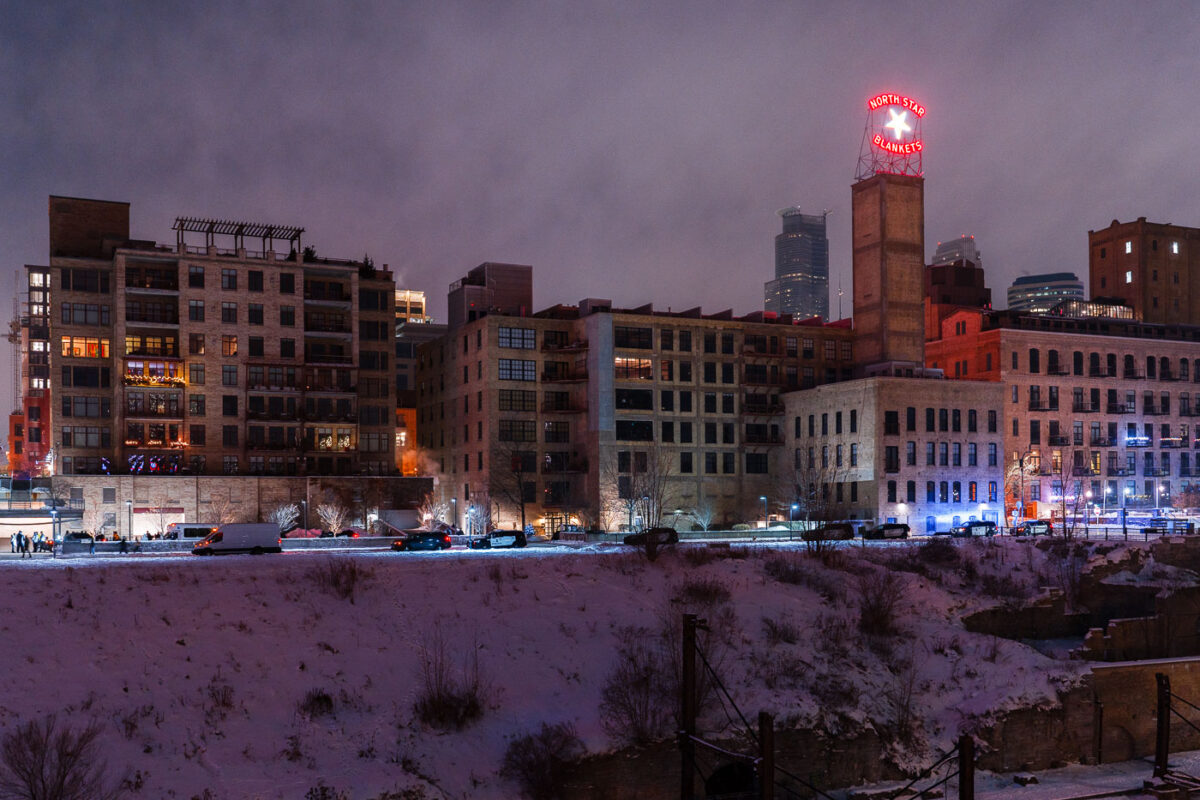
Minneapolis Police arrest 40 at New Years Eve protest
On New Year's Eve, Minneapolis Police arrested approximately 40 individuals at Mill Ruins Park during a "Noise Demonstration." This annual protest calls for the abolition of prisons and expresses solidarity with incarcerated people. The Mill Ruins Park area, located in downtown Minneapolis, is a historic site that was once the heart of the city's flour milling industry, with remnants of its industrial past visible in the ruins and repurposed brick buildings that now house residences and businesses.

Minneapolis Police Arrest 40 at New Year’s Eve Protest
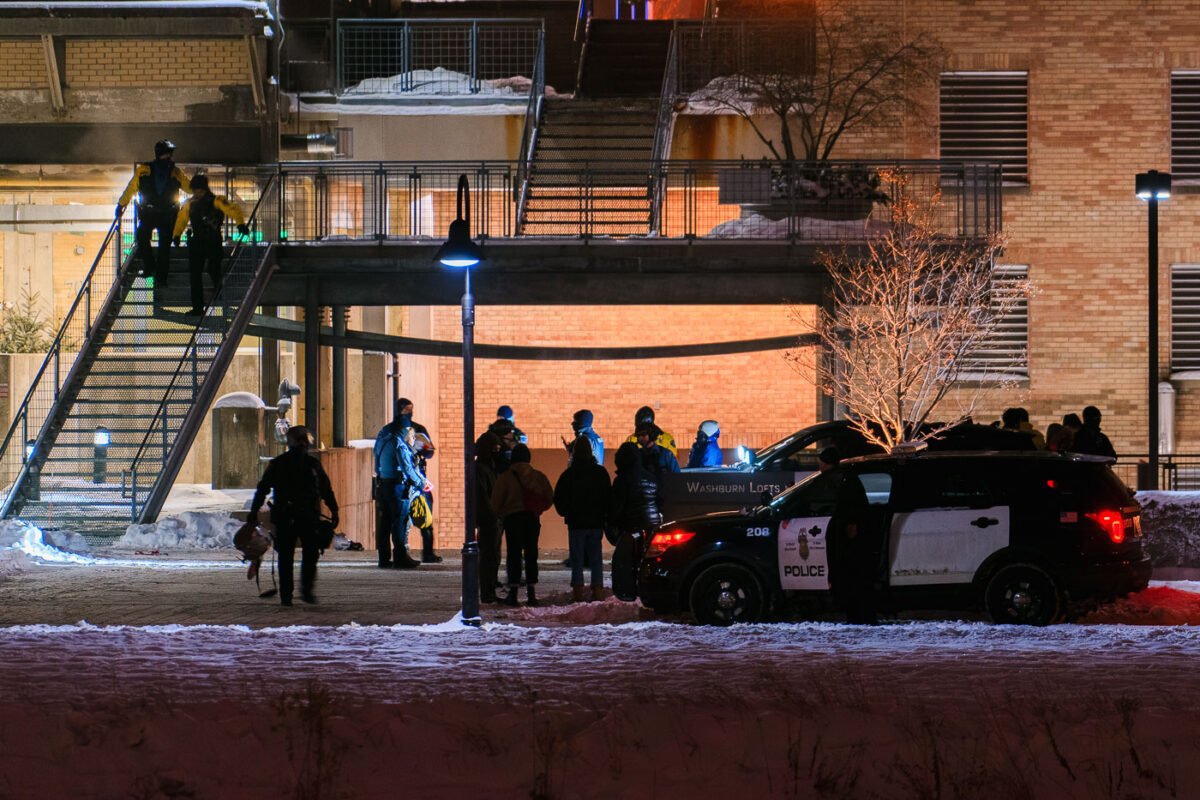
Minneapolis Police arrest 40 at Noise Demo protest
Minneapolis Police arrested approximately 40 individuals on New Year's Eve at Mill Ruins Park during an annual "Noise Demonstration." This protest, part of a nationwide movement, called for the abolition of prisons and expressed solidarity with incarcerated individuals. The demonstration took place in downtown Minneapolis, a location with a rich history tied to the city's milling industry and now a public space.

Minneapolis Police Arrest 40 at Noise Demo Protest

Protesters outside Minneapolis police station on Inauguration Day
Protesters gathered outside the Minneapolis Police Third Precinct on Inauguration Day, January 20, 2021, to advocate for community control of the police. The precinct had been set ablaze during protests following the murder of George Floyd in May 2020 and was still under reconstruction. This demonstration occurred less than three weeks after the fatal police shooting of Dolal Idd, an event that further fueled tensions and calls for police reform in Minneapolis.

Minneapolis Police 3rd Precinct Protest on Inauguration Day

Protesters at 3rd Precinct on Inauguration Day
Protesters gathered outside the Minneapolis Police Third Precinct on Inauguration Day, January 20, 2021. The precinct had been a focal point of protests following the murder of George Floyd in May 2020 and was subsequently set ablaze. This demonstration occurred less than three weeks after Dolal Idd was killed by Minneapolis Police during a firearm sting, an incident that reignited tensions and calls for police reform.

Protesters at Minneapolis Police 3rd Precinct on Inauguration Day

The Police Are The Biggest Gang in America
A protester holds a sign reading "THE POLICE ARE THE BIGGEST GANG IN AMERICA" attributed to Tupac, during a march on Inauguration Day in Minneapolis. The march, which began at South High School and proceeded to the Minneapolis Police 3rd Precinct, was organized to advocate for community control of the police and for President Biden to reverse Trump-era environmental policies. This event occurred amidst ongoing national discussions about policing and environmental justice.

Minneapolis Protest: “Police Are The Biggest Gang” Sign

Fuck your Precinct at Minneapolis Police Station
Graffiti and messages are displayed on concrete barricades that surrounded the Minneapolis Police Department's 3rd Precinct. The precinct was a focal point during the 2020 Minneapolis uprising, following the murder of George Floyd. The messages reflect the complex sentiments expressed during the period of unrest, with one card offering a "Merry Christmas" to the MPD, while large red spray paint reads "Fuck Your Precinct." These markings serve as a visual record of the intense public reaction and protest directed at law enforcement during that time.

Graffiti on Minneapolis Police 3rd Precinct Barricades

Well Burn This Bitch Again on Minneapolis Police Station
Graffiti on the exterior of the Minneapolis Police Department's Third Precinct reads "We'll Burn This Bitch Again" and "Fuck 12." The precinct building was abandoned by police and subsequently set ablaze by protesters on May 28, 2020, during the unrest following the murder of George Floyd. The building has remained vacant and unrepaired since the incident, serving as a visual reminder of the protests and the community's response to police actions. The graffiti reflects the anger and defiance expressed by some during the period of civil unrest.

Minneapolis Police 3rd Precinct Graffiti: “We’ll Burn This Bitch Again”

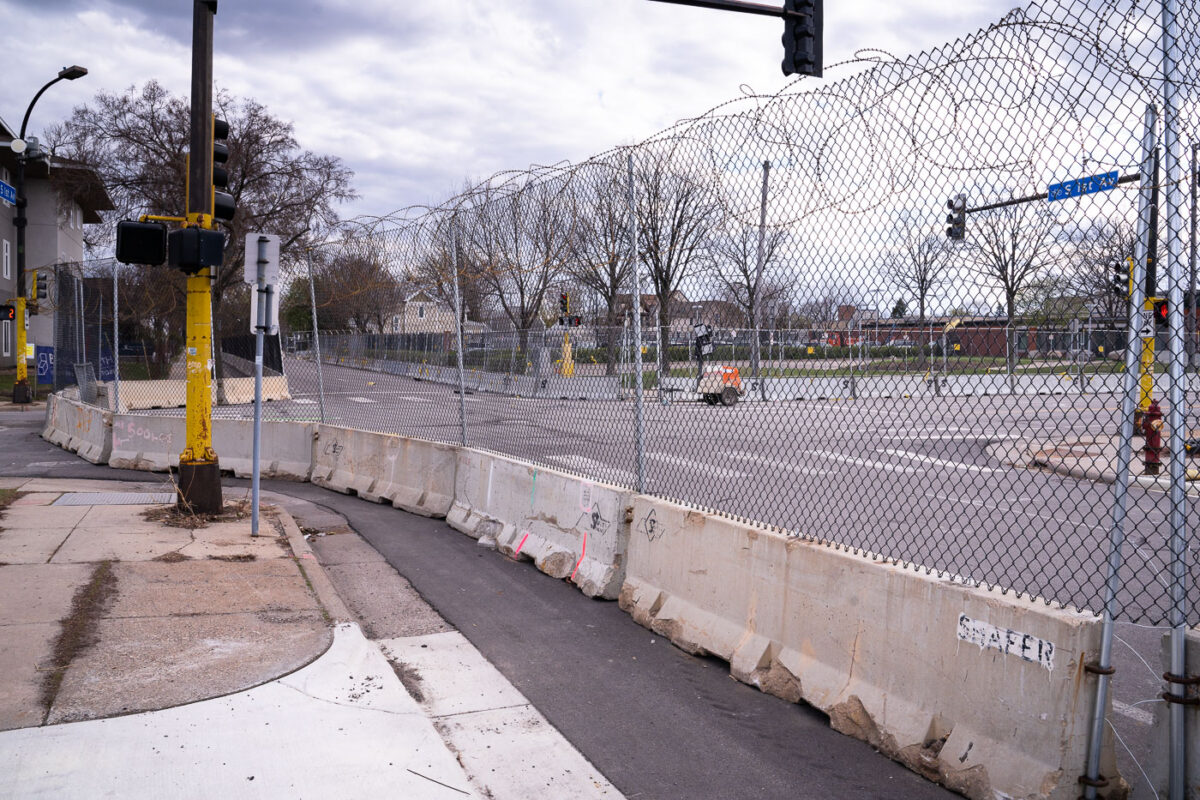
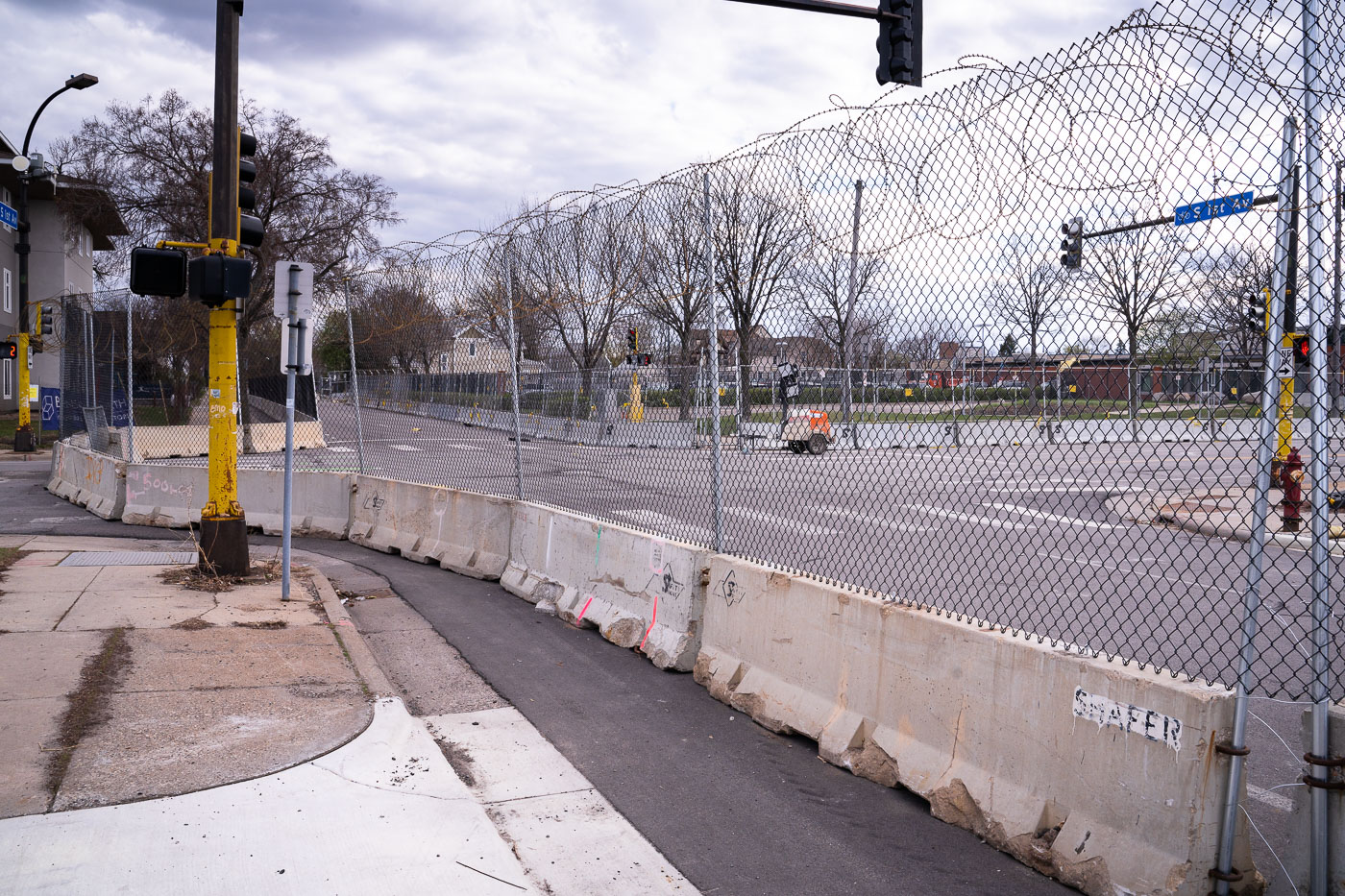
Minneapolis Police 5th Precinct in February 2021
The Minneapolis Police Fifth Precinct is shown on February 19, 2021 surrounded by security barriers. These barriers have been a consistent presence around the precinct since the murder of George Floyd in May 2020, reflecting the heightened security measures in place following widespread protests and civil unrest. On May 25, 2020, Minneapolis police officer Derek Chauvin murdered 46-year-old George Floyd during an arrest outside Cup Foods at the intersection of 38th Street and Chicago Avenue in south Minneapolis. Video recorded by bystanders showed Chauvin kneeling on Floyd’s neck for more than nine minutes while Floyd repeatedly said he could not breathe. Three other Minneapolis police officers - J. Alexander Kueng, Thomas Lane, and Tou Thao — were also present during the arrest and later faced criminal charges for their roles in Floyd’s death. Floyd’s murder sparked protests and civil unrest across Minneapolis and around the world, leading to widespread demonstrations against police violence, major policy debates on policing, and the conviction of Chauvin on murder and manslaughter charges in 2021.

Minneapolis Police 5th Precinct with Security Barriers, February 2021

Minneapolis Police Second Precinct Chauvin Security
Security fencing and concrete barriers surround the Minneapolis Police 2nd Precinct in northeast Minneapolis on February 23, 2021. This measure was implemented in anticipation of the Derek Chauvin murder trial in 2021. The precinct building itself, constructed in 1911, has served as a law enforcement facility for over a century. The heightened security reflects the significant public attention and potential for unrest surrounding the trial, which followed the murder of George Floyd. On May 25, 2020, Minneapolis police officer Derek Chauvin murdered 46-year-old George Floyd during an arrest outside Cup Foods at the intersection of 38th Street and Chicago Avenue in south Minneapolis. Video recorded by bystanders showed Chauvin kneeling on Floyd’s neck for more than nine minutes while Floyd repeatedly said he could not breathe. Three other Minneapolis police officers - J. Alexander Kueng, Thomas Lane, and Tou Thao — were also present during the arrest and later faced criminal charges for their roles in Floyd’s death. Floyd’s murder sparked protests and civil unrest across Minneapolis and around the world, leading to widespread demonstrations against police violence, major policy debates on policing, and the conviction of Chauvin on murder and manslaughter charges in 2021.

Minneapolis Police 2nd Precinct Security Ahead of Chauvin Trial
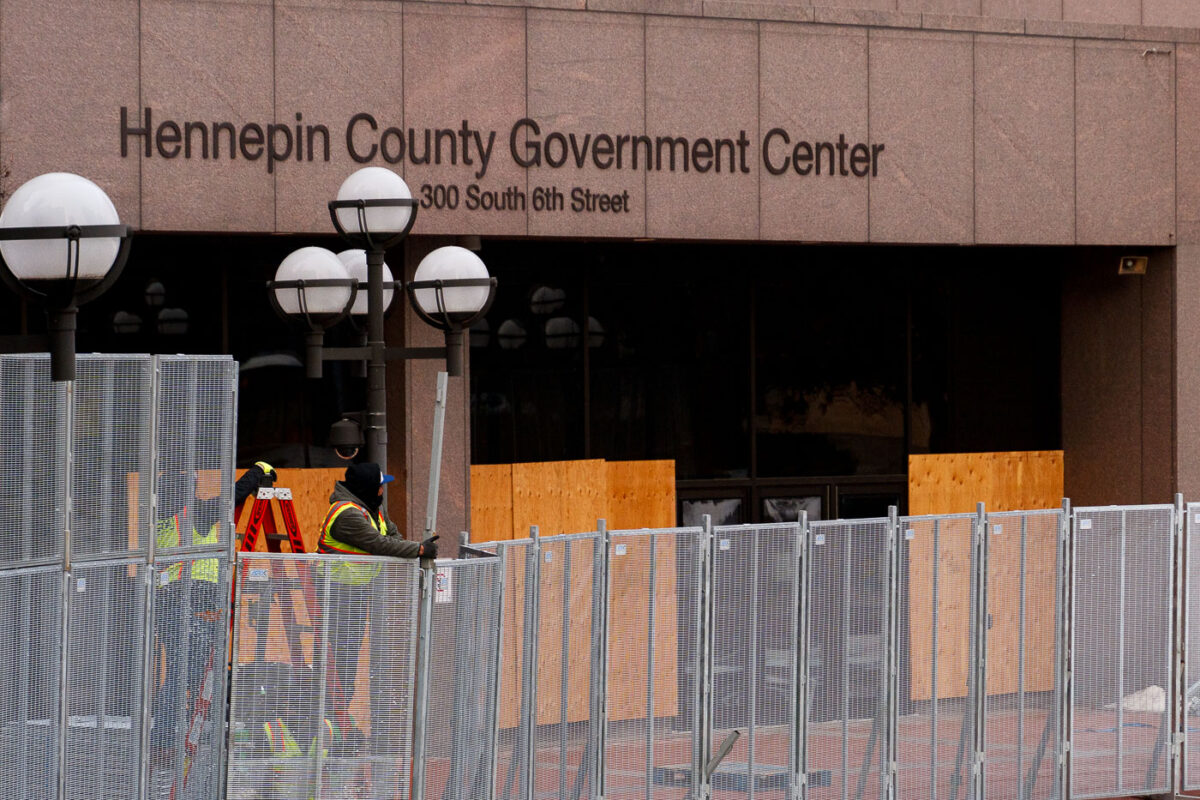
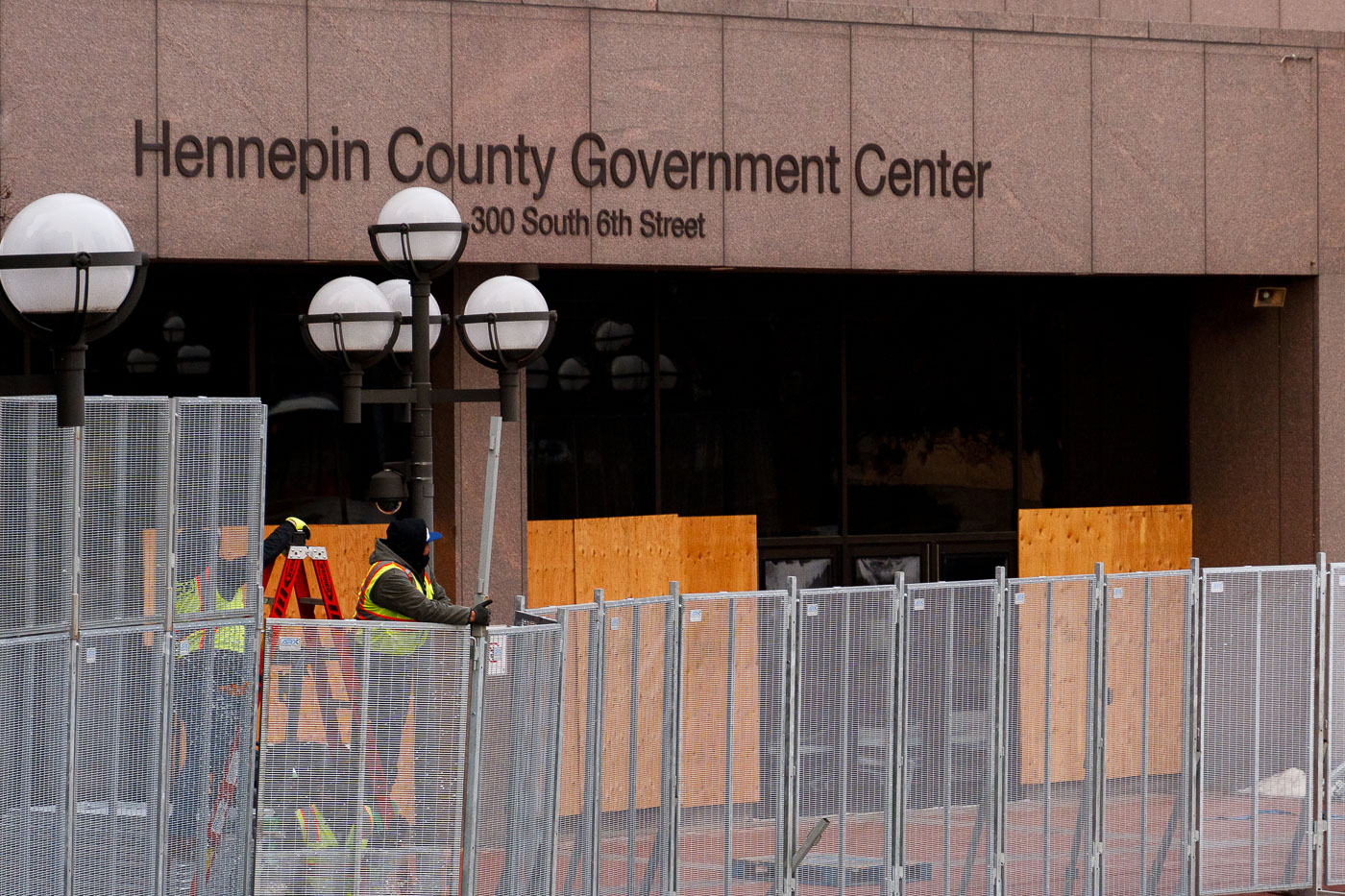
Workers installing security fencing at courthouse for Chauvin trial
Temporary fencing is being installed around the Hennepin County Government Center in Minneapolis, located at 300 South 6th Street. This security measure was put in place in anticipation of the trial of Derek Chauvin, a former Minneapolis police officer. On May 25, 2020, Minneapolis police officer Derek Chauvin murdered 46-year-old George Floyd during an arrest outside Cup Foods at the intersection of 38th Street and Chicago Avenue in south Minneapolis. Video recorded by bystanders showed Chauvin kneeling on Floyd’s neck for more than nine minutes while Floyd repeatedly said he could not breathe. Three other Minneapolis police officers - J. Alexander Kueng, Thomas Lane, and Tou Thao — were also present during the arrest and later faced criminal charges for their roles in Floyd’s death. Floyd’s murder sparked protests and civil unrest across Minneapolis and around the world, leading to widespread demonstrations against police violence, major policy debates on policing, and the conviction of Chauvin on murder and manslaughter charges in 2021.

Hennepin County Government Center Security Fencing Installation

Red and white restricted area sign and detailed use of public spaces regulations posted on chain link fencing at Hennepin County Government Center.
Signage indicating a restricted area and "Authorized Personnel Only" is posted on secure fencing surrounding the Hennepin County Government Center in Minneapolis.

“Do Not Enter” Signs on Fencing at Hennepin County Government Center

Security Boards going up at Marshalls
In anticipation of the Derek Chauvin murder trial, storefronts in downtown Minneapolis were boarded up as a security measure. The image shows workers installing plywood over the windows of a Marshalls store, with a Minneapolis Police Department vehicle parked nearby. This preparation reflected concerns about potential unrest and property damage, echoing events that followed the murder of George Floyd in the same city in 2020.

Minneapolis Marshalls Boarded Up for Chauvin Trial Security

The World Is Watching protest in Minneapolis
Protesters gathered outside the Hennepin County Government Center in Minneapolis on March 8, 2021, the morning of the Derek Chauvin trial. Chauvin, a former Minneapolis police officer, was charged with the murder of George Floyd on May 25, 2020. The banner reads "Justice 4 George Floyd & All Stolen Lives. The World Is Watching." This event highlights the broader Black Lives Matter movement and calls for accountability in cases of police brutality.

Minneapolis Protest for George Floyd Outside Hennepin County Government Center

Abolish Police and Prisons protest sign
Protesters gathered outside the Hennepin County Government Center in Minneapolis on March 8, 2021, ahead of the Derek Chauvin trial. Chauvin, a former Minneapolis police officer, was charged in the murder of George Floyd on May 25, 2020. The sign "Abolish Police + Prisons" reflects a central demand of the Black Lives Matter movement, which gained widespread attention following Floyd's death and has continued to advocate for systemic reform of law enforcement and the justice system.

Minneapolis Protest: Abolish Police and Prisons Sign

Large protest in Minneapolis at start of Chauvin trial
Protesters gathered outside the Hennepin County Government Center in Minneapolis on March 8, 2021, awaiting the start of the trial for former police officer Derek Chauvin. Chauvin was charged with murder and manslaughter in the death of George Floyd on May 25, 2020, an event that sparked widespread protests against police brutality and racial injustice. The Hennepin County Government Center serves as a key administrative and judicial hub for the county, and its proximity to the site of Floyd's murder made it a focal point for demonstrations.

Minneapolis Protest Outside Hennepin County Government Center

Protesters behind security fencing at Chauvin trial
Protesters gathered outside the Hennepin County Government Center in Minneapolis during the trial of Derek Chauvin. The courthouse was surrounded by security fencing, a measure implemented due to the high-profile nature of the trial and concerns about potential unrest. The trial, which began in March 2021, stemmed from the murder of George Floyd by Minneapolis police officer Derek Chauvin in May 2020. Protests against police brutality and racial injustice, often under the banner of Black Lives Matter, had been ongoing in Minneapolis and across the nation since Floyd's death.

Protesters at Hennepin County Government Center during Chauvin Trial

Protester writes with chaulk at Chauvin trial
During the trial of Derek Chauvin, a protester writes messages in chalk outside the Hennepin County Courthouse in Minneapolis. The trial, which began in March 2021, centered on the murder of George Floyd, a Black man who died in police custody. The courthouse and surrounding areas became a focal point for protests and demonstrations related to police brutality and racial justice. The chalk messages serve as a form of public expression and a visual record of the community's response to the ongoing legal proceedings and broader social issues.

Chalk message at Hennepin County Courthouse during Chauvin trial

Minneapolis is under military occupation
Protesters gathered outside the Hennepin County Government Center in Minneapolis on March 8, 2021, the day the Derek Chauvin murder trial began. The sign, held by a protester, reads "Minneapolis is under military occupation," reflecting the sentiment of many during the widespread protests against police brutality that followed George Floyd's murder. The trial itself was a focal point for ongoing activism and calls for justice and accountability within the Minneapolis community and beyond.

Minneapolis Protest Sign: “Minneapolis is under military occupation”

George Floyd pins being sold outside courthouse
Pins commemorating George Floyd and bearing the slogan "I Can't Breathe" are displayed for sale outside the Hennepin County Courthouse in Minneapolis. This location was the site of the trial of Derek Chauvin, the former Minneapolis police officer convicted of Floyd's murder in April 2021. The sale of such merchandise reflects the broader cultural and political impact of Floyd's death and the subsequent Black Lives Matter movement, which gained significant momentum following the incident in May 2020. The courthouse itself is a significant civic building in downtown Minneapolis, serving as a central hub for legal proceedings in the county.

George Floyd Pins Sold Outside Hennepin County Courthouse

Protesters march through downtown at start of Chauvin trial
A large crowd gathered in downtown Minneapolis for a protest related to the trial of Derek Chauvin, the former Minneapolis Police Officer charged in the murder of George Floyd on May 25, 2020. The protest took place outside the Hennepin County Government Center prior to the start of the trial. Many carried signs with messages such as "Justice for George Floyd," "Convict Killer Cops," and "Black Lives Matter," reflecting the broader movement against police brutality and racial injustice.

Protesters march downtown Minneapolis for Derek Chauvin trial

Justice 4 George Floyd and All Stolen Lives in Minneapolis
A large crowd gathered in downtown Minneapolis on March 8, 2021, to protest the murder of George Floyd and demand justice. The protest occurred outside the Hennepin County Government Center on the morning of the first day of the trial for former Minneapolis police officer Derek Chauvin. Chauvin was charged with second-degree murder and manslaughter in connection with Floyd's death on May 25, 2020. The "Black Lives Matter" movement gained significant momentum following Floyd's death, highlighting issues of police brutality and racial injustice.

Minneapolis Protest for George Floyd and Stolen Lives

Minnesota National Guard outside Hennepin Courthouse
A member of the Minnesota National Guard stands in front of a military vehicle outside the Hennepin County Government Center in Minneapolis. This deployment occurred during a period of heightened tension and unrest in the city, following the murder of George Floyd and the subsequent trial of Derek Chauvin. The National Guard was activated to support local law enforcement and maintain order amidst widespread protests against police brutality. The Hennepin County Government Center, a prominent civic building in downtown Minneapolis, served as a focal point during these events.

Minnesota National Guard at Hennepin County Government Center

Black Lives Matter chalk on black boards
Messages of protest and solidarity are chalked onto boarded-up windows of a building near the Hennepin County Government Center in Minneapolis. The messages, including "Justice for George Floyd," "Stop Killing Us," and "Black Lives Matter," were created in the context of the trial of former Minneapolis Police Officer Derek Chauvin. Chauvin was charged with murder in the death of George Floyd on May 25, 2020, an event that sparked widespread protests against police brutality and racial injustice.

Minneapolis: BLM messages on boarded-up building near Chauvin trial

Bringing In the National Guard flyer
A sign posted on a chain-link fence surrounding the Hennepin County Government Center in Minneapolis reads "Bringing in the National Guard. What Could Possibly Go Wrong?" The poster includes a photograph from the Kent State shootings on May 4, 1970, where the Ohio National Guard fired on unarmed students during a protest. This juxtaposition of historical imagery with the contemporary presence of the National Guard in Minneapolis, likely during the protests following the murder of George Floyd, serves as a pointed commentary on the potential for state-sanctioned violence. The inclusion of flowers suggests a memorial or a somber reflection on the events.

Hennepin County Government Center: National Guard Sign

Protesters with mirrors and flowers outside Chauvin trial
Flowers and mirrors are placed on the street outside the Hennepin County Government Center in Minneapolis, Minnesota. This display occurred during the period of protests and unrest following the murder of George Floyd in May 2020 and the subsequent trial of Derek Chauvin. The mirrors, some bearing red paint, likely symbolize reflection and accountability, while the flowers serve as a memorial to victims of police brutality. The Hennepin County Government Center was a focal point for many demonstrations during this time.

Flowers and mirrors outside Hennepin County Government Center

Reflect art installation outside Chauvin trial
An art installation reading "REFLECT" stands outside the Hennepin County Government Center in Minneapolis. The installation was present during the trial of Derek Chauvin, a former Minneapolis police officer charged with the murder of George Floyd on May 25, 2020. The trial, which began on March 8, 2021, drew significant public attention and protests related to police brutality and racial justice. The "REFLECT" installation, along with scattered roses and protest signs, served as a visual reminder of the ongoing discourse surrounding Floyd's death and its broader implications.

Reflect art installation outside Hennepin County Government Center

Roses in blood art installation at Chauvin trial
Roses, some appearing to be stained with red paint to resemble blood, were placed in a puddle outside the Hennepin County Government Center in Minneapolis. This installation occurred during the trial of Derek Chauvin, a former Minneapolis police officer charged with the murder of George Floyd. The trial, held in April 2021, drew significant national attention to issues of police brutality and racial justice.

Roses in paint outside Hennepin County Government Center during Chauvin trial

Minneapolis police 1st precinct security door
The Minneapolis Police Department's 1st Precinct building, located in Downtown Minneapolis, is shown with a newly installed security door. This retractable barrier is designed to slide down and cover the building's windows, enhancing security. The installation of such measures reflects the heightened security concerns and the department's response to events such as the Minneapolis Uprising, which significantly impacted the city and its public institutions.

Minneapolis Police 1st Precinct Security Door Installation

Signs on fencing around burned Minneapolis police station
Protest signs adorn the exterior of the former Minneapolis Police Third Precinct building, which was set ablaze during the unrest following the May 25th death of George Floyd. The signs, including messages such as "Justice for George Floyd," "Defund the Police," and "Black Lives are Sacred," reflect the sentiments of the community and the broader movement for racial justice. The precinct, a symbol of law enforcement in the neighborhood, became a focal point of protests and a site of significant destruction. The presence of these signs on the barricaded structure serves as a visual testament to the events of spring and summer 2020.

Minneapolis Police 3rd Precinct Fencing with Protest Signs
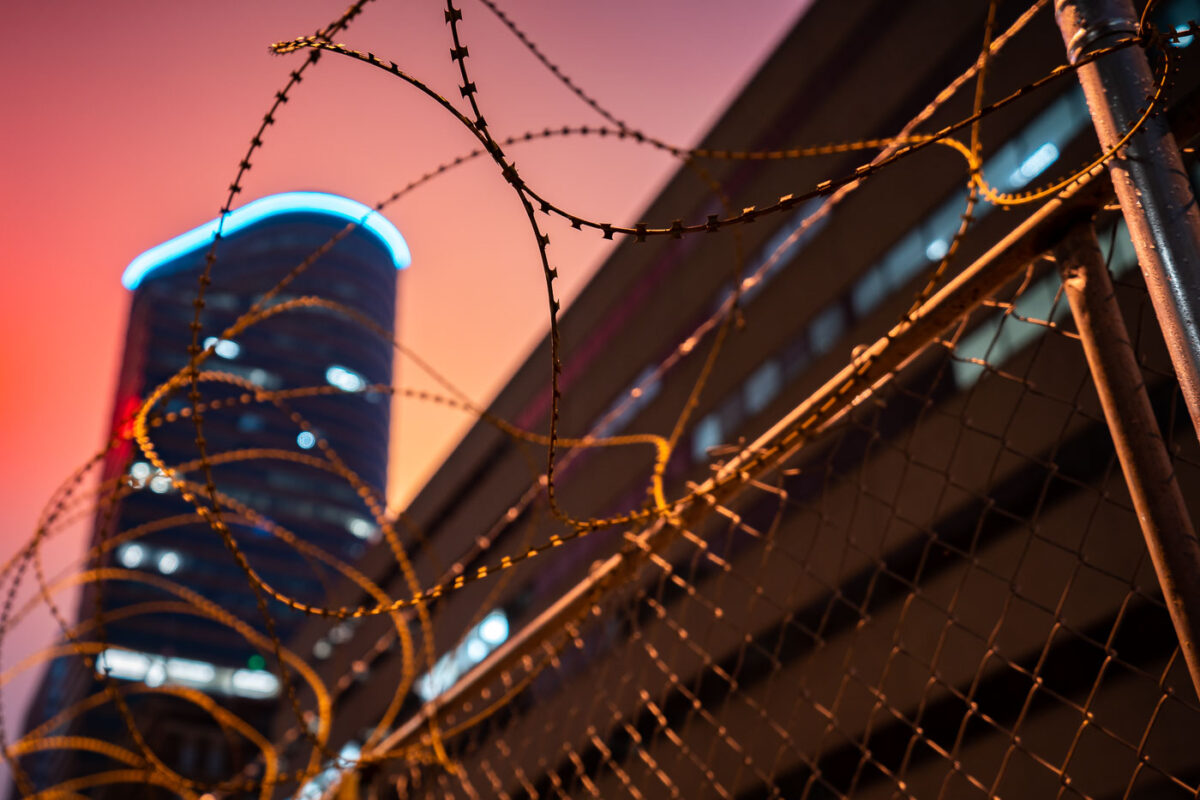
Razor wire around downtown Minneapolis police station
Razor wire surrounds the Minneapolis Police Third Precinct building in March 2021. This security measure was installed following protests and unrest that occurred in the city in the preceding year. The precinct, located in the Powderhorn neighborhood of Minneapolis, served as a focal point during periods of civil disturbance. The temporary fortification highlights the heightened security measures implemented to protect police facilities during times of social unrest.

Razor Wire at Minneapolis Police Third Precinct, March 2021
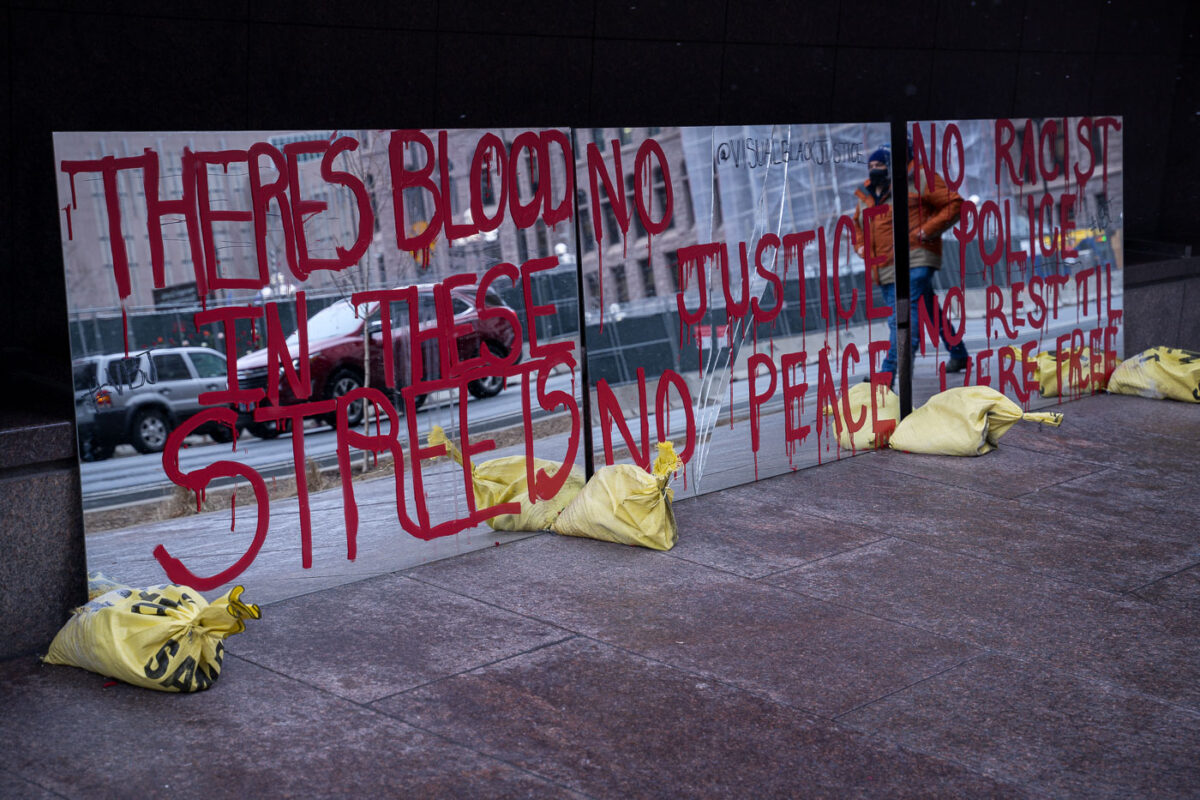
Theres Blood In These Streets mirror art
Mirrored panels bearing protest messages, including "There's Blood In These Streets" and "No Justice No Peace," are displayed outside the Hennepin County Government Center in Minneapolis. The courthouse was the site of the trial for Derek Chauvin, a former Minneapolis police officer charged in the death of George Floyd on May 25, 2020. The messages reflect the ongoing protests and calls for justice that followed Floyd's murder and highlighted systemic issues within law enforcement.

Minneapolis: Mirror Art at Hennepin County Government Center During Chauvin Trial
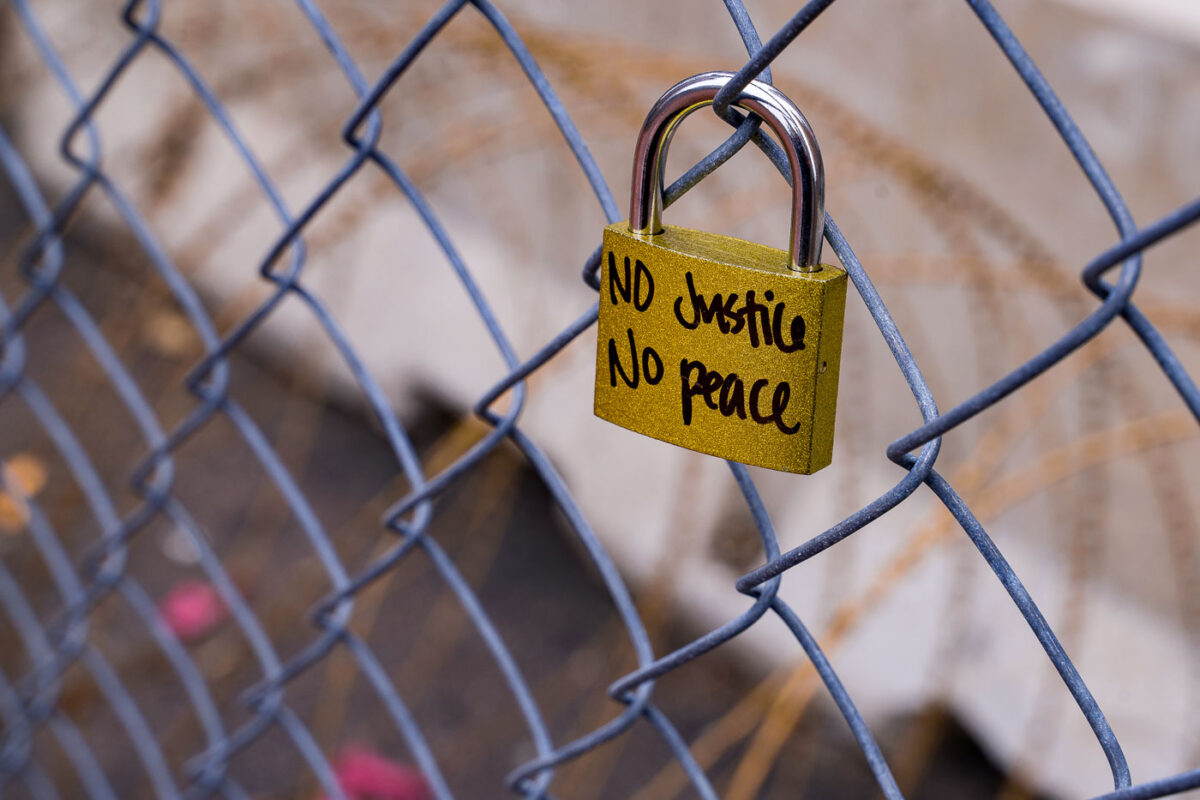
No Justice No Peace lock at Chauvin trial
A padlock inscribed with "No justice, No peace" is affixed to a chain-link fence surrounding the Hennepin County Government Center in Minneapolis. This security measure was in place during the 2021 trial of Derek Chauvin, a former Minneapolis police officer charged with the murder of George Floyd. The trial, held in the same building, drew significant public attention and protests related to racial justice and police brutality.

Minneapolis: Lock on fence at Hennepin County Government Center during Chauvin trial
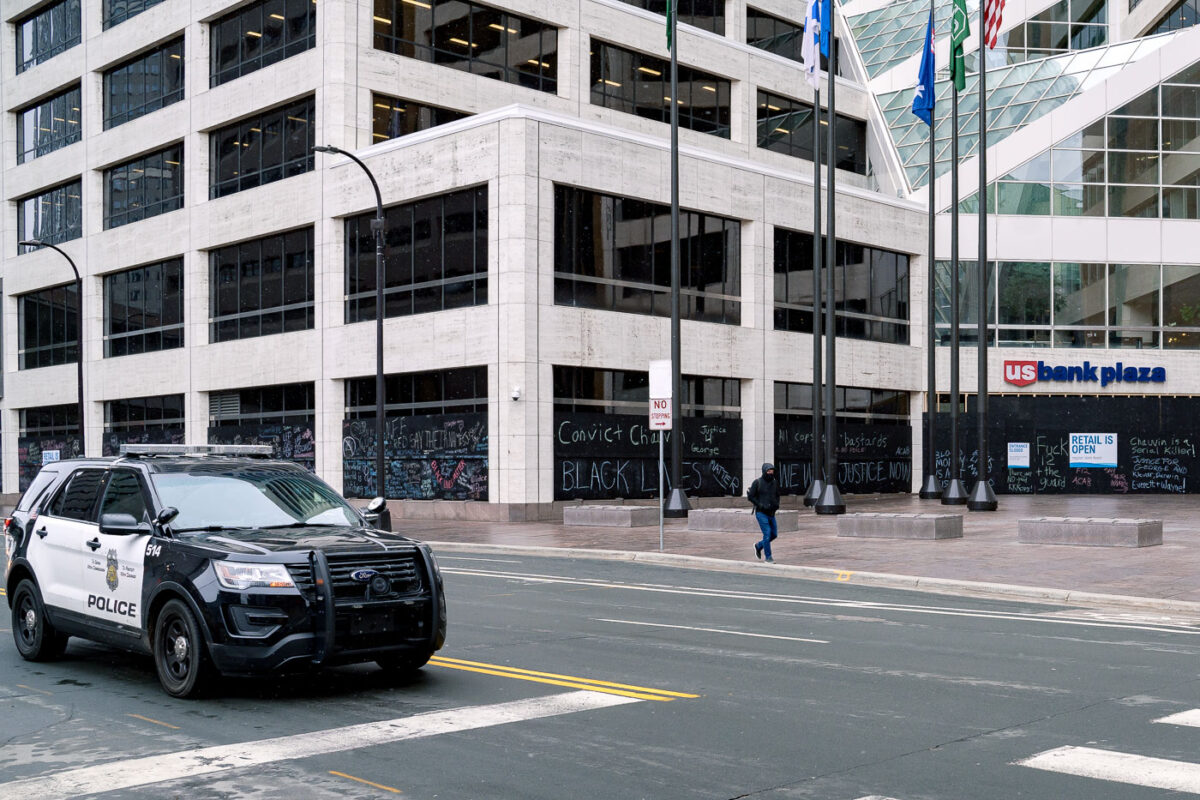
Minneapolis Police officer drives by US Bank Plaza
A Minneapolis Police vehicle is parked on 3rd Avenue in Downtown Minneapolis, adjacent to the US Bank Plaza. The plaza's windows and ground-level facade have been boarded up and covered with graffiti, including messages related to the Black Lives Matter movement and the Derek Chauvin trial. This scene reflects the heightened tensions and public response in Minneapolis following the murder of George Floyd in May 2020. The presence of the police car and the boarded-up buildings indicate the city's efforts to manage and respond to the widespread protests and civil unrest that occurred during that period.

Minneapolis Police car at boarded US Bank Plaza
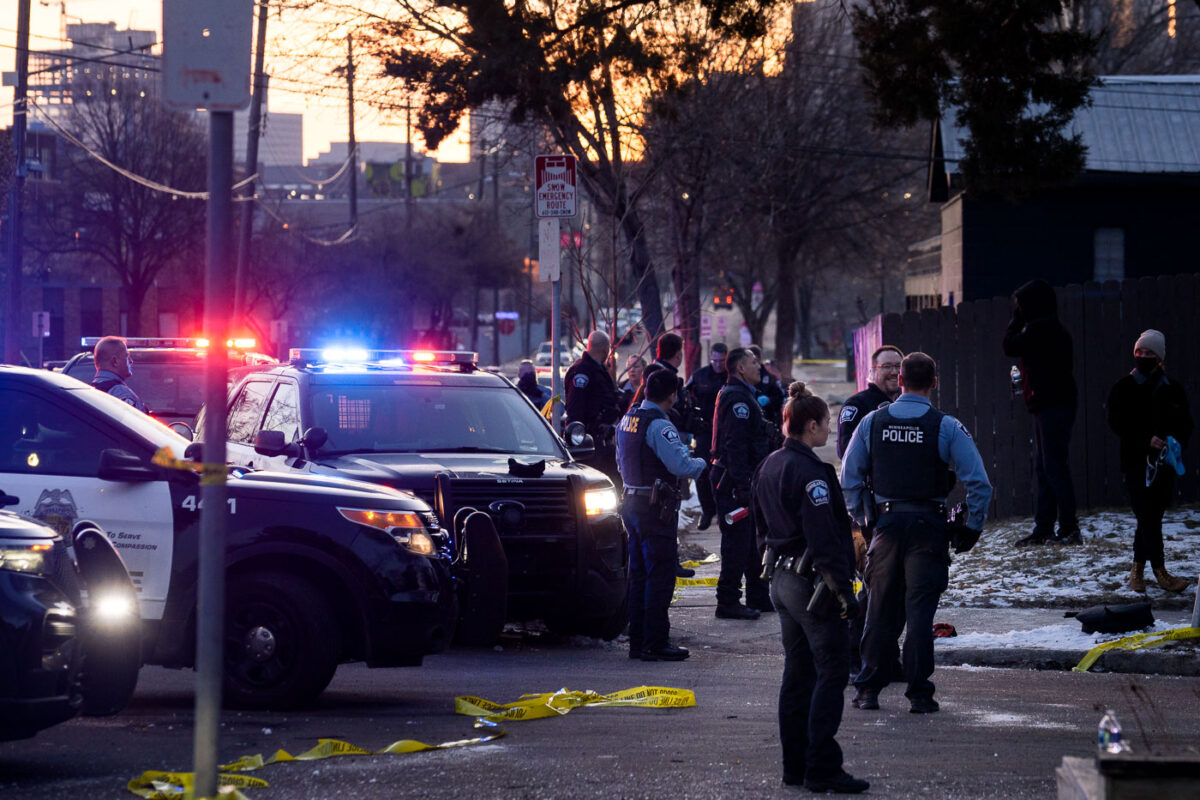
Police at Near North encampment clearing in Minneapolis
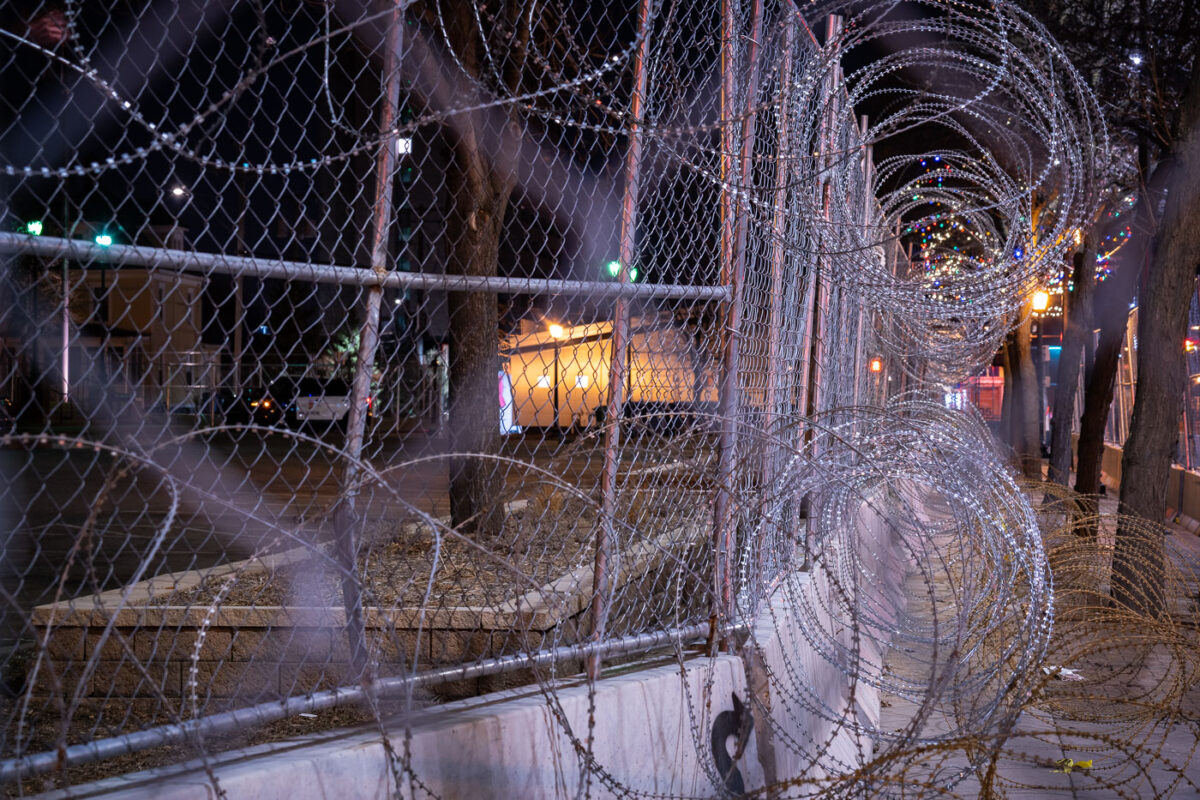
Minneapolis Police officers responded to a homeless encampment on the Near North side of the city. The presence of law enforcement indicates a planned clearing of the encampment, which had been established by individuals experiencing homelessness. Camp protectors were present, suggesting a confrontation or protest against the city's action. This event highlights the ongoing challenges of homelessness and the city's approach to managing encampments.

Minneapolis Police at Near North encampment clearing

Minneapolis police behind razor wire in Northeast Minneapolis
The Minneapolis Police 2nd Precinct is shown fortified with razor wire and chain-link fencing. This security measure was implemented during the period surrounding the Derek Chauvin murder trial in 2021. The precinct, located in Minneapolis, Minnesota, serves as a key law enforcement facility for the city's north side. The extensive use of razor wire reflects the heightened security concerns and the volatile atmosphere in the city during that time, following widespread protests and unrest.

Minneapolis Police 2nd Precinct Barricaded with Razor Wire
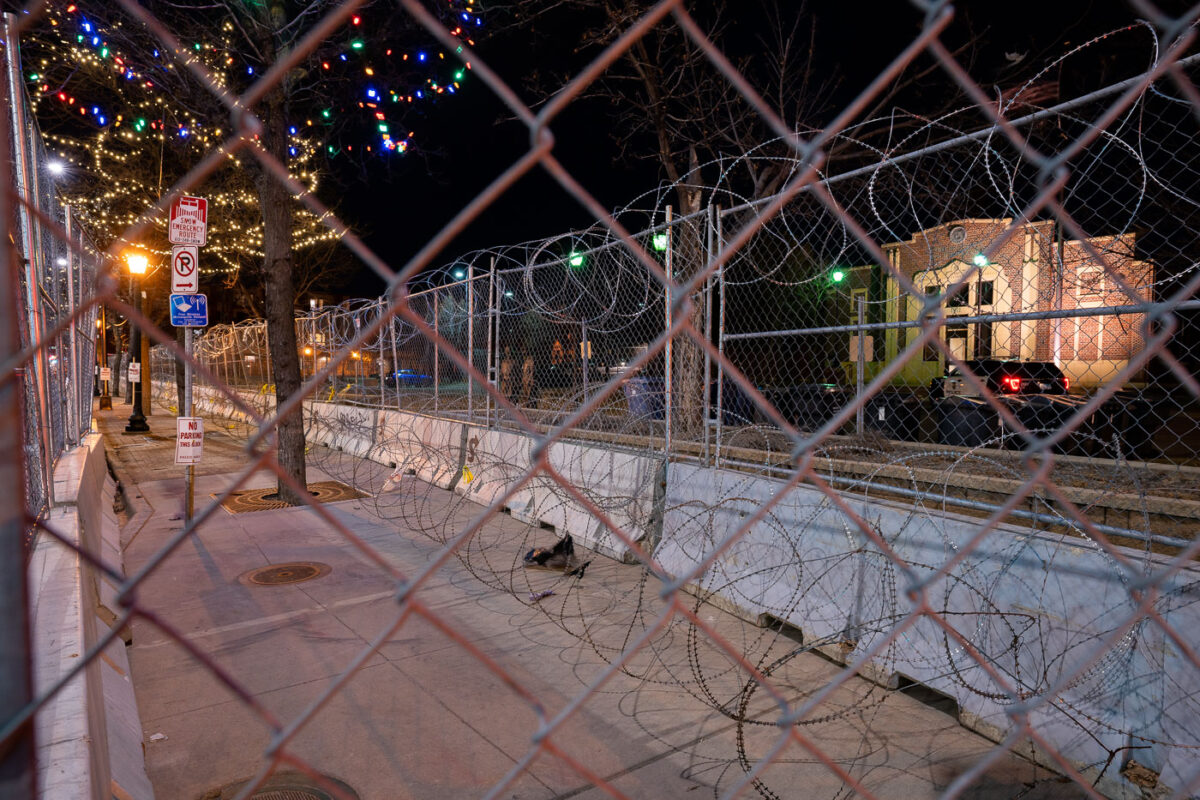
Razor wire at Minneapolis police 2nd precinct
The Minneapolis Police Department's 2nd Precinct is shown fortified with razor wire and concrete barriers. This security measure was implemented in anticipation of potential unrest during the trial of Derek Chauvin, who was accused of the murder of George Floyd. The precinct, located in the Powderhorn neighborhood of Minneapolis, became a focal point during the widespread protests that followed Floyd's death in May 2020. The extensive security measures reflect the heightened tensions and the city's efforts to protect public buildings and maintain order during a period of significant social and political upheaval.

Minneapolis Police 2nd Precinct Barricaded with Razor Wire
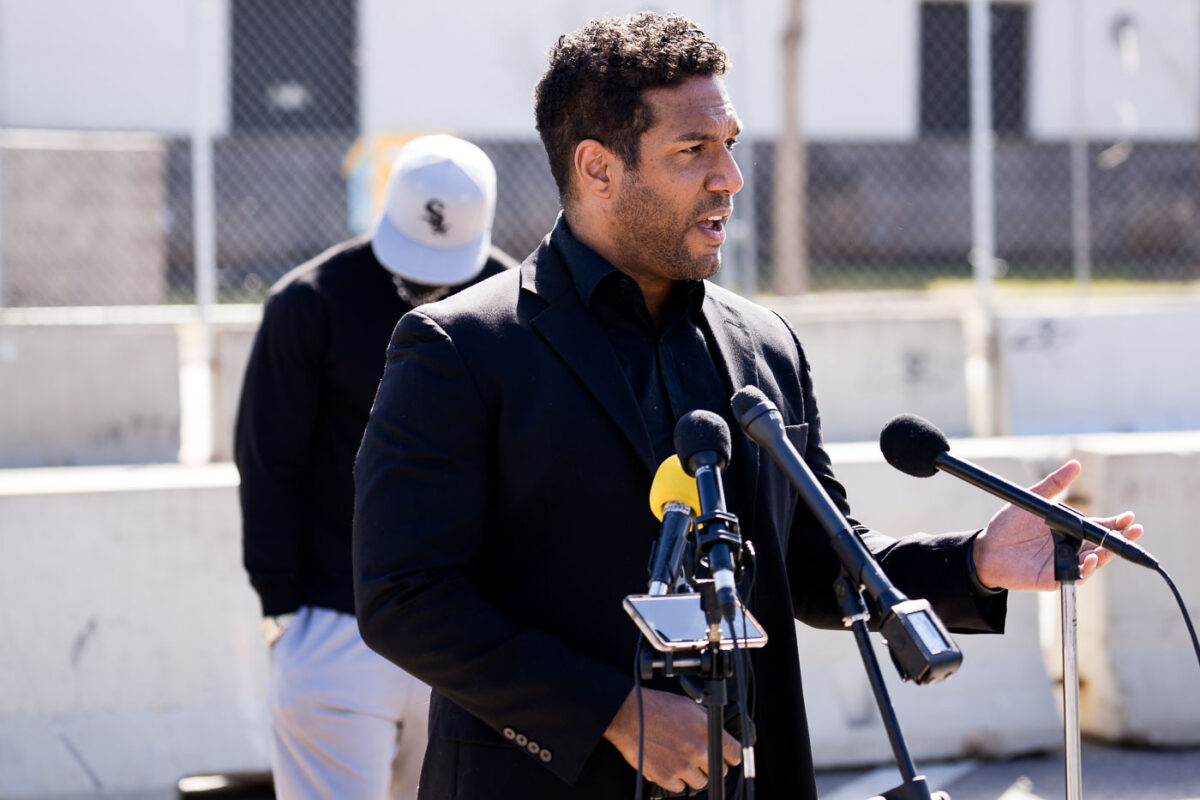
Toussaint Morrison speaks outside Minneapolis police station
Toussaint Morrison speaks at a press conference in Minneapolis regarding an incident where a police officer was seen punching a teenager. The teenager was reportedly protesting the arrest of a carjacking suspect. The Minneapolis Police Department confirmed that an internal affairs investigation had been opened into the officer's conduct. This event occurred in the context of ongoing public scrutiny of police actions in the city.

Toussaint Morrison speaks at Minneapolis police press conference
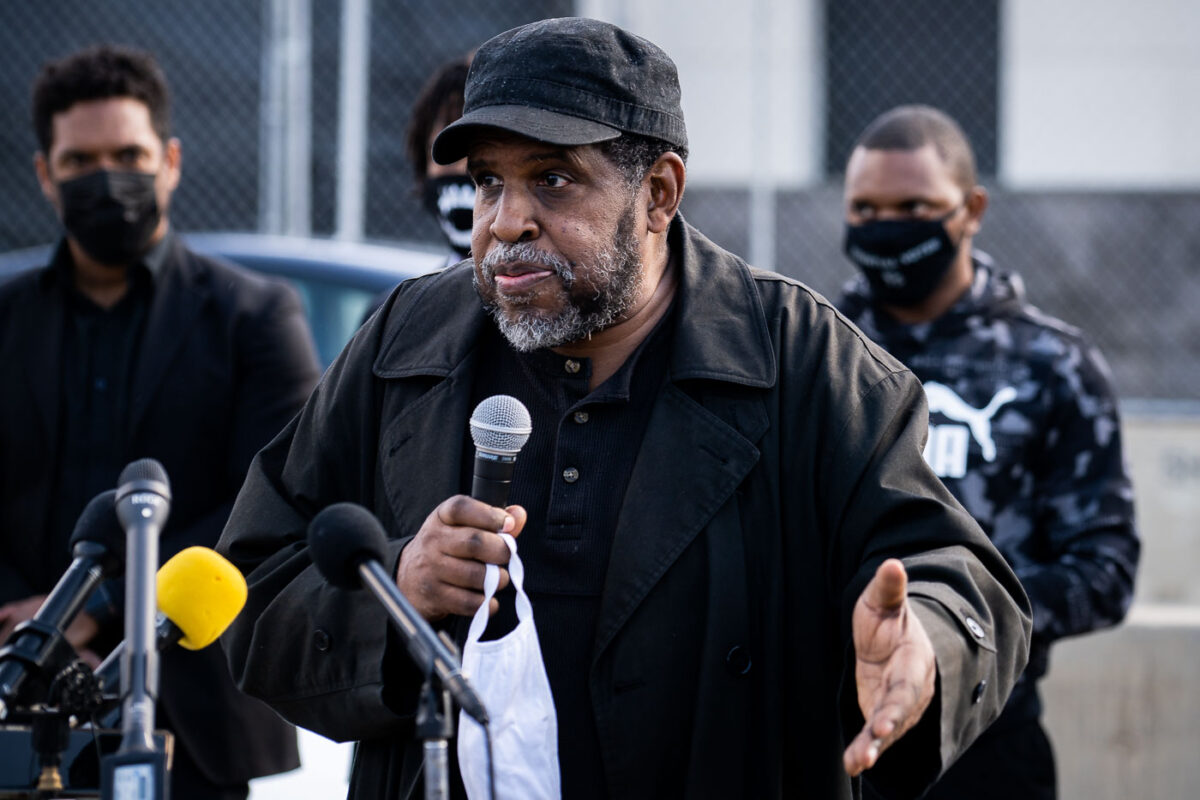
Mel Reeves speaks outside Minneapolis police station
Mel Reeves speaks to the media outside the Minneapolis Police Department Headquarters on November 13, 2020. Reeves addressed the public following the release of a video showing a Minneapolis police officer punching a teenager who was protesting the arrest of a carjacking suspect. The Minneapolis Police Department confirmed that an internal affairs investigation had been opened into the incident.

Mel Reeves speaks outside Minneapolis Police Department HQ
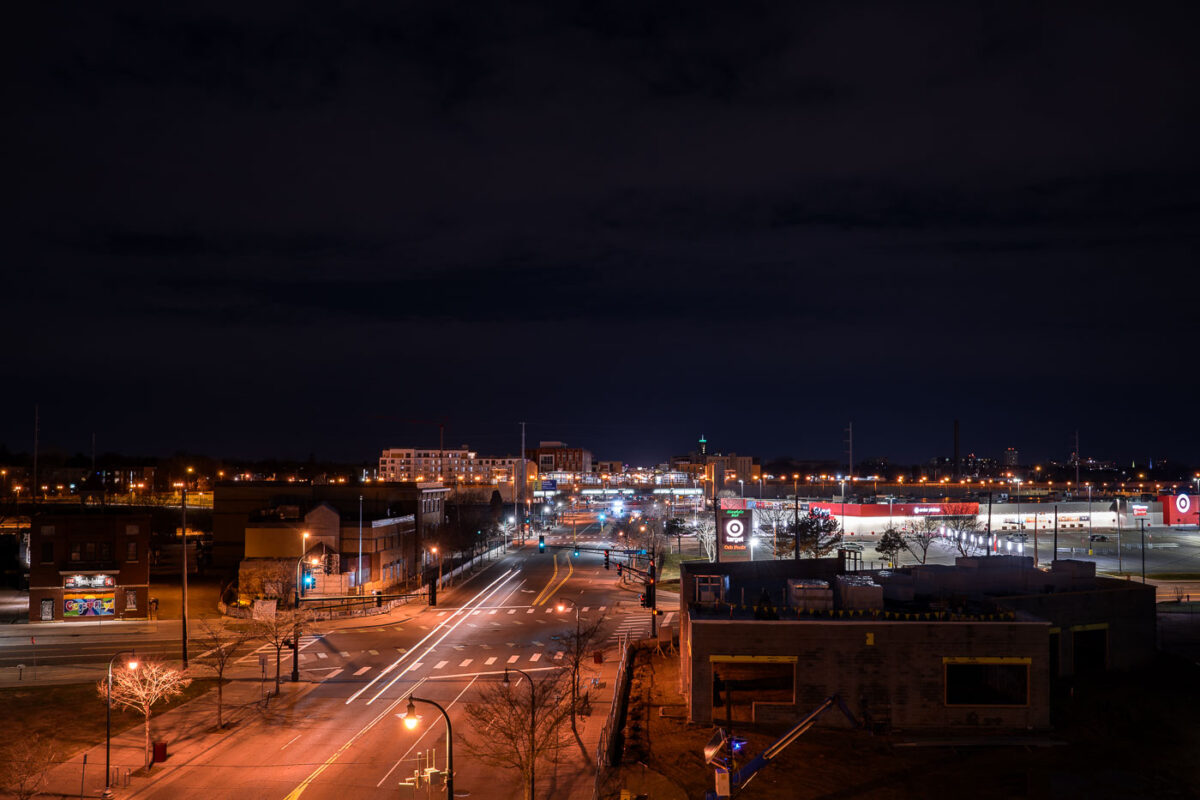
Minneapolis police station and Autozone in March 2021
The Minneapolis Police Third Precinct and an adjacent Autozone on East Lake Street are seen at night in March 2021. This area was a focal point during the civil unrest that followed the murder of George Floyd in May 2020. The Third Precinct building itself was heavily damaged and eventually abandoned by the Minneapolis Police Department. The surrounding commercial properties, including the Autozone and a nearby Target store, also sustained damage during the period of protests and unrest.

Minneapolis Police 3rd Precinct and Autozone, East Lake St, March 2021

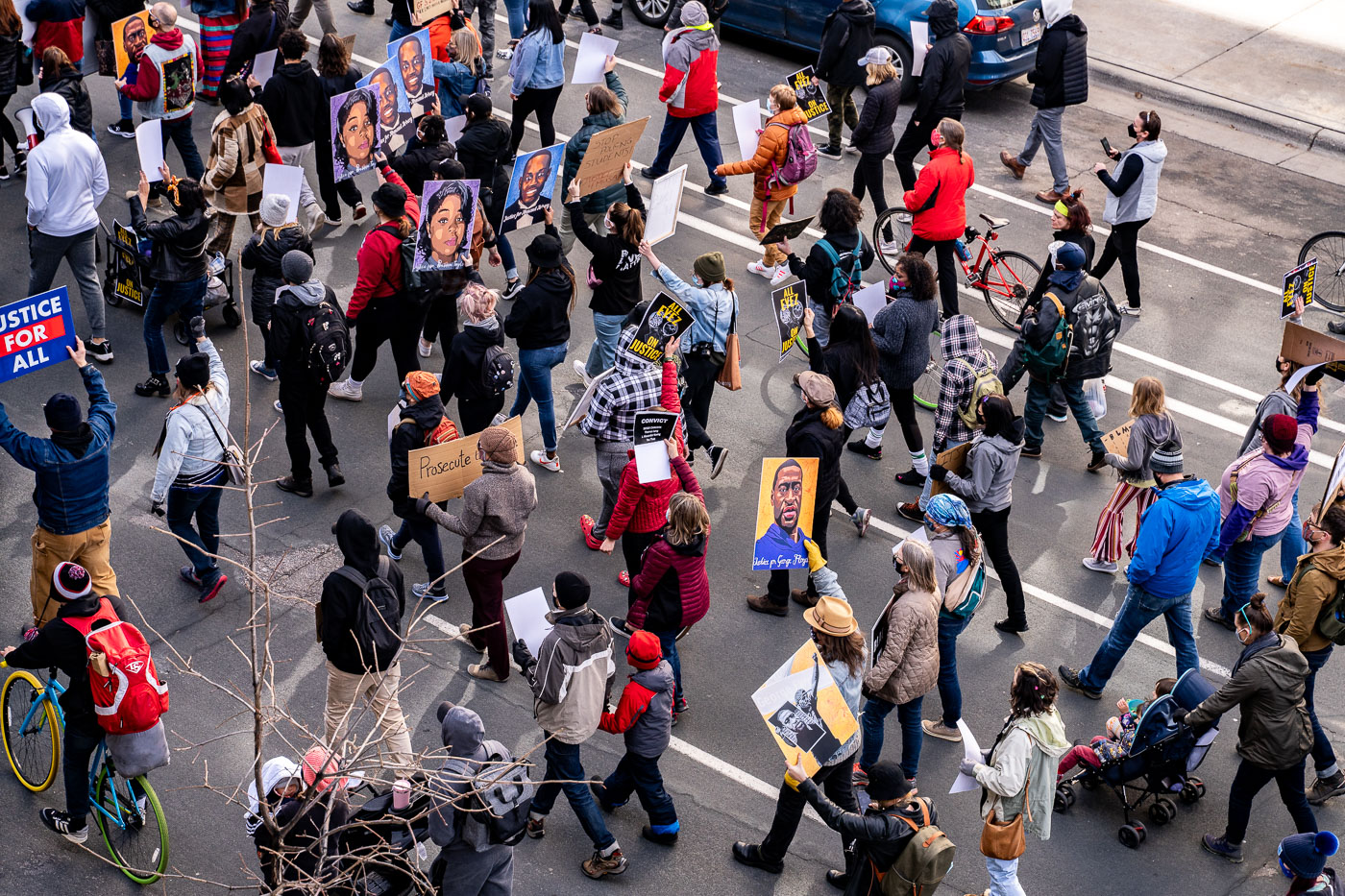
Protest day before Chauvin trial opening statements
Protesters march through downtown Minneapolis on March 7, 2021, the day before opening statements in the trial of Derek Chauvin. The former Minneapolis police officer was charged with murder and manslaughter in the death of George Floyd, an incident that occurred in the same city in May 2020. The marchers carried signs with images of Floyd and messages calling for justice, reflecting the widespread public outcry and demands for police accountability that followed Floyd's death.

Minneapolis Protest Day Before Chauvin Trial Opening Statements
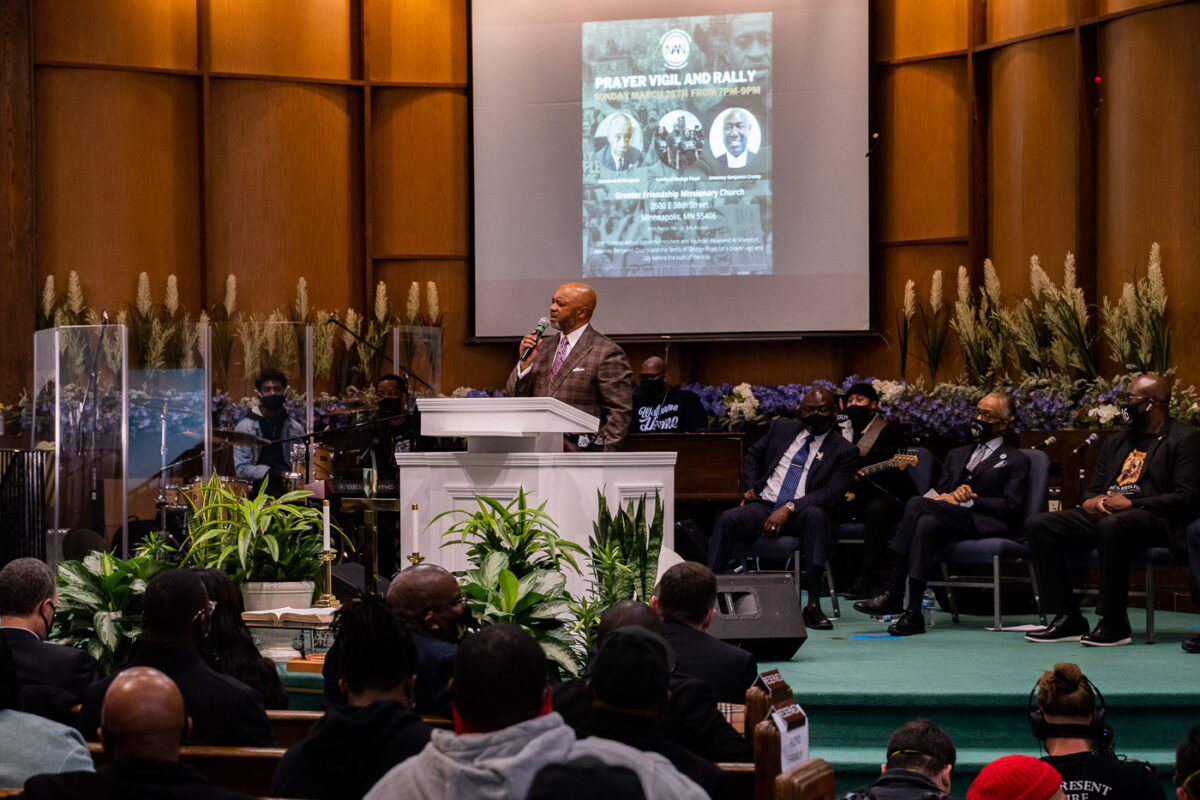
Greater Friendship Missionary at start of Chauvin murder trial
Reverend Al Sharpton and civil rights attorney Ben Crump addressed a prayer vigil and rally at Greater Friendship Missionary Church in Minneapolis on March 28, 2021. The event was held for the family of George Floyd ahead of the trial for Derek Chauvin, the former Minneapolis police officer charged in Floyd's death. The vigil, organized by the National Action Network, brought together community leaders and activists to offer support and call for justice. The Greater Friendship Missionary Church has served the South Minneapolis community for decades, providing spiritual guidance and a gathering space for local residents.

Prayer Vigil for George Floyd Family at Greater Friendship Missionary Church

Al Sharpton at the Dereck Chauvin Trial
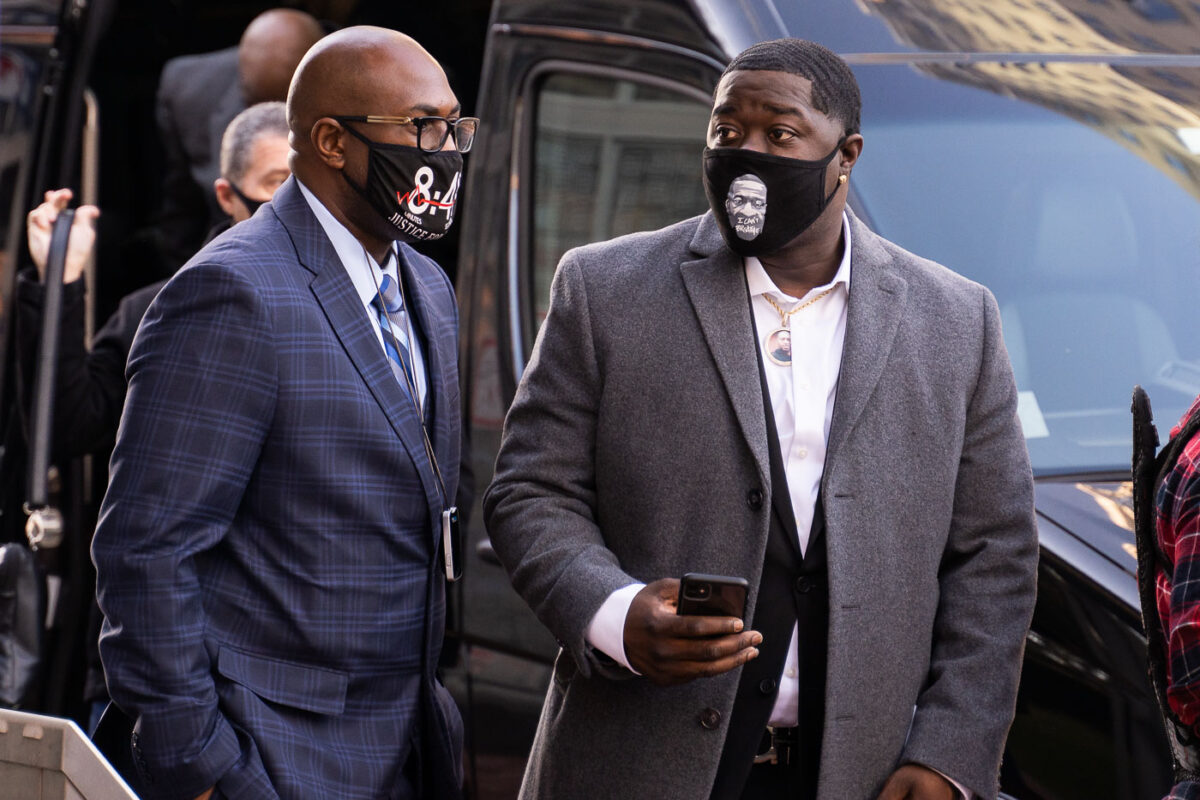
Al Sharpton arrives for a press conference outside the Hennepin County Government Center where opening statements in the Derek Chauvin were set to begin an hour later.

Al Sharpton at the Dereck Chauvin Trial

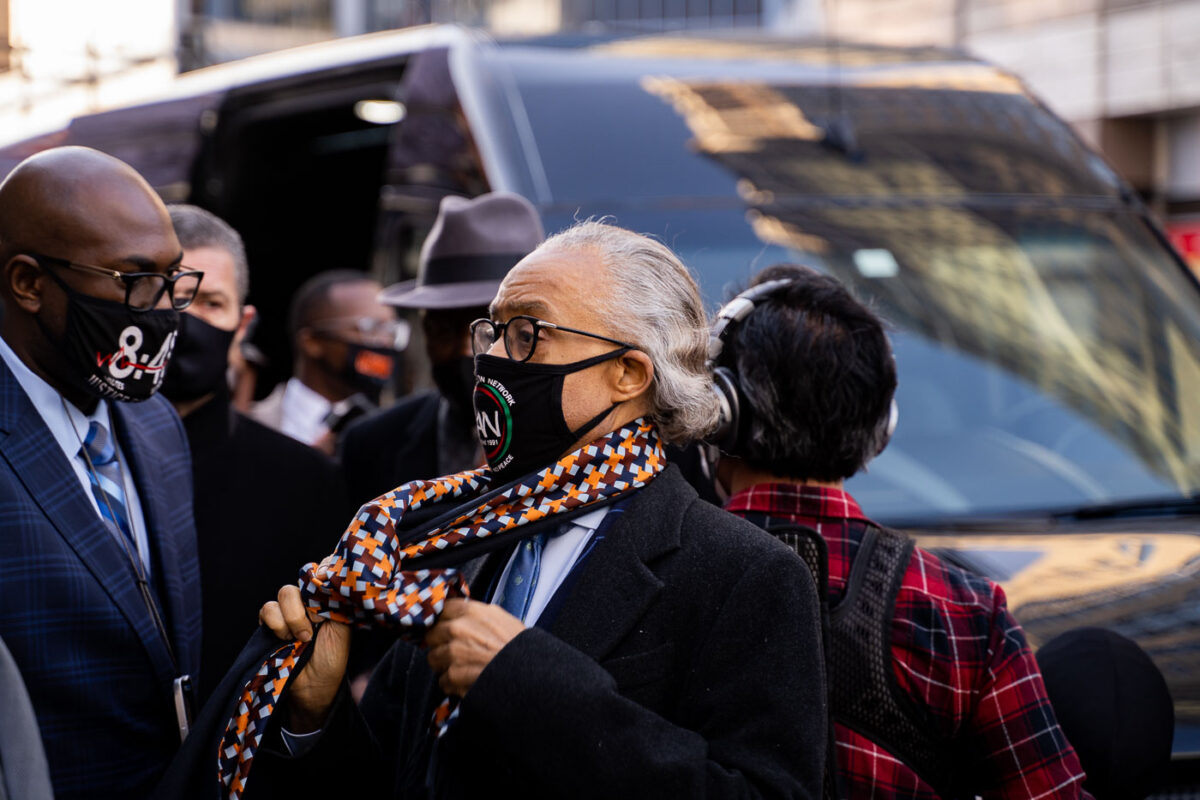
George Floyd's brothers arrive to Chauvin murder trial
Terrence and Philonise Floyd, brother and sister of George Floyd, arrive at the Hennepin County Government Center in Minneapolis. They are present for the opening statements of the trial of former Minneapolis police officer Derek Chauvin, who is accused of murder in connection with Floyd's death. The trial began on March 29, 2021, and drew significant national and international attention due to the circumstances of Floyd's killing and the subsequent protests against police brutality.

Terrence and Philonise Floyd Arrive at Chauvin Trial in Minneapolis
Rev Al Sharpton arrives to courthouse for George Floyd trial
Reverend Al Sharpton, a prominent civil rights activist, arrived at the Hennepin County Government Center in Minneapolis, Minnesota, alongside the family of George Floyd. They were present for a press conference held outside the courthouse before the opening statements of the Derek Chauvin trial. The trial, which began on March 29, 2021, concerned the death of George Floyd, an African American man whose killing by Minneapolis police officer Derek Chauvin was captured on video and sparked widespread protests against police brutality.

Al Sharpton arrives at Hennepin County Government Center for Derek Chauvin trial
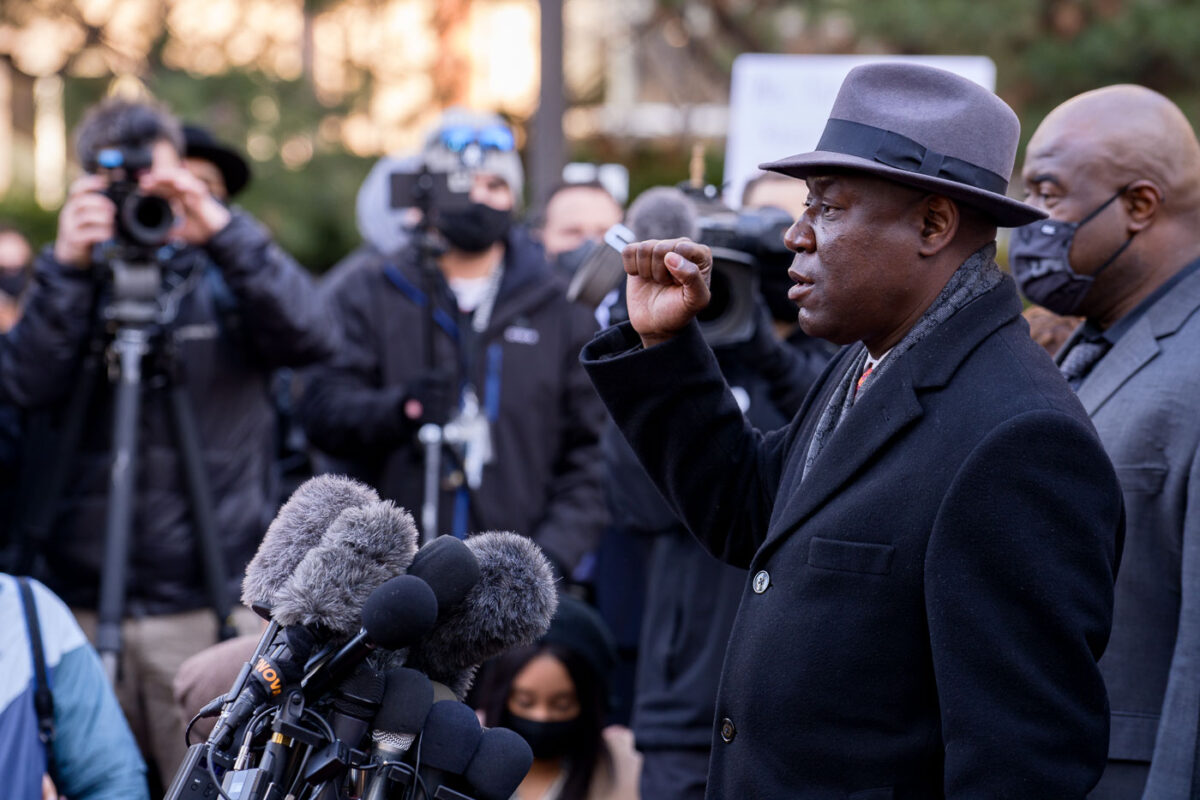
Ben Crump holds up fist outside Derek Chauvin murder trial
Civil rights attorney Ben Crump addresses members of the press outside the Hennepin County Government Center in Minneapolis. Crump, representing the family of George Floyd, spoke before the opening statements of the trial of former Minneapolis police officer Derek Chauvin. Chauvin was accused of murdering Floyd on May 25, 2020, an event that sparked widespread protests against police brutality.

Ben Crump speaks outside Derek Chauvin trial in Minneapolis
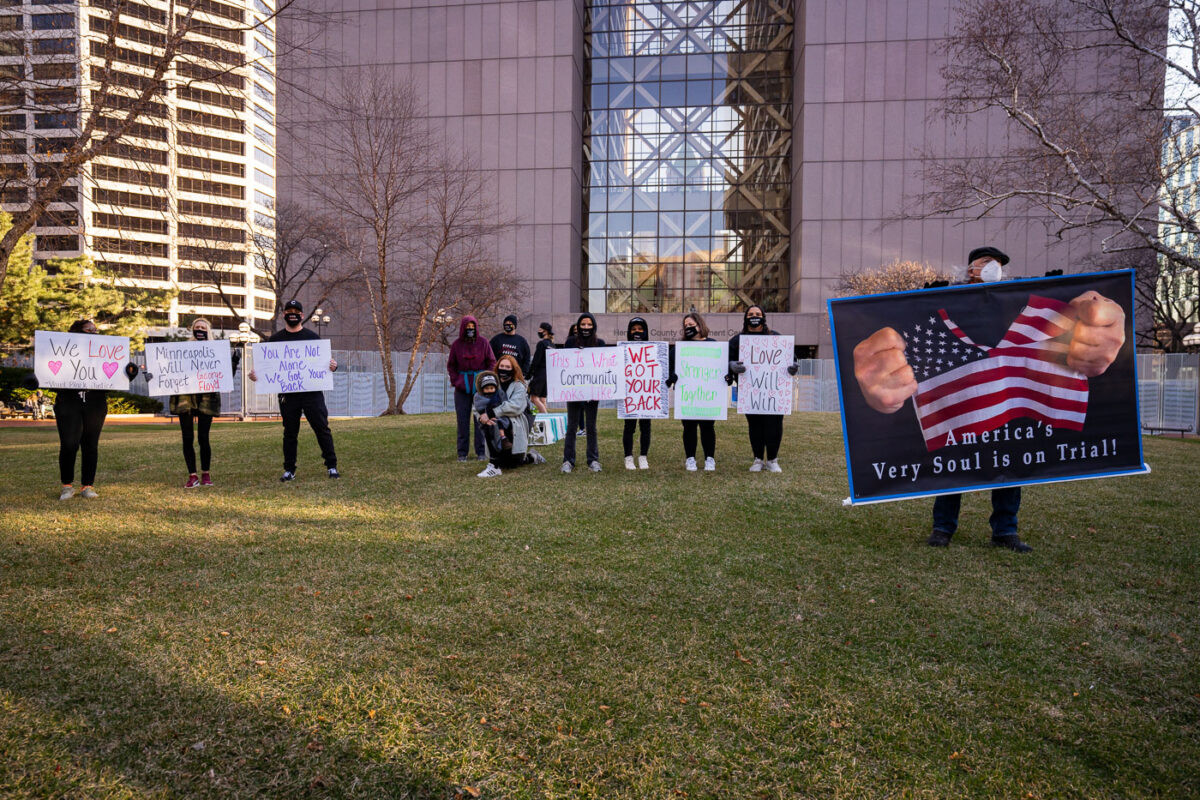
Opening Statement Protest in downtown Minneapolis
Protesters gathered outside the Hennepin County Government Center in Minneapolis on March 29, 2021, as opening statements began in the murder trial of former police officer Derek Chauvin. The trial followed the death of George Floyd, who died in police custody in Minneapolis in May 2020, sparking widespread protests against police brutality. The signs held by the demonstrators reflect sentiments of community support and a call for justice, with one banner stating, "America's Very Soul is on Trial!" The Hennepin County Government Center serves as a key judicial and administrative hub for the county.

Minneapolis Protest Outside Hennepin County Government Center
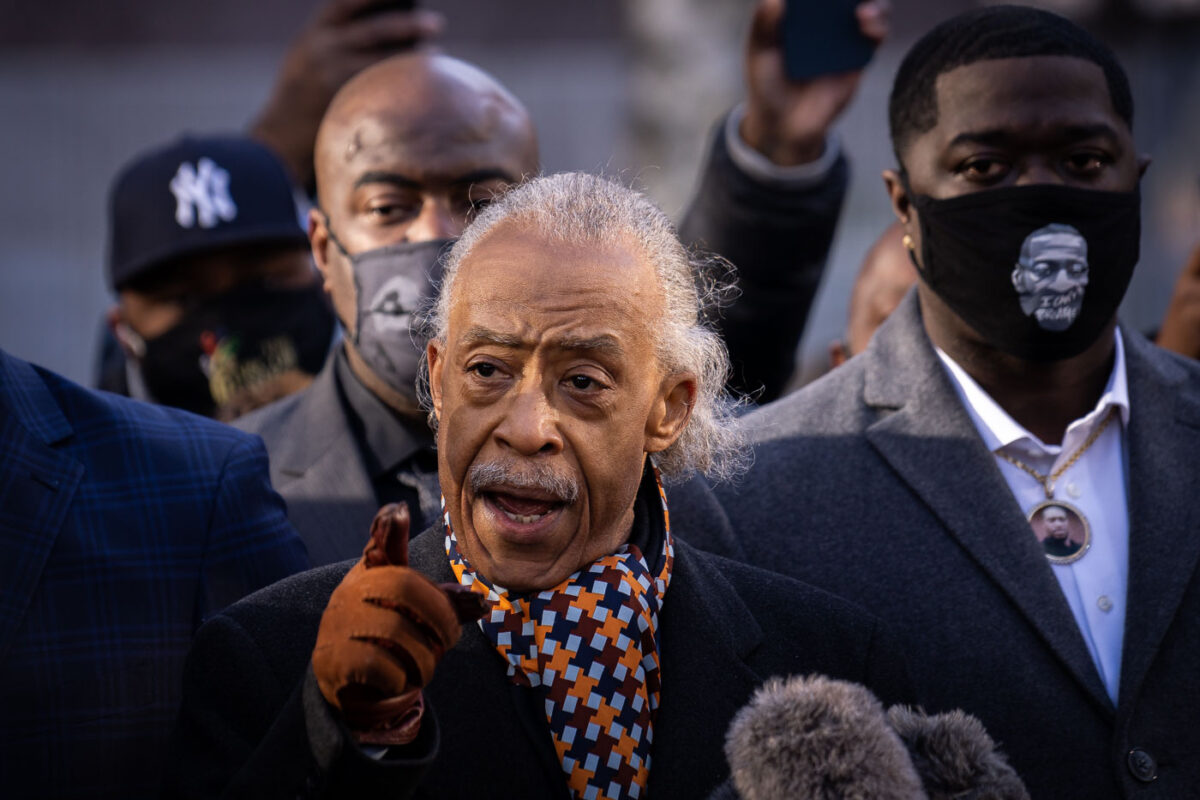
Al Sharpton speaks outside George Floyd murder trial
Civil rights leader Rev. Al Sharpton speaks outside the Hennepin County Government Center in Minneapolis, Minnesota, on March 29, 2021. He was joined by George Floyd's brothers, Philonise and Terrence Floyd, as opening statements were set to begin in the trial of former Minneapolis police officer Derek Chauvin. The trial stemmed from the May 25, 2020, death of George Floyd, whose murder by Chauvin was captured on video and sparked widespread protests against police brutality and racial injustice across the United States and globally.

Al Sharpton outside Hennepin County Government Center for Chauvin trial
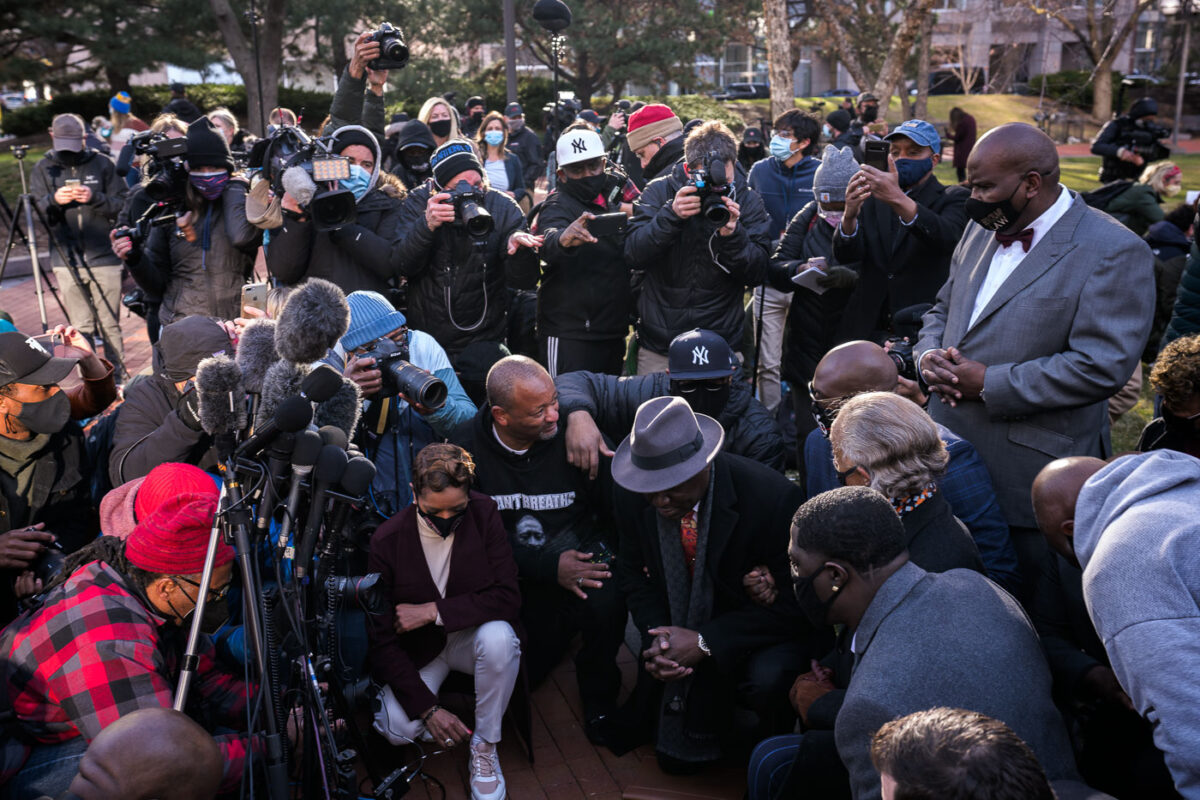
Al Sharpton Ben Crump George Floyd family kneels
On March 29, 2021, civil rights attorney Ben Crump and Rev. Al Sharpton, along with members of George Floyd's family, knelt for 8 minutes and 46 seconds outside the Hennepin County Government Center in Minneapolis. This act of remembrance occurred just prior to the opening statements in the trial of Derek Chauvin, the former Minneapolis police officer accused of murdering George Floyd on May 25, 2020. The duration of the kneeling symbolized the amount of time Chauvin's knee was on Floyd's neck during the fatal arrest, an event that sparked widespread protests against police brutality.

Sharpton, Crump, Floyd Family Kneel Outside Hennepin County Courthouse
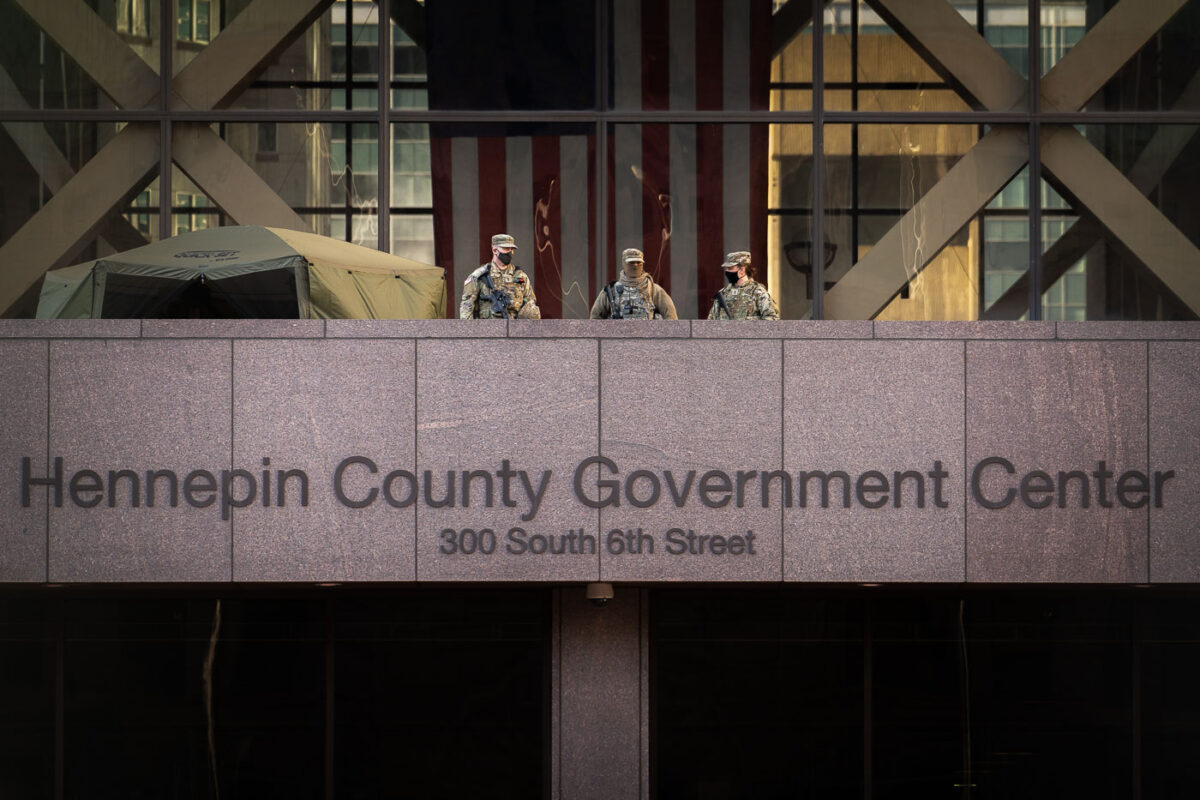
Armed security on courthouse balcony during Chauvin trial
Members of the National Guard are stationed outside the Hennepin County Government Center in Minneapolis. The building, located at 300 South 6th Street, serves as a central hub for county government operations. Its security was heightened during the trial of Derek Chauvin, a former Minneapolis police officer charged in the death of George Floyd. The presence of the National Guard underscored the significant public attention and potential for unrest surrounding the trial.

National Guard at Hennepin County Government Center during Chauvin Trial
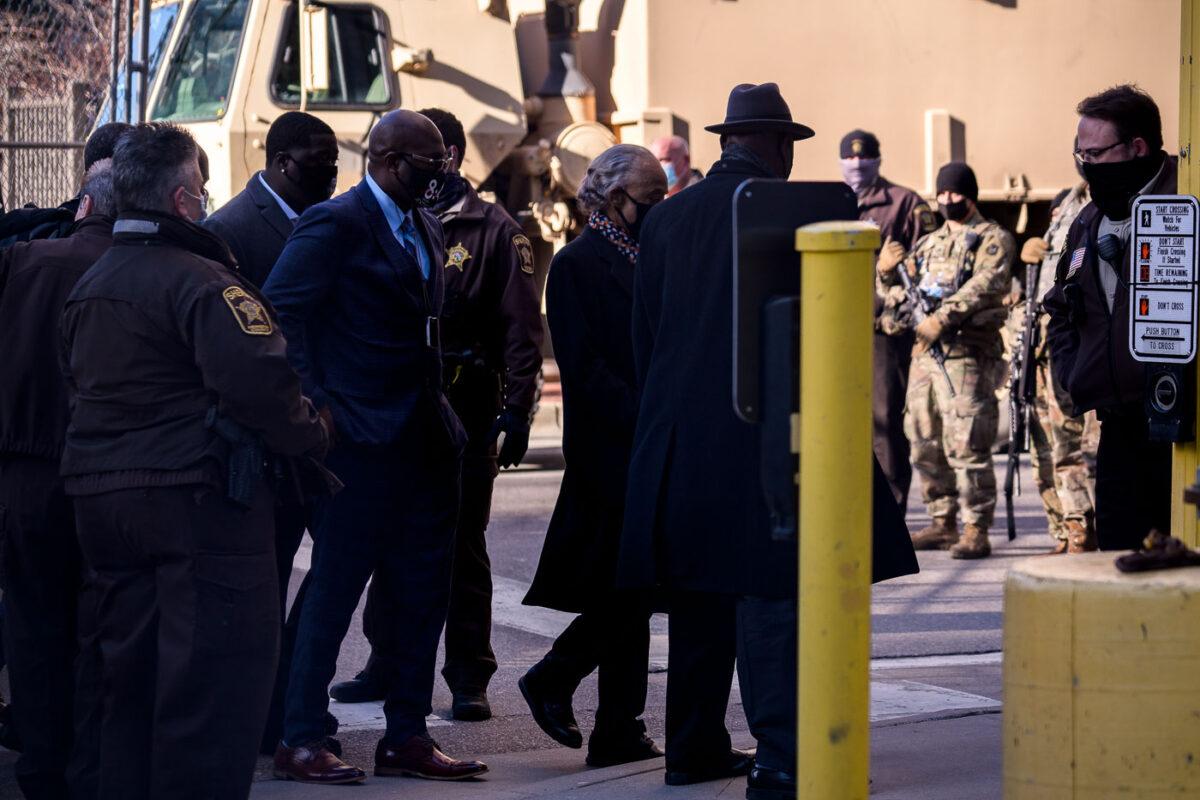
Ben Crump Al Sharpton and Floyd family arrive to courthouse
Civil rights attorneys Ben Crump and Rev. Al Sharpton arrived at the Hennepin County Government Center in Minneapolis on March 29, 2021. Their arrival marked the beginning of opening statements in the murder trial of former Minneapolis police officer Derek Chauvin, who was charged in the death of George Floyd on May 25, 2020. The courthouse was heavily fortified with law enforcement and National Guard personnel due to widespread protests and civil unrest that followed Floyd's death.

Ben Crump, Al Sharpton arrive at Hennepin County Courthouse
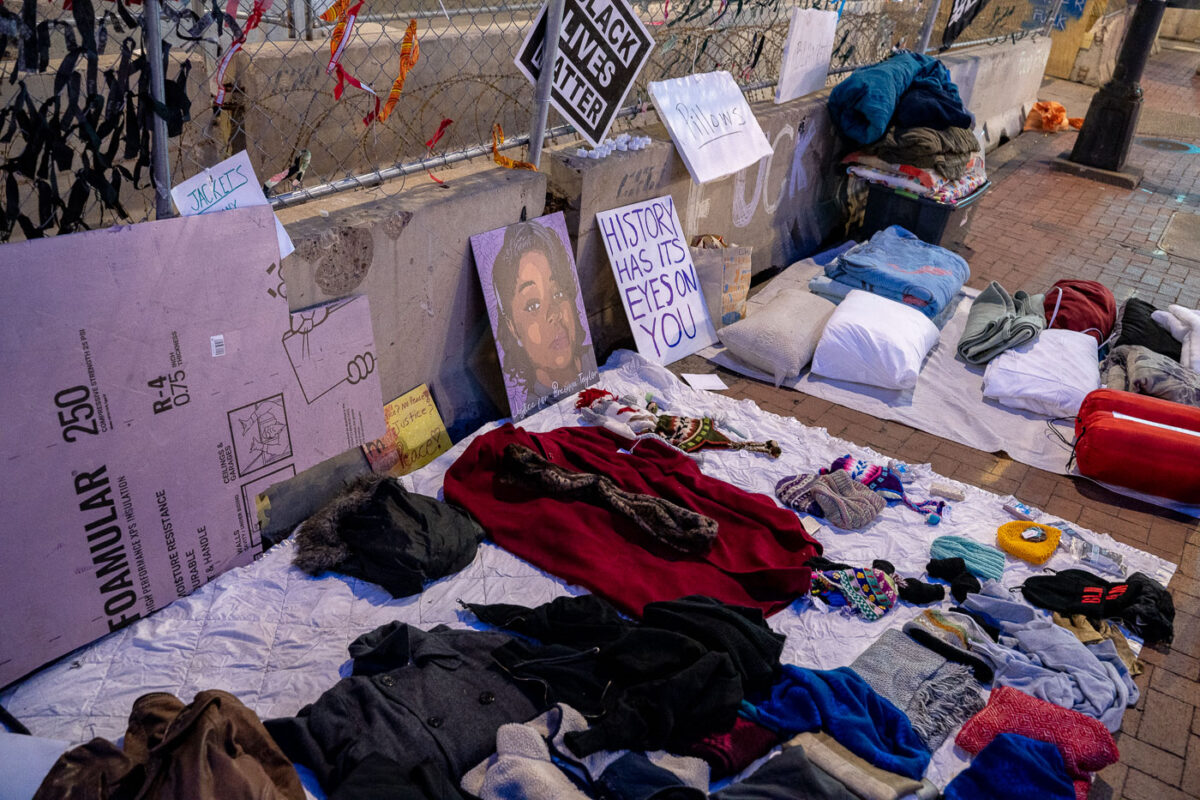
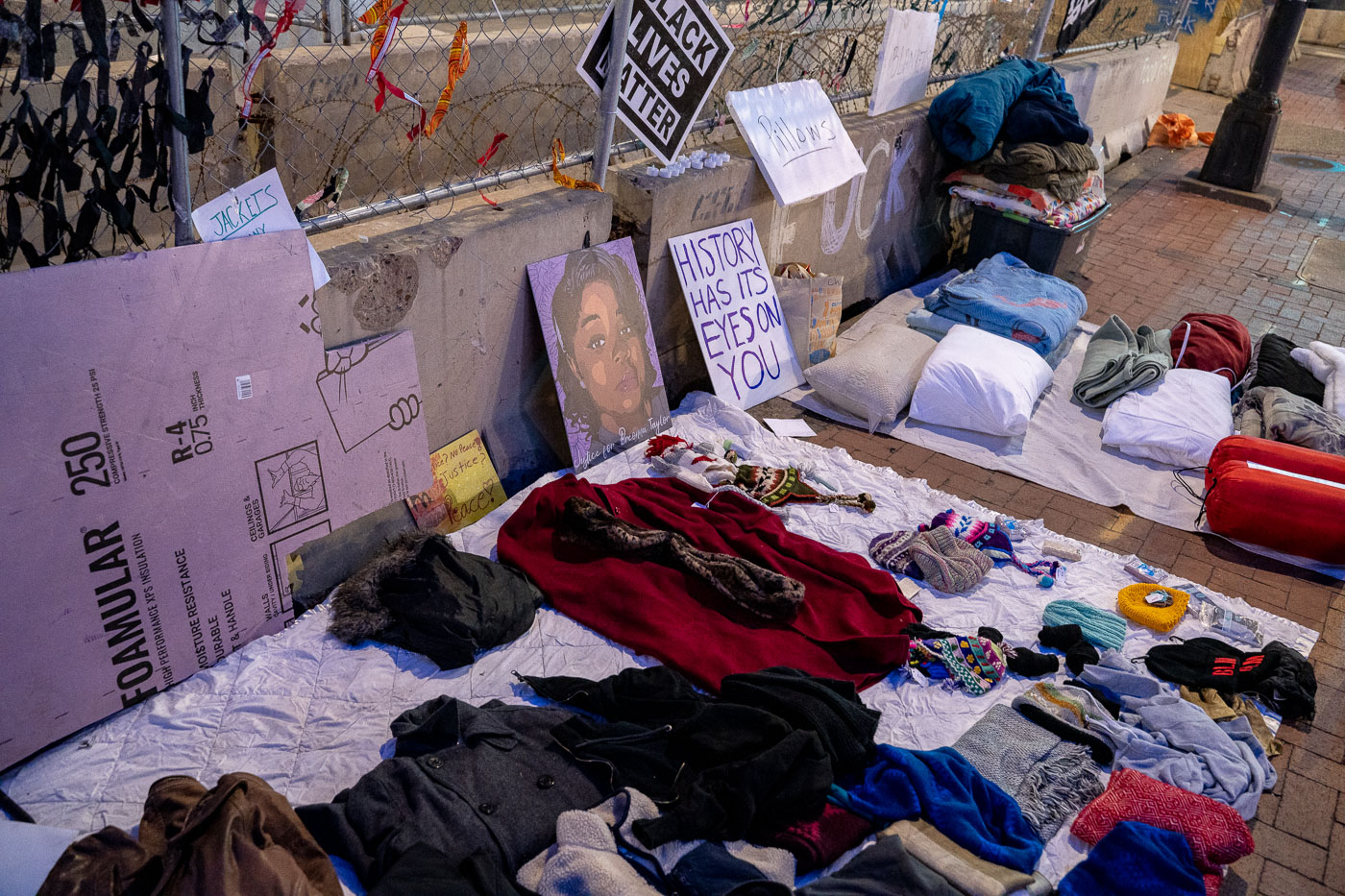
Blankets and clothing for protesters at Hennepin County Government Center in Minneapolis.
Supplies including blankets, pillows, and jackets were made available to protesters occupying the Hennepin County Government Center in Minneapolis. The occupation occurred during the 2021 Derek Chauvin trial, a period of heightened activism following the murder of George Floyd. The presence of these supplies highlights the sustained nature of the protest and the community's efforts to support those participating. The "Black Lives Matter" signs and portraits of victims of police brutality, such as Breonna Taylor, underscore the movement's core demands for racial justice and police accountability.

Minneapolis: Supplies for protesters at Hennepin County Government Center

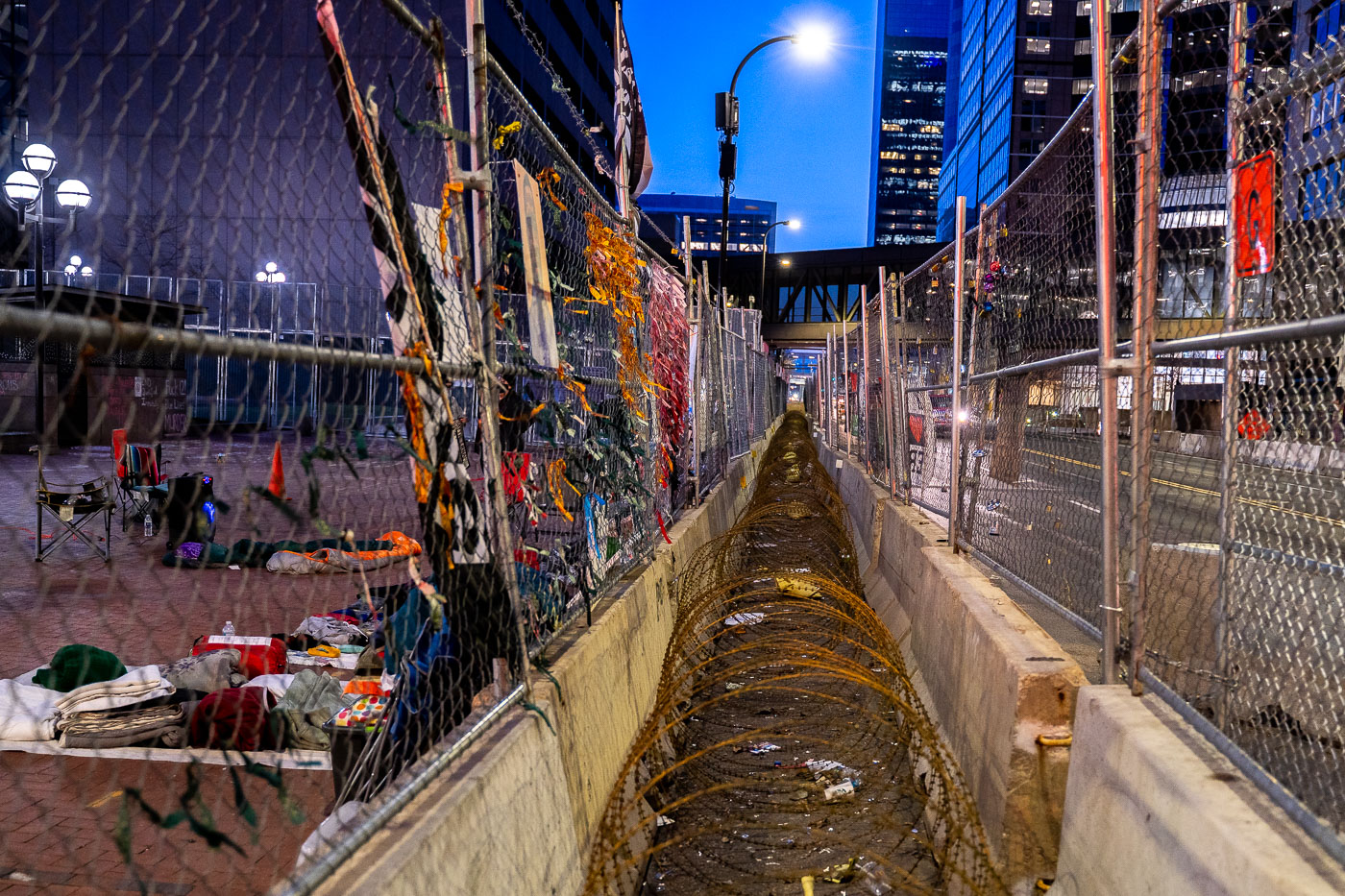
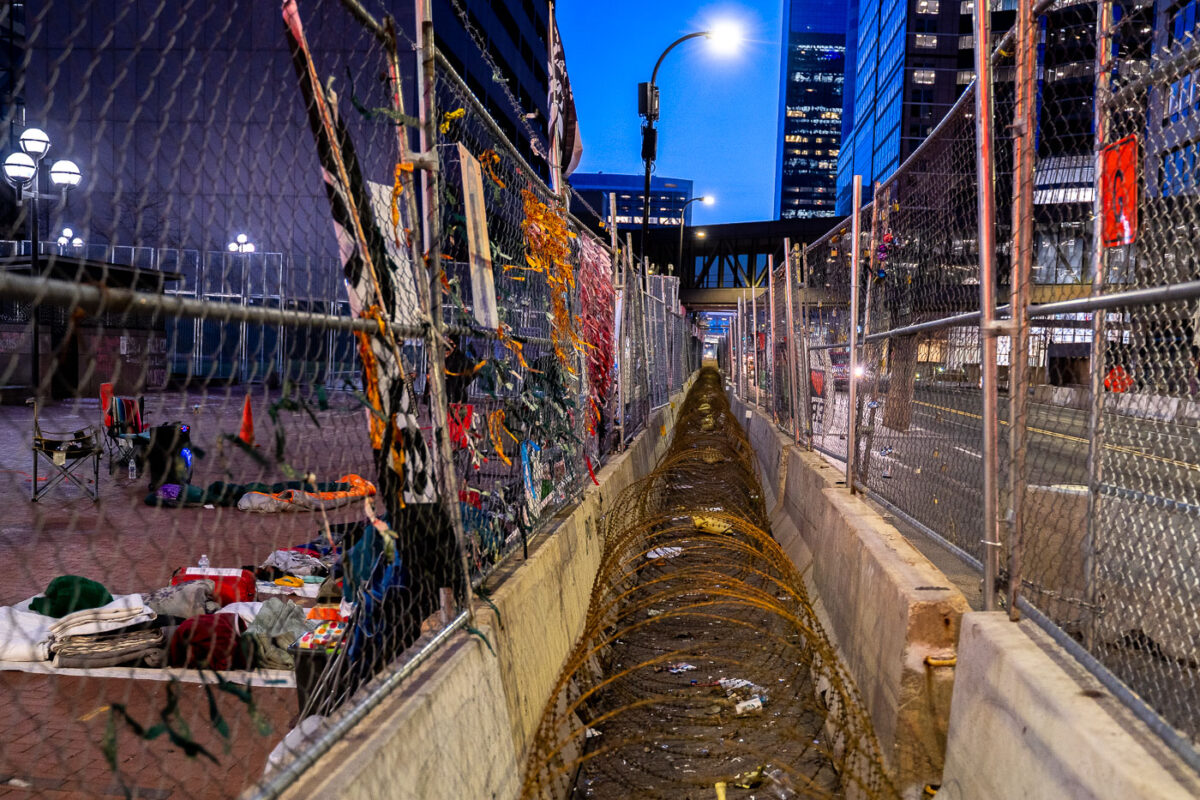
Razor wire and protest signs at Hennepin County Government Center in Minneapolis during the Derek Chauvin trial.
Razor wire and protest signs surround the Hennepin County Government Center in Minneapolis during the trial of Derek Chauvin. The security measures were put in place following the death of George Floyd on May 25, 2020, and the subsequent protests. The area has become a focal point for demonstrations, with protesters decorating the fencing with signs and ribbons, indicating a continuous occupation of the space.

Minneapolis Government Center: Razor wire and protest signs
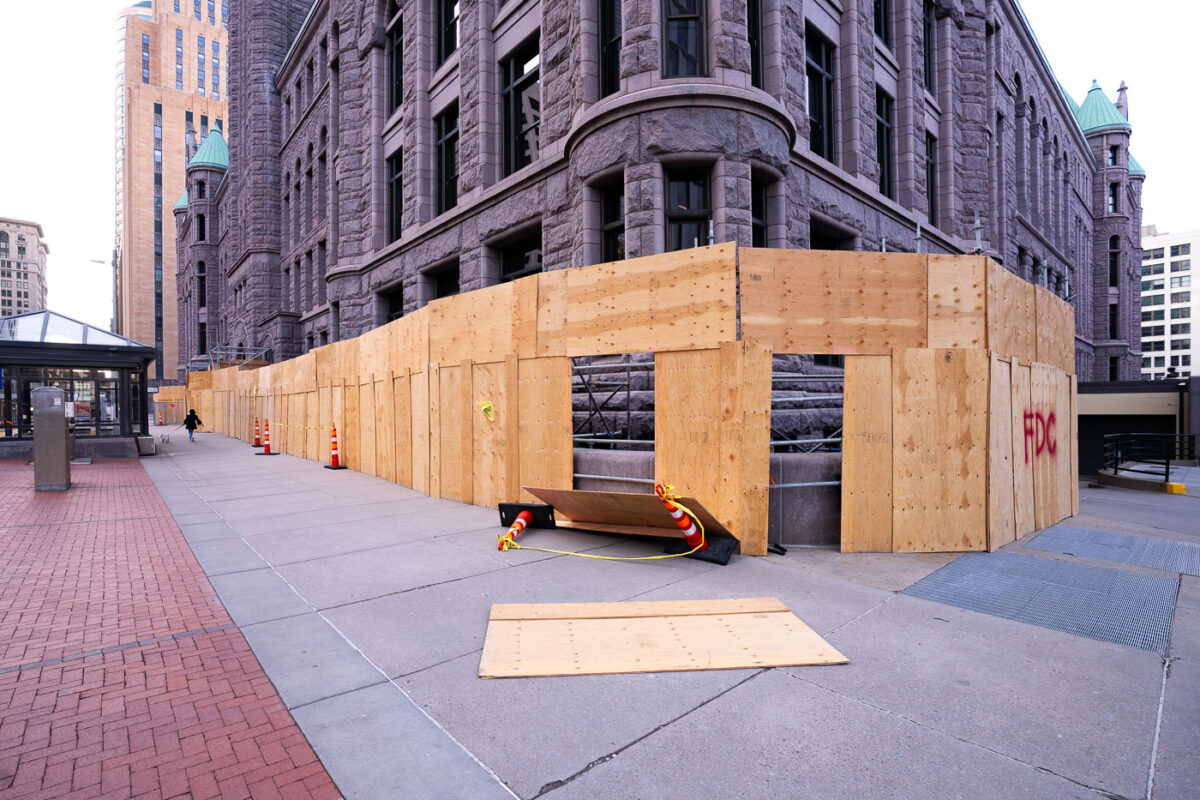
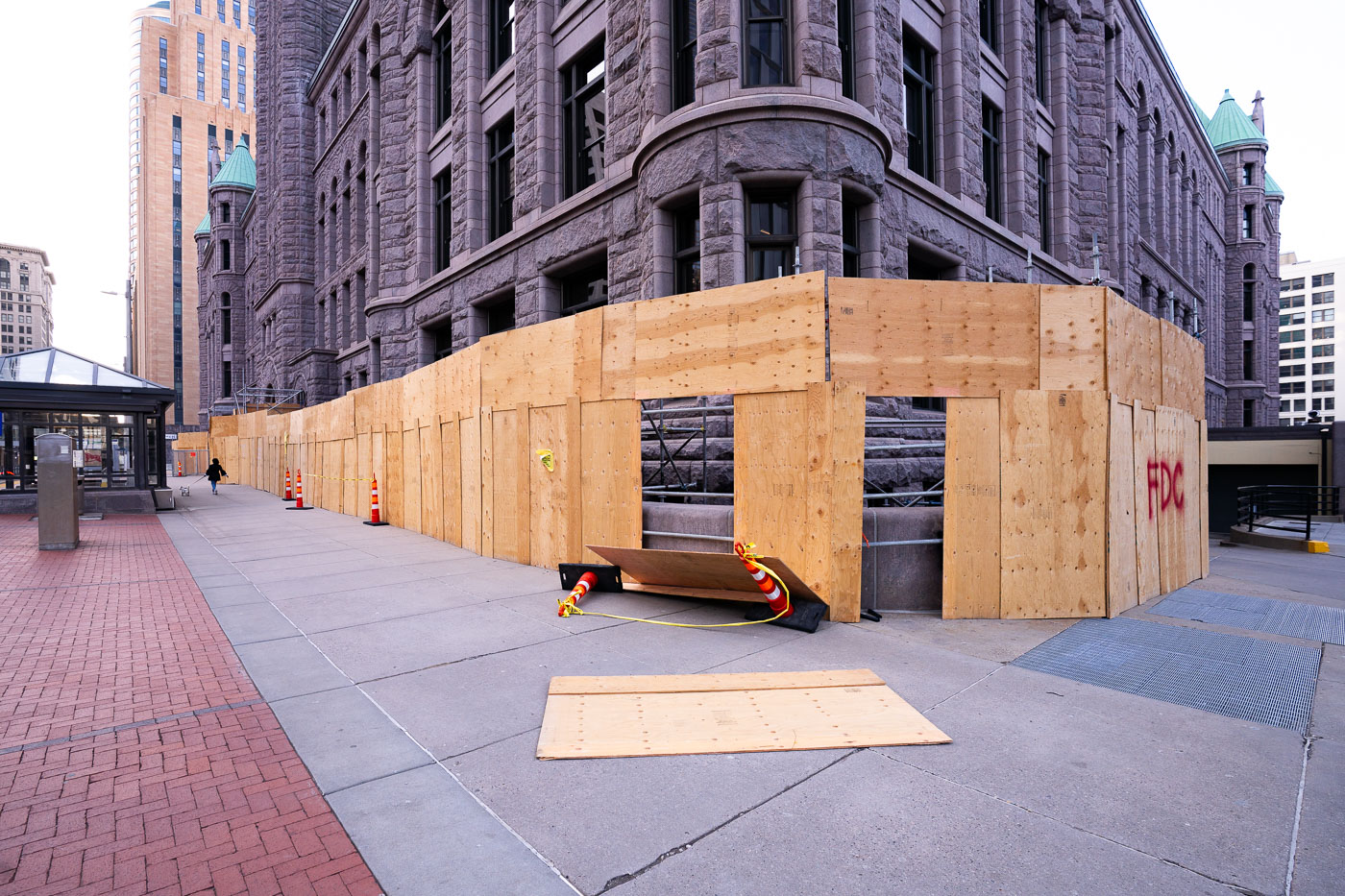
Plywood boarding surrounds Minneapolis City Hall's entrance following wind damage to the historic downtown building.
Minneapolis City Hall, a Beaux-Arts style building completed in 1909, is seen here boarded up following damage from heavy winds.

Plywood Barricades Surround Minneapolis City Hall
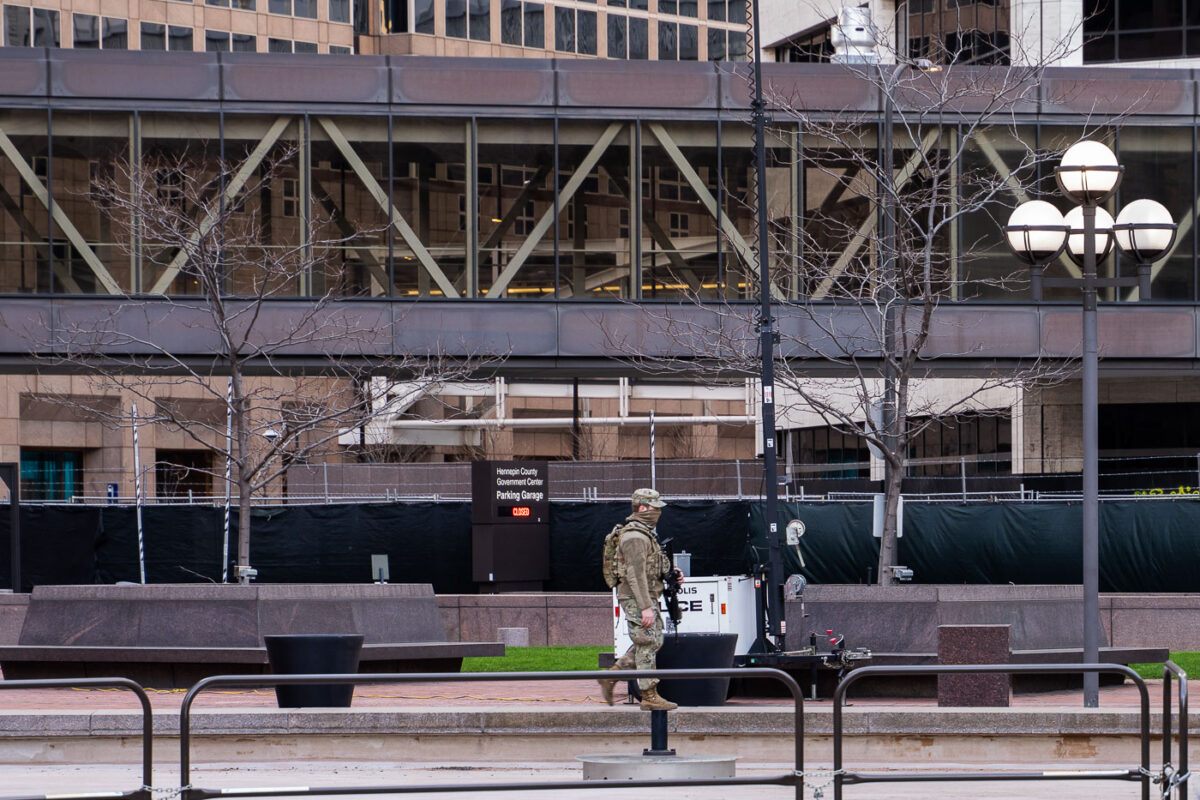
Minnesota National Guard personnel near Hennepin County Government Center in Minneapolis during the Derek Chauvin trial.
Hennepin County Government Center, Minneapolis, during the Derek Chauvin trial. Minnesota National Guard personnel were stationed near the courthouse complex as security during the proceedings.

National Guard at Hennepin County Government Center, Minneapolis
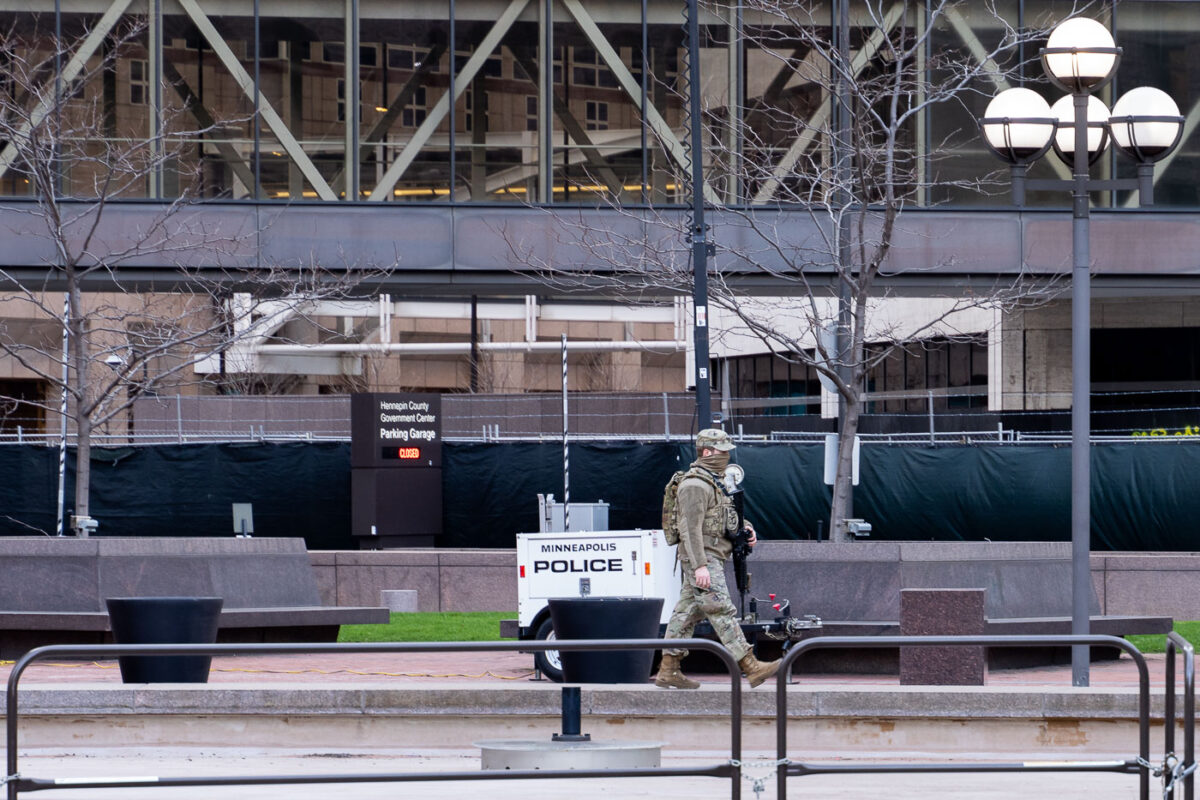
National Guard member outside Hennepin County Government Center in Minneapolis during the Chauvin trial.
Minnesota National Guard members were deployed to secure the Hennepin County Government Center in Minneapolis during the trial of Derek Chauvin for the murder of George Floyd in 2021. The courthouse complex, a significant civic structure in downtown Minneapolis, was surrounded by enhanced security measures, including fencing and visible patrols, to maintain order and prevent disruptions. This deployment underscored the heightened tensions and the national significance of the trial, which followed widespread protests against police brutality.

National Guard Patrols Outside Hennepin County Courthouse During Chauvin Trial
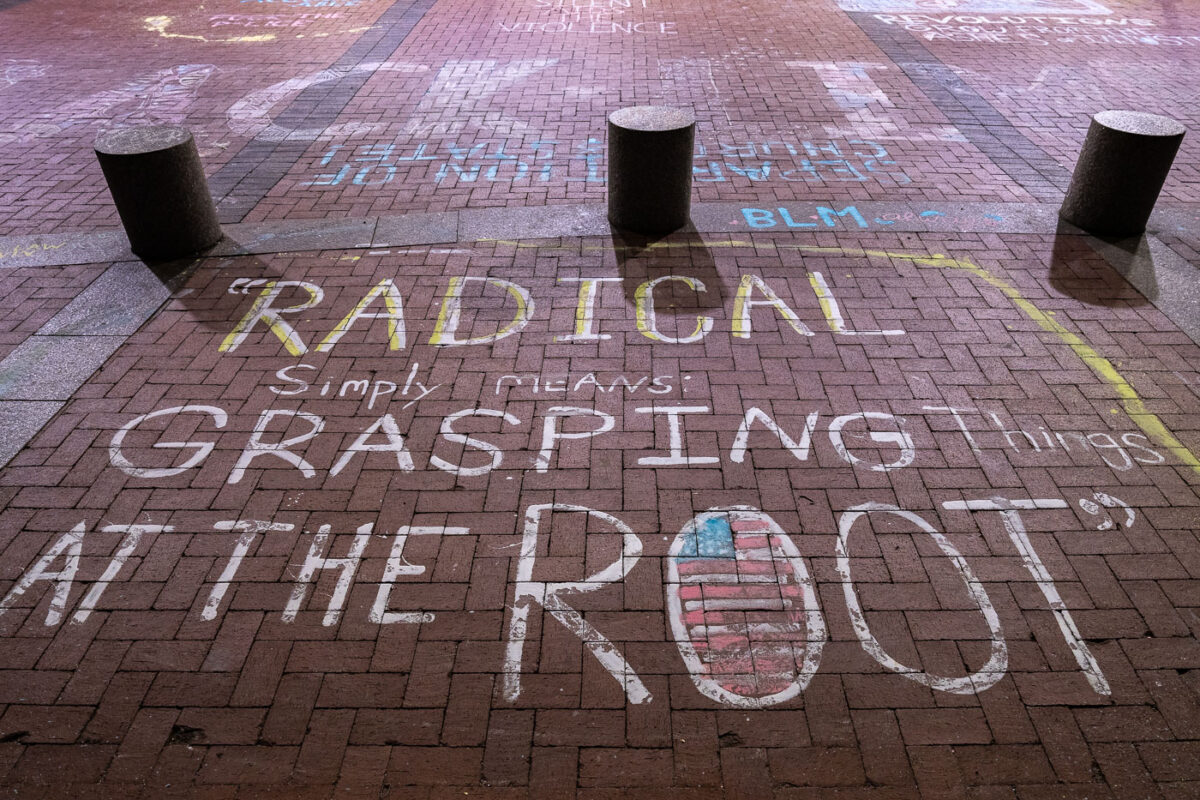
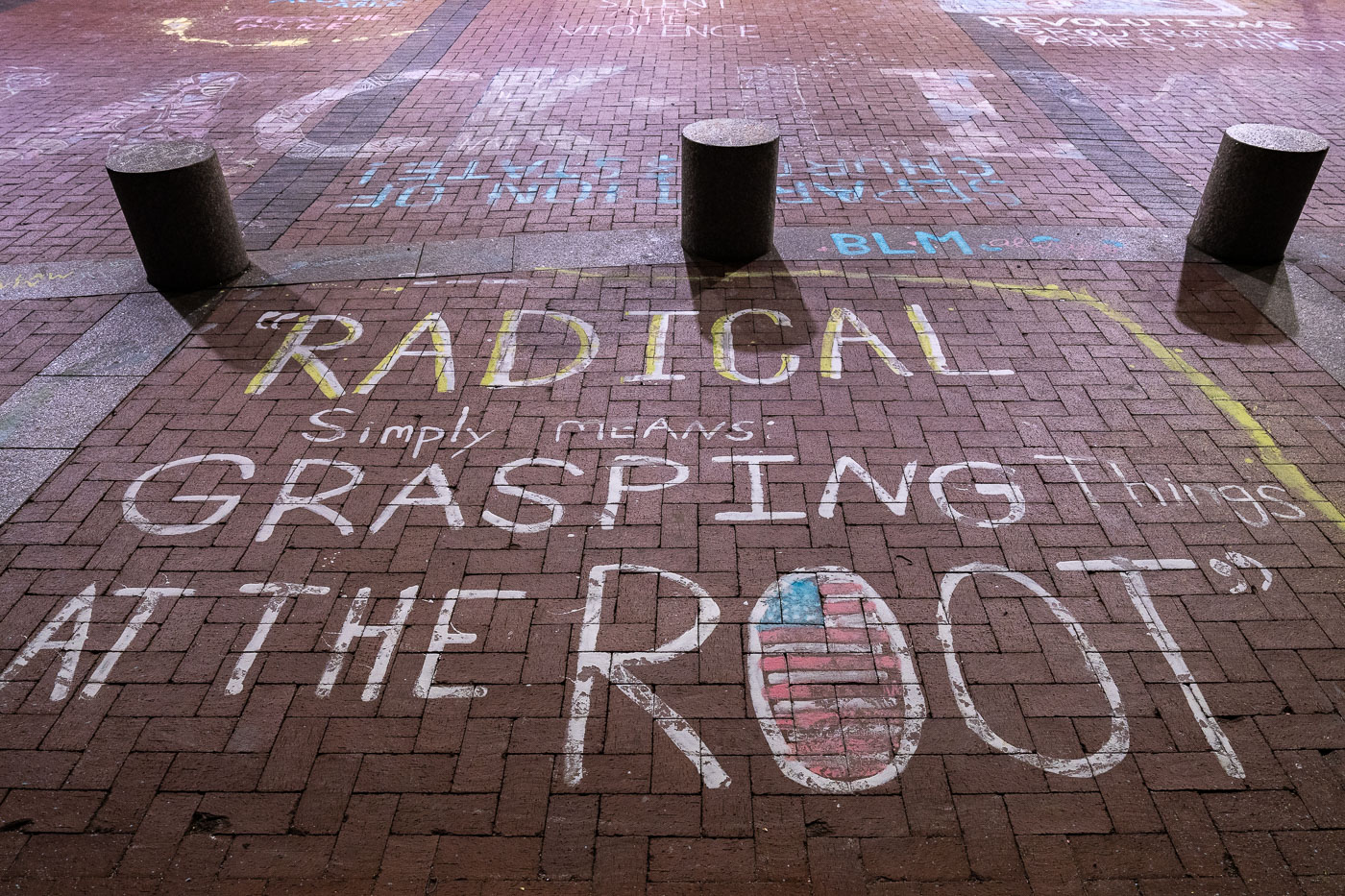
Chalk protest messages outside Hennepin County Government Center in Minneapolis, including “Radical” and “BLM.”
Chalk messages, including "RADICAL SIMPLY MEANS: GRASPING THINGS AT THE ROOT" and "BLM," adorn the plaza outside the Hennepin County Government Center in Minneapolis. This occurred during the period when the courthouse was the site of the Derek Chauvin murder trial. Chauvin was charged in the death of George Floyd on May 25, 2020, in South Minneapolis, an event that sparked widespread protests and a reckoning with racial injustice.

Chalk message outside Hennepin County Government Center, Minneapolis
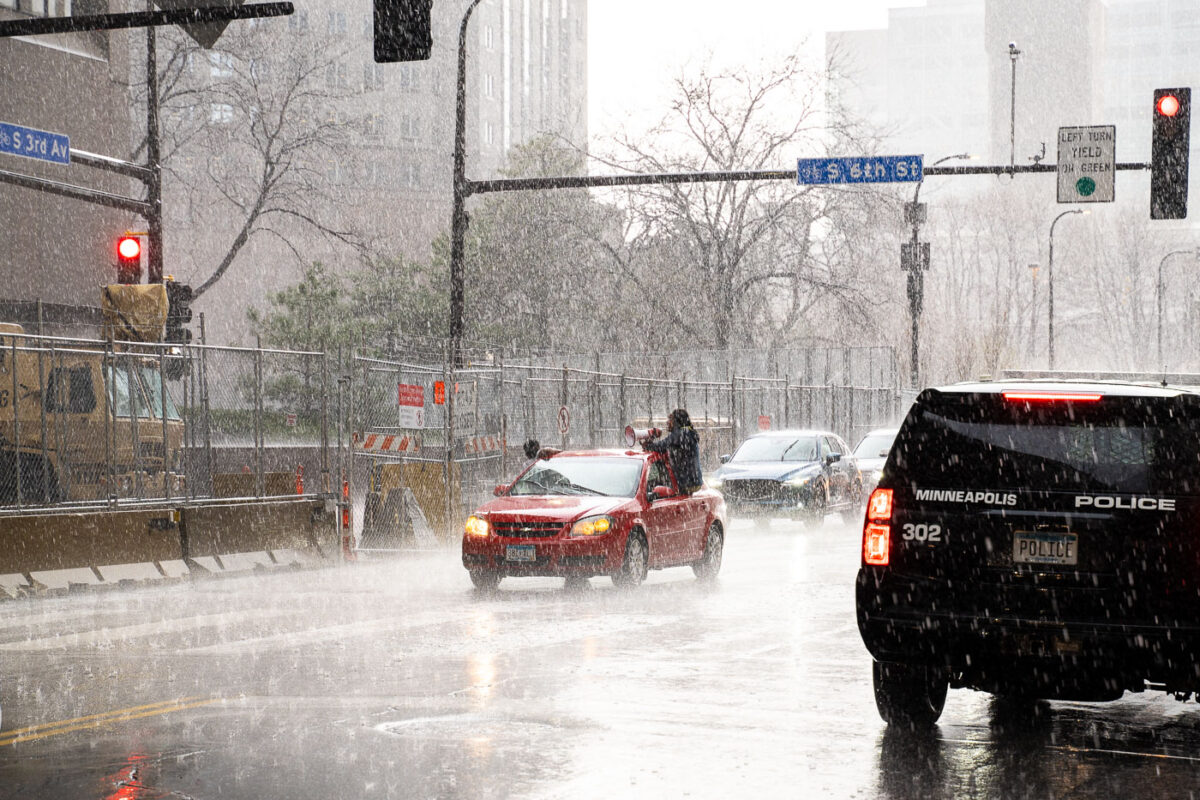
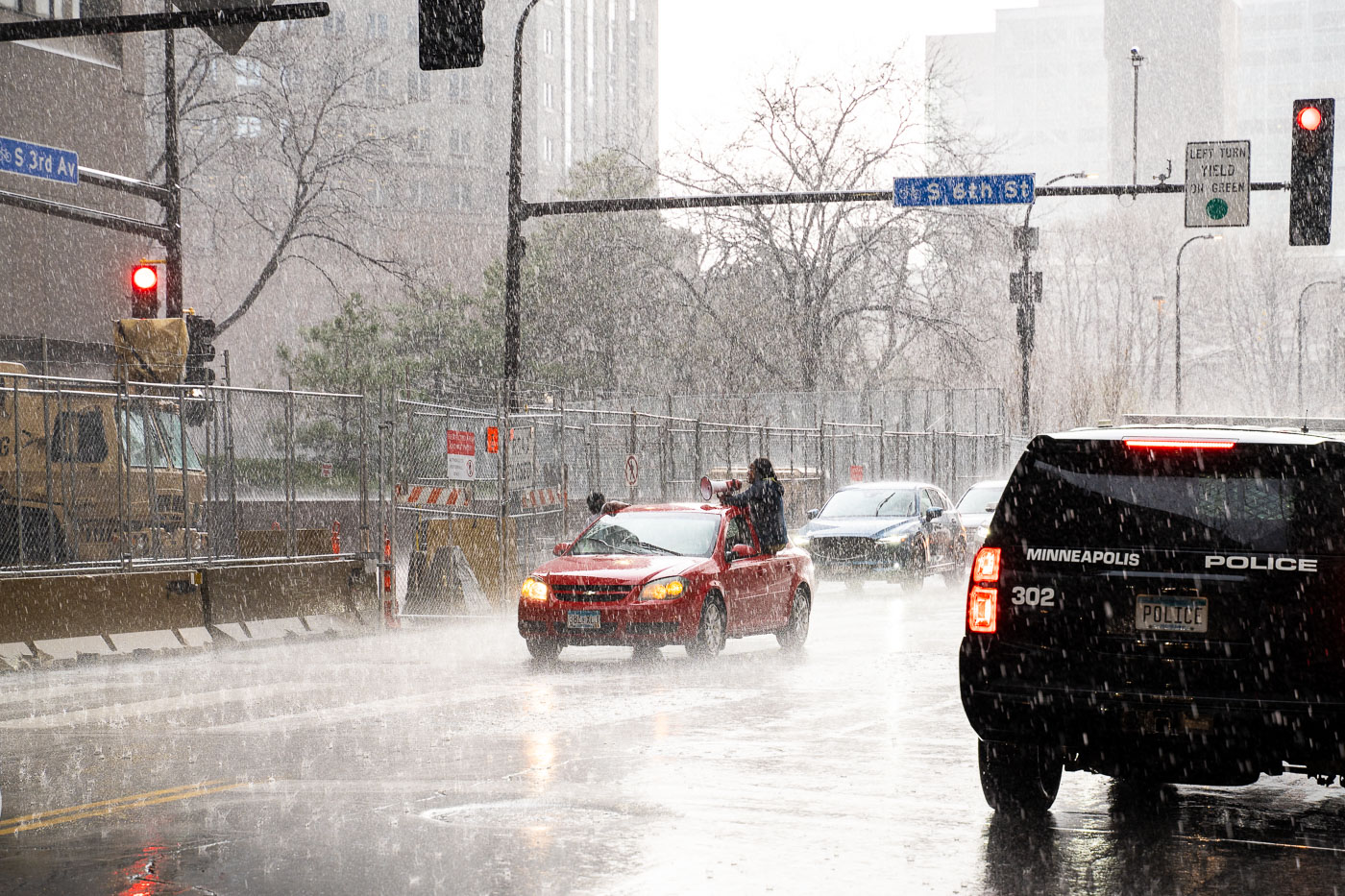
Protest caravan on South 5th Street in downtown Minneapolis during heavy rain.
A protest caravan navigates through heavy rain in downtown Minneapolis, approaching the Hennepin County Government Center. This event occurred during the trial of Derek Chauvin, the former Minneapolis police officer charged with the murder of George Floyd on May 25, 2020. The caravan's presence underscored the ongoing public attention and activism surrounding the trial and the broader issues of racial justice and police accountability.

Minneapolis protest caravan during Derek Chauvin trial in rain
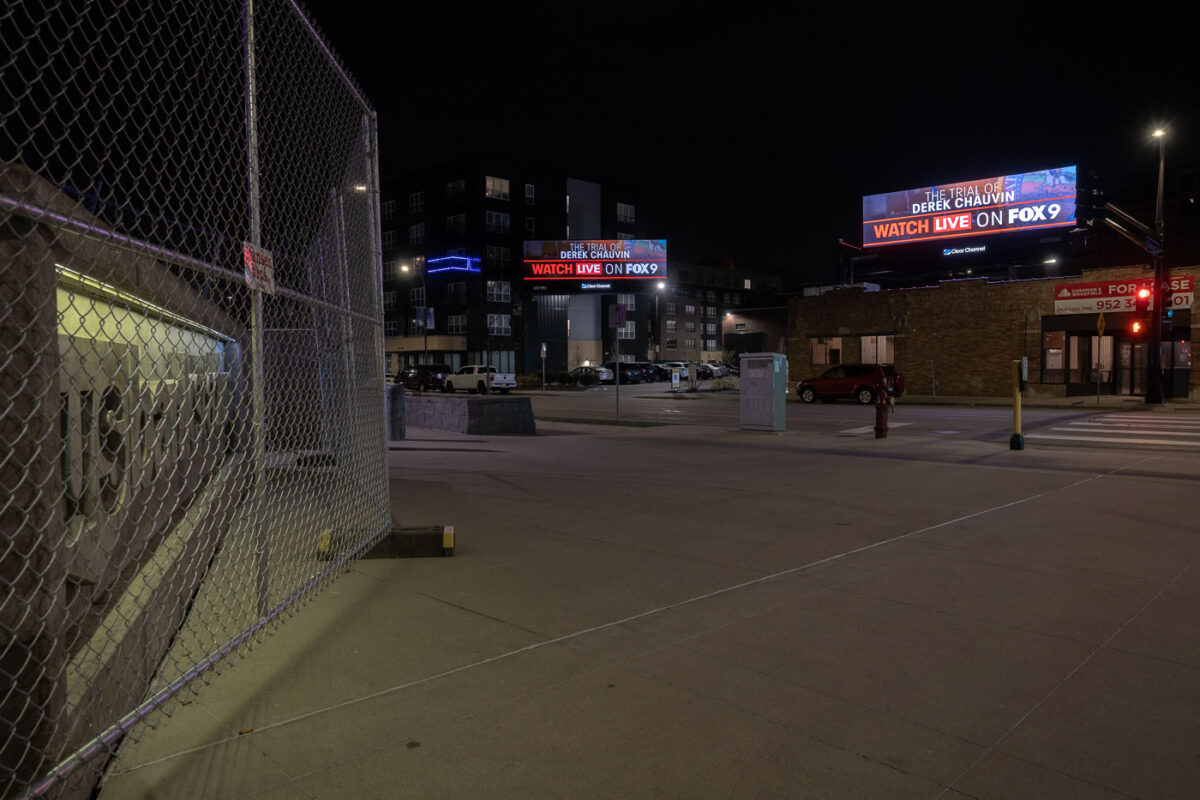
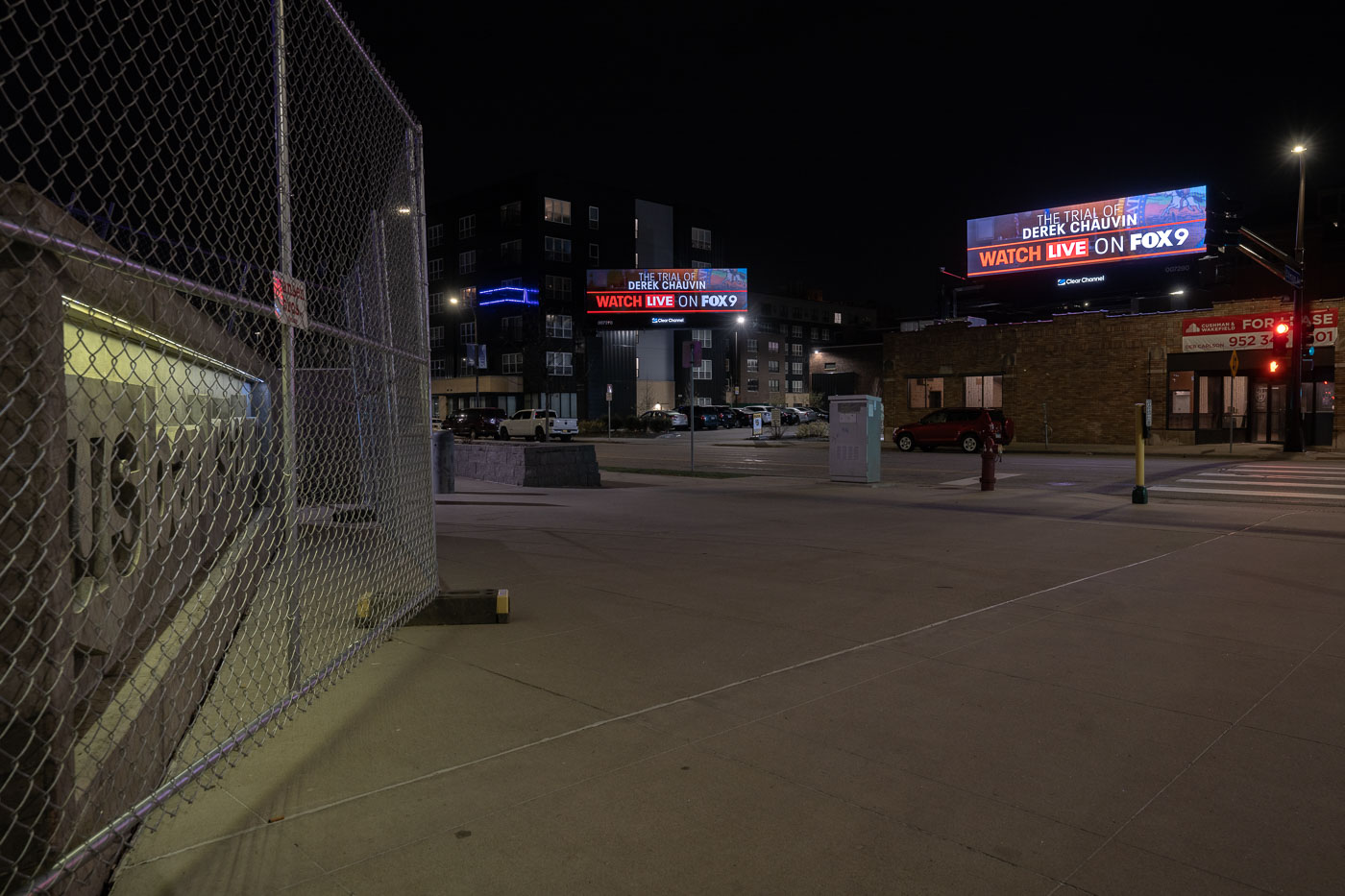
FOX9 billboards for the Derek Chauvin trial in downtown Minneapolis beside security fencing.
FOX9 billboards in downtown Minneapolis. US Bank Stadium to the left behind security fencing.

Minneapolis: FOX9 Billboards for Derek Chauvin Trial

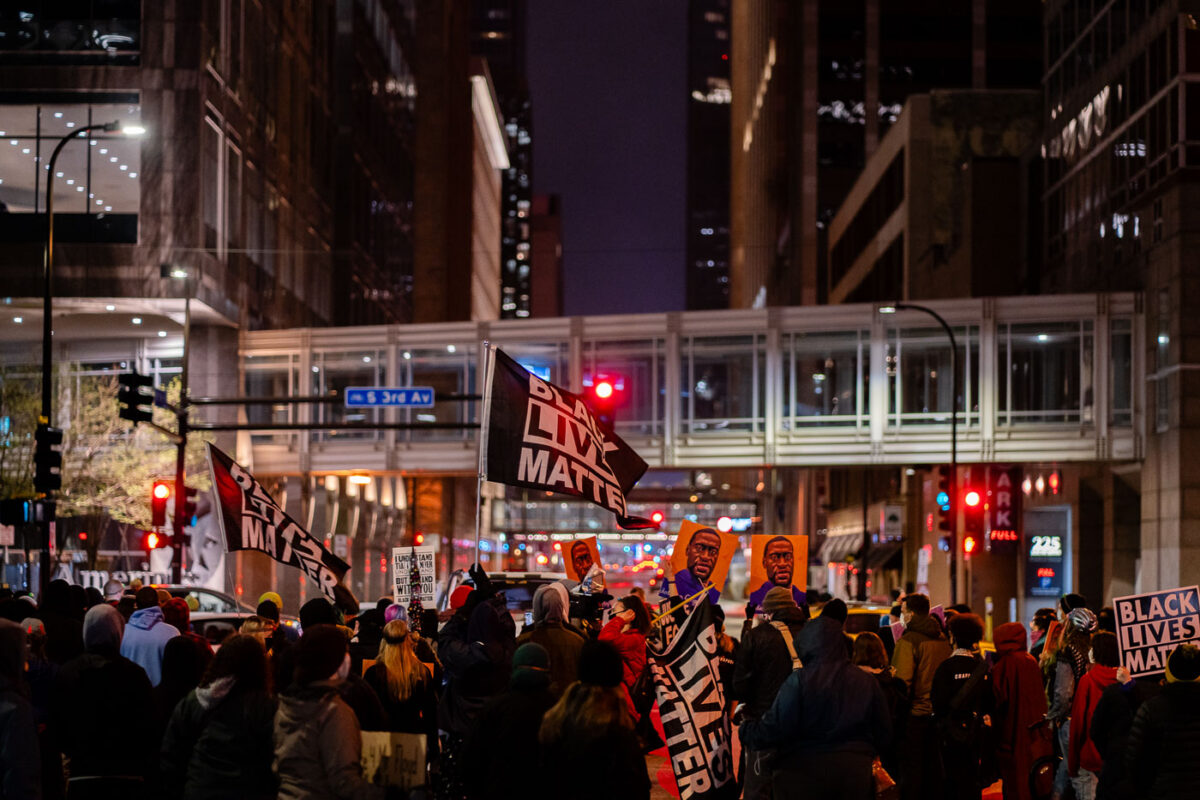
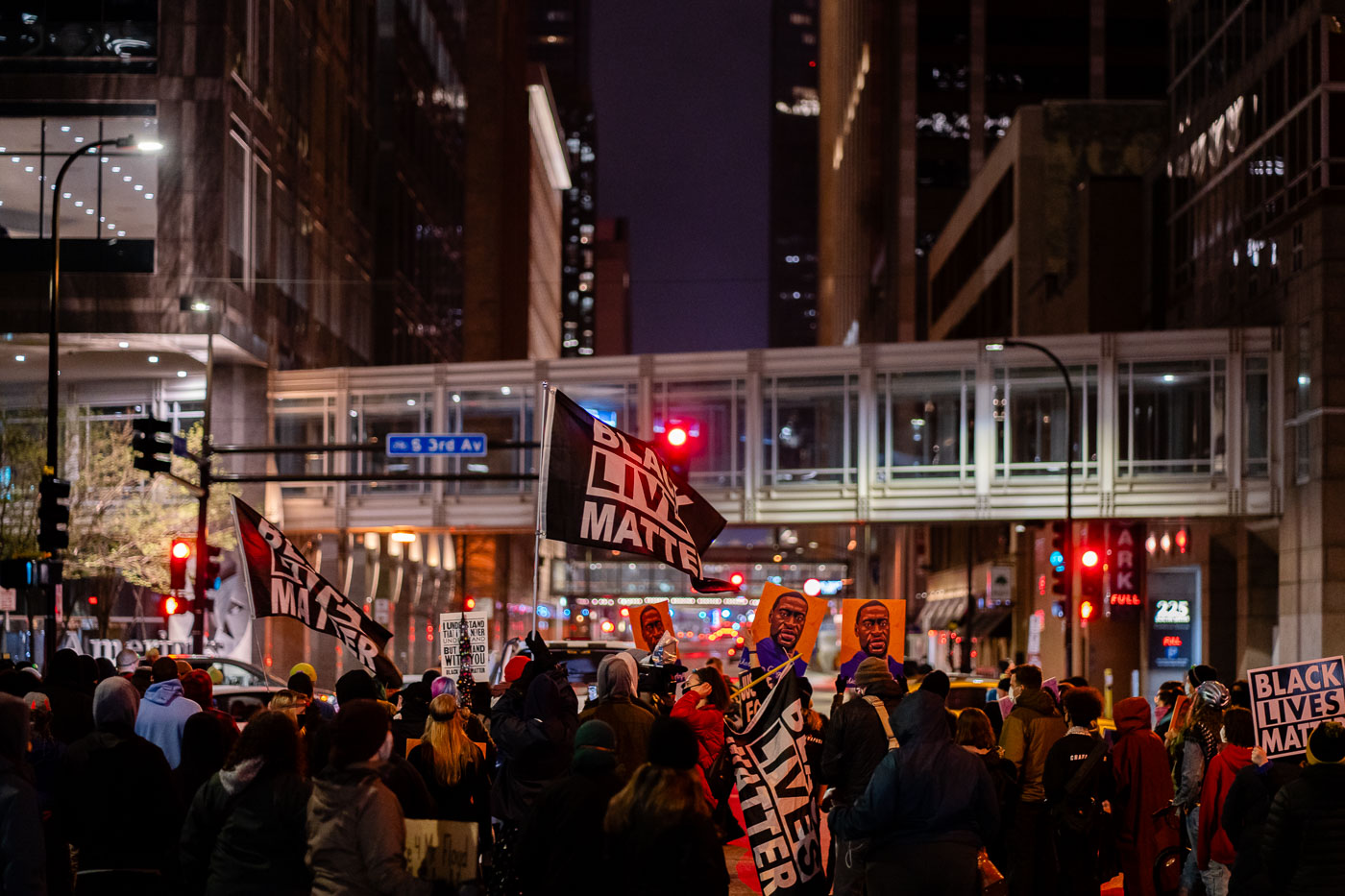
Protesters with Black Lives Matter flags on 3rd Avenue in downtown Minneapolis.
Protesters gathered in downtown Minneapolis outside the Hennepin County Government Center during the trial of Derek Chauvin, the former police officer charged in the murder of George Floyd. The "Black Lives Matter" flags and signs bearing Floyd's image reflect the broader movement for racial justice and police accountability that gained national attention following Floyd's death in May 2020. The courthouse, a significant civic building in Minneapolis, served as a focal point for demonstrations demanding justice and systemic change.

Minneapolis Protest for George Floyd Outside Hennepin County Courthouse

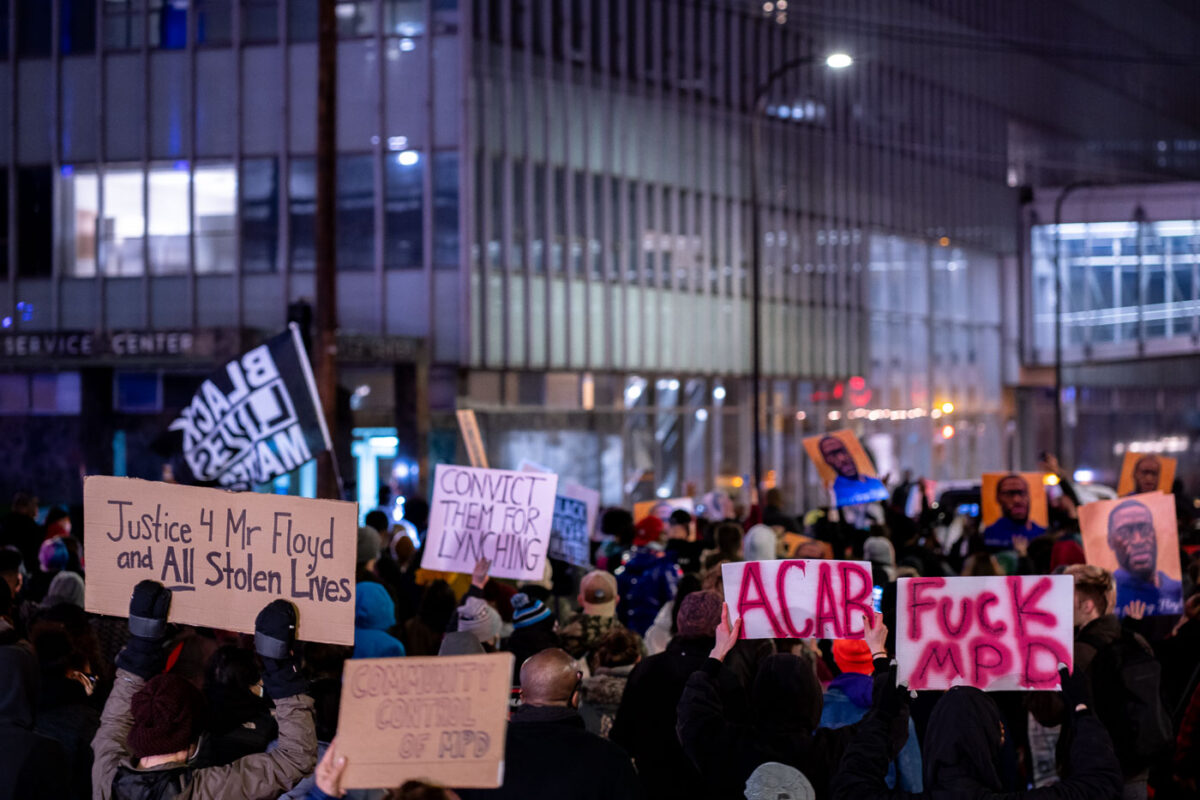
Protesters in downtown Minneapolis during the Derek Chauvin trial hold signs for George Floyd and against police.
Protesters gathered in downtown Minneapolis during the trial of Derek Chauvin, the police officer accused of murdering George Floyd. The demonstrations, which occurred in the spring of 2021, were part of a broader movement demanding justice for Floyd and other victims of police brutality. Signs held by participants called for accountability for Floyd's death and systemic changes within law enforcement. The protests highlighted ongoing tensions between the community and the Minneapolis Police Department.

Minneapolis Protest: Justice for George Floyd and All Stolen Lives

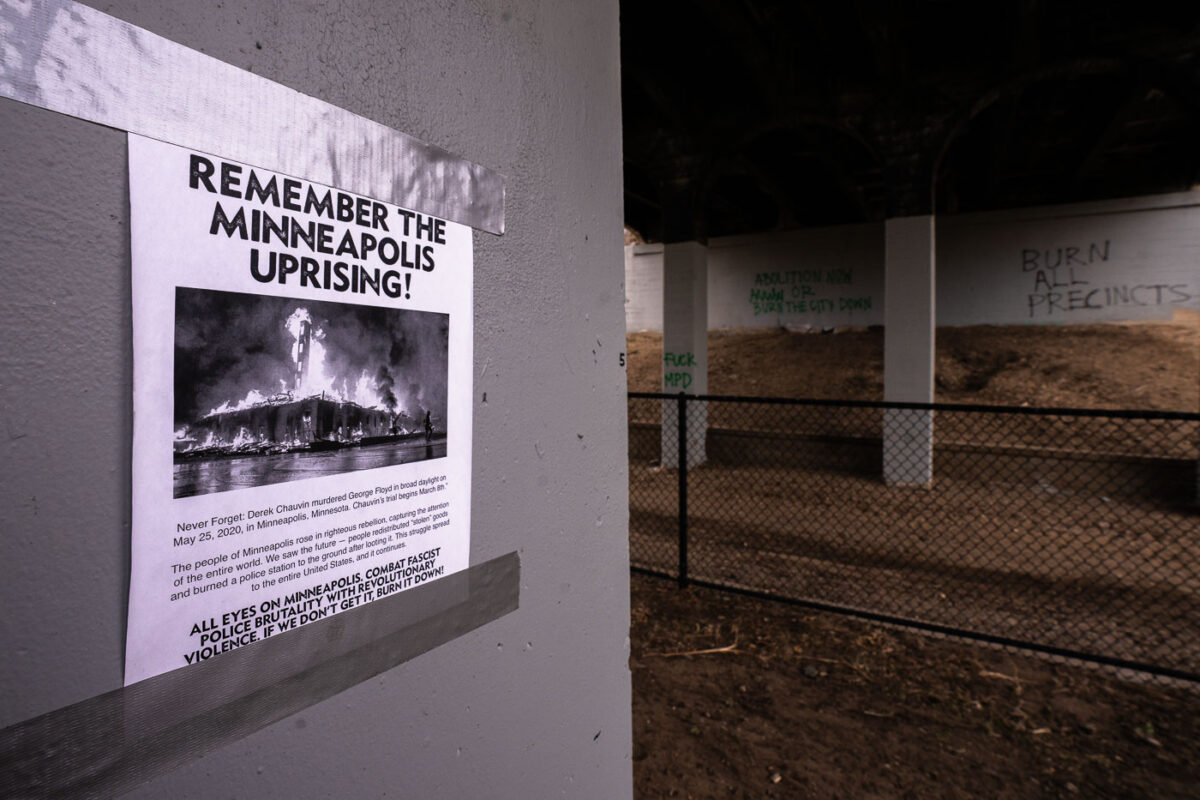
Flyer about the 2020 George Floyd protest on the Midtown Greenway in Minneapolis with anti-police graffiti nearby.
A flyer posted on the Minneapolis Midtown Greenway commemorates the "Minneapolis Uprising" that began on May 25, 2020, following the murder of George Floyd by Minneapolis police.

Minneapolis Uprising Flyer on Midtown Greenway

Minneapolis police tactical officers exit a van in Uptown at night.
Minneapolis Police Department tactical officers emerge from a van in the Uptown neighborhood on the night of April 11, 2021. This deployment occurred in response to reports of looting following the fatal shooting of Daunte Wright by a police officer in nearby Brooklyn Center earlier that day. The events in Uptown were part of a broader period of unrest and protest in Minneapolis following Wright's death, which sparked widespread public attention and calls for police reform. The presence of tactical teams reflects the heightened security measures and police response during periods of civil disturbance.

Minneapolis Police tactical team exits van in Uptown

Minneapolis police officer near Chicago-Lake Liquors in Uptown Minneapolis at night.
Minneapolis police officers patrol near Chicago-Lake Liquors in Uptown Minneapolis on April 12, 2021. The patrol occurred in the aftermath of the killing of Daunte Wright by a police officer in nearby Brooklyn Center, Minnesota, which led to widespread protests and unrest. Chicago-Lake Liquors is a long-standing retail establishment in the Uptown neighborhood, a commercial and cultural hub of the city.

Minneapolis Police Patrol Near Chicago-Lake Liquors After Daunte Wright Killing

Police officer lifting a broken Walgreens window cover in Minneapolis after unrest.
A Minneapolis Police officer is seen holding open a broken window at a Walgreens store on April 11, 2021. This incident occurred in the aftermath of the killing of Daunte Wright by a police officer in nearby Brooklyn Center earlier that day. The events in Minneapolis were part of a period of unrest and protests following the death of George Floyd in 2020 and the subsequent killing of Wright. The Walgreens store, a common retail fixture in urban environments, became a focal point for some of the disturbances.

Minneapolis Police hold window open for looters at Walgreens

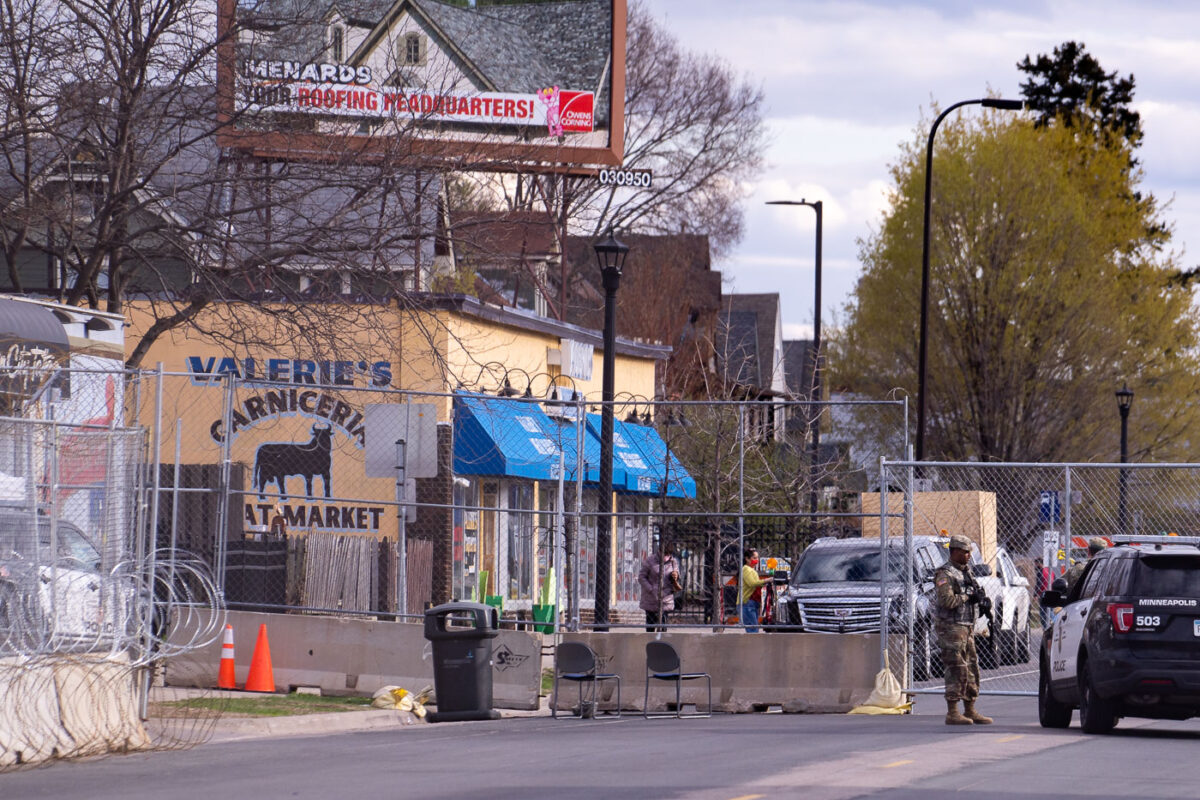
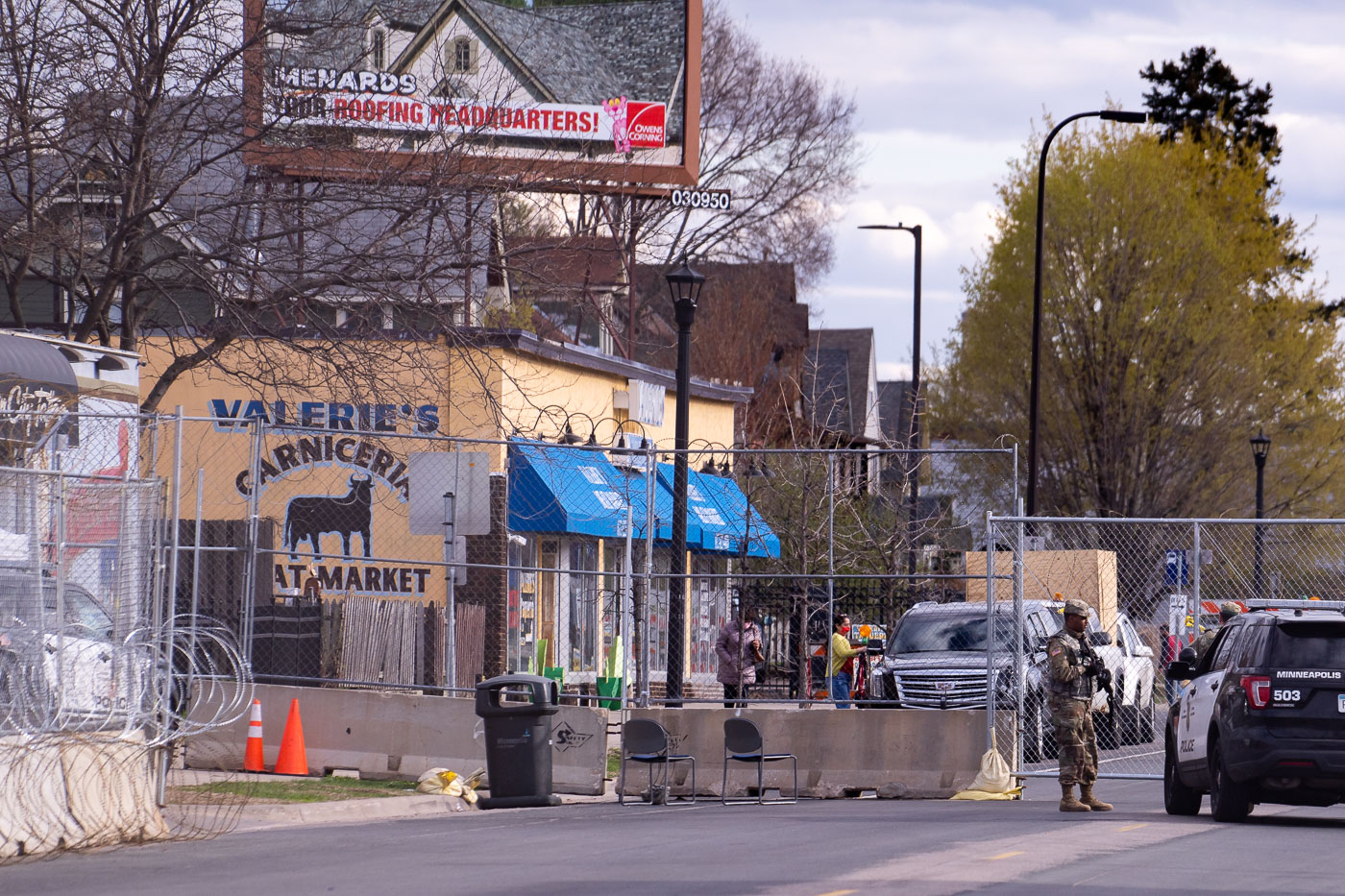
Barricades and razor wire around Minneapolis Police 5th Precinct in Minneapolis.
The Minneapolis Police Fifth Precinct is shown fortified with concrete barriers and razor wire. This security measure was implemented in response to protests and civil unrest that occurred in Minneapolis following the murder of George Floyd in May 2020 and the subsequent trial of Derek Chauvin. The precinct, located in the Powderhorn neighborhood, also experienced heightened security during the trial of Kim Potter for the killing of Daunte Wright in April 2021. The barriers are a physical manifestation of the increased tensions and security concerns surrounding law enforcement facilities during periods of public outcry.

Minneapolis Police 5th Precinct Fortified with Barricades and Razor Wire

National Guard and police at Minneapolis Fifth Precinct behind fencing and razor wire.
National Guard soldiers and Minneapolis Police officers secure the perimeter of the Minneapolis Police Fifth Precinct in South Minneapolis. The precinct was fortified with concrete barriers and razor wire in response to widespread protests and civil unrest that followed the killing of George Floyd in May 2020 and the subsequent trial of Officer Derek Chauvin. The presence of the National Guard was a visible symbol of the state's response to maintain order during a period of intense public scrutiny and activism.
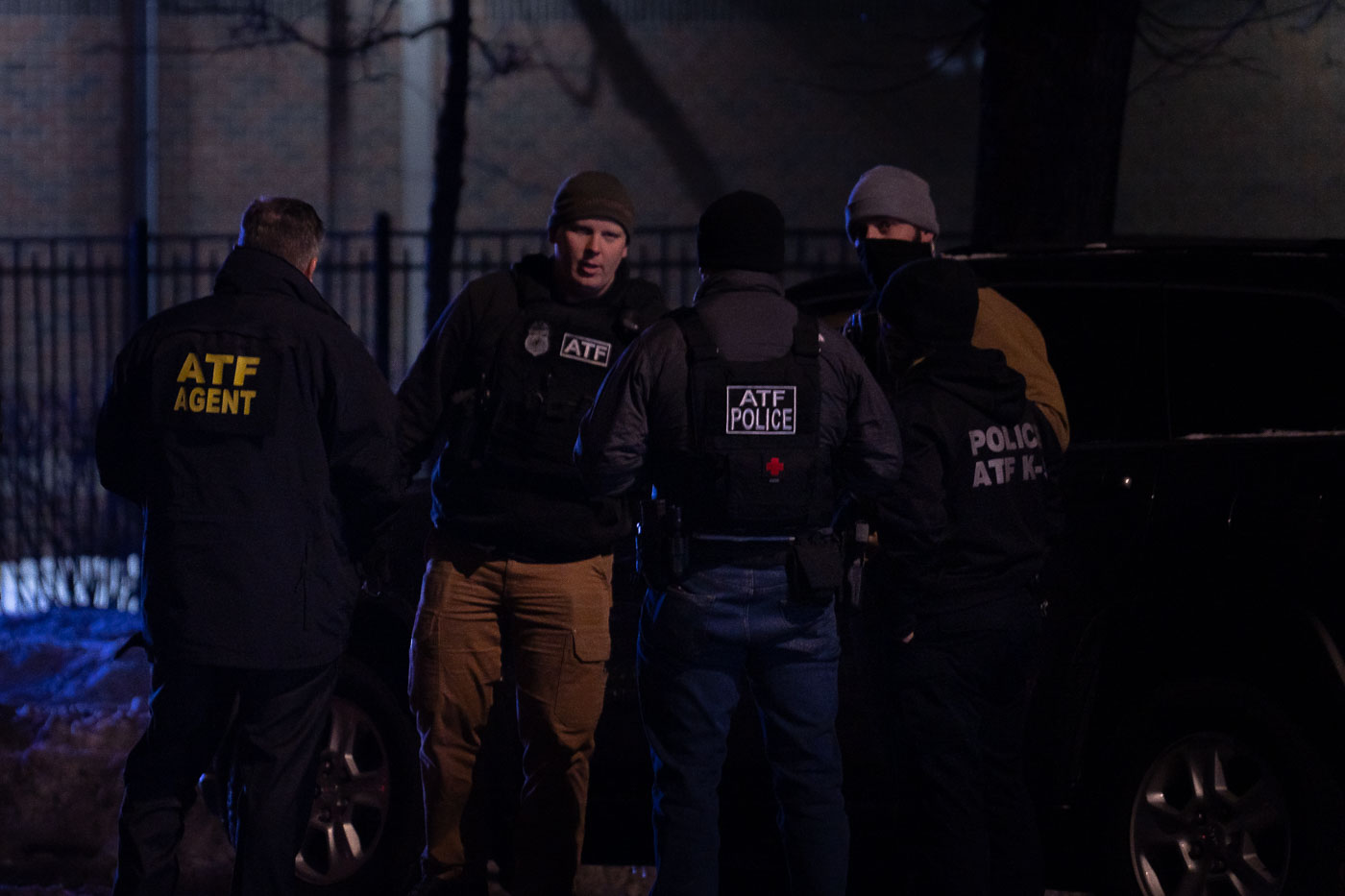
National Guard at Minneapolis Police Fifth Precinct

National Guard troops outside Minneapolis Police 5th Precinct behind security fencing in Minneapolis.
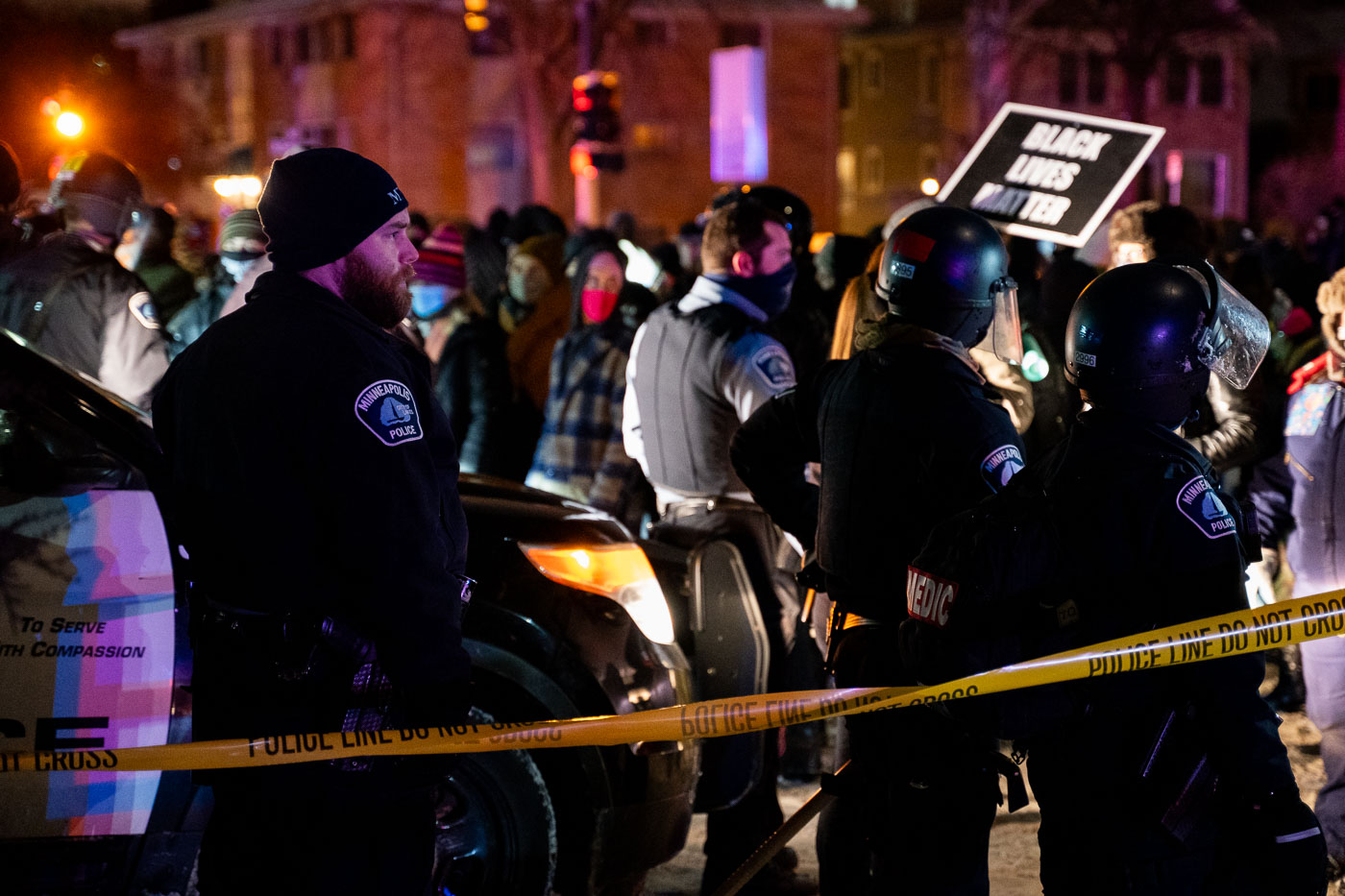
National Guard soldiers are stationed outside the Minneapolis Police Fifth Precinct, a location that became a focal point during the trial of Derek Chauvin. The precinct was heavily fortified with fencing and concrete barriers to prevent damage and maintain order amidst protests following the murder of George Floyd. This security measure was part of "Operation Safety Net," a coordinated effort by law enforcement and the National Guard to manage public safety during the high-profile trial.
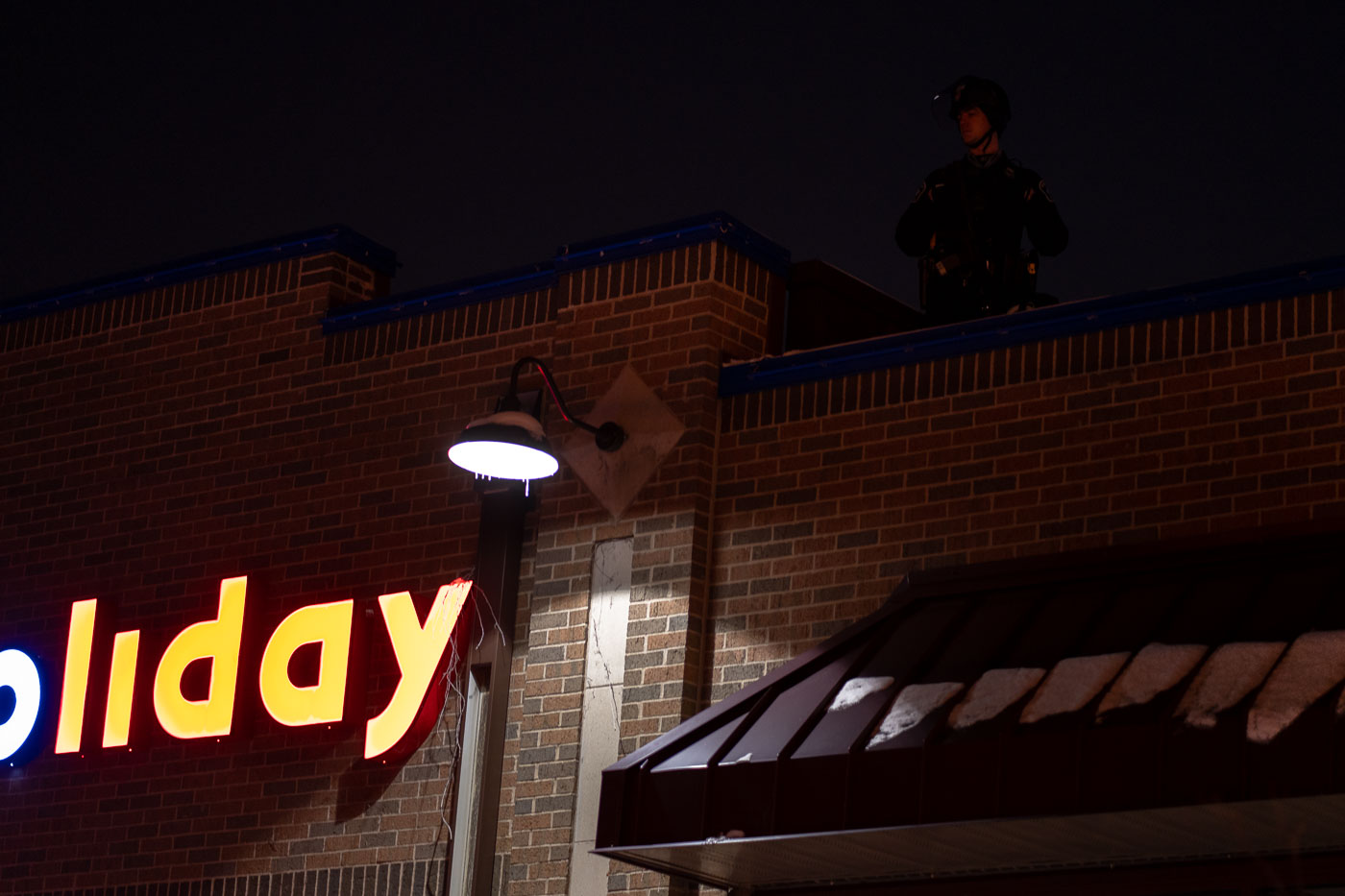
National Guard at Minneapolis Police 5th Precinct During Chauvin Trial

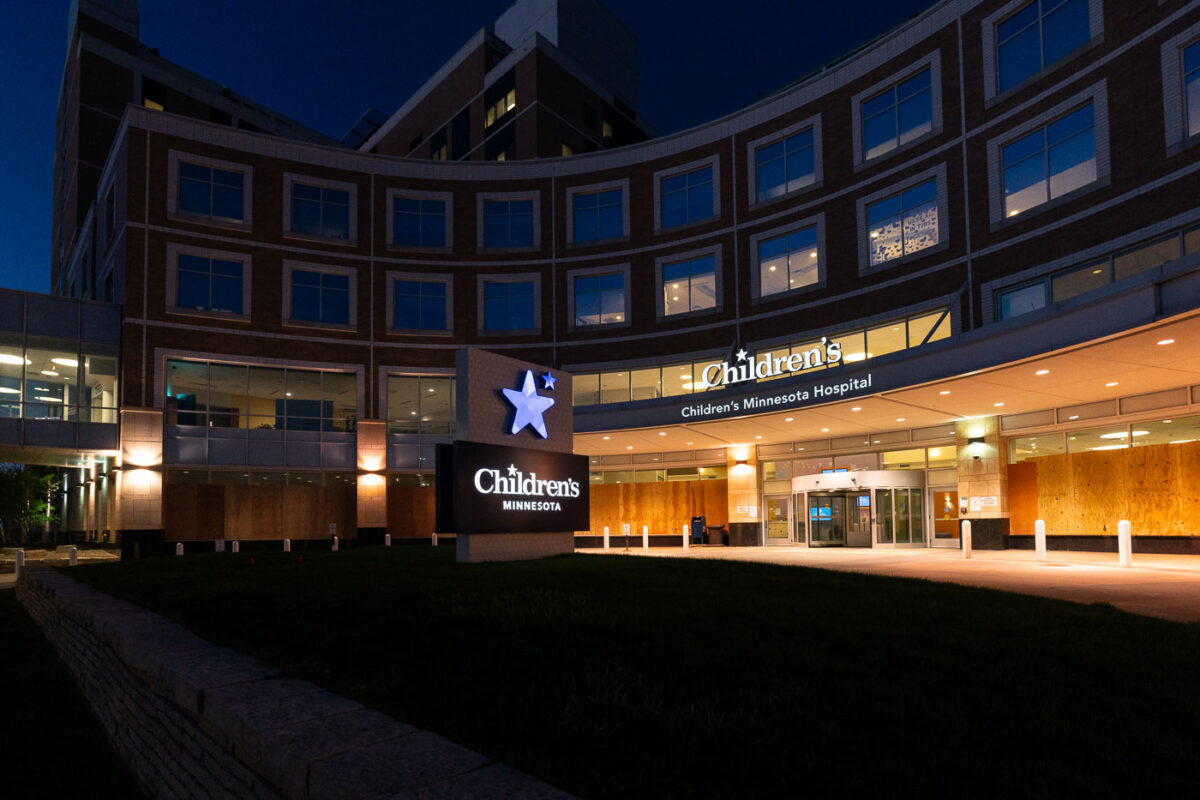
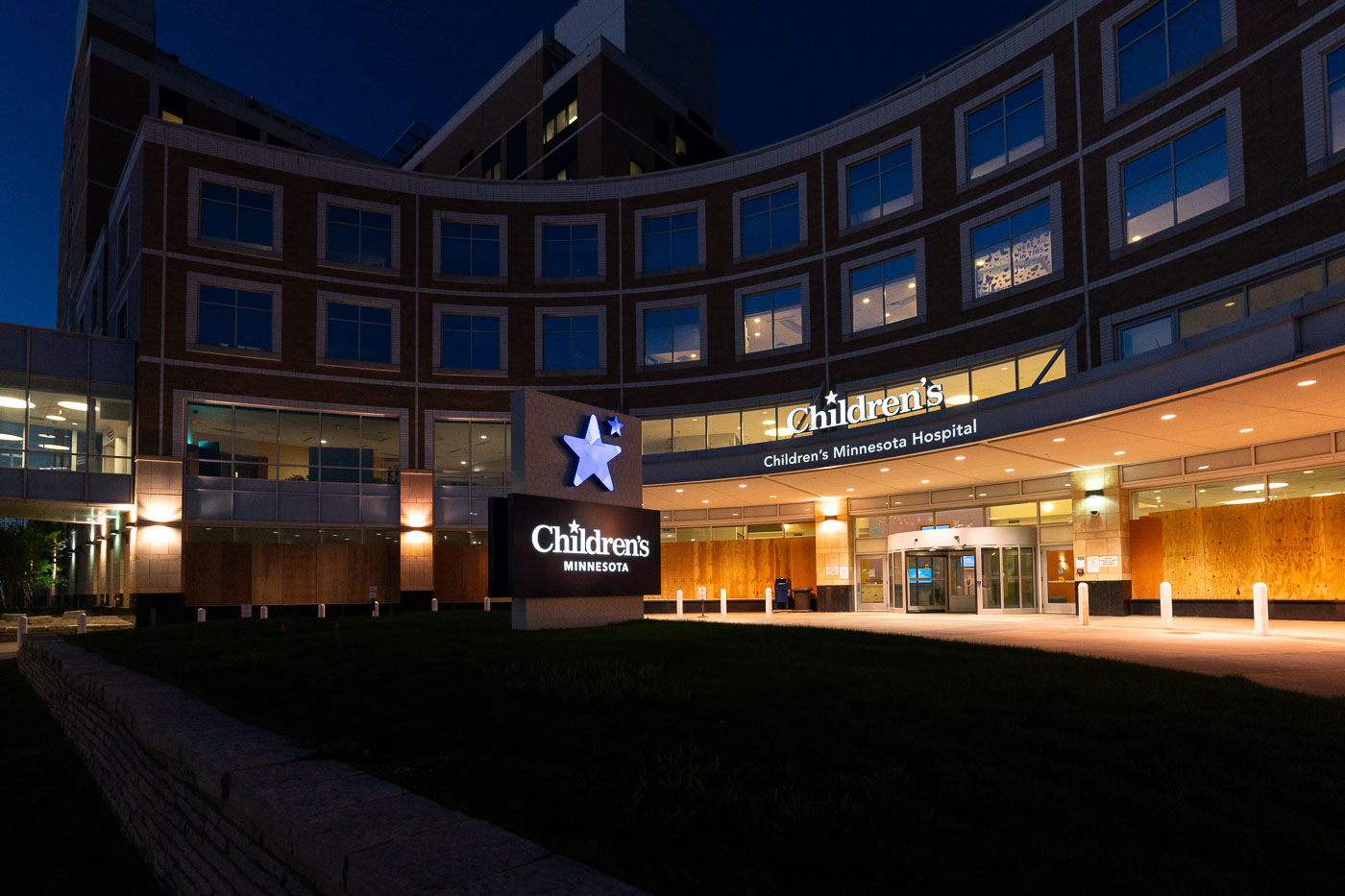
Children's Minnesota Hospital boarded up in Minneapolis during the Chauvin trial.
Children's Minnesota Hospital in South Minneapolis was boarded up in anticipation of potential unrest during the Derek Chauvin murder trial in April 2021. The trial, which followed the death of George Floyd, led to heightened security measures across the city. This hospital, a key medical facility for children in the region, was protected to ensure continued operations and the safety of patients and staff amidst the possibility of civil disturbance.

Children’s Minnesota Hospital Boarded Up for Chauvin Trial

Everything Must Go sign on a Minneapolis police station
A banner reading "Everything Must Go!!!" is displayed on the fencing surrounding the Minneapolis Police Third Precinct building. The precinct was heavily damaged during protests following the murder of George Floyd in May 2020.

Minneapolis Police 3rd Precinct: “Everything Must Go” Banner
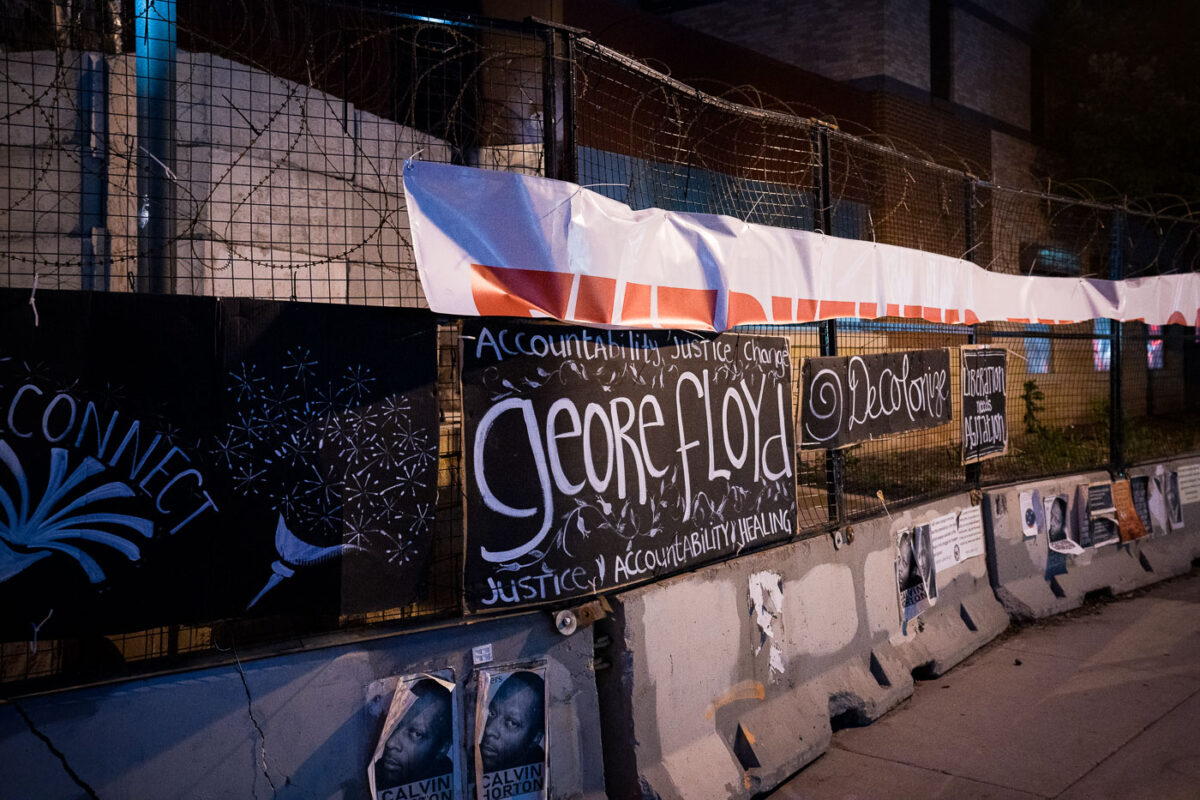
Minneapolis Police station 1 year after George Floyd's murder
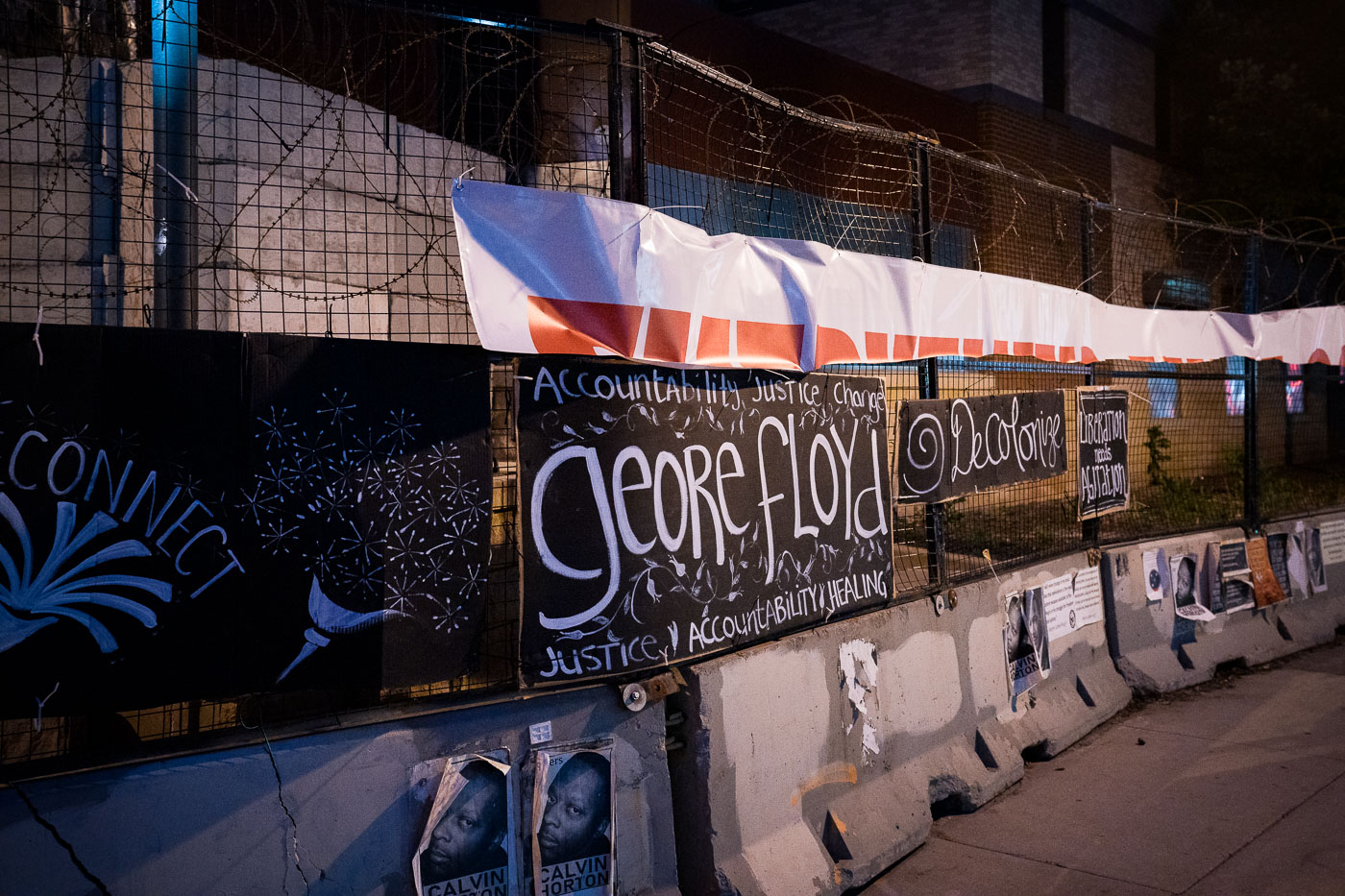
Art and messages adorn the perimeter of the Minneapolis Police Third Precinct building, one year after the killing of George Floyd by Minneapolis police officers. The precinct was a focal point during the widespread protests and unrest that followed Floyd's death. The artwork and signage reflect calls for justice, accountability, and healing in the community.

Minneapolis Police 3rd Precinct: George Floyd Memorial Art
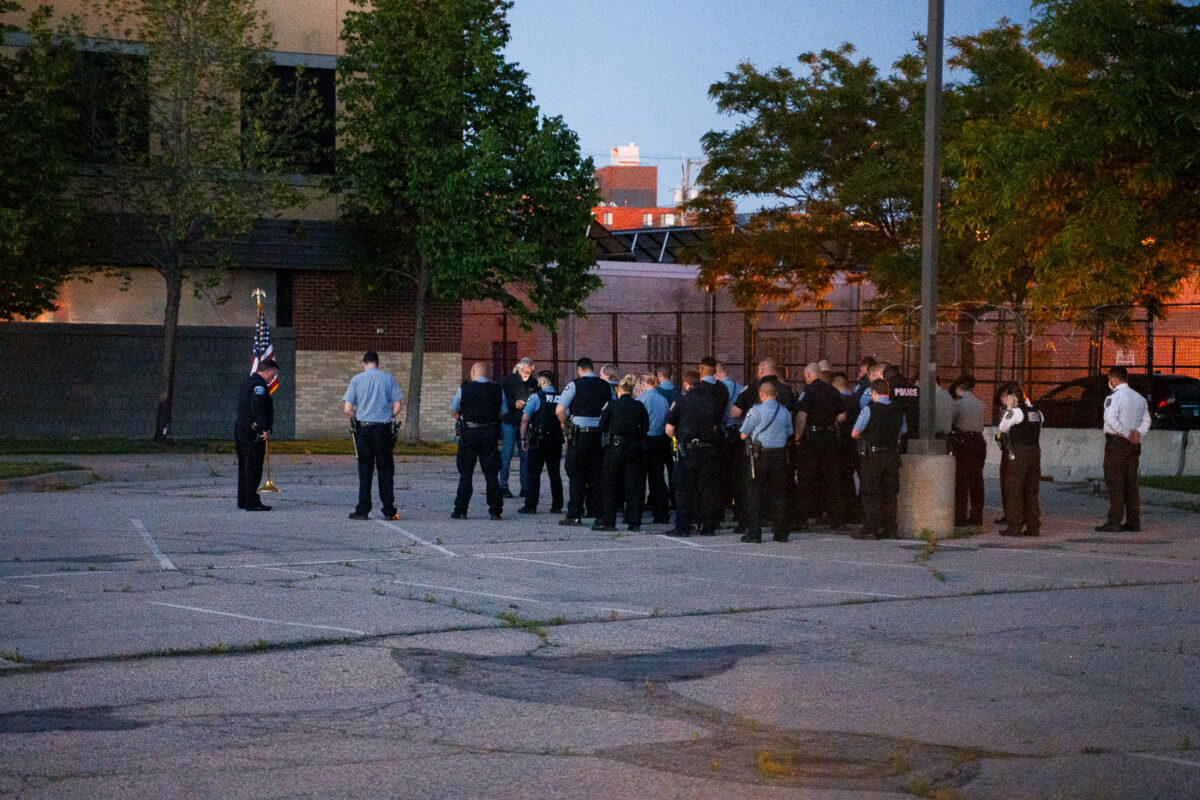
Minneapolis police hold religious ceromony 1 year after Floyds death
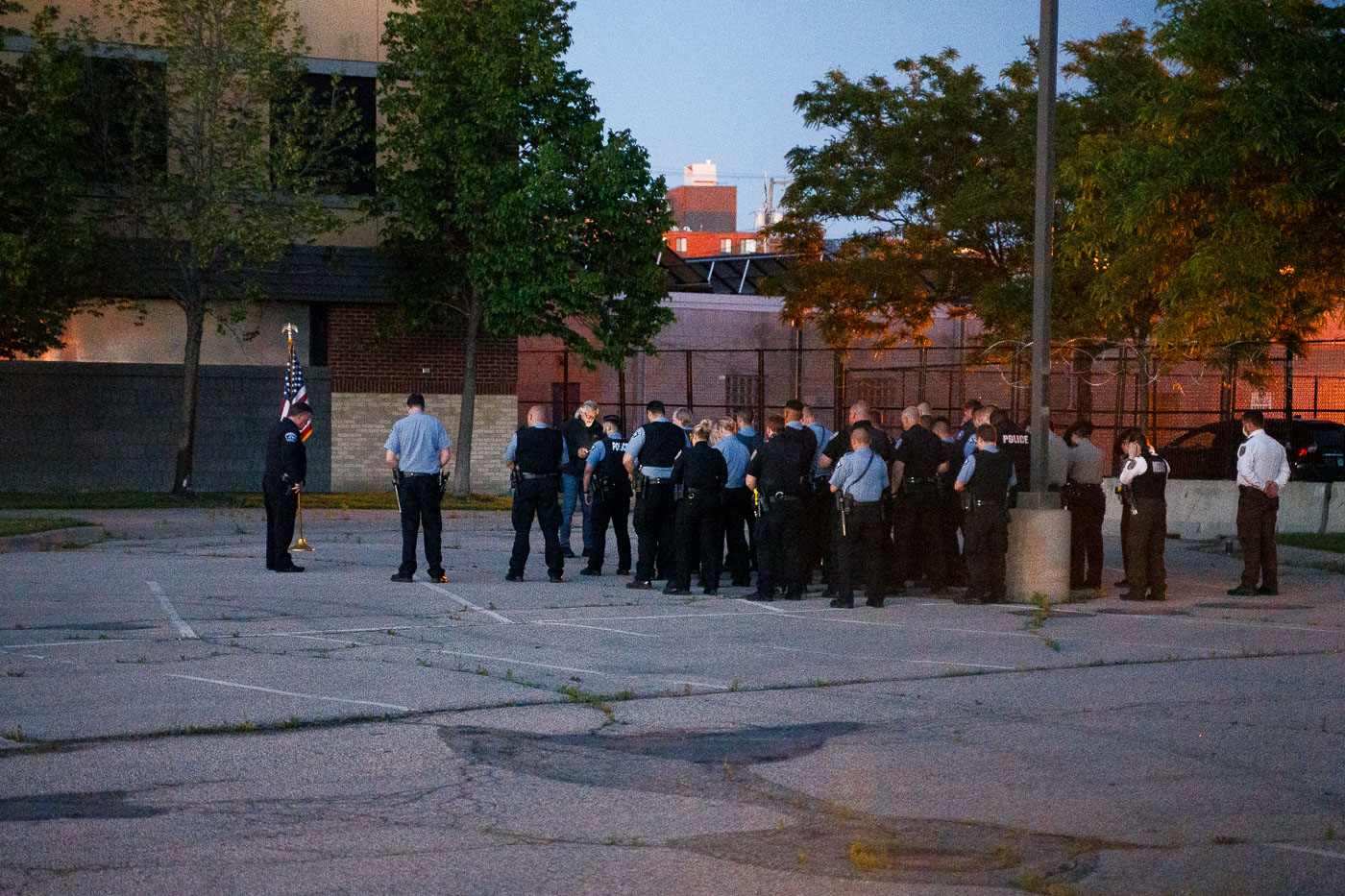
Minneapolis Police officers gather at the Third Precinct on May 28, 2021 to hold some time of religious ceremony. It was the one-year anniversary of the precinct being burned during protests that followed the murder of George Floyd.

Minneapolis Police gather at Third Precinct anniversary