Photo Set
Tokyo Trains
JR East, Tokyo Metro, Toei and Keisei lines — platforms, gates, signage and track infrastructure across central Tokyo
Tokyo's rail network is one of the most extensive and precisely operated in the world, built up across more than a century and a half of expansion to serve a metropolitan area of some 35 million people. The lines documented here span the full range of that system, from the Ginza Line's 1927 tunnels beneath central Tokyo to the driverless Yurikamome guideway that opened in 1995 to reach the reclaimed waterfront of Odaiba.
The network's foundations were laid in the Meiji era, when the Nippon Railway and its successors began stitching together the routes that would become the Yamanote loop and the long-distance corridors running west and east from what is now Tokyo Station. Postwar reconstruction and rapid economic growth drove a second wave of construction through the 1950s and 1960s, producing the Marunouchi Line and the subway arteries that now underpin daily commuting across the inner wards. Private operators — Keio, Odakyu, Keisei, Tobu, Seibu — built their own lines radiating outward from the major JR interchange hubs, creating a layered system of overlapping jurisdictions that still defines how riders move through the city.
The stations covered in this period stretch from Asakusa in the northeast to Shinjuku and Yoyogi in the west, with particular attention to the interchange complexity at Nippori, Shimbashi, and Shinjuku itself, which handles more daily passengers than any other station on Earth. Many of the platforms and passageways in use today were built to handle the commuter volumes of the 1970s and 1980s and have changed little structurally since, even as rolling stock has been replaced and signalling systems updated. The E235 series now running the Yamanote loop and the Marunouchi Line's Series 2000 trains represent the current generation, though both were designed to maintain the operational patterns the network established decades earlier.
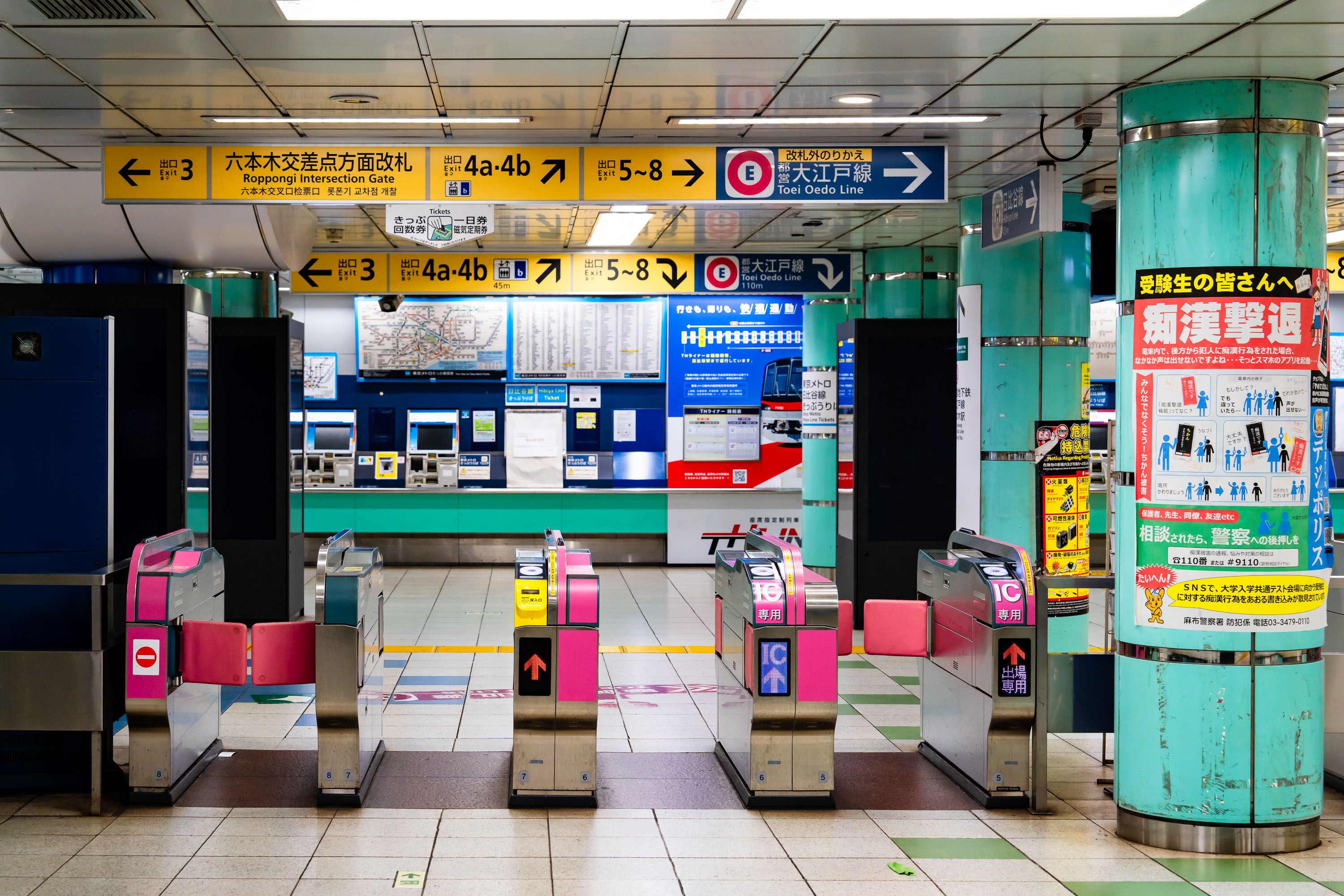 View full post: Fare Gates Near the Roppongi Intersection Exit
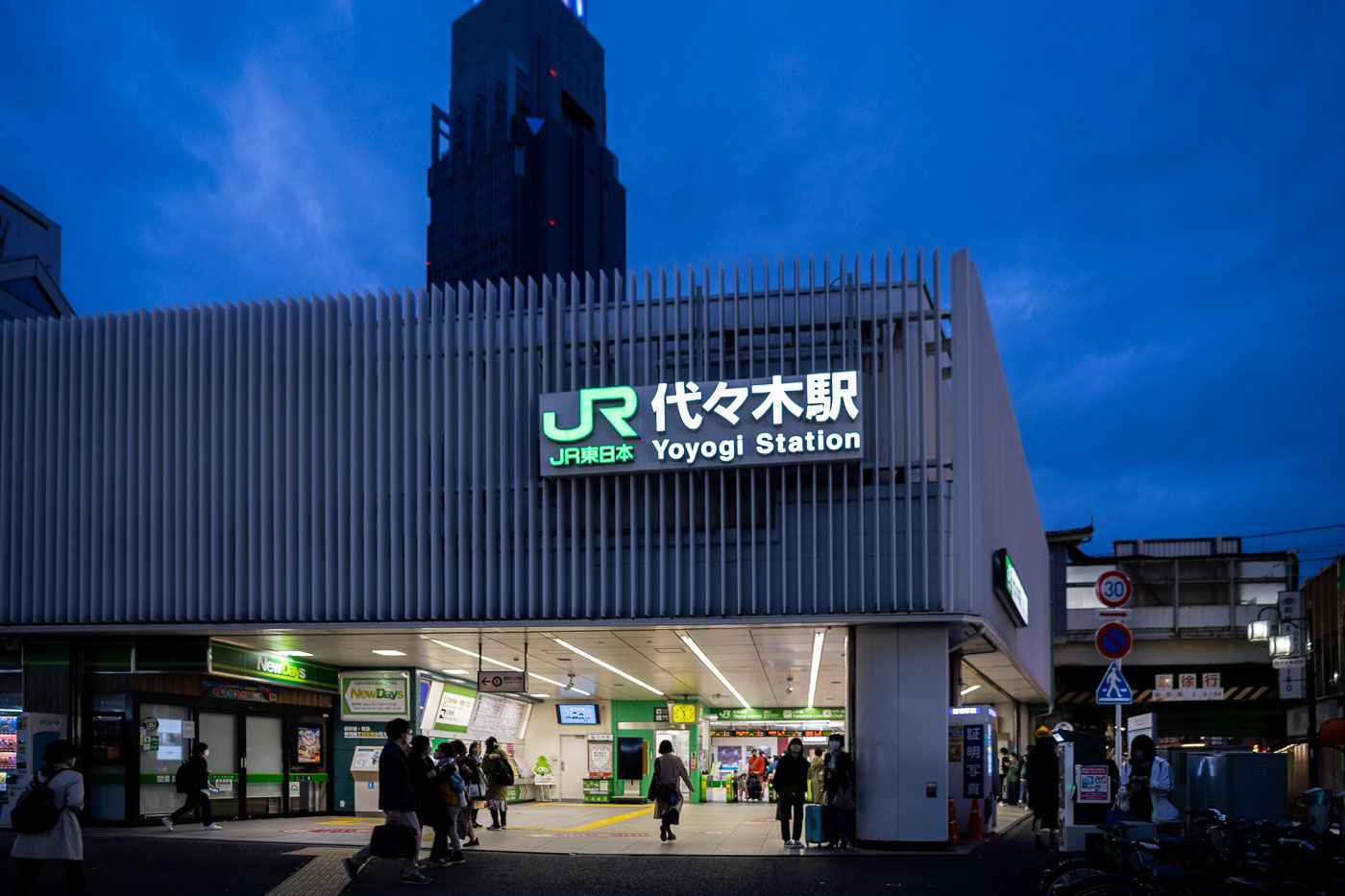 View full post: JR Yoyogi Station Entrance at Dusk
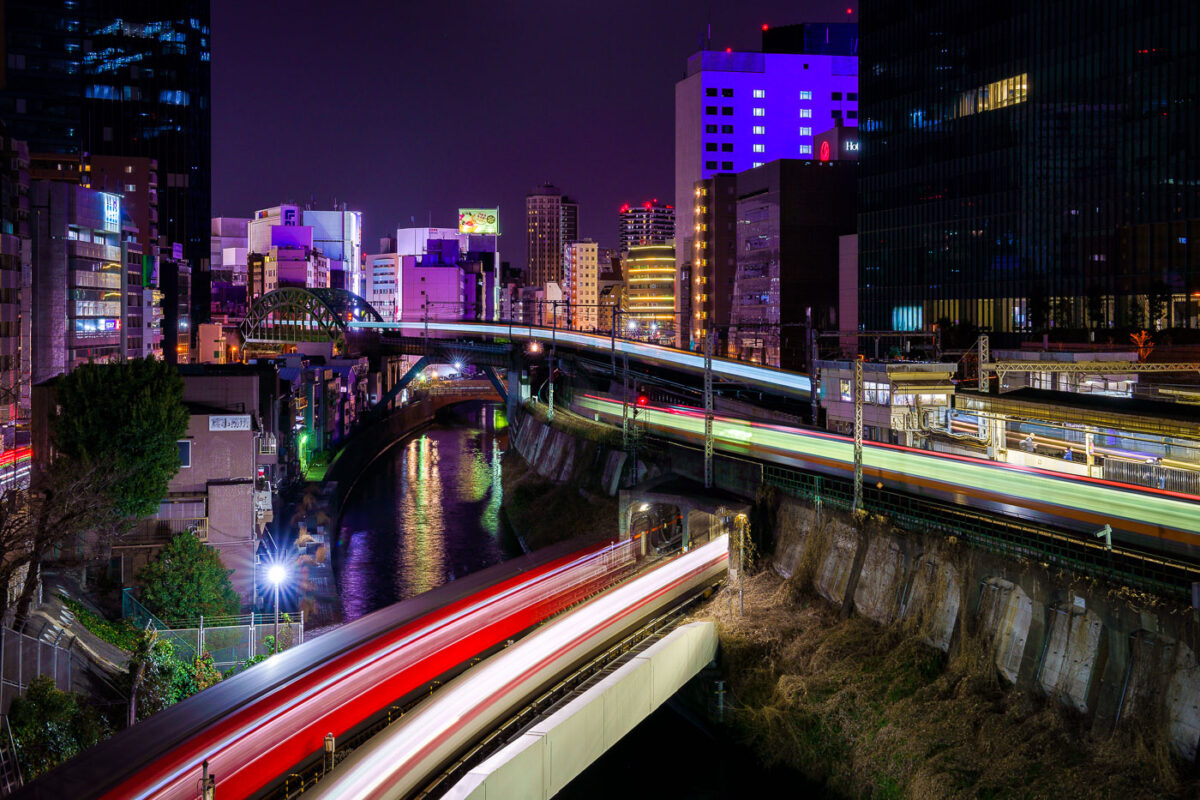
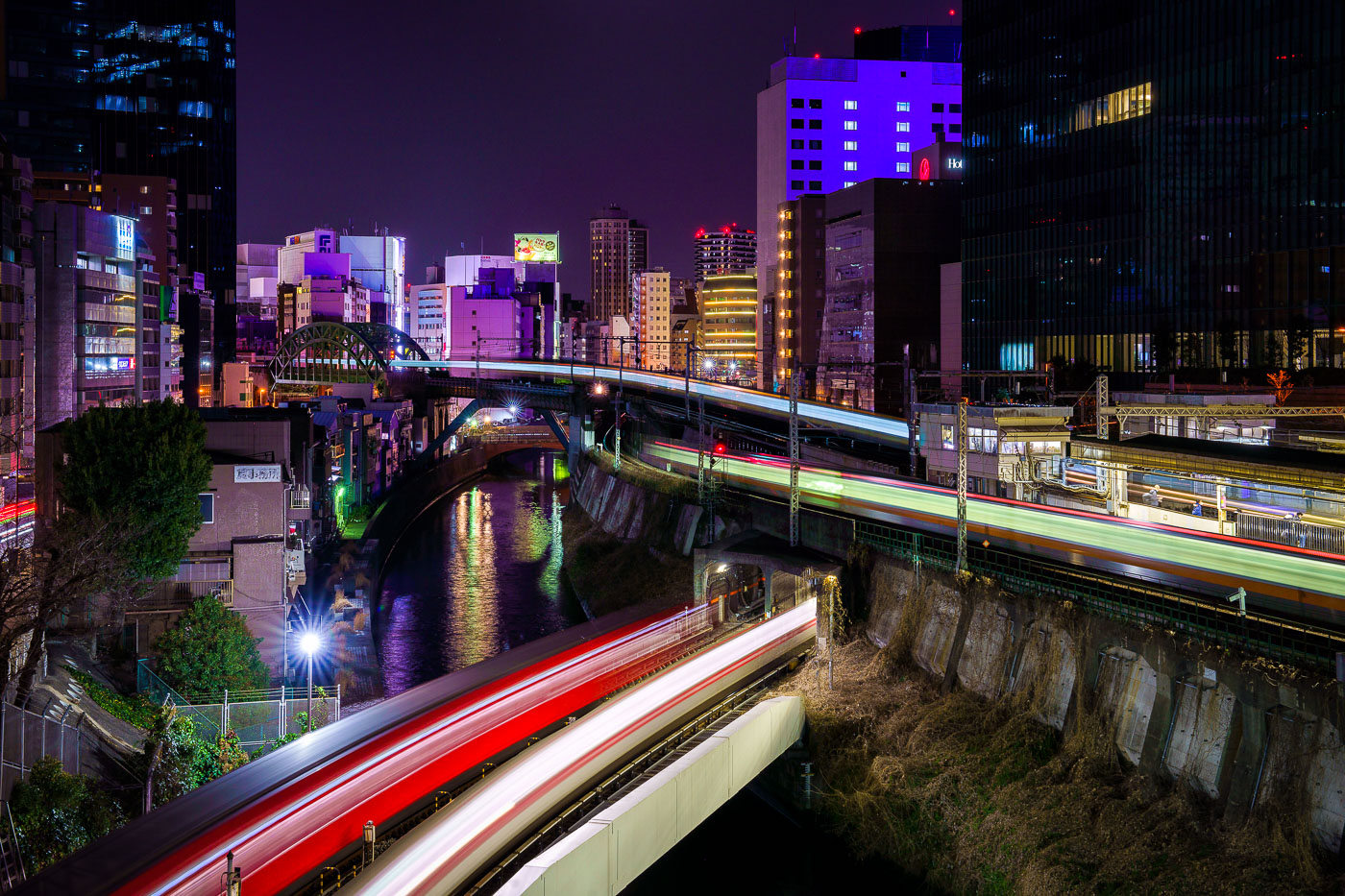 View full post: Train Light Trails Above the Kanda River at Ochanomizu
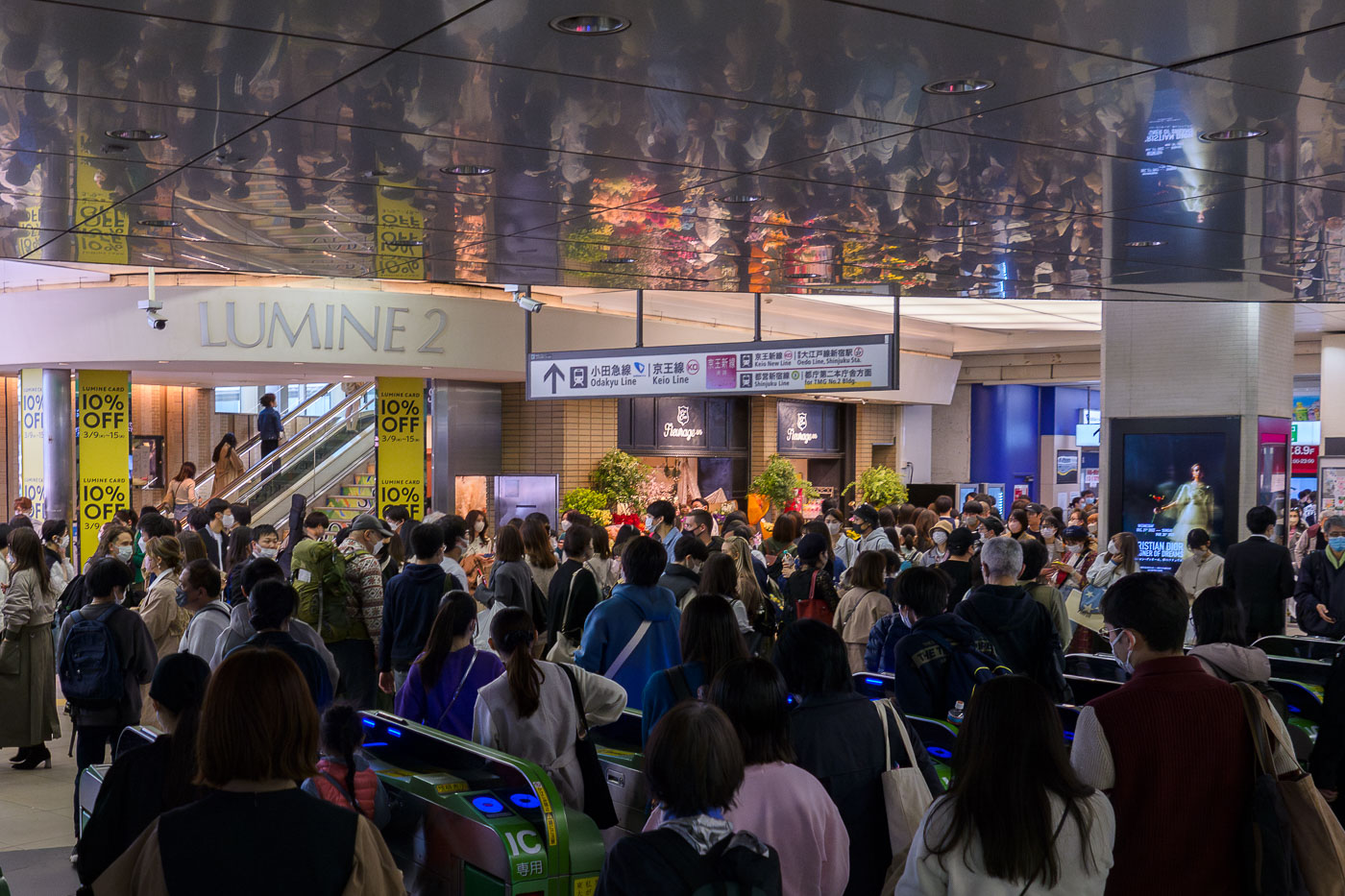 View full post: Ticket Gates Near the Lumine 2 Entrance at Shinjuku Station
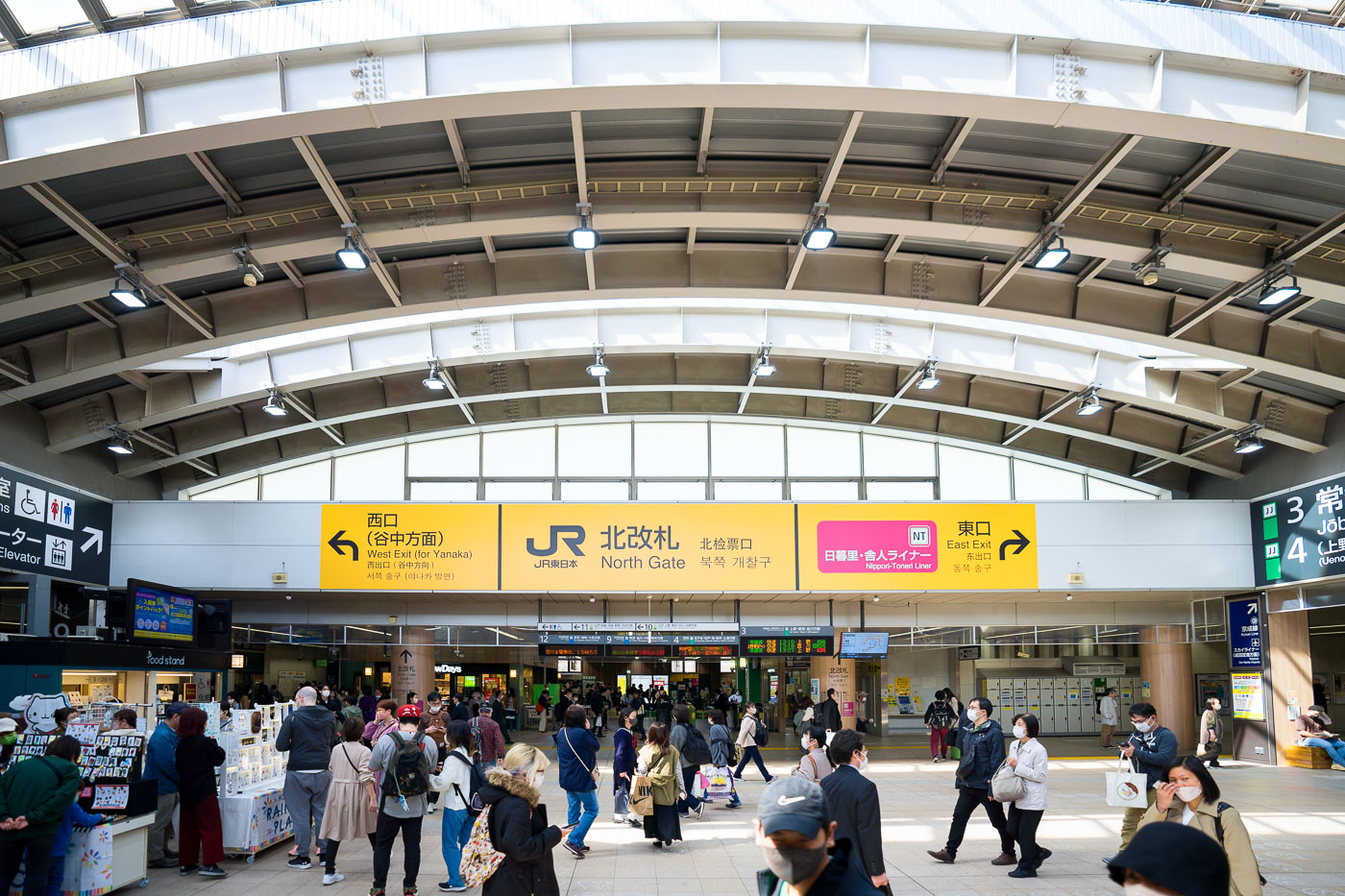 View full post: Morning Crowds at Nippori Station’s North Gate
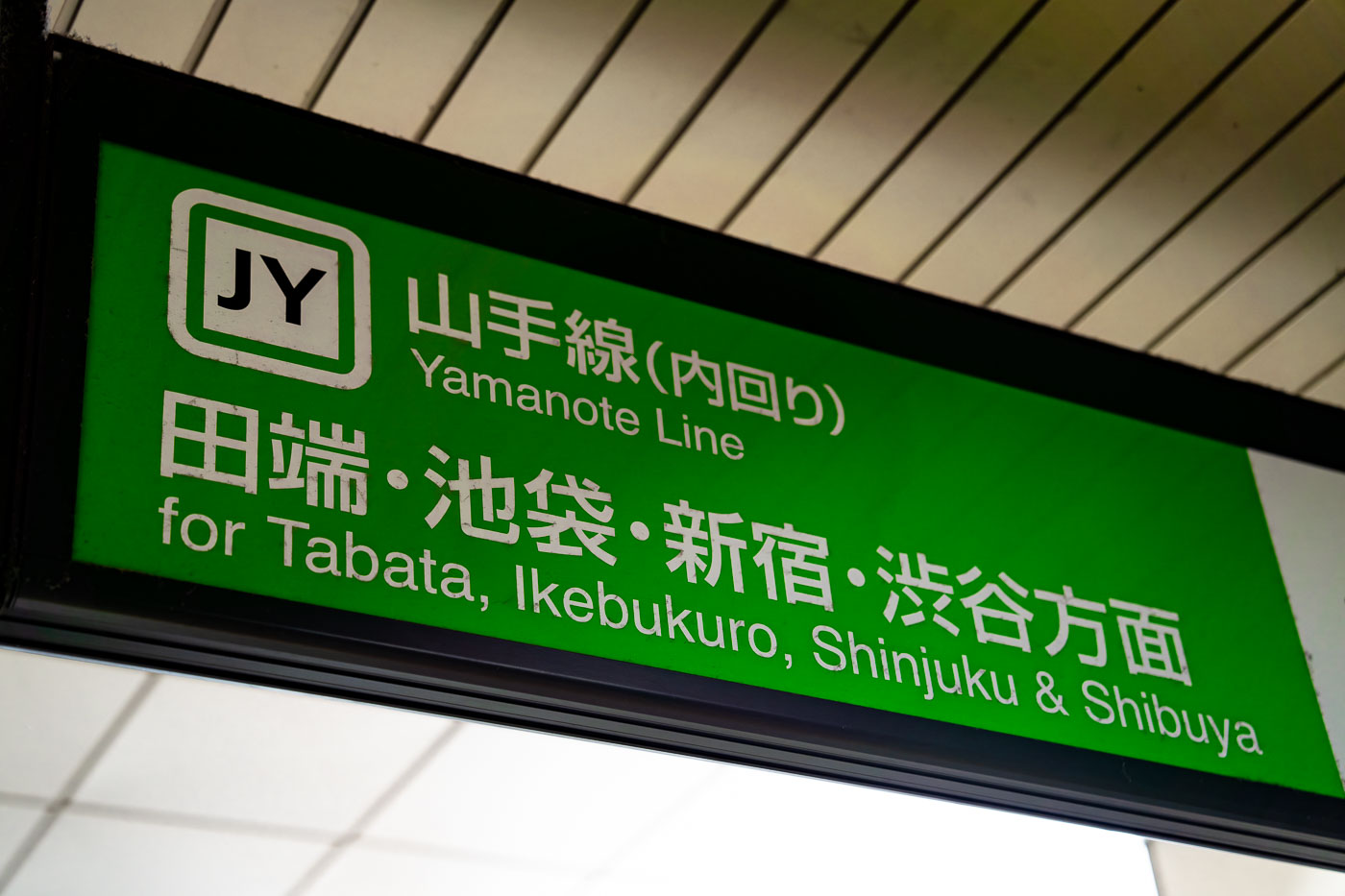 View full post: Yamanote Line Sign for Tabata, Ikebukuro and Shinjuku
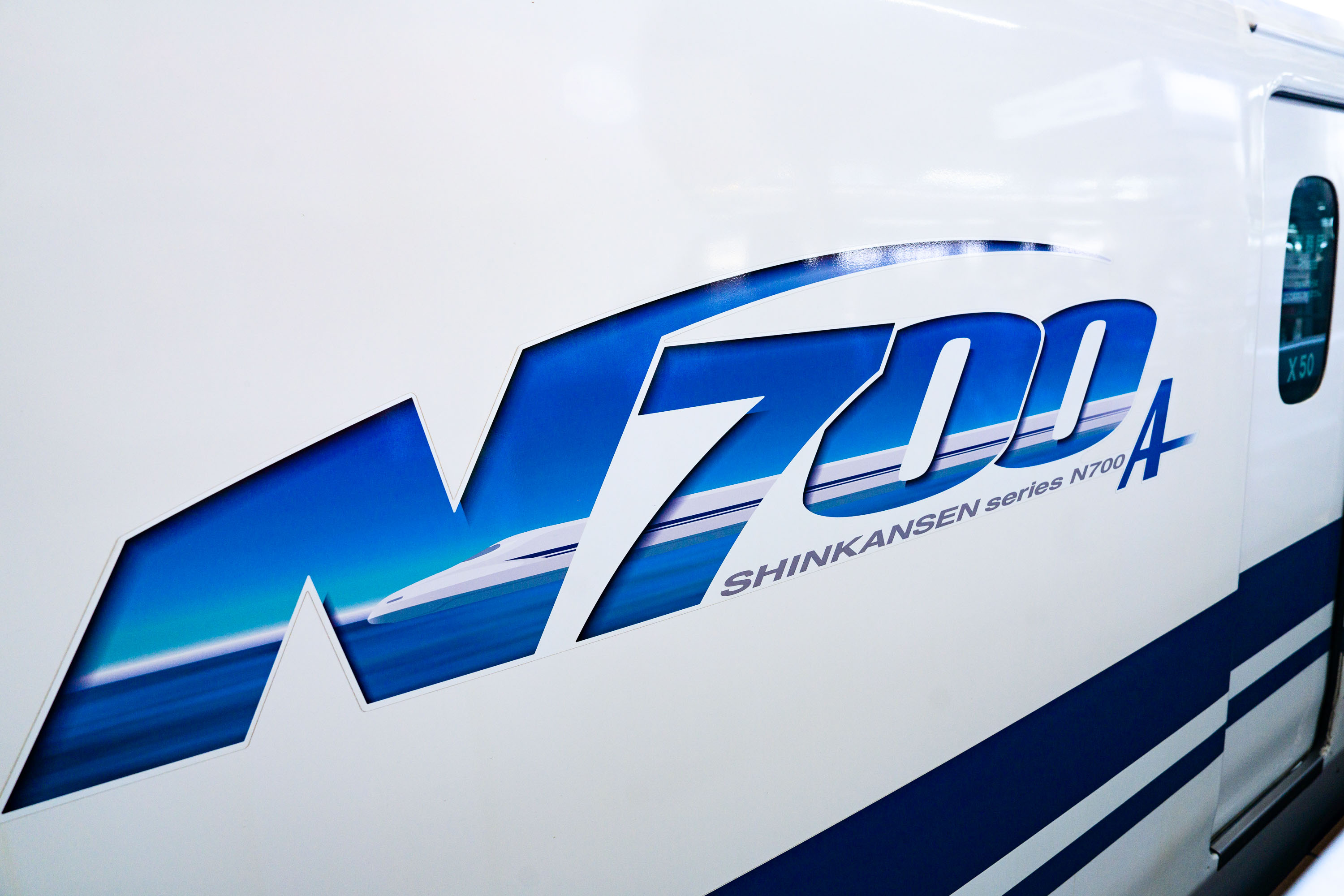 View full post: “N700A” Logo Decal on a Tokaido Shinkansen Train
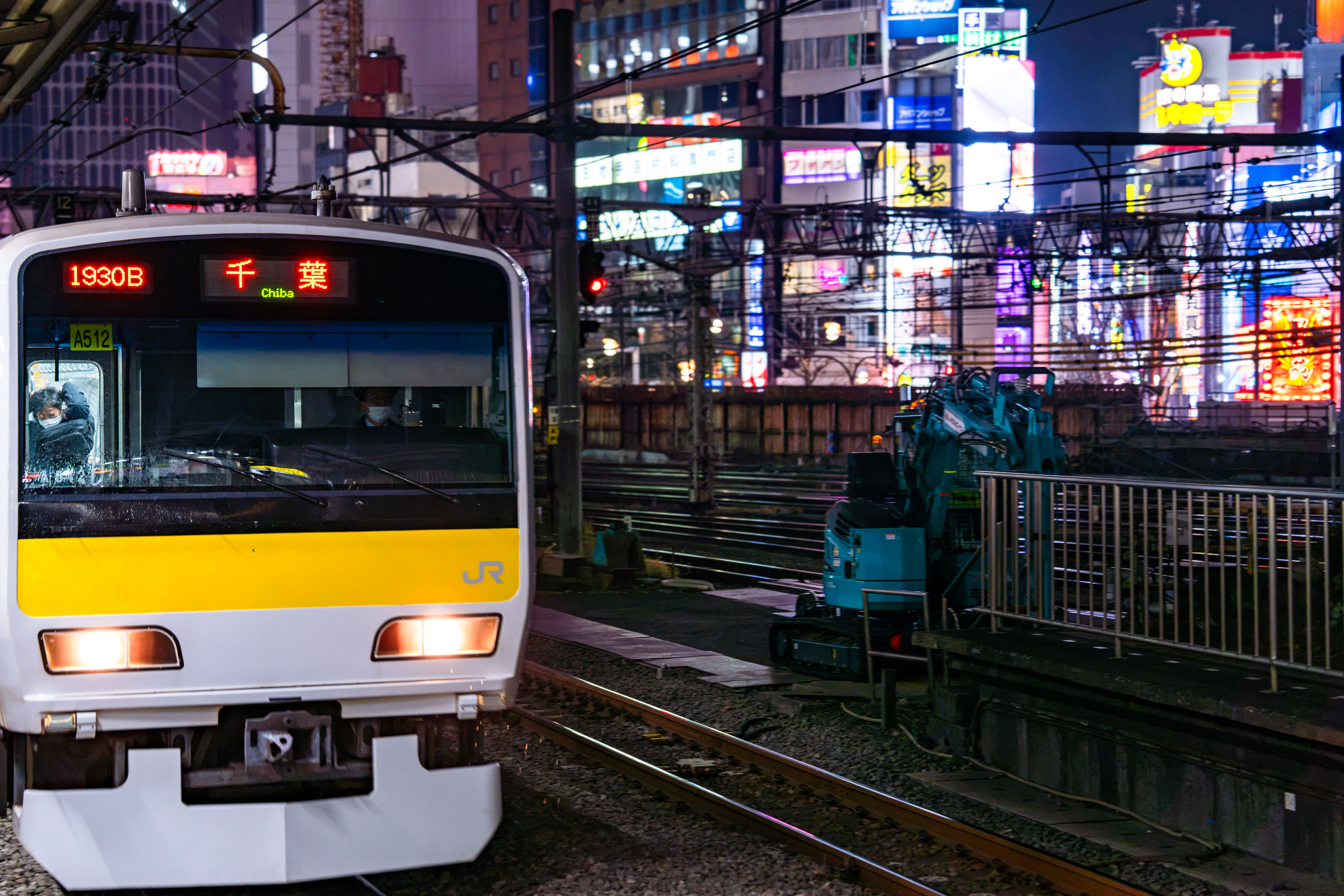 View full post: Sobu Line Train “1930B” Departs for Chiba Amid Shinjuku Neon
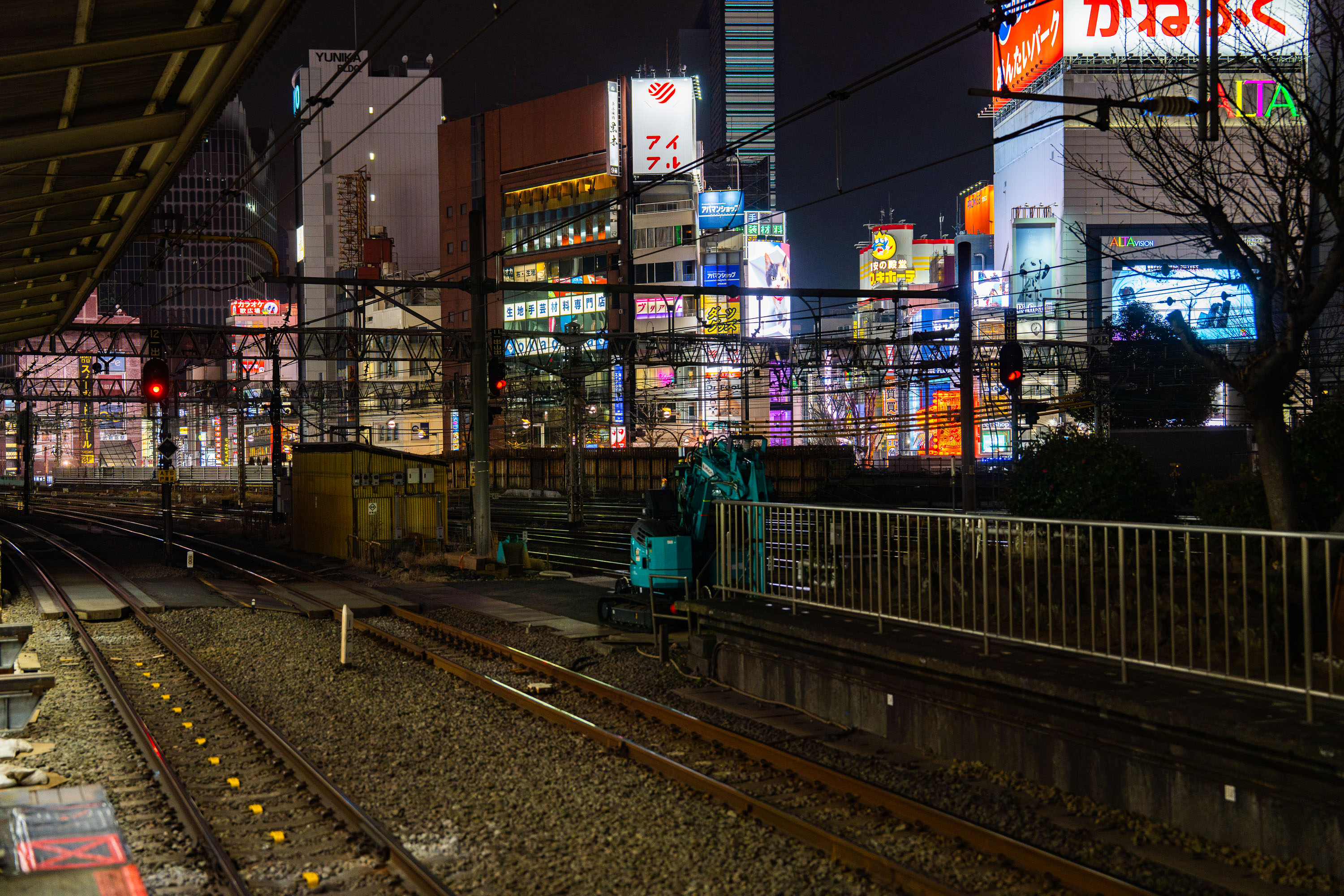 View full post: Night Maintenance Along the Tracks Below Kabukicho’s Neon Skyline
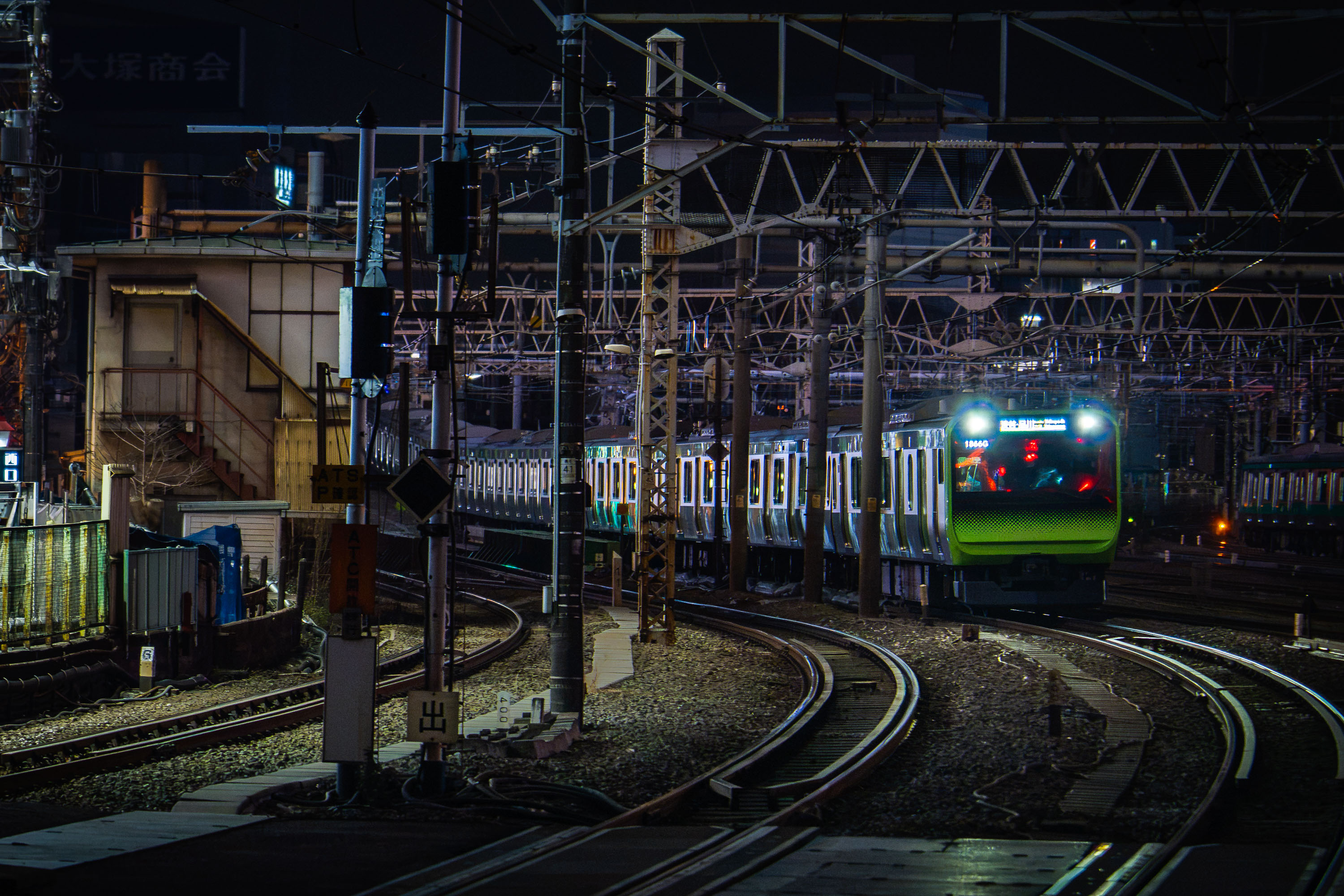 View full post: E233 Series Train Arriving Through the Rail Yard at Night
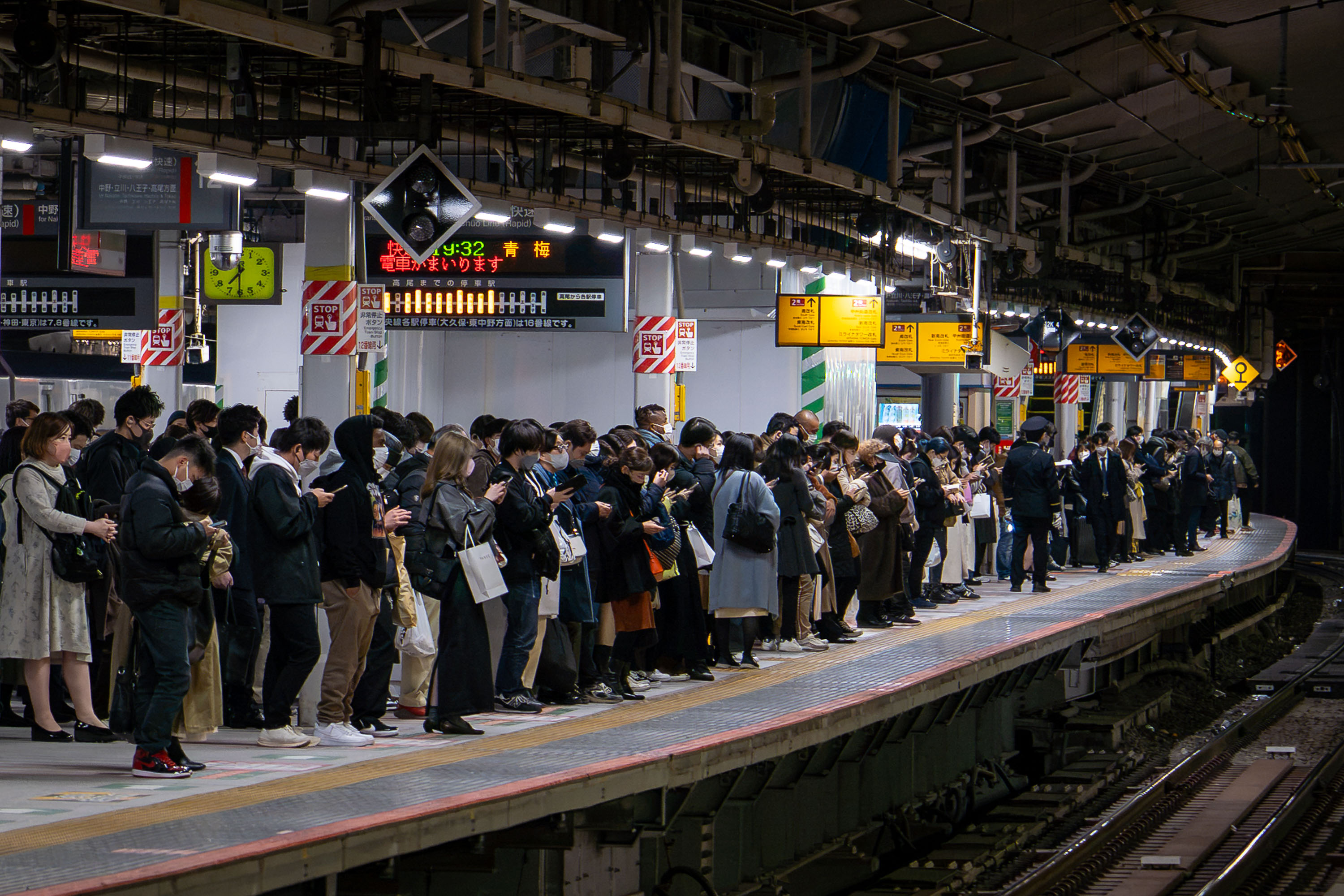 View full post: Commuters Wait for the Ome-Bound Train at Shinjuku Station
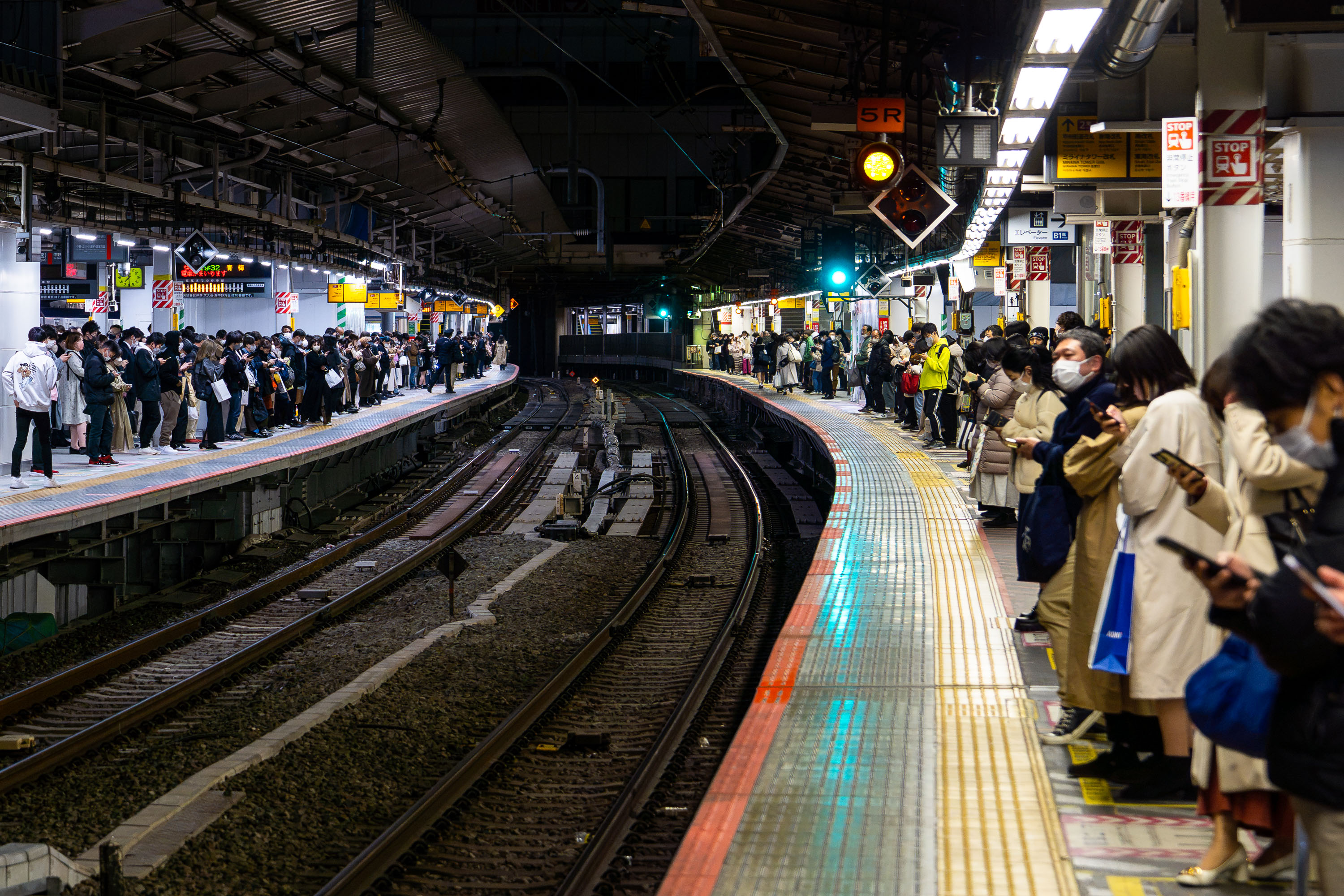 View full post: Commuters Wait on a Curved Platform at Shinjuku Station
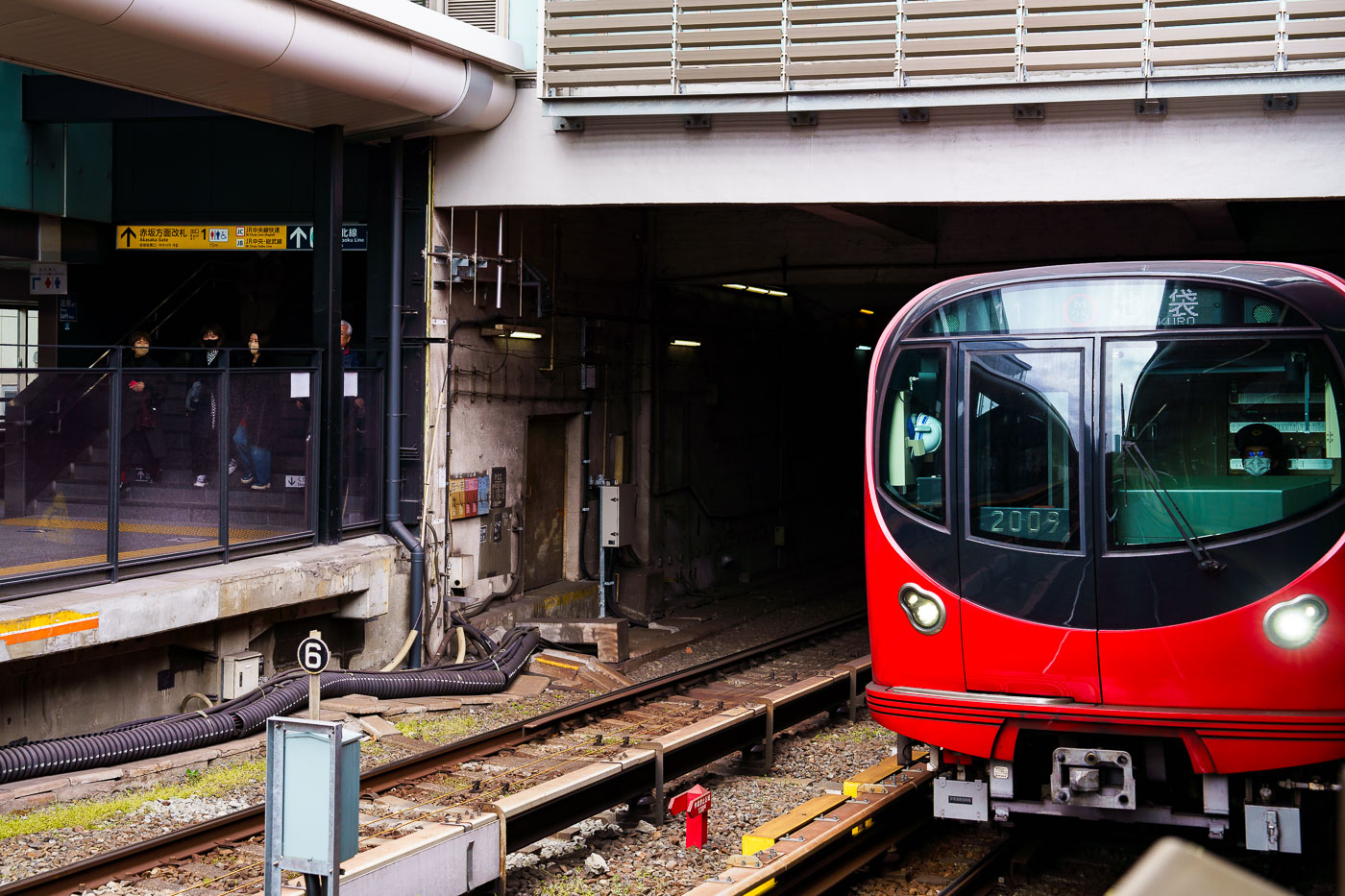 View full post: Marunouchi Line Train Entering Yotsuya-Sanchome Station
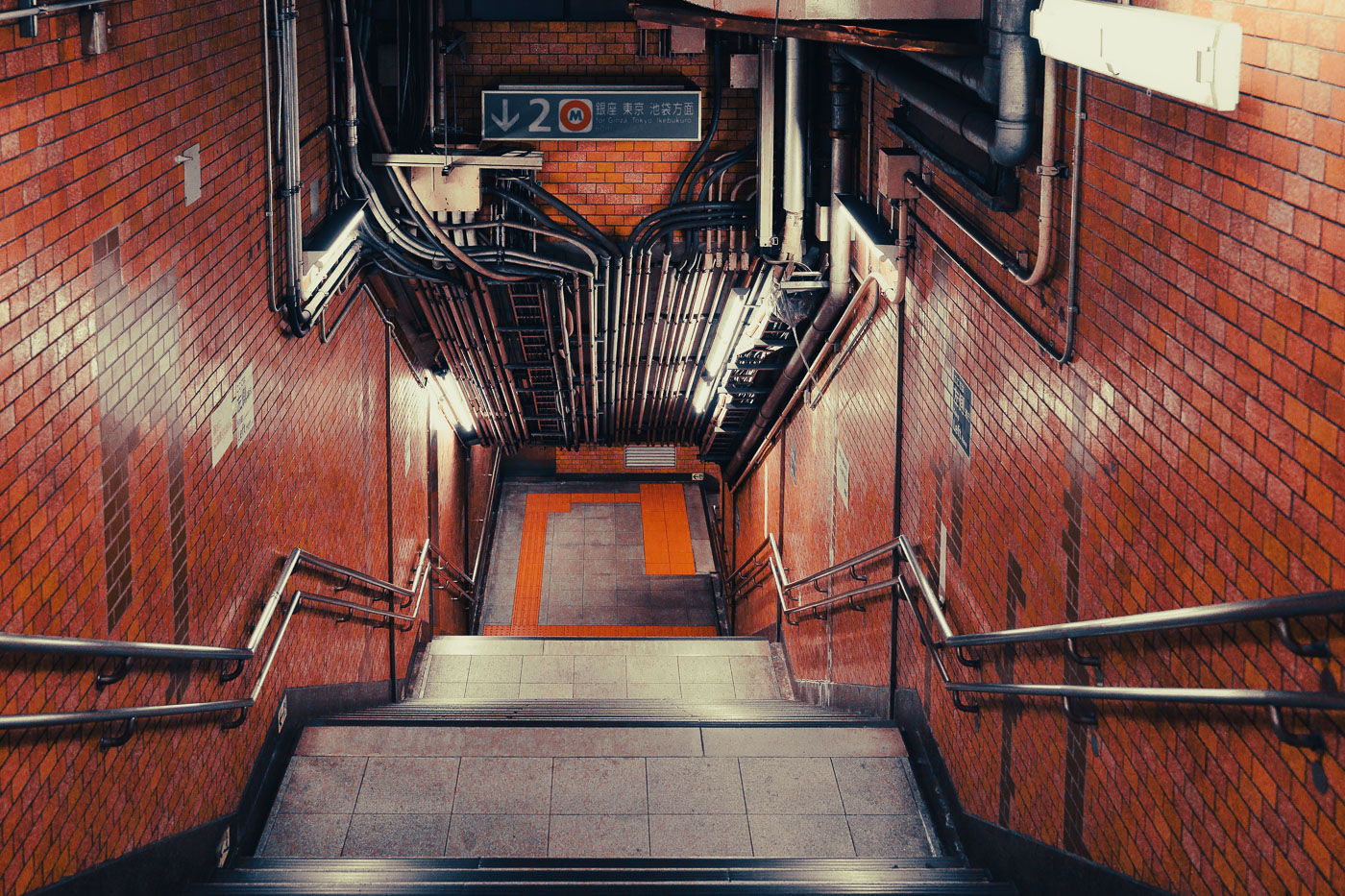 View full post: Exposed Conduit Over Stairwell on the Marunouchi Line
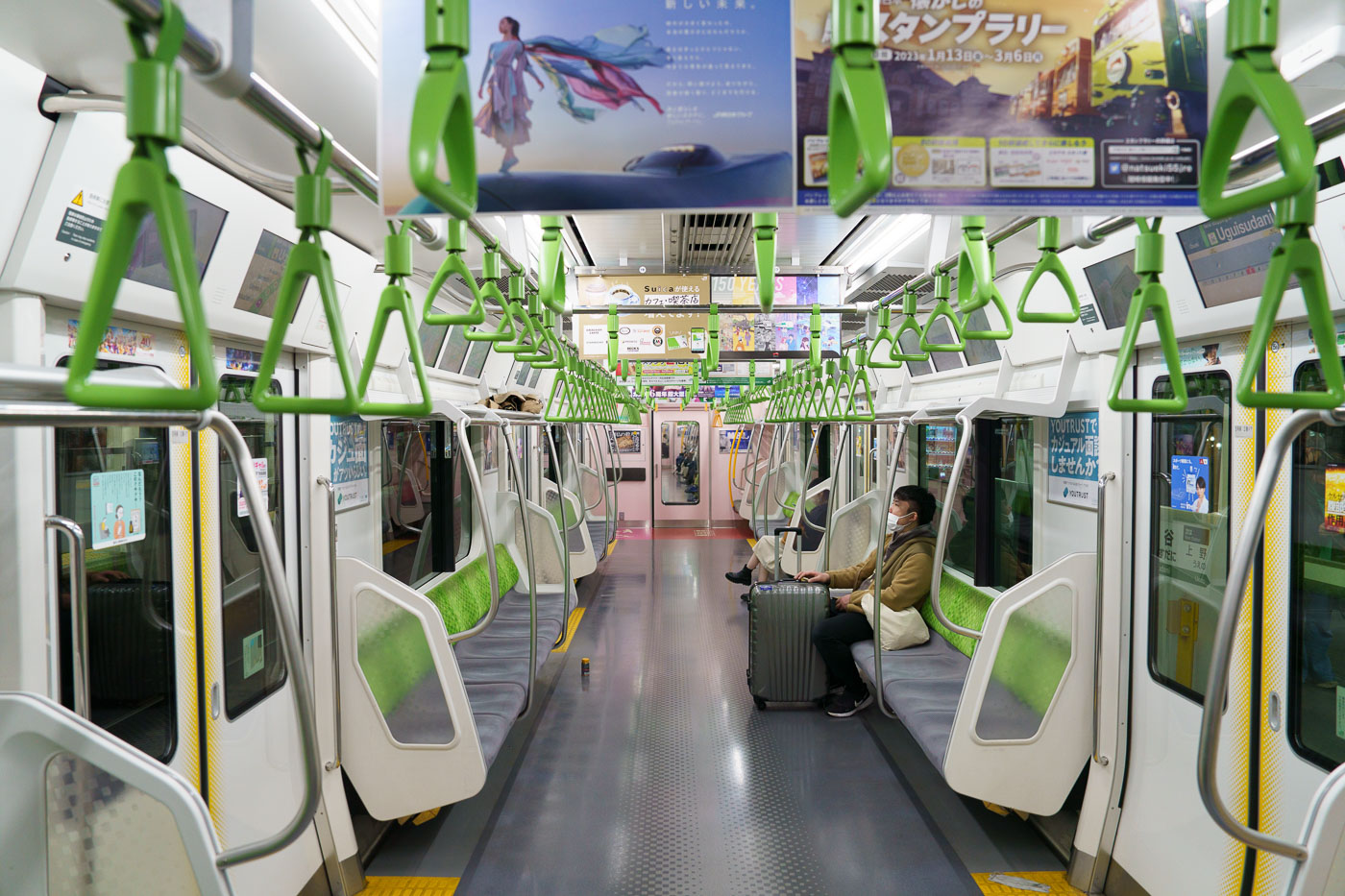 View full post: Lone Passenger with Suitcase Aboard a Yamanote Line Train
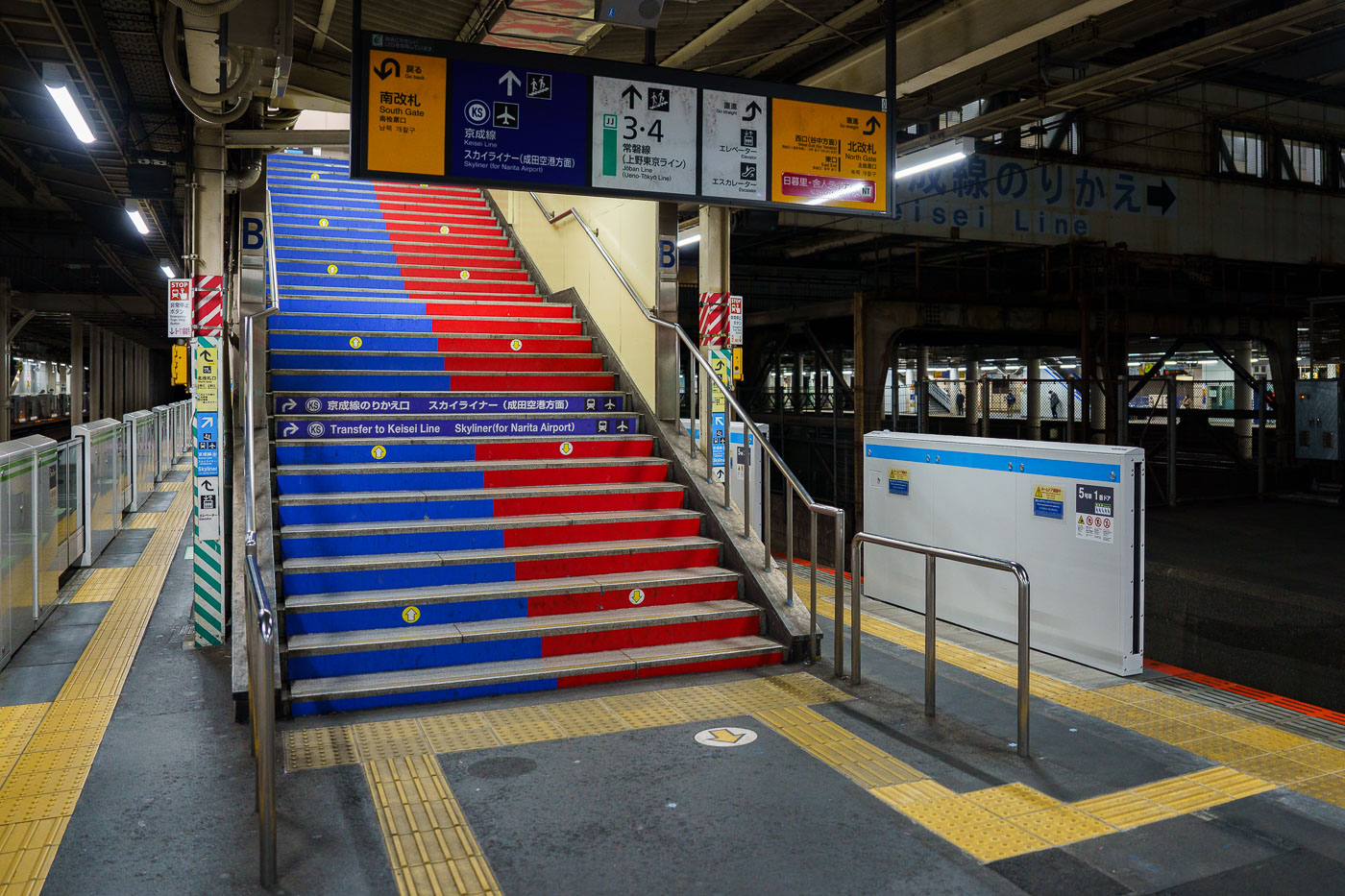 View full post: Blue-and-Red Stairs to the Skyliner at Nippori Station
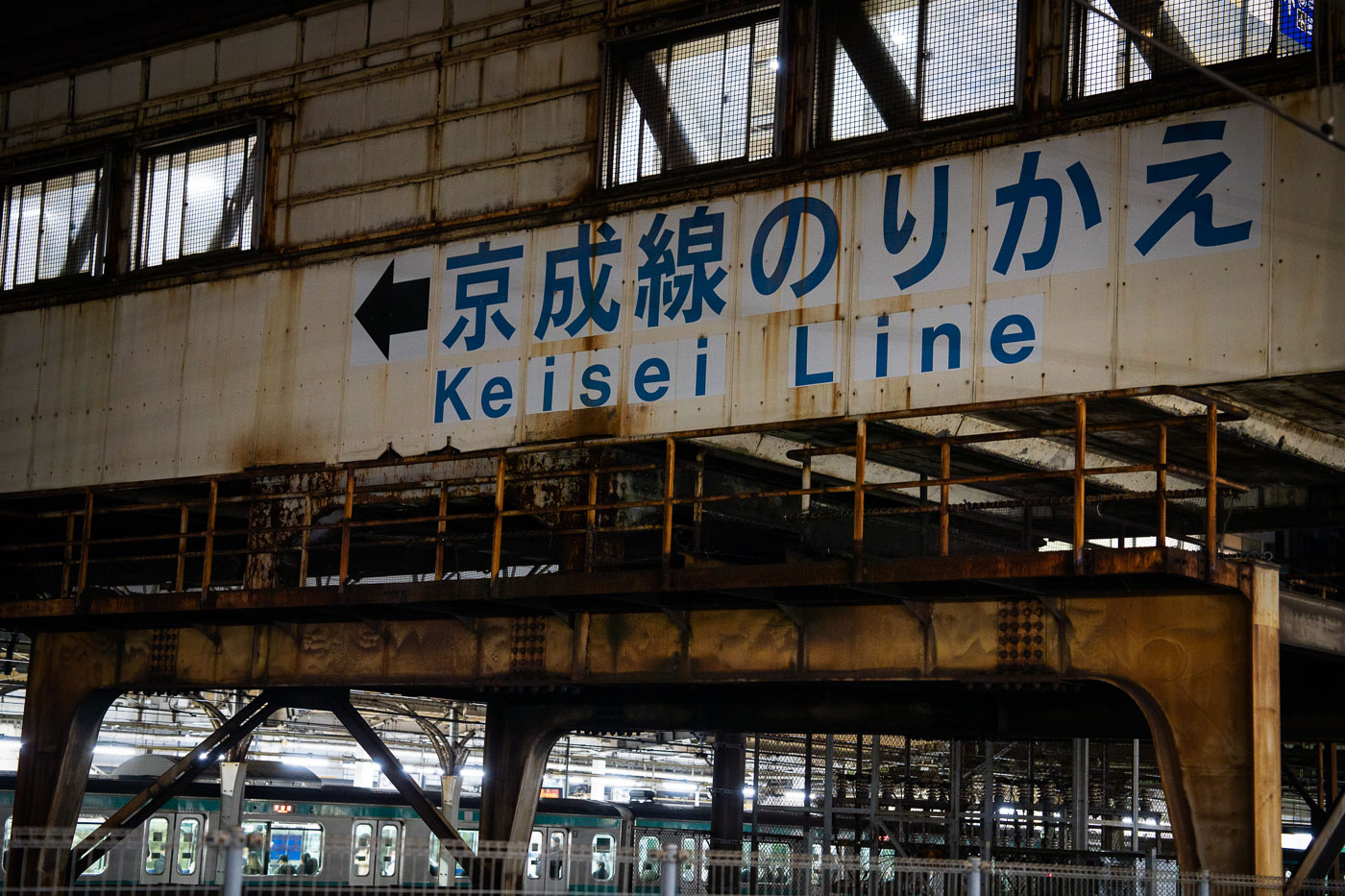 View full post: Weathered Signage Pointing to the Keisei Line at Nippori Station
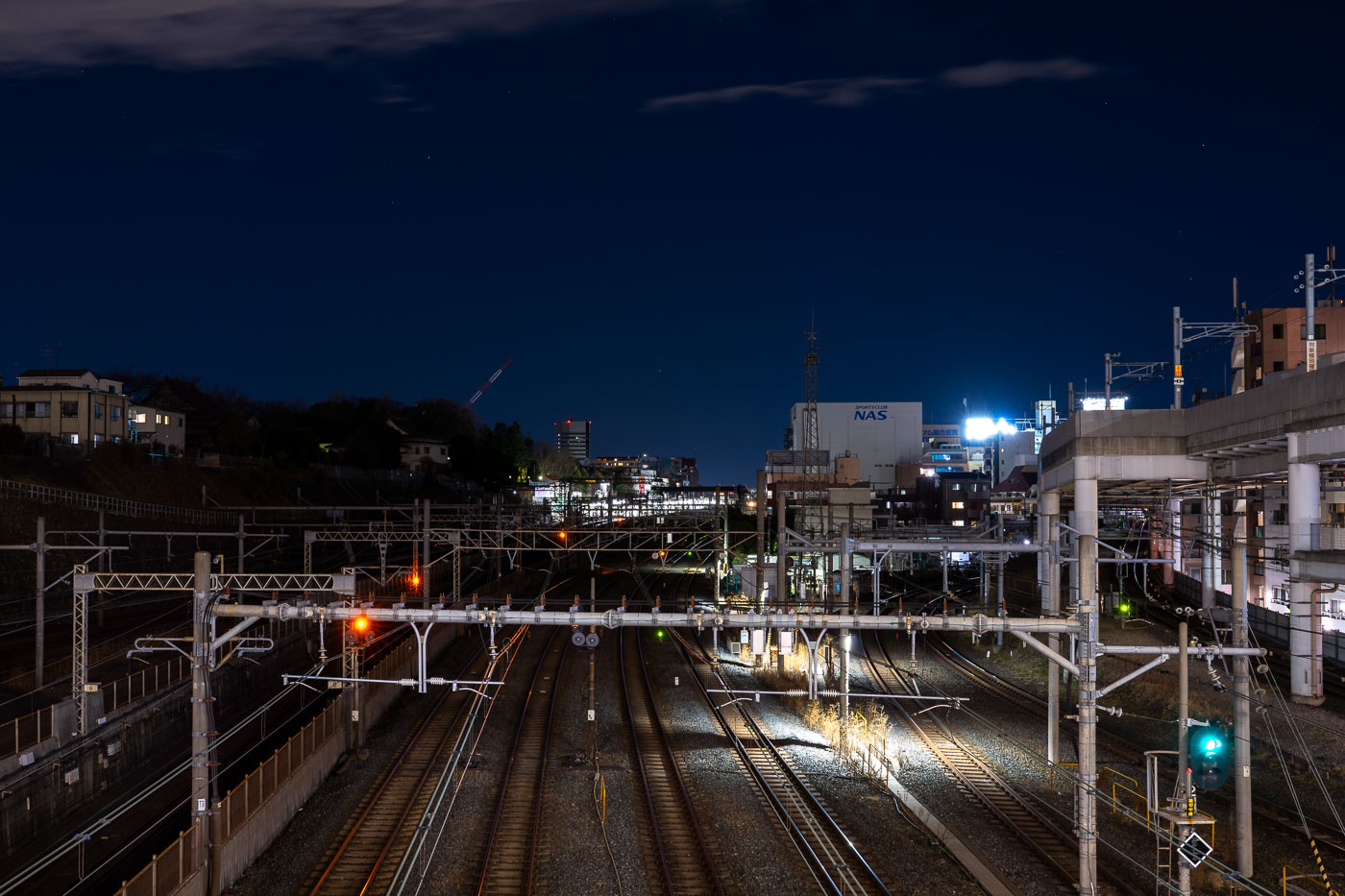 View full post: Night View of Rail Yard Tracks Near Nippori Station, Tokyo
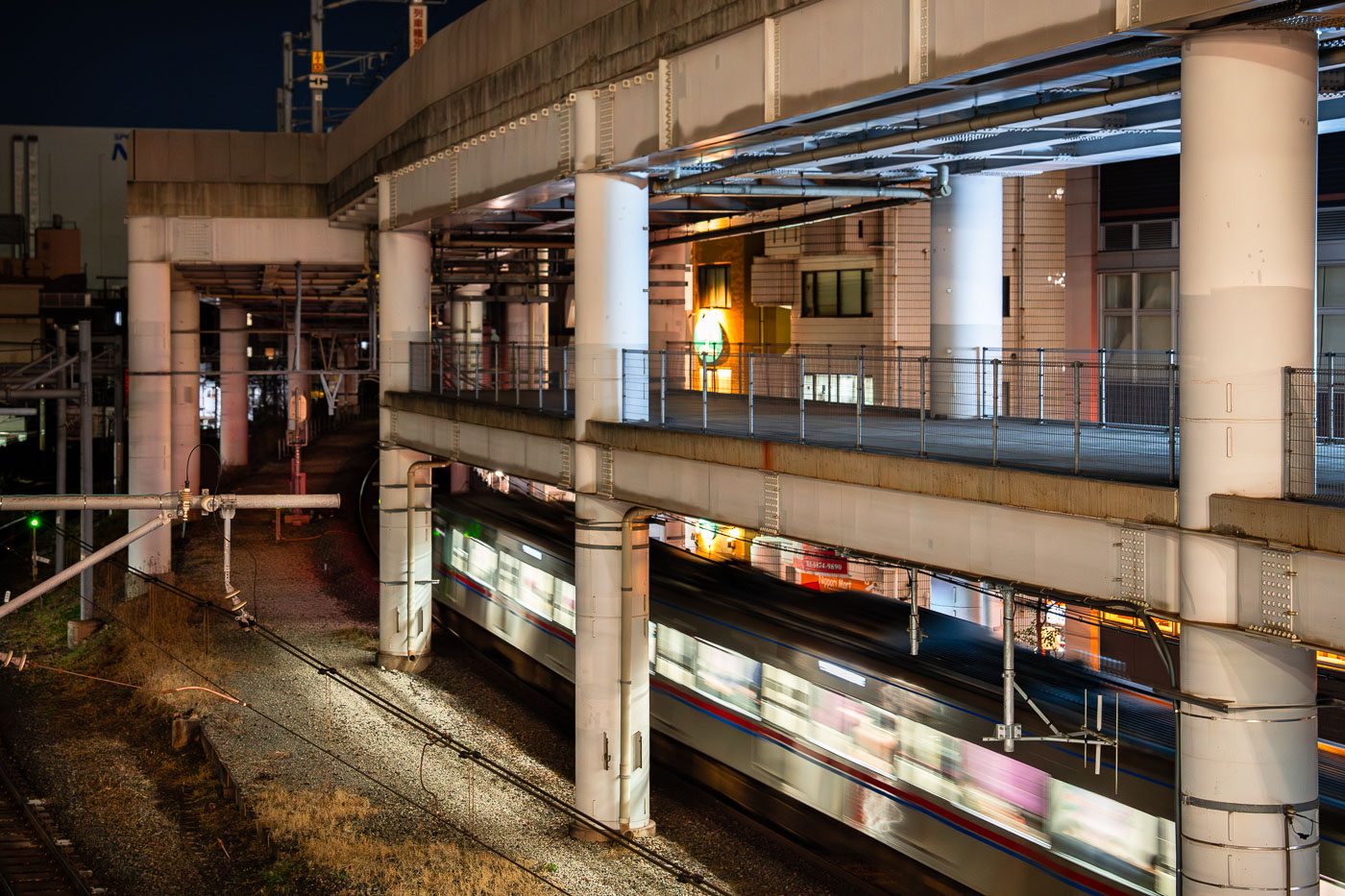 View full post: Night Train Blurs Past Concrete Pillars at Nippori Station
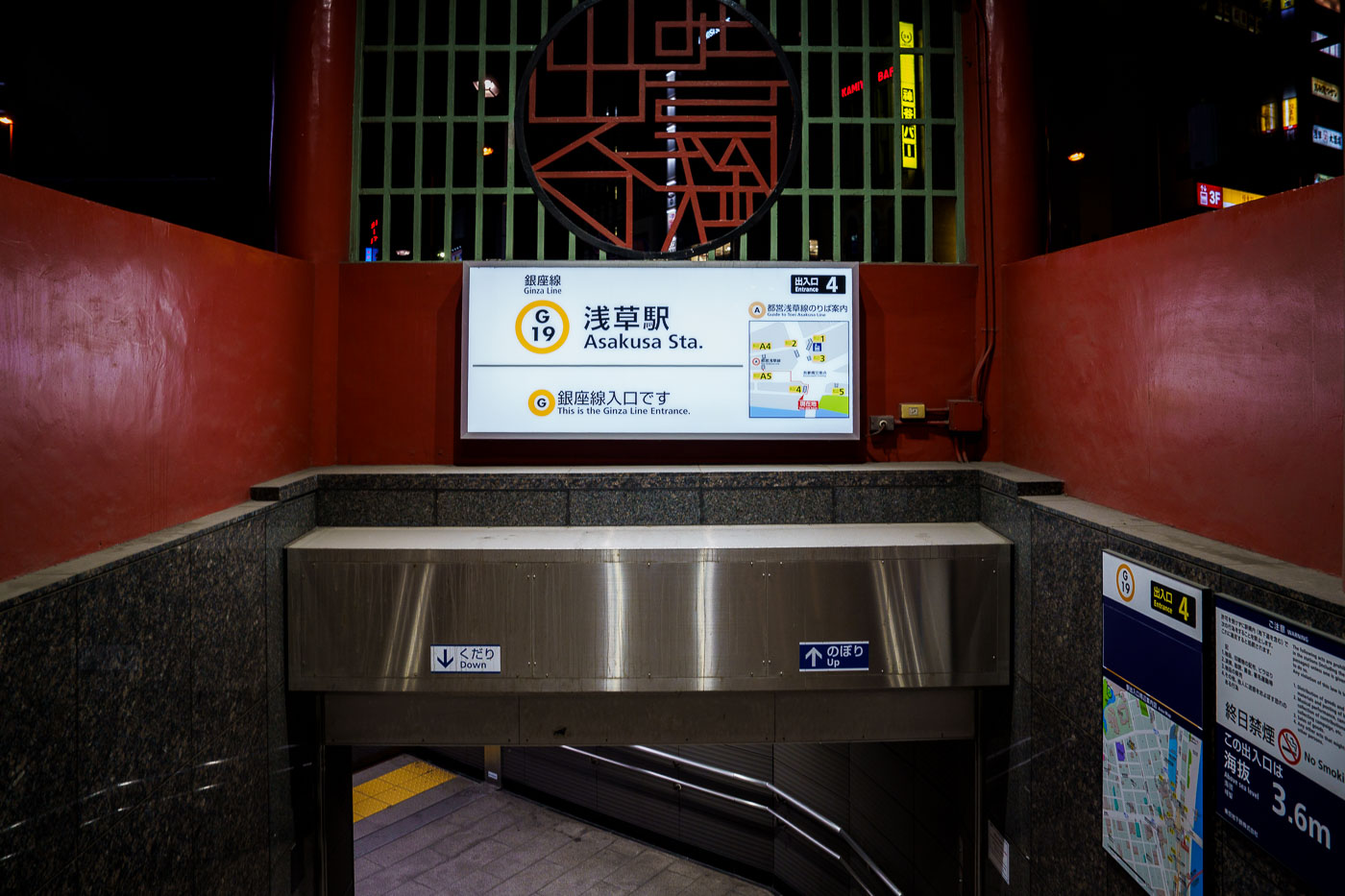 View full post: Ginza Line Entrance 4 at Asakusa Station
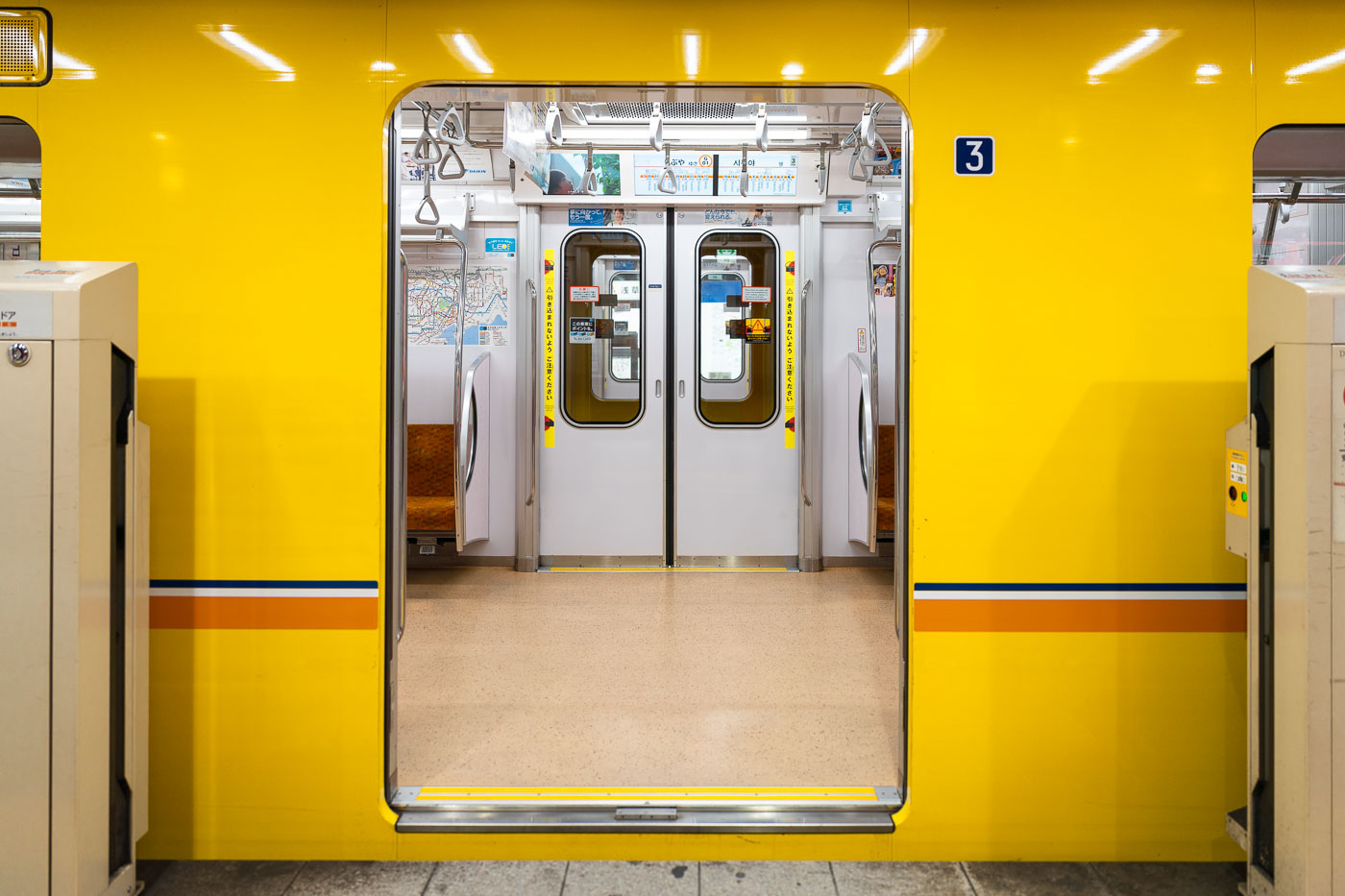 View full post: Tokyo Metro Marunouchi Line Series 2000 Doorway
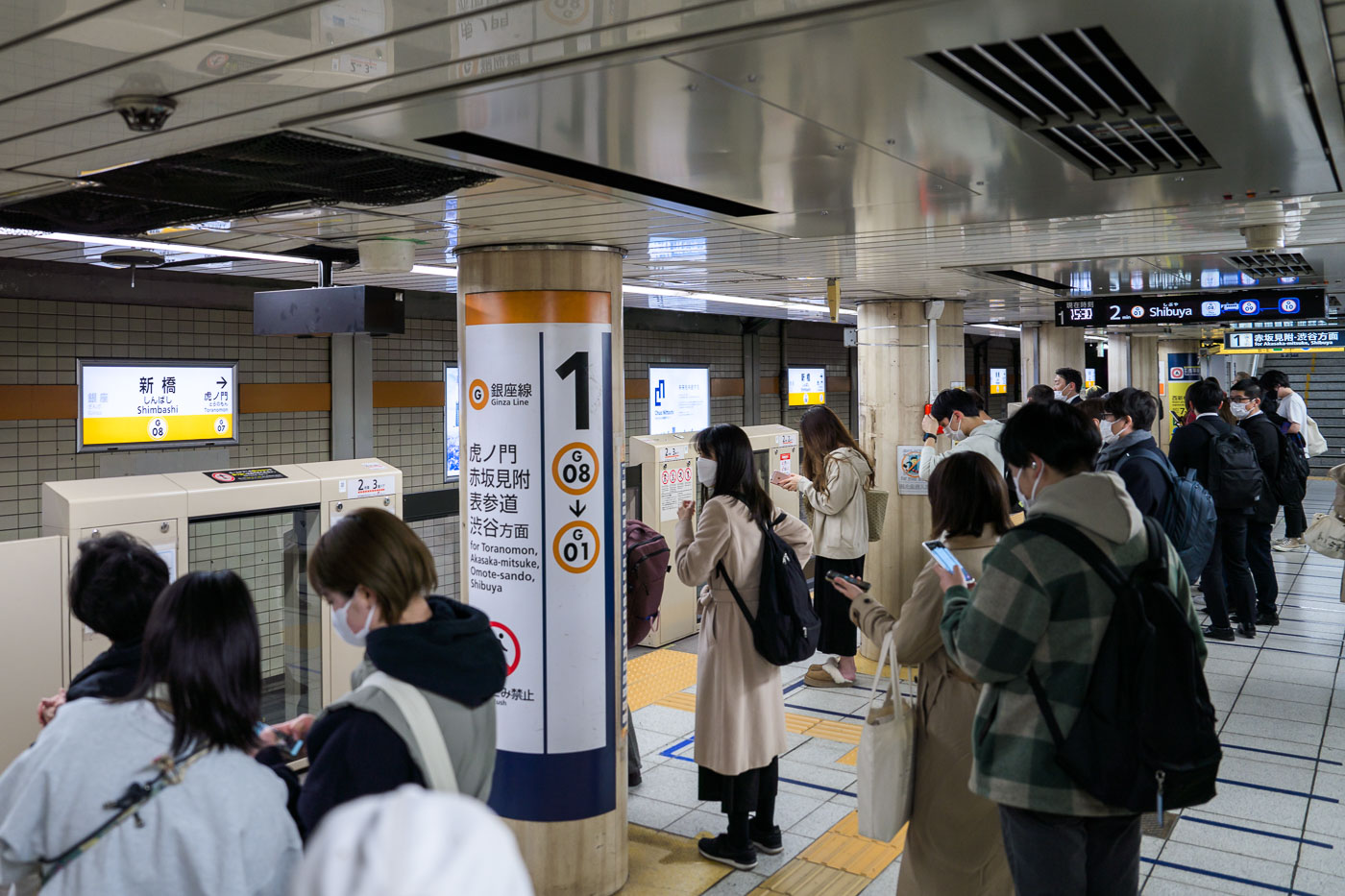 View full post: Commuters Queue at Ginza Line Ticket Gates, Shimbashi Station
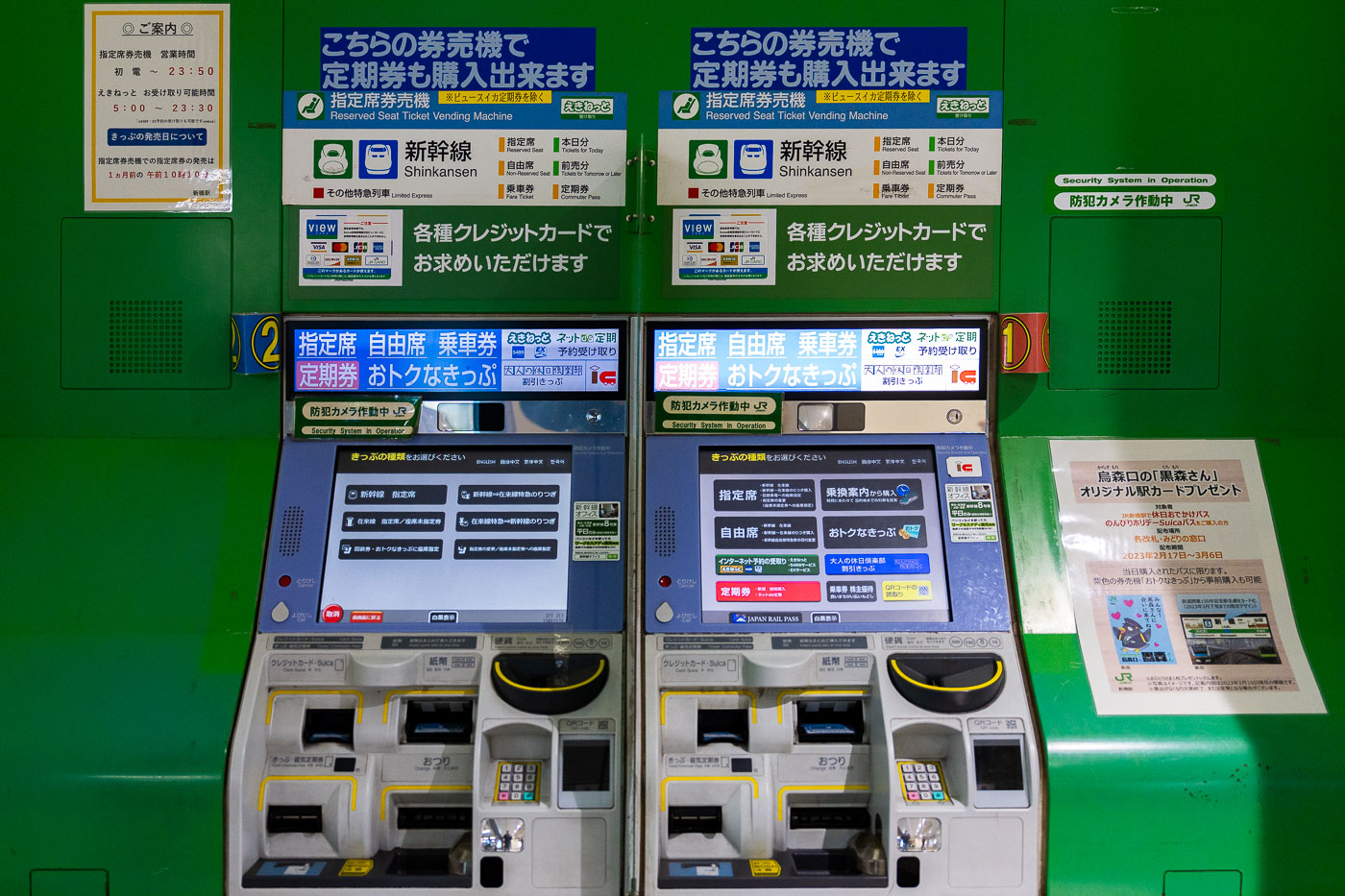 View full post: Reserved Seat Ticket Vending Machines, Shinbashi Station, Tokyo
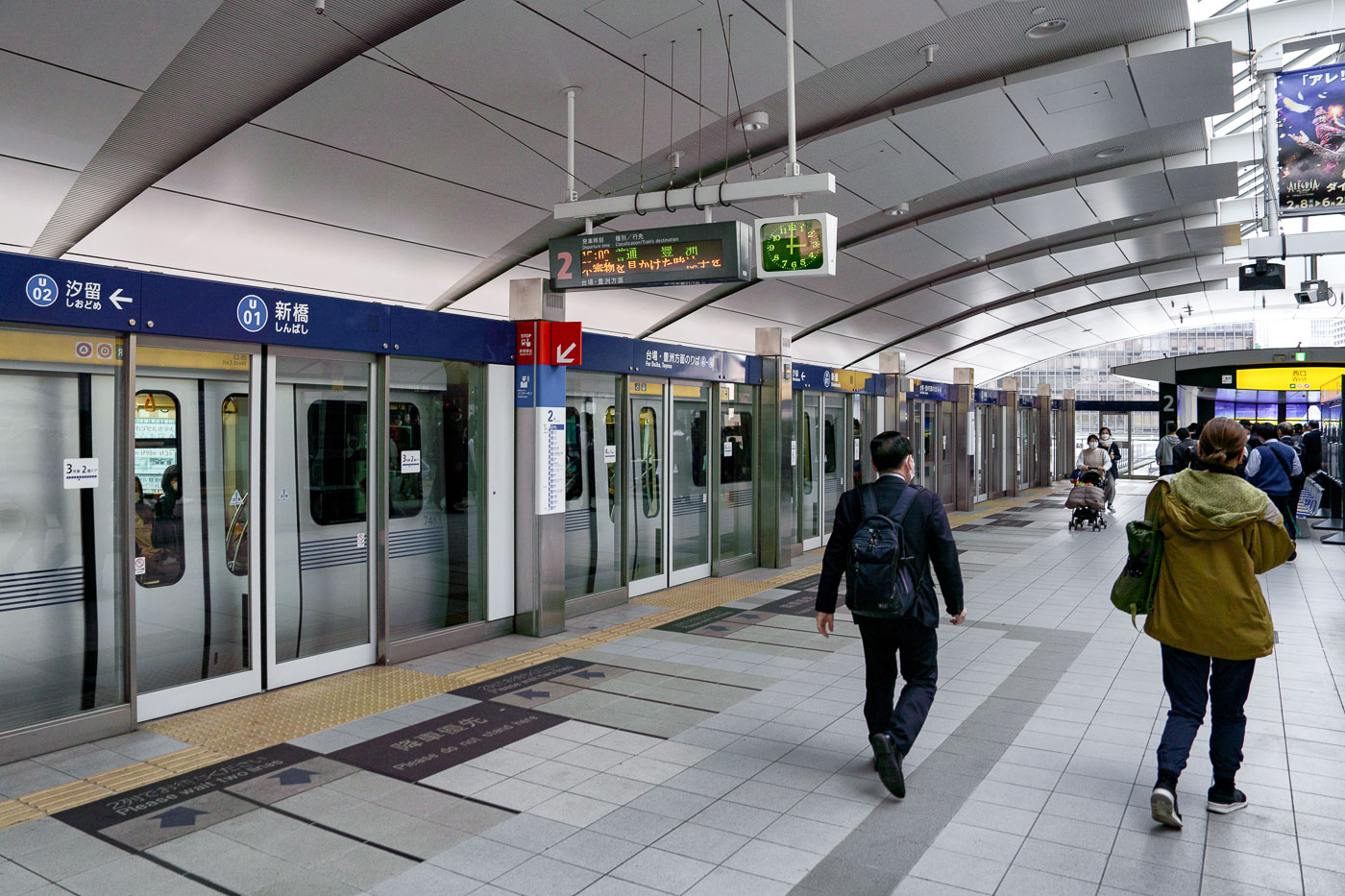 View full post: Commuters Walk the Platform at Shiodome Station
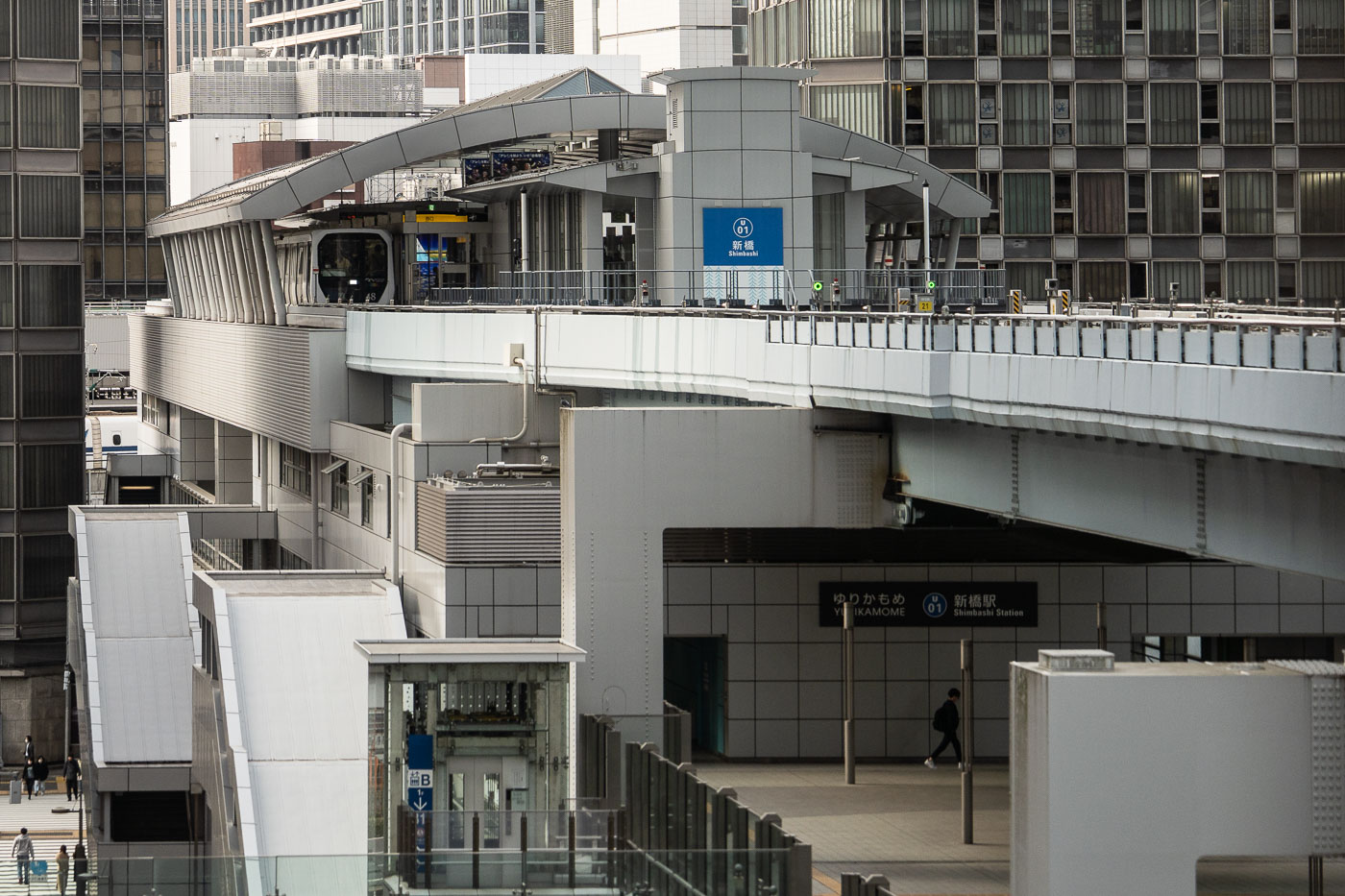 View full post: Elevated Guideway at Shimbashi Station’s Yurikamome Terminal