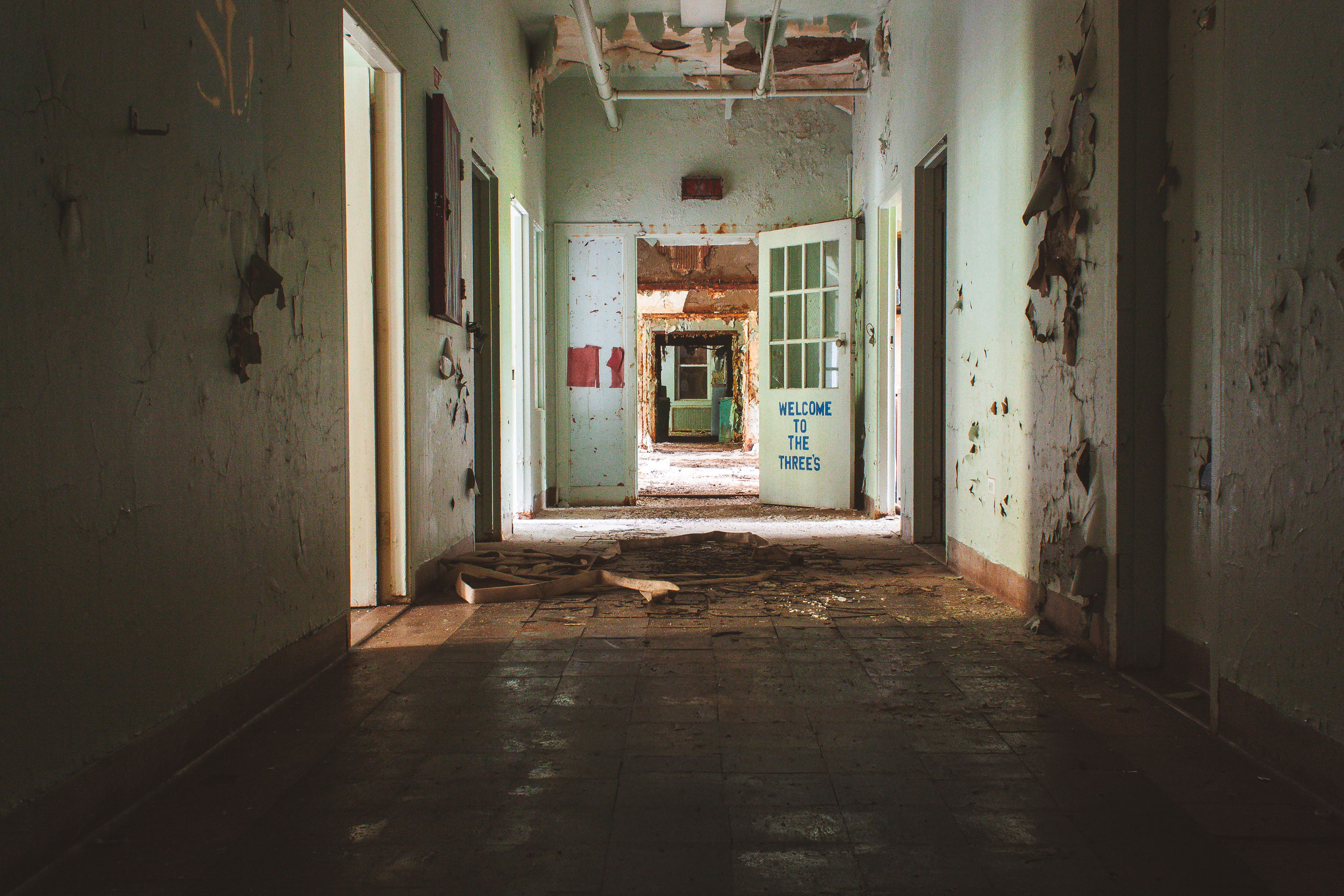
Kings Park Psychiatric Center

32 photos · 2008

32 photographs tagged Kings Park Psychiatric Center, 2008.
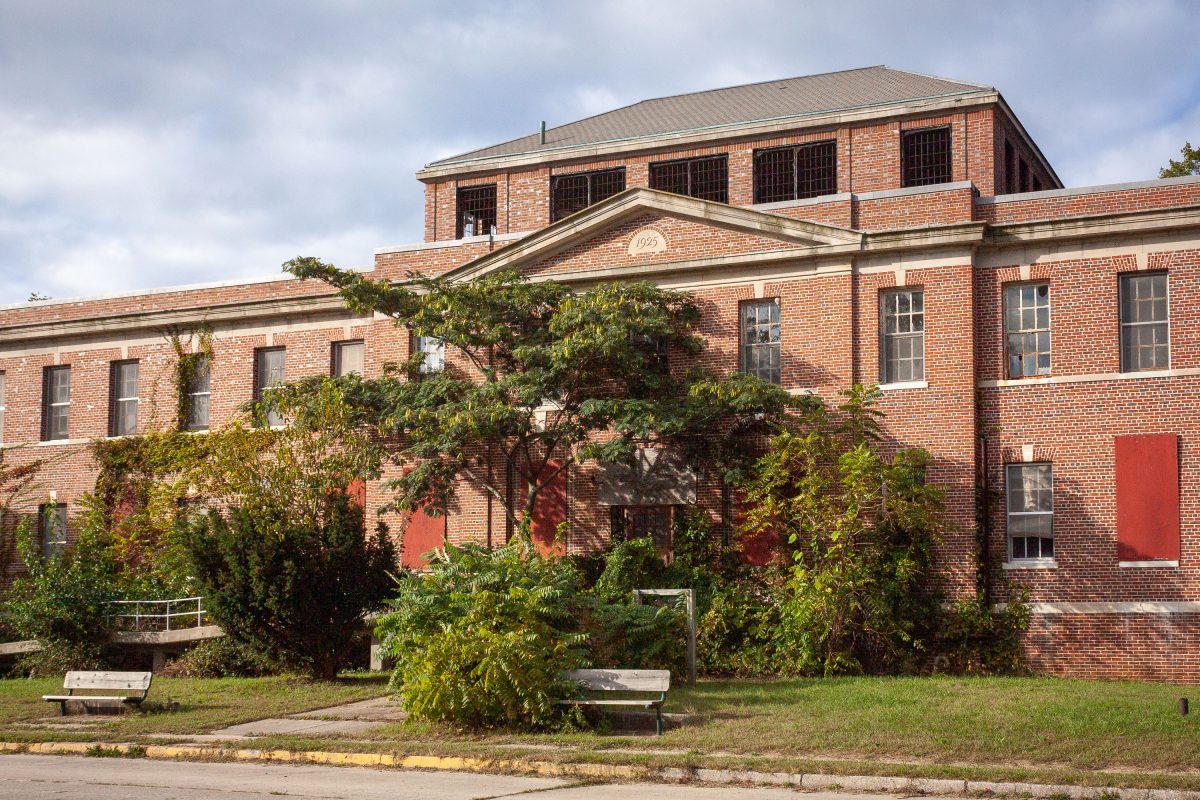
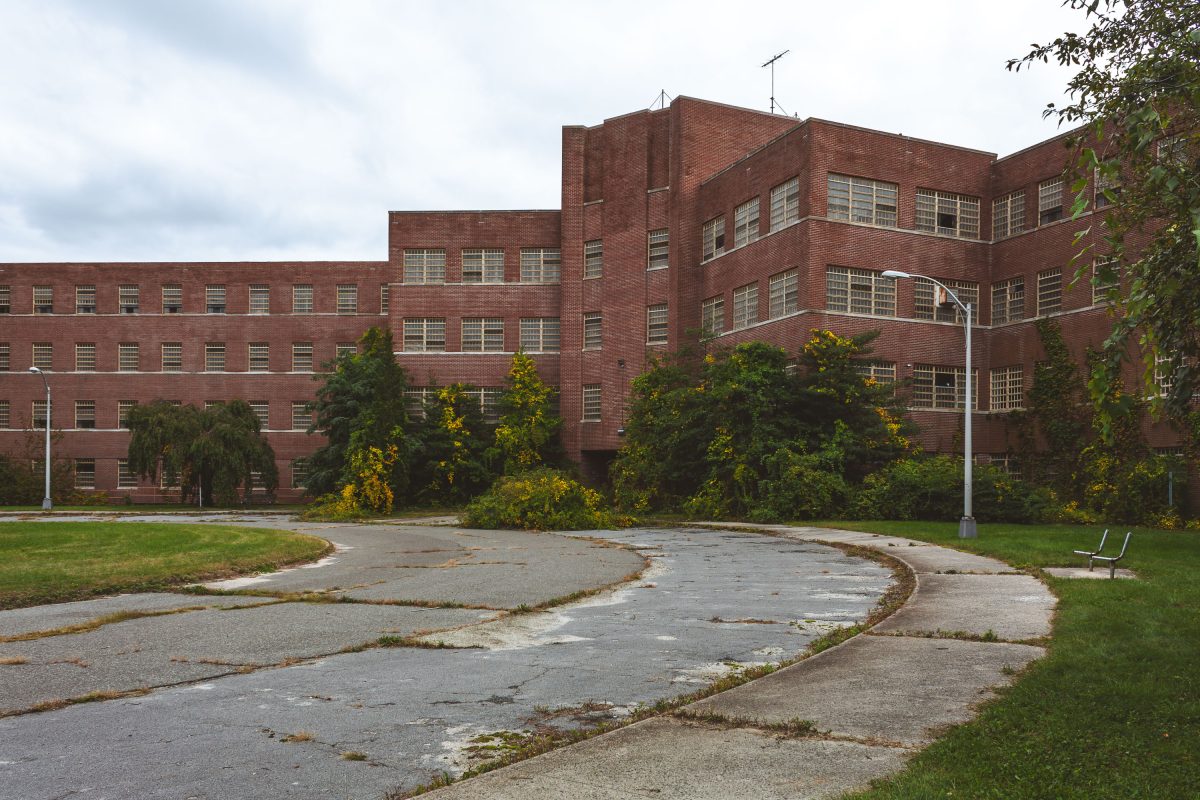
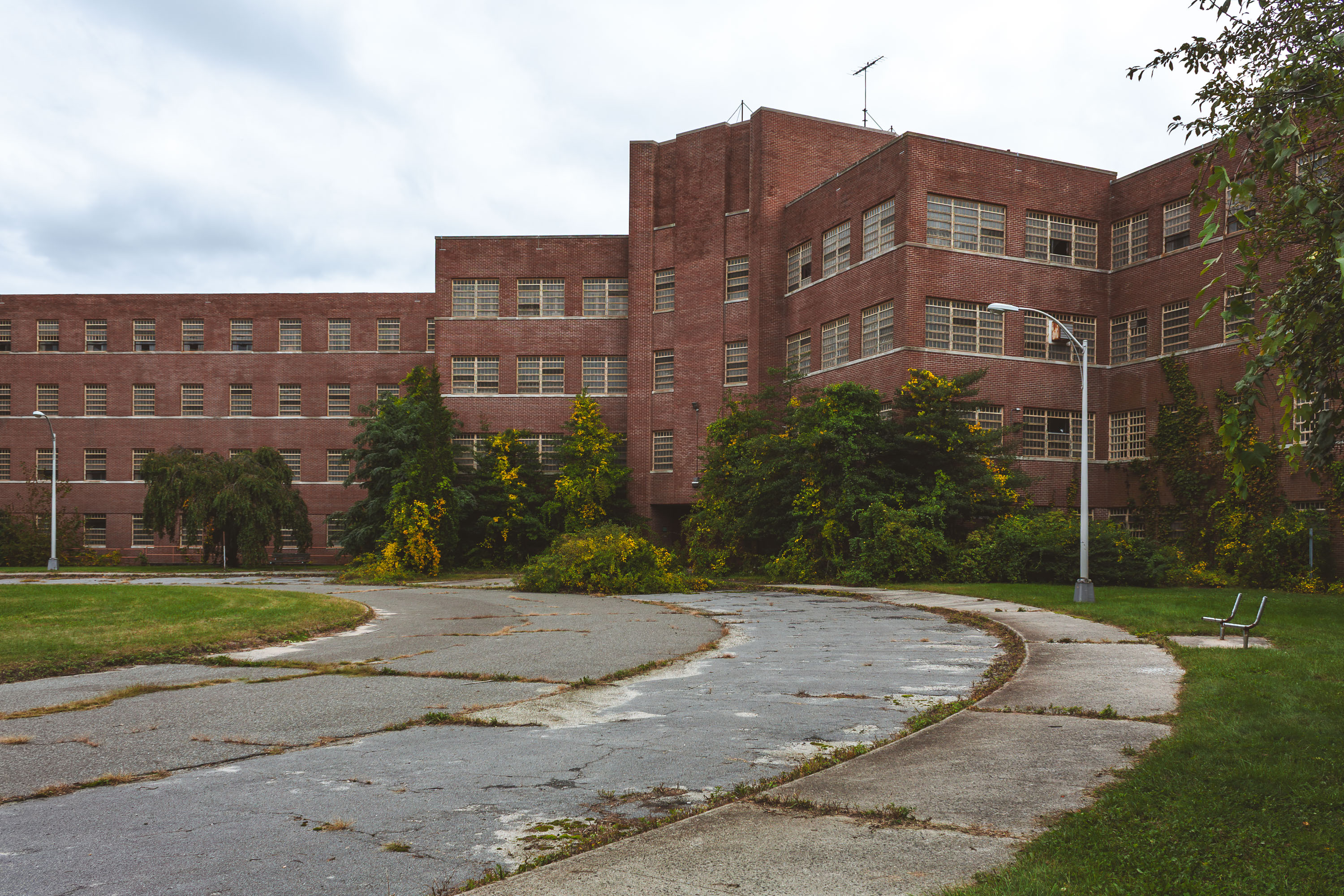
A brick ward building from 1929 at Kings Park Psychiatric Center on Long Island, New York, with overgrown vegetation in the foreground.
Kings Park Psychiatric Center operated in Kings Park, New York, from 1885 until its closure in 1996, at its peak housing more than 9,000 patients across dozens of brick ward buildings on a campus of over 800 acres. Many of the structures, including this one, date to the hospital's major expansion in the 1920s, when the state built additional wards to accommodate the growing patient population under New York's "Kirkbride"-influenced institutional model. The facility relied on a self-contained infrastructure, including its own power plant, farm, and rail spur, to support the thousands of patients and staff on site. Since the hospital's closure, most of the campus buildings have sat vacant, with New York State and Kings Park Heritage Museum overseeing limited preservation and redevelopment efforts on portions of the property.

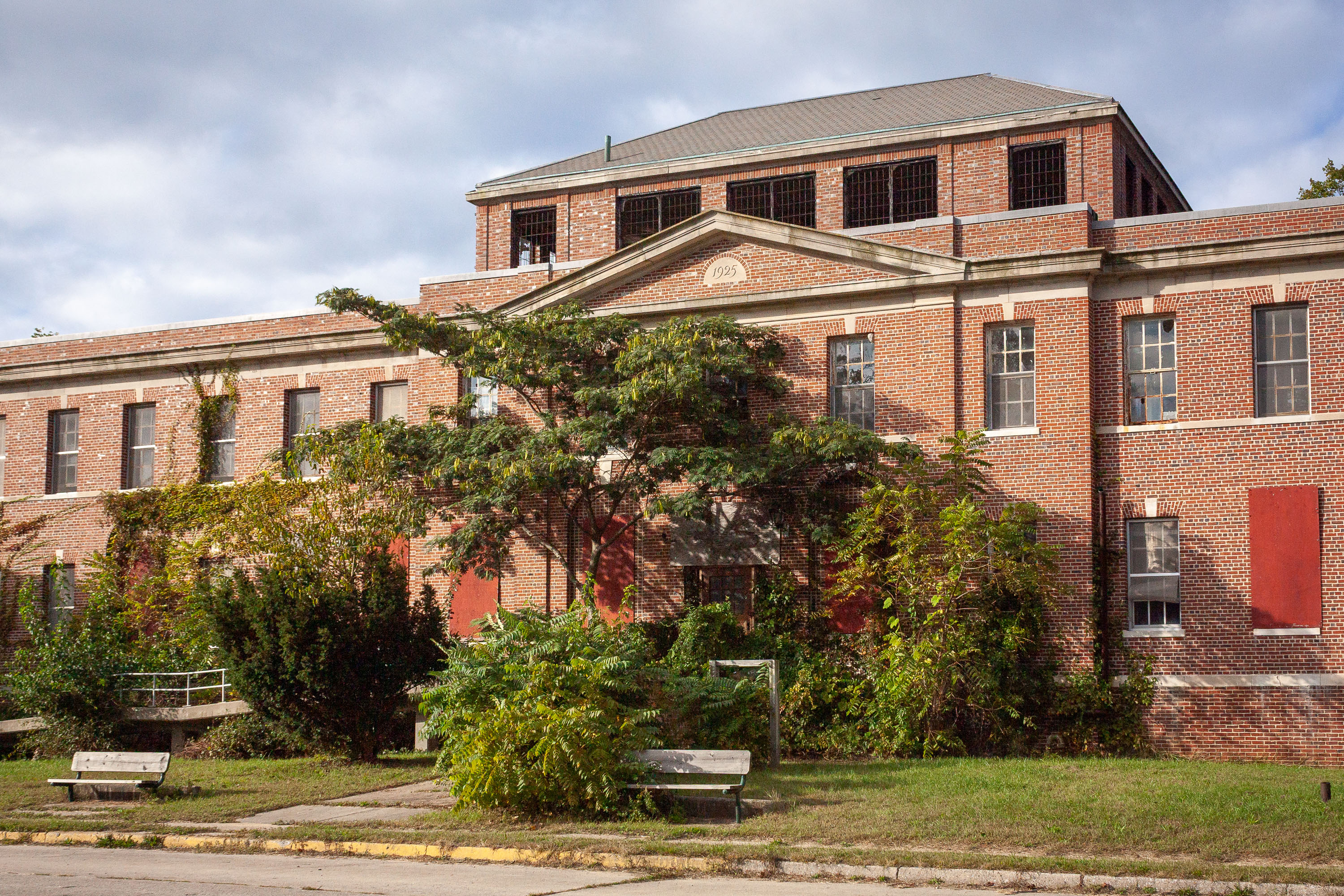
1925 Ward Building Entrance at Kings Park Psychiatric Center
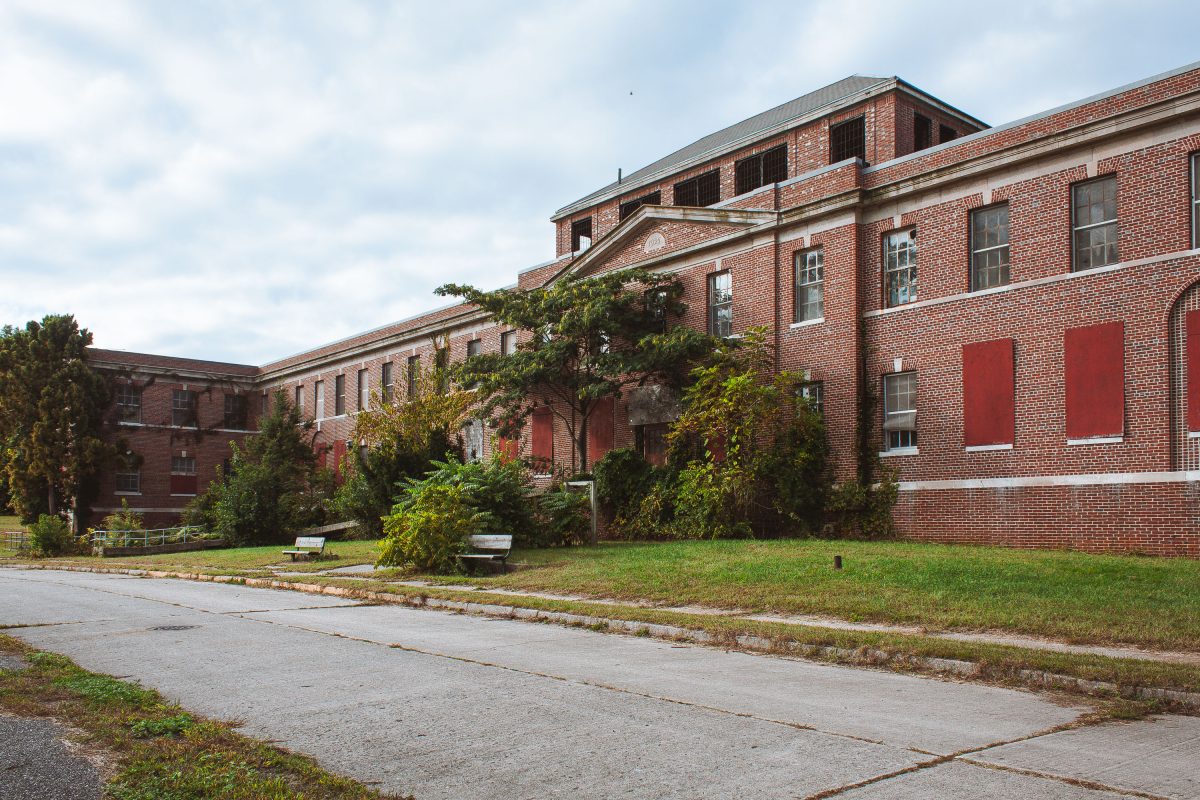
Boarded brick ward building at the abandoned Kings Park Psychiatric Center on Long Island, New York.
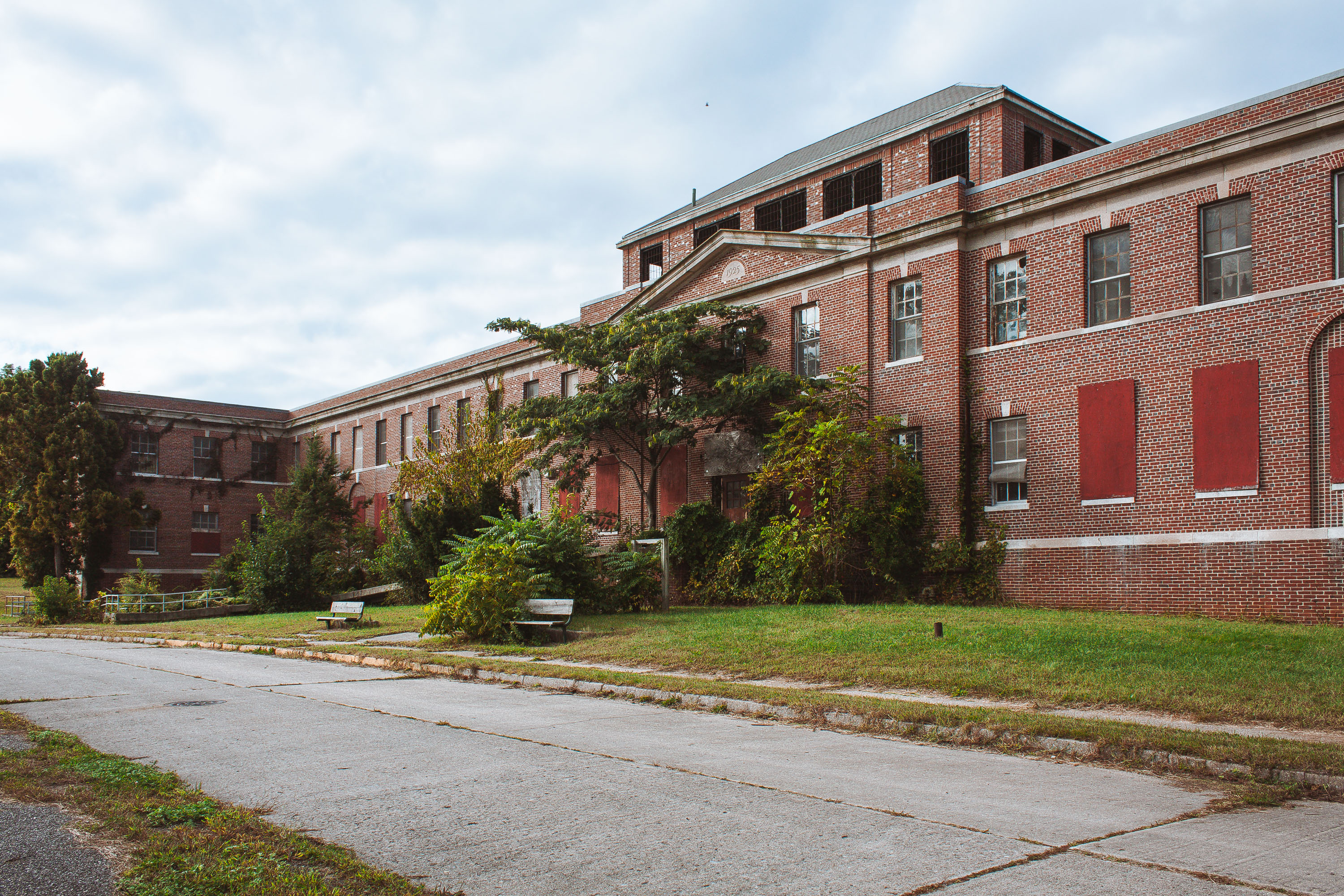
Kings Park Psychiatric Center opened in 1885 as the Kings Park State Hospital, part of New York's effort to move psychiatric care away from crowded urban institutions. At its peak in the 1950s, the campus held more than 9,000 patients across over 150 buildings on roughly 875 acres of Long Island farmland, much of it worked by patients as part of an early self-sustaining agricultural program. The hospital operated its own power plant, farm, and rail spur to move goods and coal across the grounds. Deinstitutionalization policies and the rise of outpatient psychiatric treatment led to a steady decline in population through the late 20th century, and the facility closed in 1996. Many of the brick ward buildings, including this one, have sat vacant for decades, their windows sealed with steel plates as the state weighs redevelopment and preservation of the site.

Overgrown Ward Wing at Kings Park Psychiatric Center
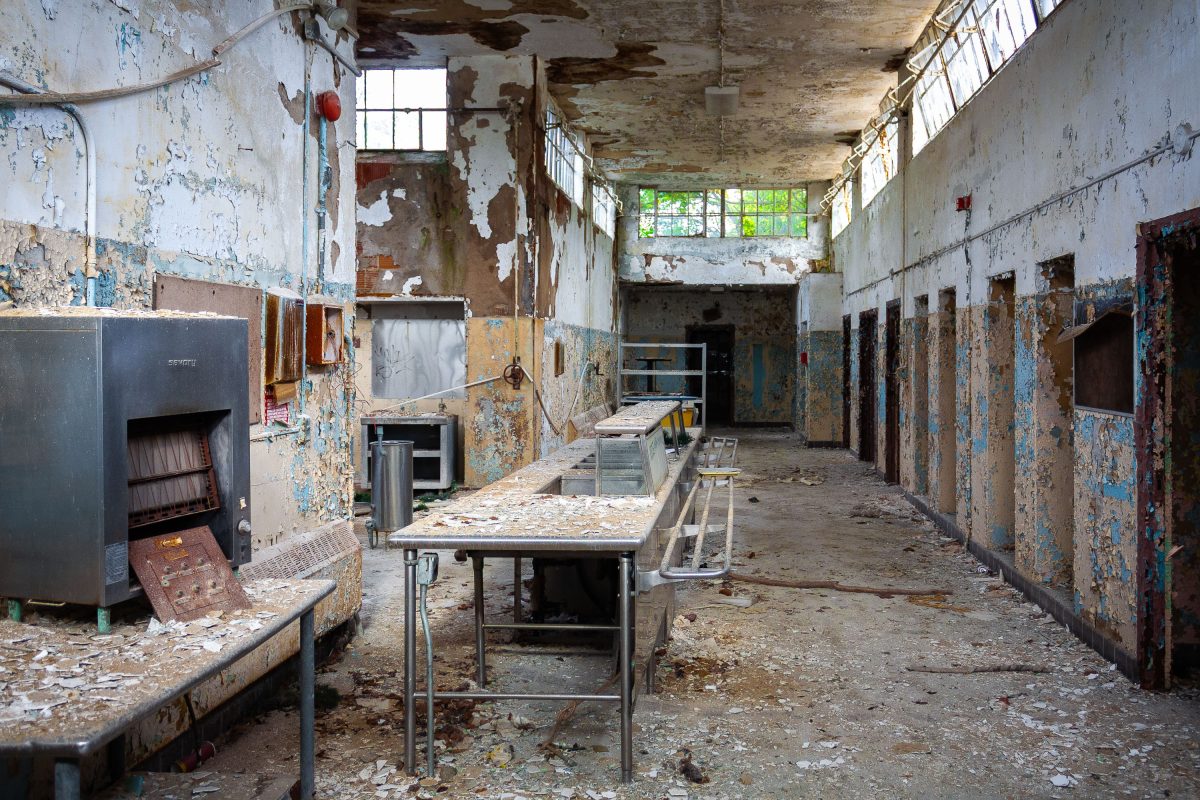
Abandoned ward corridor at Kings Park Psychiatric Center with deteriorated walls, cast iron sink, and open patient room doorways.
Kings Park Psychiatric Center opened in 1885 as the Kings County Farm for the Insane, later expanding under state control into dozens of buildings across its Long Island campus. At its peak in the 1950s, the facility housed more than 9,000 patients and operated largely as a self-sufficient community, with its own power plant, farm, and staff housing. Wards like this one were built with rows of small patient rooms off a central corridor, a layout common to state hospitals designed for custodial care rather than treatment. The state began closing buildings in the 1980s as psychiatric care shifted toward outpatient models, and the campus was fully decommissioned by 1996.

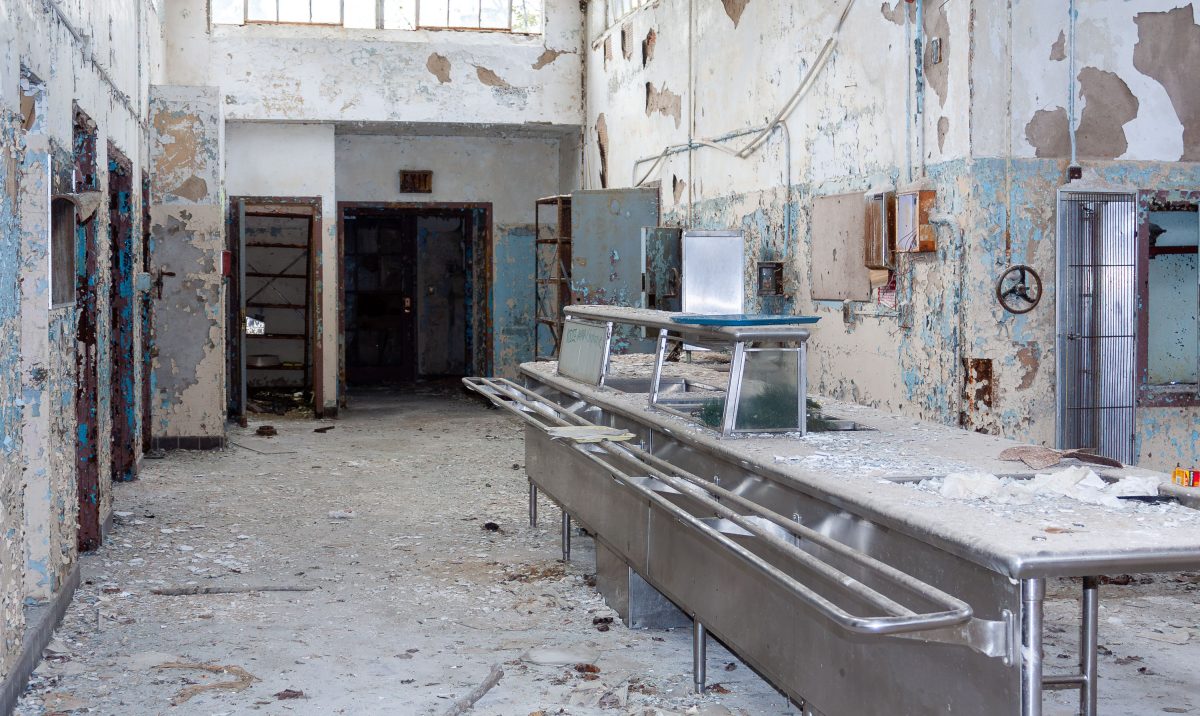
Washbasin Trough Along a Patient Ward at Kings Park Psychiatric Center
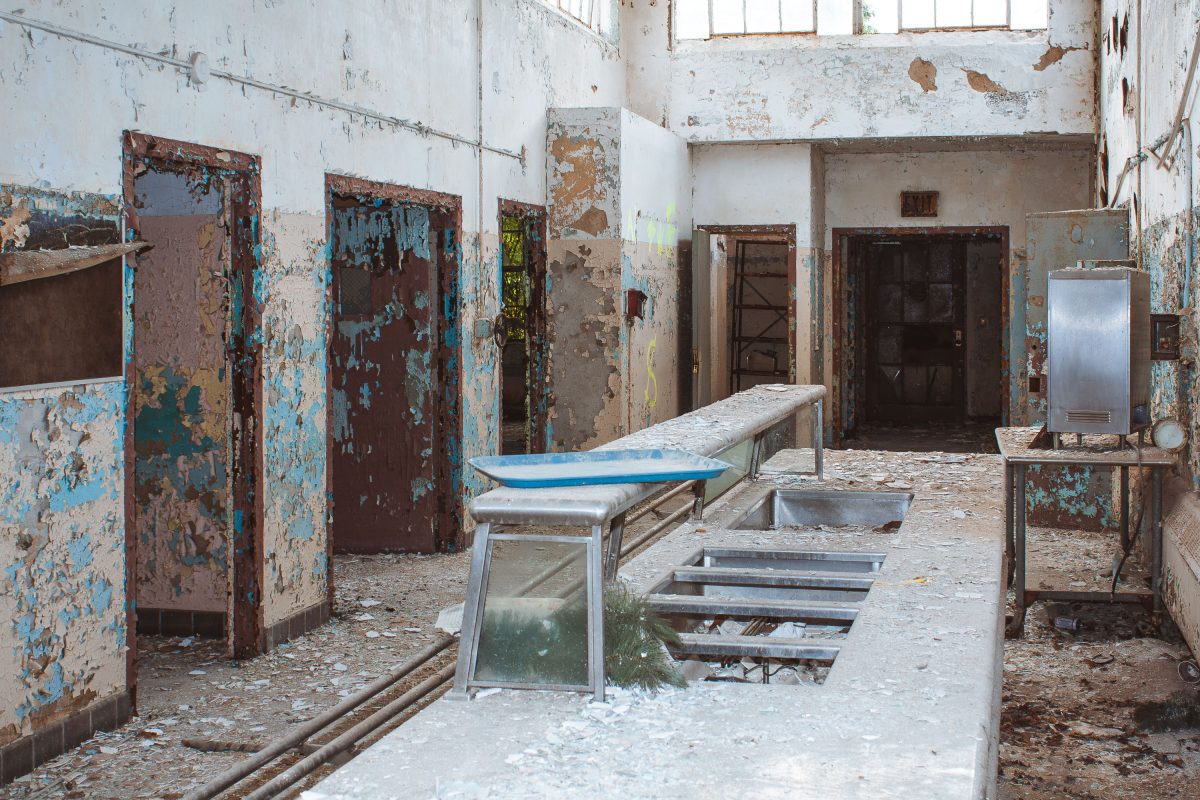
Abandoned ward corridor at Kings Park Psychiatric Center with deteriorated walls, rusted doorways, and communal sink trough.
Kings Park Psychiatric Center operated in Kings Park, New York, from 1885 until its closure in 1996, at its peak housing more than 9,000 patients across dozens of buildings on a sprawling campus overlooking Long Island Sound. Long communal sinks and troughs like this one were standard fixtures in ward washrooms, designed for group use rather than individual privacy, reflecting the institutional approach to daily care common in state psychiatric facilities of the era. New York State shifted toward outpatient and community-based mental health treatment in the latter half of the 20th century, a policy change that led directly to the hospital's decommissioning. Many of the campus's brick ward buildings, including this one, have sat vacant for decades, with ownership and redevelopment plans debated by local and state authorities ever since.

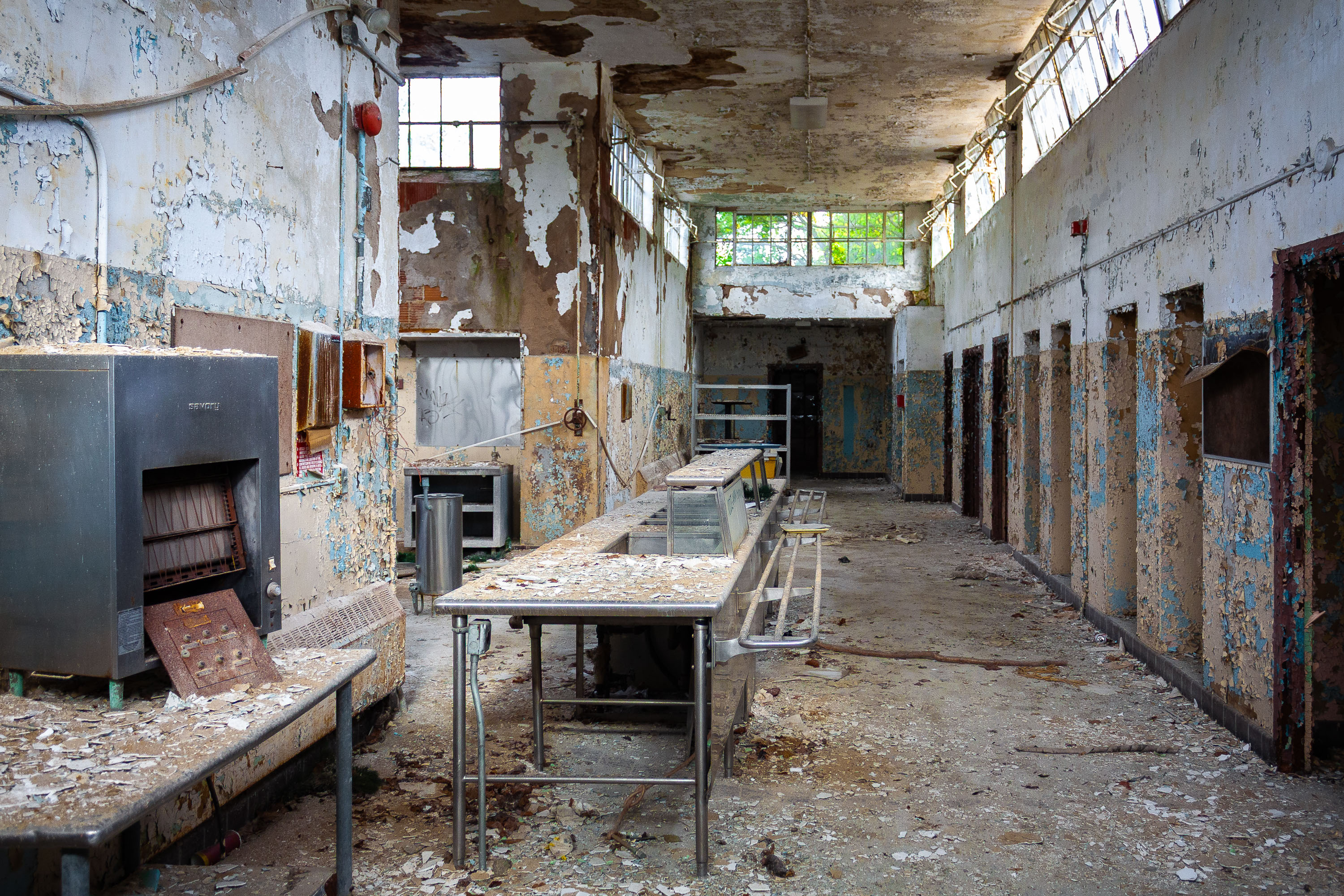
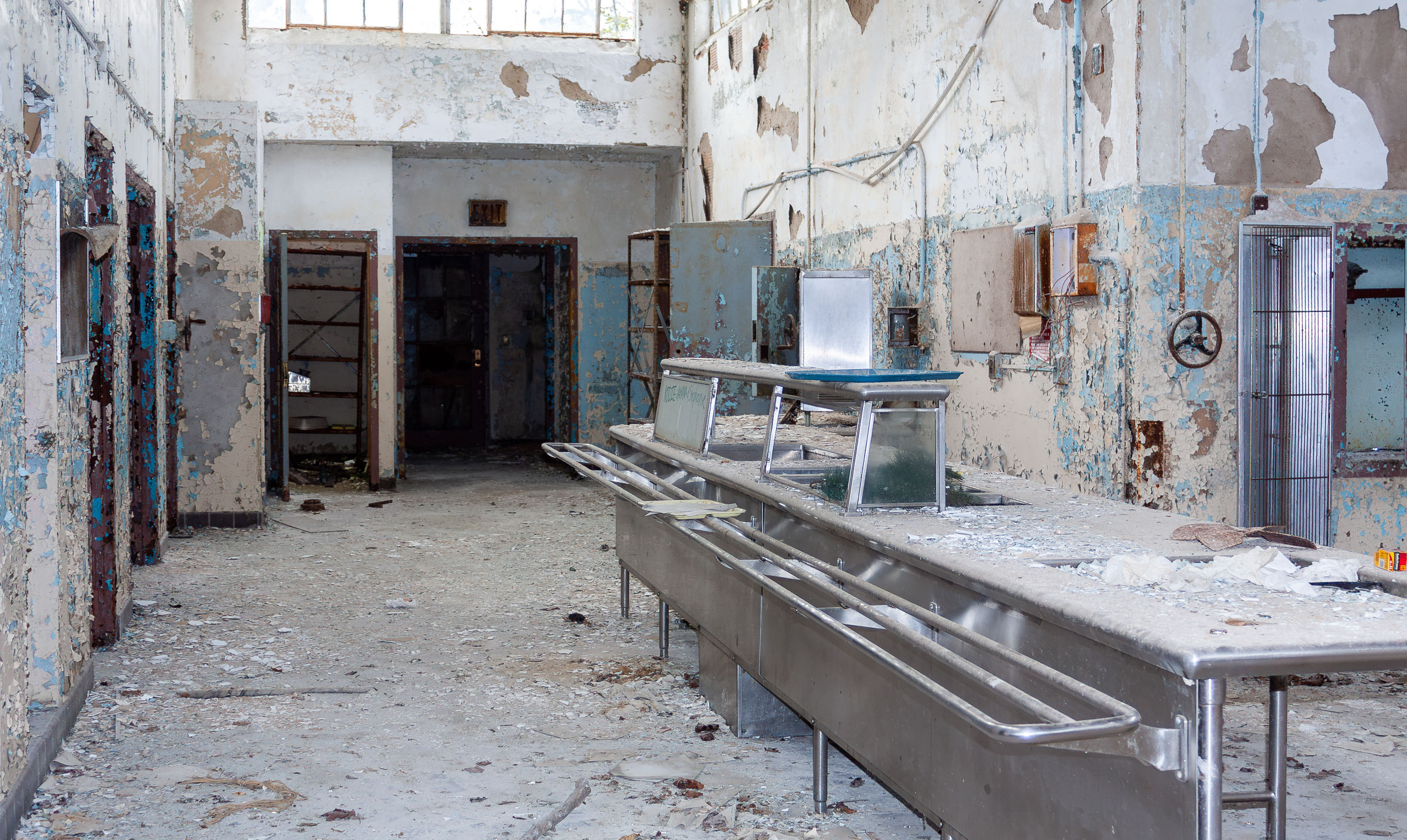
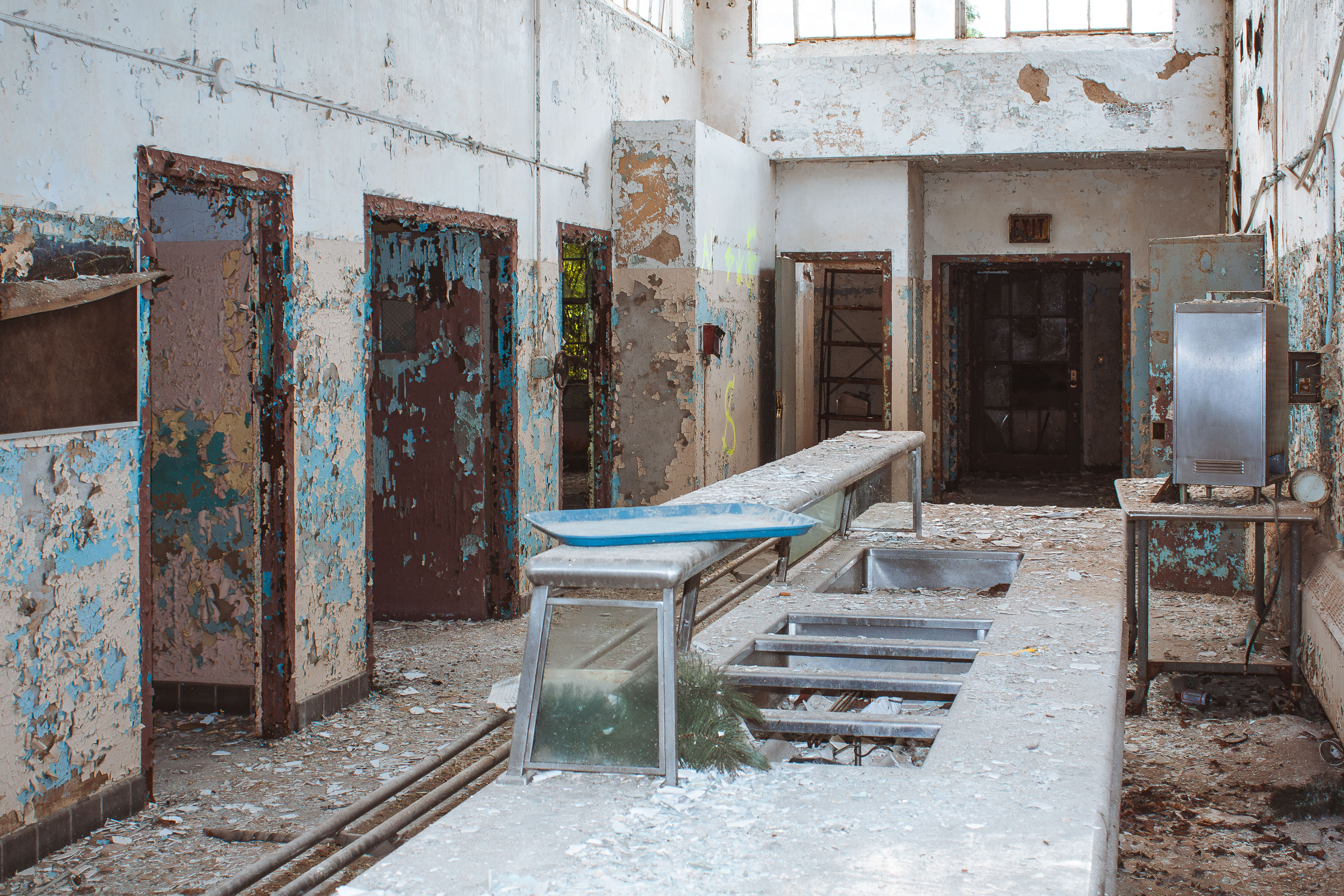
Shattered Wash Trough Along a Ward Hallway at Kings Park

Abandoned communal washroom at Kings Park Psychiatric Center with stainless-steel trough sinks and peeling paint walls.
Kings Park Psychiatric Center operated as a New York State mental hospital from 1885 until its closure in 1996. At its peak population in the 1950s, the campus housed more than 9,000 patients across dozens of buildings, making it one of the largest psychiatric facilities in the country. Communal washrooms like this one, fitted with long stainless-steel trough sinks, served entire wards rather than individual rooms, a design common to institutional dormitories built before private plumbing became standard. The state transferred much of the campus to Kings Park Bluff and surrounding parkland after decommissioning, leaving many of the original ward buildings unused and structurally unstable.

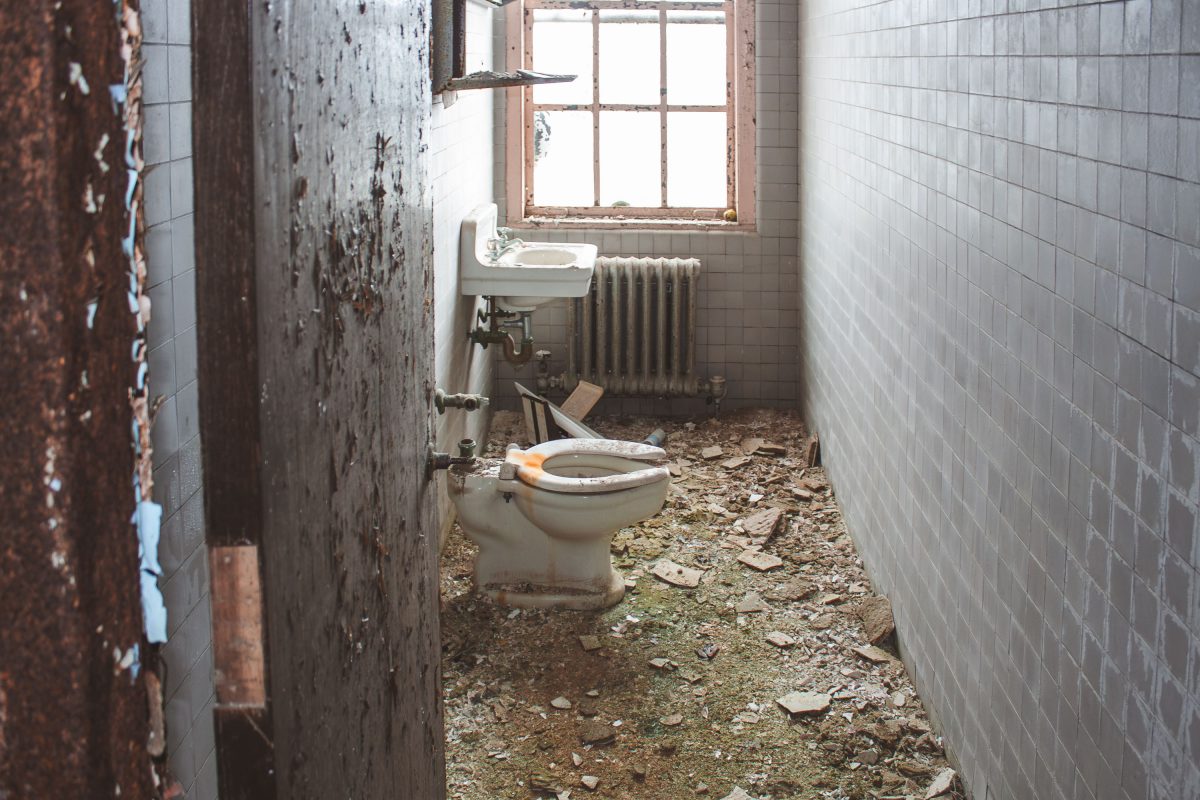
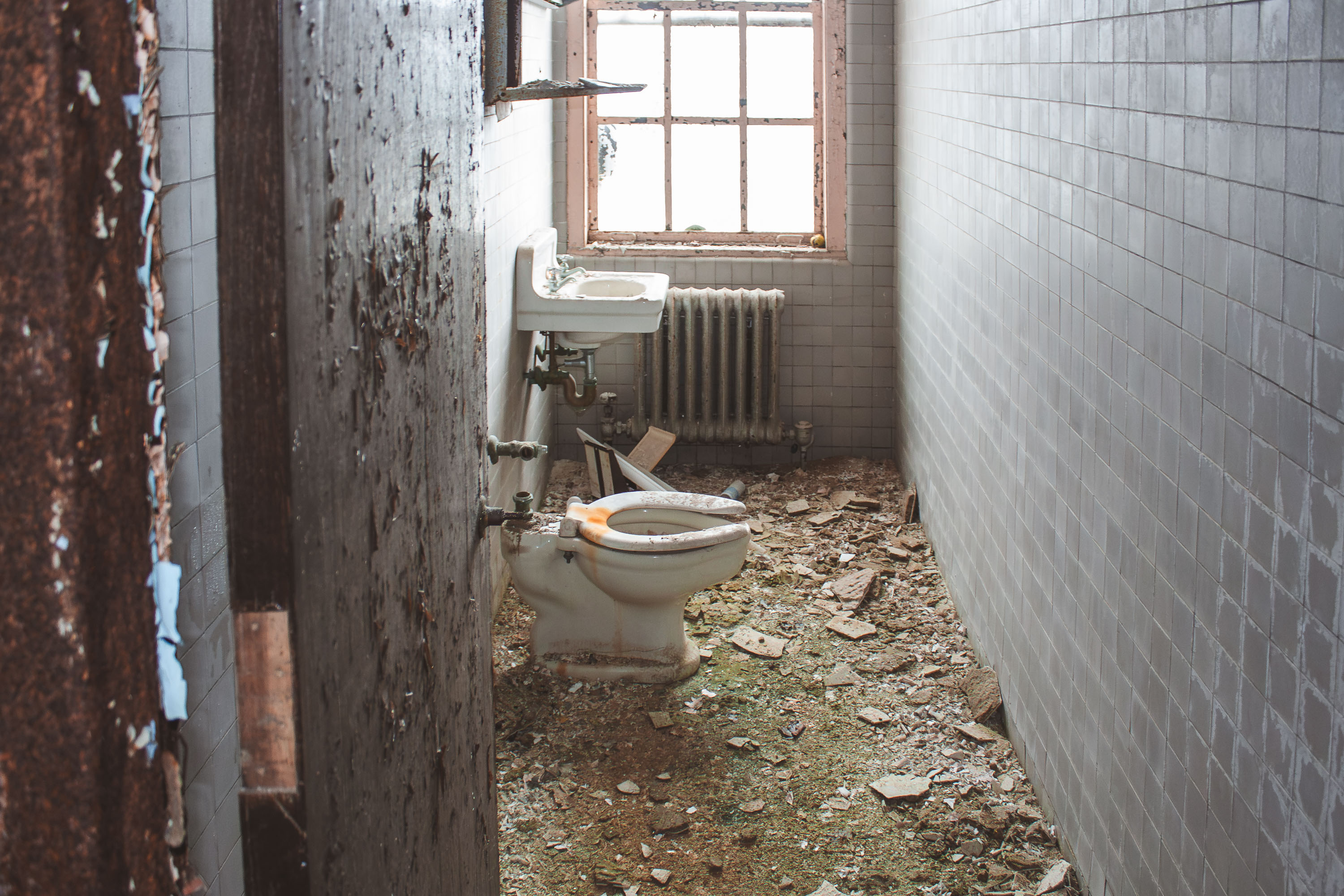
Stainless Steel Wash Trough Along a Ward Hallway at Kings Park

Abandoned bathroom inside a Kings Park Psychiatric Center ward building with deteriorated walls, cast-iron sink, toilet, and steam radiator.
Kings Park Psychiatric Center operated as a New York State institution from 1885 until its closure in 1996, at points housing more than 9,000 patients across dozens of buildings on its Long Island campus. Bathrooms like this one, tied to individual wards, were built with tiled walls and cast-iron fixtures standard to state institutional construction of the early 20th century. Steam radiators supplied heat throughout the ward buildings, fed by the campus's own power plant, which also generated electricity for the facility. Since the hospital's closure, many structures have sat unused, with New York State and Suffolk County managing portions of the property for parkland and preservation study.

Debris-Strewn Bathroom Through a Rusted Door at Kings Park

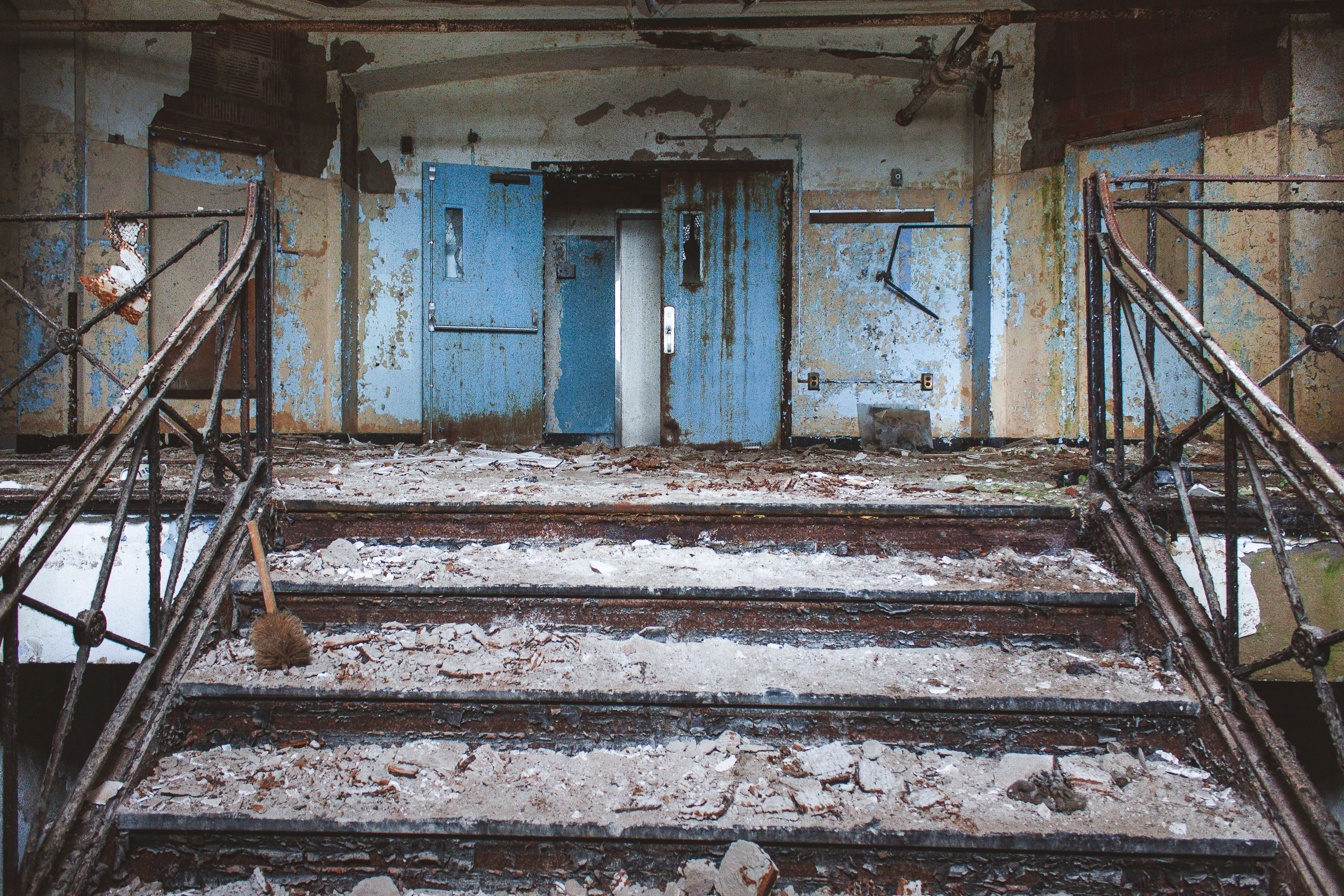
Deteriorated stairwell with debris-covered steps and rusted metal railings inside an abandoned ward building at Kings Park Psychiatric Center on Long Island.
Kings Park Psychiatric Center opened in 1885 as the Kings Park State Hospital, eventually growing to more than 150 buildings across 900 acres on Long Island's north shore. At its peak population in the 1950s, the facility housed close to 9,000 patients and operated its own power plant, farm, and rail spur for deliveries. New York State began downsizing the hospital after federal deinstitutionalization policies took hold in the 1960s and 70s, and the campus closed for good in 1996. Many of its ward buildings, connected by internal stairways and steam tunnels, have sat untouched since closure, leaving decades of plaster and paint to collect on the floors below.

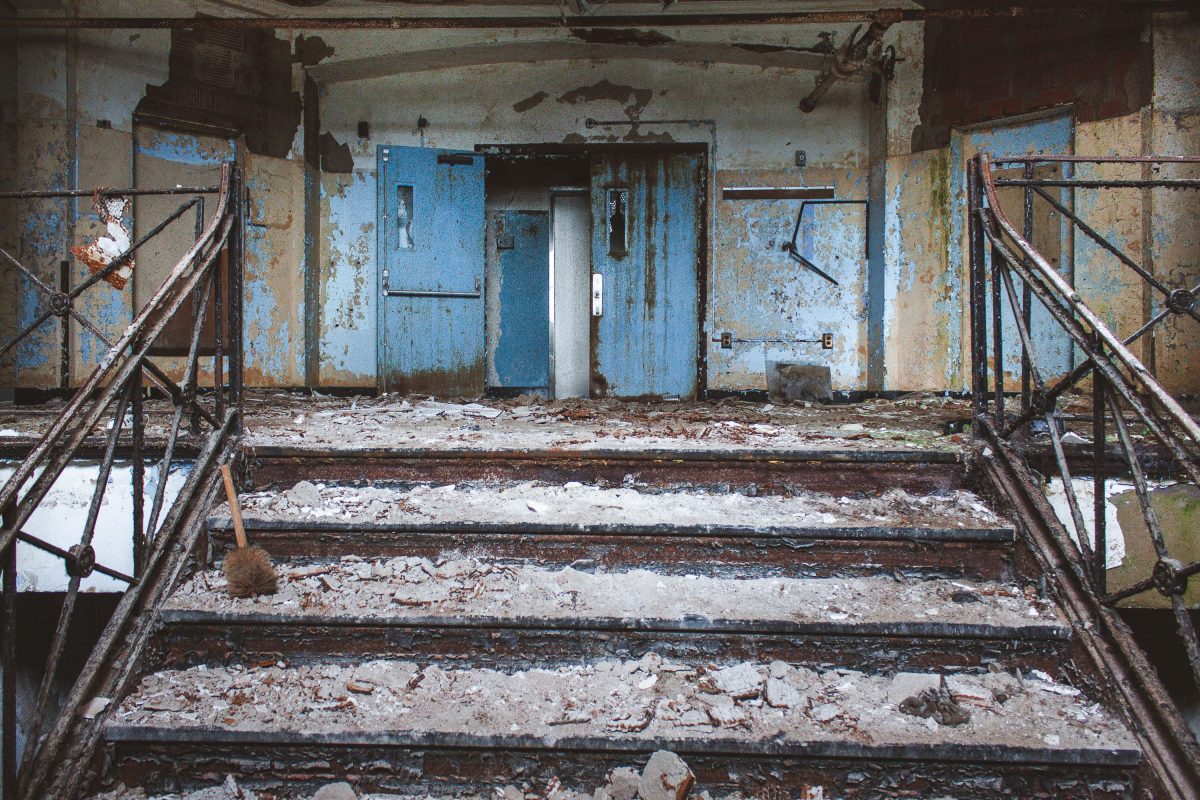
Rubble-Strewn Staircase to Ward Doors at Kings Park

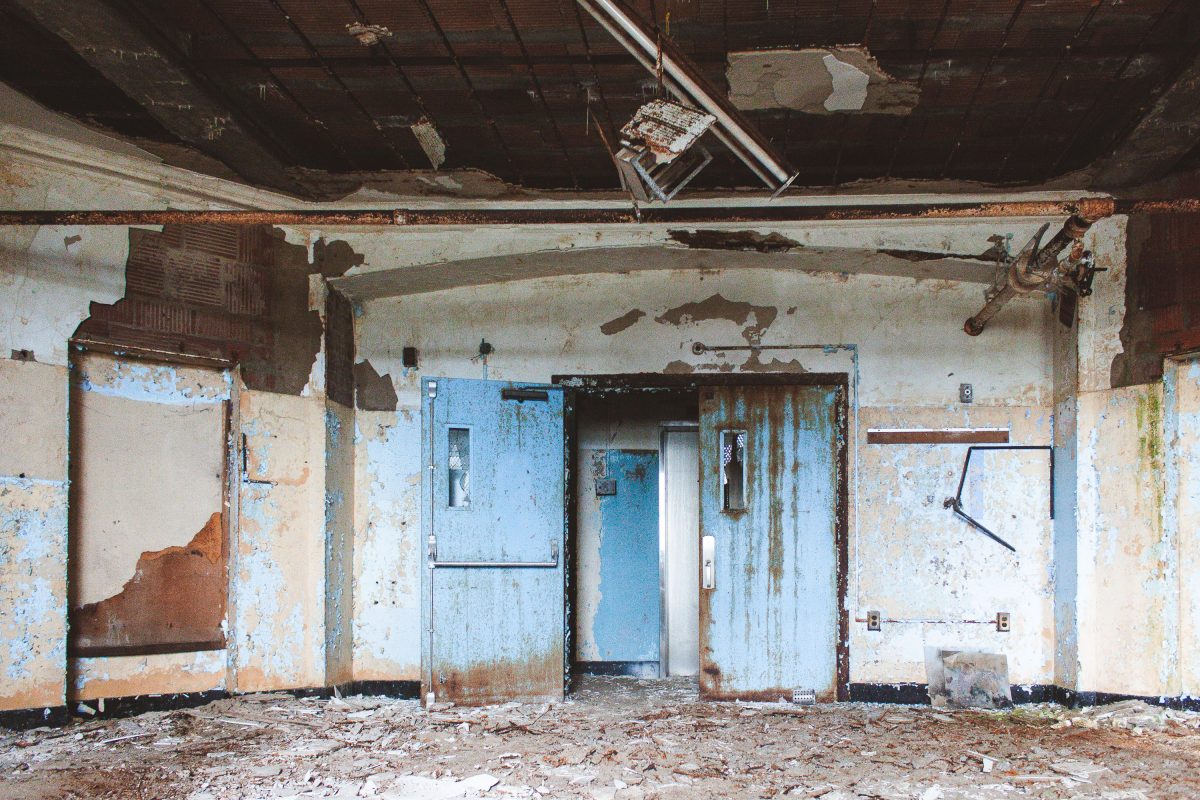
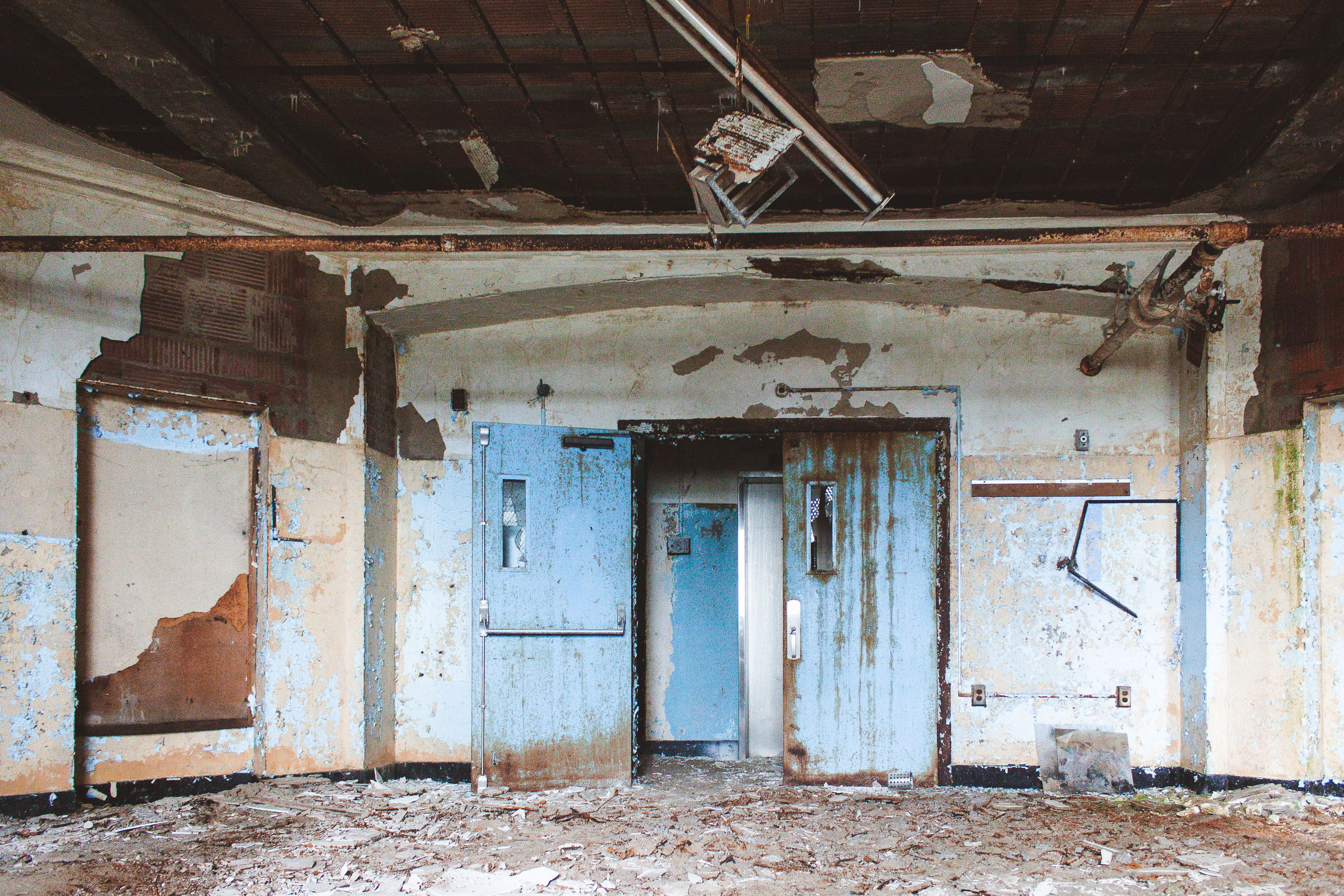
Abandoned ward interior at Kings Park Psychiatric Center showing deteriorated doorways with peeling blue and white paint and a freight elevator.
Kings Park Psychiatric Center opened in 1885 as the Kings Park State Hospital, built to relieve overcrowding at Brooklyn's asylums and to test a farm-colony model of care that put patients to work in agriculture and trades. The campus grew to more than 150 buildings across 900-plus acres on Long Island's north shore, with its own power plant, farms, and rail spur for deliveries and coal. Population peaked near 9,300 patients in the early 1950s, making it one of the largest psychiatric institutions in the country at the time. Deinstitutionalization policies and the shift toward outpatient care led to a steady decline in the following decades, and the facility closed in 1996. New York State has left most of the campus vacant since then, and many structures, including patient wards fitted with freight elevators for moving supplies between floors, have sat exposed to decades of water damage and decay.

Rusted Freight Elevator Flanked by Peeling Doors at Kings Park

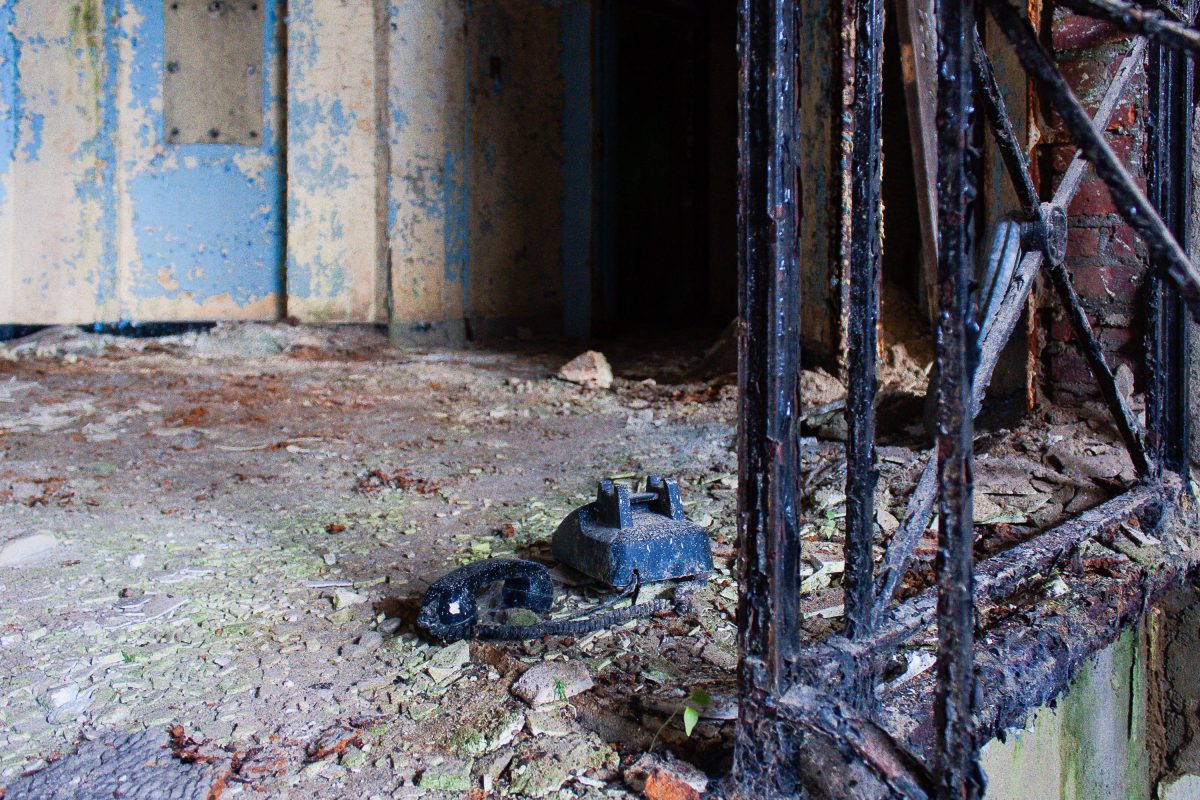
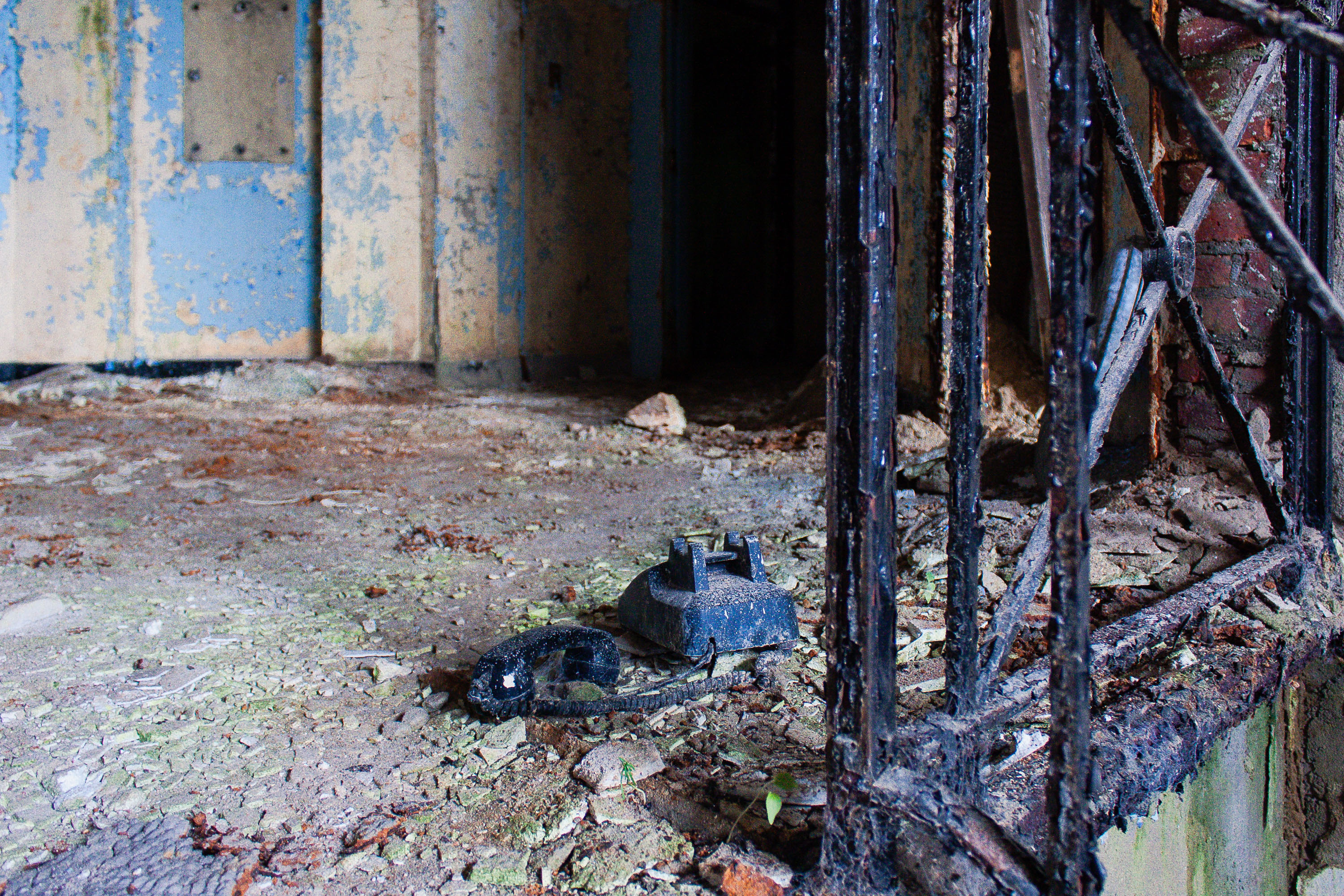
Rotary telephone abandoned on the floor of a deteriorated ward building at Kings Park Psychiatric Center on Long Island, New York.
Kings Park Psychiatric Center opened in 1885 as the Kings County Farm for the Insane and grew into one of New York State's largest psychiatric institutions, housing more than 9,000 patients at its peak in the 1950s. The campus once operated its own power plant, farm, and rail spur to support dozens of wards spread across the grounds. State budget cuts and a shift toward outpatient care led to a gradual decline, and the facility closed in 1996. A rotary telephone, left behind on the floor of one of the ward buildings, is a remnant of the internal communication system that once connected staff across the sprawling campus.

Discarded Rotary Phone Near a Scorched Iron Gate at Kings Park

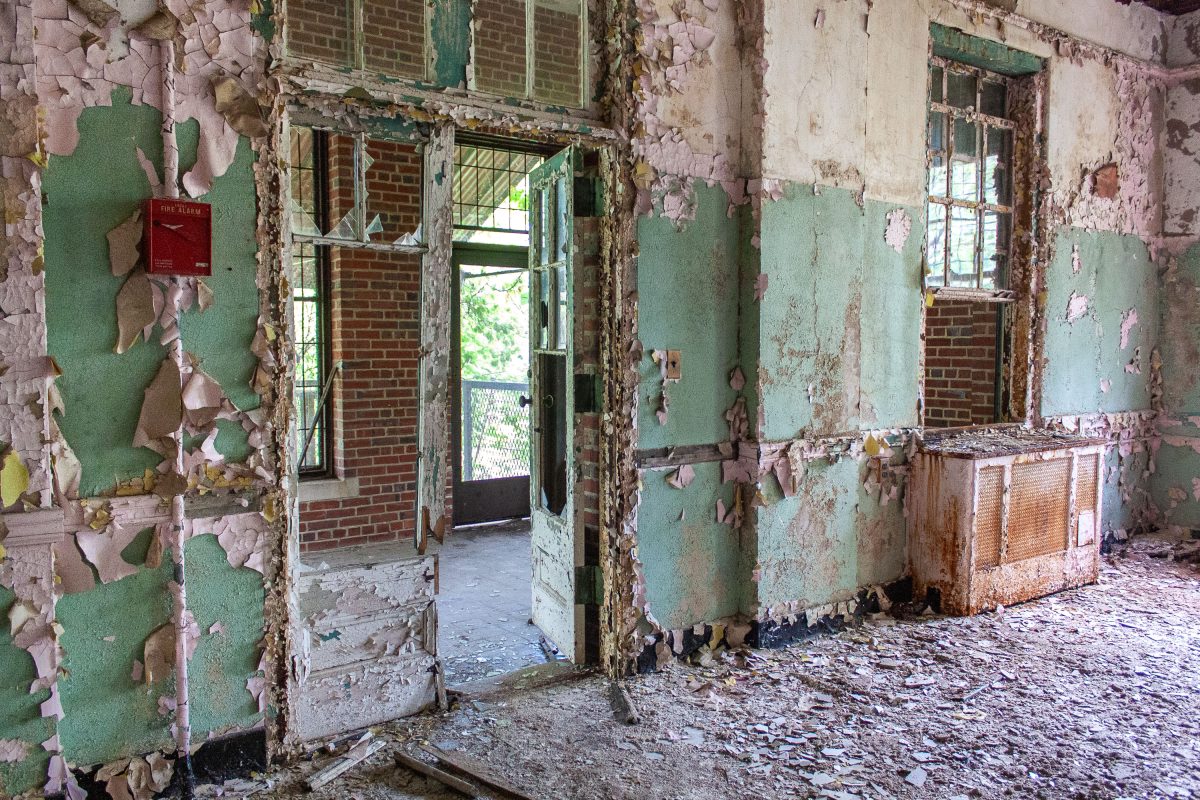
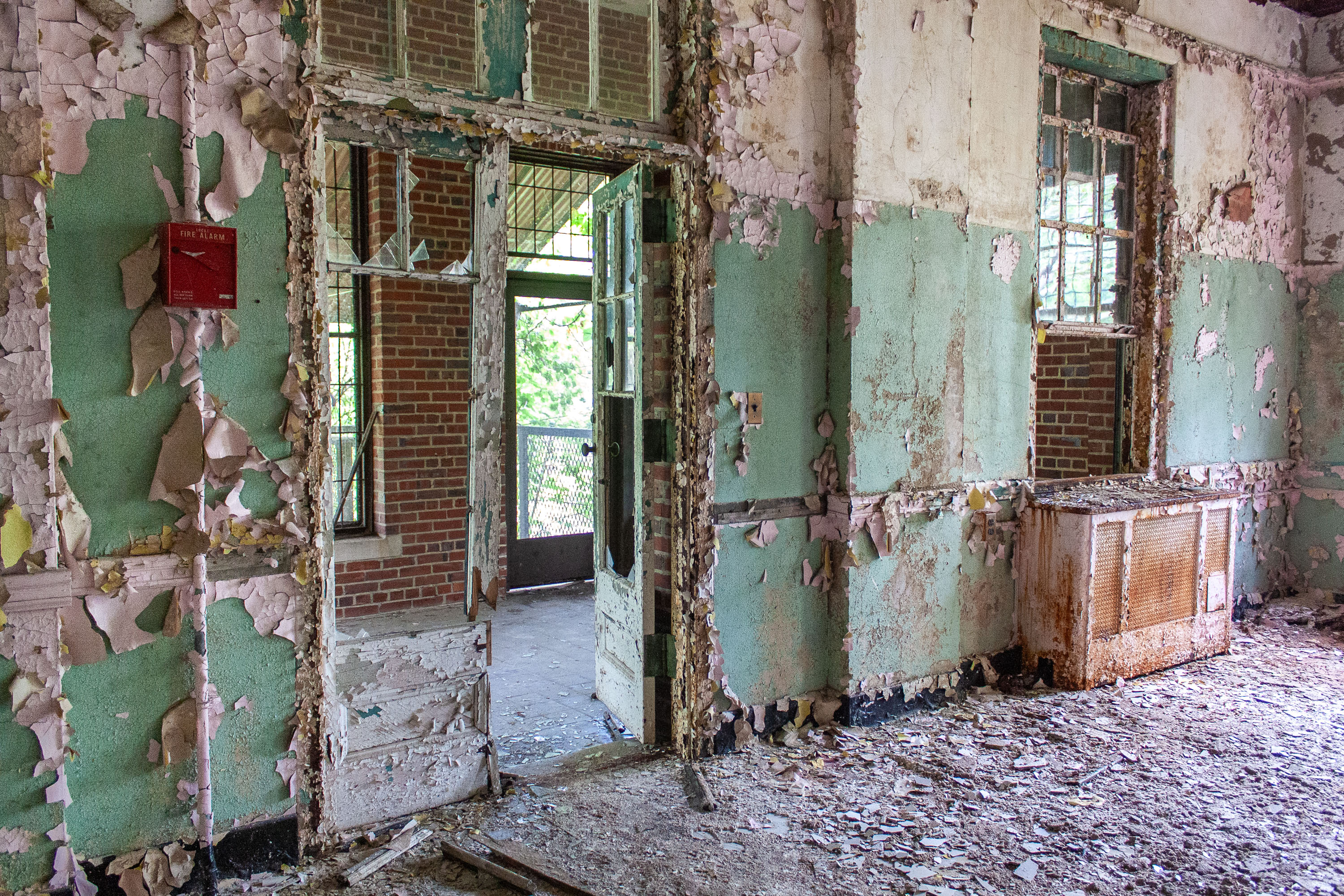
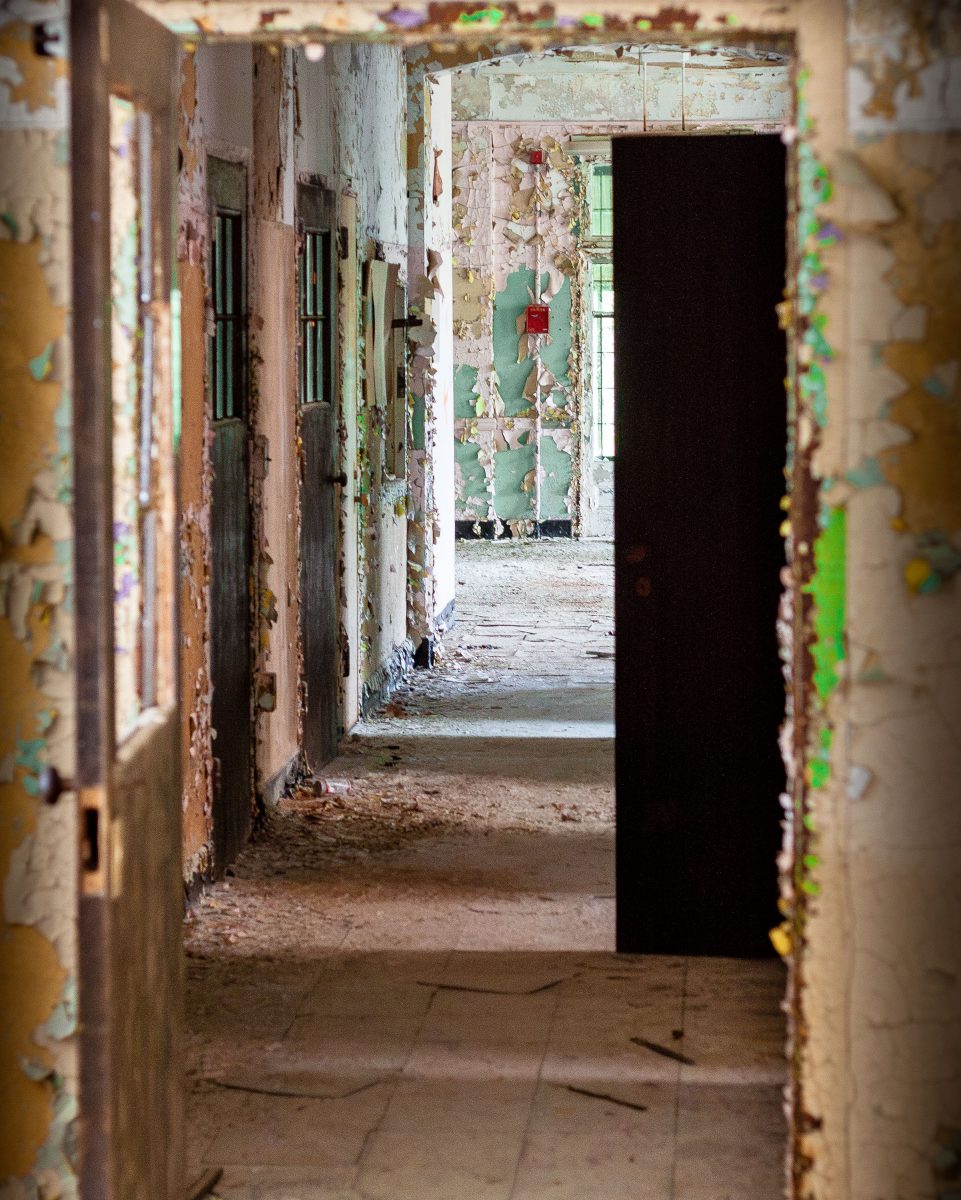
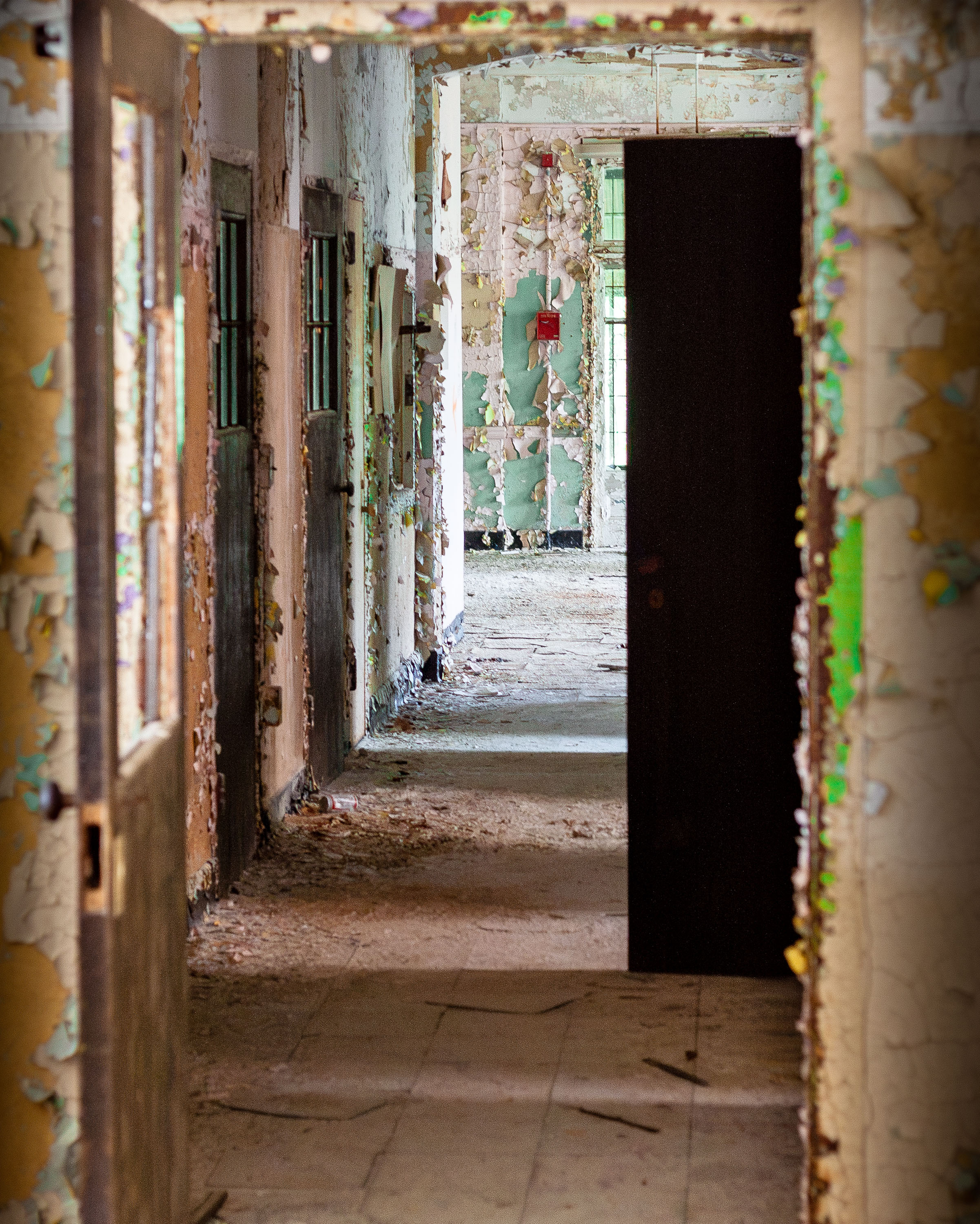
Deteriorated interior doorway with peeling pink and green paint at the abandoned Kings Park Psychiatric Center on Long Island.
Kings Park Psychiatric Center opened in 1885 as the Kings County Asylum, later becoming a New York State-run institution that at its peak housed more than 9,000 patients across dozens of buildings on the Long Island campus. Chronic overcrowding and shifting approaches to mental health care led to steady downsizing after the 1950s, and the facility closed for good in 1996. Many of its ward buildings, including this one, were left to decay, their lath-and-plaster walls stripped bare by decades of moisture and neglect. Portions of the campus were later transferred to New York State Parks, which now oversees the grounds as part of Nissequogue River State Park.

Open Door to a Brick Stairwell at Kings Park Psychiatric Center

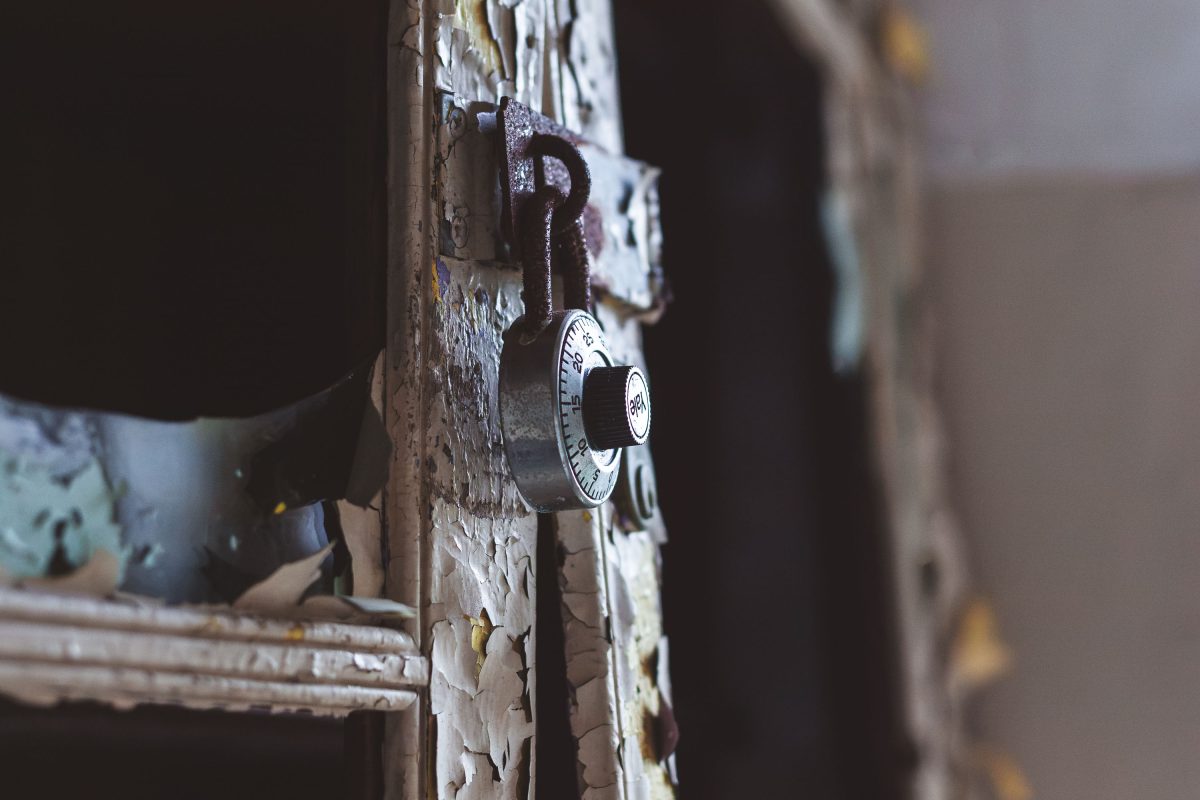
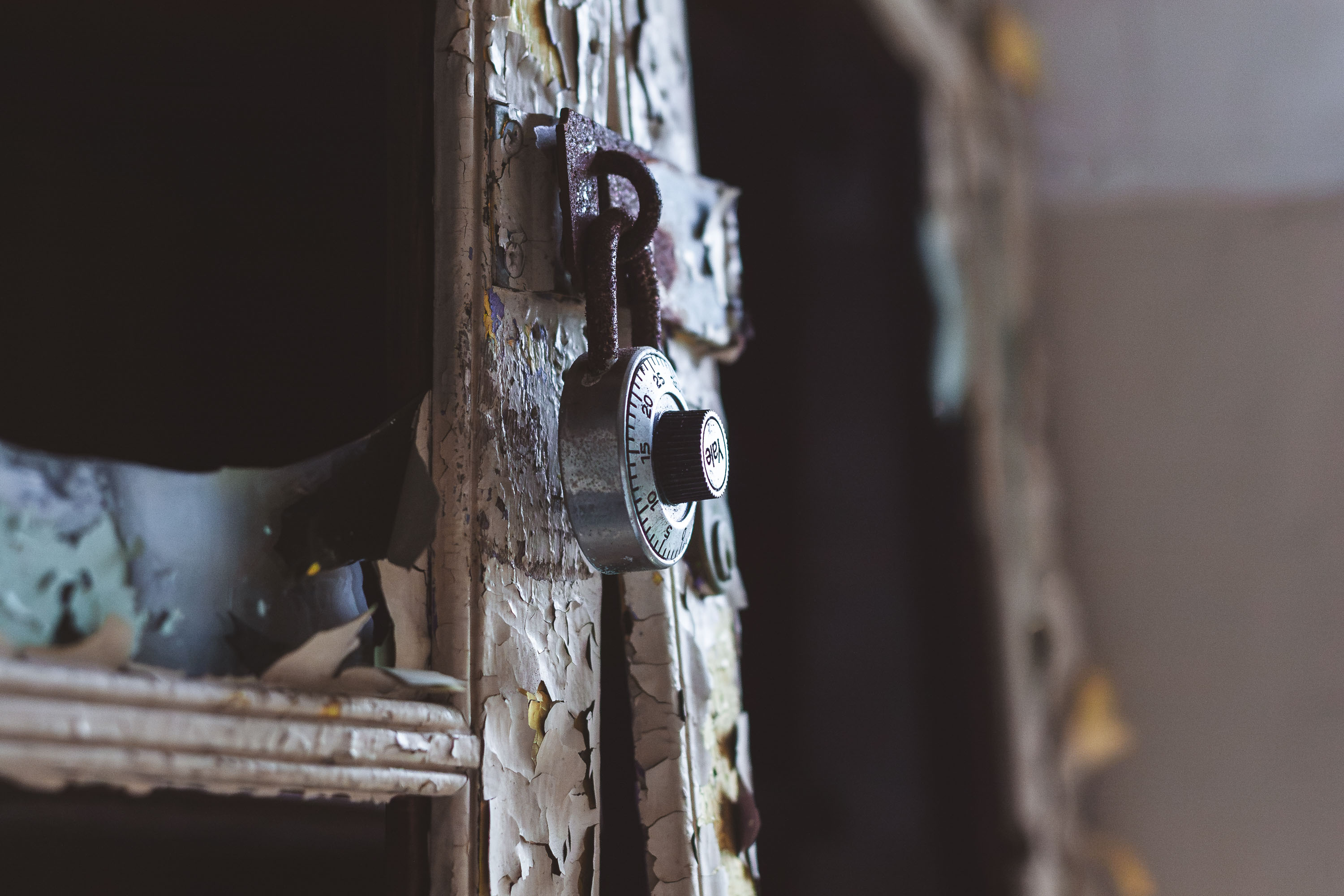
Combination padlock secured on a peeling painted door at the abandoned Kings Park Psychiatric Center on Long Island, New York.
Kings Park Psychiatric Center operated in Suffolk County, New York, from 1885 until its closure in 1996, at its peak housing more than 9,000 patients across a sprawling campus of over 150 buildings. Many of the ward structures were secured with simple combination padlocks rather than standard keyed locks, a practical measure in a facility where staff needed quick, code-based access without carrying dozens of individual keys. The peeling paint and rusted hardware found throughout the campus today reflect decades of deferred maintenance after New York State began transferring patients to community-based care in the 1980s. Portions of the site were later incorporated into Nissequogue River State Park, though many original buildings remain sealed off and untouched.

Rusted Combination Lock on a Peeling Door at Kings Park

Deteriorated corridor with open doorways and peeling paint inside an abandoned ward at Kings Park Psychiatric Center on Long Island.
Kings Park Psychiatric Center opened in 1885 as the Kings County Farm for the Insane, later expanding under New York State control into dozens of interconnected ward buildings across its Long Island campus. At its peak population in the 1950s, the facility housed more than 9,000 patients, making it one of the largest psychiatric institutions in the country. Many of its structures relied on a centralized layout of long corridors connecting patient rooms, a design meant to ease staff supervision across crowded wards. The hospital closed in phases between the 1980s and 1996, following a statewide shift toward deinstitutionalization and outpatient mental health care. Several buildings remain standing on the property, which is now partly managed as Nissequogue River State Park.

Open Doorway Leading Into a Ward Hallway at Kings Park Psychiatric Center

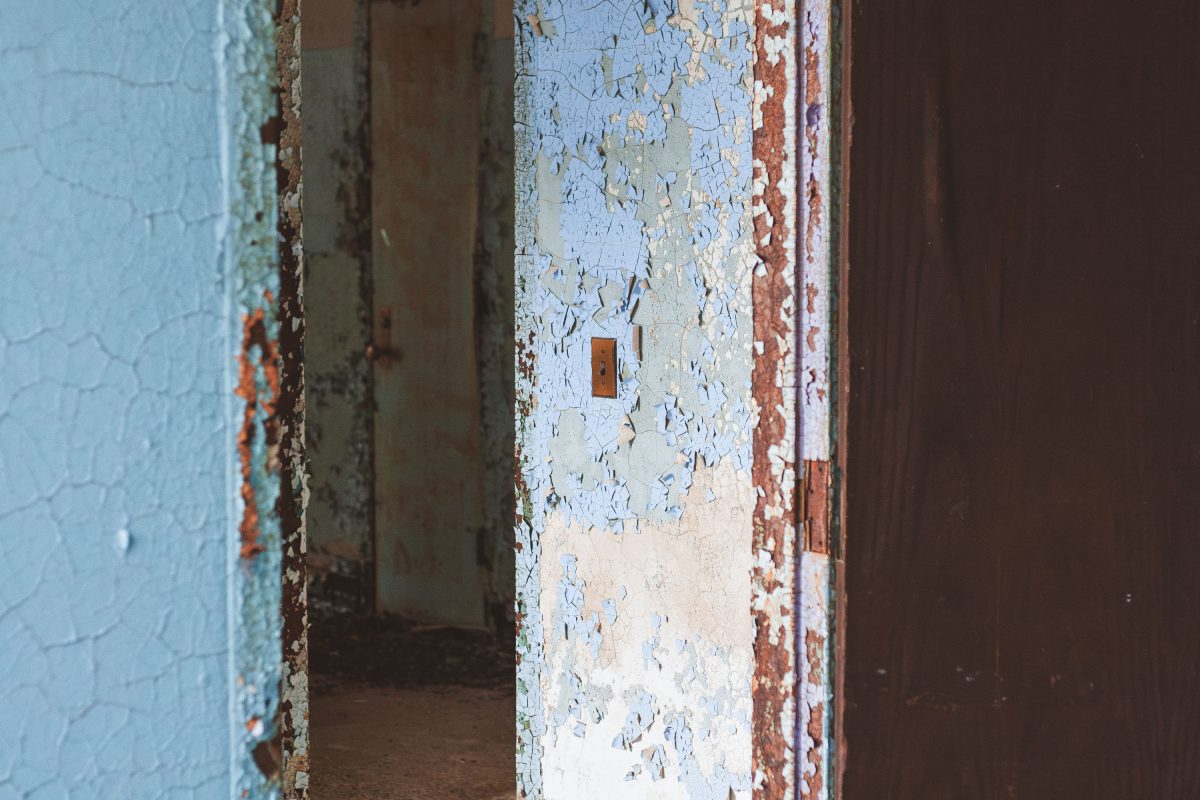
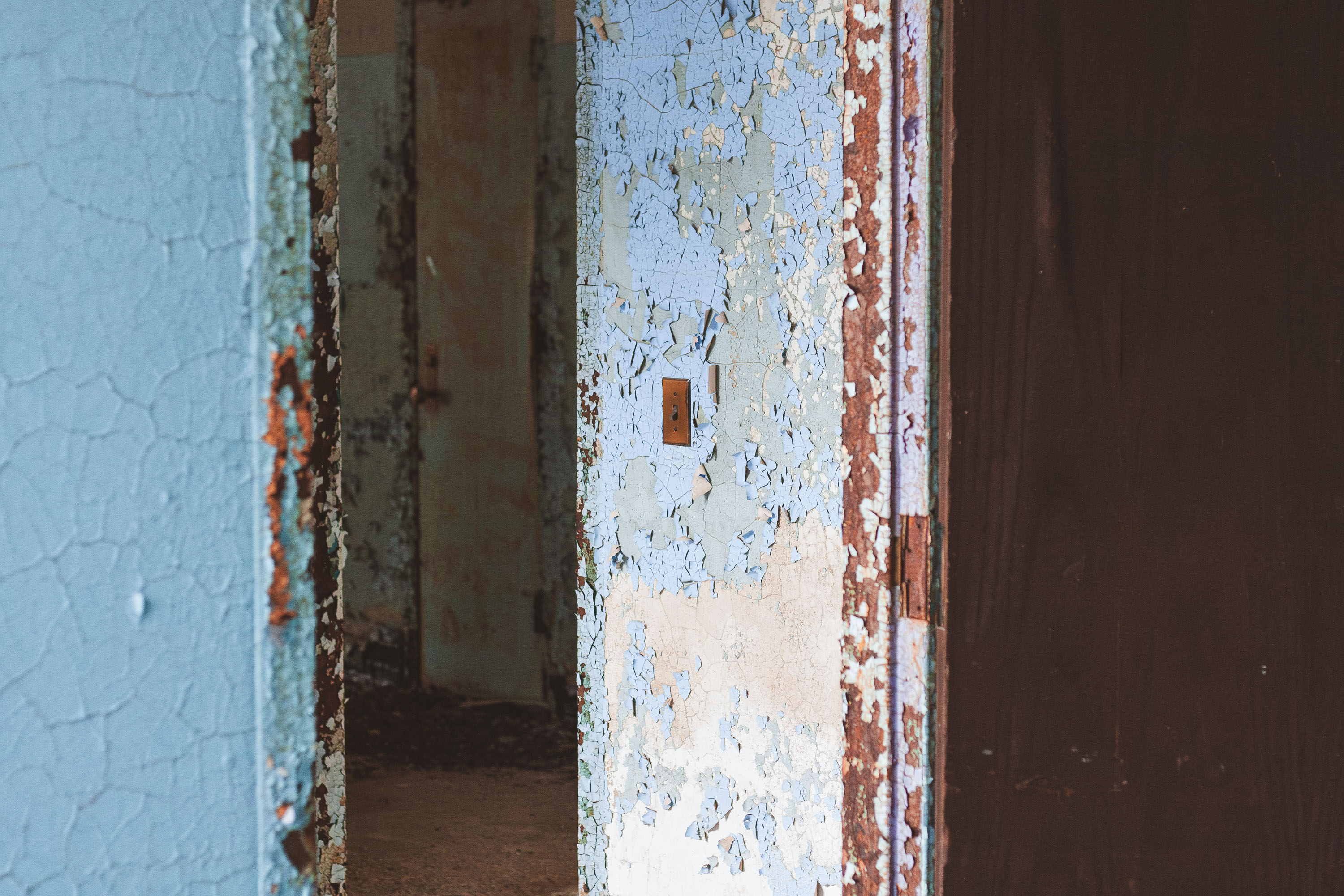
Peeling paint and a rusted light switch on the doorframe of an abandoned ward corridor at Kings Park Psychiatric Center on Long Island, New York.
Kings Park Psychiatric Center operated in Kings Park, New York, from 1885 until its closure in 1996, at its peak housing more than 9,000 patients across dozens of ward buildings connected by tunnels and corridors. The state ran the facility as a self-contained community, with its own power plant, farm, and staff housing, before deinstitutionalization and funding cuts led to its gradual shutdown. Many of the ward buildings have sat empty for decades, and lead paint on the walls and door frames has cracked and lifted in long sheets as the structures went unheated and unmaintained. The New York Office of Parks, Recreation and Historic Preservation now controls most of the site, and several buildings, including Building 93, have been documented for their historical and architectural significance even as demolition has removed others.

Layered Doorways at Kings Park Psychiatric Center

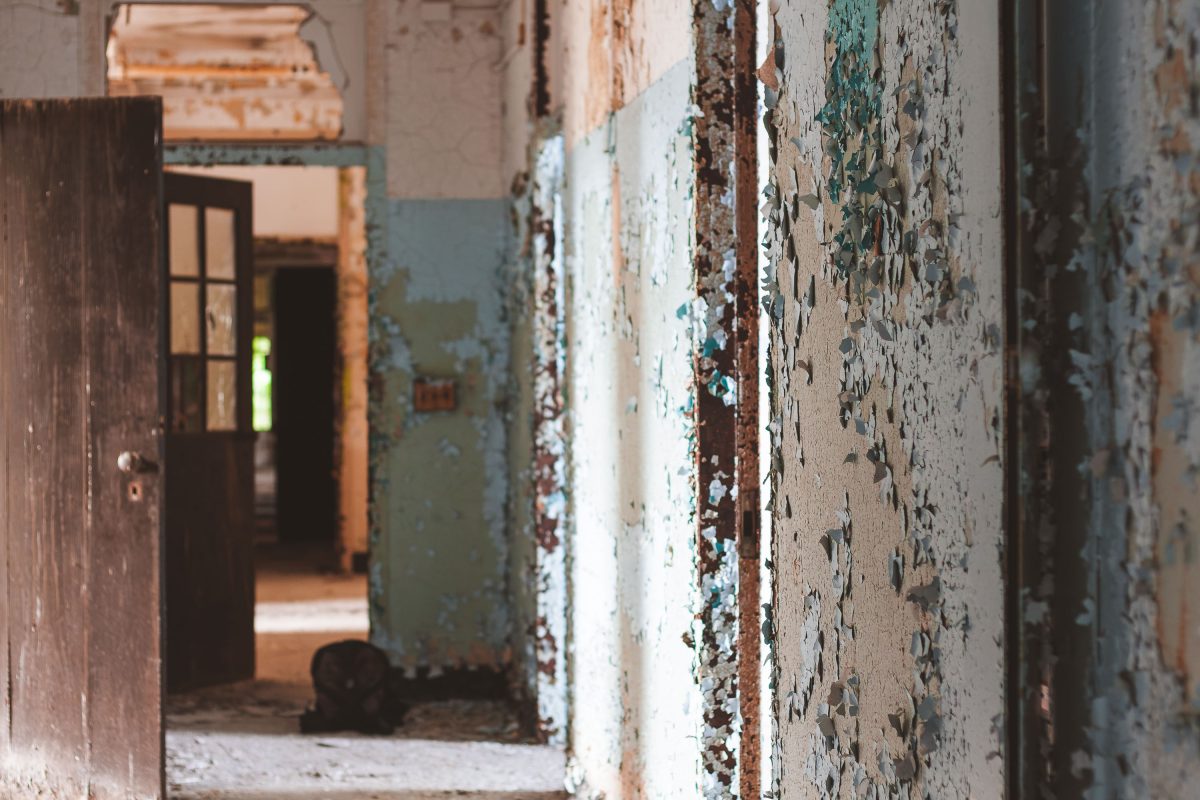
Peeling walls and open doorways line a deteriorated corridor inside an abandoned ward building at Kings Park Psychiatric Center on Long Island.
Kings Park Psychiatric Center opened in 1885 as the Kings Park State Hospital, part of a wave of New York institutions built to treat the mentally ill under the era's "farm colony" model, where patients worked the grounds as part of their care. At its peak in the 1950s, the campus held more than 9,000 patients across dozens of buildings connected by tunnels and covered walkways. Deinstitutionalization policies and the rise of outpatient psychiatric care drained the population through the 1960s and '70s, and the state closed the hospital in 1996. Many of the original ward buildings, with their plaster walls and cast-iron radiators, have sat untouched since, left to the slow work of moisture and time.

Rusted Door Frames Along a Ward Hallway at Kings Park

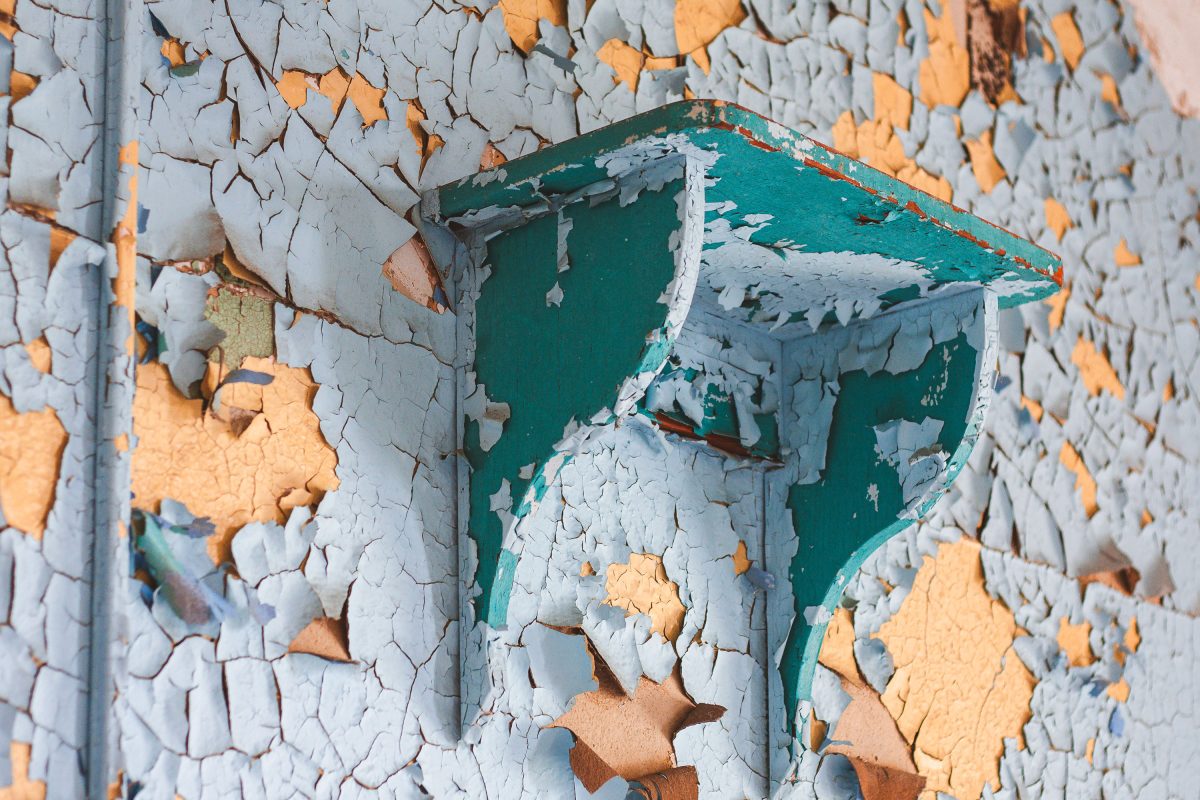
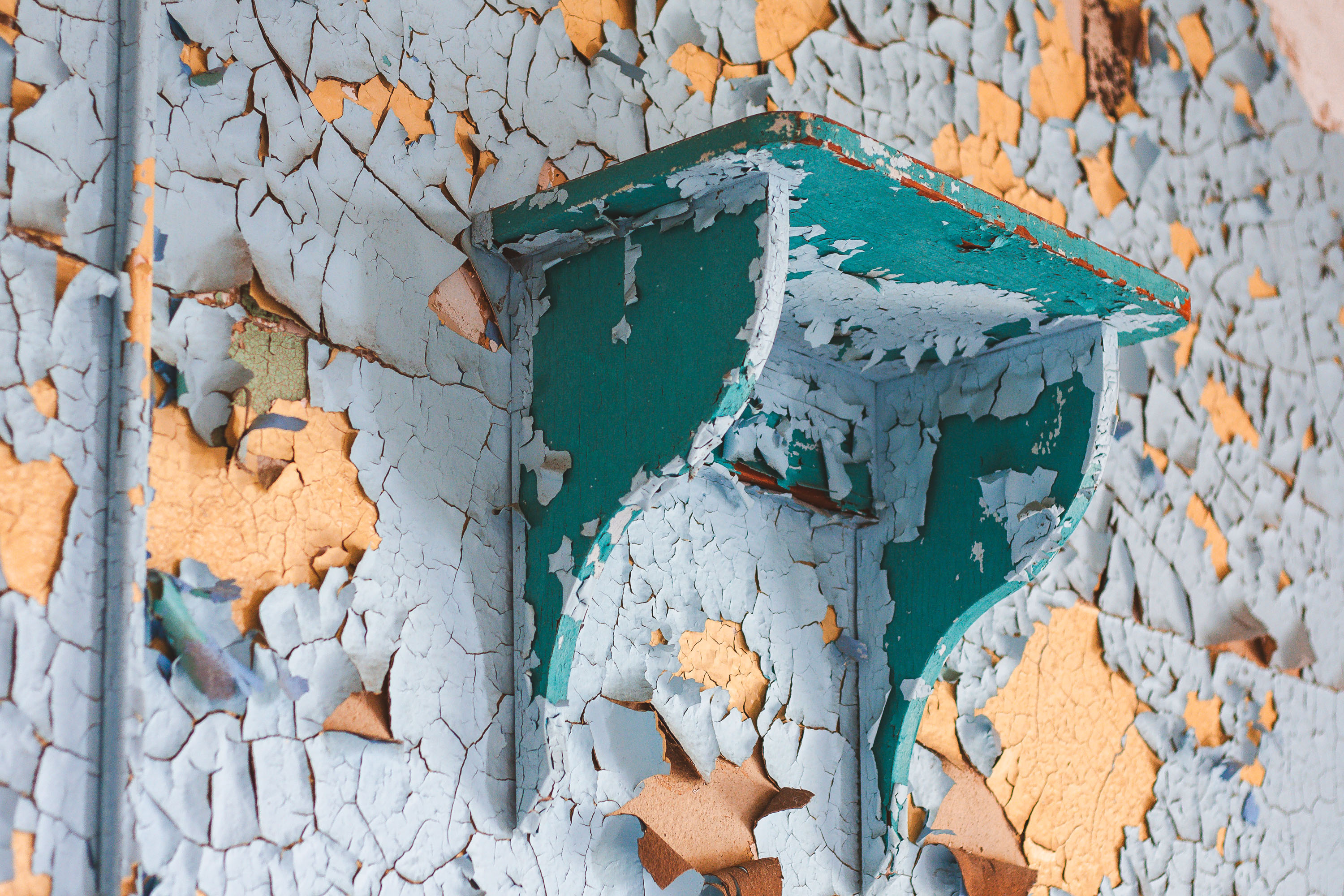
Deteriorated green metal shelf bracket with peeling paint layers mounted on a cracked wall at the abandoned Kings Park Psychiatric Center.
Kings Park Psychiatric Center opened in 1885 as the Kings County Asylum for Insane and grew into a self-sufficient village of more than 150 buildings on the north shore of Long Island. At its peak in the 1950s the hospital housed close to 9,000 patients, treated largely in isolation from New York City. Deinstitutionalization policies and the shift toward outpatient care led to a steady decline in population, and the facility closed in 1996. Many of its structures, left unheated and unmaintained for decades, now show the effects of that neglect in cracked plaster and peeling layers of paint on walls, trim, and built-in fixtures.

Teal Wall Bracket Peeling at Kings Park Psychiatric Center

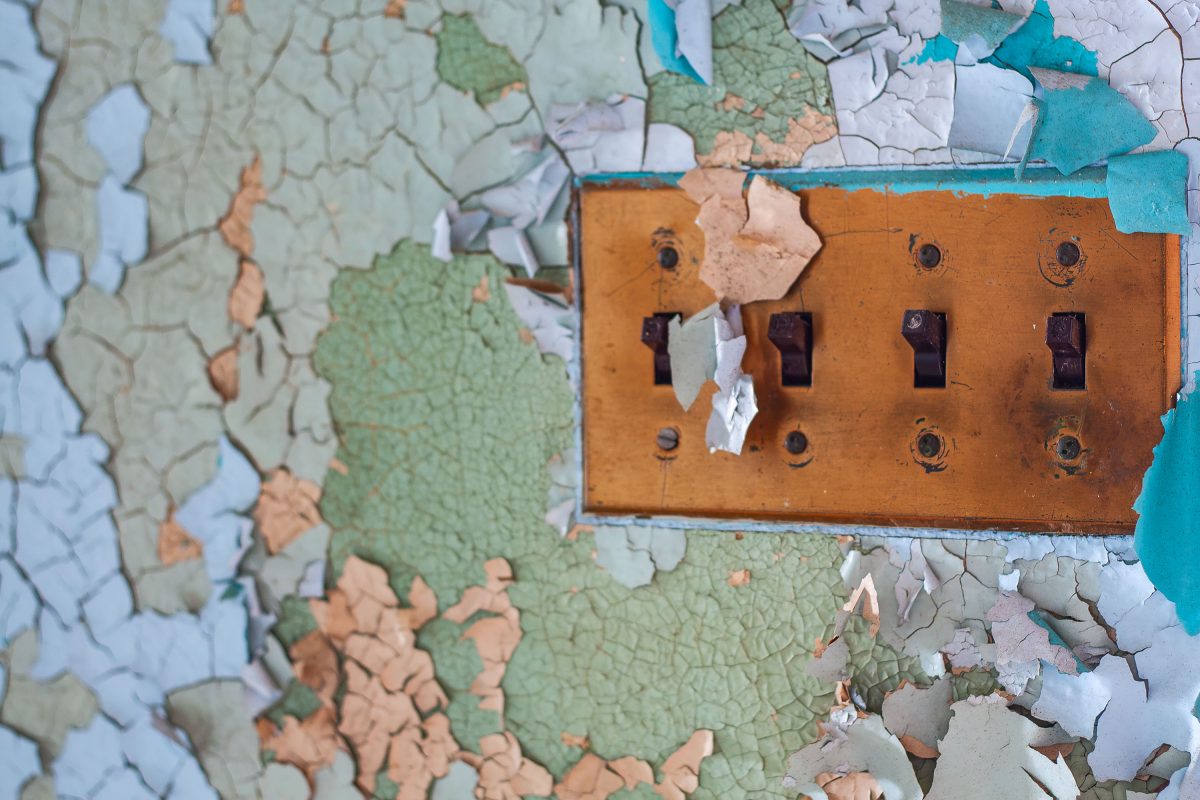
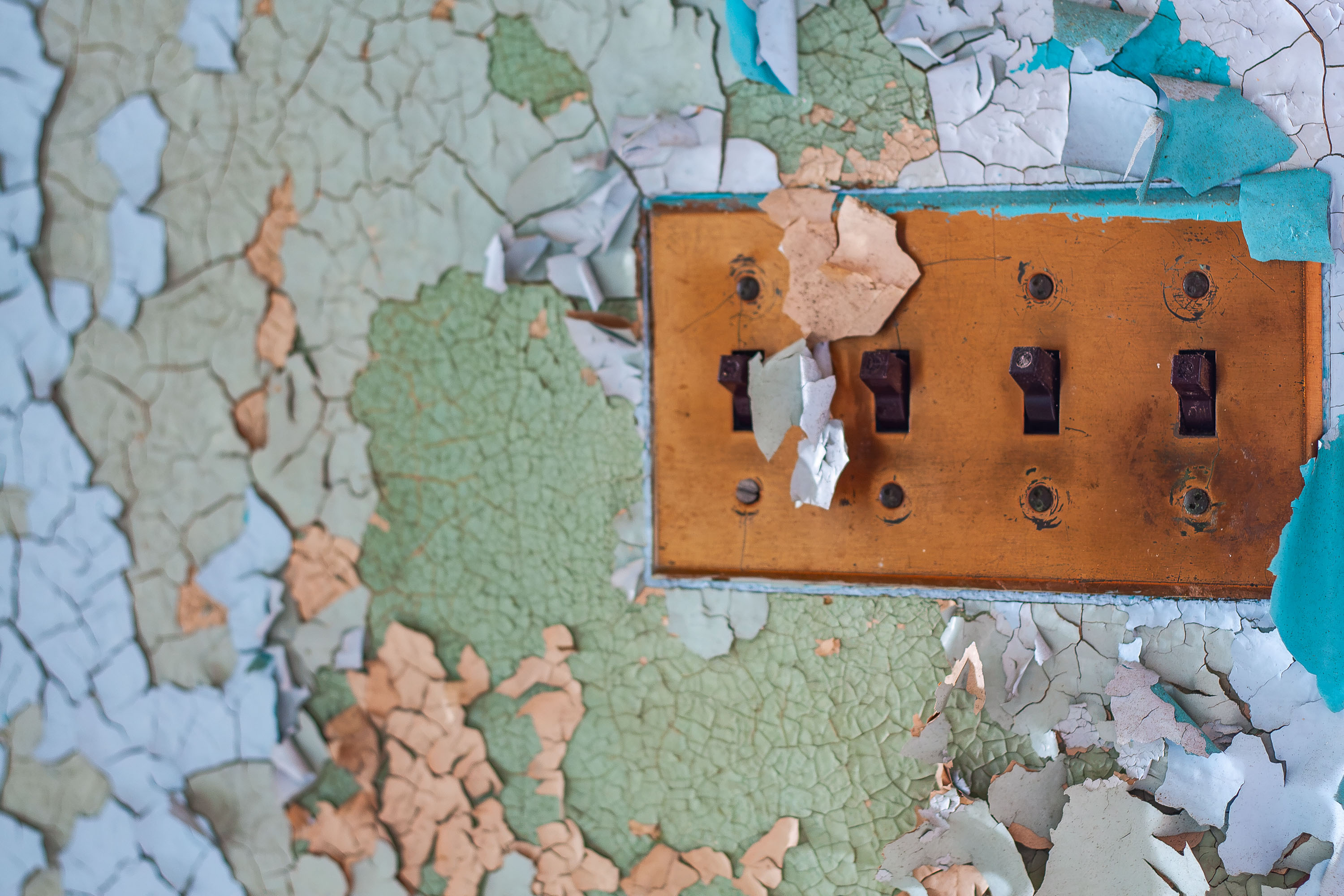
Copper light switch panel with four toggle switches mounted on cracked, peeling paint at the abandoned Kings Park Psychiatric Center on Long Island.
Kings Park Psychiatric Center operated in Suffolk County, New York, from 1885 until its closure in 1996, once housing more than 9,000 patients at its peak in the 1950s. The state-run facility grew to over 150 buildings across its campus, many of which have sat vacant for decades since the hospital's population declined and services were consolidated elsewhere. Toggle switch banks like this one controlled lighting and electrical circuits throughout the ward buildings, standard fixtures in institutional construction of the early to mid-20th century. Layers of paint on the surrounding walls, applied and reapplied over the facility's century of operation, have separated and cracked as the buildings have gone without climate control or maintenance.

Four-Gang Toggle Switch Amid Peeling Paint at Kings Park

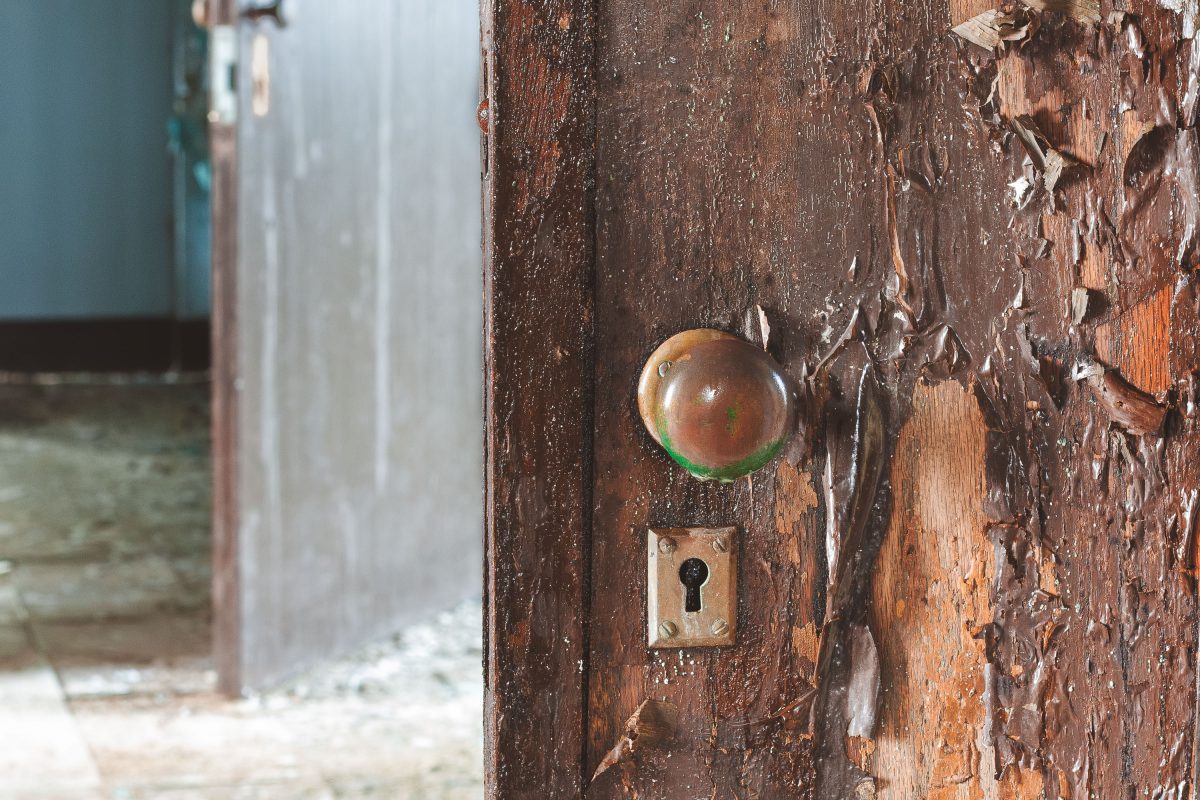
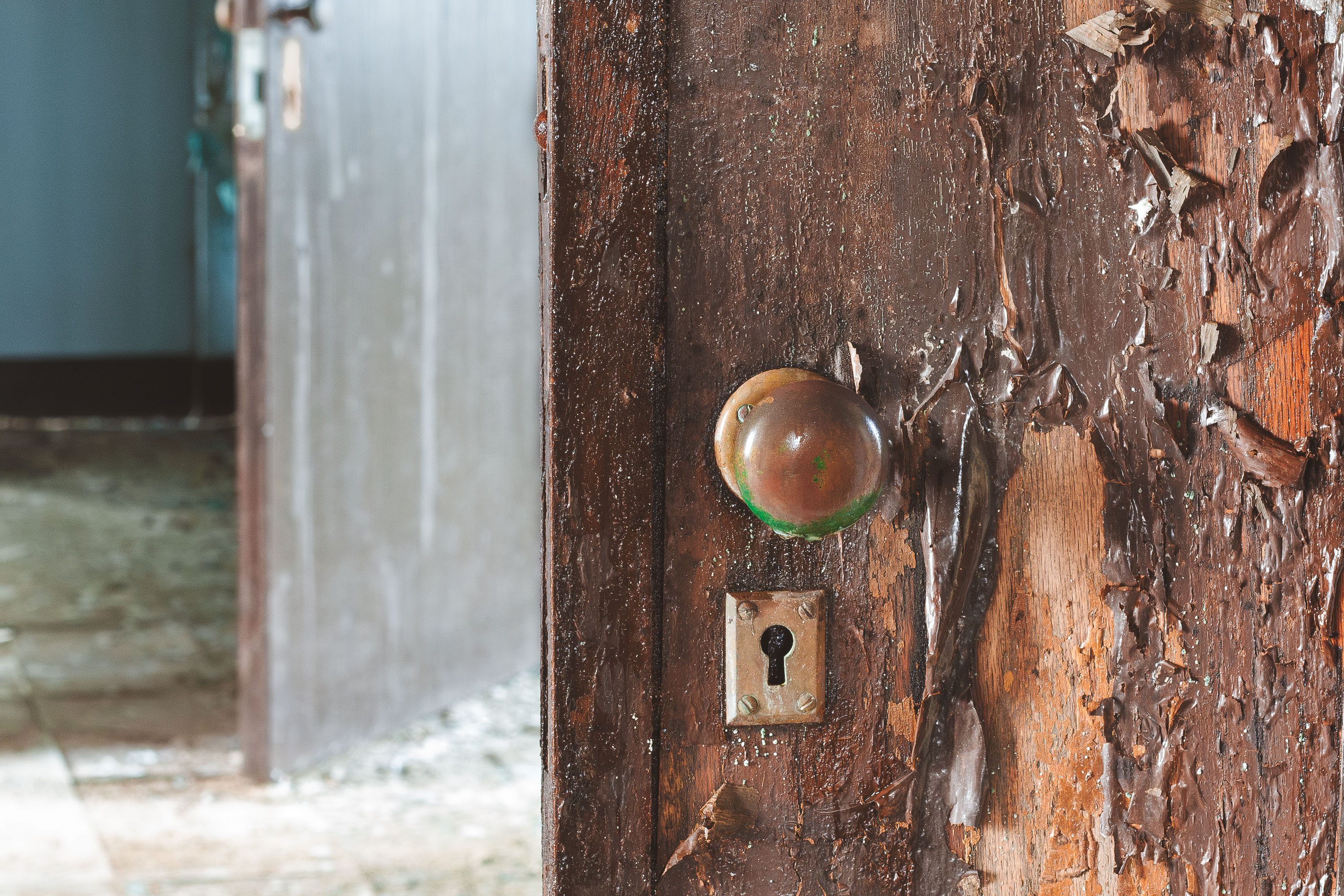
Weathered wooden door with brown glass doorknob and brass keyhole plate at the abandoned Kings Park Psychiatric Center on Long Island.
Kings Park Psychiatric Center opened in 1885 as the Kings County Farm for the Insane, eventually growing to more than 150 buildings across its Long Island campus. At its peak population in the 1950s, the state hospital housed over 9,000 patients, many treated in wards connected by tunnels and covered walkways. New York State began downsizing the facility in the 1980s as mental health care shifted toward outpatient treatment, and the hospital closed entirely in 1996. Many of its original doors, hardware, and fixtures remain untouched since the buildings were vacated, left to decay under decades of exposure.

Peeling Ward Door with Brass Knob at Kings Park Psychiatric Center

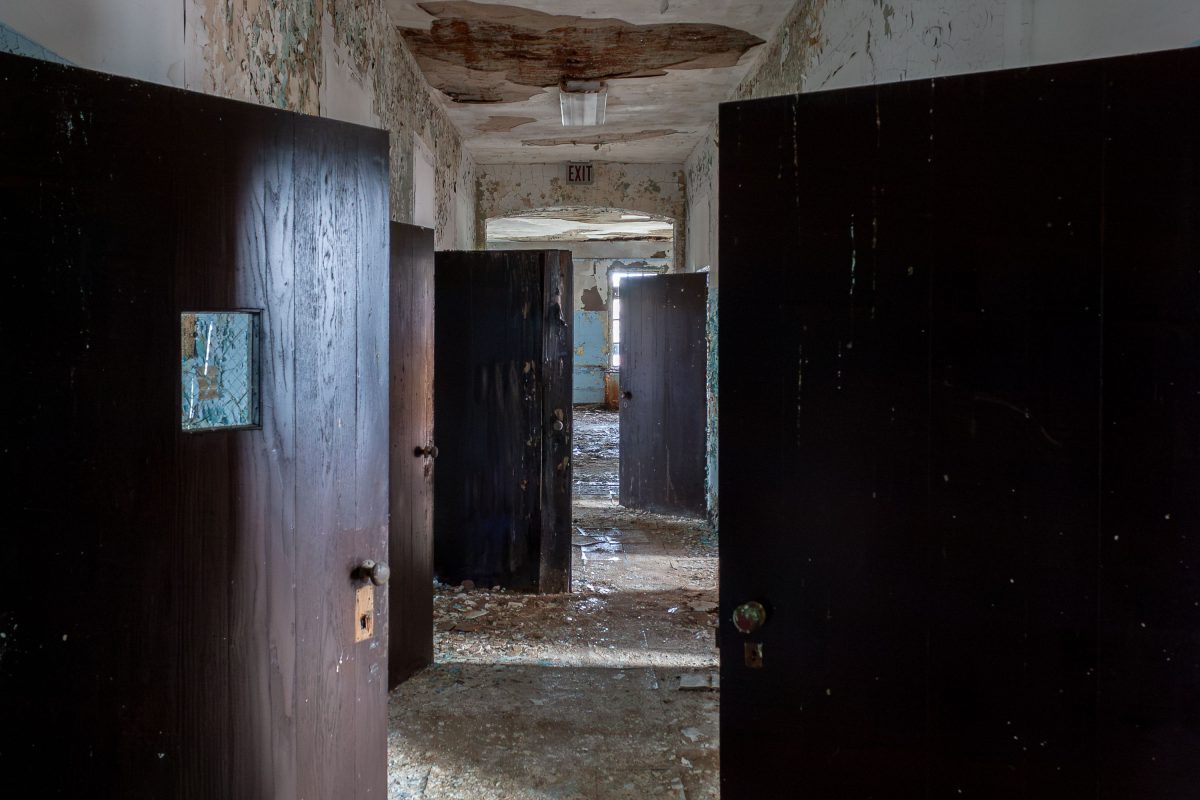
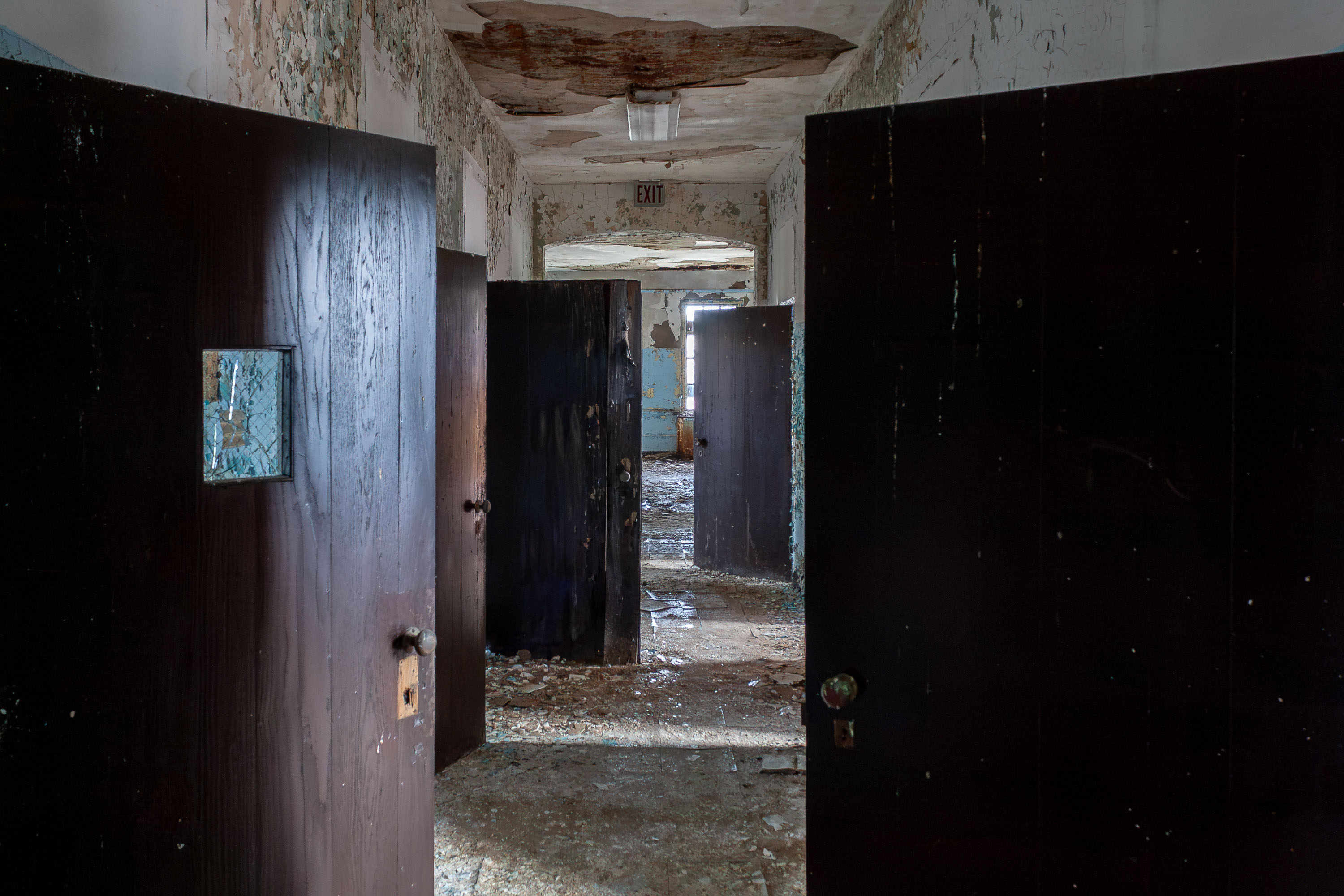
Deteriorated corridor with dark wooden doors and peeling walls inside an abandoned ward at Kings Park Psychiatric Center on Long Island.
Kings Park Psychiatric Center opened in 1885 as the Kings Park State Hospital, growing over the decades into a sprawling campus of more than 150 buildings on the north shore of Long Island. At its peak in the early 1950s, the facility housed over 9,000 patients, many held in dense wards connected by long corridors lined with individual doors like these. Changes in psychiatric care, including the introduction of new medications and a national push toward deinstitutionalization, drove steady population declines from the 1960s onward. The hospital closed for good in 1996, and its buildings have sat empty since, gradually giving way to peeling paint, collapsing ceilings, and decay.

Open Doors Along an Exit Corridor at Kings Park Psychiatric Center

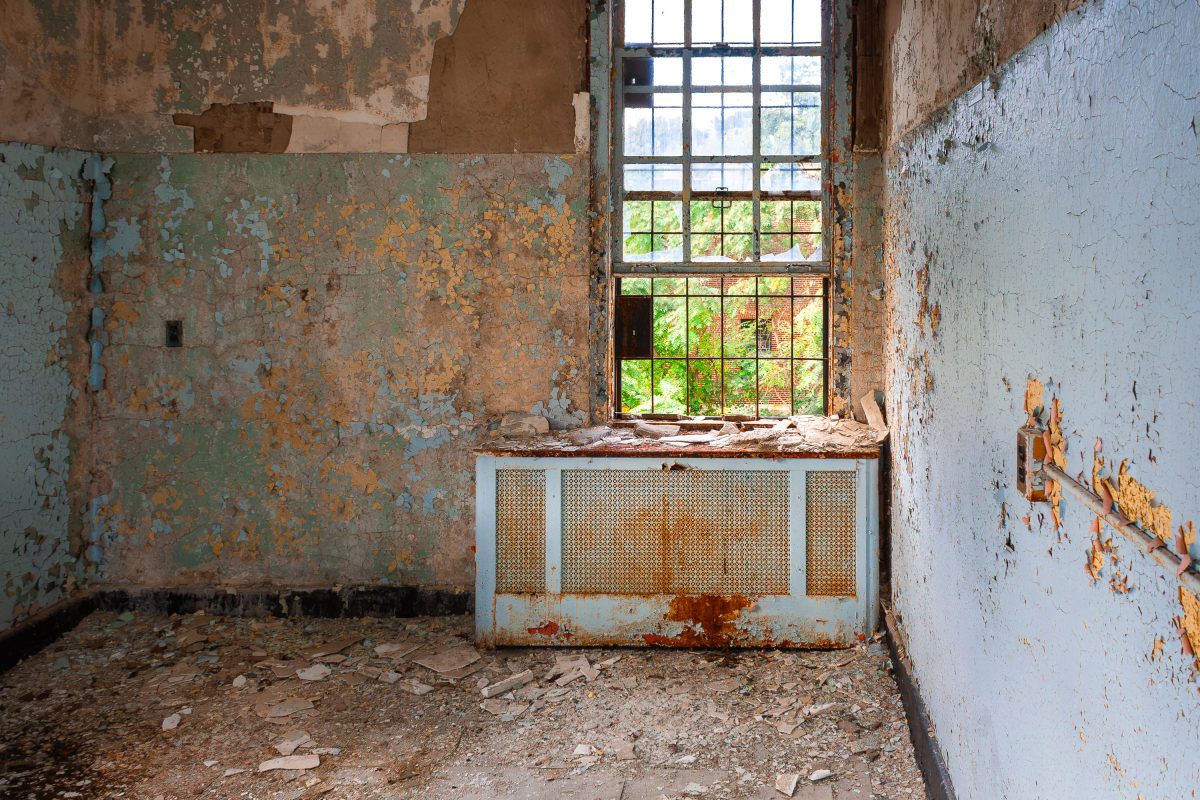
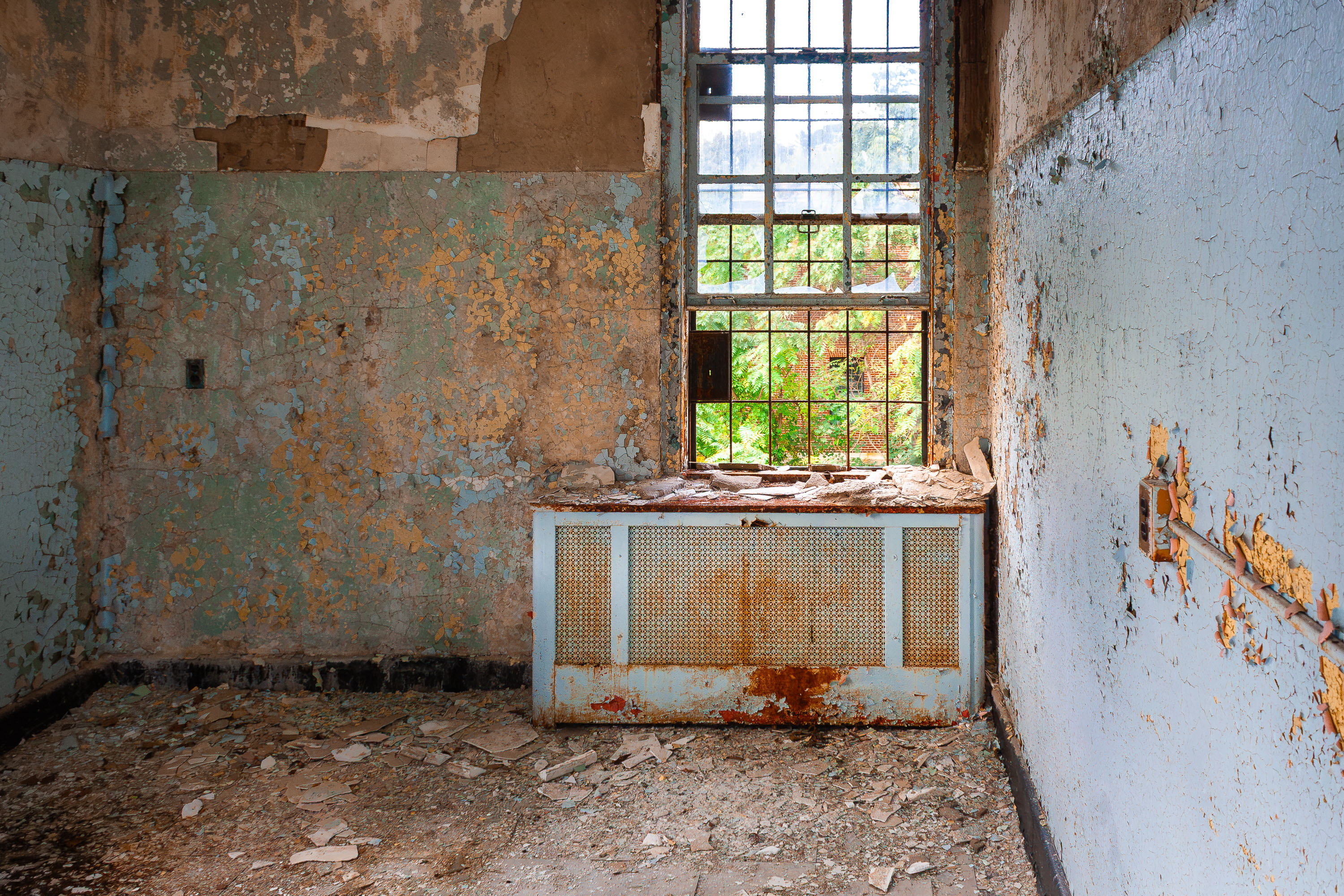
Abandoned ward room at Kings Park Psychiatric Center with deteriorated walls, cast-iron radiator, and barred window overlooking overgrown grounds.
Kings Park Psychiatric Center operated in Suffolk County, New York, from 1885 until its closure in 1996. At its peak in the 1950s, the state-run facility housed more than 9,000 patients across dozens of buildings, making it one of the largest psychiatric institutions in the country. Steam heat piped from the campus's own power plant warmed patient wards through cast-iron radiators like the one still standing here. Many of the structures, built between the 1900s and 1930s, were abandoned in place after the hospital's downsizing and later closure, leaving fixtures, plaster, and paint to deteriorate for decades. New York State has since designated portions of the grounds as parkland while other buildings remain sealed and unused.

Caged Radiator Beneath a Barred Window at Kings Park Psychiatric Center

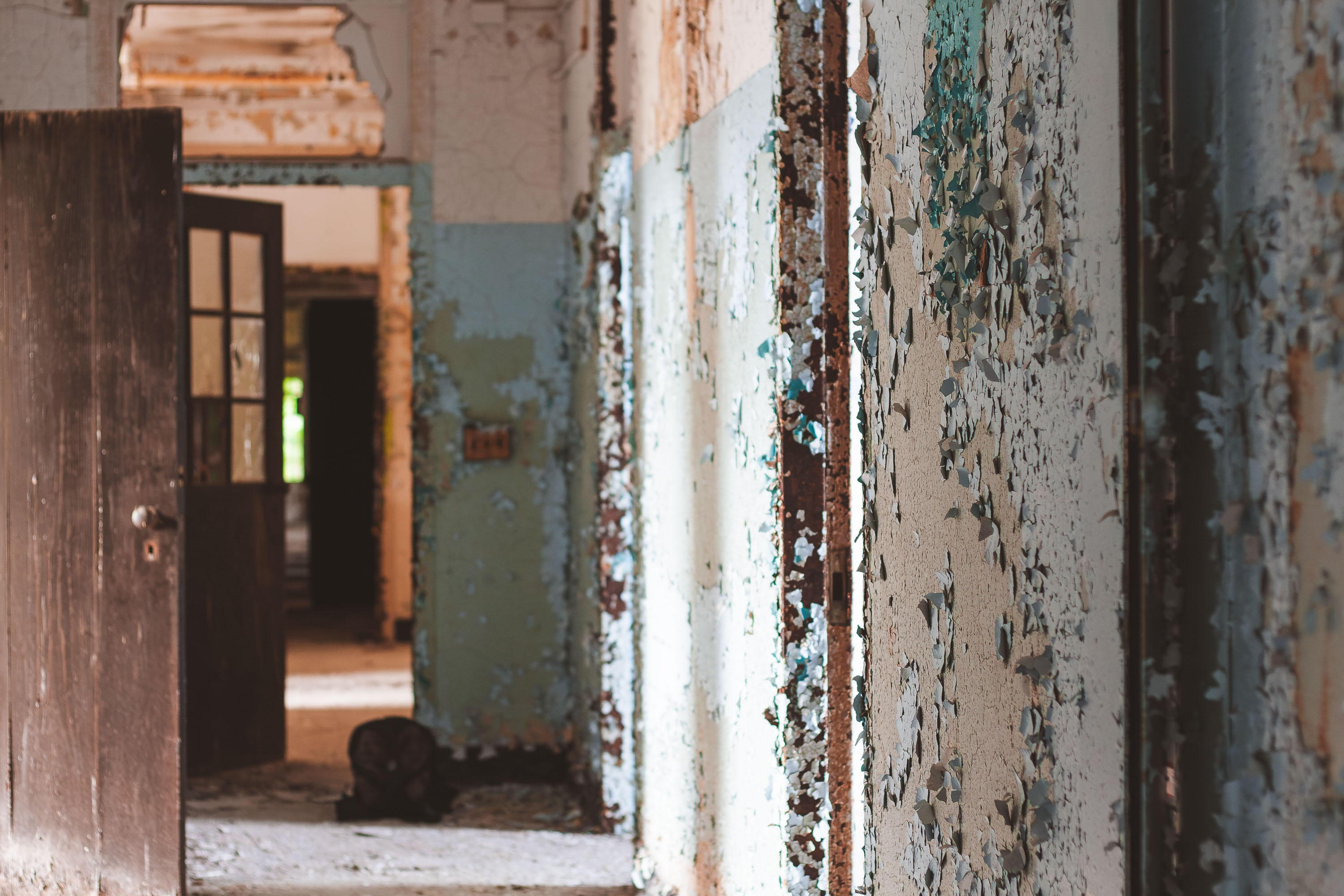
Deteriorated corridor with peeling paint and open doors inside an abandoned ward building at Kings Park Psychiatric Center on Long Island, New York.
Kings Park Psychiatric Center opened in 1885 as the Kings County Asylum for the Insane, later becoming a New York State institution that at its peak housed more than 9,000 patients across dozens of buildings on the Long Island campus. Many of the wards were built with private rooms and lockable doors rather than open dormitories, a design meant to reflect contemporary ideas about patient dignity. The hospital operated its own power plant, farm, and rail spur to sustain a population that functioned nearly as a self-contained town. State budget cuts and the shift toward outpatient psychiatric care led to a steady decline in the mid-20th century, and the facility closed in 1996. Its vacant buildings have sat untouched for decades, with lead paint and plaster falling from the walls in layers that record decades of use and neglect.

Layers of Peeling Paint Along a Ward Hallway at Kings Park

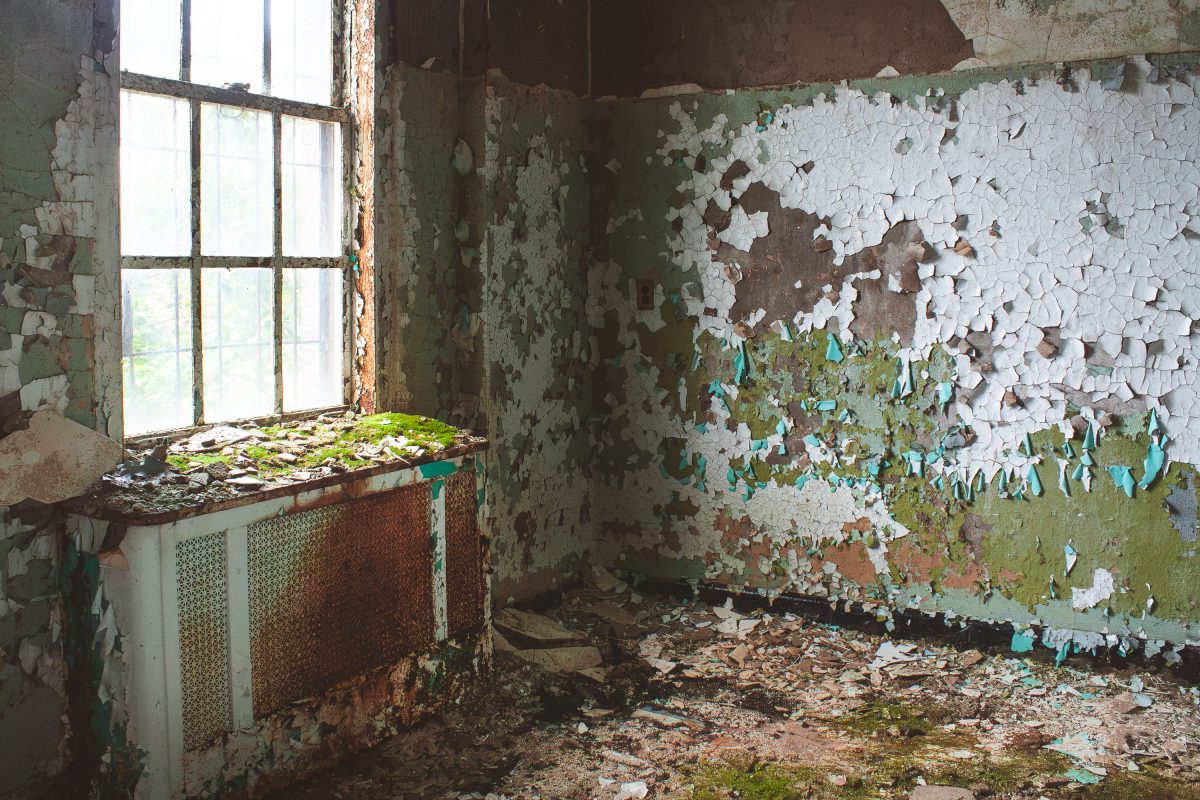
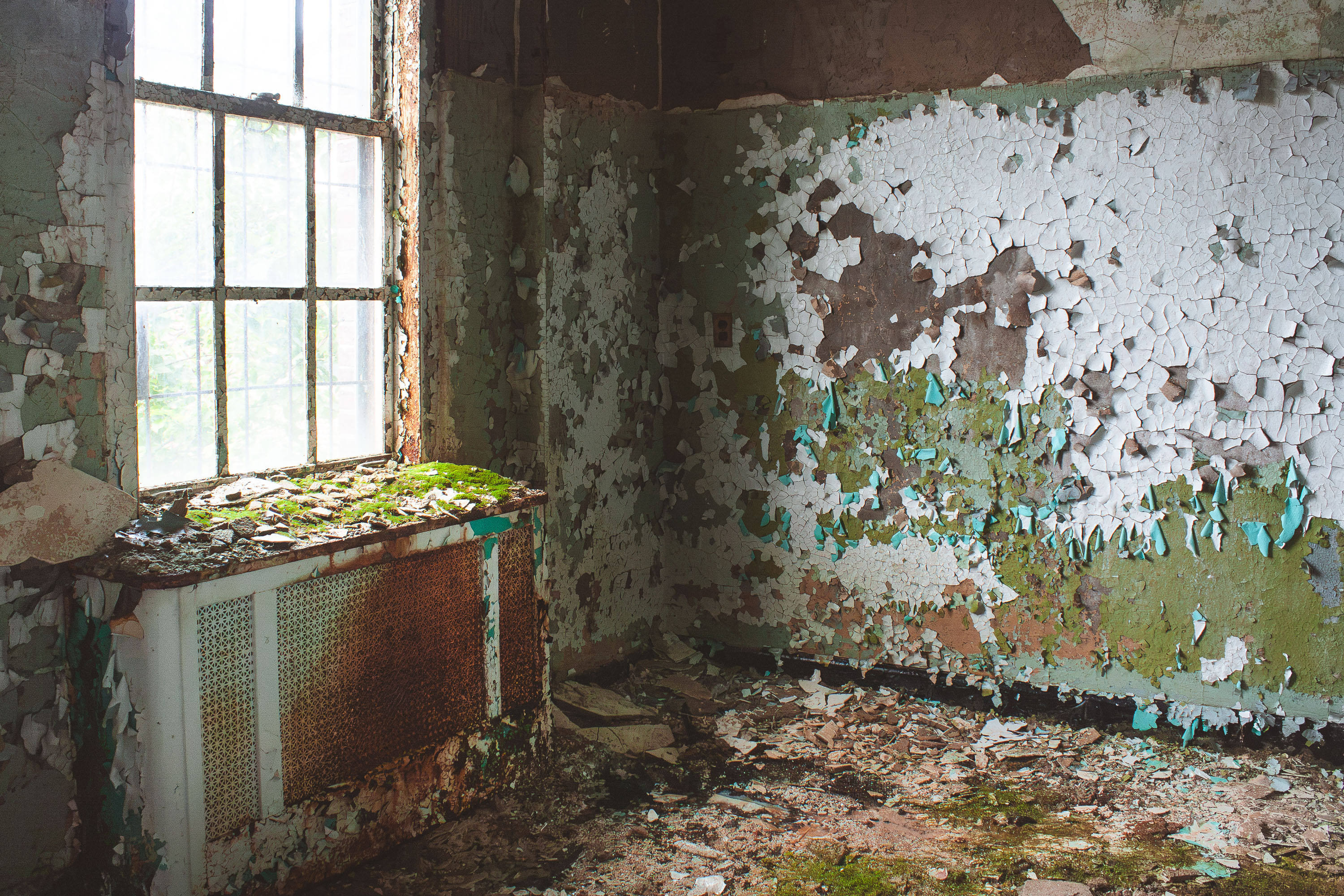
Abandoned patient room at Kings Park Psychiatric Center on Long Island with peeling white and turquoise paint, rusted radiator, and large window.
Kings Park Psychiatric Center opened in 1885 as the Kings County Farm for the Insane, built to relieve overcrowding at Brooklyn's asylums. The campus eventually grew to more than 150 buildings across 875 acres on Long Island's north shore, housing a peak population of roughly 9,300 patients by the early 1950s. New York State ran the facility as a largely self-sufficient complex, with its own power plant, farm, and rail spur for deliveries. Budget cuts and the shift toward outpatient care emptied most wards by the 1980s, and the state shut the hospital down entirely in 1996. Many of its buildings, including patient rooms like this one, have sat untouched since closure, left to lead paint, rust, and decades of exposure.

Moss-Covered Radiator Beneath a Window at Kings Park Psychiatric Center

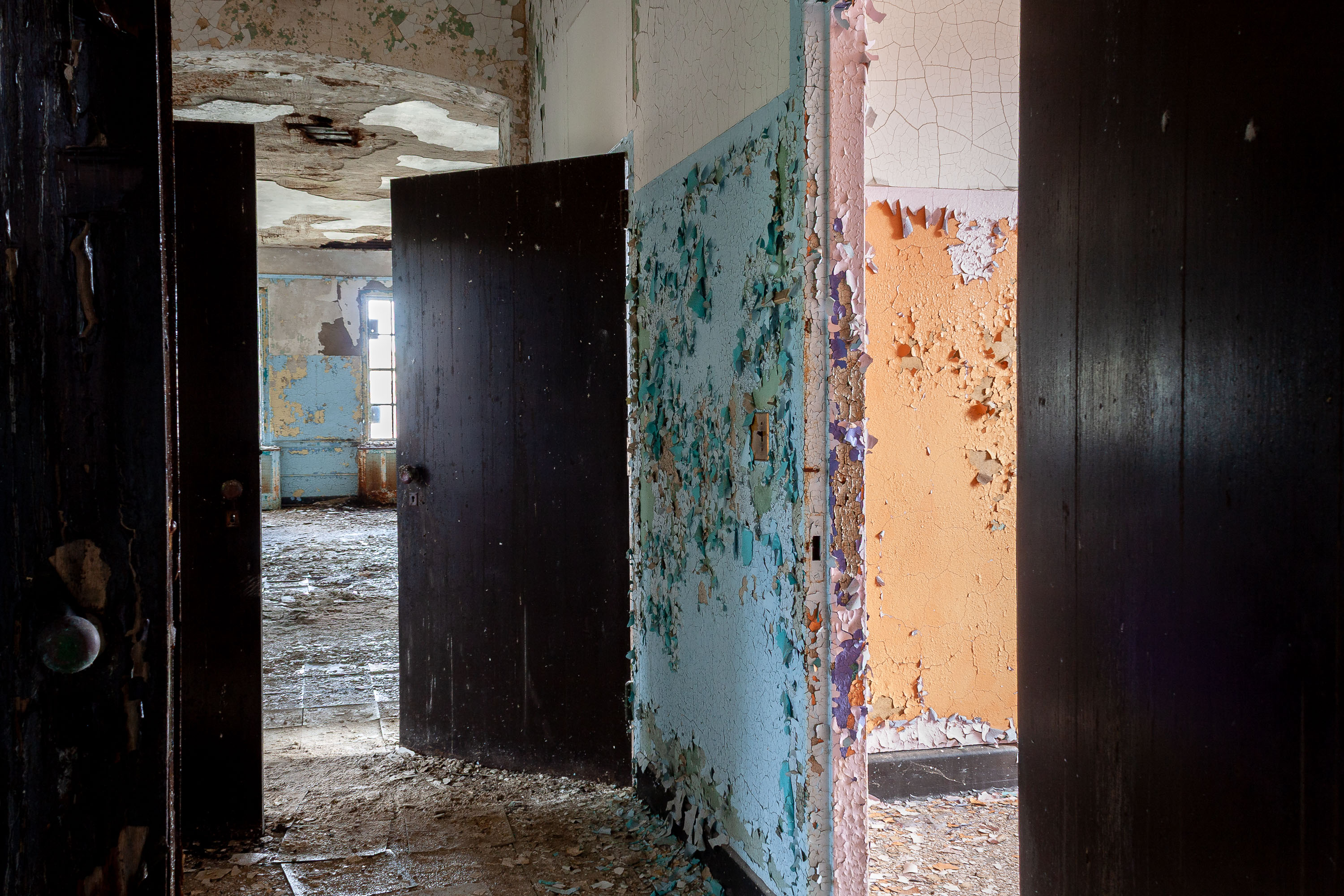
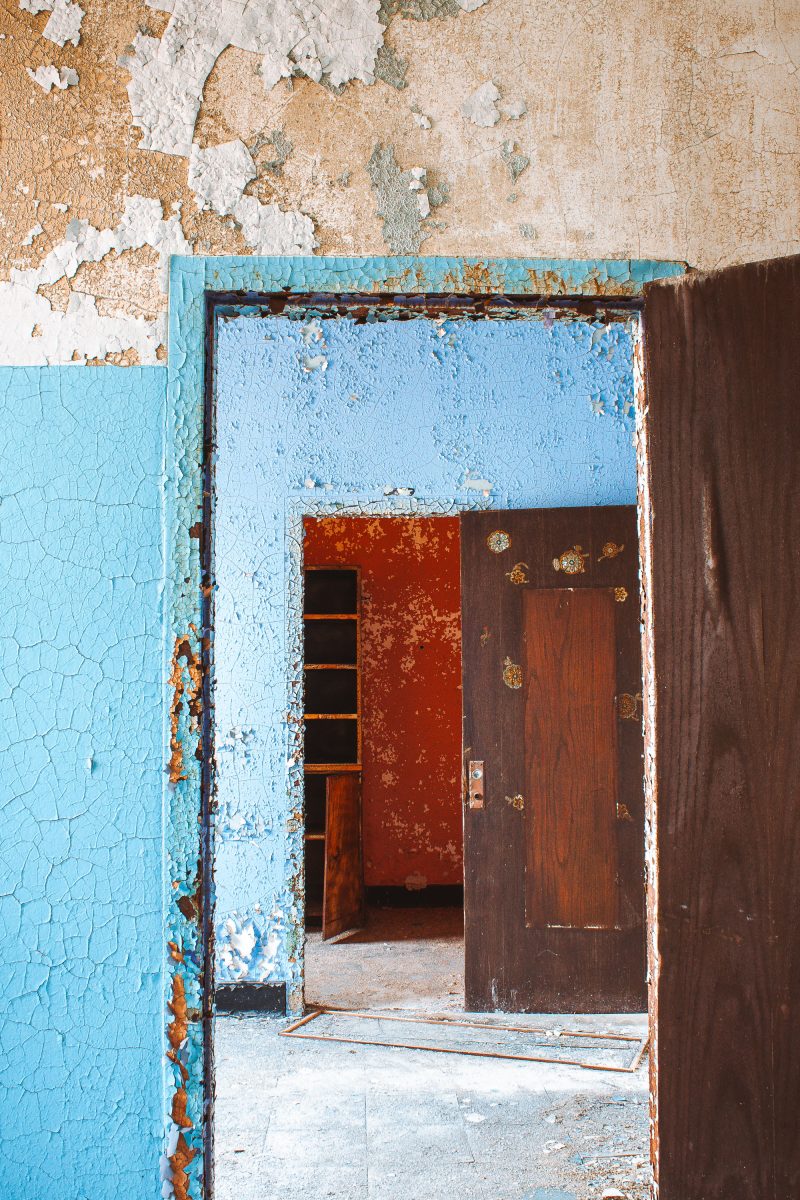
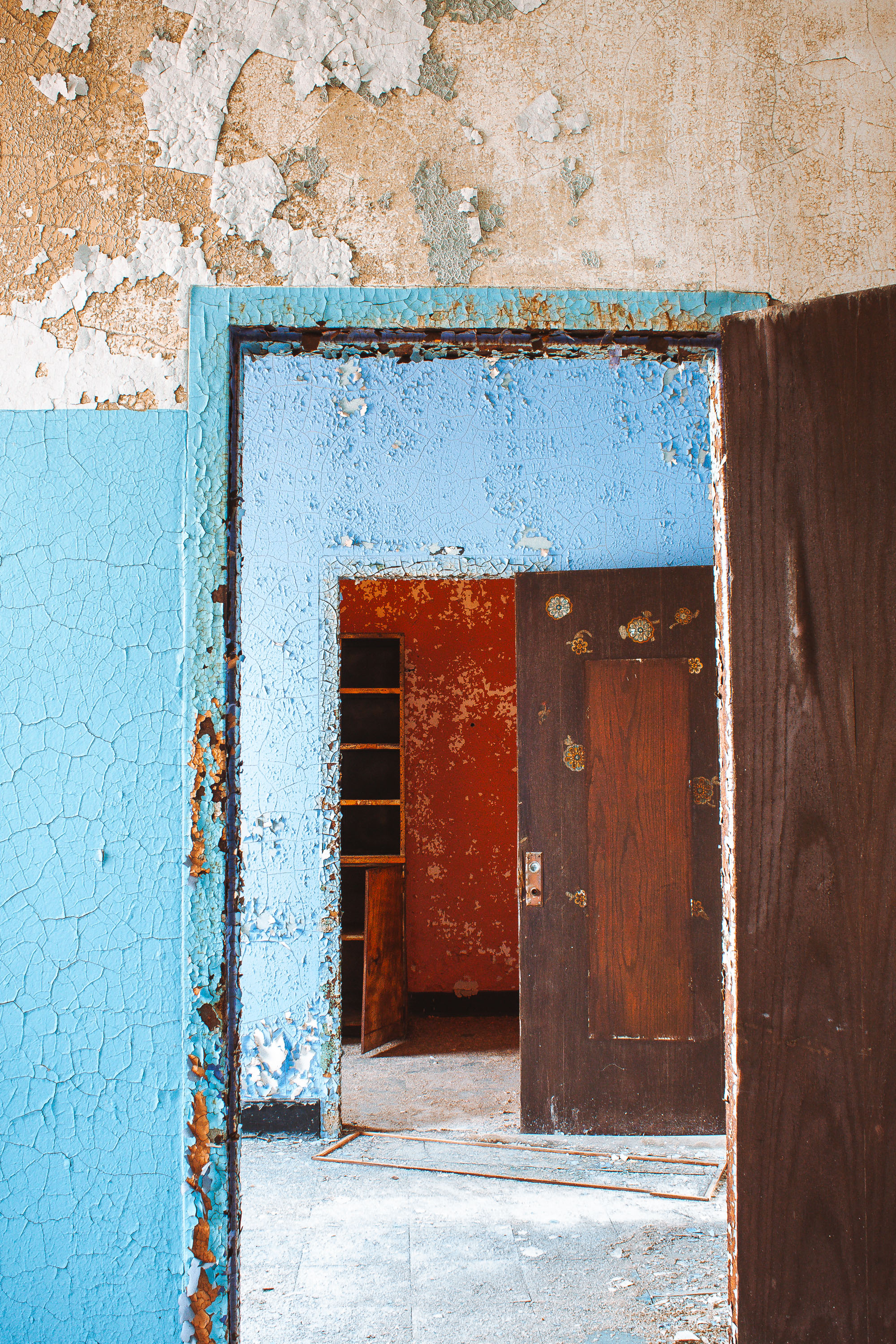
Deteriorating interior doorways with peeling blue and red paint at the abandoned Kings Park Psychiatric Center on Long Island, New York.
Kings Park Psychiatric Center opened in 1885 as the Kings Park State Hospital, eventually growing to more than 150 buildings on over 800 acres in Suffolk County, New York. At its peak population in the 1950s, the facility housed close to 9,000 patients, making it one of the largest psychiatric institutions in the state system. Changes in mental health treatment and a shift toward outpatient care led to a steady decline in population through the following decades, and the hospital closed in 1996. Many of its buildings, including patient wards and administrative offices, have sat vacant since then, with lead paint and plaster deteriorating across interior walls and doorframes. The site is now part of Nissequogue River State Park, though numerous structures remain fenced off and closed to the public.

Nested Doorways Through a Ward at Kings Park Psychiatric Center
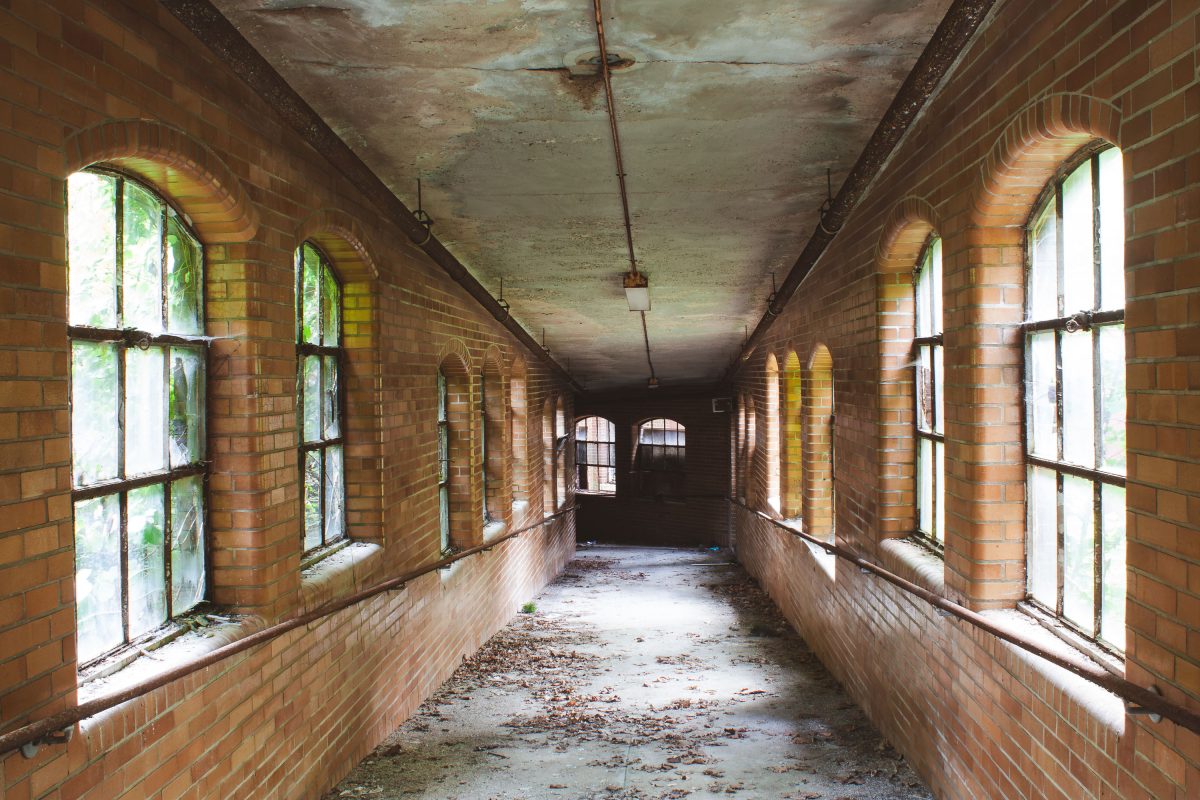
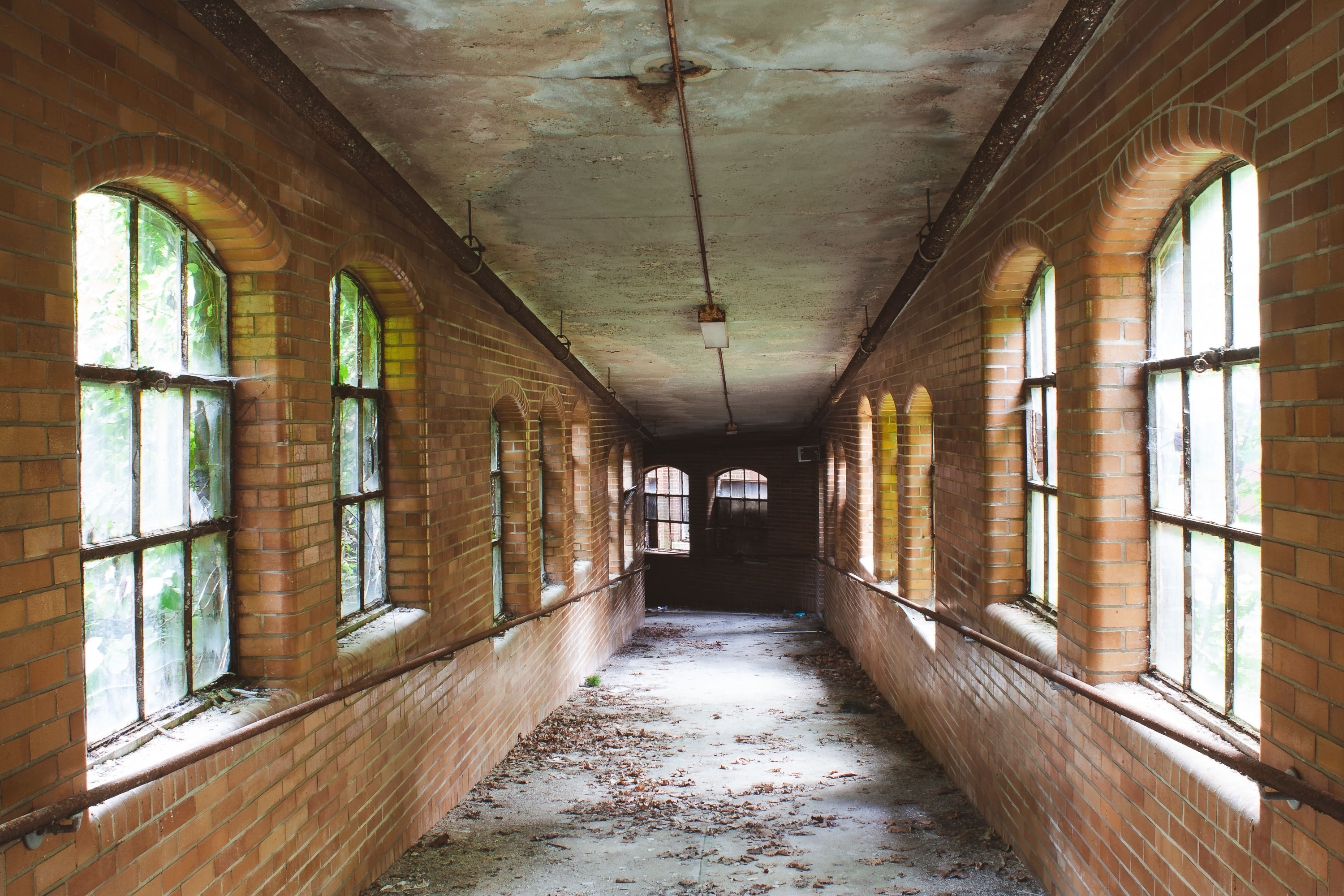
Long brick corridor with large windows and arched openings inside an abandoned building at Kings Park Psychiatric Center on Long Island, New York.
Kings Park Psychiatric Center opened in 1885 as the Kings County Farm for the Insane, growing over the following decades into a sprawling campus of more than 150 buildings on Long Island's north shore. Covered walkways like this one connected wards and service buildings, letting staff and patients move between them without going outside, a common design feature in early twentieth-century asylum planning. At its peak in the 1950s the institution housed close to 9,000 patients, making it one of the largest psychiatric facilities in the country. New York State began closing the hospital in stages after deinstitutionalization policies took hold, and it shut down entirely in 1996. Many of its buildings, including these interconnected passageways, have stood vacant since.

Arched-Window Walkway Between Wards at Kings Park Psychiatric Center

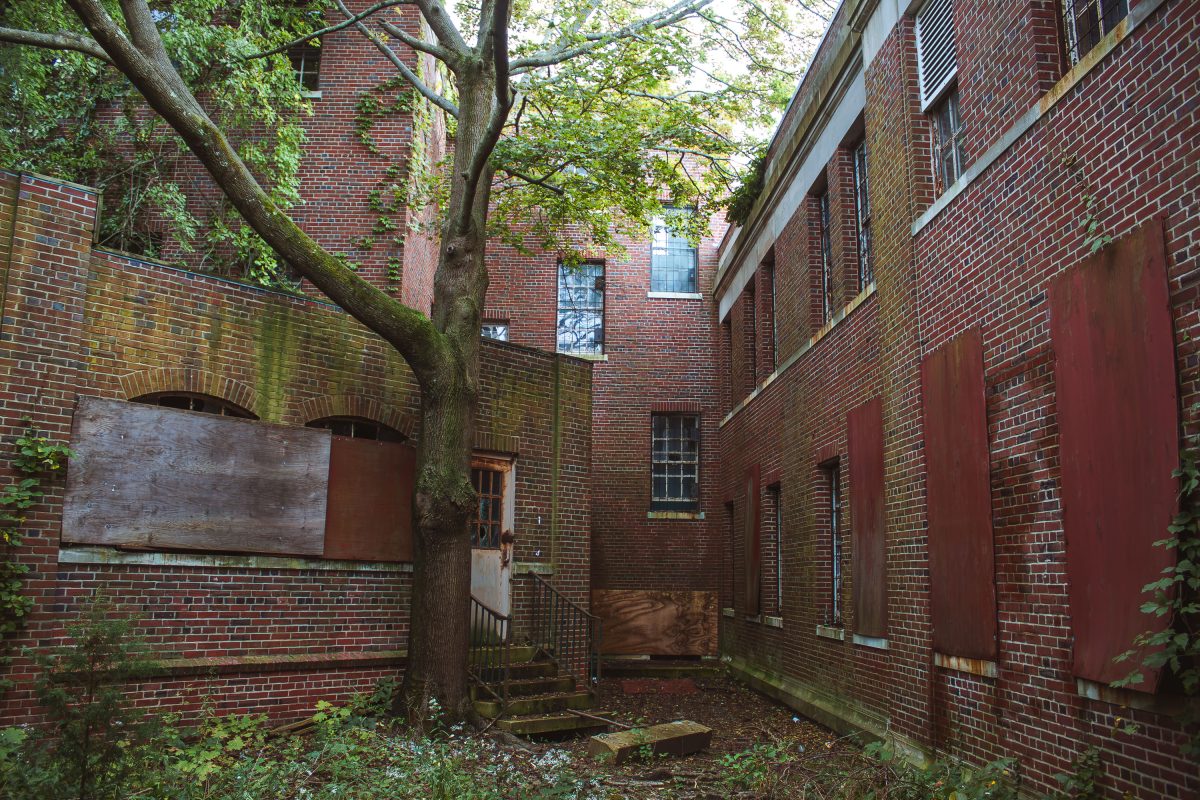
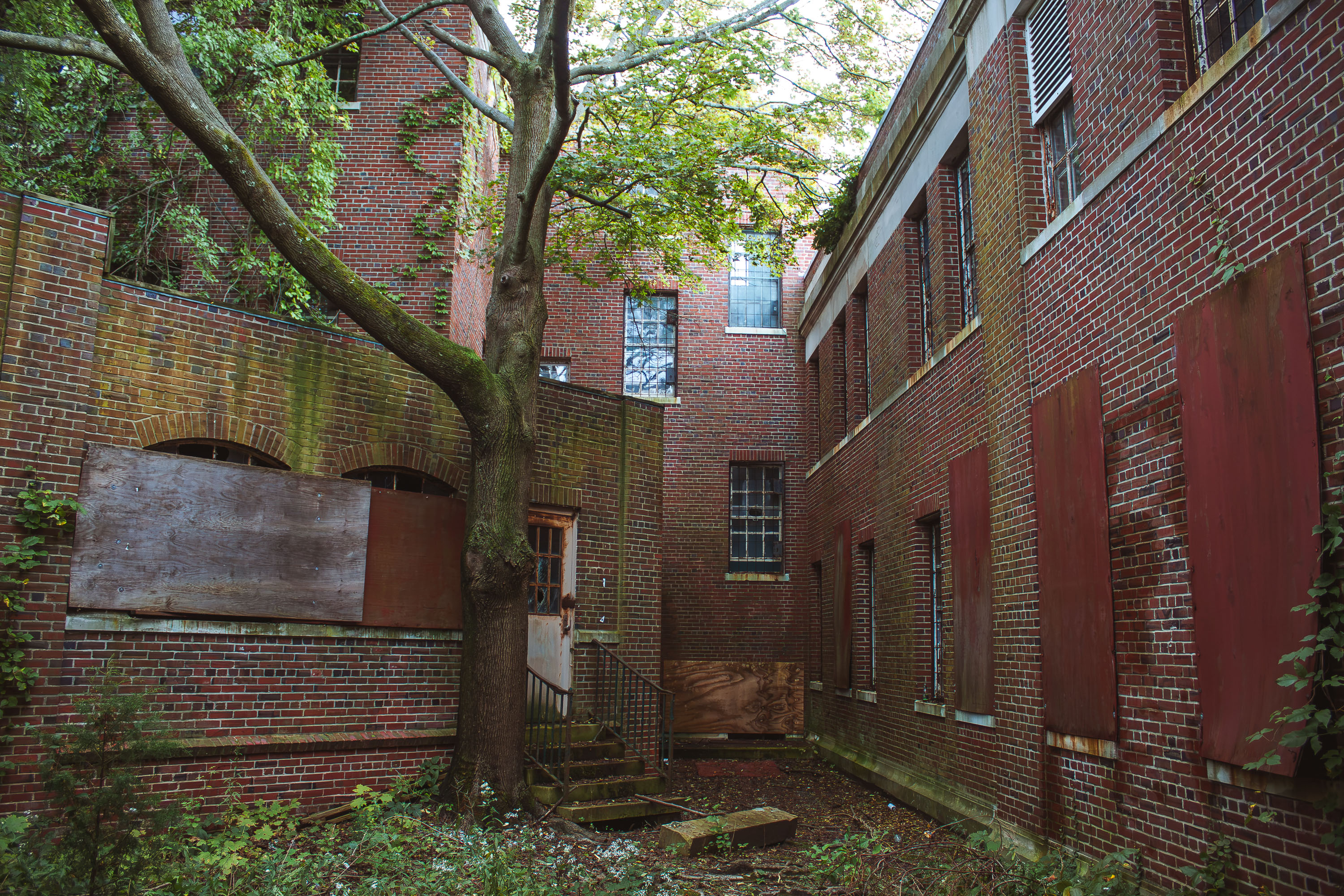
Boarded courtyard between brick ward buildings at the abandoned Kings Park Psychiatric Center on Long Island, New York.
Kings Park Psychiatric Center opened in 1885 as the Kings Park State Hospital, growing over the following decades into a sprawling campus of dozens of brick ward buildings connected by tunnels and courtyards on Long Island's north shore. At its peak in the 1950s the facility housed more than 9,000 patients and operated largely as a self-sufficient farm colony, with its own power plant, railroad spur, and agricultural fields. Deinstitutionalization and changing standards of psychiatric care led New York State to close the hospital in phases, with the last buildings vacated by 1996. Many of the remaining structures have sat sealed with plywood and steel since closure, awaiting redevelopment plans that have repeatedly stalled amid the site's asbestos and structural hazards.

Tree-Filled Courtyard at Kings Park Psychiatric Center

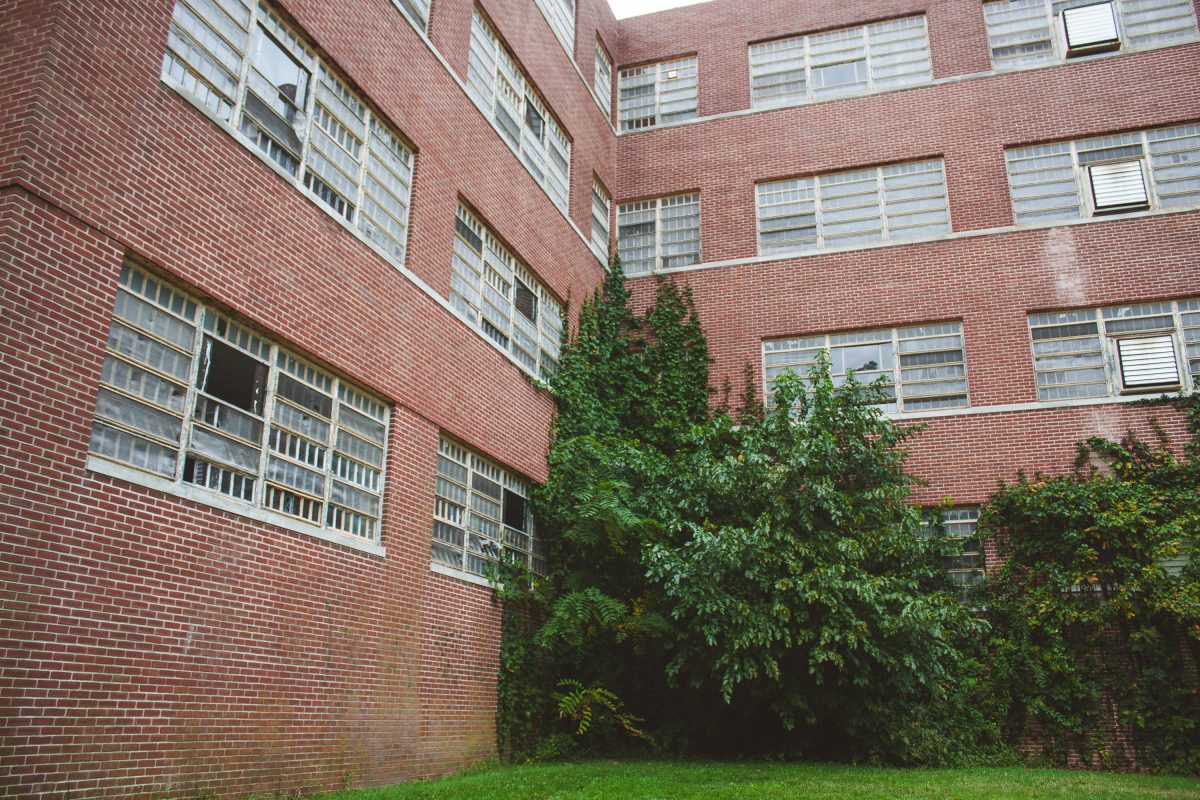
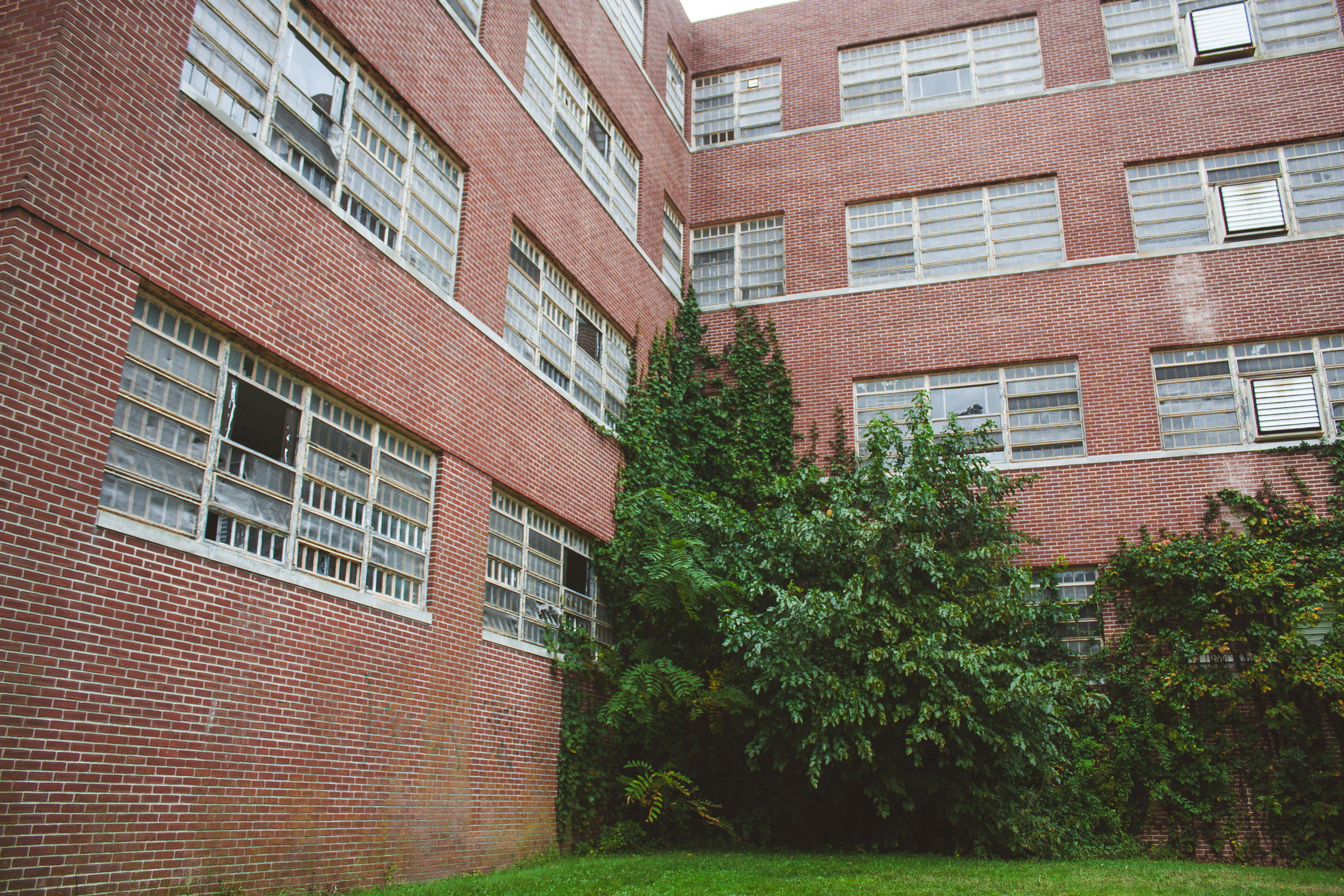
Ivy-covered courtyard between brick ward buildings at the abandoned Kings Park Psychiatric Center on Long Island, New York.
Kings Park Psychiatric Center opened in 1885 on Long Island's north shore, growing over the following decades into a self-contained village of more than 150 buildings designed to house and treat thousands of patients. Its multi-story brick wards, many built in the early 20th century, relied on rows of steel-sash windows for light and ventilation in an era before mechanical air conditioning. The facility operated at its peak with a population exceeding 9,000 patients before New York State began scaling back its use following changes in mental health policy. It closed permanently in 1996, and many of its buildings have sat vacant since, with trees and vines gradually reclaiming the courtyards between them.

Ivy Climbing a Ward Wall at Kings Park Psychiatric Center

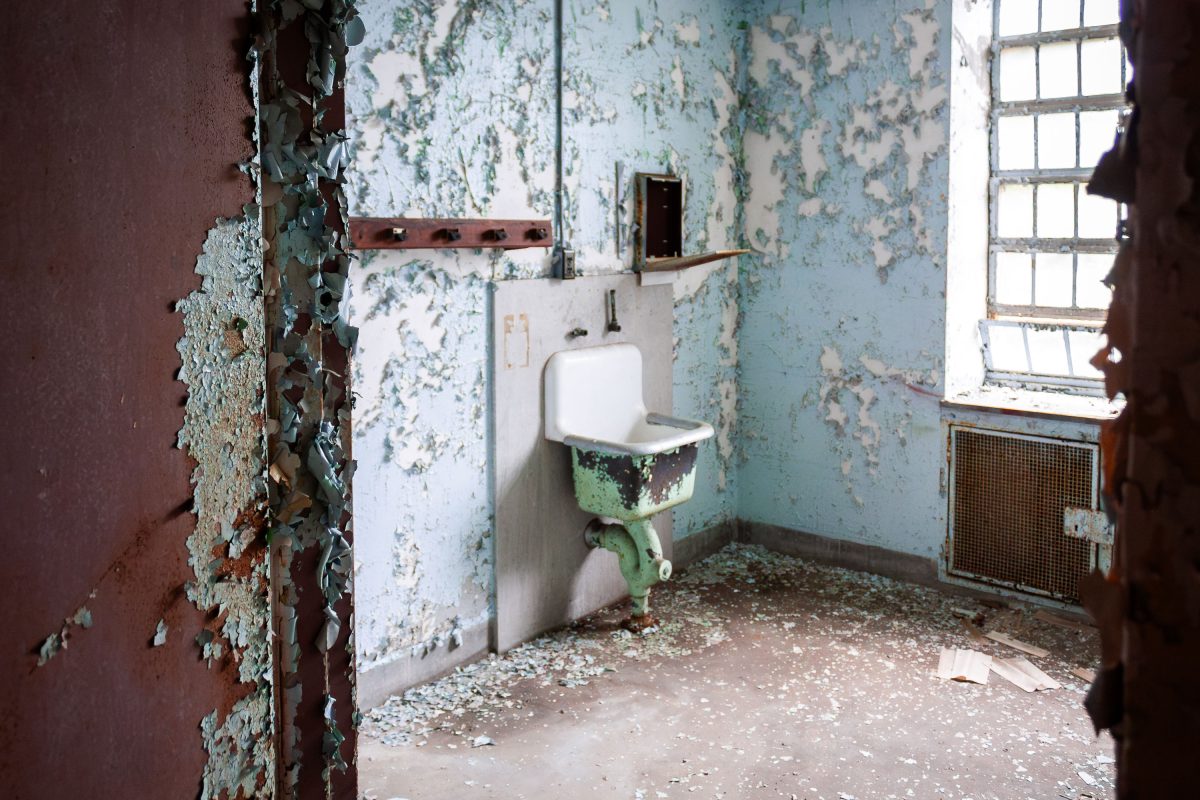
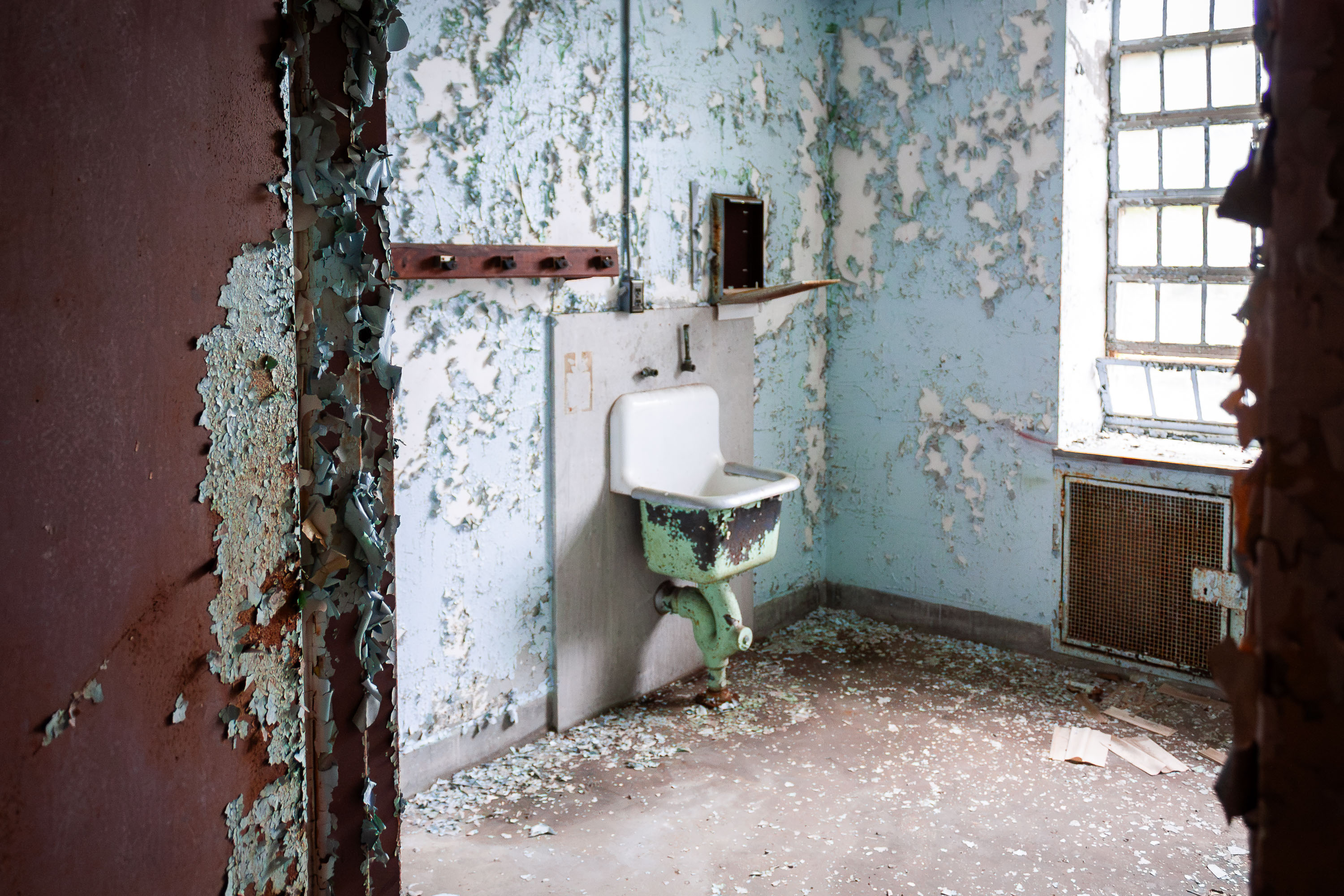
Deteriorated bathroom with cast-iron sink and peeling paint inside an abandoned ward at Kings Park Psychiatric Center on Long Island.
Kings Park Psychiatric Center operated in Suffolk County, New York, from 1885 until its closure in 1996, at its peak housing more than 9,000 patients across dozens of buildings. Many of the wards included utilitarian fixtures like the cast-iron sink typical of the facility's early-to-mid-20th-century plumbing, installed to serve communal patient bathing and washing needs. The hospital's decline began in the 1950s and 1960s as new psychiatric medications and a statewide push toward deinstitutionalization reduced patient populations. Since its shutdown, the campus has been left largely to decay, with lead paint and asbestos contributing to the deterioration seen in structures like this one. Portions of the grounds are now managed by New York State Parks, though most of the original buildings remain unused and inaccessible to the public.

Corner Sink Beneath a Barred Window at Kings Park Psychiatric Center
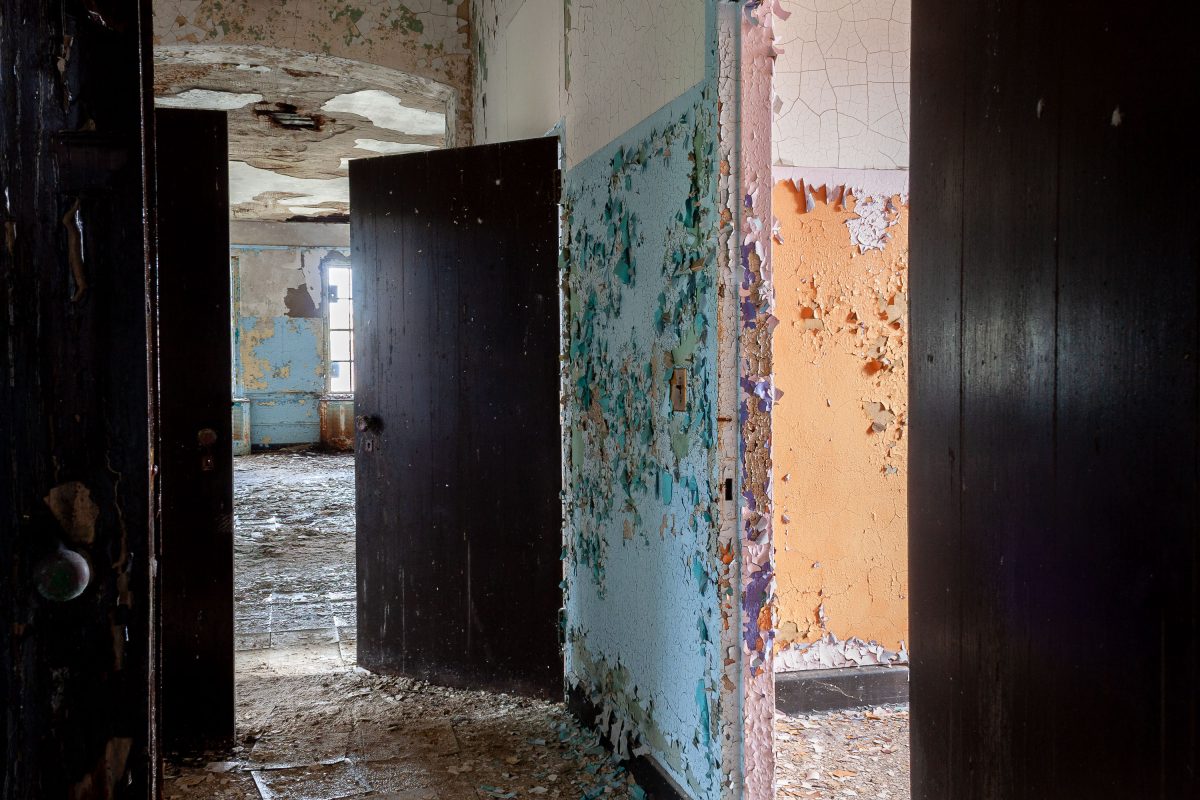
Brick ward building at the abandoned Kings Park Psychiatric Center in Suffolk County, Long Island, New York.
Kings Park Psychiatric Center opened in 1885 as the Kings Park State Hospital, built to relieve overcrowding at other New York asylums. At its peak in the 1950s, the facility housed more than 9,000 patients across dozens of buildings on a sprawling campus in Suffolk County, Long Island. Many of its brick ward buildings were constructed in the early to mid-20th century to accommodate the growing patient population under the state's mental health policies. The hospital shifted toward deinstitutionalization in the 1970s and 1980s as treatment approaches changed and patient numbers declined sharply. It closed permanently in 1996, and much of the property was later transferred to New York State Parks, leaving many of the original structures vacant.

Overgrown Pathway Leading to a Ward Building at Kings Park
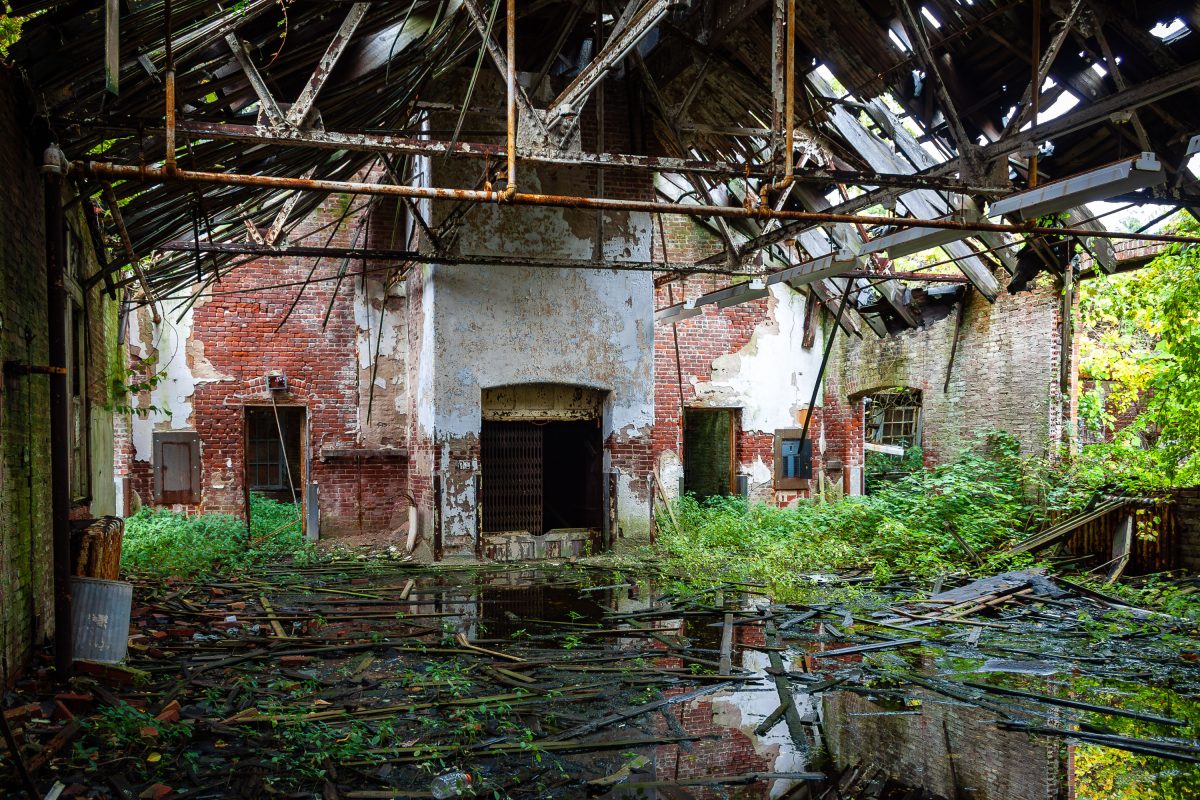
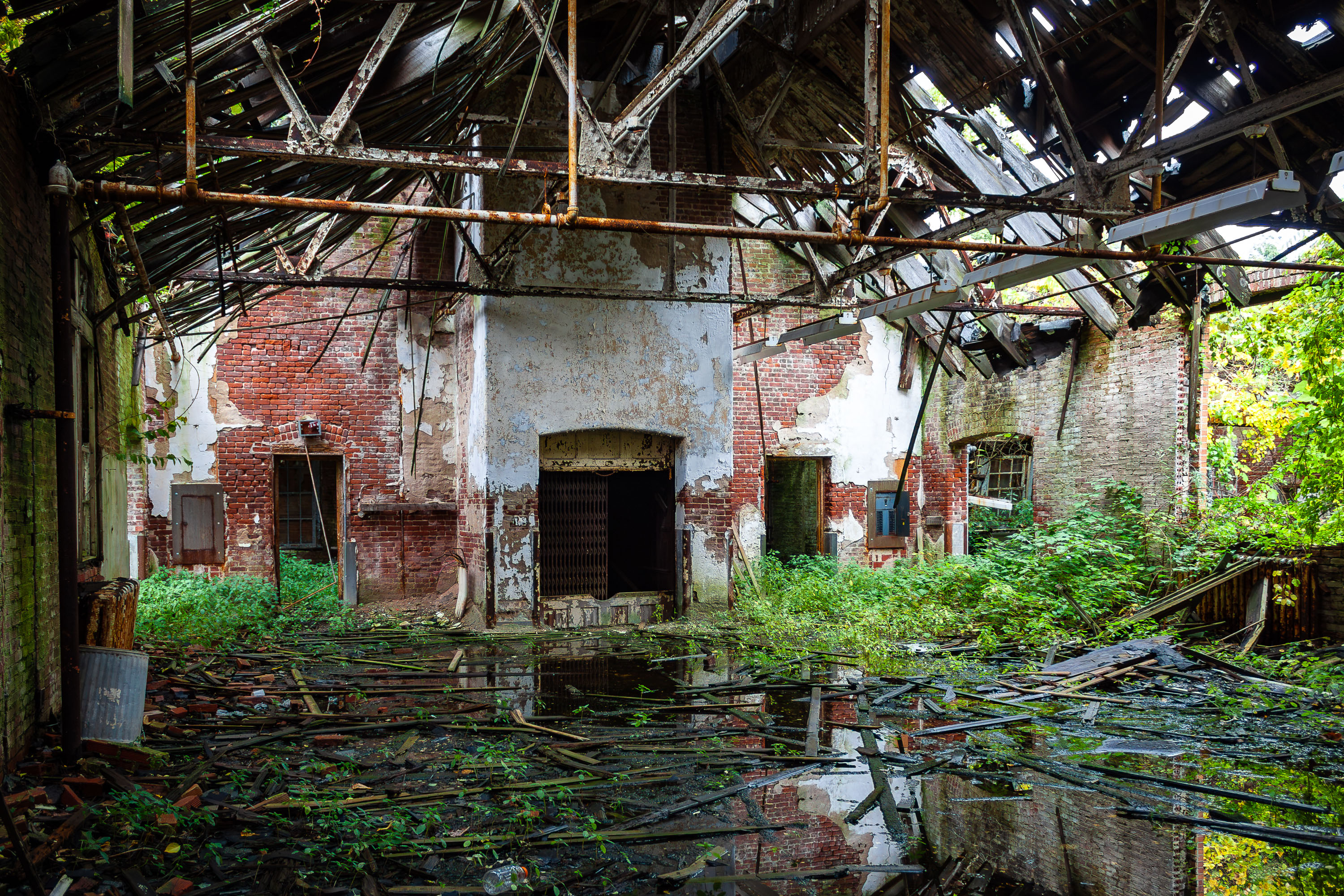
Flooded interior of an abandoned brick building at Kings Park Psychiatric Center on Long Island, New York, with collapsed roof and overgrown vegetation.
Kings Park Psychiatric Center opened in 1885 as the Kings County Farm for the Insane, later expanding under state control into one of New York's largest psychiatric institutions, with more than 150 buildings across its campus on Long Island's north shore. At its peak in the 1950s, the facility housed over 9,000 patients and operated its own power plant, farm, and rail spur for deliveries. Deinstitutionalization policies and funding cuts led to a steady decline through the latter half of the 20th century, and the hospital closed in 1996. Many of its brick structures, left to the elements for decades, have suffered collapsed roofs and interior flooring damage as groundwater and rain infiltrate the abandoned interiors. Portions of the site are now managed by the state as parkland, while the remaining derelict buildings await stabilization or demolition.

Collapsed Roof and Flooded Floor at Kings Park Psychiatric Center
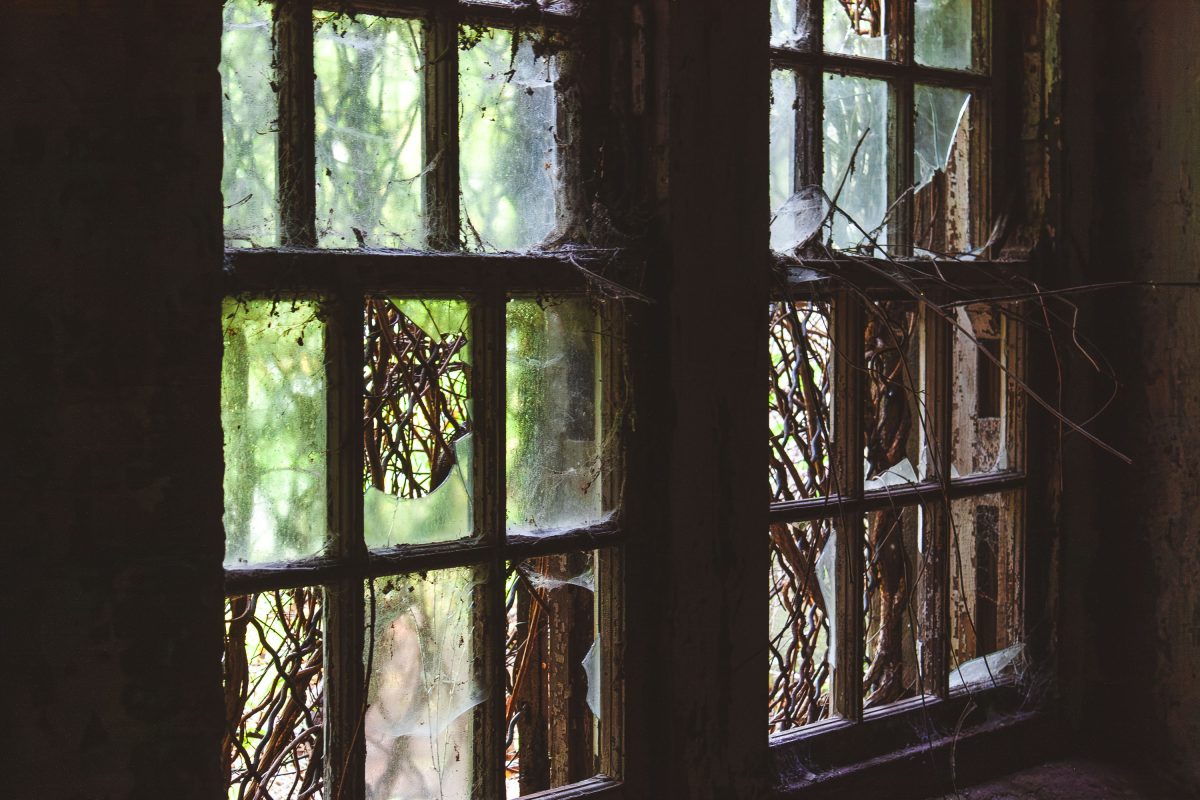
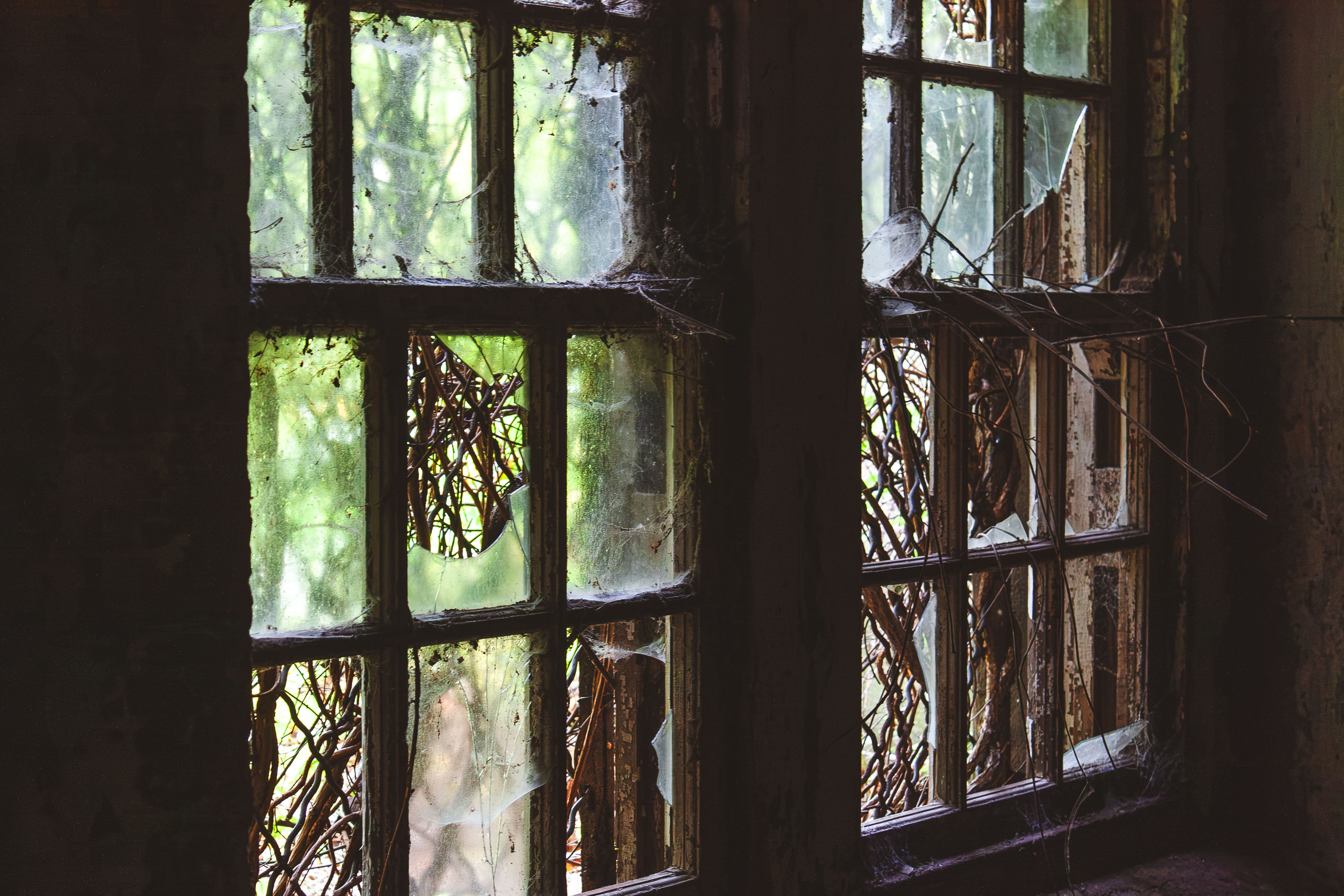
Broken windows with overgrown vines at the abandoned Kings Park Psychiatric Center in New York.
Kings Park Psychiatric Center opened in 1885 as the Kings Park State Hospital, established to relieve overcrowding at other New York asylums. At its peak in the mid-20th century, the campus held more than 9,000 patients across over 150 buildings on land along Long Island's Nissequogue River. The state began closing the facility in stages after the introduction of deinstitutionalization policies in the 1960s and 70s, and the hospital shut down completely in 1996. Many of its brick buildings have sat vacant since then, with vines and vegetation reclaiming window frames and interior spaces. Portions of the grounds are now part of Nissequogue River State Park.

Spiderwebs and Vines Fill Shattered Windows at Kings Park Psychiatric Center
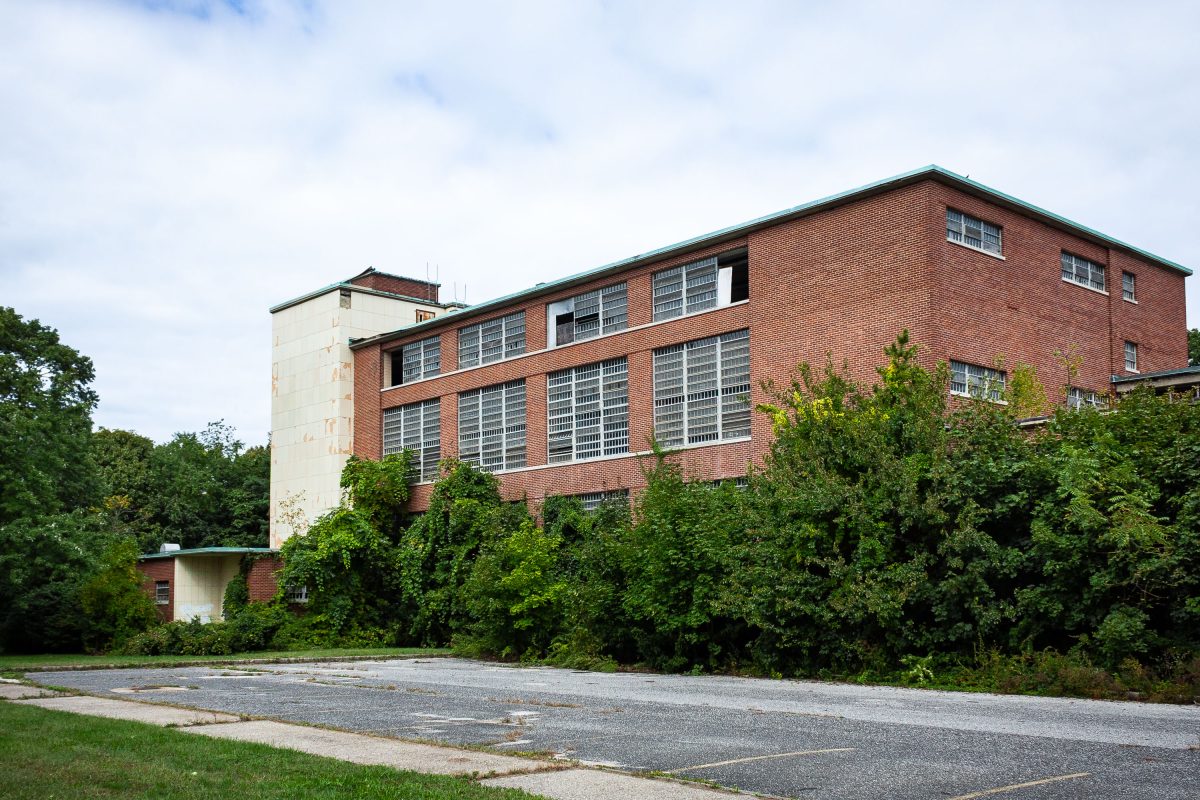
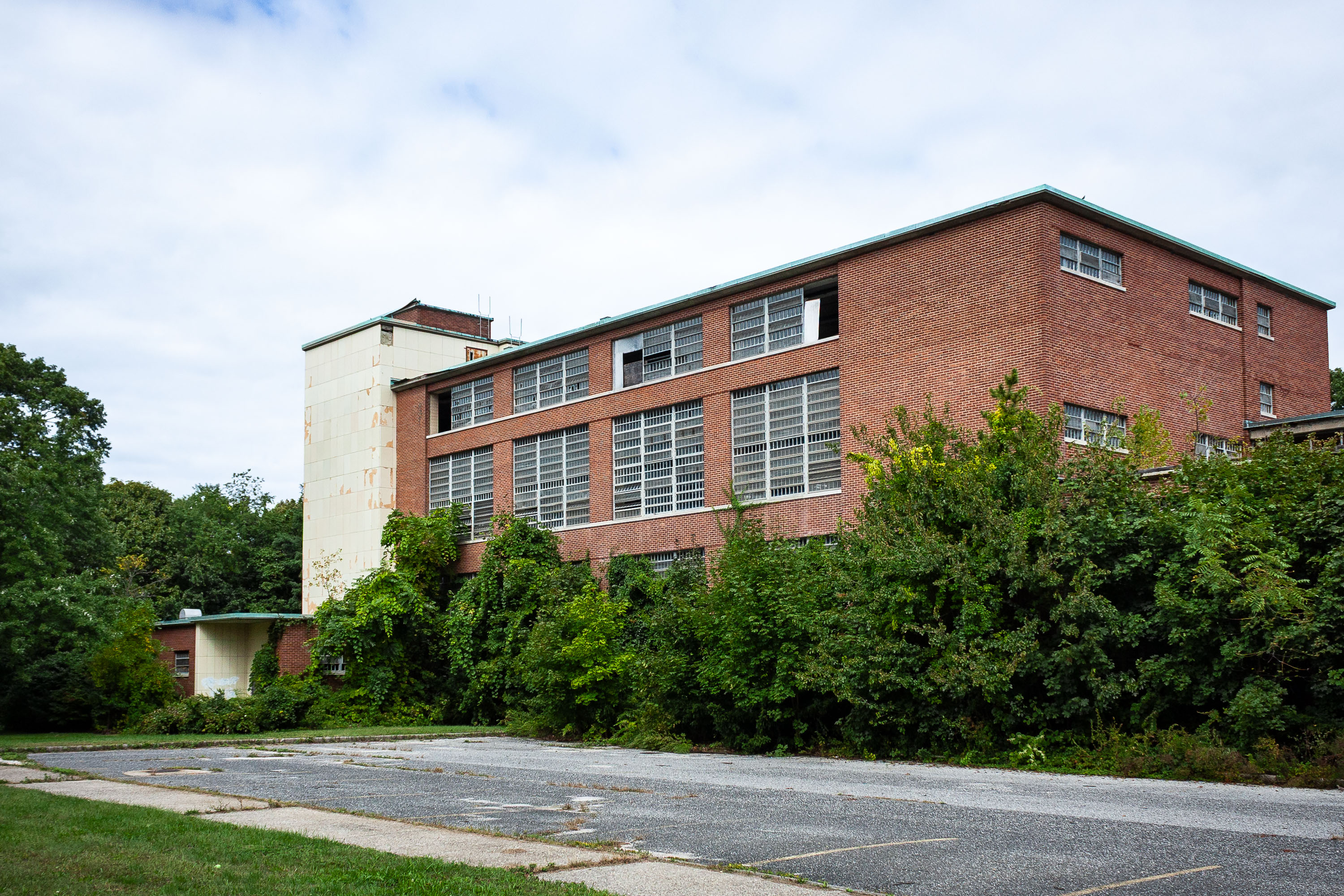
Brick ward building at the abandoned Kings Park Psychiatric Center on Long Island, New York.
Kings Park Psychiatric Center opened in 1885 as the Kings Park State Hospital, established by Long Island municipalities to house patients transferred from overcrowded Brooklyn and Manhattan asylums. The state took over operation in 1895, and the campus eventually grew to more than 150 buildings spread across roughly 875 acres on Long Island's north shore. At its peak population in the 1950s, the hospital held more than 9,000 patients, making it one of the largest psychiatric institutions in the country. Changing treatment practices and the push toward deinstitutionalization led to a steady decline in the population, and the facility closed in 1996. Many of its brick ward buildings, including multi-story dormitory structures like this one, have stood vacant ever since, with the surrounding grounds now part of Nissequogue River State Park.

Overgrown Exterior of a Ward Building at Kings Park Psychiatric Center
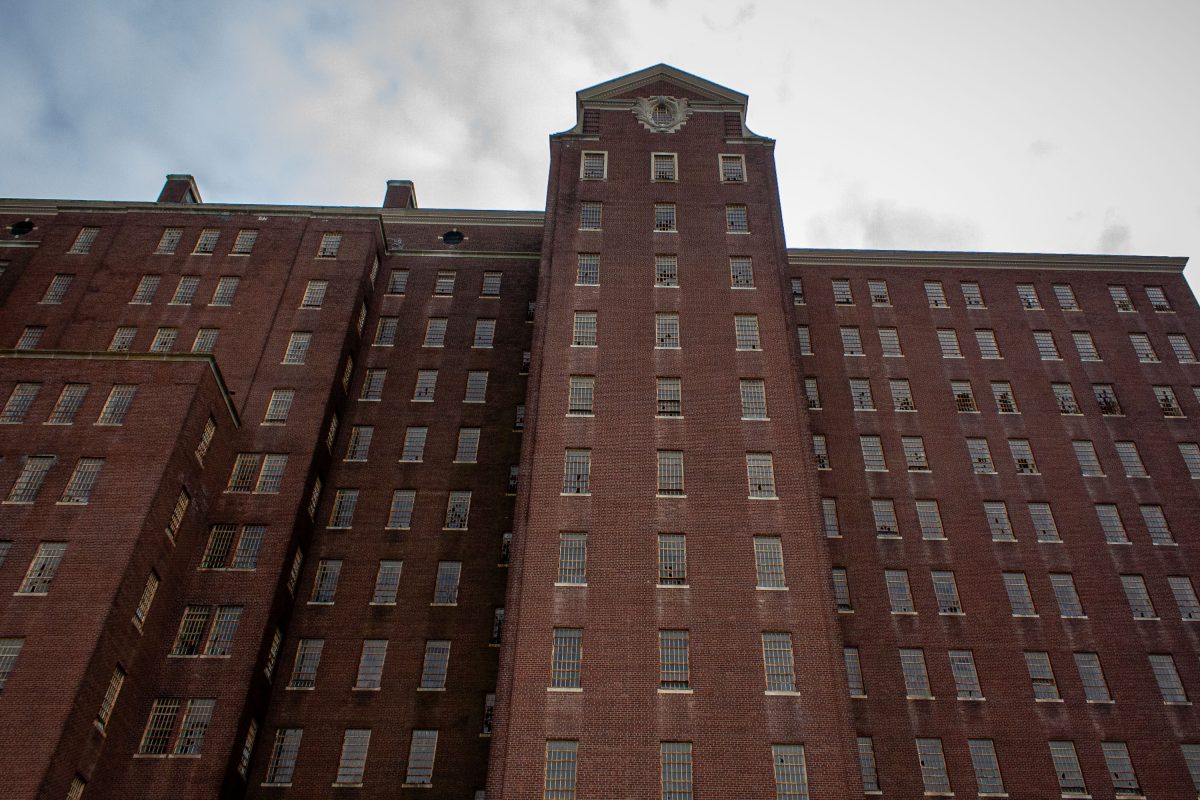
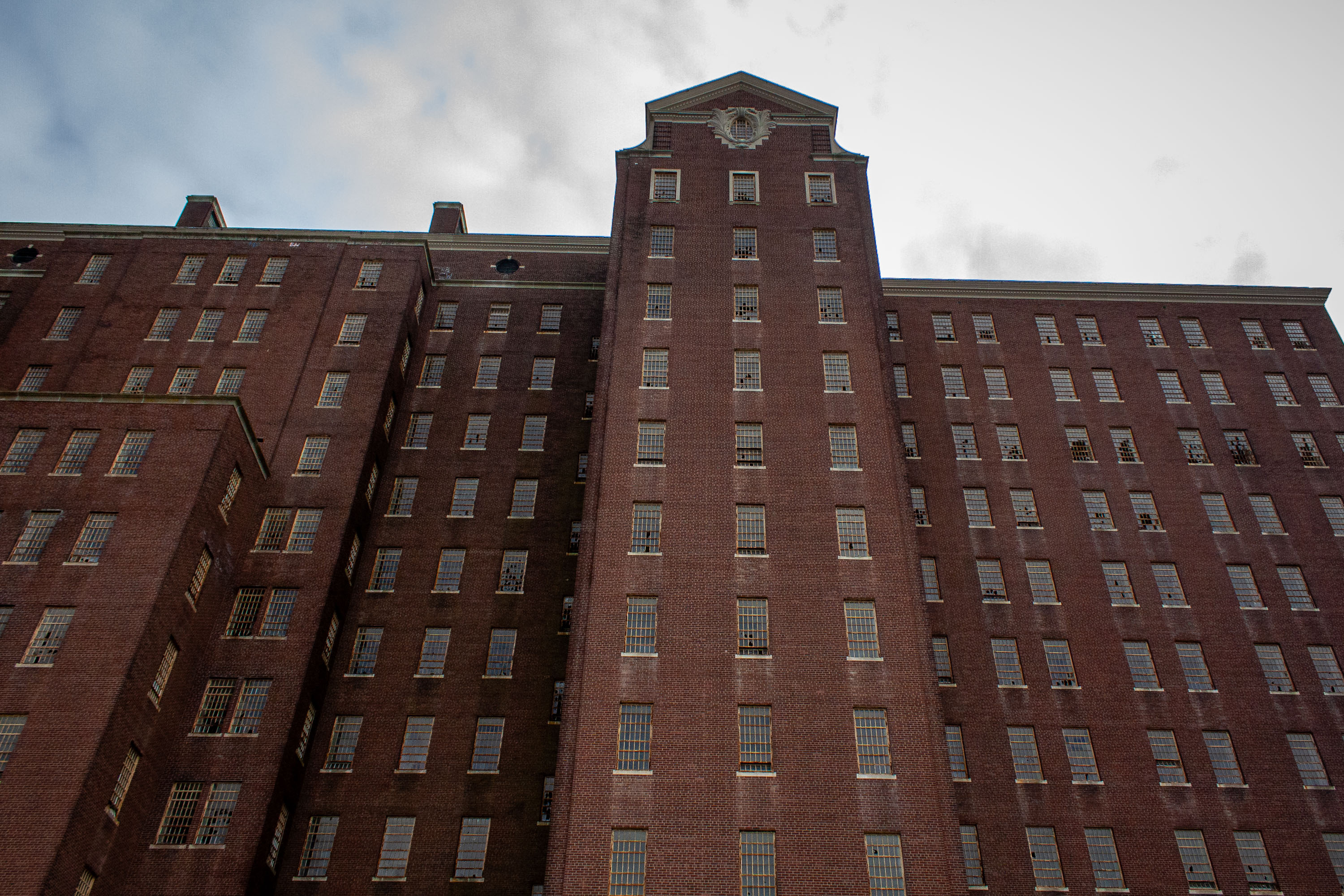
Building 93, a thirteen-story brick structure completed in 1939, stands at the former Kings Park Psychiatric Center on Long Island, New York.
Building 93 is the tallest structure at the former Kings Park Psychiatric Center on Long Island, rising thirteen stories above the surrounding campus. New York State opened the facility in 1885 as the Kings County Farm, later expanding it into one of the state's largest psychiatric hospitals, with a peak population of nearly 9,000 patients by the mid-20th century. Building 93 was completed in 1939 to house patients and support services as the hospital grew increasingly self-sufficient, operating its own power plant, farms, and rail spur. Deinstitutionalization and shifts in mental health policy led to the hospital's decline, and the state closed it in 1996. Much of the campus, including Building 93, has sat vacant since then, though a portion of the grounds was converted into Nissequogue River State Park in 2000.

Towering Façade of Building 93 at Kings Park Psychiatric Center
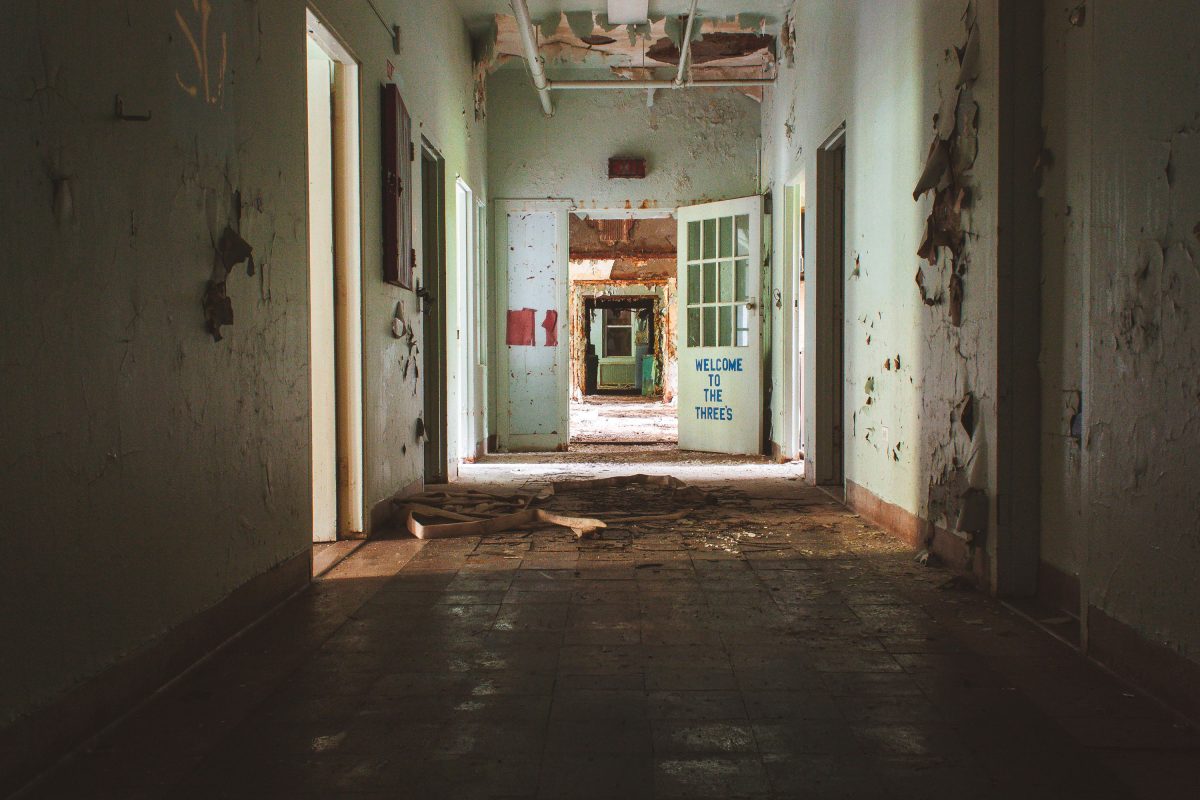
Abandoned corridor in Kings Park Psychiatric Center with peeling walls and a hand-painted "Welcome to the Three's" sign marking a former ward.
Kings Park Psychiatric Center operated in Kings Park, New York, from 1885 until its closure in 1996, at its peak housing more than 9,000 patients across dozens of buildings on the state hospital campus. Many structures were organized into numbered wards and cottages, a system meant to segregate patients by diagnosis and treatment stage as the institution expanded through the early twentieth century. The hand-painted sign reading "Welcome to the Three's" refers to one such ward designation, a naming convention once common across the sprawling grounds. New York State transferred much of the property to Kings Park Bluff and Nissequogue River State Park after decommissioning, leaving many of the original buildings standing but unused. Peeling paint, collapsed ceiling tiles, and deteriorating plaster throughout the corridors reflect decades of exposure following the facility's abandonment.

“Welcome to the Three’s” Sign Down a Ward Corridor at Kings Park

Built in Minneapolis

Minneapolis Photographer

Browse by location, move through long-running series, or start with recent work.