Photo Set
Minneapolis Skyway
Streets, bridges, storefronts and parking ramps along the enclosed pedestrian network linking downtown Minneapolis
Minneapolis, MN
The Minneapolis Skyway System is a network of enclosed, elevated pedestrian bridges connecting more than 80 city blocks of downtown Minneapolis. First built in 1962 — when a single bridge linked the Northstar Center to a neighboring building — it has grown into one of the longest continuous networks of its kind in the world, stretching across roughly 11 kilometers of the central business district.
The system was conceived as a practical solution to the city's winters, allowing pedestrians to move between offices, hotels, retail spaces, and parking ramps without going outside. Over the following decades it expanded block by block, drawing in major landmarks: the IDS Center at Nicollet Mall and 8th Street, designed by Philip Johnson and opened in 1972 as the tallest building in Minnesota; the Canadian Pacific Plaza at 120 South 6th Street, which had itself been the city's tallest in the 1960s; the Fifth Street Towers; the Hennepin County Government Center; and Target's corporate headquarters straddling Nicollet Mall.
The skyway did not simply outlast the periods it passed through — it registered them. When Minnesota issued stay-at-home orders in March 2020 at the start of the COVID-19 pandemic, Nicollet Mall and the streets below the bridges emptied. Weeks later, the killing of George Floyd on May 25, 2020 brought protest marches through the same corridors, and by June 1 a Minnesota National Guard Humvee was parked beneath the skyway near 7th Street, with storefronts along the corridor boarded in plywood. The following winter, security fencing surrounded the Hennepin County Government Center ahead of the Derek Chauvin trial.
This instalment in the Minneapolis Places series moves through those years without fixed boundaries, recording the skyway as it functions in ordinary conditions and as it absorbs the pressures of events that reshaped the city around it. What remains constant is the infrastructure itself: the second-floor walkways, elevator signs directing pedestrians upward from parking ramps, the glass bridges crossing Marquette Avenue and 6th Street, and the light falling through them in every kind of weather.
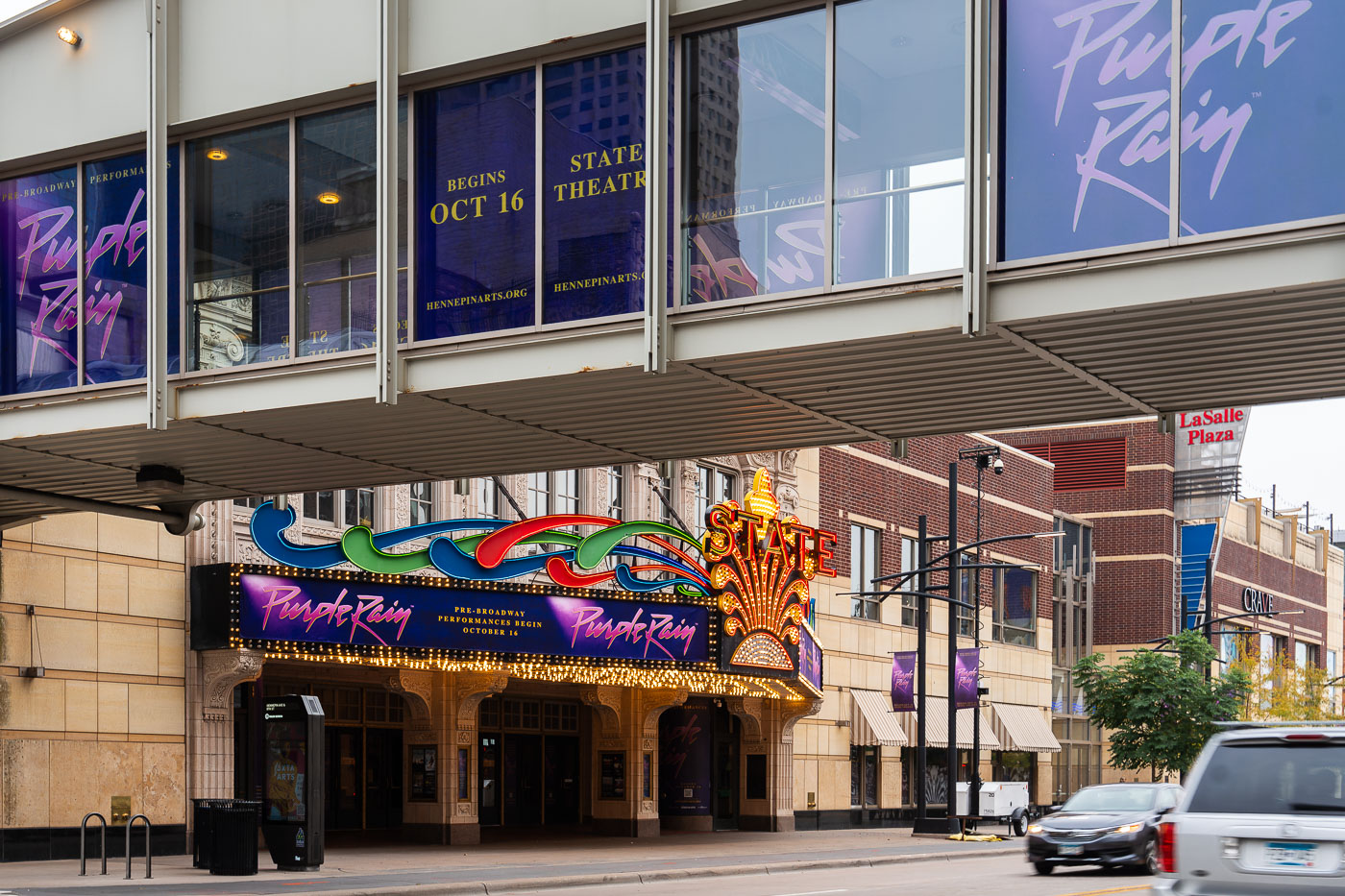 View full post: “Purple Rain” Marquee at the State Theatre on Hennepin Avenue
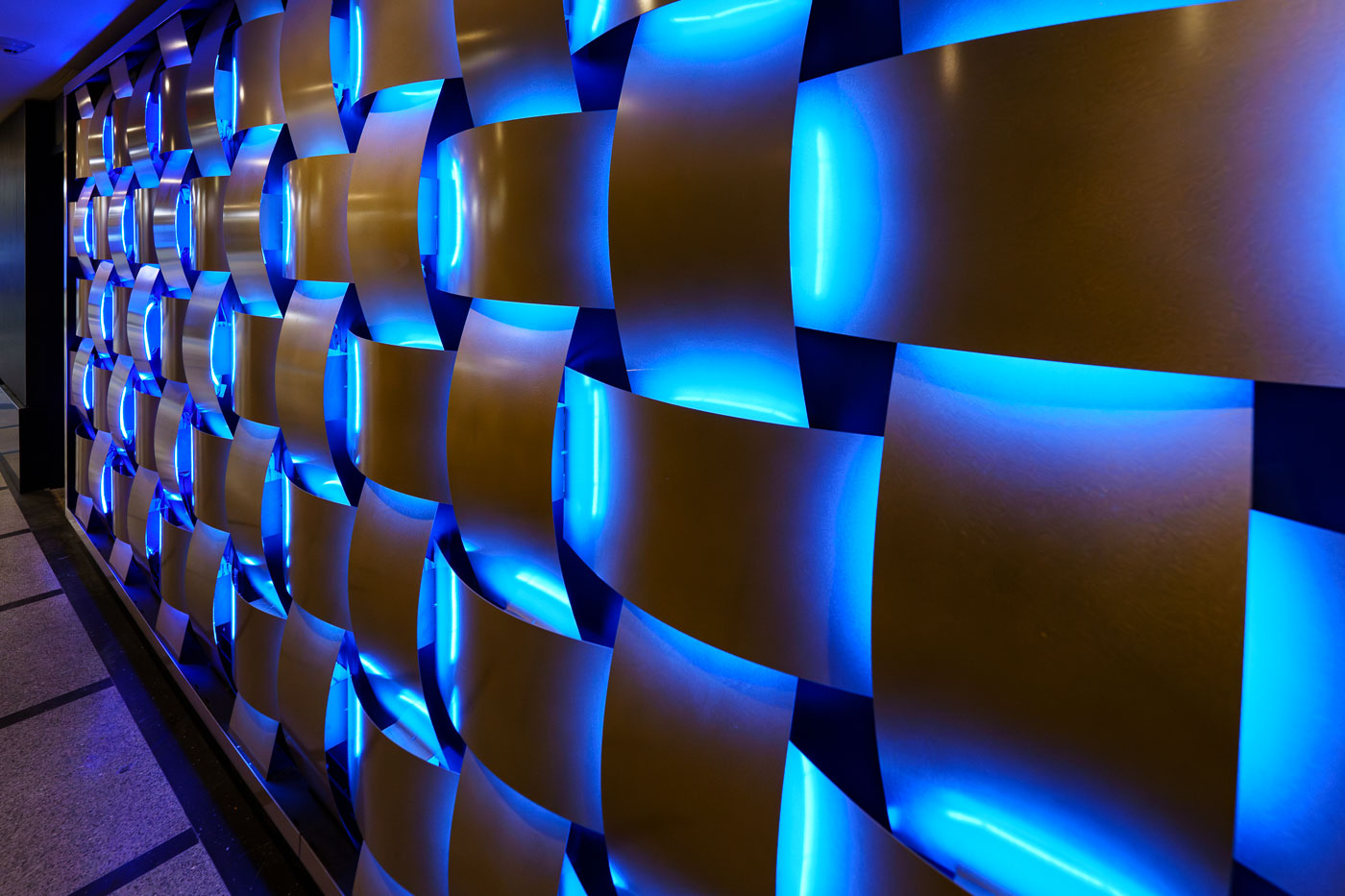 View full post: Minneapolis Skyway: Illuminated Metal Wall
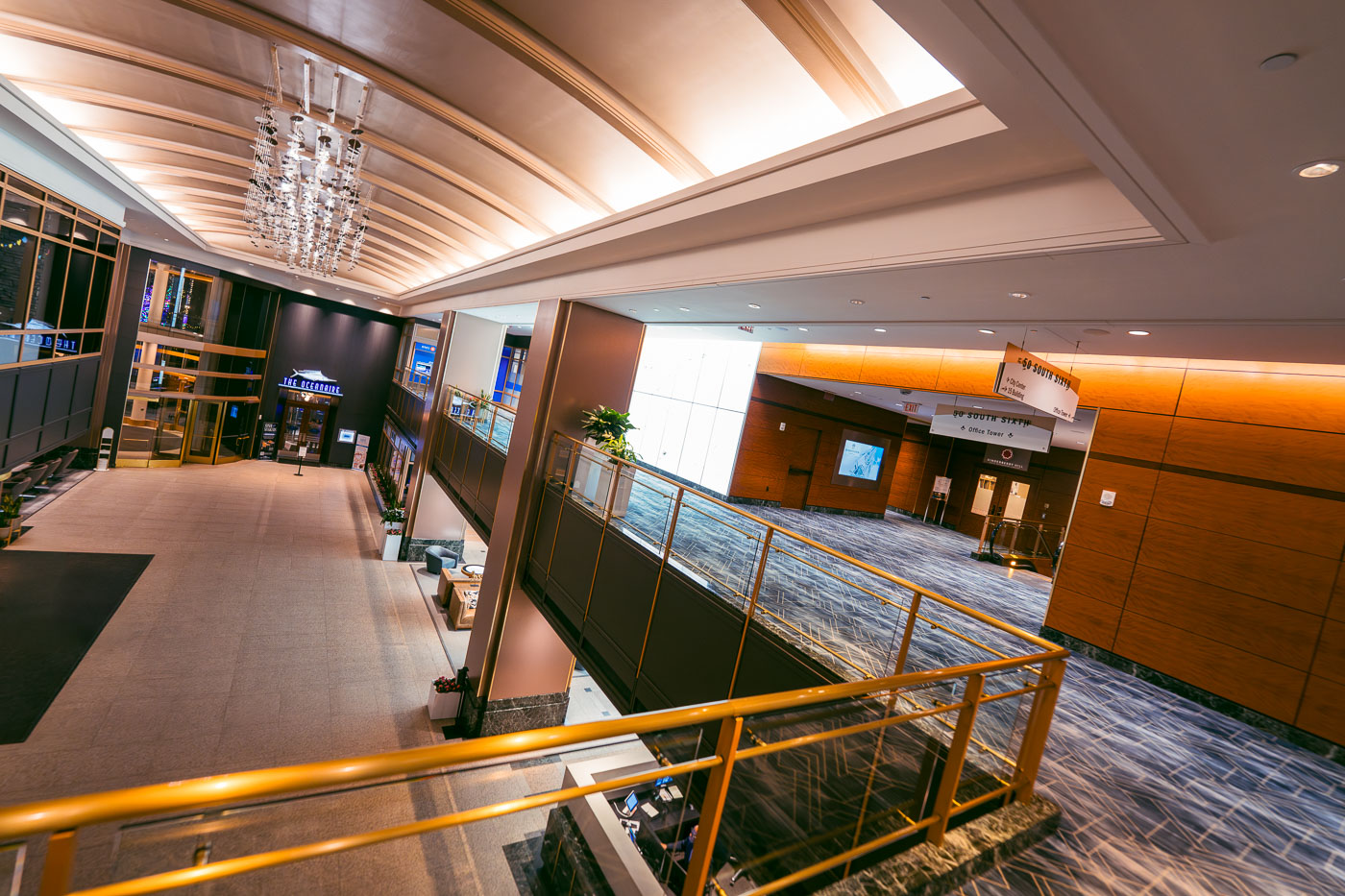 View full post: The Oceanaire Seafood Room, 50 South Sixth, Minneapolis
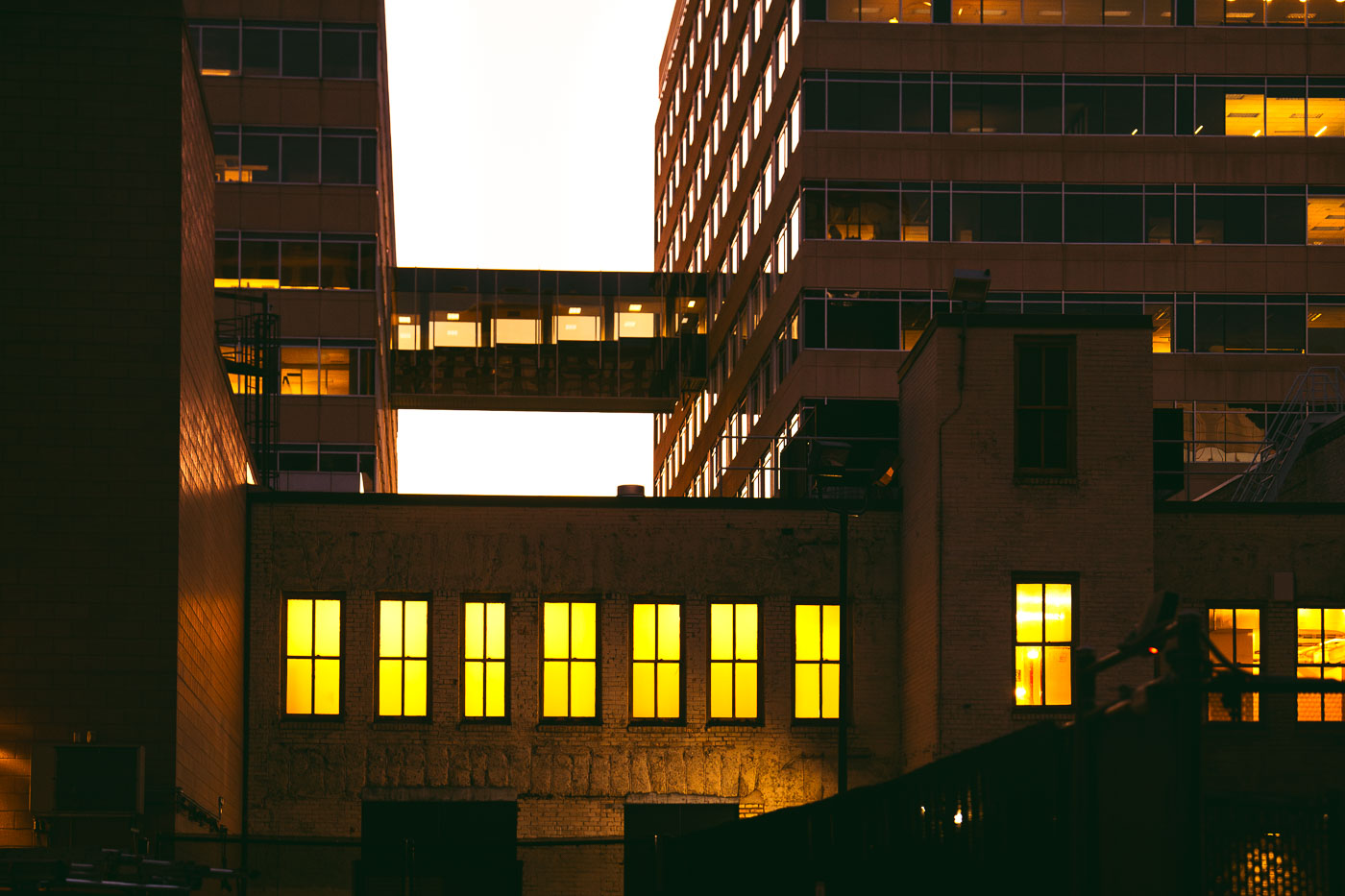 View full post: Skyway at Target Headquarters
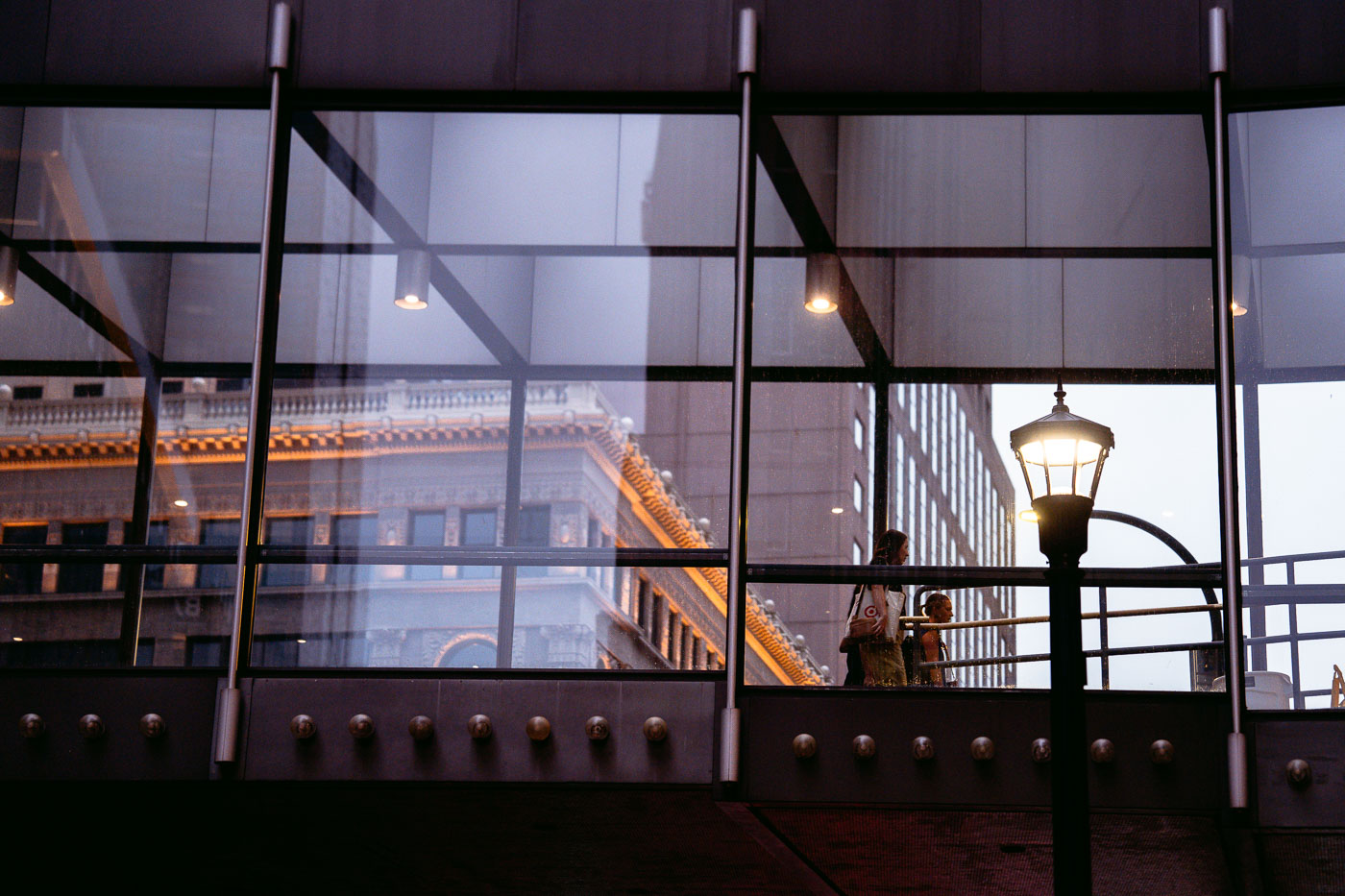 View full post: Streetlamp and Skyway Reflections in Downtown Minneapolis
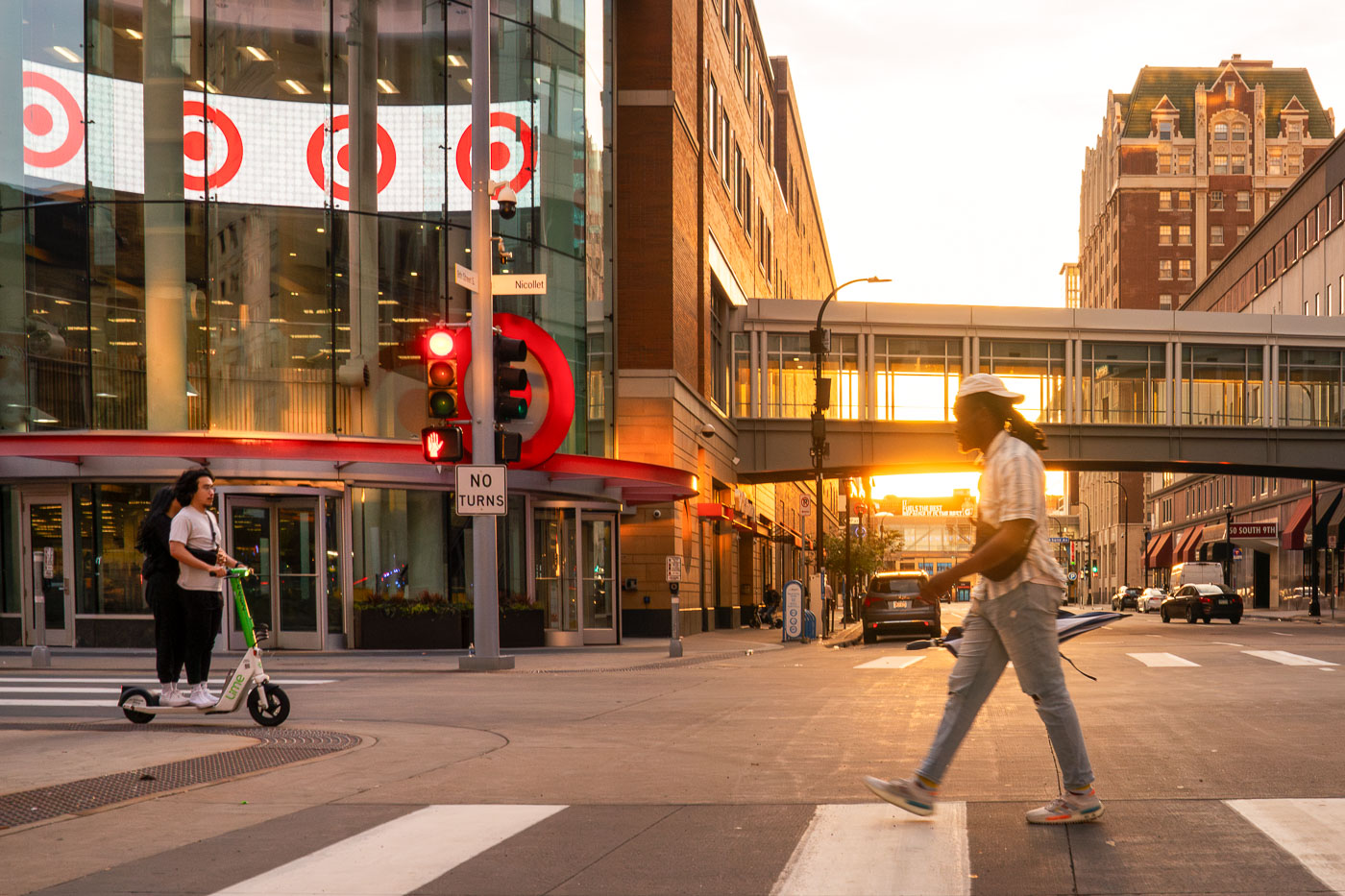 View full post: Crossing Nicollet Mall at Sunset Near Target’s Flagship Store
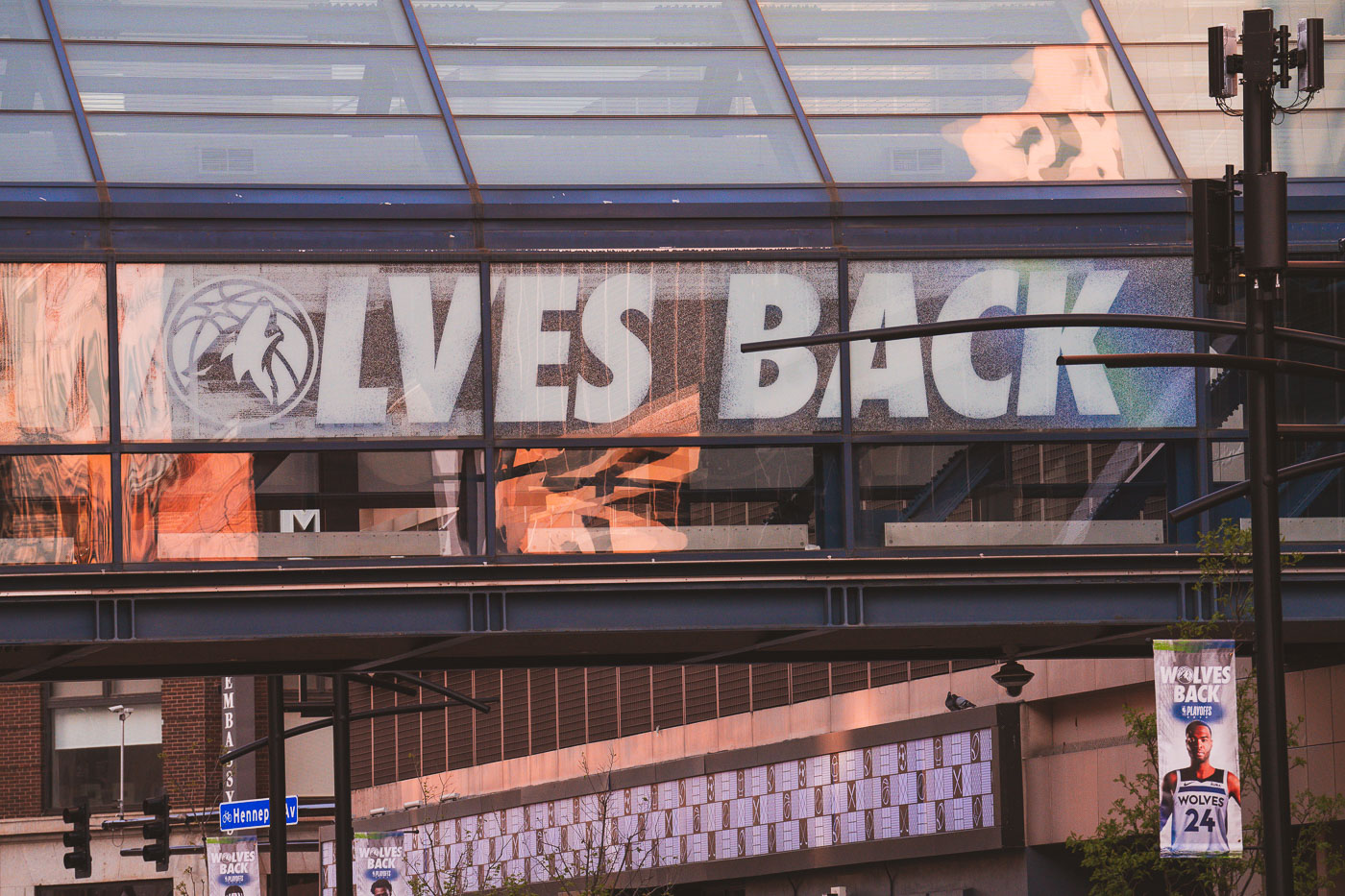 View full post: “Wolves Back” Banner on the Hennepin Avenue Skyway
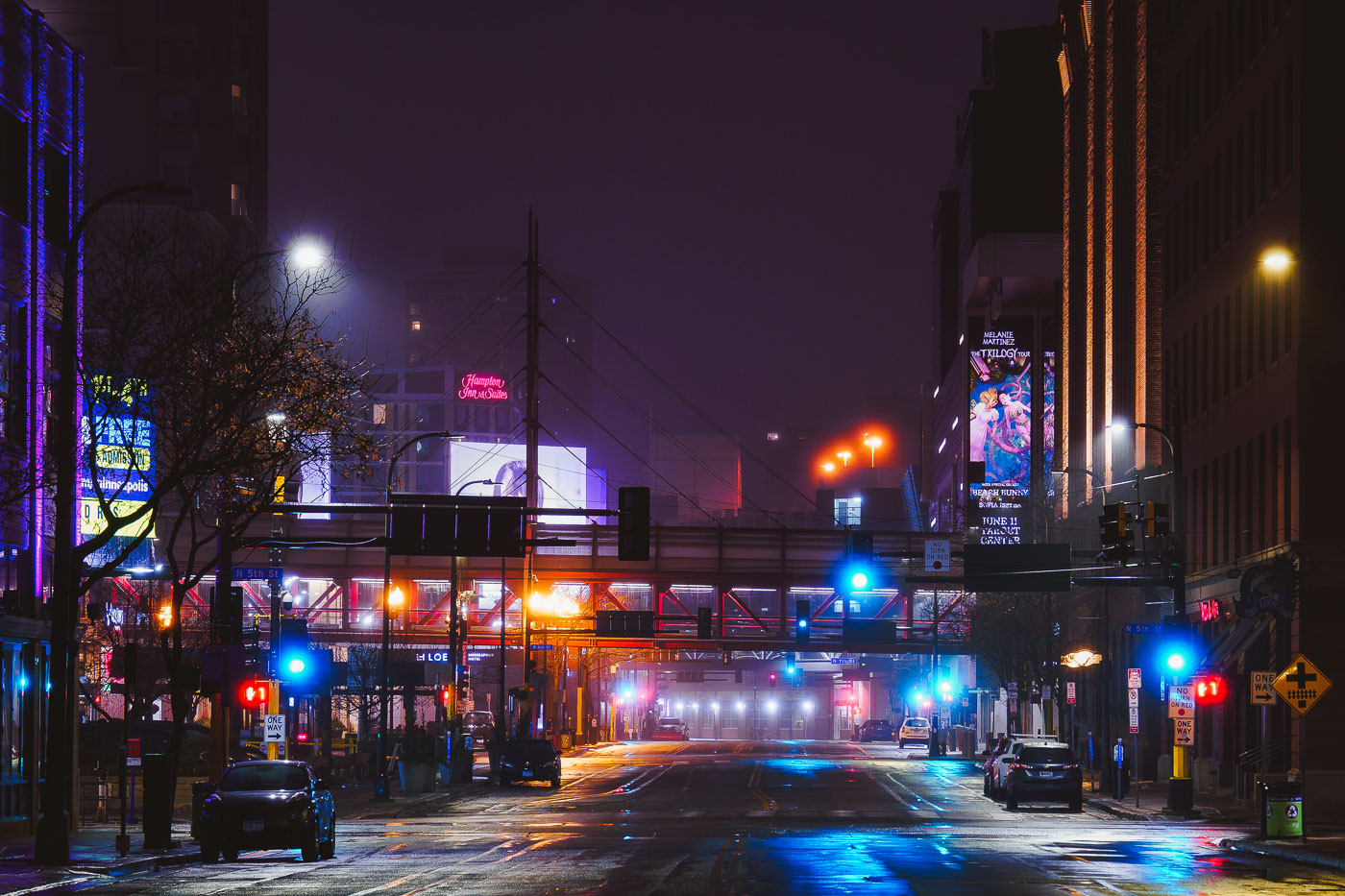 View full post: Rainy Night on North 1st Avenue Under the Skyway Bridge
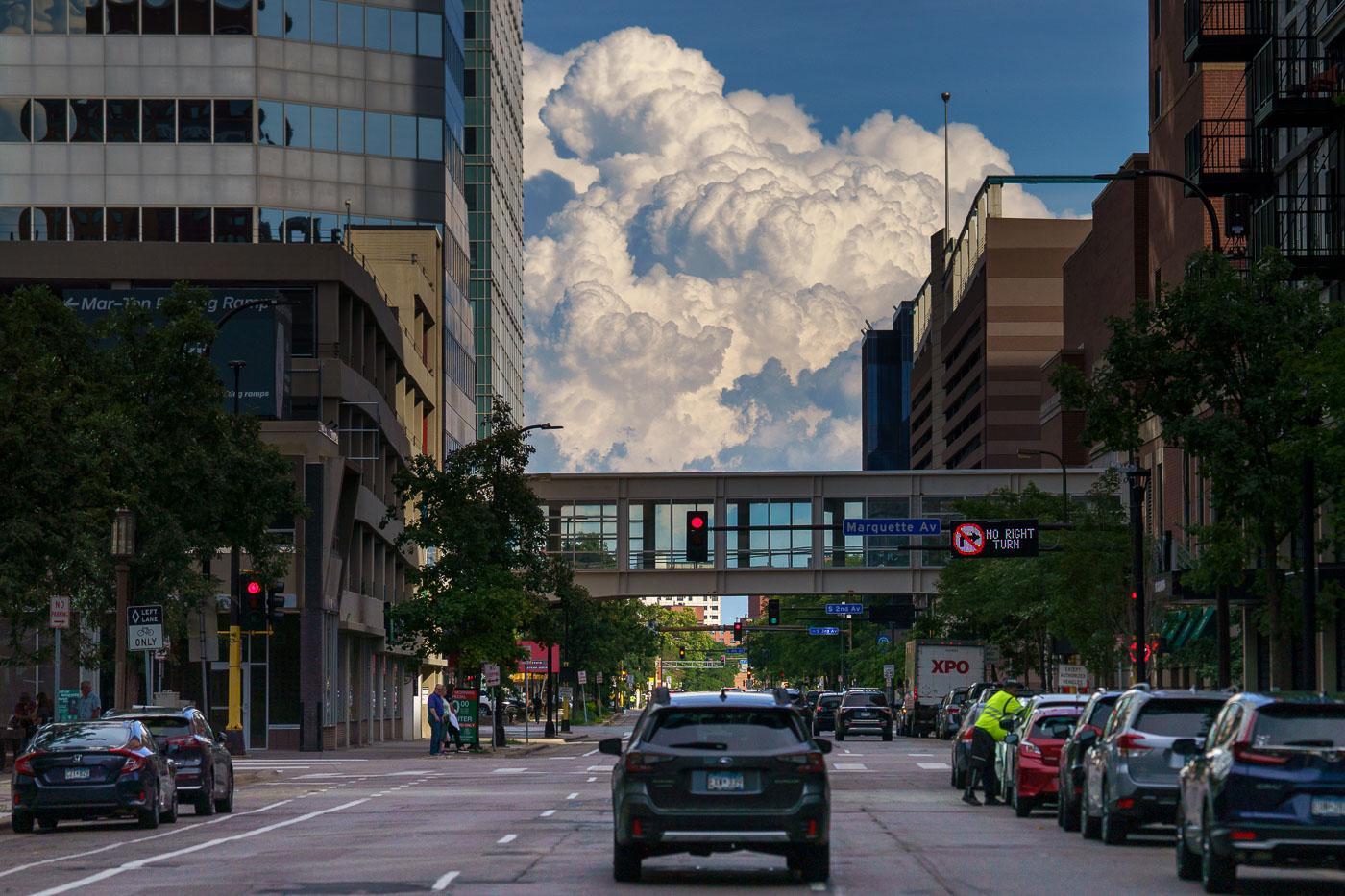 View full post: Storm Clouds Building Over Marquette Avenue in Downtown Minneapolis
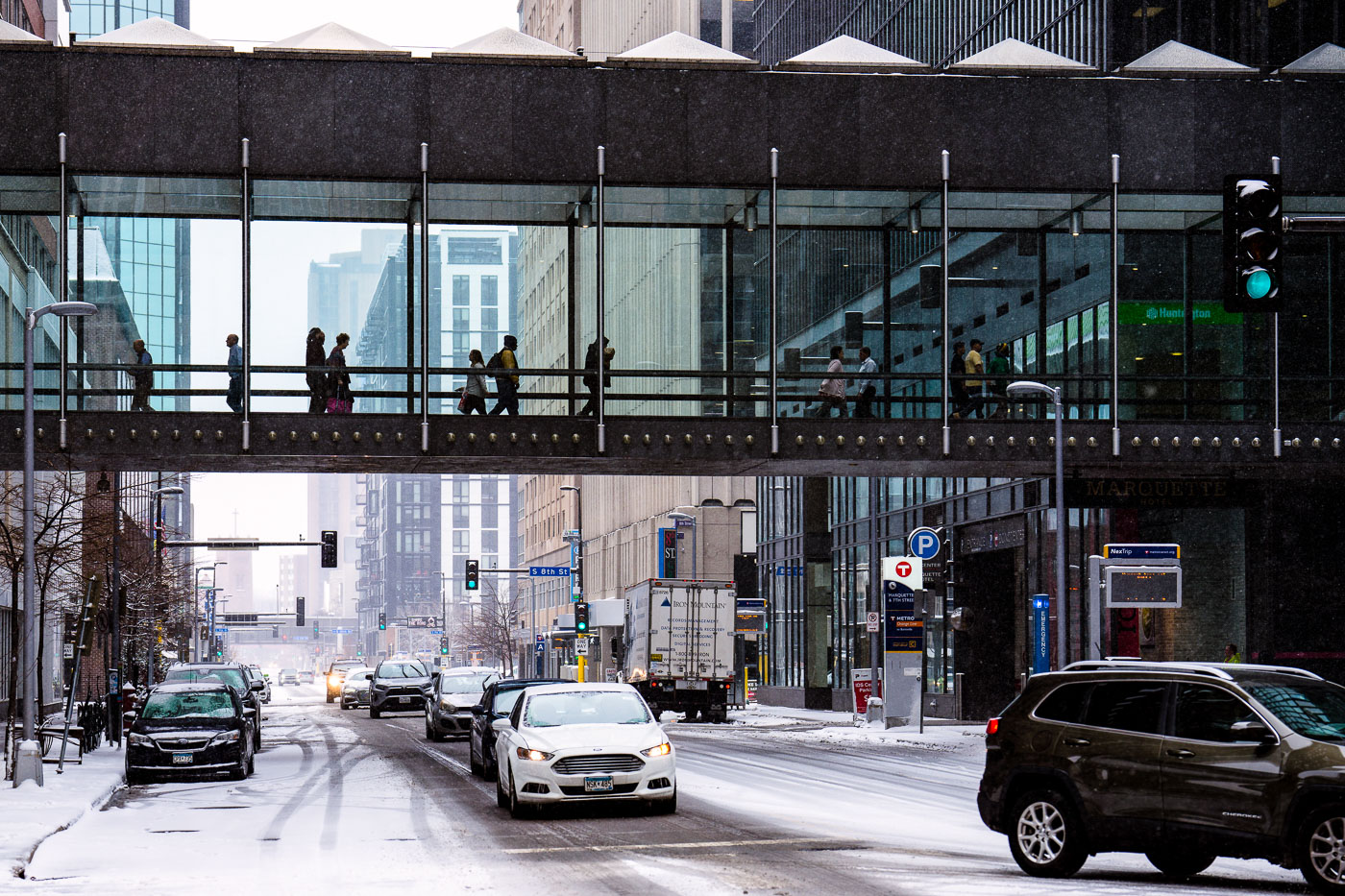 View full post: IDS Center Skyway and Marquette Ave in Snow, Minneapolis
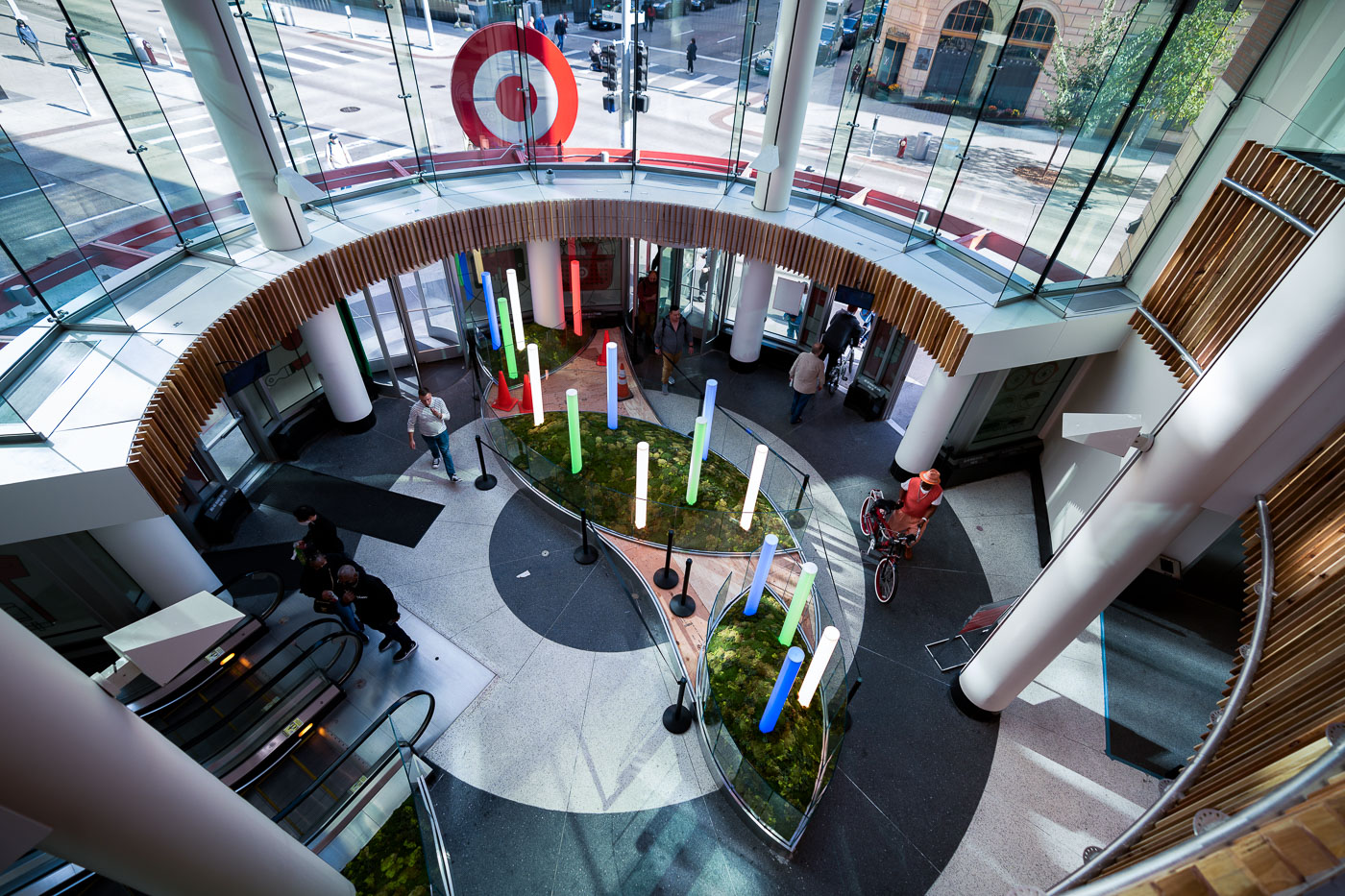 View full post: Target Flagship Store Entrance, Downtown Minneapolis
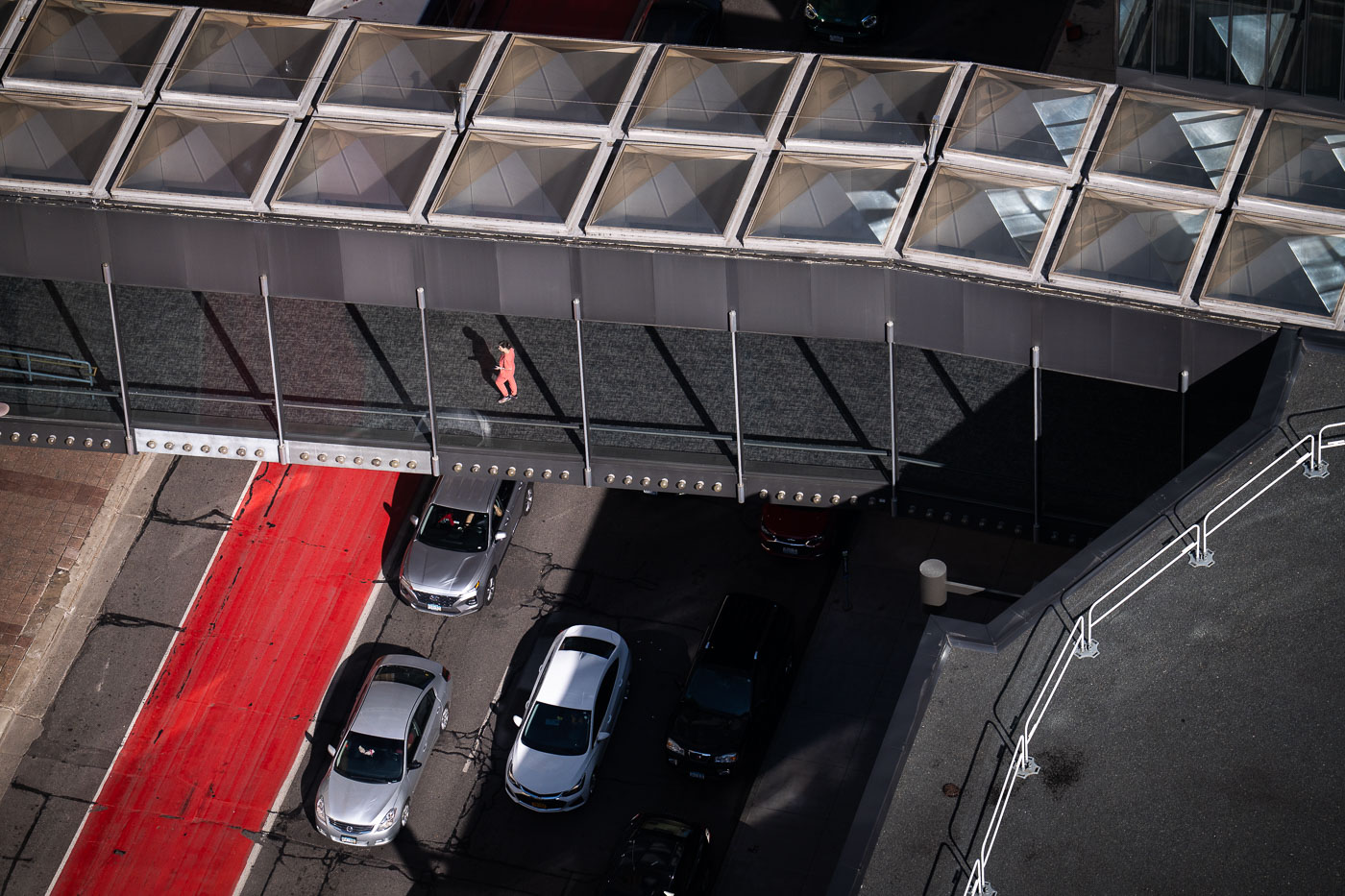 View full post: Minneapolis Skyway and IDS Center Pedestrian Walkway
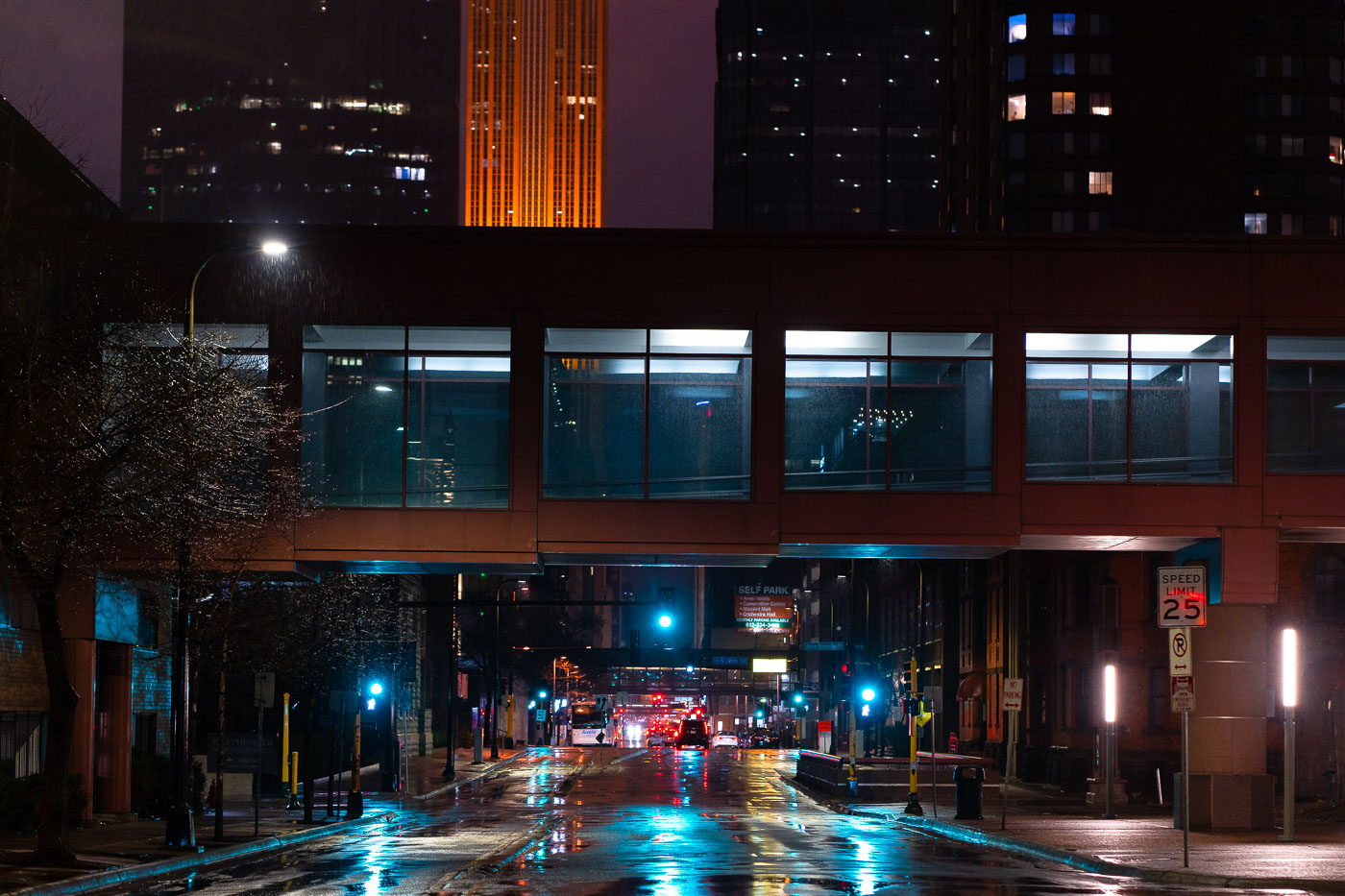 View full post: Minneapolis Skyway at Night in Spring Rain
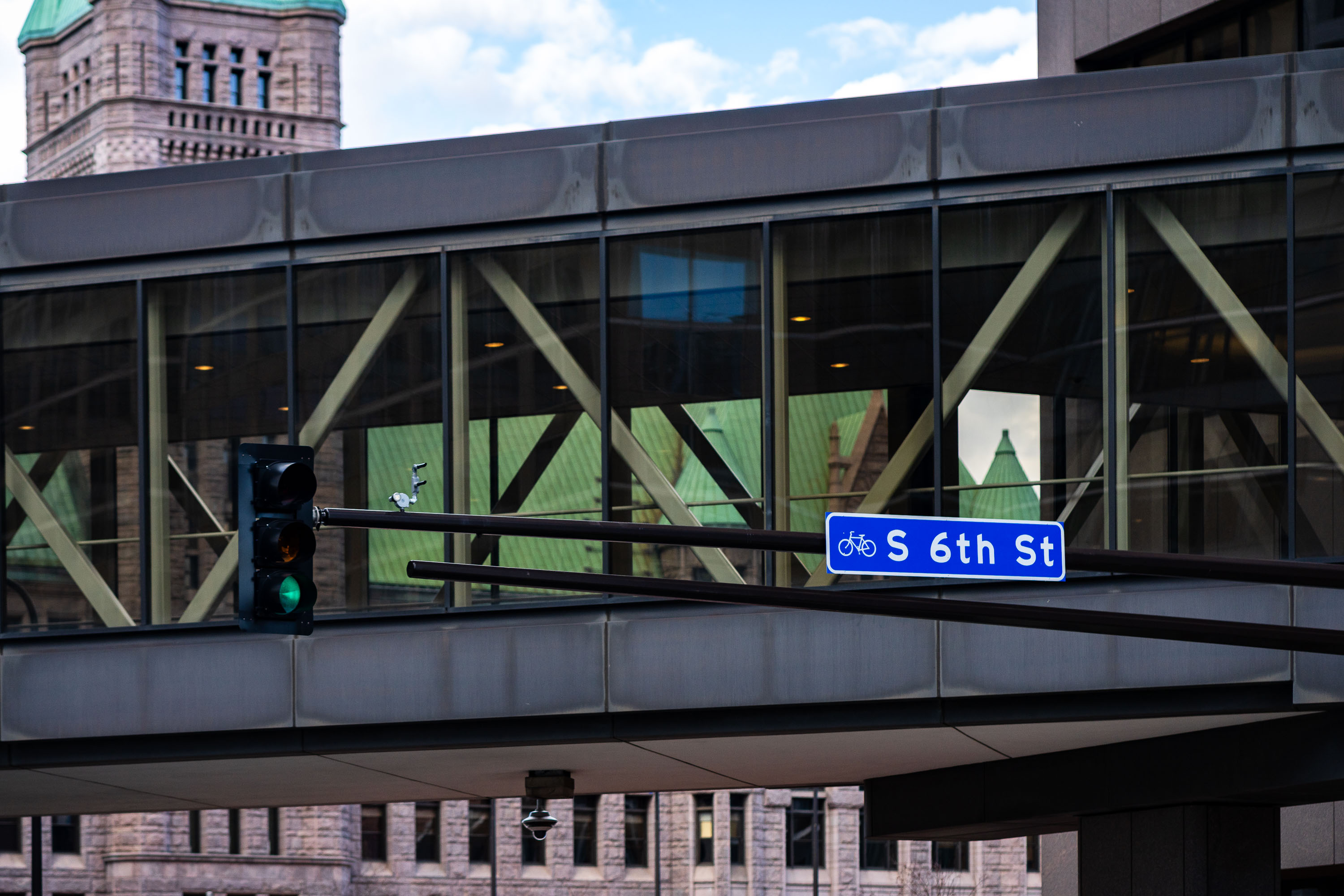 View full post: S 6th Street Skyway, Downtown Minneapolis
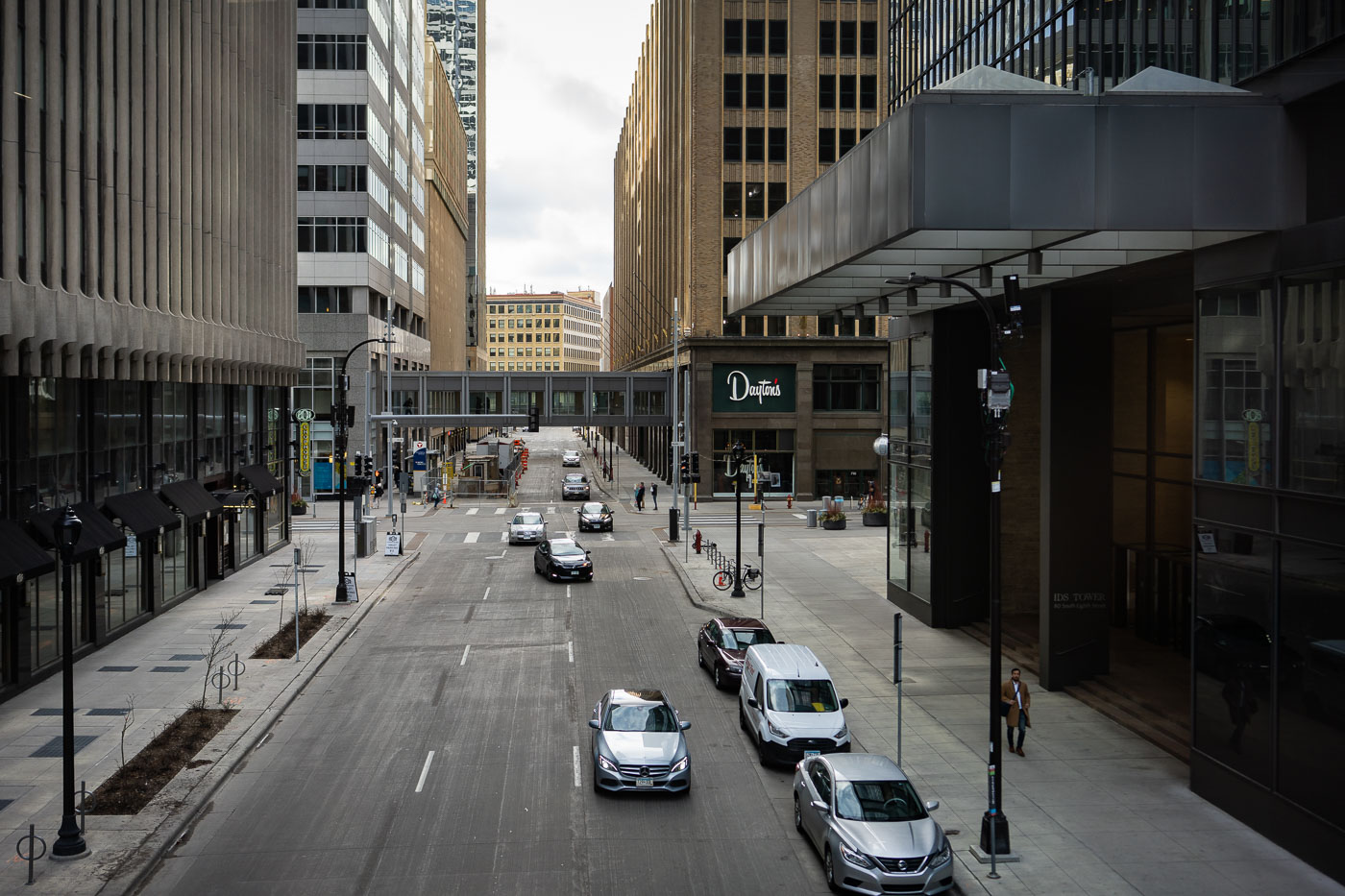 View full post: Nicollet Mall and 8th Street, Downtown Minneapolis with IDS Center
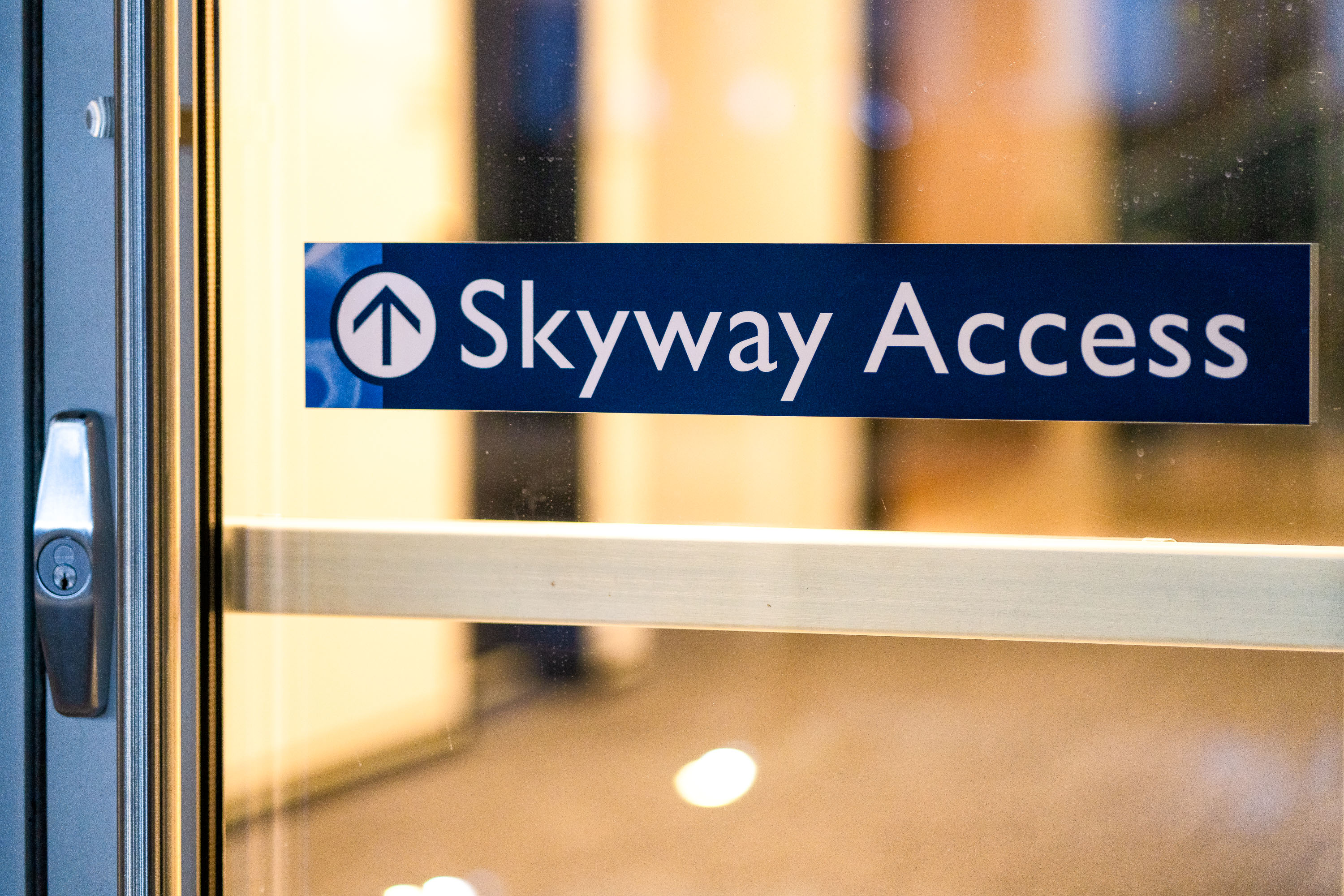 View full post: Skyway Access Sign, Thrivent Financial Building, Minneapolis
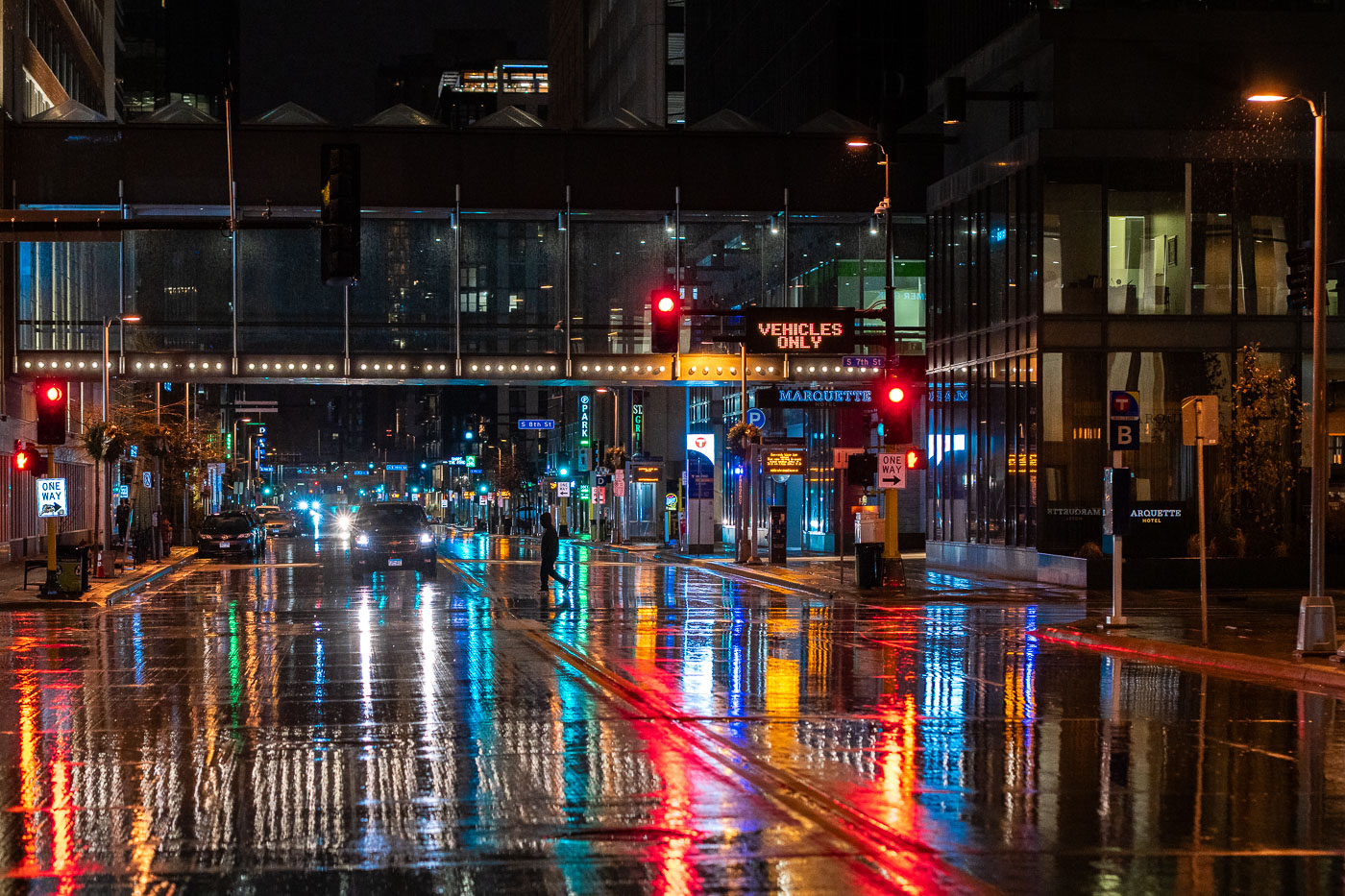 View full post: Marquette Ave, Minneapolis: December Rain Reflections 2021
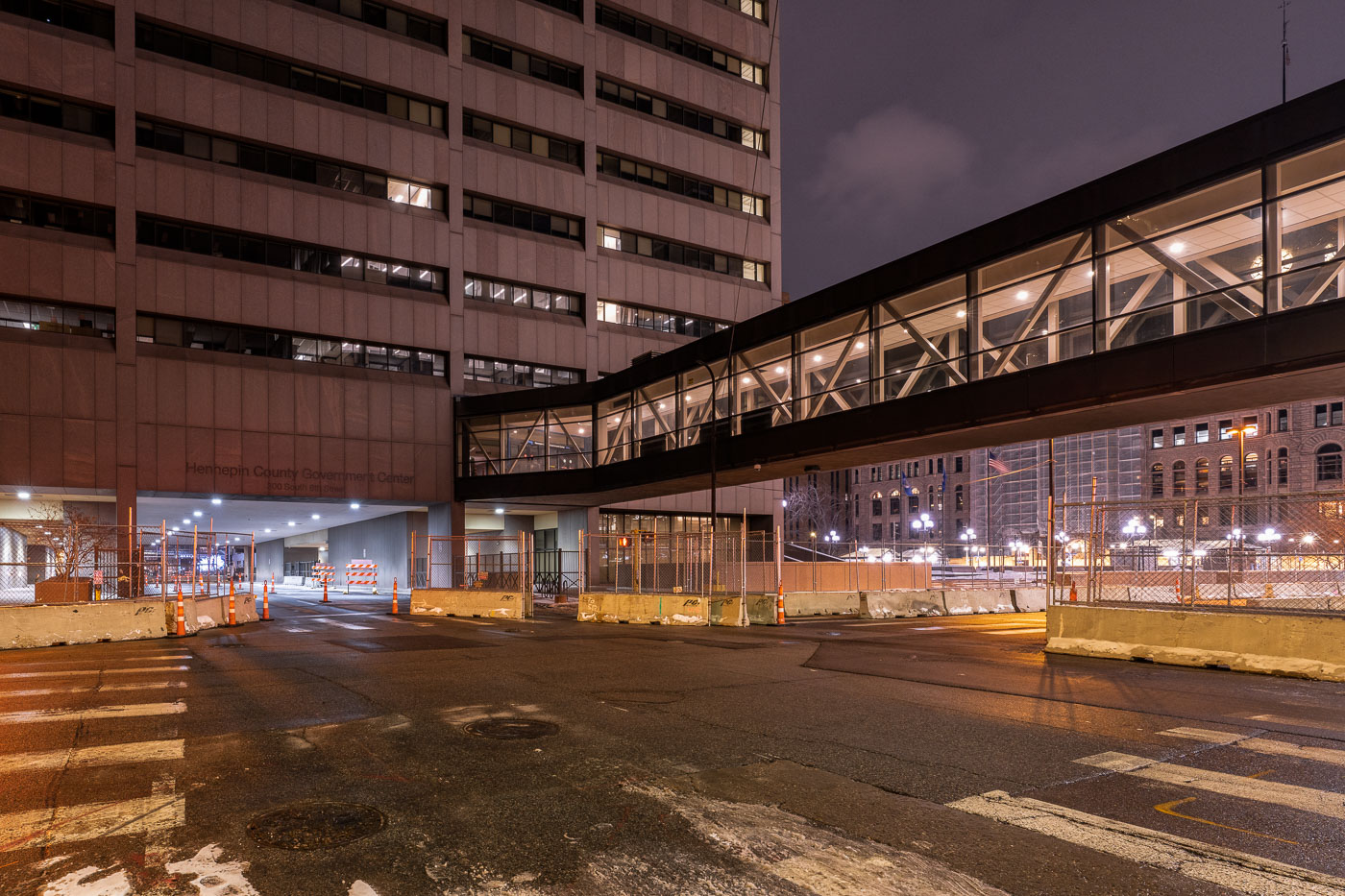 View full post: Skyway Over a Barricaded Street at Hennepin County Government Center
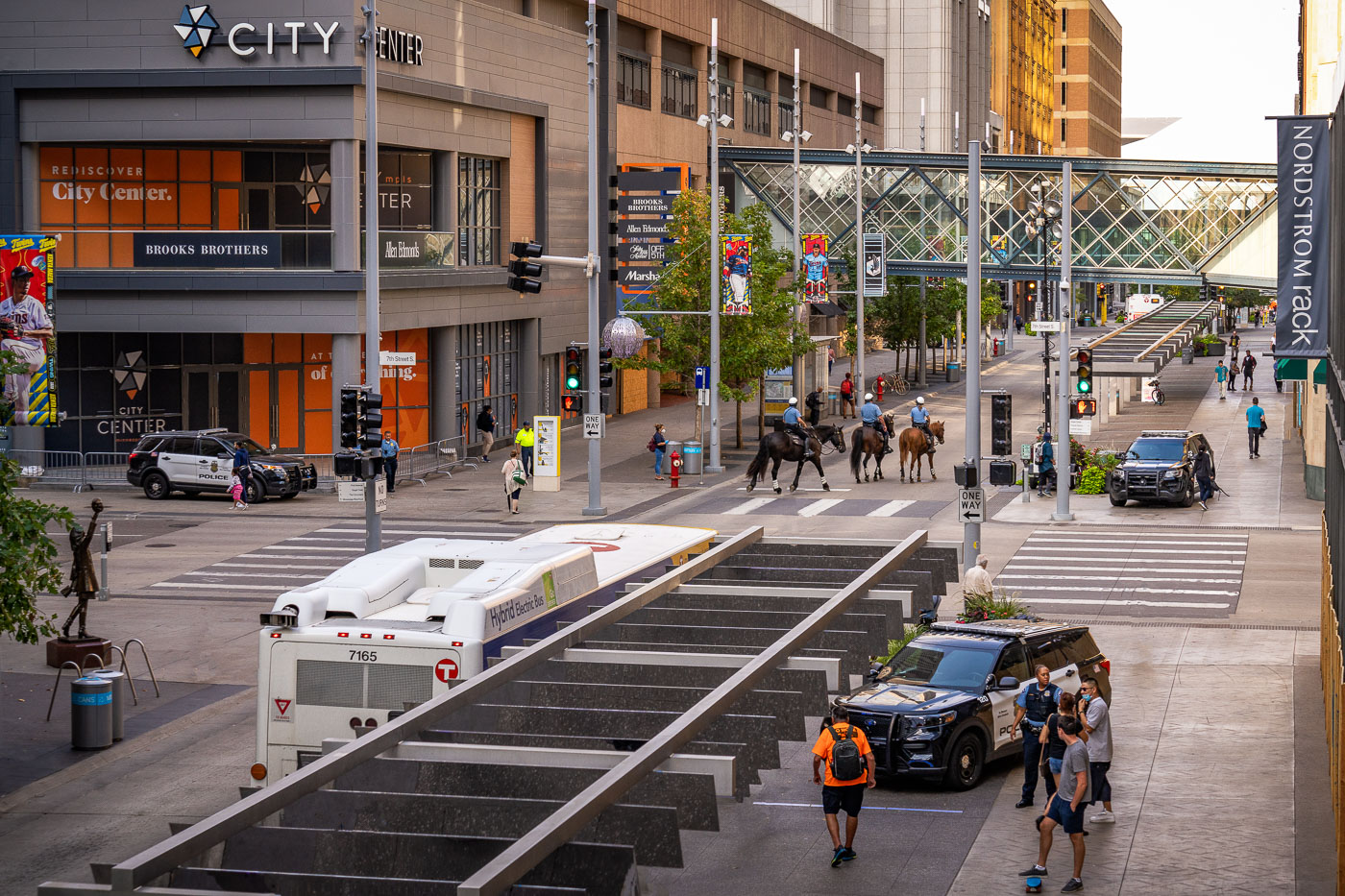 View full post: Mounted Police Unit Crossing Nicollet Mall at 7th Street
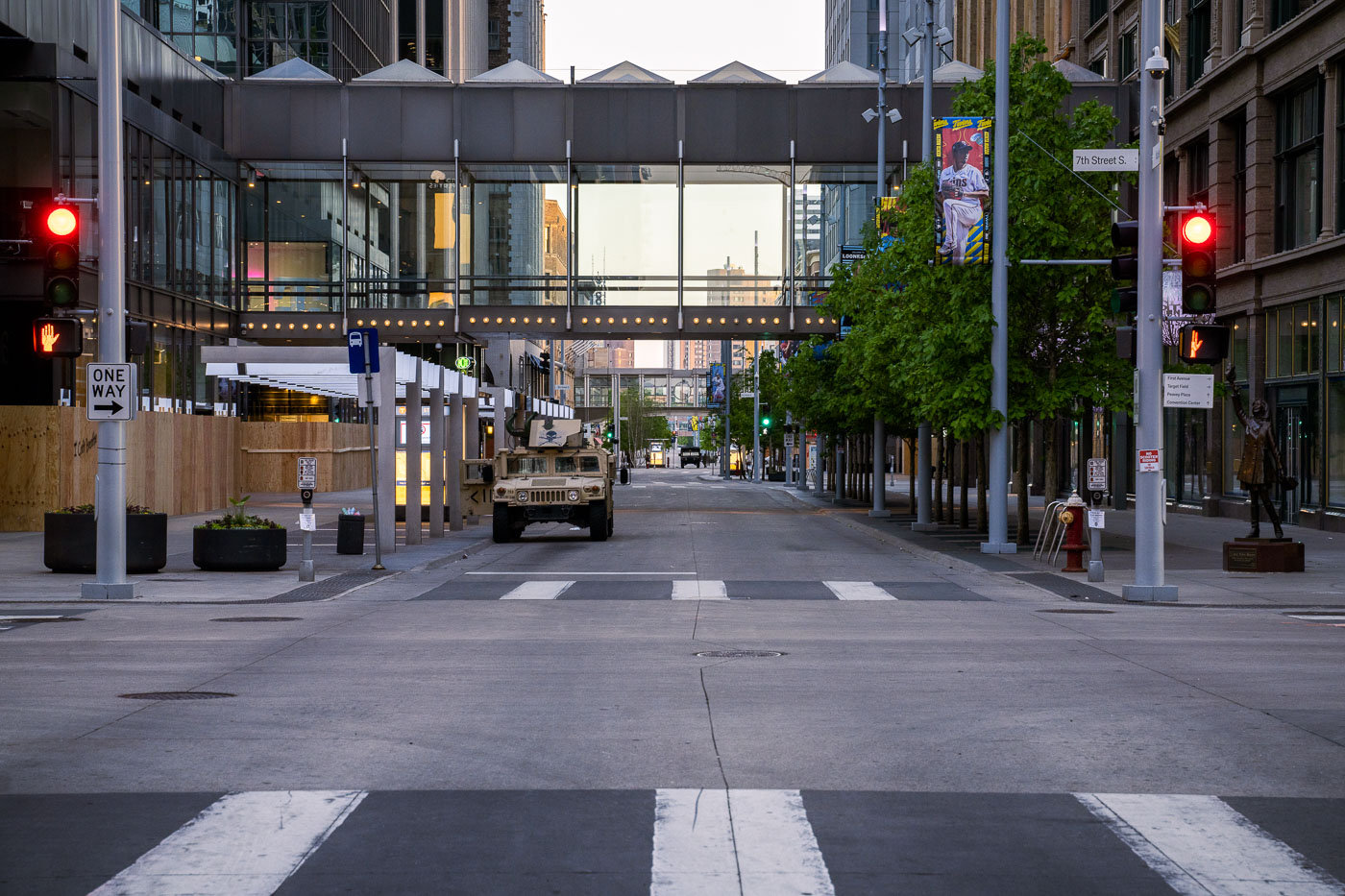 View full post: National Guard Humvee, Nicollet Mall, Minneapolis 2020 Unrest
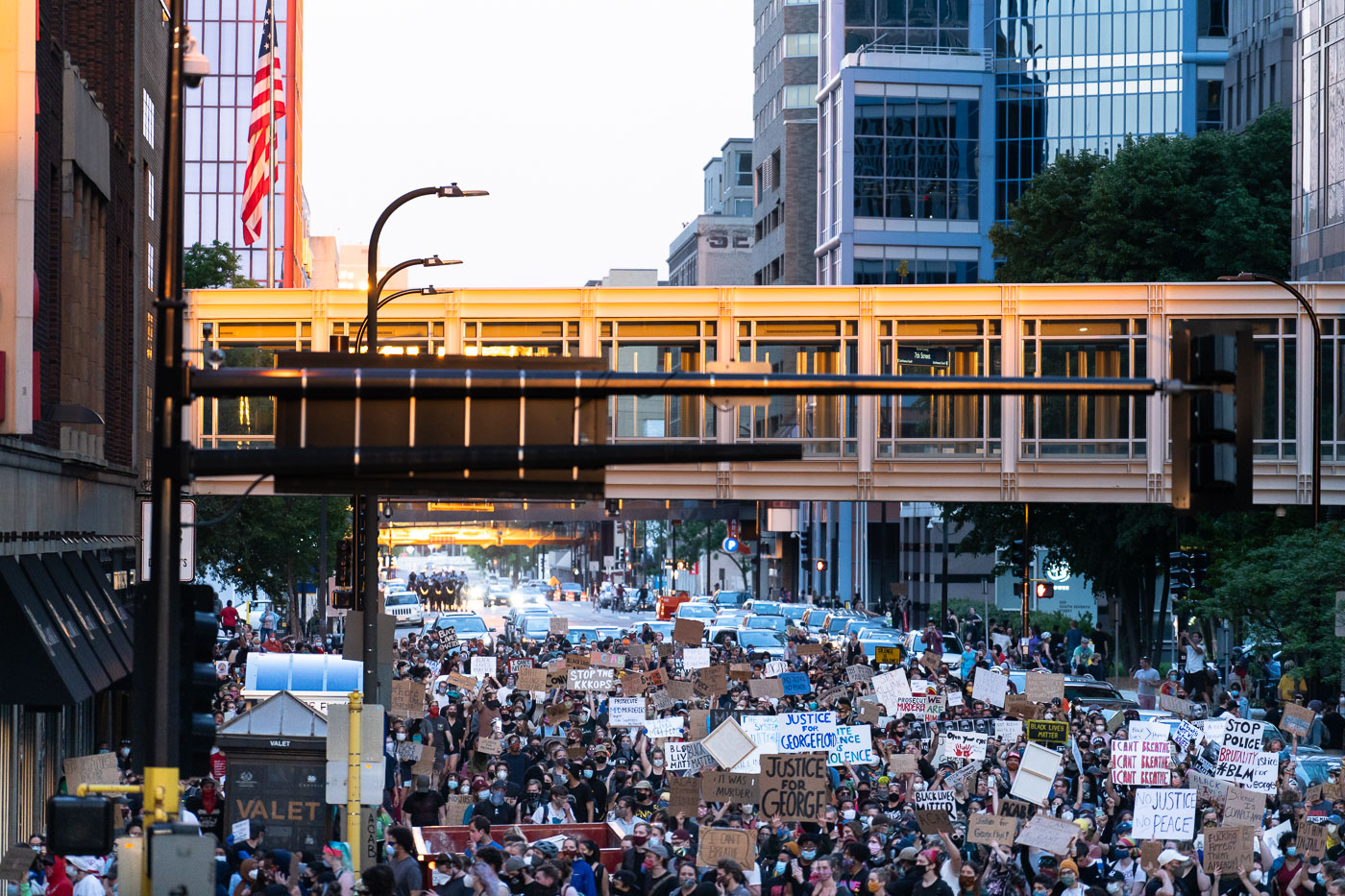 View full post: George Floyd Protesters Fill 7th Street in Downtown Minneapolis
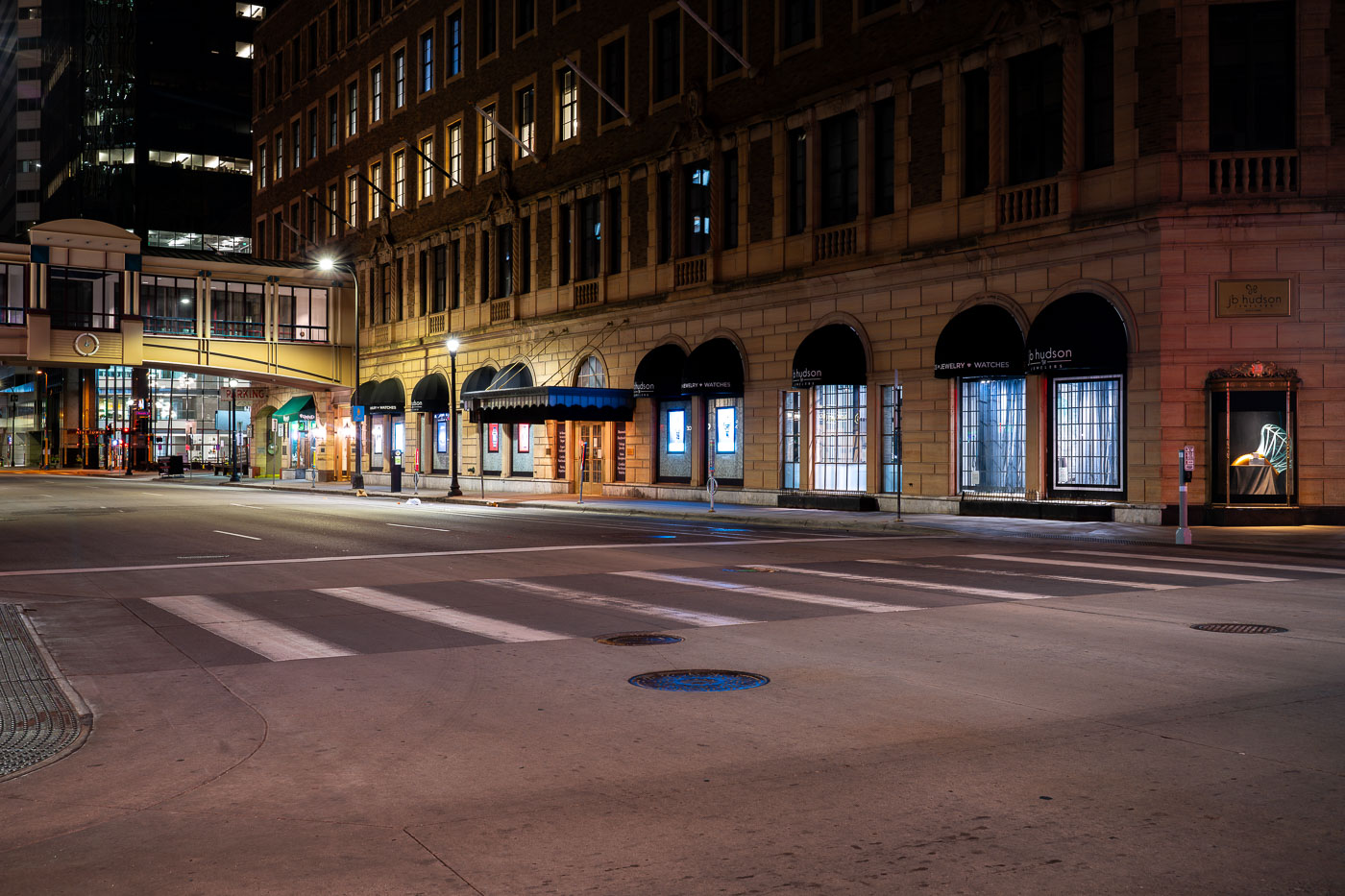 View full post: Nicollet Mall storefronts at night, downtown Minneapolis
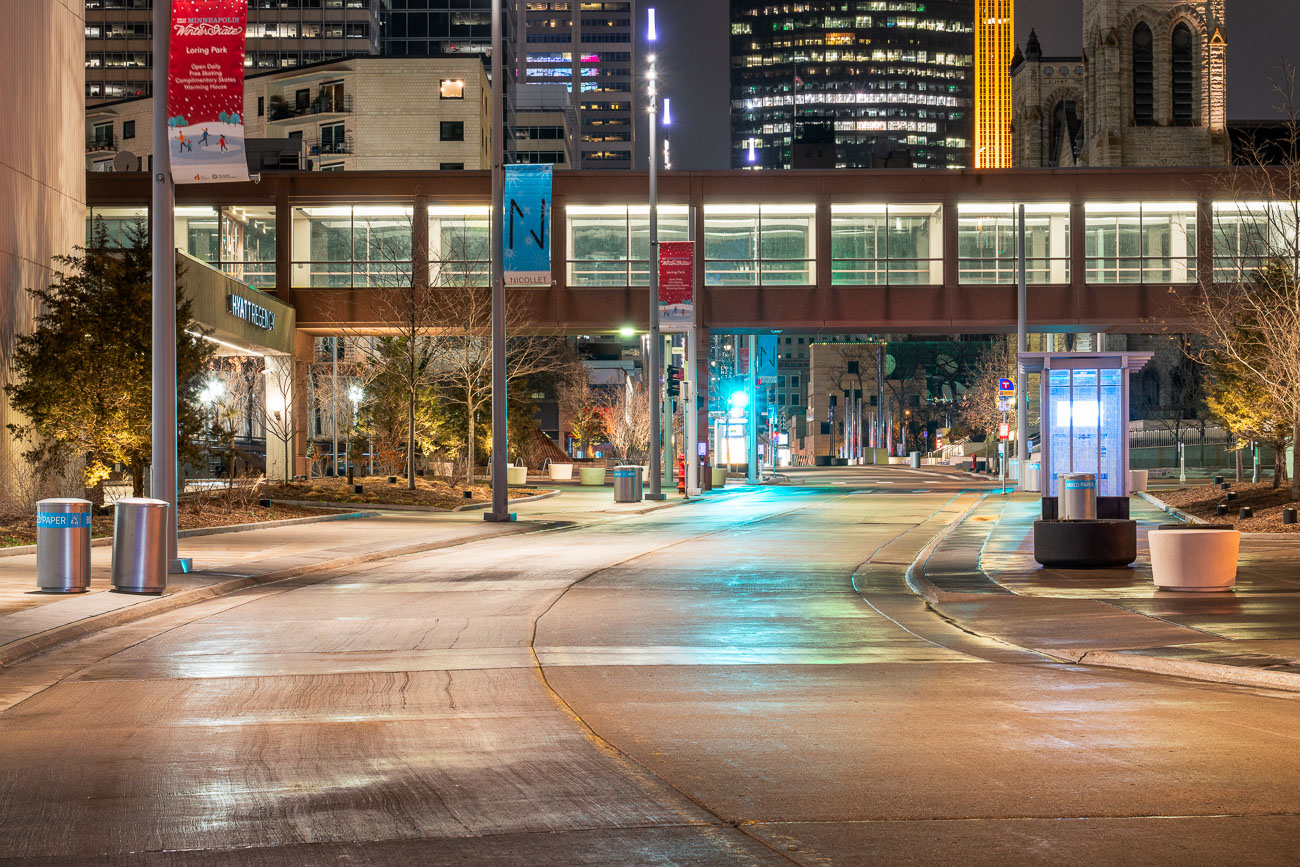 View full post: Nicollet Mall, Downtown Minneapolis During COVID-19 Stay-at-Home
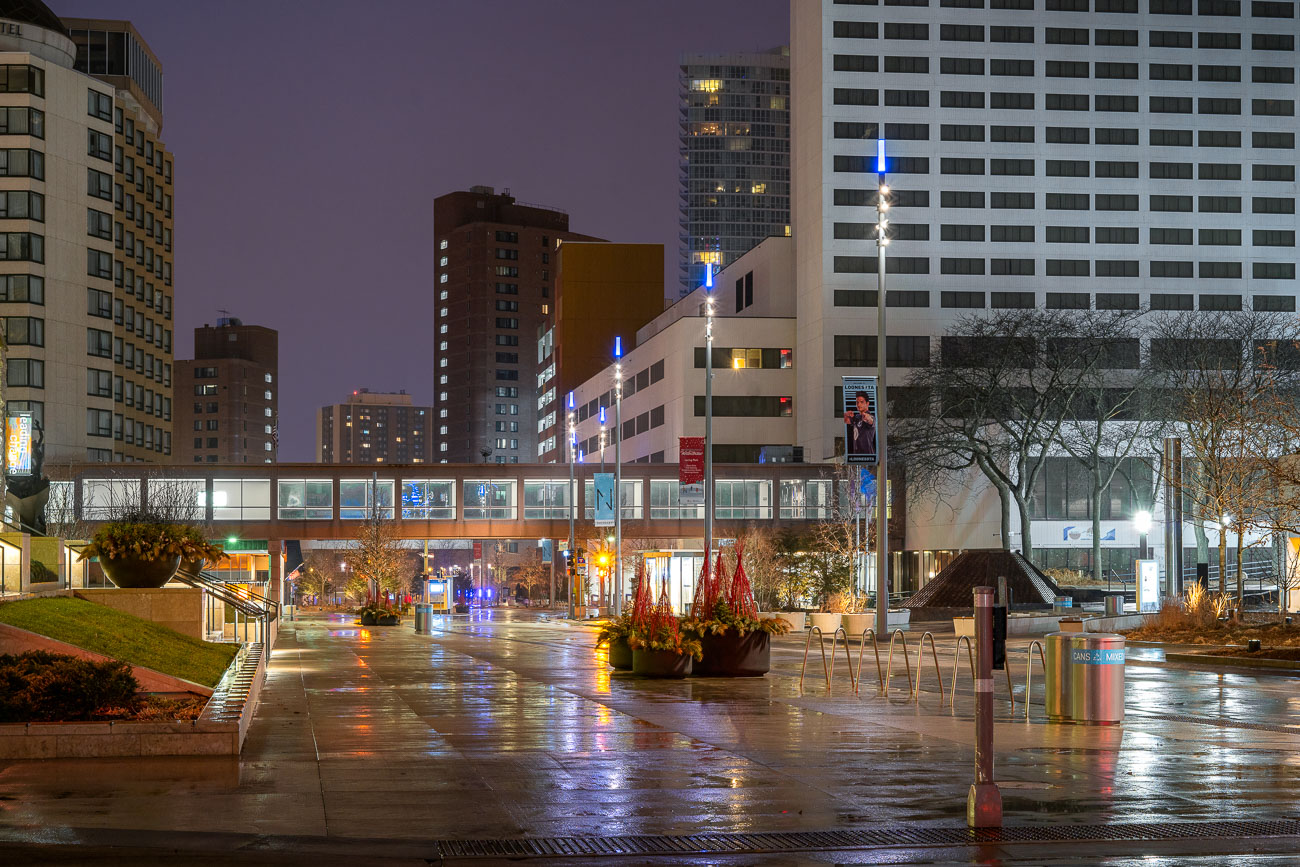 View full post: Nicollet Mall Deserted on a Rainy Night During COVID-19
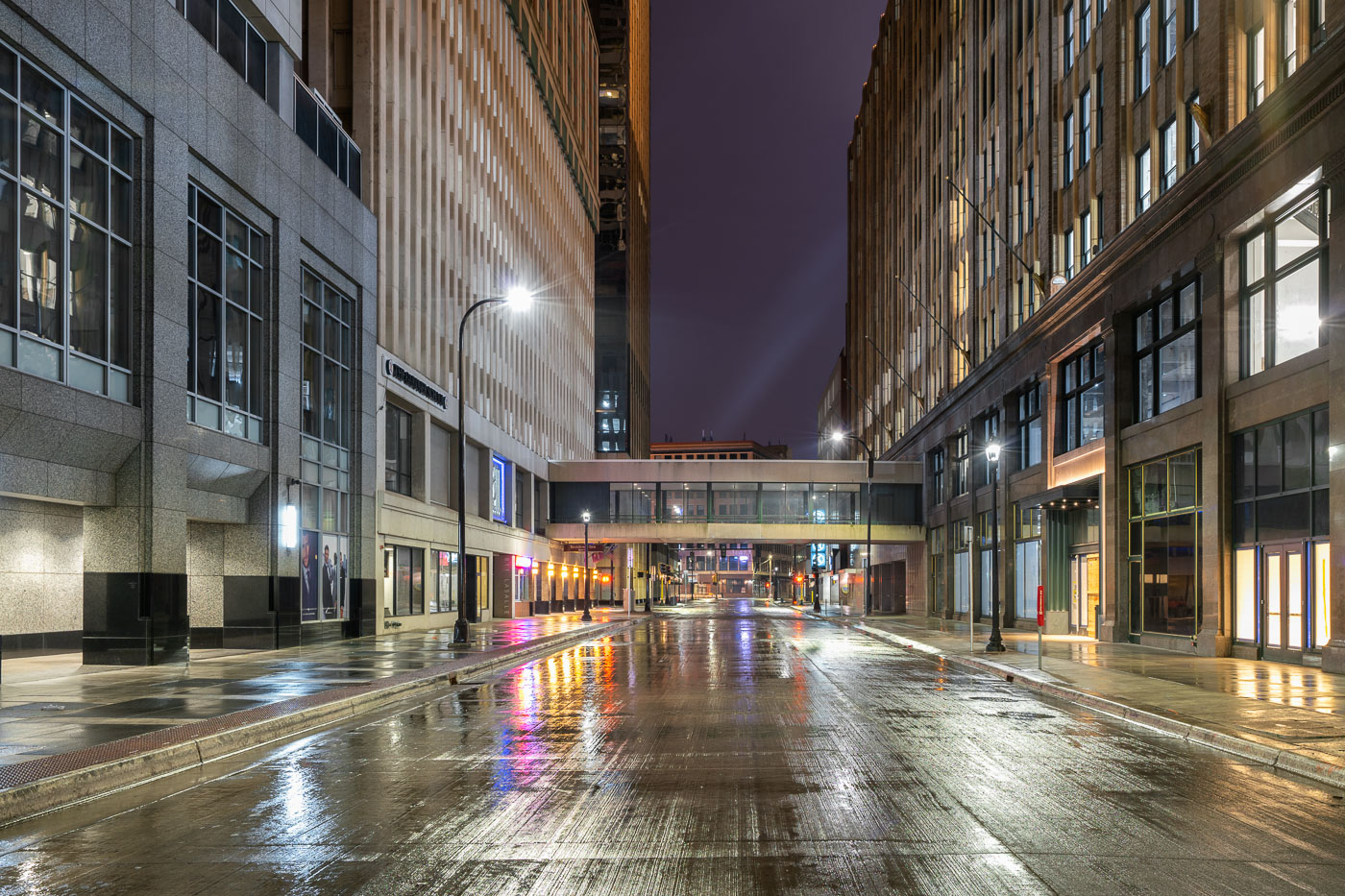 View full post: Downtown Minneapolis S 8th St During COVID-19 Pandemic
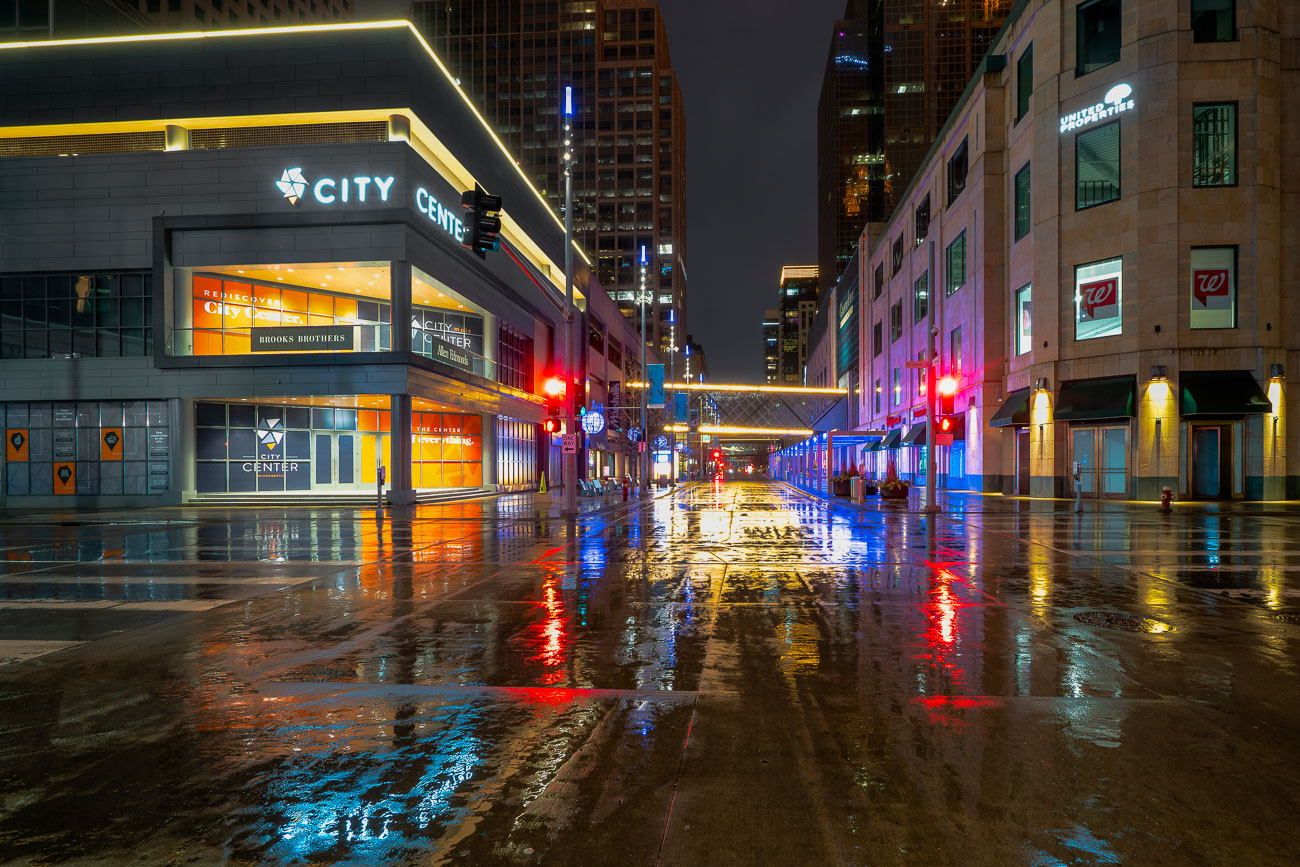 View full post: Rainy Night on Nicollet Mall, Downtown Minneapolis, Early COVID-19
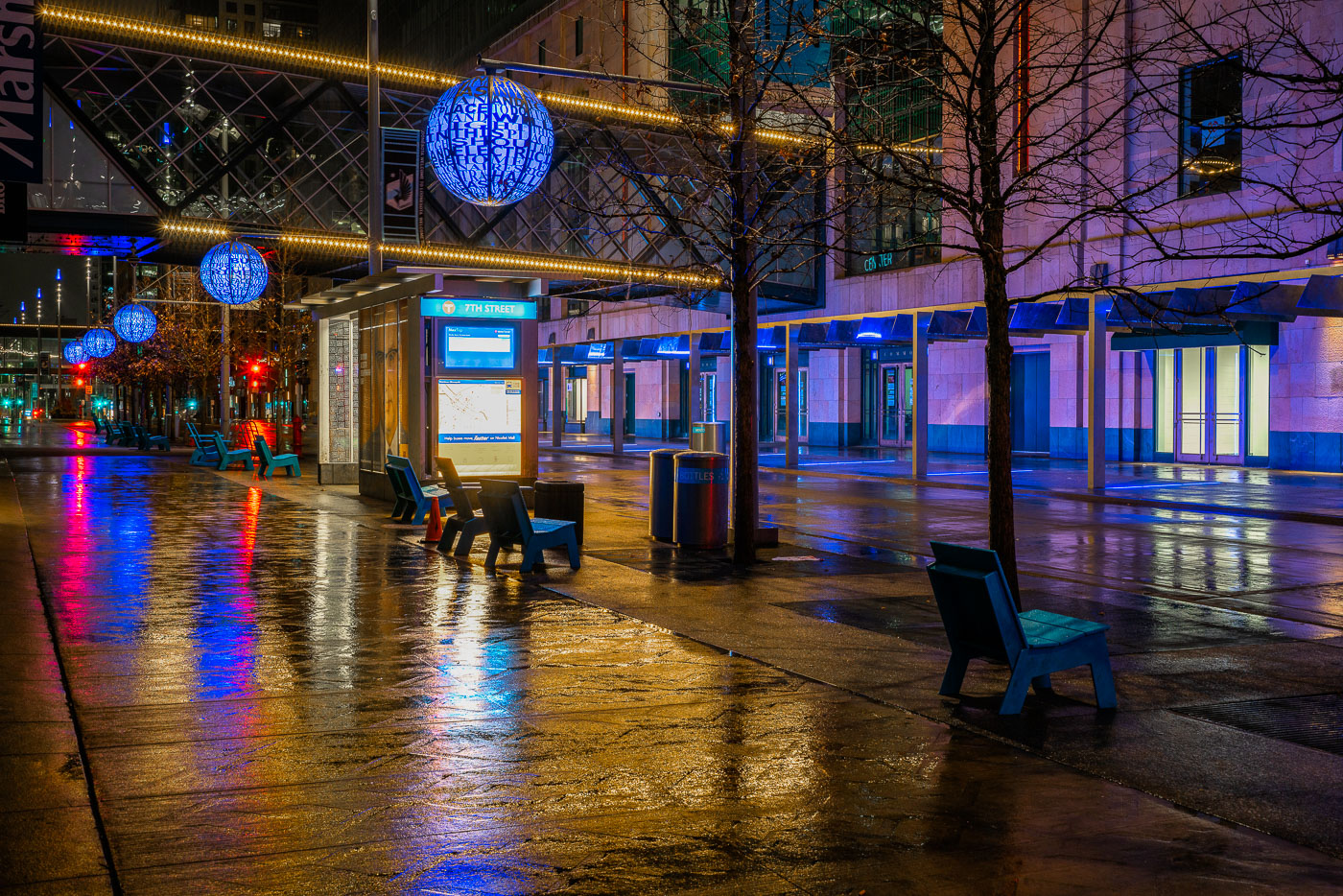 View full post: Nicollet Mall, Minneapolis: Rainy Night During COVID-19
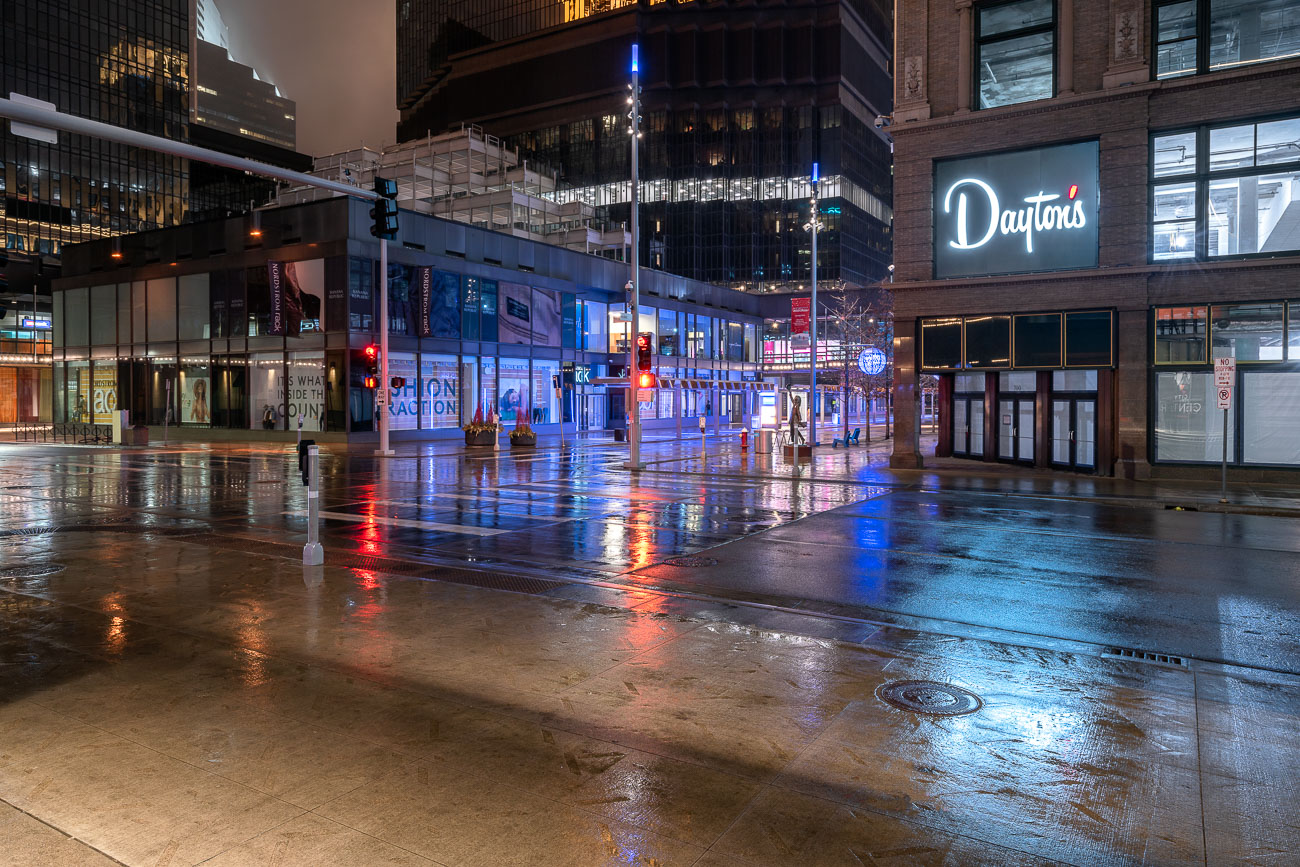 View full post: Dayton’s and IDS Center, Nicollet Mall, Minneapolis, Early COVID-19
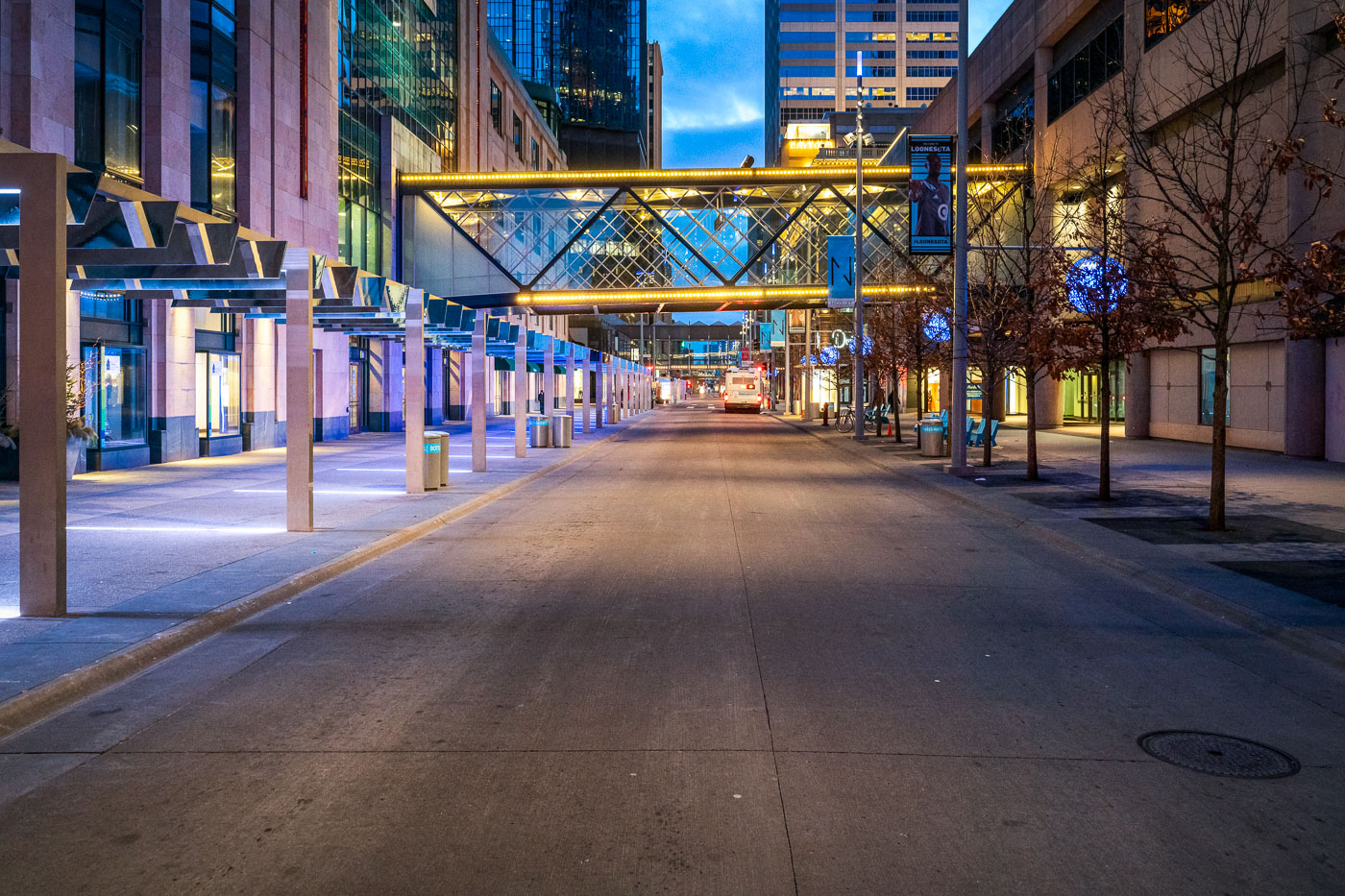 View full post: Nicollet Mall at Dusk During Minneapolis’s COVID-19 Shutdown
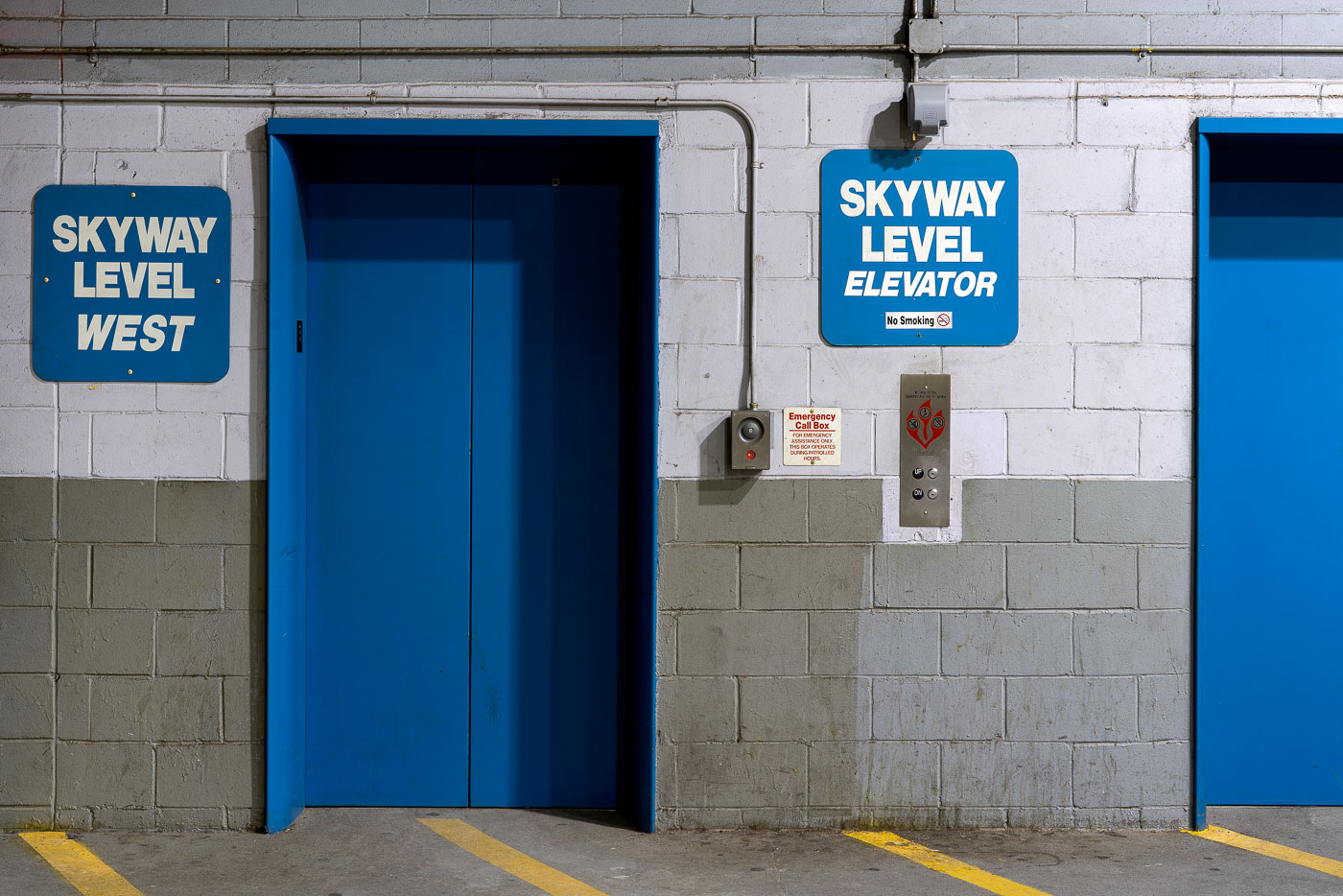 View full post: Skyway Level Elevator Signs, Minneapolis Parking Ramp
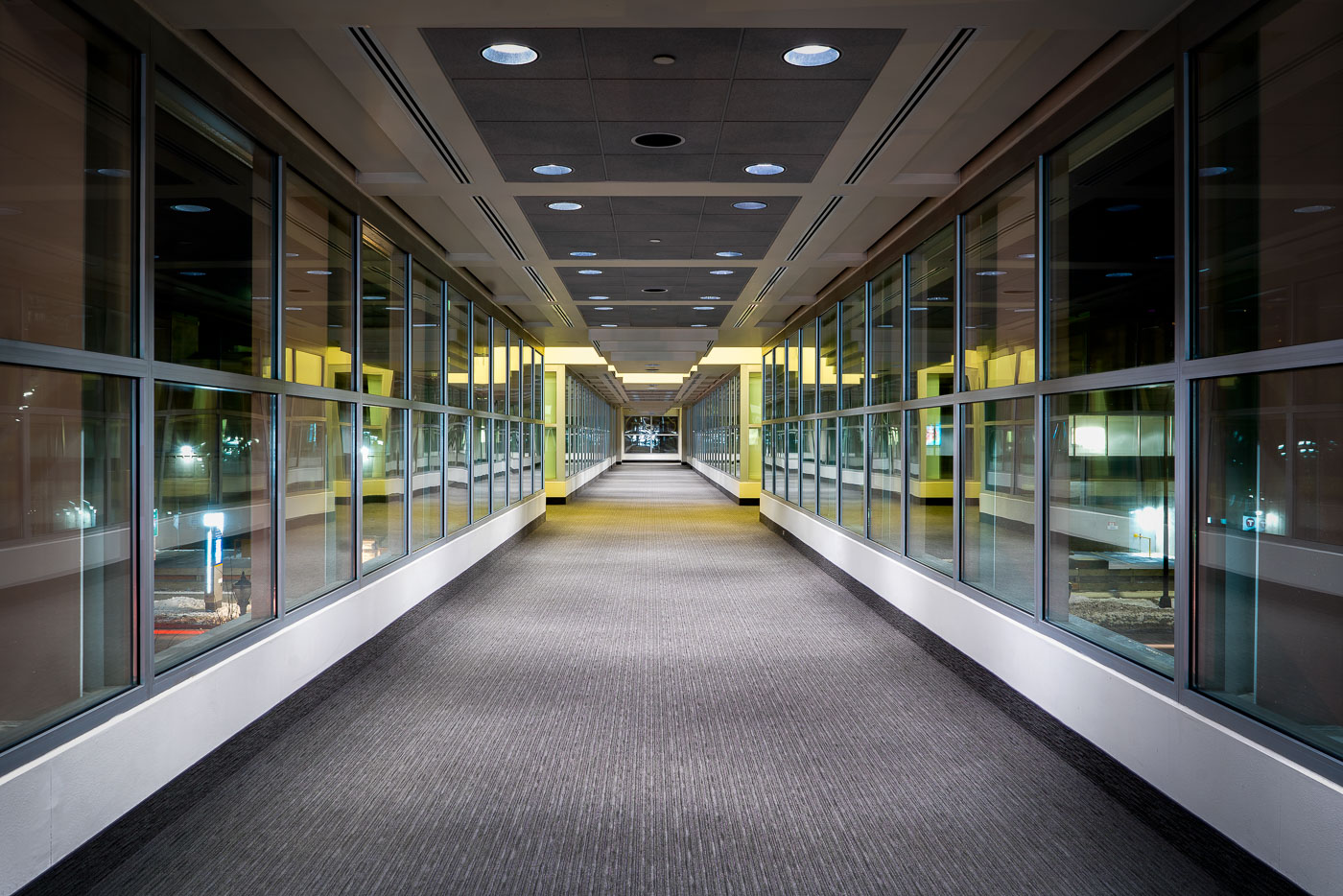 View full post: SPS Tower Skyway, Downtown Minneapolis
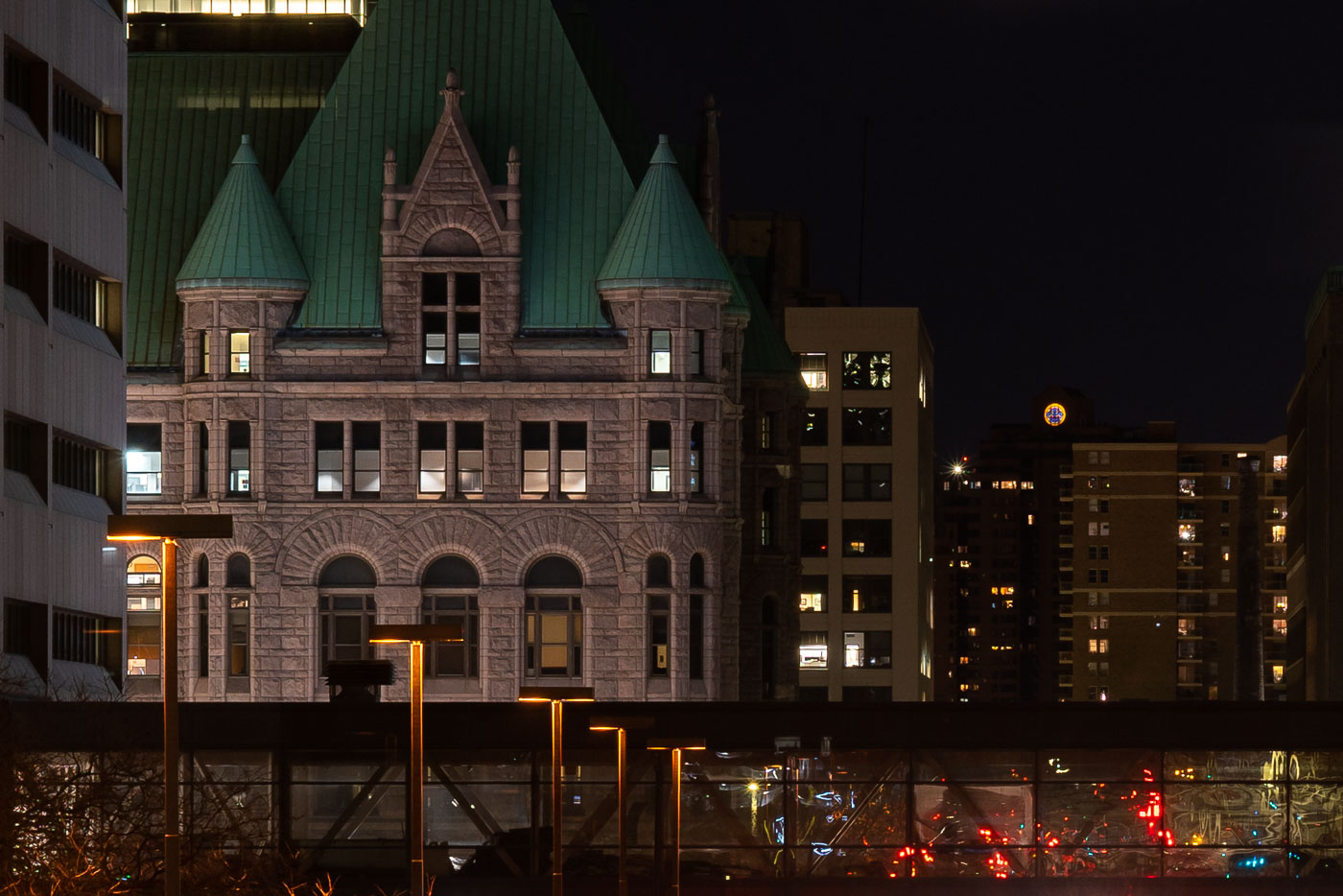 View full post: Minneapolis City Hall Amid Downtown Towers at Night
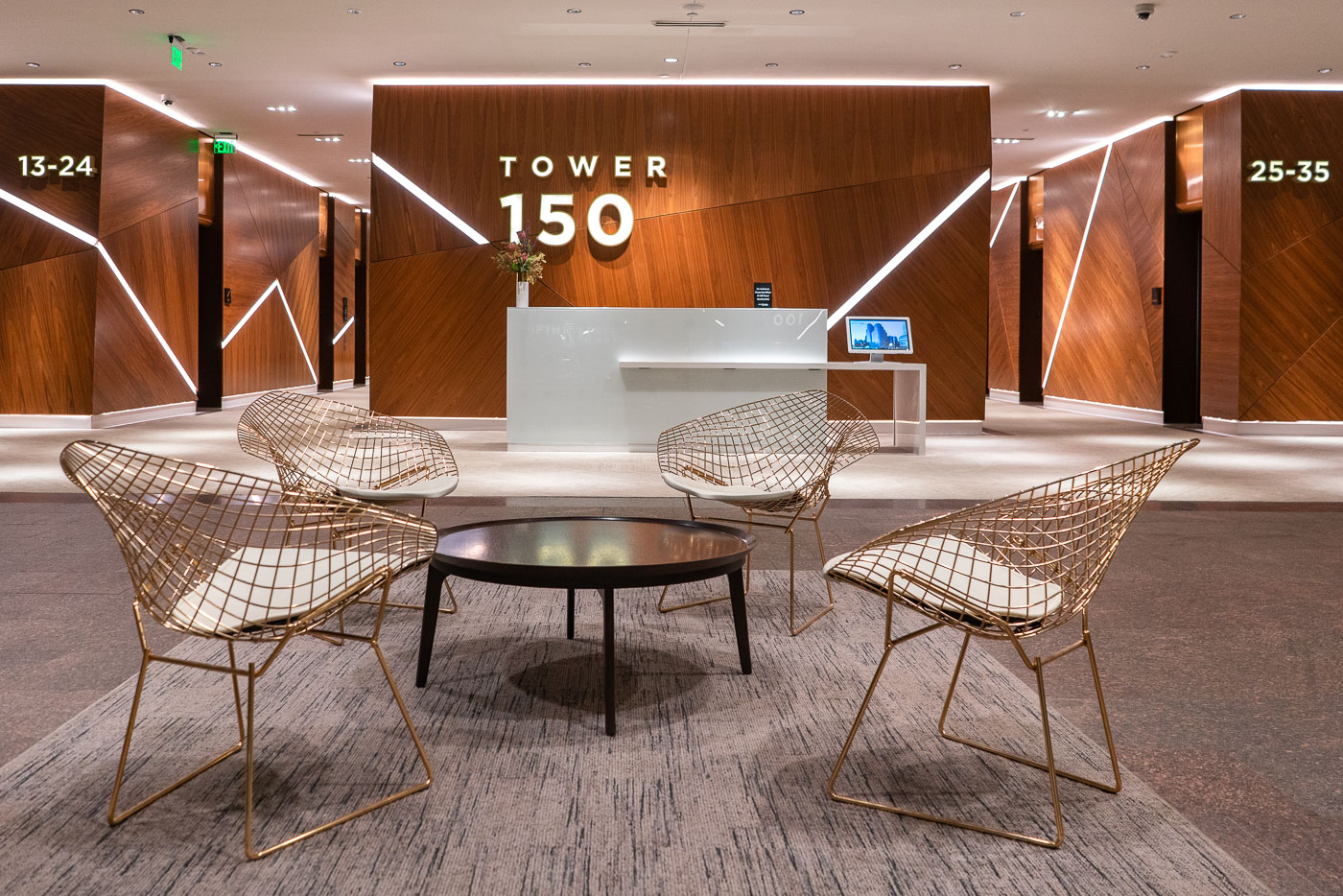 View full post: Tower 150 Lobby at Fifth Street Towers
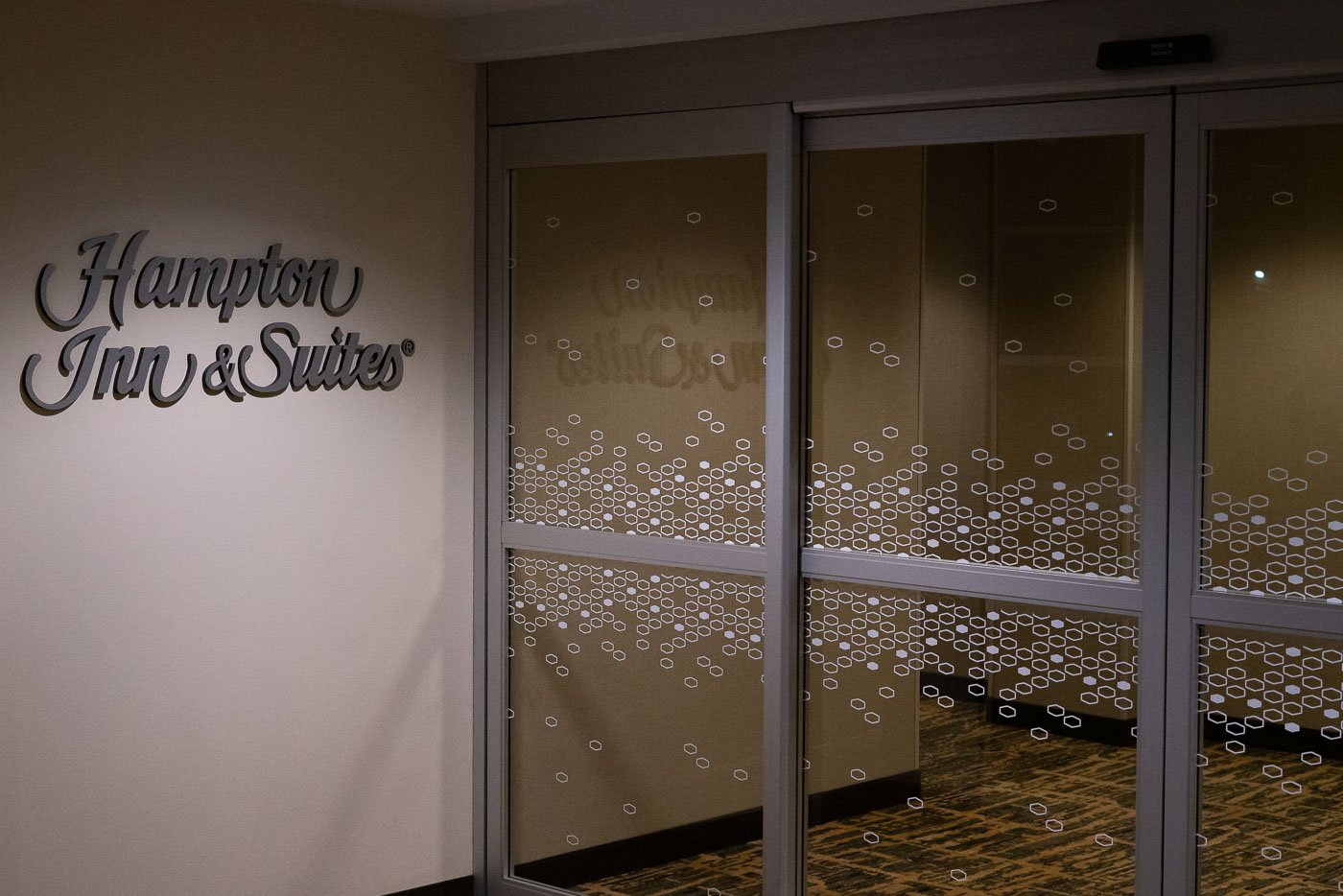 View full post: Hampton Inn & Suites Entrance, Downtown Minneapolis
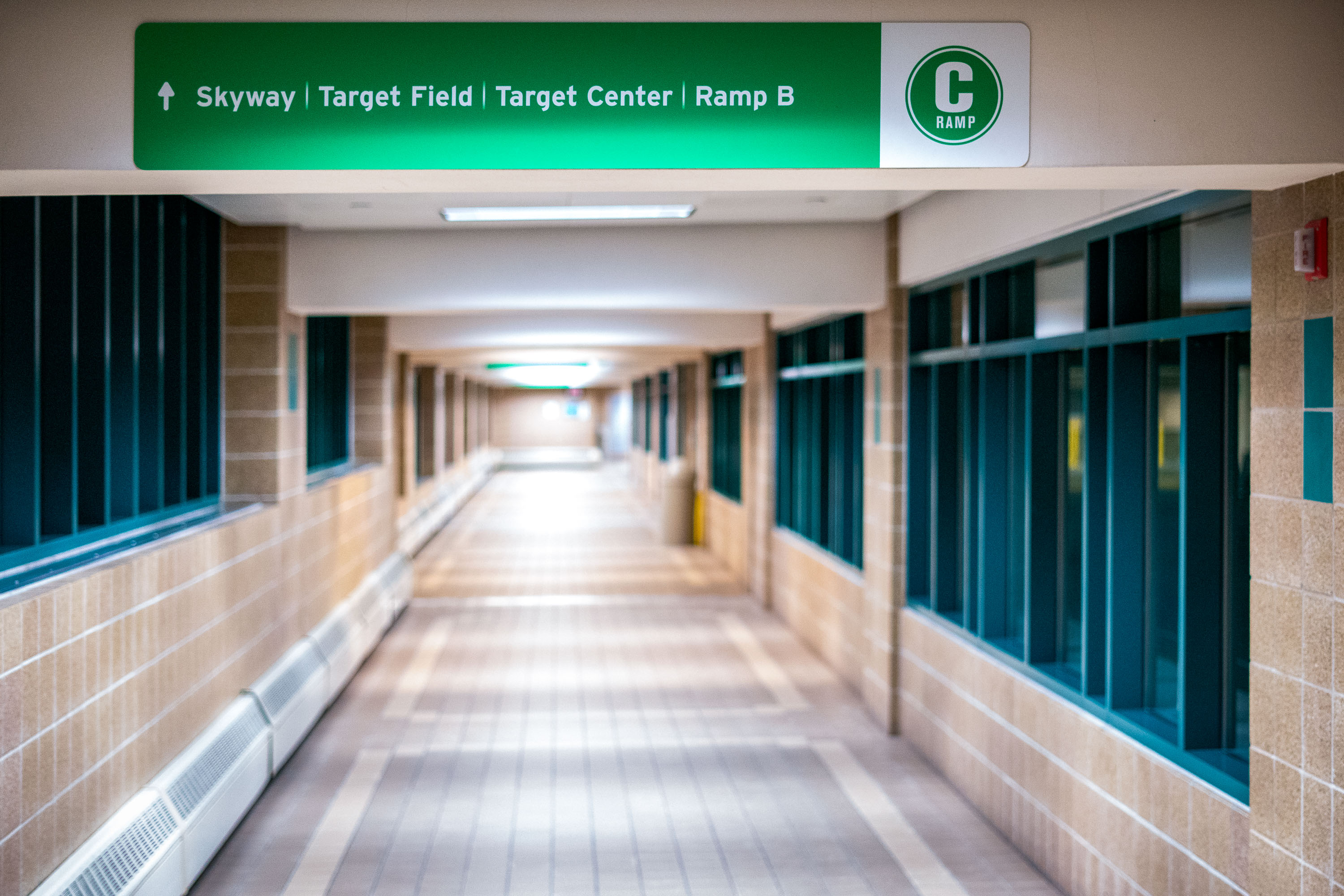 View full post: Ramp C Skyway to Target Field and Target Center, Minneapolis
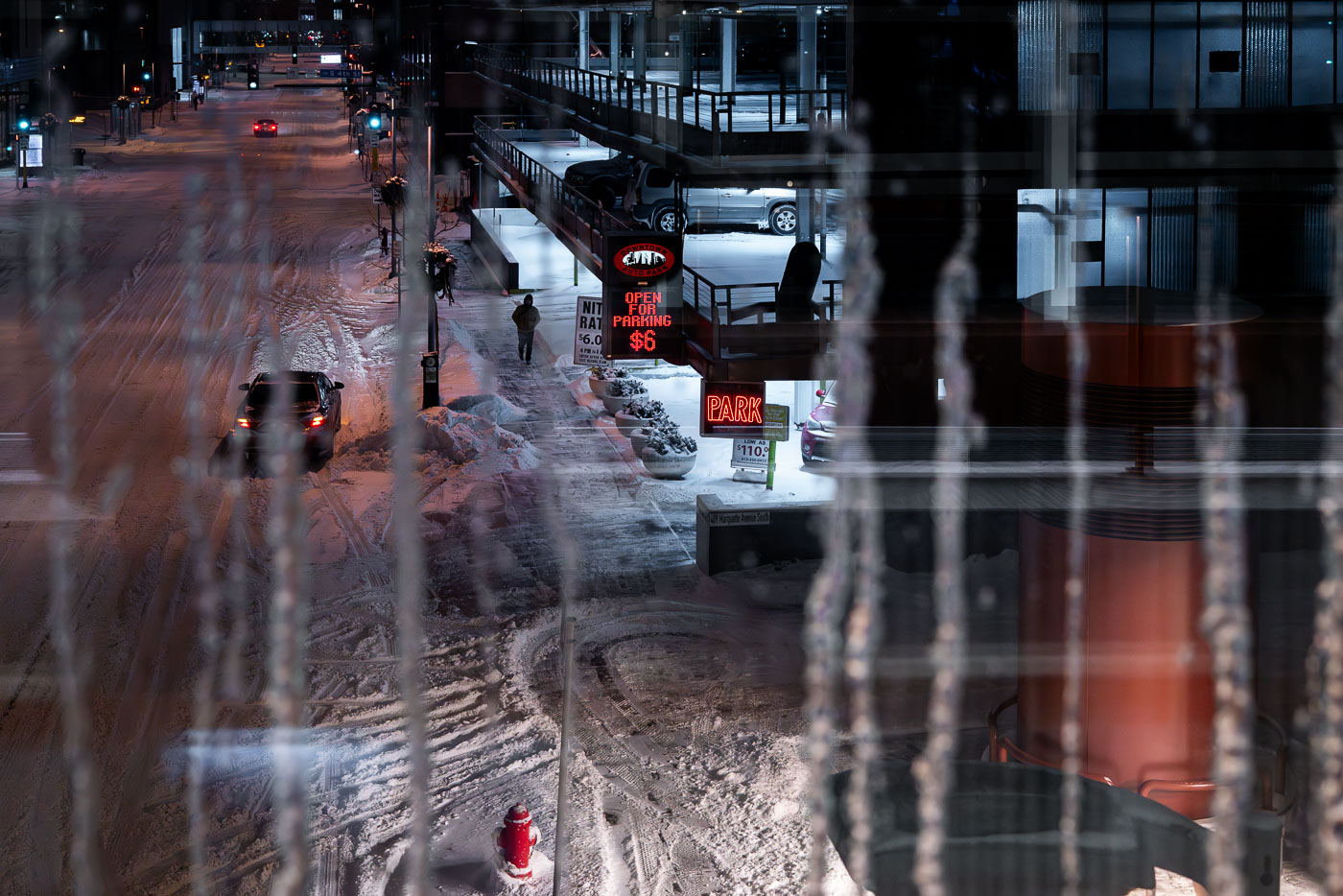 View full post: Icy downtown Minneapolis street beside skyway parking ramp
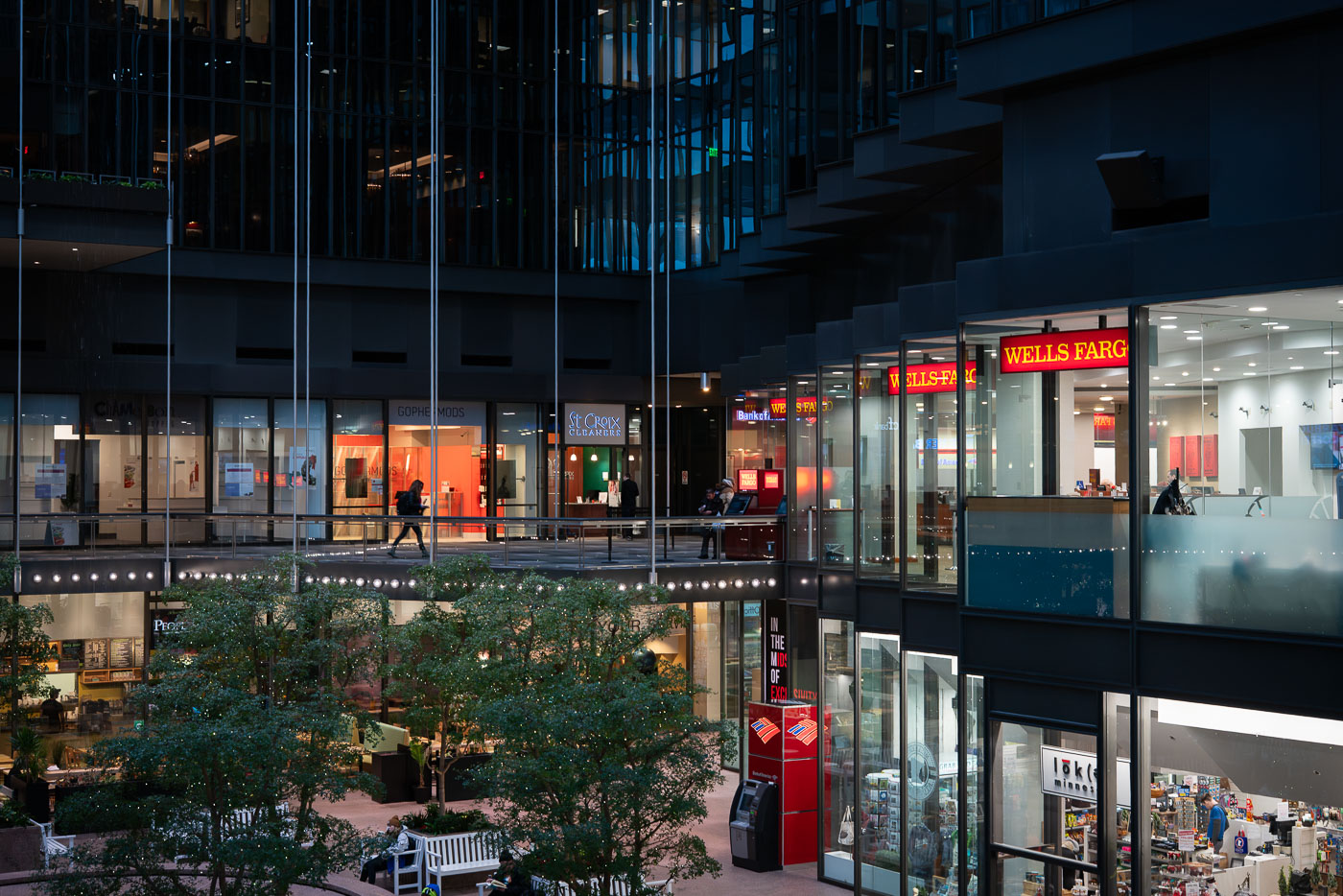 View full post: Retail Level of Crystal Court, IDS Center, Minneapolis
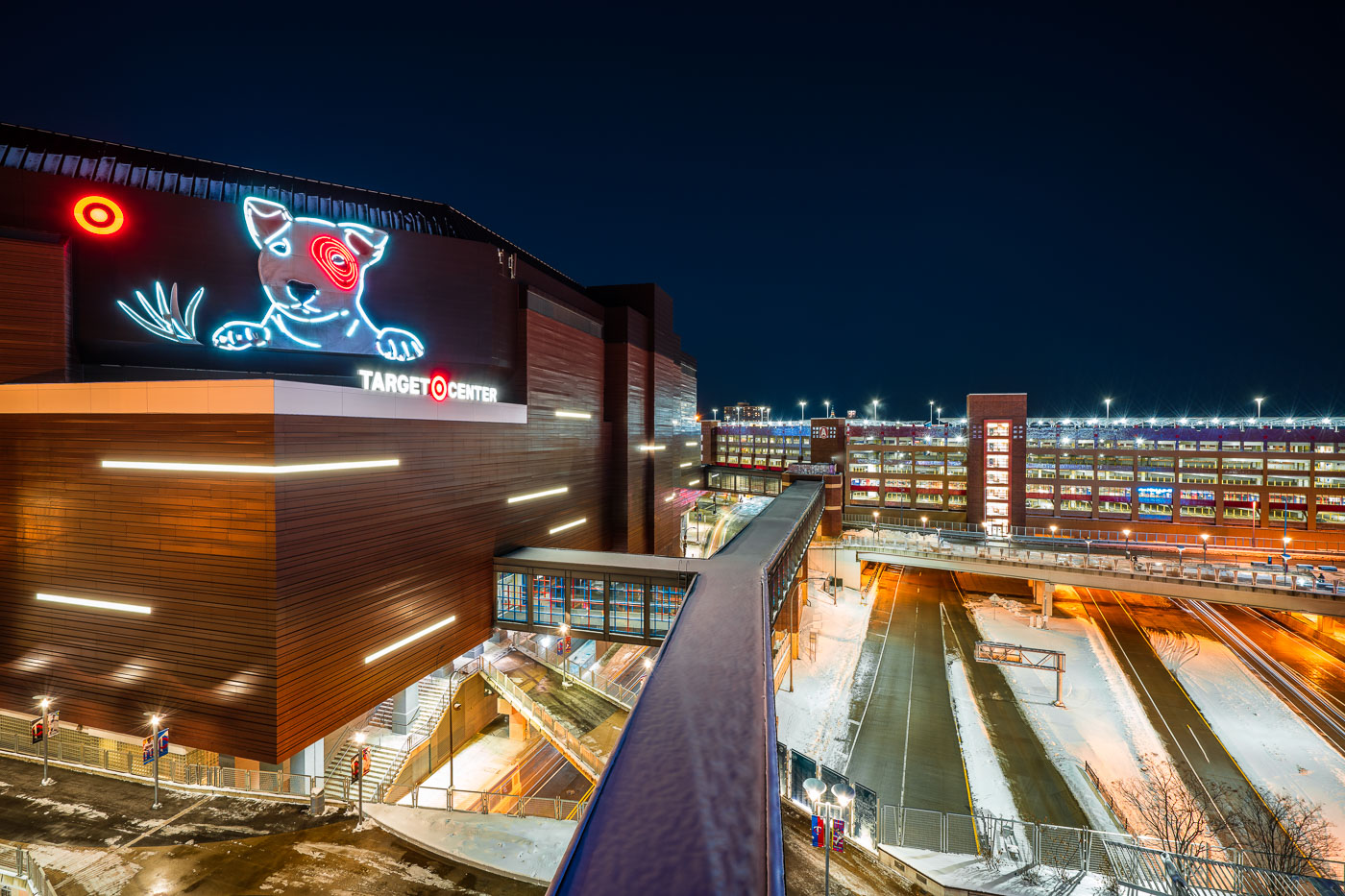 View full post: Target Center and Ramp A Skyway, Minneapolis
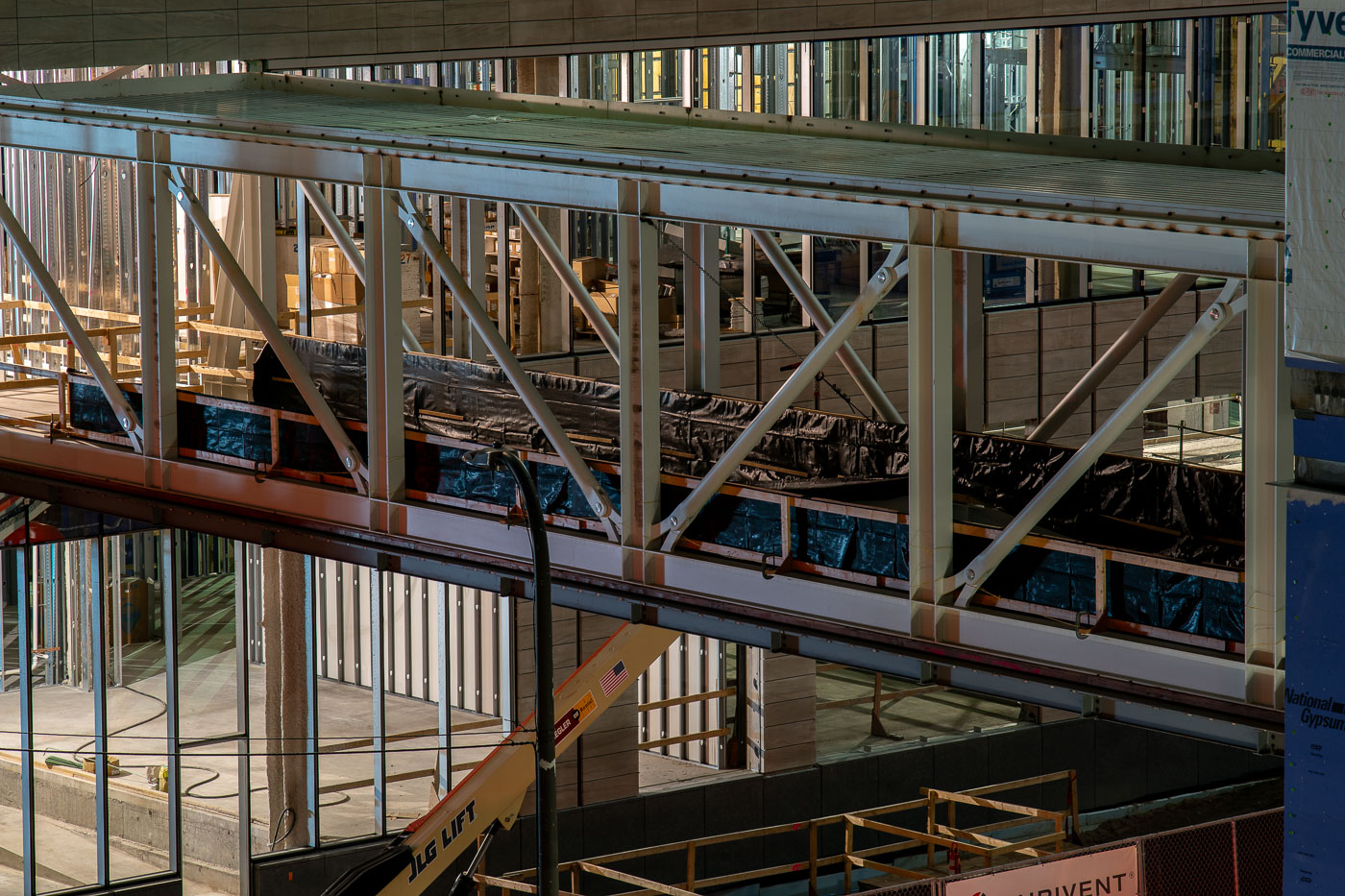 View full post: Downtown Minneapolis Skyway Construction in 2019
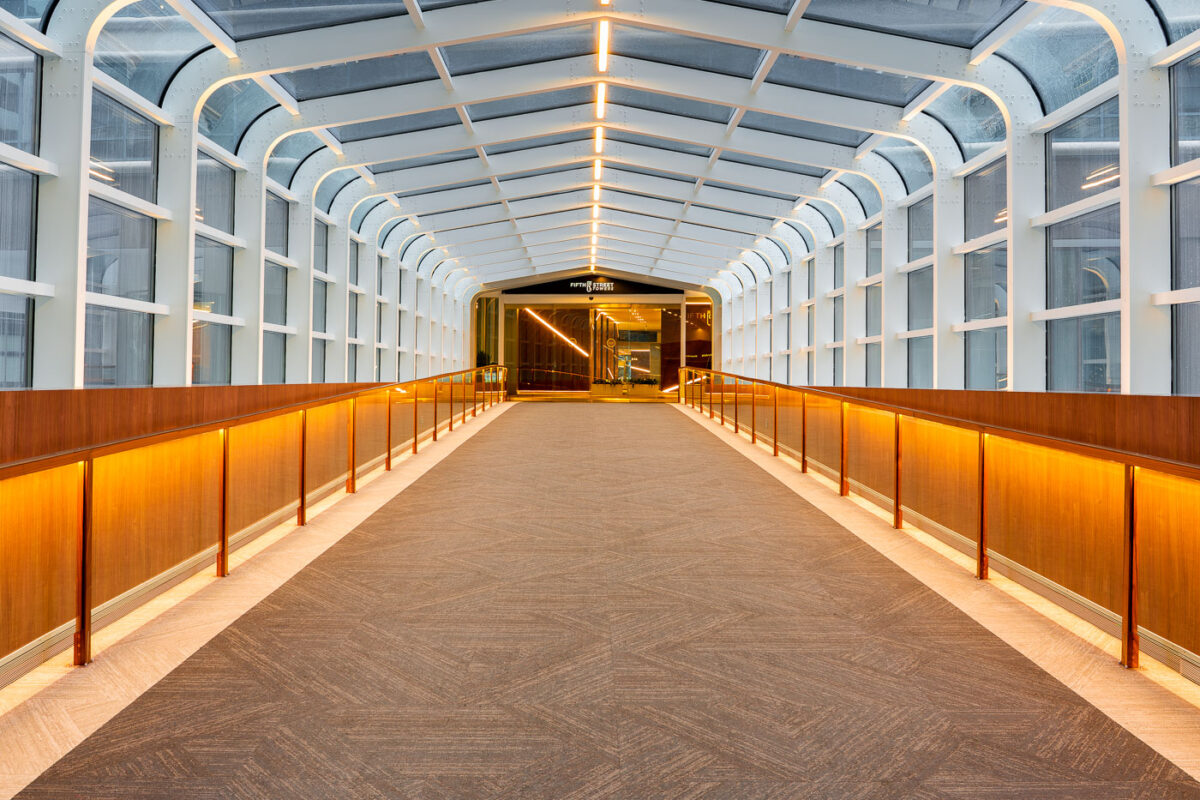
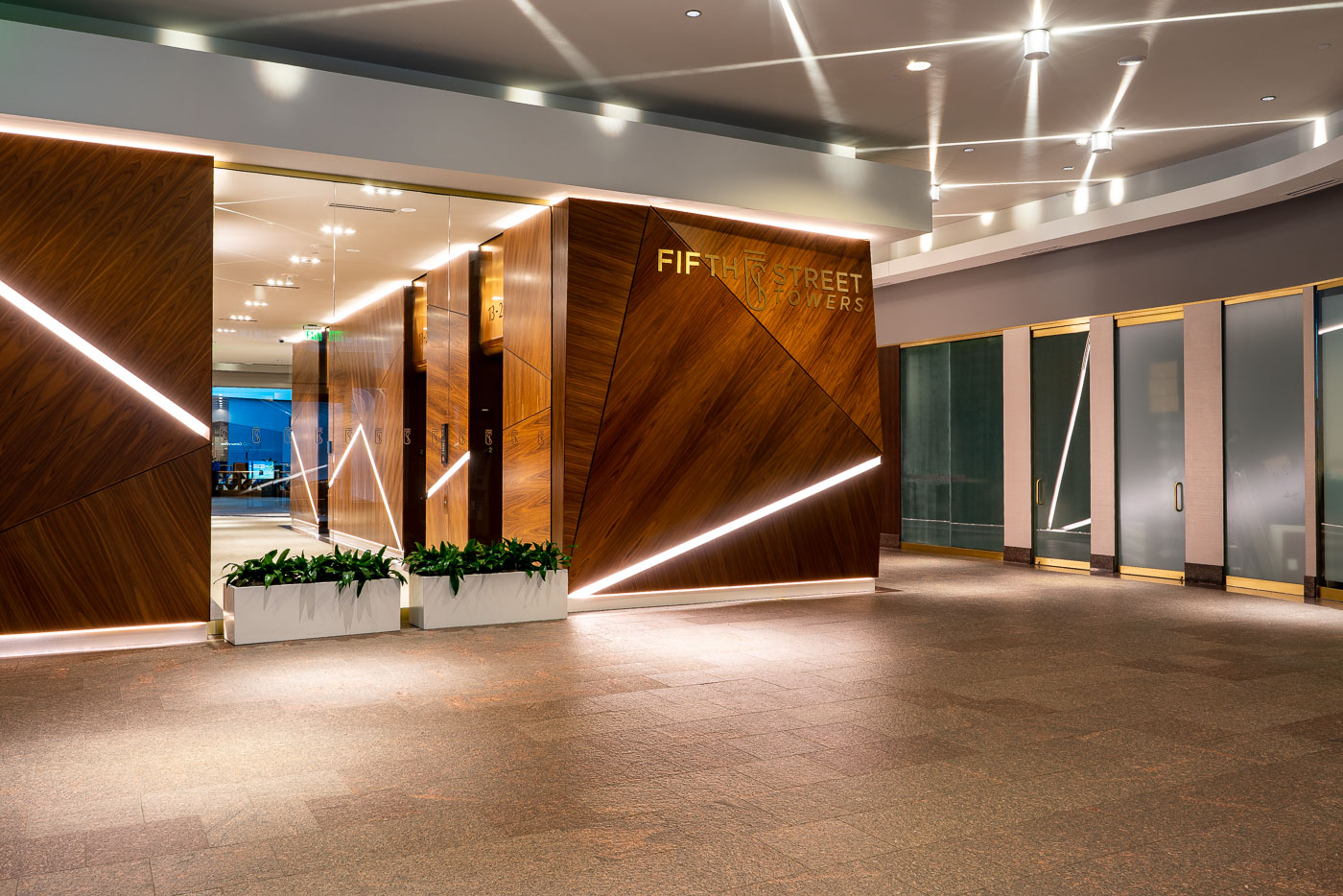 View full post: Fifth Street Towers Skyway Entrance, Minneapolis
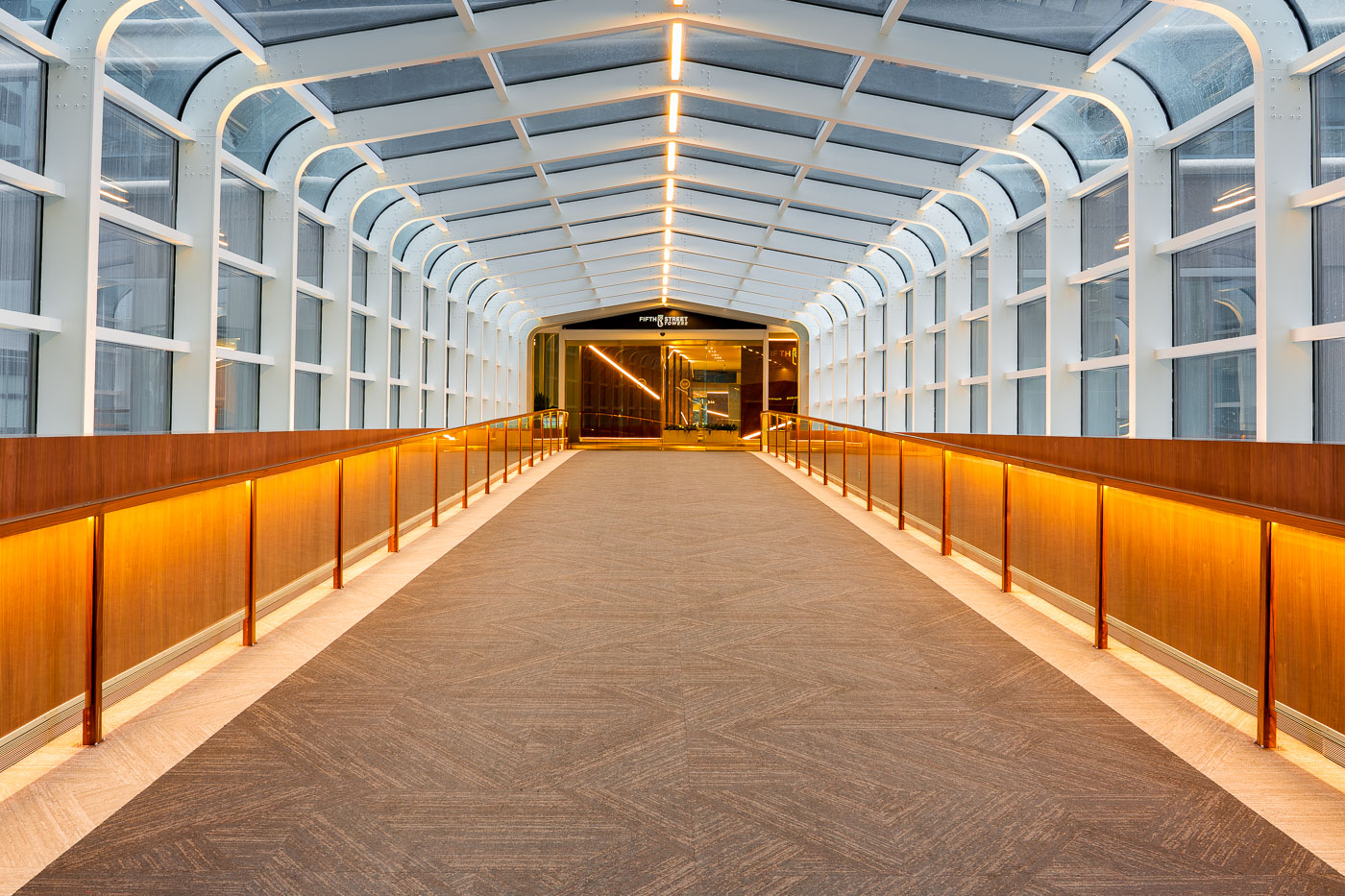 View full post: Inside the Fifth Street Towers skyway
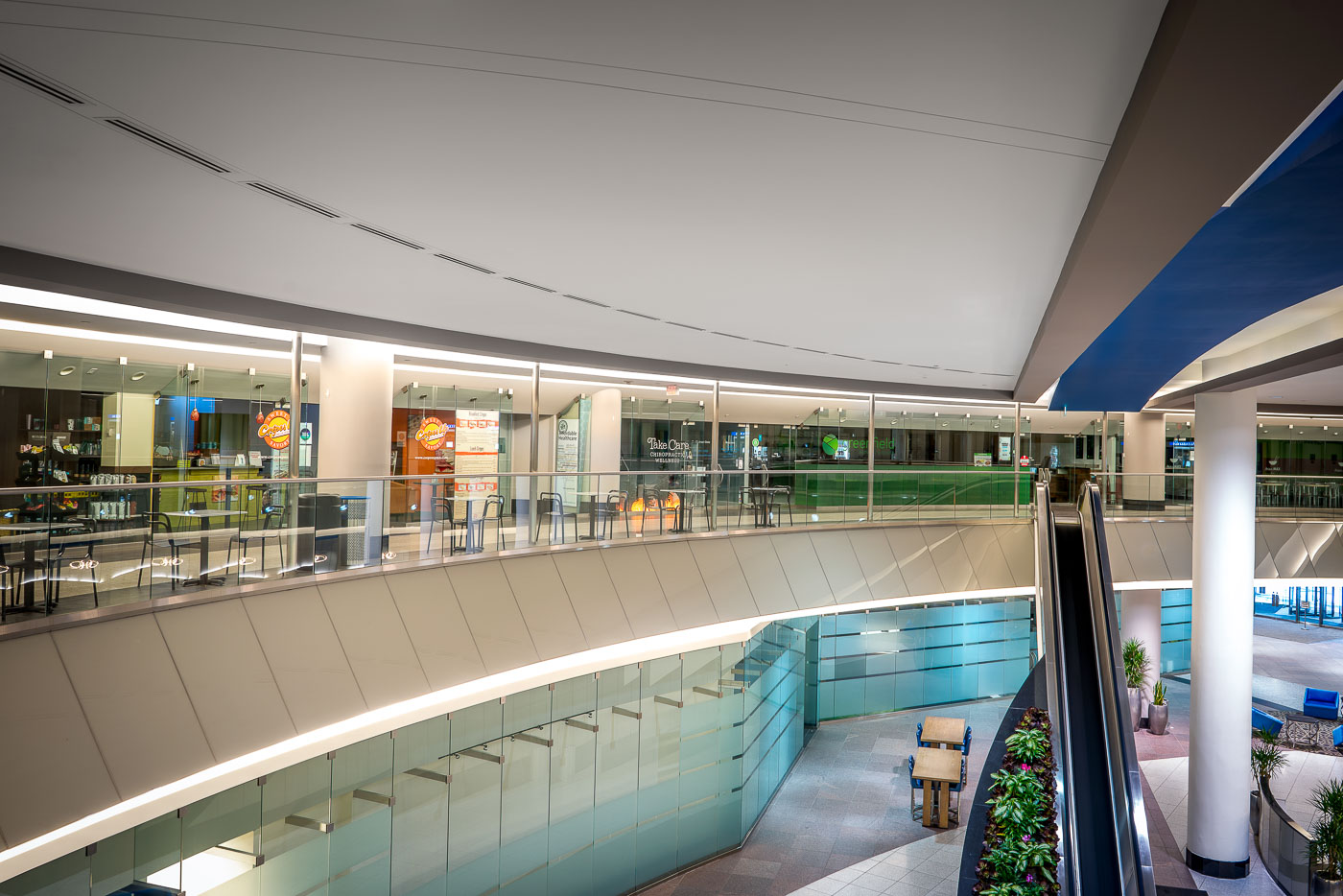 View full post: Inside the Canadian Pacific Plaza
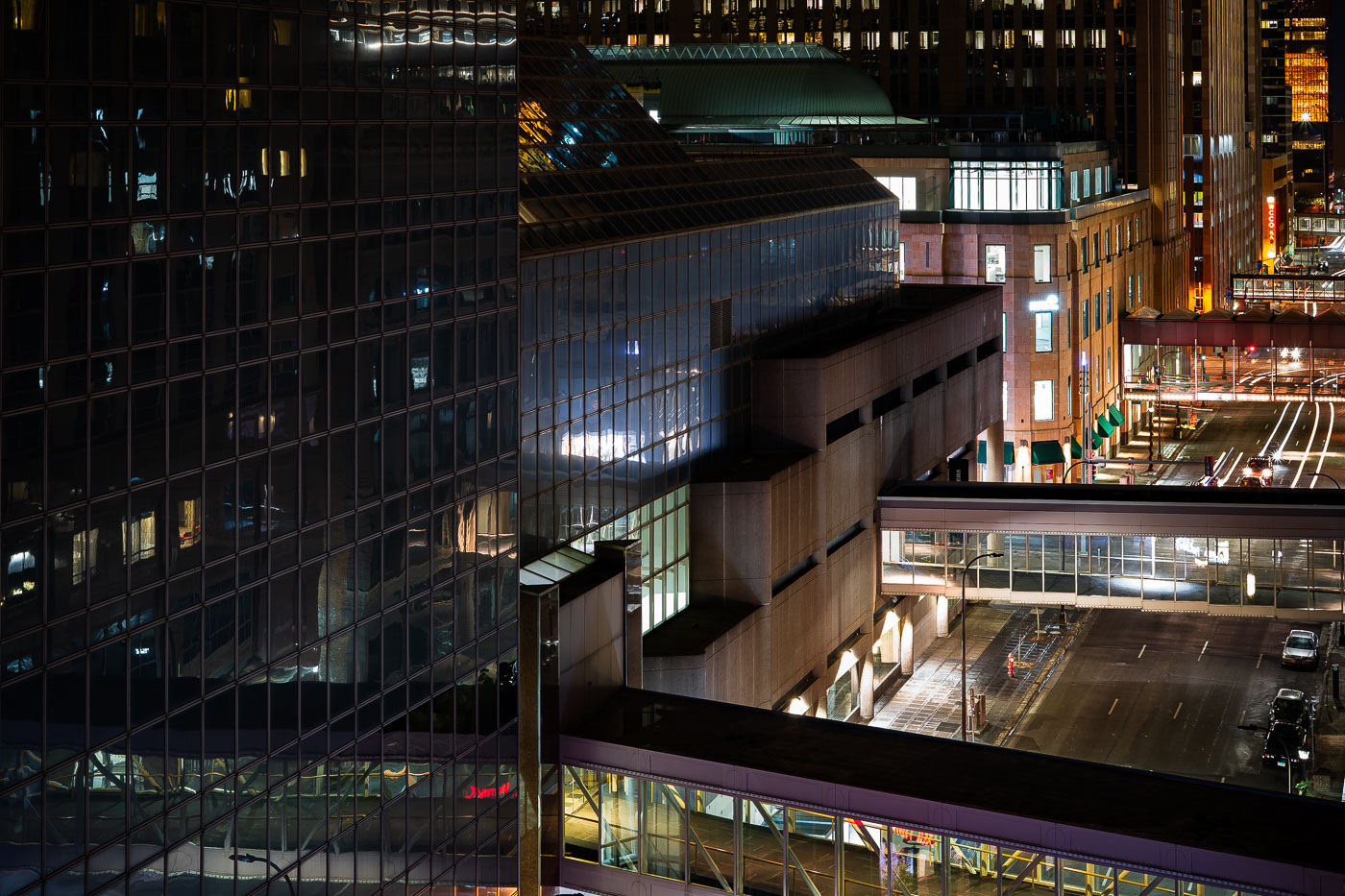 View full post: Minneapolis Skyway over Nicollet Mall
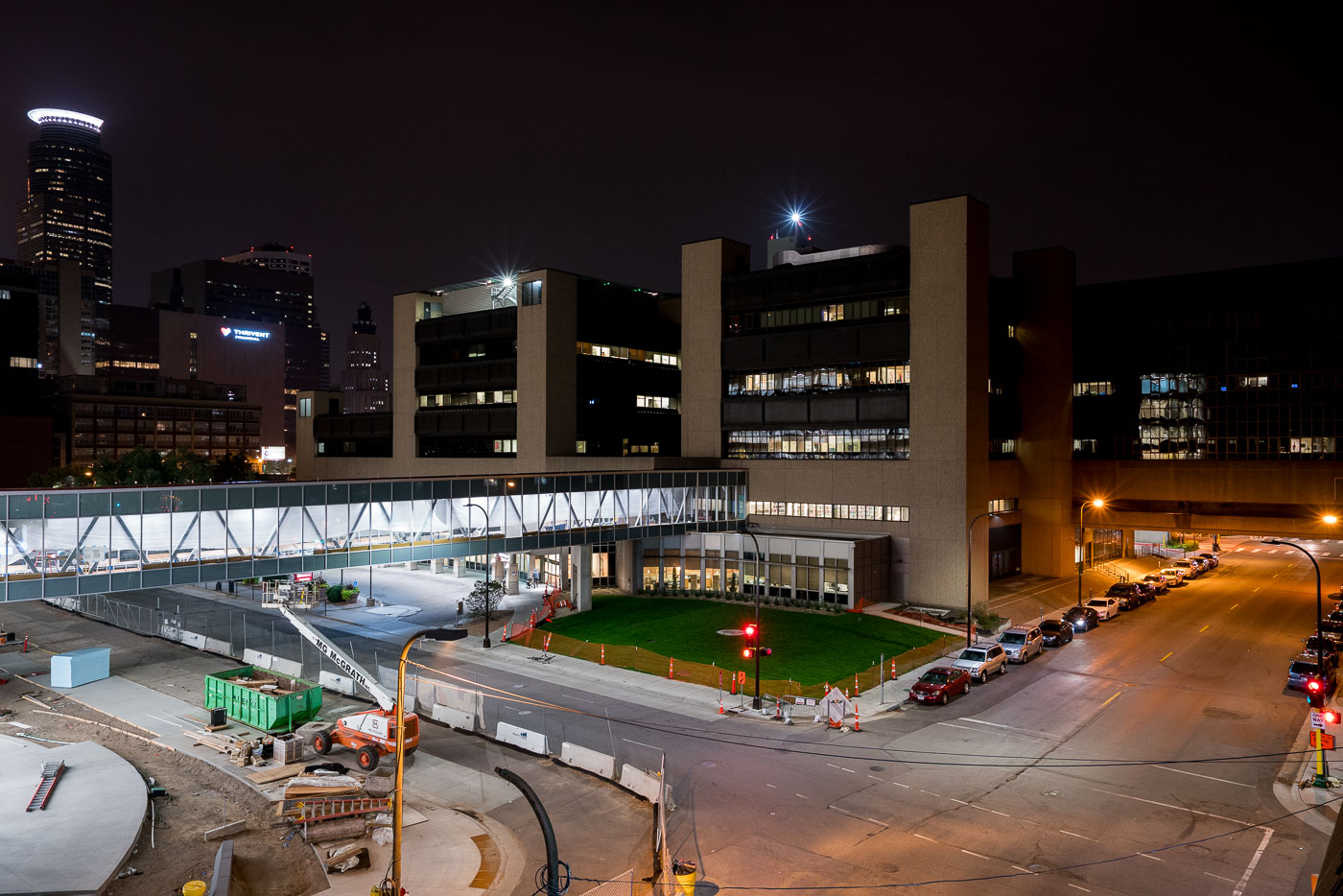 View full post: Hennepin County Medical Center Skyway, Minneapolis at Night
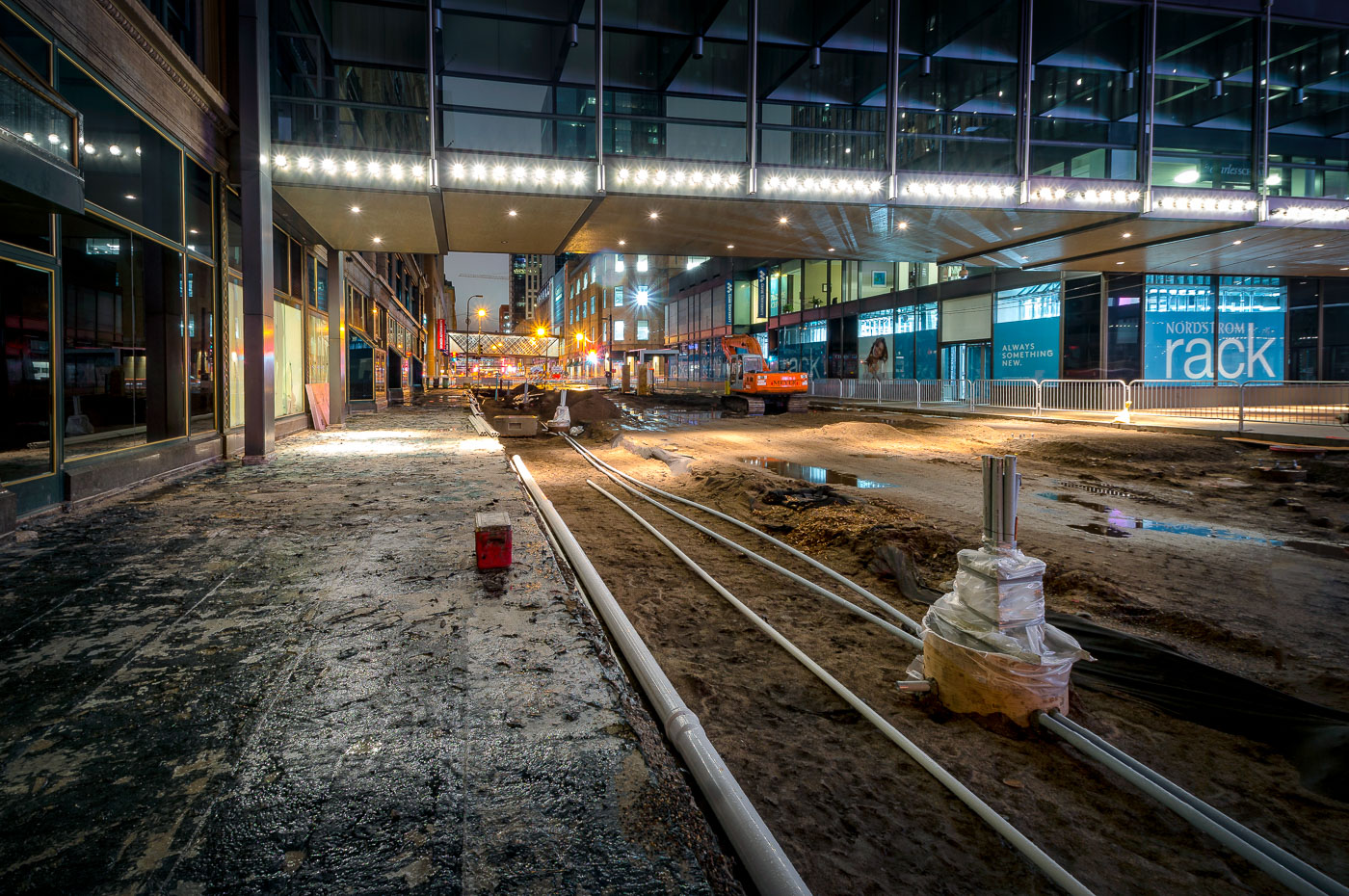 View full post: Nicollet Mall Construction, Minneapolis: Nordstrom Rack and IDS Center
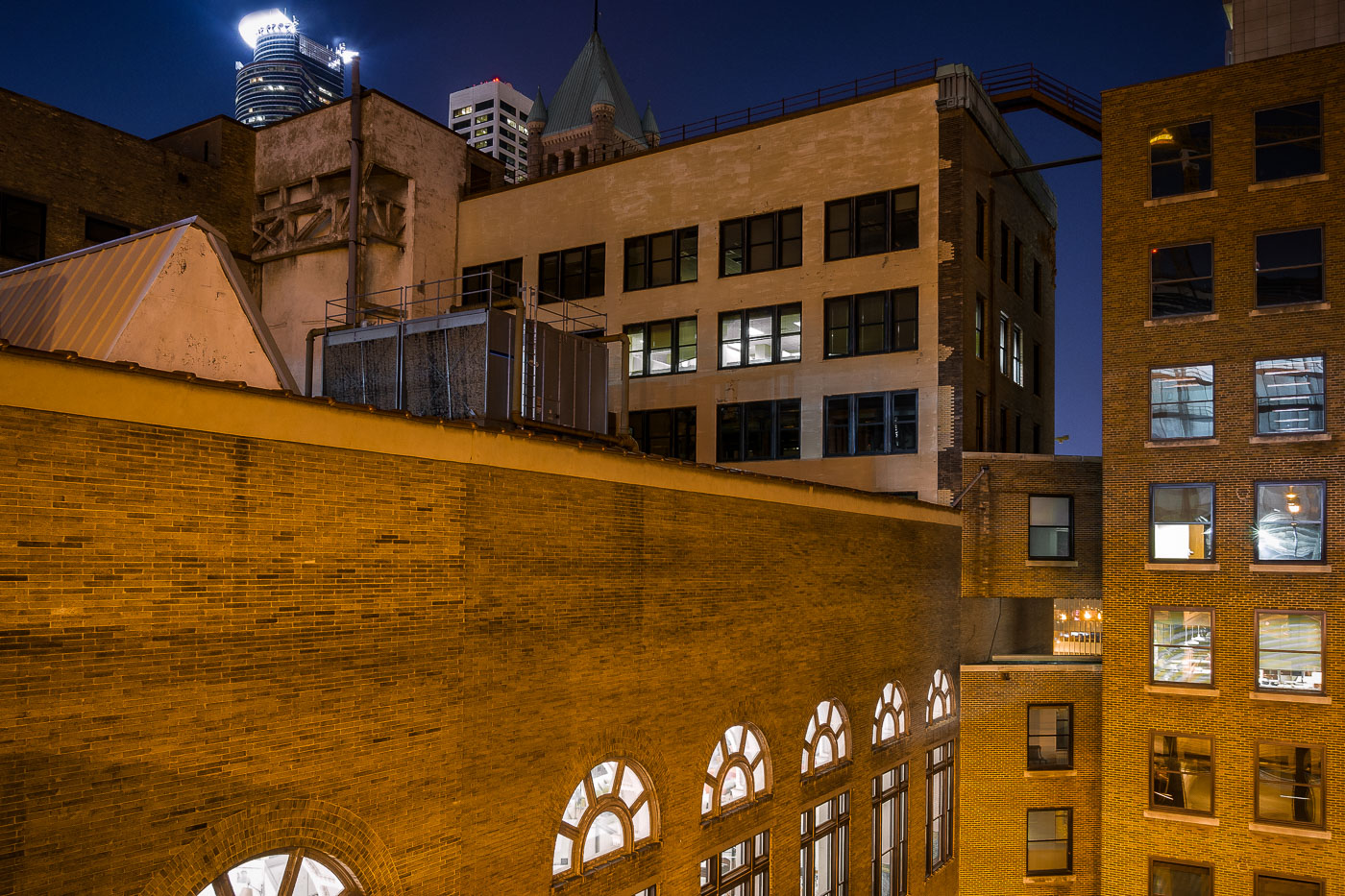 View full post: Minneapolis Grain Exchange Skyway at Night