Santa Cruz la Laguna

3 photos · 2020

3 photographs tagged Santa Cruz la Laguna, 2020.
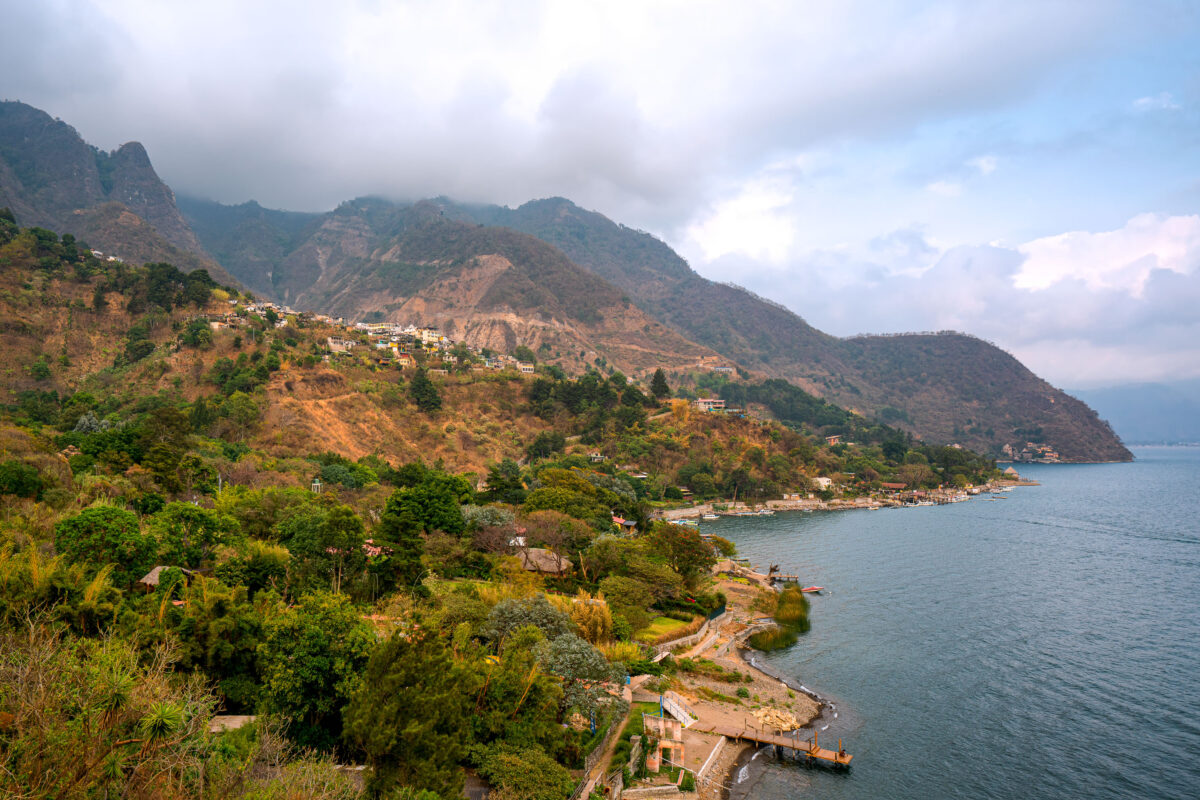
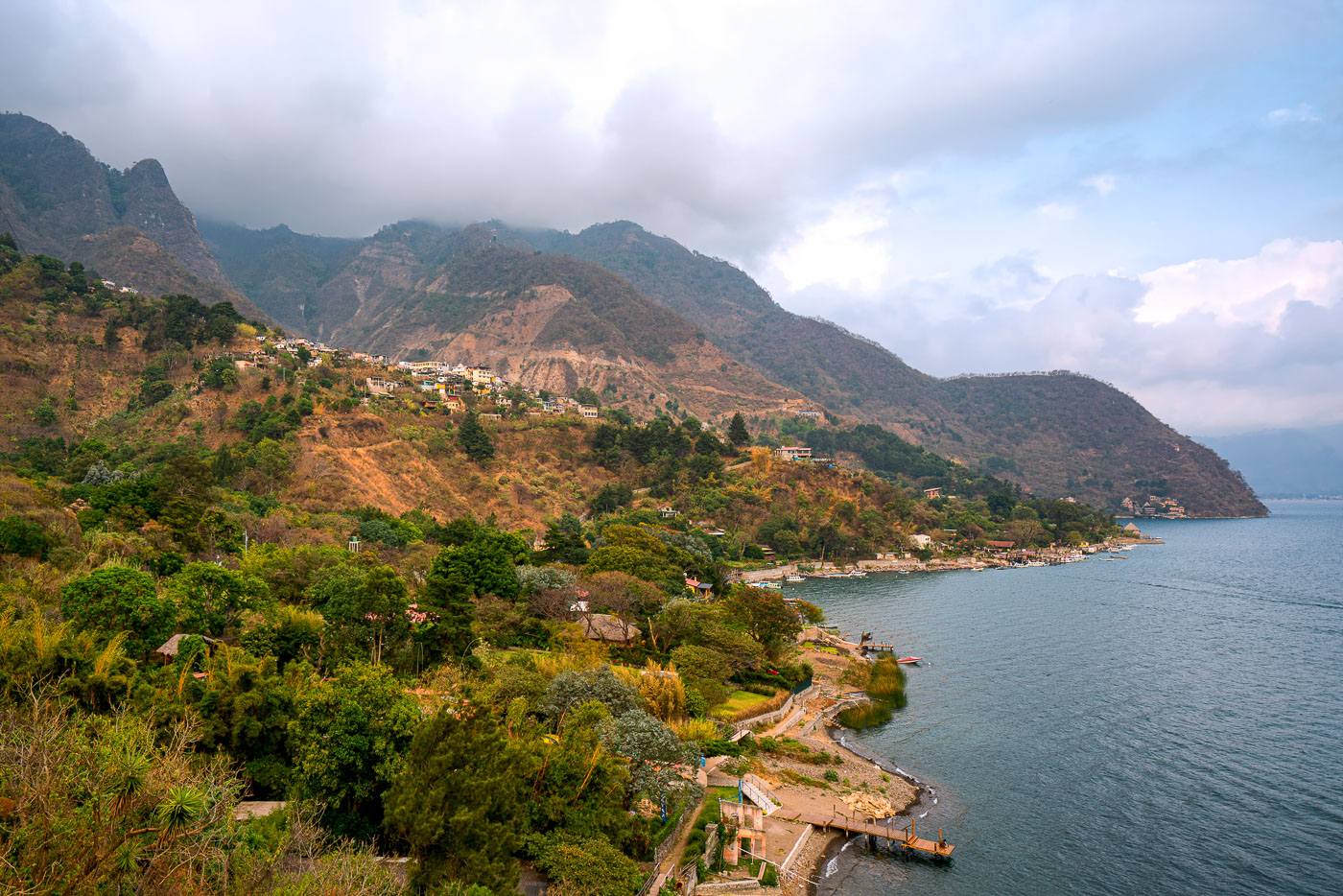
Santa Cruz La Laguna village clings to a steep forested mountainside above Lake Atitlán in Guatemala with homes scattered across the slope and docks lining the narrow shoreline.
Santa Cruz La Laguna sits on a steep slope above the northern shore of Lake Atitlán, a volcanic crater lake in Guatemala's western highlands. The lake formed roughly 84,000 years ago after a massive eruption collapsed the caldera, leaving a basin reaching depths of more than 340 meters in places. Santa Cruz's population is largely Kaqchikel Maya, and the village has no direct road access from much of the surrounding shoreline, relying instead on boats that connect it to Panajachel and other lakeside towns. Volcán Tolimán and Volcán San Pedro rise along the lake's southern edge, part of the chain of volcanoes that ring Atitlán.

Hillside Village of Santa Cruz La Laguna Above Lake Atitlán
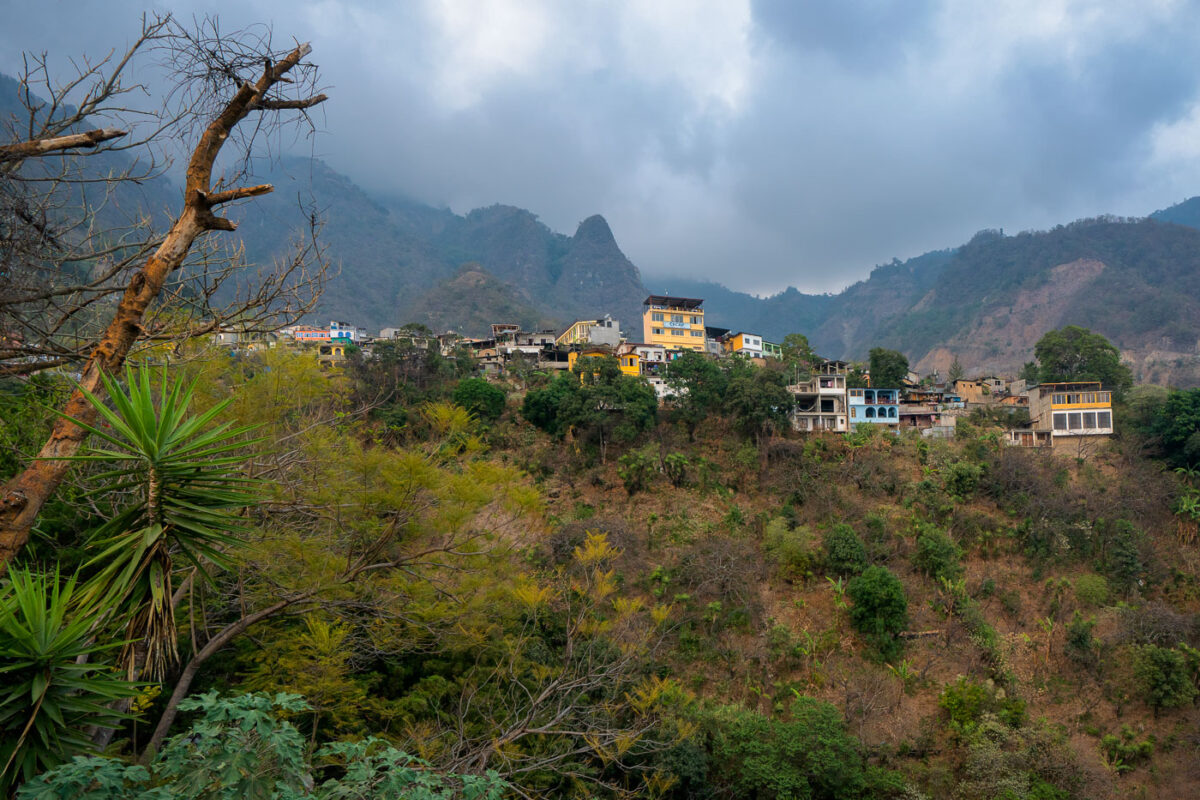
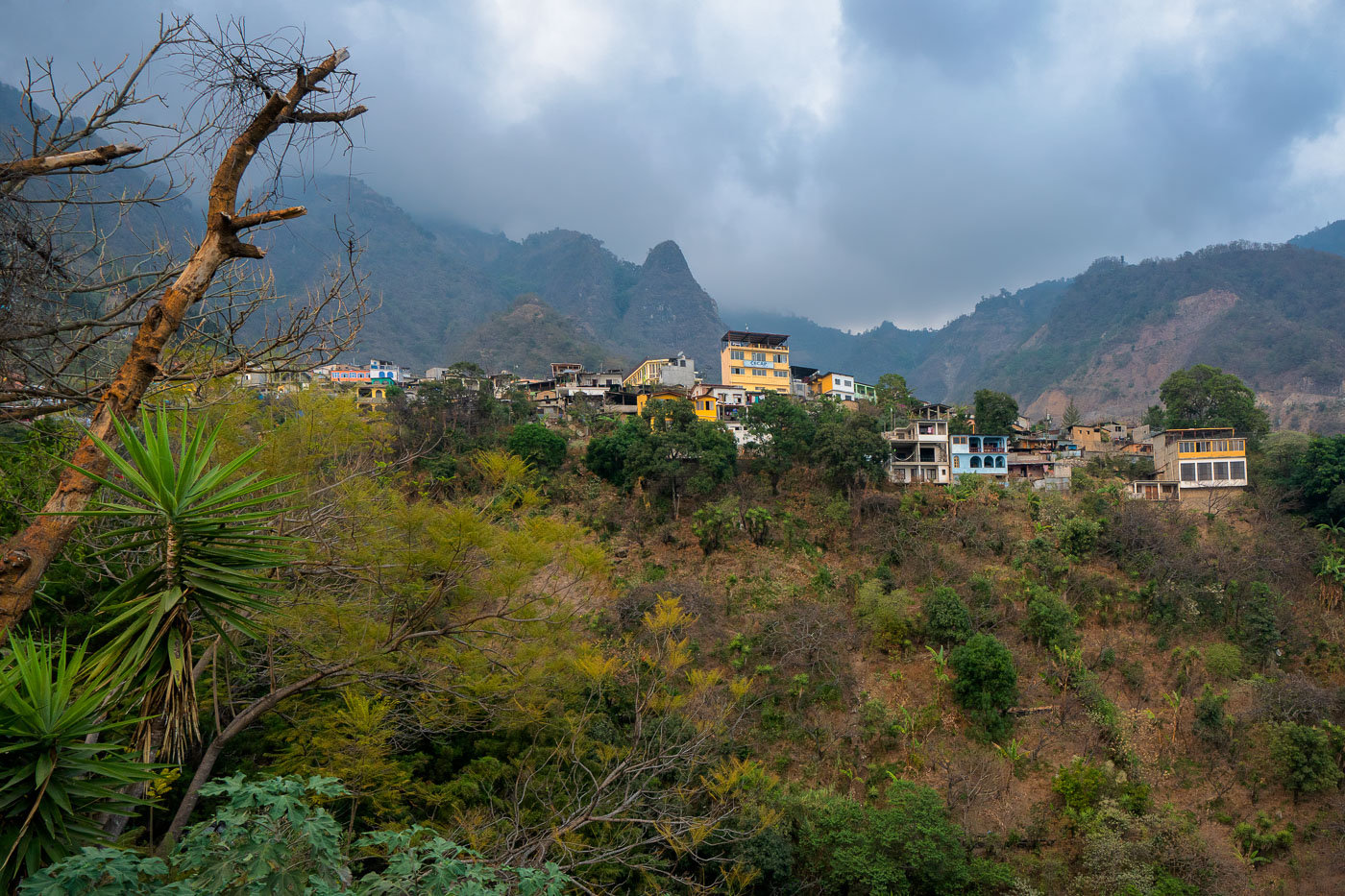
Hillside homes with colorful facades scattered across steep forested slopes above Lake Atitlán in Santa Cruz La Laguna, Guatemala.
Santa Cruz La Laguna sits on a steep slope along the northern shore of Lake Atitlán, in Guatemala's Sololá department. No road connects the village to the rest of the lake region; access is by boat across the water or by footpath along the surrounding ridgelines. Lake Atitlán itself formed roughly 84,000 years ago inside a volcanic caldera and reaches depths of more than 300 meters, ringed by the volcanoes Atitlán, Tolimán, and San Pedro. The village's population is predominantly Kaqchikel Maya, and the nearby CECAP center offers vocational training in hospitality and trades for local youth.

Mountainside Village Above Lake Atitlán Near Santa Cruz La Laguna
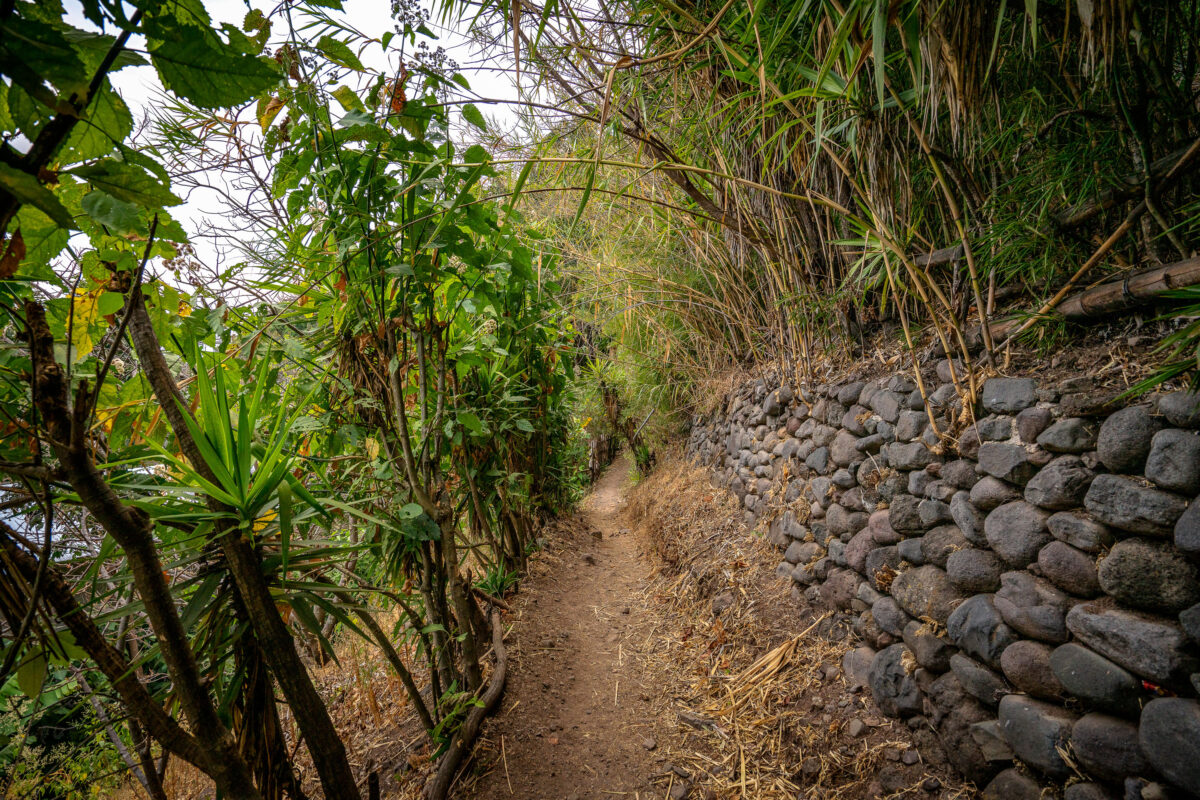
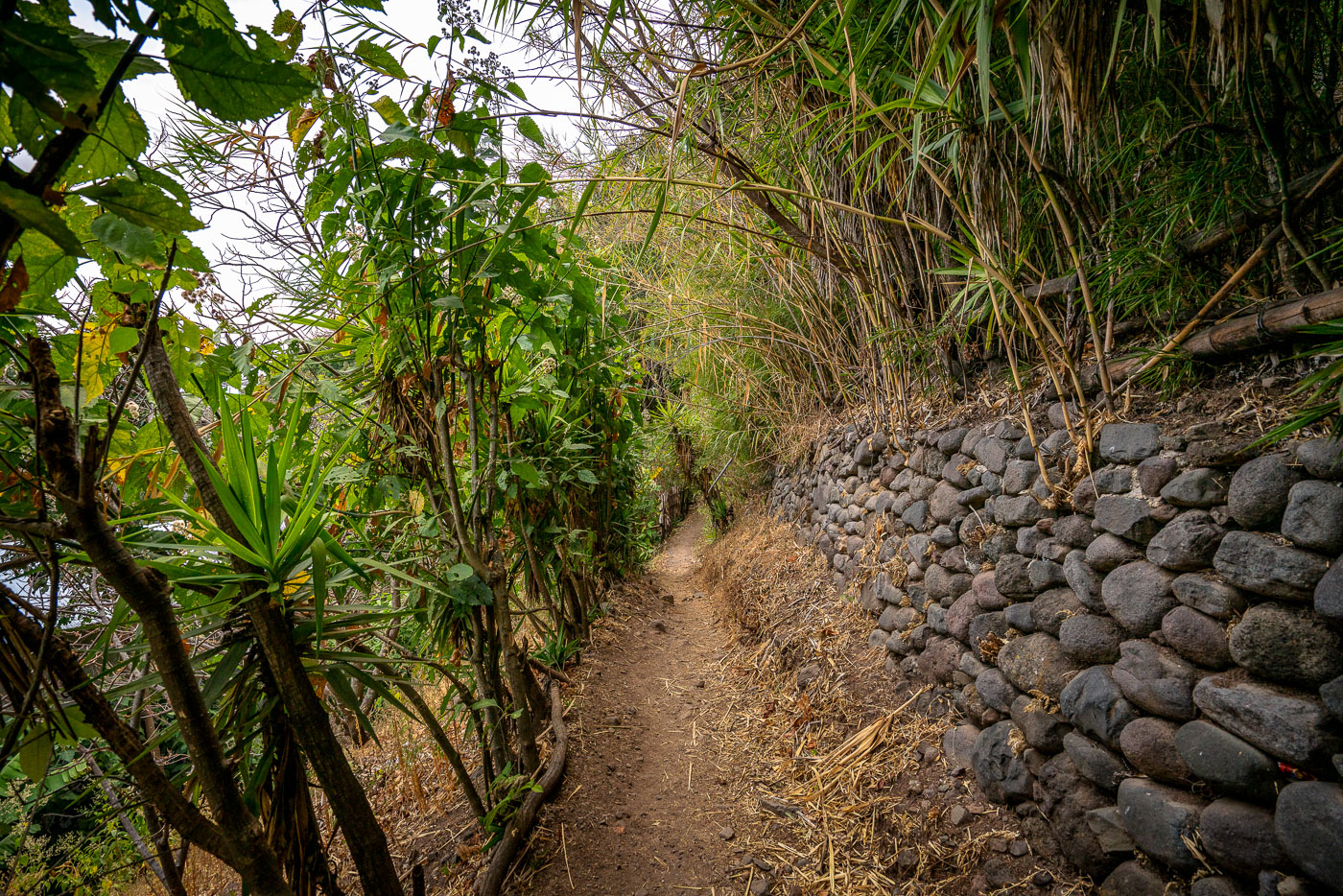
Narrow footpath along Lake Atitlán's shore between Jaibalito and Santa Cruz la Laguna, Guatemala, bordered by stone retaining wall and dense vegetation.
This footpath connects Jaibalito and Santa Cruz La Laguna, two villages on the northern shore of Lake Atitlán reachable only by boat or trail. The route is a stretch of the longer lakeside trail linking several communities along the water, popular with hikers moving between villages without a direct road. Stone retaining walls, built from volcanic rock common to the Atitlán basin, shore up the path where it cuts into the steep hillside above the lake.

Stone Retaining Wall Along the Jaibalito-Santa Cruz Trail

Built in Minneapolis

Minneapolis Photographer

Browse by location, move through long-running series, or start with recent work.