Photo Set
Minneapolis Grain Elevators
ADM, General Mills, Kurth Malting and Gold Medal Flour facilities from active operation through demolition and redevelopment
The grain elevators of Minneapolis are the physical legacy of a city that once milled more flour than anywhere else on earth. Clustered along the Mississippi River corridor and threading through neighborhoods like Dinkytown, Prospect Park, and Northeast Minneapolis, these concrete silos and steel headhouses mark the sites where Midwestern grain was stored, processed, and shipped across the country and beyond.
Minneapolis built its milling identity on the falls of St. Anthony, where waterpower drove the great flour mills of the late nineteenth century. Companies such as Pillsbury and Washburn-Crosby — whose Gold Medal Flour brand still lights up the downtown waterfront in neon — turned the city into the dominant force in American grain processing. The rail lines and river access that made that possible also seeded a dense industrial landscape of elevators, malting houses, and machinery suppliers stretching well beyond the falls.
By the time Archer Daniels Midland, General Mills, Viterra, and Kurth Malting were operating here in the late twentieth century, the industry had contracted sharply from its peak. The Washburn A Mill, once the largest flour mill in the world, was rebuilt after a catastrophic 1878 explosion and eventually repurposed as the Mill City Museum. The ADM Nokomis Flour Mill in South Minneapolis closed in mid-2019. The Kurth Malting and Electric Steel elevator complexes in Dinkytown came down in 2017, clearing ground for University of Minnesota athletic facilities.
What remains is a mixed landscape. The ADM Delmar Elevator No. 7 — a massive abandoned concrete structure known locally as the United Crushers mill after graffiti visible from miles away — still stands near the University Transitway corridor. General Mills continues to operate grain facilities along active rail lines in Northeast Minneapolis. The Gold Medal Flour elevator anchors the downtown mill district beside the Stone Arch Bridge, which carried freight across the Mississippi when the industry was at its height and now carries pedestrians and cyclists past the same grain silos.
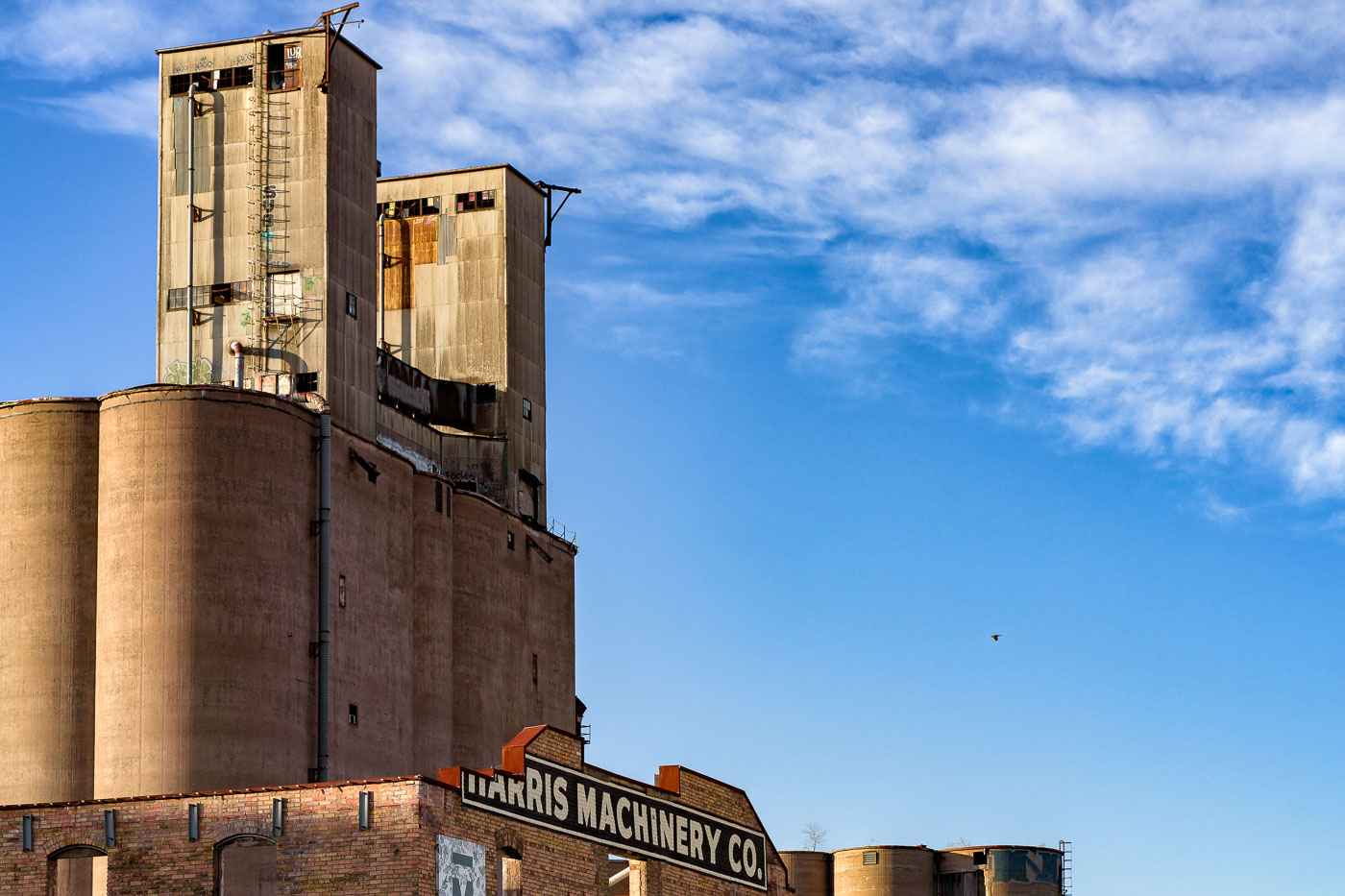 View full post: ADM Grain Elevator and Harris Machinery Co., Minneapolis
 View full post: Gold Medal Flour Sign, Mississippi Riverfront, Minneapolis
 View full post: Highlight Center Grain Elevator, Northeast Minneapolis
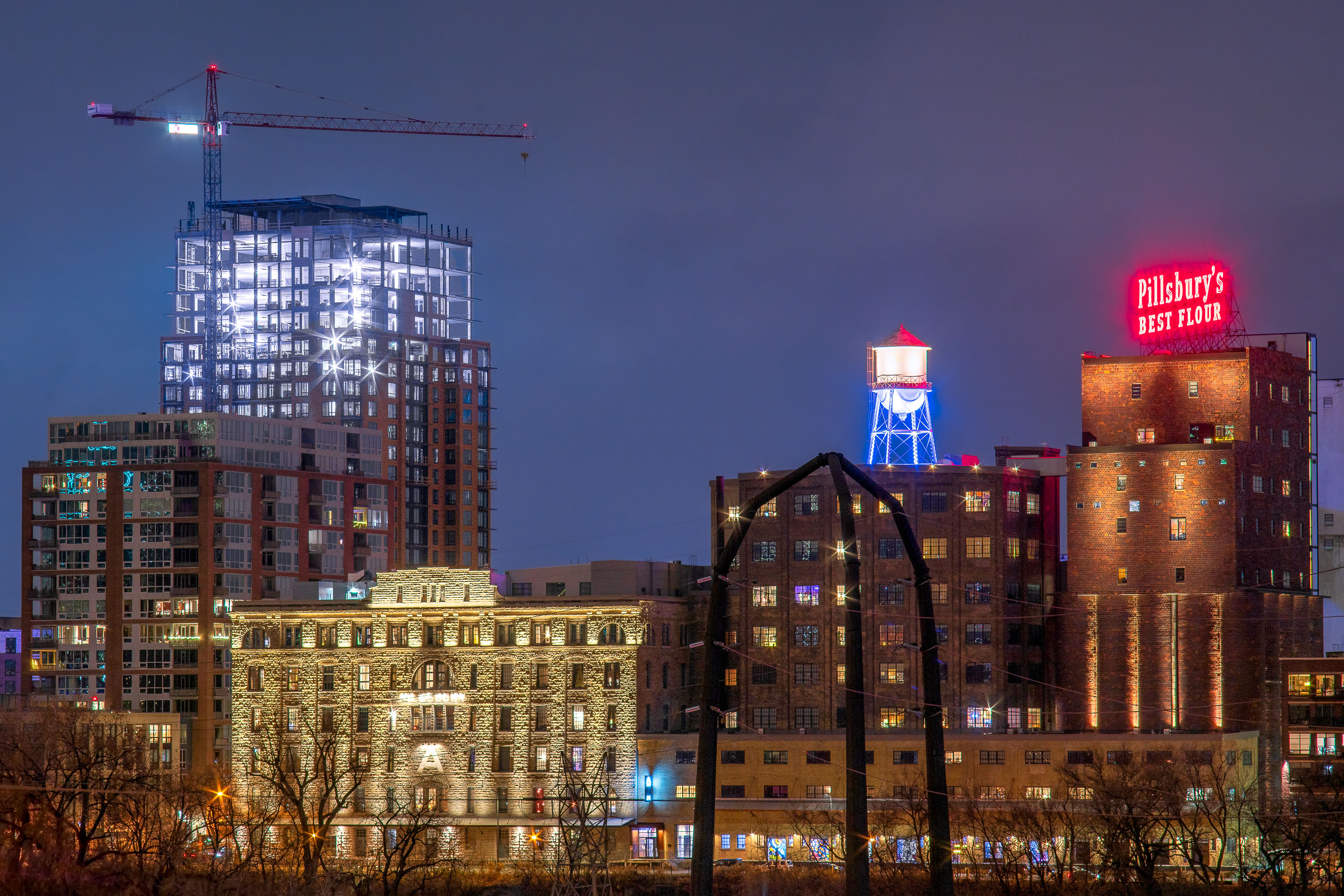 View full post: Pillsbury A Mill and The Expo Tower, Minneapolis, MN
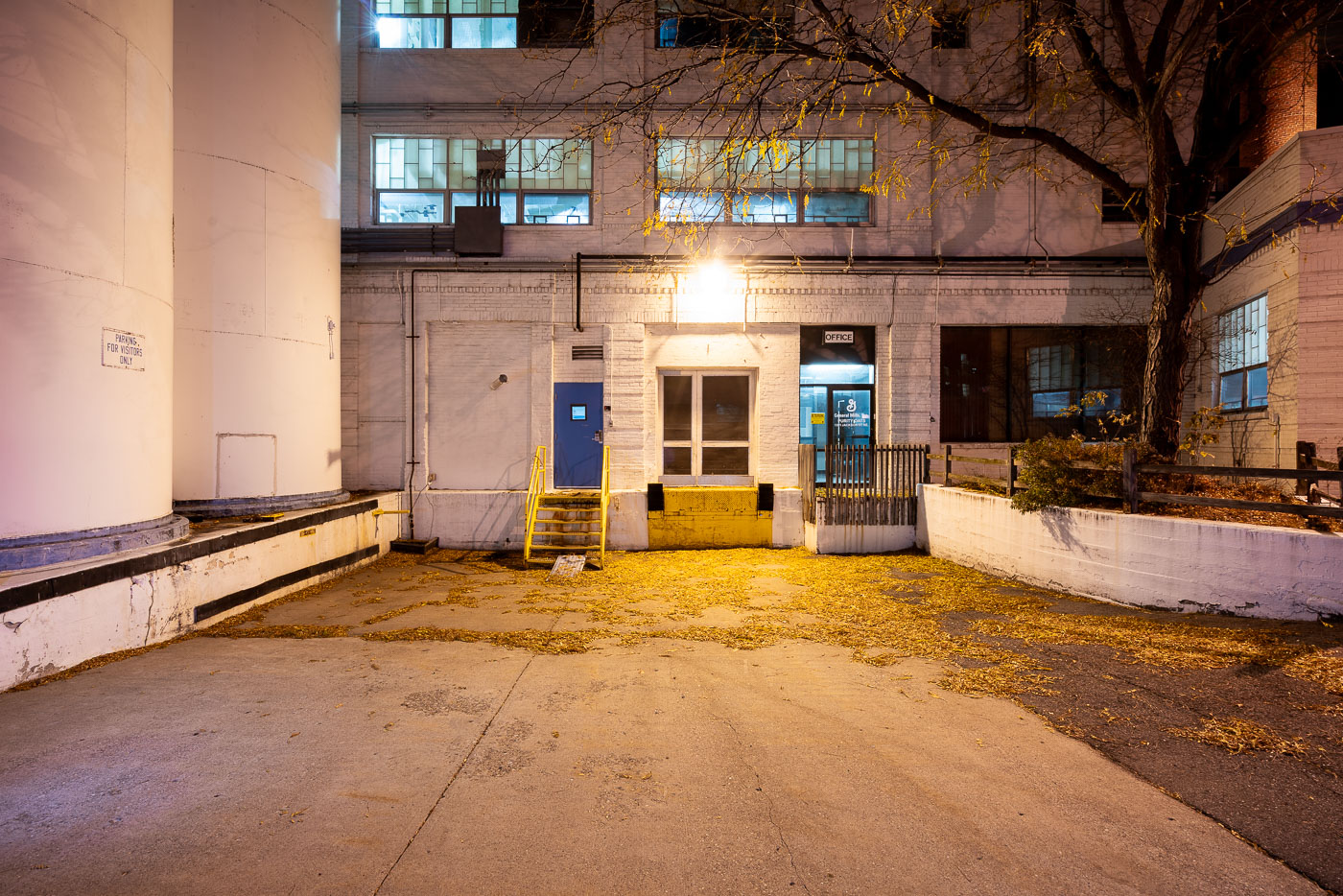 View full post: Rear Entrance of the General Mills Purity Oats Plant at Night
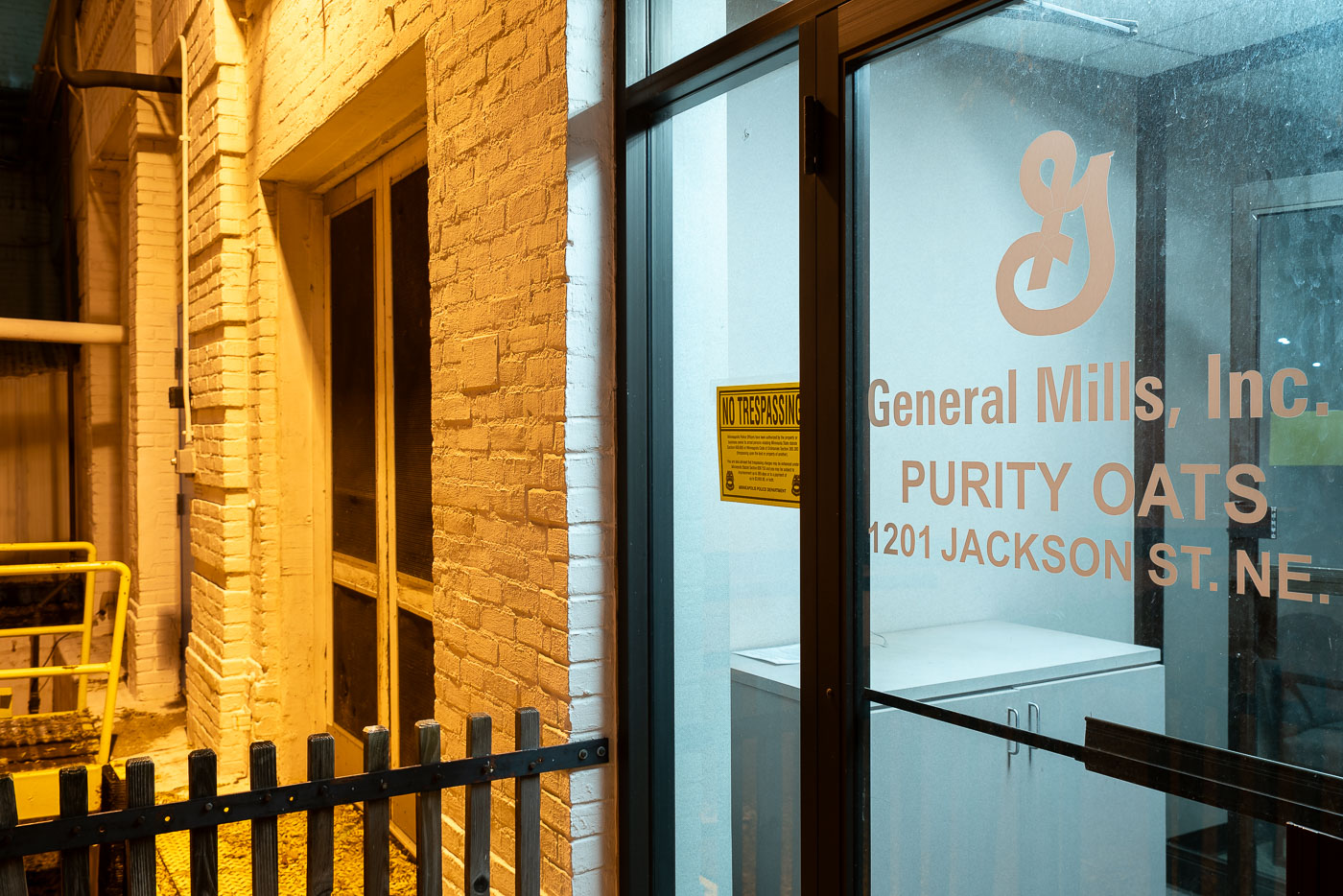 View full post: General Mills Purity Oats Entrance on Jackson Street NE
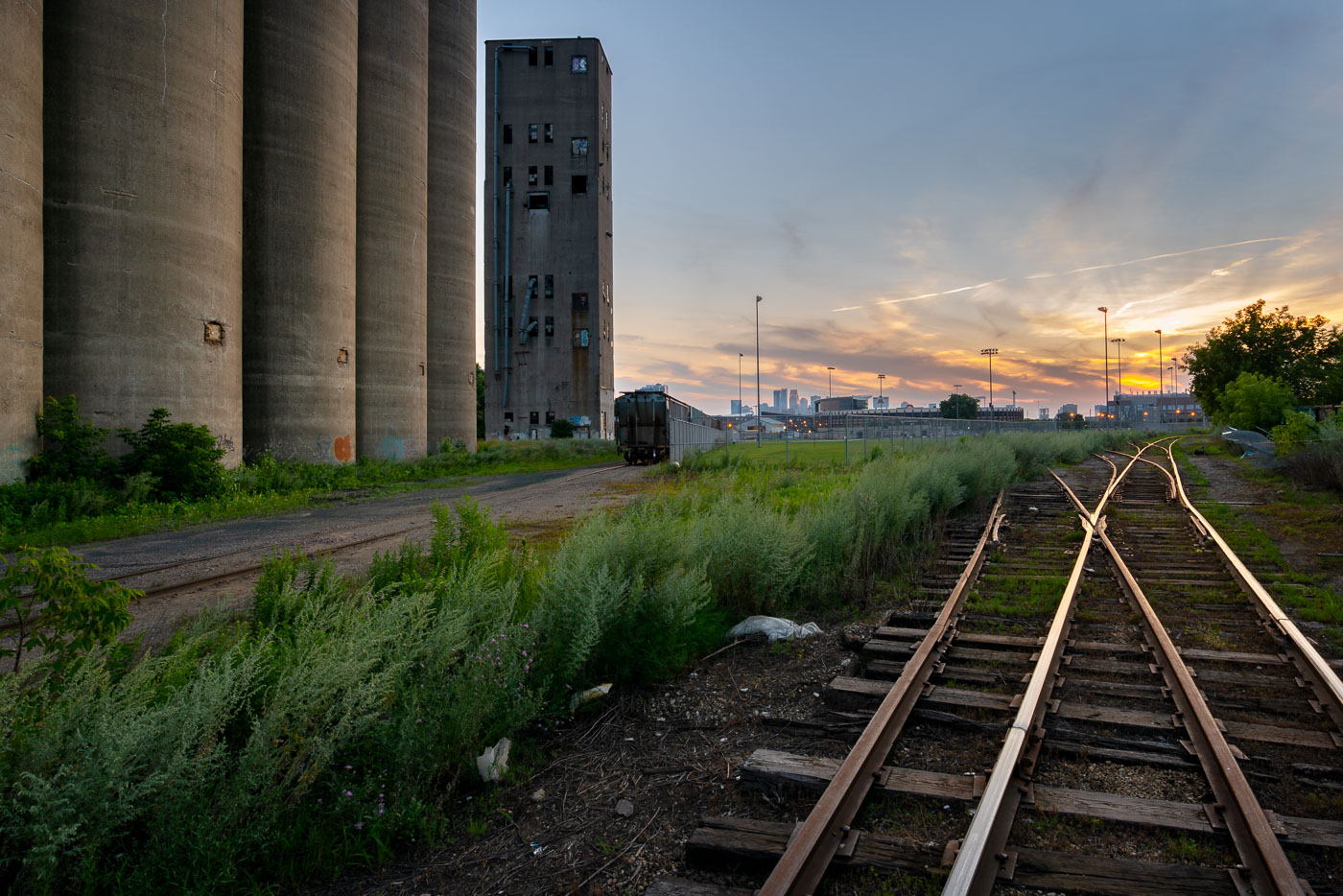 View full post: Tracks at Archer Daniels Midland Elevator
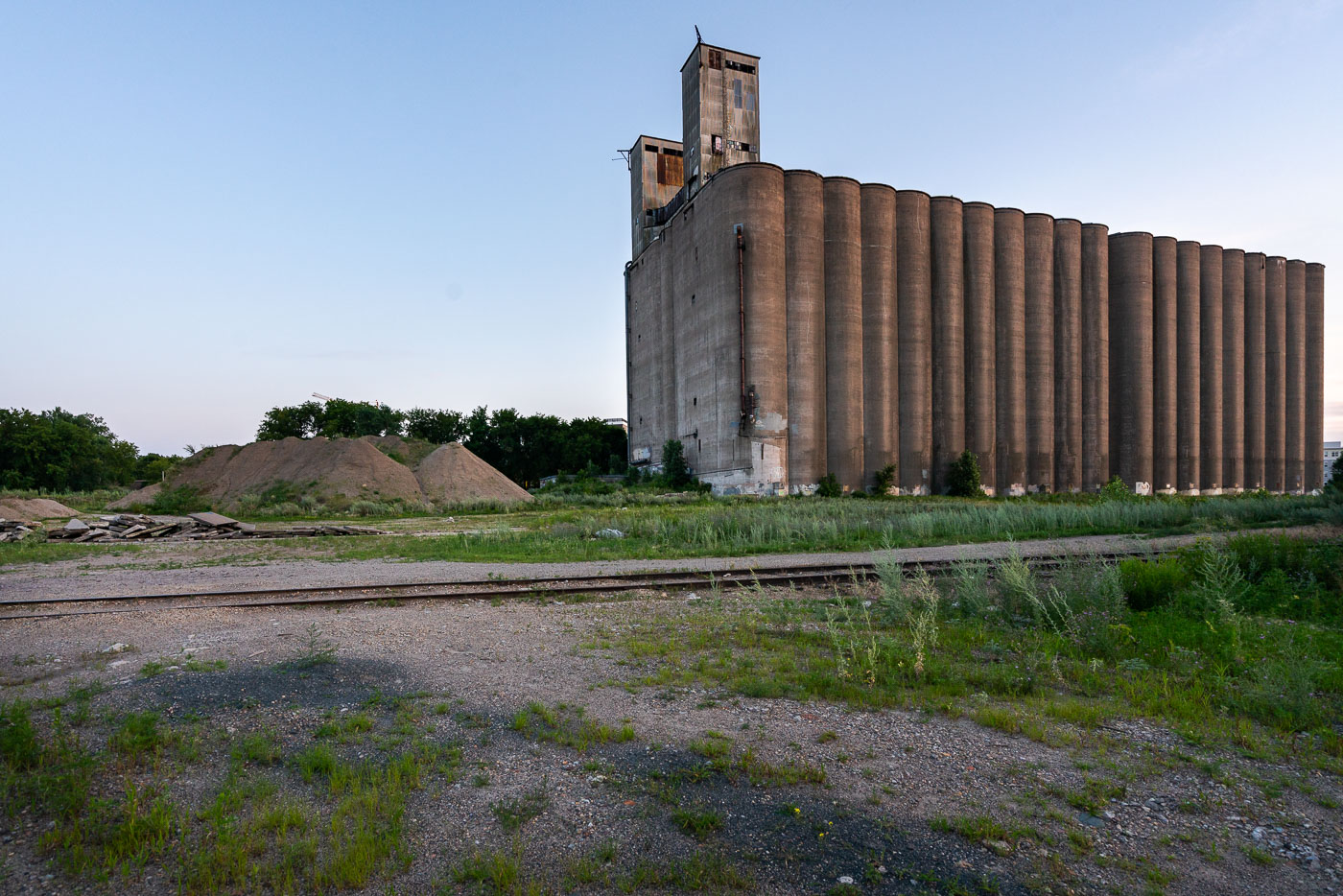 View full post: Archer Daniels-Midland Delmar Elevator No 7
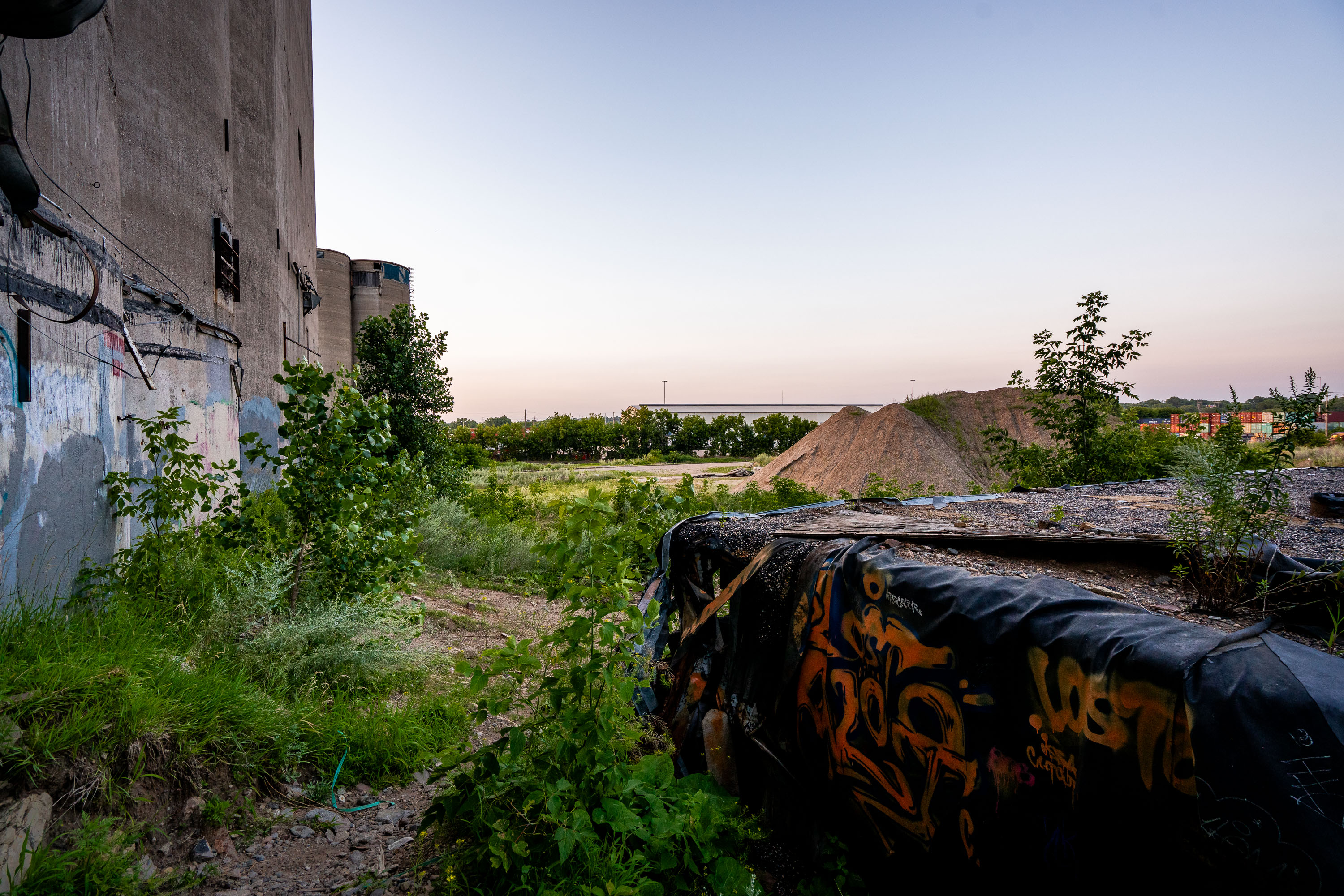 View full post: Overgrown Lot Beside ADM Grain Elevator, Minneapolis
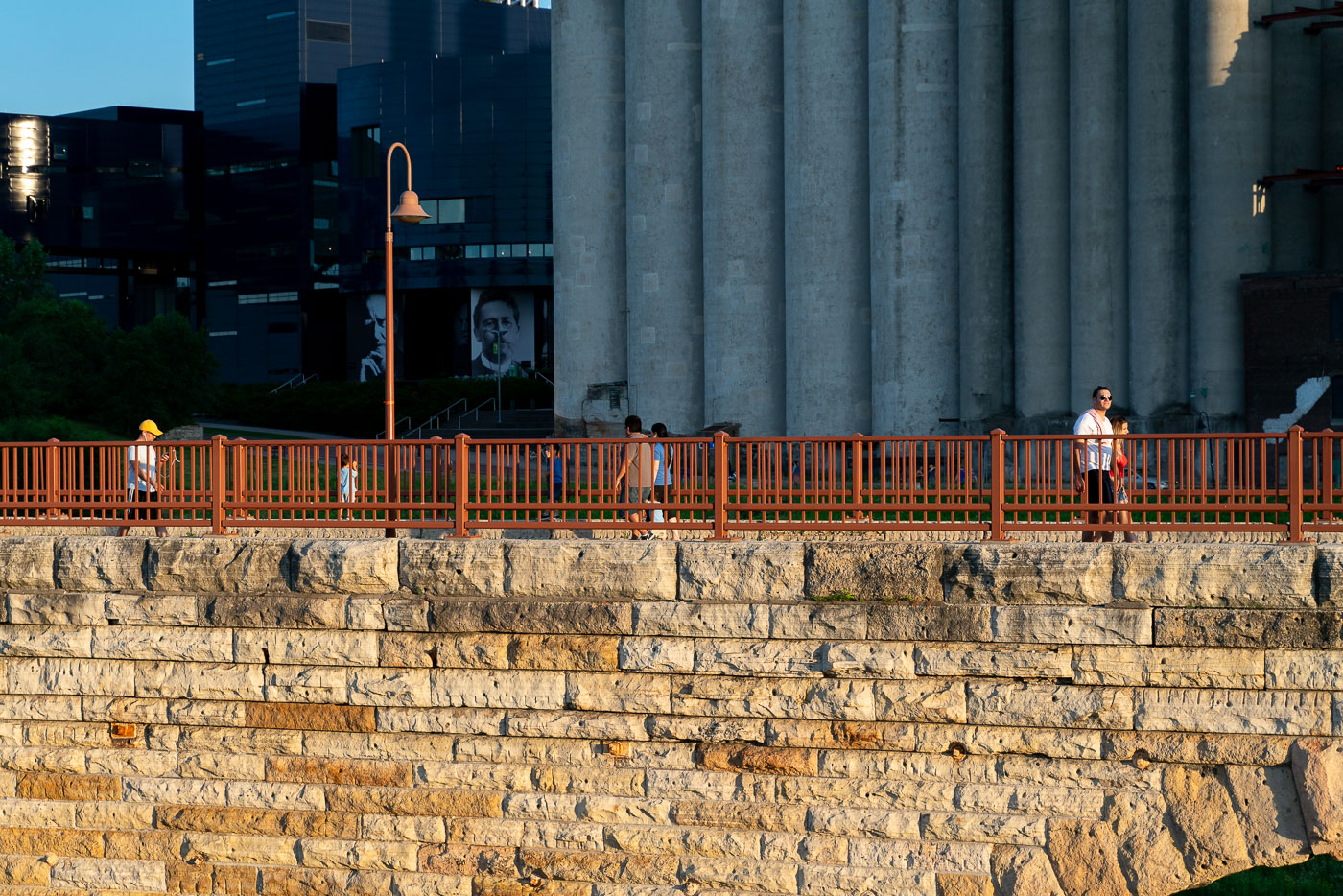 View full post: Evening Walkers on Stone Arch Bridge Near the Grain Silos
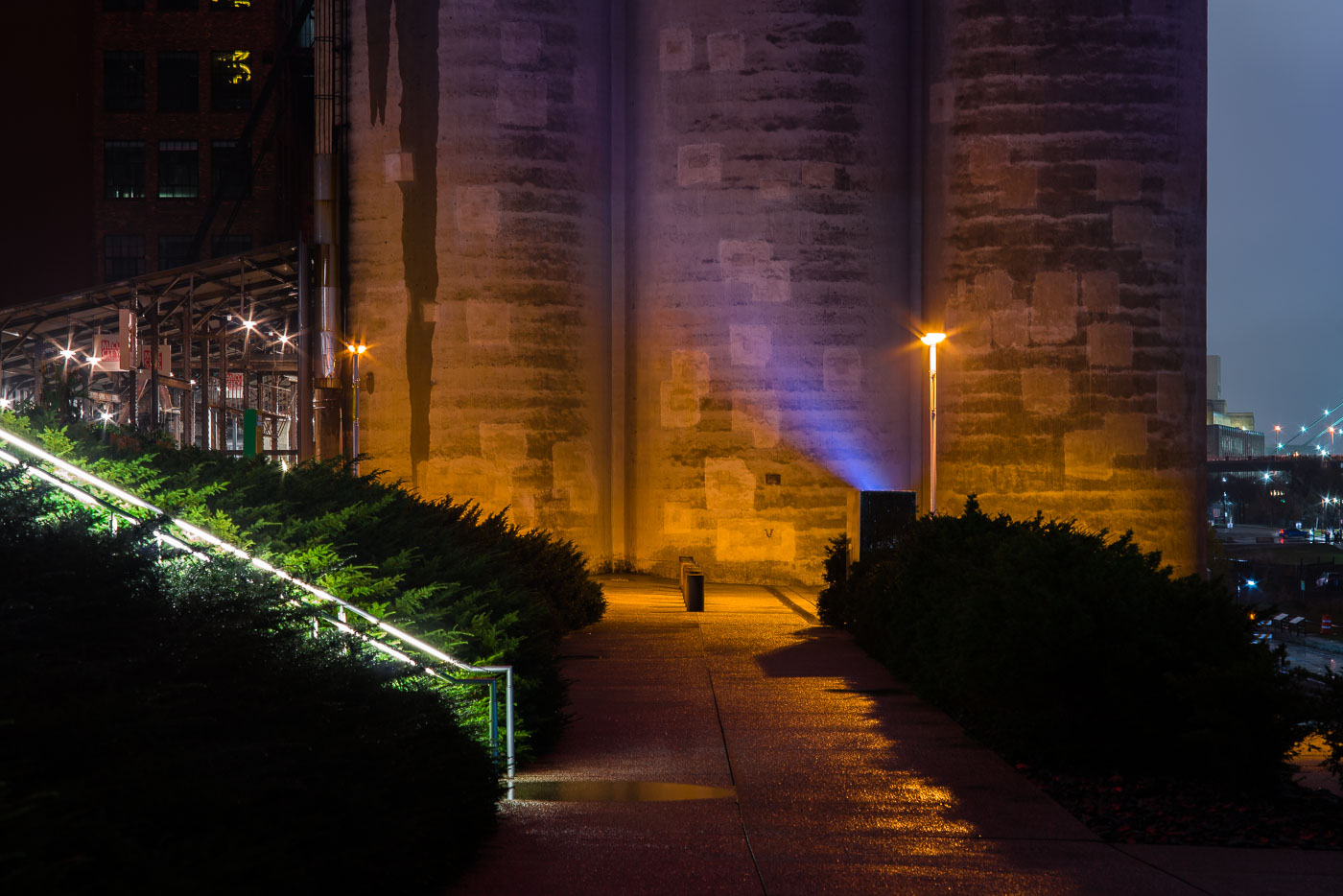 View full post: Gold Medal Flour Grain Elevator, Mill City Museum, Minneapolis
 View full post: Gold Medal Flour Neon Sign, Downtown Minneapolis
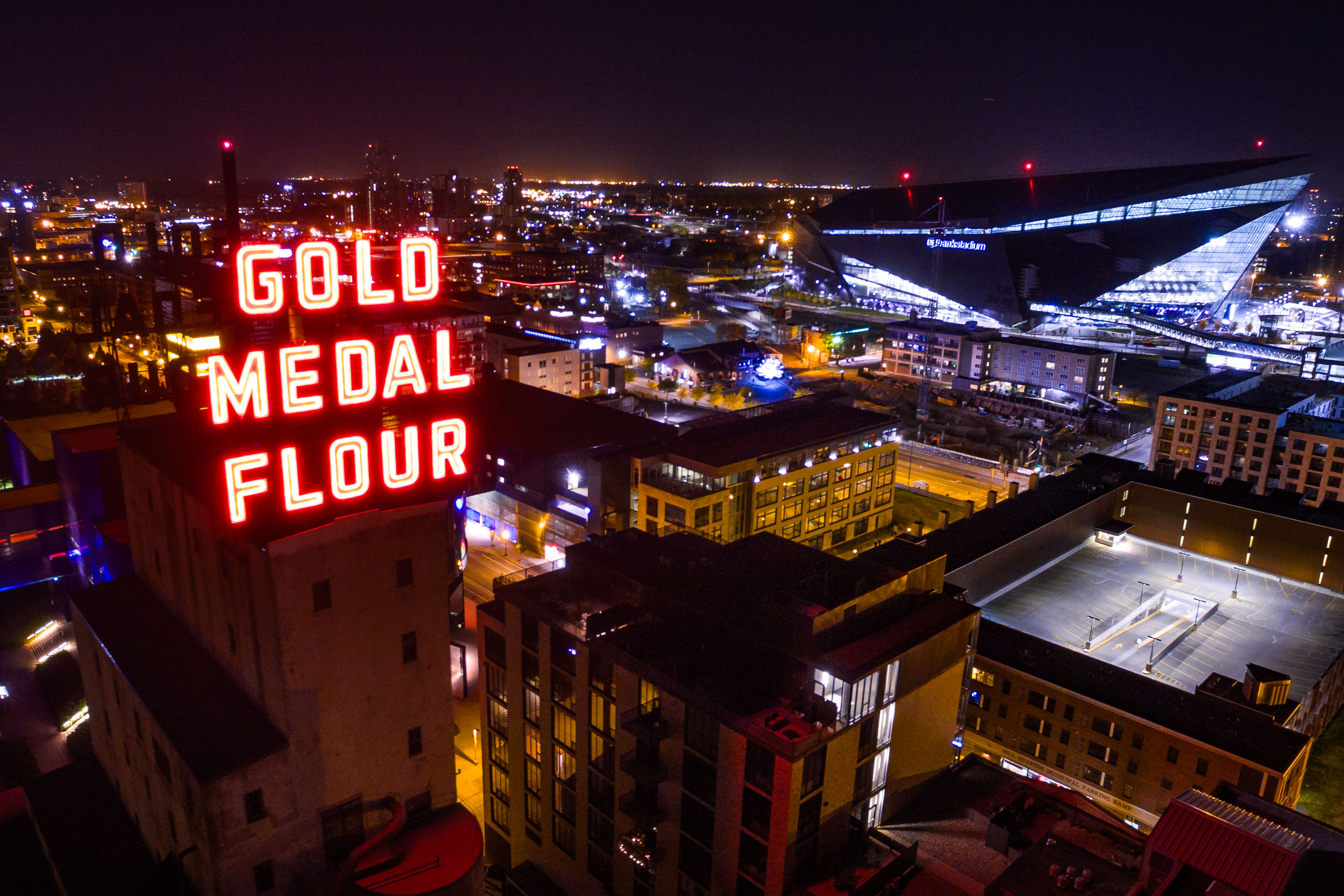 View full post: Gold Medal Flour and US Bank Stadium, Minneapolis
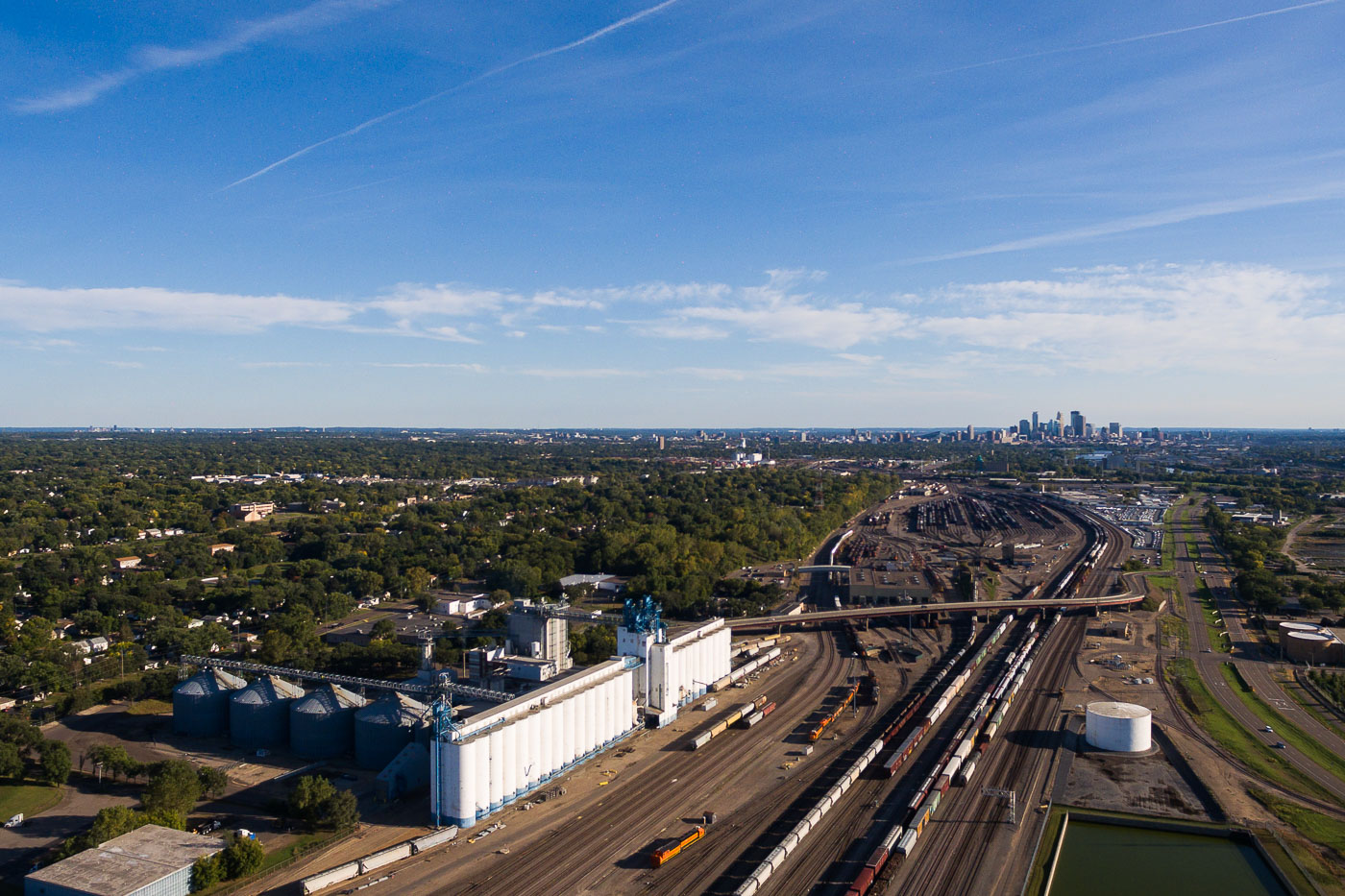 View full post: General Mills Grain Elevator and Rail Yard, Northeast Minneapolis
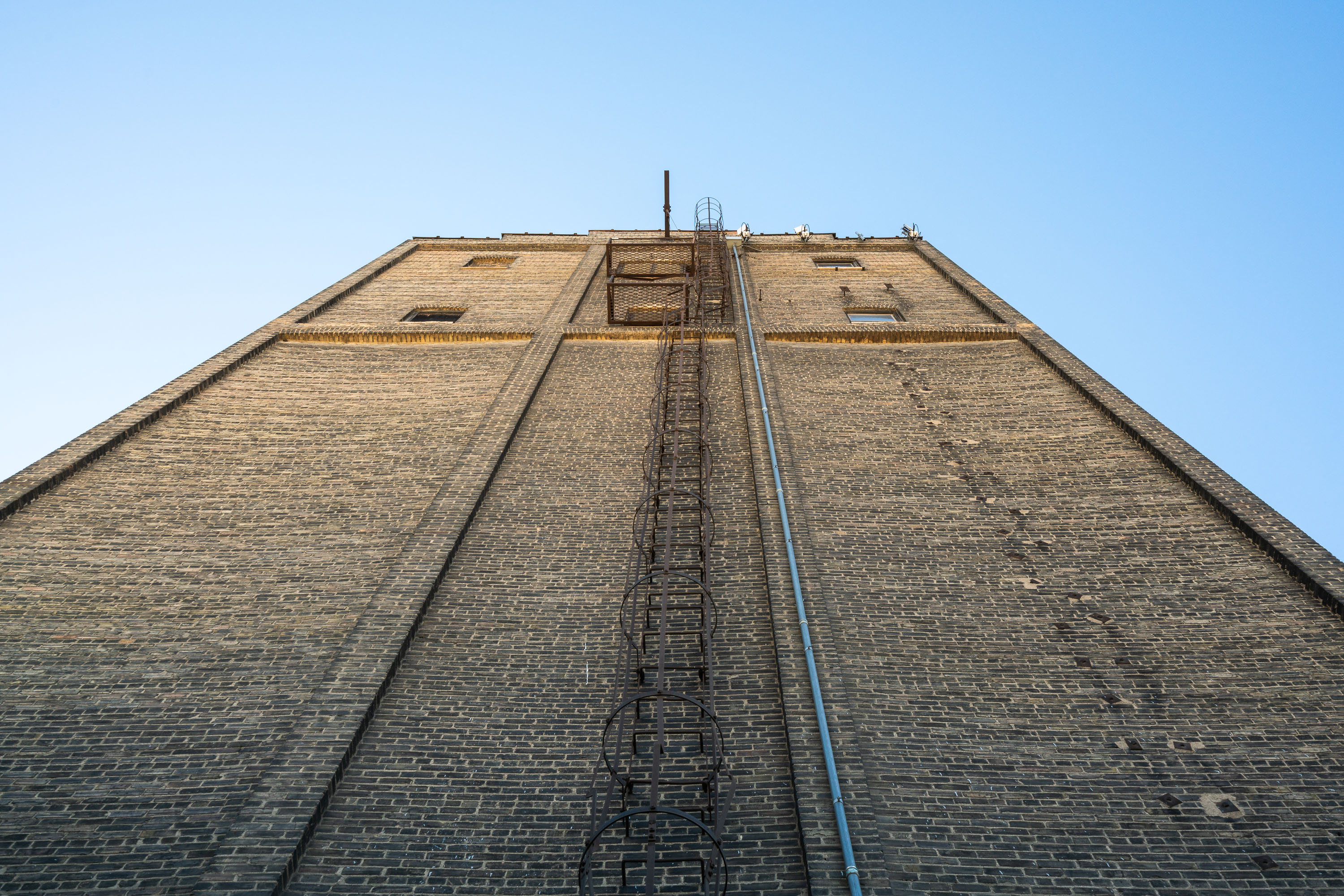 View full post: Looking Up the Caged Ladder at Viterra’s Grain Elevator
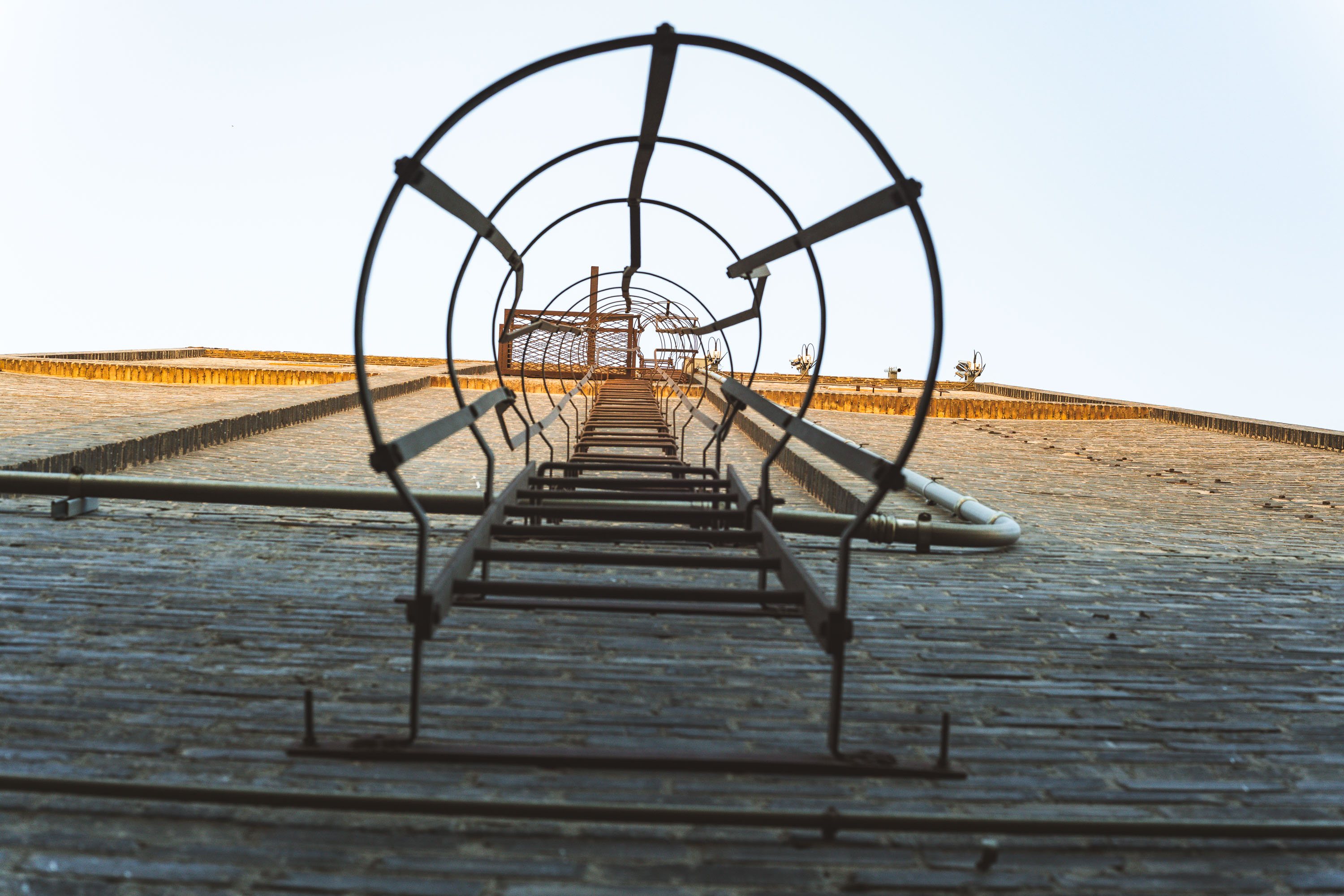 View full post: Looking Up a Safety Cage Ladder at Viterra’s Elevator
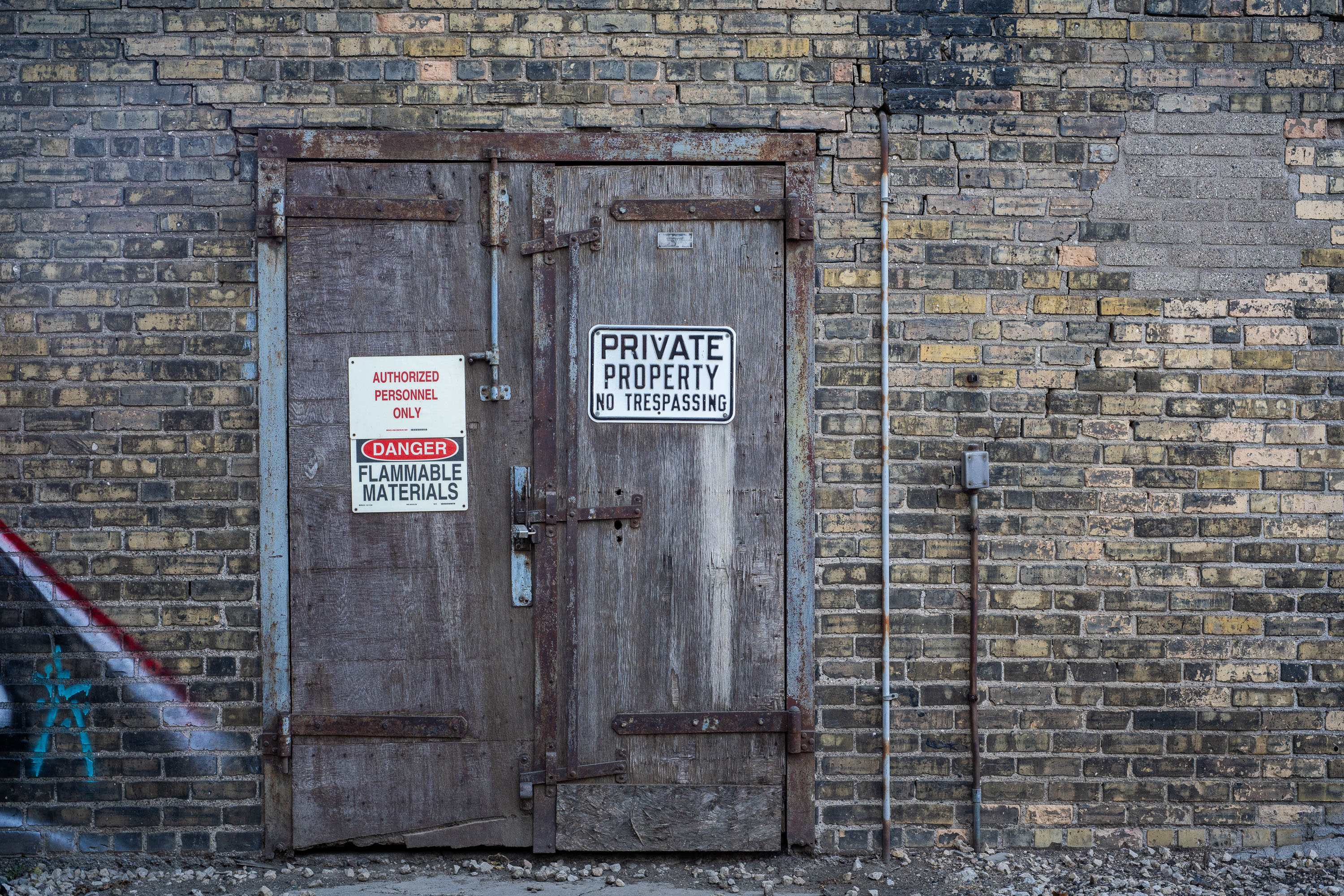 View full post: “Private Property” and “Danger” Signs at the Viterra Grain Elevator
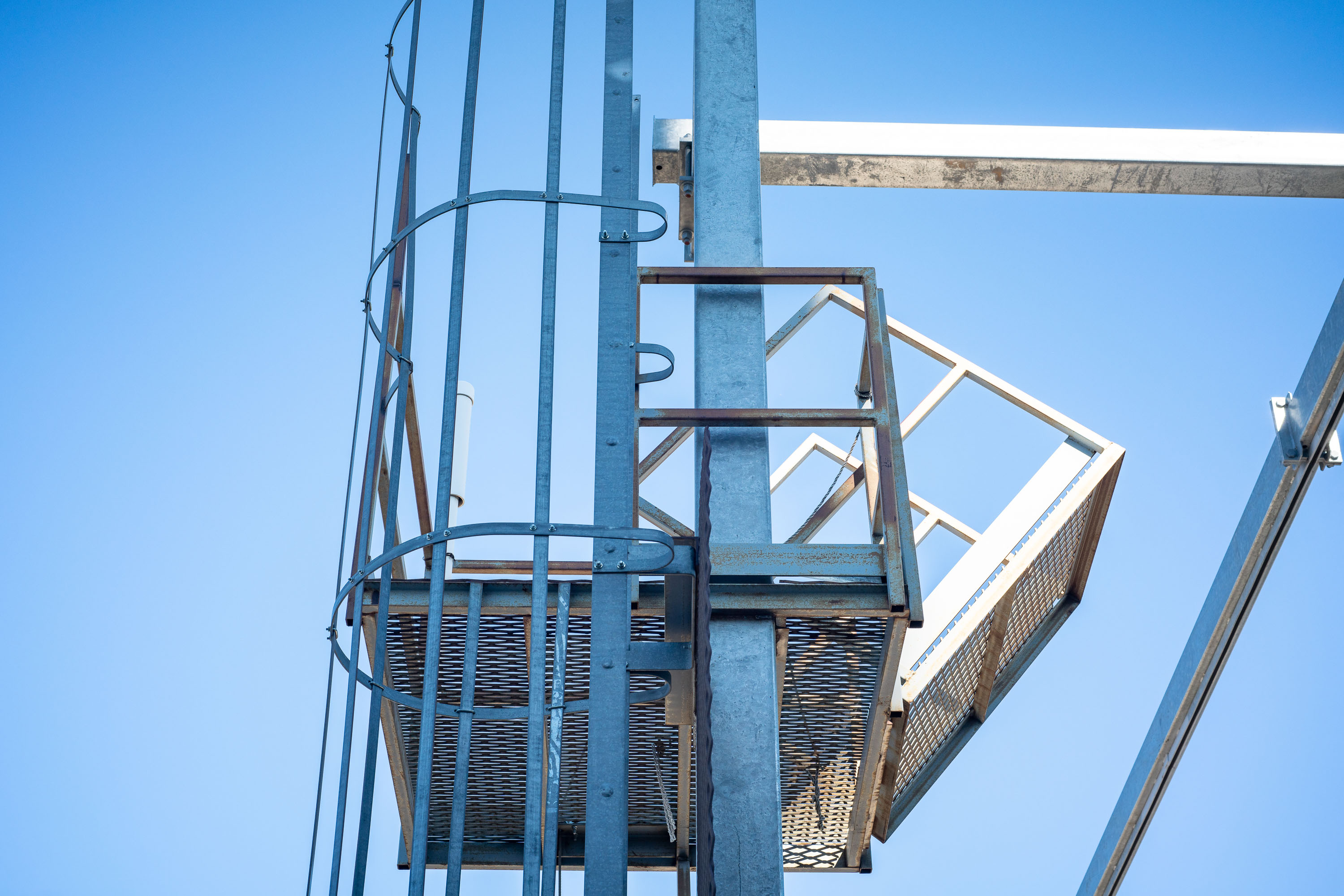 View full post: Caged Ladder and Platform on the Viterra Grain Elevator
 View full post: Rusted Window Bars Against a Turquoise Wall at Viterra
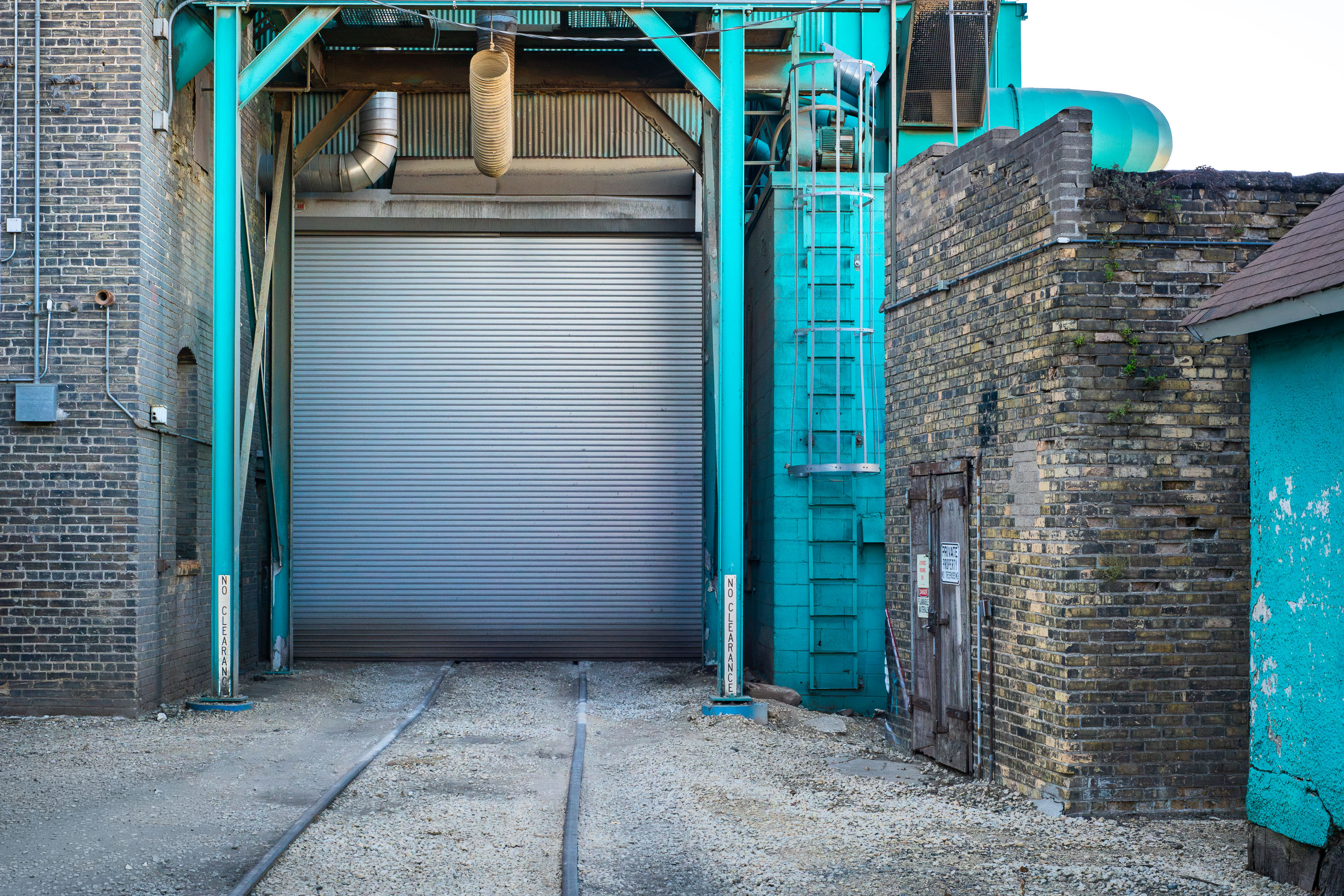 View full post: Rail Spur Beneath the Loading Bay at Viterra’s Grain Elevator
 View full post: Barred Window and Air Conditioner at the Viterra Grain Elevator
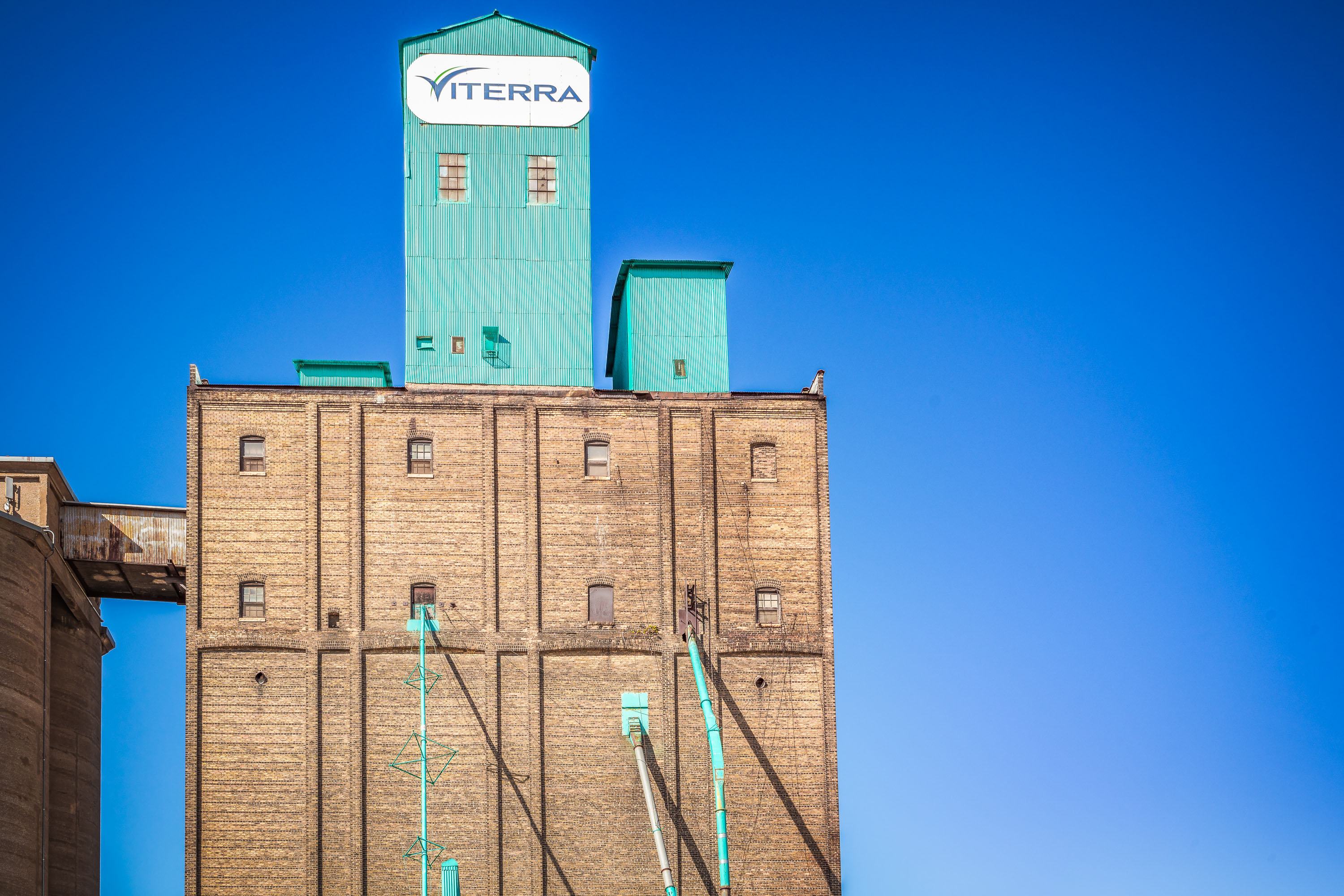 View full post: Viterra Sign Atop the Grain Elevator Tower
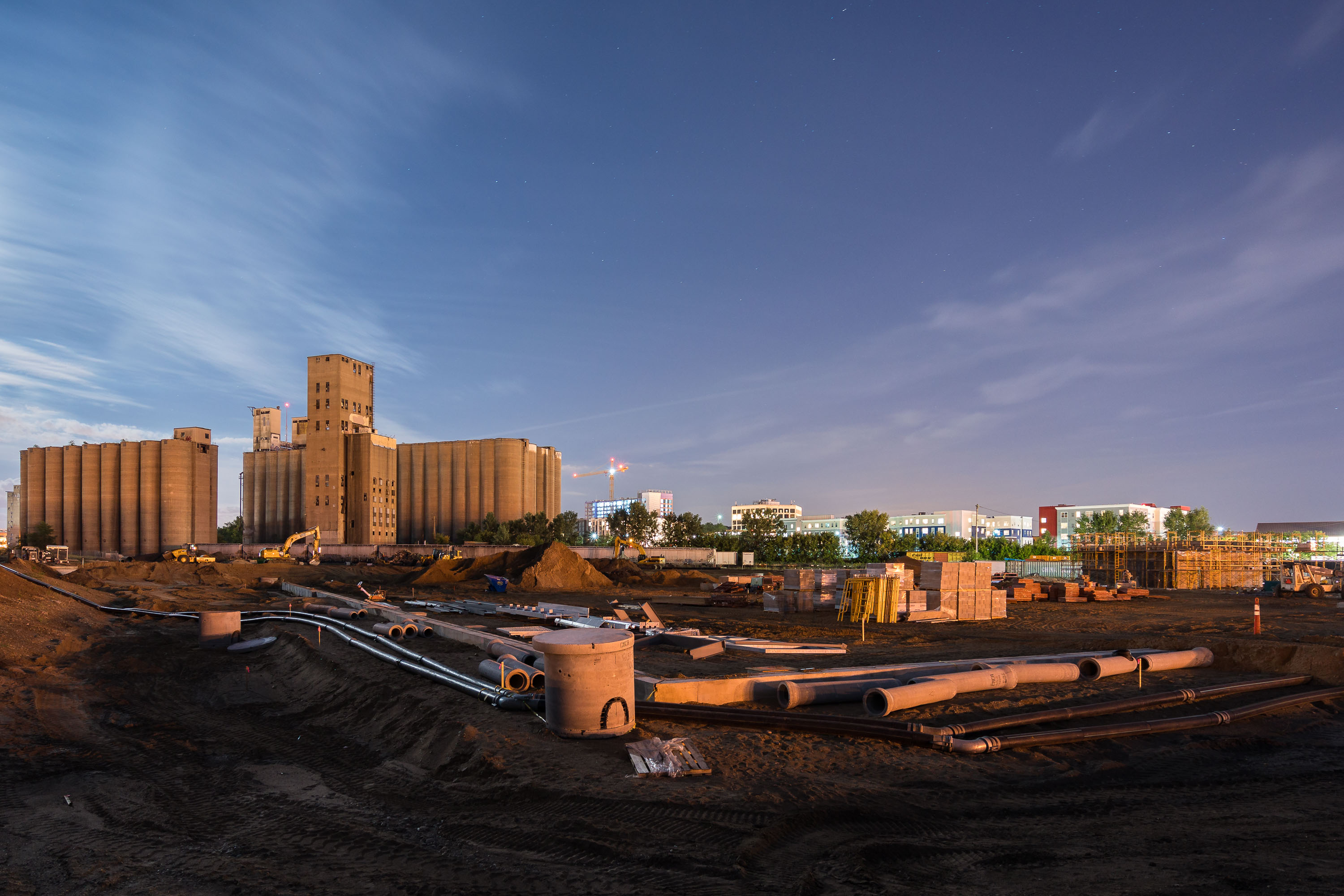 View full post: Kurth Malting Site Redevelopment, Dinkytown Minneapolis
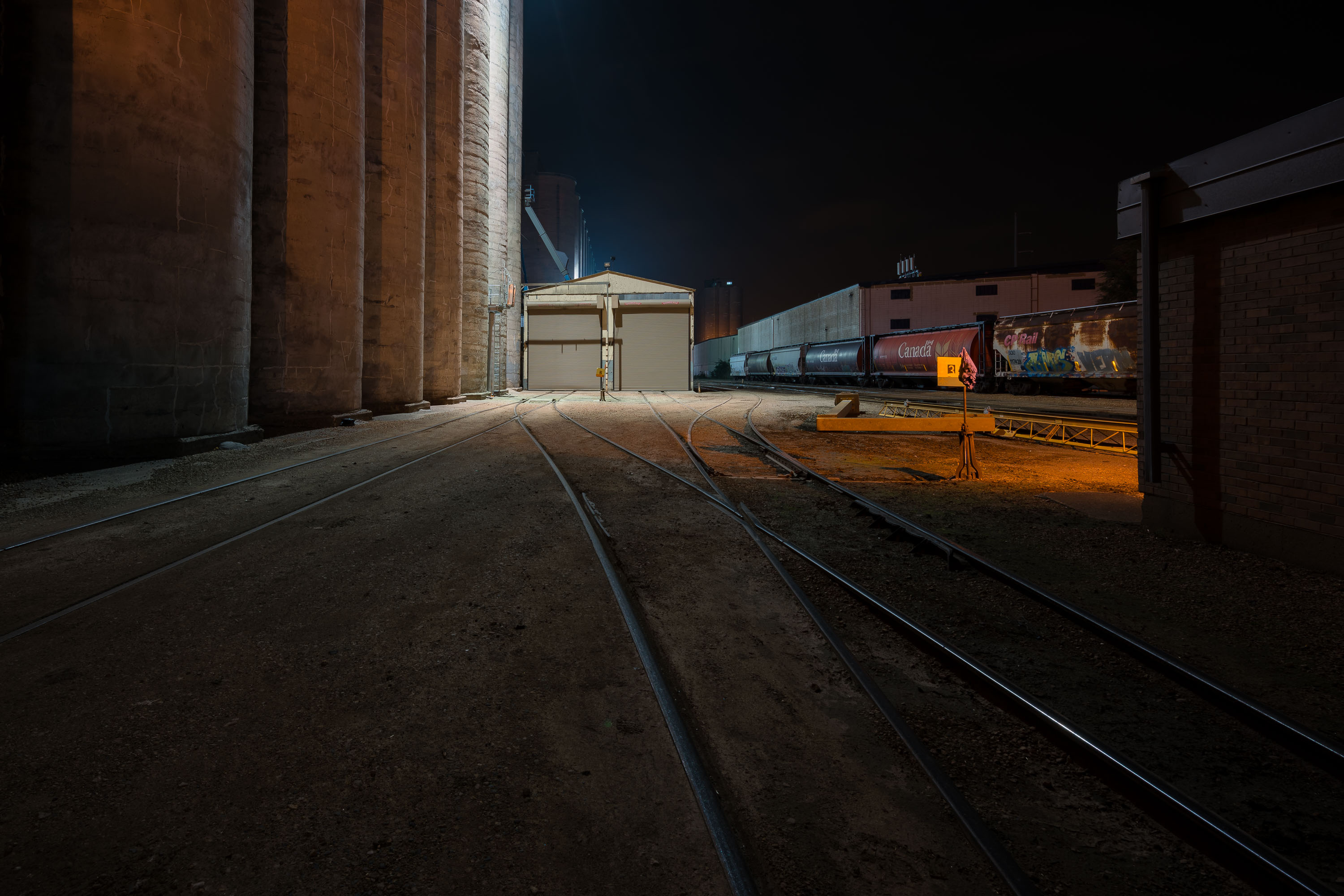 View full post: Rail Tracks at General Mills Grain Elevator, Minneapolis
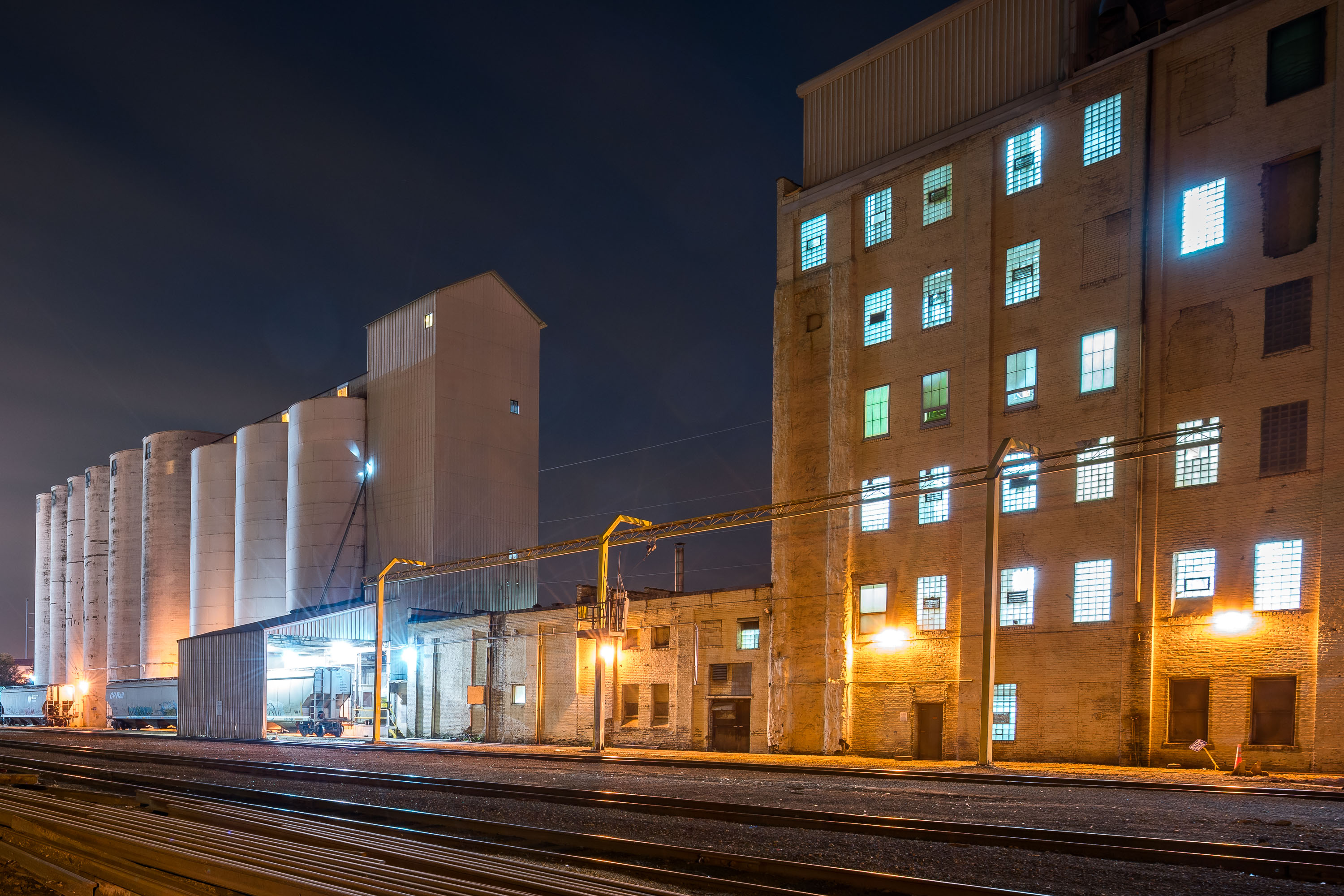 View full post: ADM Nokomis Mill Silos at Night Along the Rail Line
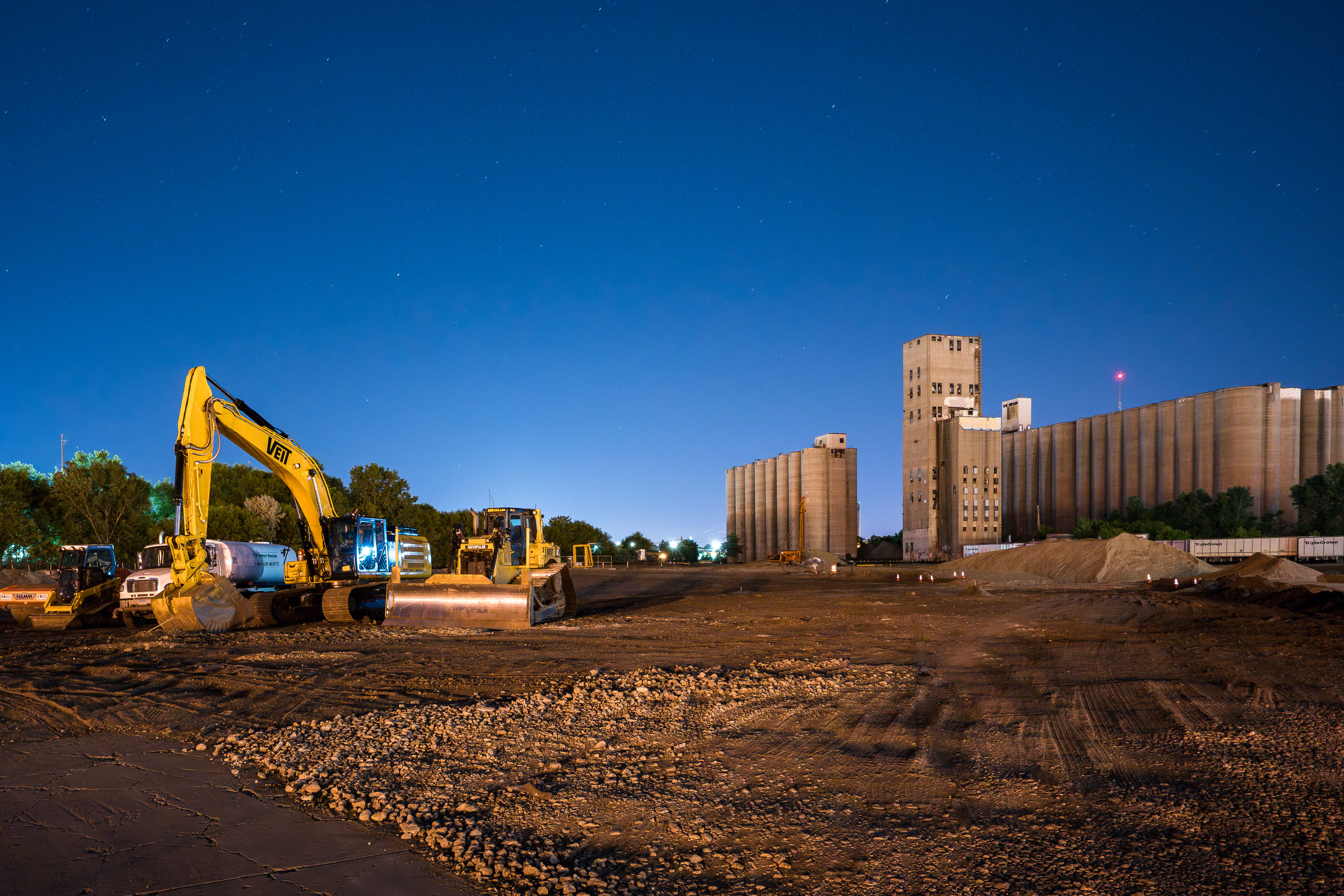 View full post: Electric Steel and Kurth Grain Elevators Demolition, Minneapolis
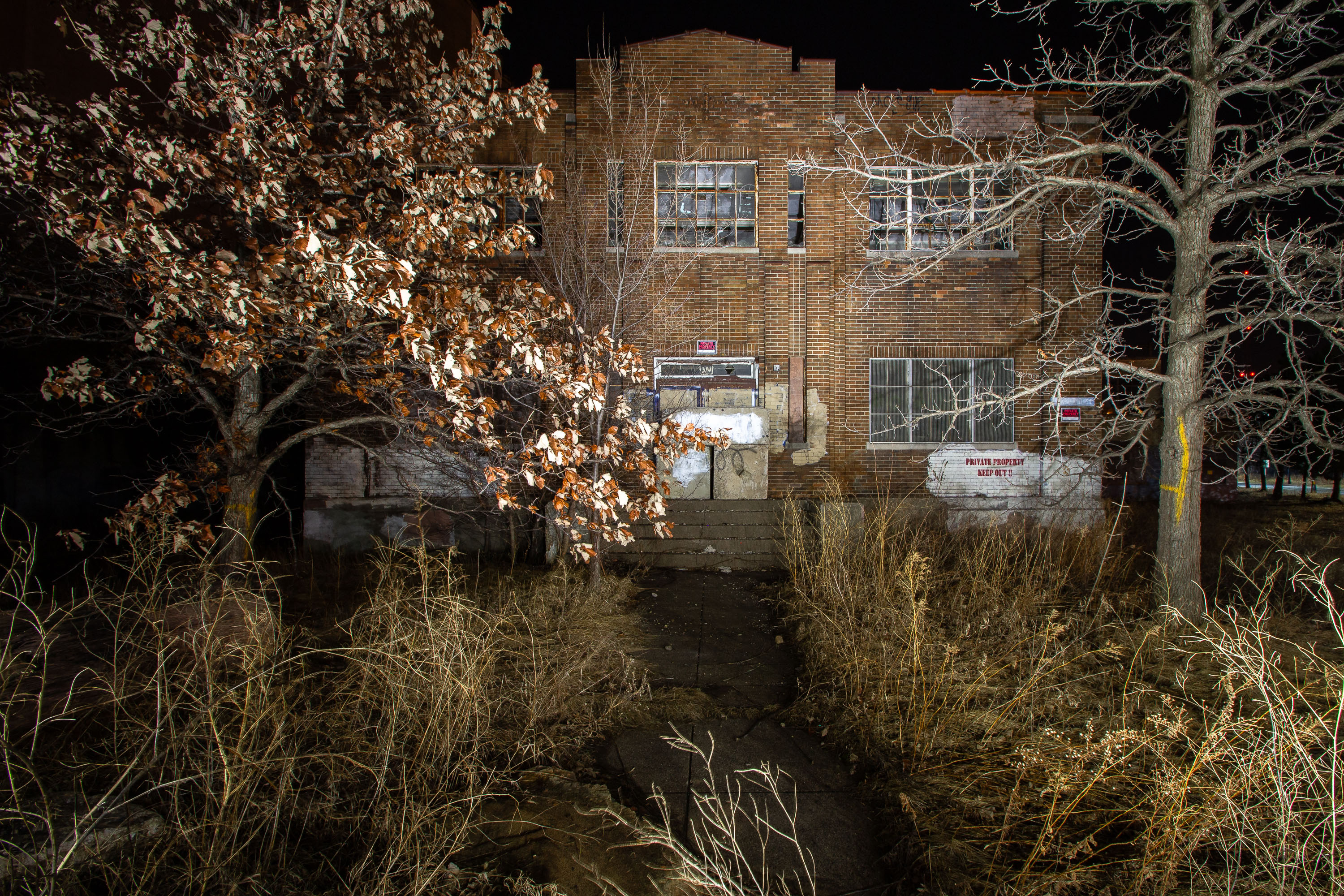 View full post: Archer Daniels Midland Labs Building, Minneapolis
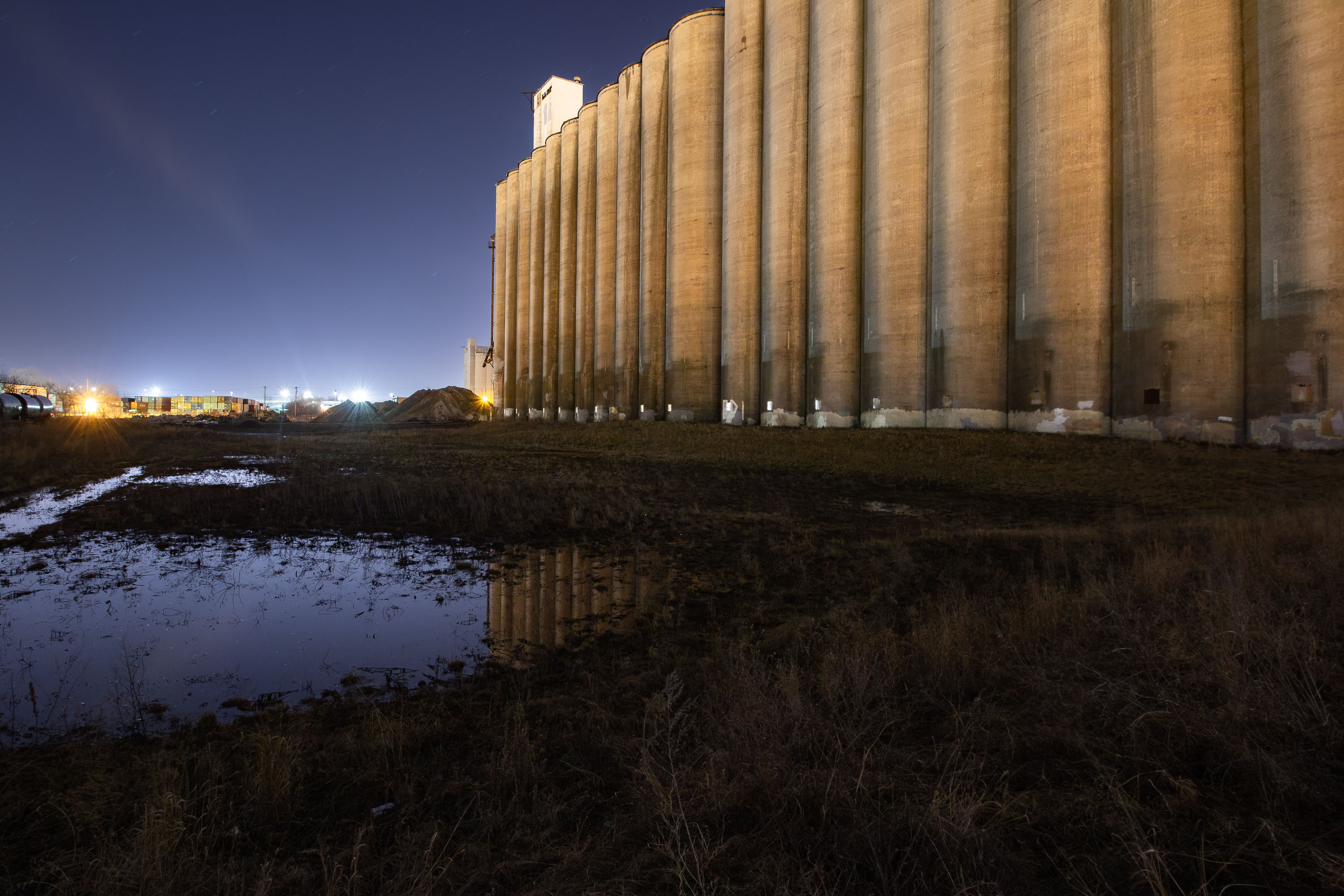 View full post: ADM Grain Elevator at Night, Southeast Minneapolis
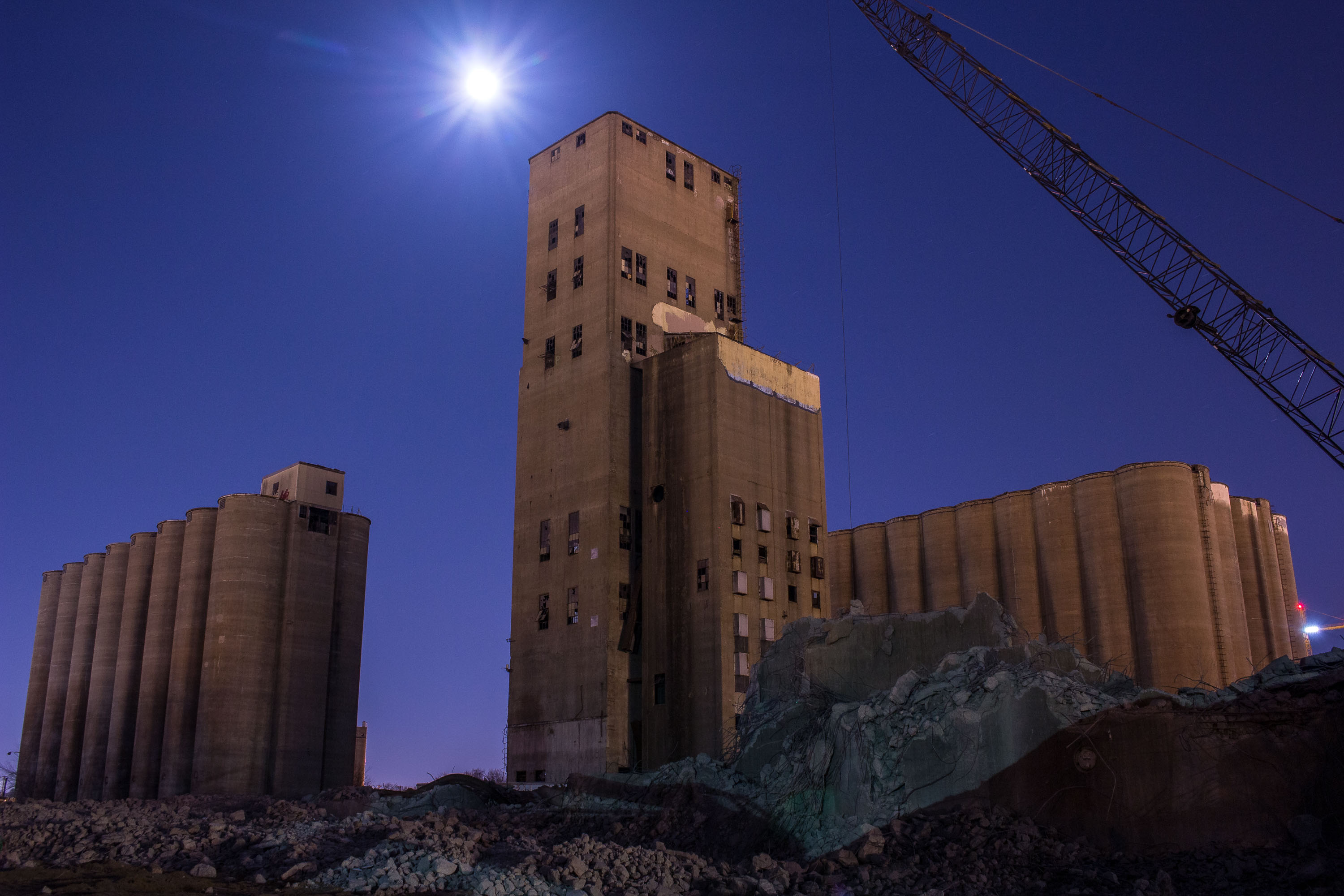 View full post: Dinkytown Grain Elevator Complex Under Demolition, Minneapolis
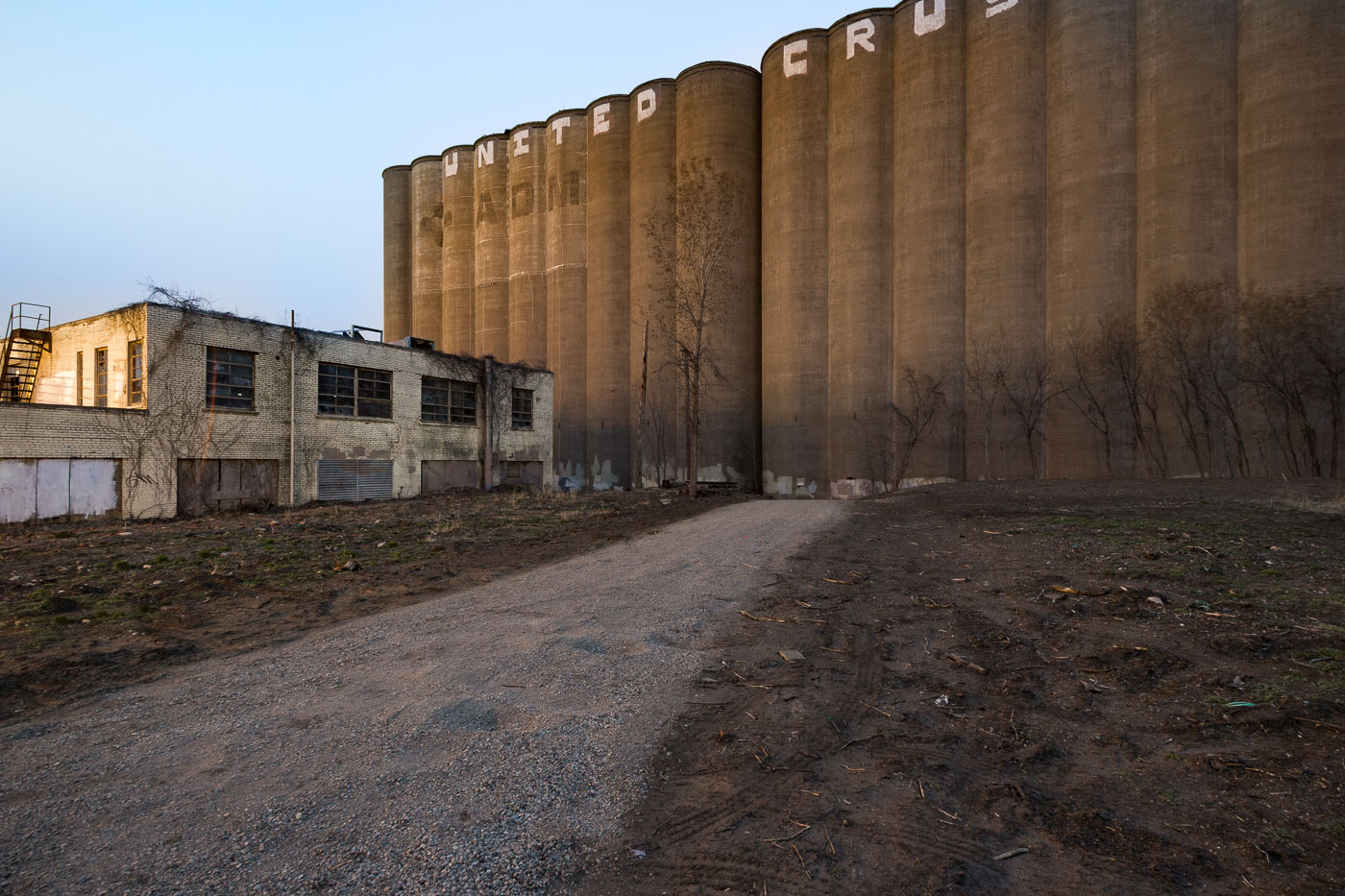 View full post: Abandoned ADM Grain Elevator, Dinkytown, Minneapolis
 View full post: ADM Grain Elevator and Harris Machinery Fire Damage, Prospect Park, Minneapolis
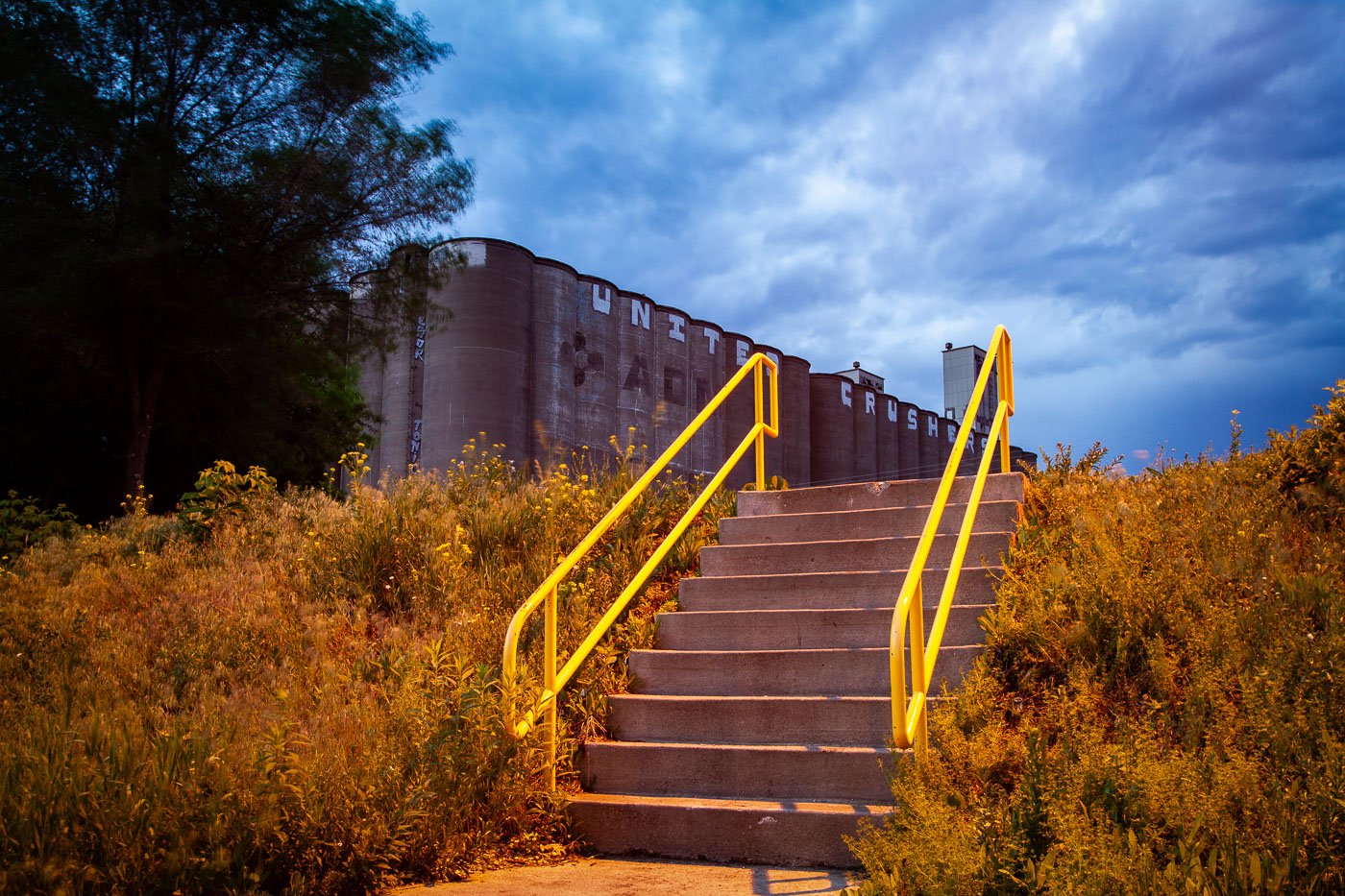 View full post: ADM Grain Elevator with United Crushers Graffiti, Dinkytown Minneapolis
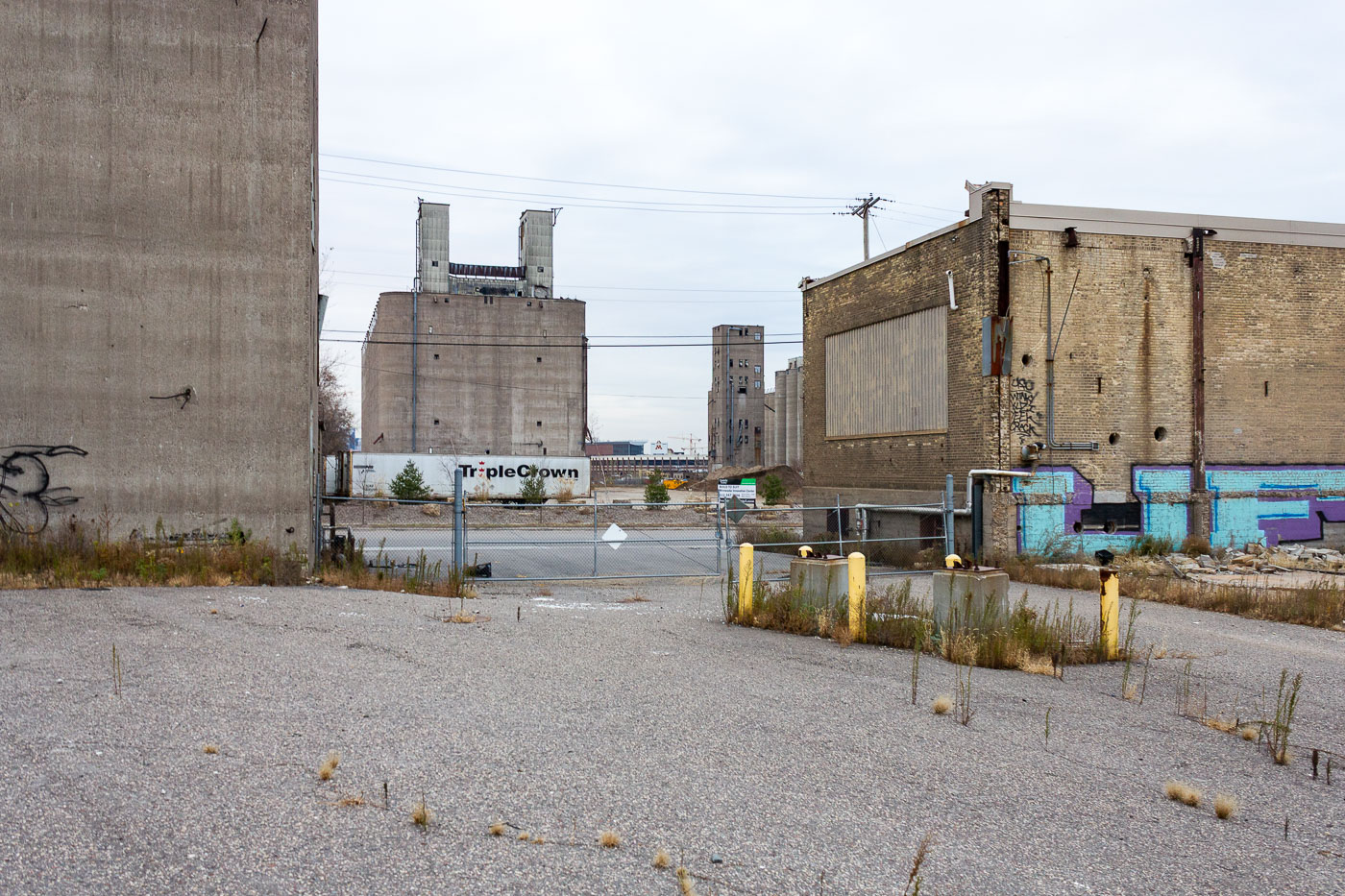 View full post: Abandoned Grain Elevators and Graffiti, Minneapolis
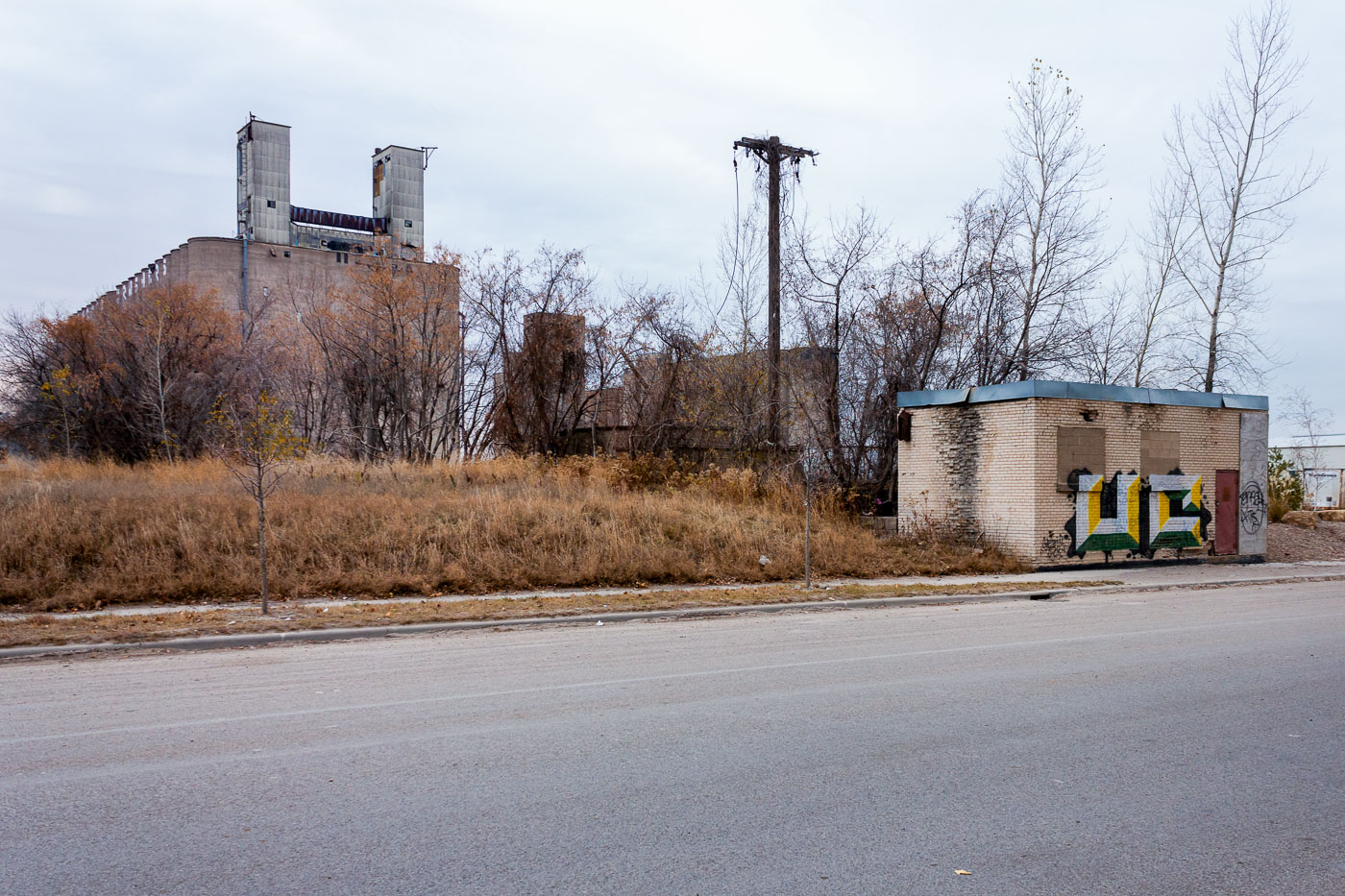 View full post: ADM Grain Elevator, Minneapolis
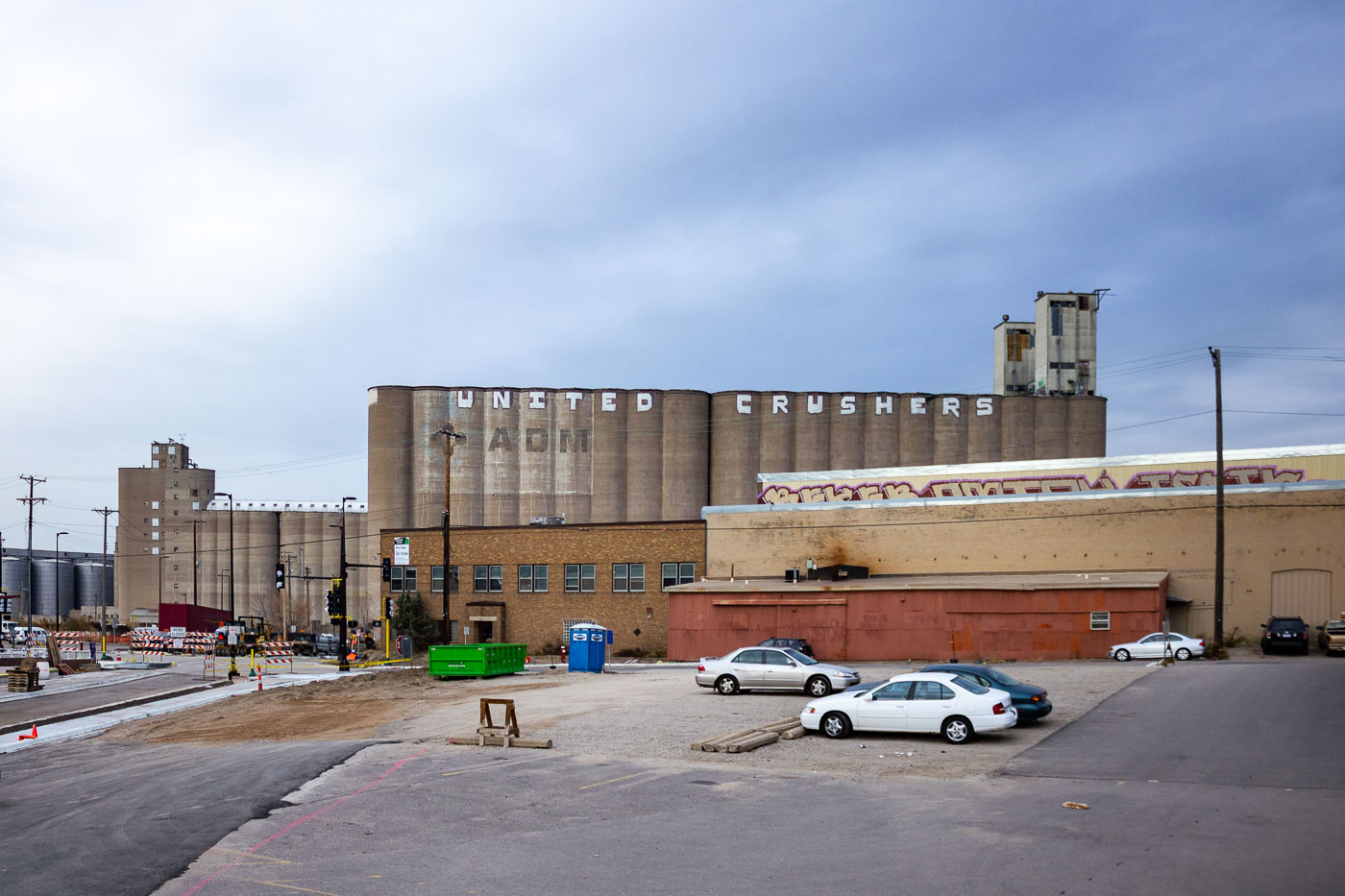 View full post: ADM United Crushers Grain Elevator, Minneapolis
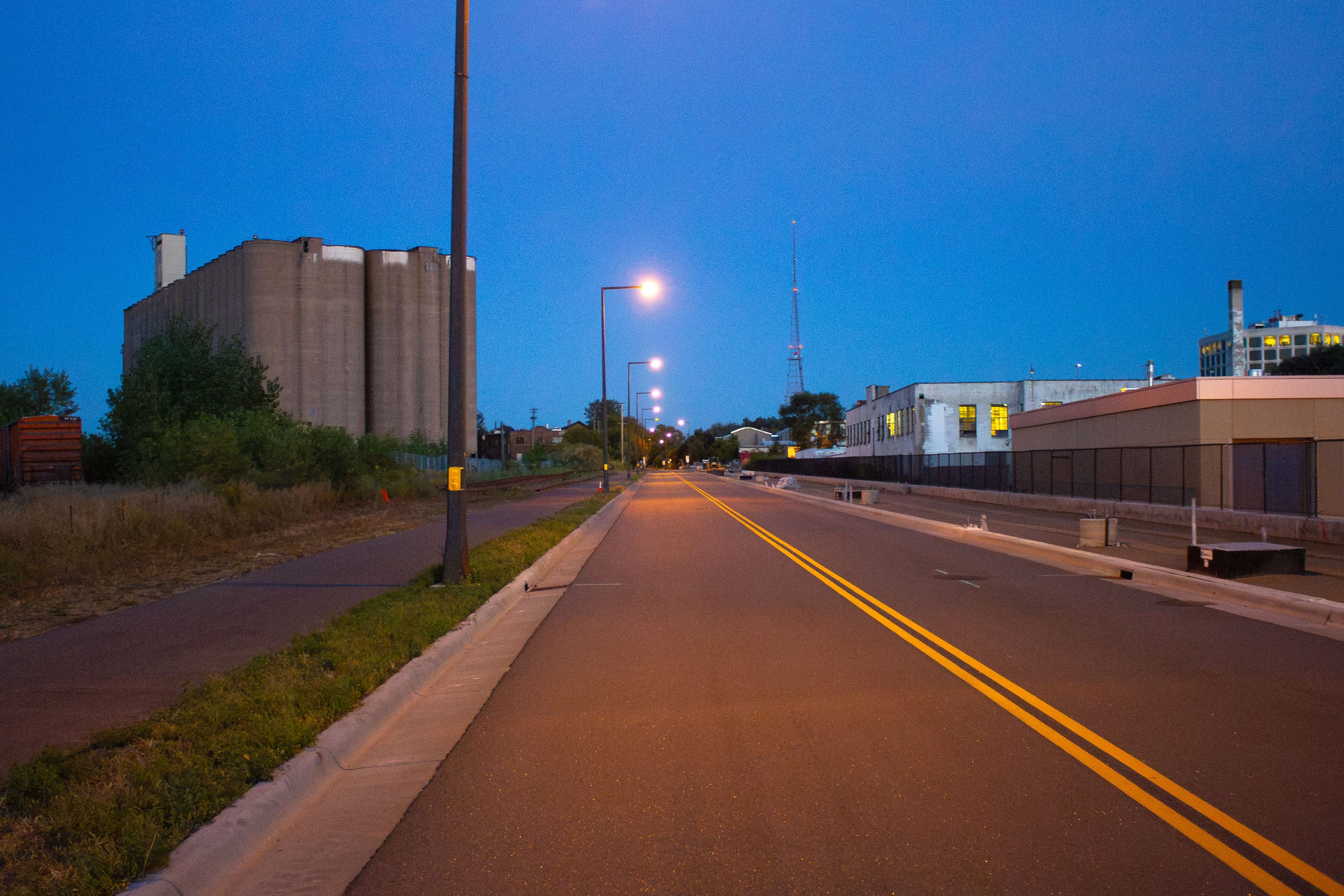 View full post: United Crushers Elevator Along the Transitway, Minneapolis