Photo Set
Kings Park Psychiatric Center
Vacant ward buildings, corridors, and fixtures across the 875-acre Long Island campus closed in 1996
Kings Park Psychiatric CenterKings Park, NY
Kings Park Psychiatric Center stands on the north shore of Long Island in Suffolk County, New York, a sprawling former state hospital that opened in 1885 as the Kings County Farm for the Insane and closed more than a century later in 1996. At its peak in the early 1950s the campus held nearly 9,300 patients across more than 150 buildings on roughly 875 acres.
The institution began as a farm-colony experiment, moving patients out of overcrowded Brooklyn and Manhattan asylums and putting them to work in agriculture and trades on open Long Island land. New York State took over operation in 1895 and expanded the campus steadily through the early twentieth century, adding brick ward buildings, a central power plant, staff housing, and a private rail spur for coal and deliveries. The facility functioned as a largely self-contained community, generating its own electricity and growing much of its own food. Building 93, the thirteen-story tower that still dominates the grounds, was completed in 1939 as the institution neared the height of its scale.
The decline began in the 1950s and accelerated through the following decades as newly developed psychiatric medications reduced the need for long-term hospitalization and federal deinstitutionalization policy pushed states toward community-based outpatient care. New York transferred patients out in stages, emptying most wards by the mid-1980s before closing the campus entirely in 1996.
Since closure, the buildings have sat largely untouched. Fixtures, hardware, and furniture remain where staff left them, and without heat or maintenance the structures have deteriorated steadily under moisture, lead paint, and time. Portions of the property were transferred to New York State Parks and incorporated into Nissequogue River State Park in 2000, but most of the original ward buildings remain sealed, structurally compromised, and inaccessible, with redevelopment plans repeatedly stalled by asbestos, contamination, and the sheer scale of what remains.
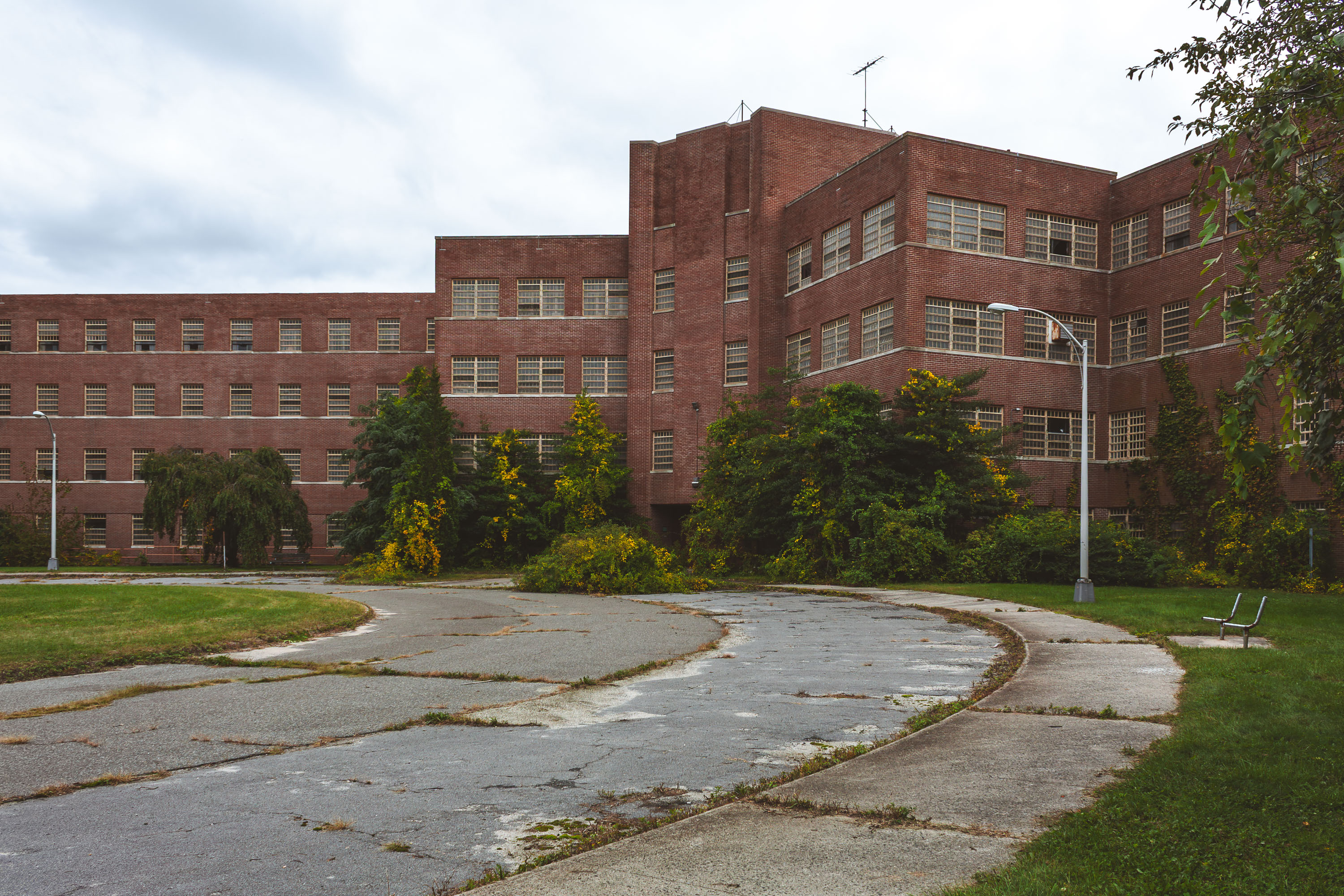 View full post: Overgrown Pathway Leading to a Ward Building at Kings Park
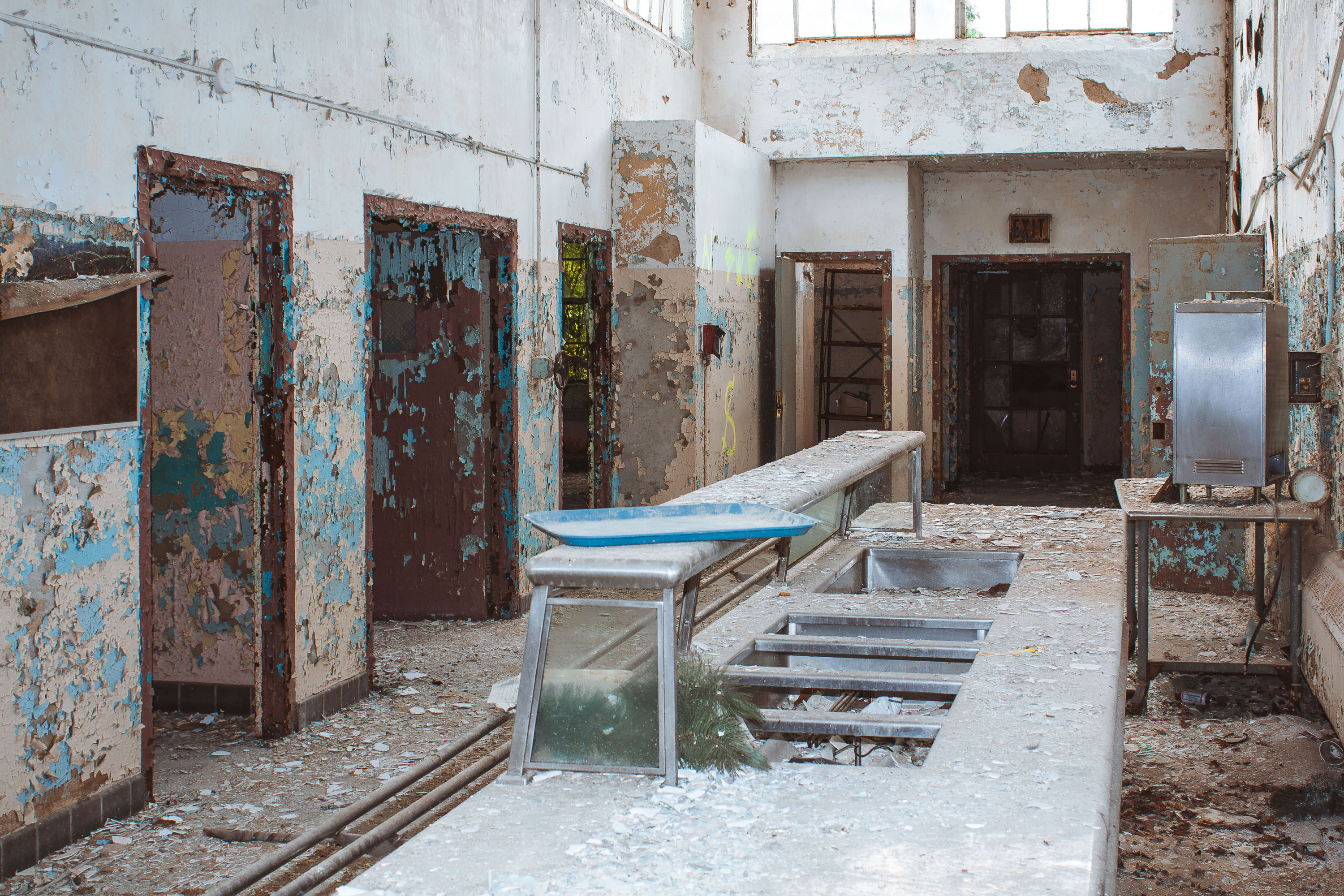 View full post: Shattered Wash Trough Along a Ward Hallway at Kings Park
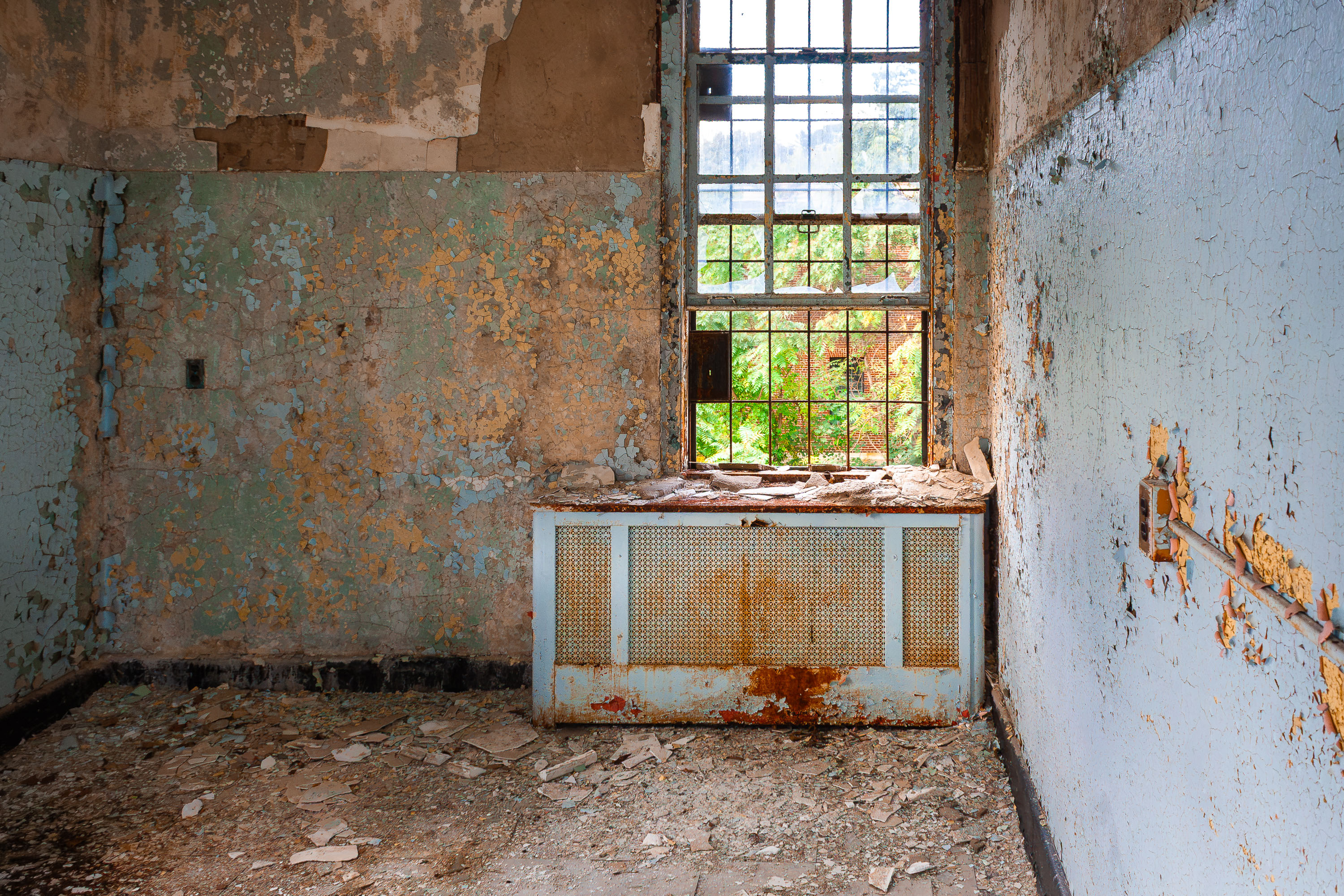 View full post: Caged Radiator Beneath a Barred Window at Kings Park Psychiatric Center
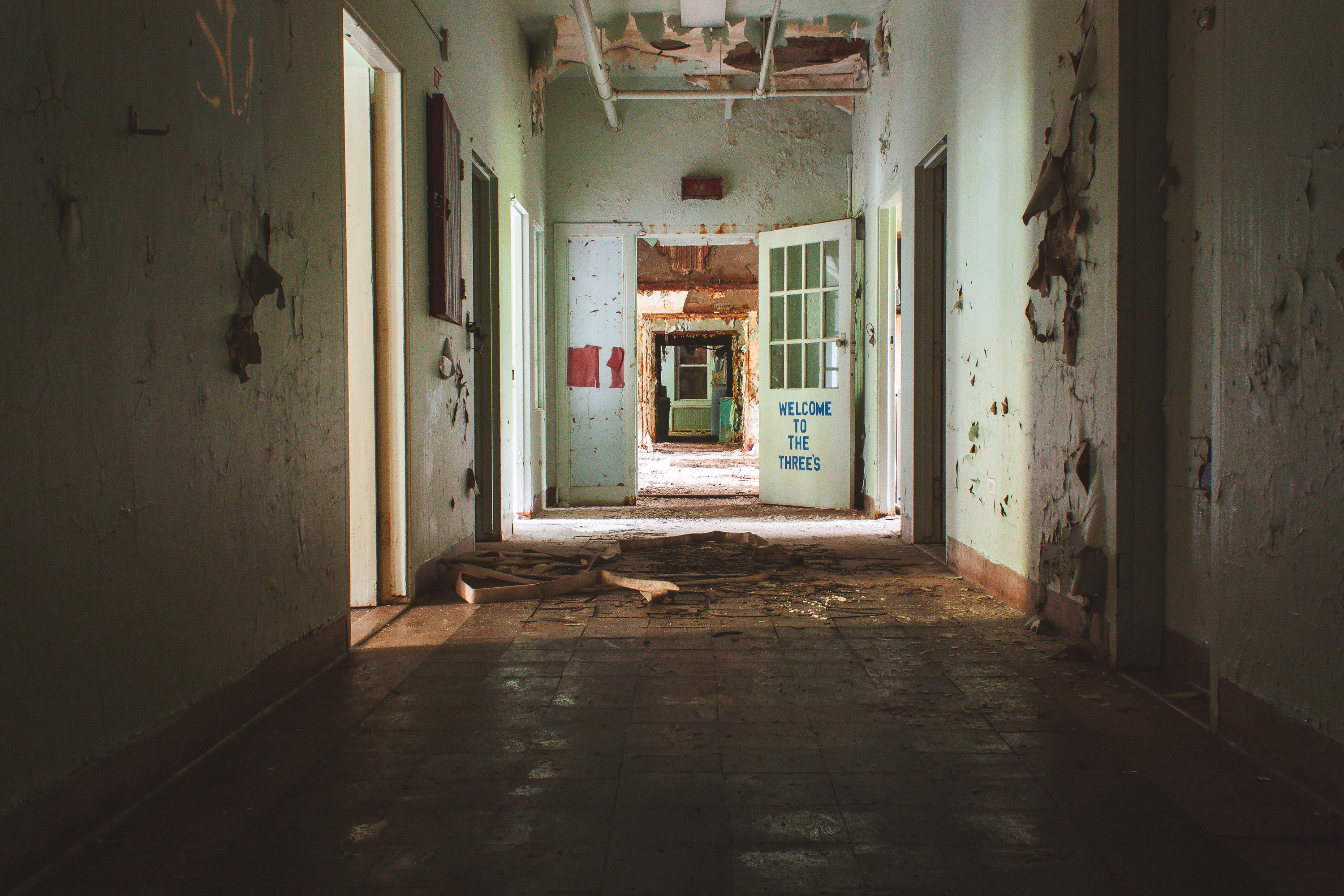 View full post: “Welcome to the Three’s” Sign Down a Ward Corridor at Kings Park
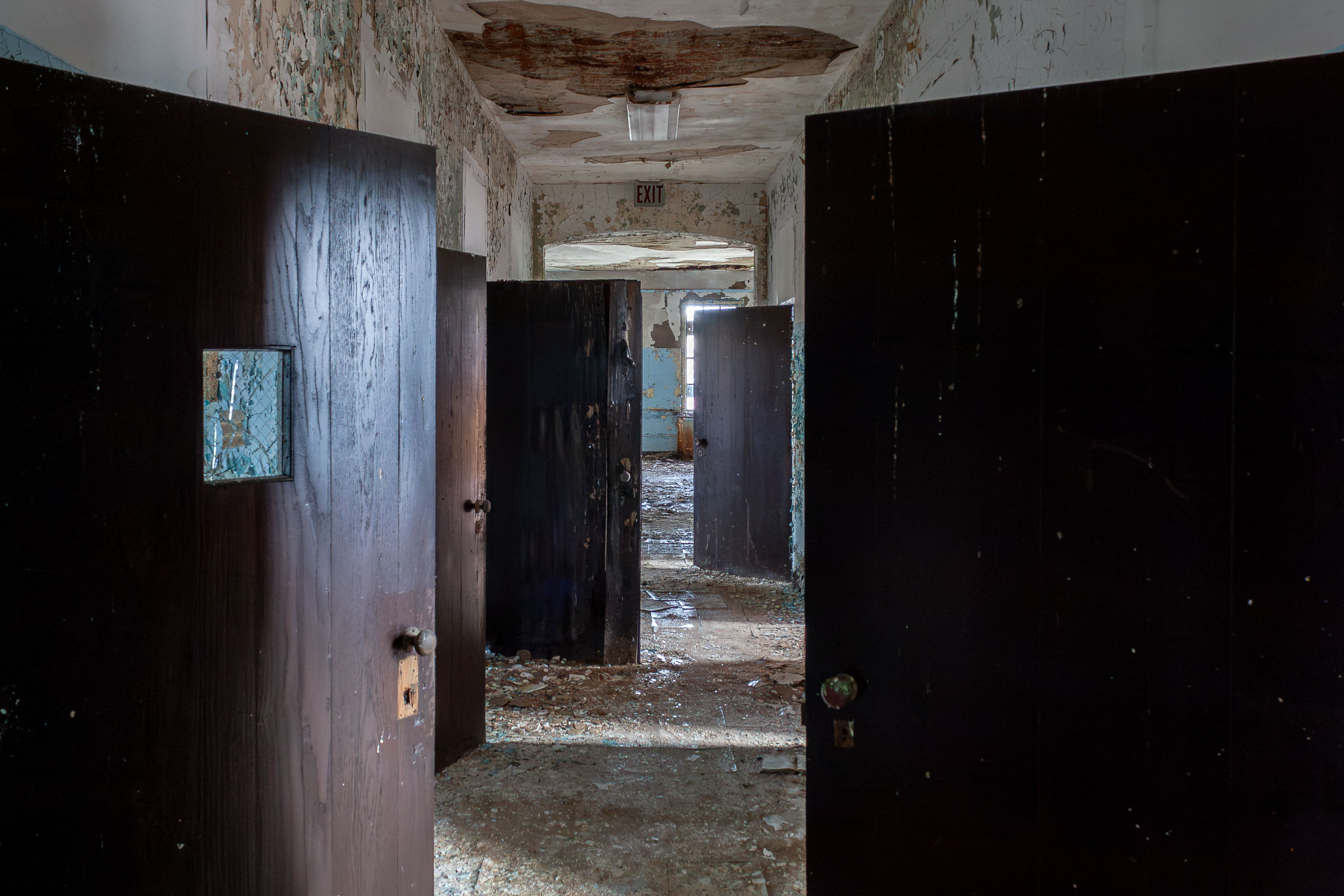 View full post: Open Doors Along an Exit Corridor at Kings Park Psychiatric Center
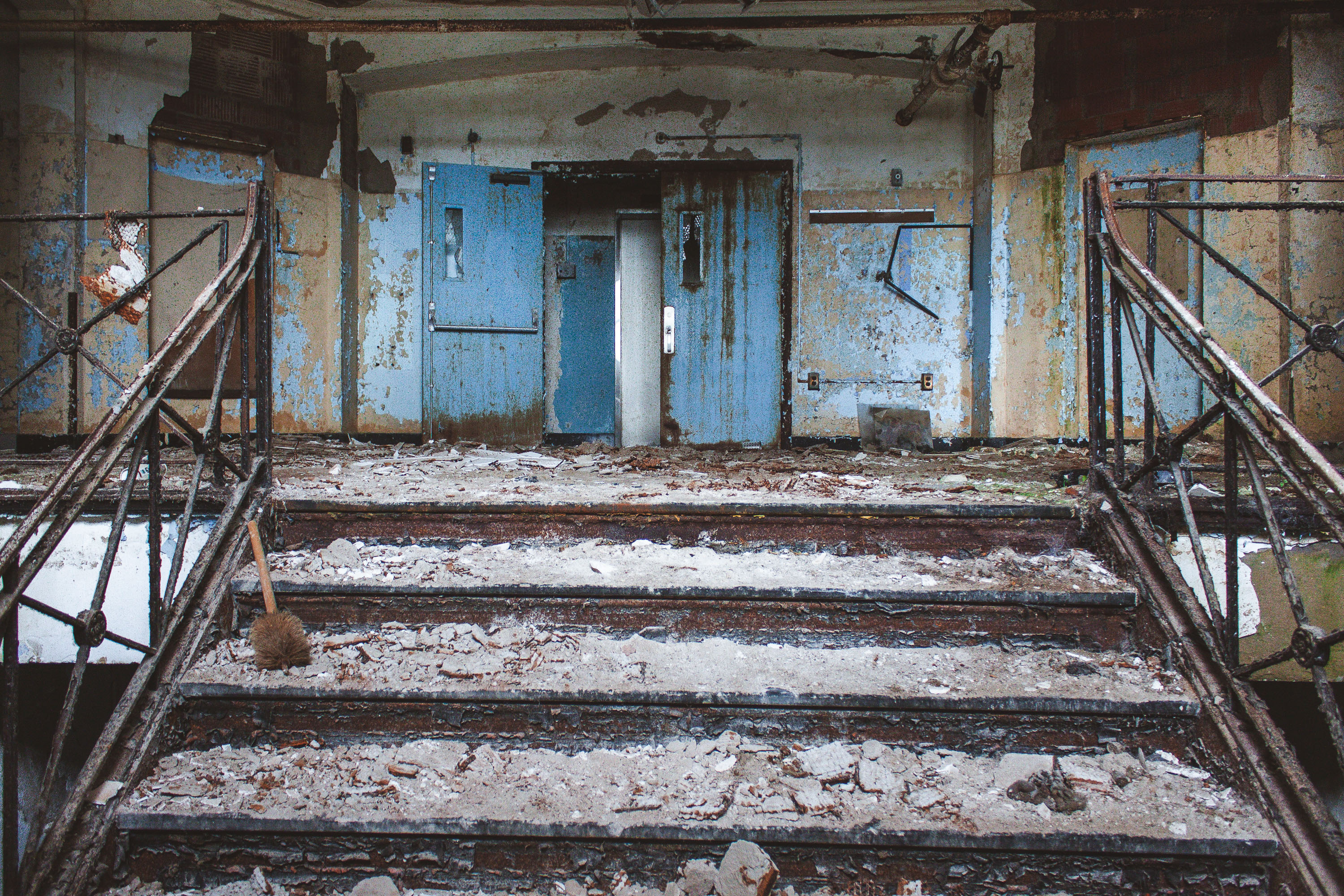 View full post: Rubble-Strewn Staircase to Ward Doors at Kings Park
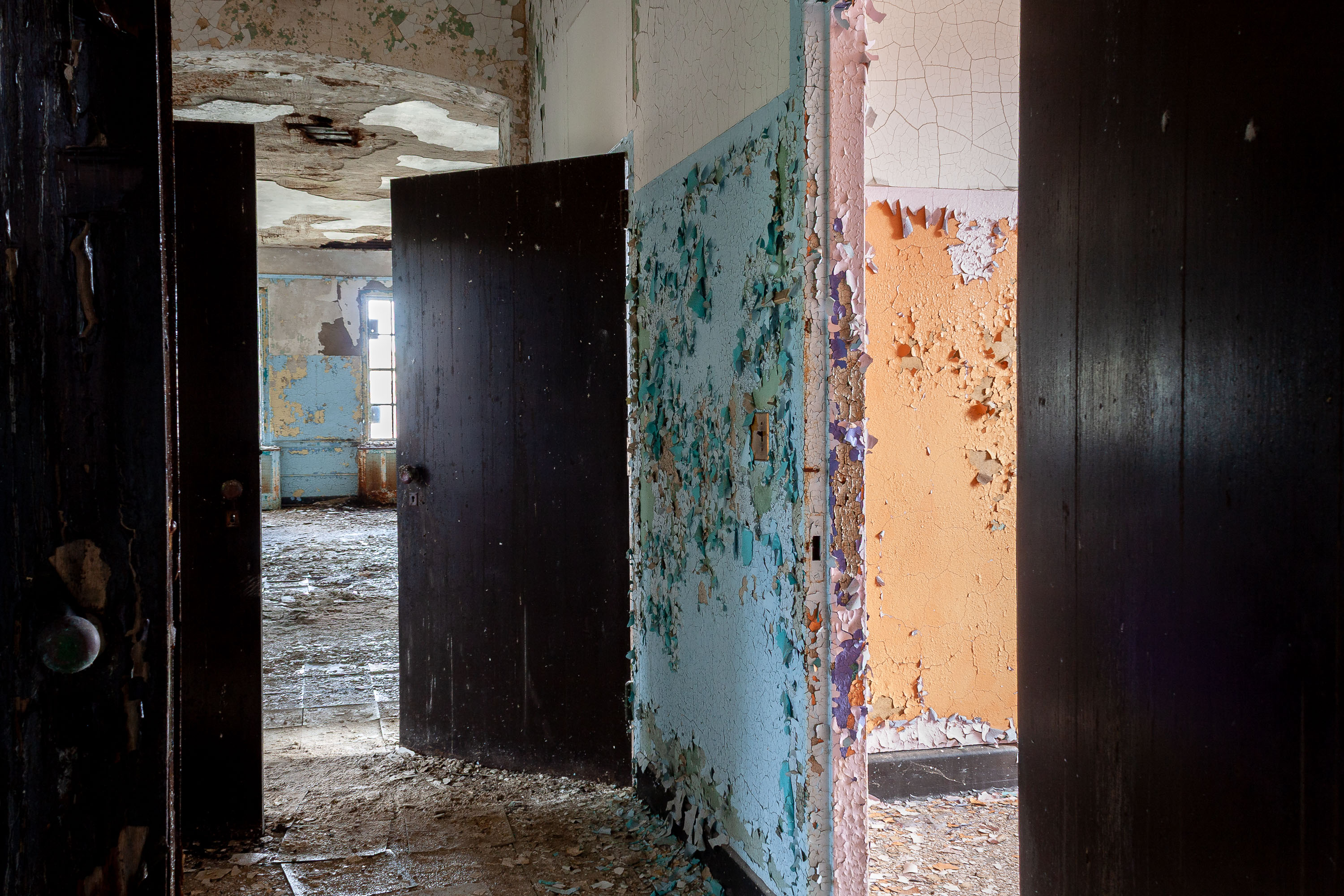 View full post: Layers of Peeling Paint Along a Ward Hallway at Kings Park
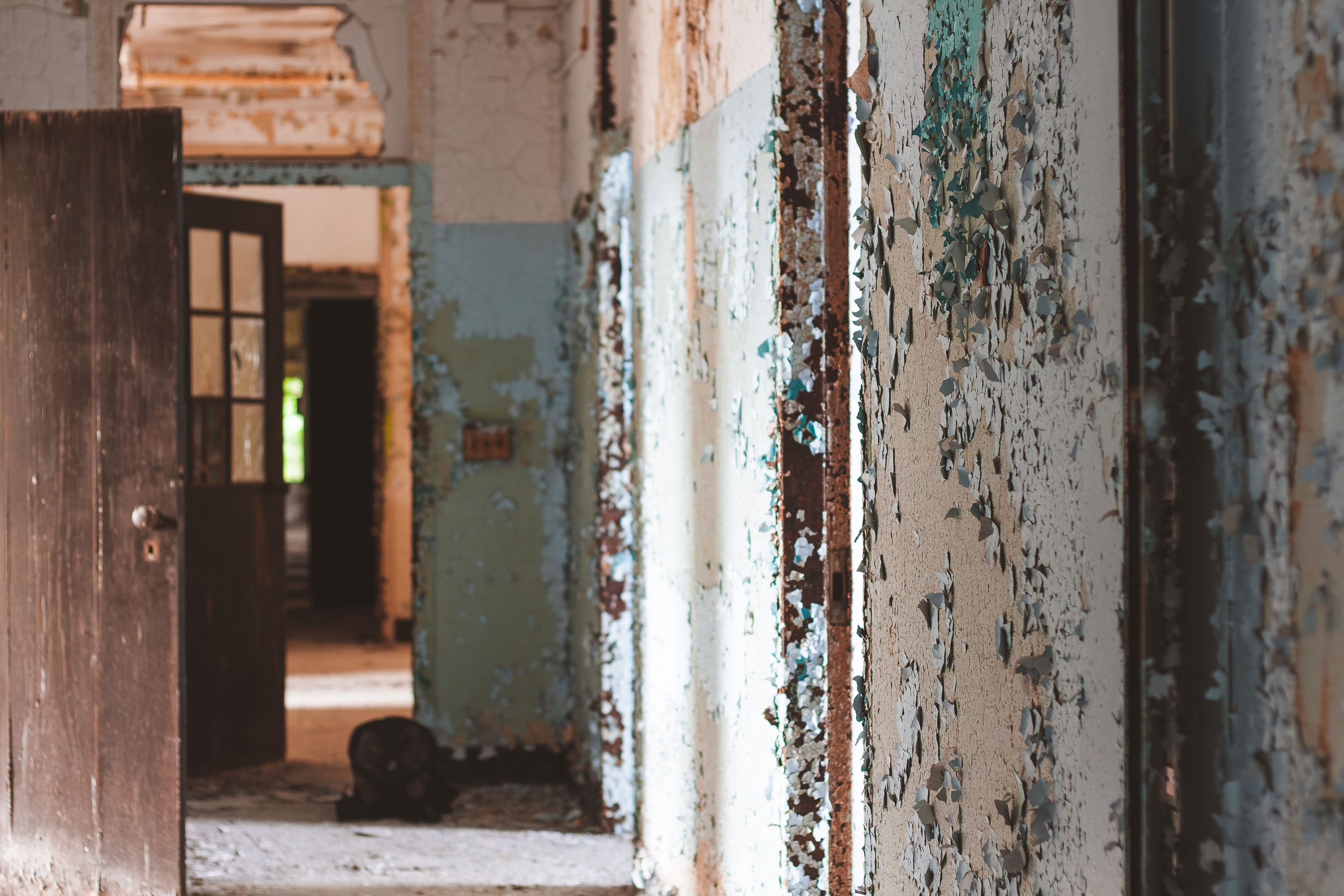 View full post: Rusted Door Frames Along a Ward Hallway at Kings Park
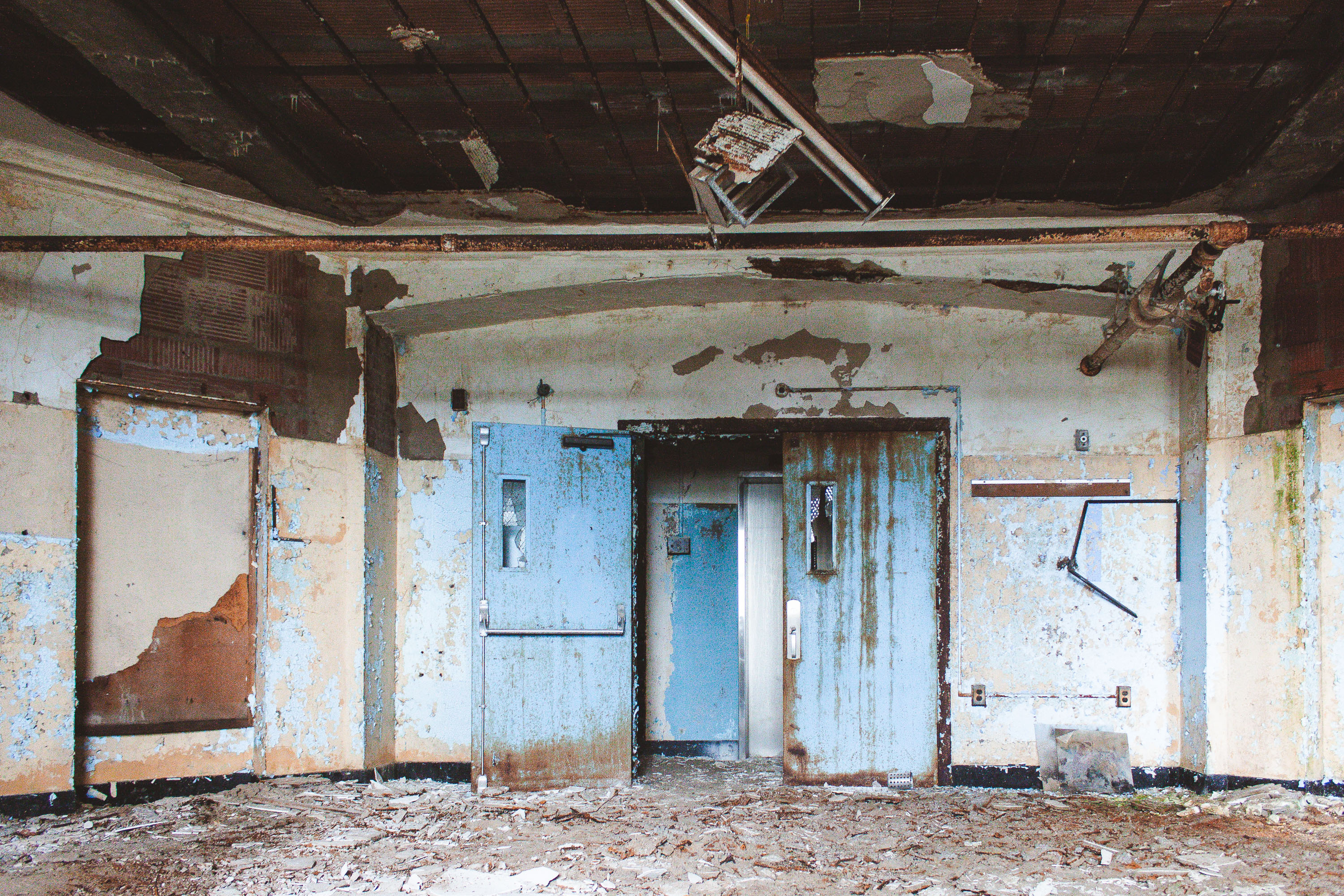 View full post: Rusted Freight Elevator Flanked by Peeling Doors at Kings Park
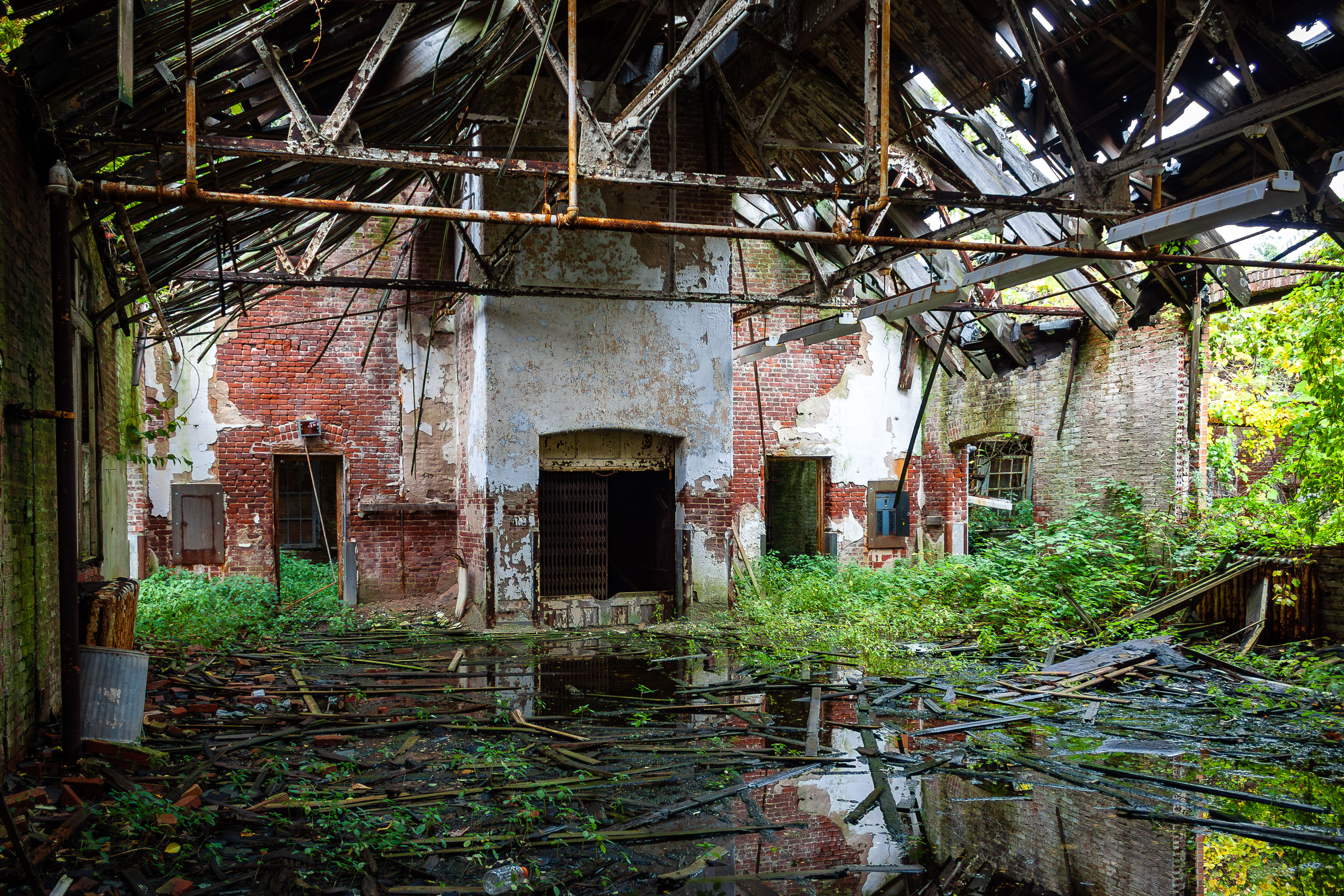 View full post: Collapsed Roof and Flooded Floor at Kings Park Psychiatric Center
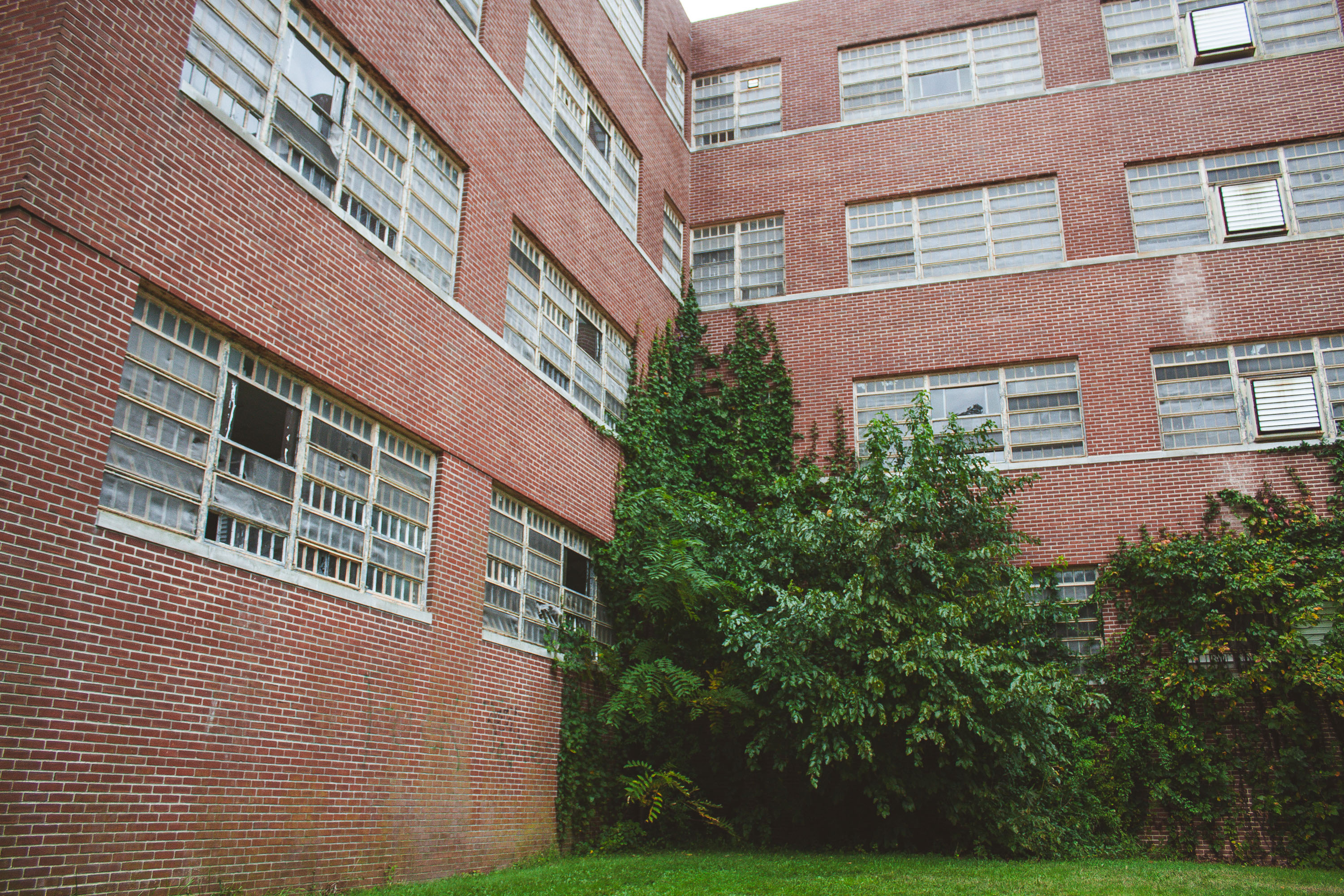 View full post: Ivy Climbing a Ward Wall at Kings Park Psychiatric Center
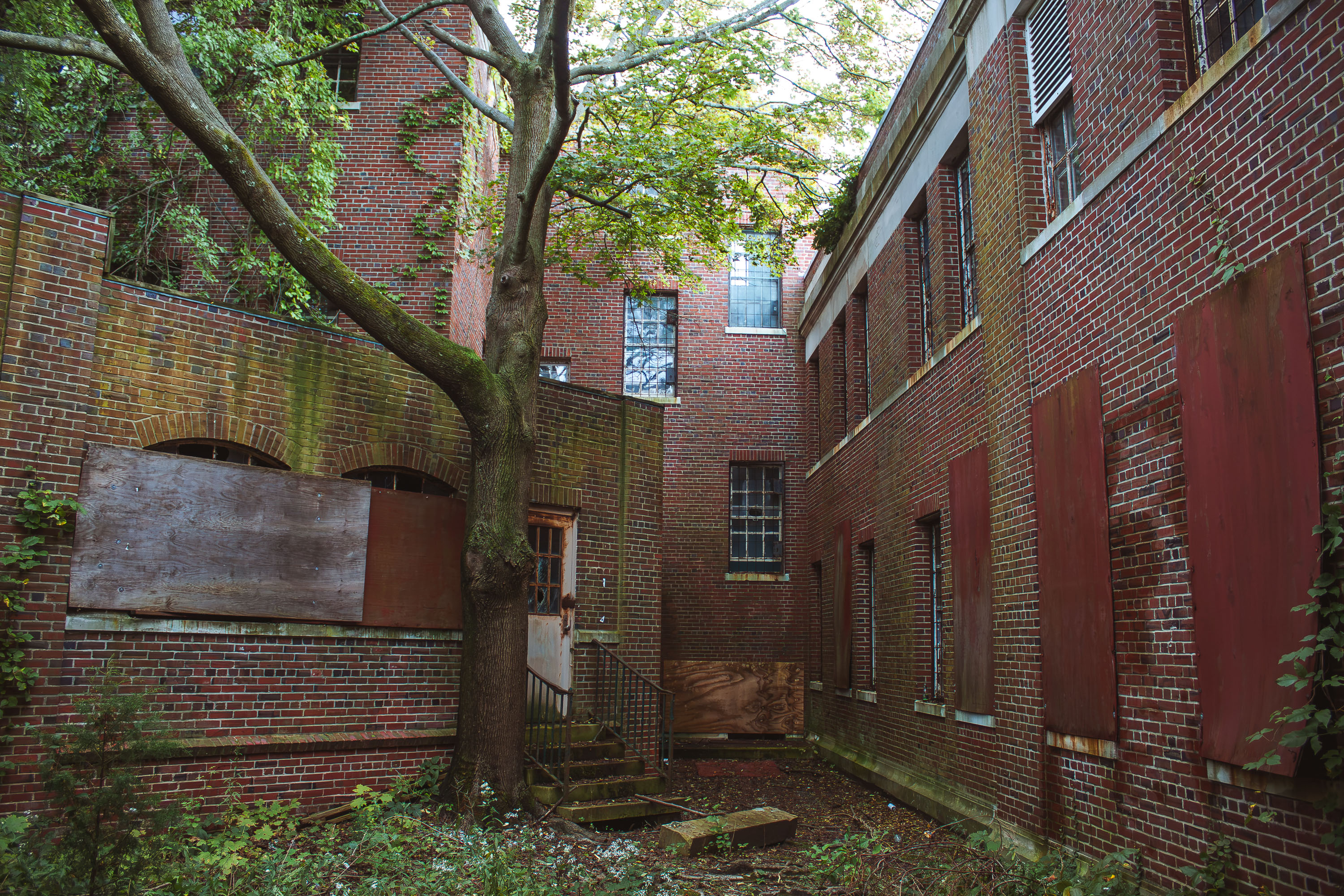 View full post: Tree-Filled Courtyard at Kings Park Psychiatric Center
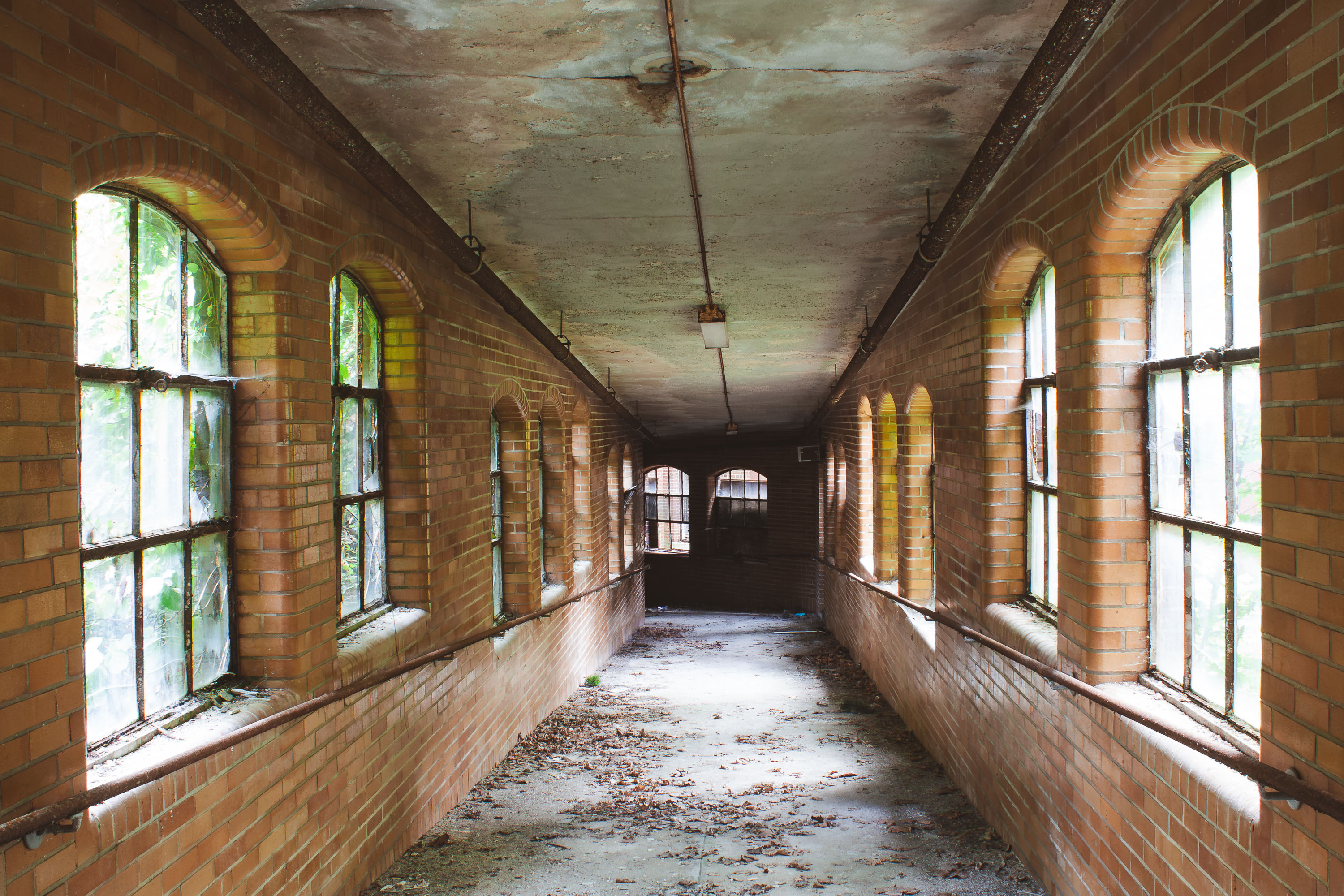 View full post: Arched-Window Walkway Between Wards at Kings Park Psychiatric Center
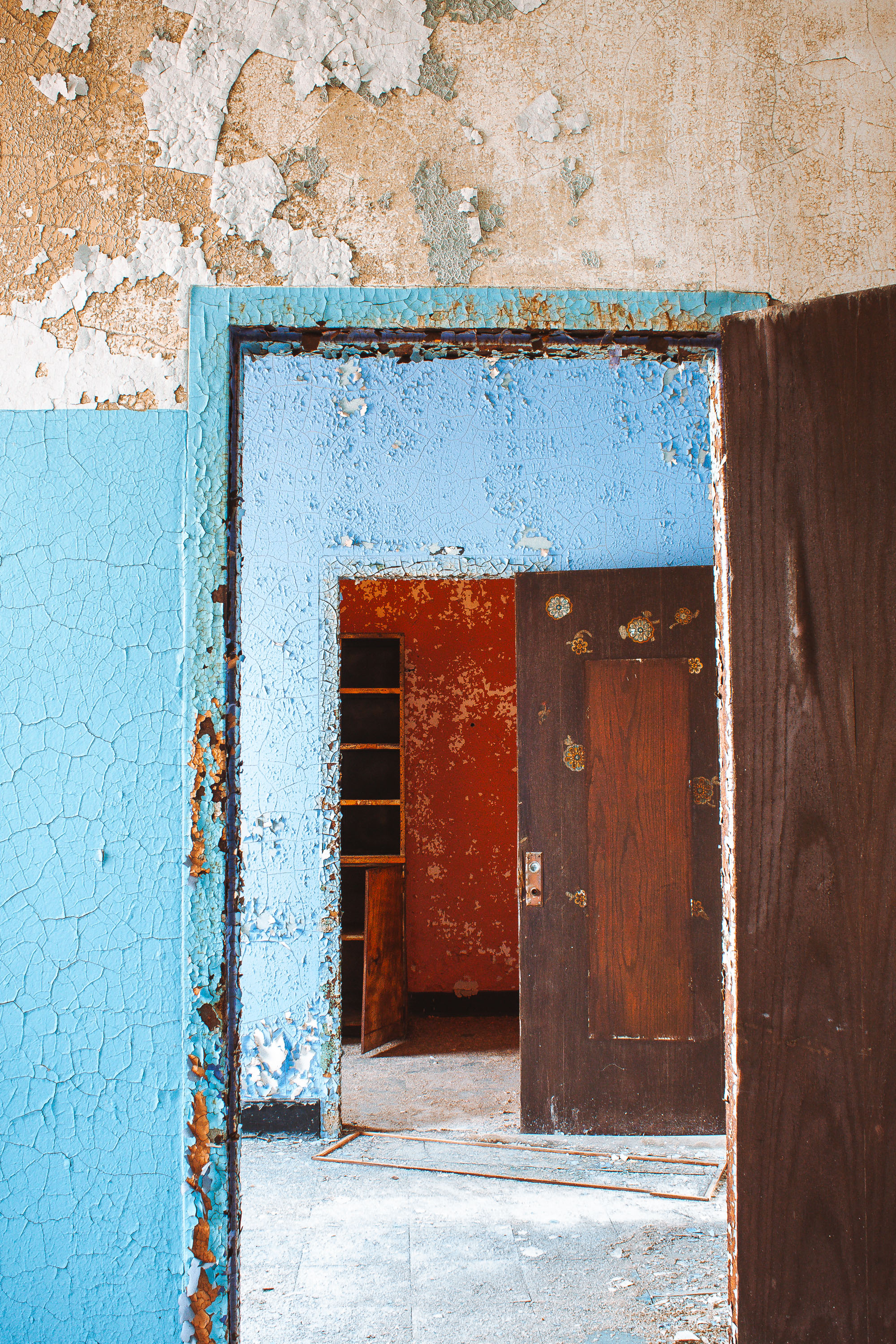 View full post: Nested Doorways Through a Ward at Kings Park Psychiatric Center
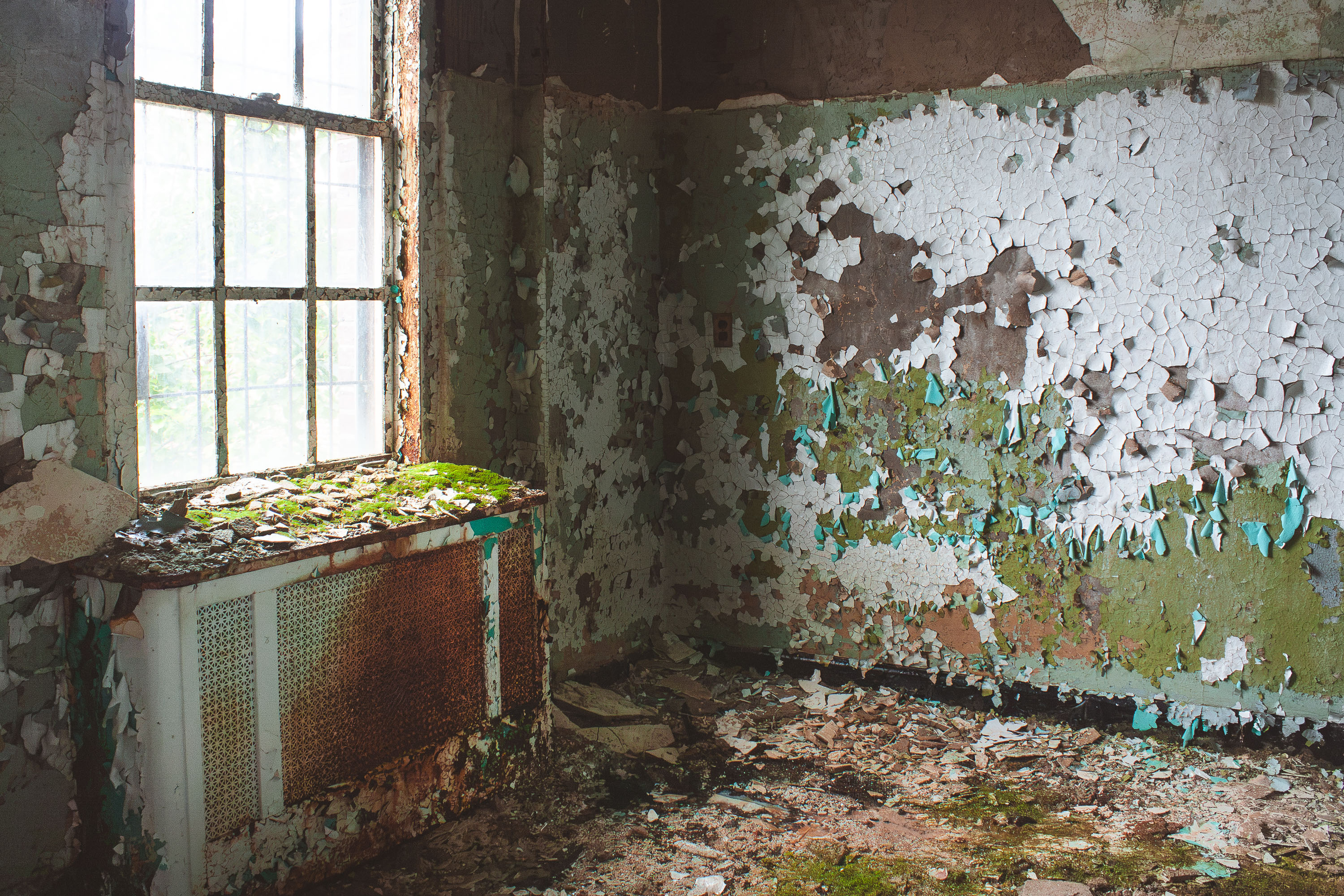 View full post: Moss-Covered Radiator Beneath a Window at Kings Park Psychiatric Center
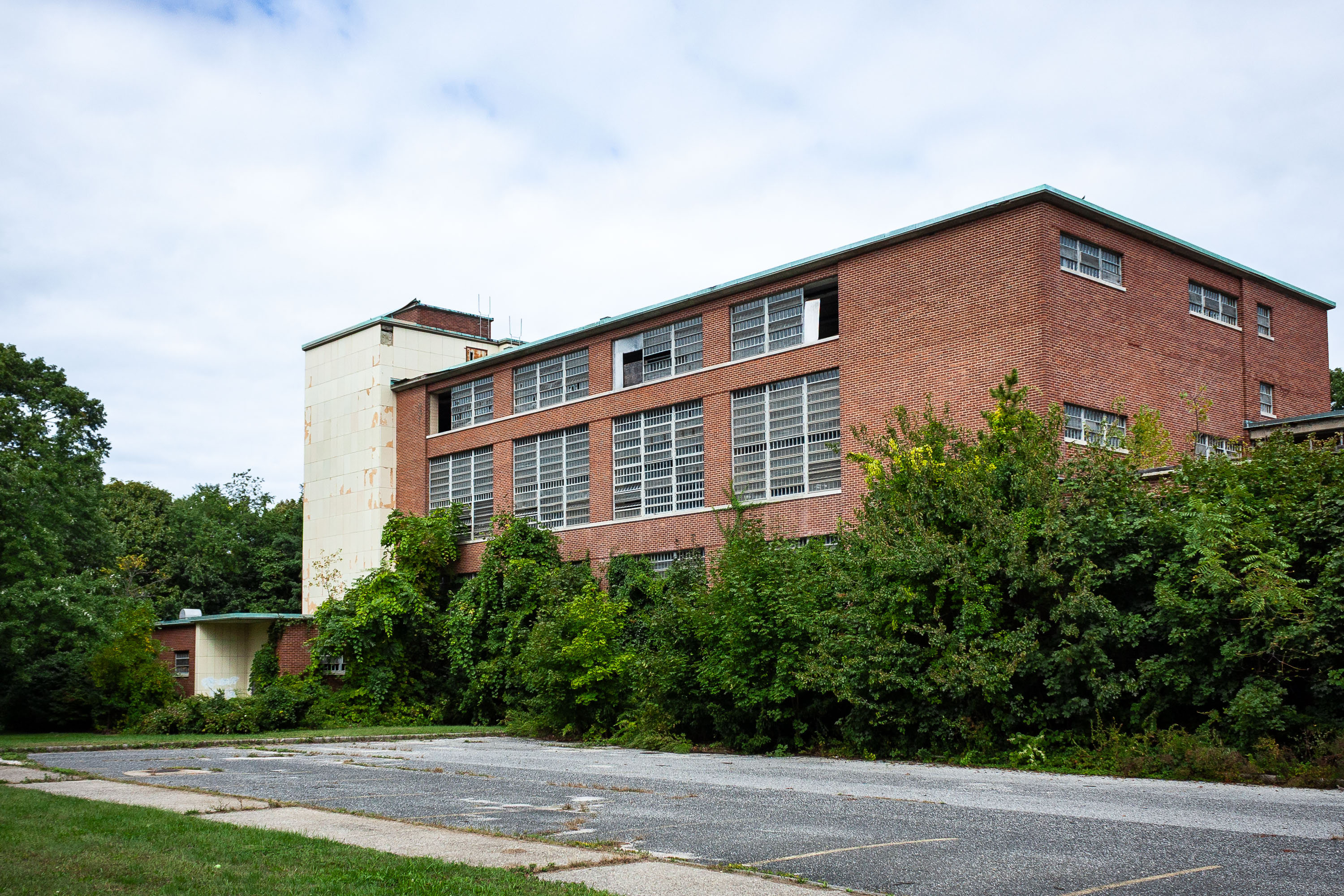 View full post: Overgrown Exterior of a Ward Building at Kings Park Psychiatric Center
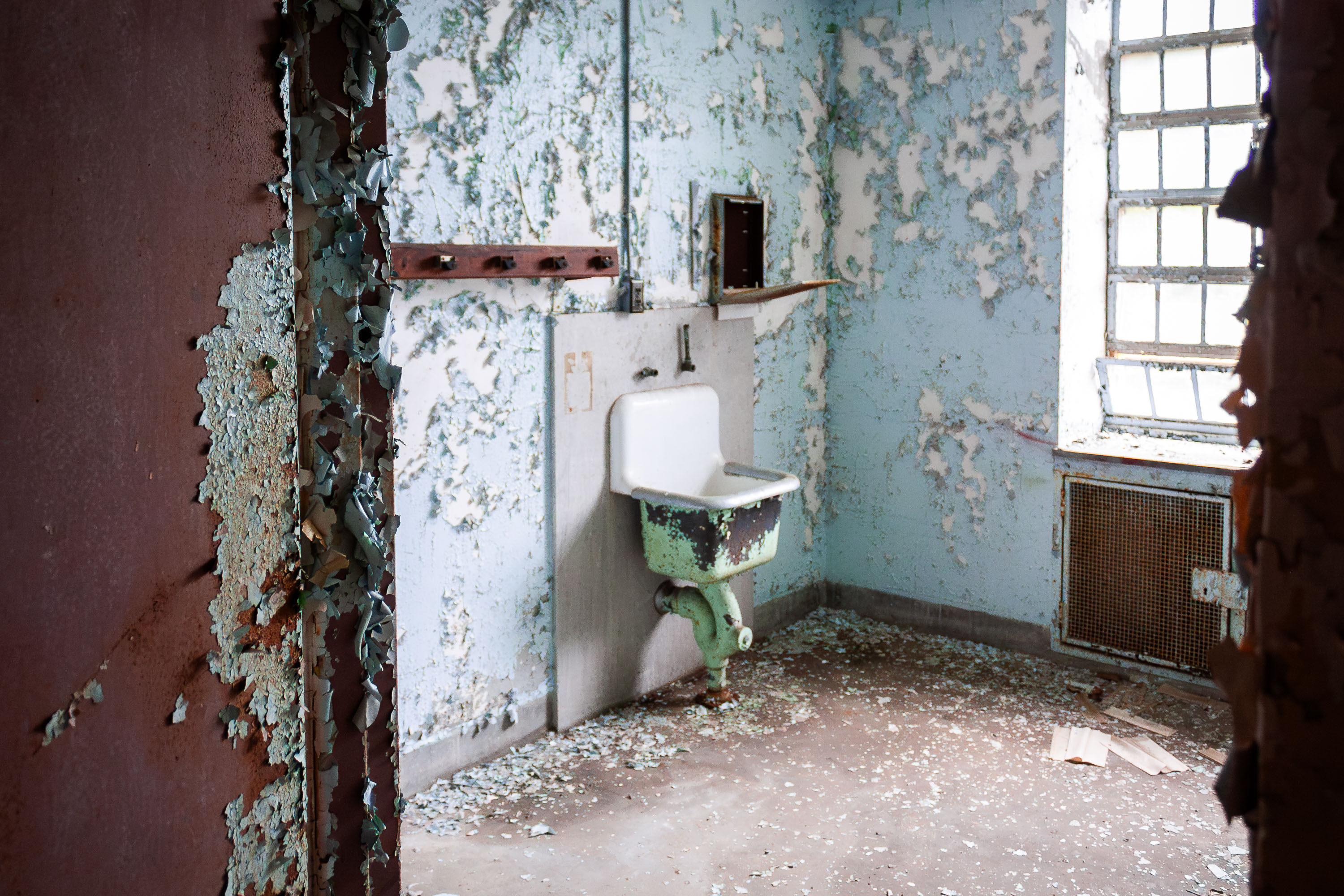 View full post: Corner Sink Beneath a Barred Window at Kings Park Psychiatric Center
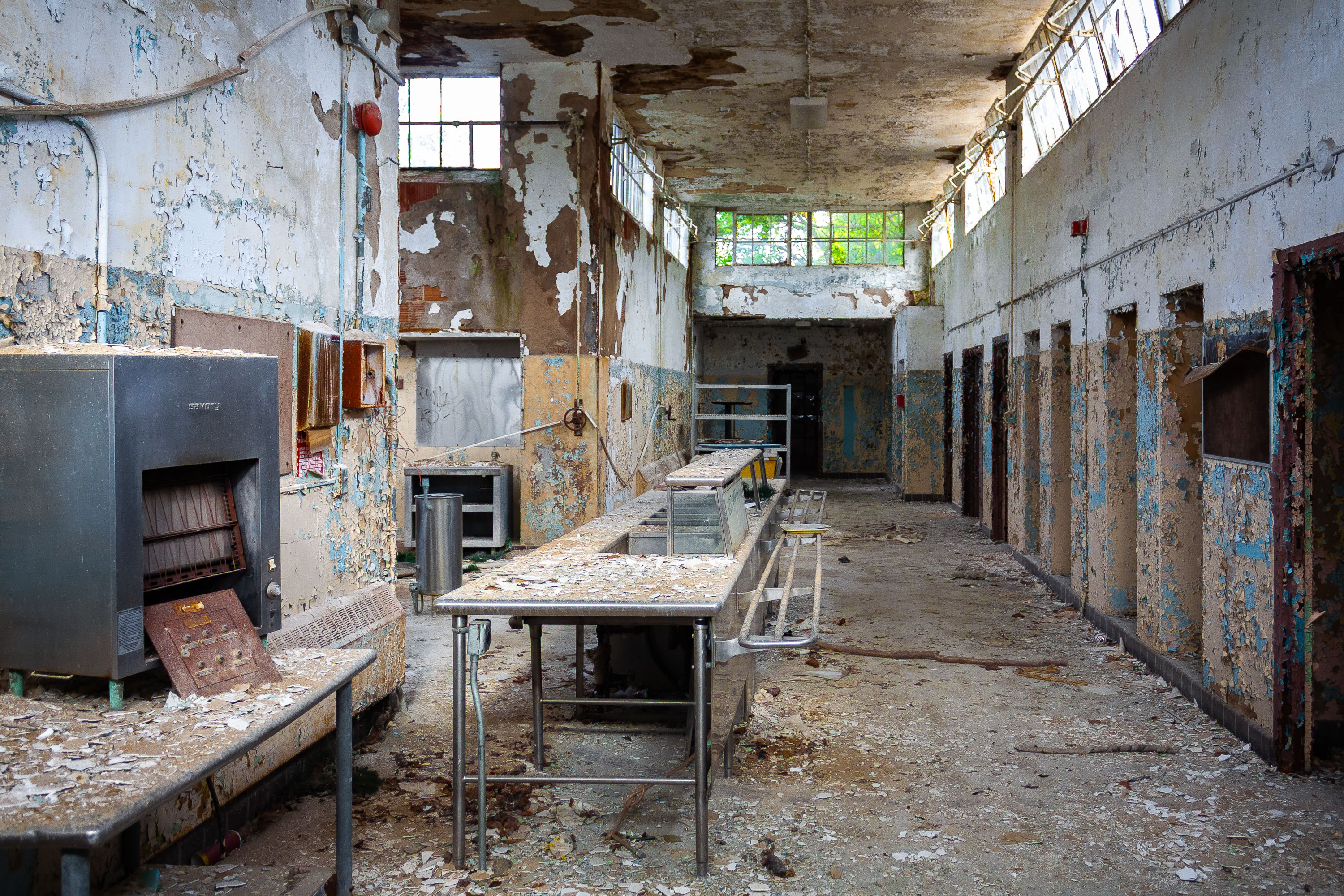 View full post: Washbasin Trough Along a Patient Ward at Kings Park Psychiatric Center
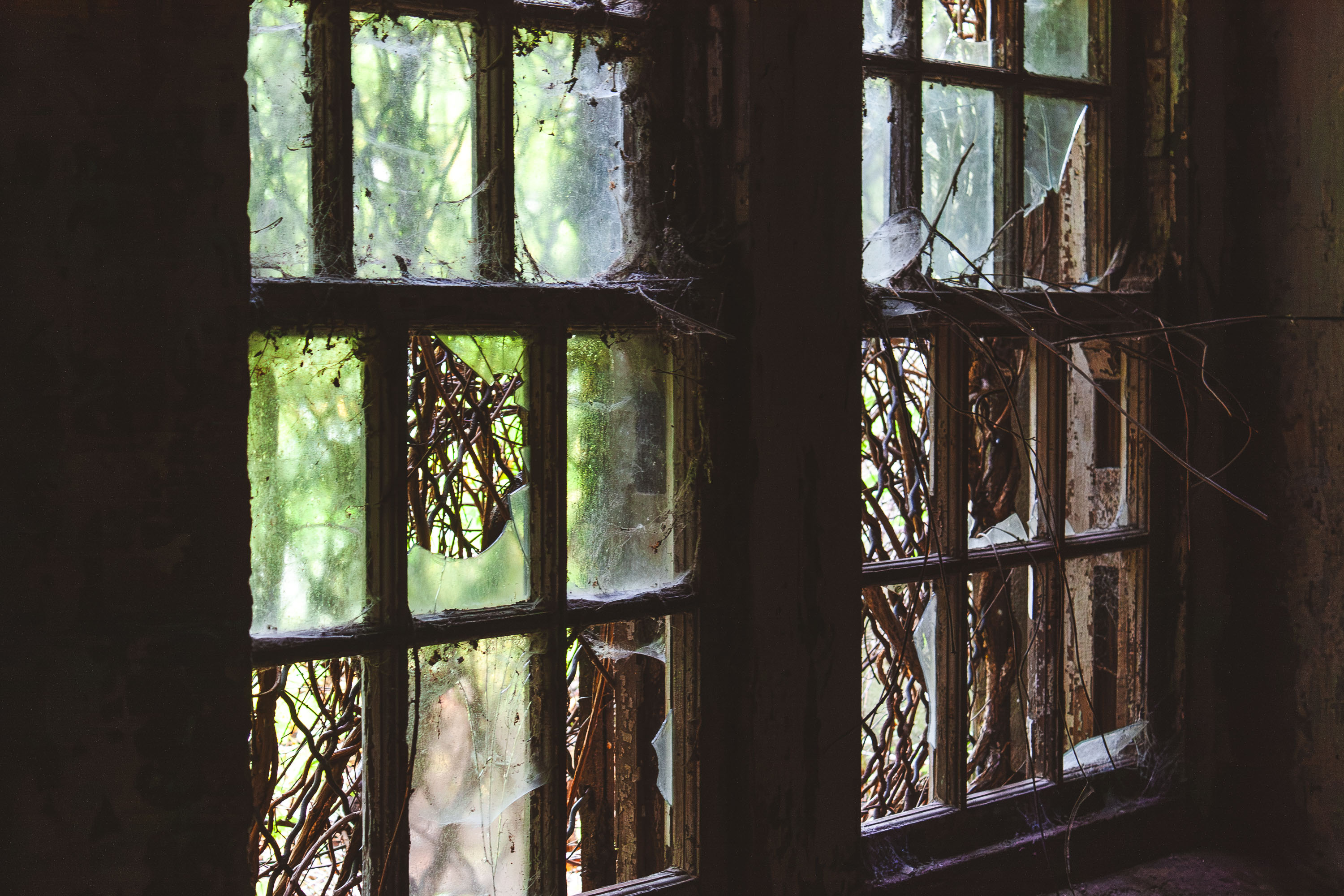 View full post: Spiderwebs and Vines Fill Shattered Windows at Kings Park Psychiatric Center
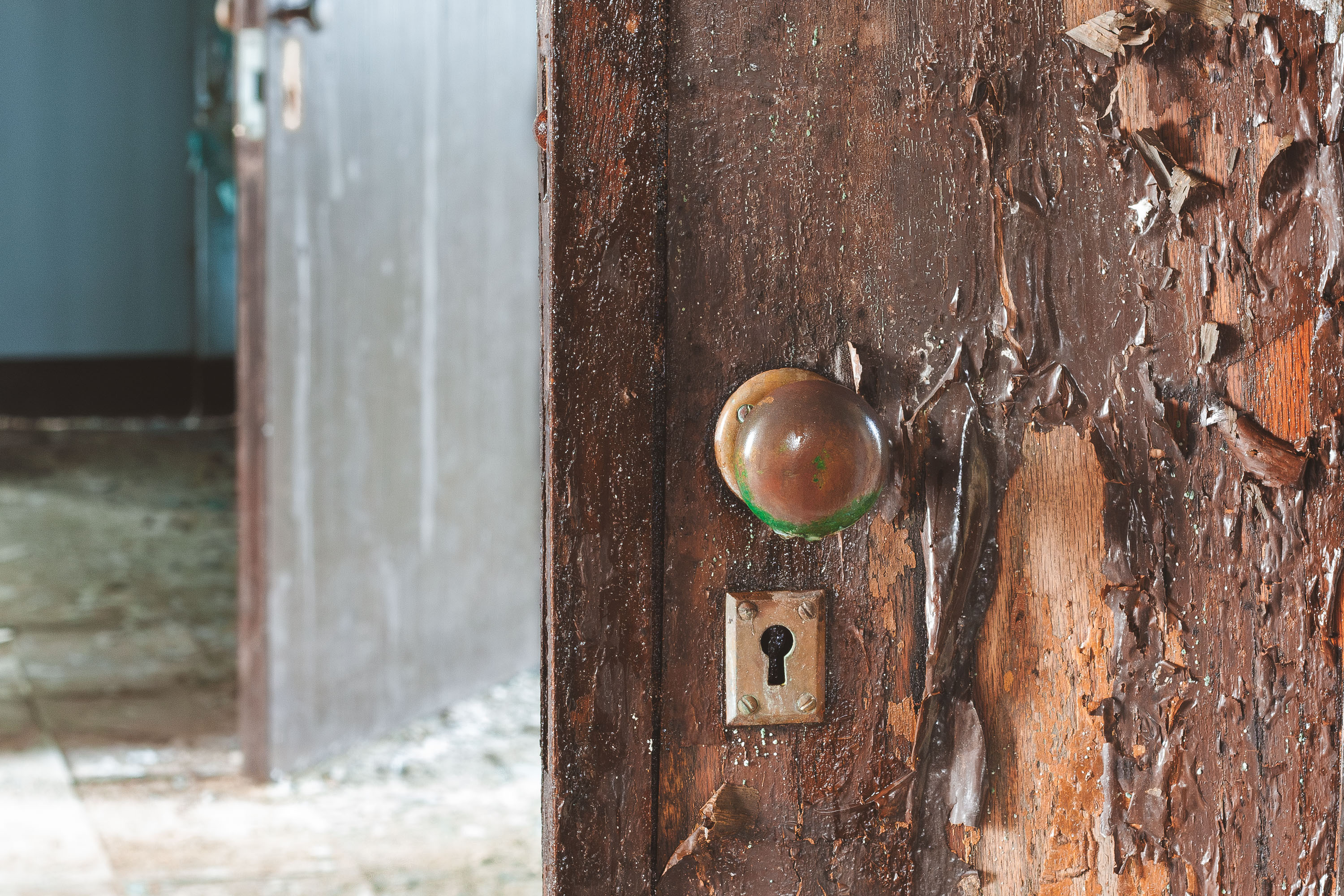 View full post: Peeling Ward Door with Brass Knob at Kings Park Psychiatric Center
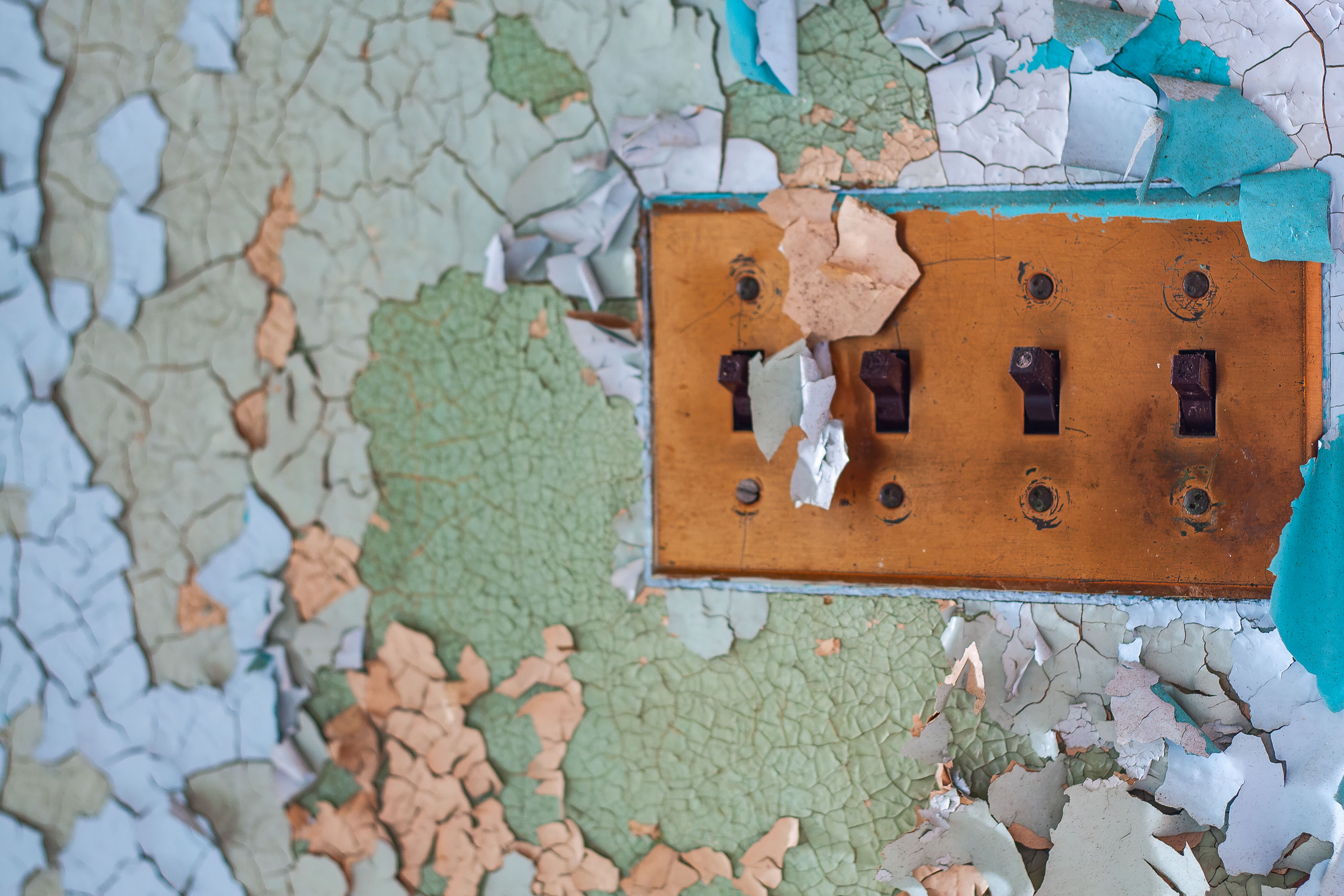 View full post: Four-Gang Toggle Switch Amid Peeling Paint at Kings Park
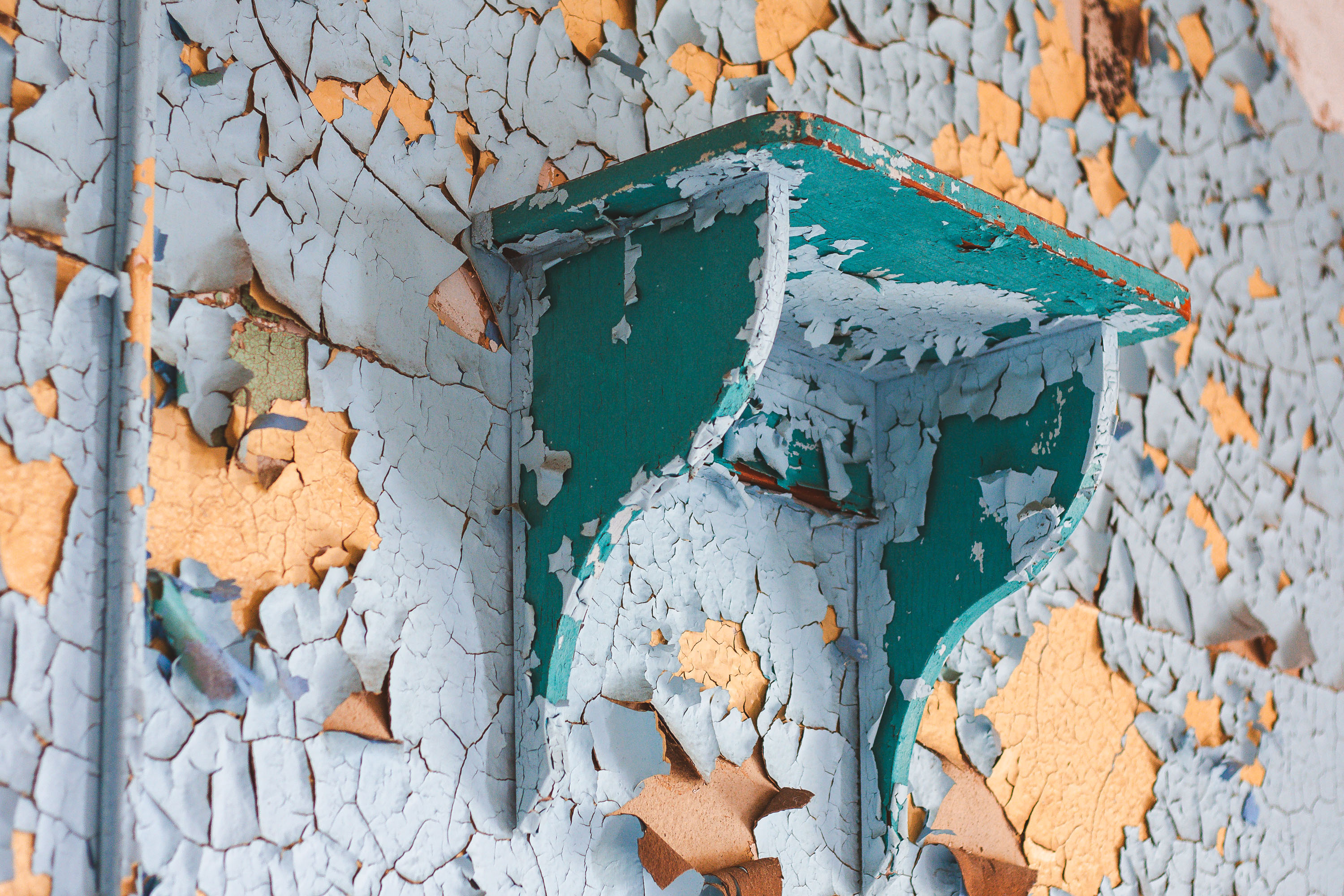 View full post: Teal Wall Bracket Peeling at Kings Park Psychiatric Center
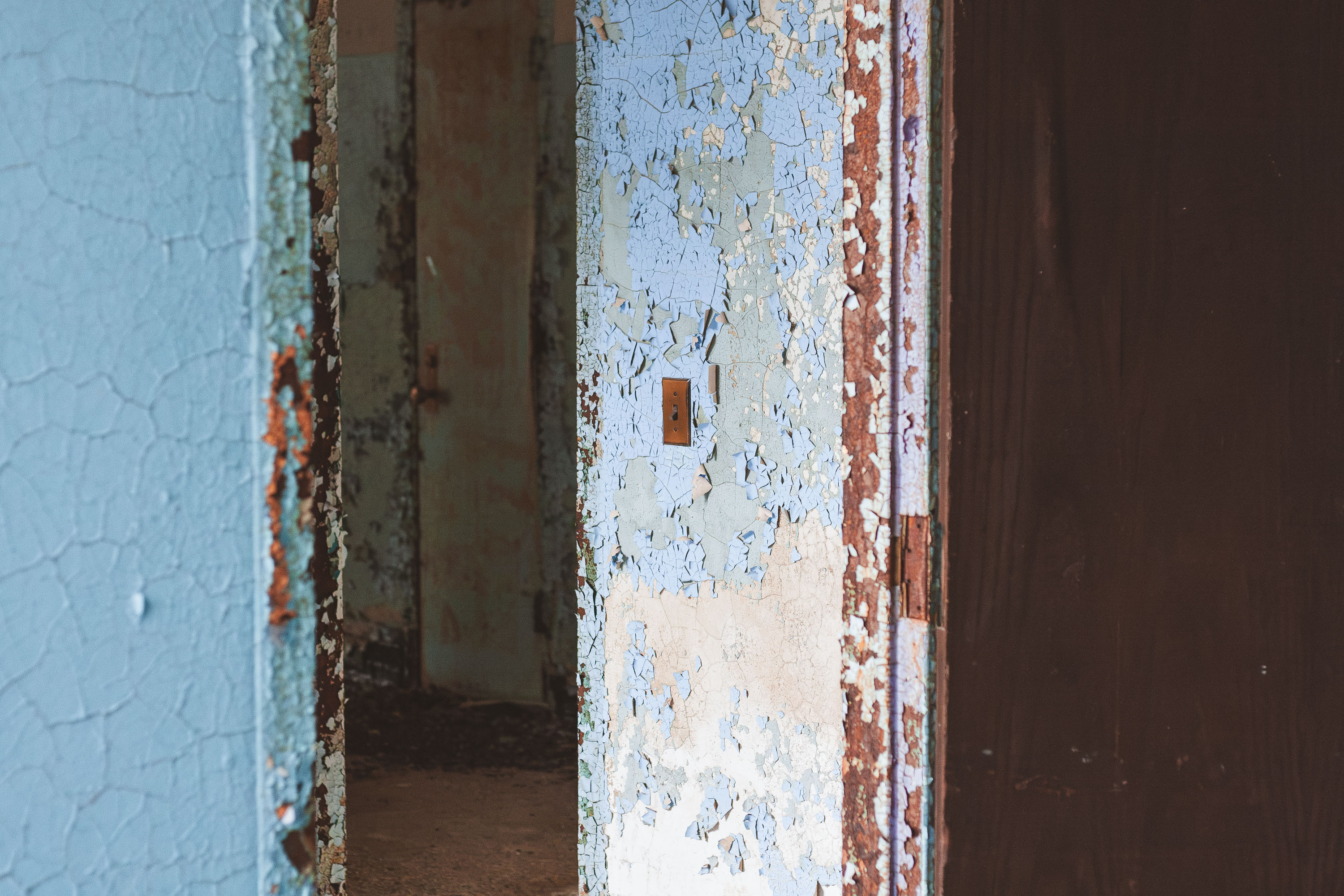 View full post: Layered Doorways at Kings Park Psychiatric Center
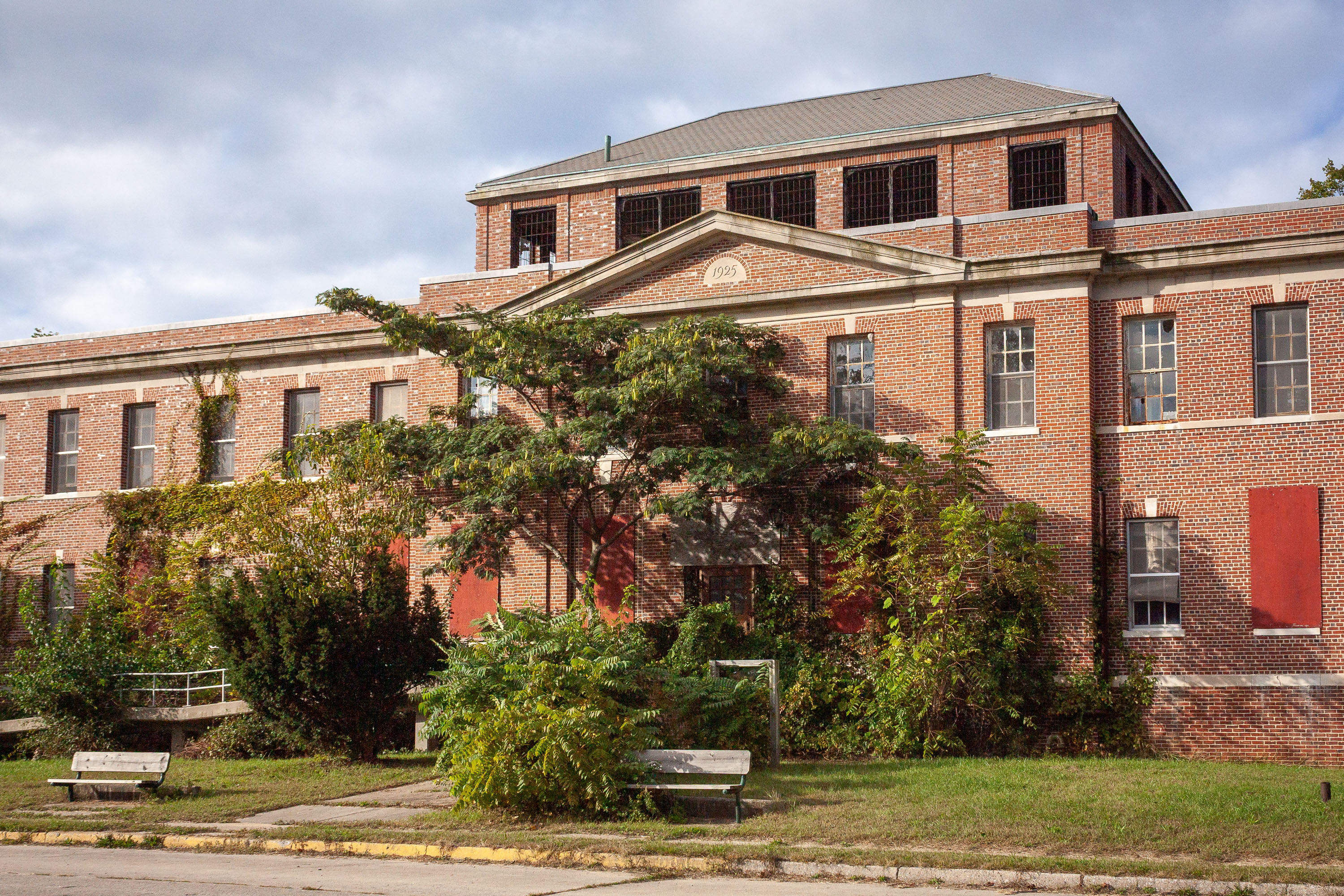 View full post: 1925 Ward Building Entrance at Kings Park Psychiatric Center
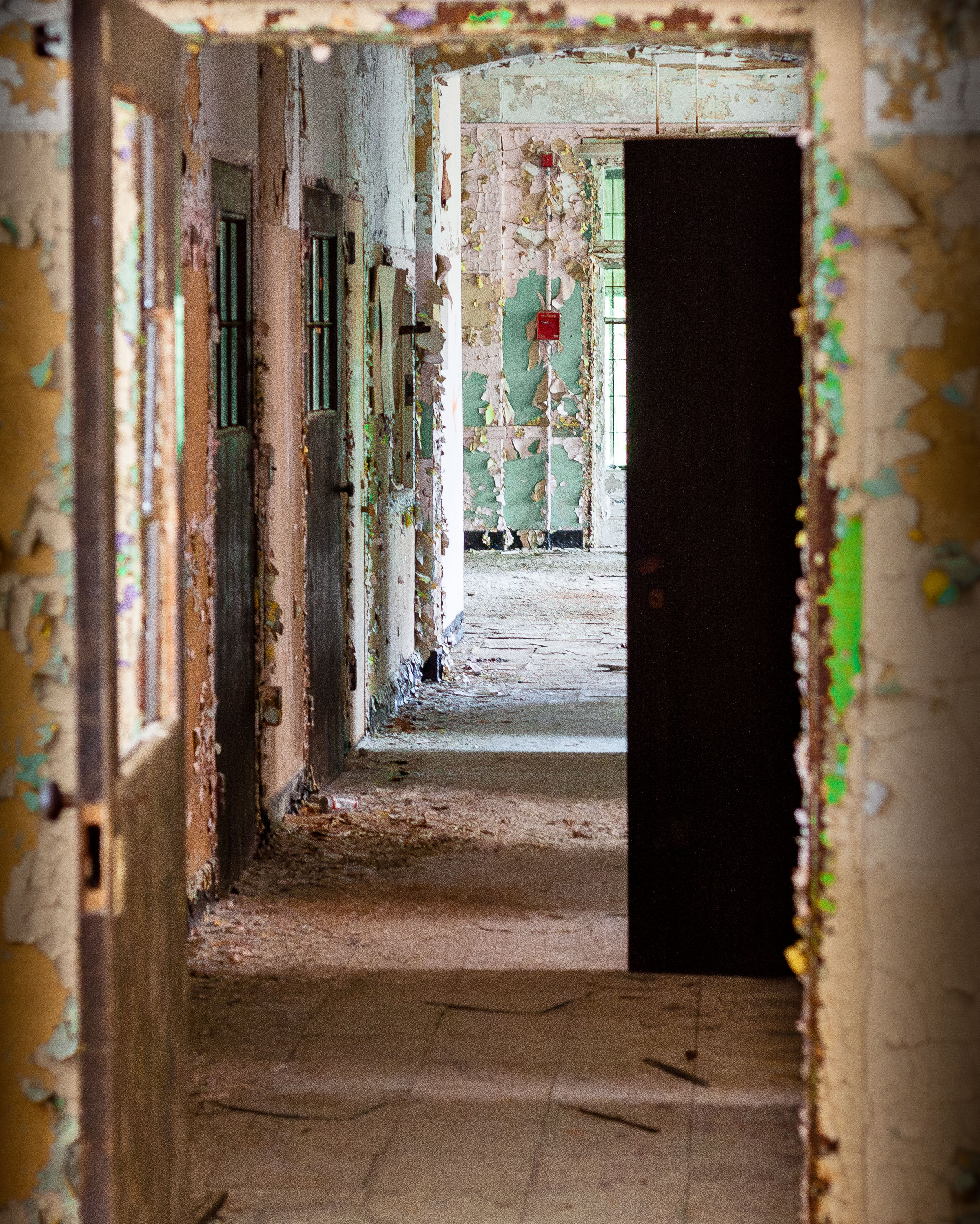 View full post: Open Doorway Leading Into a Ward Hallway at Kings Park Psychiatric Center
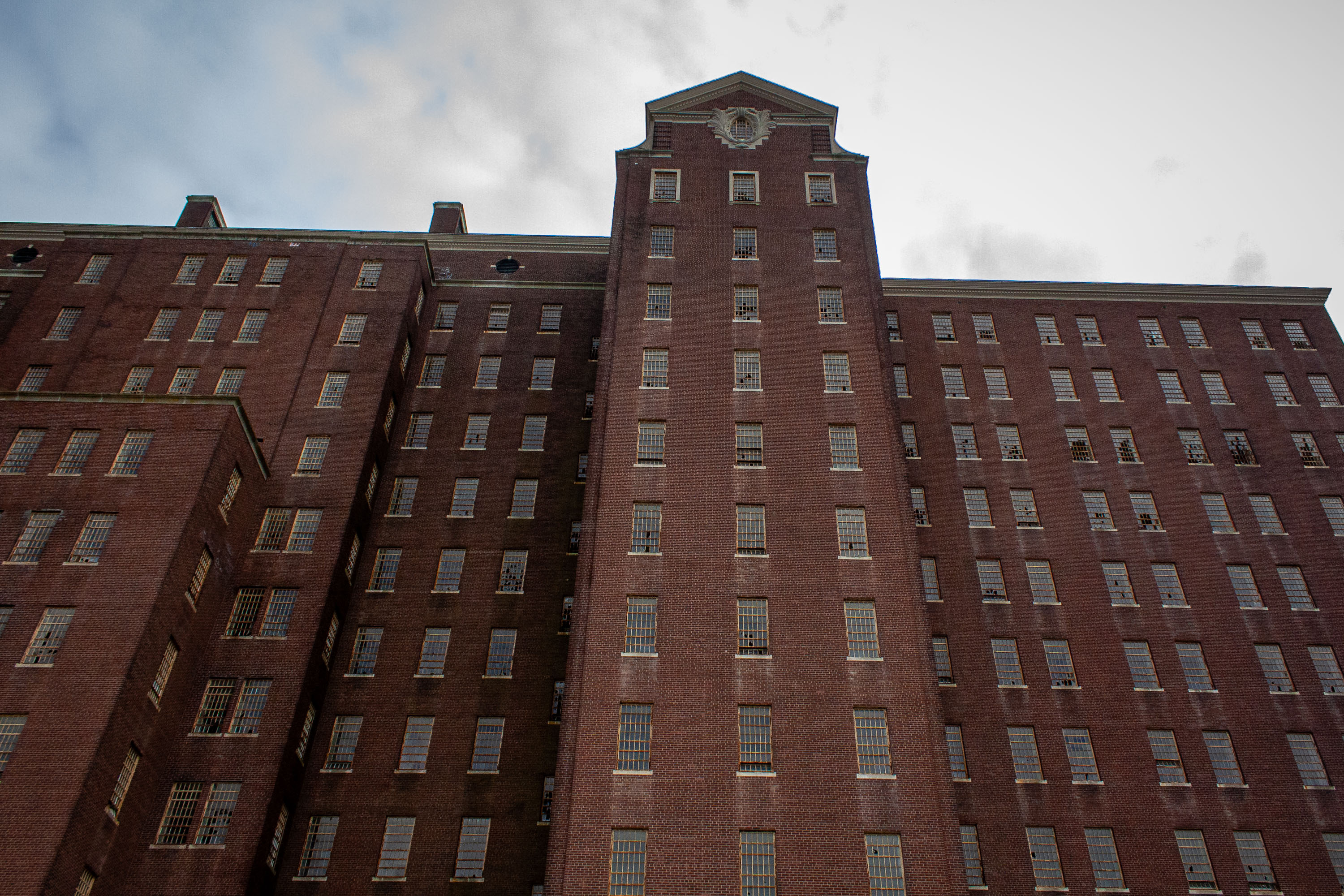 View full post: Towering Façade of Building 93 at Kings Park Psychiatric Center
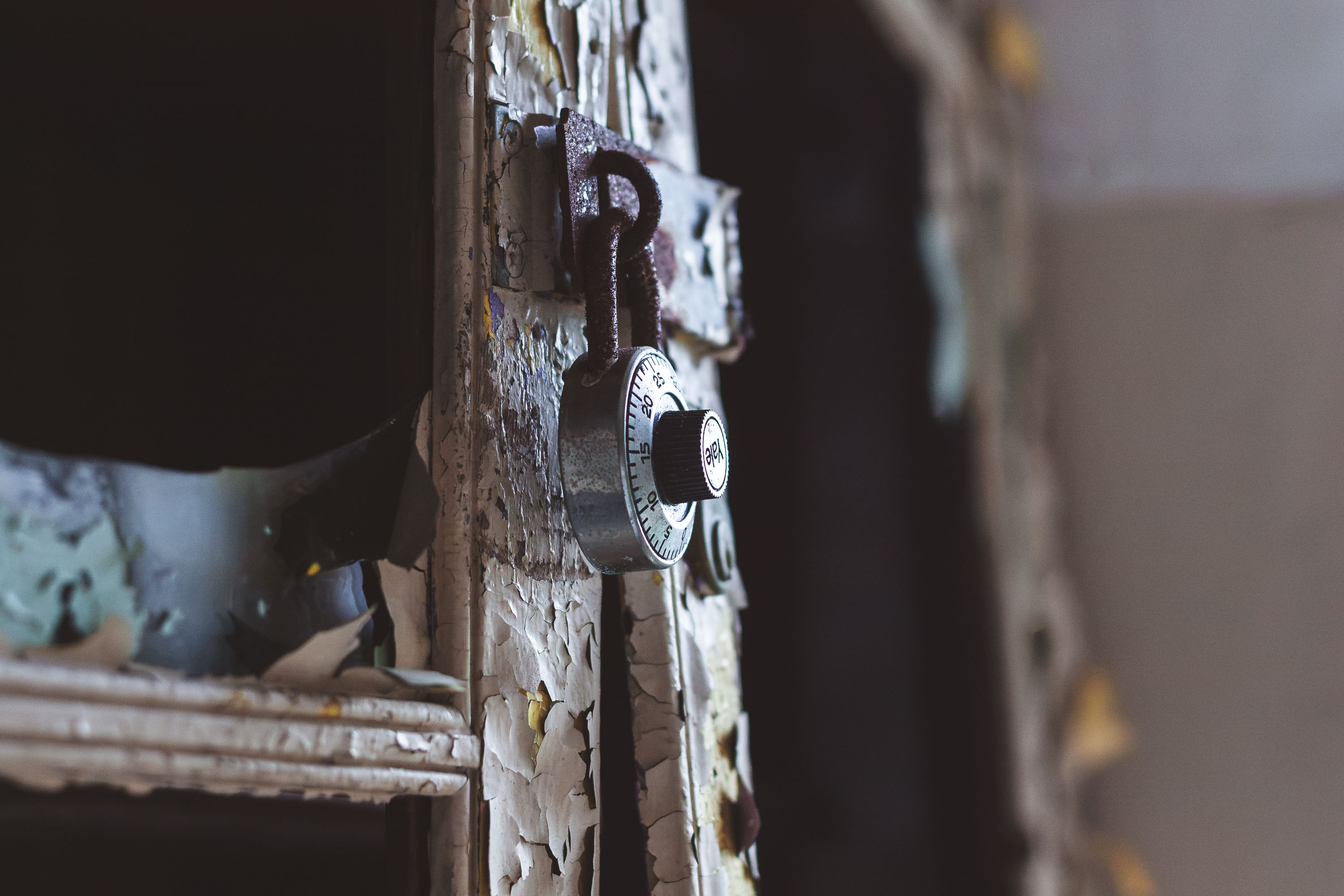 View full post: Rusted Combination Lock on a Peeling Door at Kings Park
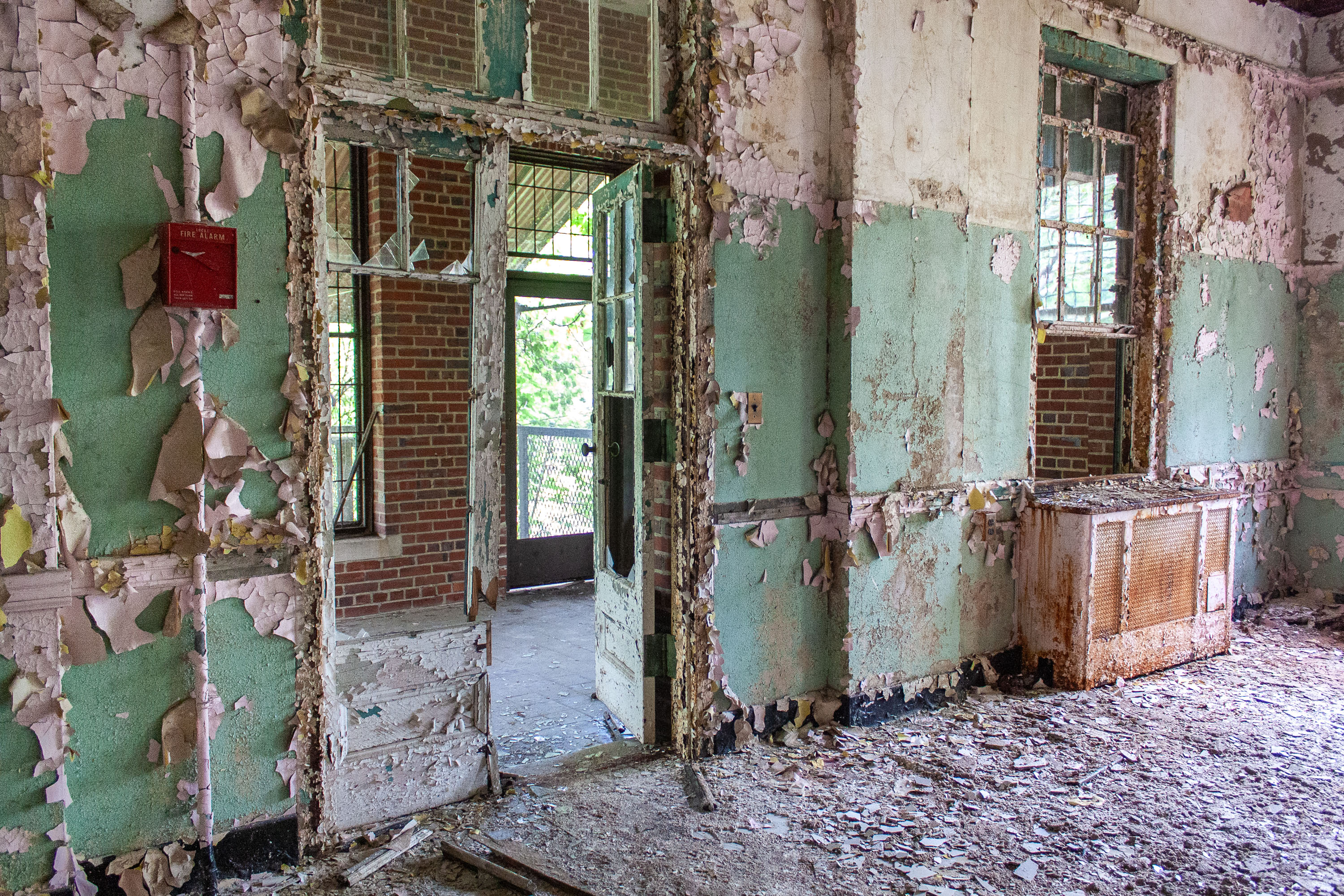 View full post: Open Door to a Brick Stairwell at Kings Park Psychiatric Center
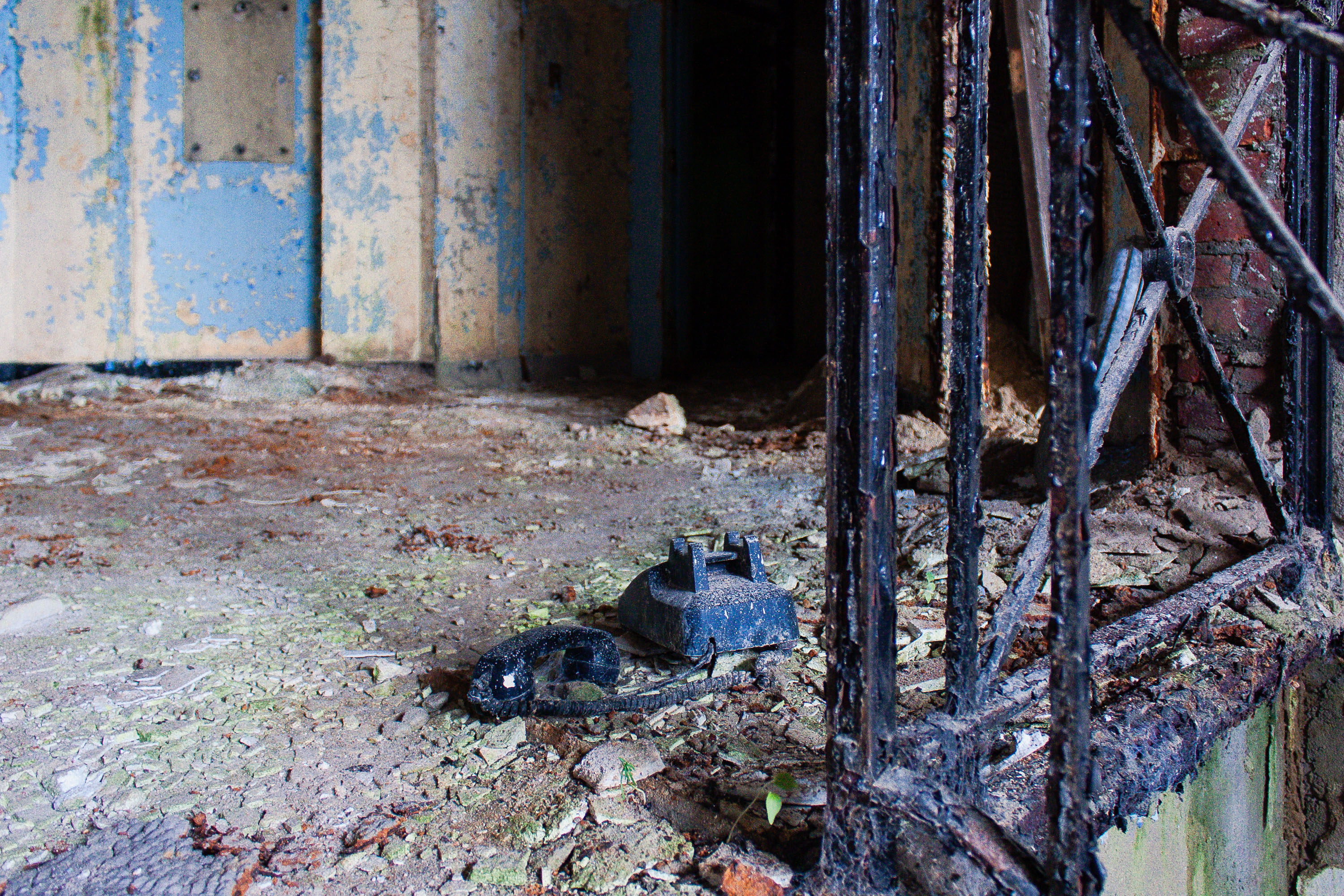 View full post: Discarded Rotary Phone Near a Scorched Iron Gate at Kings Park
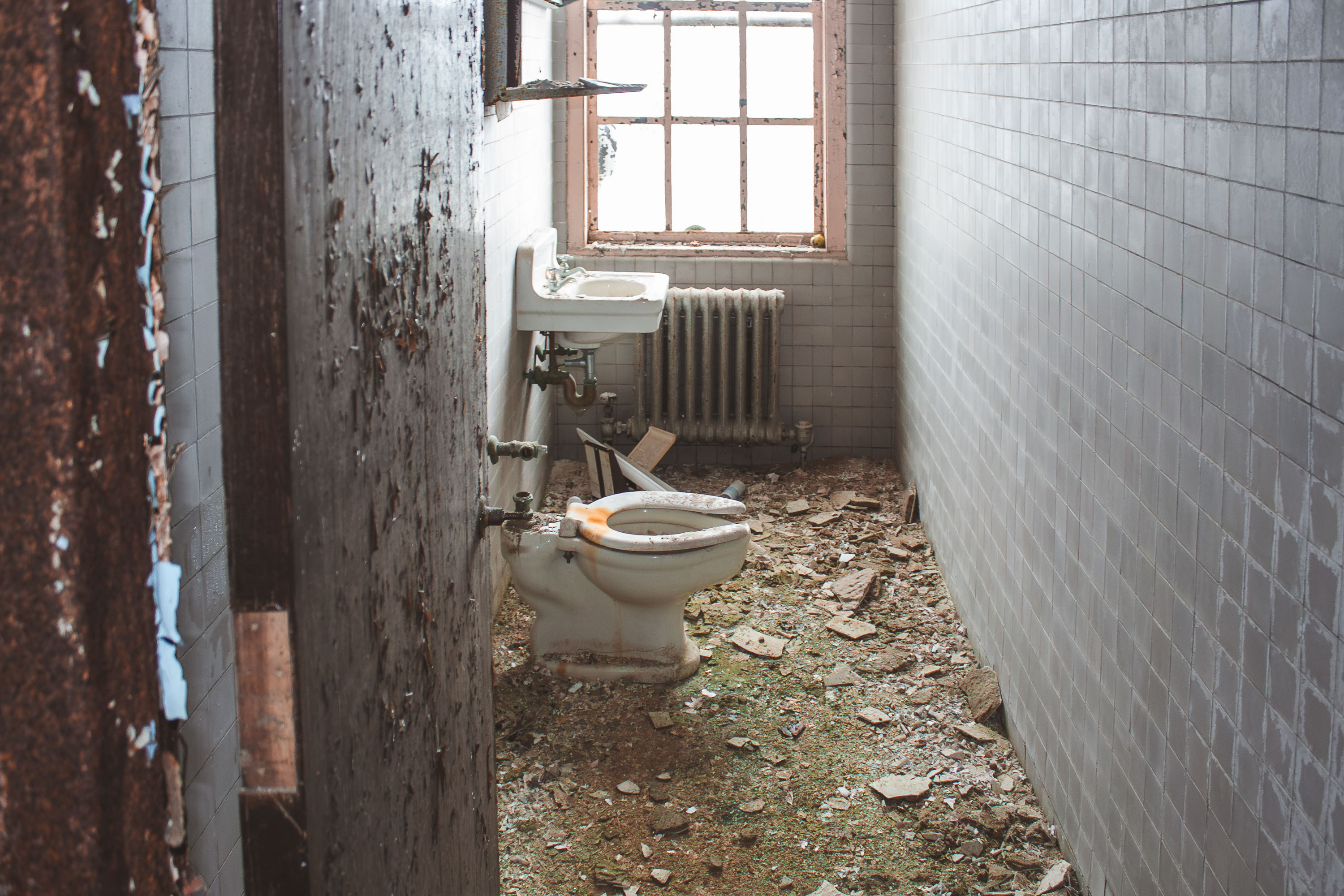 View full post: Debris-Strewn Bathroom Through a Rusted Door at Kings Park
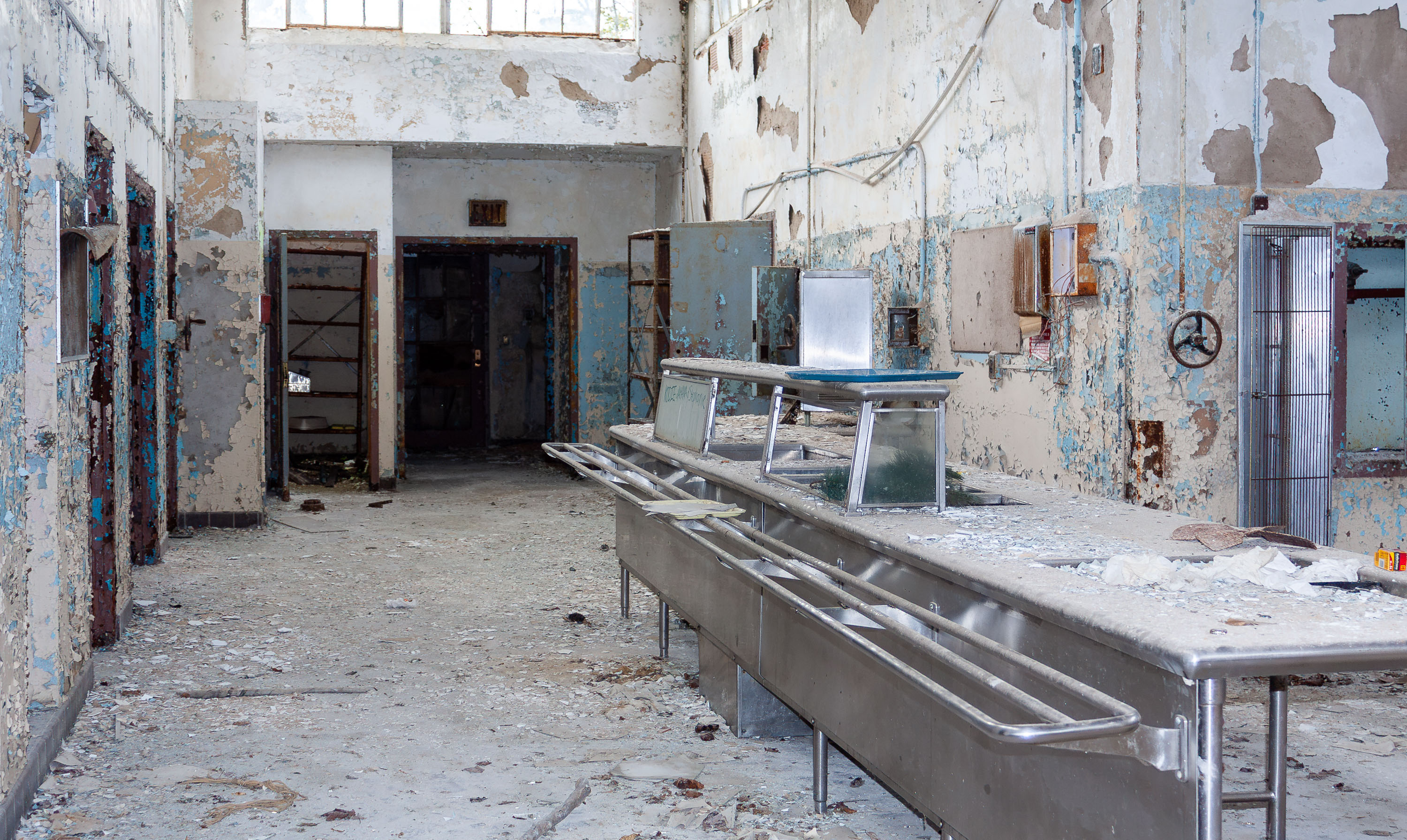 View full post: Stainless Steel Wash Trough Along a Ward Hallway at Kings Park
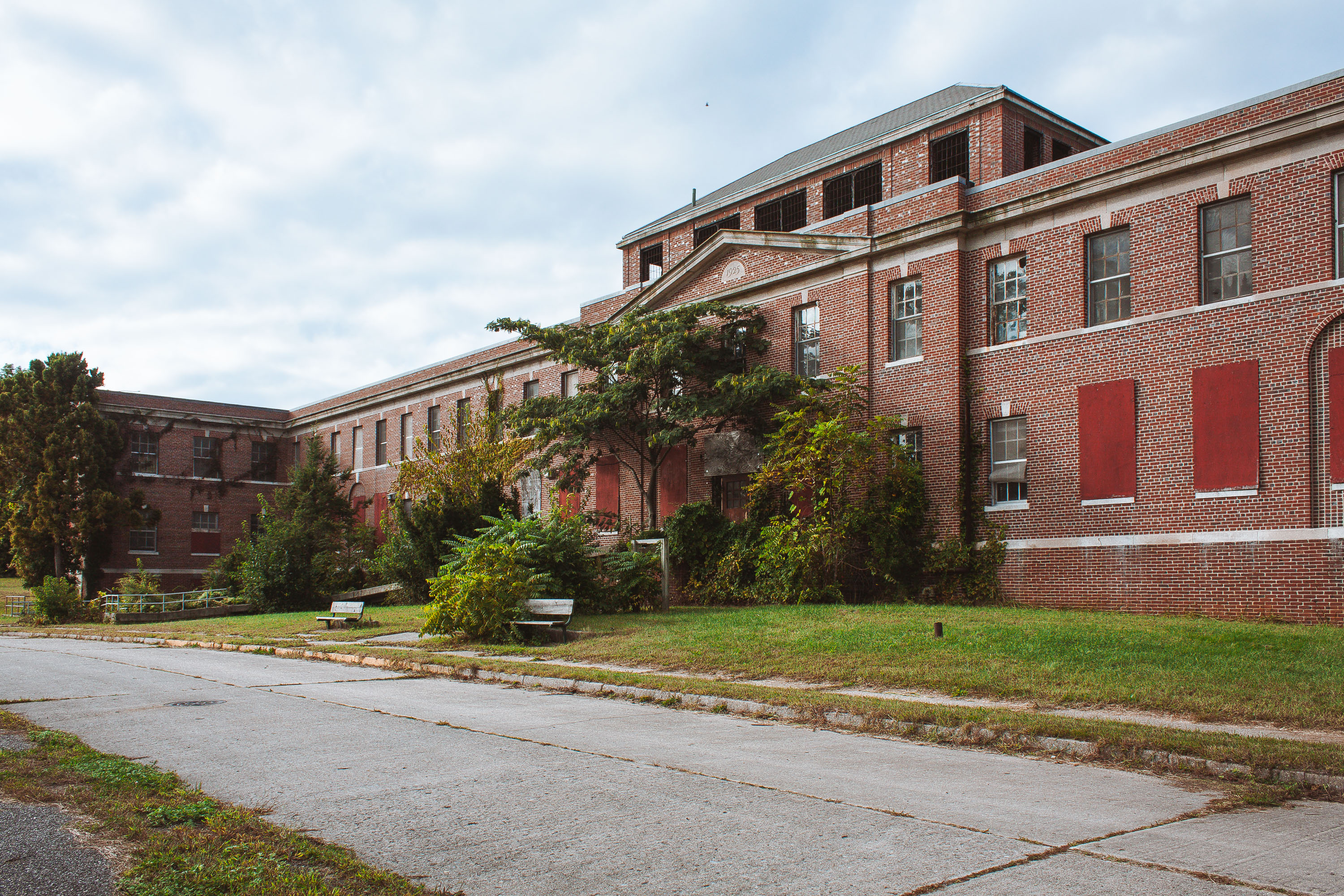 View full post: Overgrown Ward Wing at Kings Park Psychiatric Center