Map
More from Antigua

Clothing Vendors Along a Market Street in Antigua, Guatemala
Antigua Guatemala served as the capital of the Kingdom of Guatemala from 1543 until a series of earthquakes forced the…

5a Avenida Norte Leading to Santa Catalina Arch, Antigua
Santa Catalina Arch spans 5a Avenida Norte in Antigua Guatemala, built around 1690 as a covered passage for the Convento…

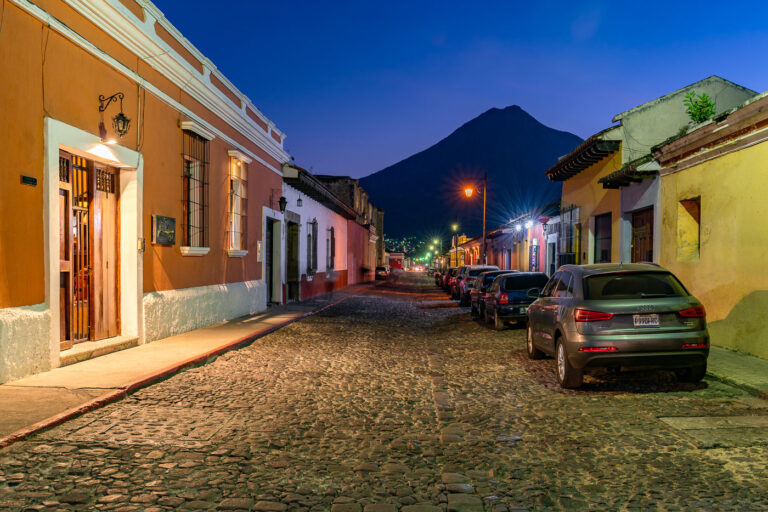
Market Street Below Volcán de Agua in Antigua
Volcán de Agua rises just south of Antigua Guatemala, a dormant stratovolcano reaching about 3,760 meters above sea level. A…

Tienda La Economica and La Terraza Hostel, Antigua Guatemala
Tienda La Economica and La Terraza sit side by side on a cobblestone street in Antigua Guatemala, a UNESCO World…

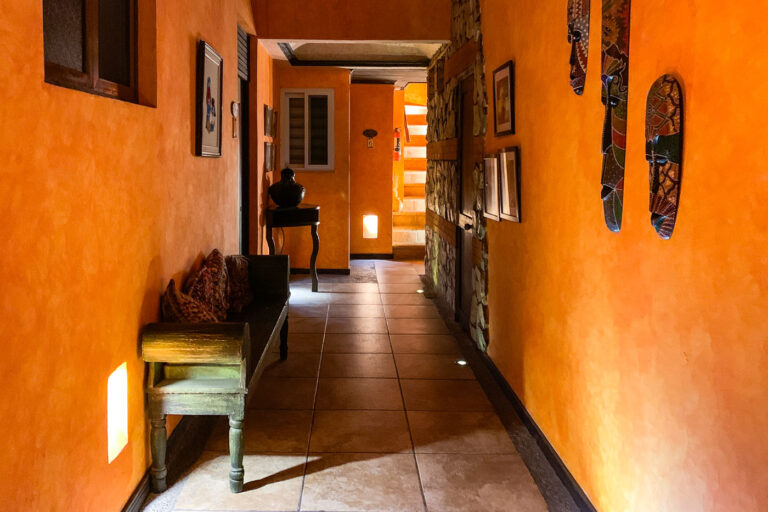
Hallway at Casa Bella Boutique Hotel in Antigua
Casa Bella Boutique Hotel sits within a restored colonial-era building in Antigua Guatemala's historic center, a city designated a UNESCO…

Ash Plume Rises from Volcán de Fuego at Dusk
Volcán de Fuego rises about 3,763 meters near Antigua, Guatemala, and ranks among the most active volcanoes in Central America.…
Nearby Photos