Pacific Ocean

15 photos · 2011–2024

15 photographs tagged Pacific Ocean, 2011–2024.
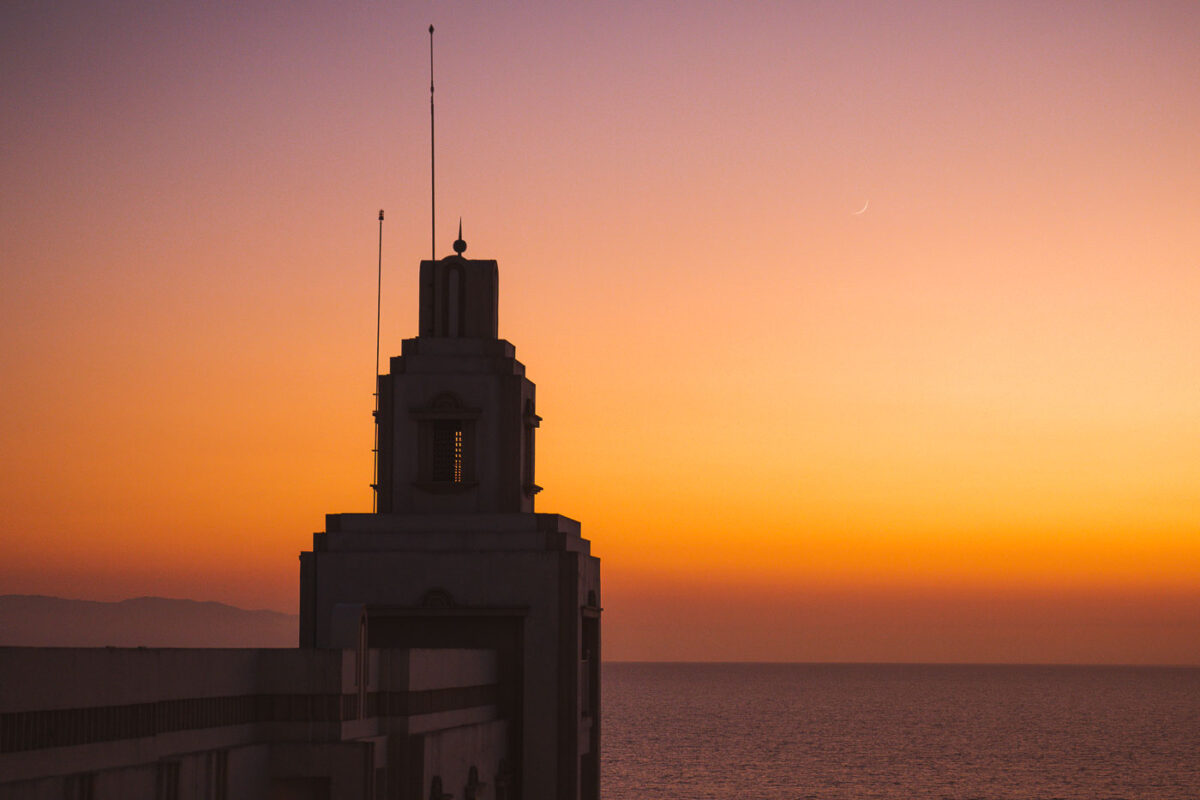
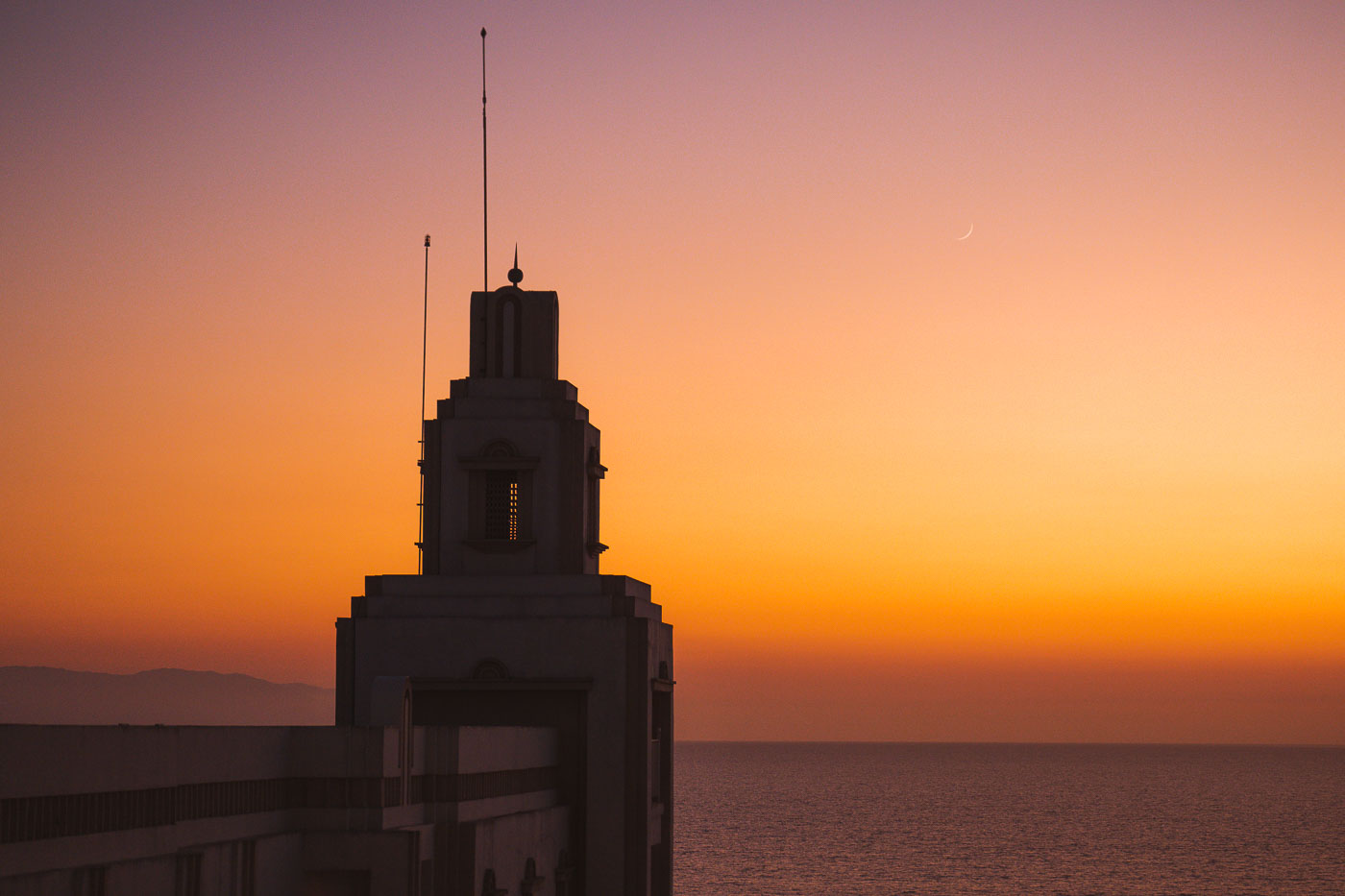
Silhouette of Riu Palace Pacifico's Art Deco tower at sunset overlooking Banderas Bay in Puerto Vallarta, Mexico.
Riu Palace Pacifico stands along the coast in Puerto Vallarta, Mexico, overlooking Banderas Bay and the Pacific Ocean. The resort opened in 2007 and is known for its Art Deco-inspired tower.

Riu Palace Pacifico Tower at Sunset, Puerto Vallarta
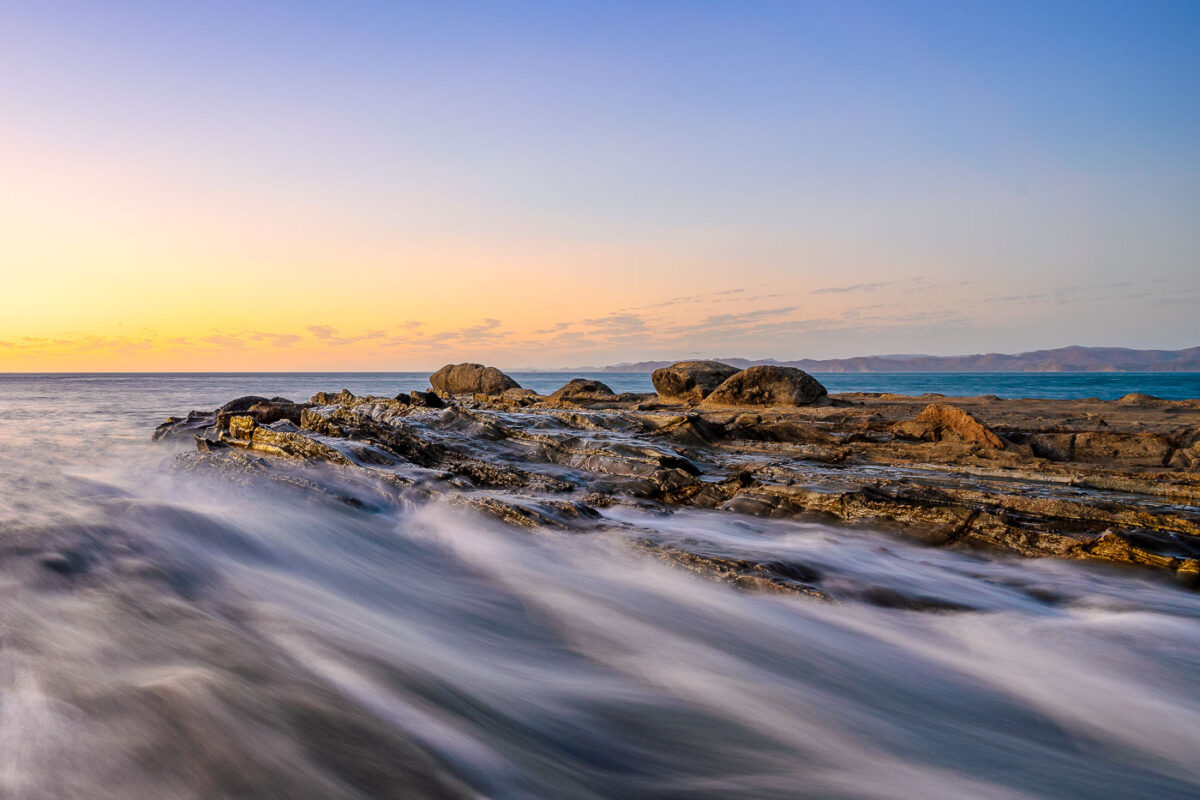
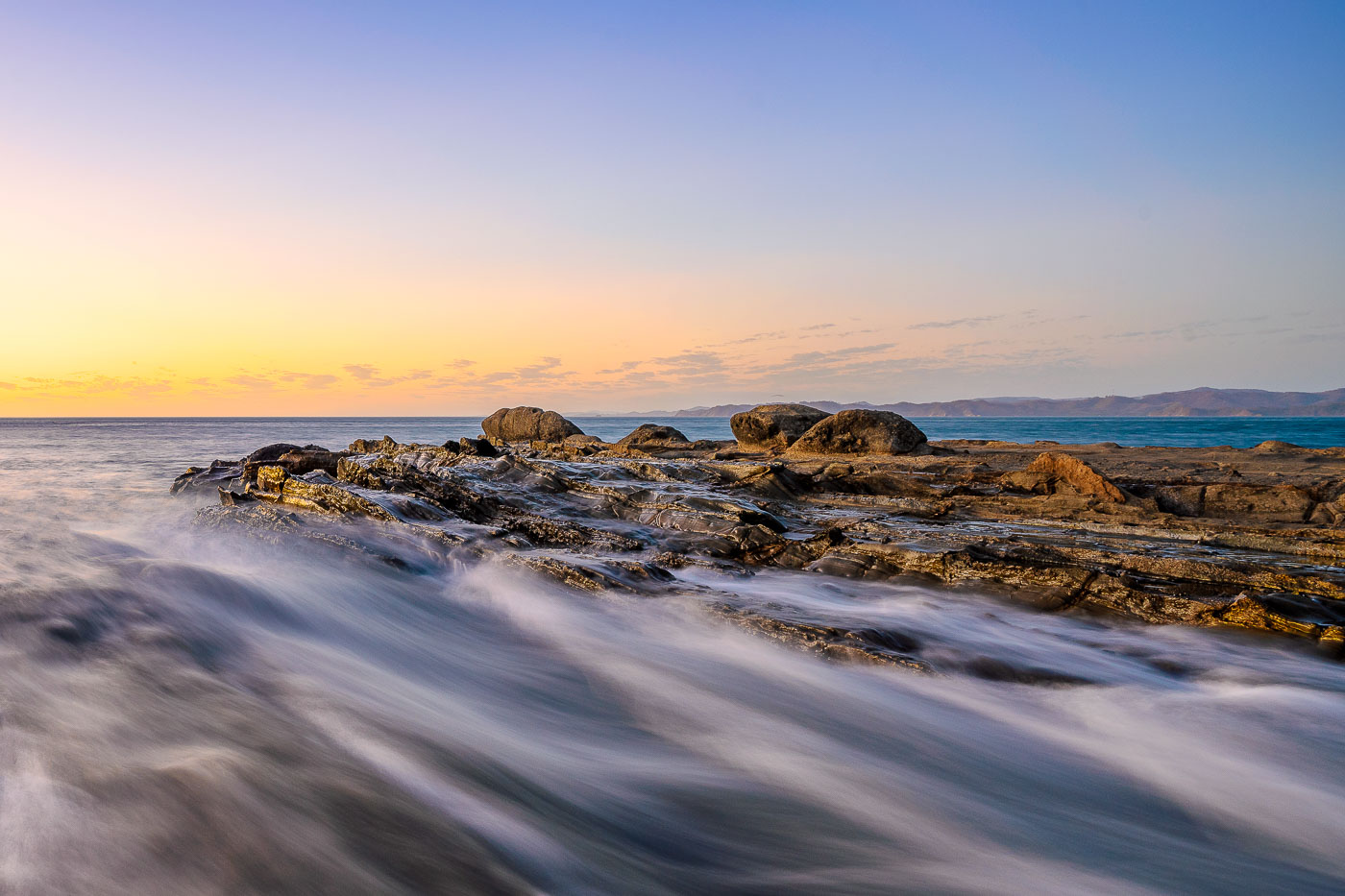
Waves wash over rocky outcrops along the Pacific coastline at Jobo Bay in Guanacaste, Costa Rica, at sunset.
Jobo Bay sits on Costa Rica's northern Pacific coast in Guanacaste province, near the village of El Jobo. The shoreline here is built on exposed sedimentary rock shelves, layered formations that erode unevenly and create the shallow channels where incoming surf collects and drains. Guanacaste's coast lies within Costa Rica's tropical dry forest zone, where lower rainfall than the rest of the country leaves rock formations like these less obscured by vegetation. The bay faces open ocean swell, with no major islands or reefs offshore to break the wave action before it reaches the rocks.

Sunset Surf Over the Rock Shelf at Jobo Bay
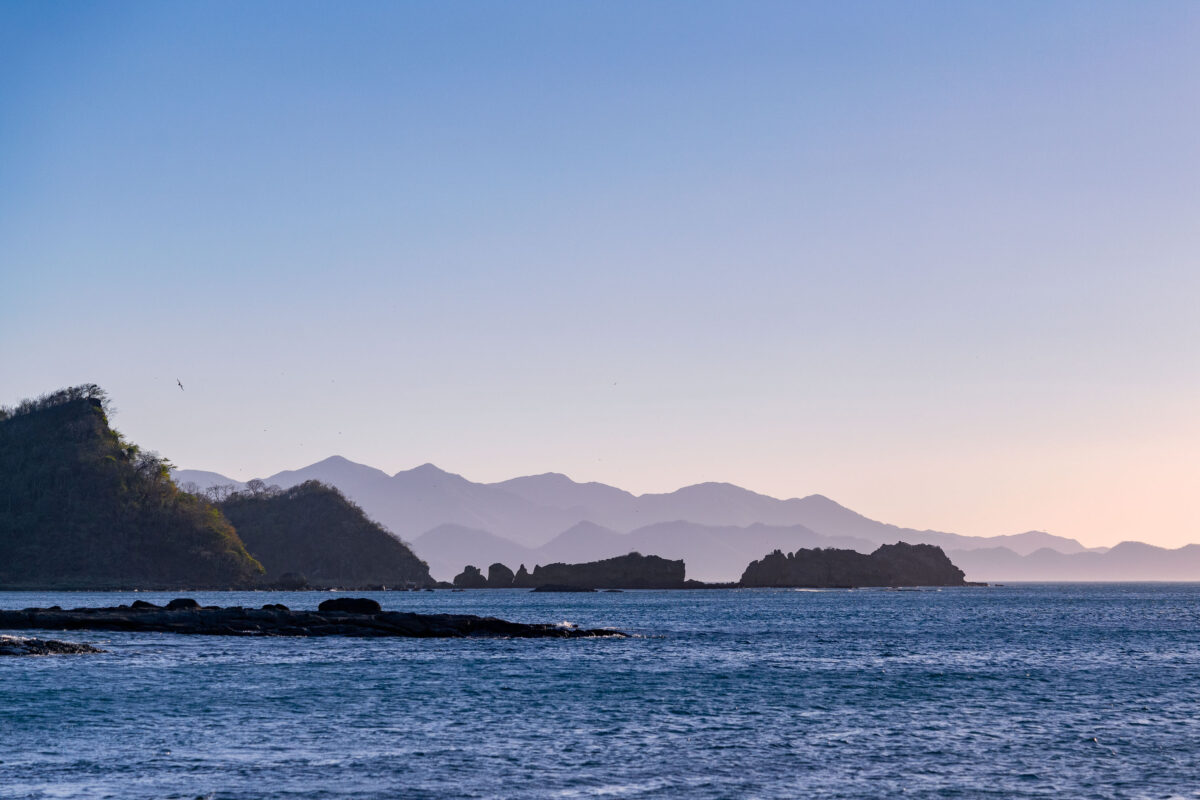
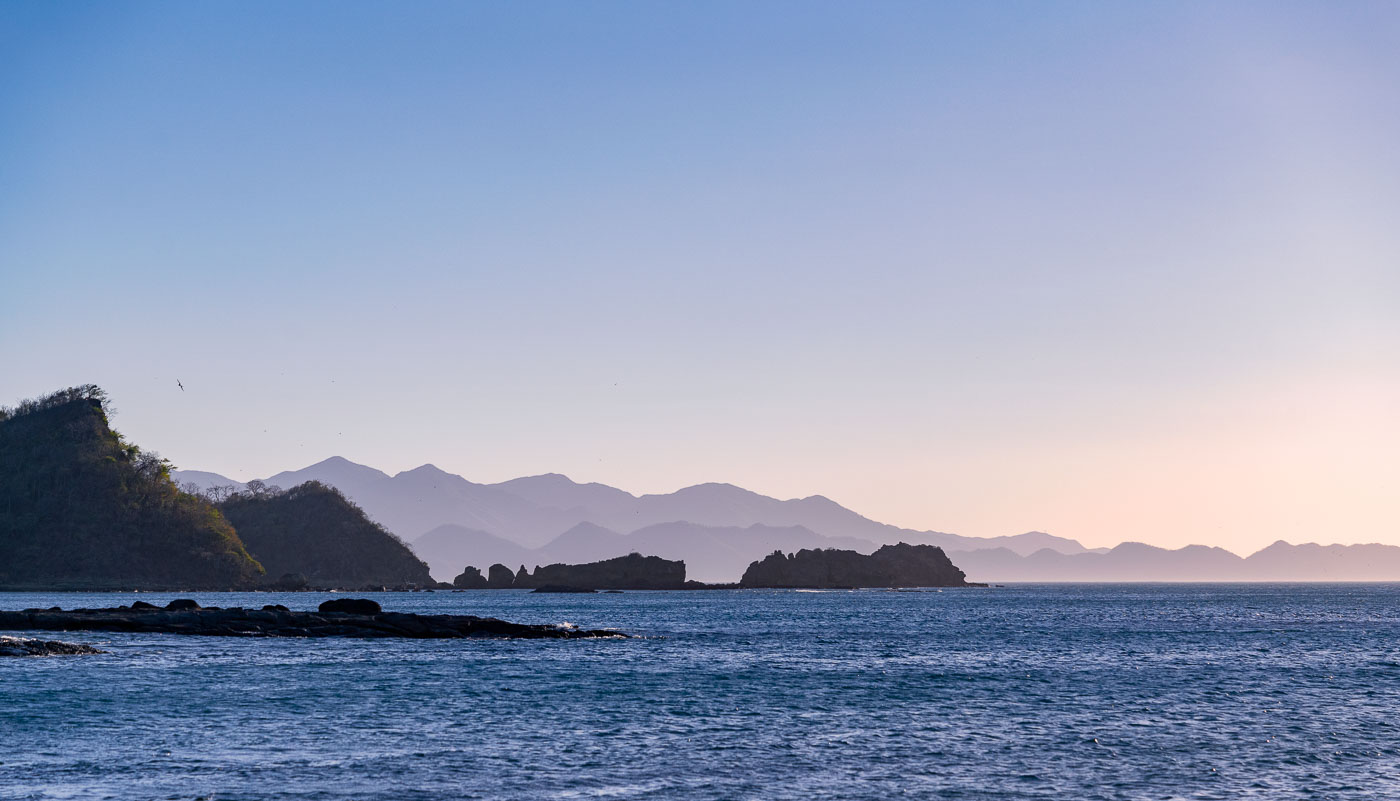
Rocky coastline with forested headlands overlooks Jobo Bay with hazy mountains across the Pacific Ocean in Guanacaste Province, Costa Rica.
Jobo Bay sits along the Pacific coast of Guanacaste Province in northwestern Costa Rica, near the small community of El Jobo. The bay forms part of the Santa Elena Peninsula's coastline, where volcanic hills meet the sea in a series of rocky points and small offshore islets. This stretch of coast lies within the Guanacaste Conservation Area, a UNESCO World Heritage Site that protects dry tropical forest and marine habitat along the shoreline. Guanacaste's Pacific coast experiences a pronounced dry season, when distant hills often take on a hazy, layered appearance as humidity and dust accumulate in the air.

Layered Coastal Ridges at Jobo Bay, Guanacaste
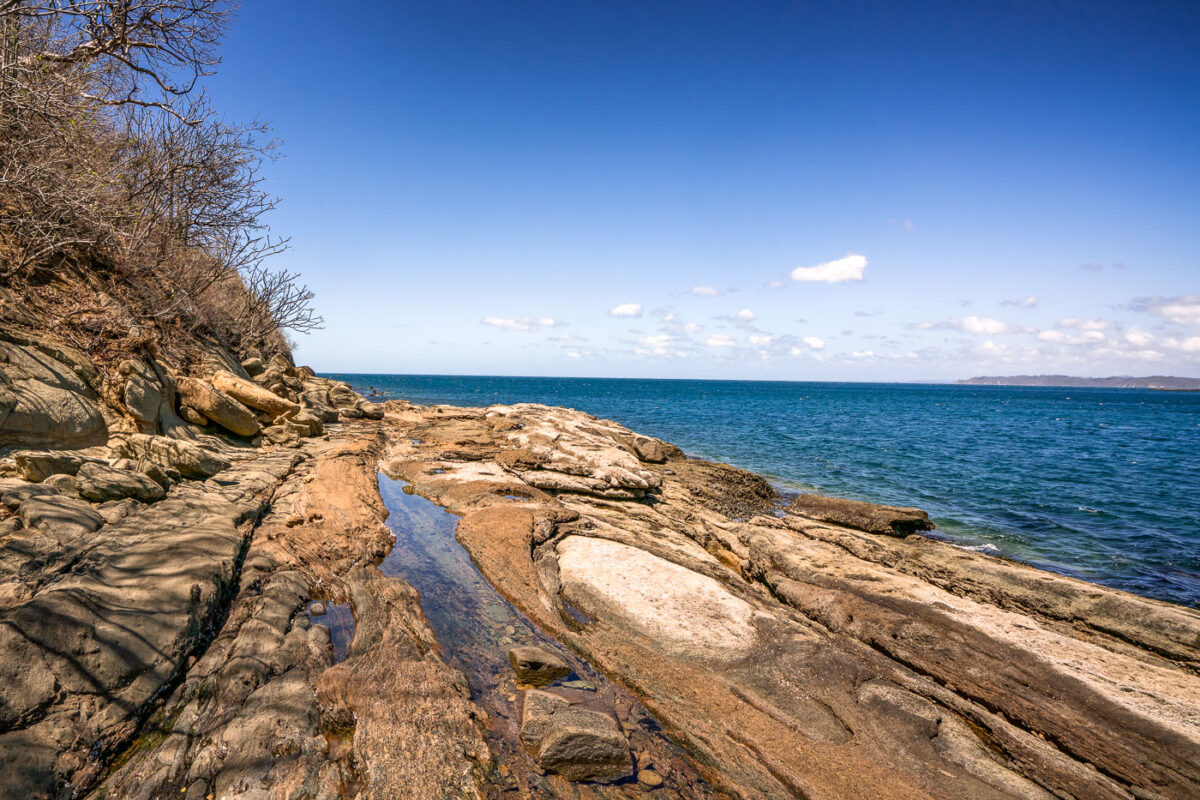
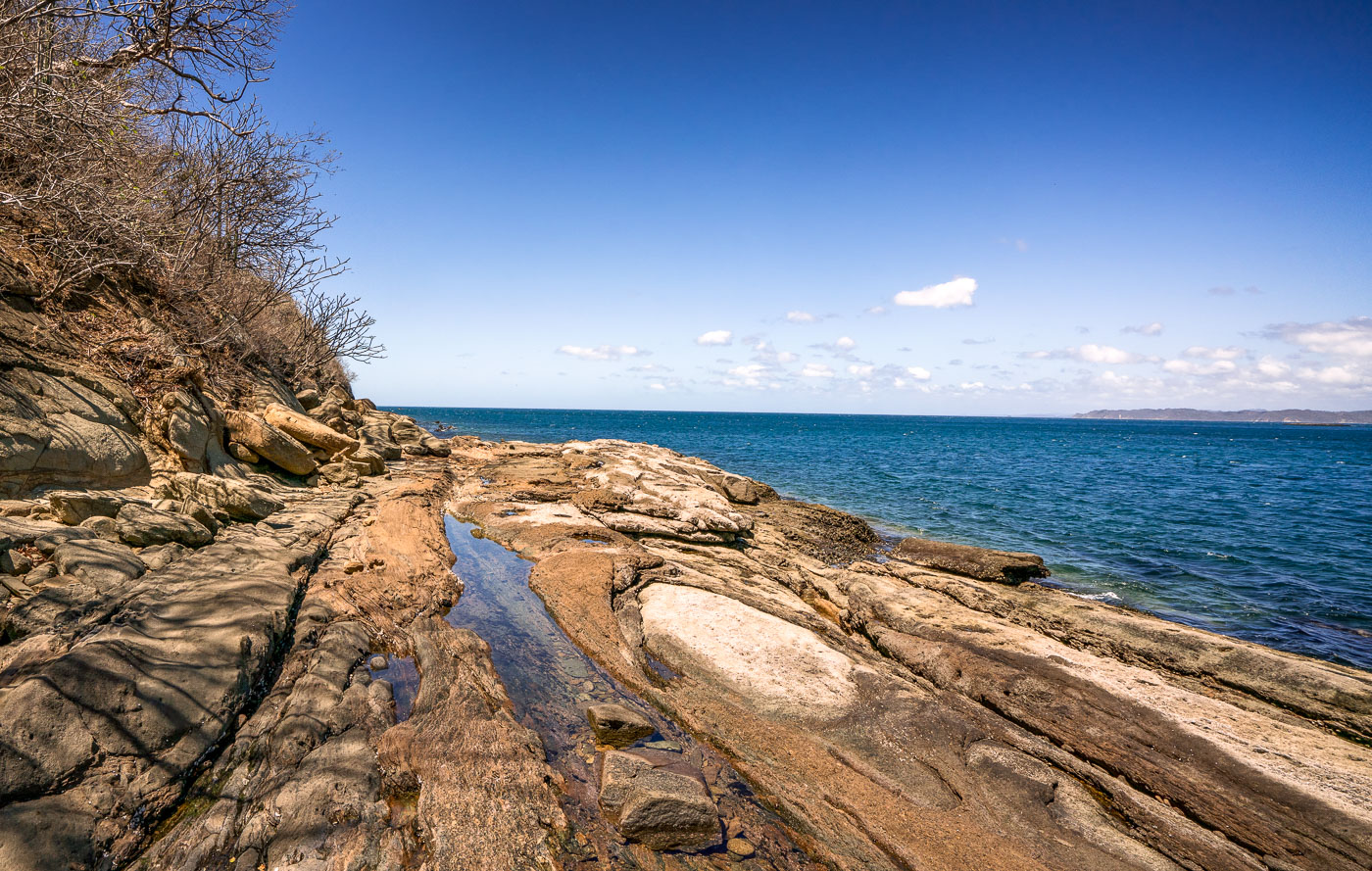
Rocky shoreline with tidal pools meets the Pacific Ocean at Jobo Bay in Guanacaste, Costa Rica.
Jobo Bay sits along the Pacific coast of Guanacaste Province, near the small town of El Jobo close to the Nicaraguan border. The shoreline here is defined by flat, stratified rock formations that form natural tidal pools as the water recedes. Guanacaste's dry forest climate, with its long dry season, leaves the coastal vegetation sparse and brush-like compared to the greener regions farther south in Costa Rica.

Rocky Coastline of Jobo Bay Near El Jobo, Guanacaste
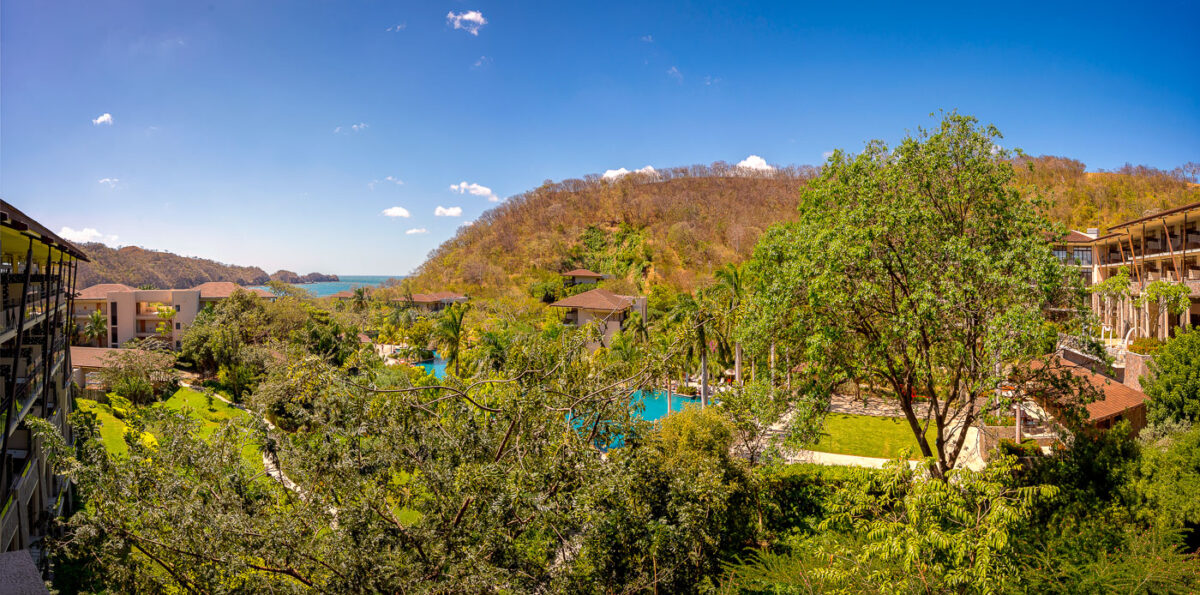
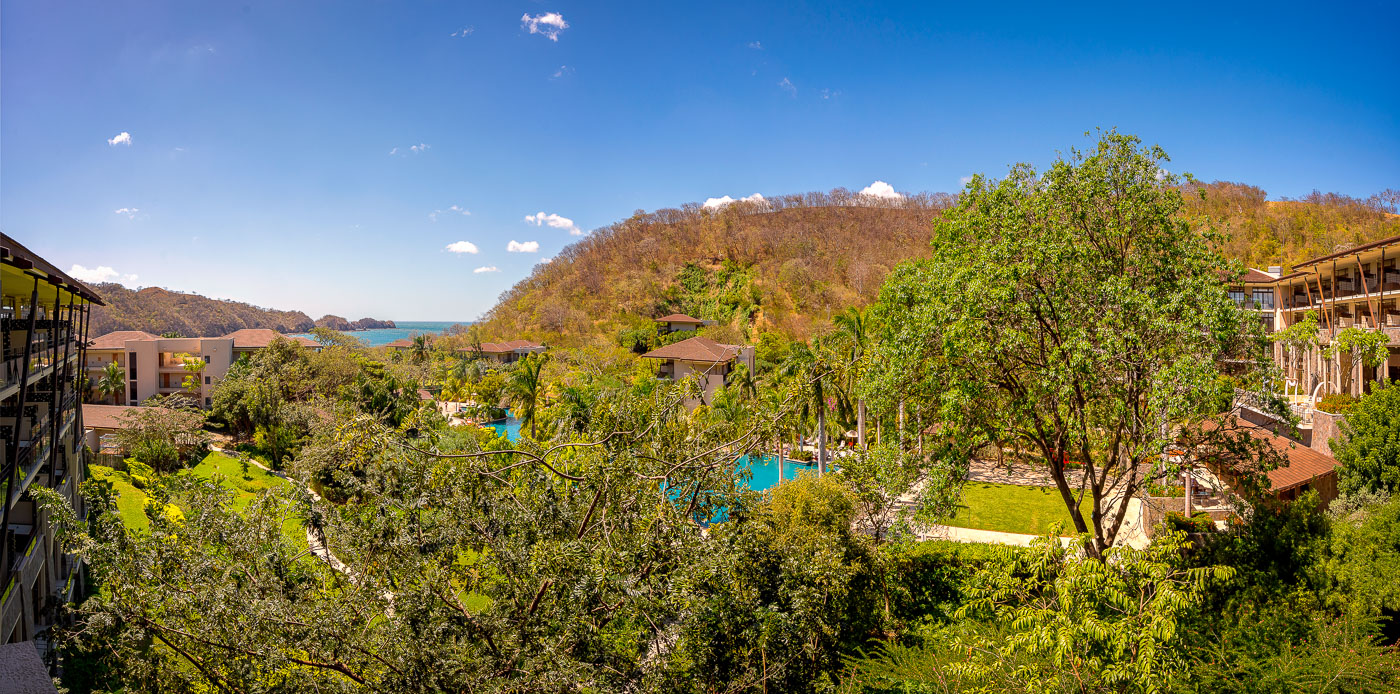
Dreams Las Mareas Resort overlooks Jobo Bay and the Pacific Ocean in Guanacaste, Costa Rica.
Dreams Las Mareas Resort sits along Jobo Bay on Costa Rica's Pacific coast, near the town of La Cruz close to the Nicaraguan border. The all-inclusive property opened in 2014, part of an effort to extend beach tourism north of more established Guanacaste destinations like Tamarindo and Papagayo. Its buildings and gardens step down a forested hillside toward the bay below.

Hillside Grounds of Dreams Las Mareas Resort, Guanacaste
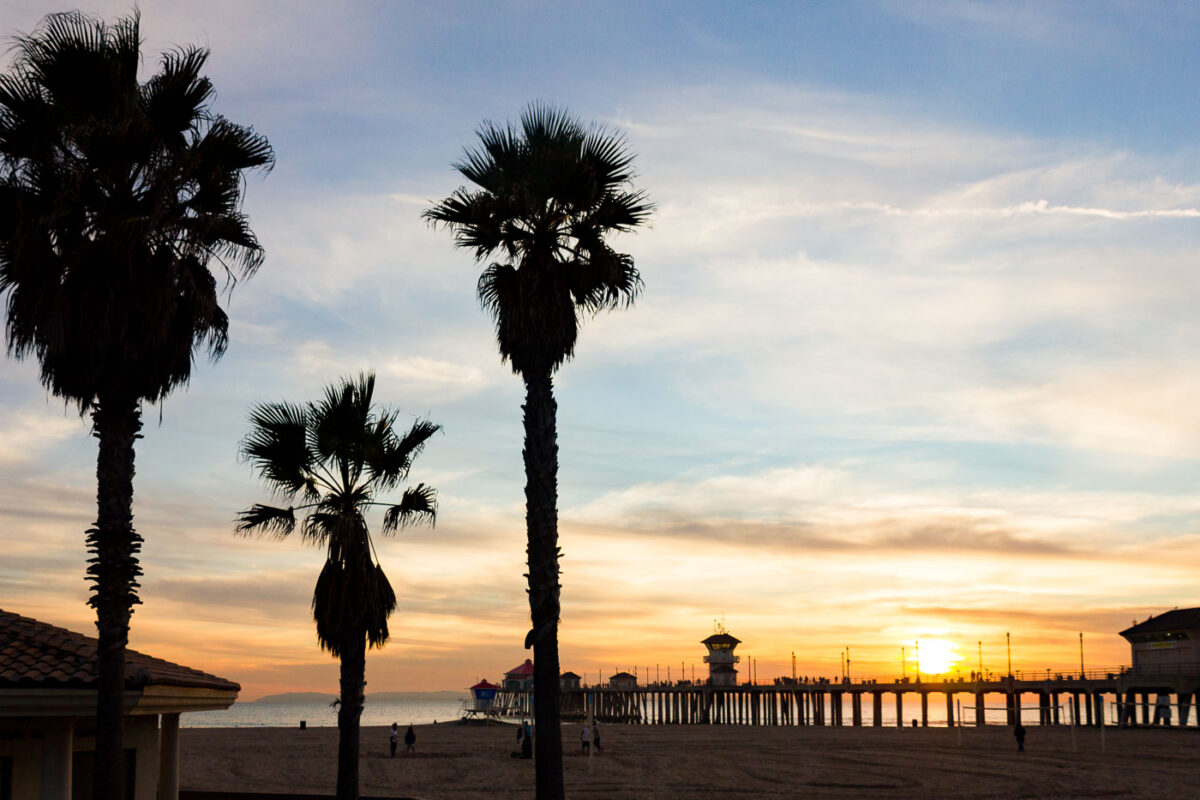
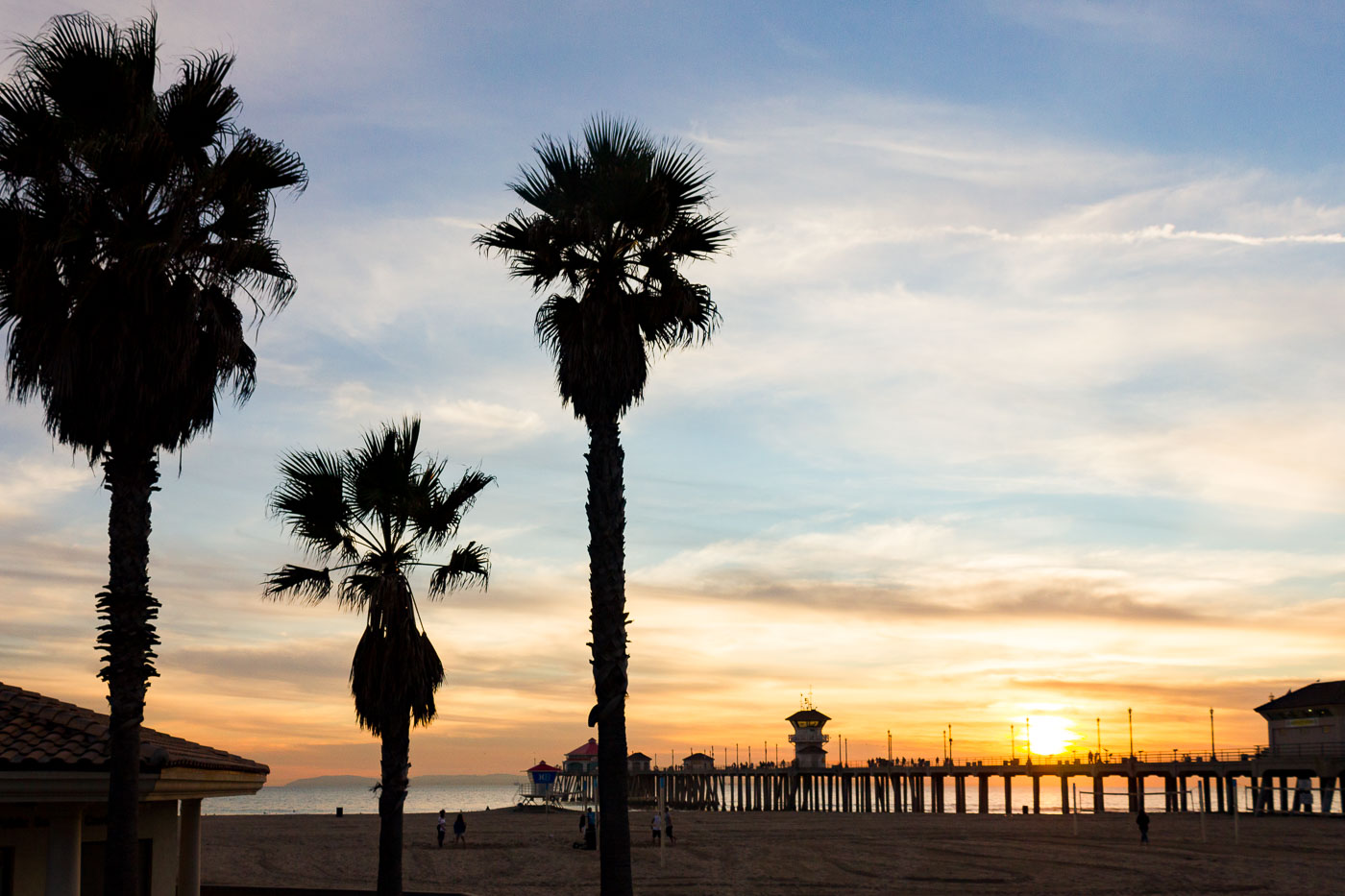
Huntington Beach Pier silhouetted against sunset with palm trees on sandy beach.
Huntington Beach Pier reaches 1,850 feet into the Pacific, among the longest piers on the West Coast. The current concrete pier dates to 1914, replacing a wooden structure lost to storms, and was rebuilt after damage from a 1988 storm. A lifeguard tower sits near its base, part of the city's beach patrol.

Huntington Beach Pier at Sunset Beyond the Palms
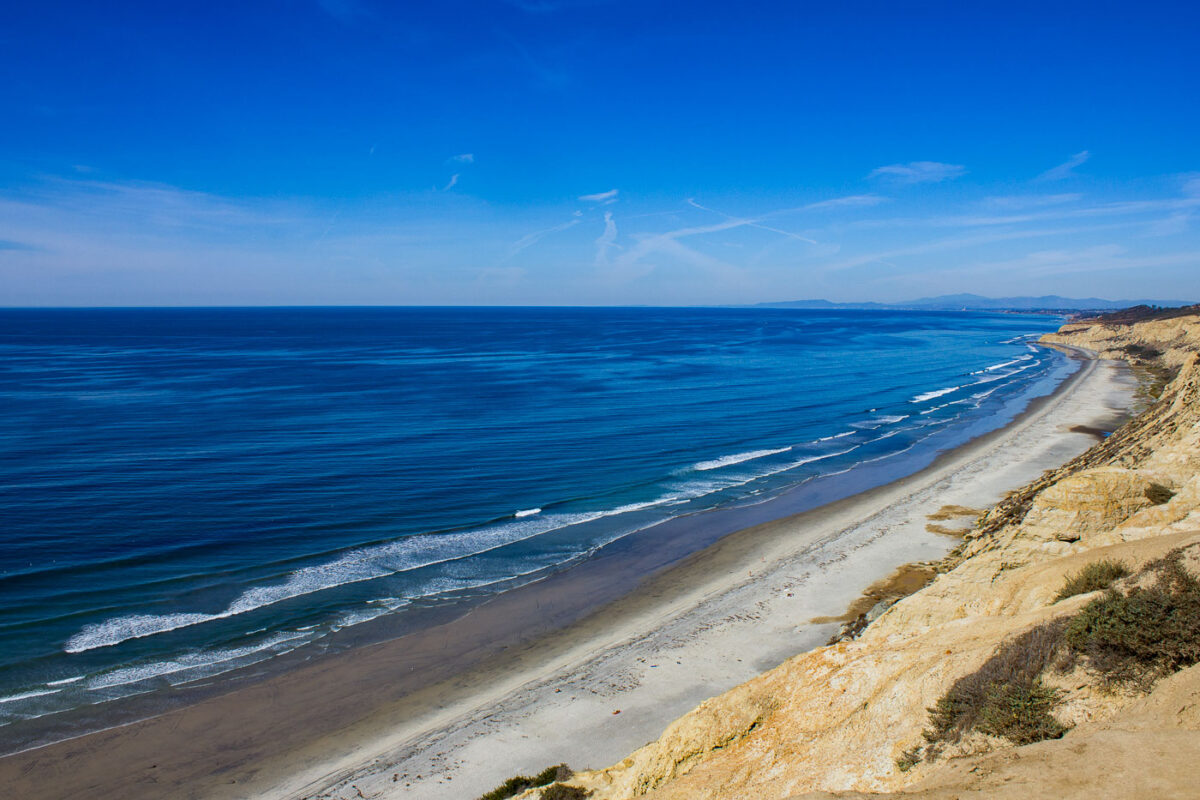
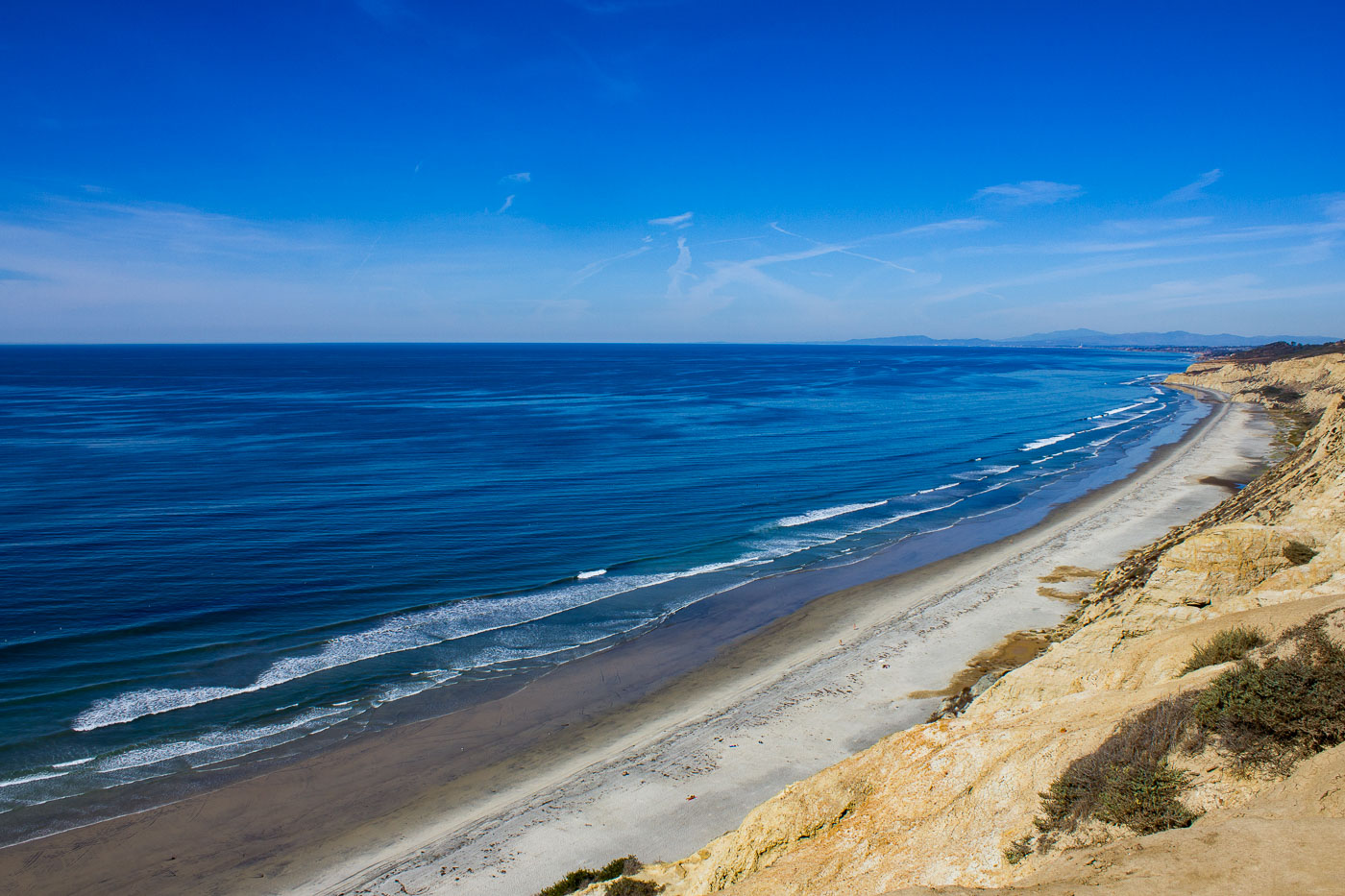
Sandstone cliffs and sandy beach curve along the Pacific Ocean at Black's Beach near San Diego, California.
Black's Beach runs about two miles beneath the sandstone bluffs of Torrey Pines State Natural Reserve, forming the undeveloped southern end of Torrey Pines State Beach. No road reaches the shore directly; access is limited to a steep trail near the Torrey Pines Gliderport or a path off La Jolla Farms Road. The offshore La Jolla submarine canyon channels stronger, more consistent swells here than at neighboring beaches, making it one of San Diego's most reliable surf spots.

Black’s Beach Shoreline Toward La Jolla
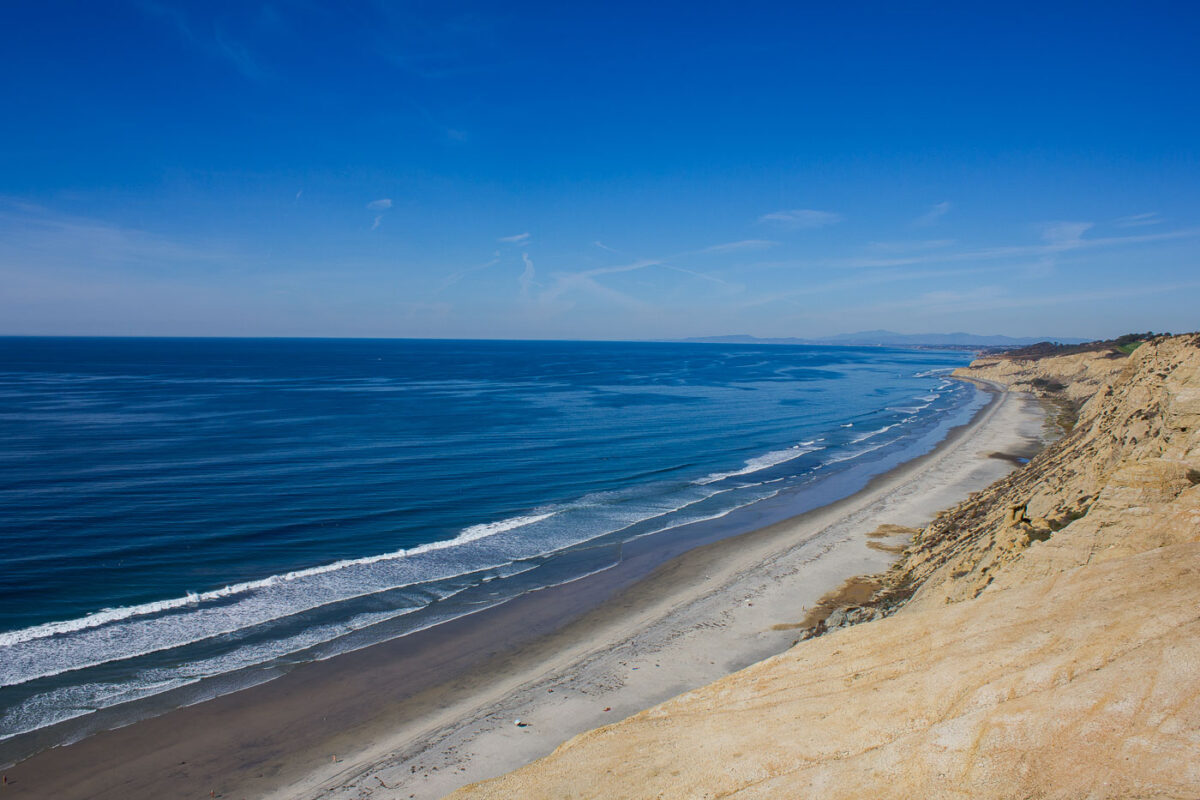
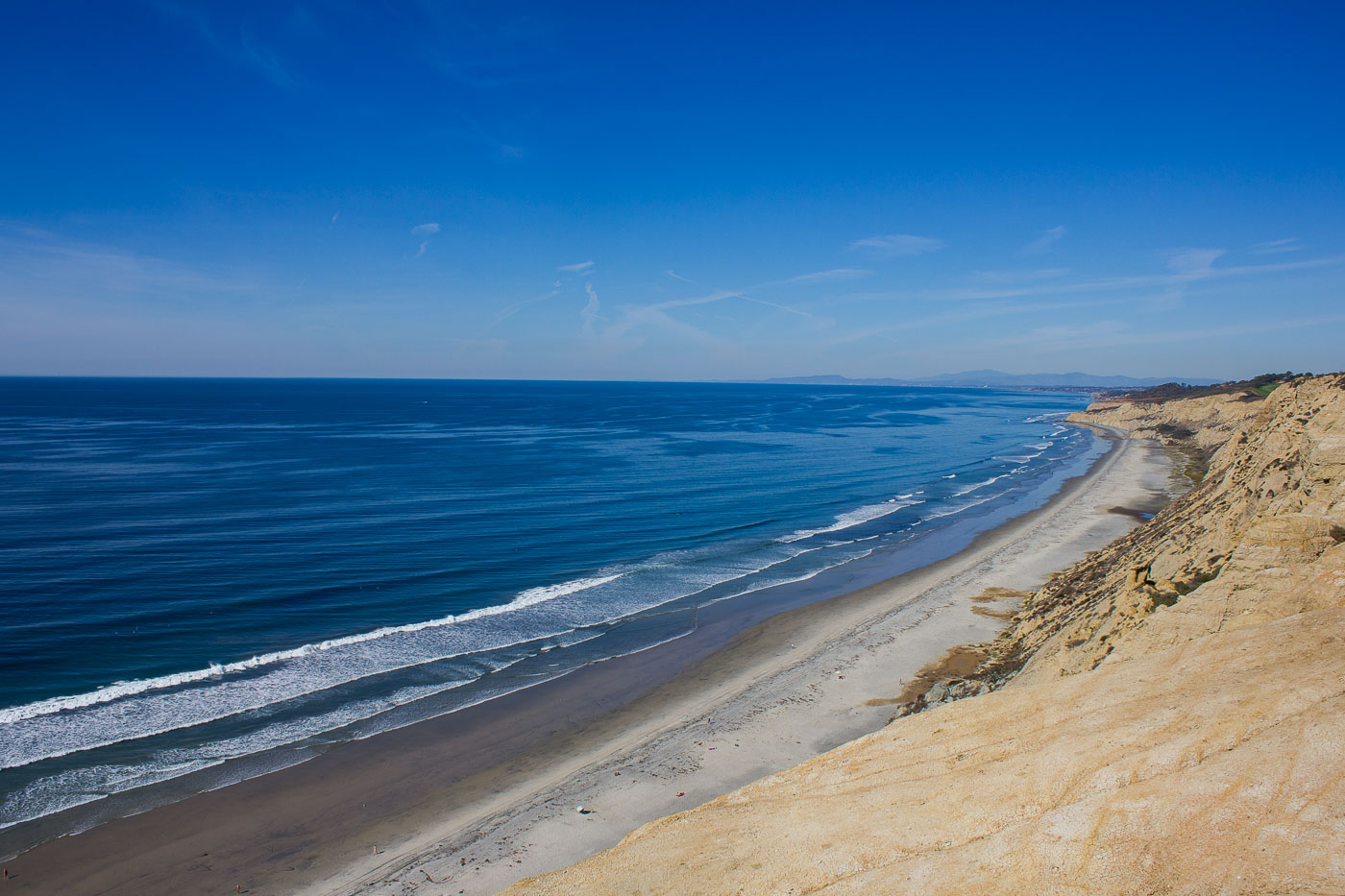
Sandstone cliffs and sandy beach curve along the Pacific Ocean at Torrey Pines State Natural Reserve near San Diego, California.
Torrey Pines State Beach runs beneath the bluffs of Torrey Pines State Natural Reserve on the San Diego coast between La Jolla and Del Mar. The sandstone cliffs rise about 300 feet above the sand and were cut by wind and water into their present shape. The reserve became a state park in 1959 after a campaign led in part by conservationist Guy Fleming to keep the land from being developed.

Torrey Pines State Beach Curves Toward Del Mar
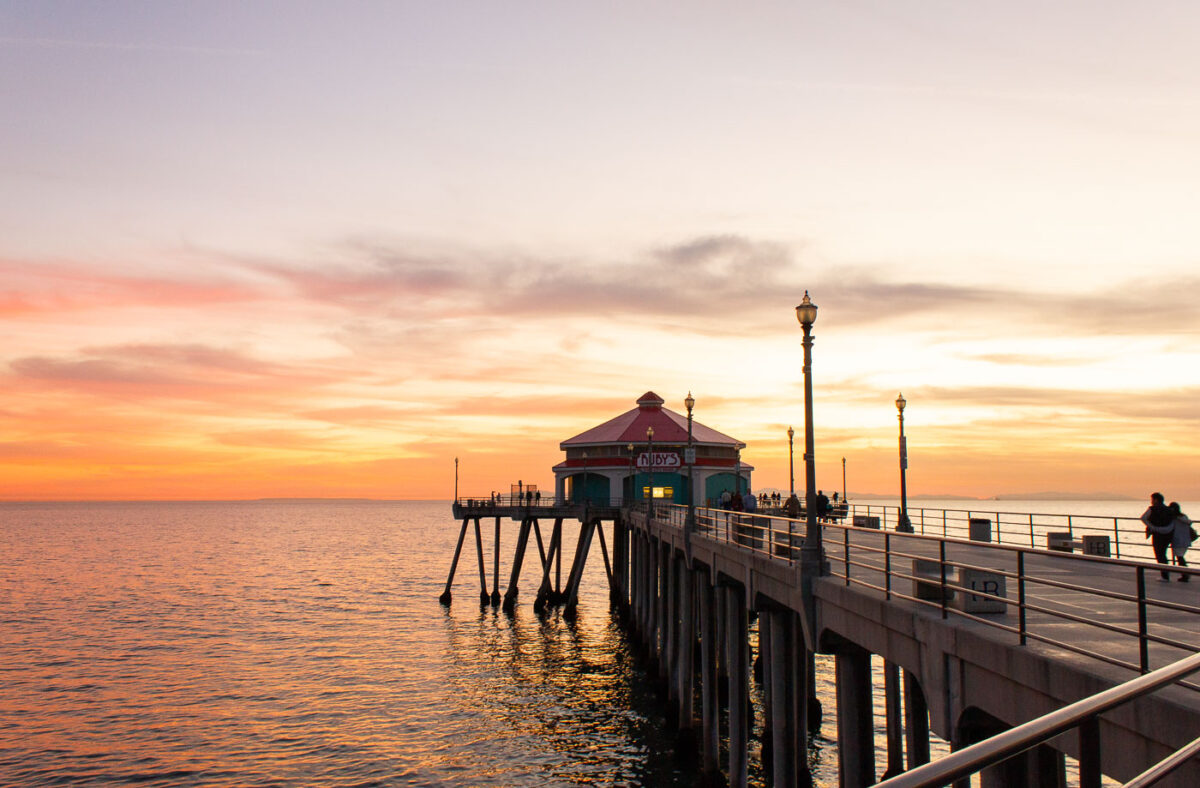
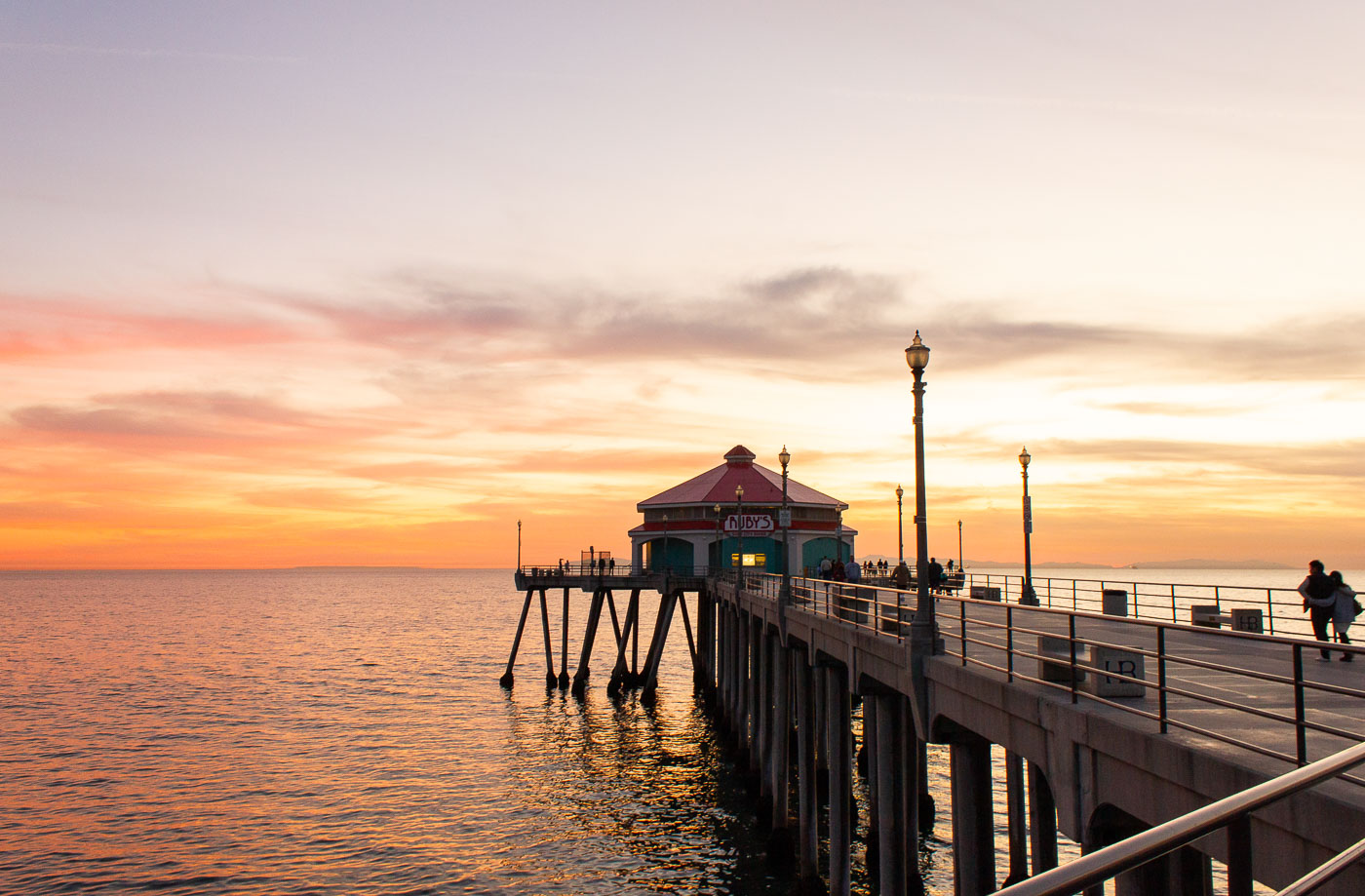
Ruby's Diner at the end of Huntington Beach Pier at sunset over the Pacific Ocean.
The Huntington Beach Pier extends 1,856 feet into the Pacific, making it one of the longest piers on the West Coast. The original wooden pier dates to 1904, but storms and fires destroyed earlier versions; the current concrete structure was completed in 1983 after a 1980s rebuild. Ruby's Diner, a Southern California-based burger chain founded in Newport Beach in 1982, has operated its outlet in the pier's original octagonal end café since 1996. That end building once housed a bait shop and snack stand before Ruby's retro-styled dining room took over the space.

Ruby’s Diner at the End of Huntington Beach Pier
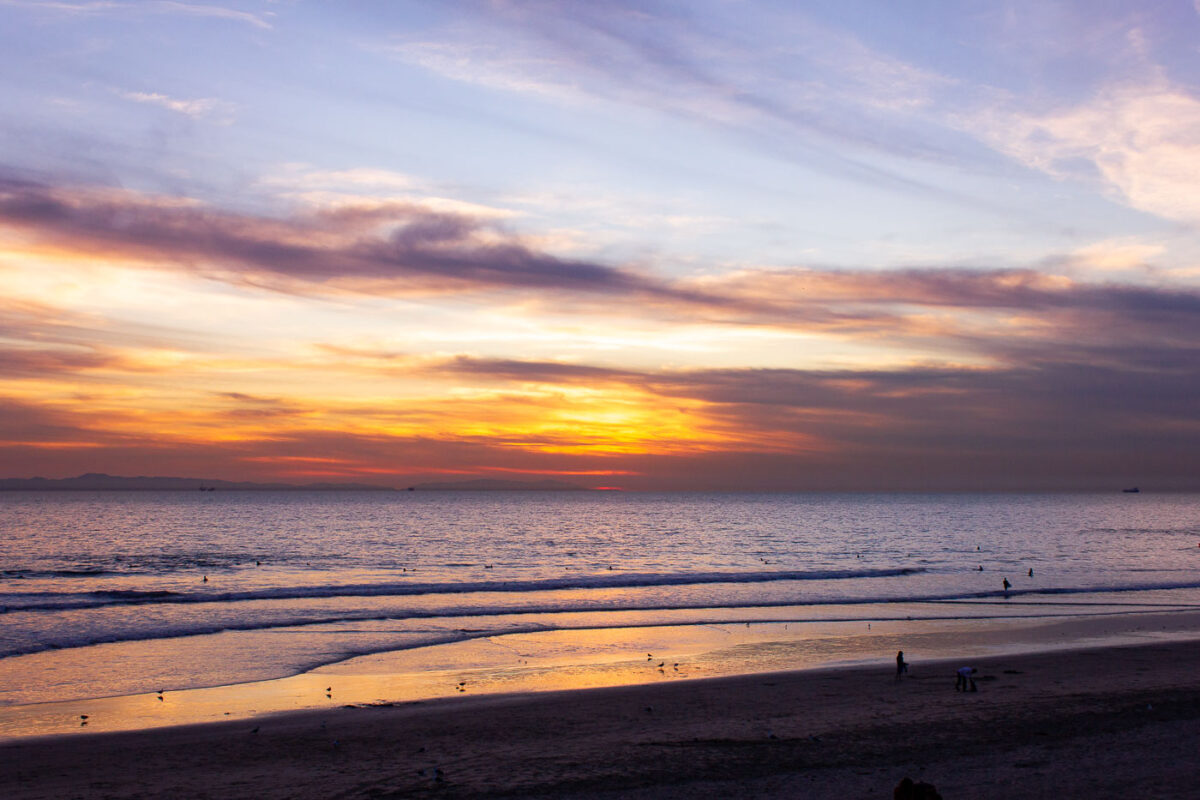
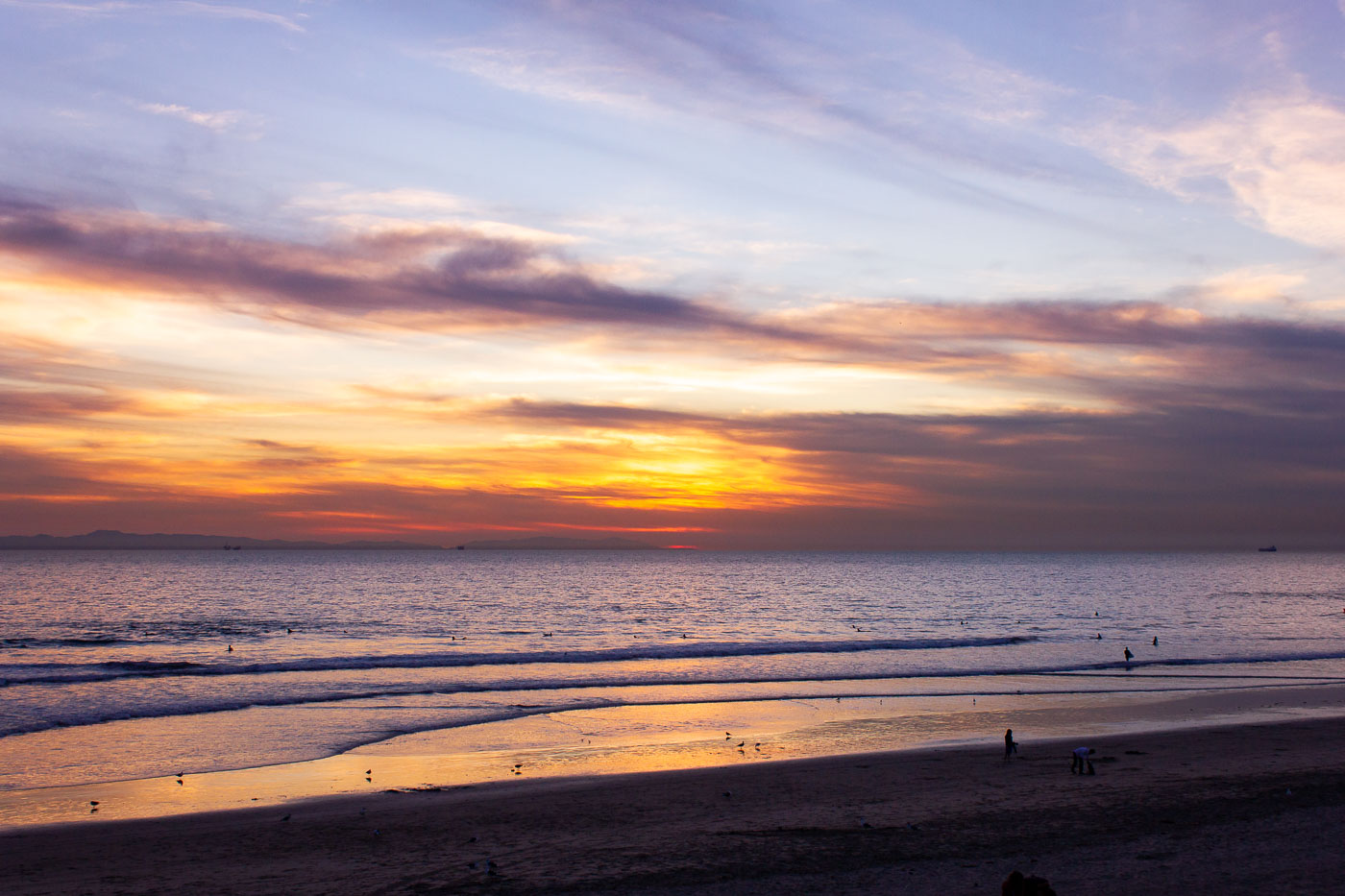
Sunset over Huntington Beach, California, with surfers and cargo ships visible on the Pacific Ocean.
Huntington Beach holds the trademarked nickname "Surf City USA," a title it won in a 2006 legal settlement with Santa Cruz over rights to the phrase. The city's pier, rebuilt in 1992 after storm damage destroyed its predecessor, extends 1,856 feet into the Pacific and remains a hub for the surfing community that gave the town its identity. Cargo ships often anchor offshore here while waiting for berths at the Port of Los Angeles or Port of Long Beach, together the busiest container port complex in the United States.

Evening Surfers Along Huntington Beach’s Shoreline
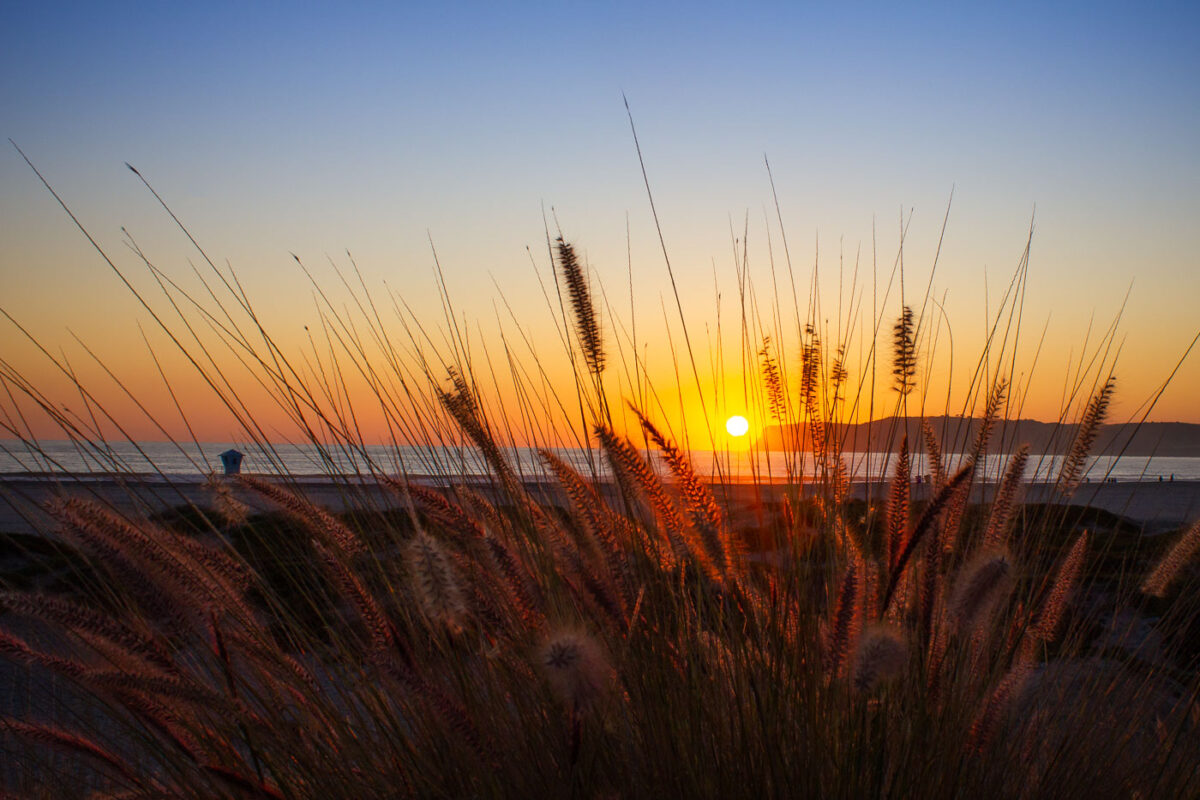
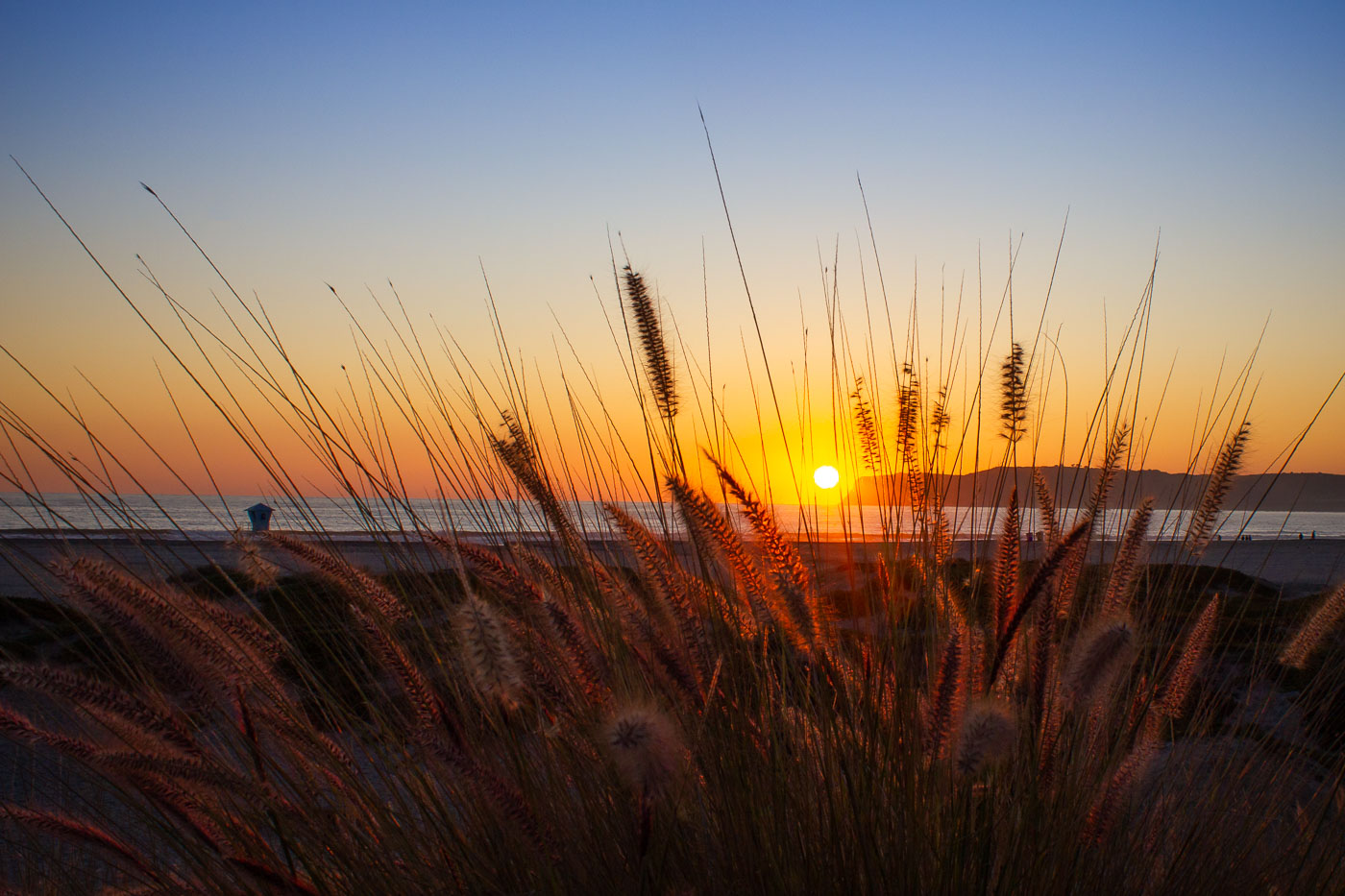
Beach grass silhouetted against sunset over Pacific Ocean with lifeguard tower in distance.
Fountain grass, likely Pennisetum setaceum, grows along dunes and bluffs on this stretch of San Diego coastline. Native to Africa and the Middle East, it has naturalized widely in coastal California, valued for its feathery seed heads and tolerance of sandy, salt-exposed soil. A lifeguard tower stands on the beach below, part of the network San Diego lifeguard services uses to watch over swimmers.

Fountain Grass Silhouetted at Sunset Over the Pacific
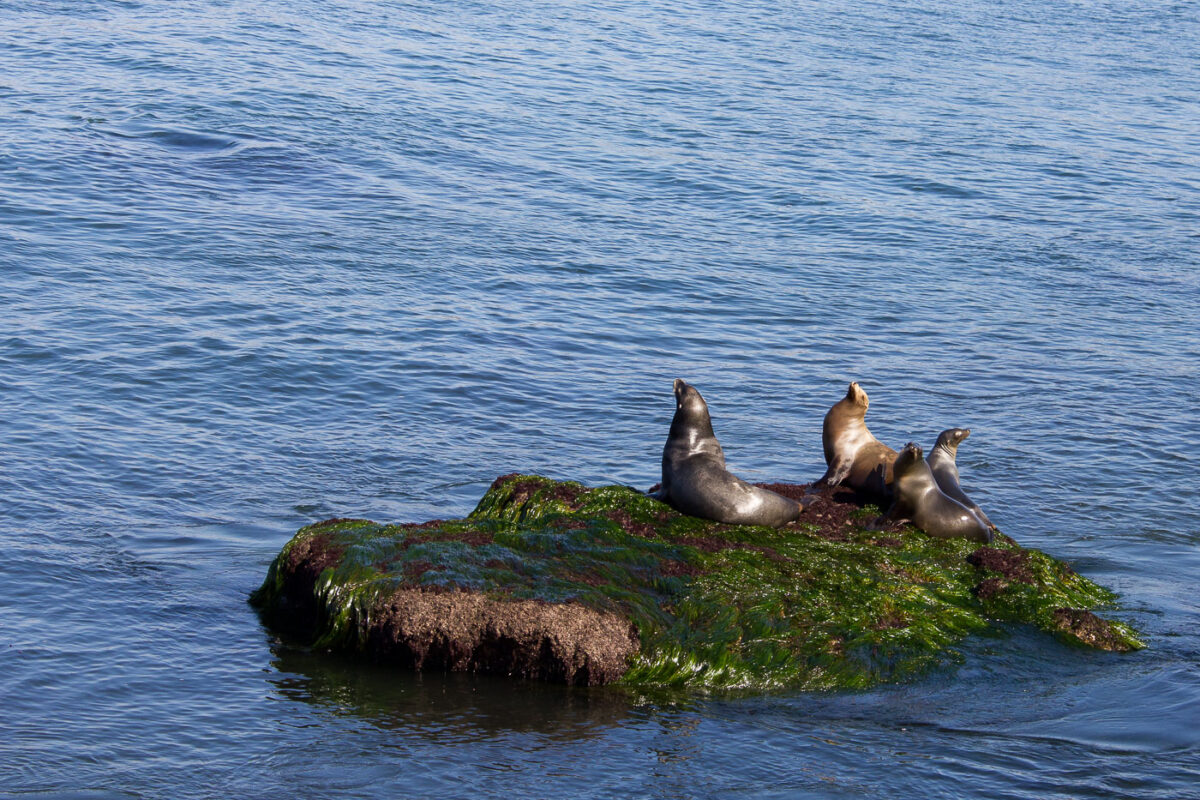
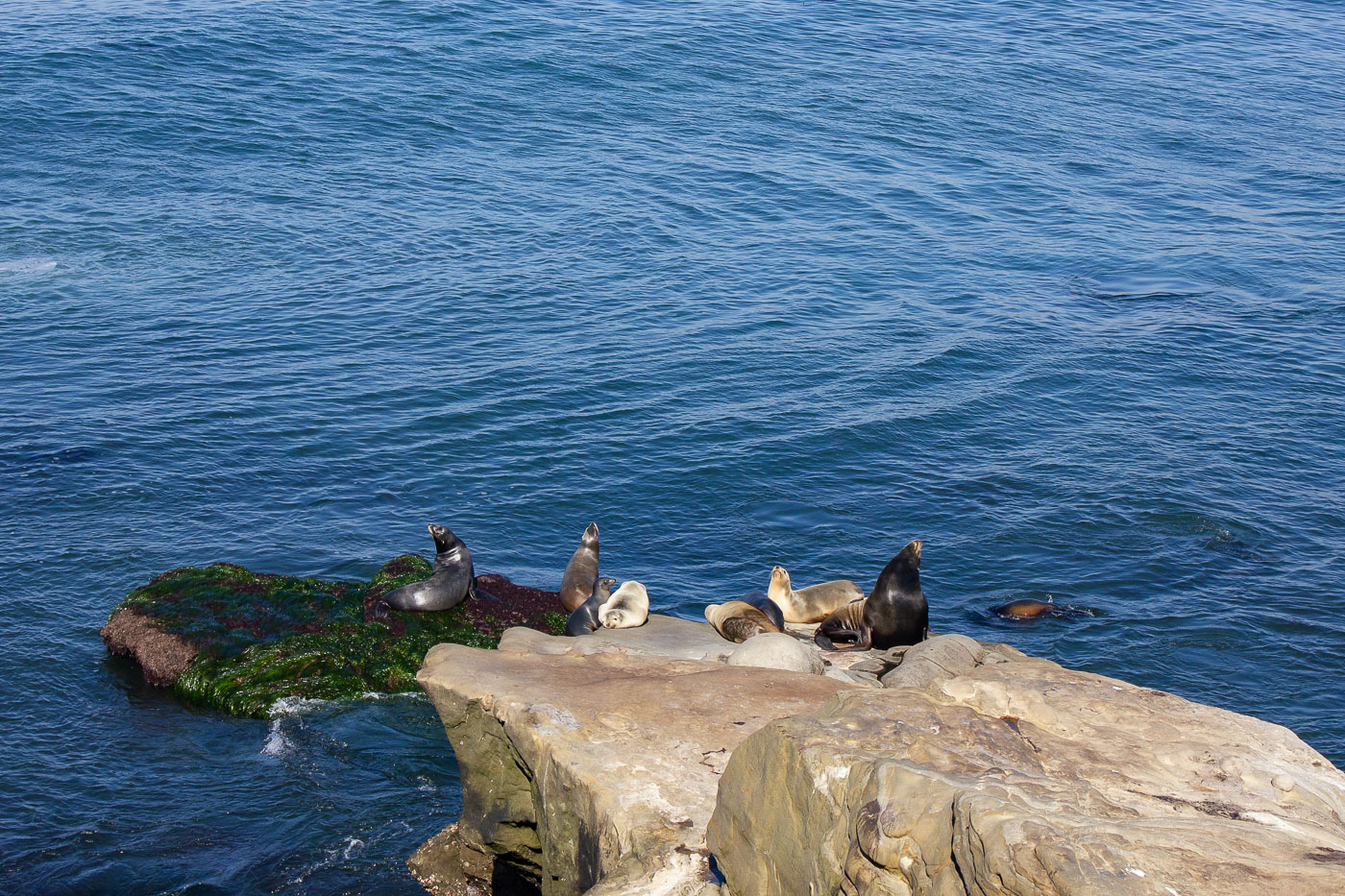
California sea lions rest on an algae-covered rock off La Jolla's coast.
California sea lions haul out on rocks like this one along the La Jolla coastline, within the San Diego–La Jolla Underwater Park and Ecological Reserve. Adult males can weigh up to 800 pounds and carry a thick neck and a raised bony crest on the forehead, larger than the females and juveniles they haul out alongside. Unlike harbor seals, they have external ear flaps and can rotate their hind flippers forward, which lets them move on rocks instead of just flopping along the ground.

Sea Lions Rest on a Seaweed-Draped Rock off La Jolla
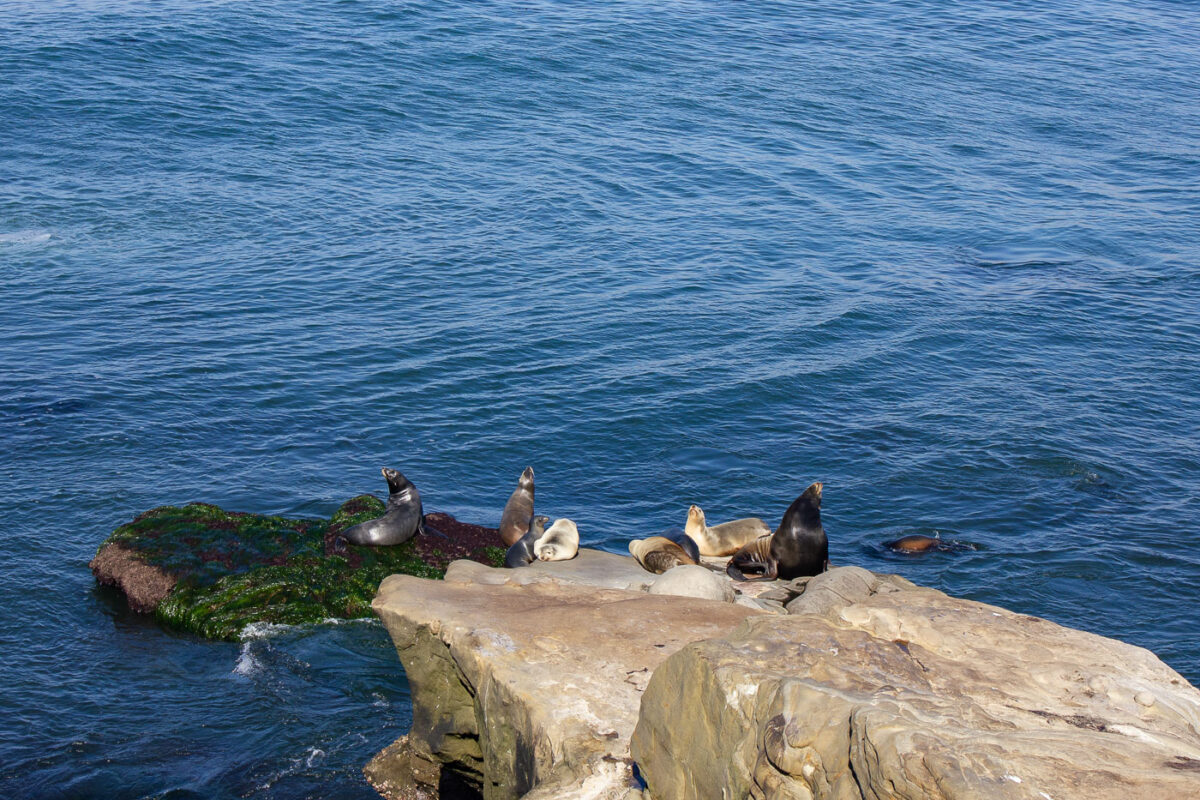
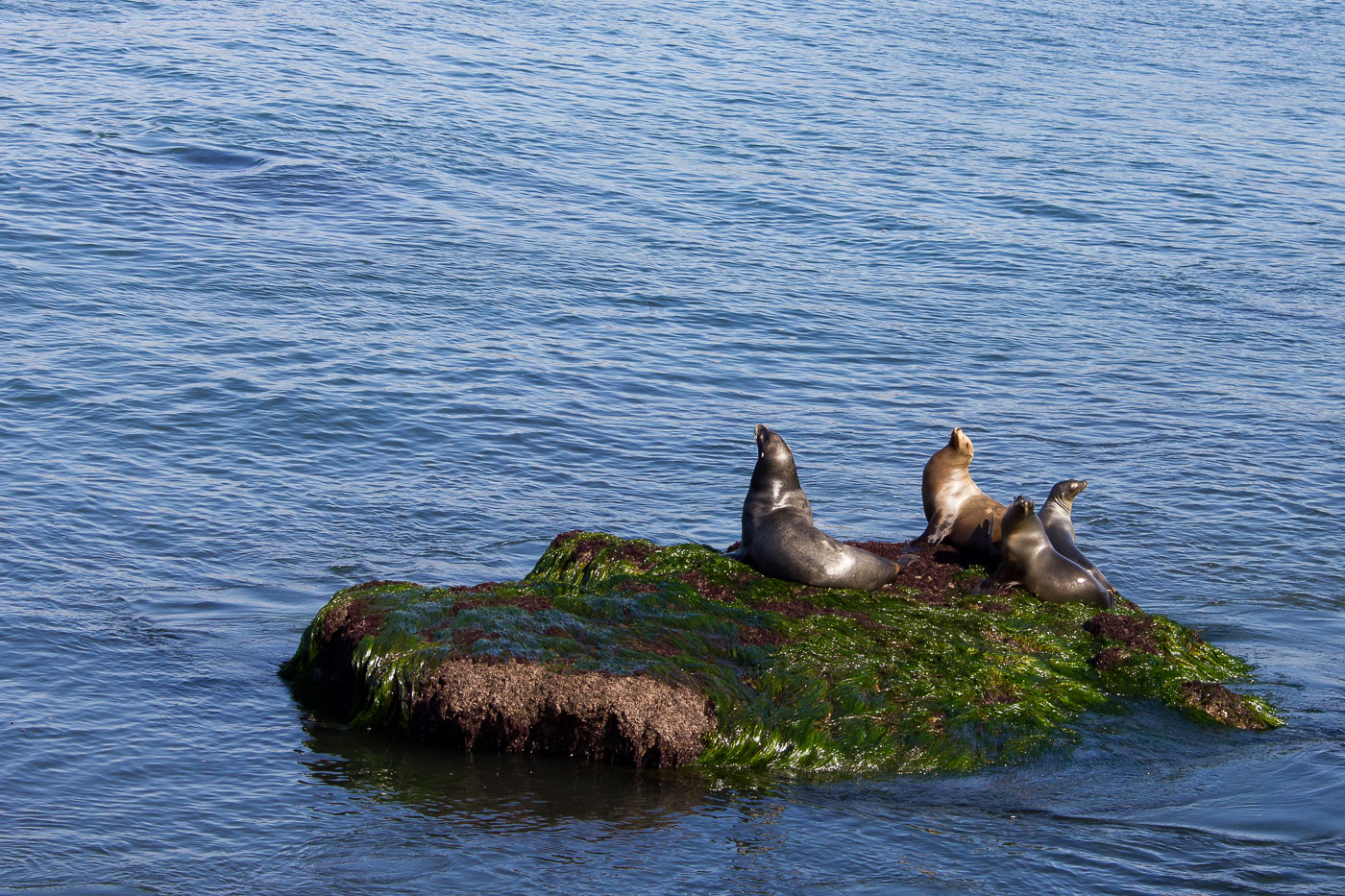
California sea lions rest on rocky outcrops along the La Jolla coastline.
California sea lions haul out on a rocky outcrop near Point La Jolla, just offshore from the city sidewalks above the water. The area is part of San Diego's marine mammal protected zone, established in 2014 to limit disturbance to the animals. Adult males can weigh up to 800 pounds and dive more than 900 feet in search of squid and fish.

Sea Lions Rest on a Seaweed-Covered Rock Near La Jolla
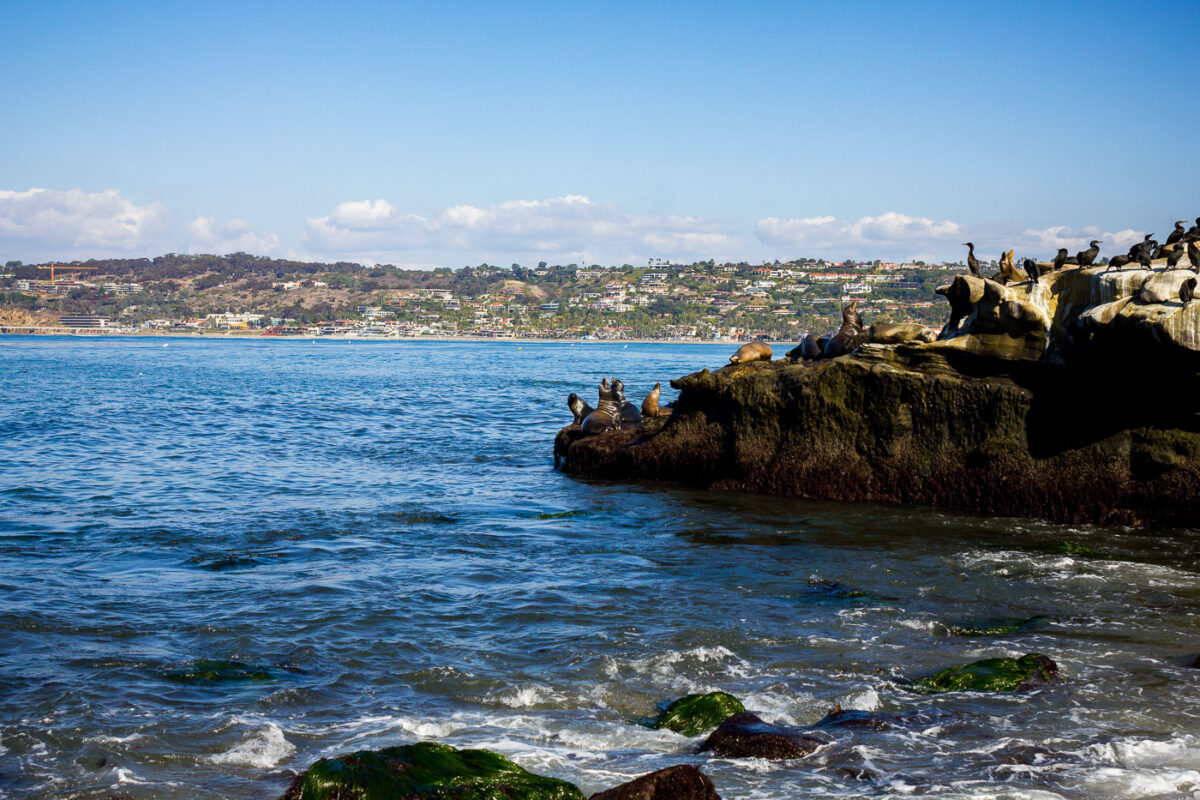
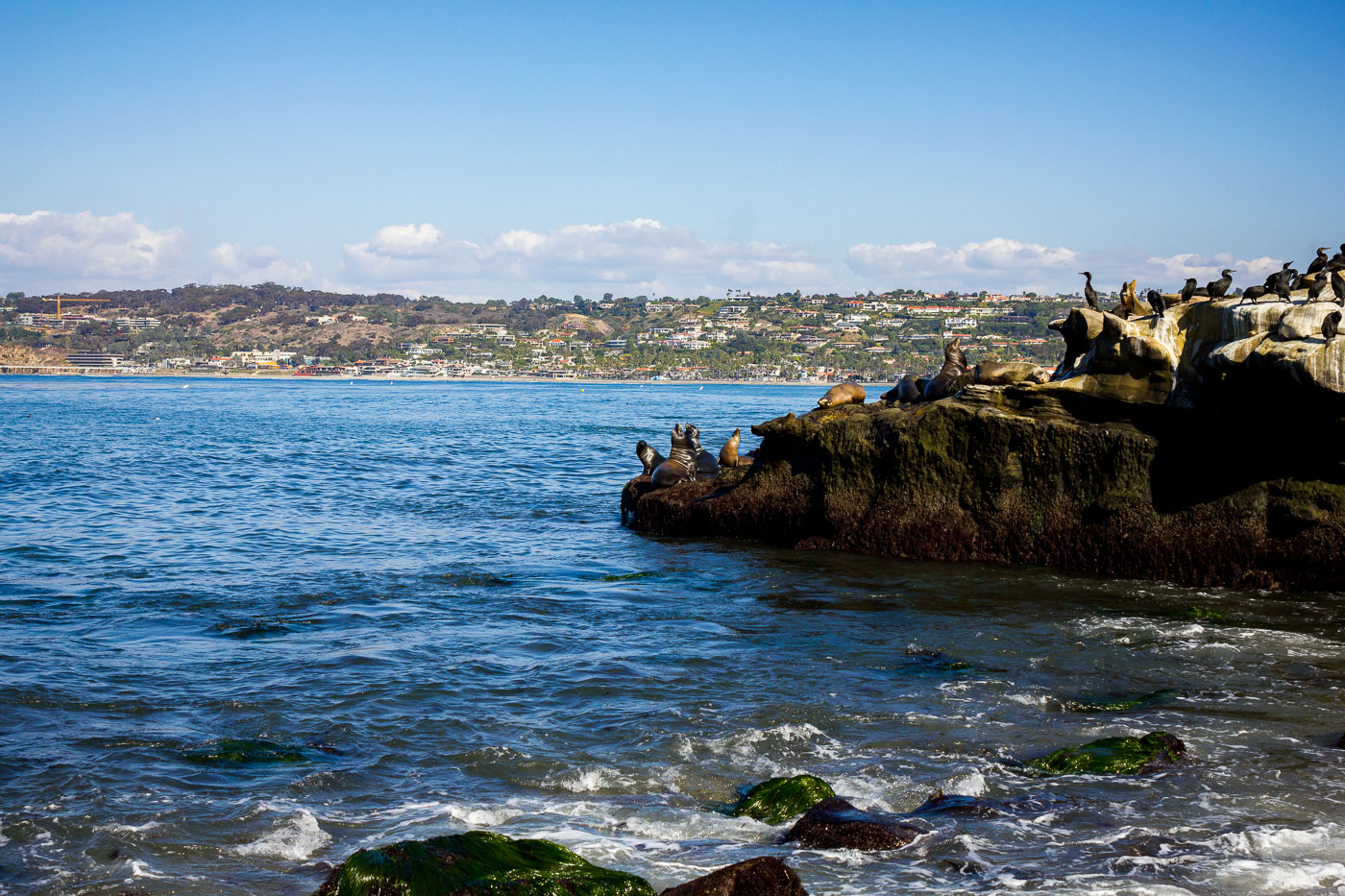
California sea lions and cormorants rest on rocky outcroppings along La Jolla's coastline.
Point La Jolla sits at the edge of the San Diego-La Jolla Underwater Park Ecological Reserve, a stretch of coastline protected since 1970. The exposed sandstone reef draws California sea lions, which federal law under the Marine Mammal Protection Act of 1972 bars people from touching or approaching. Double-crested cormorants and Brandt's cormorants perch on the same rocks, while La Jolla Shores curves along the hills across the water.

Sea Lions and Cormorants Rest on a La Jolla Rock
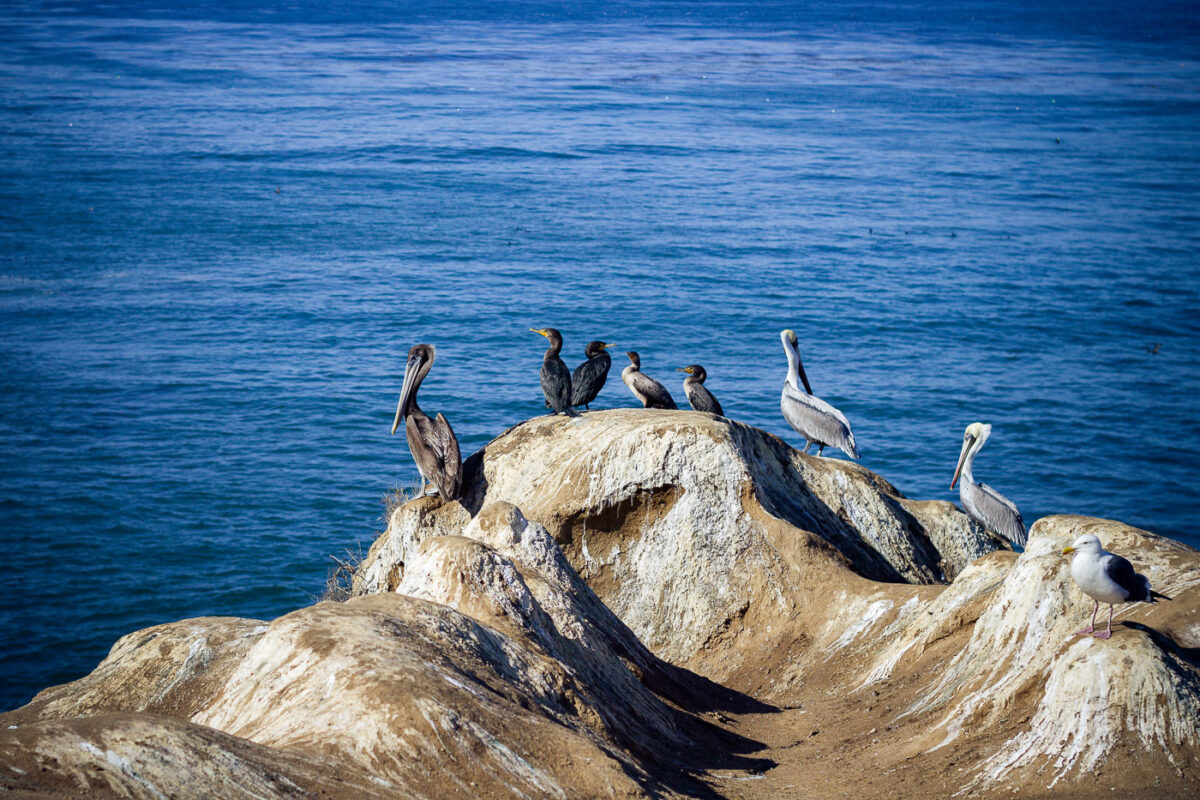
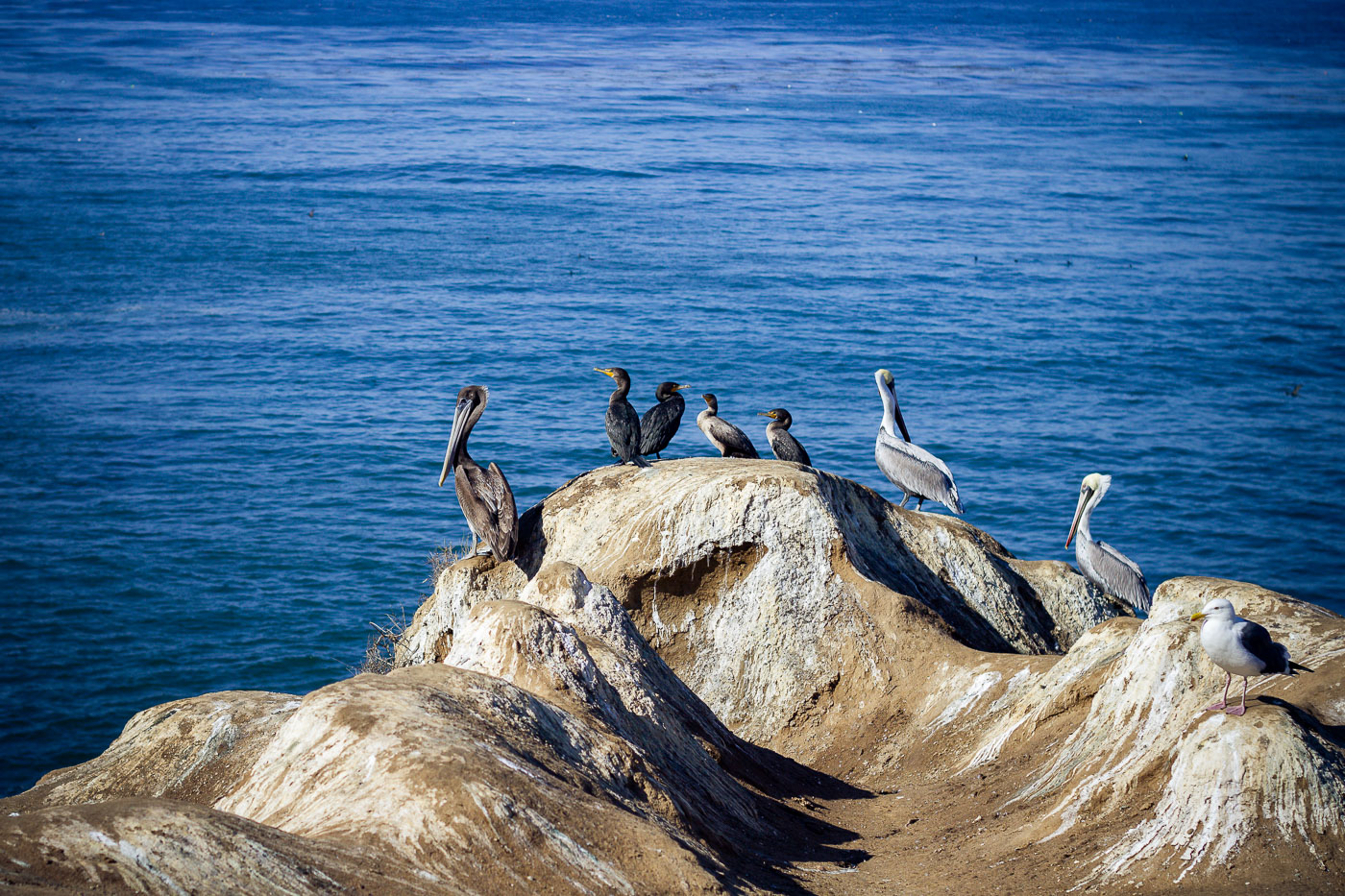
Brown pelicans and cormorants rest on rocky outcroppings off La Jolla, California.
Brown pelicans and double-crested cormorants rest on a sandstone outcrop off La Jolla, with a western gull at its edge. The rock sits within the San Diego-La Jolla Underwater Park and Ecological Reserve, established in 1970 to protect the shoreline from fishing and disturbance. Brown pelicans nearly vanished from the California coast in the 1970s due to DDT contamination before recovering enough to come off the endangered species list in 2009.

Brown Pelicans and Cormorants Roost on a La Jolla Rock

Built in Minneapolis

Minneapolis Photographer

Browse by location, move through long-running series, or start with recent work.