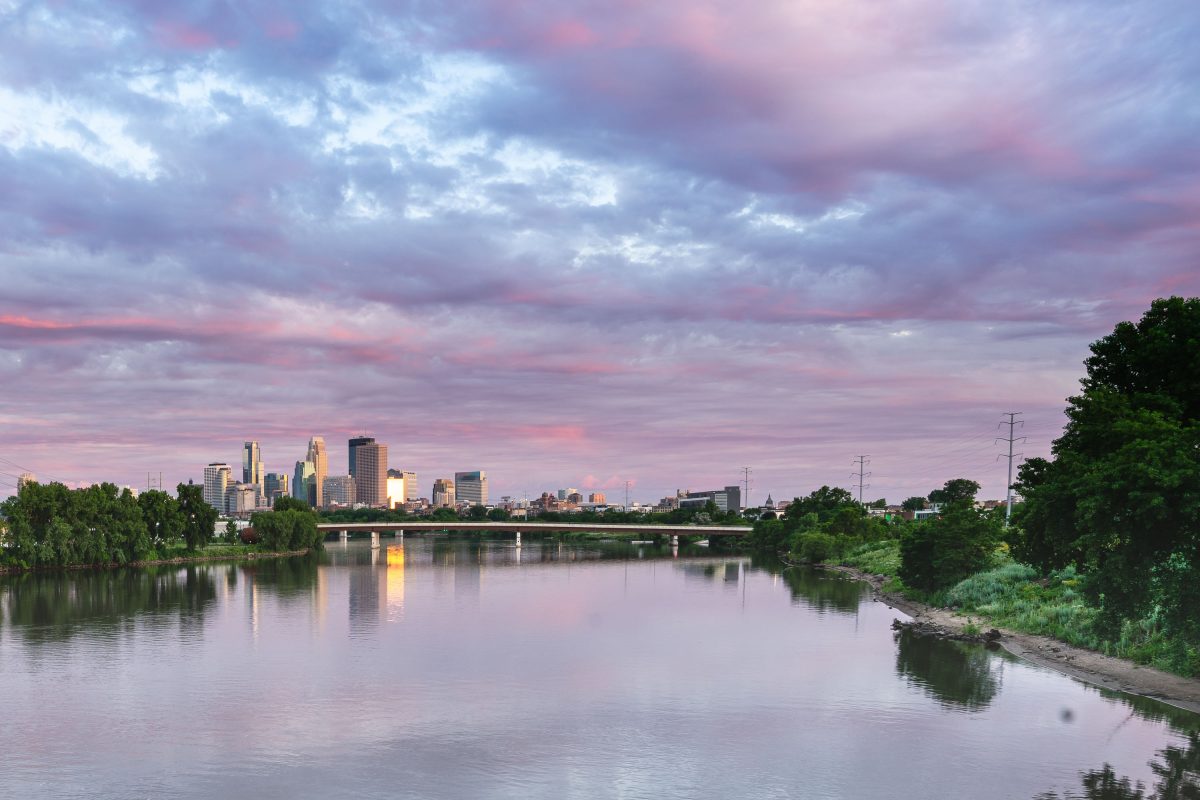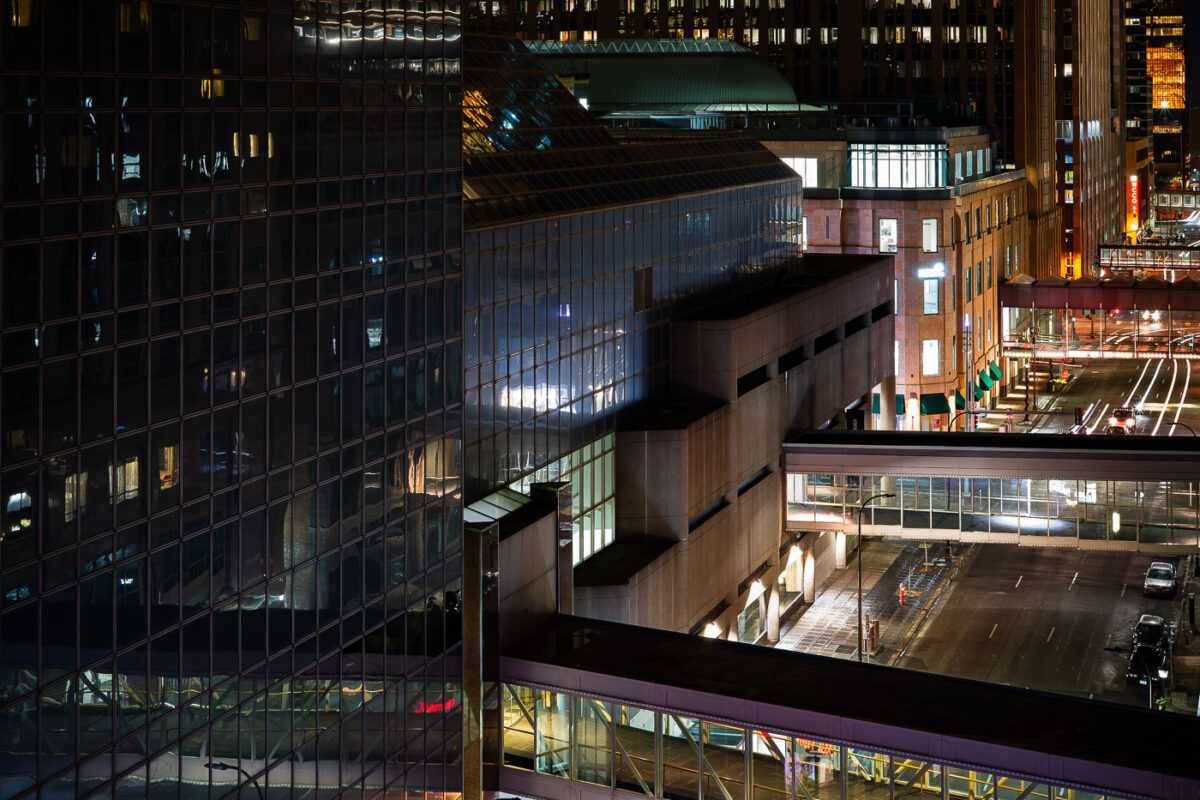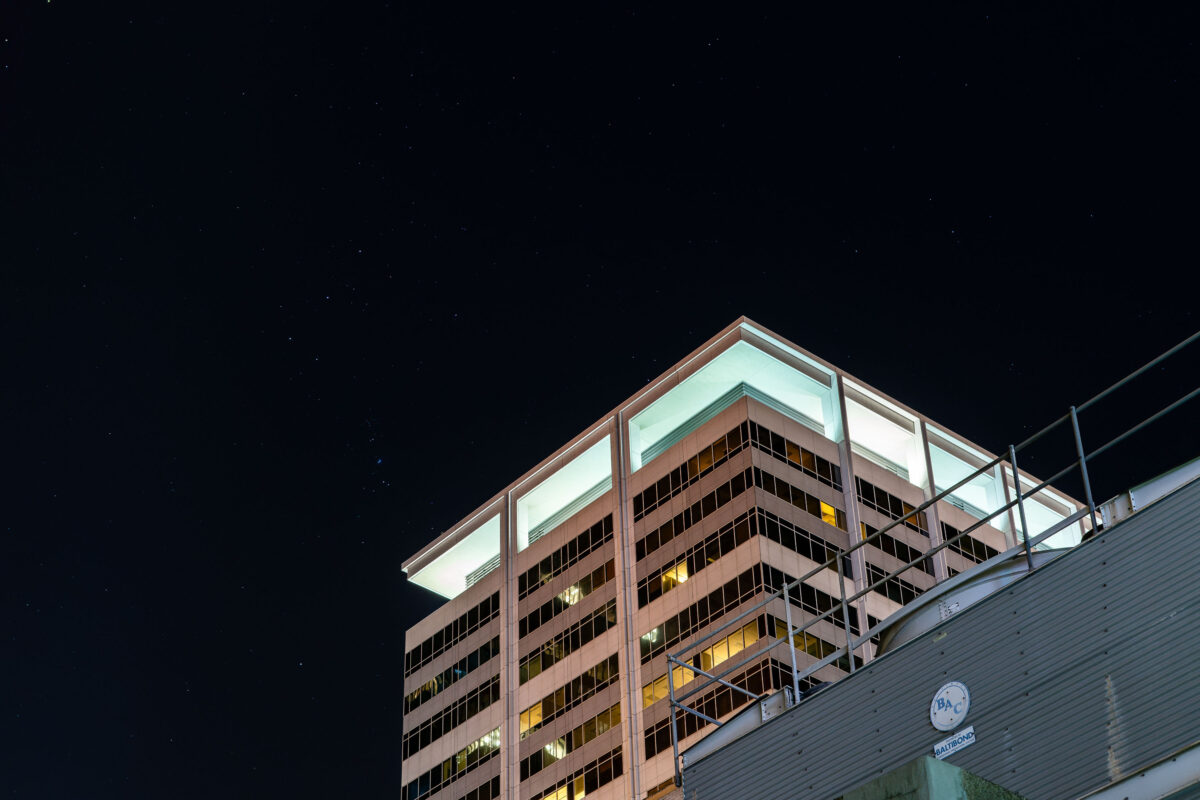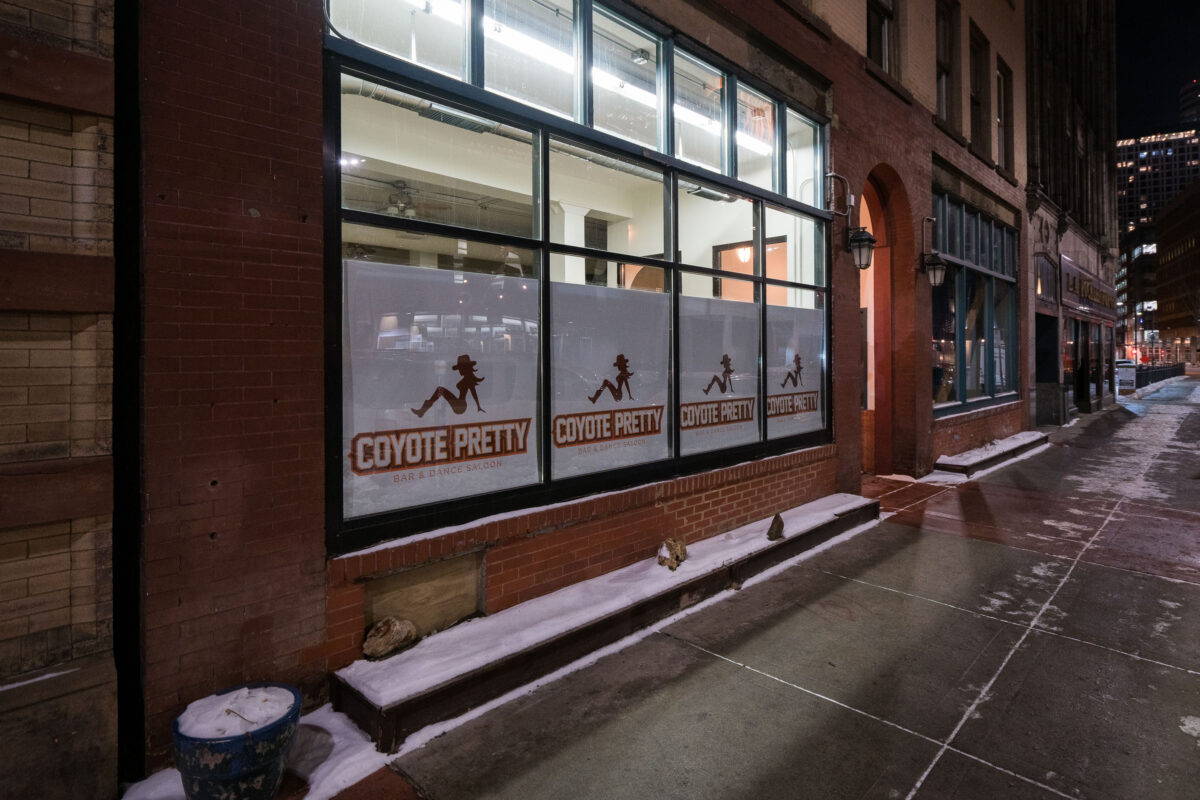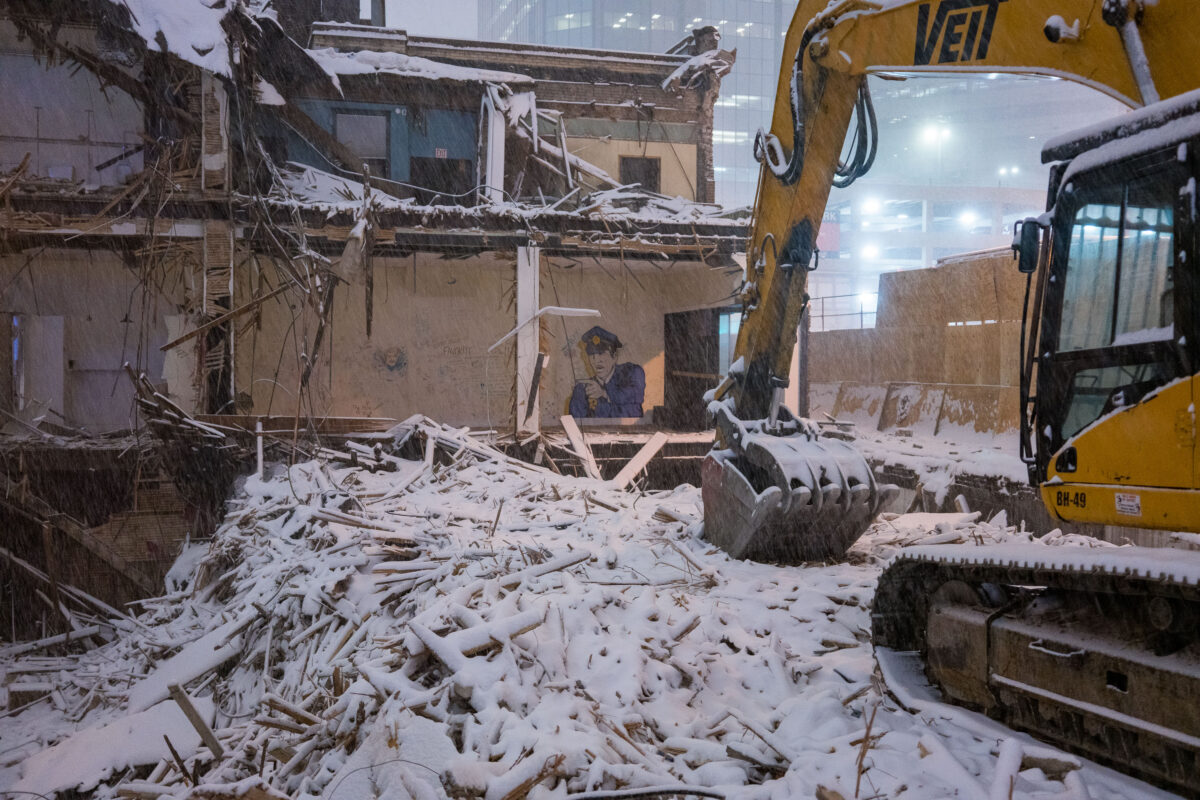
Minneapolis skyline and Bde Maka Ska under full moon
October 2018 — Full Moon rising over Minneapolis. As seen from the West Calhoun neighborhood.
Explore photos tagged Minnesota.
October 2018 — Full Moon rising over Minneapolis. As seen from the West Calhoun neighborhood.
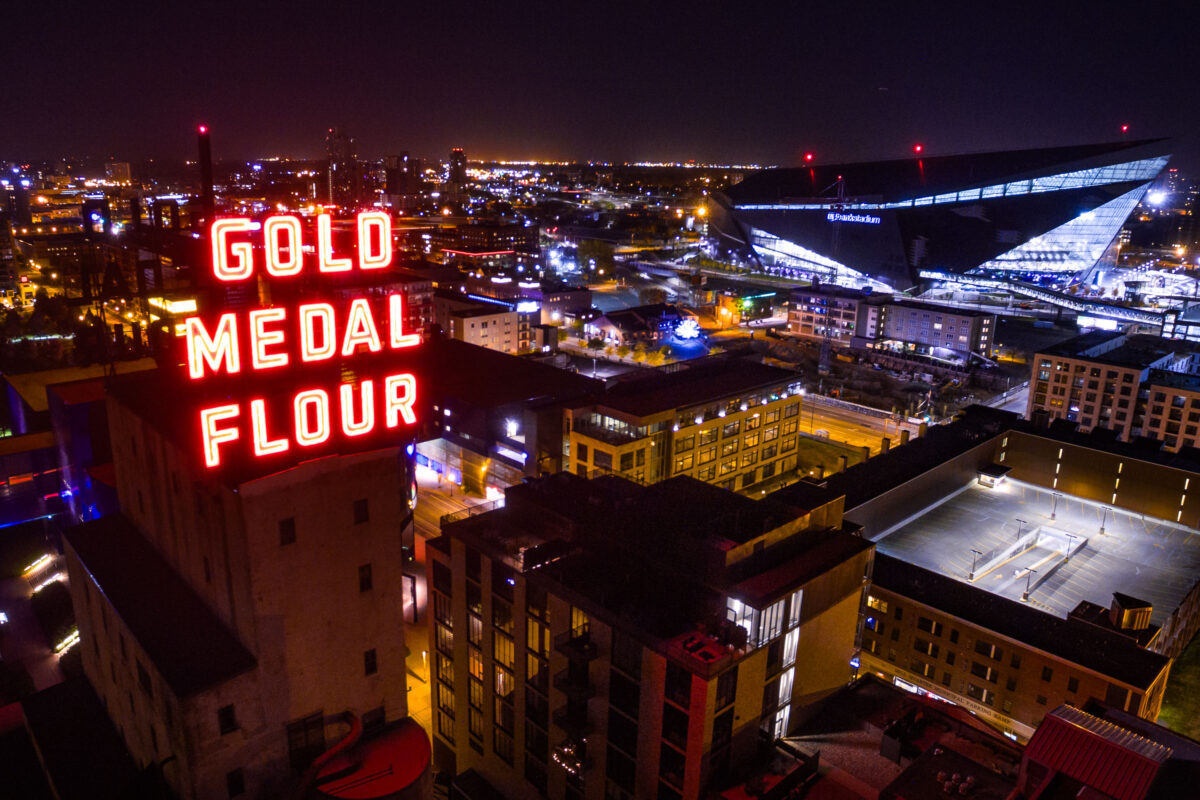
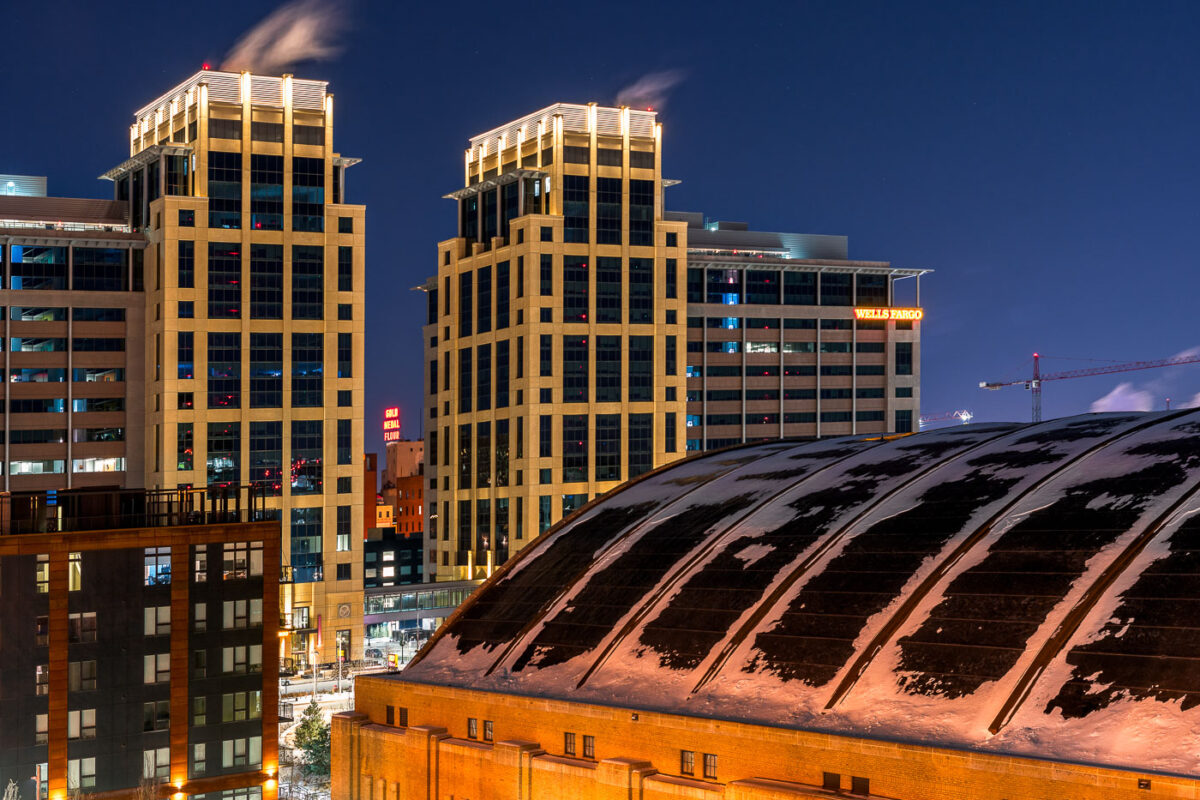
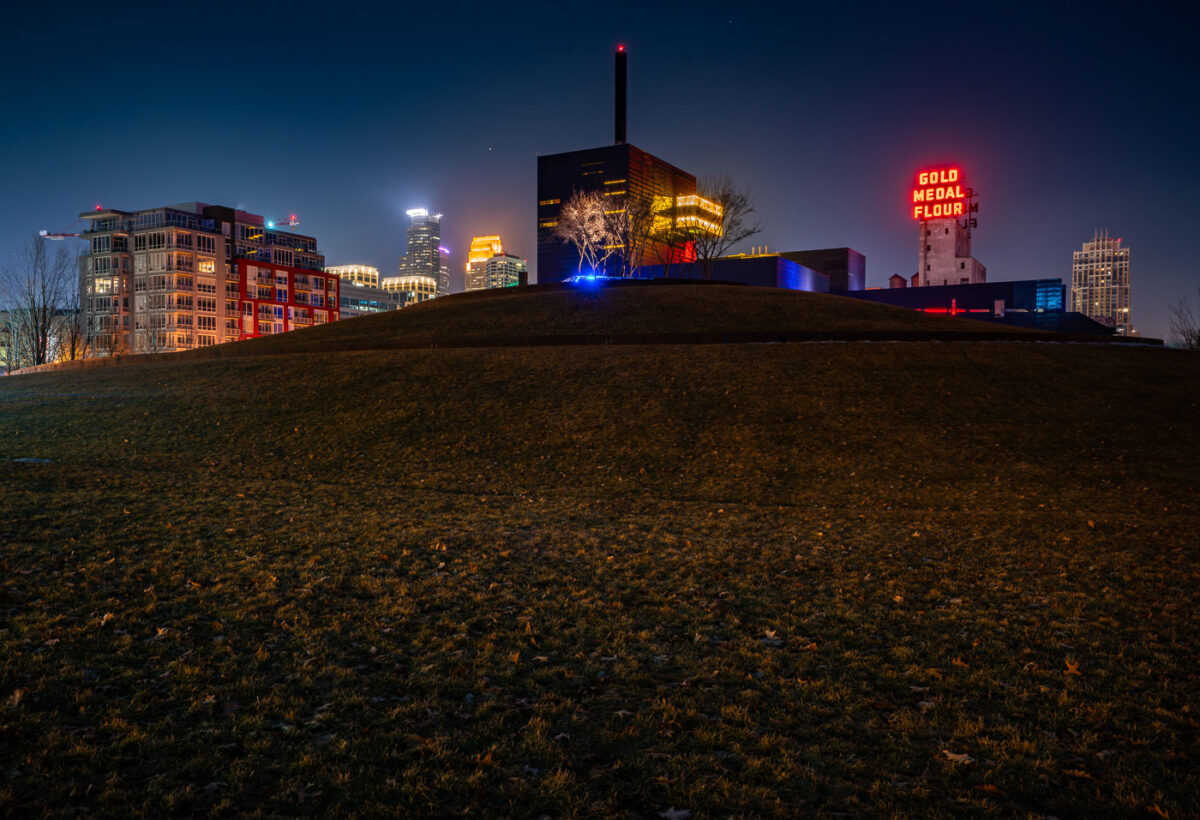
November 2018 — Gold Medal Flour neon sign in downtown Minneapolis.
November 2018 — Gold Medal Flour in downtown Minneapolis on November 5, 2018.
November 2018 — The Stone Arch Bridge as seen from Gold Medal Park on November 5, 2018.
November 2018 — Northeast Minneapolis with US Bank Stadium across the Mississippi River.
November 2018 — Construction on Interstate 35W near Downtown Minneapolis.
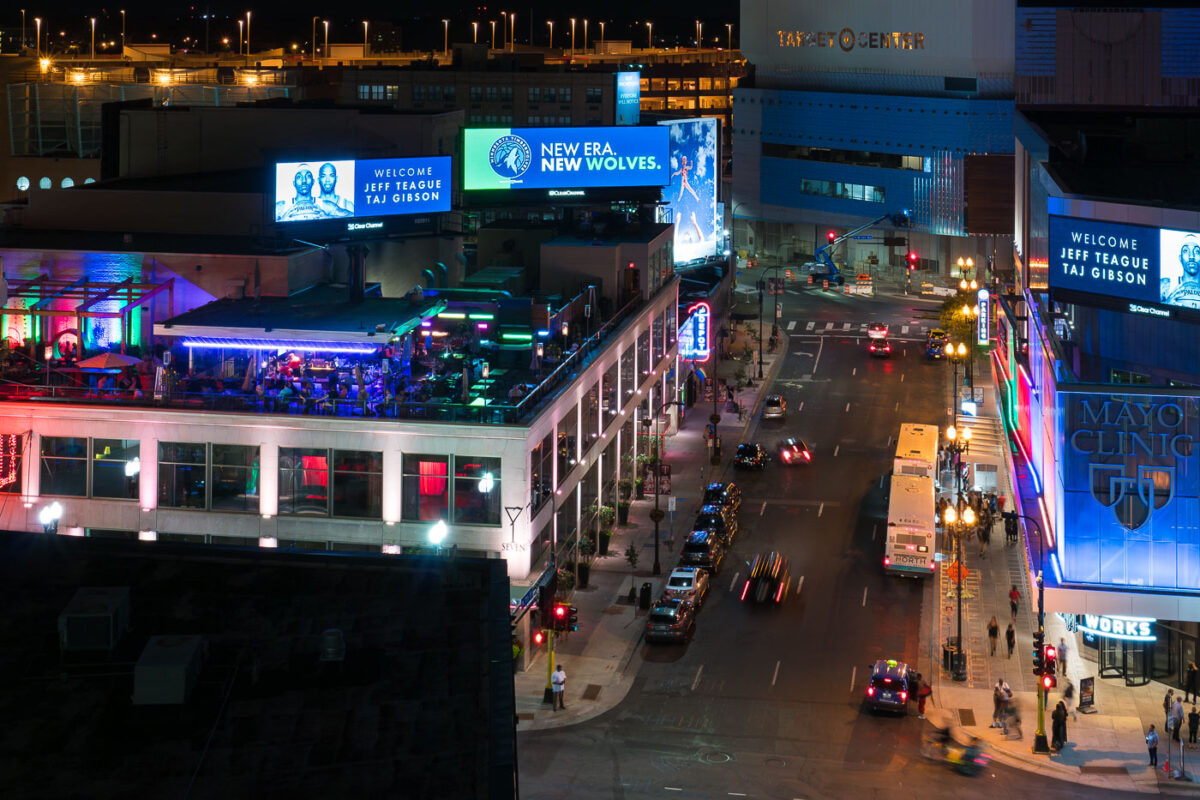
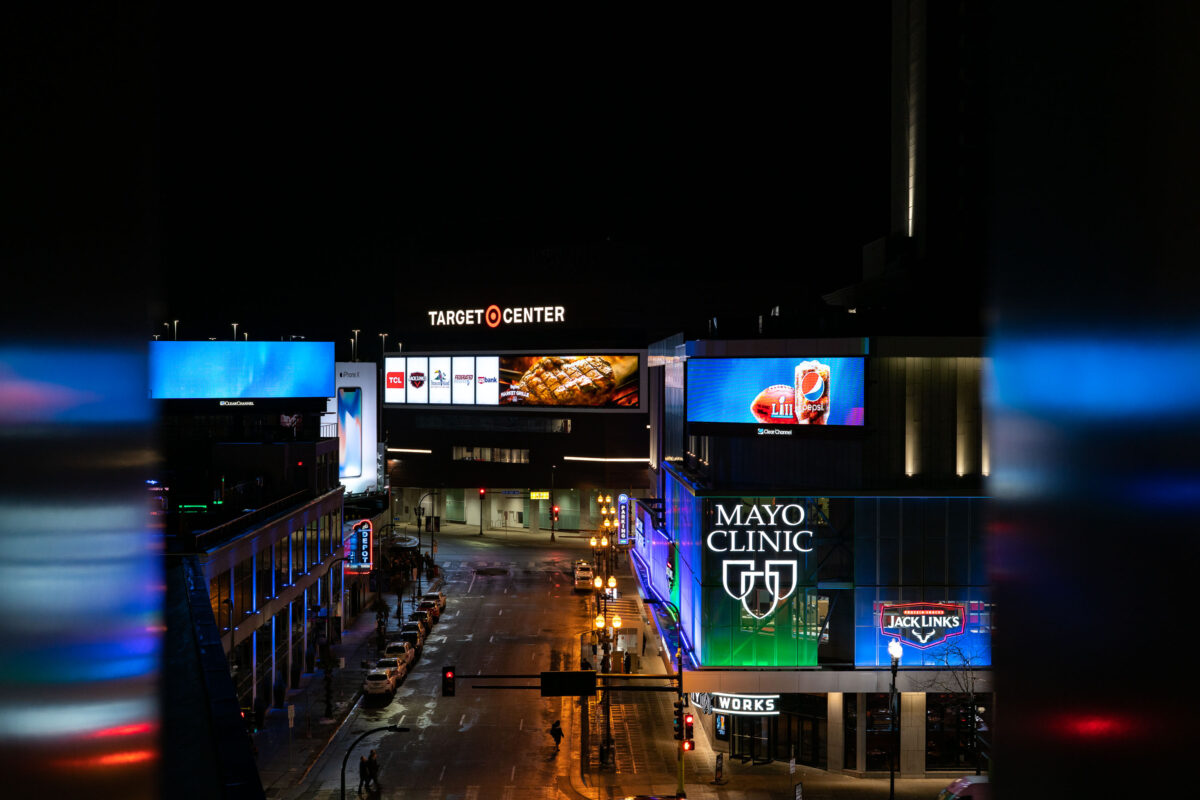
November 2018 — Target Headquarters in downtown Minneapolis in November 2018.
November 2018 — Headquarters of Target Stores in downtown Minneapolis.
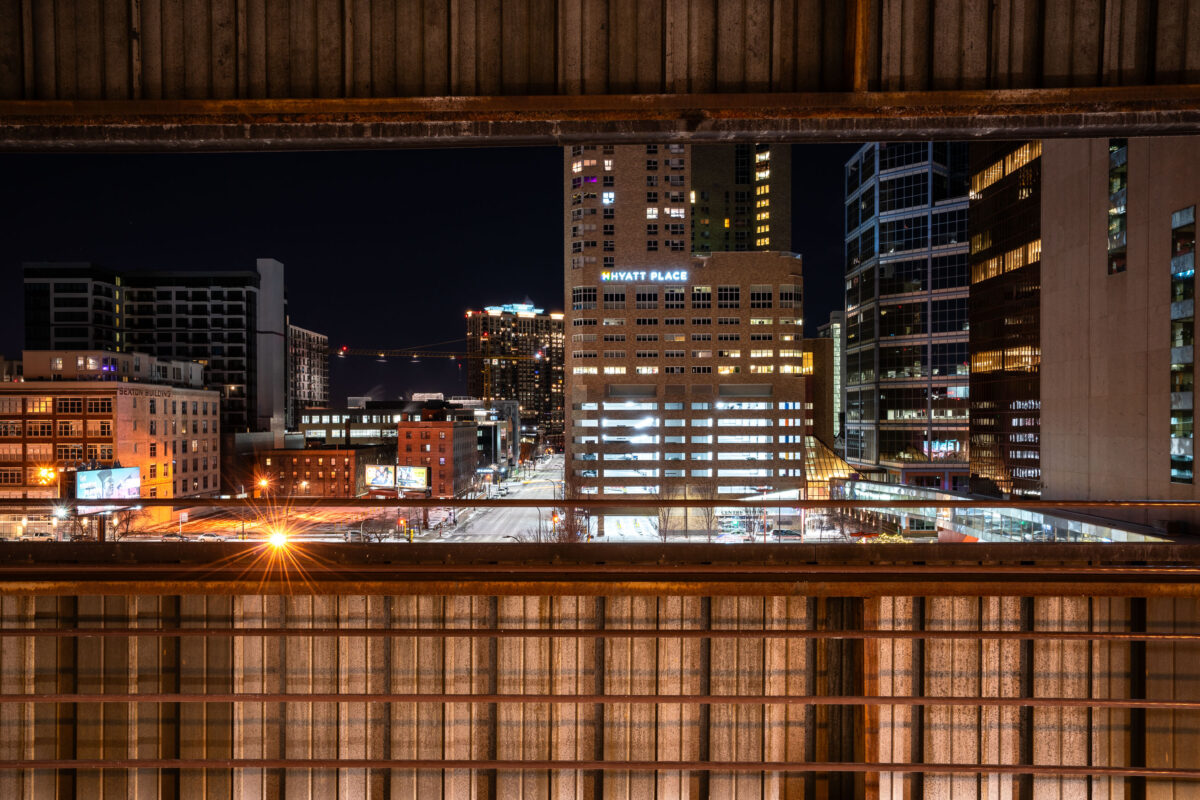
November 2018 — AT&T Tower in downtown Minneapolis from a parking garage.
November 2018 — 625 in Minneapolis
November 2018 — Some say the Minneapolis City Hall Clock Tower is the largest in the world... There is some conflicting information. But what is known is it is in fact the largest four facing chiming clock in the world.
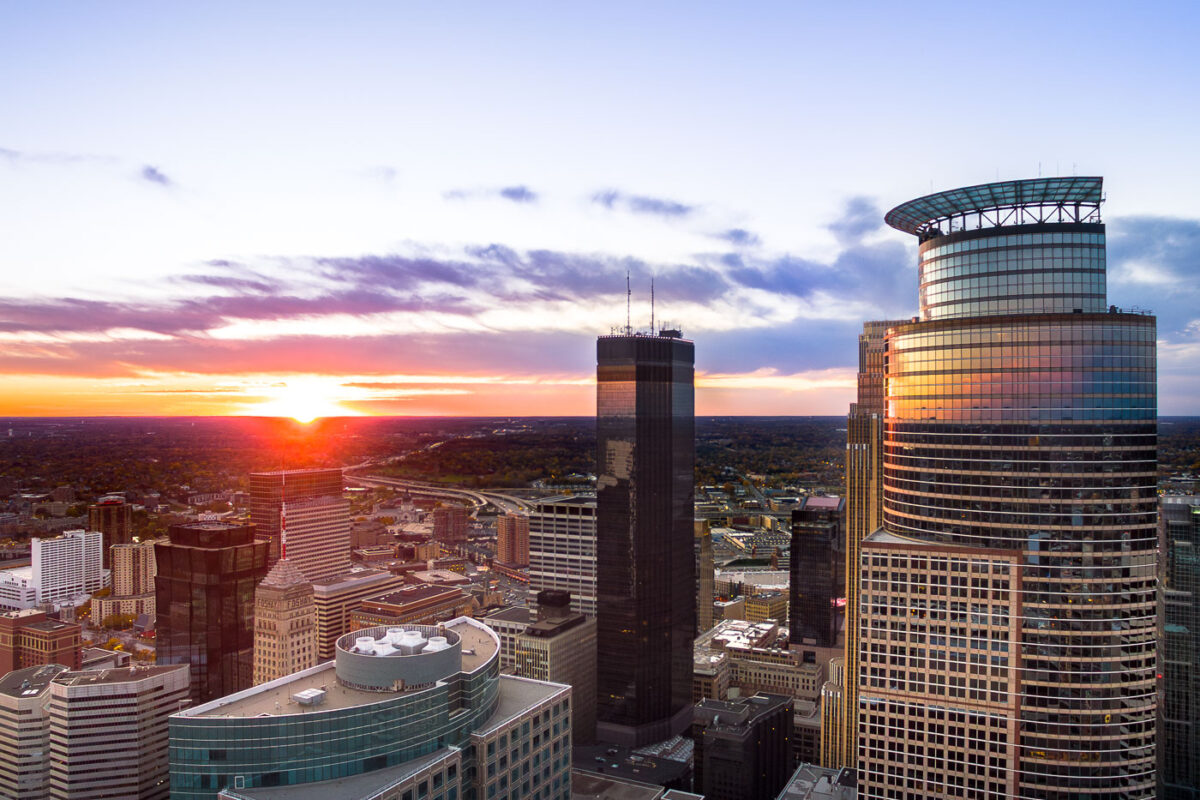
December 2018 — Downtown Minneapolis from St. Anthony Main.
January 2019 —
January 2019 —
January 2019 —
January 2019 —
January 2019 —
January 2019 —
January 2019 —
January 2019 —
January 2019 —
January 2019 —
January 2019 —
January 2019 —
January 2019 — Fifth Street Towers in Downtown Minneapolis. On the skyway level.
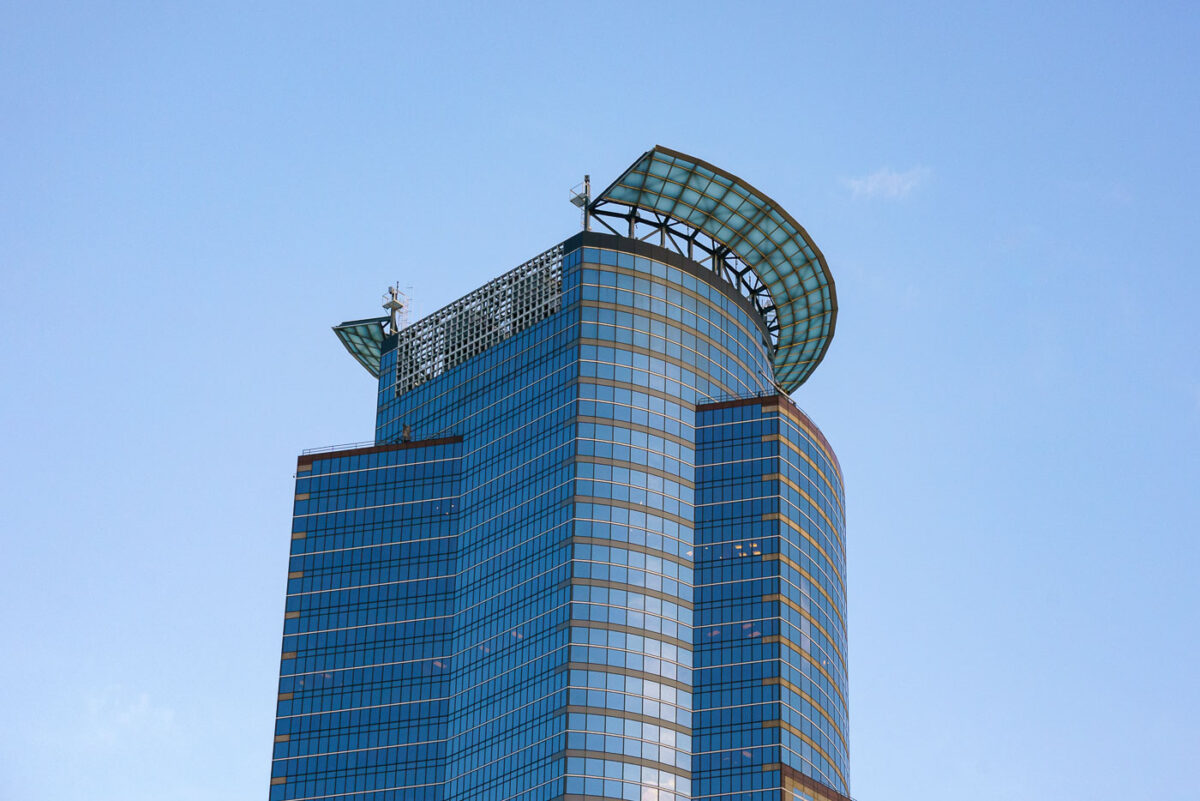
January 2019 — Located at 120 South 6th St, the 28 story Canadian Pacific Plaza was the tallest building in Minneapolis built in the 1960s.
January 2019 — The skyway connecting Soo Line Apartments to the Fifth Street Towers.
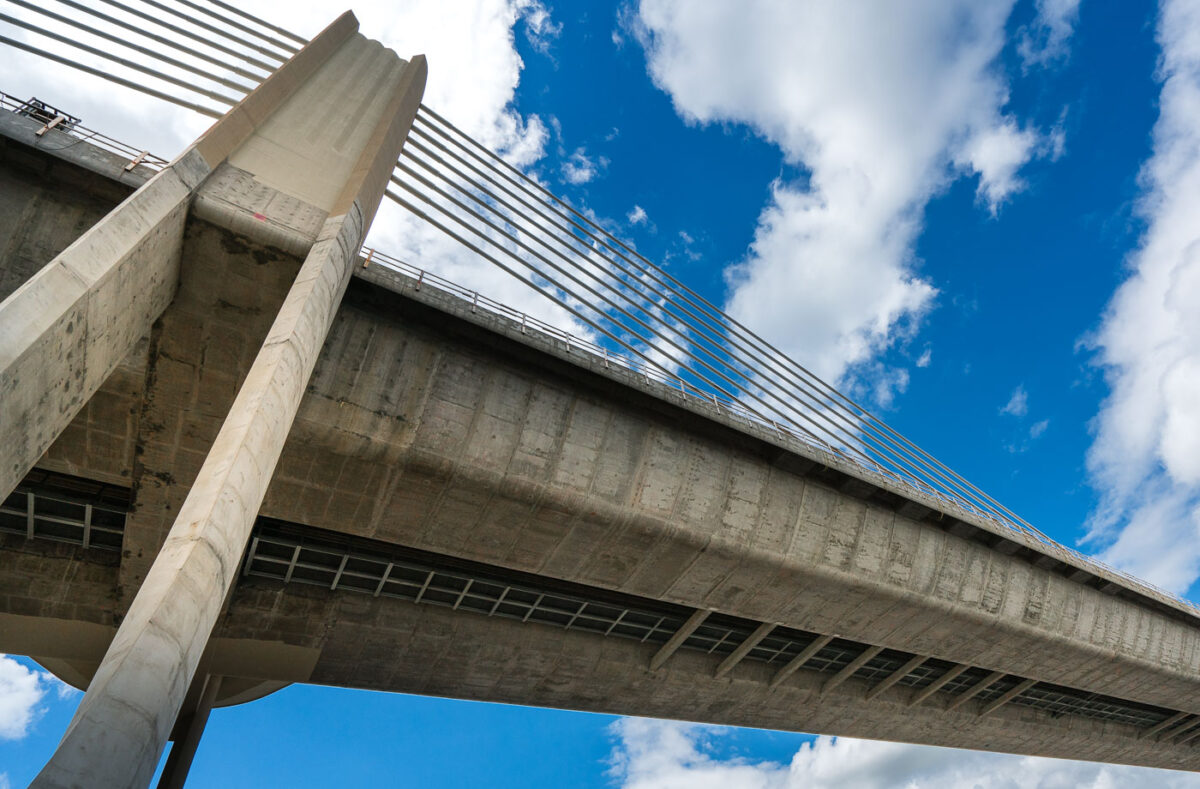
January 2019 — A -20F day during the Polar Vortex. Looking out under the Third Avenue Bridge near downtown Minneapolis.
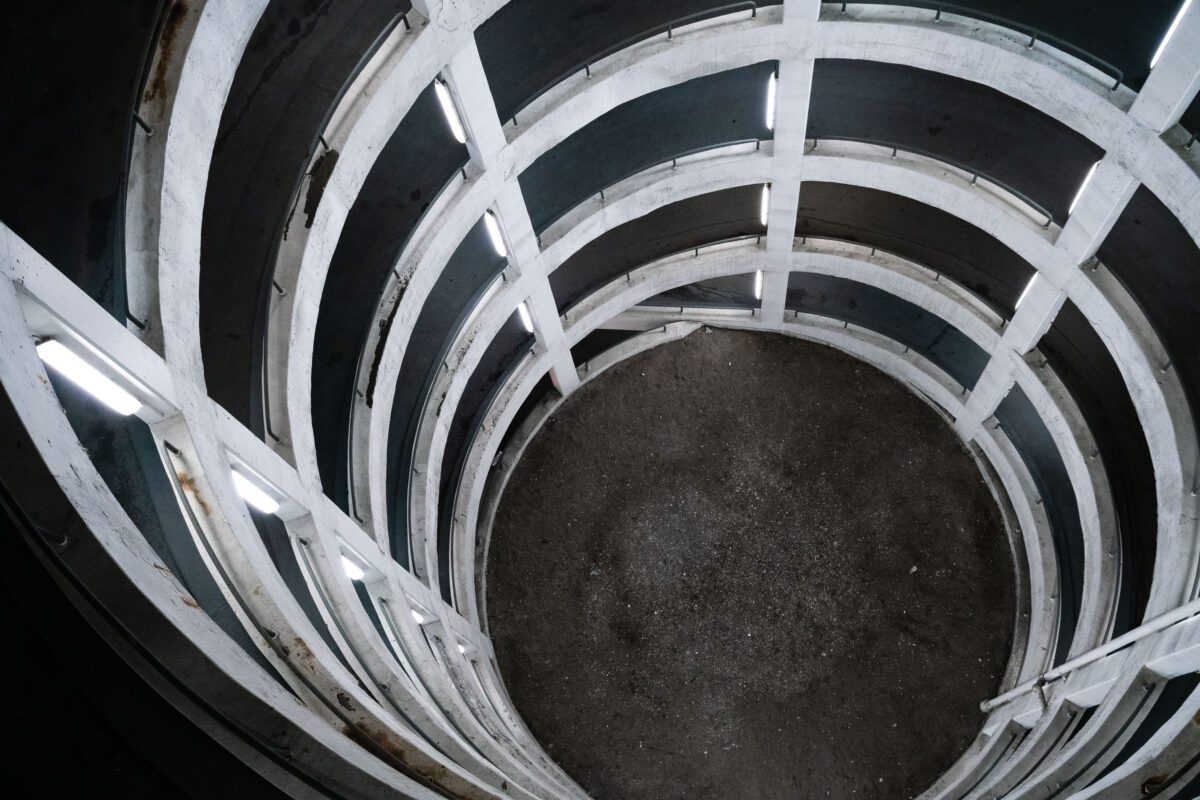
March 2019 — A "In Crisis?" sign on the top floor of the parking ramp at the Minneapolis St. Paul Airport (MSP) in Bloomington.
March 2019 — A parking garage under construction at the Minneapolis-St. Paul airport.
March 2019 — New parking ramps being constructed at the Minneapolis−Saint Paul International Airport.
March 2019 — The MSP Airport in winter.
March 2019 — The cosntruction of an airport parking ramp at the Minneapolis-St. Paul airport.
March 2019 — Exit signs on Interstate 35W for Hiawatha Ave, 11th Ave, Washington Ave. in Minneapolis, MN.
March 2019 — Snow surrounding a bench in Father Hennepin Bluff Park in Northeast Minneapolis.
March 2019 —
March 2019 — Newly renovated lobby of the AT&T Tower at 901 Marquette Aveniue Minneapolis, MN
March 2019 — The 8500 Tower in Bloomington, MN is the cities tallest building. Located at 8500 Normandale Lake.
March 2019 — Man working on a water tank for the Hennepin Energy Recovery Center.
March 2019 — Illuminated office and residential towers rise over downtown Minneapolis after dark, their façade lighting and interior floors forming a dense urban grid against a winter sky. The blue-accented crowns and vertical light bands highlight the city’s mix of late-20th-century corporate towers and newer high-rise residential development that has reshaped the downtown core since the 2000s. In the foreground, a still water feature mirrors the skyline, emphasizing the geometry and lighting strategies used to distinguish individual buildings within a tightly packed central business district. This area reflects Minneapolis’s broader downtown reinvestment, where office, residential, and public infrastructure coexist within a walkable, transit-served core.
March 2019 — The Schubert Club Bandshell on Raspberry Island, illuminated along the Mississippi River in Saint Paul, Minnesota. Completed in 2002, the modern arched performance structure serves as an outdoor music venue with views toward the historic Wabasha Street Bridge, visible in the background. The bridge, originally built in 1859 and reconstructed in 1998, is known as the only true vertical align arch bridge over the Mississippi. Its decorative architectural lighting reflects across the water alongside the flooded riverbank, highlighting how the river’s seasonal water levels shape the island landscape. Raspberry Island has long served as a gathering space and riverfront access point, evolving from a railroad landing to a cultural park and performance venue.
March 2019 — Interstate 35W coming into downtown Minneapolis.
March 2019 — Construction on interstate 35W near downtown Minneapolis.
March 2019 — Pho Tau Bay and the Laundromat on Nicollet Ave in South Minneapolis.
April 2019 — A ferris wheel set up in downtown Minneapolis during the 2019 NCAA Final Four basketball tournament.
April 2019 — A temporary Ferris wheel illuminated downtown Minneapolis during the 2019 NCAA Final Four basketball tournament, transforming the city’s business core into a festive, light-filled gathering space. Installed near Nicollet Mall, the attraction symbolized the city’s embrace of large-scale national events and its ongoing downtown revitalization. With blue LED lights reflecting off surrounding office towers and skyways, the scene captured the blend of sports celebration and urban energy that defined Minneapolis during the tournament weekend.
April 2019 — A ferris wheel set up in downtown Minneapolis during the 2019 NCAA Final Four basketball tournament.
April 2019 — The bright blue Ferris wheel rises above Nicollet Mall in downtown Minneapolis, part of the city’s celebrations during the 2019 NCAA Final Four tournament. Set between modern office towers and historic facades, the installation turned the urban corridor into a festive promenade of color and motion. The glow from the wheel’s LEDs reflects off rain-dampened pavement and glass storefronts, capturing a rare moment when the city’s business district became an after-dark fairground alive with light, visitors, and late-spring energy.
April 2019 — Riverside Plaza and Cedar High Apartments stand illuminated against the twilight sky in Minneapolis’ Cedar-Riverside neighborhood. Completed in the 1970s and designed by architect Ralph Rapson, the complex is one of the city’s most distinctive examples of modernist architecture. Its colorful paneling and Brutalist concrete forms house one of the most diverse communities in the region, symbolizing both urban renewal and the evolution of affordable housing in the Twin Cities.
April 2019 — BNSF train goes through intersection at Harrison Sreet in Northeast Minneapolis during sunset.
April 2019 — The Minneapolis skyline glows against a deep twilight sky, its mix of modern glass towers and classic architecture illuminated from within. Iconic buildings such as the IDS Center and Wells Fargo Center define the city’s vertical rhythm, while the rail and industrial foreground recall the infrastructure that shaped its early economy. Captured during blue hour, the scene reflects the enduring balance between industry and innovation that characterizes Minneapolis.
April 2019 — The METRO Blue Line curves toward downtown Minneapolis near the Cedar–Riverside neighborhood, passing below the colorful concrete towers of Riverside Plaza at sunset. The complex, designed by architect Ralph Rapson and completed in 1973, is one of the city’s most distinctive examples of Brutalist modernism. This area, once part of the immigrant gateway to Minneapolis, now blends historic structures like the Mixed Blood Theatre with the transit corridor connecting neighborhoods across the city.
April 2019 — Riverside Plaza stands tall beyond the METRO Blue Line overpass in the Cedar–Riverside district of Minneapolis. The colorful panels of the 1970s residential towers contrast with the new mid-rise apartments and light rail infrastructure built decades later. This view captures the merging of eras—modern rail transit, Brutalist architecture, and the continuing evolution of one of Minneapolis’s most historically diverse neighborhoods.
April 2019 —
April 2019 — Apartments on Dean Parkway in South Minneapolis in April 2019.
April 2019 — Interstate 94 in Downtown Minneapolis.
April 2019 — Lyndale Avenue as seen from Interstate 94 in downtown Minneapolis.
April 2019 — Once a centerpiece of London’s industrial age, Millennium Mills stands derelict on the south side of the Royal Victoria Dock in Silvertown. Built in 1905 for Spillers, the flour mill operated for decades before closing in the 1980s. The weathered façade and faded signage remain prominent features of the docklands skyline. Moored in front is the striking red Trinity House Lightship 93, formerly used as a floating lighthouse to warn ships at sea. Today, the area is part of the Royal Docks regeneration zone, blending remnants of Britain’s maritime and industrial heritage with modern redevelopment.
May 2019 — Sneaky Pete's bar in downtown Minneapolis.
May 2019 — An interior lounge and corridor at Target Corporation’s headquarters in Minneapolis, designed to encourage informal meetings, employee collaboration, and visitor reception. The space reflects Target’s post-2010 modern workplace philosophy — blending minimalist corporate architecture with hospitality-inspired interiors. Curved ceiling soffits, accent lighting, and red brand-themed wall panels soften the otherwise sleek office environment, while modular seating and large communal tables support group discussions and mobile work. This type of open, flexible workspace became increasingly common in large corporate campuses in the 2010s, as U.S. companies shifted away from traditional cubicle layouts toward collaborative, design-driven environments influenced by retail and tech sectors. The Target brand’s signature red is subtly integrated throughout, reinforcing corporate identity within the workspace’s architecture.
May 2019 — The historic Minneapolis Main Post Office features these brass-framed service windows, emblematic of the city’s 1930s Art Deco architecture. Completed in 1933 as part of a federal building initiative, the structure was designed by architect Léon Eugene Arnal of Magney & Tusler and remains one of the finest Depression-era public works in the Upper Midwest. The marble-clad lobby and geometric metal detailing reflect the influence of the Works Progress Administration’s design aesthetic—modern yet monumental—built to symbolize reliability and civic pride during a period of national recovery.
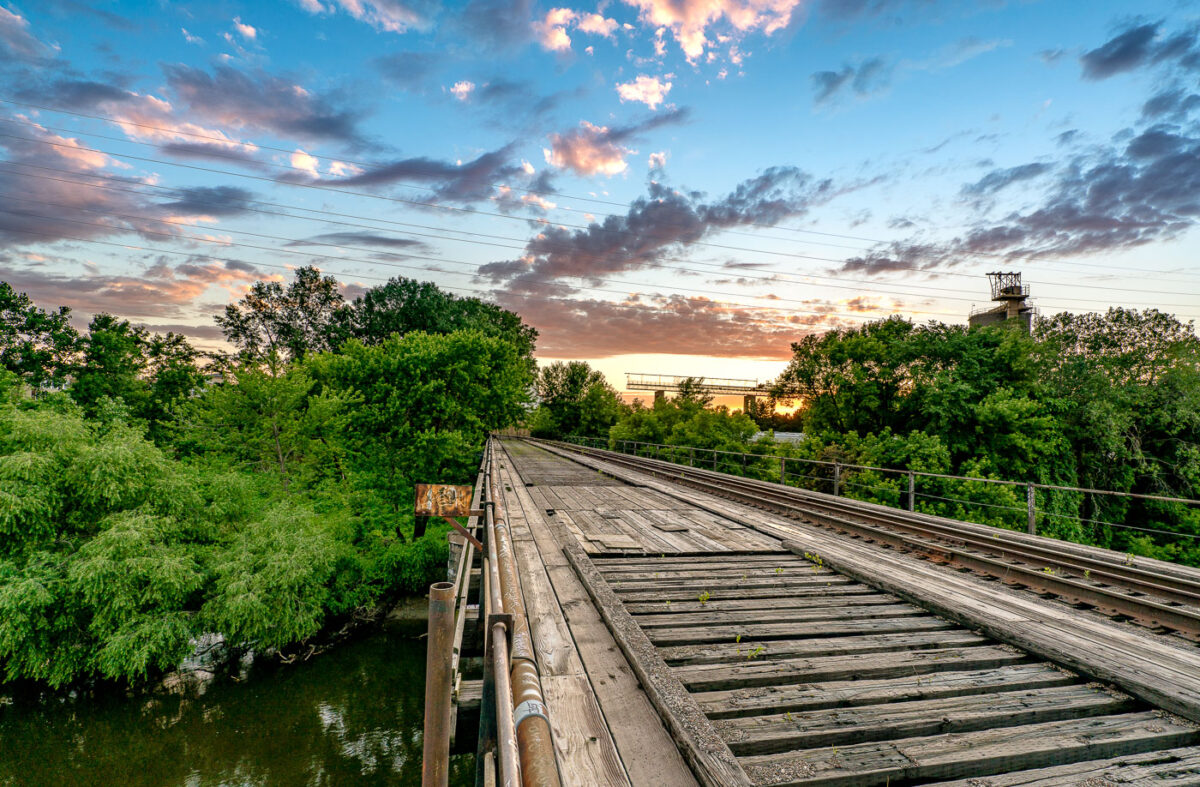
May 2019 — An abandoned wooden railroad bridge curves over the Mississippi River at Nicollet Island in Minneapolis, a quiet remnant of the city’s industrial past. Once part of a freight spur serving nearby mills and factories, the structure now stands unused, adorned with graffiti and framed by spring foliage. In the background, the tan brick towers of Riverplace and surrounding condominium developments reflect the area’s transformation from rail and river commerce to modern urban living.
May 2019 — The illuminated Minneapolis skyline rises behind a fog-covered Bde Maka Ska, its towers mirrored in the lake’s still surface. Buildings like the IDS Center, Capella Tower, and Wells Fargo Center shine through the mist, their neon accents reflecting off the calm water. Captured at night, the photograph contrasts the cool, modern glow of downtown with the serene, natural quiet of the city’s largest lake—a reminder of how Minneapolis balances its urban form with its deep connection to water and landscape.
May 2019 — Bruininks Hall, with its curved glass facade and modernist profile, stands prominently on the bluffs of the Mississippi River at the University of Minnesota’s East Bank campus. The building, named after former university president Robert Bruininks, houses student services and administrative offices while serving as a visual landmark along the riverfront. The structure’s sleek transparency contrasts with the limestone layers of the bluff below, emphasizing the union between natural geology and contemporary academic architecture that defines much of the university’s riverfront setting.
May 2019 — The maroon and gold Washington Avenue Bridge spans the Mississippi River, linking the University of Minnesota’s East and West Bank campuses. Seen from below, the bridge’s bold steel trusses frame the calm river and limestone bluffs, while the university’s West Bank buildings rise in the background. The bridge, completed in 1965, carries both vehicular and pedestrian traffic—including the campus’s light rail line—and serves as one of the most recognizable landmarks connecting the university’s two halves across the river.
May 2019 — Cedar Lake South Beach in Minneapolis, photographed in the evening light, captures one of the city’s quieter public beaches along the Chain of Lakes. Located west of Bde Maka Ska, Cedar Lake is known for its natural shoreline and tree-lined surroundings, offering a more secluded experience compared to the busier neighboring lakes. The sandy beach, calm water, and sailboats anchored offshore highlight Minneapolis’s integration of recreation, nature, and urban life within a few miles of downtown.
May 2019 — A detour sign for the Southwest Light Rail Transit (SWLRT) project stands beside a bike trail in Minneapolis, showing the rerouted path for cyclists and pedestrians during construction of the Green Line Extension. The detailed map outlines temporary closures through the Kenilworth Corridor and Cedar Lake areas, where new light rail tracks are being installed to connect downtown Minneapolis with the southwestern suburbs. The project, one of the largest public works efforts in Minnesota history, has significantly altered popular urban trails like the Midtown Greenway and Cedar Lake Trail since construction began in the late 2010s.
May 2019 — Thrivent Financial's current building and their new building going up.
May 2019 —
June 2019 —
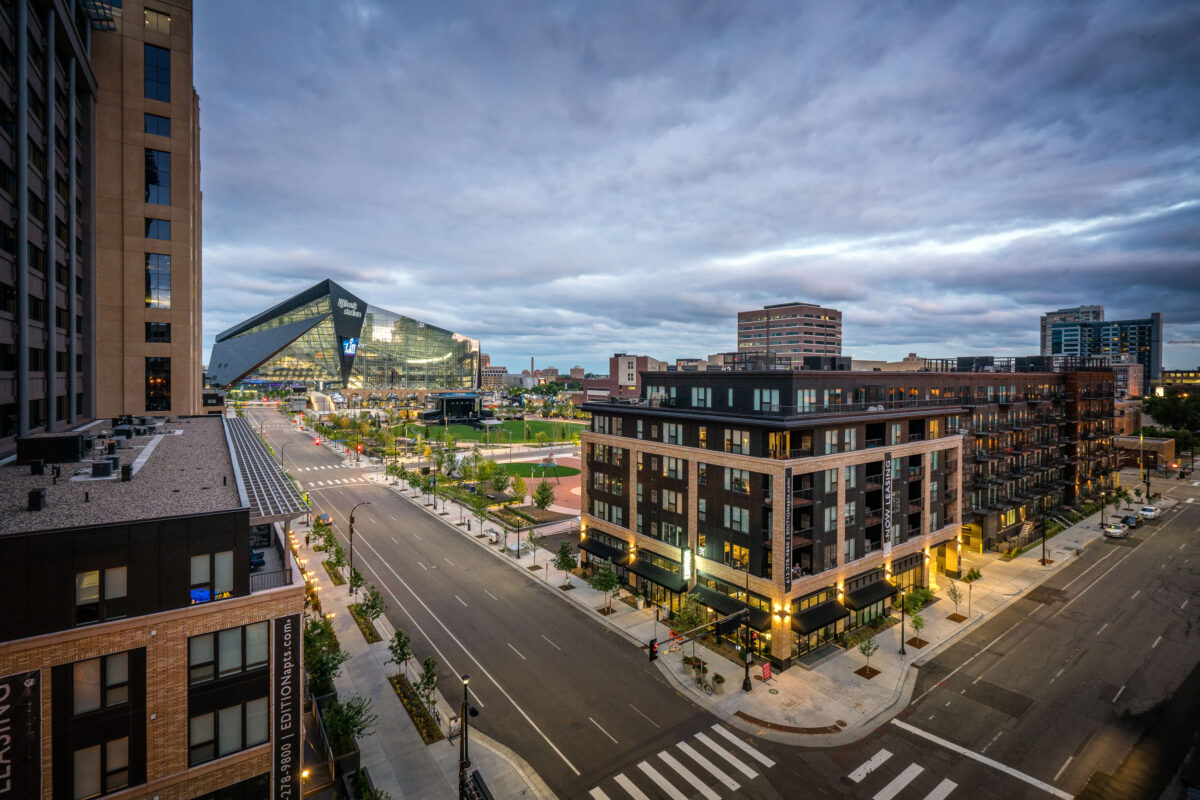
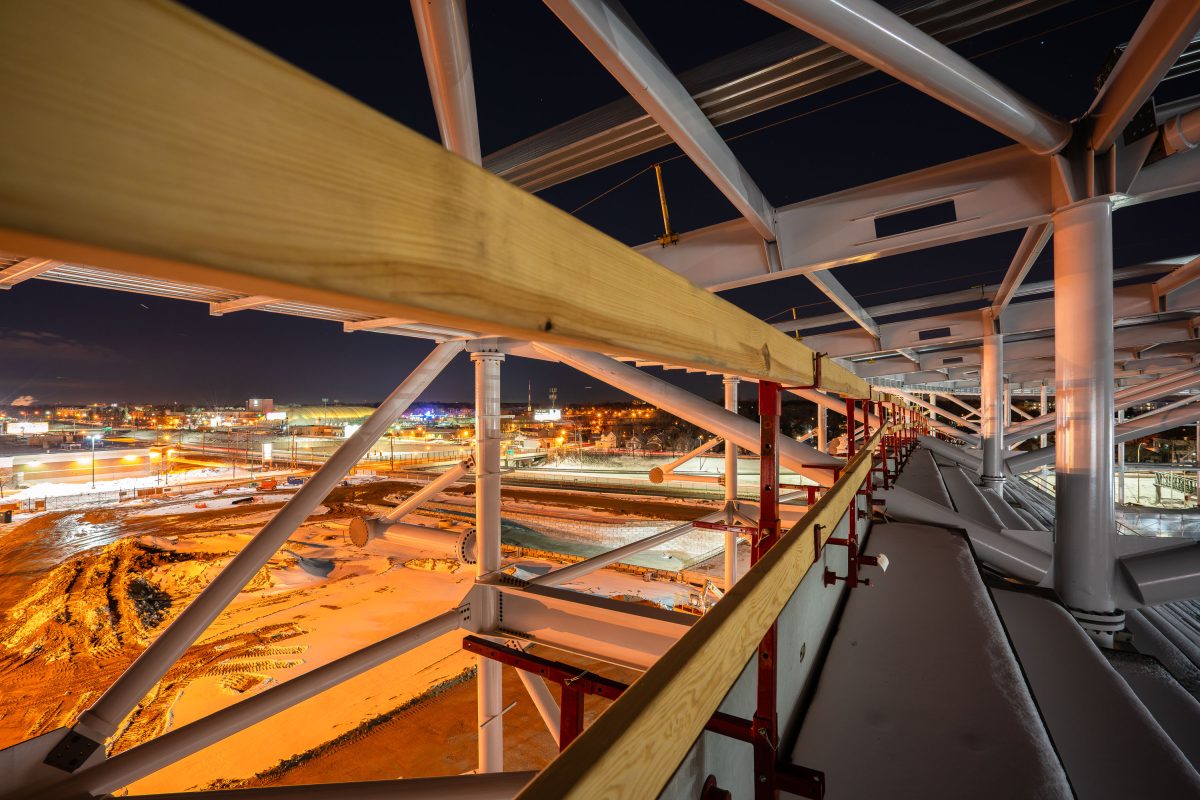
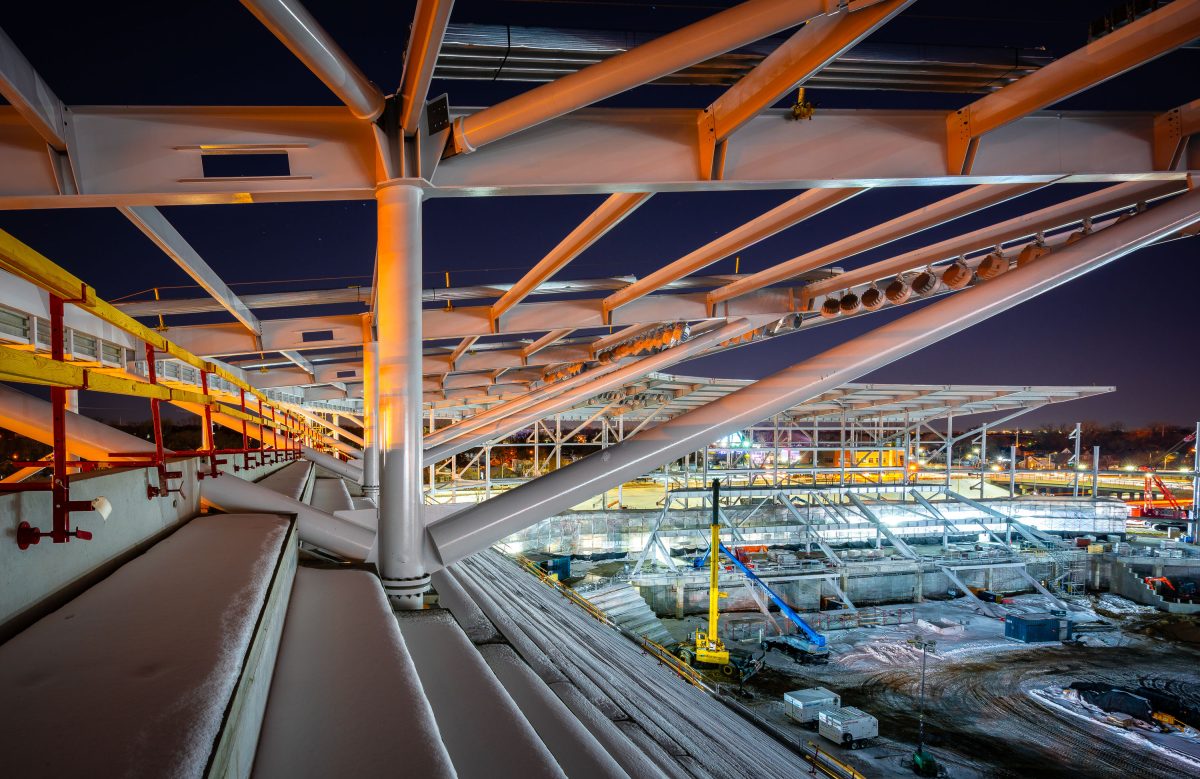
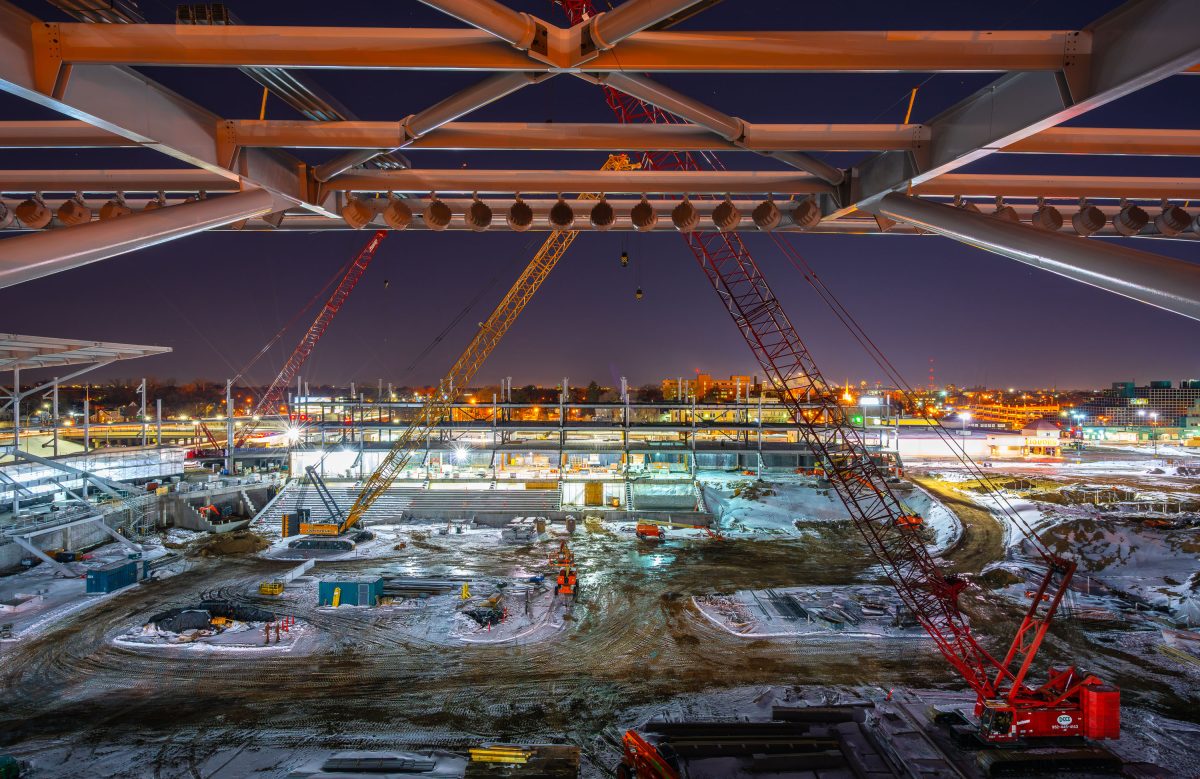
June 2019 — U.S. Bank Stadium in downtown Minneapolis, photographed under a clear night sky, showcases its striking angular design illuminated by the city’s glow. Opened in 2016 and designed by HKS Architects, the venue serves as the home of the Minnesota Vikings and a premier multi-purpose arena for concerts, major sporting events, and conventions. Its faceted steel and glass shell evokes the prow of a Viking ship, a nod to the team’s heritage, while its translucent ETFE roof allows natural light by day and reflects ambient light by night. This structure replaced the collapsed Metrodome and now anchors the eastern edge of the Minneapolis skyline as one of the most distinctive modern stadiums in the United States.
June 2019 — The Minneapolis City Hall Clock Tower in downtown Minneapolis.
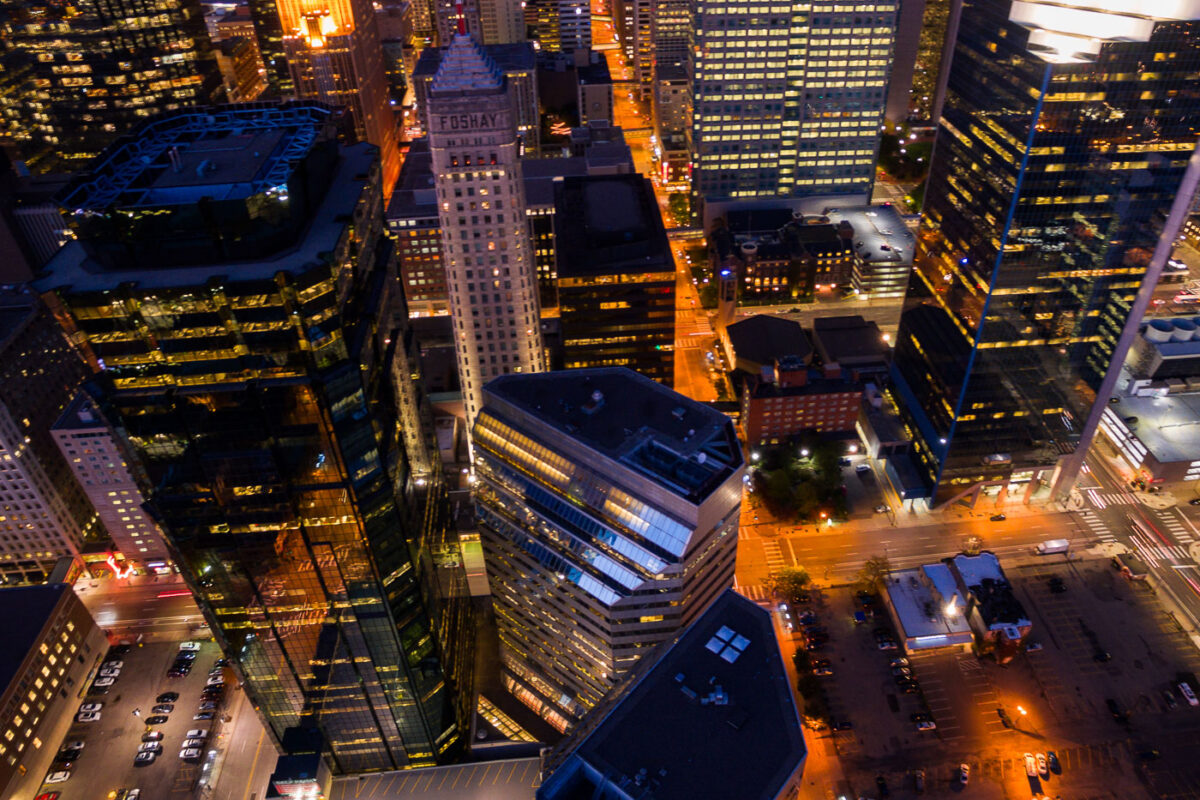
June 2019 — Downtown Minneapolis glows under a clear night sky, with Target’s illuminated headquarters on the left displaying its signature red and white colors across the rooftop screens. To the right stands the Campbell Mithun Tower, its reflective glass façade mirroring the surrounding city lights. The historic Foshay Tower, crowned with its bright beacon, anchors the scene in the background—a reminder of the city’s architectural evolution from early 20th-century art deco to modern corporate design.
June 2019 —
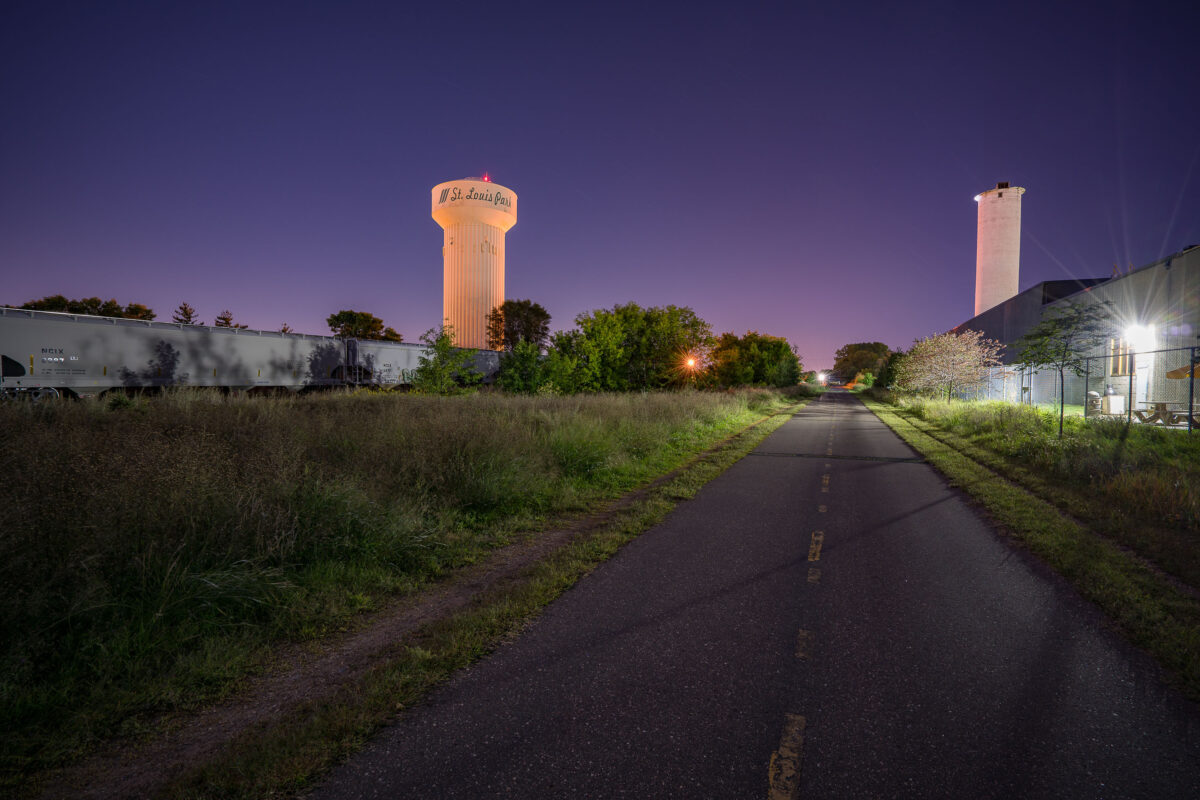
June 2019 — A John Deere 843L feller buncher sits parked near the railway tracks in St. Louis Park, Minnesota, during the early stages of construction for the Southwest Light Rail Transit (LRT) project. Designed primarily for forestry work, this heavy-duty machine—with its massive front grapple and thick treaded tires—was adapted for clearing brush and trees along the rail corridor. The mix of heavy equipment, rail infrastructure, and suburban backdrop highlights the region’s ongoing transformation as the light rail expansion reshapes Minneapolis’s western suburbs.
June 2019 — A tracked John Deere feller buncher with a yellow cutting head sits idle beside the Cedar Lake Trail in St. Louis Park, Minnesota, during early site preparation for the Southwest Light Rail Transit (LRT) extension. The machine’s “KEEP BACK 300 FT / 90 M” arm warning and the trail’s closed fencing mark the transition from a popular cycling route to an active construction corridor. In the distance, the bridge approach and industrial structures hint at the scale of redevelopment that reshaped the rail and trail landscape through Minneapolis’s western suburbs.
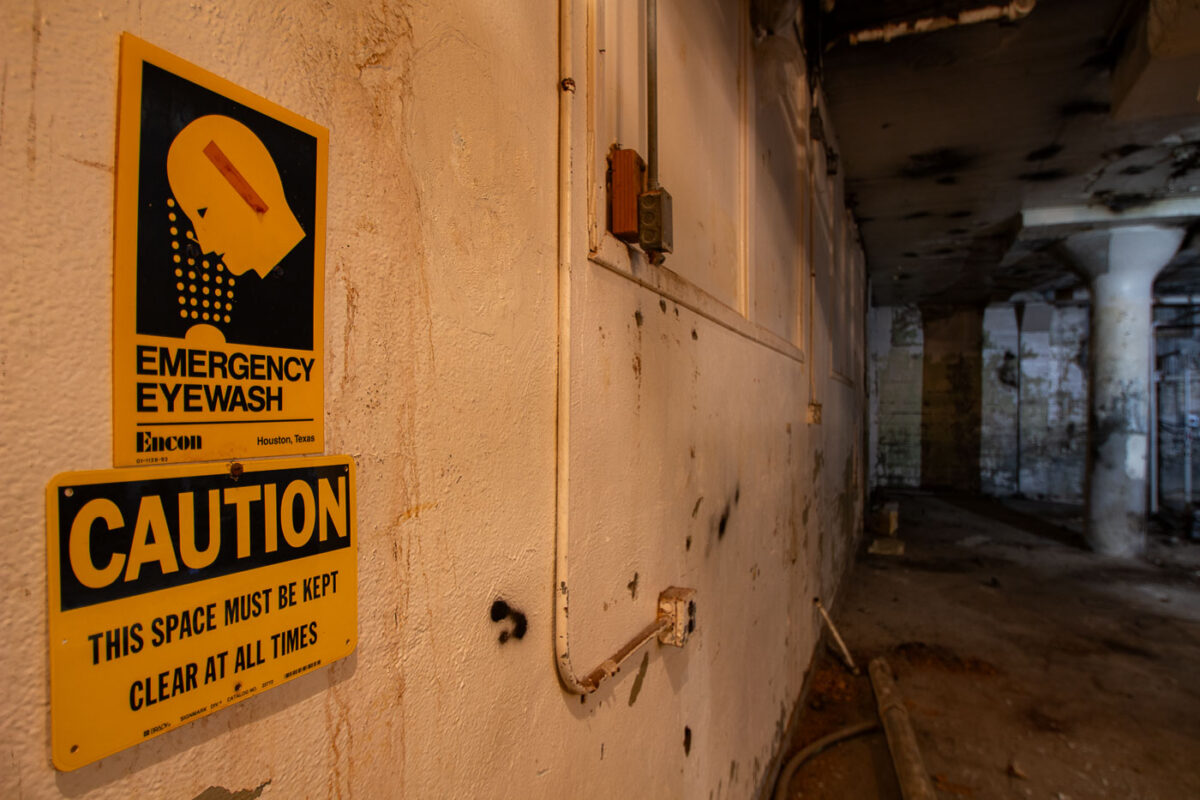
June 2019 — An electrical outlet inside an empty warehouse.
June 2019 — The weathered brick façade of Leder Bros. Scrap Metal Recycling reflects a century of small-scale industrial life in north Minneapolis. Faded hand-painted lettering and a rusting mid-century sign mark the receiving entrance for what was once a busy recycling yard, a place where scrap from the city’s rail lines and factories found new purpose. The combination of concrete block, yellow brick, and glass block windows speaks to a utilitarian design typical of the post-war industrial boom. Today, its aging surfaces and surveillance cameras evoke a district in transition, where traces of heavy industry linger amid redevelopment and adaptive reuse.
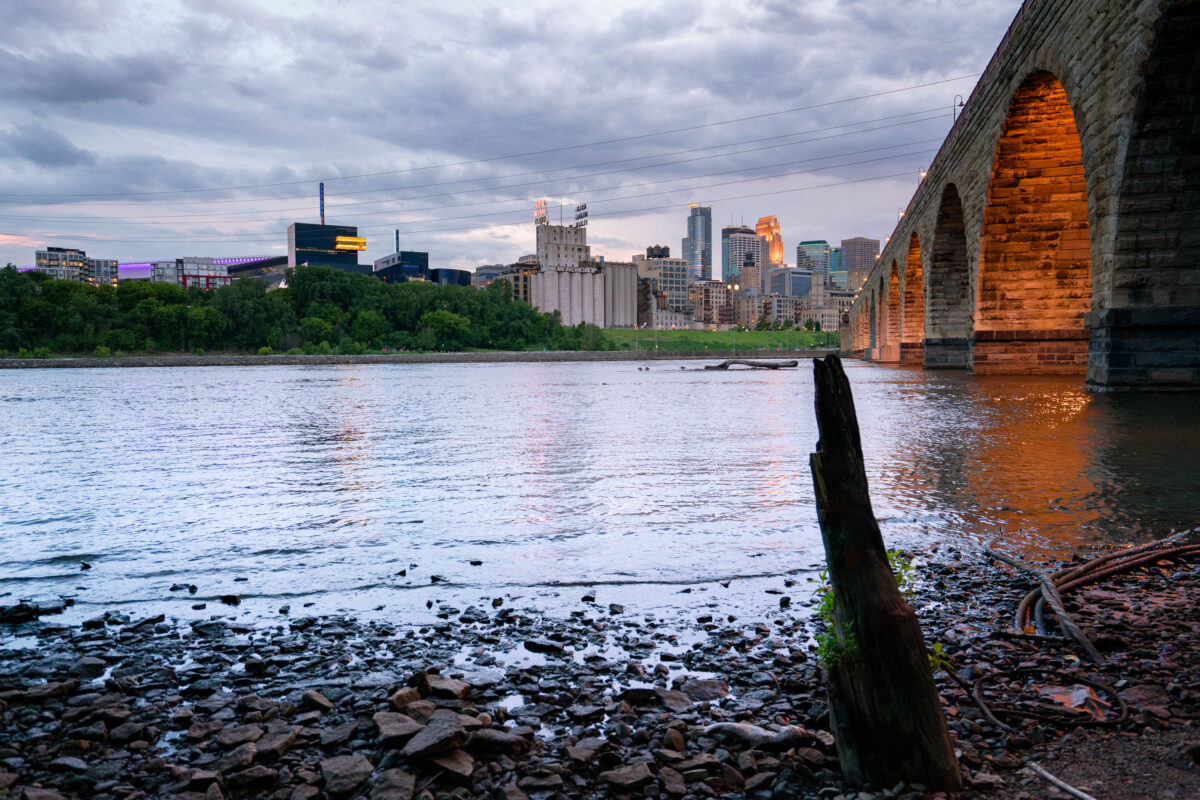
June 2019 — Stone Arch Bridge, Minneapolis
June 2019 — The Pillsbury A-Mill is a former flour mill located on the east bank of the Mississippi River in Minneapolis, Minnesota. It held the distinction of being the world's largest flour mill for 40 years. Completed in 1881, it was owned by the Pillsbury Company and operated two of the most powerful direct-drive waterwheels ever built, each capable of generating 1,200 horsepower (895 kW). The mill was named a National Historic Landmark in 1966 and has since been converted into resident artist lofts.
June 2019 — Downtown Minneapolis seen from near the Cedar Lake Trail.
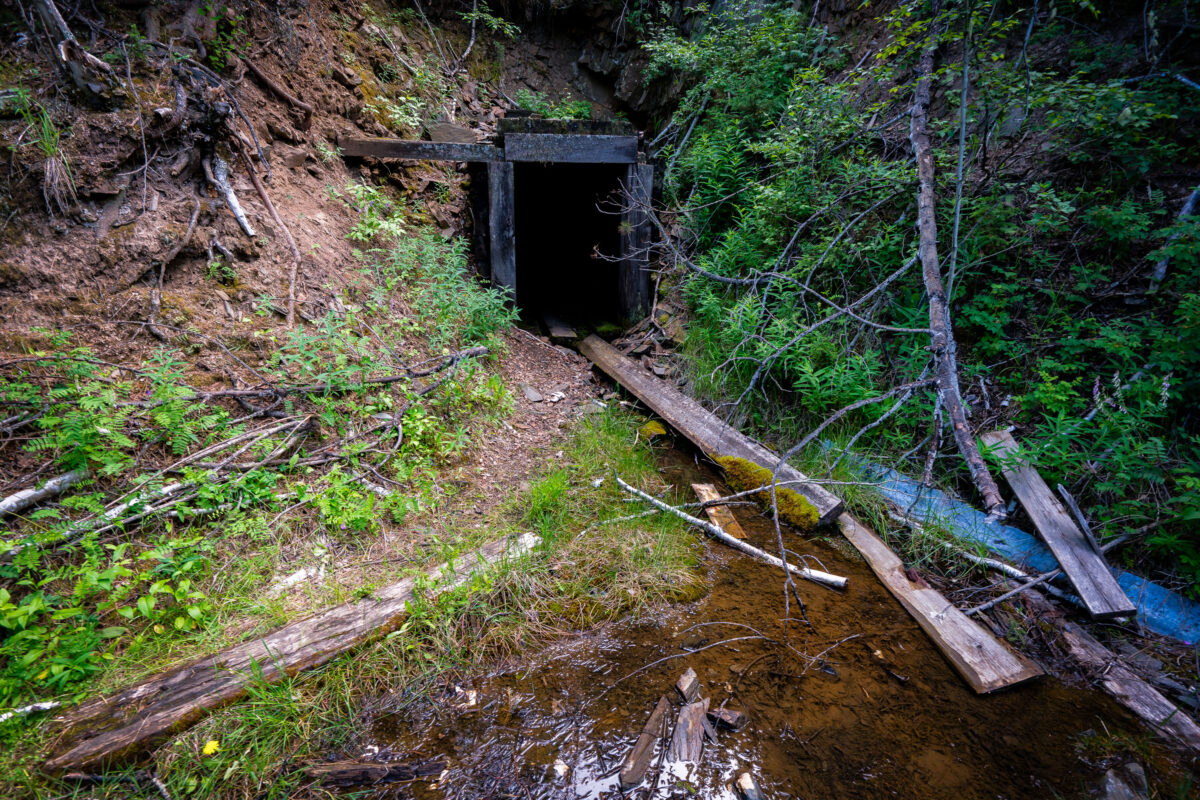
July 2019 — Carved into a rugged slope of weathered schist and limestone, this small mine entrance sits near the historic mining corridors west of Custer, South Dakota — a remnant of the Black Hills’ 19th-century gold rush. The opening, likely hand-dug or expanded with early blasting techniques, leads into mineral-rich rock layers once prospected for gold, silver, and iron sulfides that fueled the regional boom of the 1870s. Surrounding the portal are piles of tailings and fractured quartz veins that reveal the area’s geologic complexity — part of an ancient mountain uplift more than 1.8 billion years old. Today, the forest has begun to reclaim the site, with pines and brush growing over the spoil heaps, blending traces of human industry back into the Black Hills landscape.
July 2019 — An abandoned mine in South Dakota near the Black Hills.
July 2019 —
July 2019 — Lake of the Isles and Bde Maka Ska in Minneapolis.
July 2019 —
July 2019 —
July 2019 — Mural by Cori Nakamura Lin, and Tori Hong on the Midtown Greenway in South Minneapolis.
July 2019 — Renter Power! Seen on the Midtown Greenway in Minneapolis, MN
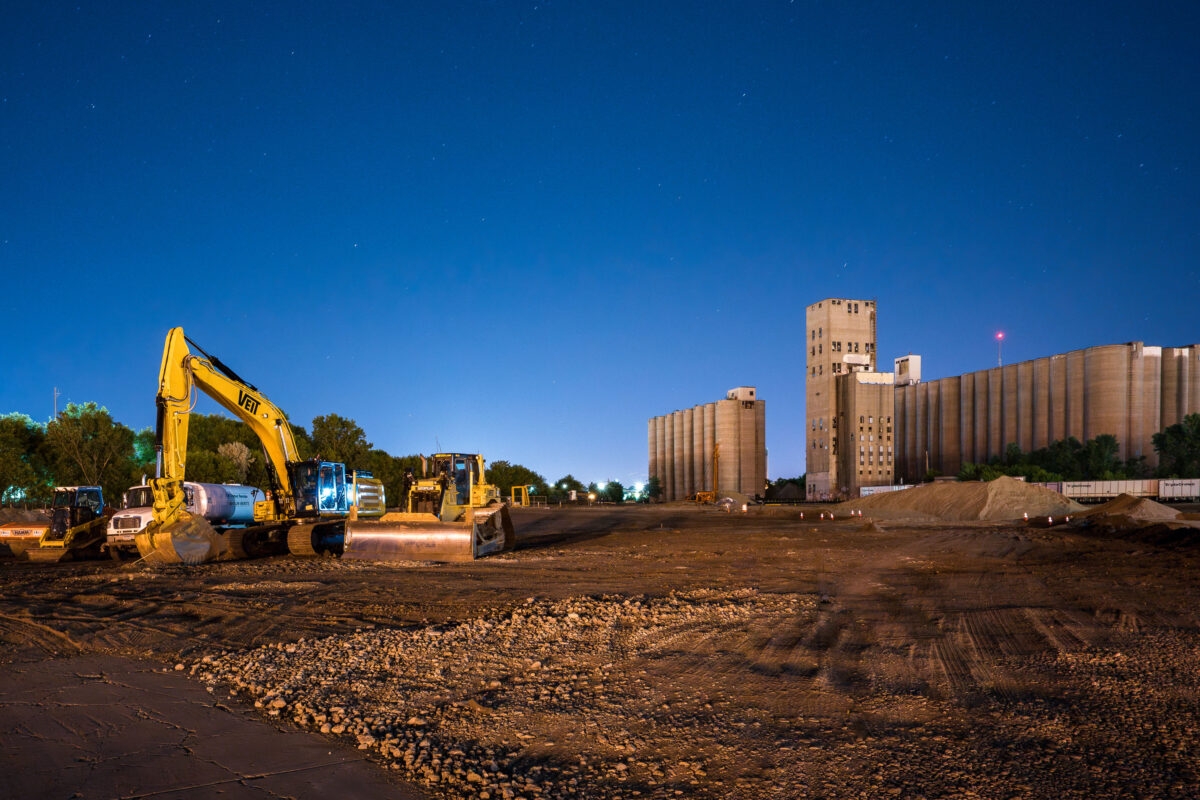
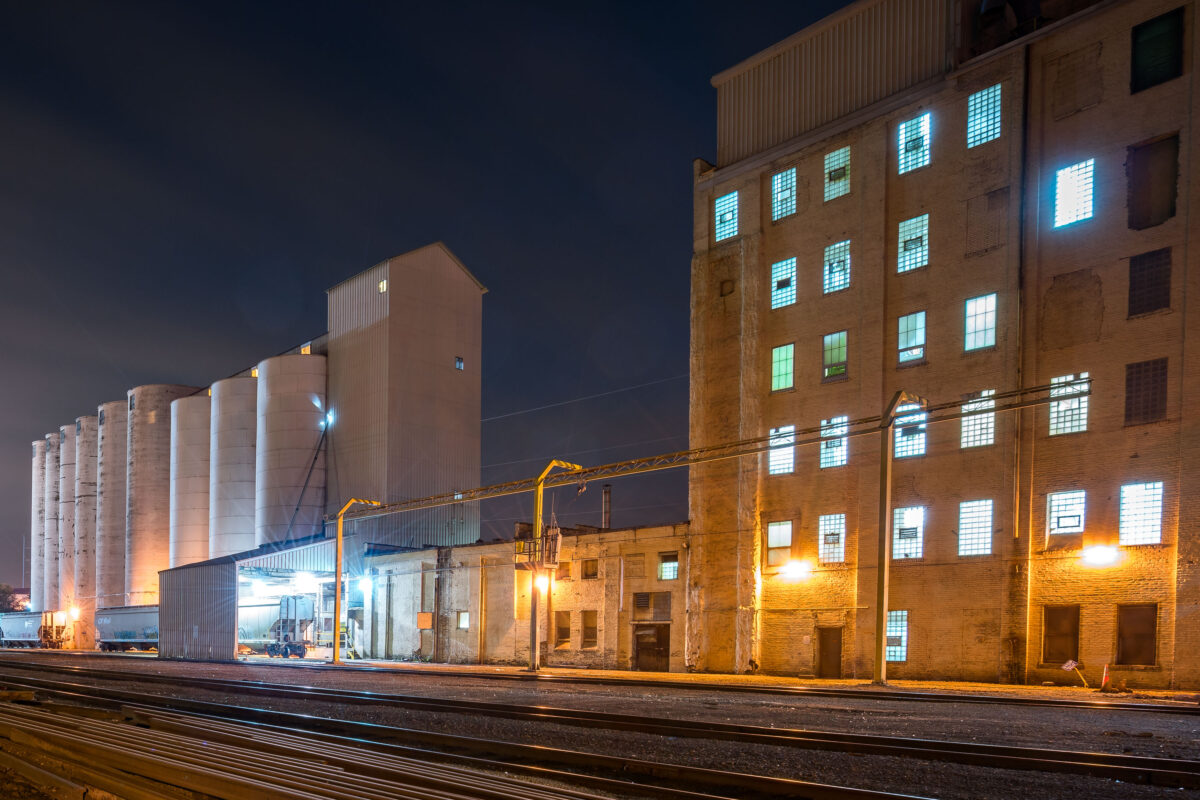
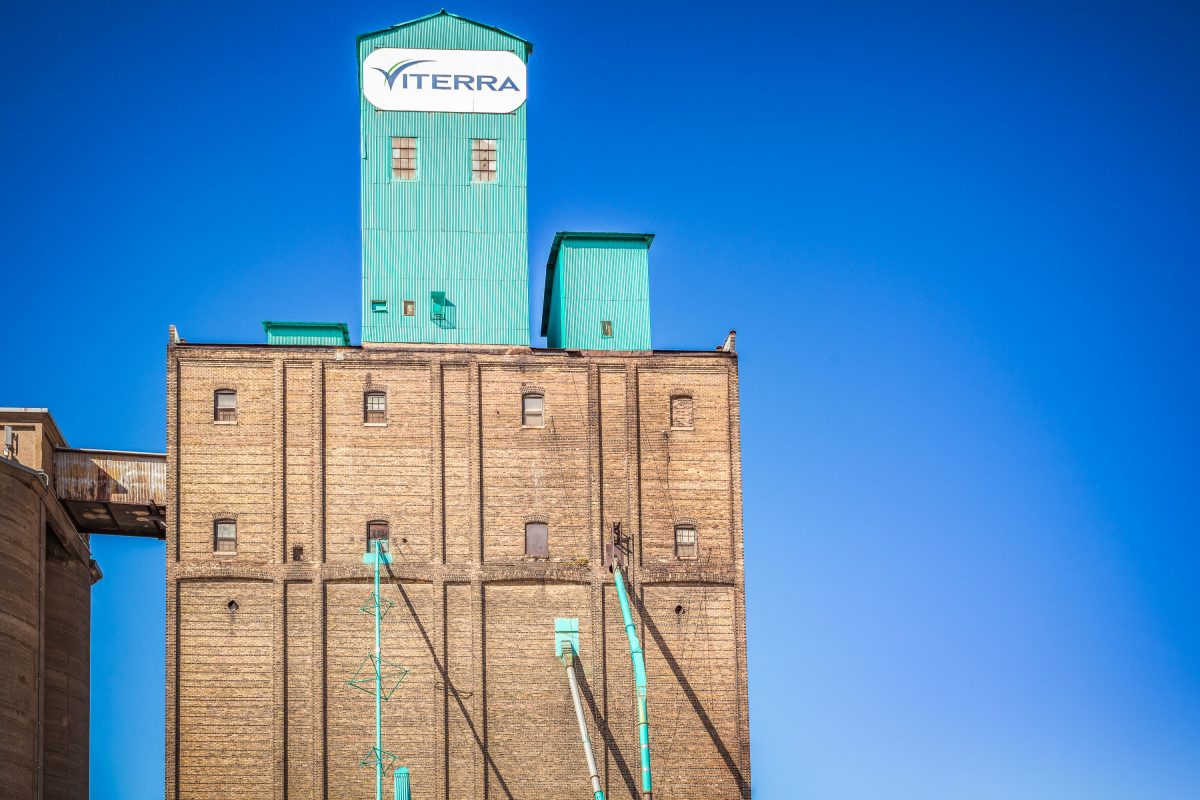
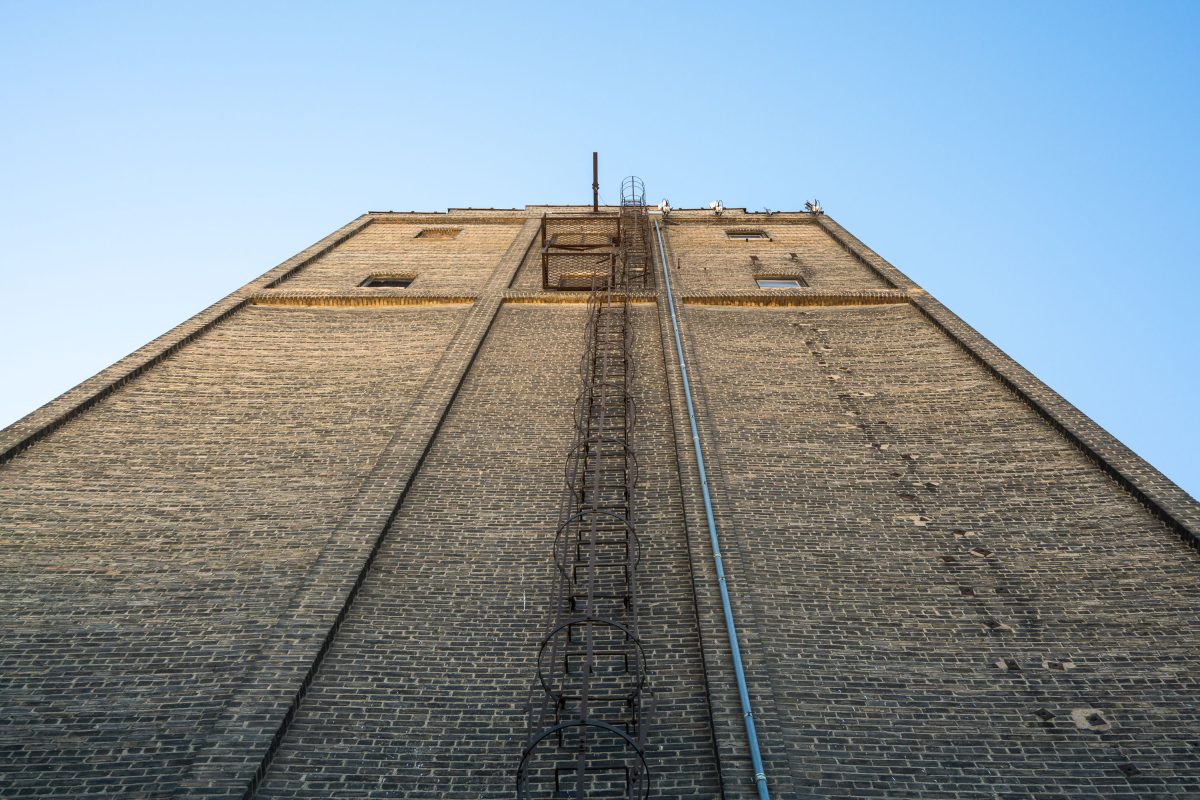
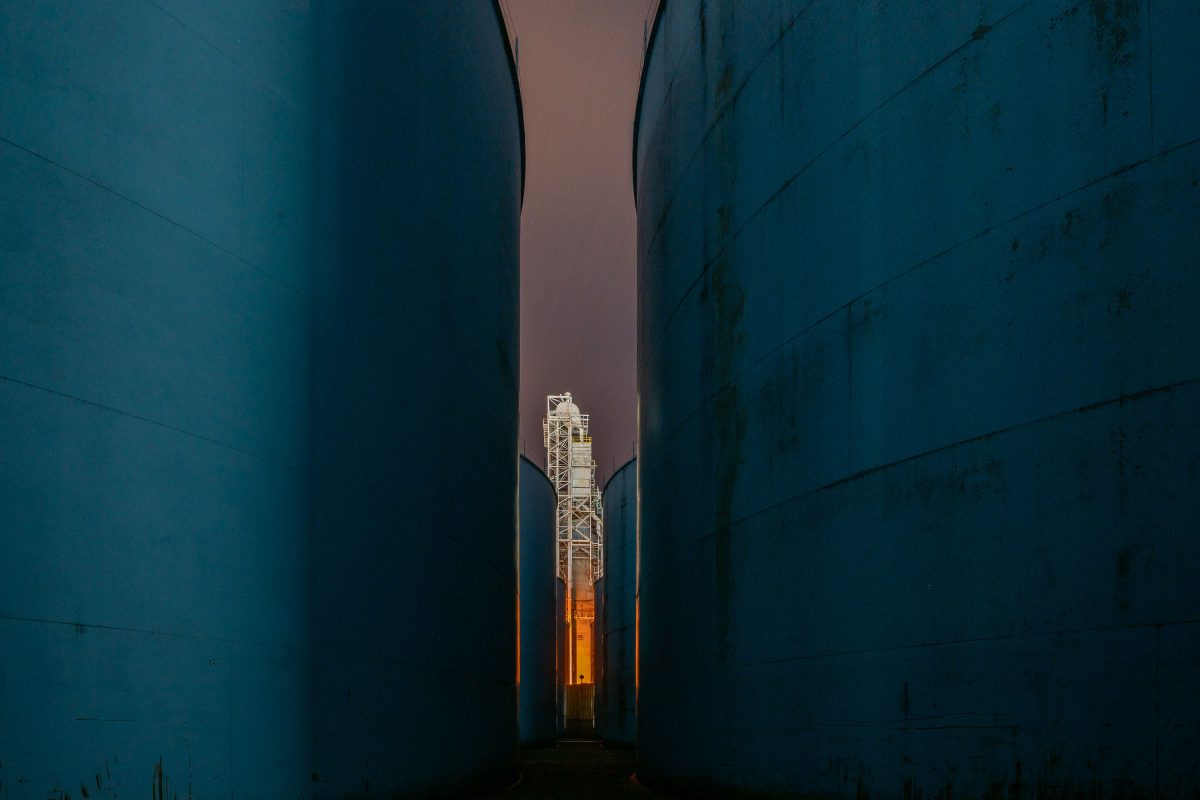
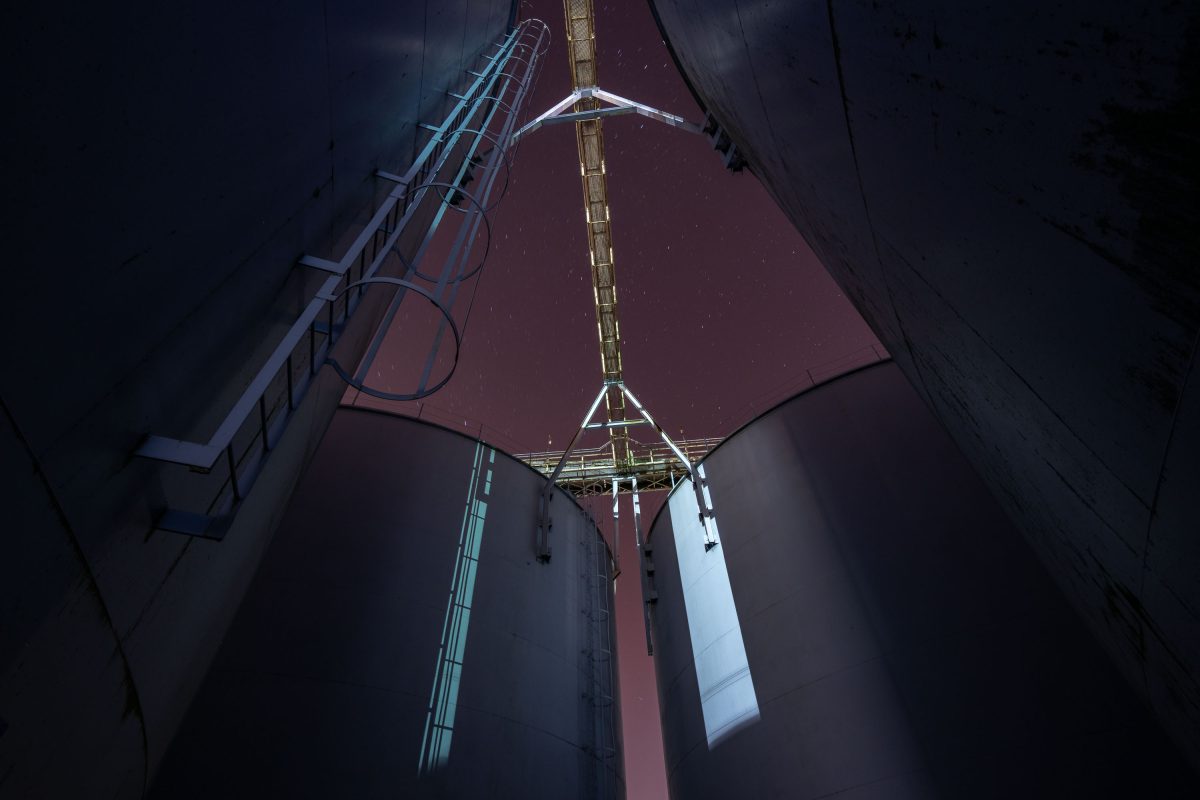
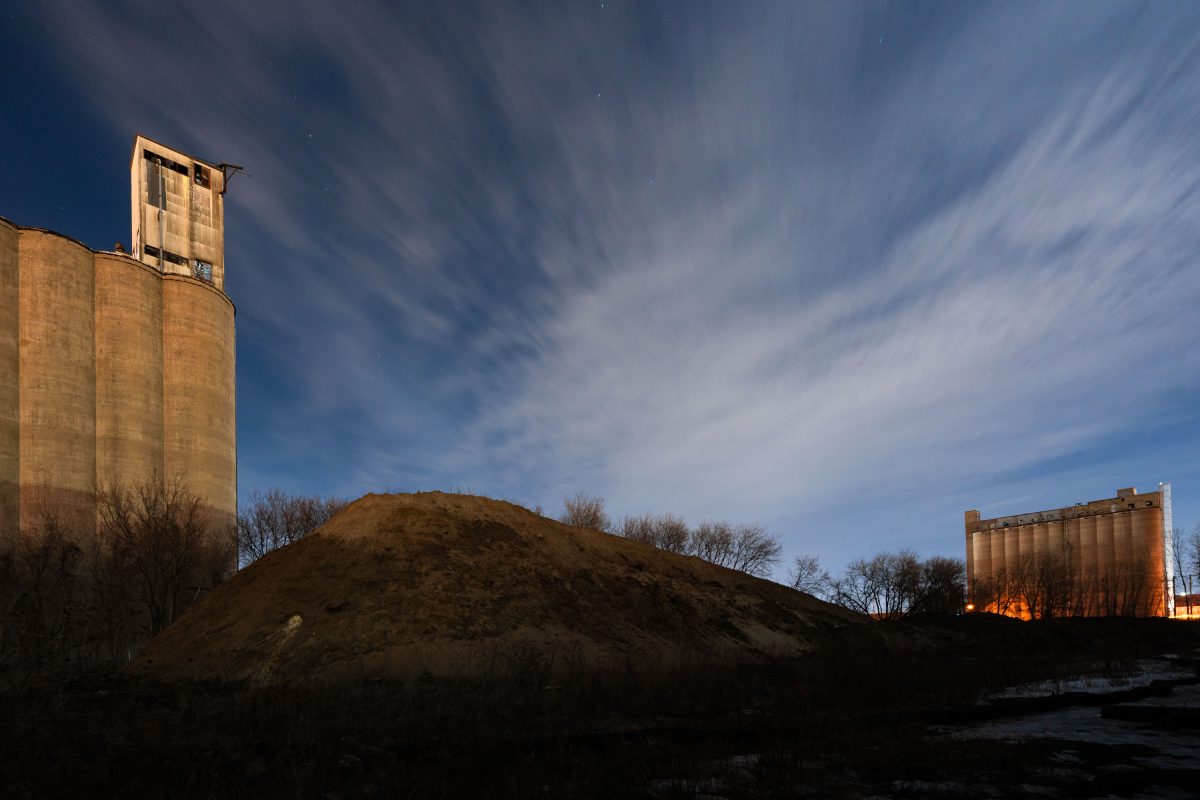
July 2019 — The long abandoned massive concrete Archer-Daniels-Midland Delmar Elevator No. 7 in Minneapolis.
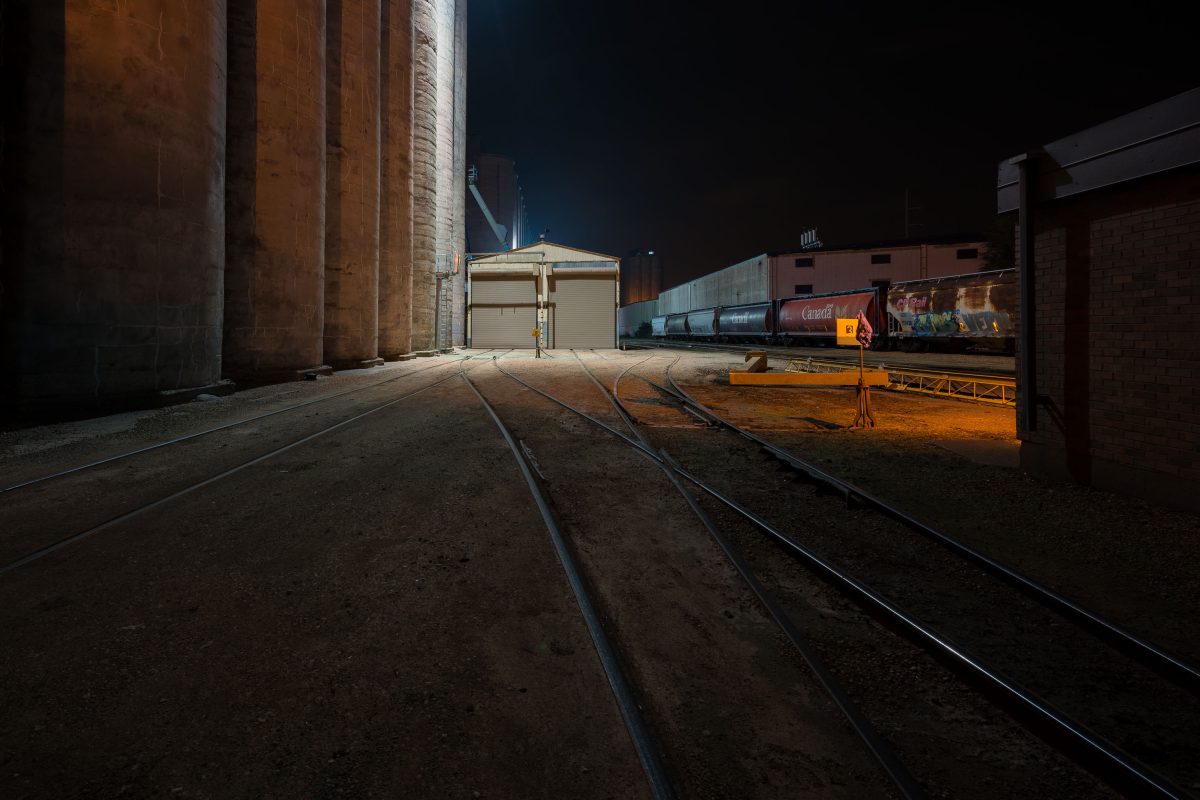
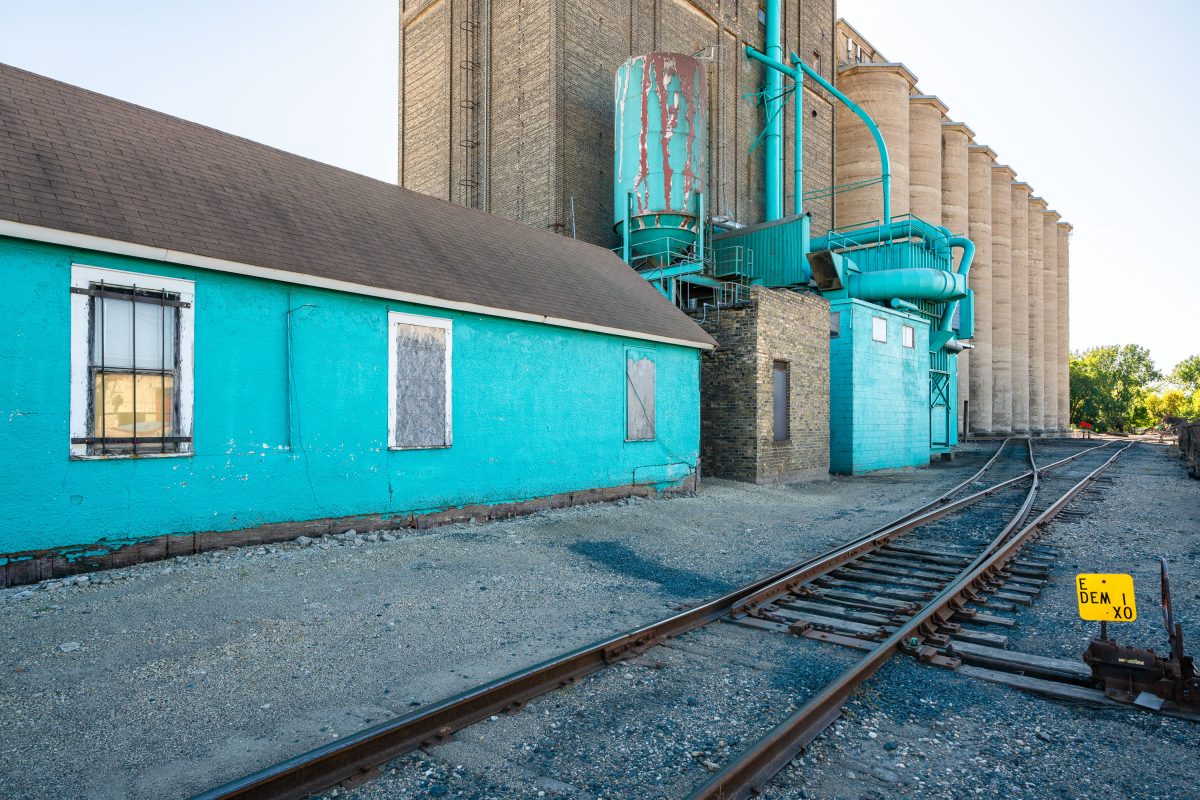
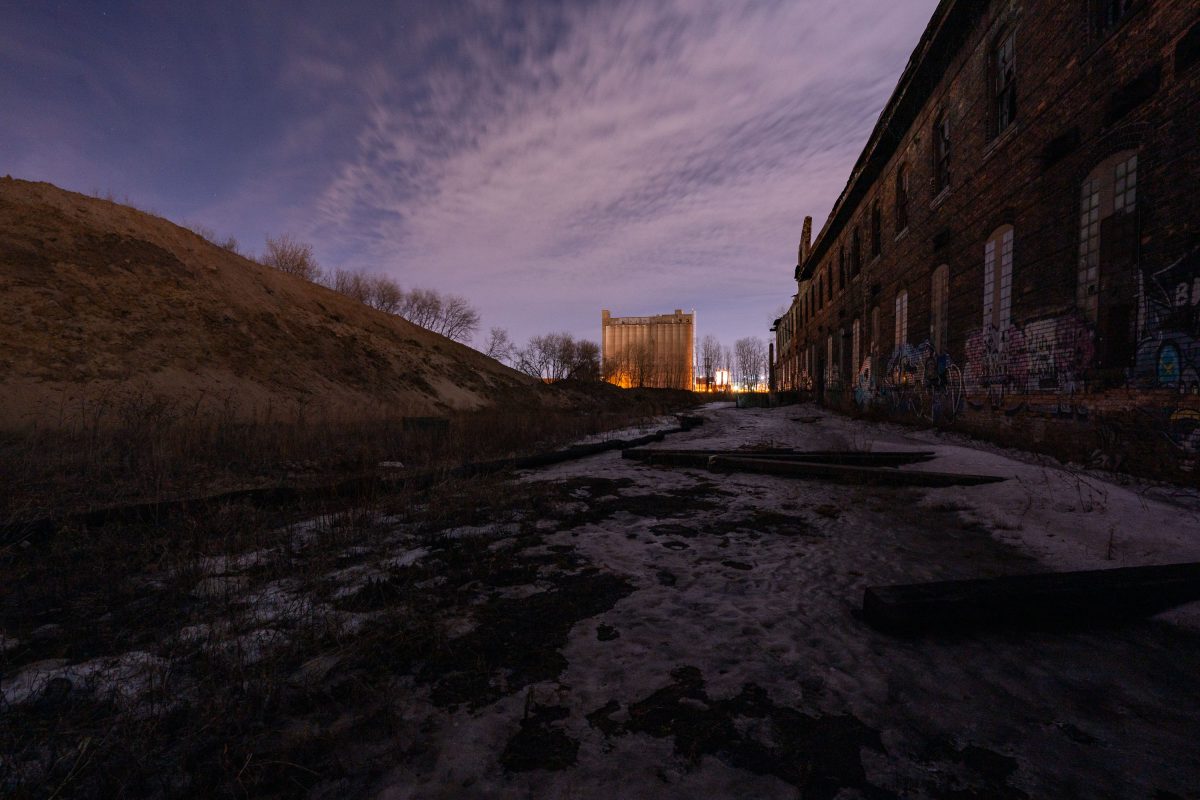
July 2019 — Train tracks outside the long abandoned massive concrete Archer-Daniels-Midland Delmar Elevator No. 7 in Minneapolis.
July 2019 — Formerly the Harris Machinery building has since been renovated into The Market at Malcolm Yards.
July 2019 — Taconite Harbor Energy Center in Schroeder, Minnesota
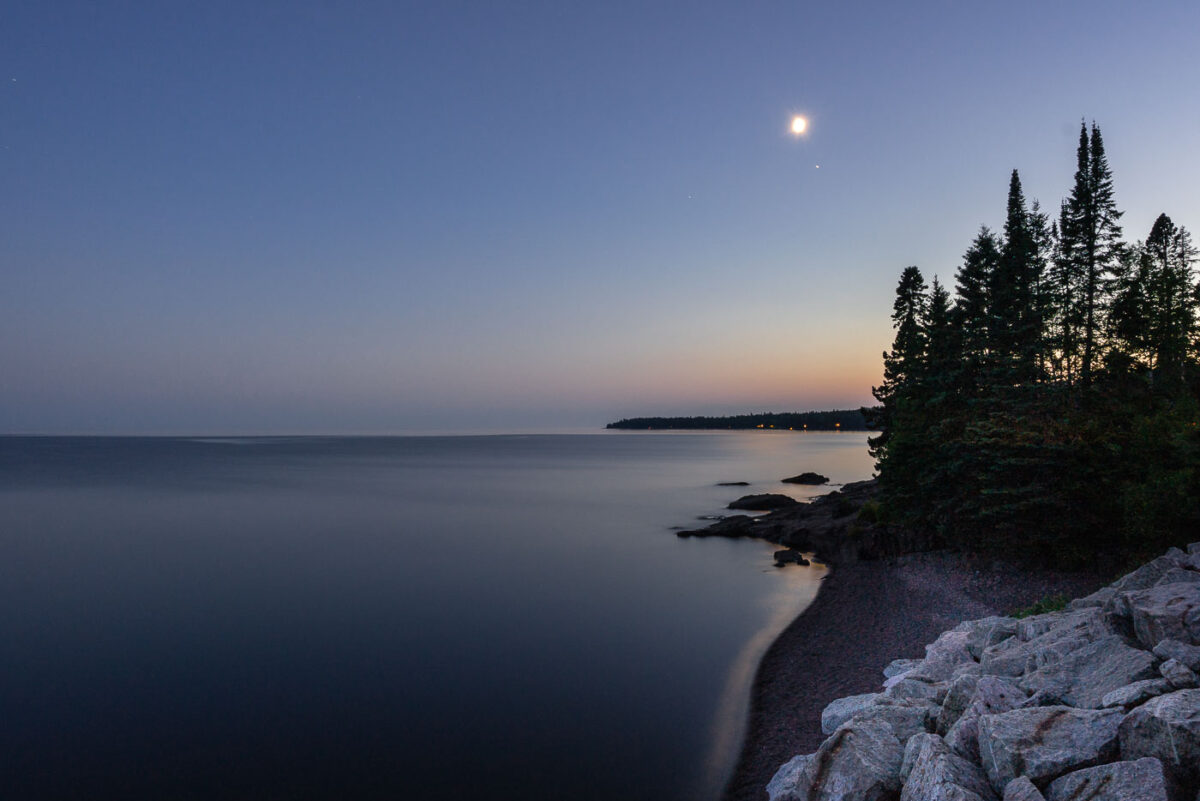
July 2019 — Storm clouds rolling into Taconite Harbor and Lake Superior. The storm didn't last long but provided some incredible clouds.
July 2019 — The Knife Falls Dam in Cloquet, MN. The hydro plant produces an output of 2.4-megawatts.
July 2019 — Cramer Tunnel in Cramer Minnesota. The tunnel operated from 1957 to 2001. The tunnel connect the LTV Steel taconite plant in Hoyt Lakes to the ore dock at Taconite Harbor.
July 2019 — Built circa 1889, this building in Downtown Minneapolis on 11th Avenue used to operate as a brothel per historical records.
August 2019 — Signs in a Minneapolis parking ramp.
August 2019 — A "Slippery When Wet" sign in a downtown Minneapolis parking garage.
August 2019 — Skyway under construction in downtown Minneapolis.
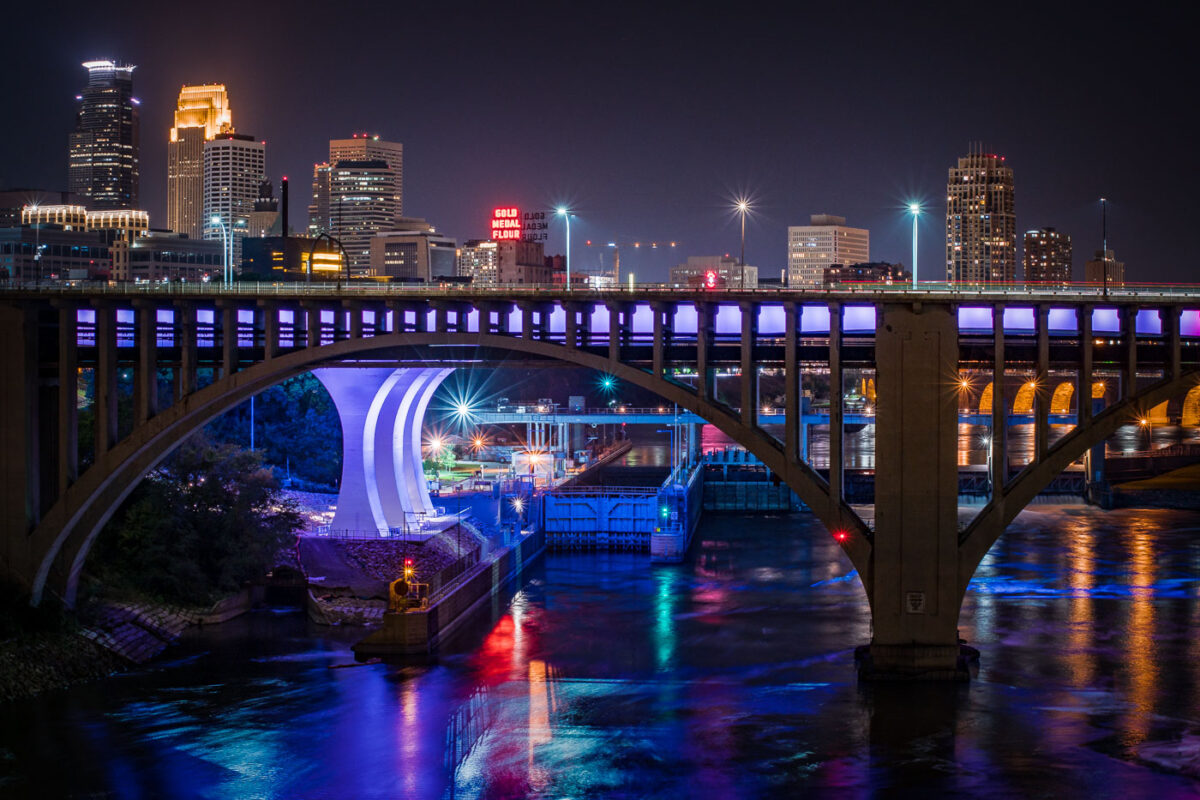
August 2019 — Gold Medal Flour sign seen from Downtown East.
August 2019 — Located on the University of Minnesota campus at 84 Church Street SE, the Cyrus Northrop Memorial Auditorium is a performing arts venue. It is named after the Universities second president.
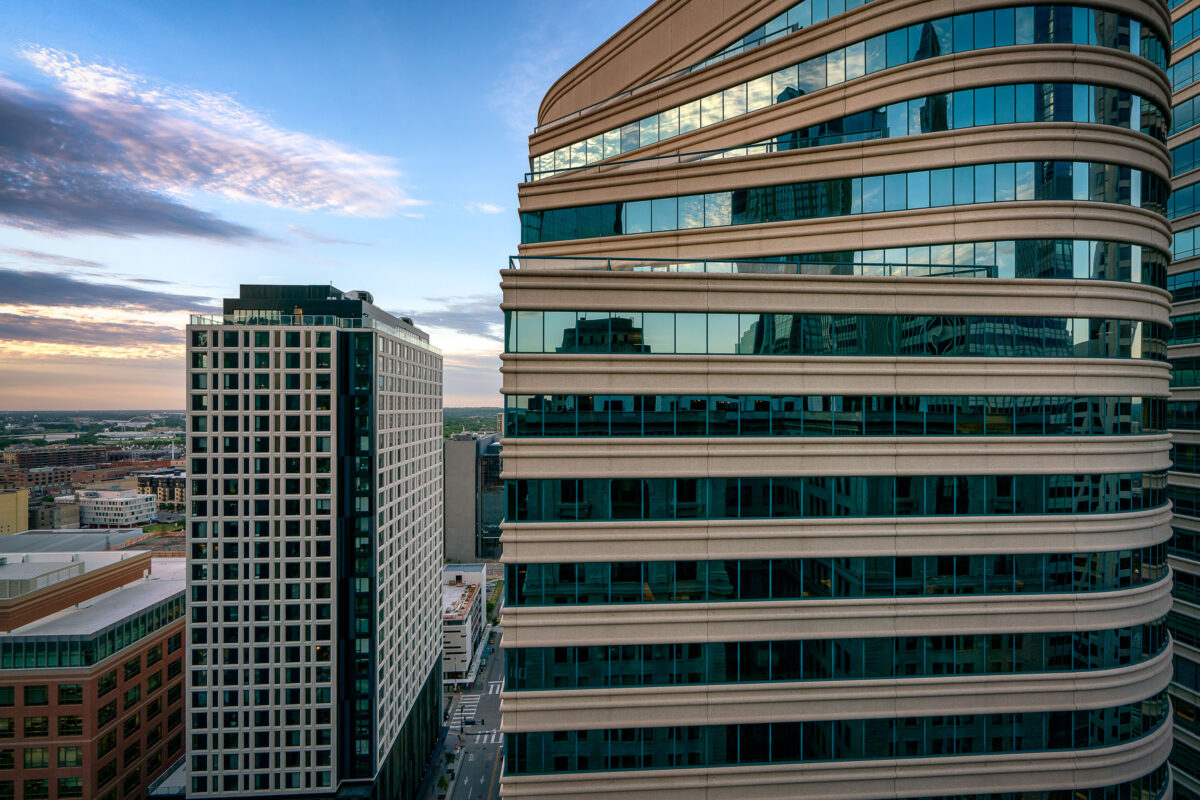
August 2019 — 498 foot high rise at 707 2nd Avenue South, Minneapolis, MN
August 2019 — A night view of downtown Minneapolis glows with vibrant hues from its illuminated skyline. The IDS Center and Wells Fargo Tower stand prominently among the city’s modern high-rises, their lights reflecting the urban energy below. New residential buildings in the foreground contrast with the historic clock tower in the distance, highlighting the city’s mix of old and new architecture.
August 2019 — A brightly painted cookie shop features bold signage advertising chocolate chip cookies, ice cold milk, and hot coffee. The storefront, with its yellow siding, red-and-white awnings, and whimsical design, captures the festive atmosphere typical of fairgrounds and boardwalk-style concessions.
August 2019 — A brightly lit “Super Dog” food stand sign glows with yellow bulbs at a carnival or fairground. Surrounded by flags and festive colors, the concession stand evokes the classic atmosphere of American fairs where hot dogs and snacks are a staple of the midway.
August 2019 — Brightly lit with rows of orange and yellow bulbs, a vintage-style swing carousel glows against the night sky at a fairground. The ornate ride features hand-painted panels depicting alpine landscapes and traditional figures, creating a striking contrast between old-world artistry and modern amusement park energy.
August 2019 —
September 2019 — Storefronts of The Vitamin Shoppe, Rumour’s Bar and Grill, and The Bread Factory Café are seen at night along a Manhattan street. Cars are parked in front of the businesses.
September 2019 —
September 2019 — A neon sign for Angelo’s Pizza glows against the brick facade of a building in Midtown Manhattan. The Italian restaurant, located near the Ed Sullivan Theater, adds to the neighborhood’s mix of nightlife and dining spots illuminated after dark.
September 2019 — The marquee of the Ed Sullivan Theater glows at night in Manhattan, advertising “The Late Show with Stephen Colbert.” Pedestrians walk past the historic theater, which has been home to late-night television for decades, with nearby businesses like Angelo’s Pizza adding to the busy Midtown street scene.
September 2019 — An MTA bus is stopped along Roosevelt Avenue in Flushing, Queens, a bustling corridor lined with Chinese and Korean storefronts.
September 2019 —
September 2019 — Wastewater treatment plant with sedimentation tanks used to settle and remove solids from incoming water. Metal bridges and railings provide access for workers to maintain and inspect equipment. In the background, storage areas and treatment structures are surrounded by trees and fencing at the edge of the facility.
September 2019 — Wastewater treatment plant in Cottage Grove Minnesota.
September 2019 — Rooftop Patio seen in the North Loop of Minneapolis.
September 2019 — Opened in 2014, Target Field Station is a multimodal transit hub serving the METRO Blue and Green light rail lines, Northstar commuter rail, and several Metro Transit bus routes. It sits adjacent to Target Field, home of the Minnesota Twins, and doubles as a public gathering space with an amphitheater, green plaza, and year-round programming. In this night view, the glowing red canopy and bold “Target Field Station” signage stand out against the dark sky, framed between the historic Ford Center (left, built in 1912 as an assembly plant) and a modern office building (right). A freeway bridge cuts through the foreground, symbolizing the layered infrastructure of the city. This mix of historic brickwork, modern transit, and illuminated signage captures Minneapolis’s ongoing balance of industrial heritage and urban redevelopment.
September 2019 — The Downtown Minneapolis Skyline as seen from the North Loop.