Japan

132 photos · 2015–2023

132 photographs tagged Japan, 2015–2023.
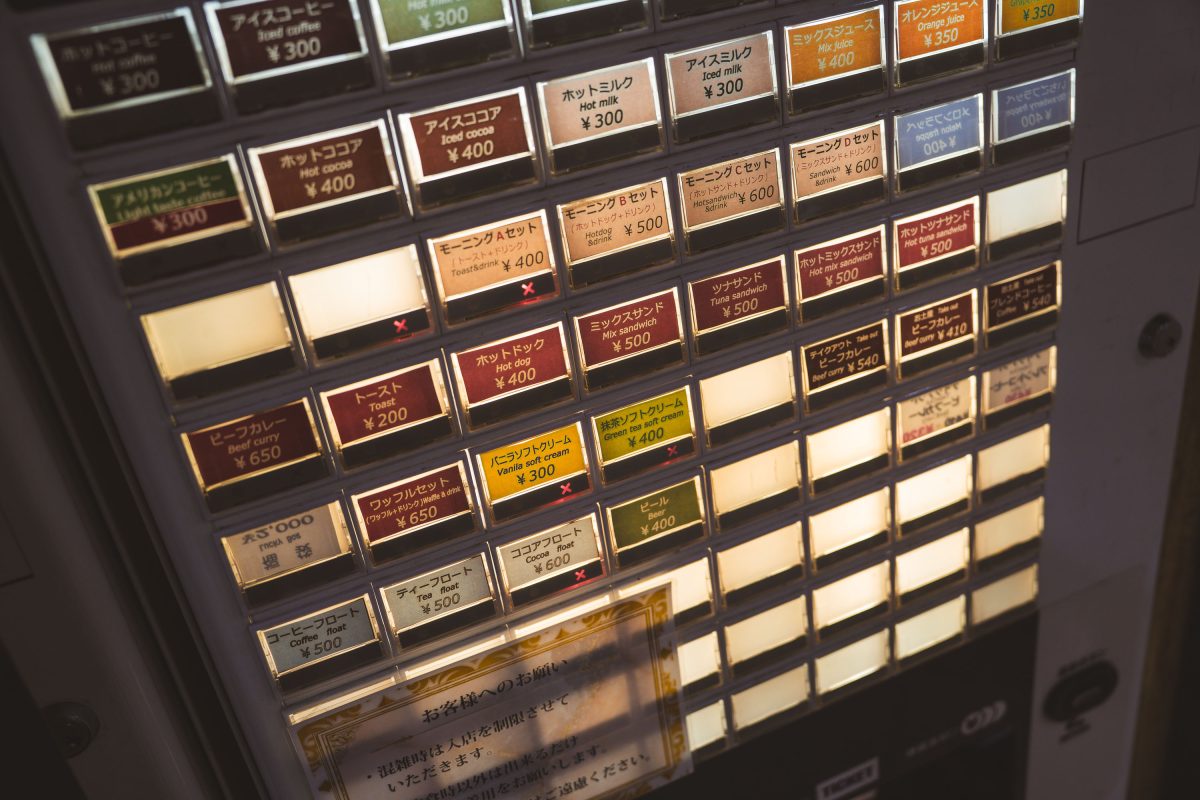
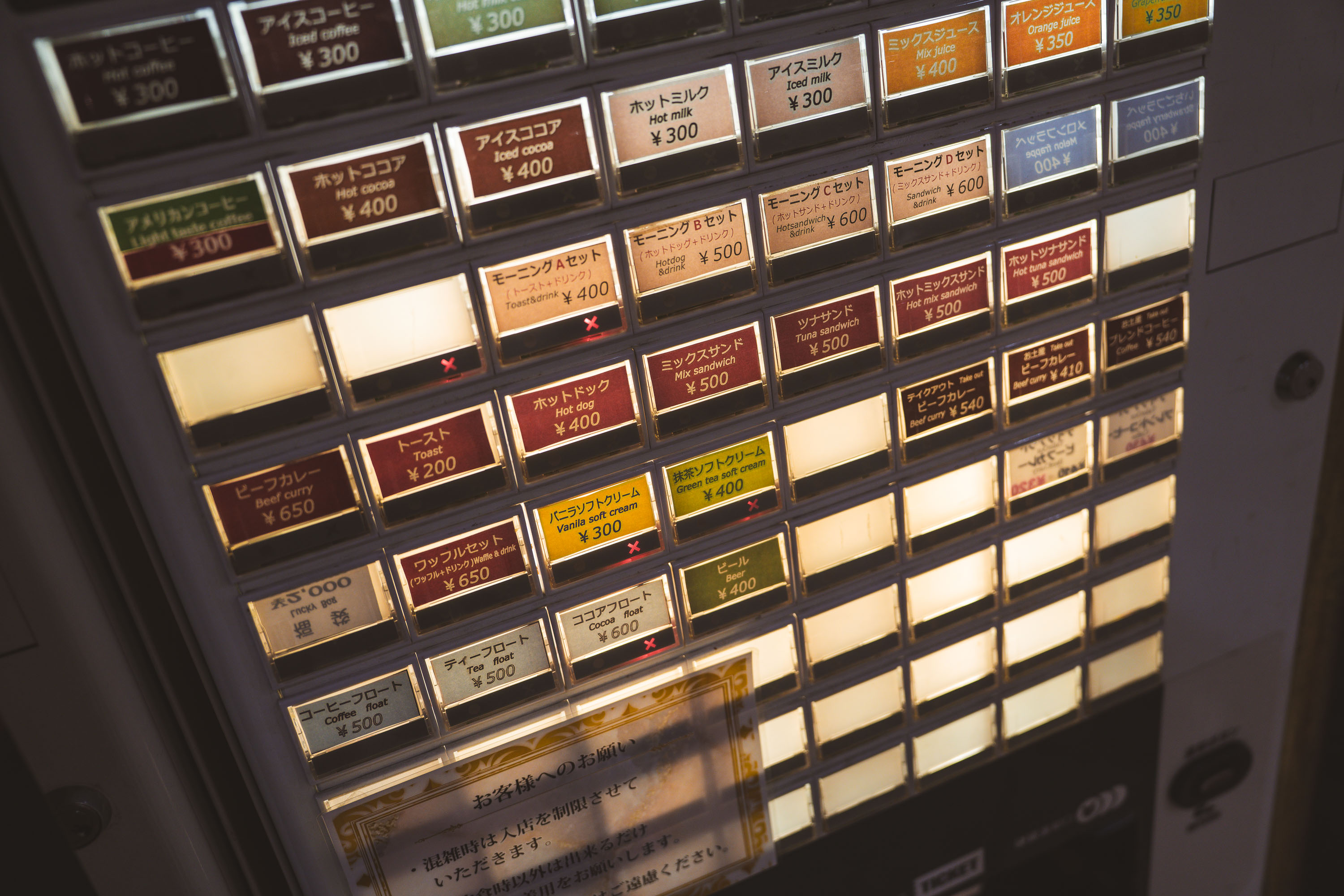
Japanese café menu board displaying beverage and food items with prices in yen.
A ticket vending machine stands at the entrance of a Japanese kissaten, a style of coffee shop dating back to the early twentieth century. Customers press a button to buy a ticket for their order, then hand it to staff at the counter instead of ordering by voice. The buttons list drinks like hot coffee, iced coffee, and hot cocoa alongside food such as toast, sandwiches, hot dogs, and beef curry. A few set meals bundle toast or a sandwich with a drink, priced from 400 to 600 yen. Prices on the machine range from 200 yen for plain toast to 650 yen for beef curry or a waffle set.

Ticket Vending Machine at a Japanese Kissaten
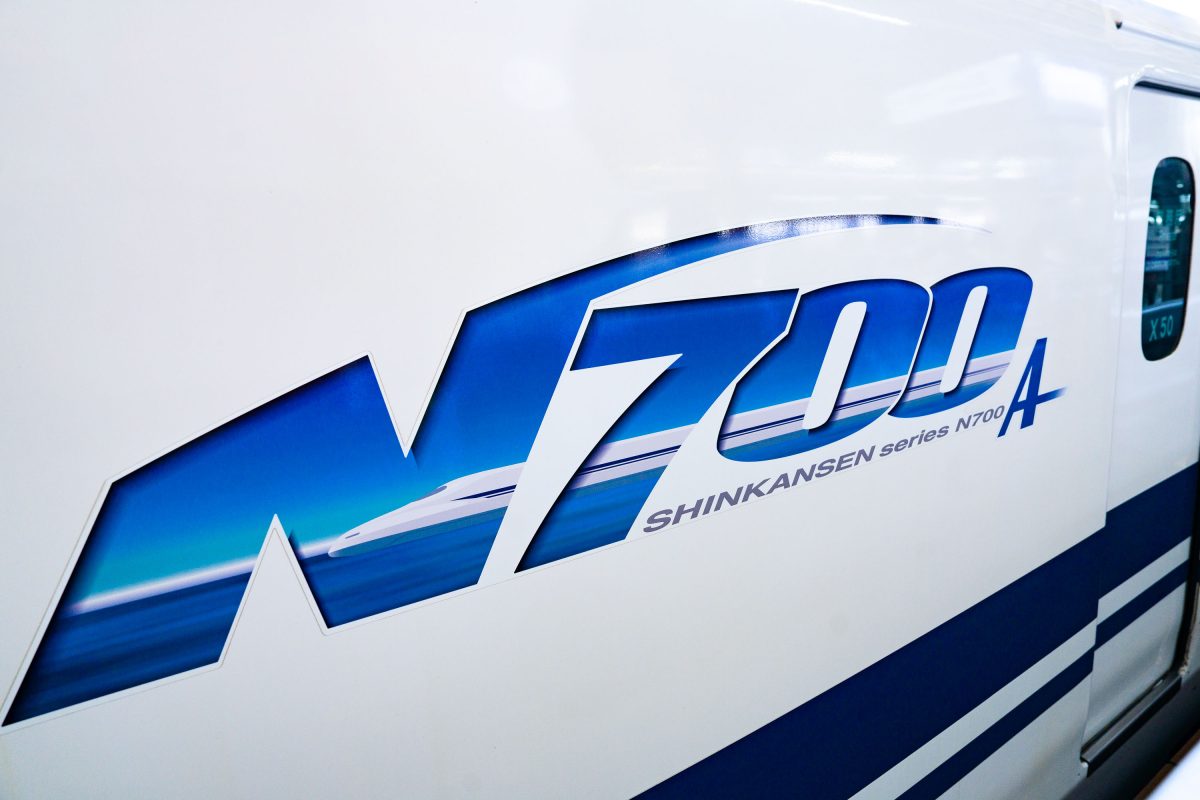
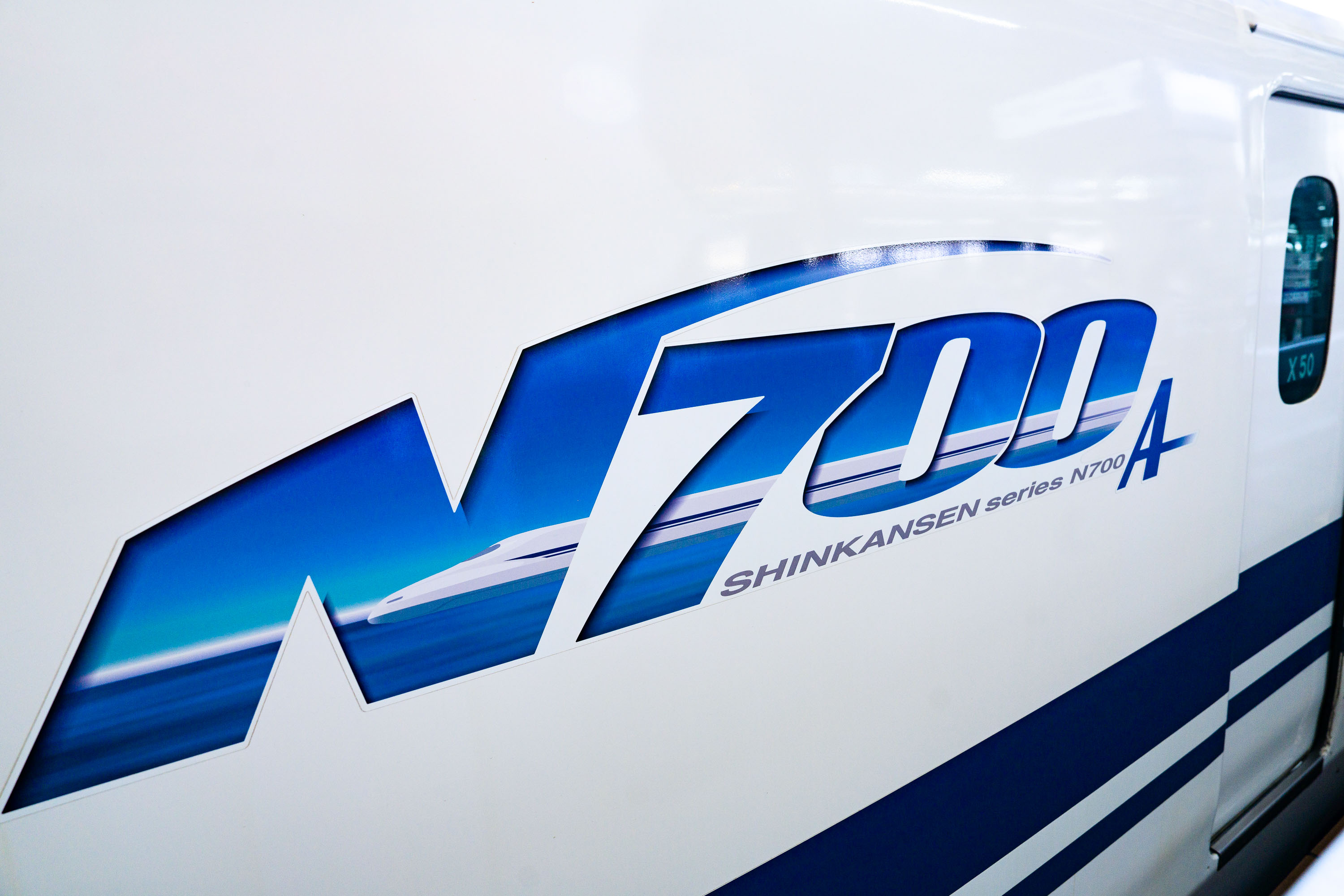
Blue and white logo decal for a Shinkansen N700A series high-speed train operated by JR Central in Japan.
This logo decal marks a Shinkansen N700A series train operated in Japan's high-speed rail network. The N700A, an upgraded version of the original N700 series, entered service in 2013 with improved braking systems and active suspension technology. Operated primarily by JR Central and JR West on the Tokaido and Sanyo Shinkansen lines, these trains connect major cities including Tokyo, Nagoya, and Osaka at speeds up to 300 km/h.

“N700A” Logo Decal on a Tokaido Shinkansen Train
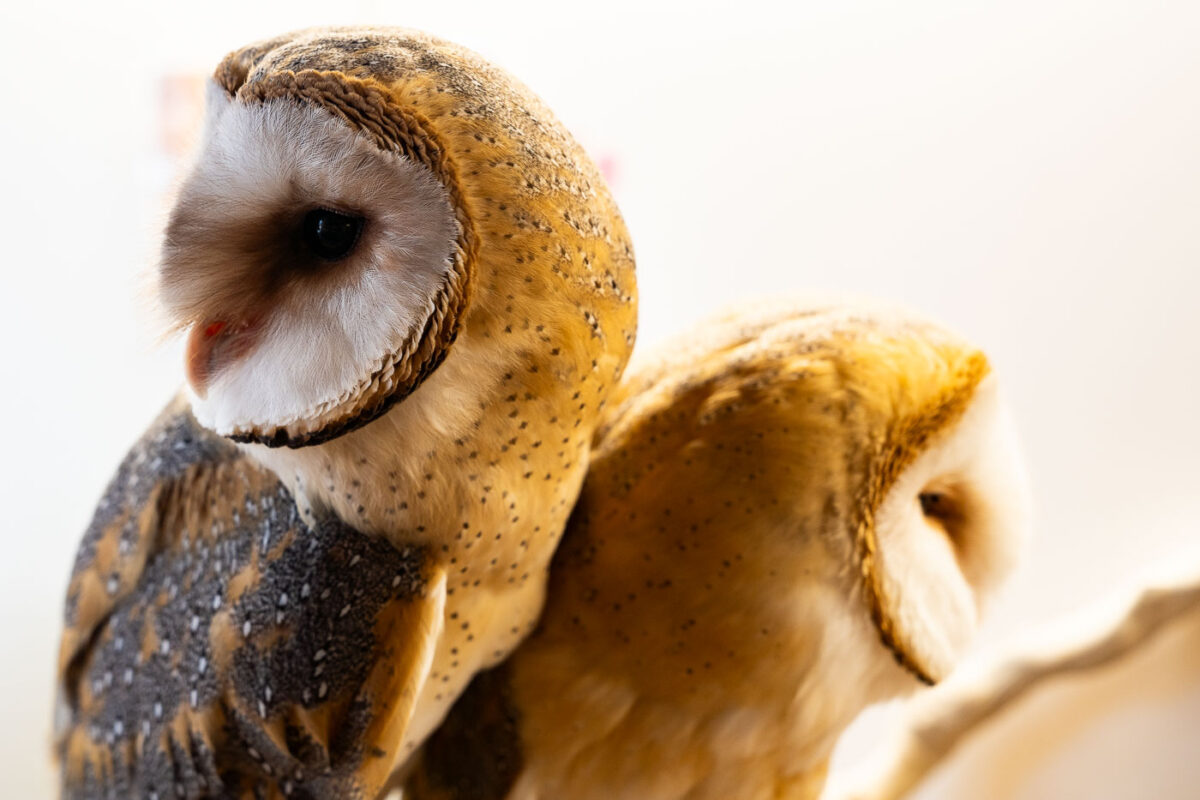
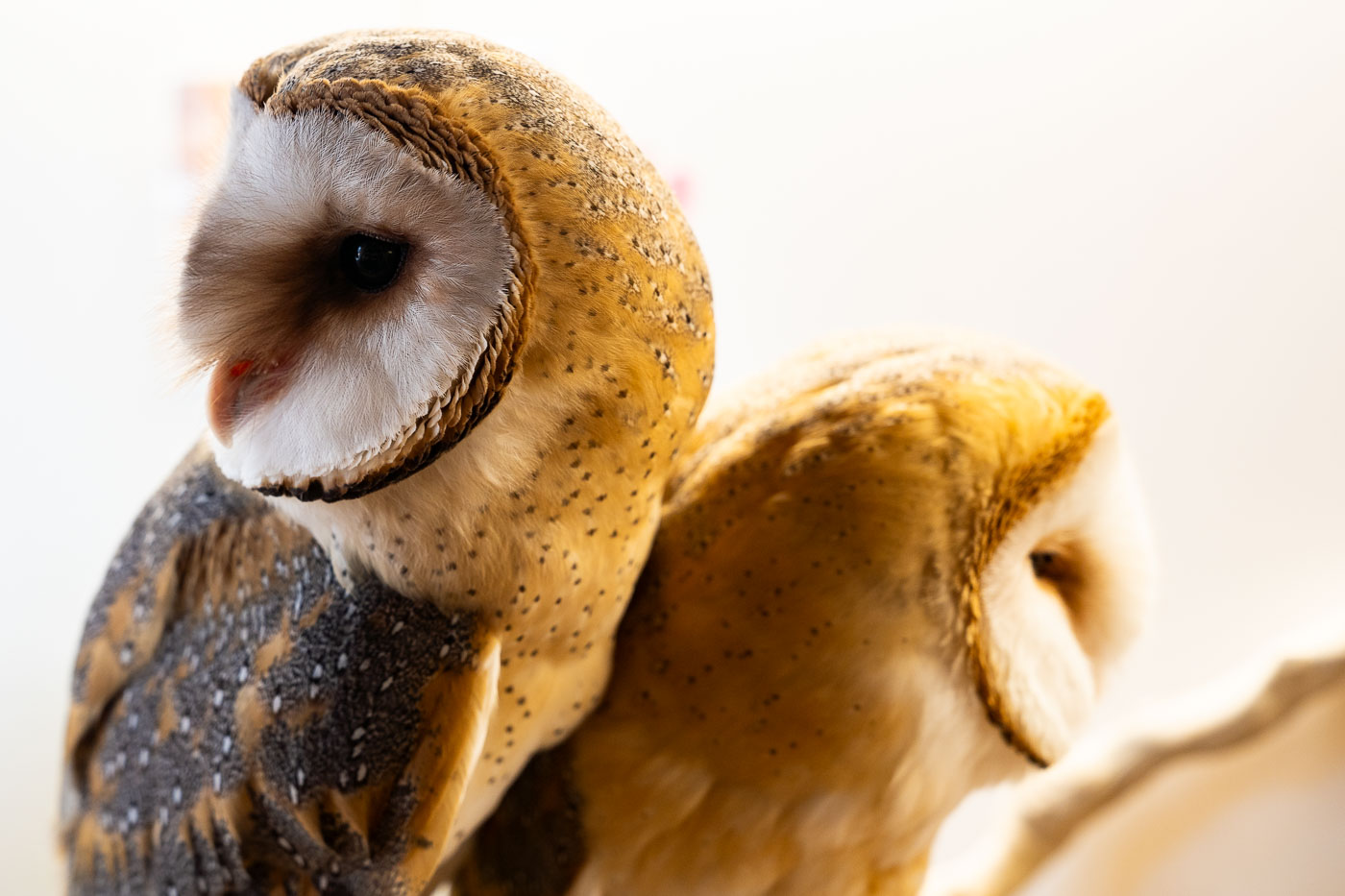
Two barn owls with heart-shaped facial disks perched close together at a Tokyo owl cafe.
Owl cafes like this one let visitors view and handle owls at close range, often for the price of a drink and a timed session. Tokyo has several such cafes, a niche offshoot of Japan's broader animal cafe industry that also includes cat, rabbit, and hedgehog venues. Barn owls, recognizable by their heart-shaped facial disks, are among the species commonly kept at these establishments. Regulations on the keeping and display of owls in Japan have tightened in recent years amid welfare concerns raised by animal rights groups.

Barn Owls at a Tokyo Owl Cafe

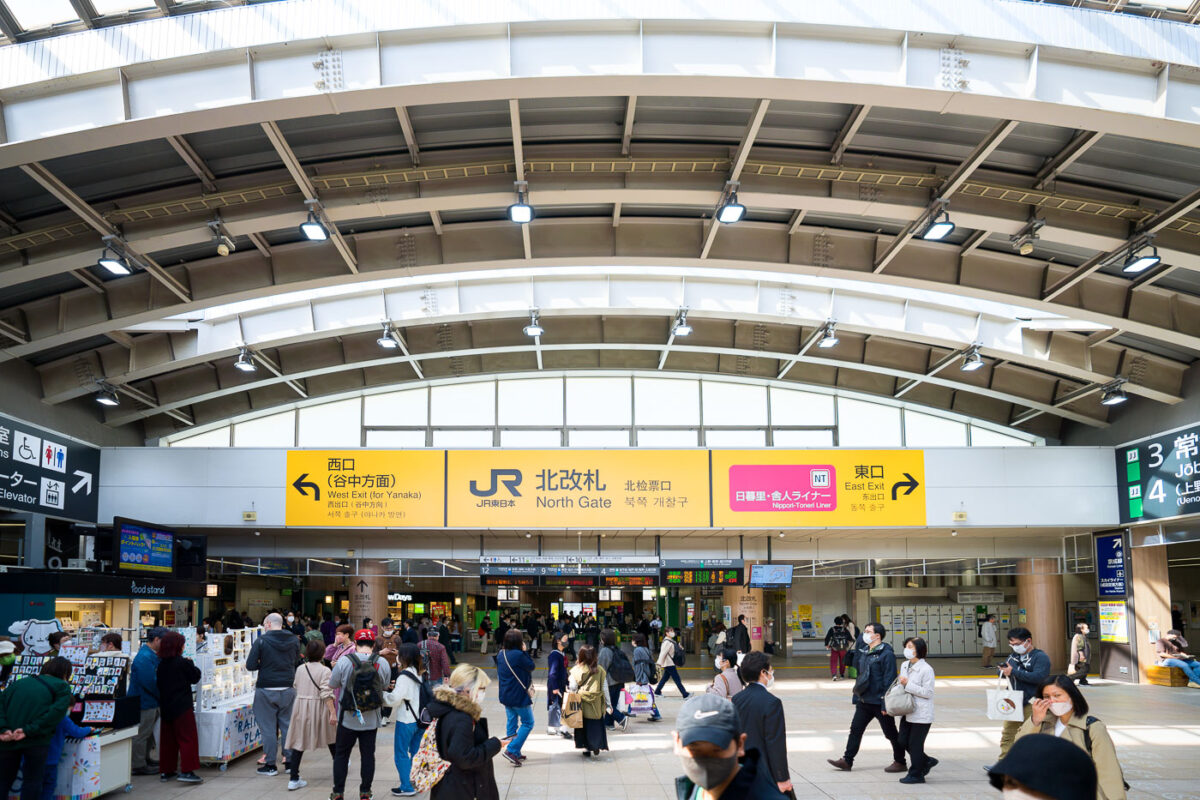
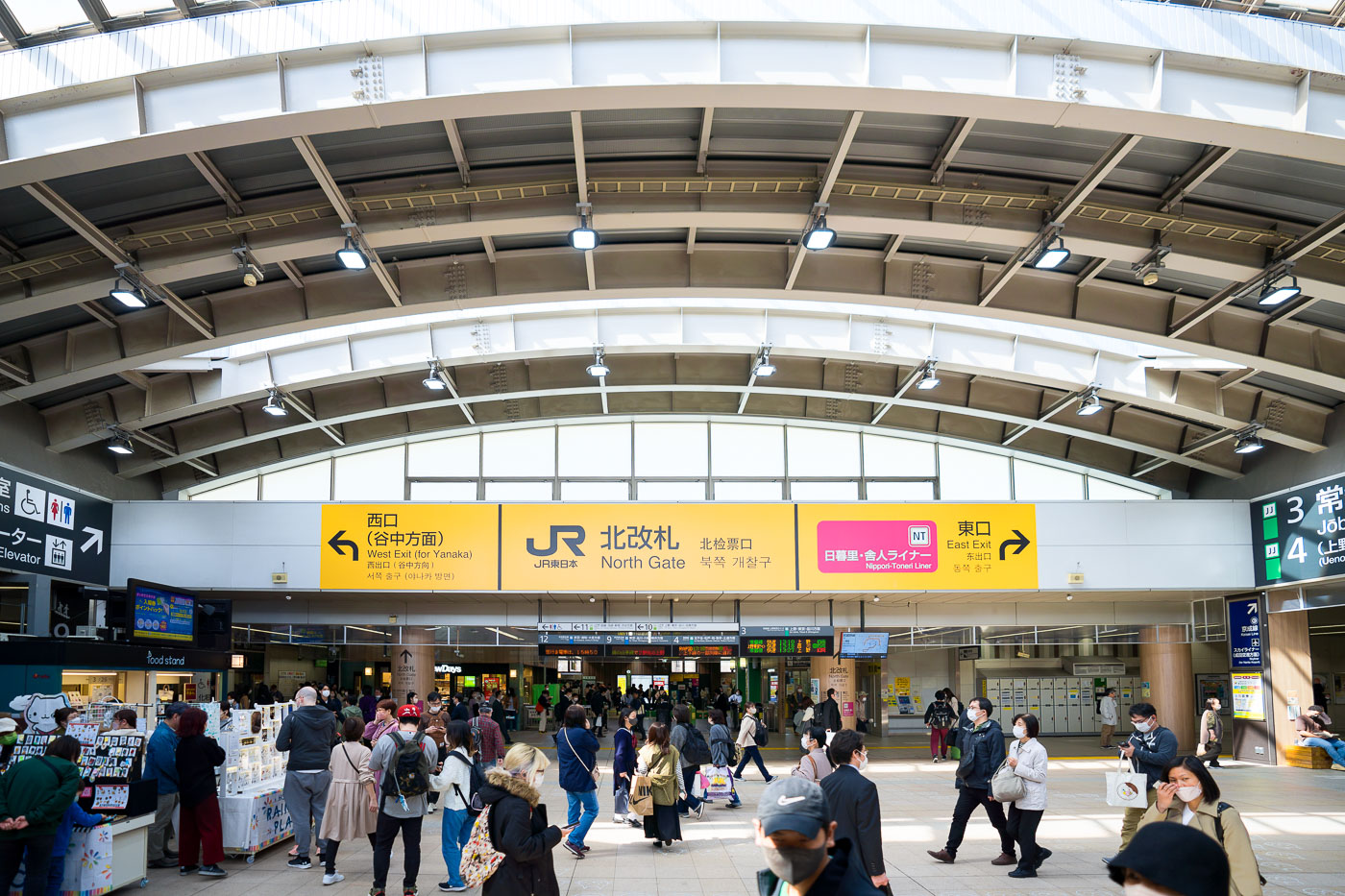
Commuters move through the North Gate concourse at Nippori Station in Tokyo, with directional signage overhead indicating connections to multiple rail lines.
Nippori Station's North Gate ticket concourse links JR East's Yamanote and Keihin-Tohoku lines with the Nippori-Toneri Liner, an automated guideway line that opened in 2008 to serve the Adachi district to the north. The west exit leads toward Yanaka, a neighborhood known for its old temples and preserved prewar streets, while the east exit opens onto Nippori's commercial side near Nishi-Nippori. JR East operates the station, which also connects to the Keisei Main Line, making it a transfer point for travelers heading to Narita Airport. Nippori has served this stretch of northeastern Tokyo since 1905, when it opened as a stop on what was then the Nippon Railway.

Morning Crowds at Nippori Station’s North Gate
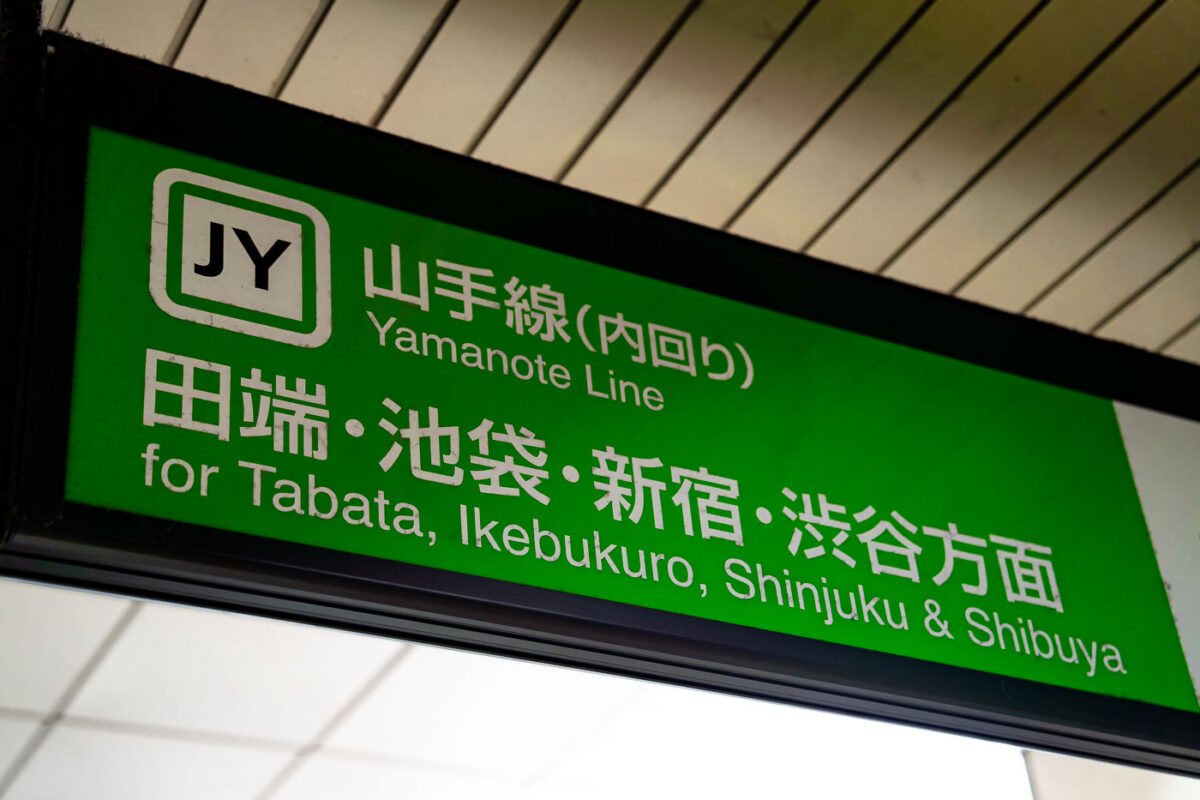
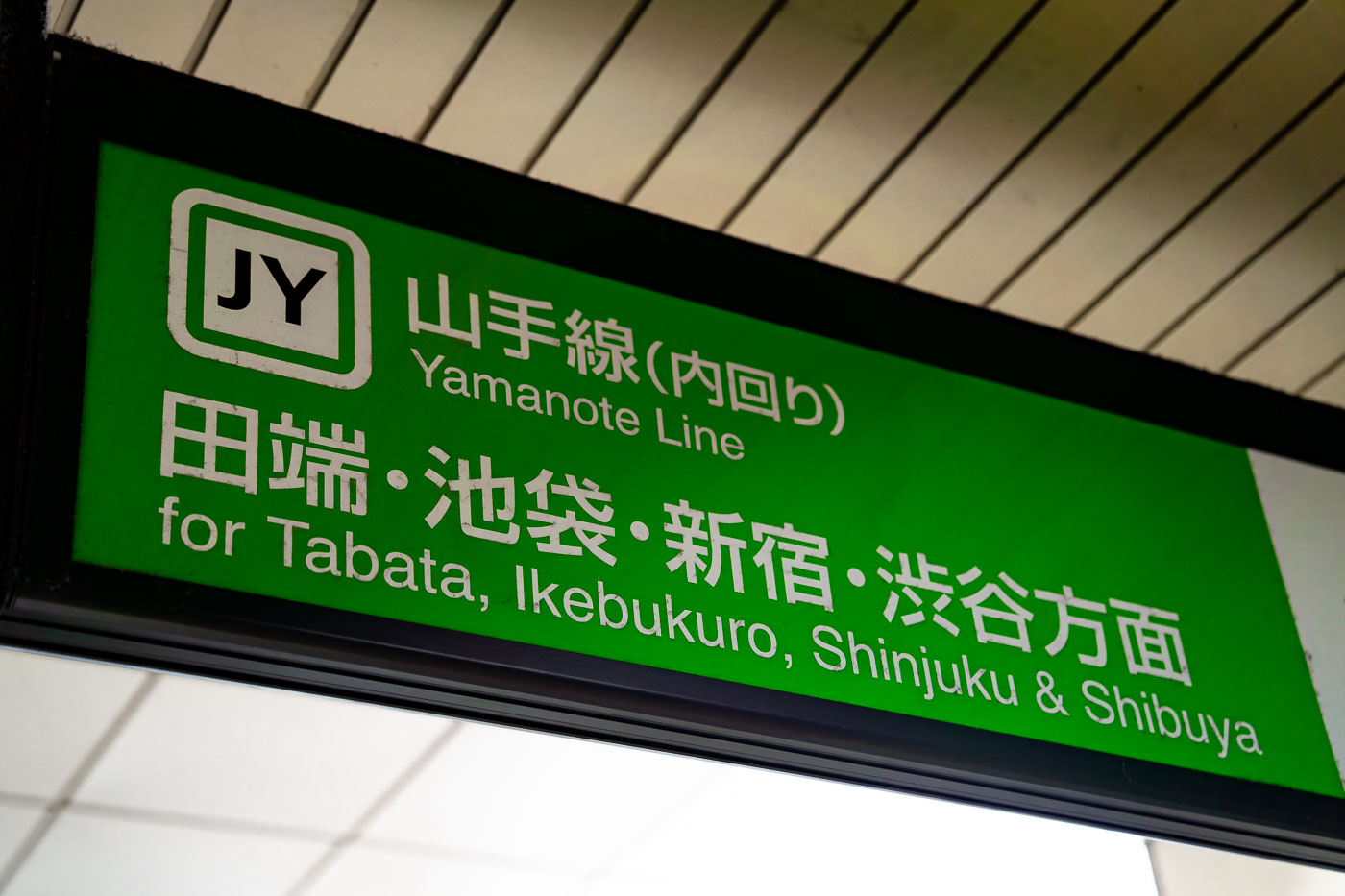
Green JY sign for the Yamanote Line inner loop at Tokyo Station, listing destinations including Tabata, Ikebukuro, Shinjuku, and Shibuya.
The Yamanote Line circles central Tokyo on a 34.5-kilometer loop, connecting 30 stations including Shinjuku, Shibuya, and Ikebukuro. JR East operates the line, which carries roughly 3.5 million riders a day, among the busiest rail services in the world. Trains run in two directions, marked as inner loop (uchimawari) and outer loop (sotomawari), a distinction posted on station signage to help passengers choose the correct platform. The line opened in stages between 1885 and 1925 and now forms the backbone of Tokyo's commuter rail network, linking major business, retail, and entertainment districts along its route.

Yamanote Line Sign for Tabata, Ikebukuro and Shinjuku
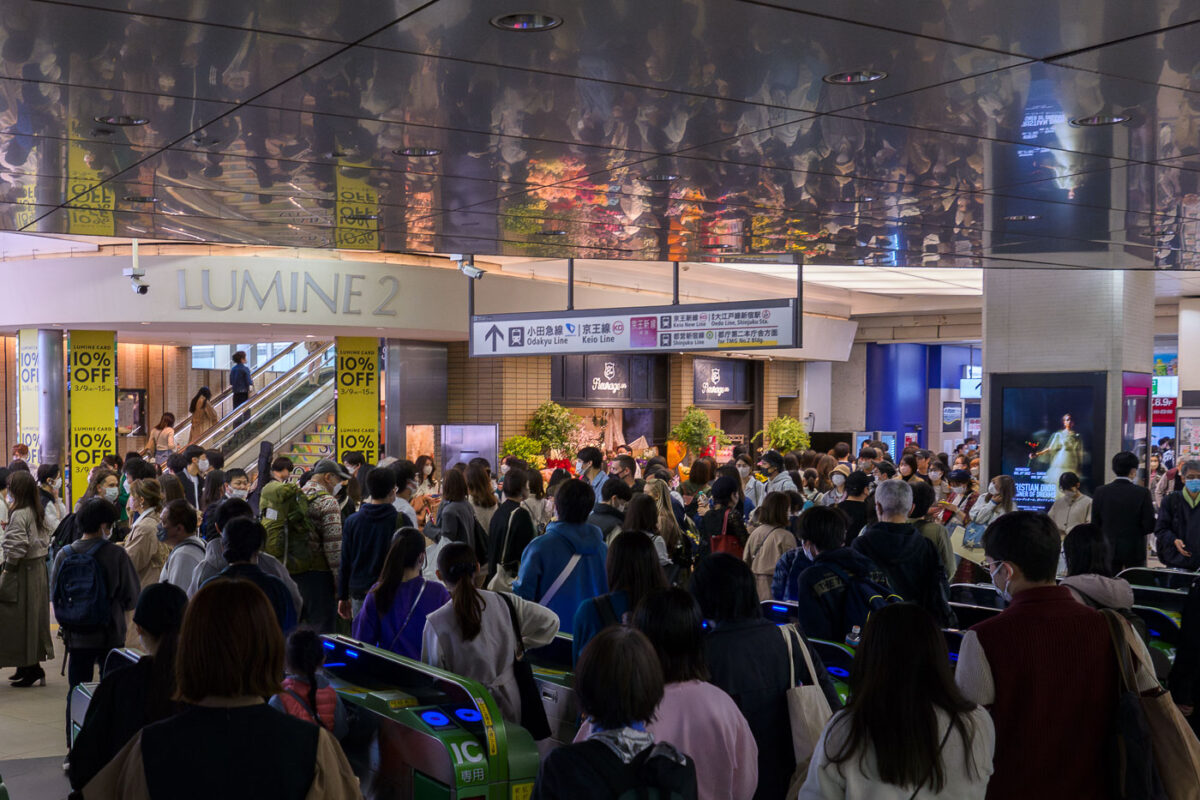
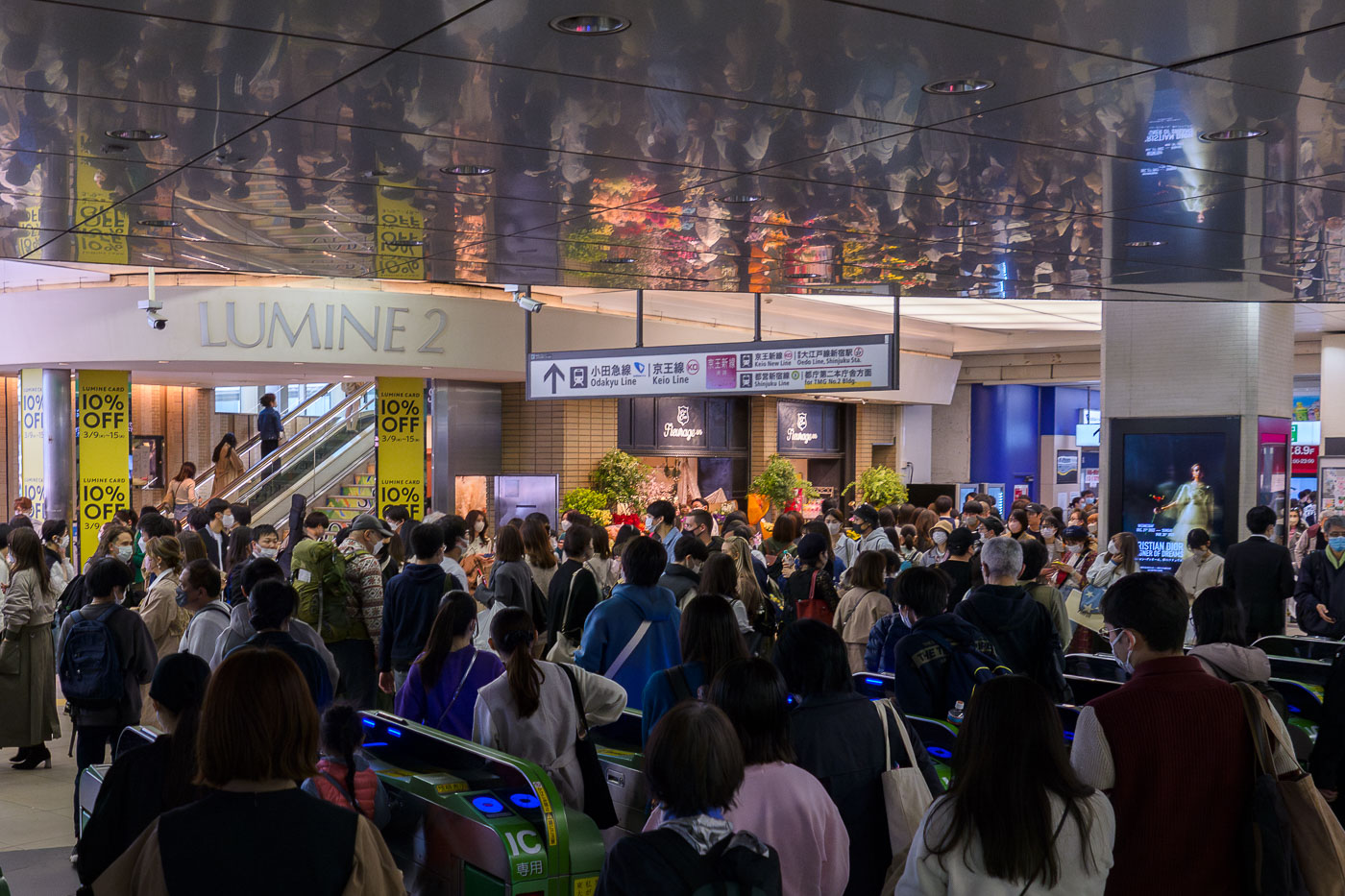
Crowds of commuters gather at the Lumine 2 concourse entrance near Odakyu and Keio Line transfers at Shinjuku Station in Tokyo.
Shinjuku Station in Tokyo serves as a major interchange connecting the Odakyu Line, Keio Line, Toei Oedo Line, and Toei Shinjuku Line, making it one of the busiest rail hubs in the world. The Lumine 2 building, visible at this concourse entrance, houses retail shops directly integrated into the station complex. This area functions as a key pedestrian junction where commuters transfer between private railway lines and Tokyo's subway network. The was taken on March 11, 2023, during a period when mask-wearing remained common practice in Japan.

Ticket Gates Near the Lumine 2 Entrance at Shinjuku Station
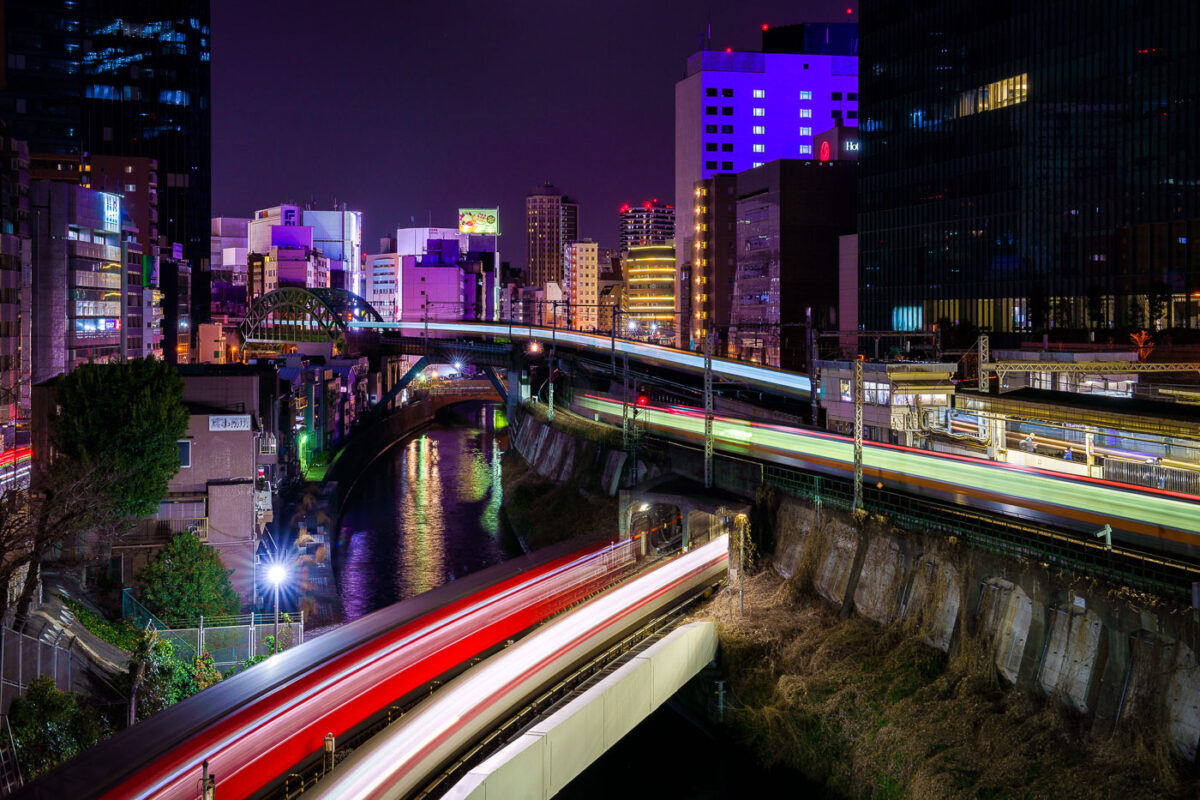
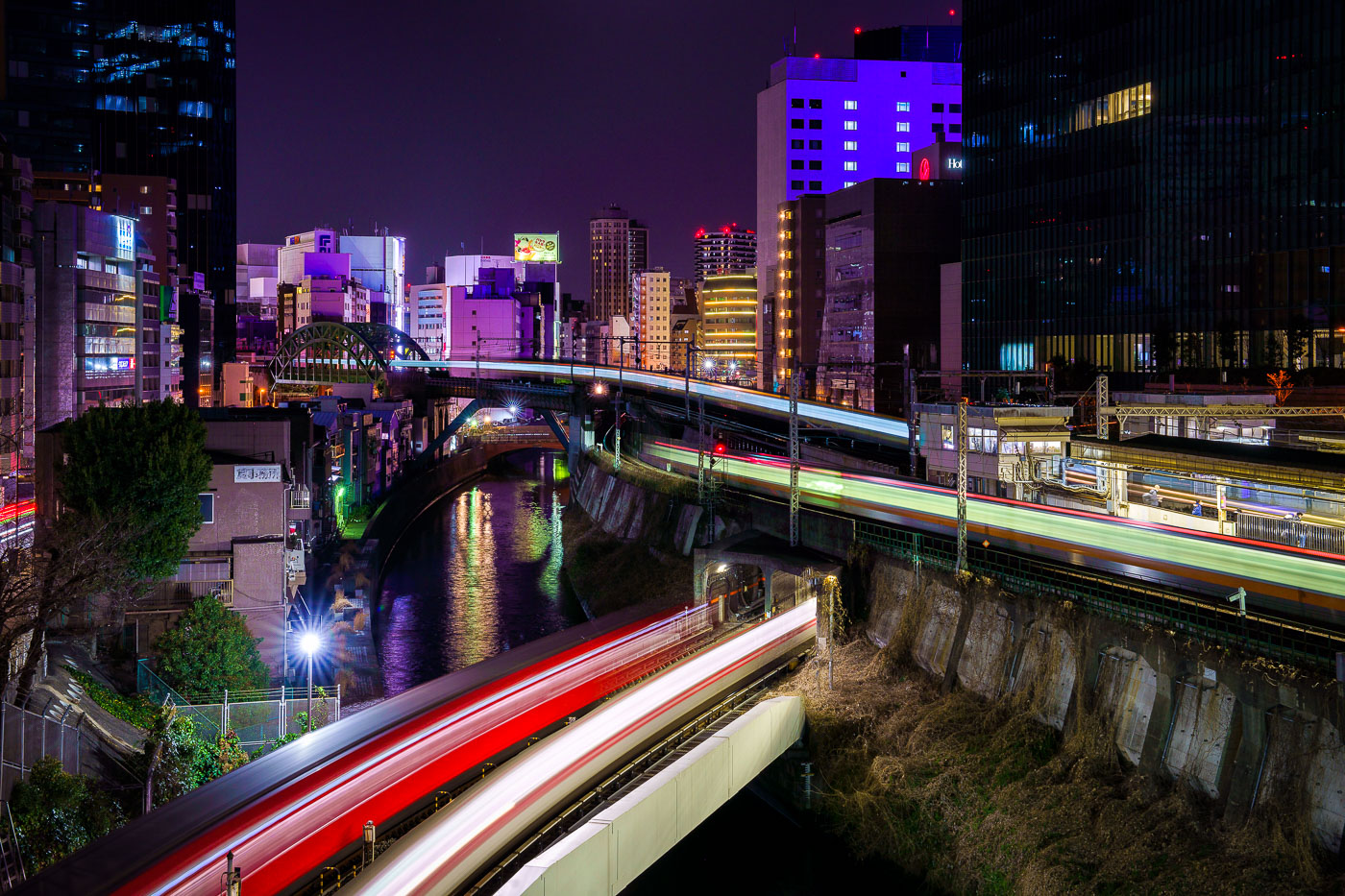
JR East trains with light trails cross the Kanda River on an elevated viaduct near Ochanomizu Station in Tokyo at night.
Elevated JR East rail lines cross the Kanda River near Ochanomizu Station in Tokyo's Chiyoda and Bunkyo wards. The Chuo and Sobu lines run along this stretch of viaduct, passing above the river and near the historic Ochanomizu Bridge, a steel arch structure built in the early 20th century. The area is a long-established rail corridor connecting central Tokyo to western suburbs, with dense commercial and office development lining both banks.

Train Light Trails Above the Kanda River at Ochanomizu
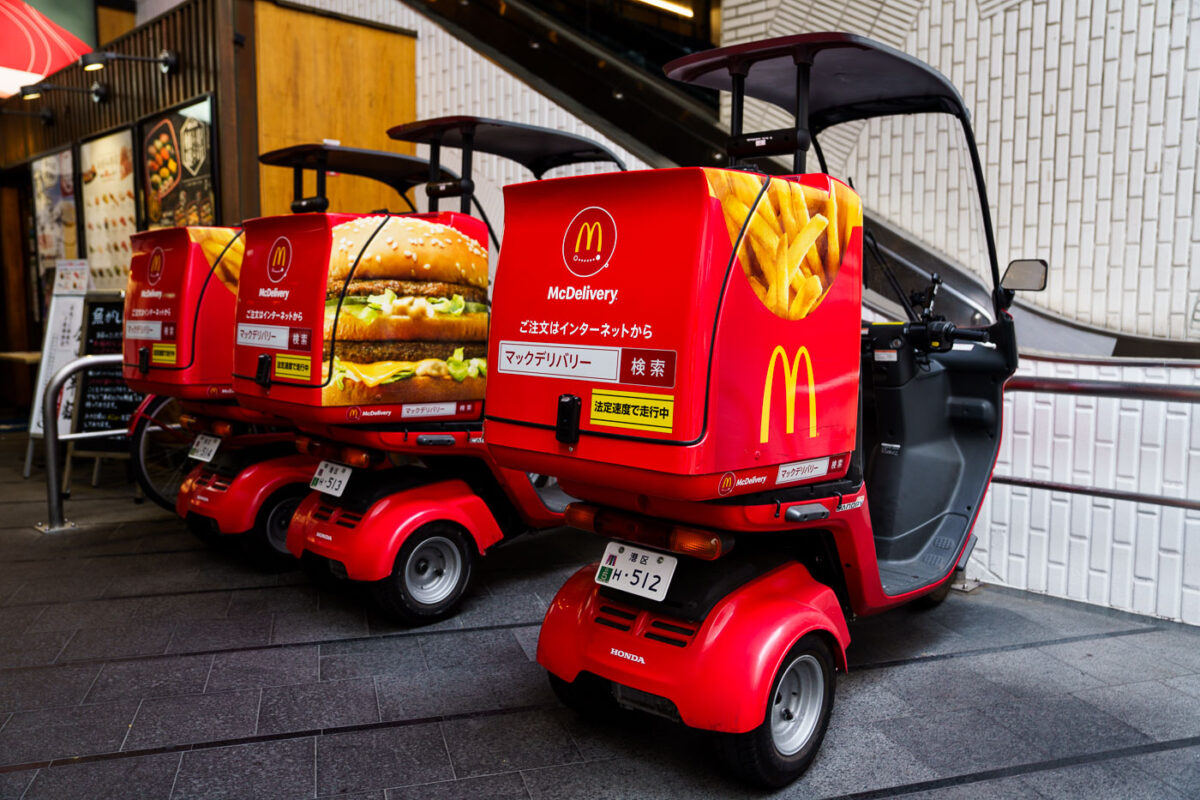
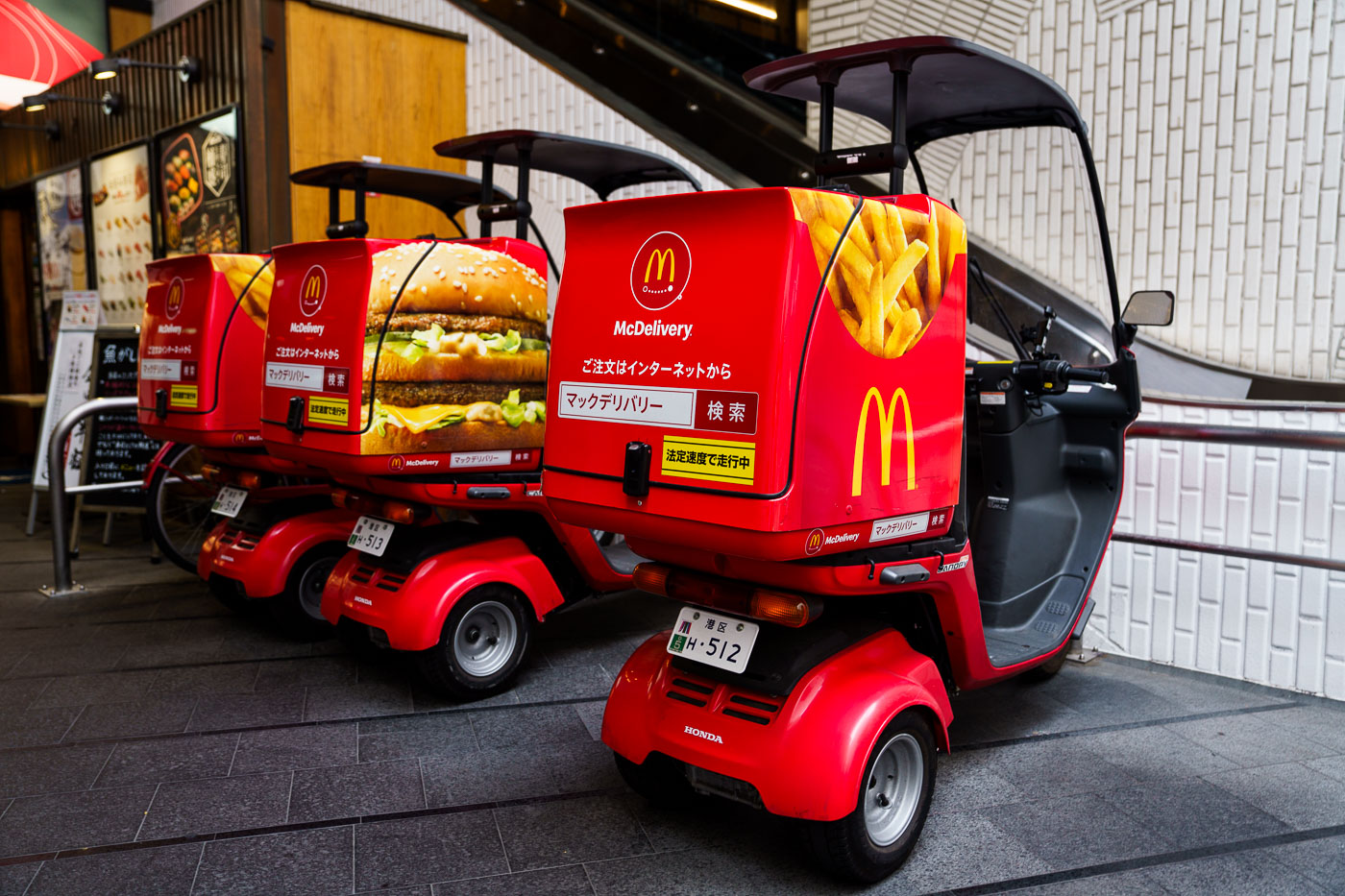
Red McDonald's McDelivery three-wheeled scooters parked outside a Japanese restaurant location.
McDelivery is McDonald's Japan's delivery service, launched in the country in 2011 and now operating from thousands of participating locations nationwide. Orders placed online or through the McDonald's app are carried out on compact three-wheeled scooters like these, each fitted with an insulated cargo box that keeps burgers and fries at temperature during the trip. The boxes double as rolling advertisements, wrapped in Big Mac and fries imagery alongside instructions to search "McDelivery" to order online. A sticker noting compliance with the legal speed limit Japanese regulations governing kei-class delivery vehicles used by franchises across the country.

McDelivery Three-Wheeled Scooters, Japan
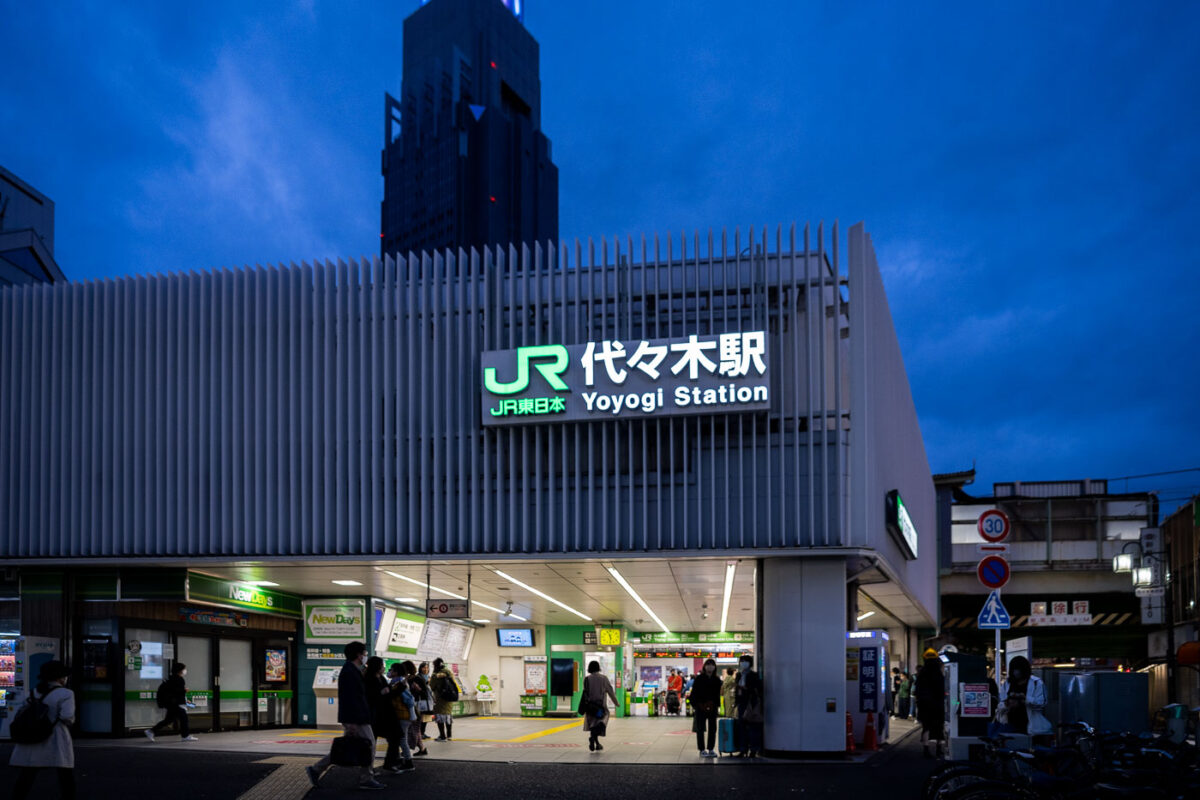
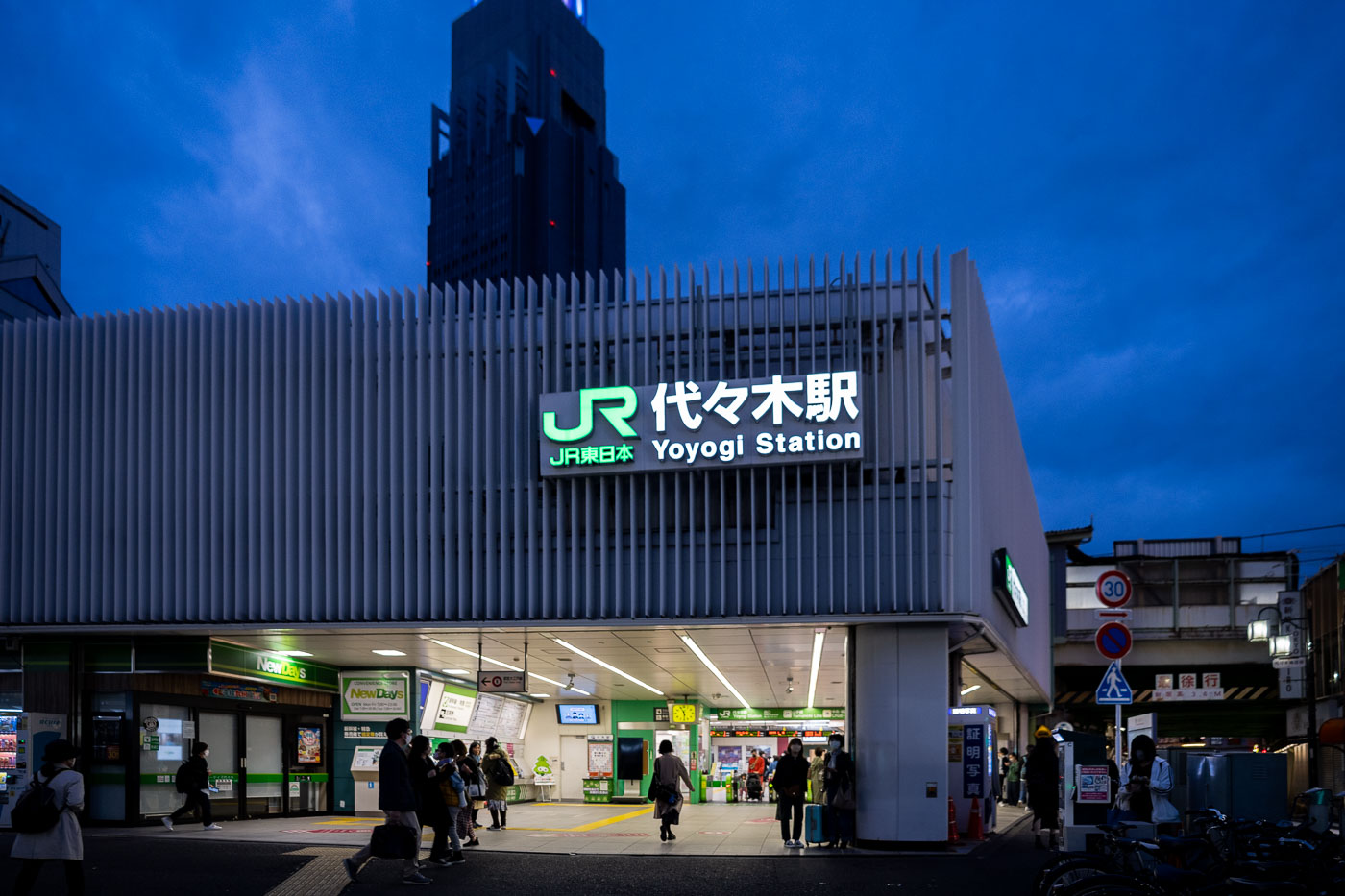
JR Yoyogi Station in Tokyo's Shibuya ward illuminates at dusk with commuters gathered beneath its distinctive tower structure.
JR Yoyogi Station sits in Tokyo's Shibuya ward, serving as a stop on the Yamanote and Chuo-Sobu lines. Operated by JR East, the station opened in 1906 and connects riders traveling between Shinjuku and Harajuku. Its position along the Yamanote loop makes it a minor but steady transfer point within the wider Tokyo commuter rail network.

JR Yoyogi Station Entrance at Dusk

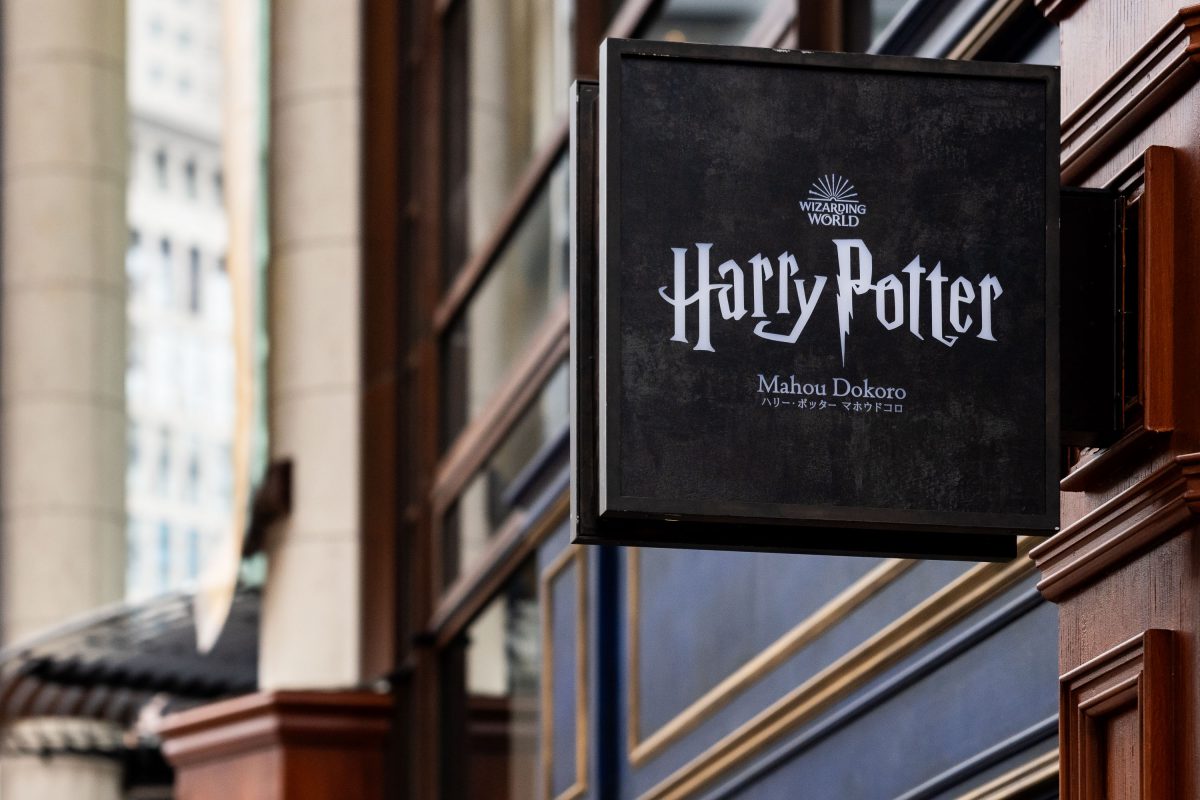
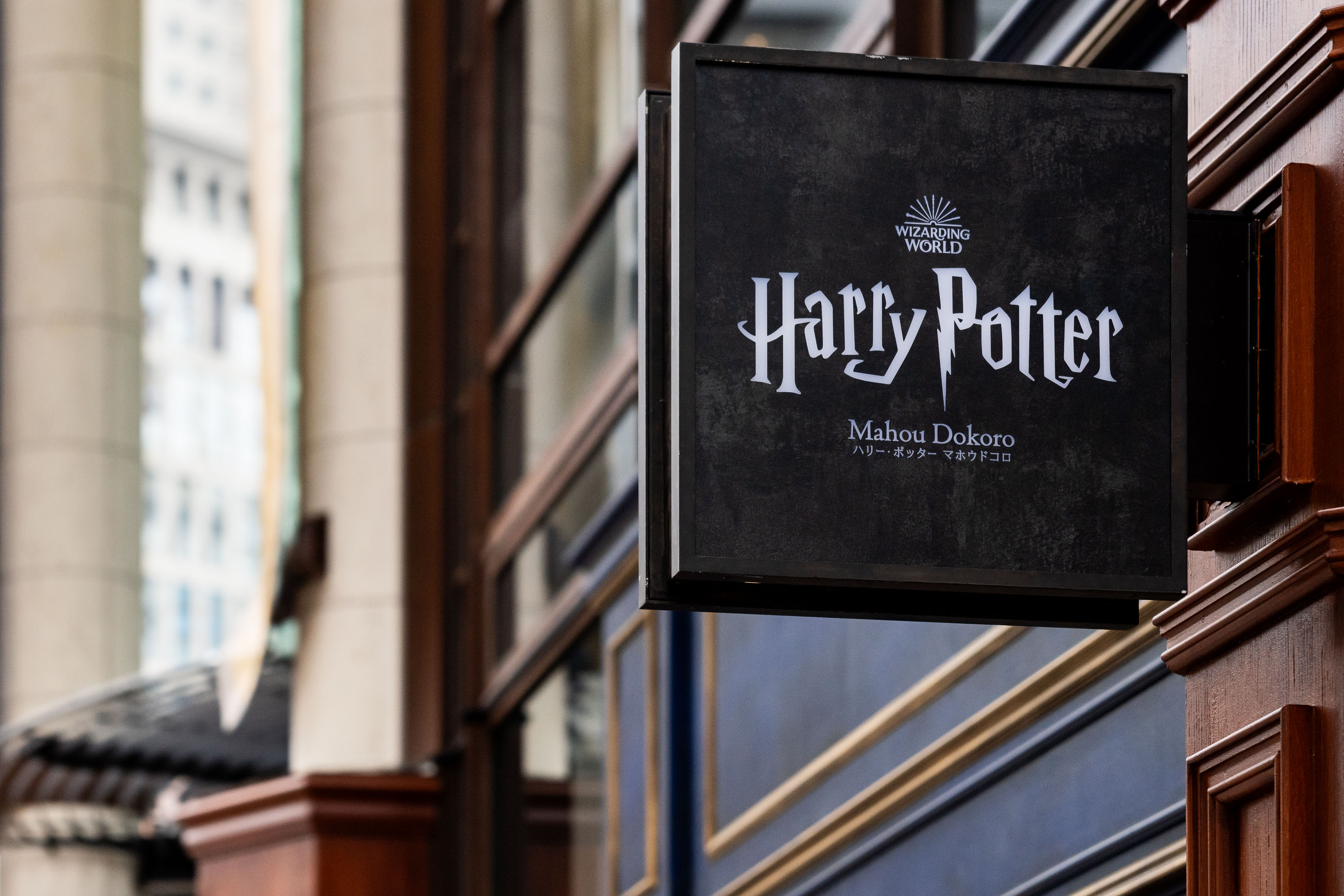
Harry Potter Mahou Dokoro storefront sign in Akasaka, Tokyo, Japan.
Harry Potter Mahou Dokoro is a Wizarding World retail shop in the Akasaka district of Tokyo, selling wands, apparel, and collectibles tied to the Harry Potter franchise. The store operates under license from Warner Bros., which controls the Wizarding World brand across film, theme park, and retail properties worldwide. Akasaka itself is a business and entertainment district in Tokyo's Minato ward, known for hotels, embassies, and shopping streets that draw both residents and tourists.

Harry Potter Mahou Dokoro Sign, Akasaka, Tokyo
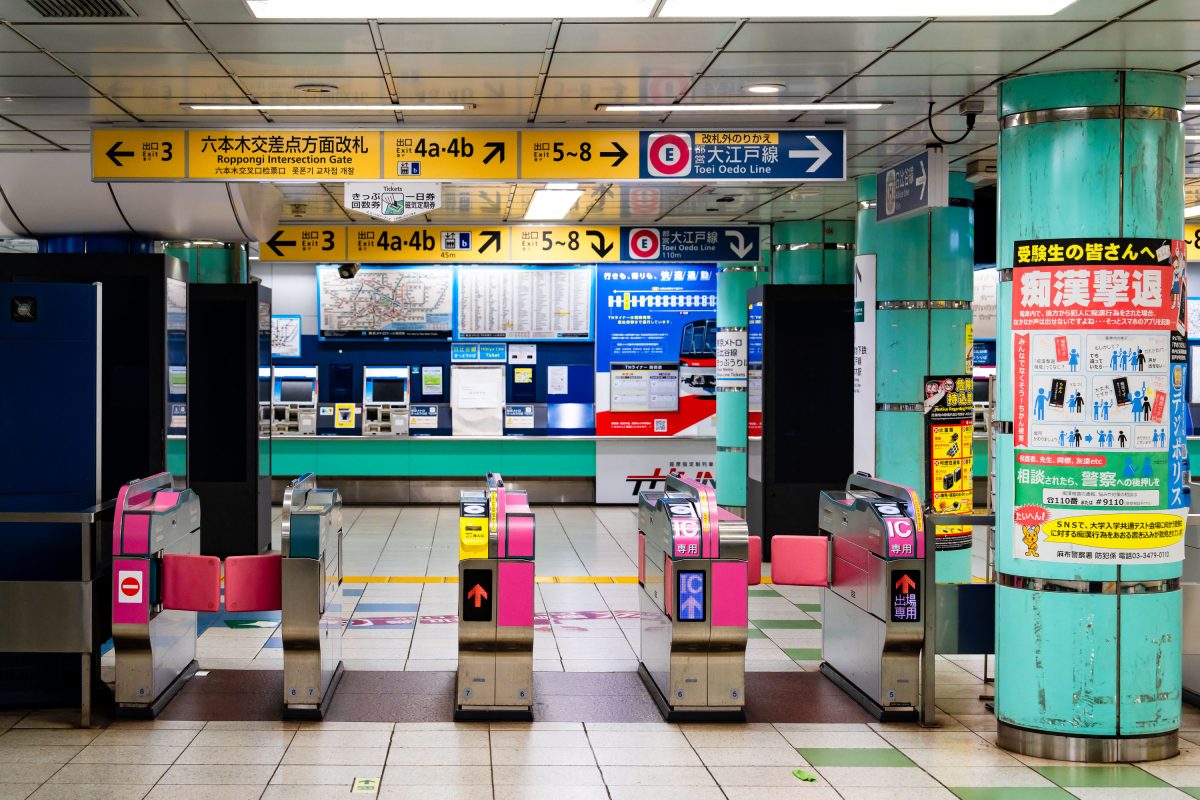
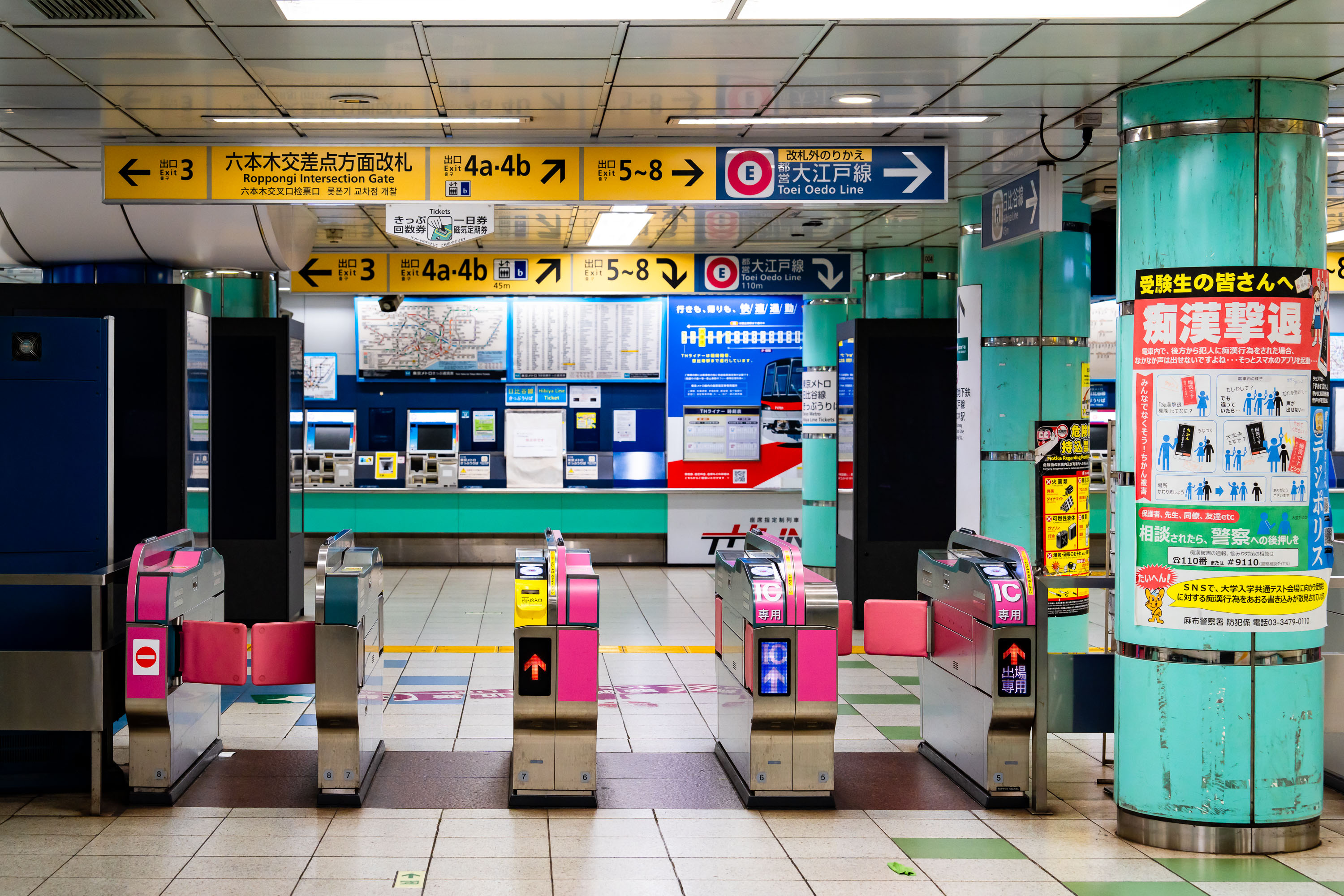
Automatic ticket gates at Roppongi Station on Tokyo Metro's Hibiya and Oedo lines in central Tokyo.
Automatic ticket gates at Roppongi Station on the Tokyo Metro Hibiya and Oedo lines in Minato City, Tokyo. The station serves the Roppongi commercial and nightlife district and connects to the Roppongi Intersection area above ground. Toei's Oedo Line and Tokyo Metro's Hibiya Line both operate through this interchange, making it a key transfer point in central Tokyo's subway network.

Fare Gates Near the Roppongi Intersection Exit

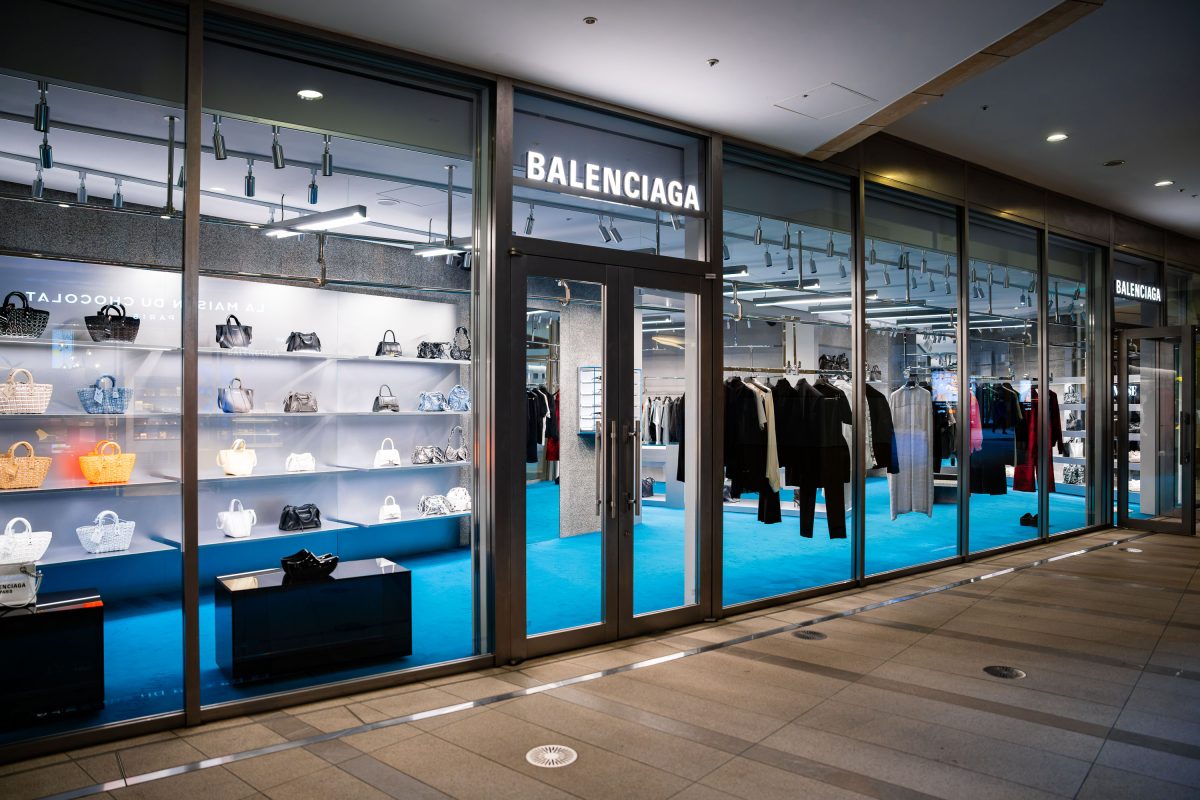
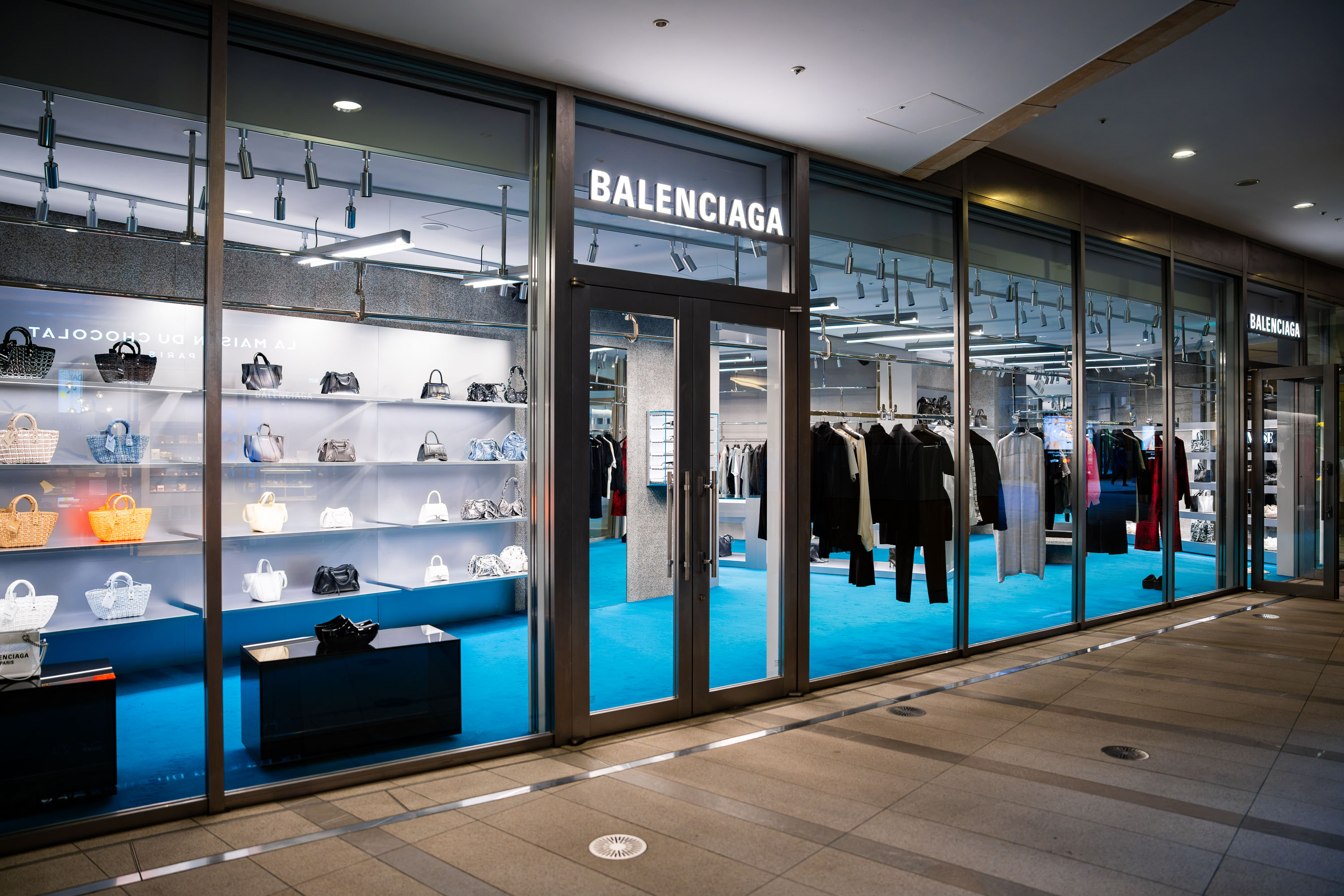
Balenciaga store in Tokyo, Japan
Balenciaga store at Roppongi Hills in Tokyo Japan.

Balenciaga store in Tokyo, Japan

© 1996–2026 Chad Davis