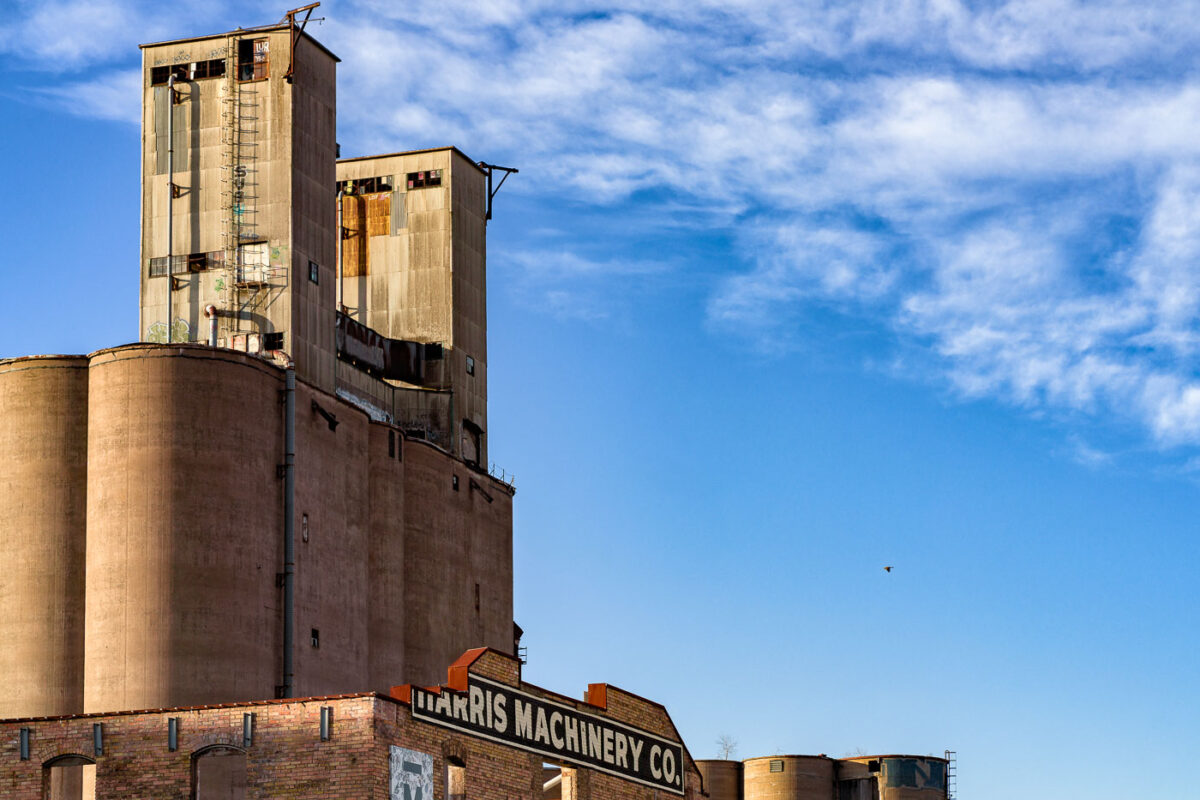
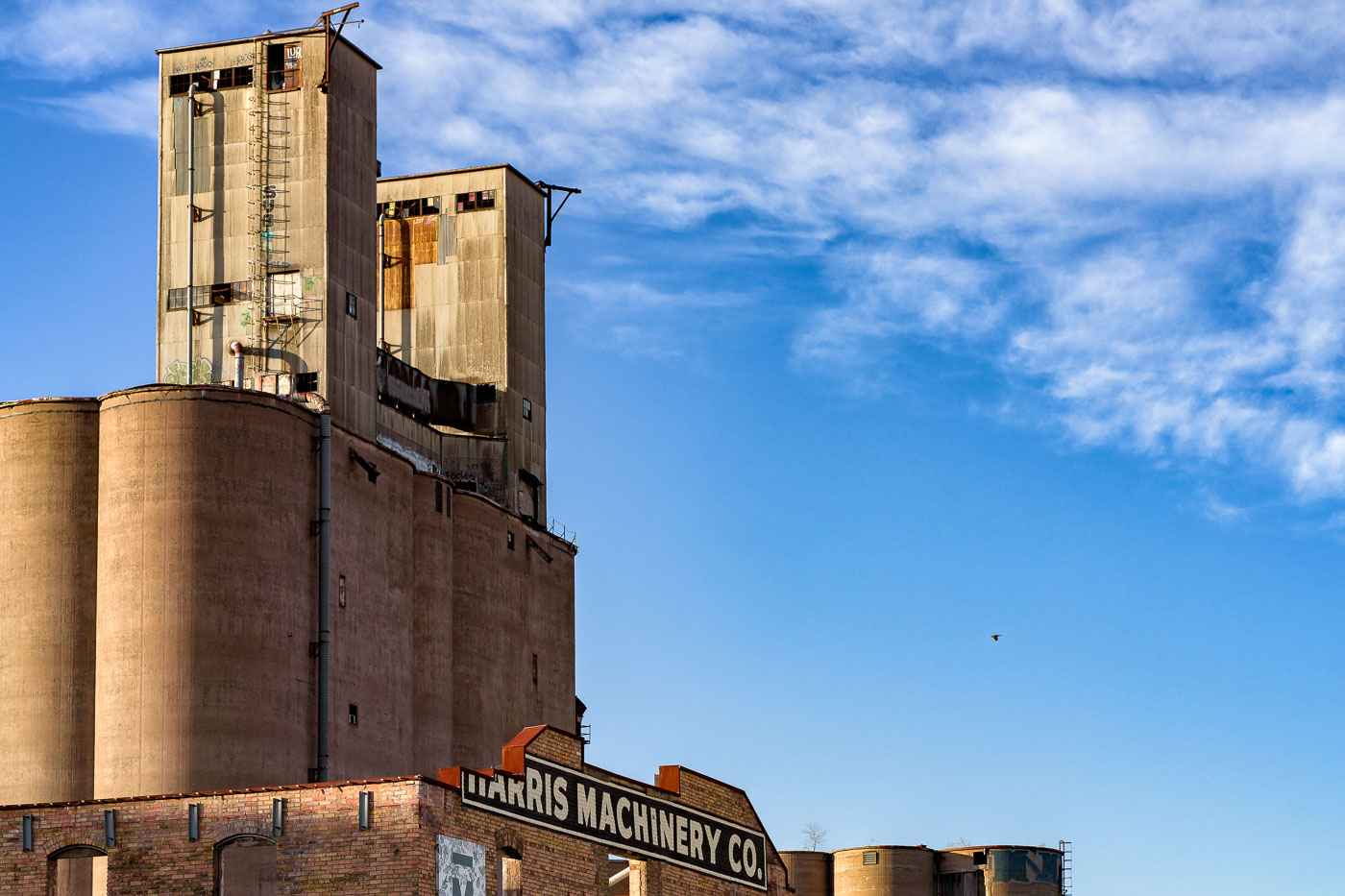
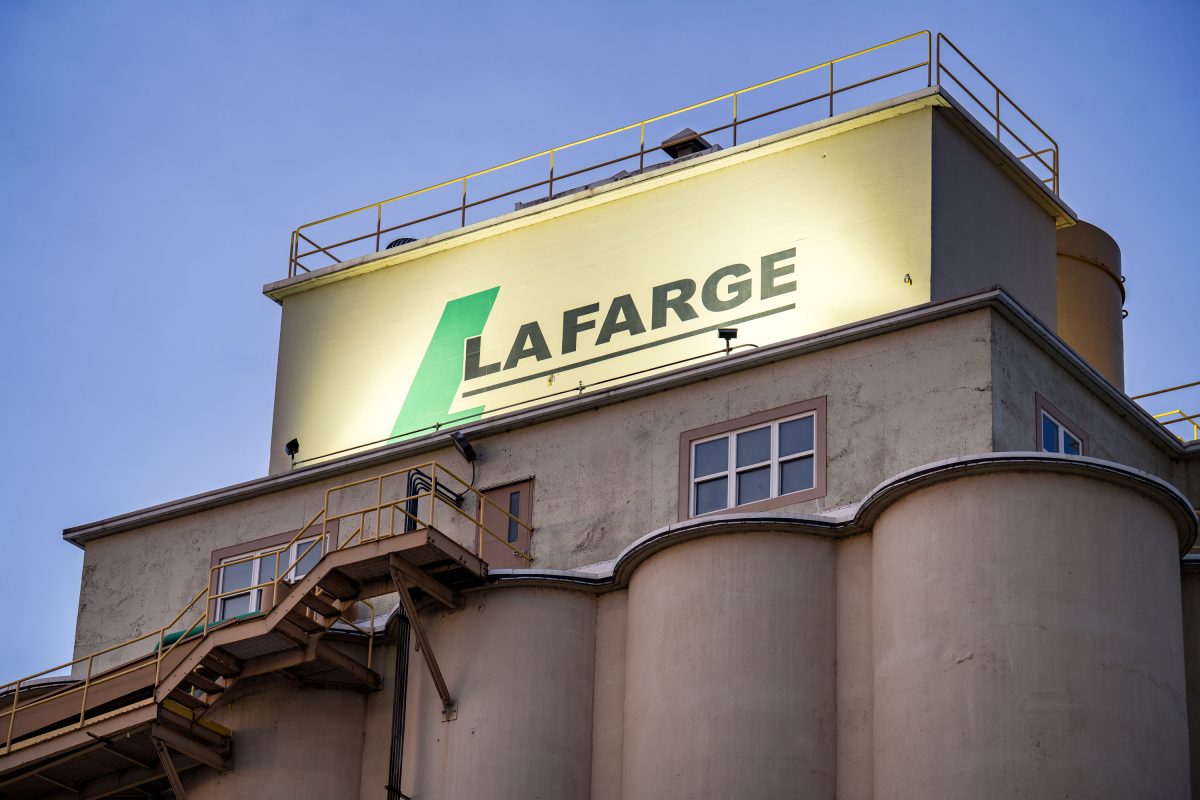
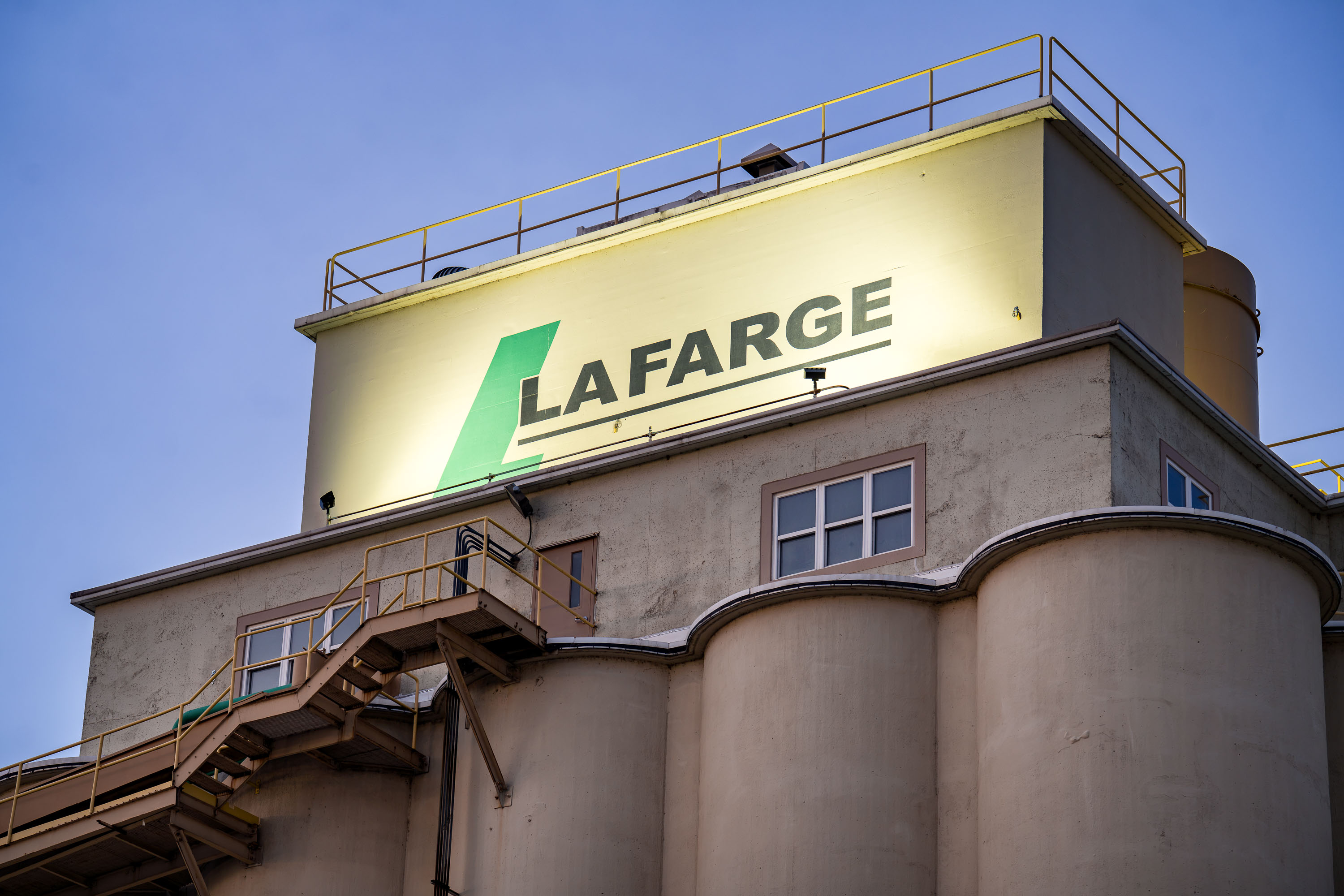
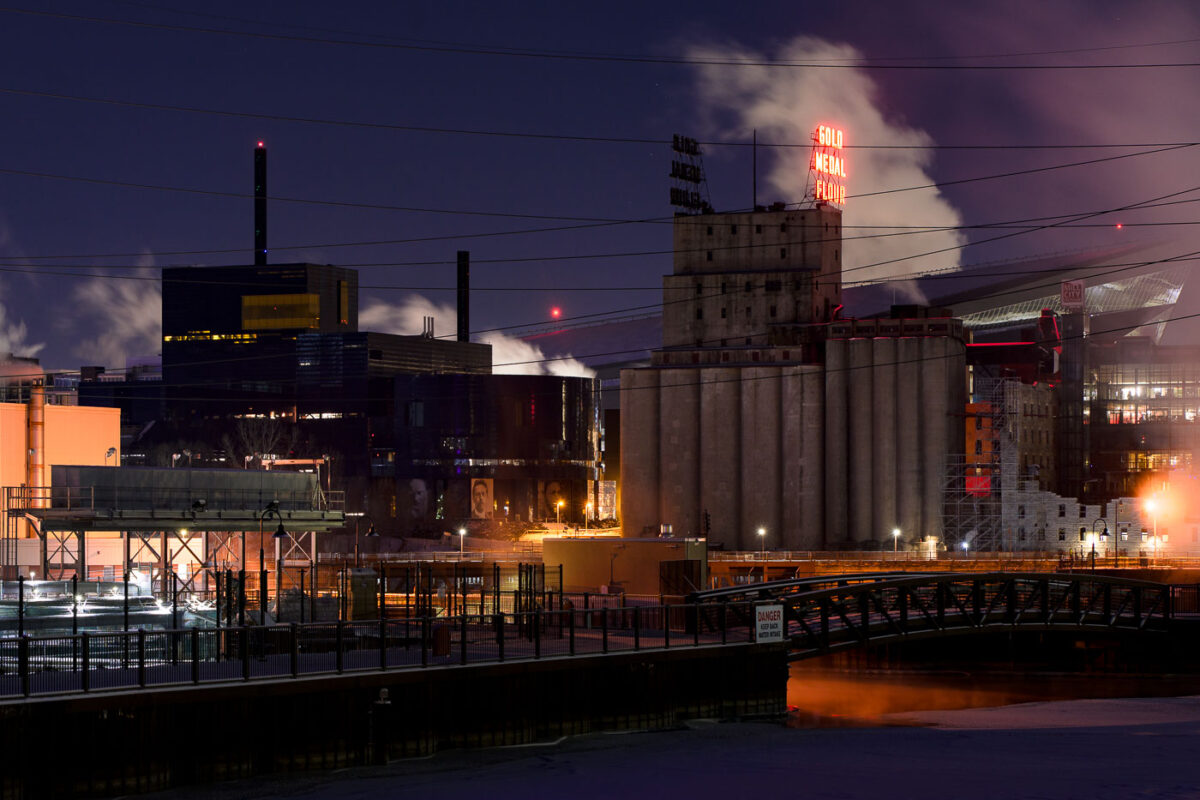
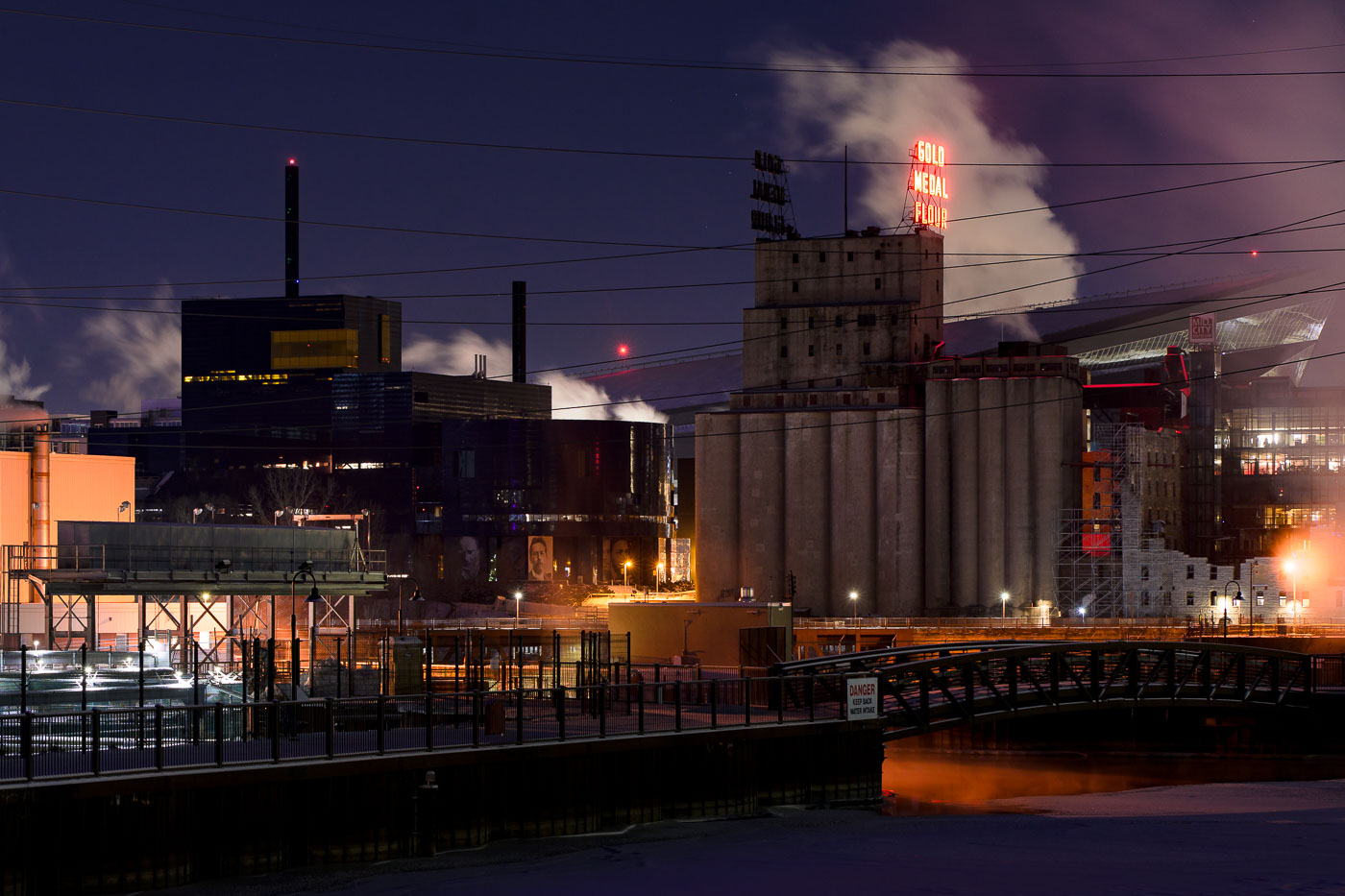
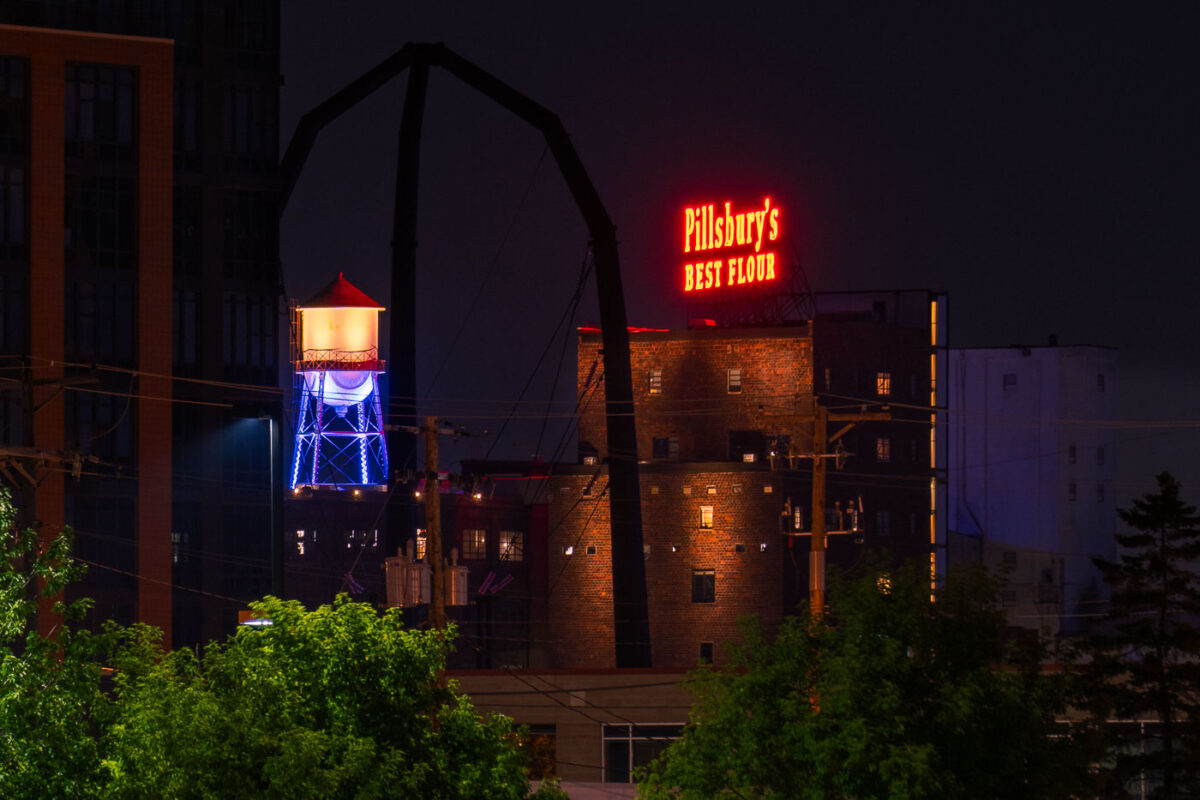
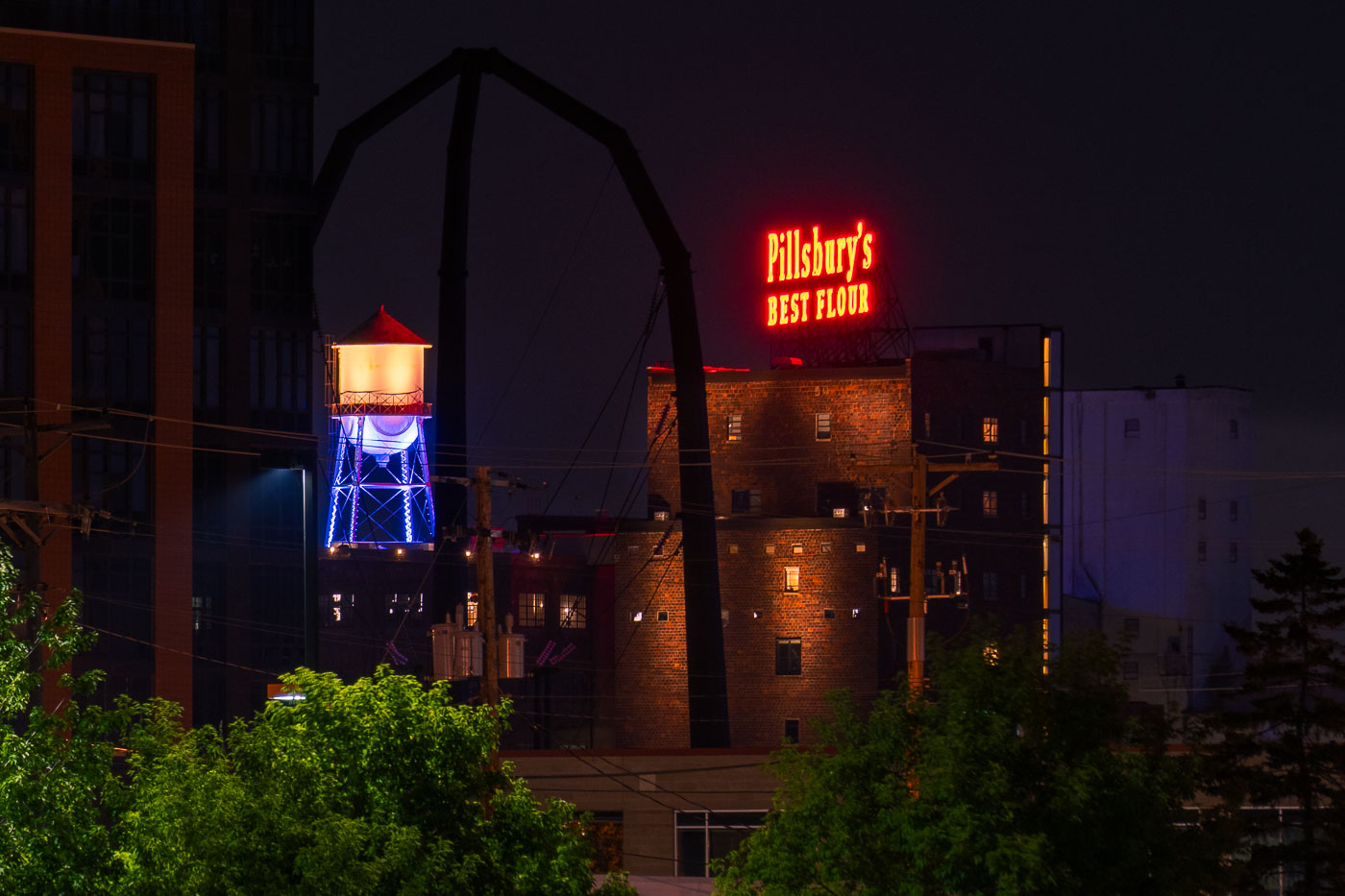
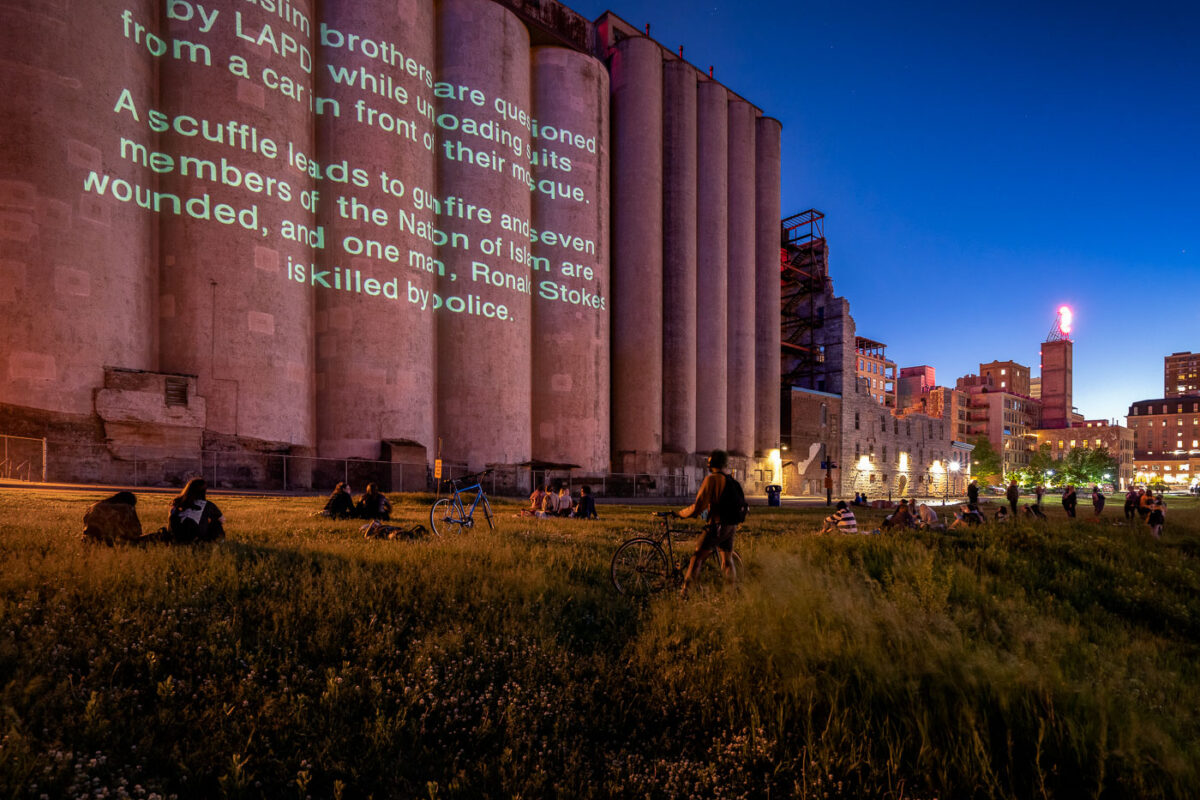
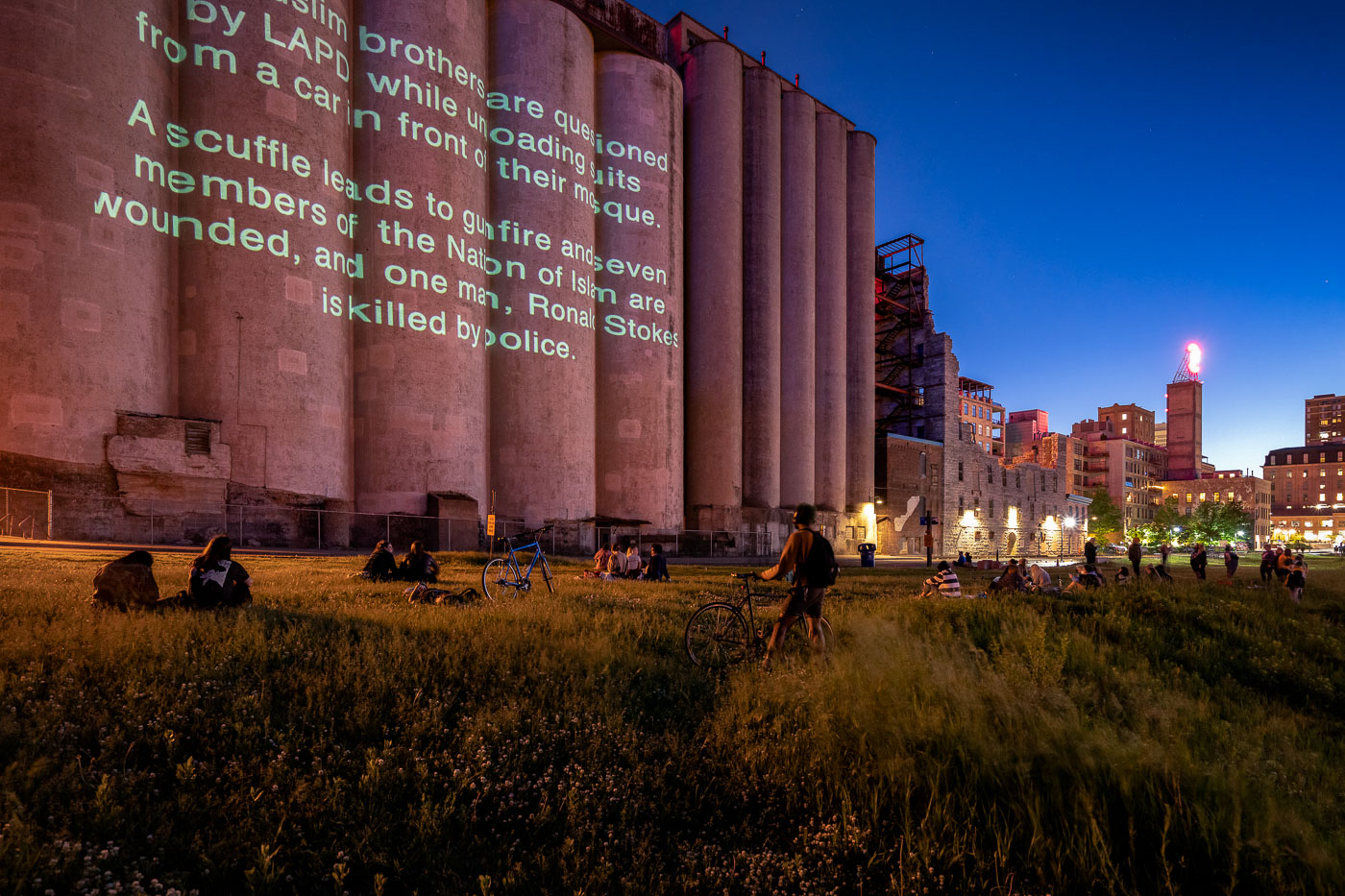
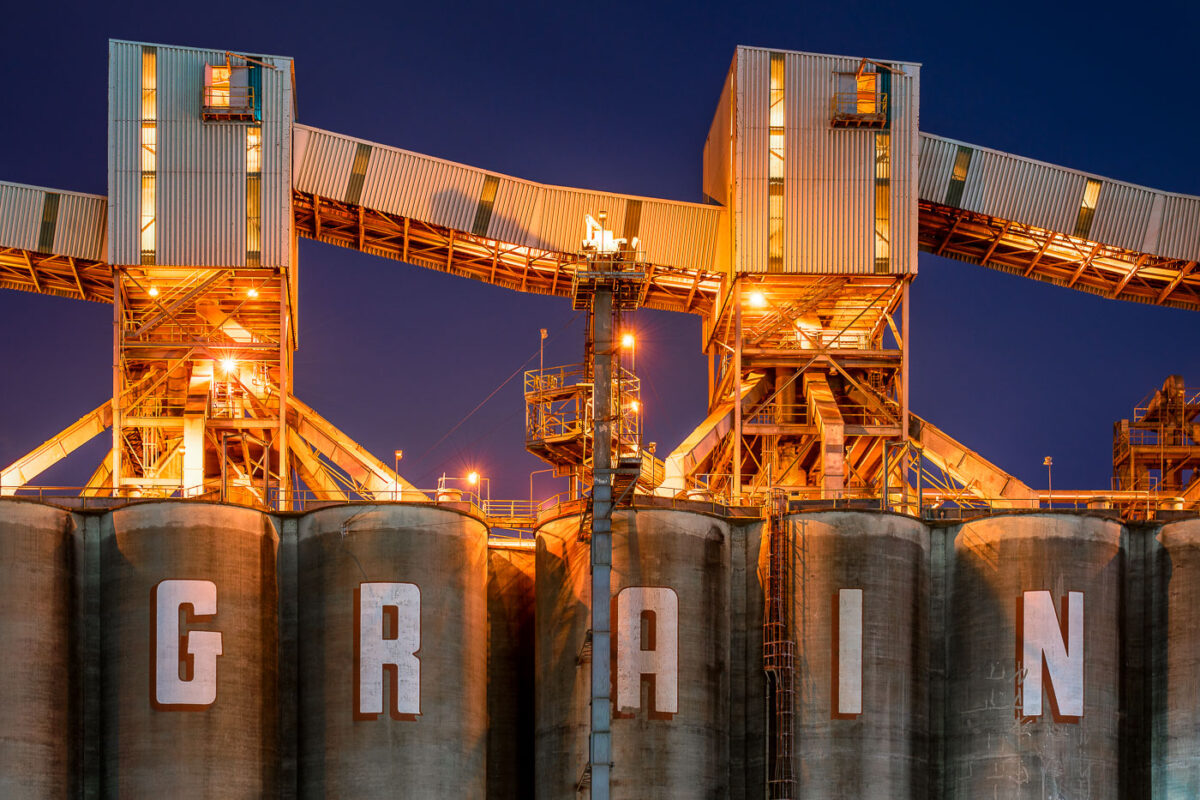
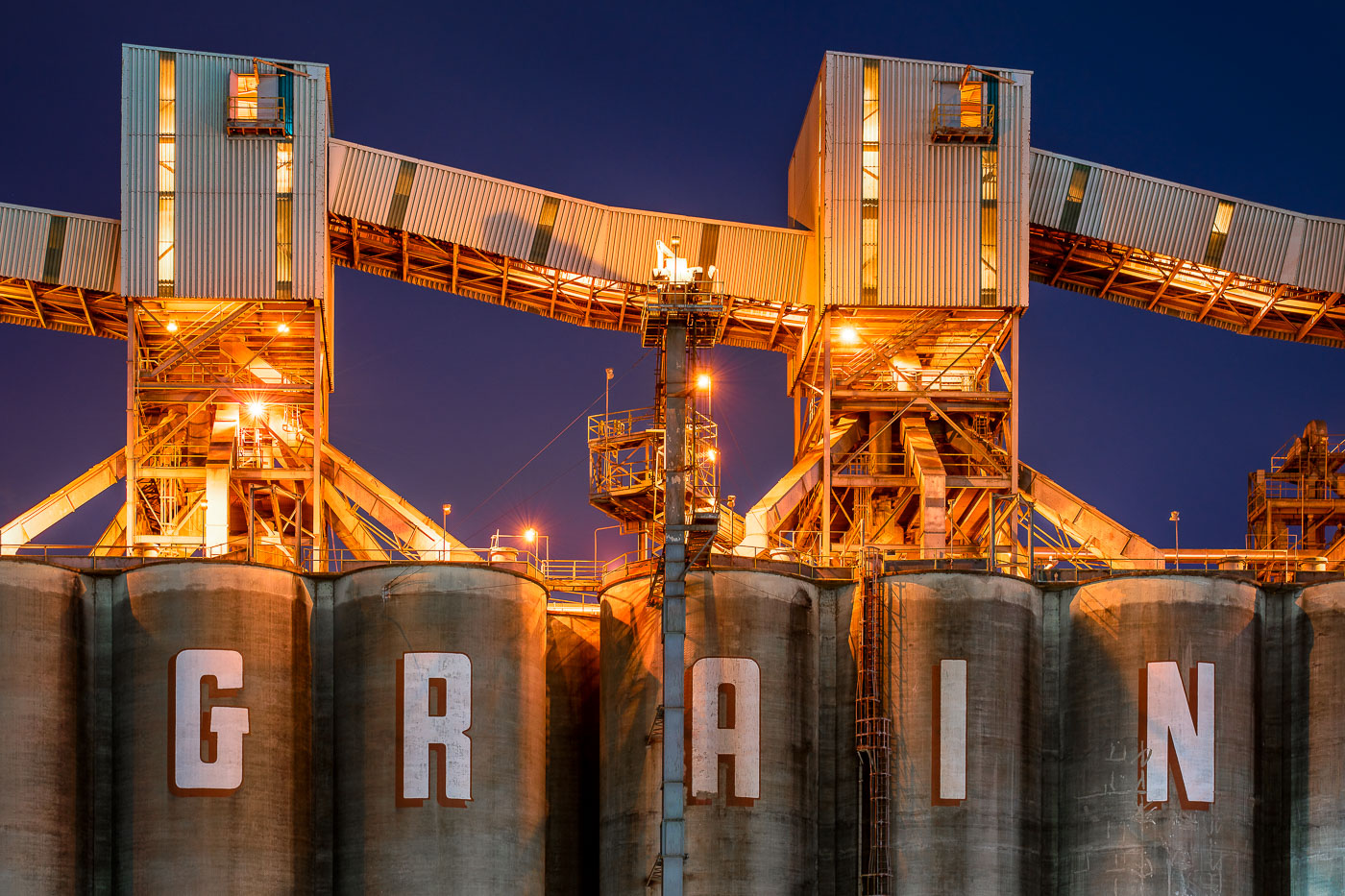
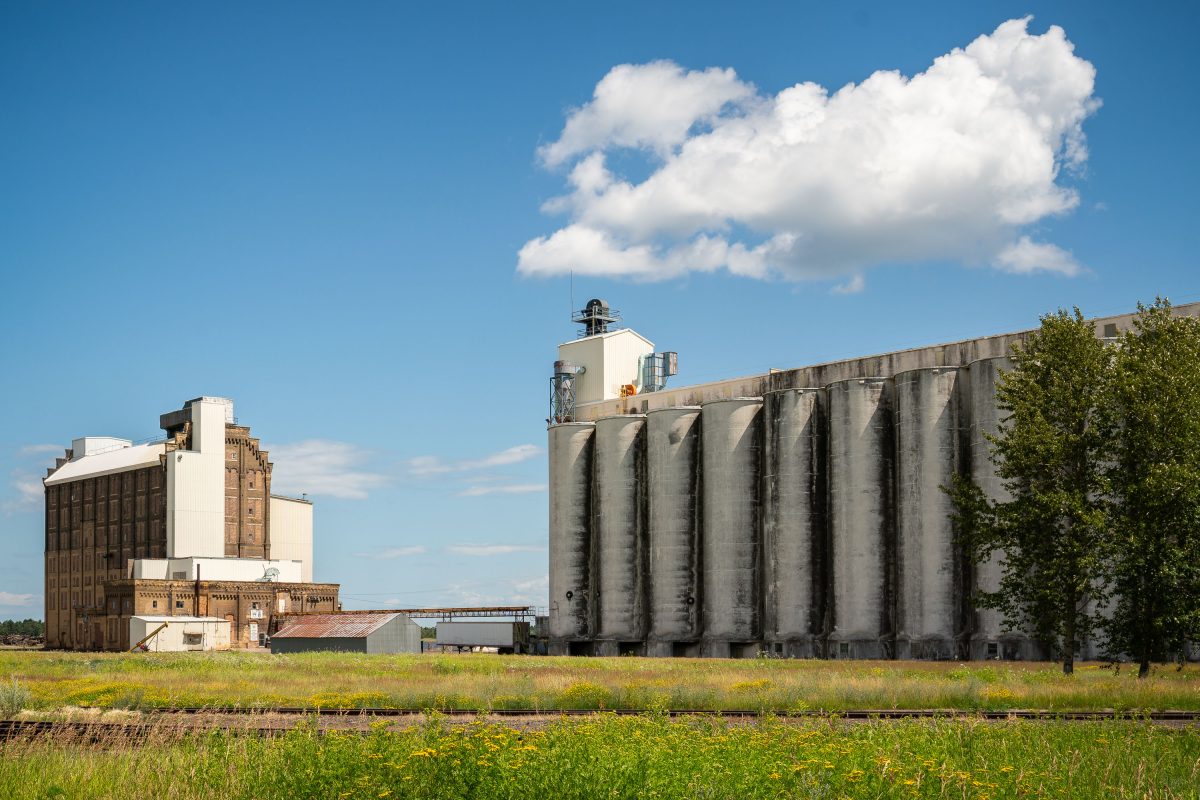
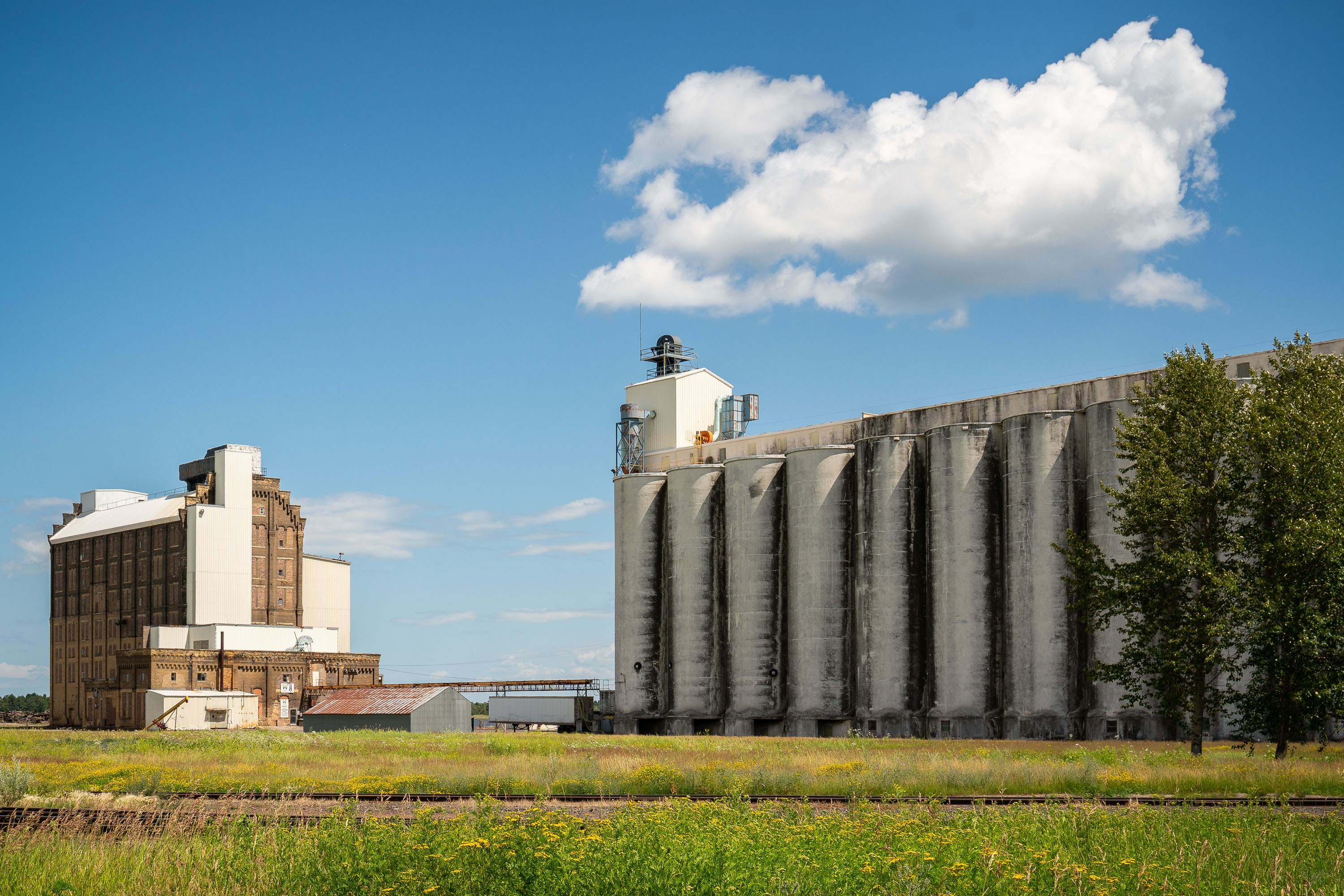
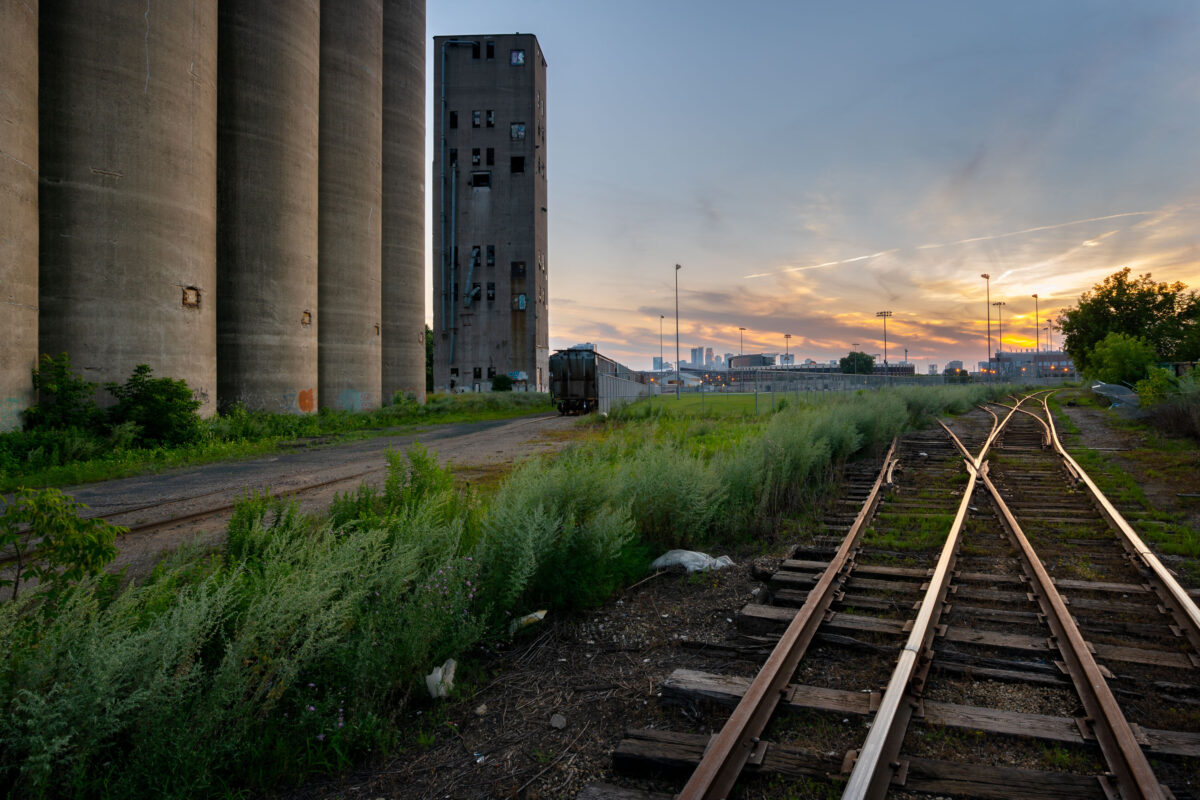
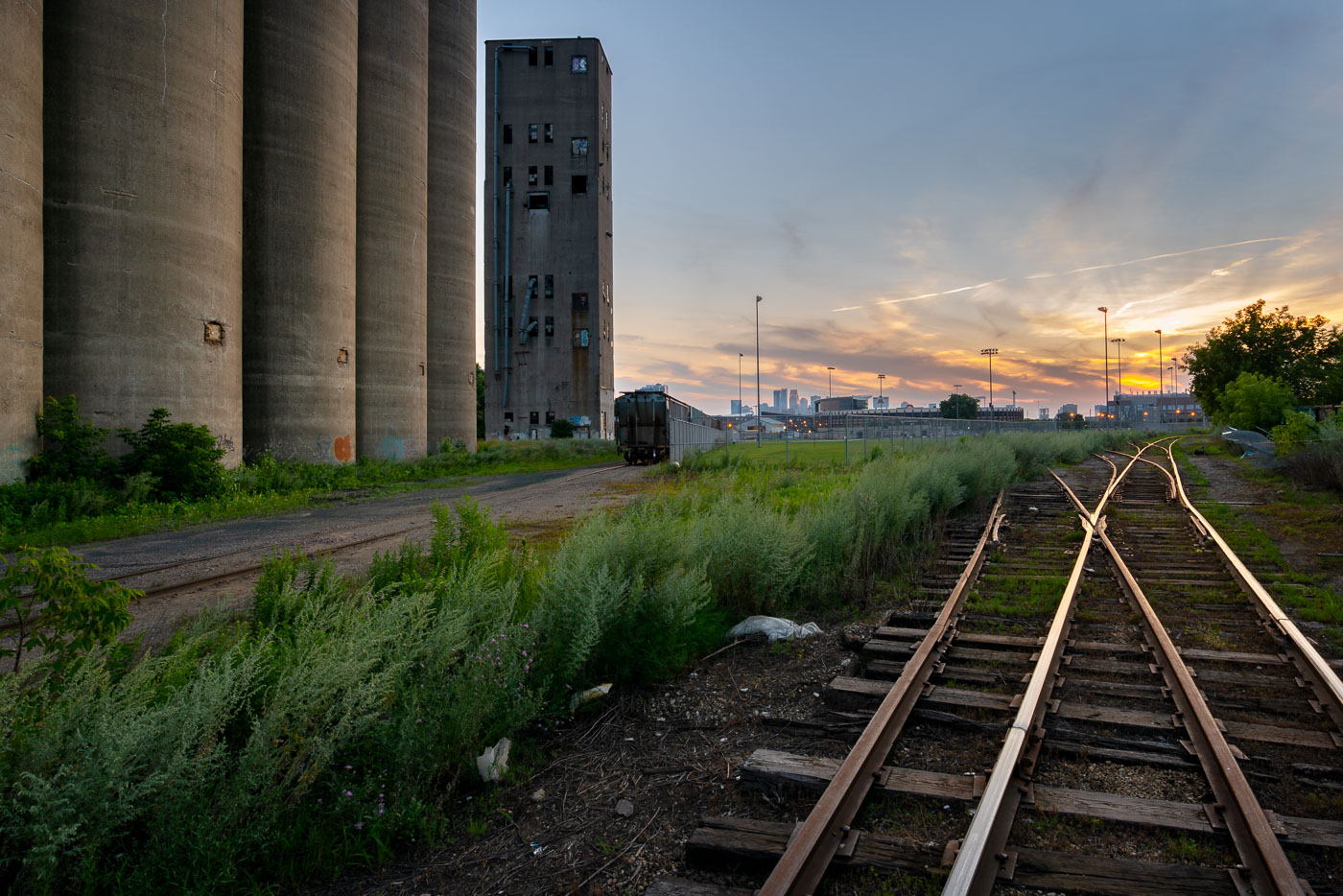
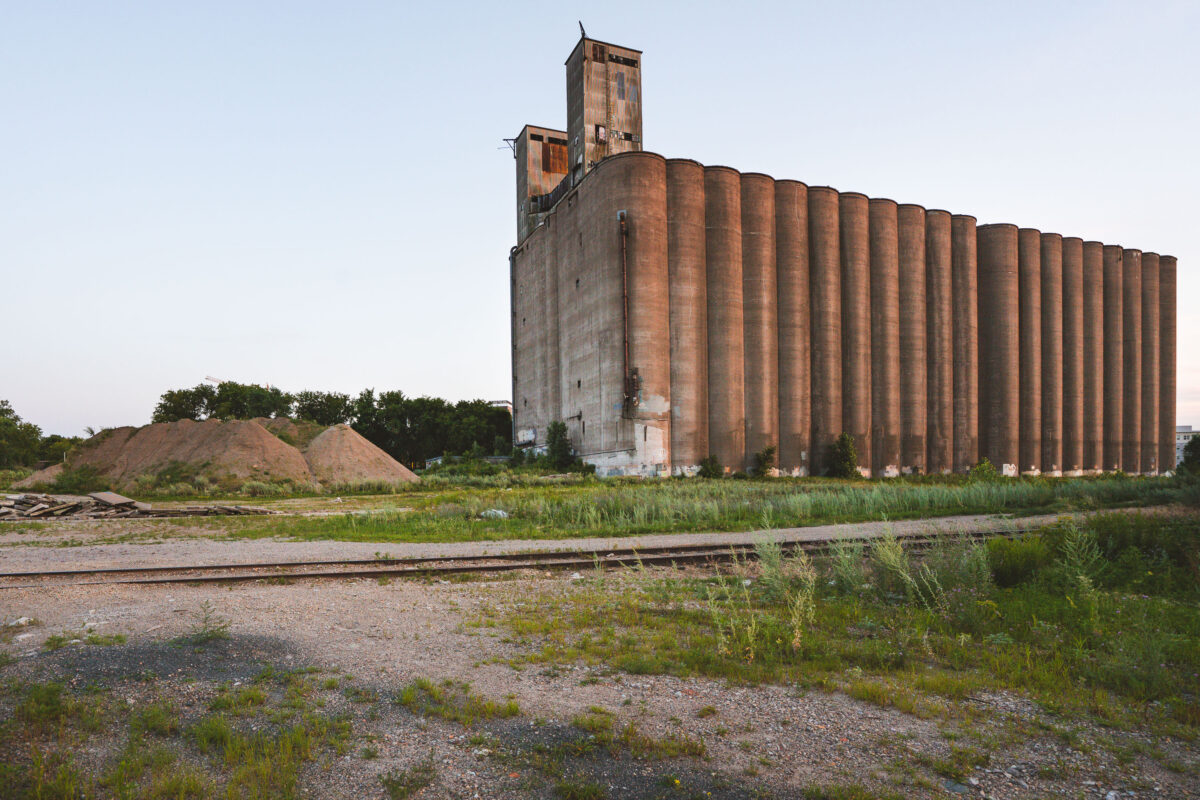
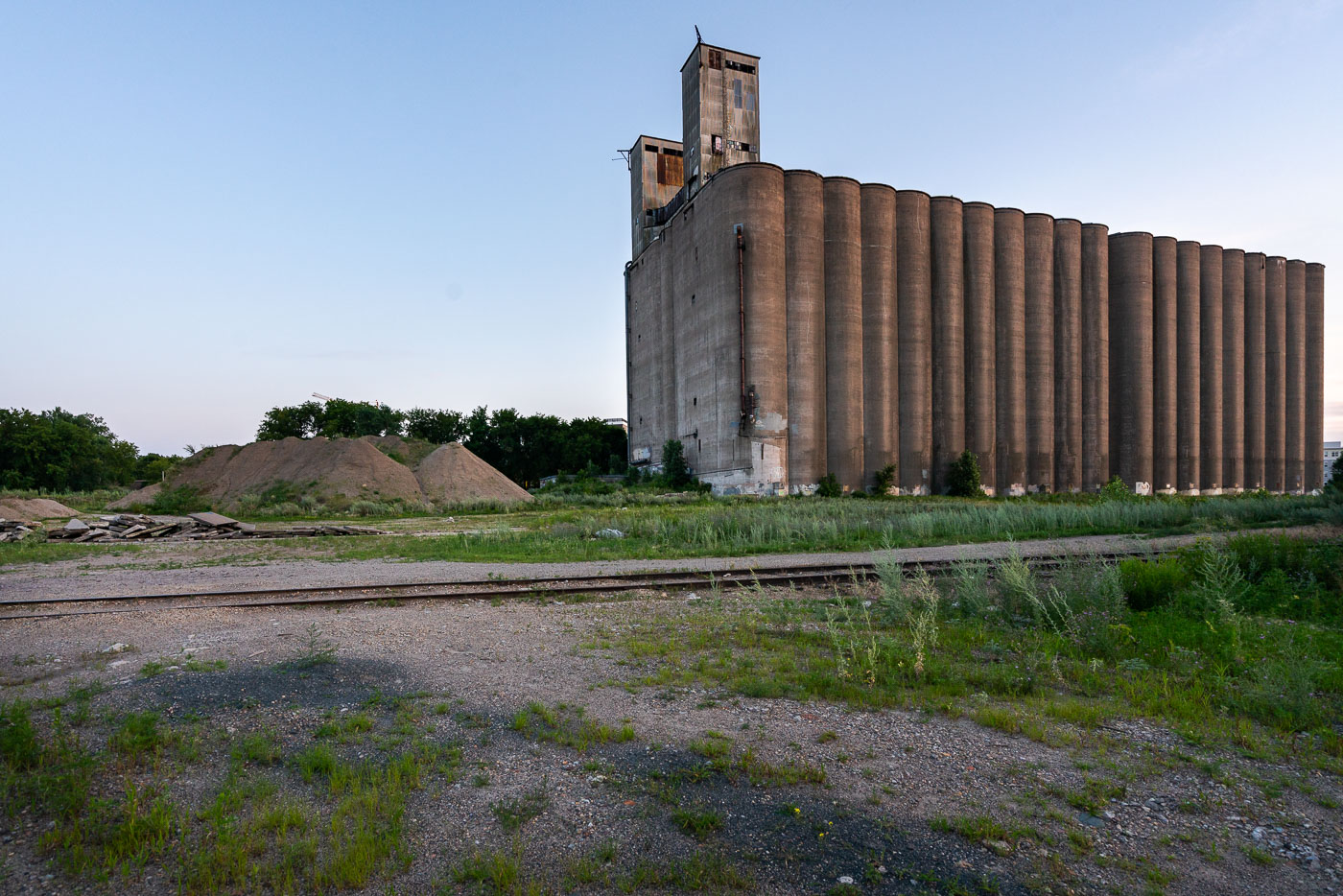
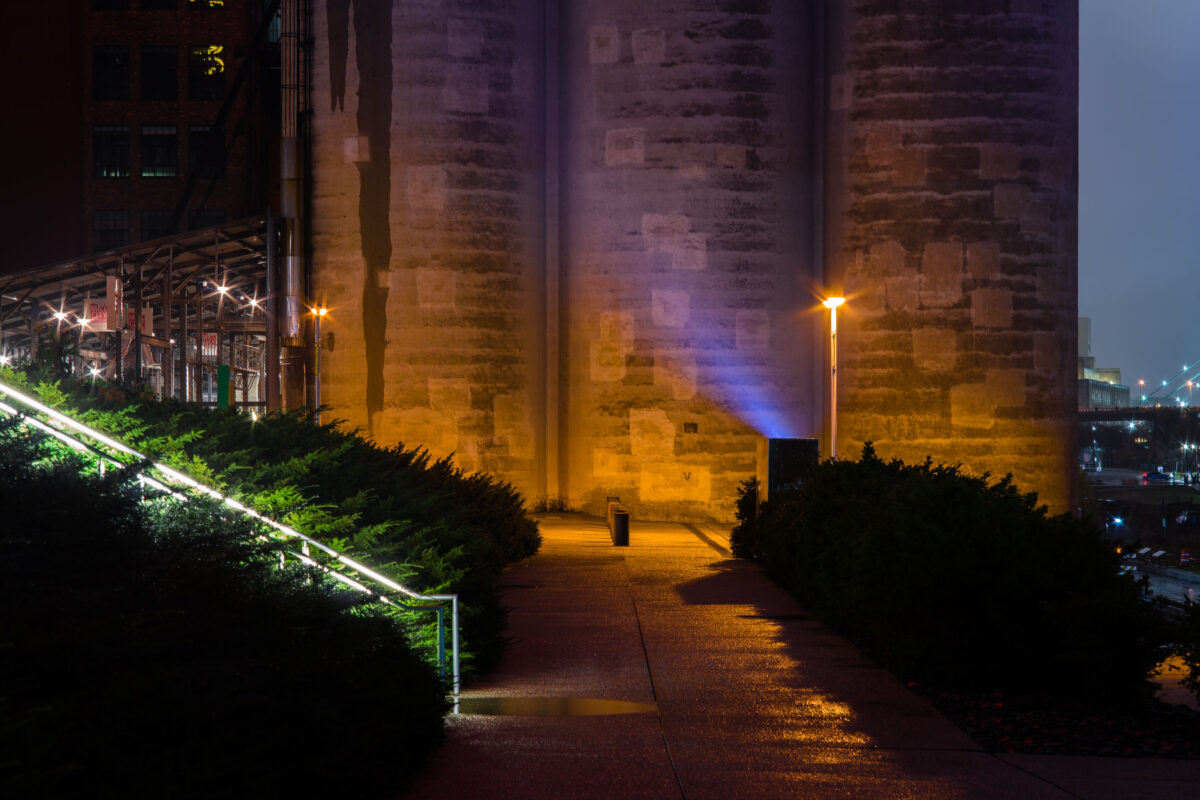
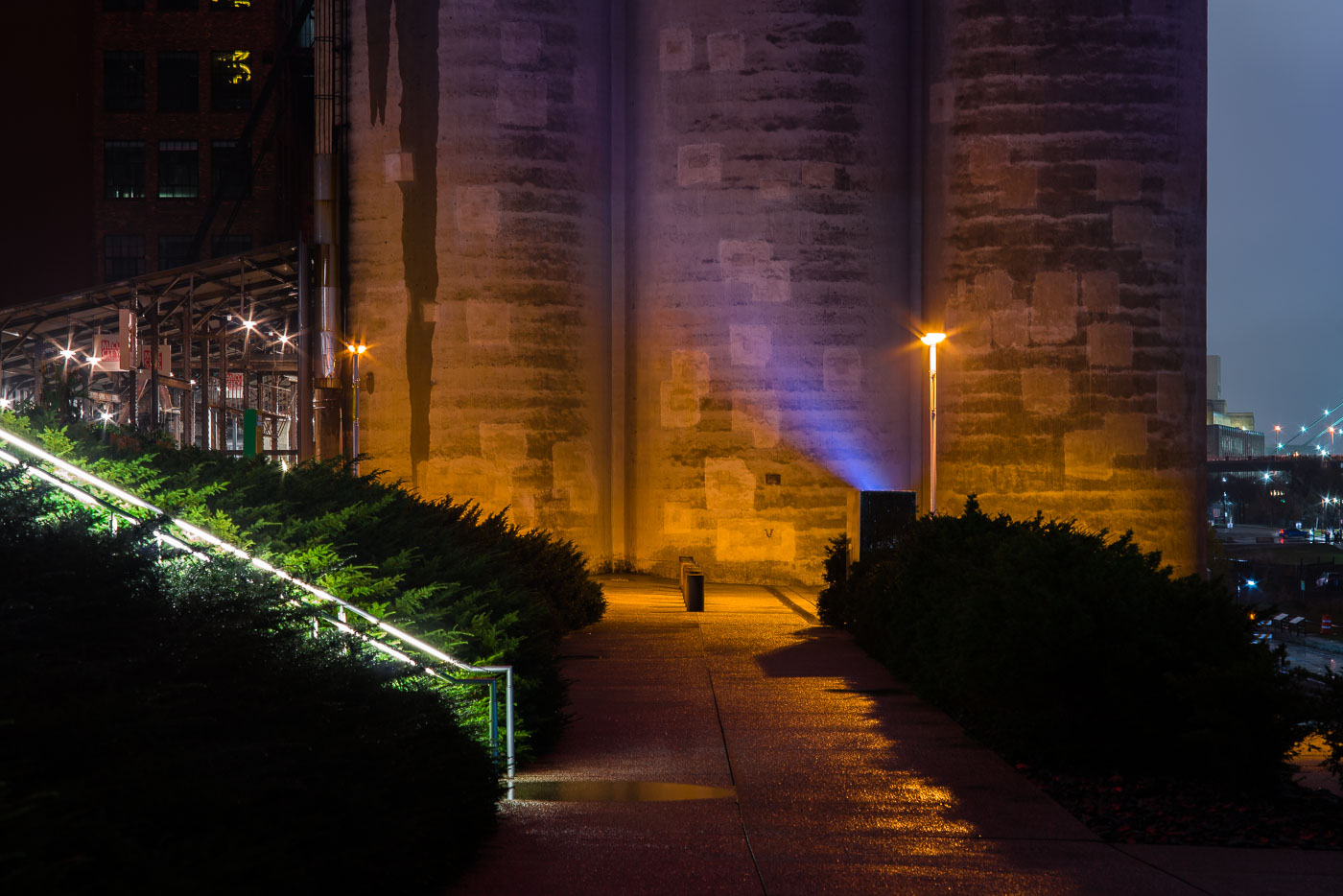
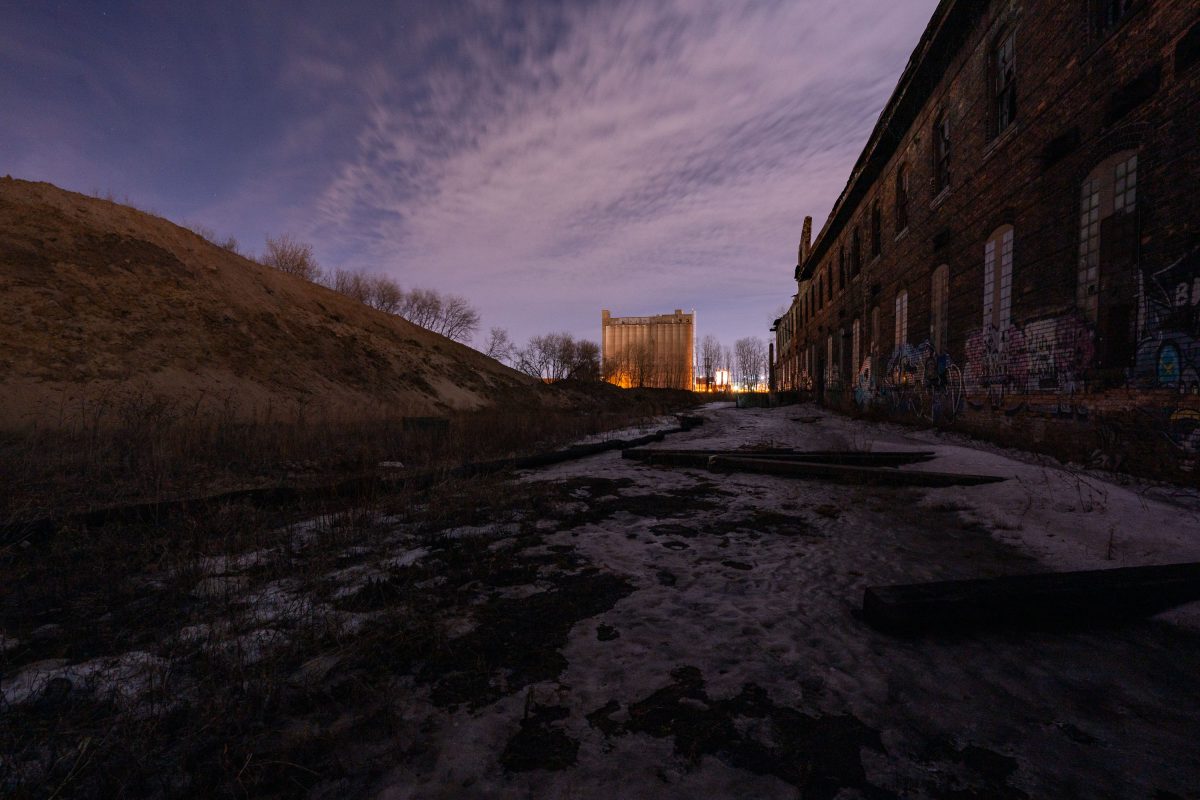
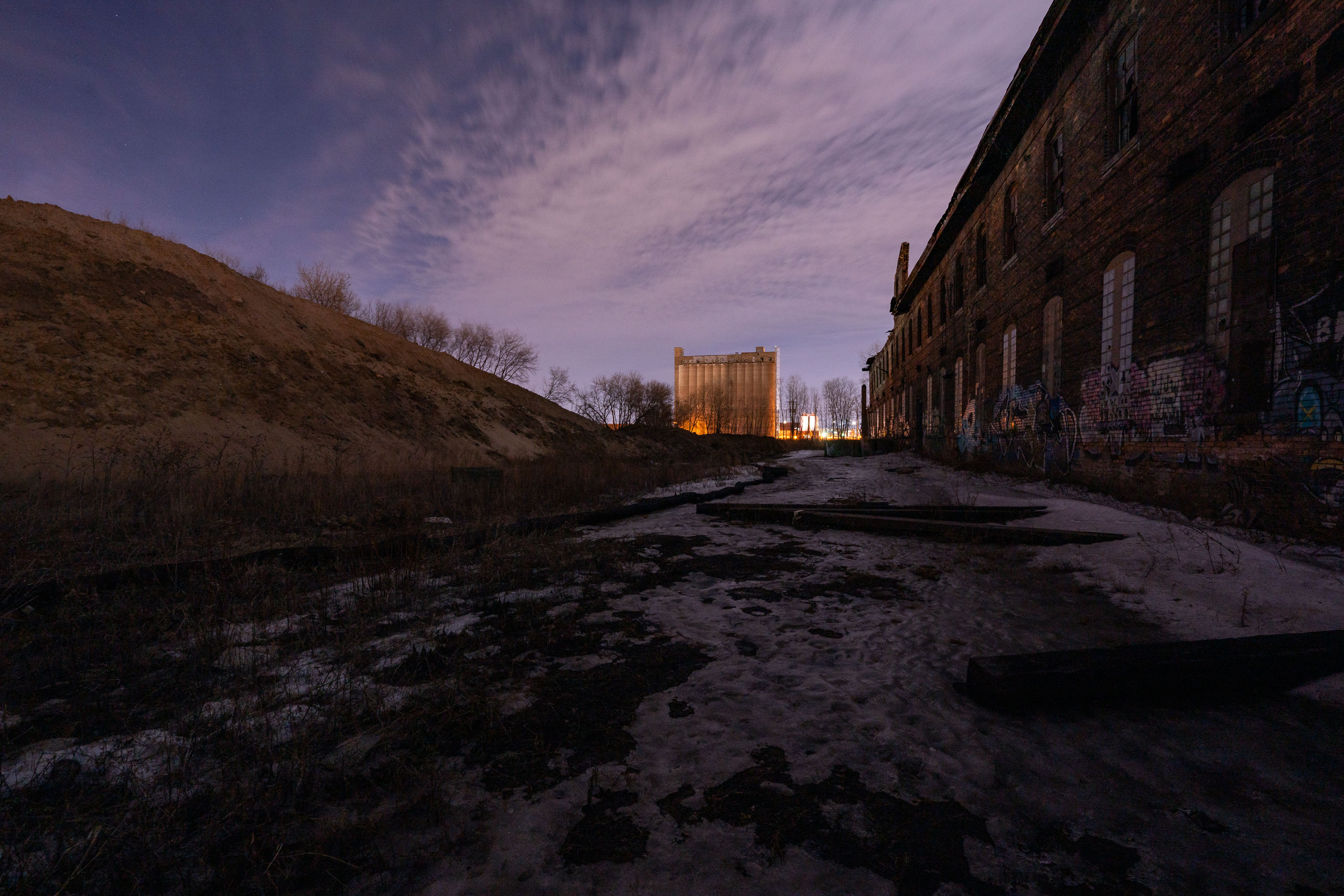
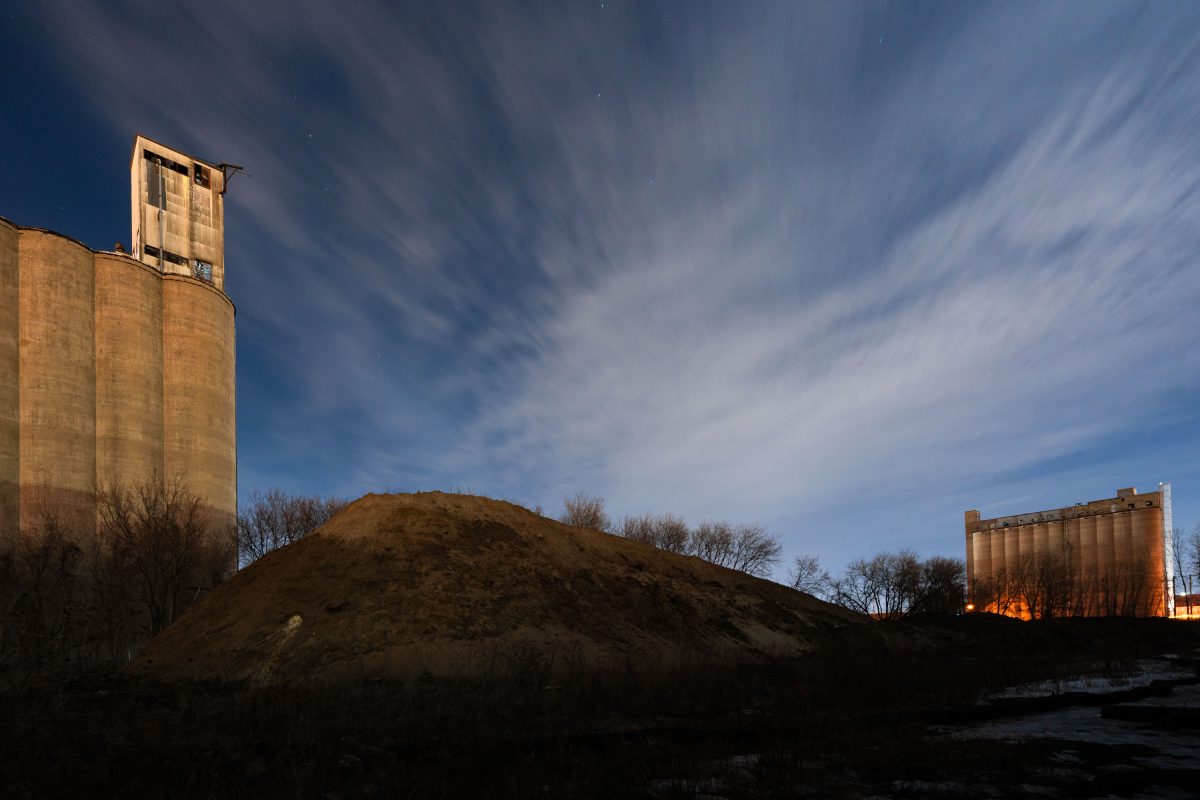
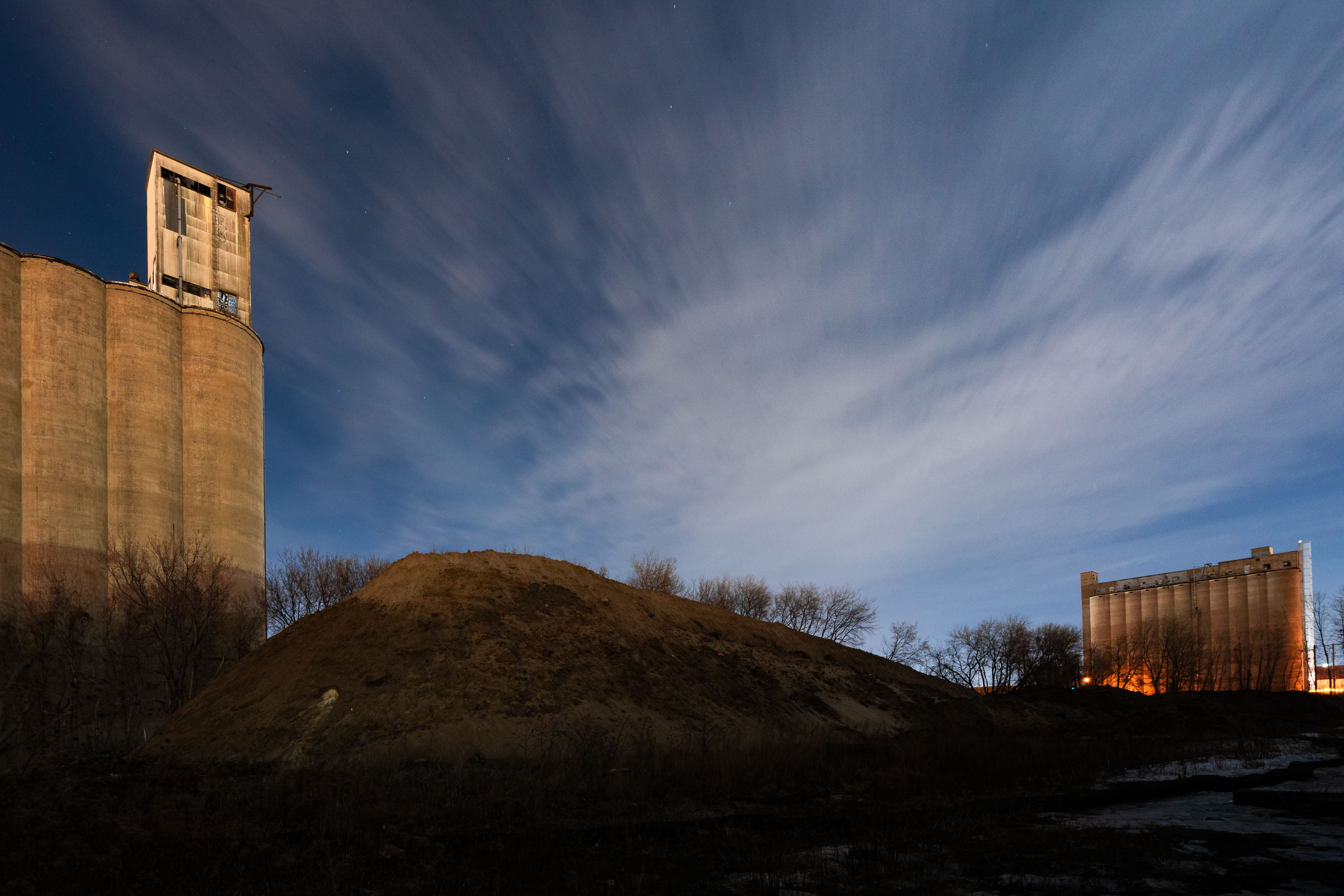
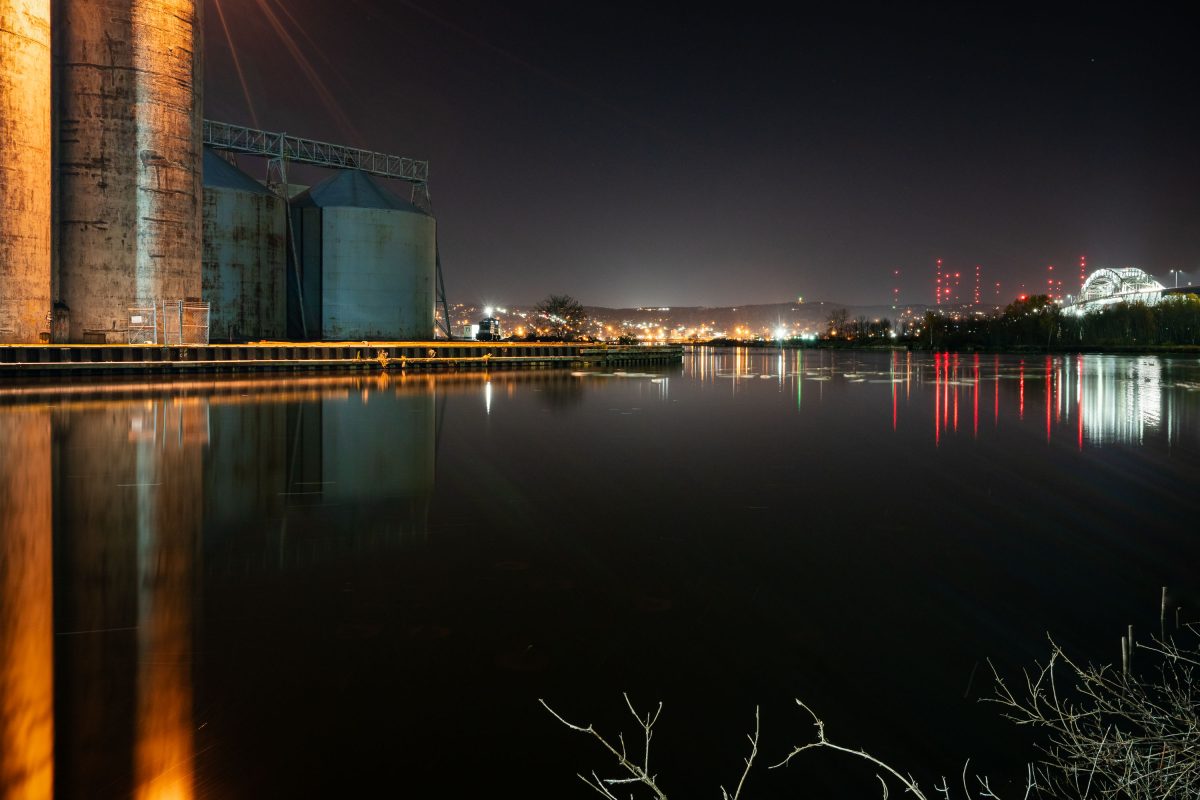
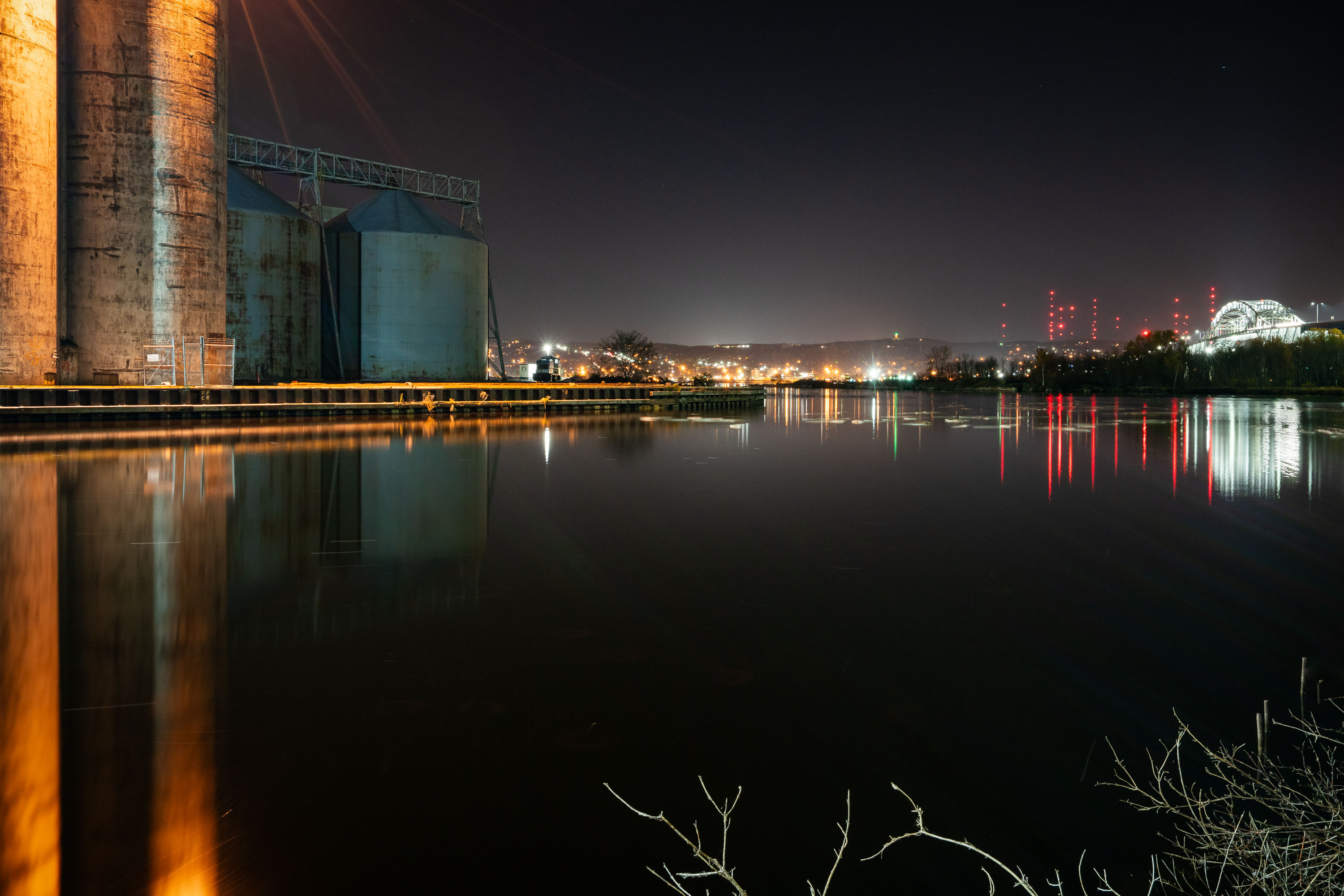
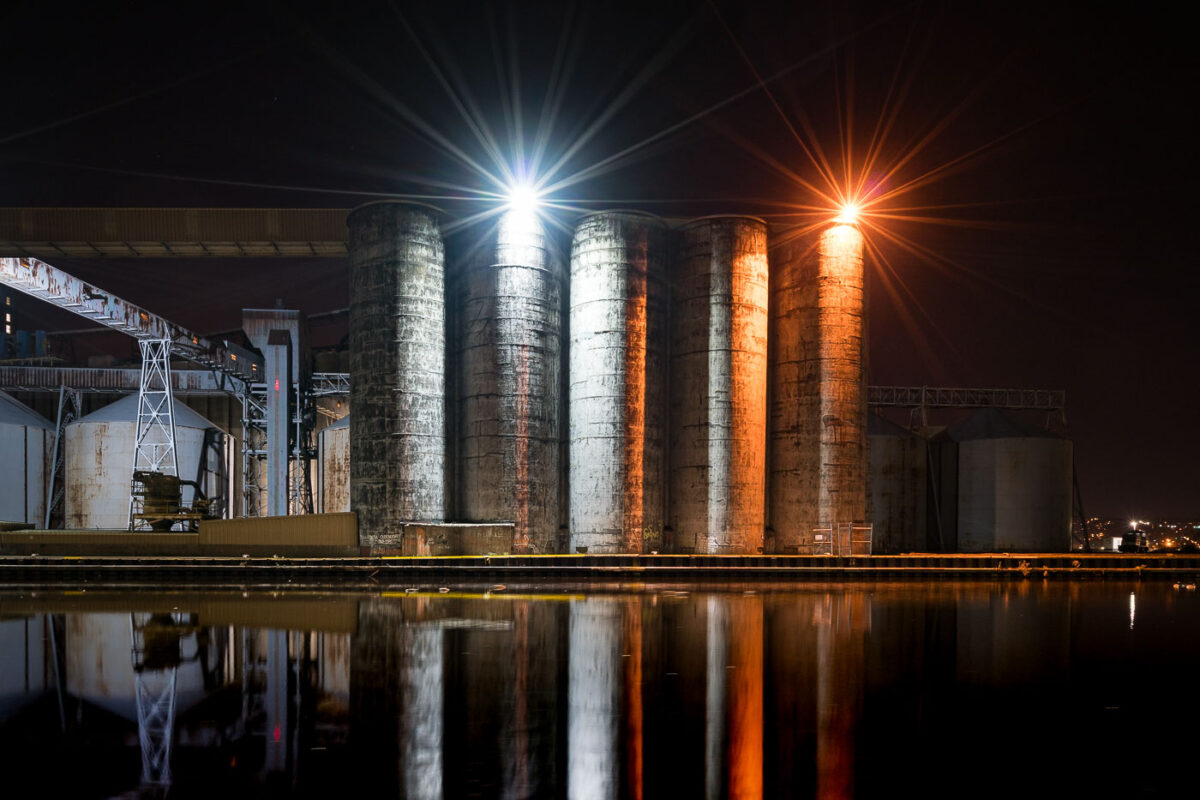
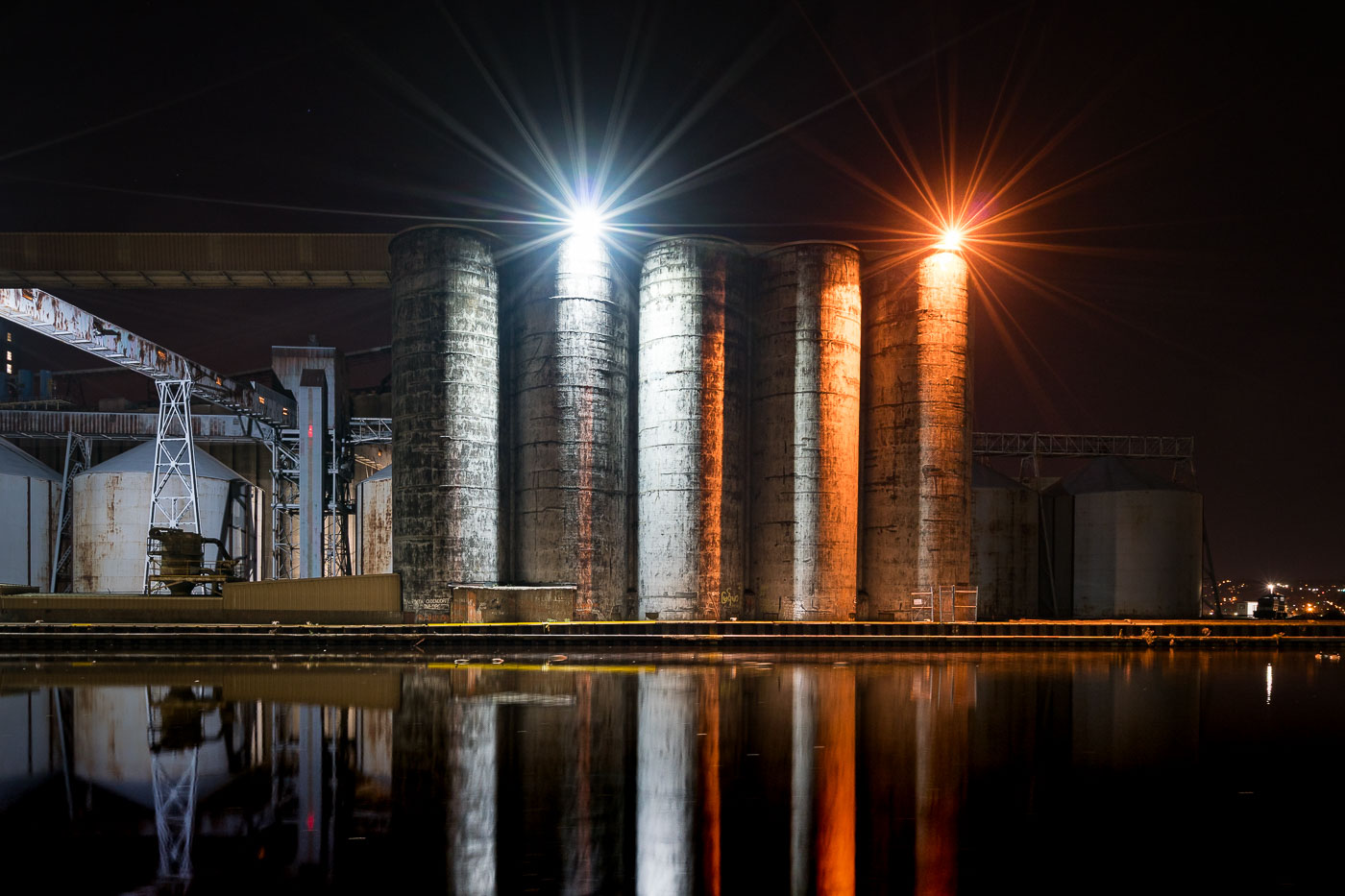
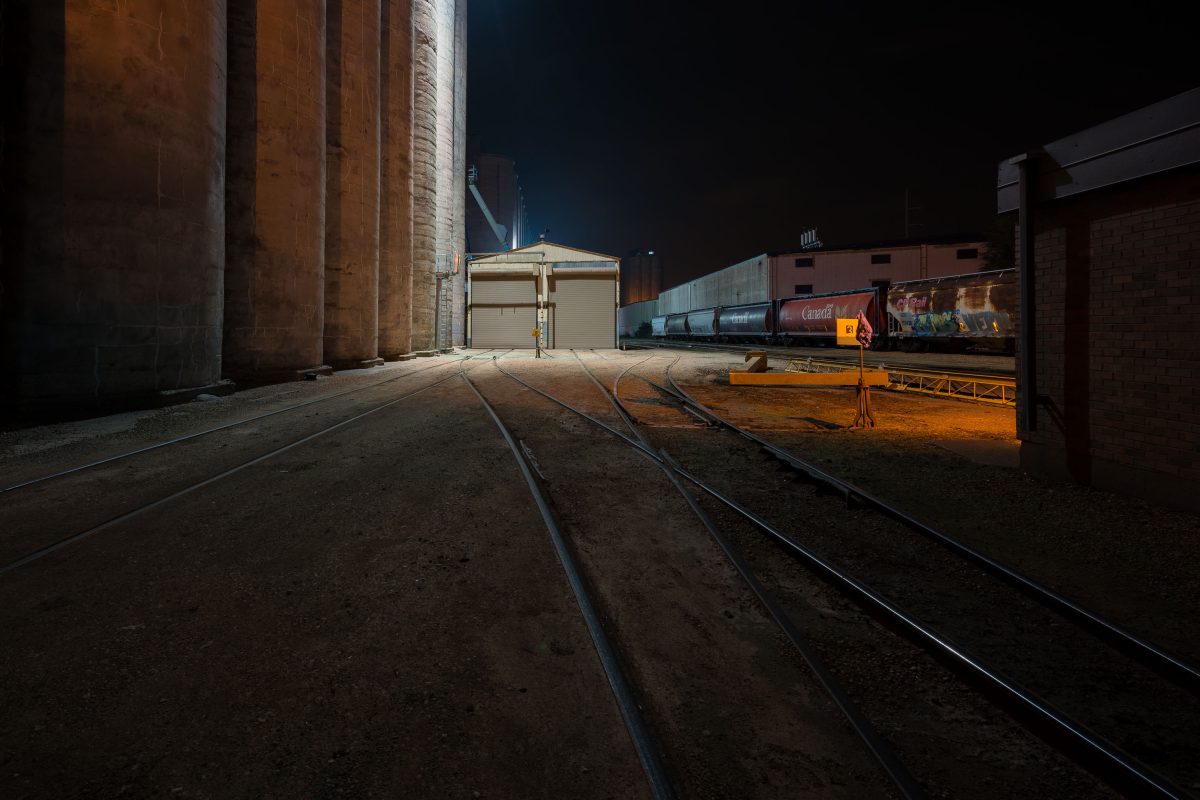
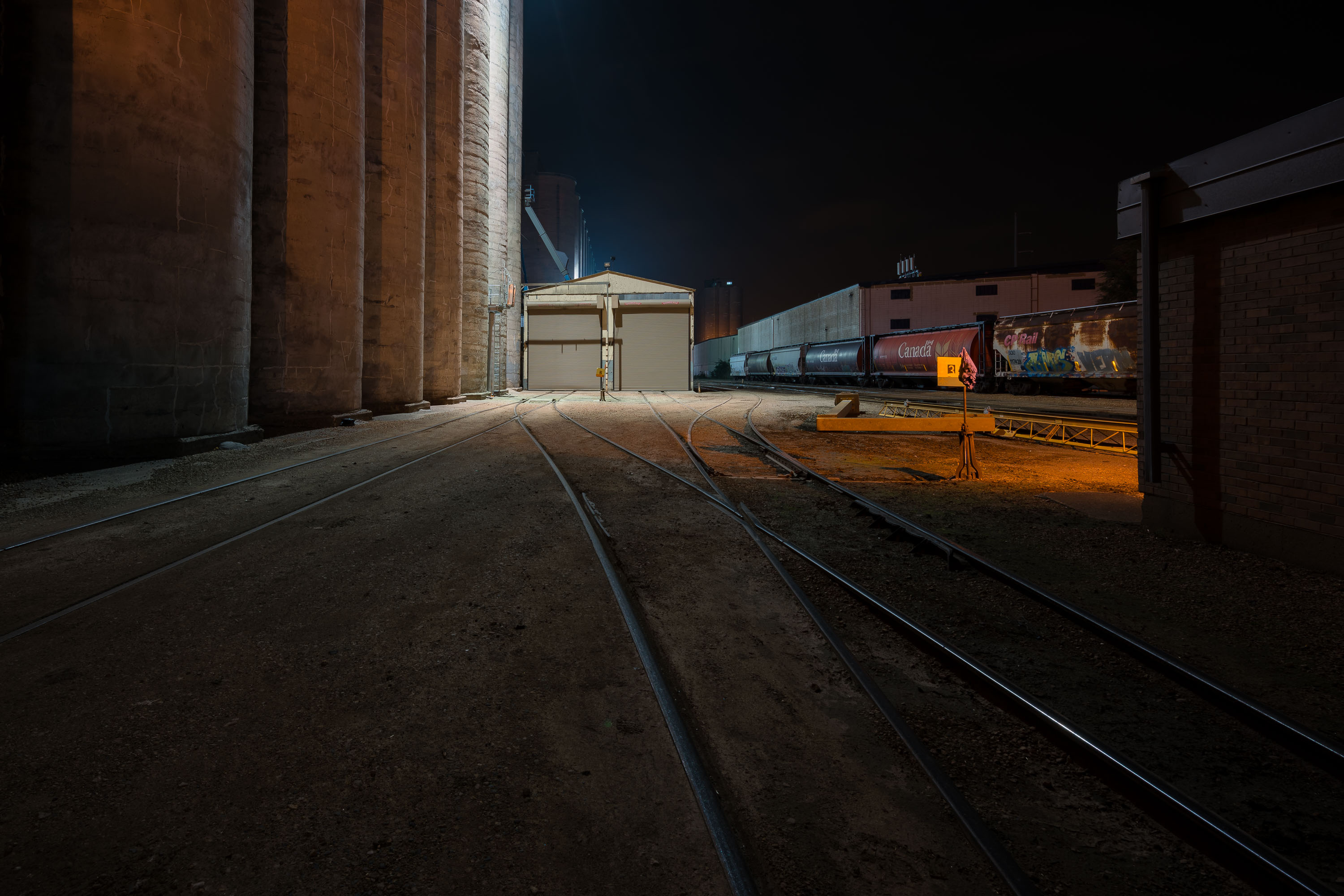
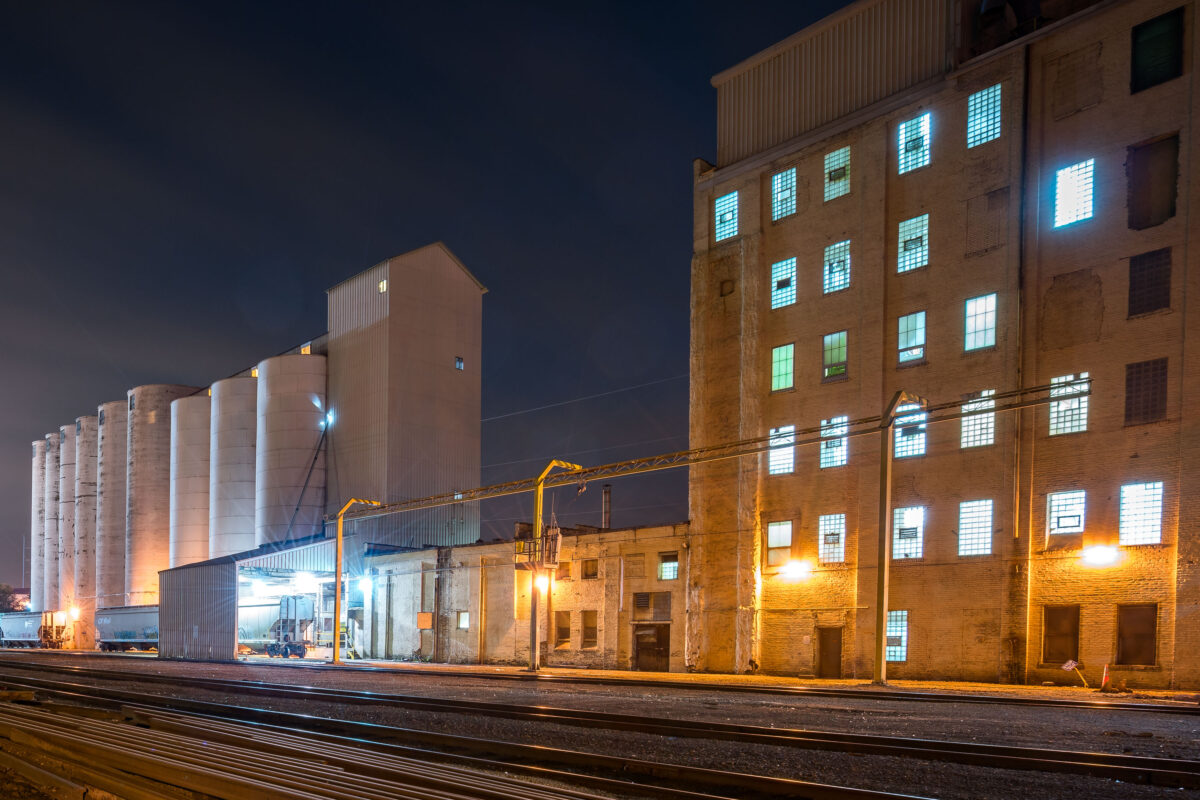
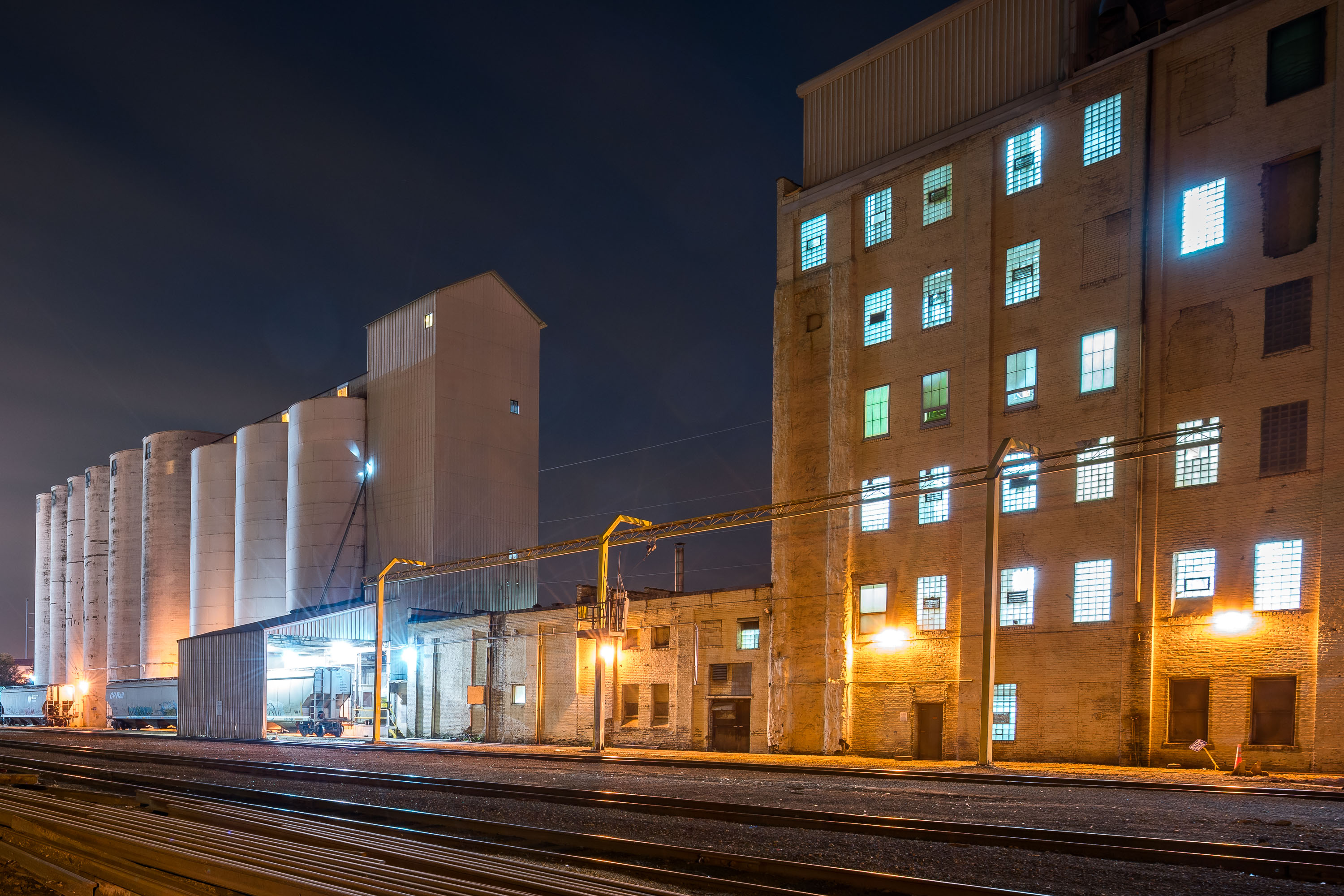
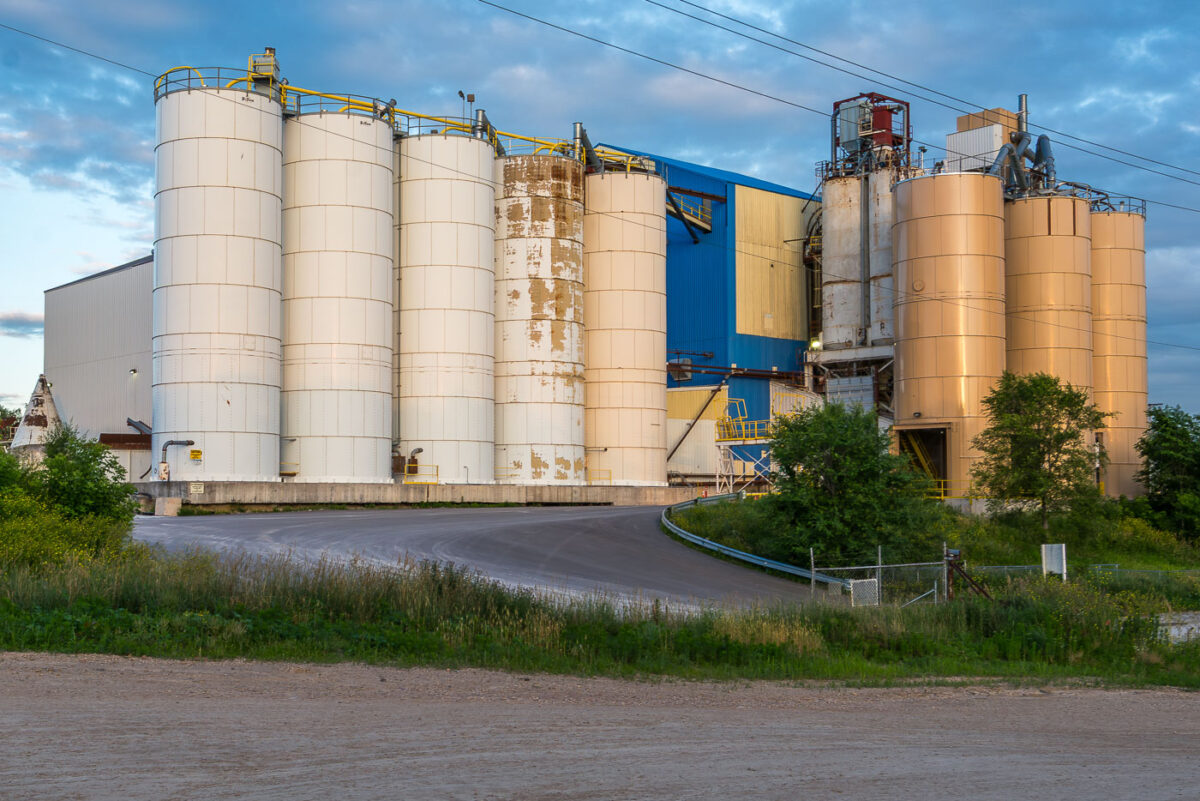
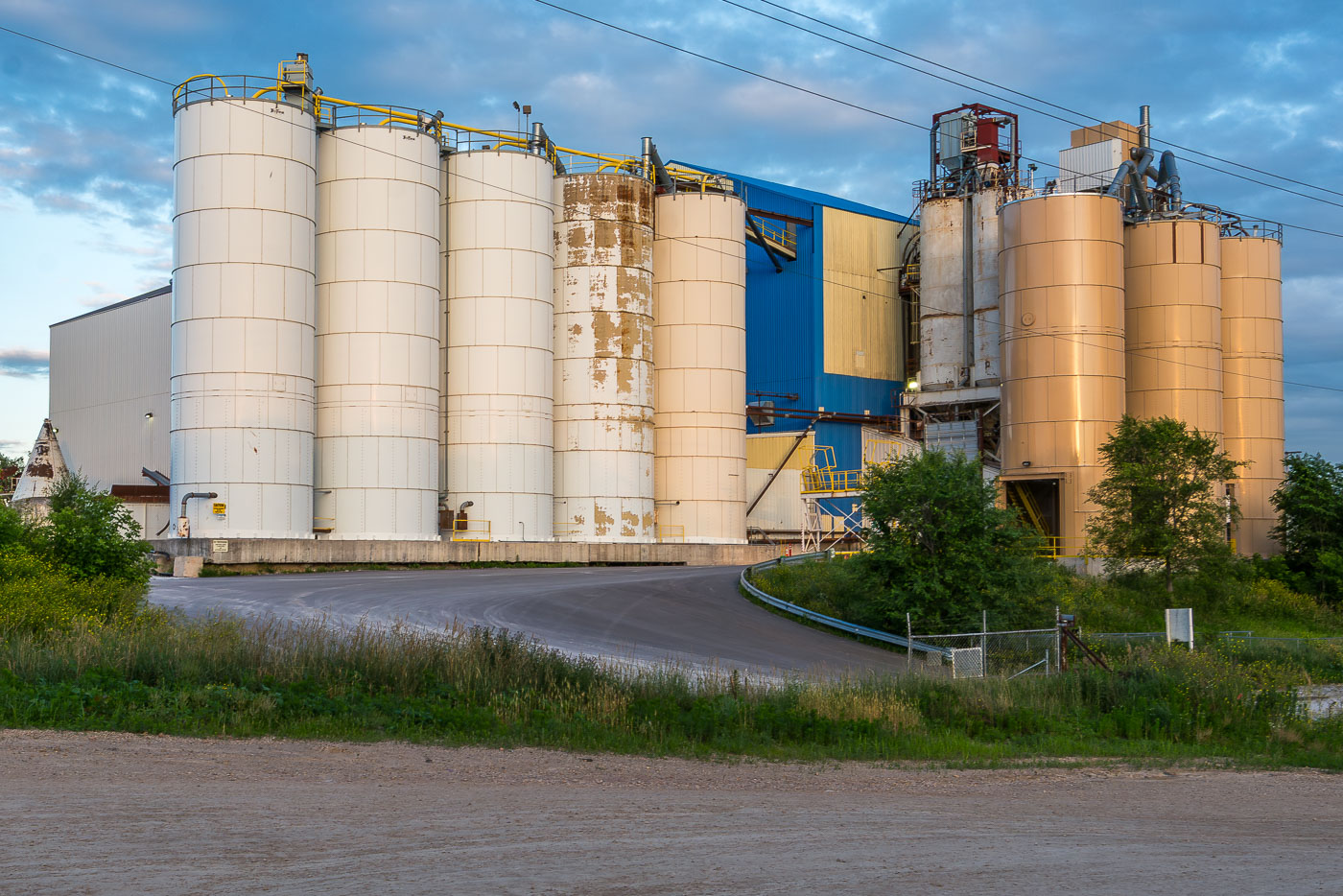
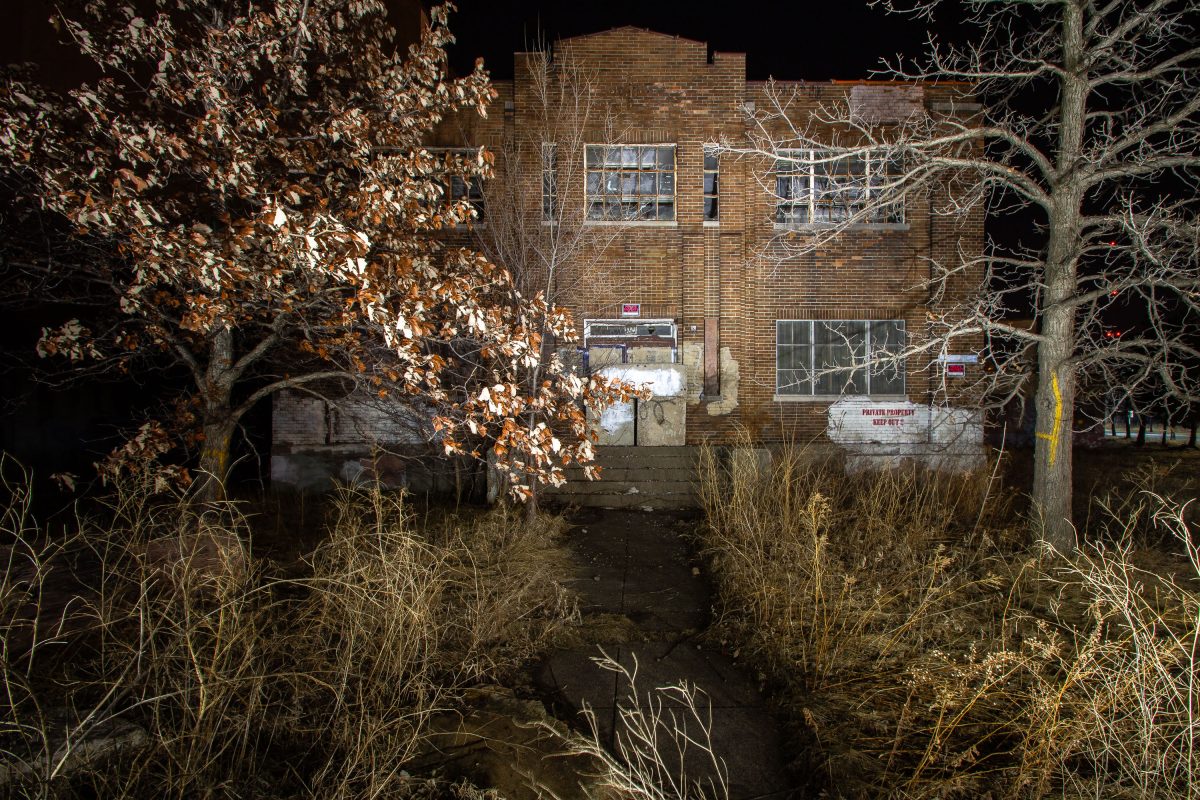
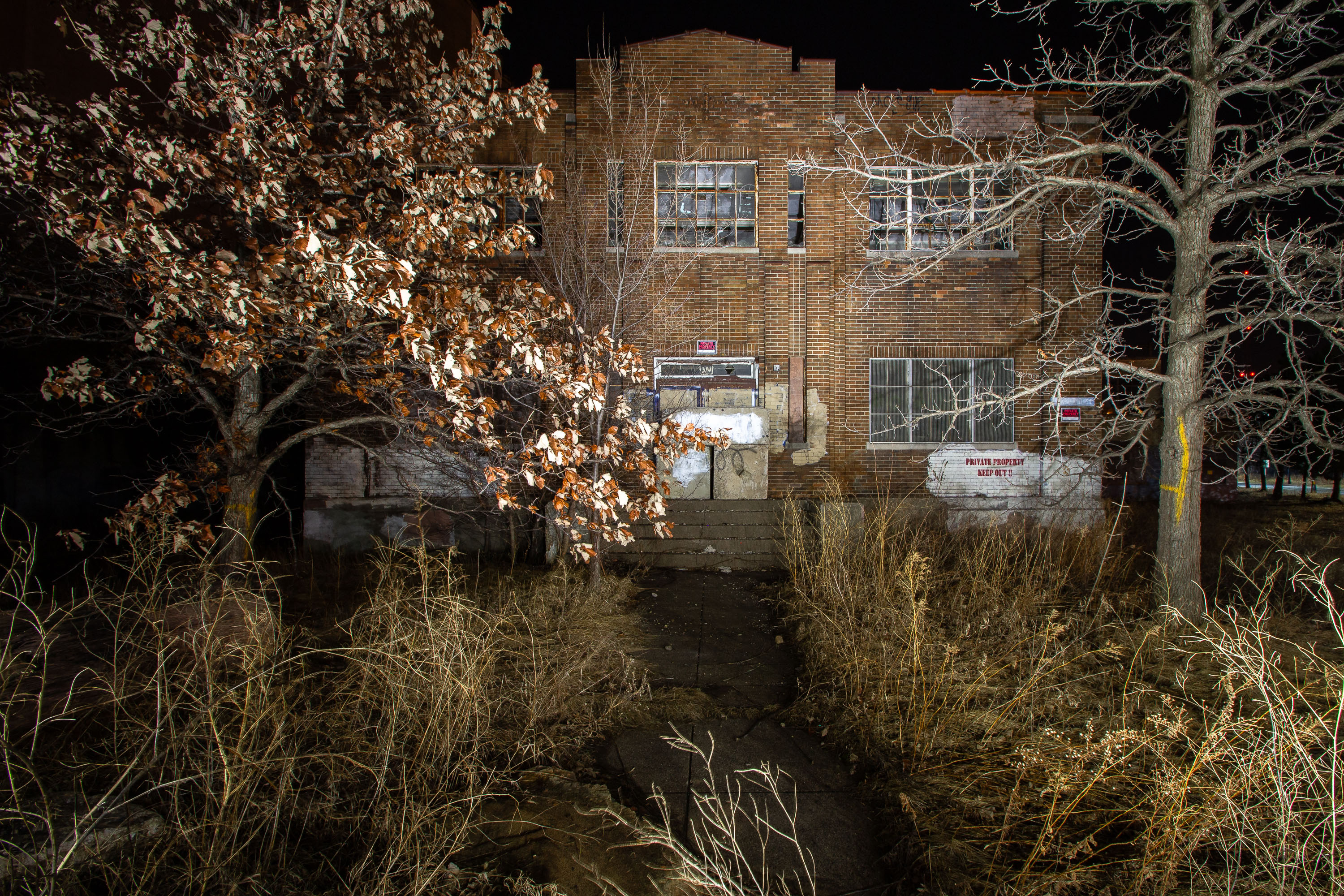
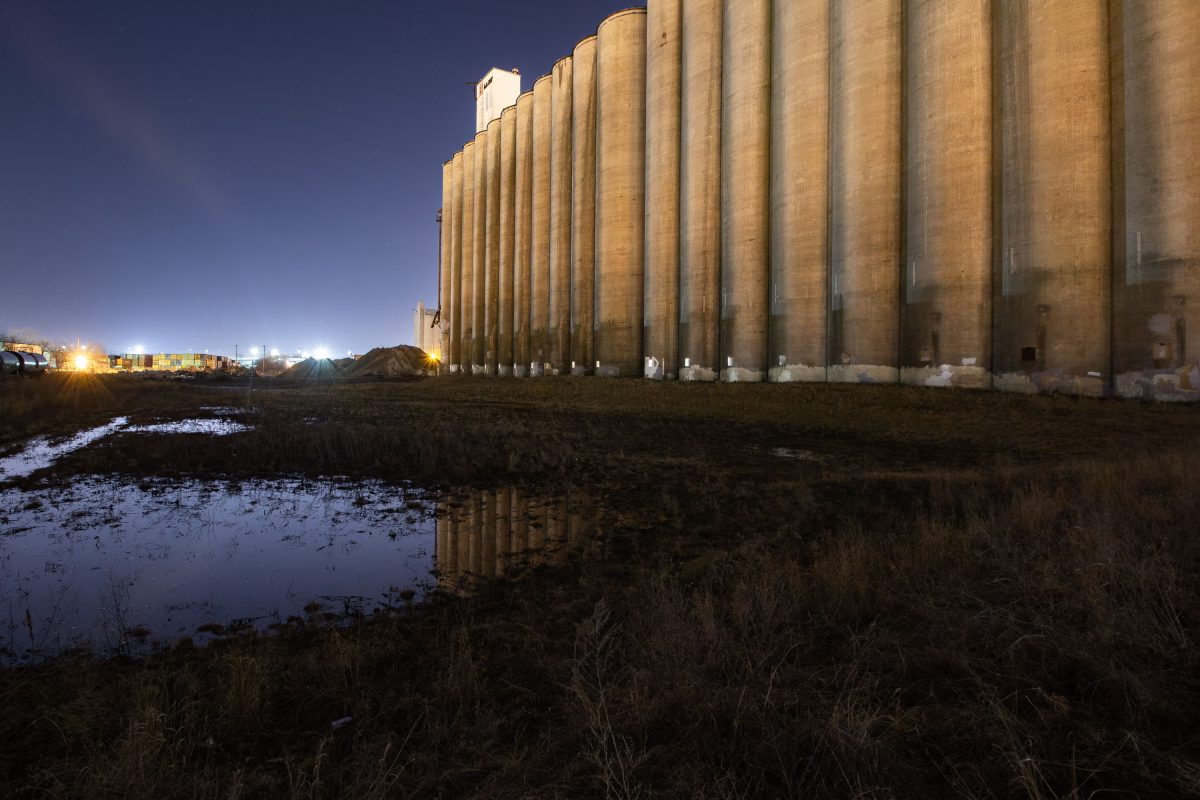
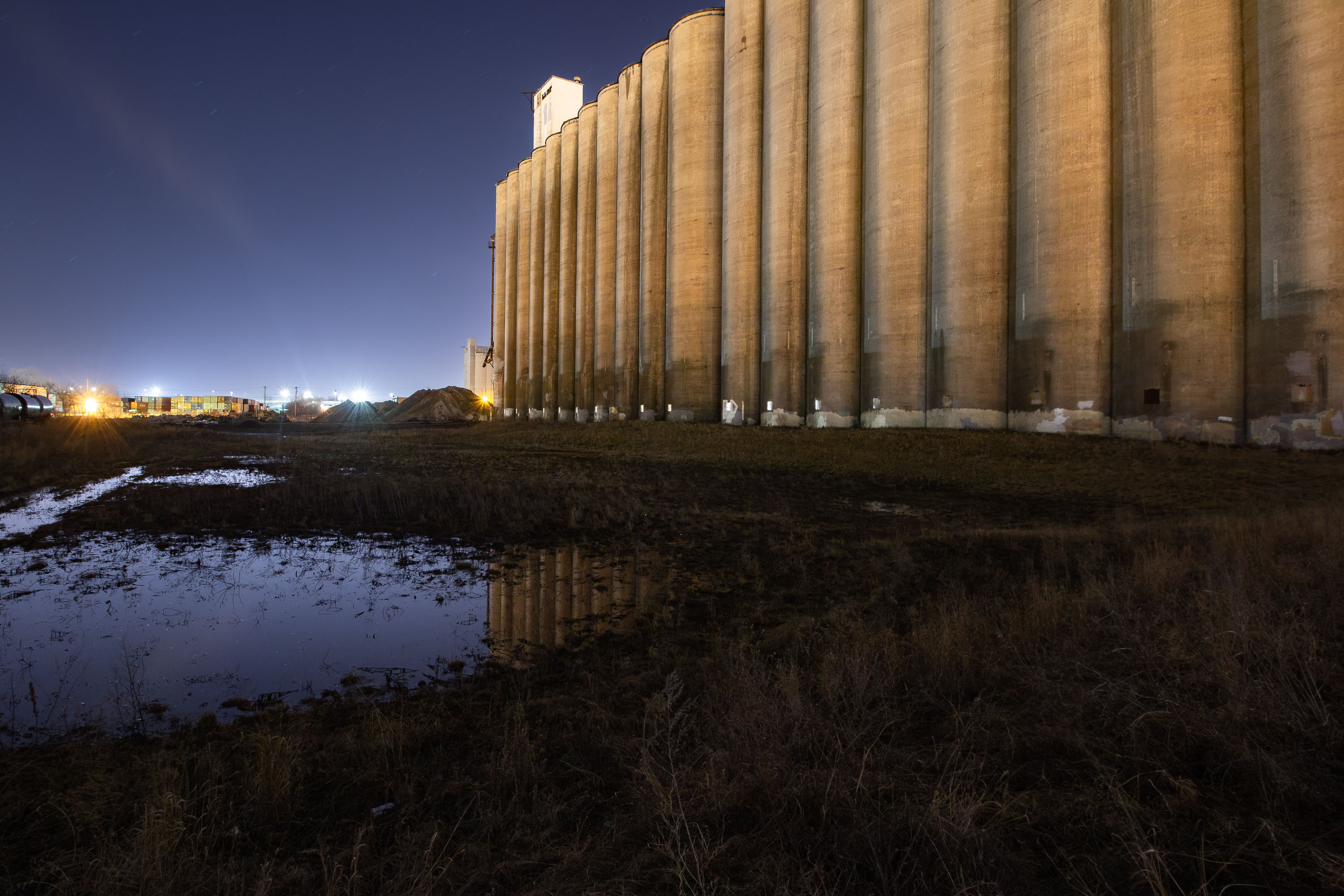
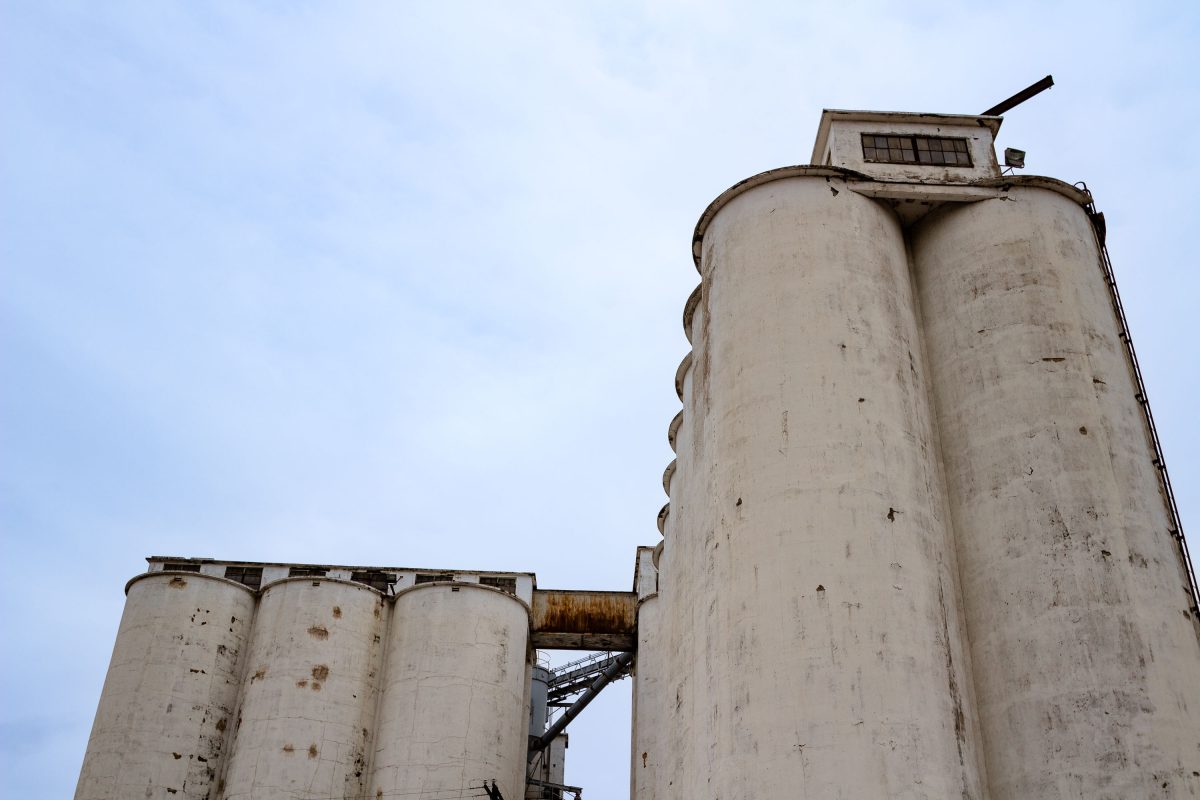
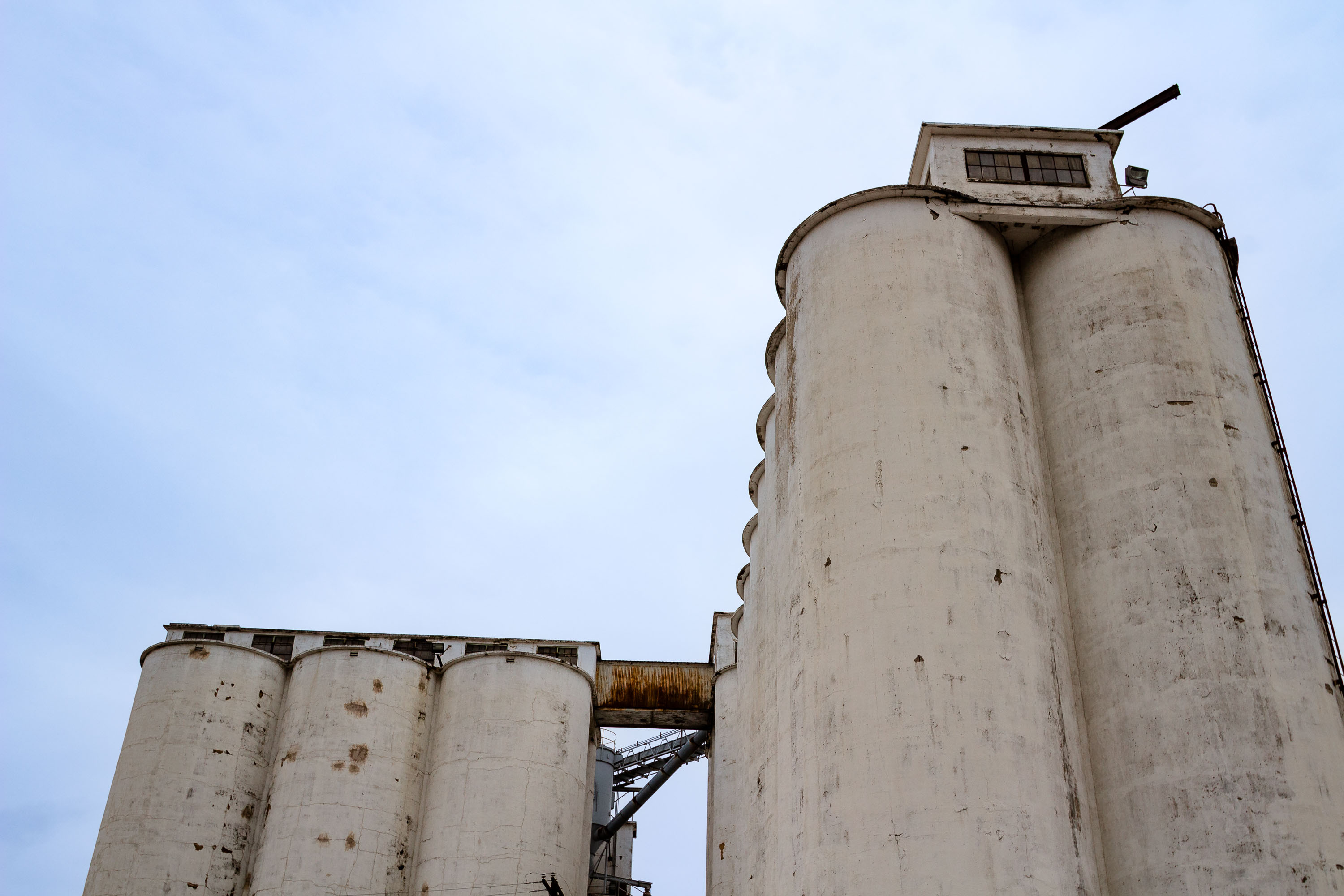
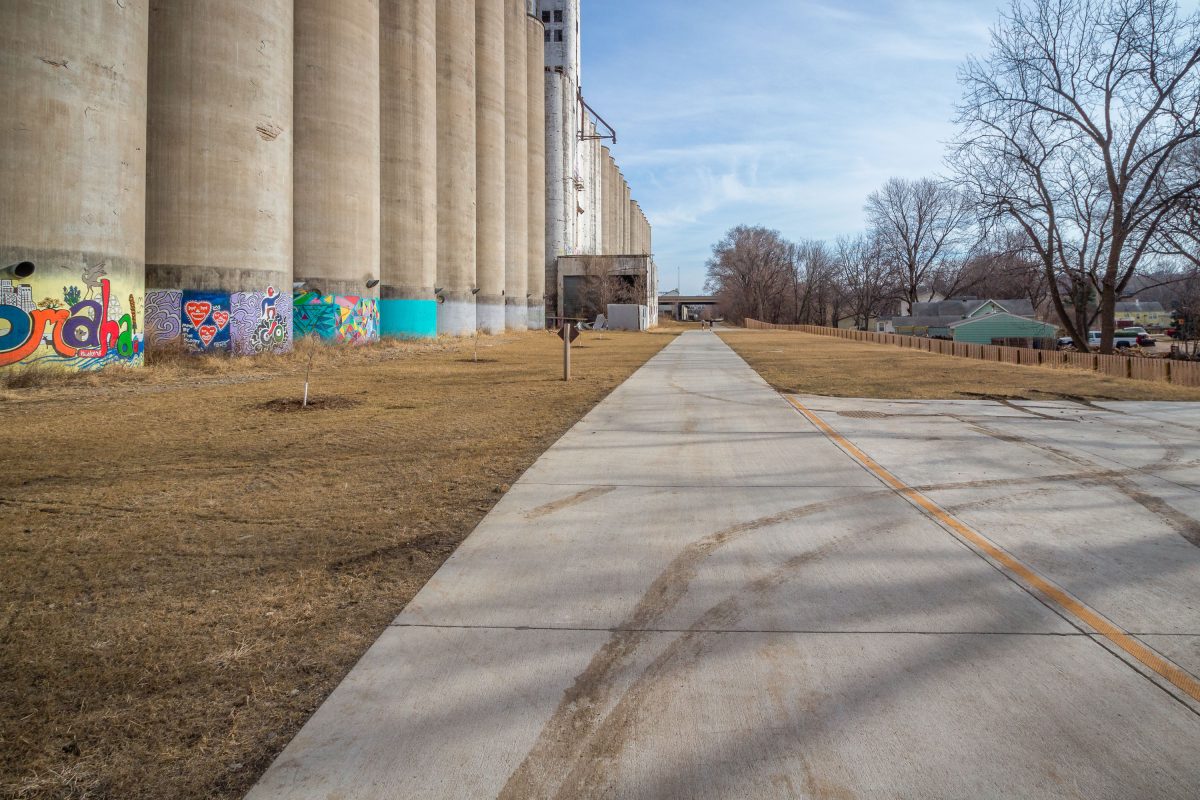
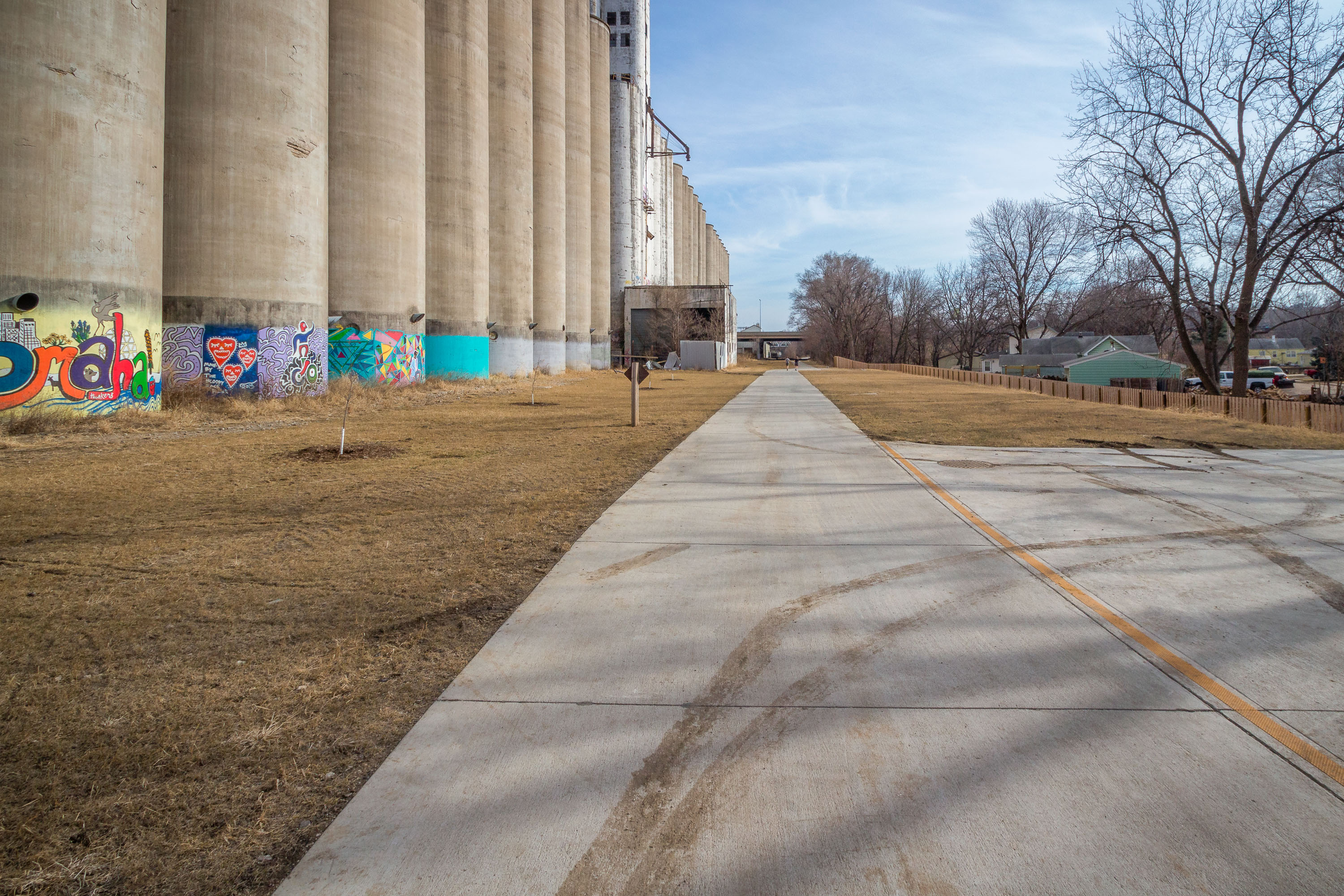
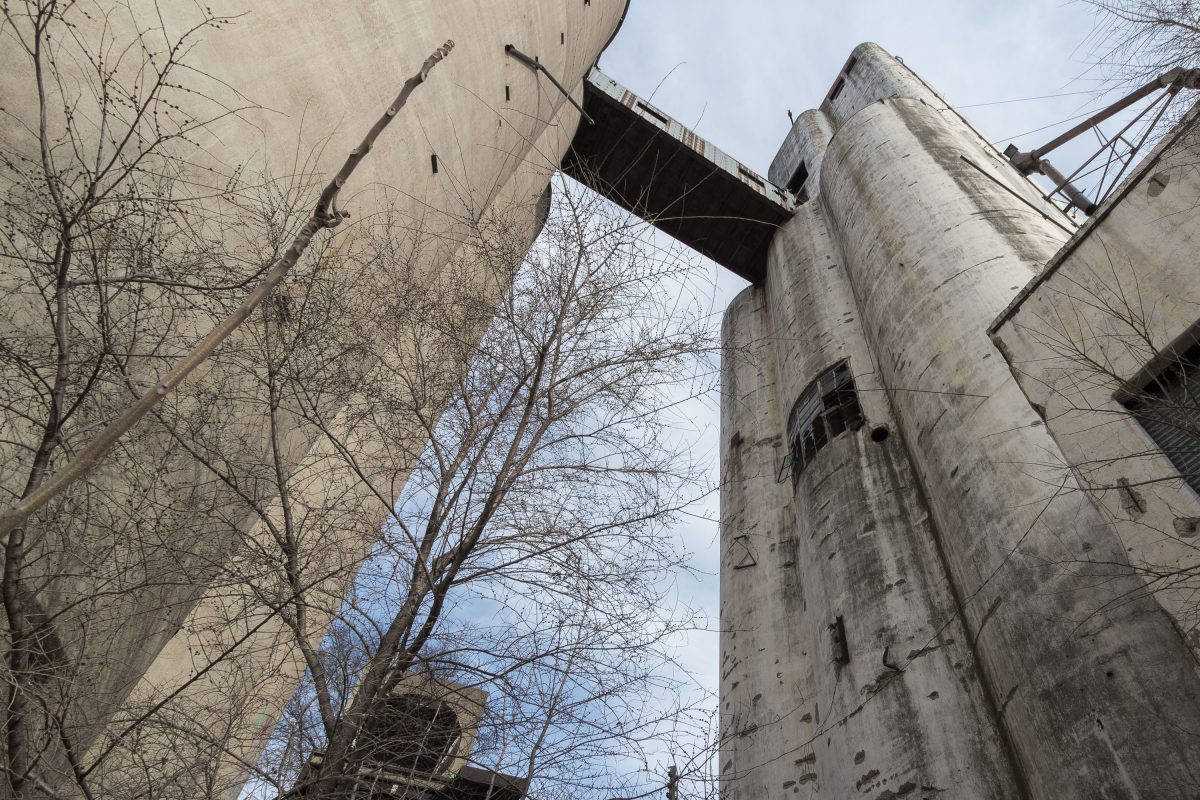
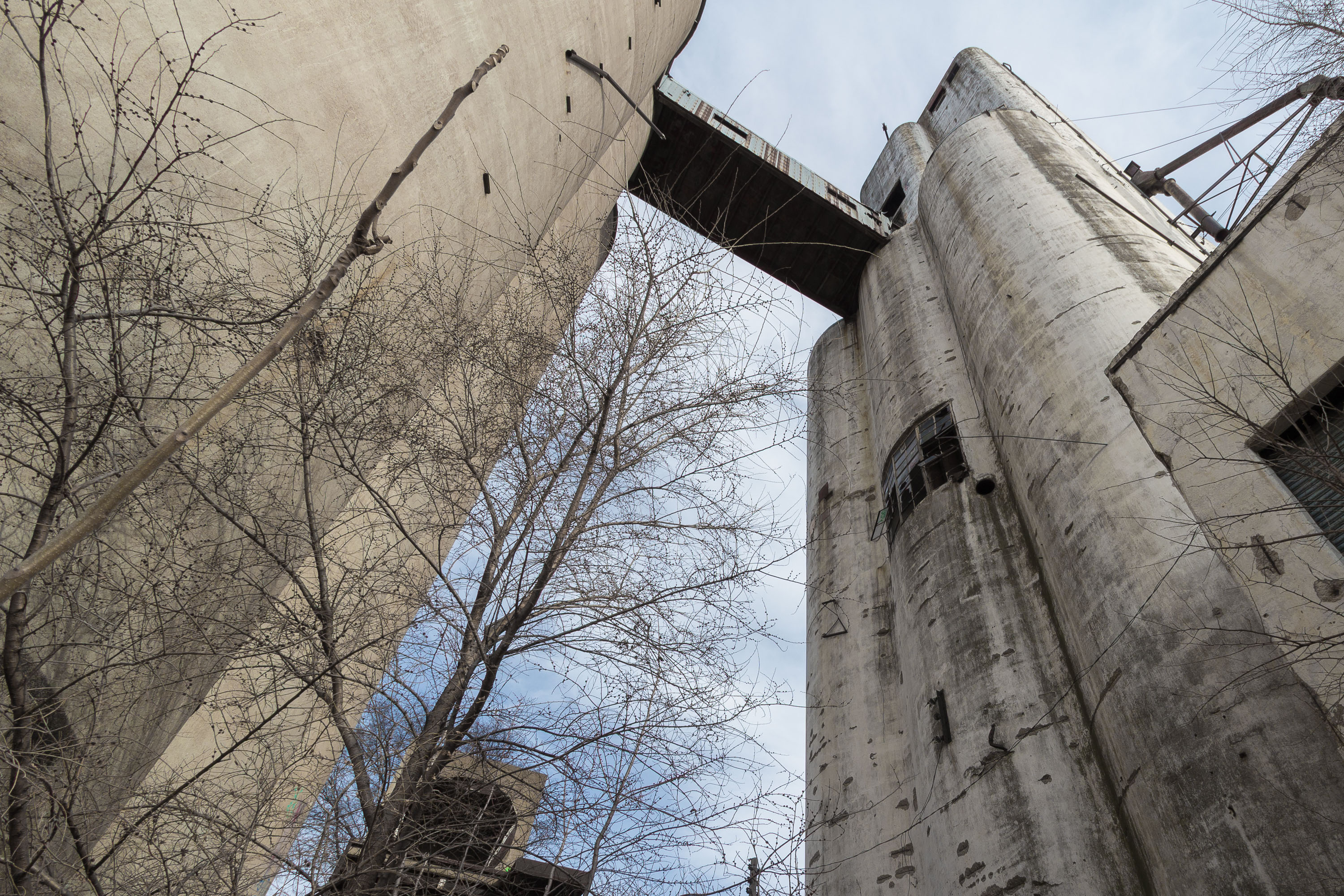
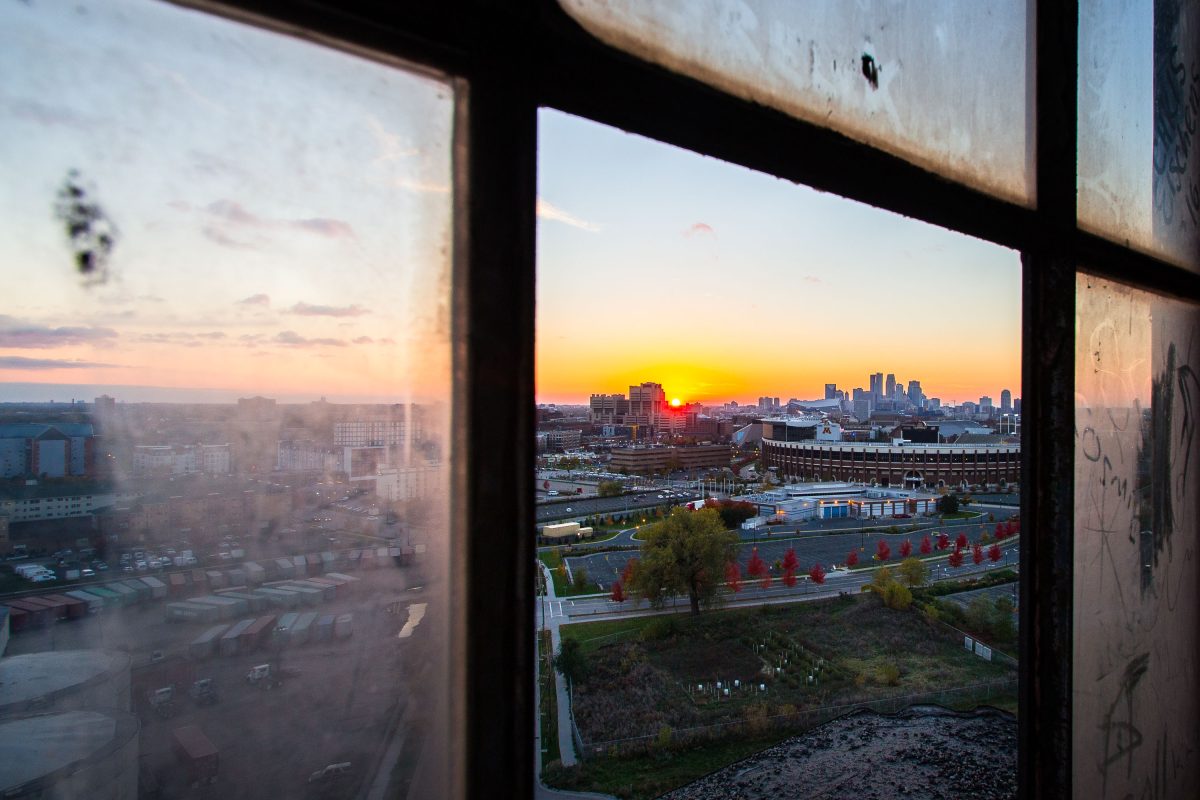
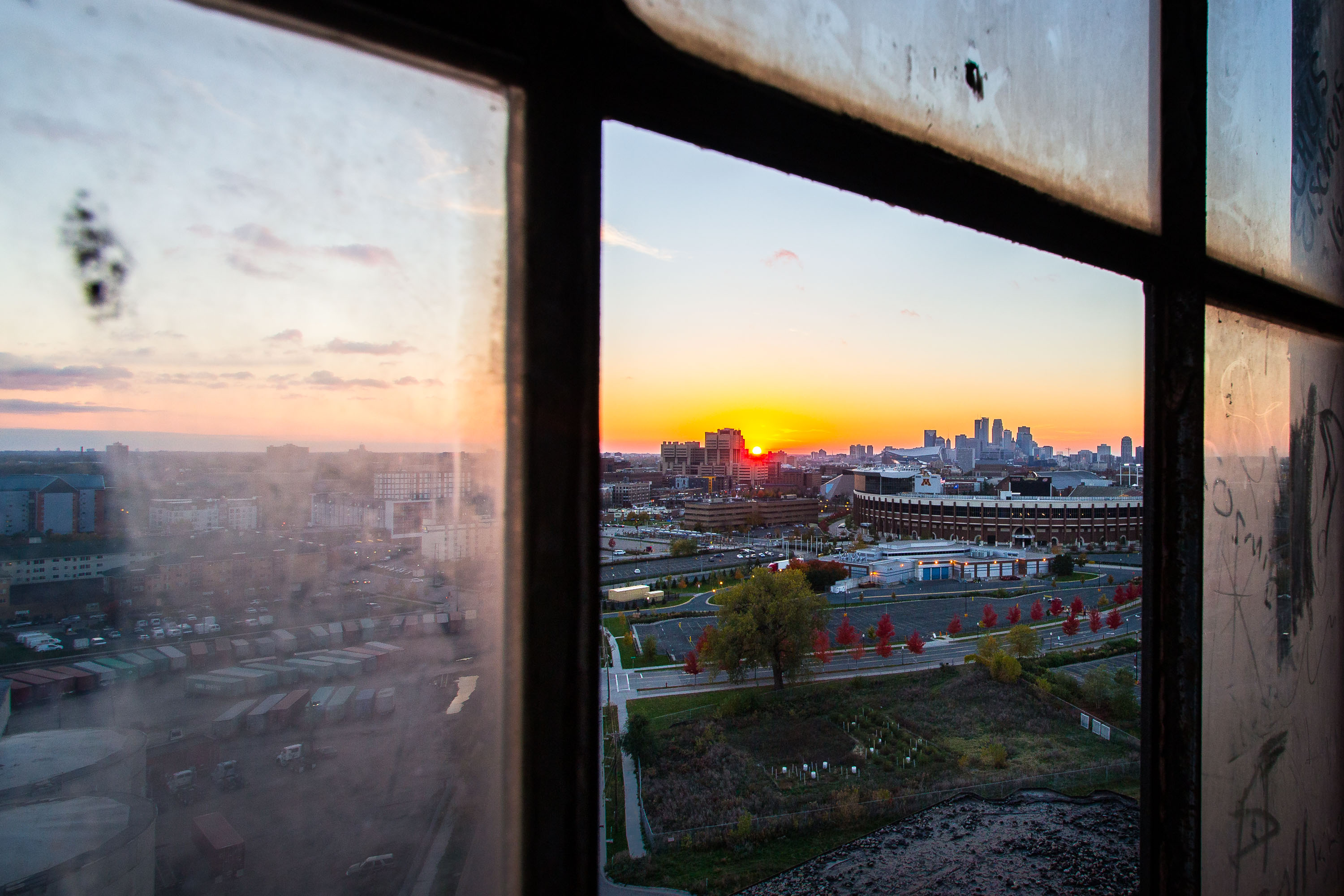
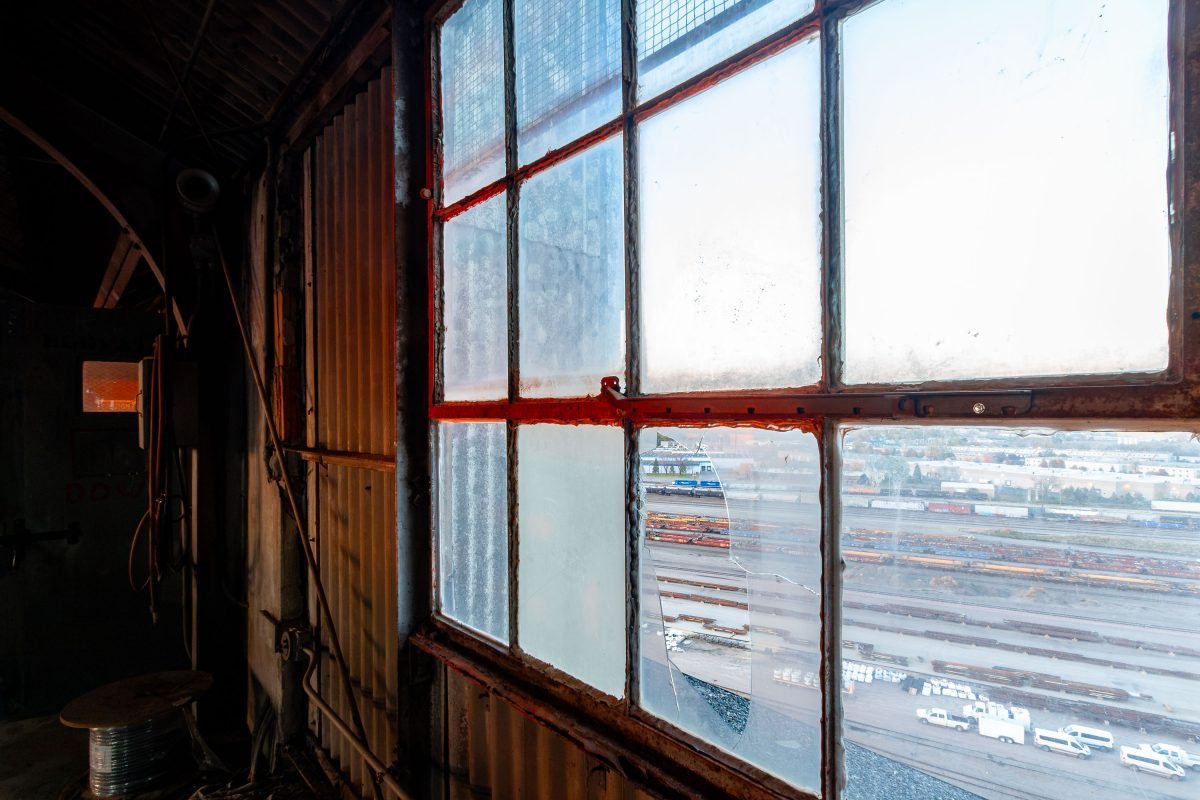
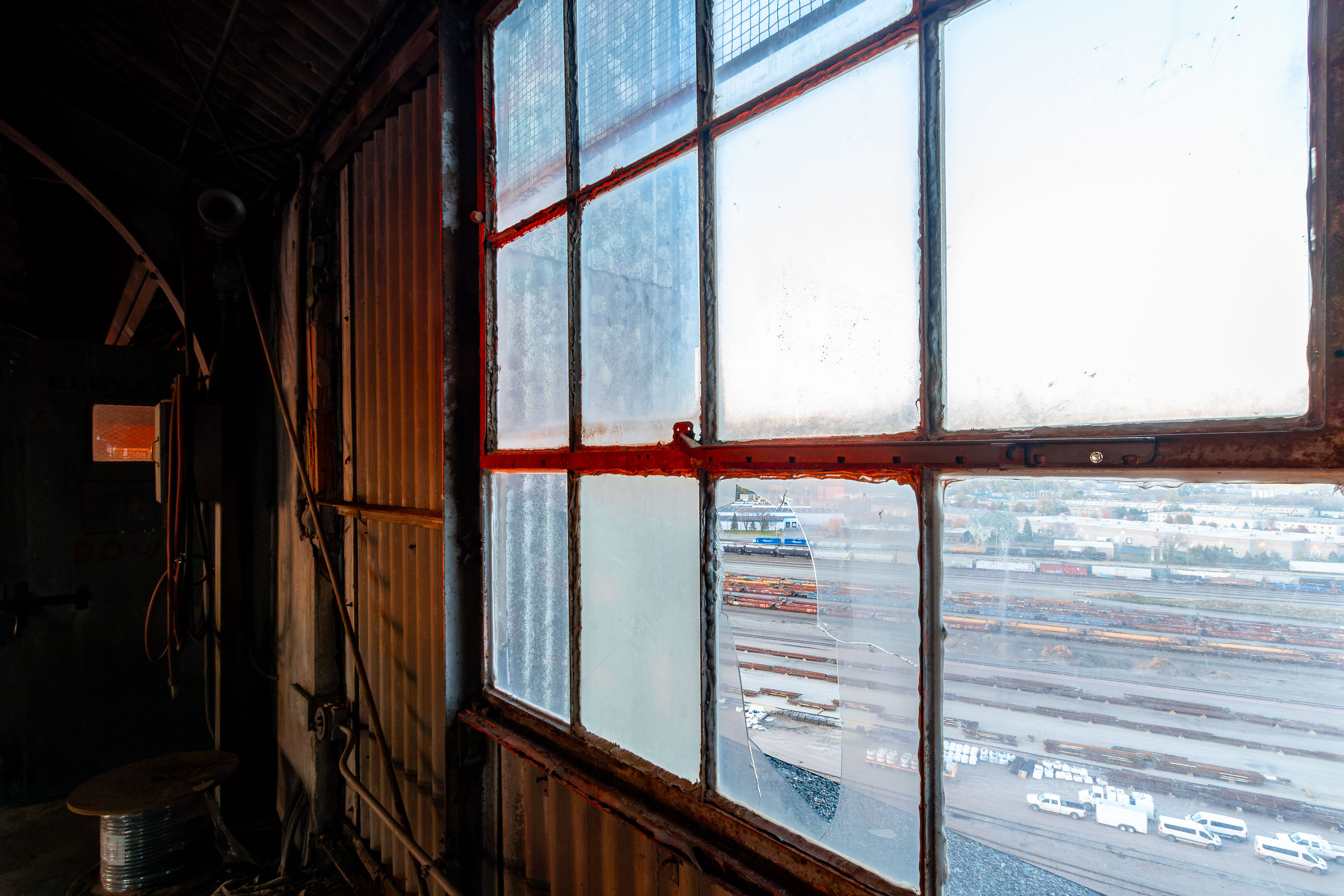
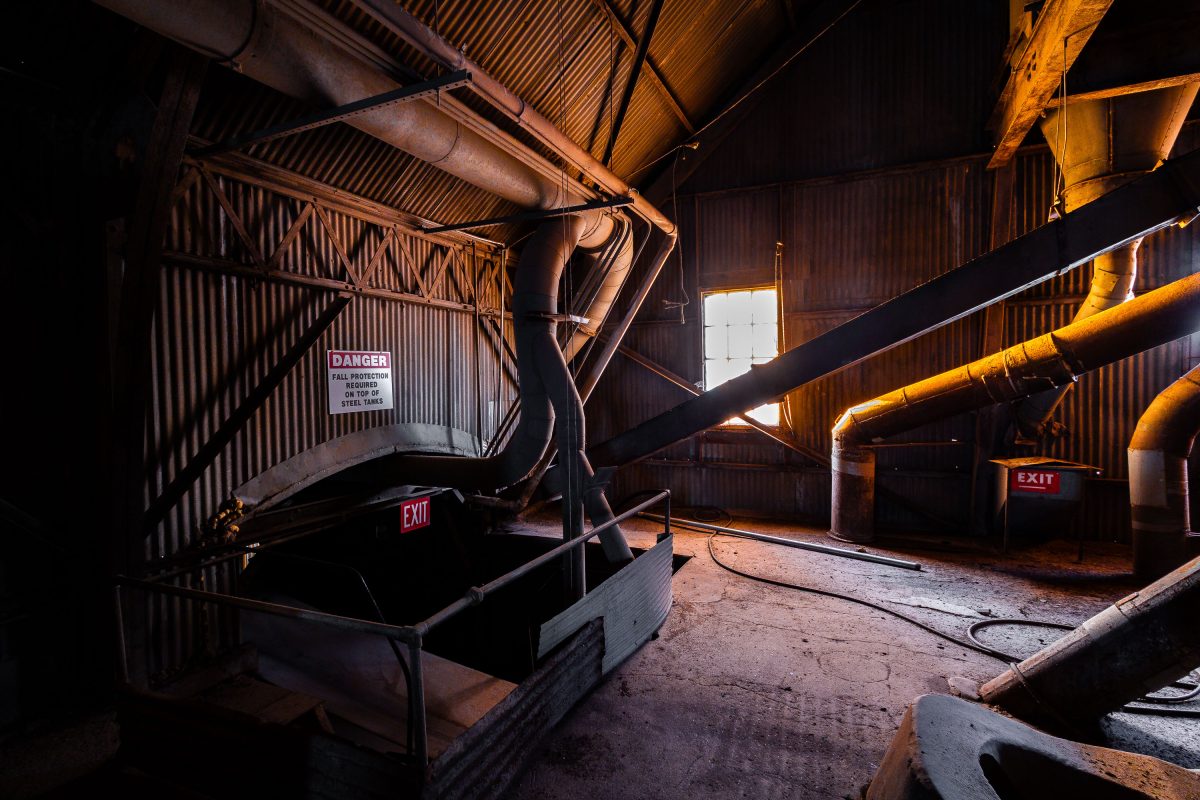
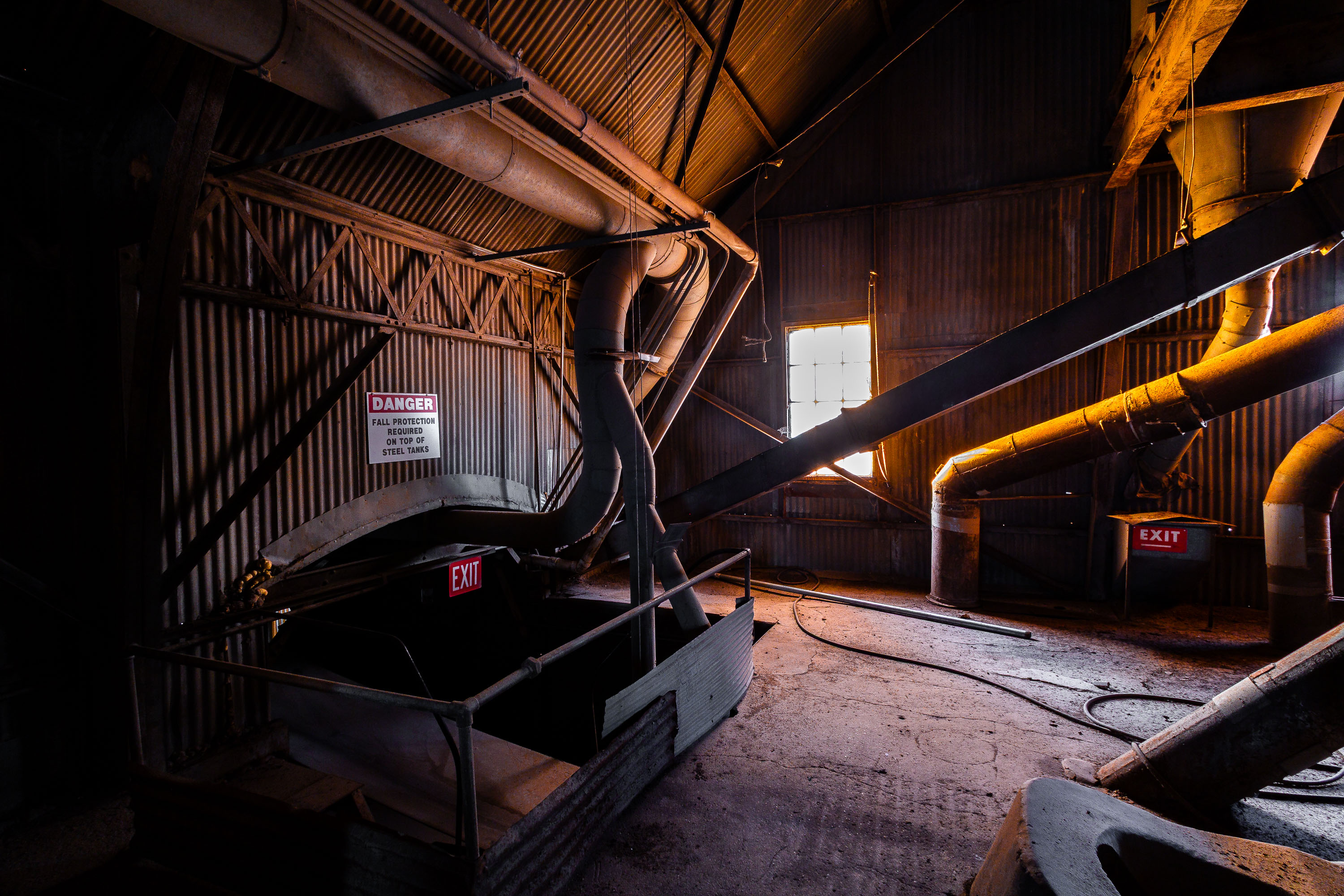
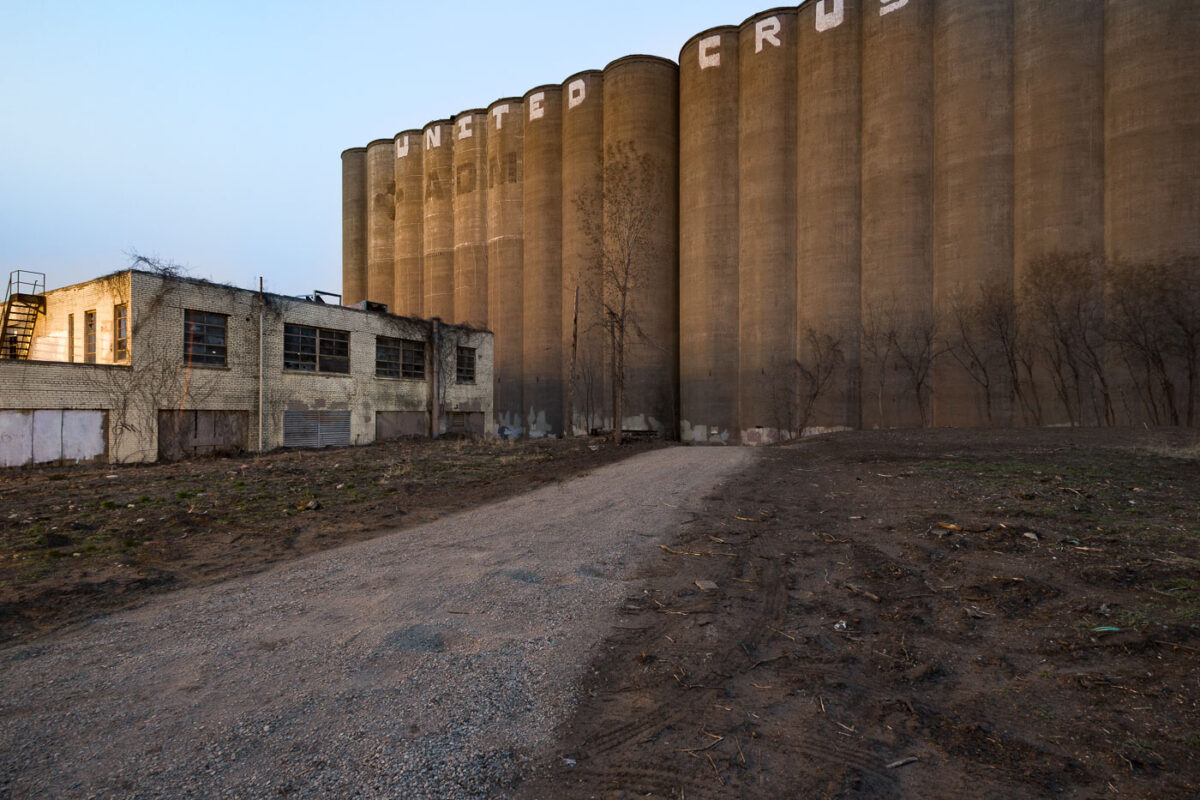
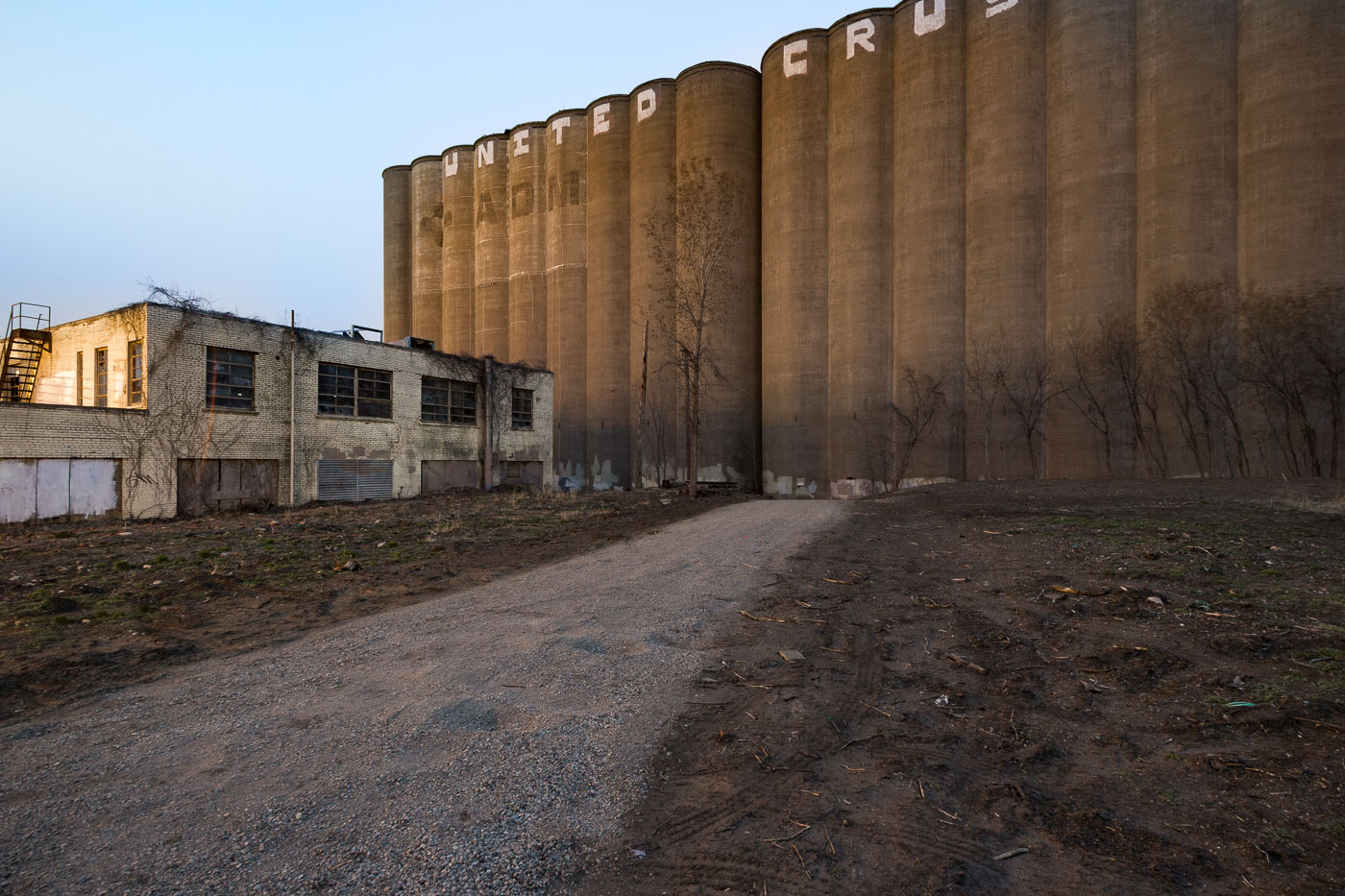
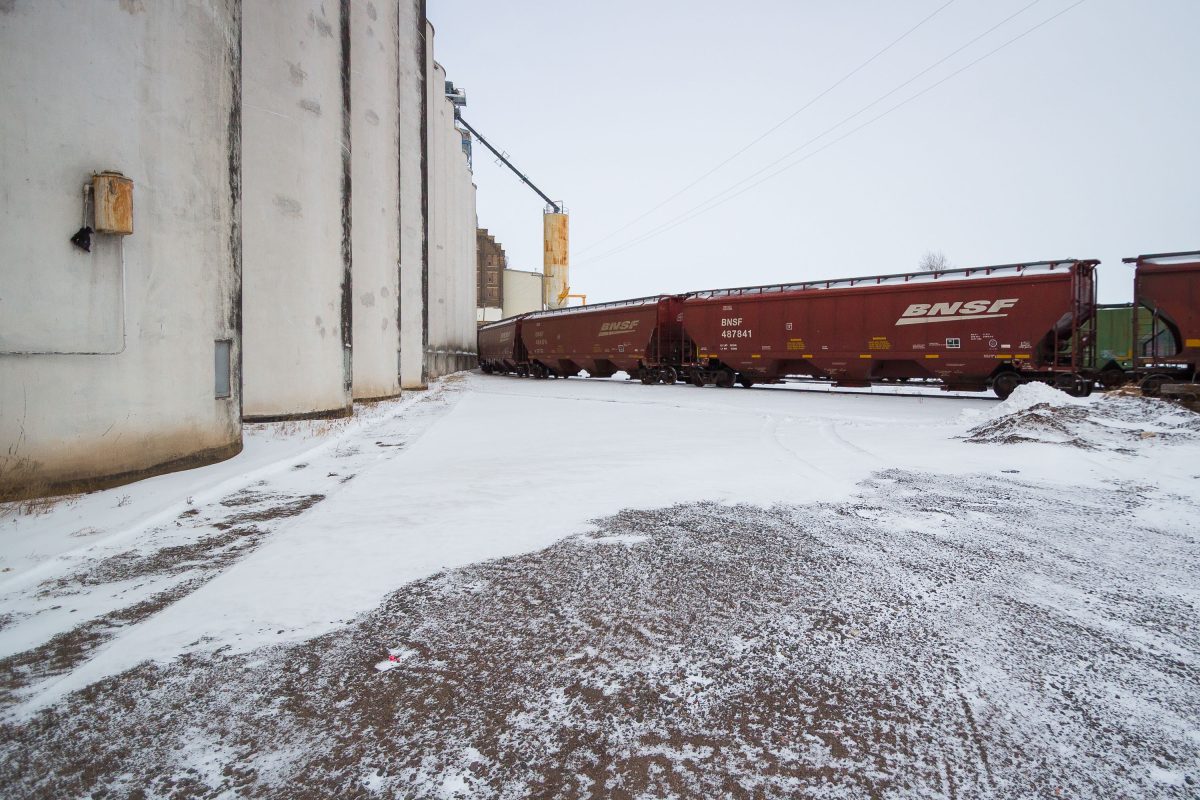
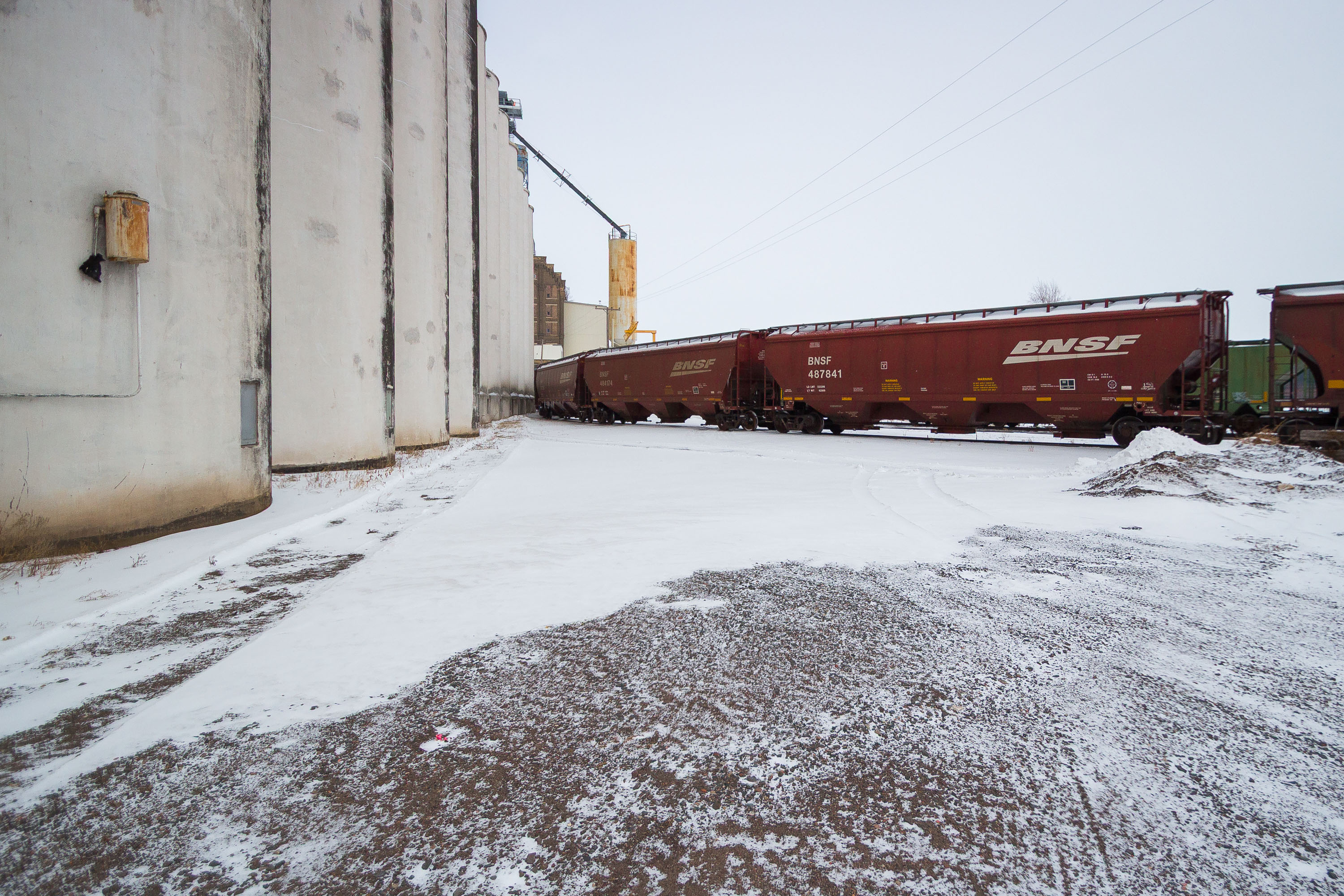
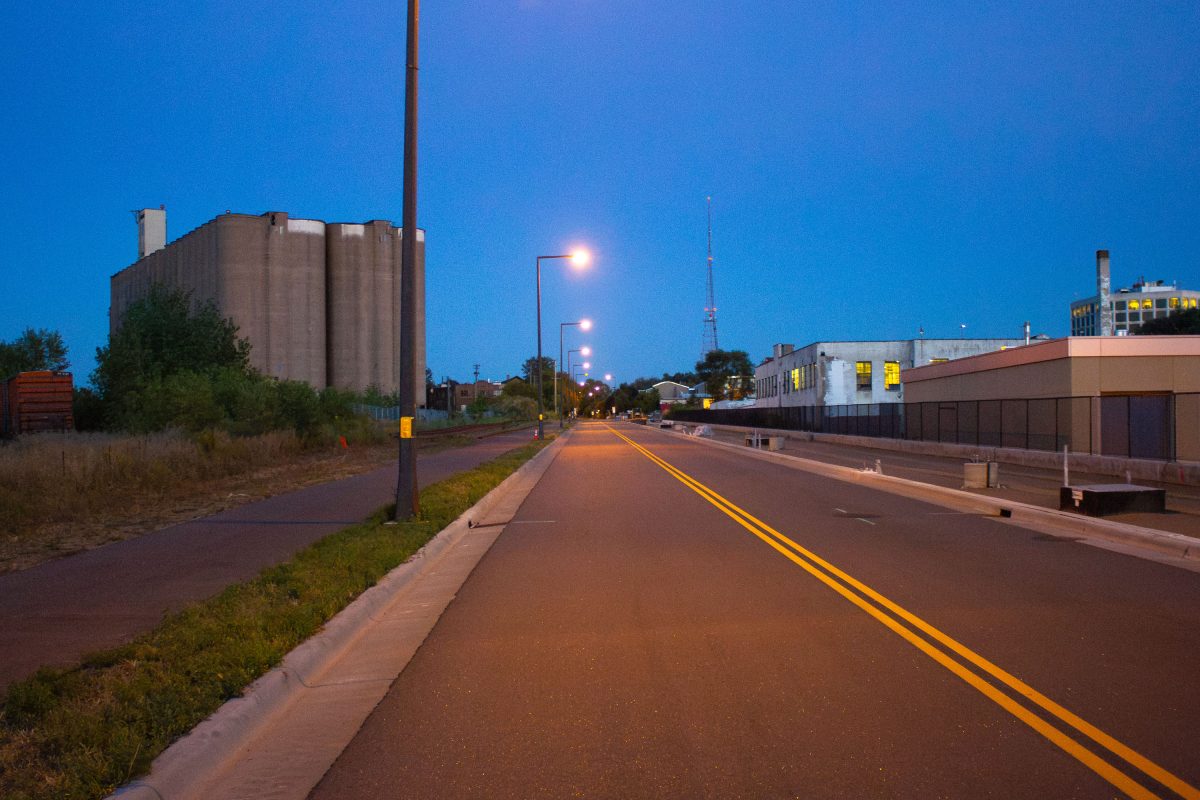
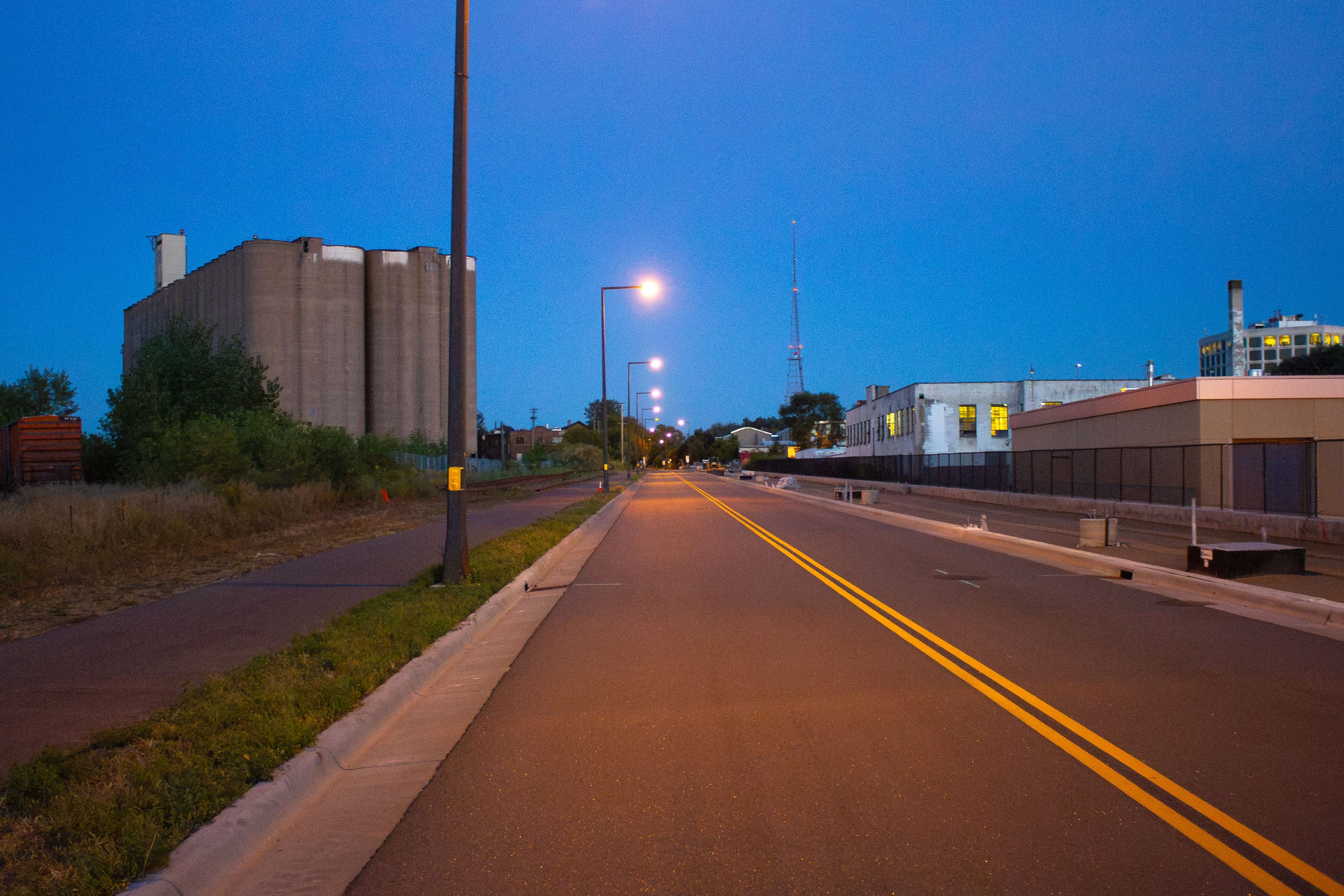
October 25, 2022 — The aging ADM grain elevator rises over the Harris Machinery Co. building in Minneapolis, a reminder of the city’s long industrial relationship with grain milling and riverfront commerce. These concrete storage silos and metal-clad headhouses were once central to moving Midwestern grain through the milling district, part of an infrastructure network that fueled Minneapolis’s identity as the “Flour Milling Capital of the World.” Harris Machinery Co., a longtime supplier of industrial equipment, occupies the foreground, its brick façade contrasting with the weathered surfaces of the towering elevator. The structures together illustrate the layered industrial history of the city’s working riverfront.July 18, 2022 — Lafarge operates a cement facility in Green Bay, Wisconsin, part of the company's network of production and distribution sites along the Great Lakes. The site includes storage silos used to hold cement and related materials before shipment. Lafarge, now part of Holcim following a 2015 merger, is one of the largest building materials producers in the world.January 2, 2022 — The Gold Medal Flour sign sits atop the old Washburn A Mill on the Mississippi River in downtown Minneapolis. Built in 1874 and rebuilt in 1880 after an explosion destroyed the original structure, the mill produced flour for the Washburn Crosby Company, later absorbed into General Mills in 1928. It closed in 1965 and reopened in 2003 as the Mill City Museum.July 25, 2021 — The former Pillsbury flour mill near downtown Minneapolis. It's since been renovated into condos.June 10, 2020 — A projection titled "Revolution Will Be Televised" illuminates the historic Gold Medal Flour grain elevators in downtown Minneapolis. The art installation, displayed on the concrete silos, features text recounting historical events related to police actions and social justice, resonating with themes from the Minneapolis Uprising. Viewers gather in Gold Medal Park, a public green space adjacent to the former industrial complex, to observe the temporary display. The Gold Medal Flour complex, once a major industrial site, represents Minneapolis's milling history and now stands as a prominent landmark in the city's riverfront district.December 9, 2019 — Zen-Noh Grain Corporation terminal in Convent, Louisiana. The Mississippi River facility stores and transfers grain for export through the Gulf Coast, handling agricultural commodities from the U.S. interior.July 27, 2019 — Hansen-Mueller Co., a grain merchandiser headquartered in Omaha, Nebraska, operates this elevator complex along the Superior, Wisconsin waterfront. The facility stores wheat, corn, soybeans, and other grain shipped in by rail from farms across the upper Midwest before it's loaded onto lake freighters bound for ports on the Great Lakes and beyond. Superior's deepwater harbor, connected to the Atlantic via the St. Lawrence Seaway, has made it a key transfer point for agricultural exports since the early 20th century.July 24, 2019 — Train tracks outside the long abandoned massive concrete Archer-Daniels-Midland Delmar Elevator No. 7 in Minneapolis.
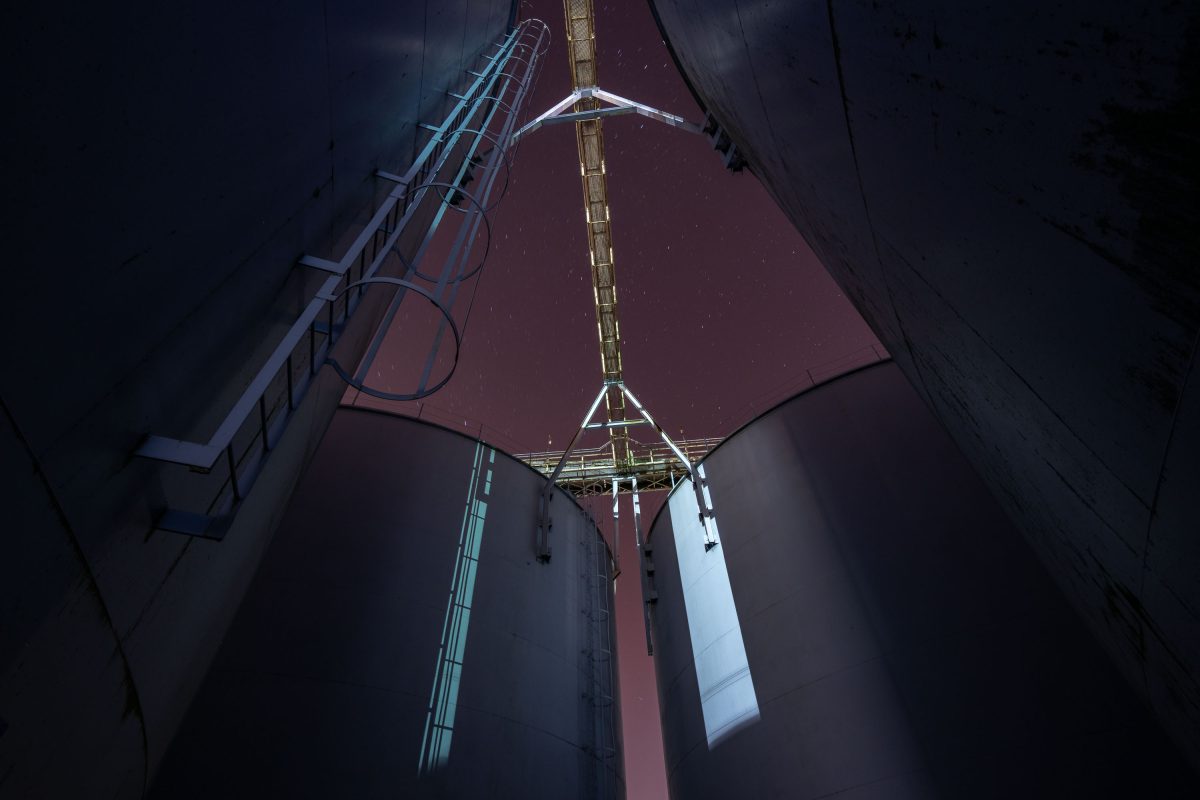
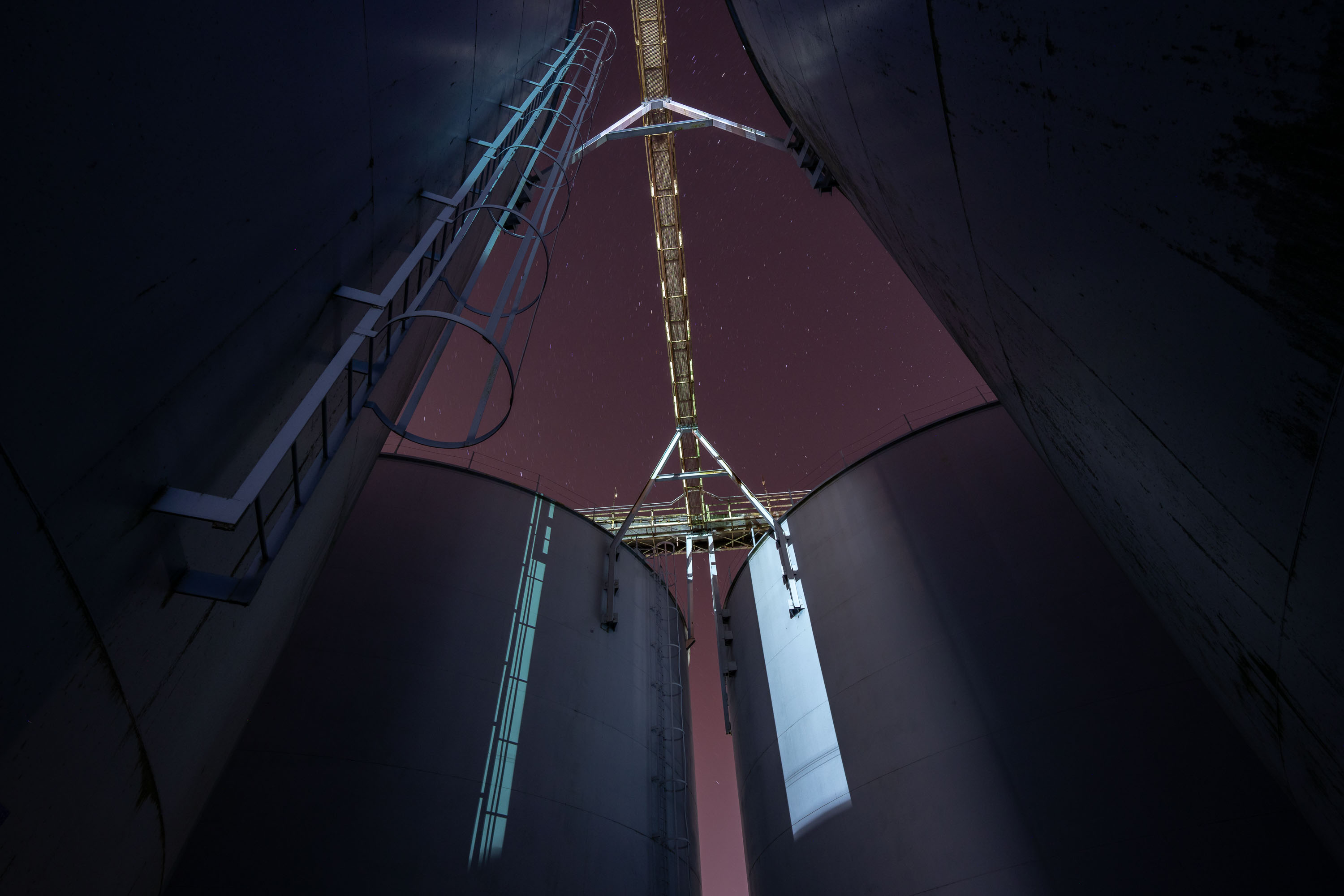
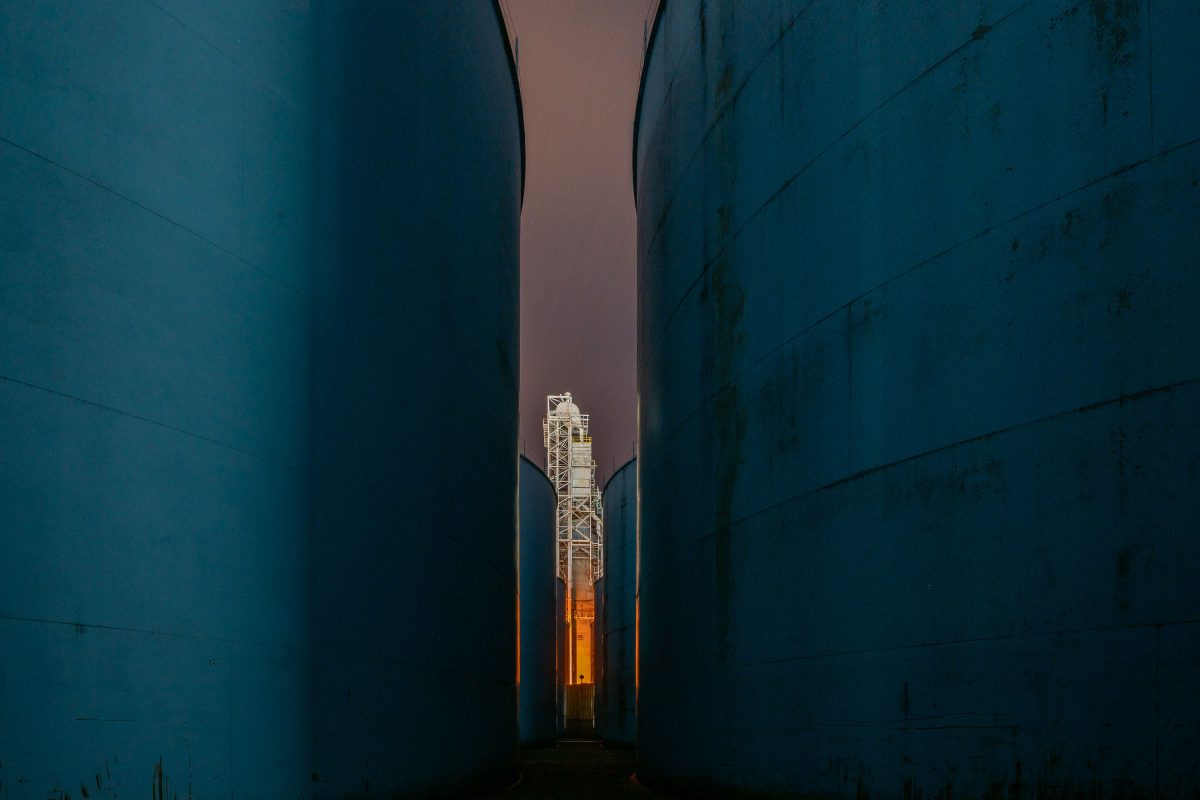
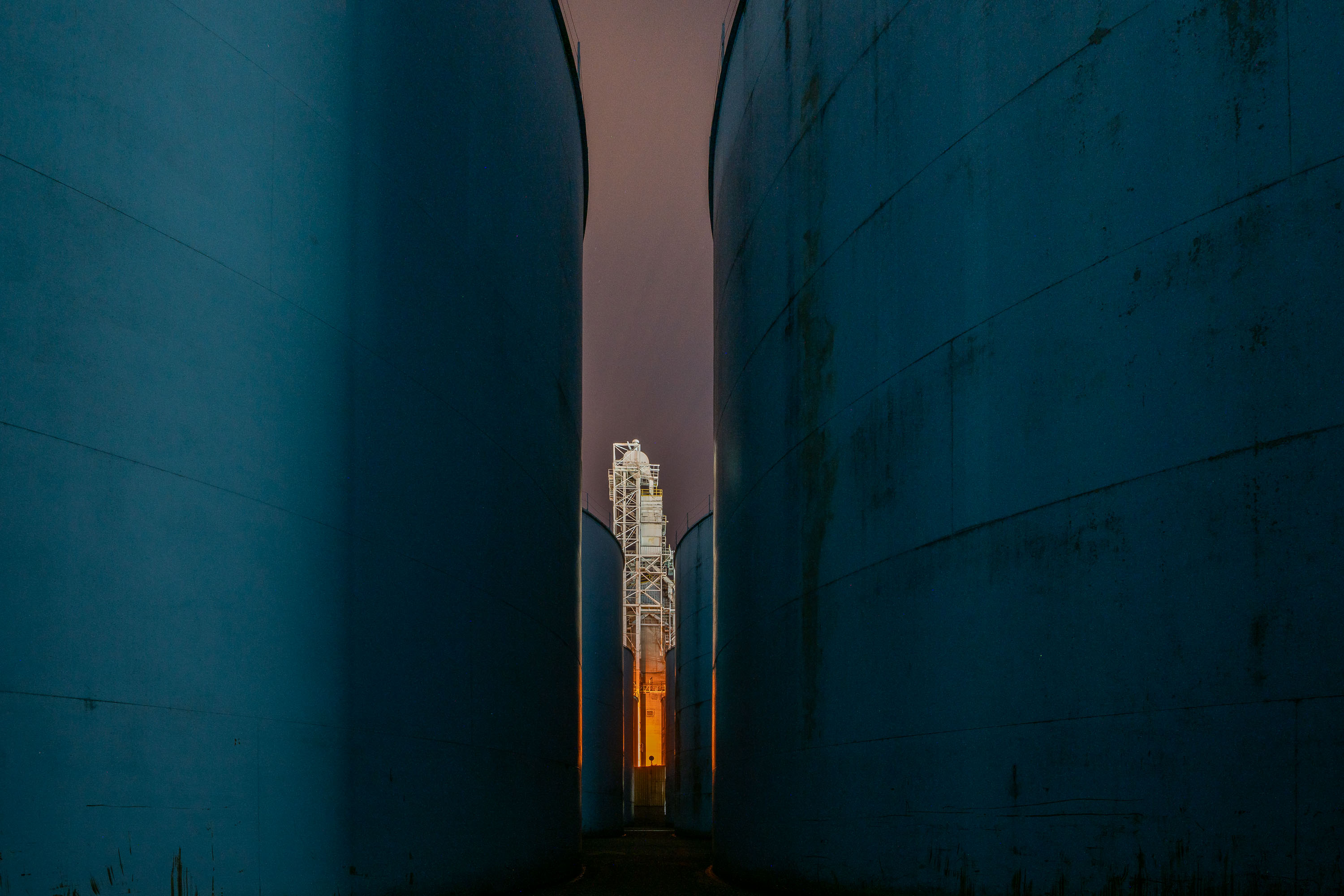
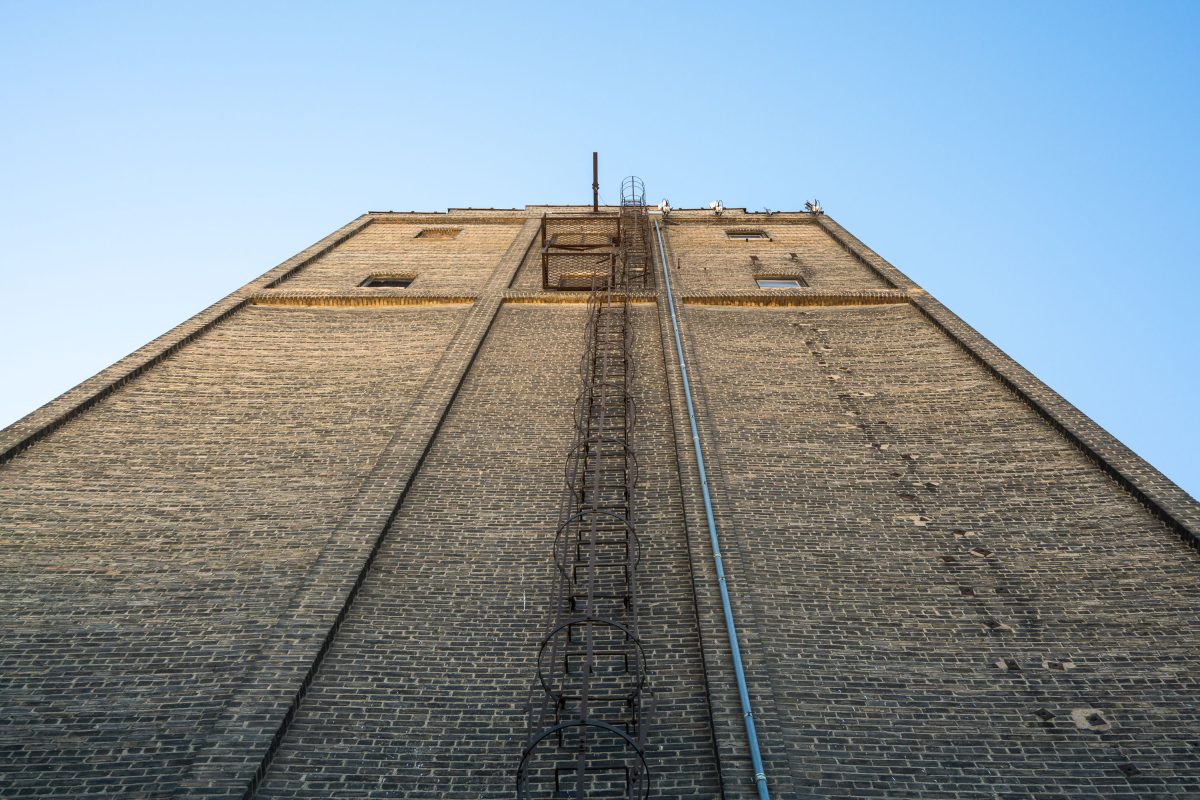
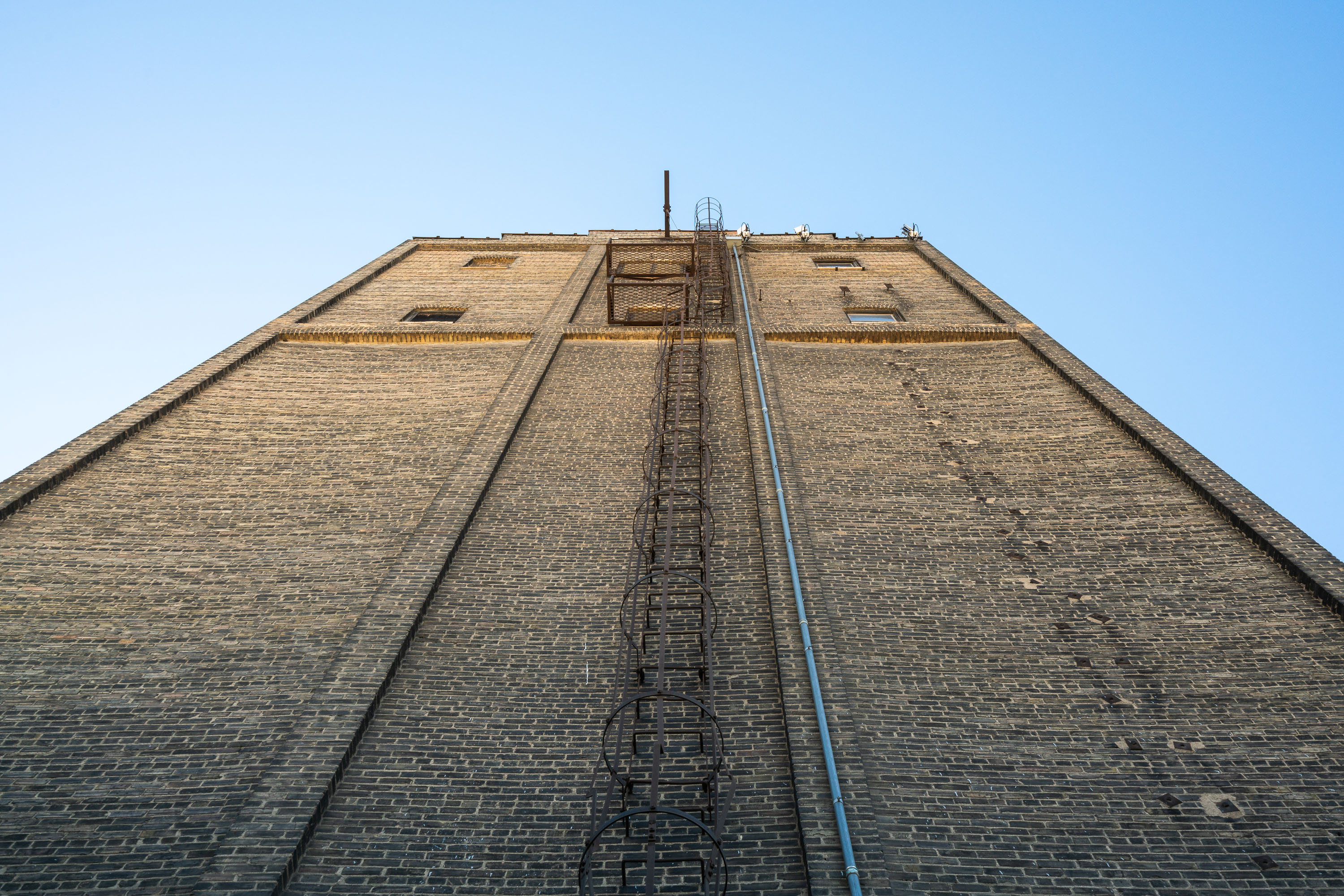
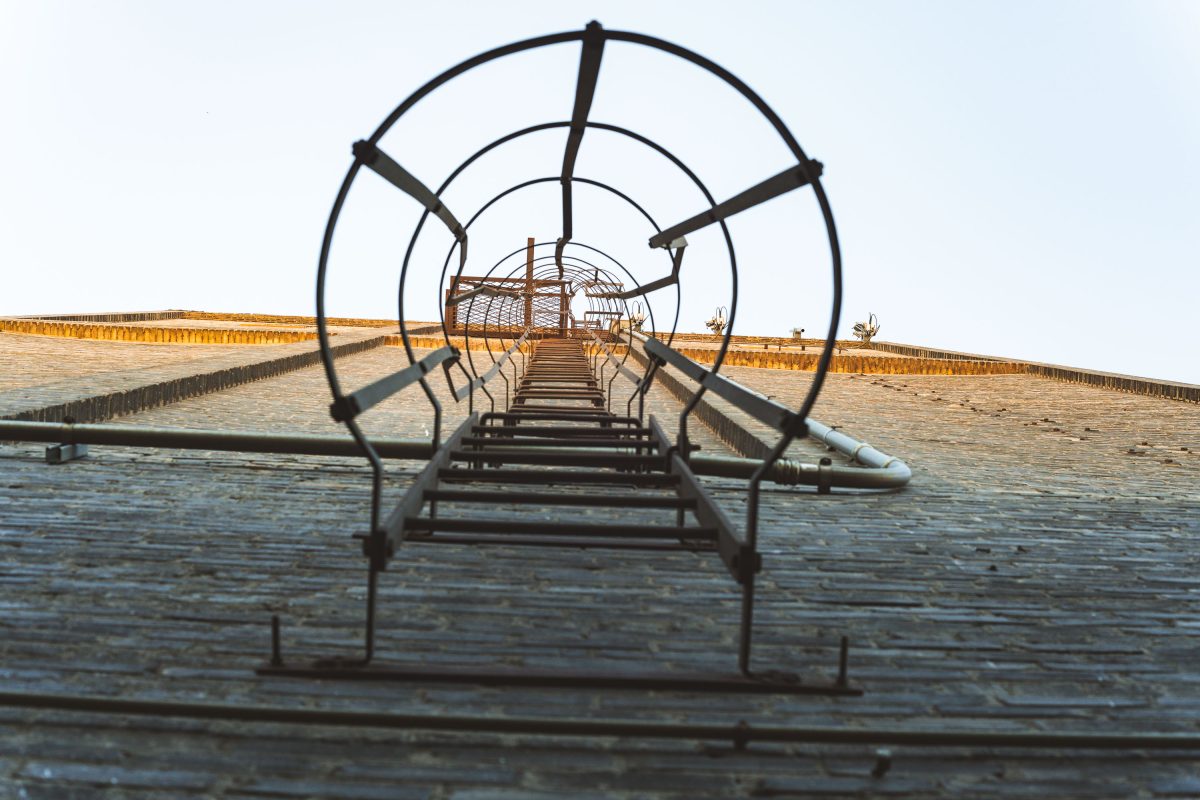
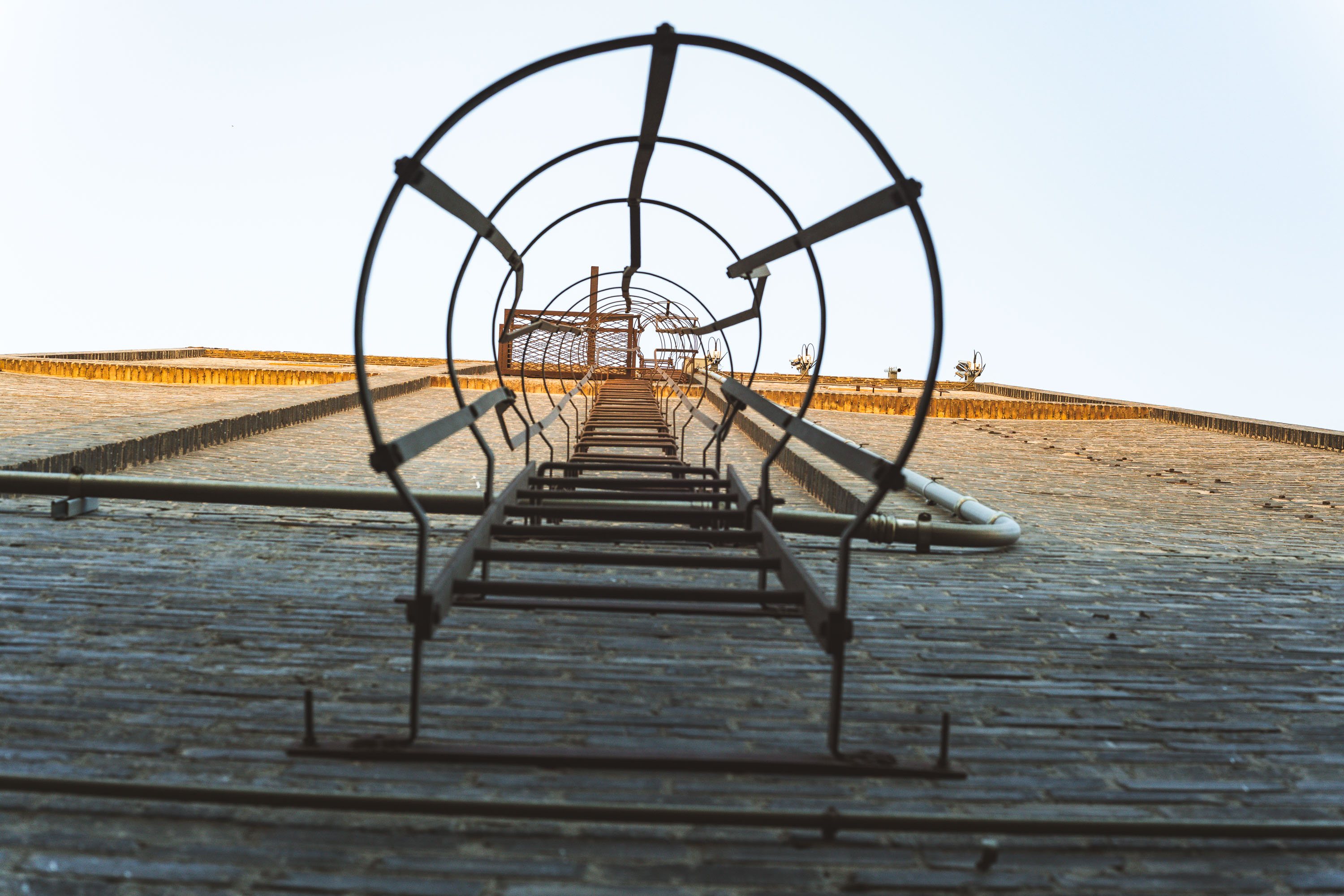
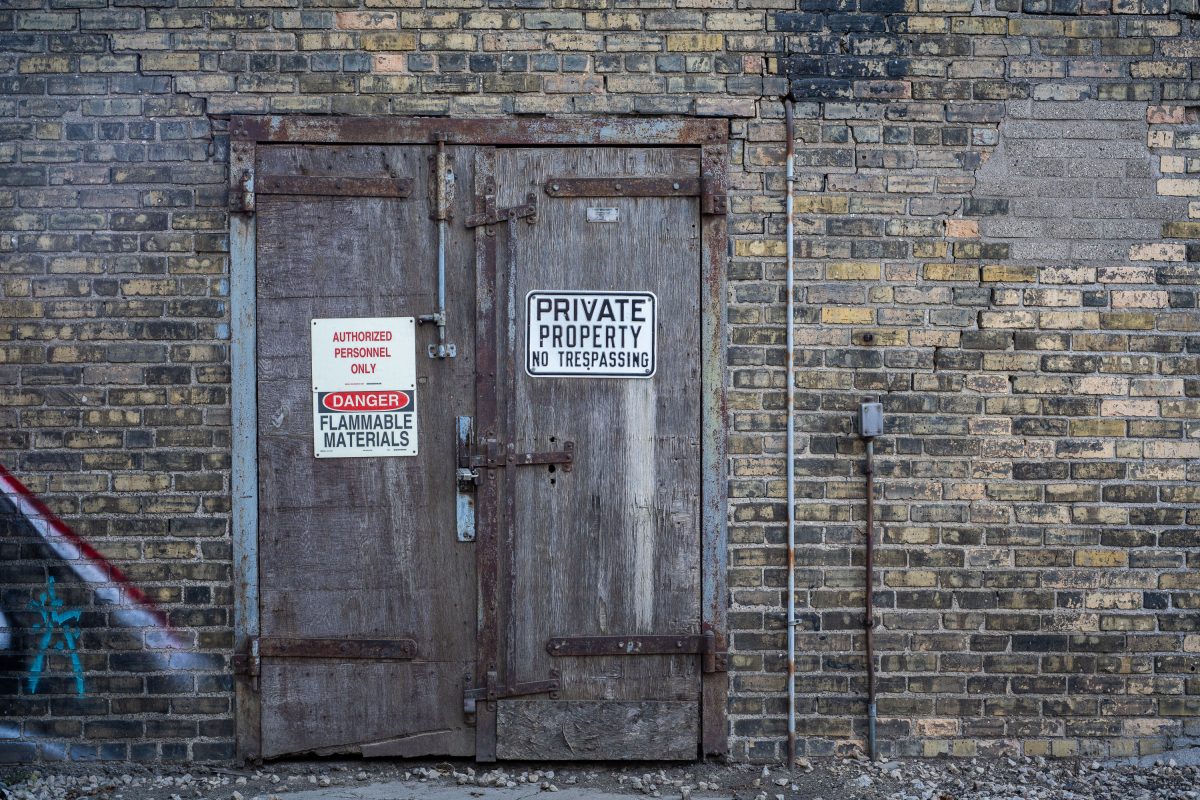
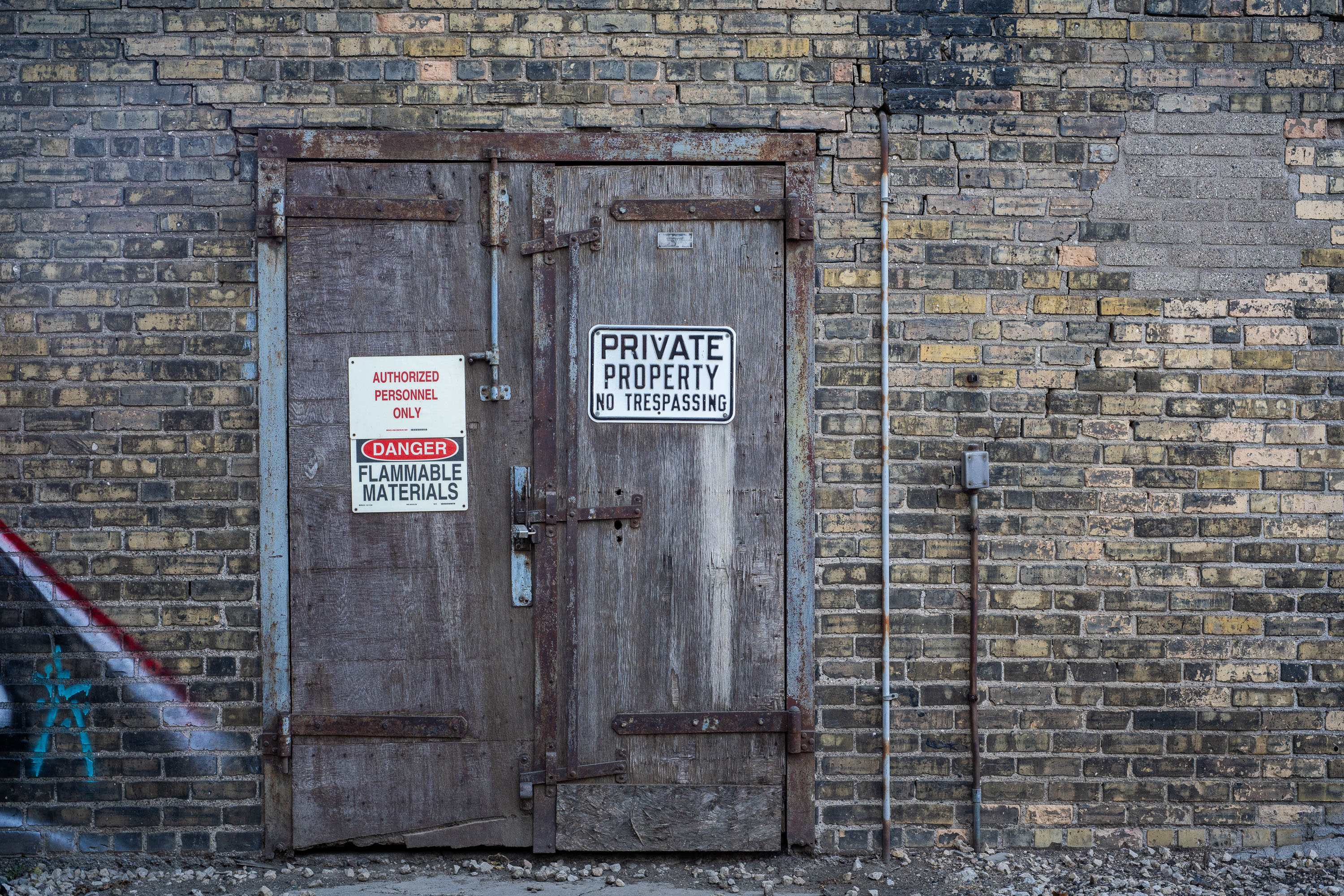
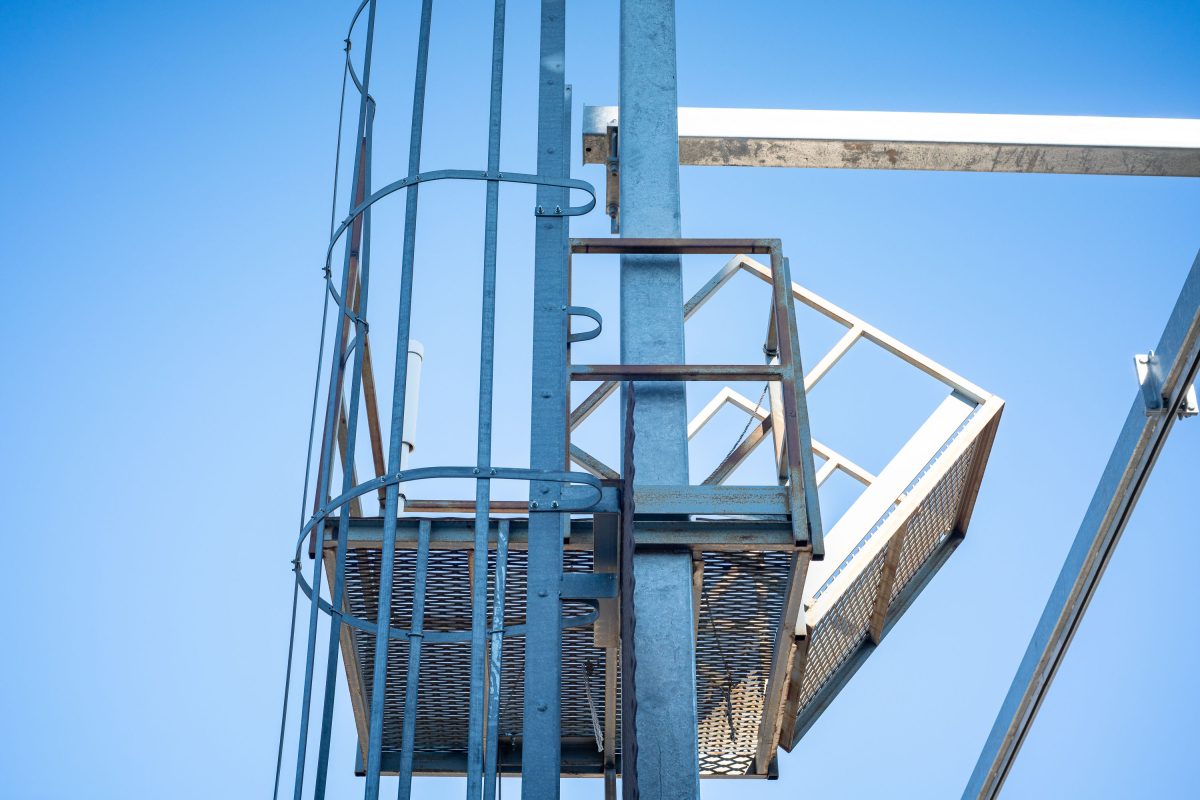
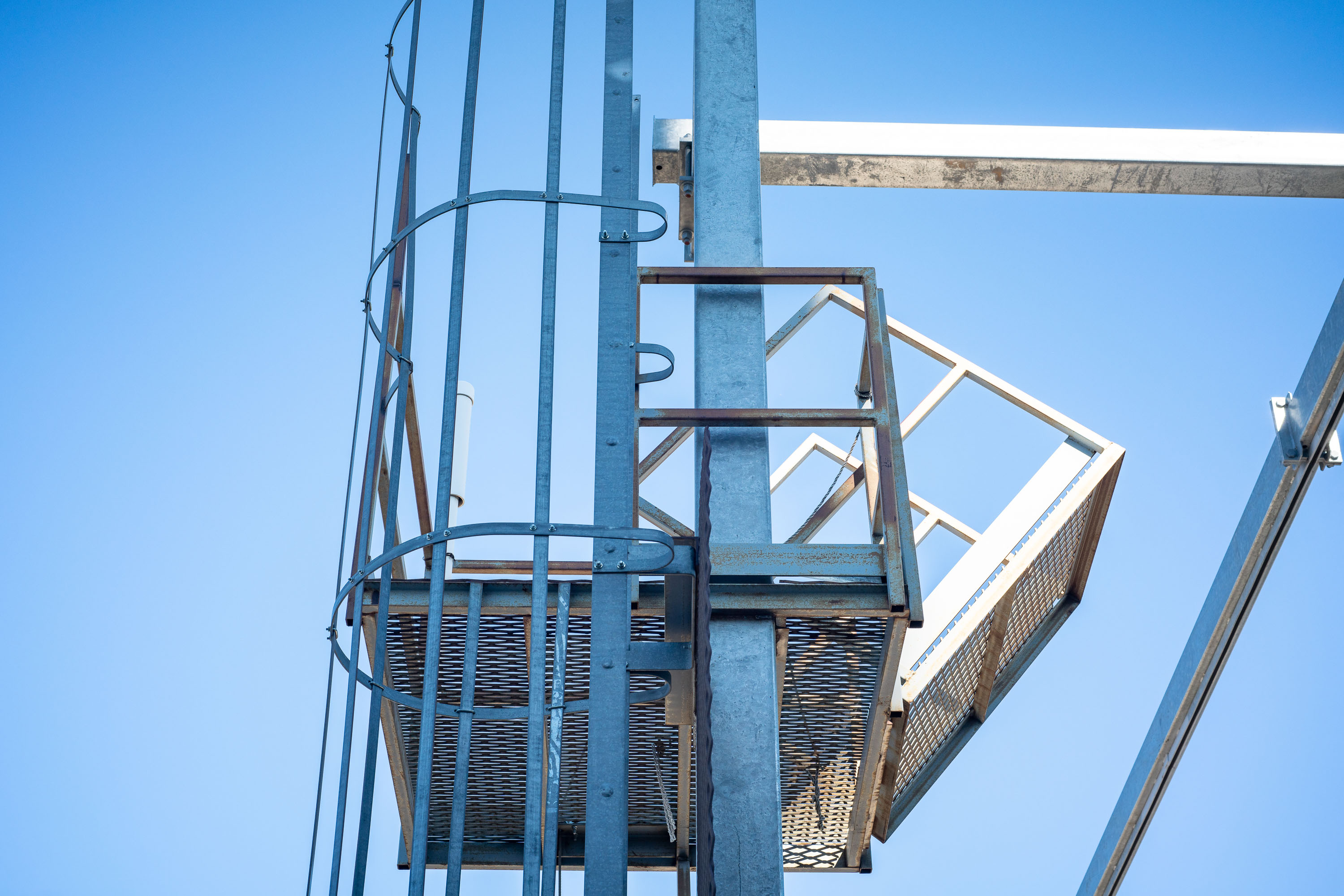
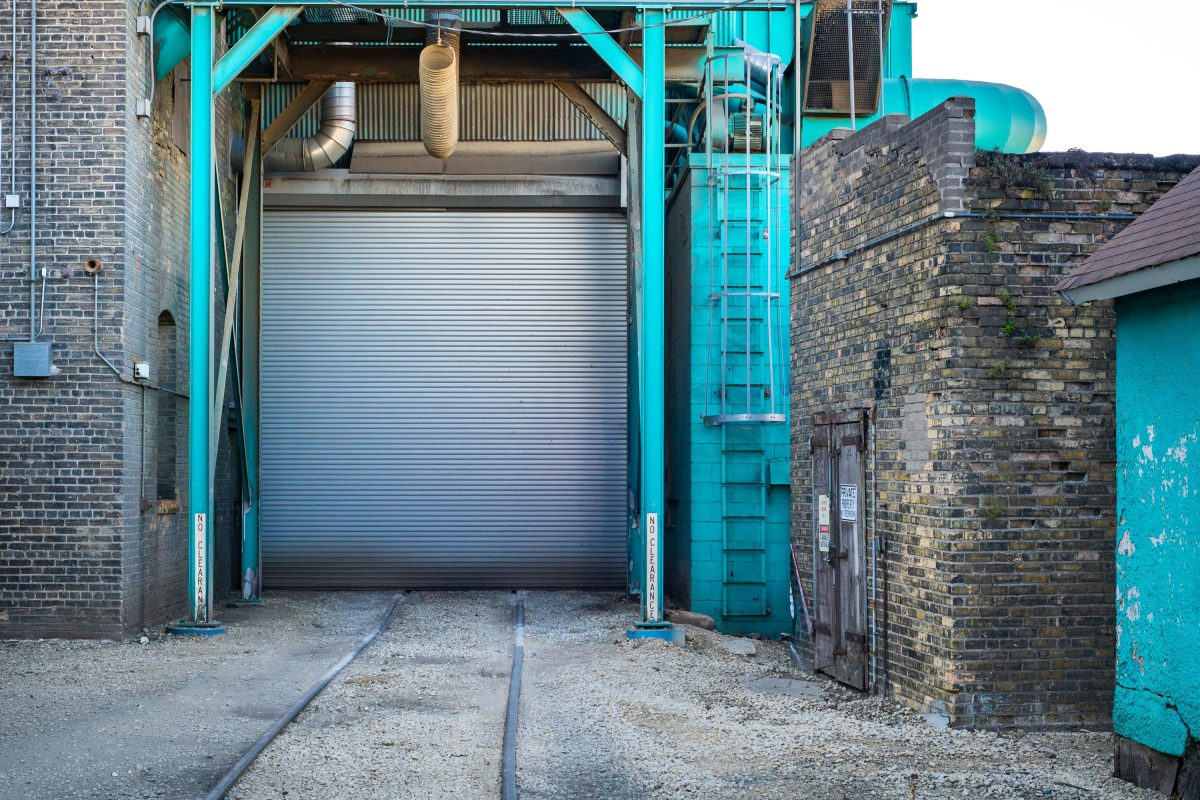
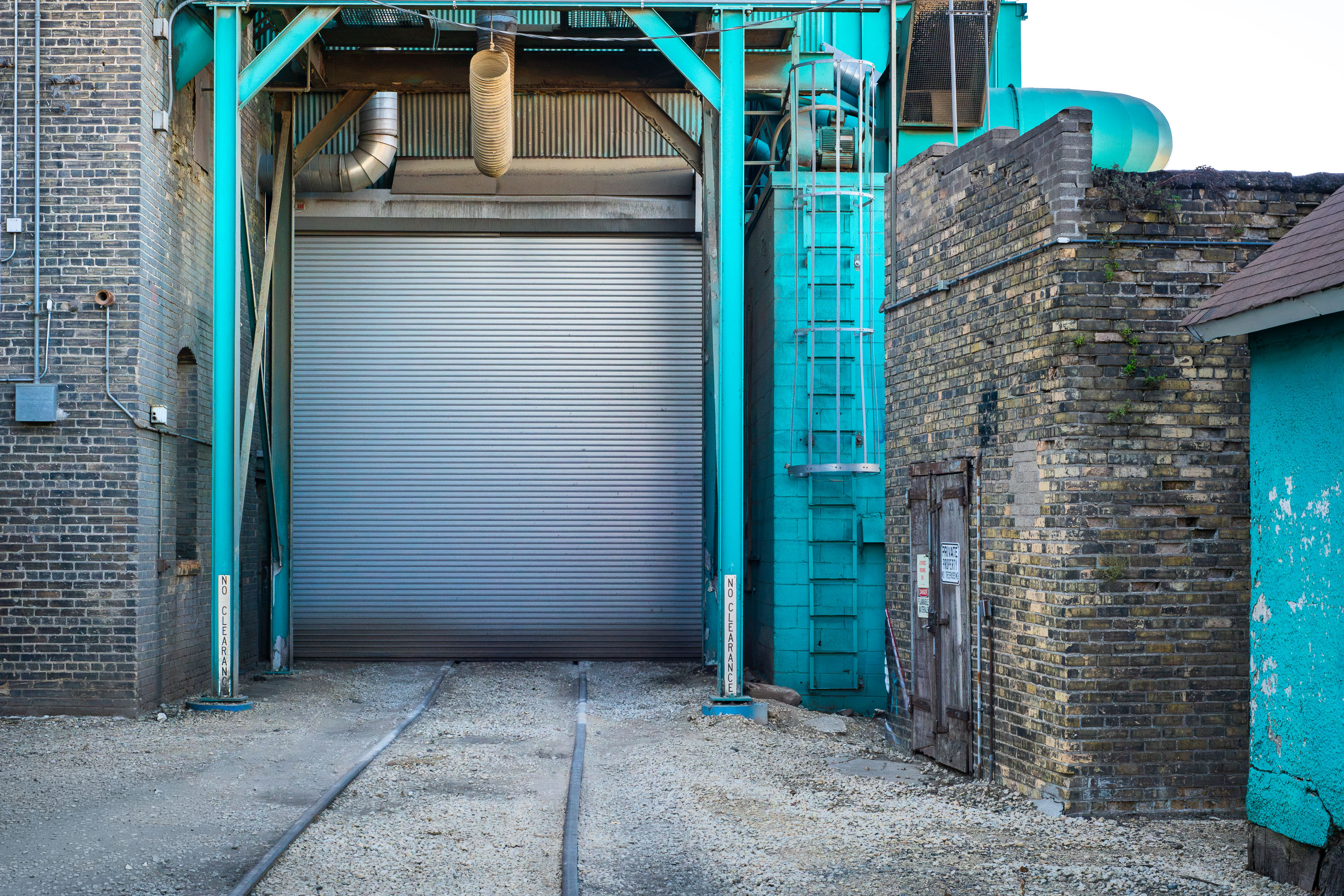
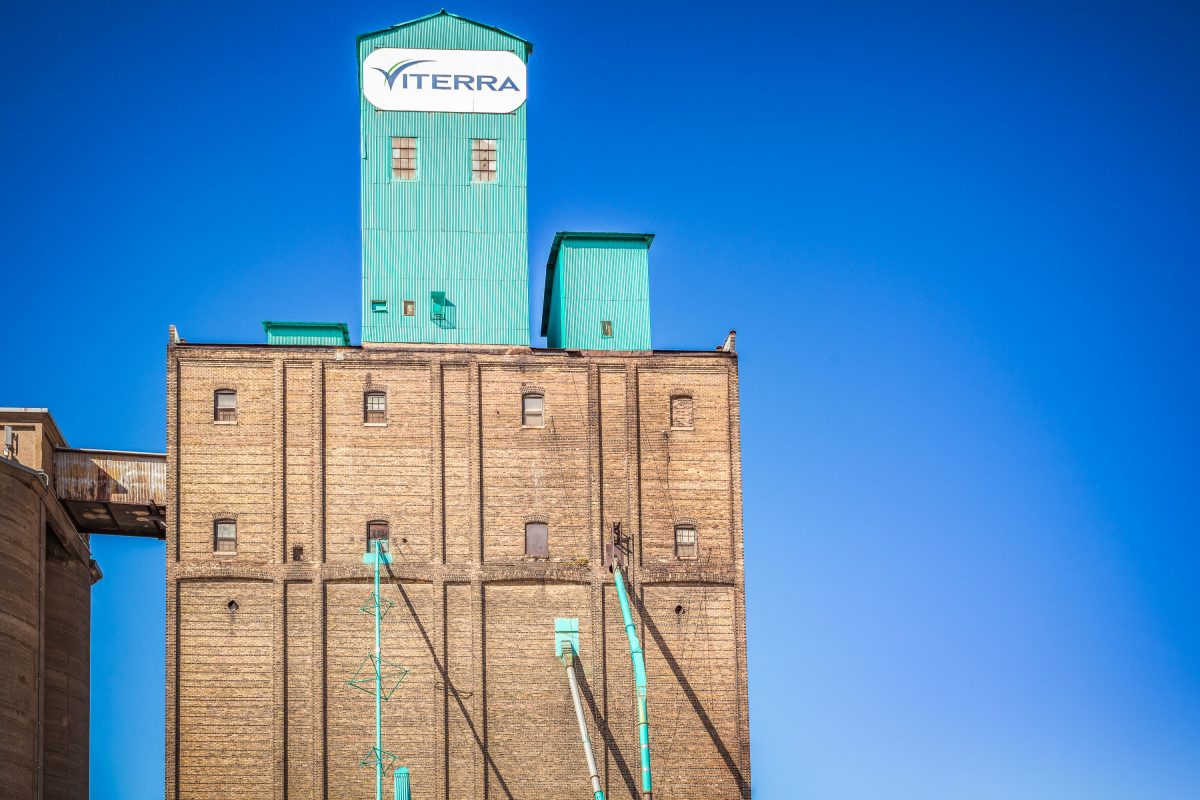
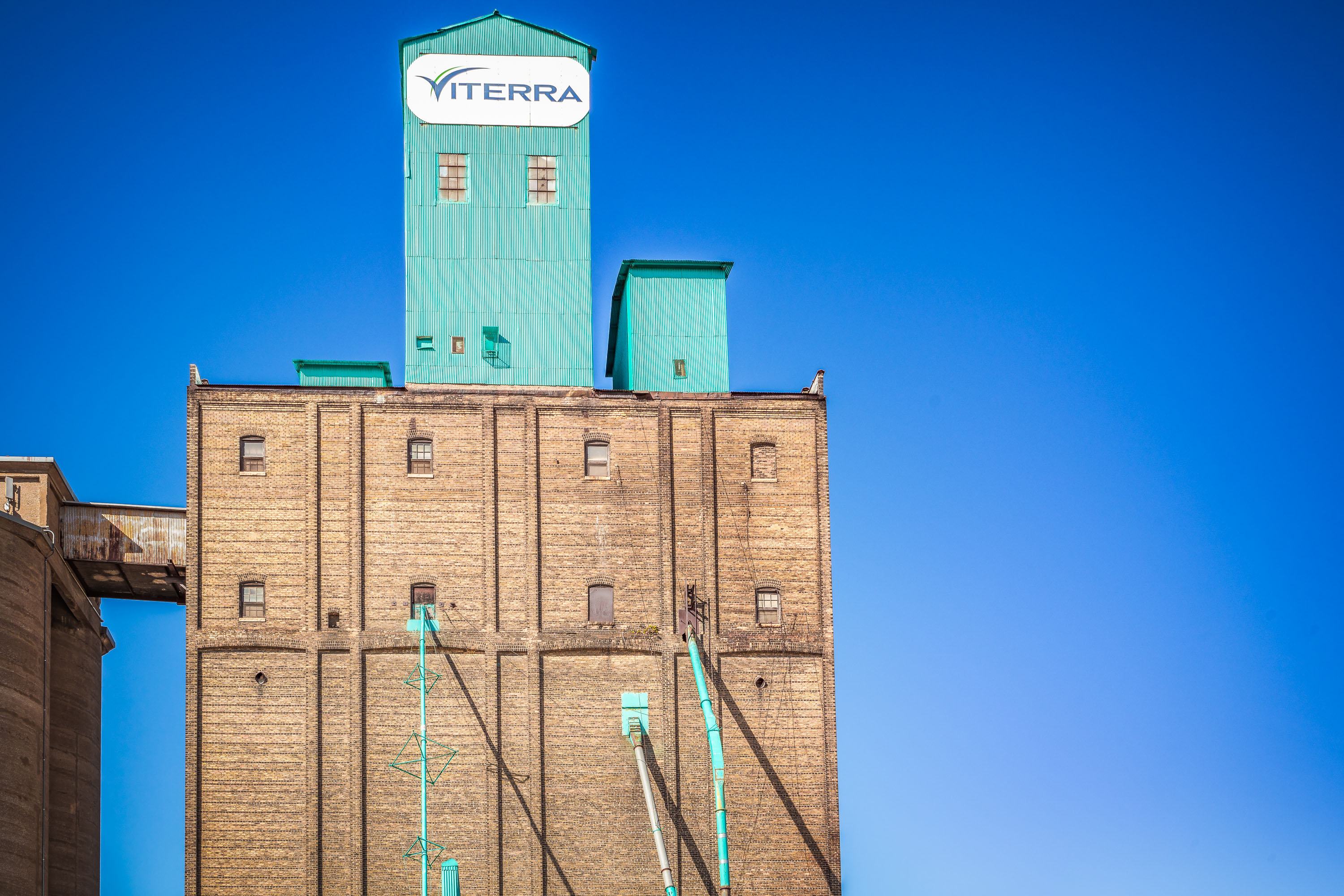
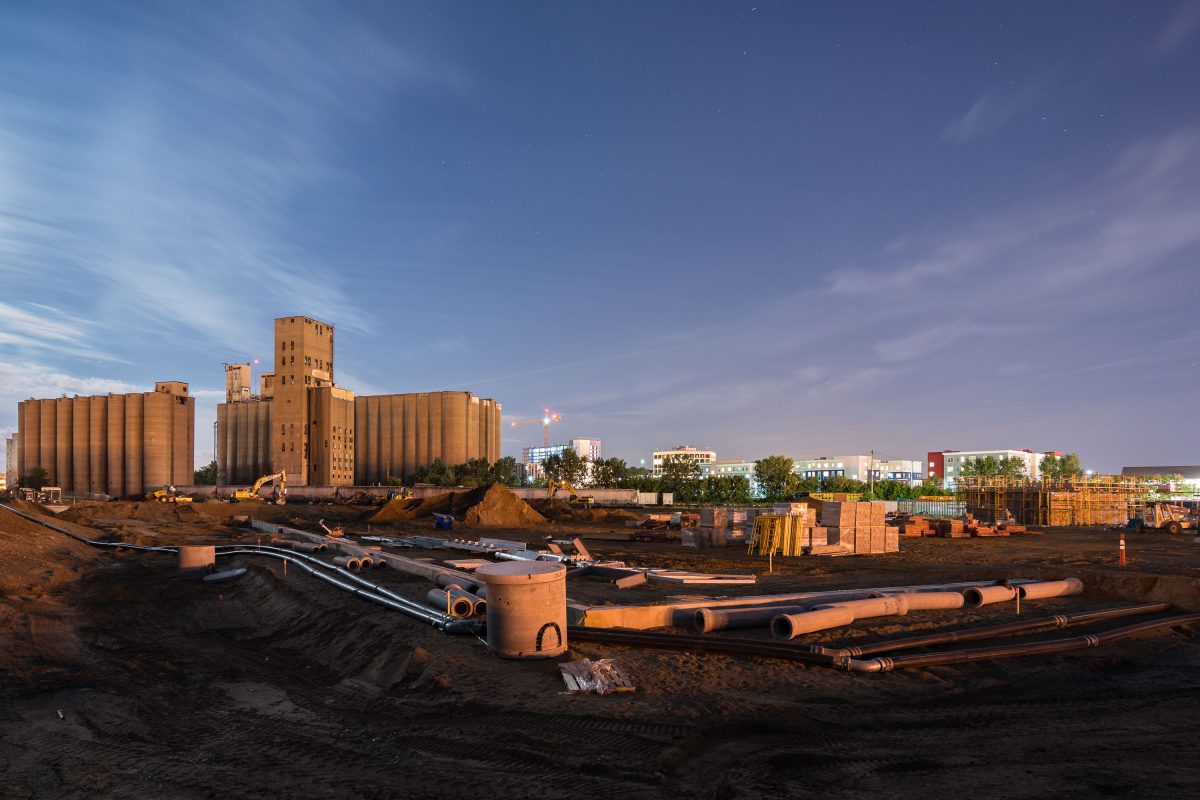
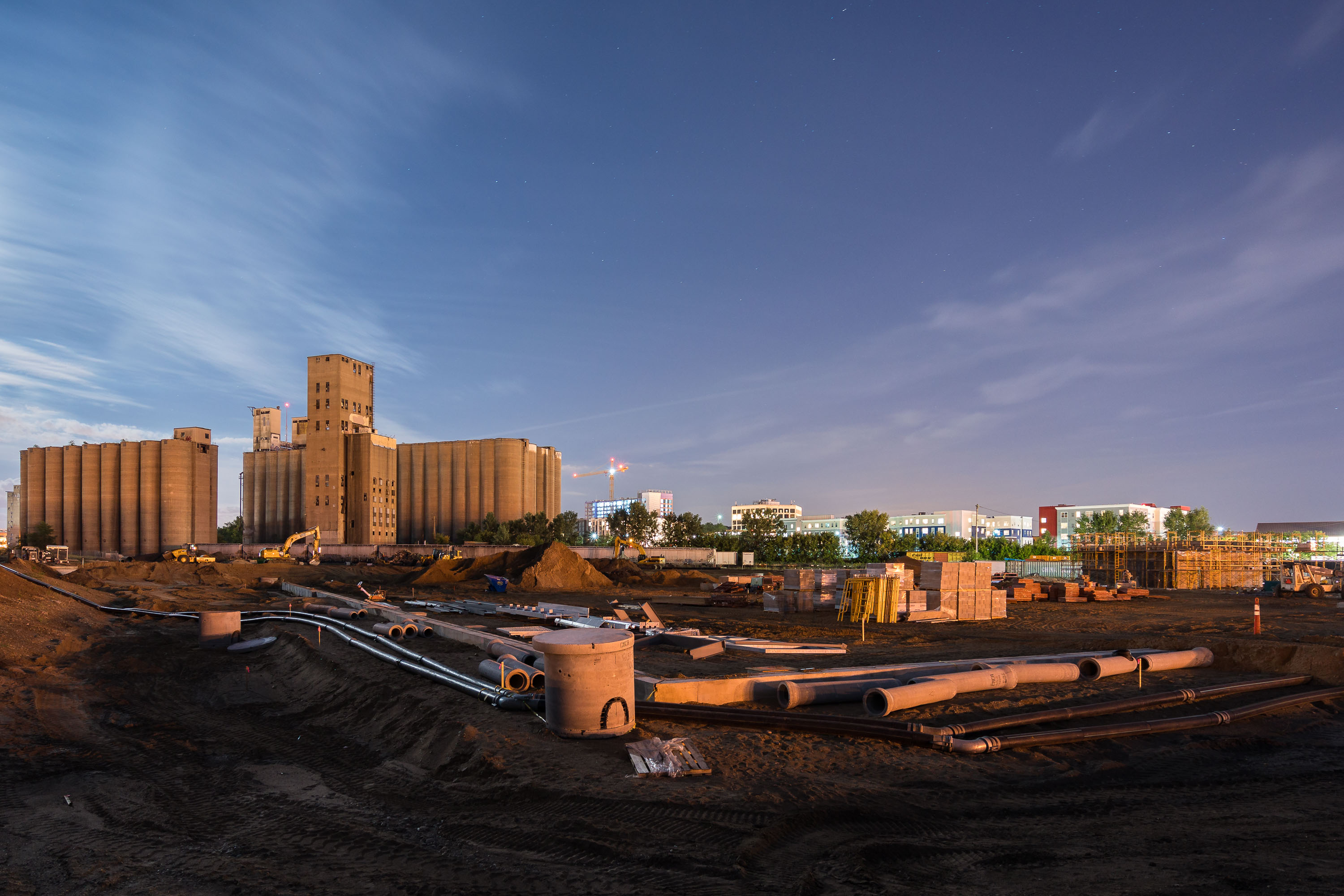
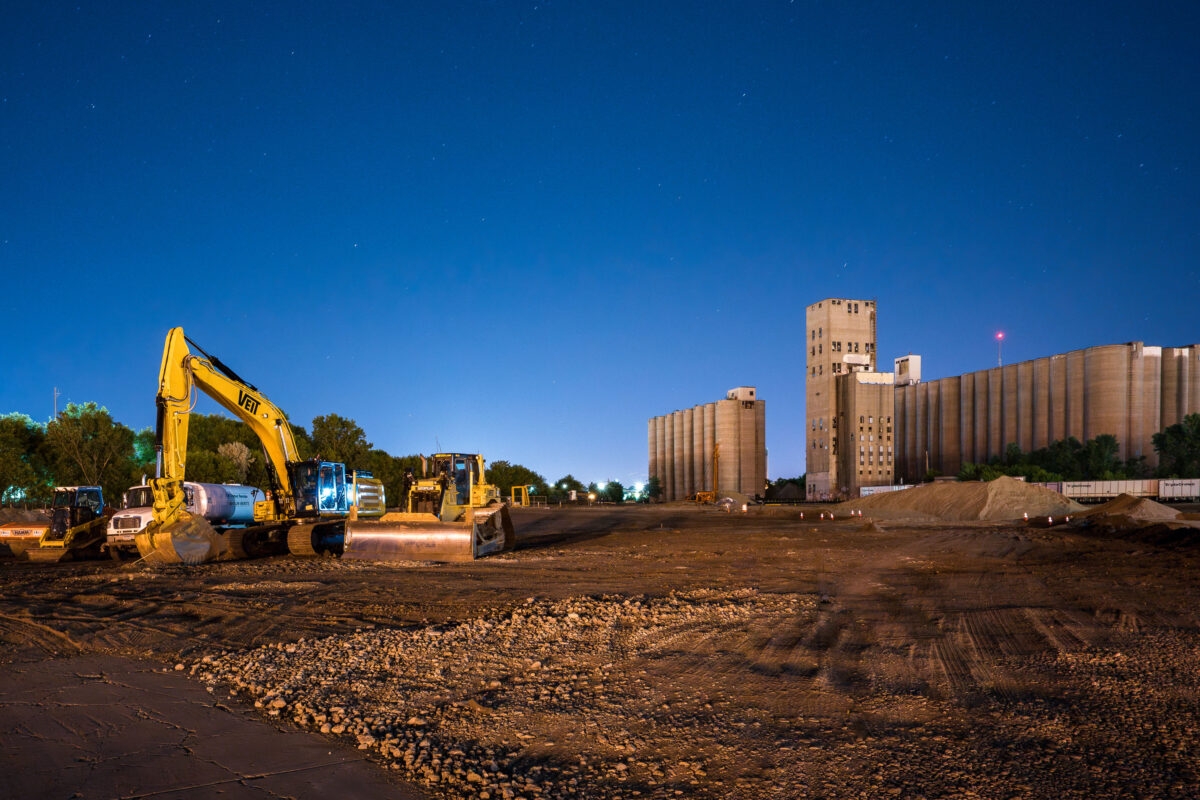
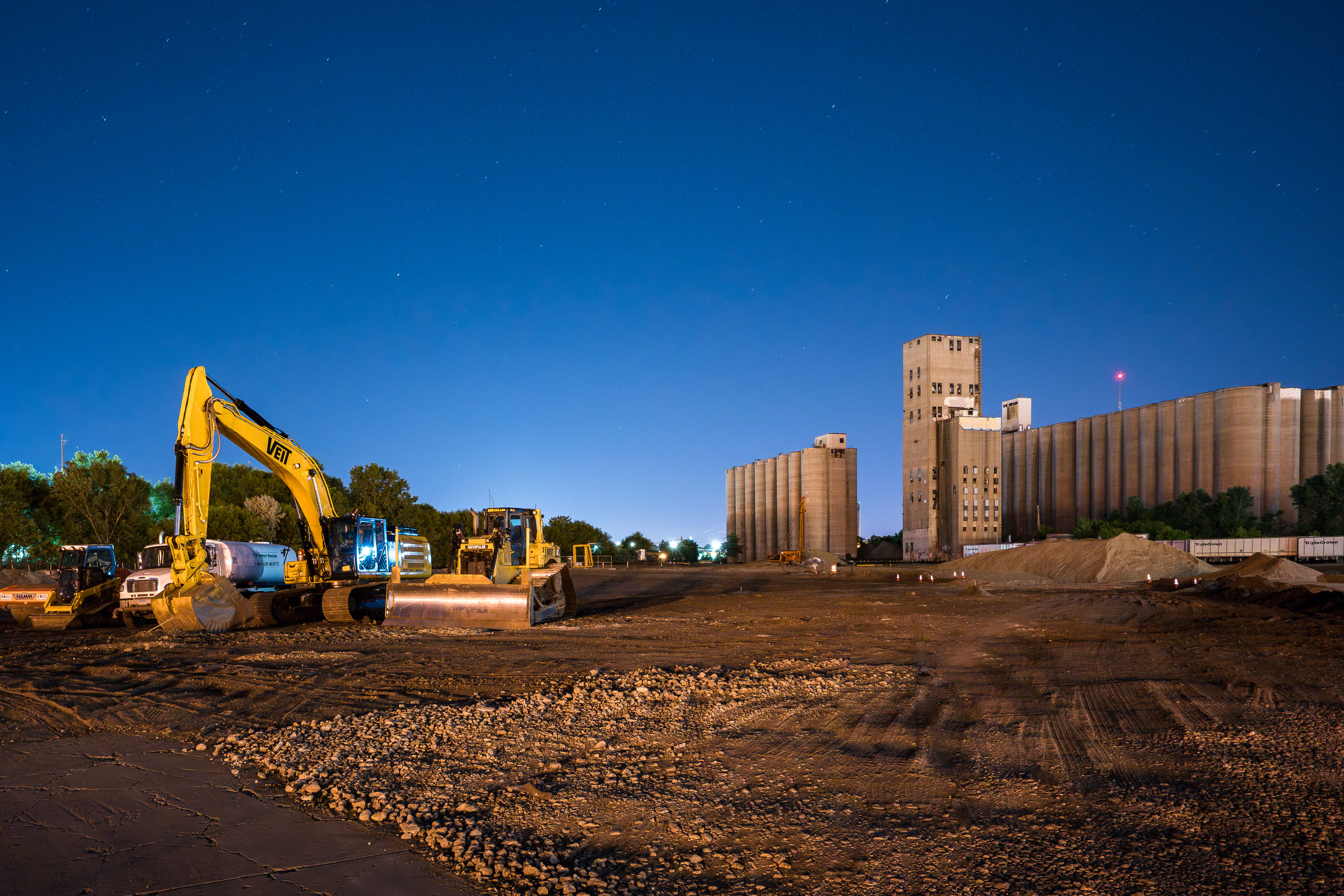
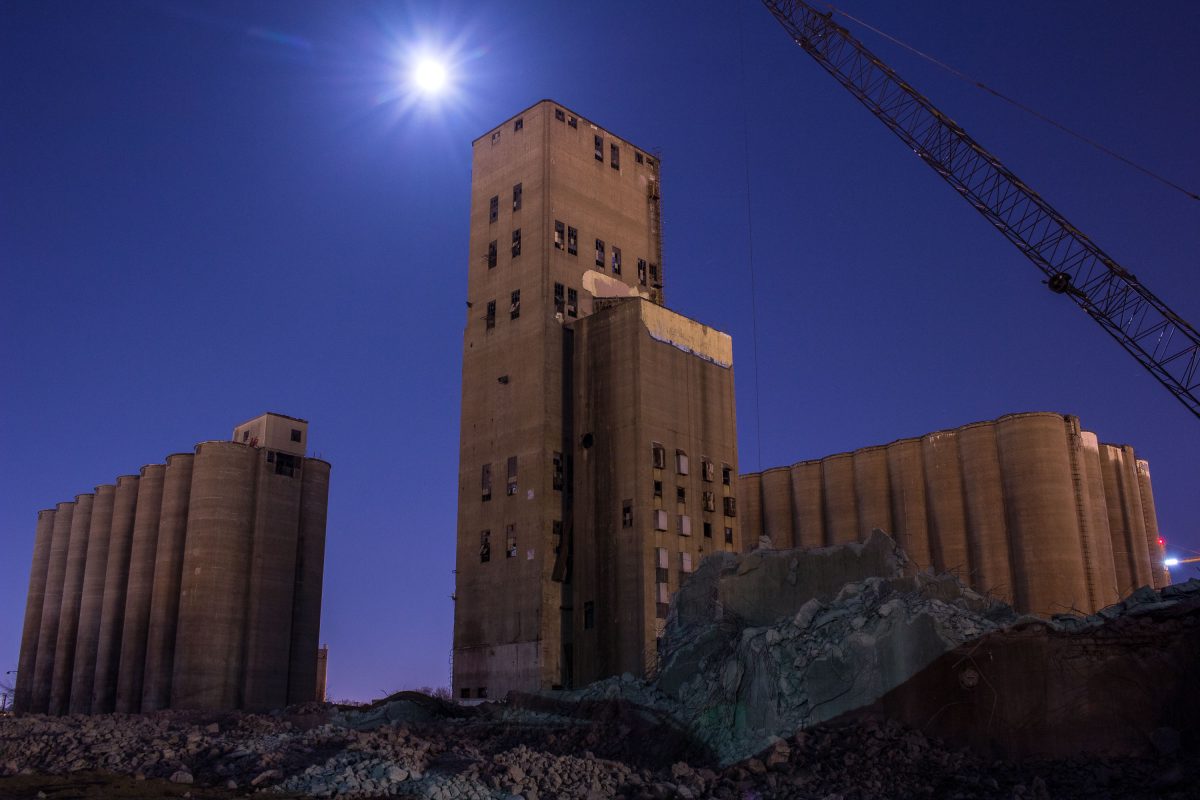
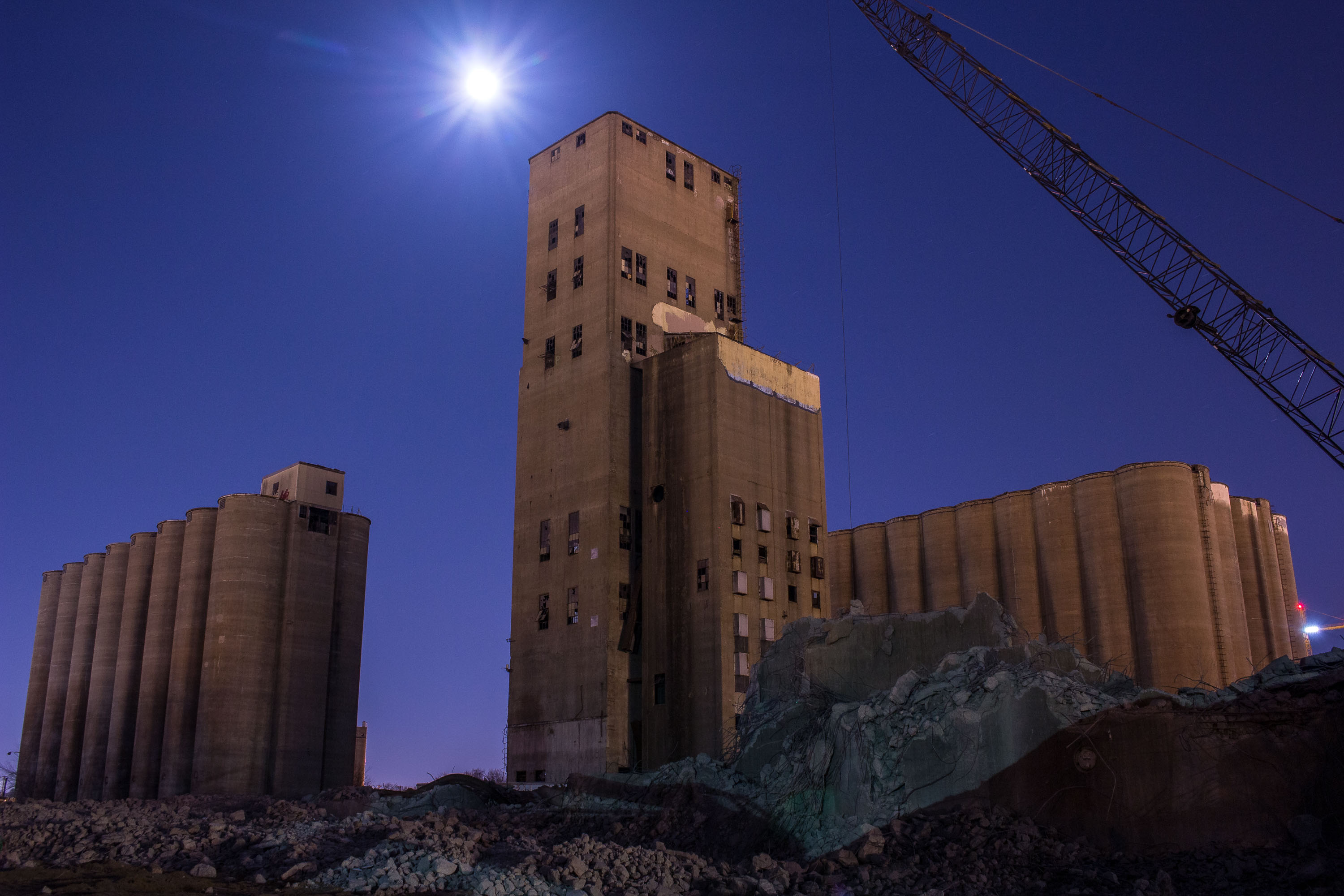
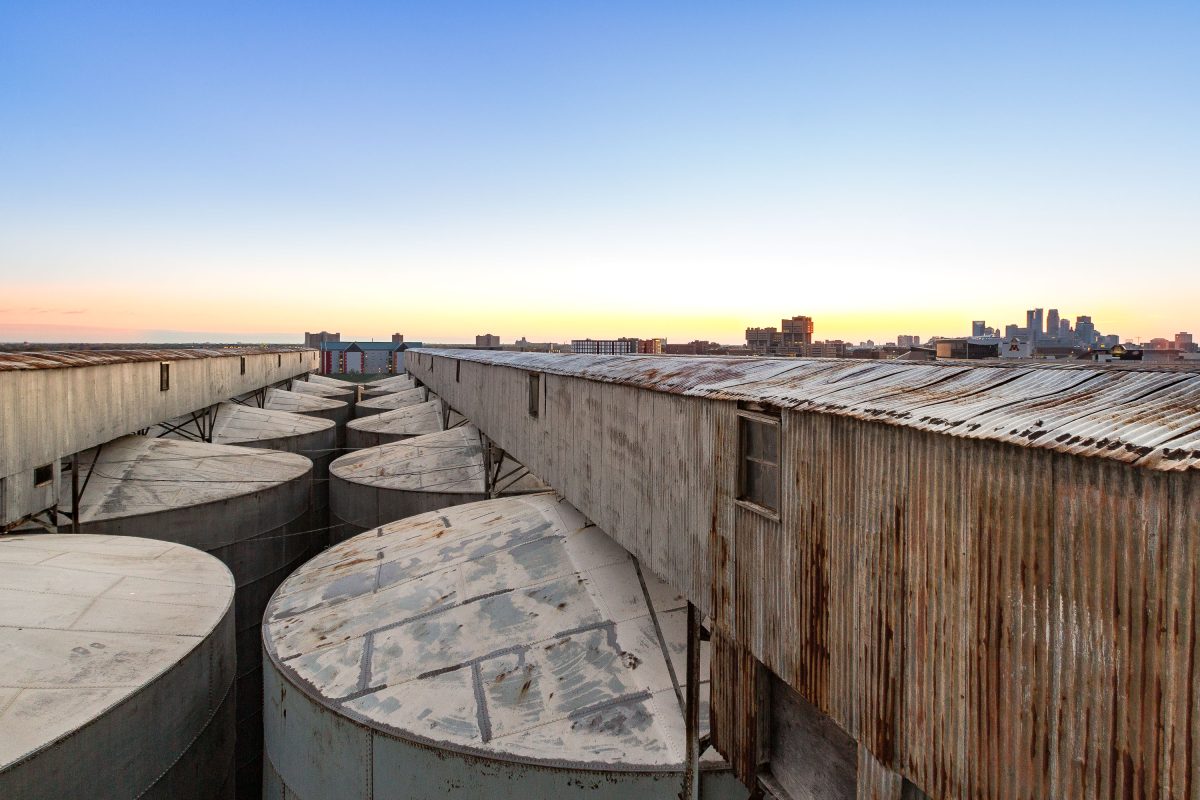
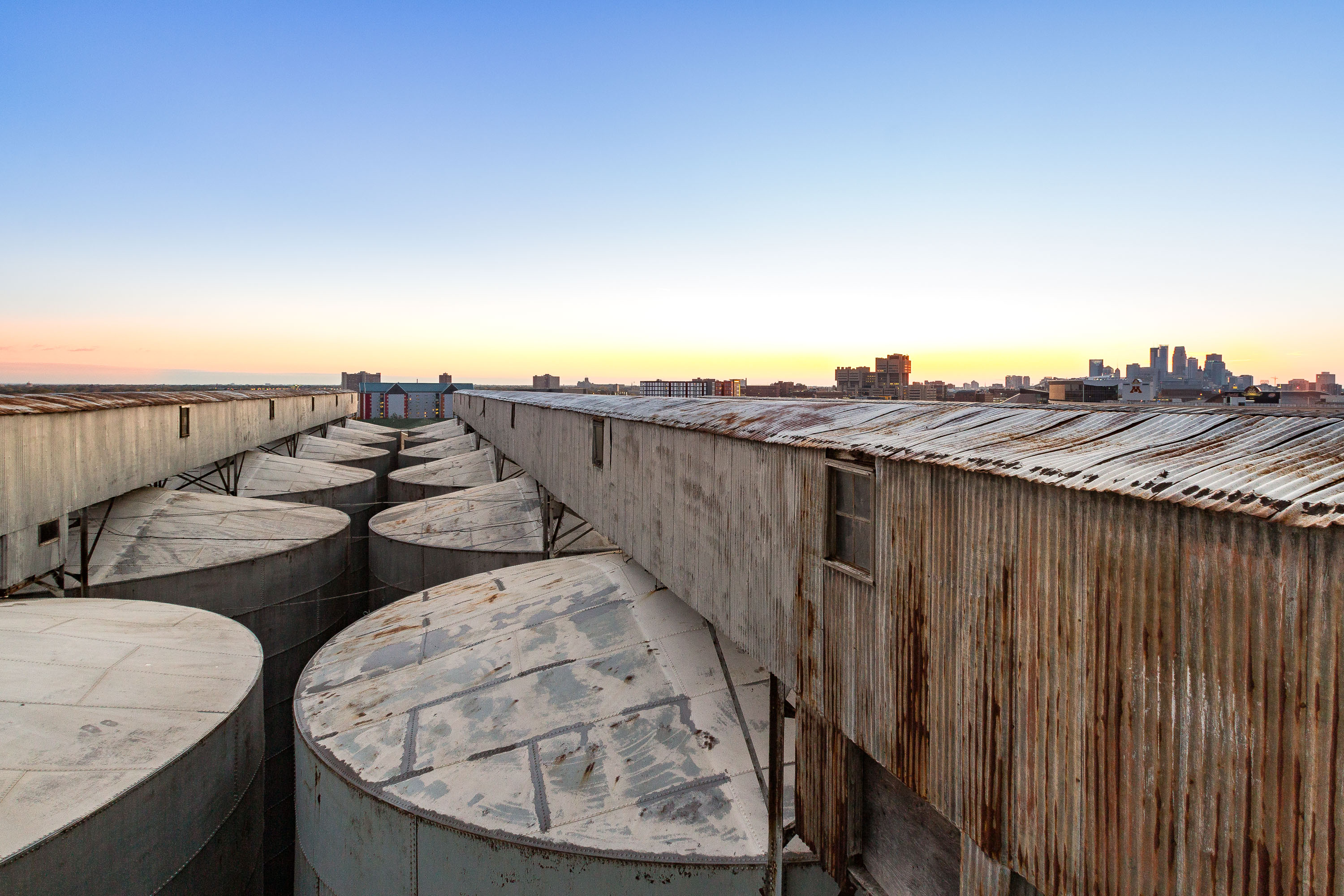
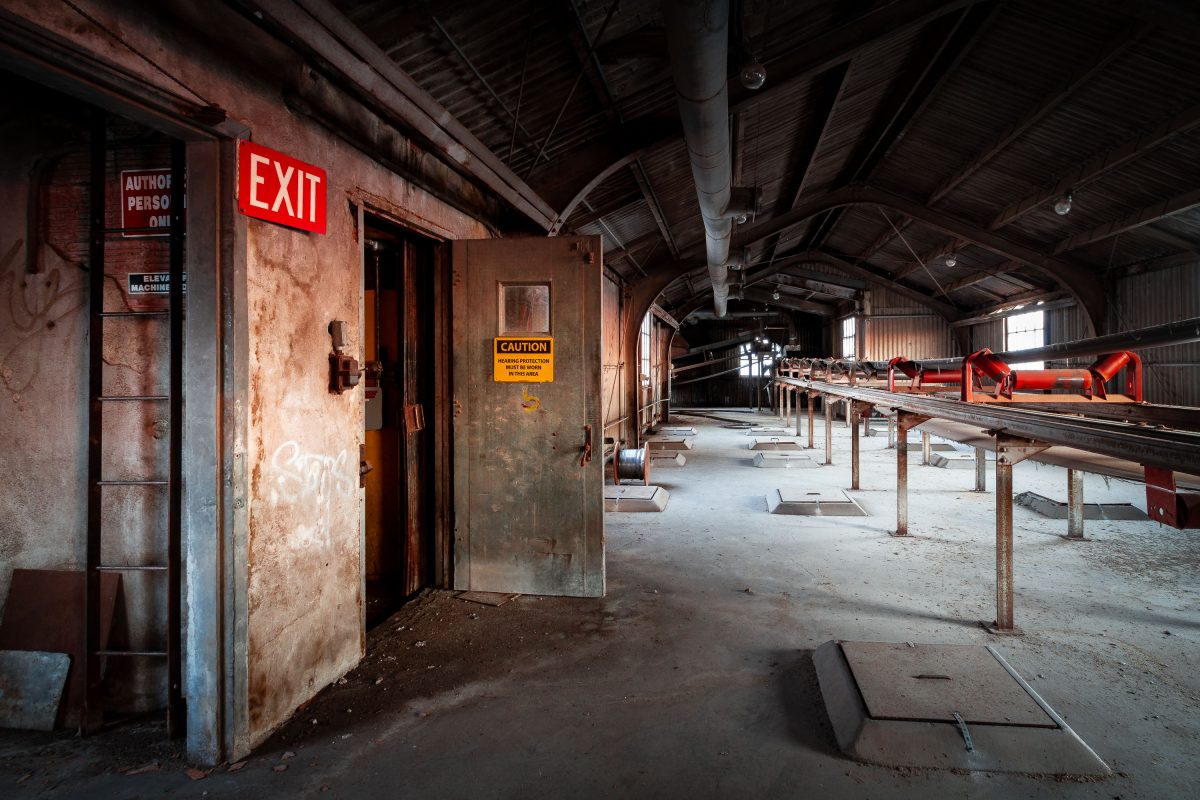
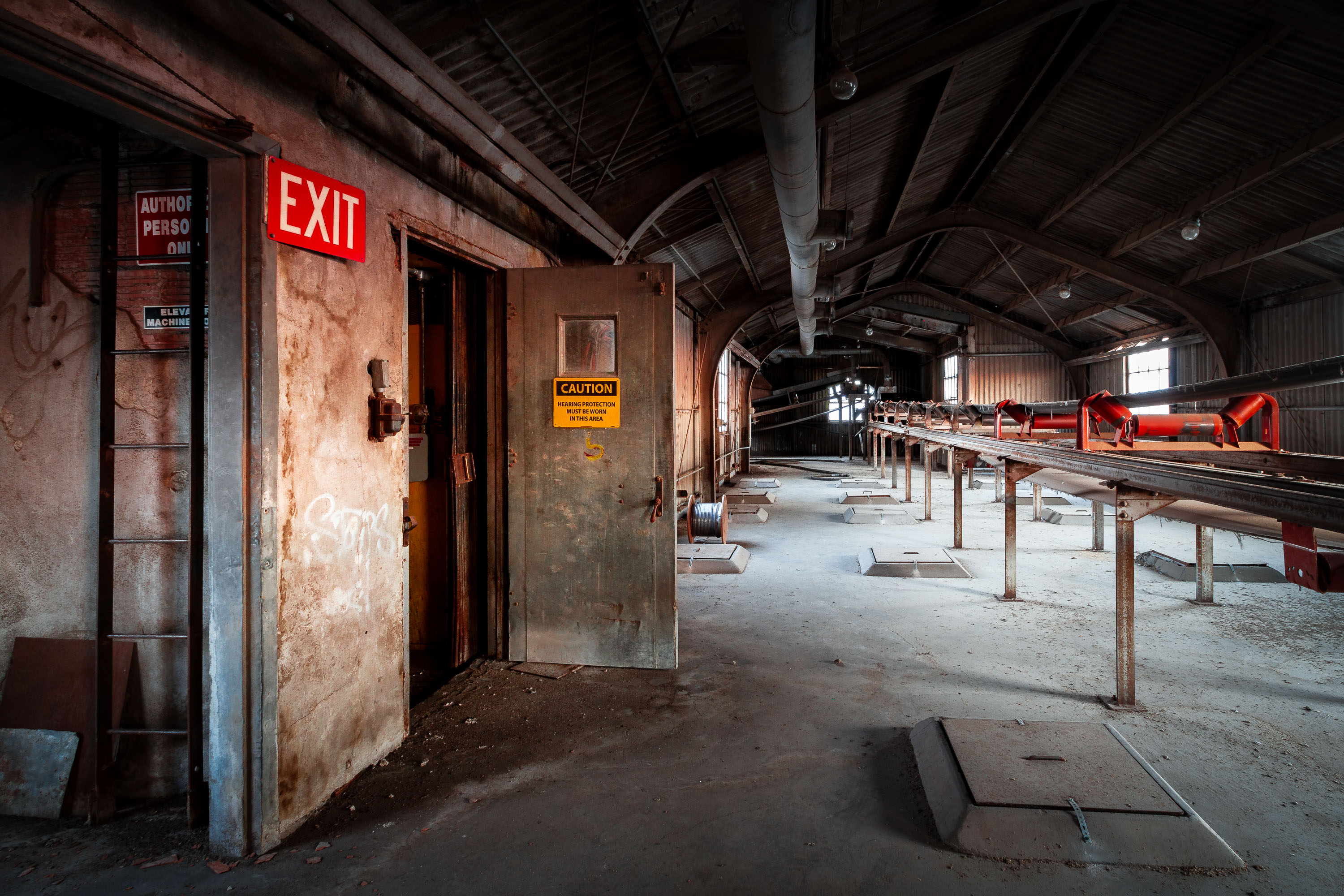
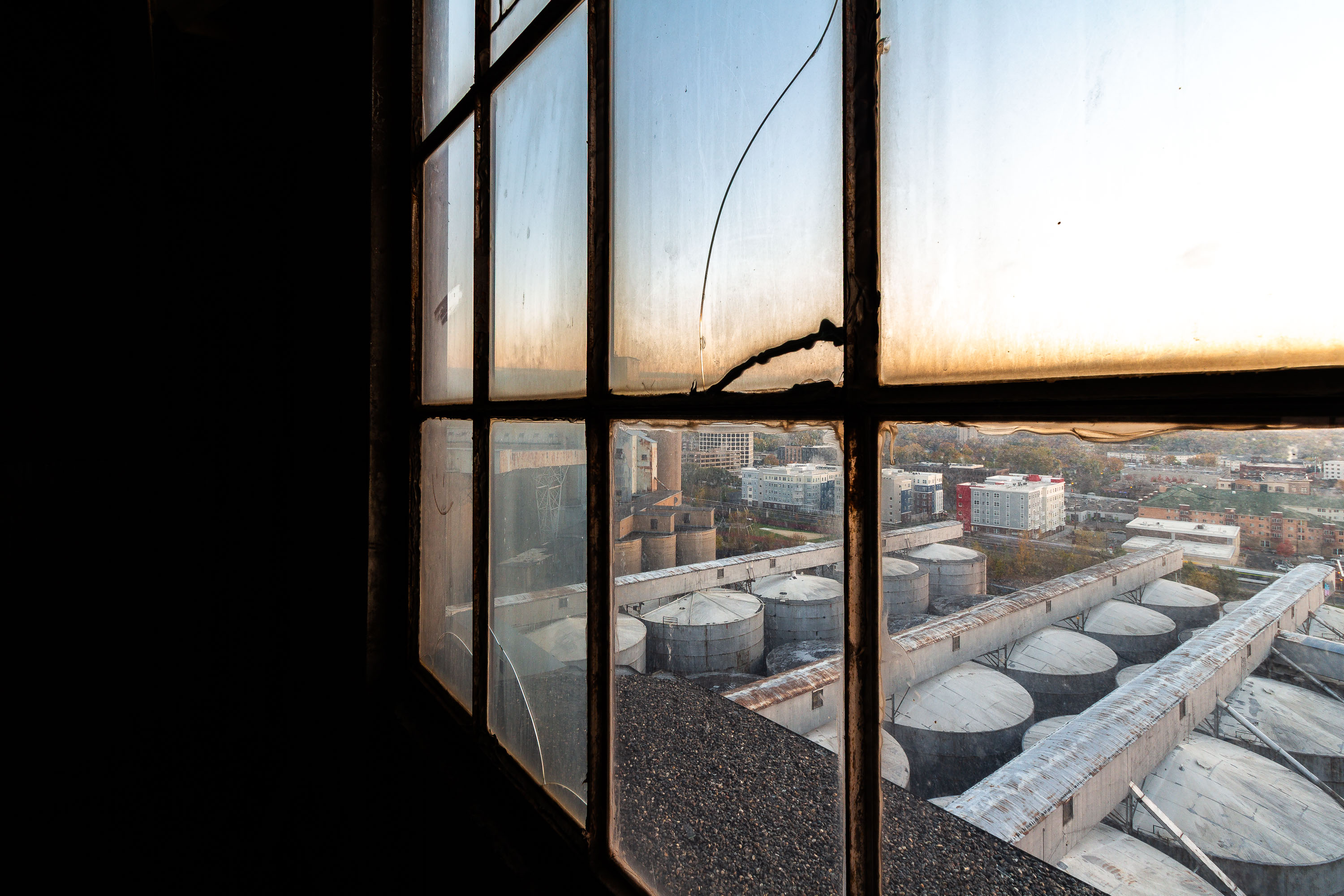
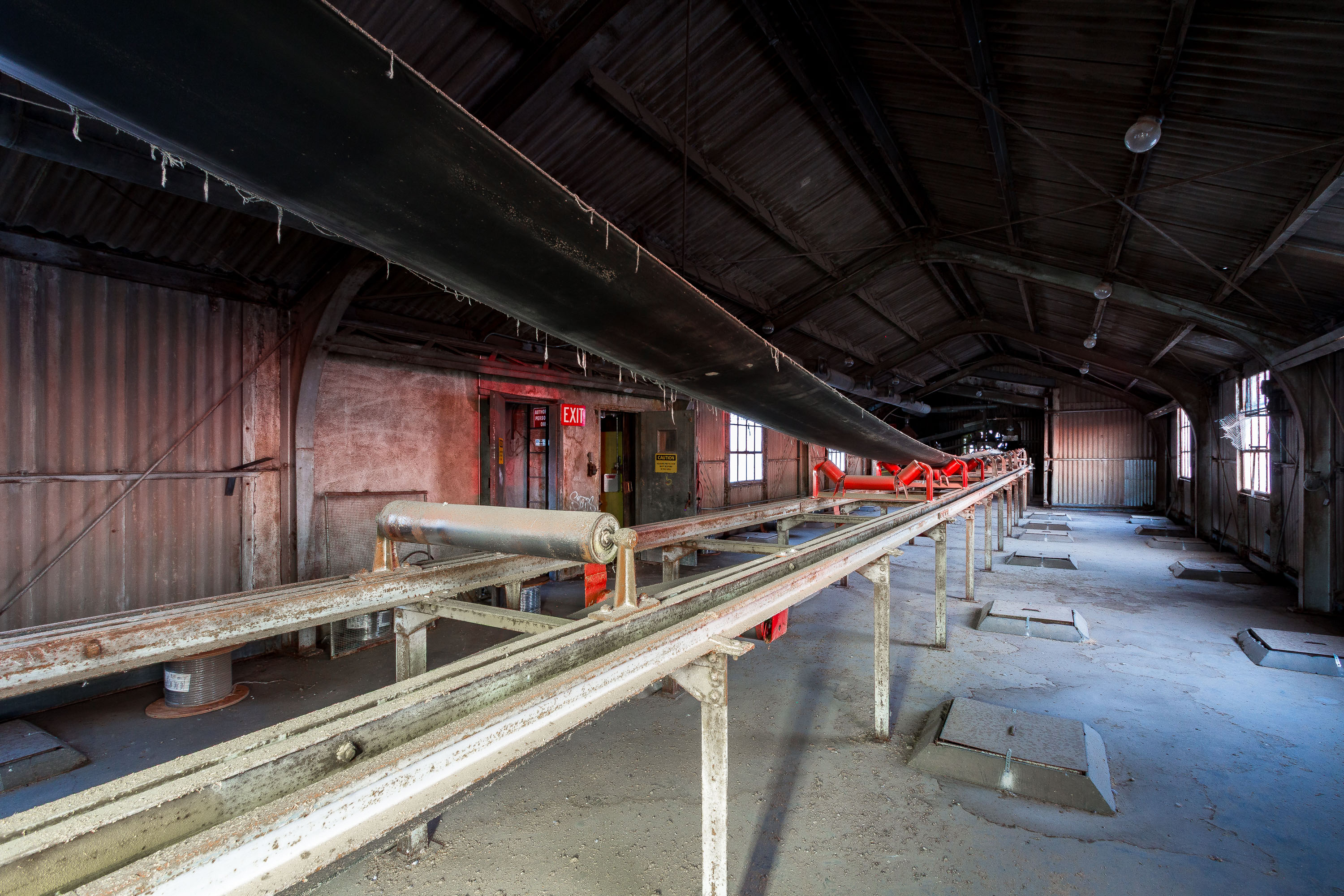
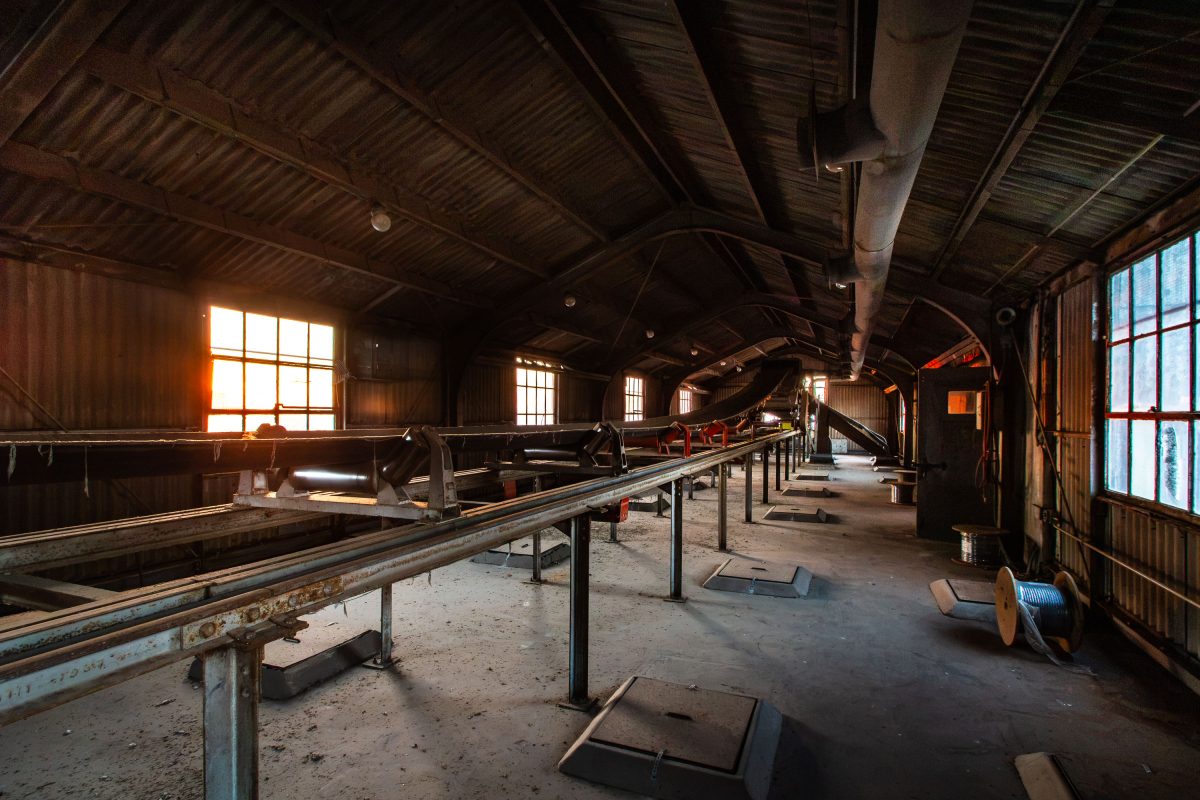
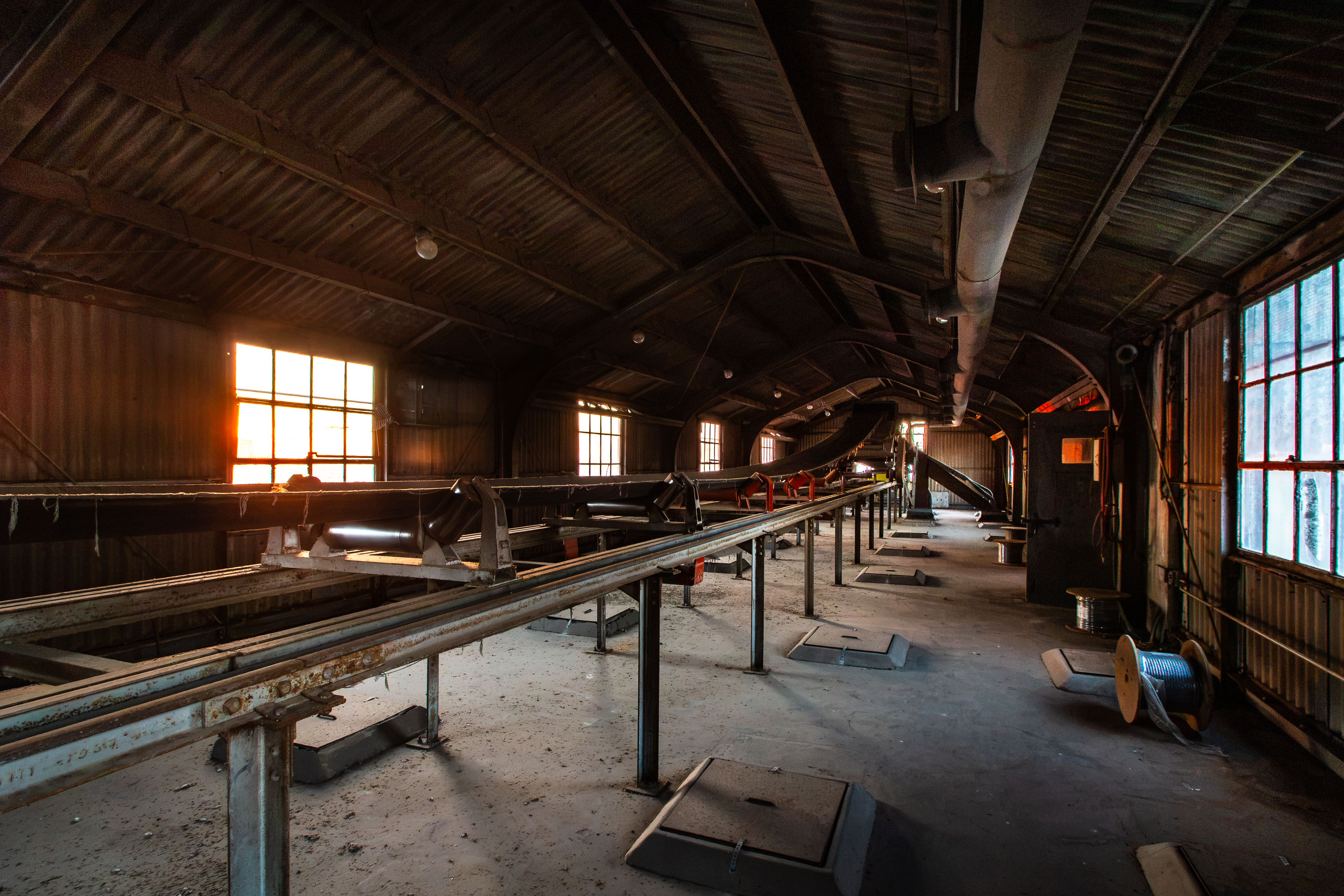
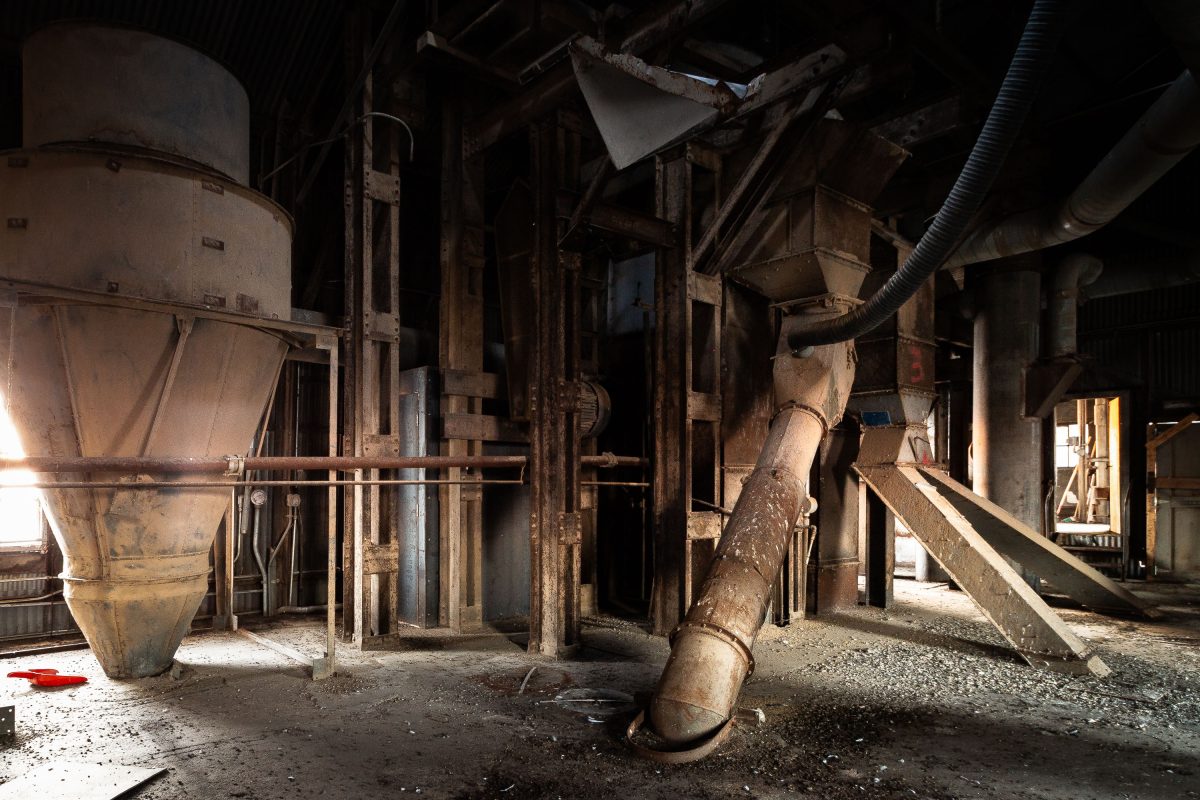
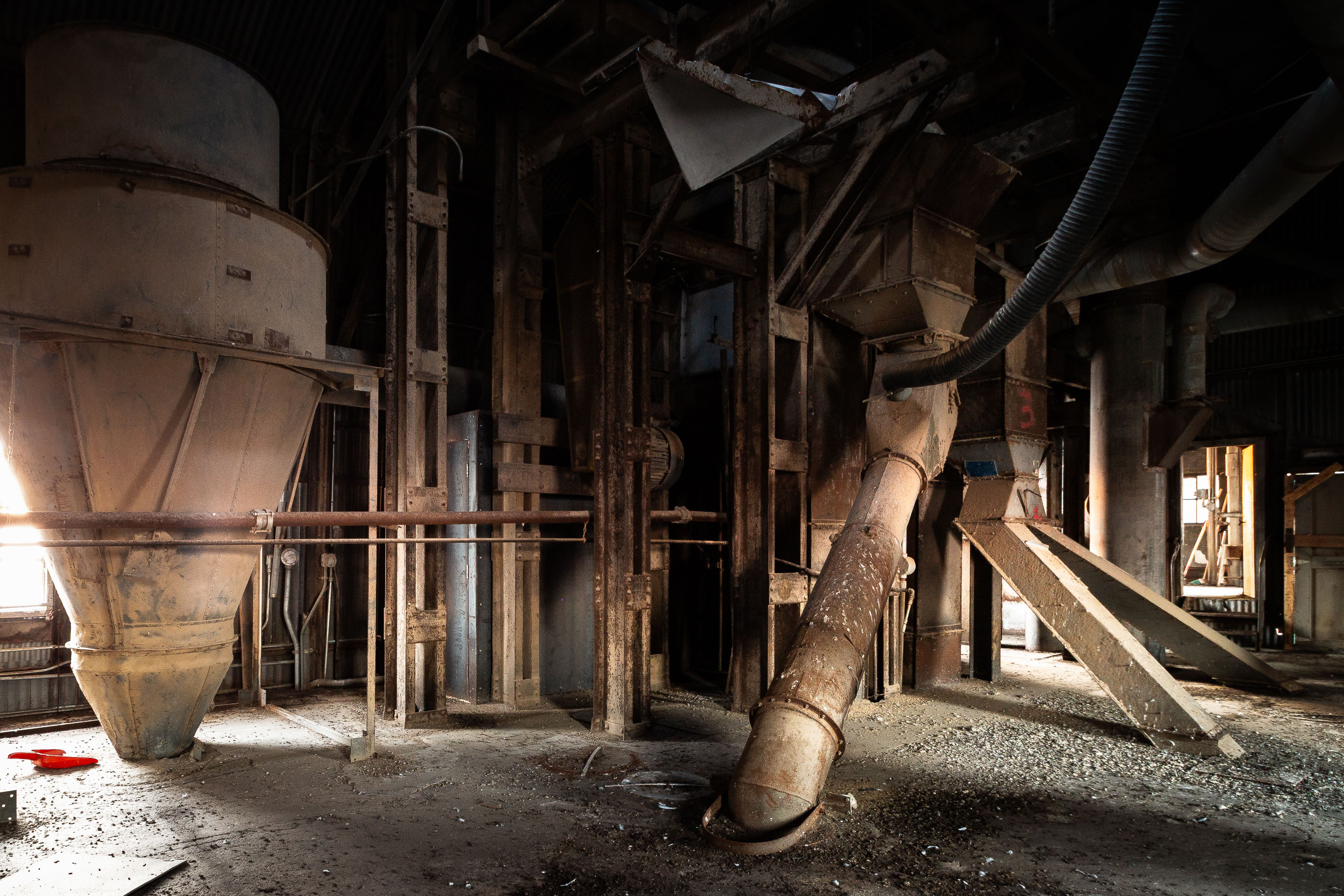
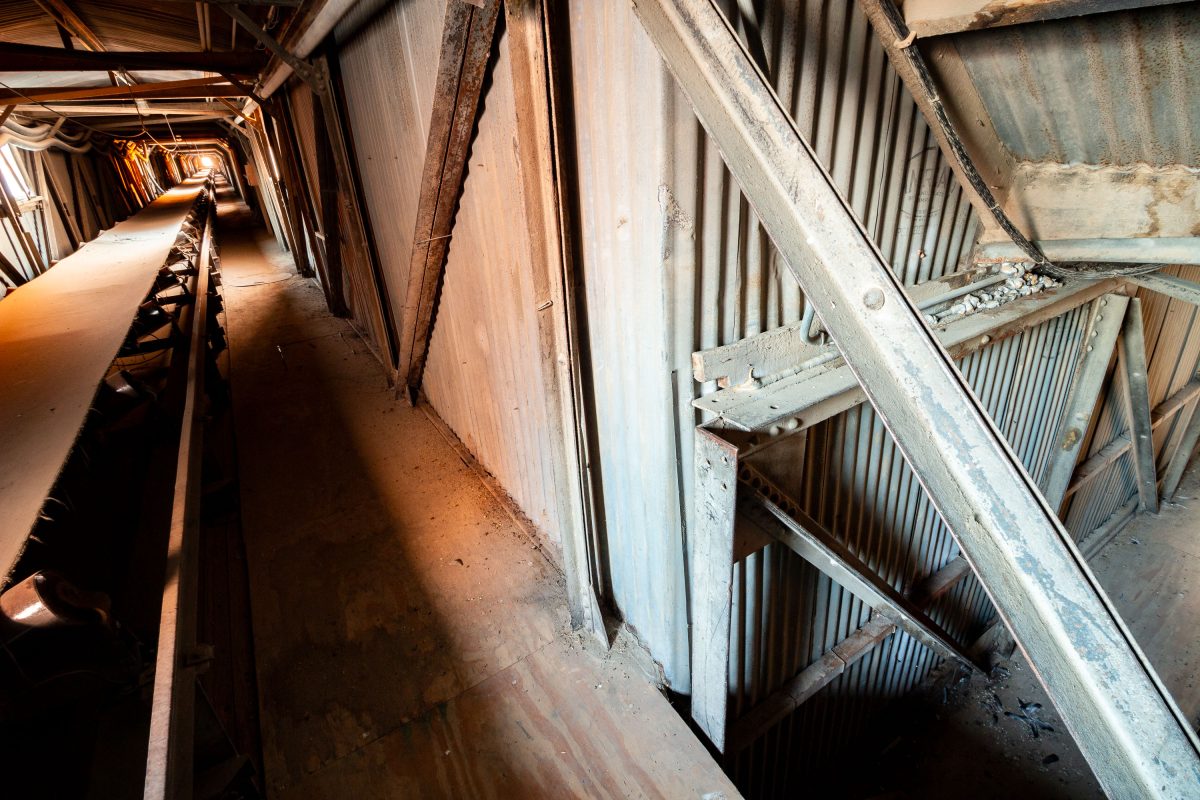
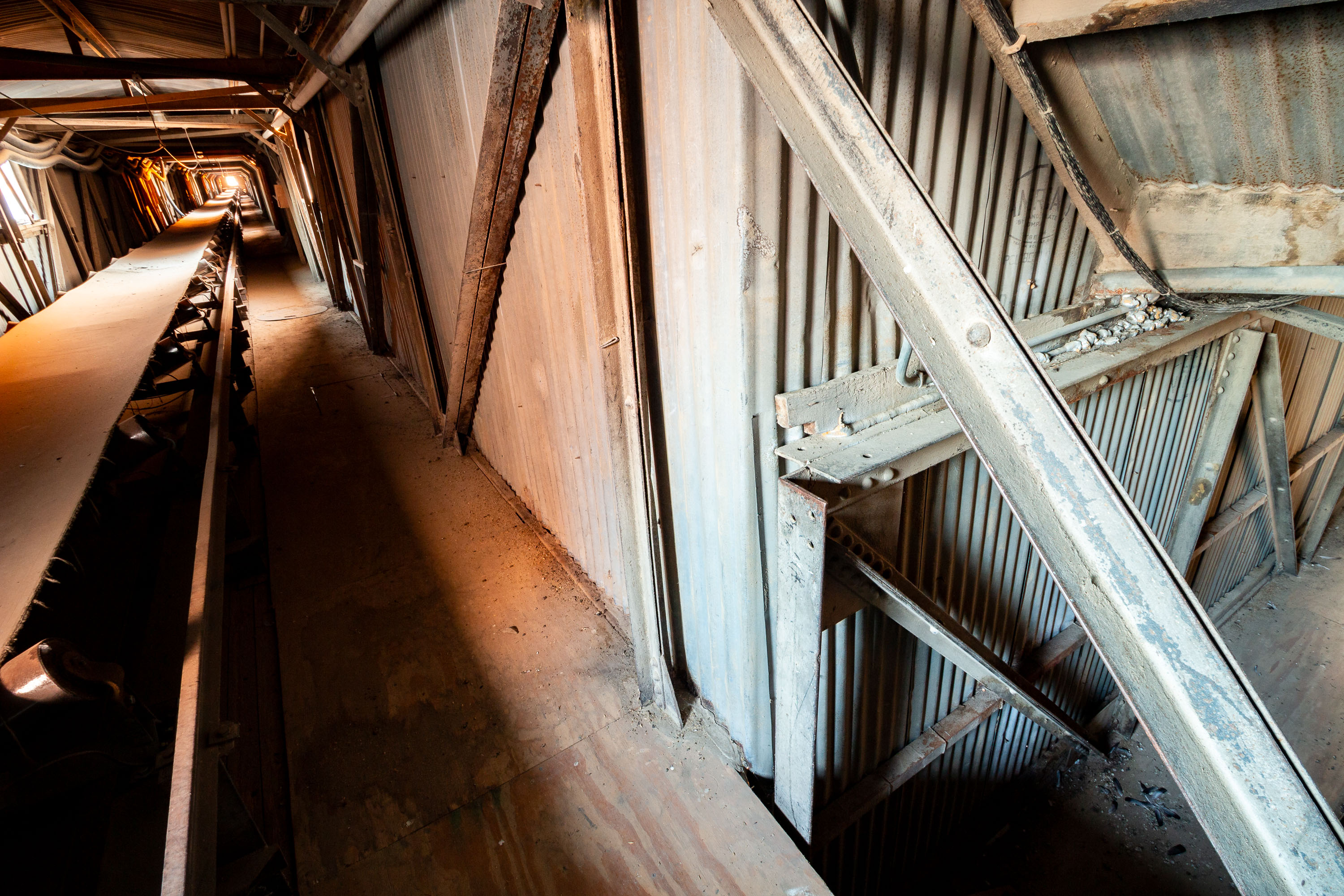
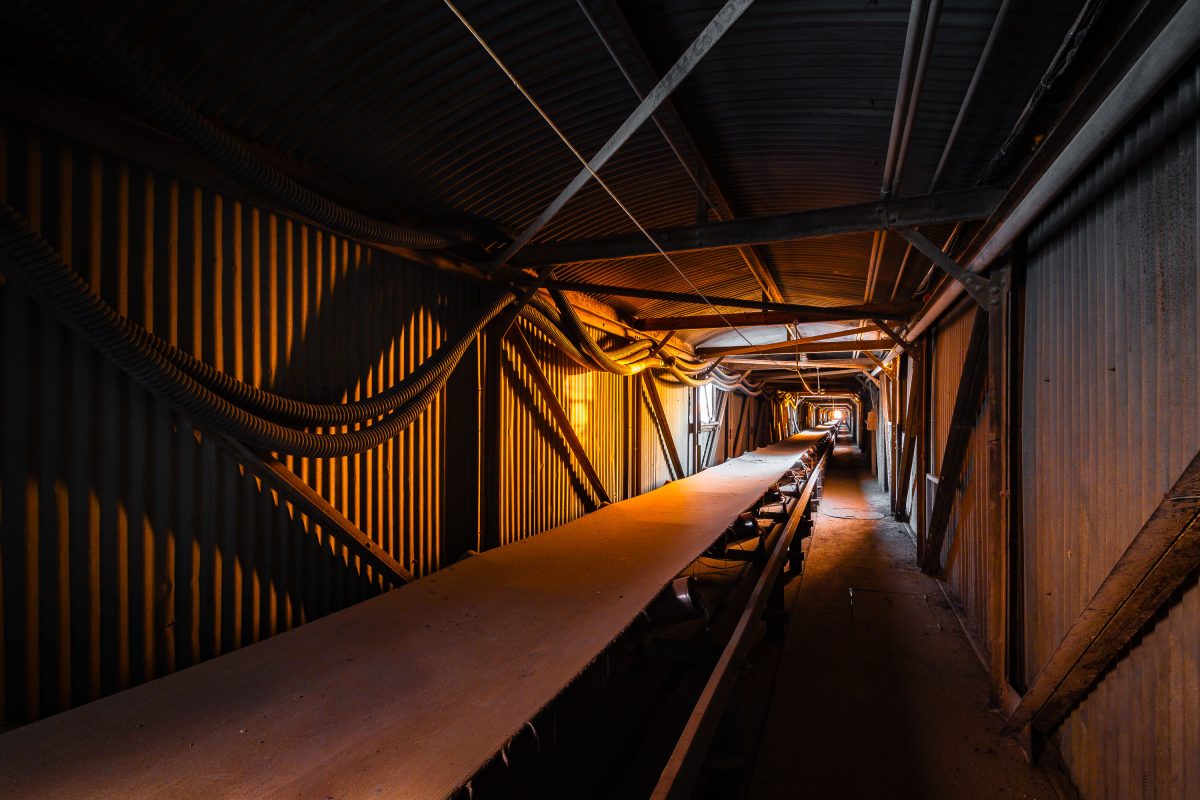
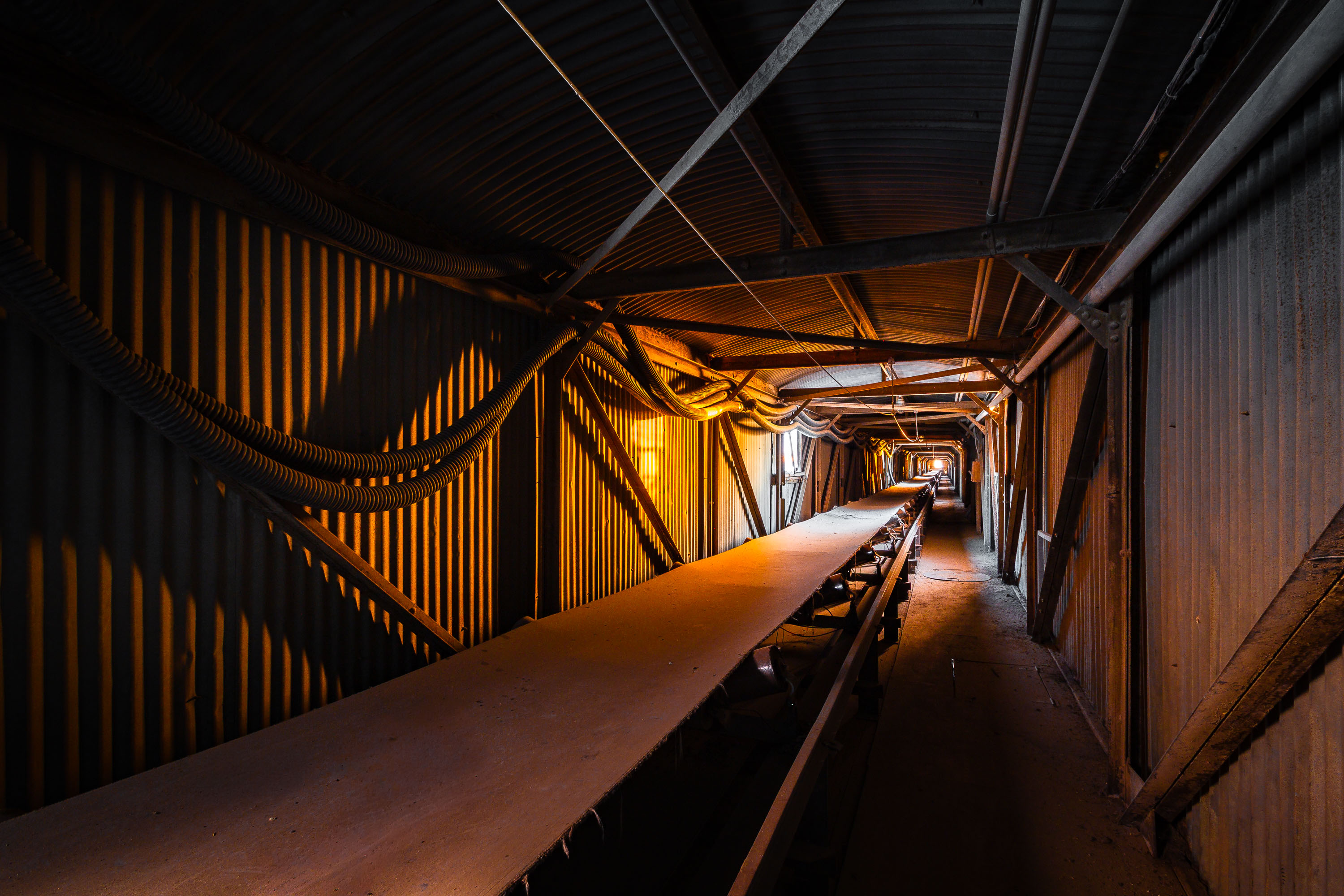
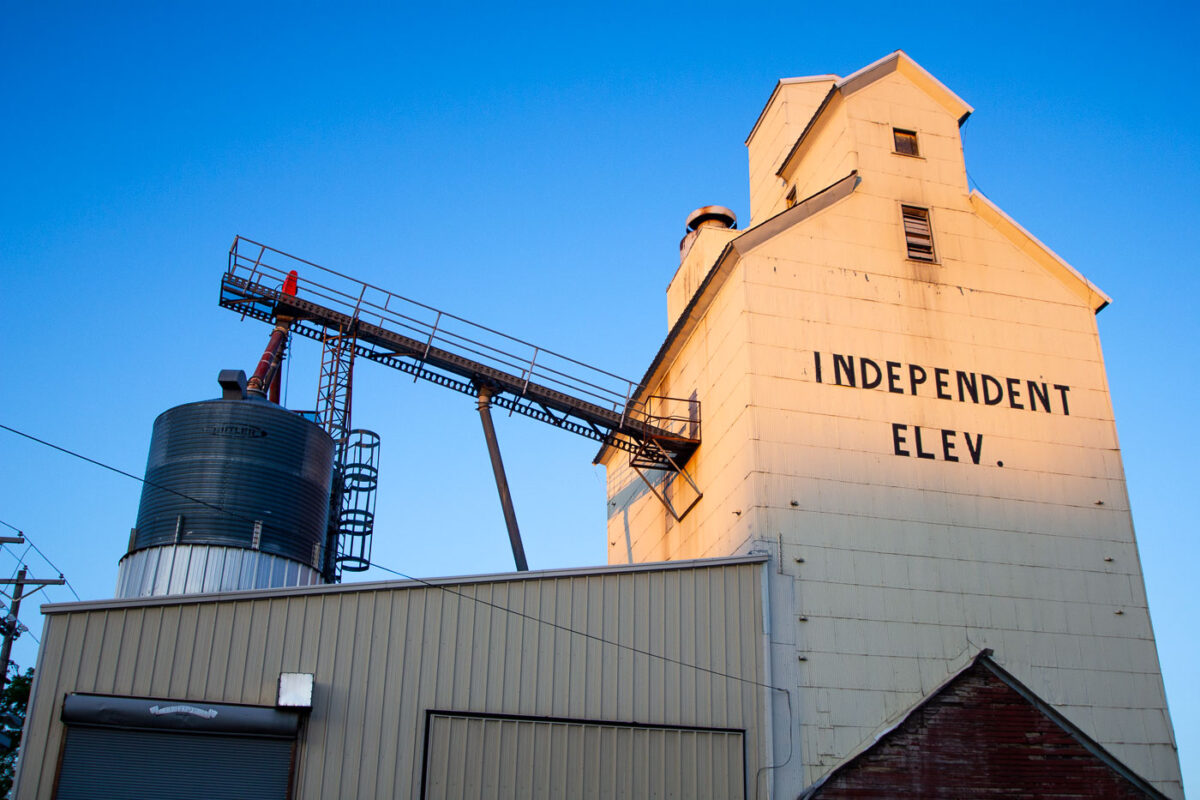
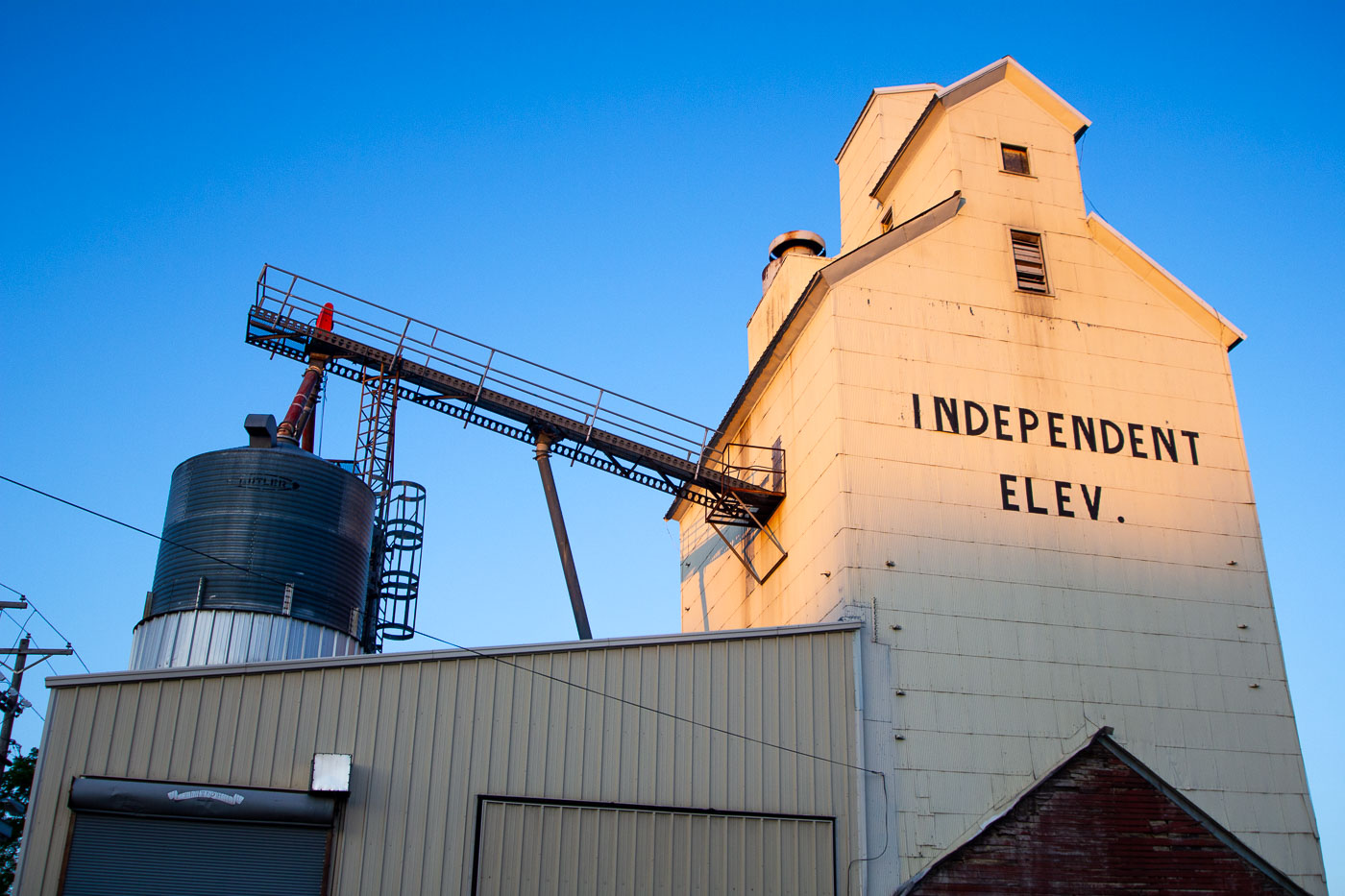
Known locally as the "United Crushers" mill after the large tag visible from miles away.July 24, 2019 — The long abandoned massive concrete Archer-Daniels-Midland Delmar Elevator No. 7 in Minneapolis. Known locally as the "United Crushers" mill after the large tag visible from miles away.April 7, 2019 — Kansas City's riverfront grain elevators grew up alongside the Missouri River and the rail lines that once made the city one of the country's busiest grain markets, second only to Chicago by the early 20th century.November 6, 2018 — US Bank Stadium, a multi-purpose venue completed in 2016, is visible across the Mississippi River from Northeast Minneapolis. In the foreground, the historic Pillsbury A Mill, once the largest flour mill in the world, stands as a reminder of the area's industrial past.November 5, 2018 — The Mill City Museum in Minneapolis is housed in the former Washburn "A" Grain Elevator, a structure that was once the largest flour mill in the world. The museum preserves and interprets the history of the mill and the city's flour milling industry, which was central to Minneapolis's development. The grain elevator, built in 1880, is a prominent example of industrial architecture from the era. Today, the museum offers exhibits on the milling process, the lives of mill workers, and the impact of the industry on the city's growth and identity.November 5, 2018 — The "Gold Medal Flour" neon sign stands atop a historic grain elevator in downtown Minneapolis.March 28, 2018 — Night photo of the back of Harris Machinery and a grain elevator in the distance.March 28, 2018 — Abandoned concrete grain elevators in Minneapolis, Minnesota.October 21, 2017 — The Peavey Company, founded by Frank H. Peavey in the late 1800s, grew into one of the largest grain trading and storage operations in the United States. Superior, Wisconsin, sits at the westernmost point of Lake Superior and developed into a major grain-shipping port in the early 20th century, linking Midwest wheat farms to Great Lakes freighter traffic. Concrete elevators like this one were built to store grain in bulk before loading onto ships bound for mills and markets farther east. The Twin Ports of Superior and Duluth once ranked among the busiest grain-handling centers on the Great Lakes.October 21, 2017 — This grain storage complex sits along the Superior, Wisconsin waterfront on Lake Superior's Twin Ports. The Peavey Company operated grain elevators here to store wheat and other grain shipped by rail from the northern plains for transfer onto lake freighters.October 20, 2017 — CHS grain elevators in Superior, Wisconsin, stand along a waterway in the Port of Duluth-Superior. The facility is part of the harbor's grain-handling and bulk shipping infrastructure on the western end of Lake Superior.October 20, 2017 — CHS Grain Elevators in Superior, Wisconsin, are part of the Port of Superior’s grain-handling facilities. The complex stores and transfers grain for shipment by rail and vessel on the western shore of Lake Superior.September 17, 2017 — Viterra operates this grain elevator in Minneapolis, a concrete and brick structure used to store grain before it moves out by rail. A caged metal ladder and a utility pipe run the full height of the wall, servicing the tower's upper equipment.September 17, 2017 — A caged ladder climbs the exterior wall of the Viterra grain elevator in Minneapolis, rising toward a platform near the roofline. The circular hoops around the rungs are a standard safety guard meant to keep a climber from falling backward on the long vertical run.September 17, 2017 — This locked double door sits on a loading dock at a grain elevator Viterra operates in Minneapolis. Viterra is a global grain handling company that stores, processes, and ships grain for export.September 17, 2017 — This safety cage and landing are part of the Viterra grain elevator in Minneapolis, a facility along the Mississippi River used for storing and loading grain. The caged ladder gives workers a protected climb between platforms on the structure's exterior.September 17, 2017 — Viterra runs a grain elevator complex in Northeast Minneapolis, part of the storage terminals that grew up near the city's old flour milling district. The window's iron security bars and worn wood frame point to the building's industrial age.September 17, 2017 — Viterra operates this grain elevator and rail dock in Minneapolis. A narrow gauge rail spur runs beneath the turquoise steel loading frame, where hopper cars once positioned themselves under the elevator for grain transfer through the now closed roll up door.September 17, 2017 — Viterra operates a grain elevator in Minneapolis, part of a global agribusiness network handling grain storage and shipping.September 17, 2017 — Viterra facility in Northeast Minneapolis. The elevator stores mustard seed and has been operating since the 1920s.September 6, 2017 — This construction site in Dinkytown, Minneapolis, sits on the former grounds of the Kurth Malting Company grain elevator. The elevator complex was demolished to clear land for a University of Minnesota athletic facility. Concrete silos from the adjacent Archer Daniels Midland elevator remain standing near the cleared parcel.September 2, 2017 — A General Mills grain elevator complex sits along active rail lines in Minneapolis. General Mills, headquartered in Golden Valley, Minnesota, operates grain milling and food production facilities across the Minneapolis area. Rail spurs connect the elevator to the wider freight network, including Canadian National and other North American carriers, for shipping grain and finished products.September 2, 2017 — ADM Nokomis Flour Mill in South Minneapolis was an Archer Daniels Midland grain-processing facility. The complex includes mill buildings, grain silos, and rail access for moving grain and flour. The mill closed in mid-2019.June 25, 2017 — This grain elevator and storage facility in Savage, Minnesota includes multiple cylindrical silos for bulk storage and processing. The complex combines cream-colored concrete storage structures with a blue-framed processing building and additional tan silos for handling and distribution. The facility represents the type of agricultural infrastructure common to Minnesota's grain handling and milling operations.June 16, 2017 — The Electric Steel and Kurth Malting grain elevator complex in Minneapolis's Dinkytown area being demolished in June 2017.June 7, 2017 — Minneapolis skyline and the Stone Arch Bridge over the Mississippi River in Minneapolis, Minnesota. The former railroad bridge spans St. Anthony Falls and is part of the Mill Ruins Park area.February 21, 2017 — The Stone Lab building at 421 29th Ave SE was once used by the University of Minnesota for environmental health research.February 21, 2017 — The Archer Daniels Midland grain elevator stands in Southeast Minneapolis near the Mississippi River. Its concrete silos are built in a cylindrical design common to grain elevators raised in the mid twentieth century to hold large volumes of grain for milling and export.February 20, 2017 — This is a concrete grain elevator complex in Omaha, built with the cylindrical silo design common to grain terminals of the early to mid twentieth century. A headhouse tops the tallest silo, where conveyors once moved grain between storage bins before loading it onto rail cars. The complex no longer operates, but the silos still stand along the rail line that once served it.February 19, 2017 — Grain elevator silos like these once stored corn and soybeans shipped through Omaha's rail and river networks, a trade that shaped the city's South Omaha industrial corridor through much of the 20th century.February 19, 2017 — This grain elevator complex is located in Omaha, Nebraska. The structure consists of multiple reinforced concrete silos connected by an elevated enclosed walkway.February 12, 2017 — Demolition of grain elevators in Minneapolis taking place in February 2017.October 23, 2016 — The Electric Steel Elevator is a grain storage complex in Minneapolis, with rows of round steel bins topped by a corrugated metal shed.October 23, 2016 — The Electric Steel Elevator is a grain elevator complex in Minneapolis, with a long conveyor gallery once used to move grain between storage and processing points. Steel doors, ladders, and warning signs like "Hearing Protection Must Be Worn in This Area" remain from its working days along the elevator's interior walkways.October 23, 2016 — The downtown Minneapolis skyline and surrounding neighborhoods lie beyond the tanks.October 23, 2016 — The Electric Steel Elevator is a former grain elevator in Minneapolis, built to store and load grain for shipment by rail. Inside, a long conveyor belt runs above a line of steel rollers that once moved grain through the building to waiting railcars.October 23, 2016 — The downtown Minneapolis skyline from the Electric Steel Elevator, a decommissioned grain elevator in the Prospect Park neighborhood near the University of Minnesota. TCF Bank Stadium, home to University of Minnesota football since 2009, sits between the elevator and downtown.October 23, 2016 — The Electric Steel Elevator is a former grain elevator in Minneapolis, built for storing and loading grain before shipment by rail.October 23, 2016 — The Electric Steel Elevator is a grain elevator in Minneapolis along the Mississippi River. A long conveyor runs the length of the interior on a steel frame, once used to move grain through the structure.October 23, 2016 — The Electric Steel Elevator is a disused grain elevator in Minneapolis. Inside, rusted steel framing supports hoppers, chutes, and ductwork once used to move and clean grain before storage.October 23, 2016 — The Electric Steel Elevator is a grain elevator complex in Minneapolis. This enclosed gallery carries a conveyor belt between sections of the structure.October 23, 2016 — The Electric Steel Elevator is a grain elevator in Minneapolis. A conveyor belt runs through an enclosed tunnel that carries grain between the storage bins and the head house.October 23, 2016 — The Electric Steel Elevator is a former grain elevator complex in Minneapolis, built along the rail lines that once served the city's milling district. Inside, steel storage tanks connect to a network of conveyor pipes and chutes that moved grain between the bins and the head house.April 12, 2016 — The abandoned ADM grain elevator complex in Dinkytown, Minneapolis, stands as a relic of the city's industrial past. Originally part of the Pillsbury Company's operations, these concrete silos were constructed to store and process grain.January 18, 2016 — The ADM Grain Elevator and Harris Machinery buildings in Prospect Park, Minneapolis, show extensive ice and snow accumulation following a significant fire. The fire gutted the interior of the Harris Machinery structure, leaving its exterior heavily damaged and encased in ice.February 16, 2015 — Hansen-Mueller Grain Elevator in Superior, Wisconsin, is a grain storage and transfer facility on Superior Bay. BNSF freight cars move commodities through the complex by rail for shipment to regional and export markets.July 2, 2014 — The Independent Elevator, located in Glencoe, Minnesota, stands as a testament to the region's agricultural heritage.September 5, 2012 — The University of Minnesota Transitway runs along the East Bank corridor in Minneapolis, carrying university and Metro Transit buses between the Twin Cities campuses.
Built in Minneapolis
Minneapolis Photographer
Browse by location, move through long-running series, or start with recent work.