Map
More from North Dakota

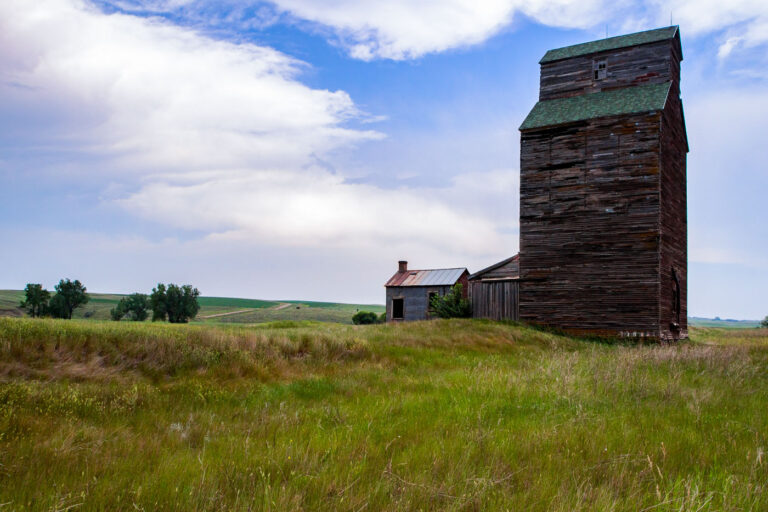
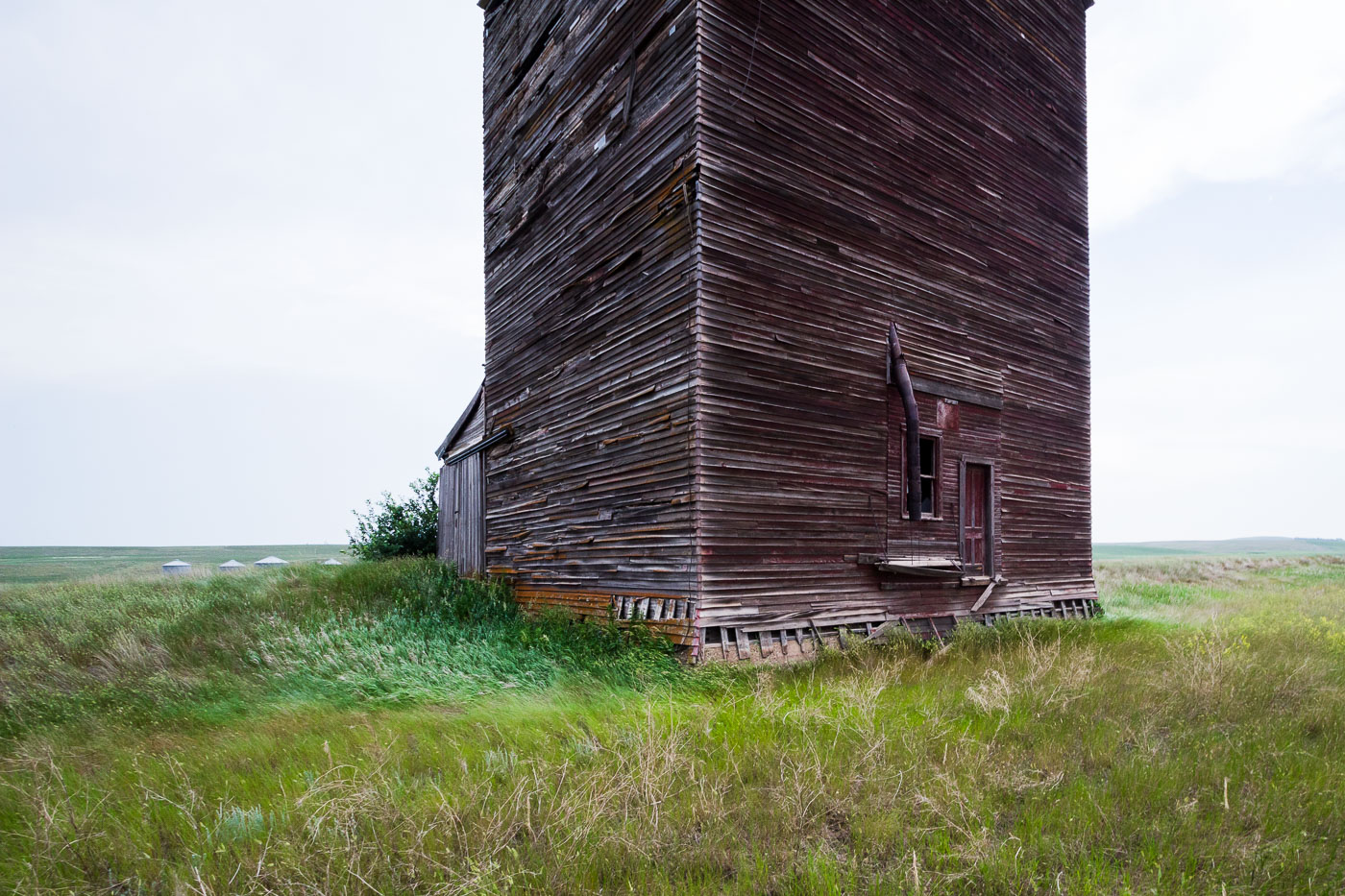
Abandoned Grain Elevator in Charbonneau, North Dakota
Charbonneau is one of the many small farming communities scattered across western North Dakota that lost its population base as…

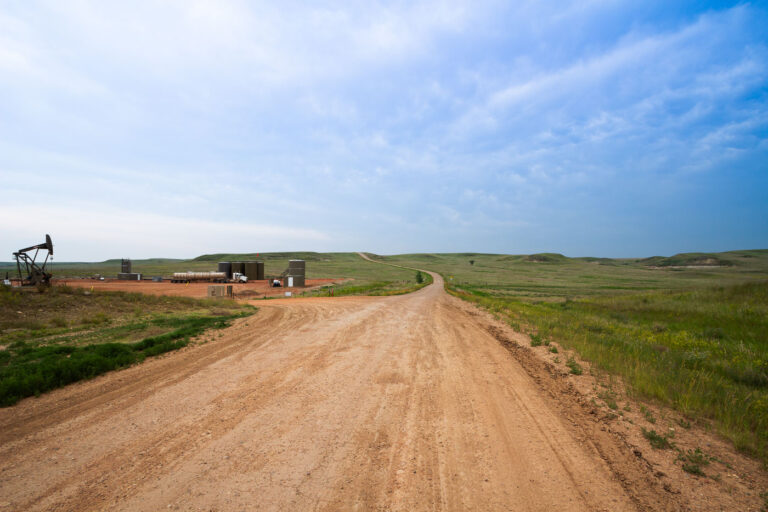
Bakken Oil Field Lights After Dark in North Dakota
The Bakken Formation underlies much of western North Dakota and became the center of a major U.S. oil boom beginning…

Crossing the Fairview Lift Bridge on the Yellowstone River
The Fairview Lift Bridge spans the Yellowstone River near the Montana–North Dakota border, close to the town of Fairview, Montana.…

The Sorlie Bridge Over the Red River in Grand Forks
The Sorlie Memorial Bridge carries traffic across the Red River of the North, linking Grand Forks, North Dakota, with East…

Submerged Pilings of the Woodland Resort, Devils Lake
Devils Lake has risen more than 25 feet since the early 1990s, flooding thousands of acres of farmland, roads, and…

Canola and Wheat Fields Outside Starkweather, North Dakota
North Dakota leads the nation in canola production, growing roughly 90 percent of the U.S. crop, much of it across…
Nearby Photos