Place Archive

San Diego

La Jolla’s rocky shores serve as essential haul-out sites for California sea lions and habitats for seabirds like brown pelicans and cormorants. The San Diego Zoo, established in 1916, maintains extensive exhibits including Asian elephants and giant pandas, supporting conservation and education efforts.

11 photos

Location

Photos from San Diego
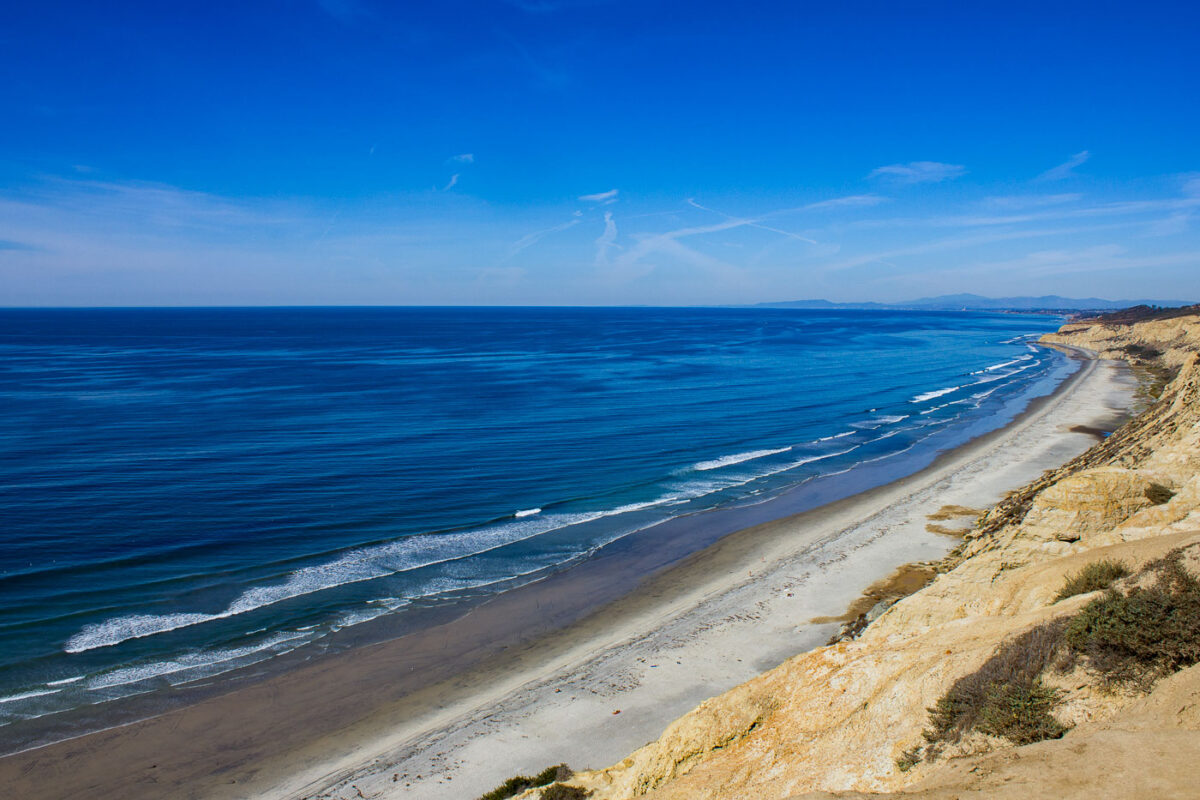
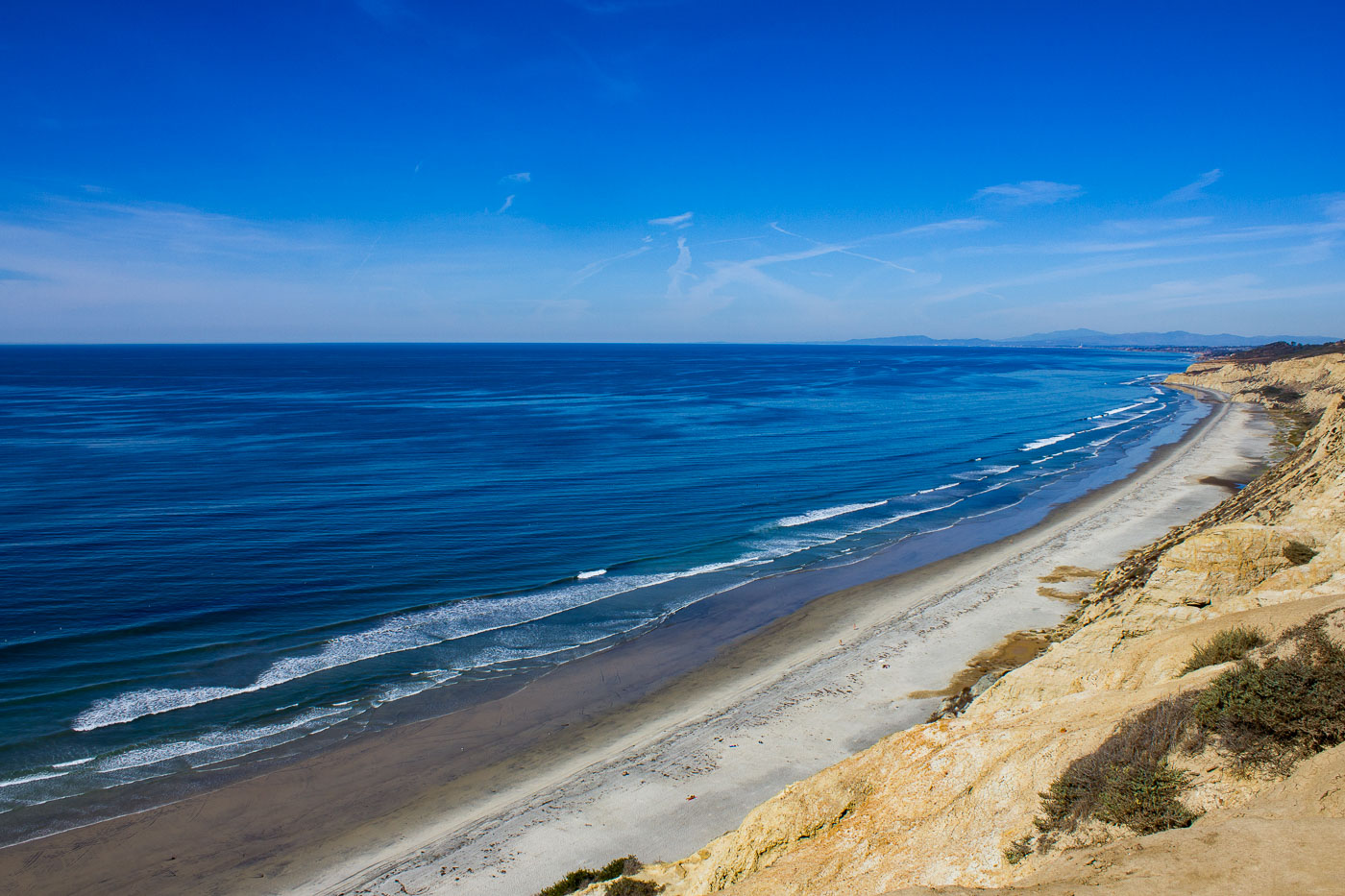
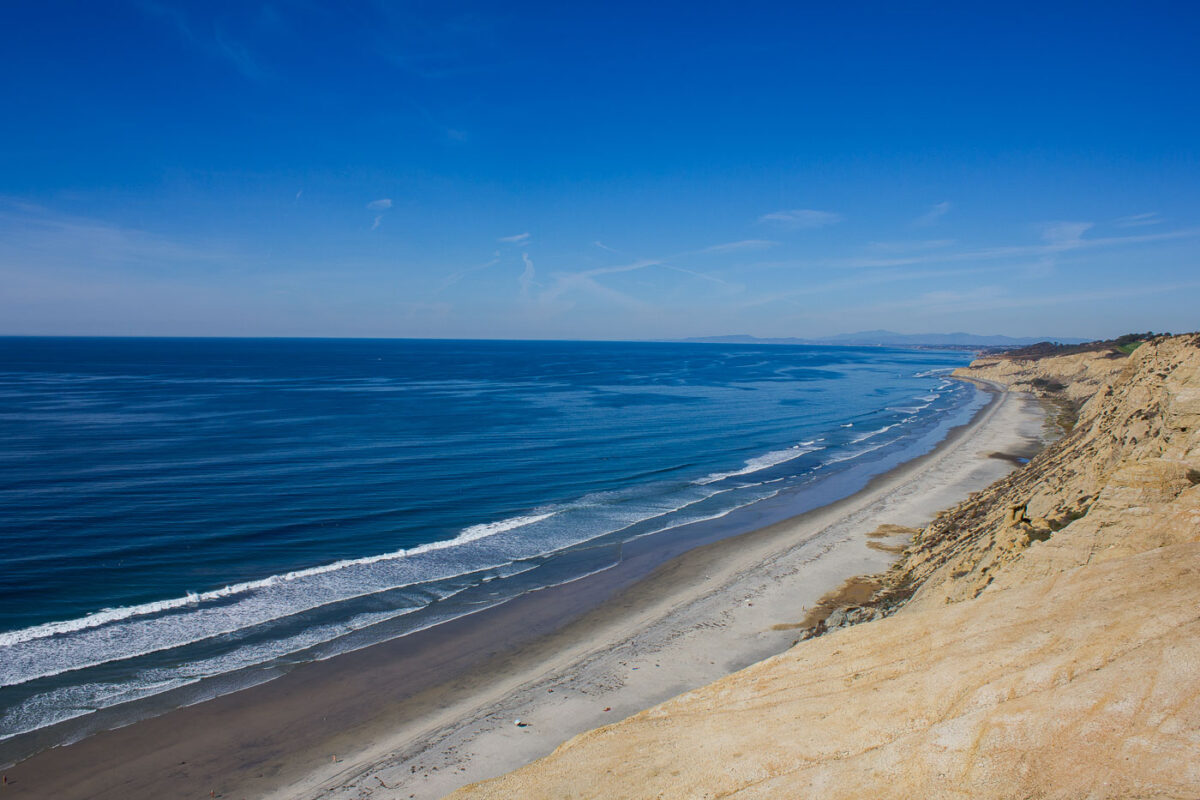
Black's Beach cliffs and the Pacific Ocean in San Diego, California, a popular coastal area known for its geological features and surfing.
Black's Beach runs for roughly two miles beneath the sandstone bluffs of Torrey Pines State Natural Reserve, forming the undeveloped southern end of Torrey Pines State Beach. Access is limited to a steep trail near the Gliderport or a path off La Jolla Farms Road, since no road reaches the shoreline directly. The offshore La Jolla submarine canyon channels stronger, more consistent swells here than at neighboring beaches, making it one of San Diego's most reliable surf spots. Since the early 1970s the beach has also been informally known as a clothing-optional stretch, a status tolerated locally despite no official designation.
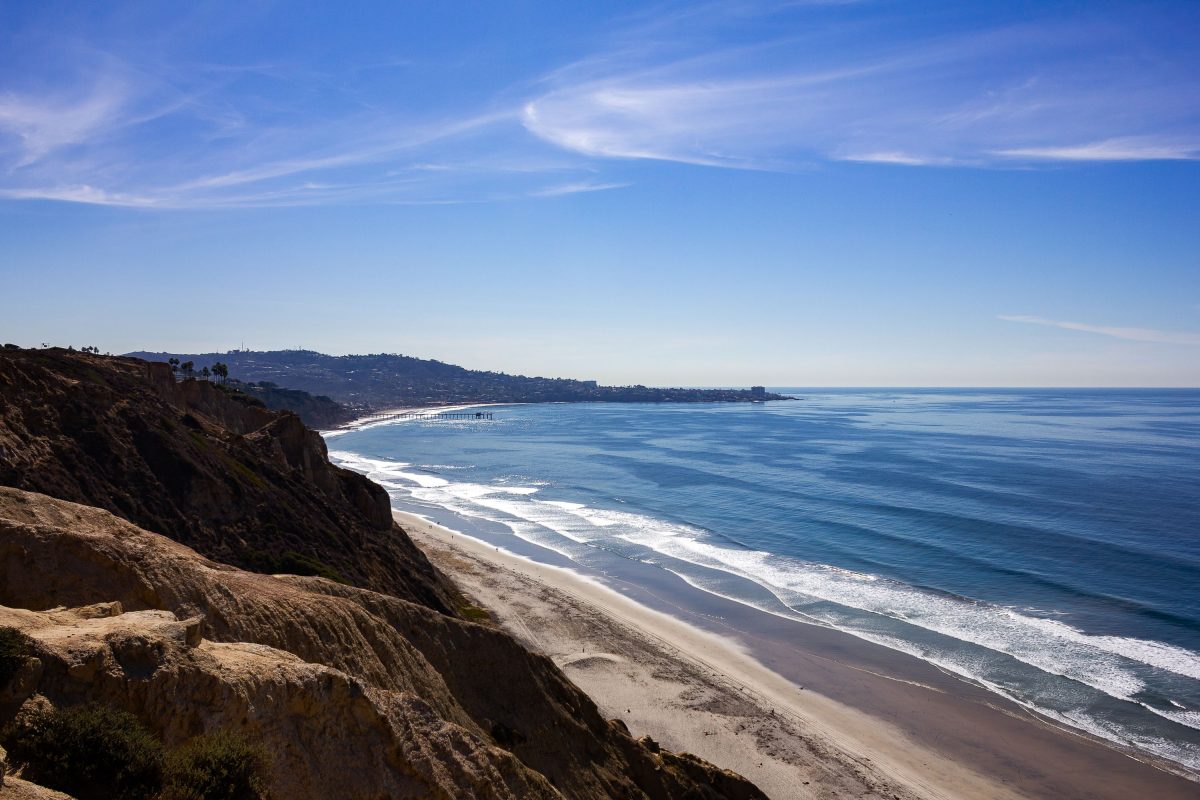
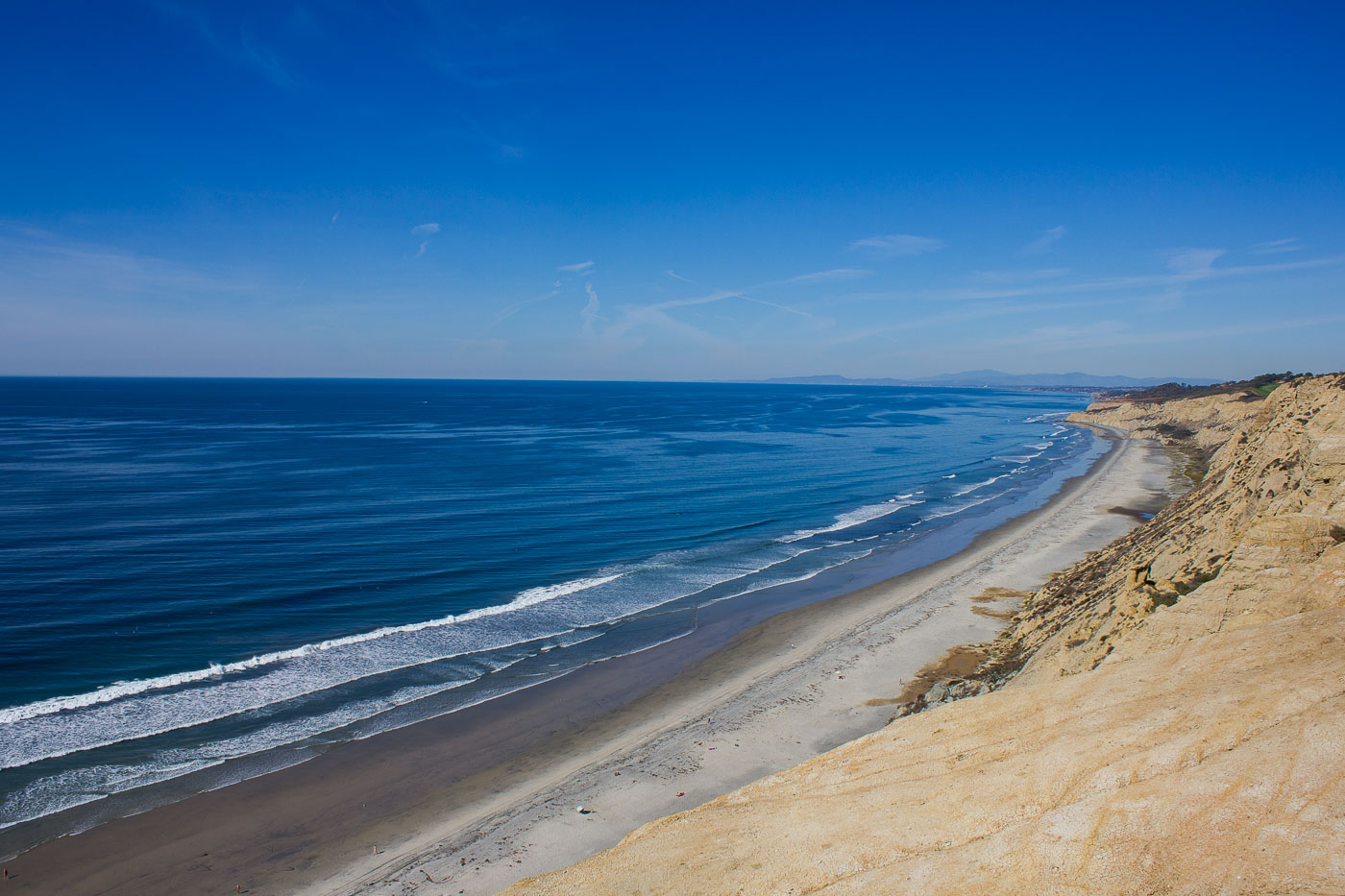
The coastline of Torrey Pines State Natural Reserve in San Diego, California, features cliffs overlooking Black's Beach and the Torrey Pines Gliderport.
Black's Beach sits below the sandstone bluffs of Torrey Pines State Natural Reserve, part of a stretch of coastline that runs south toward La Jolla. The Torrey Pines Gliderport, perched atop the cliffs since the 1930s, remains one of the few spots in the country where paragliders and hang gliders launch from coastal bluffs using rising ocean air currents. The reserve protects one of only two native populations of the Torrey pine, the rarest pine species in North America. Access to Black's Beach requires descending steep, unstable cliff trails, and erosion has made several of the old paths unsafe or off-limits over the years. Scripps Pier, visible along the shoreline to the south, marks the northern edge of La Jolla and the University of California San Diego's Scripps Institution of Oceanography.
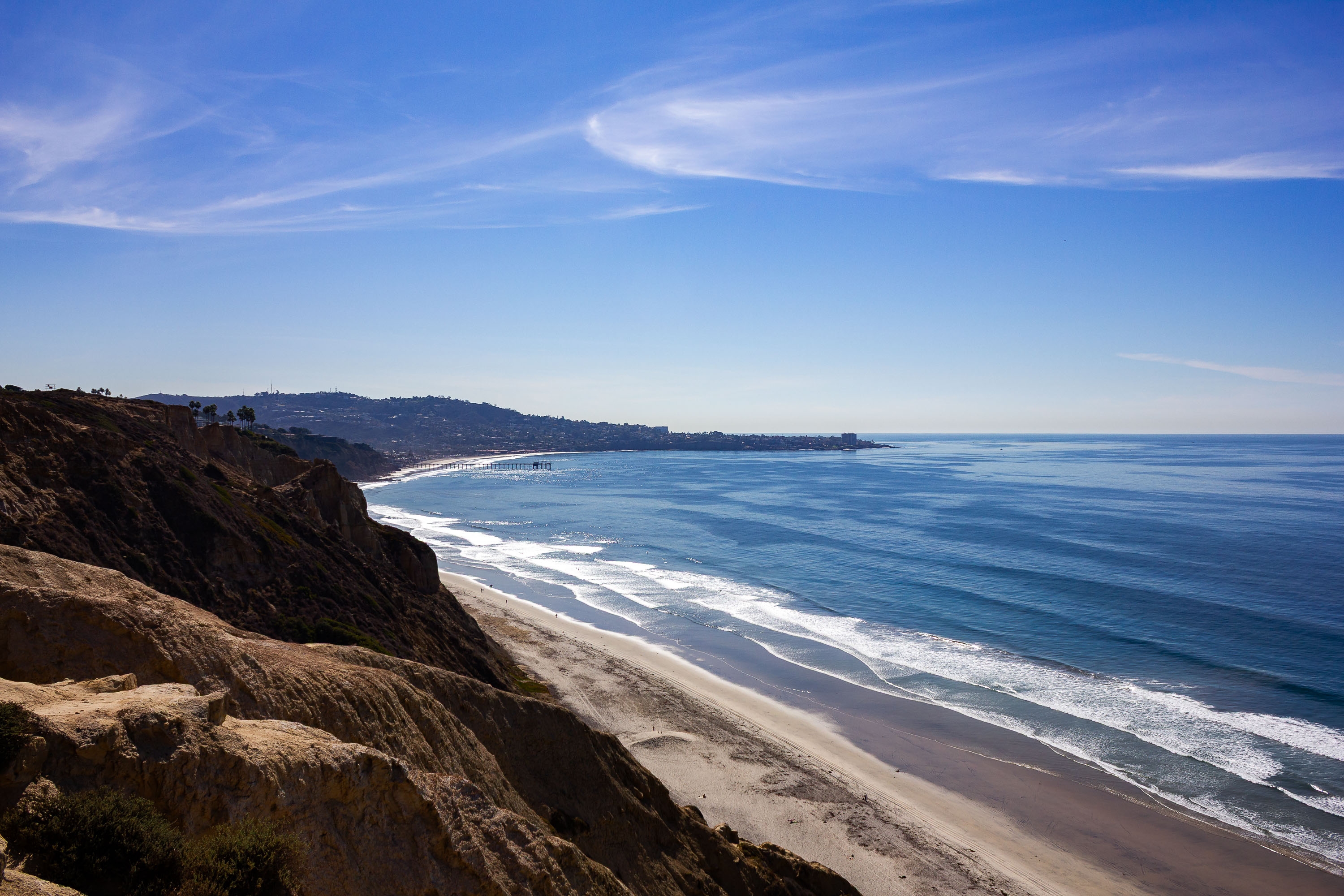
Torrey Pines State Natural Reserve in San Diego, California, features sandstone cliffs overlooking the Pacific Ocean and a popular beach.
Torrey Pines State Natural Reserve sits along the San Diego coastline between La Jolla and Del Mar, protecting one of the last stands of the rare Torrey pine tree. The reserve's sandstone bluffs rise roughly 300 feet above the Pacific and were shaped by wind and water erosion over millions of years. Below the cliffs, Torrey Pines State Beach stretches several miles and connects to Black's Beach to the south. The reserve became a state park in 1959 after decades of local efforts, led in part by conservationist Guy Fleming, to preserve the land from development. Trails along the bluff tops lead to the Torrey Pines Gliderport, a launch site for hang gliders and paragliders that has operated since the 1930s.
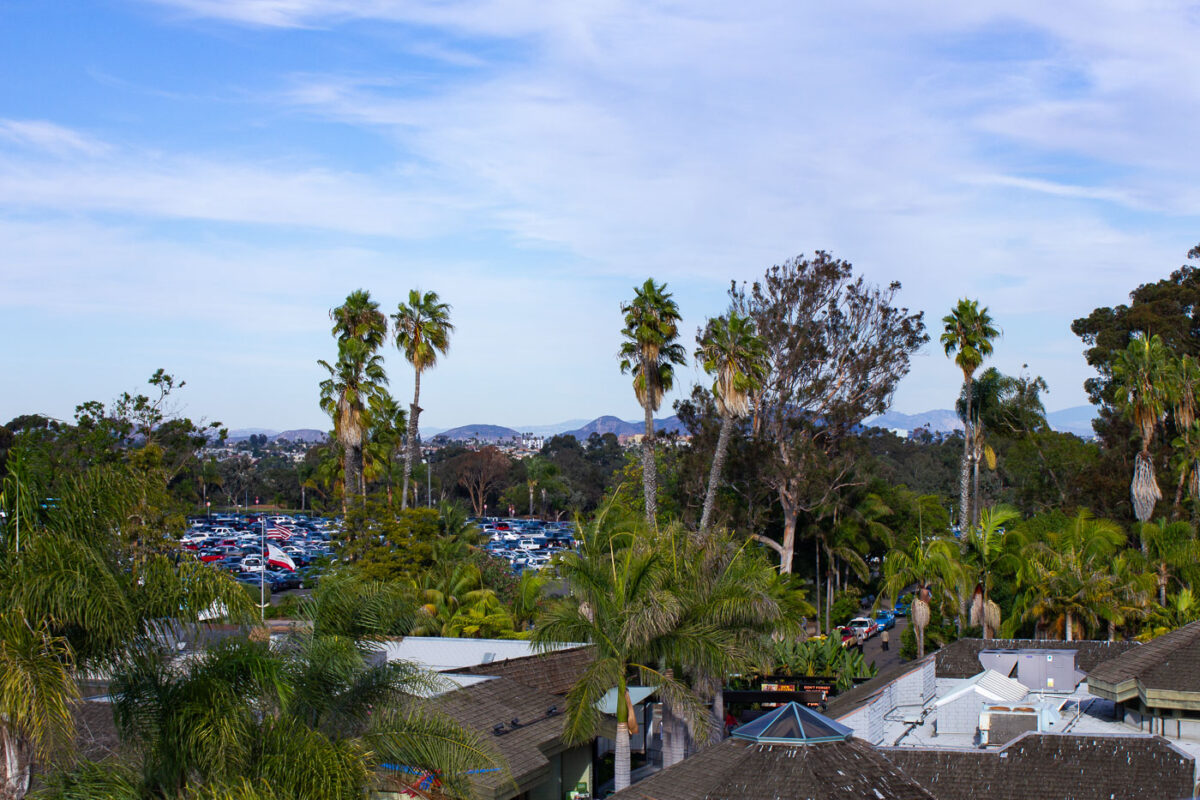
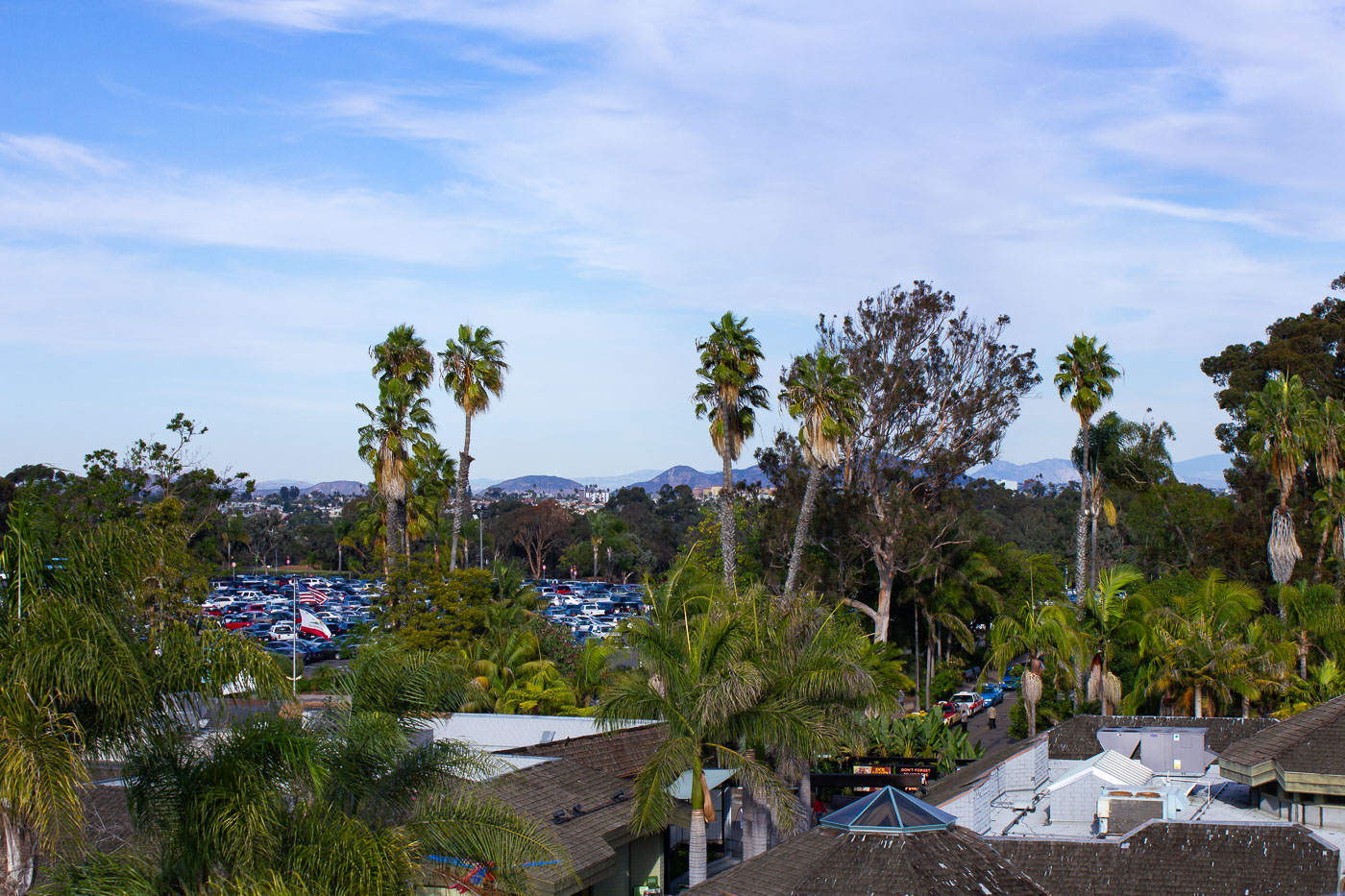
San Diego Zoo parking lot with palm trees and visitor vehicles under blue sky.
The San Diego Zoo sits within Balboa Park, its parking areas tucked among palm trees and eucalyptus at the northern edge of the grounds. The zoo opened in 1916, growing out of a small collection of animals left behind after the Panama-California Exposition. Today it spans roughly 100 acres and draws several million visitors a year, making parking capacity here a persistent challenge for the surrounding neighborhood. The hills visible to the east mark the beginning of San Diego's inland terrain, a contrast to the coastal palms planted throughout the park.
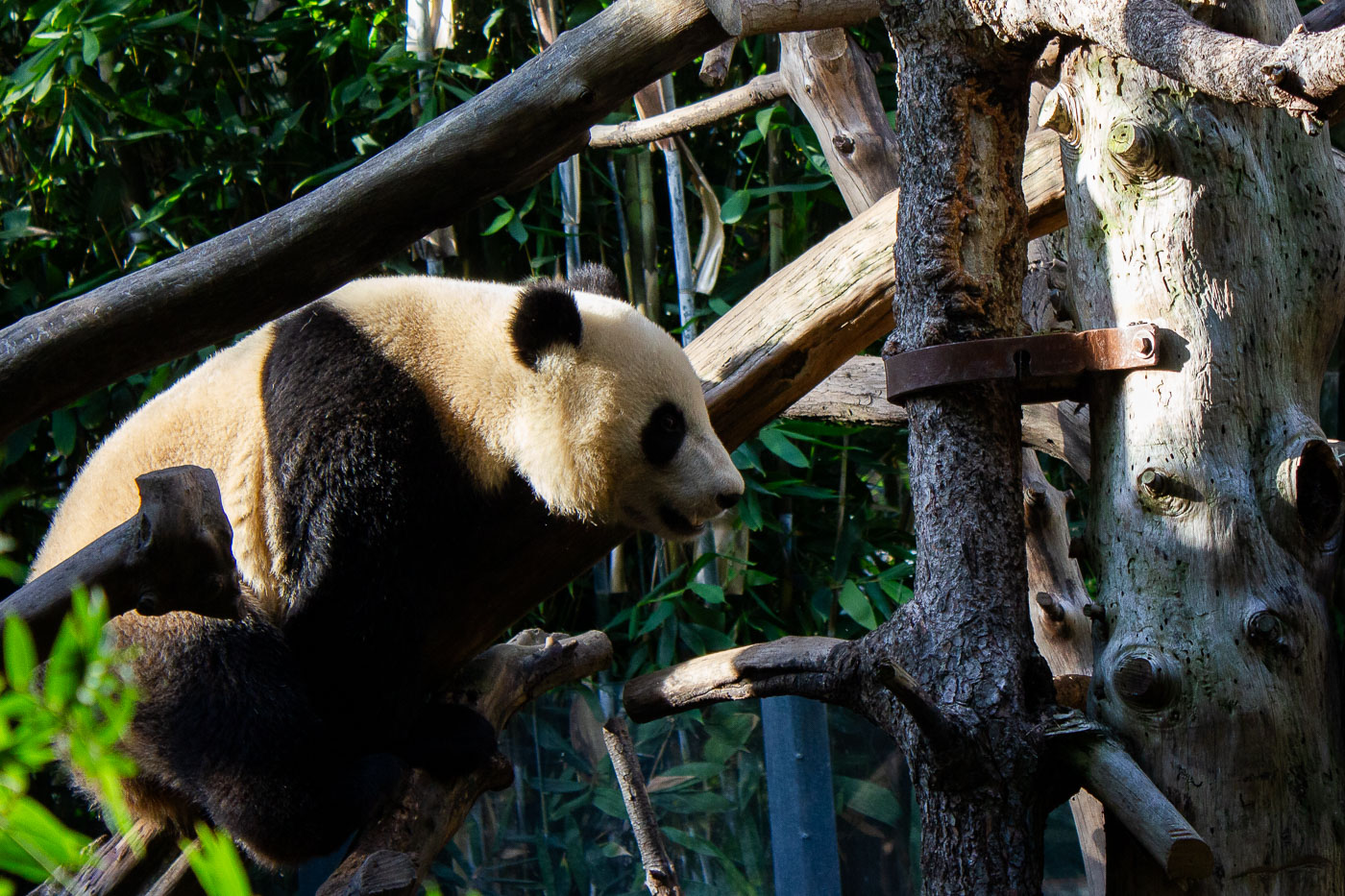
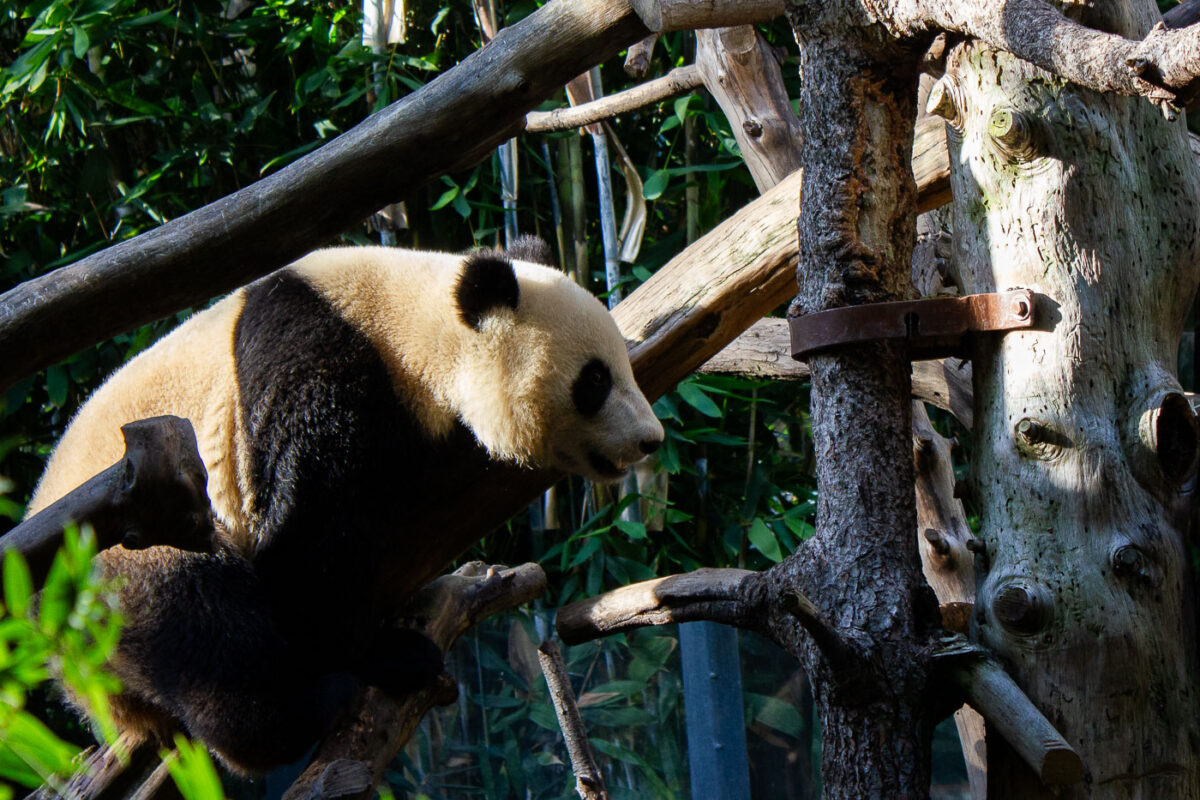
Giant panda climbs wooden structure in San Diego Zoo habitat.
The San Diego Zoo ran a research partnership with China's Wolong and Chengdu panda centers from 1996 to 2019, housing giant pandas including Bai Yun, Gao Gao, and cubs born on-site such as Hua Mei and Su Lin. Its panda habitat was built with bamboo groves, climbing logs, and pools to approximate the bamboo forests of China's Sichuan mountains, the species' only native range. Giant pandas are classified as vulnerable by the IUCN, with roughly 1,800 left in the wild. The San Diego program ended in 2019 when its last pandas were returned to China, closing out more than two decades of collaborative breeding and research.
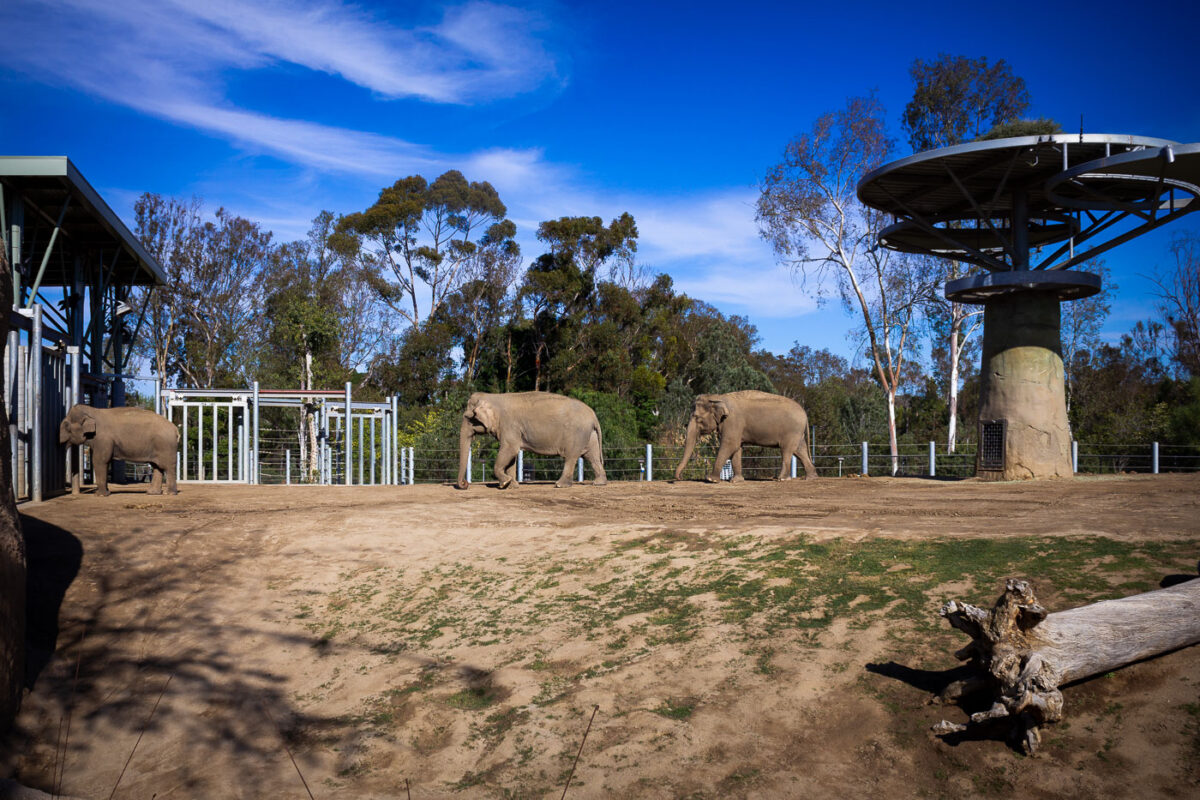
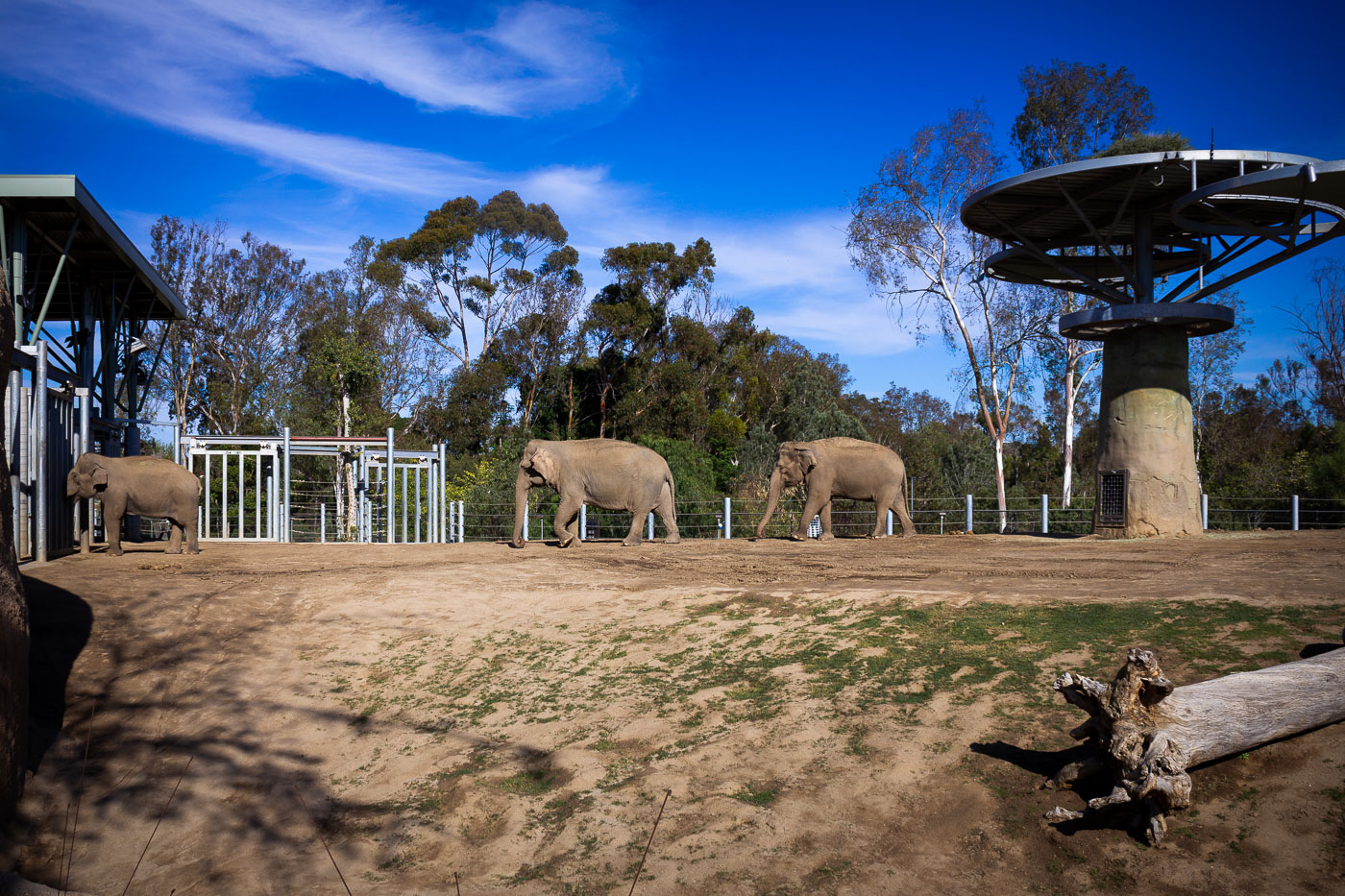
Four Asian elephants walk across a sandy enclosure at San Diego Zoo in California.
The San Diego Zoo's Elephant Odyssey exhibit opened in 2009 on an 8-acre site in Balboa Park, built to house the zoo's herd of Asian elephants. The habitat includes pools, mud wallows, and varied terrain meant to encourage the kind of walking and foraging elephants do across large home ranges in the wild. Asian elephants are listed as endangered, with wild populations estimated at fewer than 50,000 across South and Southeast Asia. The San Diego Zoo participates in the Species Survival Plan for the species, coordinating breeding and care standards with other accredited zoos in North America.
A lifeguard tower stands on a California beach at sunset, overlooking the Pacific Ocean. These towers are vital for ensuring beach safety.
Fountain grass, likely Pennisetum setaceum, grows widely along the Southern California coast, often taking root in dune and bluff areas near the shoreline. Native to Africa and the Middle East, the plant has naturalized extensively in coastal California and is known for its feathery seed heads and tolerance of sandy, salt-exposed soil. San Diego's beaches face west across the Pacific, giving much of the coastline unobstructed sunset exposure for most of the year. A lifeguard tower stands along this stretch of shoreline, part of the network of stations operated by San Diego lifeguard services to watch over swimmers along the city's beaches.
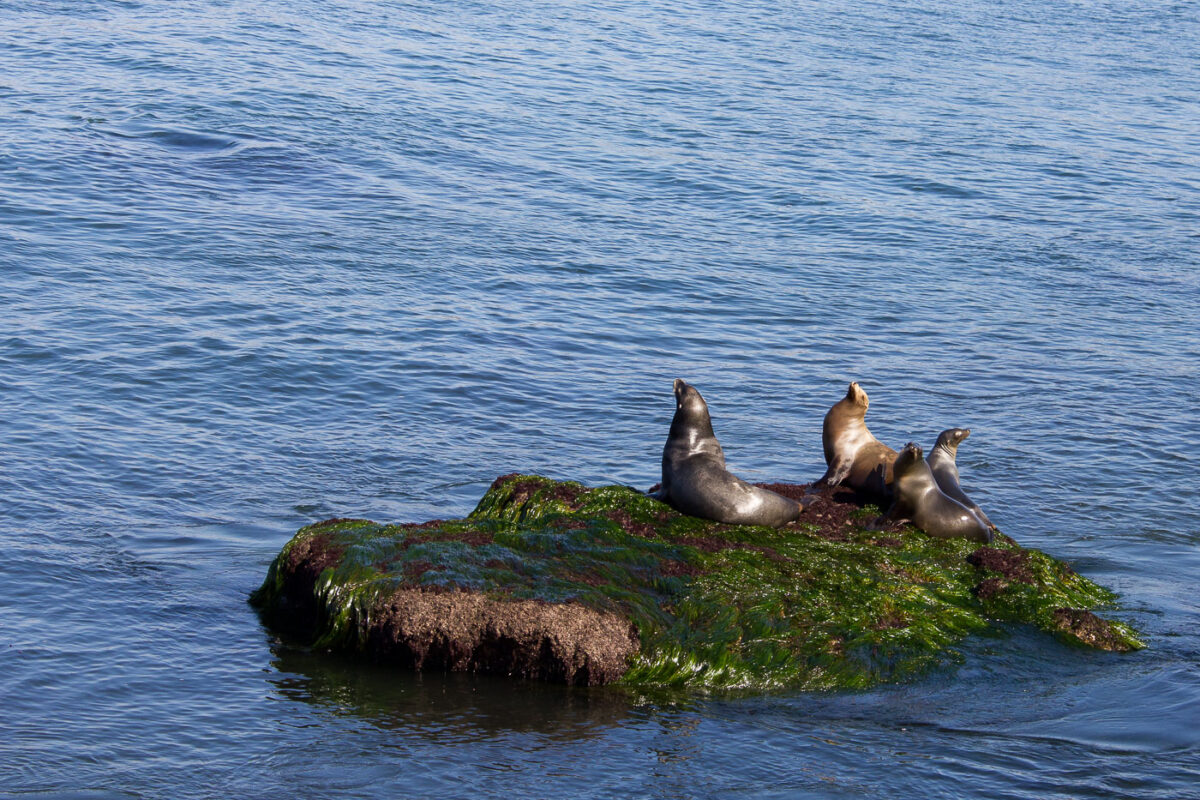
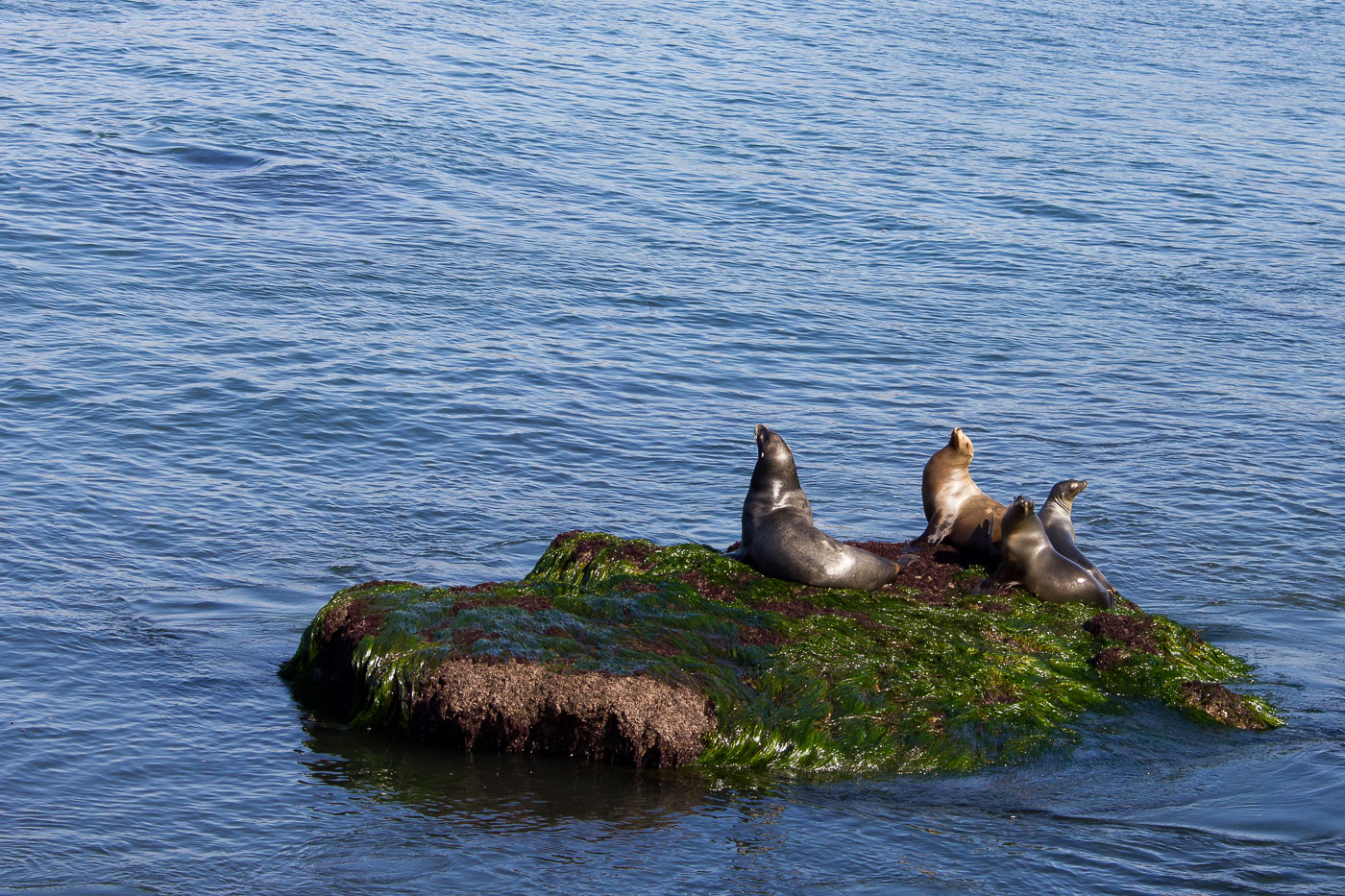
California sea lions rest on an algae-covered rock off La Jolla's coast.
California sea lions (Zalophus californianus) haul out on rocks like this one along the La Jolla coastline, a stretch of shoreline within the San Diego–La Jolla Underwater Park and Ecological Reserve. Adult males can weigh up to 800 pounds and are marked by a thick neck and a raised bony crest on the forehead, visible here among the smaller females and juveniles. Unlike harbor seals, California sea lions have visible ear flaps and can rotate their hind flippers underneath their bodies, letting them move on rocks with more mobility than true seals. The species is protected under the federal Marine Mammal Protection Act of 1972, which bars people from approaching or disturbing them on haul-out sites like this one.
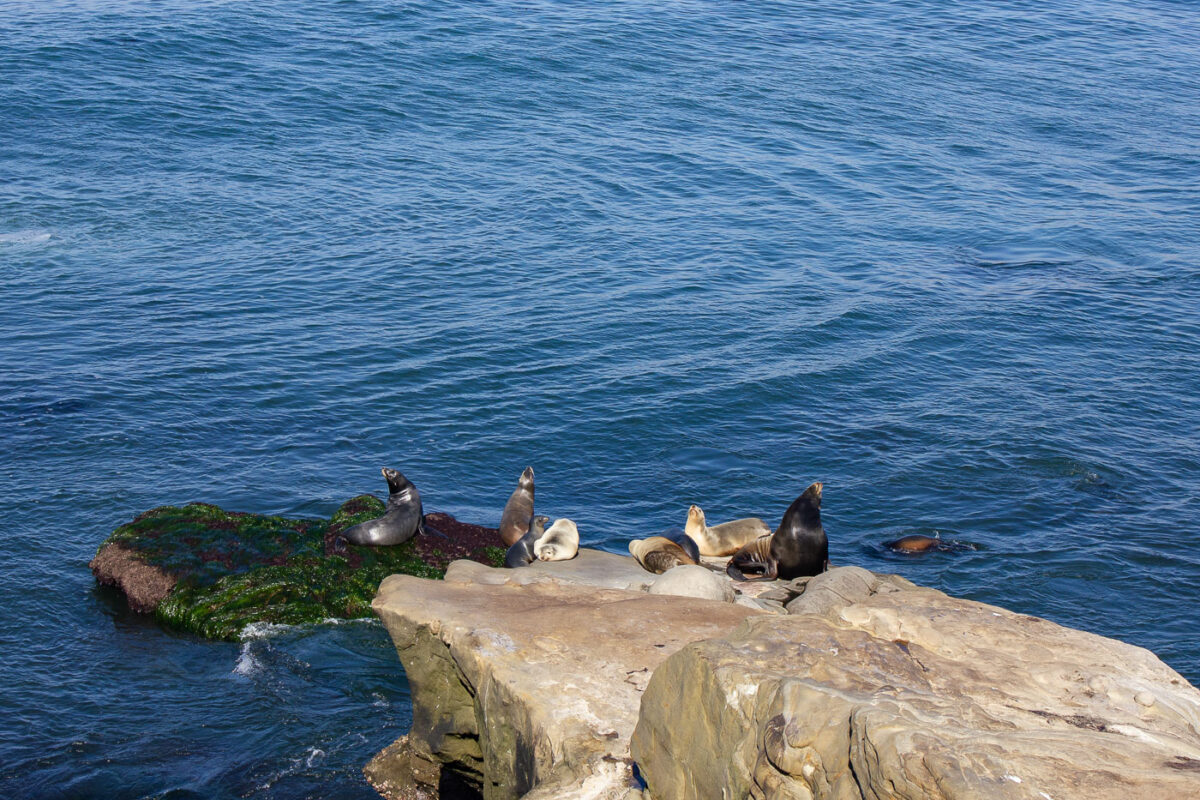
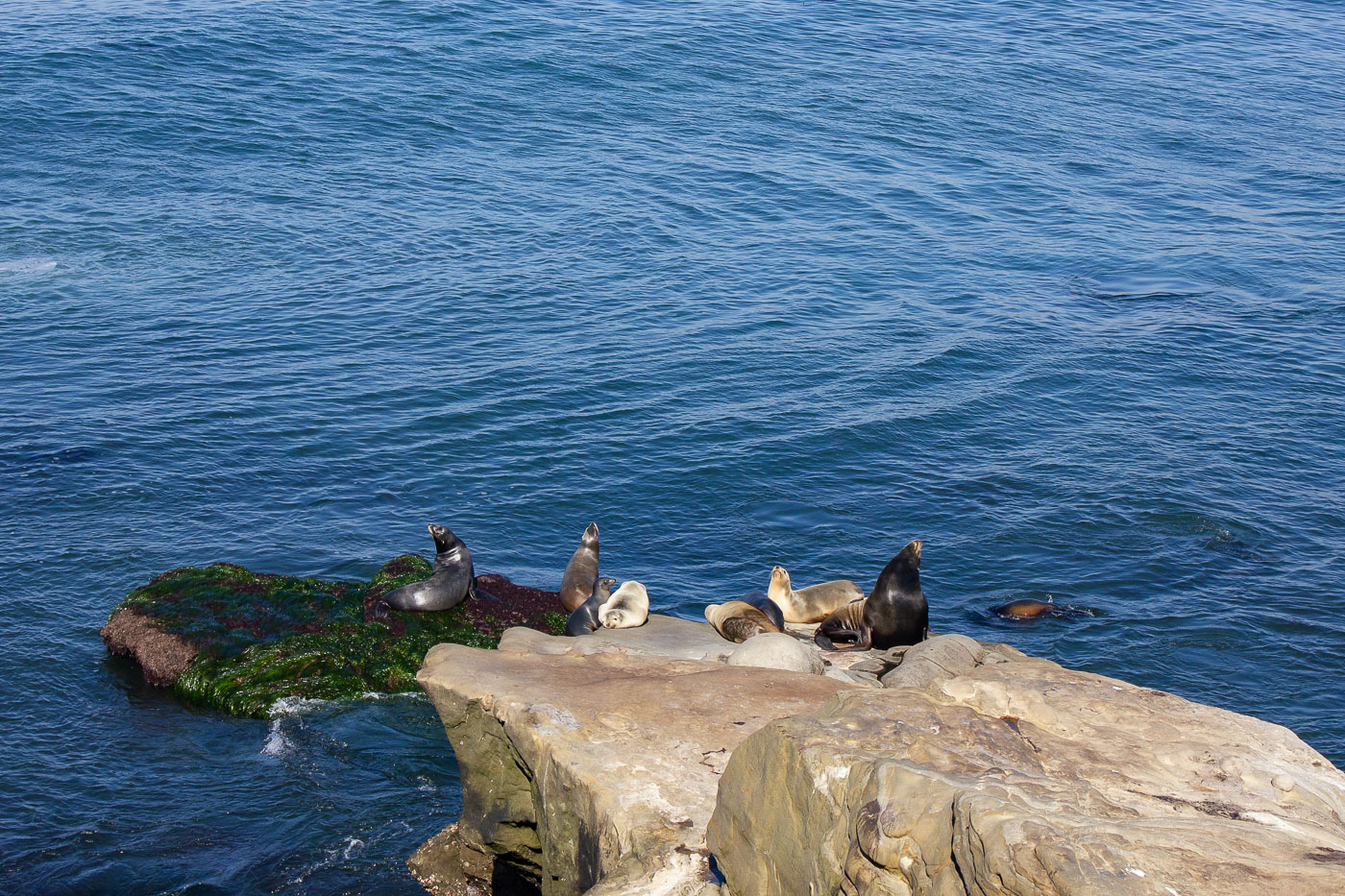
California sea lions rest on rocky outcrops along the La Jolla coastline.
California sea lions (Zalophus californianus) haul out on rocky outcroppings near Point La Jolla, one of the few stretches of California coastline where wild pinnipeds rest just steps from a city sidewalk. The City of San Diego designated this section of shoreline a marine mammal protected area in 2014 after years of dispute over public access to the rocks. Adult males can weigh up to 800 pounds and dive more than 900 feet while hunting squid and fish. Their barking calls, often carrying over to nearby La Jolla Cove, help establish rank and territory within the hauled-out group.
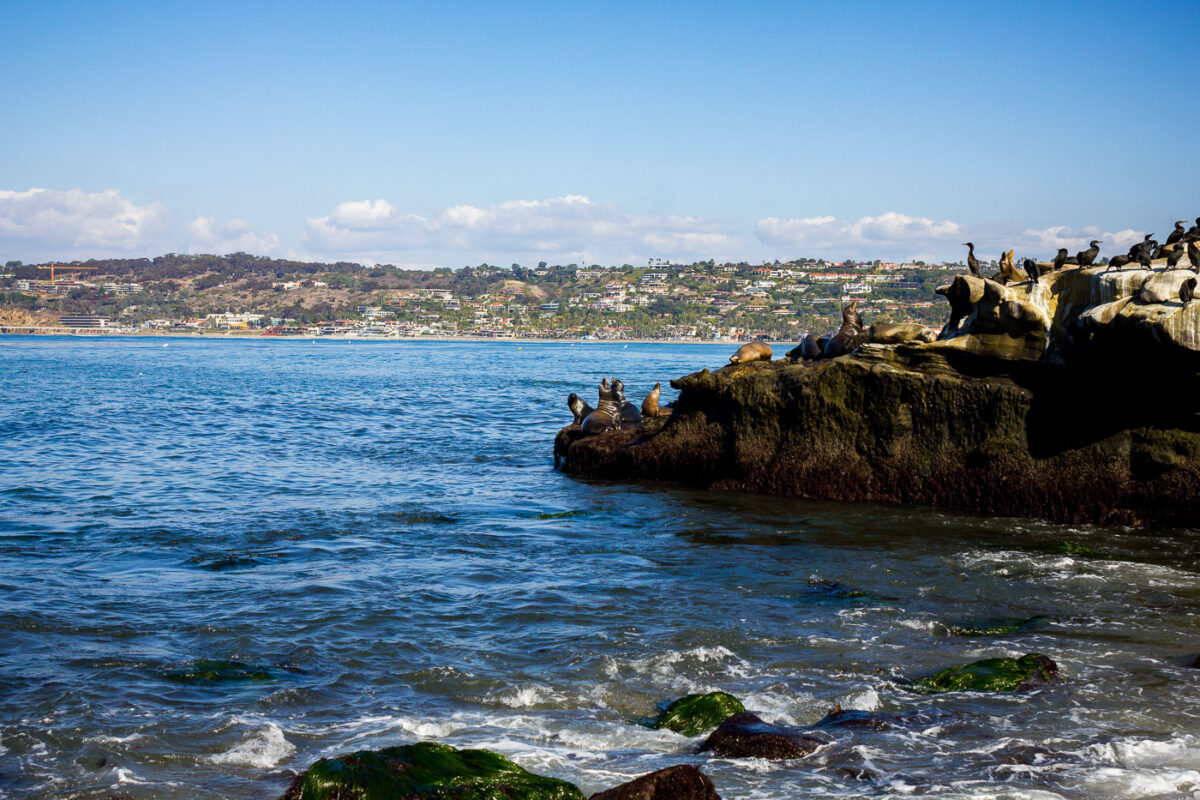
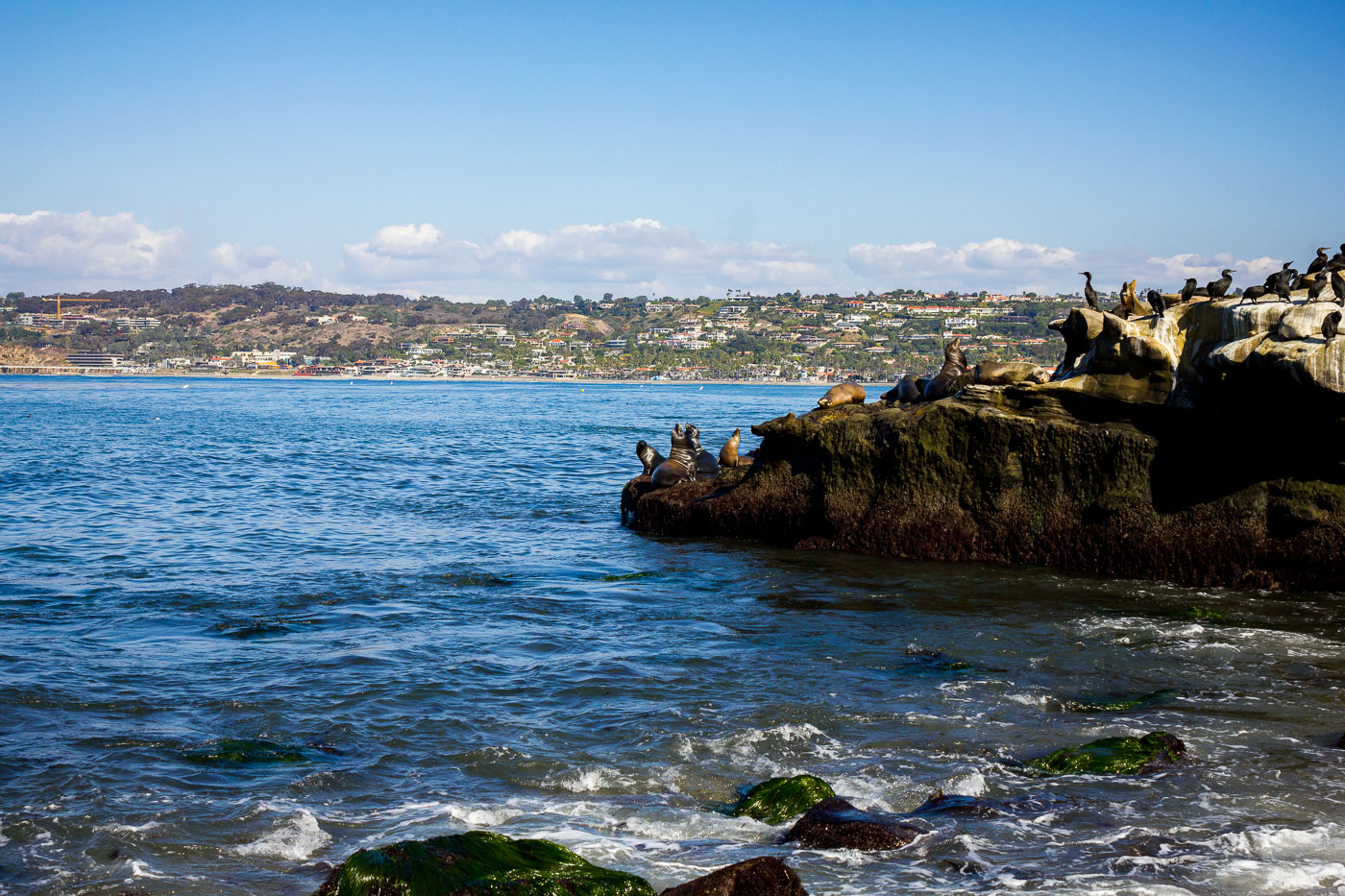
California sea lions and cormorants rest on rocky outcroppings along La Jolla's coastline.
Point La Jolla marks the southern edge of the San Diego-La Jolla Underwater Park Ecological Reserve, a protected stretch of coastline established in 1970. California sea lions began hauling out on these sandstone rocks in growing numbers over the past two decades, a shift that has made the area one of the most reliable places on the West Coast to observe the species without a boat. Federal law under the Marine Mammal Protection Act of 1972 bars people from touching or approaching the animals here. Double-crested cormorants and Brandt's cormorants share the same rocks, nesting on the ledges above the waterline. Across the water, the bluffs and neighborhoods of La Jolla rise above La Jolla Shores.
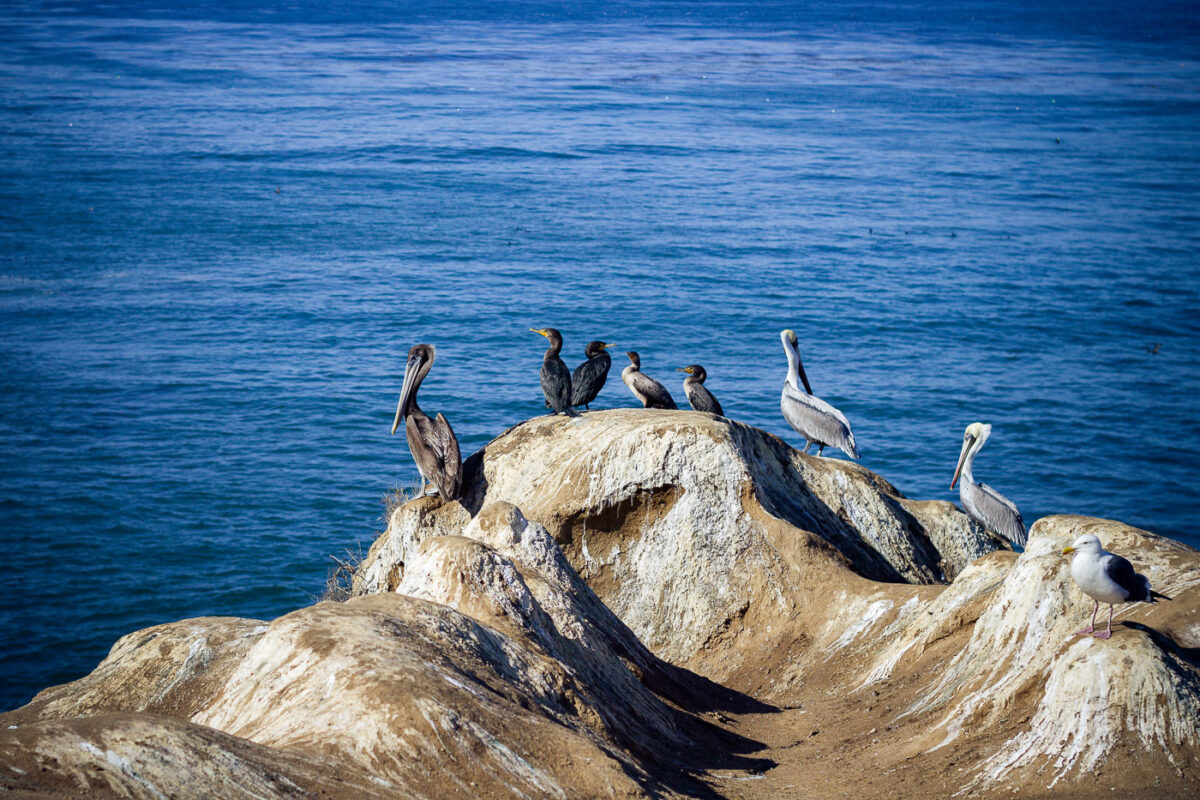
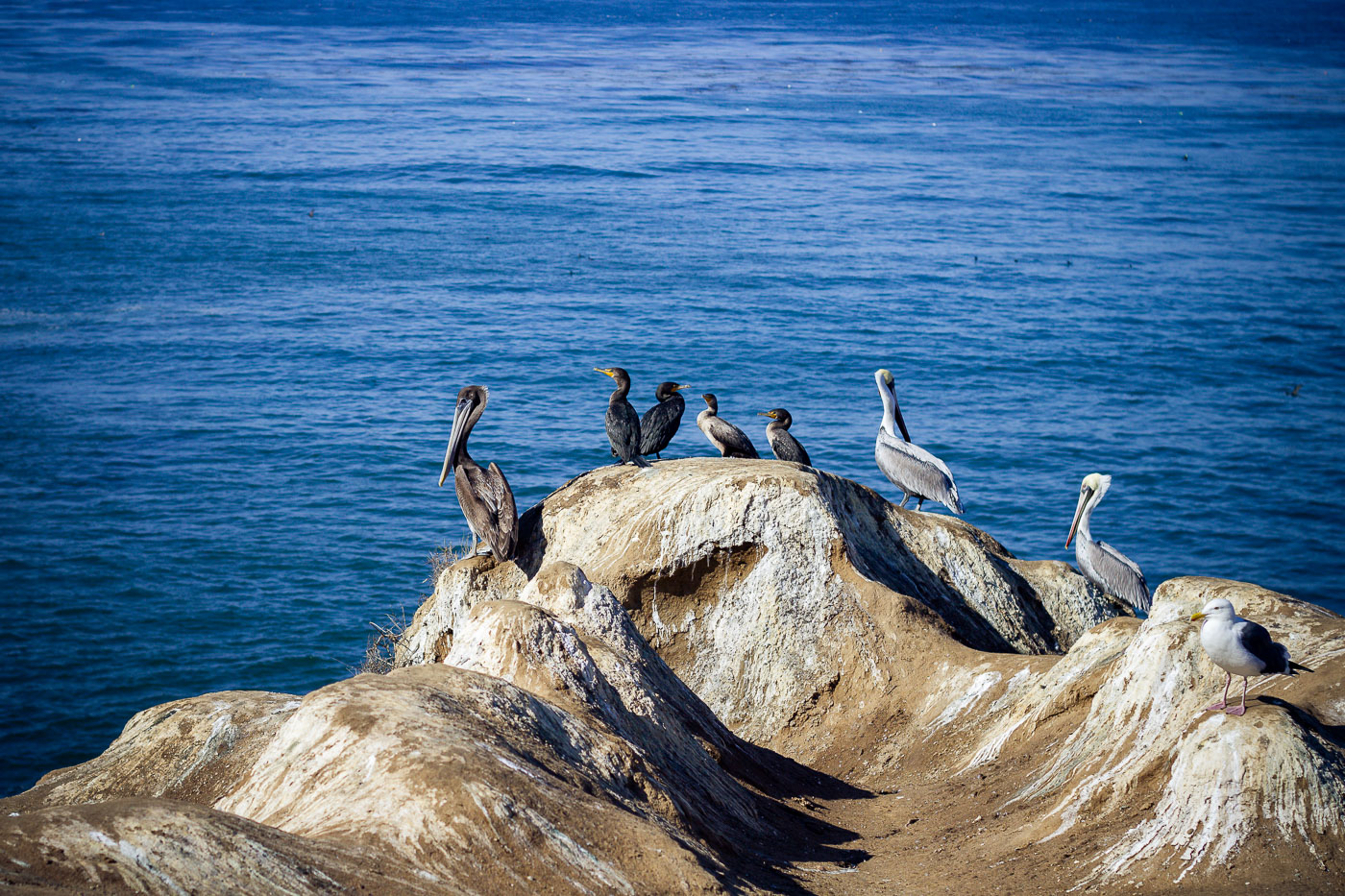
Brown pelicans and cormorants rest on rocky outcroppings off La Jolla, California.
Brown pelicans and double-crested cormorants share a sandstone outcropping along the La Jolla coast, with a western gull perched at the rock's edge. The cliffs here are part of the San Diego-La Jolla Underwater Park and Ecological Reserve, a protected stretch of shoreline established in 1970 that limits fishing and disturbance to marine life. Brown pelicans nearly disappeared from California's coast in the 1970s due to DDT contamination before recovering enough to be removed from the endangered species list in 2009. Double-crested cormorants often roost alongside pelicans on these same rocks, drying their wings after diving for fish in the kelp beds offshore.

Built in Minneapolis

Minneapolis Photographer

Browse by location, move through long-running series, or start with recent work.