More from North Dakota

Riprap Embankment Along Devils Lake, North Dakota
Devils Lake has no natural outlet, so its water levels rise and fall based on precipitation and runoff rather than…

Eroded Buttes of the North Dakota Badlands Near Medora
These layered buttes sit within the Little Missouri Badlands, part of the Little Missouri National Grassland in western North Dakota.…

A Straight Stretch of Highway 17 Through Canola Country
Highway 17 runs north-south through Ramsey County in northeastern North Dakota, passing near the small community of Starkweather. The route…

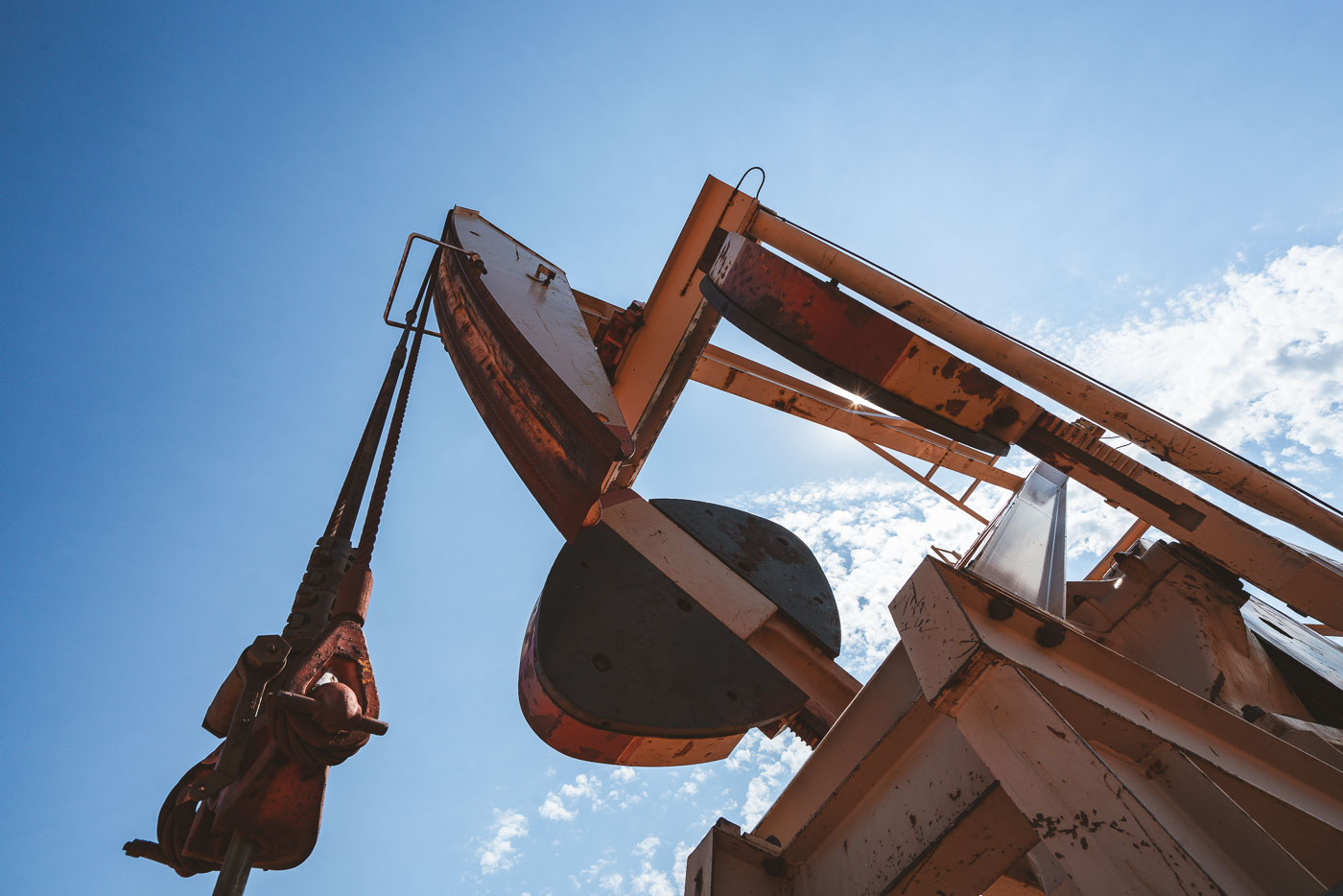
Pumpjack Machinery Above the Badlands Near Medora
Pumpjacks like this one dot the Bakken Formation, the shale oil region beneath western North Dakota that fueled one of…

Bakken Oil Field Lights After Dark in North Dakota
The Bakken Formation underlies much of western North Dakota and became the center of a major U.S. oil boom beginning…

Dirt Road to a Pumpjack Site Near Charbonneau, North Dakota
Charbonneau sits in McKenzie County, North Dakota, within the Bakken Formation, the shale oil play that drove the state's drilling…