Shinjuku City

4 photos · 2023

4 photographs tagged Shinjuku City, 2023.
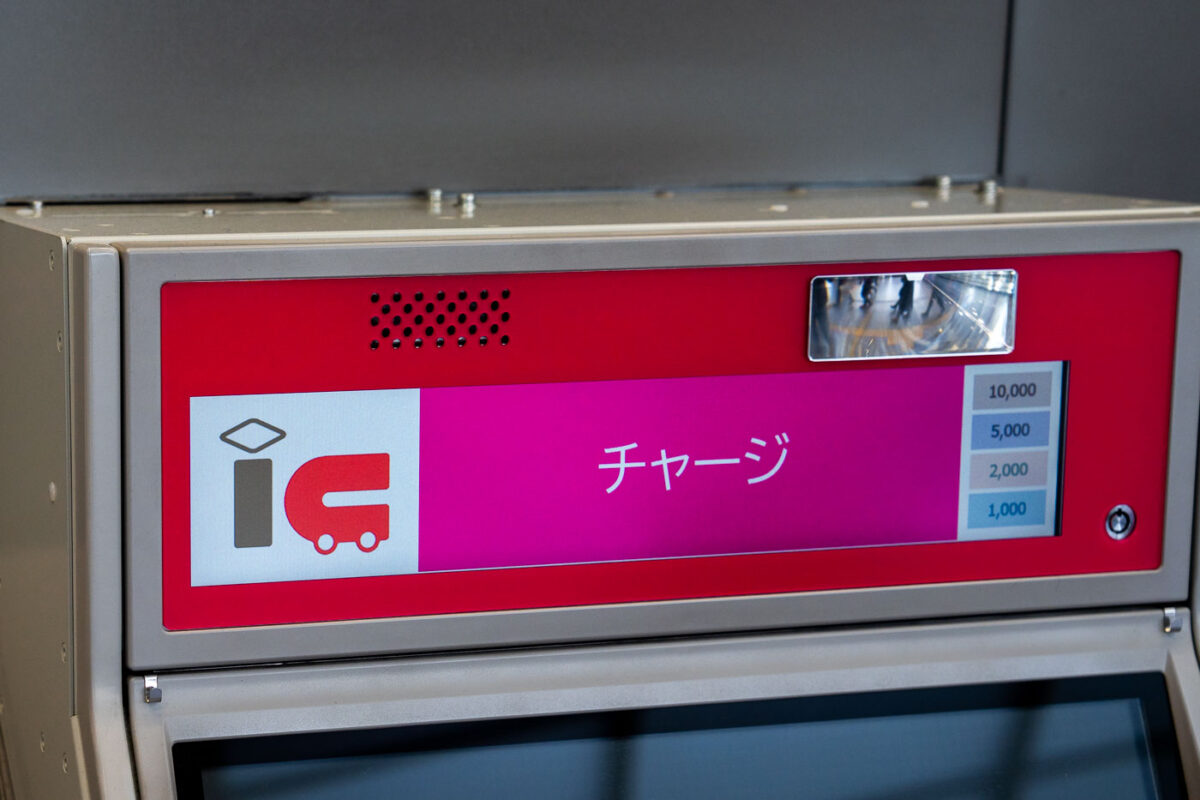
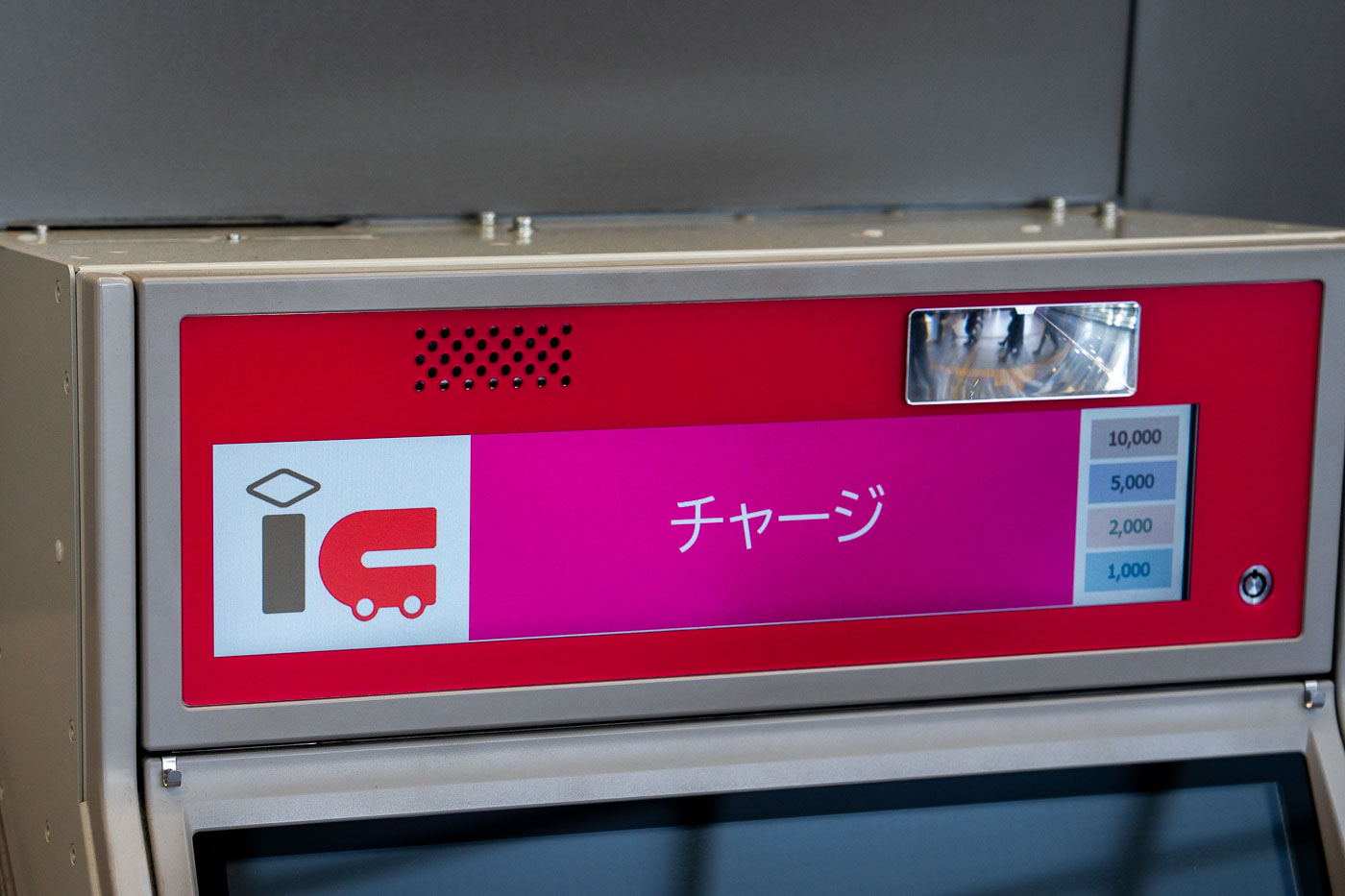
IC card recharge machine in Japan displaying charge amounts in yen for transit cards.
Suica and Pasmo are the two major IC cards used on trains and subways across the Tokyo region, and both can be topped up in cash at machines like this one inside Shinjuku Station. The chāji function lets riders add preset amounts — 1,000, 2,000, 5,000, or 10,000 yen — directly onto the card's stored balance. Suica was introduced by JR East in 2001, while Pasmo followed in 2007 for use on the capital's subway and private rail lines; the two systems have been interoperable since Pasmo's launch. Shinjuku Station, the machine's likely location, handles more daily passengers than any other station in the world, a distinction recognized by Guinness World Records.

IC Card Charging Machine, Shinjuku Station, Tokyo
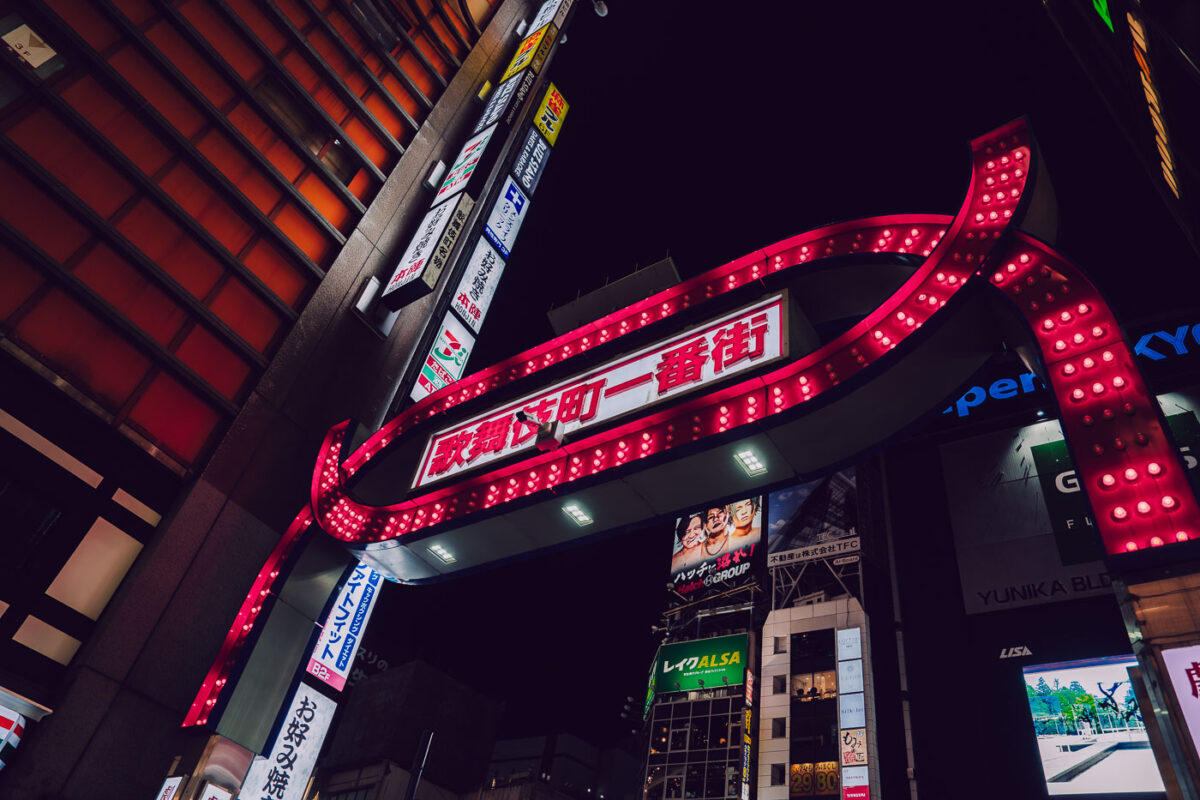
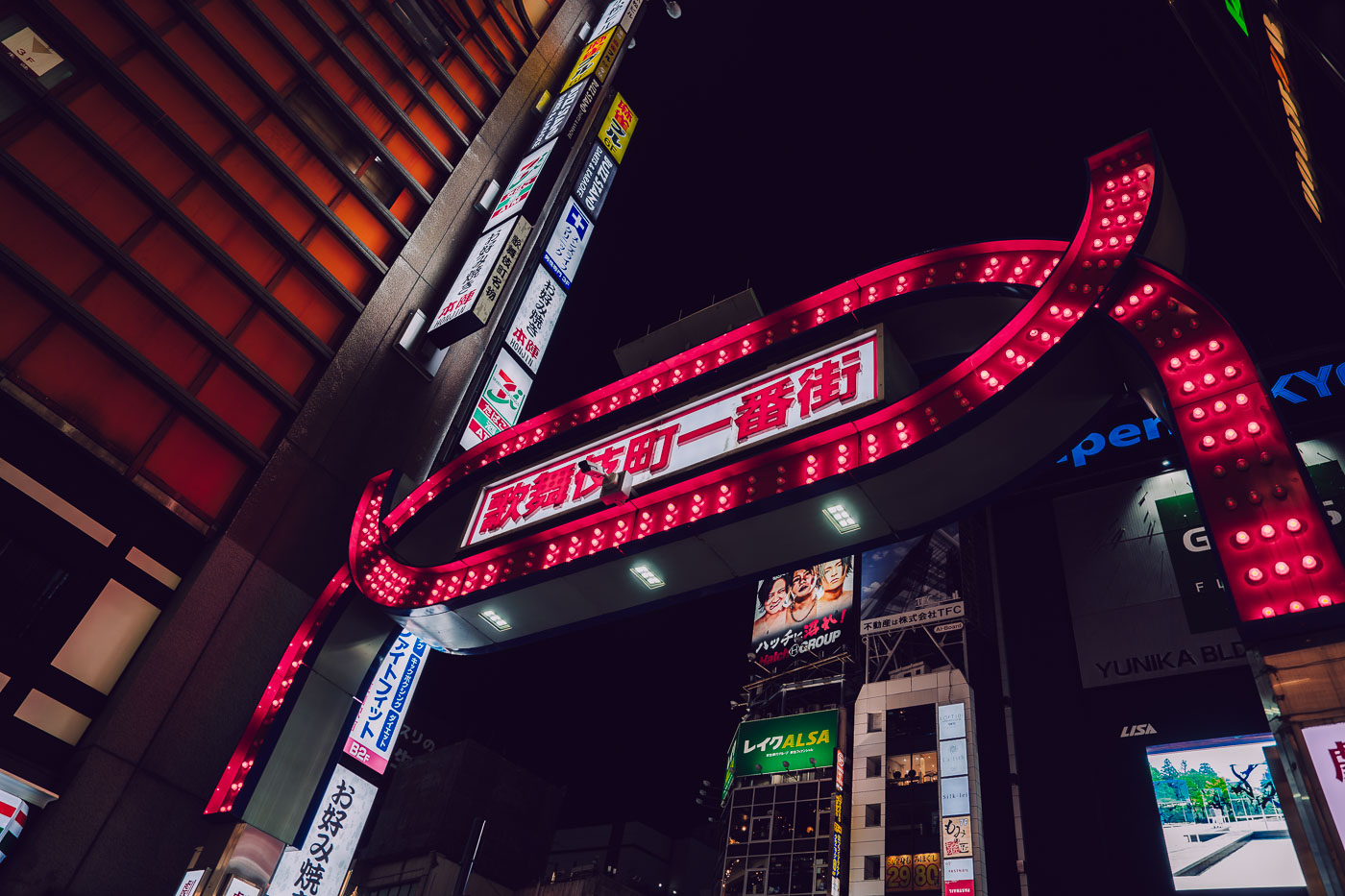
Red neon arch marking the entrance to Kabukichō Ichiban-gai in Shinjuku, Tokyo.
Kabukichō Ichiban-gai marks the main entrance to Kabukichō, Tokyo's largest entertainment and nightlife district, packed into a few blocks of Shinjuku ward. The name comes from a postwar plan to build a kabuki theater on the site; the theater was never constructed, but the name stuck as the area redeveloped through the 1950s into a dense cluster of bars, restaurants, cinemas, and clubs. The arched gateway spanning the street has marked the district's entrance for decades, replaced and updated several times as the neighborhood's signage evolved. Kabukichō sits just northeast of Shinjuku Station, one of the busiest rail hubs in the world, and draws both nightlife crowds and daytime tourists ing its dense signage.

Kabukichō Ichiban-gai Arch, Shinjuku, Tokyo
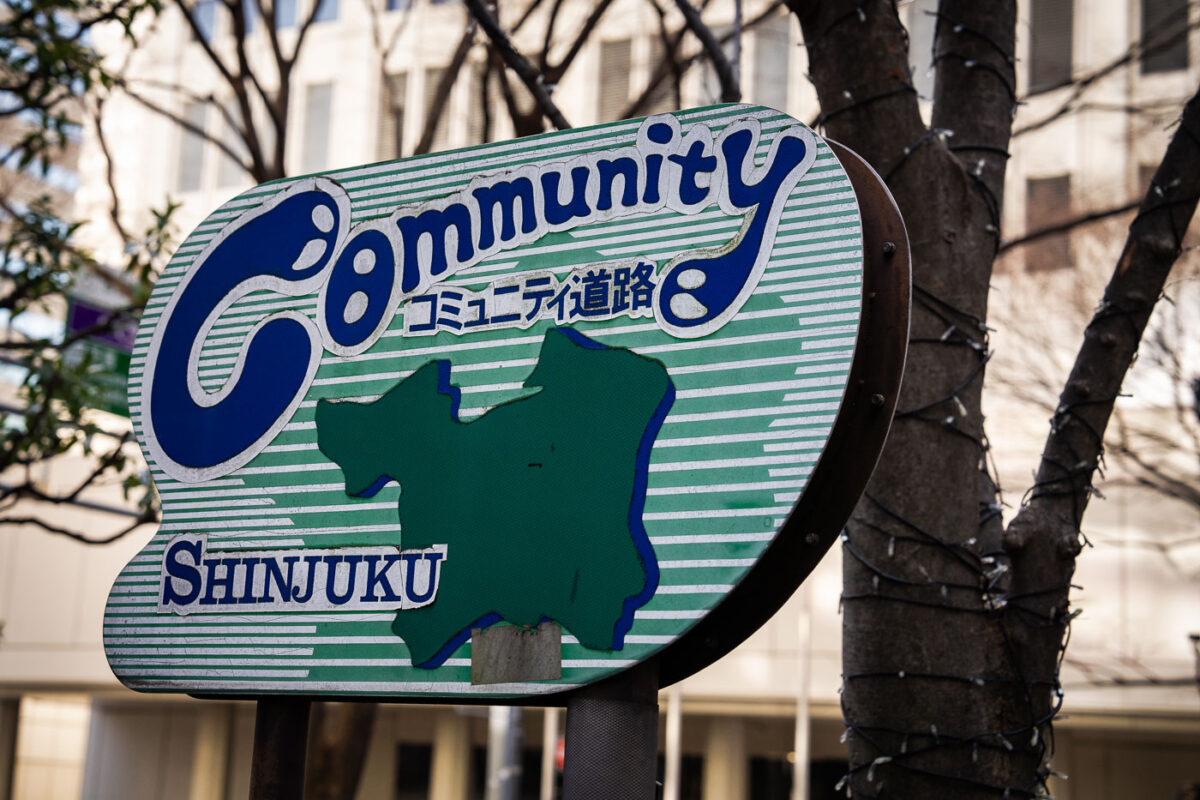
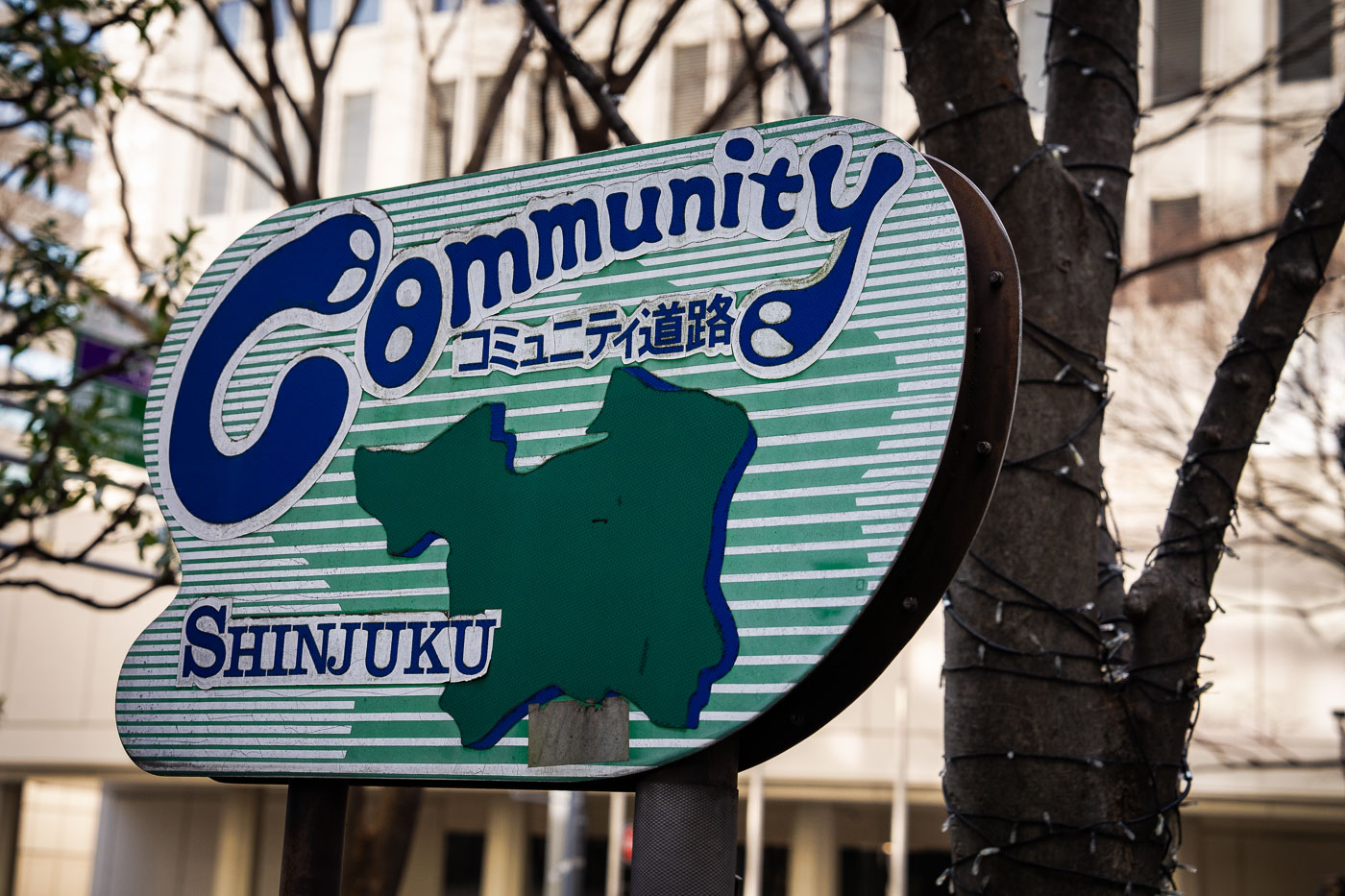
Shinjuku Community Road sign in Tokyo with bilingual Japanese and English text mounted on tree.
Shinjuku Ward's community road program marks narrow residential streets meant for pedestrians first and cars second. The designation stems from a nationwide "komyuniti dōro" initiative launched by Japan's Ministry of Construction in the early 1980s, which funded traffic-calming redesigns — narrower lanes, chicanes, and raised crossings — on selected neighborhood streets across the country. Shinjuku, one of Tokyo's 23 special wards and home to the world's busiest train station, adopted the program to slow through traffic in its dense residential pockets. Each sign carries an outline of the ward it marks, a design used across Tokyo's community road network to show jurisdiction.

Community Road Sign in Shinjuku Ward, Tokyo
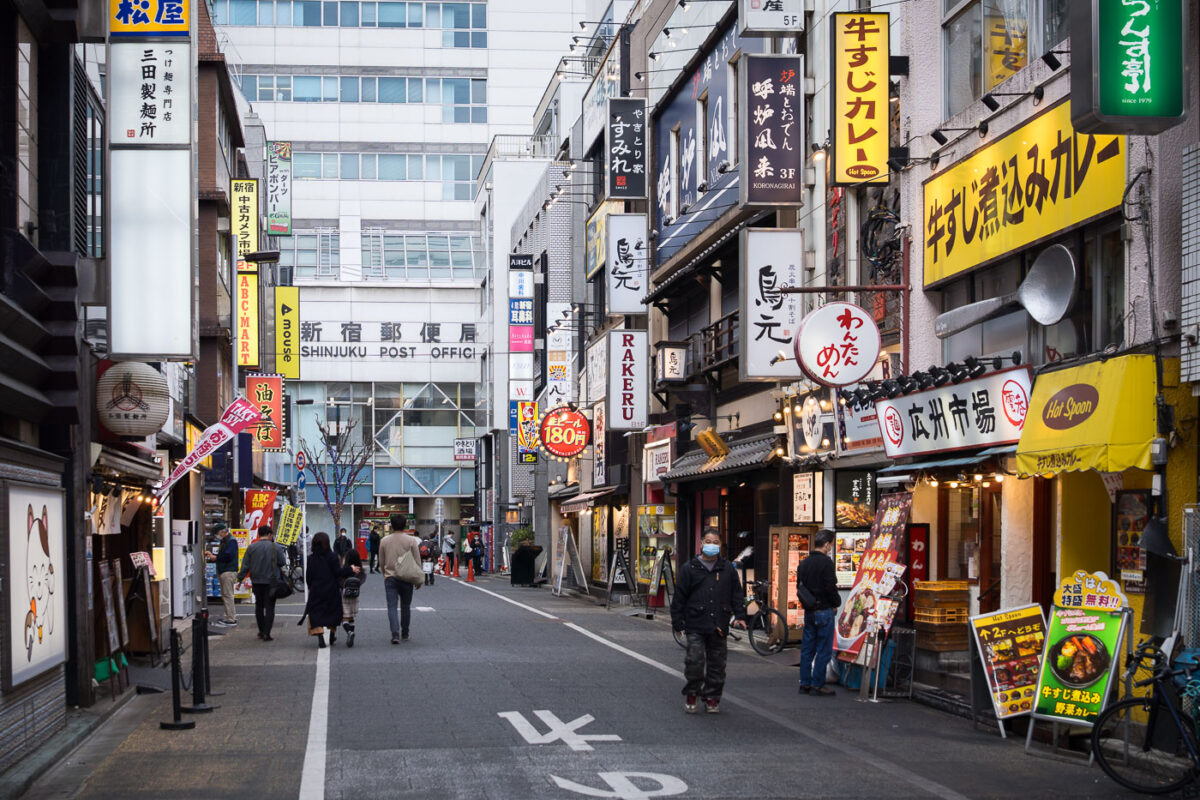
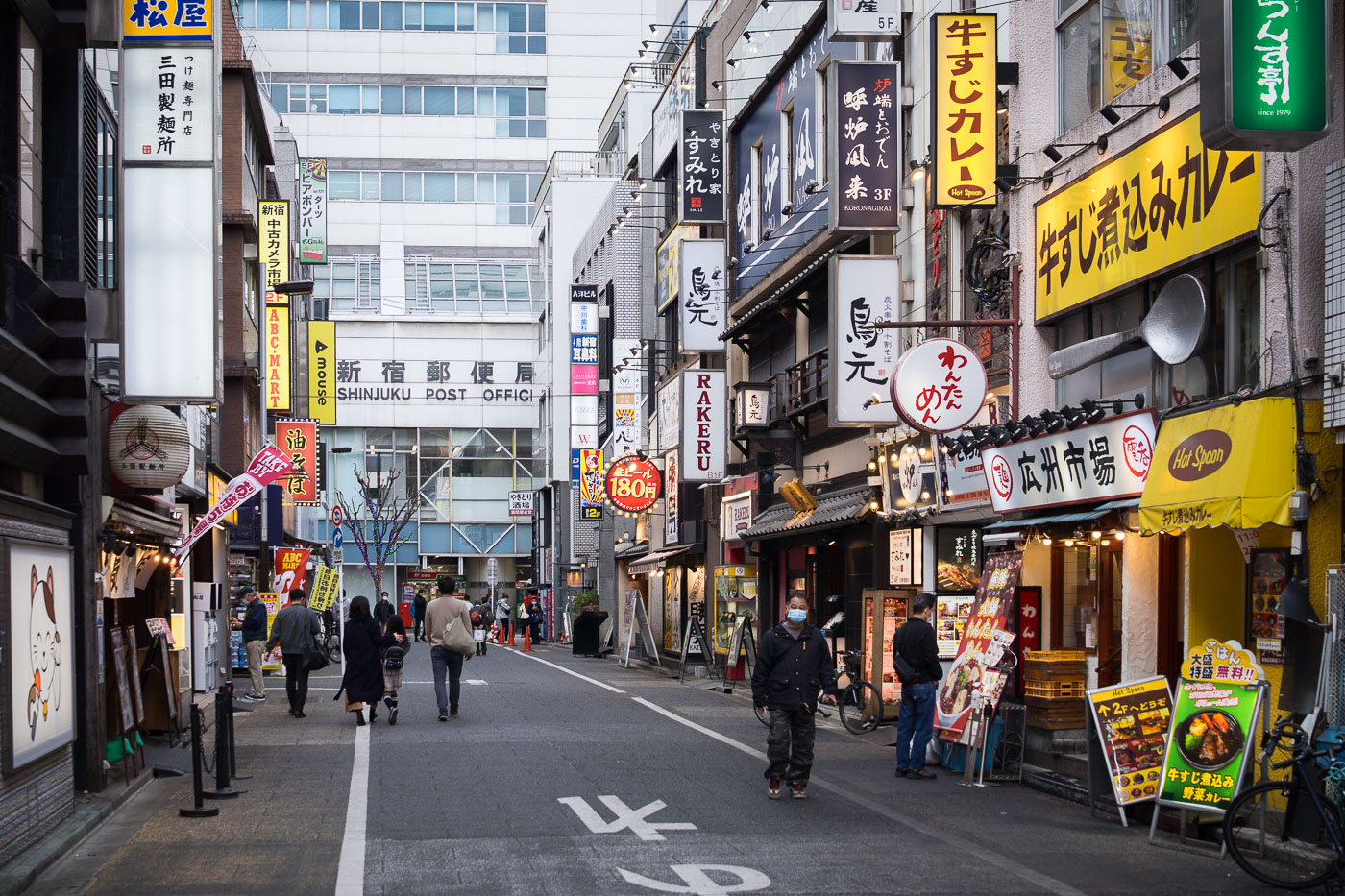
Sanbangai Street pedestrian shopping alley near Shinjuku Station in Tokyo with restaurants and shops.
Sanbangai runs along the west side of Shinjuku Station, one of several narrow lanes packed with small restaurants, izakayas, and noodle shops in the district. The Shinjuku Post Office, one of Tokyo's main postal facilities, anchors the northern end of the street. Many of the shopfronts here operate as tachigui, or standing-and-eating counters, a format common in the area for quick meals between train connections. Shinjuku Station itself handles more daily passengers than any other station in the world, and streets like Sanbangai developed to serve that constant flow of commuters.

Restaurant Row on Sanbangai Street, Shinjuku, Tokyo