Akihabara

4 photos · 2023

4 photographs tagged Akihabara, 2023.
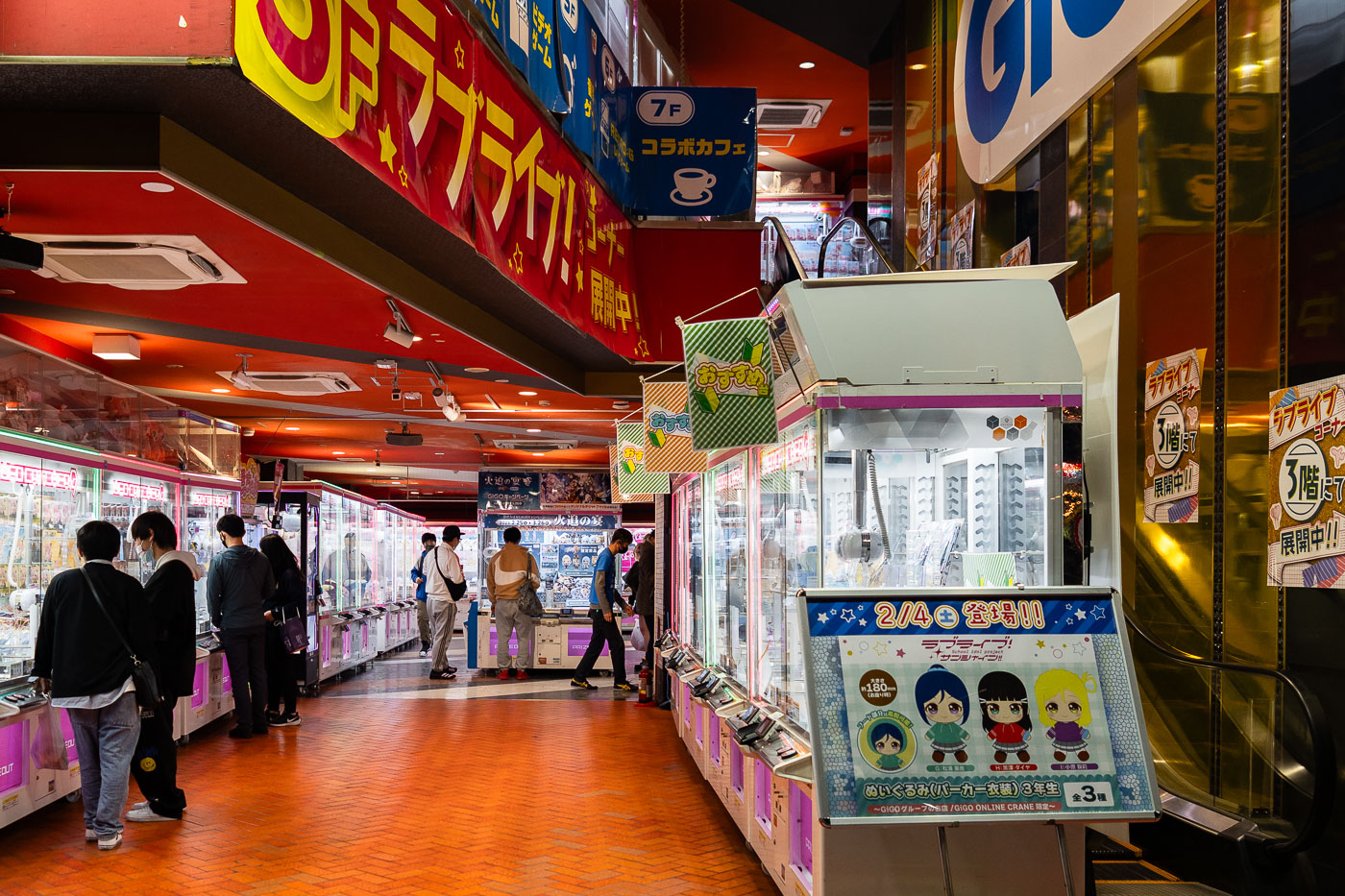
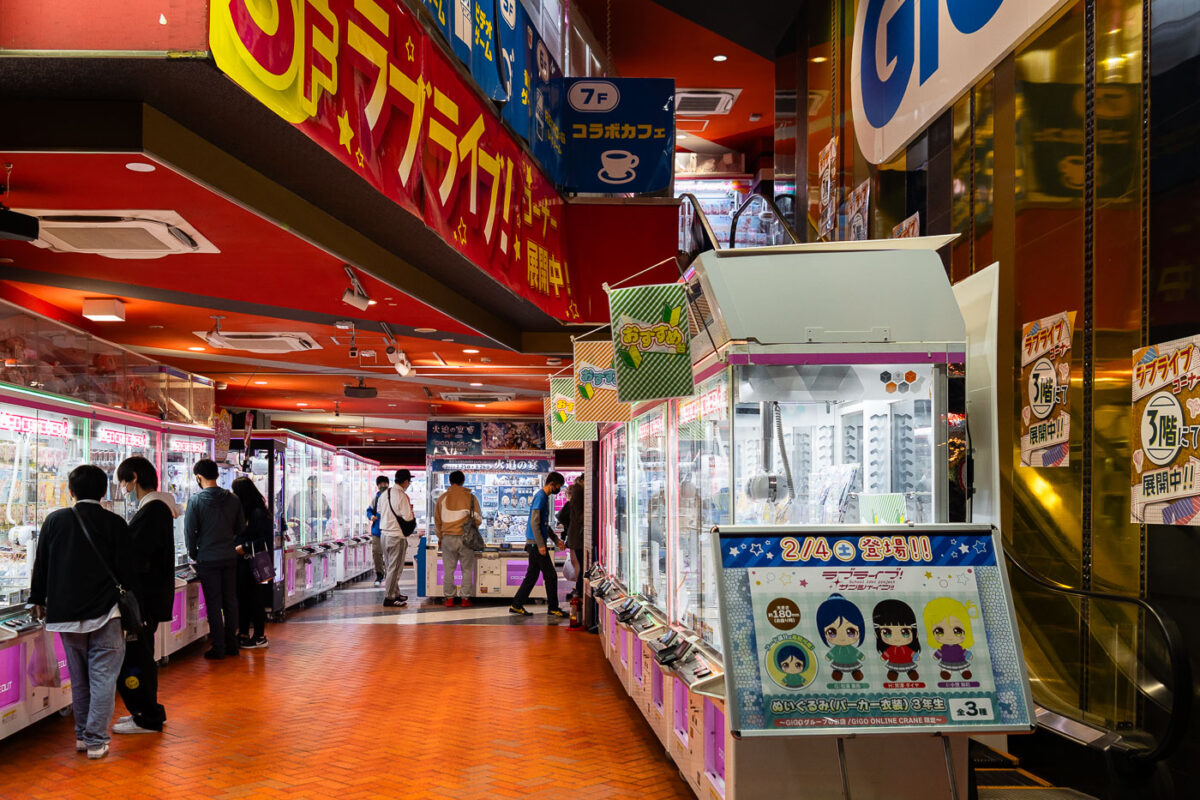
Gigo arcade crane game floor in Akihabara, Tokyo, with illuminated prize machines and customers browsing.
Gigo Akihabara occupies a multi-story arcade building in Tokyo's Akihabara district, long known as a center for gaming and anime-related retail. The company operated these arcades under the SEGA name for decades before Sega sold its arcade division in 2022 to GENDA, which rebranded the locations as GiGO. Floors like this one are lined with crane machines, known in Japan as UFO catchers, stocked with plush toys and character merchandise tied to franchises such as Love Live. Akihabara's arcades remain a draw for both collectors chasing limited-edition prizes and visitors sampling Tokyo's game-center culture.

Crane Game Aisle at Gigo Akihabara, Tokyo
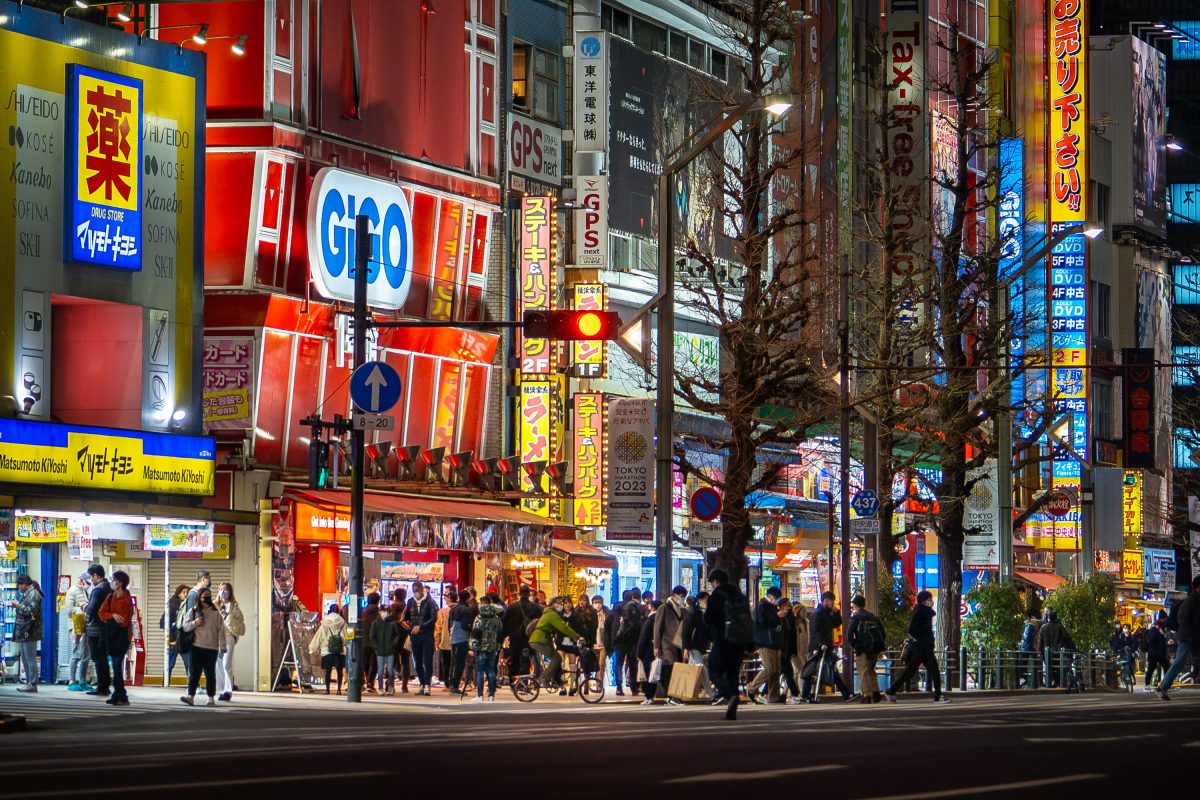
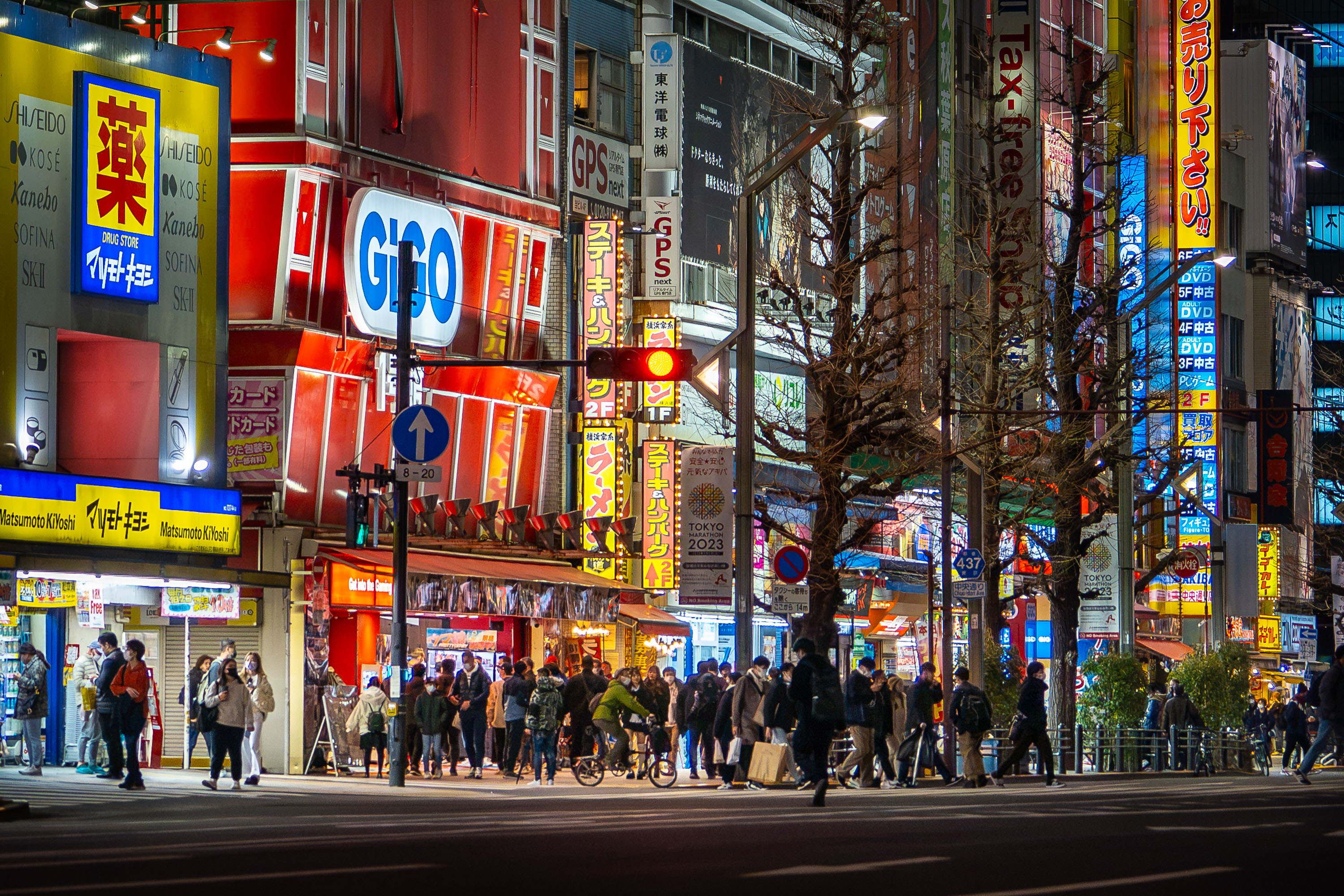
Pedestrians fill a Tokyo street at night beneath illuminated storefronts and neon signs.
Akihabara, in Tokyo's Chiyoda ward, grew out of a post-war black market for radio parts into the city's best-known electronics and otaku-culture district. The neighborhood takes its nickname, "Electric Town," from the cluster of appliance and component shops that opened along Chuo-dori and the surrounding side streets starting in the 1950s. GiGO, the arcade brand seen on storefronts here, was rebranded from Sega's own arcade chain after Sega sold its amusement-center business in 2022, though Sega retains a minority stake. Duty-free electronics retailers, discount DVD and used-goods shops, and multi-story game centers now share the same blocks, drawing both tourists and collectors to a district still built around vertical signage stacked several stories high.

Akihabara Electric Town at Night, Tokyo
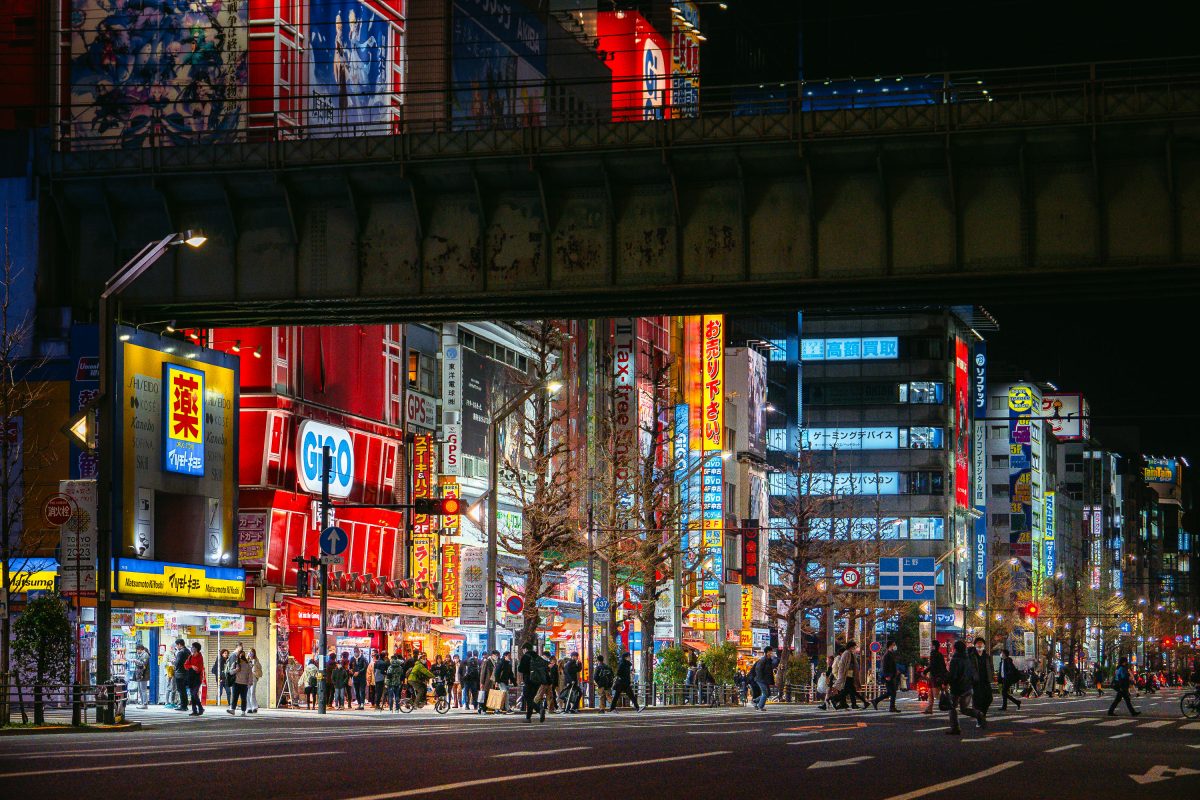
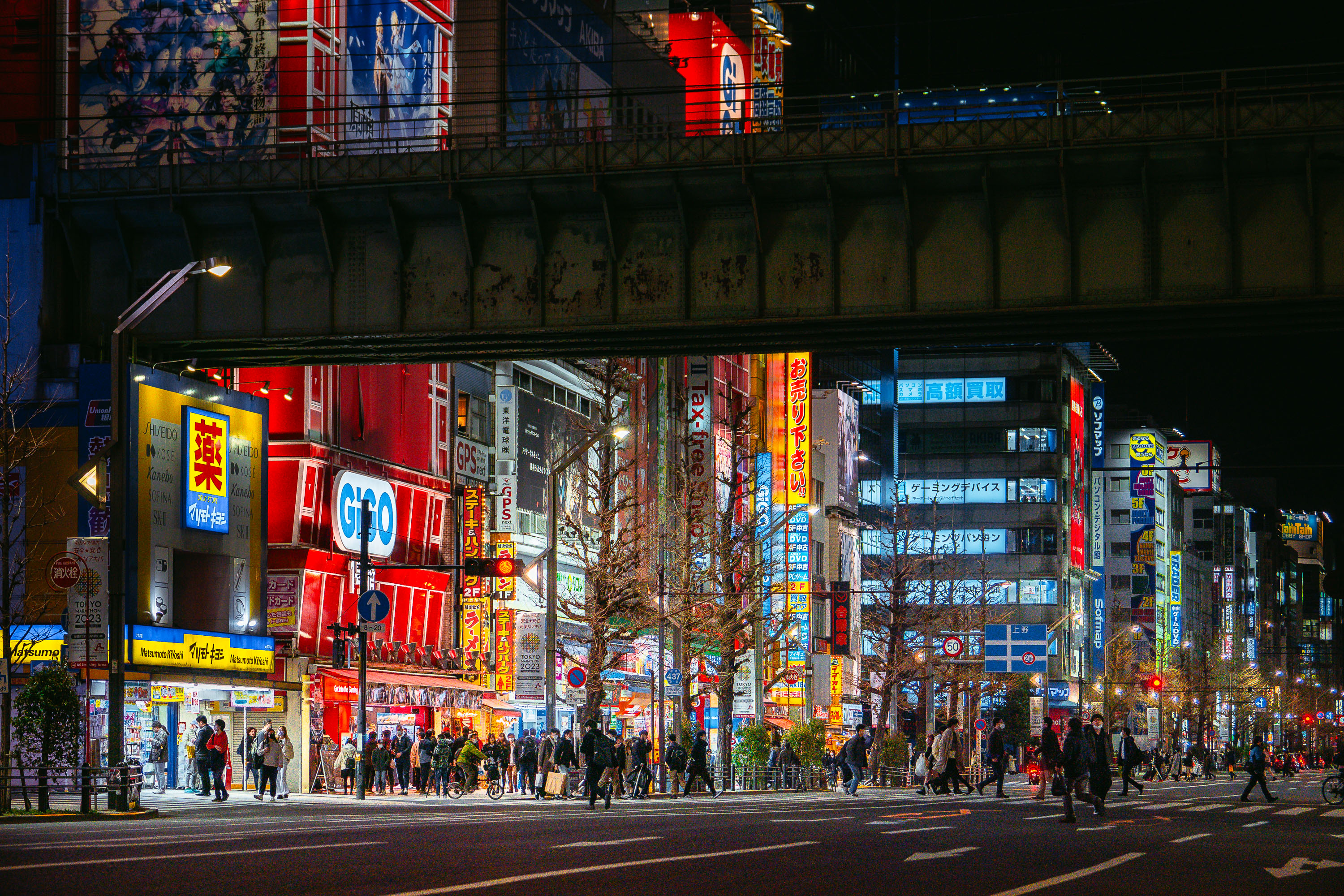
Neon-lit storefronts and crowds line a busy street in Akihabara, Tokyo at night.
Akihabara grew up around the electronics stalls that filled the streets near Akihabara Station after World War II, when vendors sold radio parts and surplus goods to a city rebuilding from scratch. The neighborhood's name comes from Akiba, a fire-prevention shrine built here in the 1870s after a blaze leveled the area. By the 1980s and '90s, Akihabara had shifted from hardware to home computers and then to anime, manga, and gaming culture, earning the nickname Akihabara Electric Town. Chuo-dori, the main street running through the district, closes to vehicle traffic on weekend afternoons, turning the roadway over to pedestrians beneath its dense layer of neon signage. The elevated tracks crossing above the street carry JR Yamanote and Keihin-Tohoku Line trains through Akihabara Station, one of the busiest stops on Tokyo's rail network.

Chuo-dori Street, Akihabara, Tokyo

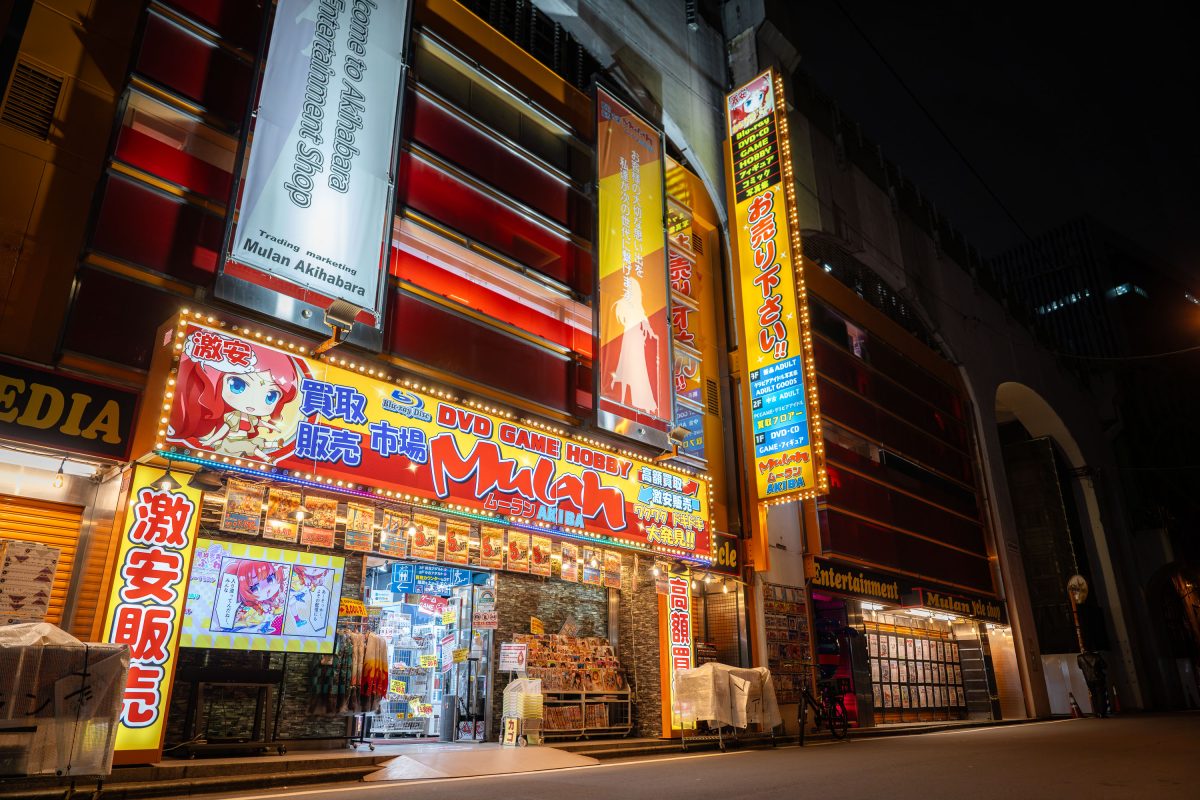
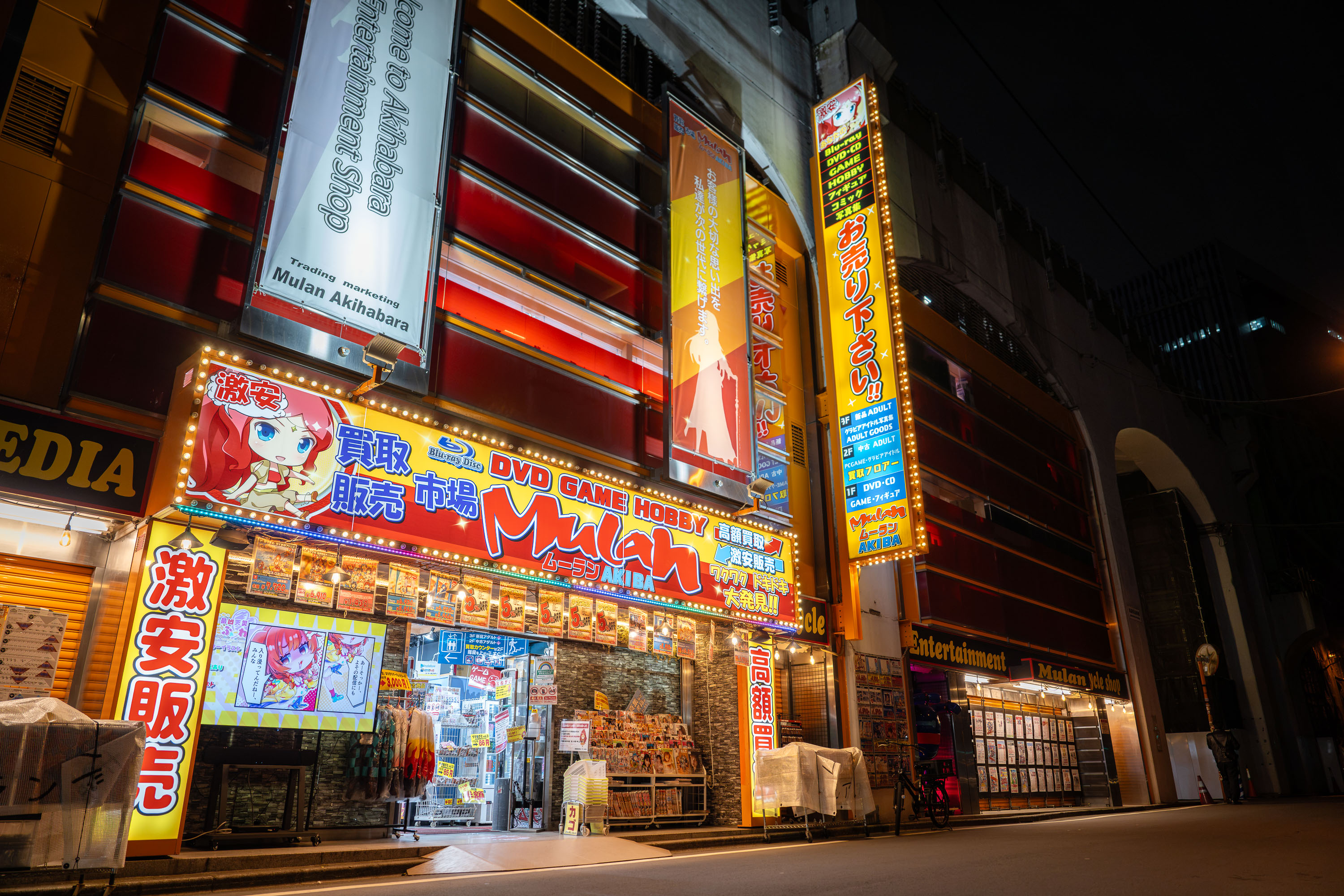
Illuminated entertainment storefronts with Japanese signage line a nighttime urban street.
Mulan Akihabara sells DVDs, games, and hobby goods along the Akihabara district's main shopping streets in Tokyo's Chiyoda ward. Akihabara Station, served by JR and Tokyo Metro lines, sits within walking distance and anchors the area's group of specialty retailers.

Mulan Akihabara, DVD Game Hobby Shop, Tokyo