Photo Set
Minneapolis Walker Sculpture Garden
Spoonbridge and Cherry, Hahn/Cock, the Irene Hixon Whitney Bridge, and the Walker Art Center Glass House across seasons
Walker Art CenterMinneapolis, MN
The Minneapolis Sculpture Garden stretches across eleven acres in the Lowry Hill East neighbourhood, directly adjacent to the Walker Art Center on Vineland Place. Opened in 1988, it is one of the largest urban sculpture gardens in the United States and operates as an outdoor extension of the Walker's program of modern and contemporary art.
The garden's most recognisable work is Spoonbridge and Cherry, the 52-foot cast aluminium sculpture by Claes Oldenburg and Coosje van Bruggen that was installed for the garden's opening year. The piece spans a reflecting pond and functions as a working fountain through the warmer months. It has remained the garden's anchor since the day the gates first opened.
The wider grounds were substantially redesigned and reopened in 2017, a renovation that brought new plantings, updated infrastructure, and additional commissions. Among the works added in that period was Katharina Fritsch's Hahn/Cock, an ultramarine blue fiberglass rooster that now stands outside the Walker building itself. The glass-and-steel pavilion at the garden's edge, lit from within at night, serves as both entrance and exhibition space connecting the indoor galleries to the outdoor collection.
Pedestrian access between the garden and the surrounding neighbourhood runs across the Irene Hixon Whitney Bridge, designed by Maya Lin and opened in 1991 to span Vineland Place. The bridge links the sculpture garden to Loring Park to the east, situating the garden within a larger network of public green space rather than treating it as a discrete museum precinct. That relationship between the garden and the city around it is a thread running through the whole of this ongoing series.
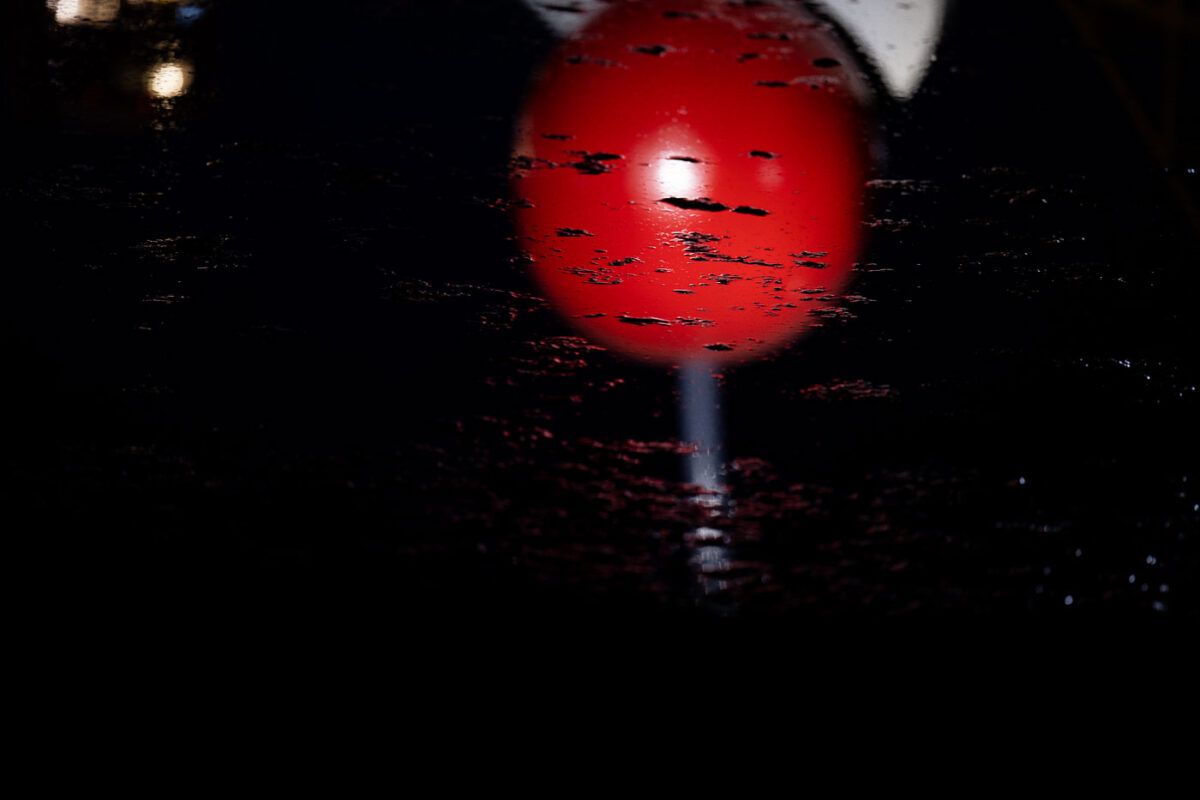
 View full post: Spoonbridge and Cherry at Sunset, Walker Sculpture Garden
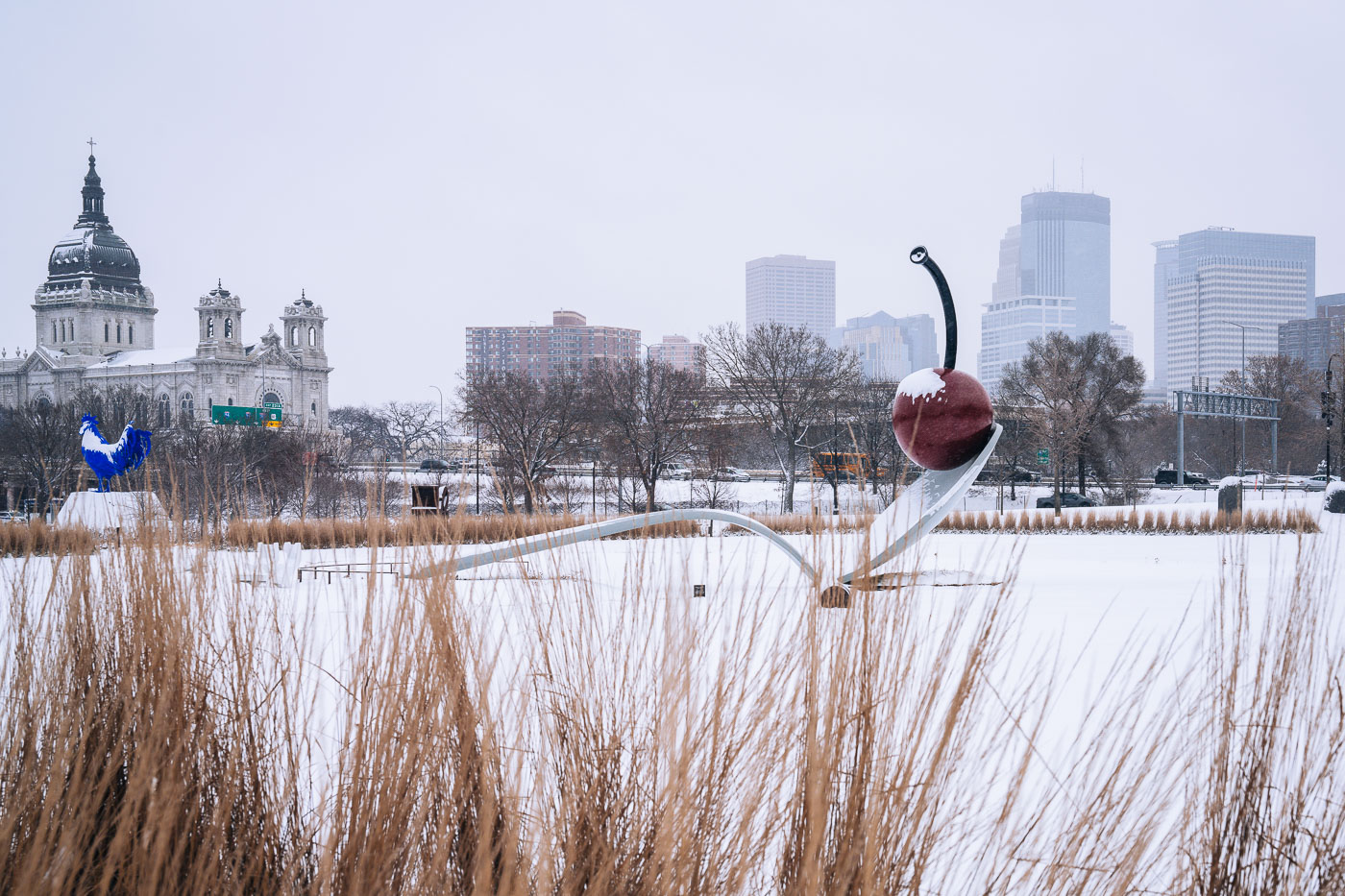 View full post: Spoonbridge and Cherry in the Snow at Minneapolis Sculpture Garden
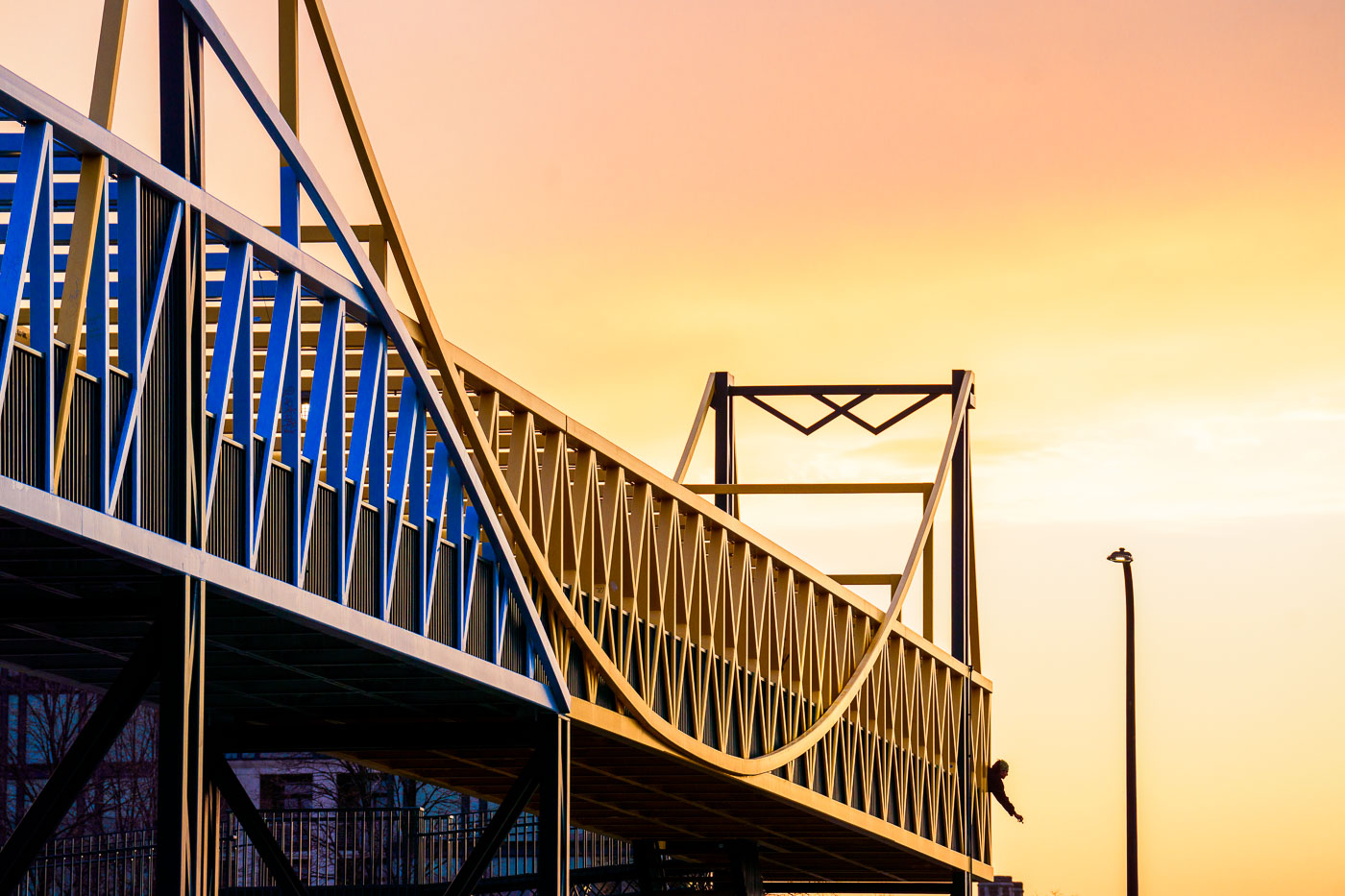 View full post: Irene Hixon Whitney Bridge at Sunset, Minneapolis
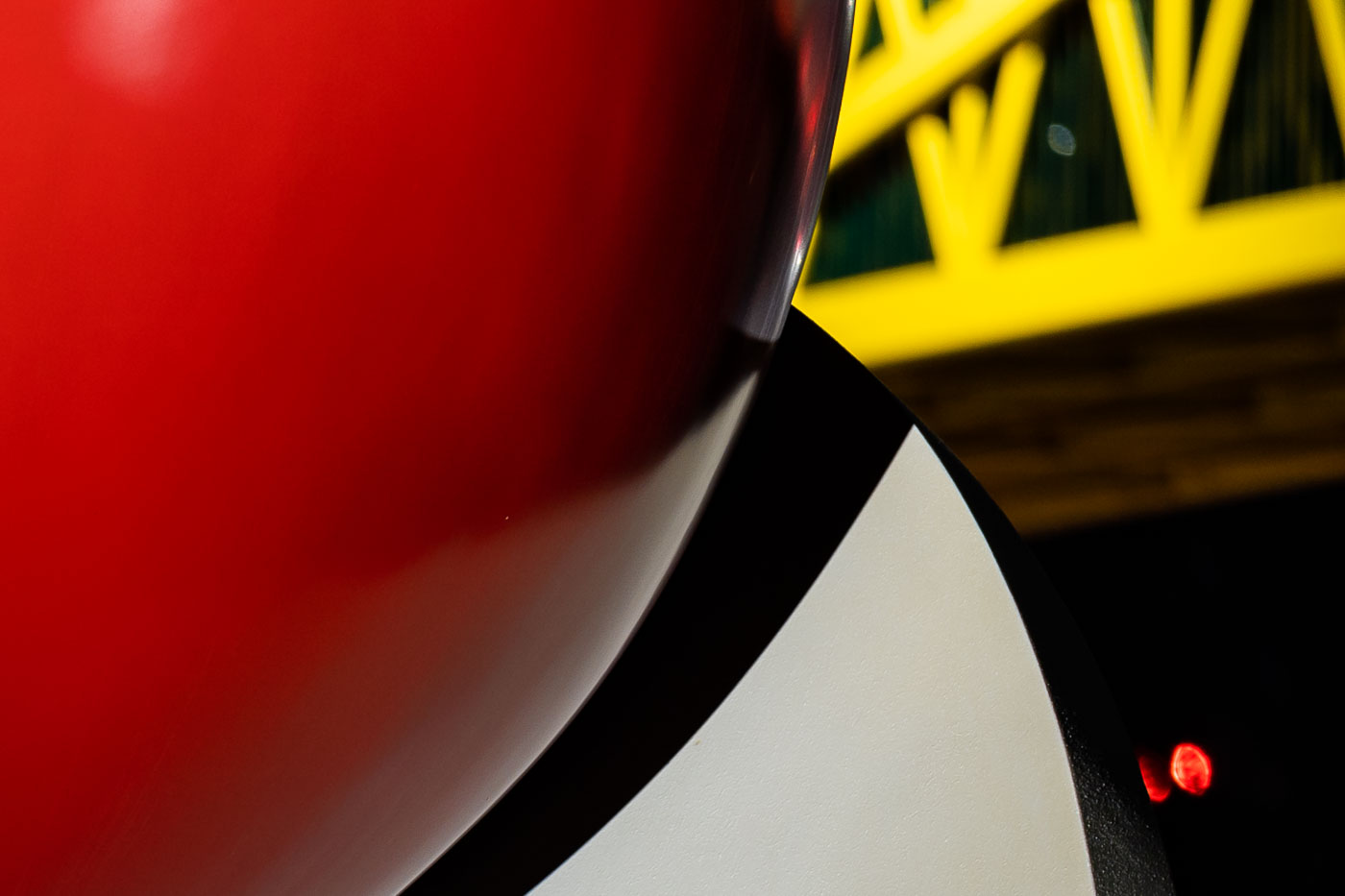 View full post: Spoonbridge Cherry Sculpture, Walker Art Center, Minneapolis
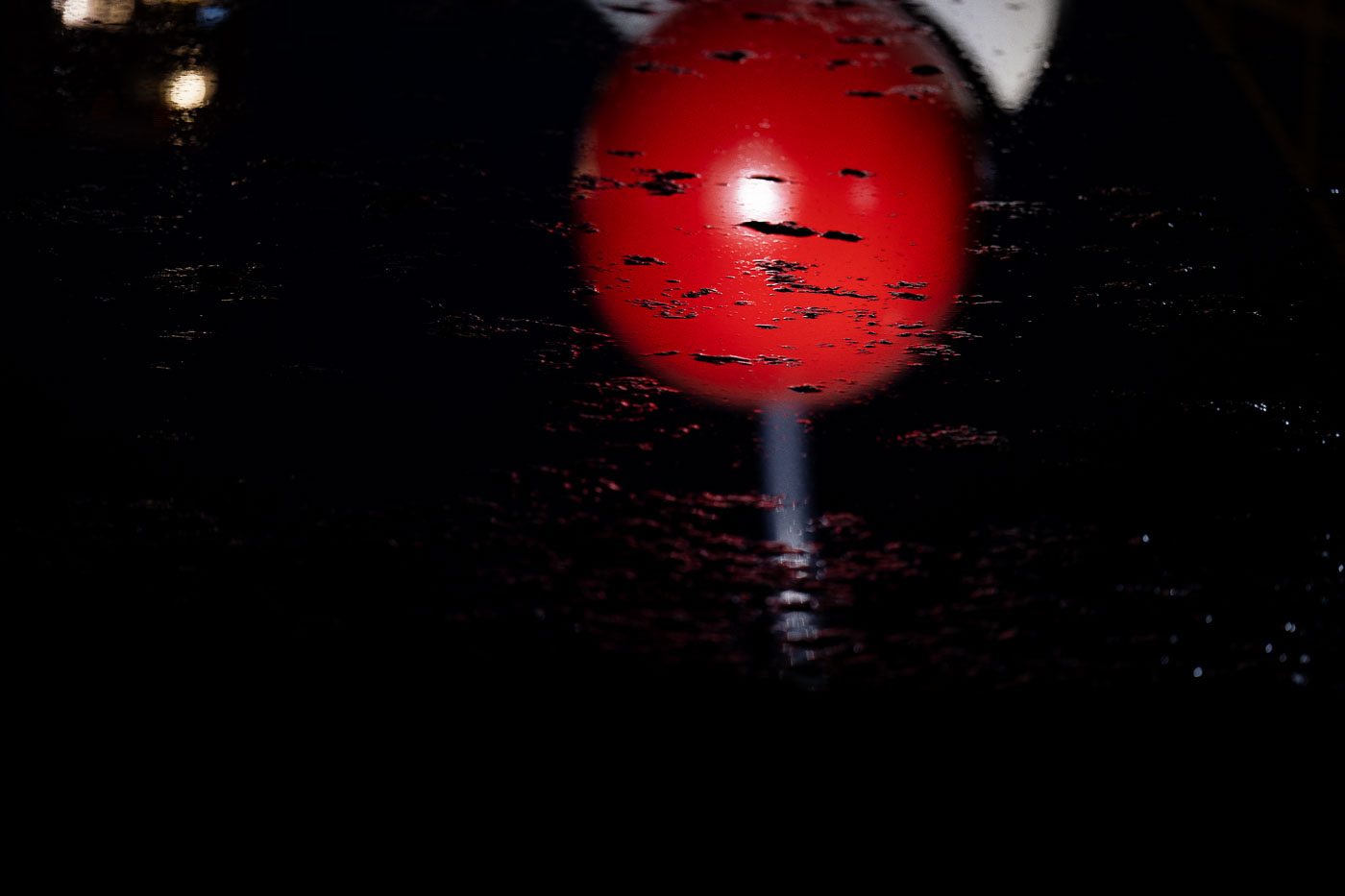 View full post: Spoonbridge at Walker Sculpture Garden, Minneapolis
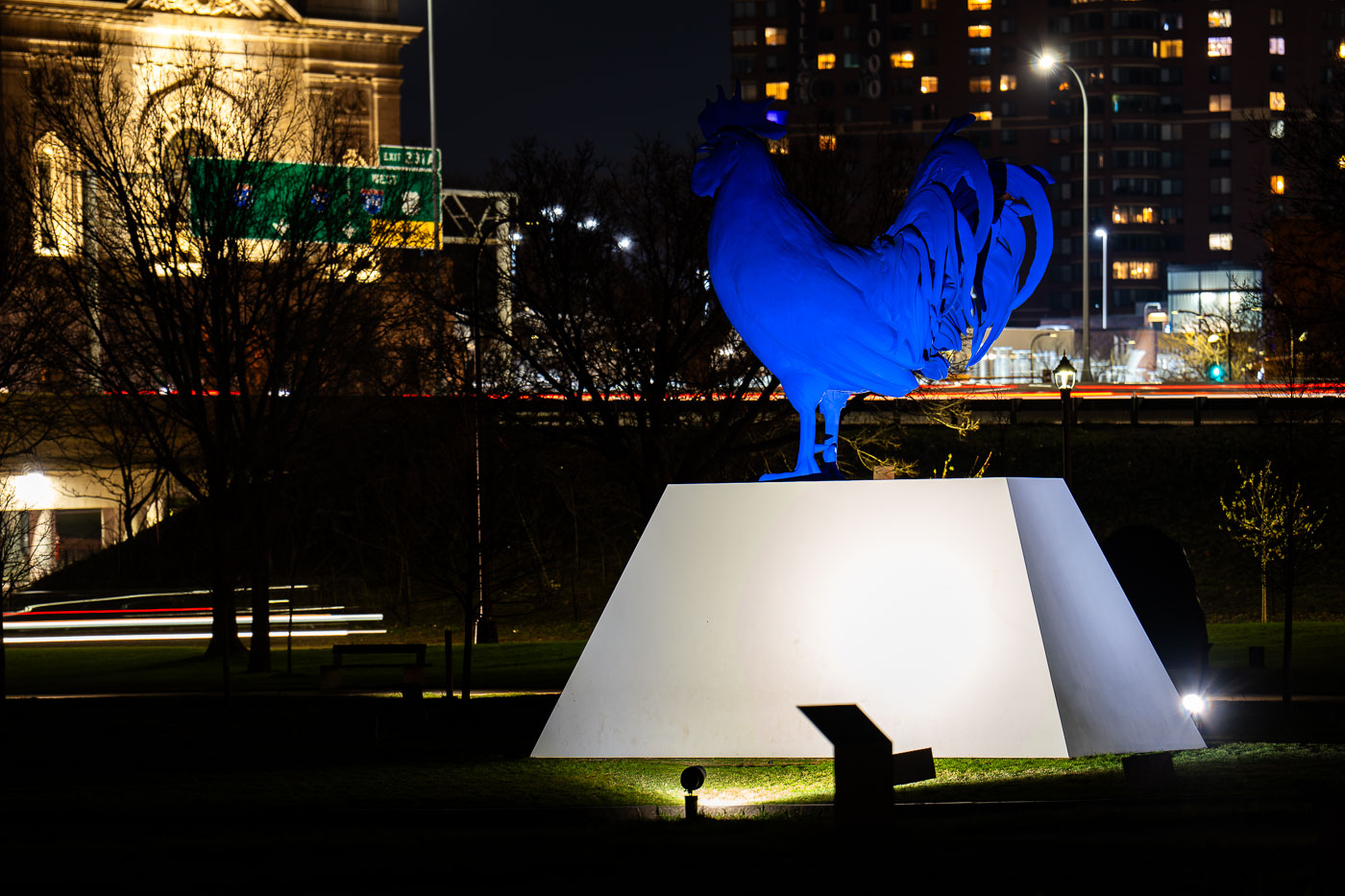 View full post: Katharina Fritsch’s Hahn/Cock sculpture at Walker Art Center, Minneapolis
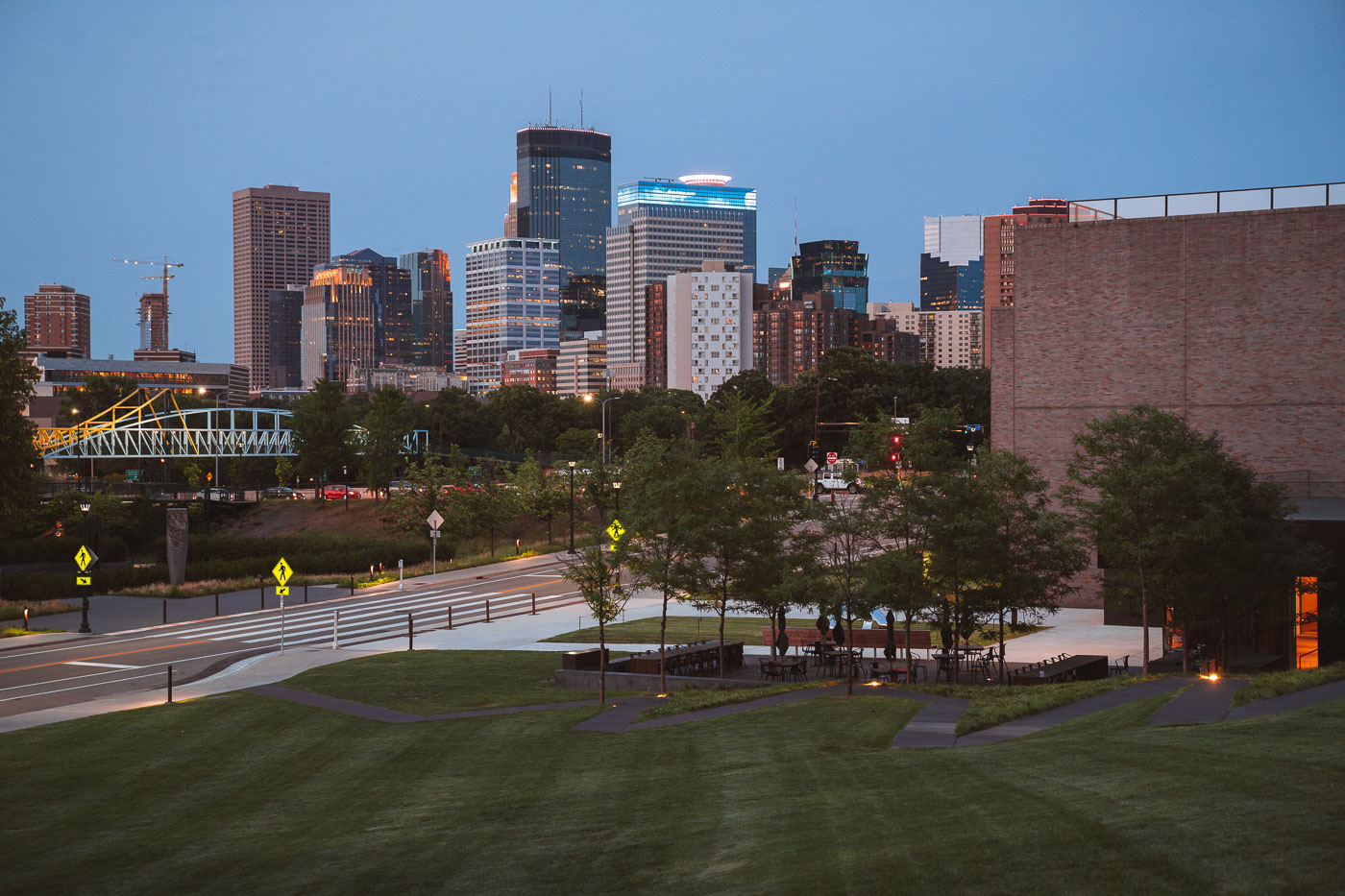 View full post: Downtown Minneapolis business district
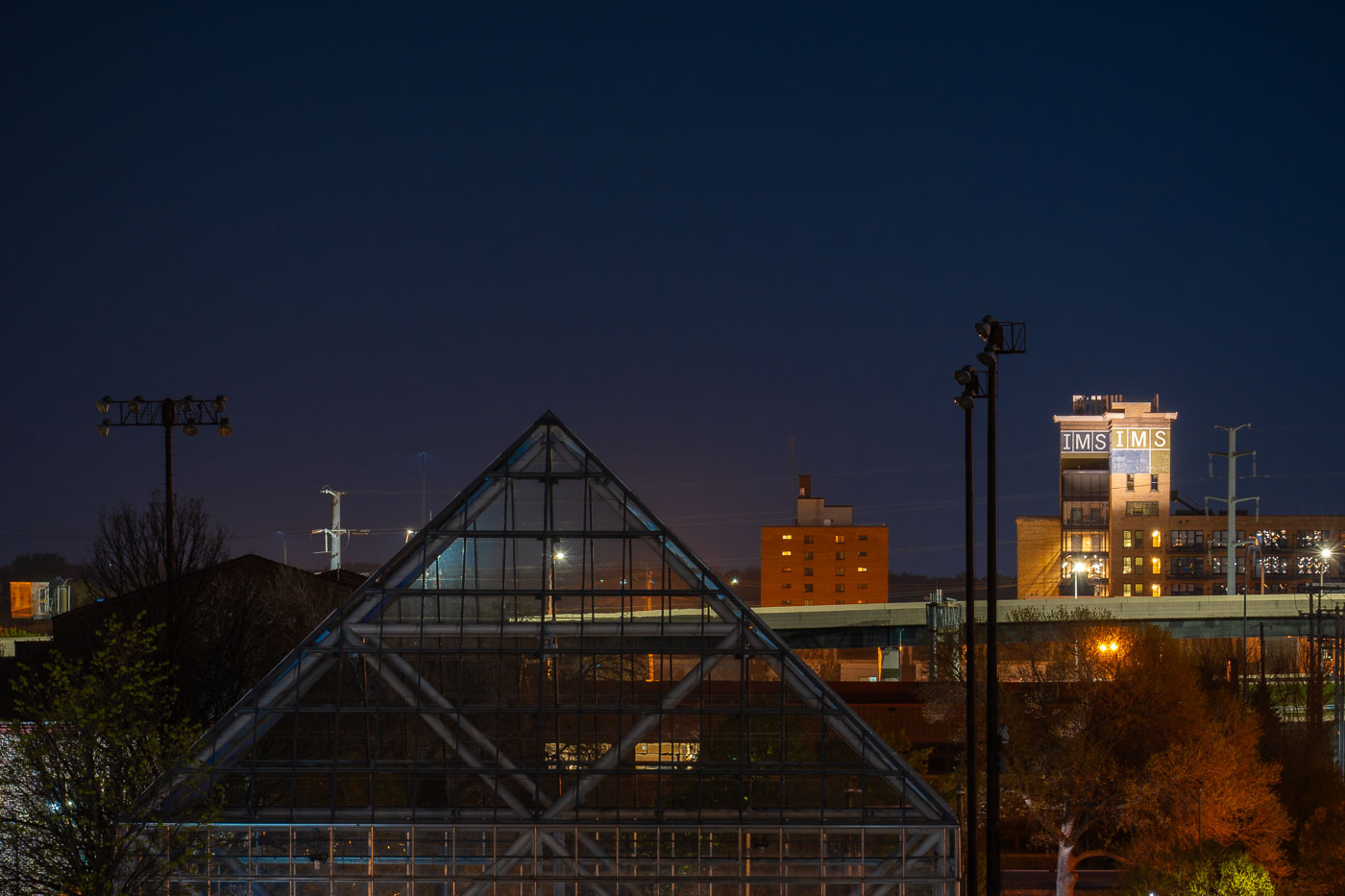 View full post: International Market Square in Minneapolis at night
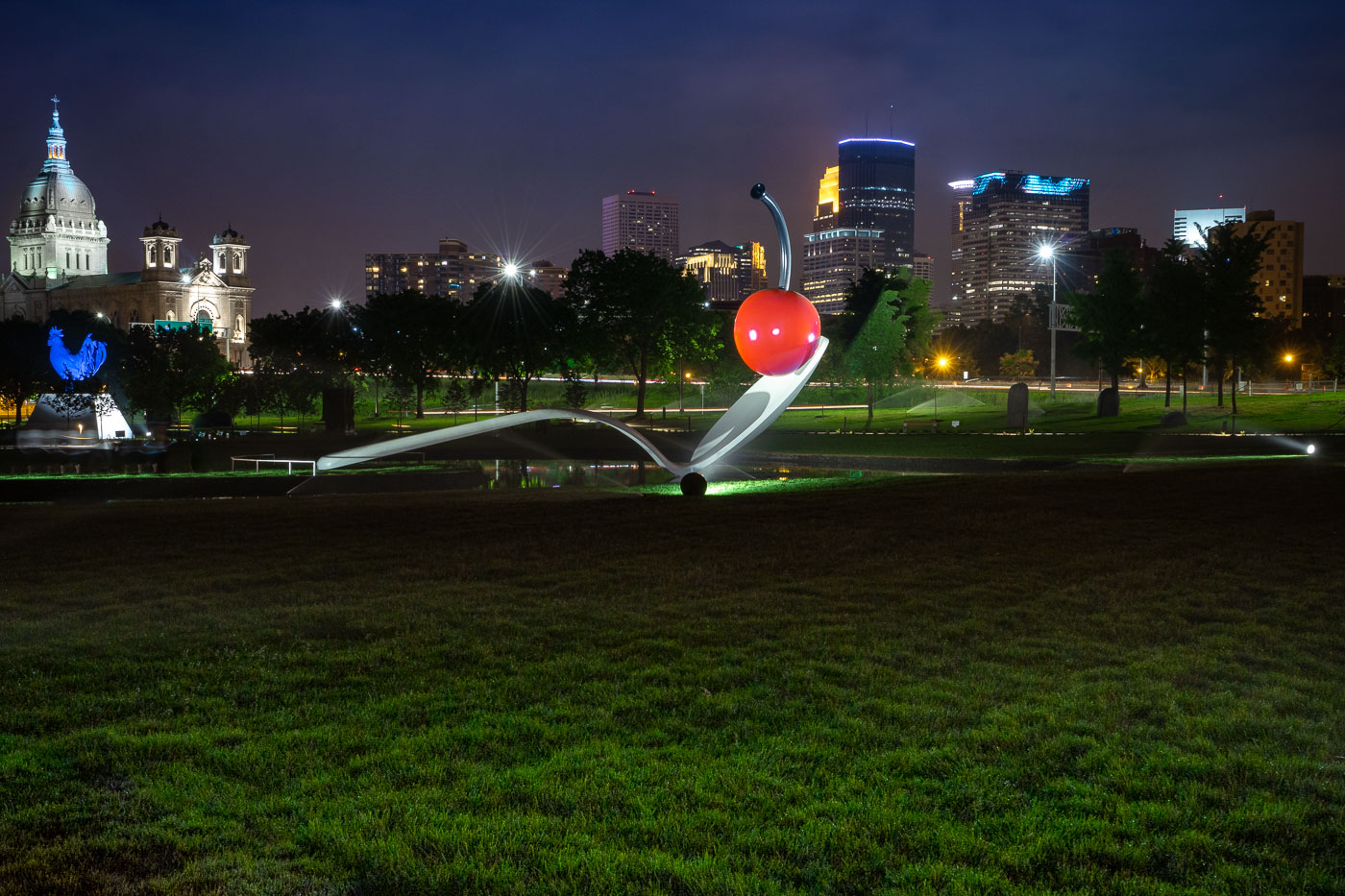 View full post: Spoonbridge and Cherry with Minneapolis Skyline
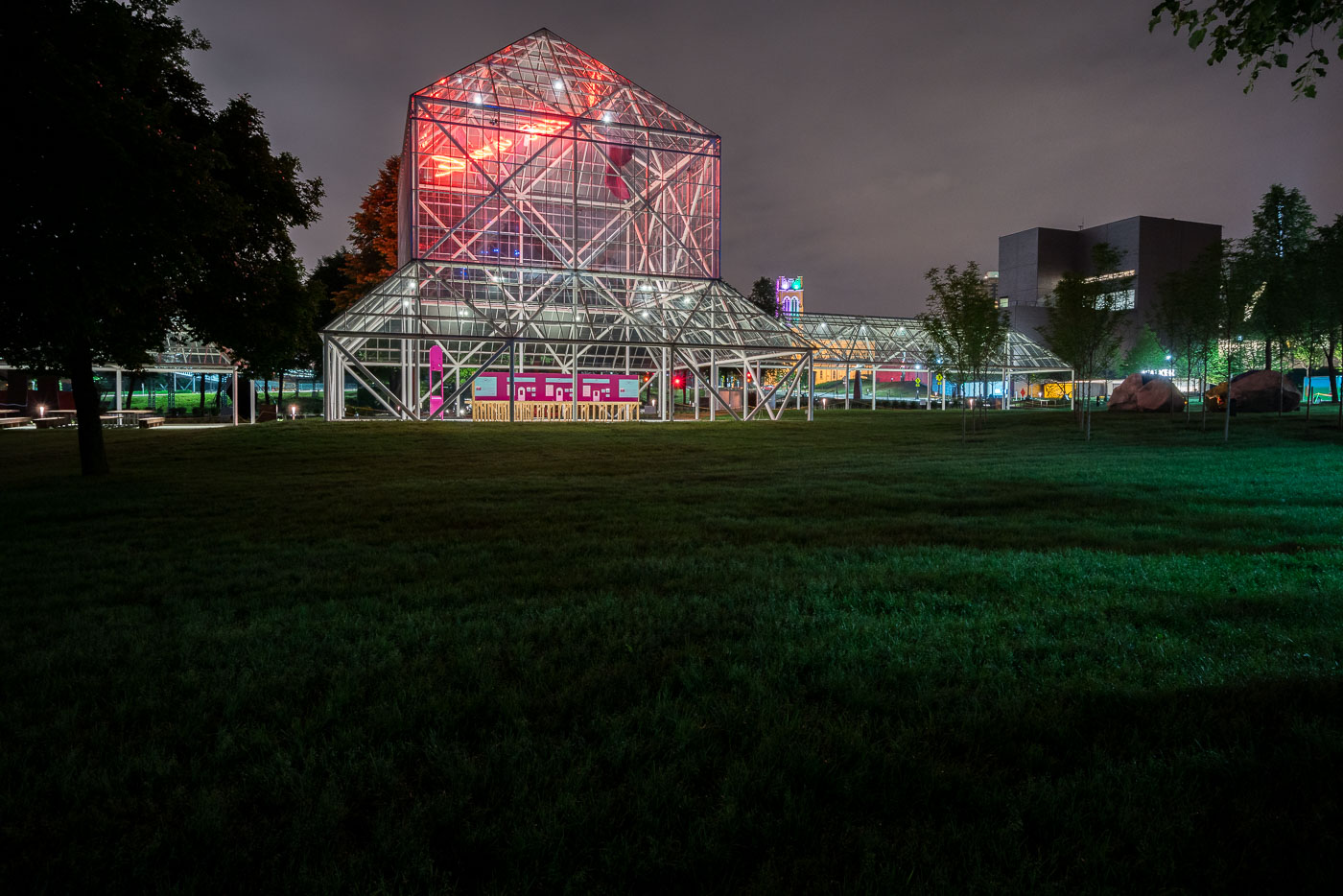 View full post: Walker Art Center Glass House, Minneapolis