Place Archive

Sunken City San Pedro

The Sunken City in San Pedro is the site of a 1929 landslide that sent a residential neighborhood sliding into the Pacific Ocean, leaving behind concrete ruins and scattered debris on the coastal bluffs. These remnants, now covered with graffiti, mark an area of ongoing geological instability and informal human activity near the Port of Los Angeles breakwater.

Markers

Sunken City San Pedro Photo Locations

8 geotagged photos

Photos
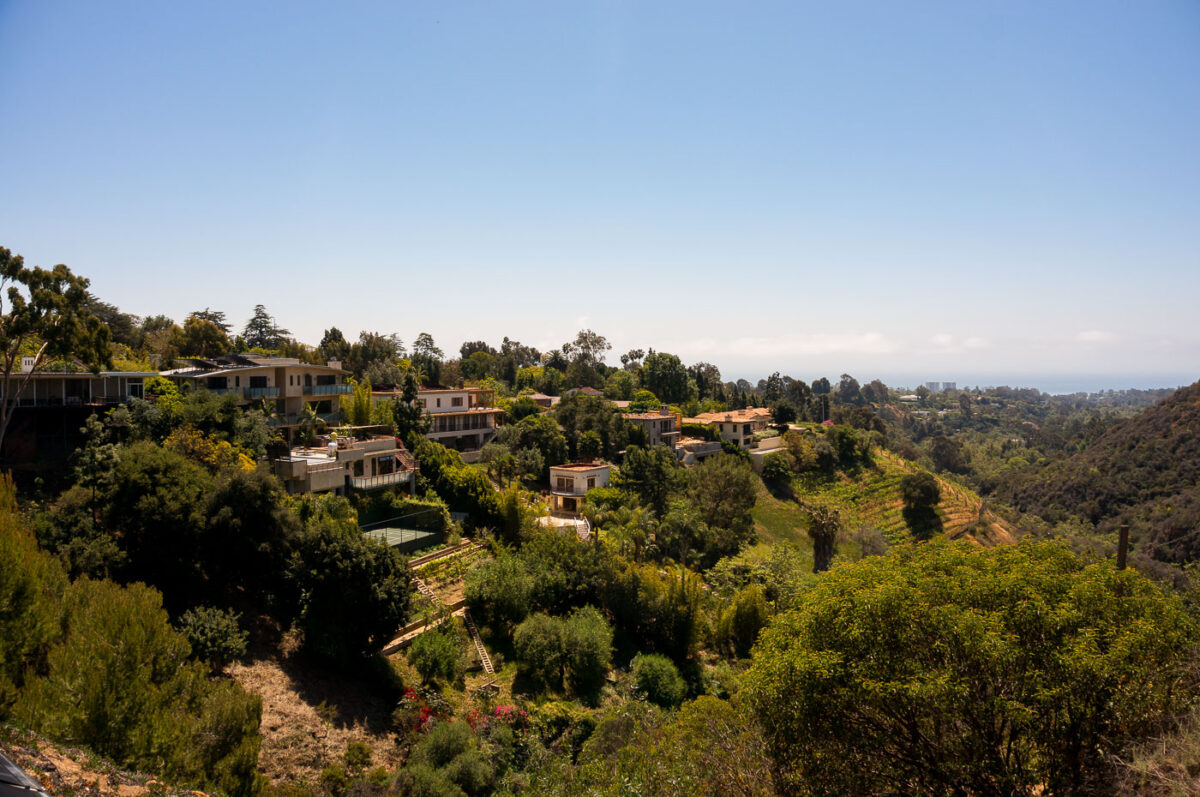
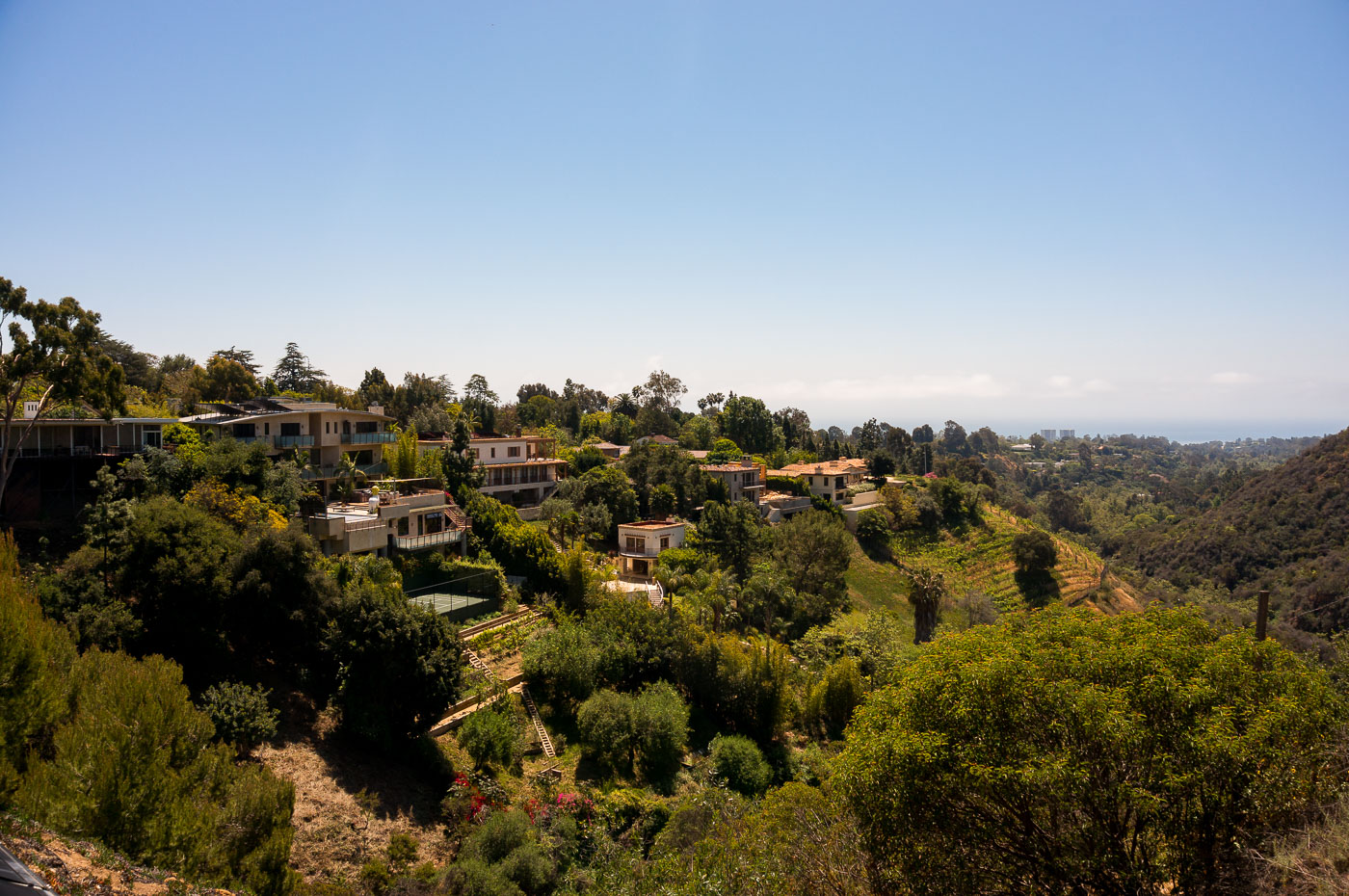
Hillside homes nestled among dense vegetation in Pacific Palisades, Los Angeles.
Pacific Palisades sits in the Santa Monica Mountains on Los Angeles's Westside, tucked between the coastline and Topanga State Park. Methodist settlers founded the community in the 1920s, and it later grew into one of the city's wealthiest enclaves, prized for large hillside lots and unobstructed ocean views. The same canyon terrain and dense chaparral that give the neighborhood its ry have also made it one of the more fire-prone areas in Los Angeles, a risk that culminated in the January 2025 Palisades Fire, which destroyed thousands of homes across the hills.
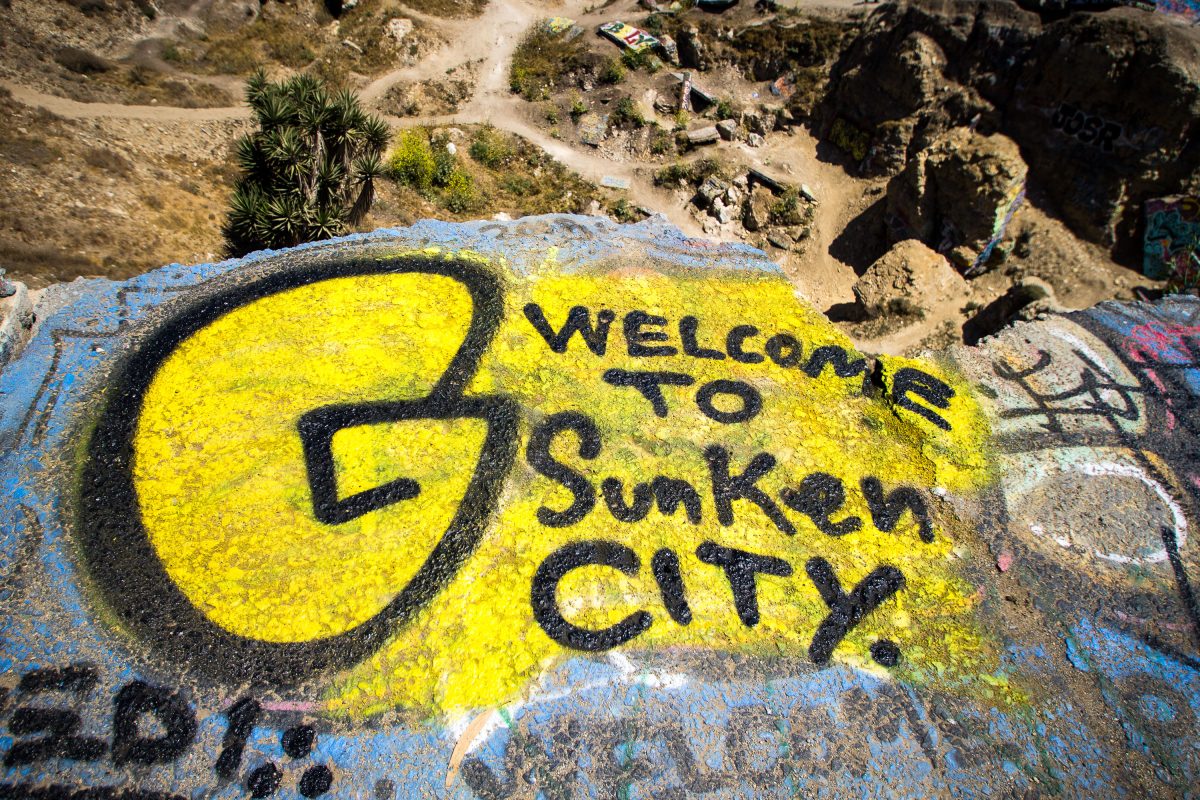
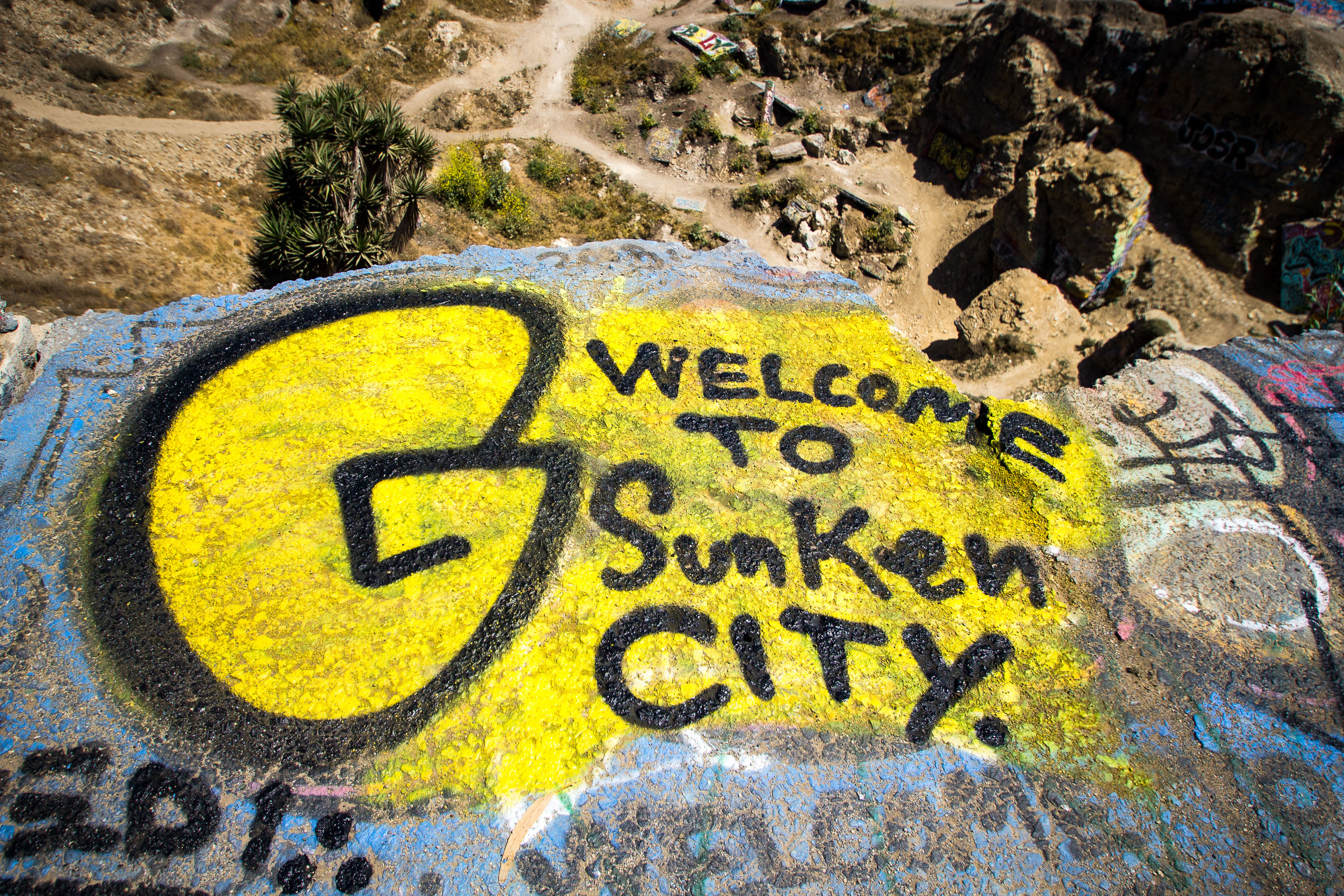
Yellow and black spray-painted graffiti reading "Welcome to Sunken City" on a concrete slab in San Pedro, California.
Sunken City occupies a fenced stretch of Point Fermin in San Pedro, where a landslide beginning in 1929 pulled a residential subdivision's streets, sidewalks, and foundations toward the ocean. Unstable bluffs and an underlying fault line caused the ground to keep shifting for decades, making the area too dangerous to rebuild on. The city closed the site to development, but the broken slabs of pavement have since become a canvas for graffiti, including painted messages that greet visitors who slip past the fencing. Point Fermin Park sits alongside the site, overlooking the Pacific.
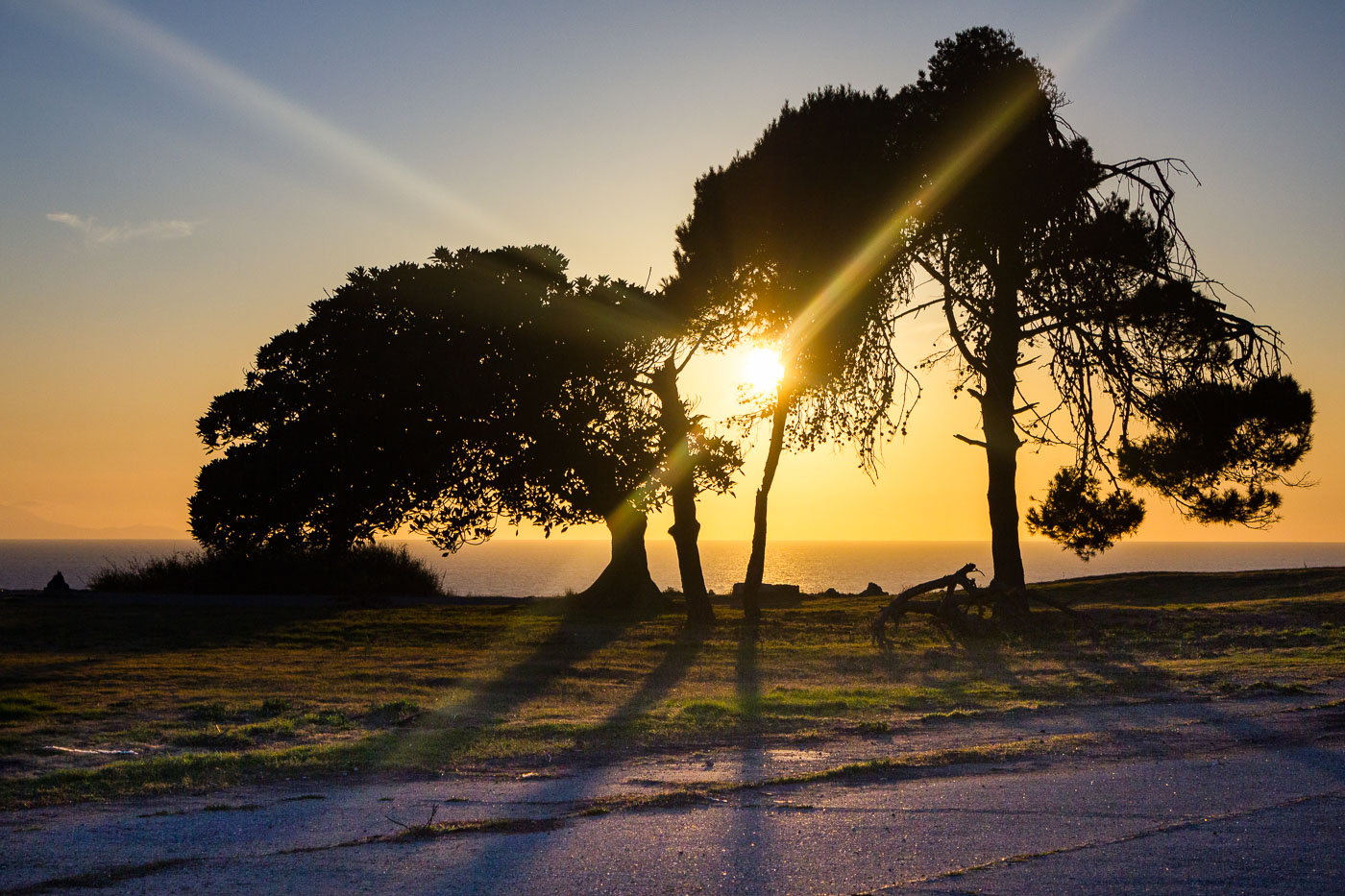
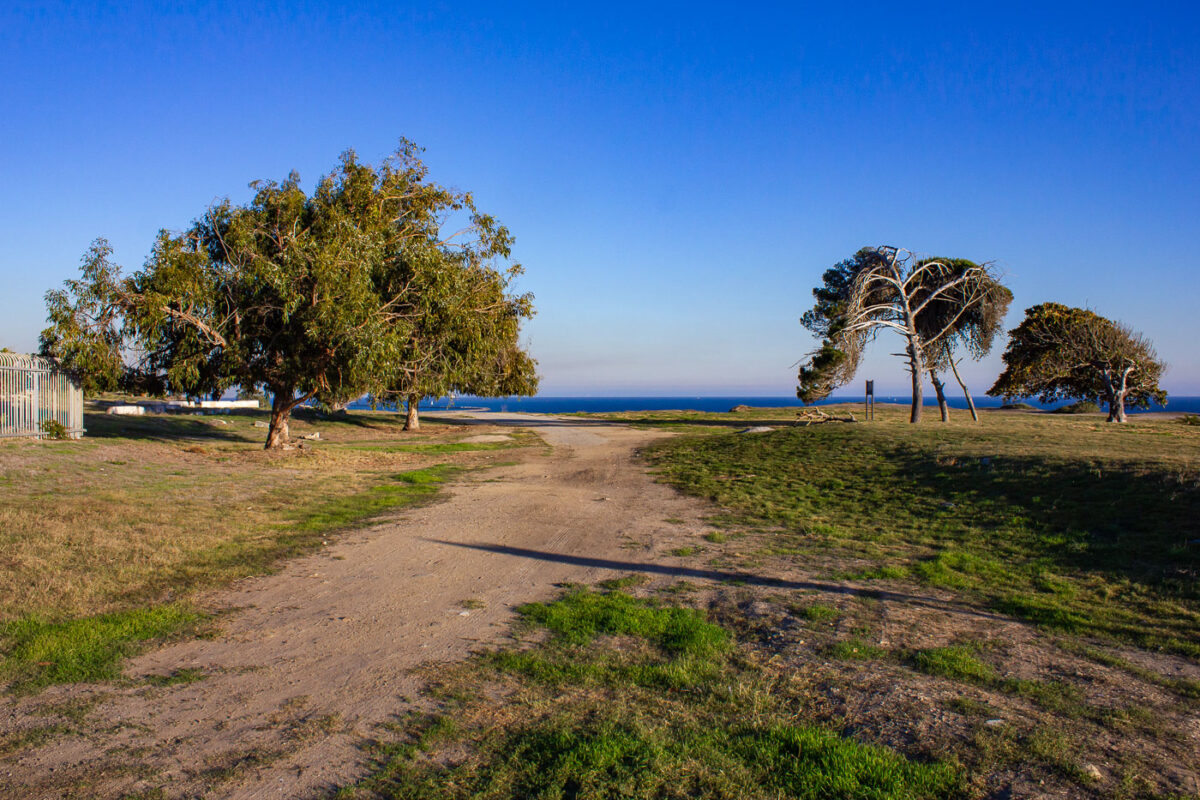
Wind-bent trees silhouetted against sunset on coastal bluffs at San Pedro, California.
San Pedro sits on the Palos Verdes Peninsula at the southern edge of Los Angeles, where bluff-top parkland drops sharply to the Pacific. The community was once its own city, incorporated in 1888, before merging with Los Angeles in 1909 to secure control of the harbor. That harbor is now the Port of Los Angeles, the busiest container port in the Western Hemisphere, though the cliffs above it remain largely undeveloped and open to the public. On clear days the bluffs offer sightlines west to Santa Catalina Island, some twenty-two miles offshore.
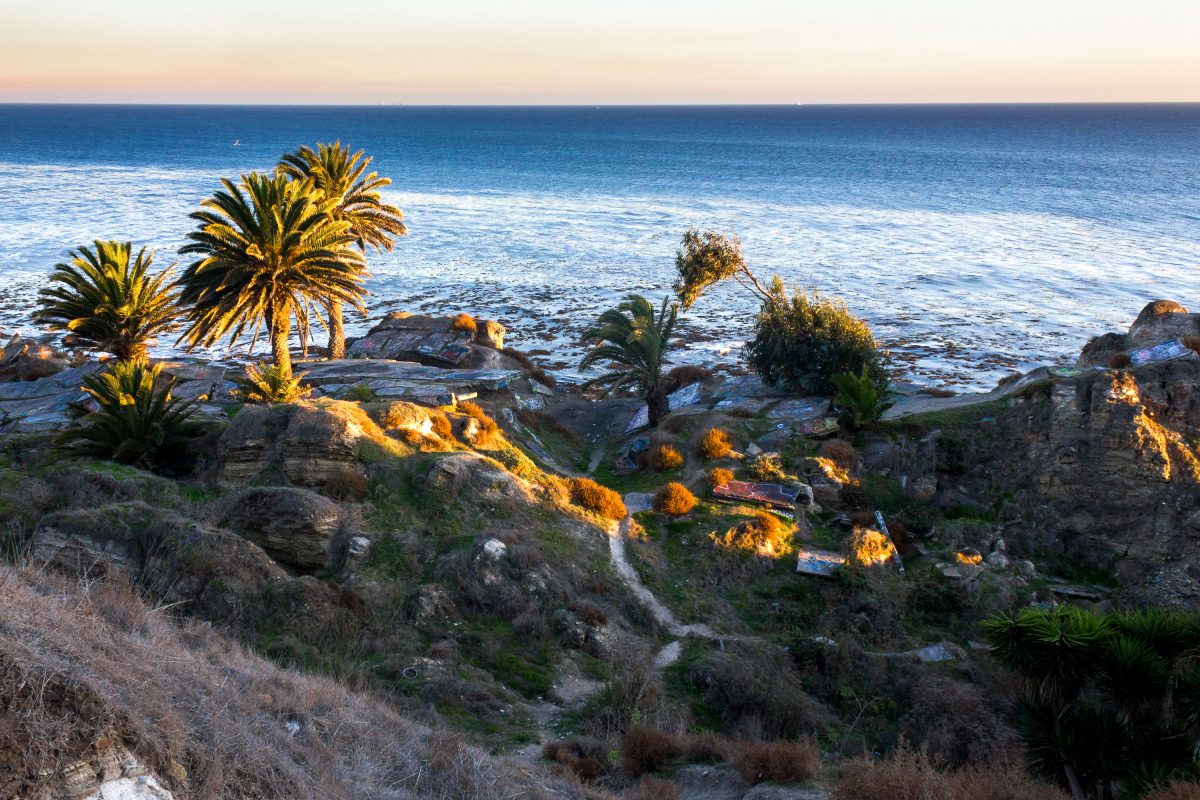
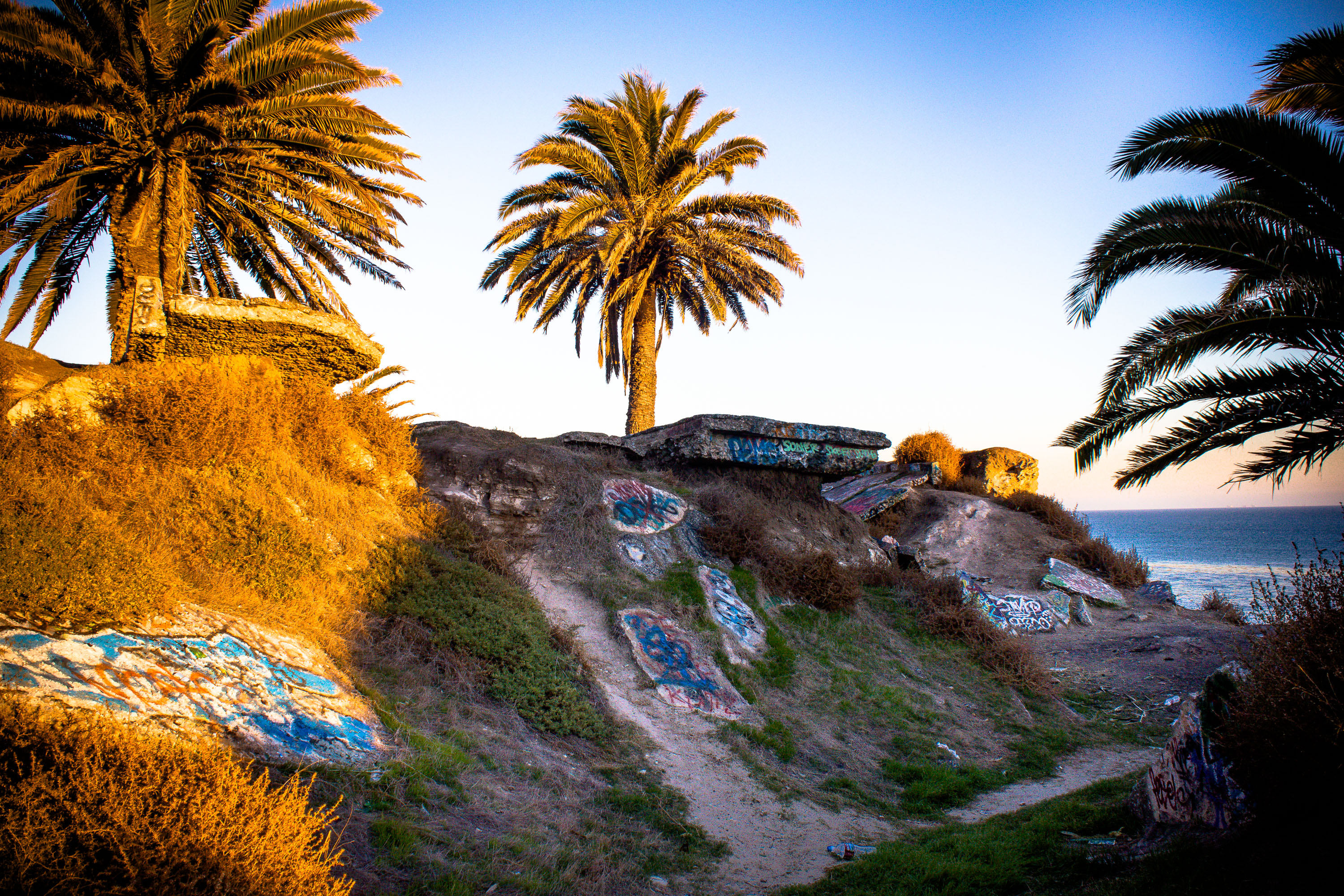
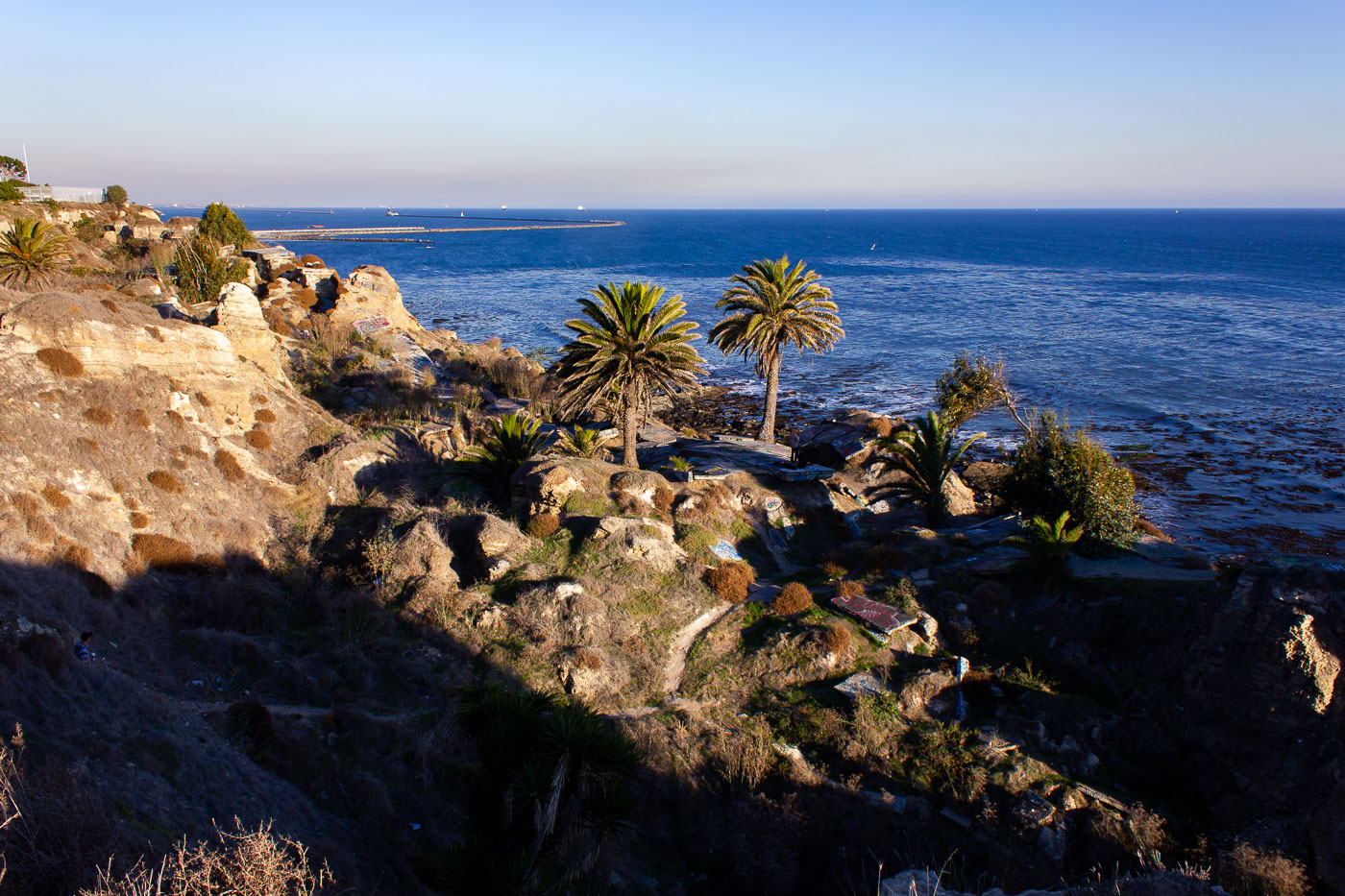
San Pedro Coastal Bluffs, California, featuring palm trees and graffiti-marked rocks overlooking the ocean at sunset. Evidence of informal use and debris is present on the geologically unstable terrain.
Sunken City sits at the edge of Point Fermin in San Pedro, where a chunk of coastal bluff gave way in 1929 as the ground beneath it slid toward the Pacific. Ongoing land movement, tied to unstable shale and erosion along the cliffs, has kept the site fenced off from official development ever since. Despite the barriers, the ruins have long drawn explorers and artists, and the broken concrete slabs are covered in layers of graffiti added over decades. Palm trees and scrub now grow among the wreckage, framing views out over the water toward the shipping lanes off the Los Angeles–Long Beach coast.
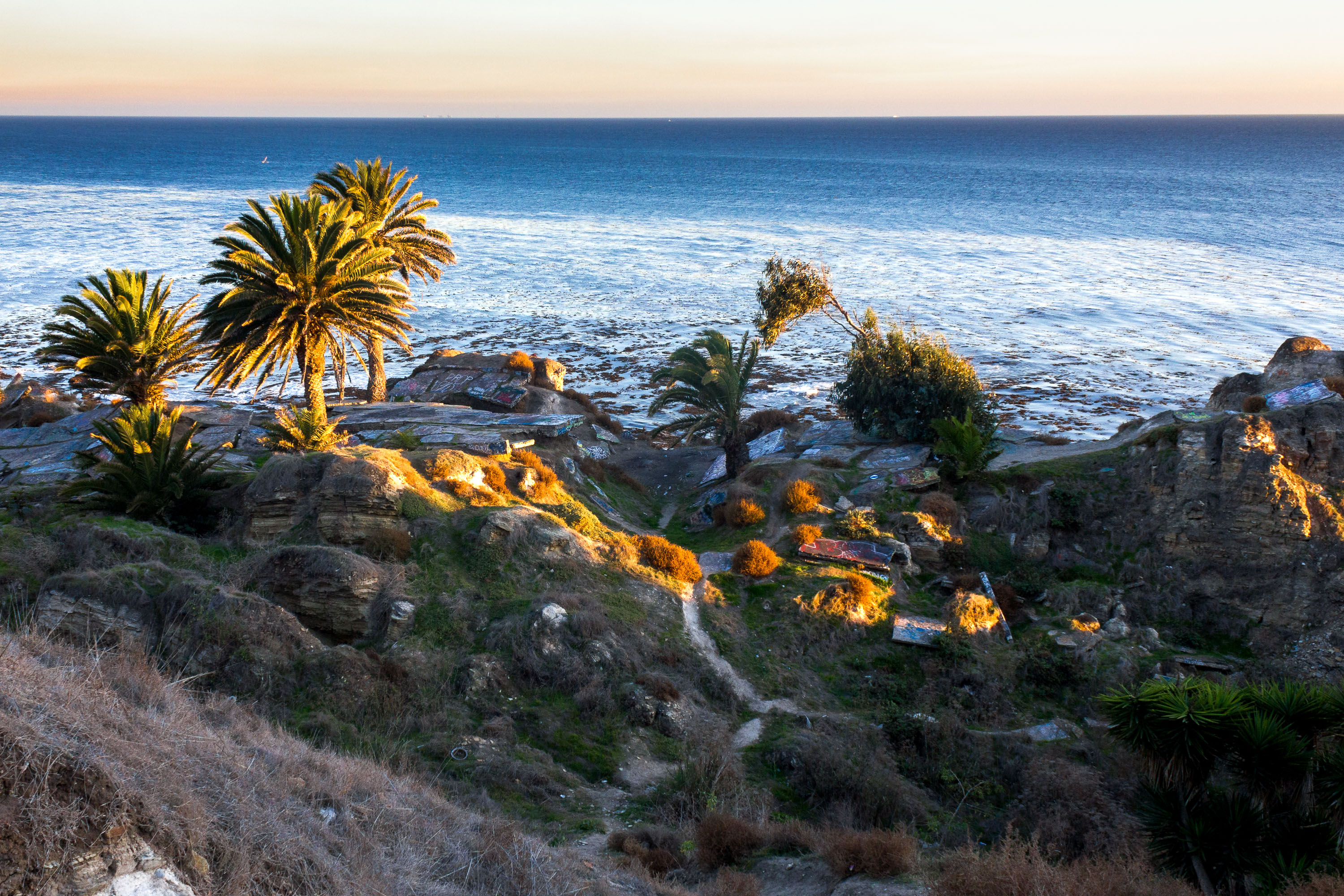
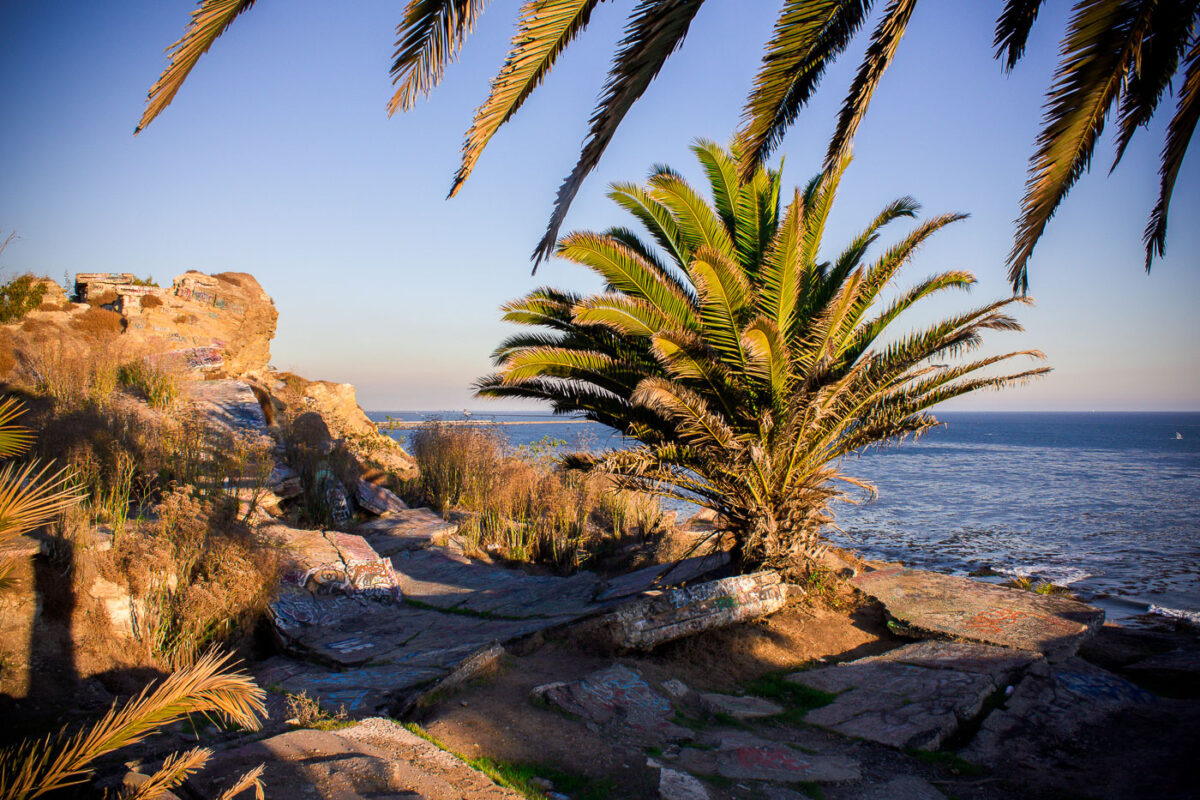
San Pedro Coastal Bluffs, California, feature graffiti-adorned concrete remnants and palm trees overlooking the ocean.
Sunken City is a stretch of the San Pedro coastline that gave way in a 1929 landslide, when shifting earth split streets and pulled several homes toward the ocean below. The neighborhood was condemned and abandoned soon after, leaving behind broken foundations, curbs, and slabs of concrete that still sit tilted across the bluff. Officially off-limits to the public, the site has long drawn urban explorers, and its concrete remnants are now layered with decades of spray-painted graffiti. The bluffs overlook the Pacific along the Palos Verdes Peninsula, just south of Point Fermin Park.
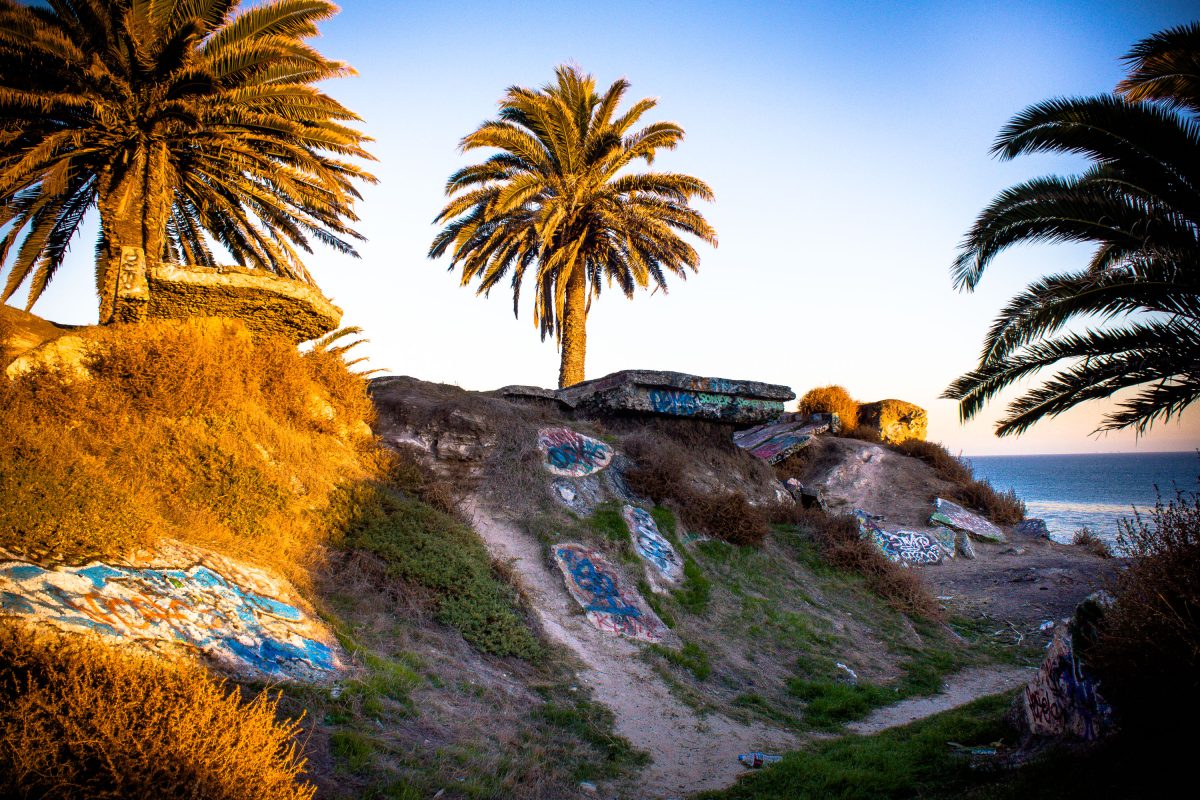
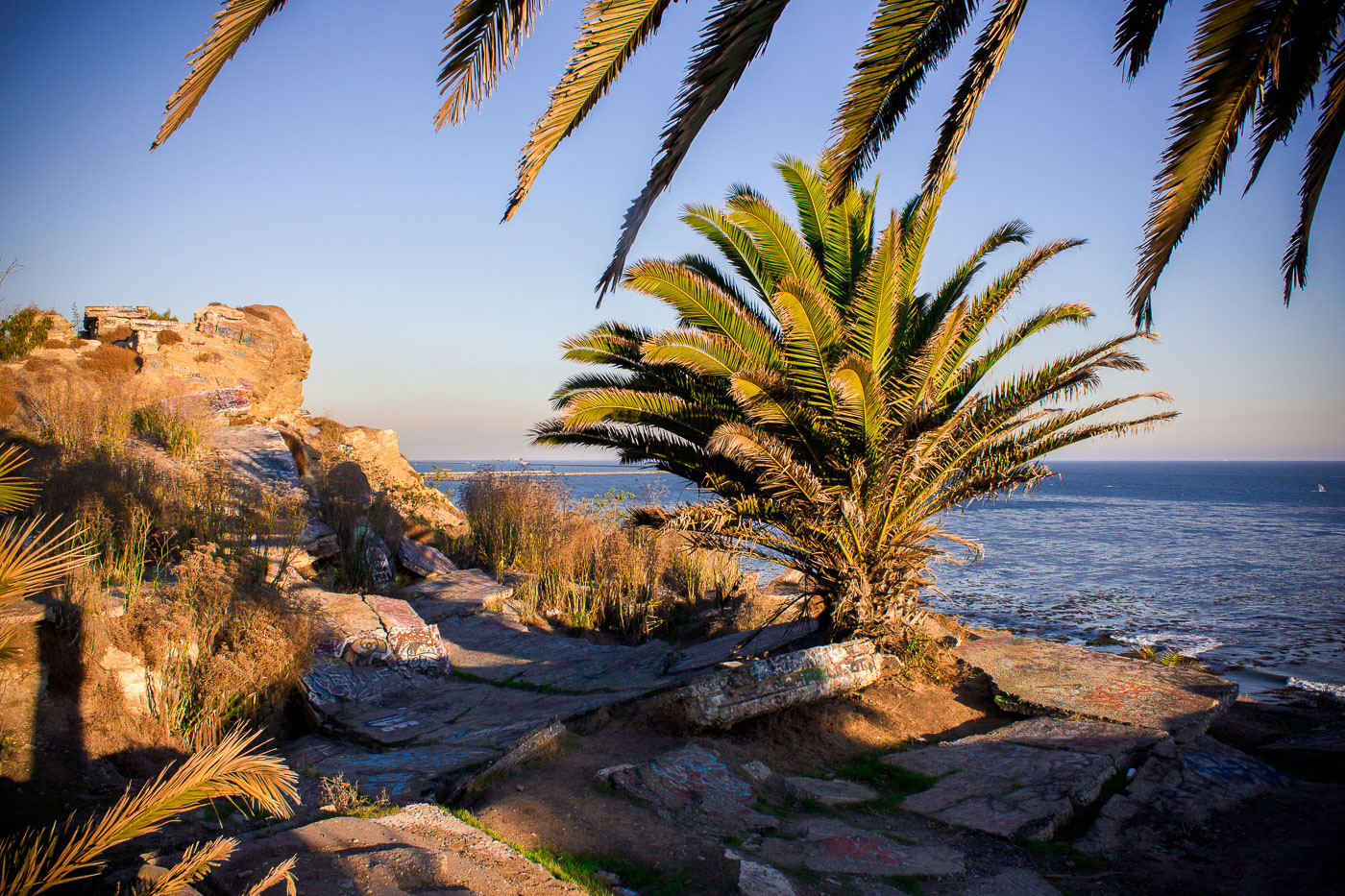
Palm fronds frame historic Sunken City ruins along the San Pedro coastline overlooking the Pacific Ocean.
Sunken City sits along the San Pedro coastline, where a 1929 landslide broke a section of the old Point Fermin neighborhood loose and dropped it toward the sea. Streets, sidewalks, and building foundations from that era still lie scattered across the cliffs, cracked apart by decades of continued ground movement. The Los Angeles Department of Recreation and Parks fenced the area off for years because of the unstable terrain, though it remained a well-known destination for urban explorers and graffiti artists. It borders Point Fermin Park at the southern tip of the Palos Verdes Peninsula, overlooking the Pacific.
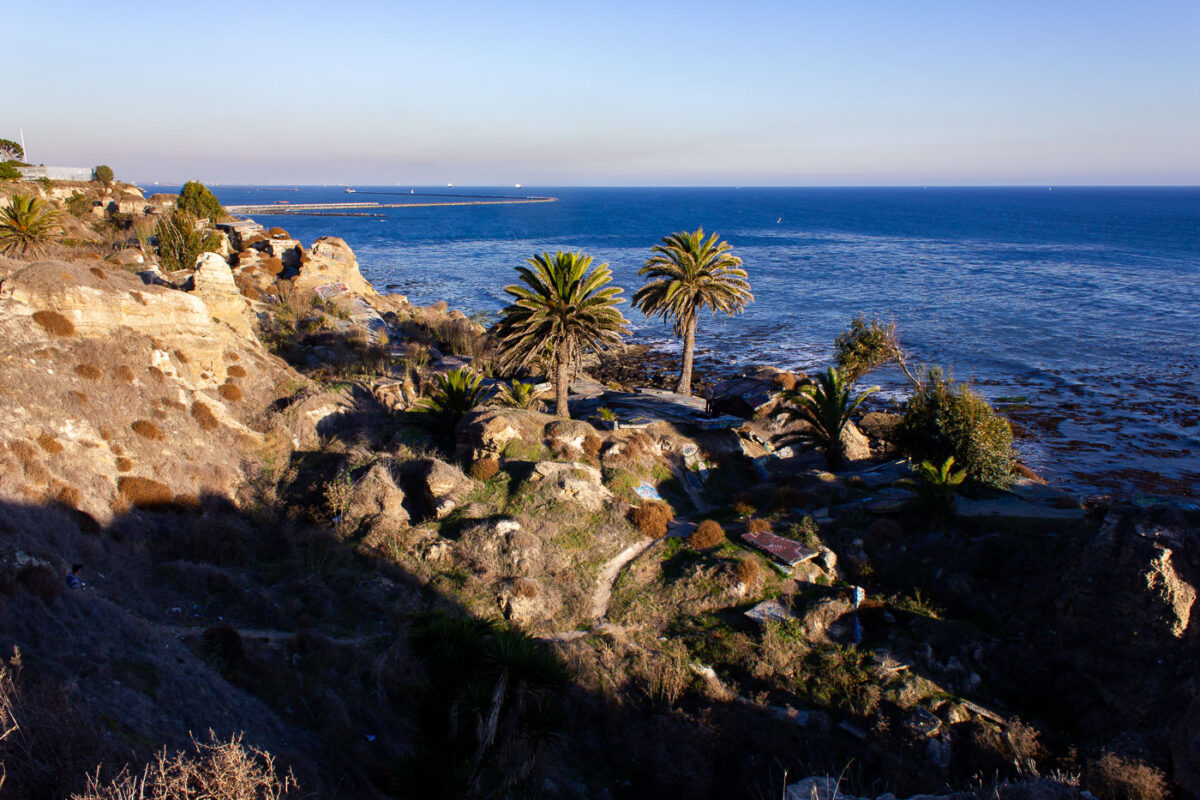
Palm trees grow on eroded cliffs at Sunken City in San Pedro, Los Angeles.
Sunken City occupies a stretch of collapsed bluff at Point Fermin in San Pedro, a Los Angeles neighborhood at the tip of the Palos Verdes Peninsula. A 1929 landslide fractured the streets and foundations of what had been a residential subdivision, dropping chunks of pavement and building slabs toward the shoreline and prompting the city to condemn the land. Geologists attribute the ongoing slippage to unstable shale and sandstone layers beneath the bluffs, a movement that continues today at a slow but measurable pace. Los Angeles kept the area fenced off for decades before opening it to the public in 2016 under a supervised-access program. The breakwater visible offshore shelters the Port of Los Angeles, one of the busiest container ports in the country.
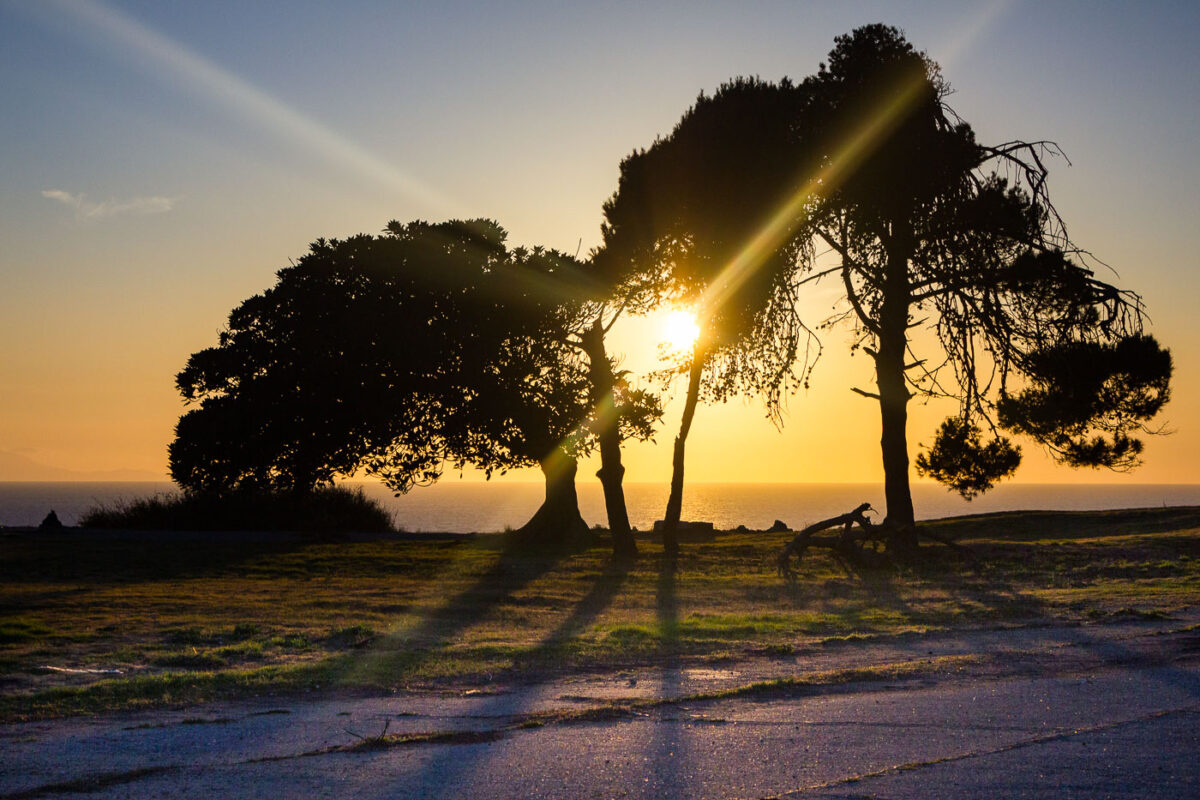
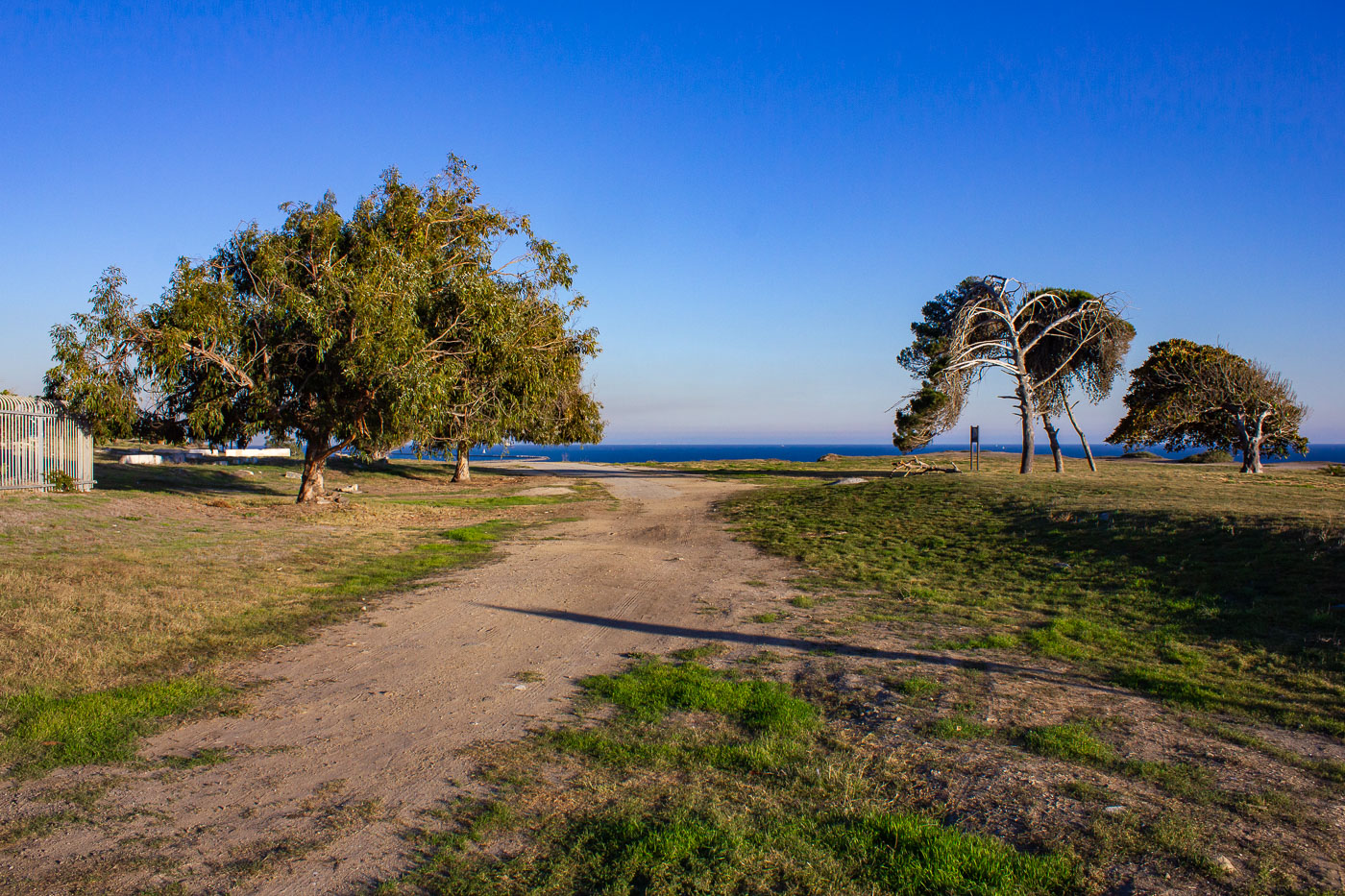
Wind-bent trees stand on grassy bluffs above the Pacific at Sunken City, San Pedro, California.
Point Fermin Park sits on the bluffs above San Pedro's coastline, next to the fenced-off landslide zone known as Sunken City. Ocean winds off the Pacific are constant here, and over decades they've trained the park's coastal trees to grow at a permanent lean, some bent nearly parallel to the ground. The park's open lawns and dirt paths run along the same bluff edge that has been sliding slowly toward the water since 1929, when unstable clay layers beneath Point Fermin gave way. The city maintains the park as public parkland even as the adjacent slide area remains restricted.

Built in Minneapolis

Minneapolis Photographer

Browse by location, move through long-running series, or start with recent work.