Photo Set
New York City Trains
MTA subway stations, Metro-North platforms at Grand Central Terminal, and Penn Station interiors across Manhattan and Brooklyn
New York City, NY
The New York City Subway is one of the largest and oldest rapid transit systems in the world, running continuously since the Interborough Rapid Transit Company opened its first line beneath Manhattan in 1904. It now spans more than 245 miles of track, connecting every borough except Staten Island through a network that carries millions of riders each day.
The stations documented here range from that 1904 original infrastructure — still visible in the tiling and signage at Rector Street — to mid-century elevated structures like Queensboro Plaza in Long Island City and the 1989-era Lexington Avenue–63rd Street station, built as part of the 63rd Street Tunnel project linking the Upper East Side with Queens. Grand Central Terminal, which serves Metro-North Railroad commuter lines to New York State and Connecticut through a partnership with the Connecticut Department of Transportation, sits alongside Penn Station as one of the city's two major intercity and regional rail terminals. Both are separate from the subway proper, though the systems intersect nearby.
Across the system's many eras of construction, common conditions recur: exposed piping in station tunnels, aging platform infrastructure, and the layered signage that accumulates as service patterns change. The MTA, which has operated the subway since 1968, has faced persistent questions about deferred maintenance and capital investment across a network that was never designed to be shut down for repair.
This instalment in the ongoing Trains series focuses specifically on New York City, where the density and age of the transit network make it distinct from the other systems documented elsewhere in the series. The coverage spans stations in Manhattan, Brooklyn, and Queens, across both the underground subway and the surface-level approaches to the commuter rail terminals.
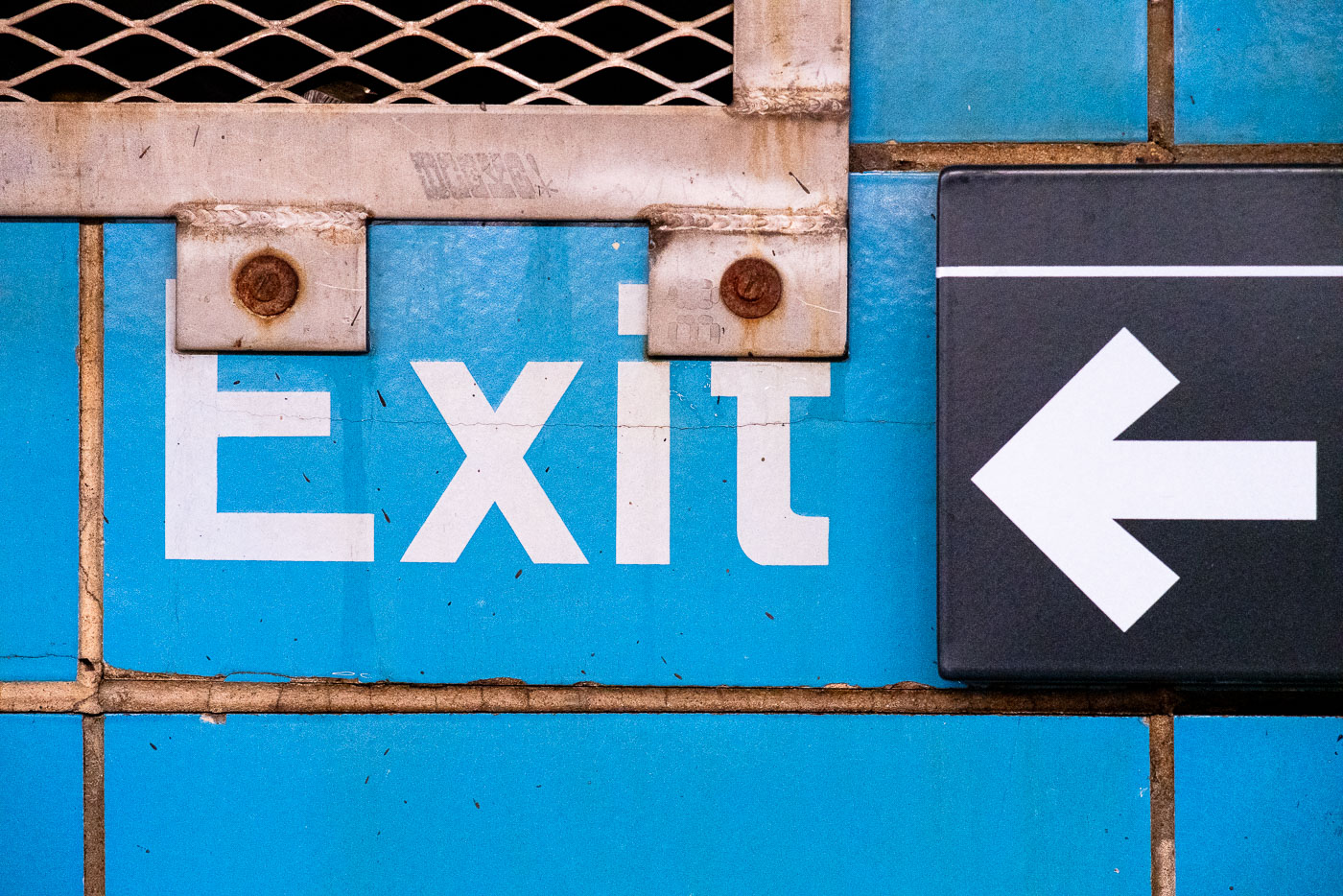 View full post: Exit Sign and Arrow at Rector Street Subway Station
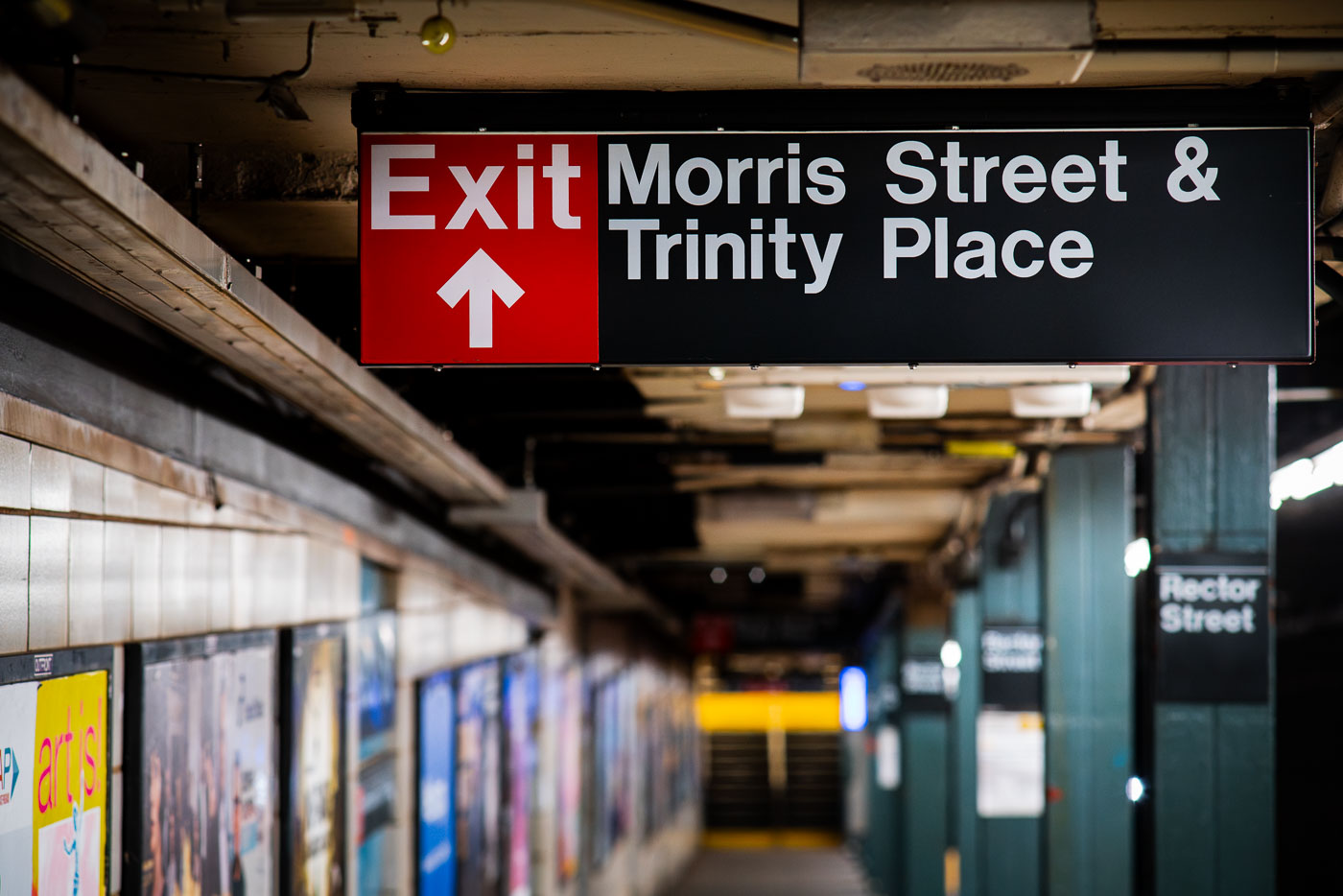 View full post: Exit Toward Morris Street and Trinity Place at Rector Street Station
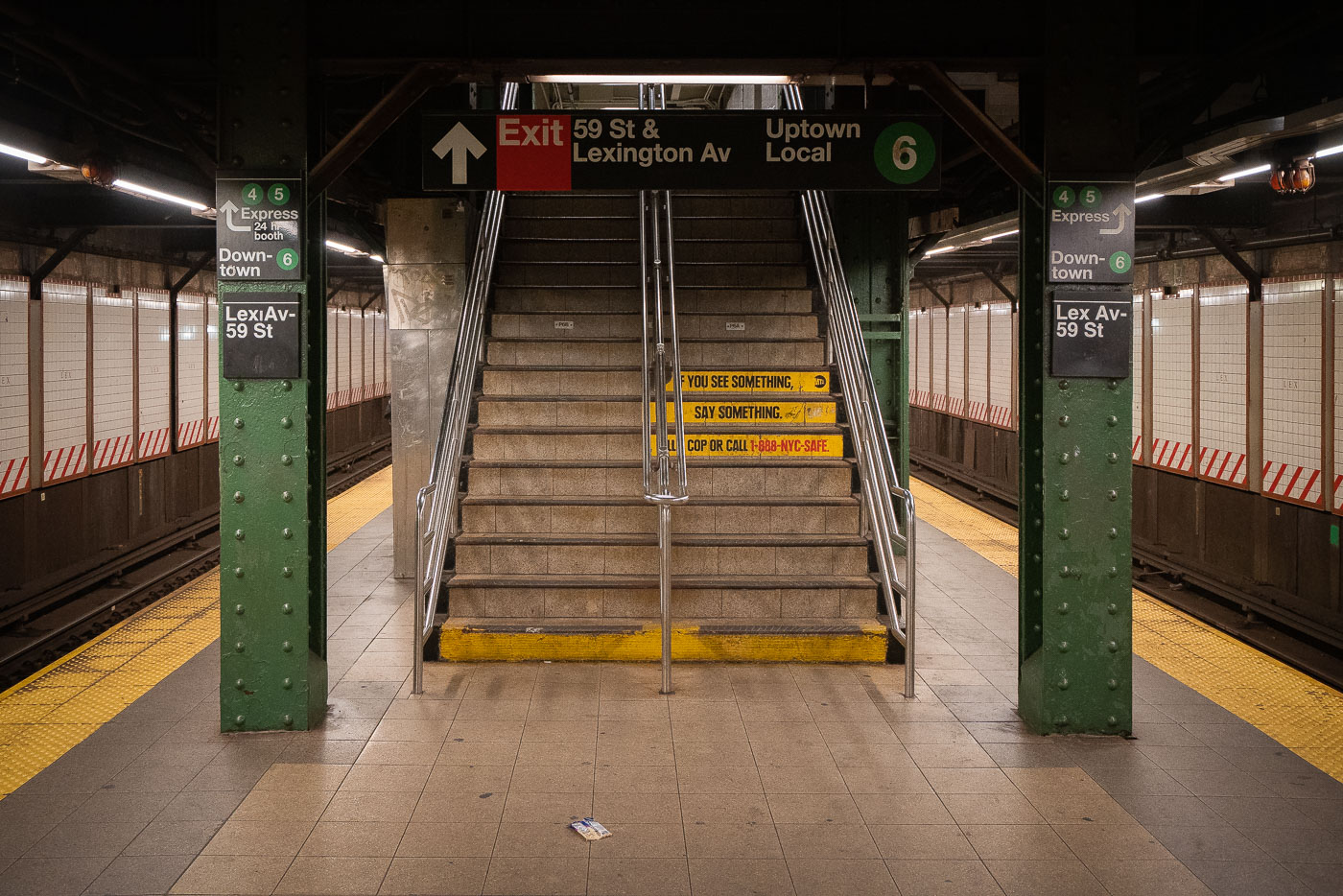 View full post: Exit Stairs at the Lexington Ave-59 St Subway Station
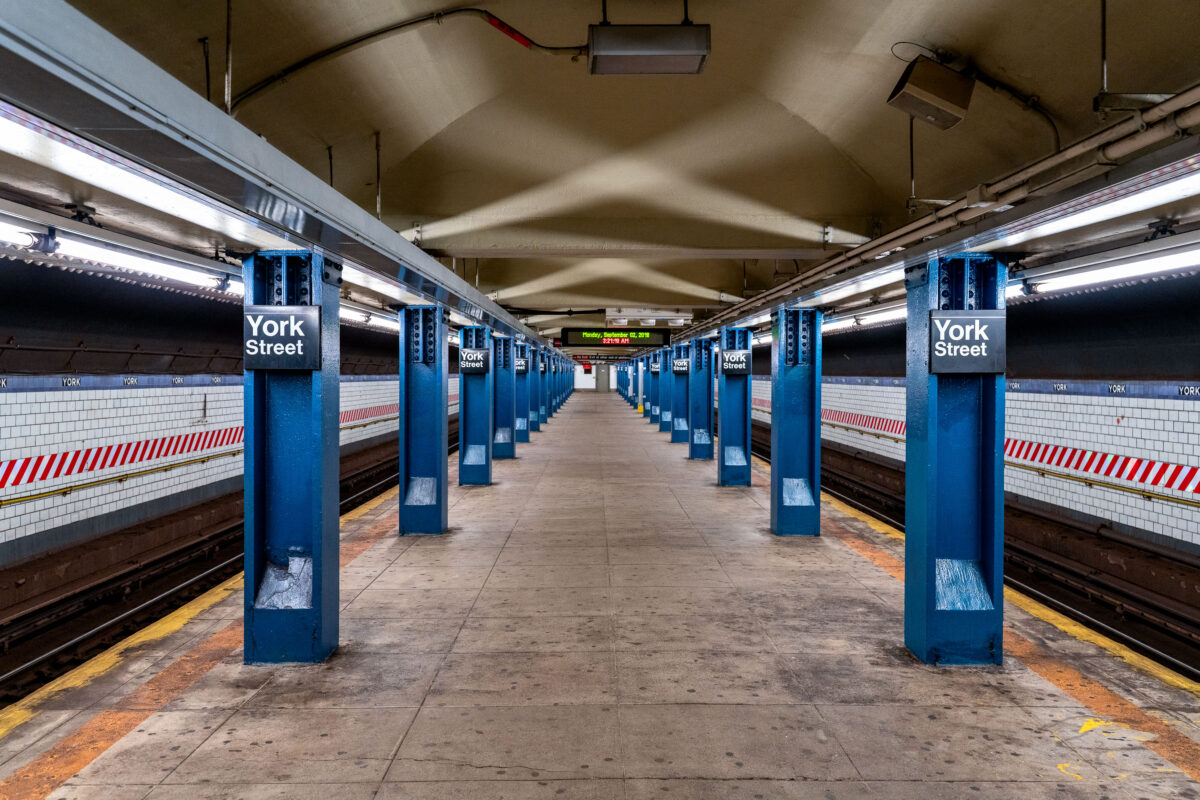
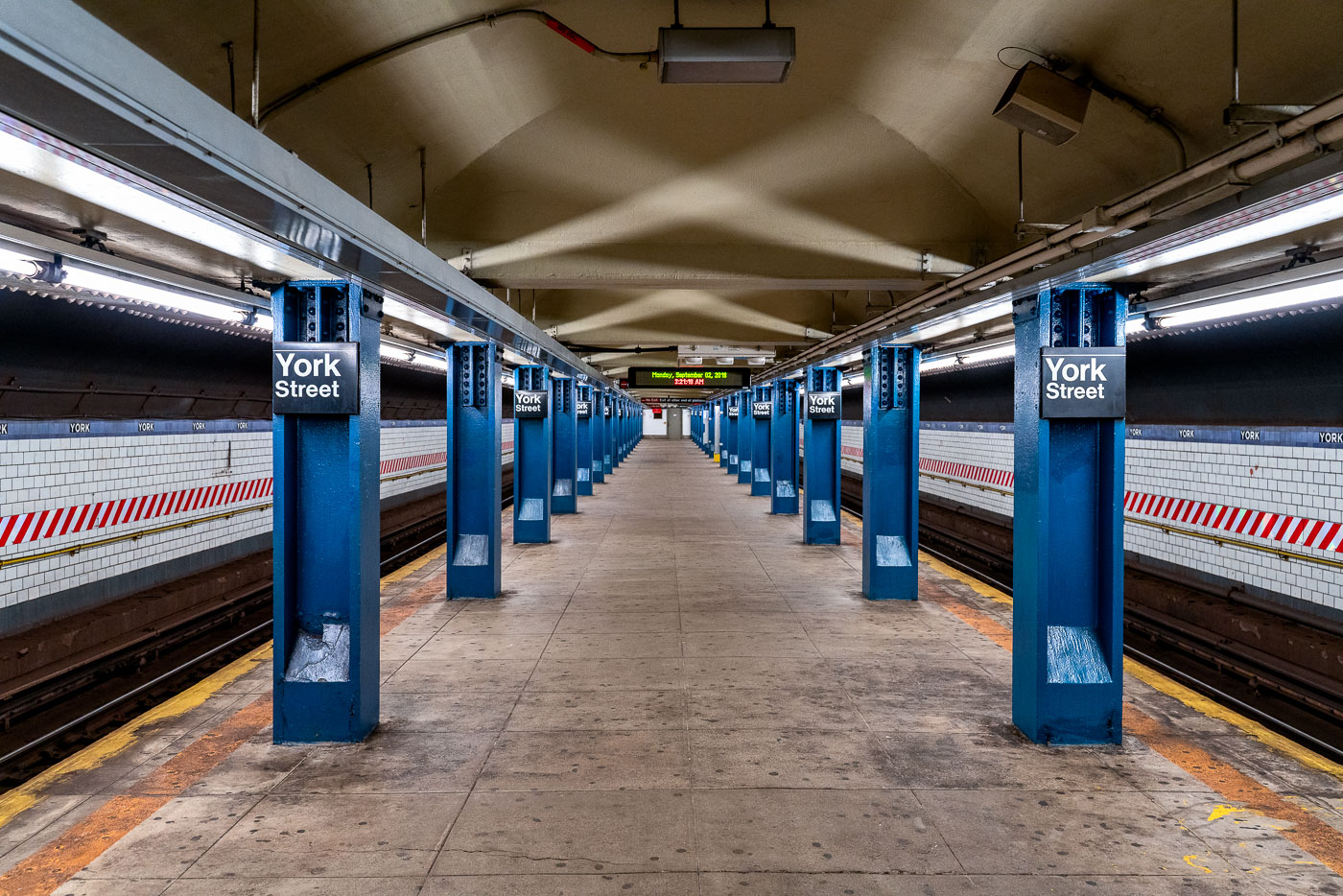 View full post: Repeating Blue Columns Along the Platform at York Street Station
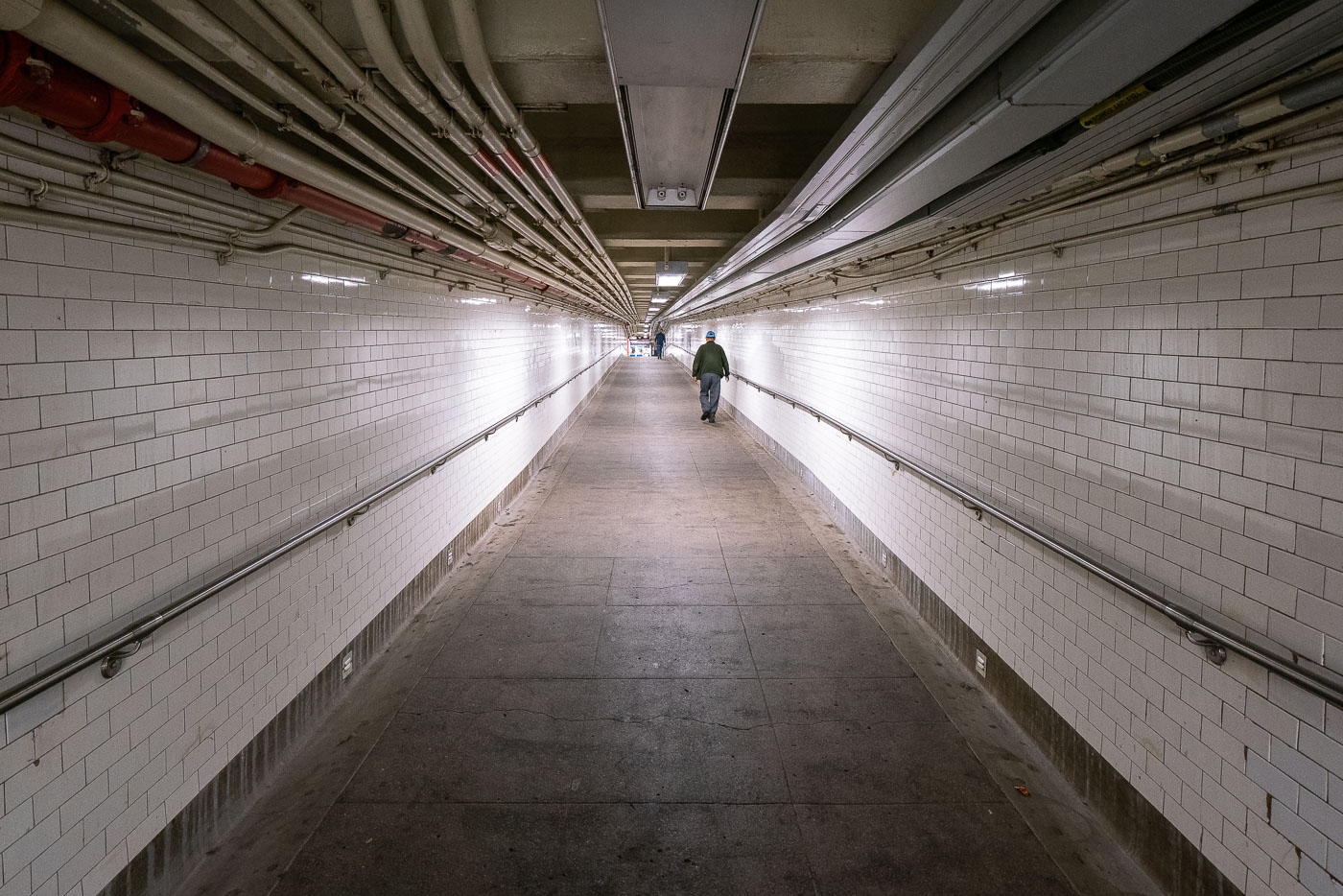 View full post: Lone Commuter in a Tiled Subway Passageway
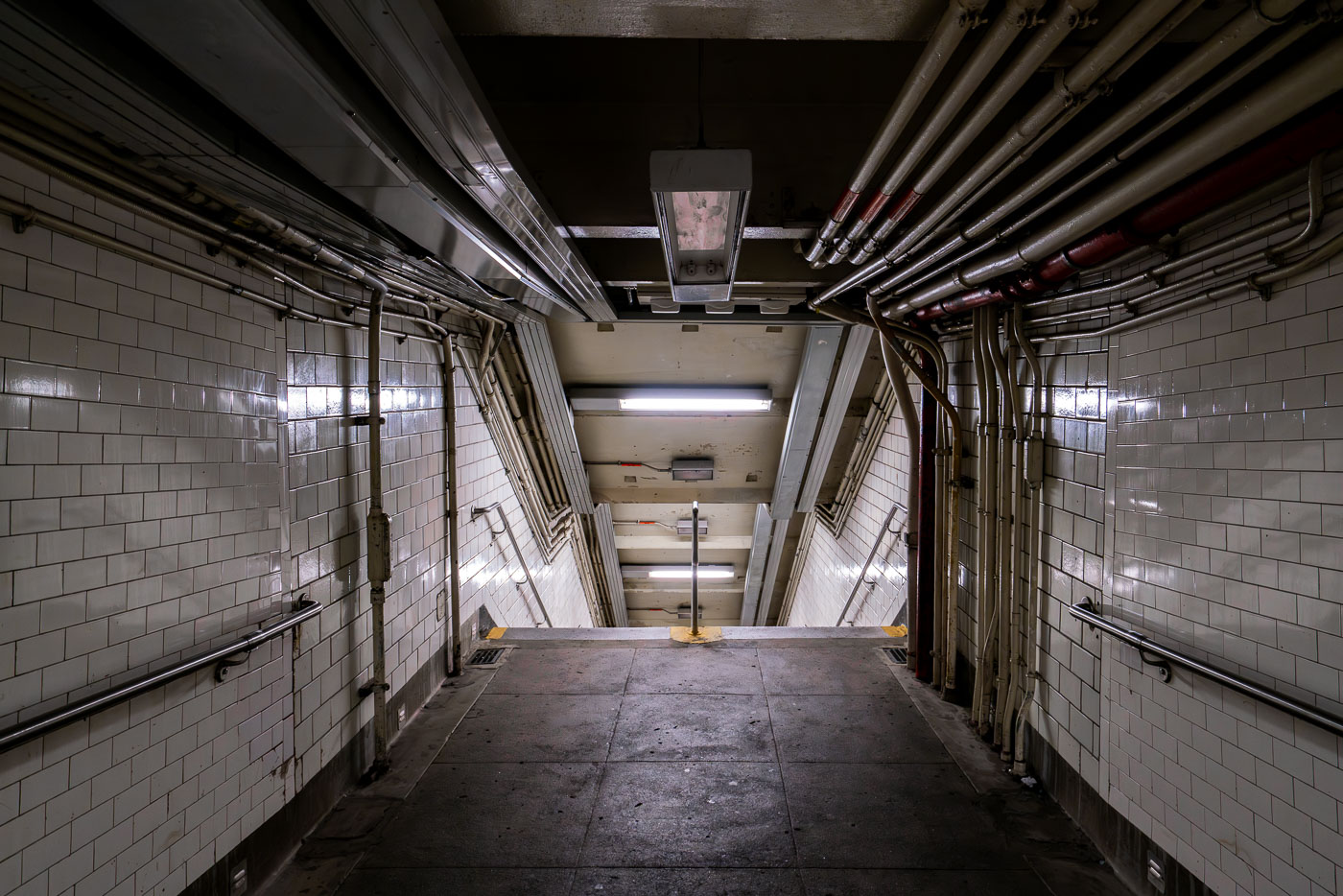 View full post: Tiled Stairwell and Overhead Pipes in an NYC Subway Passage
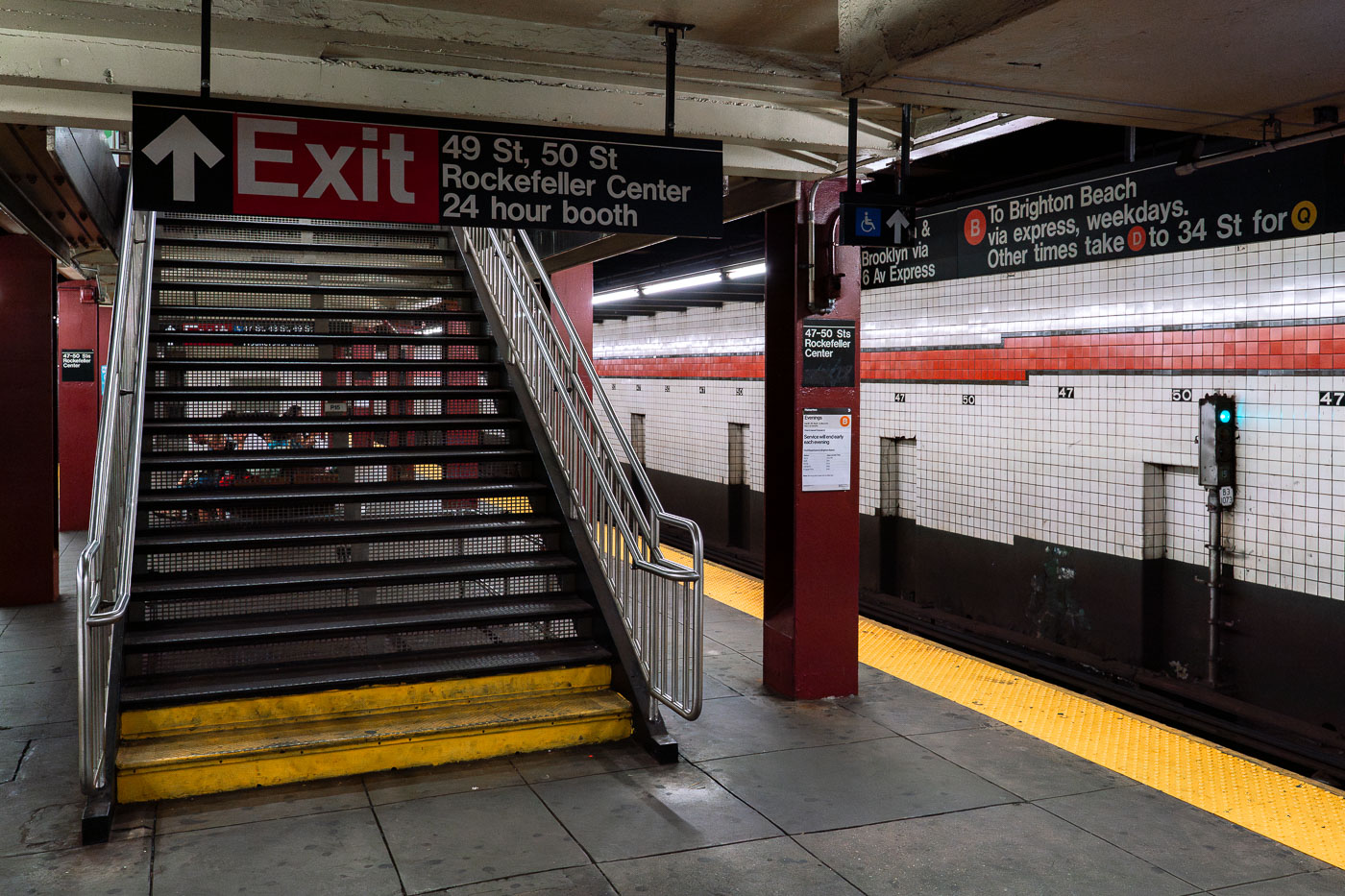 View full post: Platform View of the 47-50 Sts Rockefeller Center Subway Station
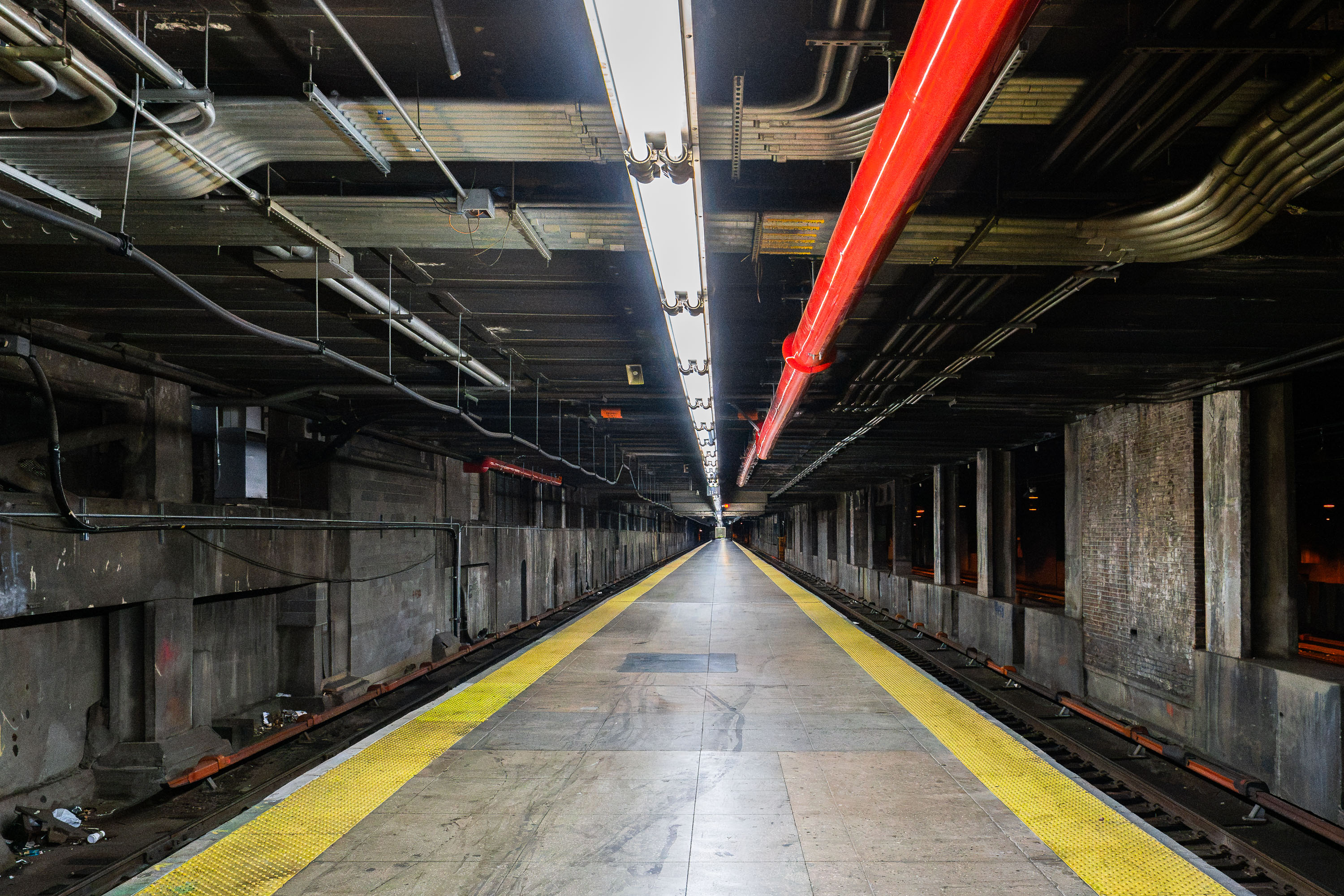 View full post: Empty Platform at Grand Central–42nd Street Subway Station
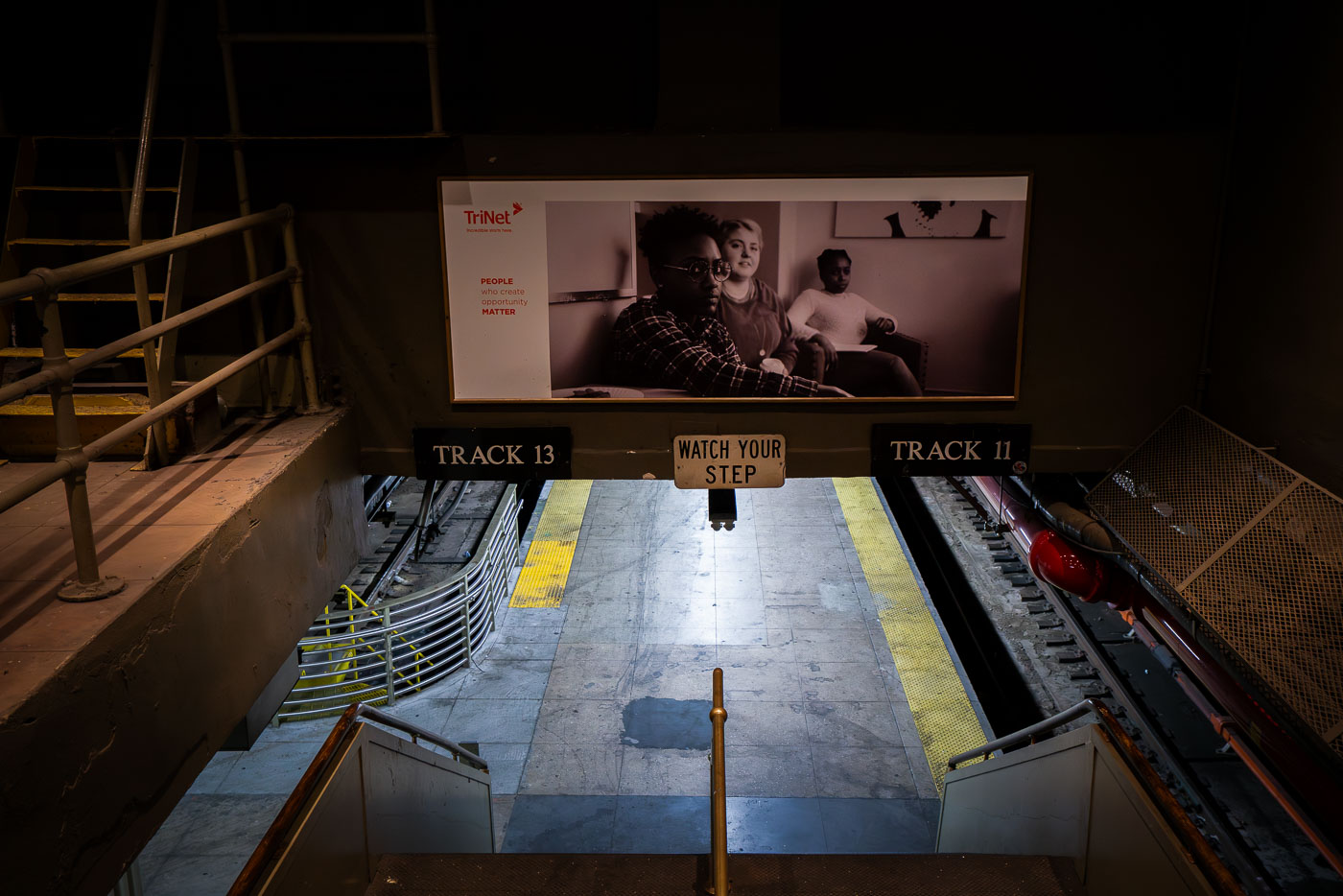 View full post: Stairway Down to Tracks 11 and 13 at Penn Station
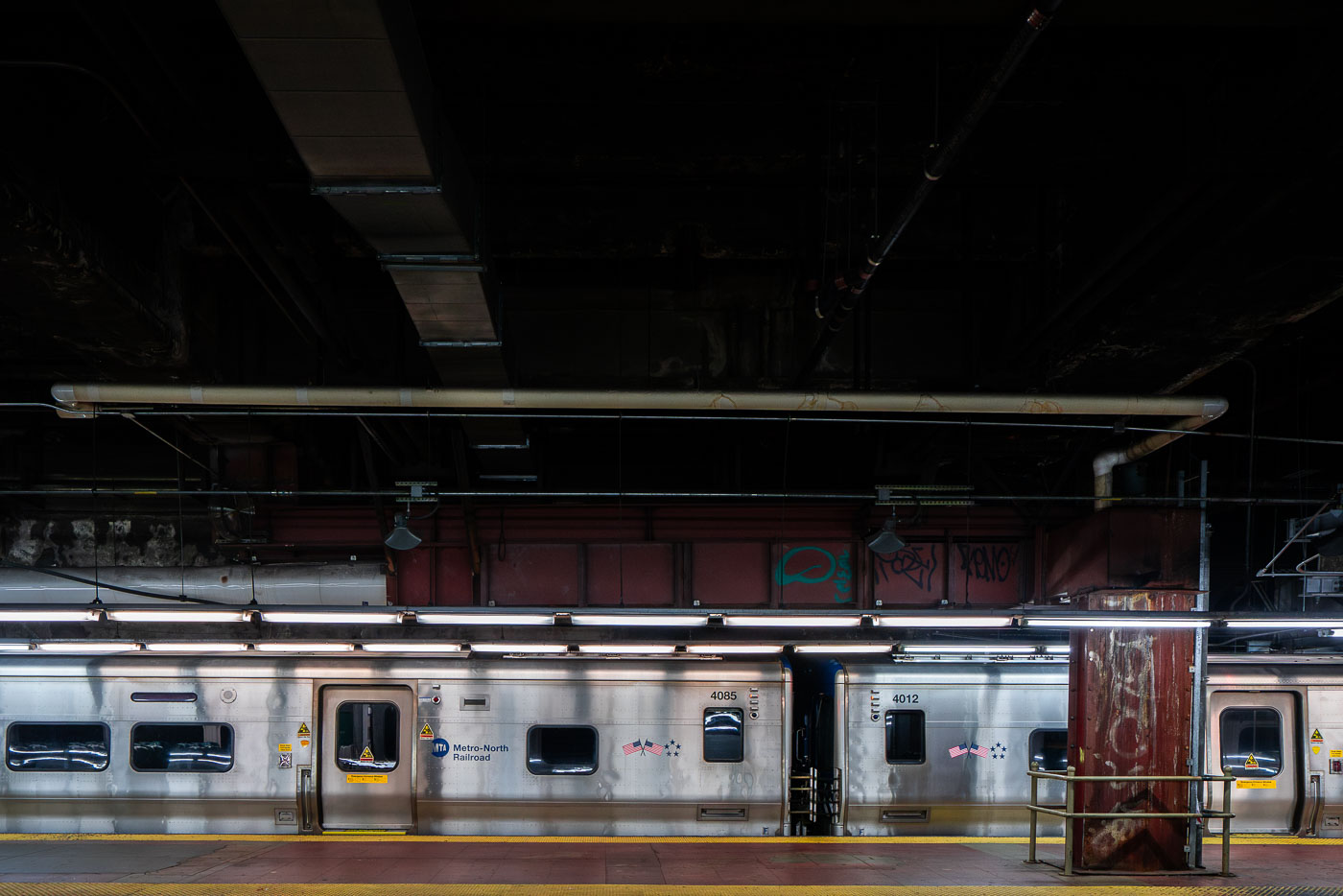 View full post: Metro-North Railcars on the Platform, Grand Central Terminal
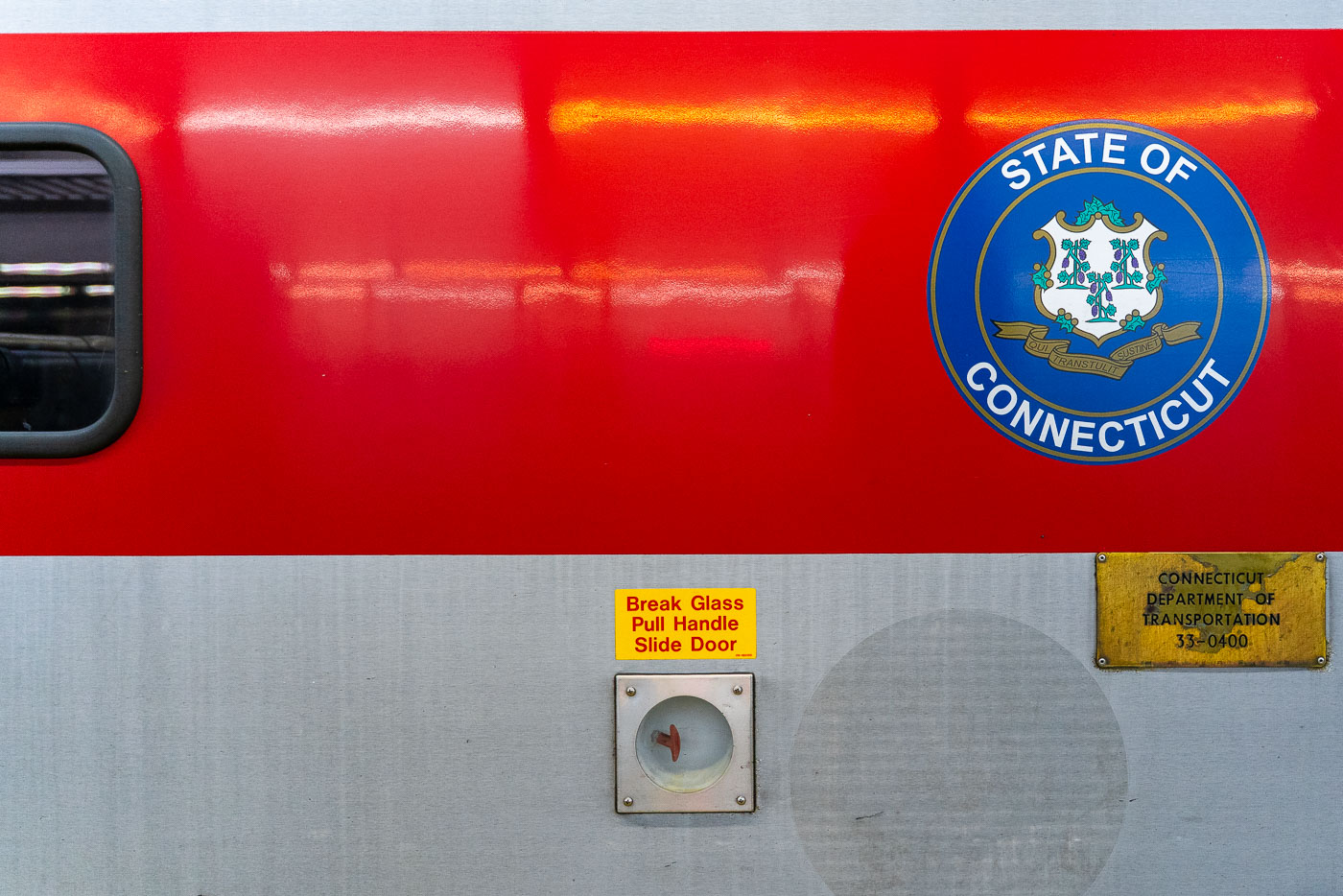 View full post: Connecticut DOT Seal on a Metro-North Railcar
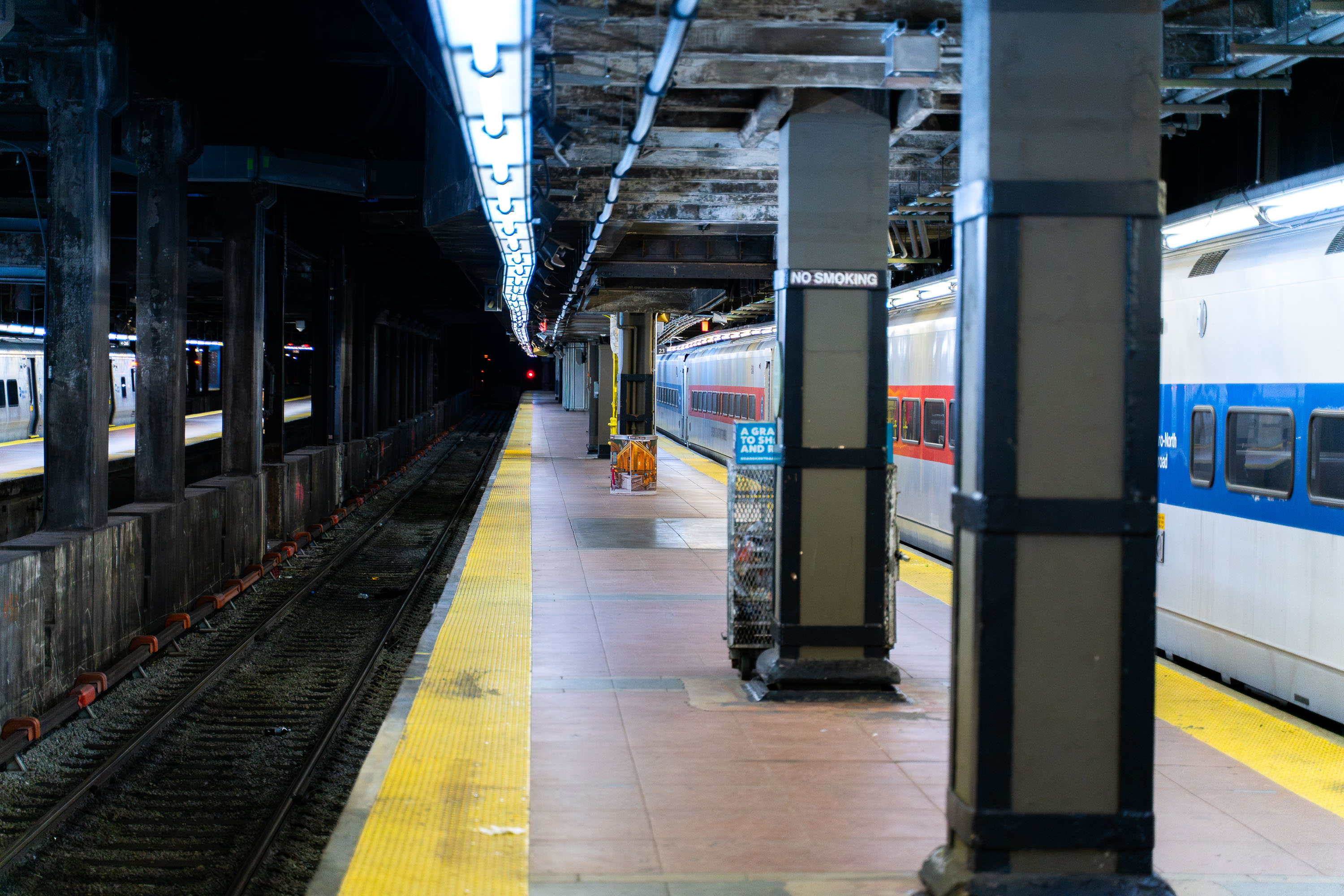 View full post: Empty Platform Below Grand Central Terminal’s Lower Level
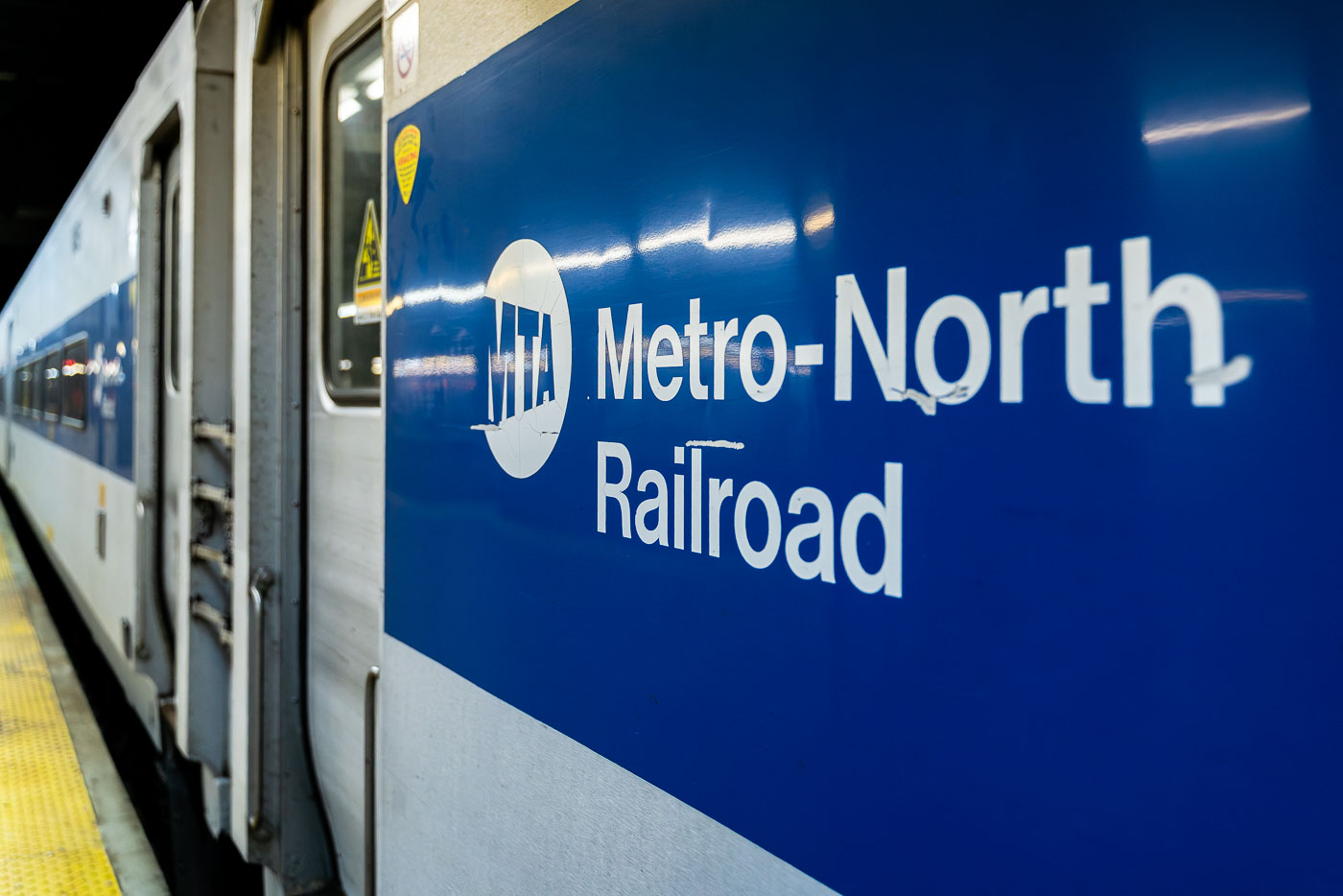 View full post: Metro-North Railroad Car on the Platform at Grand Central
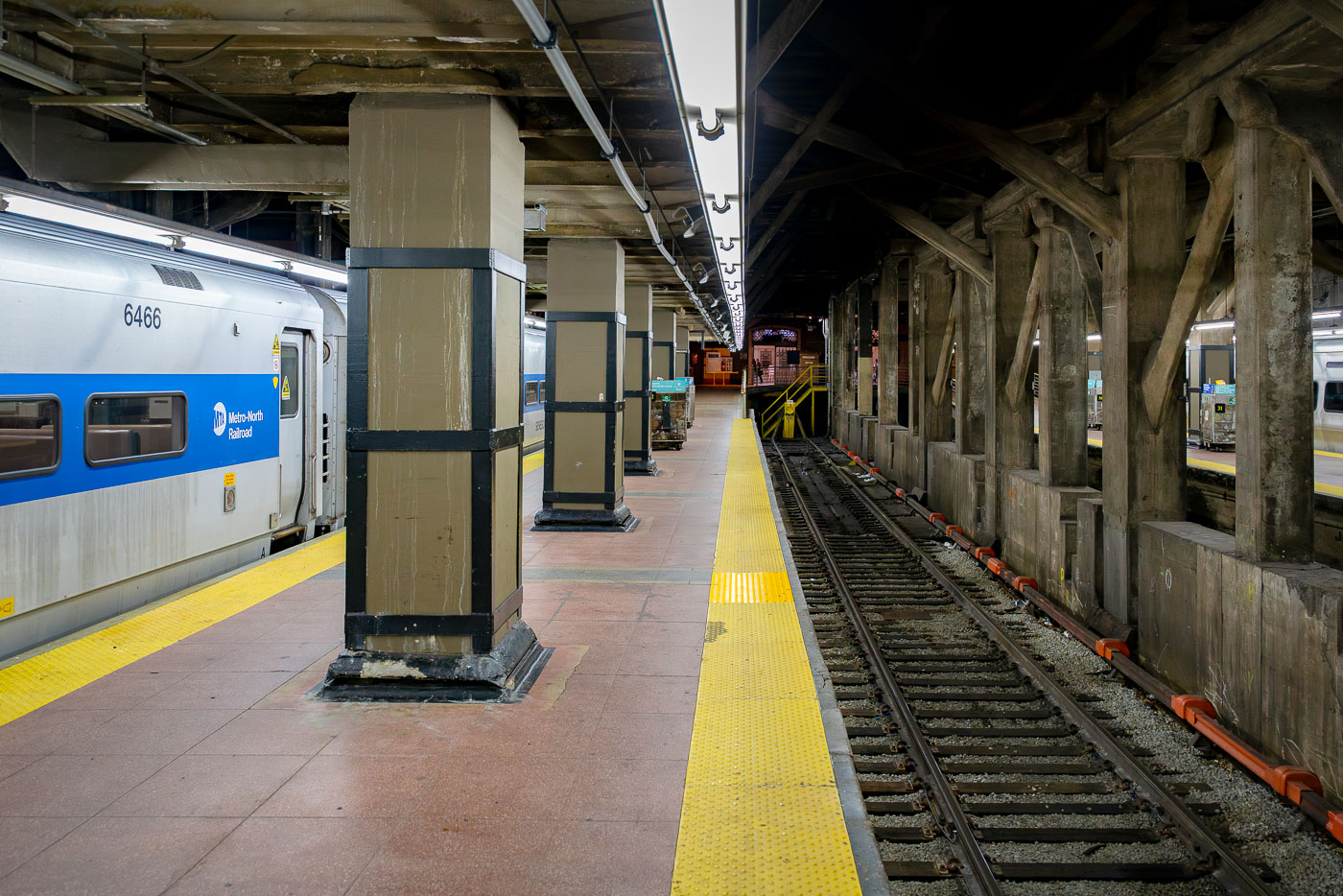 View full post: Metro-North Train at the Platform in Grand Central Terminal
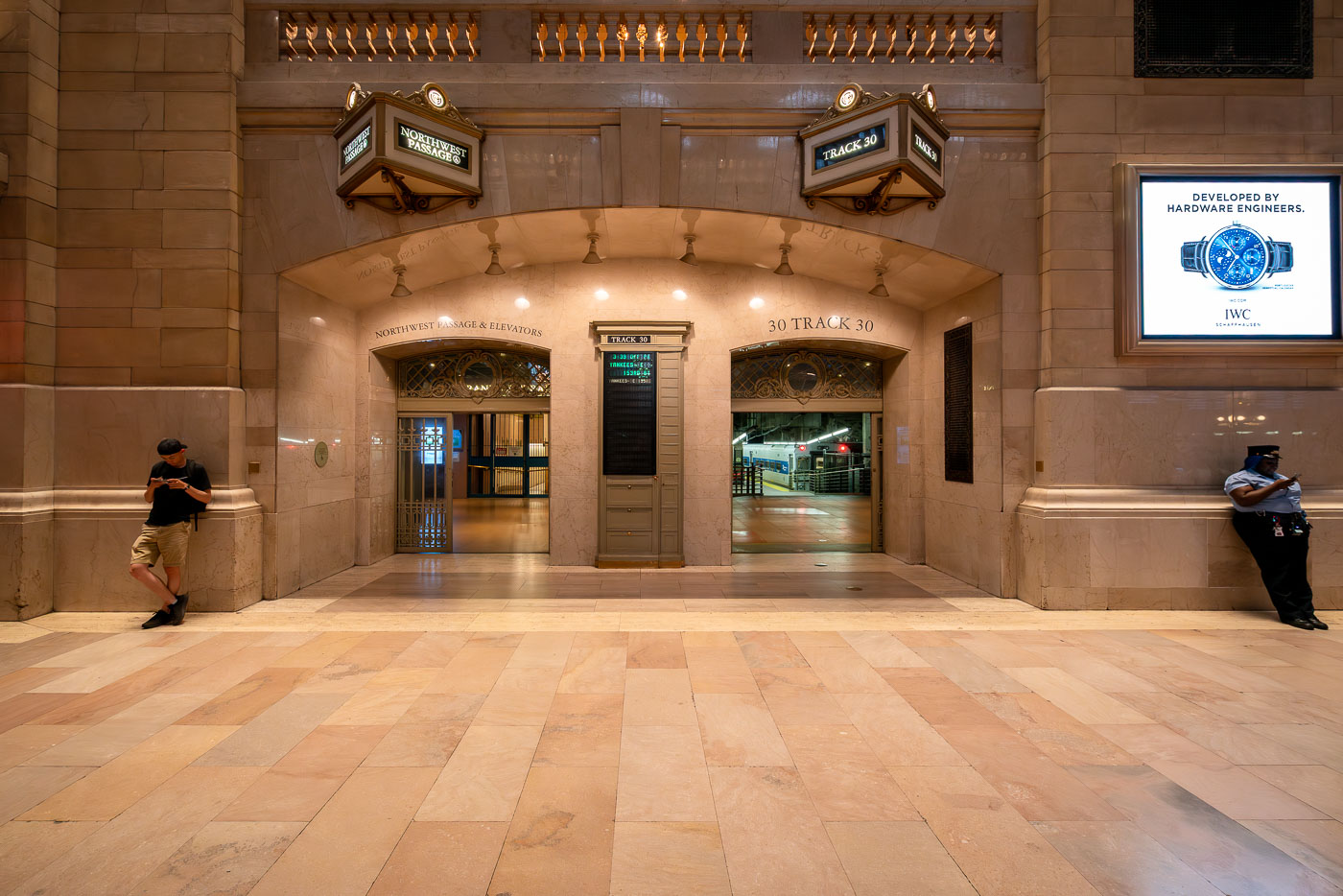 View full post: Track 30 Entrance at Grand Central Terminal
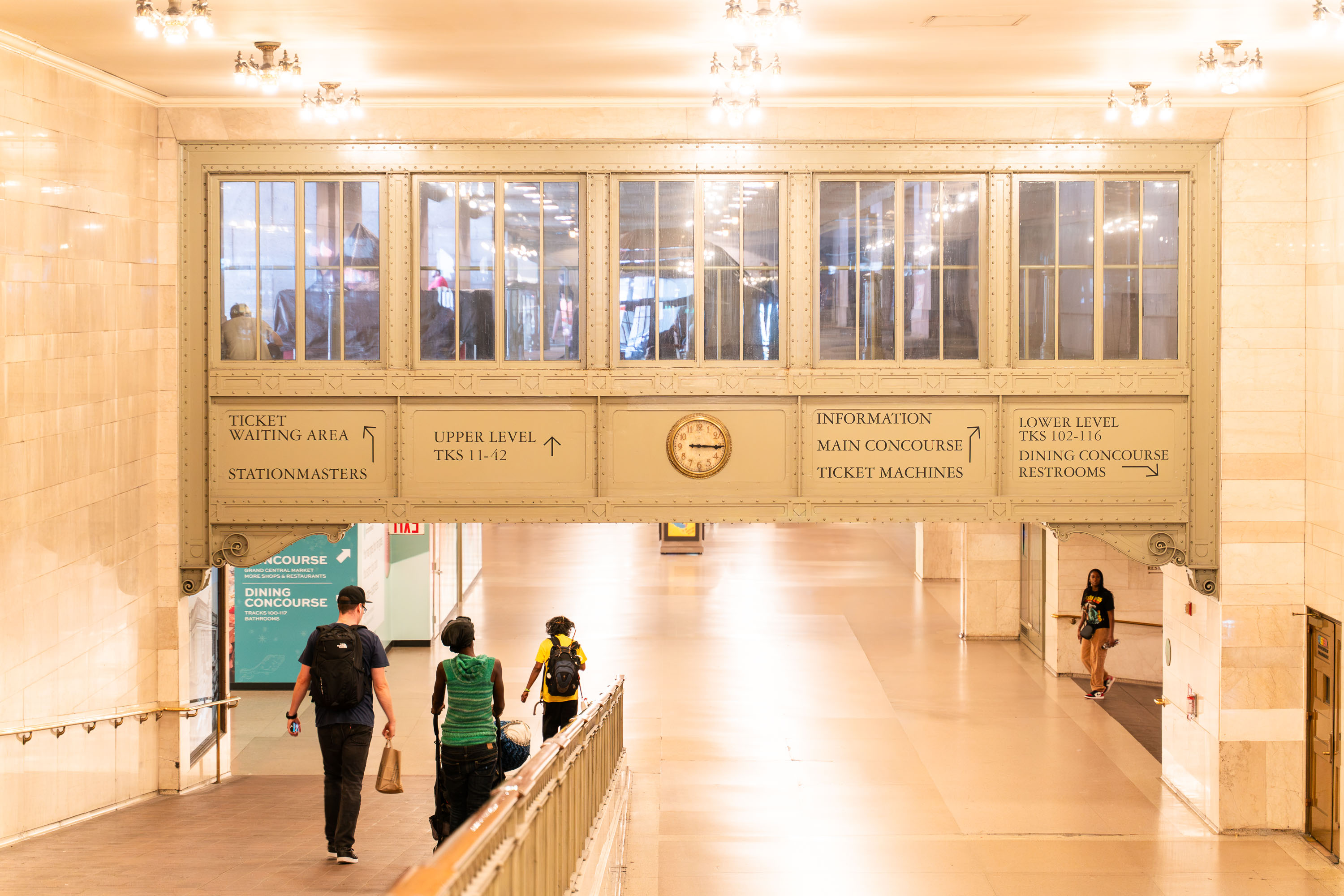 View full post: Ticket Window Signage Above Grand Central’s Dining Concourse
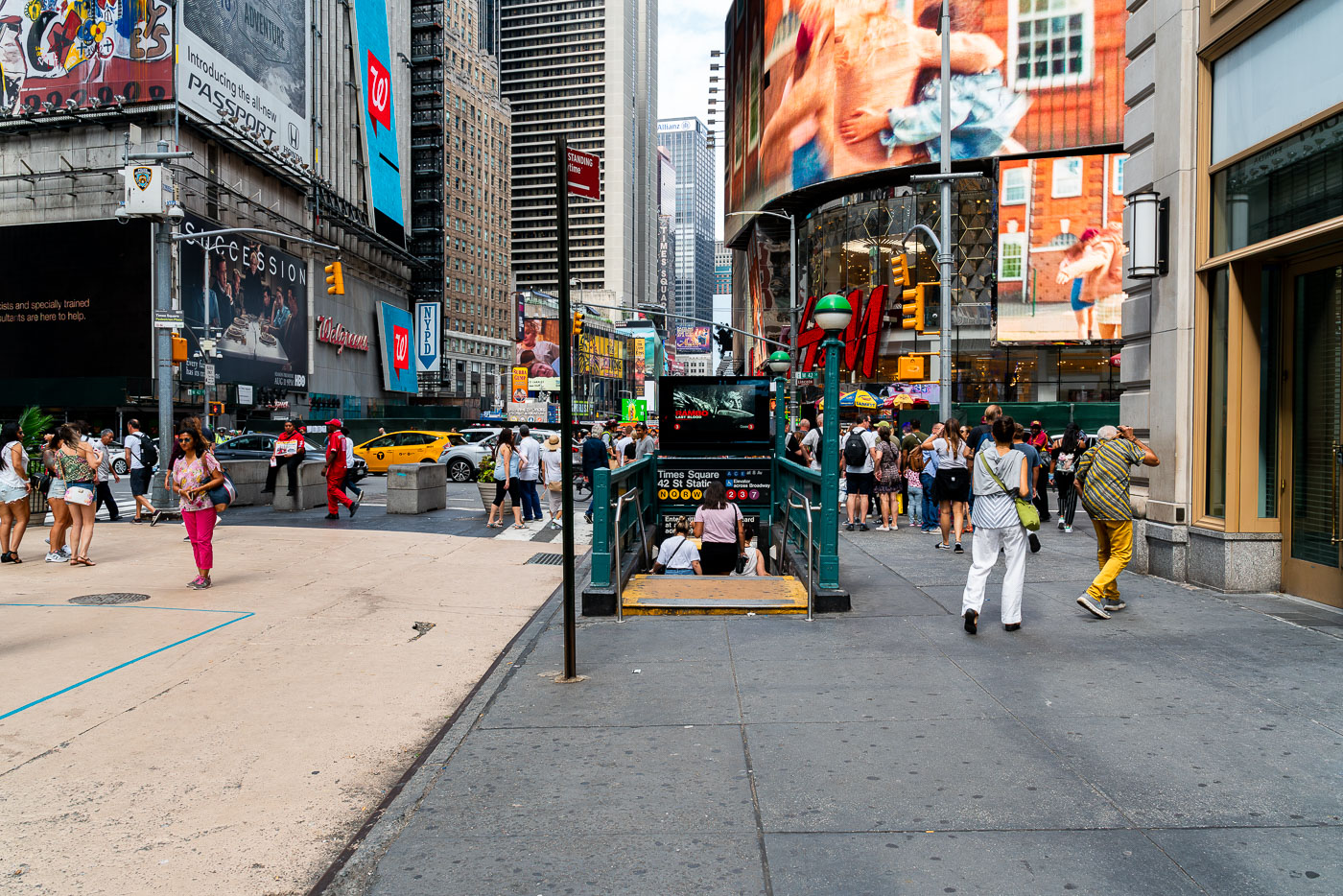 View full post: Crowds Entering the 42nd St-Times Square Subway Station
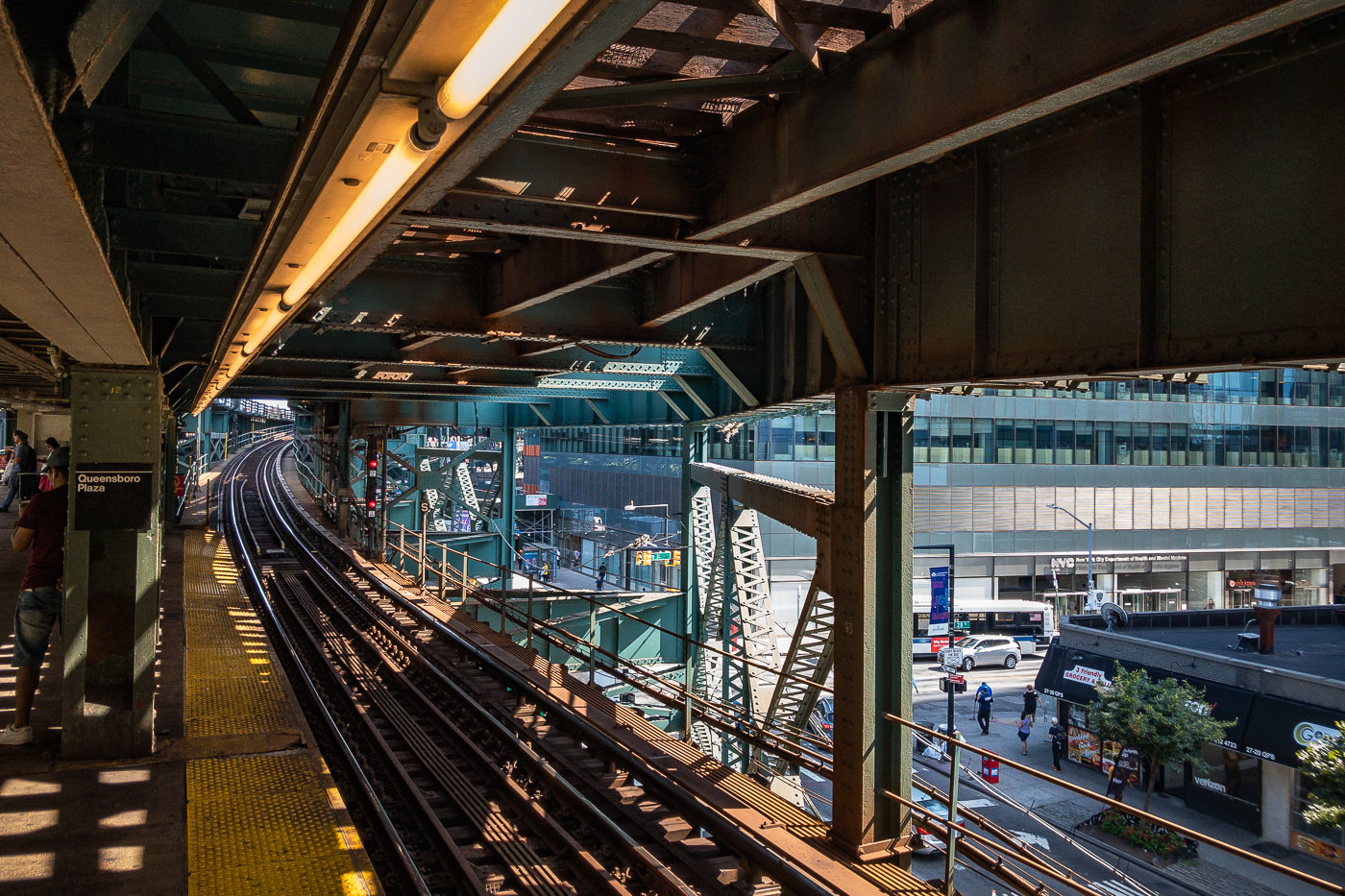 View full post: Elevated Tracks Curve Toward Long Island City at Queensboro Plaza
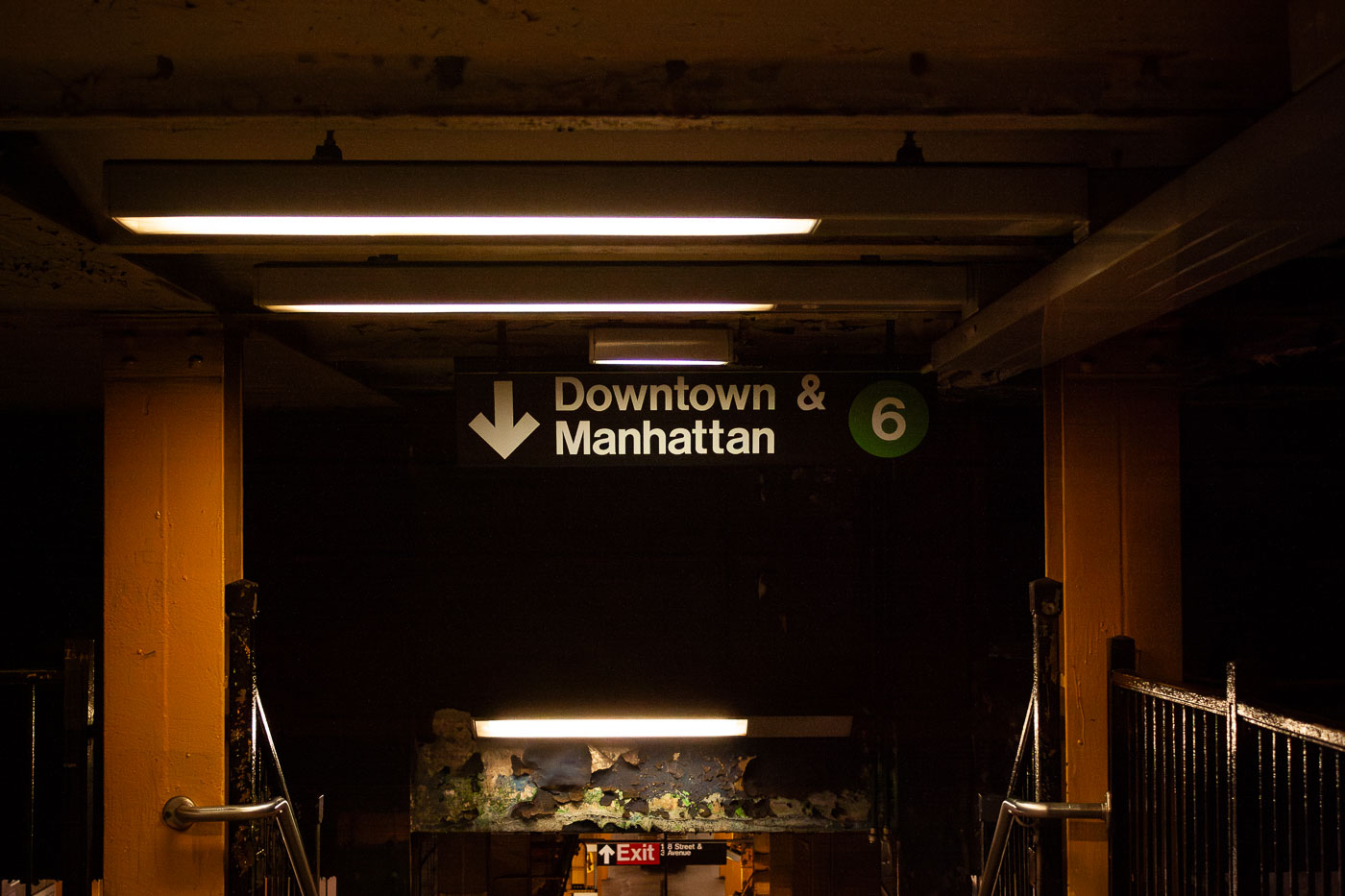 View full post: “Downtown & Manhattan” Sign Above the 6 Train Stairway
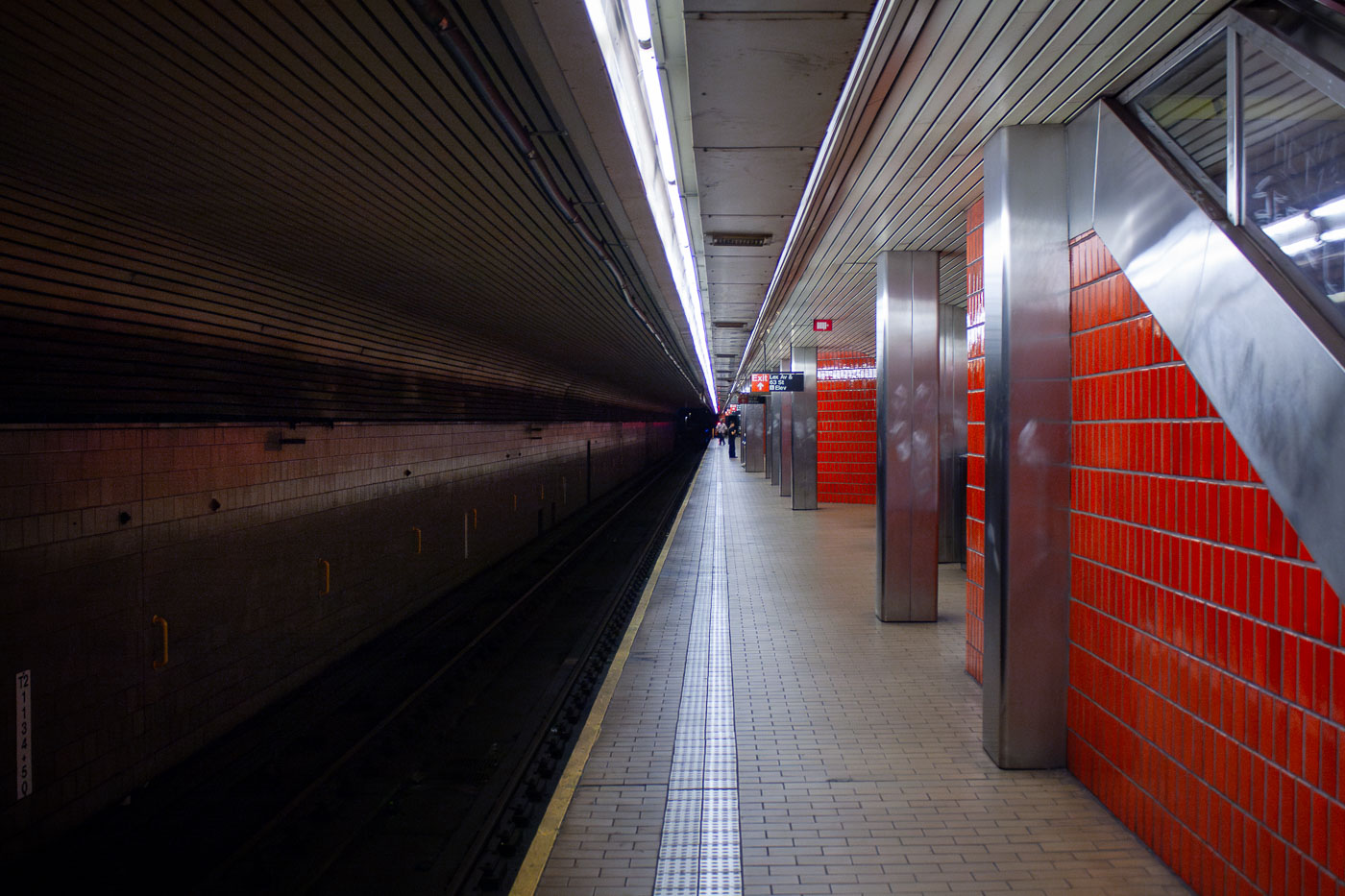 View full post: Red-Tiled Platform at Lexington Avenue–63rd Street Station
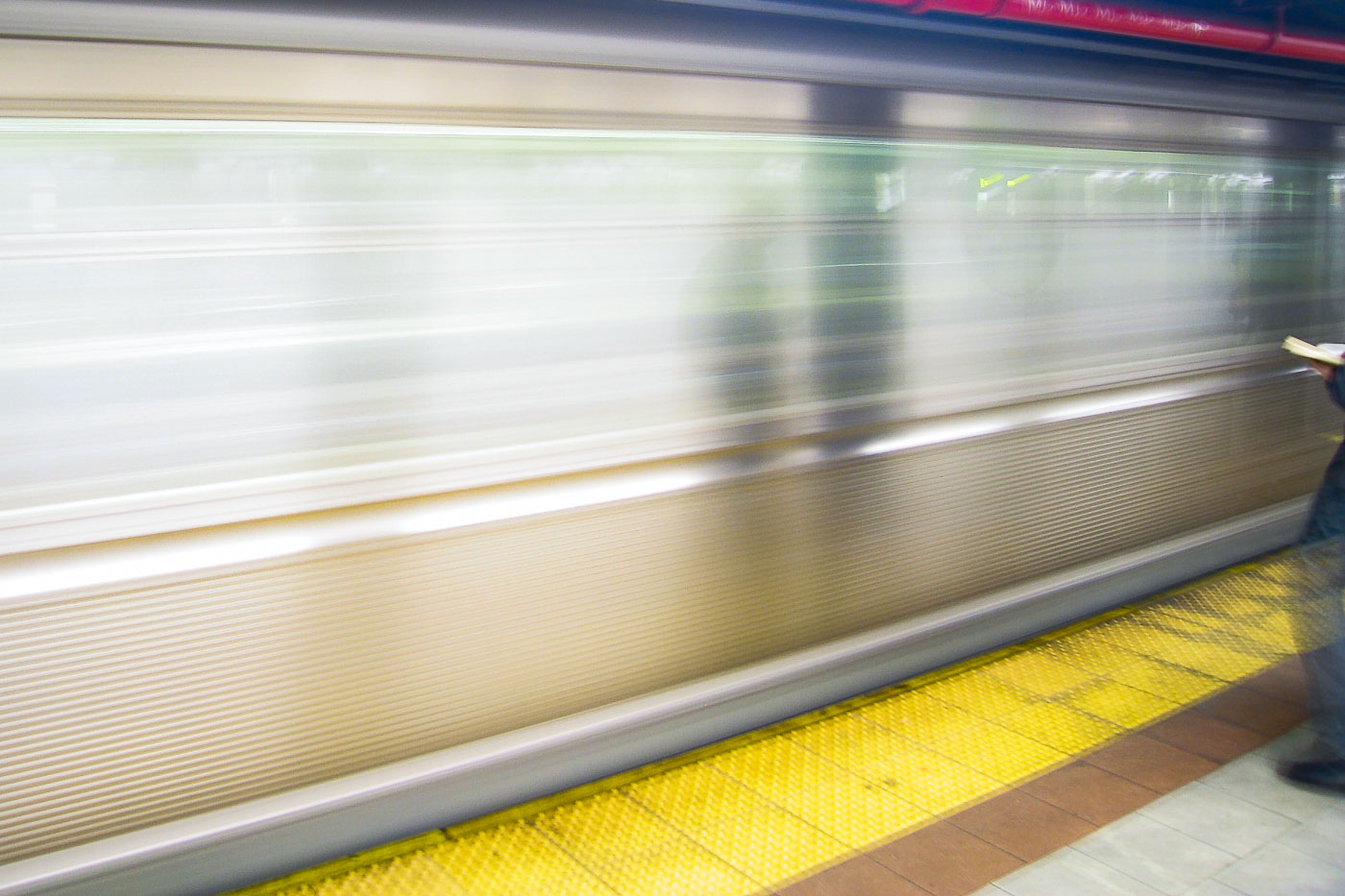 View full post: A New York City Subway Train Speeds Through a Station
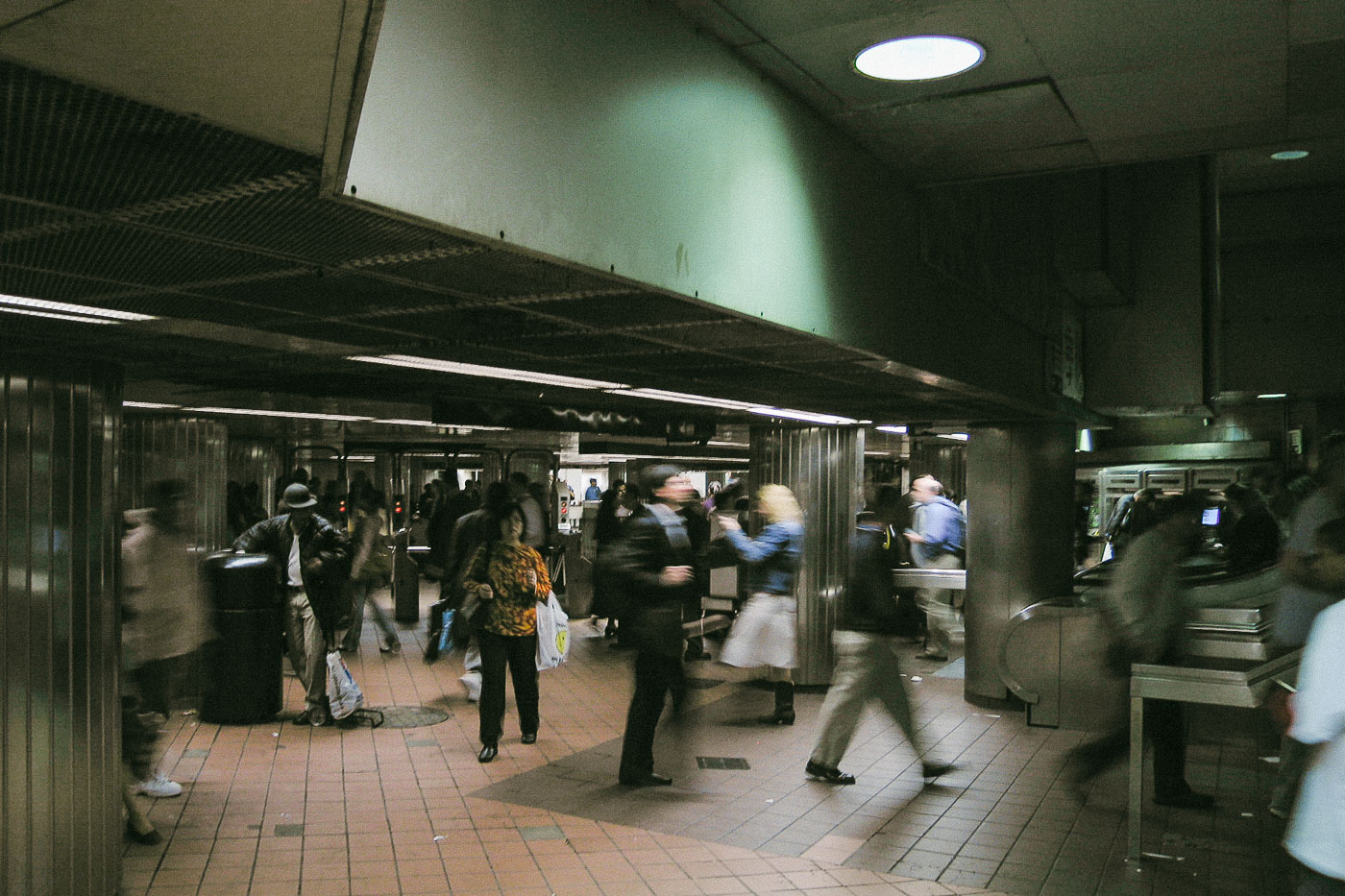 View full post: Commuters Cross a New York City Subway Mezzanine