Photo Set
Mexico City Trains
Platforms, trains, and transfer points on Mexico City Metro Lines 1, 5, 9, and A
Mexico City's metro system has moved passengers across one of the world's most populous urban areas since Line 1 opened in 1969, making it among the oldest and largest subway networks in Latin America. Running on rubber-tired trains, its original east-west corridor still forms the spine of a system that now carries millions of riders every day.
Pantitlán Station sits at the eastern end of that corridor and functions as one of the network's most critical transfer points, connecting Lines 1, 5, 9, and A at a single platform complex. For commuters travelling across the metropolitan area's eastern districts, it is often an unavoidable part of the journey, and the volume of passengers moving through it daily reflects just how much of the city's daily life depends on the metro running without interruption.
This instalment in the ongoing Trains series focuses on the metro as a working system rather than a landmark — the platforms under load, the trains running beside elevated roads like Viaducto, the ordinary mechanics of a city in motion. Where other parts of the series have examined railways in other countries and contexts, Mexico City sits at the intersection of scale and age: a network built before most of its riders were born, still absorbing the pressure of a megalopolis that has grown far beyond what its planners anticipated.
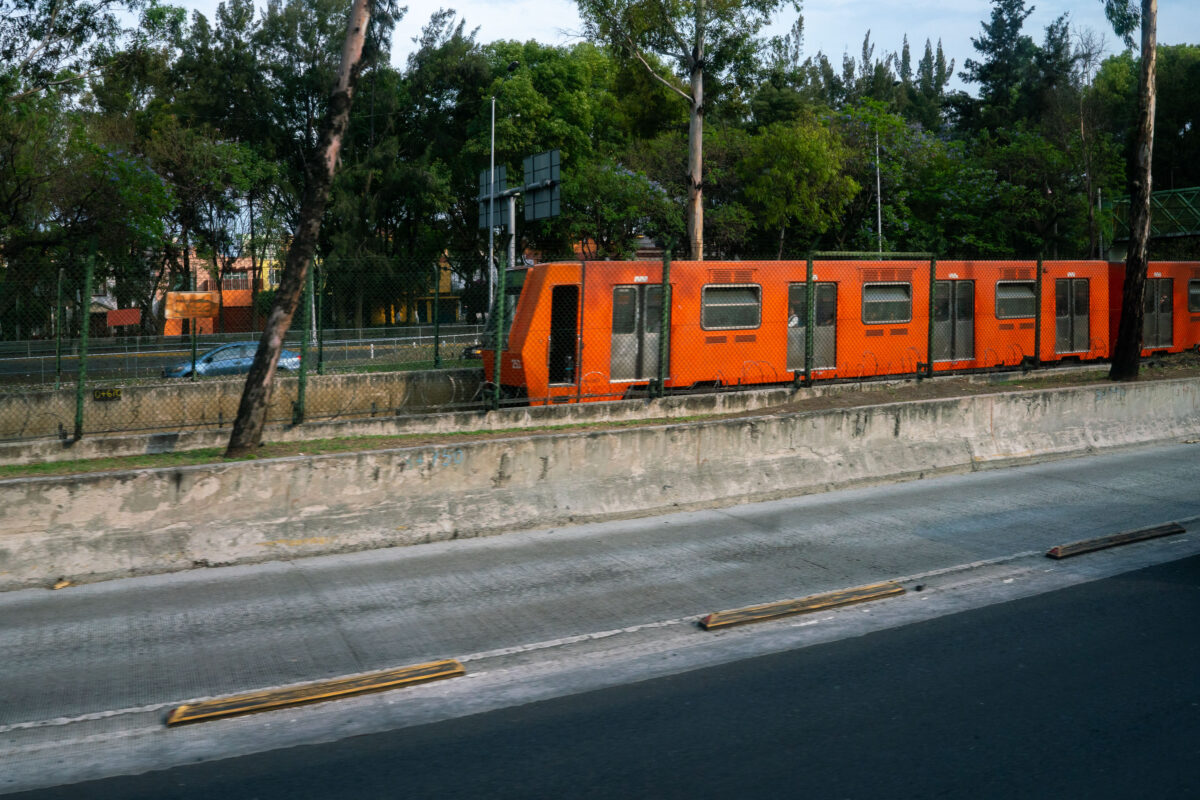
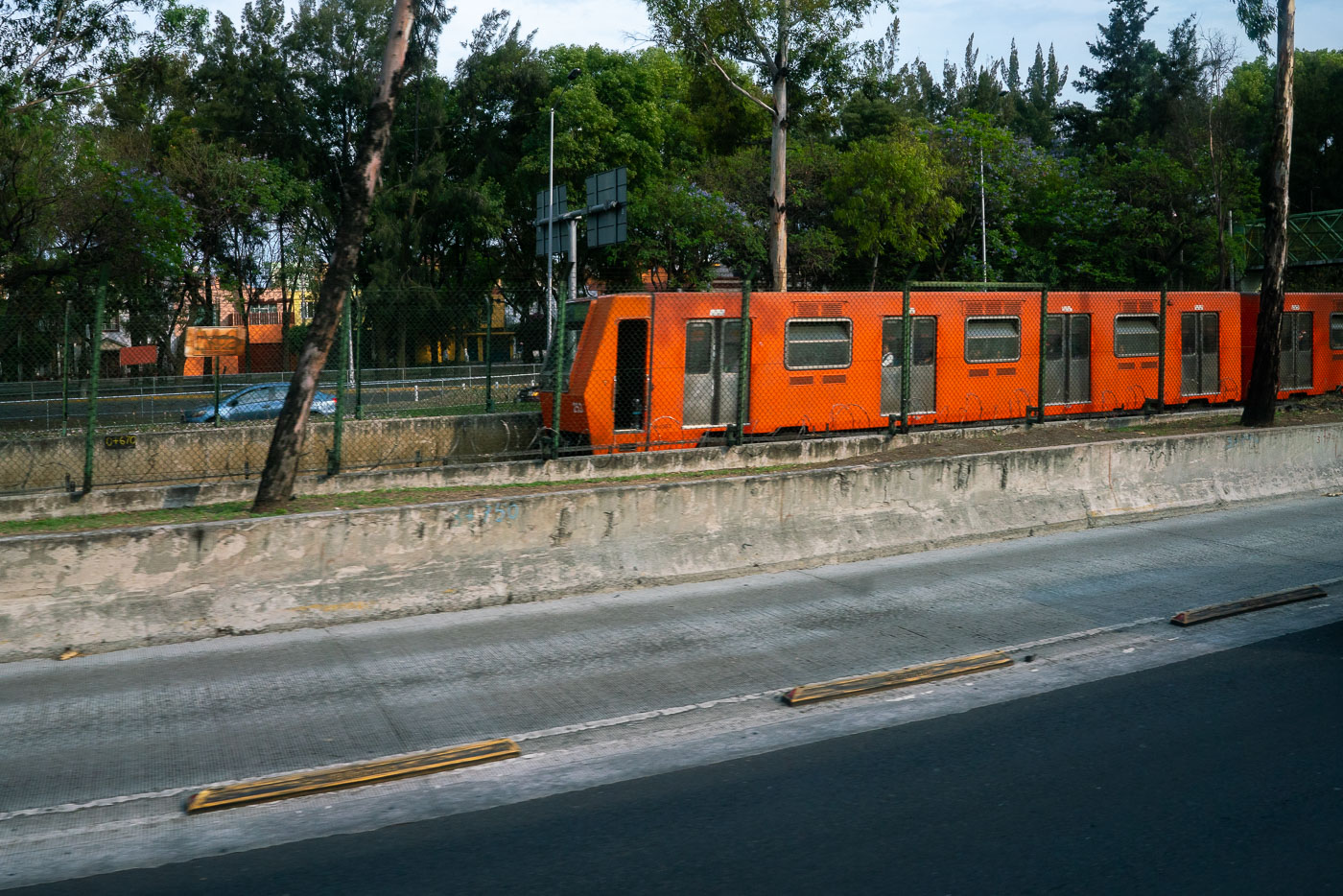 View full post: Mexico City Metro Line 1 Train Along Viaducto Road
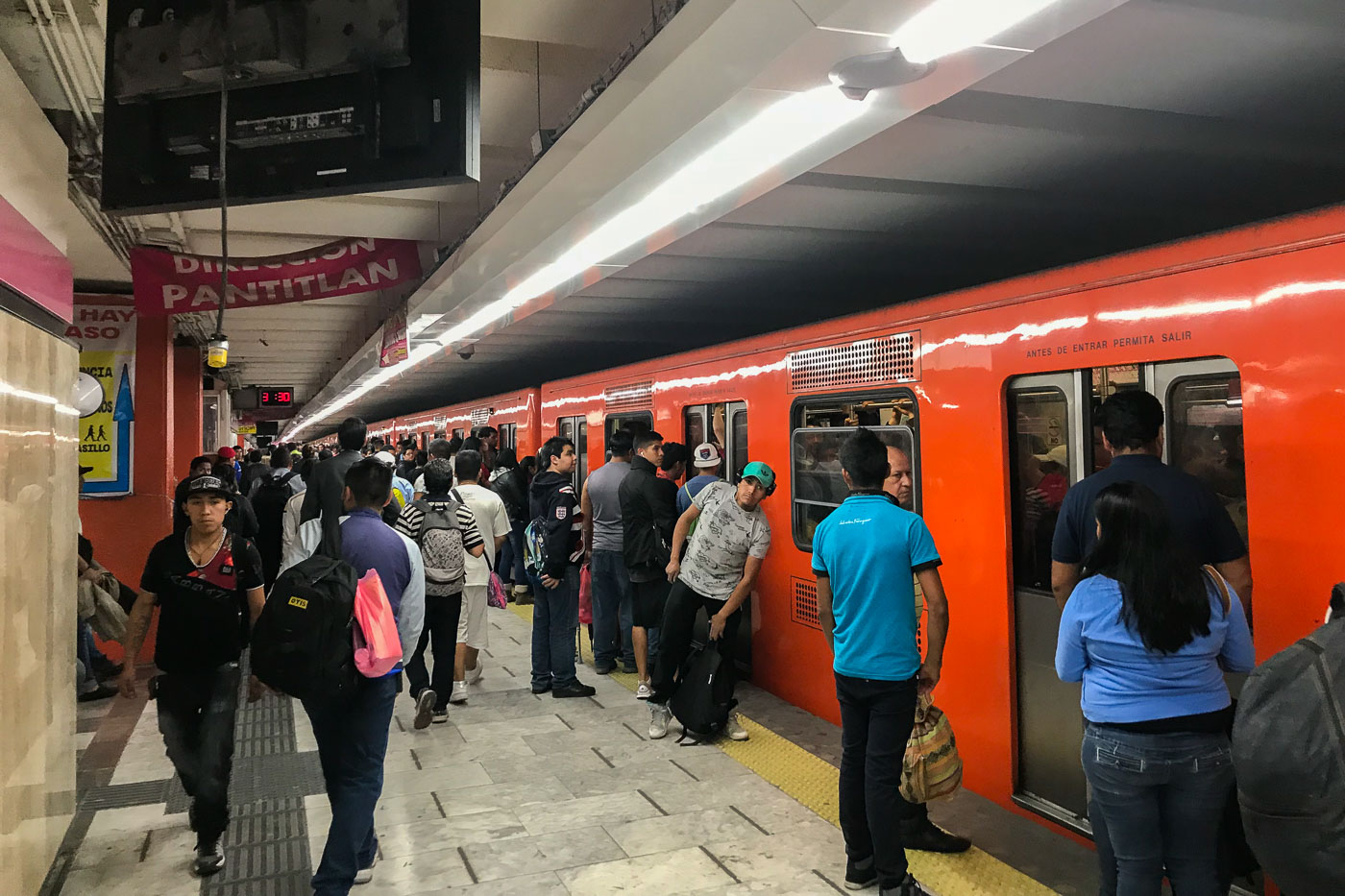 View full post: Mexico City Metro: Pantitlan Station Platform
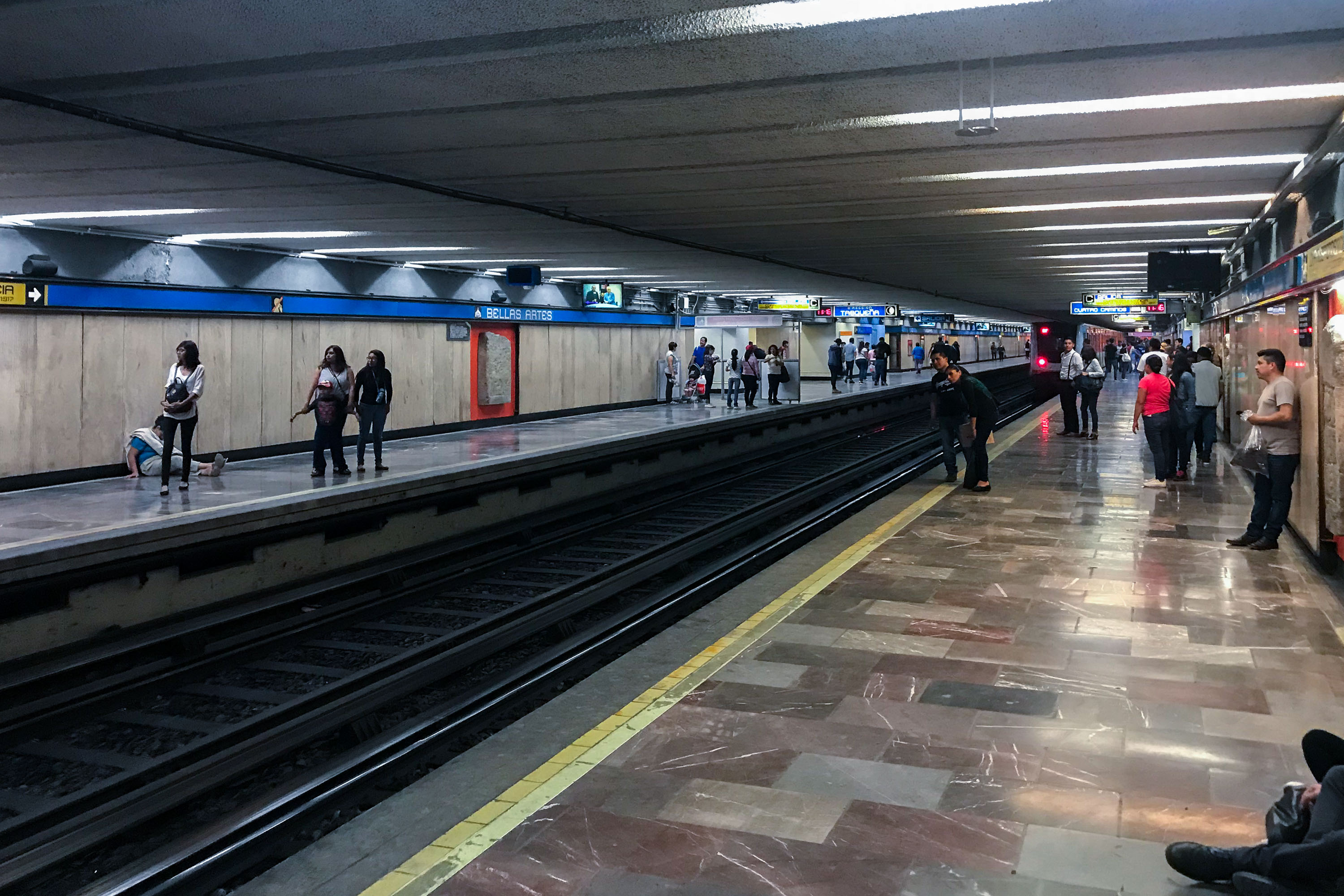 View full post: Bellas Artes Metro Station, Mexico City