
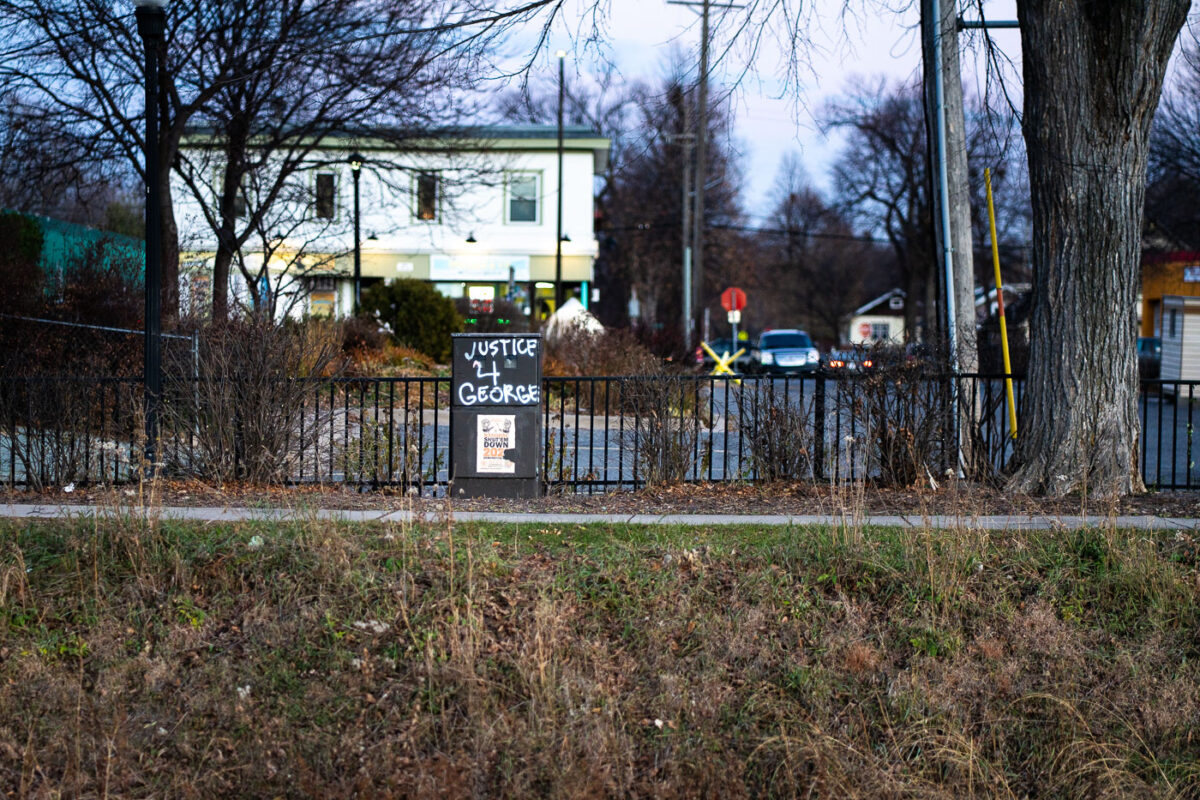
Justice 4 George at Columbus and 38th St
A utility box with "Justice 4 George" written on it near 38th street in South Minneapolis.
Landscape, cityscape and documentary photography taken in Minneapolis, Minnesota.
A utility box with "Justice 4 George" written on it near 38th street in South Minneapolis.
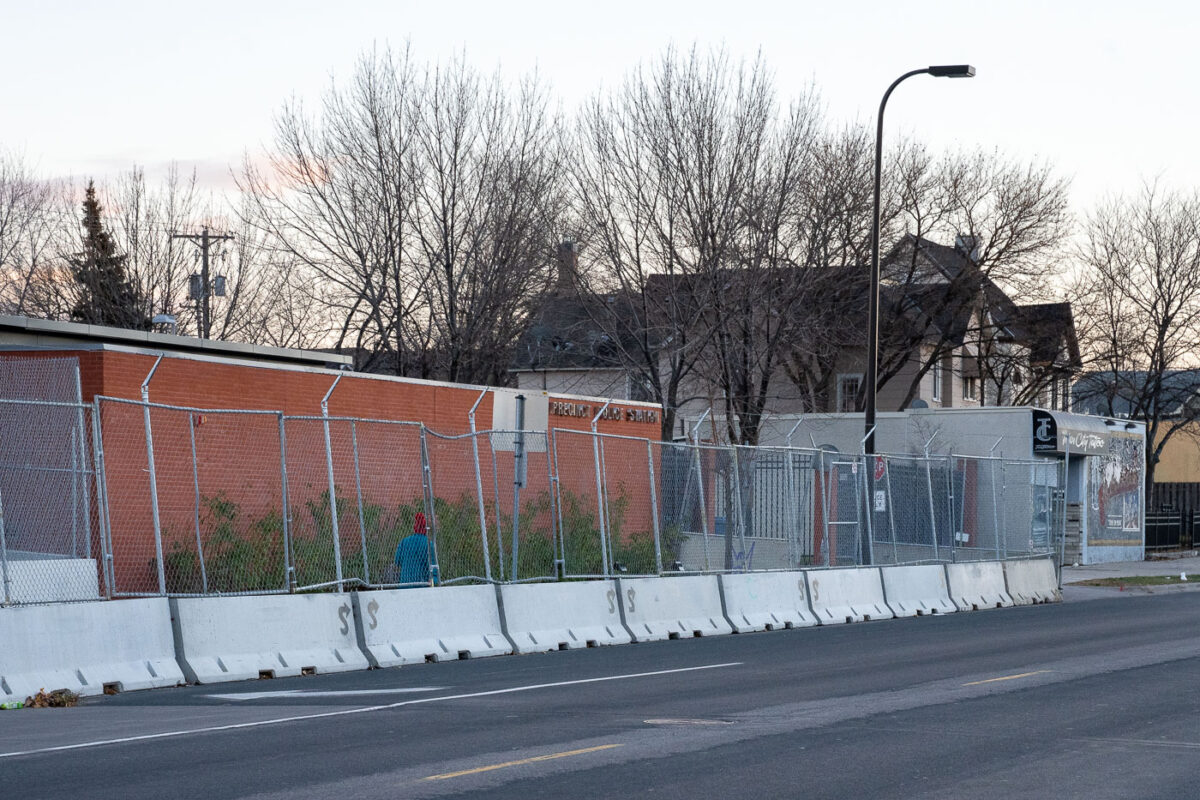
The Minneapolis Police Fifth Precinct in South Minneapolis surrounded by security fencing.
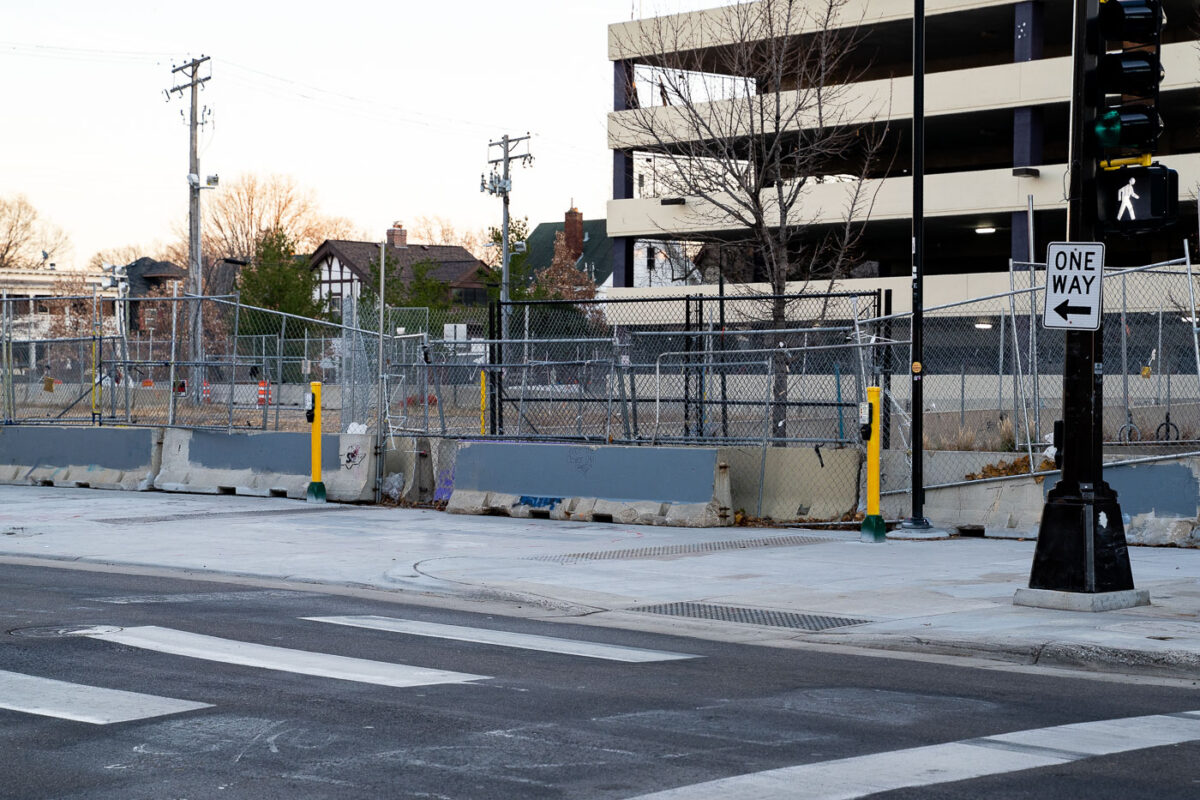
Security fences around the Lake & Girard parking garage where Winston Smith was killed by law enforcement in June.
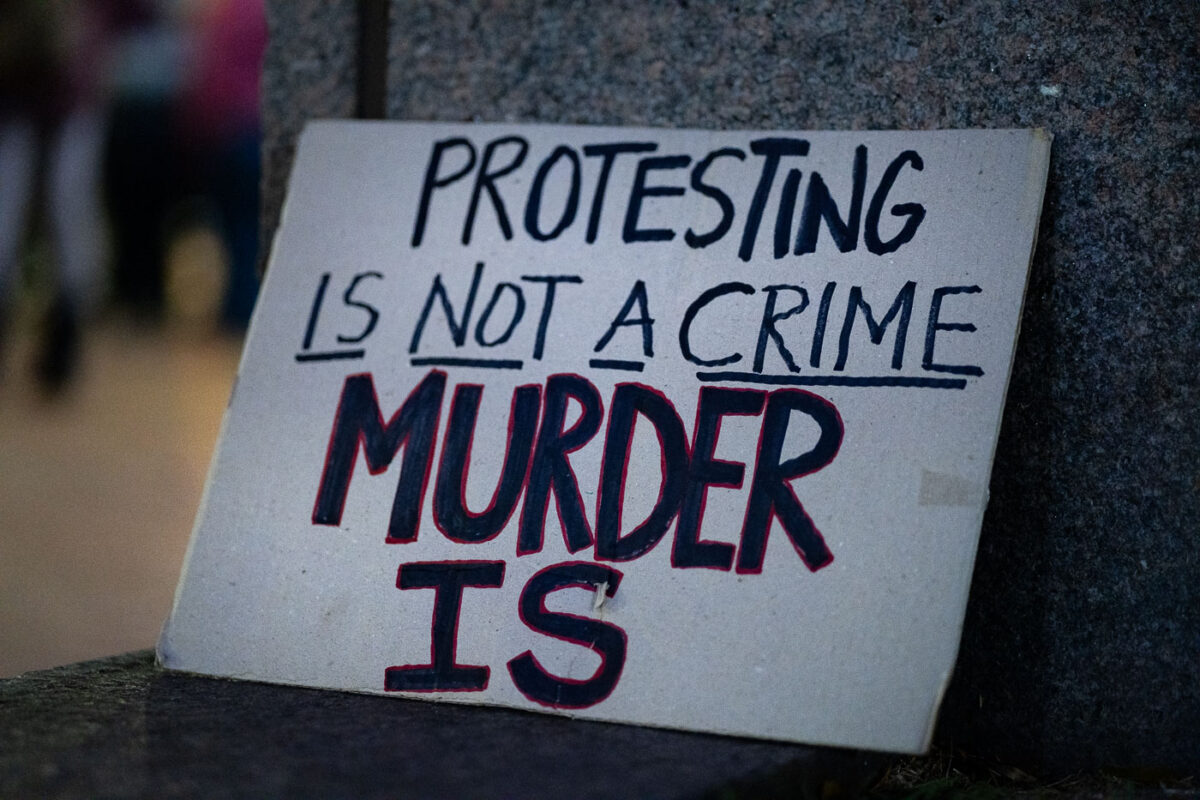
"Protesting is not a crime murder is" protest sign seen in Downtown Minneapolis
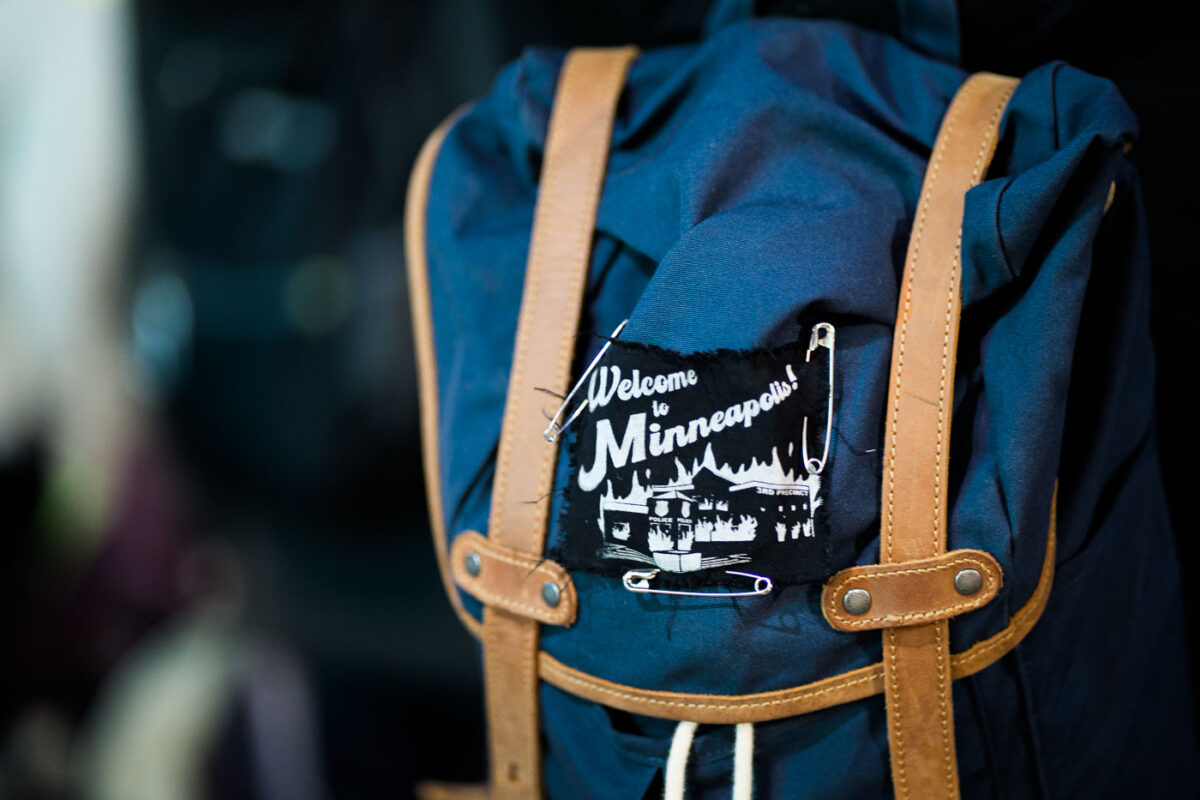
A protester with a "Welcome to Minneapolis!" patch during a march following the acquittal of Kyle Rittenhouse.
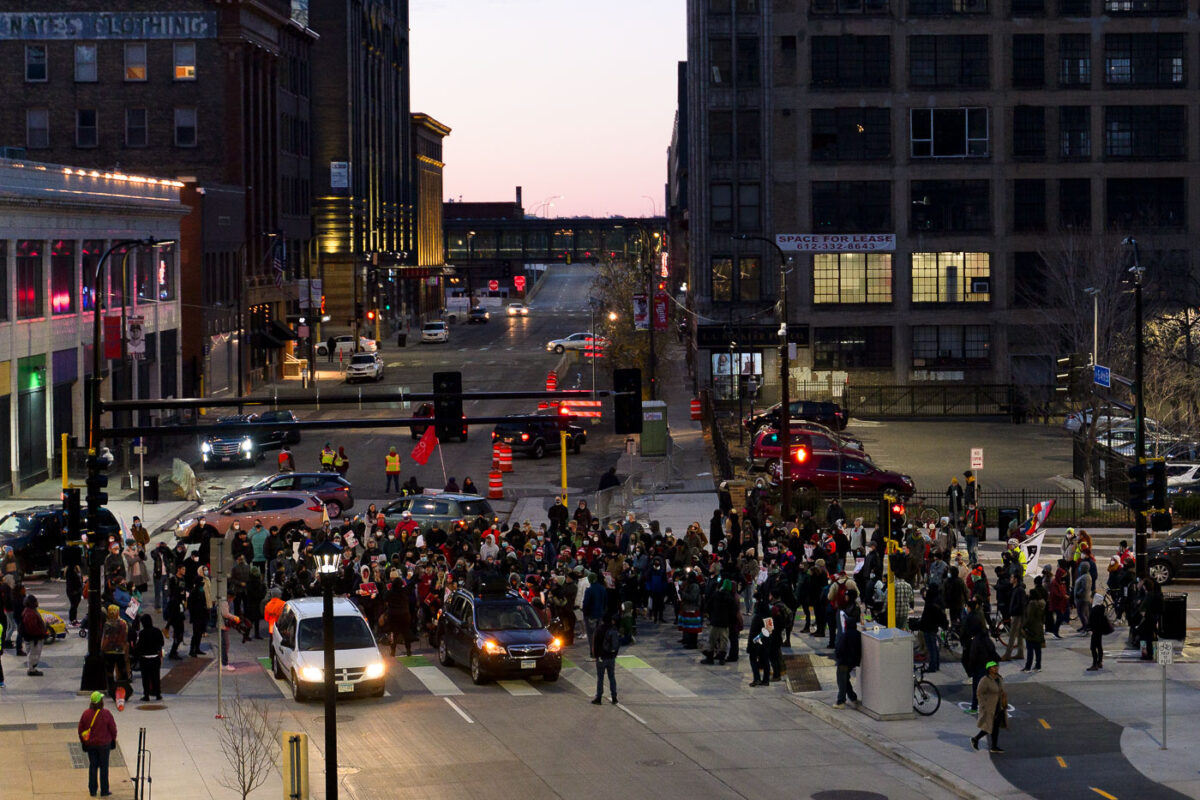
Protesters march through downtown Minneapolis the day after Kyle Rittenhouse is acquitted.
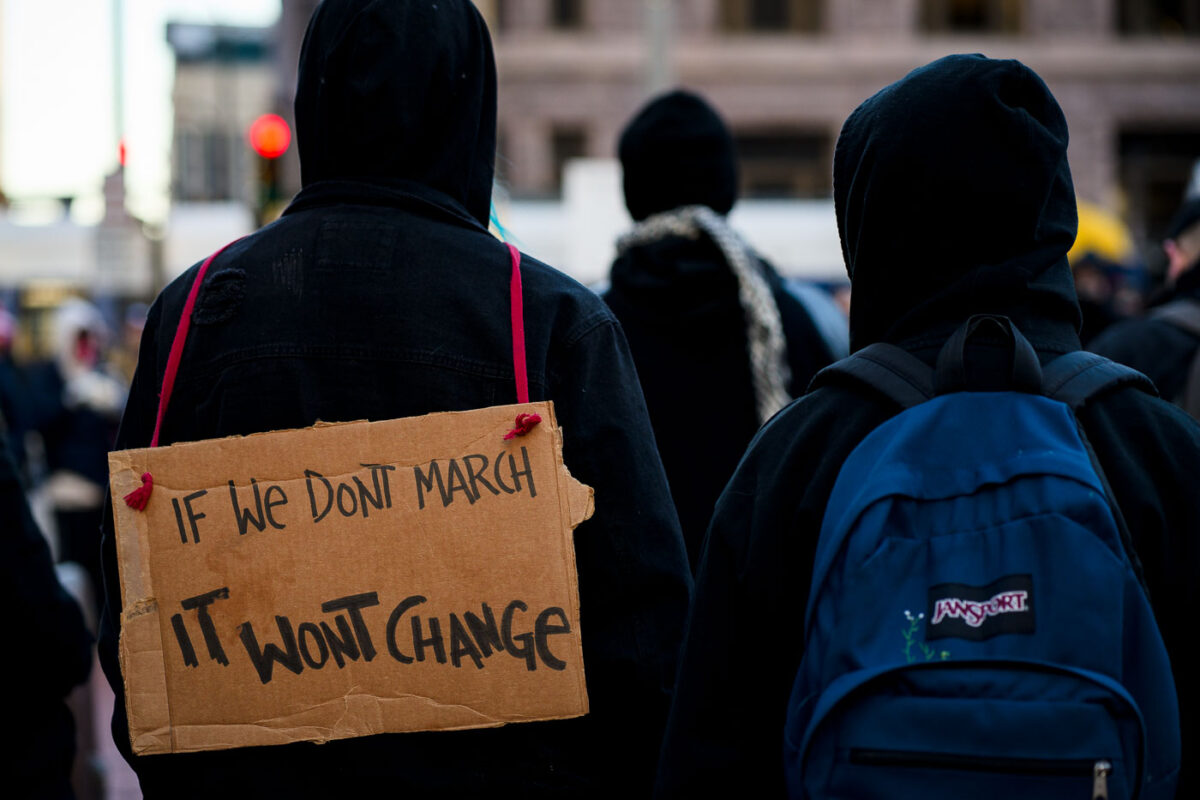
Protesters march after a rally at the Hennepin County Government Center. A day earlier, Kyle Rittenhouse was found not guilty on all charges.
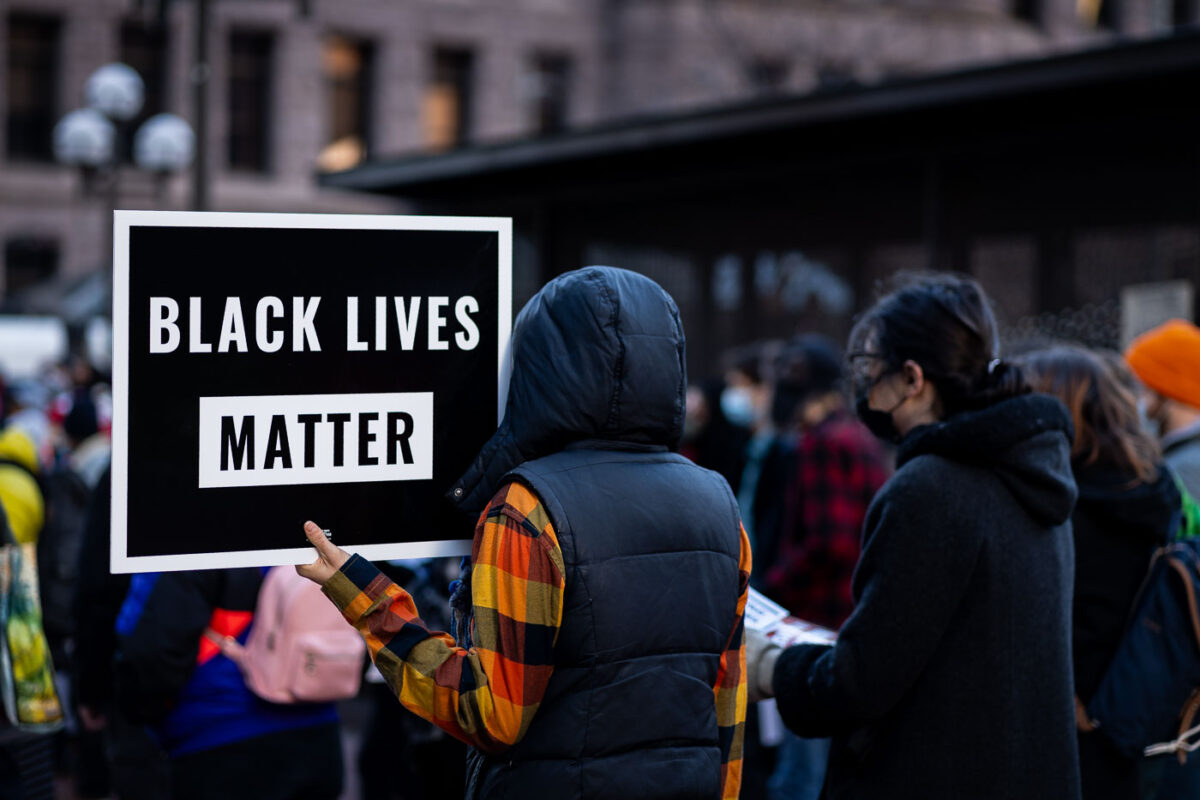
A protester holds up a Black Lives Matter sign outside the Hennepin County Government Center.
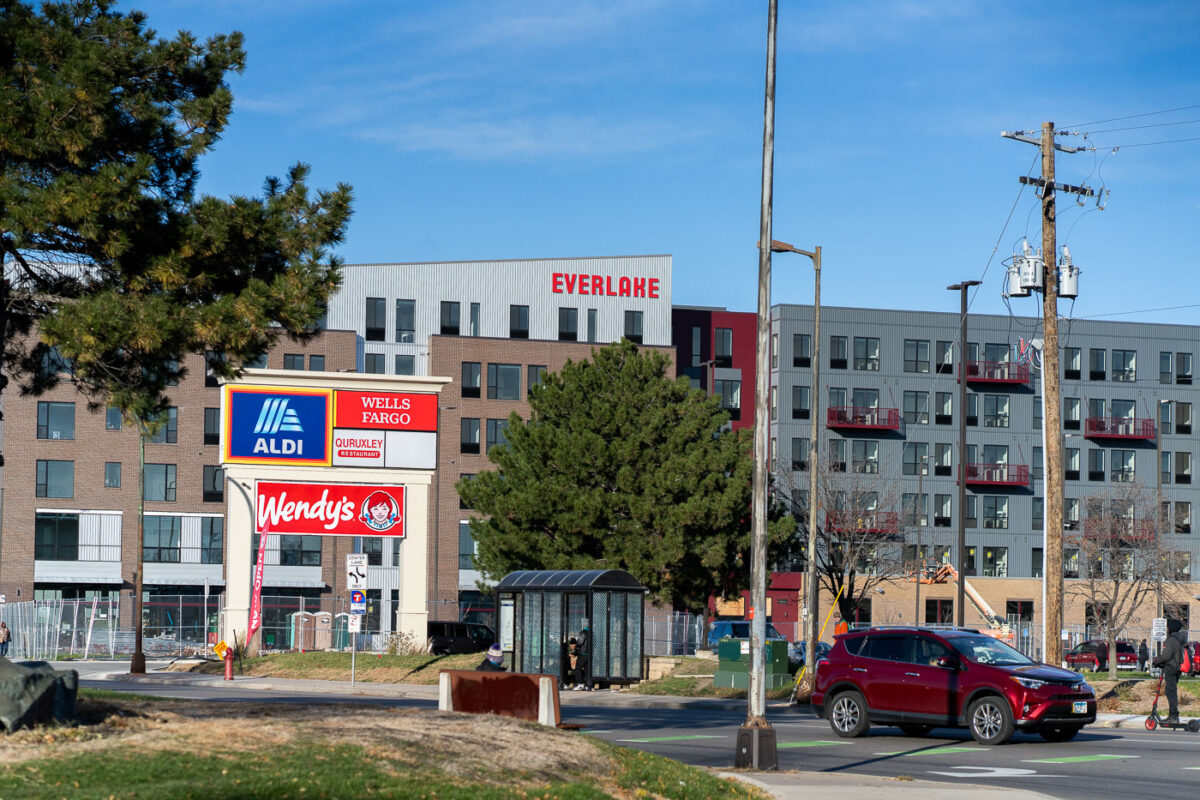
“Everlake” signage up at the Midtown Corner apartments that burned last year. Per website:“Embrace the Lake Street community and move home to the brand new Everlake apartments. Cultural charisma. Urban connectivity. Always Minneapolis, Everlake.”
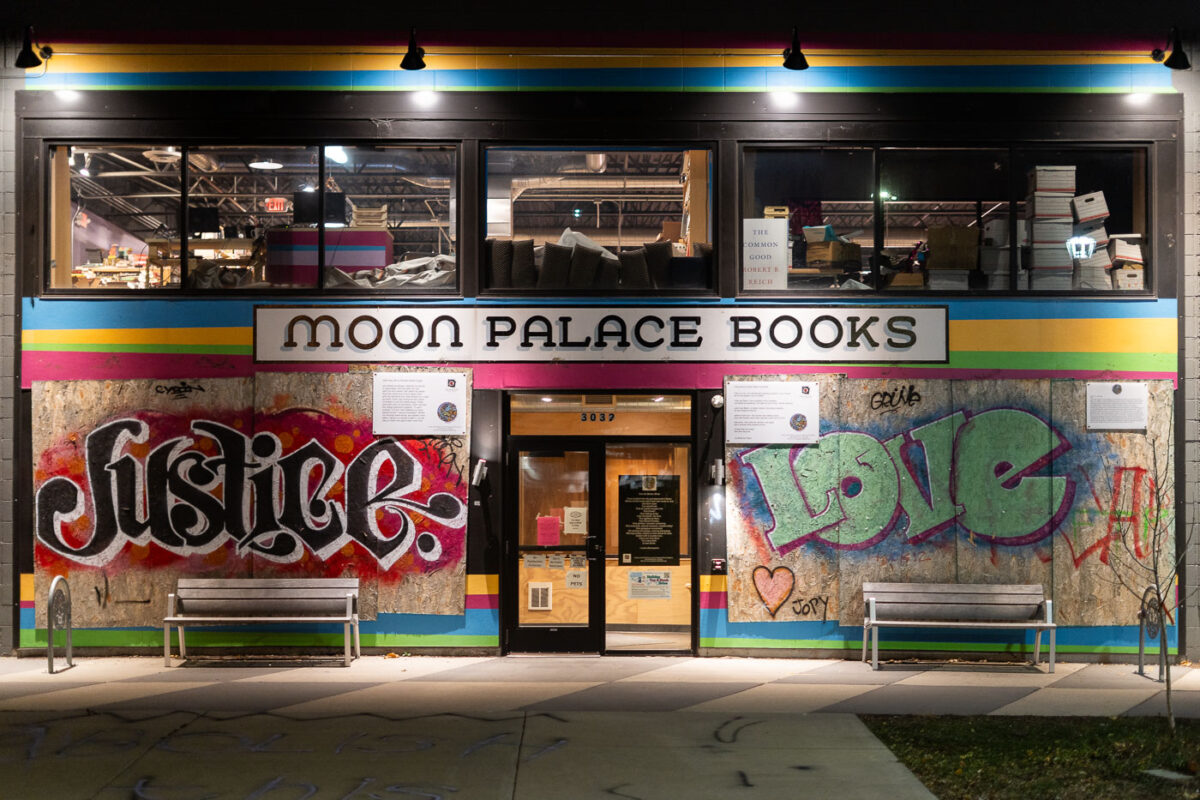
The "Abolish The Police" boards that have covered Moon Palace Books since last May have been removed. Prior to boards, a large banner of same message filled windows as they refused to allow police to stage on their property, instead setting up medic stations to treat the injured.
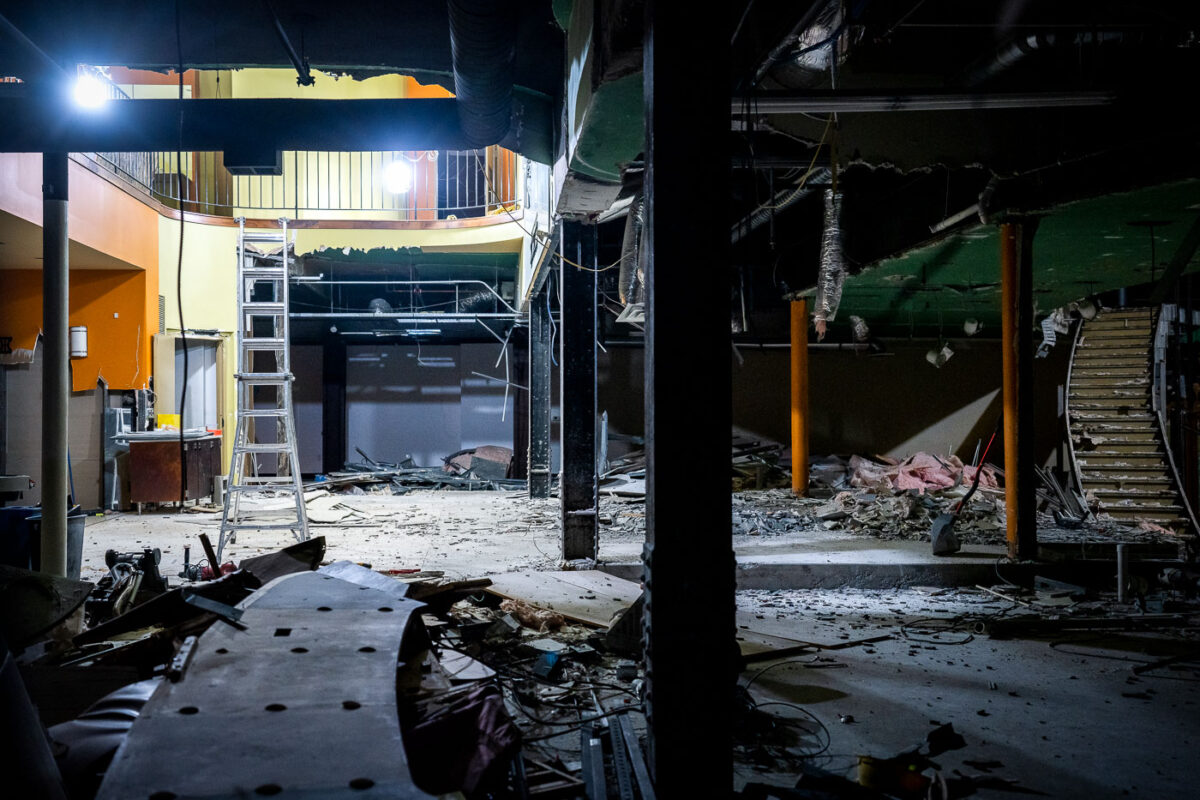
Construction happening at the former Uptown Theatre in Uptown Minneapolis.
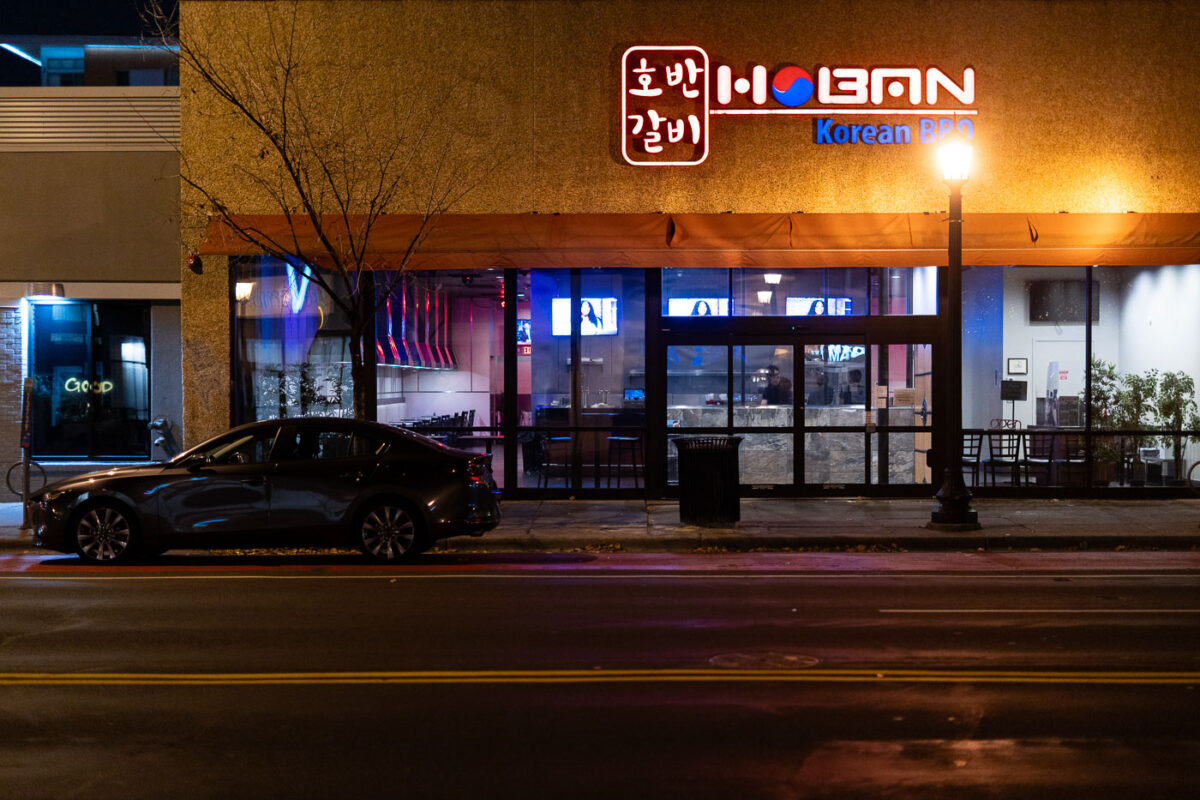
Hoban Korean BBQ on Hennepin Avenue in Uptown Minneapolis.
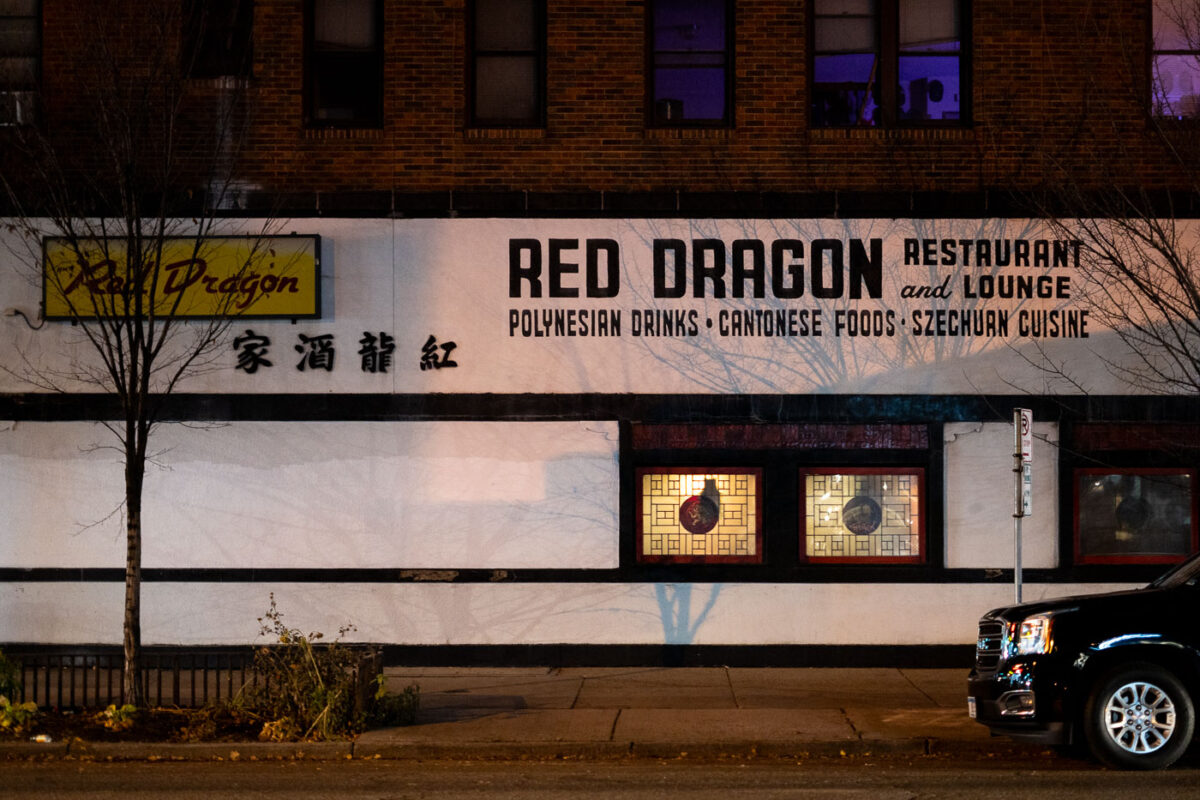
Red Dragon Restaurant and Lounge on Lyndale Avenue in Minneapolis.
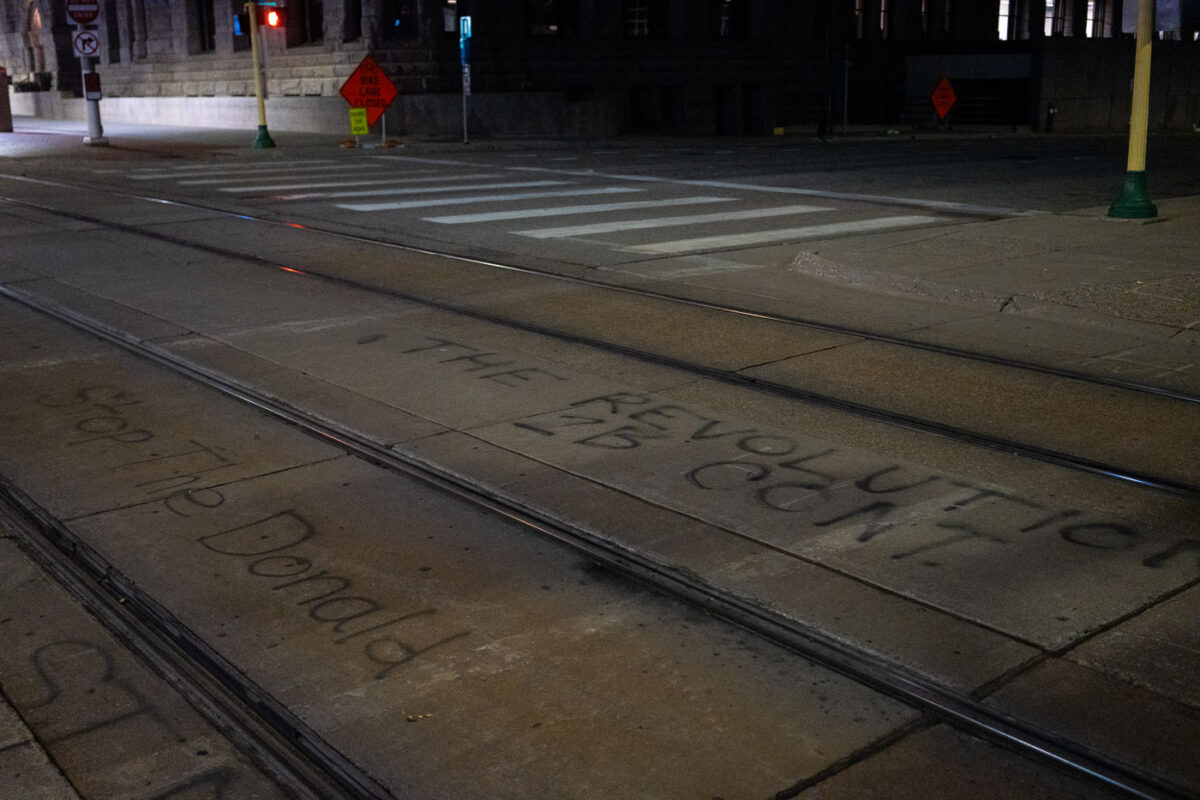
Graffiti on Light Rail tracks outside the Hennepin County Public Safety Facility.
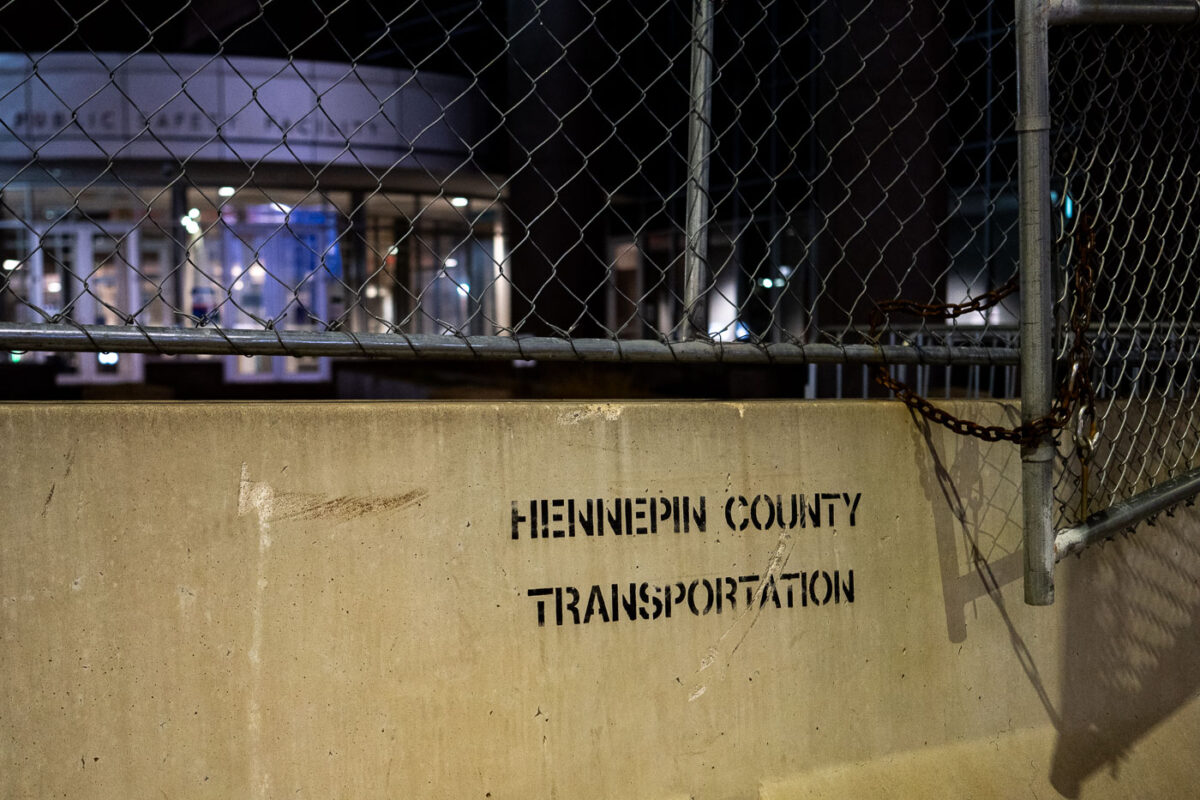
Security fencing around the county jail in downtown Minneapolis prior to the Kim Potter trial. Potter is accused of killing Daunte Wright.
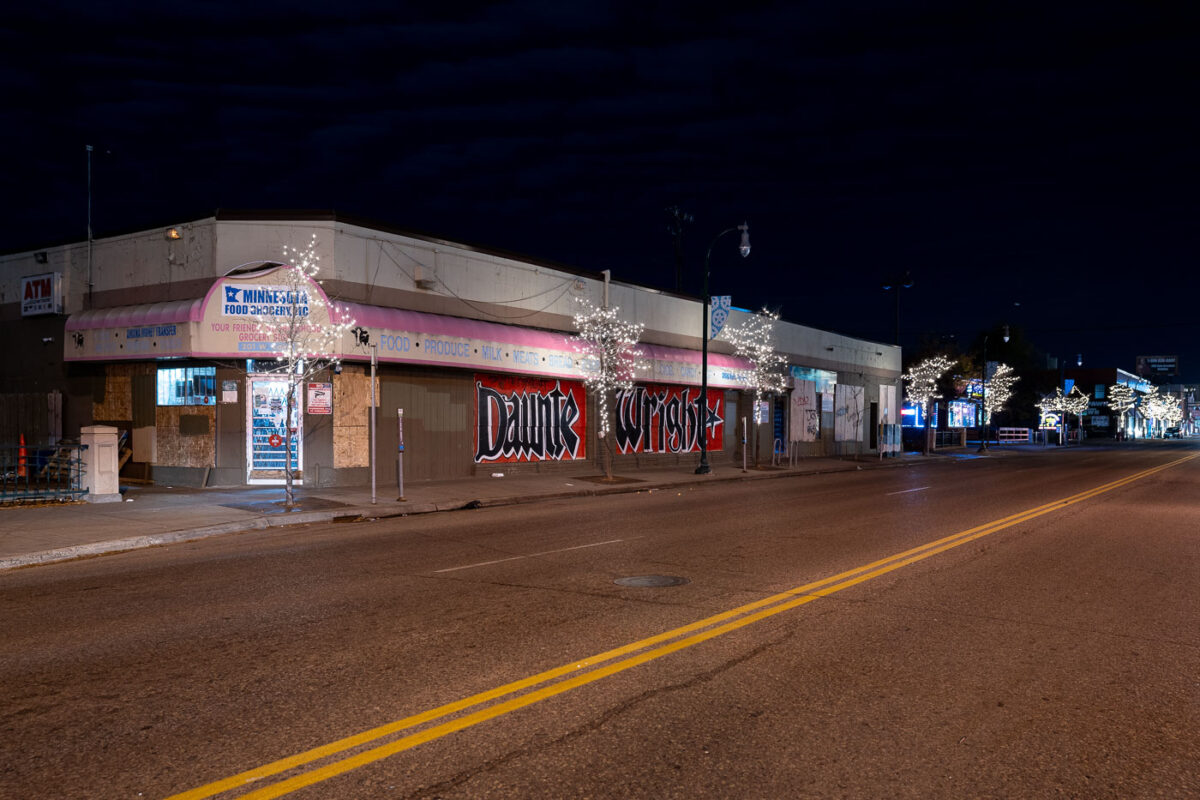
A mural as seen tonight on Lake Street in Minneapolis. The trial for former Brooklyn Center police officer Kimberly Potter is 2 weeks away - November 30th. Potter is charged with 1st & 2nd degree manslaughter for the shooting death of Daunte Wright on April 11th, 2021.
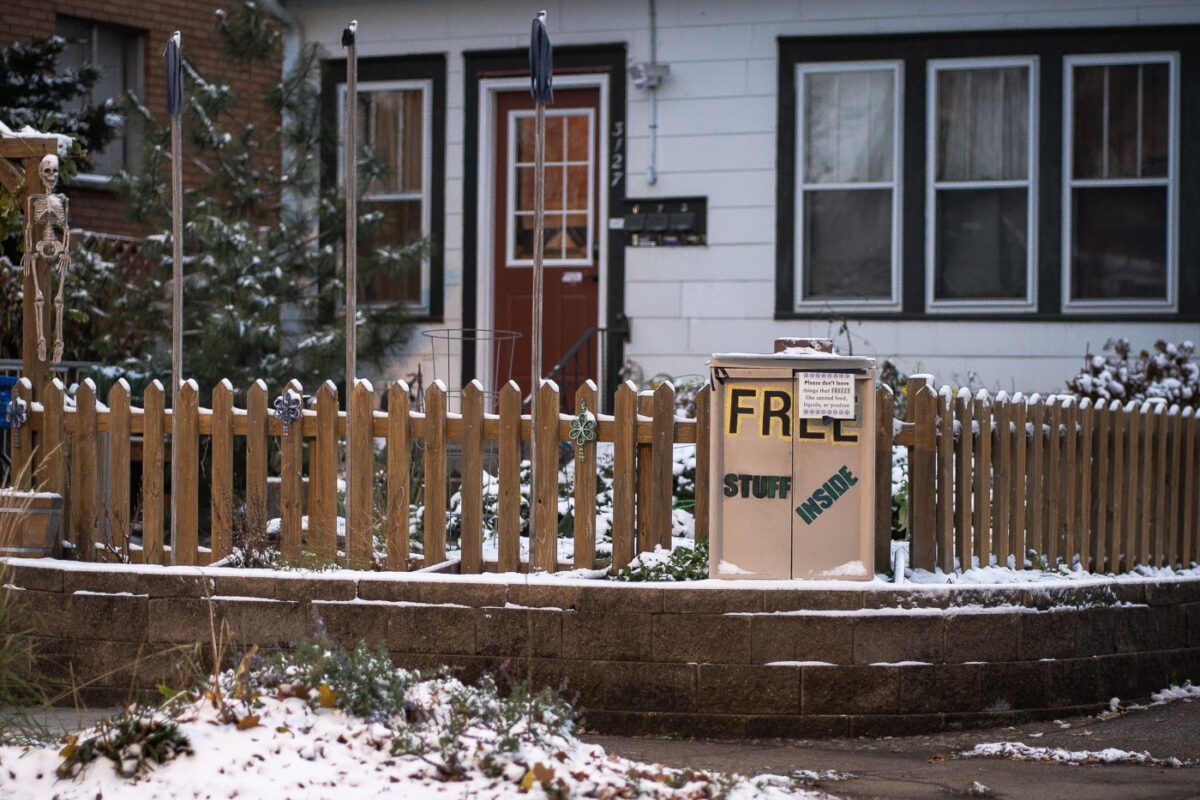
A small handmade “Free Stuff Inside” cabinet sits beside a picket fence in a residential Minneapolis neighborhood, offering passersby clothing, household items, and other essentials at no cost. These volunteer-maintained boxes—modeled loosely after Little Free Pantries and similar mutual-aid projects—became common across the city in recent years as neighbors looked for practical ways to support one another. This particular cabinet shows signs of winter use, with a thin layer of snow on the ground and along the fence, emphasizing the year-round effort by residents to keep shared resources accessible.
The rise of these informal exchange boxes reflects a broader culture of grassroots support systems that grew during the pandemic and the 2020 unrest. Neighbors created hyper-local networks for food, winter gear, and daily necessities, often improvising with whatever materials they had. Even a small cabinet like this served as a reliable touchpoint for people needing gloves, toiletries, or household supplies, helping strengthen the sense of community resilience in the city’s residential blocks.
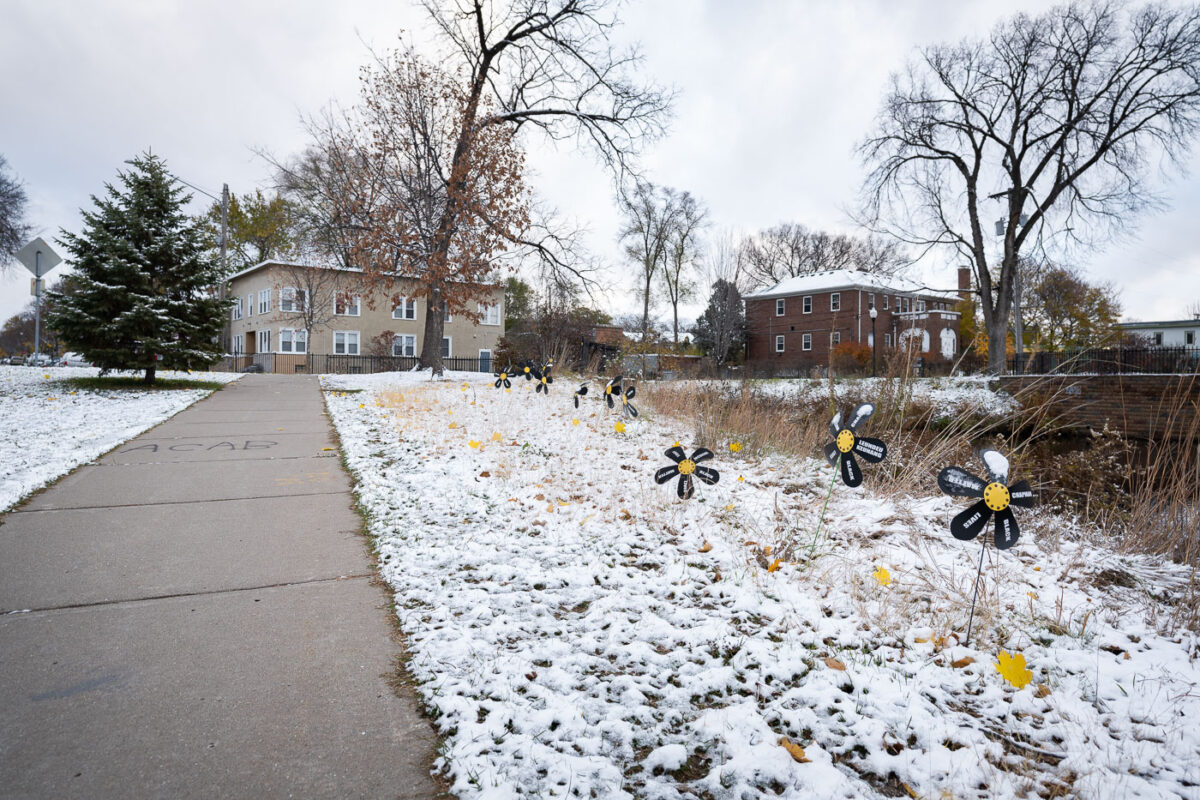
First snowfall at the Say Their Names Memorial near George Floyd Square.
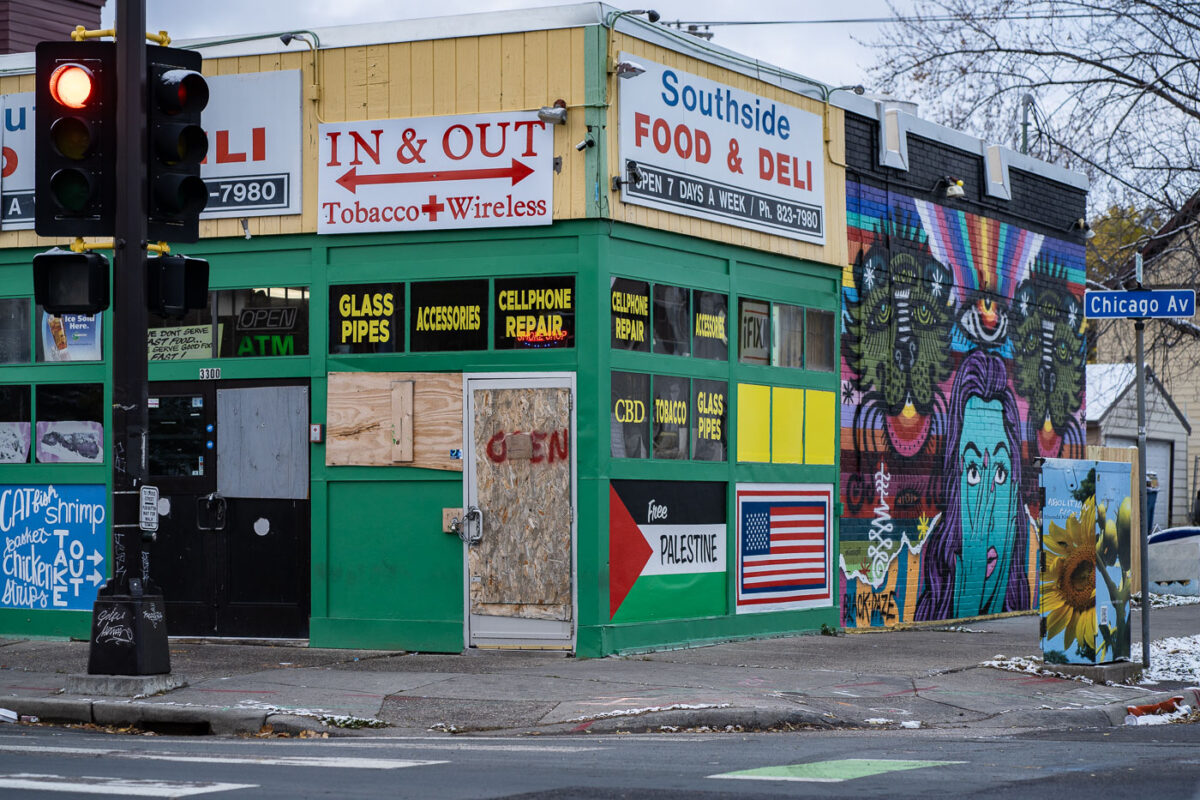
Southside Food & Deli on Chicago Avenue in South Minneapolis with boards and a Free Palestine flag.
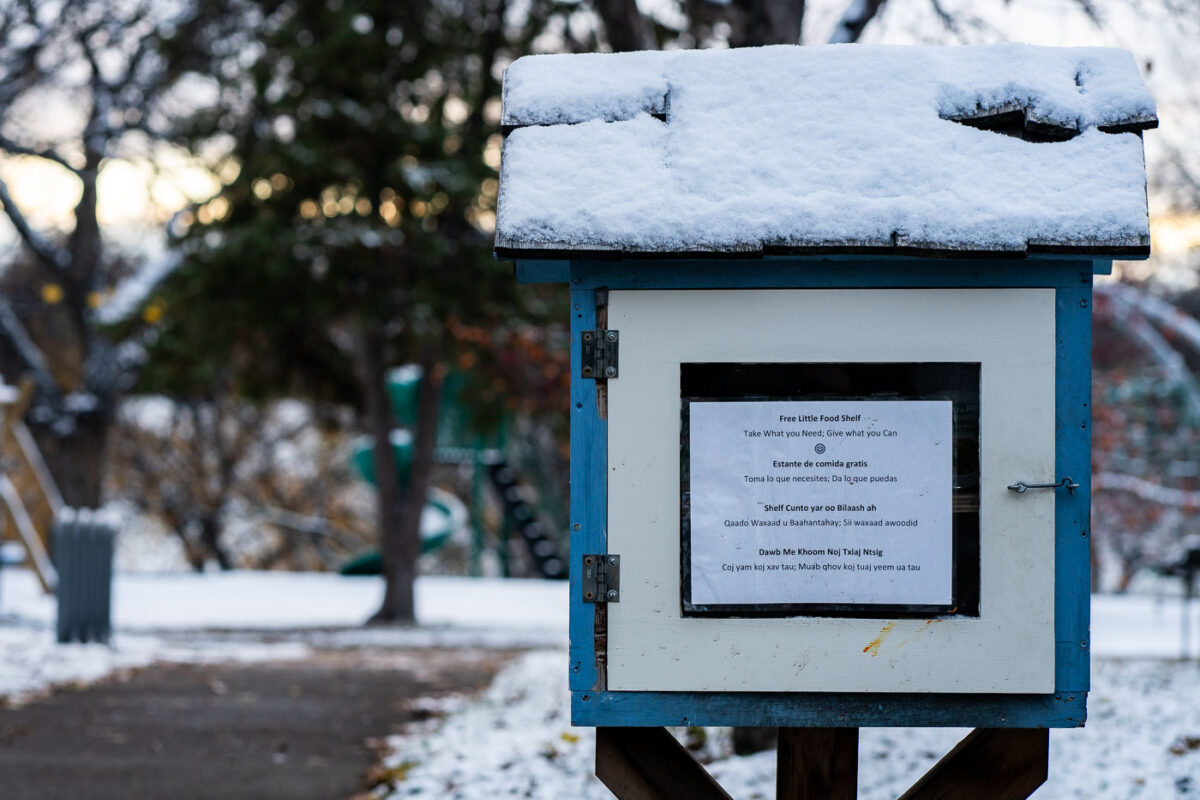
Free Little Food Shelf at Powderhorn Park during the first snow fall of the season.