
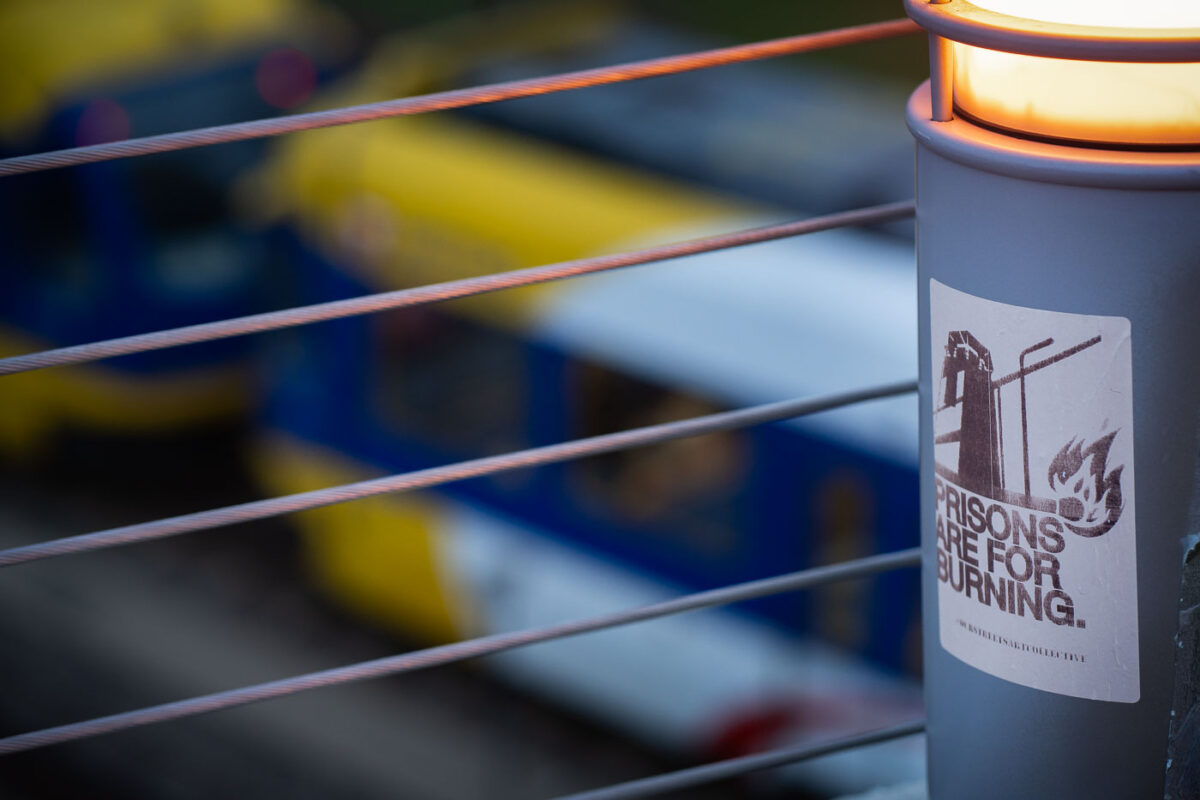
"Prisons are for burning" sticker in Minneapolis
A sticker reading "Prisons are for burning." found on a bike trail in Minneapolis.
Landscape, cityscape and documentary photography taken in Minneapolis, Minnesota.
A sticker reading "Prisons are for burning." found on a bike trail in Minneapolis.
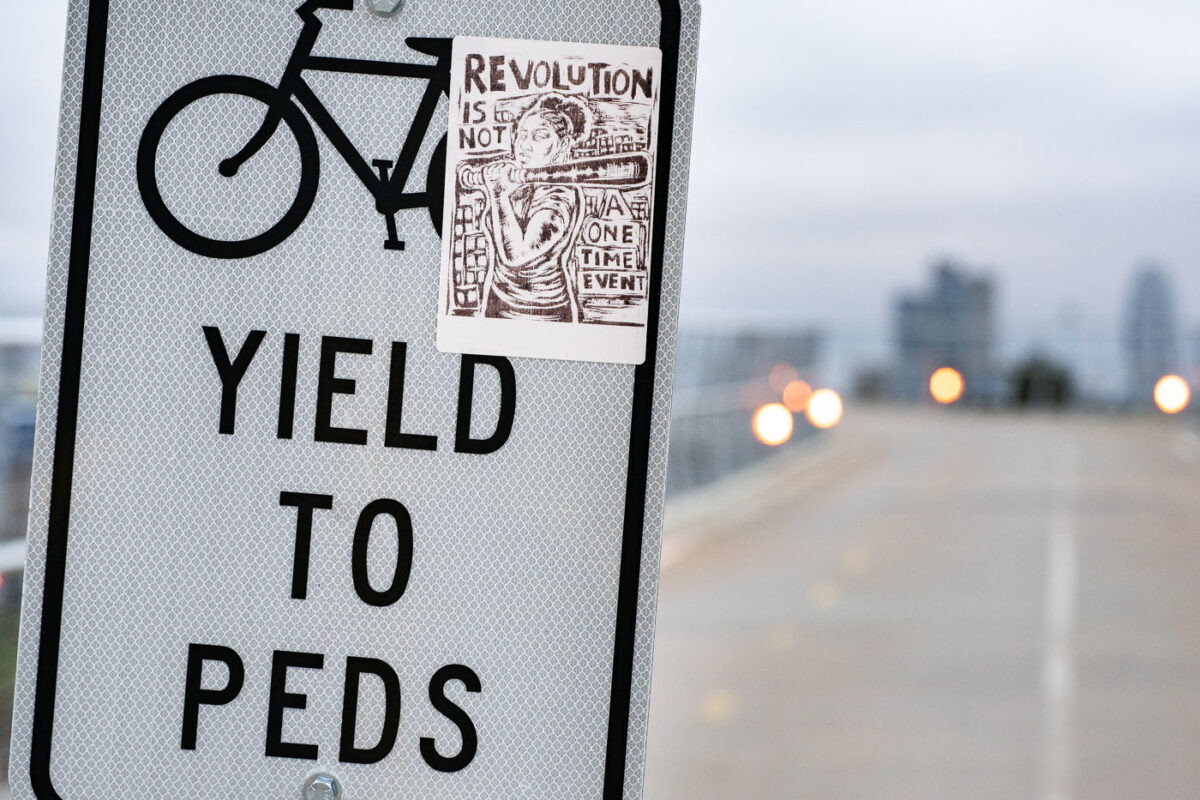
A small protest sticker reading “Revolution is not a one-time event” has been placed on a “Yield to Peds” sign along a Minneapolis bike and pedestrian bridge. The bold, woodcut-style illustration echoes the city’s activist visual culture, where handmade graphics, mutual-aid posters, and political stickers have become common markers in public space since 2020. The sign stands near a long, elevated path, with downtown’s skyline softly out of focus in the distance—an everyday setting layered with the quiet reminders of ongoing organizing and civic expression.
Seen along many commuter routes, stickers like this often circulate through local art networks and community print studios, becoming part of a broader landscape of grassroots messaging that blends into the city’s infrastructure: crosswalk poles, trail markers, bridge signs, and bike lanes. The placement here reflects how Minneapolis’s trail system frequently doubles as a corridor not only for transportation but also for political communication and neighborhood identity.
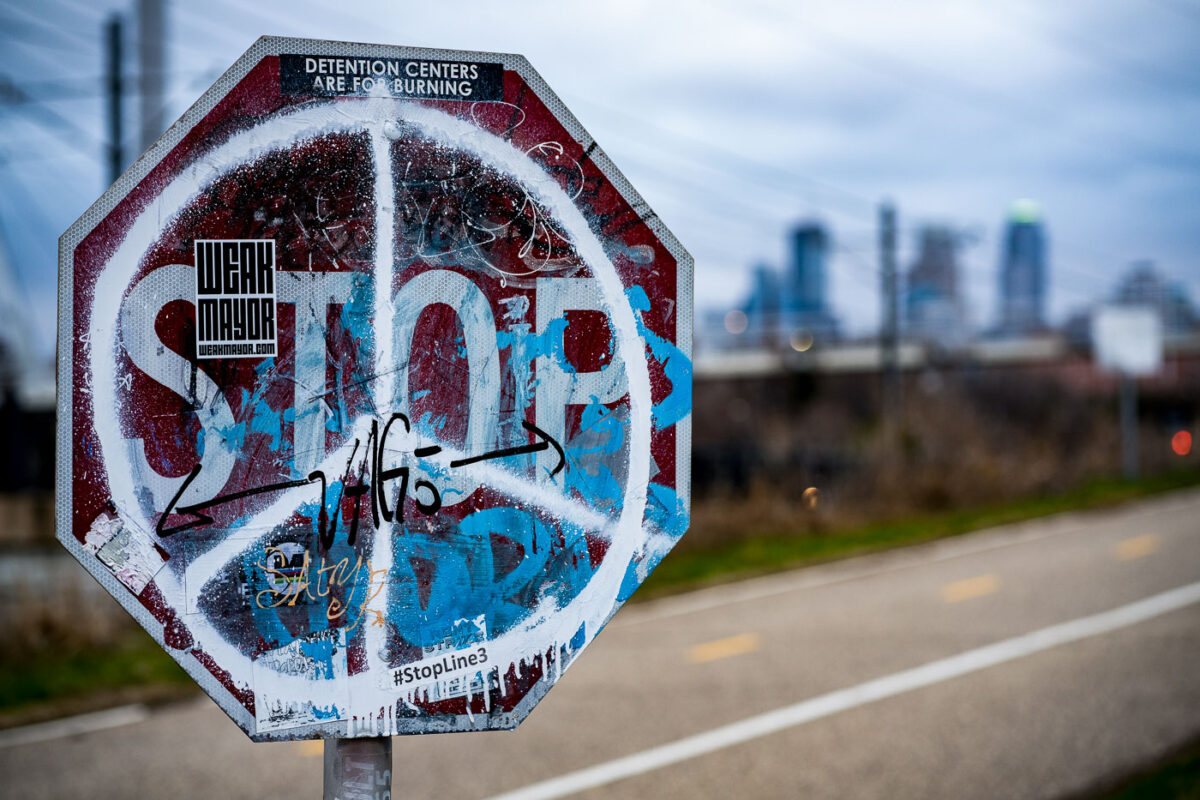
Weak Mayor, Stop Line 3, Detention Centers are for burning stickers on a stop sign in Minneapolis.
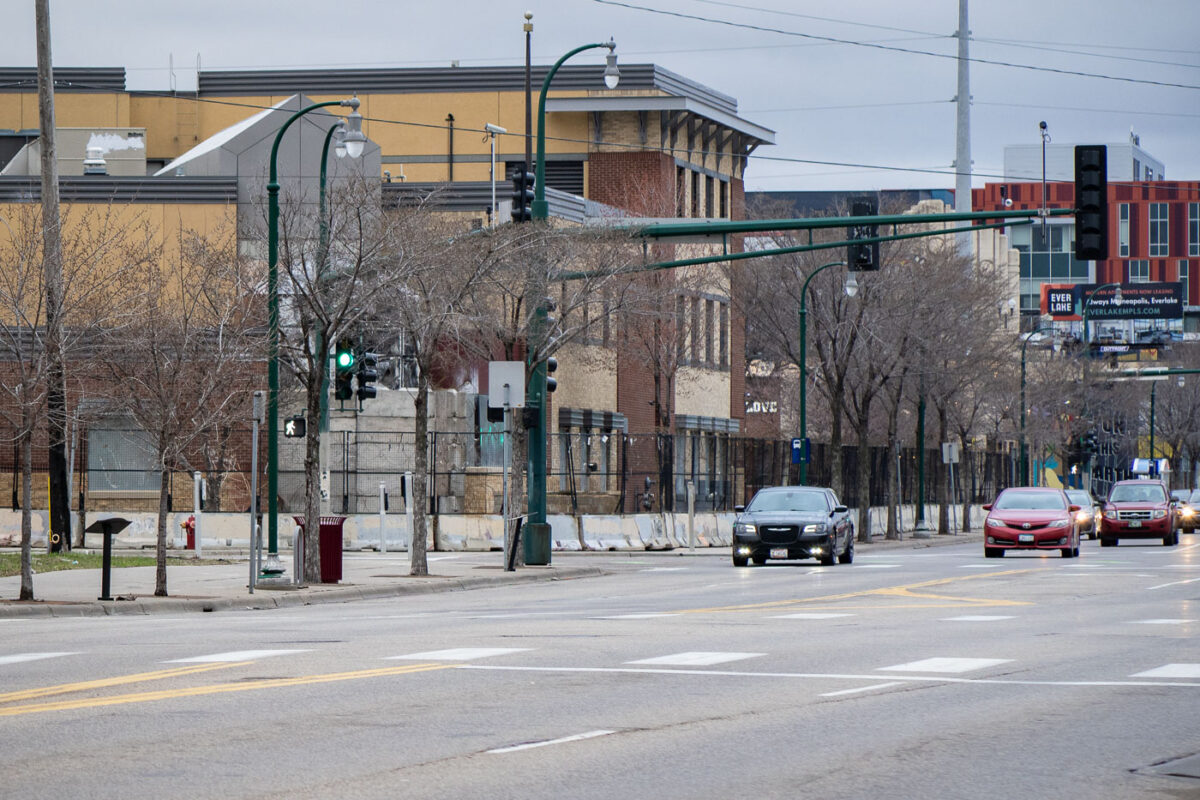
The Minneapolis police third precinct police station around fencing. The police station, which was burned by protesters in May 2020, has sat vacant and fortified ever since.
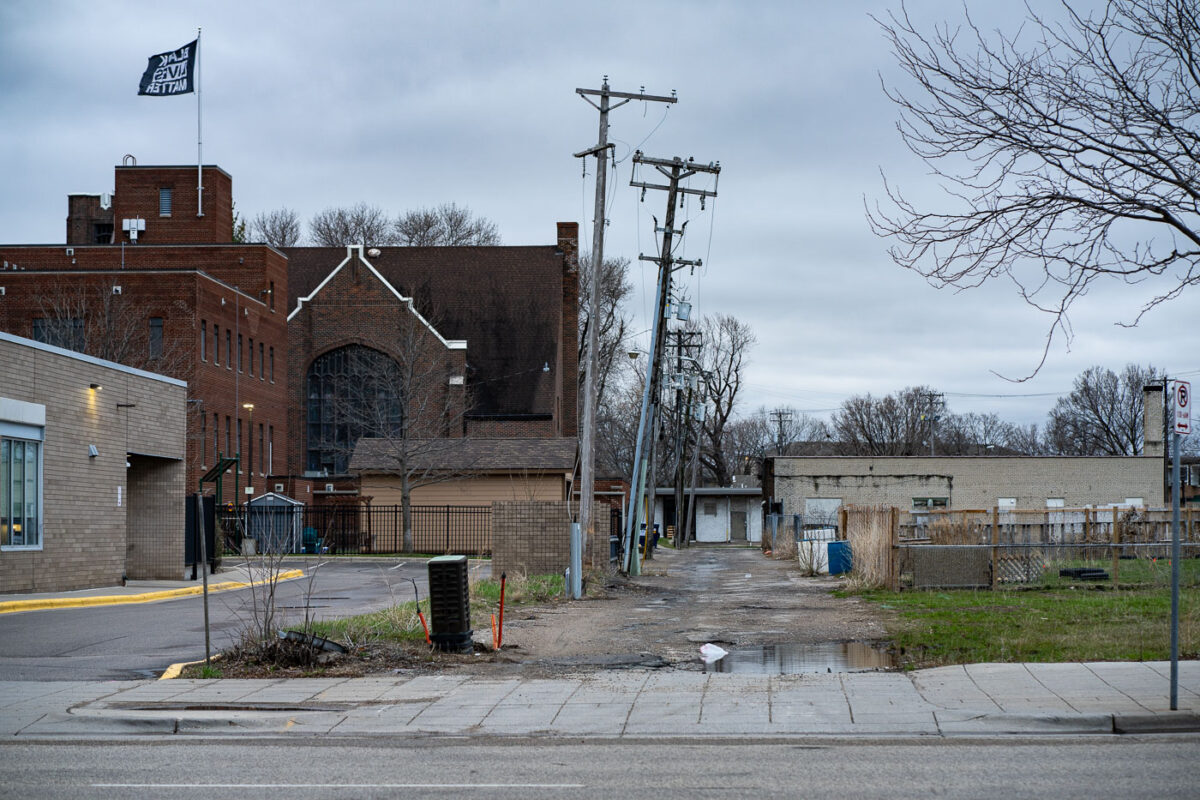
A "Black Lives Matter" flag flies at the top of a church near the Minneapolis police third precinct that burned in May 2020.
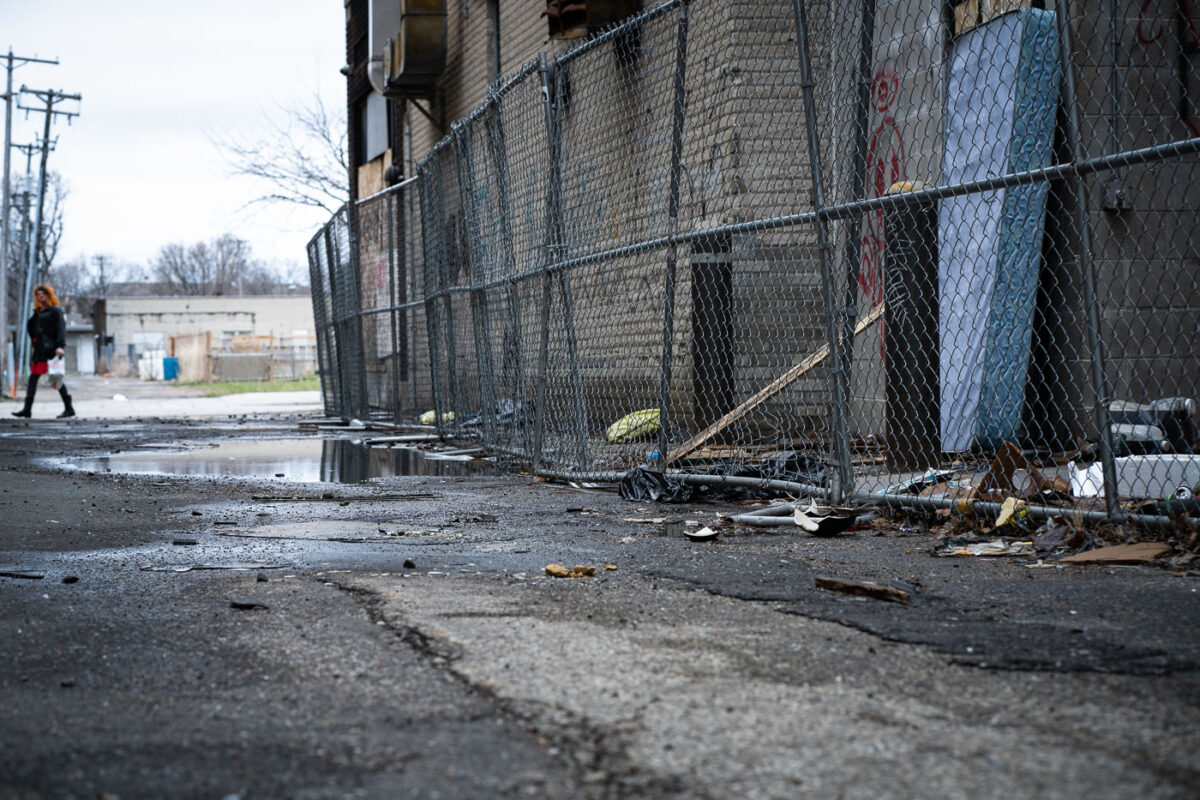
The alley next to the fire damaged Coliseum Building. The building was burned during days of protests following the May 25th, 2020 death of George Floyd.
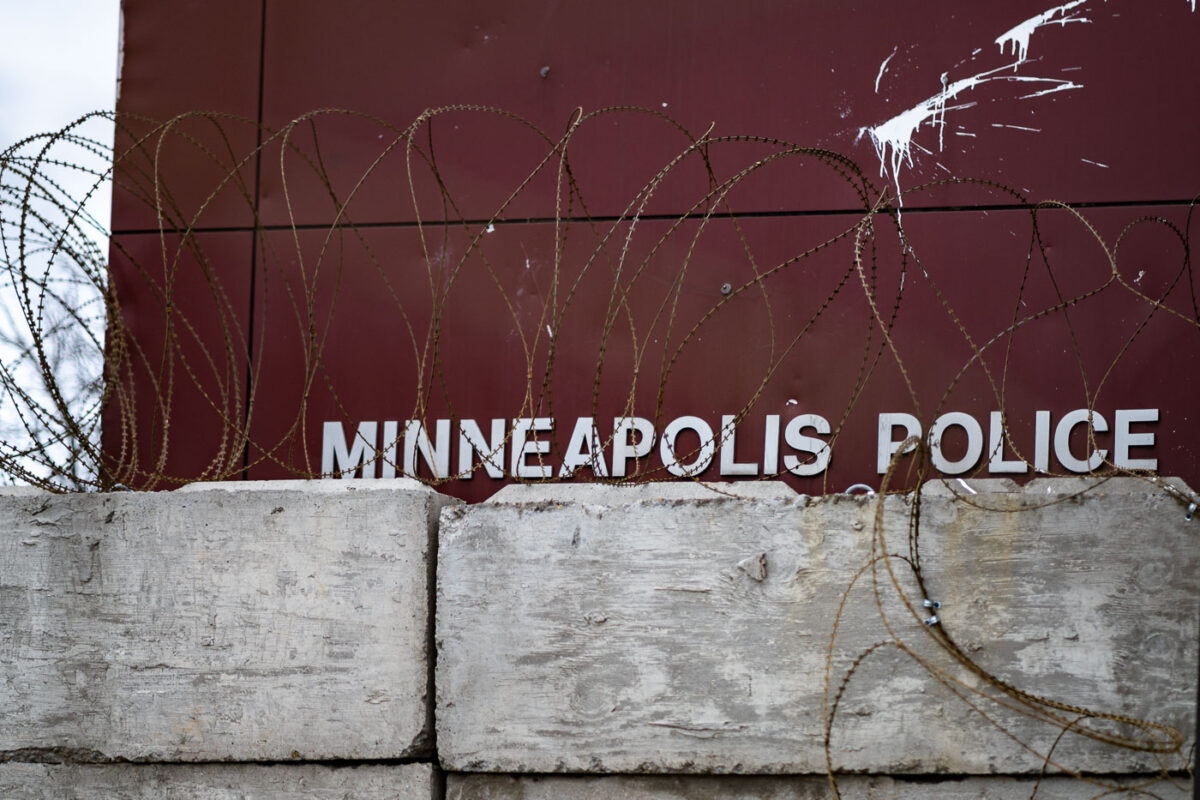
The Minneapolis Police third precinct building on May 1, 2022. The building was burned by protesters following the May 25, 2020 murder of George Floyd by Minneapolis police officer Derek Chauvin.
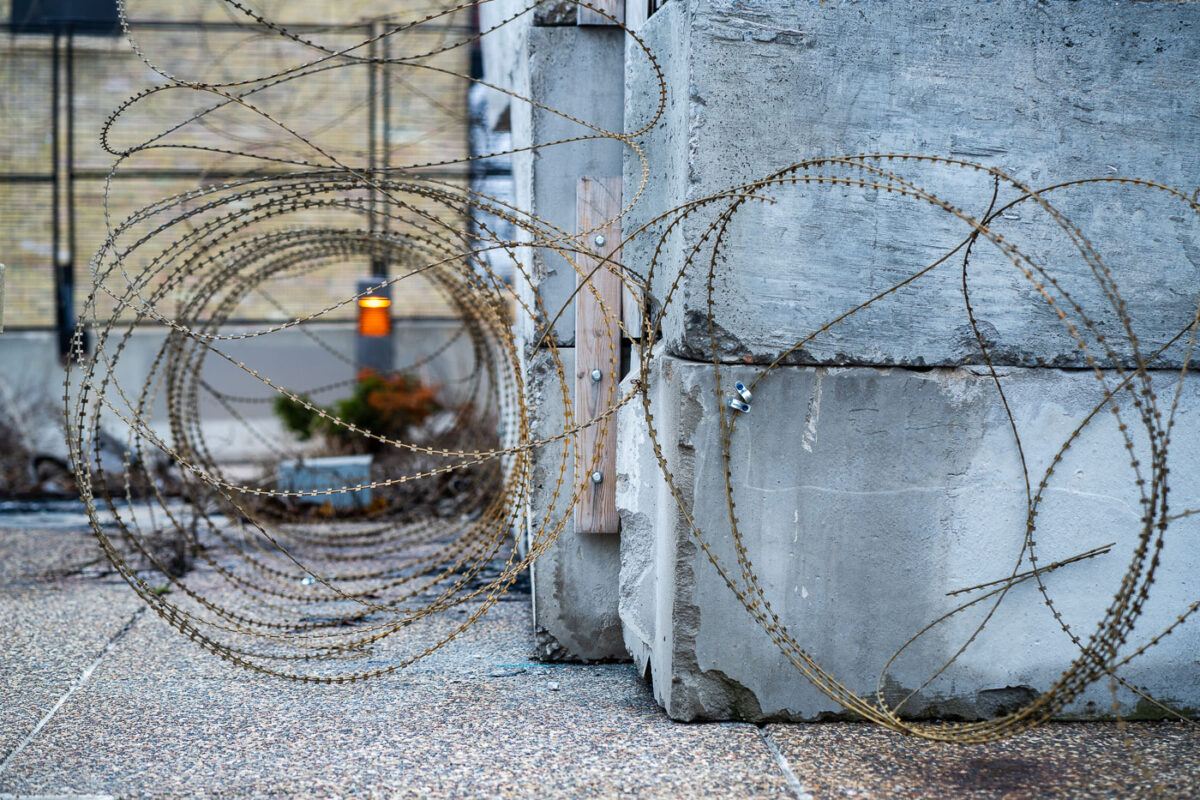
Razor wire around the concrete blocks at the burned Minneapolis 3rd Precinct police station.
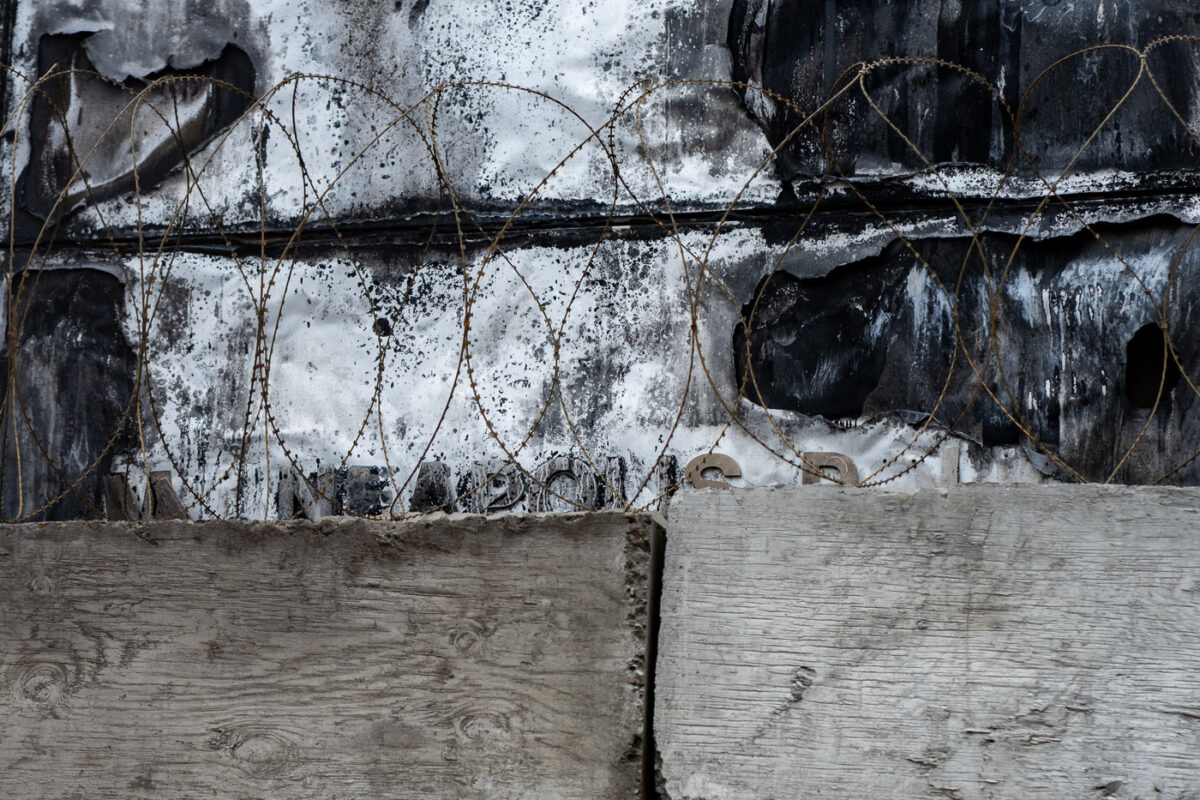
Concrete blocks and razor wire up against the former entrance of the Minneapolis Police 3rd precinct police station. The station was burned by protesters following the May 25, 2020 murder of George Floyd.
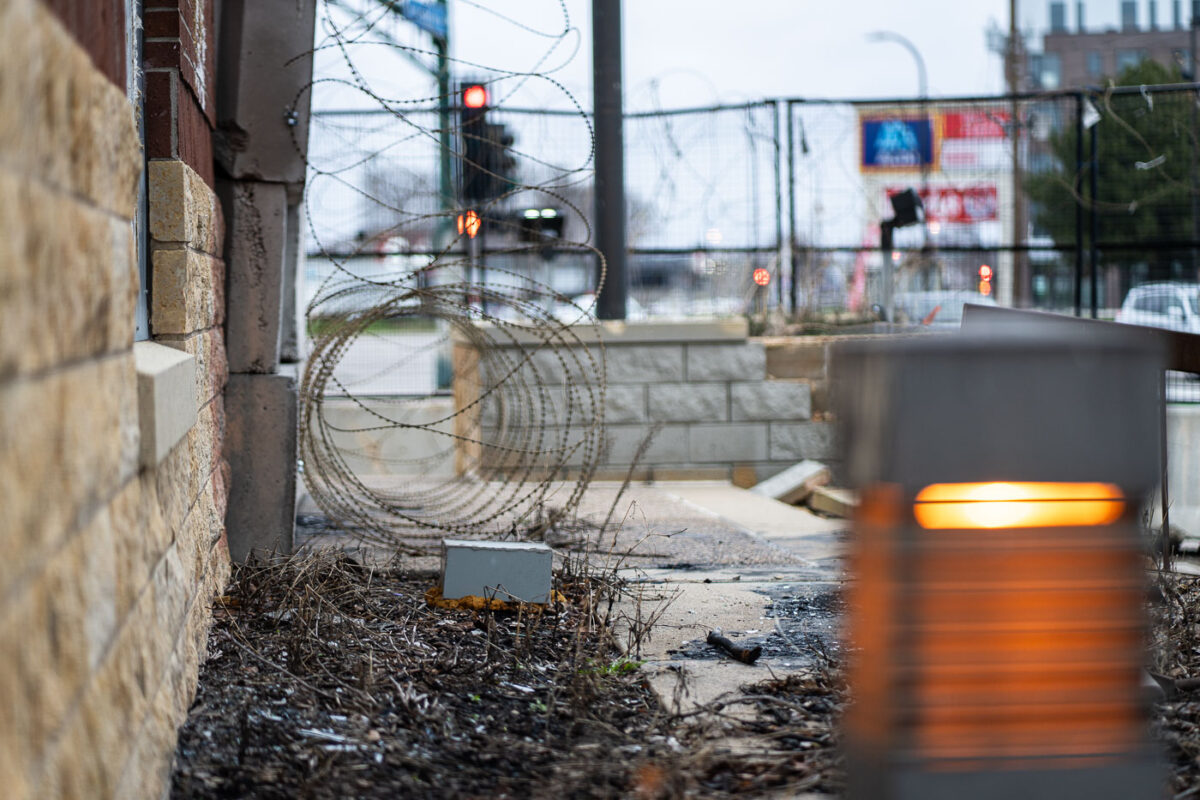
As we near 2 years since the Minneapolis police evacuated the third precinct police station, the property and building has still seen no significant changes. Quite a few of the damaged/destroyed nearby buildings, including the Everlake apartment building, have been rebuilt and reopened
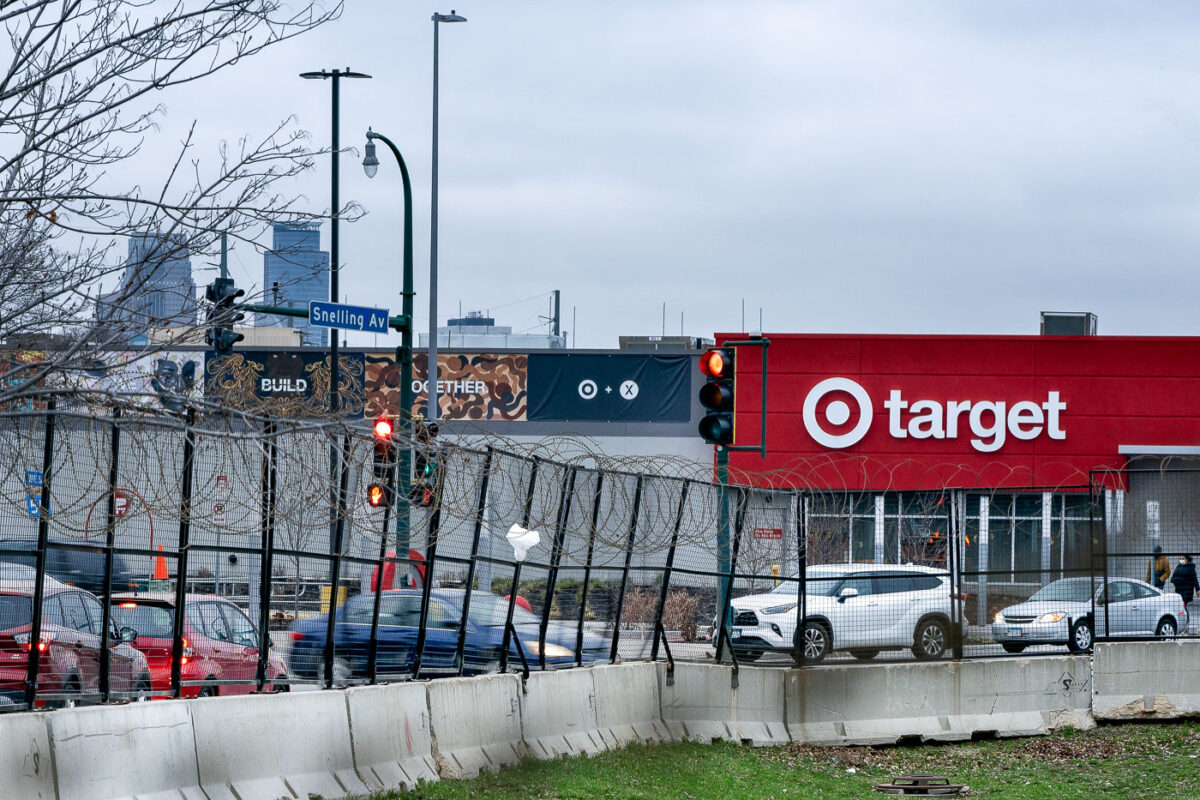
Razor wire surrounding the Minneapolis Police Third precinct parking lot. Target can been seen across the street.
The Target was rebuilt after suffering damage during the riots that followed the May 25, 2020 murder of George Floyd by the Minneapolis police.
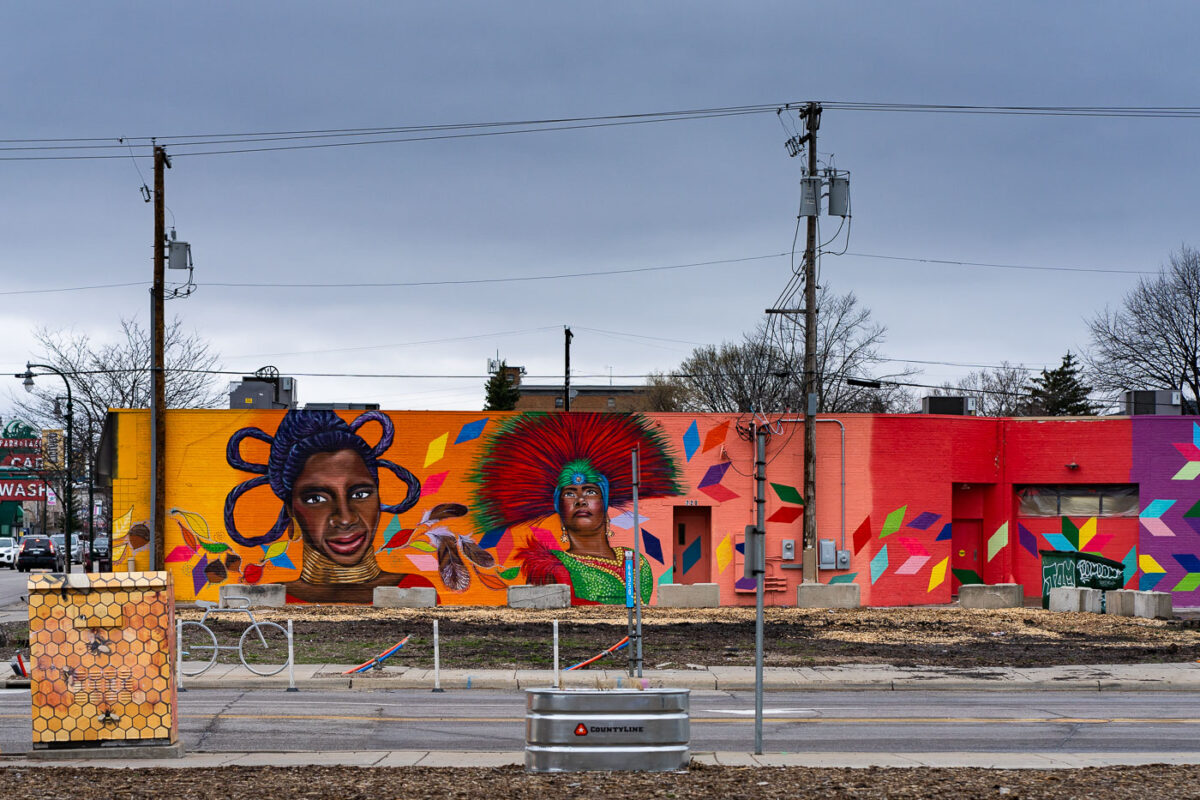
A mural on Chicago Avenue in Minneapolis.
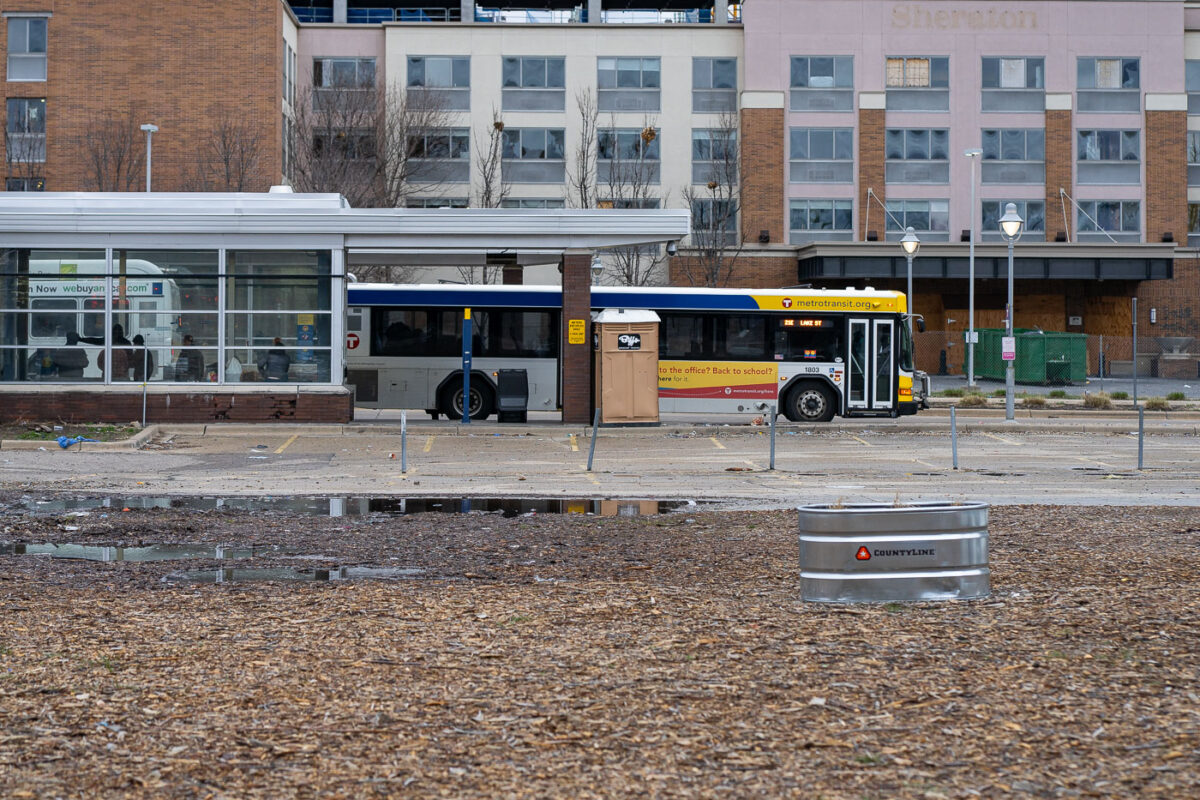
The Chicago Lake Transit Center in South Minneapolis.
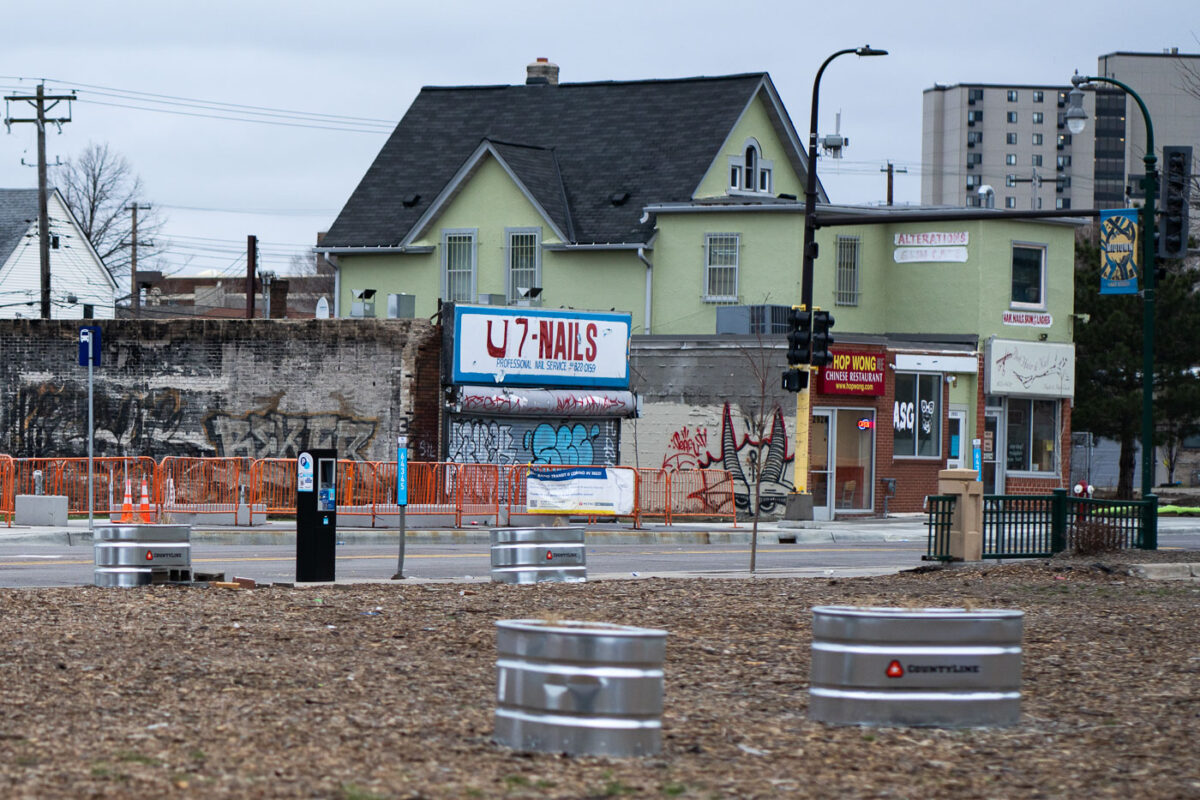
Graffiti on shutters over U7 Nails on Chicago Avenue in Minneapolis.
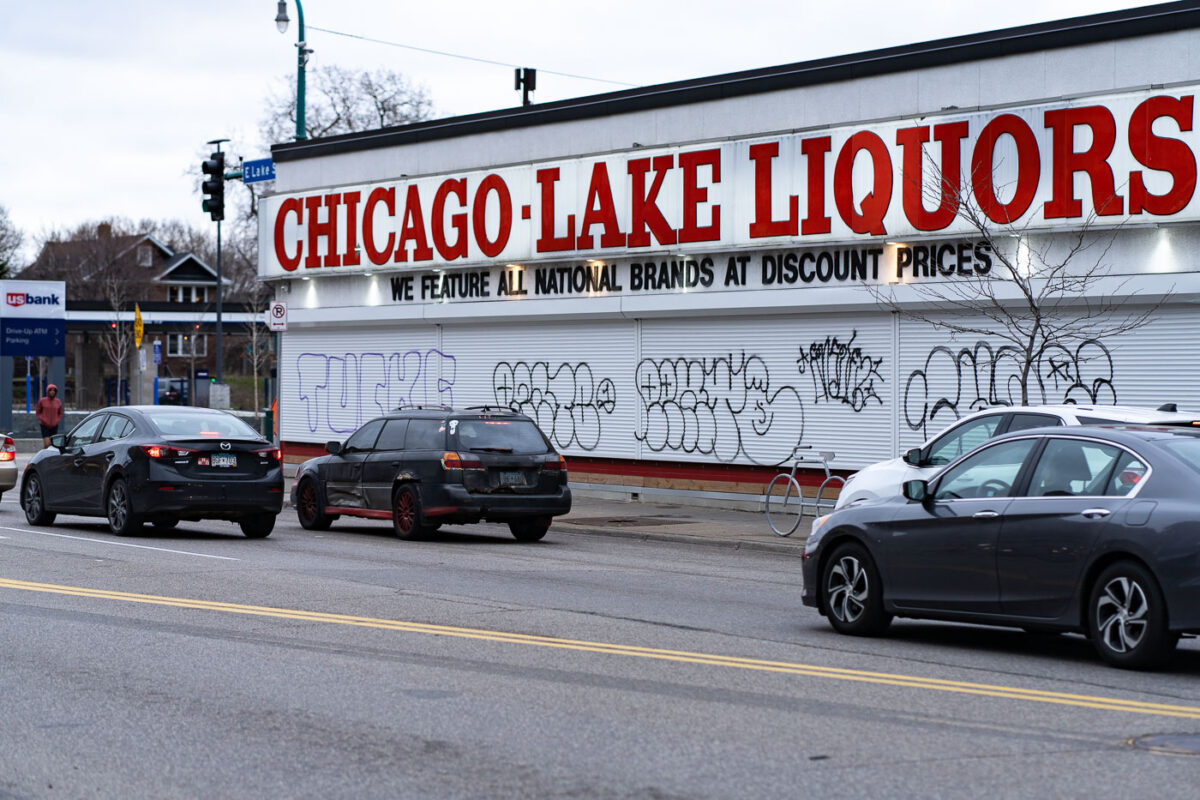
Graffiti on metal shutters covering the windows of Chicago Lake Liquors on Lake Street in Minneapolis.

A mural by artist Melodee Strong on the side of a building on Lake Street.
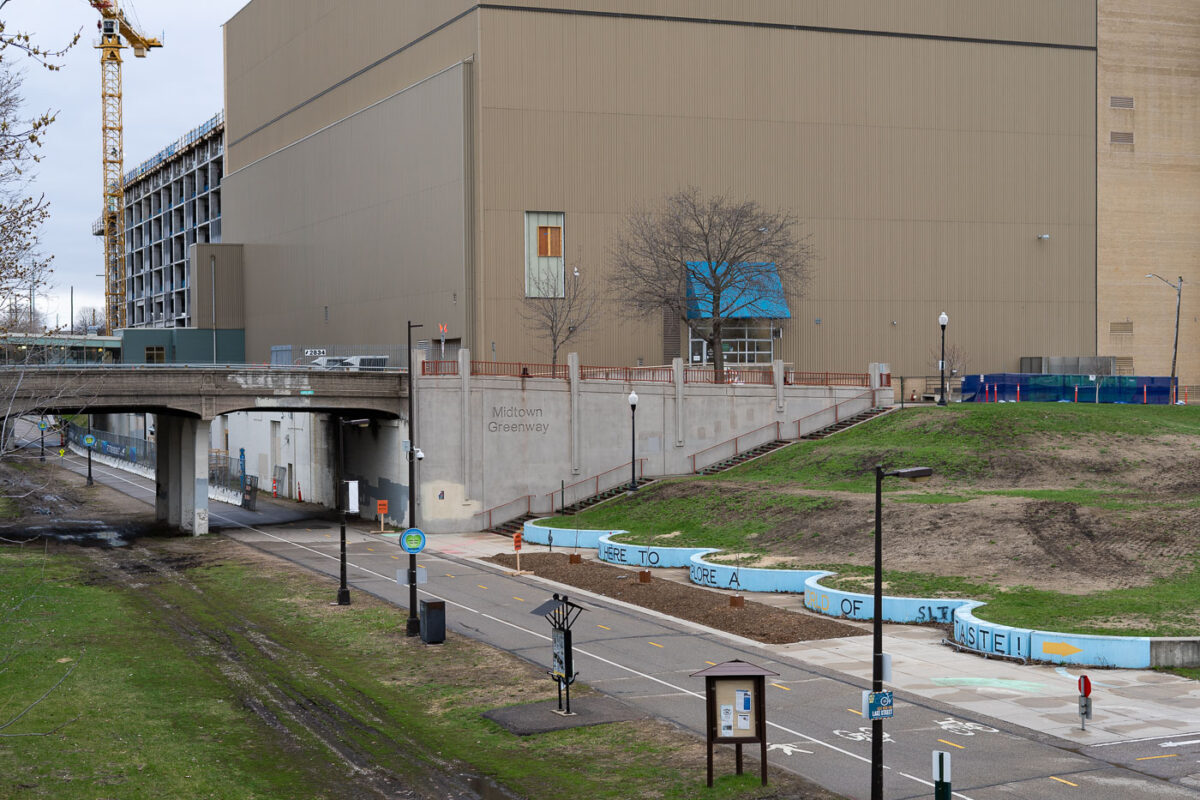
The Midtown Greenway at 10th Avenue in Minneapolis.
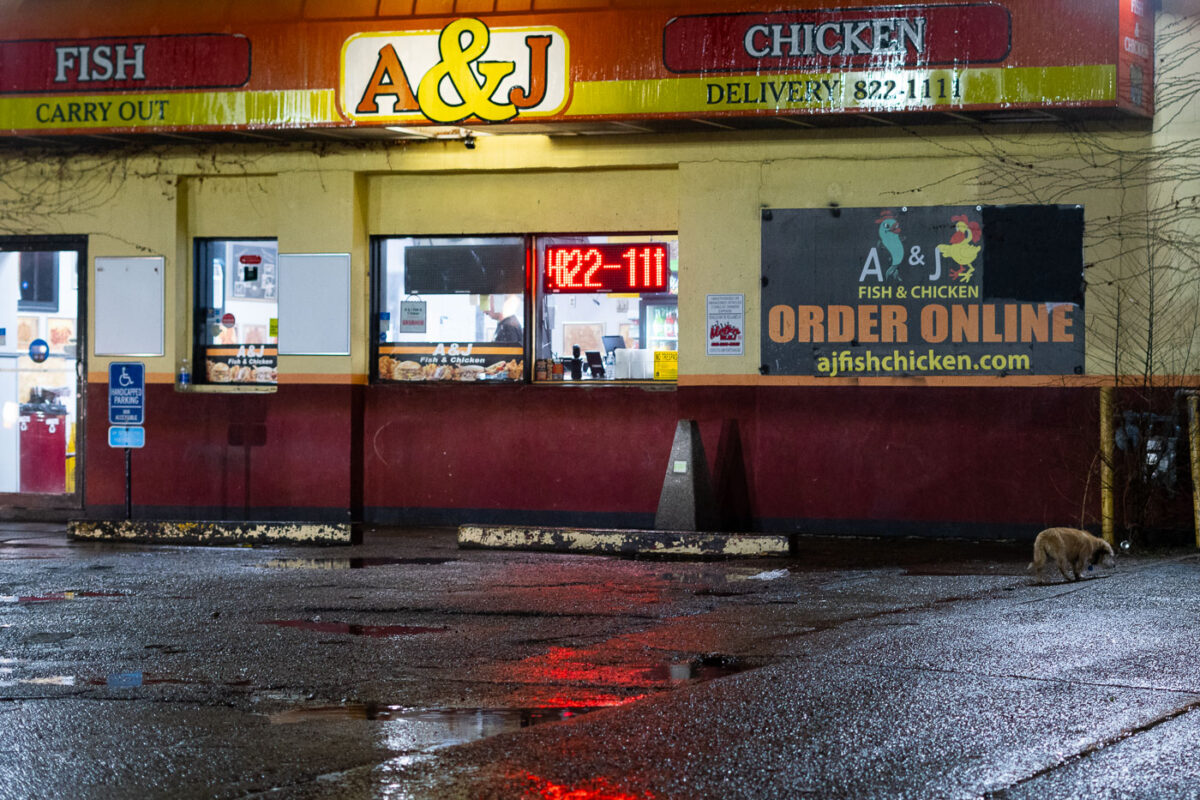
A&J Fish and Chicken on Lake Street in South Minneapolis.
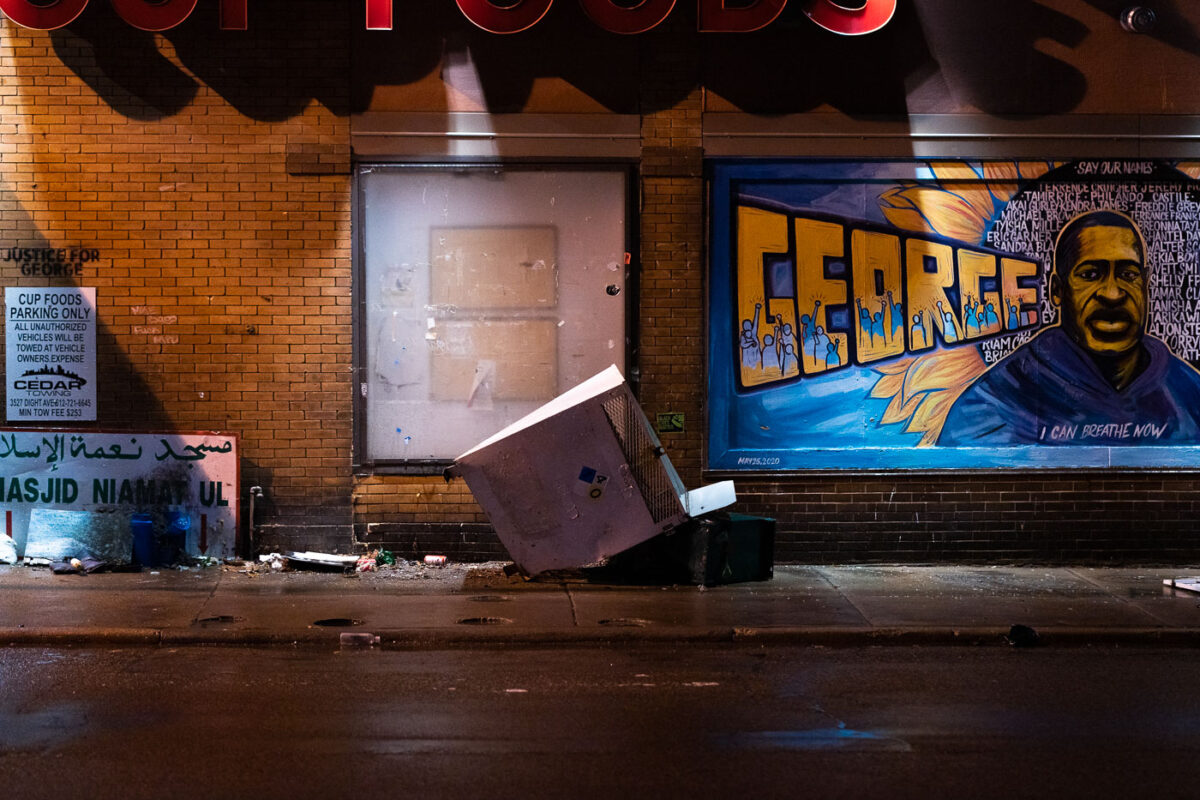
Knocked over propane tank container from a car smashing into the Cup Foods building.
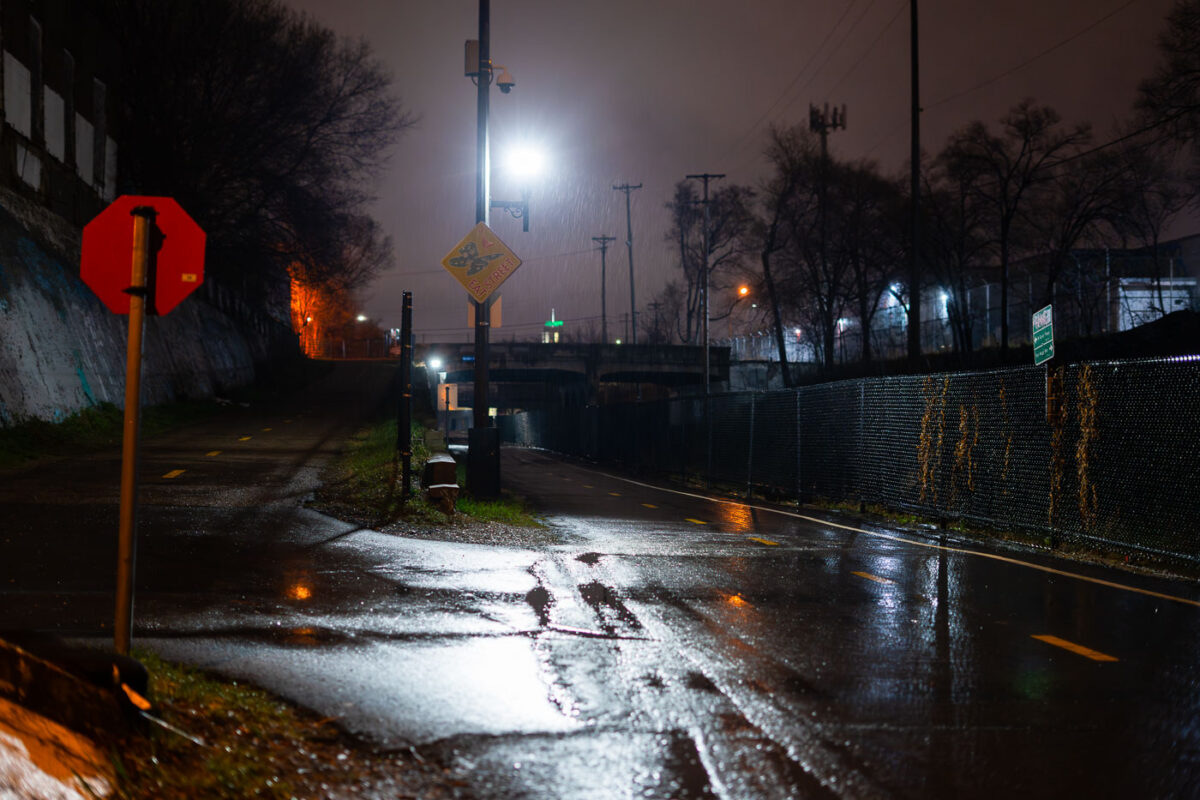
A rainy night on the Midtown Greenway in Minneapolis in April 2022.