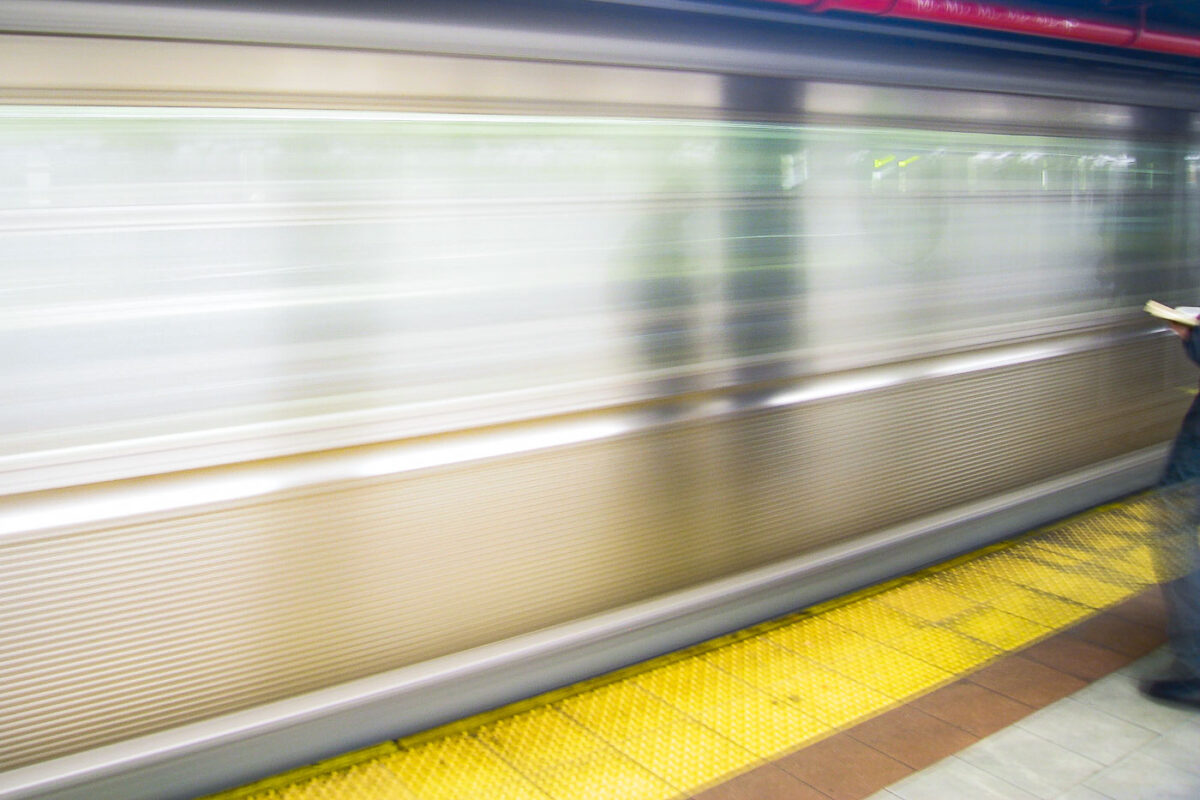
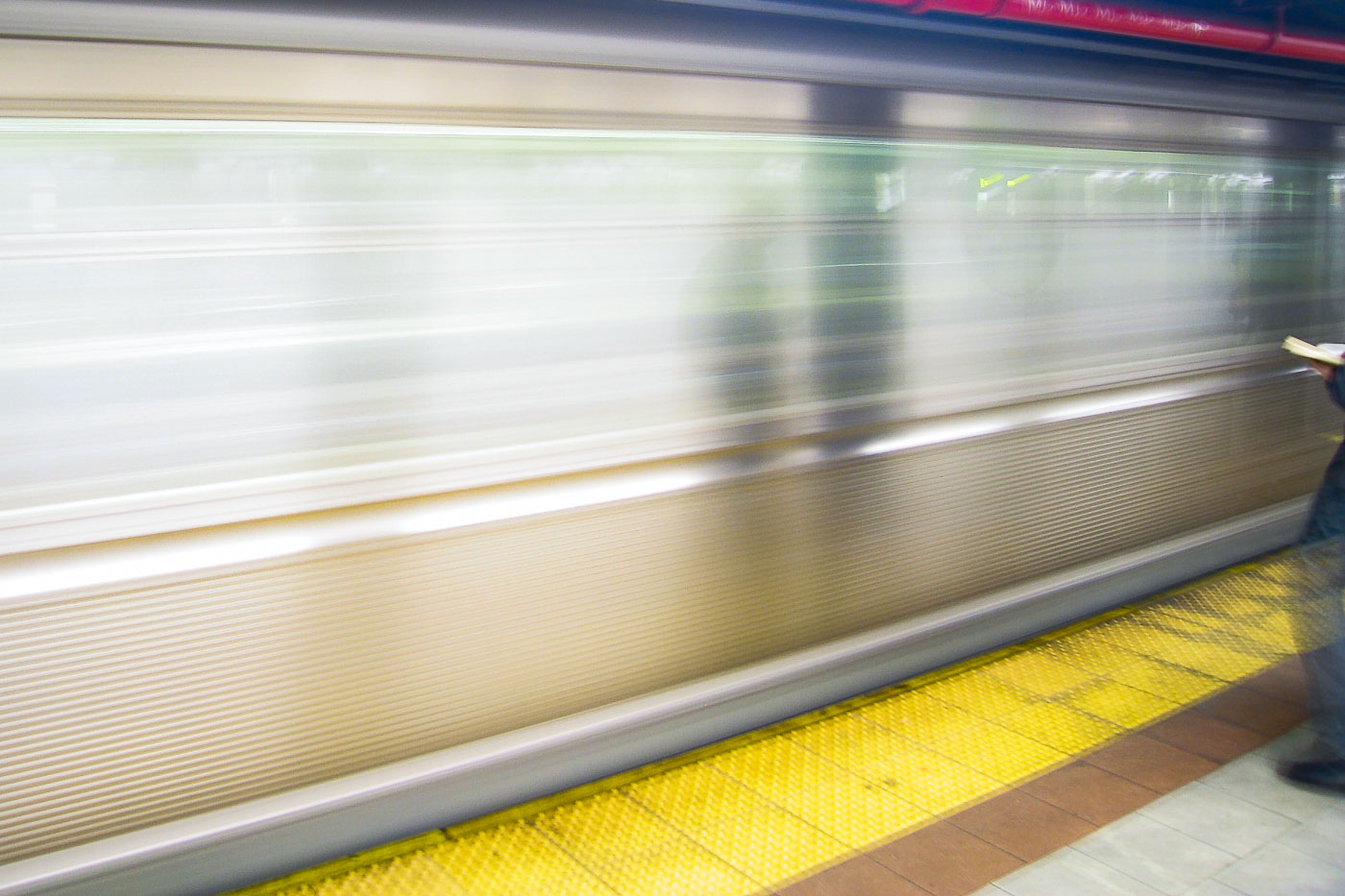
Subway train leaving in New York City
May 2005 — A man reads a book at a New York City subway platform in May 2005.
Explore photos tagged Train Platform.
May 2005 — A man reads a book at a New York City subway platform in May 2005.
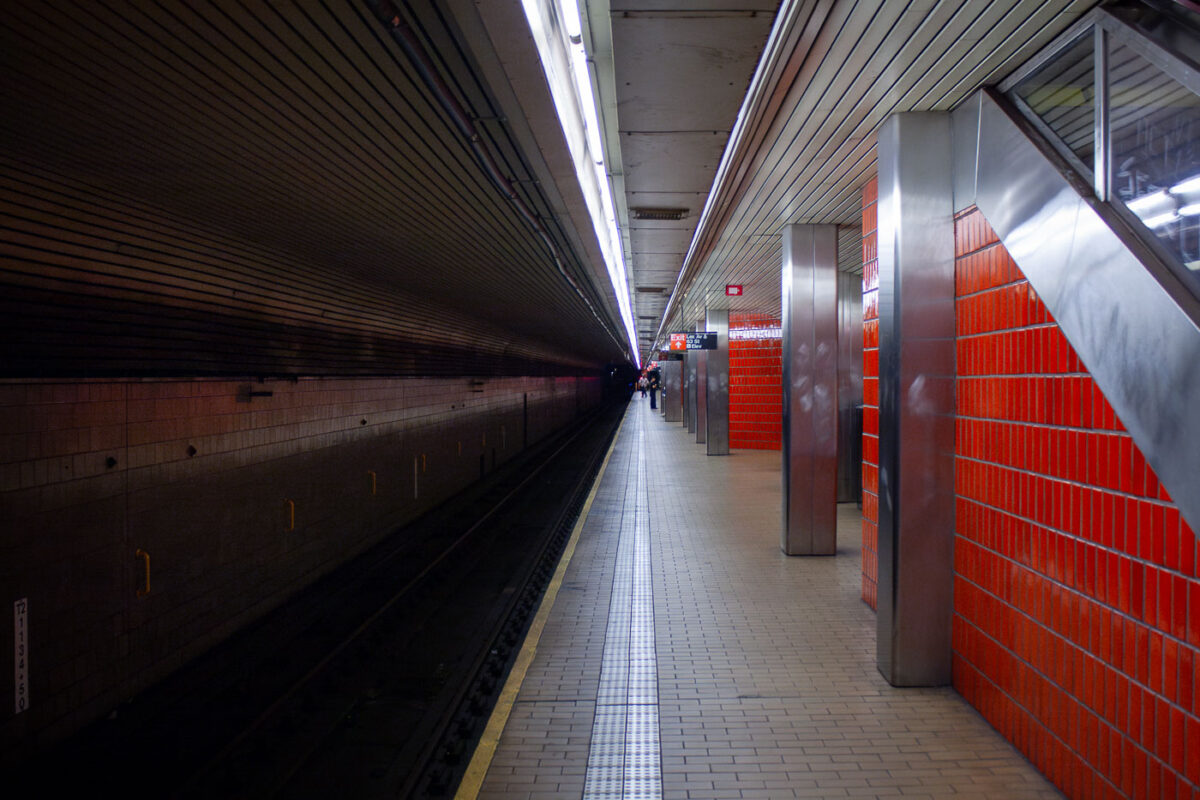
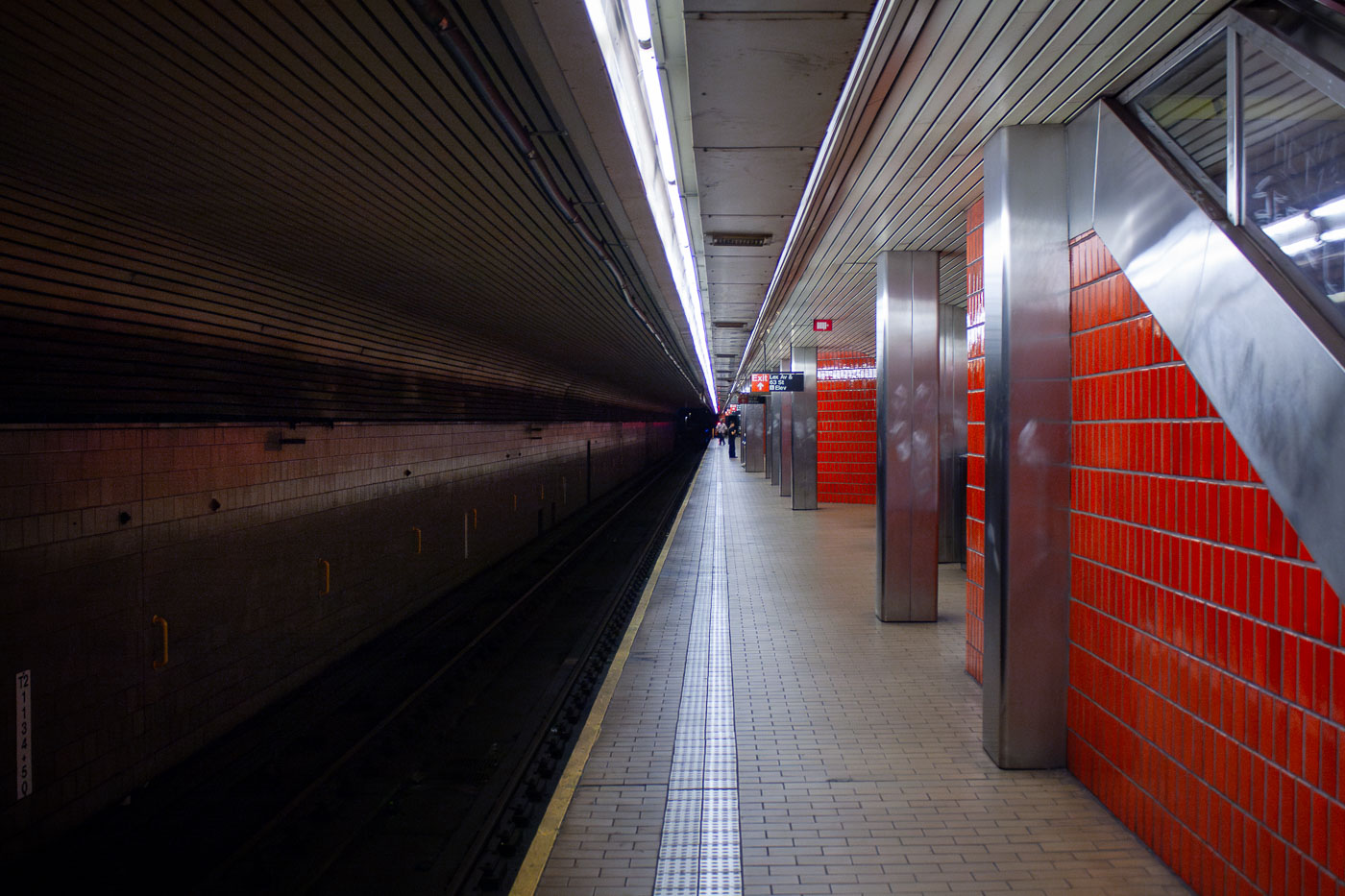
September 2008 — The Lexington Avenue–63rd Street station in Manhattan, part of the IND and BMT lines of the New York City Subway, is shown here in its distinctive red-tiled design. Opened in 1989 as part of the 63rd Street Tunnel project, the station serves the F and Q trains, linking the Upper East Side to Queens and the Second Avenue Subway. Its sharply linear geometry and long central platform exemplify late-20th-century transit architecture, emphasizing function and durability. The bright red glazed brick walls contrast with the metallic fixtures and fluorescent ceiling strips, creating a visual rhythm typical of New York’s underground infrastructure during the city’s major transit expansion era.
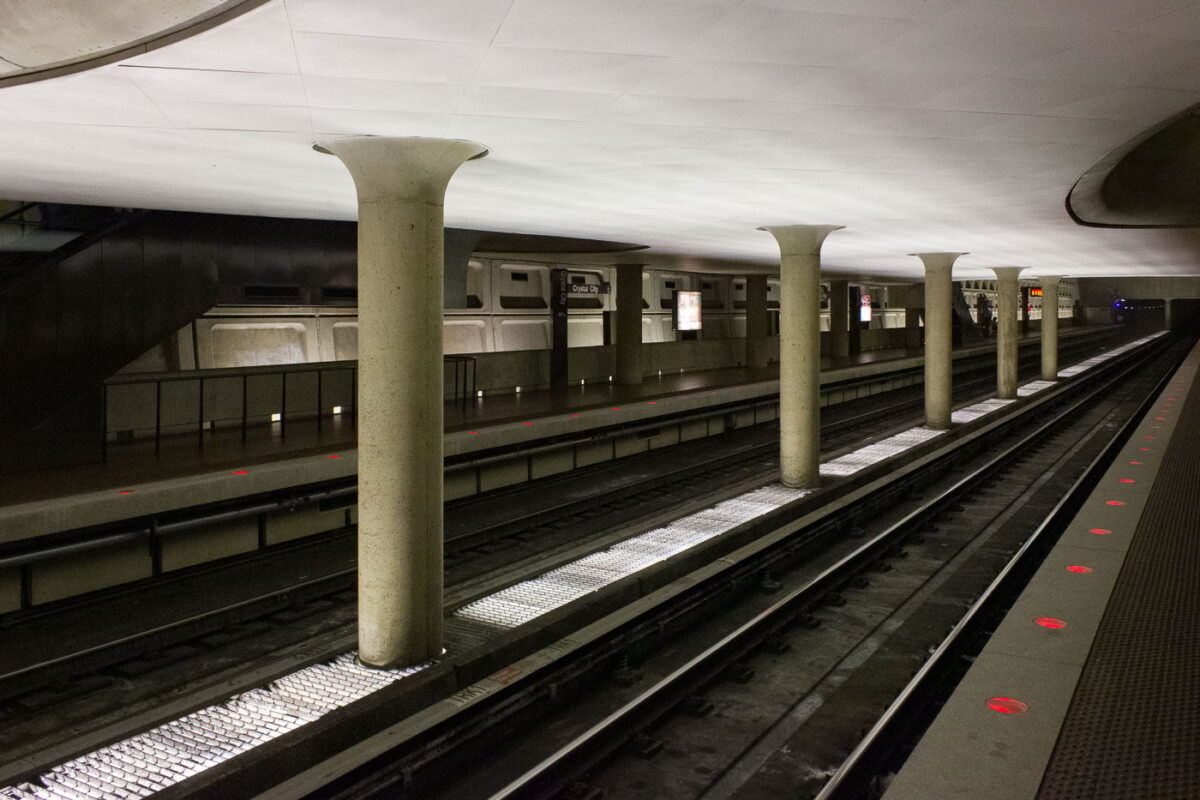
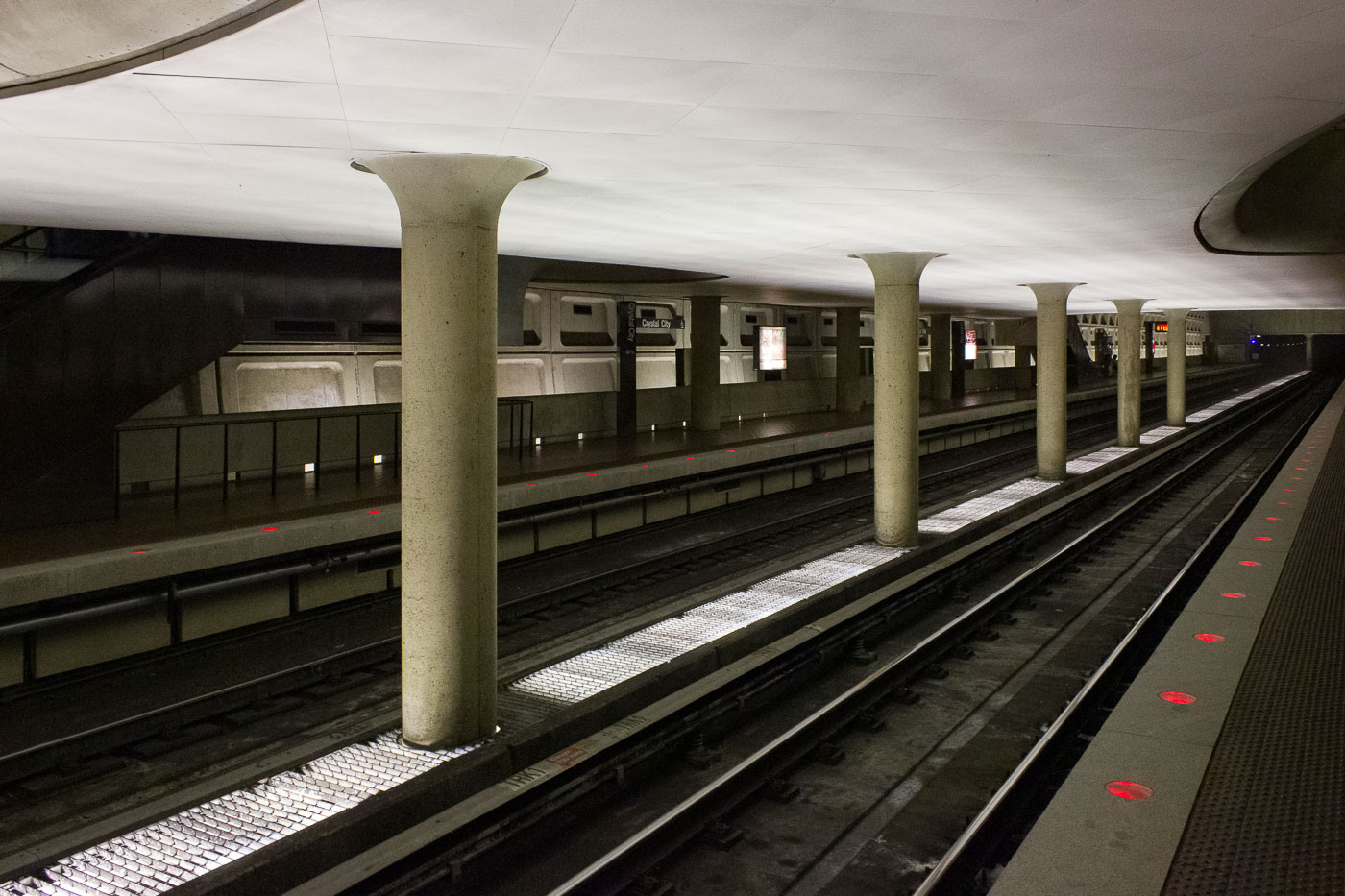
March 2012 — Crystal City is a side platformed Washington Metro station in the Crystal City neighborhood of Arlington, Virginia, United States. The station was opened on July 1, 1977, and is operated by the Washington Metropolitan Area Transit Authority (WMATA). Providing service for both the Blue and Yellow Lines, the station is located on 18th Street in between the Jefferson Davis Memorial Highway and South Bell Street. The station is also accessible from the underground network of shopping centers and restaurants extending beneath Crystal City. This is the final indoor transfer point between the Blue and Yellow lines in the southbound direction. In inclement weather, commuters may prefer to transfer at Crystal City rather than at King Street–Old Town, which is outdoors. The station is also served by the Metroway bus rapid transit line. Some Metroway buses terminate here rather than at Pentagon City station. Source: <a href="https://en.wikipedia.org/wiki/Crystal_City_station_" rel="noreferrer nofollow">en.wikipedia.org/wiki/Crystal_City_station_</a>(Washington_Metro)
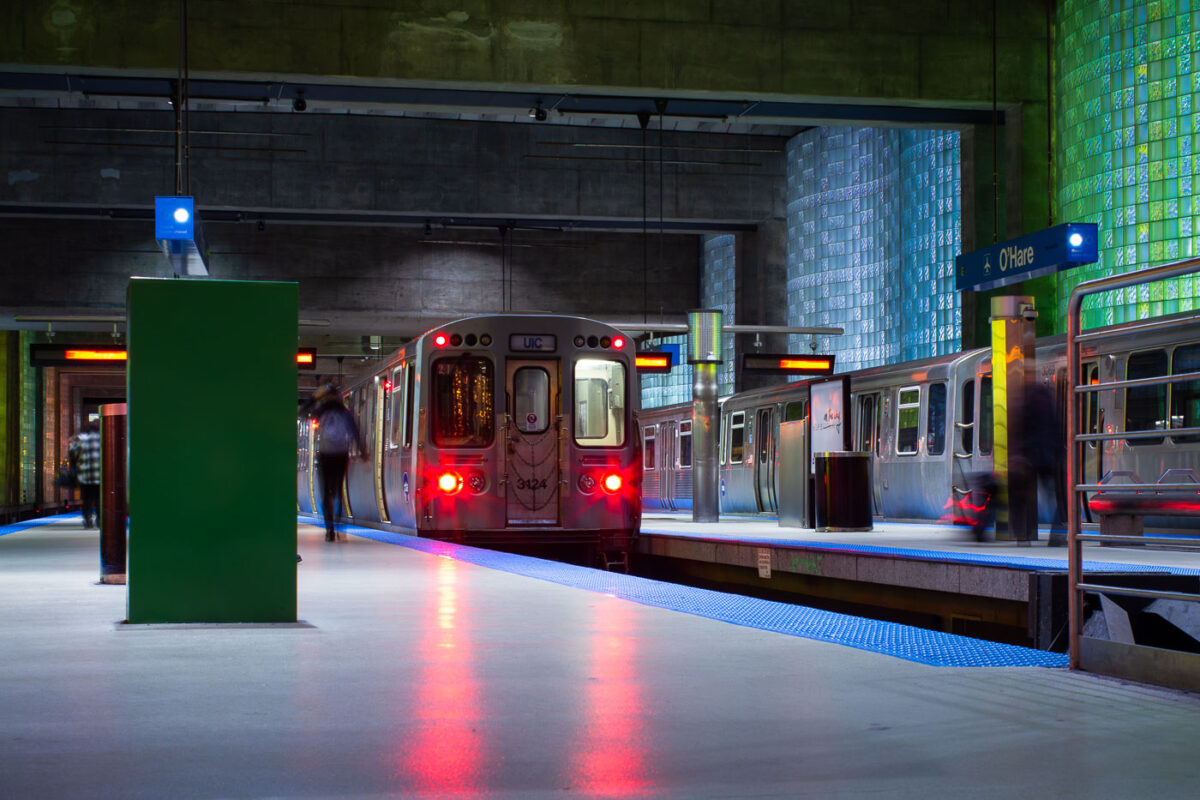
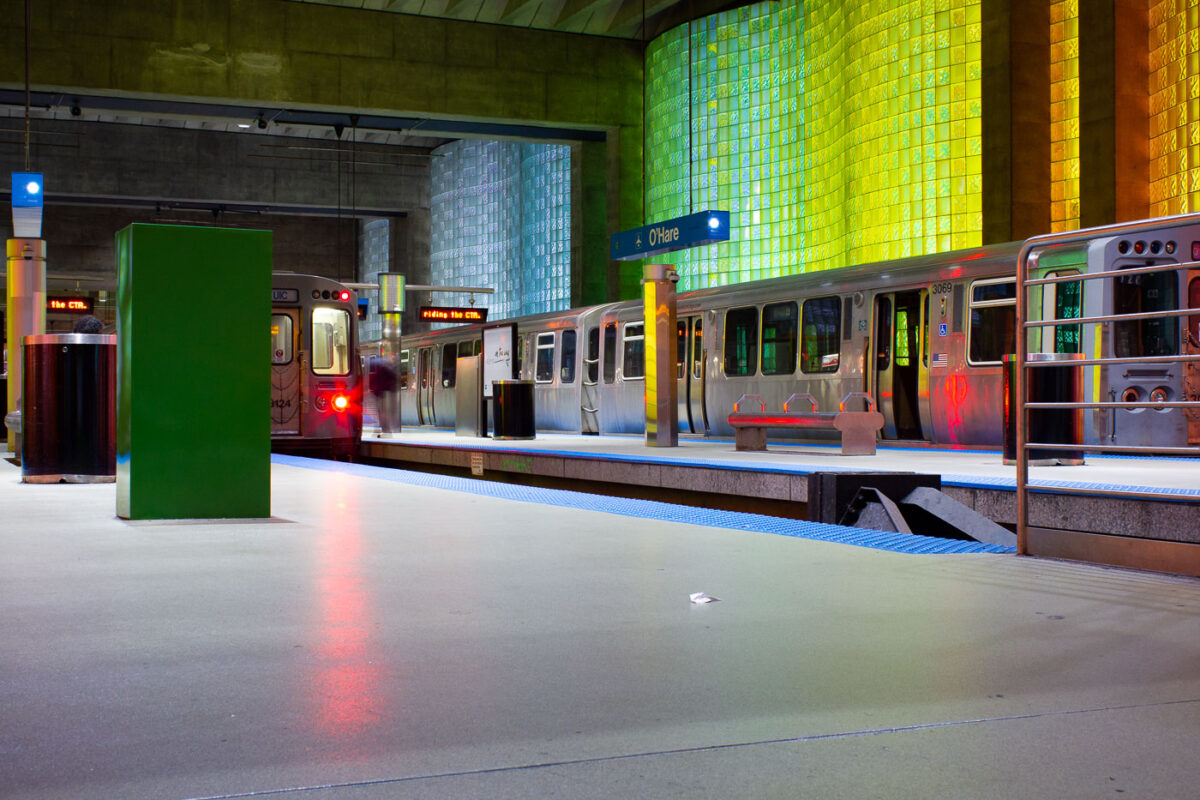
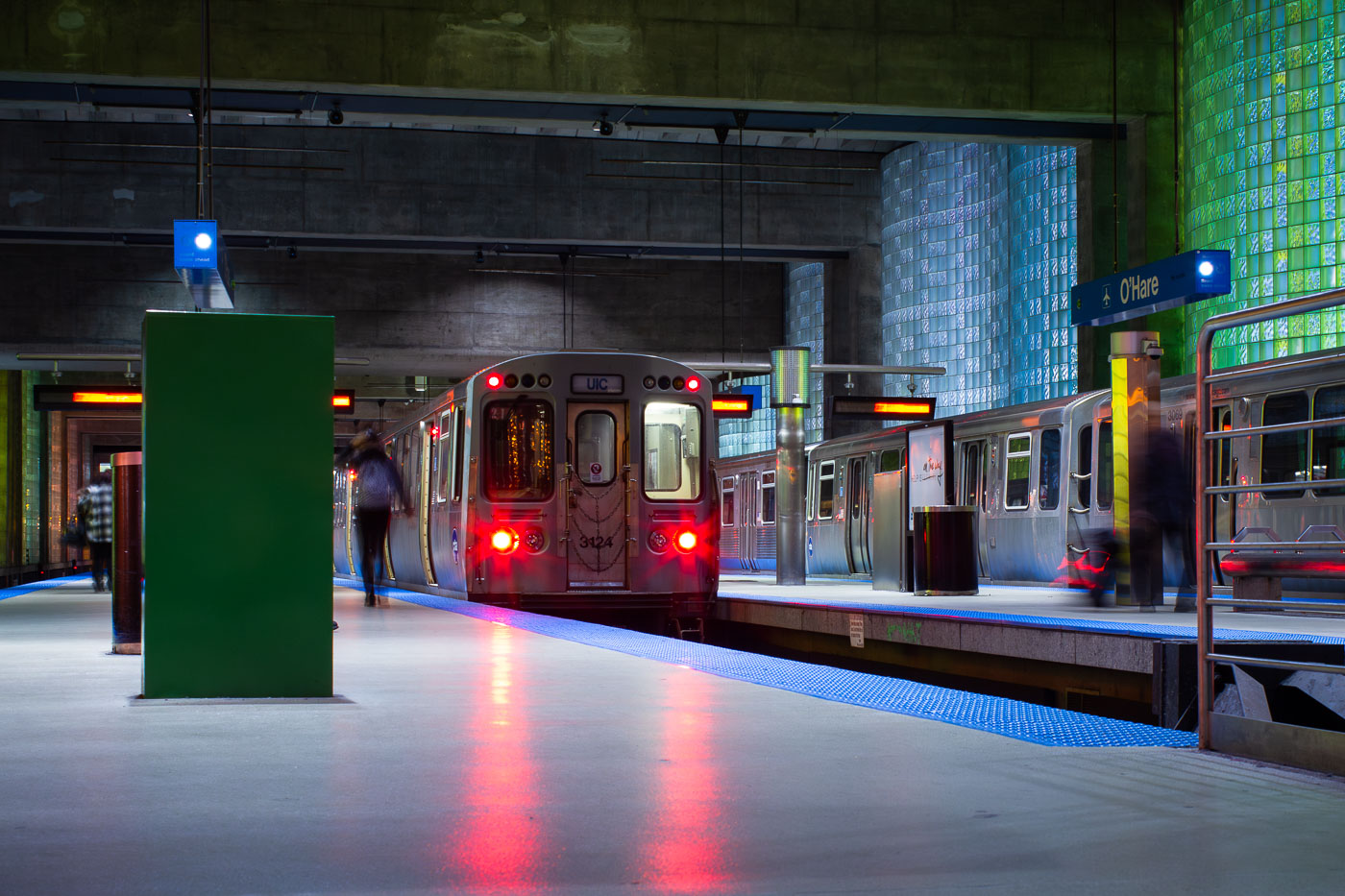
December 2012 — The O'Hare Train Station in Chicago.
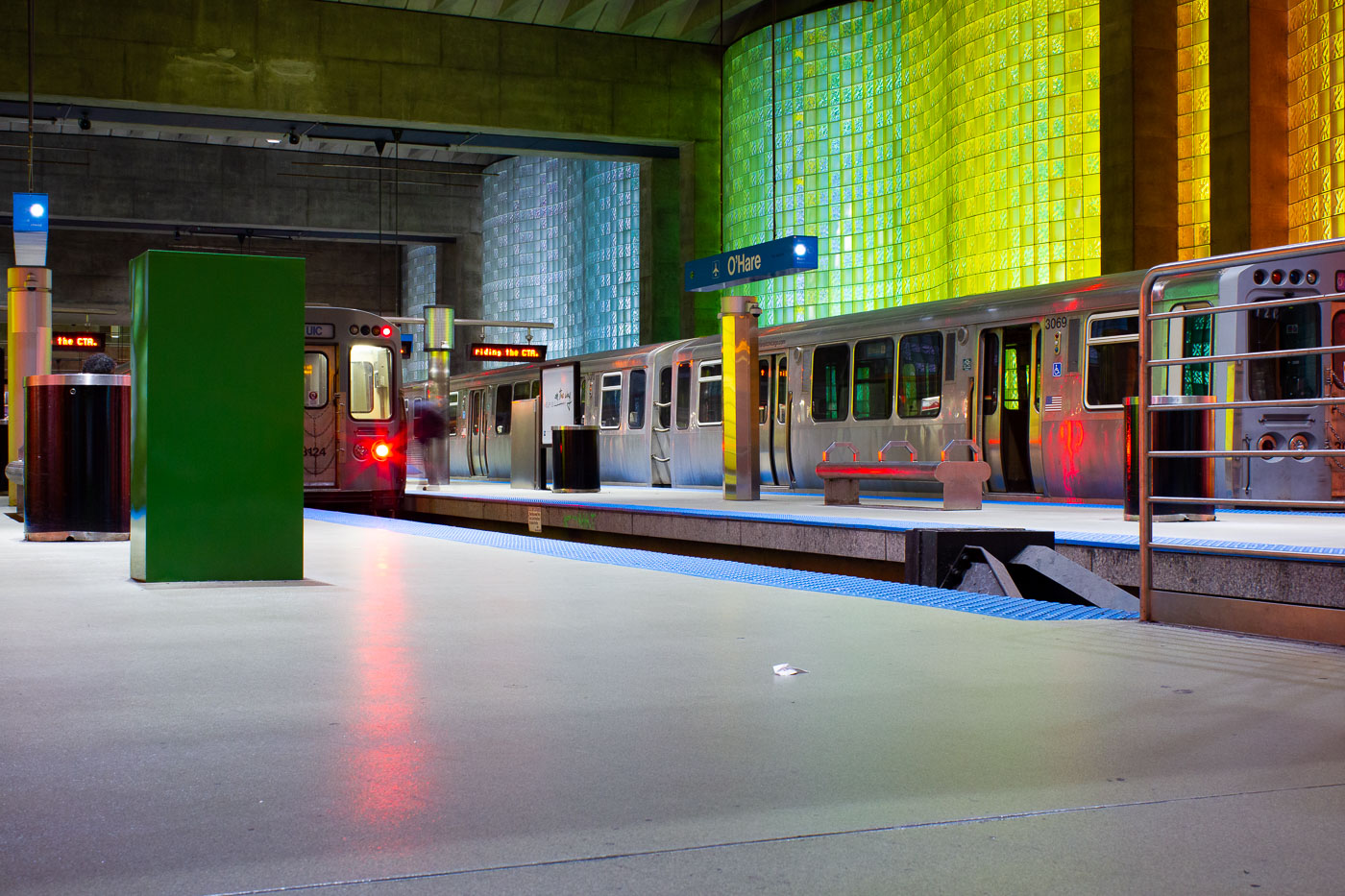
December 2012 — Trains at O'Hare International Airport in Chicago.
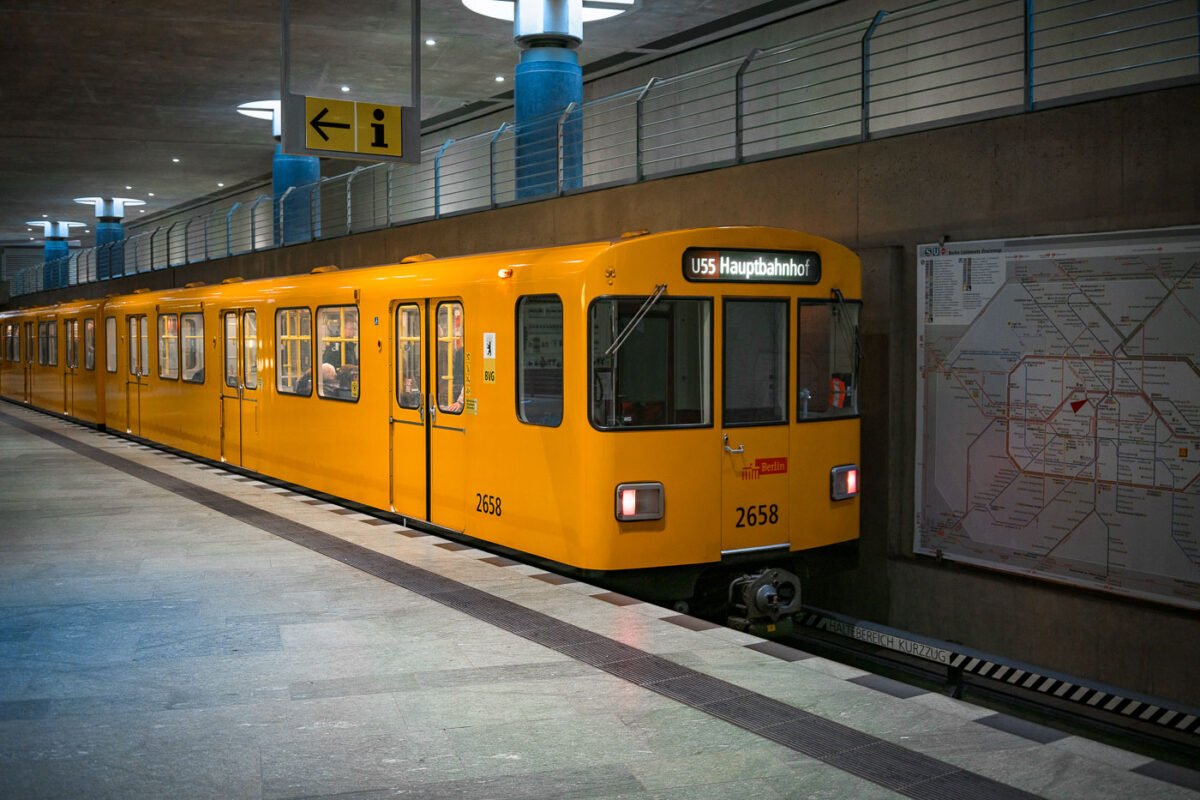
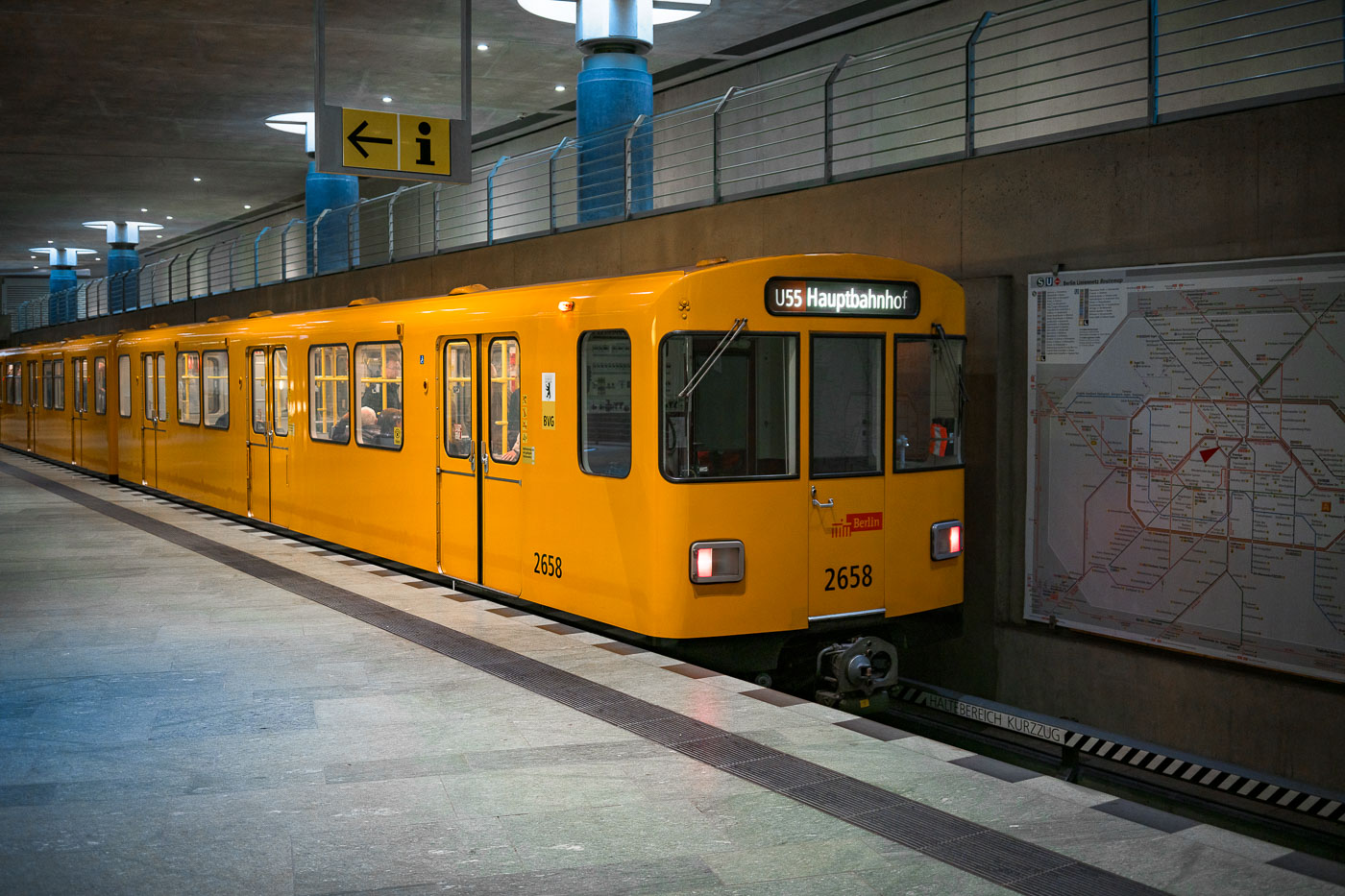
September 2017 — A bright yellow BVG U-Bahn train marked “U55 Hauptbahnhof” stands at the underground platform of Berlin Hauptbahnhof. An information sign with an arrow hangs above the platform, while a large network map of the S- and U-Bahn lines is mounted on the concrete wall to the right. Through the windows, a few seated passengers are visible inside the multi-door carriage numbered 2658. The U55 operated as a short shuttle between Berlin Hauptbahnhof and Brandenburger Tor, opened in 2009 to link the new central station with the government quarter. In December 2020 the shuttle was integrated into the extended U5 line, a major step in Berlin’s east‑west metro connection.
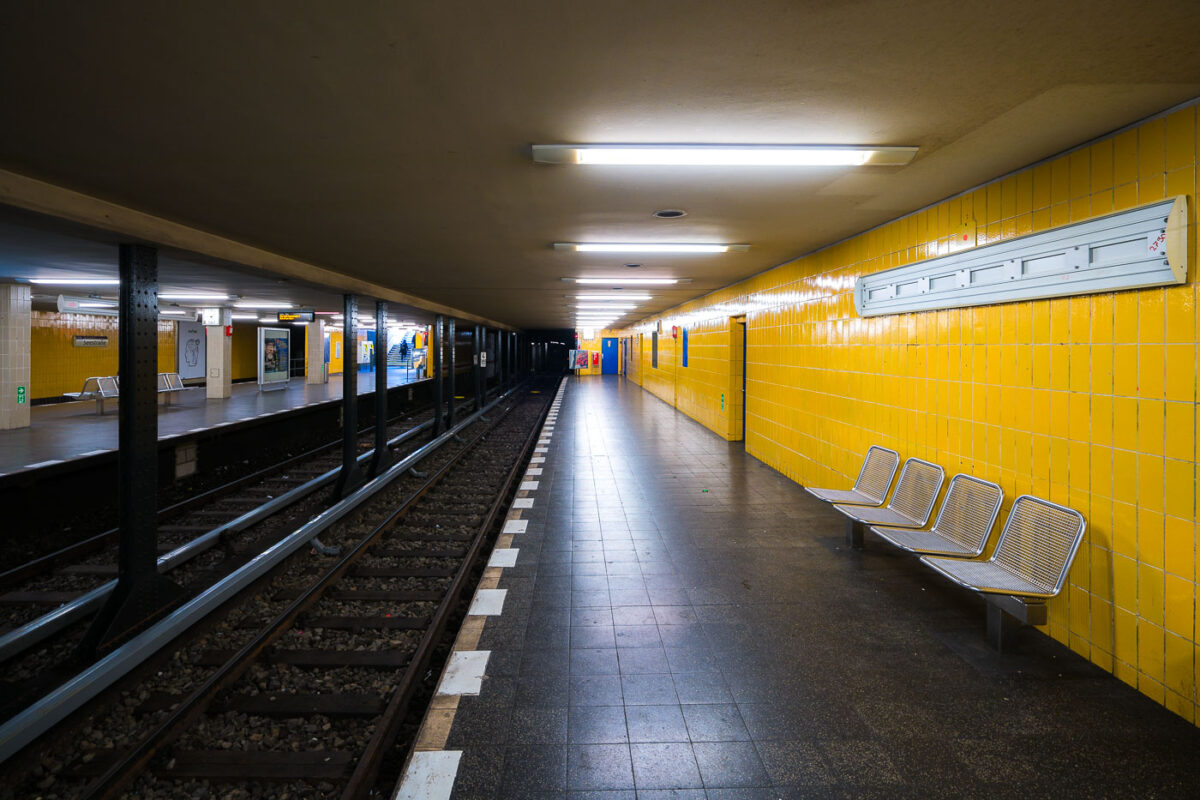
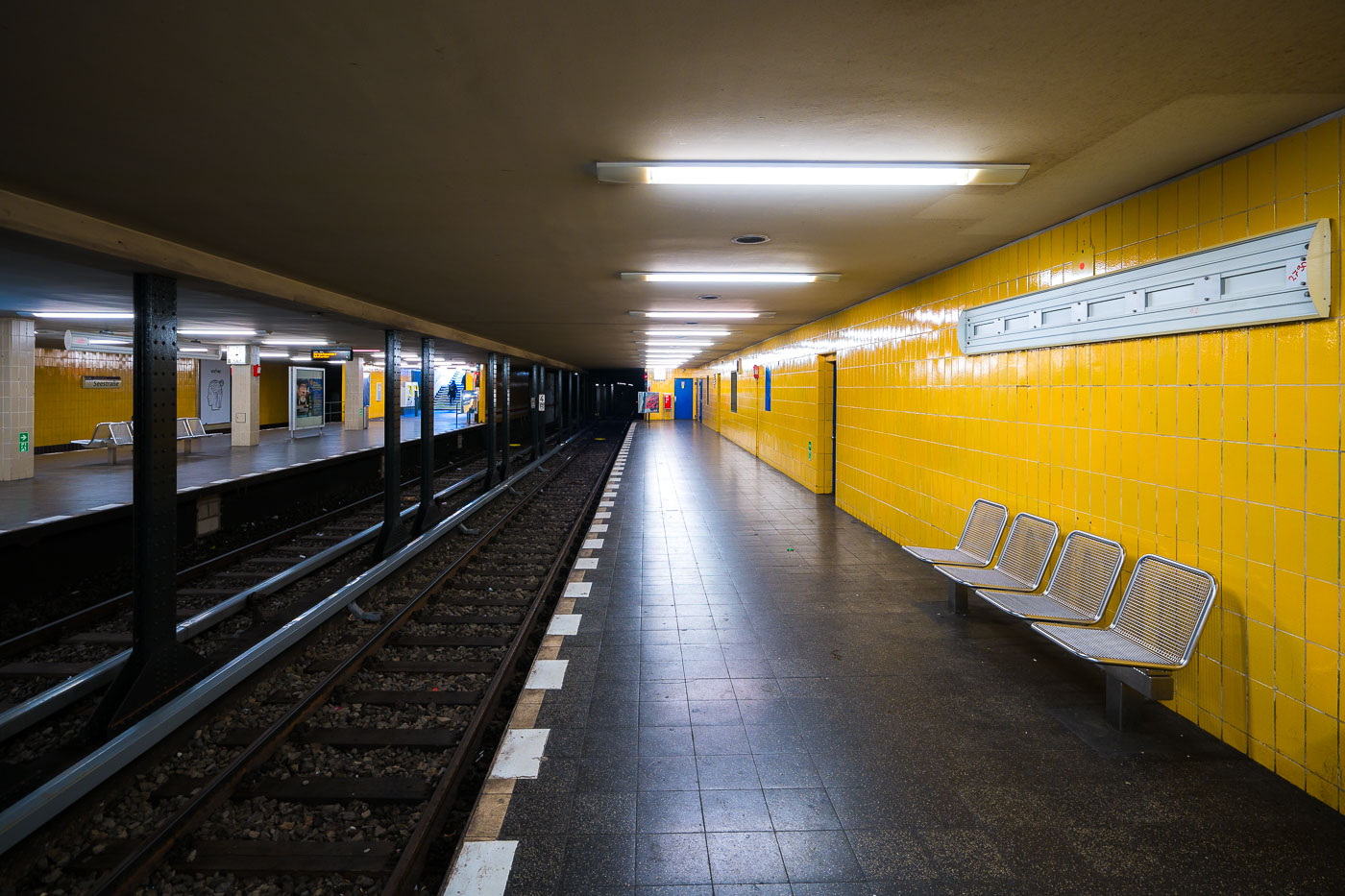
September 2017 — Seestraße U-Bahn Station, Berlin Germany
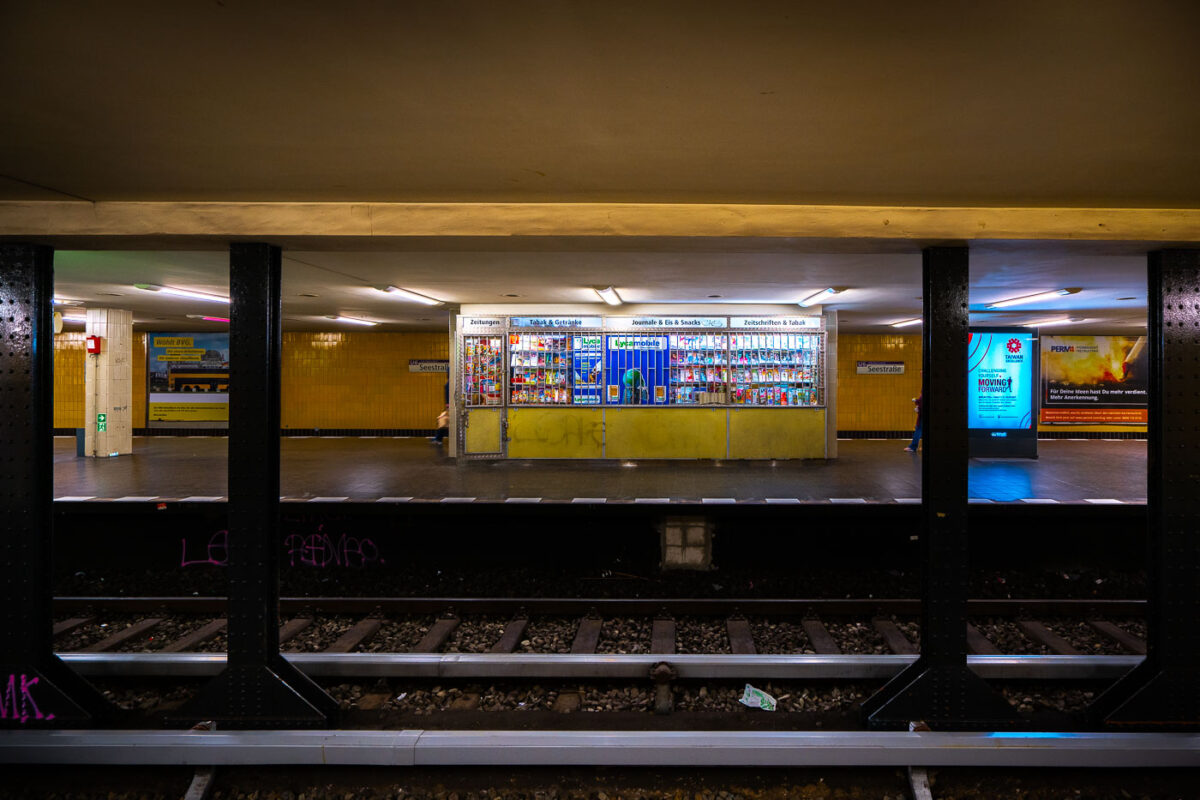
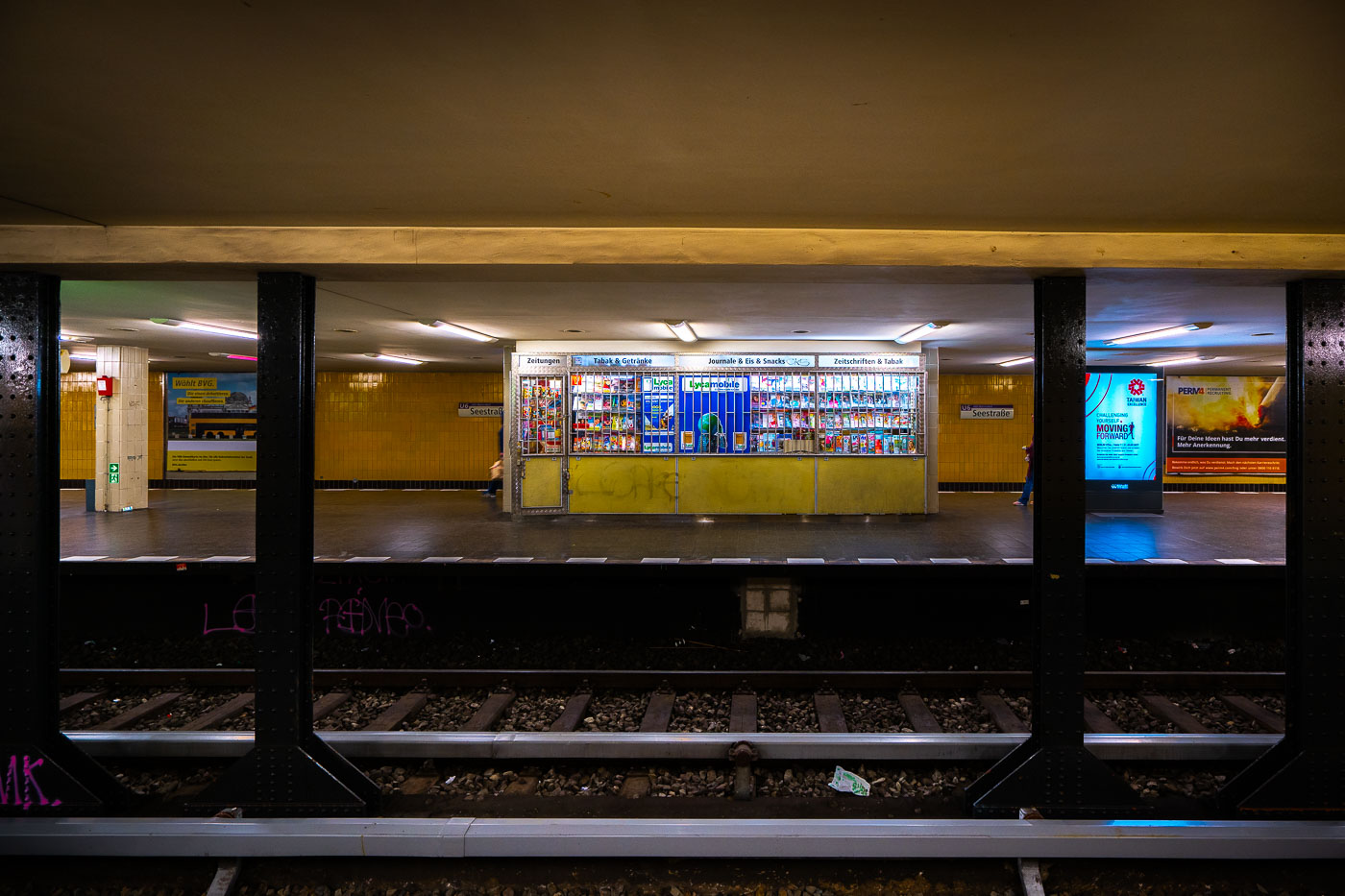
September 2017 — A store at the Seestrabe Station in Berlin.
September 2017 — Brussels South/Midi Train Station in Belgium. September 2017.
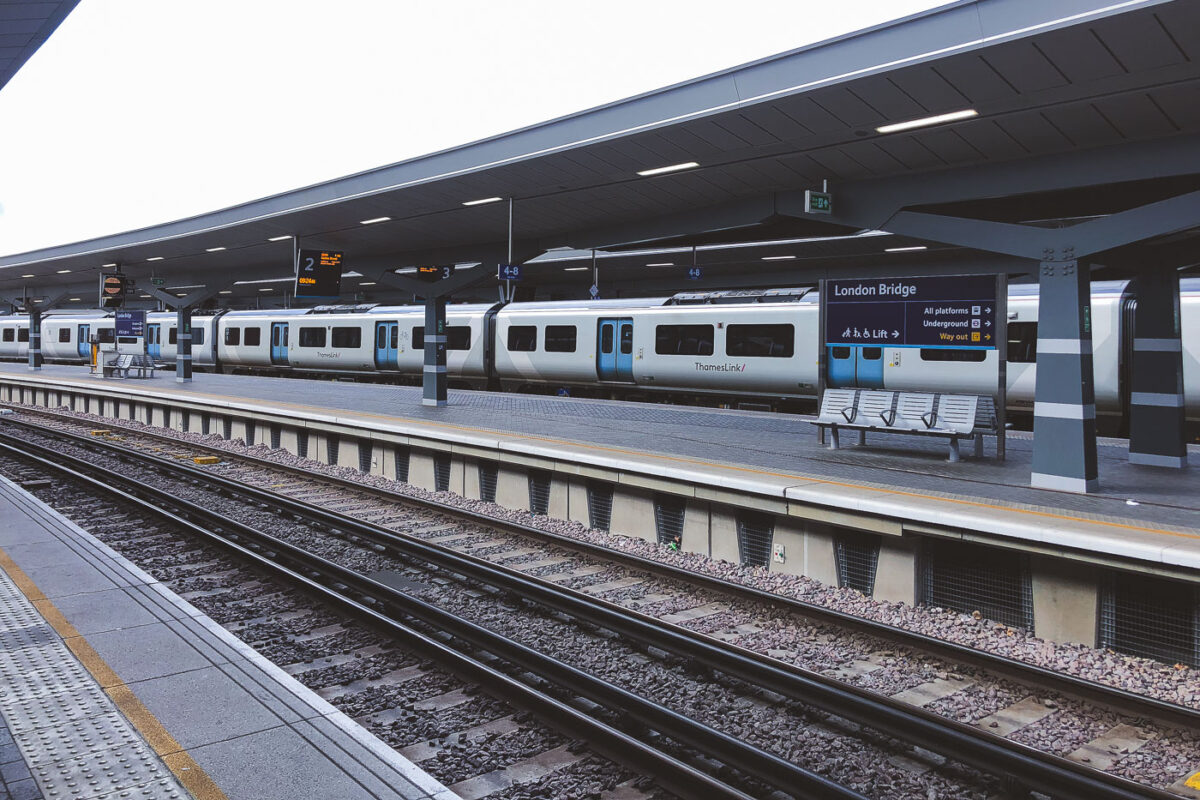
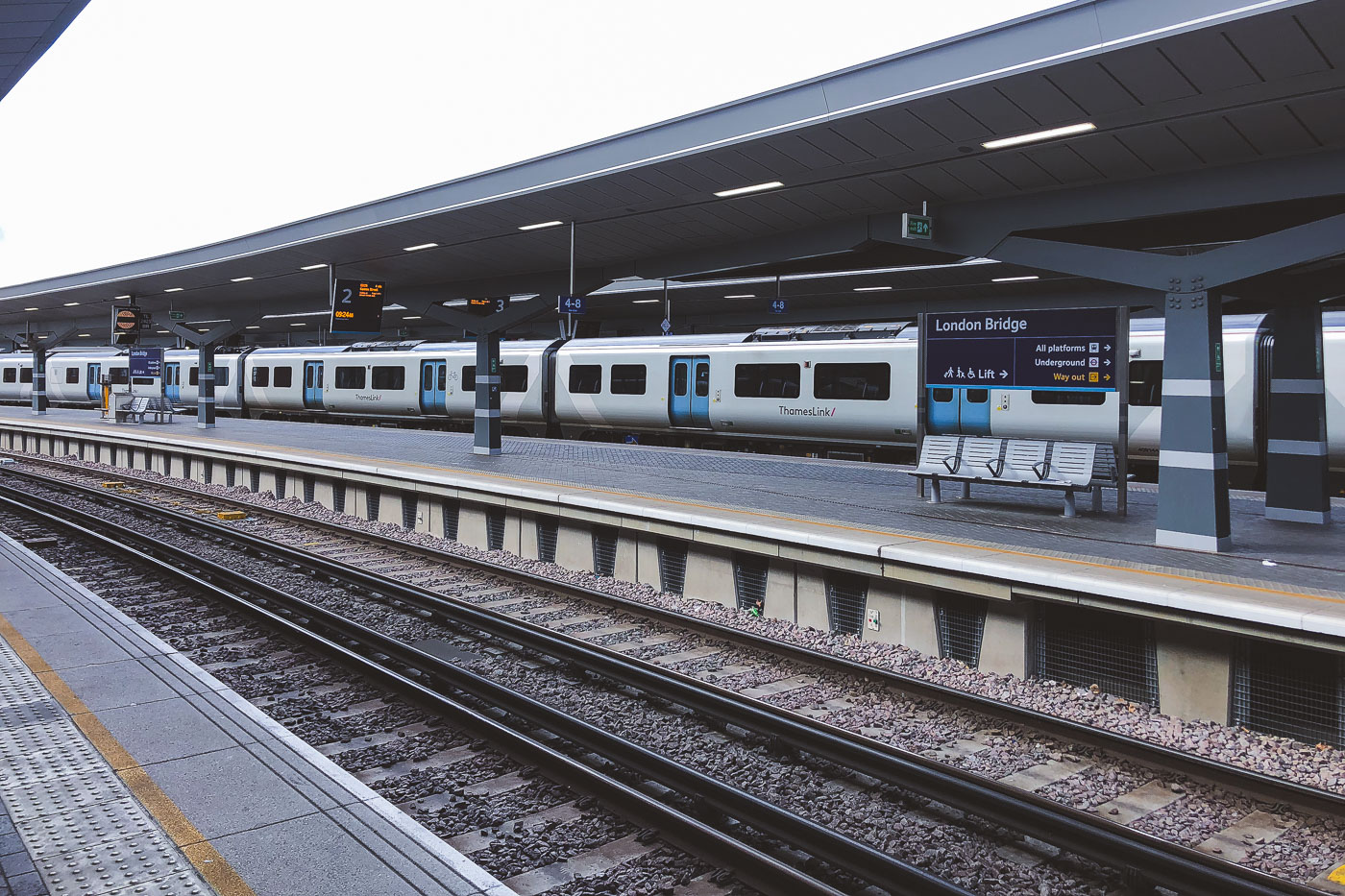
April 2019 — London Bridge Station’s Thameslink platforms represent one of the most advanced pieces of commuter rail infrastructure in the UK, rebuilt as part of the £1 billion redevelopment completed in 2018. The redesign introduced a vast concourse beneath the platforms, new canopies, and digital passenger systems to accommodate over 50 million travelers annually. Visible here is a Class 700 Thameslink train, part of Siemens’ Desiro City fleet, which operates high-frequency services linking Bedford, Brighton, and Cambridge through central London via the core Thameslink route. The streamlined architecture and wide canopies were engineered to handle both heavy peak-hour volumes and seamless integration between National Rail and the London Underground’s Jubilee and Northern Lines, establishing London Bridge as a key interchange in Britain’s modern rail network.
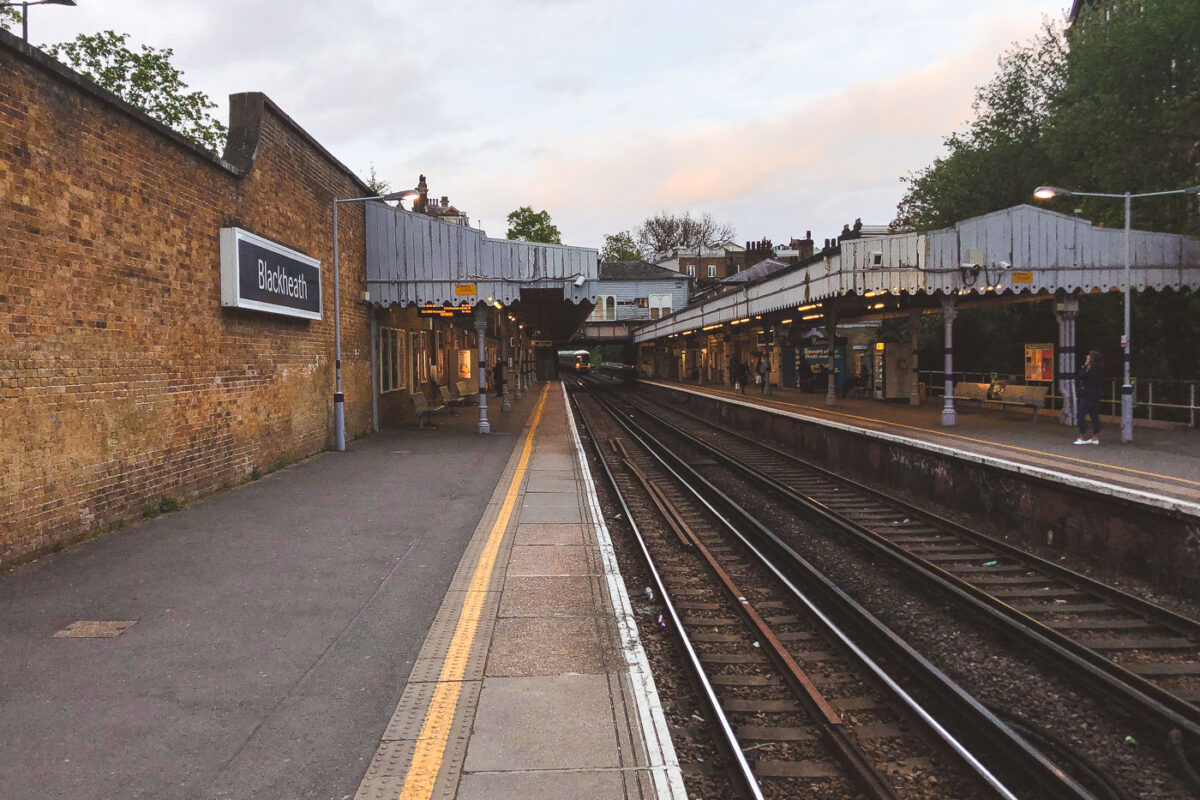
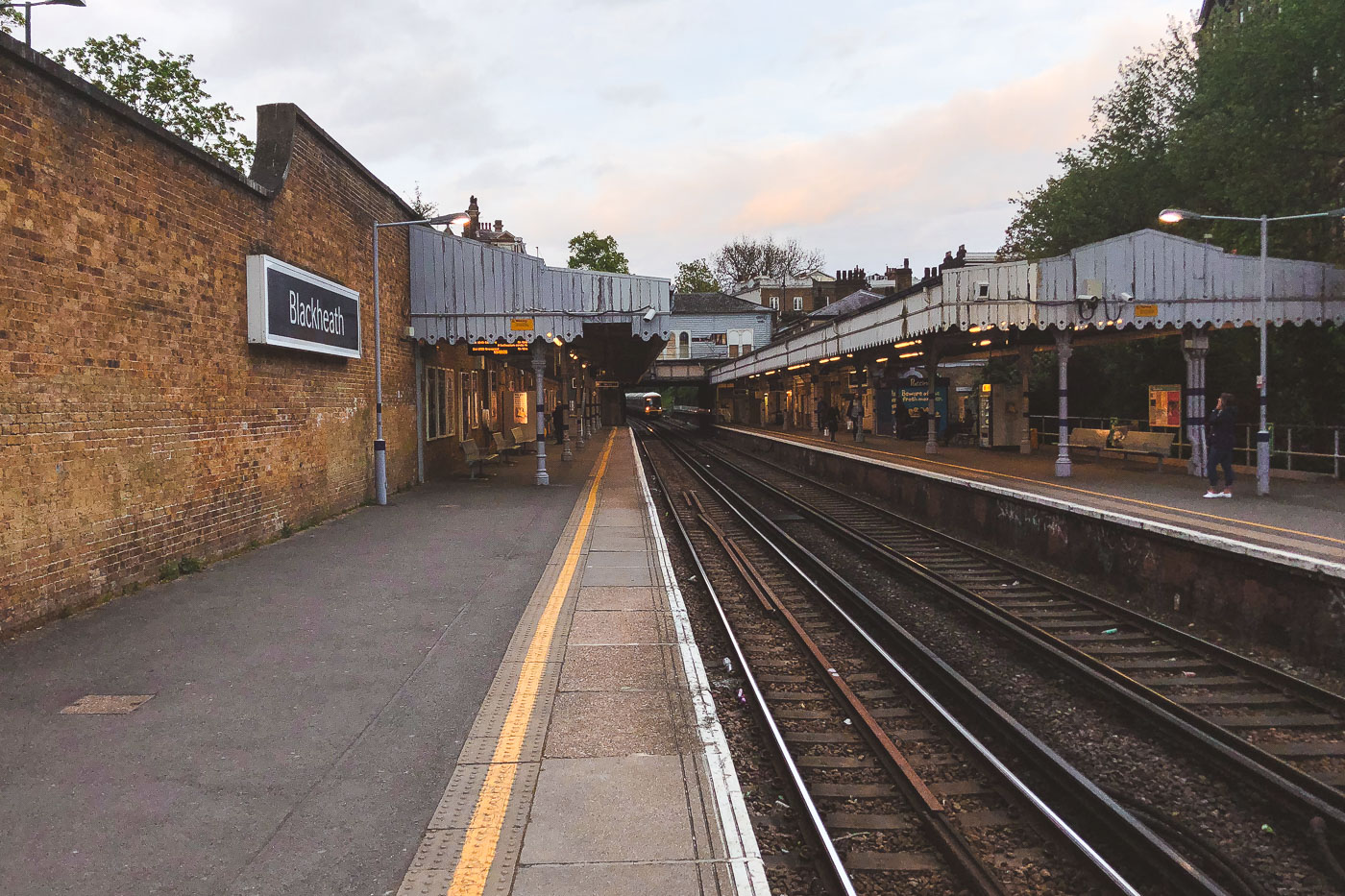
April 2019 — Blackheath railway station, a historic stop on the Southeastern line in southeast London, dates to the mid-19th century and still retains much of its Victorian charm. Its cast-iron canopies, decorative awnings, and brickwork walls reflect the architectural style of early suburban railway expansion. The platforms here serve frequent trains between London Charing Cross, Cannon Street, and Kent, making it a busy commuter link by day. In the quiet of dusk, however, the station takes on a tranquil character — a rare pause in the constant rhythm of London’s rail network.
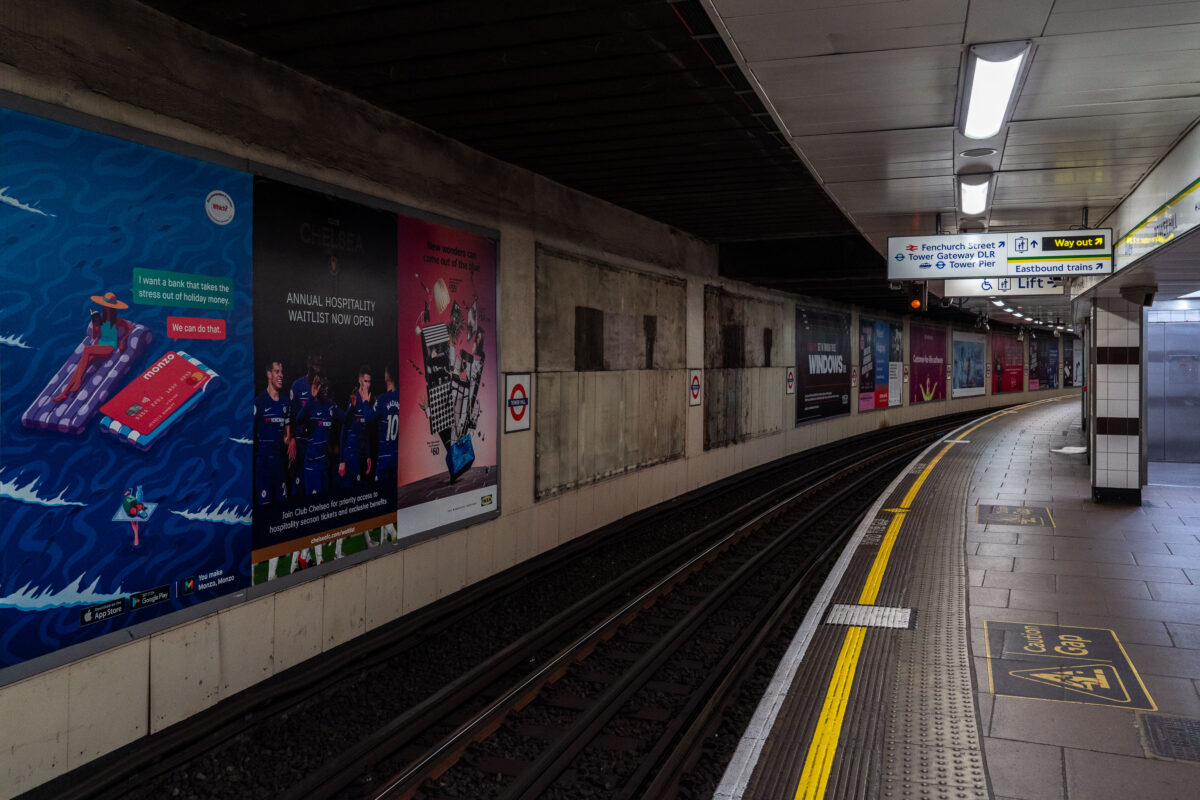
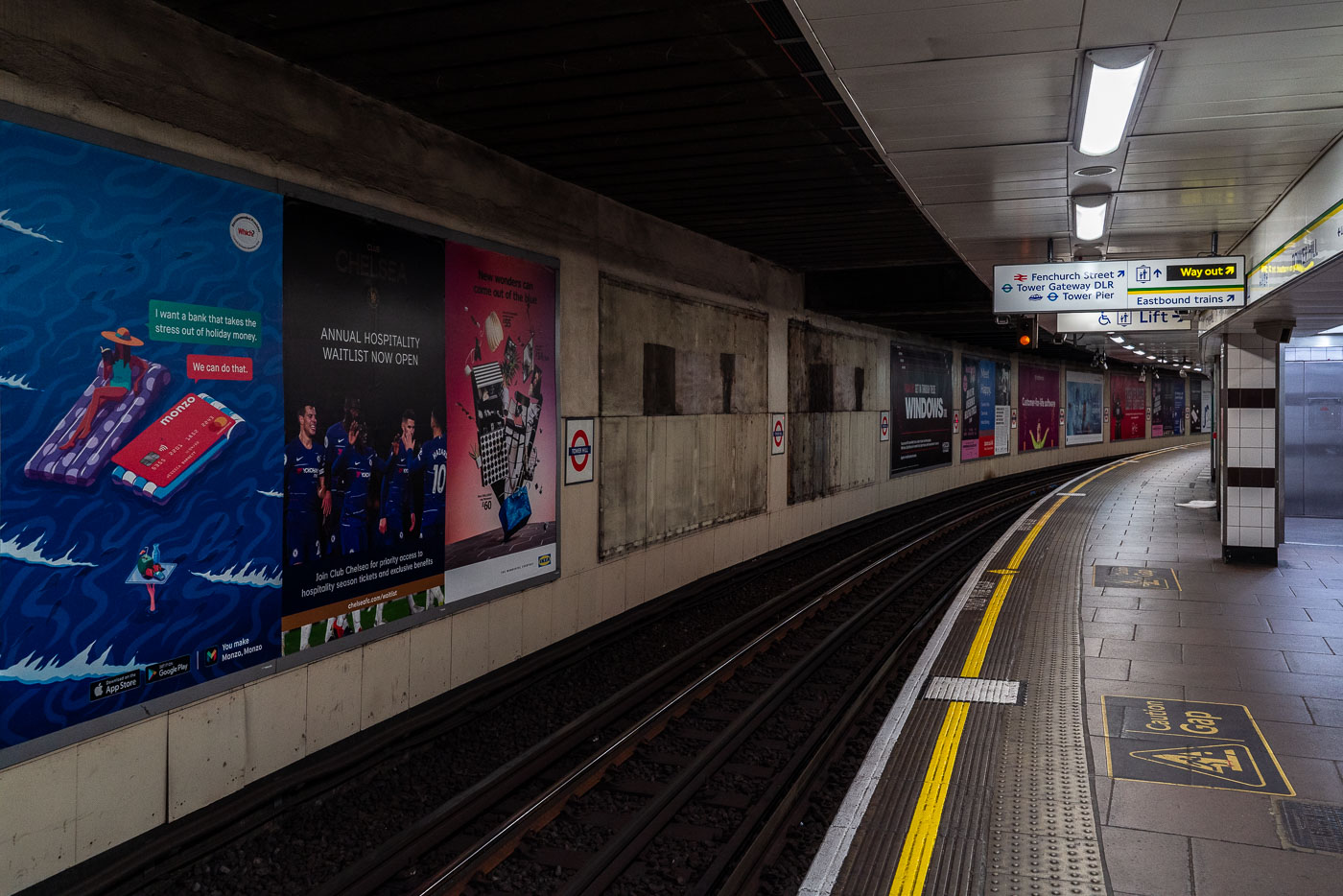
April 2019 — The eastbound platform at Tower Hill Underground Station, serving the District and Circle lines, curves gently beneath the City of London’s historic core. The tiled walls, layered advertising panels, and utilitarian ceiling panels reflect the practical design language of the post-war London Underground system. Located adjacent to Tower Gateway DLR and just steps from the Tower of London, this interchange is one of the busiest tourist-access stations in central London. Its narrow curvature and close tunnel clearances are characteristic of legacy sub-surface lines built in the 19th century—still forming the backbone of the modern network more than 150 years later.
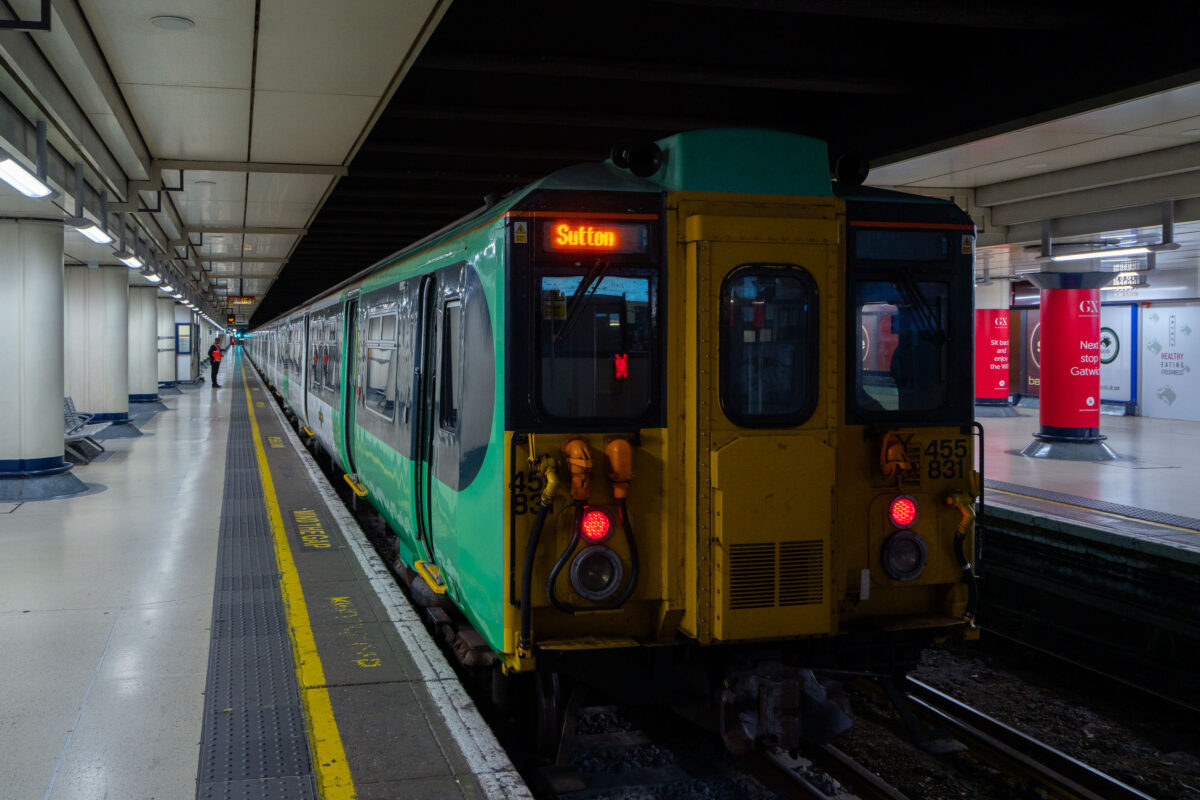
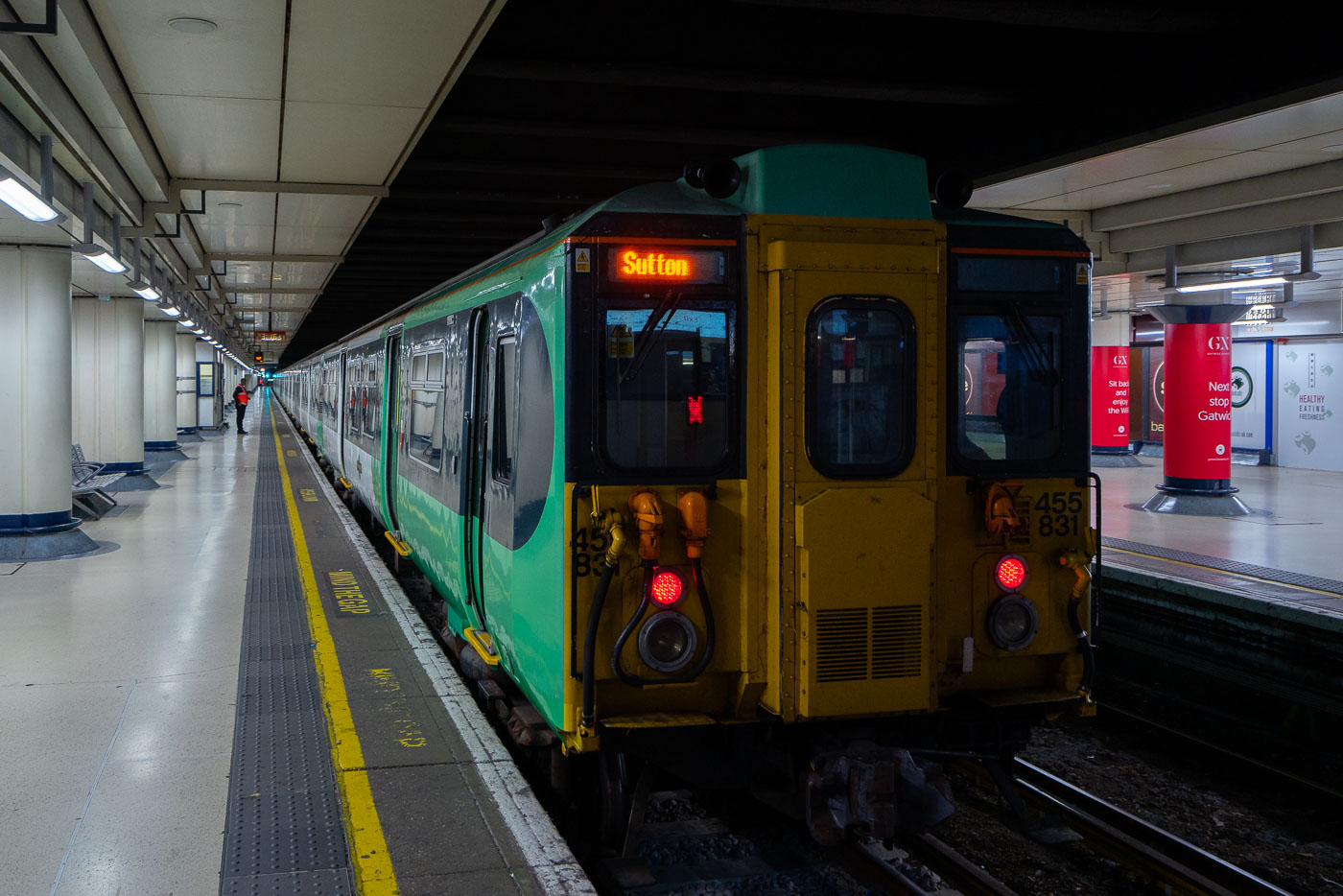
April 2019 — A Southern Railway Class 455 electric multiple unit prepares to depart from London Victoria station on a suburban service bound for Sutton. These 1980s-era trains, built by British Rail Engineering Limited, have long served the dense commuter corridors of South London and Surrey. The terminal’s subterranean platforms, seen here beneath the main concourse, handle both Gatwick Express and local Southern services, linking central London with its southern suburbs through one of the busiest rail hubs in Britain.
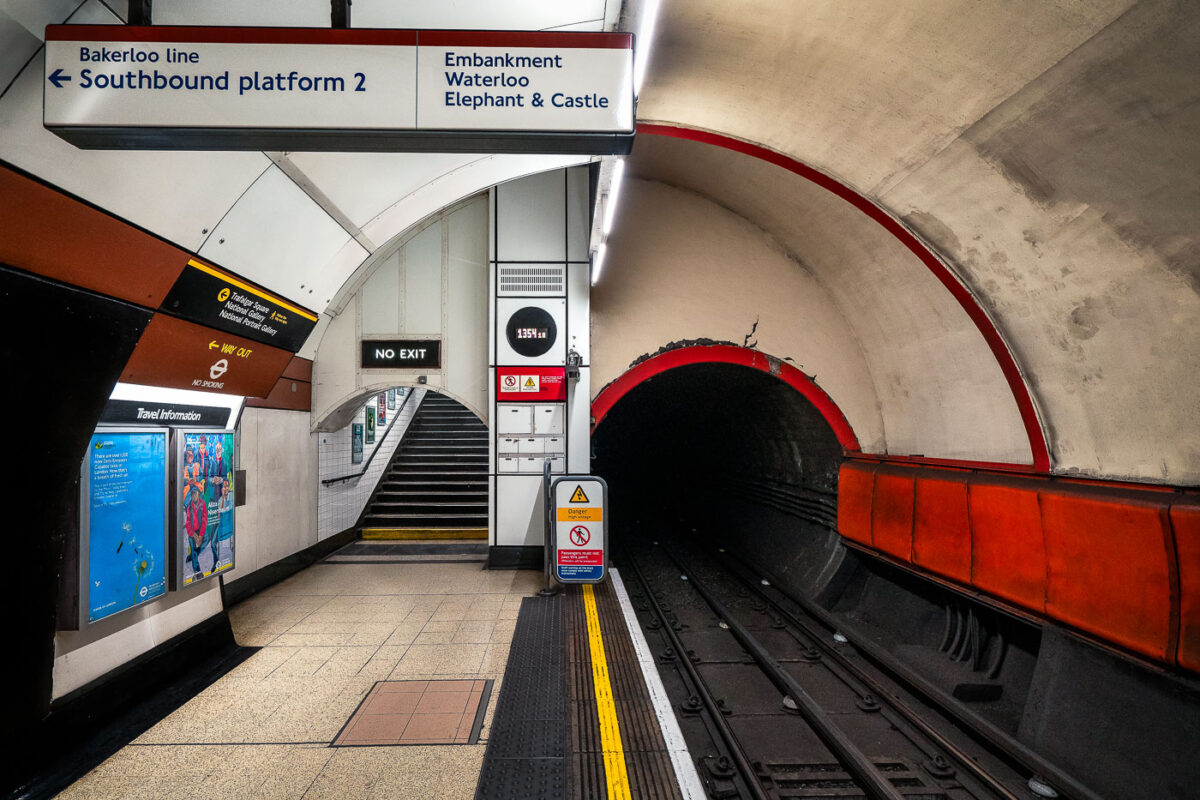
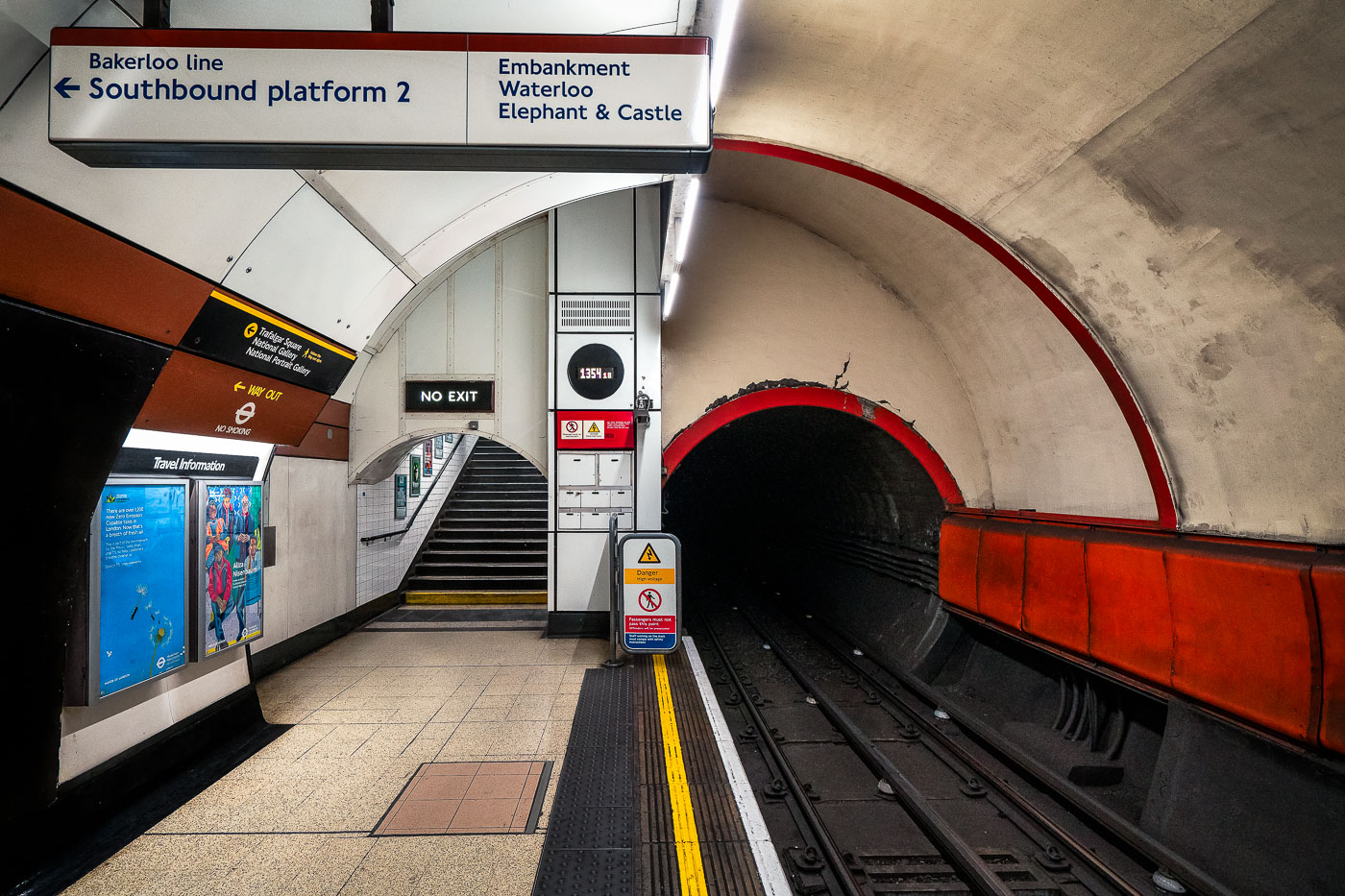
April 2019 — The southbound Bakerloo line platform at Charing Cross Underground Station in central London, showing the distinctive narrow tube tunnel built in the early 1900s. The red-edged lining around the tunnel mouth and the tiled passageway reflect classic London Transport design standards. Opened in 1906, the Bakerloo line was one of the early deep-level “tube” lines, and this station once served as its southern terminus before extensions carried it to Elephant & Castle. The signage and steep staircases illustrate the compact engineering that defined London’s early subterranean railways.
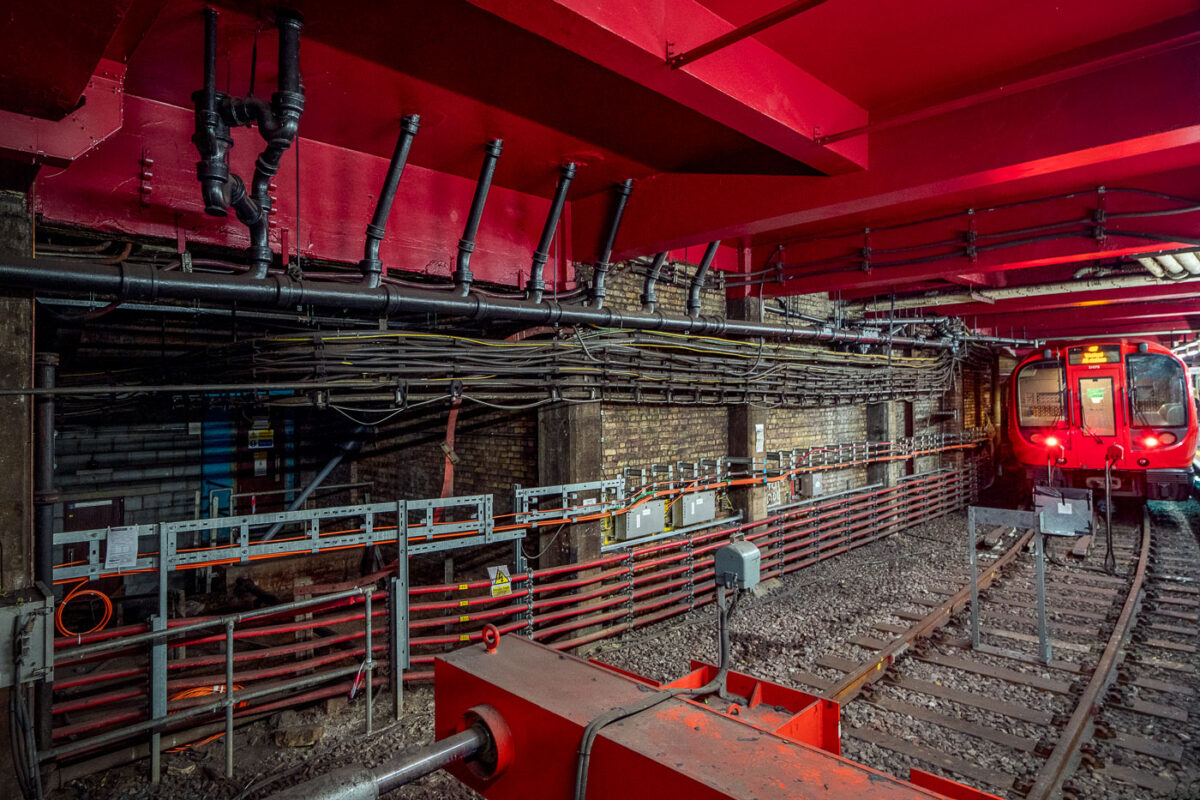
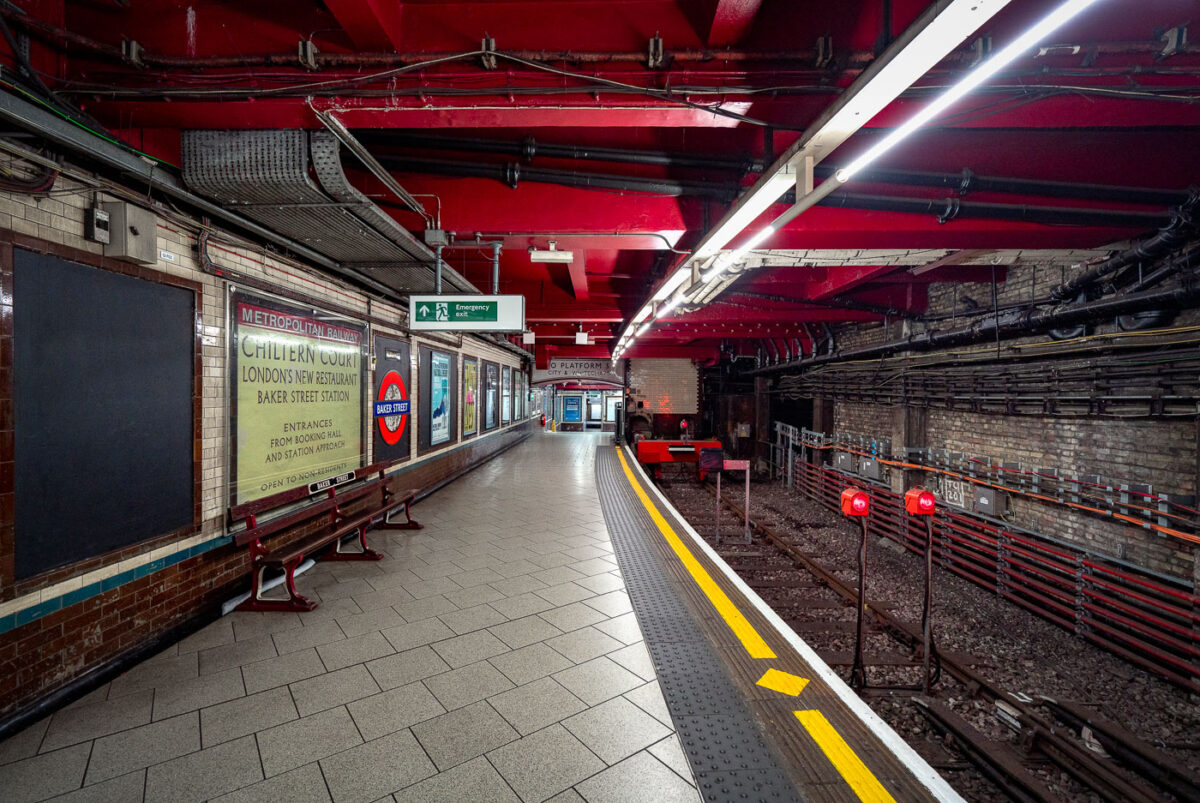
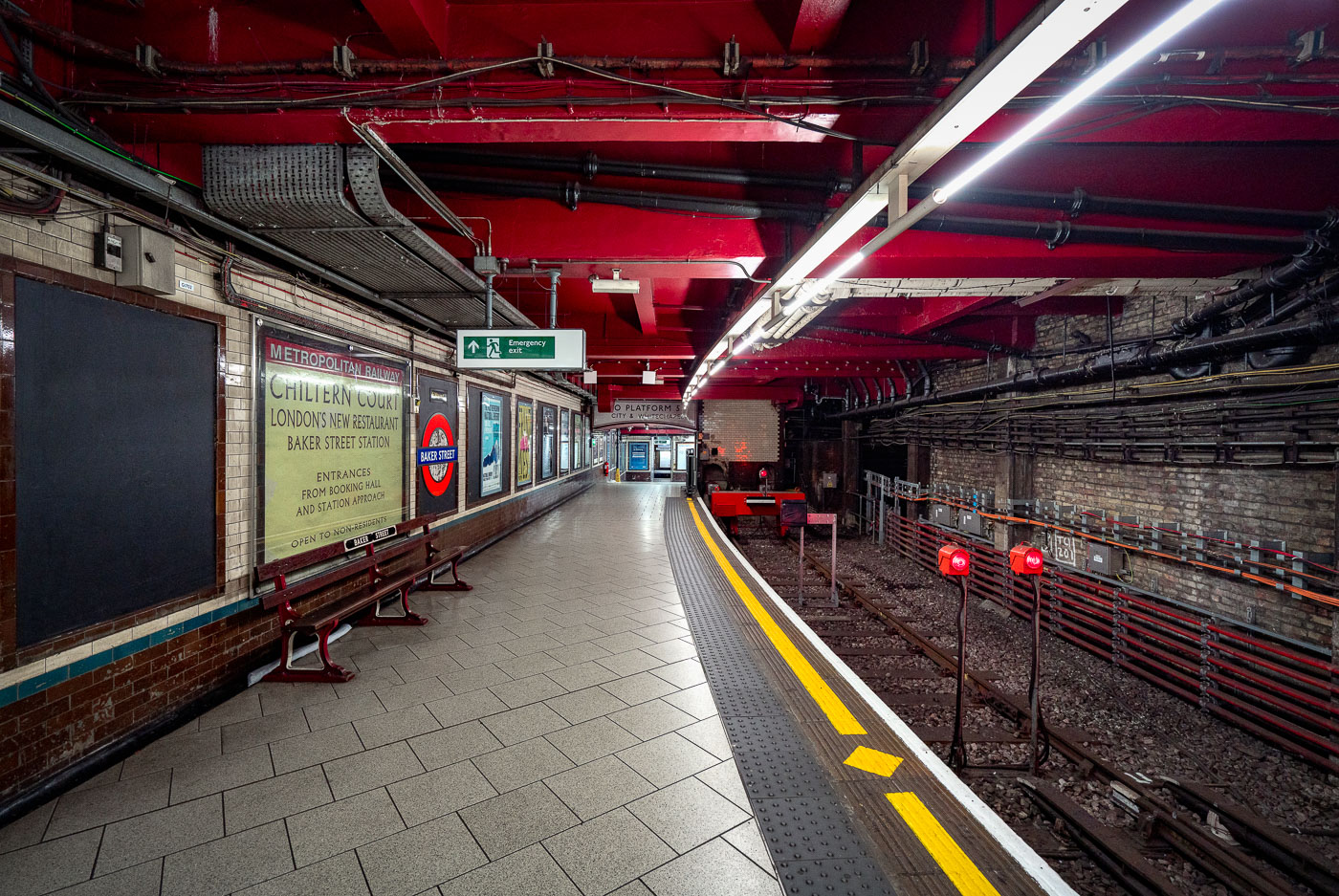
May 2019 — Baker Street Station’s Metropolitan Line platforms represent one of the oldest sections of the London Underground, opened in 1863 as part of the world’s first subterranean railway. The terminus platforms, seen here, retain their cut-and-cover Victorian brickwork paired with modern safety updates and striking red-painted steel reinforcements added during later refurbishments. The station originally served the Metropolitan Railway’s steam-hauled trains running between Paddington and Farringdon before electrification in the early 20th century transformed the network. Period signage advertising “Chiltern Court” and the original Metropolitan Railway branding pay homage to its heritage, contrasting with the exposed wiring, signal lights, and tiling that reveal more than 160 years of evolving underground infrastructure. Today, Baker Street remains a key interchange, connecting five Underground lines while preserving much of the industrial atmosphere that defined London’s pioneering approach to mass transit.
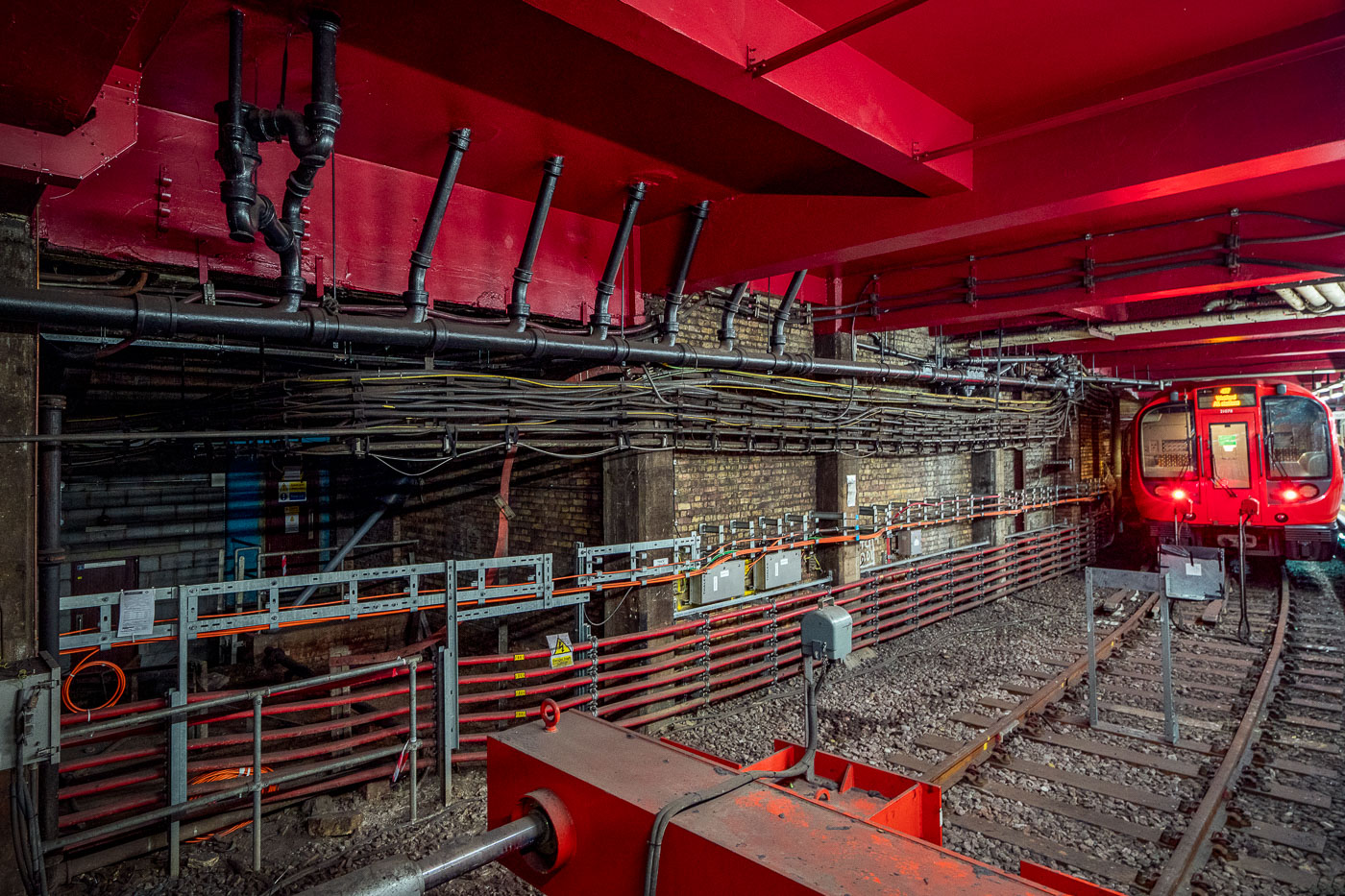
May 2019 — Deep beneath central London, Baker Street’s Metropolitan Line platforms reveal the layered engineering of one of the oldest functioning railway systems in the world. The exposed brick tunnel and steel framing date back to the Victorian “cut-and-cover” era of the 1860s, when steam locomotives first ran through these very corridors. The heavy red girders seen above were reinforced during modern refurbishments, supporting the city streets above while housing utilities and cable conduits that power today’s Underground network. The train at the far end belongs to the S8 Stock series, introduced in 2010 by Bombardier for the Metropolitan Line, equipped with air conditioning and regenerative braking. The dense web of cables and control boxes along the wall carries signal, communication, and traction power circuits, all vital to the line’s safe operation. Baker Street’s infrastructure embodies London Transport’s continual evolution—from soot-covered tunnels to precision-controlled, electrically powered systems still running along the same 19th-century alignments.
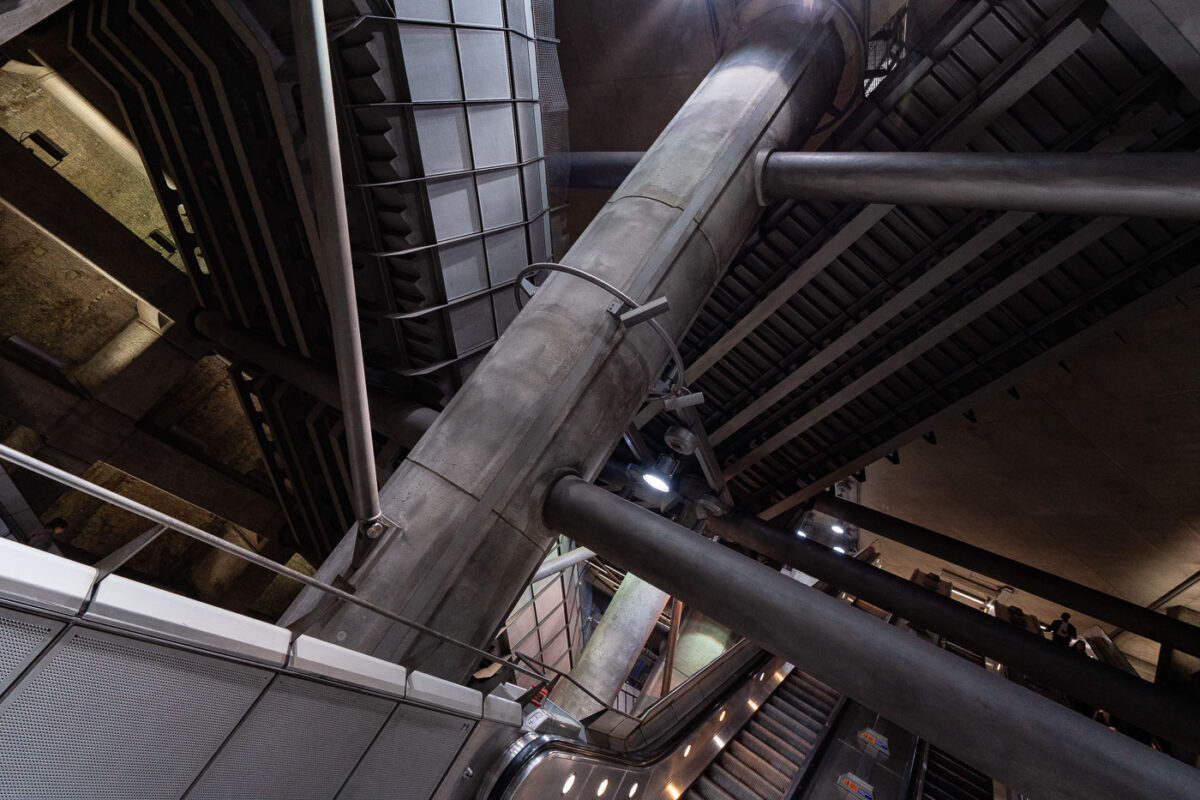
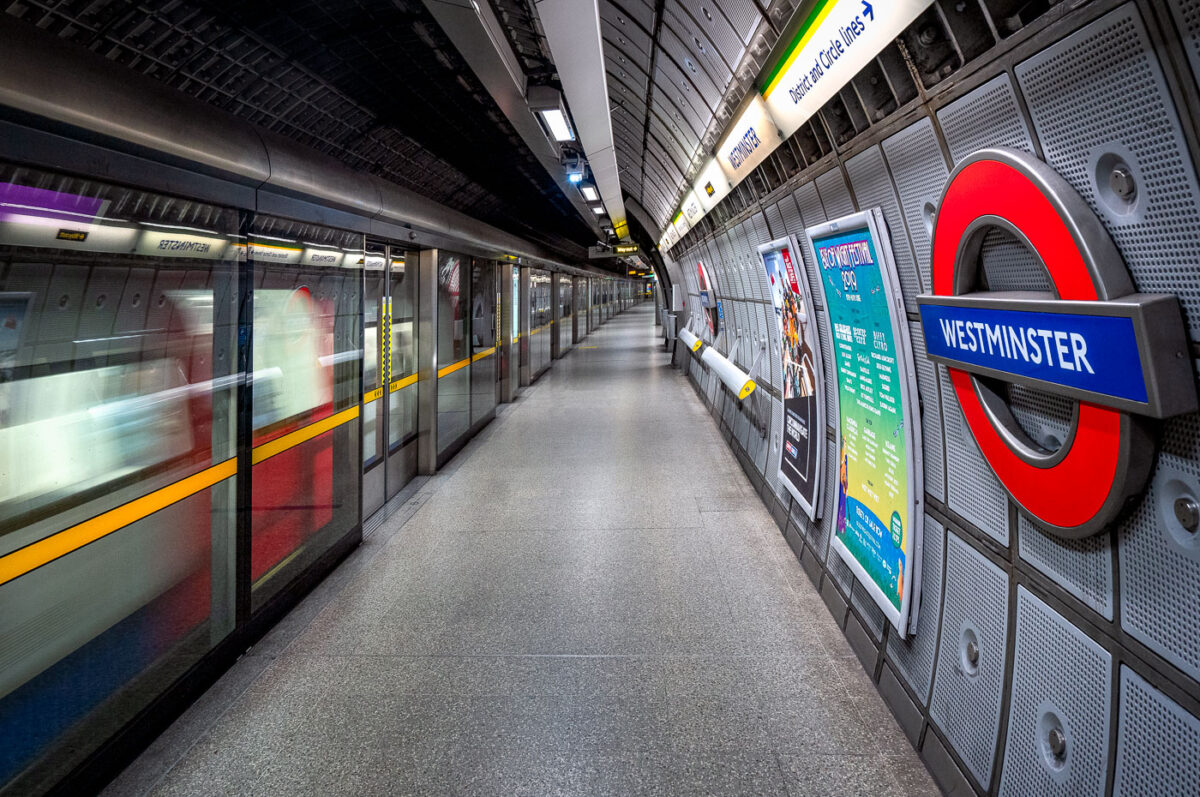
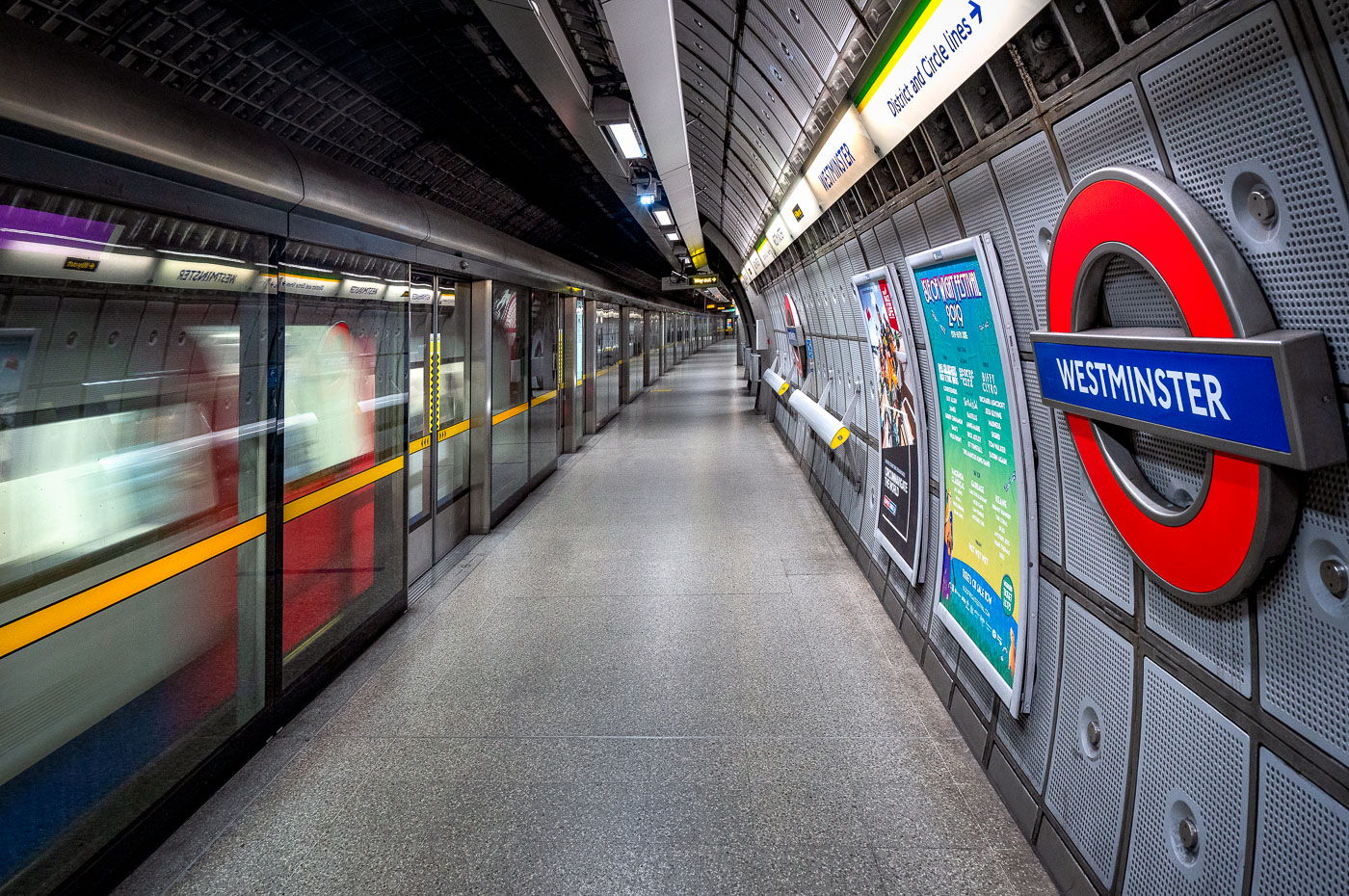
May 2019 — The Jubilee Line platforms at Westminster Underground Station represent the deep-level engineering and modernist design of London’s late-20th-century transit expansion. Constructed as part of the 1999 Jubilee Line Extension, these platforms sit approximately 30 meters below ground, directly beneath the District and Circle line tunnels. Designed by Foster + Partners, the station features full-height platform screen doors — a safety innovation uncommon on most of the Underground — and a sleek system of acoustic panels and perforated aluminum cladding that enhance both sound control and visual uniformity. Every structural and material detail reflects the project’s dual purpose: to manage immense passenger flow serving Parliament and Whitehall above, while preserving architectural clarity within a highly constrained urban site. The smooth curvature of the platform walls, precision lighting, and isolation of mechanical systems behind layered steel panels highlight the station’s integration of industrial functionality with the aesthetics of modern infrastructure.
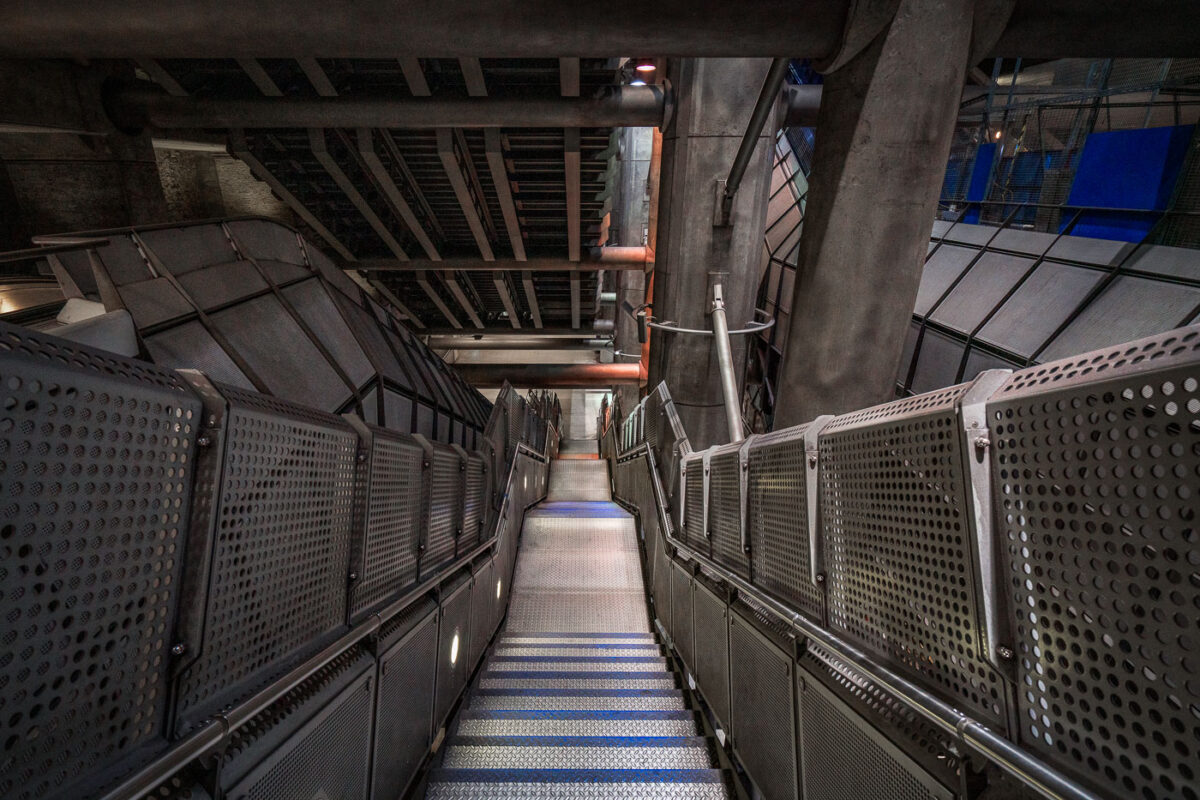
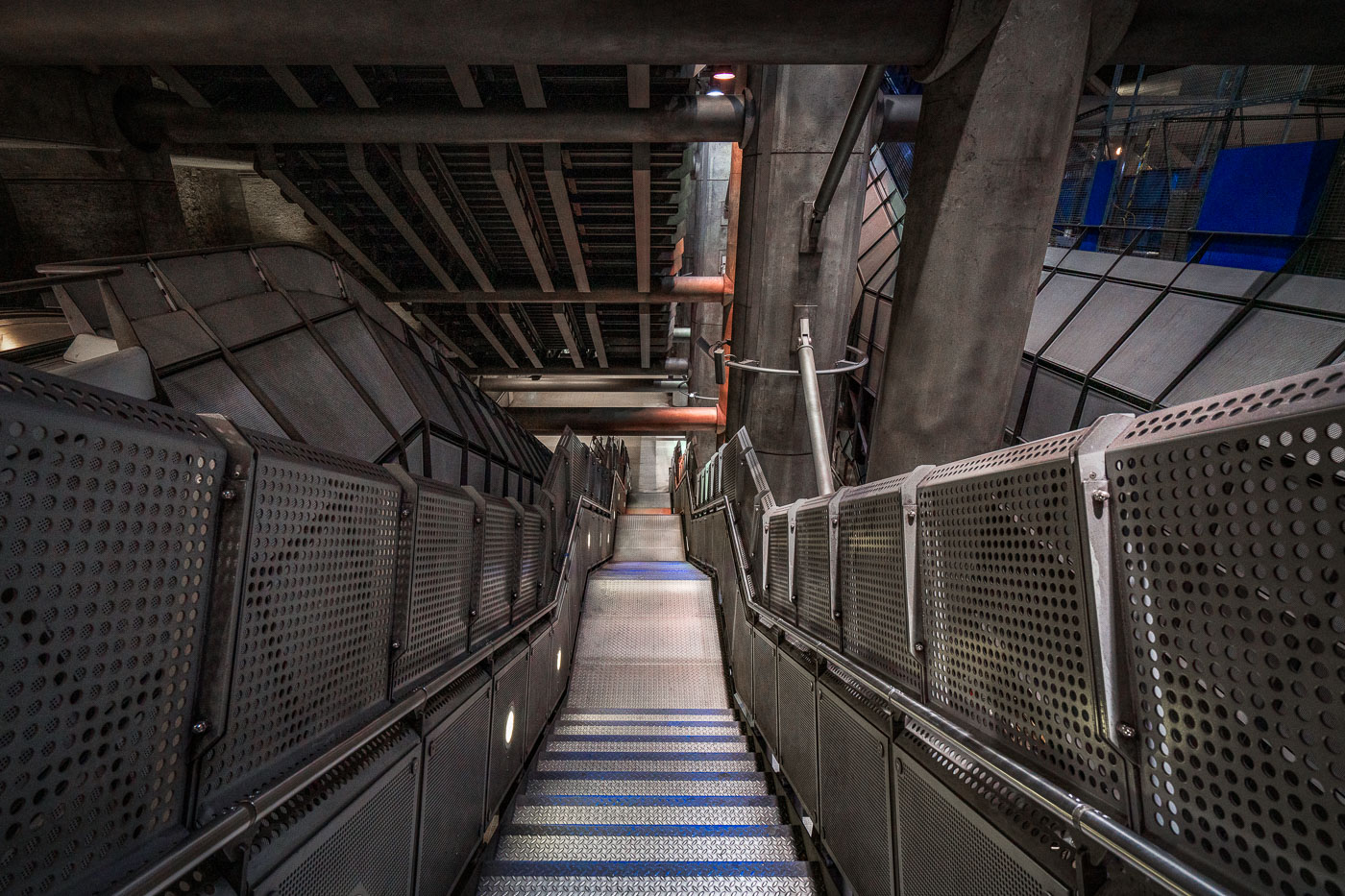
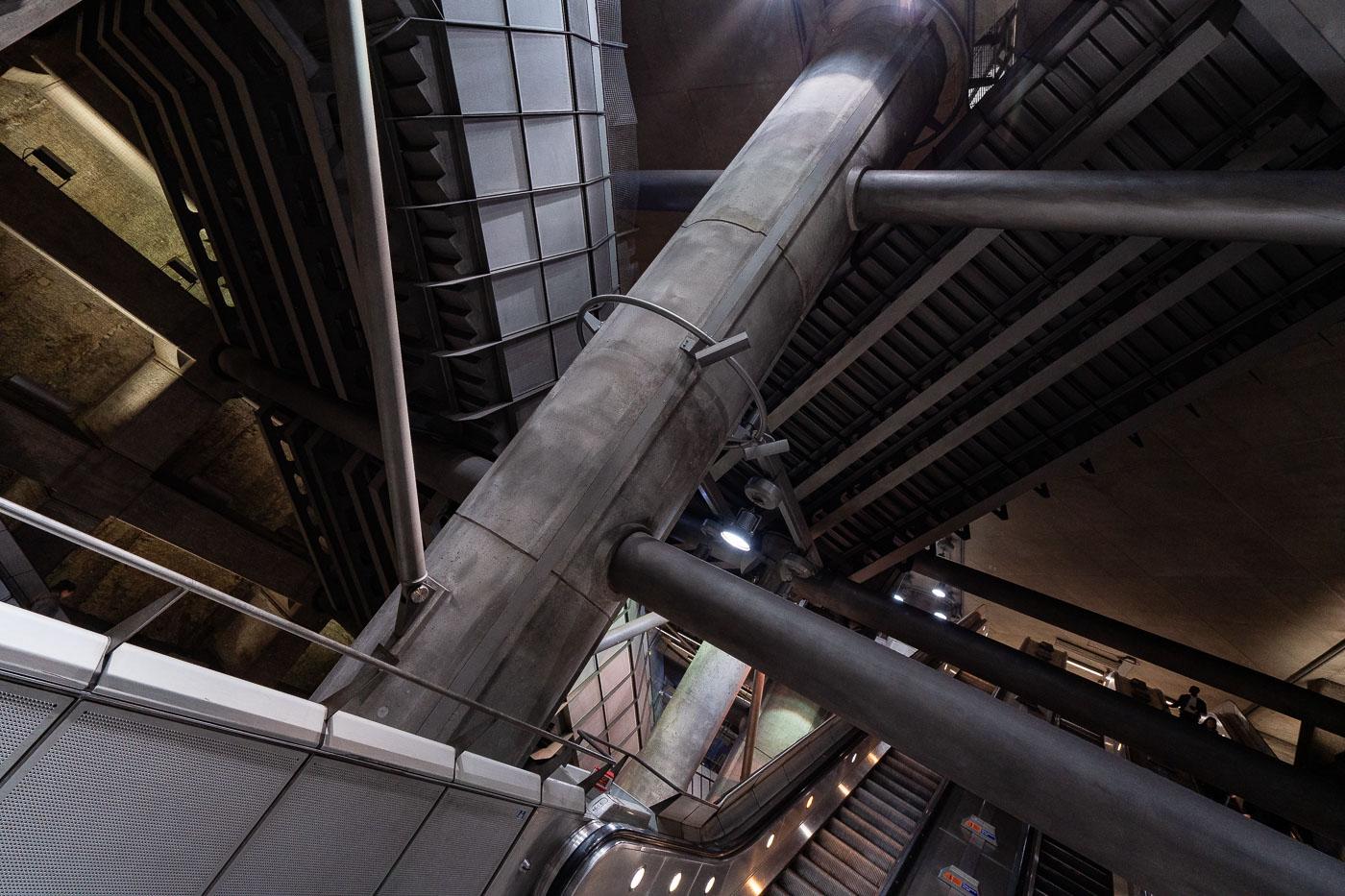
May 2019 — The angular steel and concrete design of Westminster Underground Station represents one of the most ambitious architectural undertakings of London’s Jubilee Line Extension, opened in 1999. Designed by Foster + Partners, the station descends more than 30 meters below ground beside the Houses of Parliament, requiring deep excavation and advanced structural engineering to stabilize the surrounding historic area. The stairwell seen here showcases the station’s signature industrial aesthetic — exposed concrete ribs, perforated metal panels, and massive supporting beams that evoke the look of a subterranean cathedral of infrastructure. Built within a massive box excavated beneath Bridge Street, Westminster’s layout integrates vertical circulation through lifts, escalators, and these steep stairways connecting the ticket hall to multiple underground levels. The design not only accommodates heavy passenger volumes but celebrates the raw mechanics of public transit, merging utility with architectural expression.
May 2019 — Westminster is a London Underground station in the City of Westminster. It is served by the Circle, District and Jubilee lines. On the Circle and District lines, the station is between St. James's Park and Embankment, and on the Jubilee line it is between Green Park and Waterloo. It is in Travelcard Zone 1. The station is located at the corner of Bridge Street and Victoria Embankment and is close to the Houses of Parliament, Westminster Abbey, Parliament Square, Whitehall, Westminster Bridge, and the London Eye. Also close by are Downing Street, the Cenotaph, Westminster Millennium Pier, the Treasury, the Foreign and Commonwealth Office, and the Supreme Court.
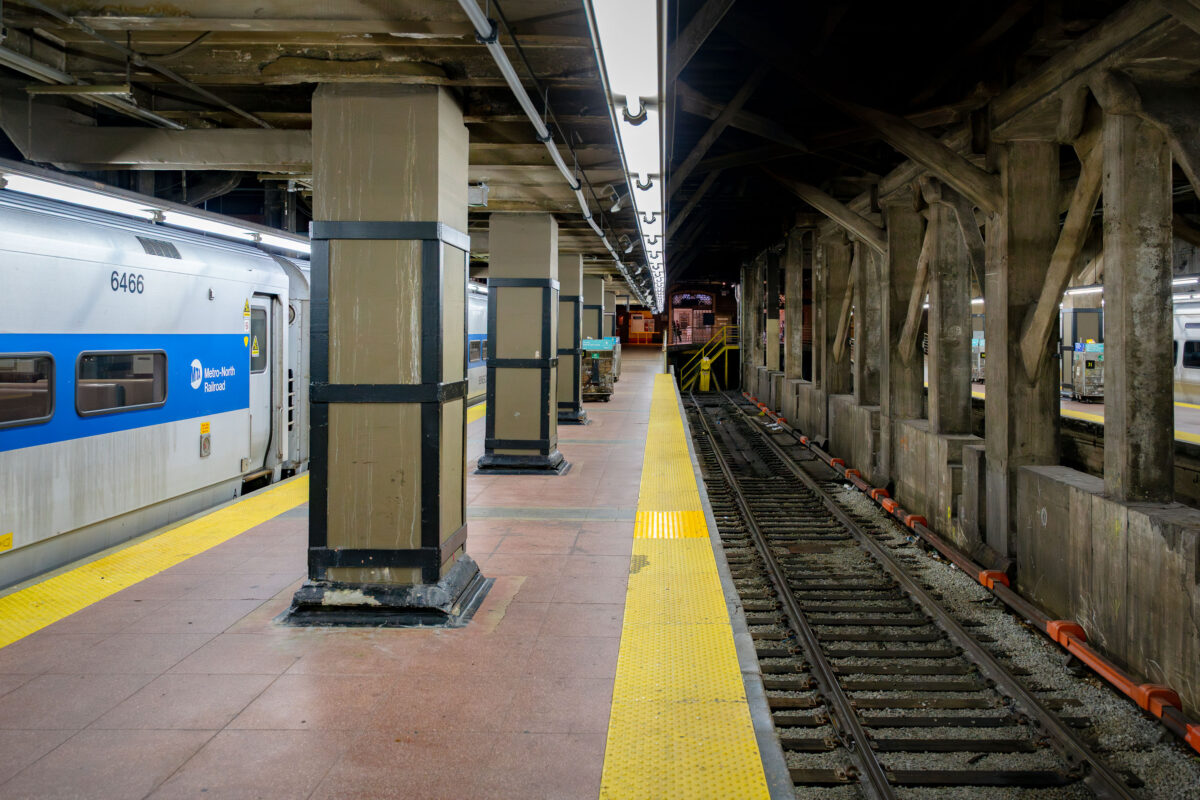
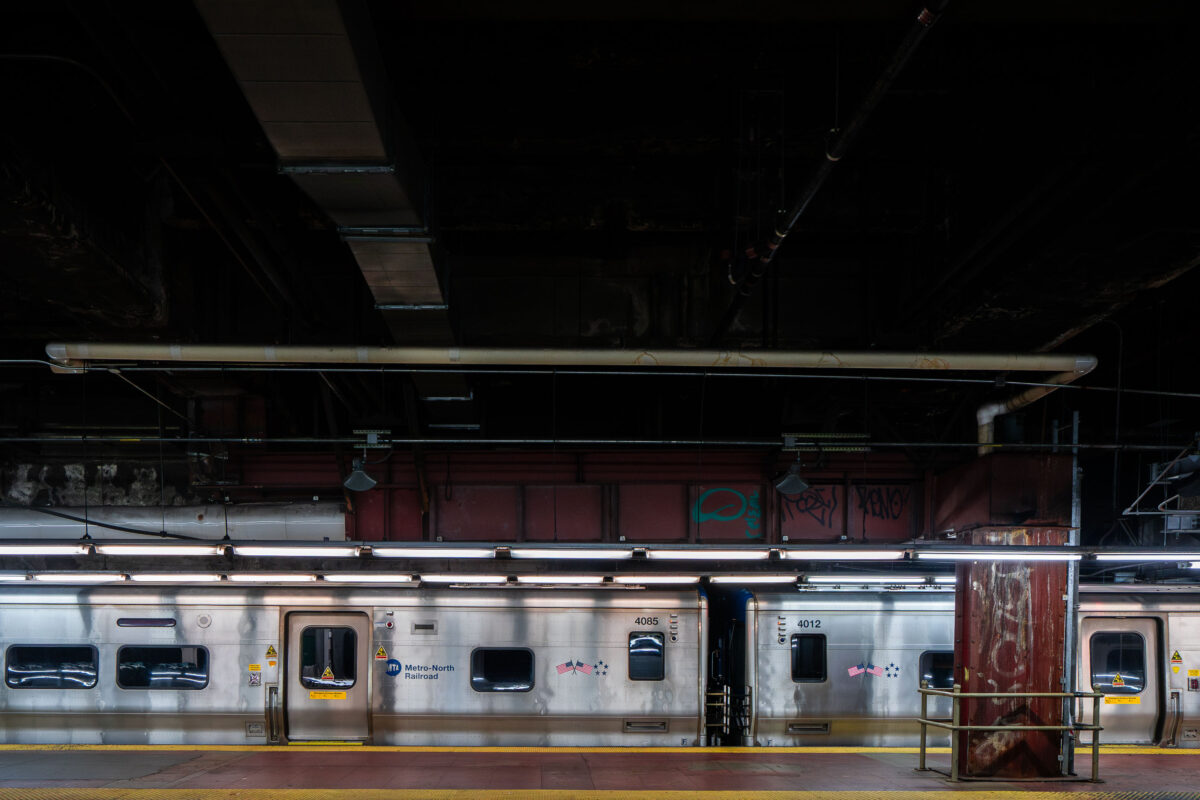
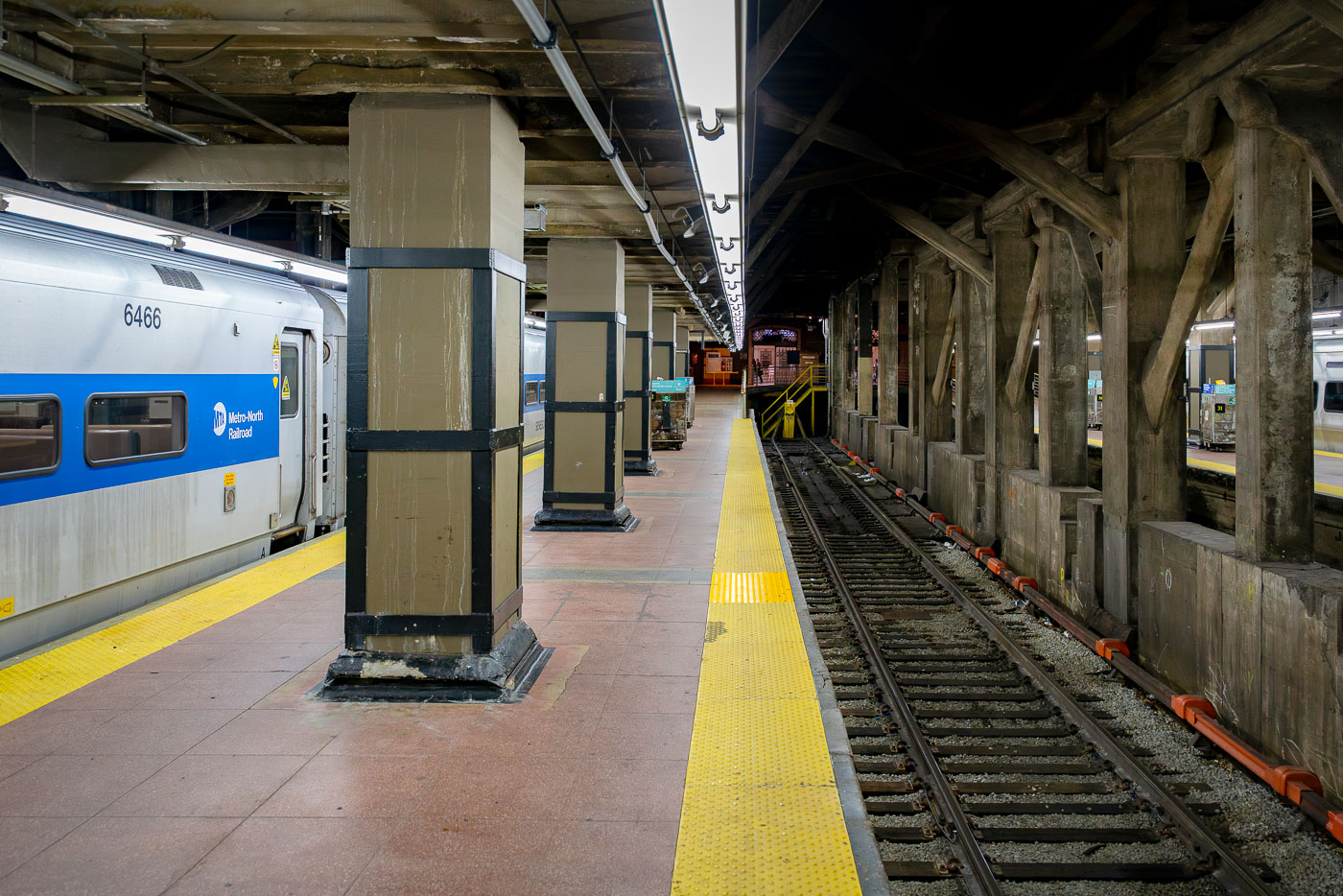
September 2019 — A Metro-North Railroad train waits at a platform inside Grand Central Terminal in Manhattan. The concrete pillars and exposed beams of the underground station frame the tracks, where the yellow warning strip lines the edge of the platform.
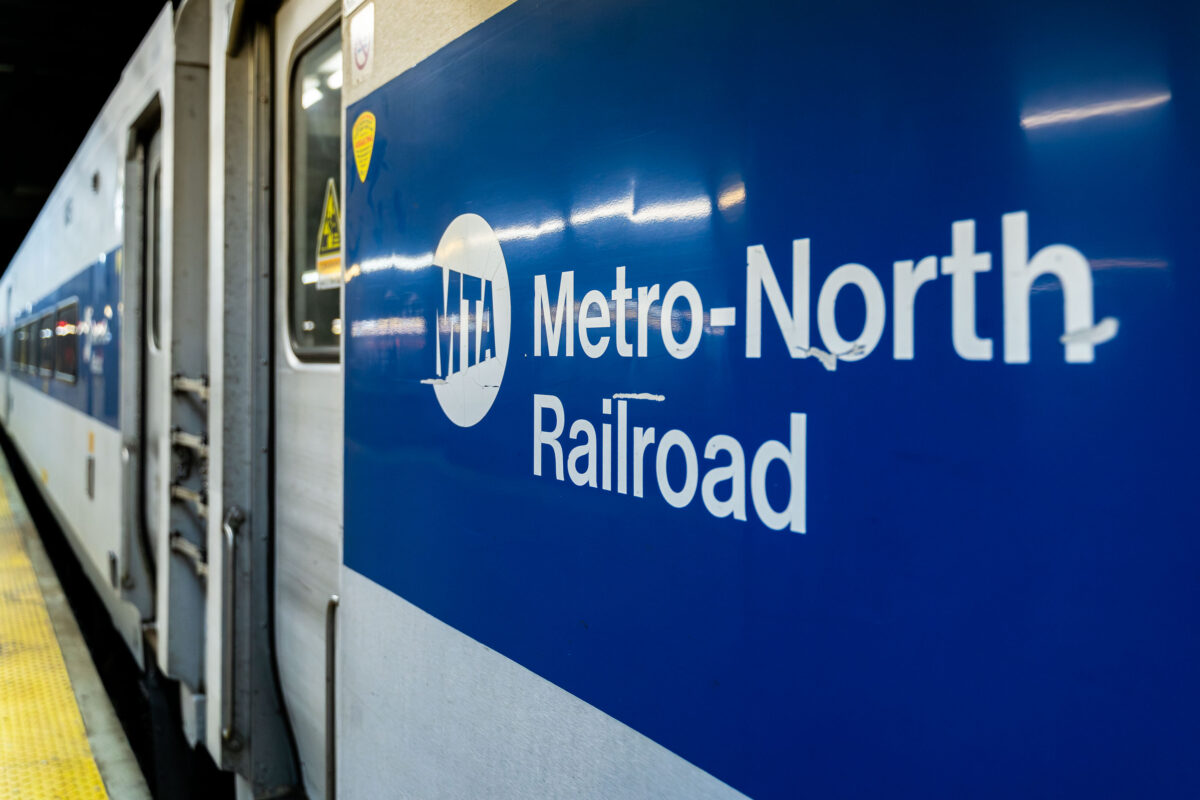
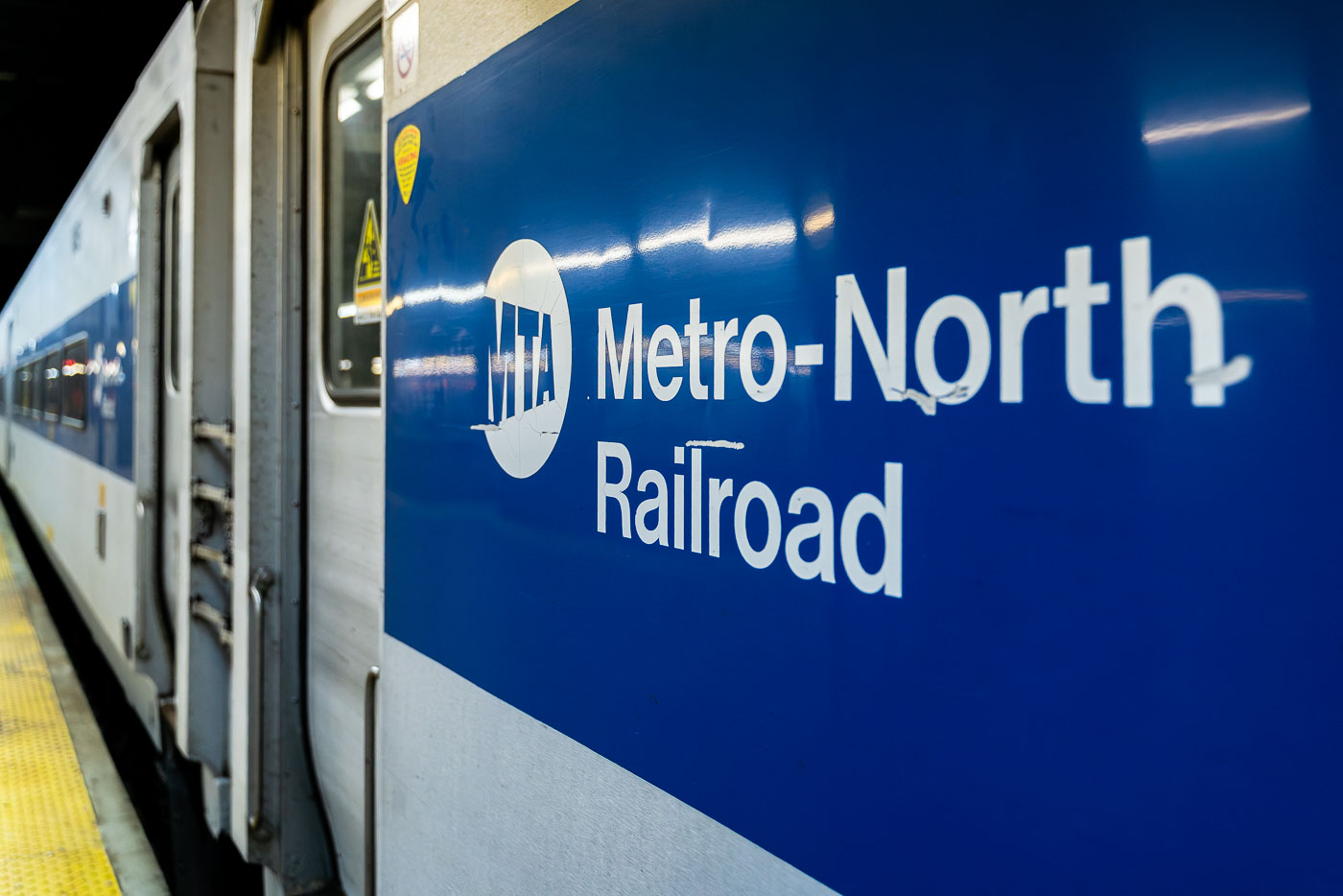
September 2019 — A Metro-North Railroad train is seen at a station platform, its blue-and-white exterior bearing the MTA logo. The commuter rail line, operated by the Metropolitan Transportation Authority, connects New York City with suburbs across New York State and Connecticut.
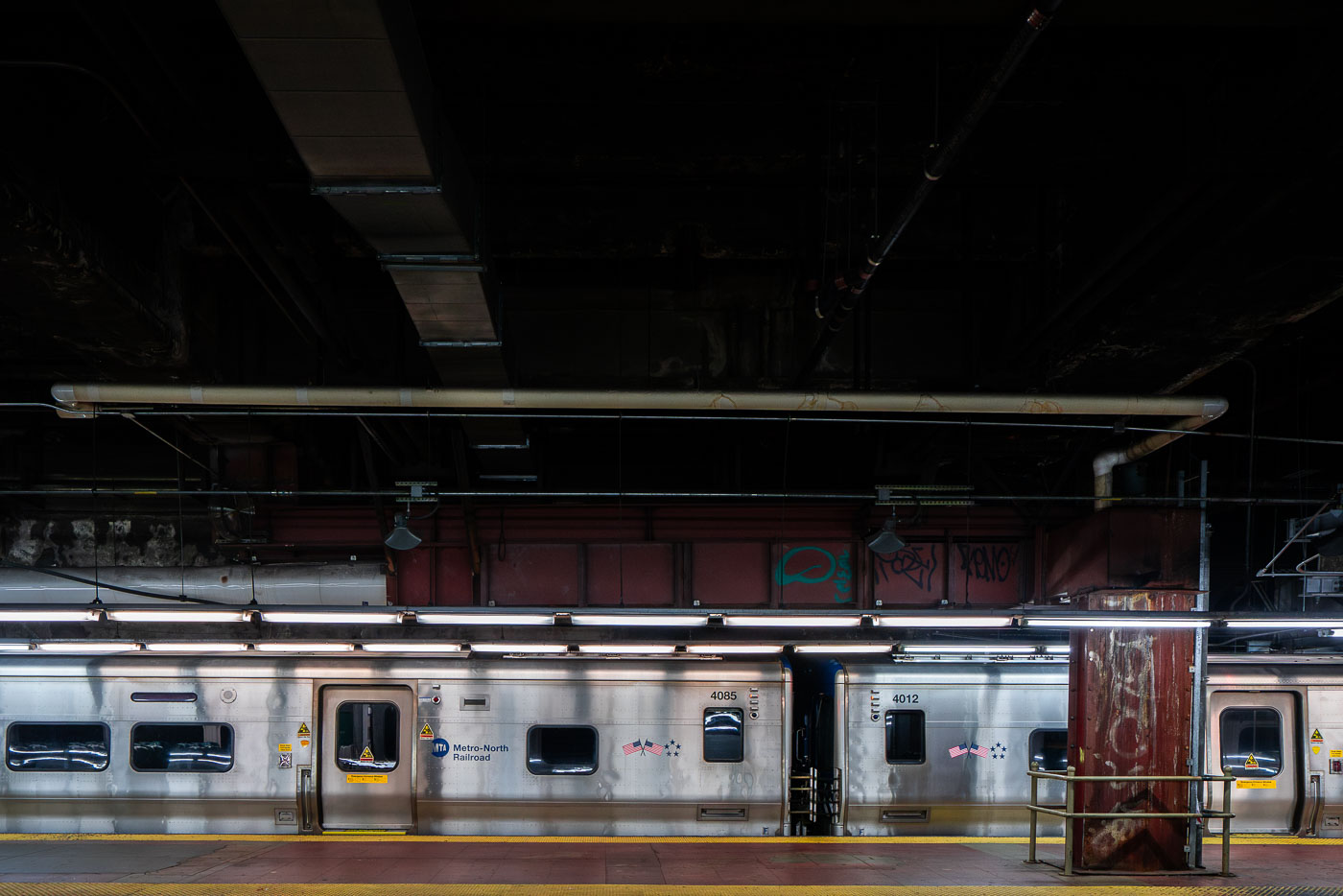
September 2019 — A Metro-North Railroad train sits at a platform inside Grand Central Terminal in Manhattan. The stainless-steel cars reflect the dim lighting of the underground station, where exposed pipes and graffiti-marked beams highlight the aging infrastructure of the busy commuter hub.
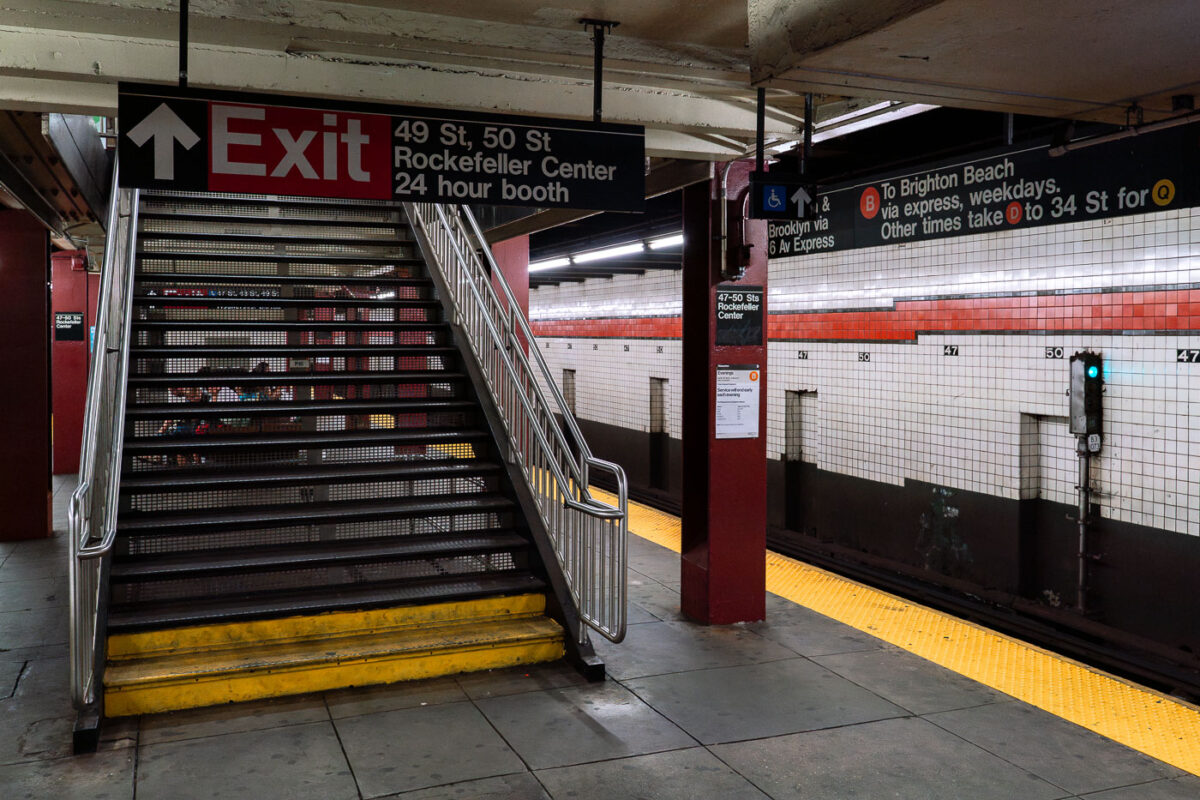
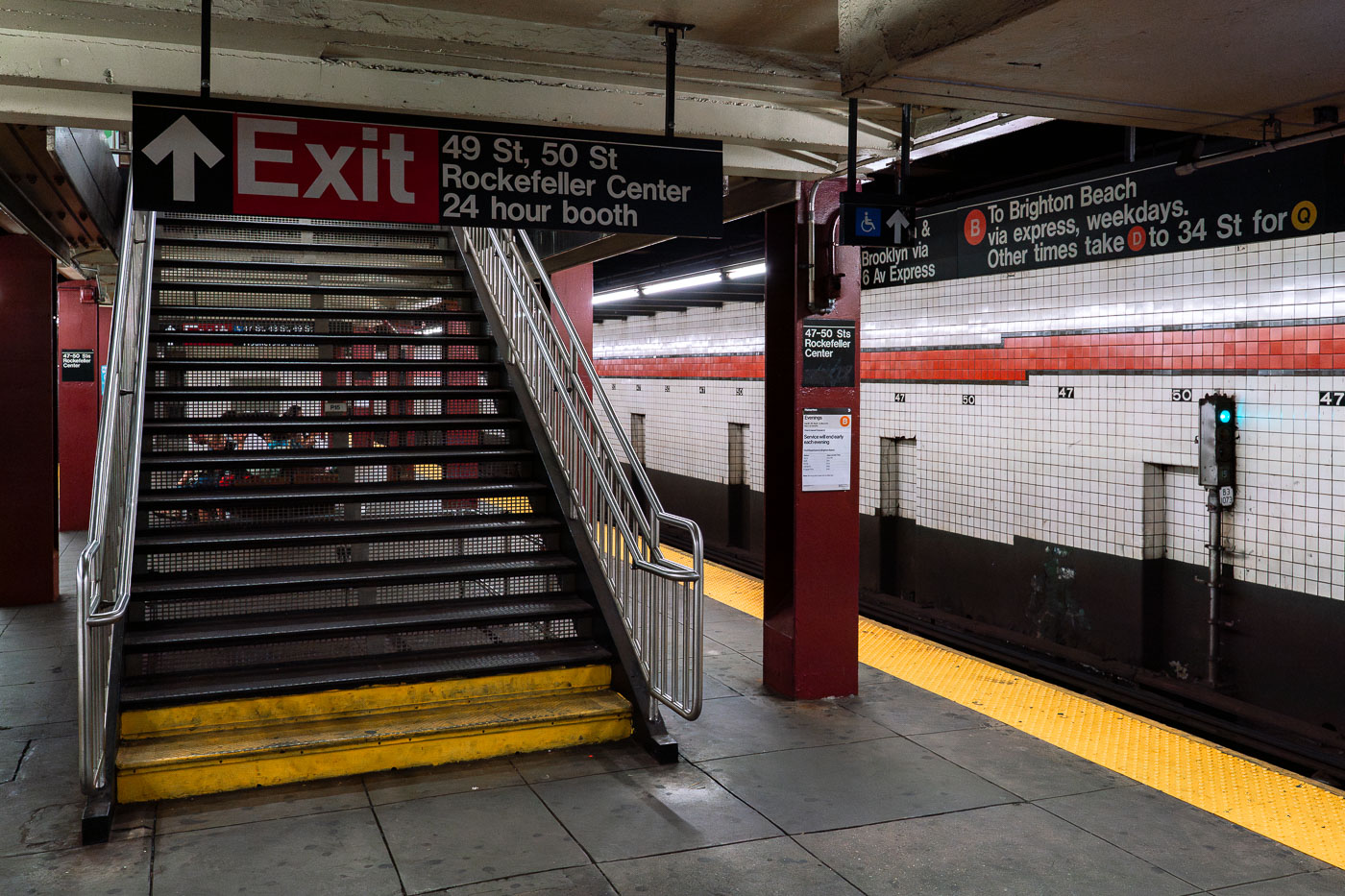
September 2019 — A staircase leads to the exit at the 47–50 Streets Rockefeller Center subway station in Manhattan. The station serves the B, D, F, and M lines.
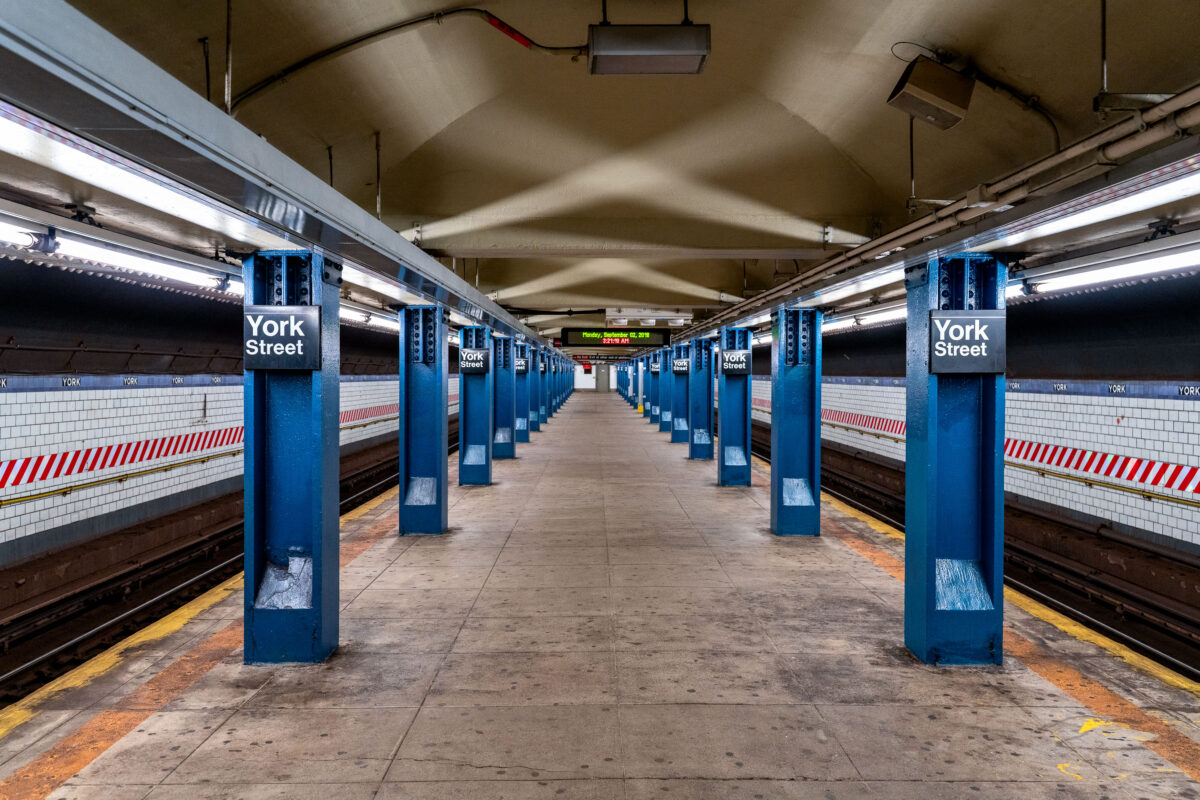
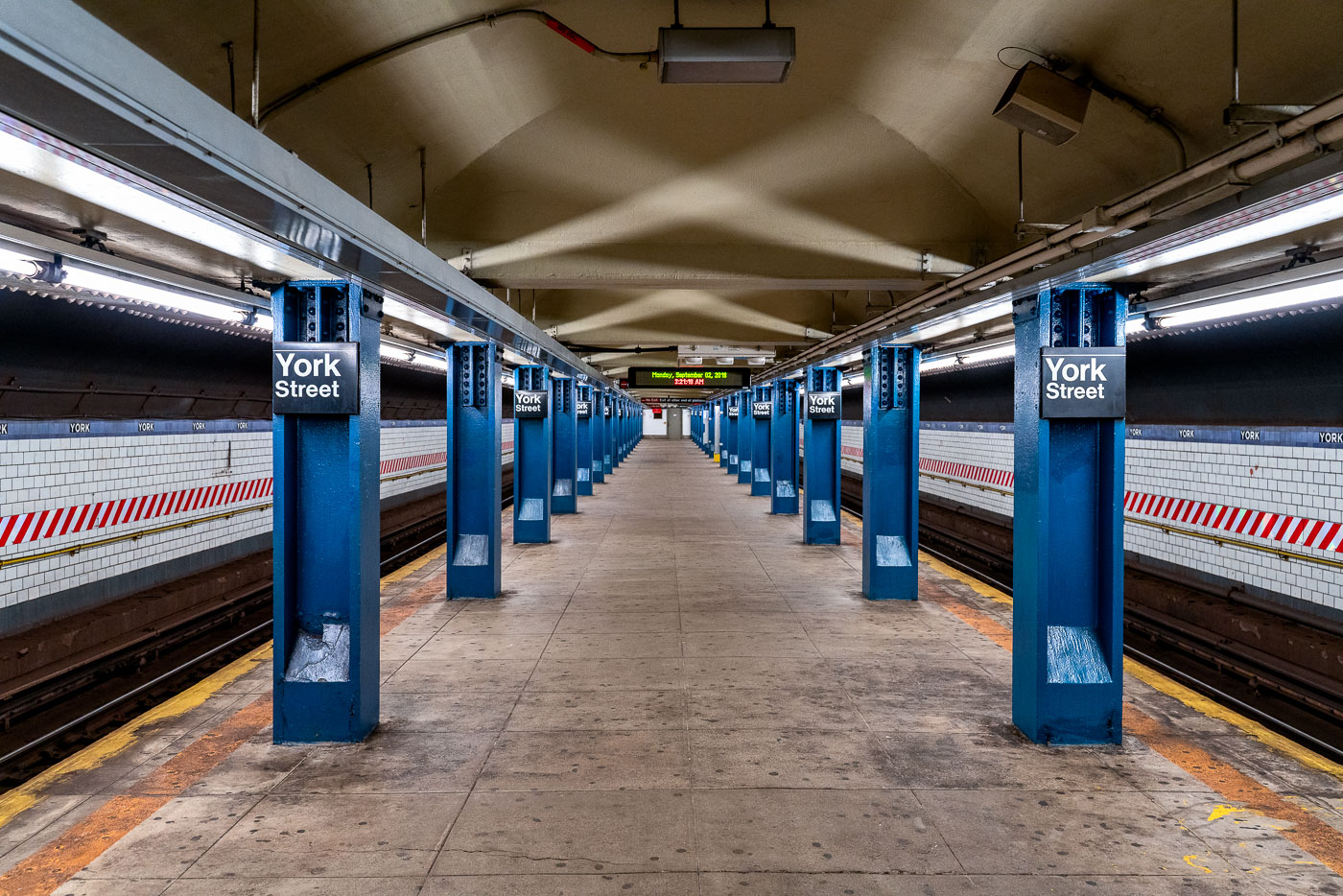
September 2019 — The York Street Station in Brooklyn, New York.
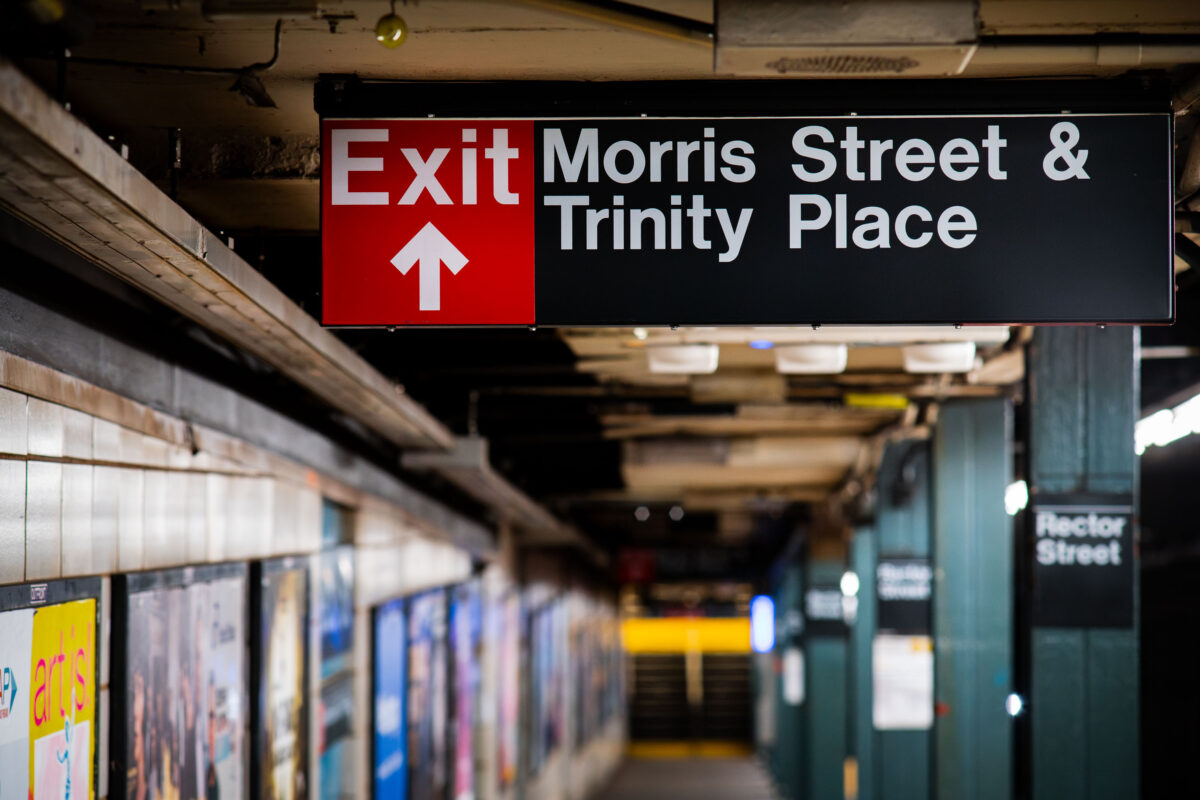
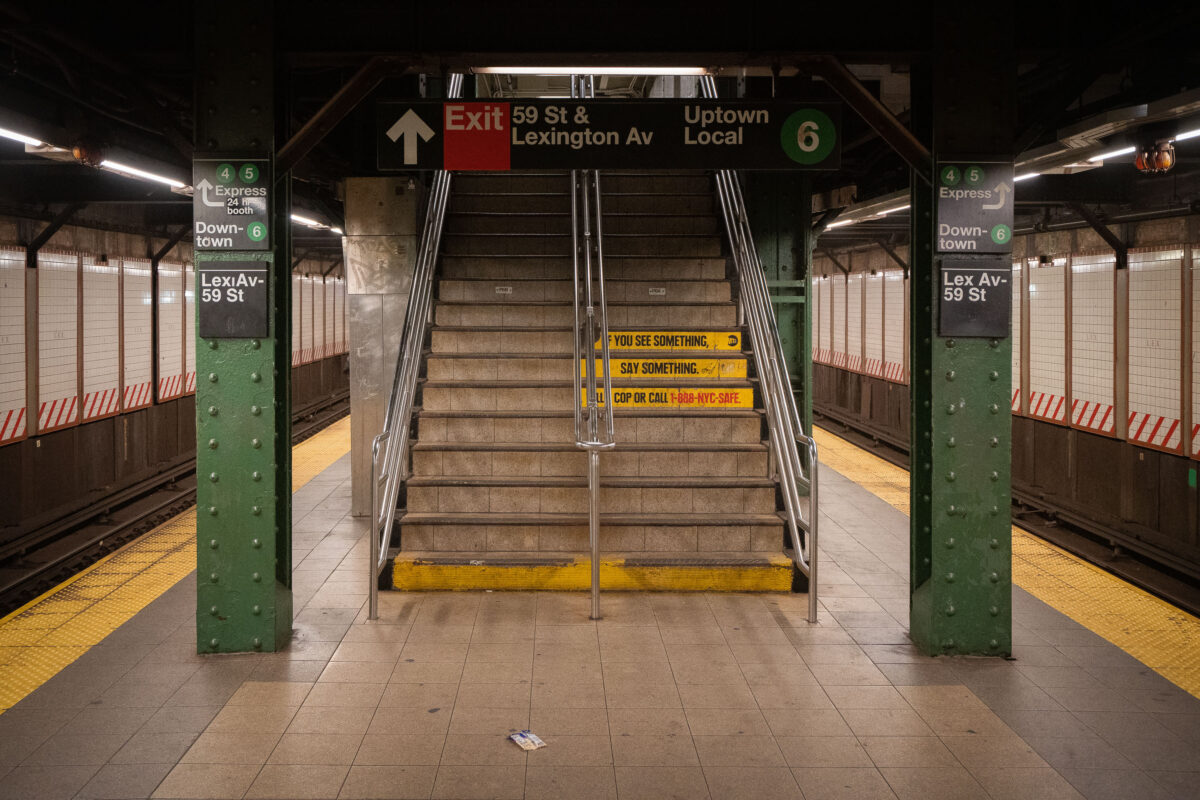
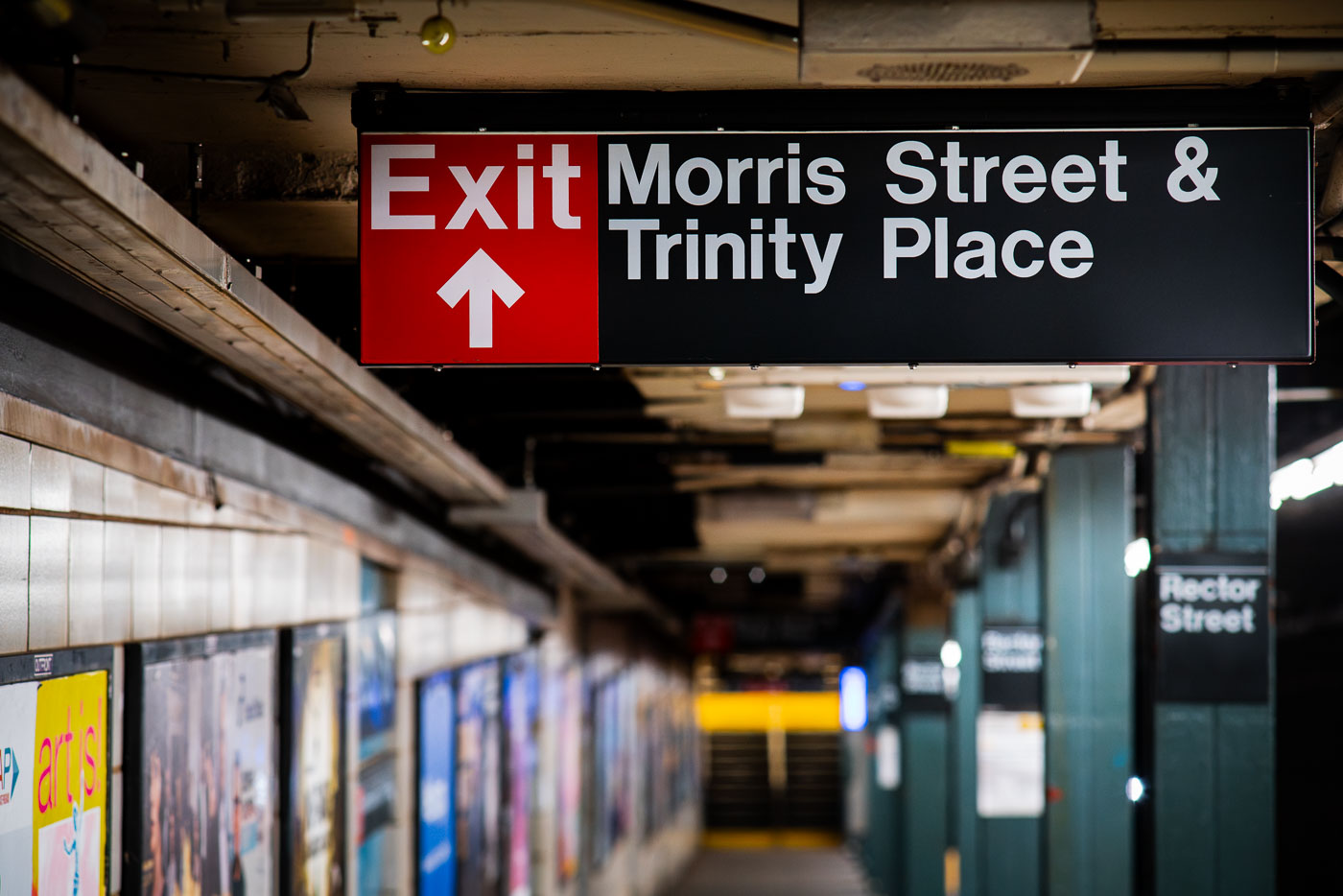
September 2019 — Rector Street subway station in Manhattan New York City.
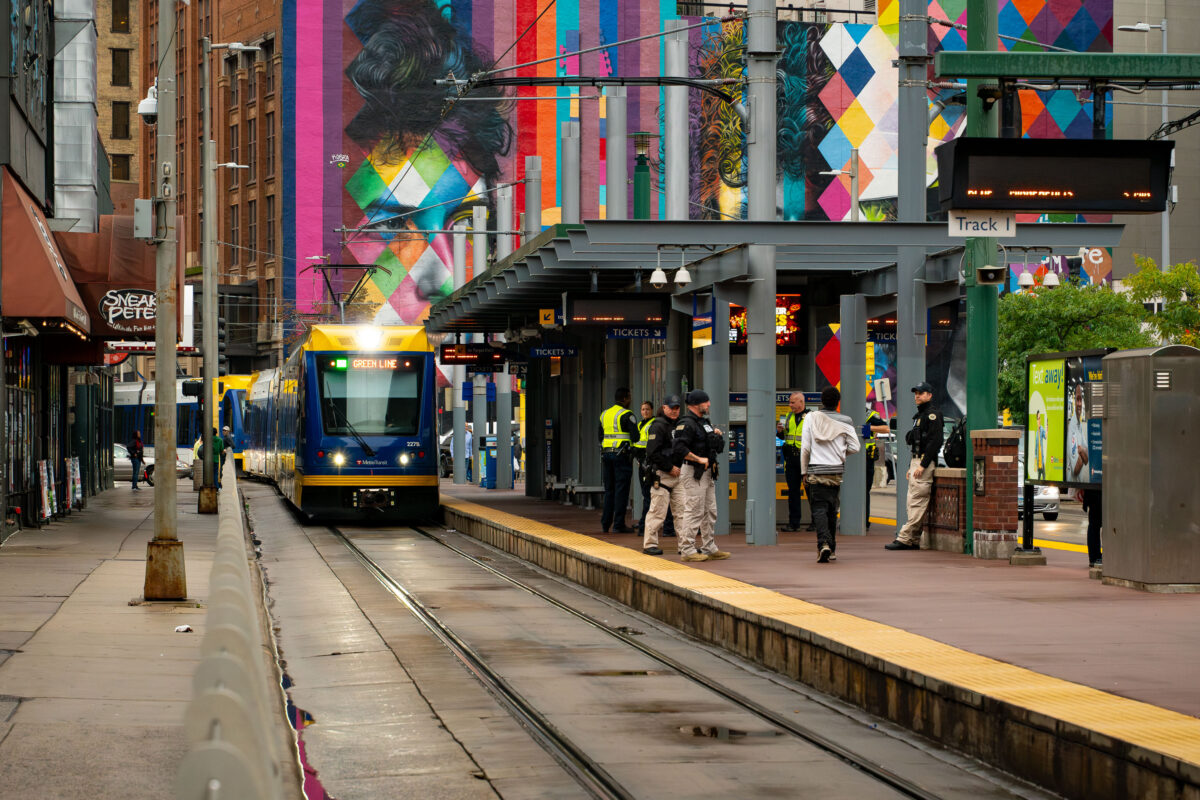
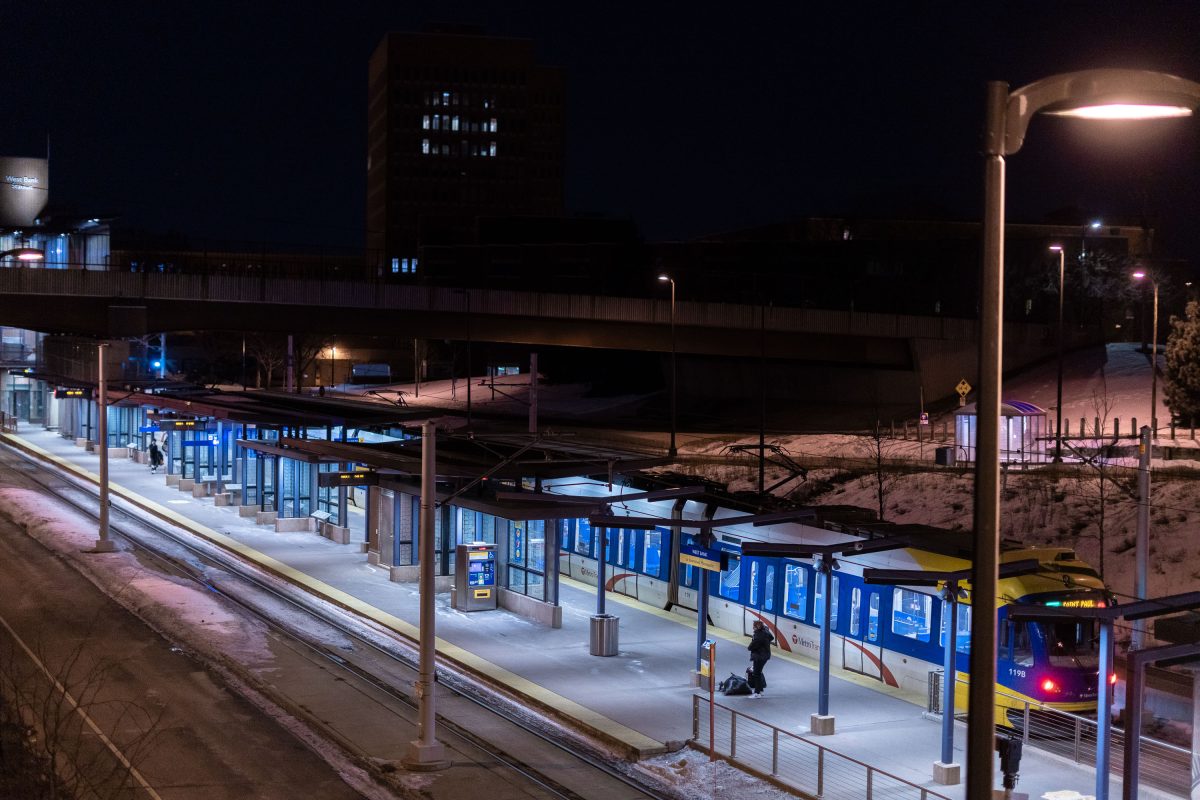
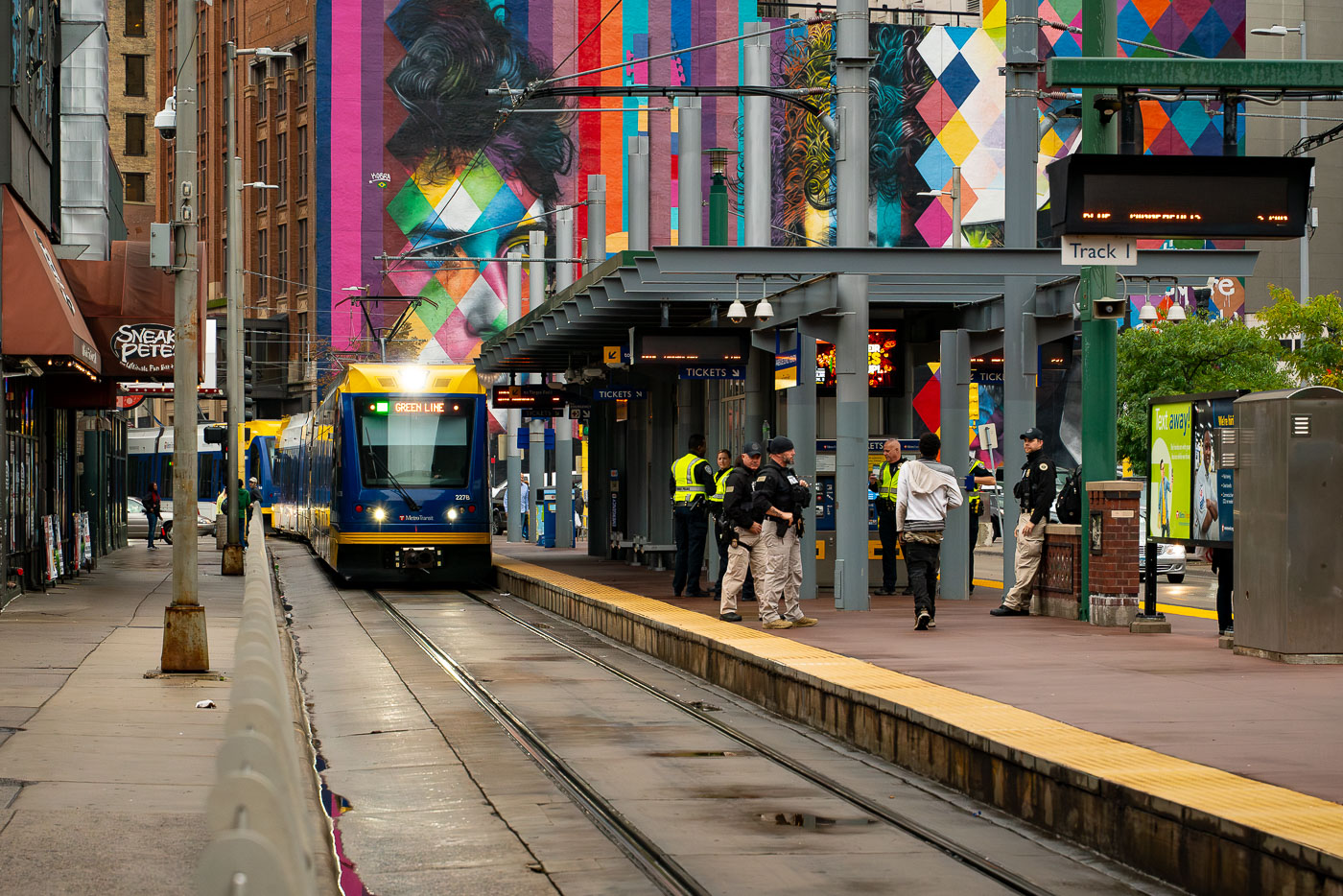
October 2019 — Located near the Target Center in downtown Minneapolis, the Target Field light rail station was patrolled by Homeland Security officers on October 10, 2019. The increased presence coincided with a major political rally at the nearby arena, leading to heightened security across the surrounding Warehouse District transit corridor.
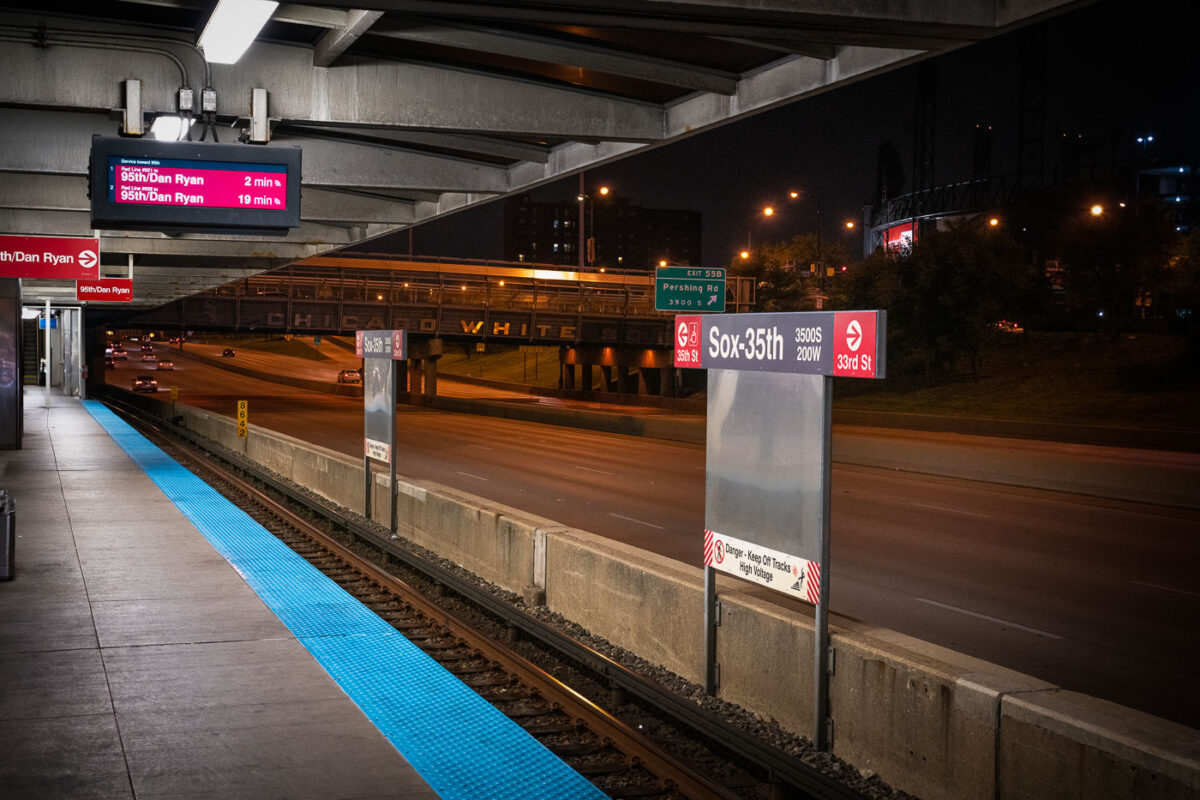
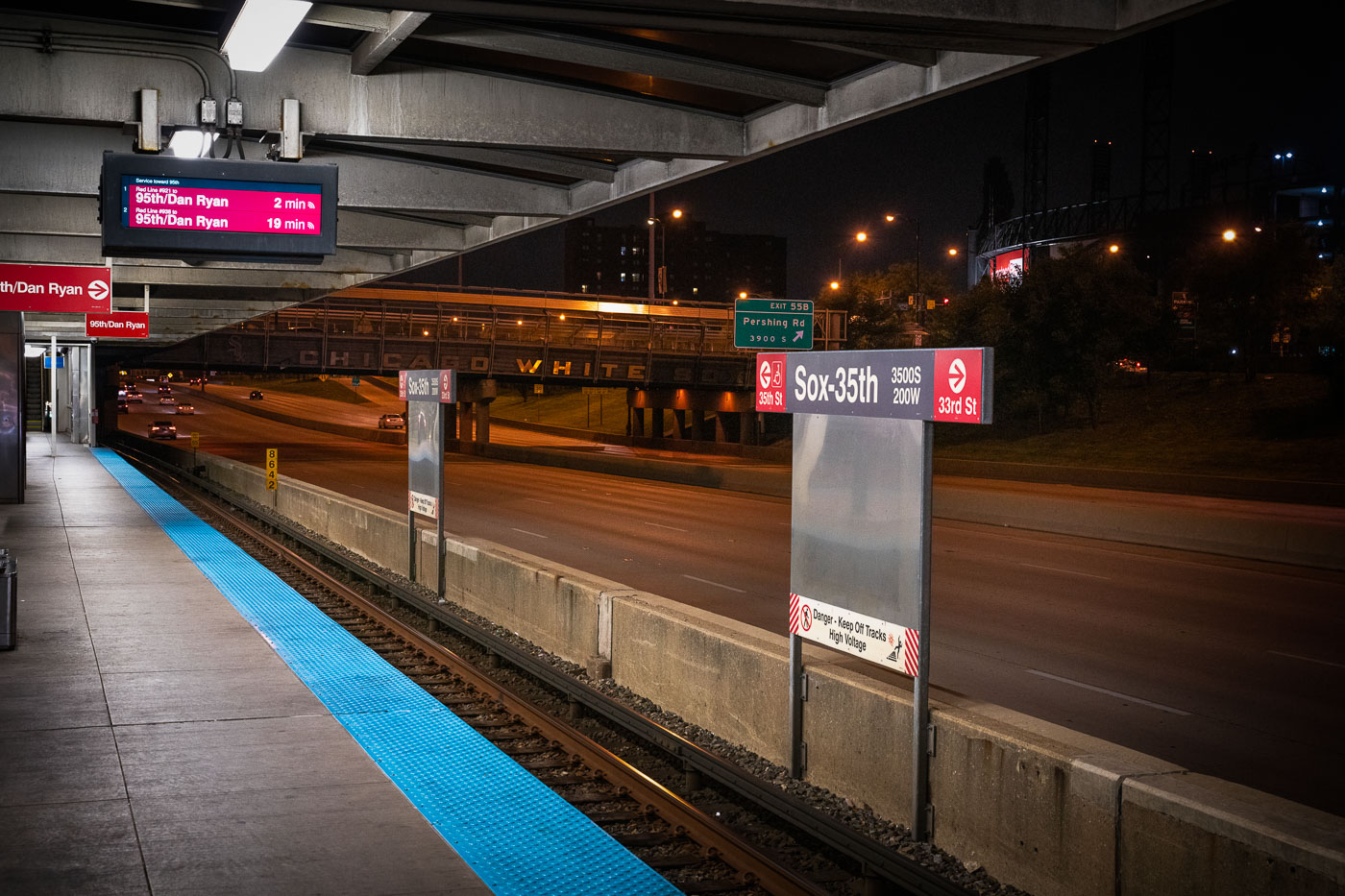
October 2019 — The Chicago Transit Authority’s Sox–35th station serves the Red Line on the city’s South Side, positioned above the Dan Ryan Expressway near Pershing Road. The station provides direct access to Guaranteed Rate Field, home of the Chicago White Sox, whose name can be seen across the pedestrian bridge in the background. Opened in 1969 as part of the Dan Ryan branch of the Red Line, the elevated structure was designed for efficiency amid highway traffic, symbolizing mid-century Chicago’s integration of mass transit and freeway infrastructure.
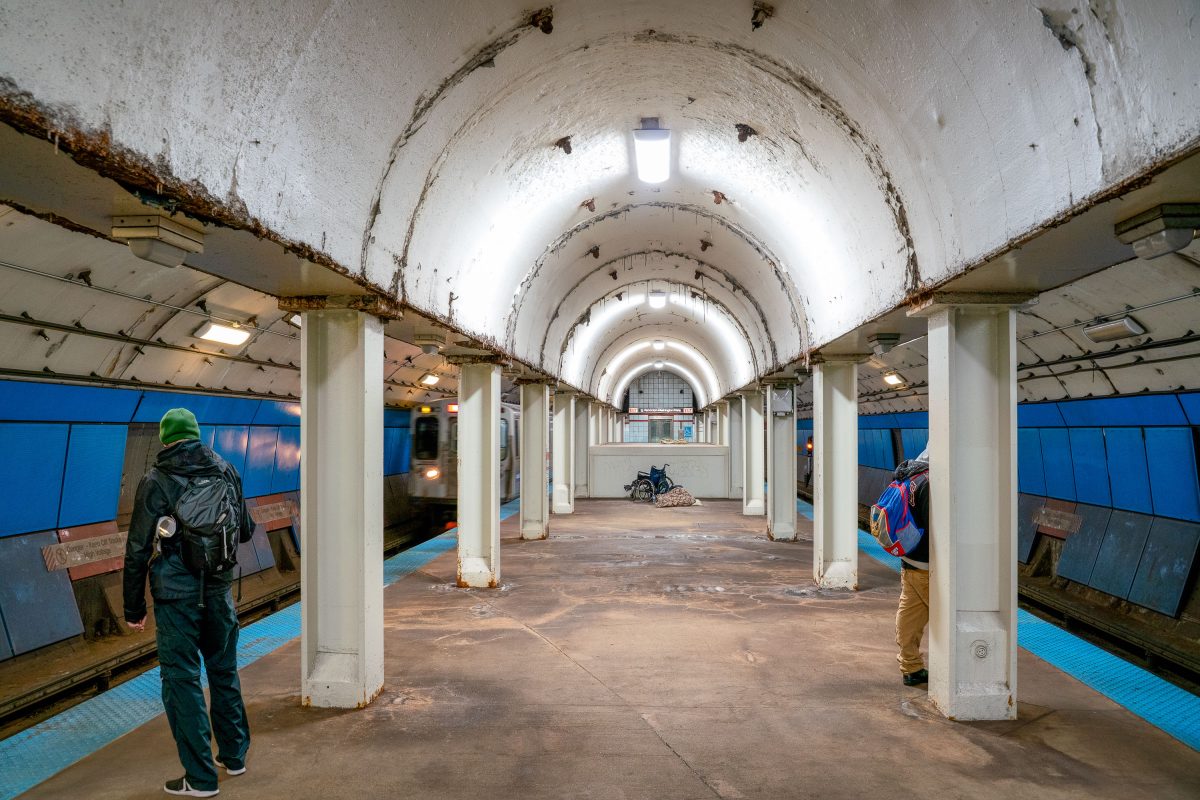
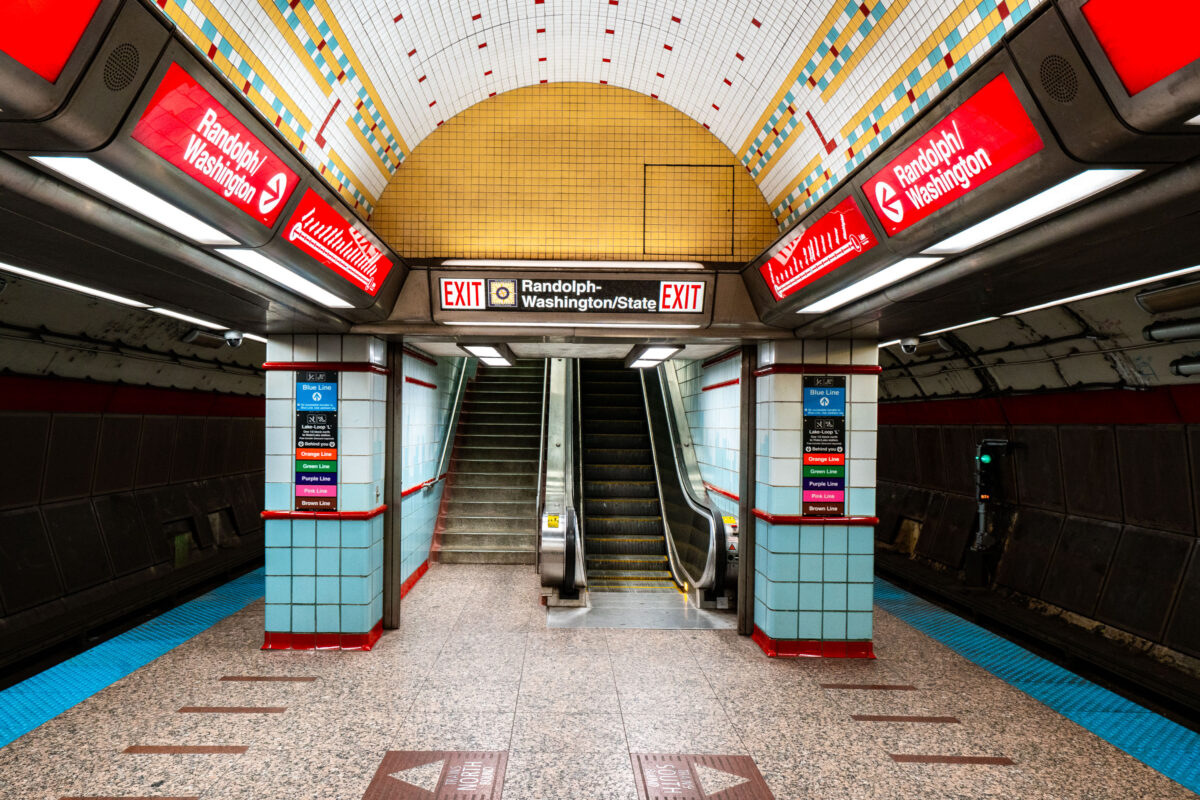
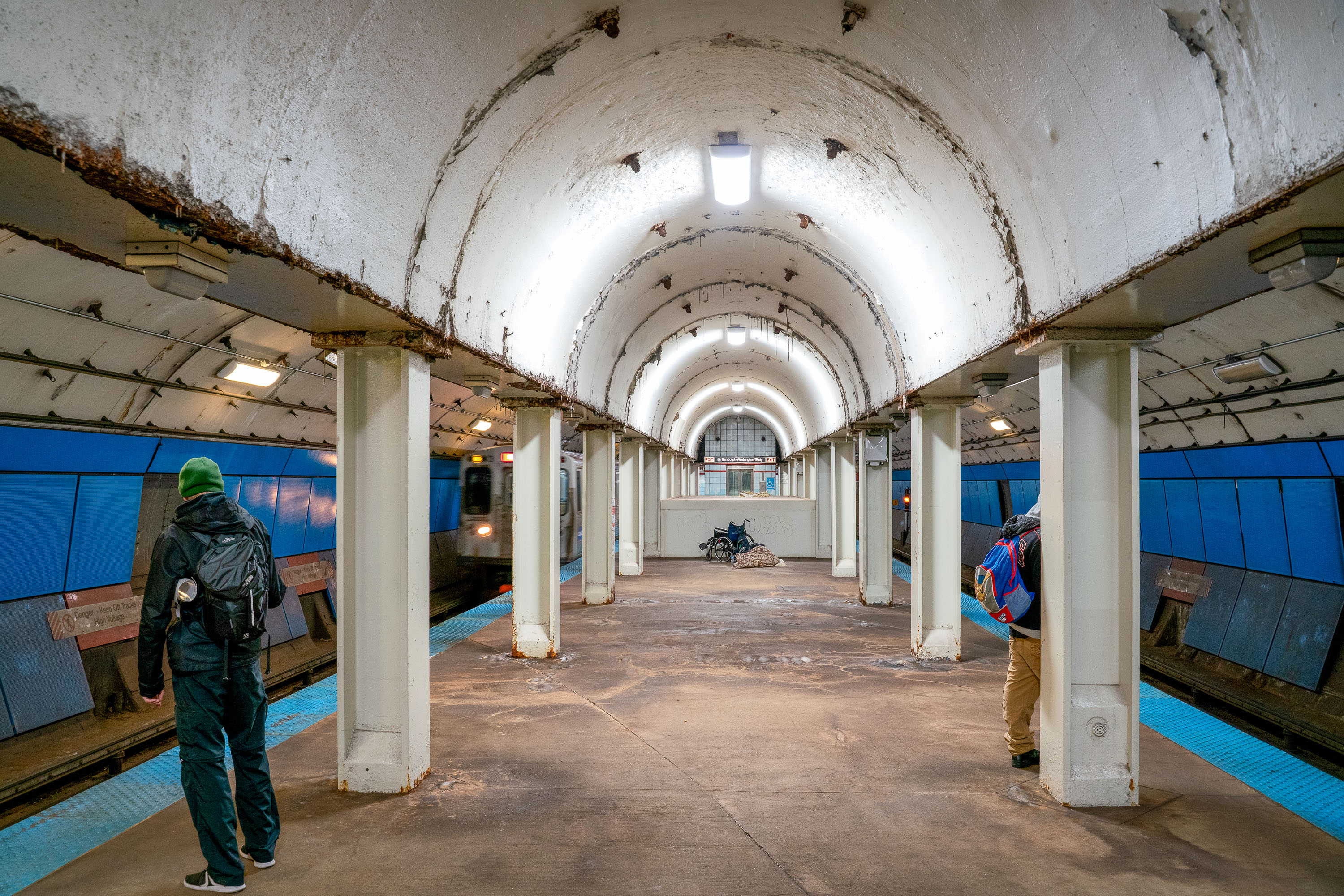
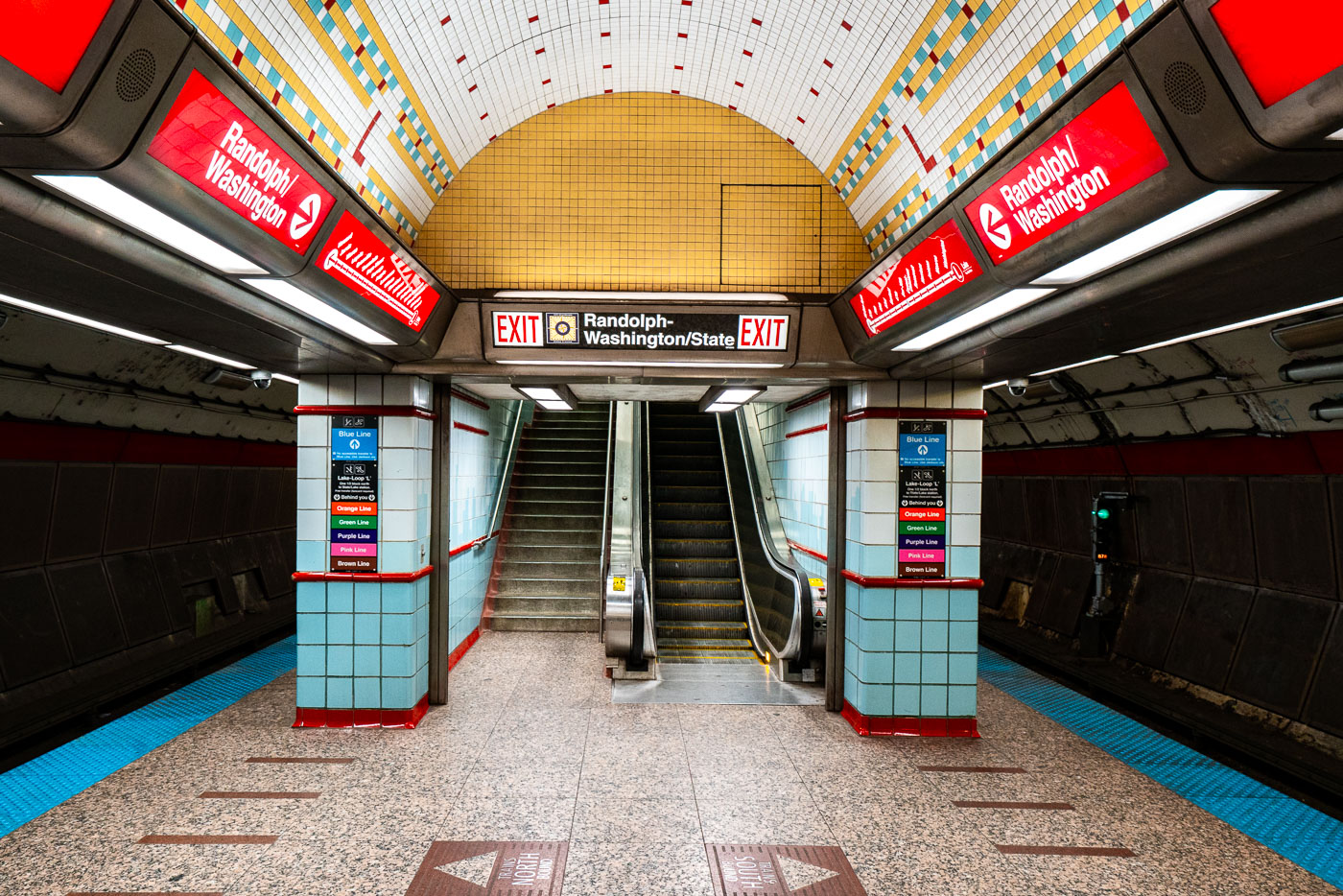
October 2019 — Randolph/Washington station sits beneath the heart of downtown Chicago, forming part of the CTA Red Line that runs through the State Street subway. Opened in 1943 as part of the city’s ambitious subway expansion, the station connects directly to the extensive Chicago Pedway system, linking offices, retail centers, and civic buildings underground. Its tiled vault and distinctive 1940s-era design remain largely intact, representing the Art Moderne phase of Chicago’s transit infrastructure.
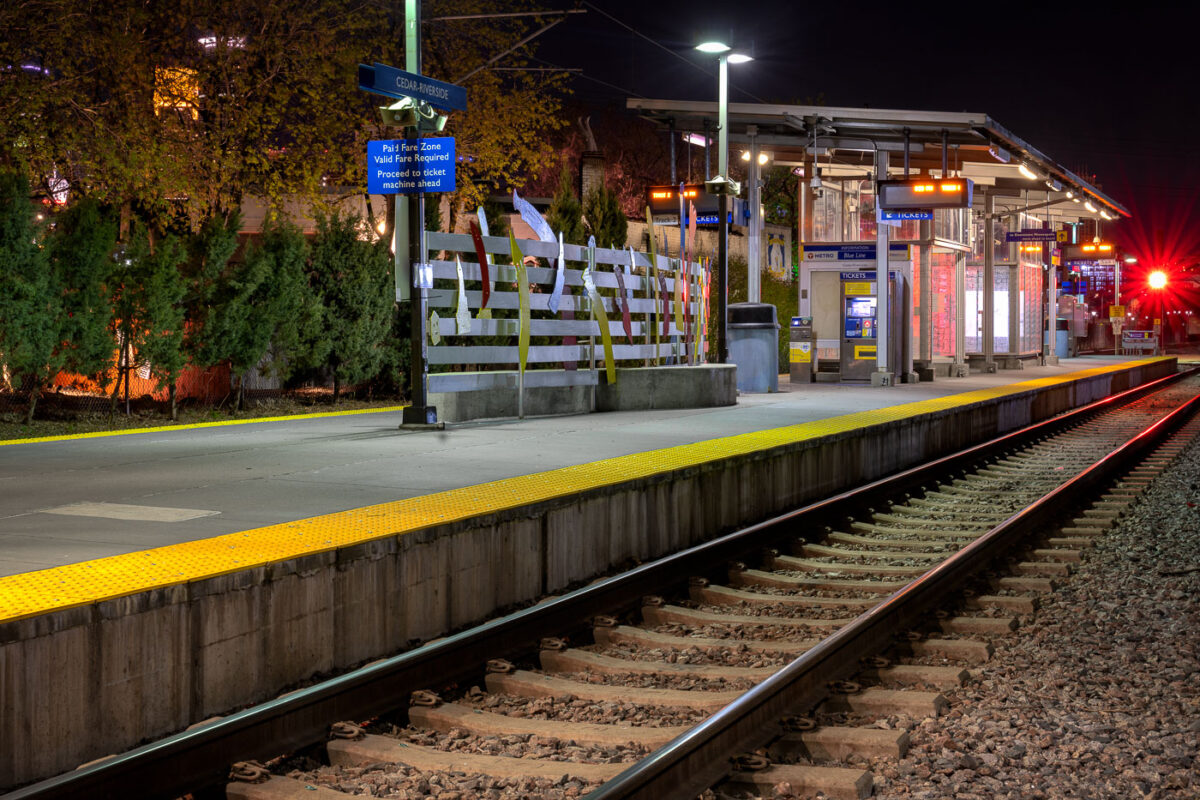
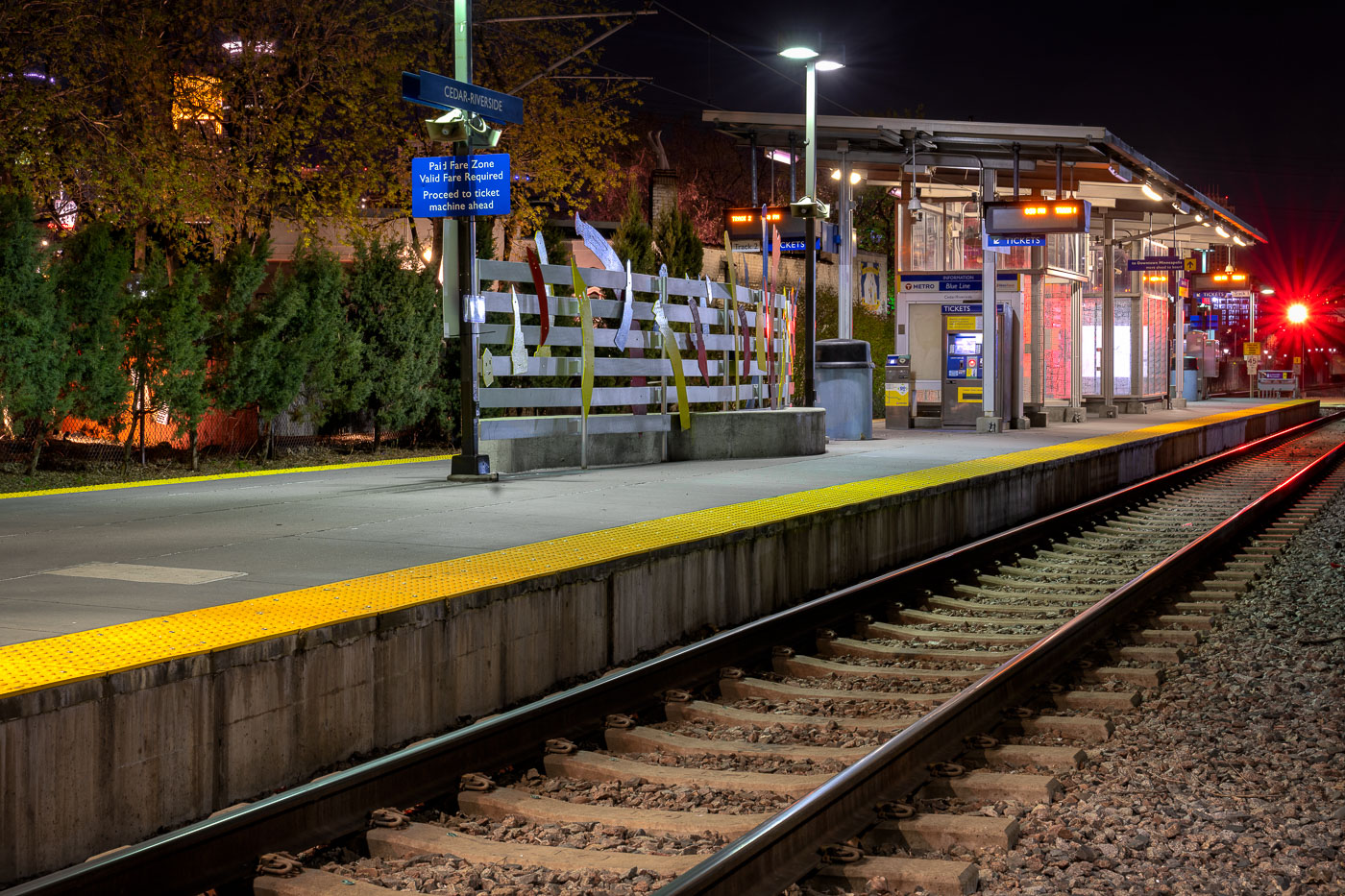
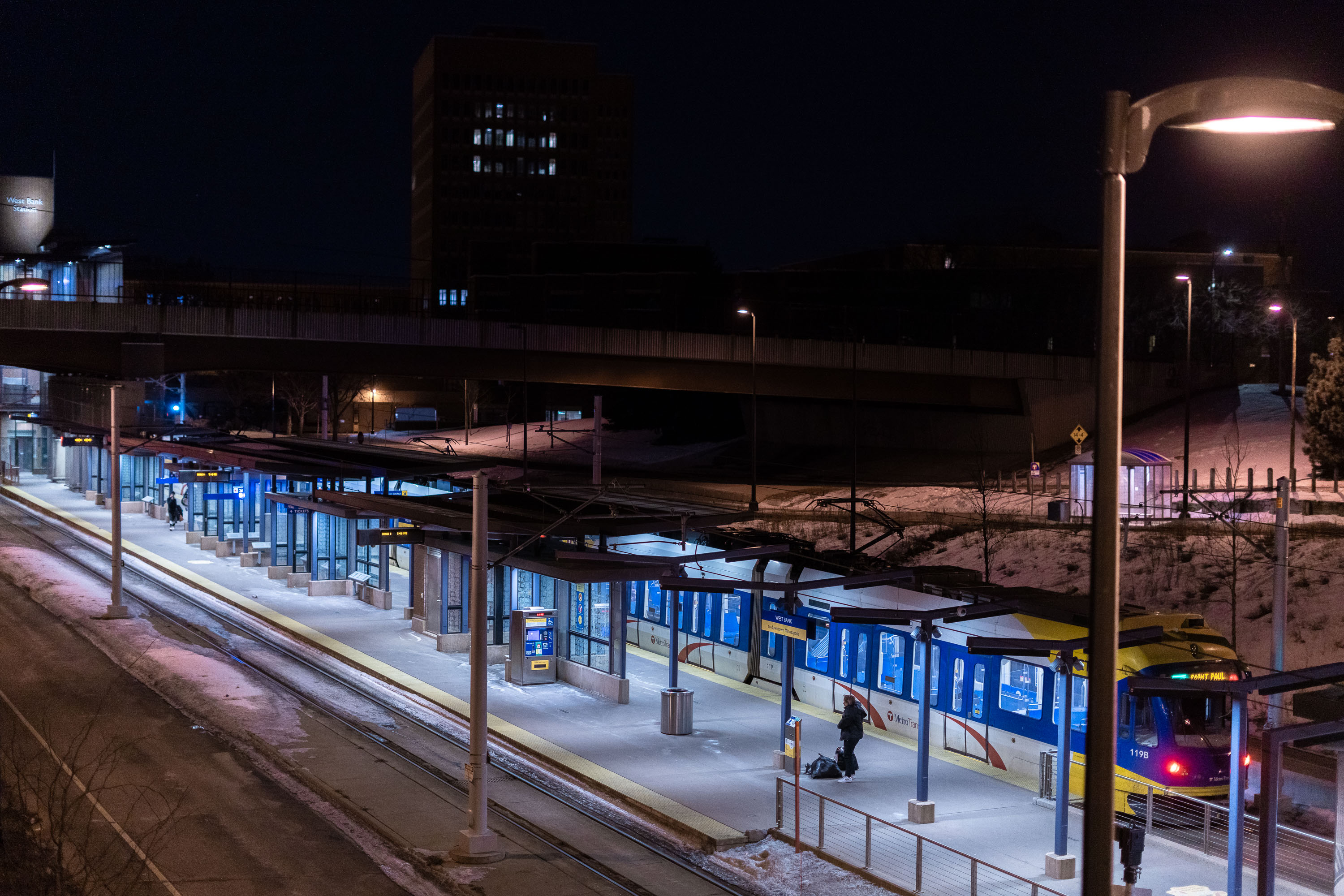
April 2020 — Cedar-Riverside LRT trains station in Minneapolis, Minnesota.
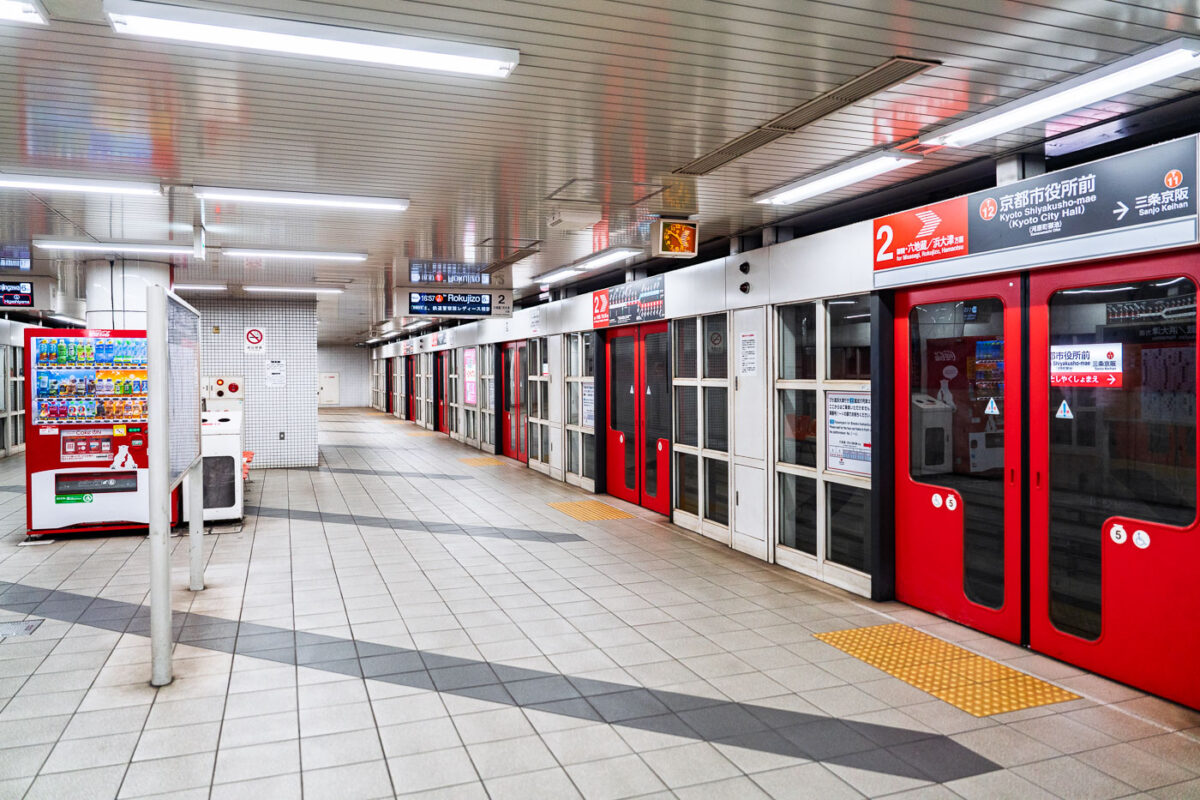
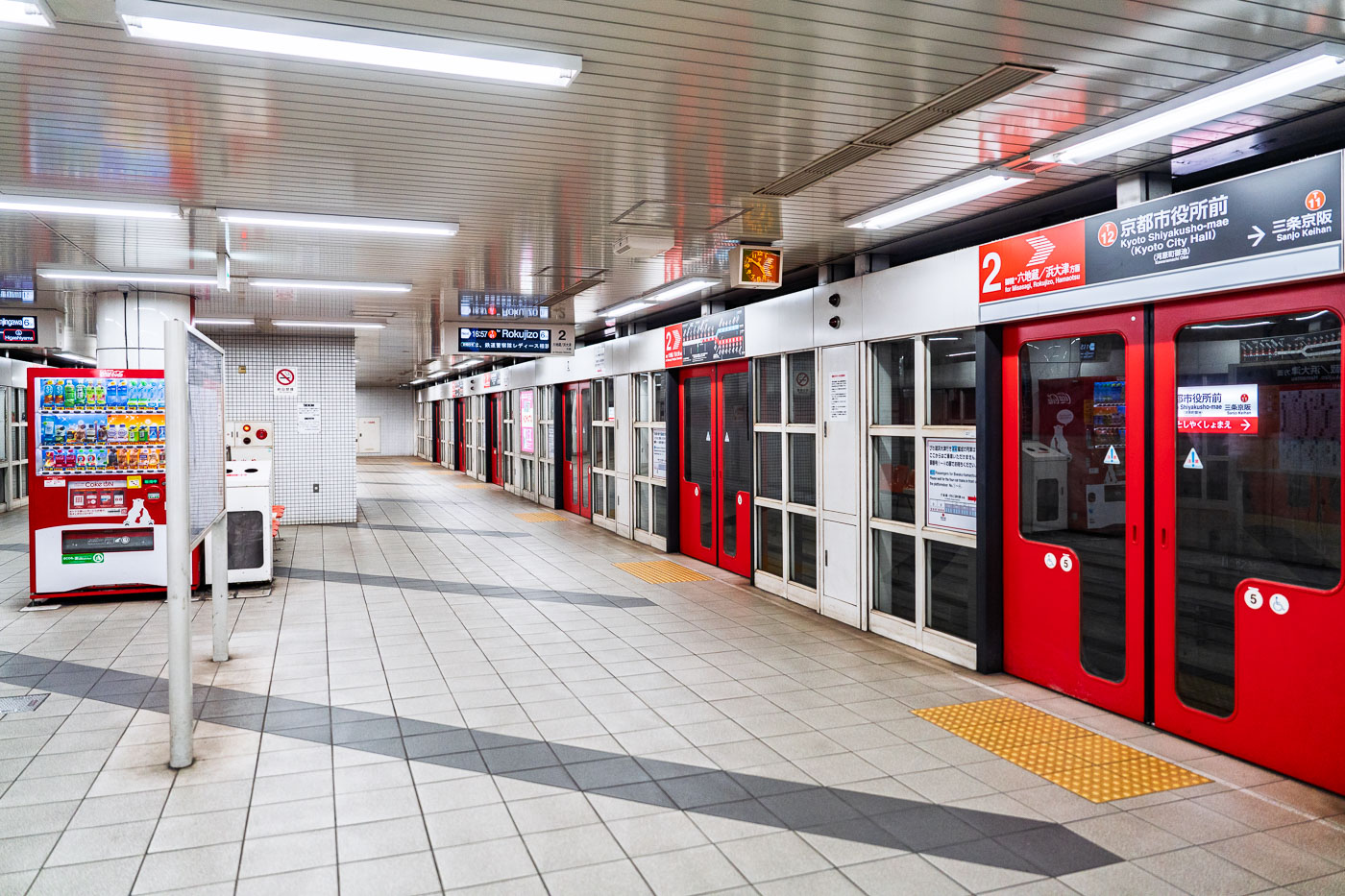
March 2023 — A quiet moment inside the Kyoto City Subway at Shiyakusho-mae Station, where the red-lined doors and bright vending machines reflect the city’s clean, orderly transit design. The tiled floors, yellow tactile paving, and minimalist signage embody the practical beauty of Japanese public infrastructure. Empty corridors like this highlight the calm rhythm of off-peak urban life in Kyoto.
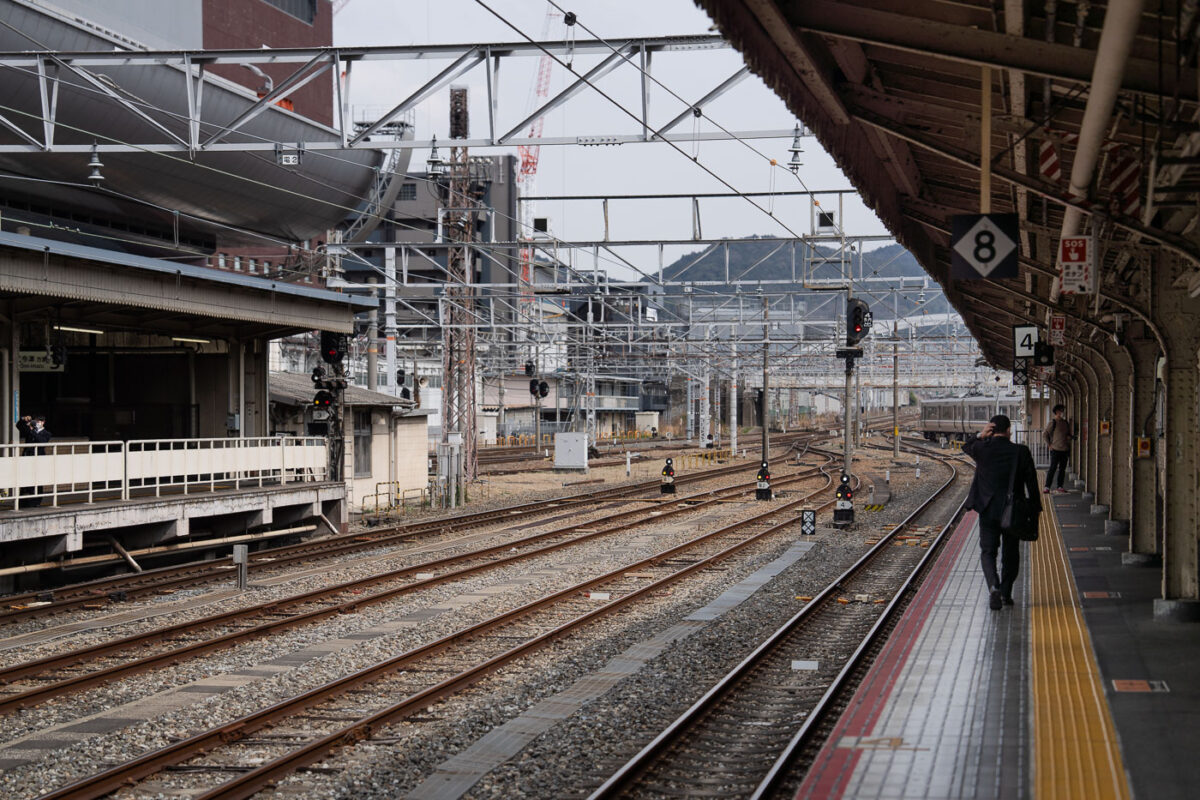
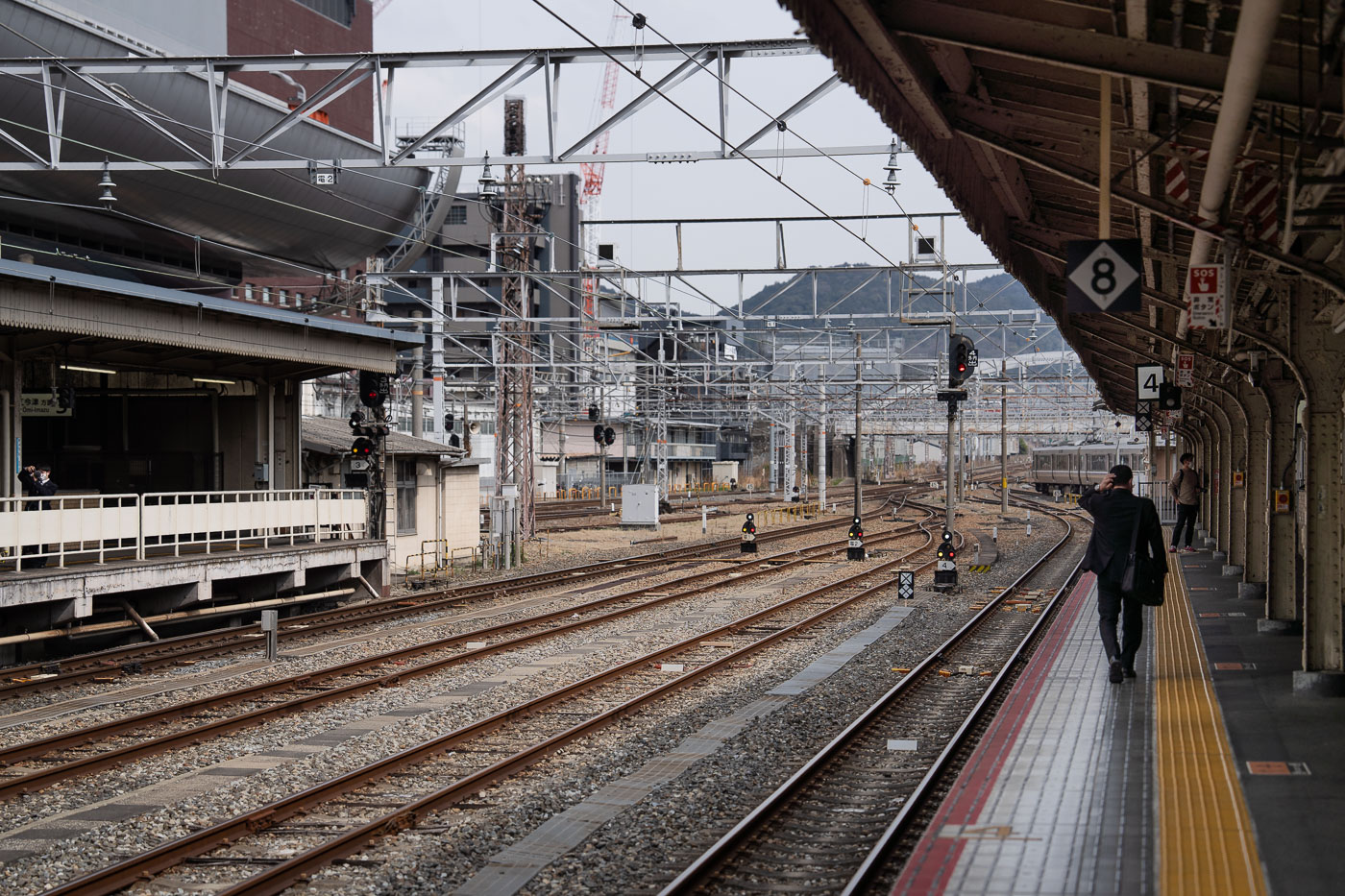
March 2023 — Multiple sets of railway tracks converge toward the distance beneath a grid of steel catenary supports. A man in a dark suit walks along the yellow tactile line on Platform 4, while another commuter waits across the tracks. Overhead signs mark platform numbers, and signal lights display red and amber. The station canopy and surrounding buildings form an industrial backdrop, with a faint view of hills beyond the city.
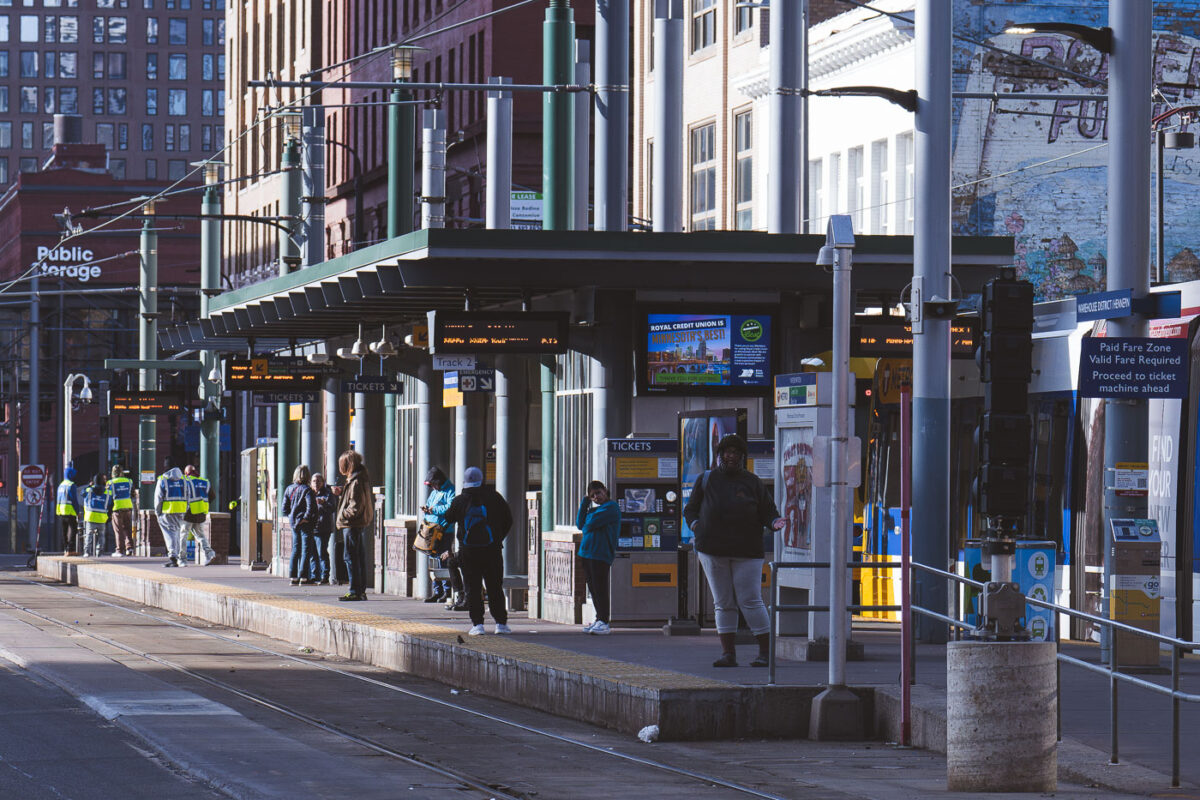
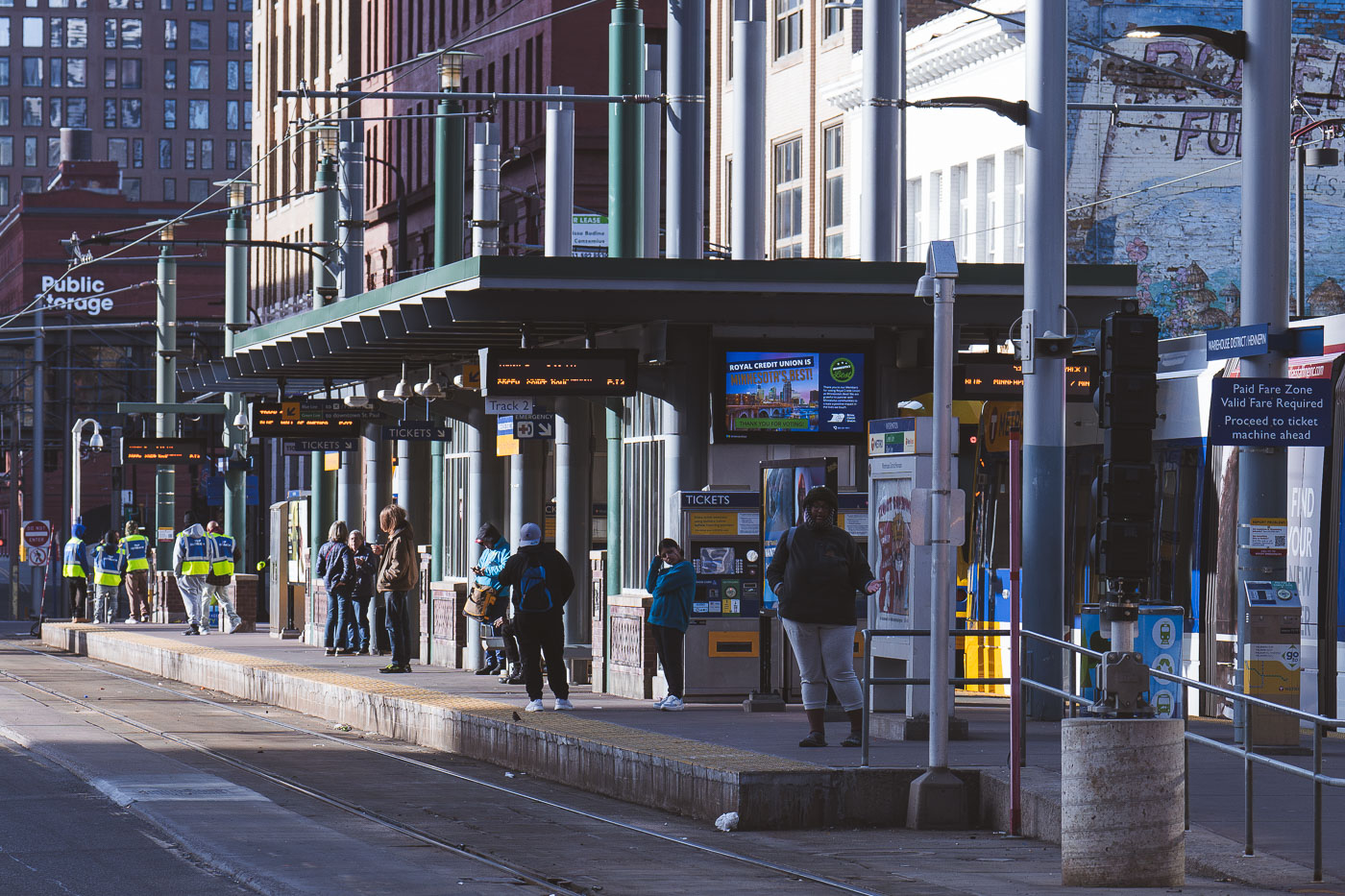
March 2024 — TRIP Outreach and riders at the Warehouse District/Hennepin Ave Station in downtown Minneapolis. March 2024.
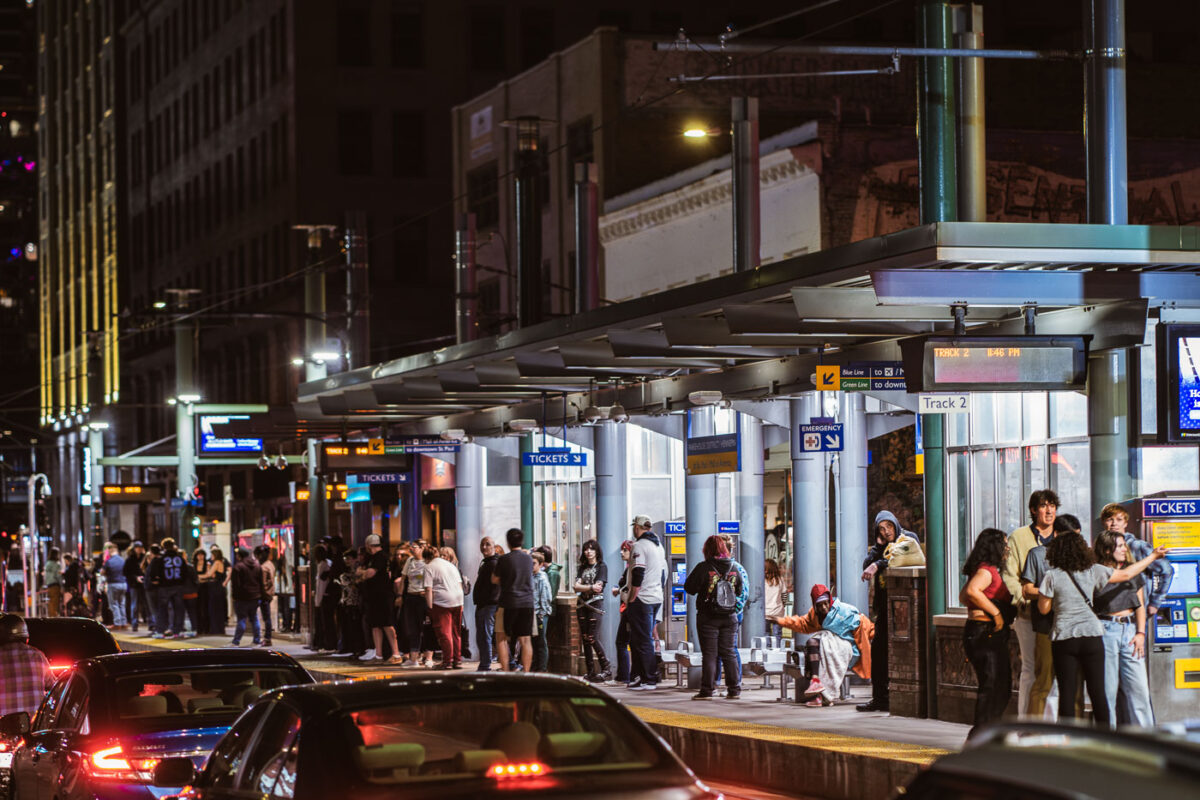
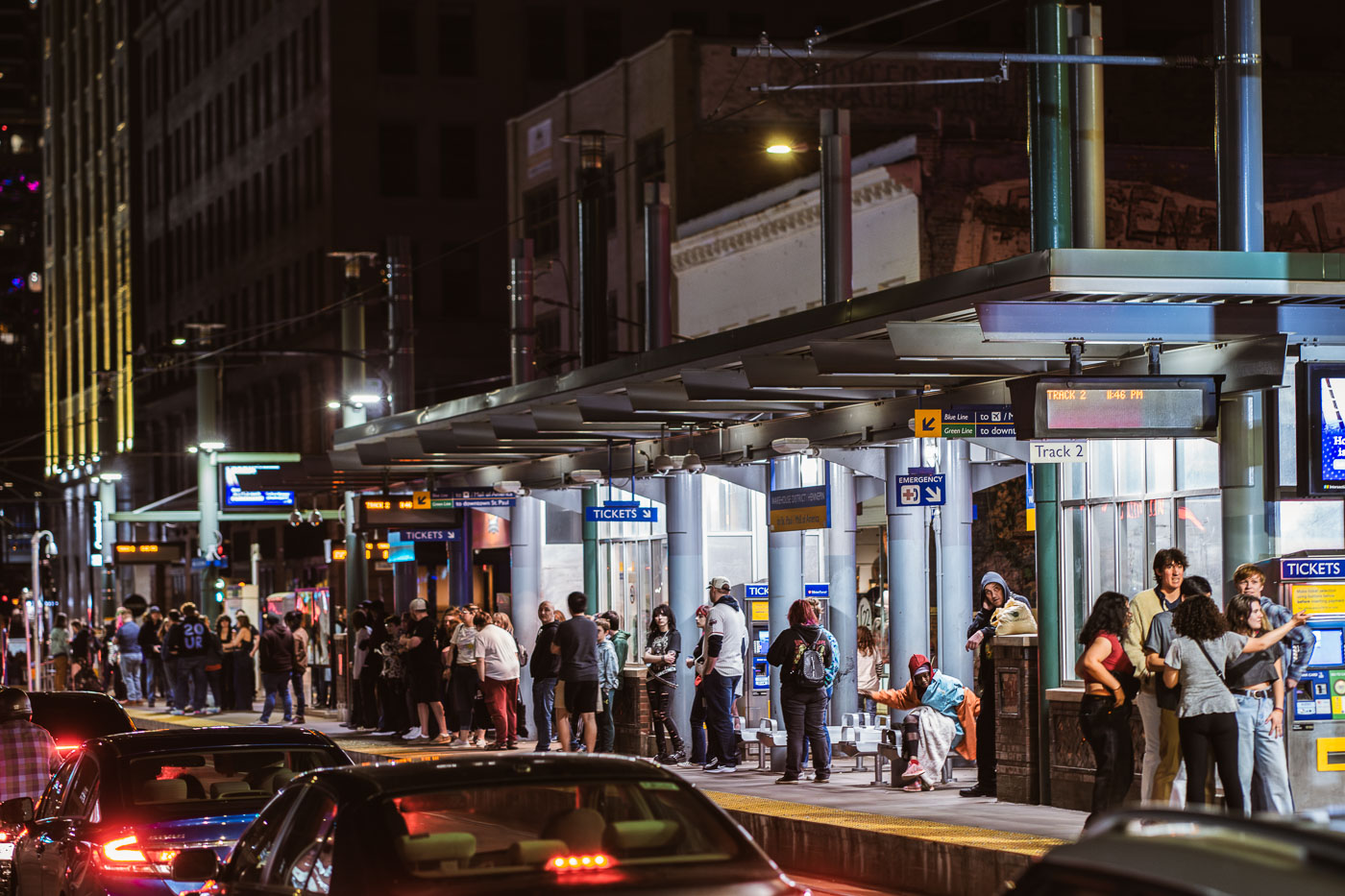
April 2024 — Large crowds waiting for trains on April 6th. Crowds filled downtown Minneapolis after Fall Out Boy, Chris Stapleton and a Twins game earlier in the night.
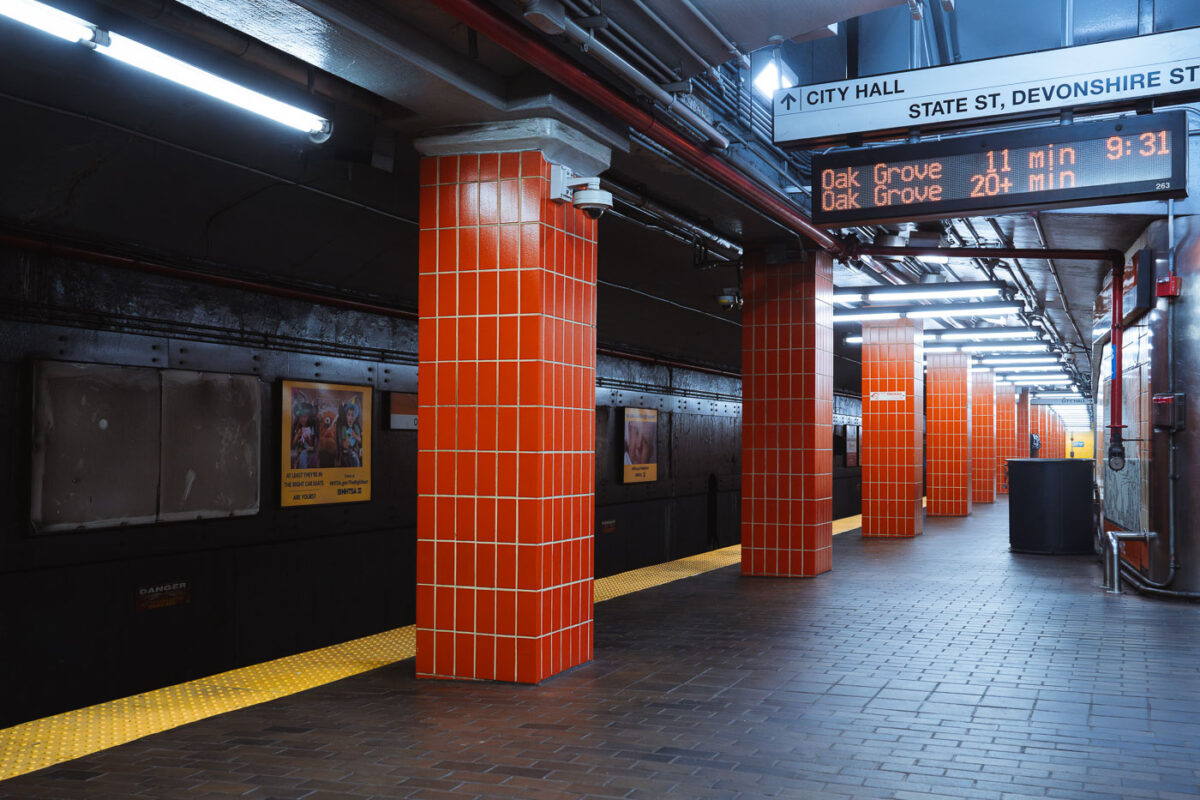
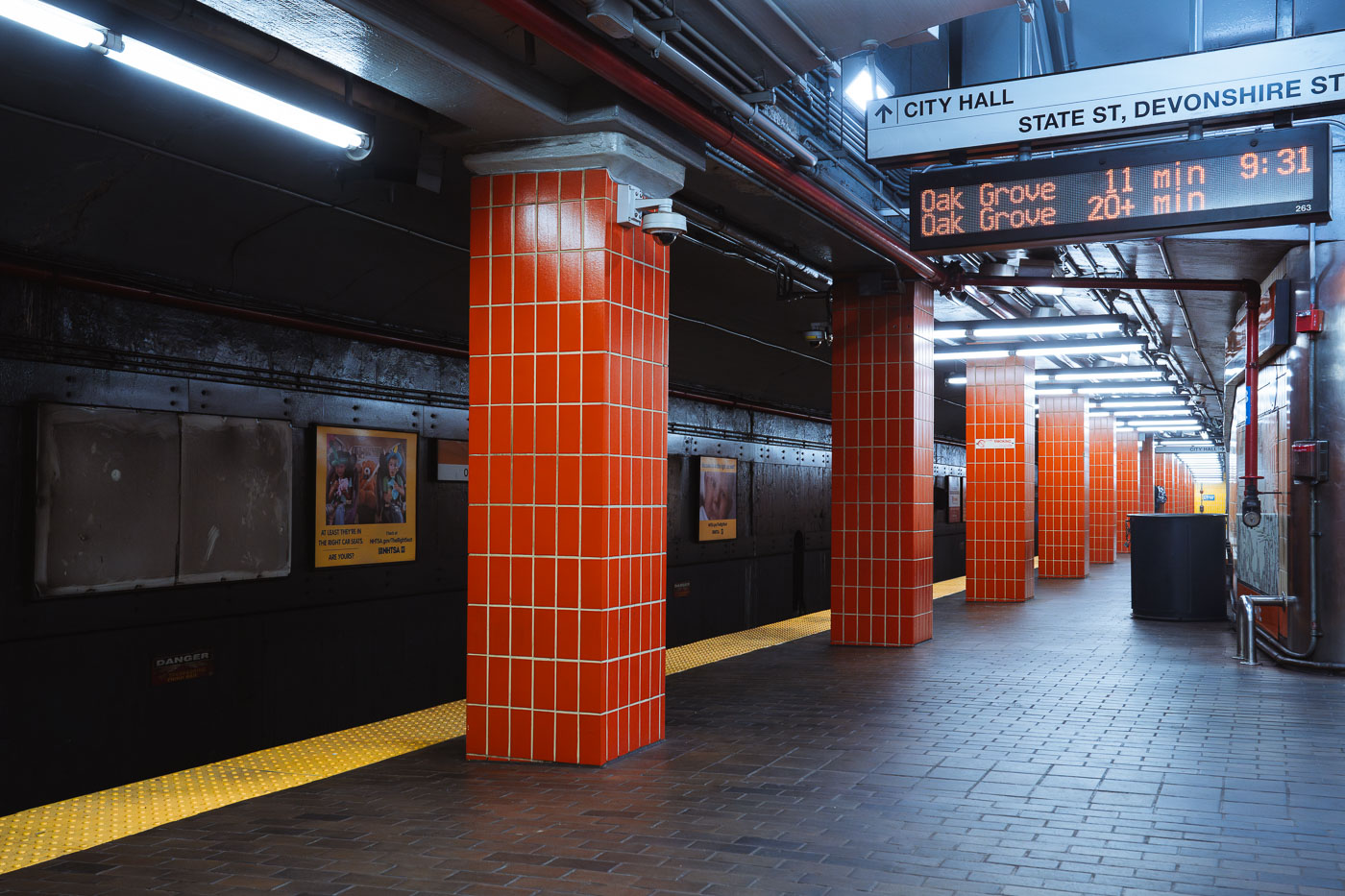
April 2024 — Massachusetts Bay Transportation Authority (MBTA) State Station on the Orange Line in Boston.
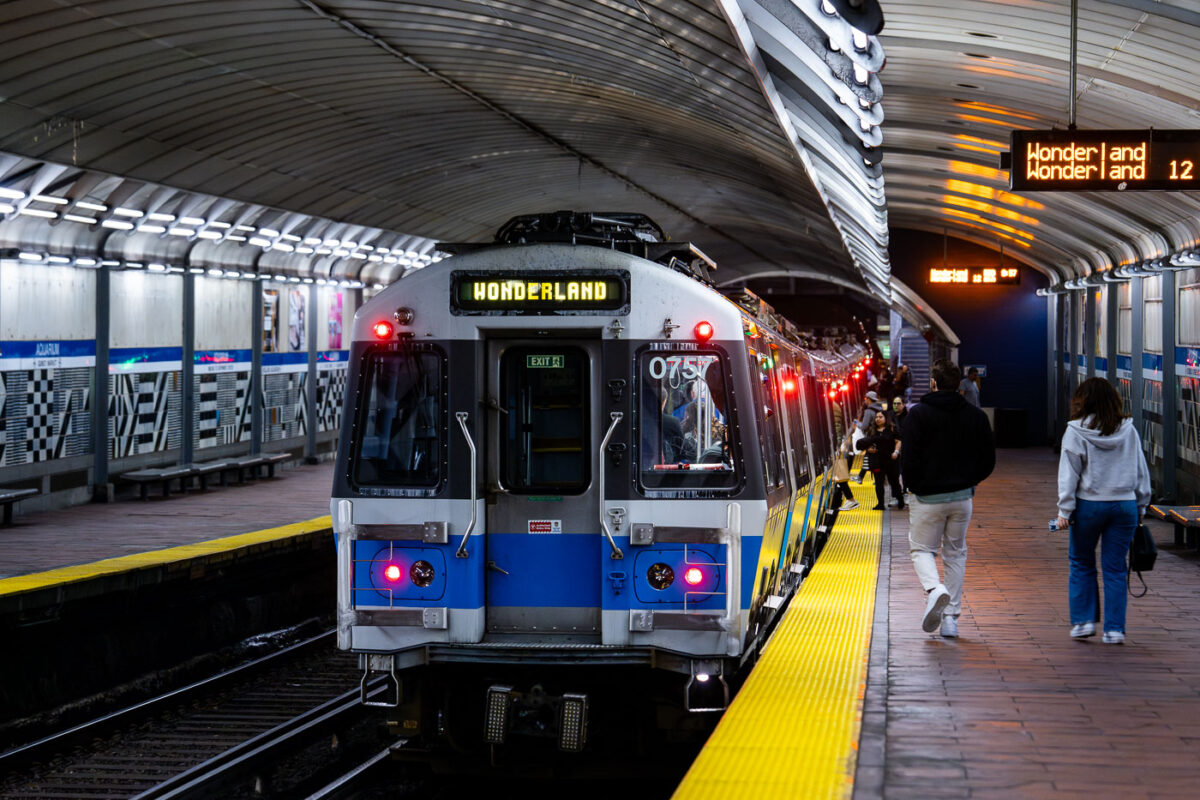
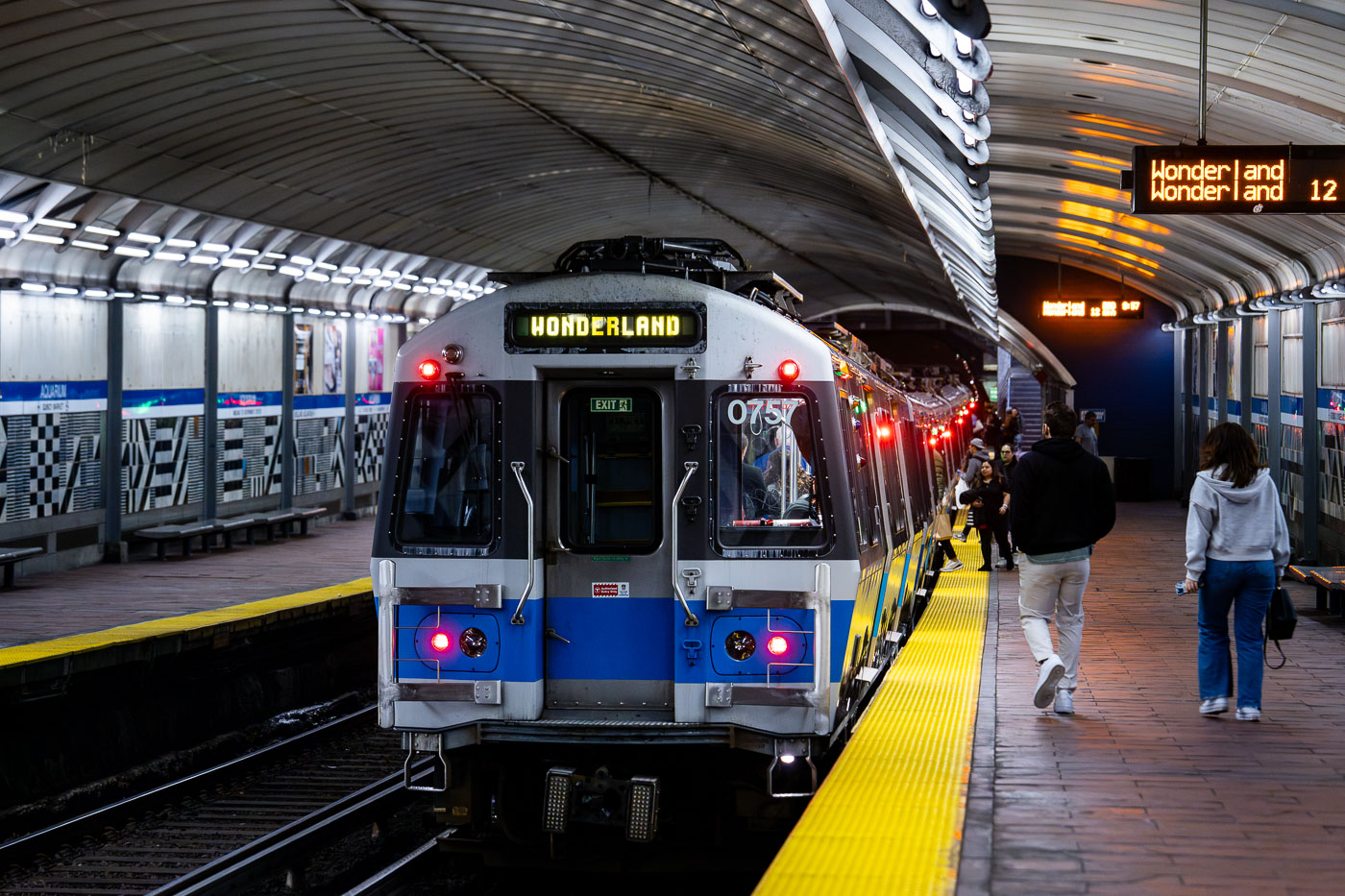
April 2024 — MBTA Wonderland bound train from the Aquarium Station. Passengers on the platform getting on the train.
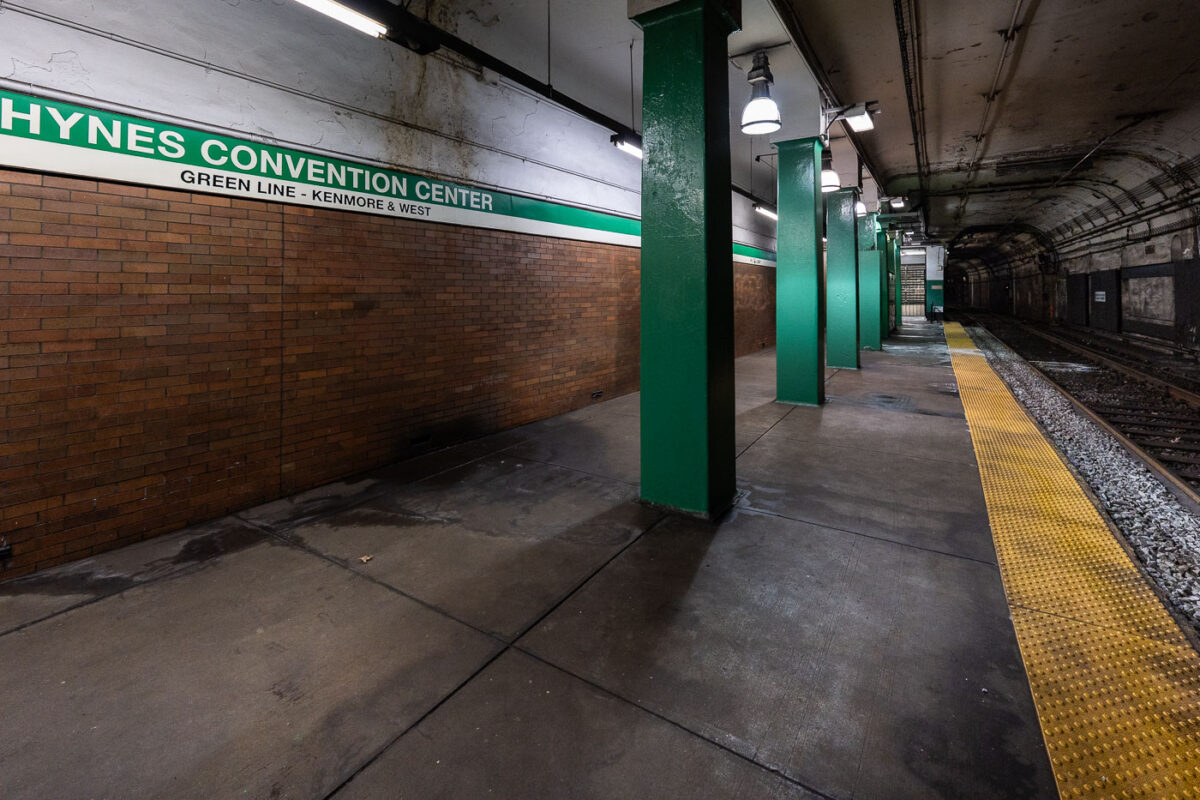
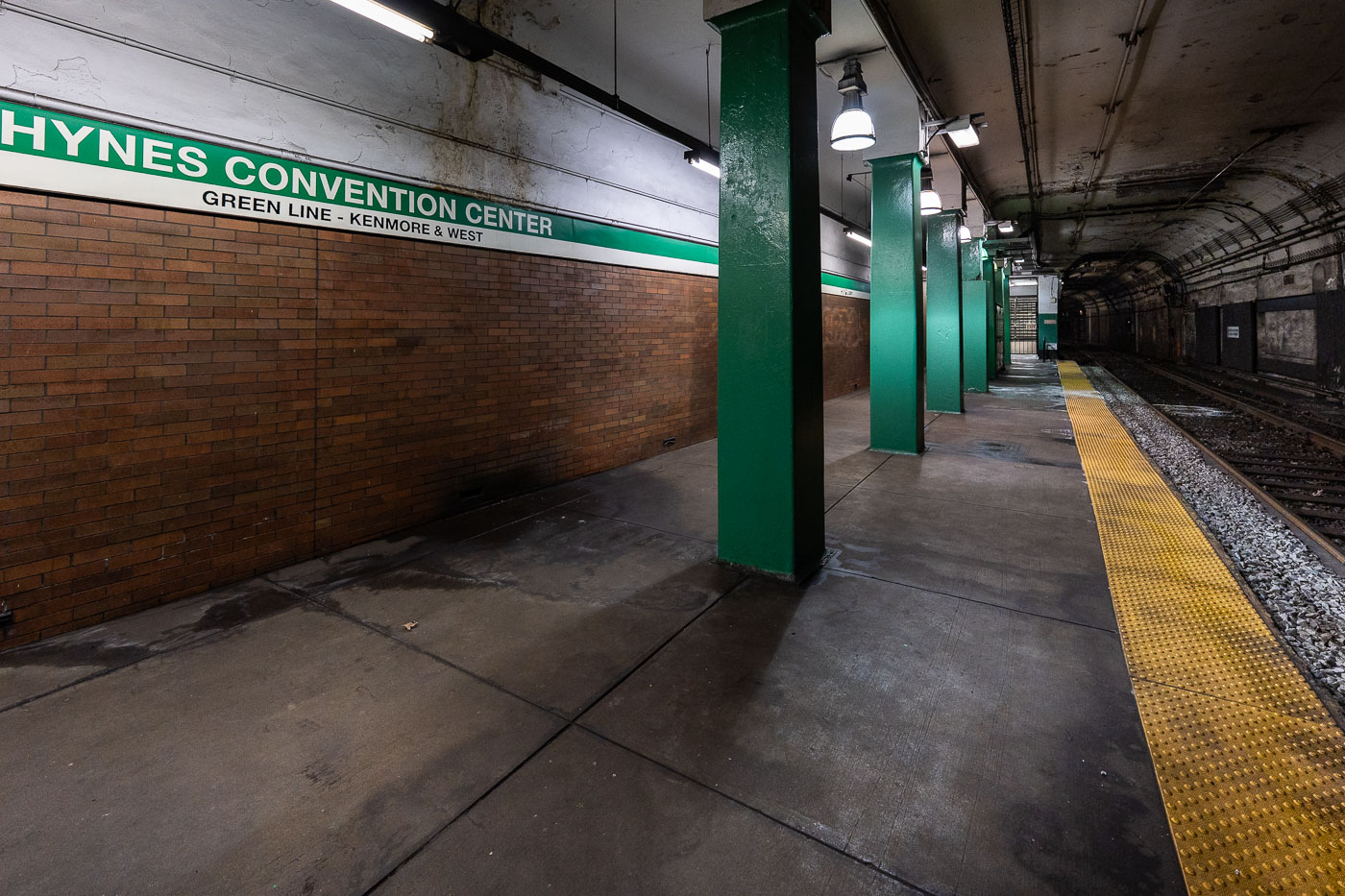
April 2025 — MBTA Green Line train platform at Hynes Convention Center.