Basilica of Saint Mary and I-94 at Night, Minneapolis
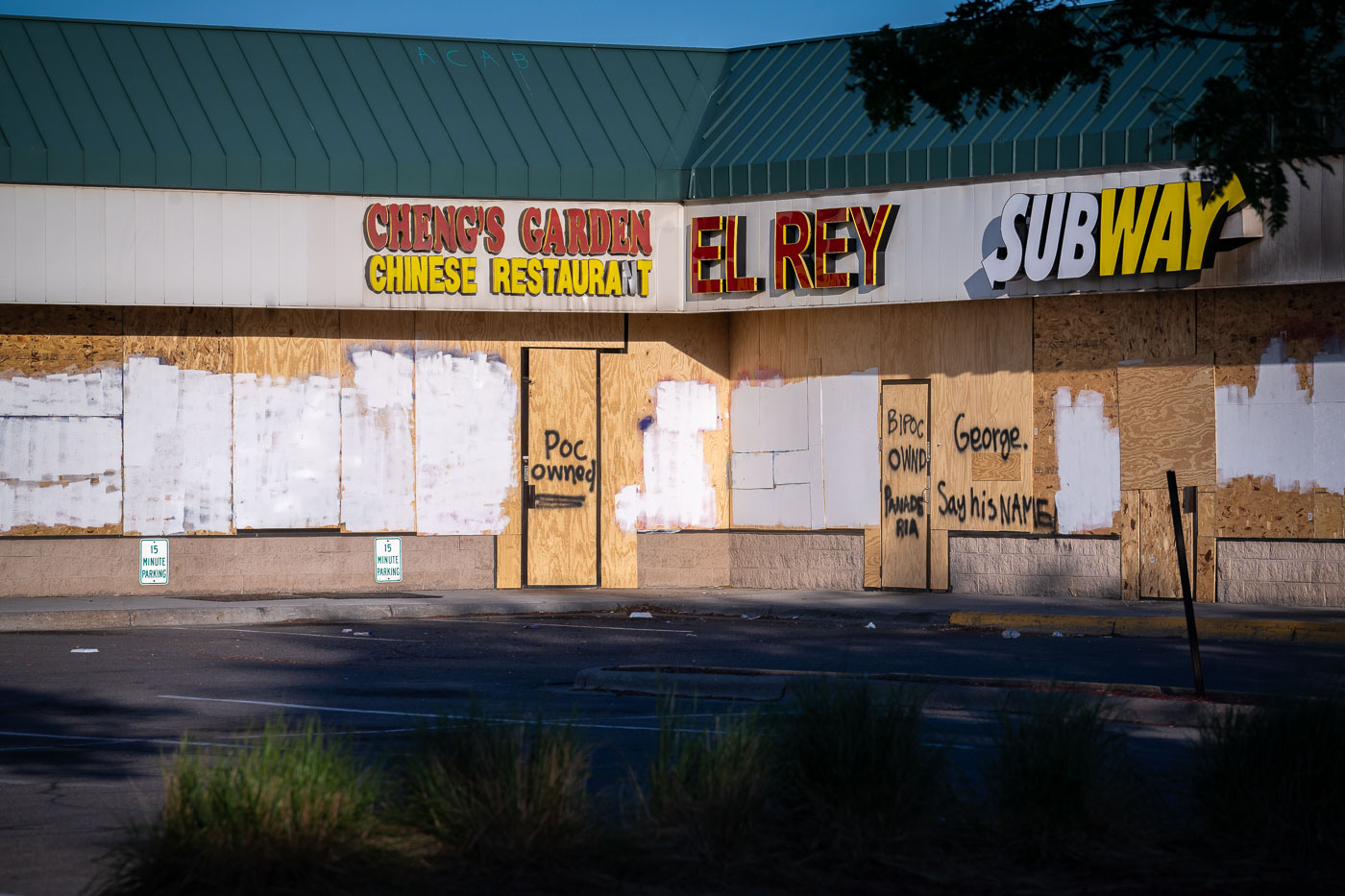
August 2017 — Basilica of Saint Mary near downtown Minneapolis as seen from the other side of Interstate 94.
Explore photos tagged Minnesota.
August 2017 — Basilica of Saint Mary near downtown Minneapolis as seen from the other side of Interstate 94.
July 2017 — The rocky shoreline at Taconite Harbor, Minnesota, once served as a vital shipping point for the state’s iron mining industry. Built in the early 1950s by the Erie Mining Company, the harbor was designed to handle massive shipments of processed taconite pellets from the Mesabi Iron Range, transported by a private 74-mile rail line to the Lake Superior coast. The harbor’s docks, loading equipment, and nearby company housing formed a self-contained industrial community that thrived for decades. The surrounding area was developed during a period of postwar expansion when Minnesota’s natural resources fueled North American manufacturing. Taconite Harbor operated until the early 2000s, when global shifts in steel production led to its closure. What remains today—crumbling concrete piers, rusted transmission towers, and wind-swept rock formations—speaks to both the resilience of the landscape and the region’s deep connection to the rise and fall of heavy industry along the North Shore.
July 2017 — The rusting conveyor systems and storage bins of the former Great West Lumber Sawmill stand as remnants of Thunder Bay’s once-thriving forest industry. Established near the Lake Superior waterfront in the early 20th century, the mill was part of a vast network that processed and shipped lumber across North America. Its maze of steel ducts and conveyors once carried sawdust, chips, and milled timber, feeding the region’s economic boom. Today, the overgrown machinery reflects a post-industrial landscape—silent evidence of a city that helped fuel Canada’s forestry trade for generations.
July 2017 — Overgrown foliage surrounds the rusting stairway of the former Saskatchewan Pool B grain elevator in Thunder Bay, Ontario. Built in 1928 as part of the cooperative grain-handling network operated by the Saskatchewan Wheat Pool, the facility once stored and shipped millions of bushels of prairie wheat through the Lake Superior port. After decades of service under the Canadian Wheat Board era, the elevator was decommissioned and left to decay, its concrete silos and steel infrastructure now reclaimed by vegetation and time along the industrial waterfront.
July 2017 — A rusted steel door and staircase, now surrounded by dense summer growth, mark one of the remaining entrances to the Saskatchewan Pool B grain elevator in Thunder Bay, Ontario. Completed in 1928, this concrete complex was once among the largest cooperative elevators on the Lakehead, operated by the Saskatchewan Wheat Pool to handle prairie grain for export through the Great Lakes. After the decline of Canada’s centralized grain trade, the elevator was shuttered and abandoned, leaving its reinforced concrete and steel framework to slowly merge with the encroaching forest.
July 2017 — The remains of the Saskatchewan Pool B complex in Thunder Bay, Ontario, stand as a testament to the city’s industrial and maritime heritage. Once part of one of the largest grain handling networks on the Great Lakes, these structures were built in the early 20th century to serve the growing wheat trade flowing from the Canadian Prairies to Atlantic markets. Operations here slowed by the 1980s as newer, more efficient elevators replaced them. Today, the site lies silent along the waterfront, its silos and offices weathered by decades of Lake Superior winds.
July 2017 — Grain Elevator in Thunder Bay, Canada.
July 2017 — Evening settles over the North Shore as the moon rises above Lake Superior, seen from Silver Creek Township, Minnesota. The calm waters reflect the fading light of dusk along a rugged basalt shoreline shaped by ancient lava flows nearly a billion years old. This stretch of coast, north of Two Harbors, remains one of the most geologically significant and least developed sections of Minnesota’s Superior shoreline—where forests of spruce and pine meet one of the world’s largest freshwater lakes under an endless sky.
July 2017 — The Theodore Hamm's Brewing Company was an American brewing company established in 1865 in St. Paul, Minnesota. Becoming the 5th "largest brewery" in the United States, Hamm's expanded with additional breweries that were acquired in other cities, including San Francisco, Los Angeles, Houston, and Baltimore.
July 2017 — Spiral parking garage in downtown Minneapolis. These type of parking garages are so photogenic.
July 2017 — Seven Steakhouse in Downtown Minneapolis in June 2017. The restaurant closed for good in winter 2022.
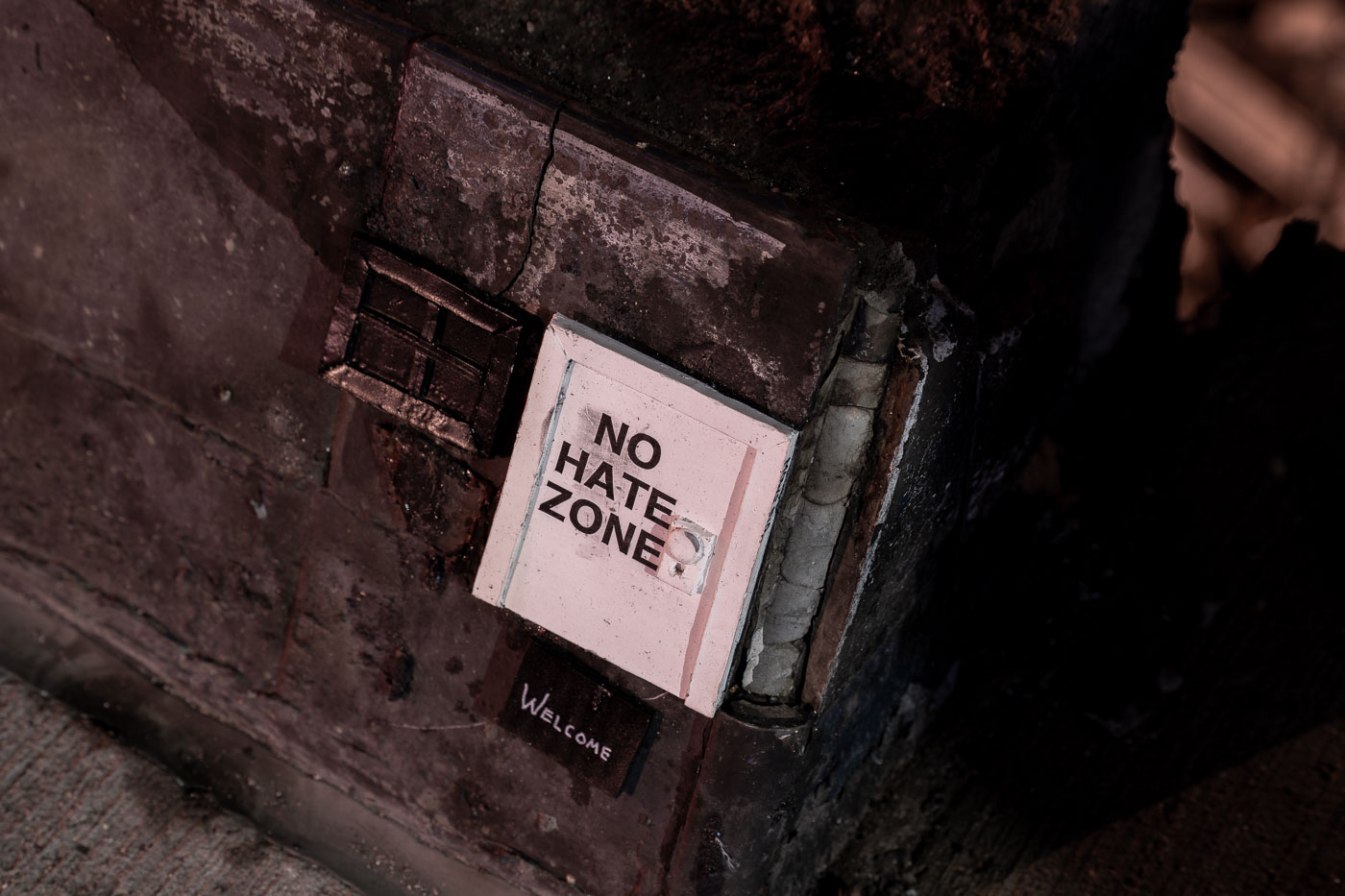
July 2017 — Edition Apartments and US Bank Stadium in Downtown East Minneapolis.
July 2017 — Gold Run Park in Lead, South Dakota.
July 2017 — A long-forgotten mine entrance lies hidden in the forested slopes near the old gold mining town of Lead, South Dakota. The timber-framed portal, now partially collapsed and overtaken by vegetation, dates back to the late 19th or early 20th century—part of the Black Hills’ extensive network of small exploratory mines that sprang up after the 1876 gold rush. Streams like this one often run through or near these adits, carrying trace minerals that once drew prospectors to the region. Though many of these shafts were short-lived, they remain scattered reminders of South Dakota’s mining heritage and the rugged ambition that once fueled settlement in the Black Hills.
July 2017 — These towering concrete presidential busts sit hidden in the woods near Lead, South Dakota—remnants of a once-ambitious roadside attraction called Presidents Park. Conceived by Texas artist David Adickes and opened in 2003, the park showcased forty-three sculptures, each roughly 20 feet tall, depicting every U.S. president from Washington through George W. Bush. The attraction struggled to draw visitors and closed by 2010, leaving the massive heads stranded in the forest. Over time, nature reclaimed the site, with fallen branches, moss, and pine needles collecting around the statues. Today, the figures stand as haunting relics of early-2000s Americana tourism and the impermanence of grand civic art in private hands.
June 2017 — Superior Minerals Company in Savage, MN
June 2017 — A barge on the Minnesota River in Savage Minnesota.
June 2017 — A wooden freight train bridge over the Mississippi River in Minneapolis.
June 2017 — Mississippi River, Minneapolis
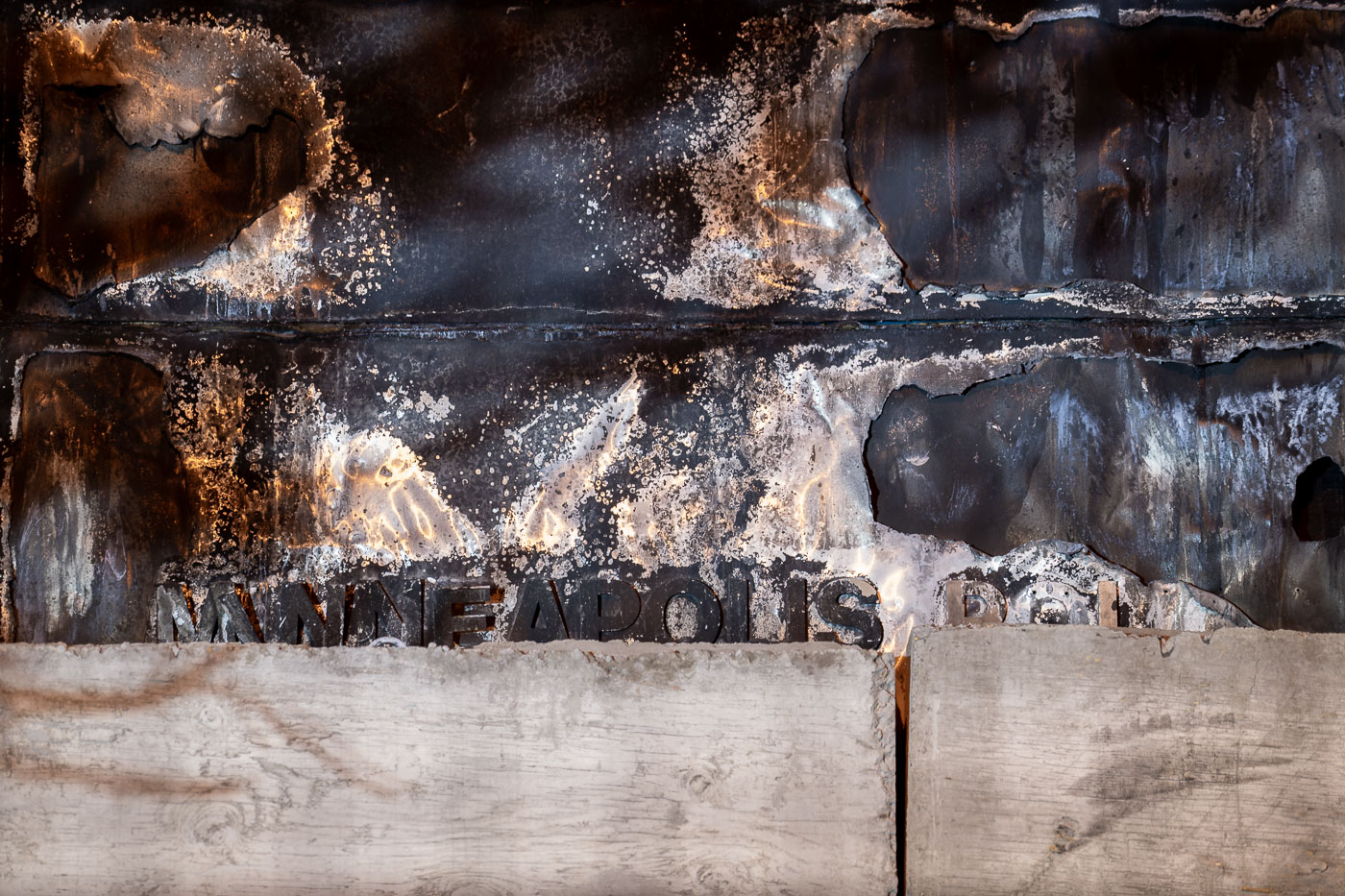
June 2017 — Sunset in Downtown Minneapolis.
June 2017 — A look down between the Fifth Street Towers in Downtown Minneapolis.
June 2017 — Fifth Street Towers in Downtown Minneapolis during sunset.
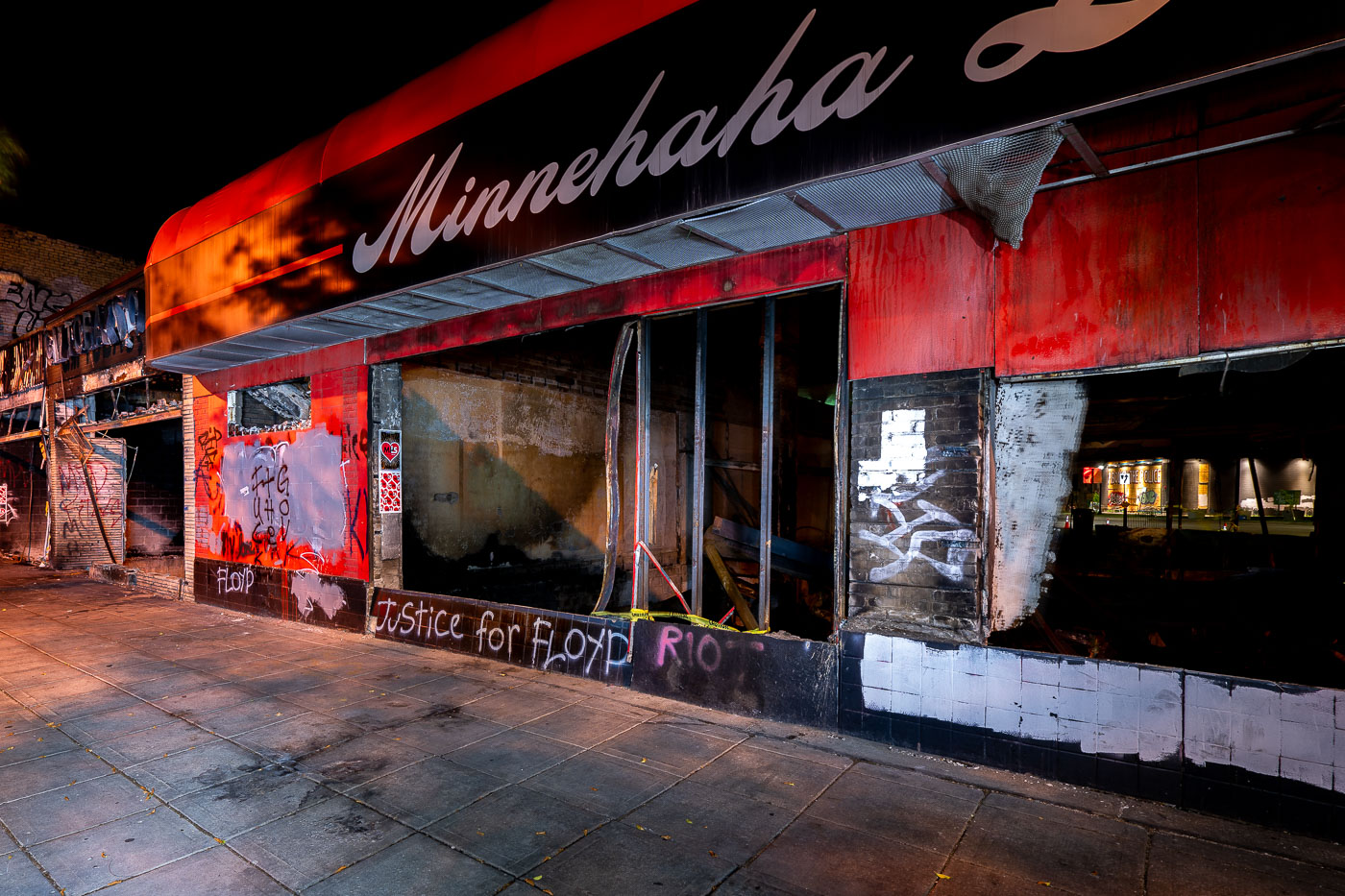
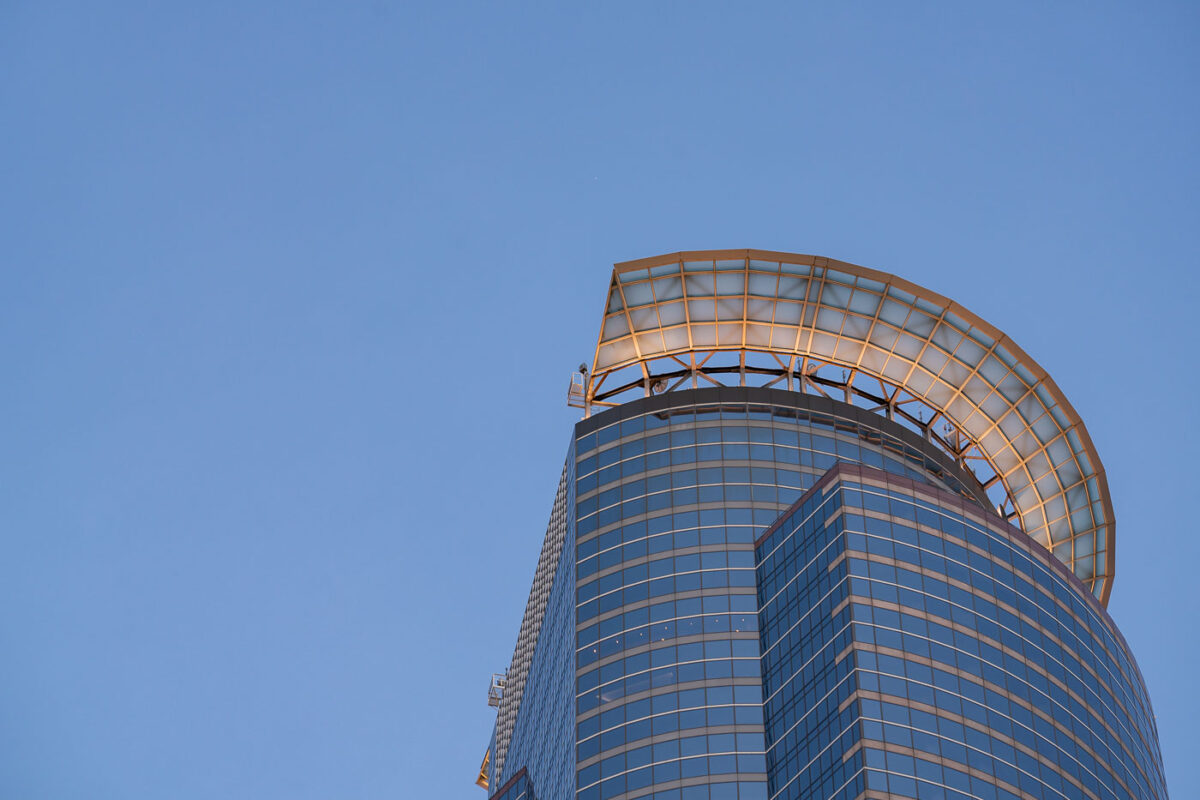
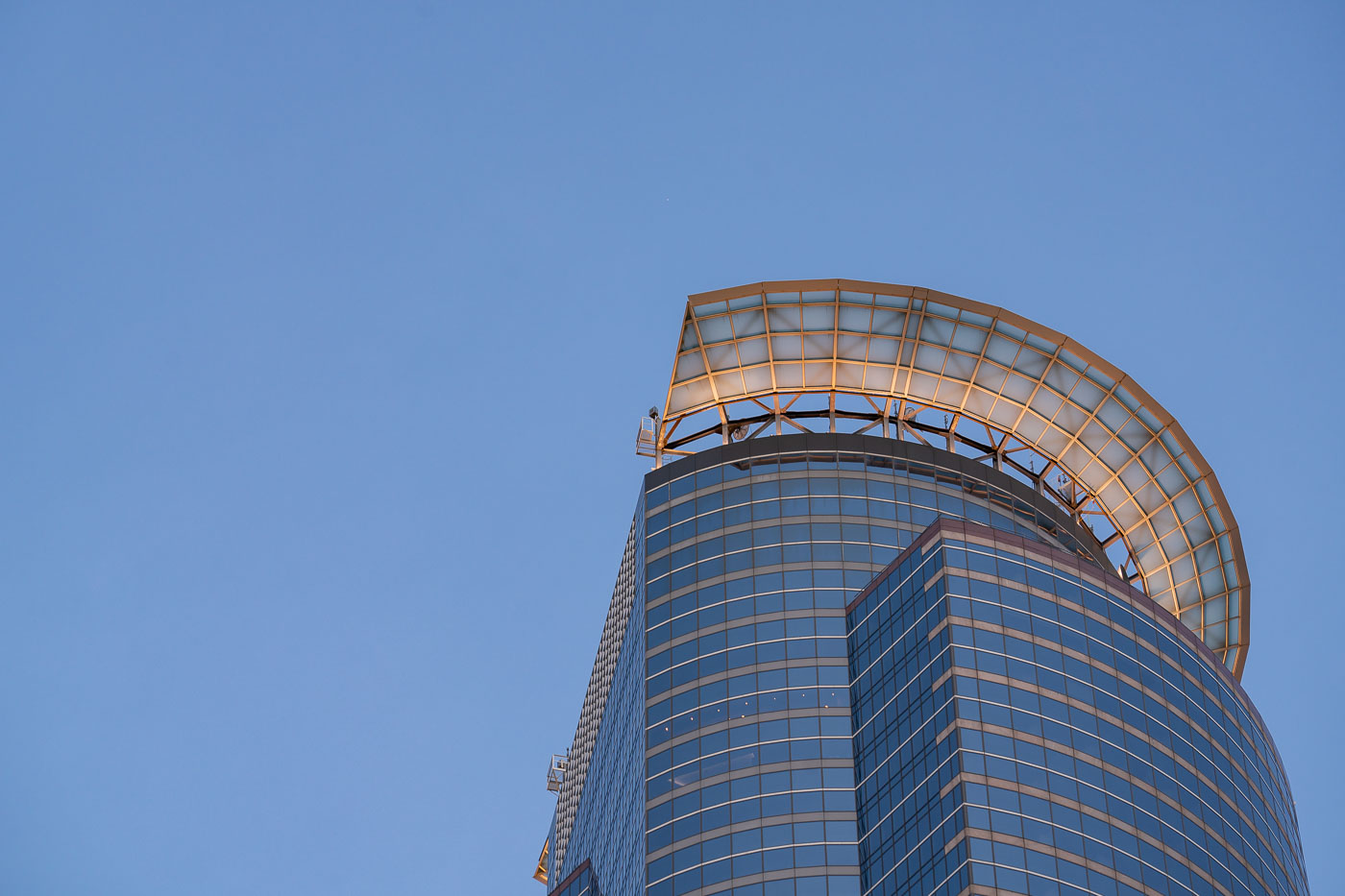
June 2017 — The crown on top of the Capella Tower. They recently switched the lighting over to LED lighting.
June 2017 — From Wiki: The St. Croix Crossing is an extradosed bridge that spans the St. Croix River, between Oak Park Heights, Minnesota and St. Joseph, Wisconsin. Connecting Minnesota State Highway 36 and Wisconsin State Highway 64, the bridge carries four lanes of traffic (two lanes in each direction), and includes a bike/pedestrian path on the north side
June 2017 — The Baker Center in downtown Minneapolis.
June 2017 — Walker Sculpture Garden in Minneapolis.
June 2017 — Northstar Center in downtown Minneapolis.
June 2017 — A sign on Nicollet Mall in downtown Minneapolis referring to it's construction. So over it is right.
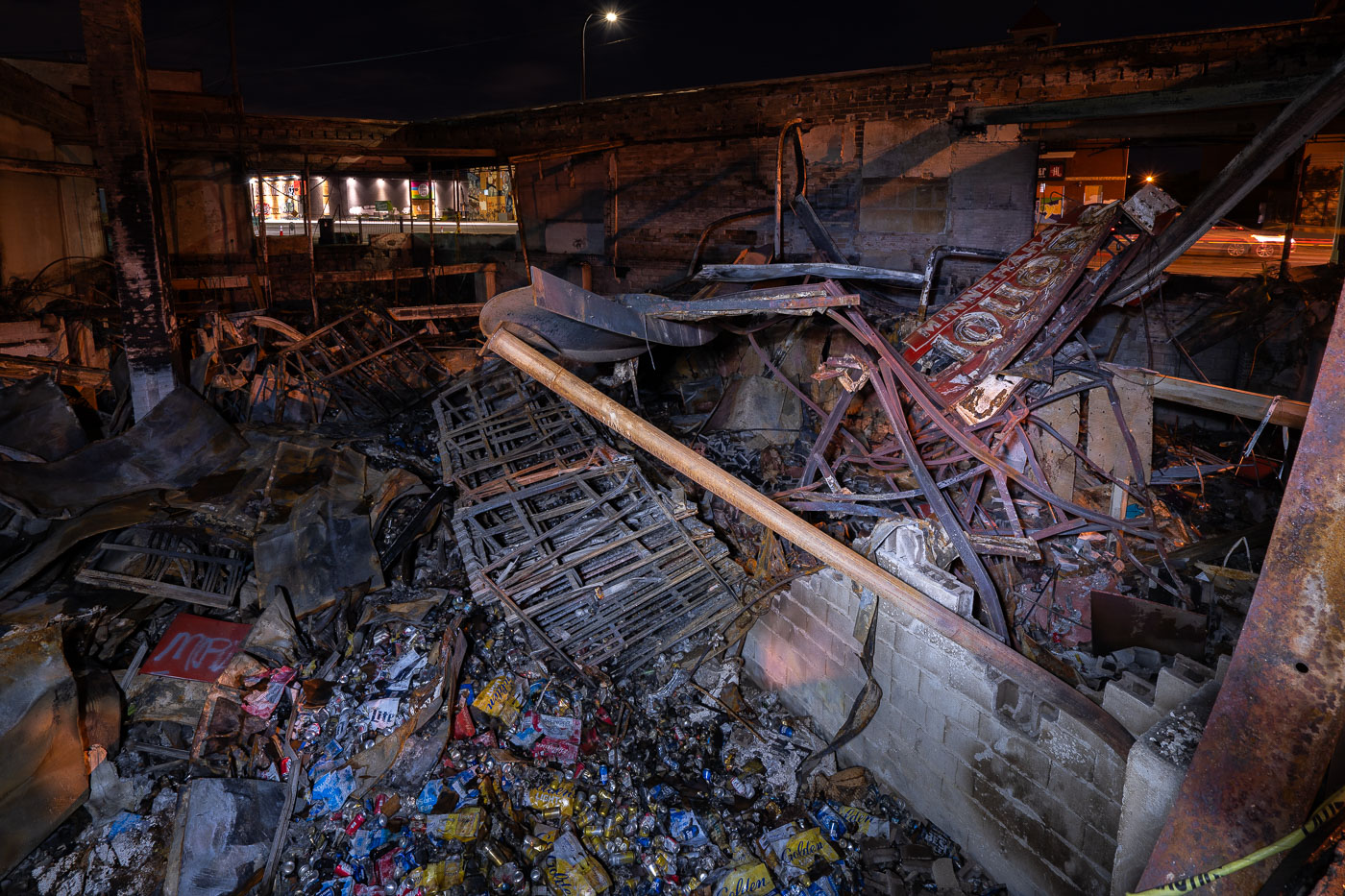
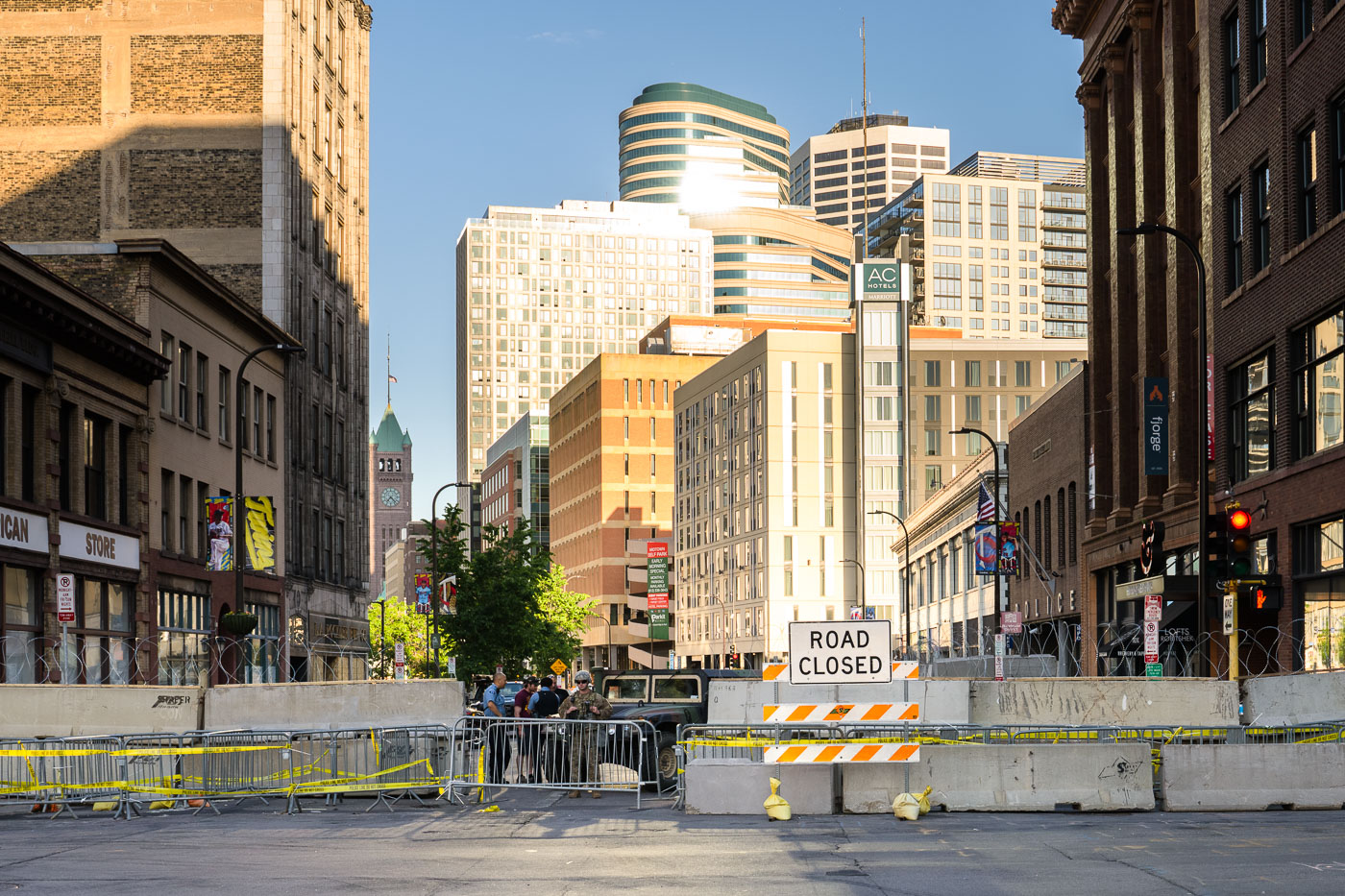
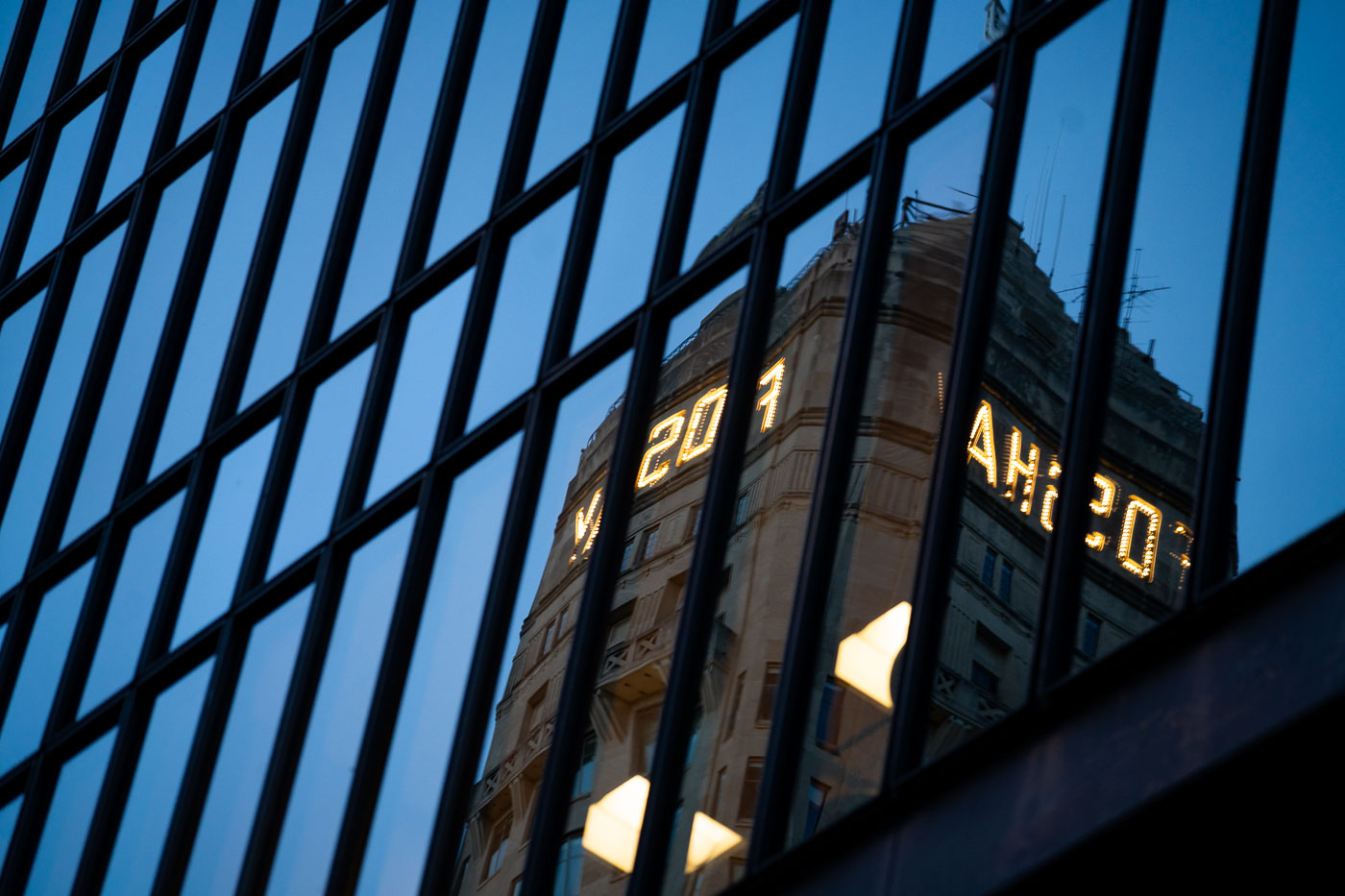
June 2017 — The now demolished Dahl Violin Shop building in downtown Minneapolis.
June 2017 — The back of a now demolished building in downtown Minneapolis.
June 2017 — Located in the Walker's sculpture garden.
June 2017 —
June 2017 — Emergency Eyewash sign found in an abandoned basement.
June 2017 — N 3rd Street in the North Loop in Minneapolis.
June 2017 — Prince's Paisley Park in Chanhassen, Minnesota.
May 2017 — Westminster Junction in St. Paul, Minnesota
May 2017 — Freight trains rolling through St. Paul, MN.
May 2017 — Built in the late 19th century, this rail tunnel sits near Bridal Veil Creek between Minneapolis and St. Paul and was constructed to accommodate expanding freight and passenger service for the Great Northern and Northern Pacific rail systems. Its heavy stone block walls and reinforced concrete beams reflect early railroad engineering adapted to the region’s steep ravines and waterways. The tunnel once served as a vital connector between Minneapolis rail yards and the Midway district, supporting grain, timber, and industrial shipments. Though still active today, it carries far lighter traffic and has become known for its weathered masonry, natural overgrowth, and layers of graffiti, showing where urban infrastructure meets forgotten industrial corridors.
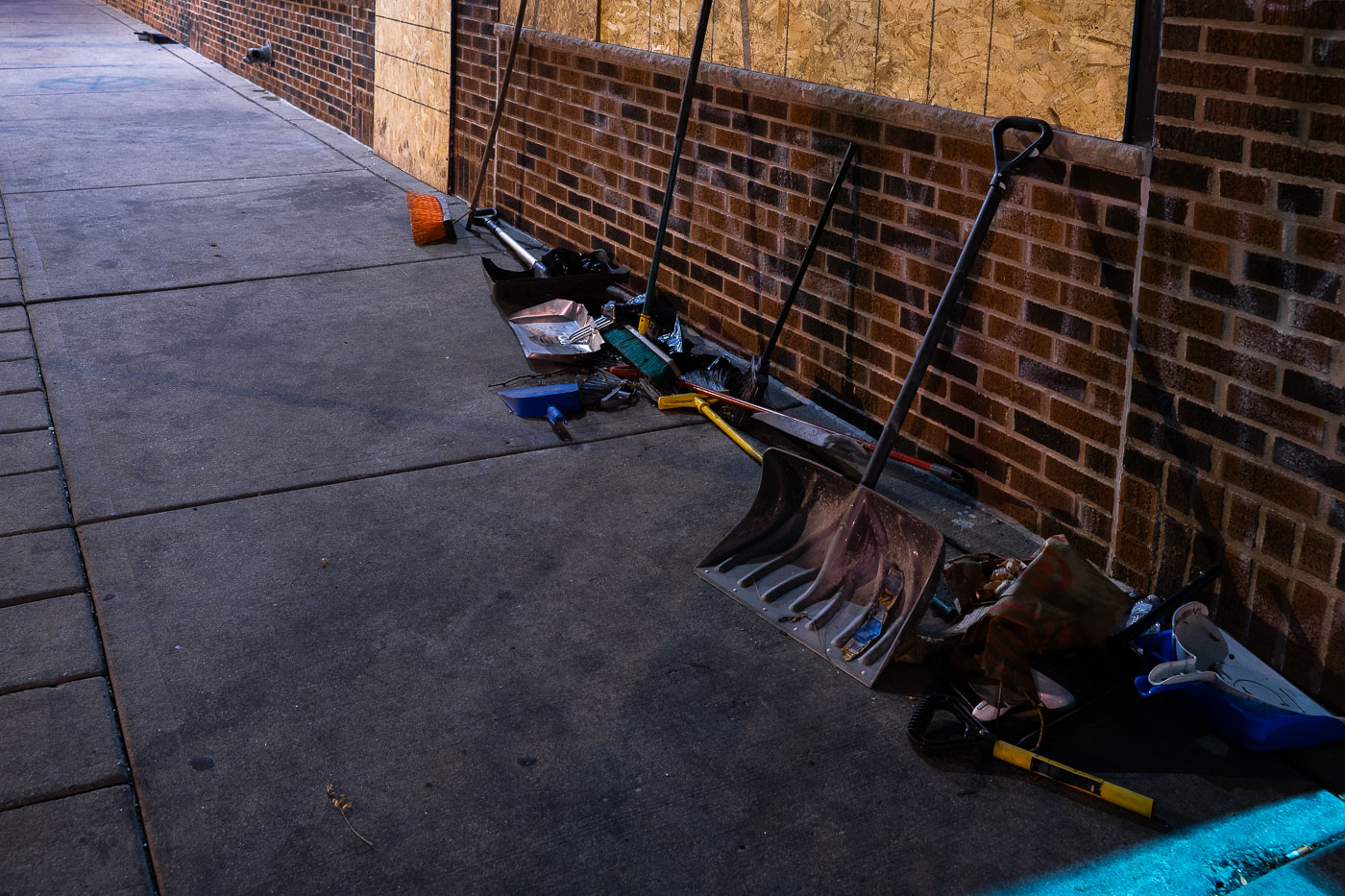
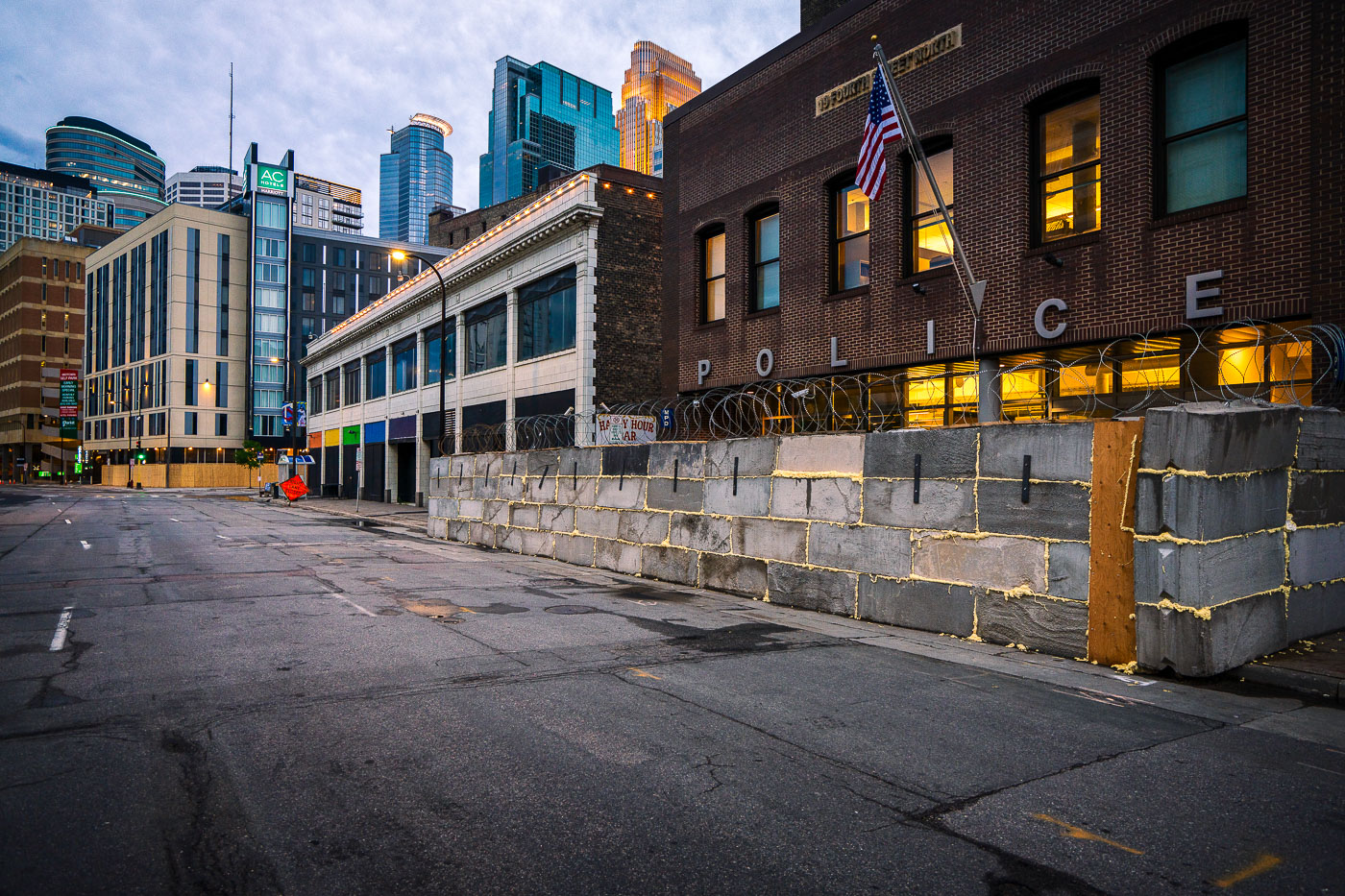
May 2017 — Once part of the historic rail convergence near Westminster Junction in St. Paul, this corridor reflects the city’s long-standing role as a freight and passenger gateway for the Upper Midwest. The junction has served multiple carriers over the decades, supporting connections to Chicago, Minneapolis, and broader national rail networks. The single-track line in the foreground sits alongside a broader multi-track right-of-way, characteristic of the region’s use for heavy rail traffic, including grain, intermodal, and freight hauling. Dense summer vegetation lines the route, showing how rail corridors often double as preserved green space, even amid active infrastructure. The distant bridge marks the approach toward downtown St. Paul, where several major rail yards historically managed traffic between river, road, and rail transport.
May 2017 — Minikahda Club golf course in Minneapolis, Minnesota.
May 2017 — A tower crane outside a church where a large addition is being added on Nicollet Mall in Downtown Minneapolis.
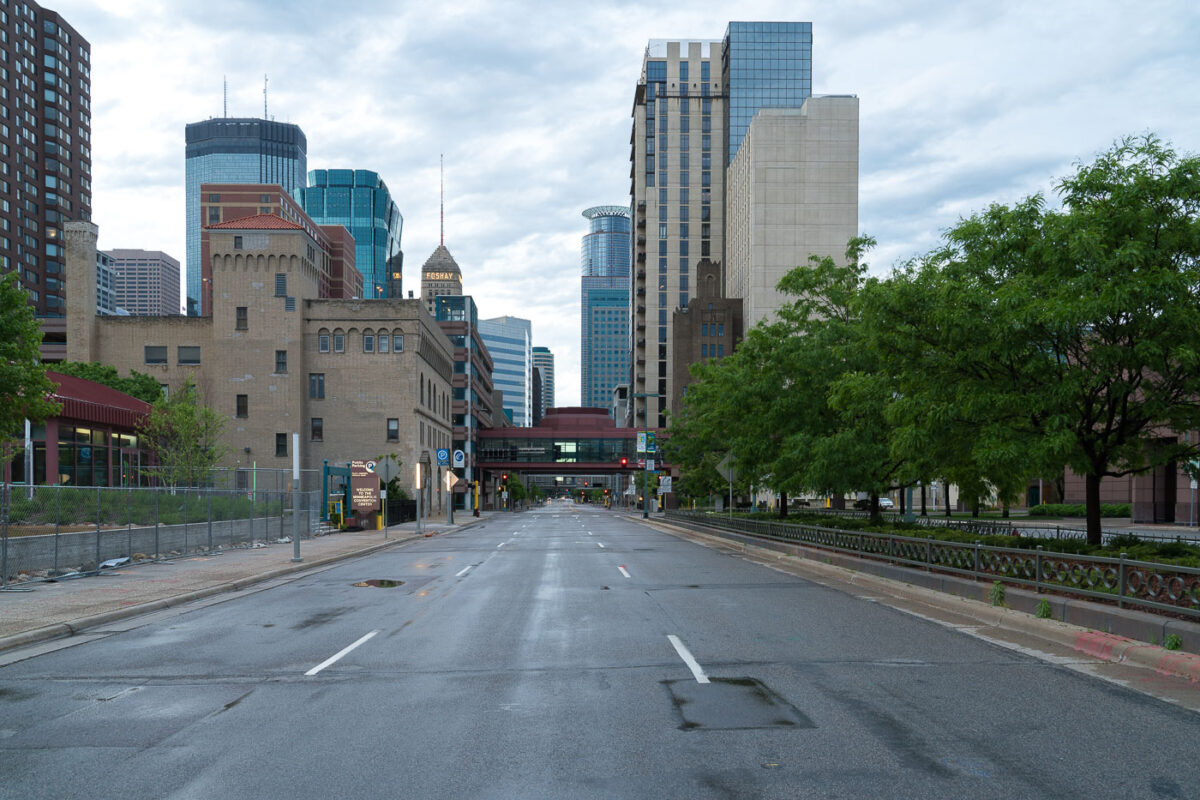
May 2017 — Minneapolis Convention Center in Downtown Minneapolis.
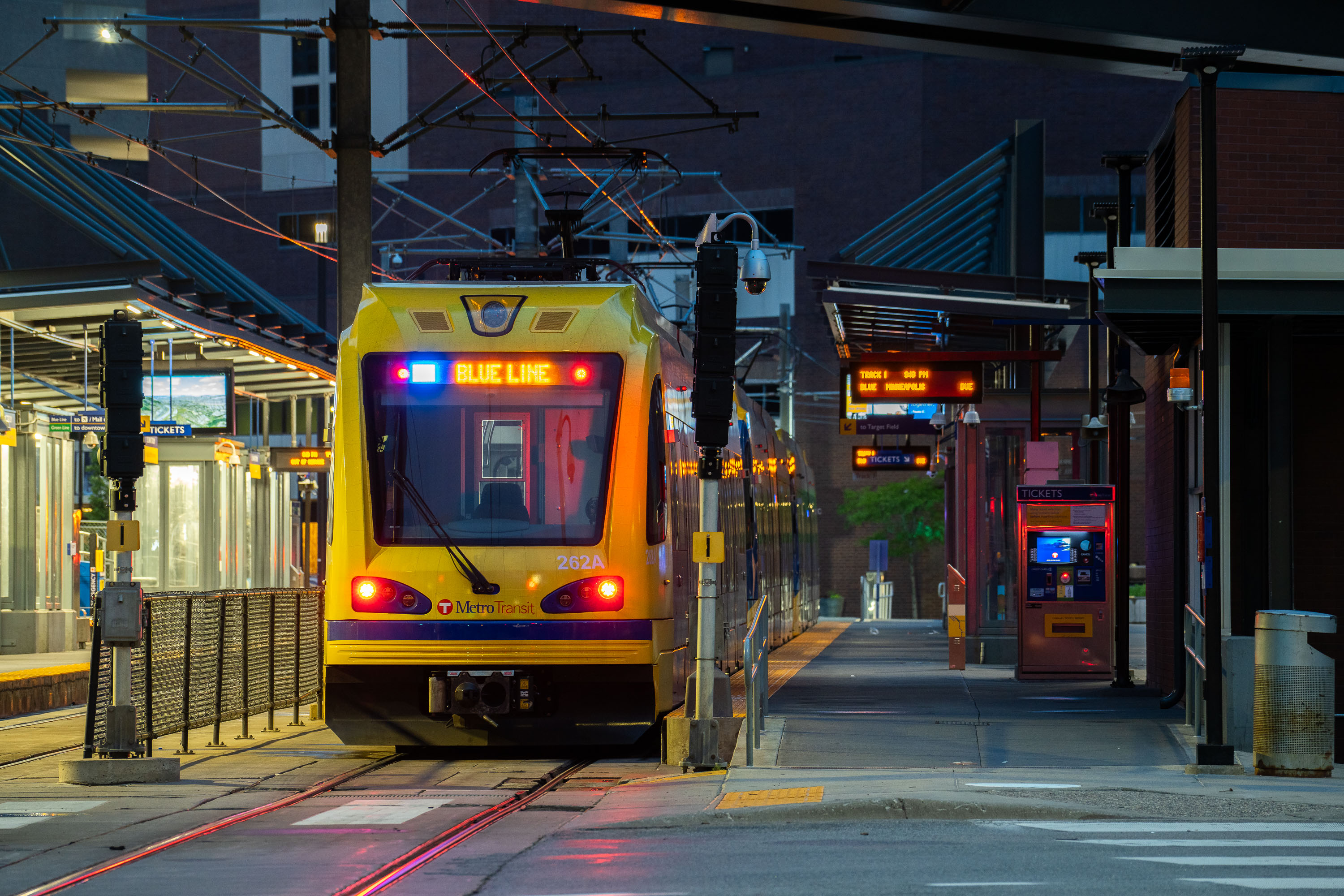
May 2017 — Nicollet Mall under construction in downtown Minneapolis. 2017
May 2017 — The middle of the multi-year construction on Nicollet Mall.
May 2017 —
May 2017 — Downtown Minneapolis Skyline from the North
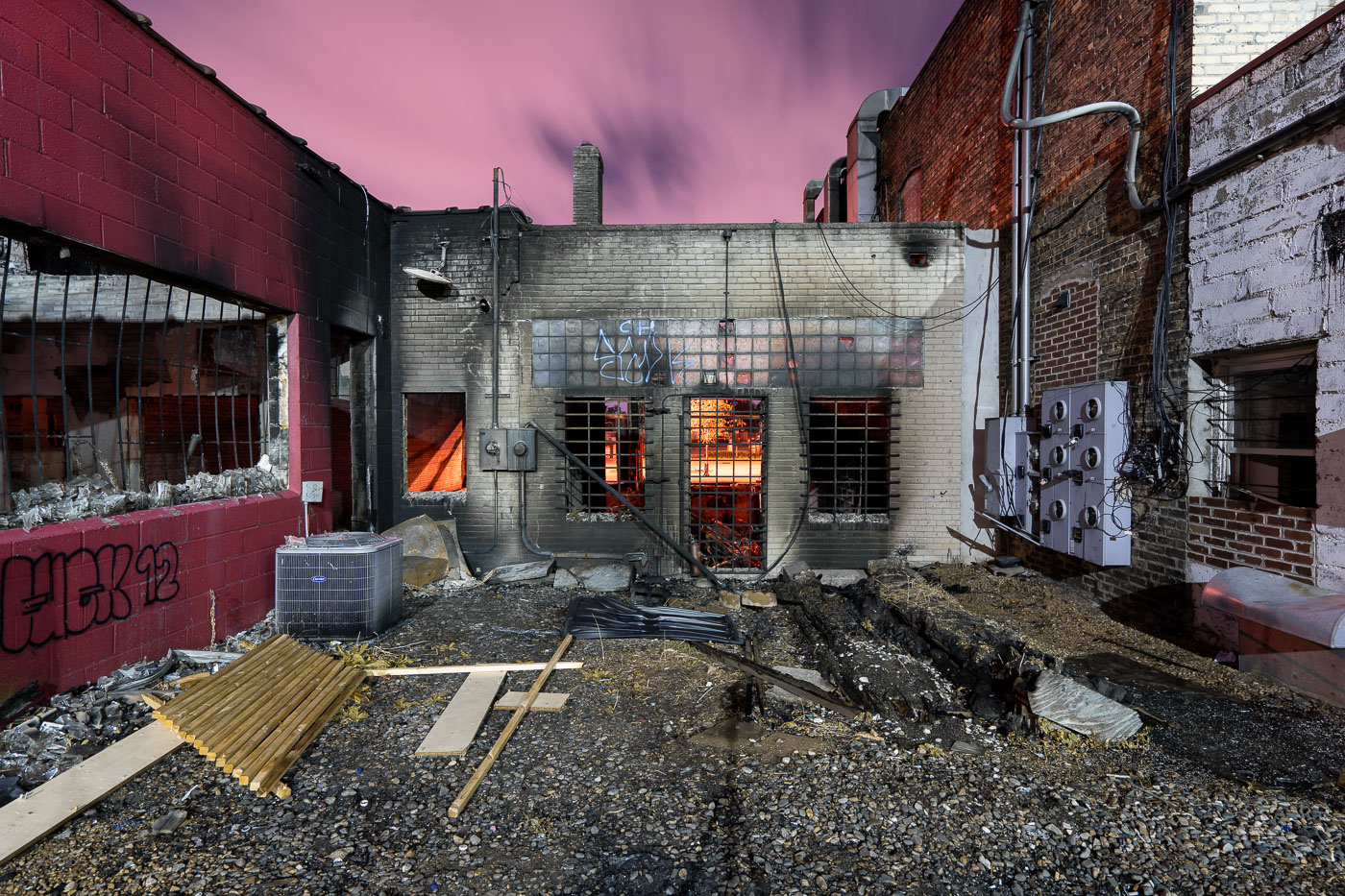
May 2017 — International Market Square, Minneapolis
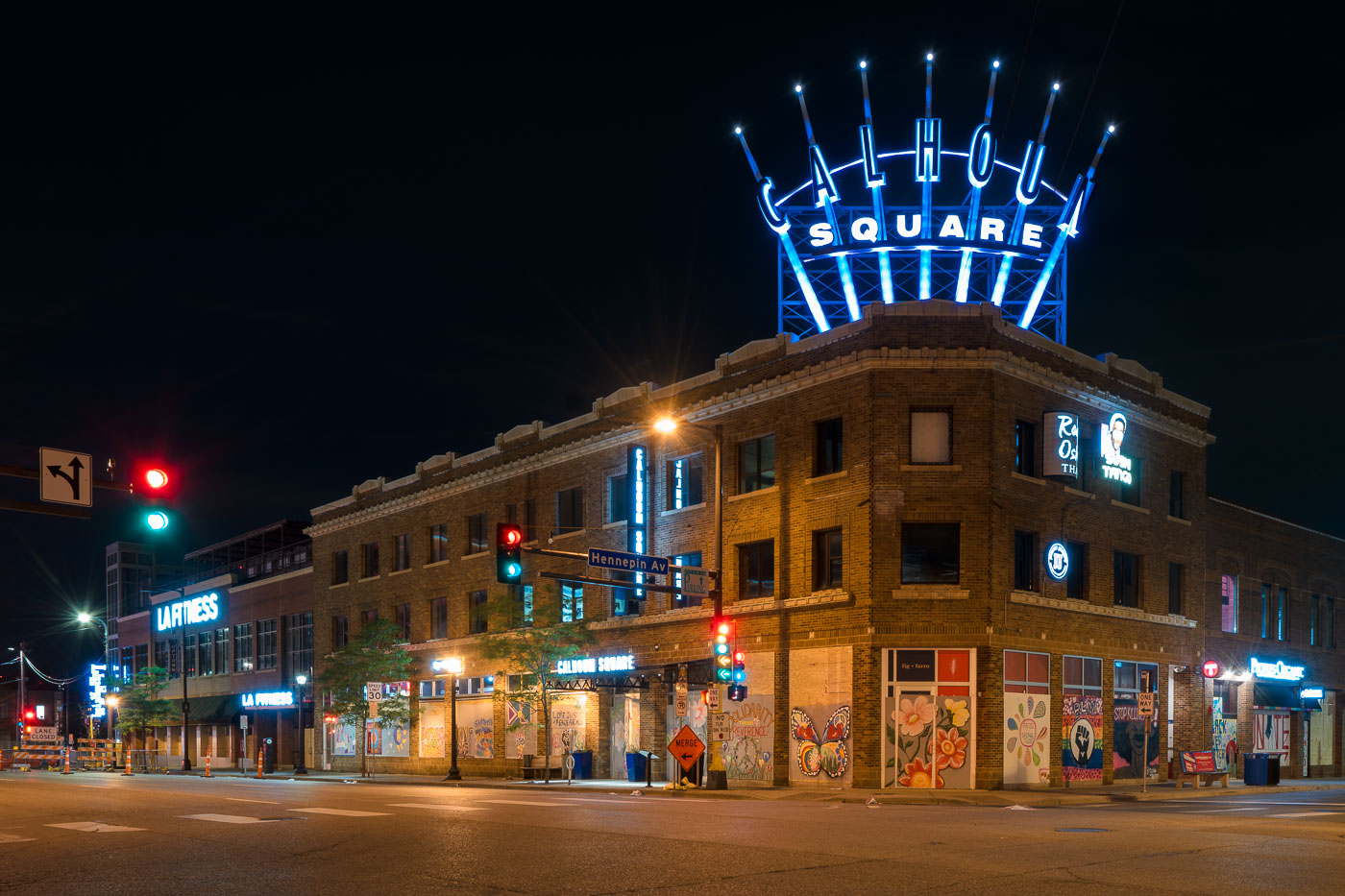
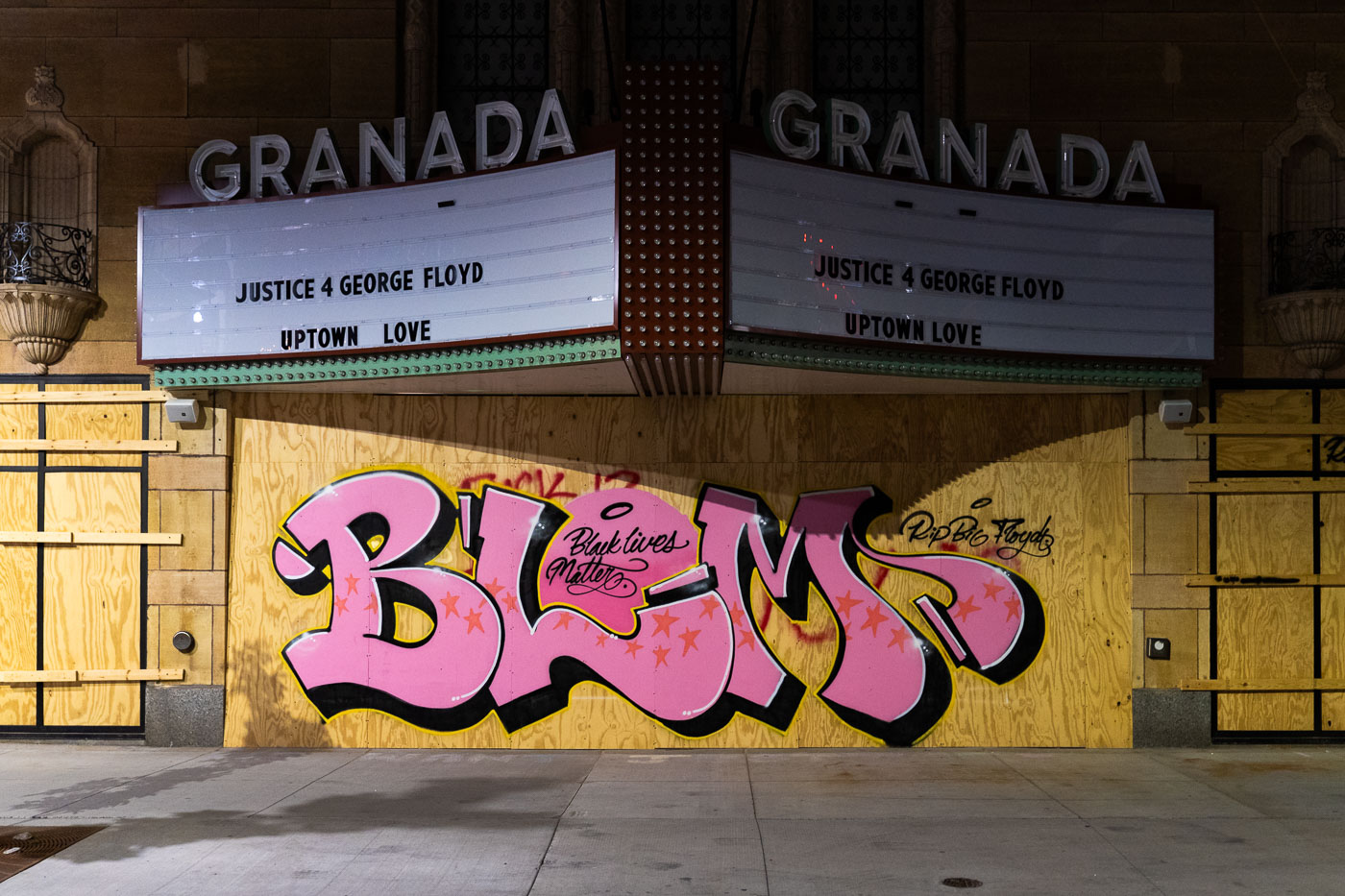
May 2017 — Warren E. Burger Federal Building United States Courthouse in downtown St Paul.
May 2017 — A Northwestern National Bank ghost sign seen in Downtown St. Paul.
May 2017 — Underneath a bridge in Saint Paul Minnesota during a rainstorm.
March 2017 — City Hall in the foreground with the Minneapolis Skyline behind it.
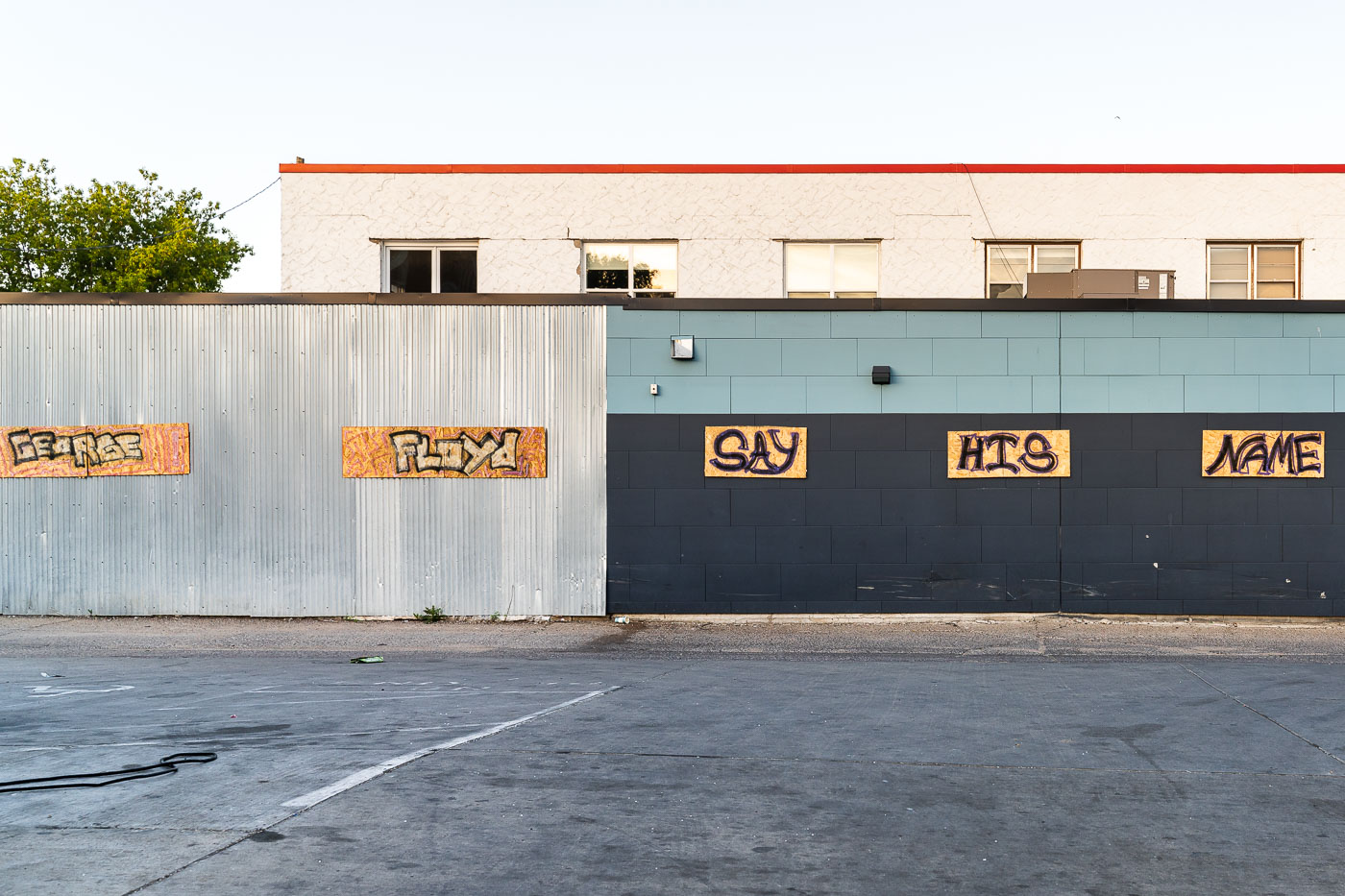
February 2017 — Hotel Ivy in Downtown Minneapolis.
November 2016 — Downtown East development in Minneapolis with US Bank Stadium on the right.
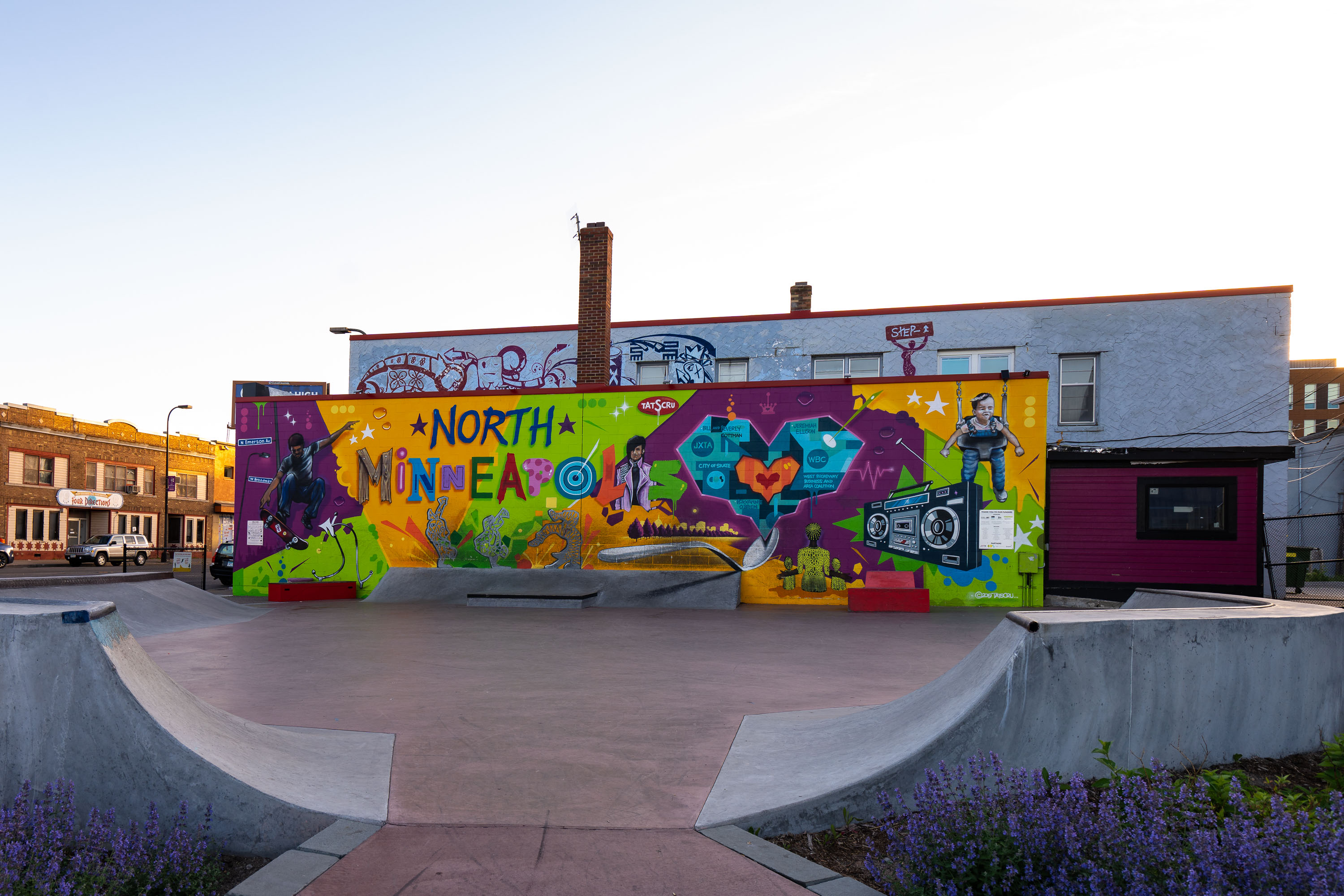
November 2016 —
October 2016 — Lowry Bridge as seen from an island on the Mississippi River in Minneapolis, Minnesota.
October 2016 — The demolition of an 8 story office building on Nicollet Mall to make way for an expansion by Westminster Presbyterian Church.
July 2016 — Bishop Henry Whipple Federal Building in St. Paul. The building is home to the Immigration Court.
June 2016 —
June 2016 — Wells Fargo towers as part of the Downtown East development in Minneapolis. The area was developed around the new US Bank Stadium.
May 2016 — Blue Lake Wastewater Treatment Plant in Savage, Minnesota.
May 2016 — A sign reading "No Trespassing, US Government Property" in St. Paul, Minnesota.
May 2016 — Sunset over the water in Owatonna Minnesota in May 2016.
May 2016 — The Owatonna Power Plant in Owatonna, Minnesota
April 2016 — 7 Years ago today Prince died and the international media descended upon Paisley Park. Today MN lawmakers will discuss a bill that would rename Highway 5 from Mitchell Road in Eden Prairie to Hazeltine Blvd in Chanhassen to Prince Rogers Nelson Memorial Highway. (April 22, 2016)
April 2016 — Crowds gather outside of First Avenue in downtown Minneapolis on the evening of Prince's death.
April 2016 — Downtown Minneapolis as seen from Upper Harbor Terminal in North Minneapolis. Riverside Generating Station on the left.
April 2016 — Downtown East construction in Downtown Minneapolis. Construction came with all the work around the new US Bank Stadium.
April 2016 — An abandoned ADM grain elevtor seen in Dinkytown Minneapolis.
April 2016 — The former Western Containers building in the North Loop of Minneapolis while it was being renovated.
February 2016 — The Cathedral of Saint Paul during the 2017 Redbull Crashed Ice World Championship. February 2016.
February 2016 — St. Croix Crossing bridge under construction.
February 2016 — Wabasha Street Bridge in St. Paul, Minnesota.
February 2016 — Demolition of the Ramsey County Jail in St. Paul, Minnesota.
February 2016 — Repairs being done on the Franklin Avenue bridge in Minneapolis.
February 2016 — Abandoned boat off the coast in Punta Cana, Dominican Republic.
February 2016 — An abandoned gift shop in Punta Cana, Dominican Republic.
January 2016 — Marathon Petroleum Corporation in St. Paul Park, Minnesota
January 2016 — ADM Grain Elevator and Harris Machinery in the front. Harris Machinery covered in ice after a large fire gutted in the inside. Located in Prospect Park, Minneapolis.
December 2015 — The Wabasha Street Bridge in downtown St. Paul, Minnesota. The bridge is over the Mississippi River.
November 2015 —
October 2015 — A firefighting training facility in Burnsville, Minnesota.
October 2015 — The Downtown Minneapolis core.
October 2015 — Entrance to the Prairie Correctional Facility in Appleton, Minnesota. The 1,600 bed facility that's been closed since 2010 has been mentioned in plans by the federal government to be used as a ICE detention facility.
October 2015 — Security fencing around the Prairie Correctional Facility in Appleton, Minnesota. The 1,600 bed facility that's been closed since 2010 has been mentioned in plans by the federal government to be used as a ICE detention facility.
October 2015 — The Prairie Correctional Facility in Appleton, Minnesota. The 1,600 bed prison has been closed since 2010.
September 2015 — The Xcel Energy Center in Downtown St. Paul. In 2025, it was renamed Grand Casino Arena. It's the home of the Minnesota Wild.
August 2015 — 3M plant in Cottage Grove, Minnesota.
August 2015 — 3M manufacturing facility in Cottage Grove, Minnesota.
August 2015 — 3M plant in Cottage Grove, Minnesota.
August 2015 —
August 2015 — The Capella Tower in Downtown Minneapolis. The Hennepin County Government Center on the right.
August 2015 —
August 2015 — Demolition of the Star Tribune building in downtown Minneapolis. The building was razed to make room for construction of US Bank Stadium and the nearby area.
August 2015 — Polymet Mining/Glencore copper mine in Hoyt Lakes Minnesota.
July 2015 —
July 2015 —
July 2015 — Solar panels on a rooftop in downtown Minneapolis.
July 2015 — Construction of the Wells Fargo towers in Downtown East in Minneapolis, July 2015.
July 2015 —
July 2015 — Chicago Architecture and Lake Michigan
July 2015 — U.S. Bank Stadium, home of the Minnesota Vikings, began construction in December 2013 on the site of the former Hubert H. Humphrey Metrodome in downtown Minneapolis. The stadium’s steel skeleton, seen here during its mid-construction phase, showcases the dramatic angular geometry that defines its final form — a nod to both Nordic shipbuilding and Minnesota’s icy winter landscapes. The project, designed by HKS Architects and constructed by Mortenson, features over 19,000 tons of structural steel and spans 1.75 million square feet. Its transparent ETFE roof panels and vast steel trusses were among the most complex structural assemblies ever attempted in a U.S. stadium build. Completed in 2016, the $1.1 billion stadium remains one of the most technically ambitious indoor venues in North America, notable for its fixed-roof design, massive glass curtain walls, and precision-engineered support cranes like the red lattice boom seen here — used to hoist the roof trusses into place during overnight construction sessions.
July 2015 — Valleyfair amusement park in Shakopee, Minnesota. The amusement park owned by Cedar Fair opened in 1976.
July 2015 — An abandoned schoolhouse in Crystal Springs, North Dakota.
July 2015 — Fergus Falls Regional Treatment Center in Fergus Falls, Minnesota.
July 2015 — The Fergus Falls Regional Treatment Center in Fergus Falls, Minnesota.
July 2015 — Charbonneau, North Dakota Ghost Town
June 2015 — The now demolished West Publishing building in downtown St. Paul as seen in 2015.
June 2015 — District Energy in St. Paul Minnesota near the Mississippi River.
June 2015 — St. Louis River at Jay Cooke State Park in June 2015.
June 2015 — Suspension bridge in Jay Cooke State Park over the St. Louis River.
June 2015 — Minneapolis City Hall in downtown Minneapolis.
June 2015 — Optum corporate headquarters located in Eden Prairie, Minnesota.
June 2015 — Downtown Saint Paul as seen from across the Mississippi River.
May 2015 — The Temple of Eck is the center of the Eckankar faith in the United States. It was built at a cost of $8.2 million. The building was completed in Chanhassen, Minnesota in 1990. It is located near Lake Ann on about 174 acres (70 ha) of land which the church bought in 1985.
May 2015 — The Ardent Mills facility in Hastings, MN was the first operating mill in Minnesota. Per the company, the purifier, patent barrel and graham flour were invented here.