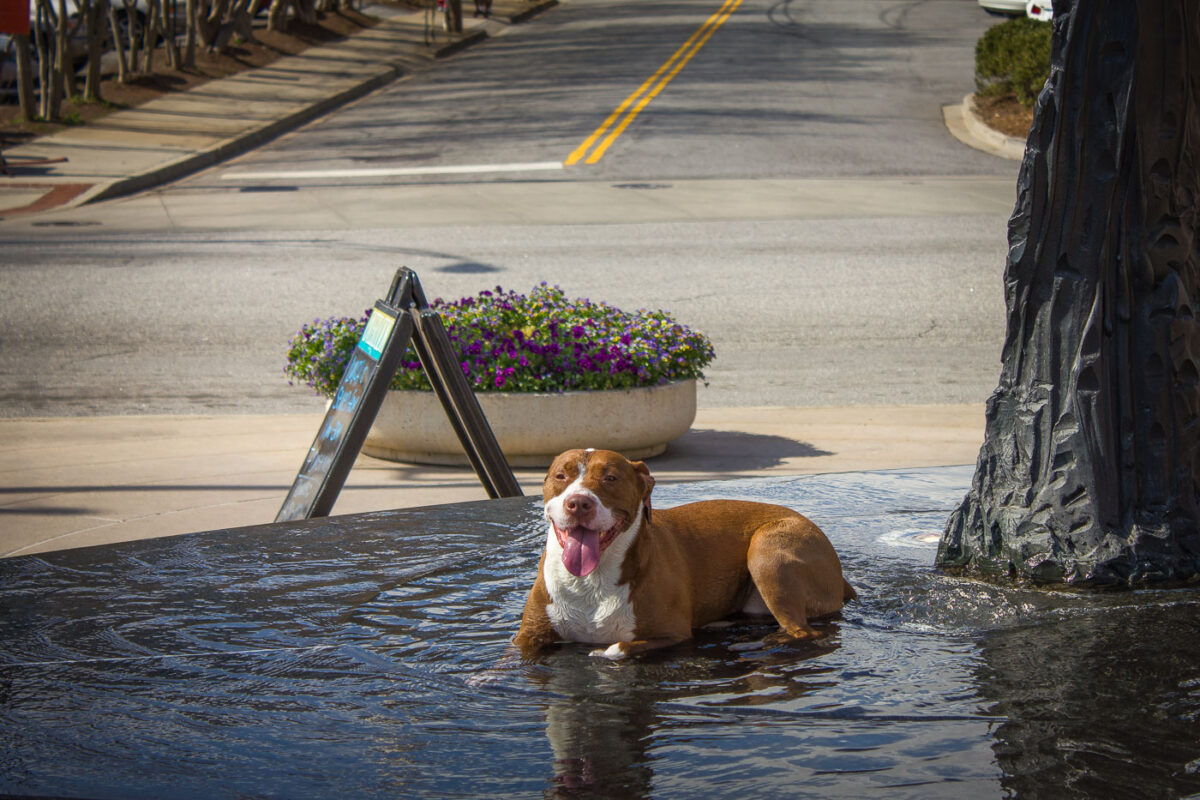
Dog cools off in Greensboro water fountain
March 2012 — Dog playing in water fountain on a hot summer Norh Carolina day.
Explore photos tagged Greensboro.
March 2012 — Dog playing in water fountain on a hot summer Norh Carolina day.
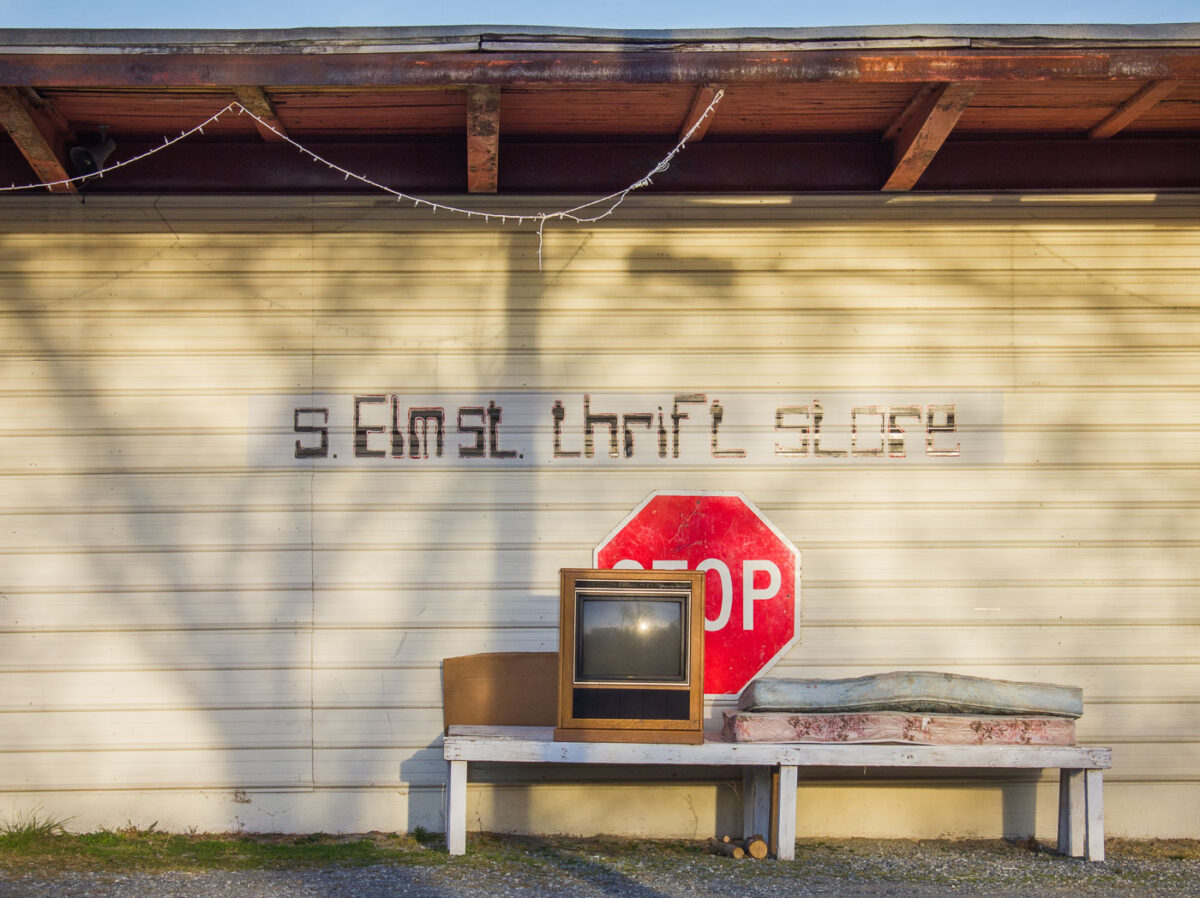
March 2012 — S. Elm St. Thrift Store in Greensboro, NC.
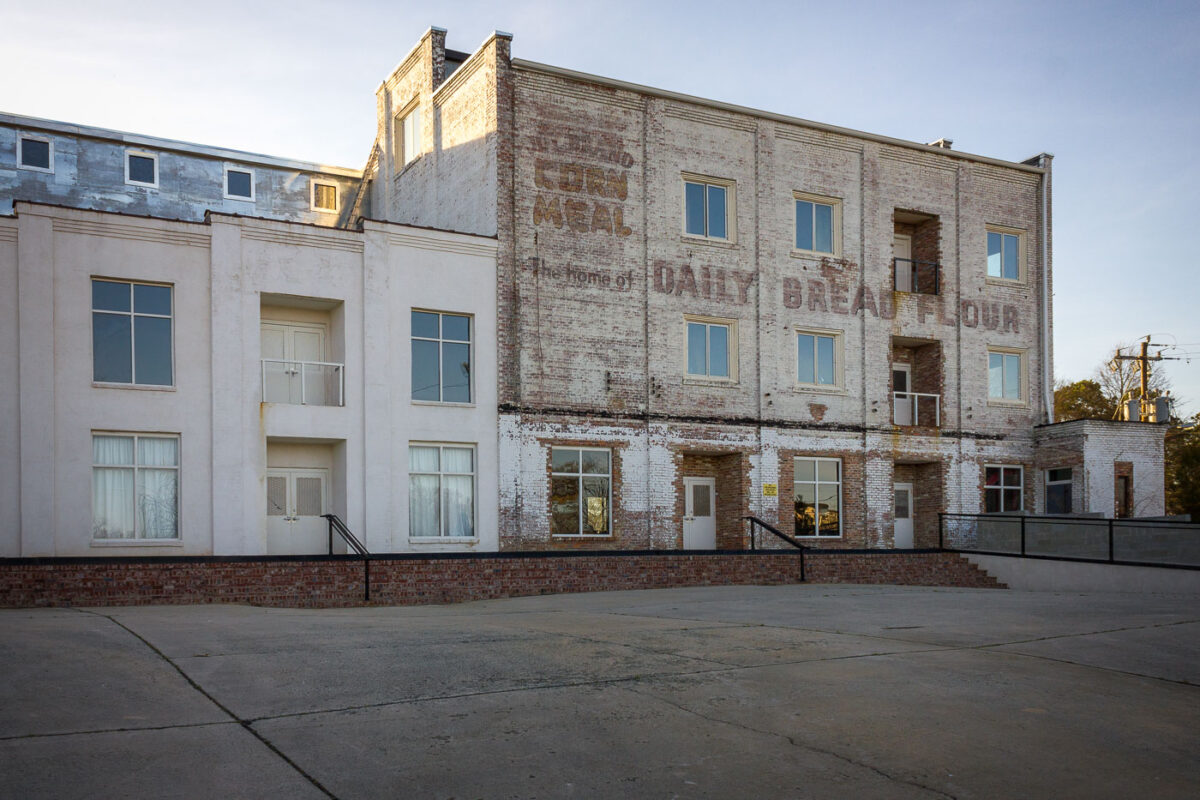
March 2012 — Once part of Greensboro’s early 20th-century industrial corridor, this former mill still bears its original painted advertisement: “Joy Brand Corn Meal — The Home of Daily Bread Flour.” Such ghost signs are remnants of the city’s manufacturing era, when flour and meal production supported both local farms and the regional textile economy. The building’s worn brick façade and hand-painted lettering are characteristic of prewar mill construction, when utilitarian design met regional craftsmanship. In later decades, many of these structures were converted into lofts and studios, preserving the industrial heritage of the Carolina Piedmont while adapting to modern urban use.
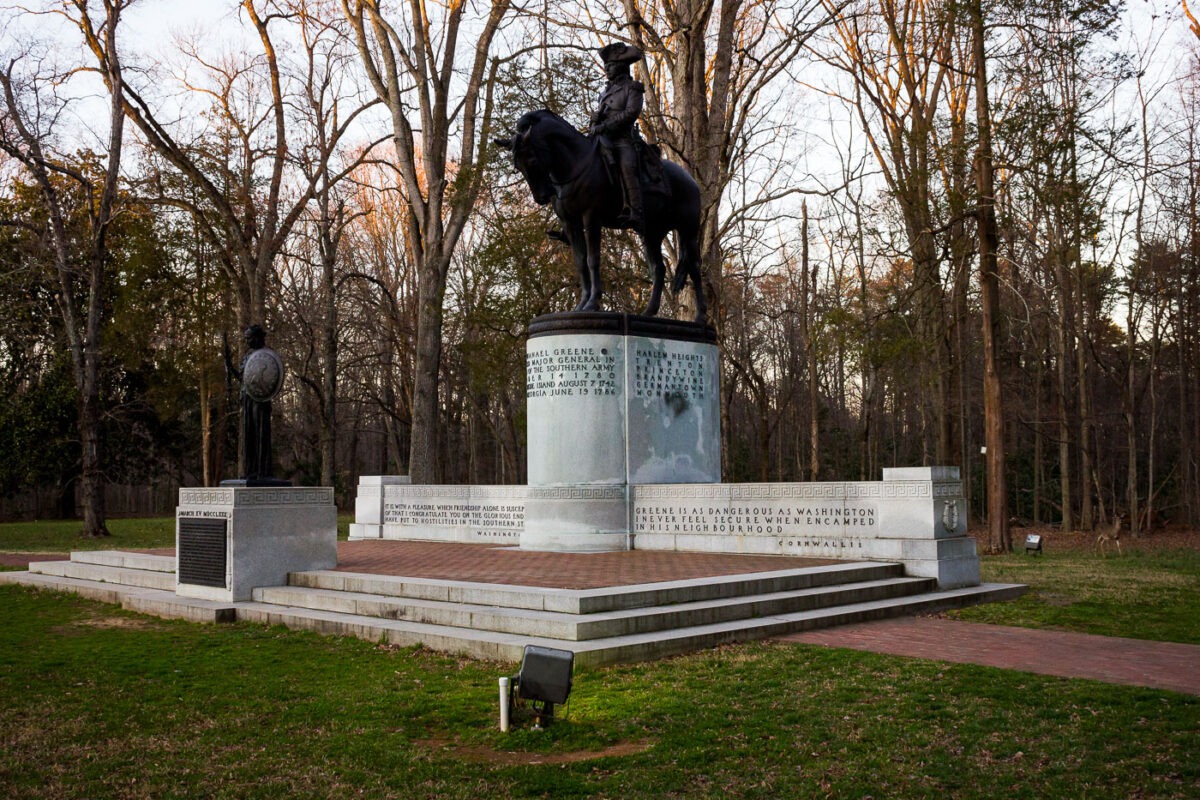
March 2012 — Nathanael Greene Statue in Greensboro, North Carolina.
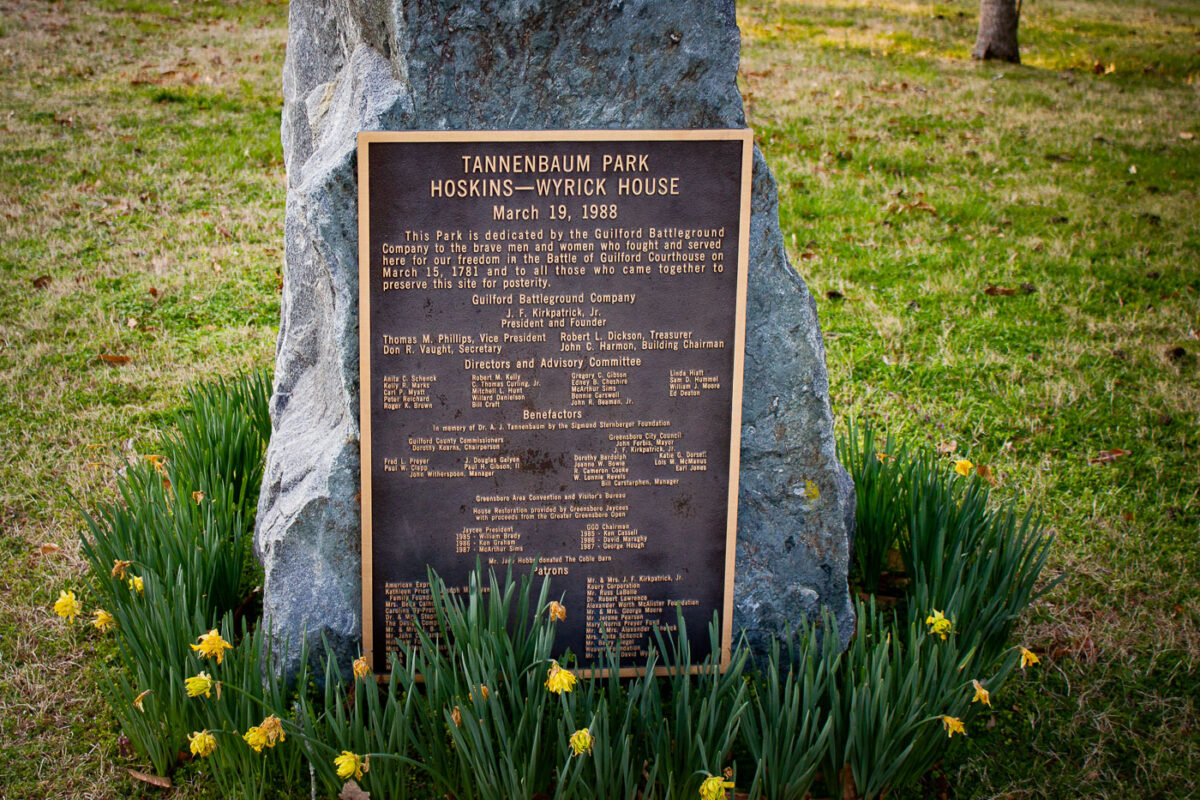
March 2012 — Tannenbaum park, Hoskins-Wyrick House in Greensboro.
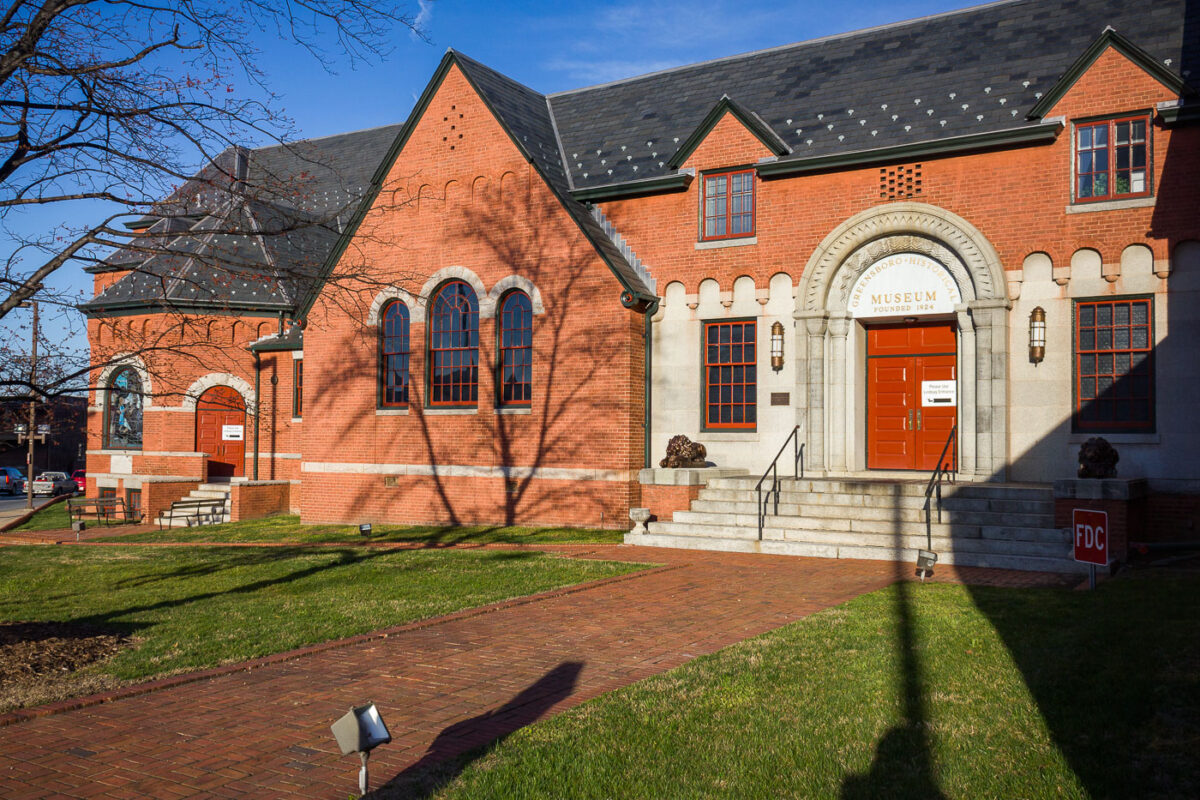
March 2012 — The Greensboro History Museum, consisting of the former First Presbyterian Church of Greensboro and Smith Memorial Building, is a historic museum building located at 130 Summit Ave.
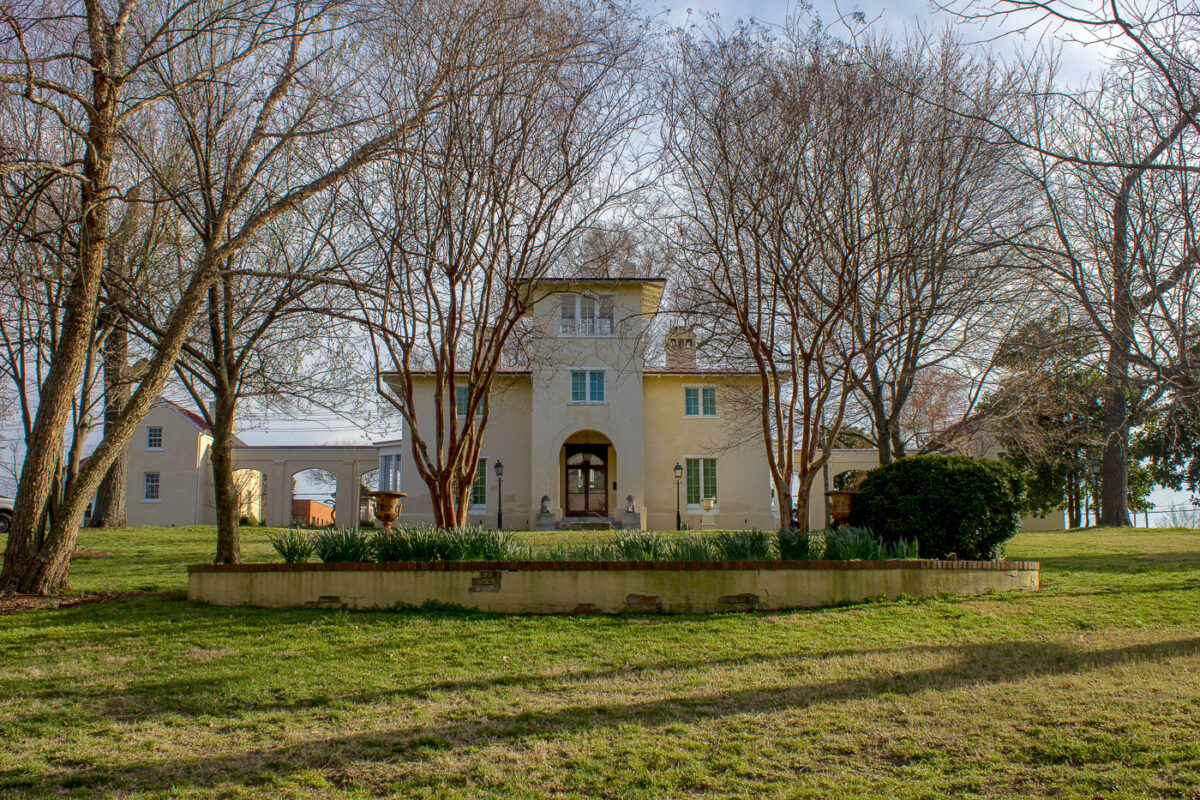
March 2012 — Blandwood Mansion is a historic house museum at 447 West Washington Street in Greensboro, North Carolina. Originally built as a four-room Federal style farmhouse in 1795, it was home to two-term North Carolina governor John Motley Morehead (1841-1844) under whose ownership it was transformed into its present appearance. It is believed to be the oldest extant example of the Italian Villa Style of architecture in the United States, and was designated a National Historic Landmark in 1988.[1][2] In creating the design for Blandwood, architect Alexander Jackson Davis produced a popular prototype for American house designs in the Italianate style: a central tower projecting from the main facade.[2] Saved from demolition in 1964 by preservation-minded Greensboro citizens, the house was opened as a museum in 1976 and remains open to the public today.