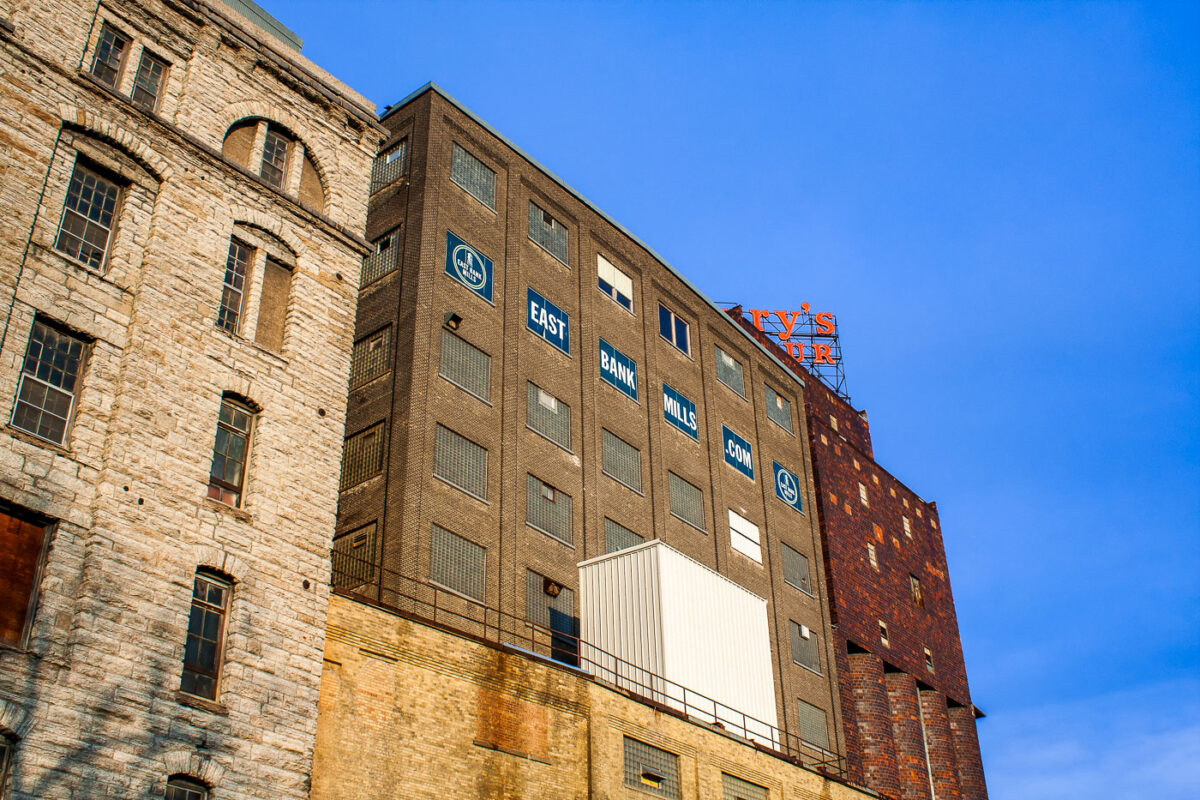
East Bank Mills, Minneapolis
February 2009 — Pillsbury A Mill in Minneapolis. At one time, the worlds largest flour mill.
Explore photos tagged Mill.
February 2009 — Pillsbury A Mill in Minneapolis. At one time, the worlds largest flour mill.
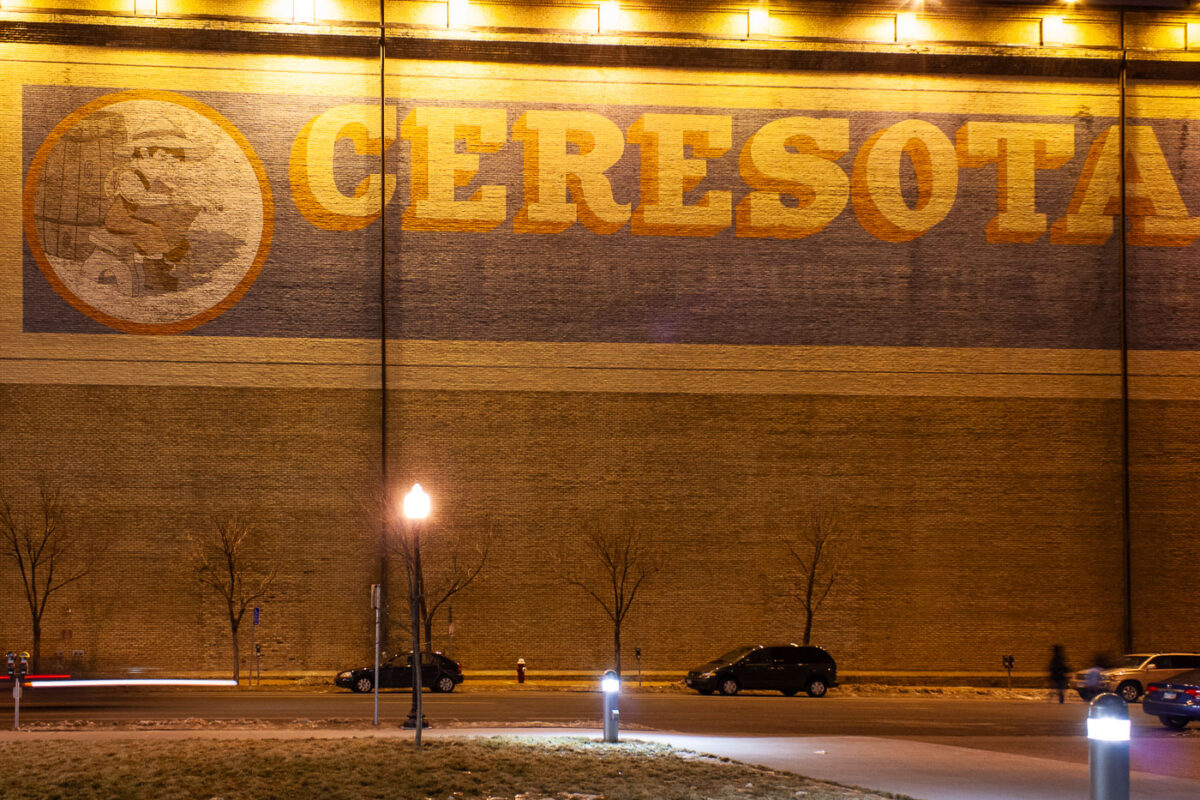
February 2009 — Ceresota Building, Minneapolis
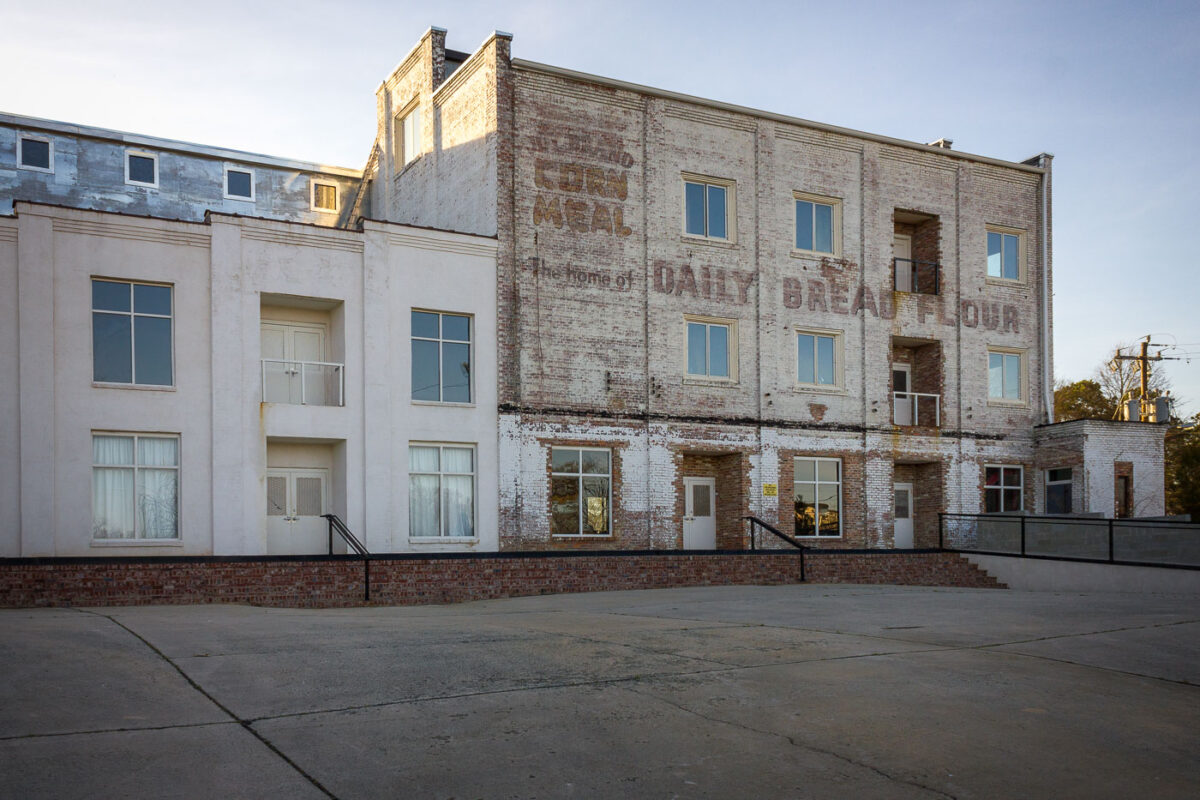
March 2012 — Once part of Greensboro’s early 20th-century industrial corridor, this former mill still bears its original painted advertisement: “Joy Brand Corn Meal — The Home of Daily Bread Flour.” Such ghost signs are remnants of the city’s manufacturing era, when flour and meal production supported both local farms and the regional textile economy. The building’s worn brick façade and hand-painted lettering are characteristic of prewar mill construction, when utilitarian design met regional craftsmanship. In later decades, many of these structures were converted into lofts and studios, preserving the industrial heritage of the Carolina Piedmont while adapting to modern urban use.
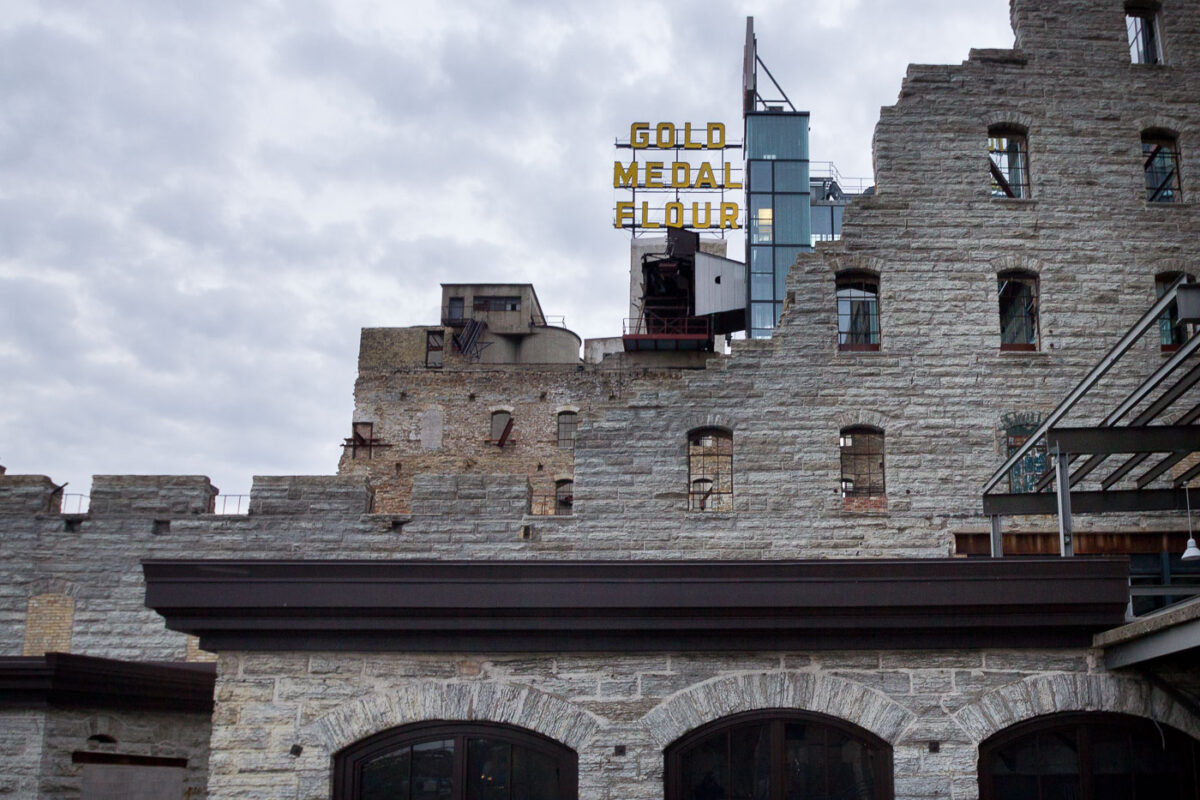
May 2014 — The old Washburn Mill in downtown Minneapolis, part of the Mill City Museum.
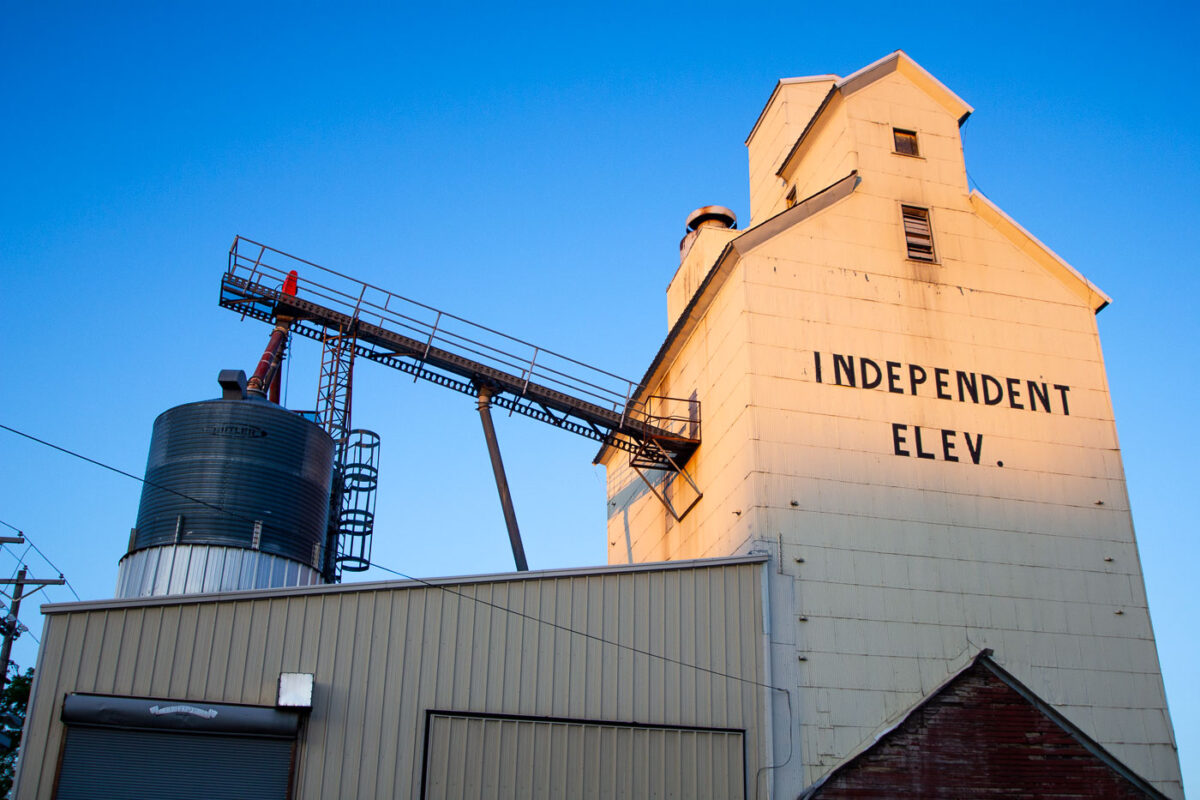
July 2014 — Independent Elevator in Glencoe, Minnesota.
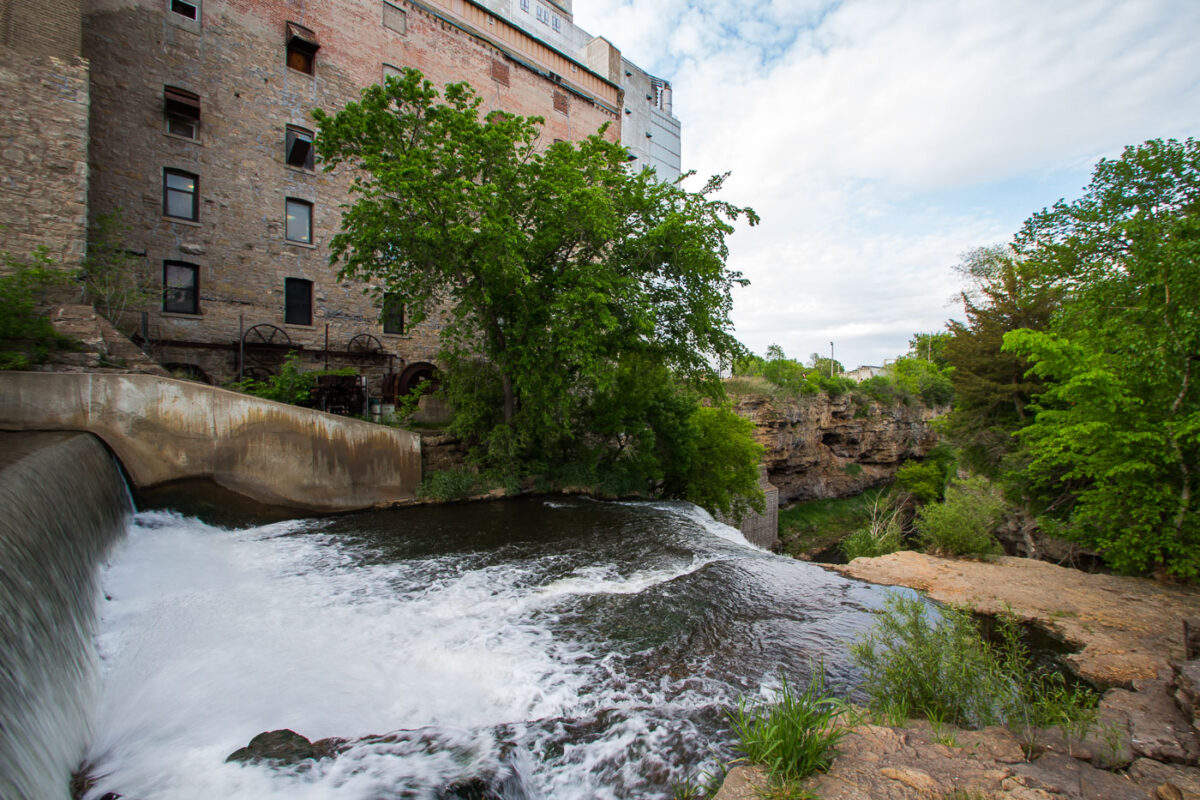
May 2015 — The Ardent Mills facility in Hastings, MN was the first operating mill in Minnesota. Per the company, the purifier, patent barrel and graham flour were invented here.
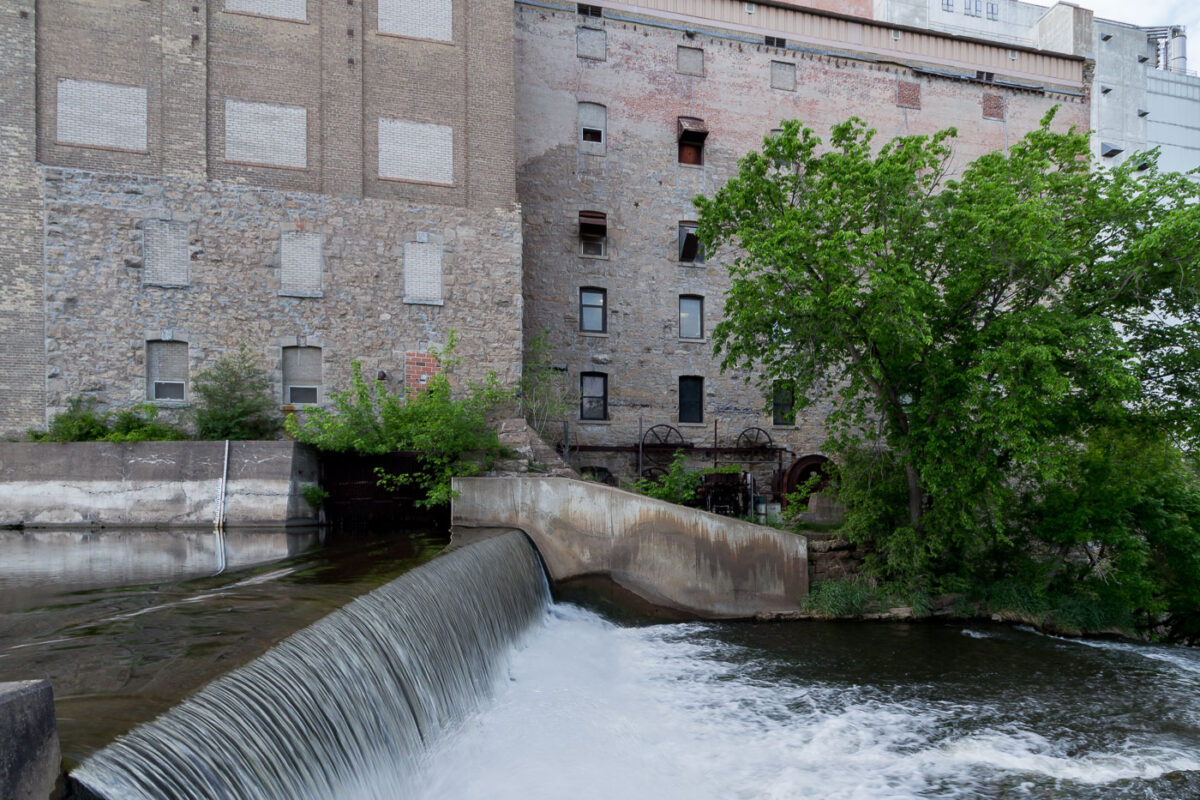
May 2015 — The Ardent Mills facility in Hastings, MN was the first operating mill in Minnesota. Per the company, the purifier, patent barrel and graham flour were invented here.
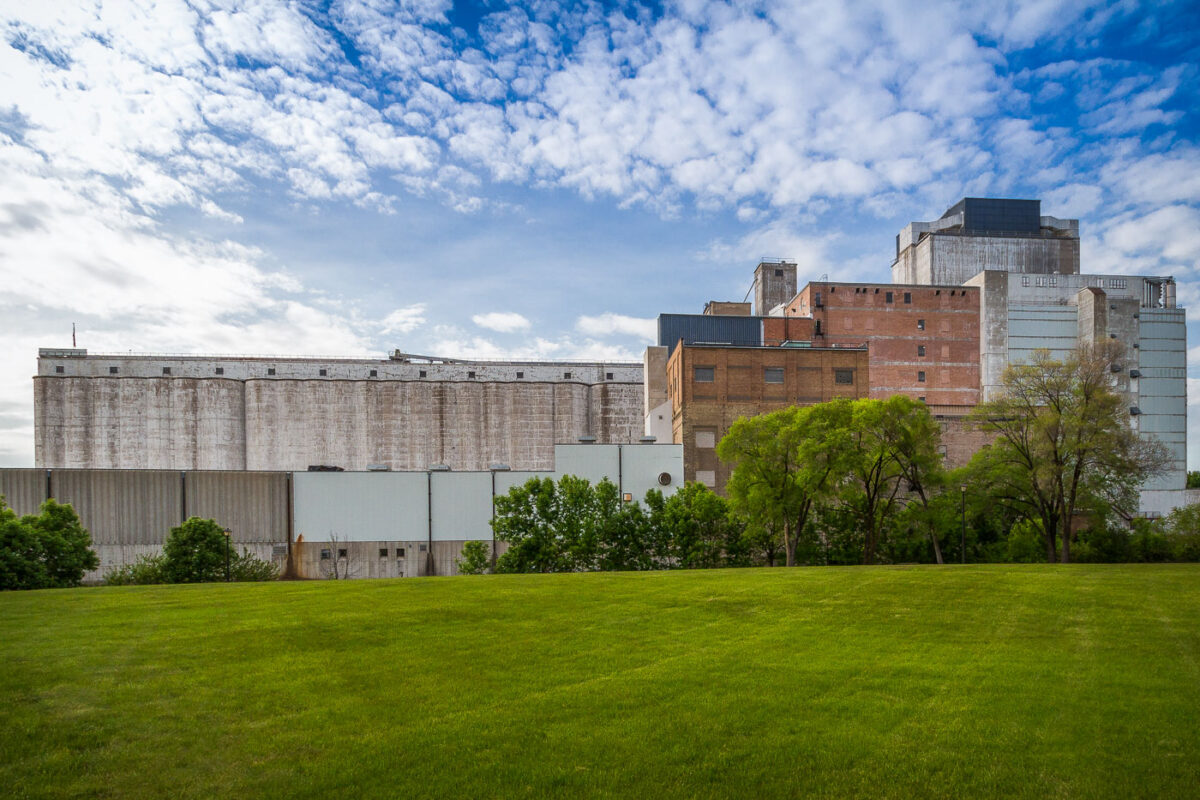
May 2015 — The Ardent Mills facility in Hastings, MN was the first operating mill in Minnesota. Per the company, the purifier, patent barrel and graham flour were invented here.

January 2016 — ADM Grain Elevator and Harris Machinery in the front. Harris Machinery covered in ice after a large fire gutted in the inside. Located in Prospect Park, Minneapolis.
February 2017 —
February 2017 —
February 2017 —
September 2017 —
September 2017 —
September 2017 —
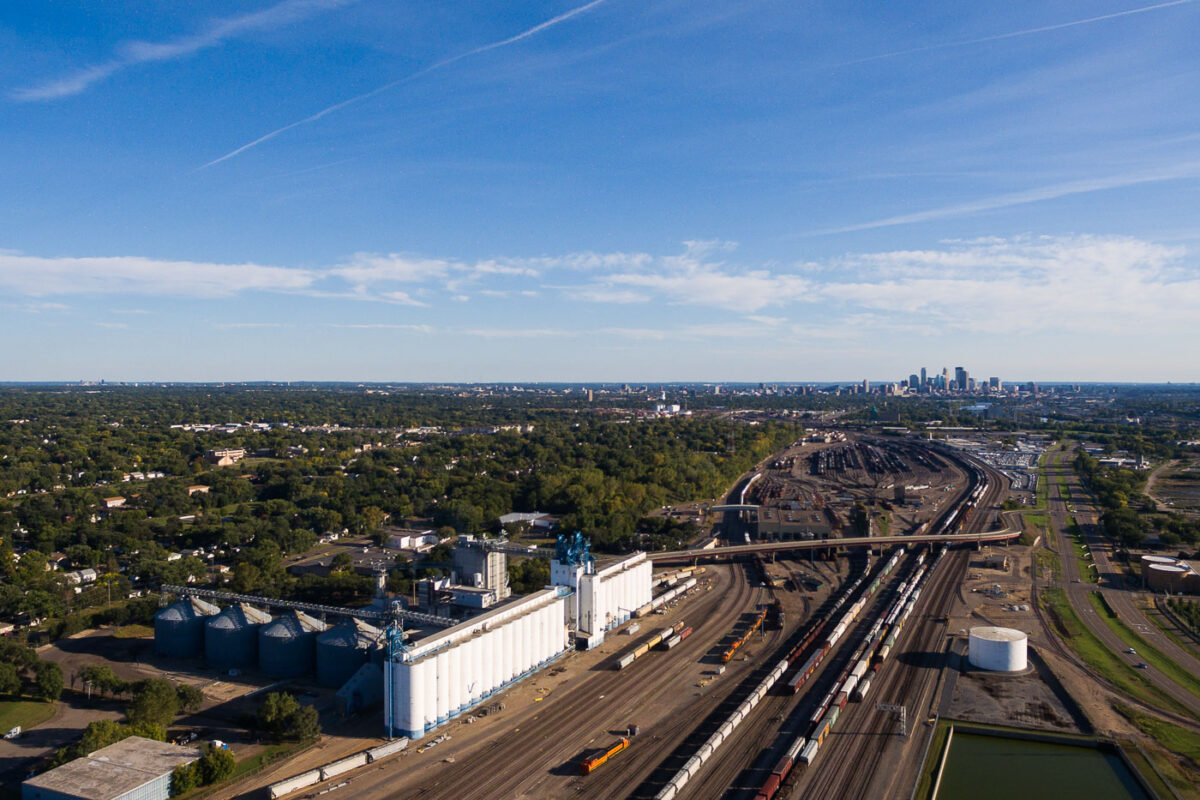
September 2017 — General Mills elevator in Minneapolis.
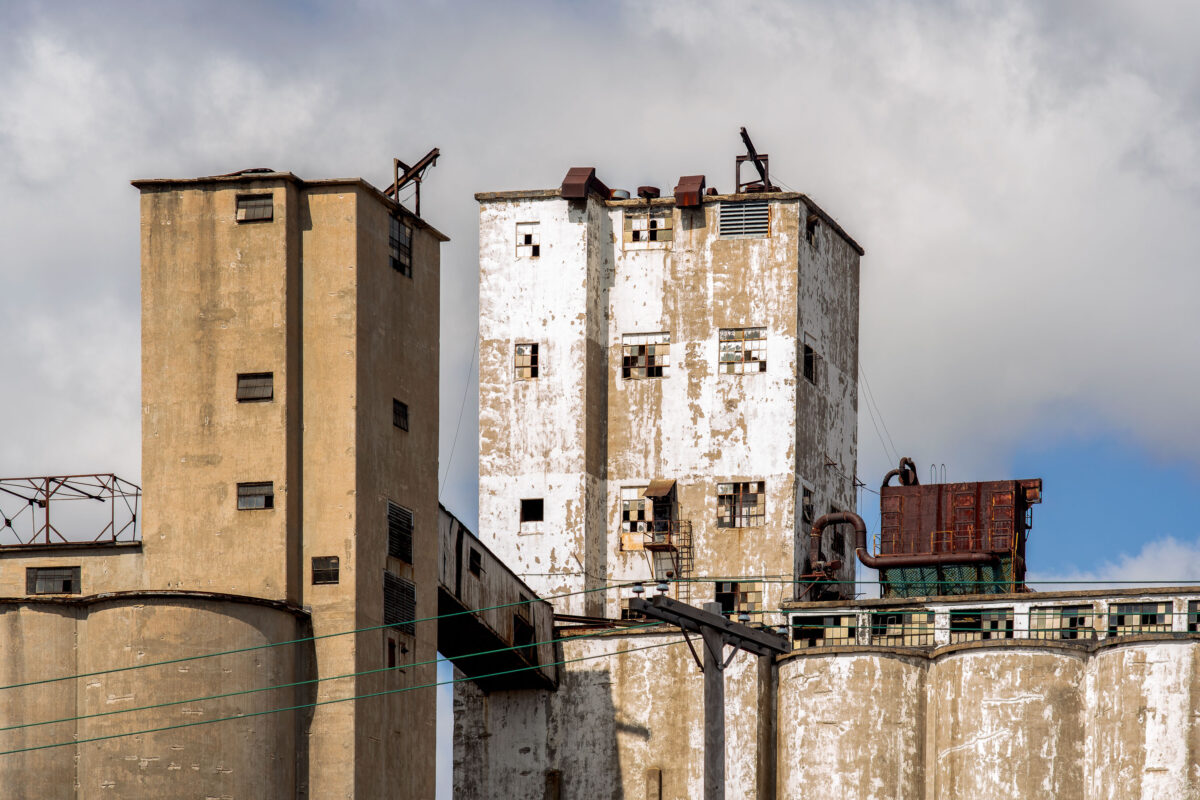
April 2019 — Weathered and monumental, these grain elevators in Kansas City, Missouri stand as relics of the city’s early 20th-century agricultural dominance. The concrete silos and headhouses—once vital for storing and shipping grain along the Missouri River—still loom over the industrial district near the rail corridors. Layers of peeling paint and rusted conveyor housings reveal decades of exposure to the Midwestern climate, while their towering form recalls the scale of regional commerce that helped define Kansas City’s role as a national freight and grain hub.
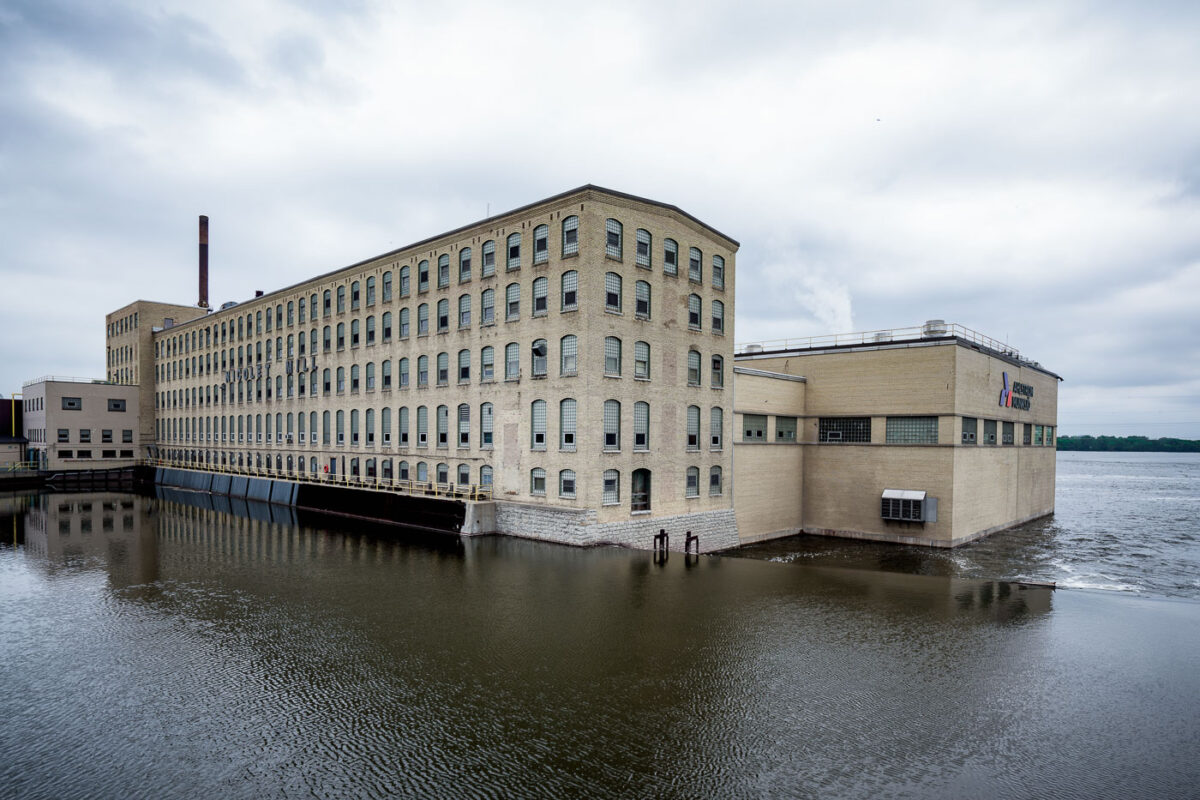
June 2019 — The Nicolet Mill complex in De Pere, Wisconsin, stands alongside the Fox River, a remnant of the region’s historic paper-making industry that once defined the economy of the Green Bay area. The long, brick mill structure—now operated by American Nippon Papers—dates back to the early 20th century, when Wisconsin’s waterways powered dozens of mills along the Fox River. Still active today, the facility reflects the enduring legacy of papermaking in the Midwest, blending vintage industrial architecture with modern manufacturing extensions visible on the river-facing side.
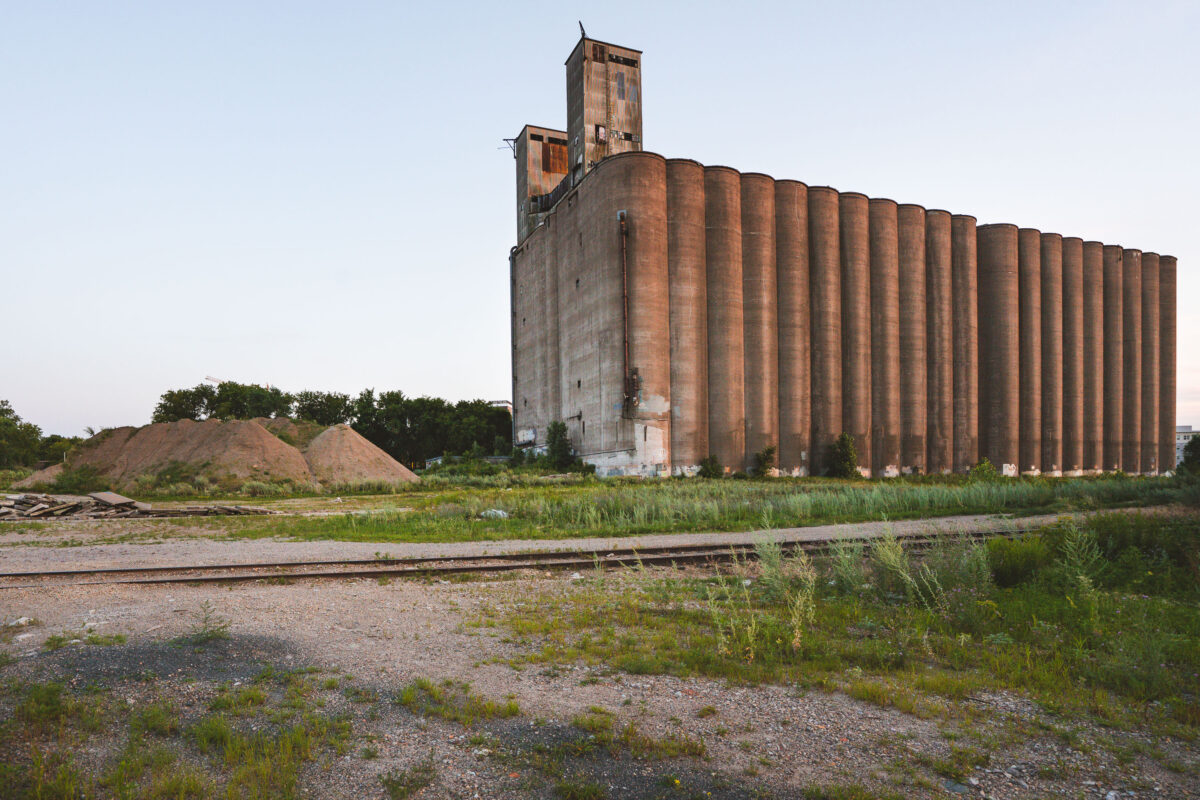
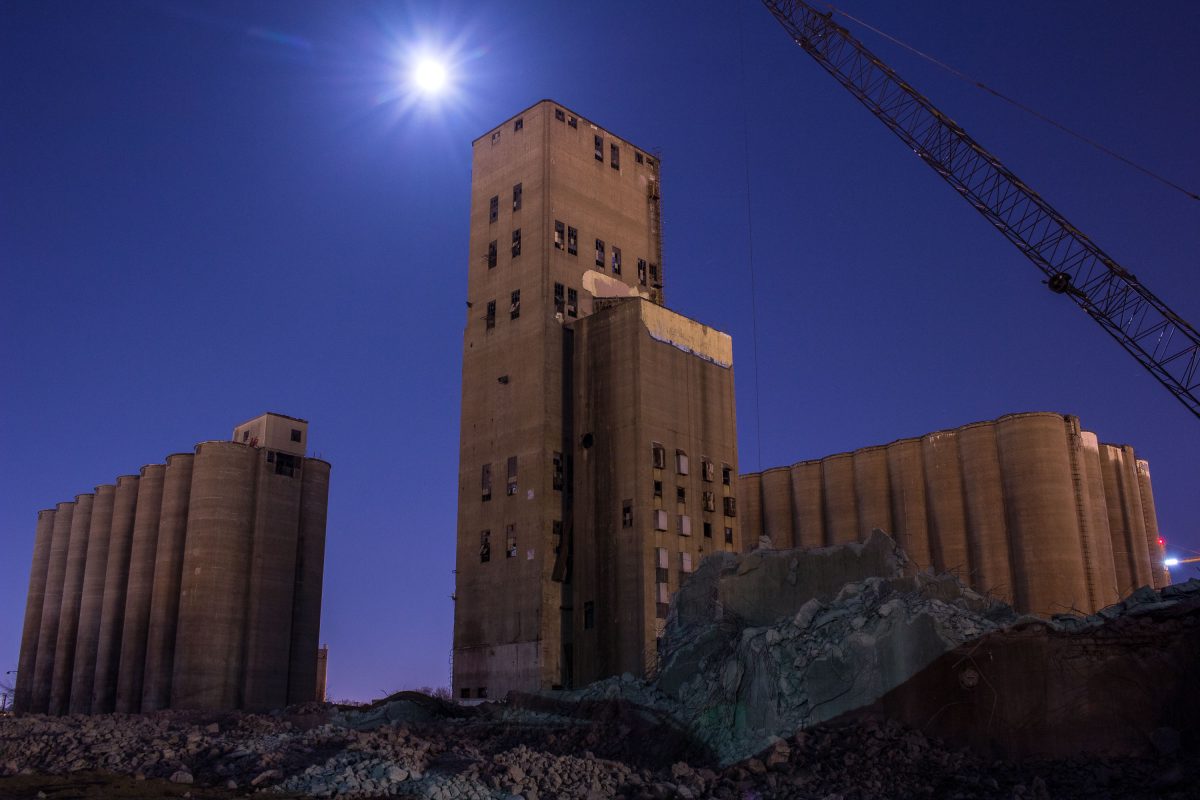
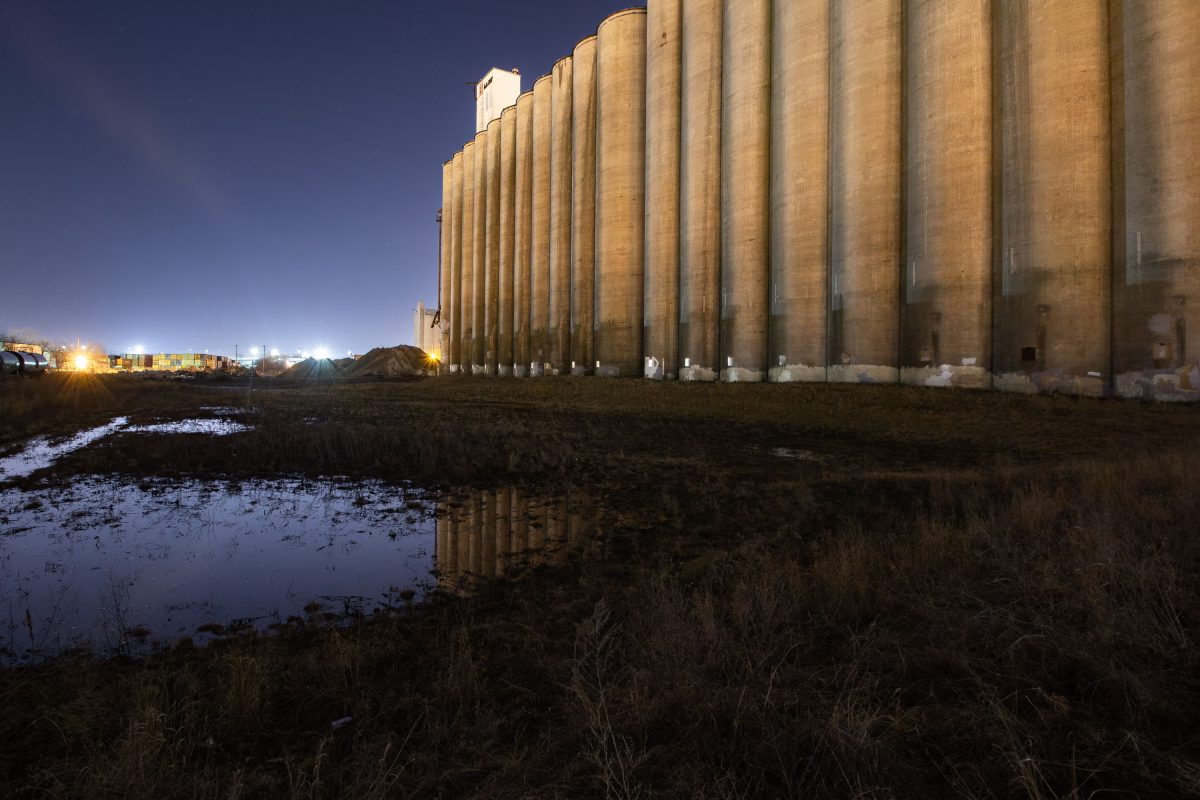
July 2019 — The long abandoned massive concrete Archer-Daniels-Midland Delmar Elevator No. 7 in Minneapolis.
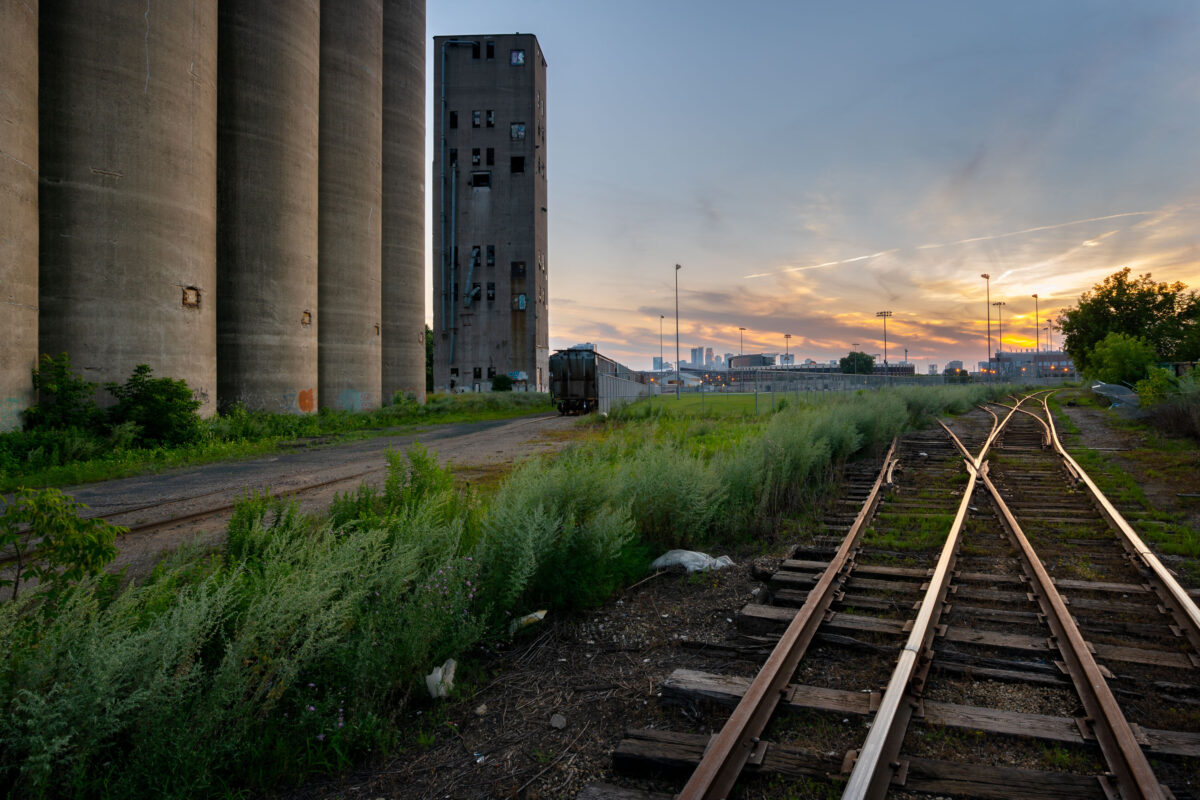
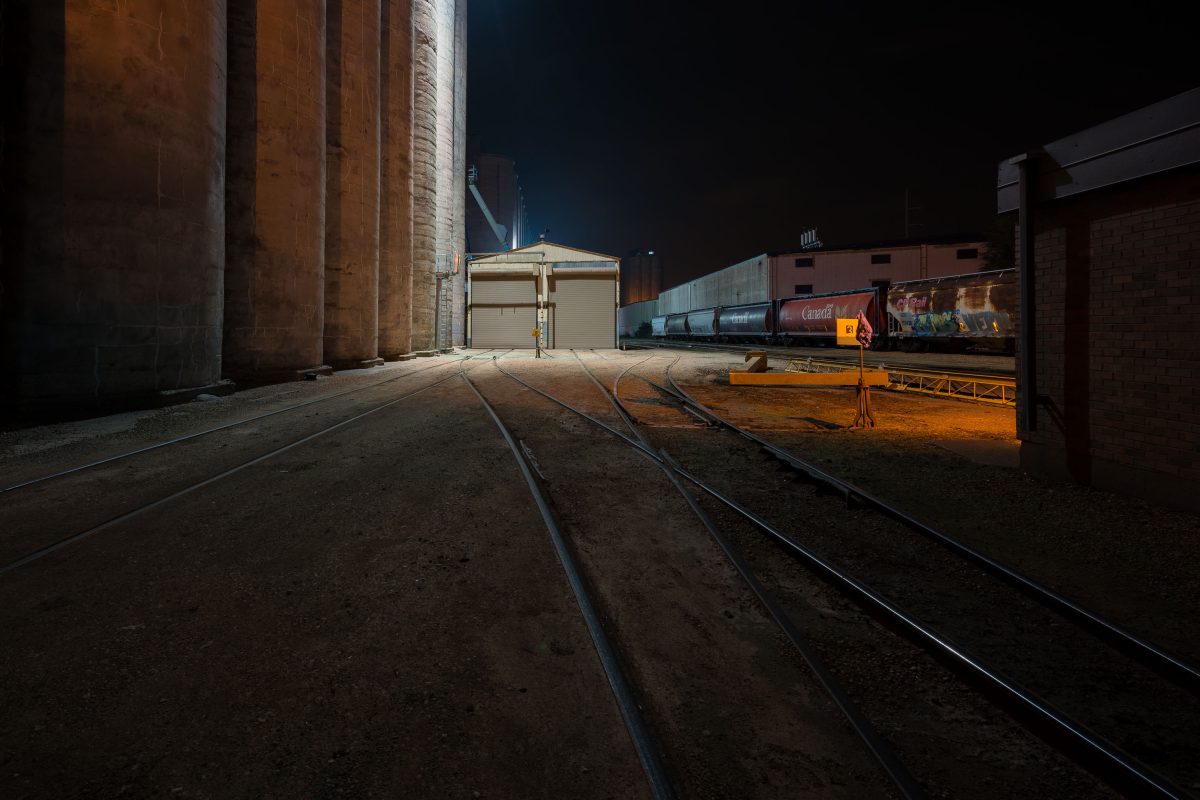
July 2019 — Train tracks outside the long abandoned massive concrete Archer-Daniels-Midland Delmar Elevator No. 7 in Minneapolis.
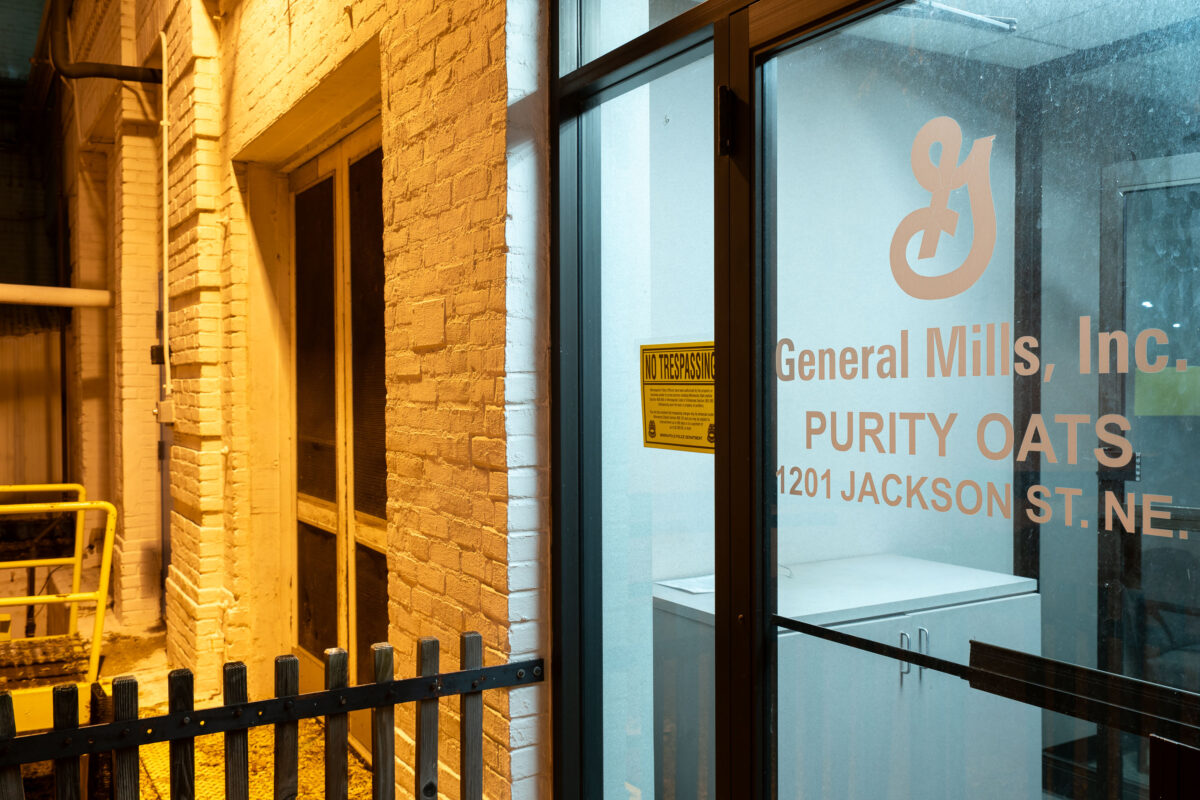
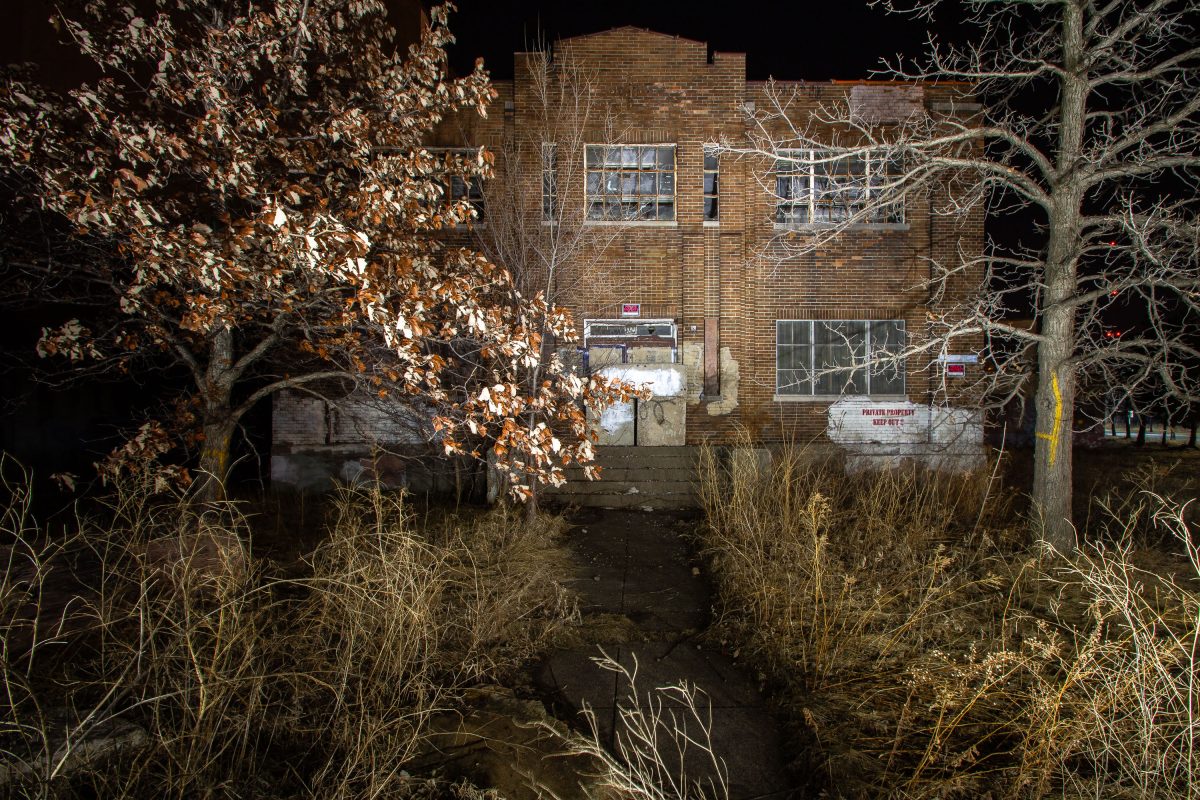
November 2019 — Once part of the vast milling network that shaped Minneapolis’s industrial identity, this now-closed General Mills Purity Oats plant at 1201 Jackson Street NE reflects the city’s transition from global grain hub to post-industrial reuse. The modest brick complex, still bearing its original signage, served as a specialized processing site within the company’s broader cereal operations before its eventual closure. Its preservation offers a glimpse into the city’s enduring ties to the flour and oat industries that once defined the Mississippi River corridor.
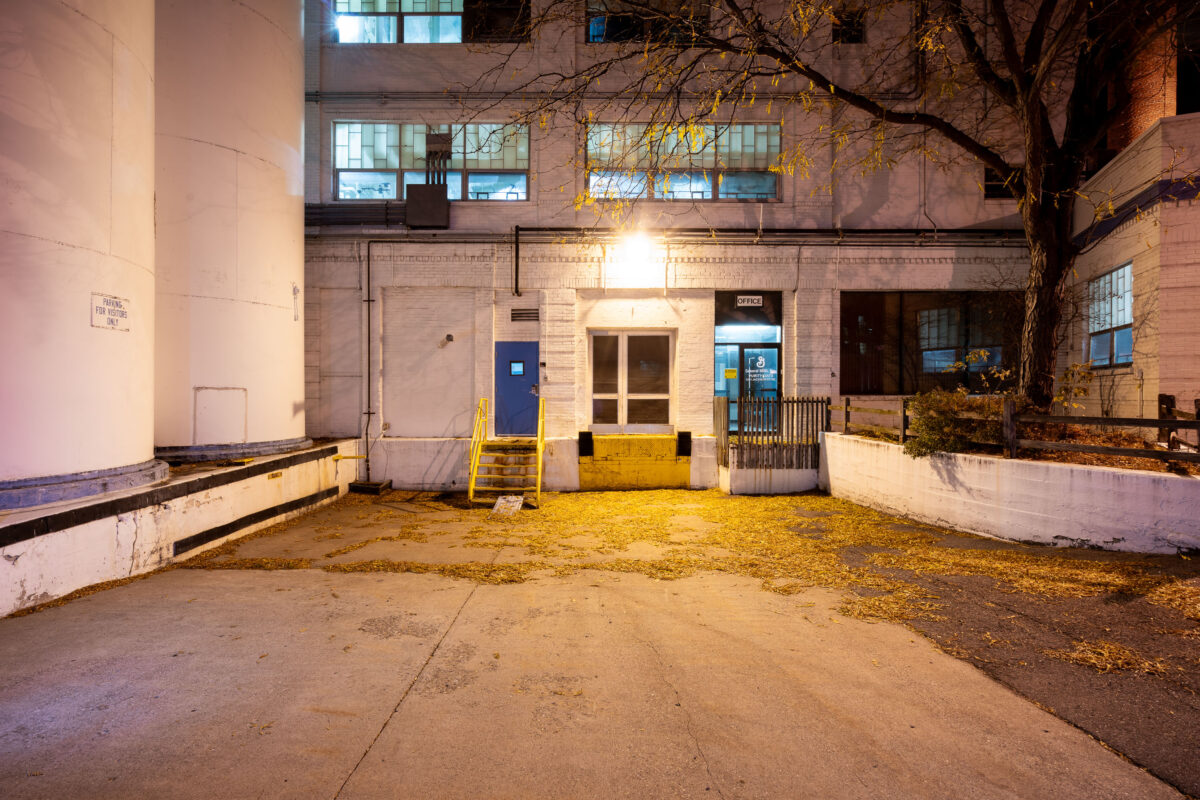
November 2019 — This view shows the rear loading and office entrance of the former General Mills Purity Oats facility in Northeast Minneapolis. Built during the city’s industrial boom, the complex once handled oat processing and packaging for one of the nation’s largest cereal producers. The structure’s painted brick walls, grain silos, and utilitarian layout are characteristic of mid-20th-century food-processing plants that supported the city’s reputation as the “Flour Milling Capital of the World.”
July 2022 —

July 2022 —
July 2022 —
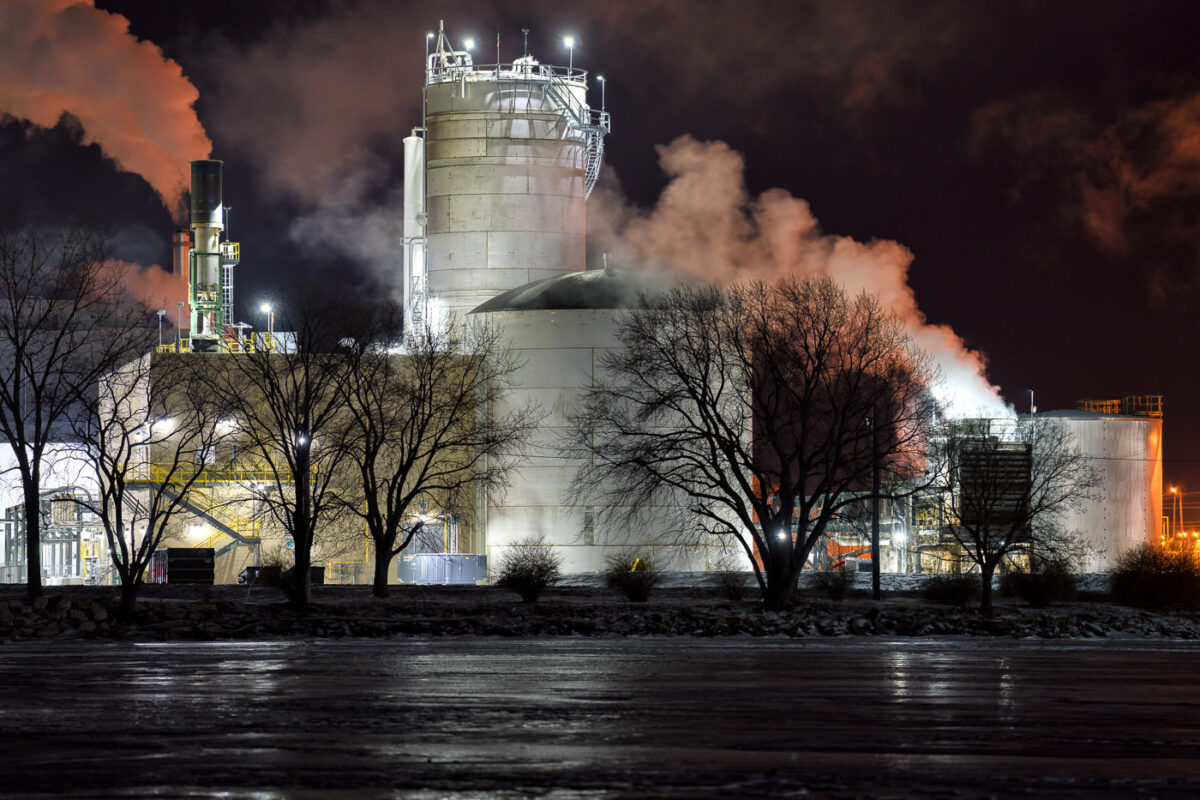
December 2022 — Green Bay Packaging’s modern recycled paper mill rises behind leafless winter trees along the Fox River in Green Bay, Wisconsin. The facility, completed in 2021 as one of the most advanced and energy-efficient mills in the country, emits illuminated plumes of steam that drift across the night sky. The river’s frozen surface reflects the mill’s lights and muted colors, creating a stark industrial winter landscape along the east bank of the Fox River.
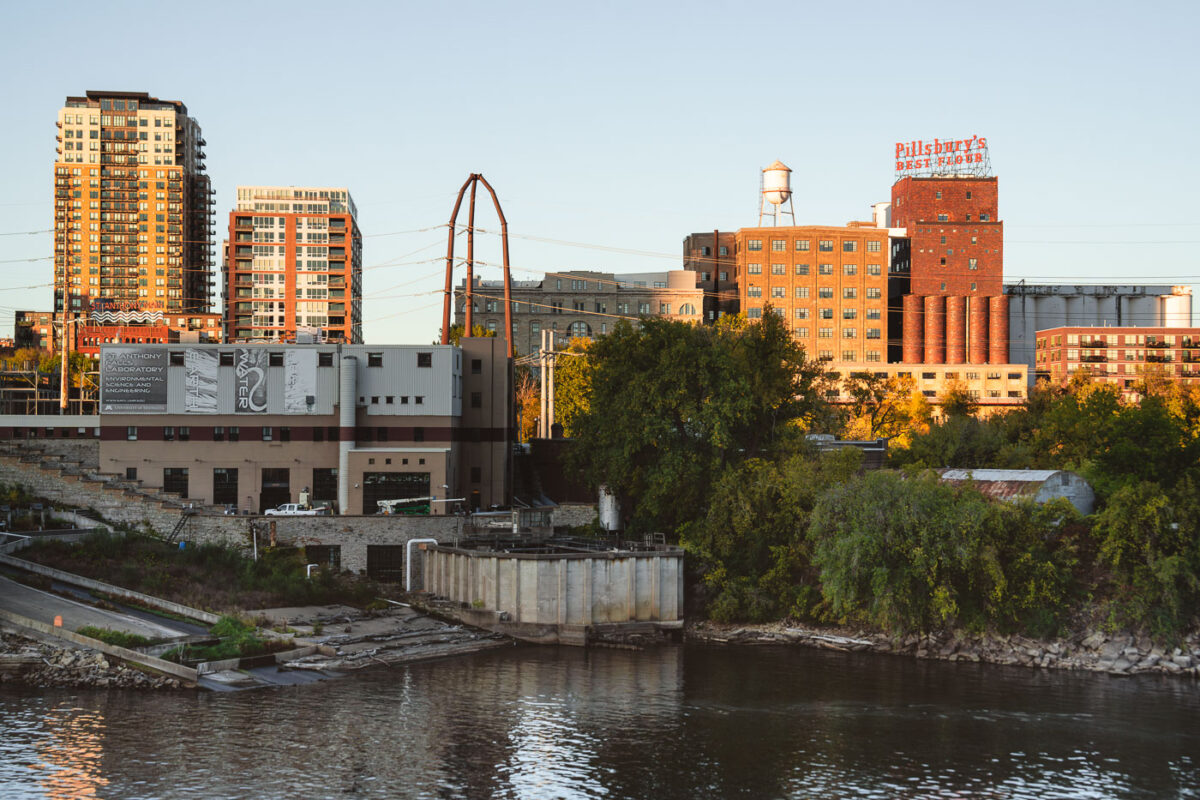
October 2025 — The Pillsbury A-Mill, completed in 1881 on the east bank of the Mississippi River, was once the largest flour mill in the world and a symbol of Minneapolis’s dominance in global grain production. Designed by architect LeRoy Buffington and engineer William de la Barre, the mill harnessed the power of St. Anthony Falls to grind over 5,000 barrels of flour a day at its peak. Its innovative use of water turbines, reinforced limestone walls, and massive storage elevators represented the cutting edge of 19th-century milling technology. Today, the restored complex — now repurposed as artist lofts — stands as a National Historic Landmark and a reminder of the city’s industrial ingenuity.