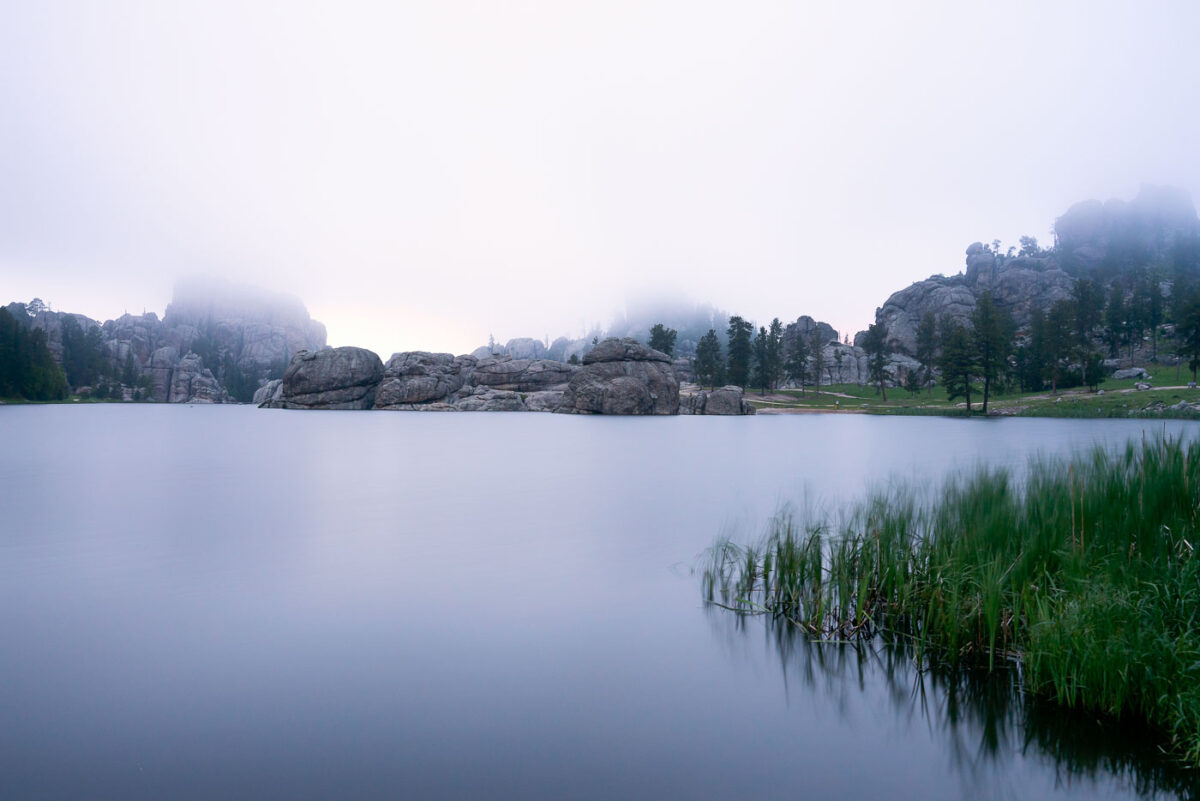
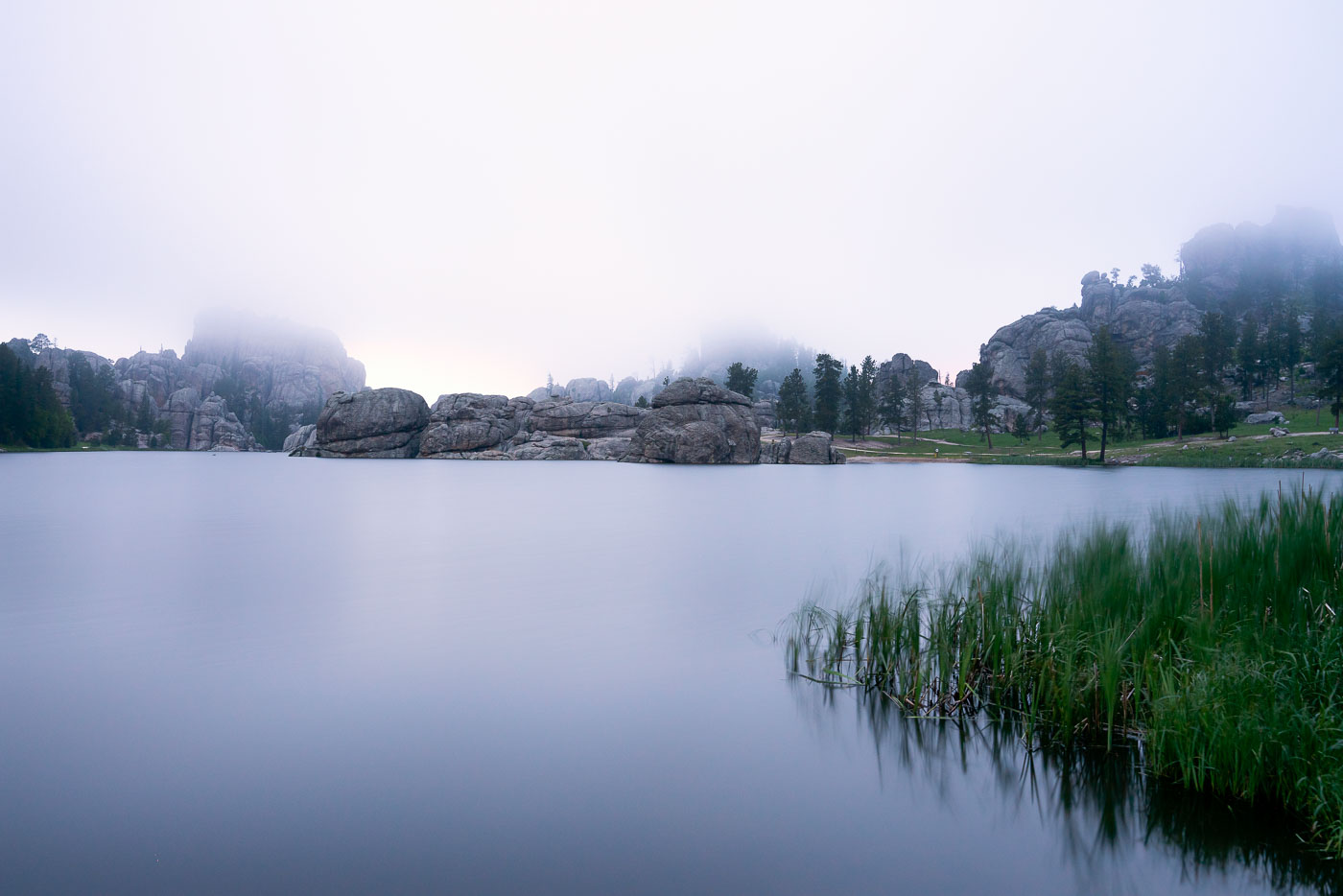
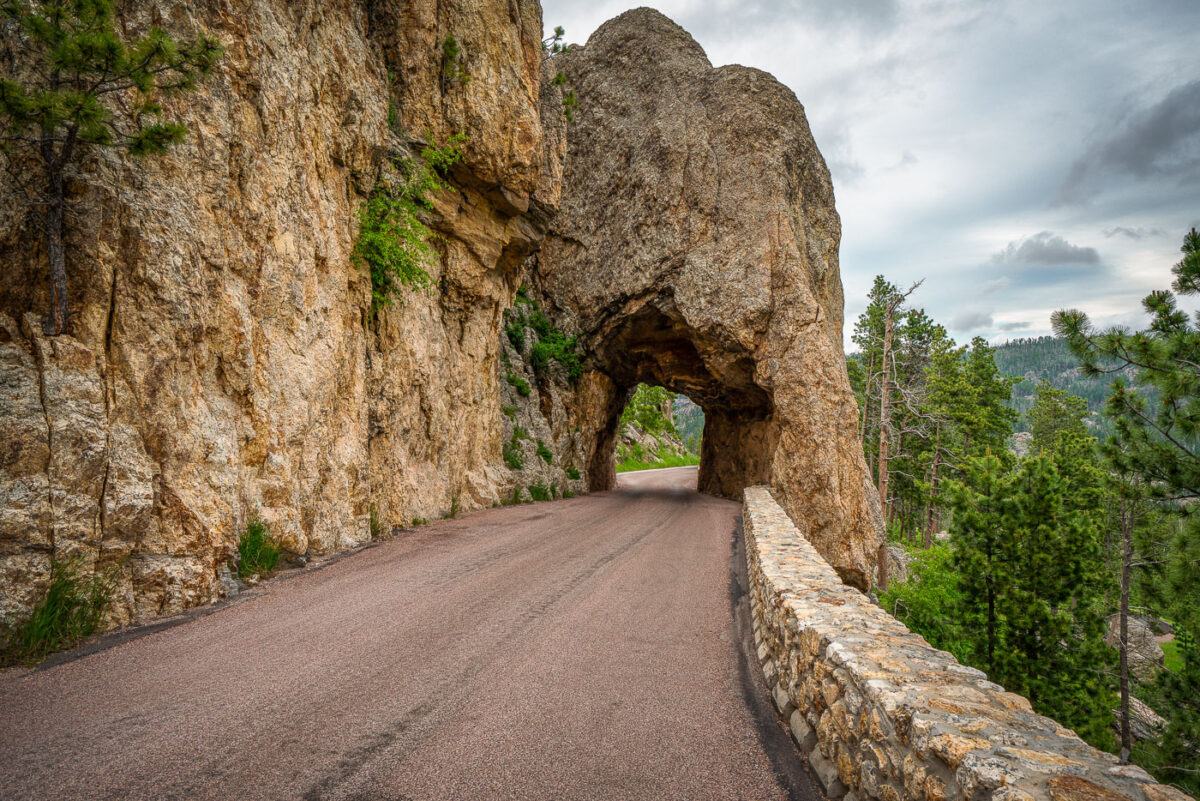
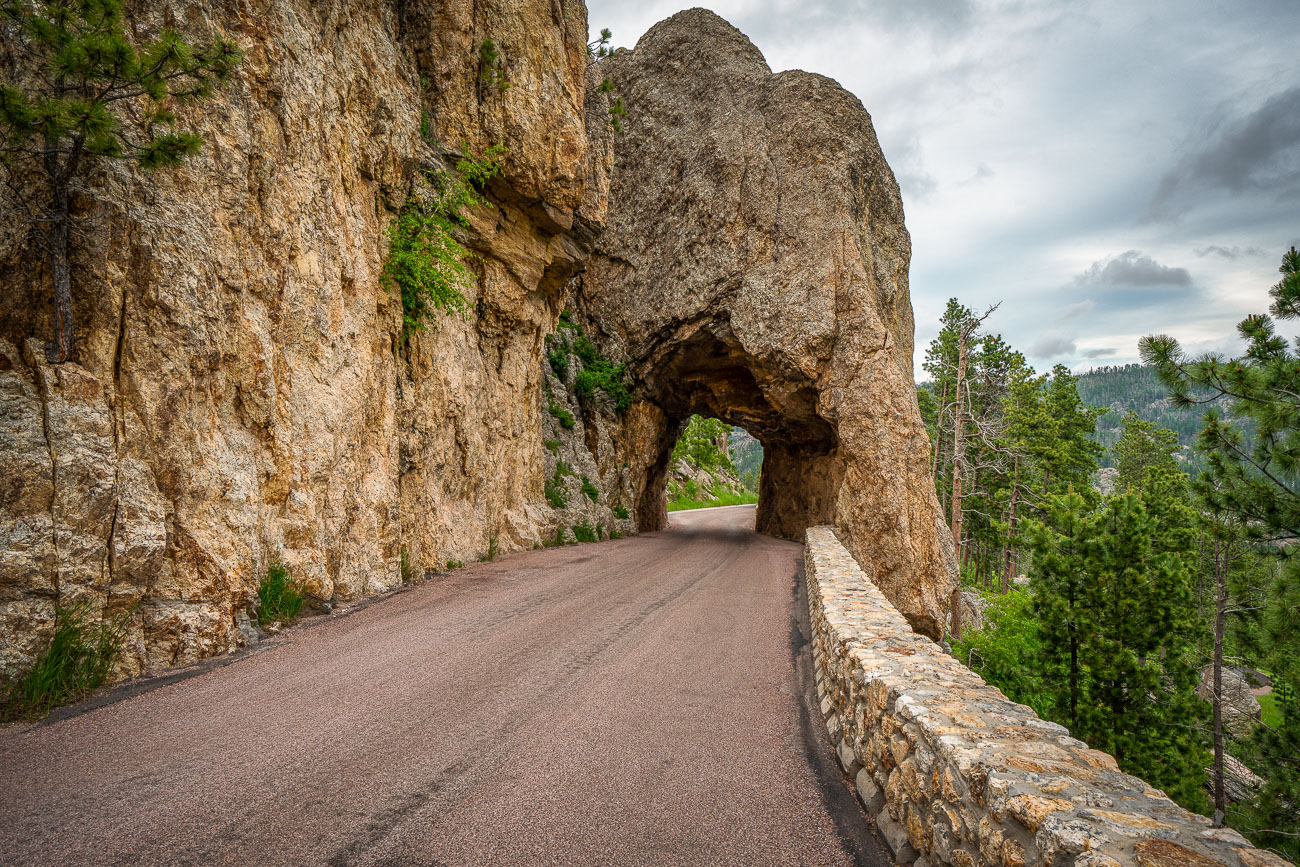
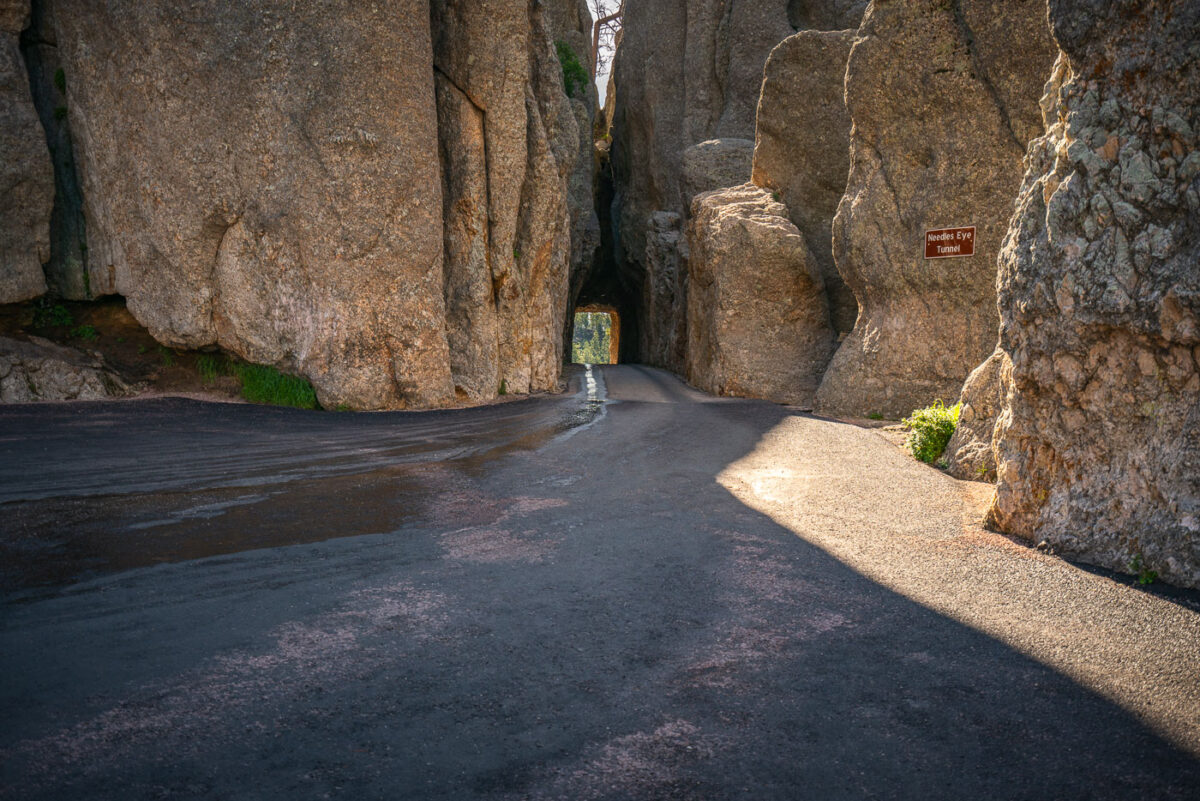
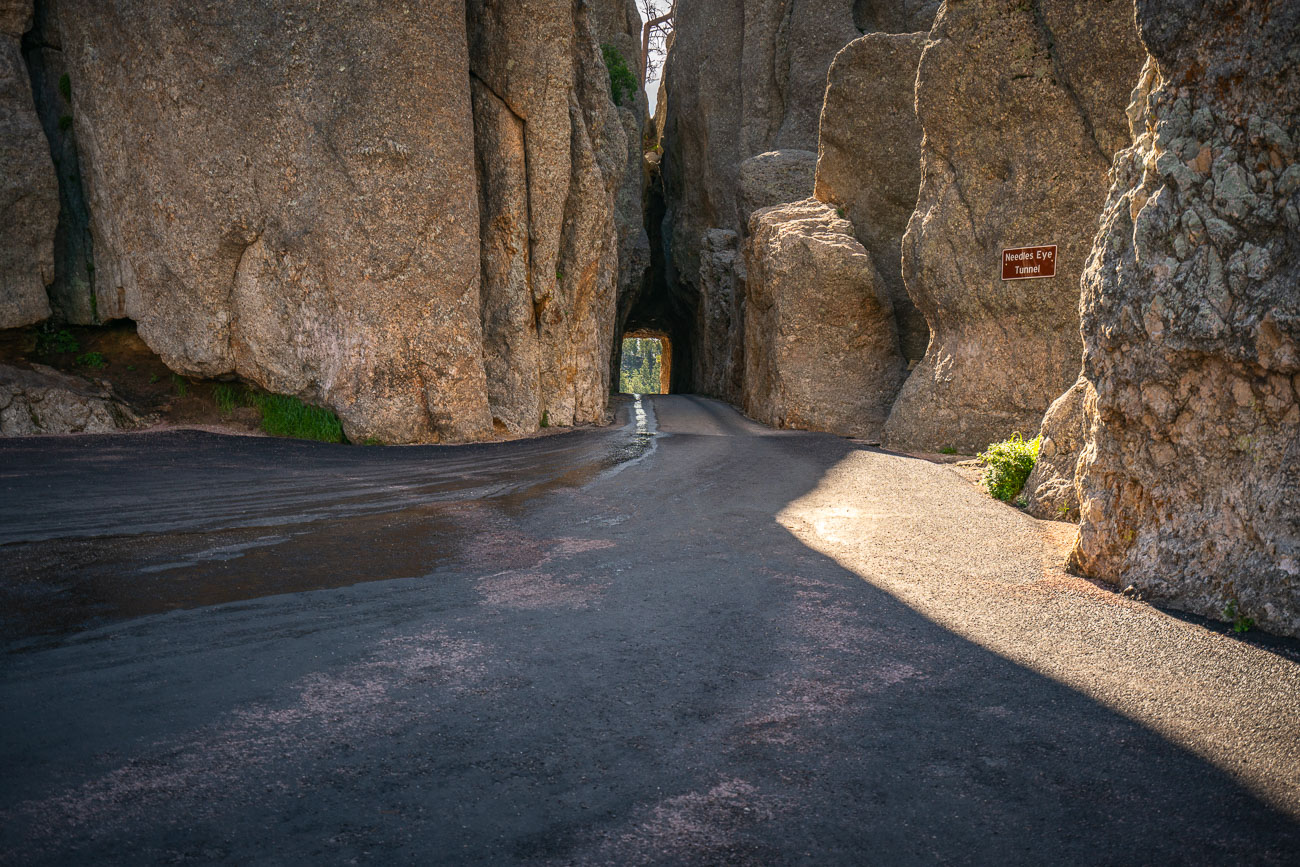
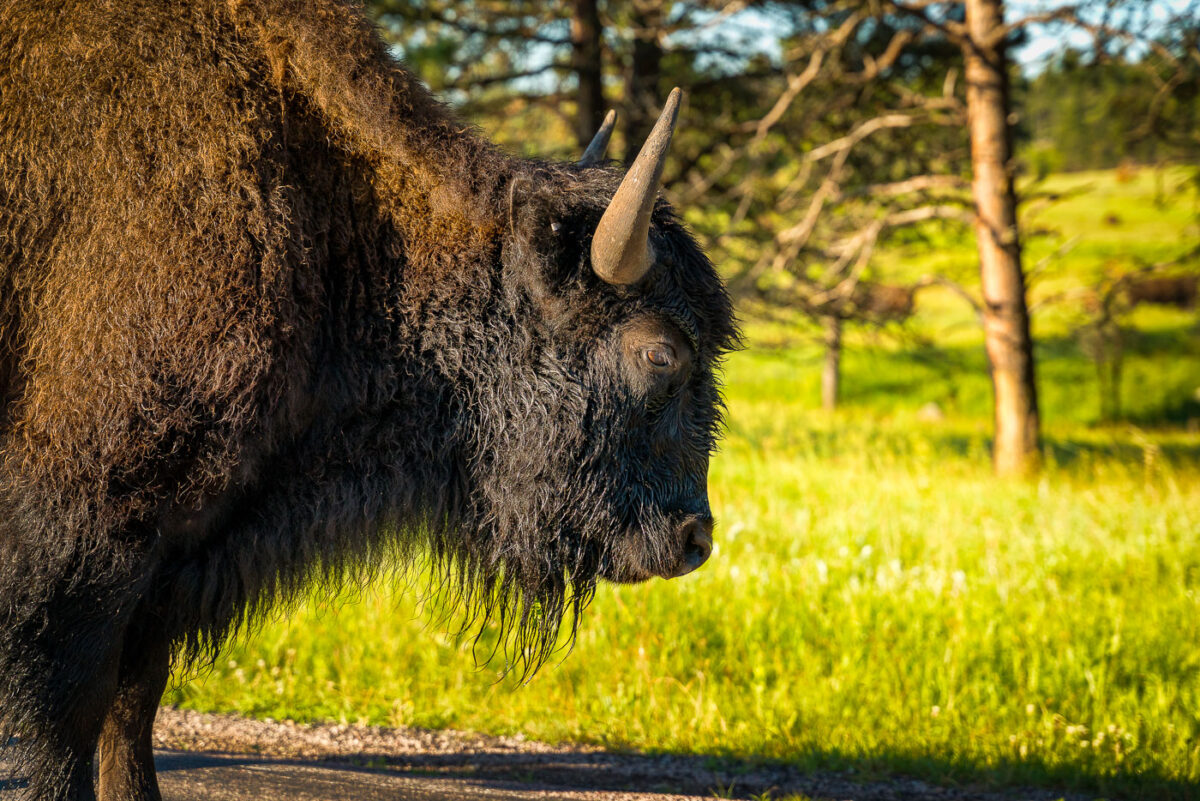
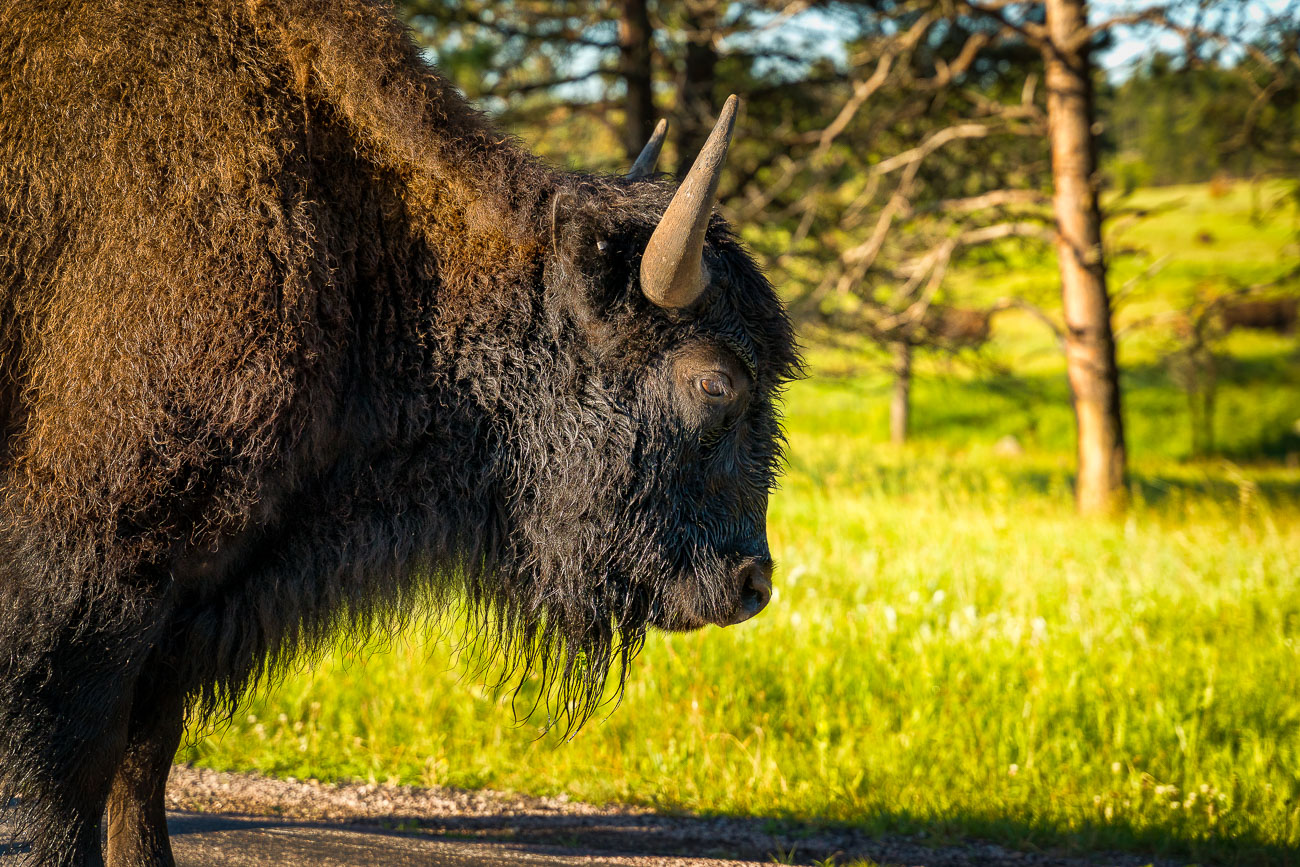
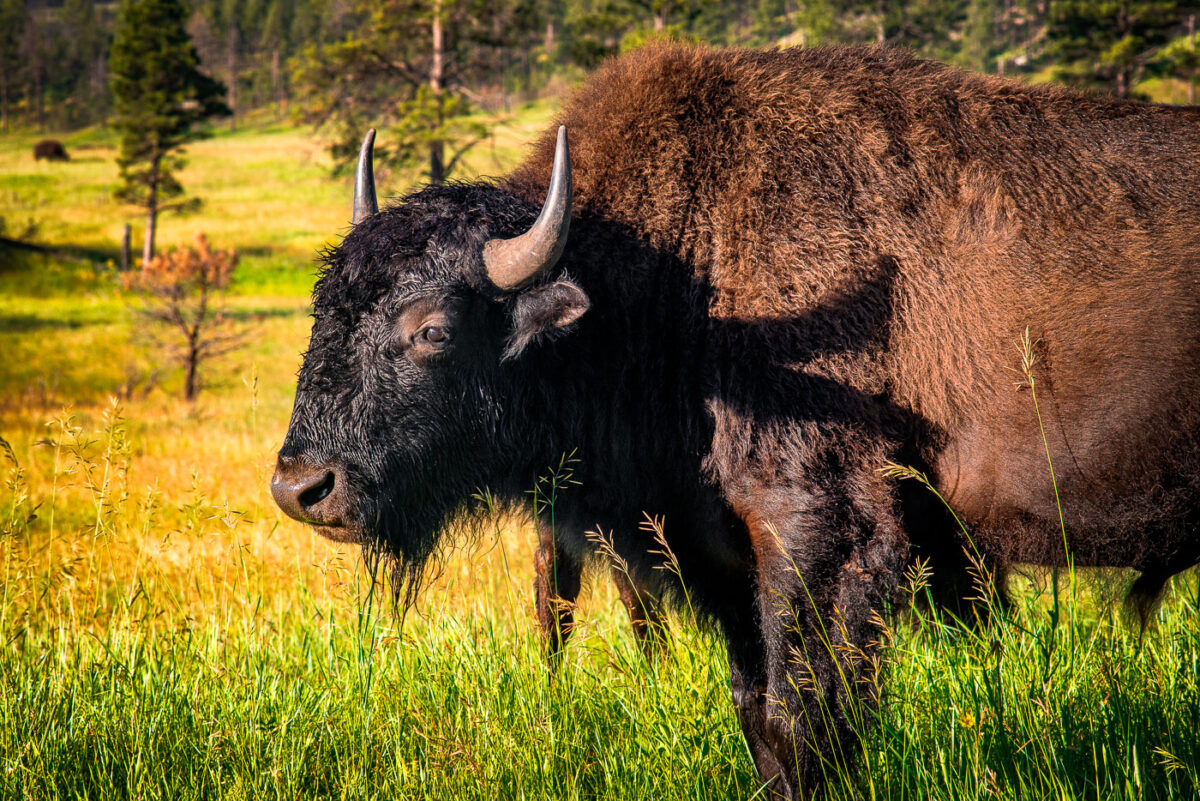
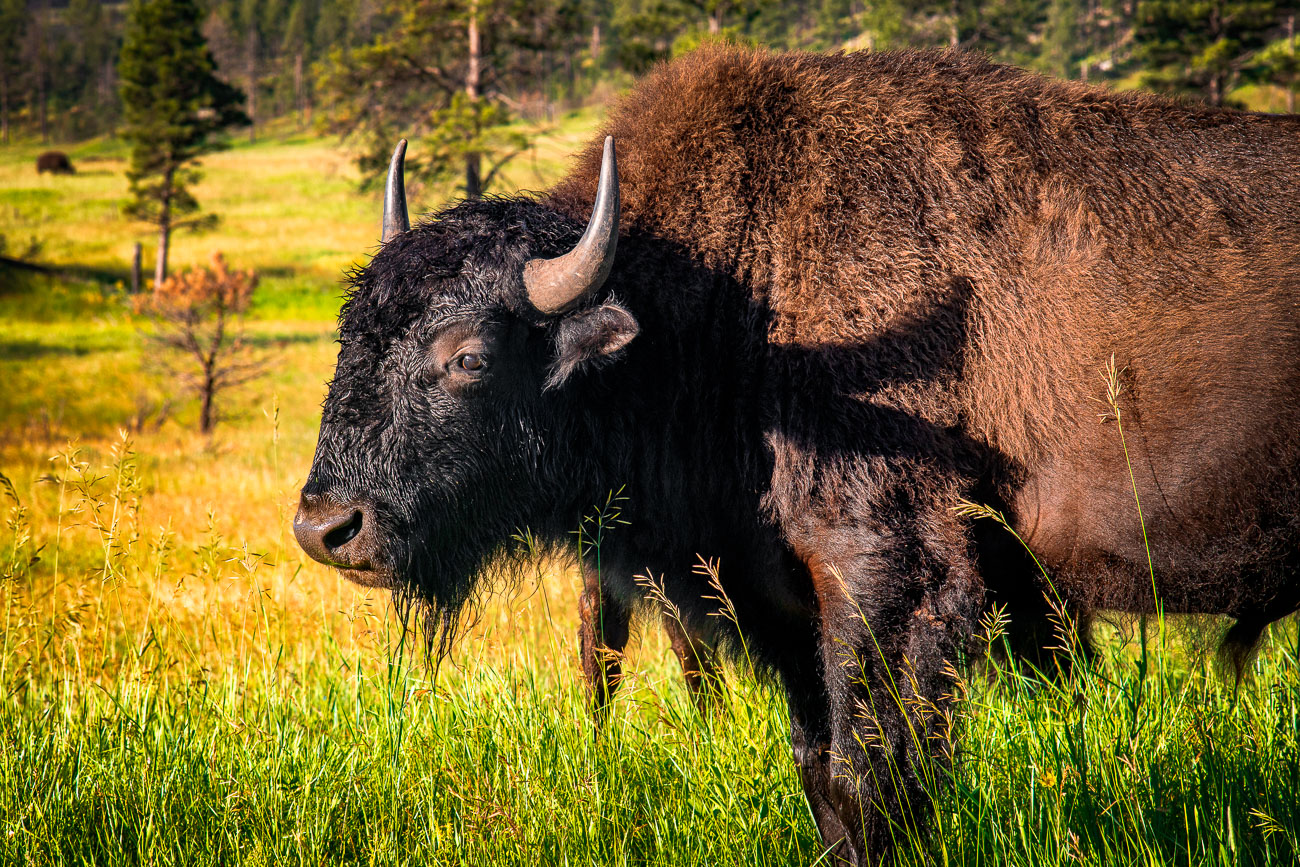
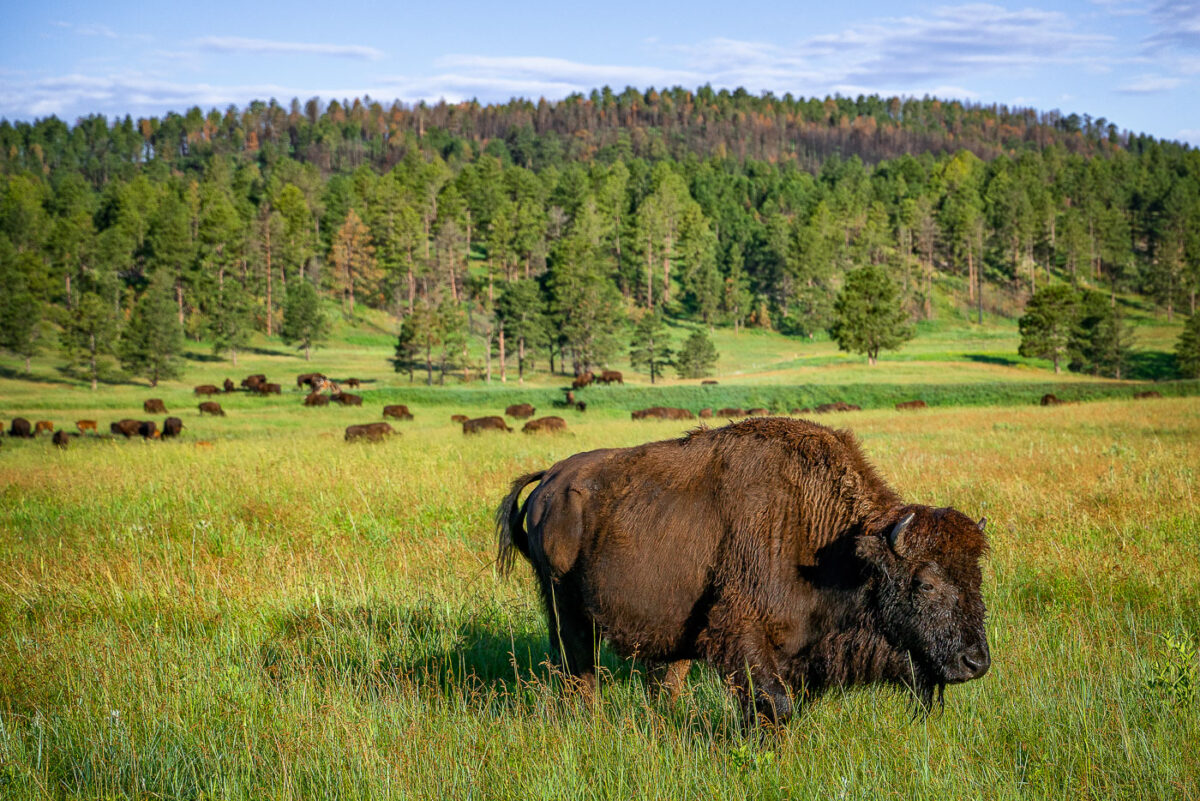
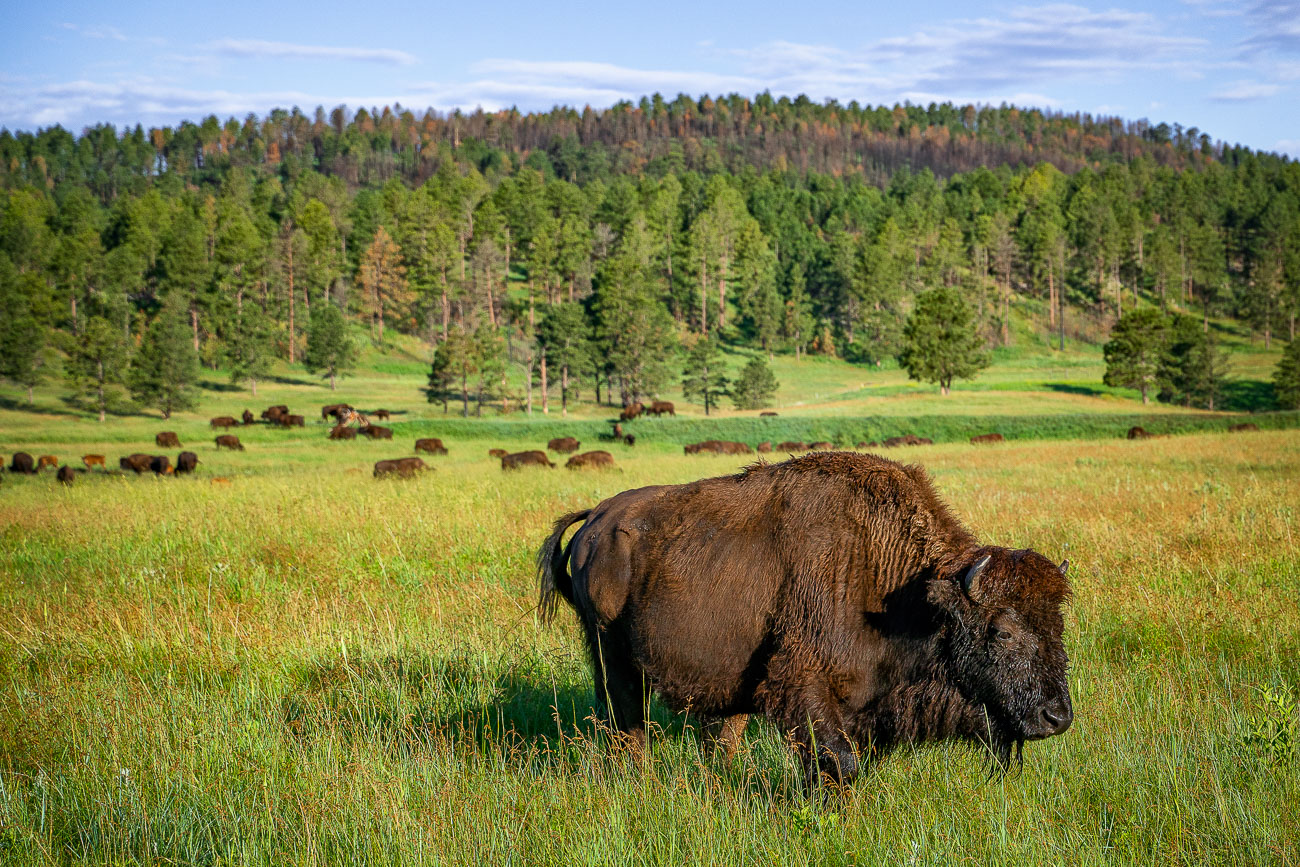
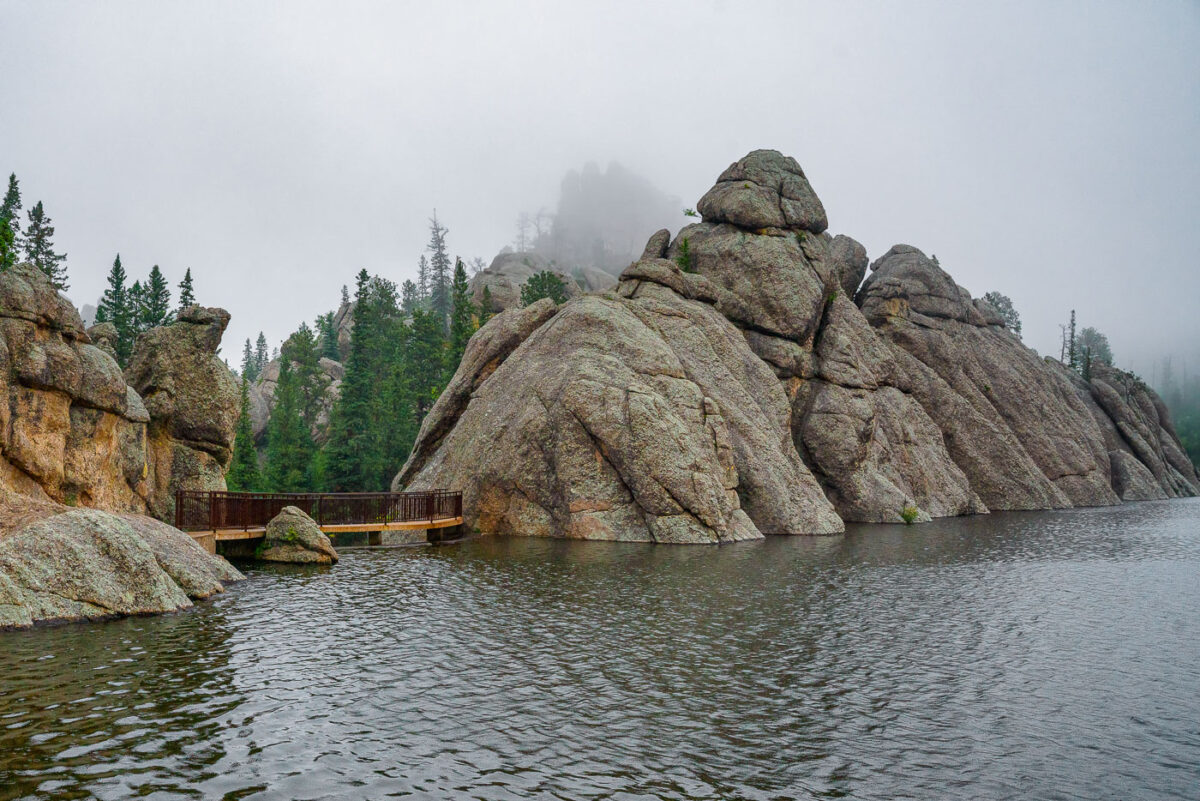
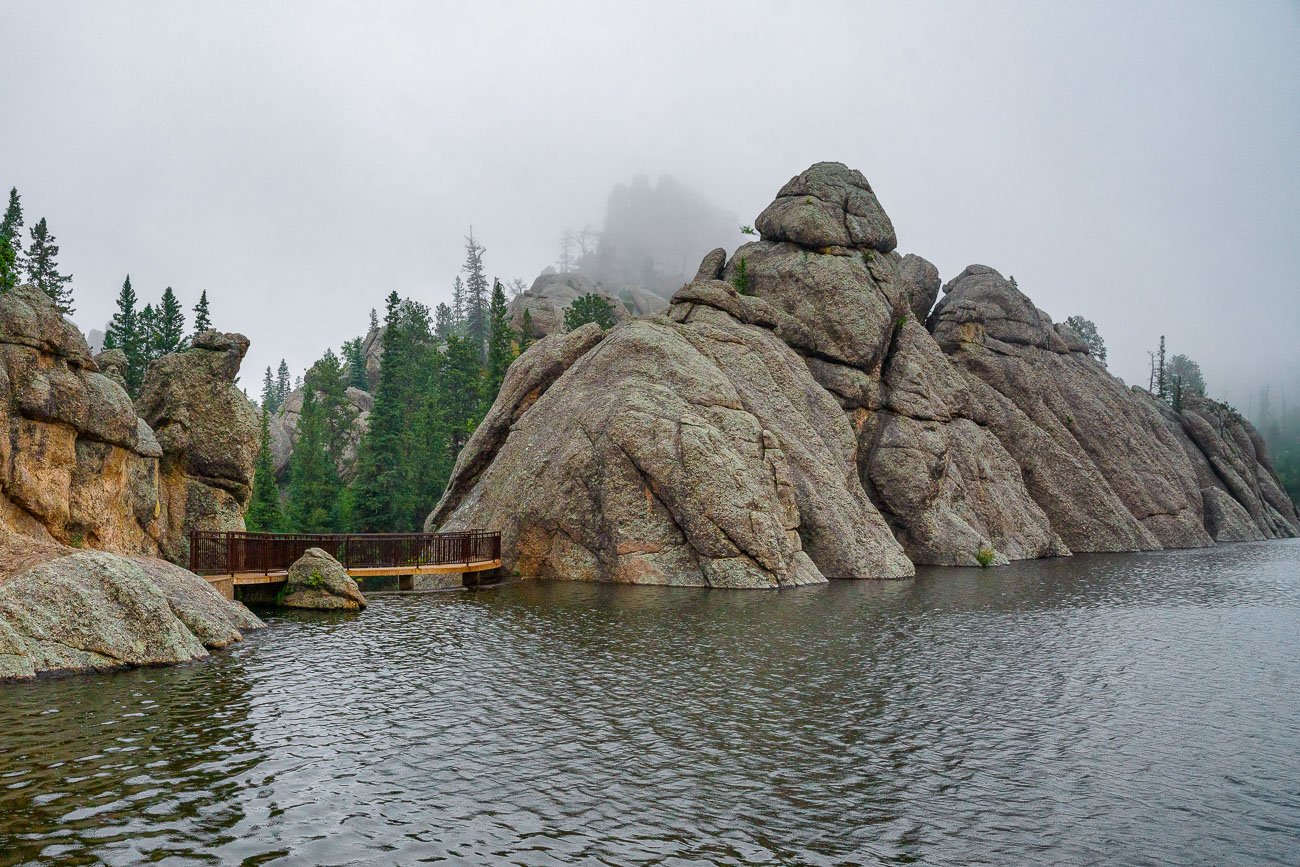
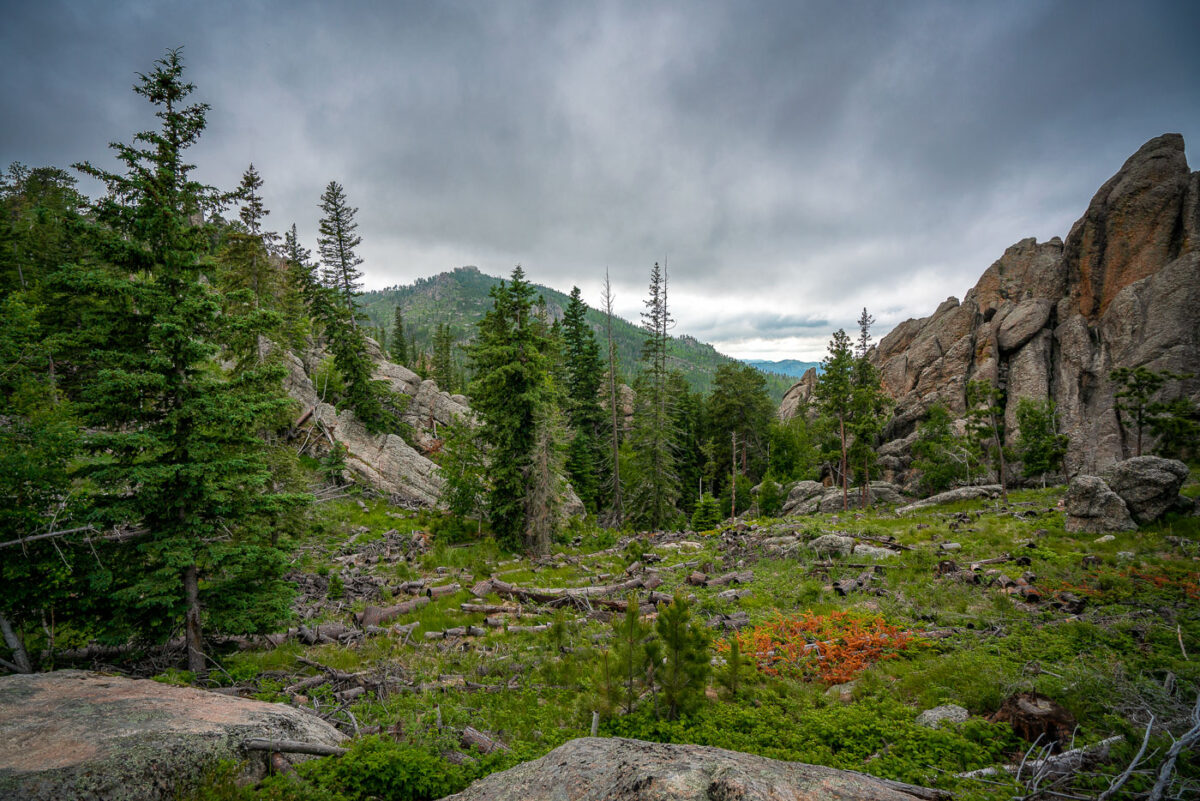
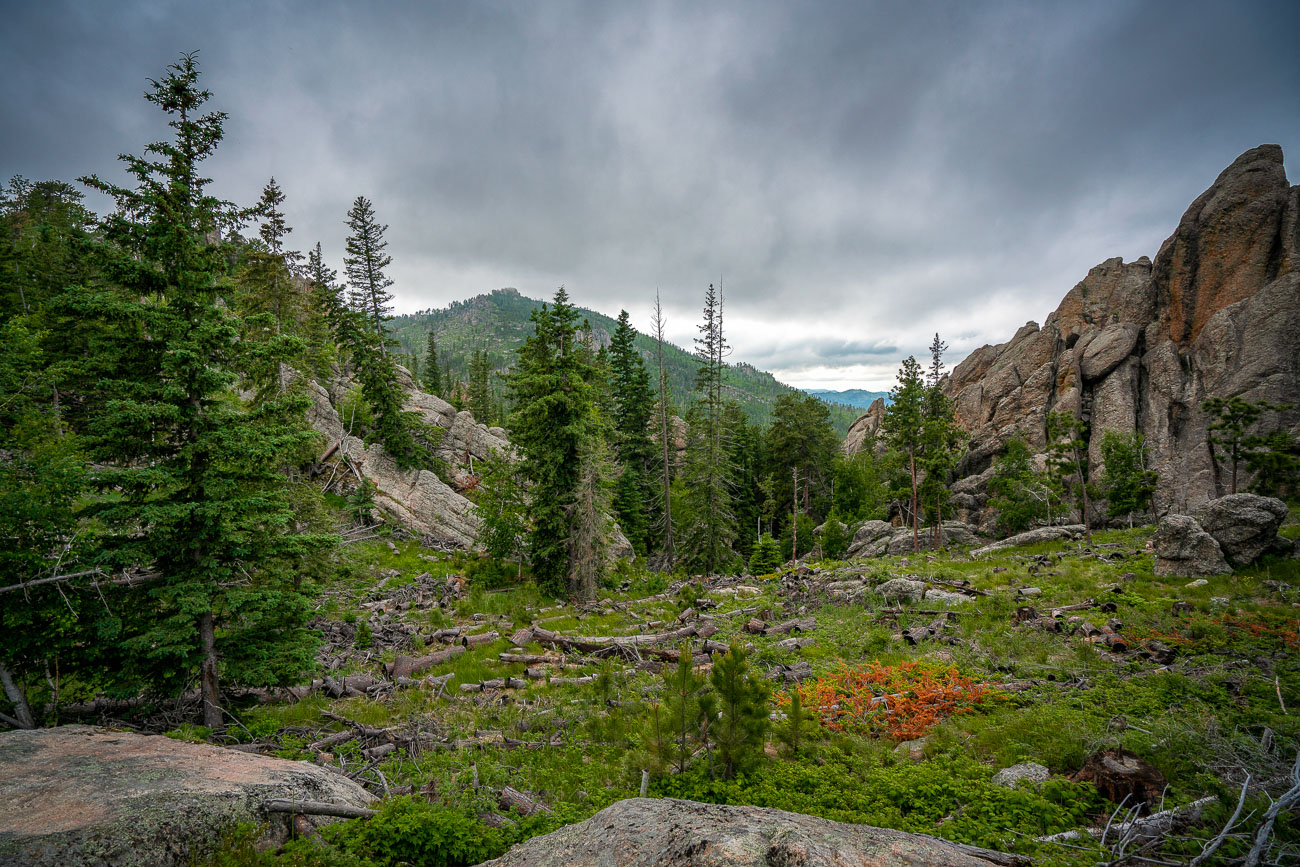
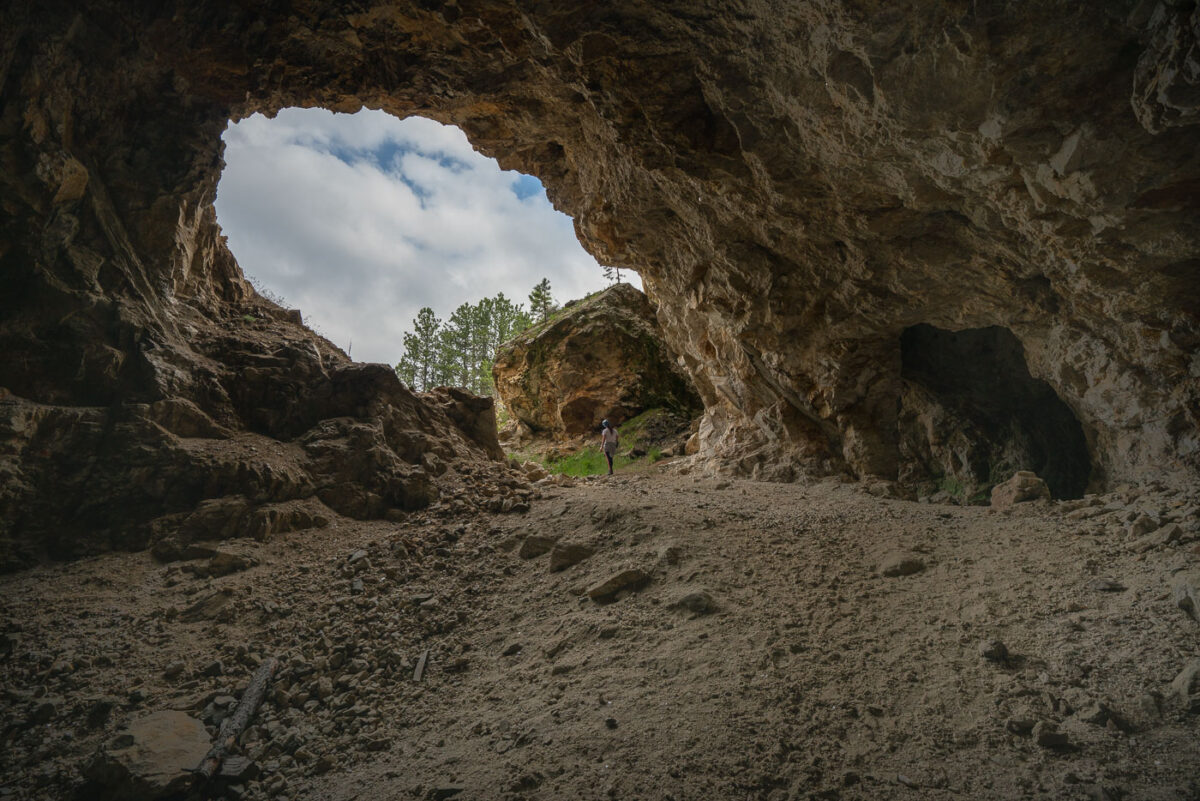
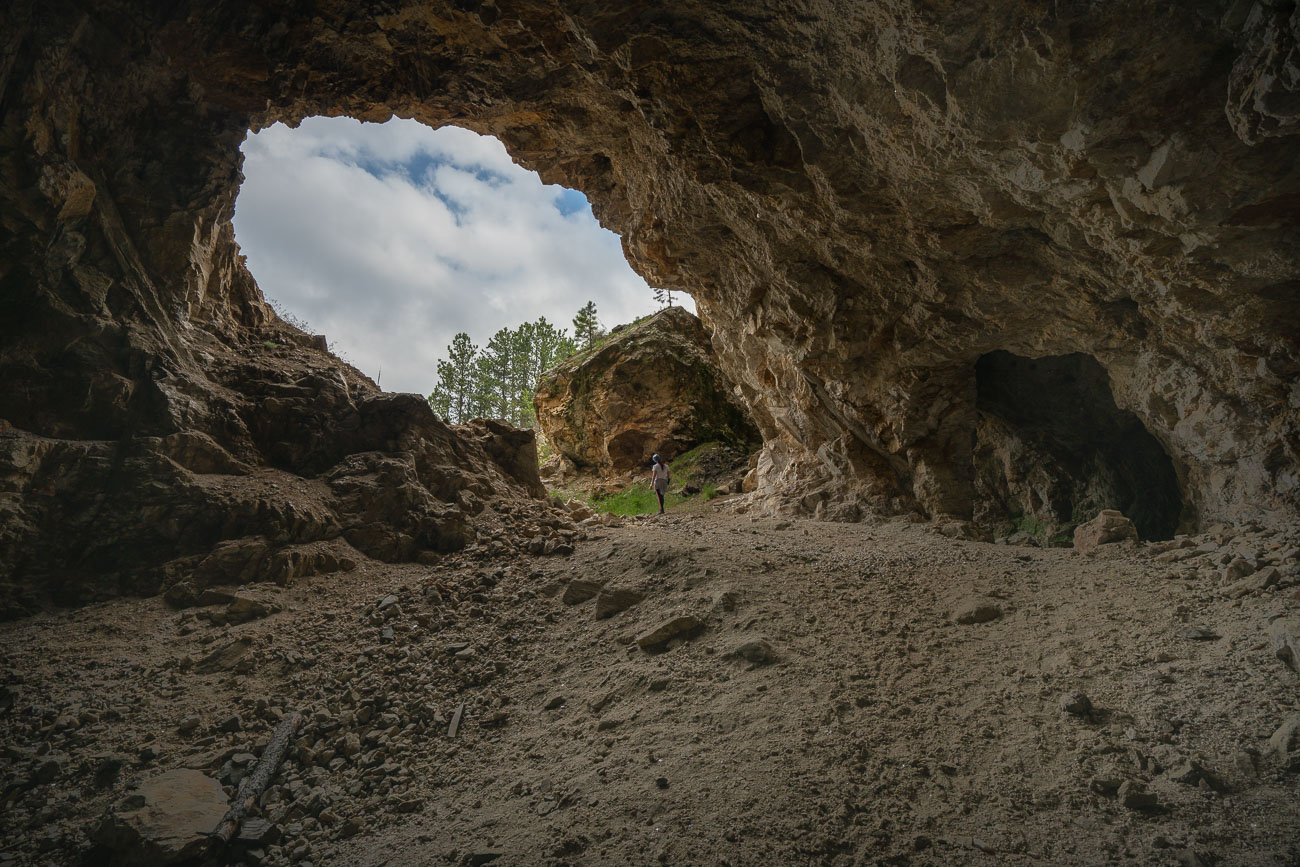
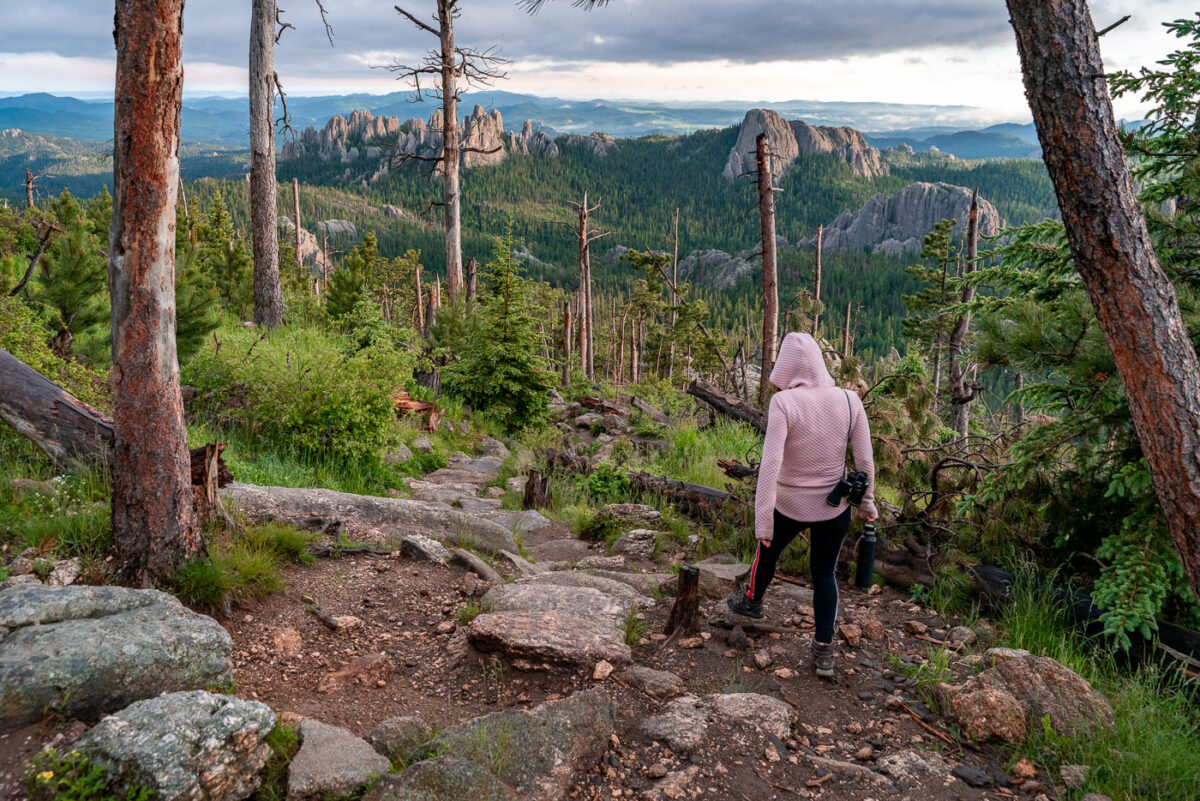
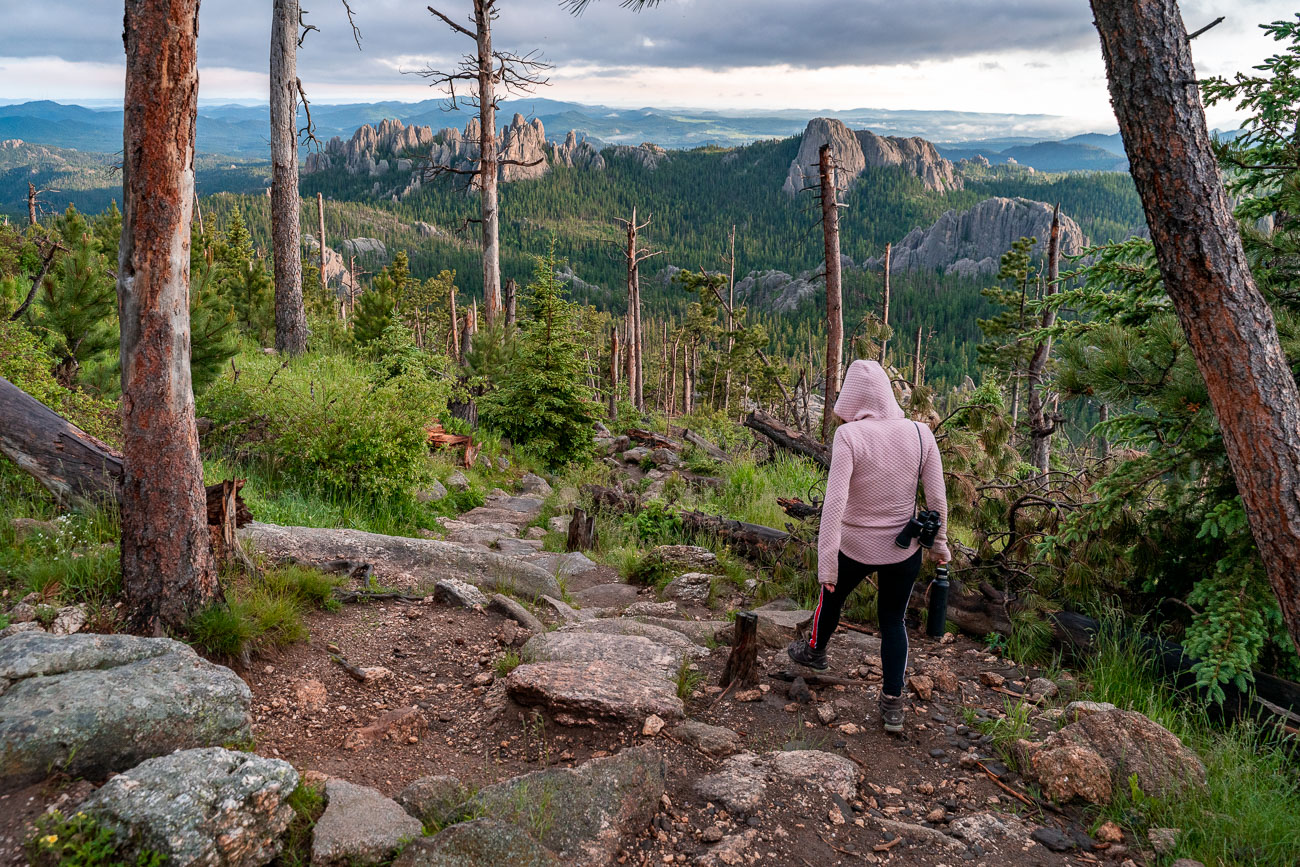
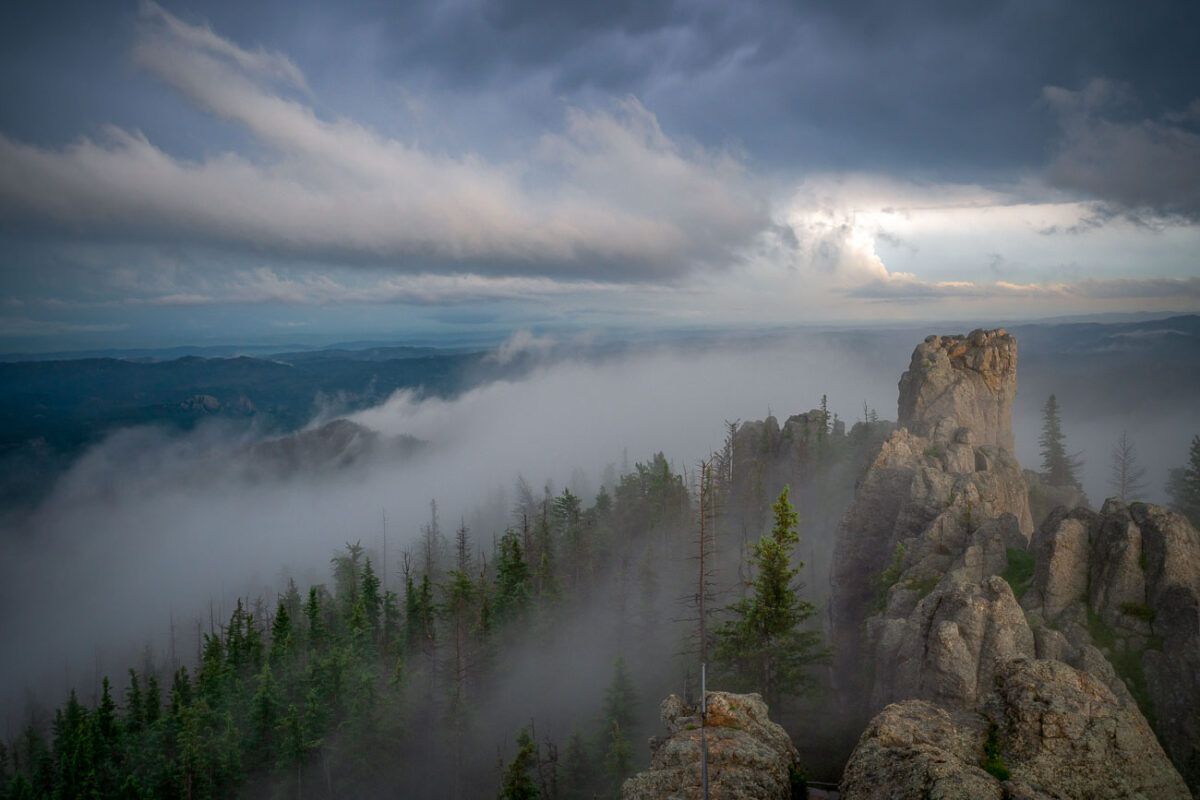
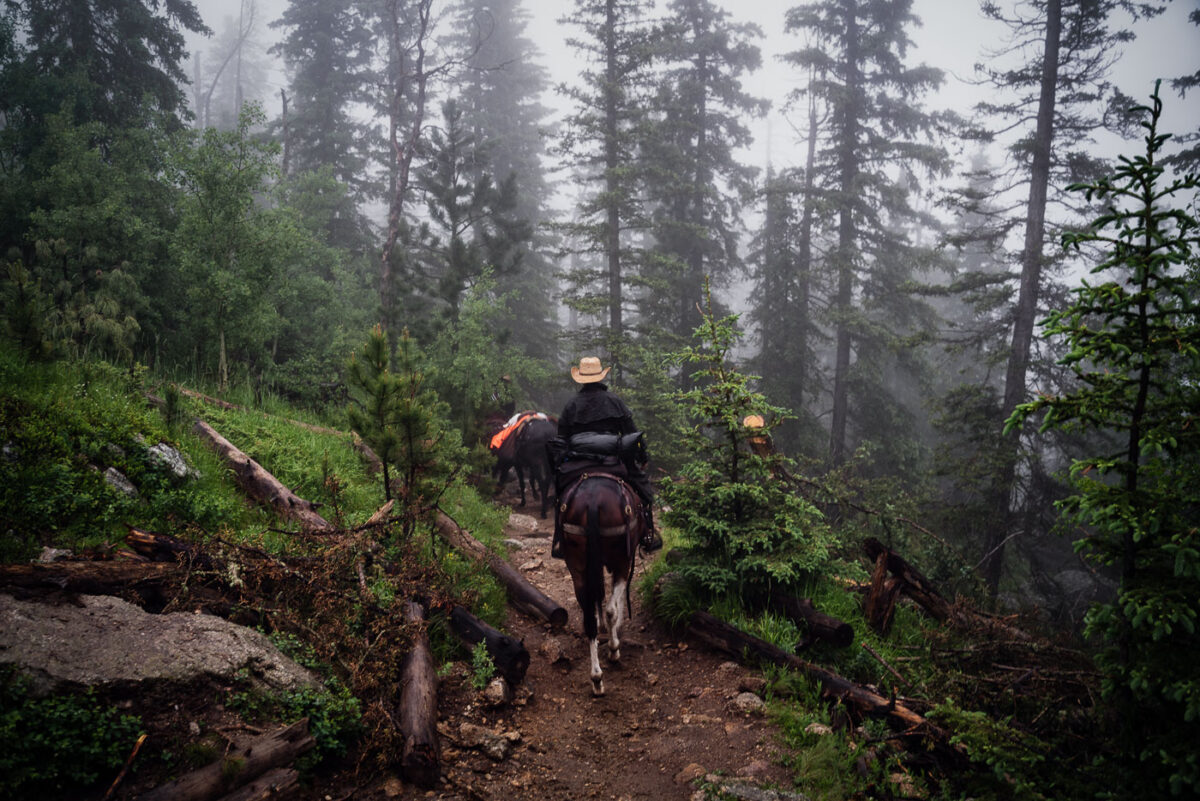
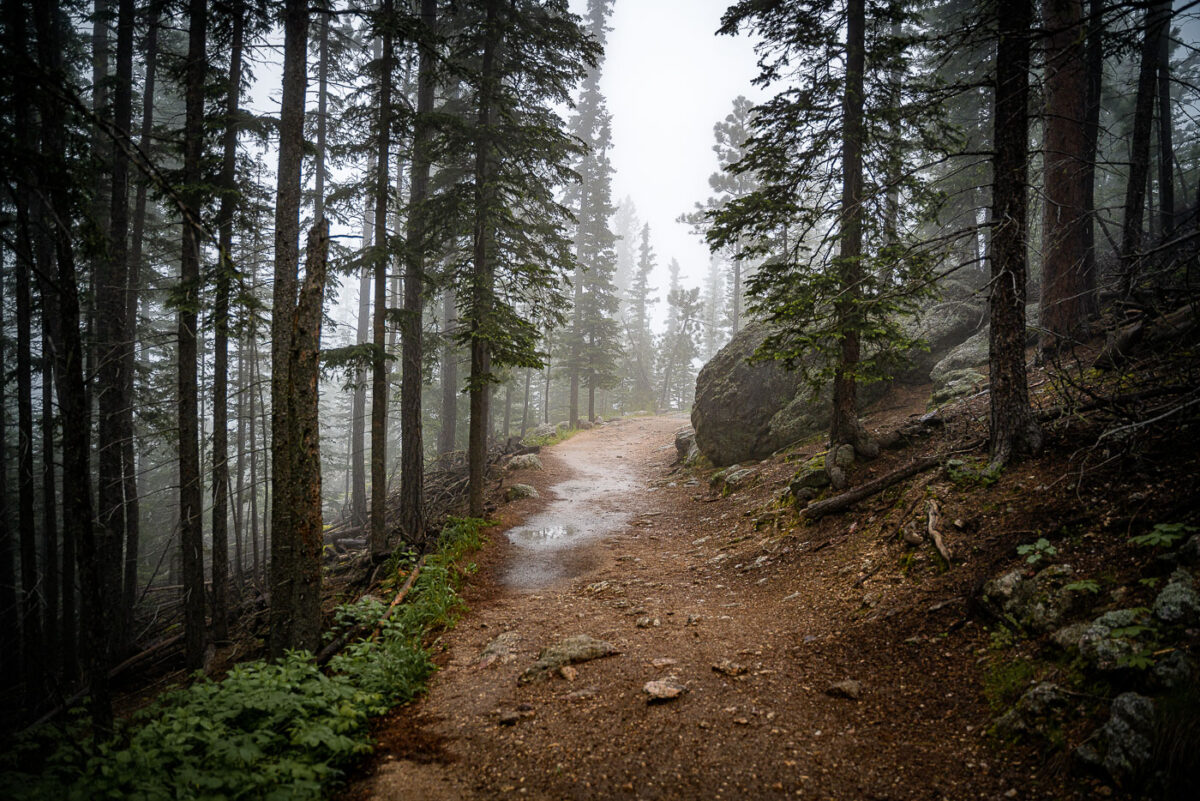
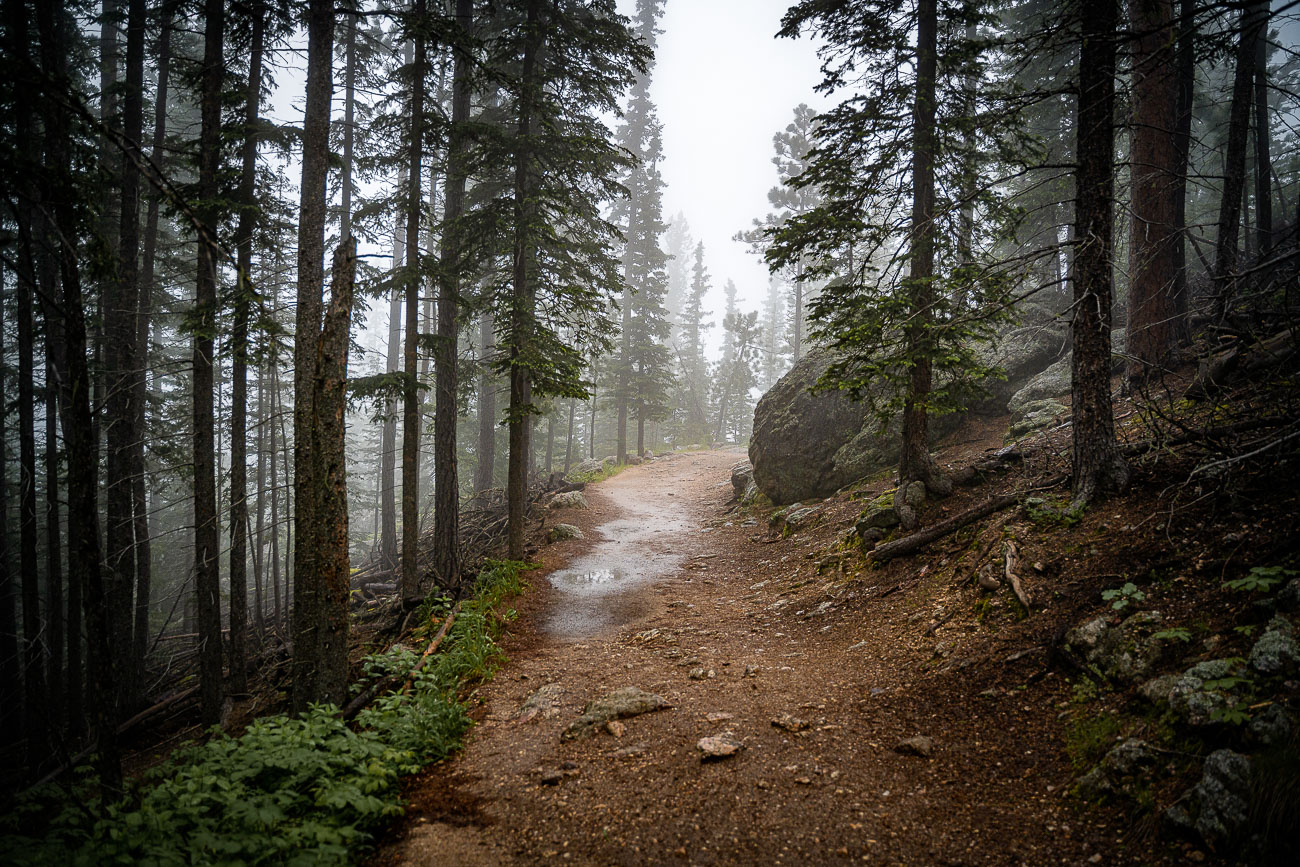
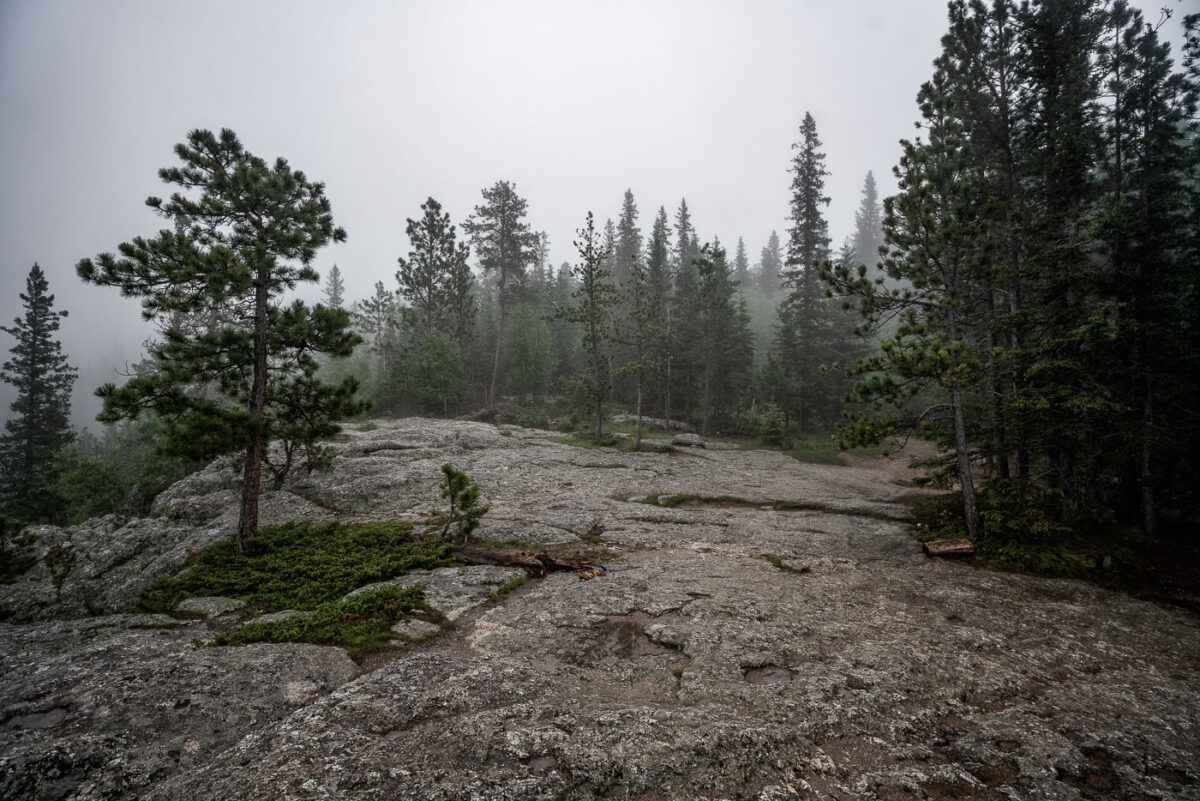
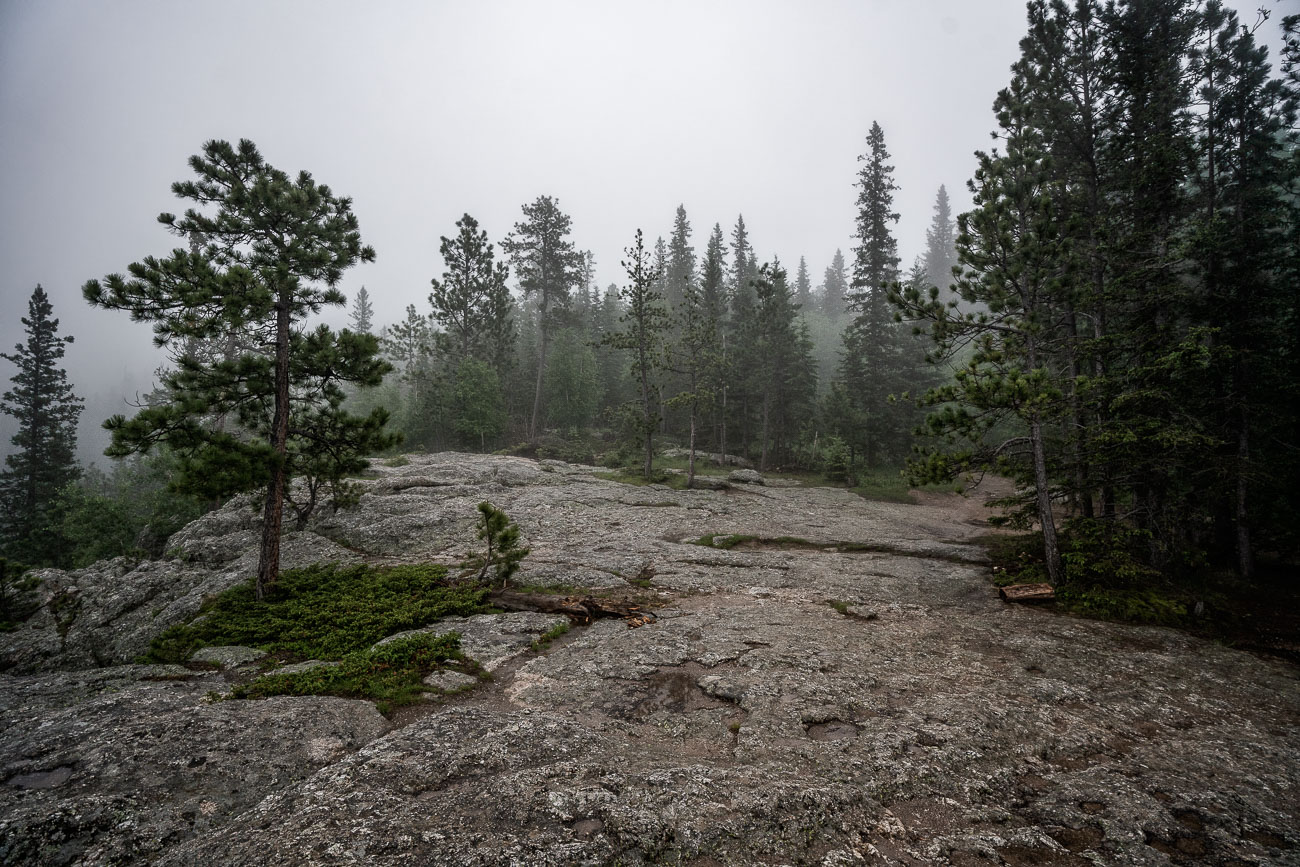
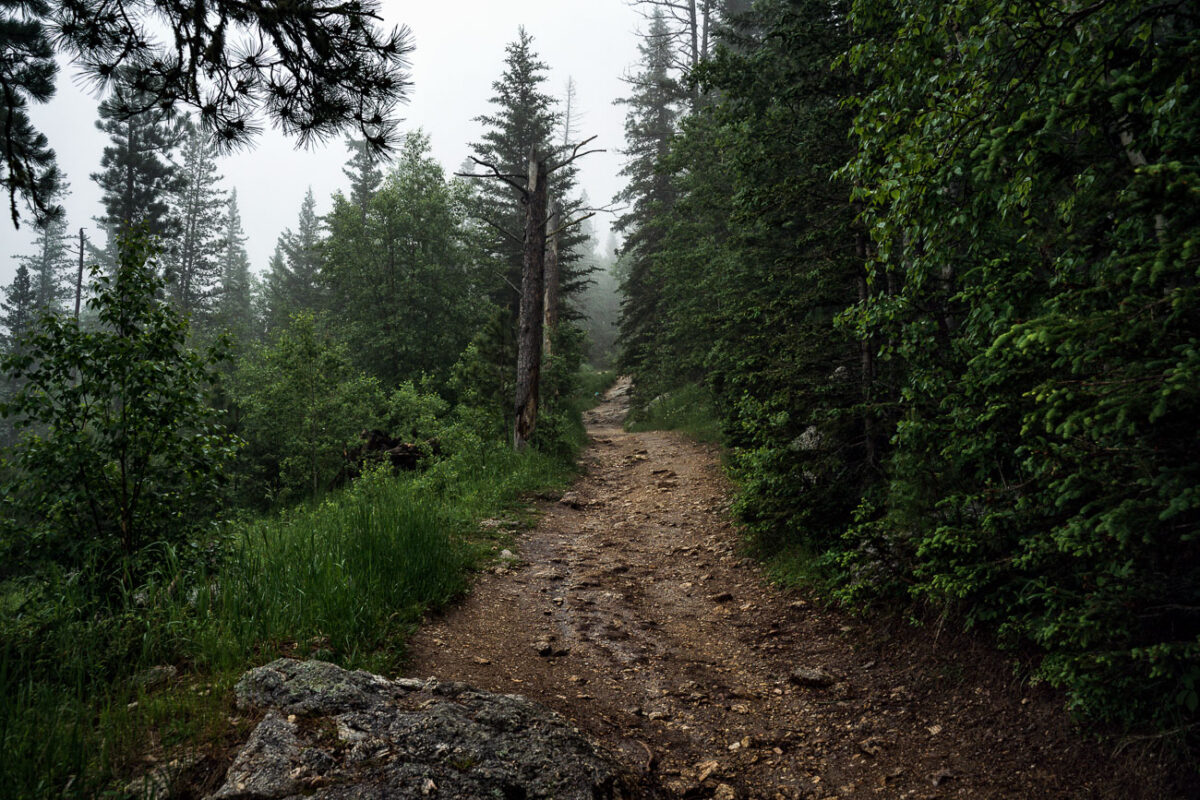
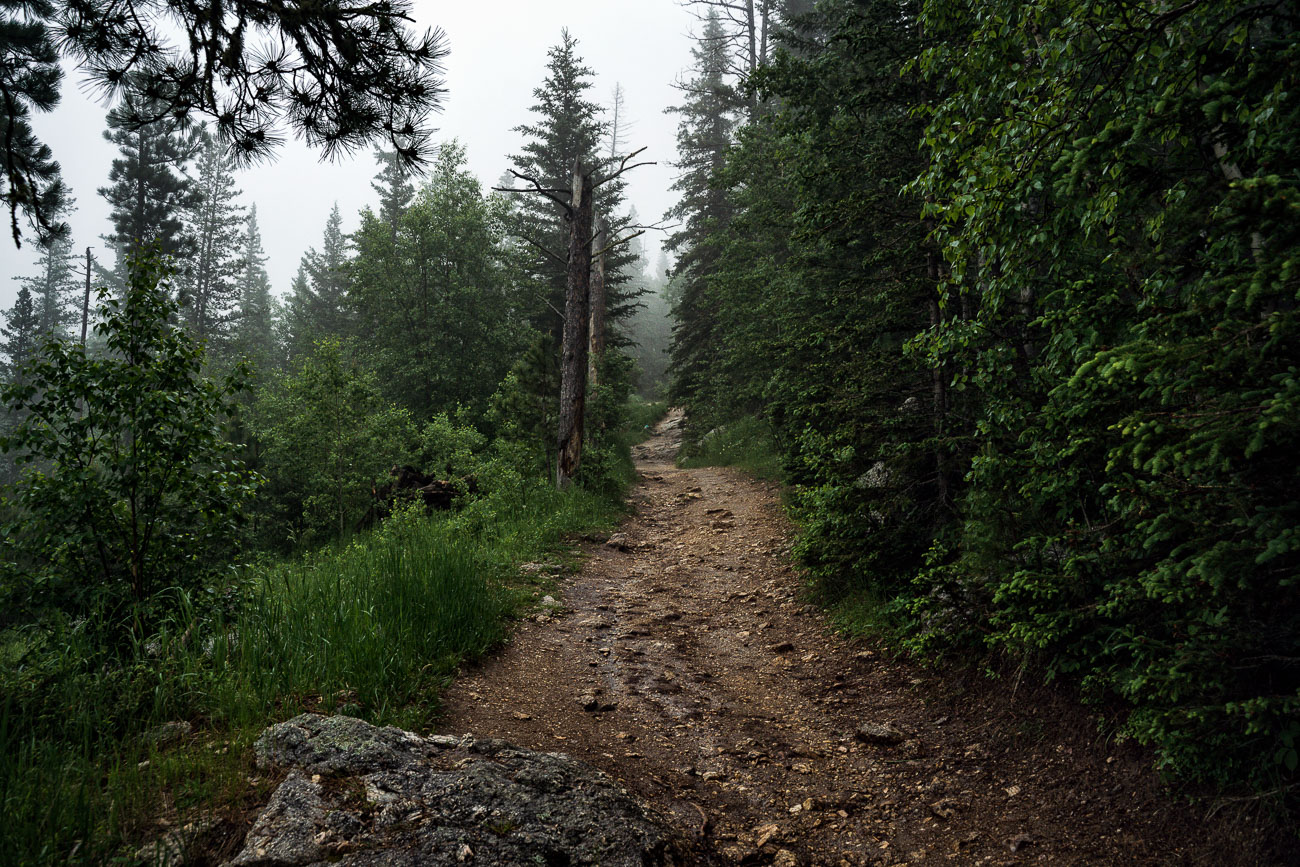
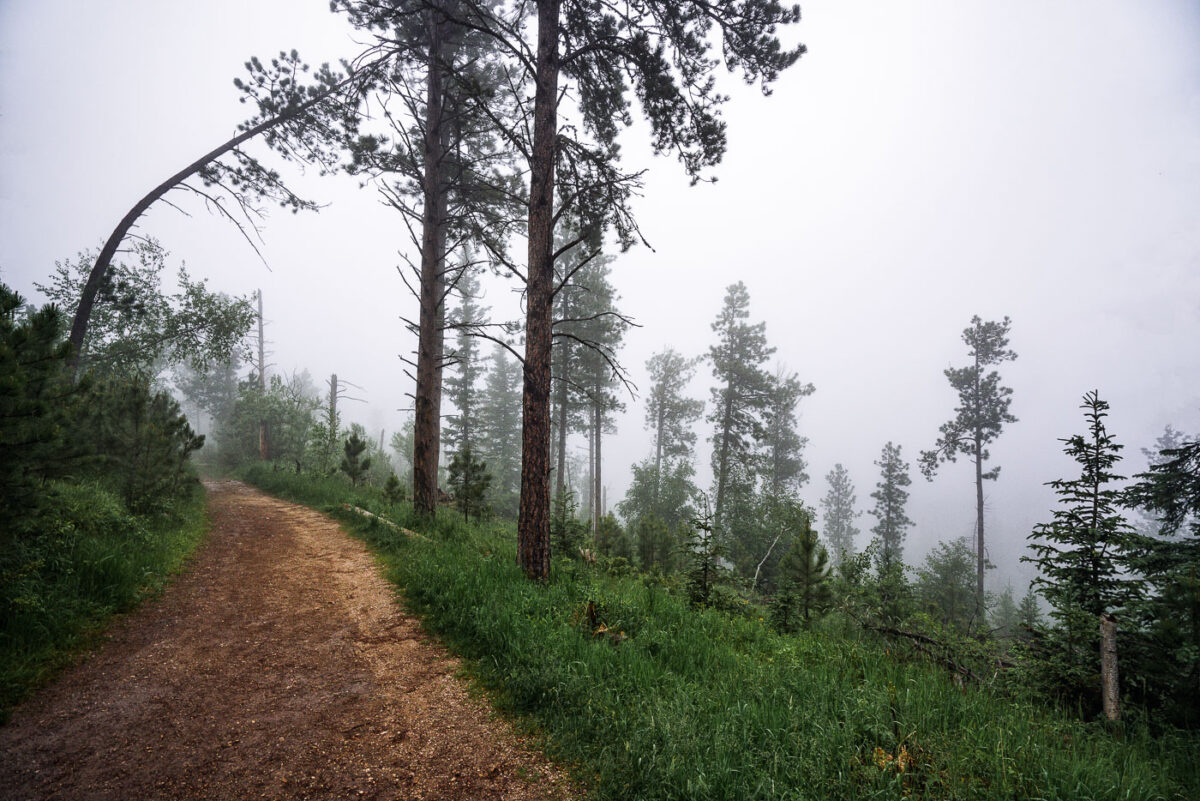
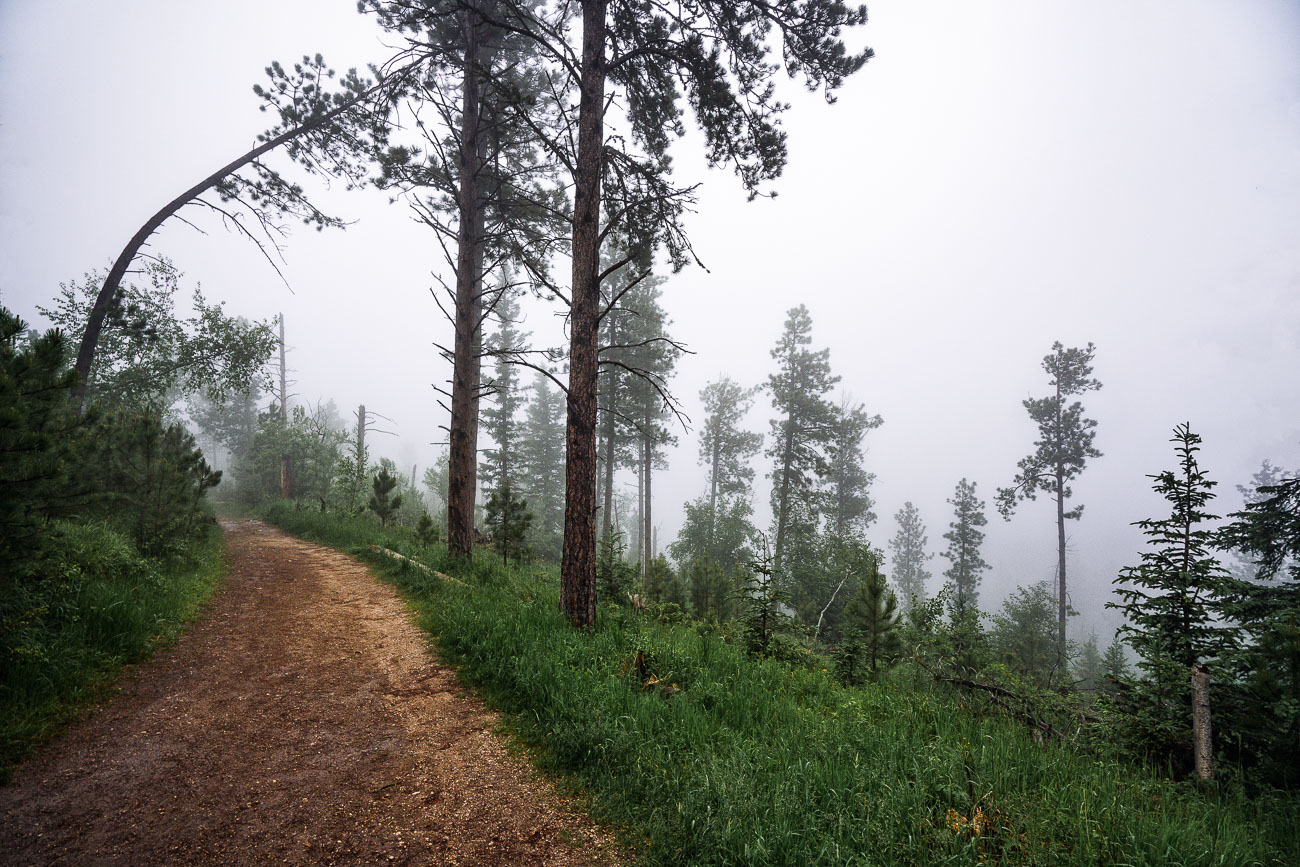
July 6, 2019 — Early morning fog blankets Sylvan Lake in South Dakota's Black Hills, obscuring the surrounding granite formations. Created in 1891 by a dam built by Theodore Reder, the lake is situated at the start of the Needles Highway. The area is a popular destination for climbers and hikers, drawn to its unique geological features. On this particular morning, the mist limits visibility, transforming the landscape into a study of soft shapes and muted reflections on the water's surface.July 6, 2019 — The Needles Eye Tunnel, completed in 1922, is a narrow, one-lane passage carved through a granite spire in Custer State Park, South Dakota. As part of the Needles Highway (SD 87), this engineering feat measures only 8 feet 4 inches wide and 11 feet 3 inches high, necessitating careful navigation for vehicles. The tunnel is named for an adjacent rock formation shaped by erosion, and it remains a key feature of one of the Midwest's most striking mountain drives. The highway connects the park's spire formations with routes leading to Sylvan Lake and Mount Rushmore.July 5, 2019 — The Needles Eye Tunnel is a narrow passage carved through granite on the Needles Highway in Custer State Park, South Dakota. This road, part of the scenic Needles Highway, was constructed in the 1920s to showcase the park's unique geological formations, including the granite spires and pillars of the Black Hills. The tunnel itself was blasted through solid rock to allow passage for vehicles, becoming a distinctive feature of the park's infrastructure designed to enhance visitor access and appreciation of the natural landscape.July 5, 2019 — An American bison stands near the Wildlife Loop Road in Custer State Park, South Dakota, at dawn. Custer State Park manages one of the largest bison herds in the country, preserving a lineage tied to the Great Plains ecosystem and Native American history. The park's conservation efforts, including annual roundups, aim to maintain the health of the prairie and the bison population, which once numbered in the millions before the 19th century. Bison are a keystone species, their grazing habits significantly influencing the biodiversity of the grasslands.July 5, 2019 — A mature American bison stands in the prairie of Custer State Park, South Dakota. Established in 1914, the park's bison herd represents a significant conservation effort, as the species was once on the brink of extinction. Today, the herd numbers over a thousand animals, roaming freely across the park's diverse landscape of mixed-grass prairie and ponderosa pine forest. This herd is a vital component of the ecological restoration of the Great Plains and a living testament to the enduring presence of North America's native megafauna.July 5, 2019 — A herd of bison grazes in Custer State Park, South Dakota. Established in 1913, the park is home to one of the largest bison herds in the world, a testament to conservation efforts. The park's landscape, characterized by rolling hills and ponderosa pine forests, provides essential habitat for these American icons. Bison were reintroduced to the park in the early 20th century, helping to restore a species that had been nearly eradicated.July 4, 2019 — Sylvan Lake, located within Custer State Park in South Dakota's Black Hills, was formed in 1881 by Theodore Reder's construction of a dam on Sunday Gulch Creek. The lake and its surrounding granite formations are a popular destination for activities such as rock climbing, boating, swimming, and hiking. It also serves as a trailhead for excursions to notable natural landmarks like Black Elk Peak and The Needles.July 4, 2019 — This landscape along Highway 87 in the Black Hills National Forest showcases the region's characteristic granite highlands, formed by the ancient Harney Peak granite formation. The rugged terrain features weathered rock outcrops interspersed with ponderosa pines, some clinging to crevices and others growing amidst fallen timber from past fires. The area is part of the scenic Needles Highway corridor in Custer State Park, South Dakota, known for its challenging grades and dramatic mountain light. This environment reflects the geological history and ongoing ecological processes of the Black Hills.July 4, 2019 — This natural rock formation, resembling an abandoned mine entrance, is located in the Black Hills region of South Dakota. The area has a rich history of mining, particularly for gold and other precious metals, which began in the late 19th century. While this specific opening may not have been a functional mine shaft, its geological structure and the surrounding landscape are indicative of the mineral-rich environment that attracted prospectors. Today, such formations are often explored for their natural beauty and geological interest, offering a glimpse into the region's past and its enduring appeal.July 3, 2019 — A hiker descends the trail from Black Elk Peak, the highest point in South Dakota, within Custer State Park. The Black Hills, a region of significant cultural and spiritual importance to the Lakota people, are characterized by ancient geological formations and a landscape shaped by uplift and erosion. This area, part of the Norbeck Wildlife Preserve, supports diverse flora, including ponderosa pines that grow on rocky outcrops, and has experienced cycles of forest fires and renewal.July 3, 2019 — Low clouds and fog envelop the granite spires of the Cathedral Spires in South Dakota's Black Hills shortly after dawn. These formations, part of the Needles range within Custer State Park, are composed of Harney Peak granite and were shaped by millions of years of geological processes. The area is a significant natural landmark, known for its rugged beauty and popularity among climbers and hikers. The morning mist often creates an ethereal atmosphere, highlighting the dramatic topography of the region.July 3, 2019 — Horseback riders ascend a trail on Black Elk Peak in South Dakota's Black Hills, a landscape often shrouded in mist. The peak, renamed in 2016 to honor Lakota spiritual leader Black Elk, has been a significant site for Indigenous peoples and later a popular destination for hikers and equestrians. The trail winds through ponderosa pines and rugged terrain, offering views of the granite formations characteristic of the region.July 3, 2019 — The trail to Black Elk Peak in South Dakota's Black Hills is shrouded in fog, with light rain making the path damp. This trail ascends to the state's highest point, over 7,200 feet, offering views that are often obscured by clouds. The area is considered sacred by the Lakota people and is characterized by its ponderosa pines and spruce trees, creating a serene and atmospheric ascent.July 3, 2019 — A dense fog obscures the summit of Black Elk Peak, the highest point in South Dakota at 7,242 feet, located within the Black Hills National Forest. This granite peak, formerly known as Harney Peak, is a site of significant cultural importance to the Lakota Sioux people. The surrounding landscape of Custer State Park, characterized by rocky terrain and scattered pine trees, is enveloped in mist, creating a serene and solitary atmosphere.July 3, 2019 — The trail to Black Elk Peak, formerly Harney Peak, ascends through a misty forest in South Dakota's Black Hills. This path, winding through ponderosa pine, birch, and spruce, leads to the highest natural point in the state at 7,244 feet. The mountain holds deep spiritual significance for the Lakota people and is a popular hiking destination. The dense fog and damp conditions create a serene atmosphere, highlighting the natural beauty and geological history of the region.July 3, 2019 — A trail ascends through a ponderosa pine forest on Black Elk Peak in South Dakota's Black Hills, shrouded in morning fog. Formerly known as Harney Peak, this summit is the highest point in the state and holds significant cultural importance for the Lakota Sioux people. The trail, a popular hiking route, leads to the peak's summit, which offers panoramic views on clear days but is often enveloped in mist, creating a serene and introspective atmosphere.
Built in Minneapolis
Photographs made over time, focused on place, public life, and ongoing reporting.
Browse by location, move through long-running series, or start with recent work.