Photo Set
Superior National Forest
Boreal forest, lakes, rivers, wildlife, and forest roads across northeastern Minnesota's three-million-acre national forest
Superior National Forest covers roughly three million acres across northeastern Minnesota, stretching from the Iron Range northeast to the Canadian border. Established in 1909, it is one of the largest national forests in the country and contains more than 445,000 acres of the Boundary Waters Canoe Area Wilderness, the most-visited wilderness area in the United States.
The forest sits on some of the oldest exposed rock on earth, a landscape shaped by glaciers that left behind thin soils, granite bedrock close to the surface, and more than a thousand lakes scattered across the interior. That geology determines nearly everything about how the land looks and behaves: trees grow shallow roots across bare rock rather than deep into the ground, rivers carve through volcanic gorges on their way to Lake Superior, and the boreal mix of jack pine, spruce, birch, and aspen dominates stands that give way to maple and aspen on the margins, producing some of the most intense autumn color in the region.
Fire is a recurring presence here. The Greenwood Fire burned thousands of acres near Isabella in 2021, reaching into the Boundary Waters, and campfire bans tied to drought conditions are a routine part of summer management across the forest. By the summer of 2026, multiple active fires had prompted BWCA closures and fire pit restrictions across the area once again.
The communities nearest the forest — Ely, Isabella, Grand Marais — function largely as access points, connected to the interior by gravel roads like Dumbbell Road and the Arrowhead Trail, and by paddling routes like the Timber Frear Canoe Route, which links chains of backcountry lakes through marked portages. The Gunflint Trail runs northeast from Grand Marais along the forest's eastern reach, past lakes, helispots, and Forest Service infrastructure dating back to mid-century logging and fire management programs. This set is part of an ongoing series returning to the forest across multiple years and seasons.
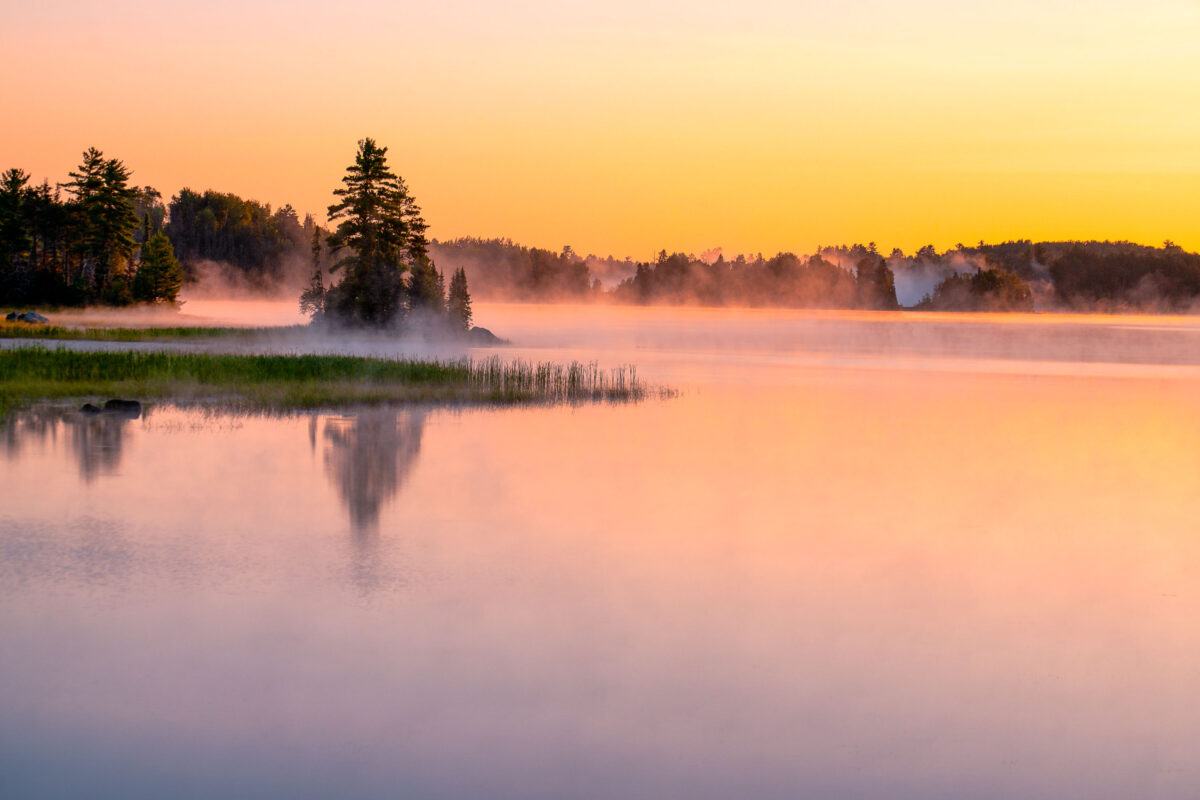
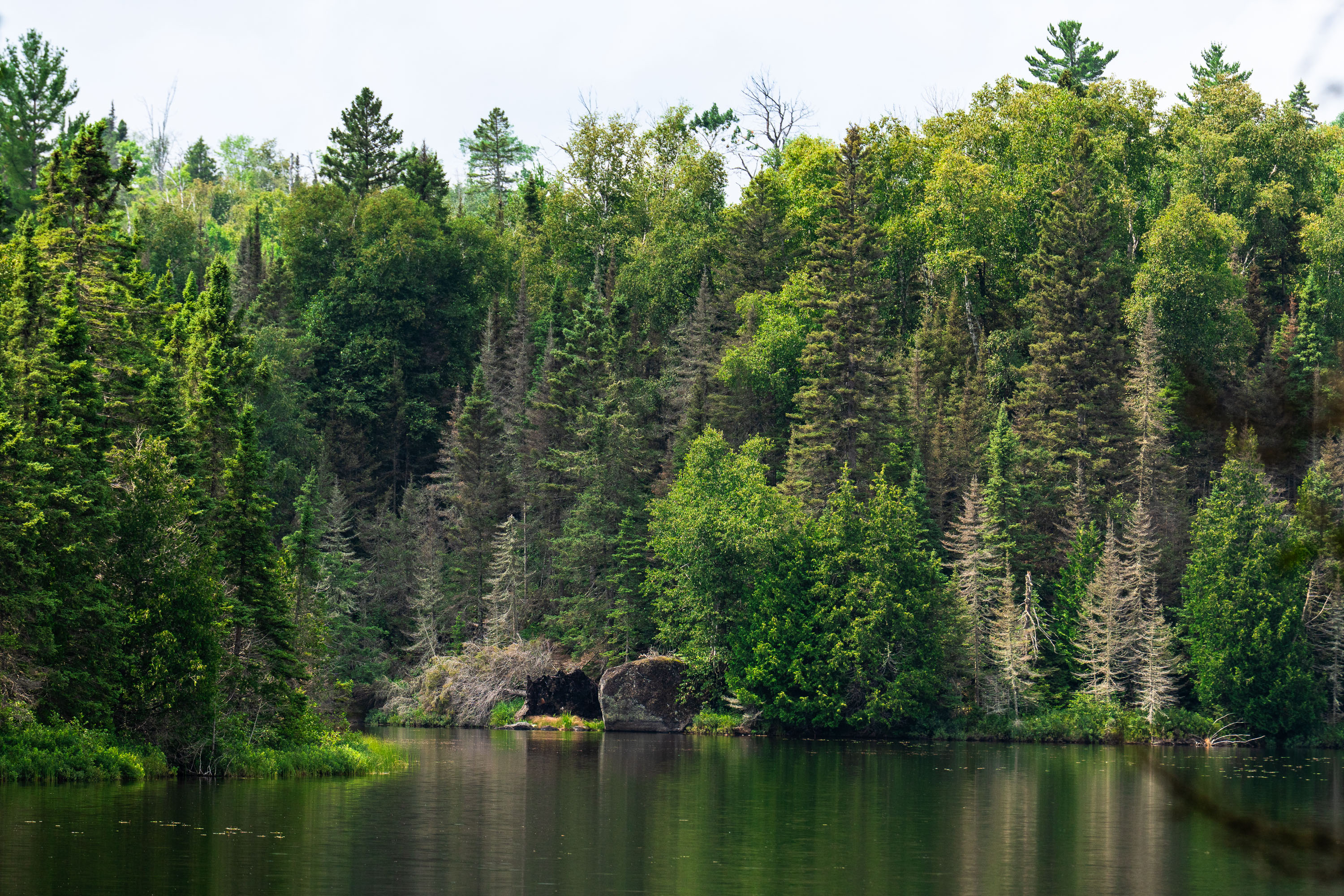 View full post: Homestead Lake, Superior National Forest, Minnesota
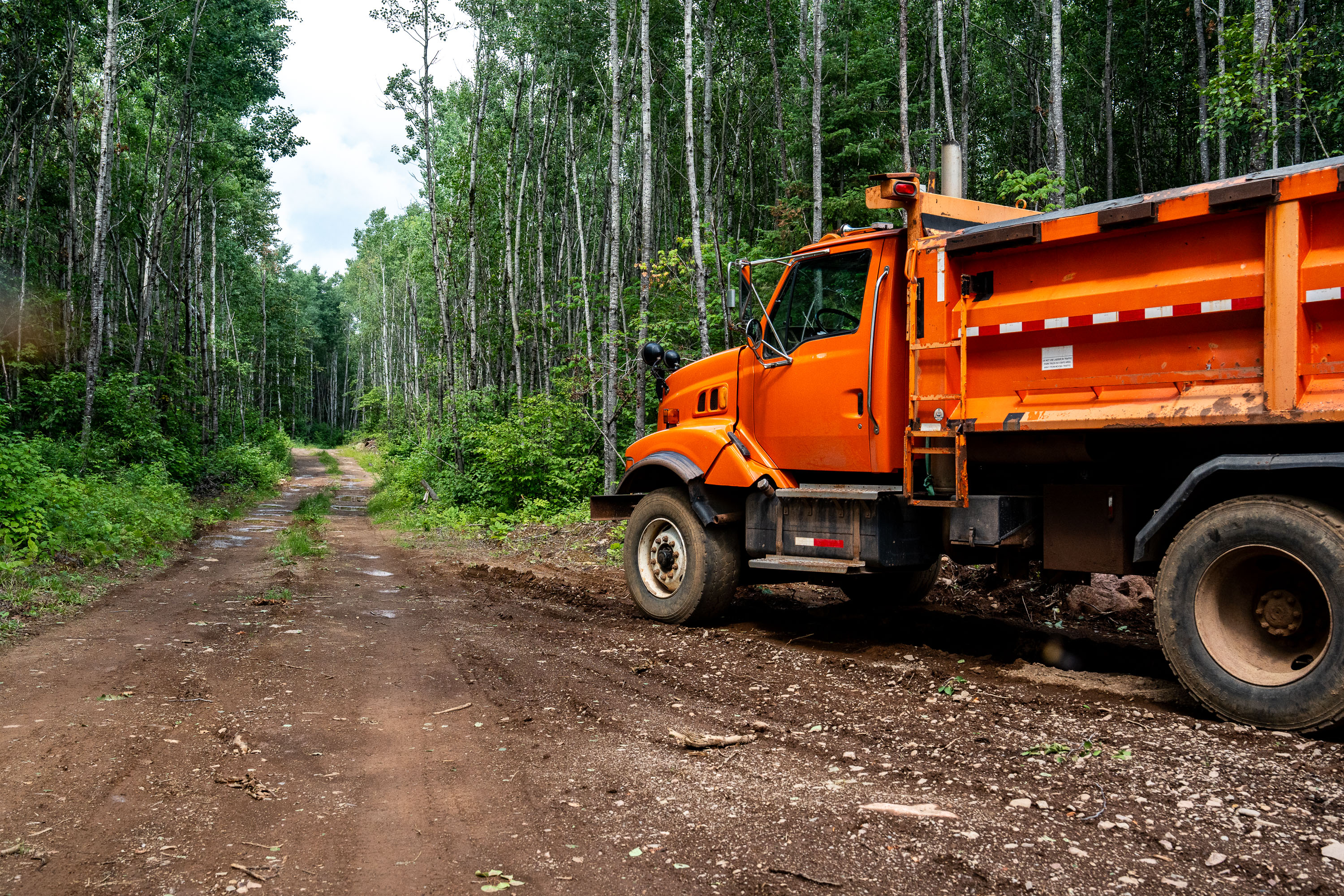 View full post: Logging Truck in the Superior National Forest
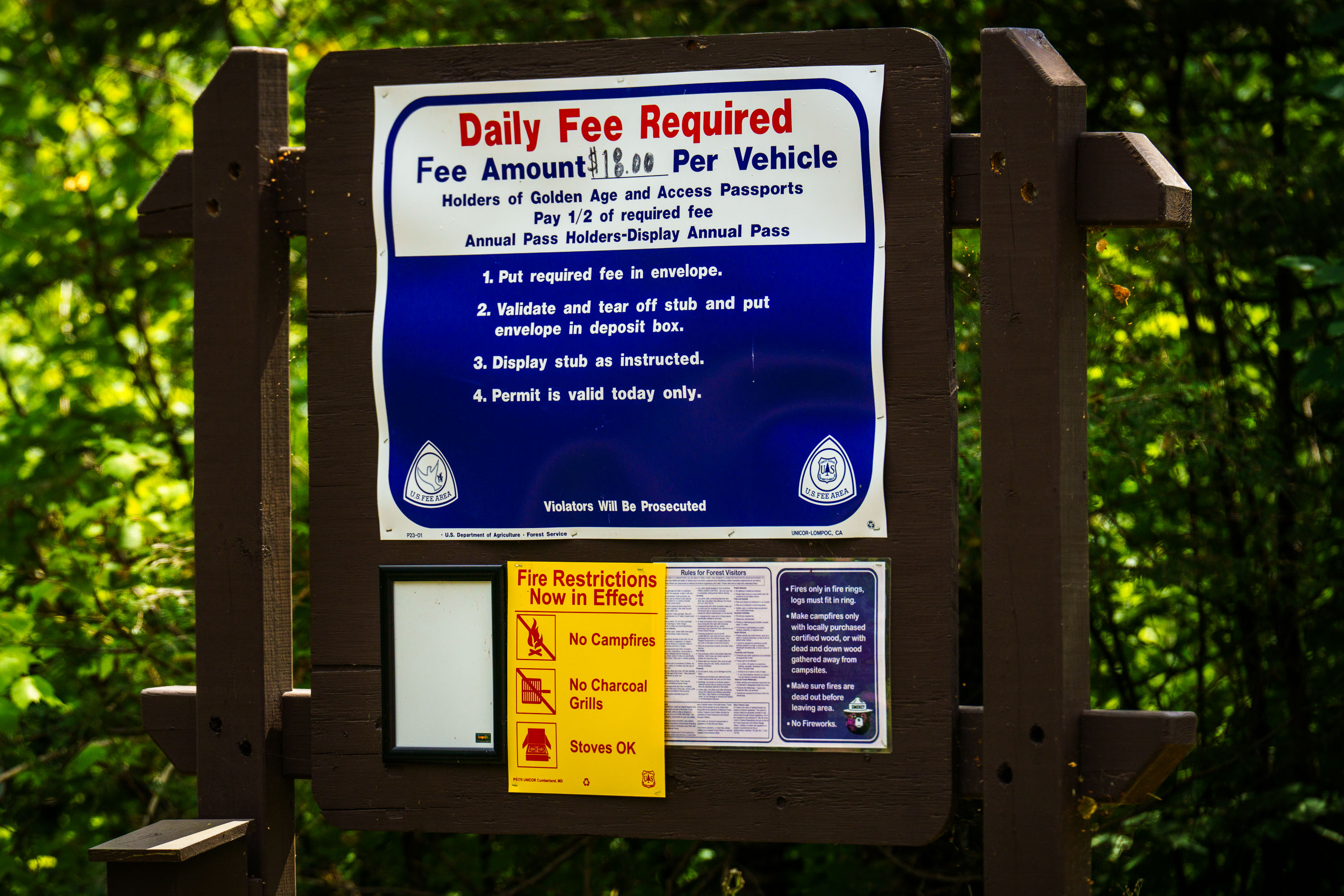 View full post: Fire restrictions signage in Finland State Forest, Minnesota
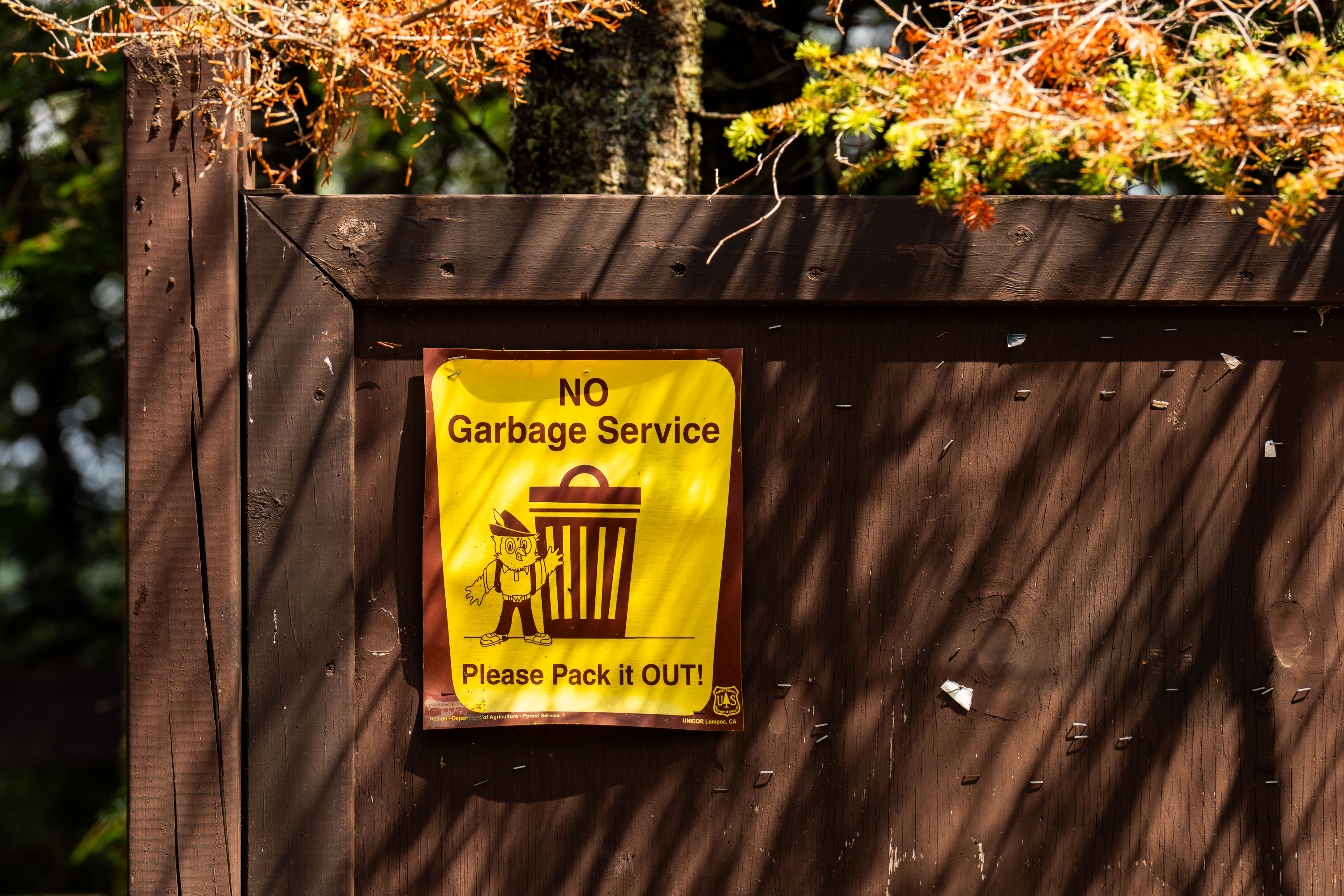 View full post: No Garbage Service Sign, Superior National Forest
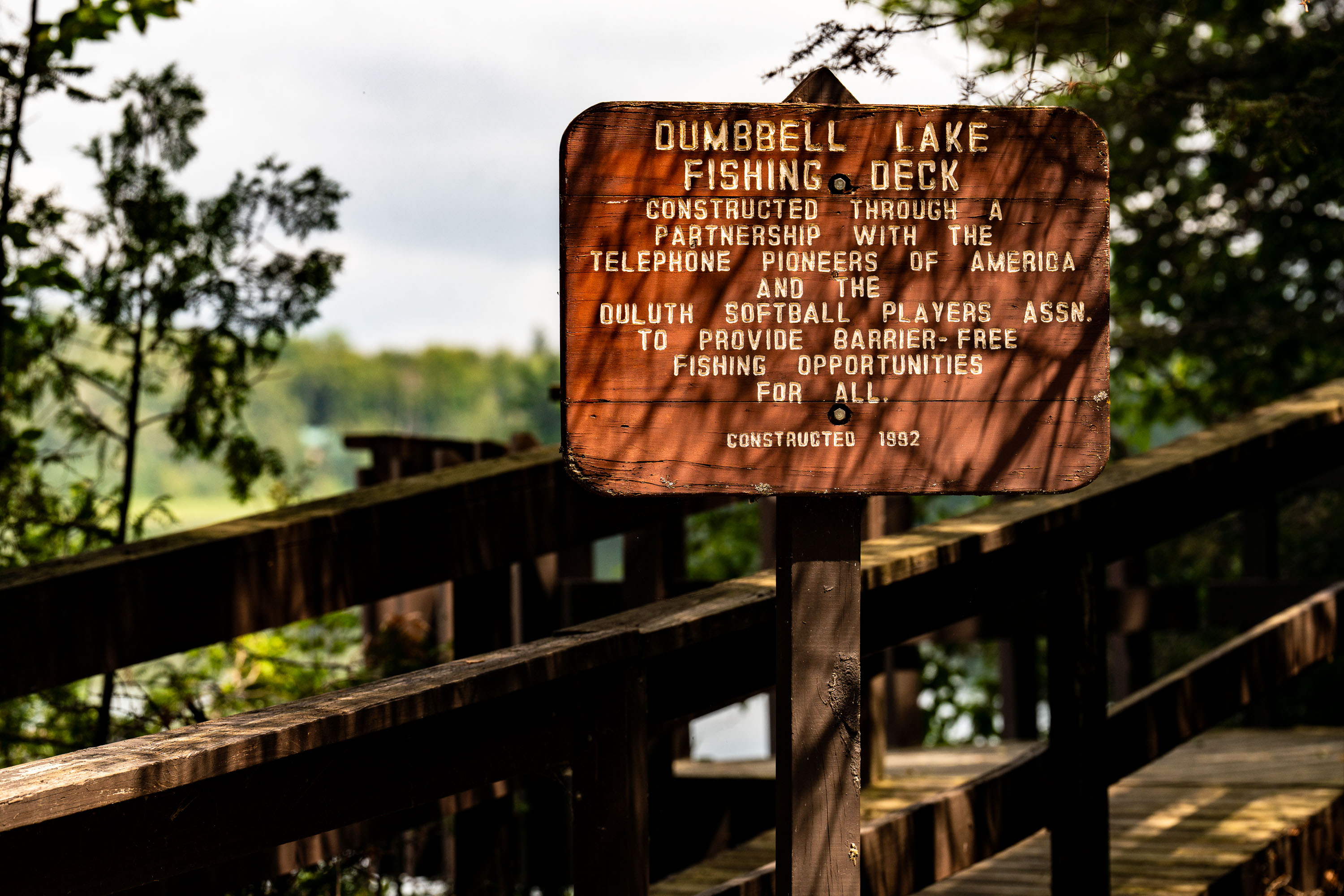 View full post: Dumbbell Lake Fishing Deck, Superior National Forest
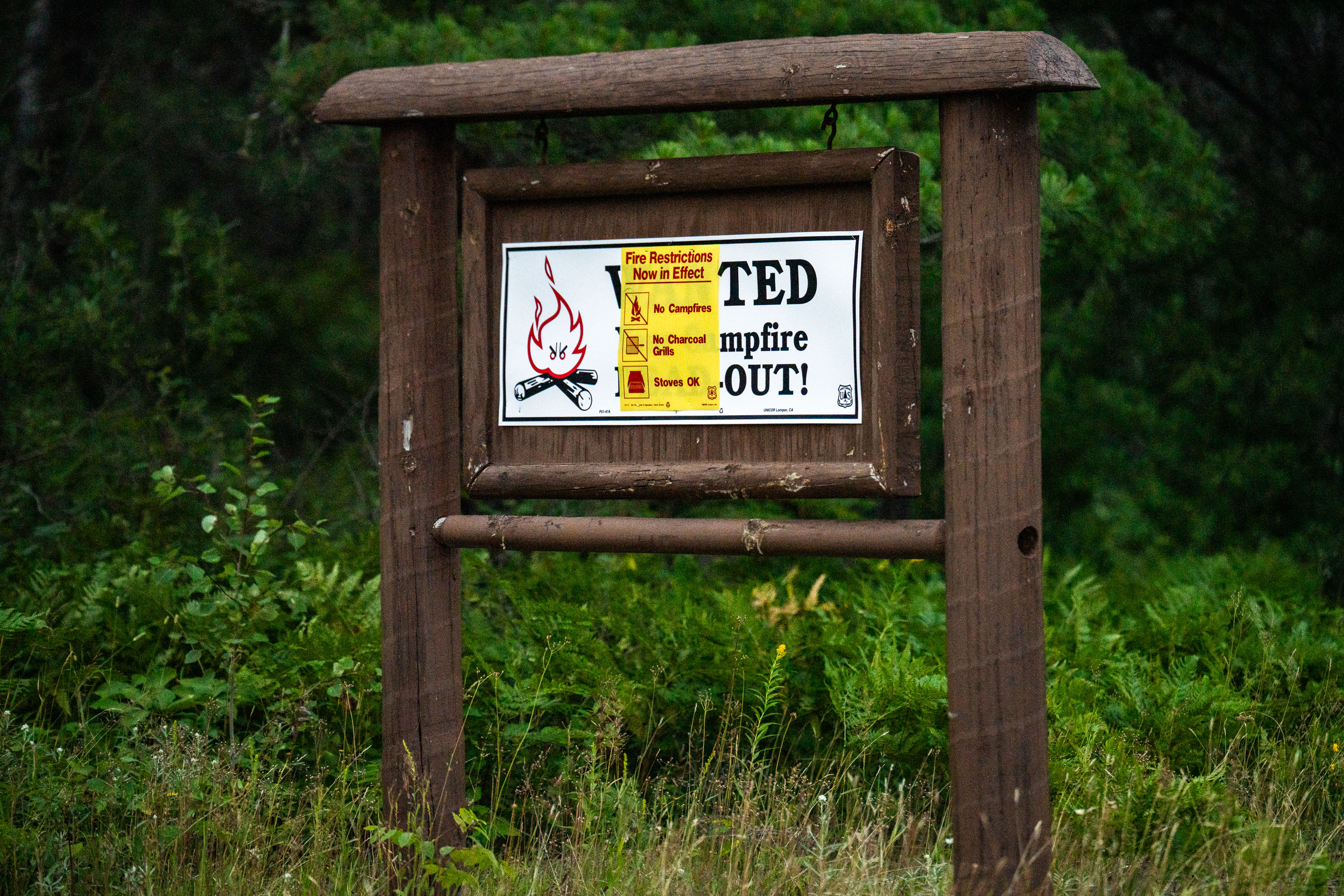 View full post: Fire restrictions sign in Minnesota
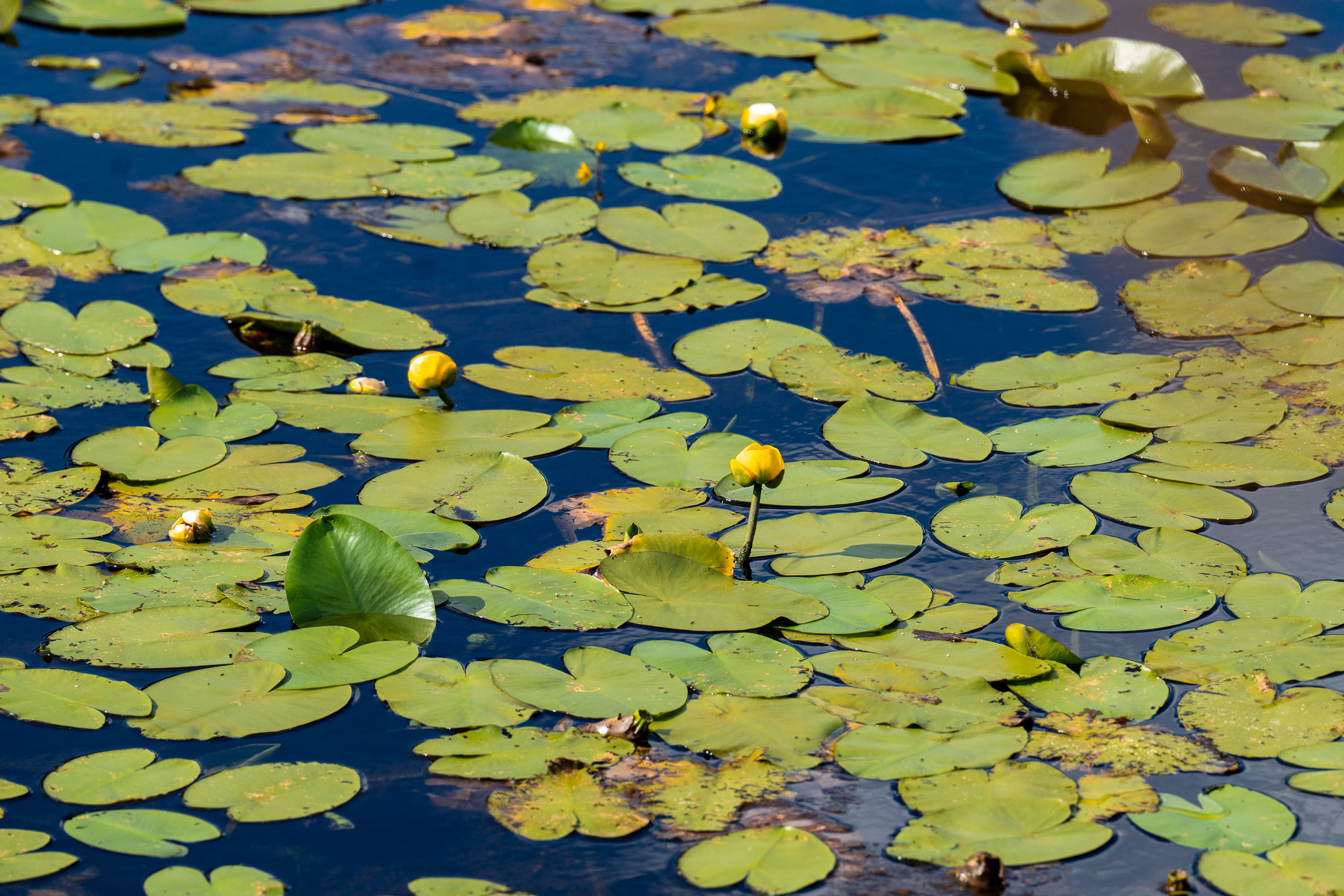 View full post: Yellow Pond Lilies and Lily Pads on Still Water
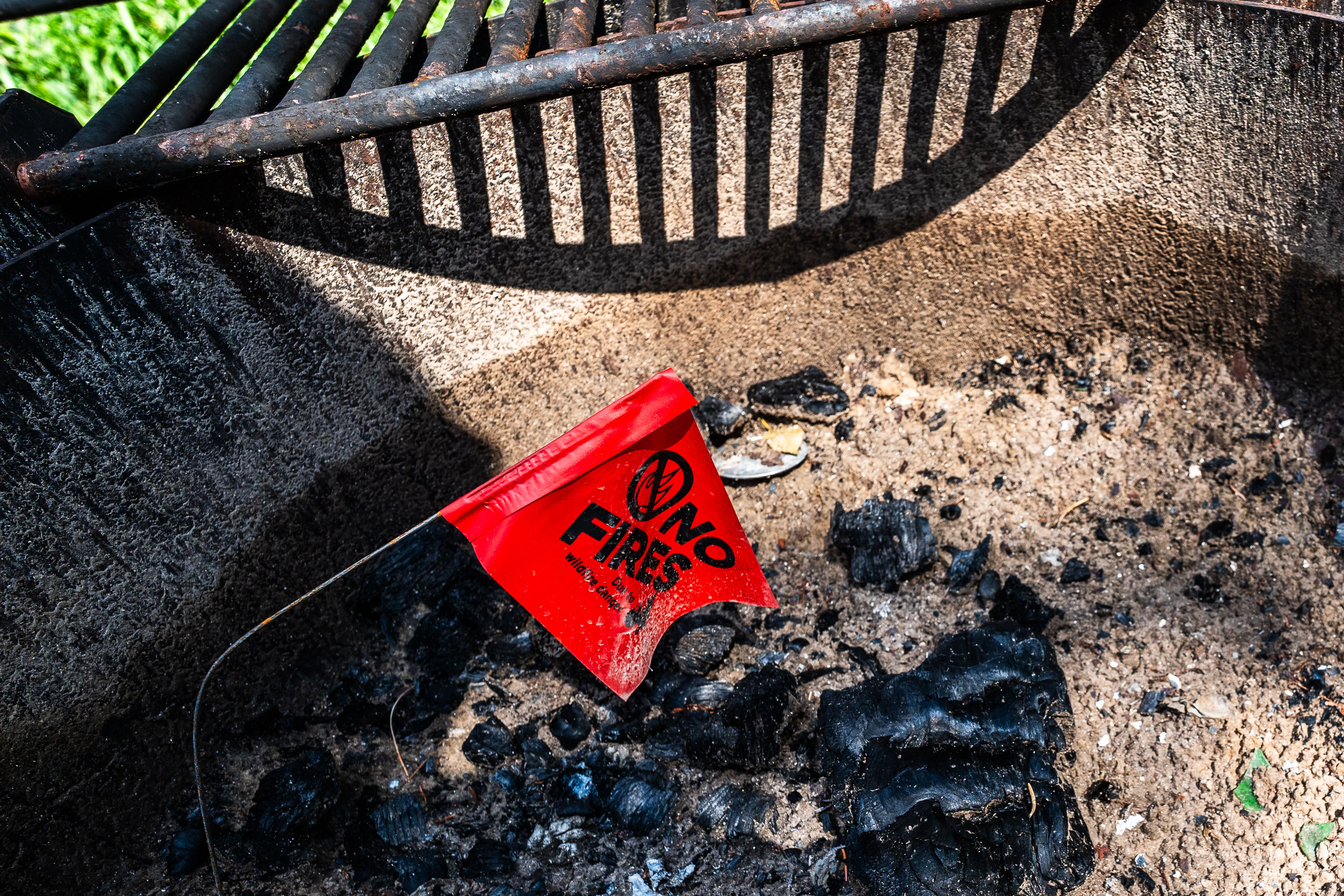 View full post: No Fires flag in Superior National Forest fire pit
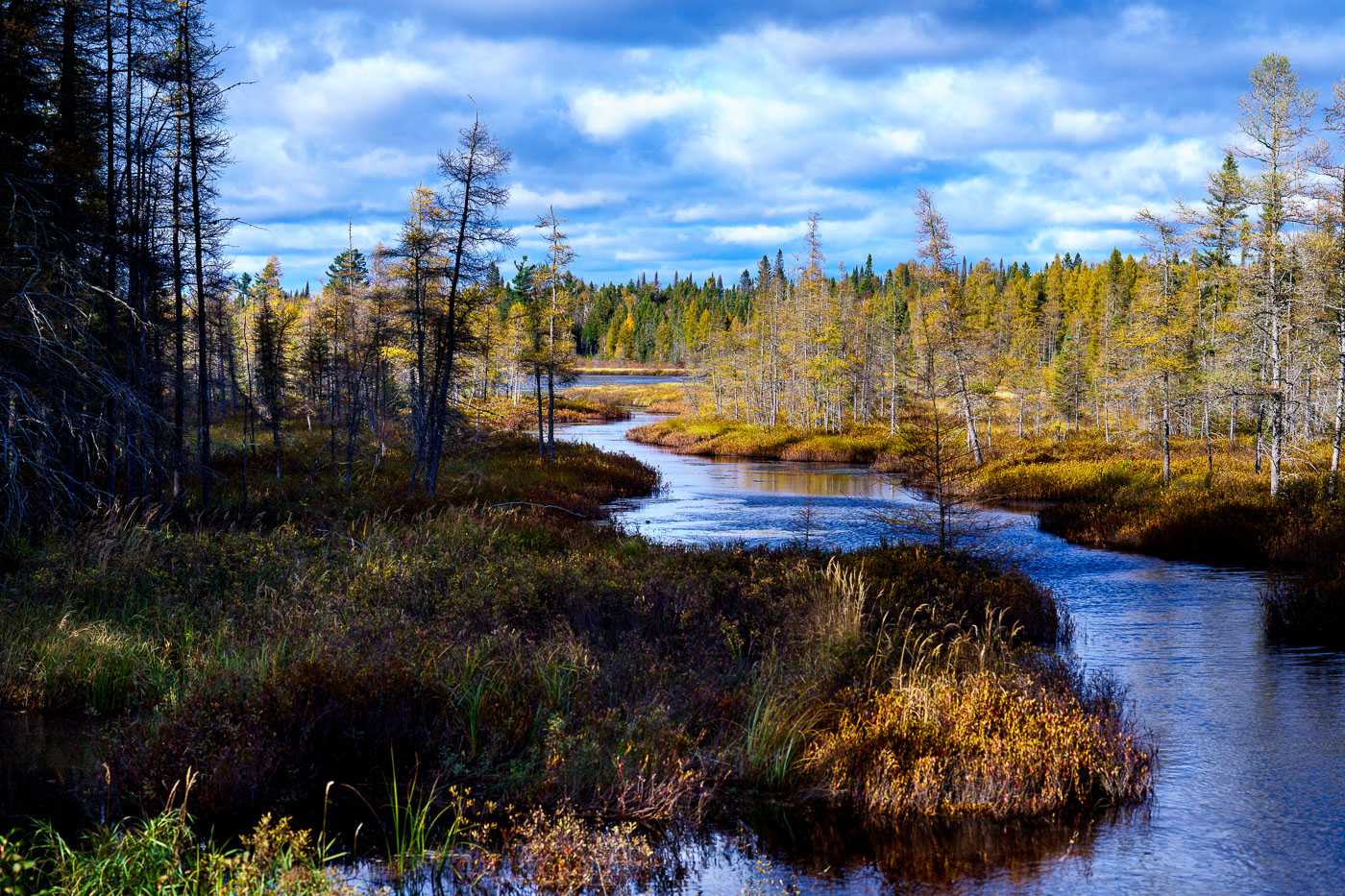 View full post: West Baptism River, Superior National Forest, Minnesota
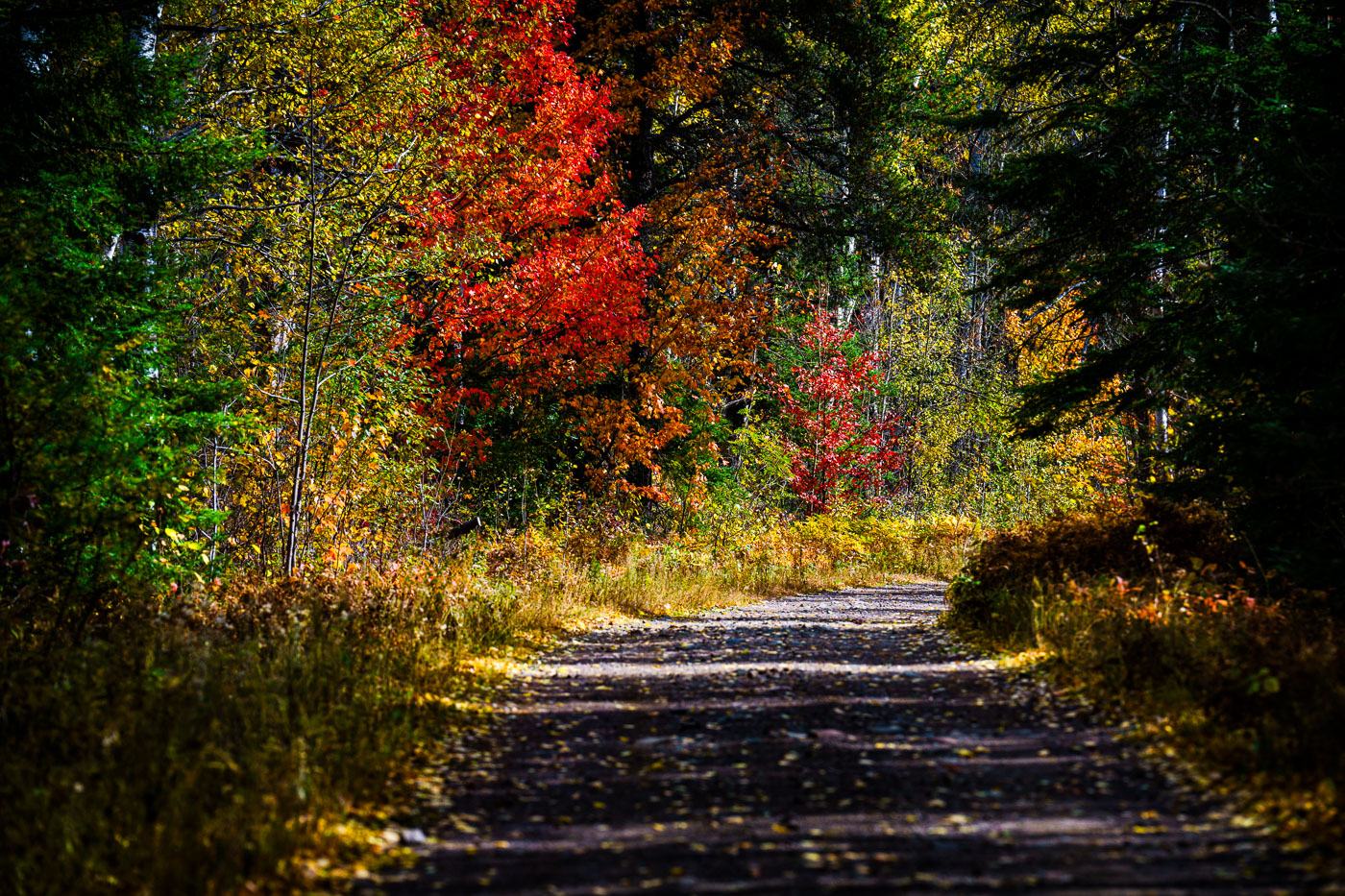 View full post: Superior National Forest Road in Autumn, Minnesota
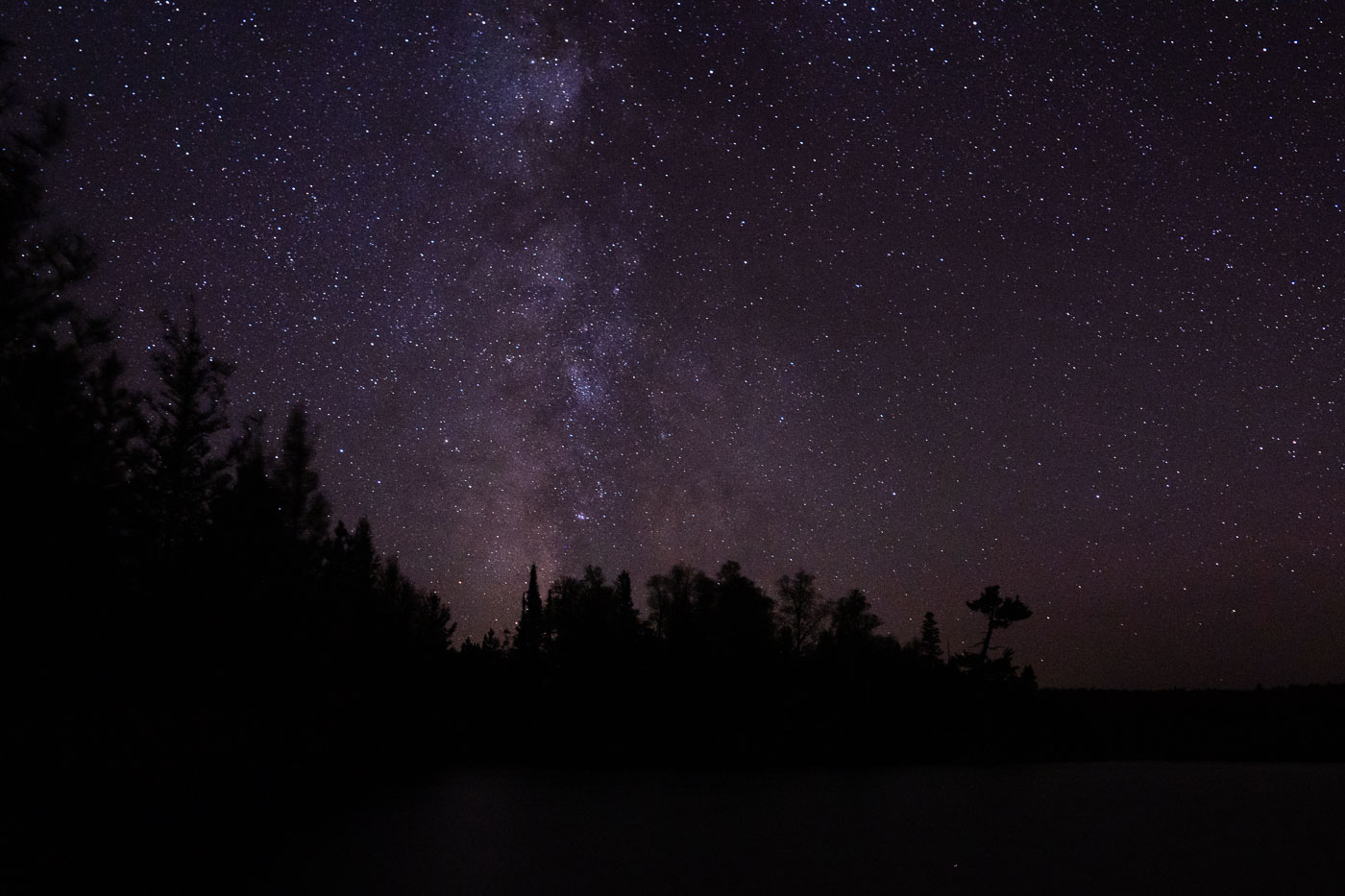 View full post: Milky Way Over Superior National Forest, Minnesota
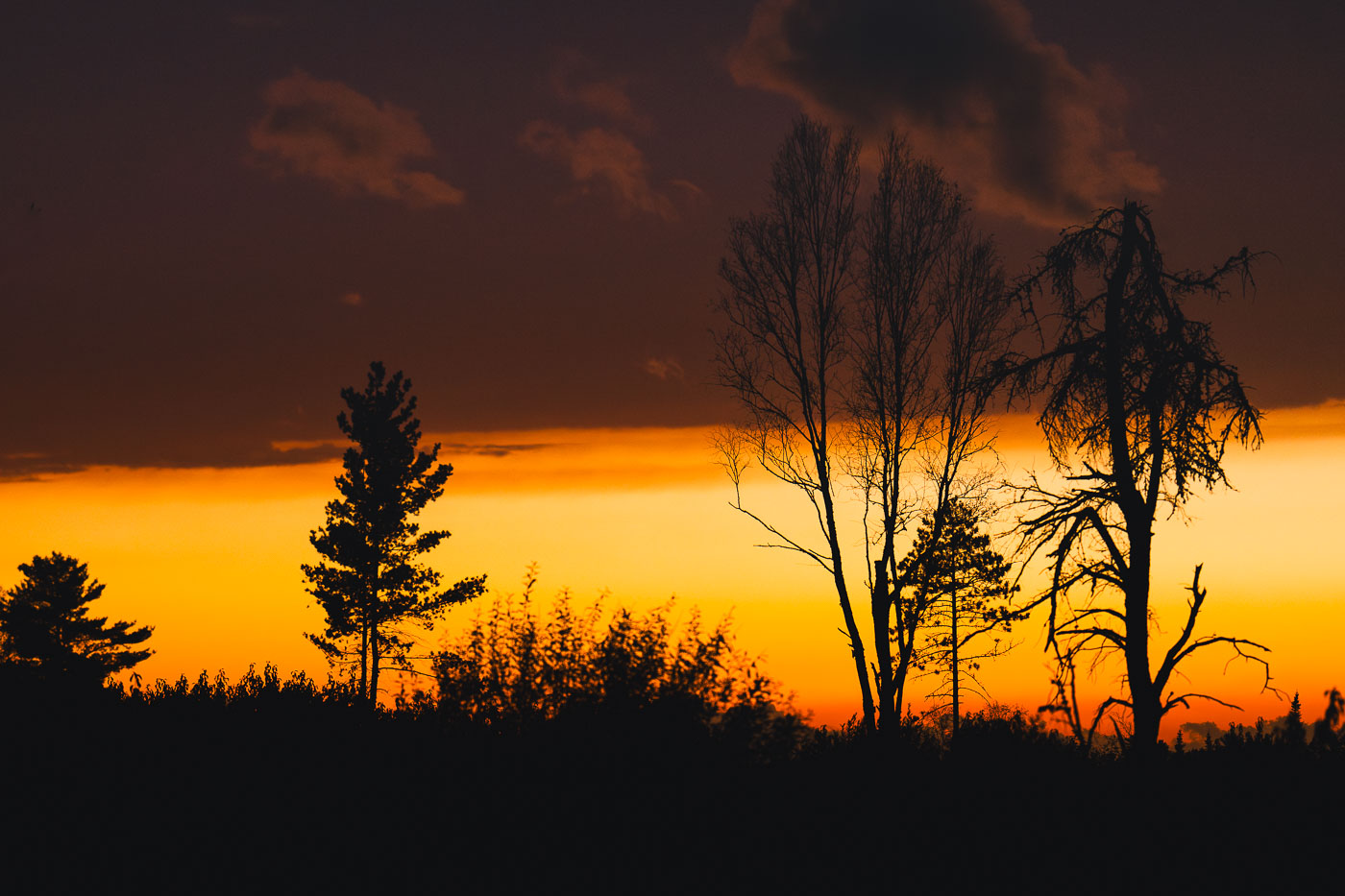 View full post: Sunset clouds in National Forest
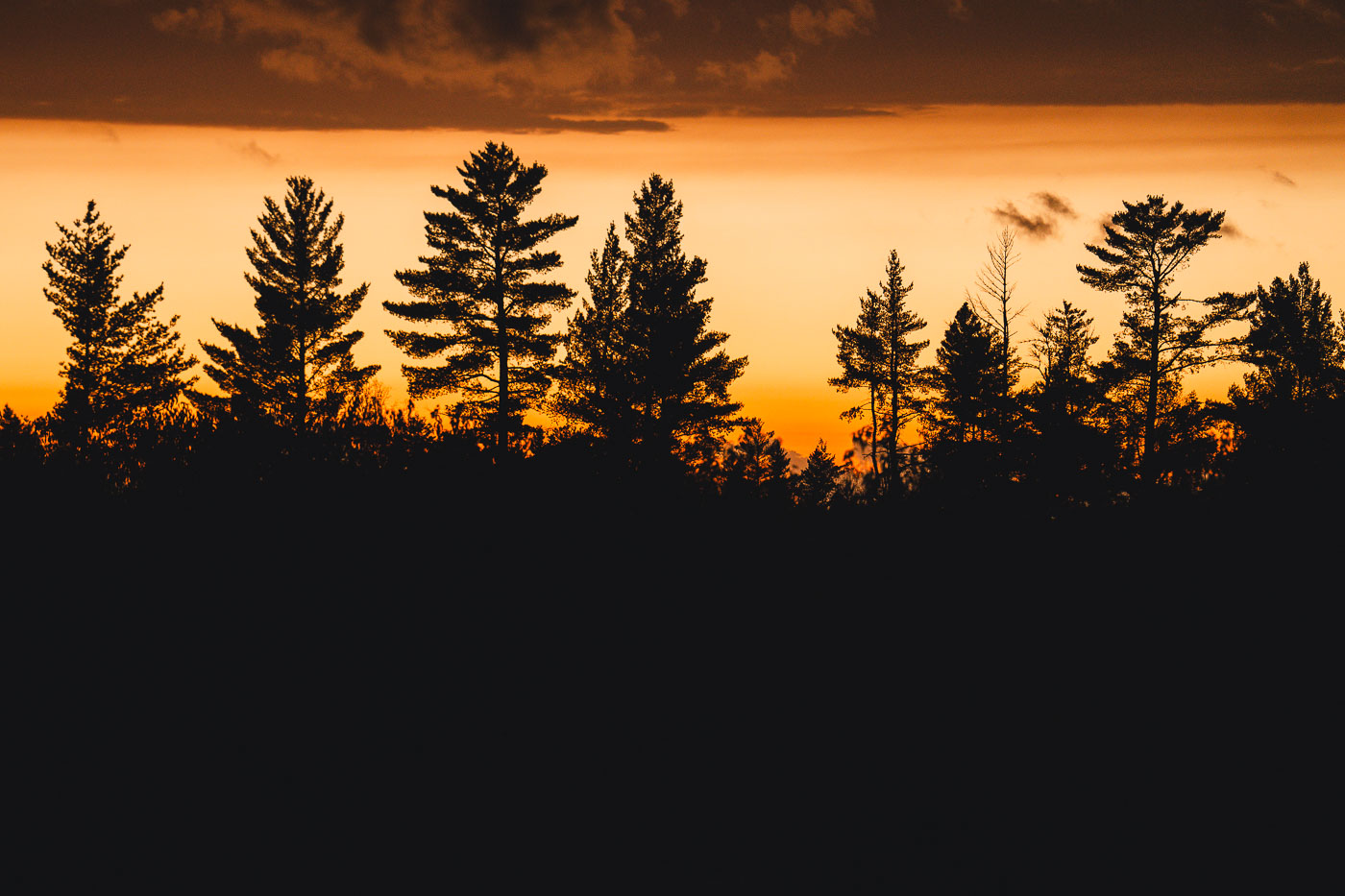 View full post: Autumn sunset trees in Minnesota
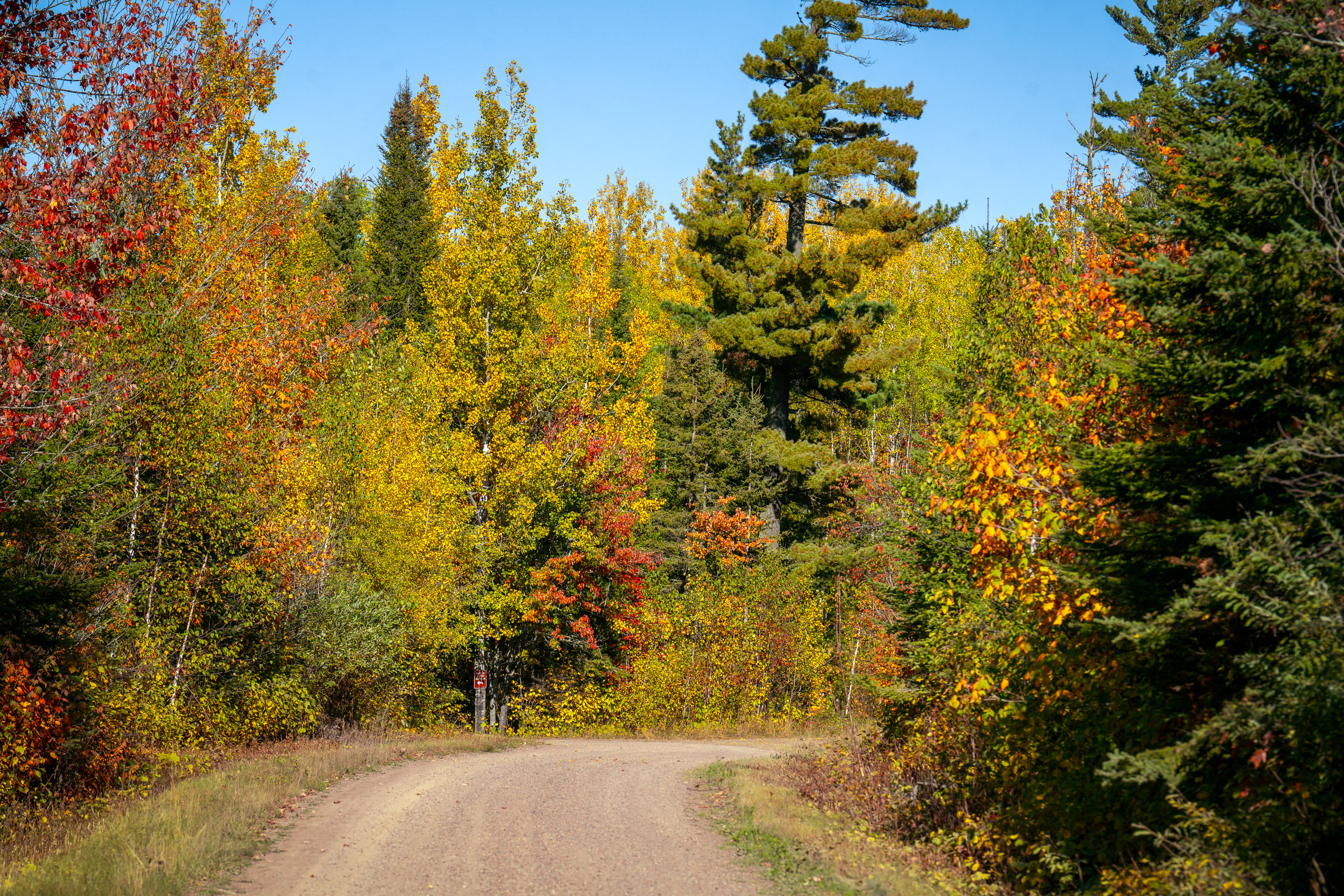 View full post: Gravel Forest Road in Autumn, Superior National Forest
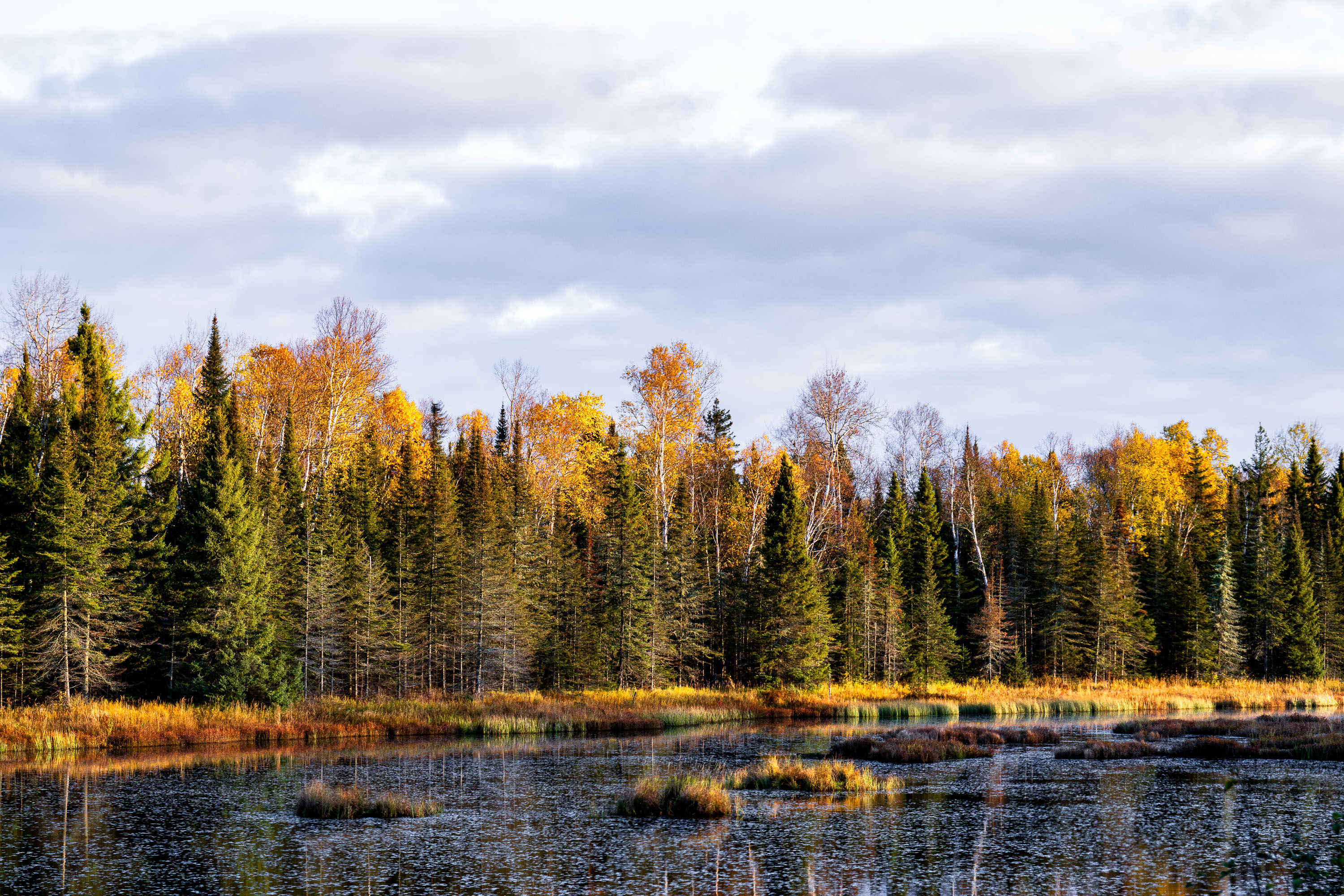 View full post: Wetland Marsh in Autumn, Superior National Forest, Minnesota
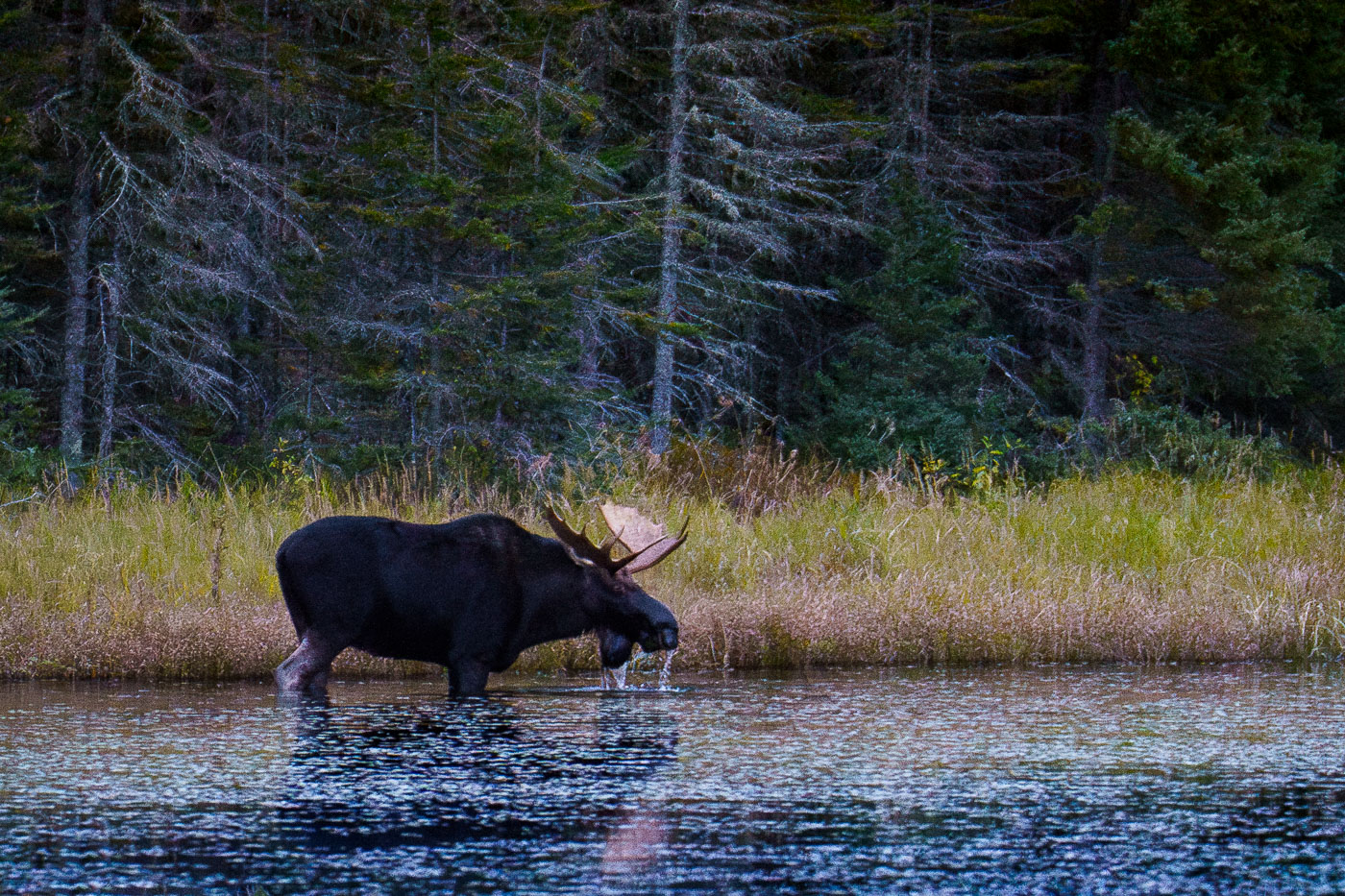 View full post: Moose Drinks Water in Superior National Forest, Minnesota
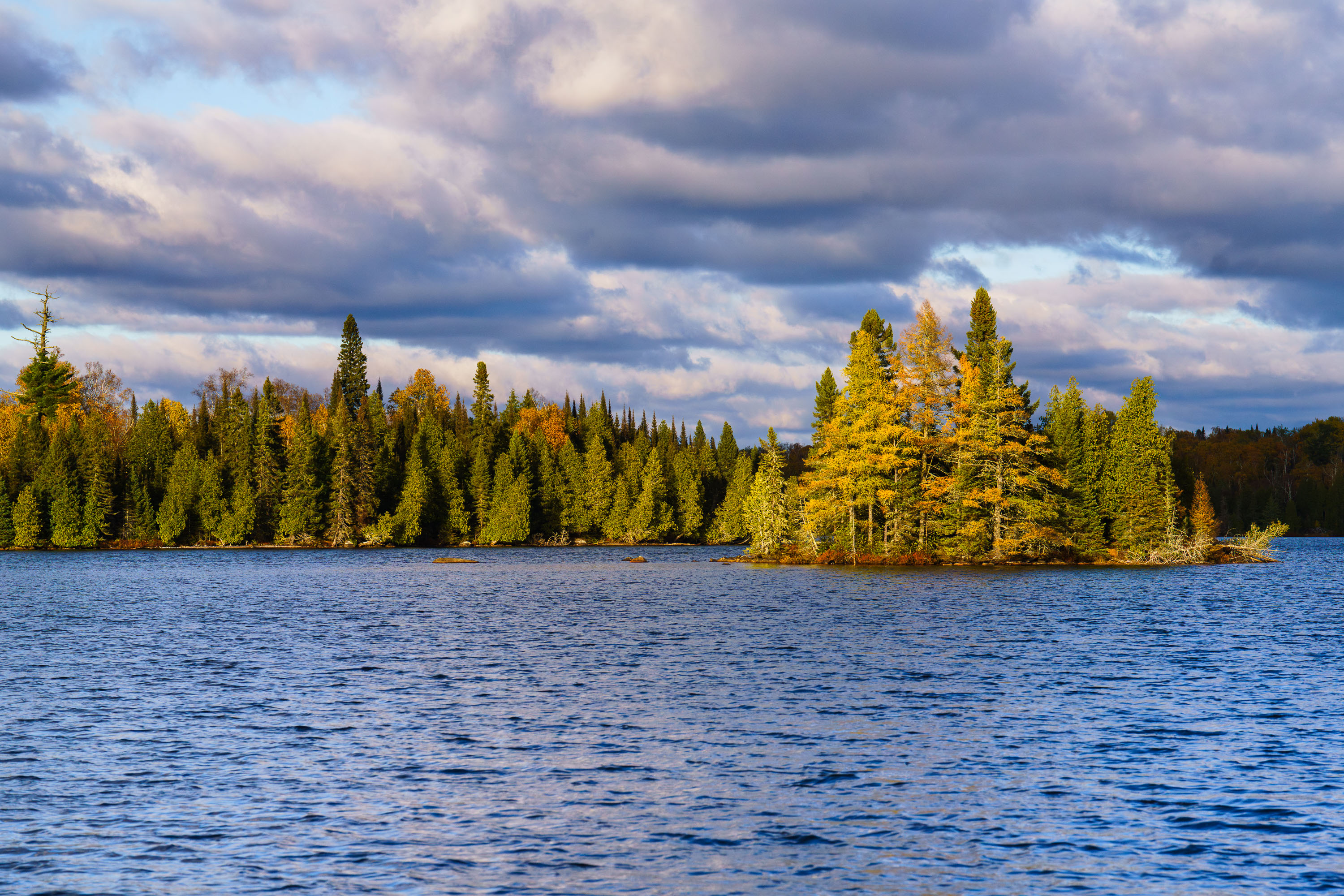 View full post: Richey Lake, Superior National Forest, Minnesota
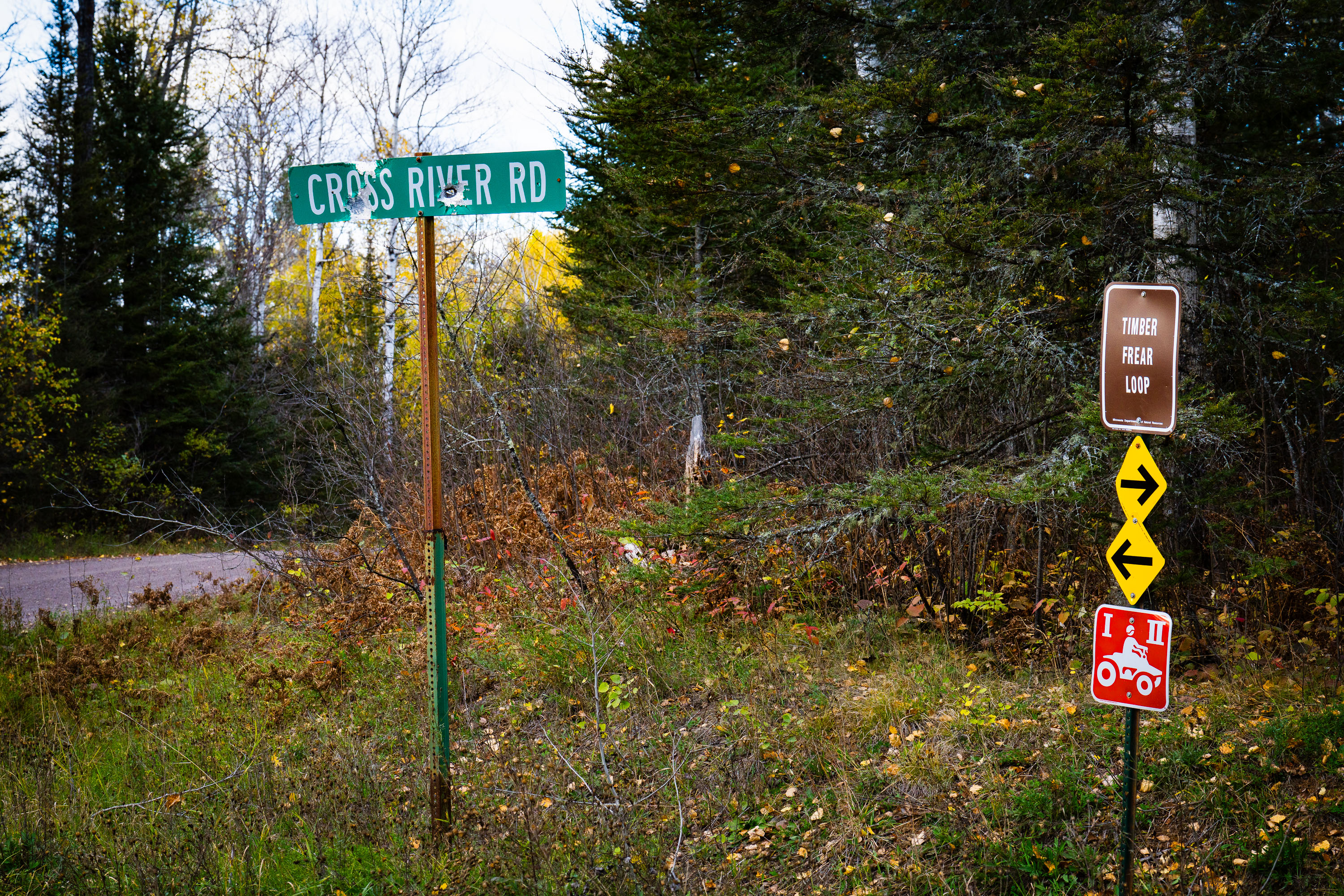 View full post: Superior National Forest: Cross River Rd & Timber Frear Loop
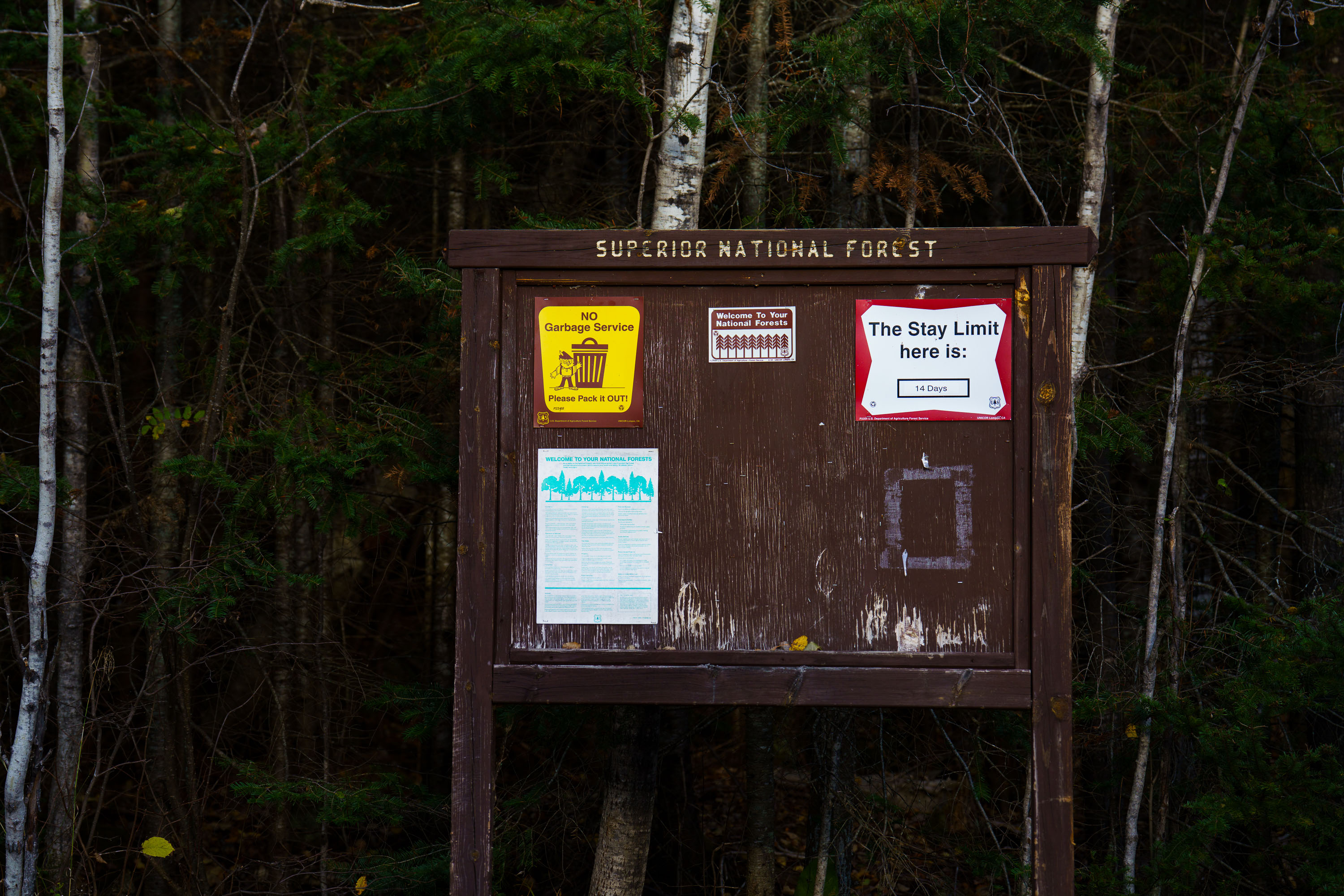 View full post: Superior National Forest Sign, Whitefish Lake Campground, MN
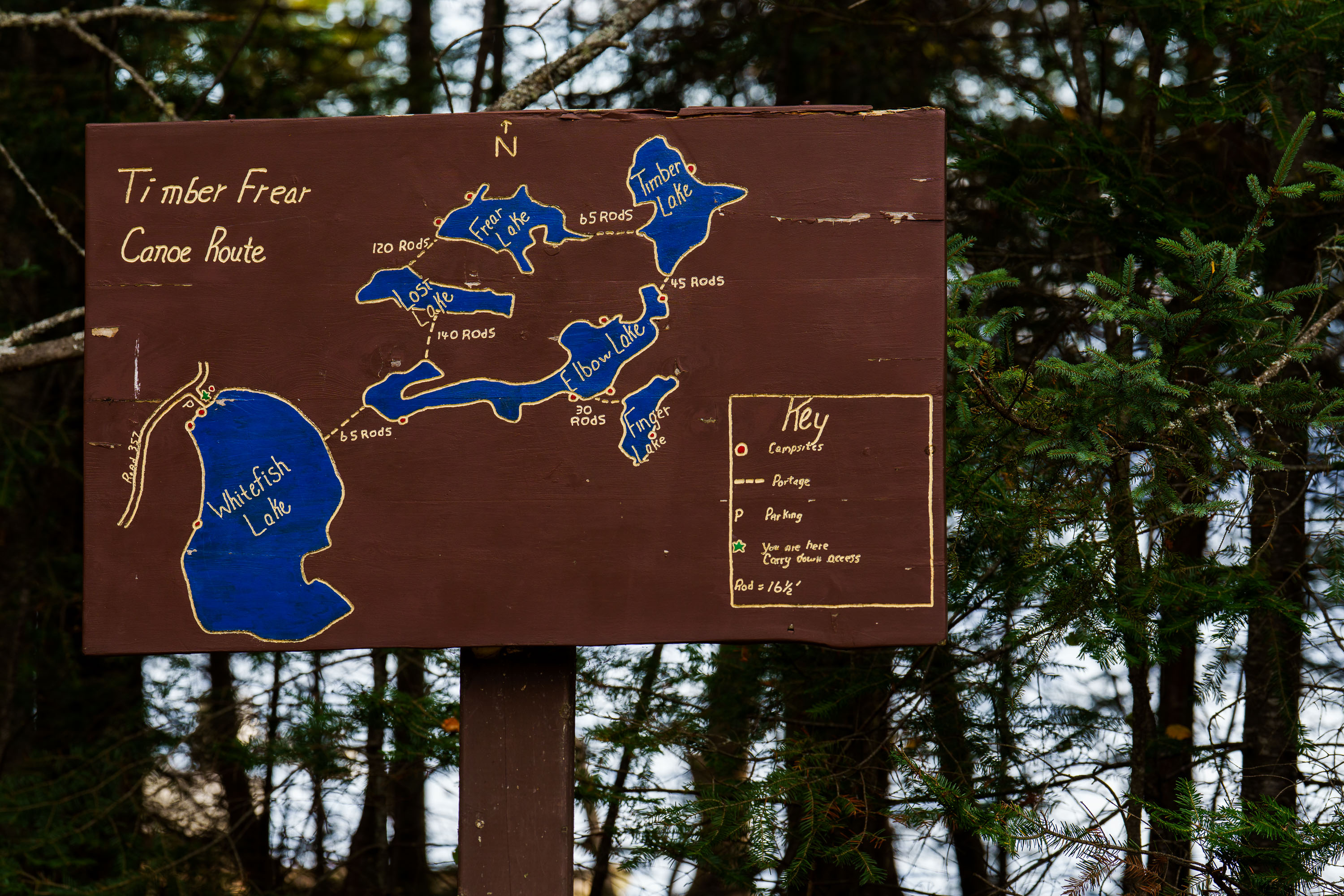 View full post: Timber Frear Canoe Route Map, Superior National Forest
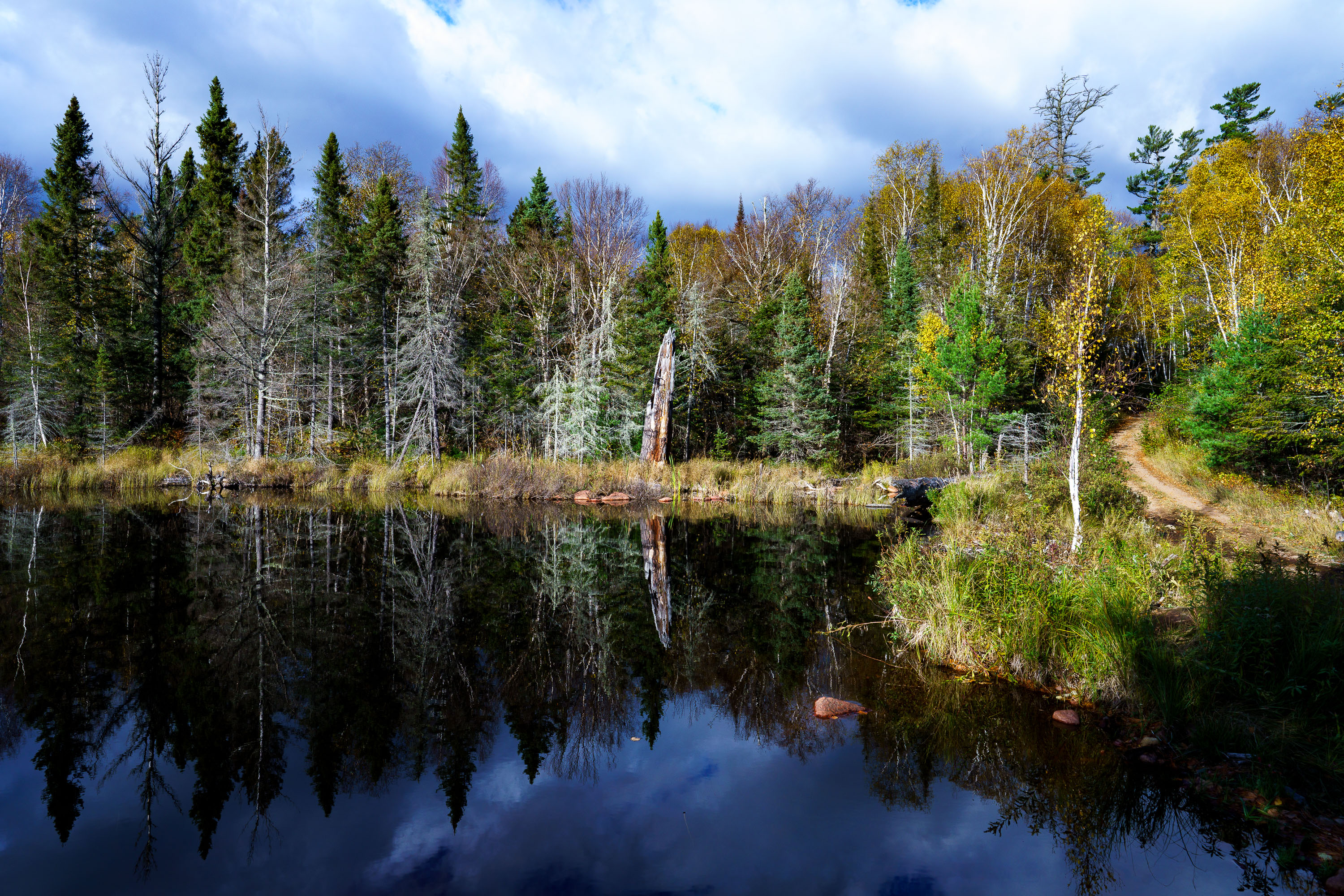 View full post: Superior National Forest, Minnesota: Autumn Colors Reflected
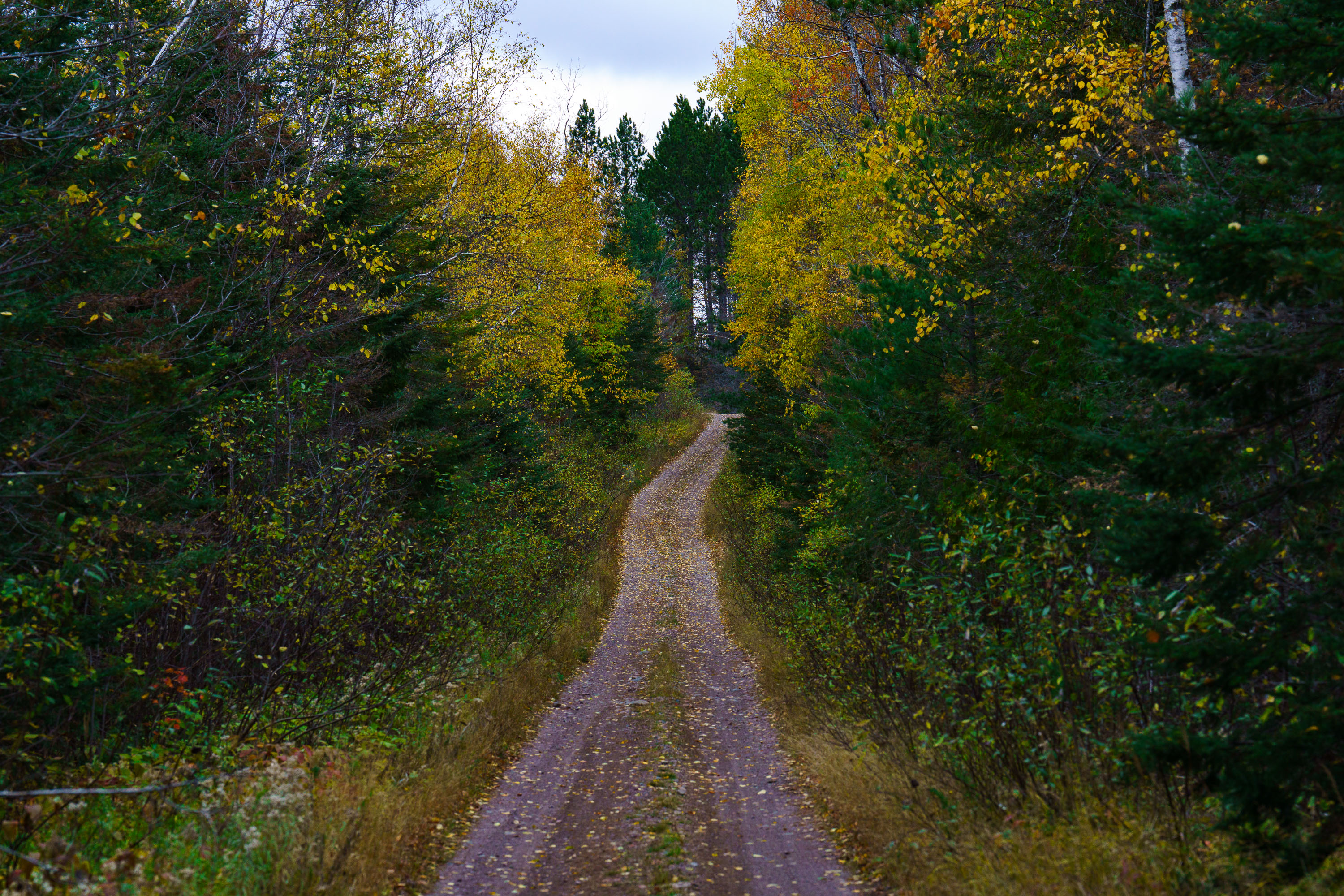 View full post: Timber Frear Loop, Superior National Forest, Minnesota
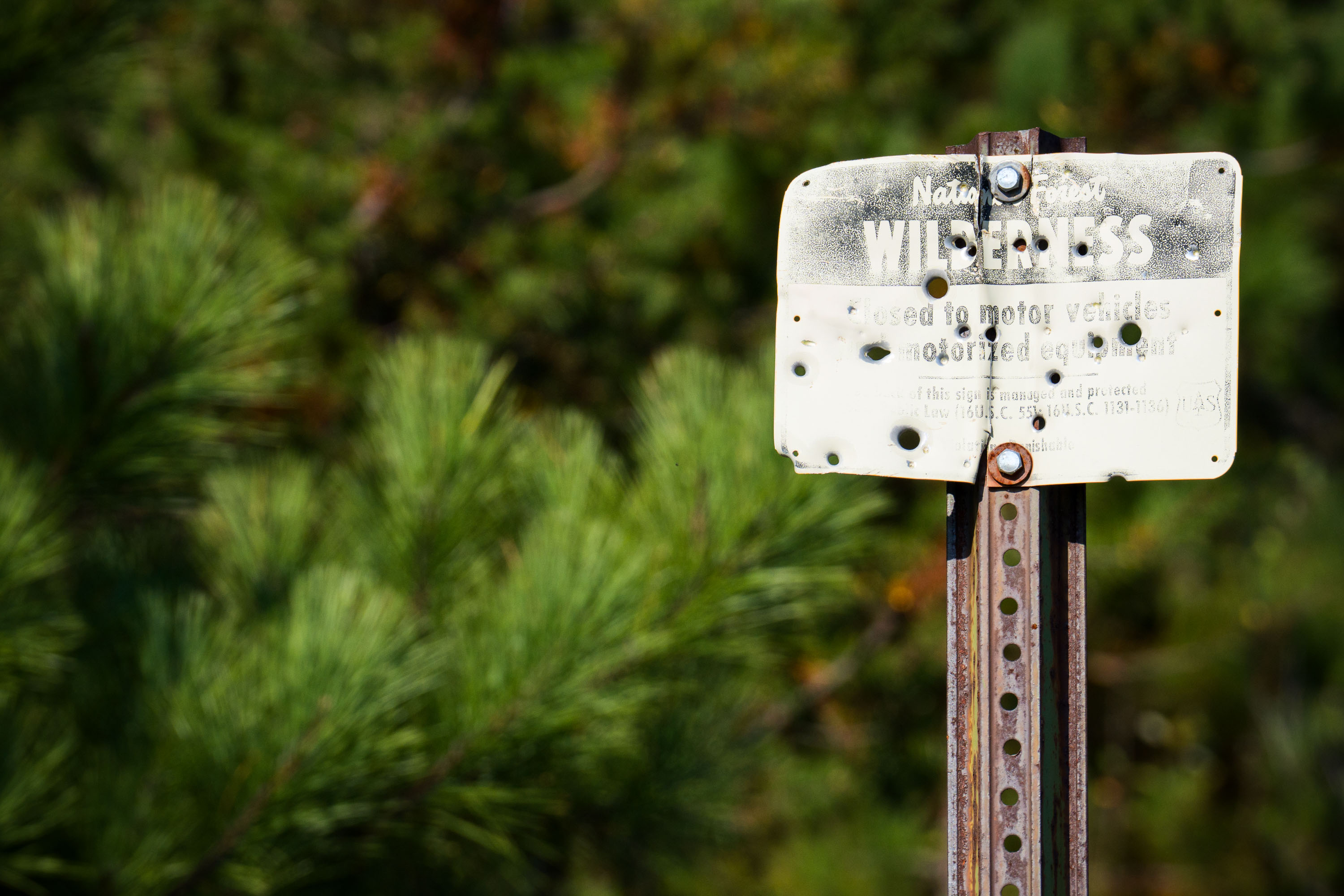 View full post: Boundary Waters Wilderness Sign, Superior National Forest, MN
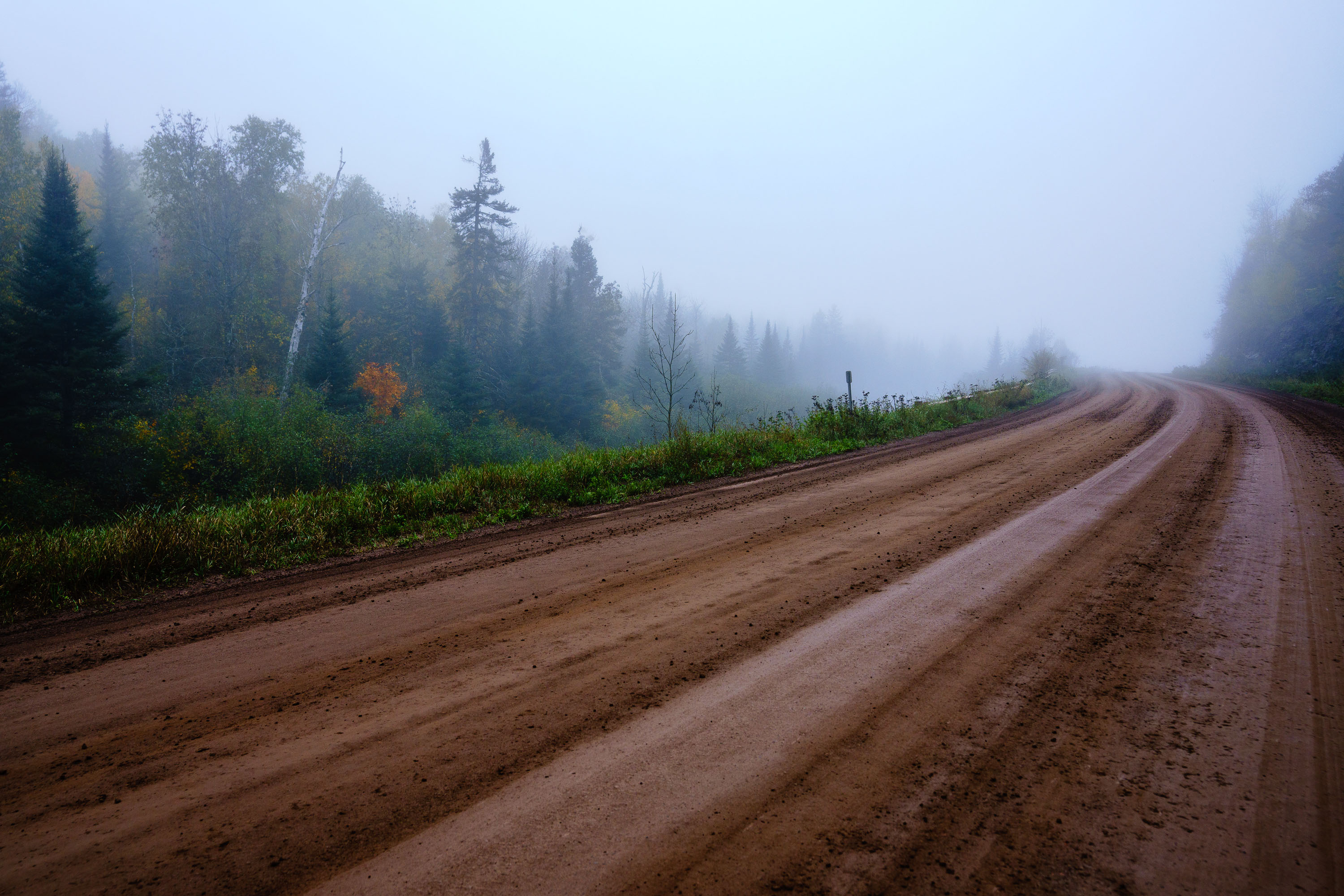 View full post: Dirt Road Through Fall Forest near Finland, Minnesota
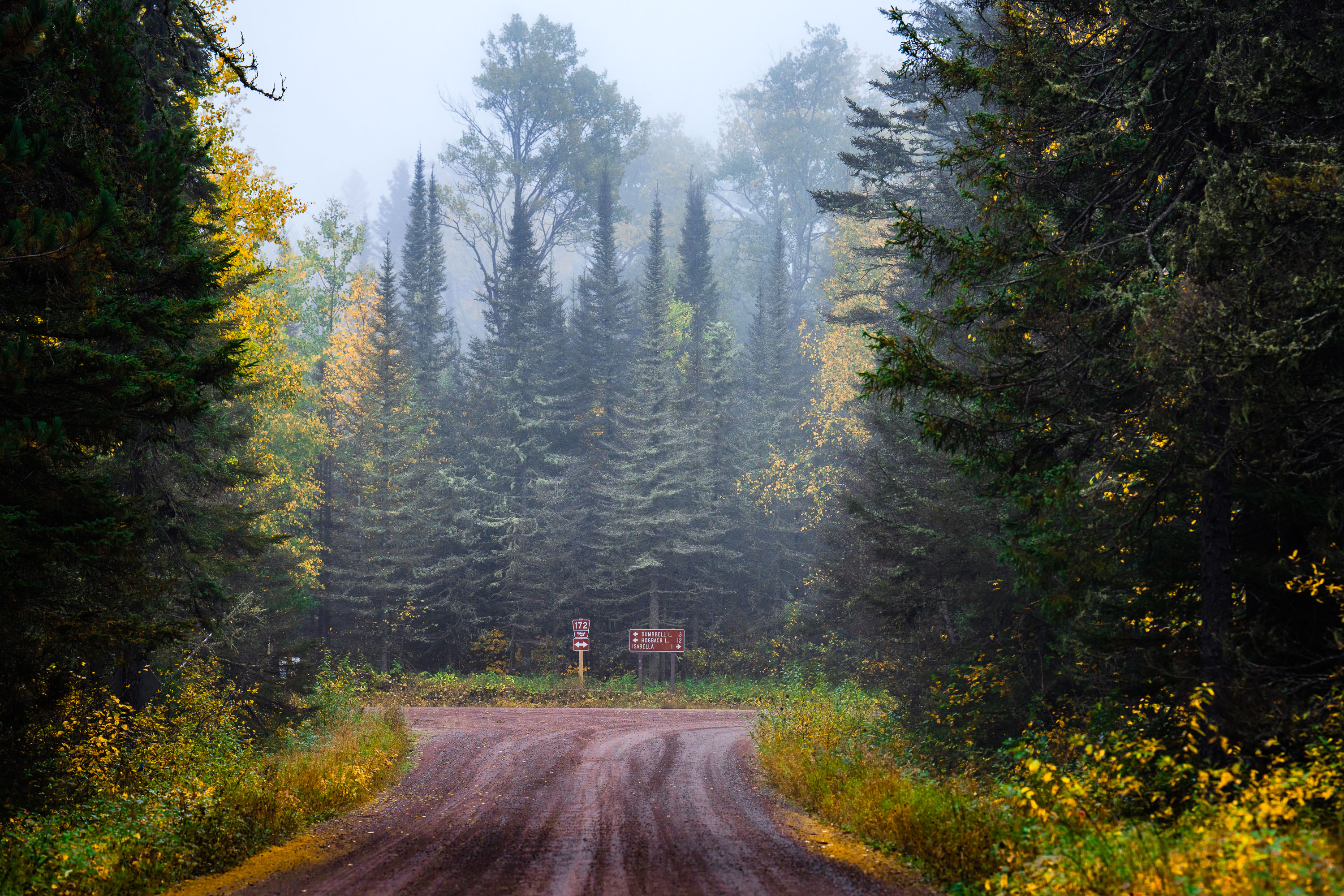 View full post: Foggy Road in Superior National Forest, Minnesota
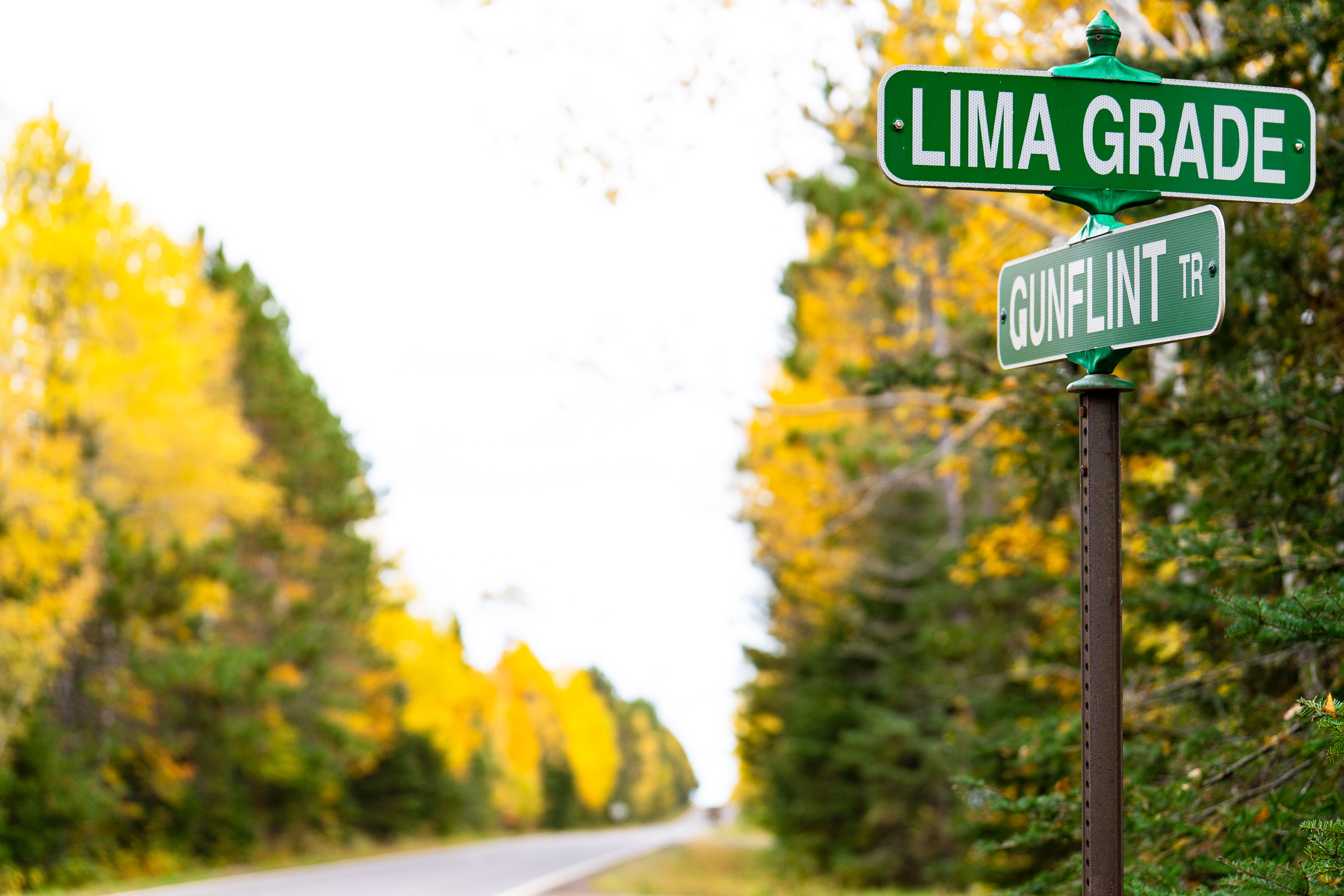 View full post: Lima Grade at Gunflint Trail, Grand Marais
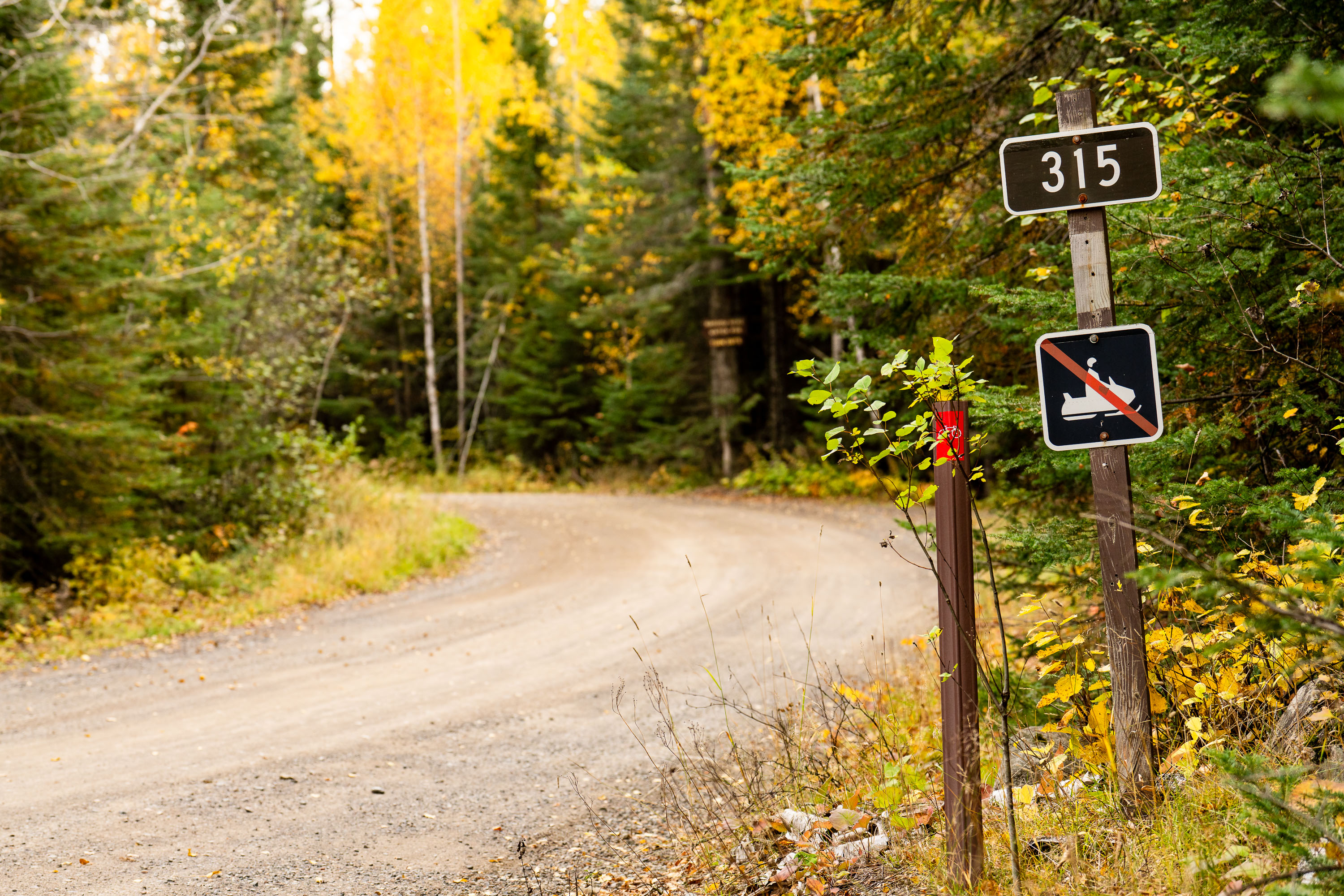 View full post: 315 sign at Lima Grade at Gunflint Trail, Grand Marais
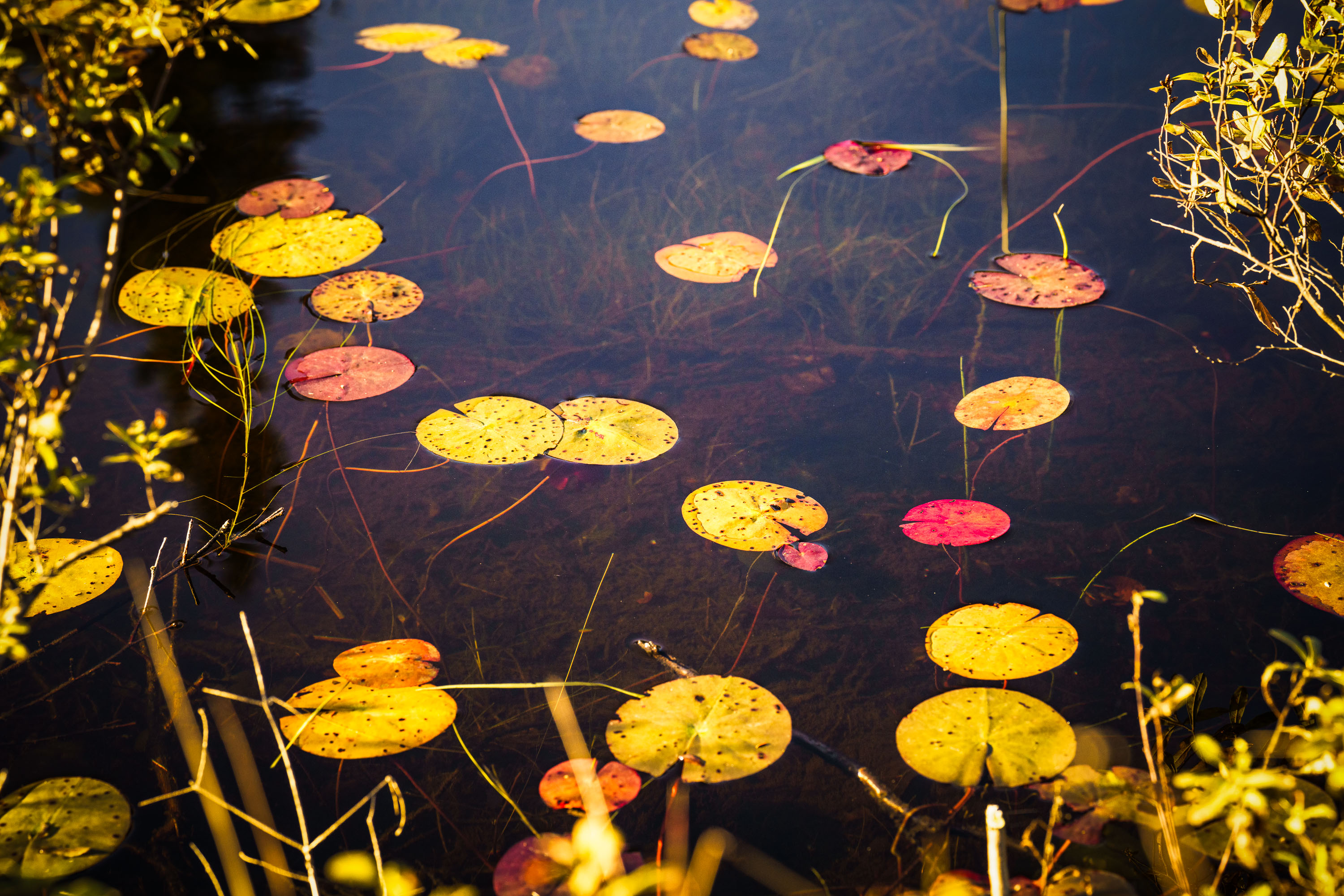 View full post: Water Lily Leaves in Autumn, Cook County, Minnesota
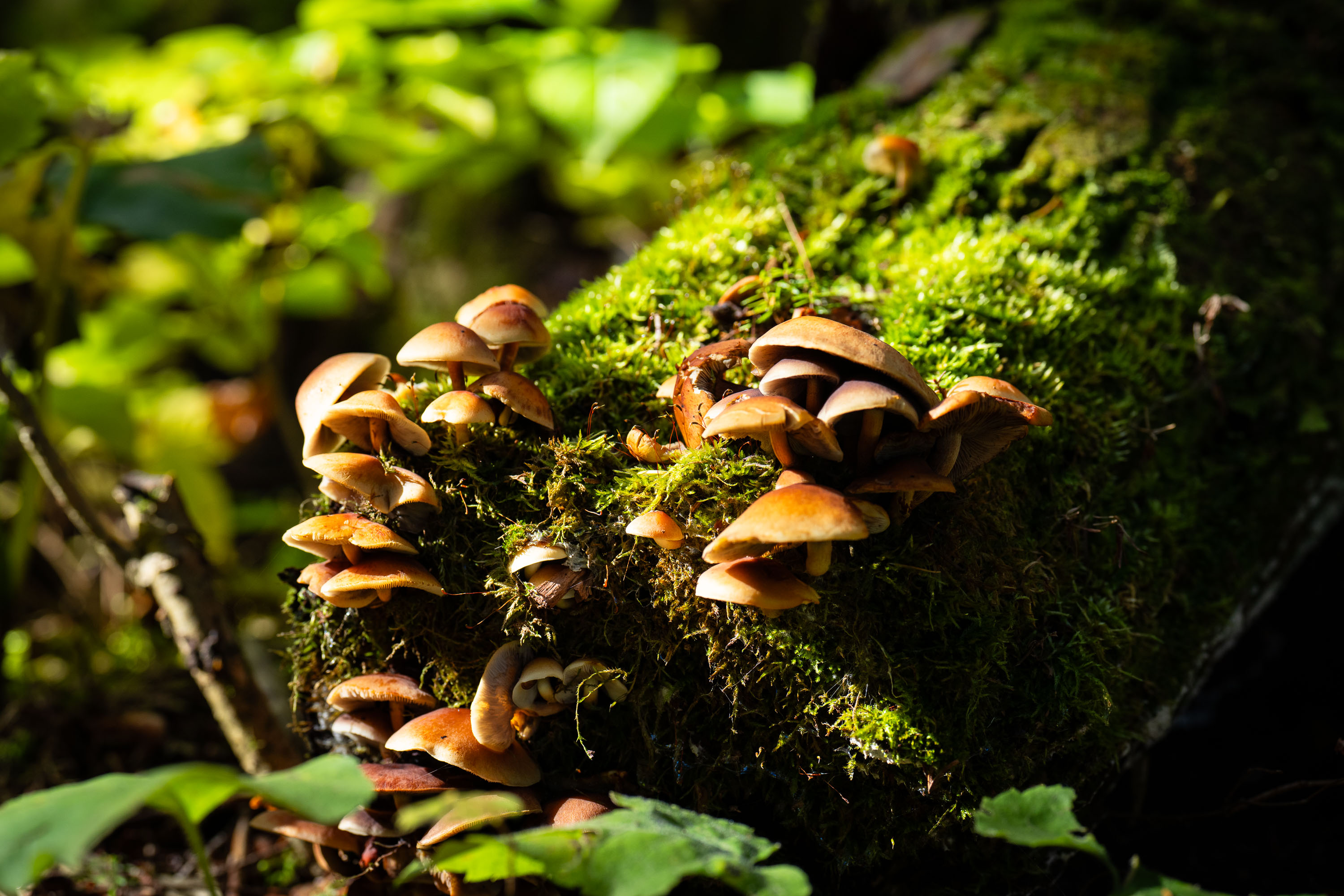 View full post: Wild Mushroom Cluster on Log, Superior National Forest
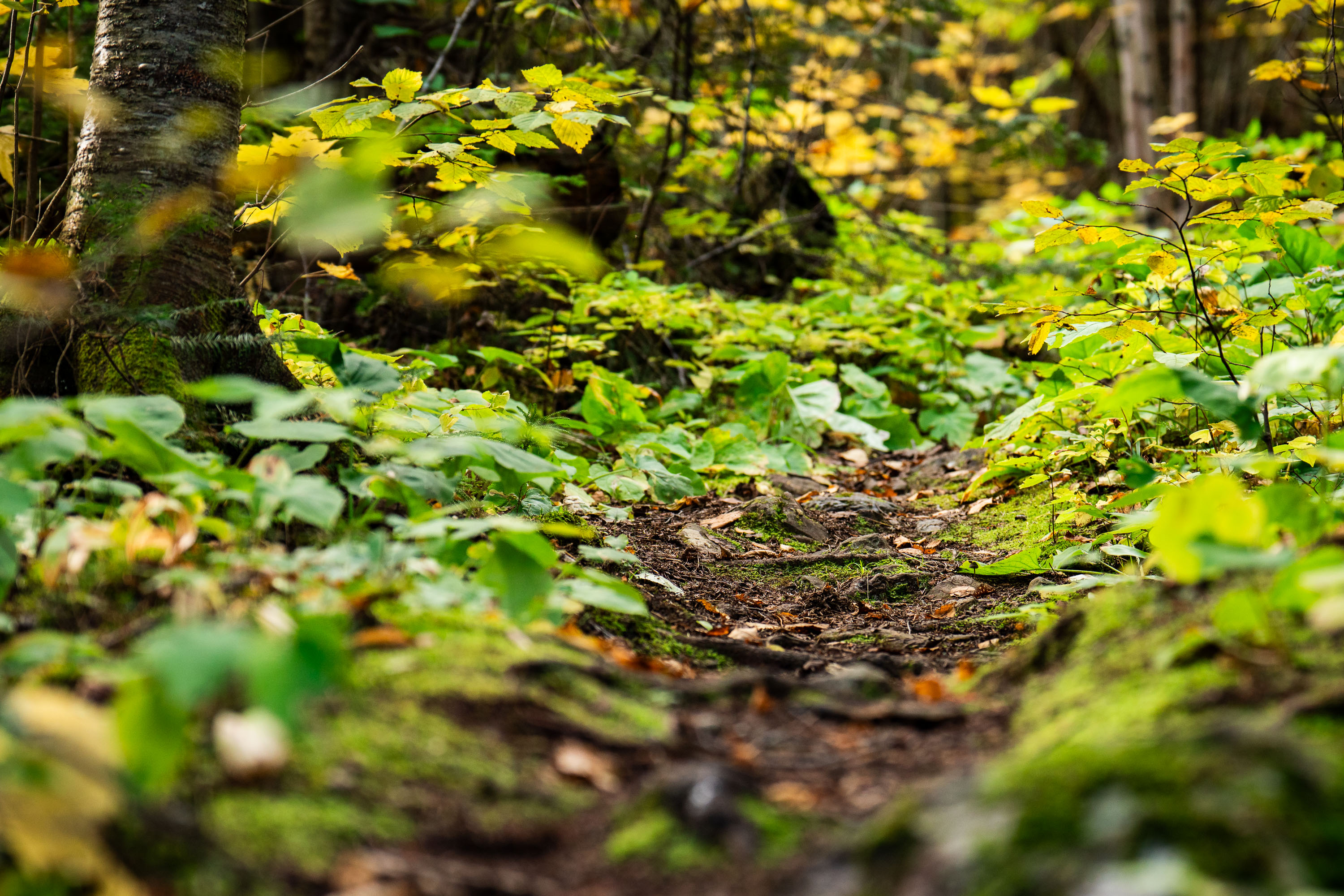 View full post: Forest Trail, Superior National Forest, Minnesota
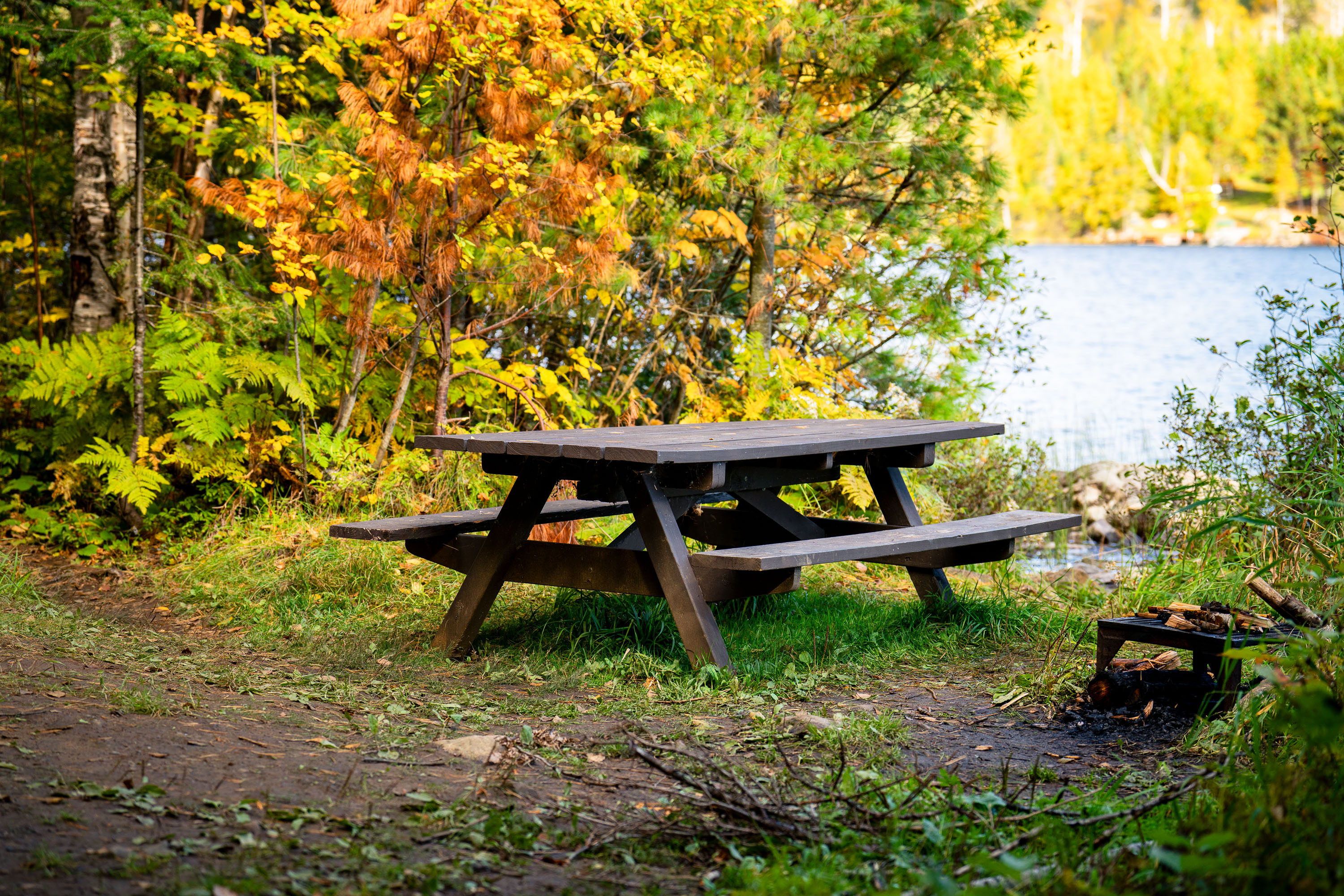 View full post: Picnic Table, Birch Lake, Gunflint Trail
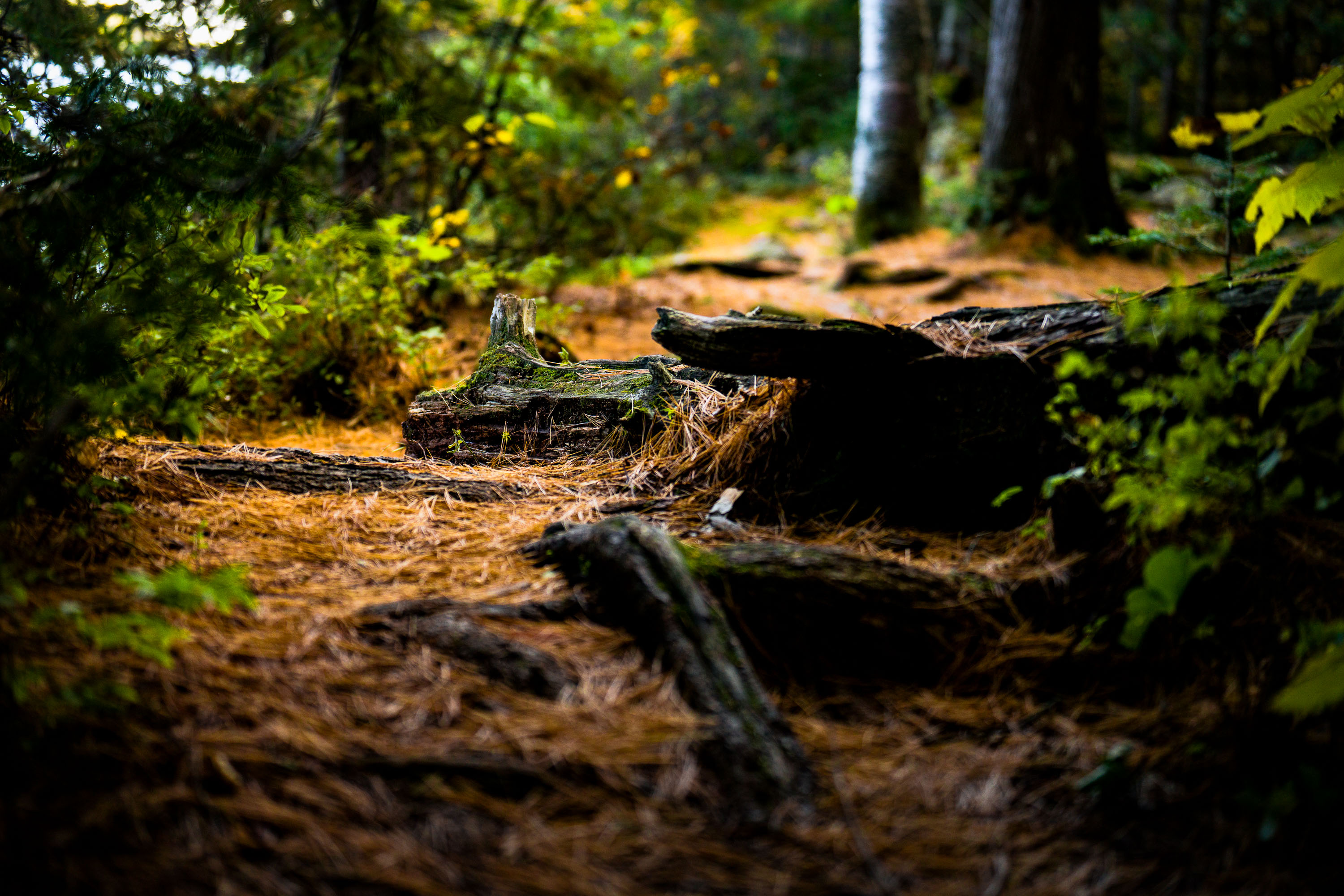 View full post: Fallen Logs Along a Forest Trail, Superior National Forest
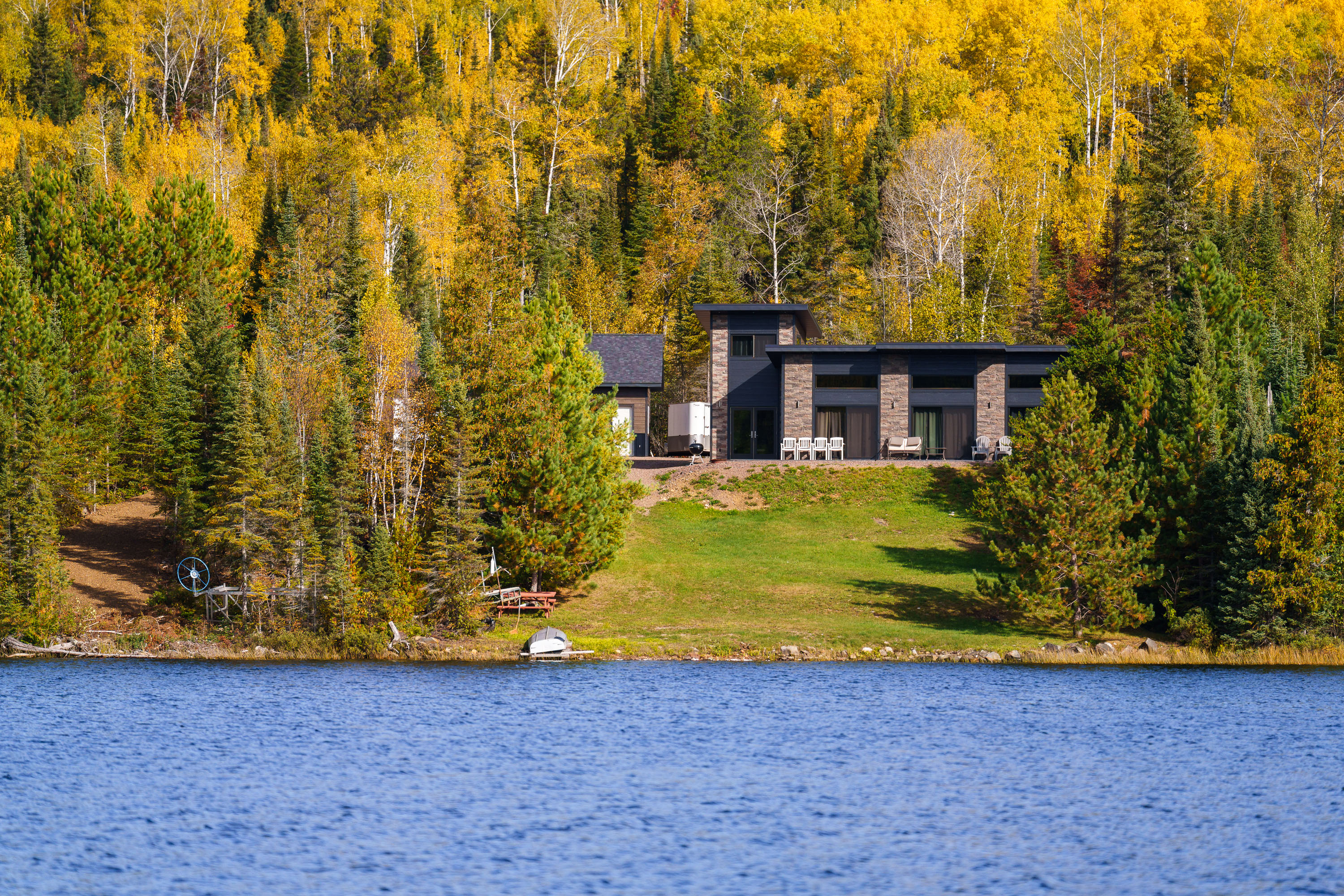 View full post: Lakeside Home Along the Gunflint Trail, Minnesota
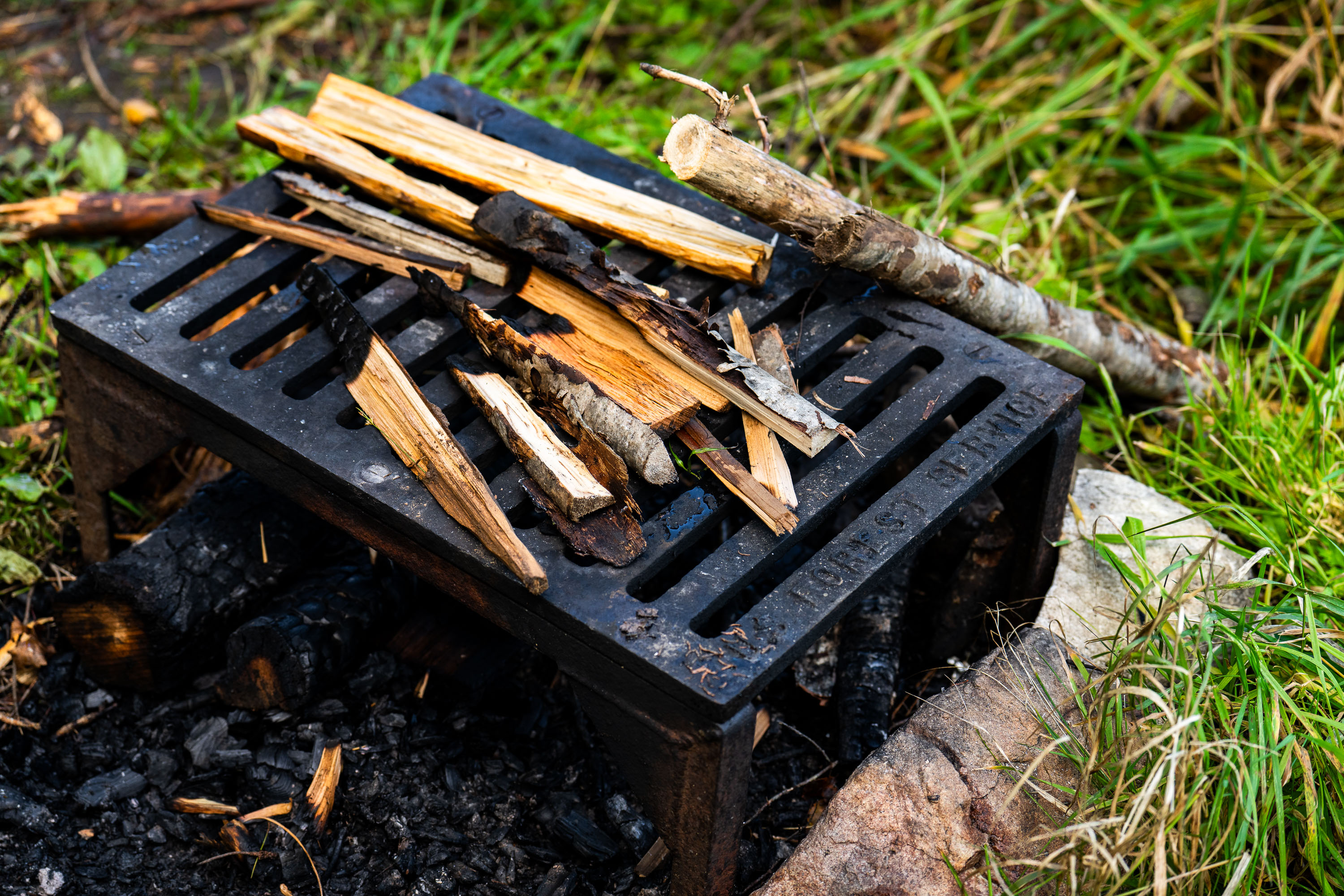 View full post: US Forest Service grate
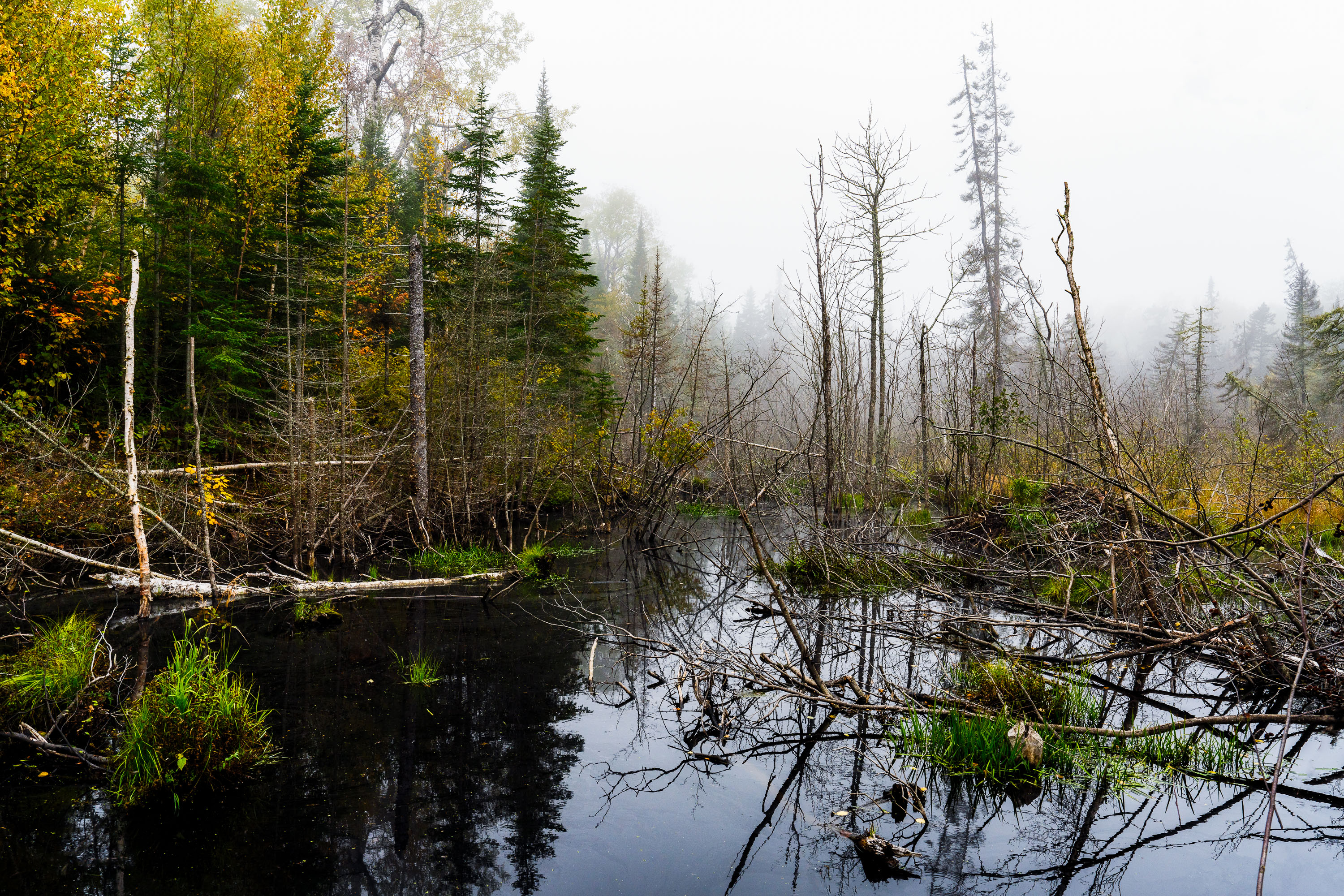 View full post: Beaver Pond Wetland Near Shoe Lake Road, Superior National Forest
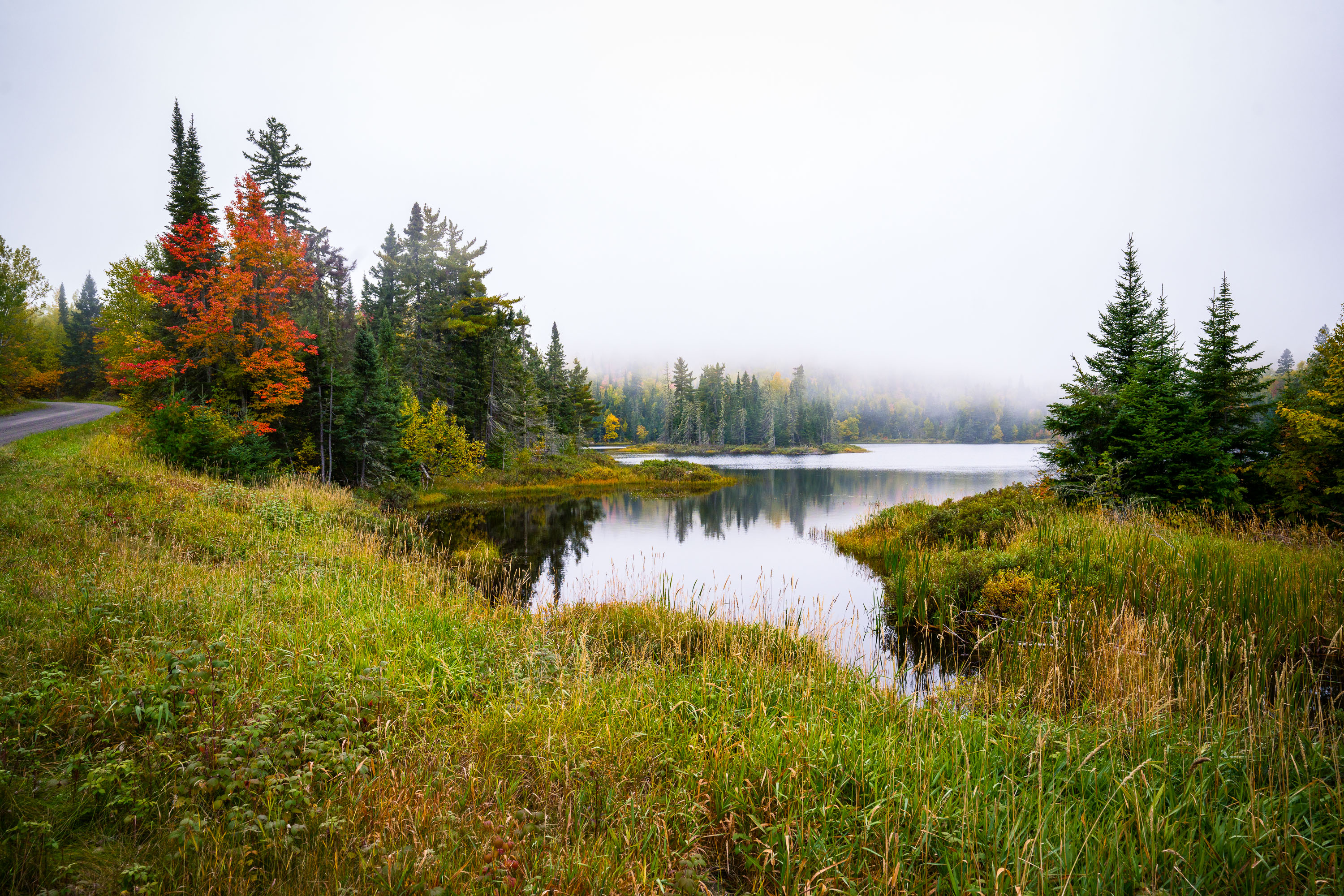 View full post: Shoe Lake, Grand Marais, Minnesota
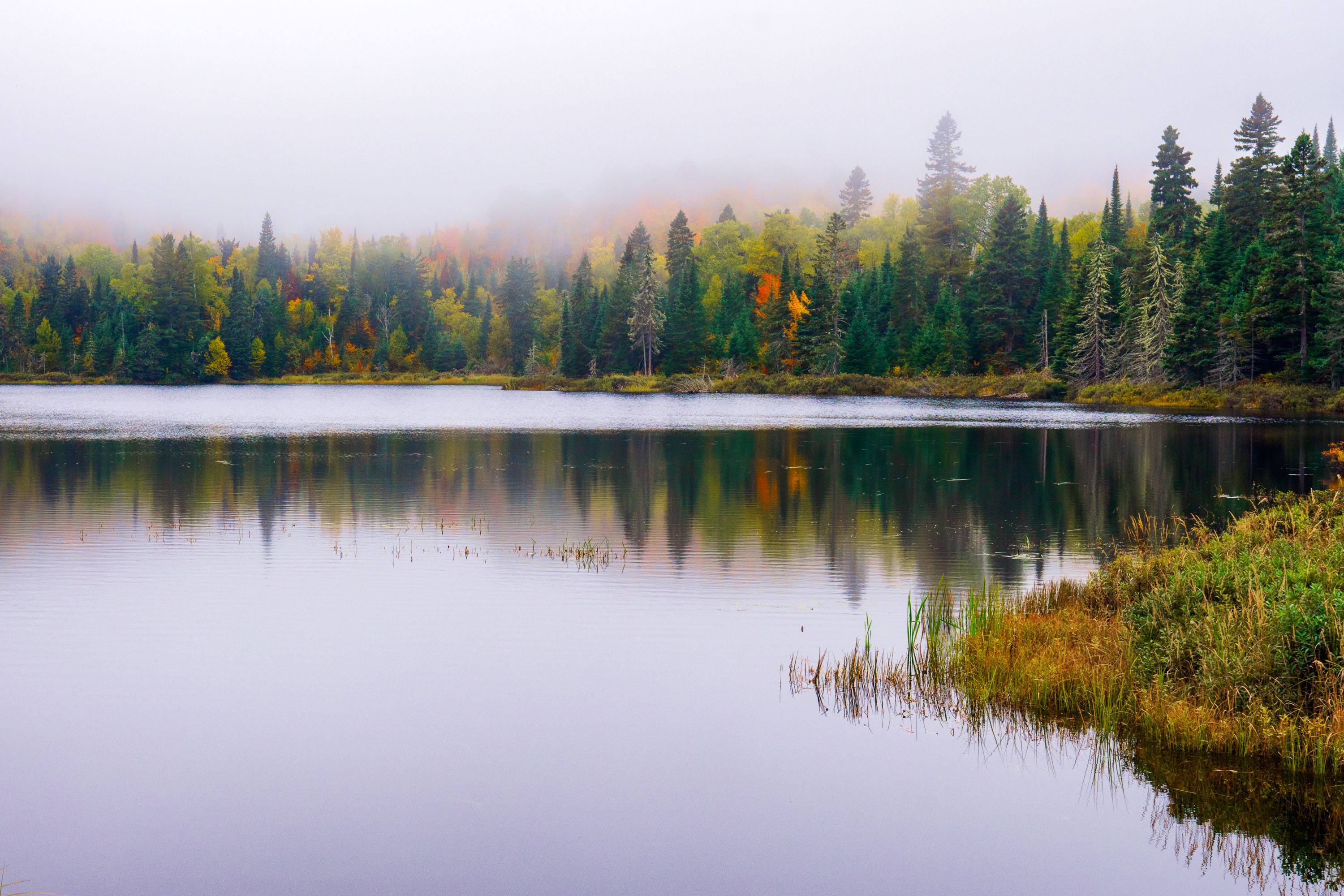 View full post: Loft Lake from Shoe Lake Road in Minnesota
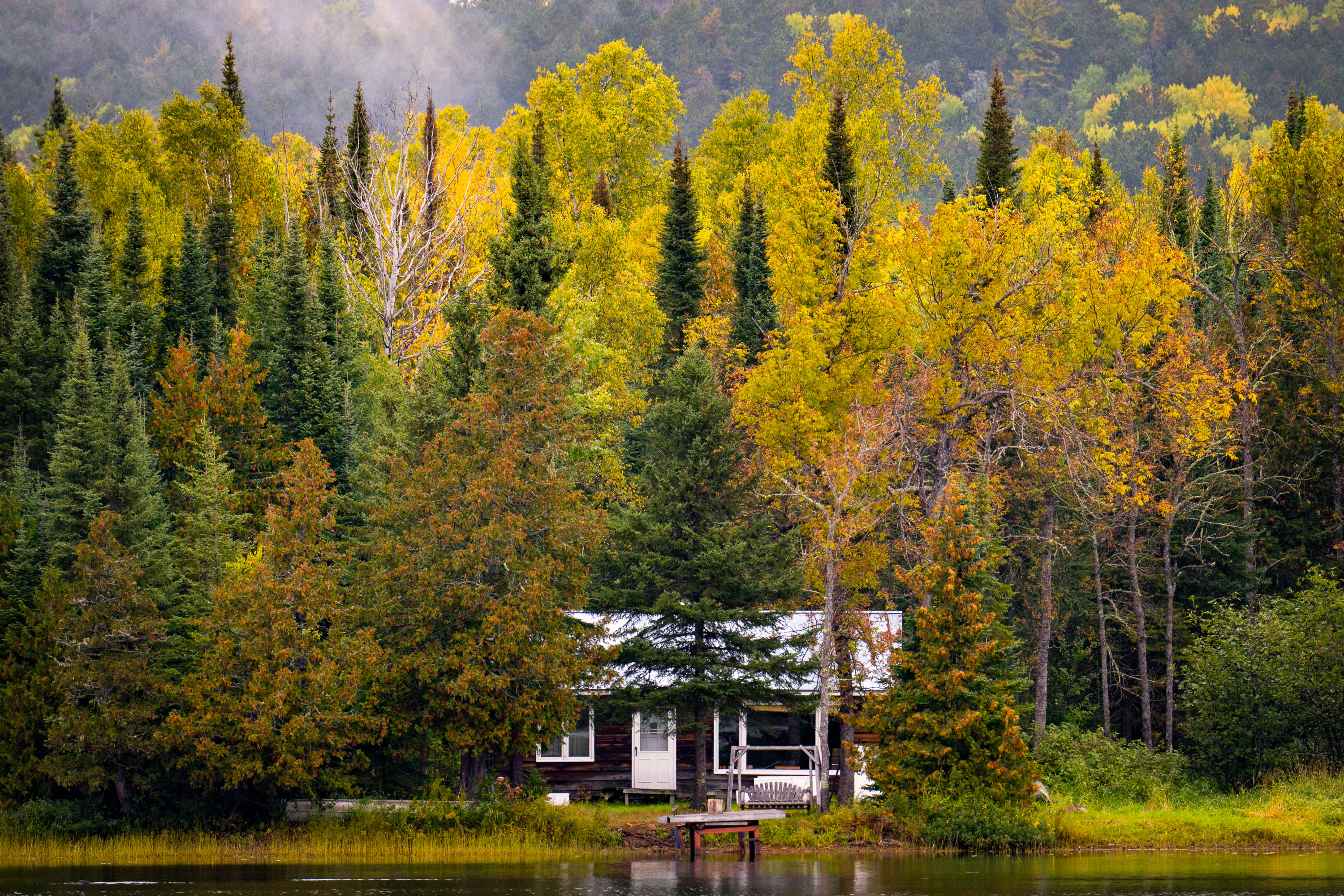 View full post: Lakeside Cabin, McFarland Lake, Arrowhead Trail, Minnesota
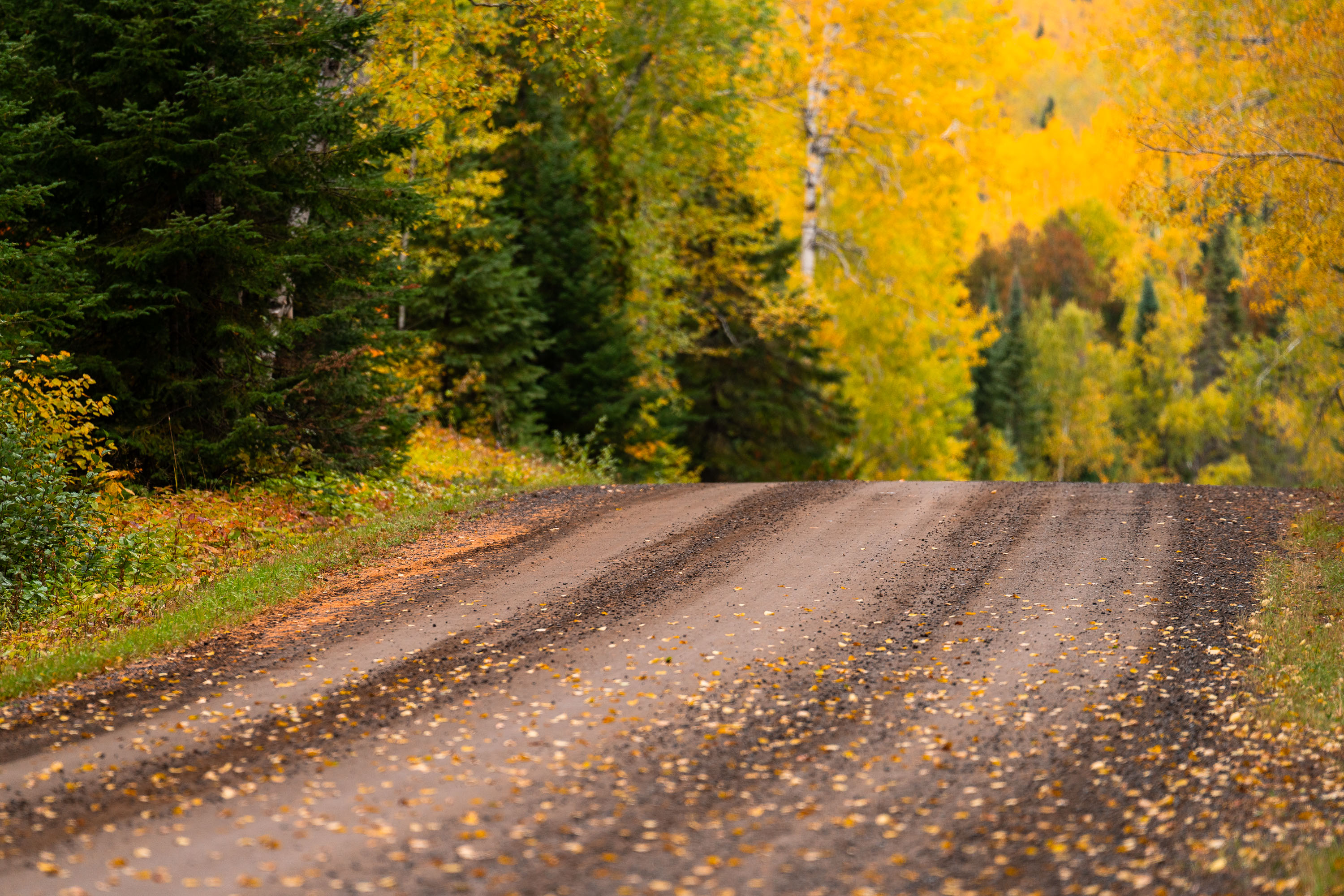 View full post: Fall Colors Along the Arrowhead Trail, Cook County
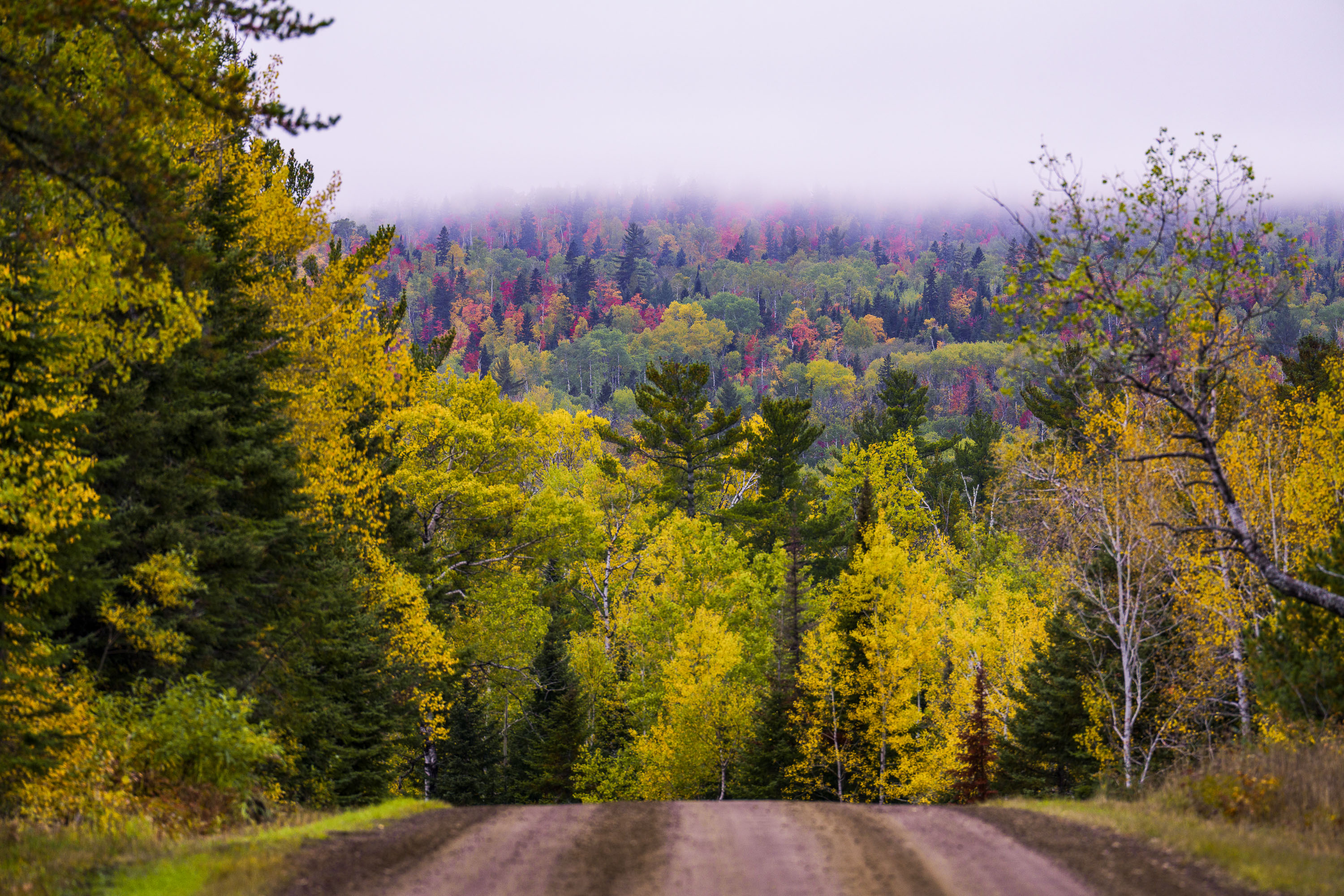 View full post: Gravel Road Through Fall Foliage, Arrowhead Trail, Minnesota
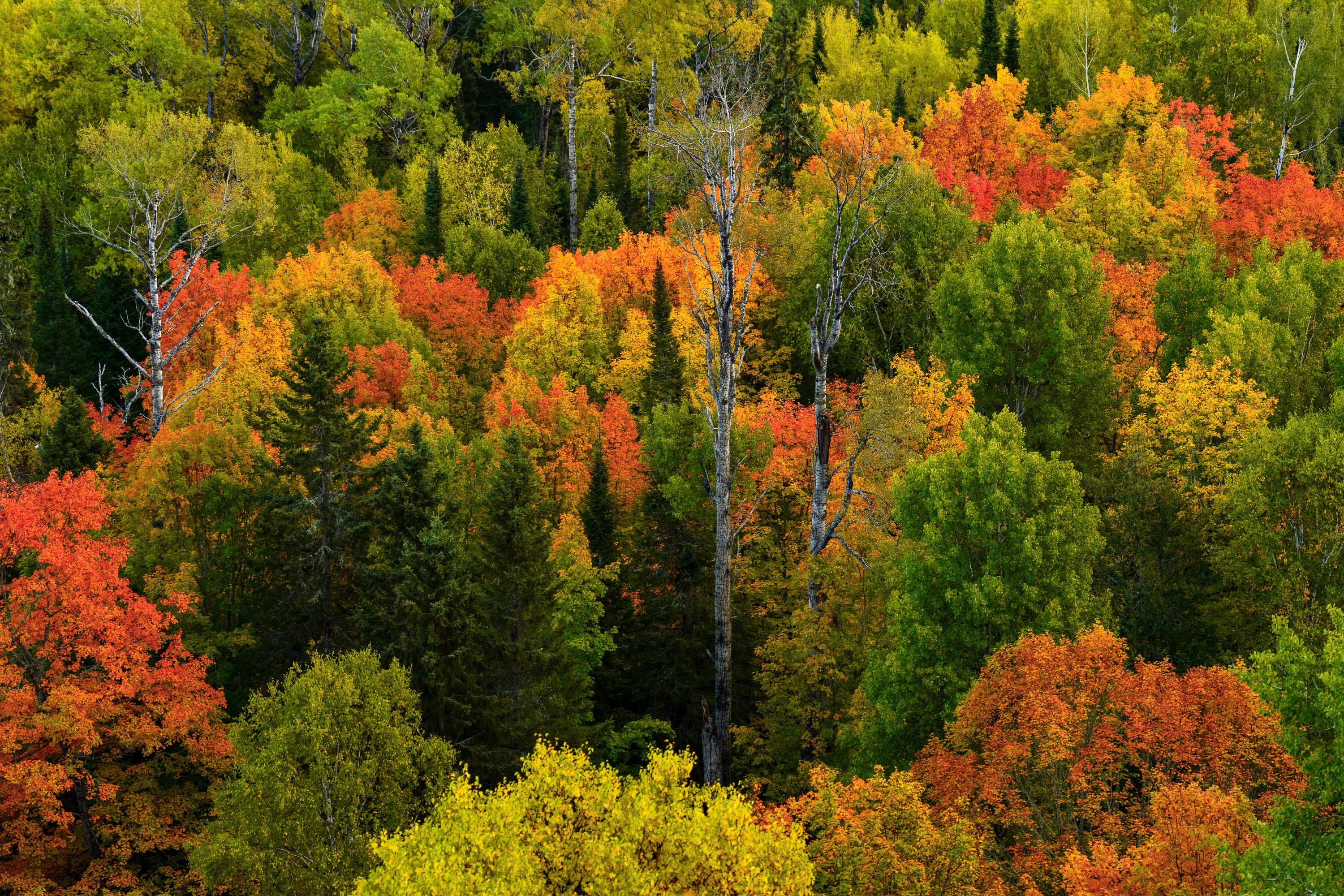 View full post: Mixed Hardwood Forest in Autumn, Superior National Forest
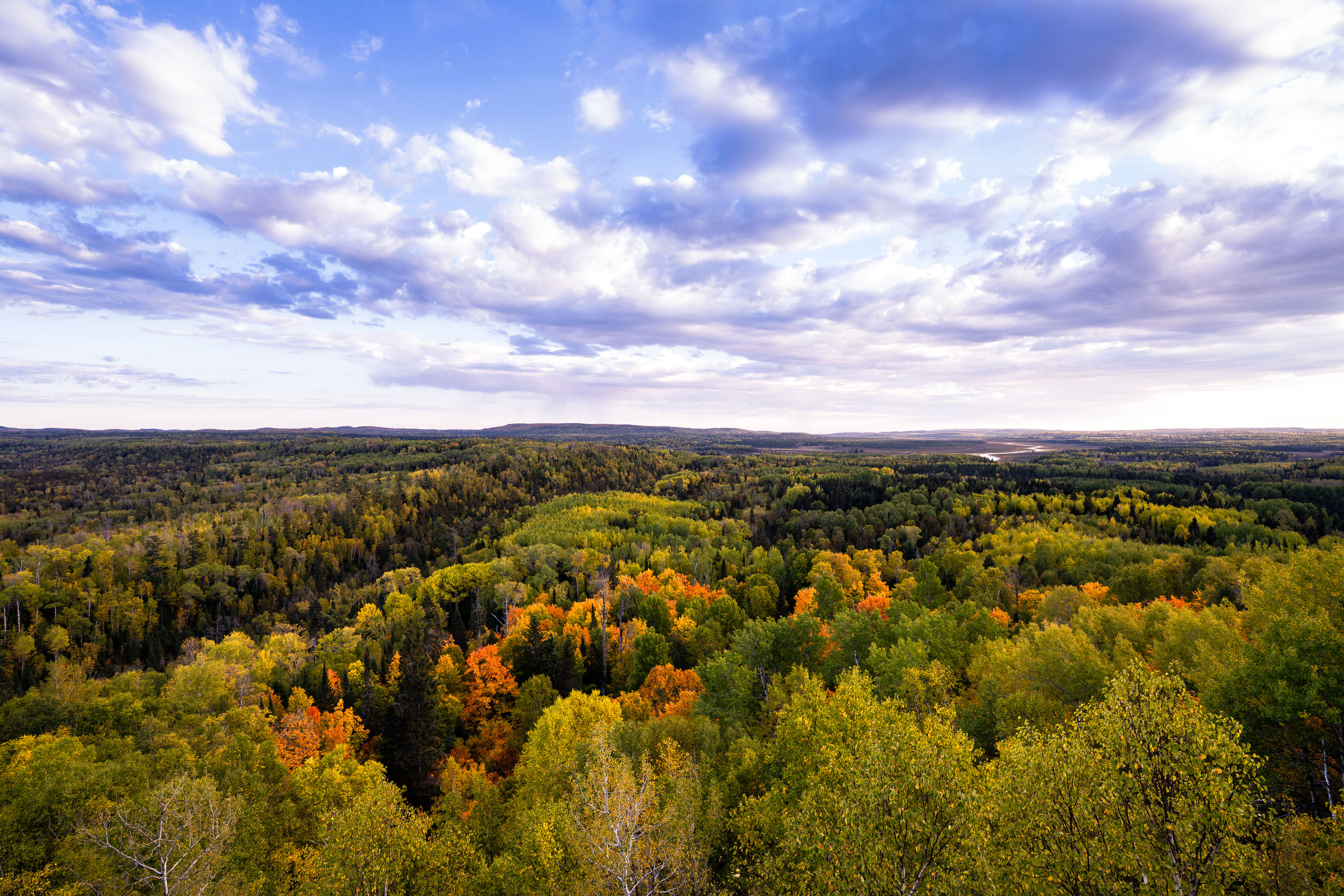 View full post: Autumn Colors Over Superior National Forest, Minnesota
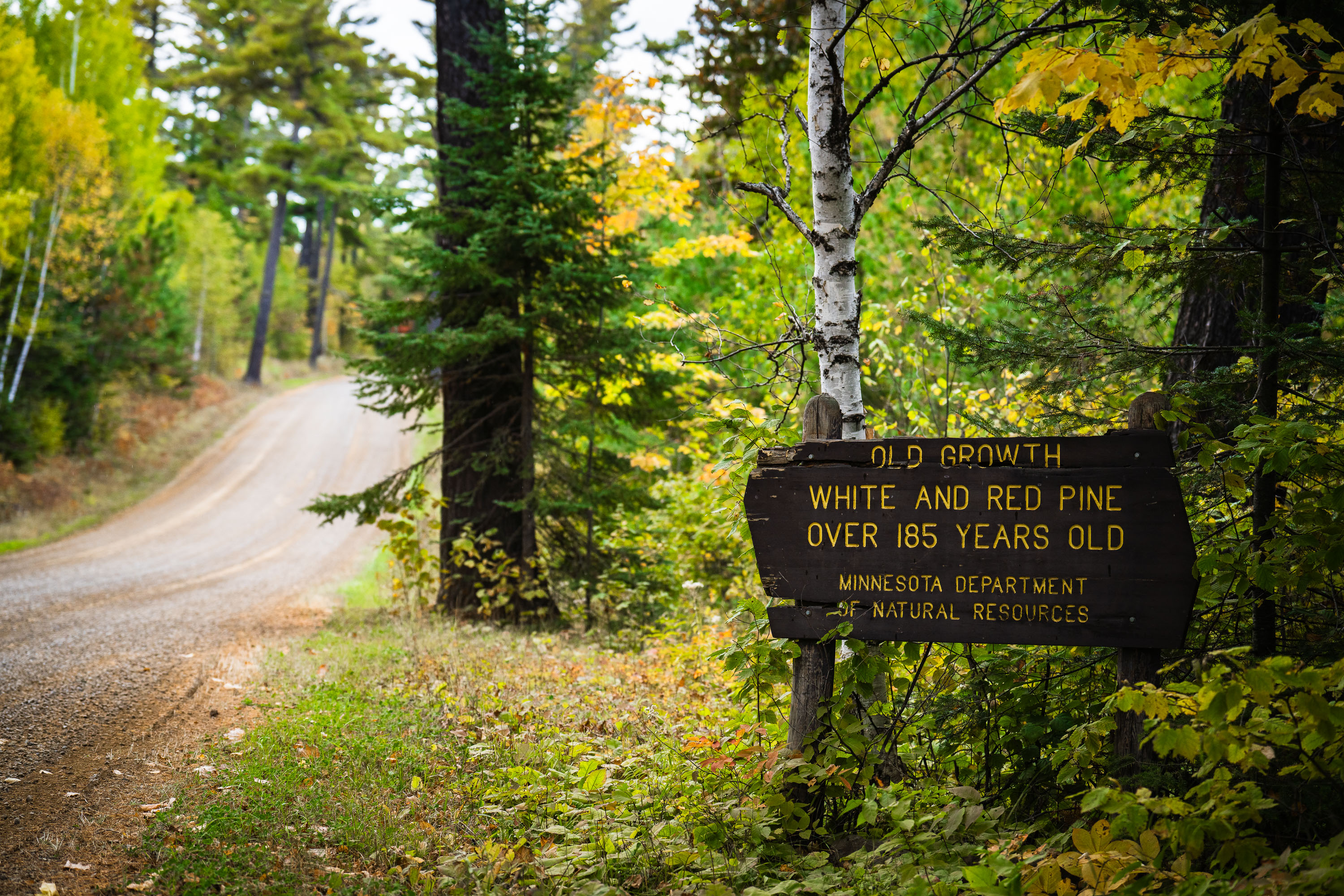 View full post: Old Growth Trees Sign in Minnesota
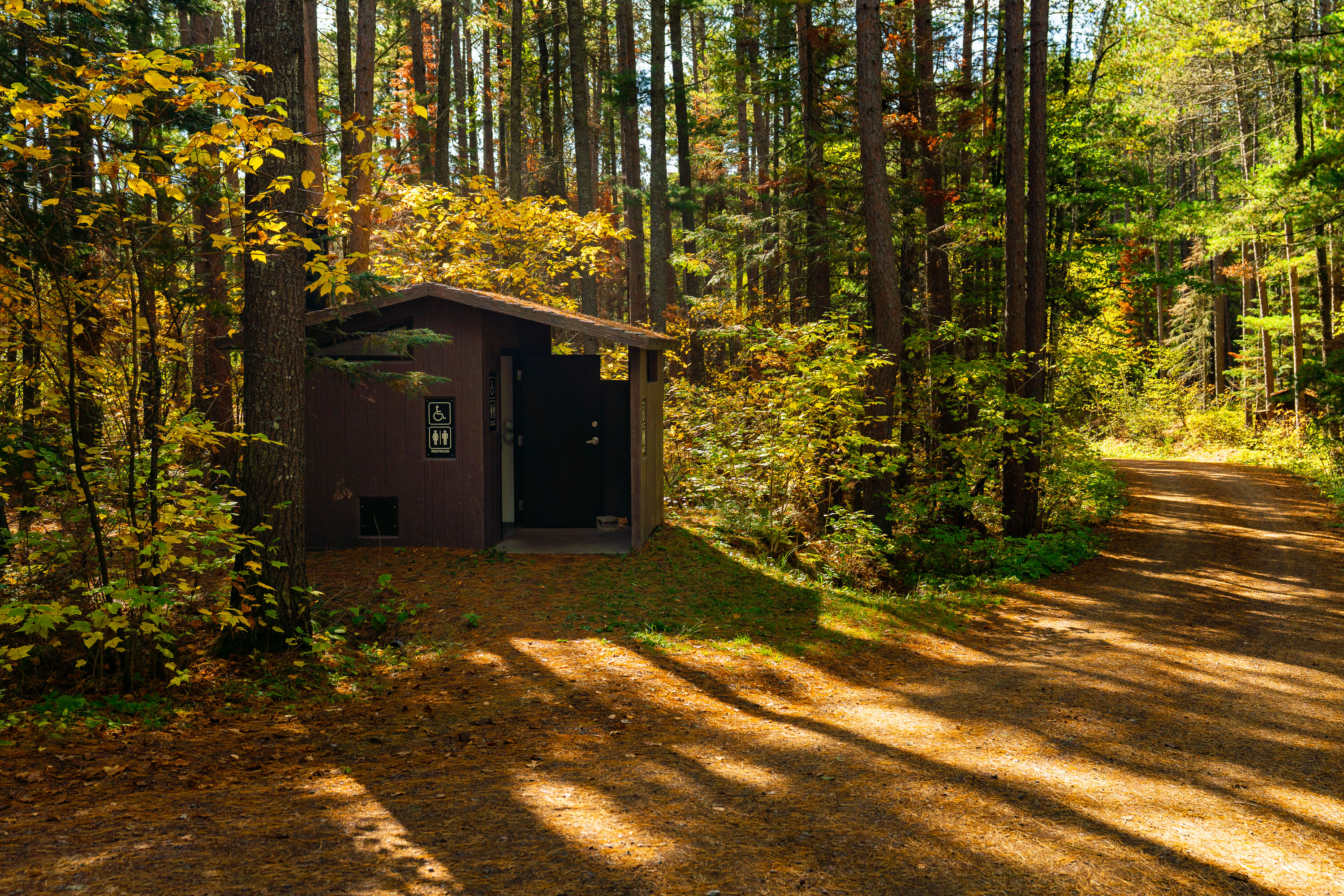 View full post: Baker Lake Campground Restrooms in Superior National Foresst
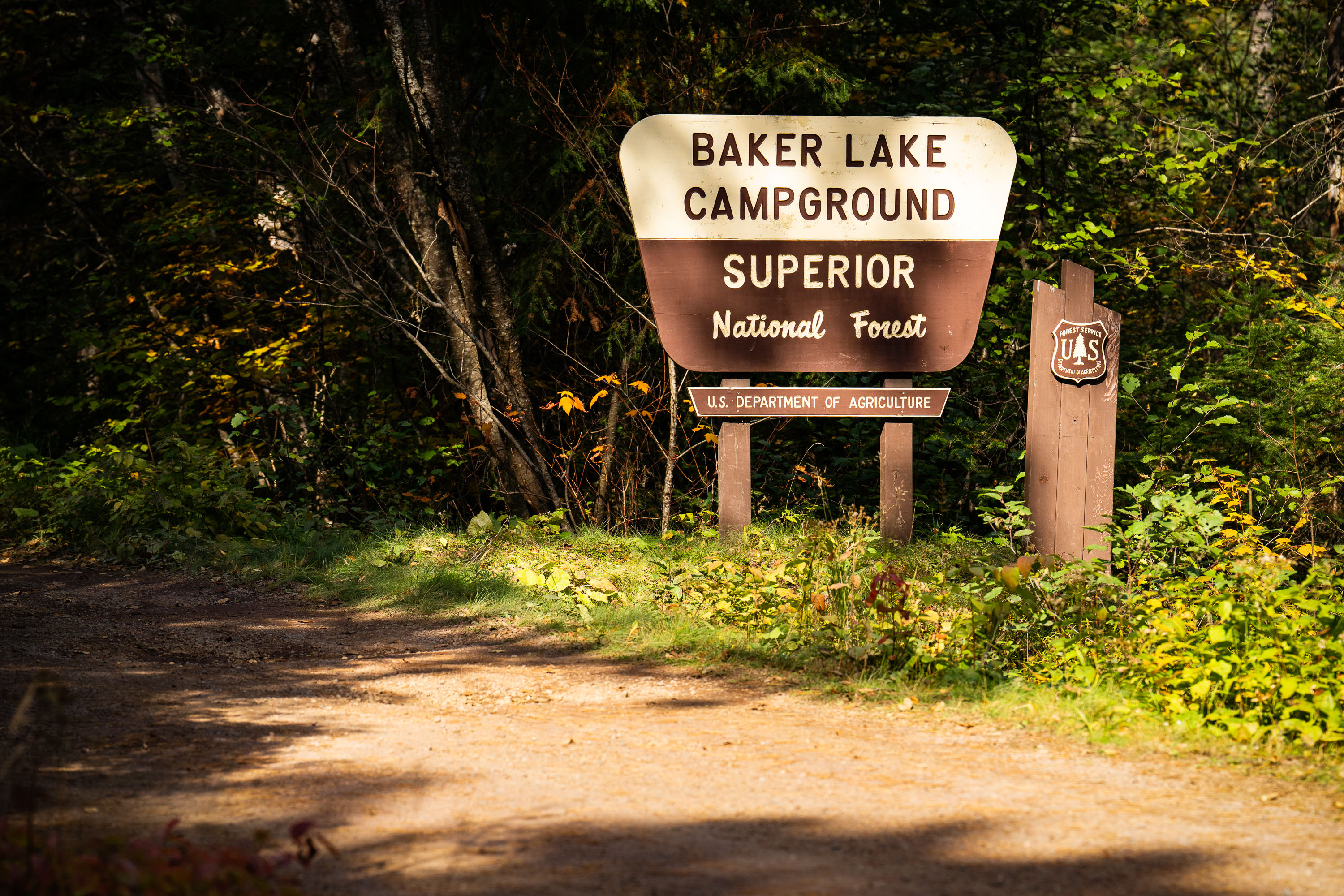 View full post: Baker Lake Campground Sign, Superior National Forest
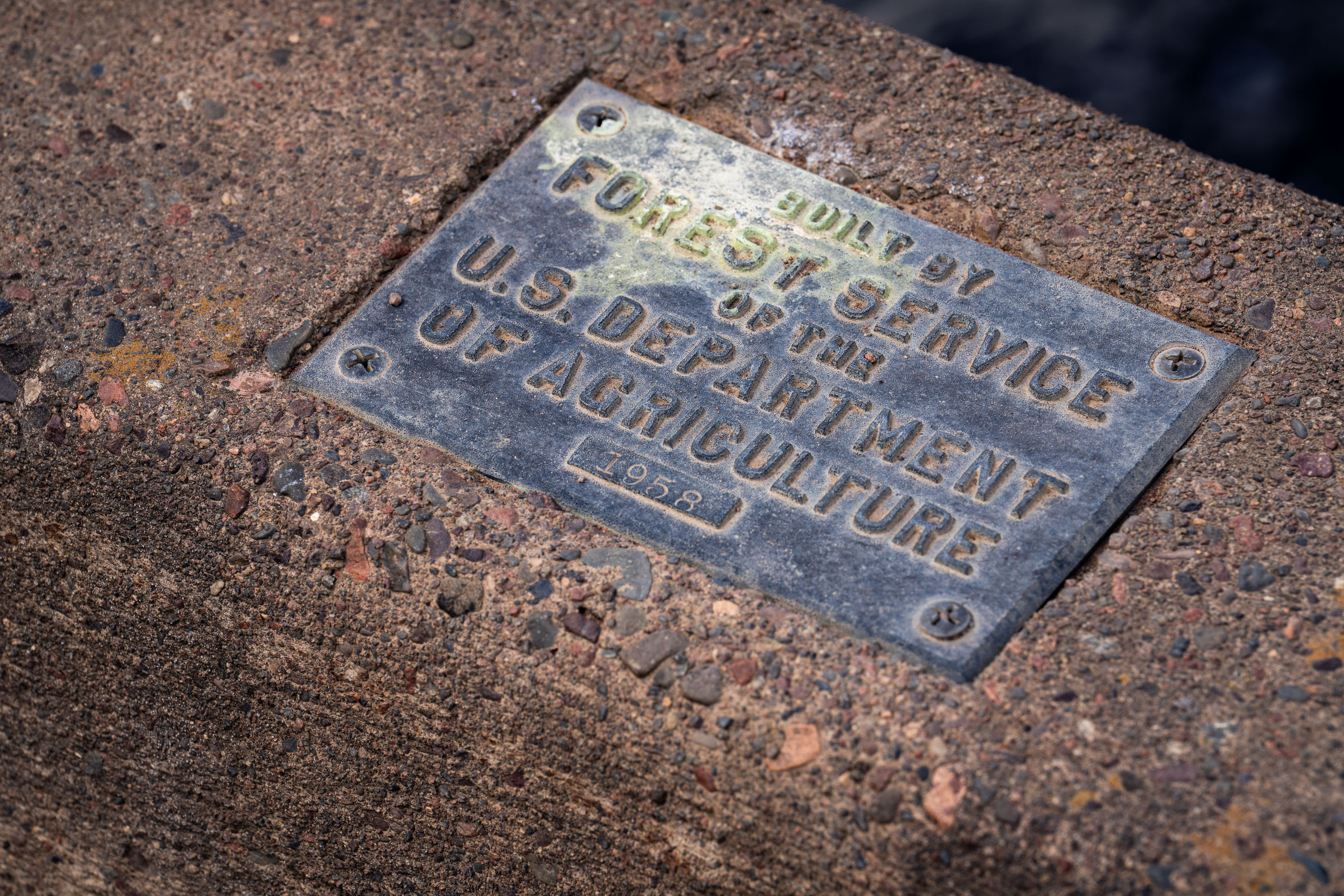 View full post: 1958 Forest Service Bridge Plaque, Superior National Forest
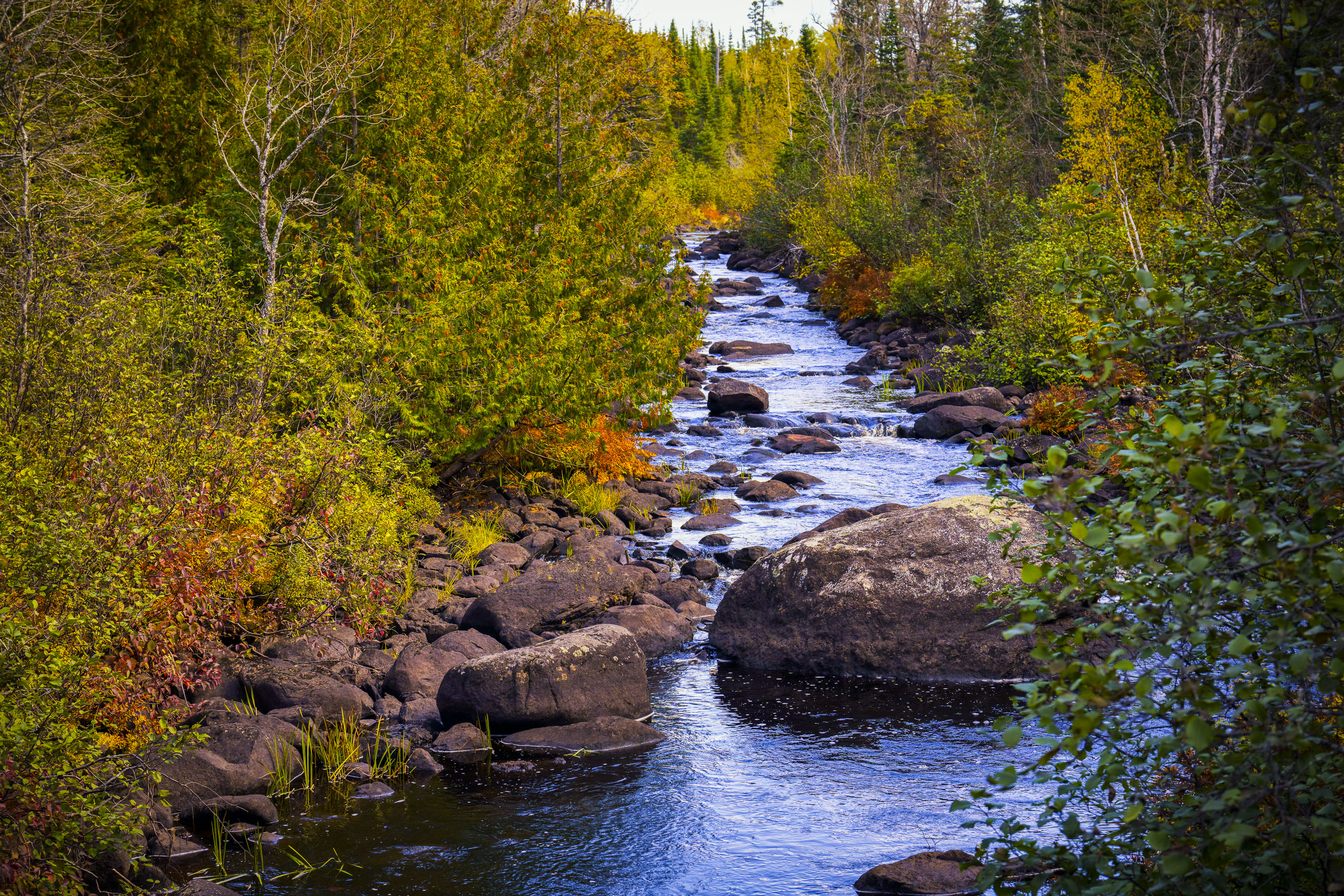 View full post: Rocky Stretch of the Temperance River, Superior National Forest
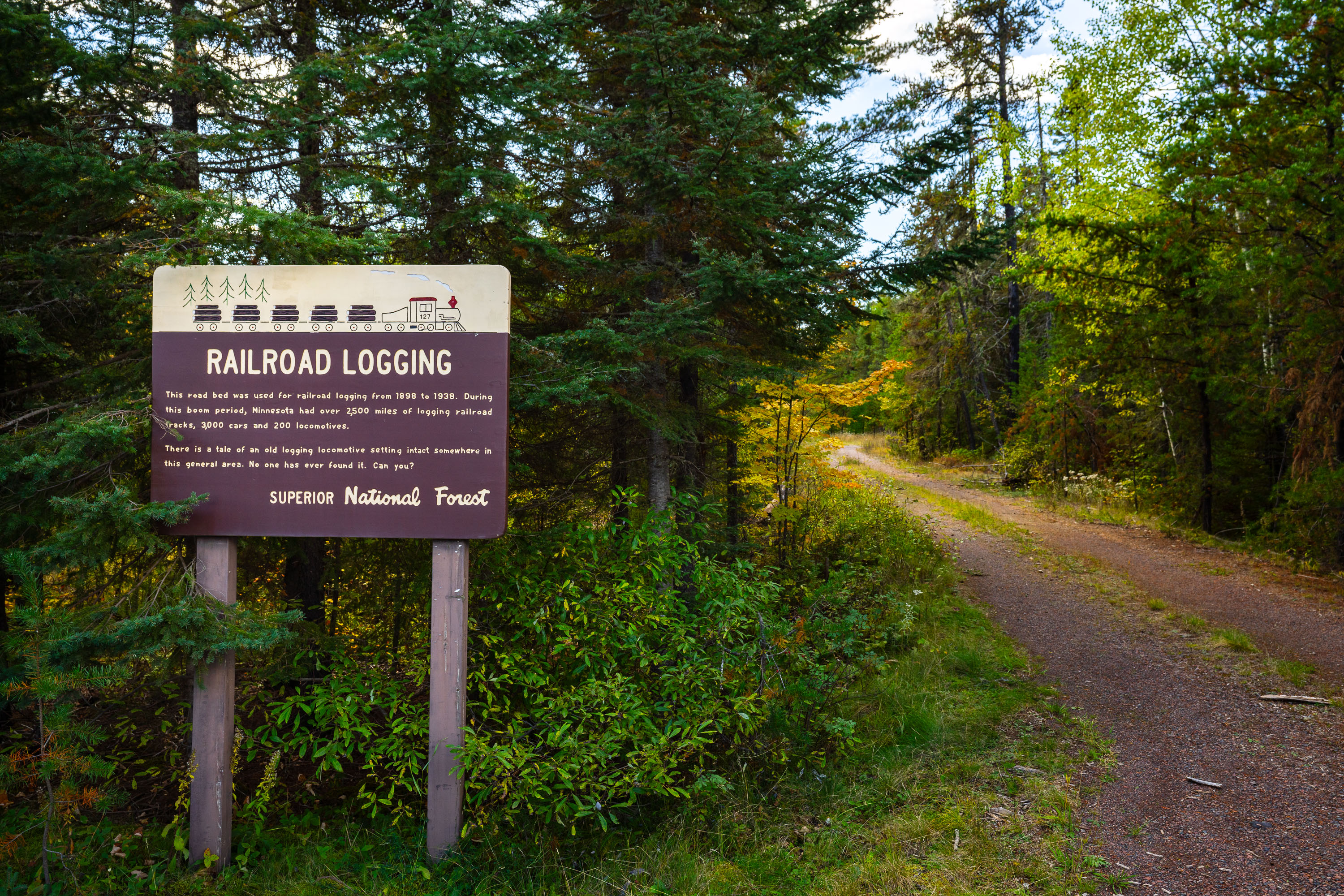 View full post: Railroad Logging sign in the Superior National Forest
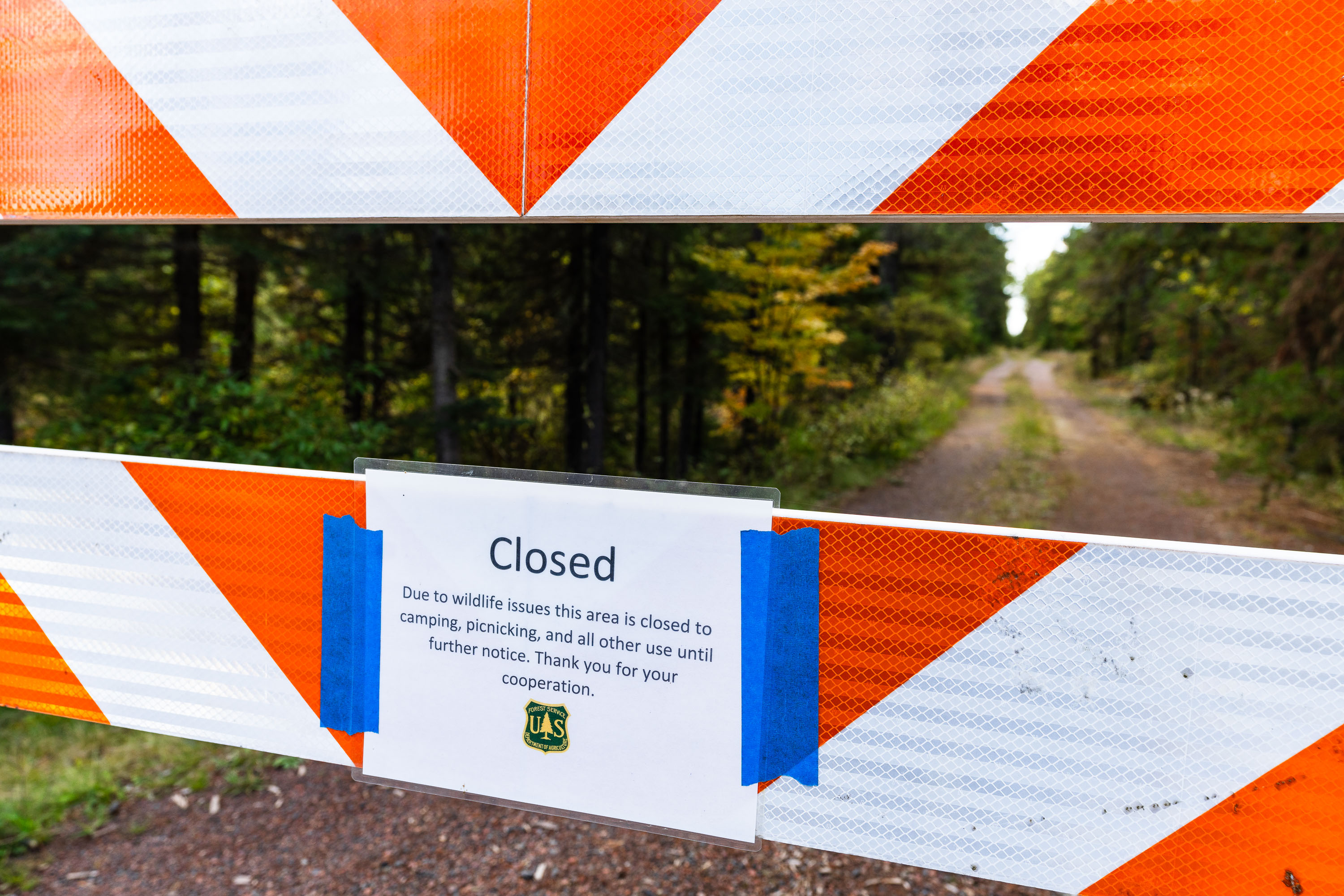 View full post: Road closure in Superior National Forest, September 2022
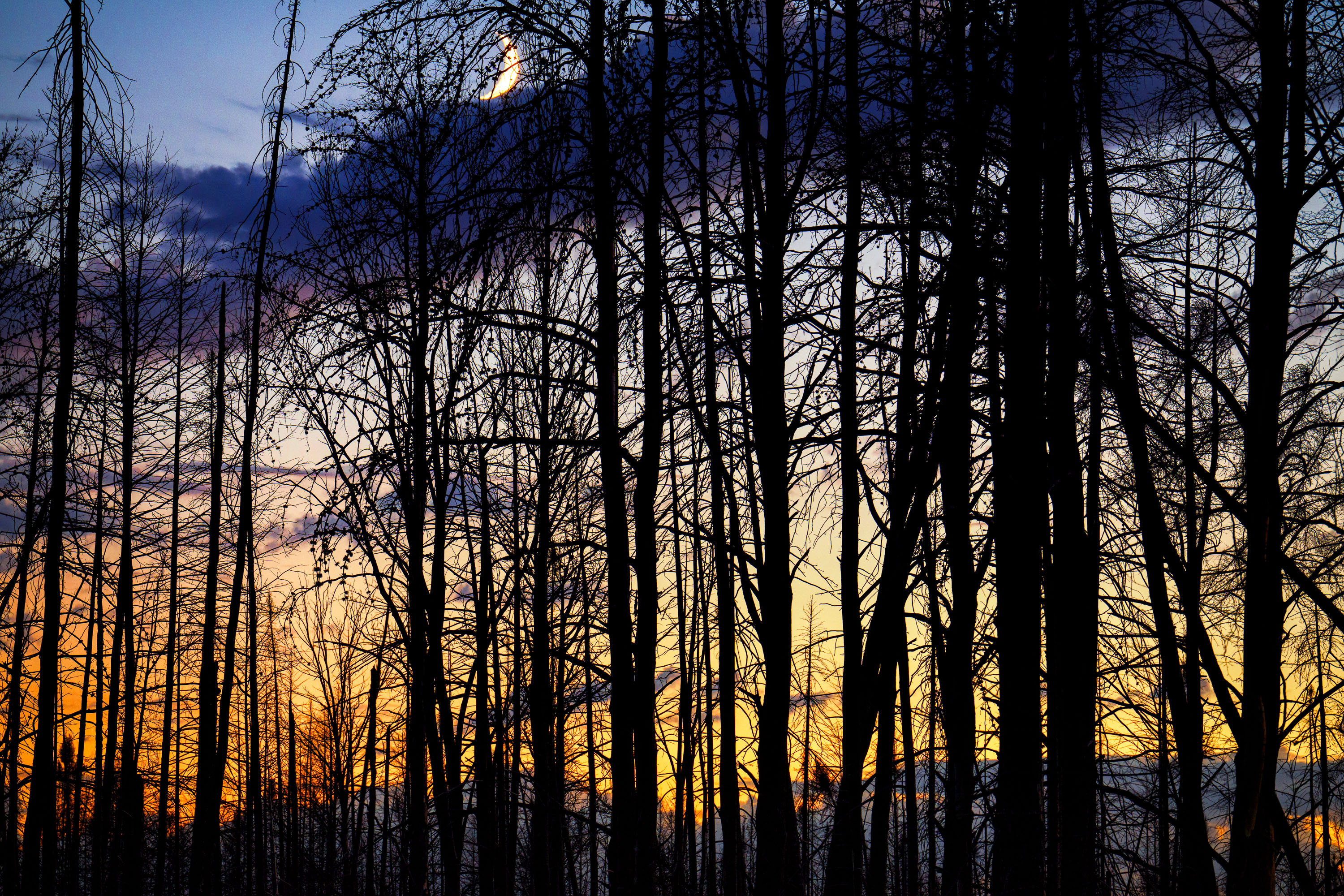 View full post: Moon rising over Superior National Forest
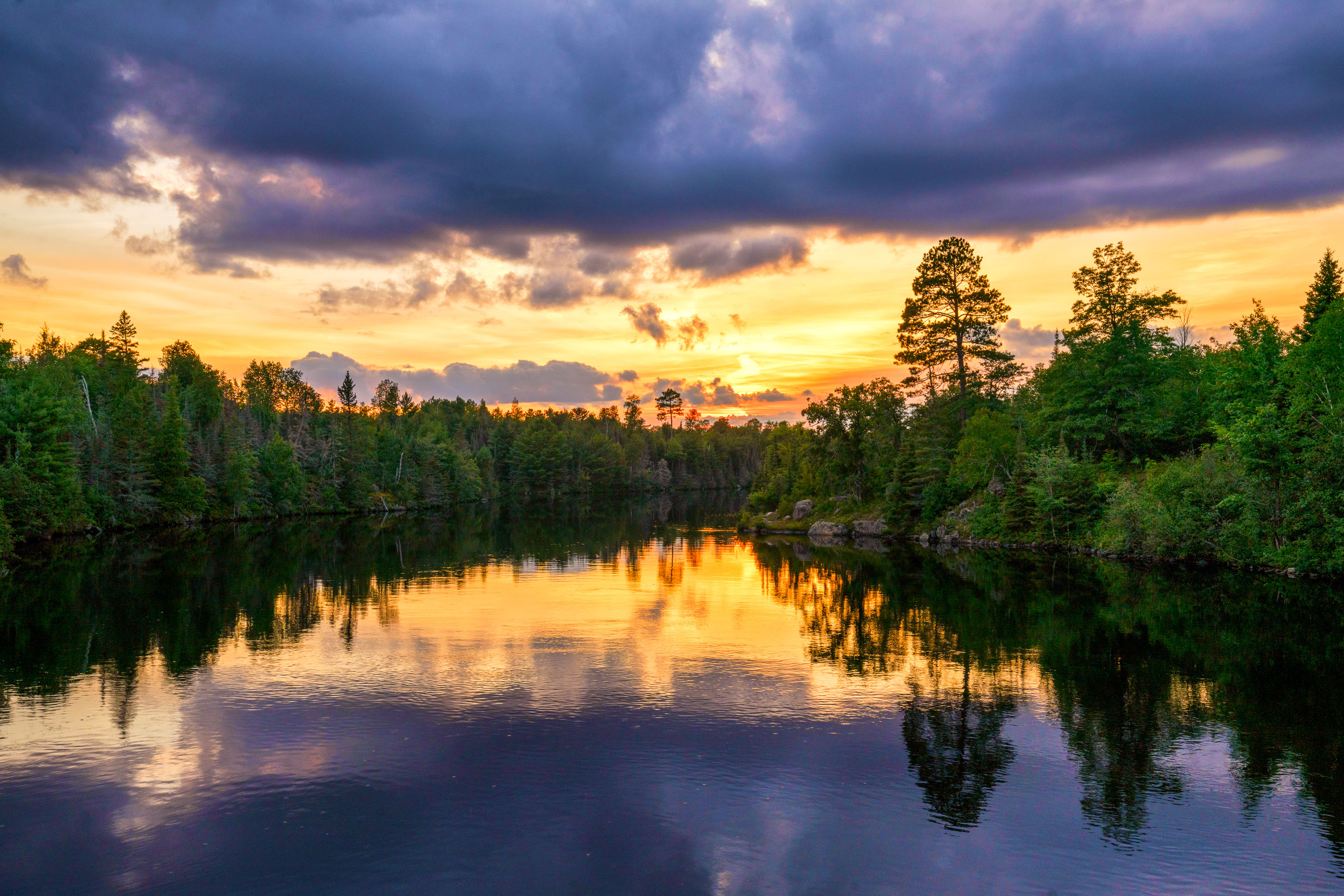 View full post: Garden Lake at Dusk, Near Ely, Minnesota
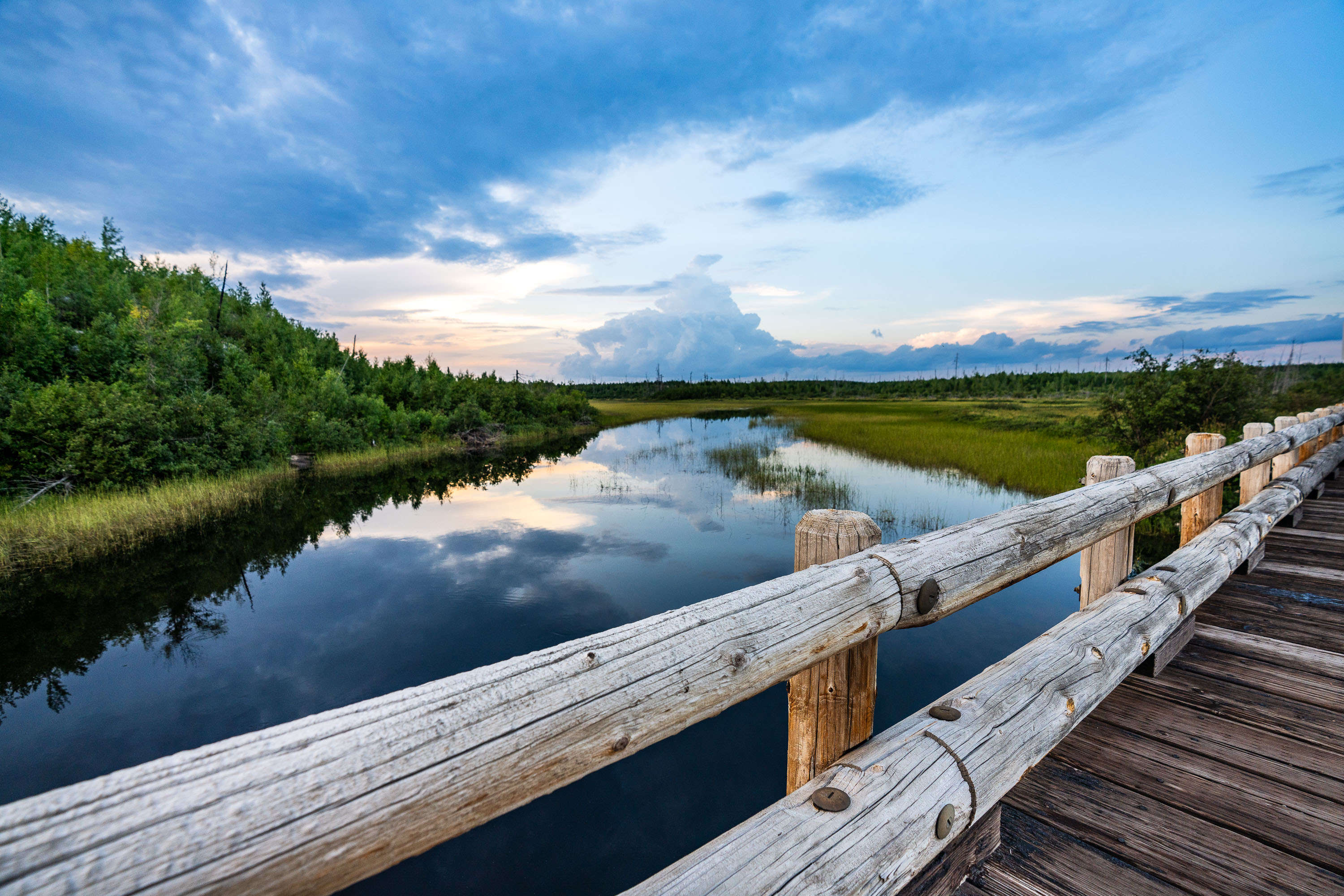 View full post: Island River in the Superior National Forest
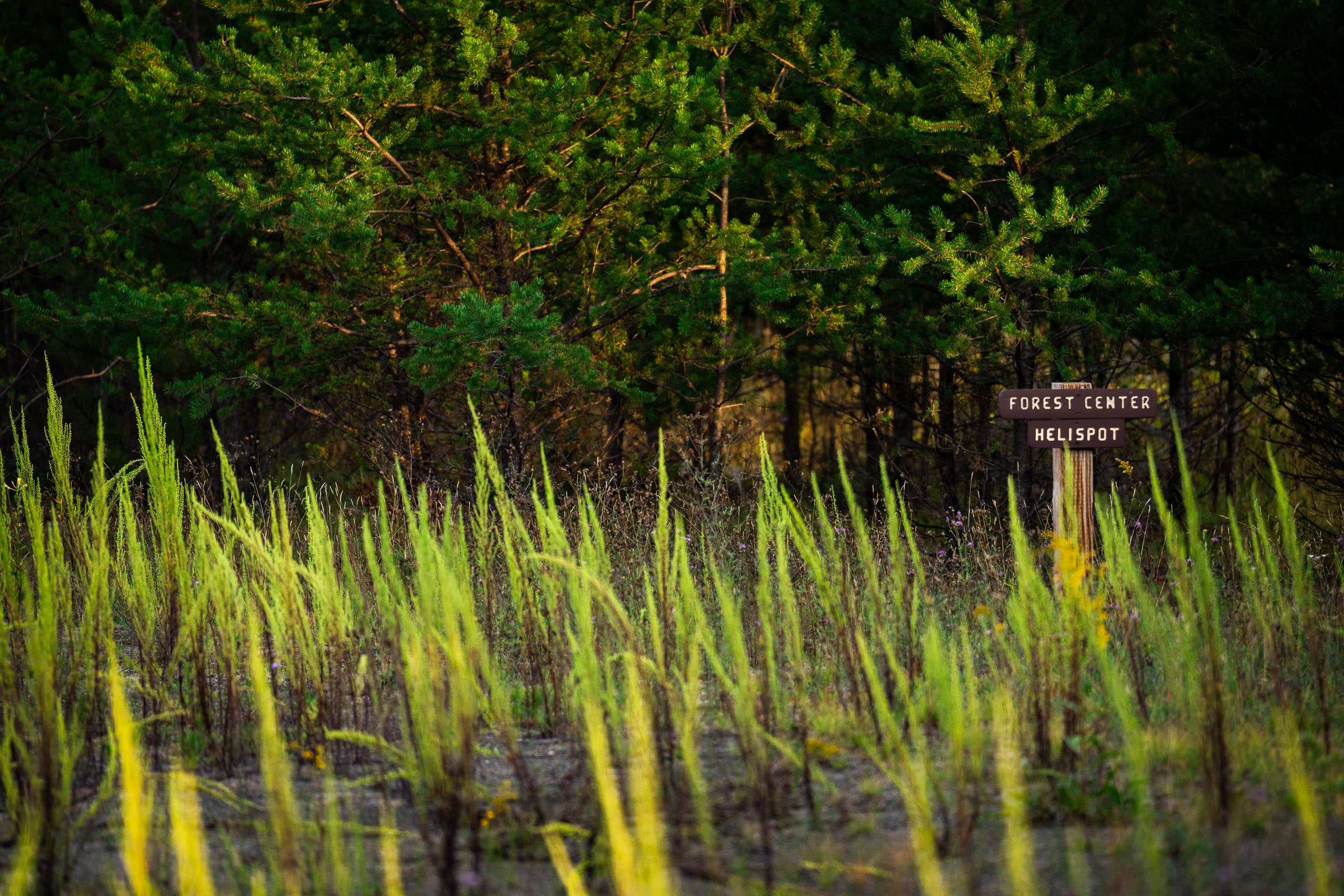 View full post: Forest Center Helispot sign near the Boundary Waters
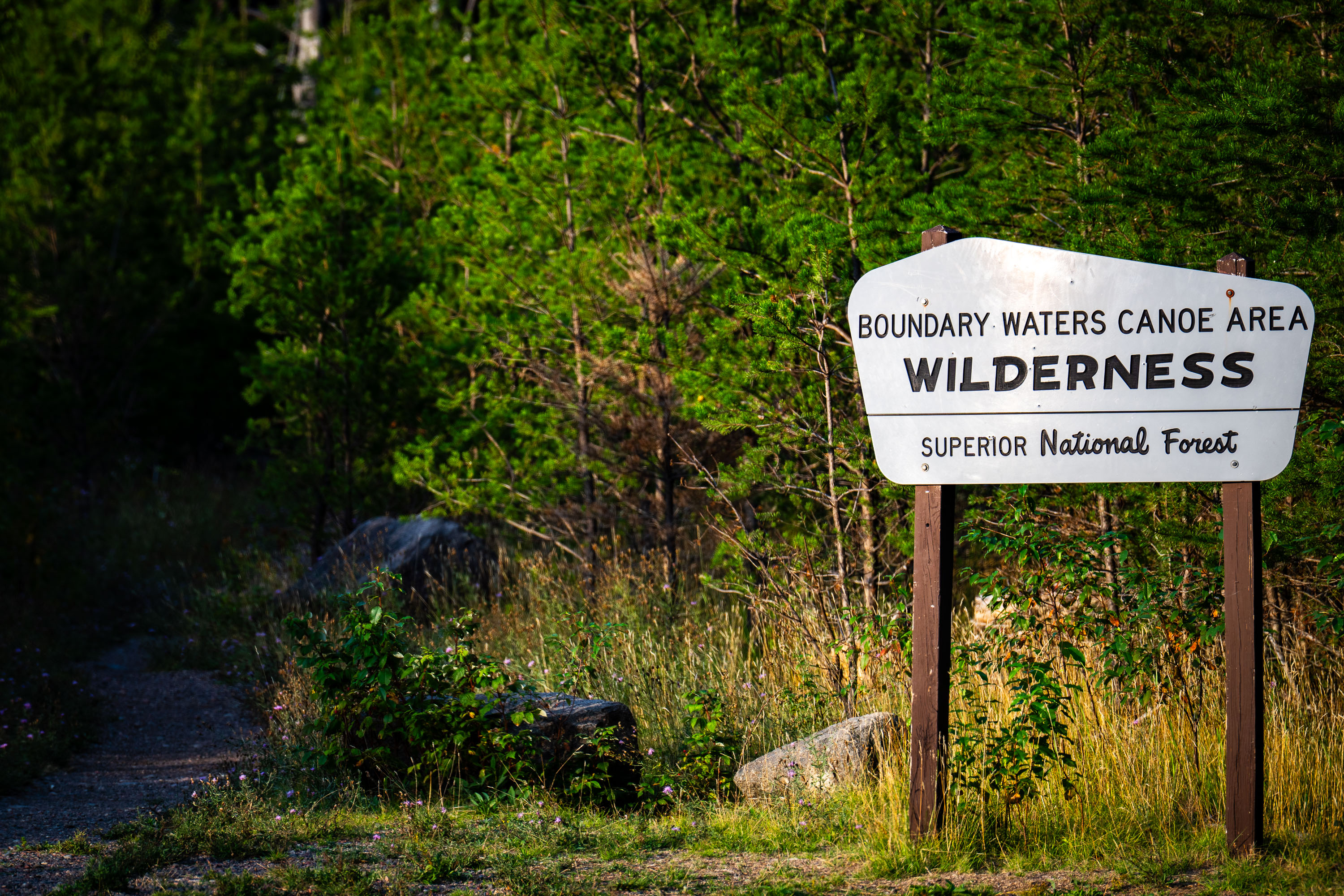 View full post: BWCA SNF Sign in Minnesota
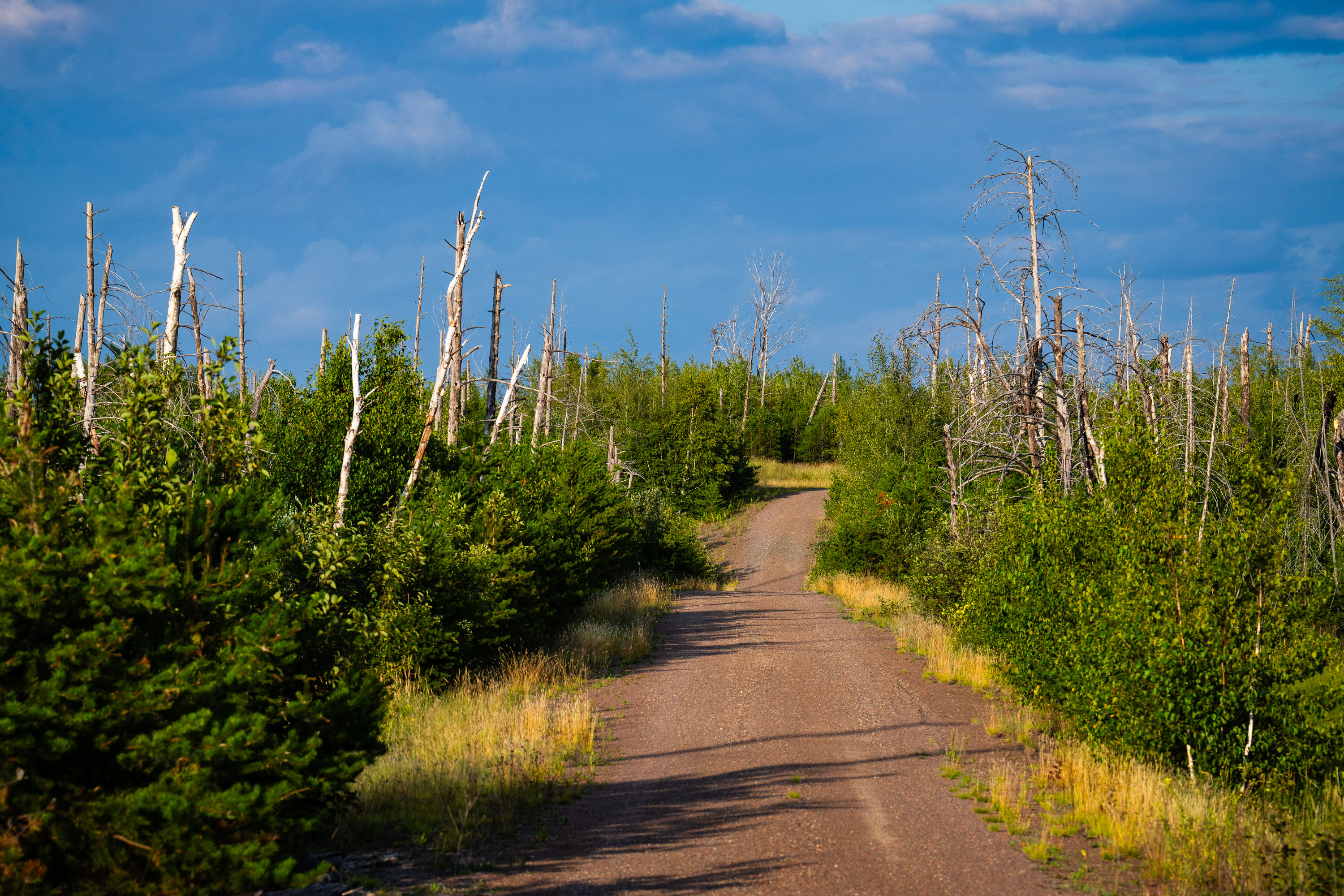 View full post: Tomahawk Road, Pagami Creek Burn Area, Superior National Forest
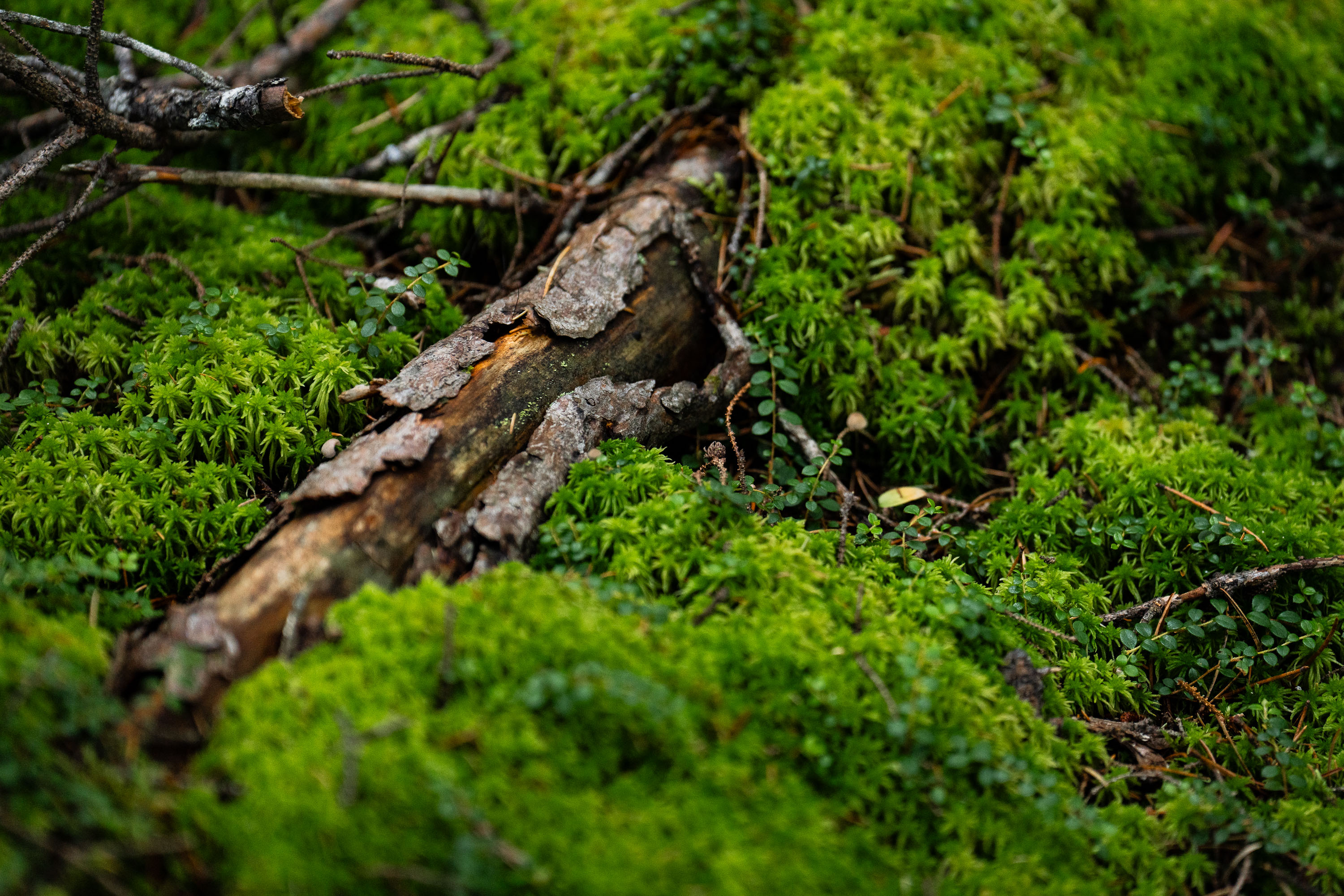 View full post: Decaying log laying in the Superior National Forest
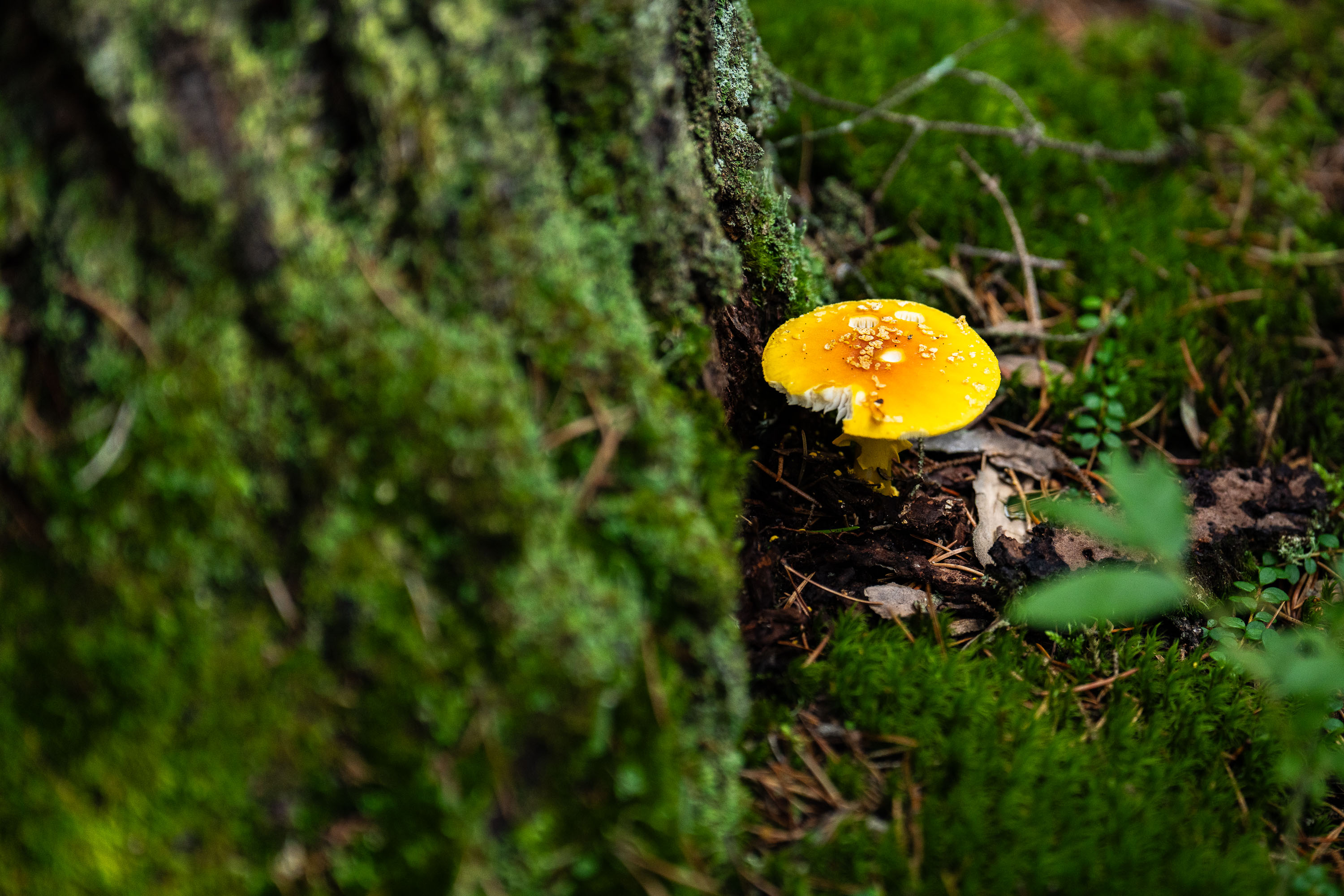 View full post: Amanita muscaria mushroom in Minnesota
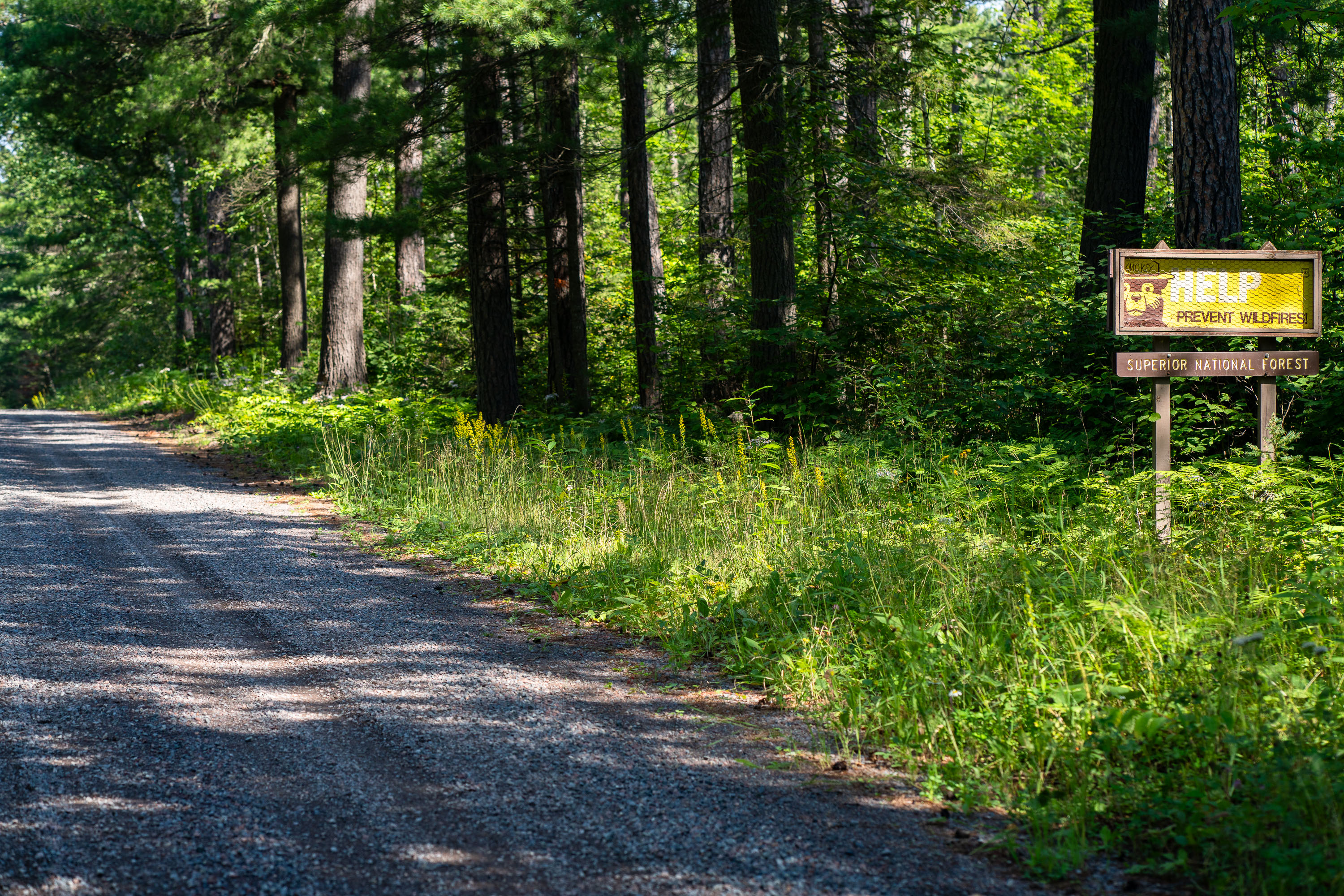 View full post: Prevent Wildfires sign in the Superior National Forest in 2022
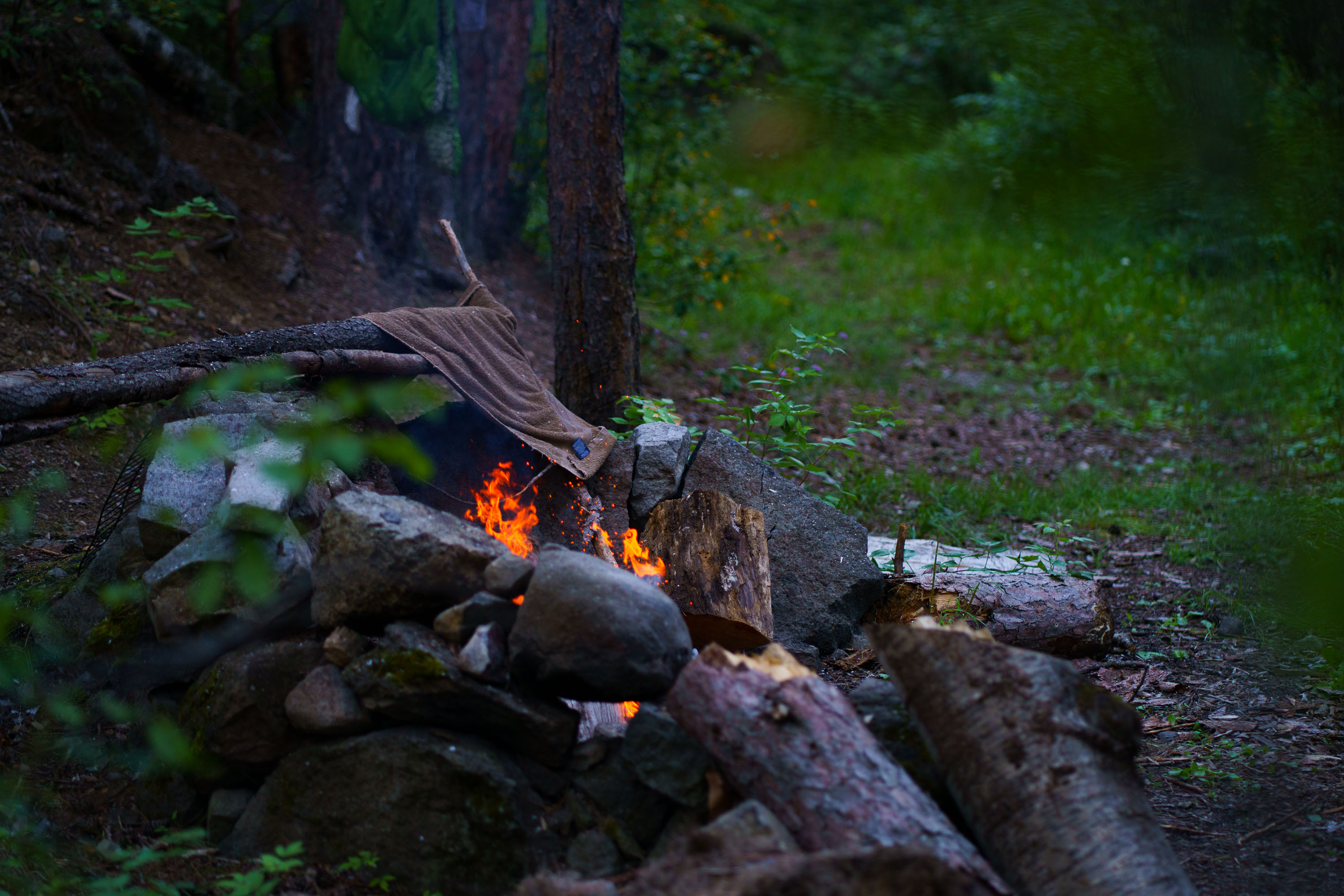 View full post: Superior National Forest Campfire, Minnesota
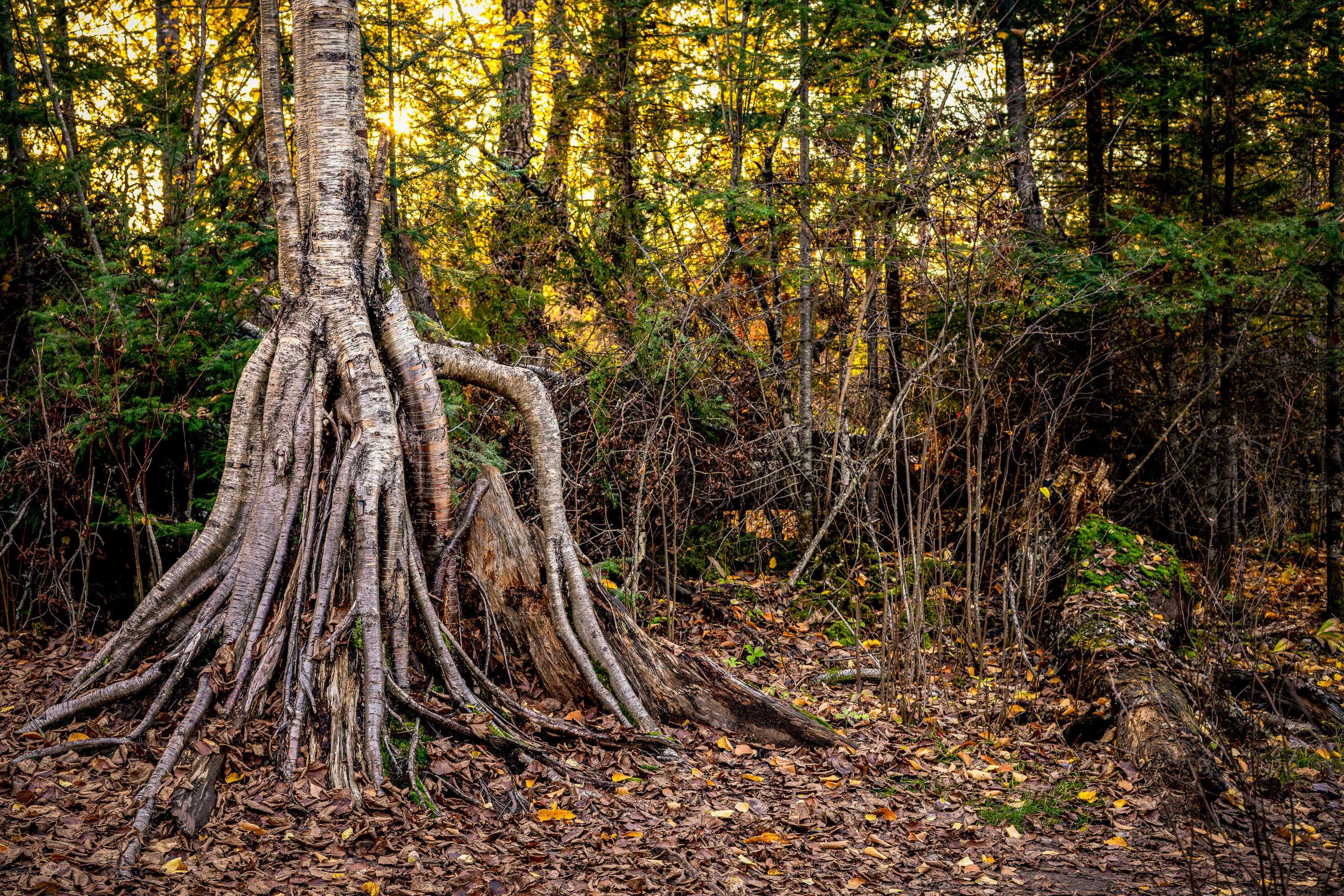 View full post: Exposed Birch Roots in the Superior National Forest, Ely, Minnesota
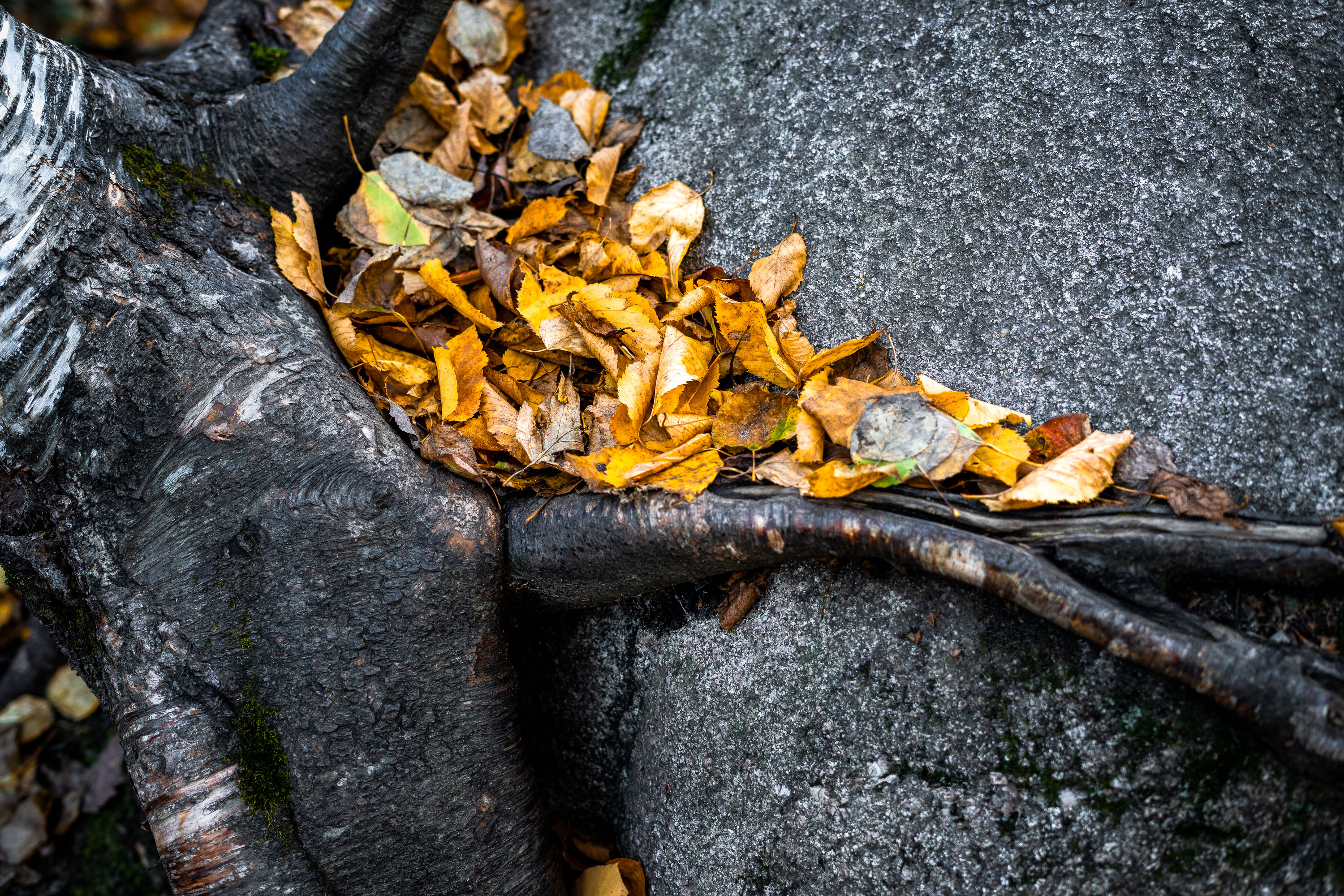 View full post: Leaves in the Superior National Forest, Northern Minnesota
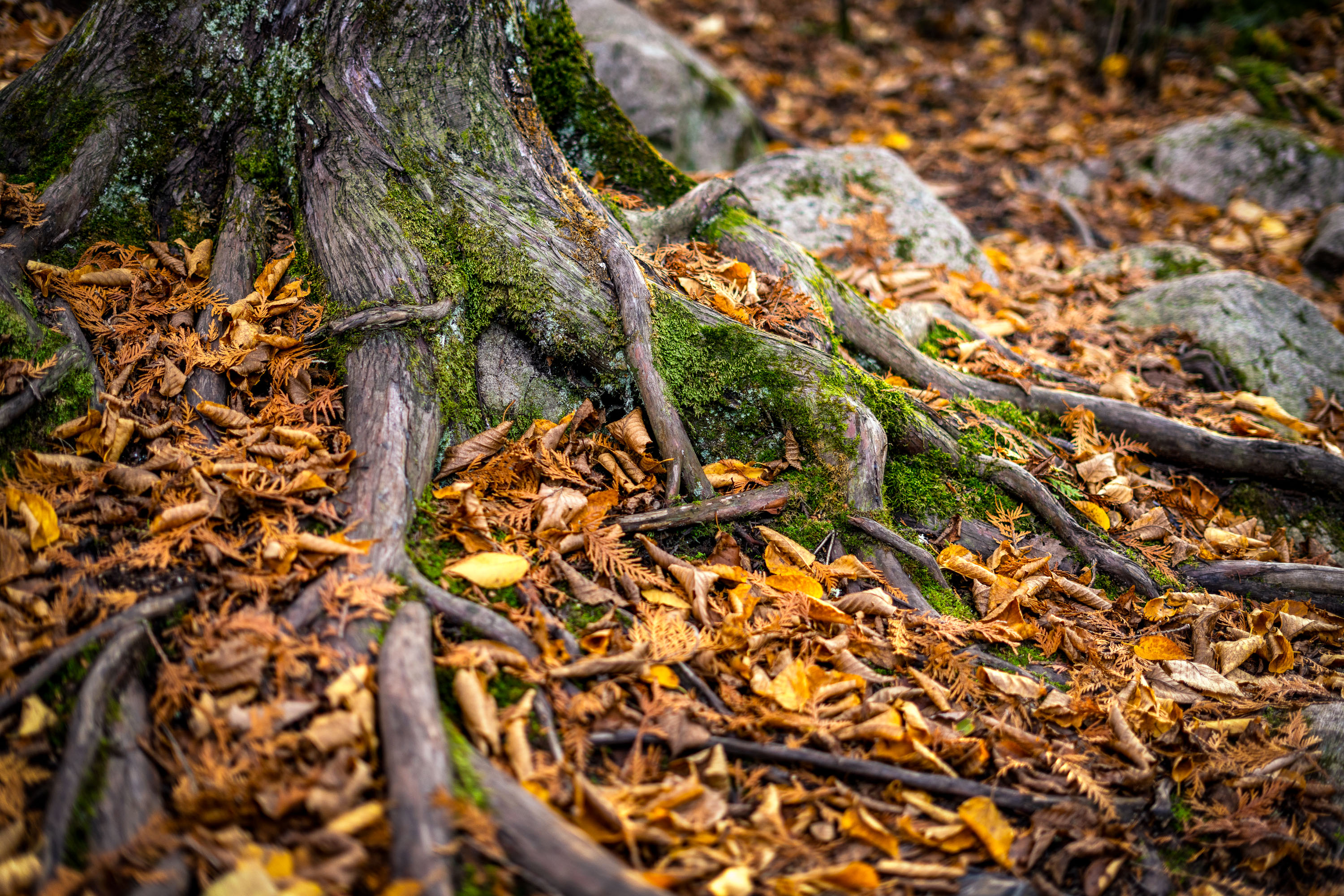 View full post: Exposed Tree Roots and Autumn Leaves near Ely, Minnesota
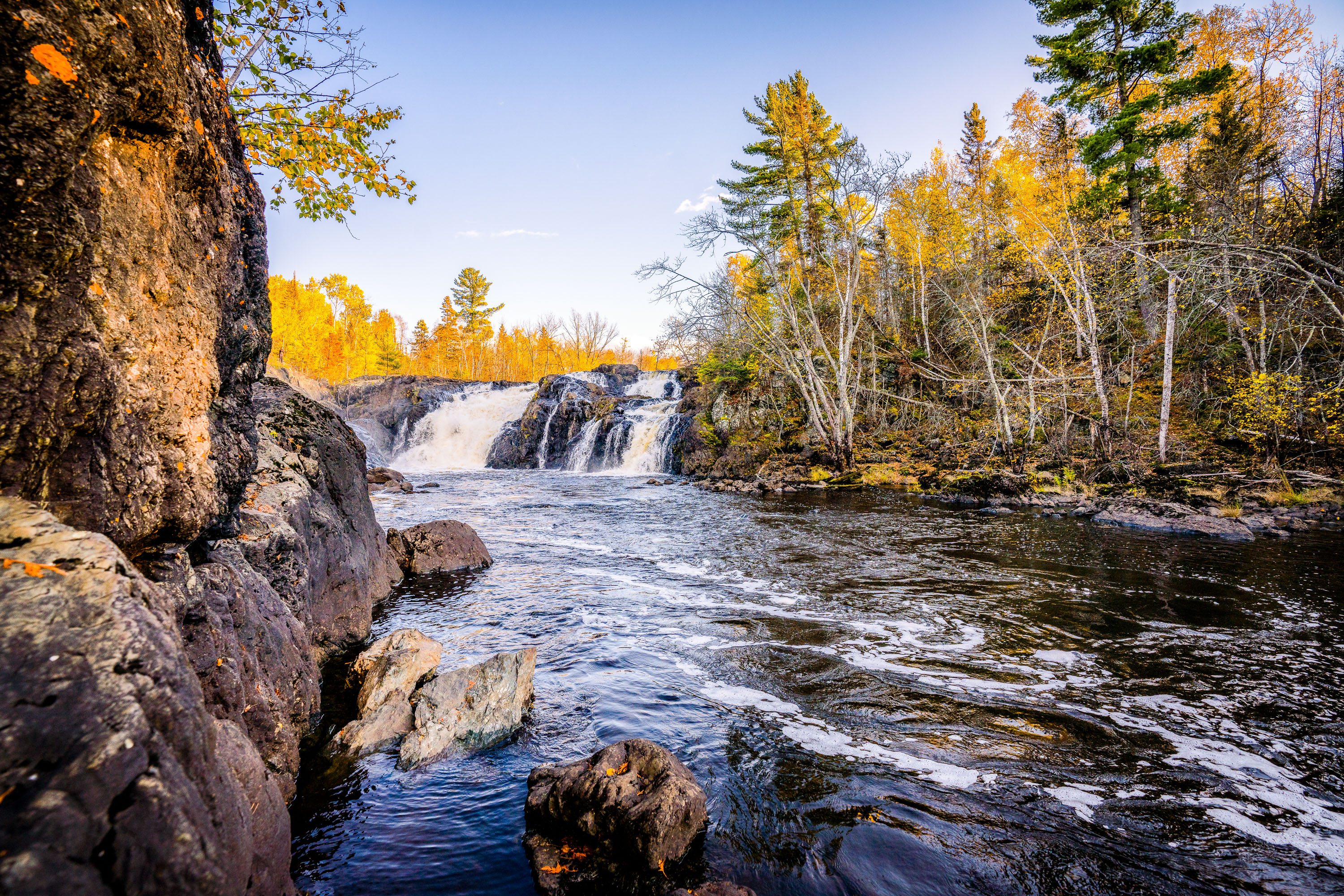 View full post: Kawishiwi Falls, Superior National Forest, Minnesota
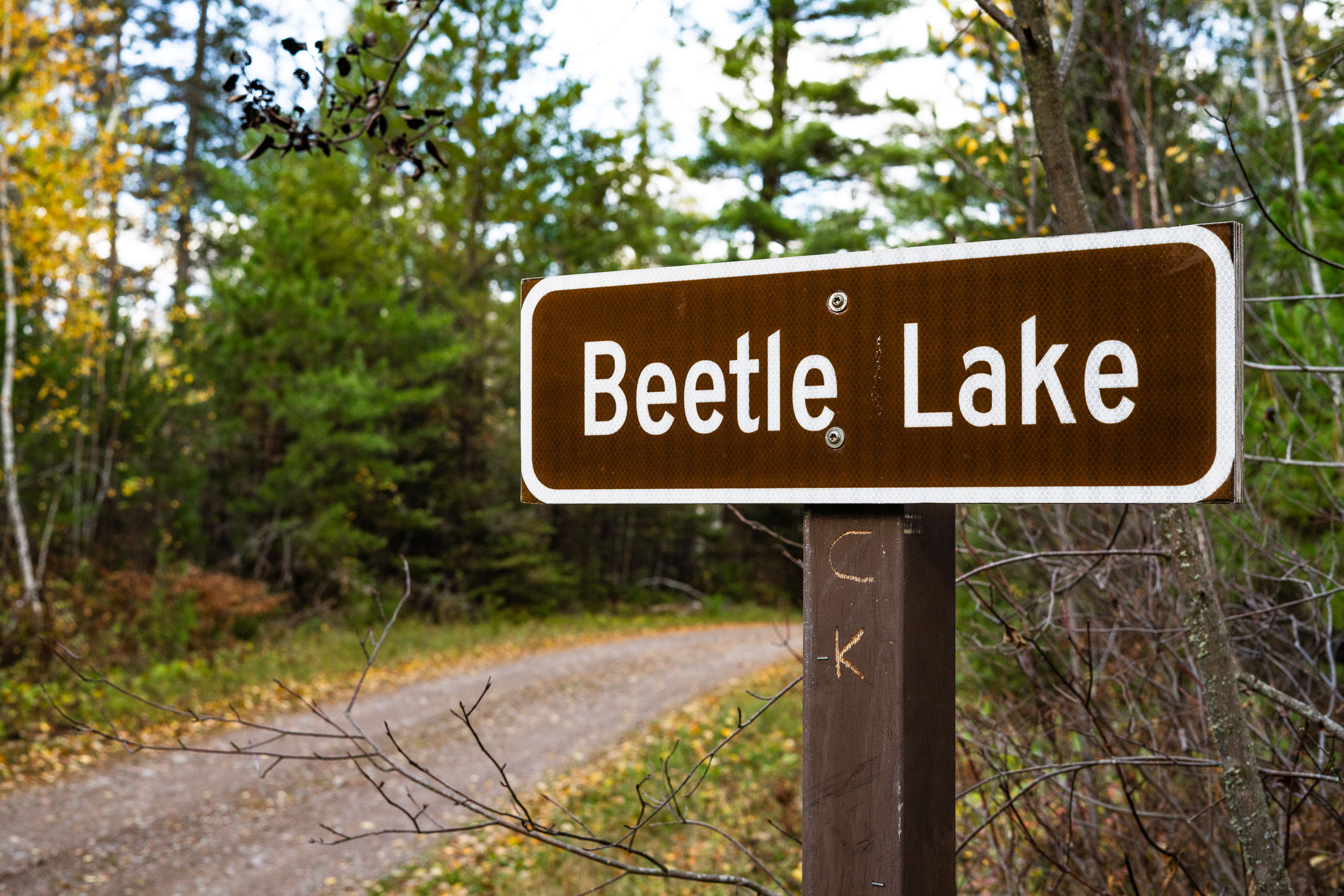 View full post: Beetle Lake Sign, Superior National Forest, Minnesota
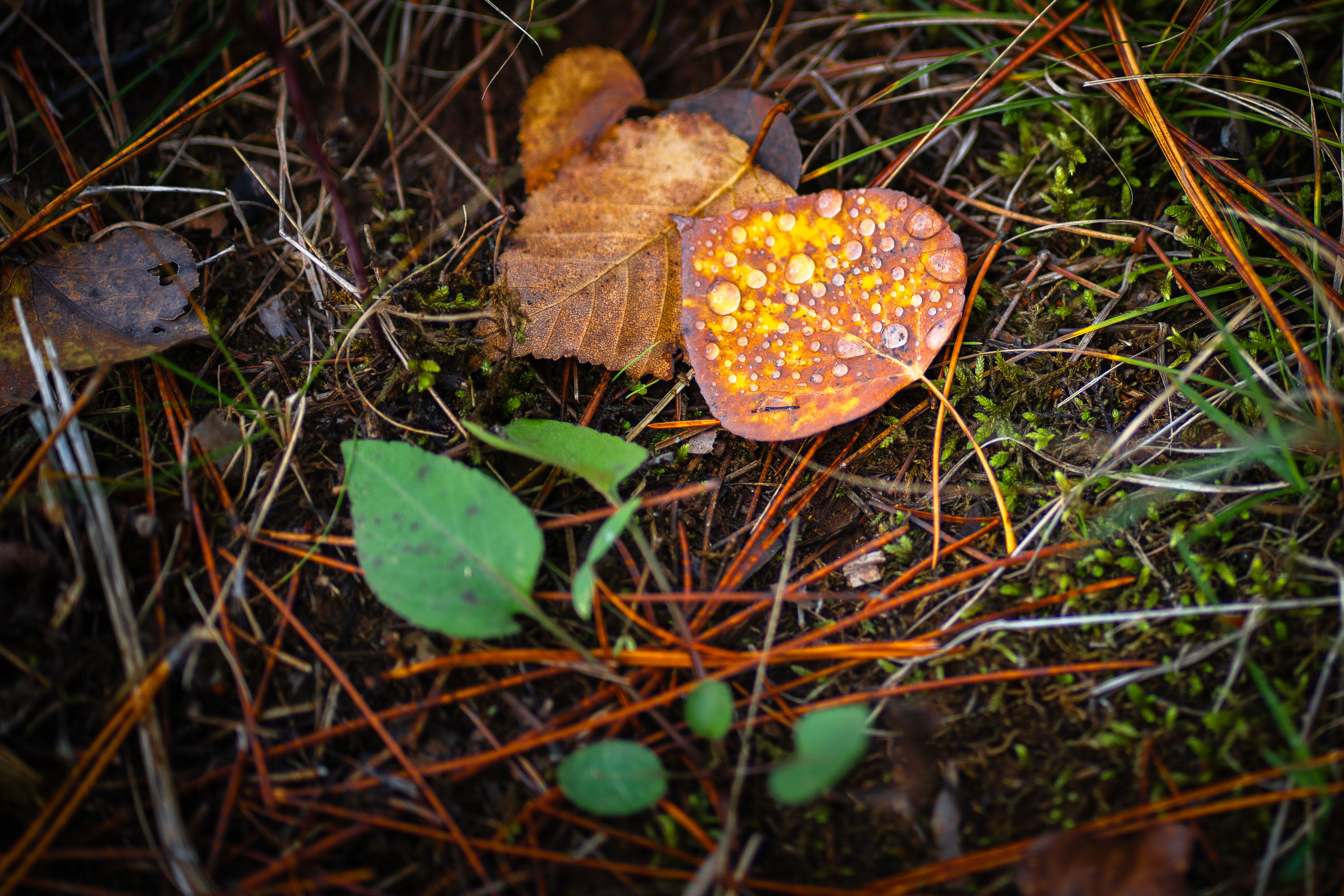 View full post: Dewy Aspen Leaf in Superior National Forest
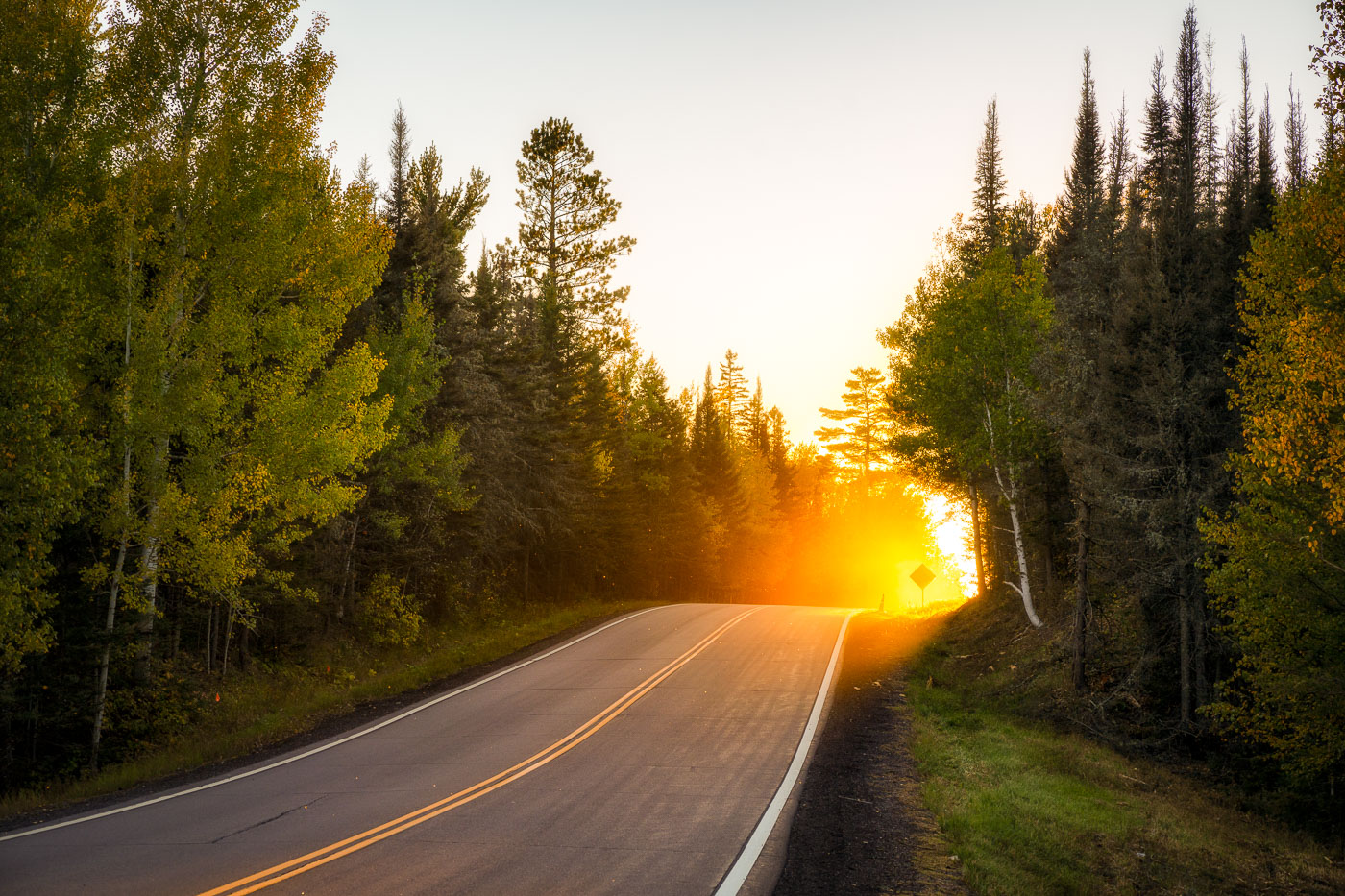 View full post: Sunset Along a Forest Road in Superior National Forest
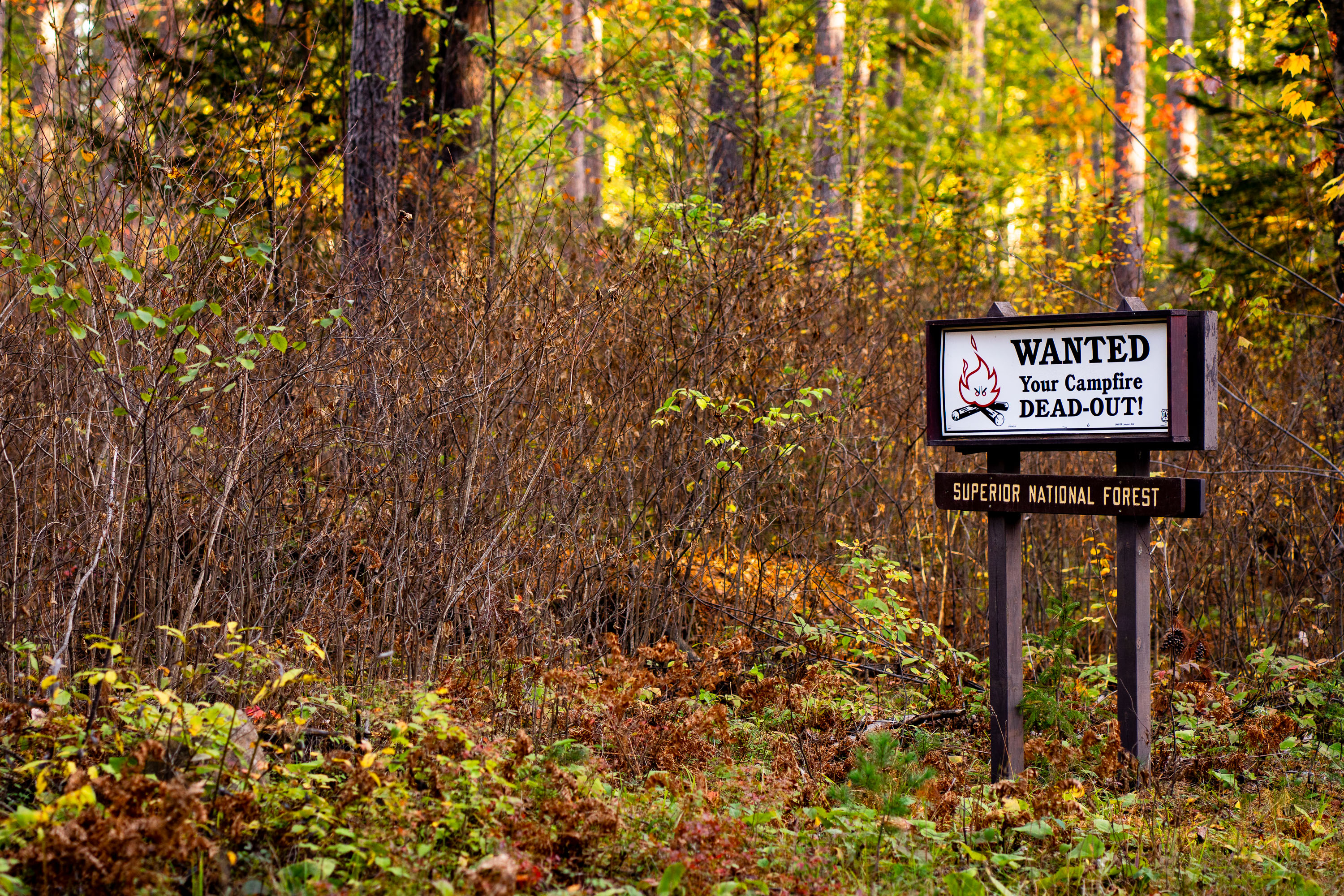 View full post: Campfire safety sign in Superior National Forest
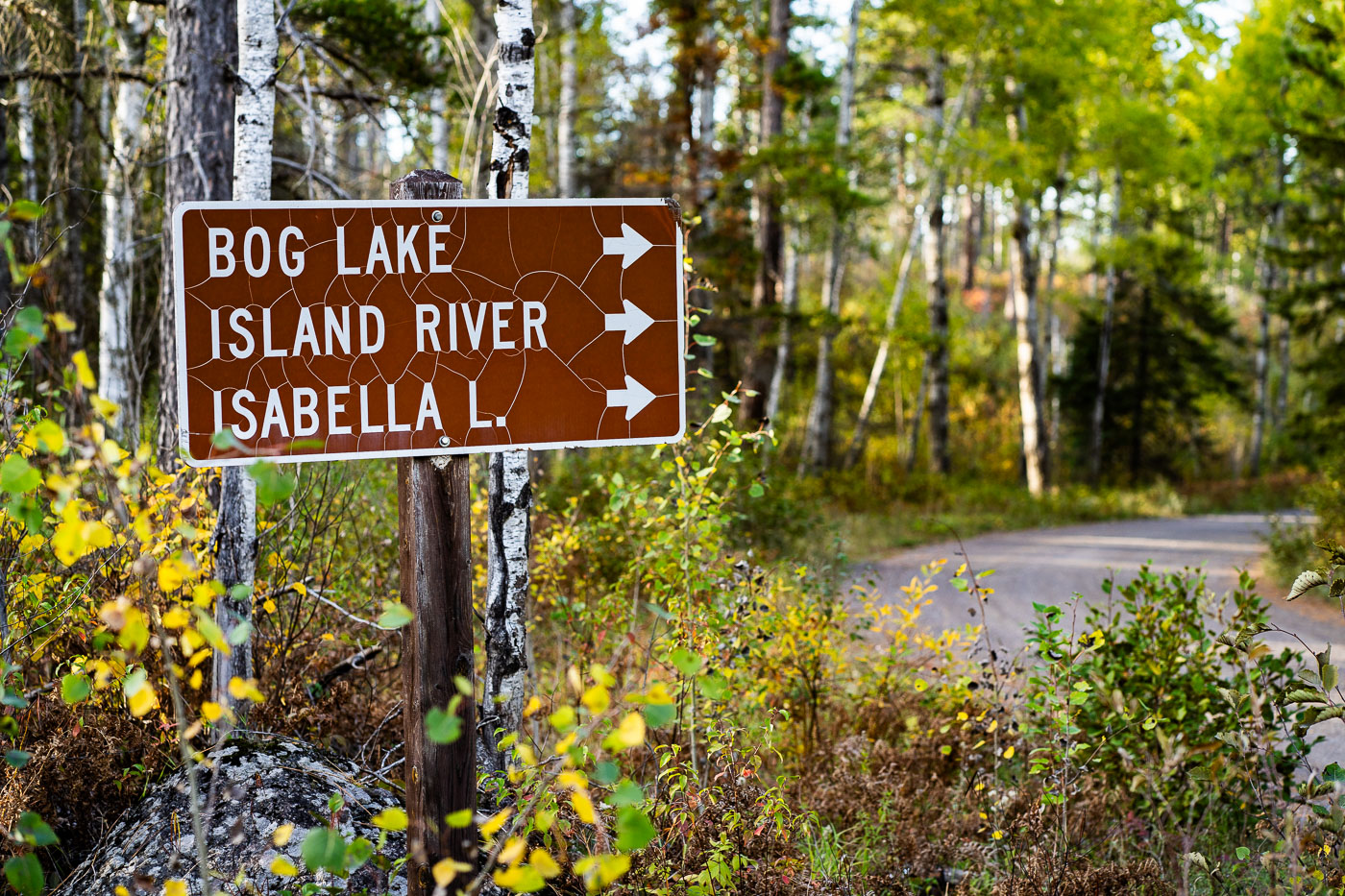 View full post: Trail Junction Sign in Superior National Forest
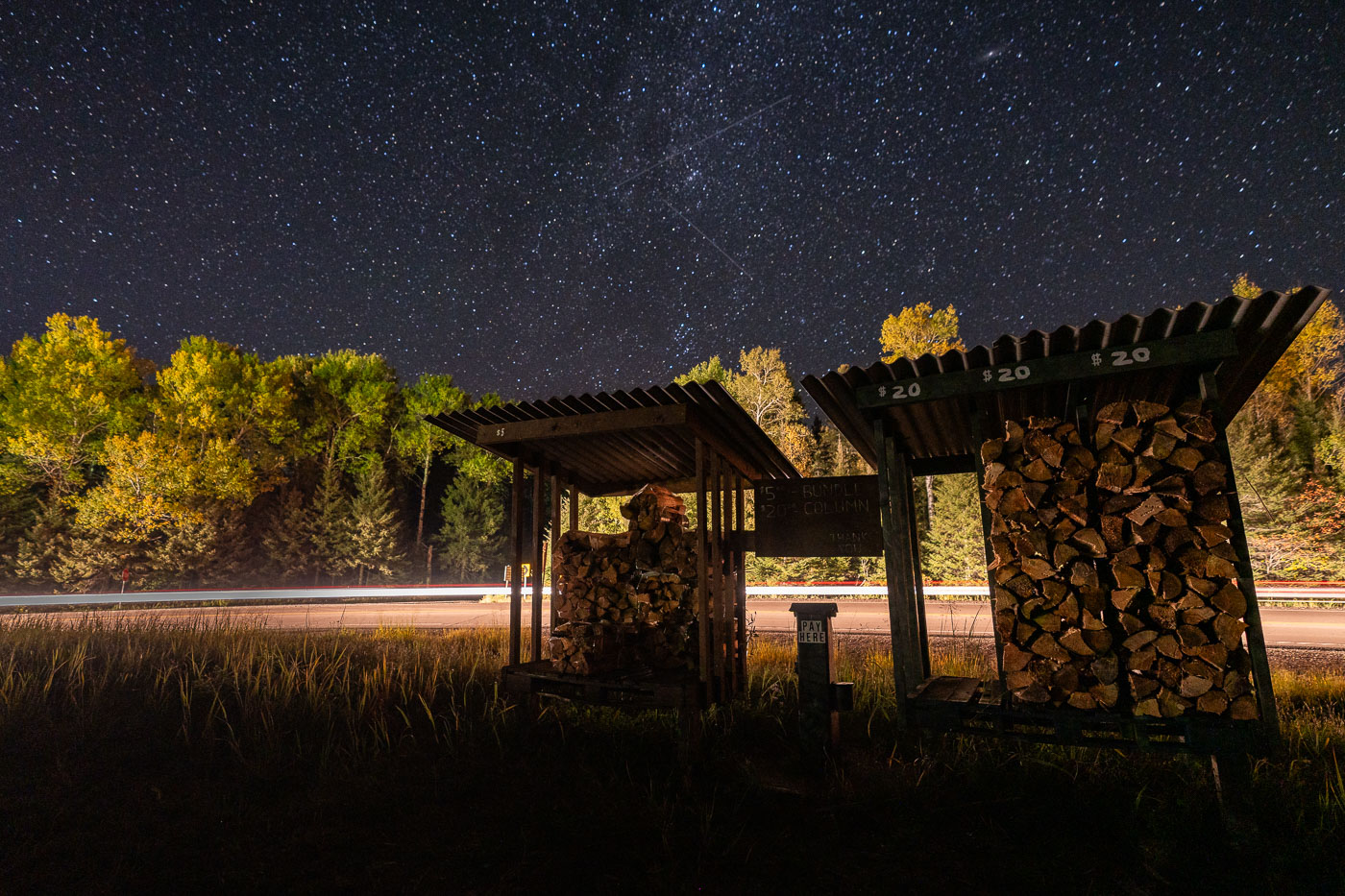 View full post: Firewood Stand Under Northern Minnesota’s Night Sky
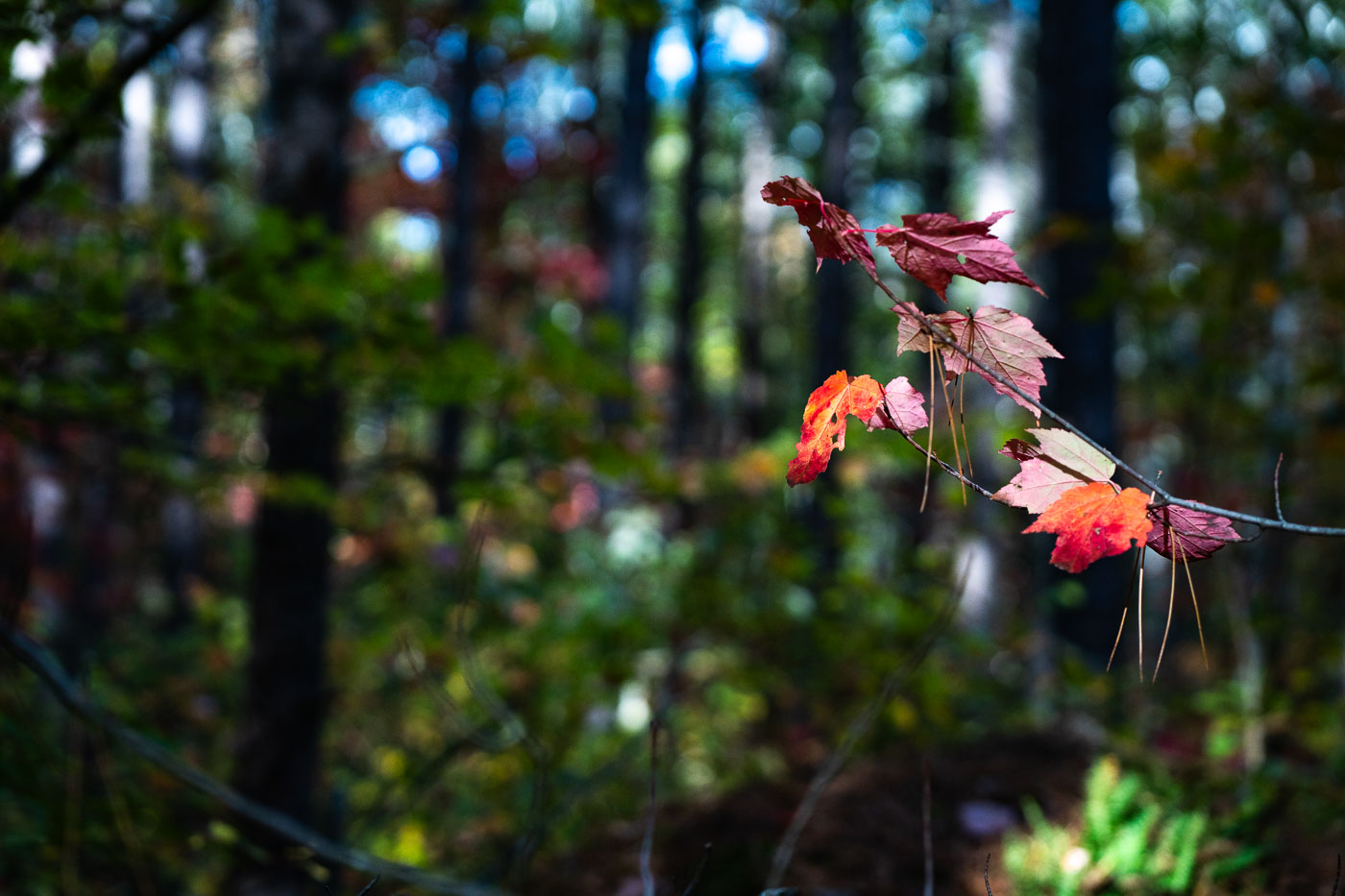 View full post: Early Autumn Color in Superior National Forest
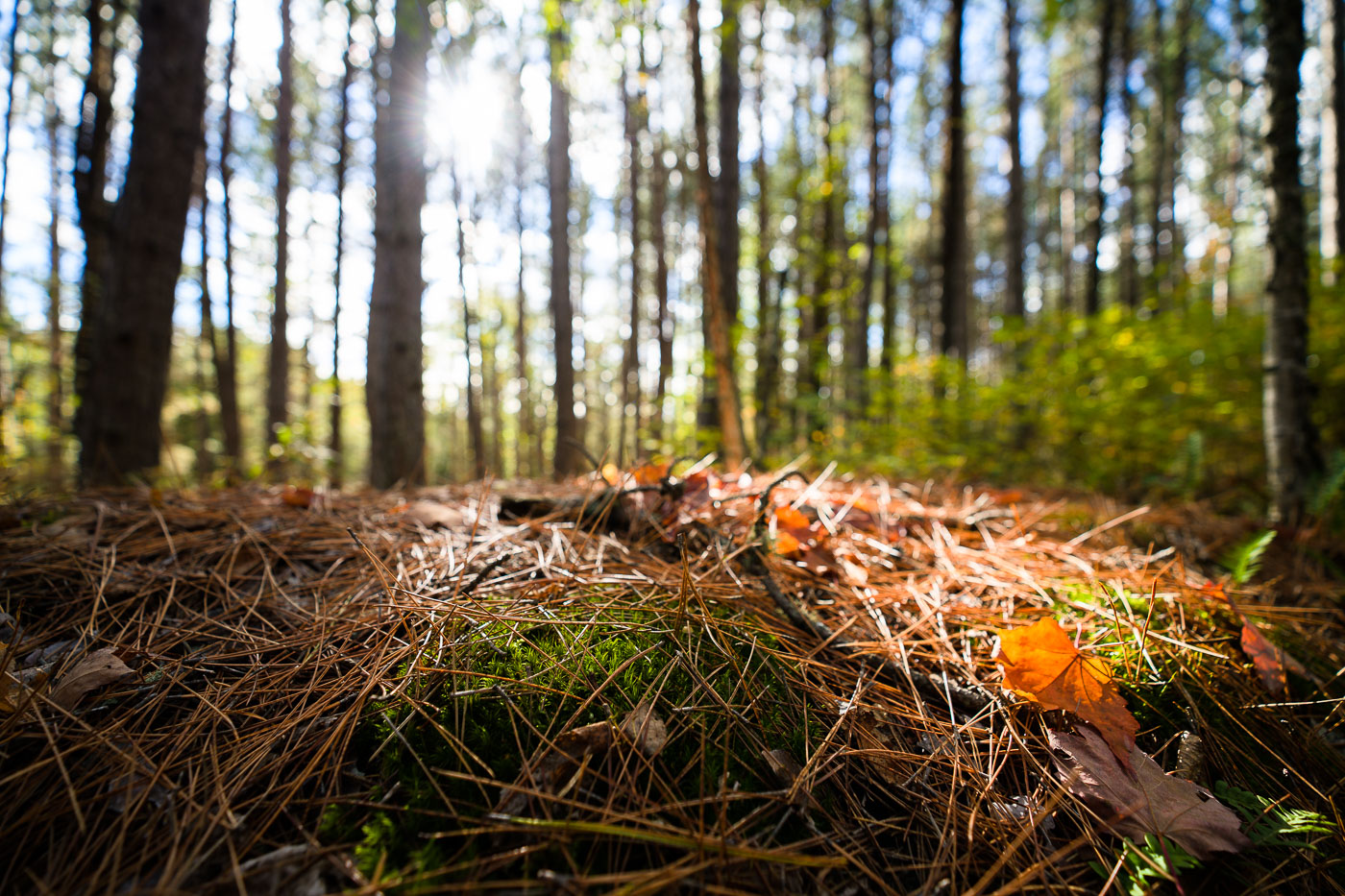 View full post: Superior National Forest, Minnesota: Forest Floor Detail
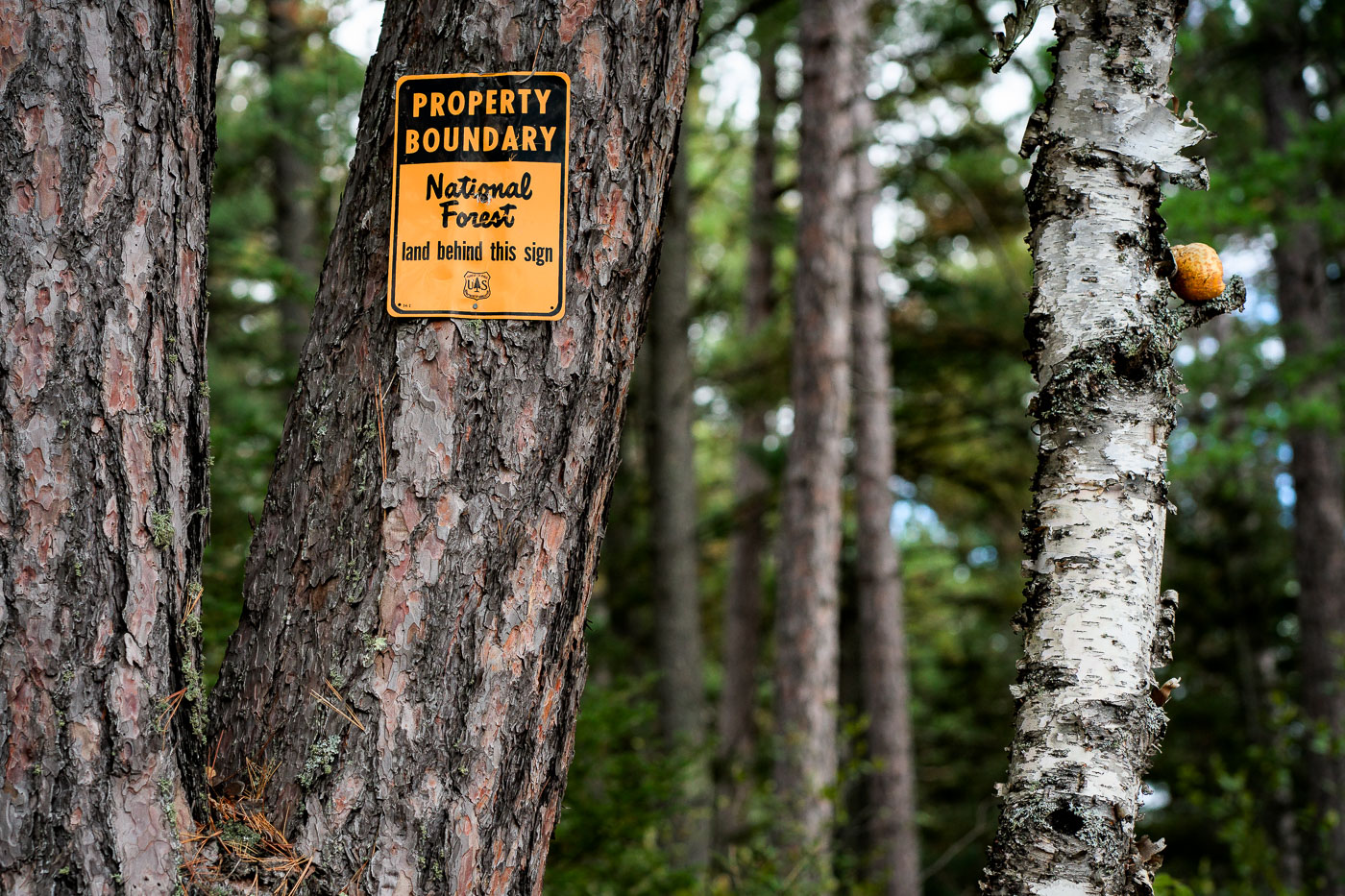 View full post: Boundary Marker on Superior National Forest Land
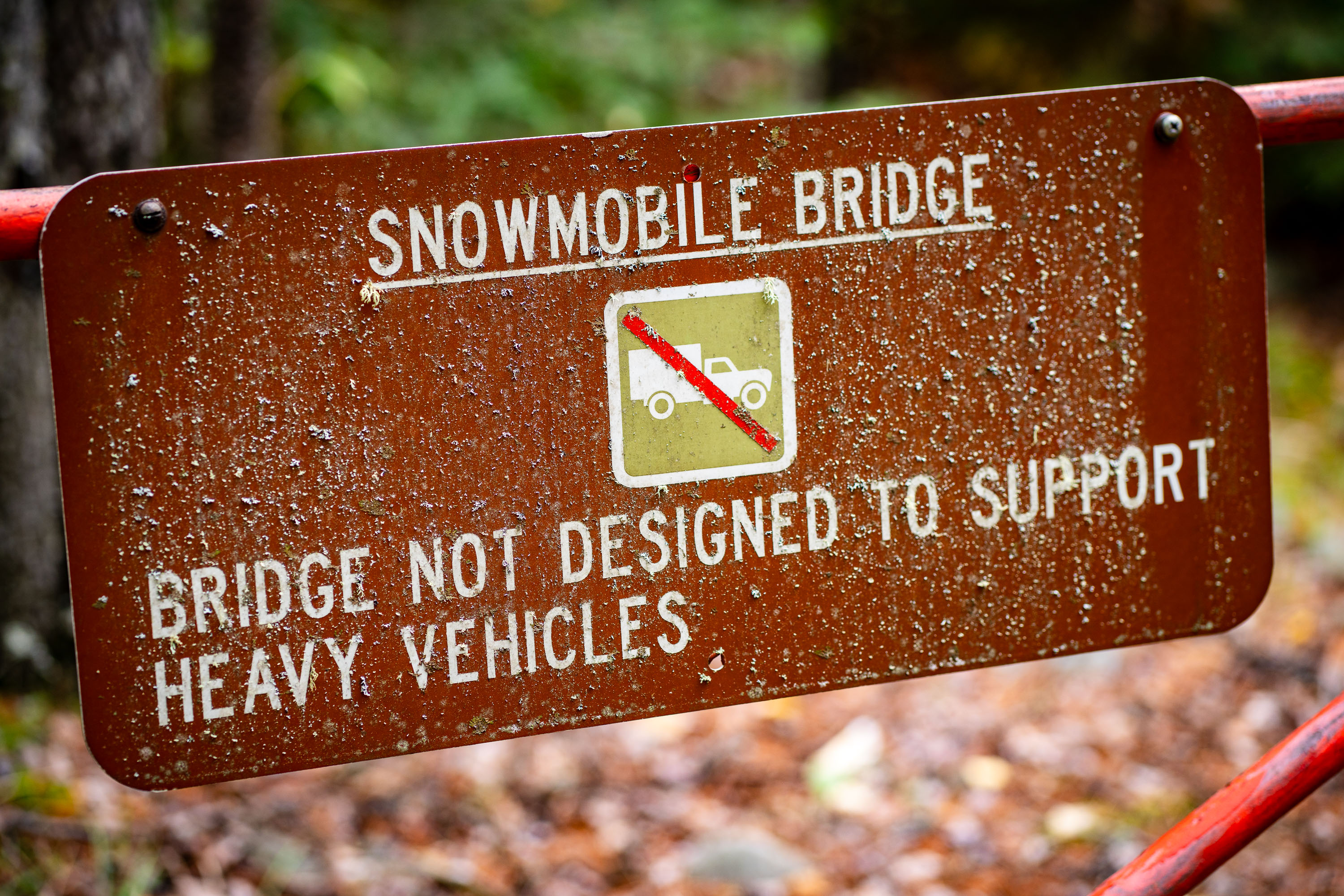 View full post: Snowmobile Bridge sign in the Superior National Forest
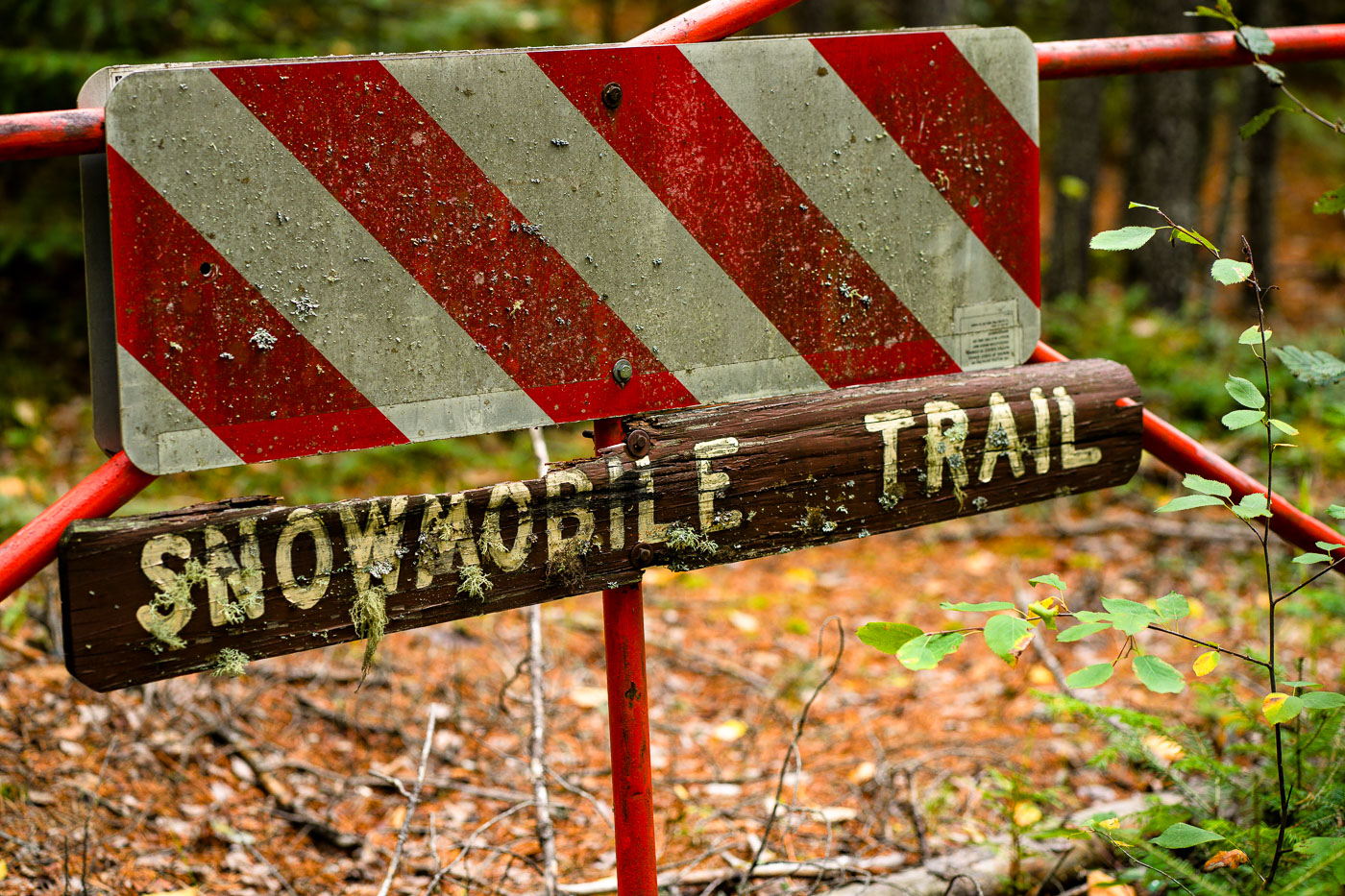 View full post: Snowmobile Trail Sign in Stony River Township
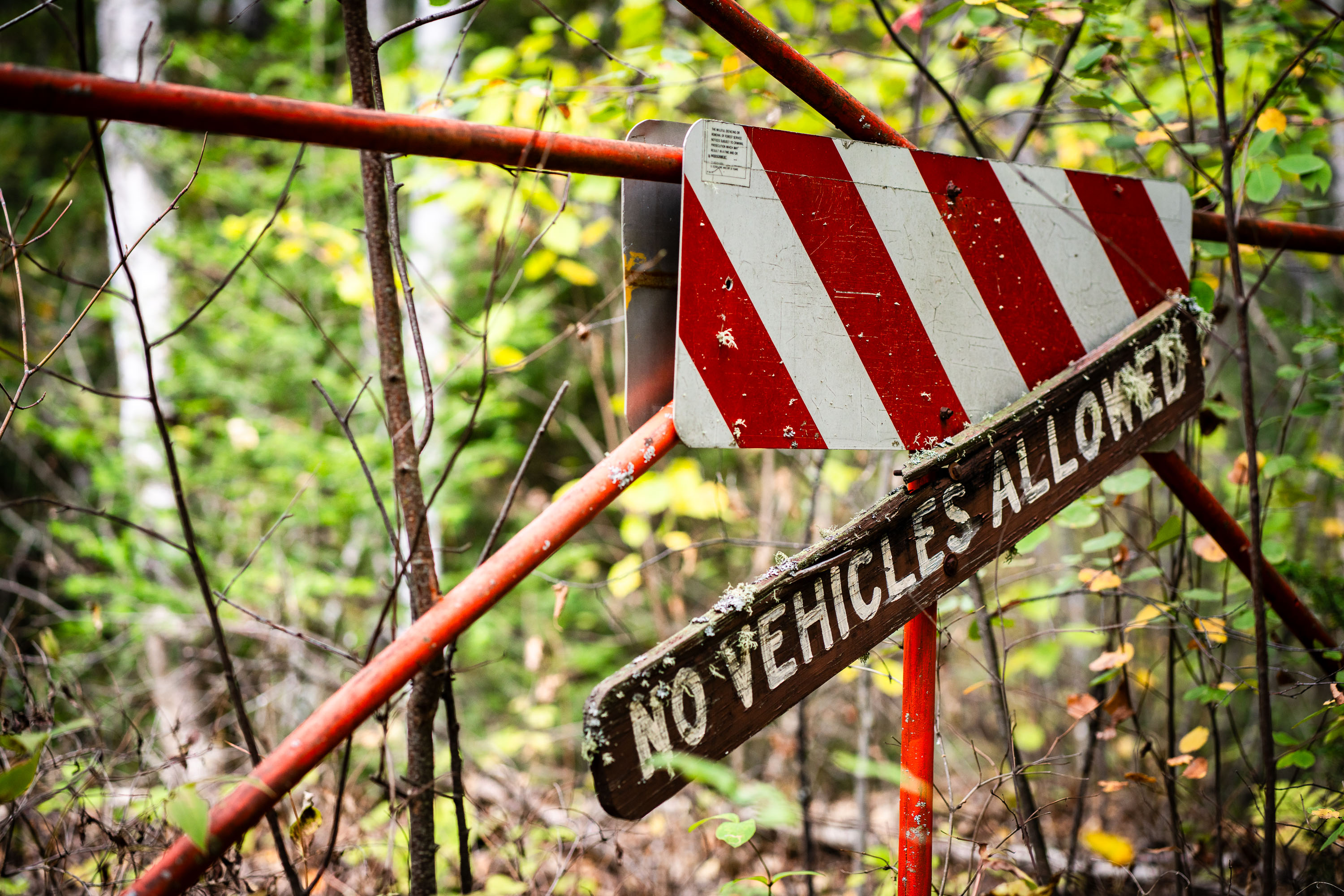 View full post: No Vehicles Allowed, Superior National Forest
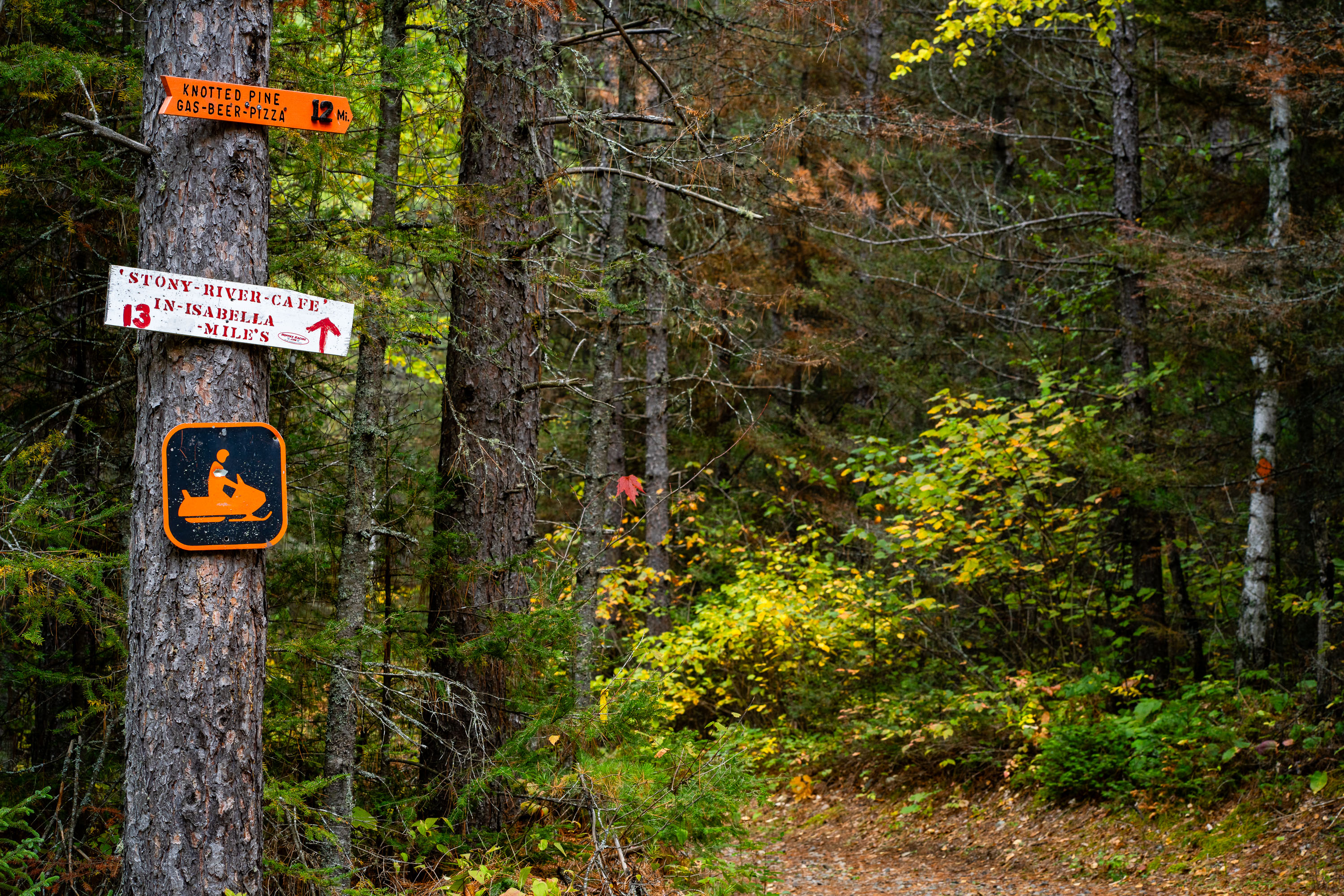 View full post: Knotted Pine Bar Sign in Superior National Forest
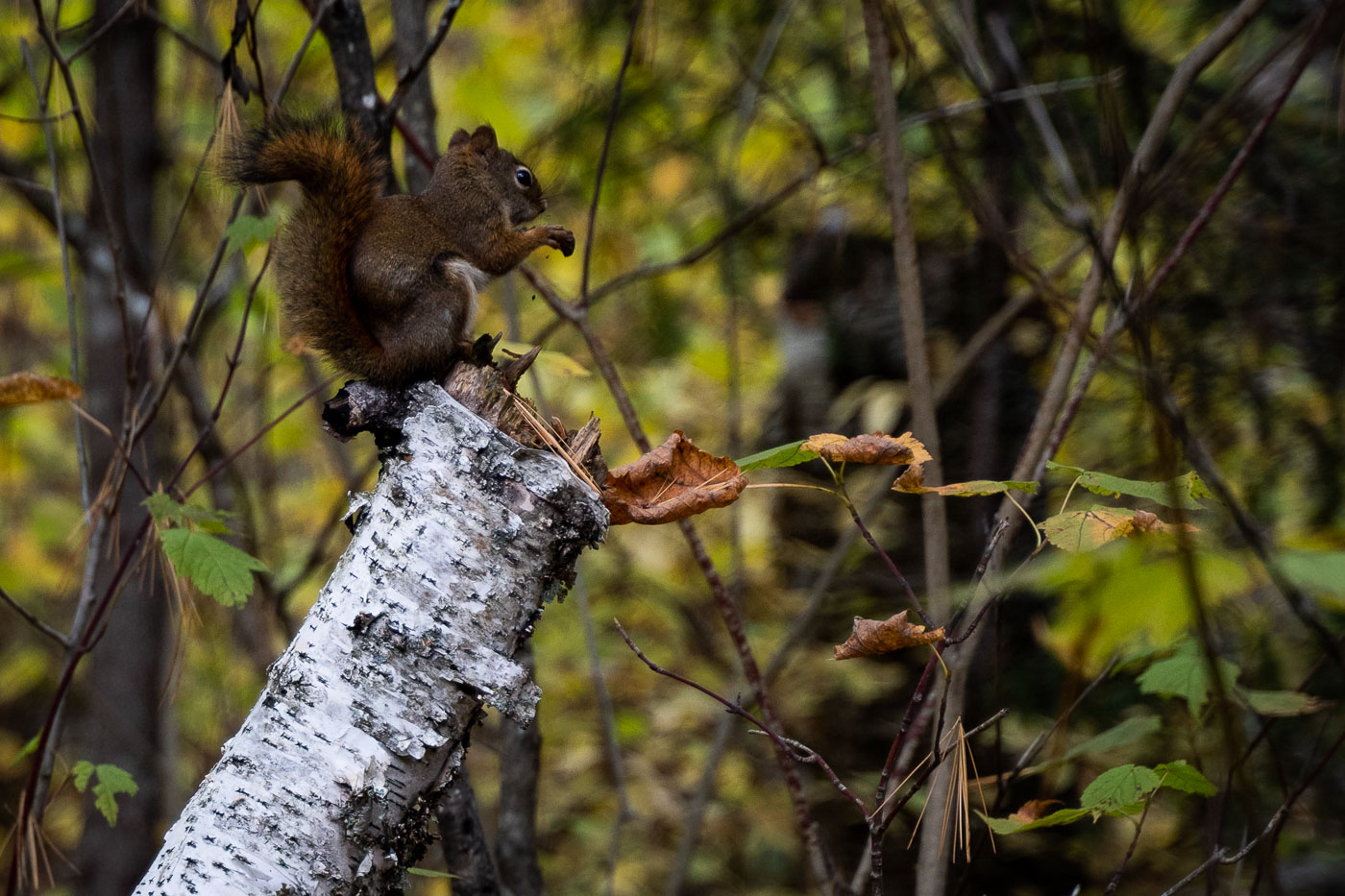 View full post: Red Squirrel in Superior National Forest
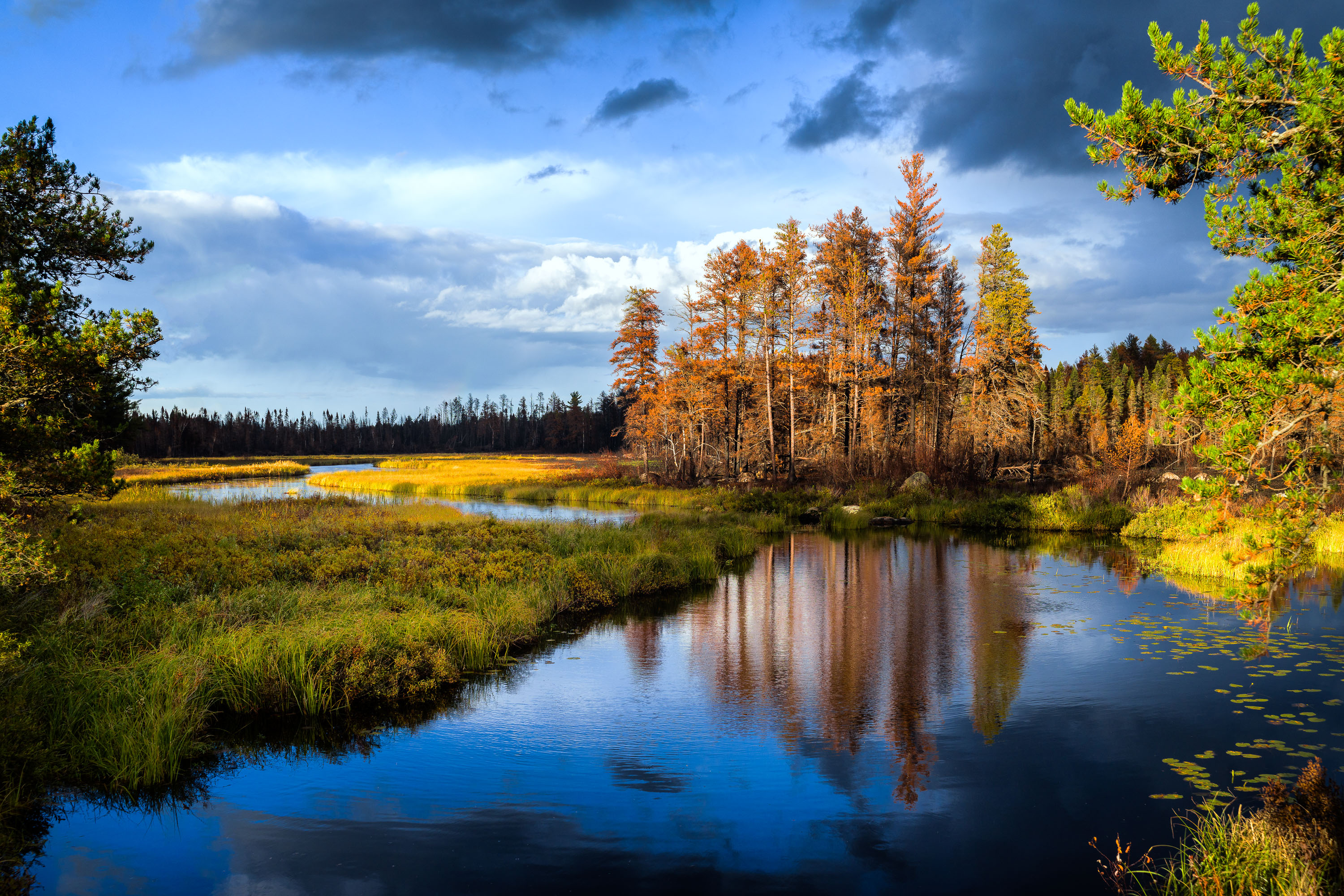 View full post: Sand River in Superior National Forest, Minnesota
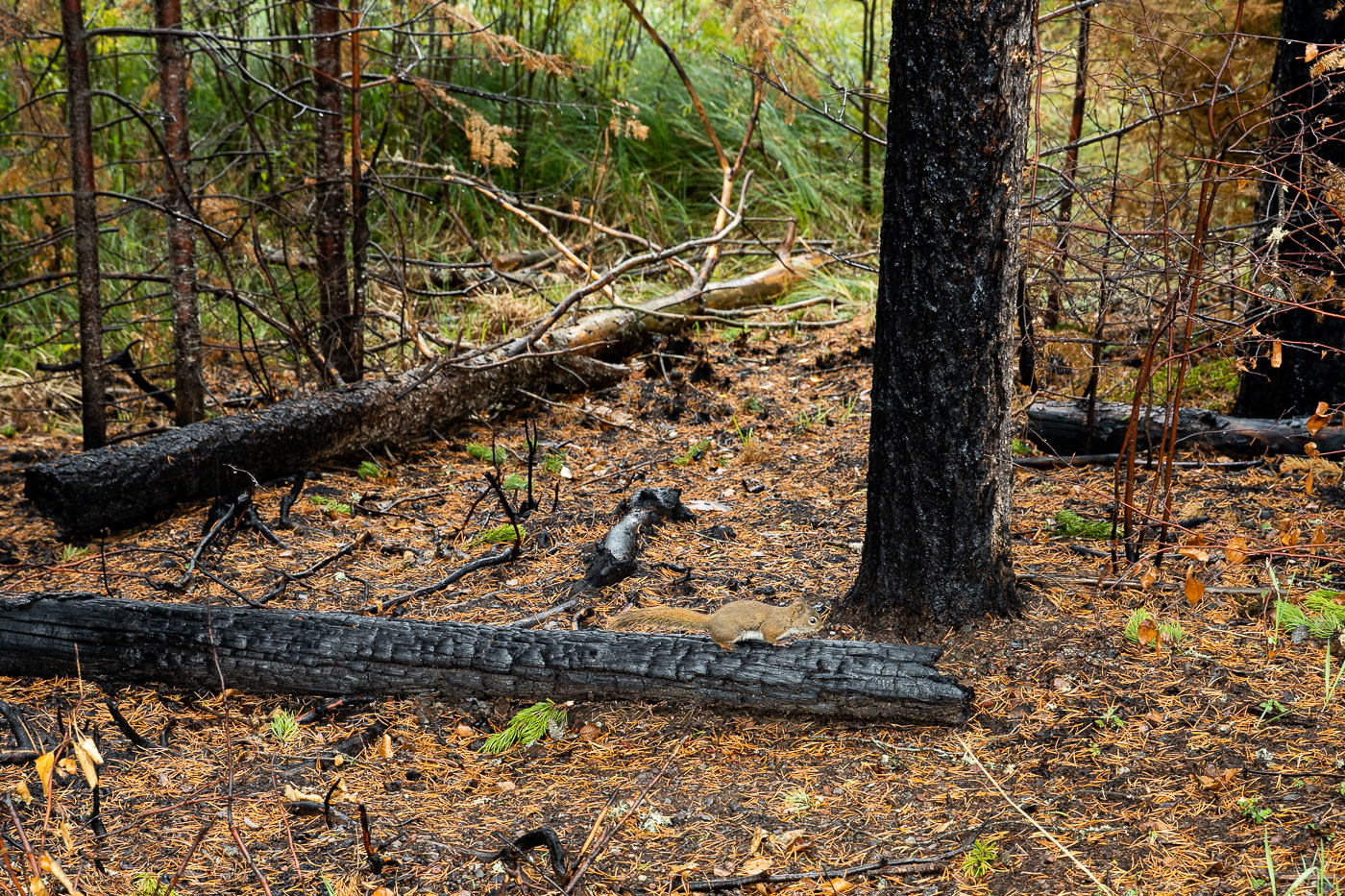 View full post: Squirrel on Burned Log, Greenwood Fire, Superior National Forest
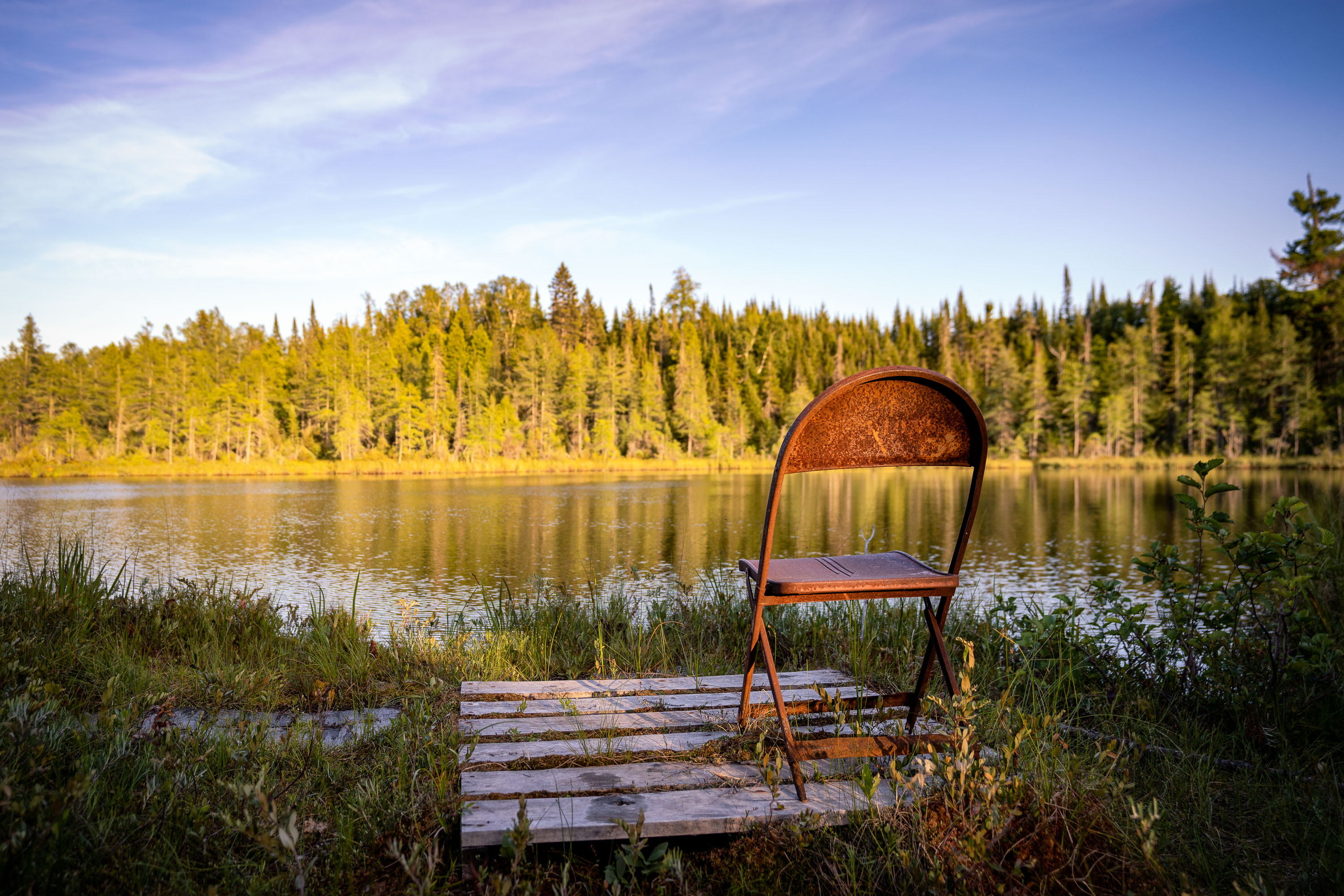 View full post: Weathered Folding Chair at Jouppi Lake, Minnesota
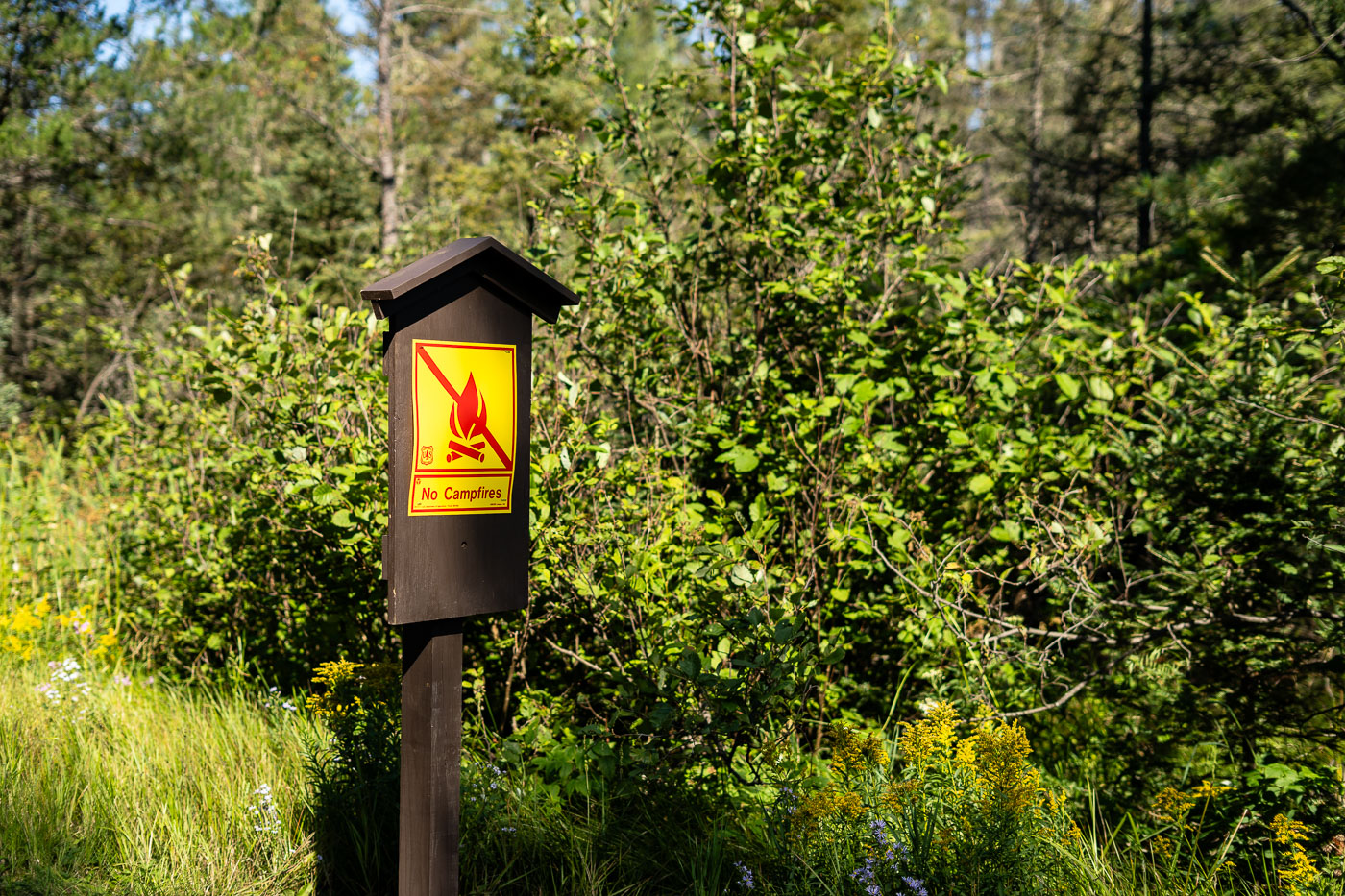 View full post: Fire Ban Signage, Superior National Forest, Minnesota
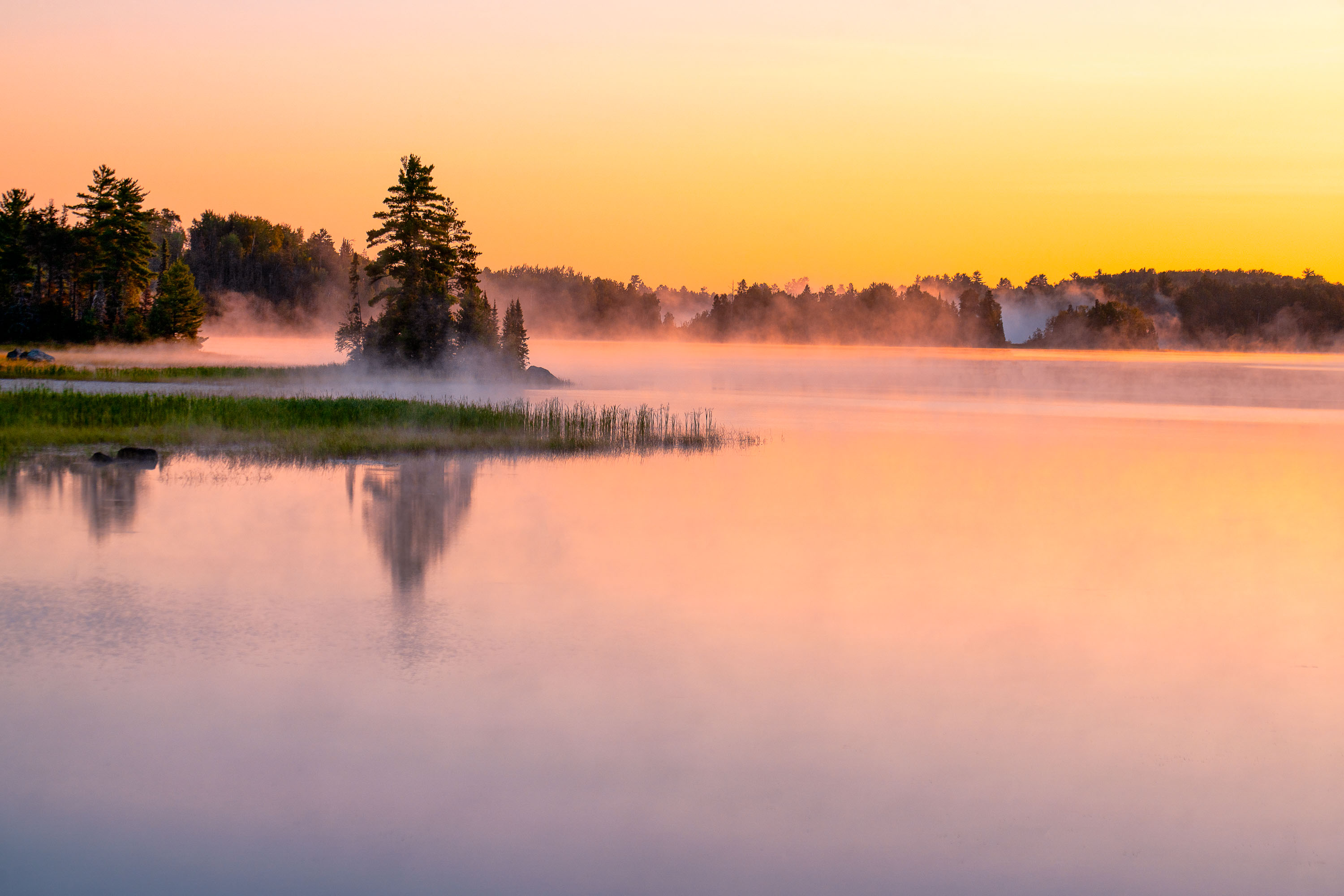 View full post: South Kawishiwi River near Ely, Minnesota
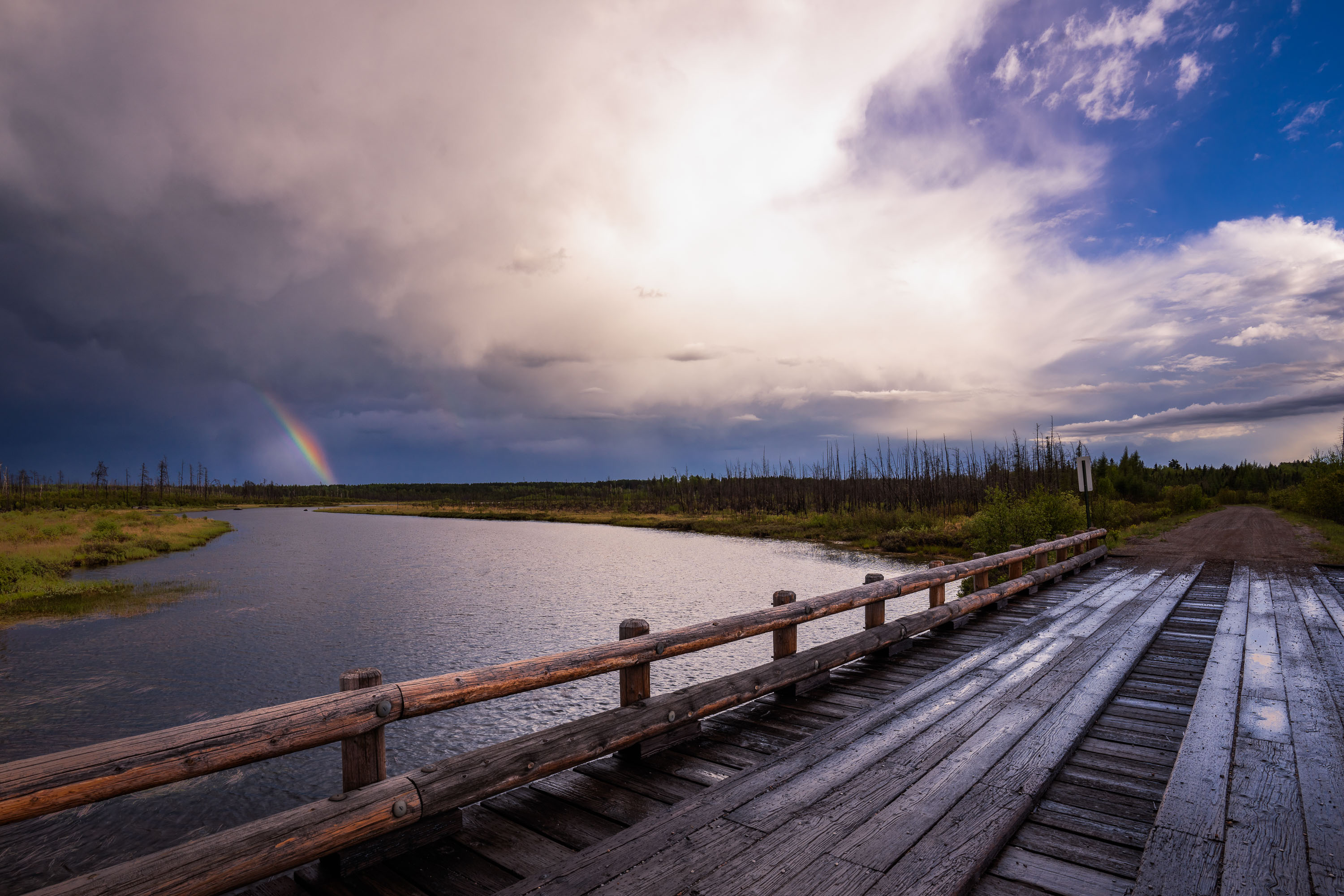 View full post: Rainbow near Isabella Lake, Superior National Forest
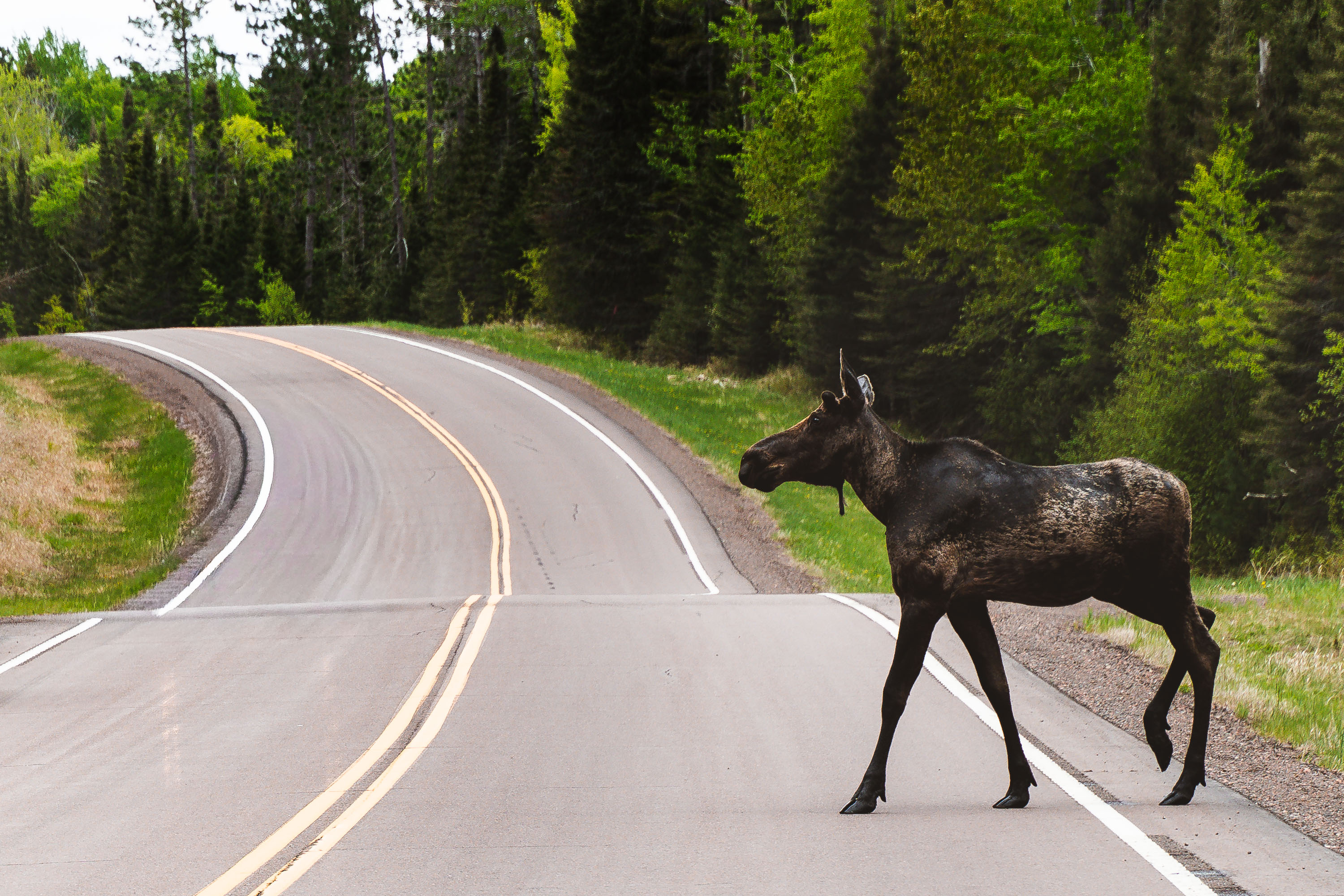 View full post: Moose on Highway 1, Northern Minnesota
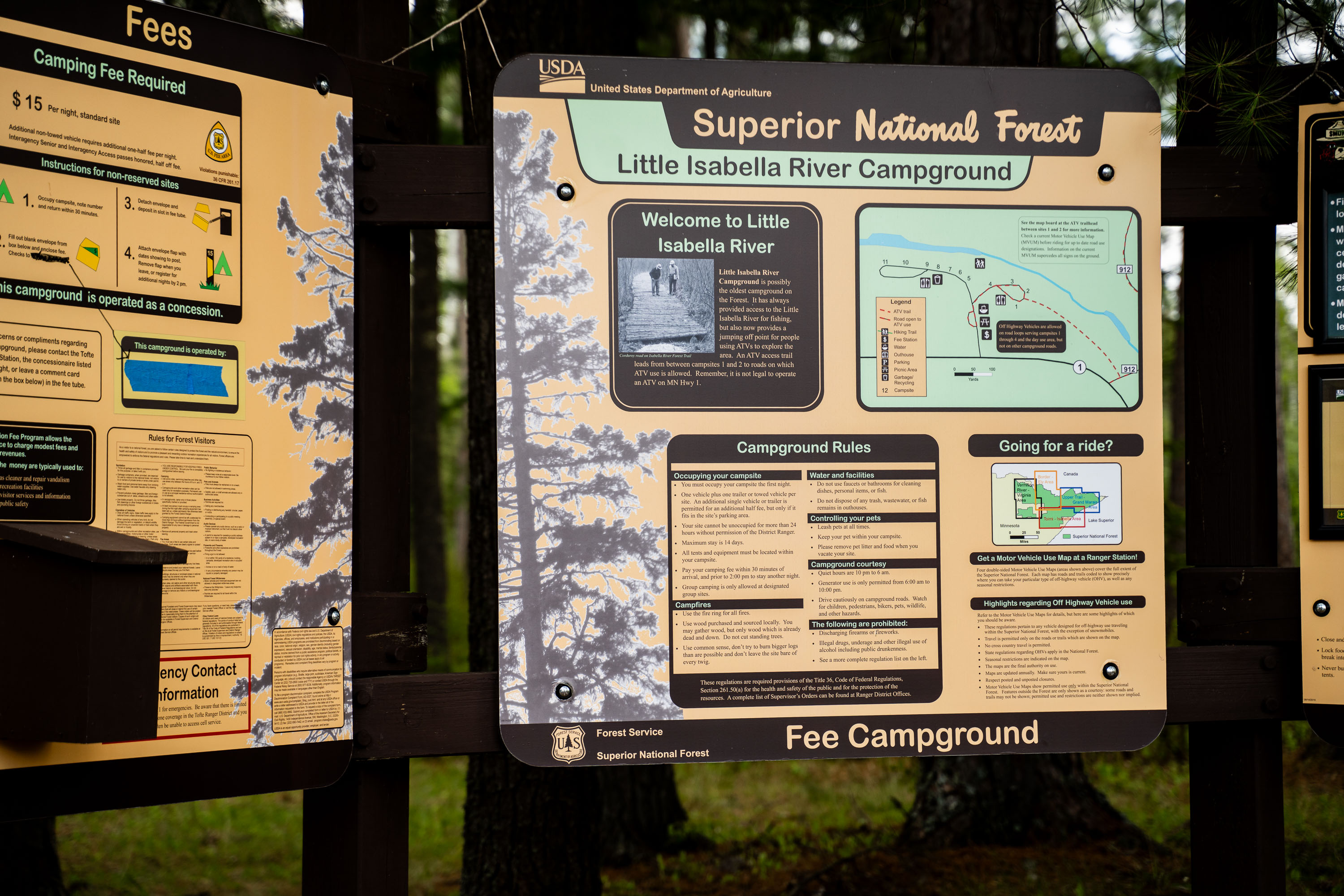 View full post: Little Isabella River Campground, Superior National Forest
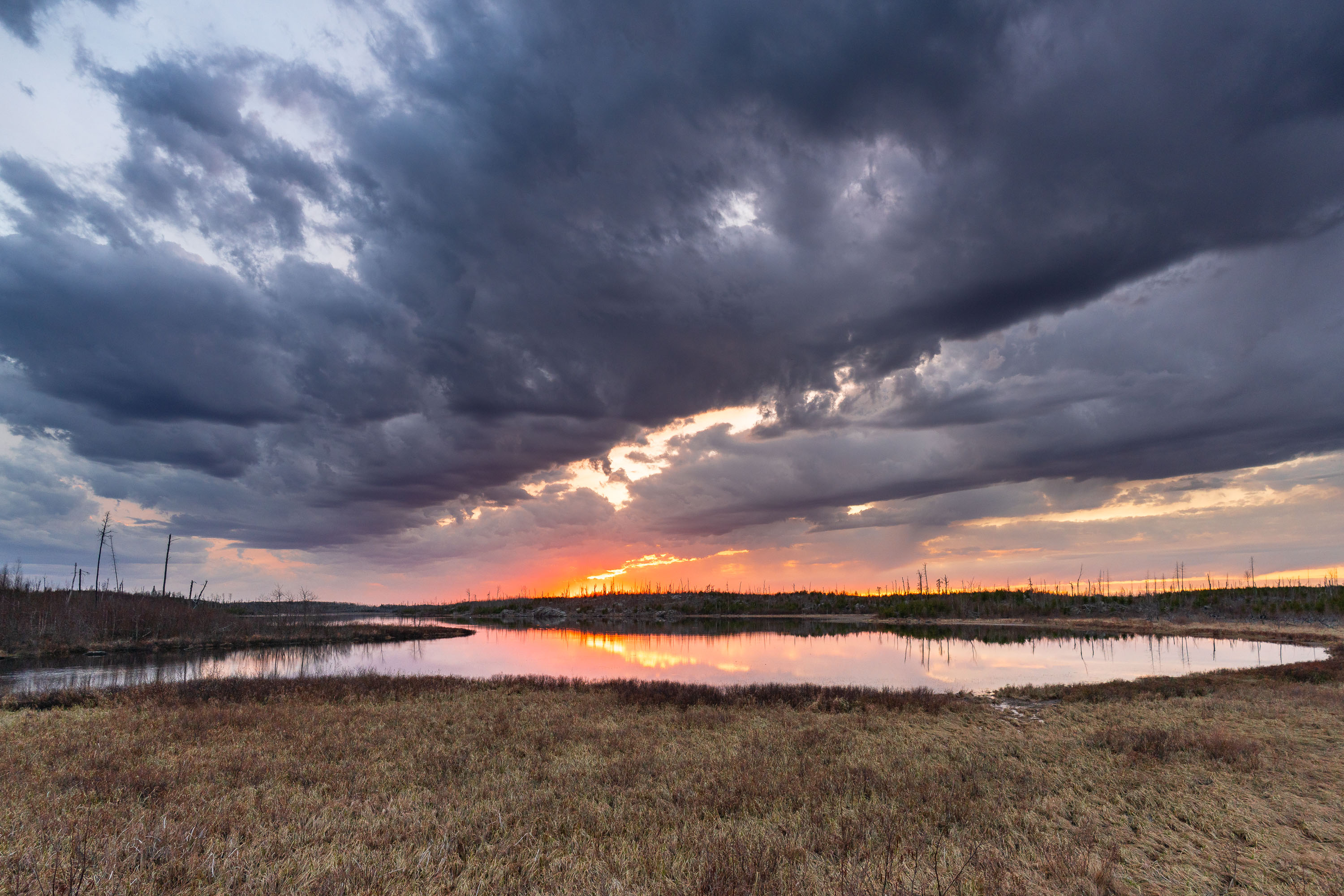 View full post: Island River Sunset, Superior National Forest
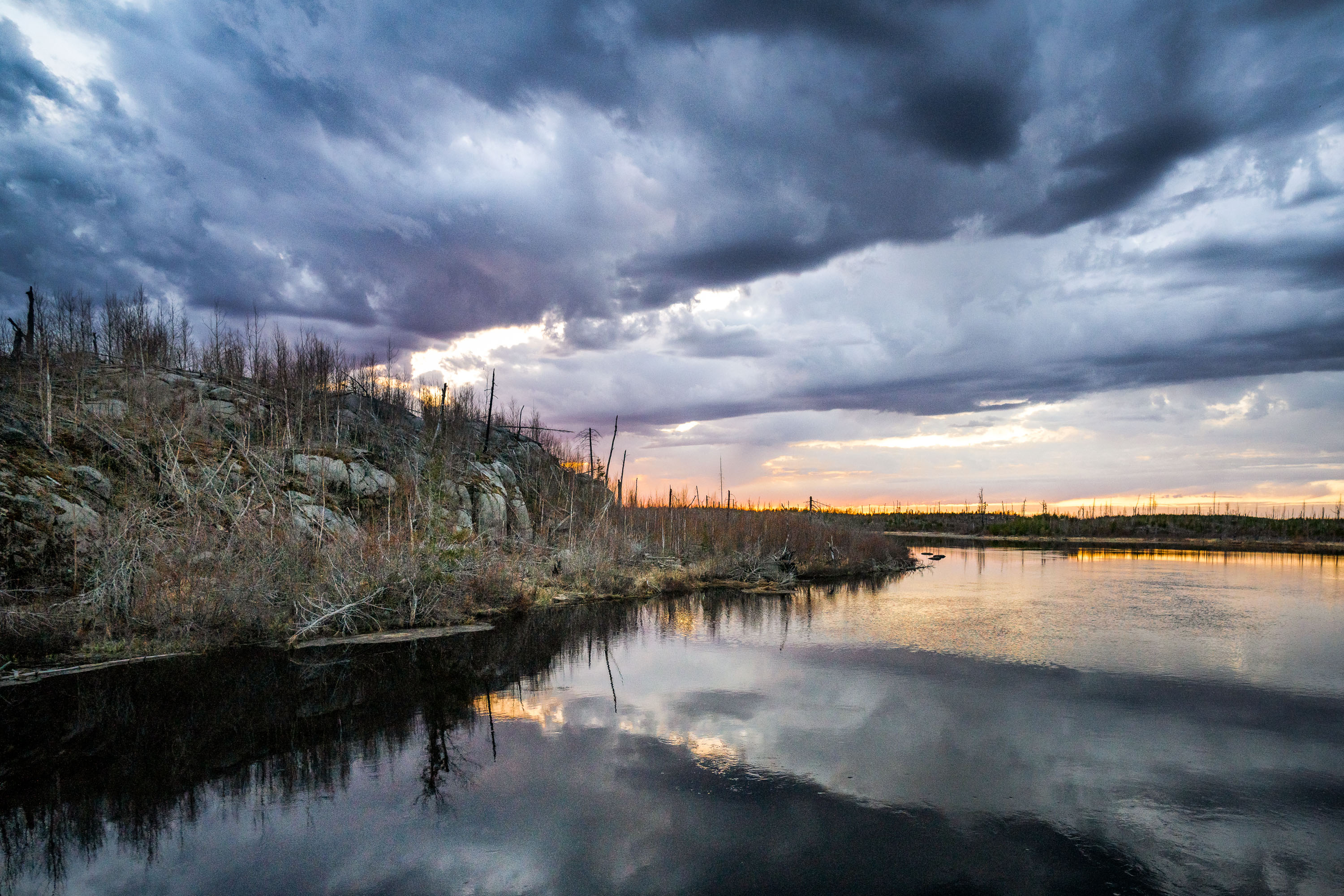 View full post: Stony River at Tomahawk Road in the Superior National Forest
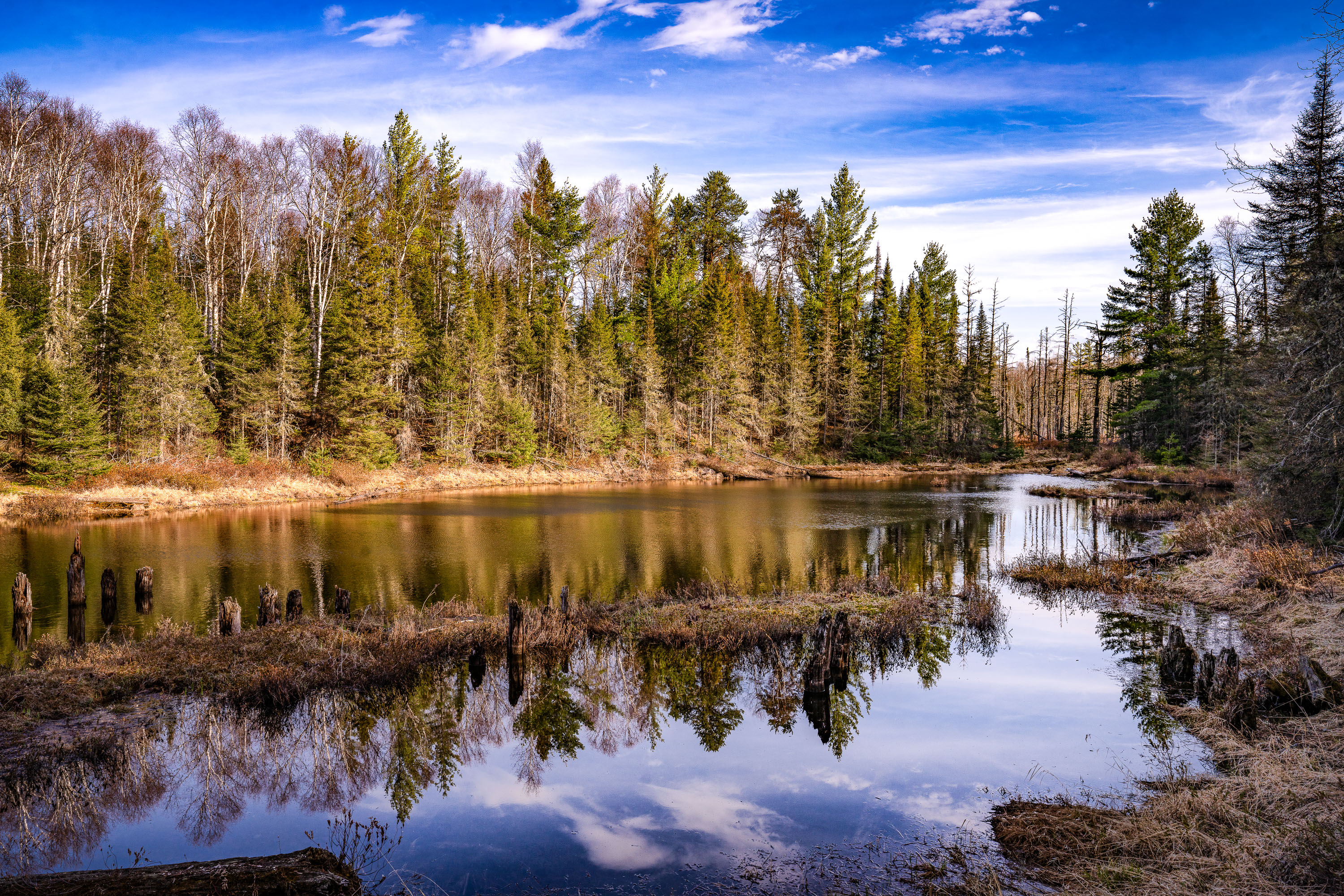 View full post: Dumbbell Road near Isabella, Minnesota
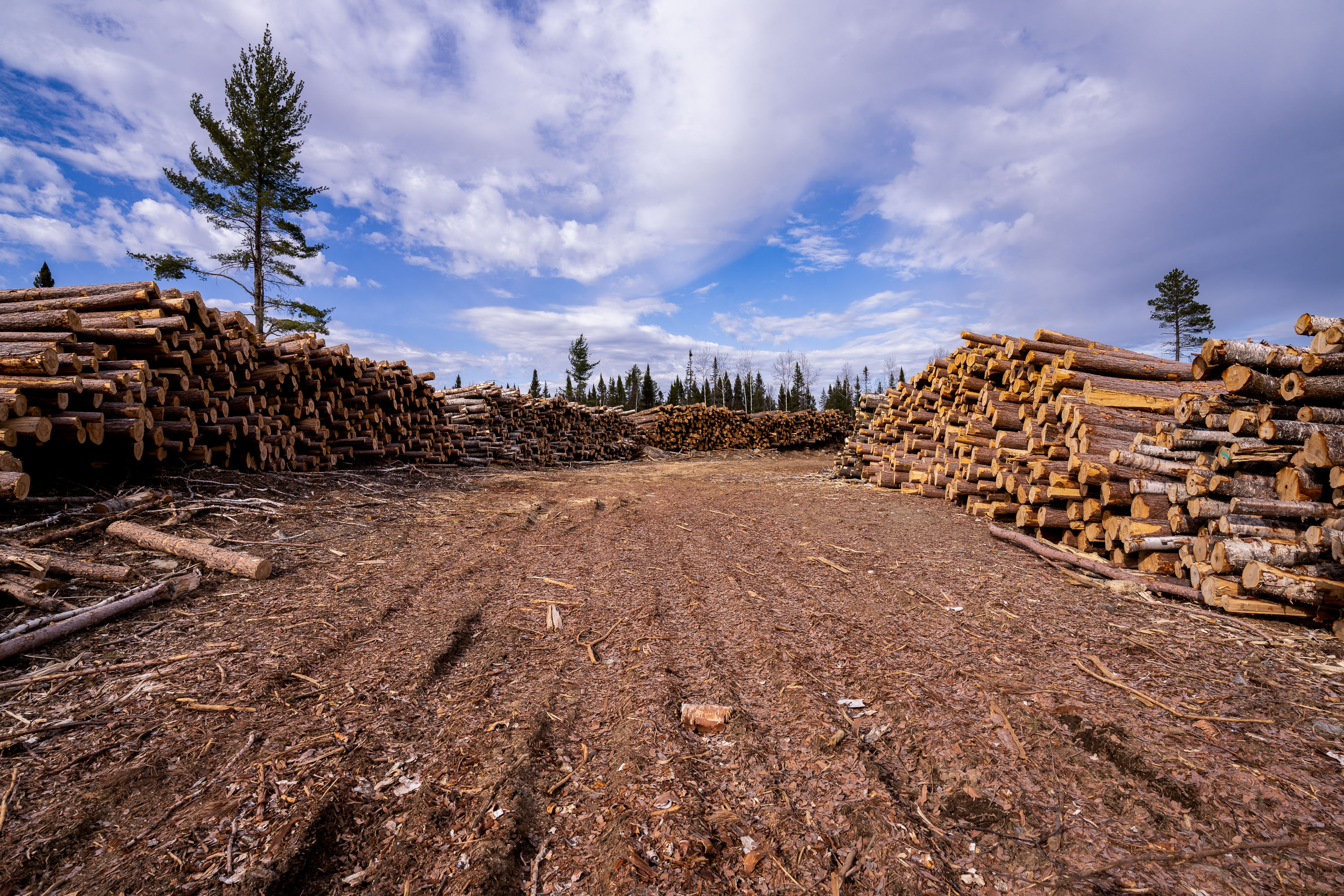 View full post: Log Piles in Superior National Forest
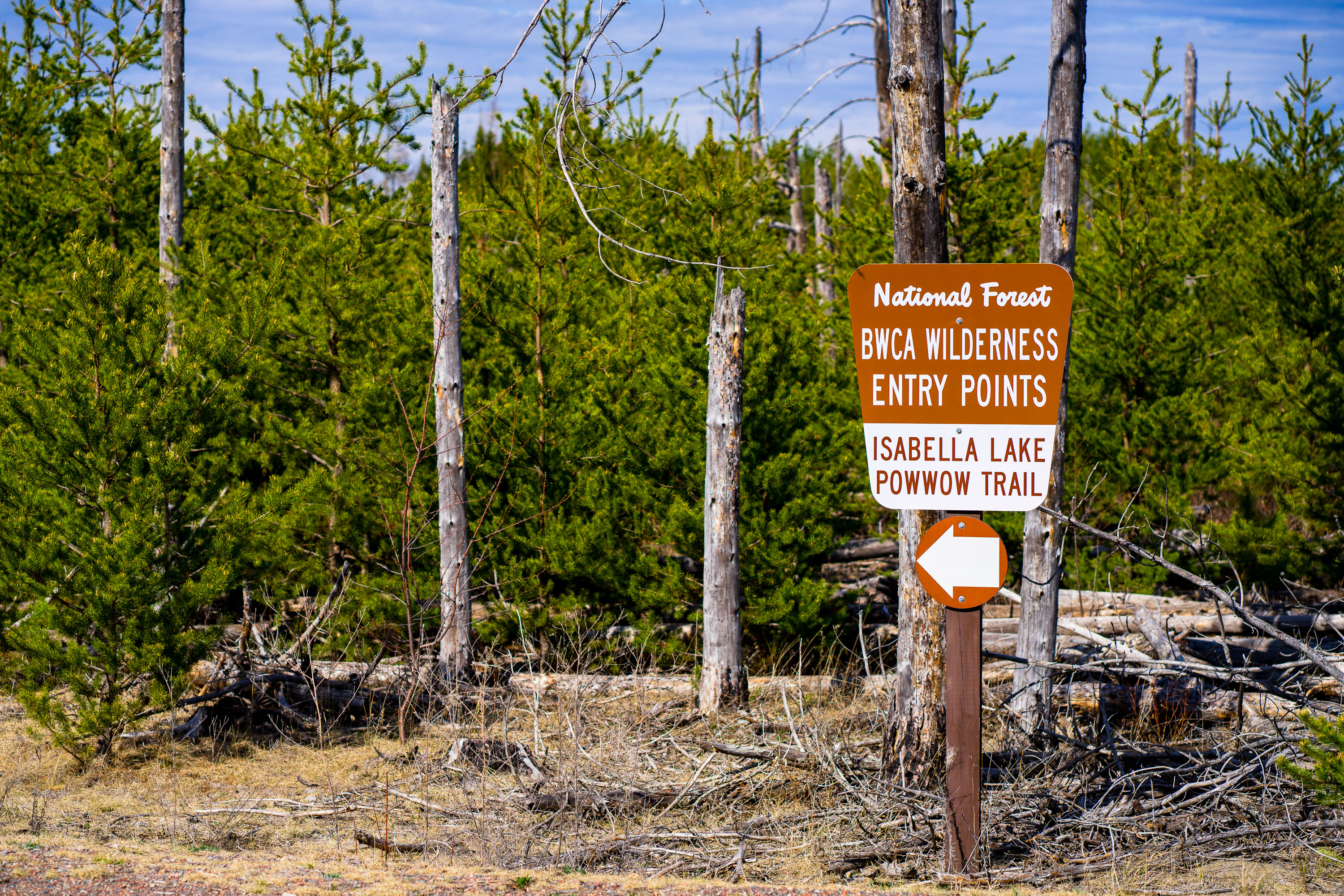 View full post: BWCA Wilderness Entry Sign at Isabella Lake
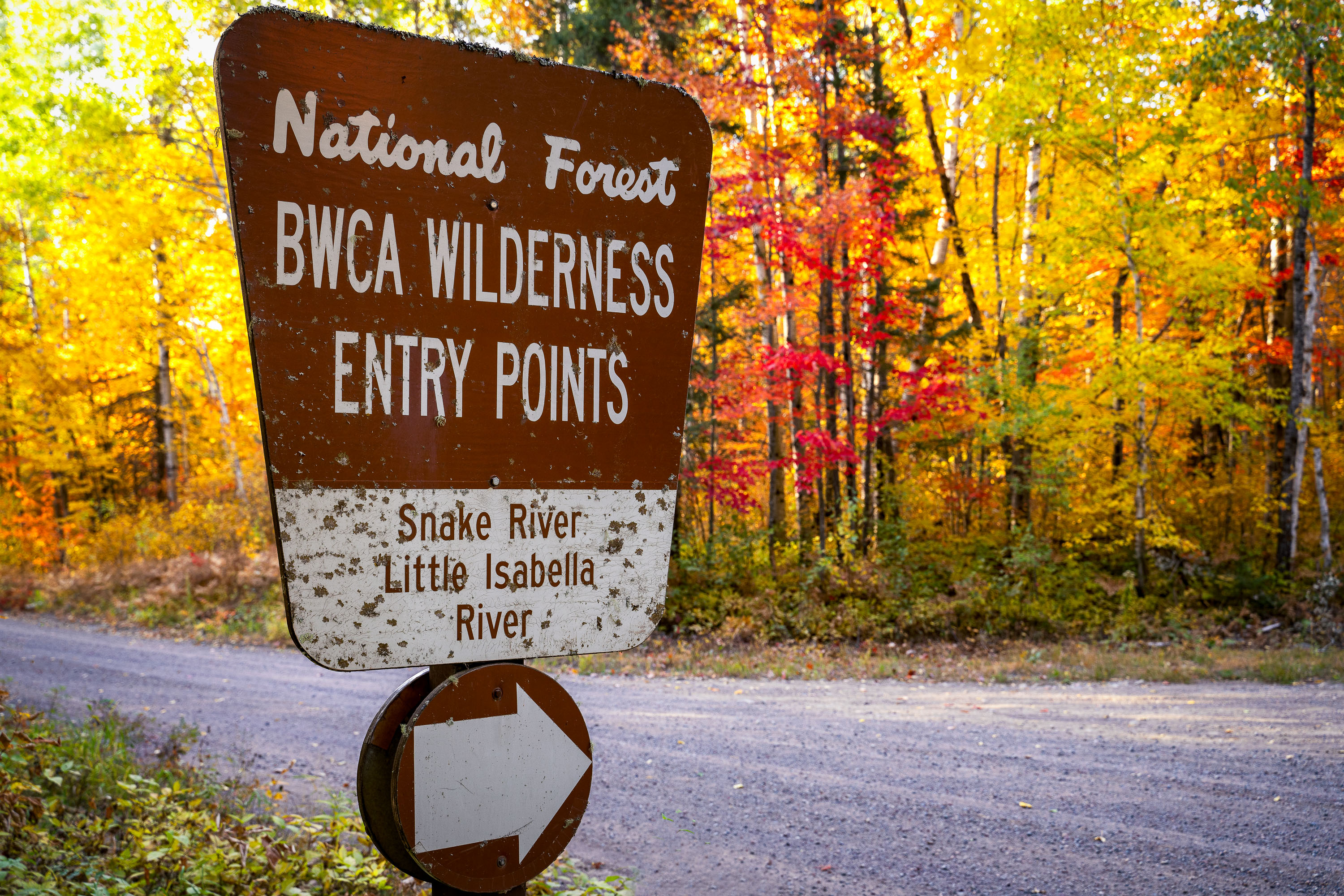 View full post: BWCA Wilderness Entry Points Sign, Superior National Forest
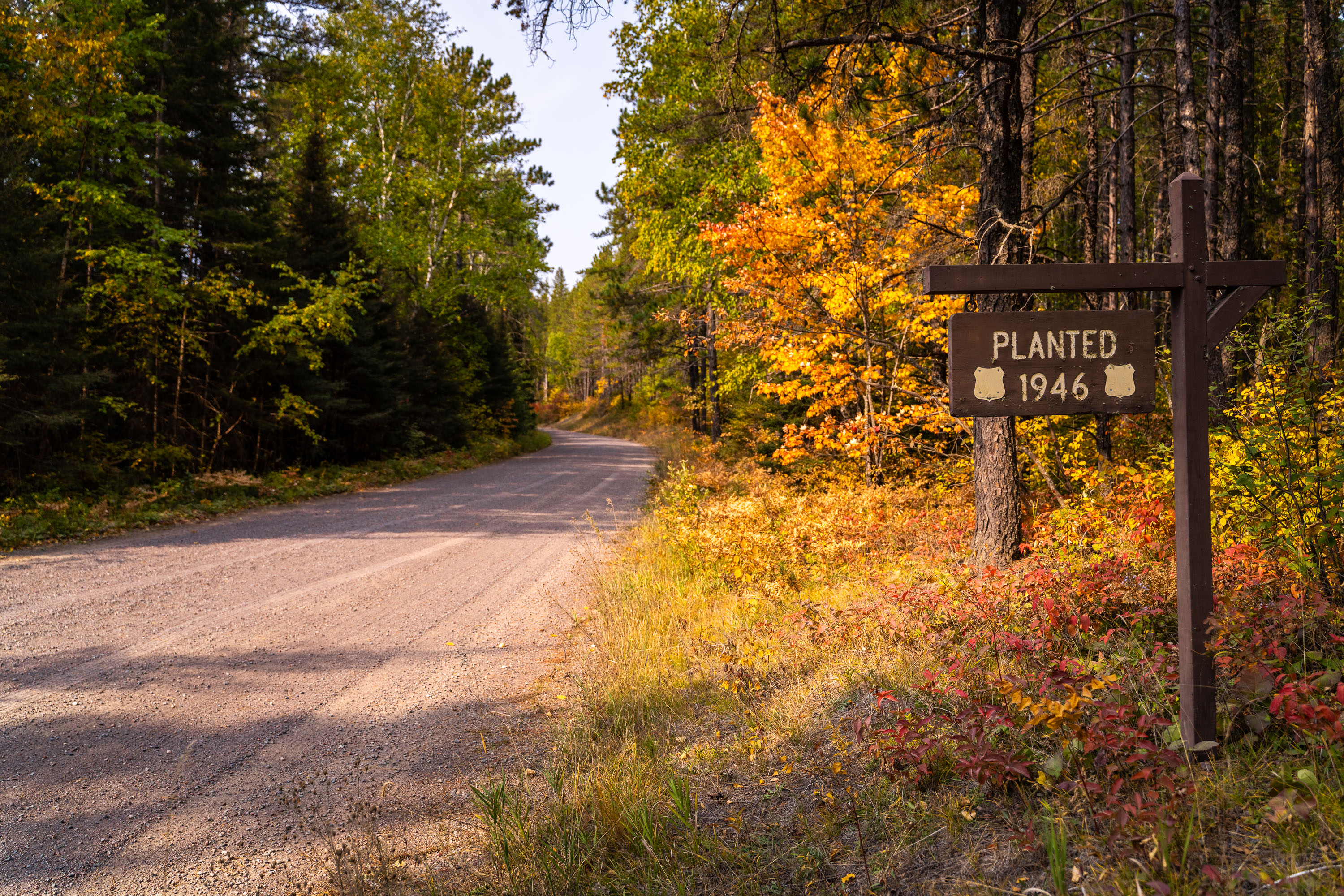 View full post: Stony River Road in Superior National Forest