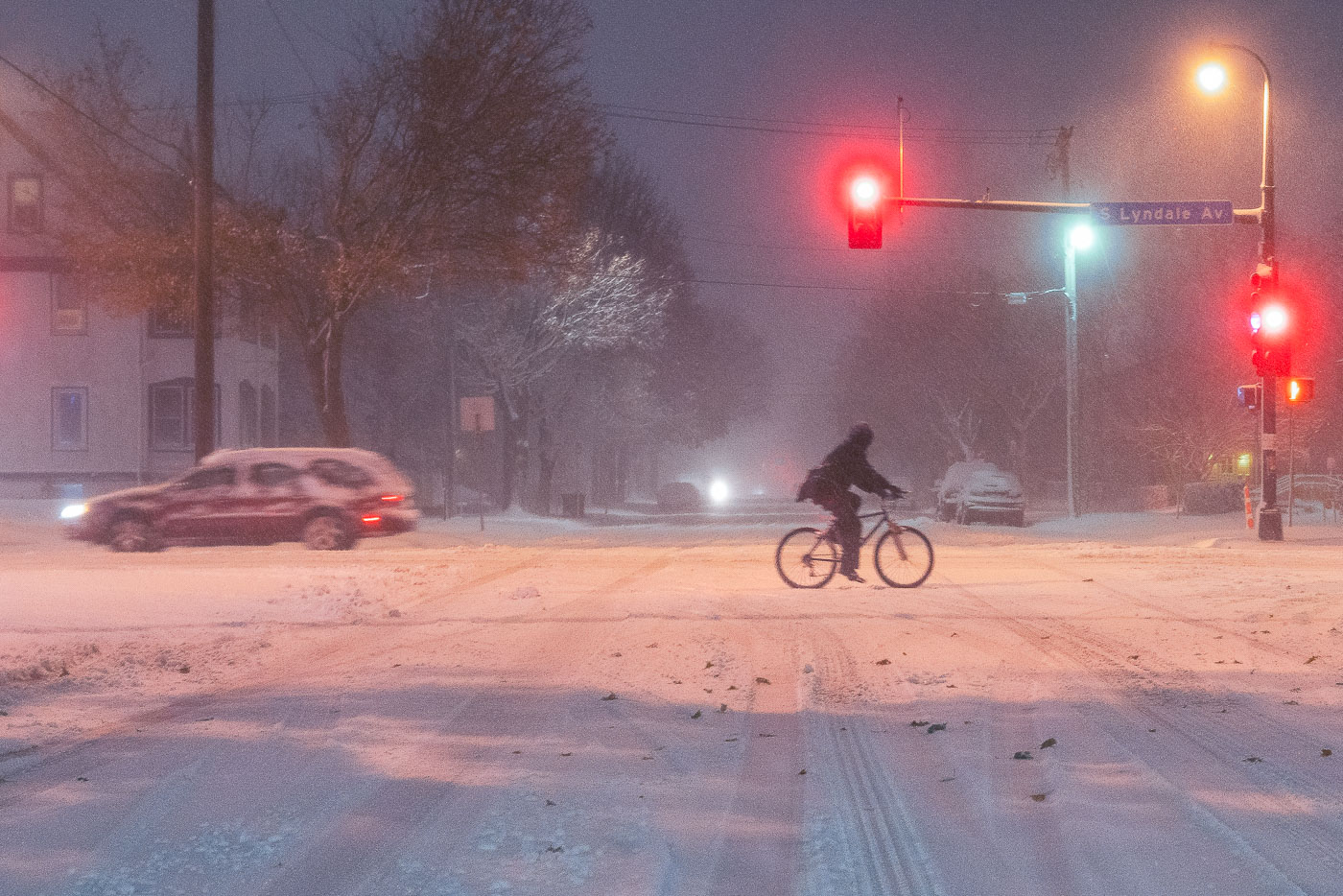
Cyclist on Snow-Covered Lyndale Avenue, Minneapolis, 2019
A cyclist crosses Lyndale Avenue South during the heavy November 26, 2019 snowstorm in Minneapolis. Despite low visibility and slick streets, a few commuters still braved the conditions, illuminated by red traffic lights and snow-diffused streetlamps. The image captures the perseverance of winter cycling culture in the Twin Cities, where even severe weather rarely stops movement through the urban grid.
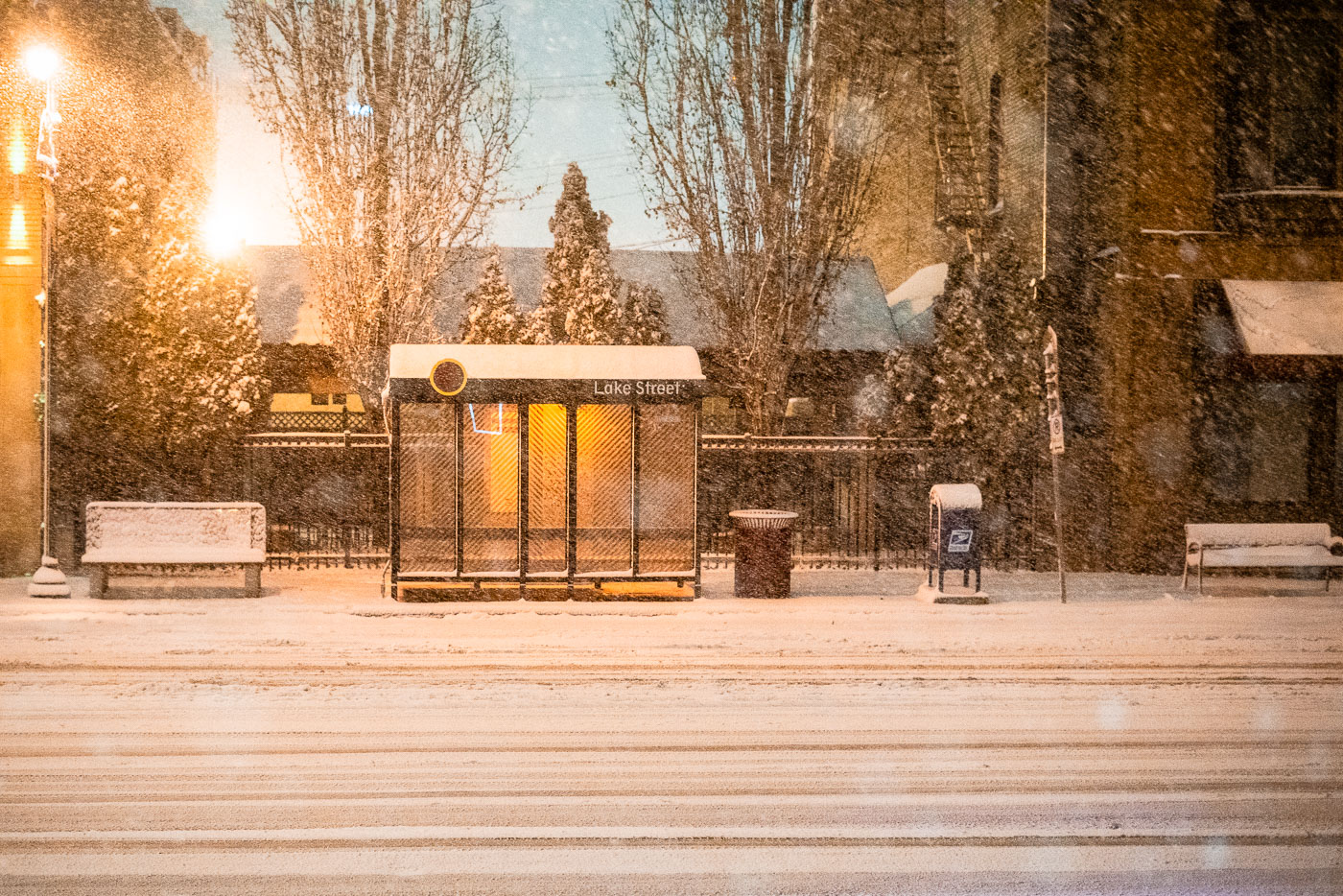
Minneapolis Lake Street Bus Stop in November Snowstorm 2019
Lake Street in Minneapolis during a late November snowstorm in 2019.
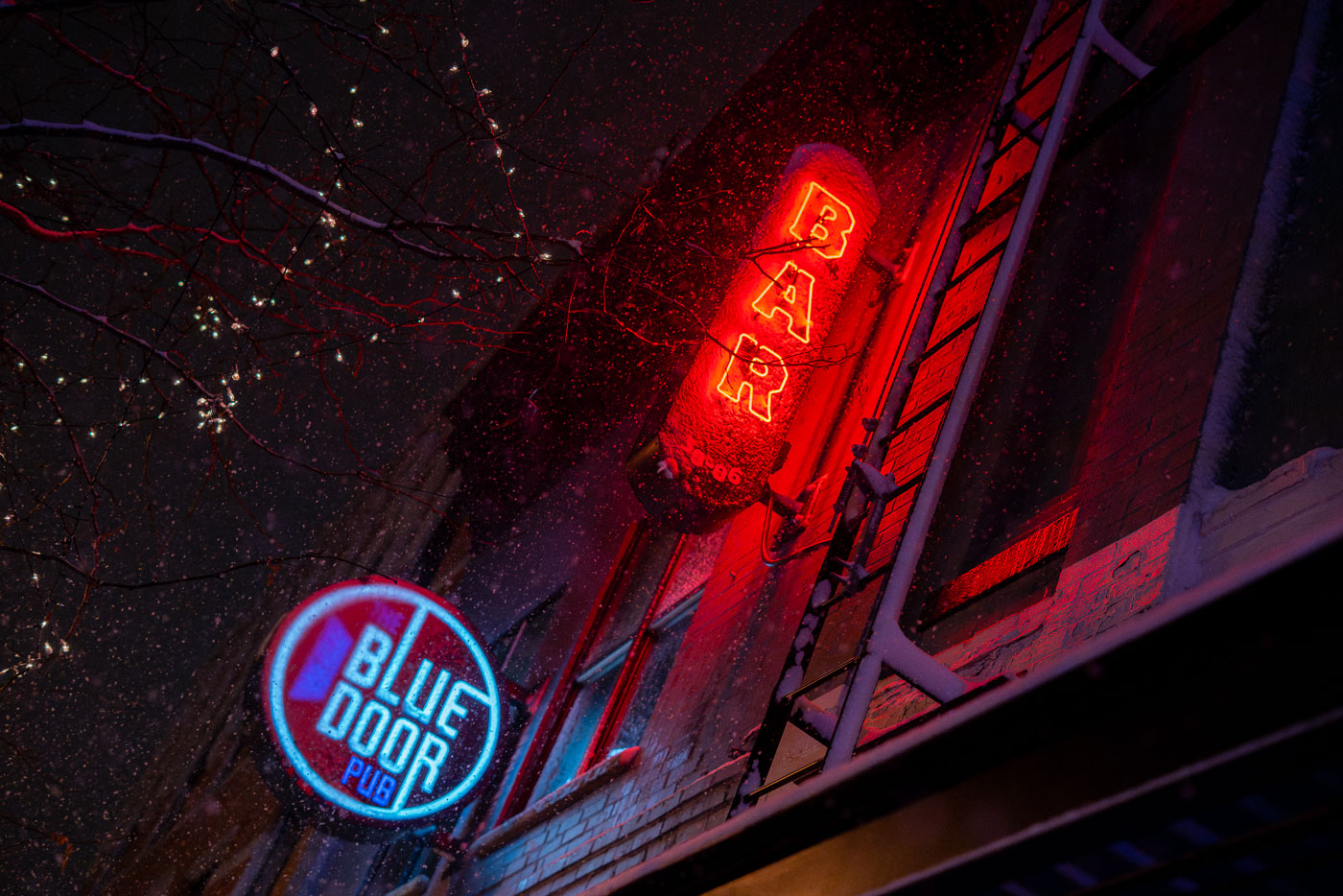
Blue Door Pub, Minneapolis, During November Snowstorm
Blue Door Pub in Uptown Minneapolis during the November 26th, 2019 snowstorm.
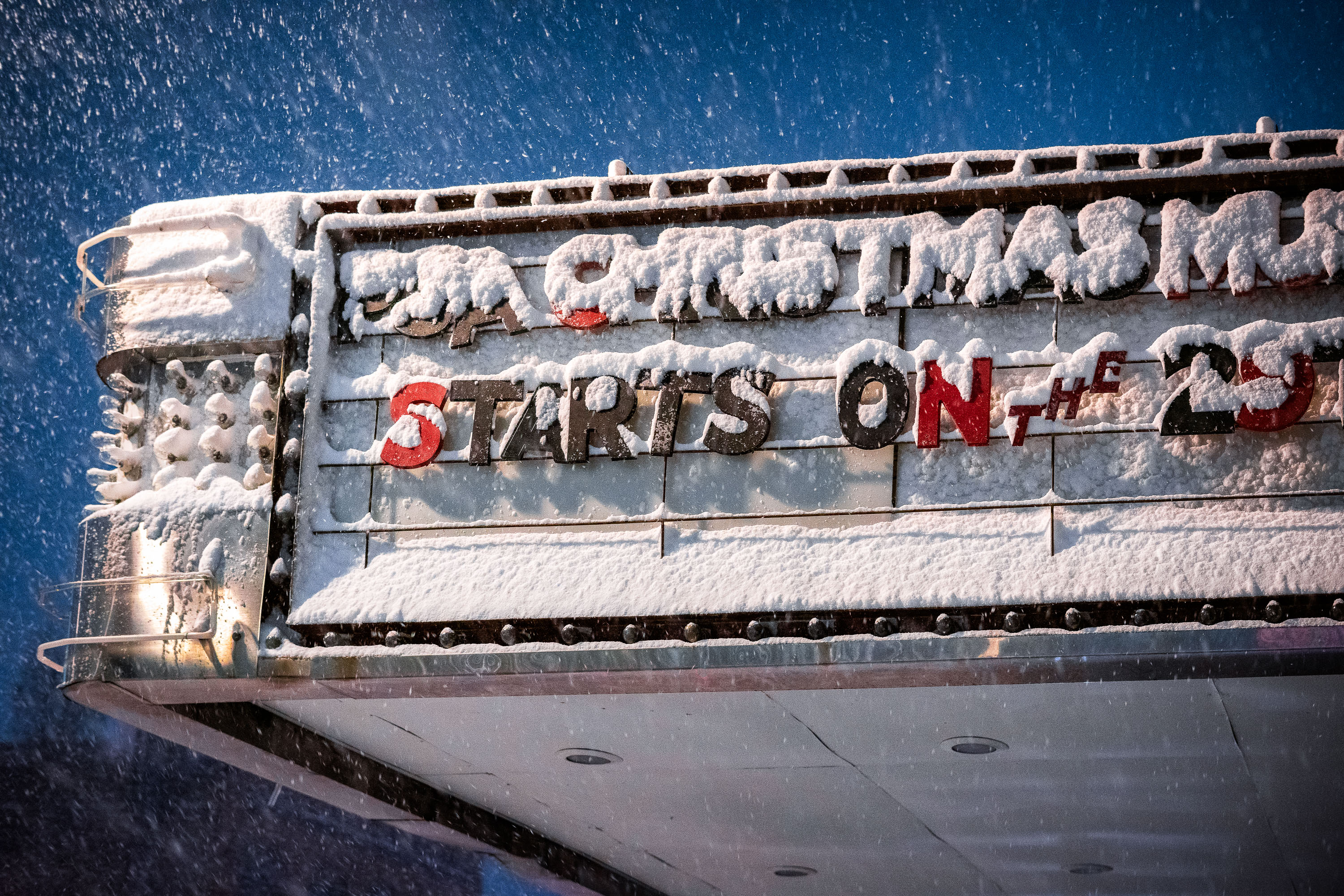
Lynlake Brewery Marquee in Snowstorm, Minneapolis
Lynlake Brewery in Uptown Minneapoilis during a November snowstorm.
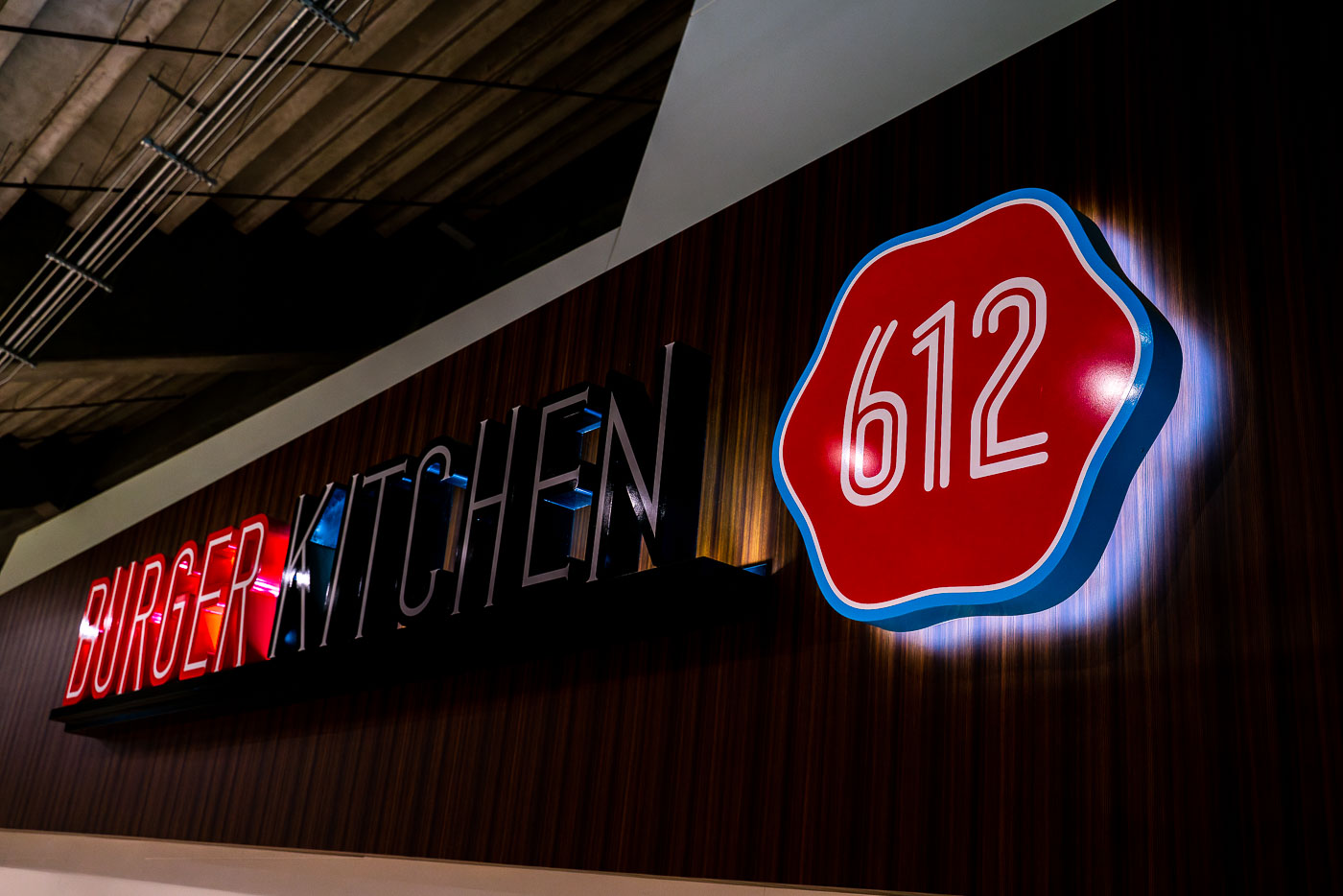
612 Burger Kitchen at U.S. Bank Stadium, Minneapolis
An illuminated “612 Burger Kitchen” sign inside U.S. Bank Stadium in Minneapolis, named after the city’s area code. The bold red-and-black typography and retro badge design reflect a blend of local identity and modern stadium branding. Located among the venue’s food and beverage concessions, 612 Burger Kitchen is part of the stadium’s effort to feature Minneapolis-based culinary offerings for fans attending Minnesota Vikings games and large-scale events.
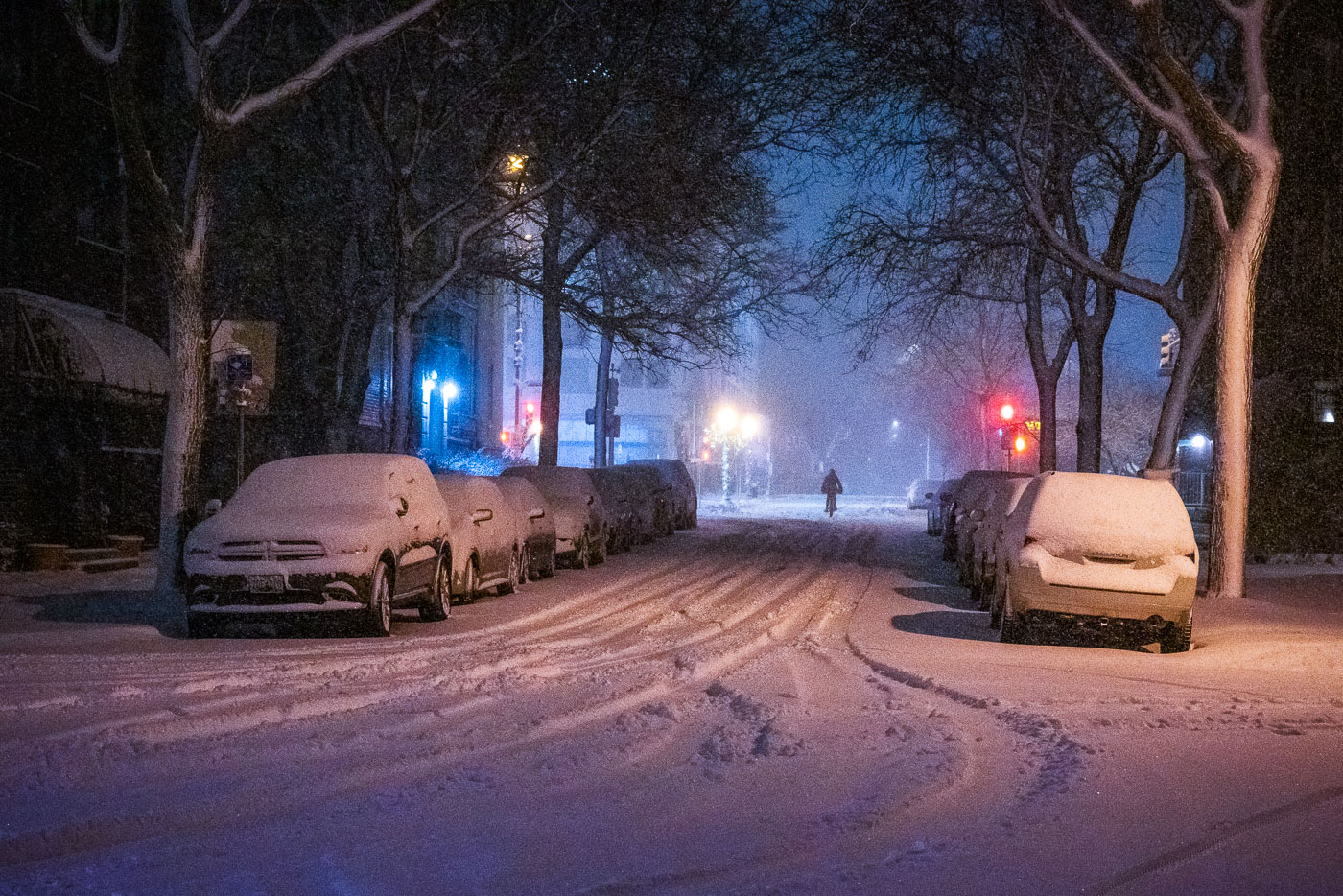
Minneapolis Snowstorm, Uptown Street Nov. 2019
A lone cyclist rides through a snow-covered street in Minneapolis on November 26, 2019, as a major winter storm blankets the city. Streetlights and passing car headlights glow against the falling snow, illuminating parked cars buried in accumulation. The quiet, blue-tinged scene reflects the city’s resilience and rhythm during early-season blizzards that frequently test commuters across the Twin Cities.
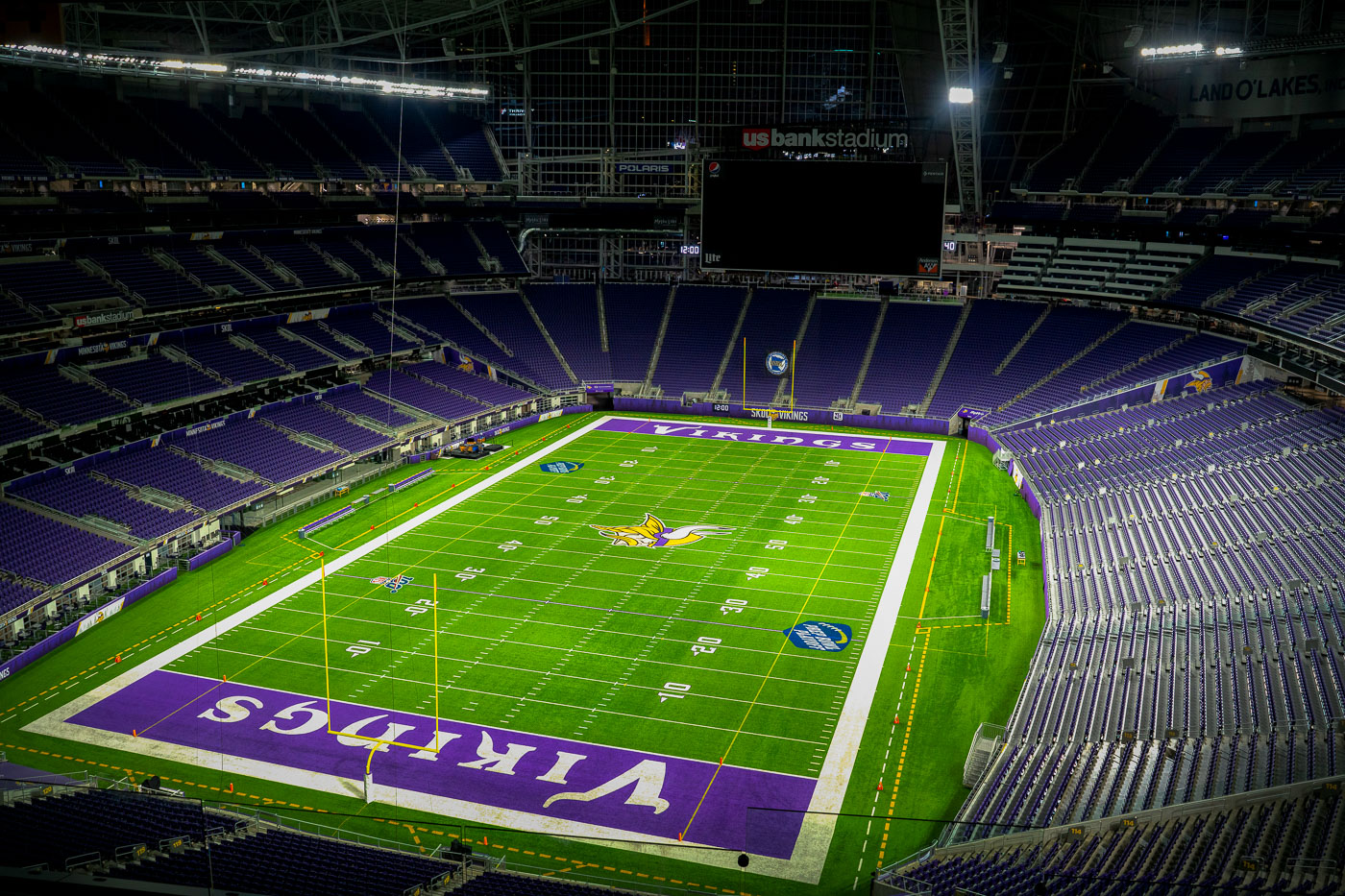
US Bank Stadium, Home of the Minnesota Vikings, Minneapolis
US Bank Stadium in Downtown Minneapolis. Home of the NFL’s Minnesota Vikings.
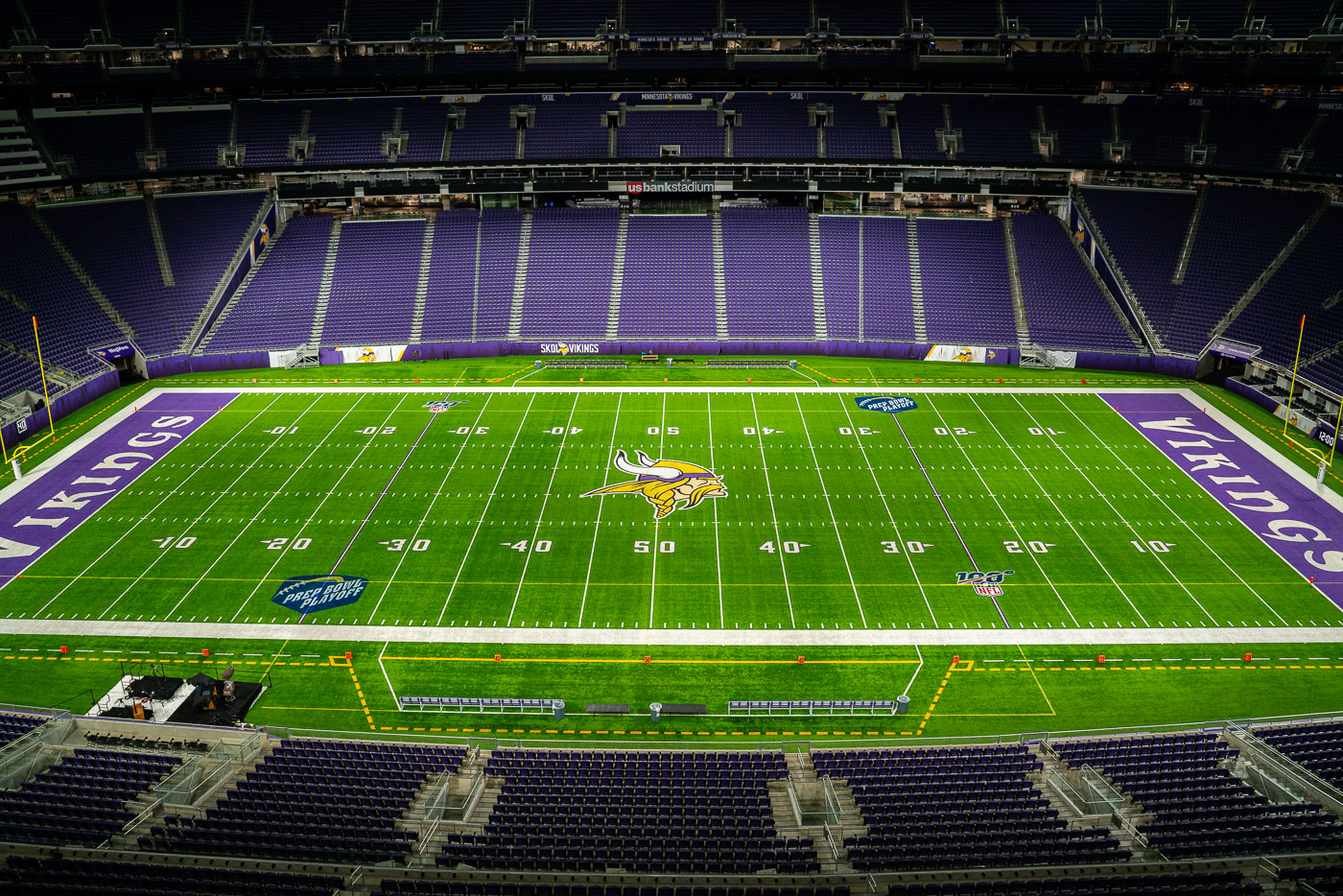
U.S. Bank Stadium Field, Minneapolis, Home of the Minnesota Vikings
The interior of U.S. Bank Stadium in Minneapolis, home of the NFL’s Minnesota Vikings, shown from a high vantage point with an unobstructed view of the field. Completed in 2016 on the former site of the Metrodome, the $1.1 billion stadium features a fixed, translucent ETFE roof and steeply angled seating designed to evoke Nordic longhouses. The field displays the Vikings’ horned helmet logo at midfield, surrounded by vibrant purple end zones and the signature “SKOL” rally cry—a modern landmark of downtown Minneapolis and a hub for major sporting and entertainment events.
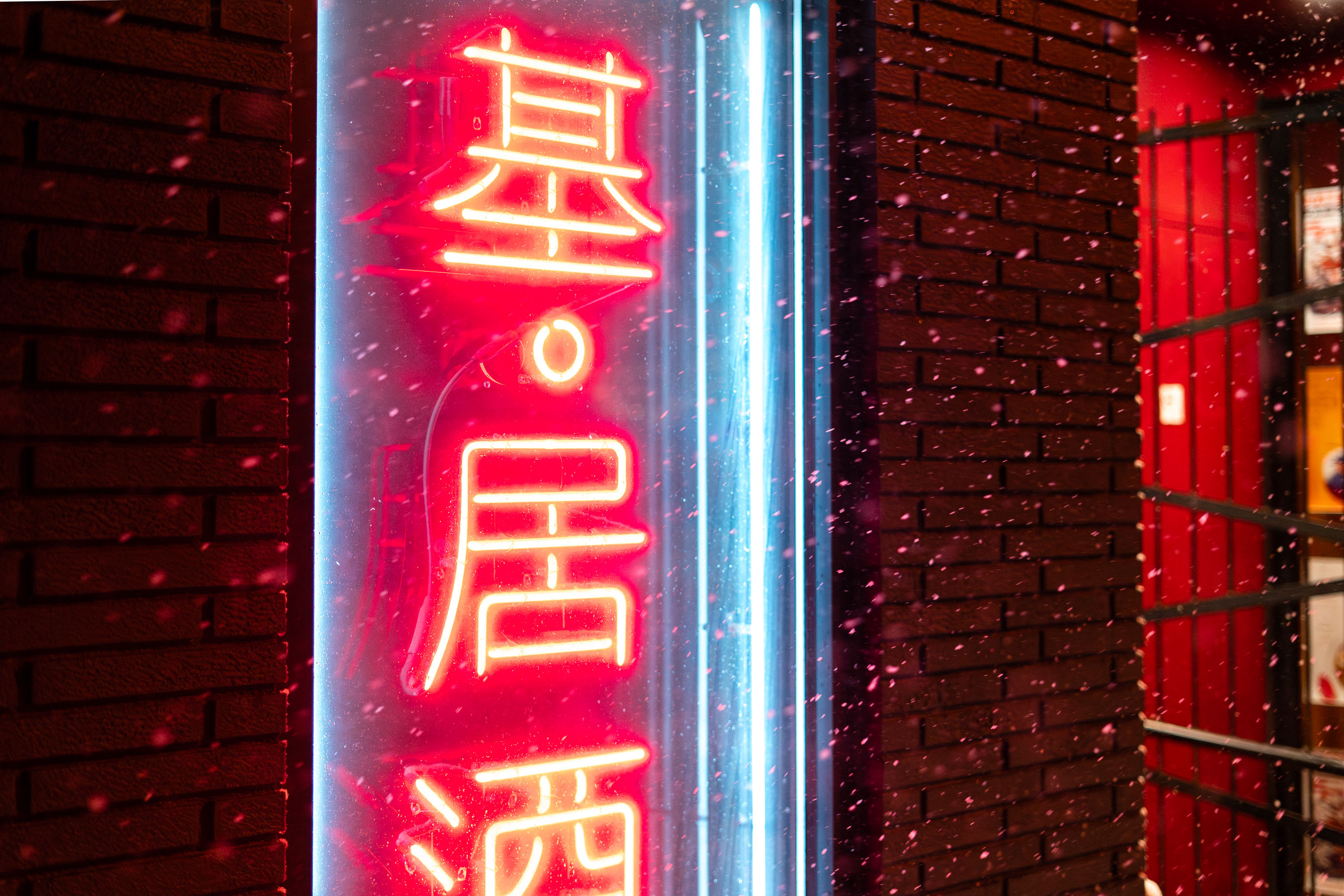
Moto-i Neon Sign in the snow, Minneapolis
Moto-i on Lyndale in Uptown Minneapolis during the November 26th 2019 snowstorm.
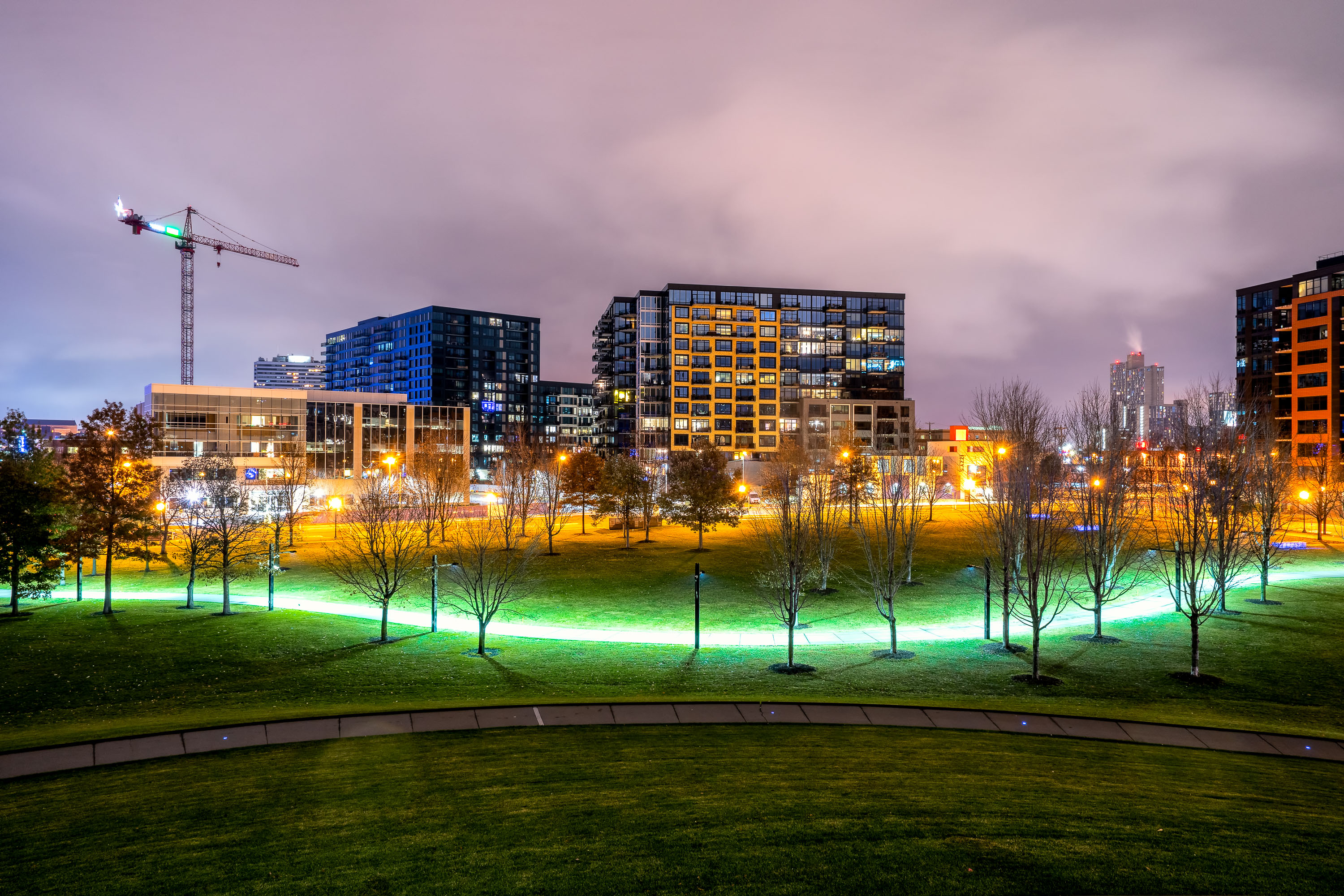
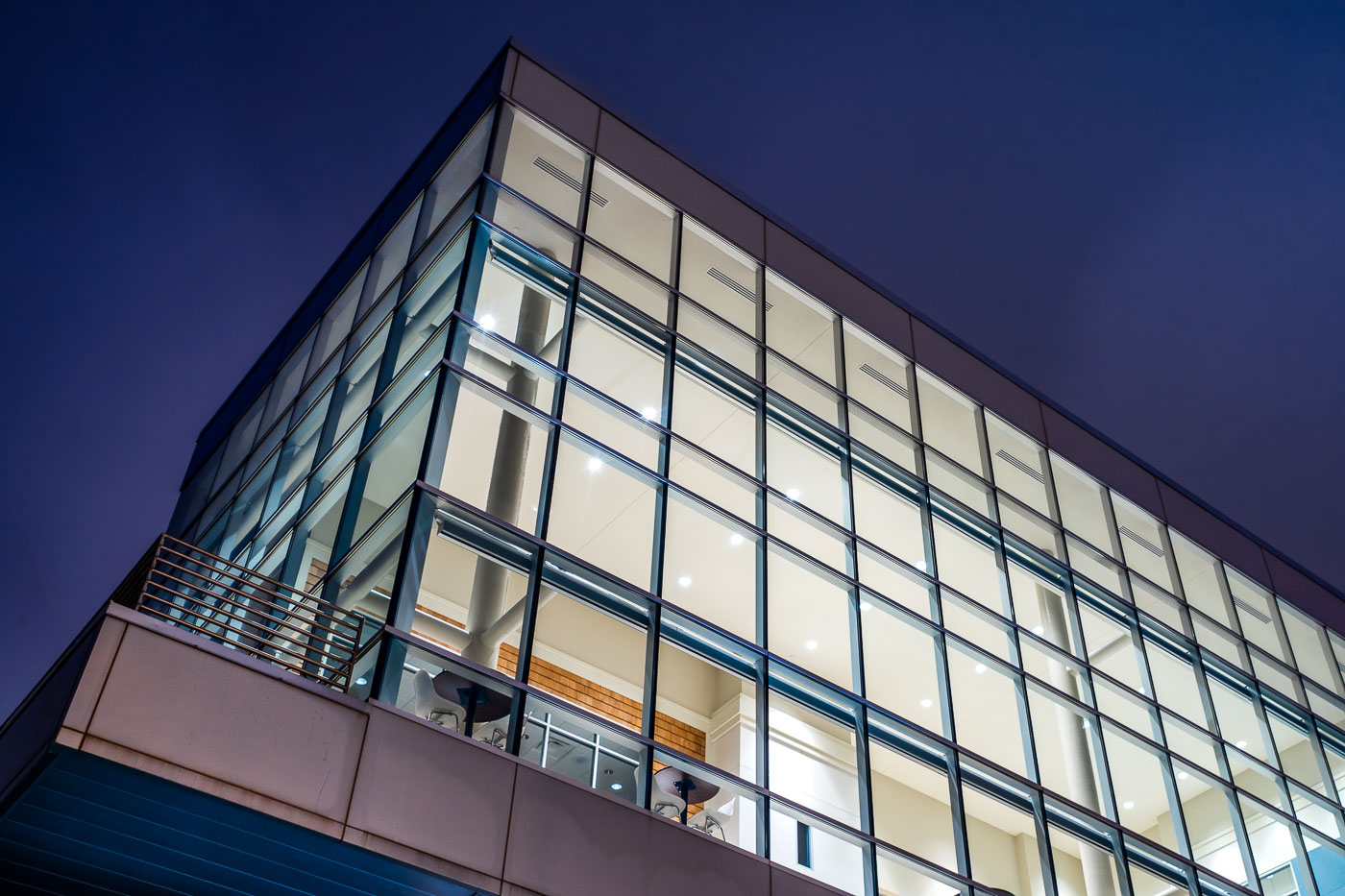
River Parkway Place, Minneapolis
Located at 1101 West River Parkway. River Parkway Place sits right next to what will be the 48 story Eleven Condos.
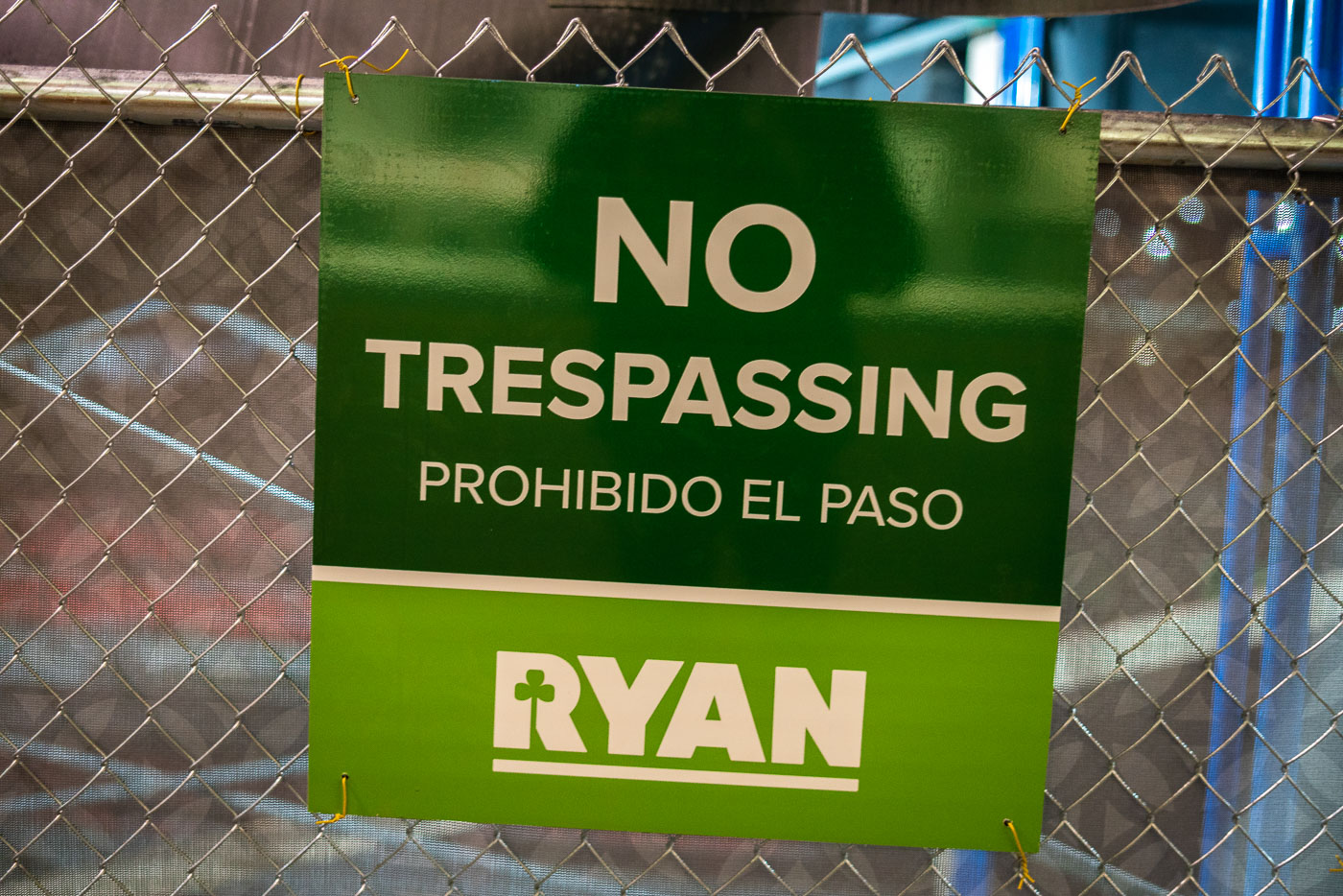
Ryan No Trespassing Sign, Minneapolis Construction Site
A bilingual “No Trespassing / Prohibido el Paso” sign from Ryan Companies hangs on a temporary chain-link fence surrounding an active construction site. The green and white color scheme with the company’s signature shamrock logo reflects the standardized branding used across many Midwest urban development projects. Signs like this are common throughout downtown Minneapolis, where Ryan has been involved in large-scale mixed-use and infrastructure redevelopment in recent years.
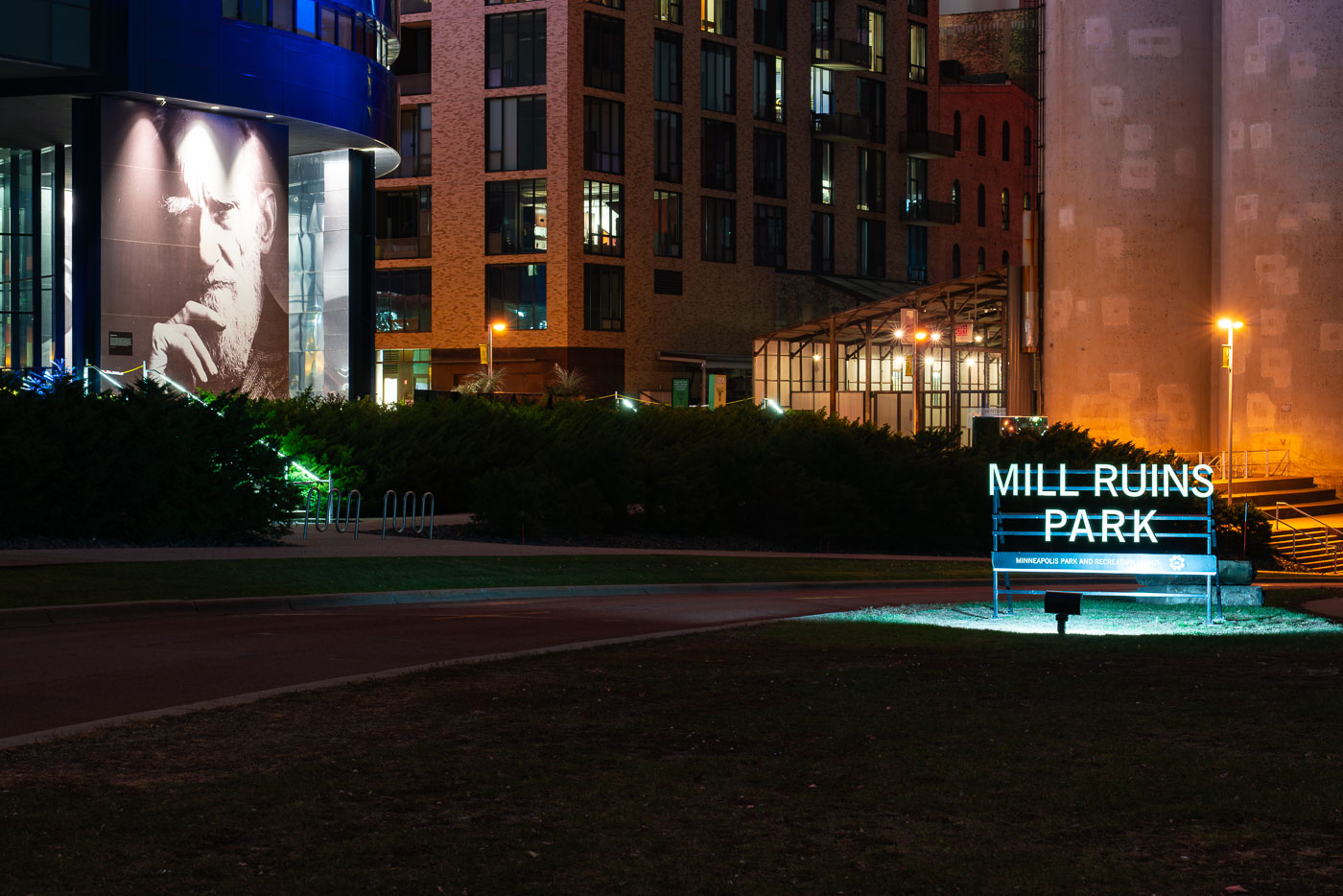
Mill Ruins Park Sign, Minneapolis
The illuminated sign for Mill Ruins Park glows at night along the Minneapolis riverfront, where historic flour mill foundations meet modern development. Behind it, a portrait mural and new residential buildings rise near the preserved remnants of the city’s milling heyday.
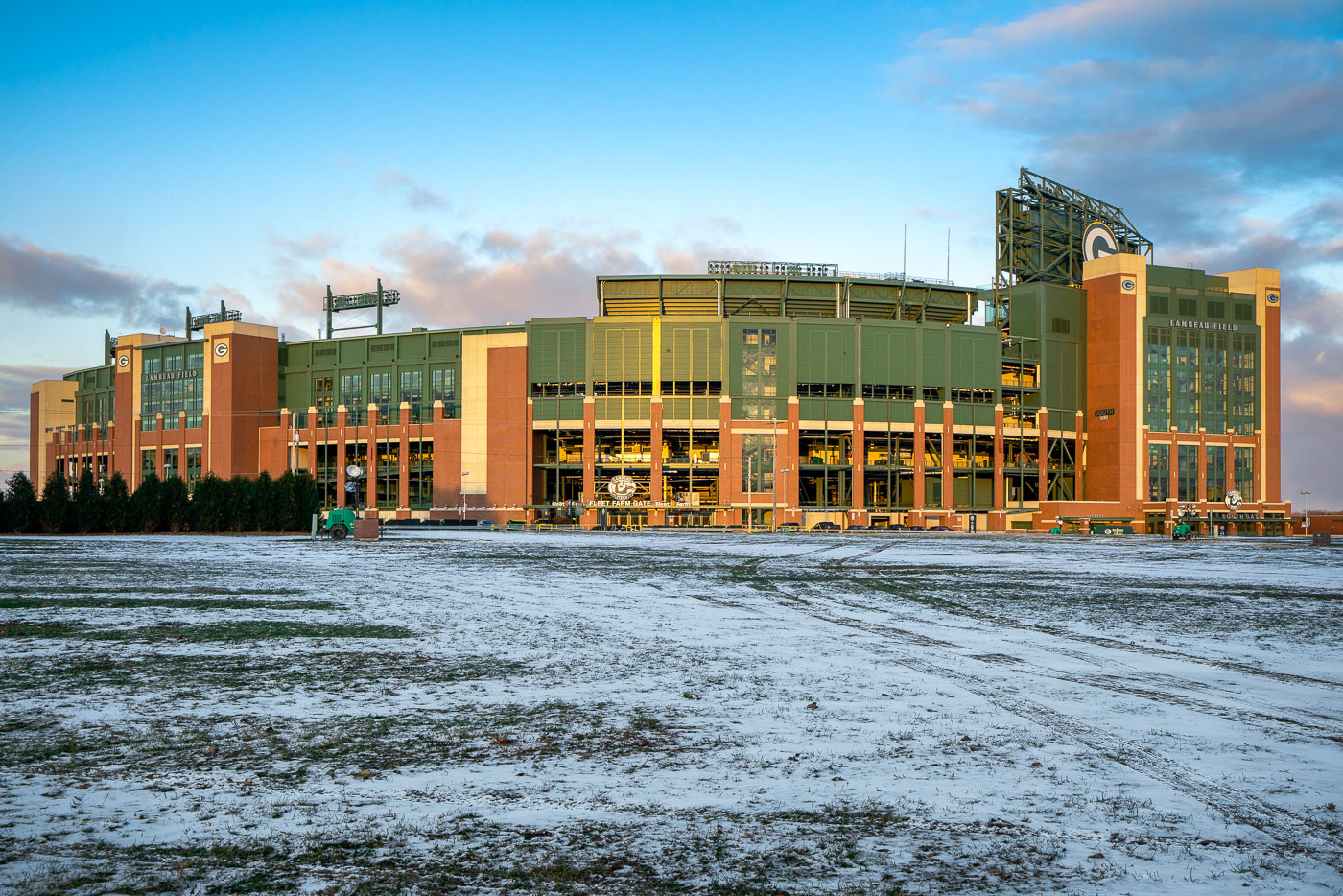
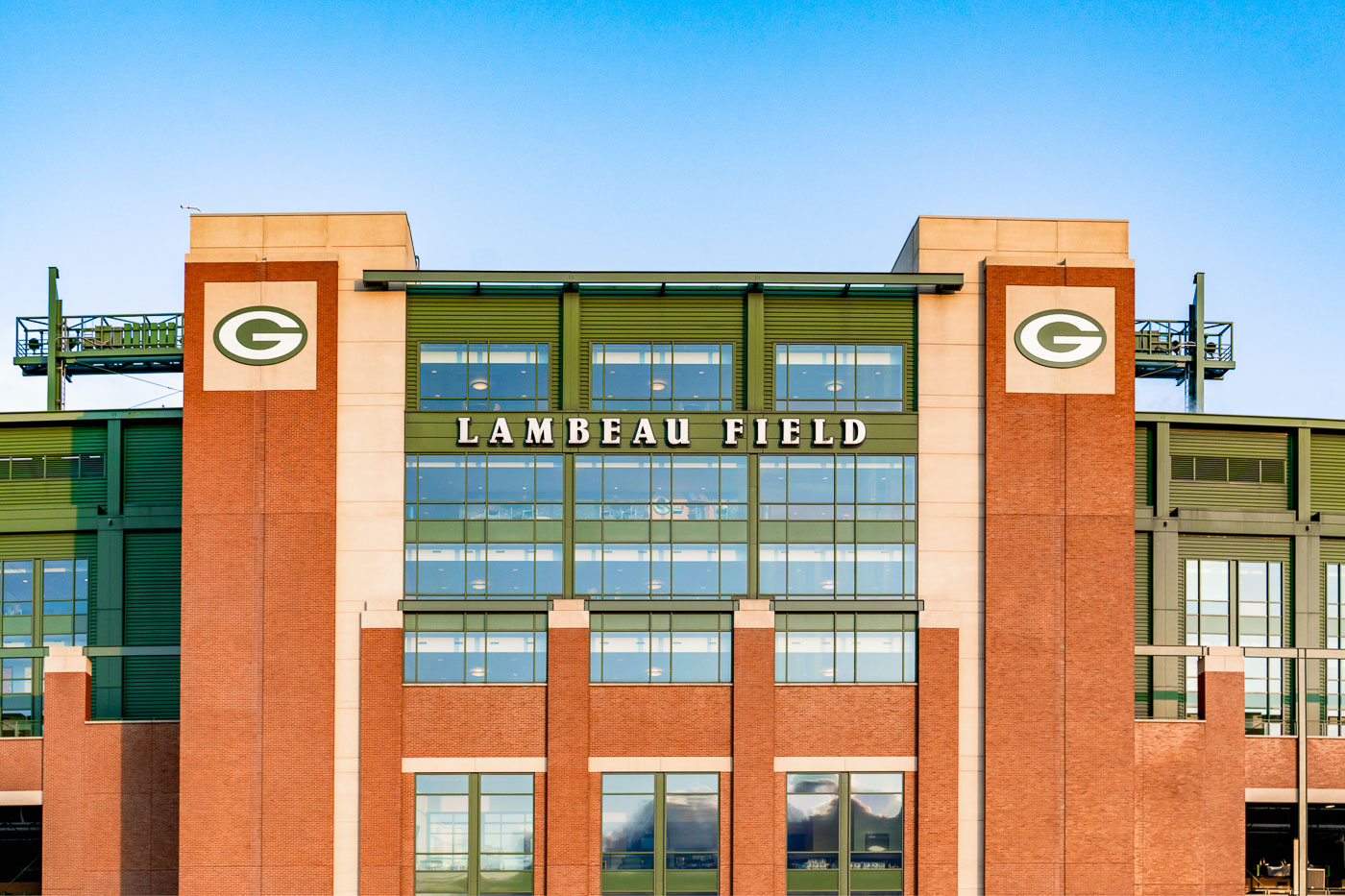
Lambeau Field, Green Bay
The north side of Lambeau Field in Green Bay, Wisconsin. Home of the NFL’s Green Bay Packers.
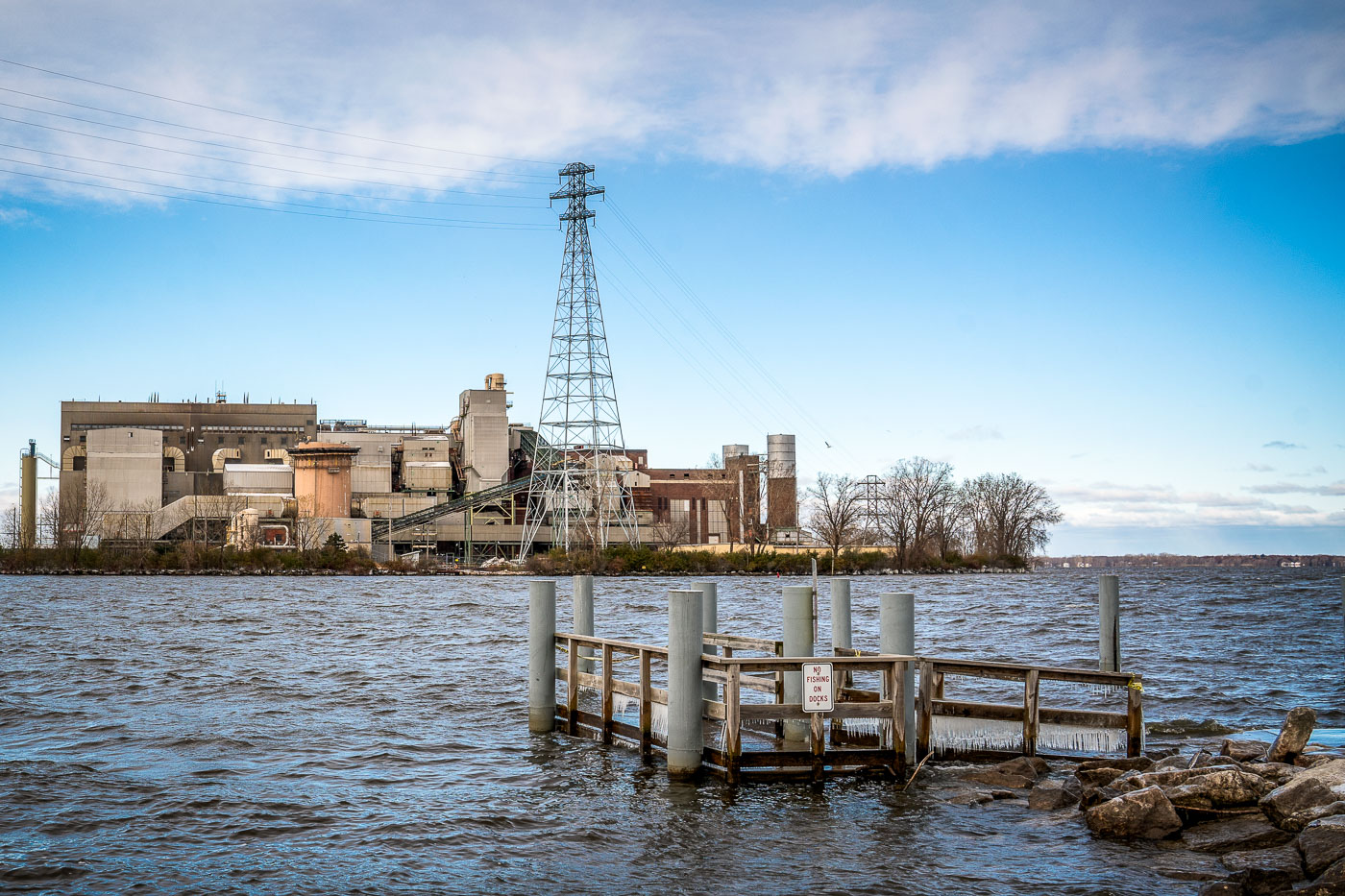
Pulliam Power Plant, Green Bay, Wisconsin
J. P. Pulliam Generating Station was an electrical power station powered by sub-bituminous coal, which could also be substituted by natural gas. It was located in Green Bay, Wisconsin in Brown County. The plant was named after the former Wisconsin Public Service Corporation president John Page Pulliam (–June 15, 1951). The plant units were connected to the power grid via 138 kV and 69 kV transmission lines. The remaining coal units on site were decommissioned in 2018 leaving only the natural gas fired P31 unit active at the site.
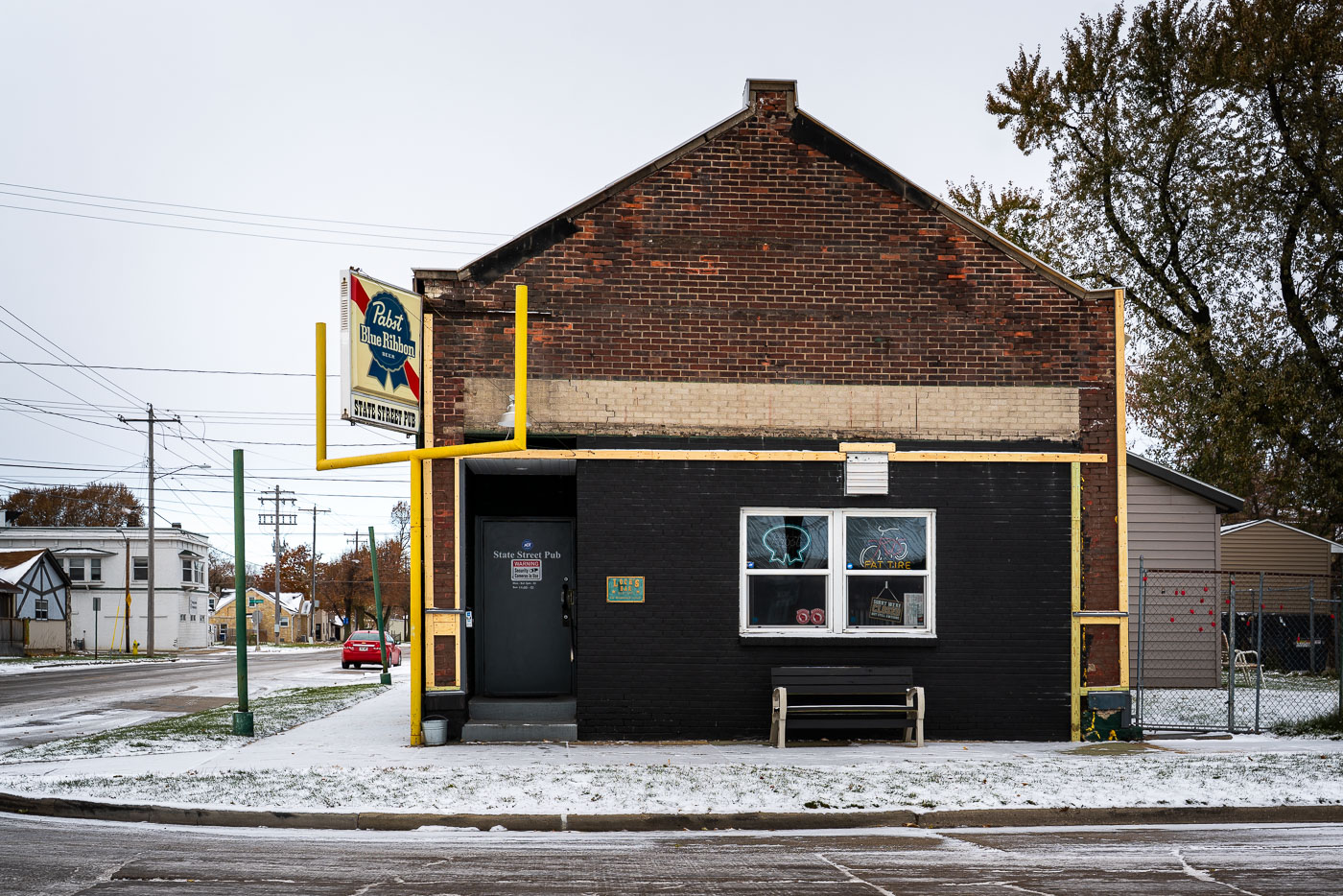
State Street Pub, Green Bay, WI: Pabst Blue Ribbon Bar
State Street Pub dive bar located at 1238 State St in Green Bay Wisconsin.
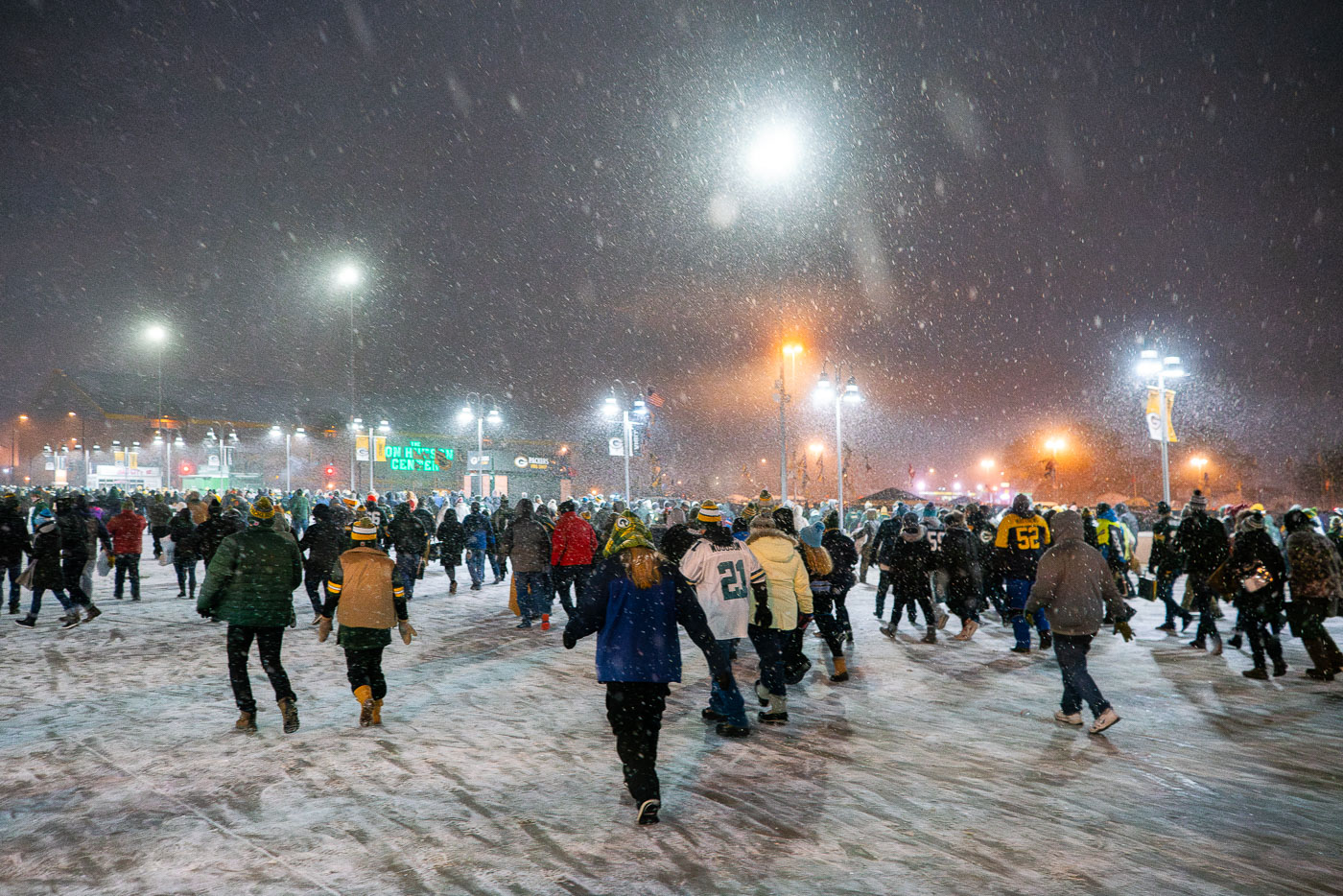
Fans depart Lambeau Field in snowfall
Fans leave Lambeau Field on a snowy evening at Lambeau Field in Green Bay, WI. The Packers defeated the Carolina Panthers 24-16.
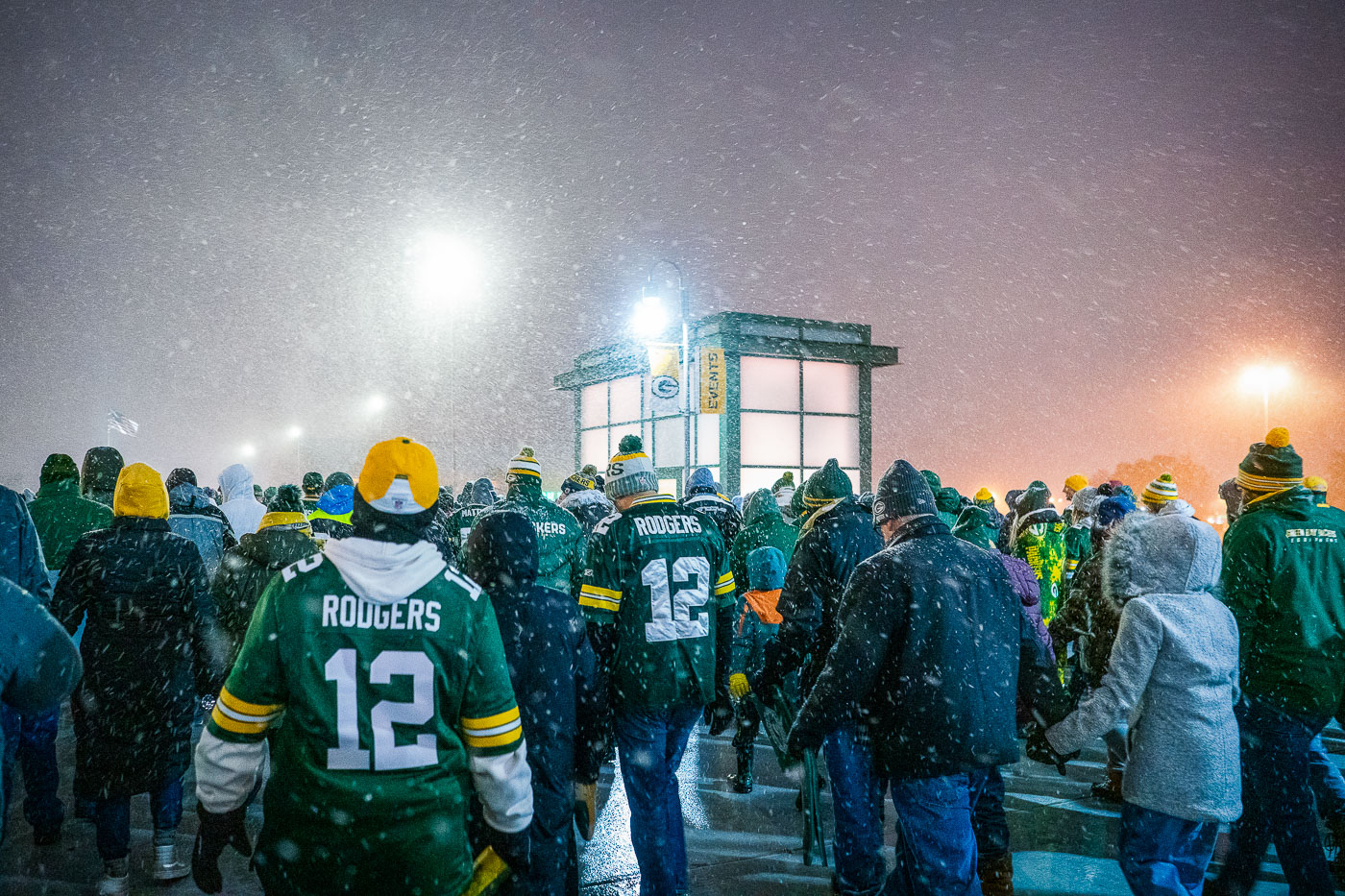
Fans depart Lambeau Field in snowfall
Fans wearing Aaron Rodgers jerseys leave Lambeau Field after the Packers beat the Carolina Panthers 24-16.
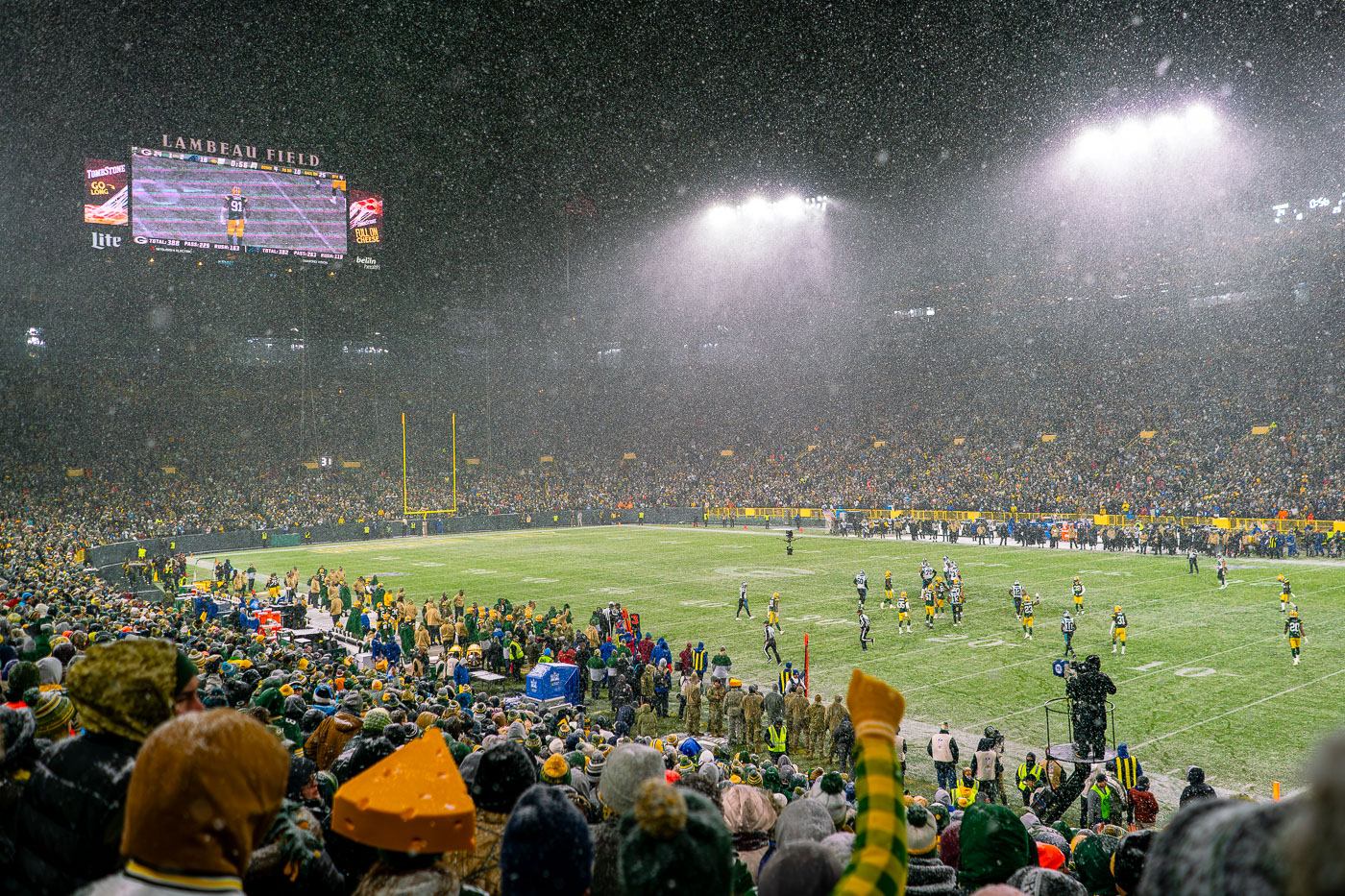
Snowfall at Lambeau Field, Green Bay
Heavy snow falling at Lambeau Field as the Green Bay Packers defeat the Carolina Panthers 24-16.
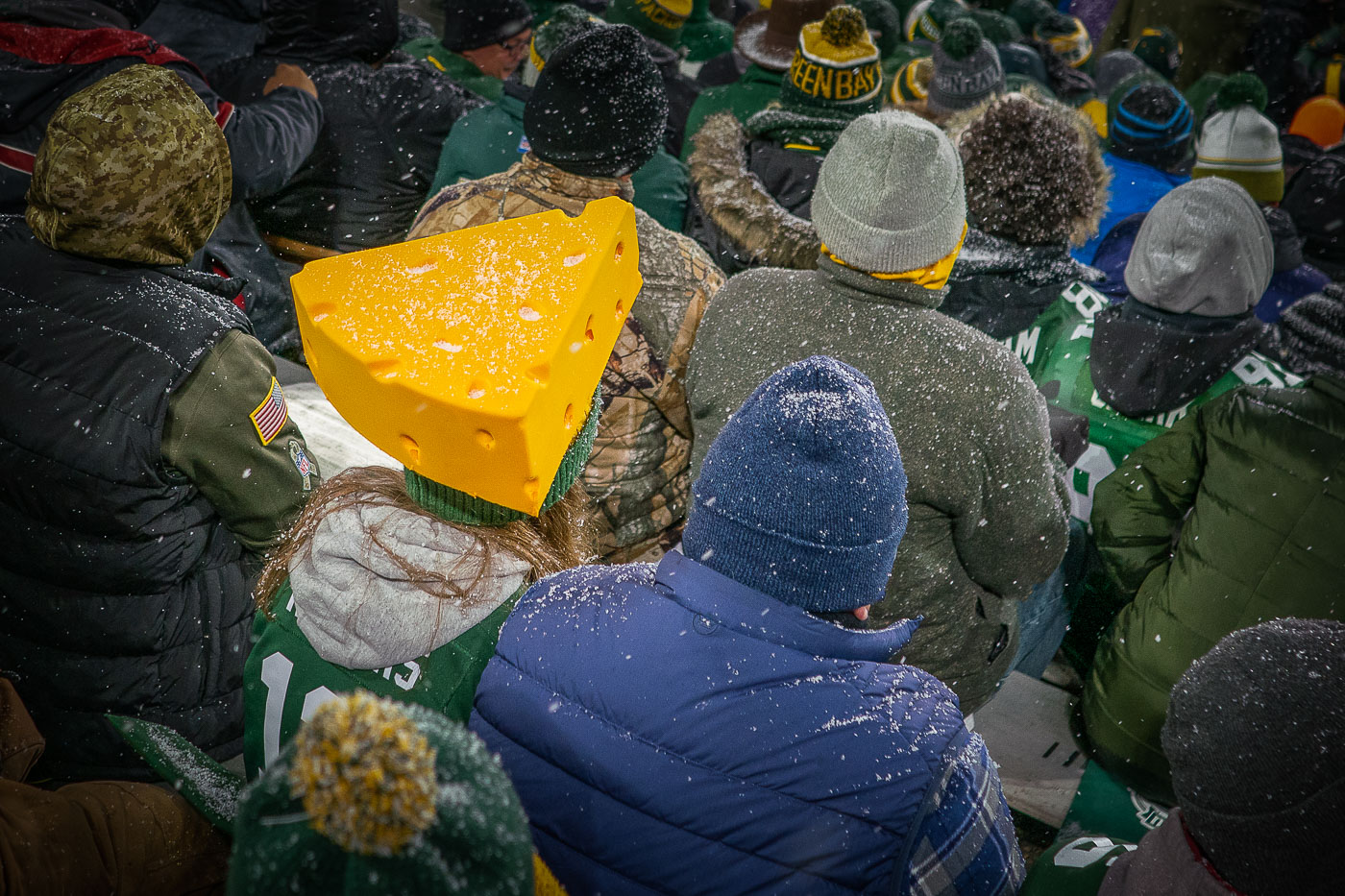
Fan in Snow at Lambeau Field
A fan at Lambeau Field wearing an Aaron Rodgers jersey with a cheesehead as the Green Bay Packers defeat the Carolina Panthers 24-16.
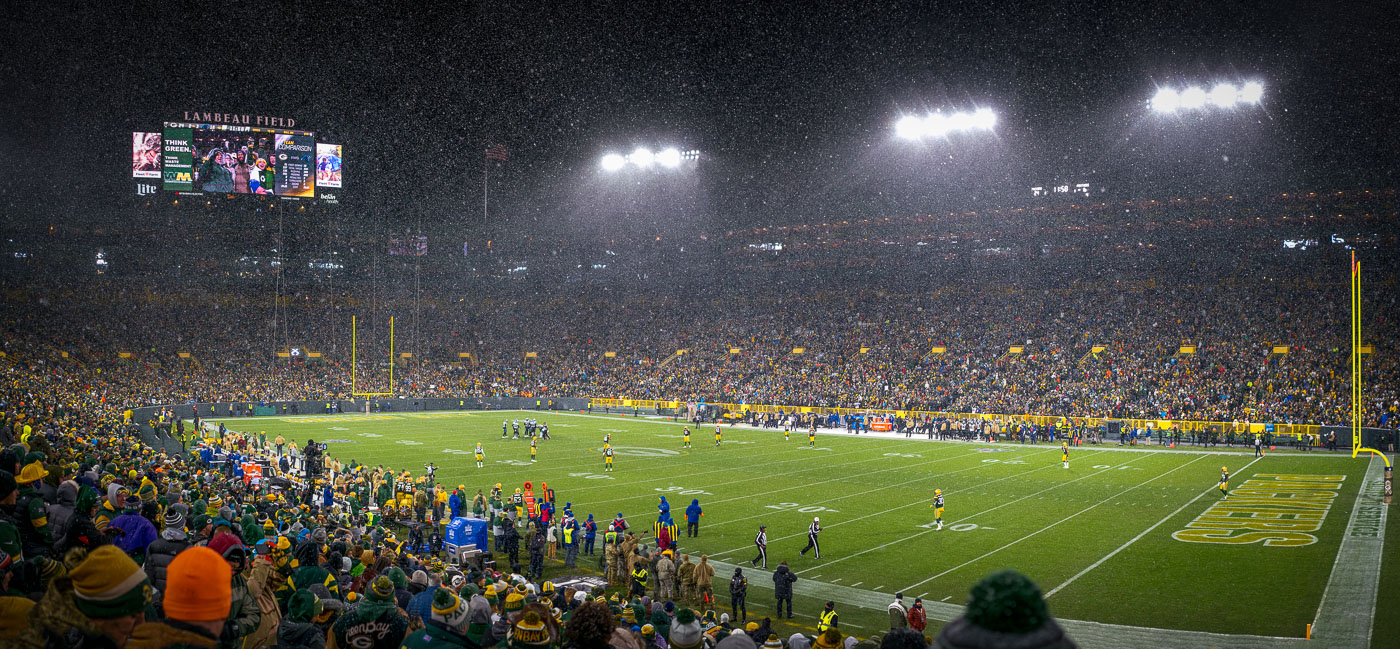
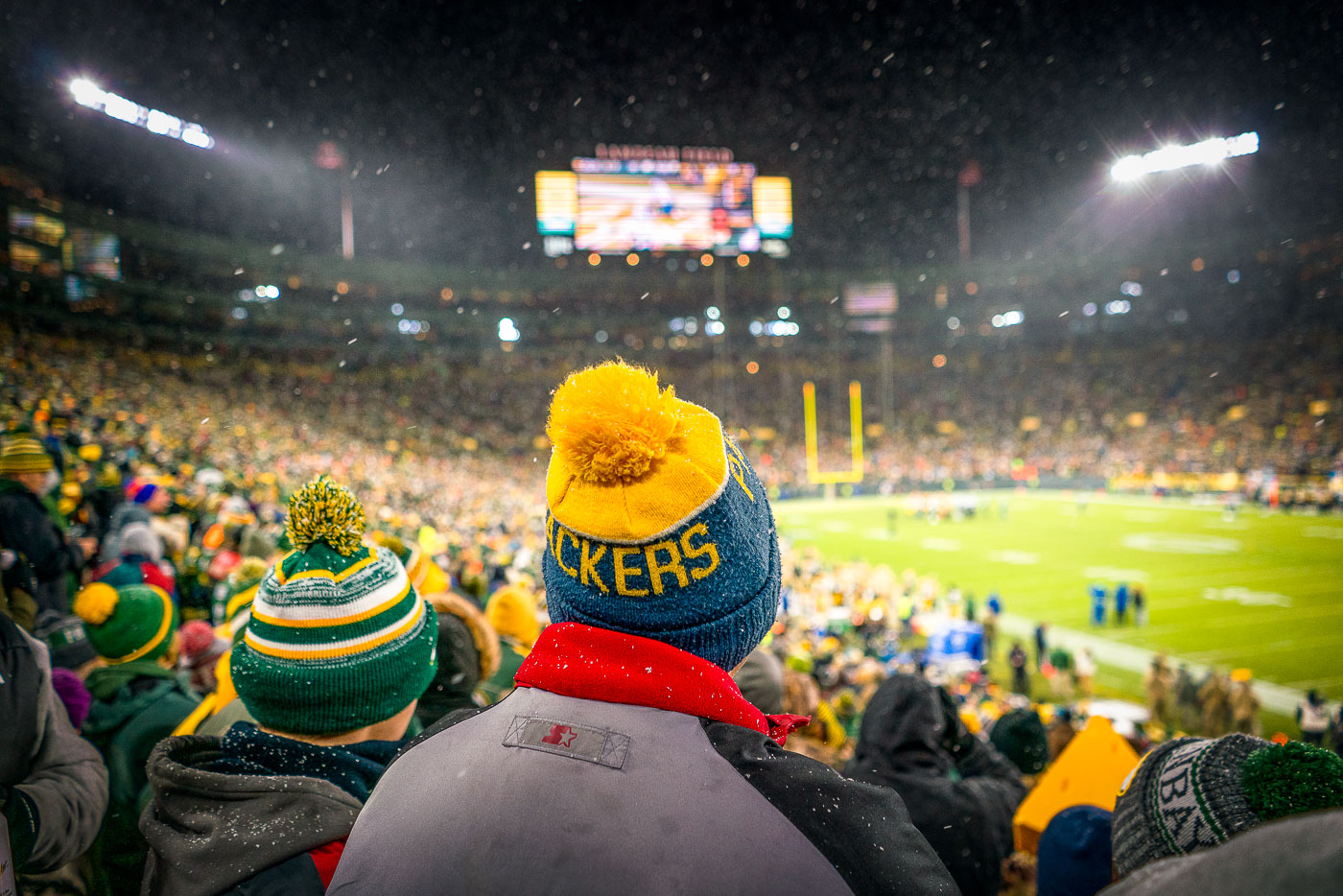
Packers Fan in Snow at Lambeau Field
A fan wears a knit Packers hat at a snowy Lambeau Field as the Packers work to defeat the Carolina Panthers 24-16.
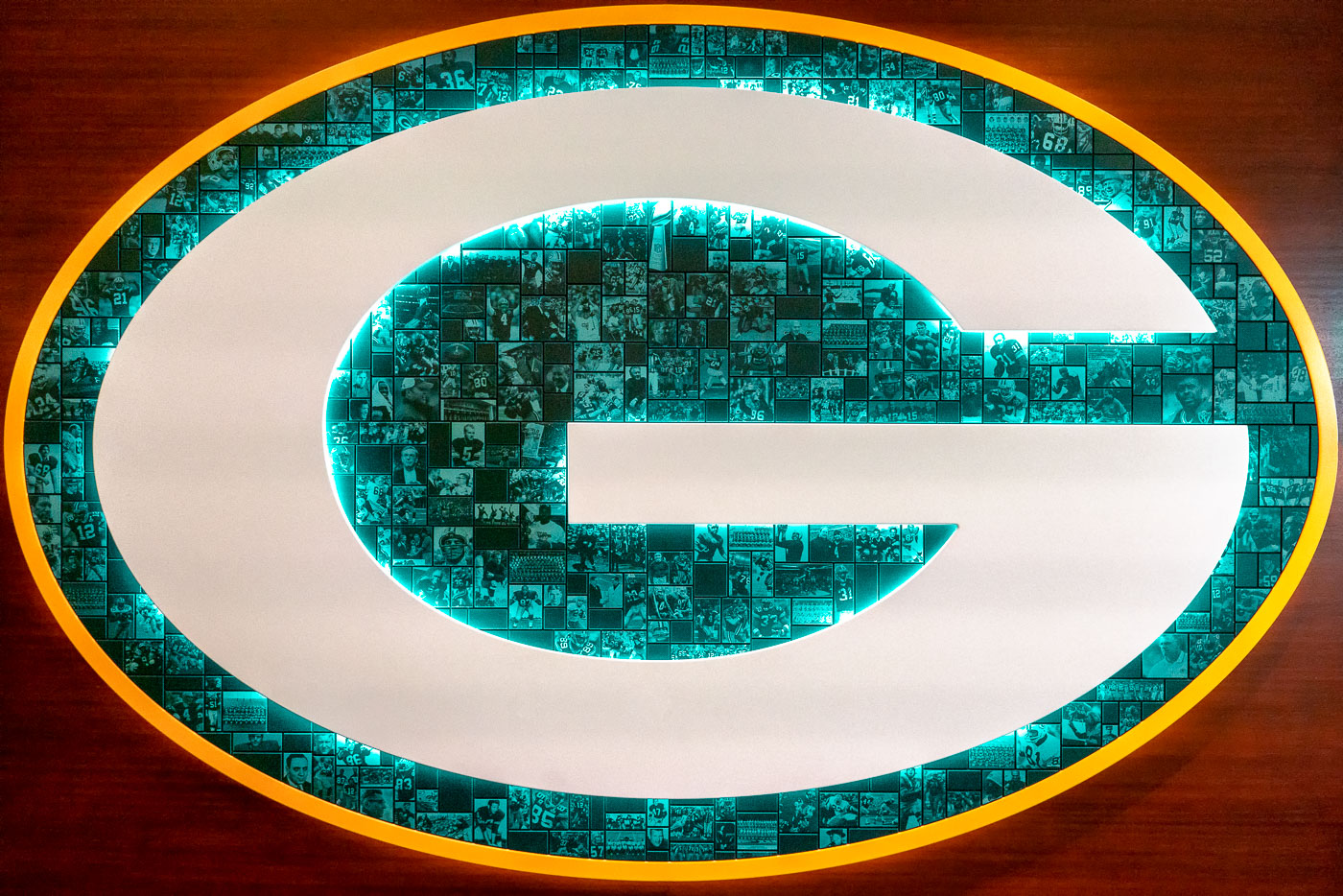
Packers “G” Mosaic at Lambeau Field
Green Bay Packers “G” found inside the players facility at 1265 Lombardi Avenue in Green Bay, Wisconsin.
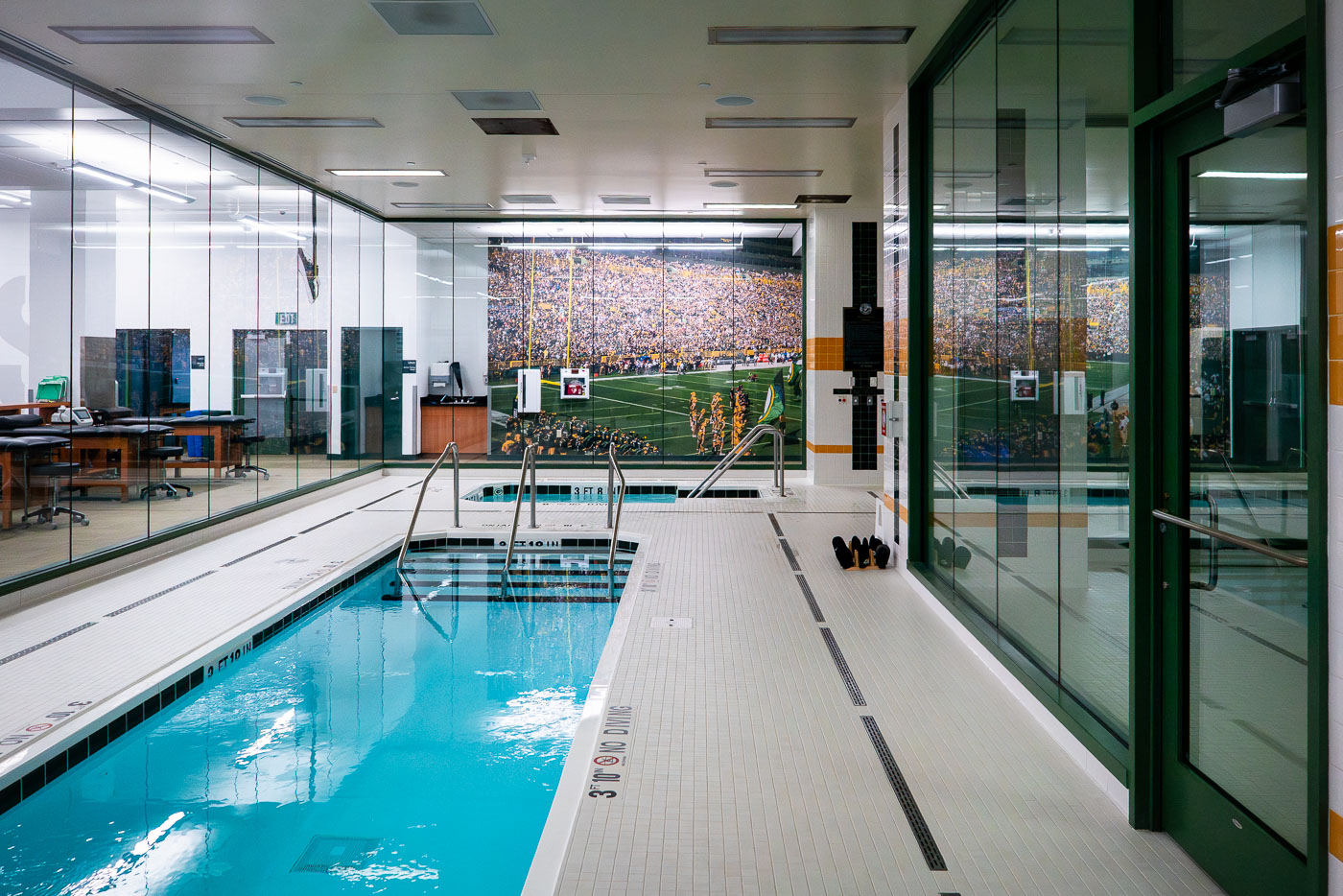
Green Bay Packers HQ Indoor Pool
Pool inside the players workout area inside the Green Bay Packers Headquarters.
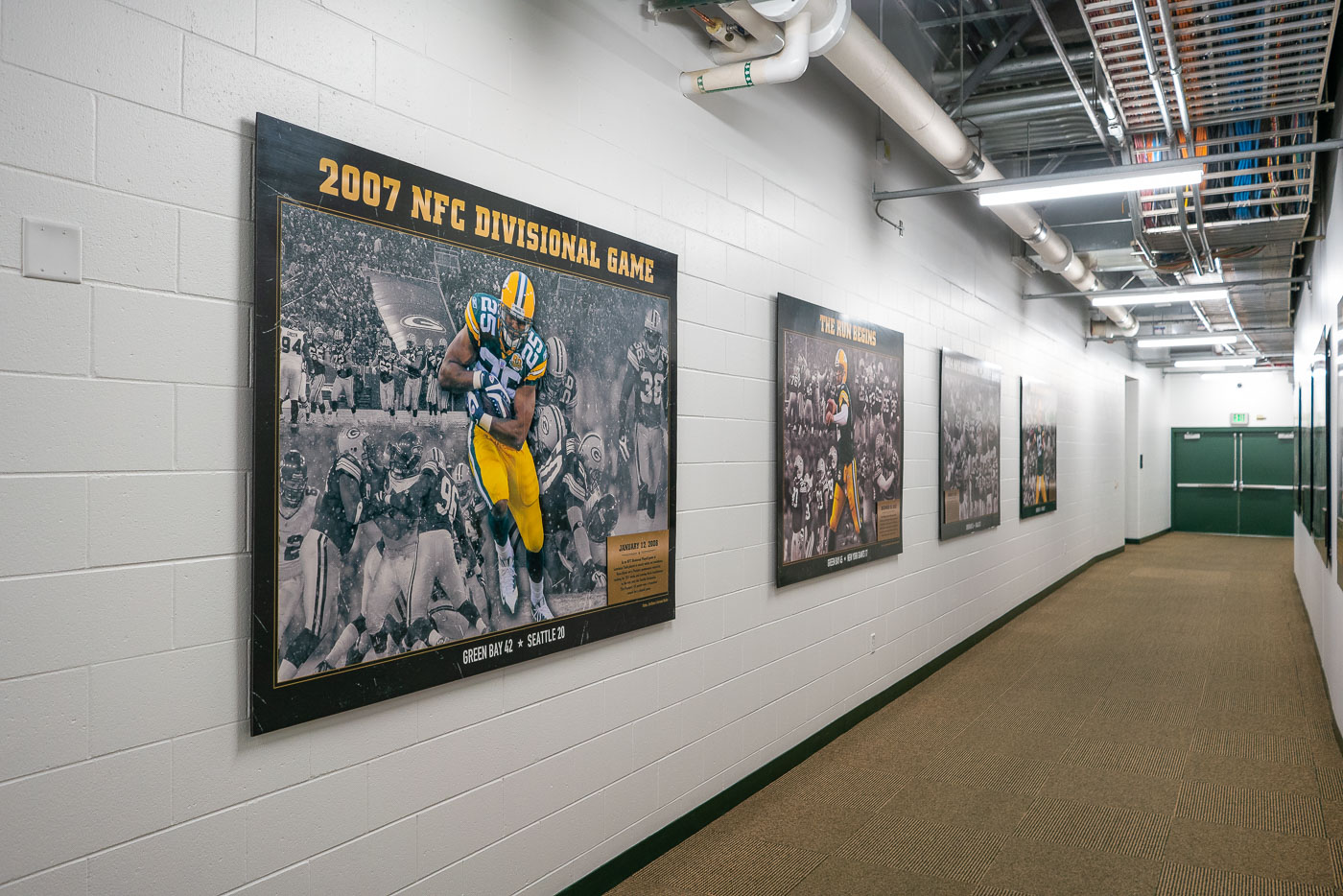
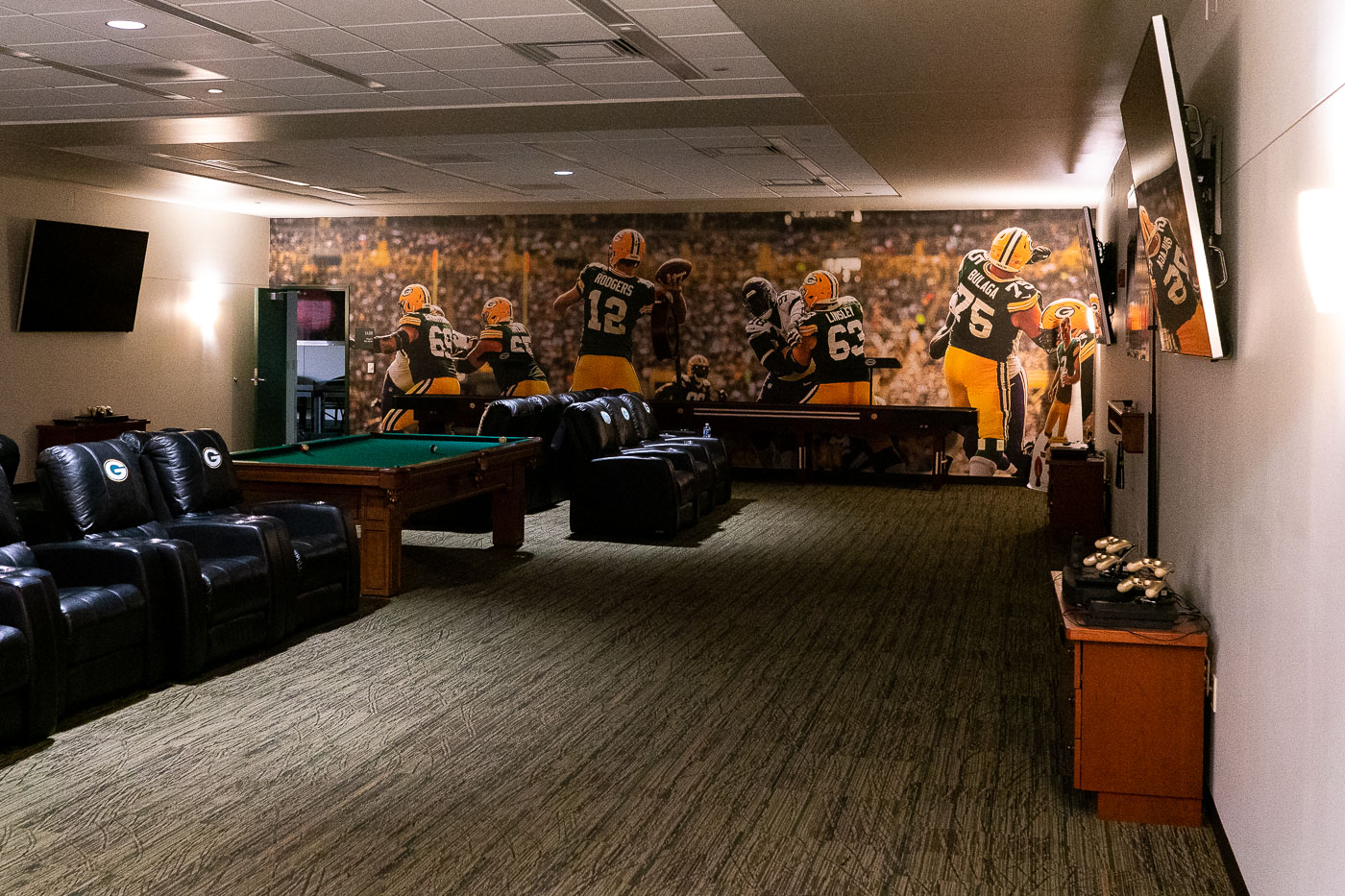
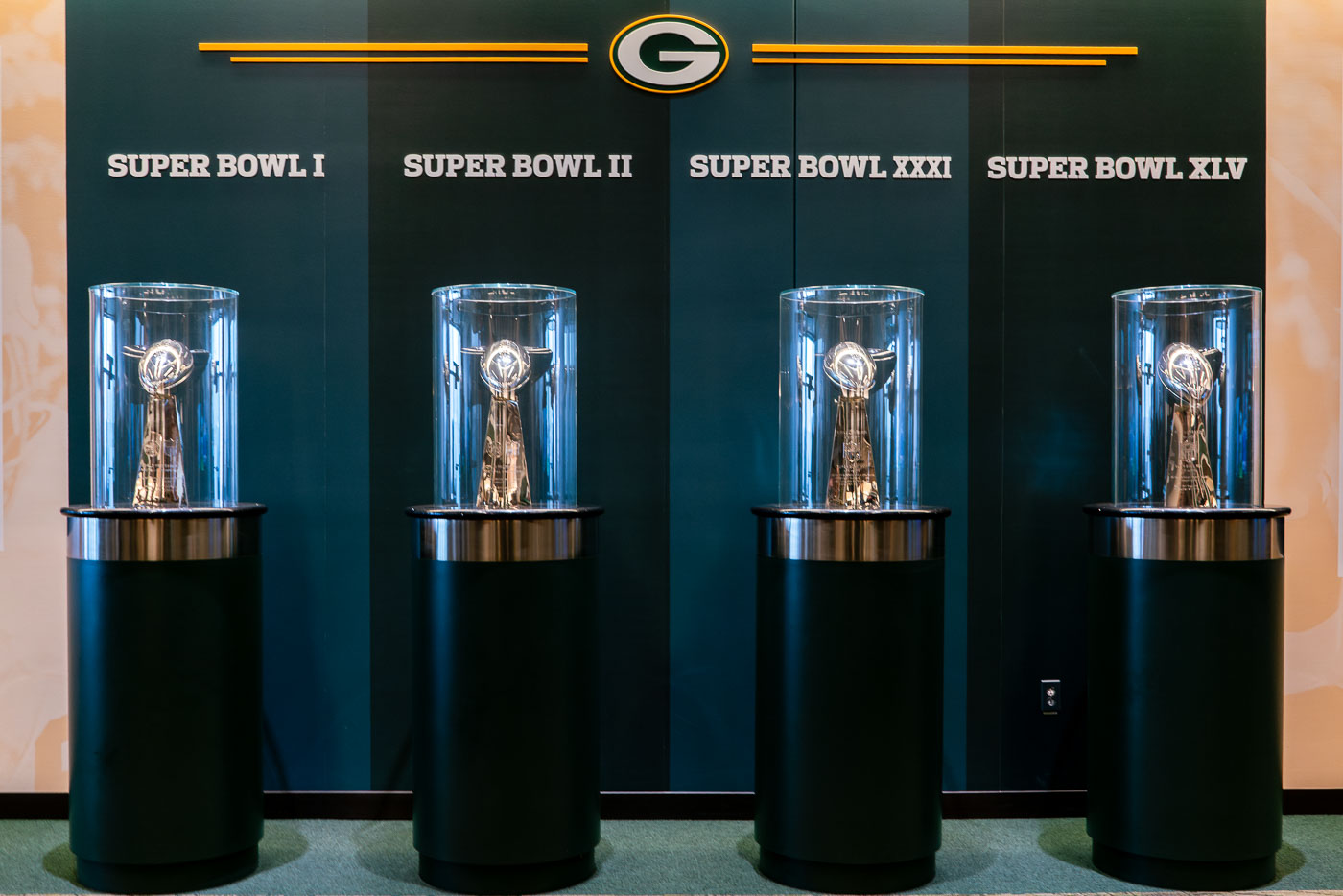
Green Bay Packers Super Bowl Trophies at Lambeau Field
The Lombardi Trophies won by the Green Bay Packers seen inside their headquarters.
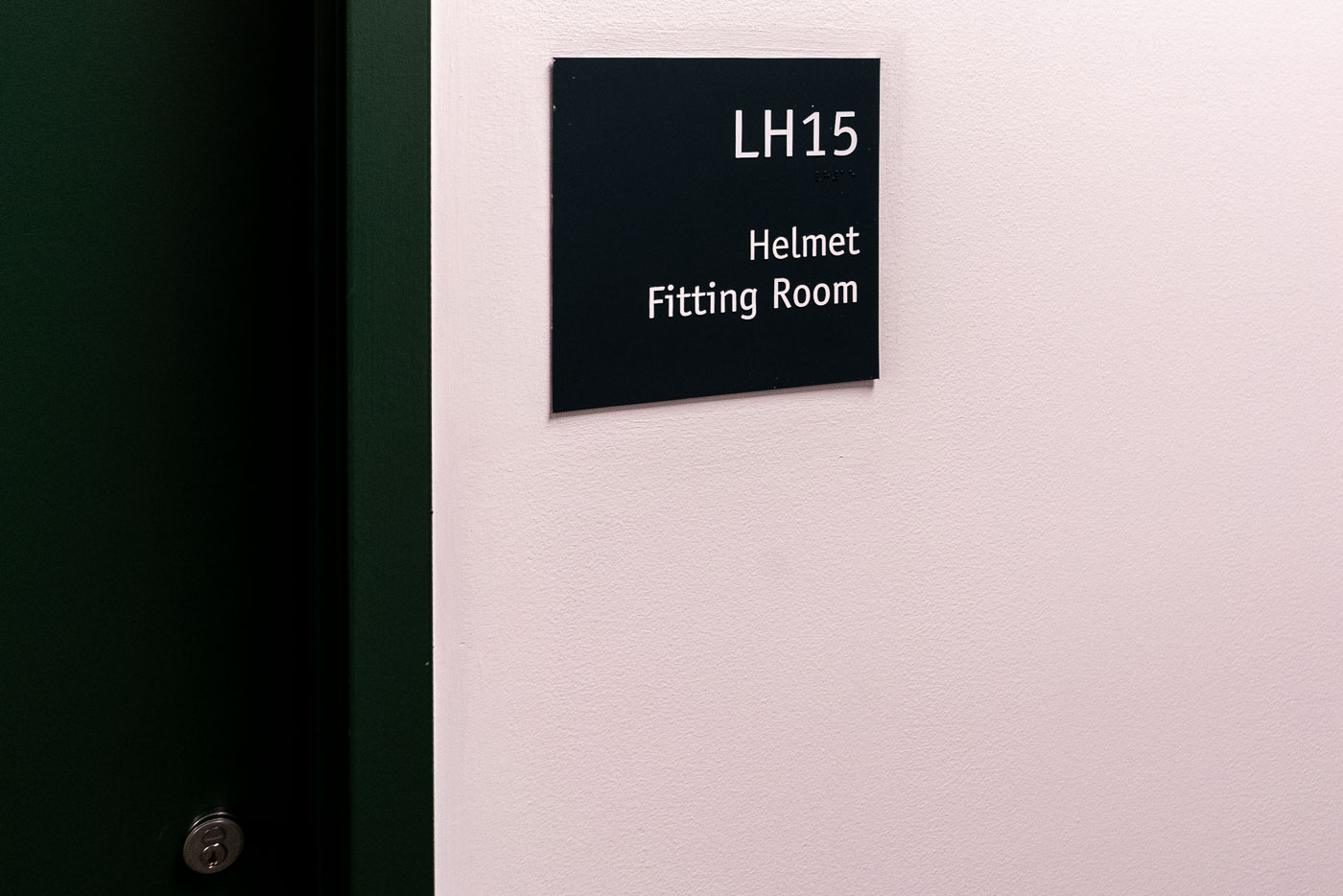
Lambeau Field Helmet Fitting Room LH15
The Helmet Fitting Room inside the Green Bay Packers Headquarters.
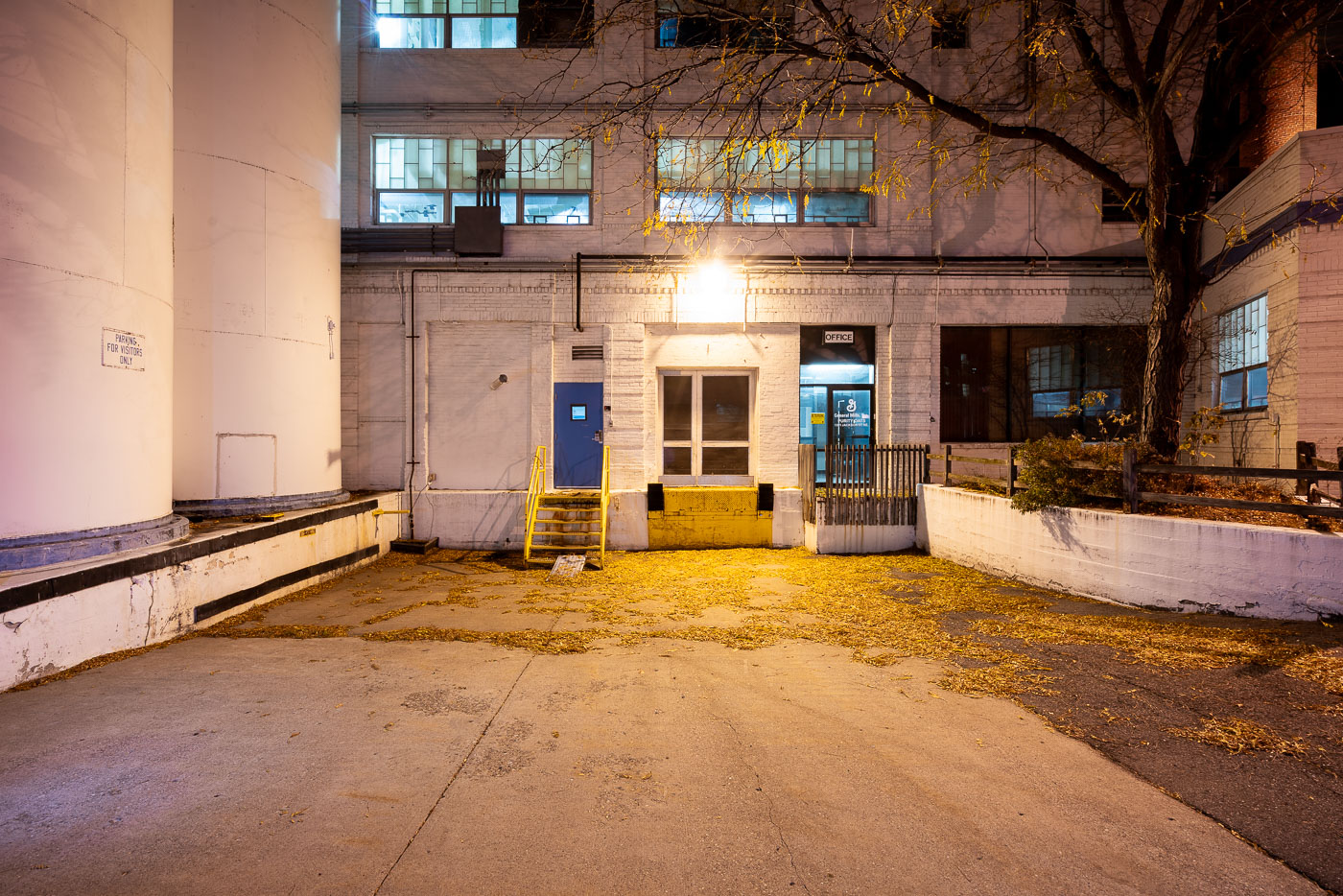
General Mills Purity Oats Plant Loading Area, Minneapolis
This view shows the rear loading and office entrance of the former General Mills Purity Oats facility in Northeast Minneapolis. Built during the city’s industrial boom, the complex once handled oat processing and packaging for one of the nation’s largest cereal producers. The structure’s painted brick walls, grain silos, and utilitarian layout are characteristic of mid-20th-century food-processing plants that supported the city’s reputation as the “Flour Milling Capital of the World.”
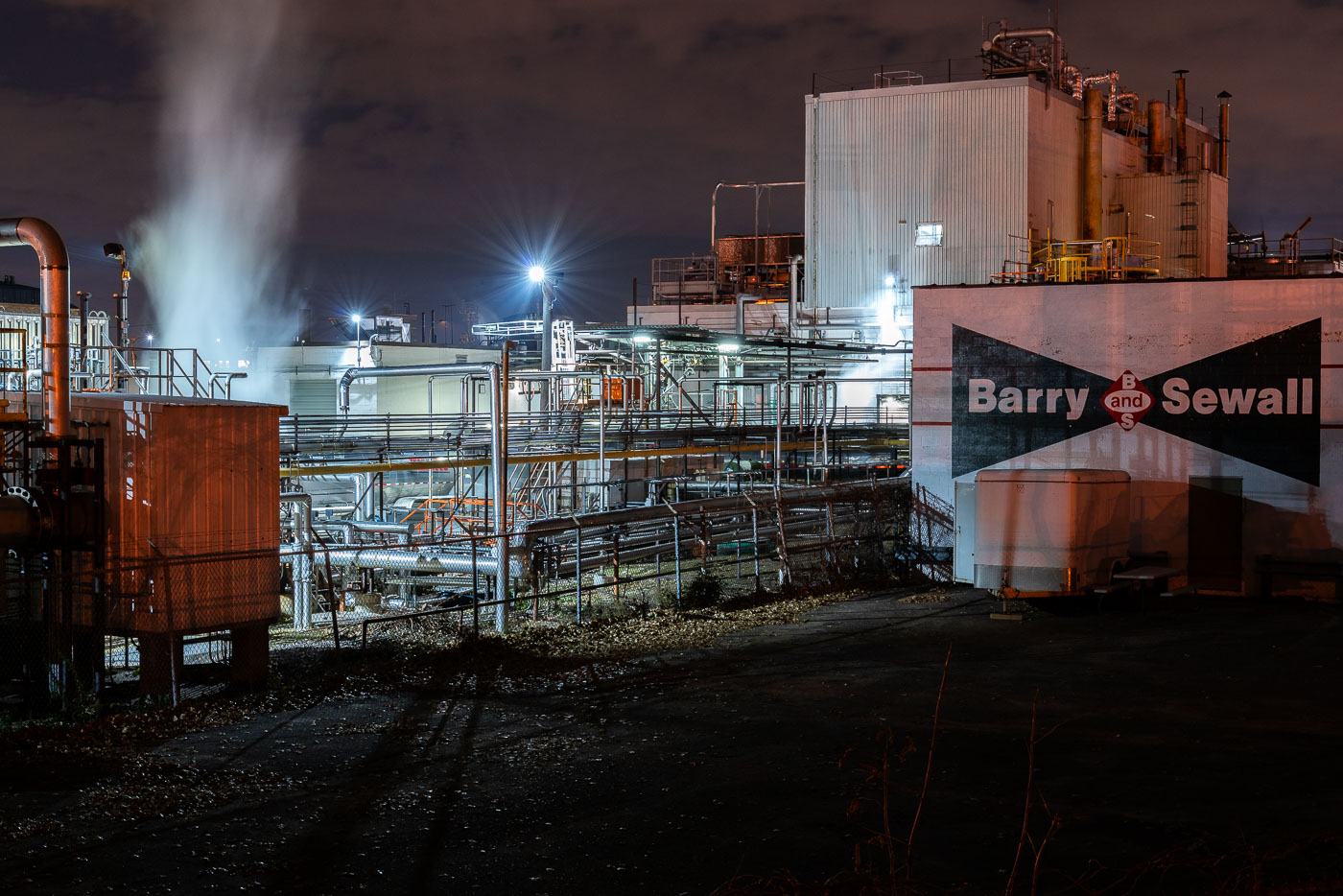
Barry & Sewall Chemical Company, Minneapolis
Steam rises from the Barry & Sewall Chemical Company complex in Northeast Minneapolis, a facility known for producing adhesives, coatings, and specialty chemicals for over a century. Illuminated by floodlights and framed by dense pipe networks, the site reflects the city’s enduring industrial infrastructure along the rail and river corridors. The hand-painted logo on the wall remains a remnant of mid-20th-century branding still visible across many older manufacturing sites in the Twin Cities.
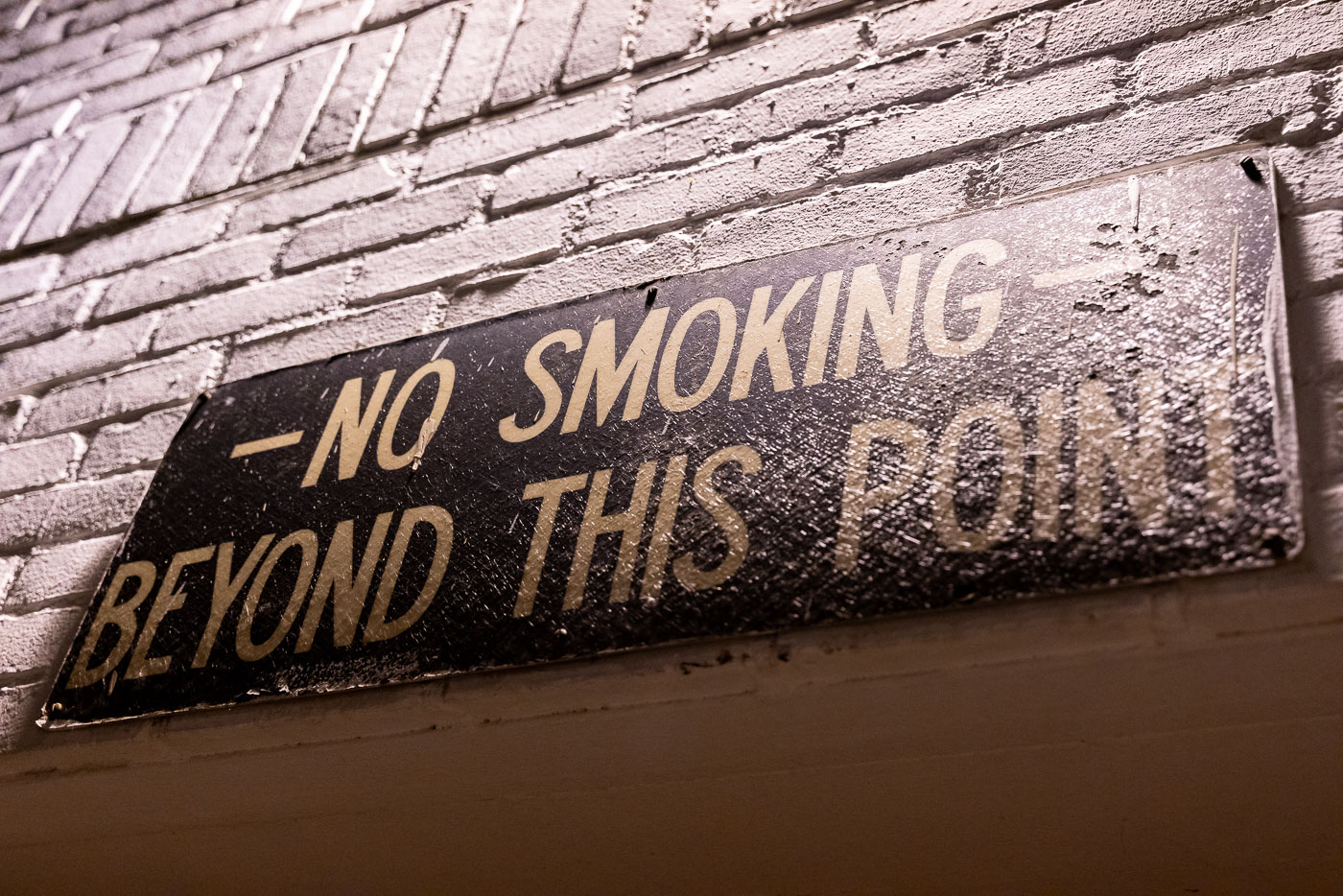
No Smoking Beyond This Point Sign
A weathered metal sign mounted on a brick wall warns “NO SMOKING BEYOND THIS POINT,” its paint cracked and dulled by decades of exposure. Signs like this were once common in milling and industrial facilities across Minneapolis, where airborne dust from grain or manufacturing posed a significant fire risk. The hand-lettered typography and aged surface reflect a bygone era of factory safety culture, preserving a small but telling fragment of the city’s industrial heritage.
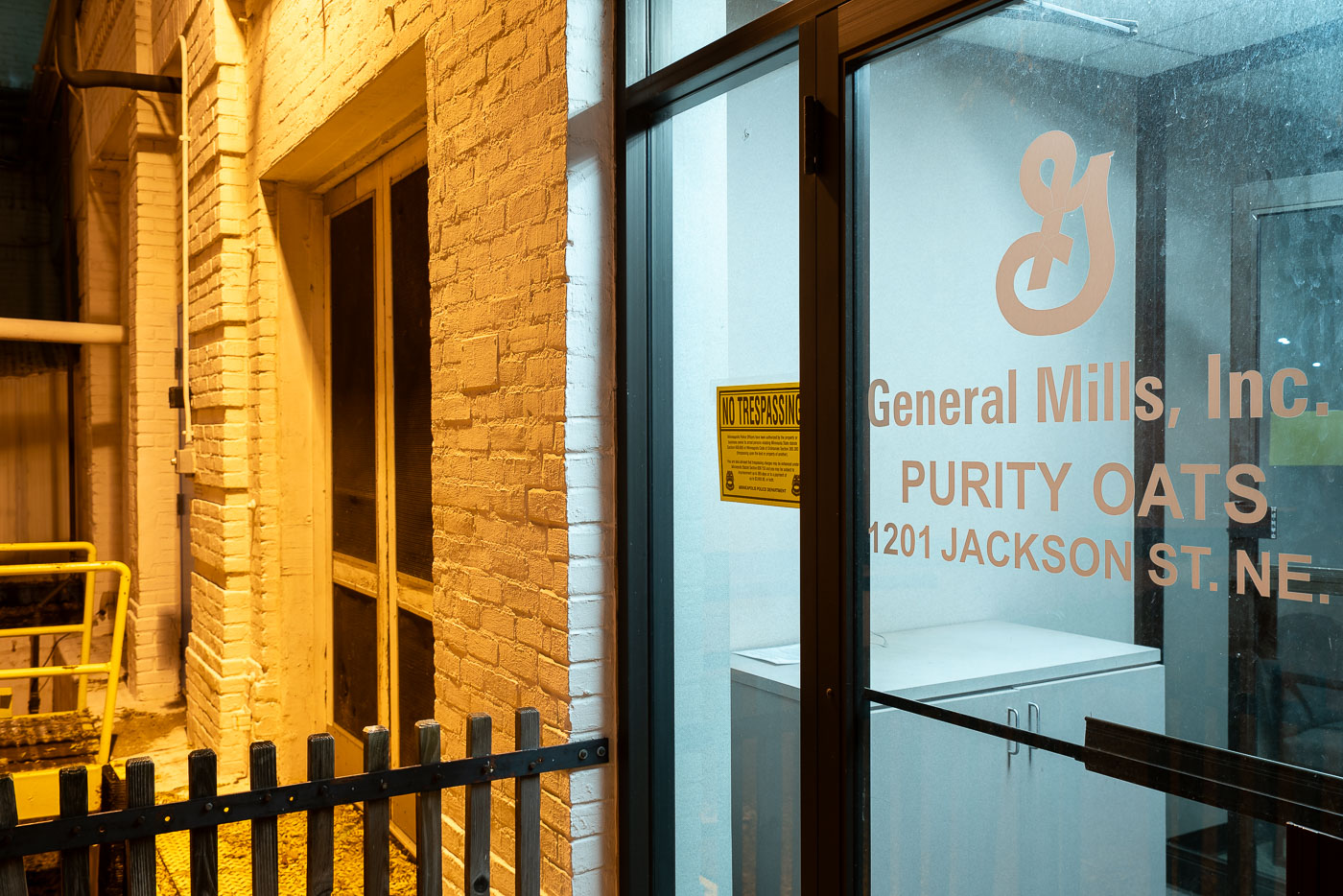
General Mills Purity Oats Facility, Minneapolis
Once part of the vast milling network that shaped Minneapolis’s industrial identity, this now-closed General Mills Purity Oats plant at 1201 Jackson Street NE reflects the city’s transition from global grain hub to post-industrial reuse. The modest brick complex, still bearing its original signage, served as a specialized processing site within the company’s broader cereal operations before its eventual closure. Its preservation offers a glimpse into the city’s enduring ties to the flour and oat industries that once defined the Mississippi River corridor.