Florida

57 photos · 2009–2025

57 photographs tagged Florida, 2009–2025.

Mega Pizza in Miami Beach displays oversized pizzas in a street-facing window counter.
Mega Pizza in Miami Beach, Florida, displays oversized pizzas in a street-facing window counter. The South Beach restaurant advertises its large-format pies through storefront signage and illuminated case displays.

Oversized Pies at Mega Pizza on Ocean Drive
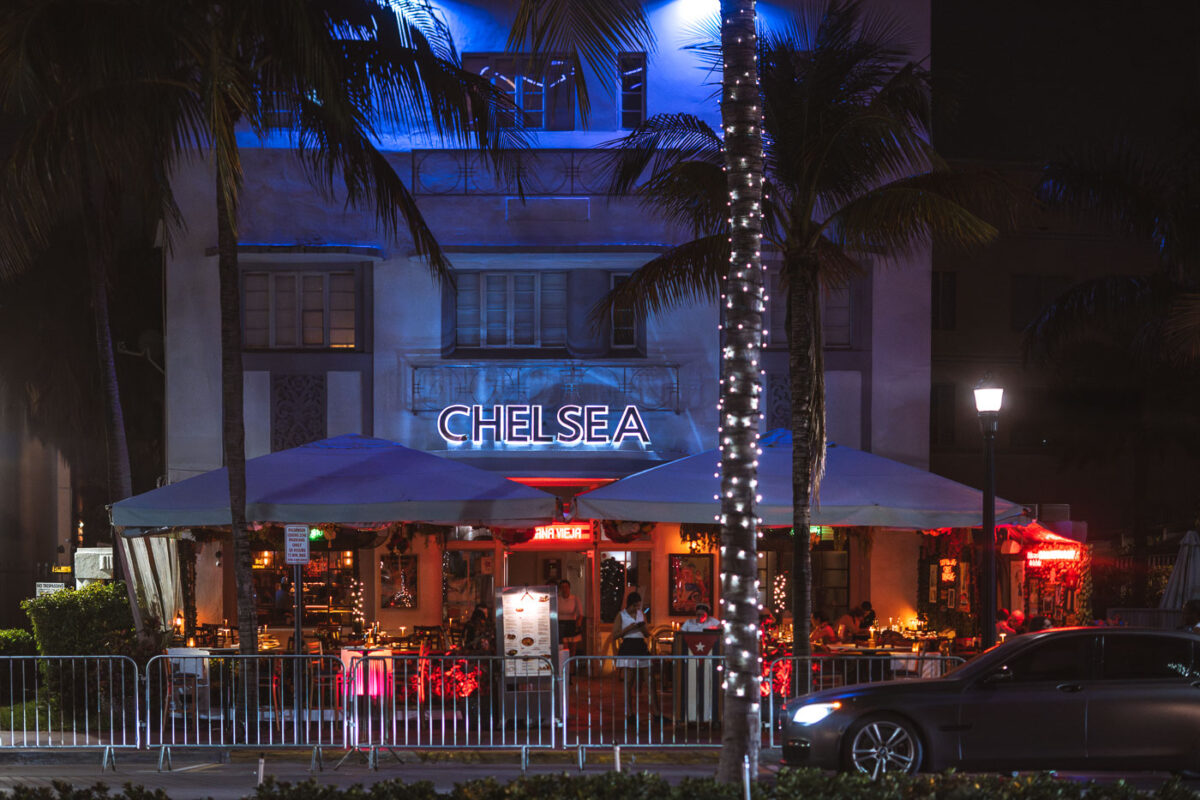
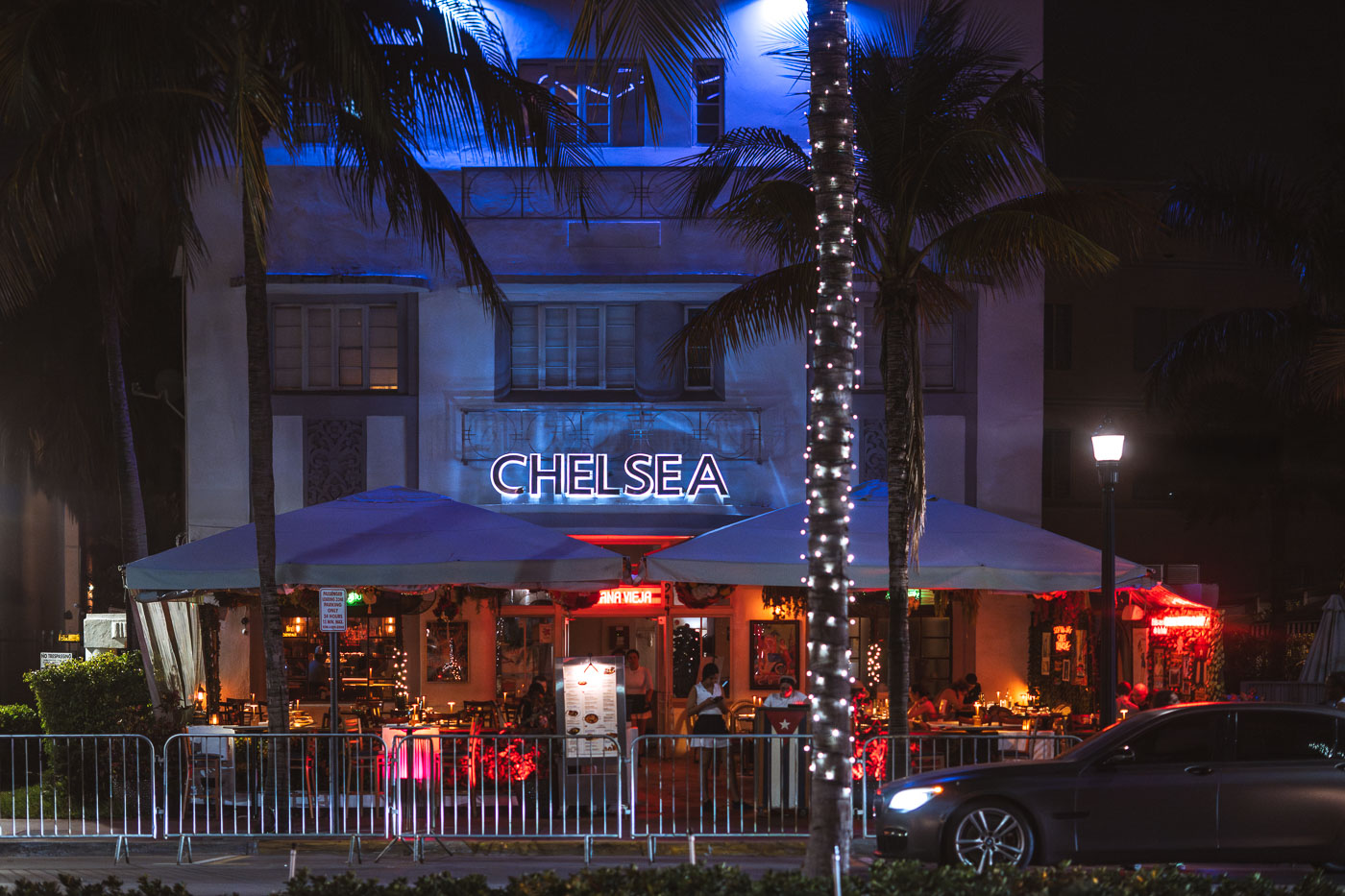
Hotel Chelsea on Ocean Drive in Miami Beach with a neon sign and street-level restaurant
Hotel Chelsea on Ocean Drive in Miami Beach, Florida, is an Art Deco hotel in the Miami Beach Architectural District. The ground-floor restaurant occupies the street level beneath the hotel’s neon Chelsea sign and sidewalk umbrellas.

Diners Under Umbrellas at the Chelsea on Ocean Drive
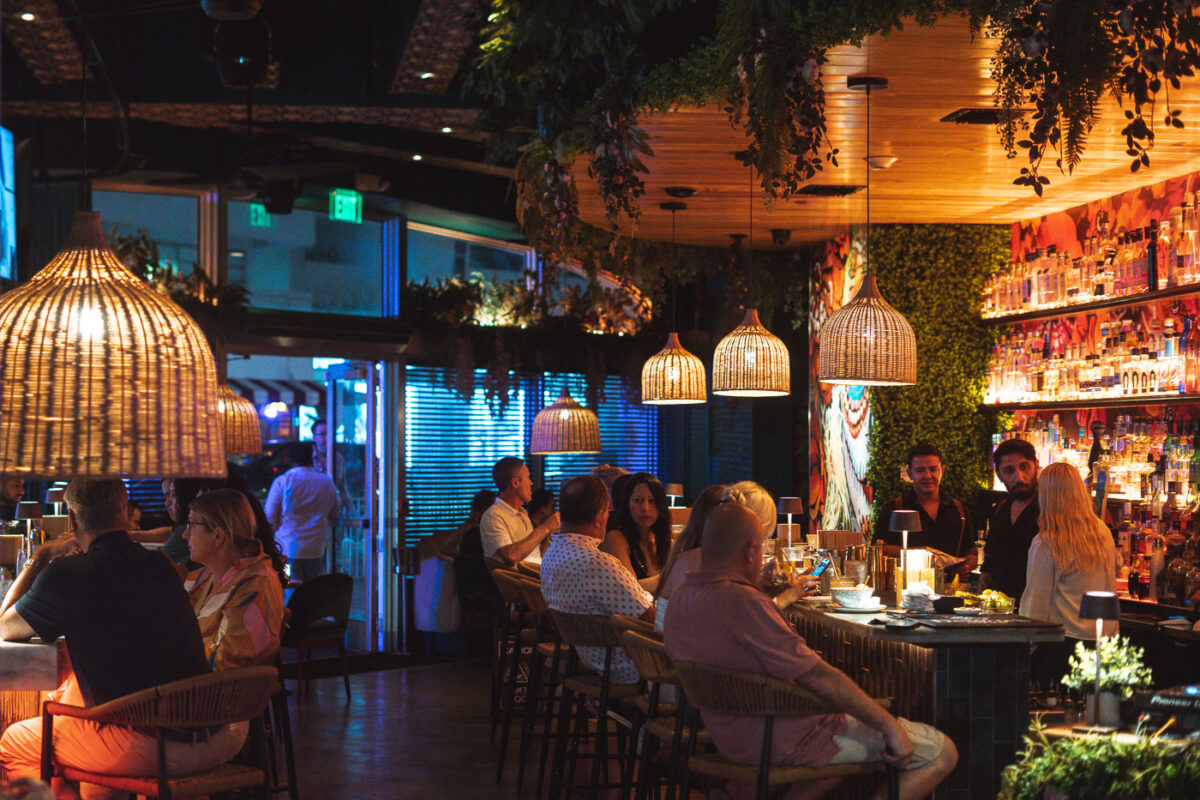
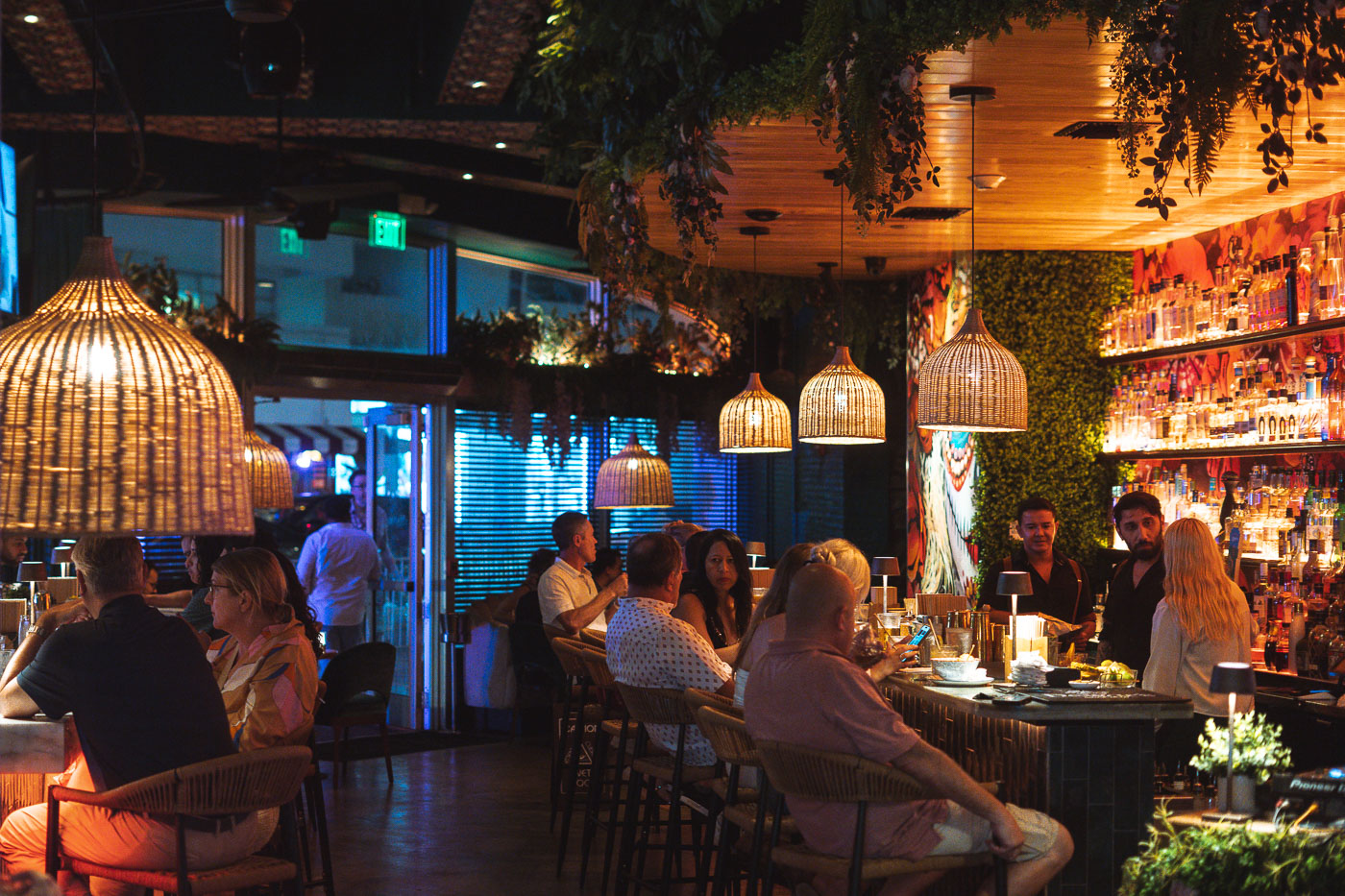
South Beach cocktail lounge interior in Miami Beach with patrons, woven pendant lights, and a backlit bar.
A cocktail lounge interior in South Beach, Miami Beach, is open for evening service with patrons seated at the bar and tables. Woven pendant lights hang above the room, and the space includes a backlit bottle display, hanging greenery, and mural-painted walls.

Woven Pendant Lights Above a South Beach Bar Crowd
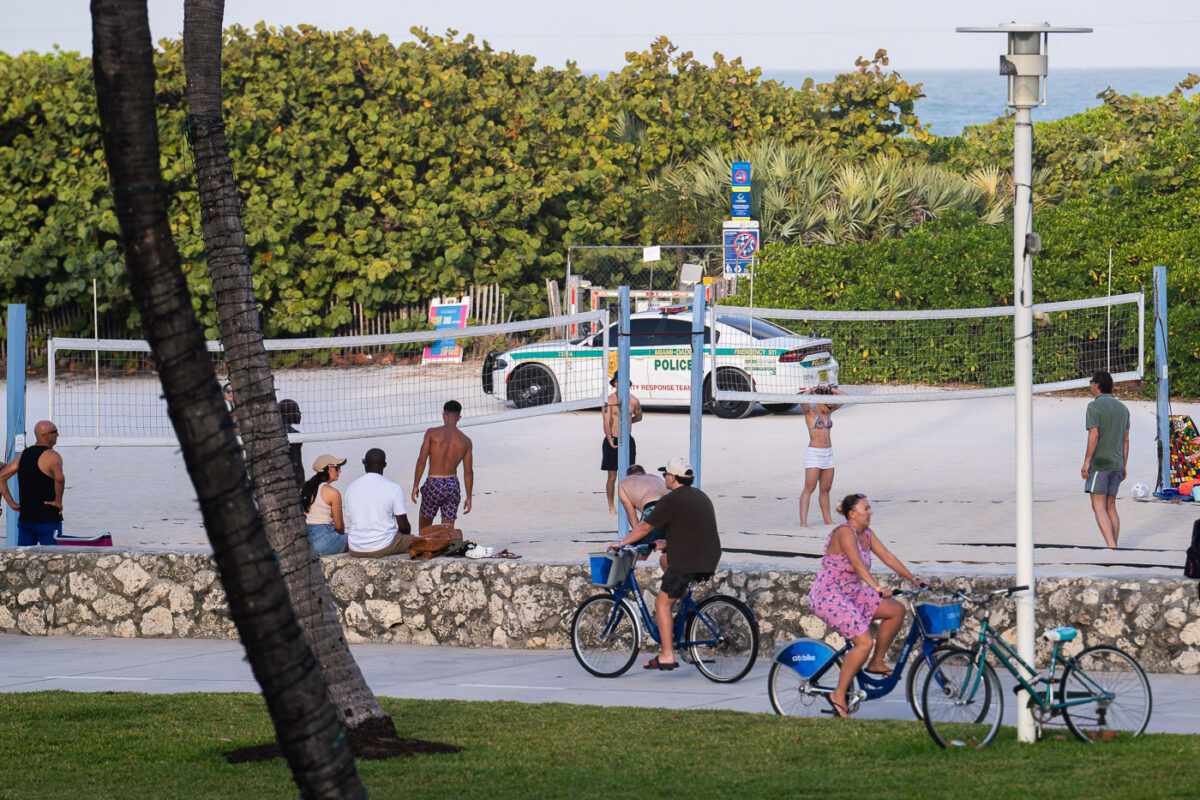
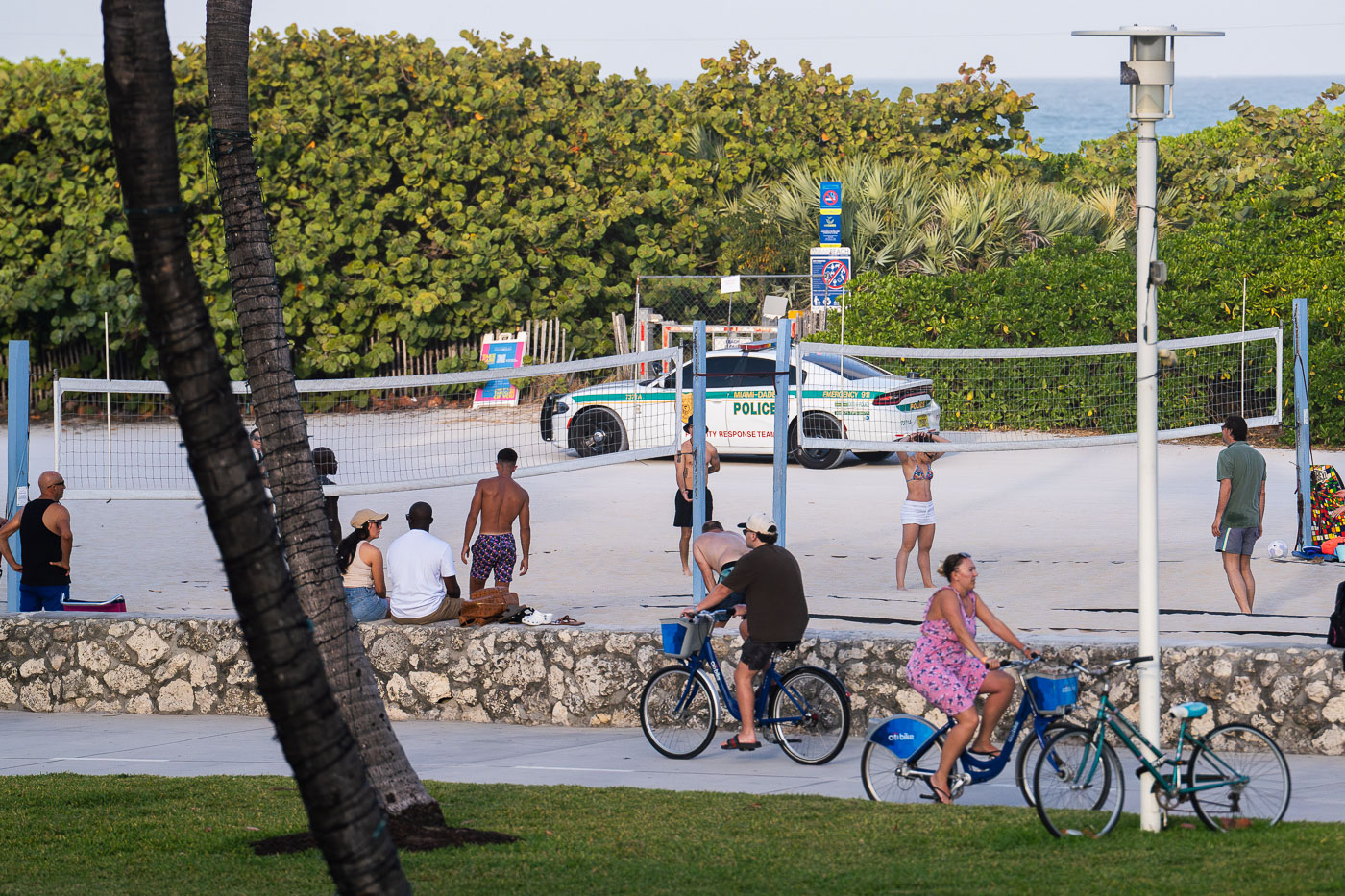
South Beach beach volleyball courts with a Miami-Dade Police car nearby
Beach volleyball courts in South Beach, Miami Beach, are bordered by a Miami-Dade Police patrol car on March 16, 2025. The courts are near the beachfront promenade and bike path along the Atlantic shoreline. The date falls during spring break, when Miami Beach typically increases police presence in beach areas.

Cyclists Pass Beach Volleyball Courts Near a Police Patrol Car
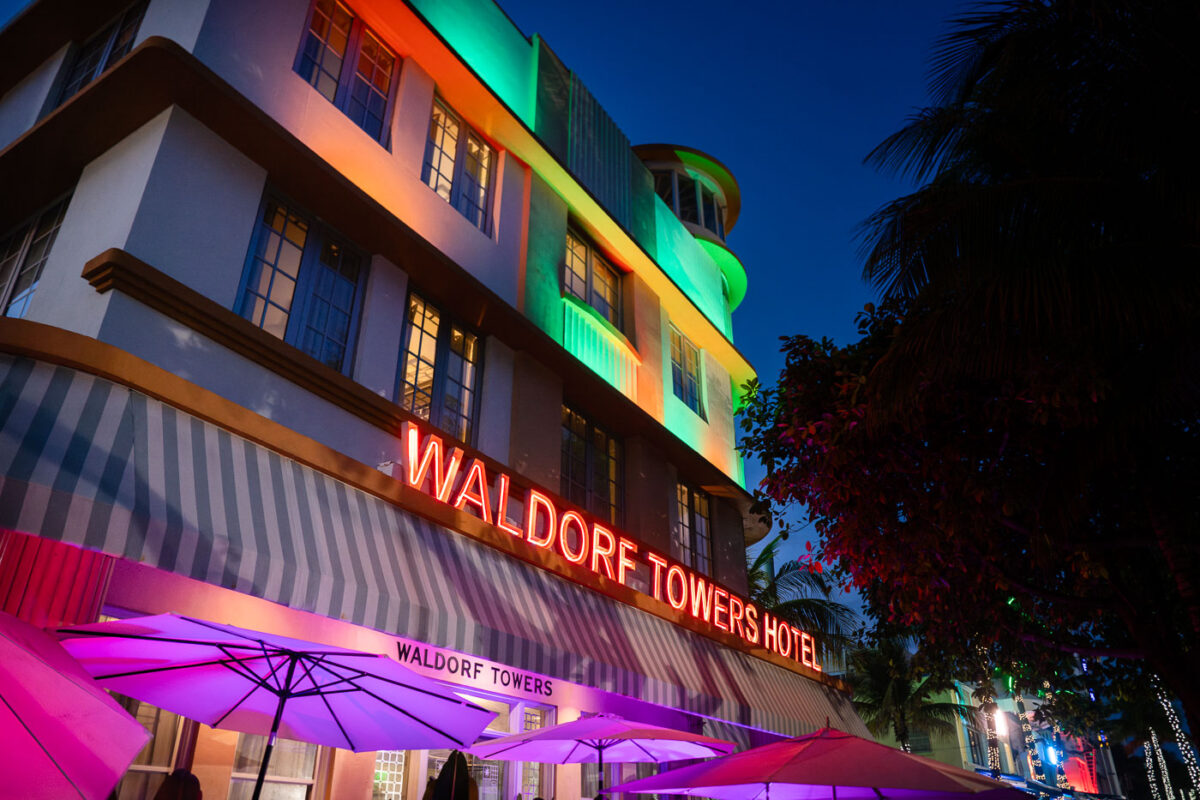
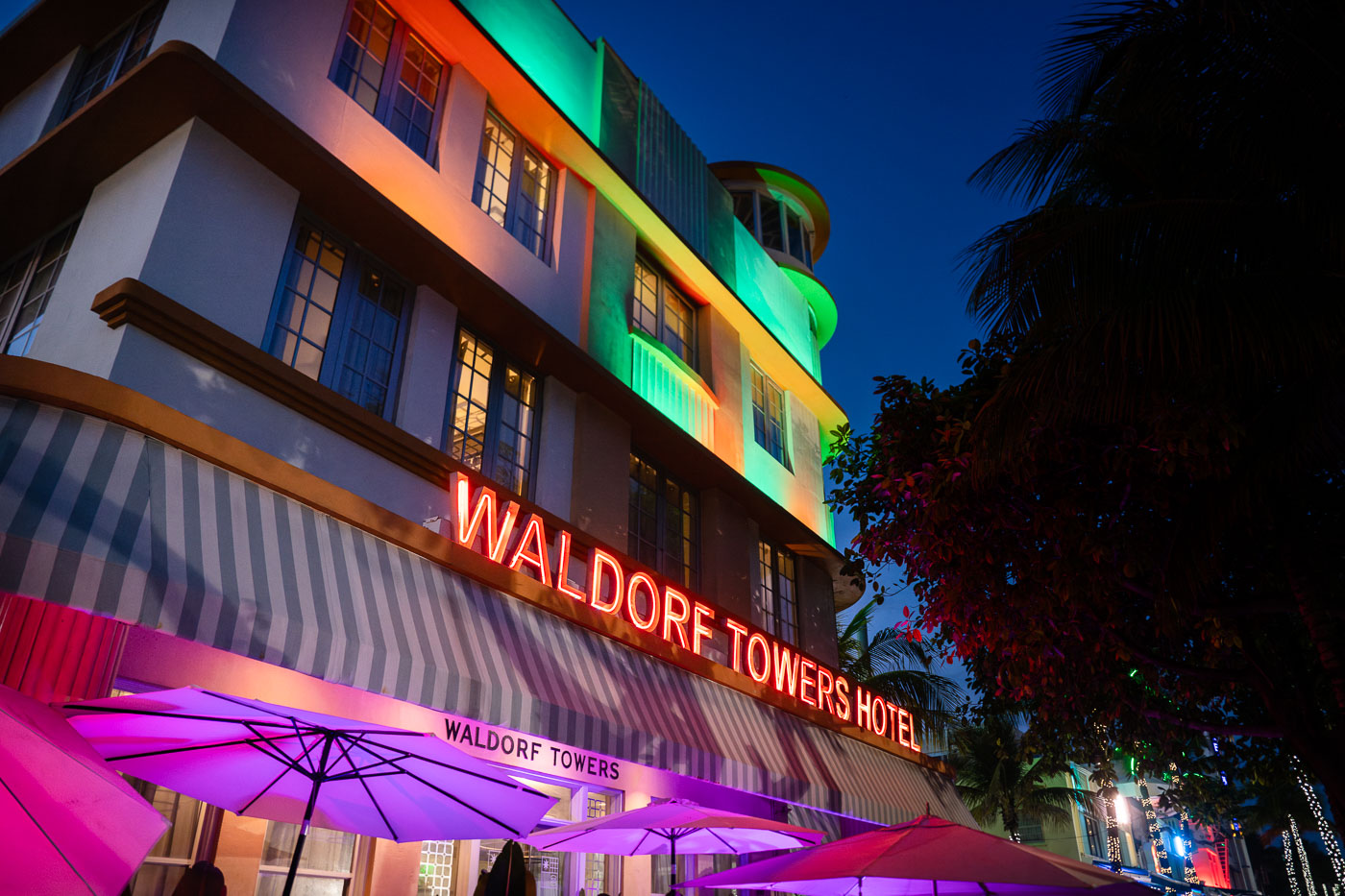
Waldorf Towers Hotel on Ocean Drive in Miami Beach lit with neon at dusk
The Waldorf Towers Hotel on Ocean Drive in Miami Beach, Florida, is illuminated with neon signage and colored exterior lighting at dusk. The Art Deco hotel is part of the Miami Beach Architectural District in South Beach, which preserves 1930s and 1940s beachfront architecture.

Waldorf Towers Hotel Lit Up at Dusk on Ocean Drive
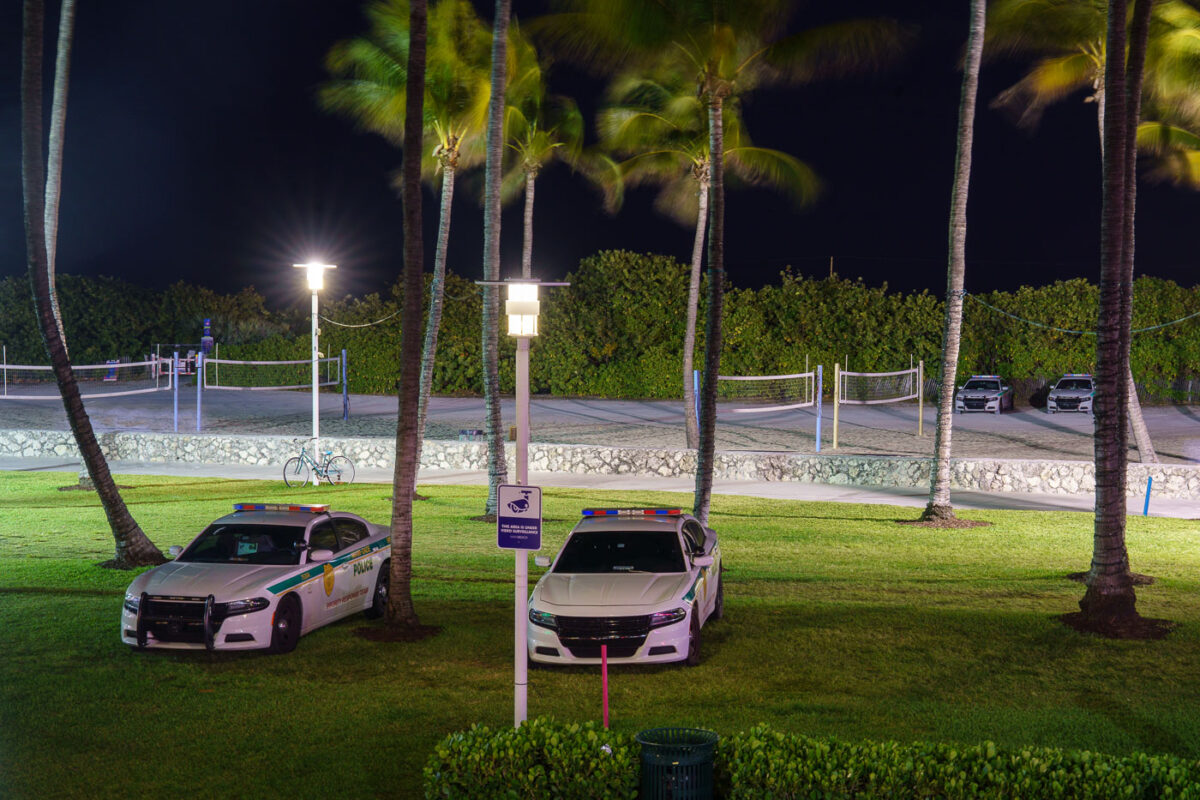
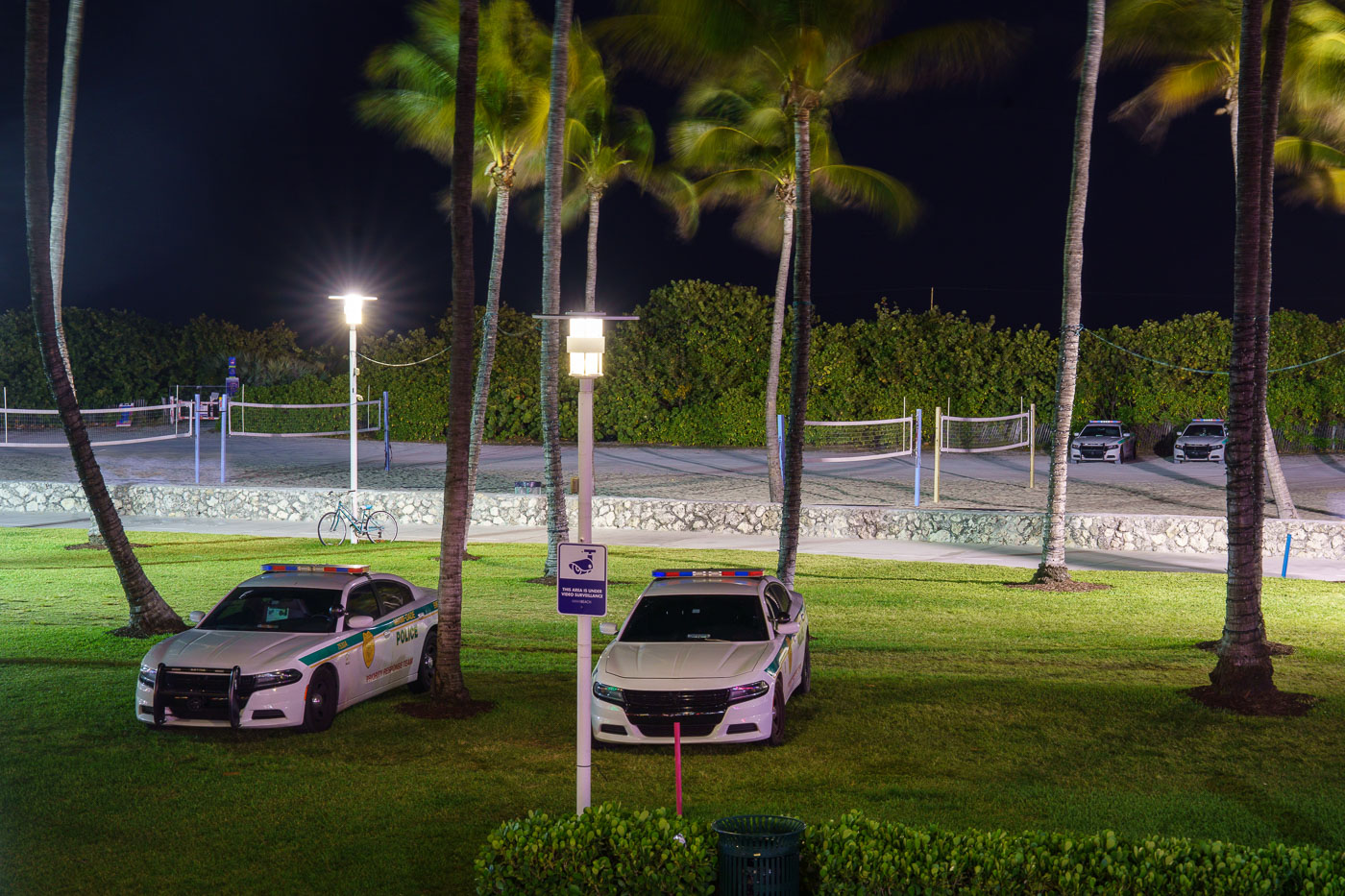
Miami Beach Police cars parked on the lawn at Lummus Park in South Beach, Miami Beach, Florida.
Miami Beach Police cars are parked on the lawn at Lummus Park in South Beach, Miami Beach, Florida. The vehicles are positioned near the beachfront promenade and volleyball courts along Ocean Drive during Spring Break in March 2025. Police presence increases in the area during Spring Break to manage traffic, alcohol enforcement, and crowd control.

Miami Beach Police Cars Near the Beach Volleyball Courts at Night
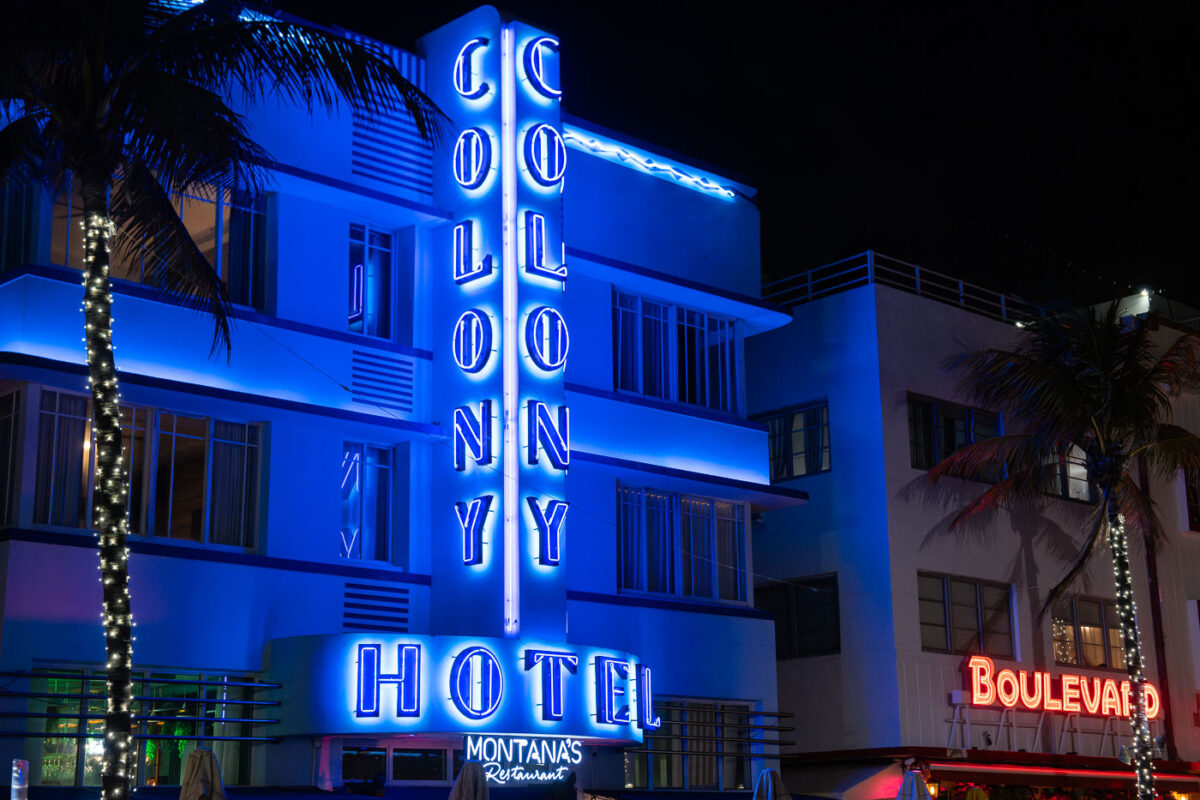
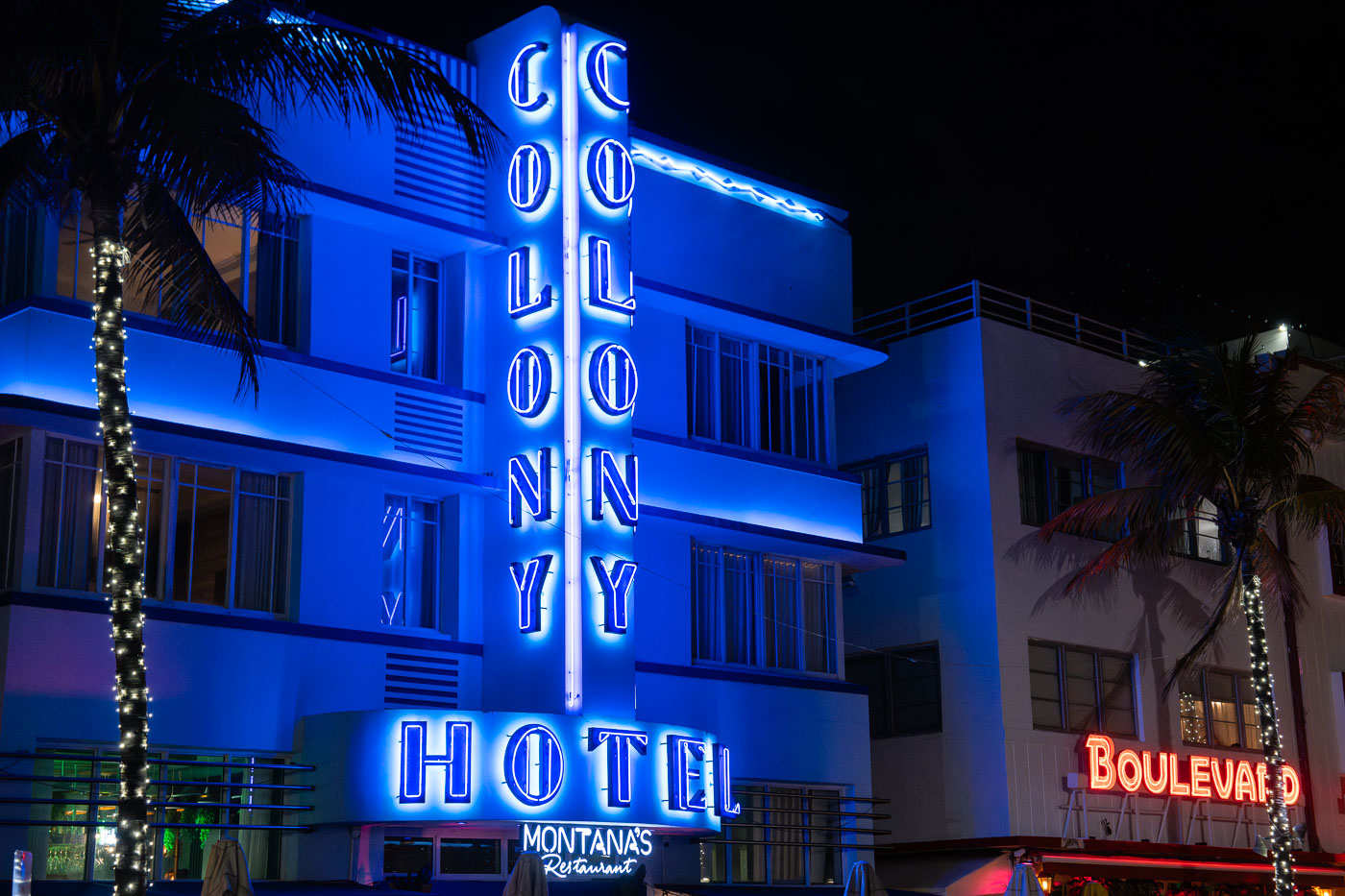
Colony Hotel on Ocean Drive in Miami Beach lit by a blue vertical neon sign at night
The Colony Hotel on Ocean Drive in South Beach, Miami Beach, Florida, is illuminated by a vertical blue neon sign at night. The Art Deco hotel is in the Miami Beach Architectural District, and the neighboring Boulevard Hotel sign is visible beside it.

Blue Neon Glow of the Colony Hotel on Ocean Drive
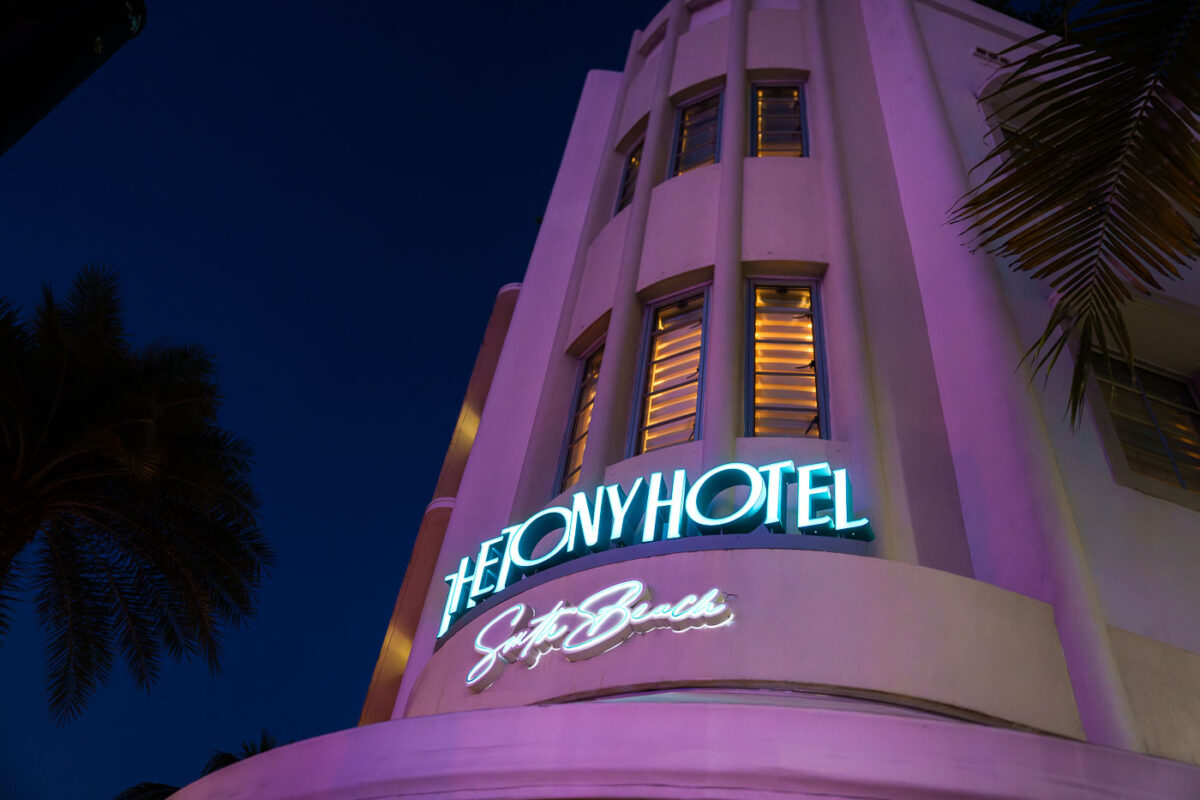
The Tony Hotel in South Beach, Miami Beach, with neon signage on Ocean Drive.
The Tony Hotel stands on Ocean Drive in South Beach, Miami Beach, Florida. The Art Deco hotel is part of the Miami Beach Architectural District and is identified by its neon signage at the building corner.

The Tony Hotel at Night on Ocean Drive
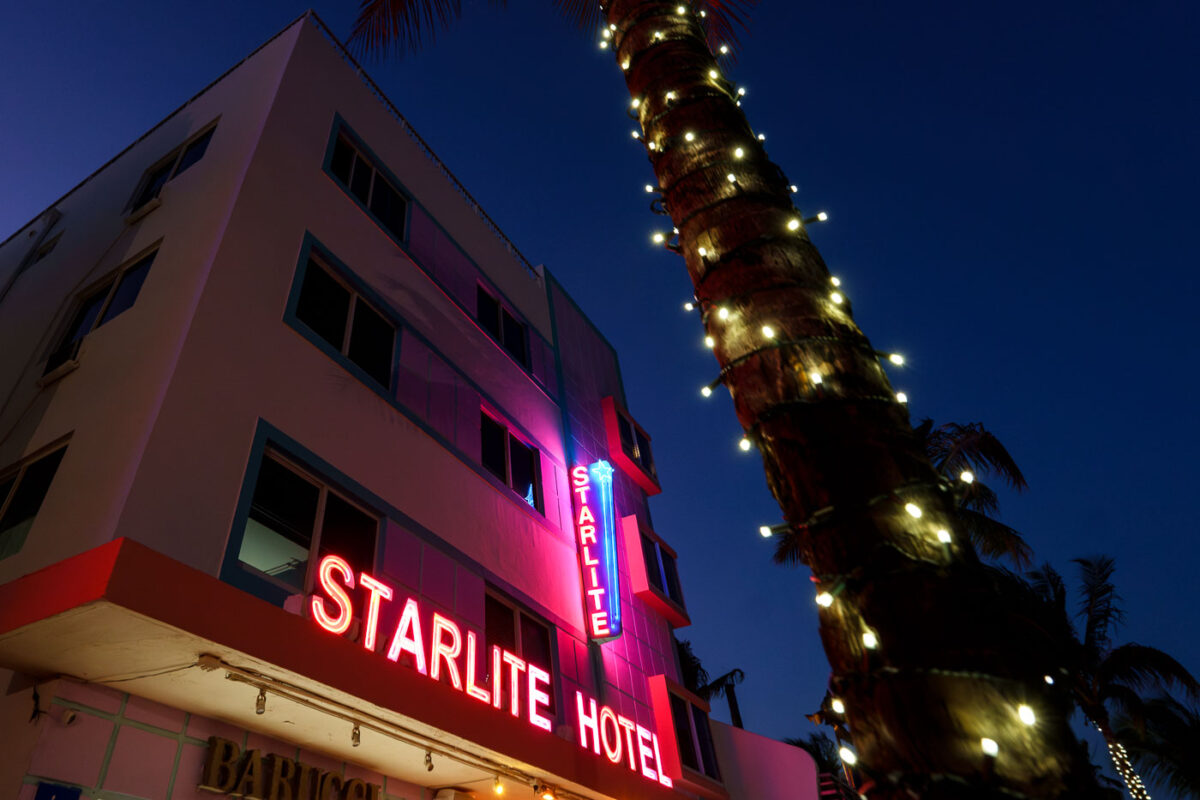
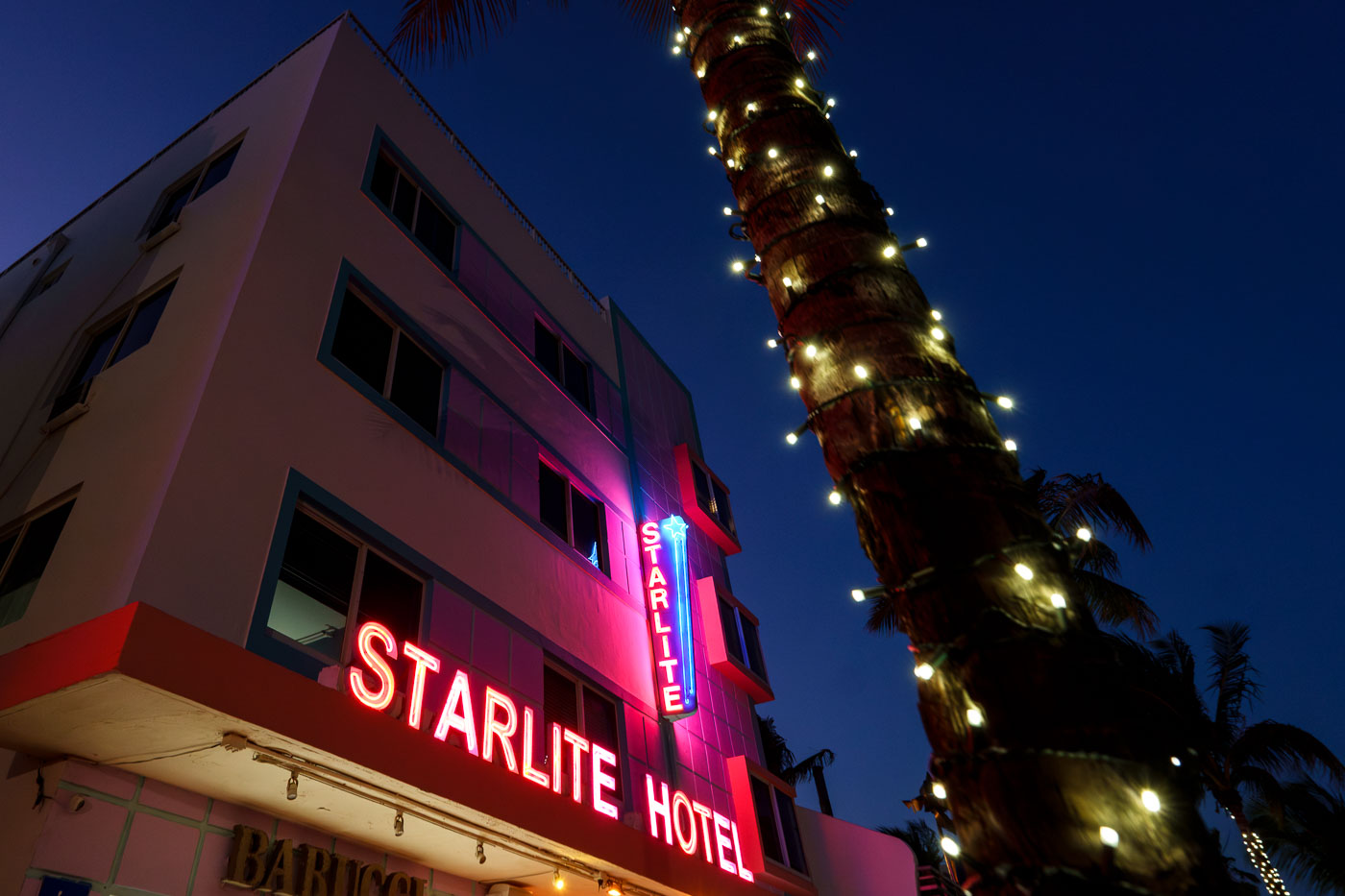
Starlite Hotel neon facade in Miami Beach with a lit palm tree in the foreground.
The Starlite Hotel in South Beach, Miami Beach, Florida, is illuminated at dusk with its neon hotel signage visible along the facade. The Art Deco-era property stands on the Ocean Drive streetscape, which is known for its historic hotels and nightlife-oriented businesses.

Starlite Hotel Sign Glowing at Dusk on Ocean Drive
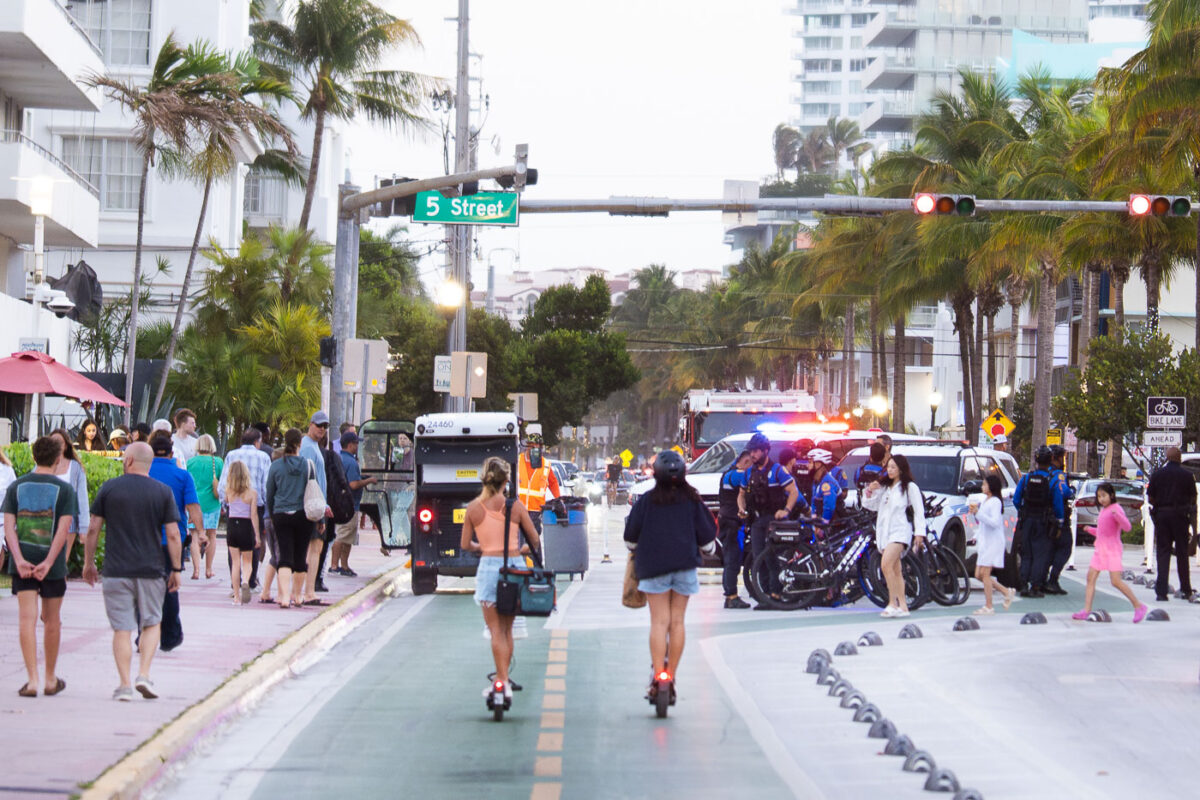
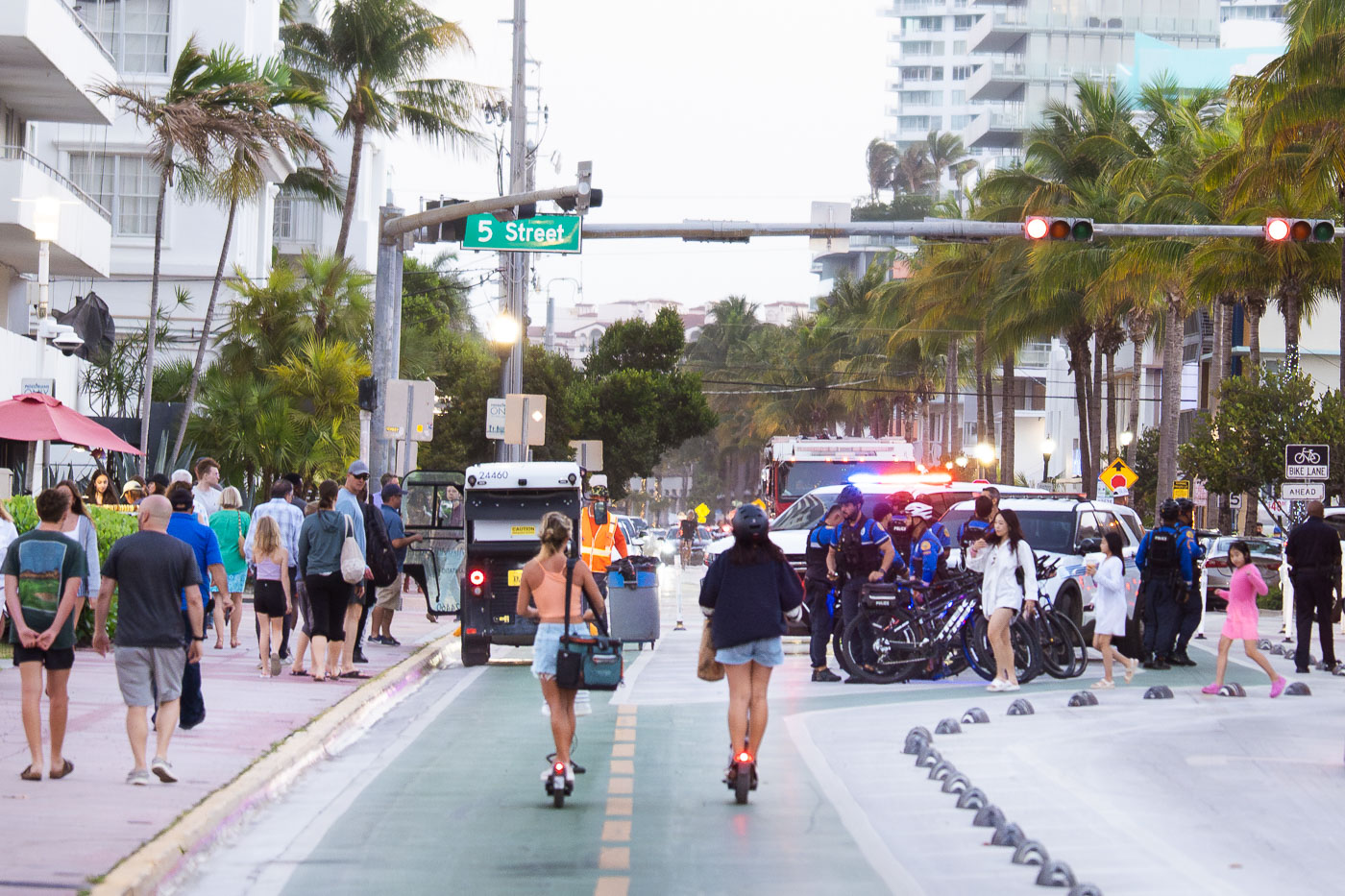
Miami Beach police manage scooter riders at 5 Street in South Beach during Spring Break.
Miami Beach police officers manage traffic and scooter riders at 5 Street in South Beach on March 15, 2025. The protected bike lane and roadway carry beach traffic past hotels and restaurants near the southern end of Miami Beach. Police were directing traffic in the area during Spring Break.

Police Gather Near Scooter Riders at 5 Street, Miami Beach
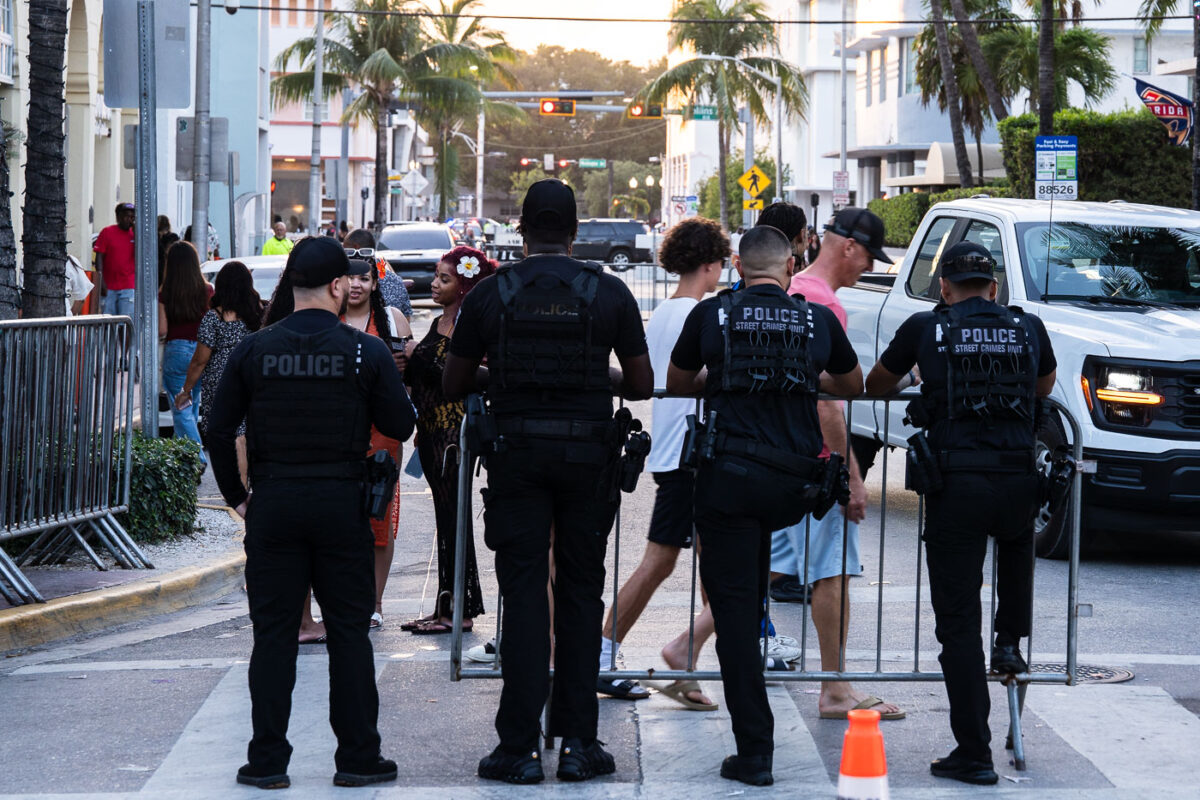
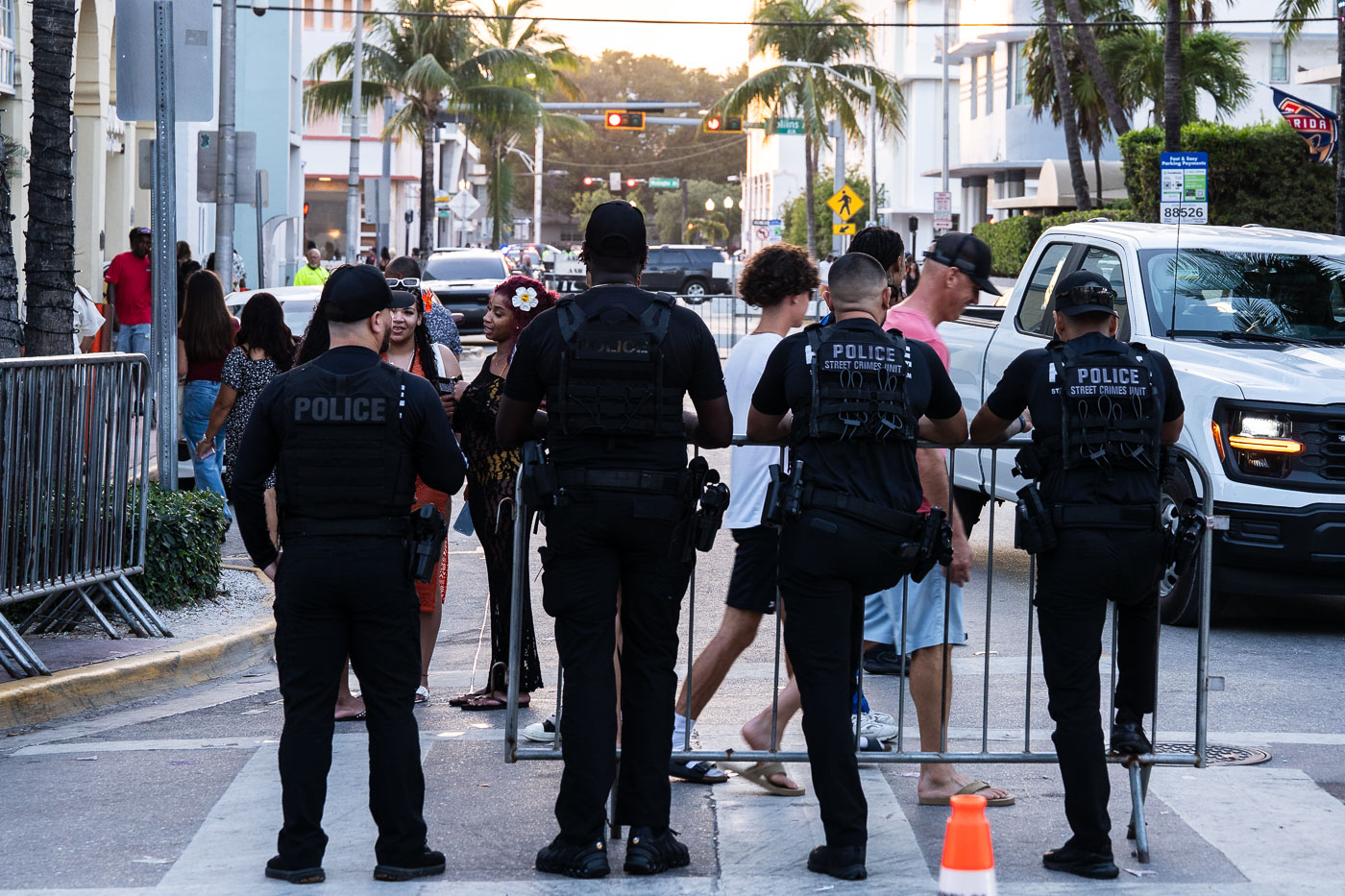
South Beach police officers manage a barricade checkpoint on Collins Avenue in Miami Beach during Spring Break 2025
South Beach police officers control a pedestrian barricade on Collins Avenue in Miami Beach during Spring Break 2025. The temporary checkpoint limits access while officers monitor pedestrians and vehicles near the intersection.

Police Officers Hold a Barricade Line on Collins Avenue During Spring Break
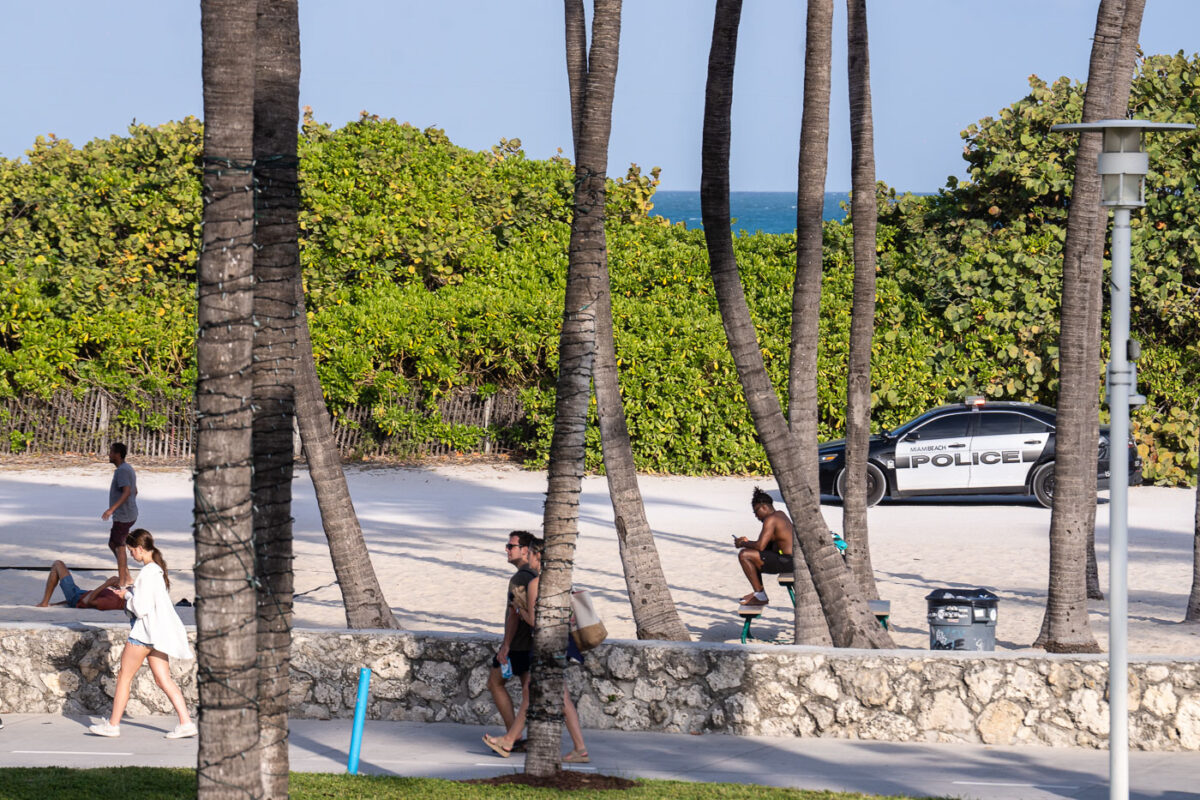
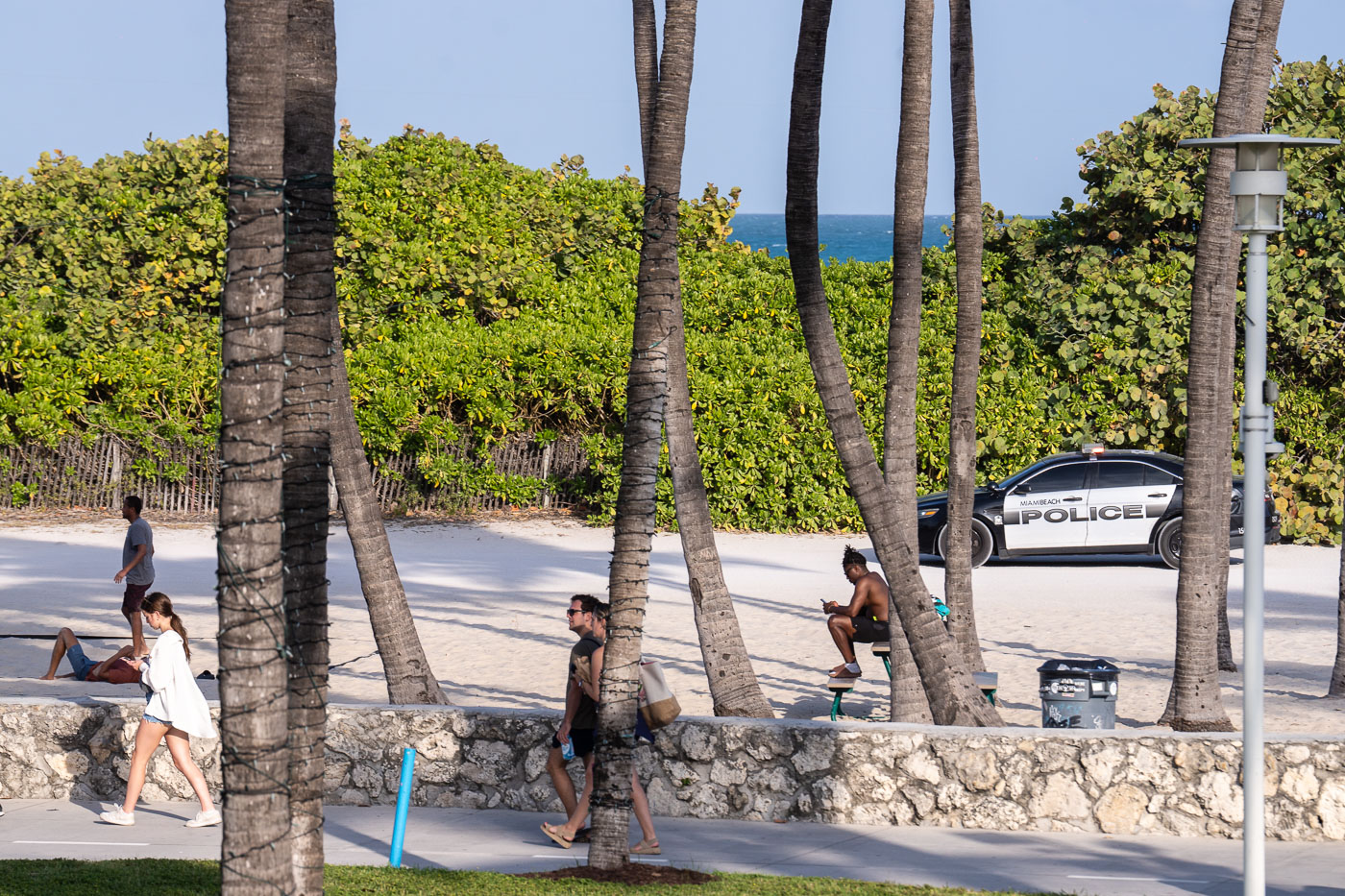
Miami Beach Police patrol car parked near the South Beach beachwalk in Miami Beach, Florida
A Miami Beach Police patrol car is parked near the beachwalk in South Beach, Miami Beach, Florida. Pedestrians and beachgoers use the adjacent path and sand area during spring break.

Miami Beach Police Car Parked Near Lummus Park Beachwalk
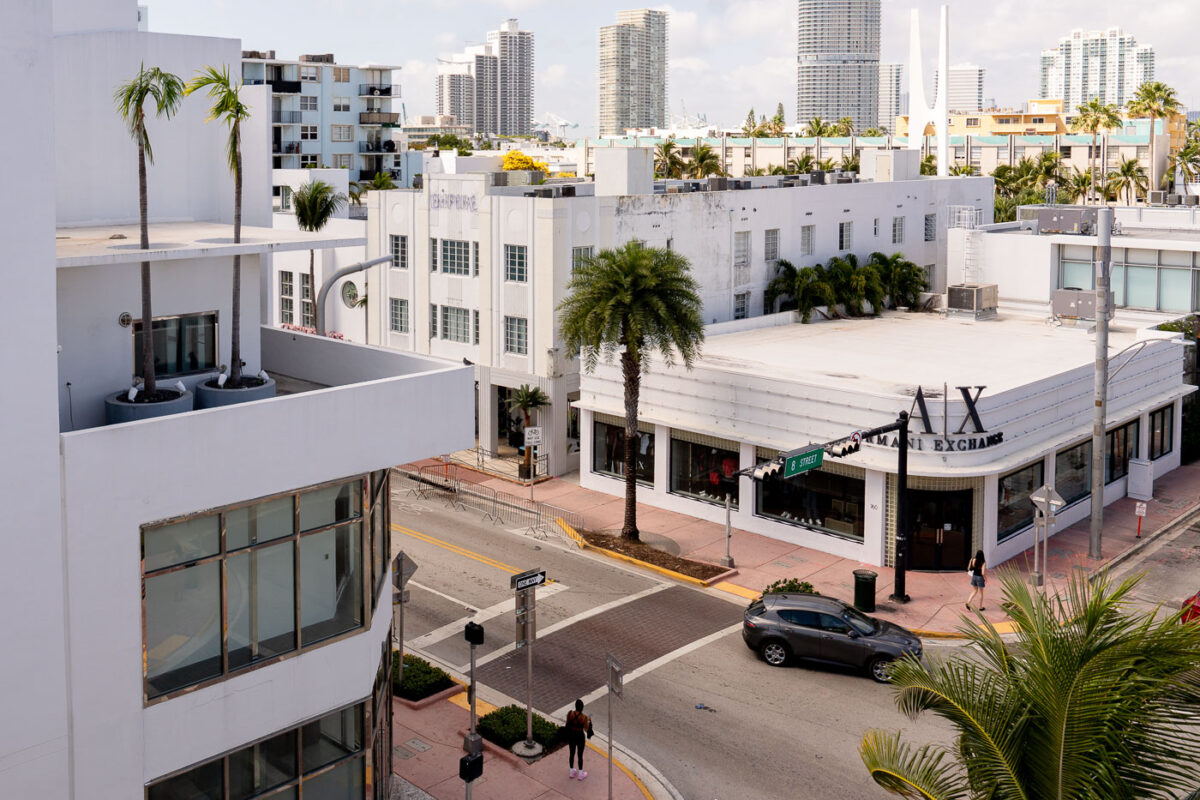
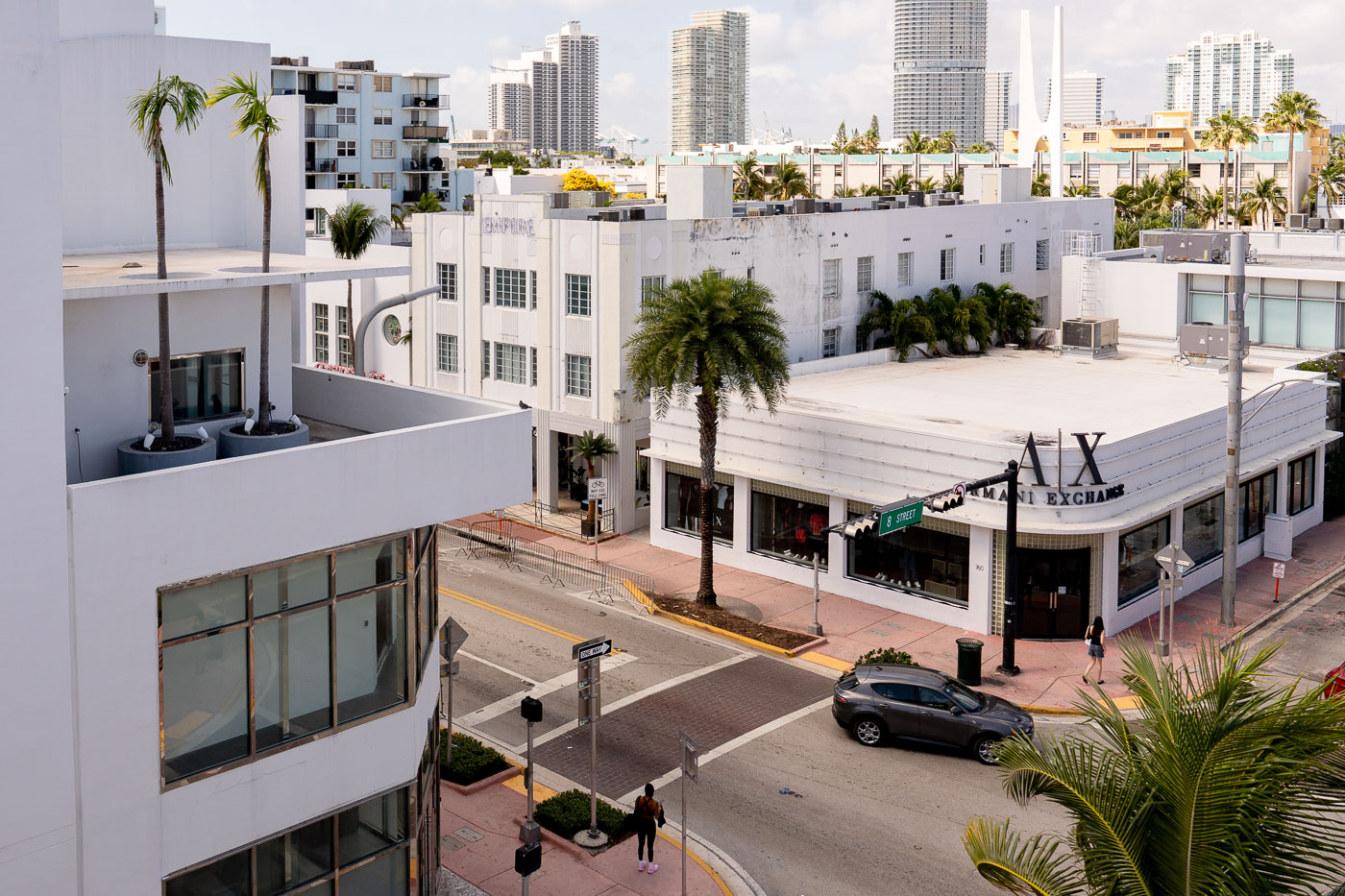
Armani Exchange corner building at Collins Avenue and 8th Street in Miami Beach
Armani Exchange occupies a corner building at Collins Avenue and 8th Street in South Beach, Miami Beach. The storefront sits within the Miami Beach Architectural District, surrounded by Art Deco and Moderne-era buildings and newer high-rise towers inland.

Aerial View of Armani Exchange at Collins Avenue and 8th Street
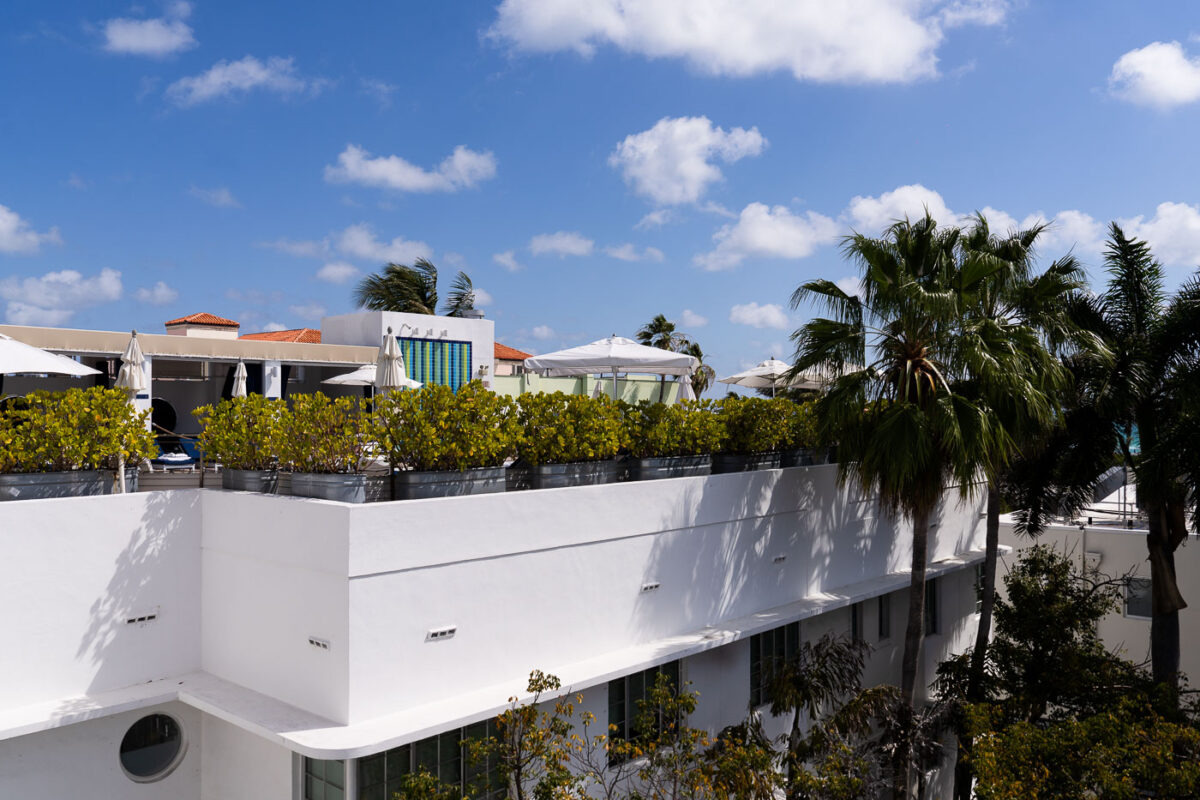
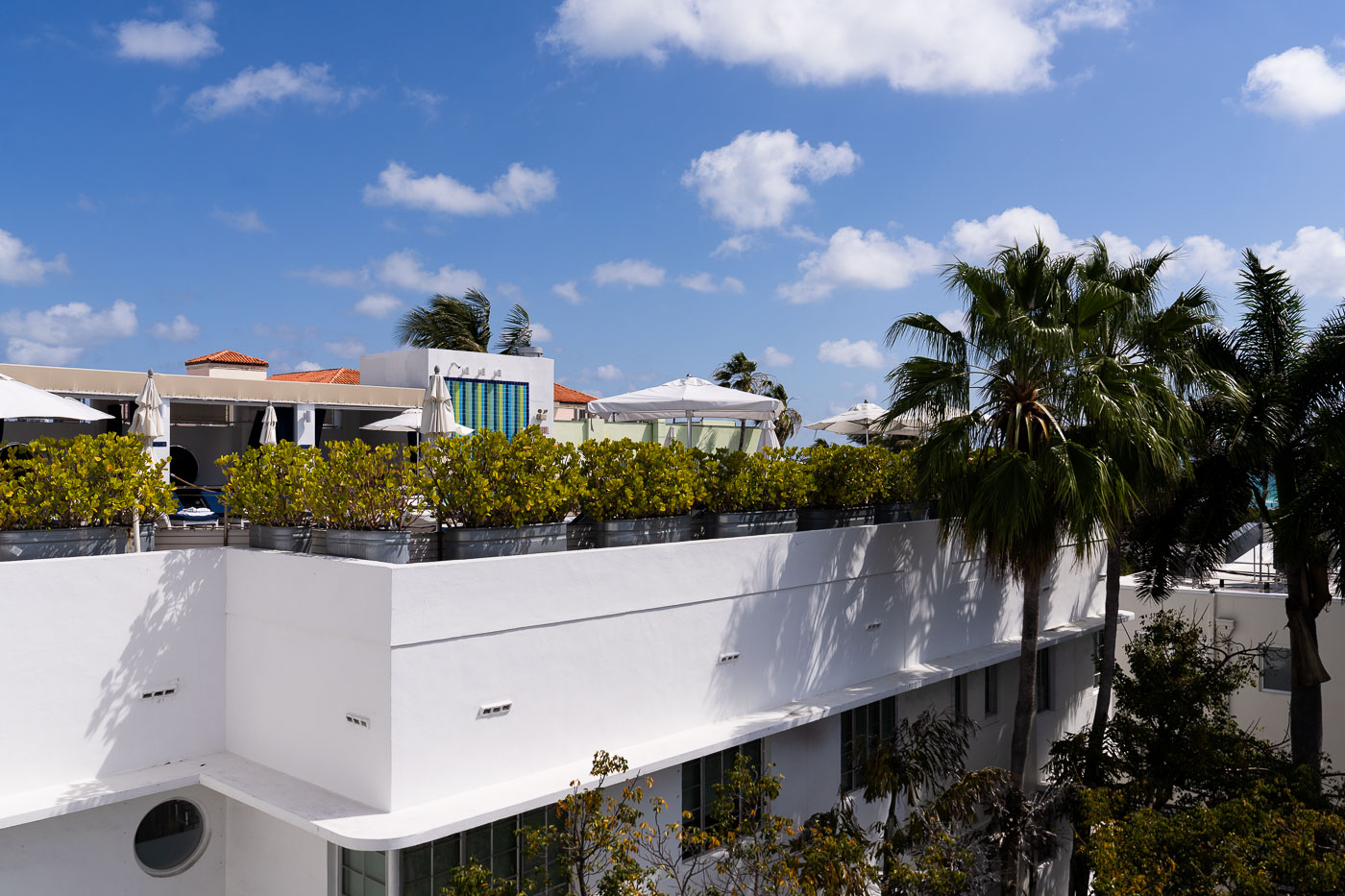
The Tony Hotel rooftop pool deck in Miami Beach with umbrellas, cabanas, and palm trees.
The Tony Hotel rooftop pool deck in South Beach, Miami Beach, Florida, sits atop a white stucco hotel building. The rooftop area has umbrellas, cabanas, planters, and palms along the perimeter.

Rooftop Garden at The Tony Hotel in South Beach
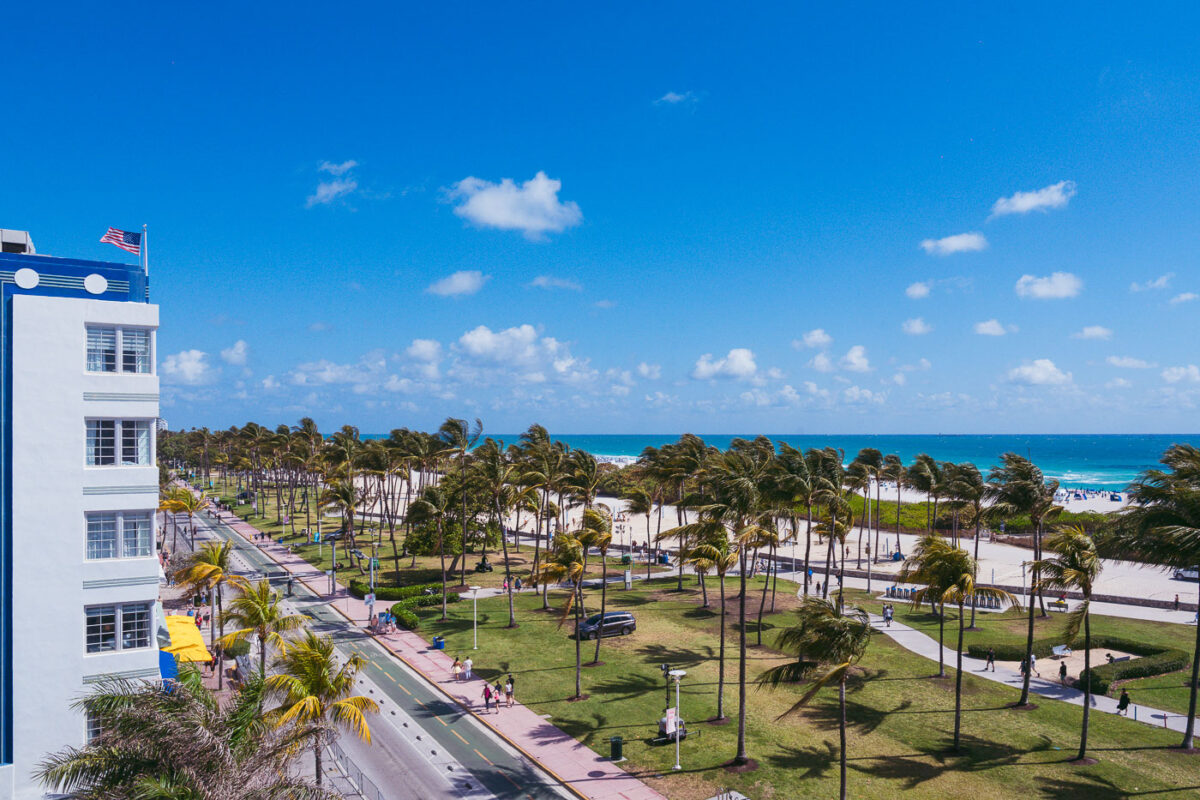
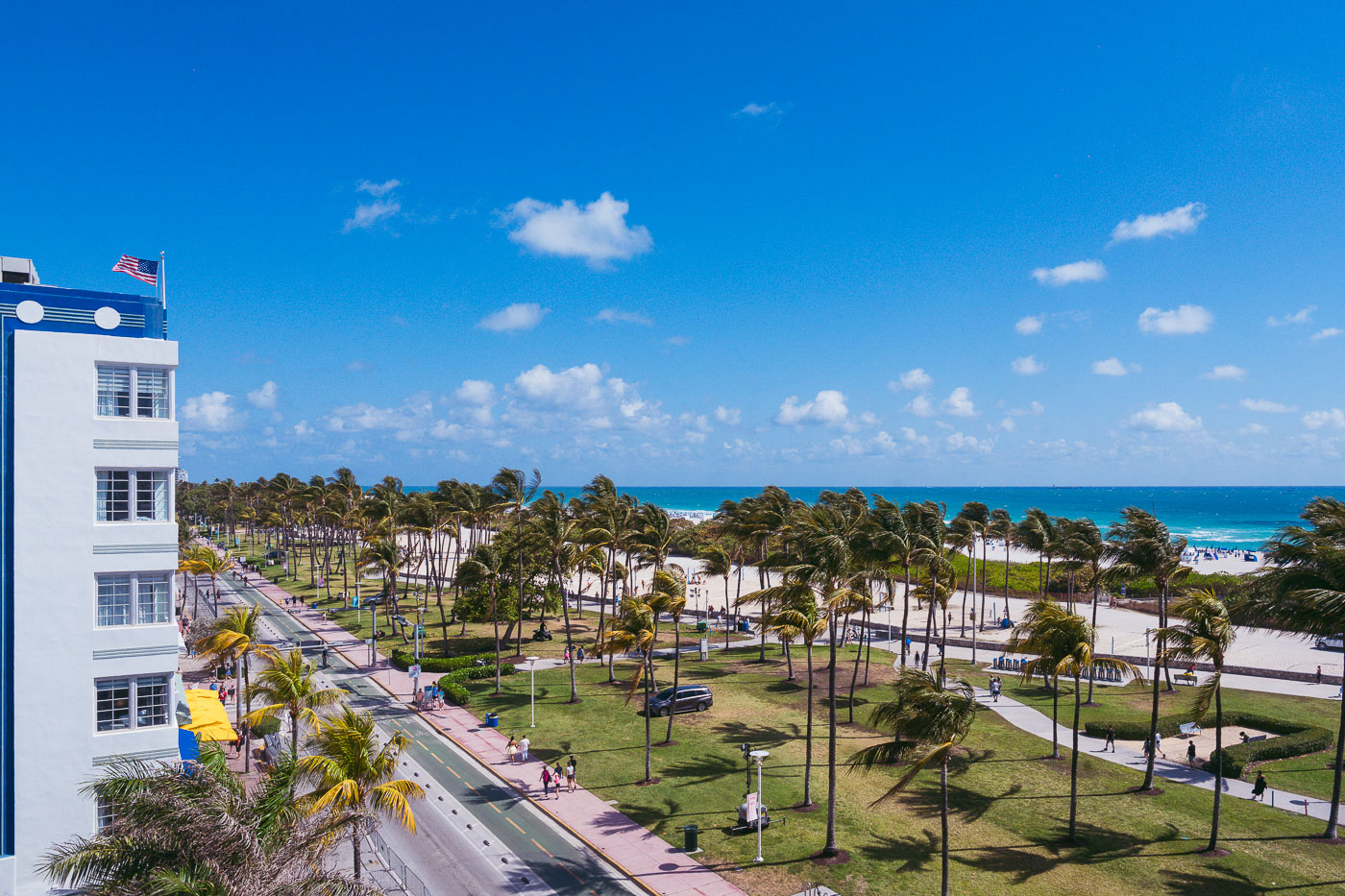
Ocean Drive and Lummus Park in Miami Beach beside the Atlantic shoreline.
Ocean Drive and Lummus Park in South Beach, Miami Beach, Florida, border the Atlantic shoreline. The roadway runs along the eastern edge of the Miami Beach Architectural District, which includes many Art Deco hotels and apartments from the 1930s and 1940s. The area is a major pedestrian and beach destination, with paths, palm trees, and shoreline access along the park.

Aerial View of Ocean Drive Along Lummus Park, Miami Beach
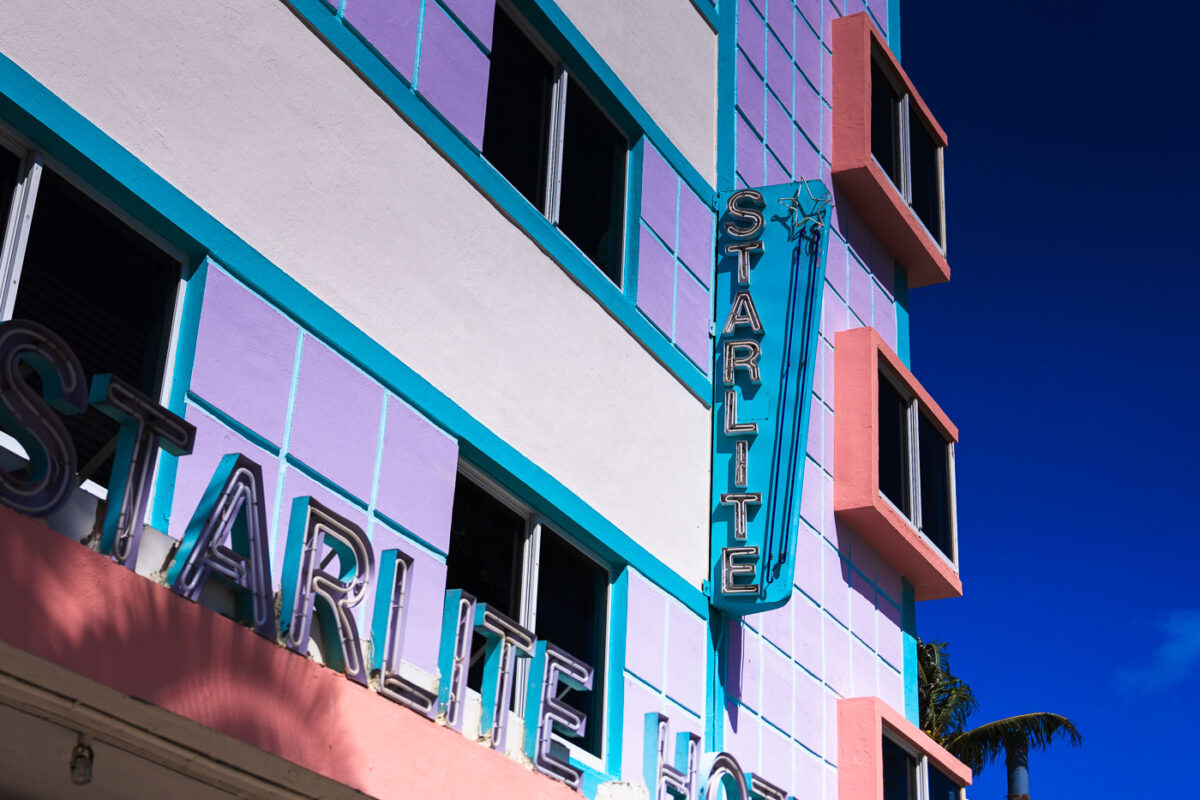
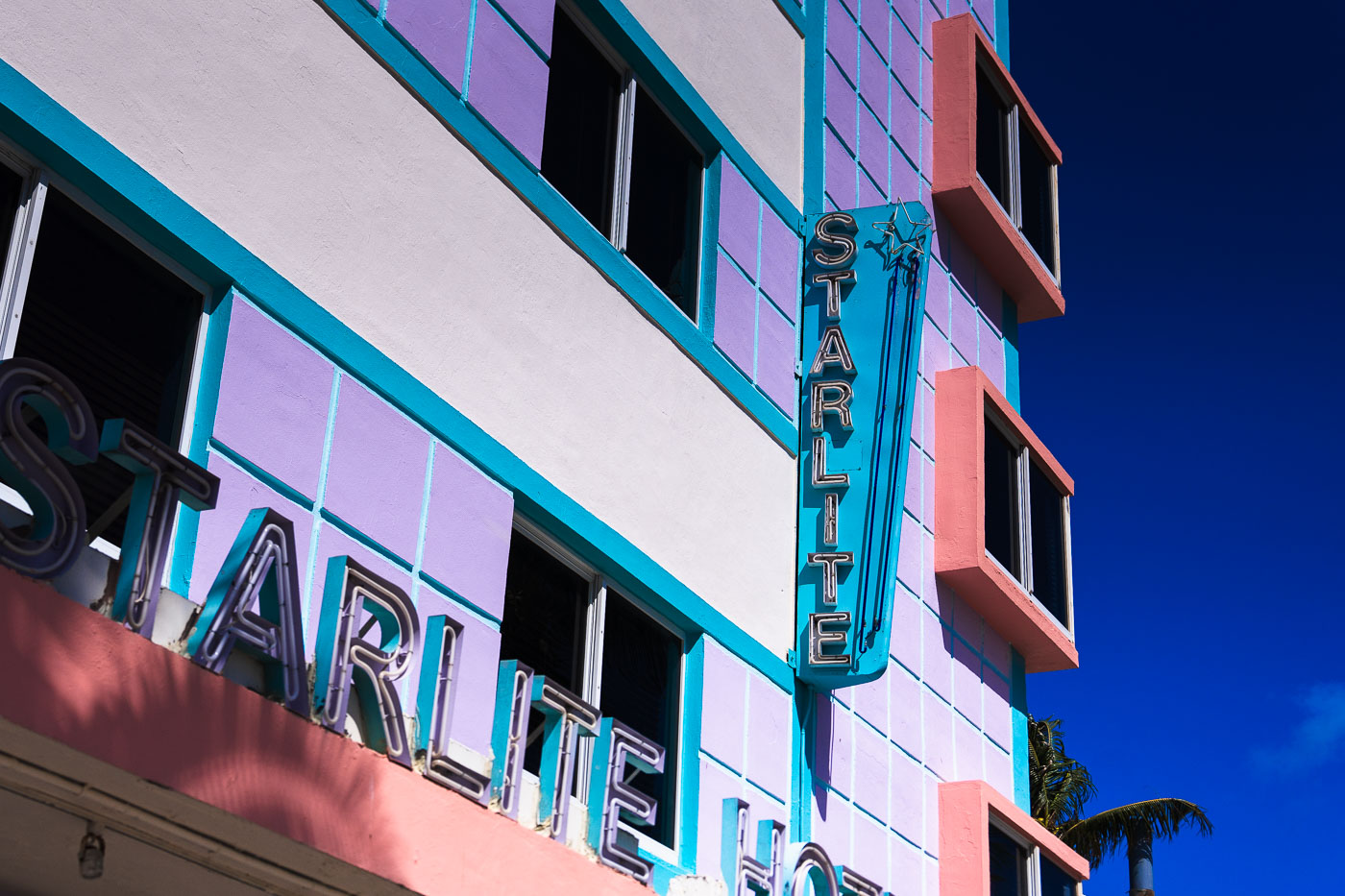
Starlite Hotel vertical neon sign on an Art Deco facade in Miami Beach.
The Starlite Hotel in Miami Beach, Florida, features a vertical neon sign on its Art Deco facade. The hotel is in South Beach, within the Miami Beach Architectural District, where many 1930s and 1940s resort buildings remain.

Art Deco Facade of the Starlite Hotel on Ocean Drive
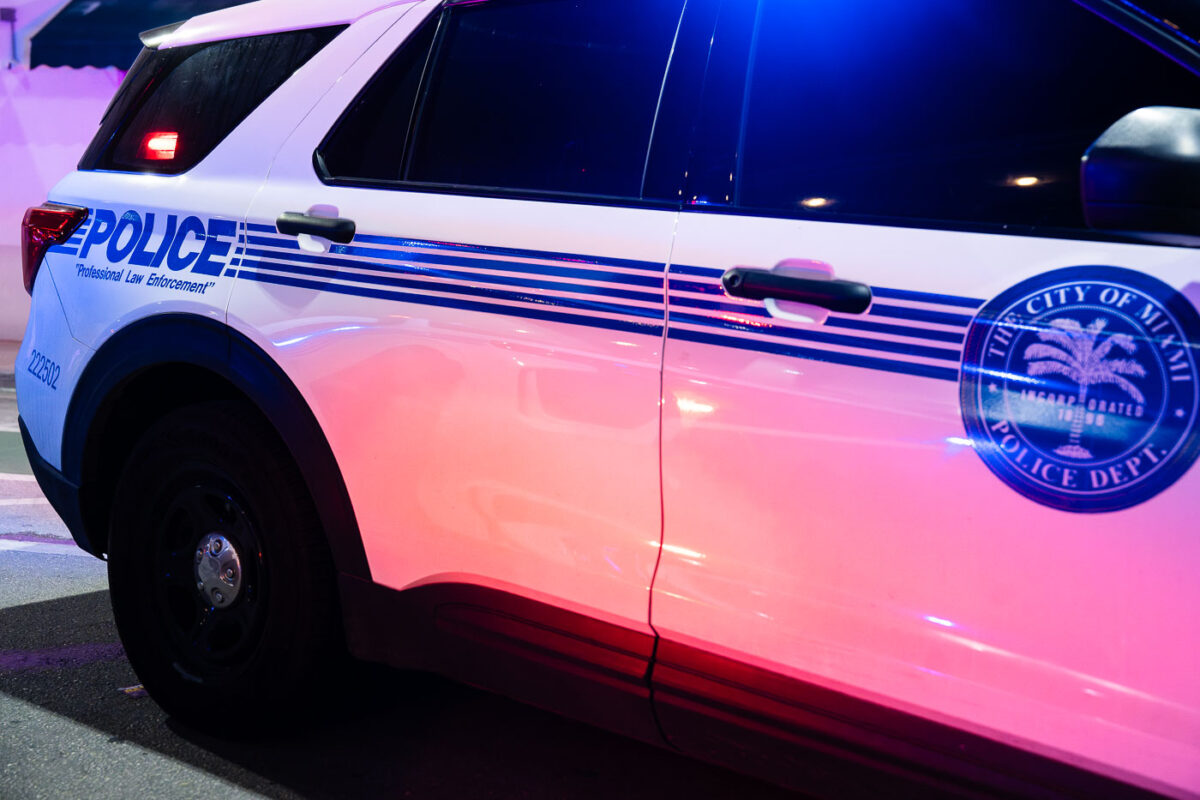
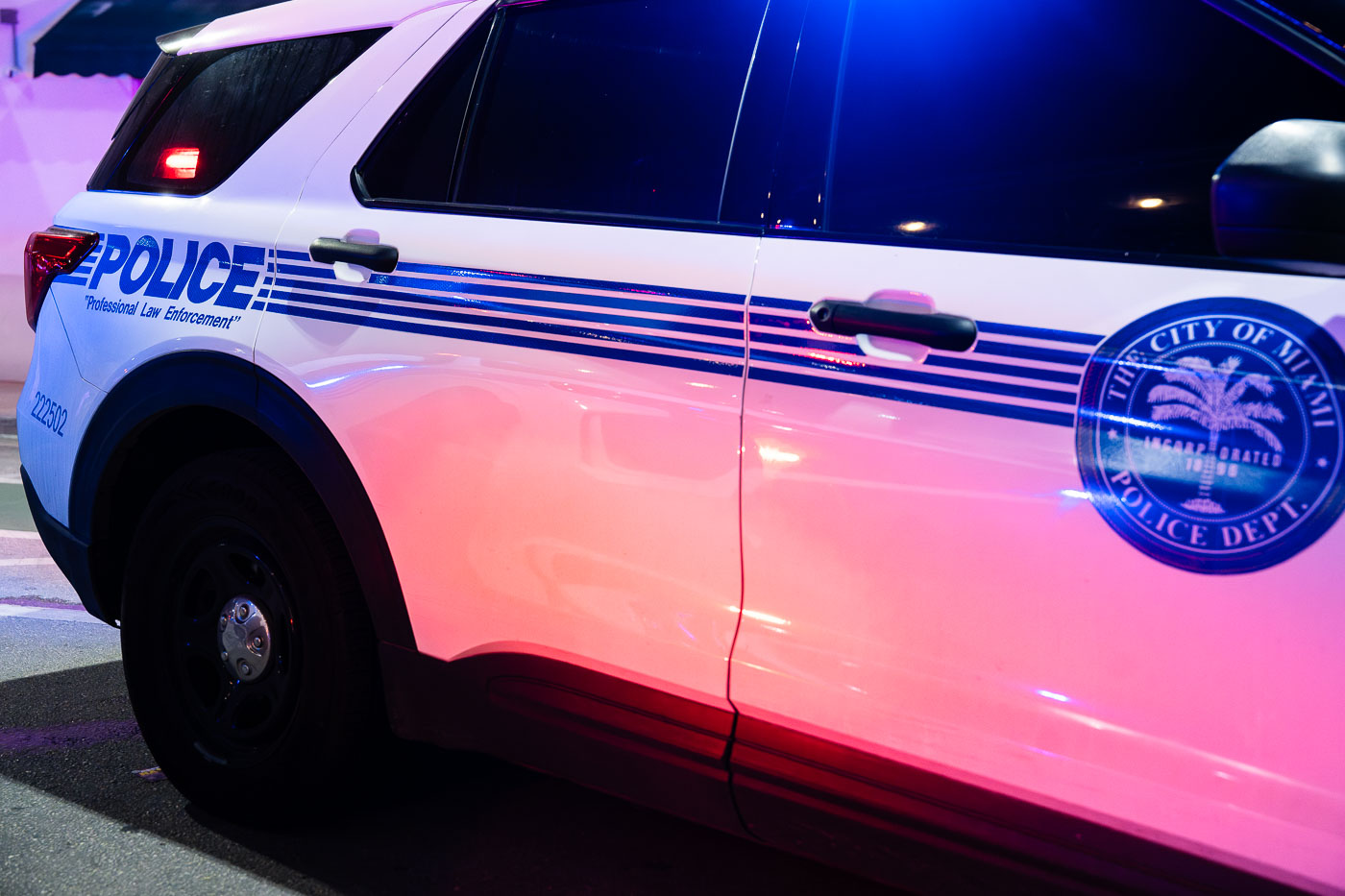
Miami Beach police SUV parked at night with City of Miami markings.
A City of Miami Police Department sport-utility patrol vehicle is parked in Miami Beach, Florida, at night. The marked SUV carries the department seal and patrol livery used for routine enforcement and event security. The date places the vehicle in South Beach during the March 2025 spring break period.

City of Miami Police SUV Door Seal at Night
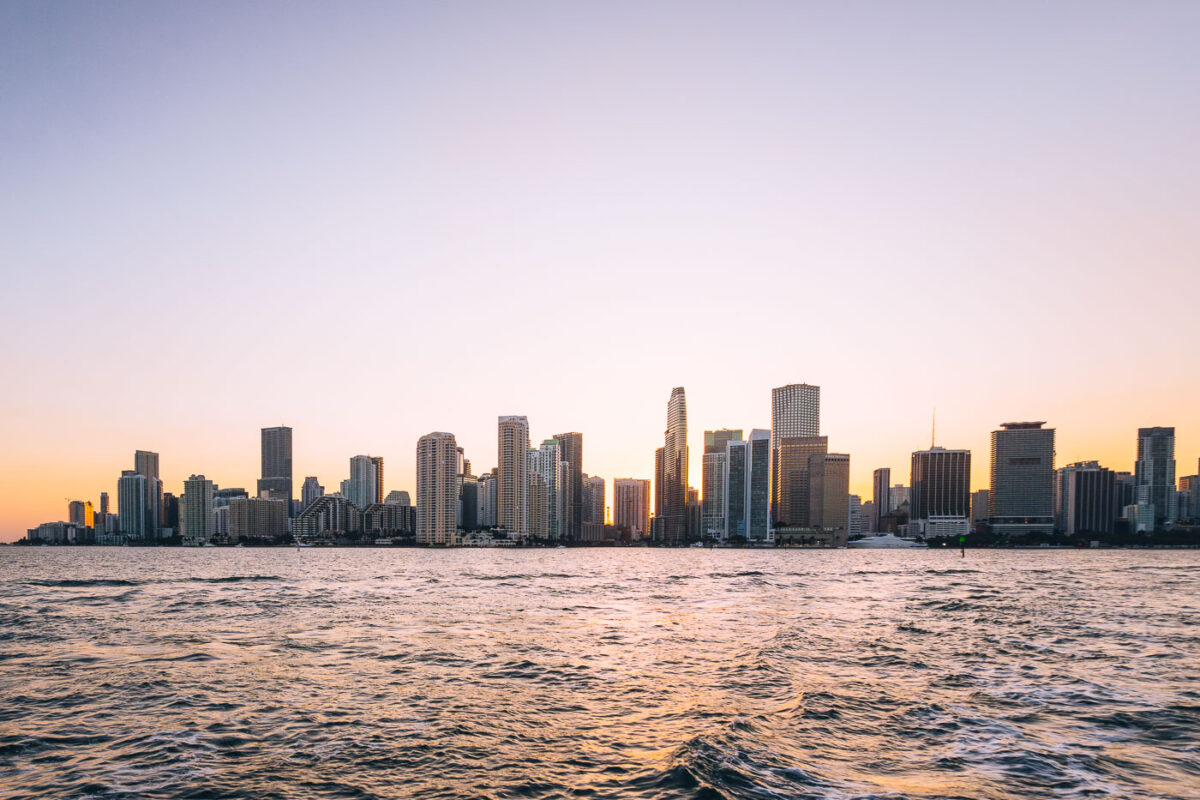
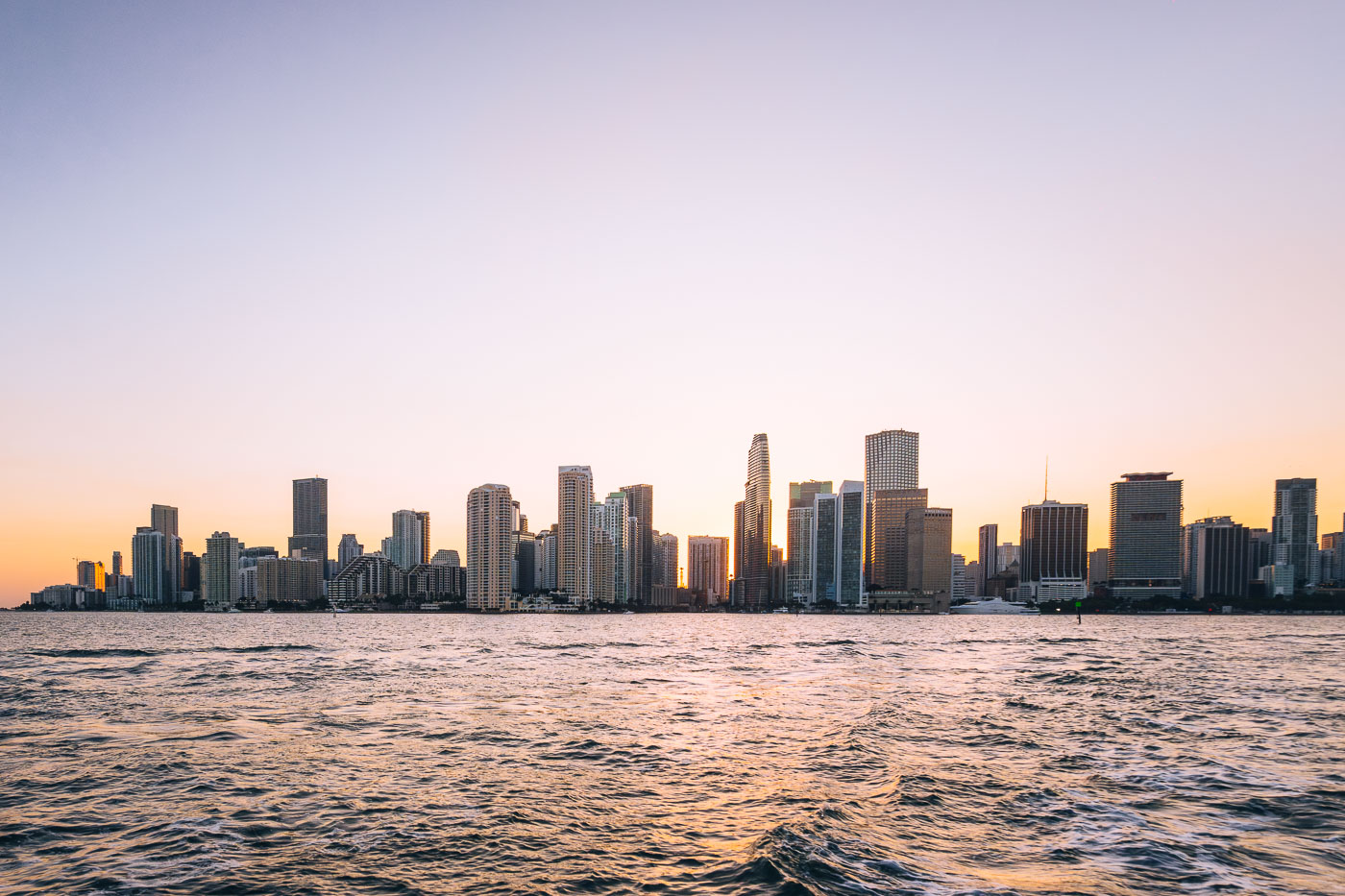
Downtown Miami skyline across Biscayne Bay at sunset.
Downtown Miami, Florida, rises along Biscayne Bay at sunset. Office towers and condominium high-rises line the bayfront skyline, with the waterway marking the eastern edge of the downtown core. Biscayne Bay separates downtown Miami from Miami Beach and the barrier islands.

Miami Skyline Seen From the Water at Dusk
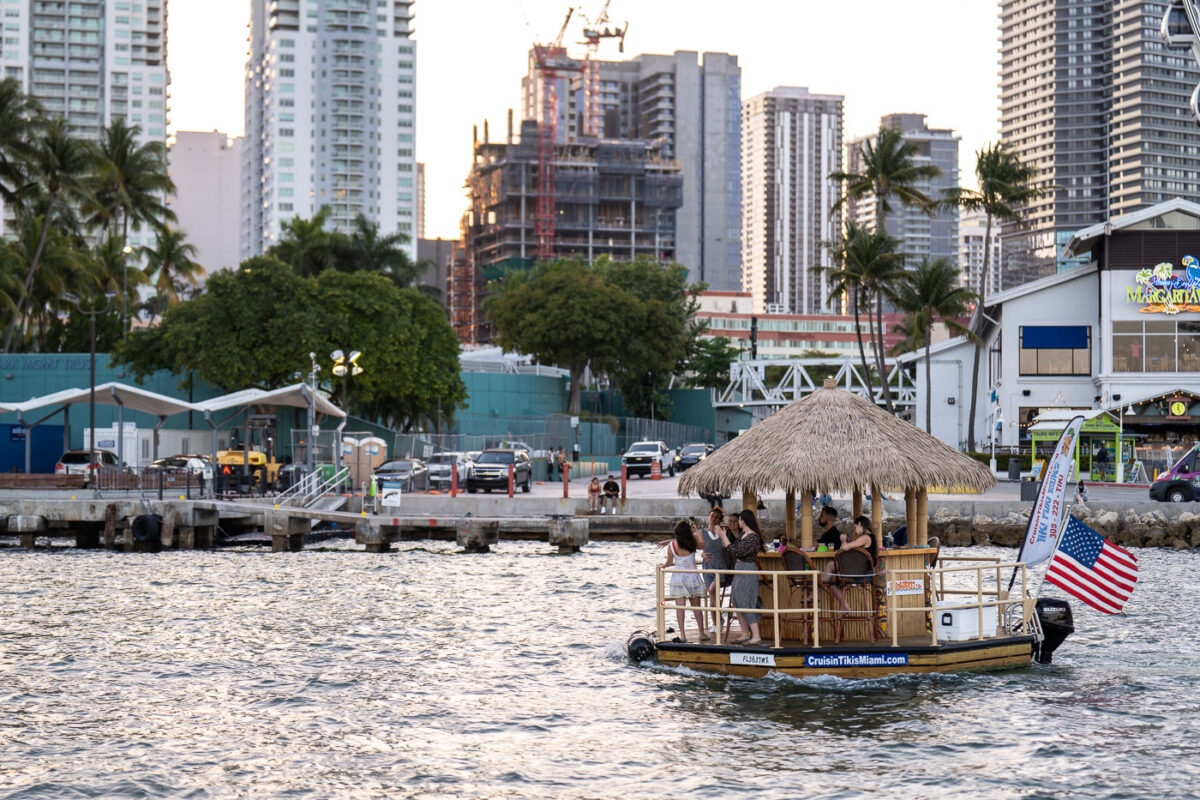
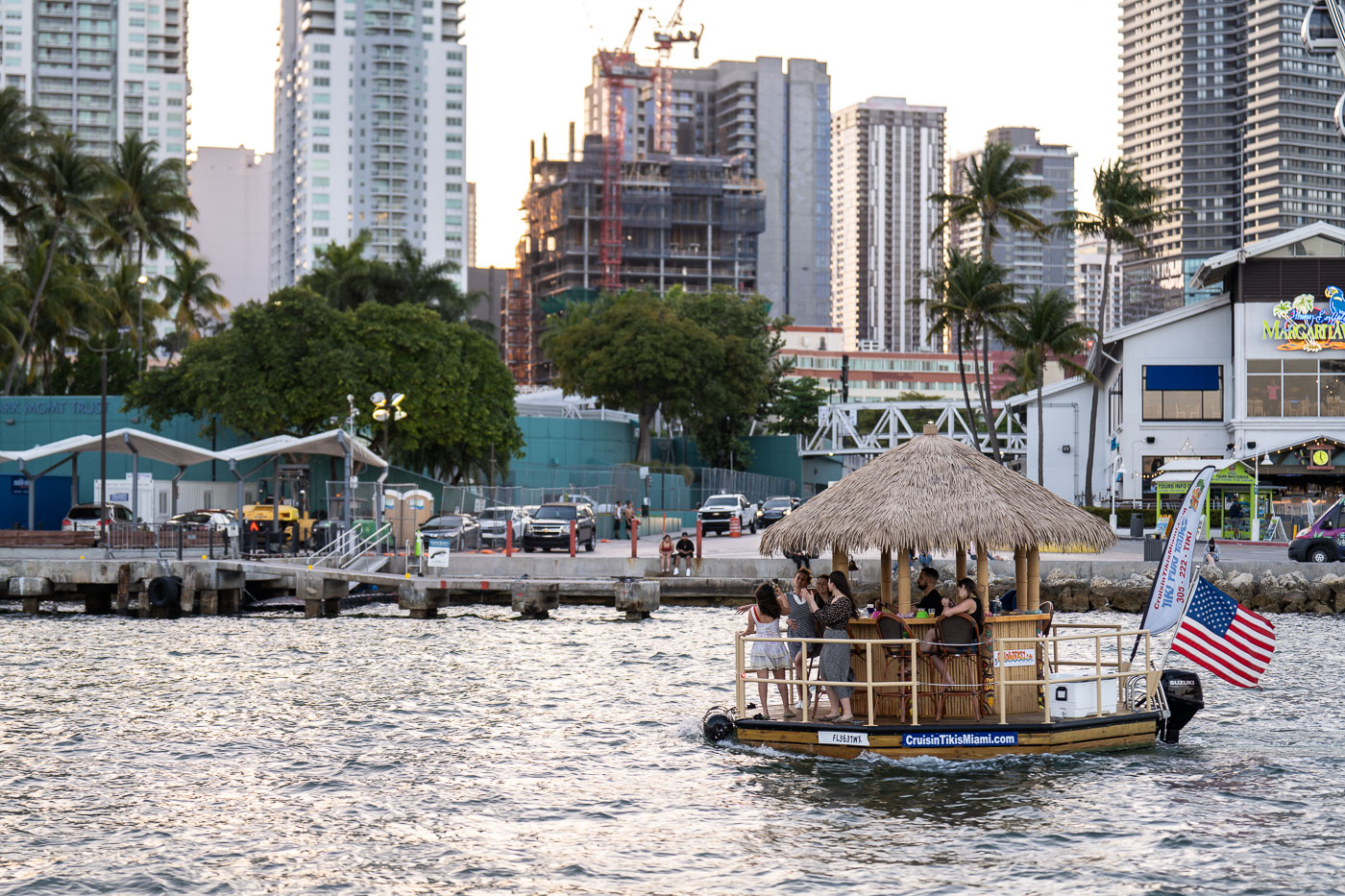
Cruisin Tikis charter boat on Biscayne Bay in Miami with downtown high-rises behind it.
A Cruisin Tikis charter boat operates on Biscayne Bay in Miami, Florida. The pontoon-style vessel has a thatched roof, bar seating, and an outboard motor, and carries passengers on private outings. Downtown waterfront high-rises and construction form the backdrop.

Tiki Boat Cruise Near Downtown Miami’s Biscayne Bay Waterfront

Hansa Horneburg at PortMiami with ship-to-shore cranes and stacked containers
The container ship Hansa Horneburg is berthed at PortMiami in Miami, Florida. Ship-to-shore cranes and stacks of shipping containers line the cargo terminal on Dodge Island in Biscayne Bay.

Hansa Horneburg Docked at PortMiami During Evening Loading
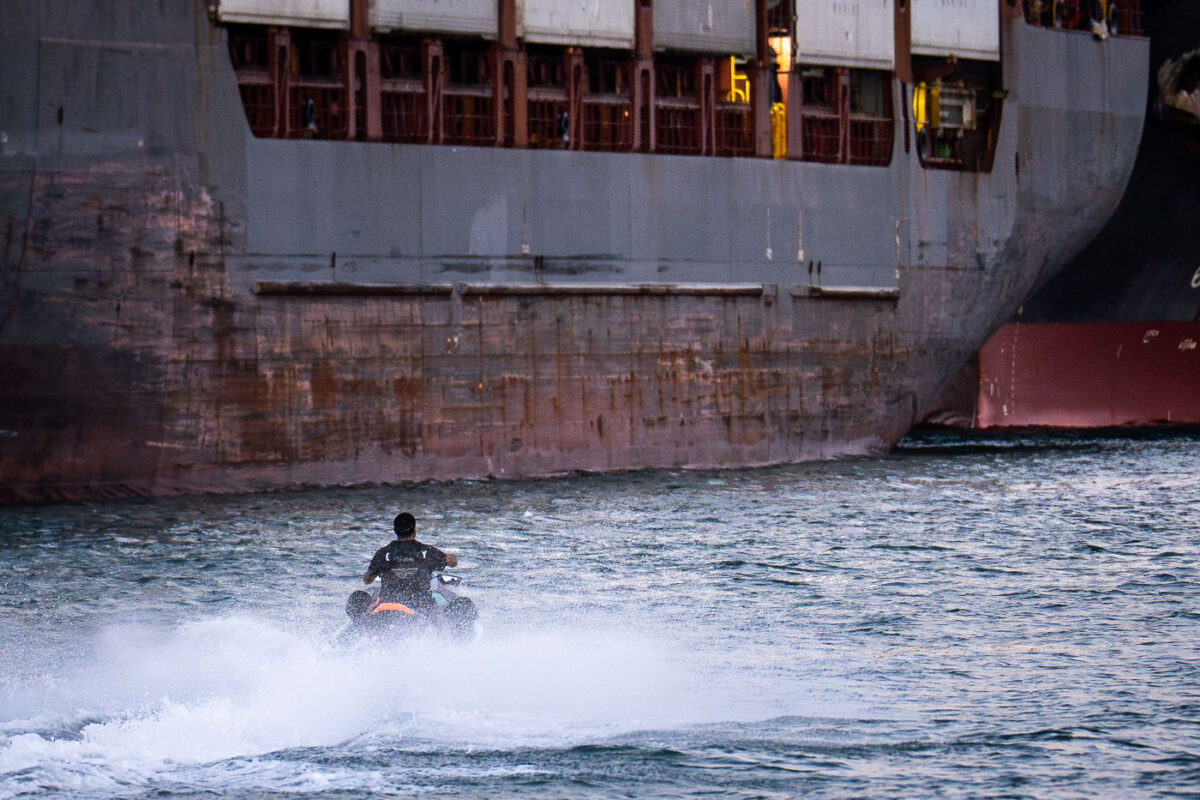
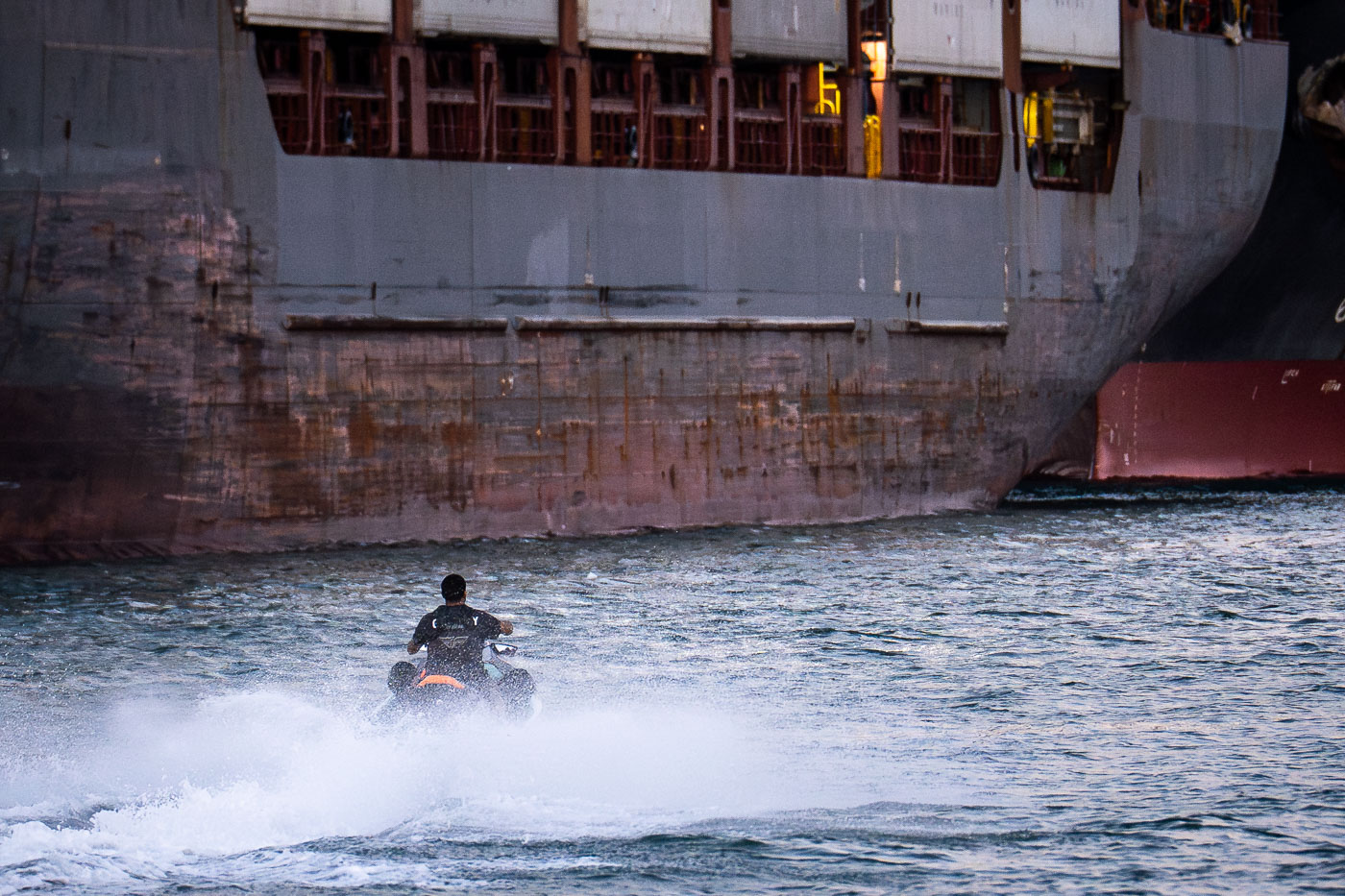
Jet ski passes a container ship at PortMiami in Miami, Florida
A jet ski passes a container ship at PortMiami on Dodge Island in Miami, Florida. The cargo vessel is berthed in the port’s shipping channel, where container operations share space with one of South Florida’s busiest maritime gateways.

Jet Ski Crossing the Wake of a Container Ship at PortMiami

Container ship at PortMiami in Miami beside gantry cranes and cargo containers
A container ship is docked at PortMiami in Miami, Florida, alongside ship-to-shore gantry cranes and stacked cargo containers. The port on Dodge Island handles container shipping and cruise traffic.

Gantry Cranes Loading a Container Ship at PortMiami
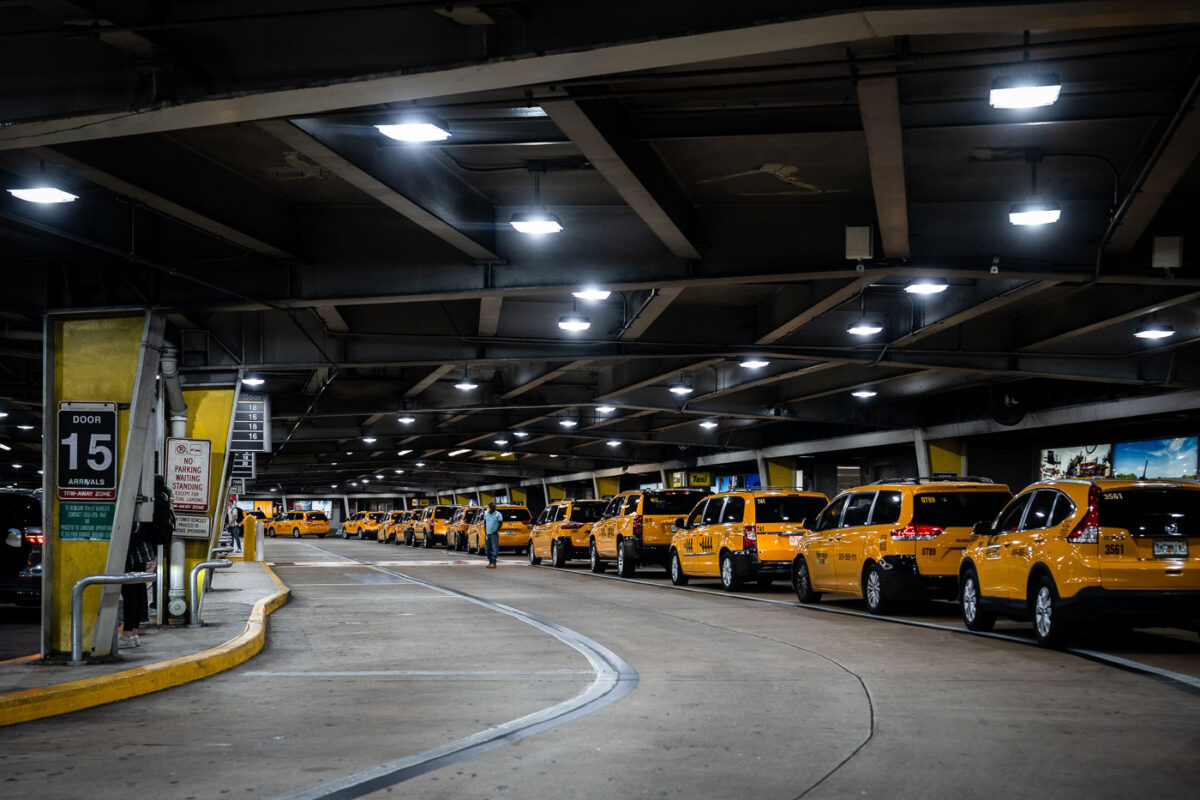
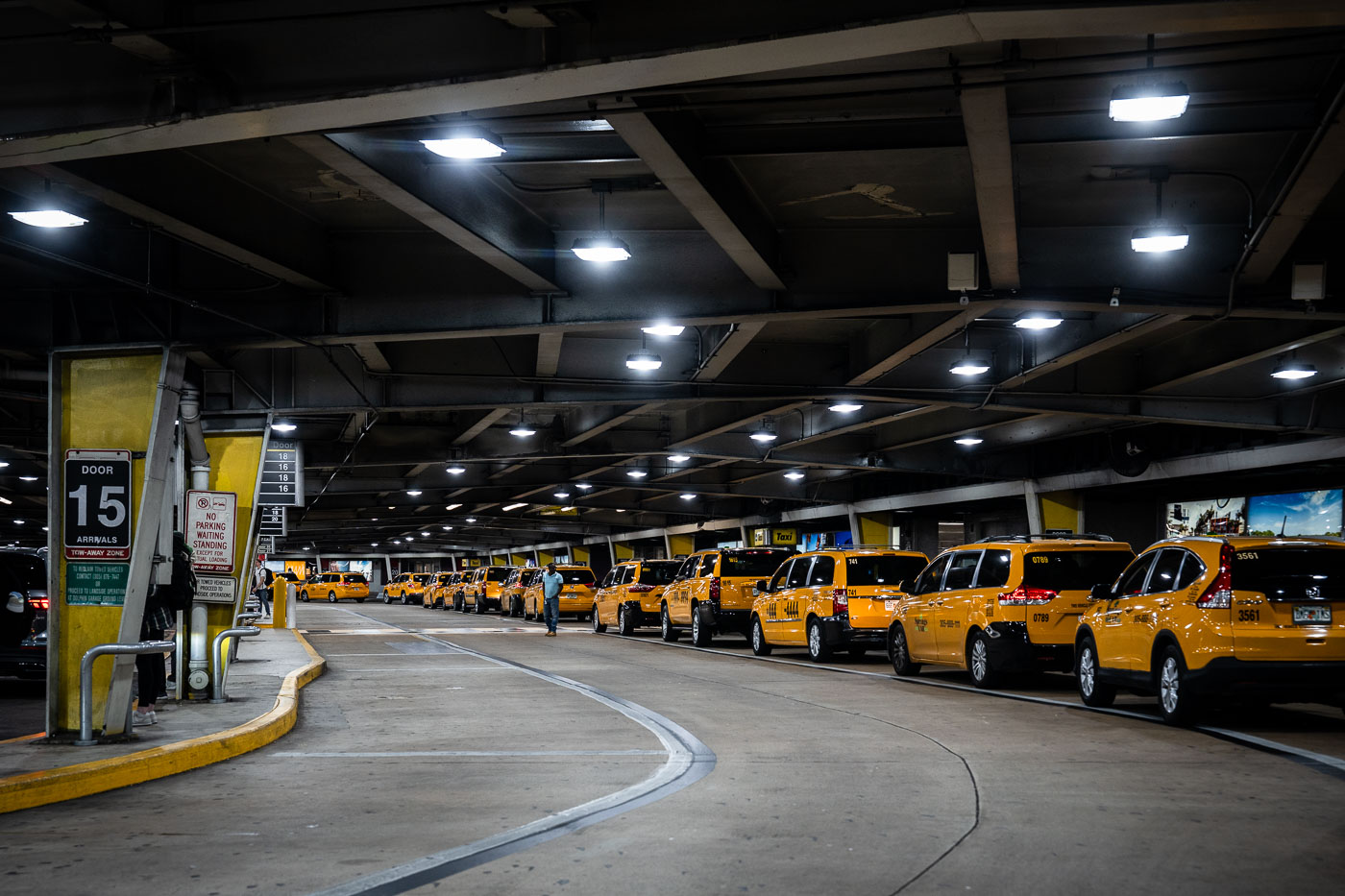
Taxi cabs line the arrivals curb at Door 15 at Miami International Airport in Miami.
Taxi cabs line the arrivals curb at Door 15 at Miami International Airport in Miami, Florida. The designated loading zone is part of the airport’s ground transportation system for arriving passengers.
Taxis Lined Up Under Door 15 at Miami International Airport

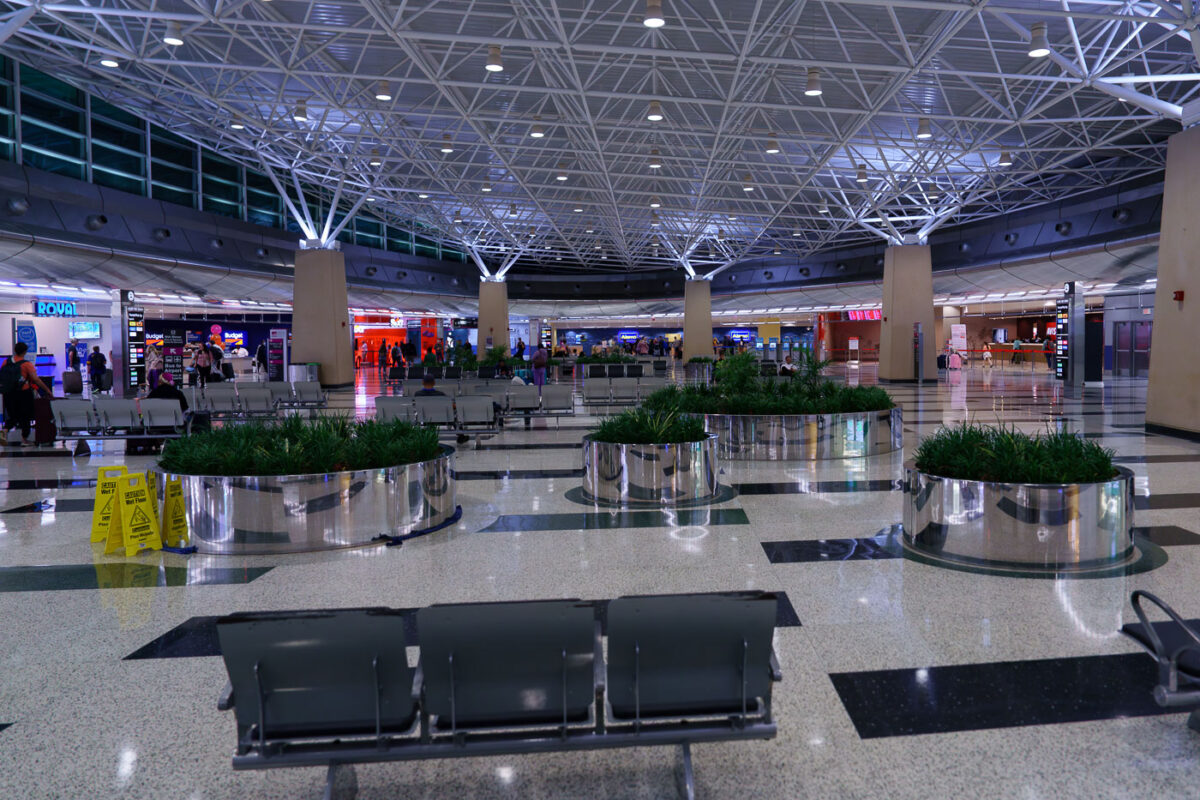
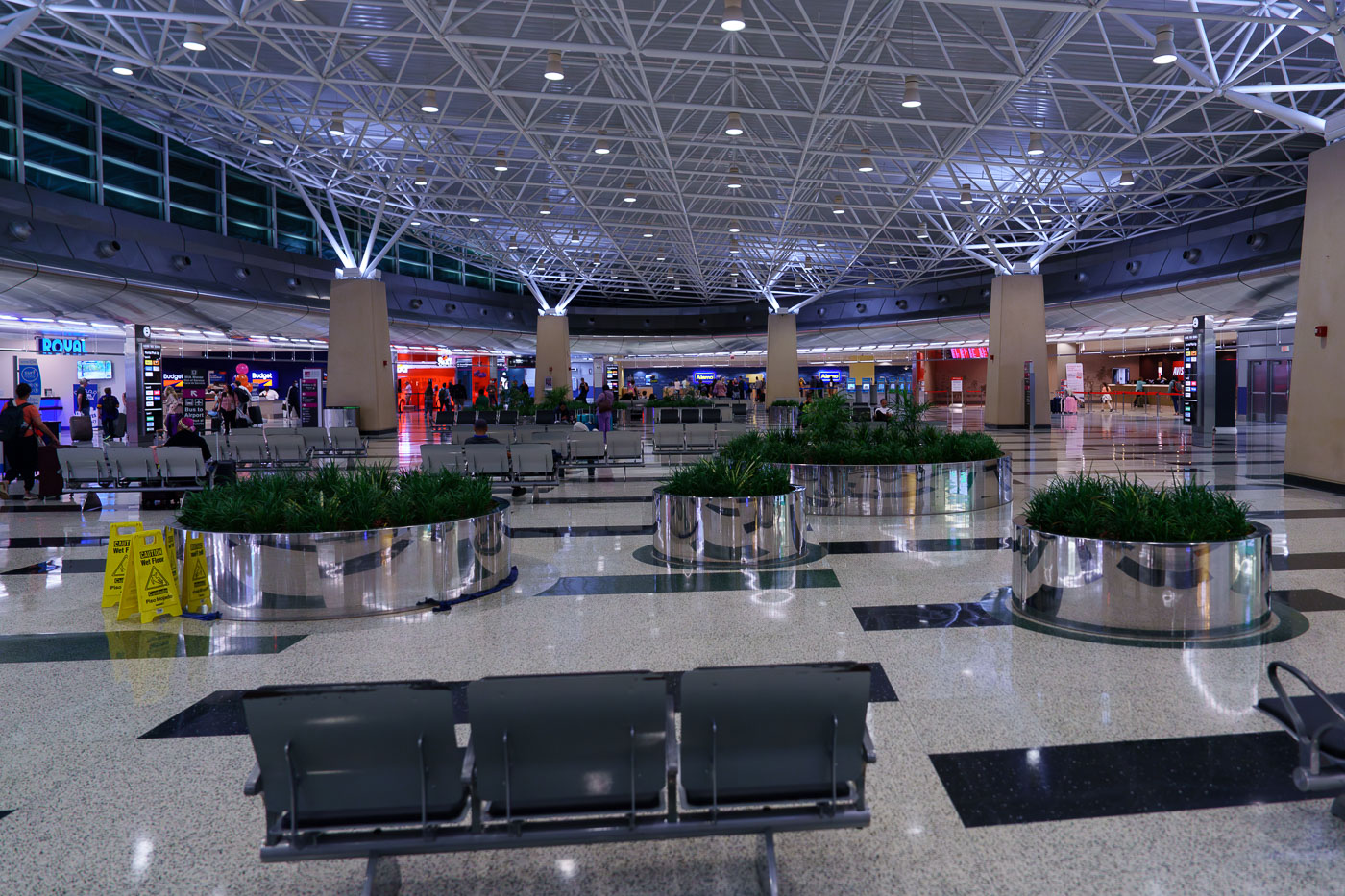
MIA Rental Car Center at Miami International Airport with rental counters and waiting areas.
MIA Rental Car Center at Miami International Airport in Miami, Florida. The consolidated facility houses car rental counters and waiting areas connected to the airport’s ground transportation network. Opened in 2010, it is linked to the Miami Intermodal Center for access to the MIA Mover, Tri-Rail, Metrorail, Metrobus, and regional roads.

Seating Area at MIA Rental Car Center, Miami
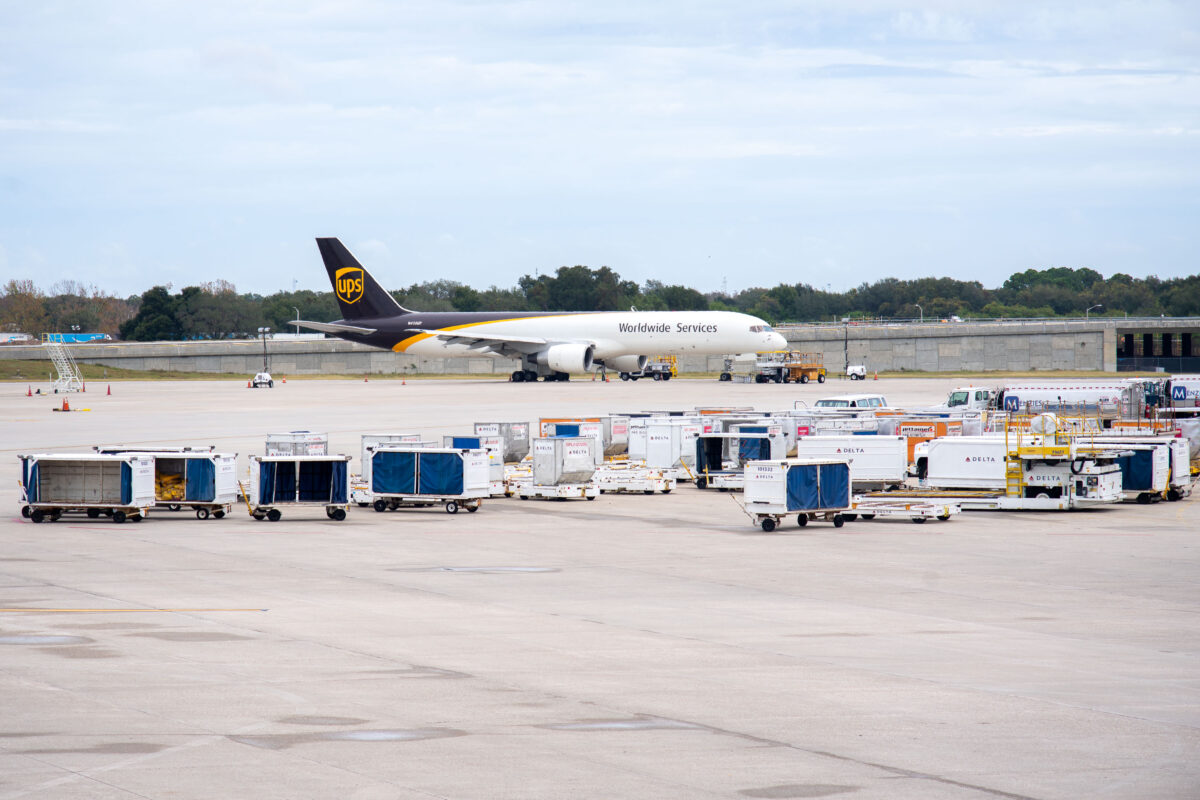
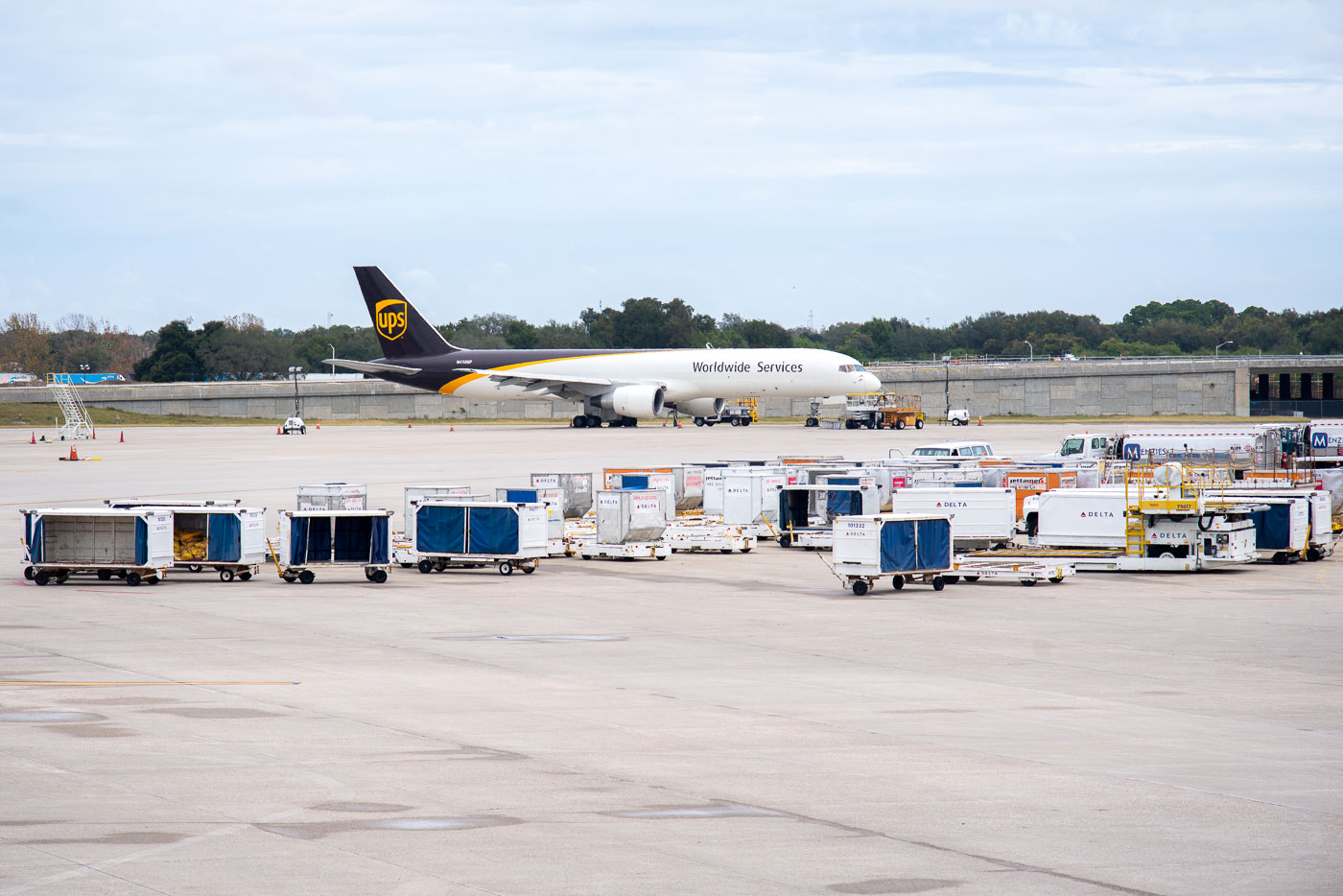
UPS Boeing 767 cargo plane at Tampa International Airport with ground service equipment on the apron.
UPS operates its Worldwide Services fleet using Boeing 757 and 767 freighters, part of the airline's dedicated air cargo network that moves packages between regional hubs overnight. Tampa International Airport's cargo apron sits apart from the passenger terminals, where ground crews load and unload freight using motorized dollies and containerized cargo carts like those staged nearby. The airport, which opened at its current site in 1971, handles both commercial passenger traffic and dedicated freight operations from carriers including UPS, FedEx, and Amazon Air.

UPS Worldwide Services Jet on the Ramp at Tampa International Airport
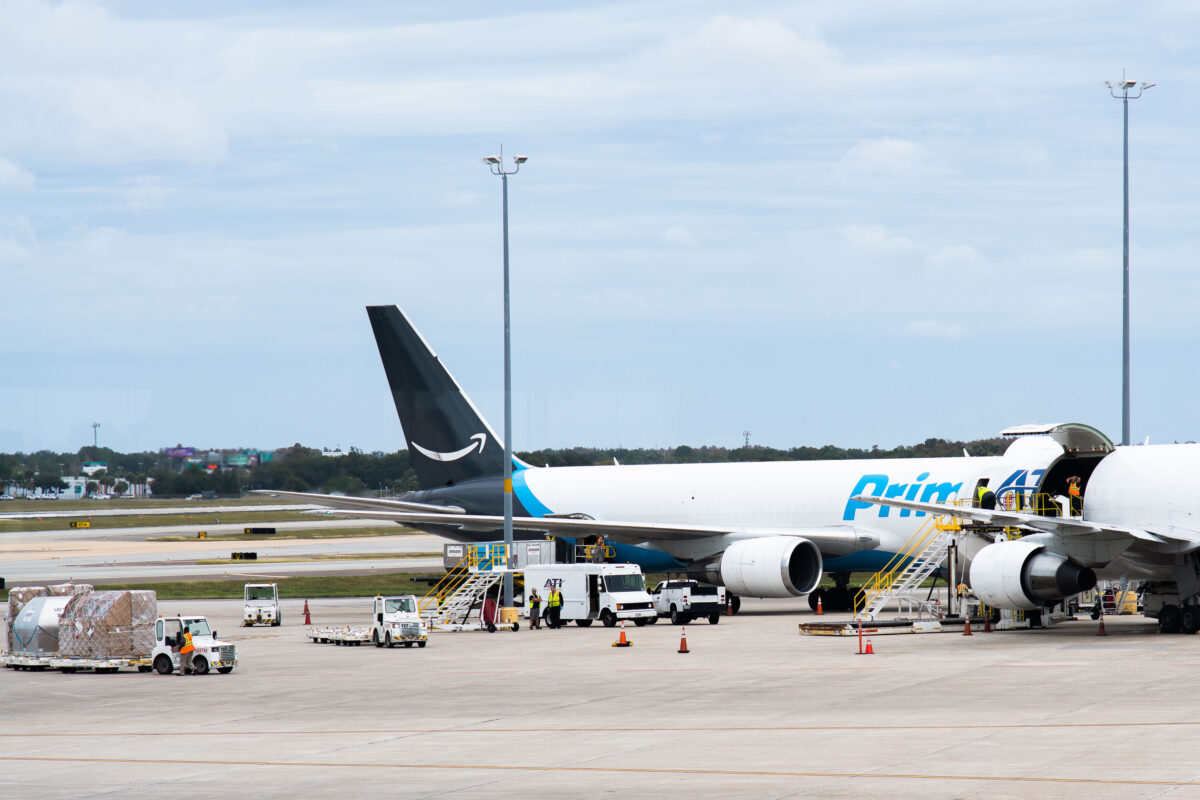
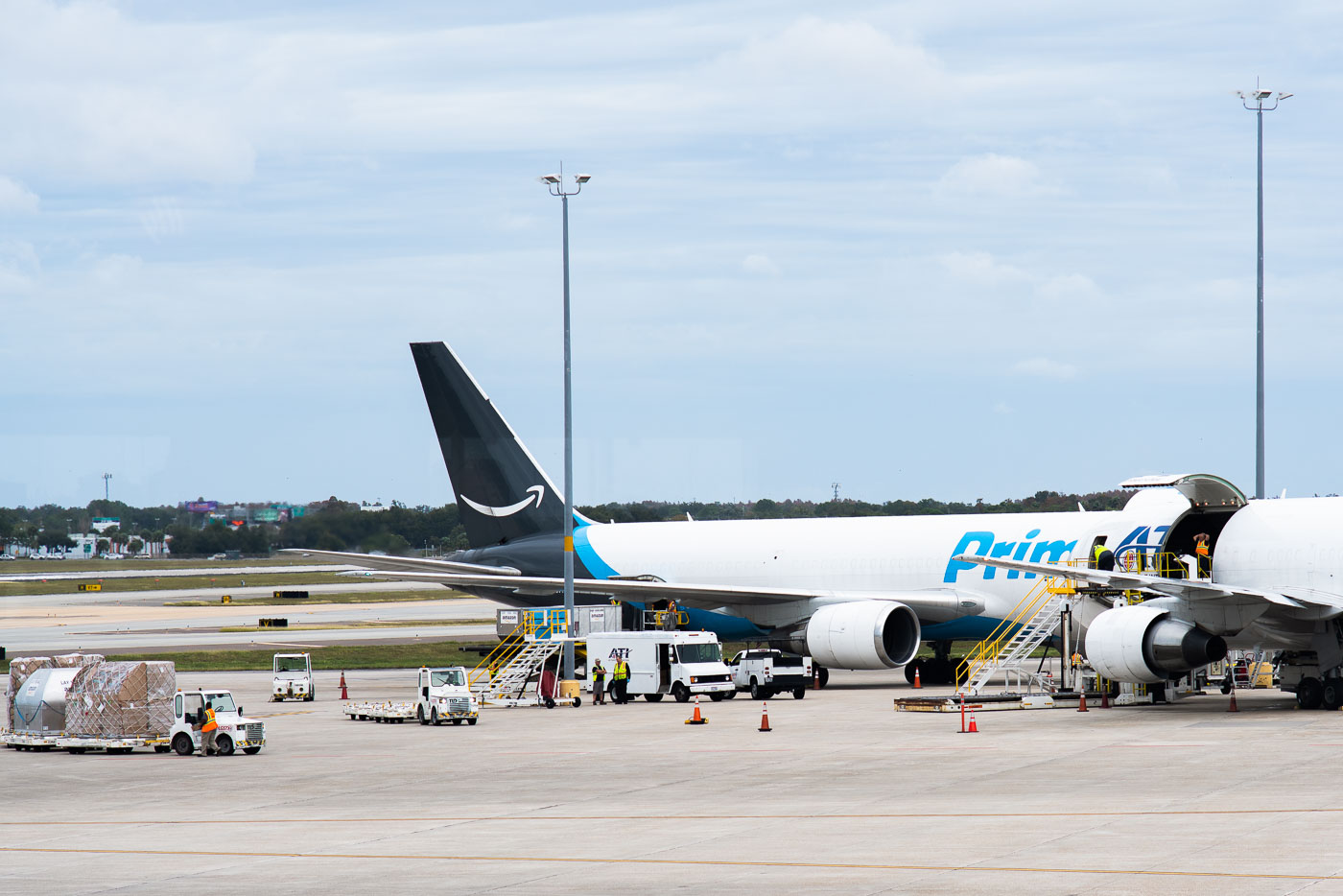
Amazon Prime Air cargo plane parked at Tampa International Airport with ground crew servicing the aircraft.
Amazon Prime Air is the company's dedicated air cargo operation, launched in 2016 to move packages between regional hubs and sortation centers. The airline operates a leased fleet of Boeing 767 and 737 freighters, flown under contract by carriers including Atlas Air, ABX Air, and Sun Country. Tampa International Airport serves as one of dozens of airports nationwide where Prime Air aircraft load and unload cargo before continuing to Amazon's ground distribution network. Ground handling for these operations typically includes ramp crews, cargo loaders, and support vehicles positioned around the aircraft during turnaround.

Amazon Prime Air Jet on the Tarmac at Tampa International Airport
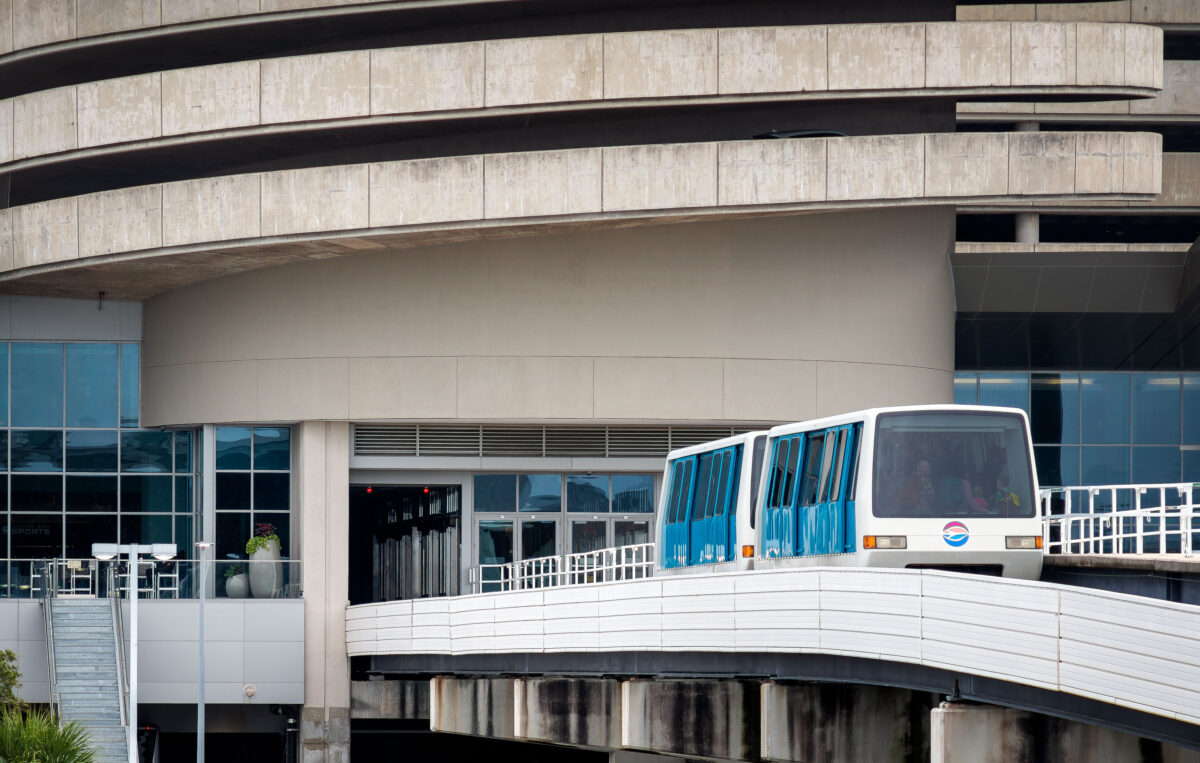
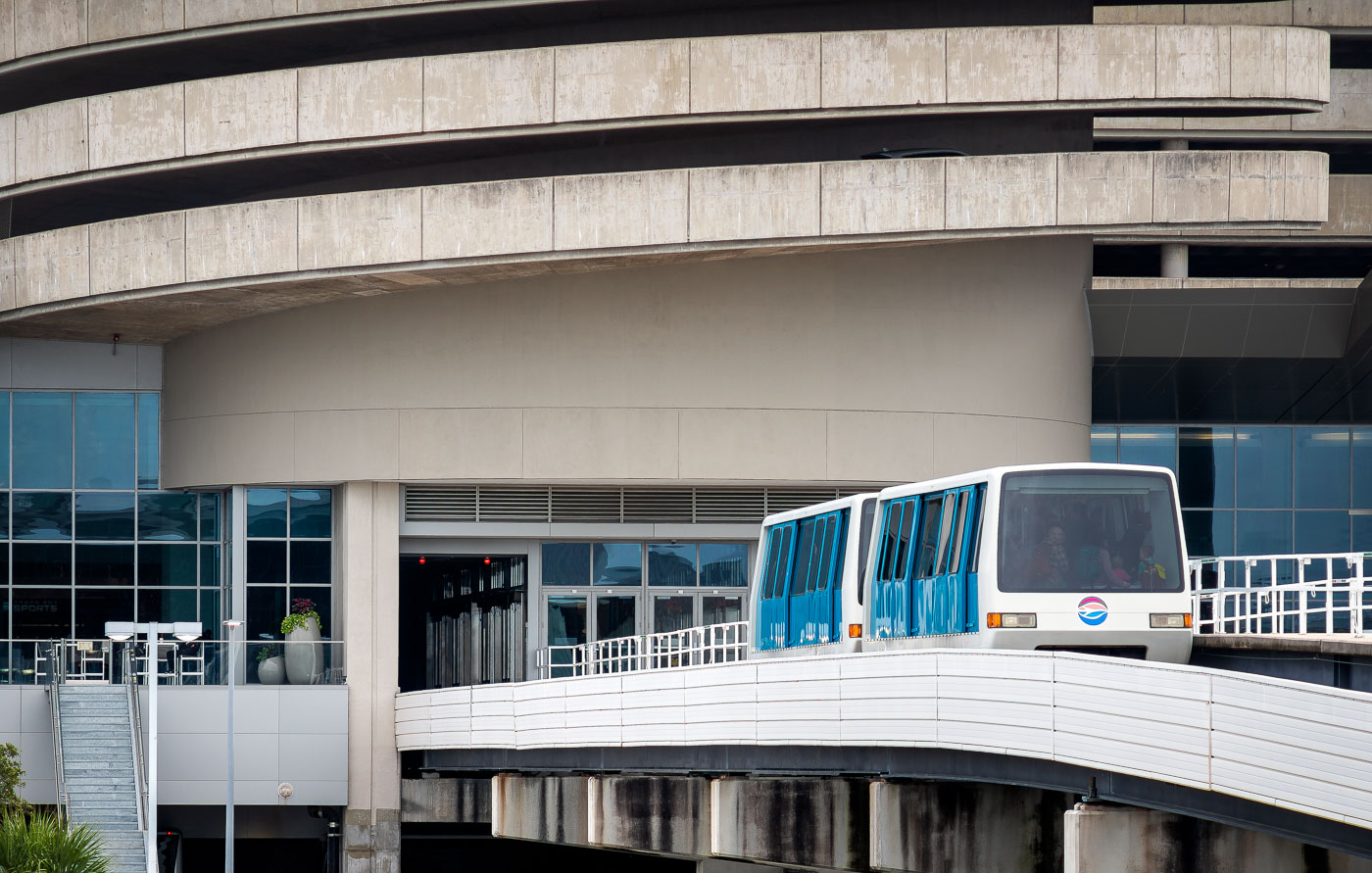
SkyConnect automated tram at Tampa International Airport terminal with elevated guideway and brutalist architecture.
SkyConnect is Tampa International Airport's automated people mover, linking the main terminal to the airport's rental car center and economy parking garages. The system opened in 2018, replacing a shuttle bus fleet that had handled the same route since the rental car center's construction. Two cars run on an elevated guideway suspended above the terminal's curbside roadways, completing the roughly quarter-mile trip in about two minutes. It operates continuously during airport hours, moving passengers without a posted schedule since trains arrive every few minutes.

SkyConnect Tram Arriving at Tampa International Airport
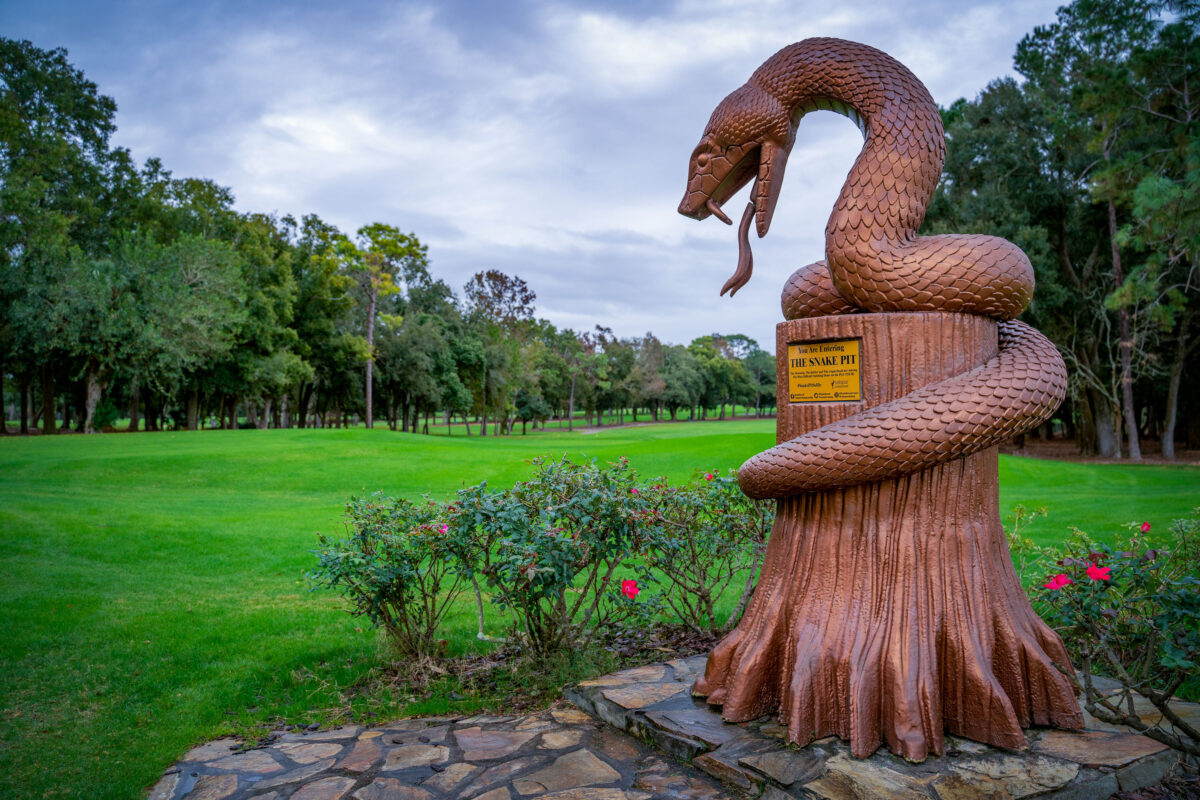
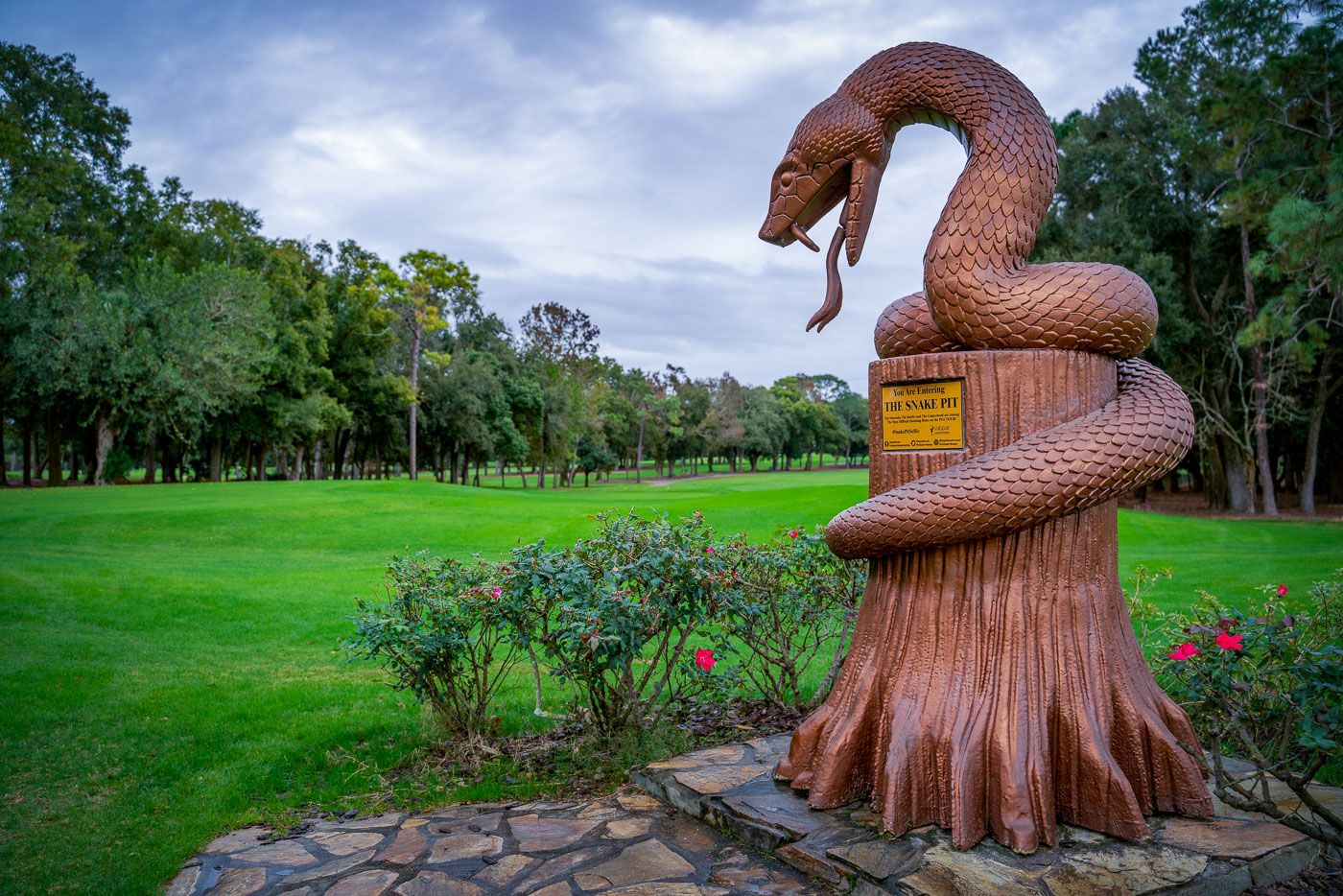
Bronze snake sculpture coiled around a tree stump marks the entrance to Copperhead Golf Course at Innisbrook Resort in Palm
The Snake Pit sculpture marks the entrance to the Copperhead Course at Innisbrook Resort in Palm Harbor, Florida. It refers to holes 16 through 18, a stretch nicknamed "the Snake Pit" for its difficulty during tournament play. Copperhead has hosted the PGA Tour's Valspar Championship annually since 2000, and the closing holes are known for producing late-round swings in the leaderboard.

“The Snake Pit” Sculpture on Innisbrook’s Copperhead Course
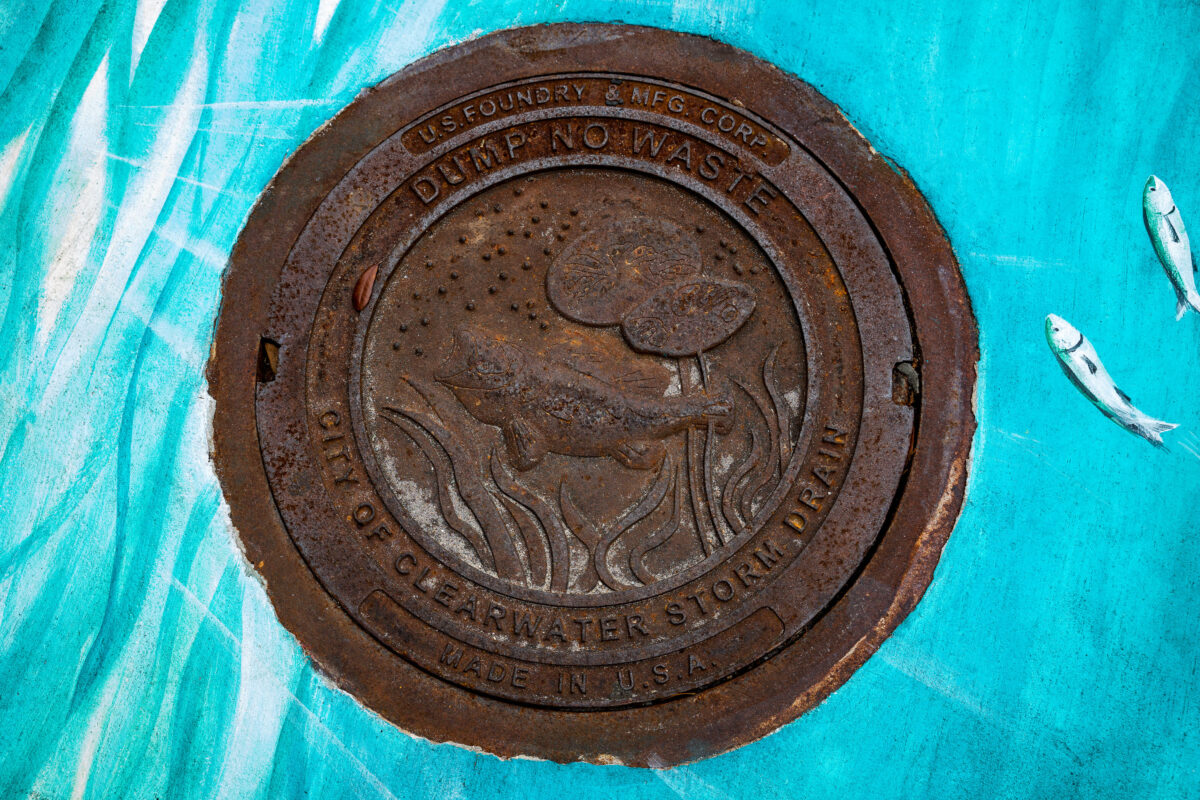
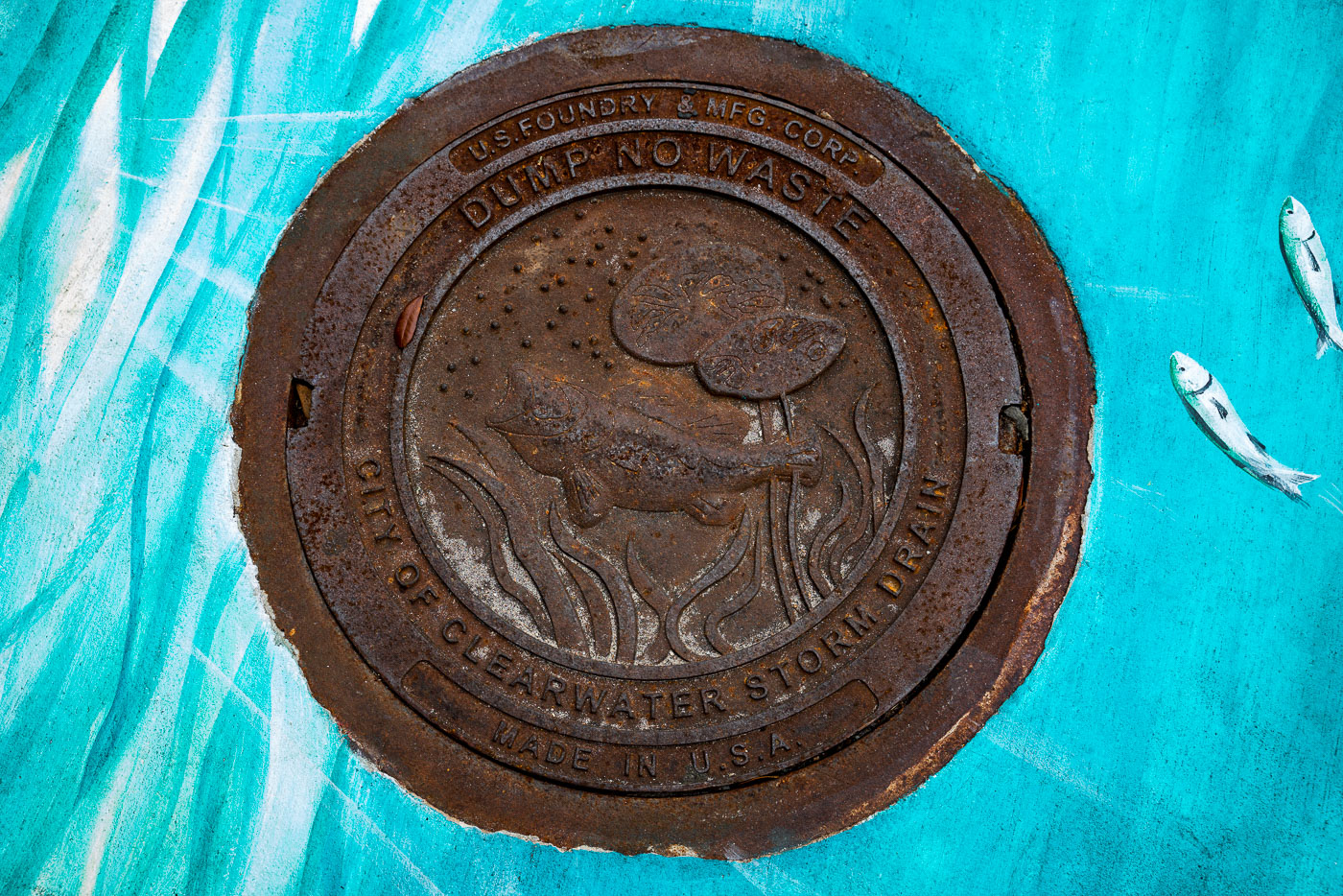
Clearwater storm drain manhole cover with fish design and "Dump No Waste" message cast in iron.
The manhole cover was cast by U.S. Foundry & Mfg. Corp., a company that has produced municipal ironwork in Florida since the 1920s. Its relief of fish and aquatic plants marks it as part of Clearwater's storm drain system, separate from the sanitary sewer network that carries wastewater to treatment plants. The words "Dump No Waste" warn that anything poured into these drains flows untreated into local creeks, bayous, and eventually Tampa Bay.

“Dump No Waste” Storm Drain Cover in Clearwater, Florida
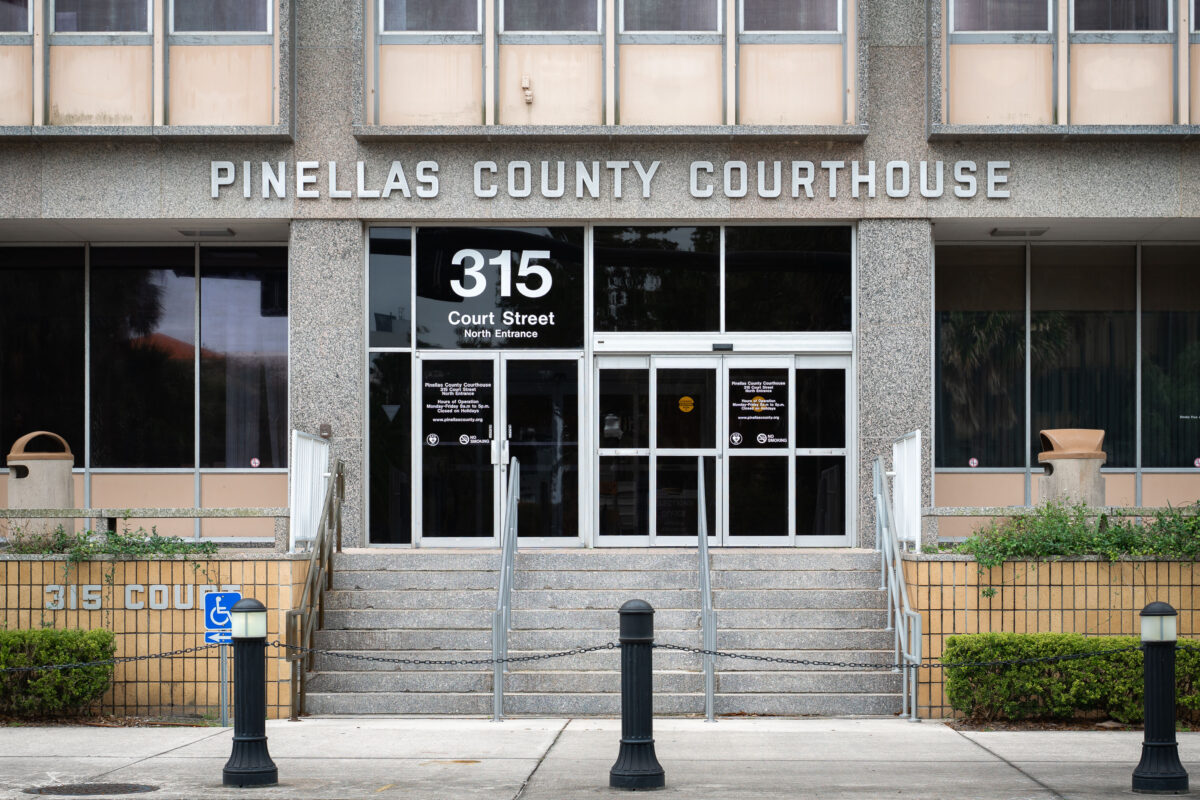
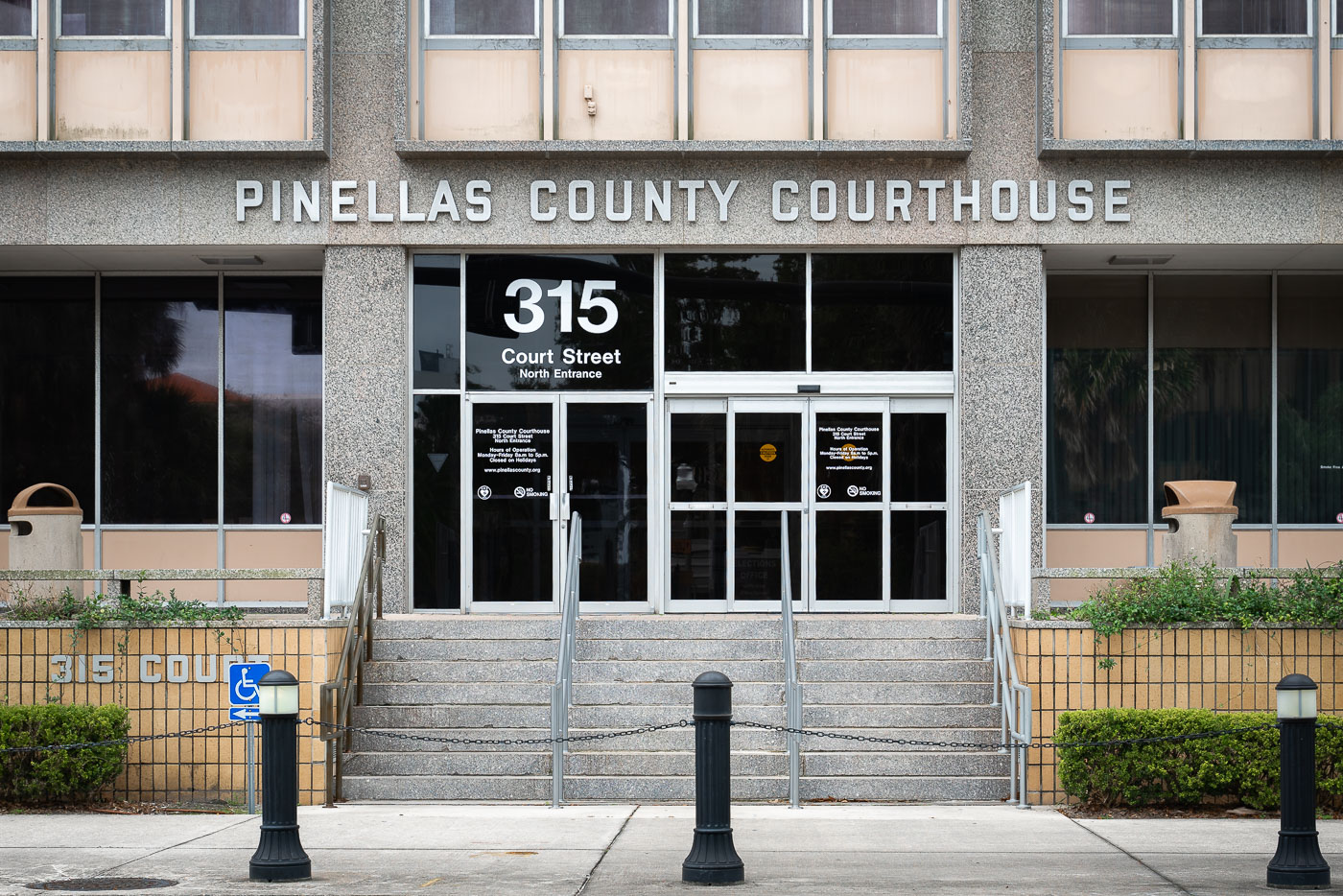
Pinellas County Courthouse north entrance at 315 Court Street in Clearwater, Florida.
The Pinellas County Courthouse sits at 315 Court Street in downtown Clearwater. It houses the county's civil and criminal courtrooms along with offices for the Sixth Judicial Circuit, which covers Pinellas and Pasco counties. The north entrance on Court Street is marked for accessibility, with a designated ramp and handrails leading up to the doors. Pinellas County's website lists building hours as weekdays, with the courthouse closed on state holidays.

North Entrance of the Pinellas County Courthouse on Court Street
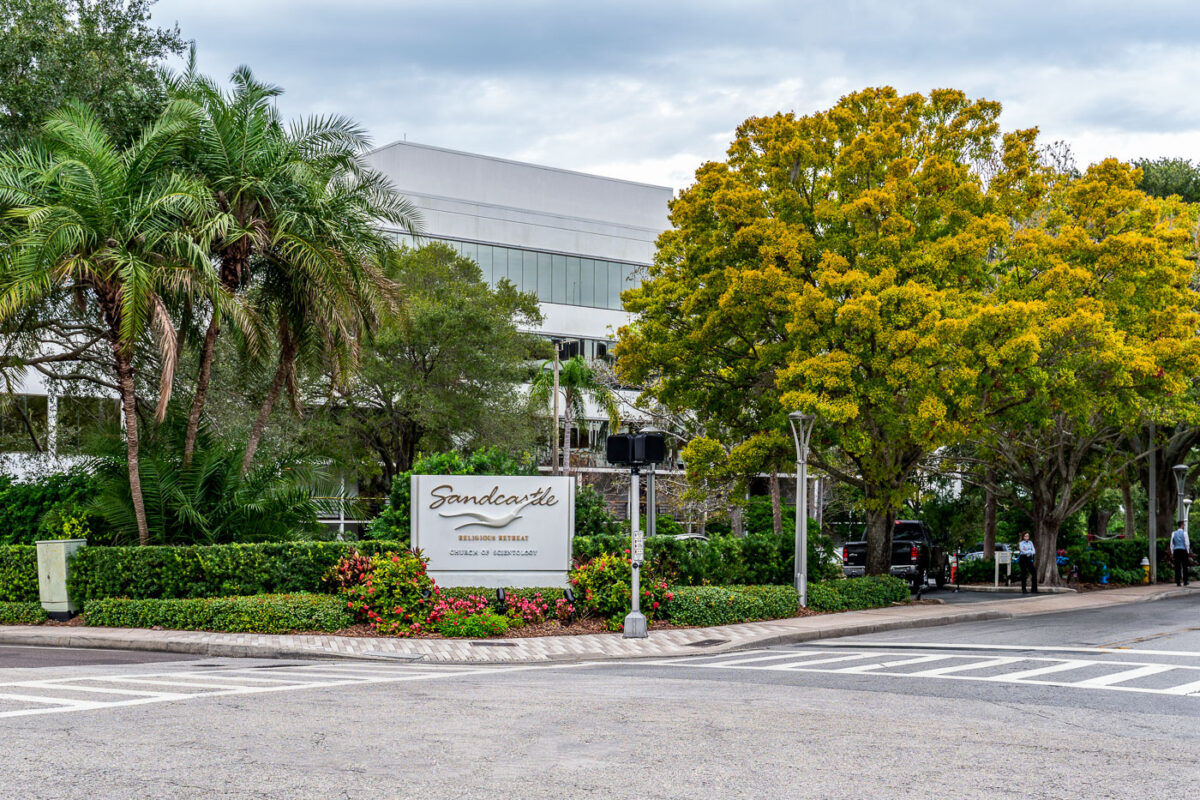
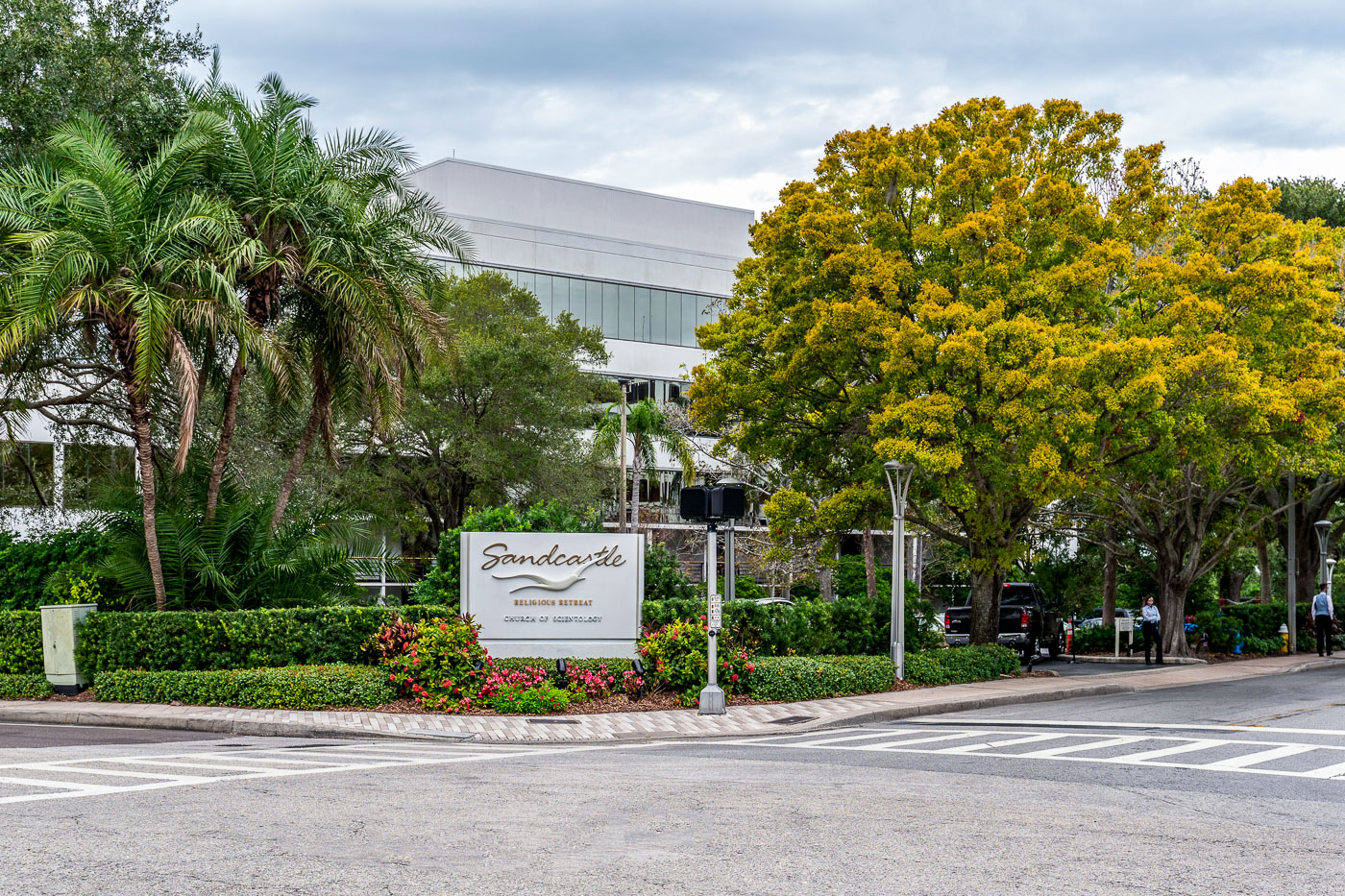
Sandcastle Religious Retreat entrance at 200 North Osceola Avenue, Clearwater, Florida, operated by the Church of Scientology.
The Sandcastle Religious Retreat sits at 200 N Osceola Avenue in Clearwater, one of the Church of Scientology's properties in the city's downtown core. Clearwater has served as the church's spiritual headquarters since the late 1970s, when the organization began acquiring buildings under the name "United Churches of Florida" before its ownership became public. The Sandcastle functions as a retreat and event space for staff and members of the Sea Organization, the church's clergy order. Downtown Clearwater today includes numerous Scientology-owned buildings clustered within walking distance of the retreat, a concentration that has made the city the center of the organization's operations worldwide.

Sandcastle Retreat Sign on N Osceola Avenue in Clearwater
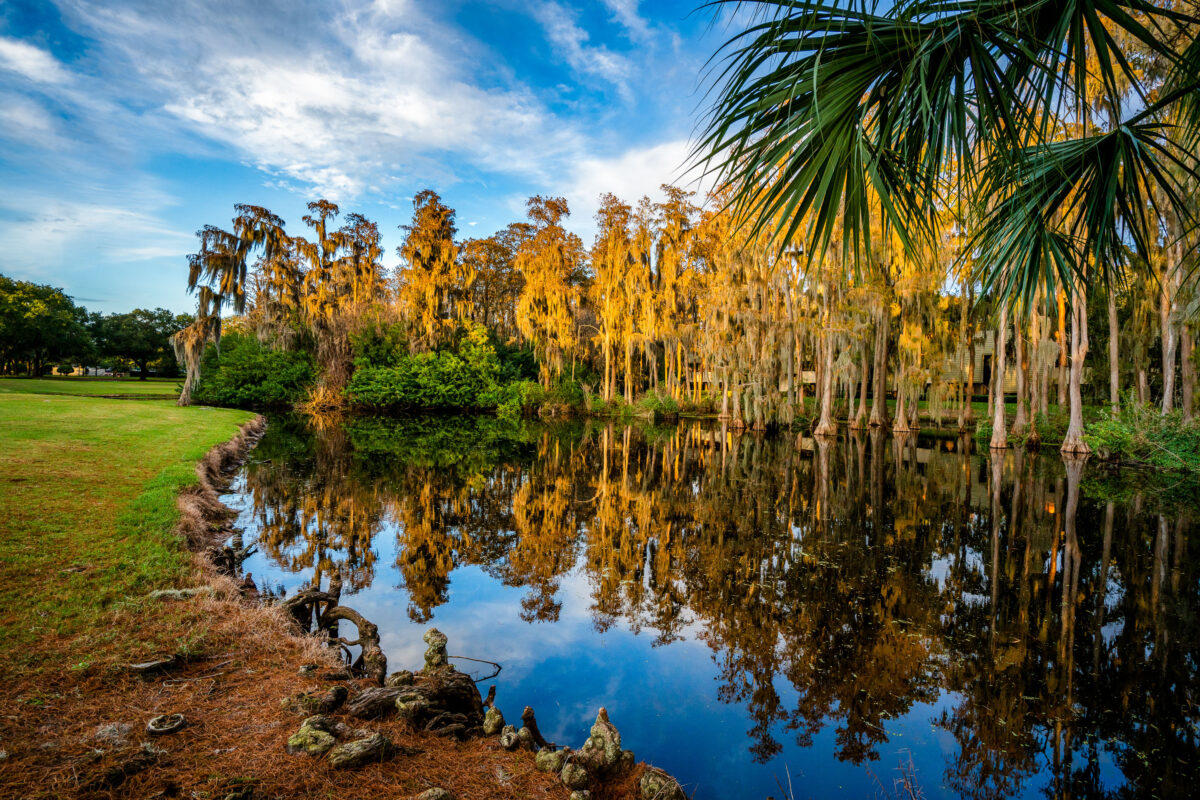
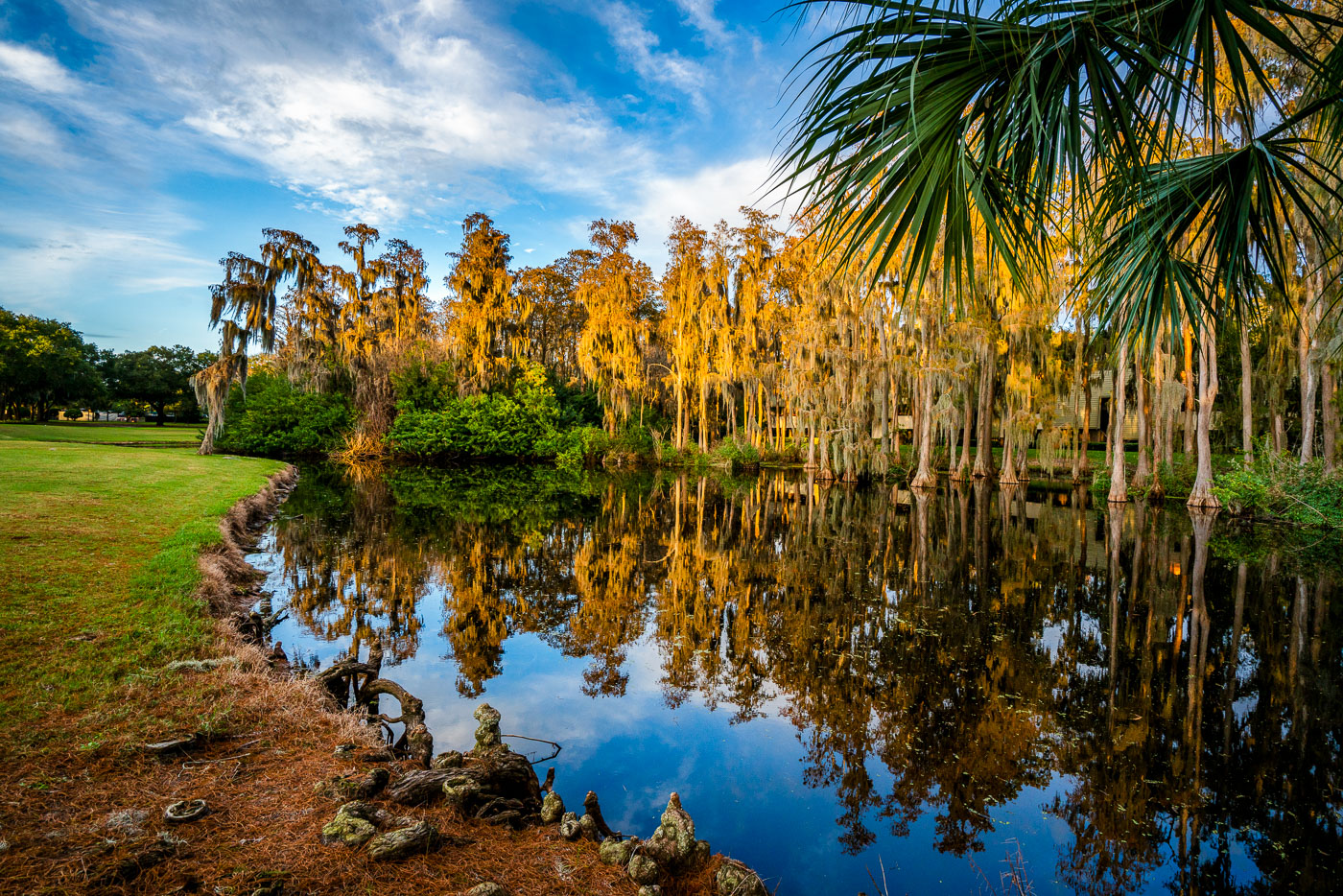
Water hazard bordered by cypress trees with Spanish moss at Innisbrook Resort golf course, Palm Harbor, Florida.
Innisbrook Resort in Palm Harbor sits on roughly 900 acres of rolling terrain, unusual for a Florida golf property, which the resort's course designer Larry Packard used to shape fairways around existing stands of cypress and pine rather than flattening the land. The ponds and wetland margins that thread through the property are original to the site, left in place as natural drainage for the courses when they opened in 1970. Spanish moss, a bromeliad rather than a true moss, grows naturally on the bald cypress trees found throughout the resort's grounds. Innisbrook's Copperhead Course has hosted the PGA Tour's Valspar Championship since 2000.

Cypress Trees Draped in Spanish Moss at Innisbrook Resort
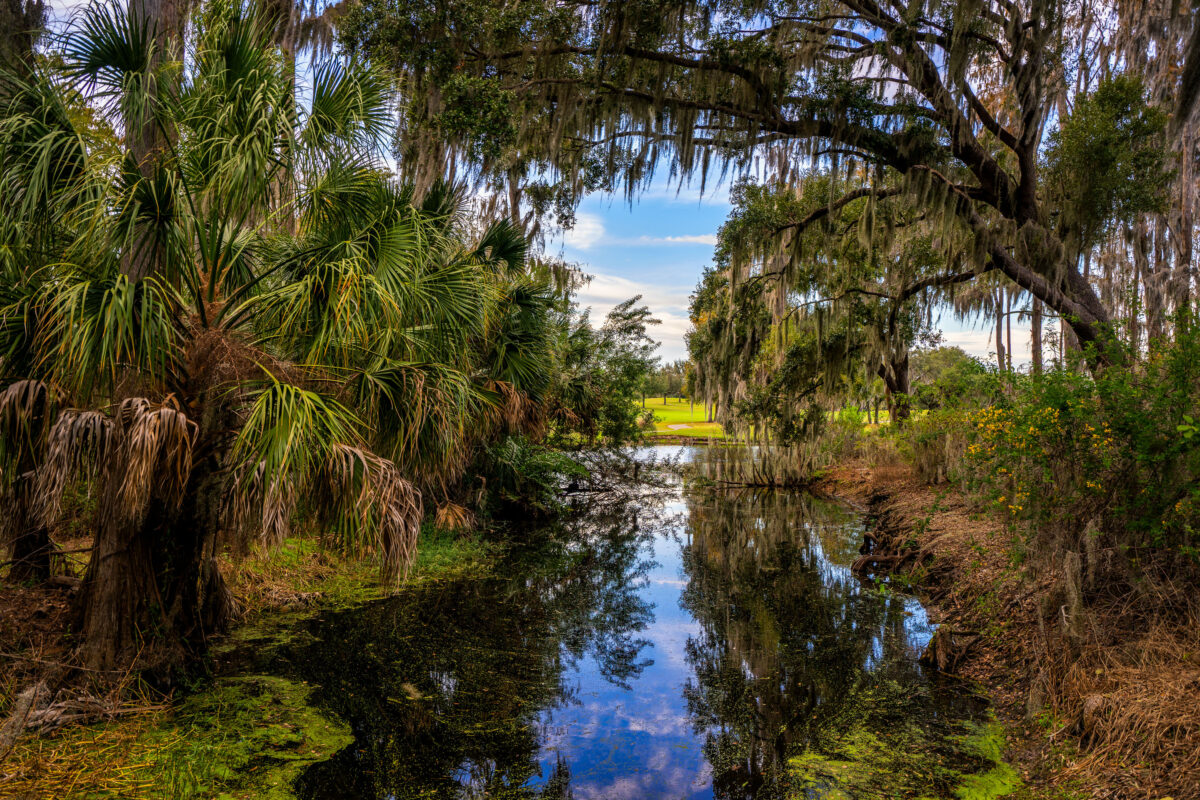
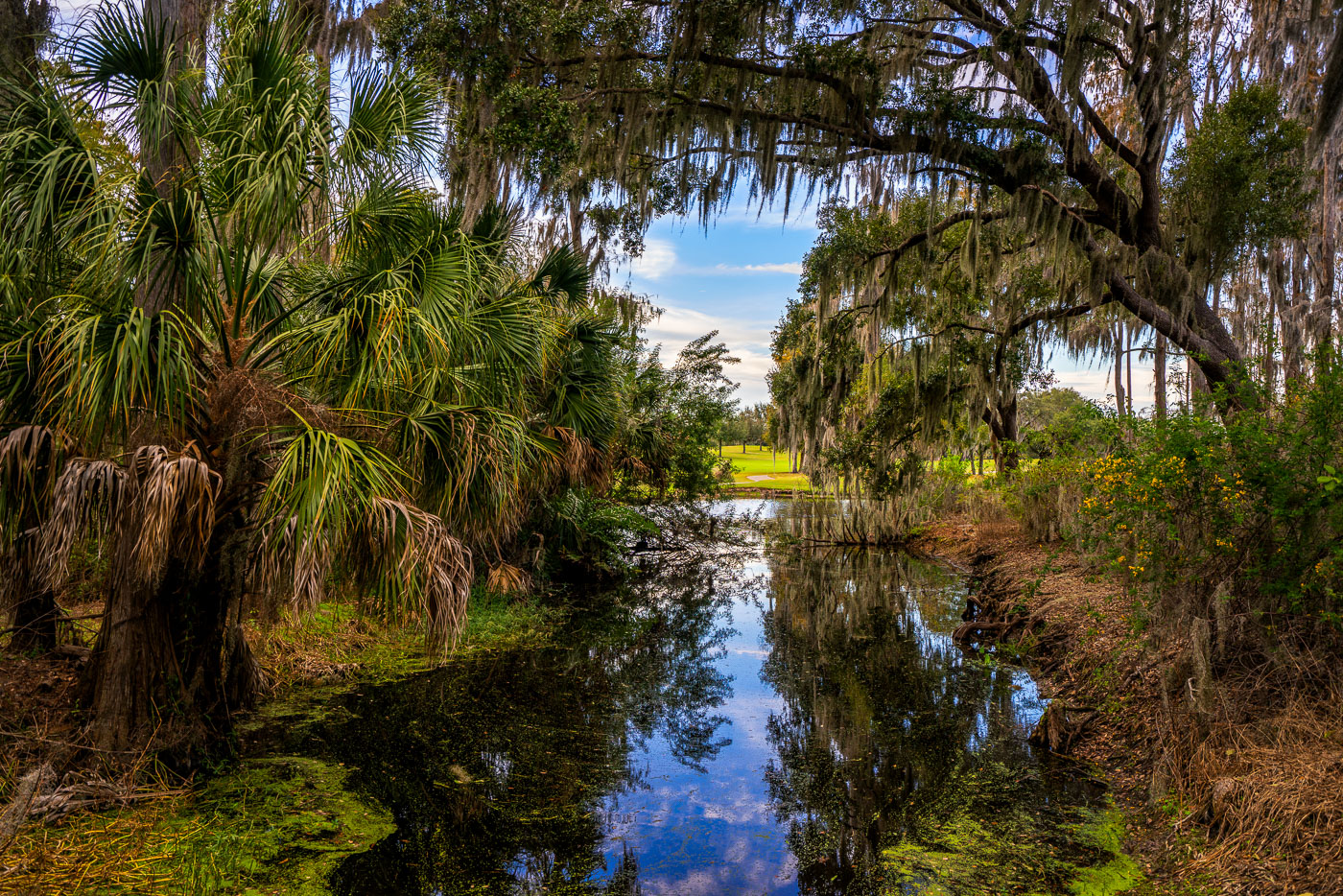
Waterway with palmettos and live oaks draped in Spanish moss at Innisbrook Resort in Palm Harbor, Florida.
Innisbrook Resort sits on roughly 900 acres in Palm Harbor, built around four golf courses, including the Copperhead Course that hosts the PGA Tour's Valspar Championship. Water features like this one thread through the property, doubling as drainage and irrigation infrastructure for the courses while also serving as hazards in play. Live oaks draped in Spanish moss and native cabbage palms line much of the resort's undeveloped acreage, a deliberate holdover from the land's original central Florida hammock terrain before the courses were laid out in the 1970s.

Spanish Moss Over a Waterway at Innisbrook Resort
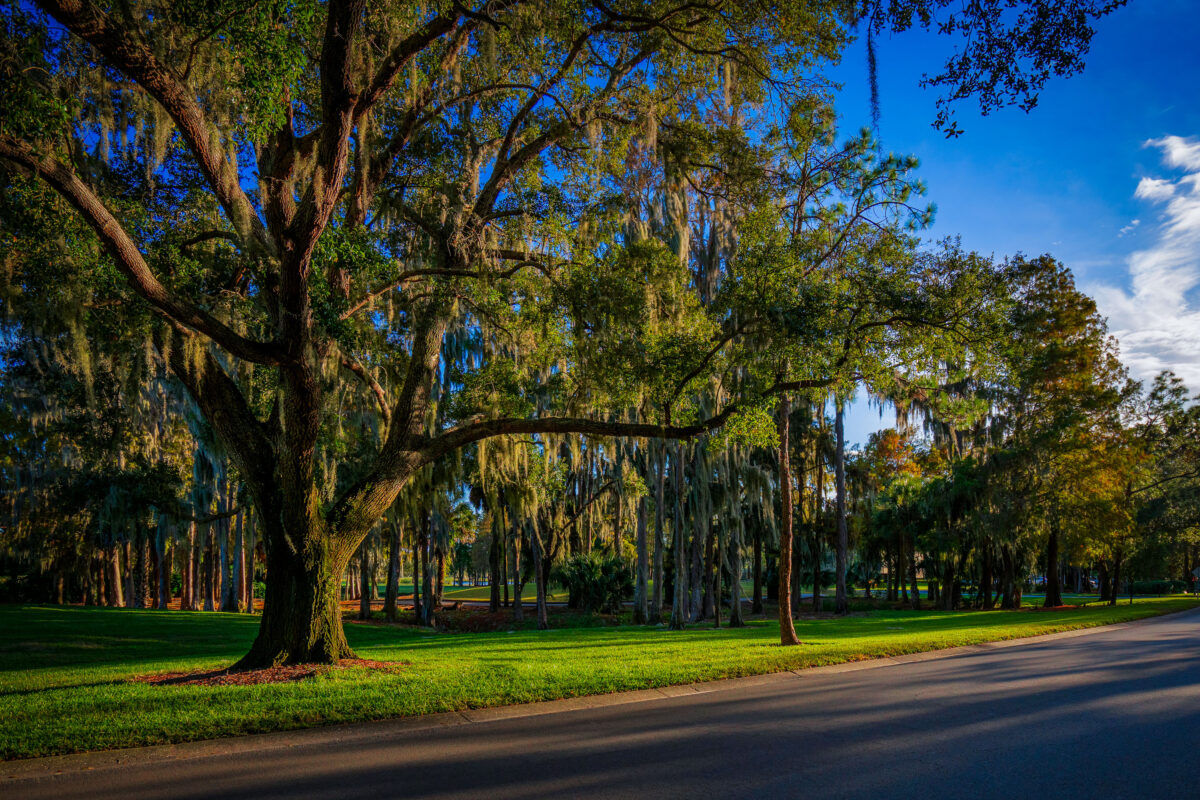
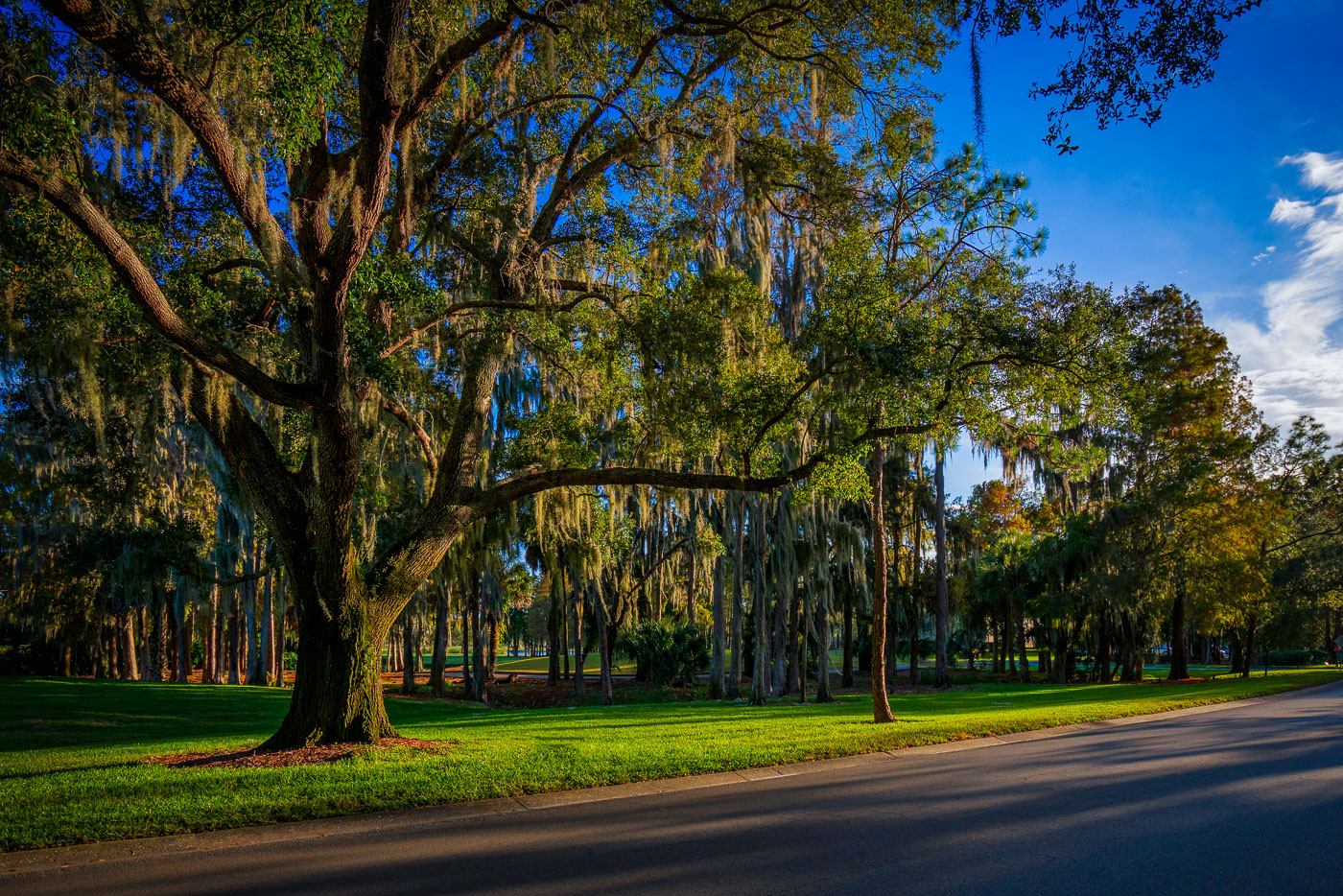
Mature live oaks with Spanish moss line a paved drive at Innisbrook Resort in Palm Harbor, Florida.
Innisbrook Resort in Palm Harbor opened in 1970, built around a golf-course community roughly 30 miles northwest of Tampa. Architect Lawrence Packard laid out the original courses, and the resort's Copperhead Course has hosted the PGA Tour's Valspar Championship since 2000. Live oaks and Spanish moss line much of the property's roadways, a common feature of Gulf Coast Florida landscapes that predates the resort's development. The grounds cover more than 900 acres, mixing wooded areas with fairways and lodging built for golf travelers.

Live Oaks Along a Drive at Innisbrook Resort
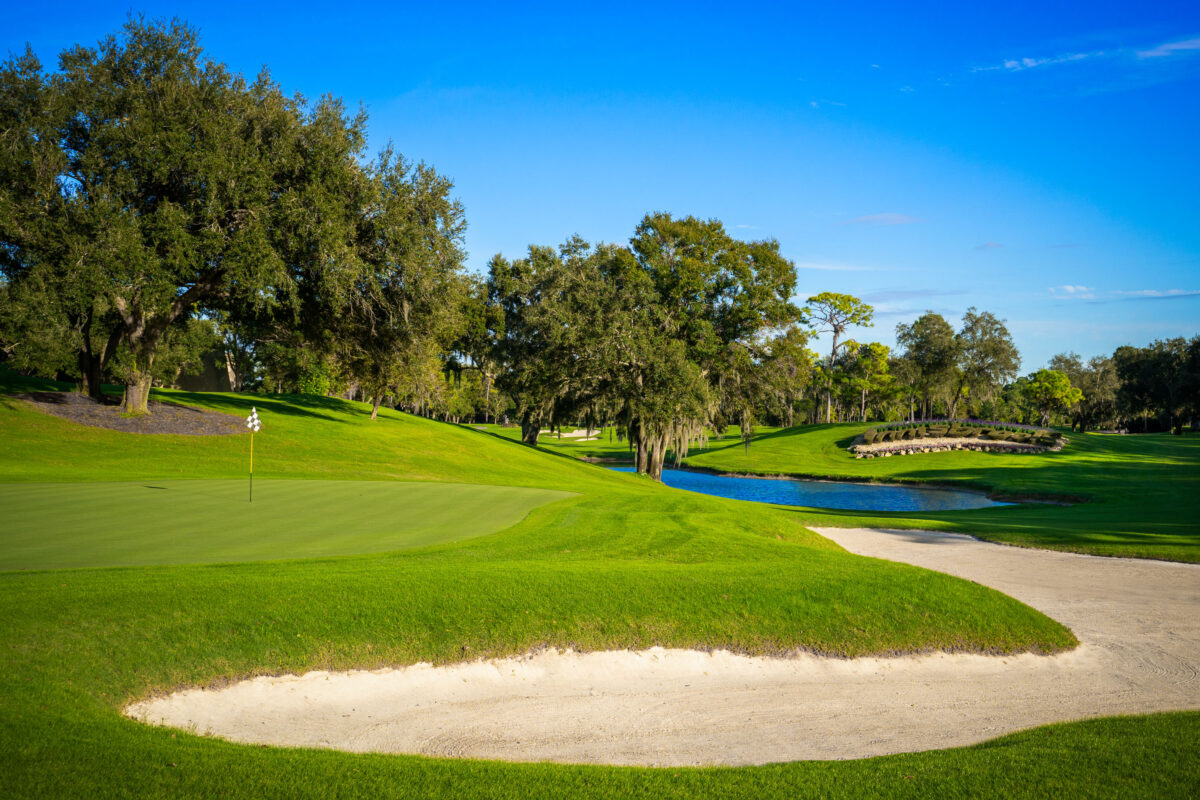
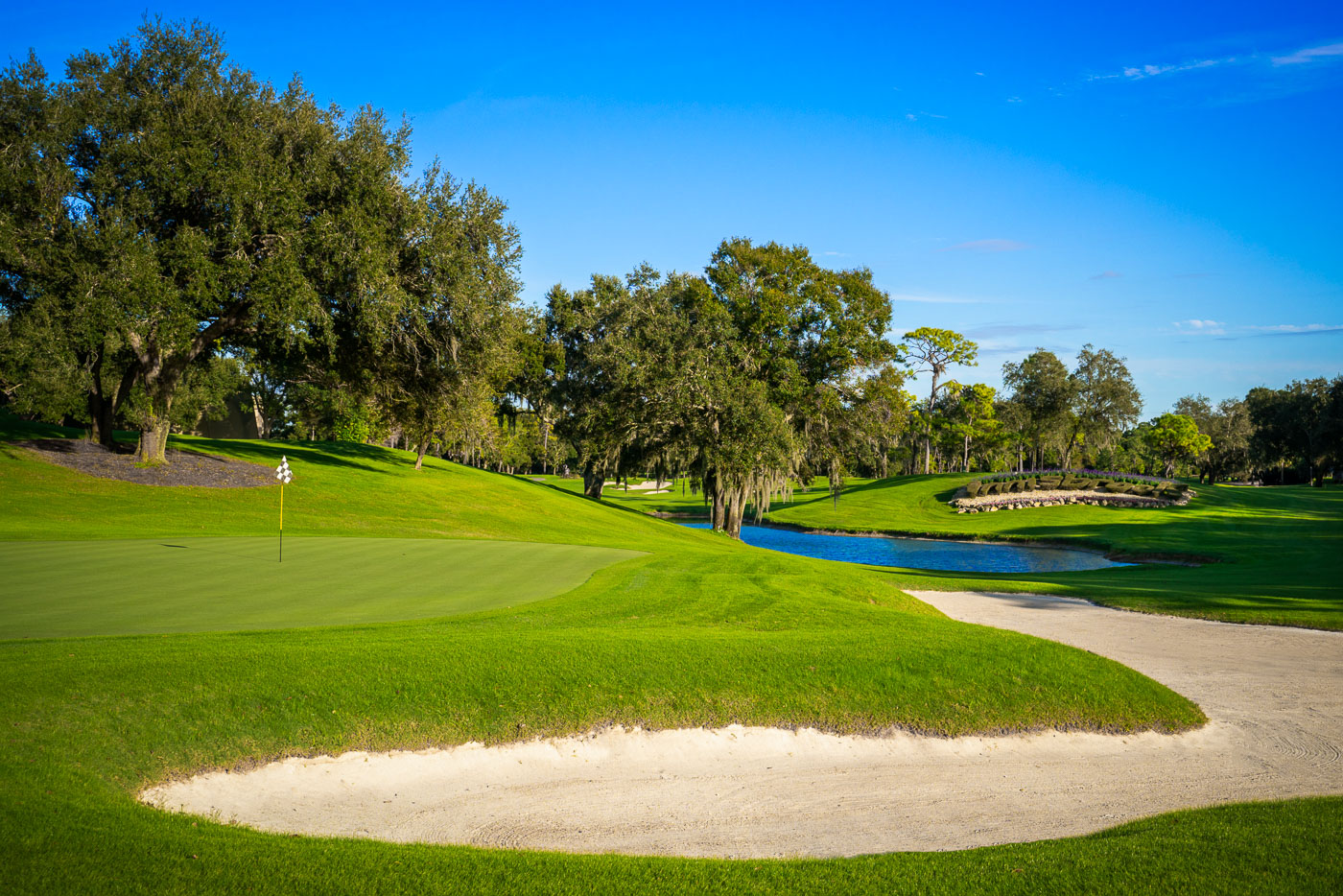
Golf green with sand bunker and flag marker on the Copperhead Course at Innisbrook Resort in Palm Harbor, Florida.
Innisbrook Resort's Copperhead Course opened in 1970, designed by Larry Packard on rolling terrain unusual for Florida golf. The course has hosted the PGA Tour's Valspar Championship since 2000, with its par-4 16th and par-3 17th forming part of the closing stretch nicknamed the "Snake Pit." Copperhead measures over 7,300 yards from the championship tees and remains the resort's signature layout among its four courses.

A Green Guarded by Water and Sand on Innisbrook’s Copperhead Course
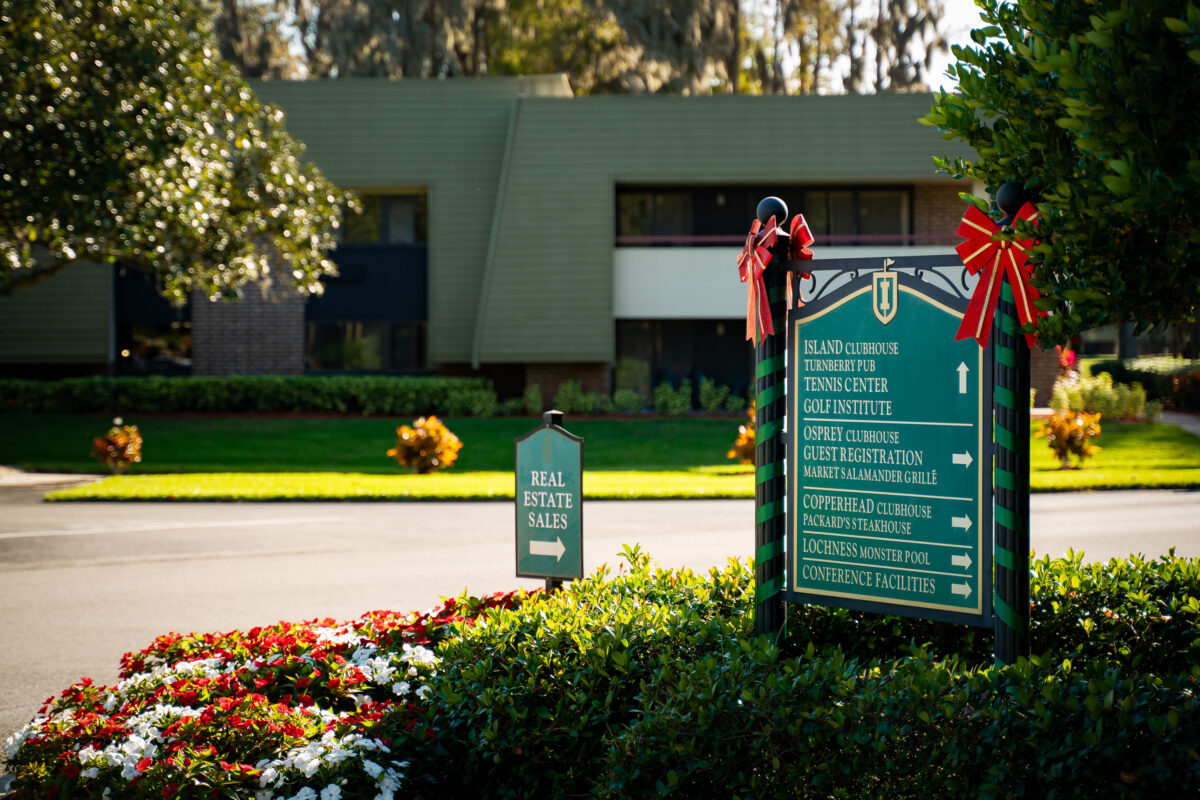
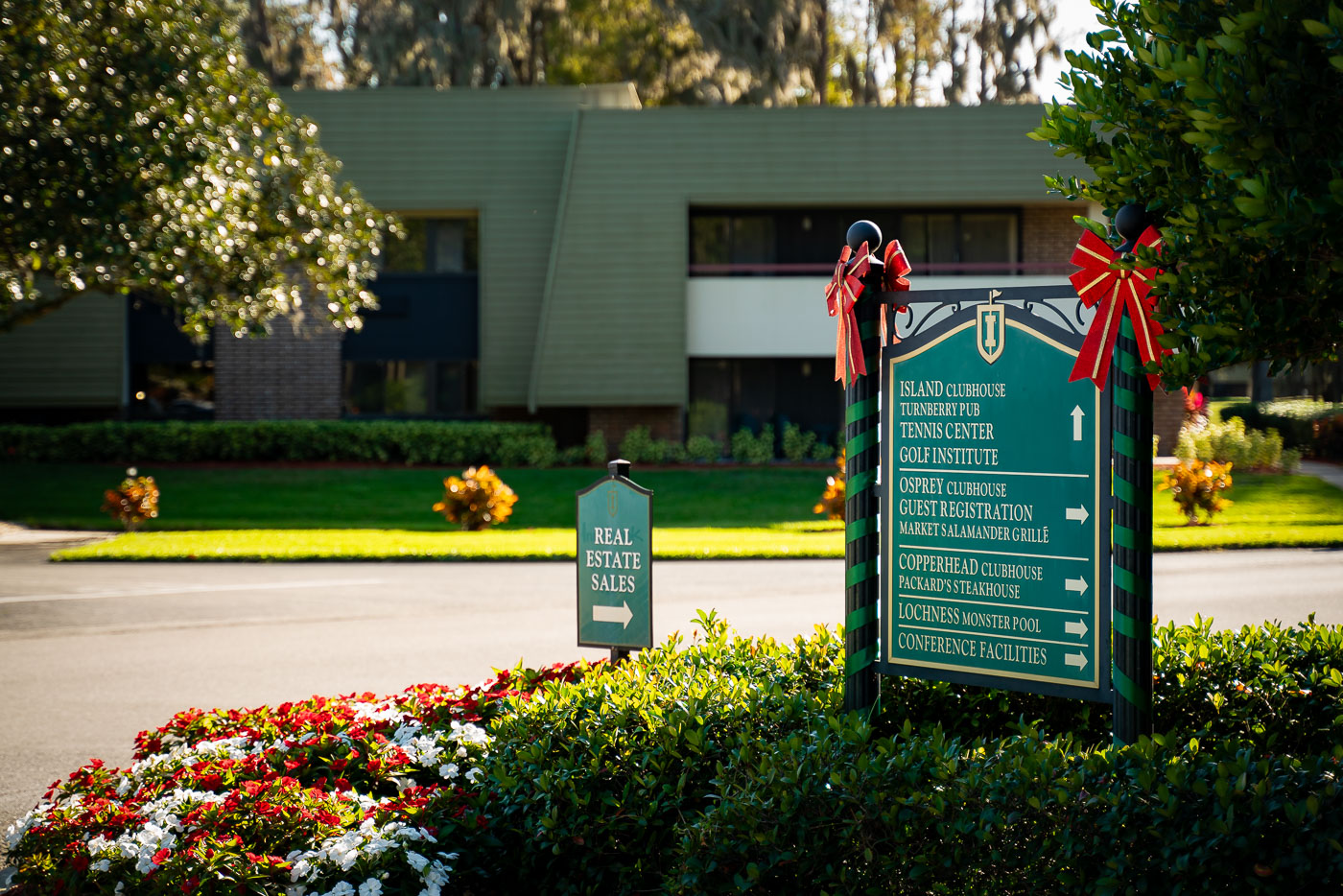
Directional signage at Innisbrook Resort in Palm Harbor, Florida, listing amenities including golf, tennis, and dining facilities
Innisbrook Resort's wayfinding signs guide visitors to its network of clubhouses and amenities, each tied to one of the property's four golf courses. The Island Clubhouse serves golfers at the Island course and houses the Turnberry Pub, along with the resort's Golf Institute and tennis center. The Osprey Clubhouse handles guest registration and includes the Market Salamander Grille, while the Copperhead Clubhouse is home to Packard's Steakhouse, named for golf course architect Larry Packard, who redesigned Innisbrook's courses in the 1970s. The Copperhead Course has hosted the PGA Tour's Valspar Championship since 2000. A separate sign points toward the resort's real estate sales office, and the Lochness Monster Pool, one of Innisbrook's recreational features, is marked among the listed destinations.

Clubhouse Directory Sign at Innisbrook Resort in Palm Harbor
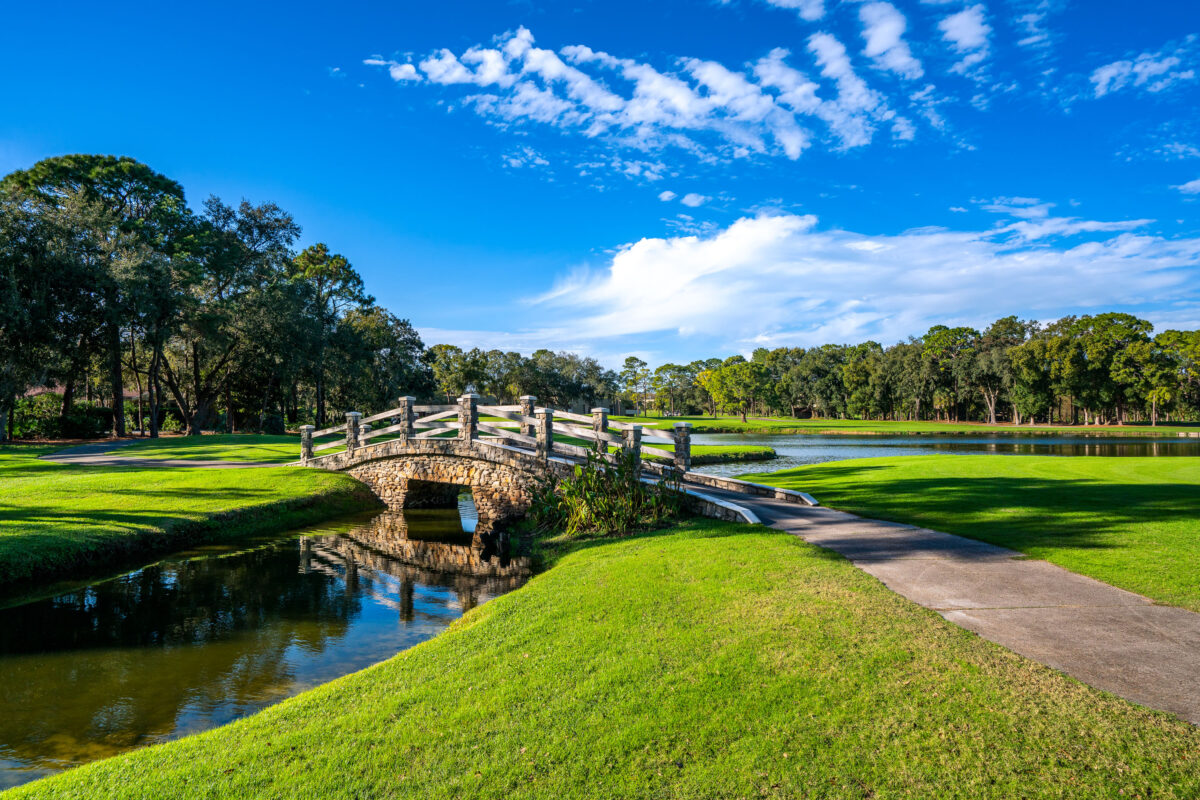
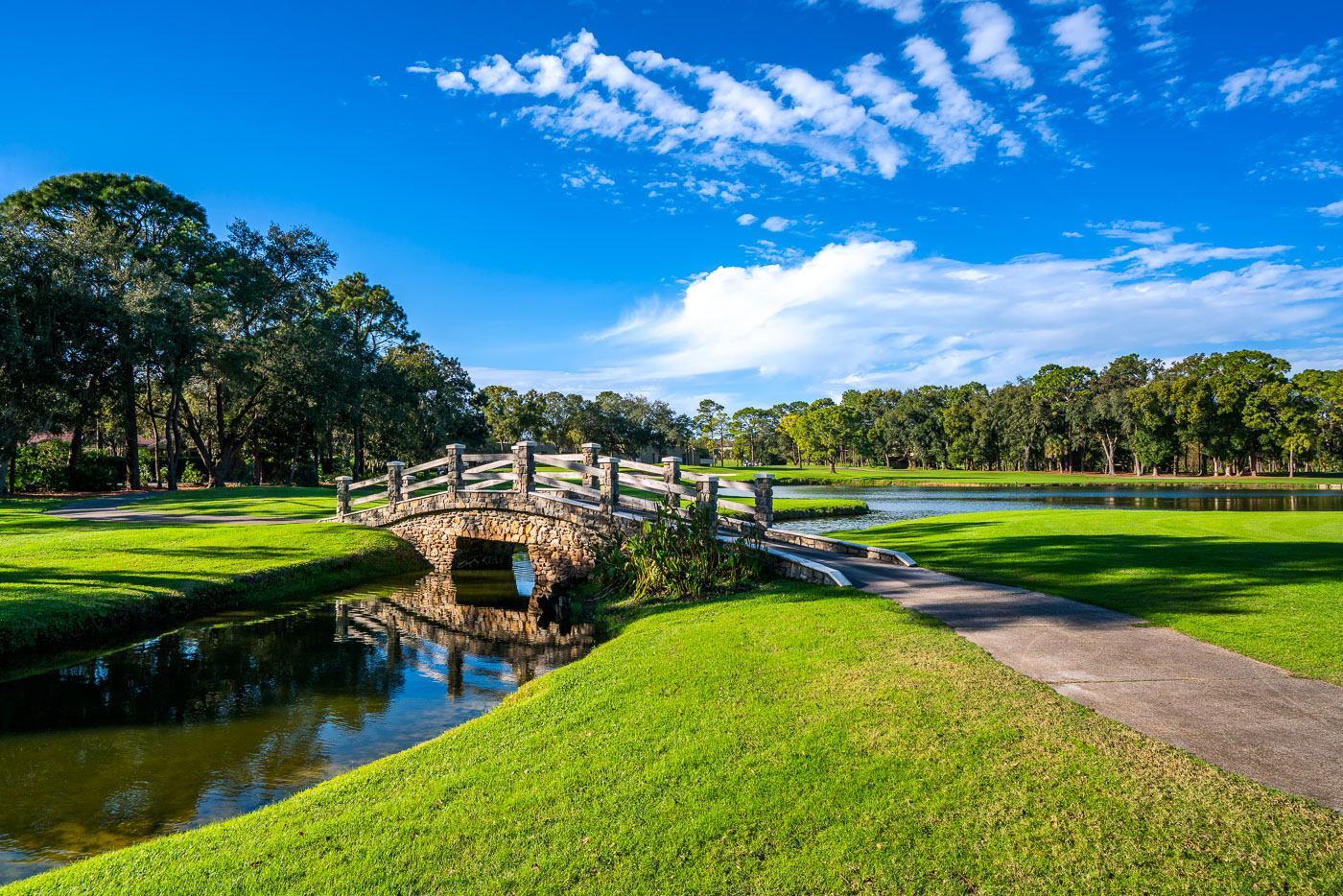
Stone arch bridge crossing a water hazard on the Copperhead Course at Innisbrook Resort in Palm Harbor, Florida.
The Copperhead Course at Innisbrook Resort was designed by Larry Packard and opened in 1970. It's one of four championship courses on the property and has long served as the host site for the PGA Tour's Valspar Championship, known in earlier years under sponsor names including the Tampa Bay Classic and the Chrysler Championship. Stone footbridges and water hazards weave through the layout, which is known among tour players for its demanding closing stretch, nicknamed the "Snake Pit."

Footbridge Over the Water on Innisbrook’s Copperhead Course
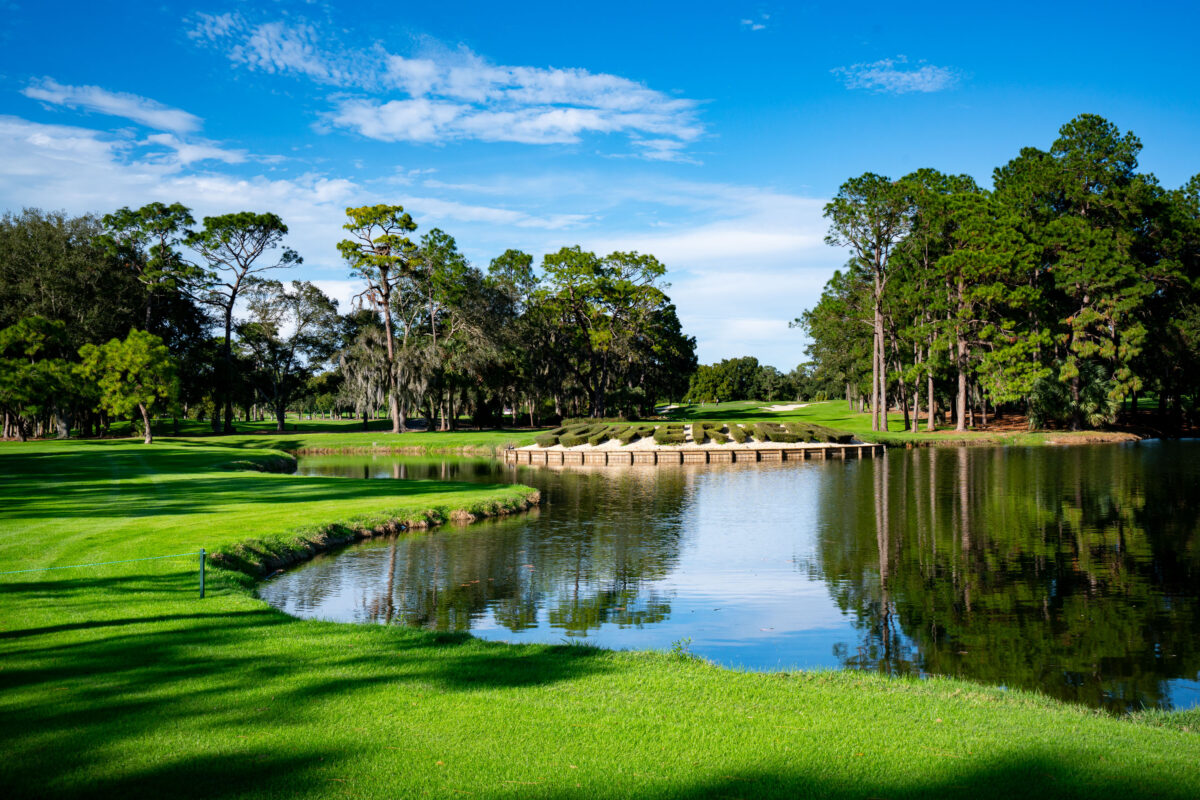
Golf course water hazard with wooden bridge, manicured fairways, and tall pine trees at Innisbrook Resort.
The Copperhead Course at Innisbrook Resort in Palm Harbor, Florida, opened in 1970 and was designed by Lawrence Packard and Bill Bartholomew, with later revisions by architect Robert Cupp. Its pine-lined fairways and elevation changes are unusual for Florida golf courses, which typically play flat. The course has hosted the PGA Tour's Valspar Championship annually since 2000, and its par-4 16th and 17th holes, part of a stretch nicknamed the "Snake Pit," are considered among the tour's most demanding closing sequences.
Lakeside Green on the Copperhead Course at Innisbrook Resort
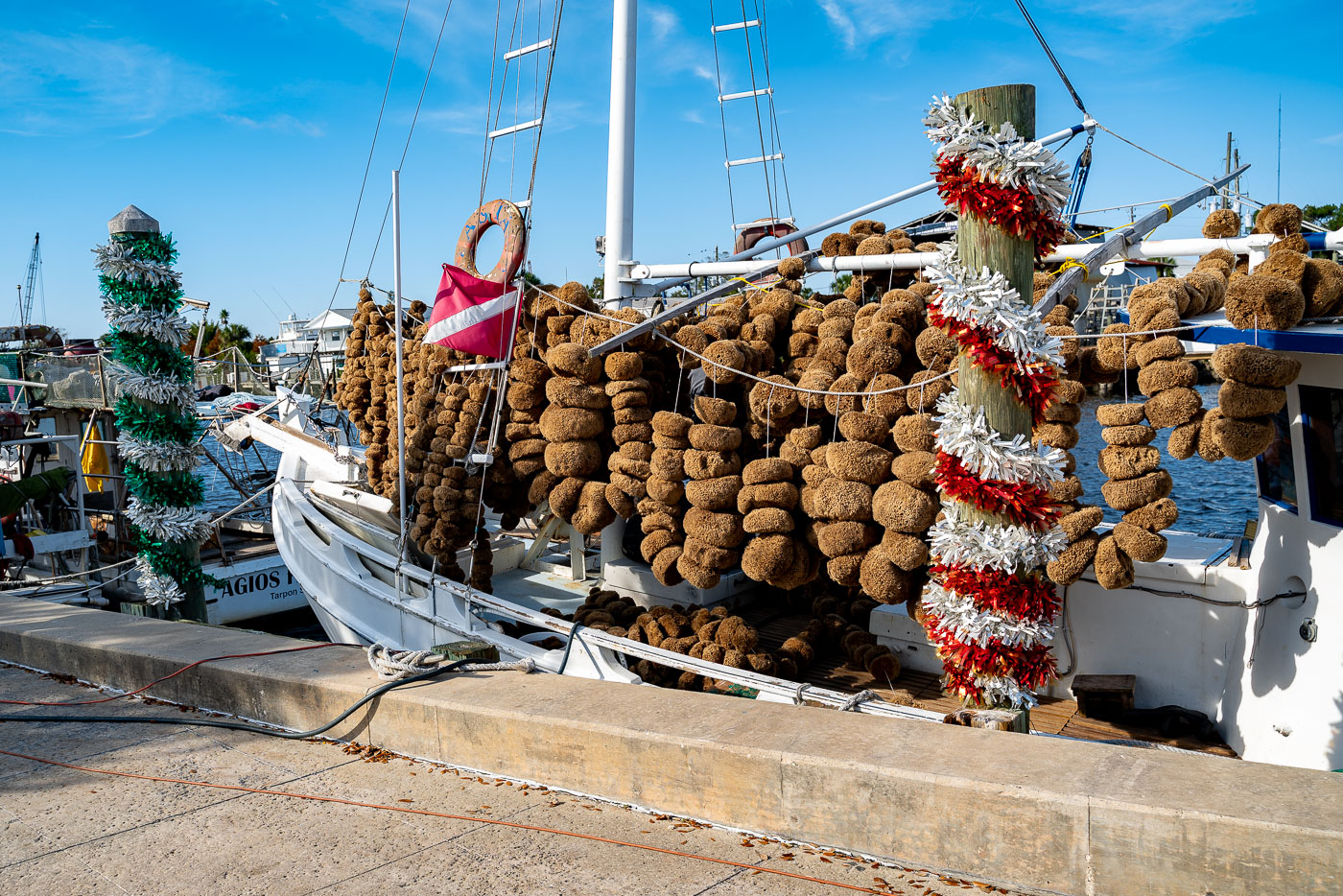
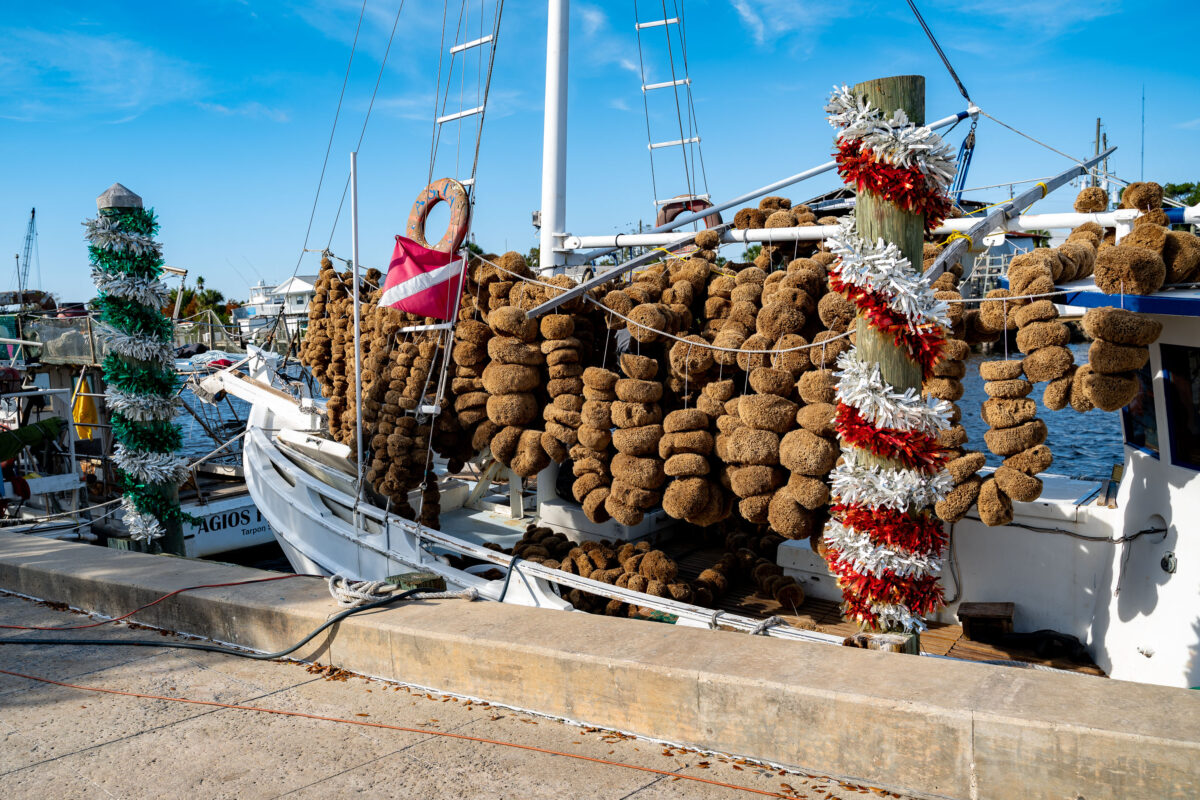
Tarpon Springs sponge boat loaded with harvested natural sponges at the Sponge Docks.
A sponge diving boat is docked at the Tarpon Springs Sponge Docks in Tarpon Springs, Florida. The vessel is stacked with harvested natural sponges, a product of the city’s Greek sponge-diving industry. The area remains a center for sponge harvesting and related maritime activity.

Tarpon Springs Sponge Boat Loaded with Sponges
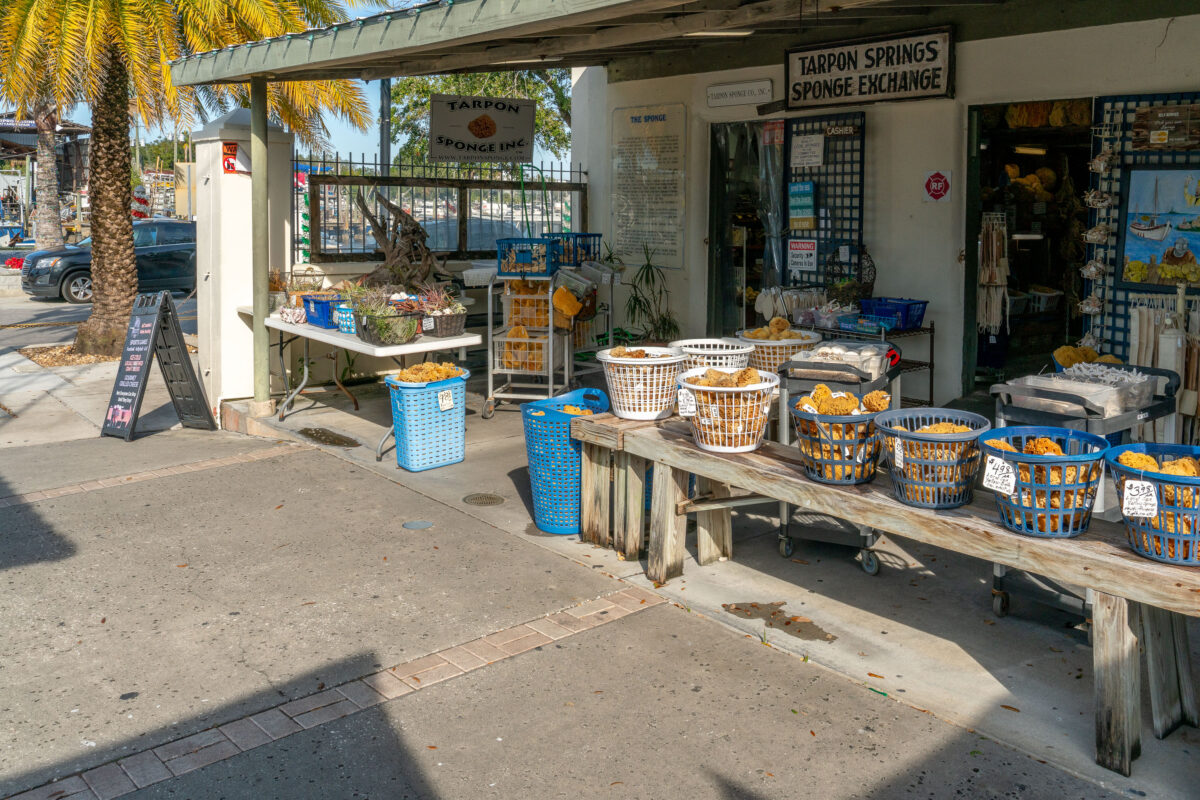
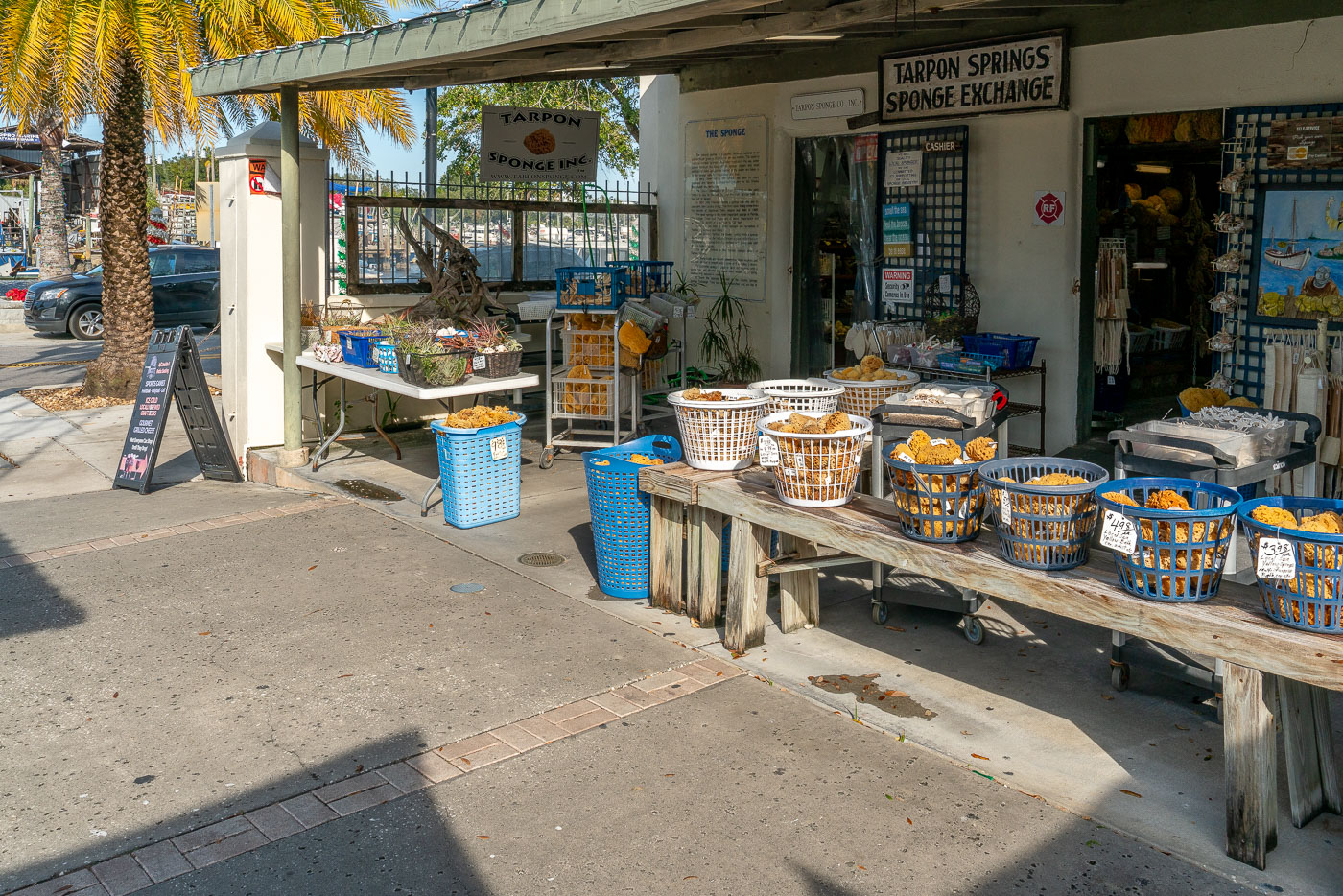
Tarpon Springs Sponge Exchange storefront with baskets of natural sponges in Florida
The Tarpon Springs Sponge Exchange in Tarpon Springs, Florida, sells natural sponges and related goods at the Sponge Docks. The storefront displays baskets of sponges outside and merchandise inside the shop. Tarpon Springs is closely associated with the Greek-American sponge diving industry.

Tarpon Springs Sponge Exchange, Tarpon Springs Florida
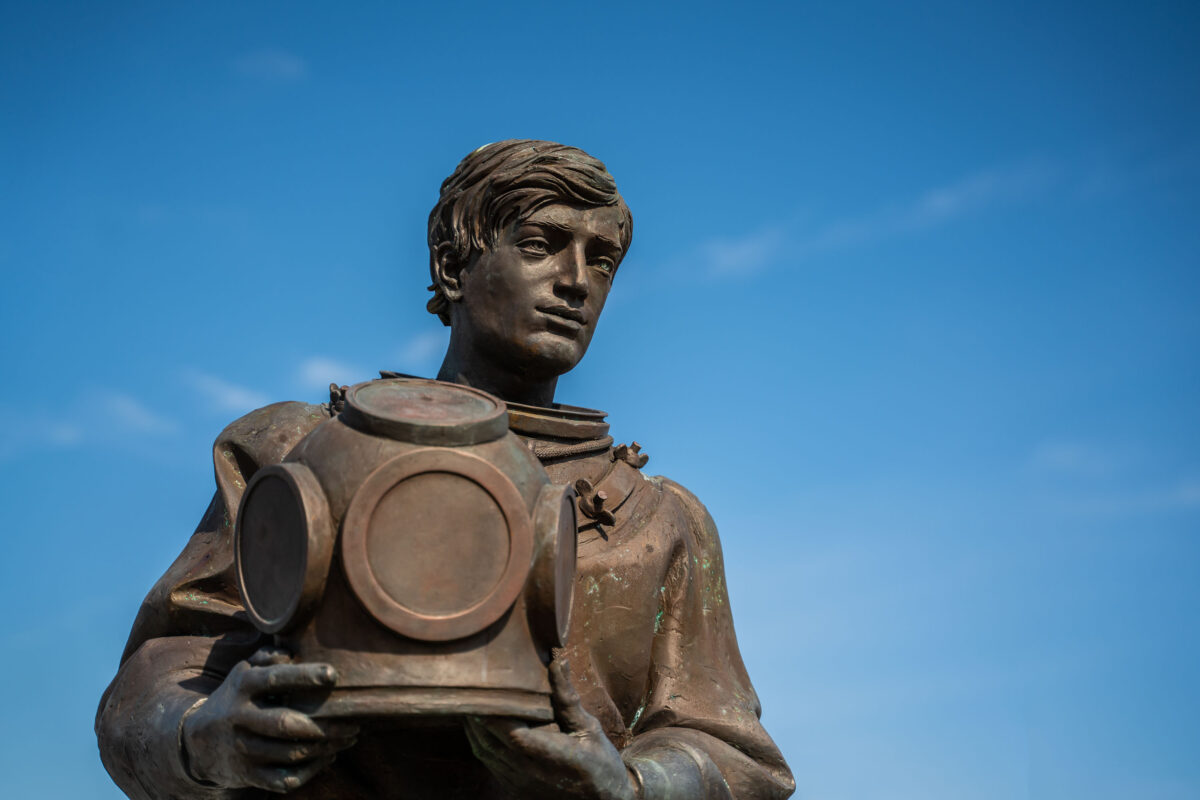
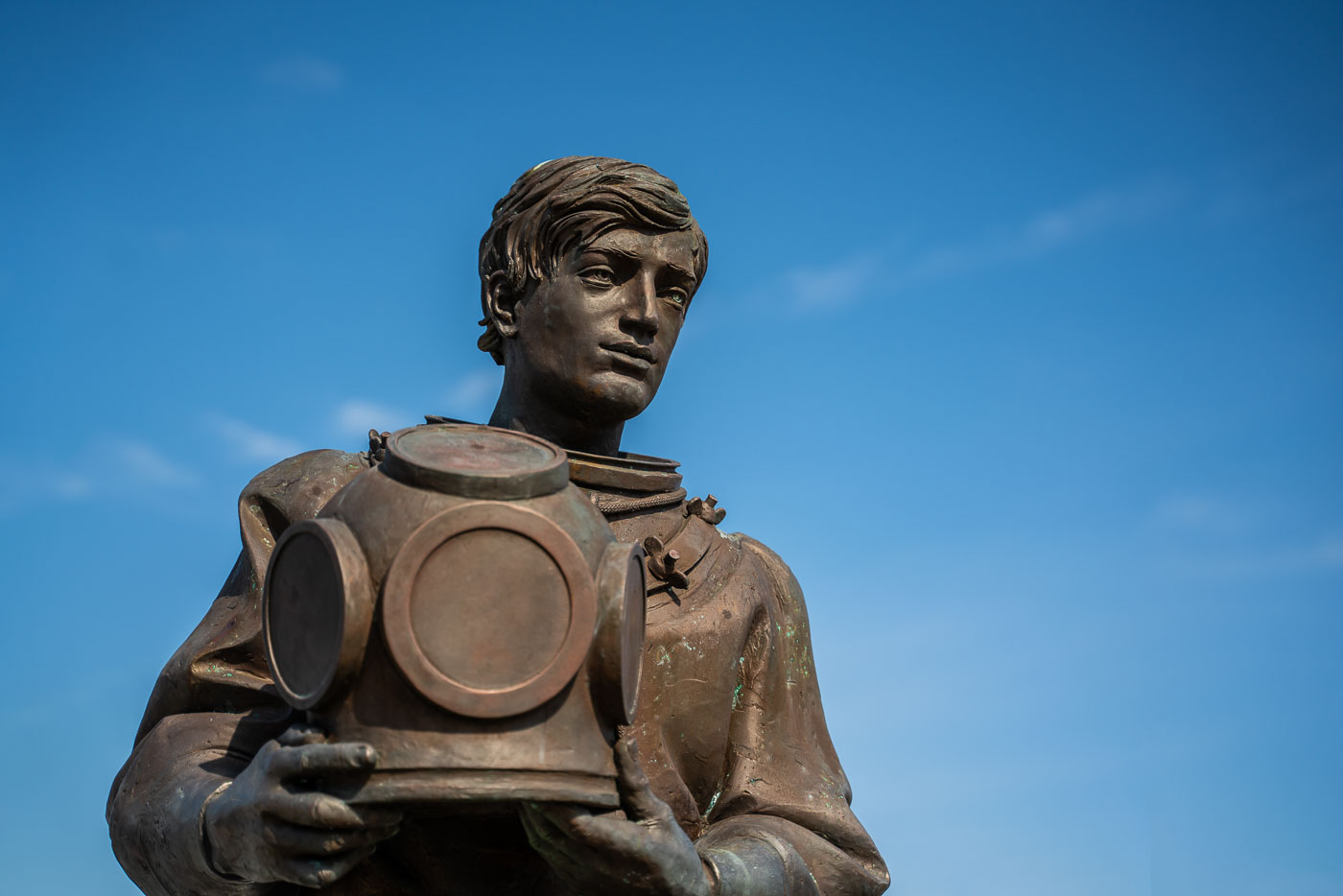
Tarpon Springs Sponge Diver Memorial holding a brass diving helmet in Florida
The Sponge Diver Memorial in Tarpon Springs, Florida, honors the Greek immigrant divers who built the city’s sponge industry. The bronze figure holds a traditional brass diving helmet, a key piece of early sponge-diving equipment.

Tarpon Springs Sponge Diver Memorial, Tarpon Springs Florida
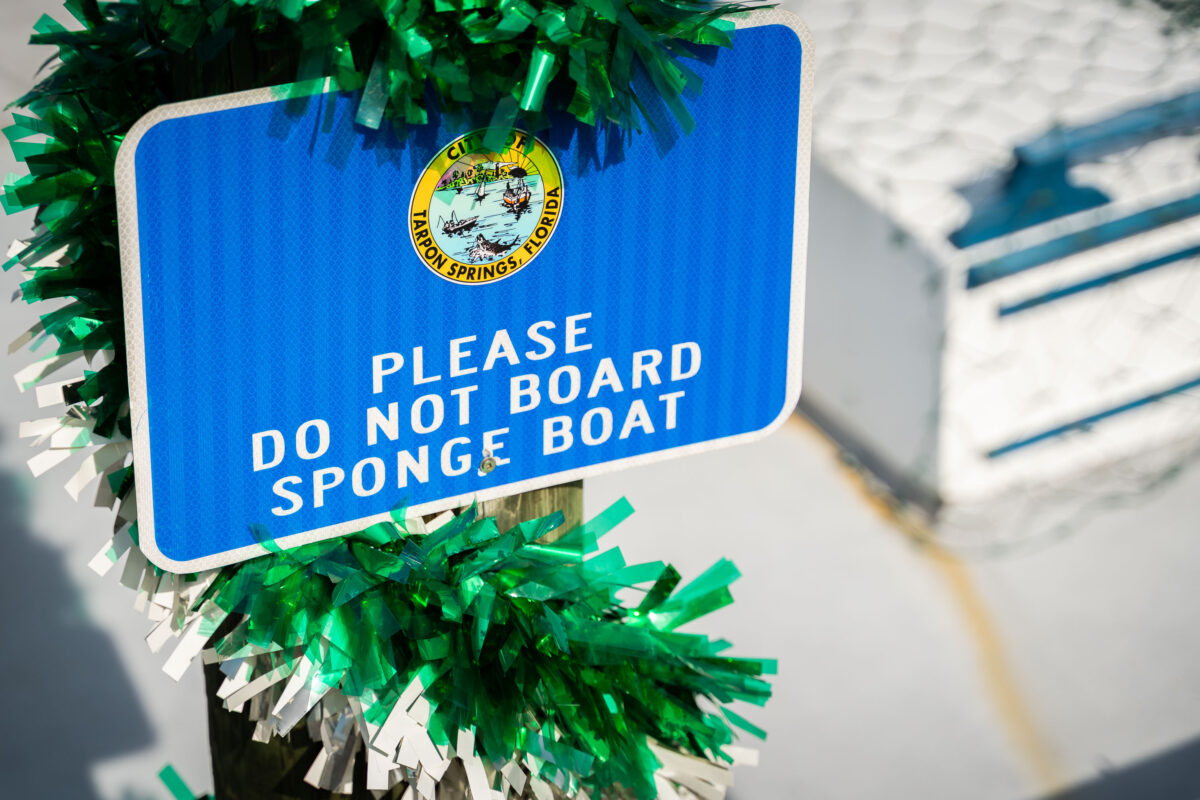
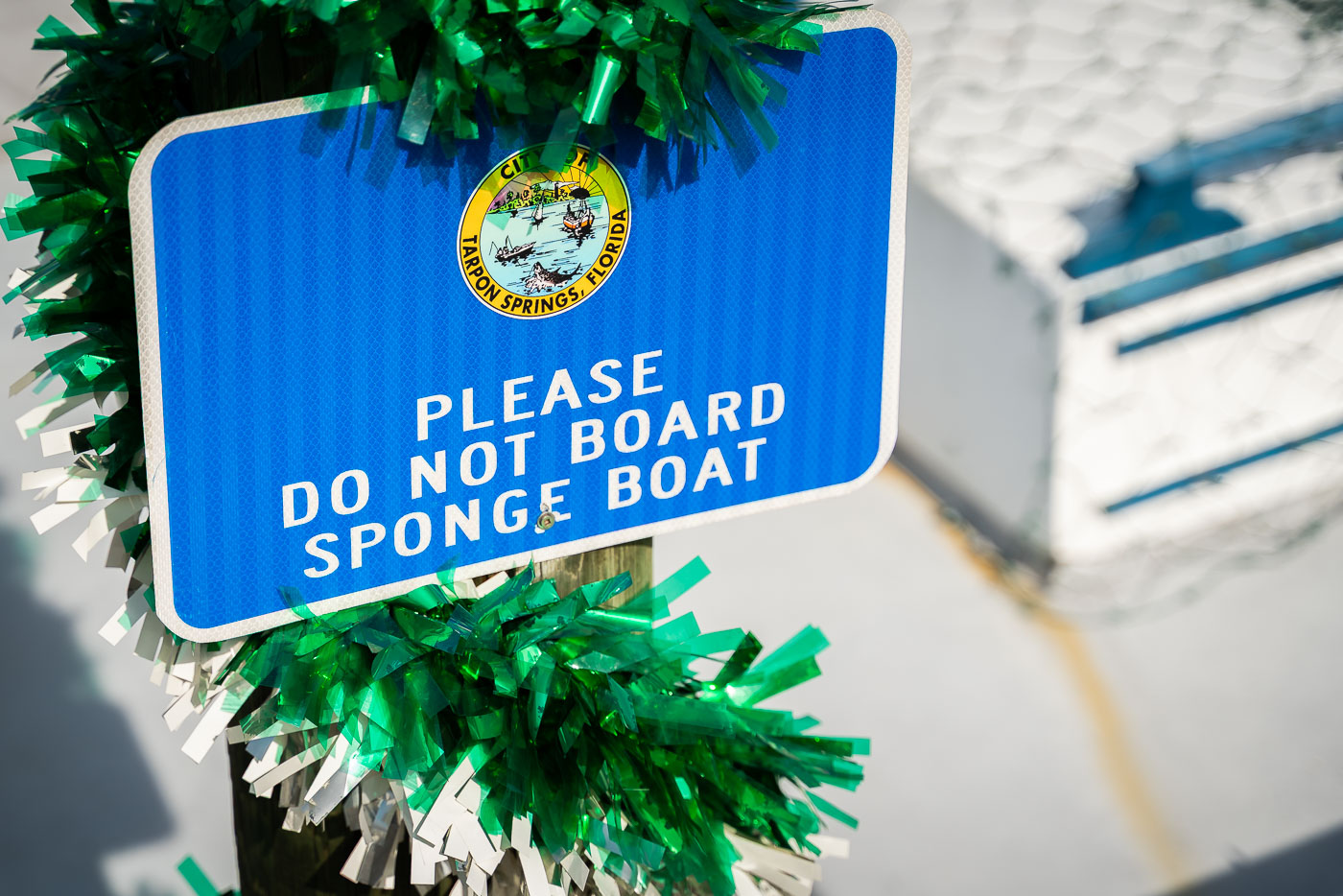
Tarpon Springs sponge boat sign at the Sponge Docks in Florida.
A sign reading “Please Do Not Board Sponge Boat” is posted at the Tarpon Springs Sponge Docks in Tarpon Springs, Florida. The dock area is associated with the city’s sponge-diving fleet and working boats.

Tarpon Springs Sponge Boat Sign, Tarpon Springs Florida
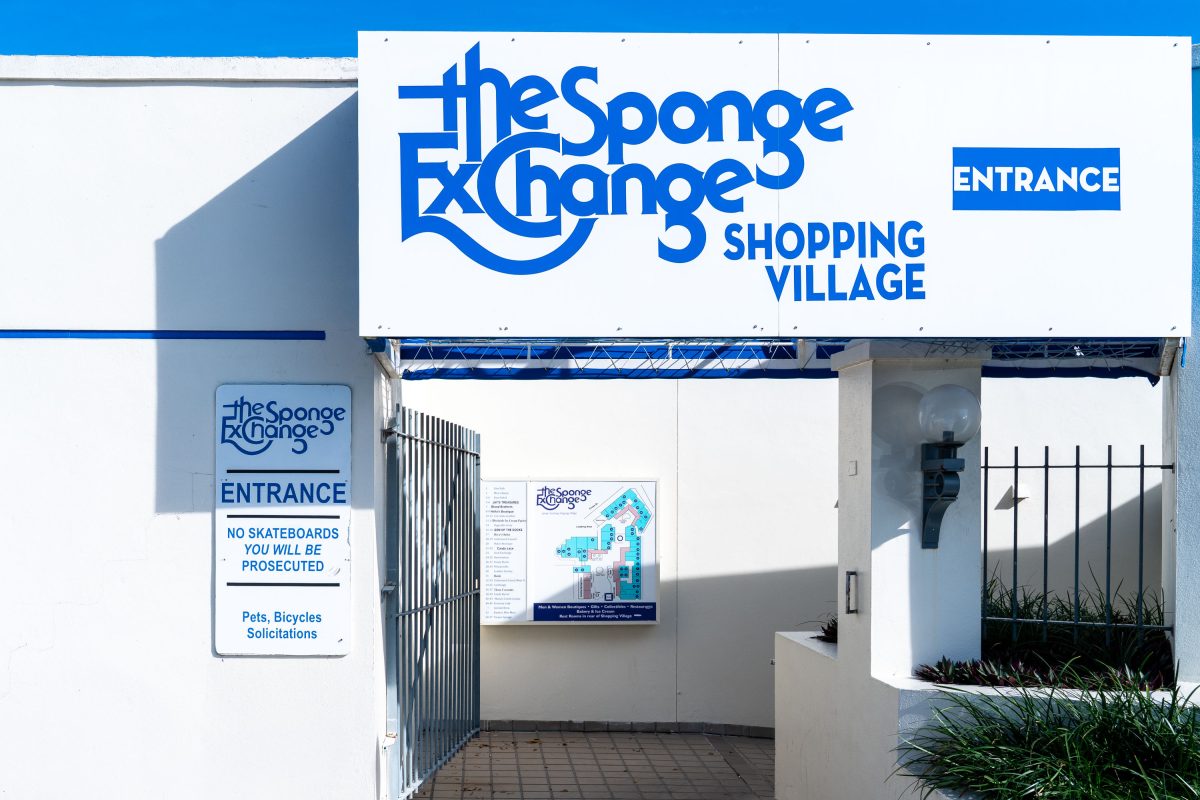
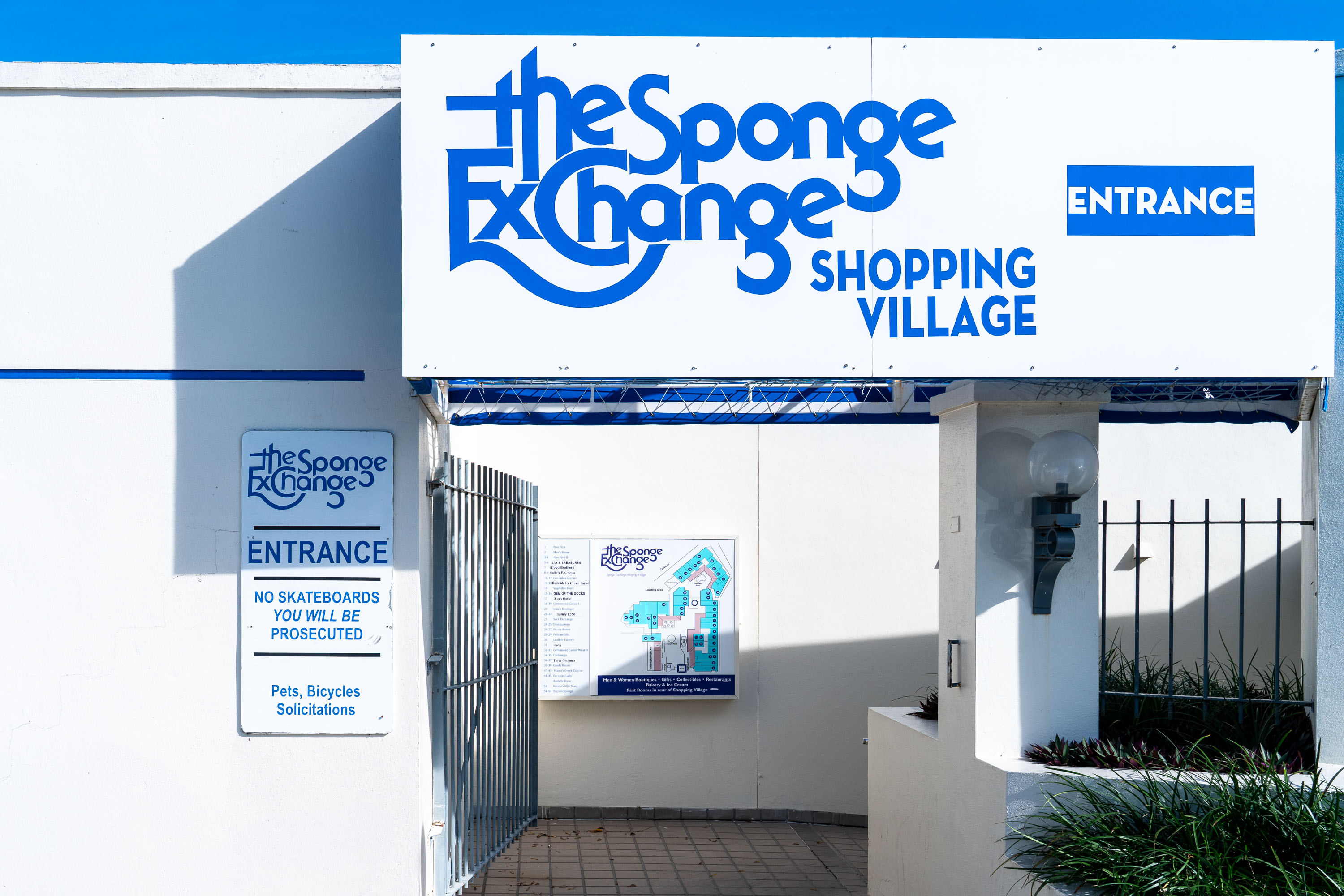
Entrance to the Sponge Exchange Shopping Village in Tarpon Springs, Florida.
The Sponge Exchange Shopping Village sits along Dodecanese Boulevard in Tarpon Springs, the sponge-diving town settled by Greek immigrants in the late 1800s. The complex occupies a former sponge warehouse district, where buildings once used for processing and packing natural sea sponges have been converted into retail space. Tarpon Springs still supplies a share of the natural sponges sold in the United States, a trade that dates back to Greek divers recruited to the area starting in 1905. Shops within the village sell sponges, Greek imports, and local goods to visitors drawn to the town's sponge docks and Greek heritage sites.

The Sponge Exchange Shopping Village Entrance, Tarpon Springs
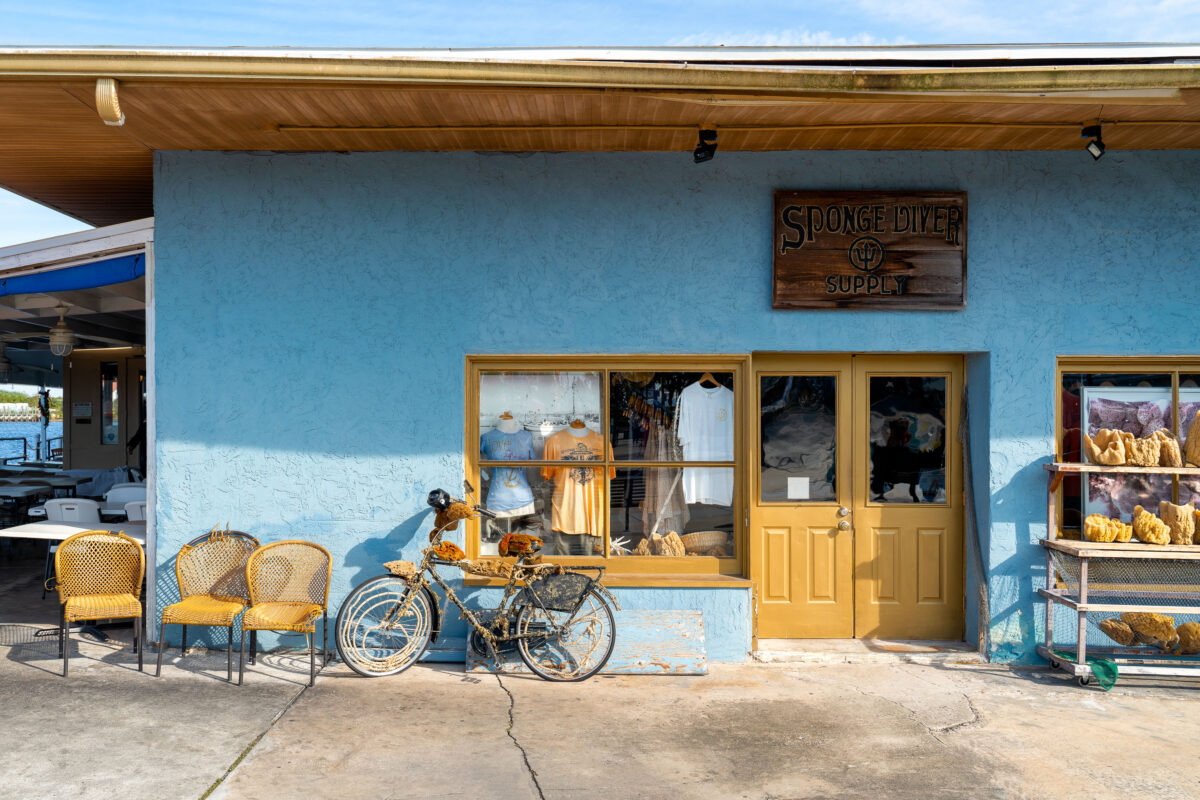
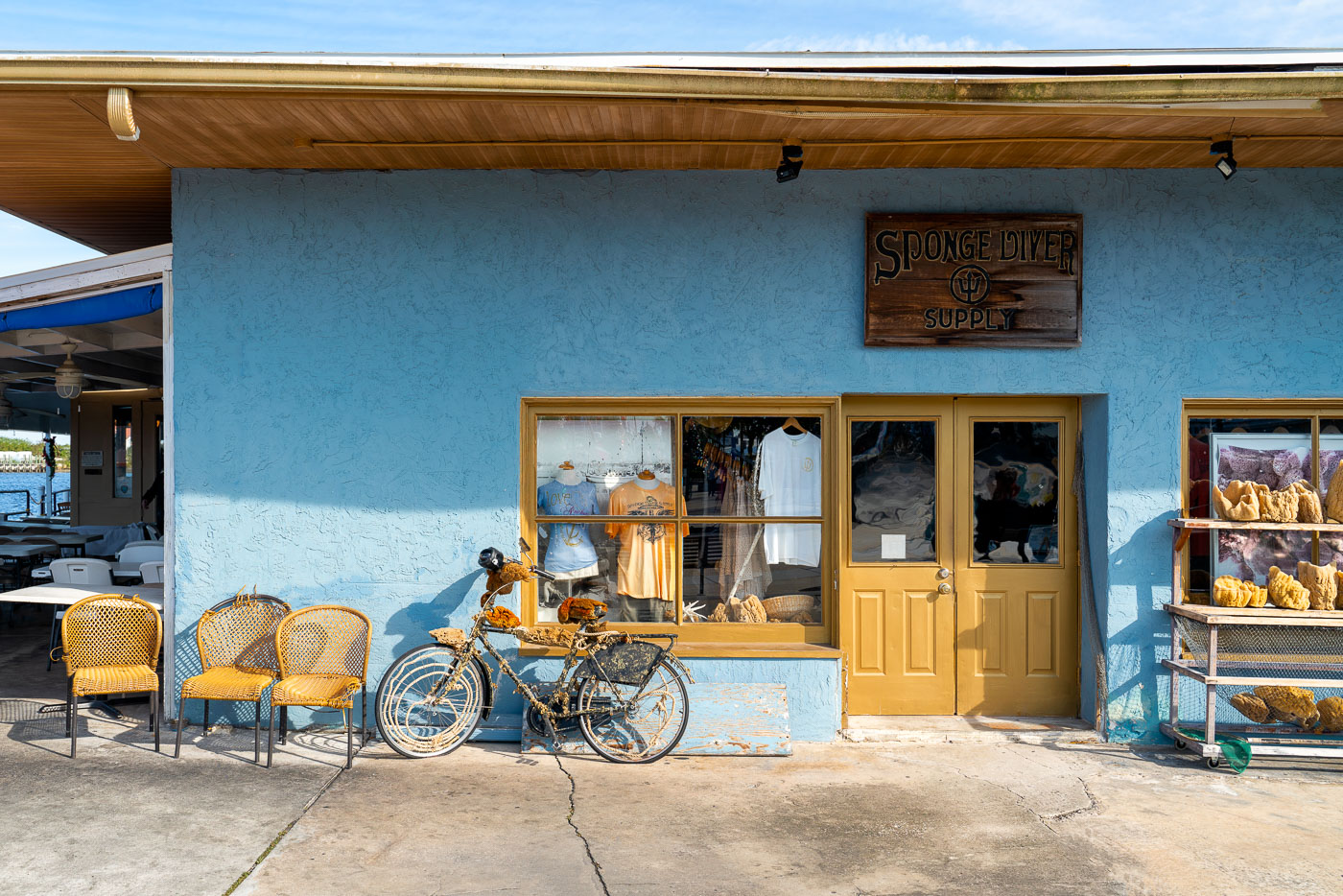
Sponge Diver Supply storefront with yellow doors and vintage bicycle at Tarpon Springs Sponge Docks, Florida.
Sponge Diver Supply sits along Dodecanese Boulevard at the Tarpon Springs Sponge Docks, a commercial waterfront built up by Greek immigrant divers who arrived in the early 1900s to harvest natural sea sponges from the Gulf of Mexico. The shop sells natural sponges alongside apparel and souvenirs tied to the trade. Tarpon Springs still bills itself as the sponge capital of the world, and the docks remain a working harbor for the dwindling fleet of Greek-owned sponge boats that continue to dive the Gulf beds each season.

Sponge Diver Supply at the Tarpon Springs Sponge Docks
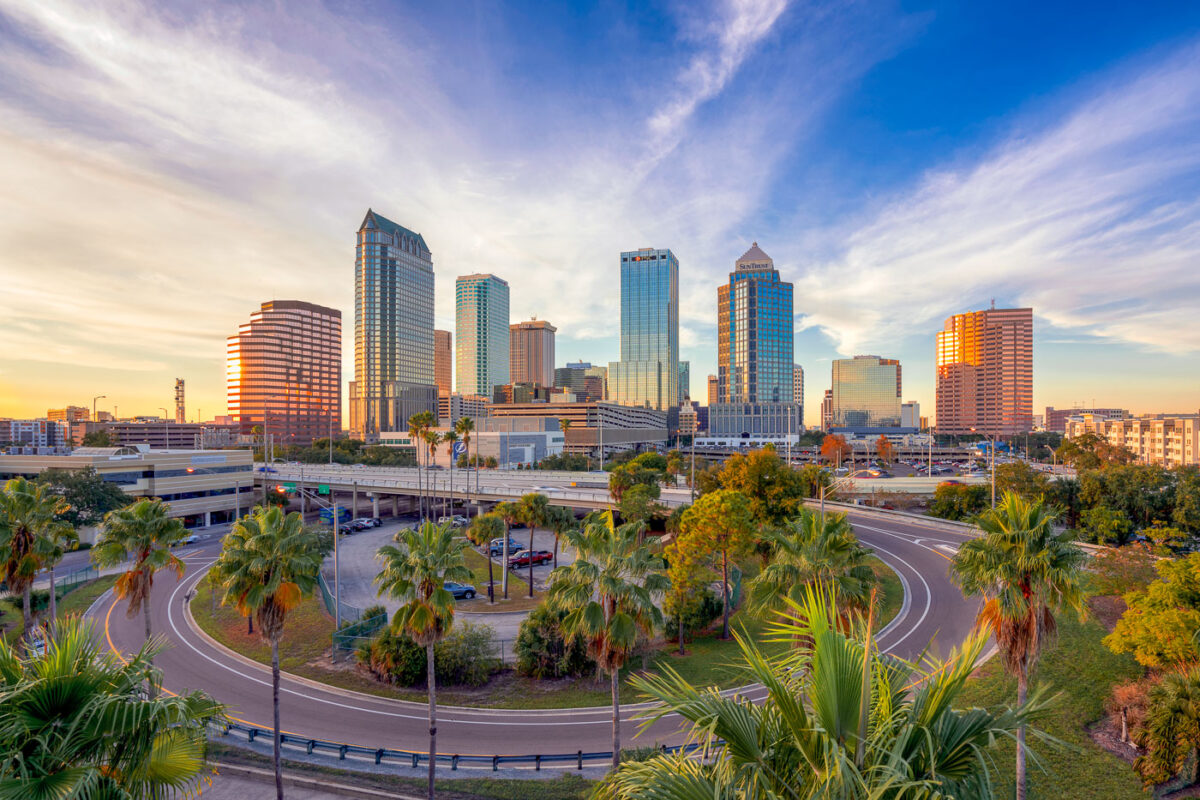
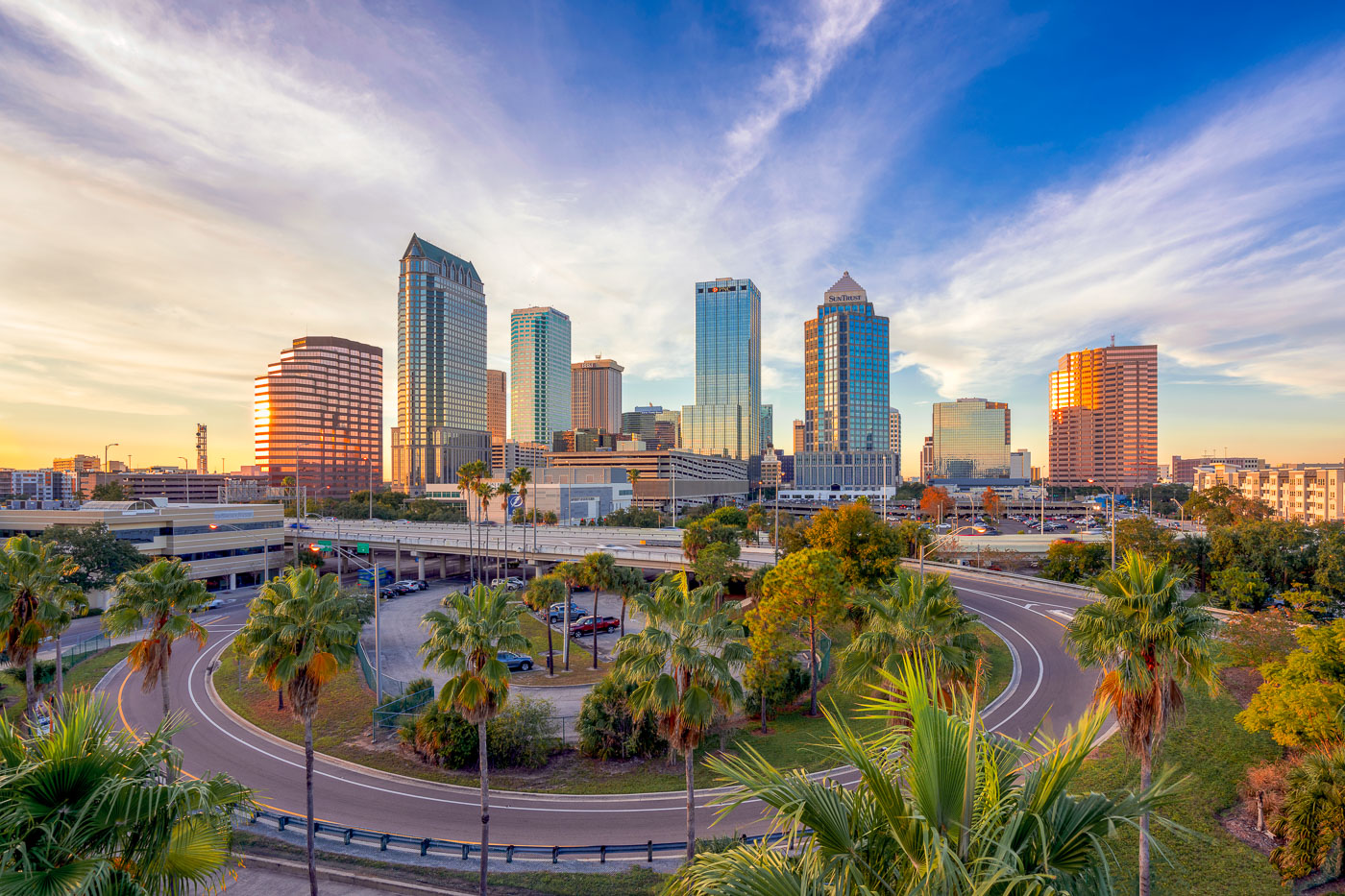
Tampa's downtown skyline at sunset with palm trees and multi-level highway interchange in foreground.
Downtown Tampa's skyline is anchored by Bank of America Plaza, completed in 1986 and rising 42 stories to 577 feet, still the city's tallest building. Nearby, Rivergate Tower — nicknamed the Beer Can Building for its cylindrical crown — was finished in 1988 and stands 30 stories along the Hillsborough River. The elevated roadway in the foreground feeds into the Lee Roy Selmon Expressway, which opened in 1976 and in 2006 added Florida's first reversible express lanes. Those lanes carry commuters between downtown, South Tampa, and Interstate 4, one of the region's busiest connections.

Downtown Tampa Skyline Above the Selmon Expressway Interchange
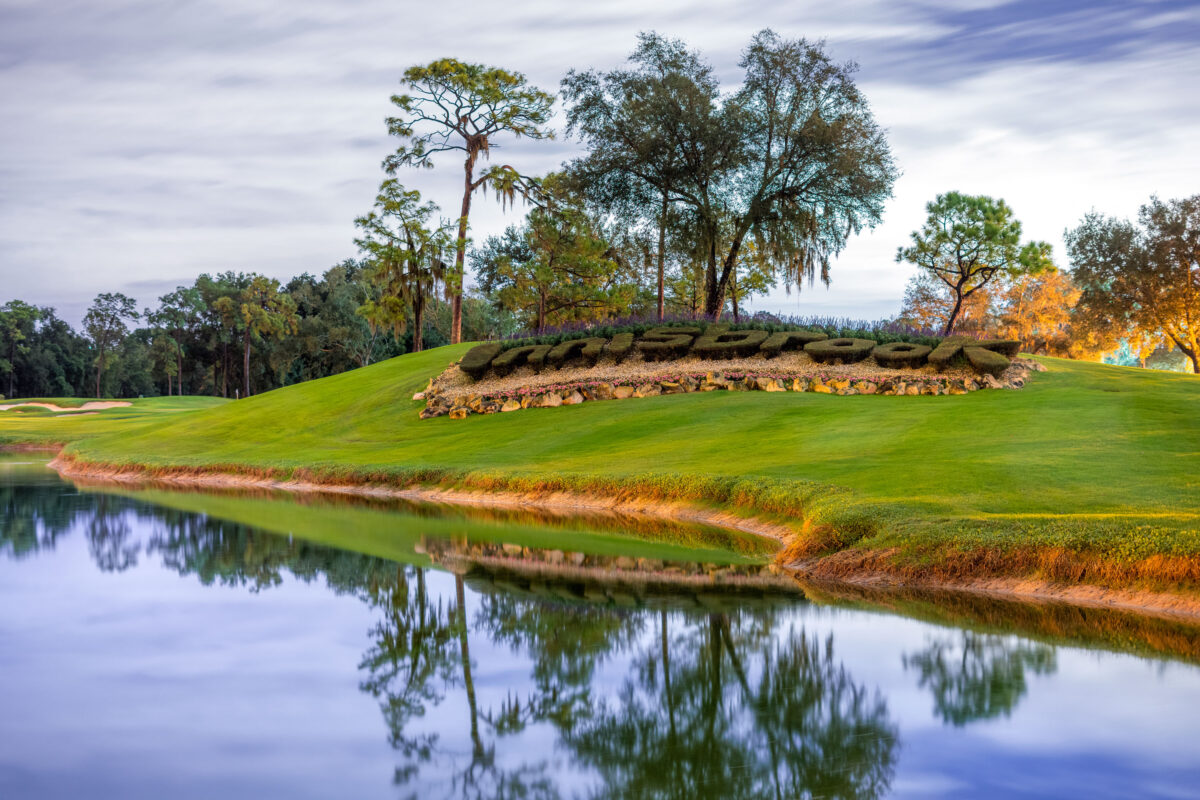
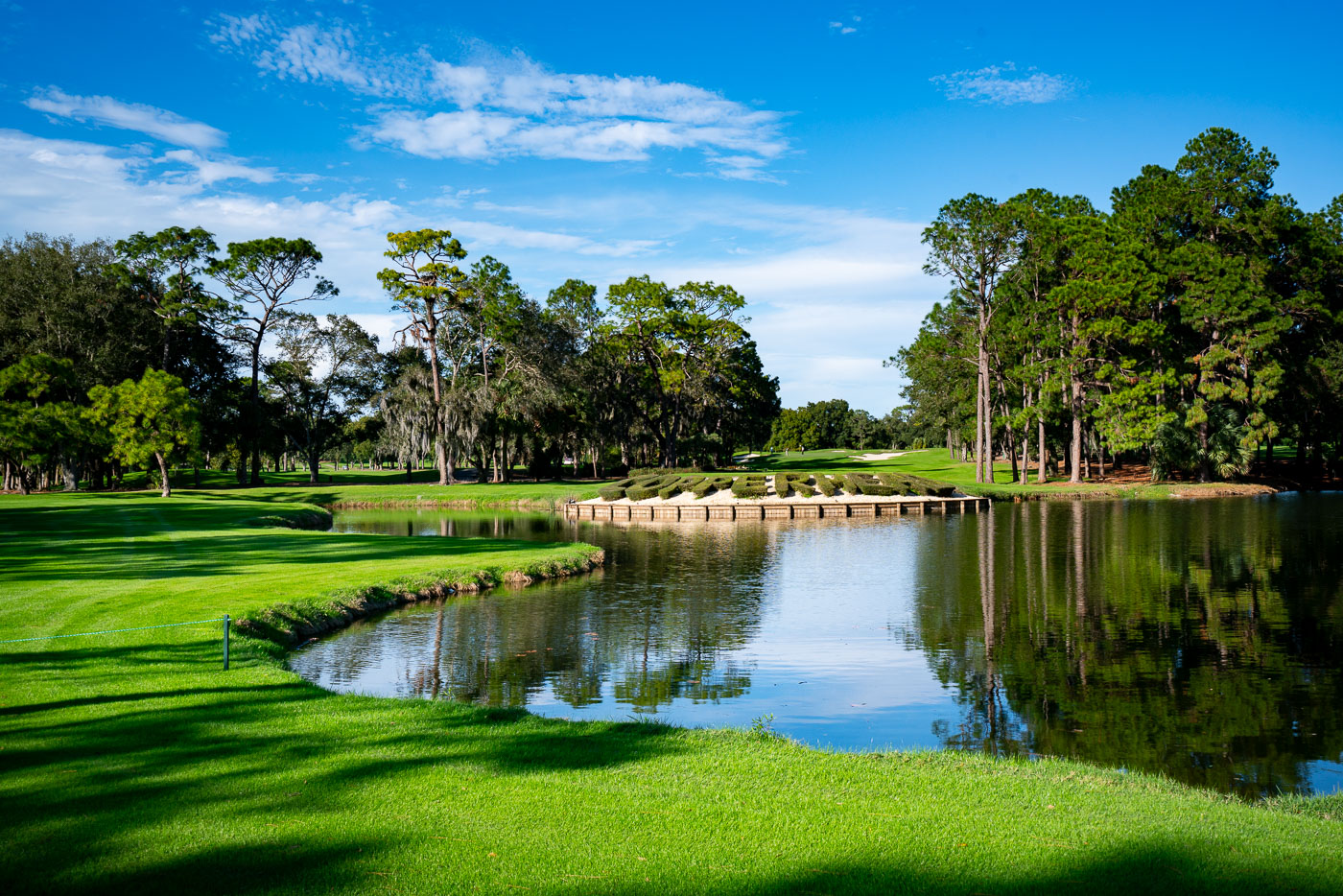
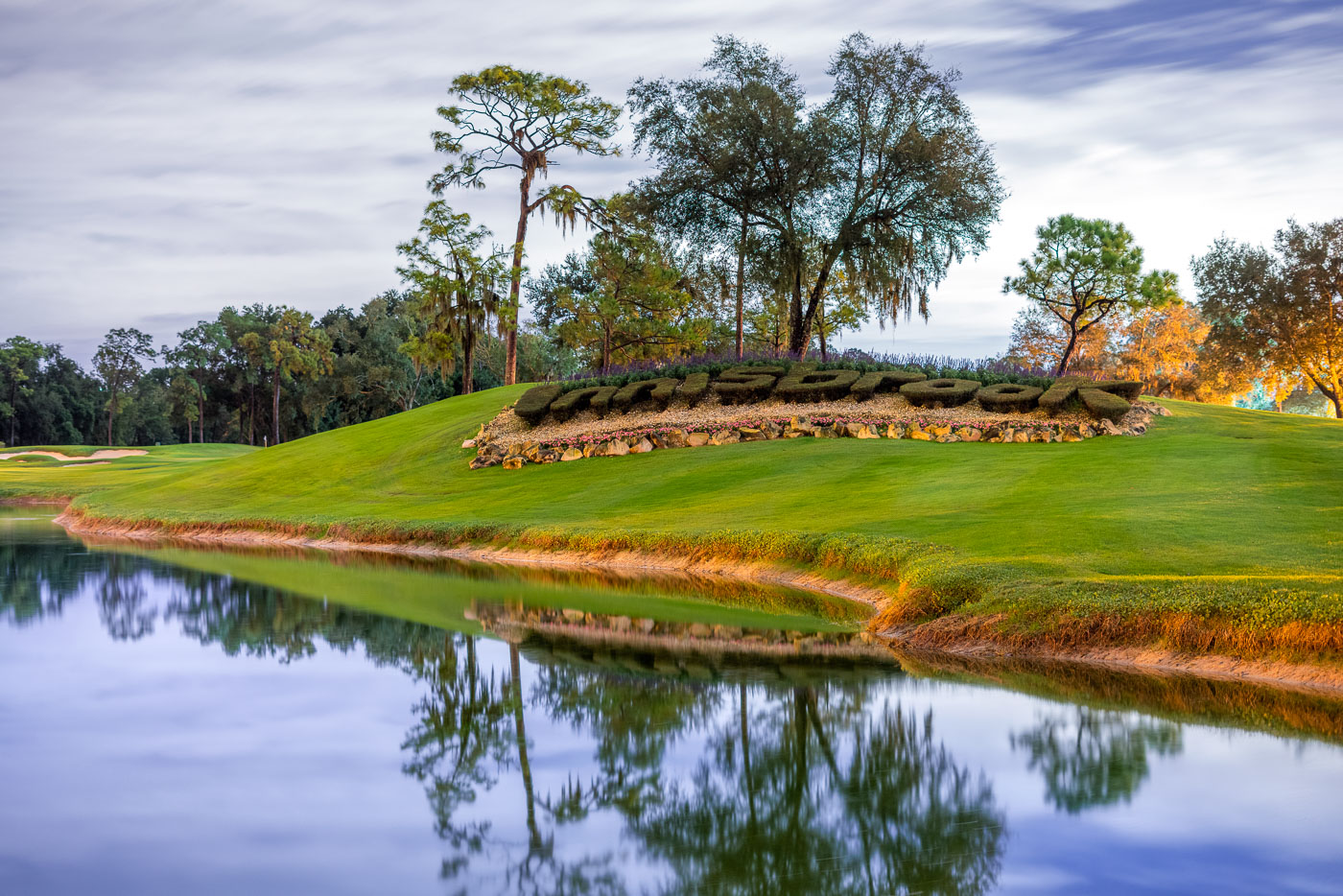
Golf course at Innisbrook Resort in Palm Harbor, Florida, with landscaped grounds and trees beside a pond.
Innisbrook Resort's hedge-carved sign greets golfers near the entrance to its Copperhead Course in Palm Harbor, Florida. The Copperhead Course has hosted the PGA Tour's Valspar Championship since 2000, drawing players to its tree-lined fairways each spring. Innisbrook's grounds sit on roughly 900 acres of what was once cattle ranchland before development began in the early 1970s.

Innisbrook Topiary Sign Beside the Pond, Palm Harbor
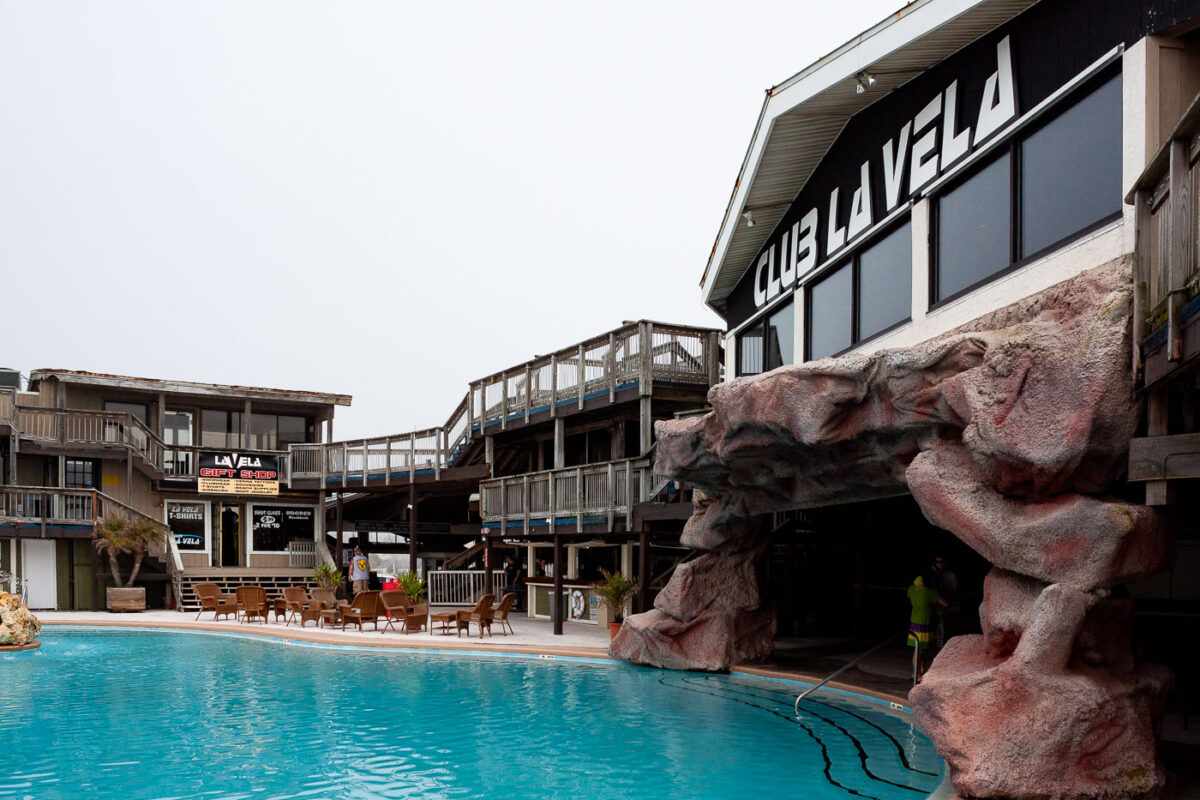
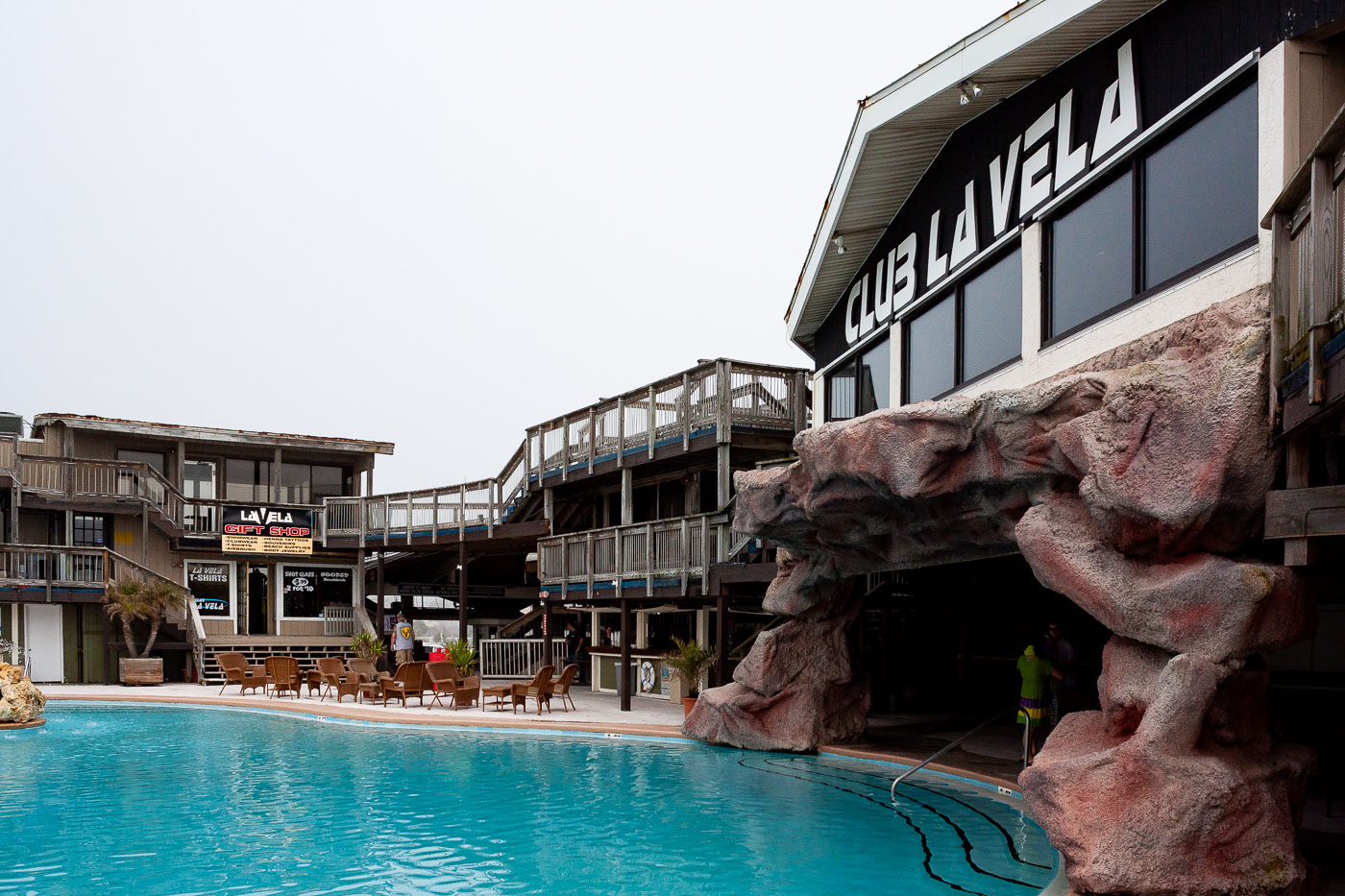
Club La Vela nightclub pool deck with wooden structures and statue in Panama City Beach, Florida.
Club La Vela sat directly on the Gulf of Mexico in Panama City Beach, Florida, and for years billed itself as the largest nightclub in the United States, with a capacity of roughly 6,000 patrons across multiple dance floors and stages. The complex grew over decades from a smaller beach bar into a sprawling multi-level venue connected by wooden walkways and outdoor decks, with a swimming pool and artificial rock grotto serving as a daytime gathering spot for spring break crowds. It became a fixture of MTV's spring break broadcasts through the 1990s and 2000s. Hurricane Michael struck the Panama City Beach area in October 2018, and the damage the club sustained led to its permanent closure.

Rock Grotto and Pool at Club La Vela’s Beachside Building

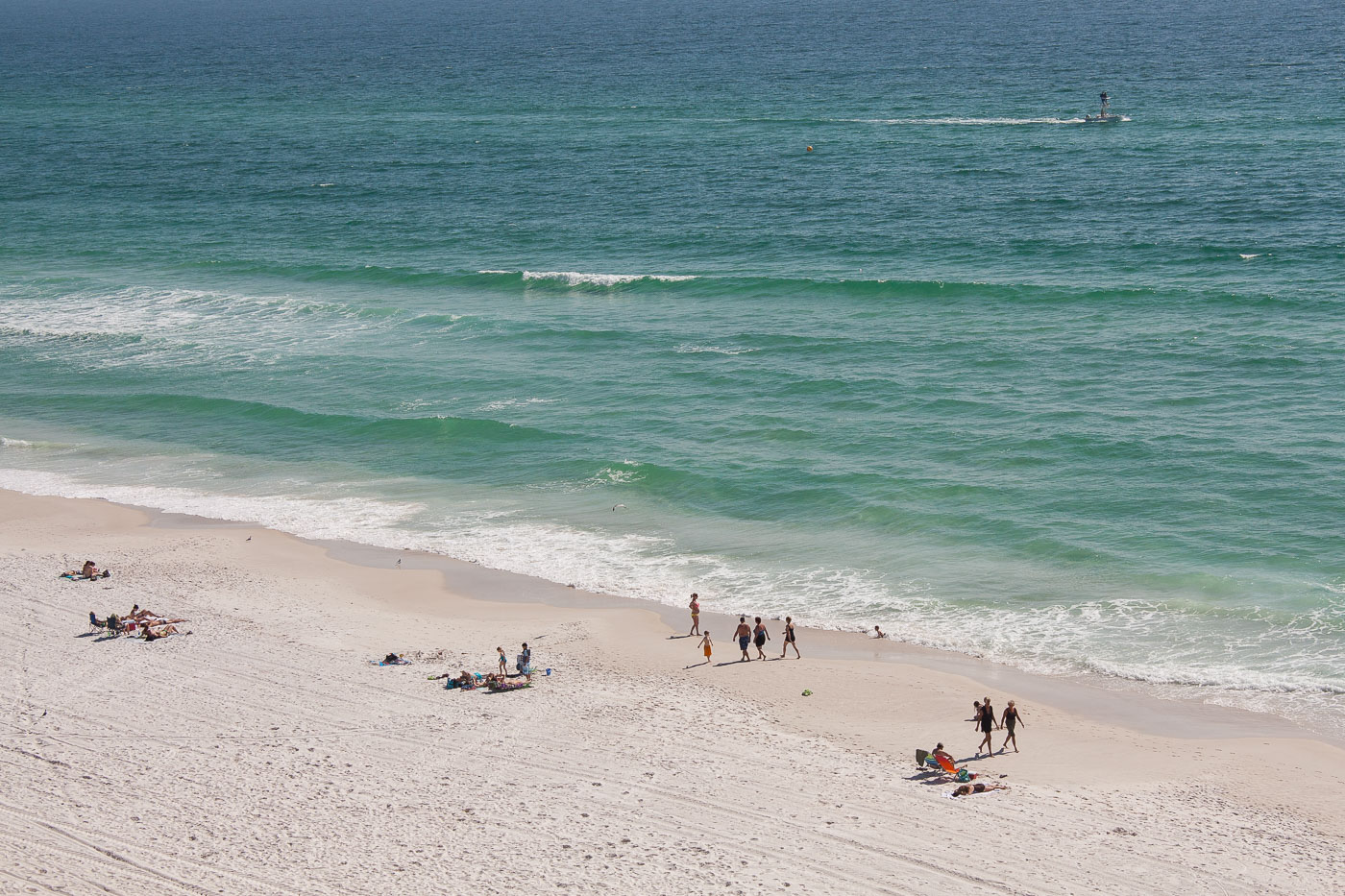
Beachgoers swim and relax on the white-sand shore of Panama City Beach, Florida.
Panama City Beach sits along Florida's Gulf Coast in Bay County, facing the Gulf of Mexico. Its sand is made almost entirely of quartz washed down from the Appalachian Mountains, giving the shoreline the fine white texture that distinguishes it from darker beaches elsewhere in the state. The beach stretches roughly 27 miles, making it one of the longer continuous stretches of public shoreline on the Florida Panhandle. Development along this coast accelerated after the construction of the Hathaway Bridge in 1929, which connected the beach to Panama City and opened it to wider tourism.

Waves Along the Shoreline at Panama City Beach
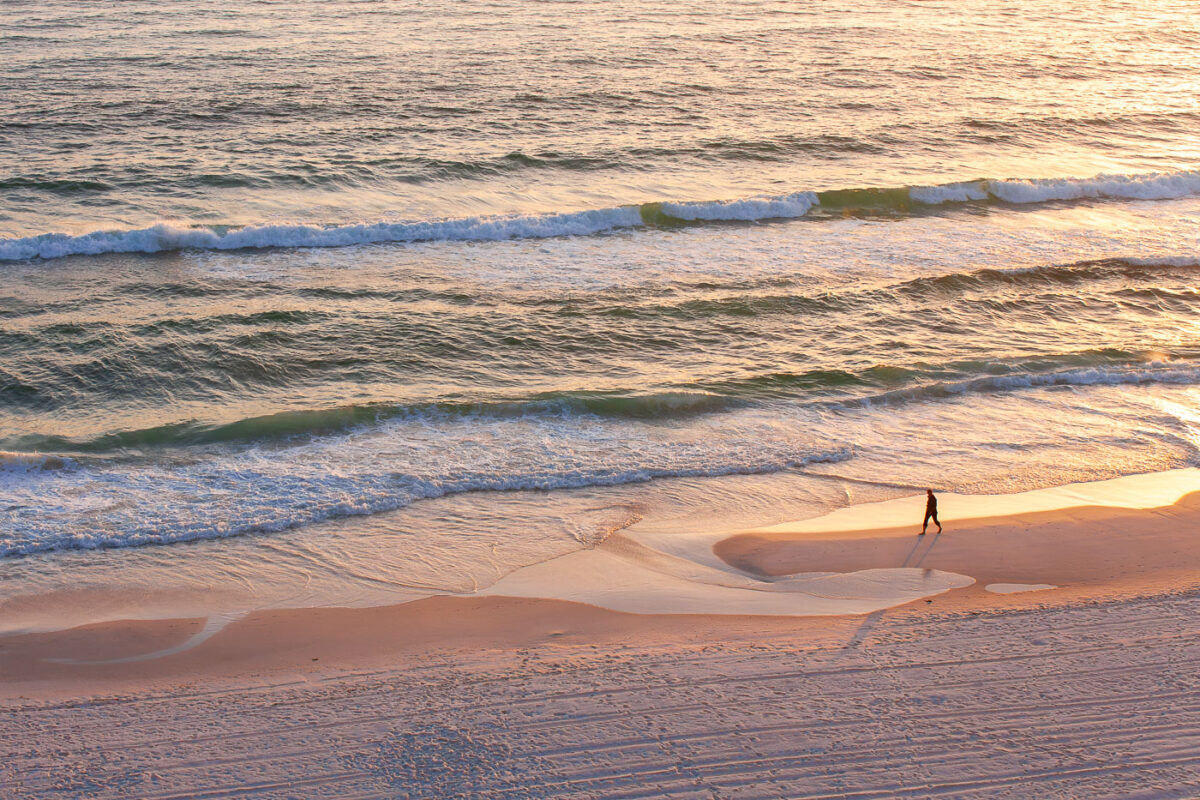
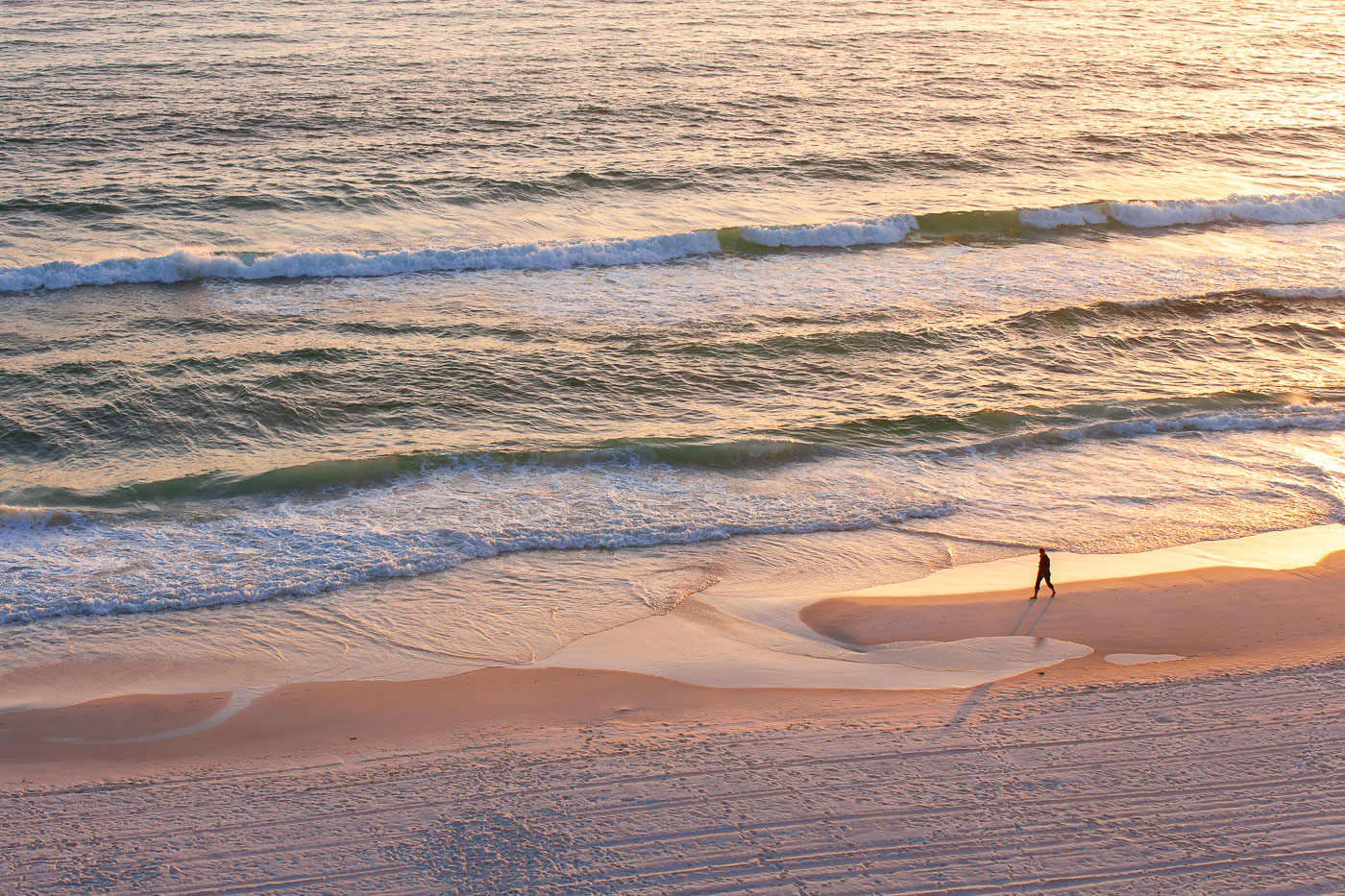
A solitary person walks along the shoreline at Panama City Beach, Florida, during sunset.
Panama City Beach sits along the Florida Panhandle on the Gulf of Mexico, roughly 100 miles southwest of Tallahassee. The beach's sand is composed almost entirely of quartz crystal washed down from the Appalachian Mountains, giving it the fine white texture that draws visitors from across the country. The city's 27 miles of coastline face the Gulf's warm, shallow waters, which stay relatively calm compared to open ocean beaches. Tourism has driven the local economy here since the mid-20th century, when the completion of highways linking the Panhandle to inland Florida and neighboring states first opened the area to mass visitation.

Walker at Sunset on Panama City Beach
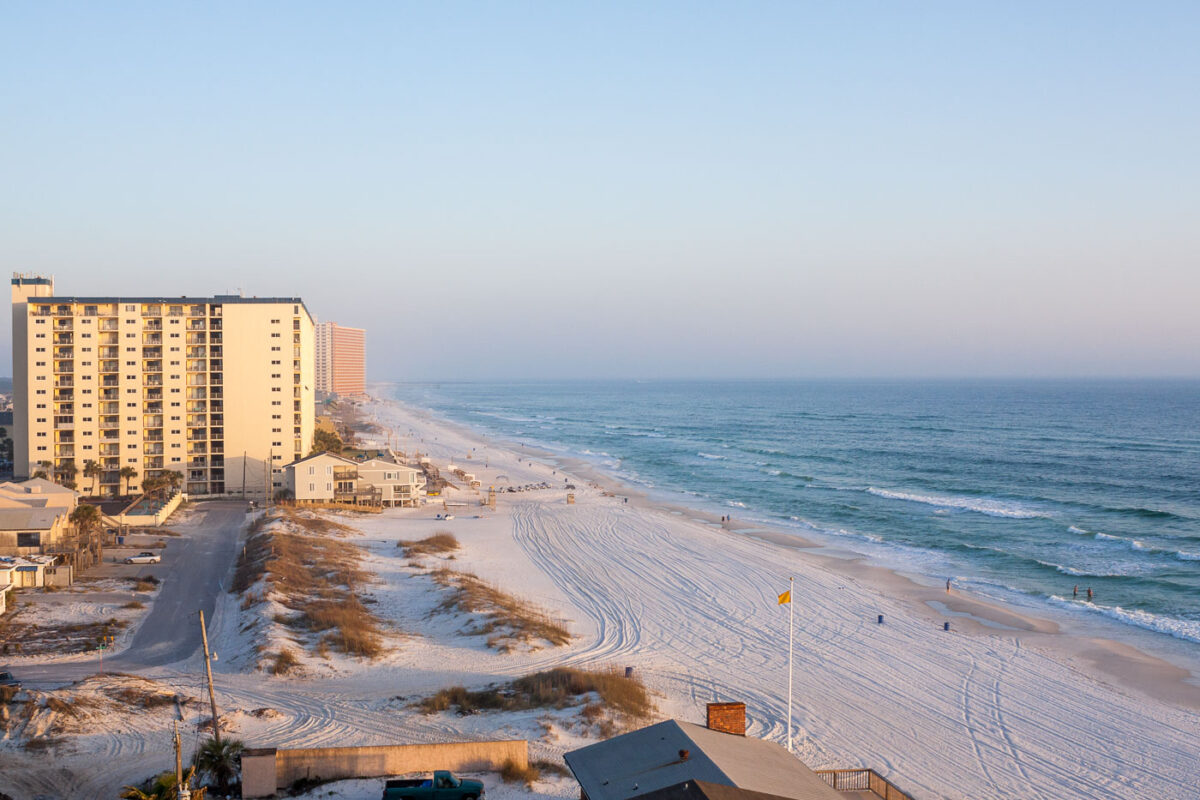
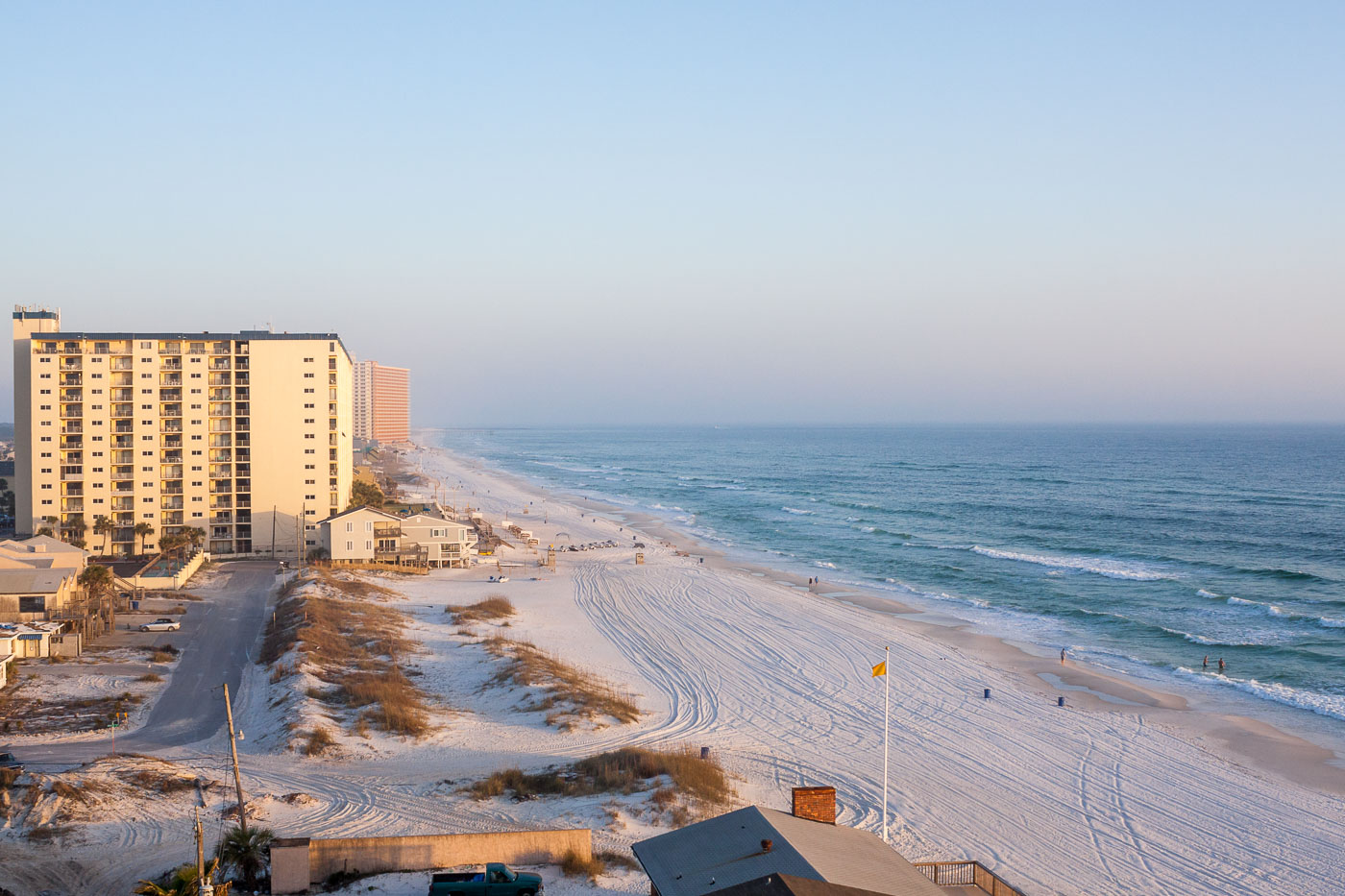
High-rise beachfront condominiums overlook Panama City Beach and the Gulf of Mexico shoreline in Florida.
Panama City Beach sits on a barrier peninsula in the Florida Panhandle, facing the Gulf of Mexico along roughly 27 miles of white quartz sand. The sand's brightness and fine texture come from quartz crystals washed down from the Appalachian Mountains over thousands of years. High-rise condominium towers built from the 1970s through the 2000s line much of the beachfront, replacing the small motels and cottages that once defined the area. Dune systems anchored by sea oats remain protected under Florida law, since they help stabilize the shoreline against storms and erosion.

High-Rise Condos Along Panama City Beach’s Shoreline
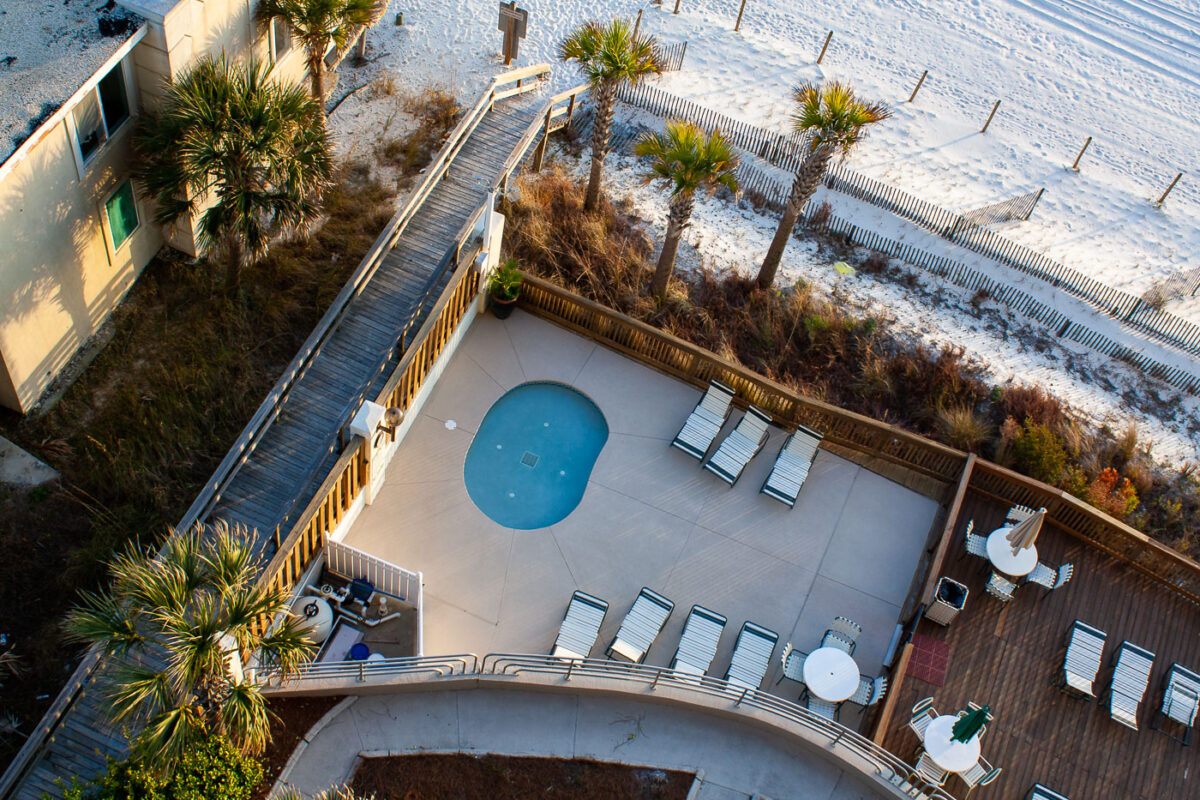
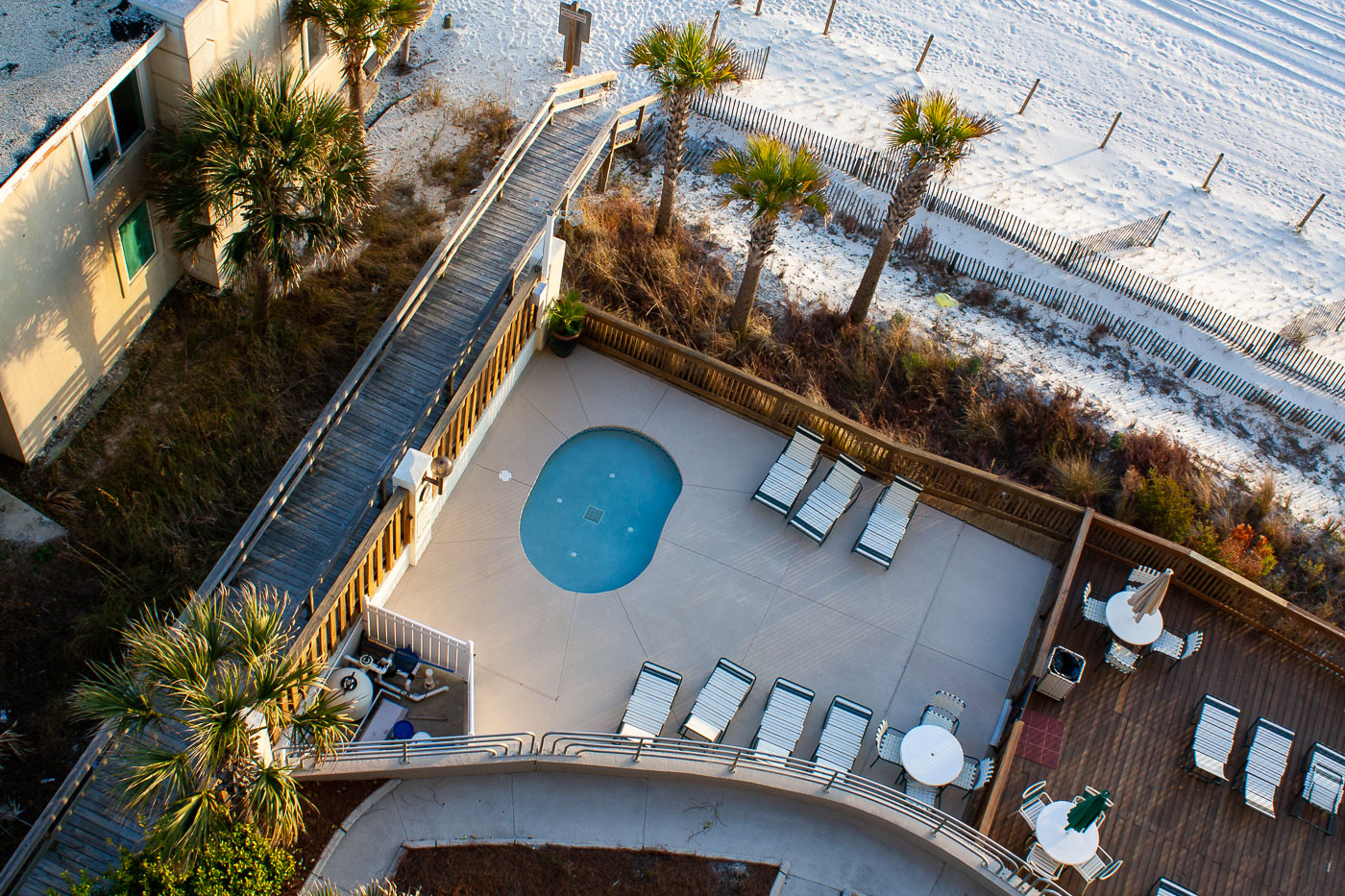
Beachfront resort pool deck with wooden boardwalk crossing dune line to beach in Panama City Beach, Florida.
A raised wooden walkover crosses the dune line here, linking a beachfront pool deck to the Gulf-side sand. Sand fencing and sea oats planted along the dunes help hold the sand in place, a common erosion-control method used throughout Panama City Beach. The pool terrace below includes lounge chairs and seating arranged for guests staying at the adjacent property.

Pool Deck and Dune Walkover Above Panama City Beach
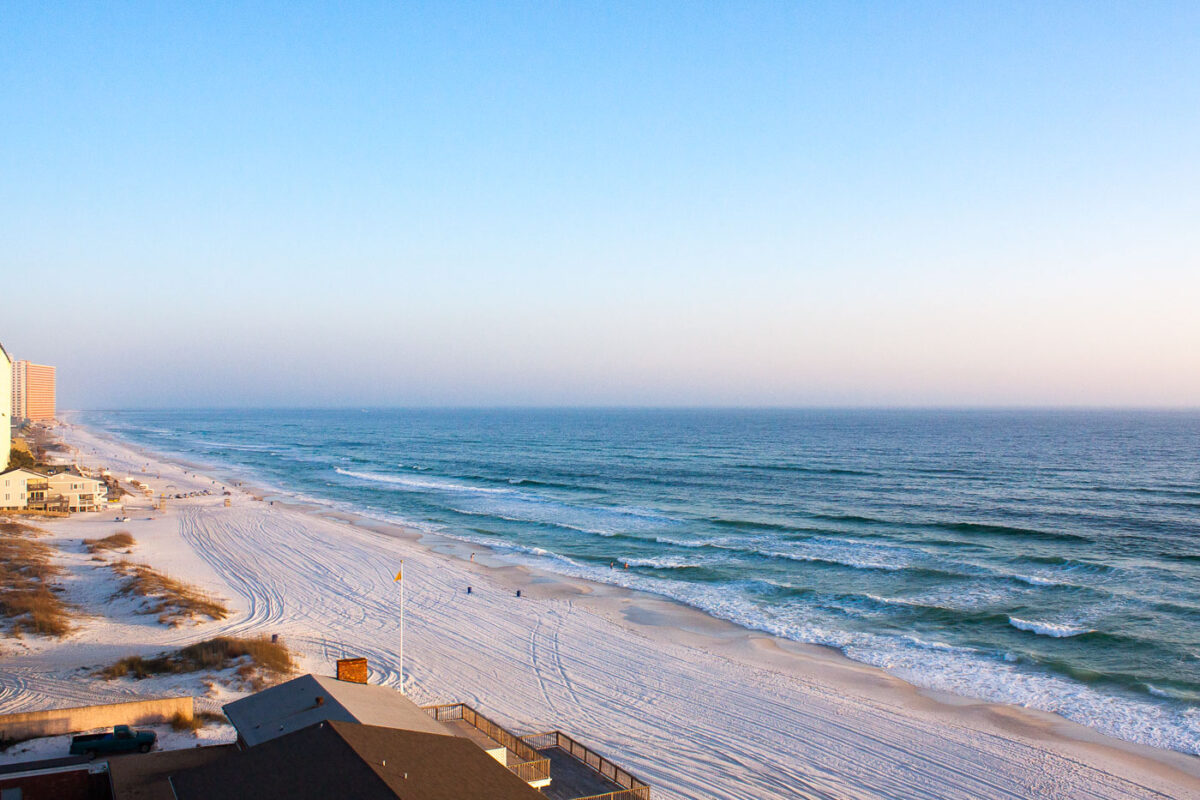
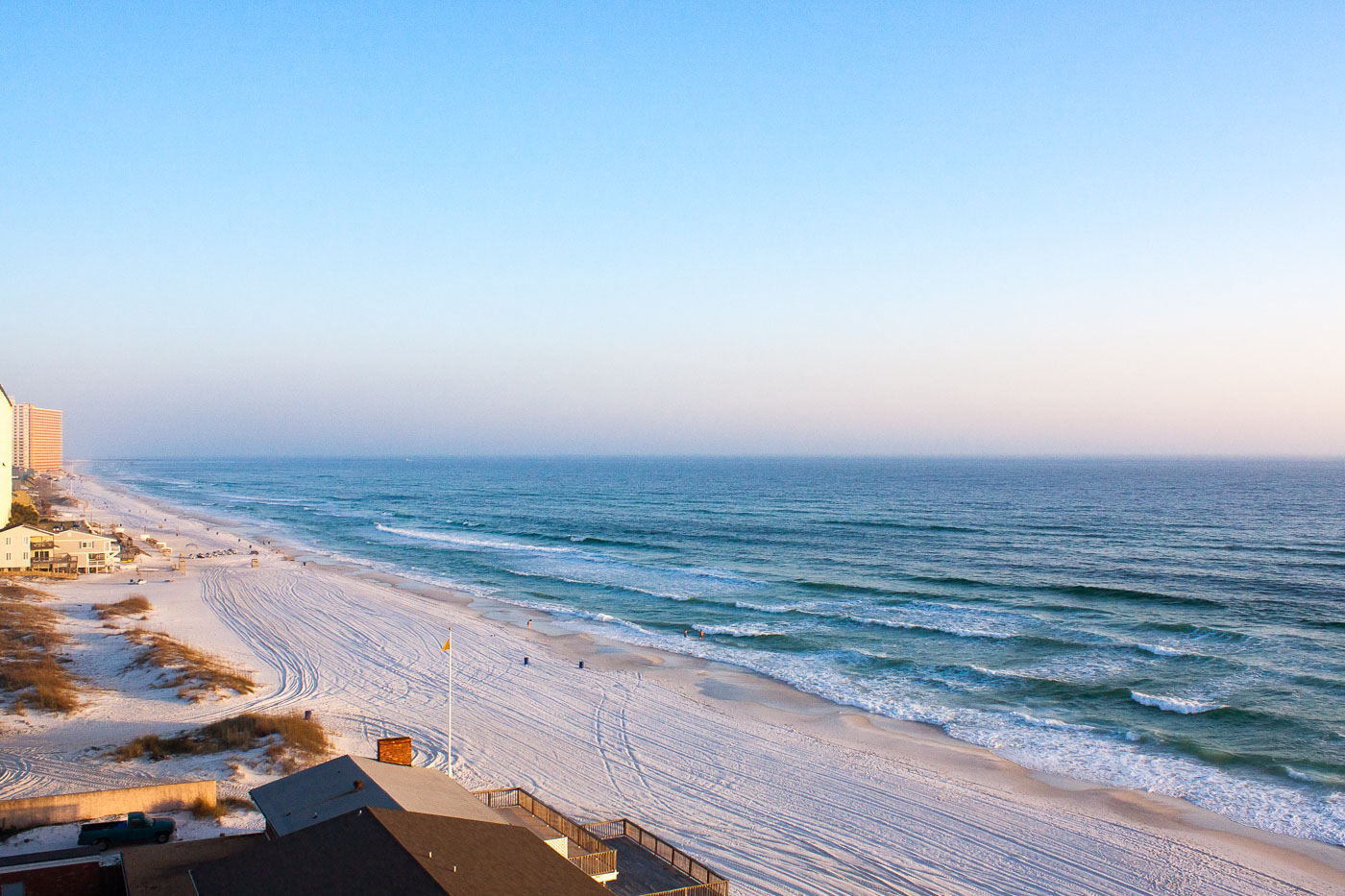
Beachfront high-rise resort tower overlooks white-sand beach and Gulf of Mexico waves in Panama City Beach, Florida.
Panama City Beach sits on a barrier peninsula along Florida's Gulf Coast in Bay County, roughly 100 miles southwest of Tallahassee. Its sand is composed largely of quartz washed down from the Appalachians over thousands of years, giving the beach its notably fine, white texture and cooler surface temperature compared to darker sands elsewhere in the state. The city incorporated in 1936 and grew through the postwar decades into one of the Florida Panhandle's primary tourist destinations, with high-rise condominiums replacing many of the smaller motels and cottages that once lined the shore. The Gulf here is part of a wider marine system that supports sea turtle nesting, including loggerheads, which return to these dunes each summer to lay eggs.

Morning Light Along Panama City Beach’s Gulf Shoreline
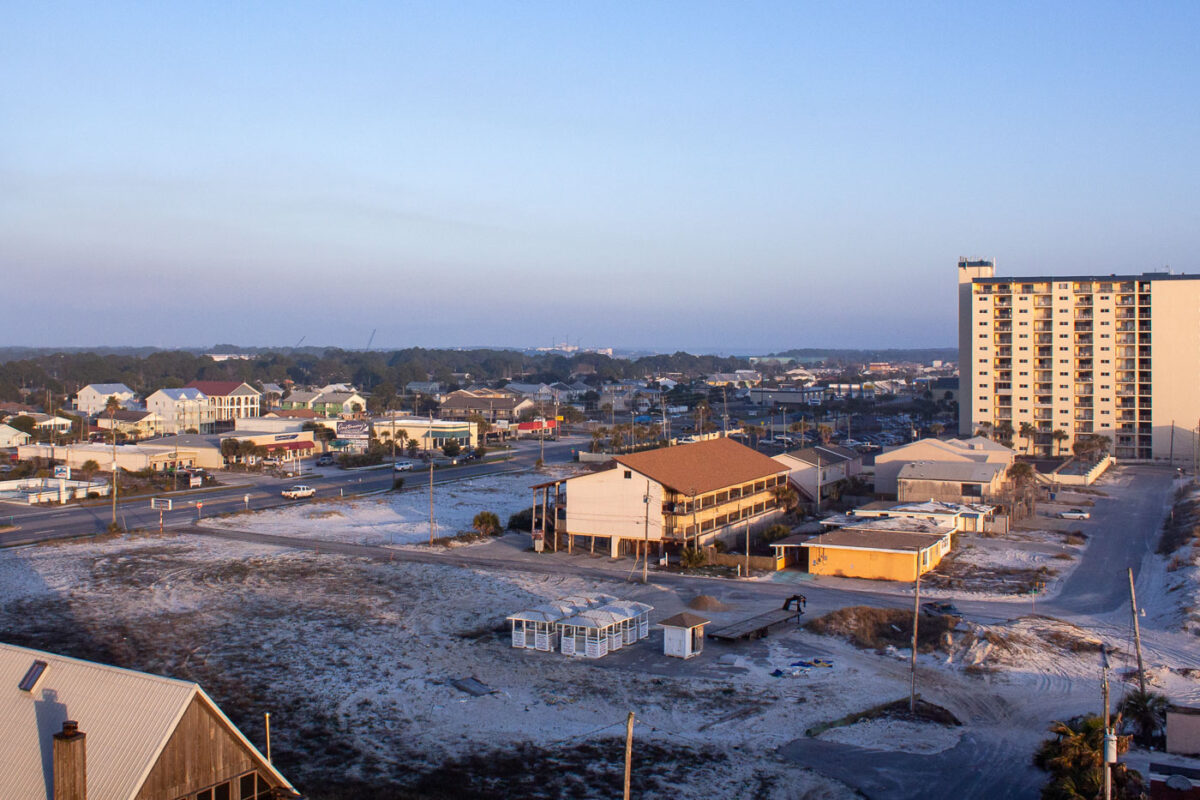
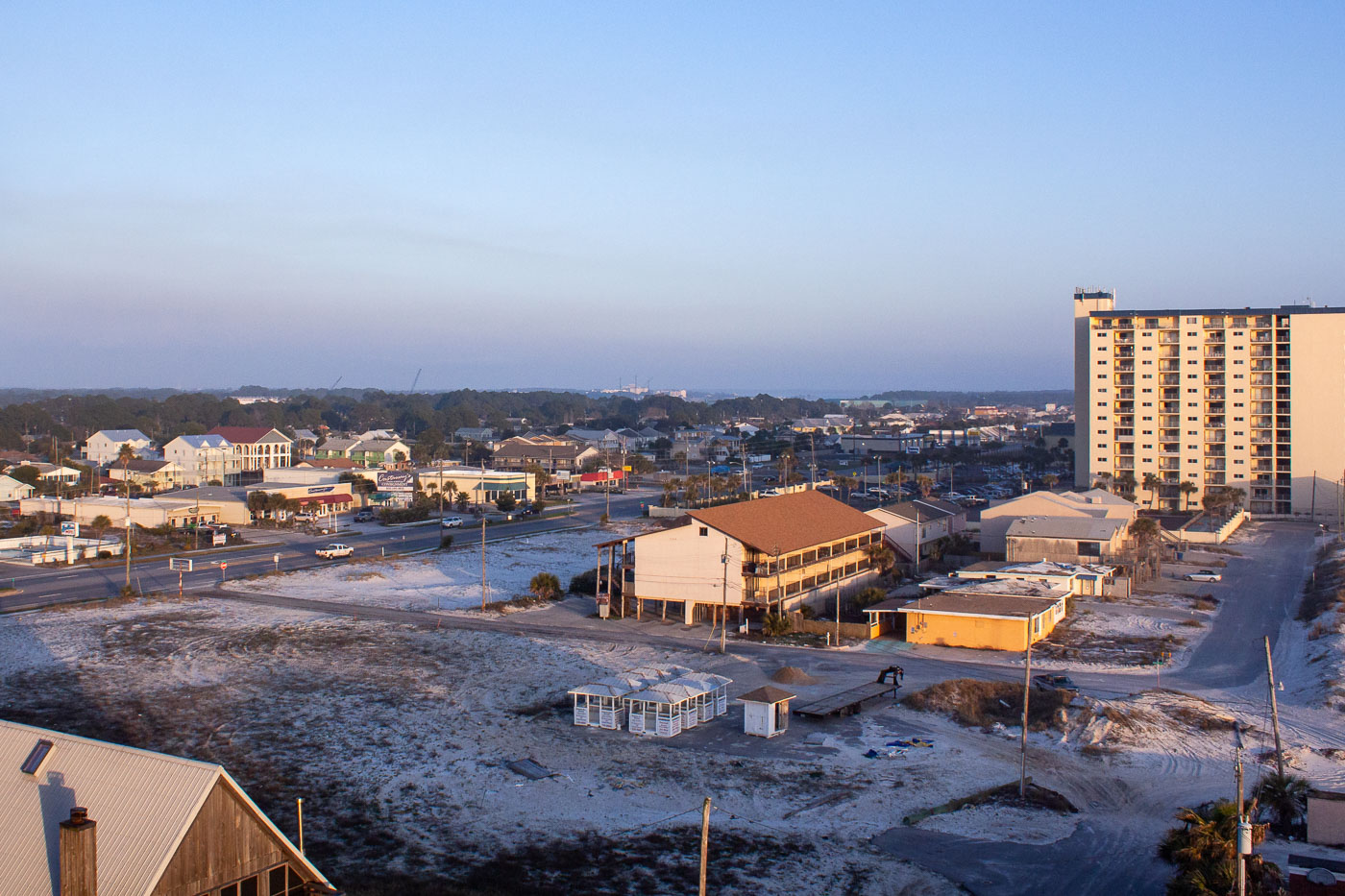
Panama City Beach coastal development corridor with vacant lots, low-rise buildings, and high-rise condominium at dusk.
Front Beach Road runs along the Gulf side of Panama City Beach, a stretch shaped by decades of uneven development between older motels and newer high-rise condominiums. Many of the sandy parcels here remained undeveloped for years, held by owners waiting out fluctuating land values or lingering from construction that stalled after the mid-2000s real estate downturn. The high-rise tower anchoring this section the condo boom that reshaped the beachfront starting in the early 2000s, replacing smaller cottages and motor courts that once lined the shore. Low-rise commercial buildings nearby serve the area's tourist economy, housing rental offices, shops, and restaurants that cater to seasonal visitors drawn to the beach.

High-Rise Condos and Vacant Lots Along Front Beach Road
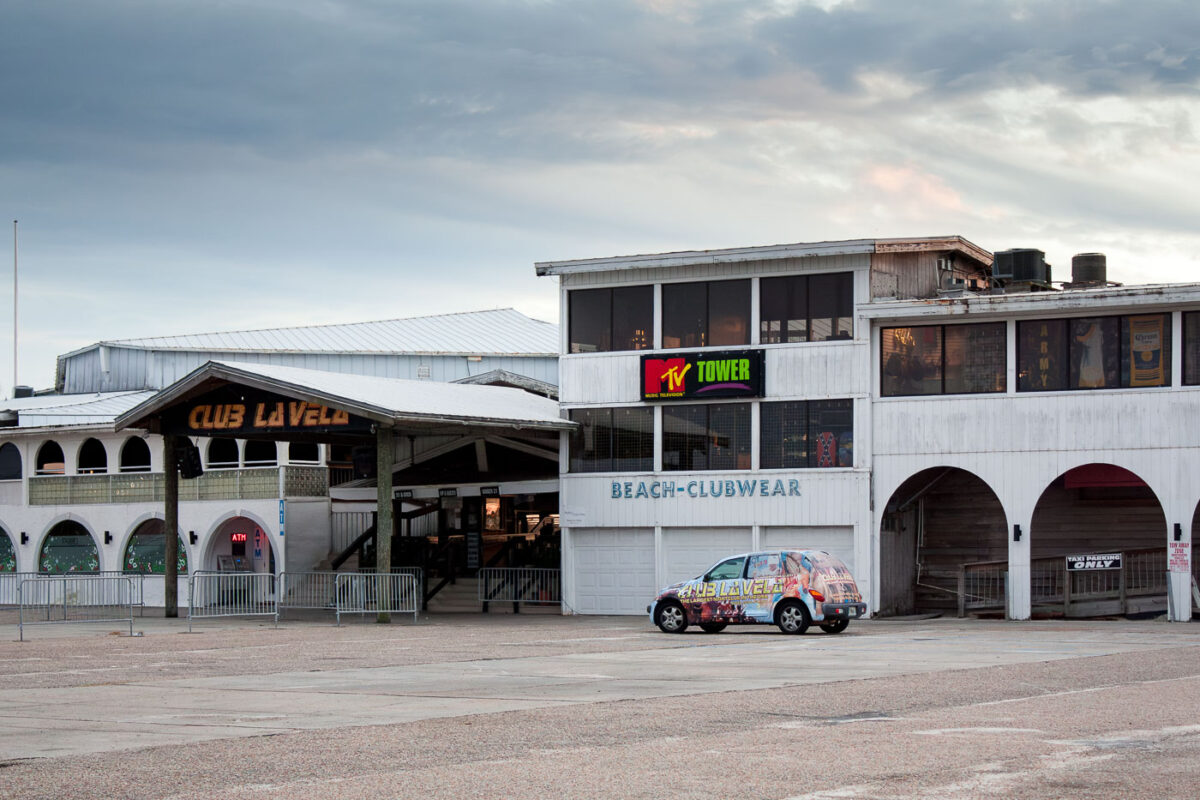
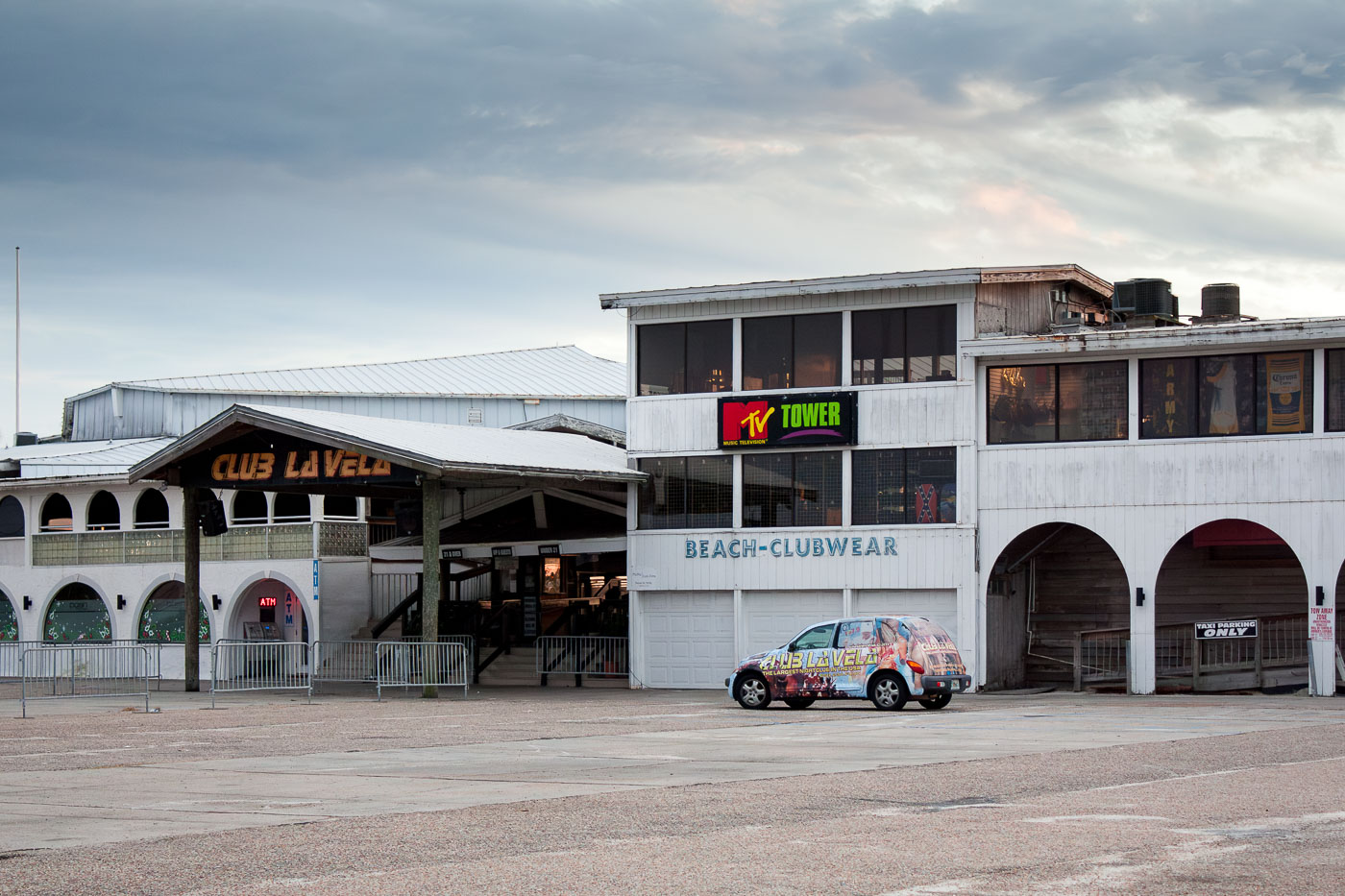
Club La Vela nightclub with MTV Tower sign and beachfront structures in Panama City Beach, Florida.
Club La Vela sits on the Gulf-front strip of Panama City Beach and was long promoted as the largest nightclub in the United States, with a capacity reported at more than 6,000 people. The club built its national profile during the 1990s and 2000s as a hub for MTV's spring break broadcasts, which is why the building carries an MTV Tower sign alongside its own name. Attached retail space, including the Beach-Clubwear storefront, has operated alongside the club to serve the same seasonal beach crowd. Club La Vela remains part of the Panama City Beach entertainment district that has anchored the area's spring break economy for decades.

MTV Tower and Beach-Clubwear Storefront at Club La Vela
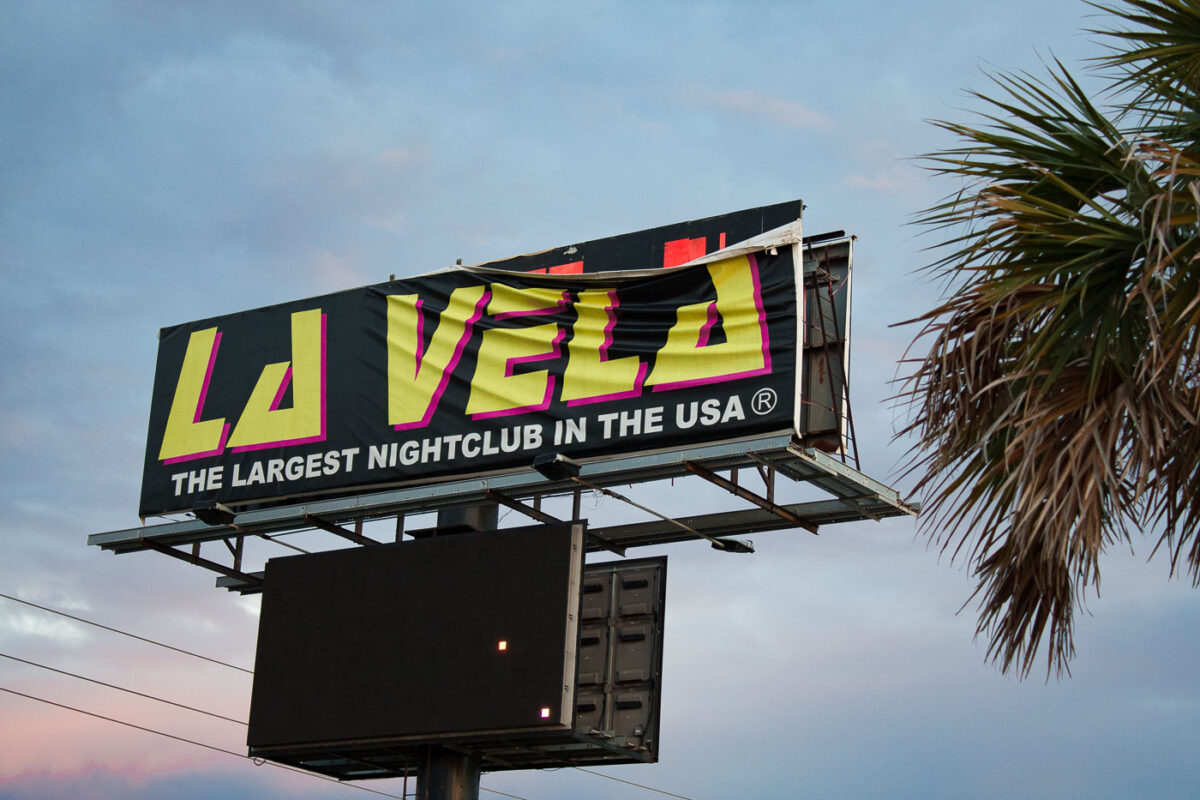
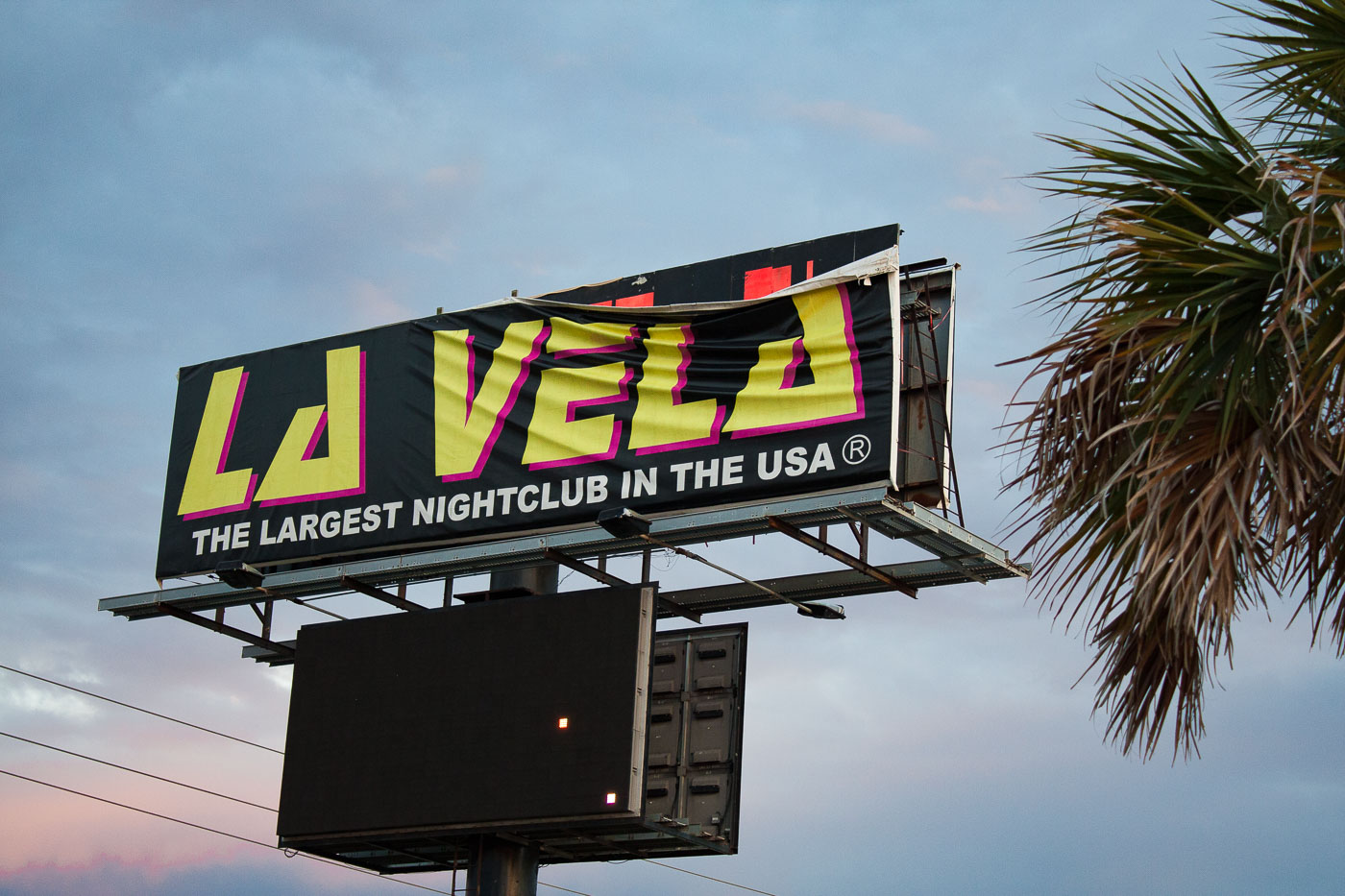
Club La Vela billboard advertising the largest nightclub in the USA in Panama City Beach, Florida.
Club La Vela's roadside billboard advertises itself as "The Largest Nightclub in the USA," a claim the venue has used in its marketing for years along Panama City Beach's Gulf Coast strip. The club, located on Beach Front Road, has long drawn crowds during spring break and is known for hosting multiple stages, dance floors, and pools across its property. Its capacity has been cited at several thousand patrons, making it one of the largest single nightclub venues in the country.

“Largest Nightclub in the USA” Billboard for Club La Vela
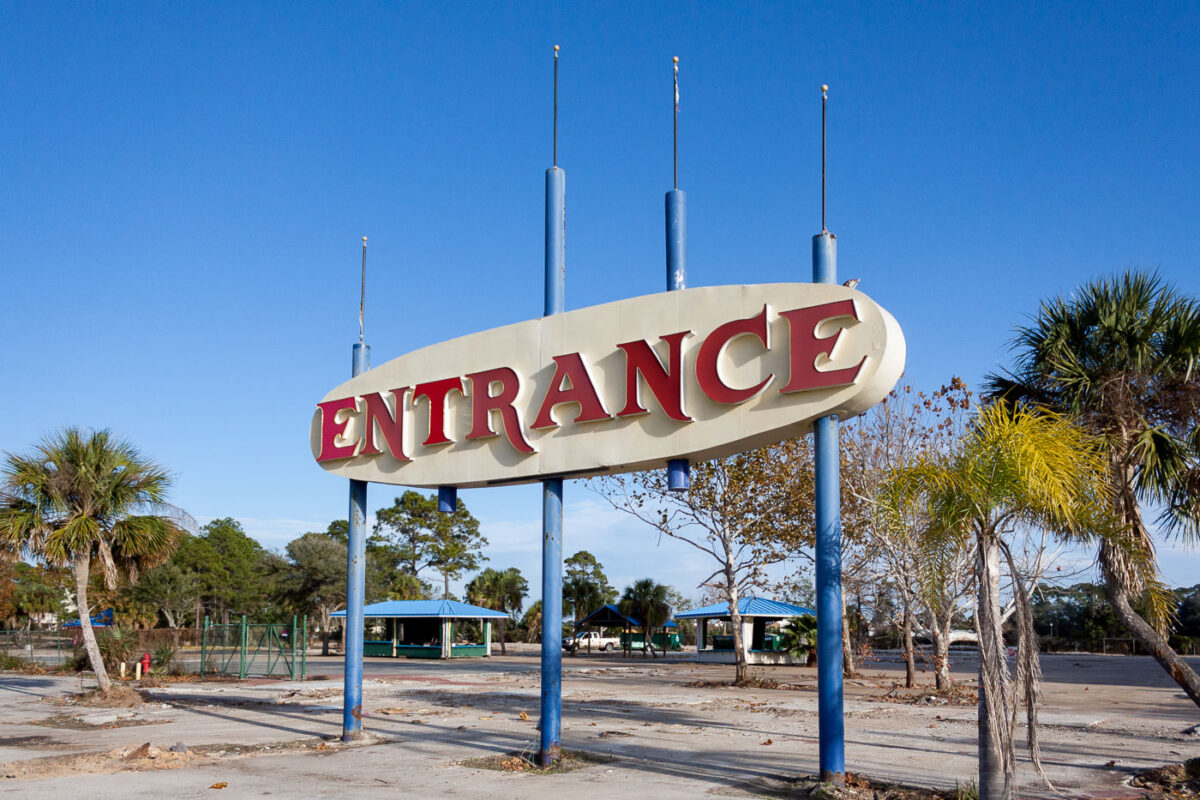
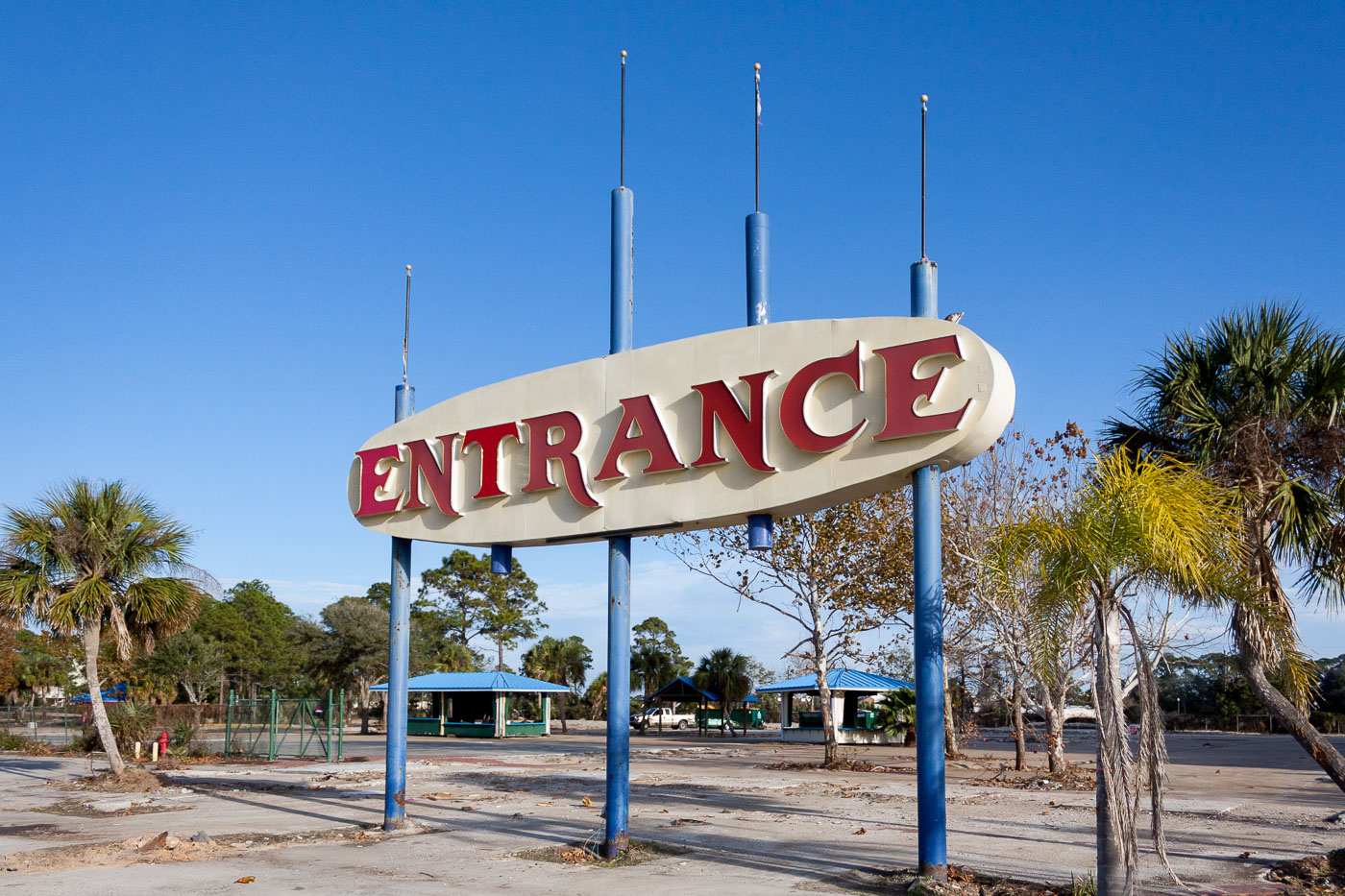
Miracle Strip Amusement Park entrance sign stands abandoned at its former Panama City Beach, Florida site.
Miracle Strip Amusement Park operated on this Panama City Beach site from 1963 until it closed in 2004. The oval "Entrance" sign, mounted on tall blue poles, marked the park's original gateway and was left standing after the rides and buildings were cleared. Small pavilion structures near the site once served as ticket booths for guests entering the park.

Miracle Strip Amusement Park’s Entrance Sign After Closing
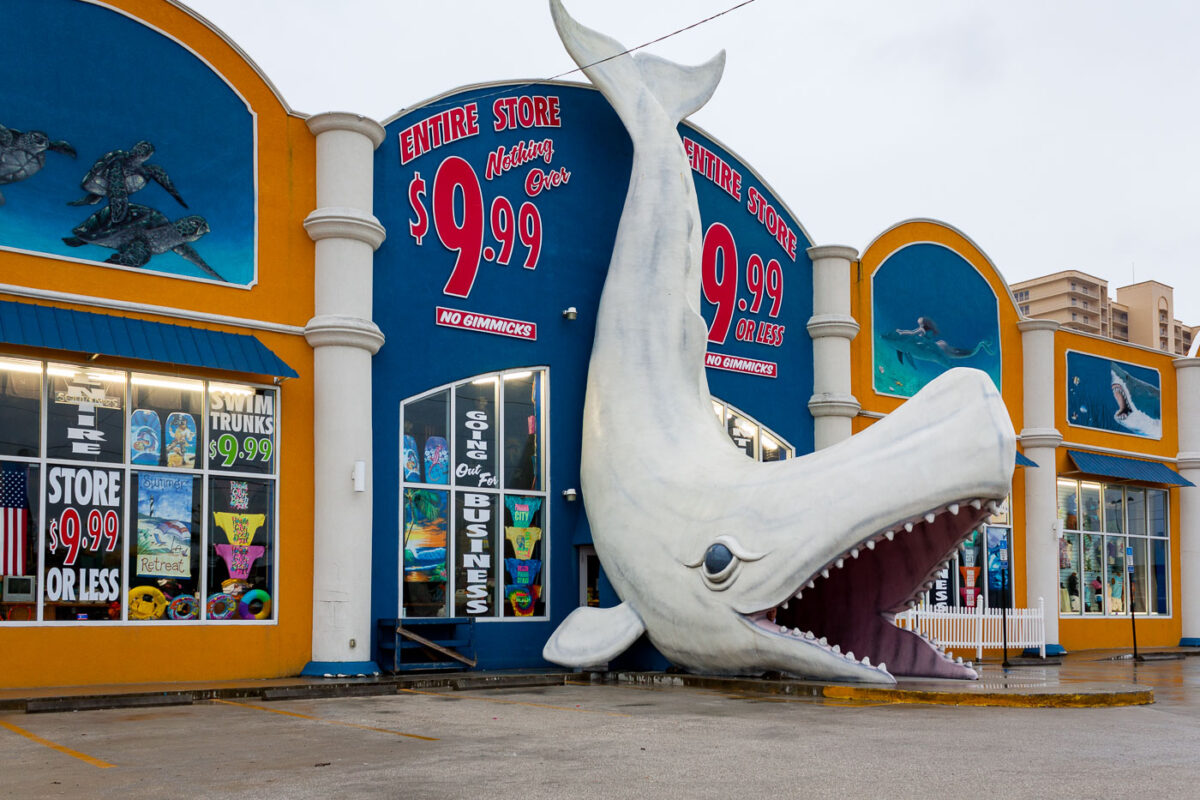
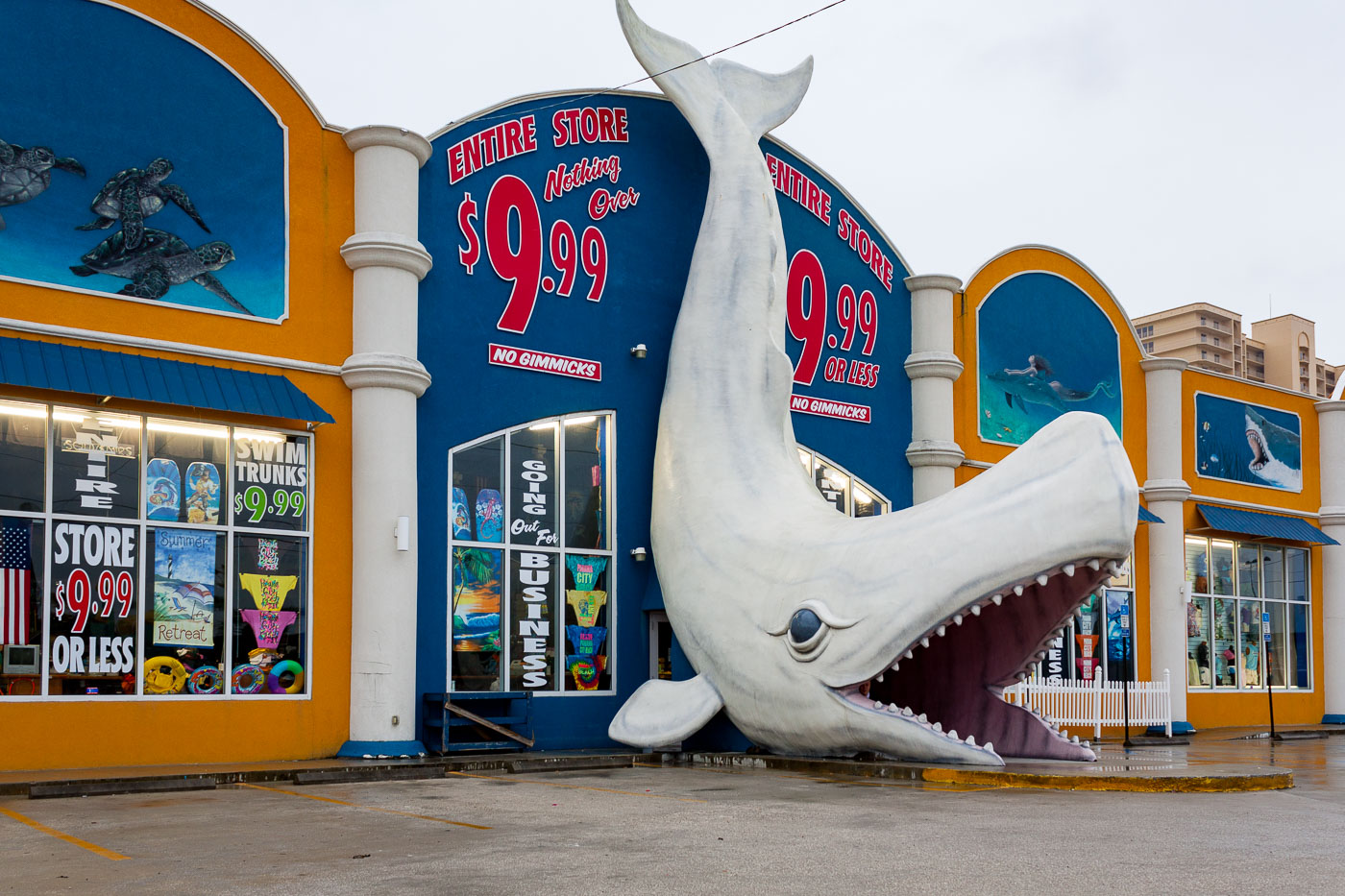
Beachwear store in Panama City Beach, Florida, with large white whale sculpture and going-out-of-business sale signage.
Giant fiberglass whale sculptures have long marked souvenir shops along the Miracle Strip in Panama City Beach, serving as photo props and storefront landmarks for beachgoers. This particular shop combines the whale entrance with painted sea-turtle and surfer murals across its facade, a common marketing style among the beach's independent T-shirt and swimwear retailers. Signs advertising an entire-store clearance at $9.99 or less reflect the seasonal turnover typical of Gulf Coast tourist strips, where shops often rebrand or close between summer seasons.

Whale-Front Souvenir Shop on Panama City Beach

Built in Minneapolis

Minneapolis Photographer

Browse by location, move through long-running series, or start with recent work.