Berlin
Transport architecture, transit infrastructure, and urban settings in Berlin, Germany
September 24, 2017 - September 26, 2017 — Germany
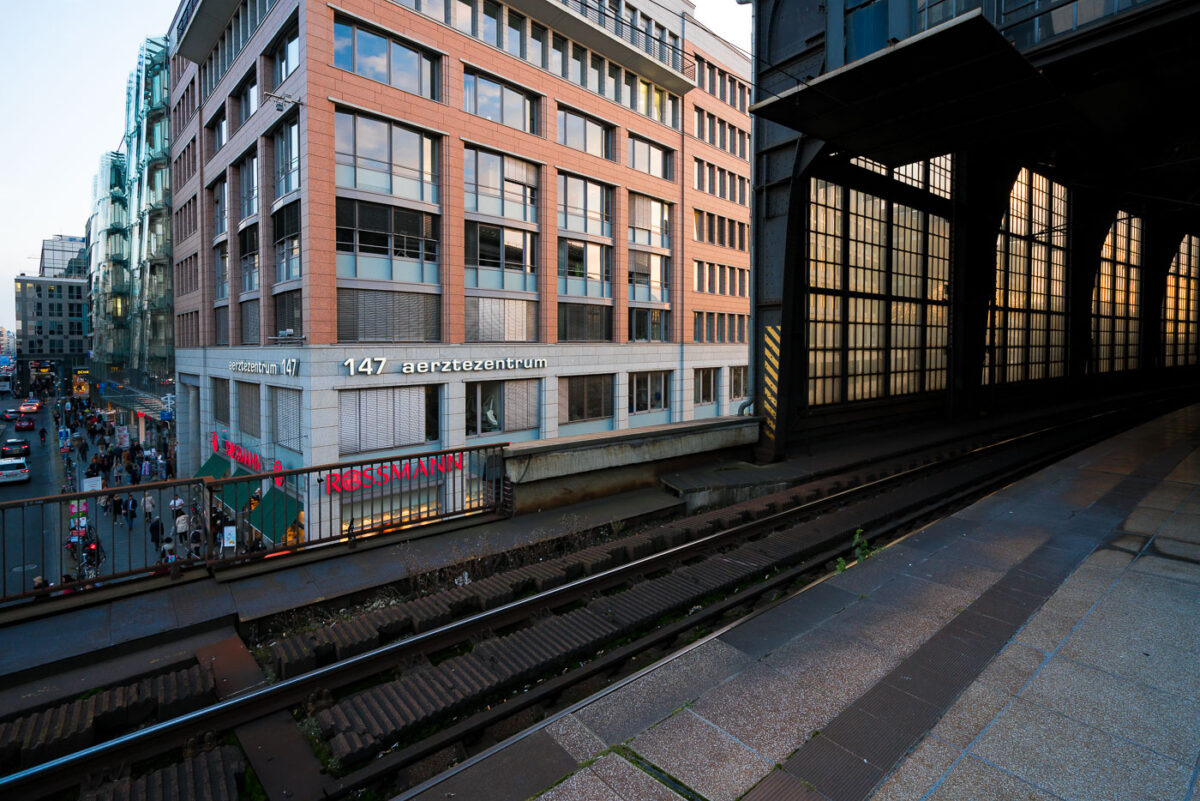
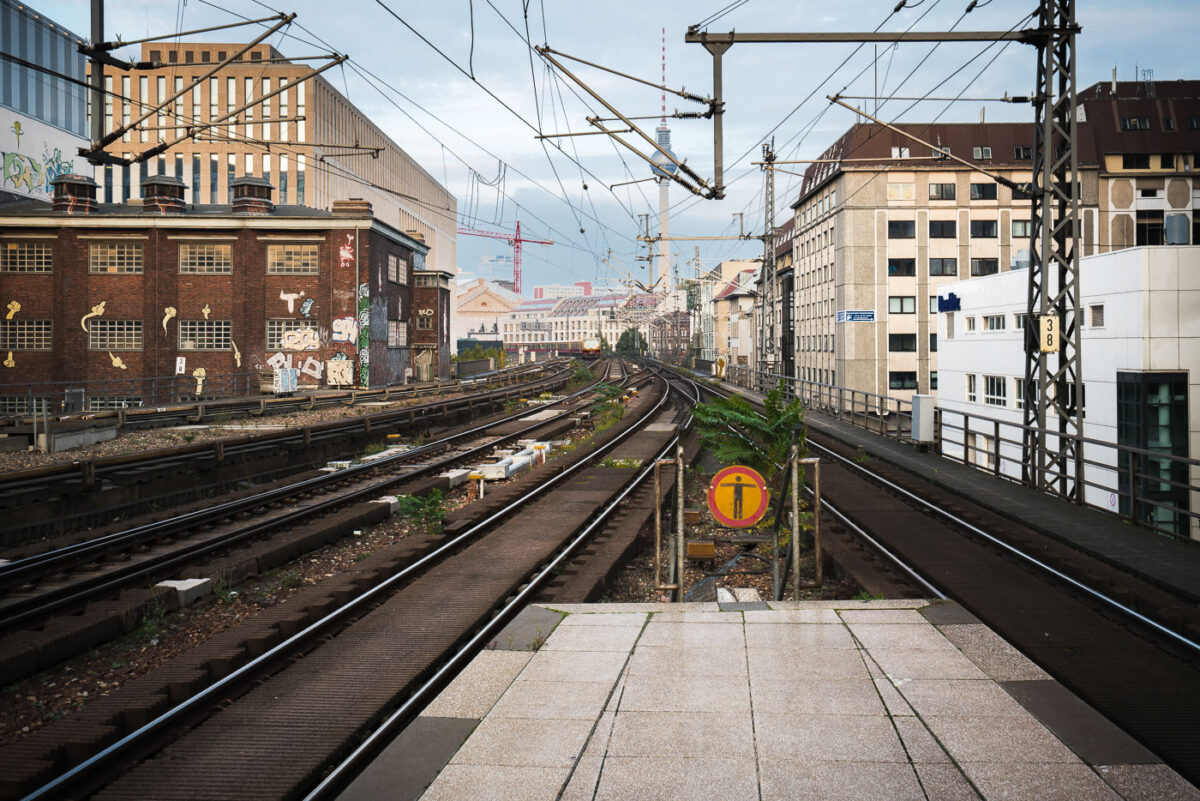
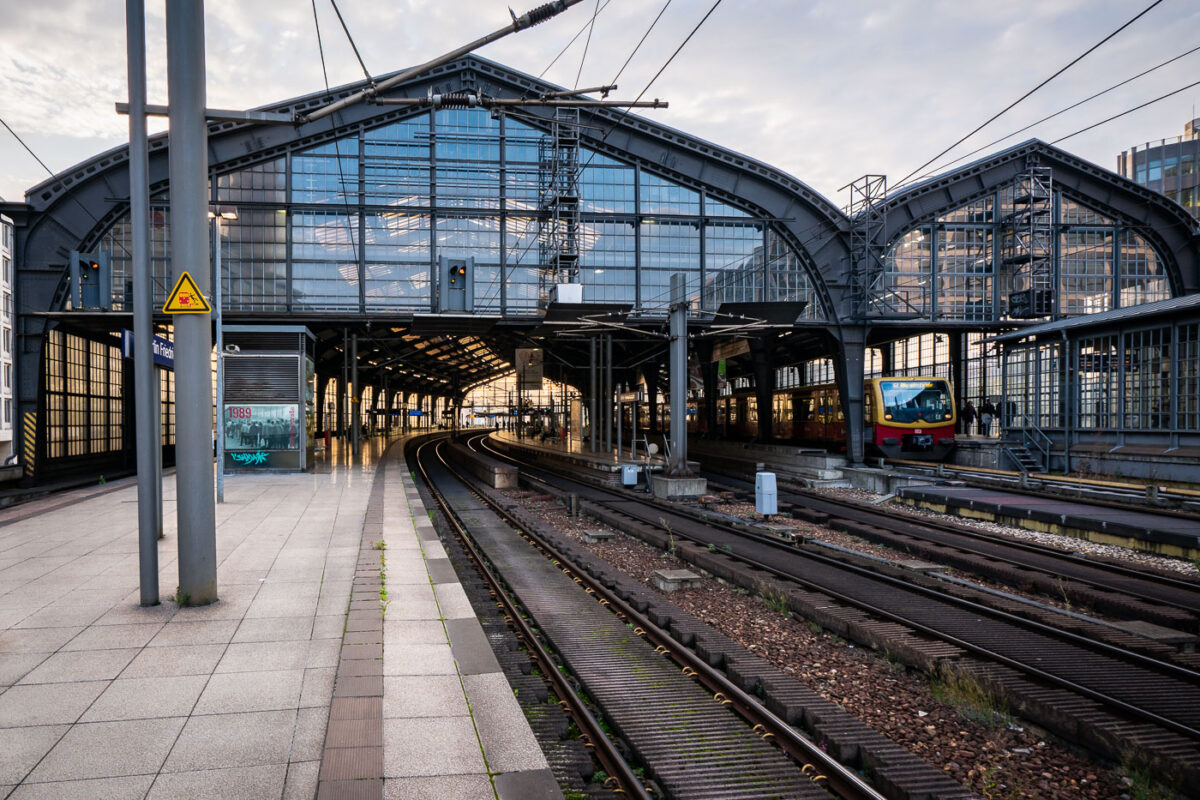
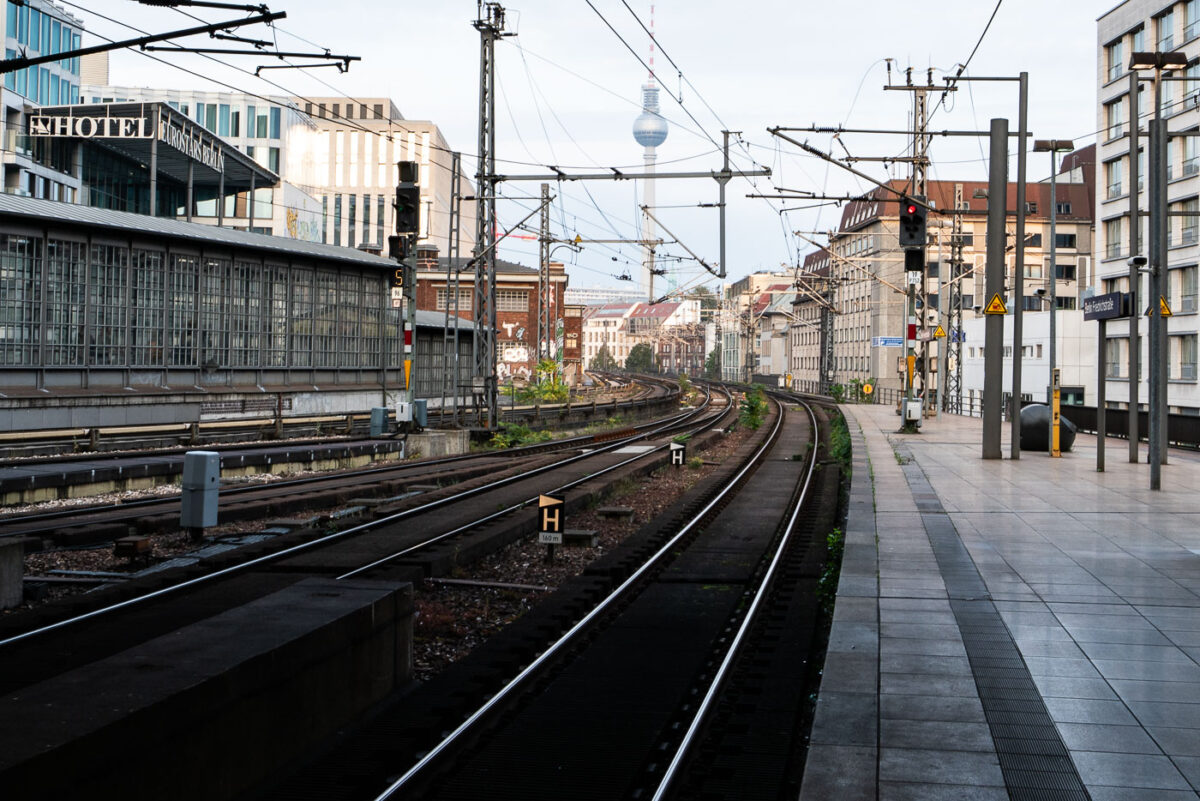
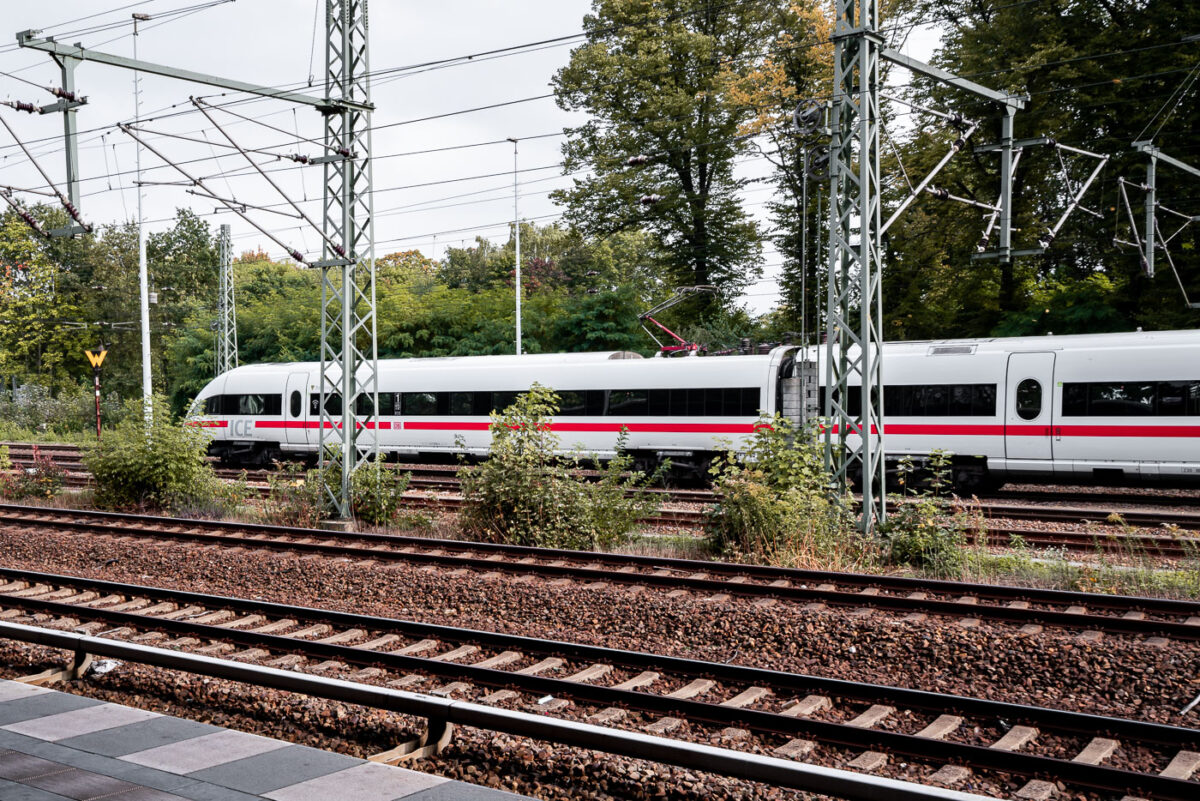
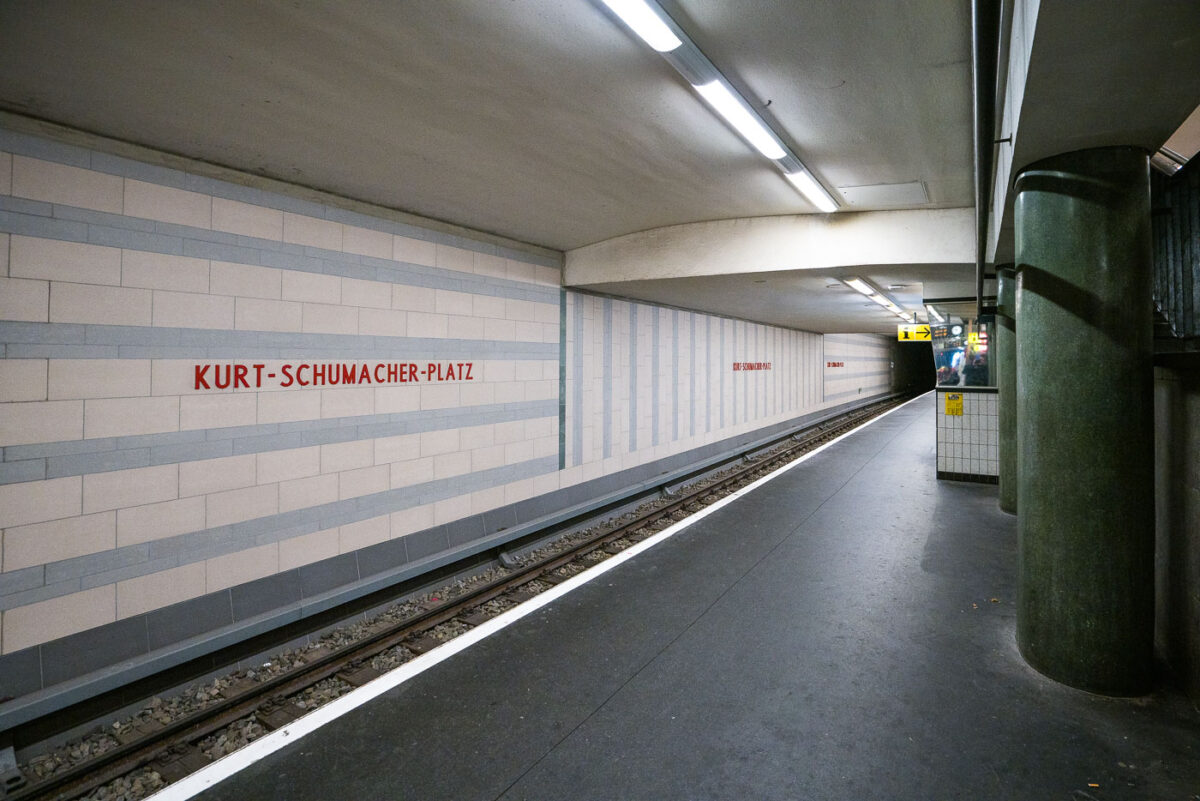
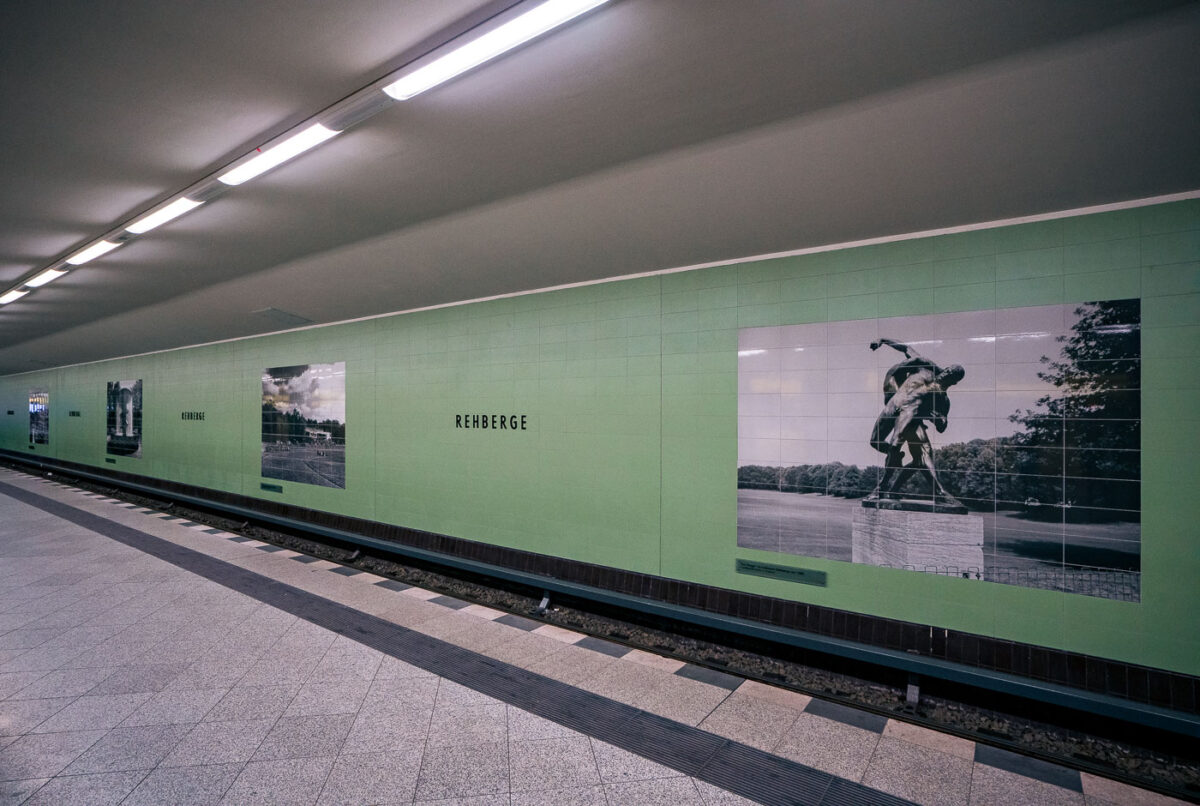
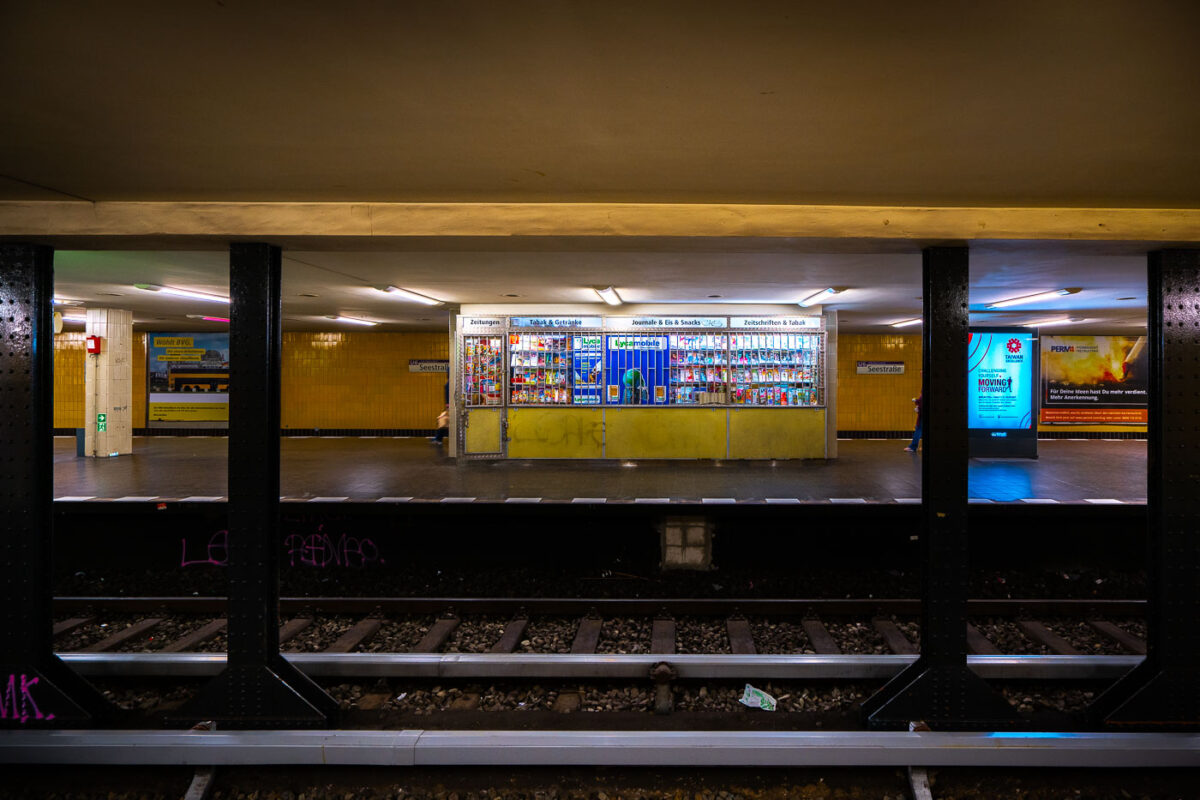
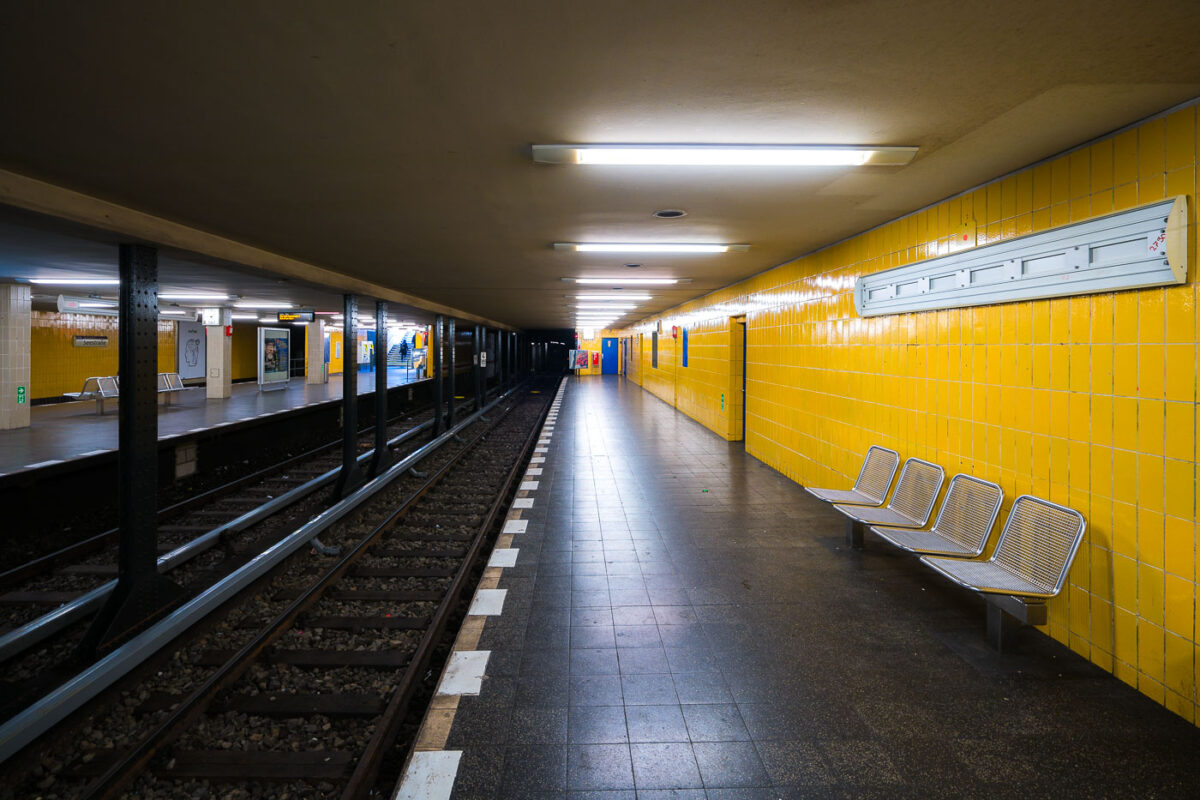
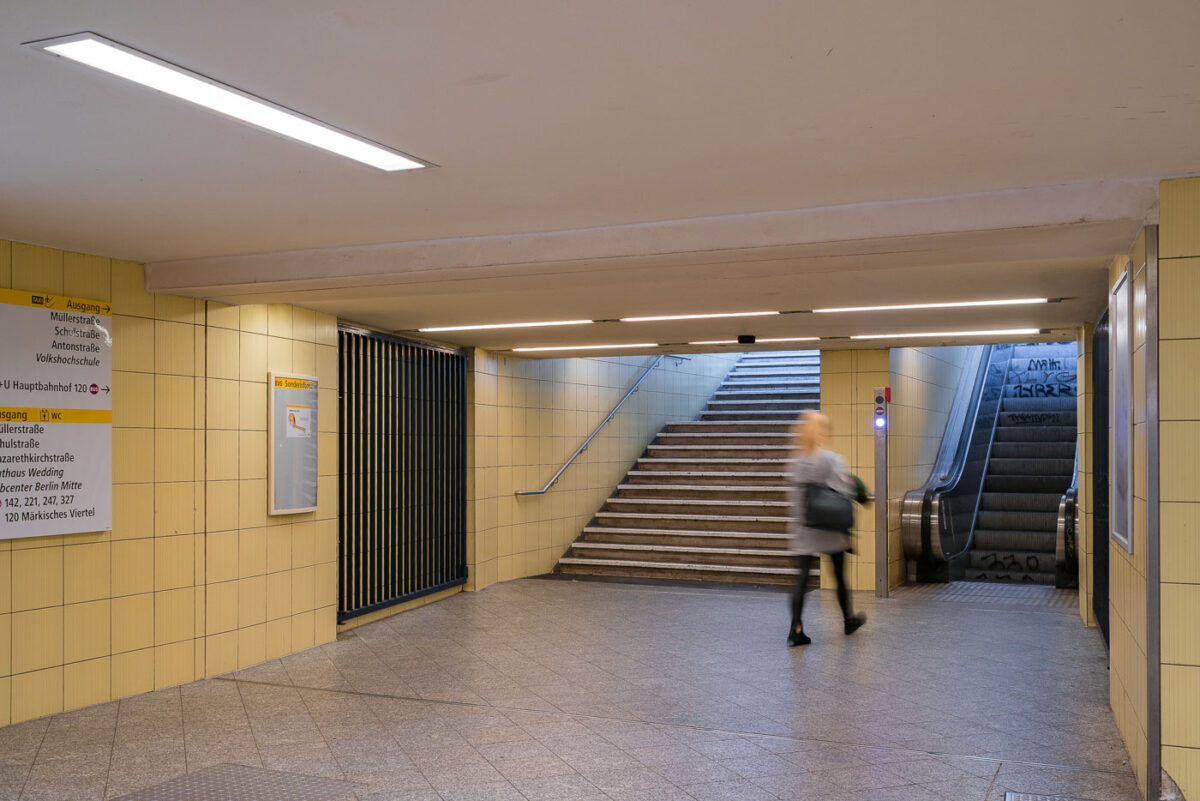
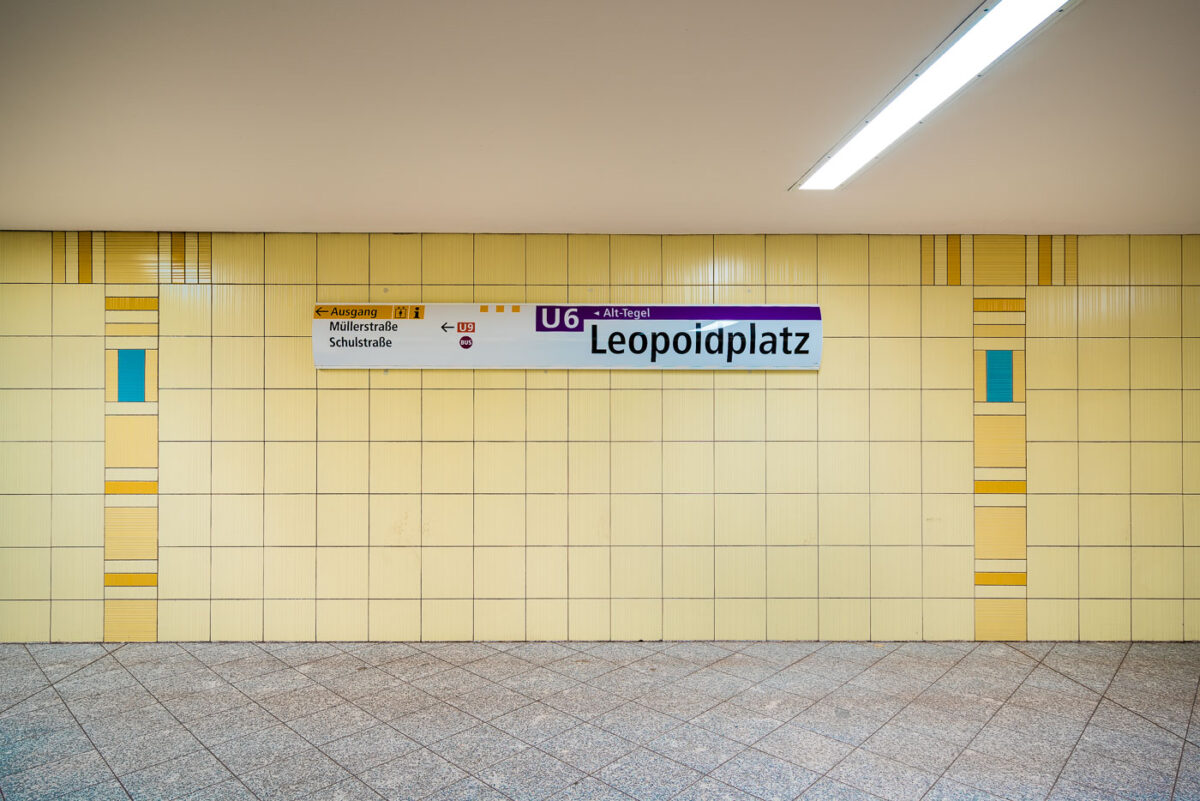
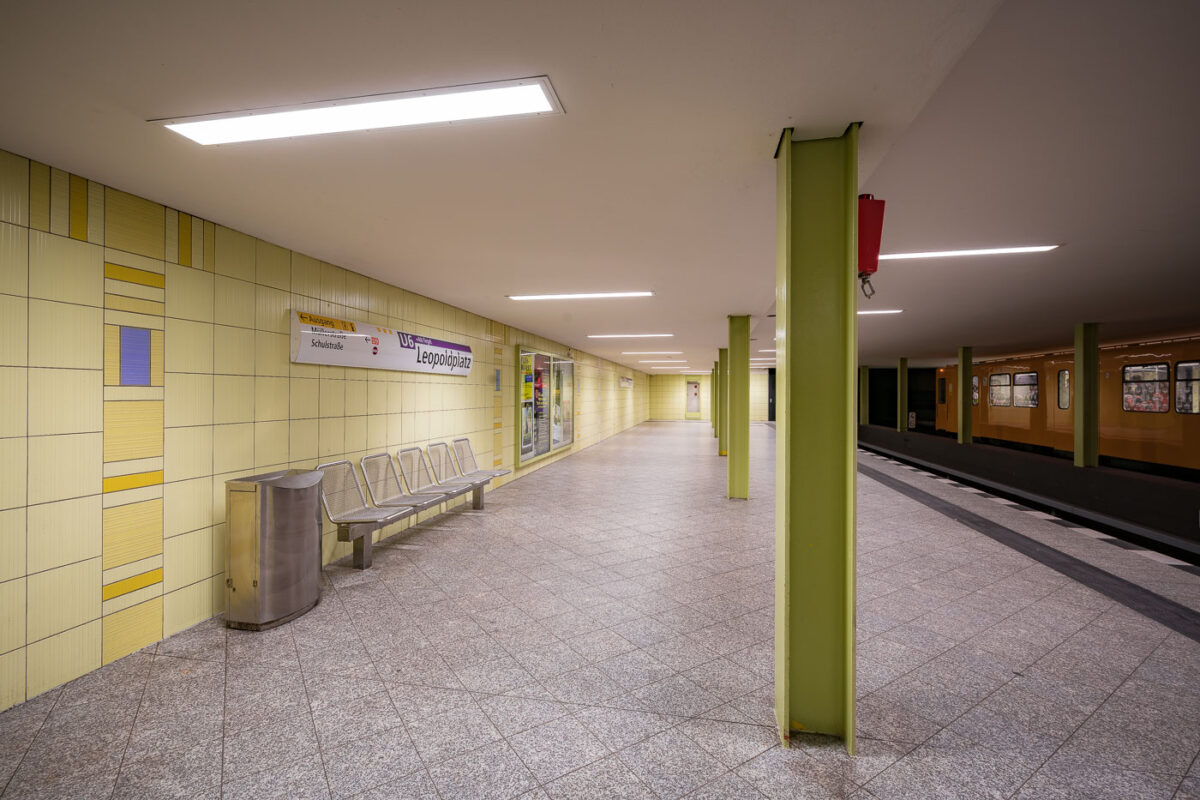
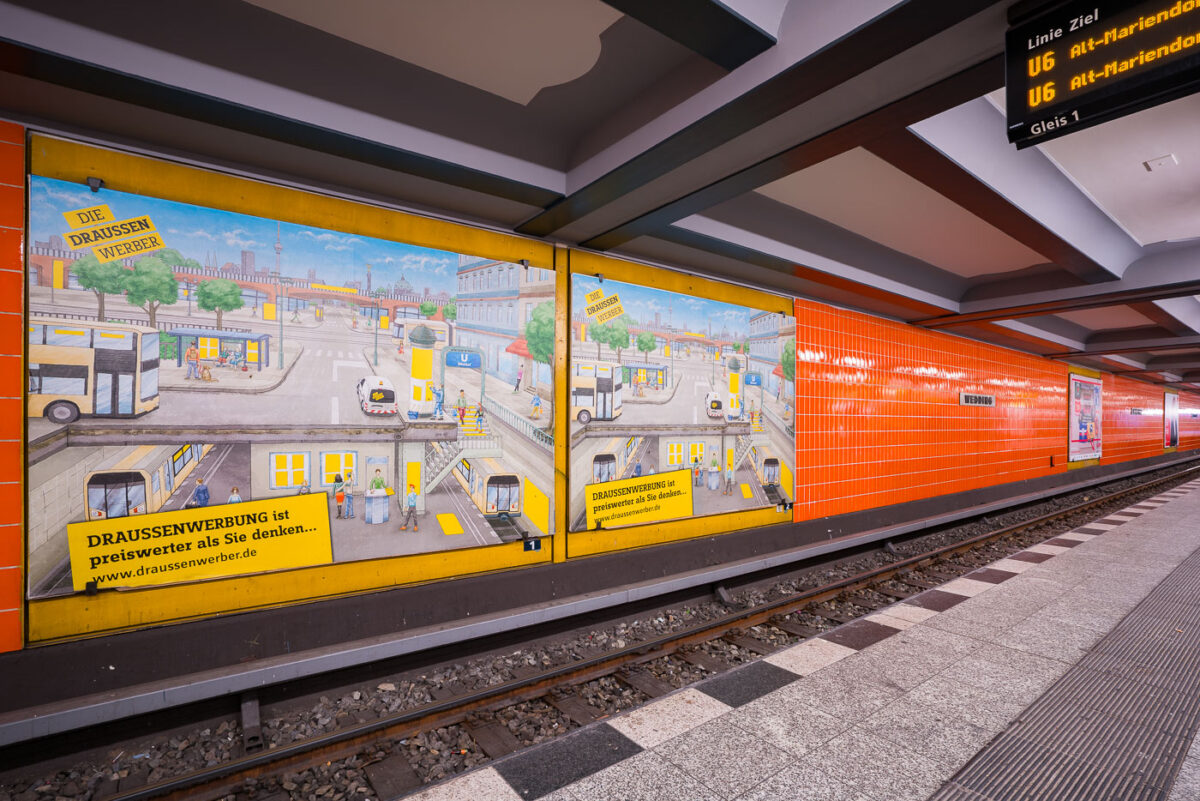
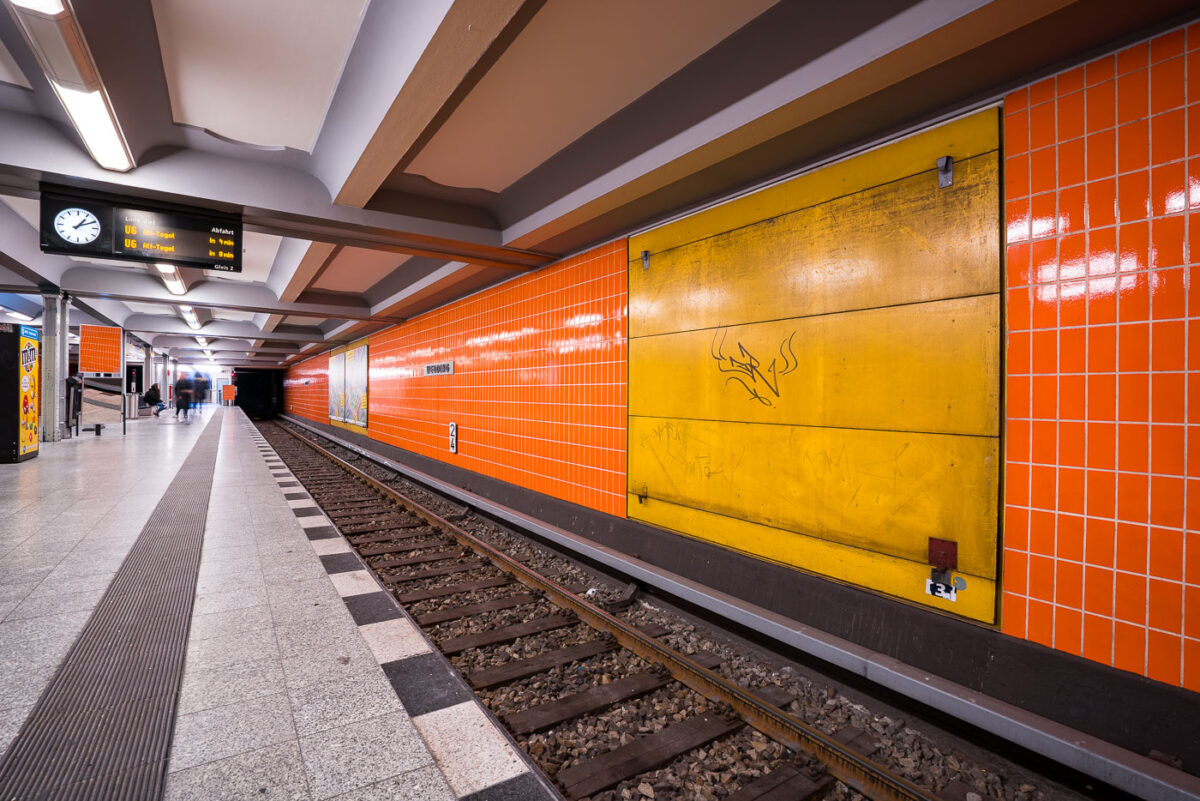
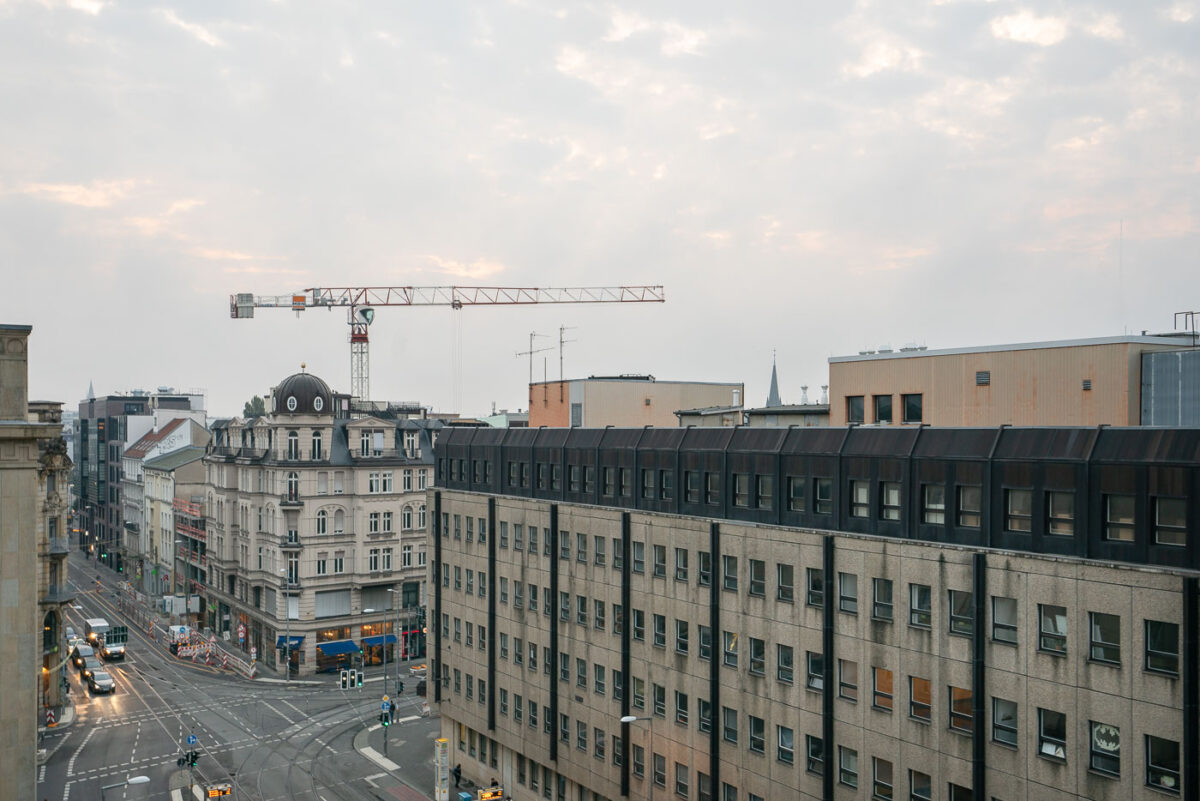
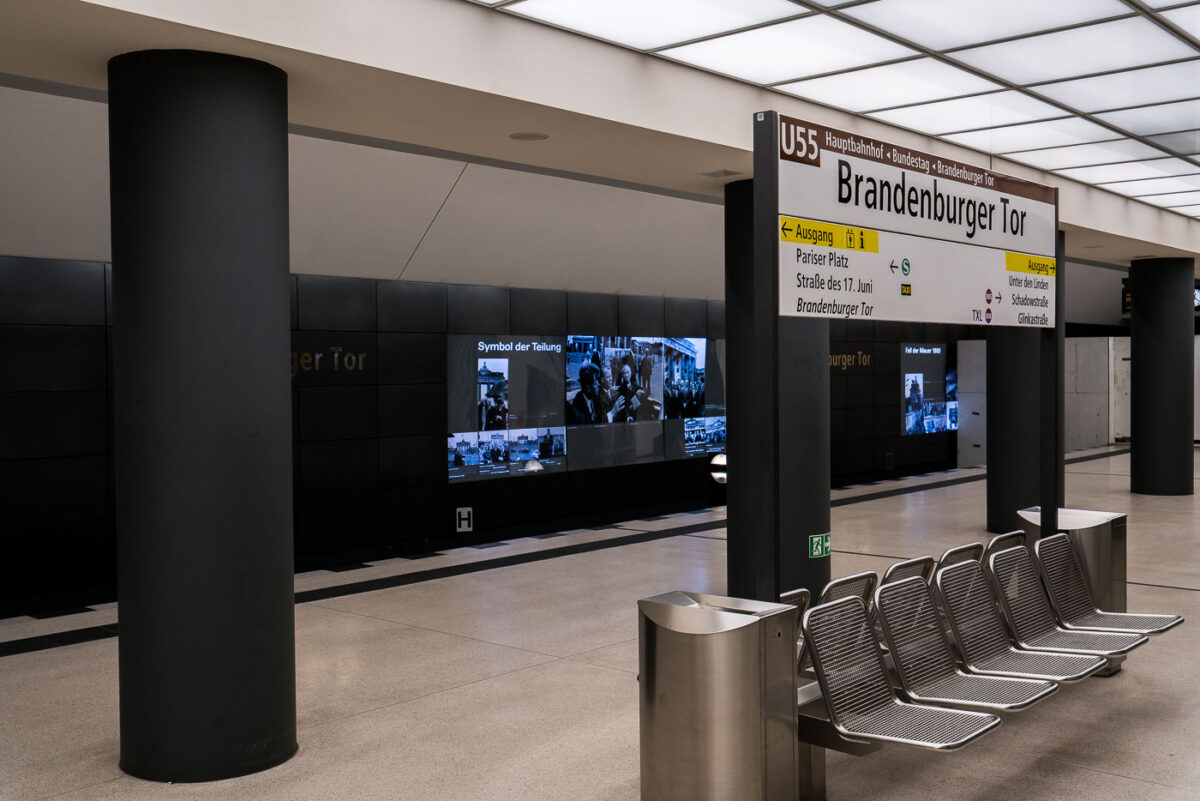
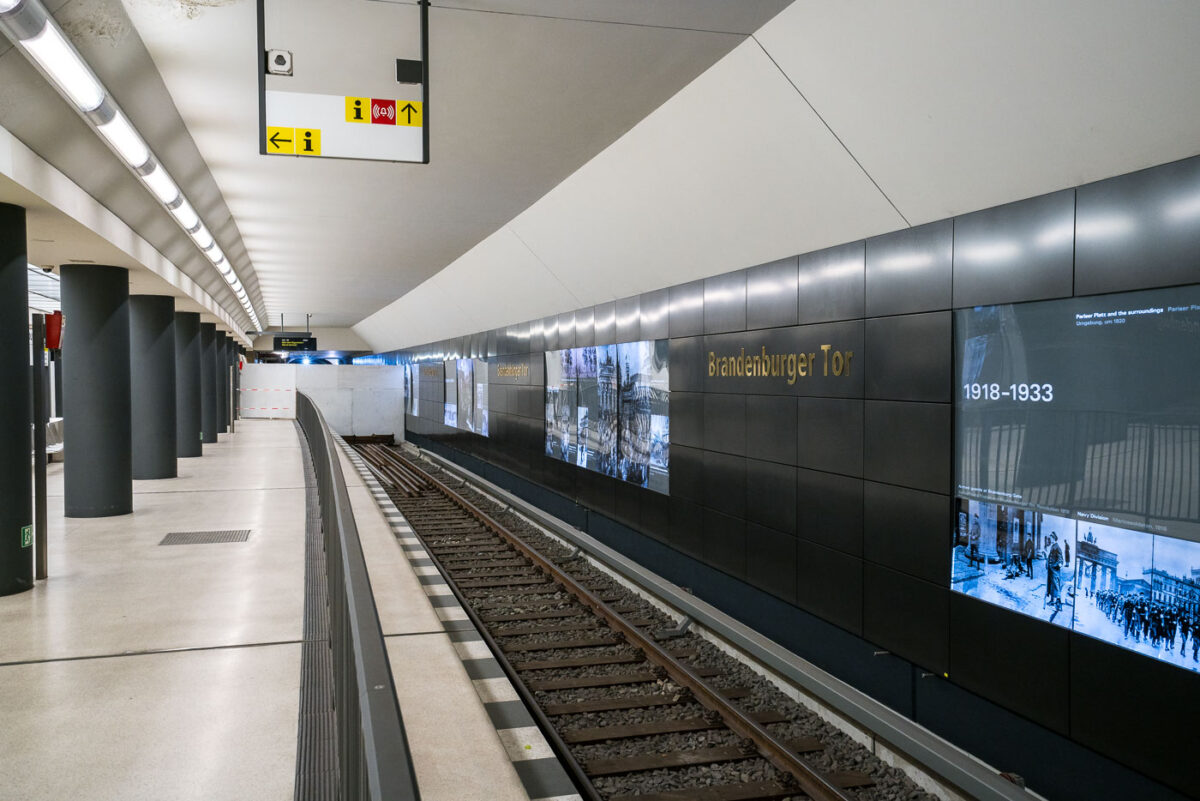
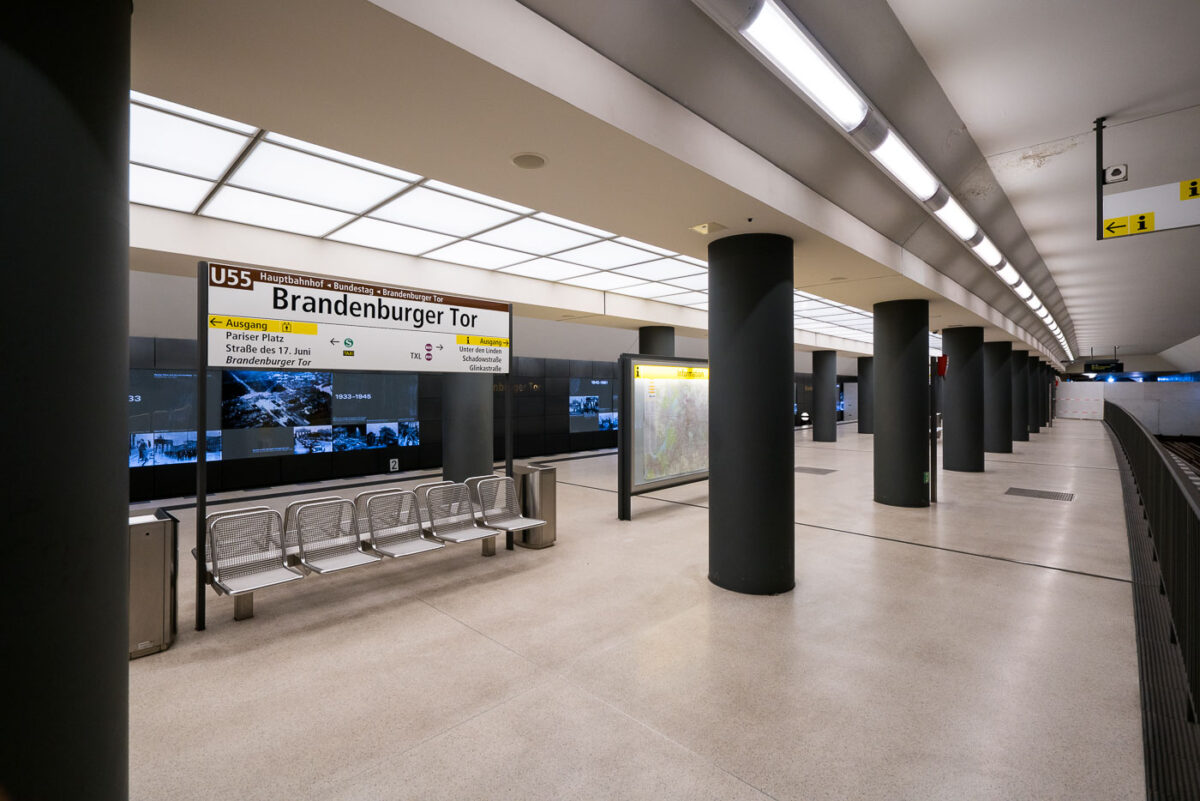
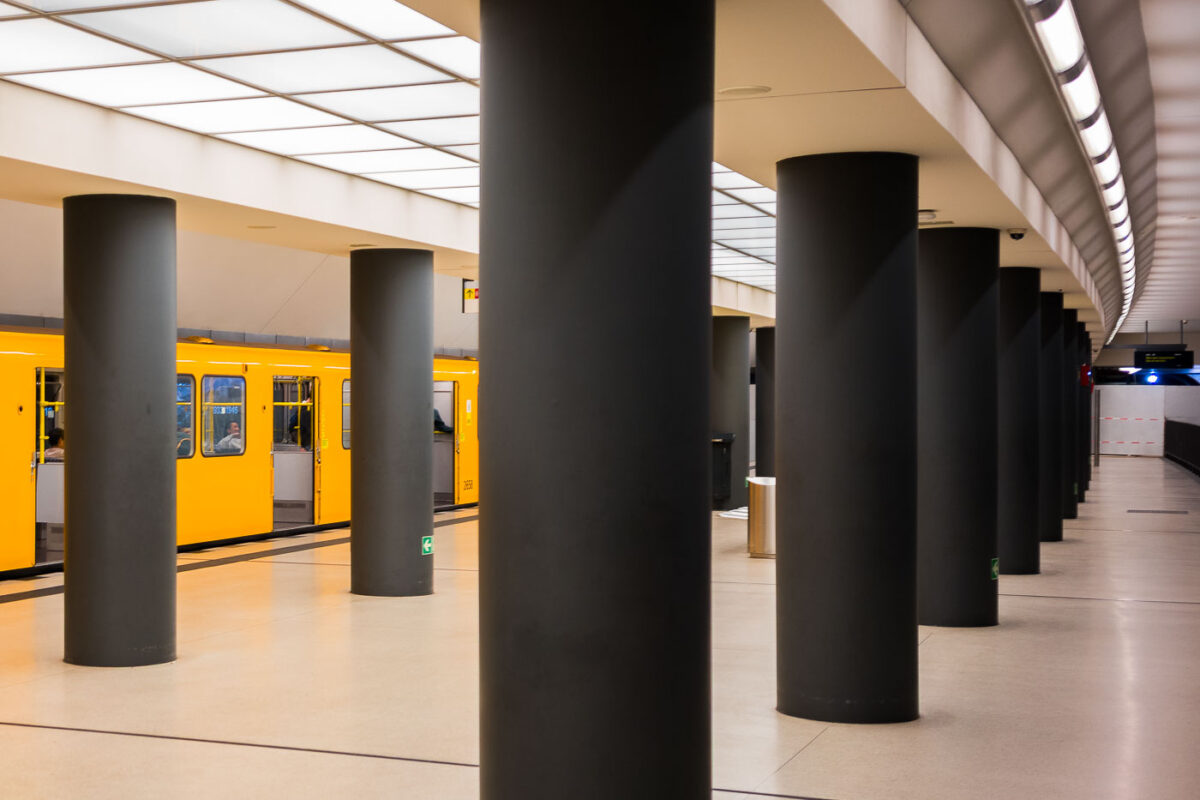
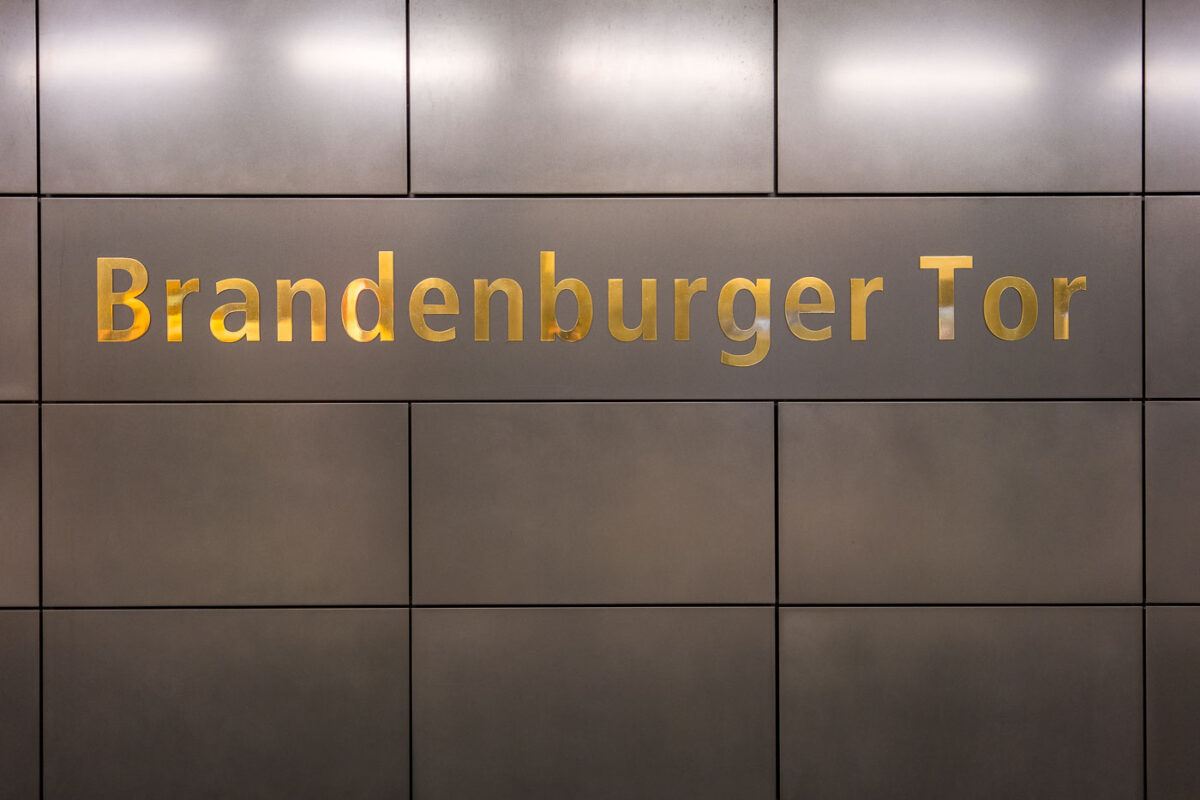
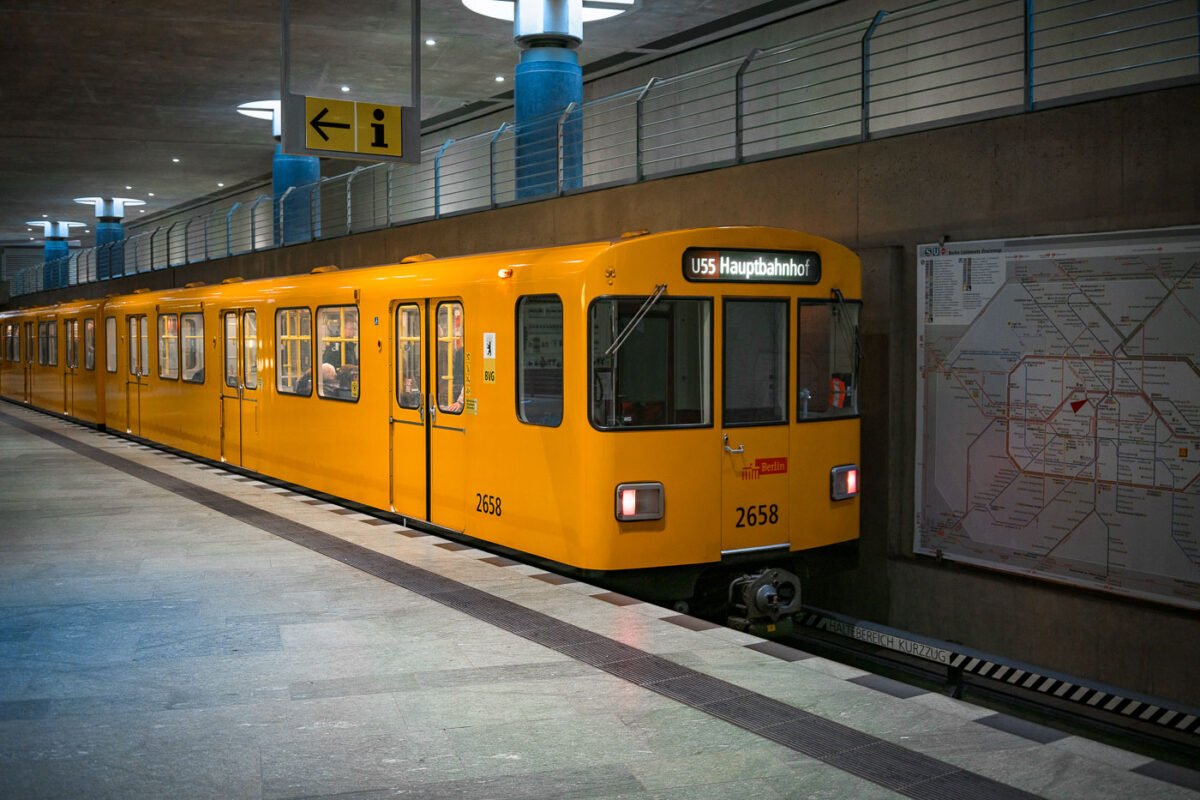
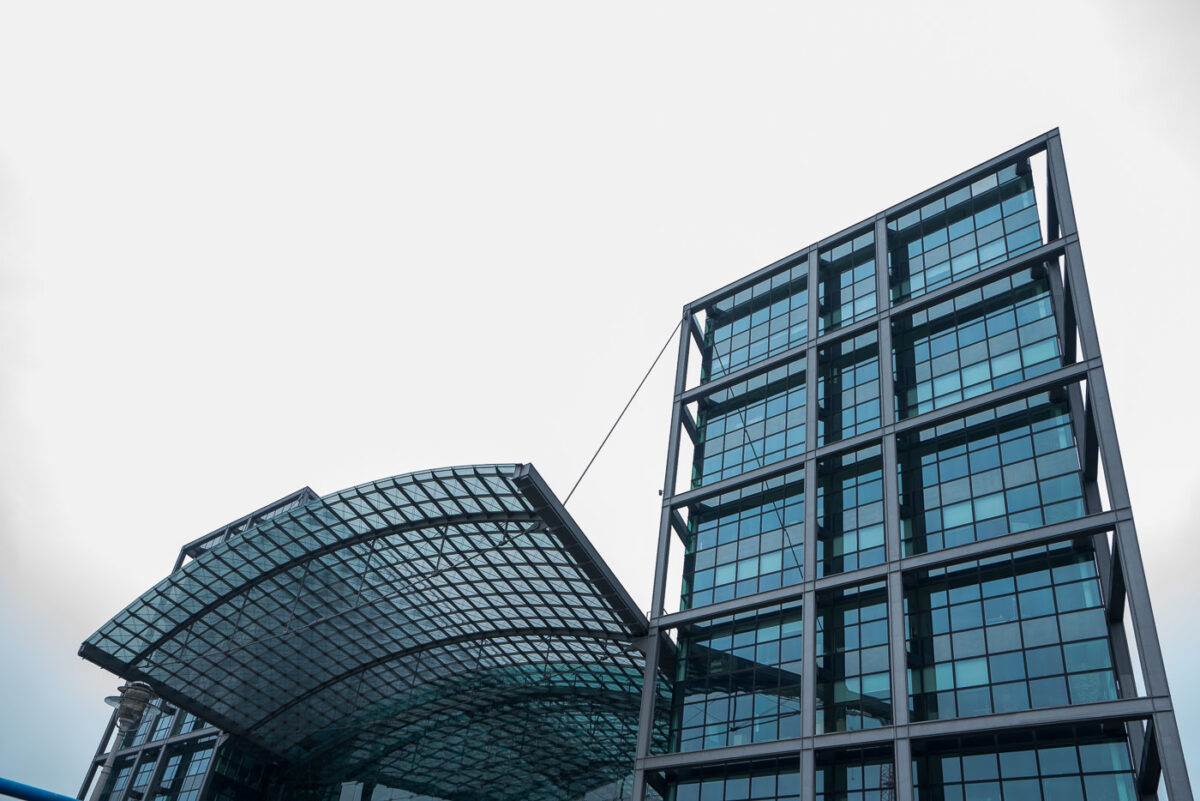
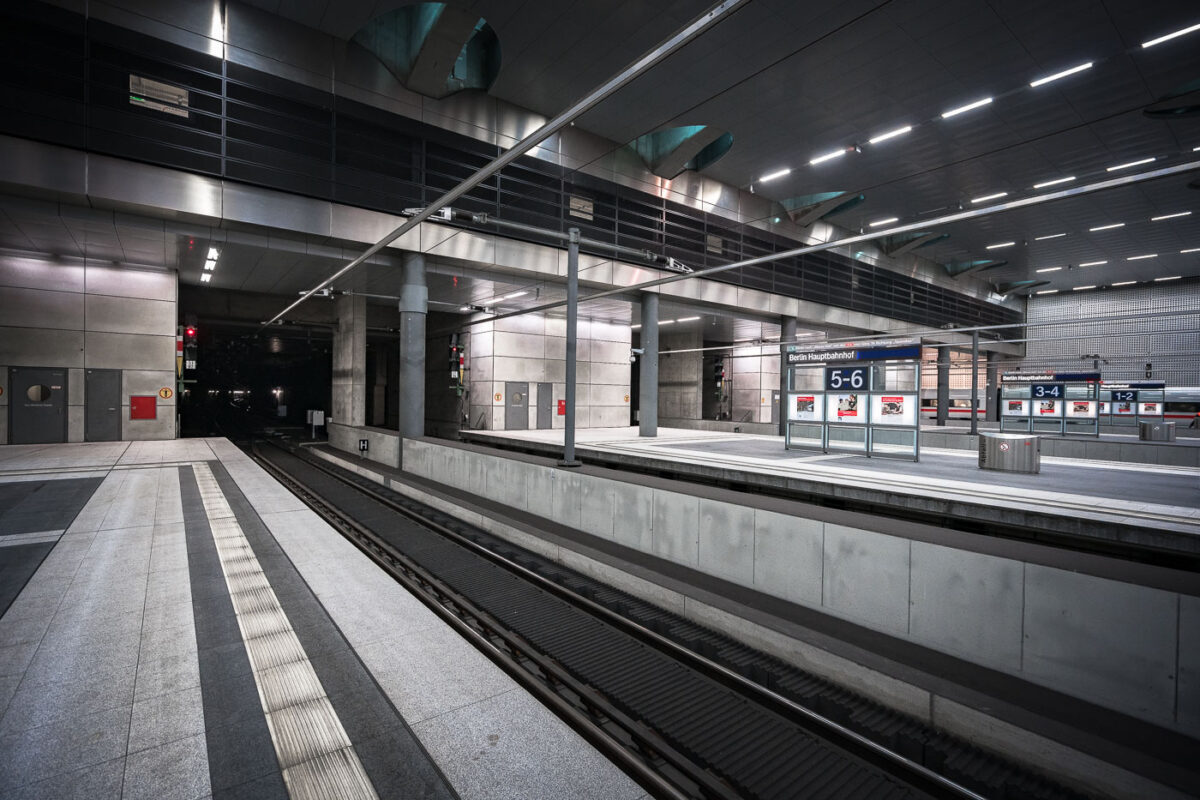
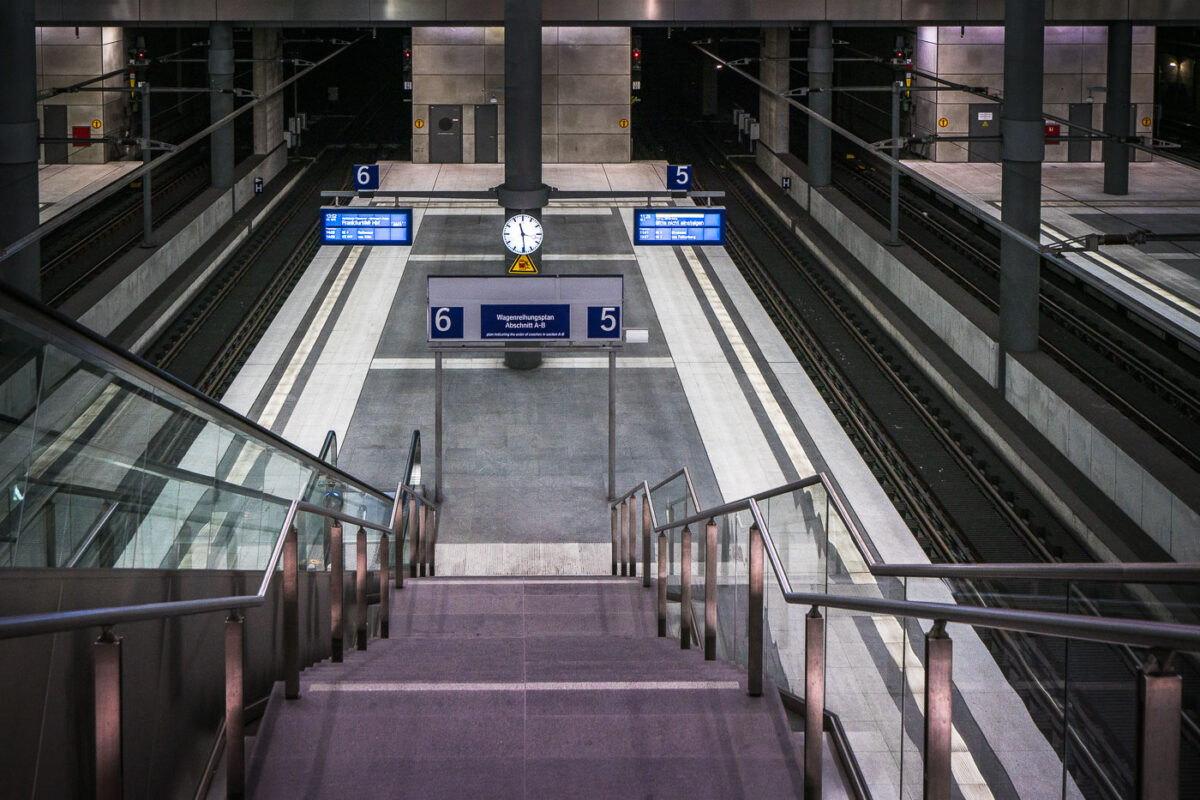
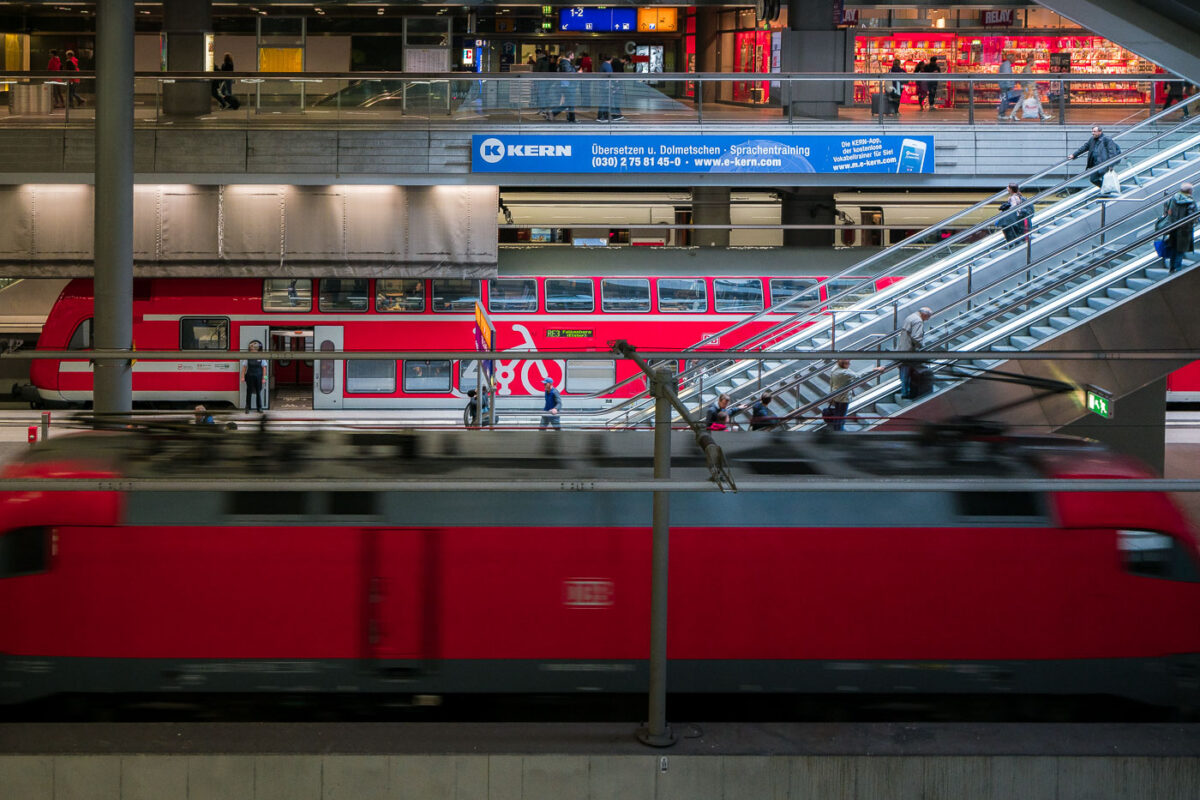
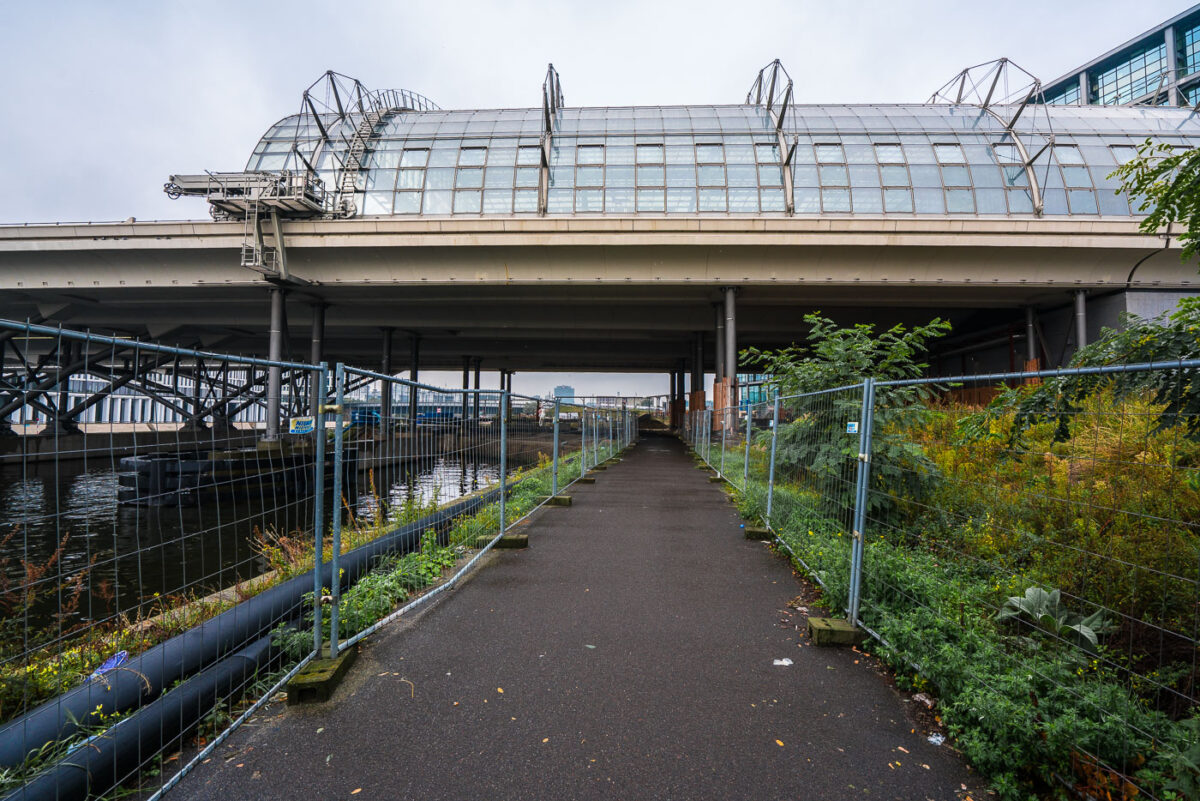
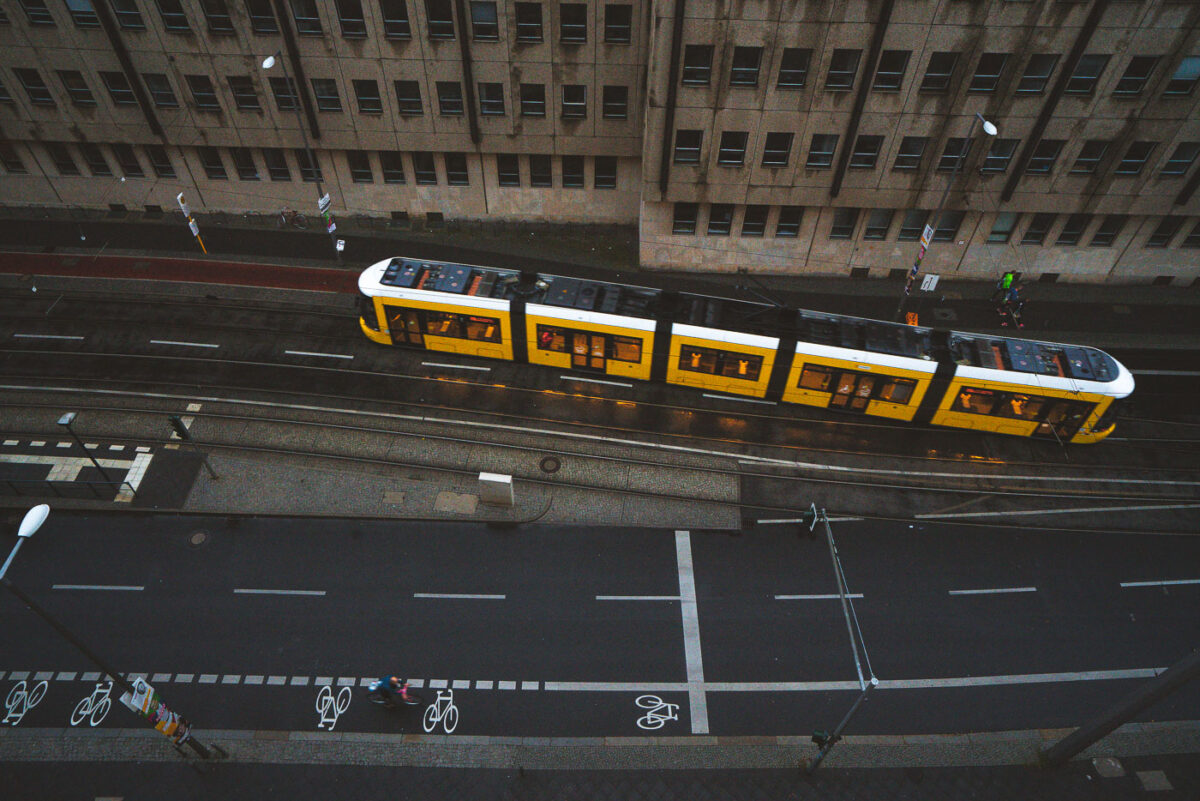
This series documents key sites of transport, urban infrastructure, and architecture across Berlin, Germany. Central subjects include significant railway stations—such as Berlin Hauptbahnhof, Friedrichstraße, and Wedding—along with the U-Bahn and S-Bahn lines that form the backbone of the city's commuter network. Many of these stations, like Brandenburger Tor and Seestraße, reflect developments from the early twentieth century through major postwar expansions and late twentieth-century modernization efforts. Their designs range from interwar and postwar functionalism to contemporary glass-and-steel structures, underscoring the investment in Berlin’s role as a major transport hub following German reunification.
These locations serve not only as essential infrastructure for daily commuters and travelers, but also as indicators of Berlin’s urban and political transformations. The integration of new metro lines, adaptive reuse of historic stations, and construction of flagship complexes like Berlin Hauptbahnhof illustrate how transport infrastructure has shaped the city’s growth, especially after 1990. Together with the surrounding urban fabric, hotels, public buildings, and visible remnants of historical events—such as Cold War divisions and reunification—the sites in this series offer insight into Berlin’s development as a metropolitan center, emphasizing its connections within Germany and to the broader European rail network.