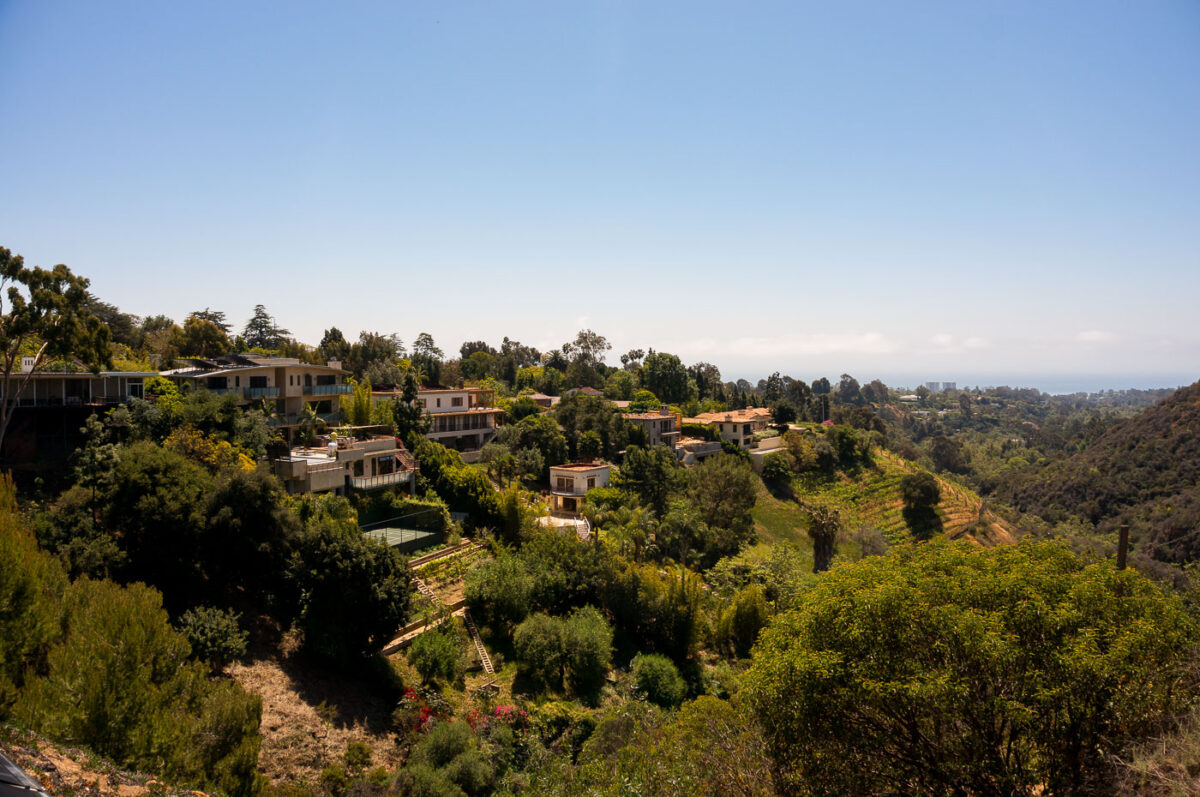
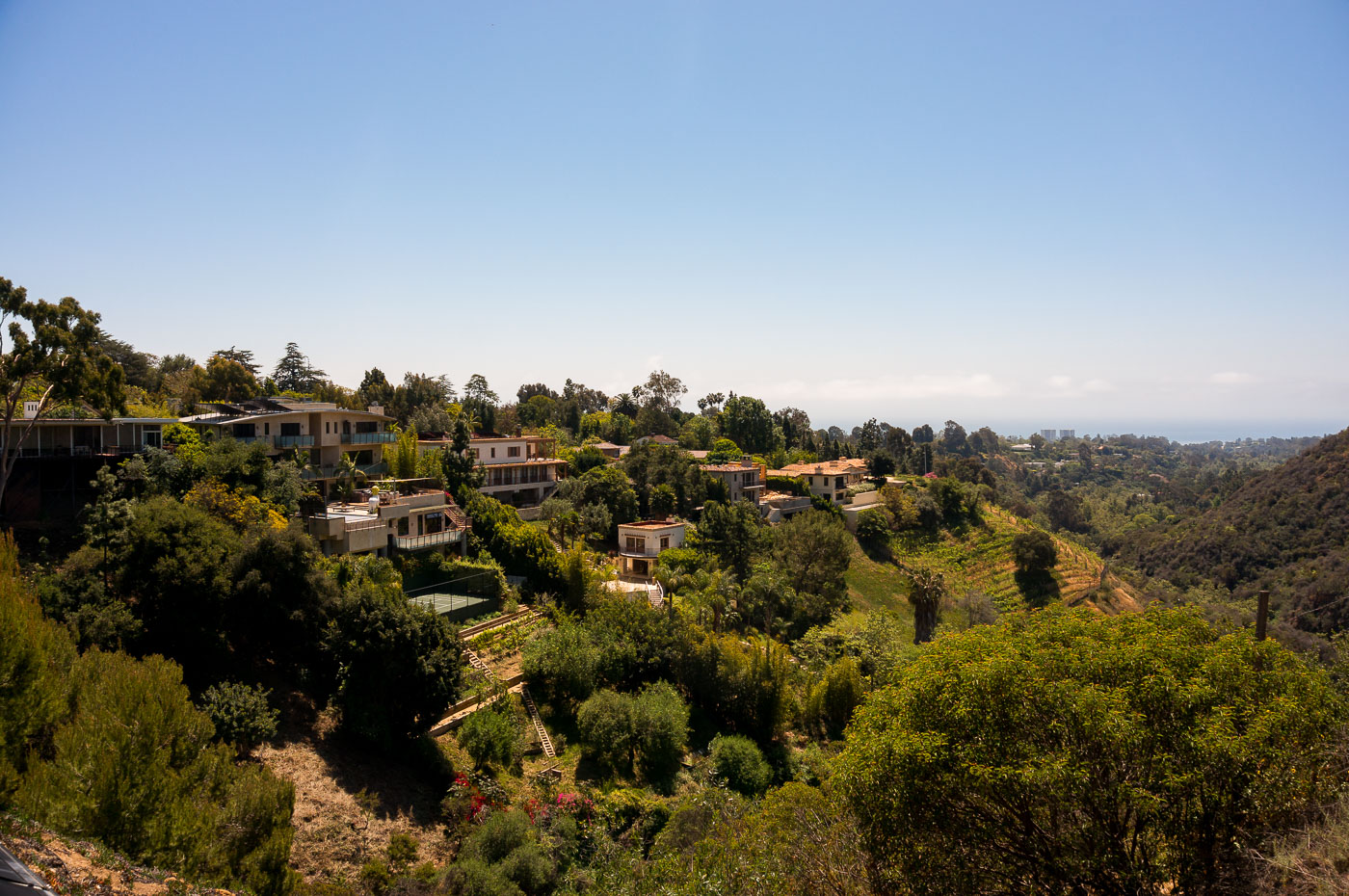
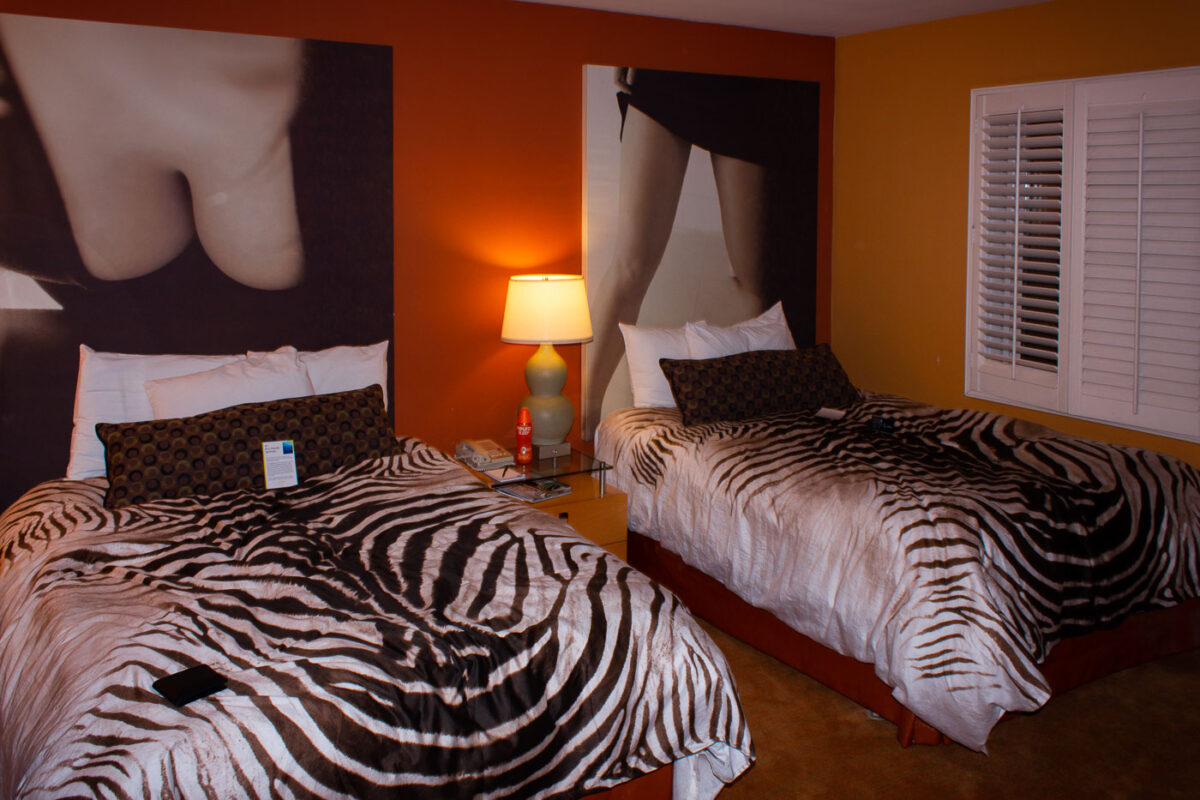
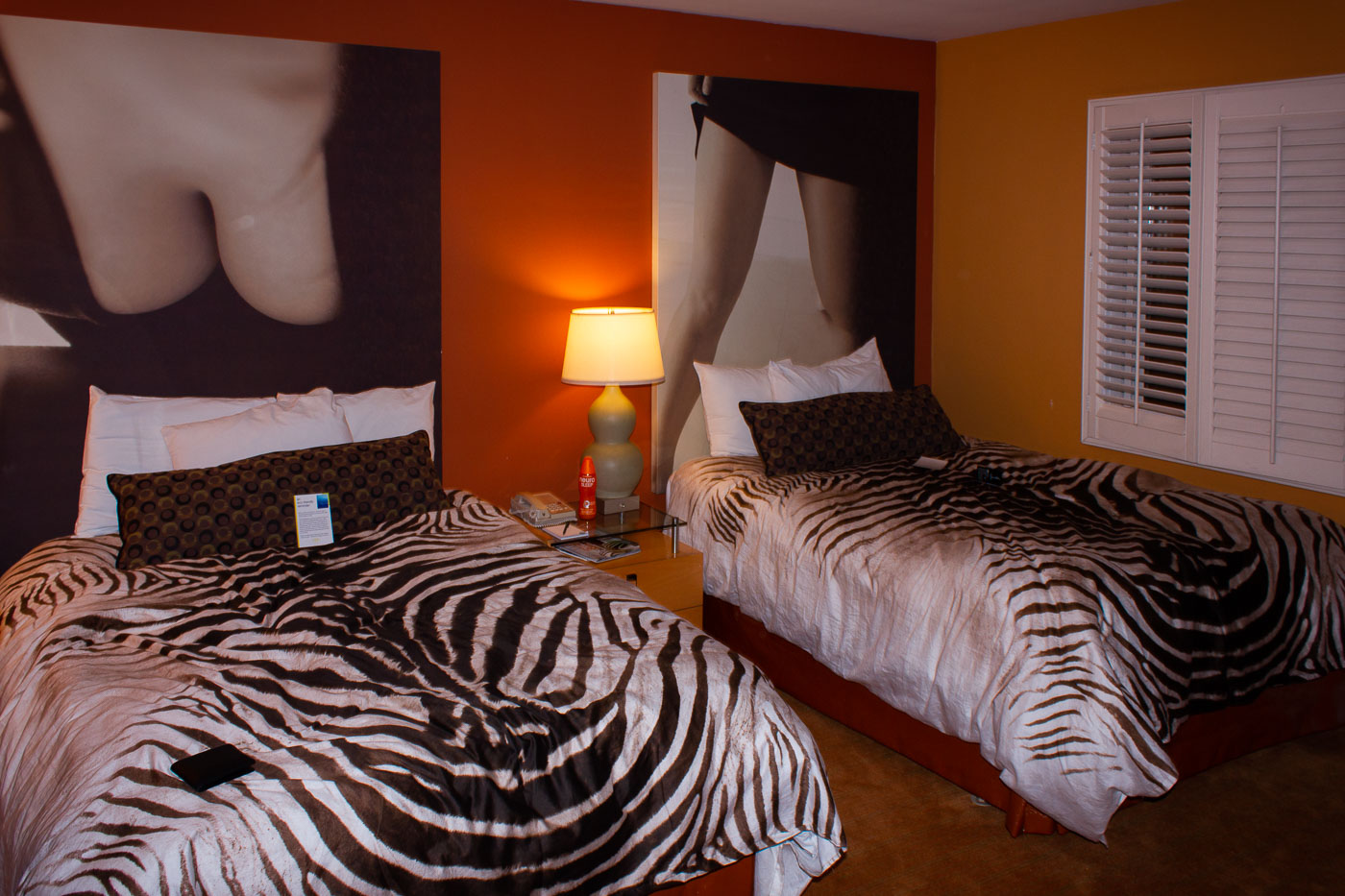
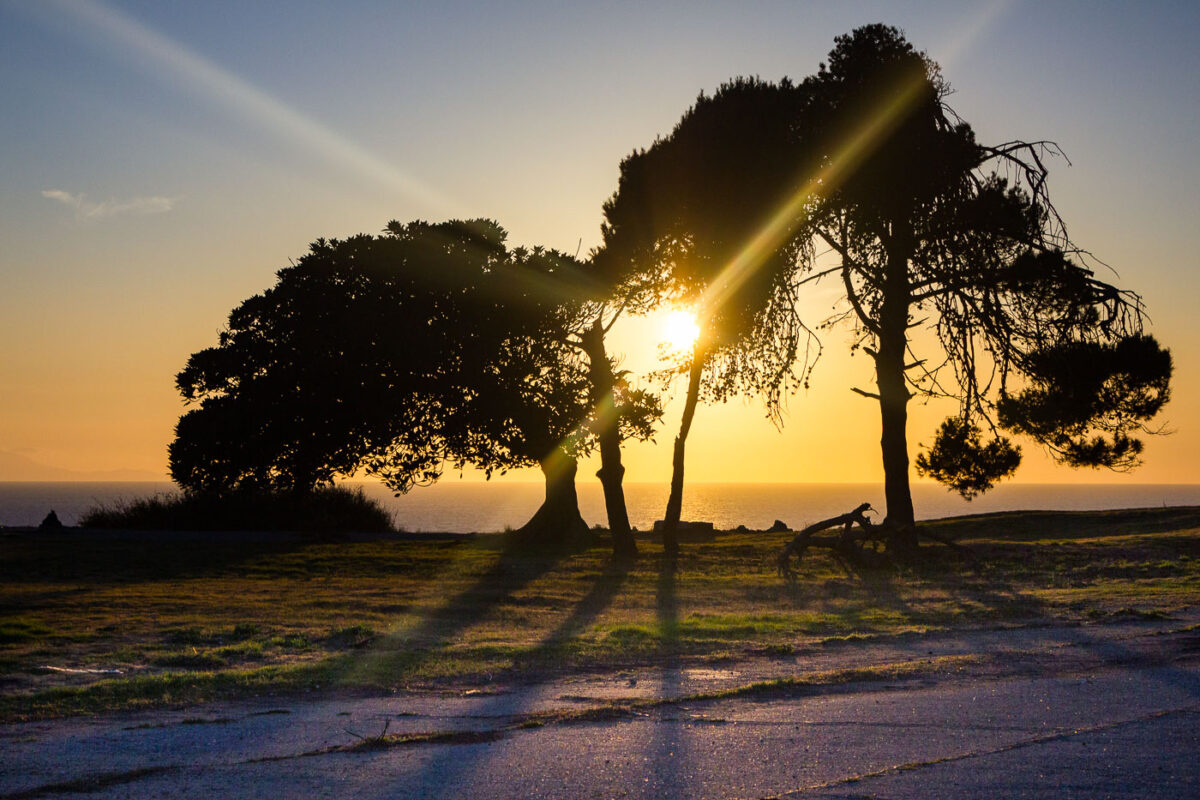
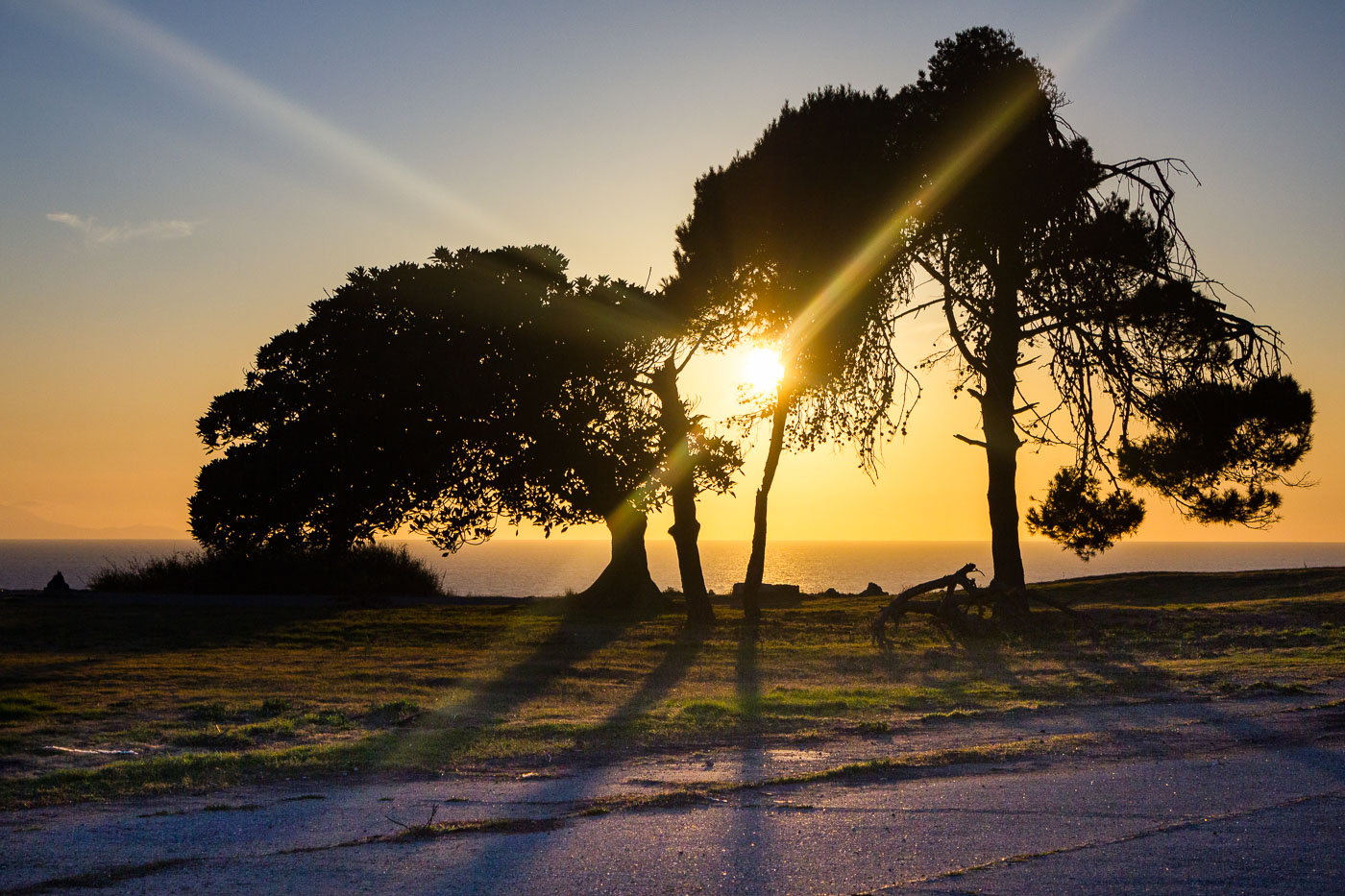
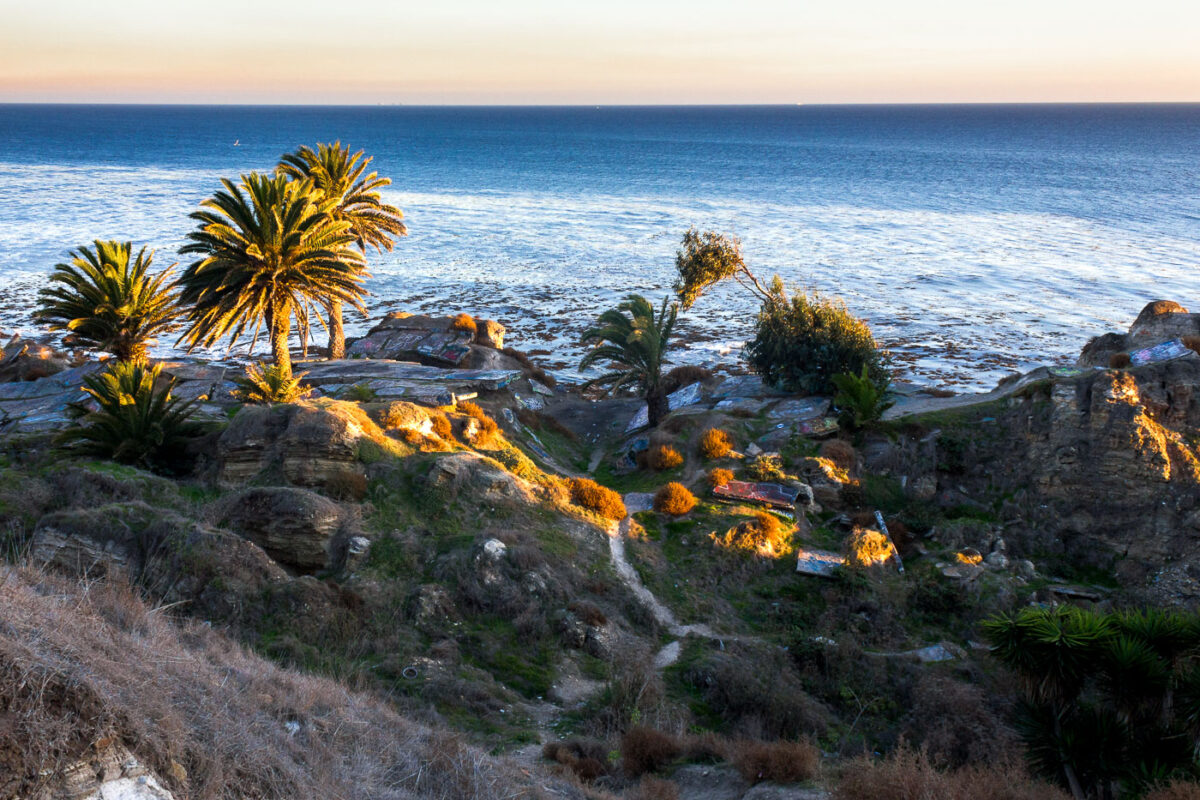
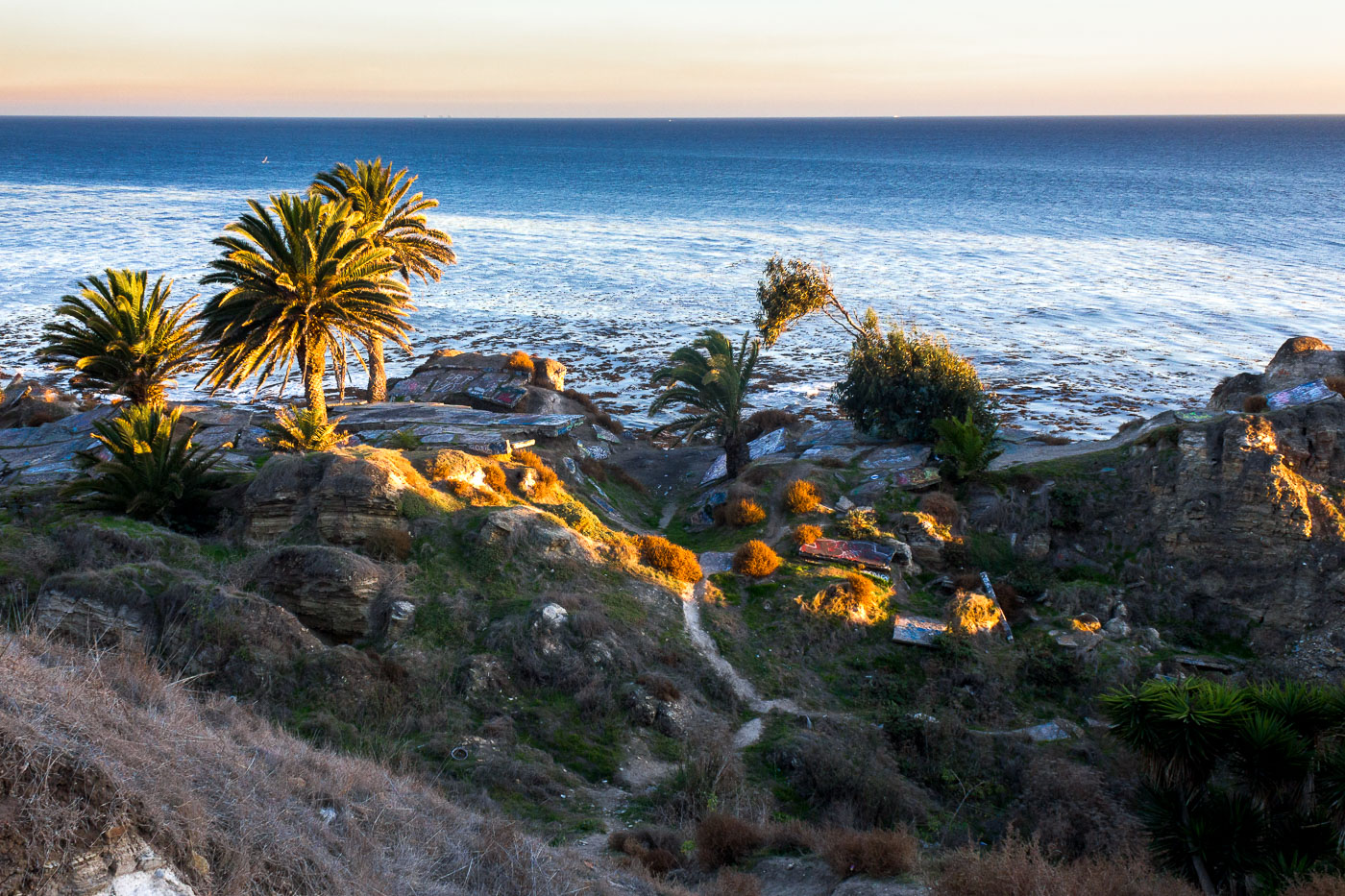
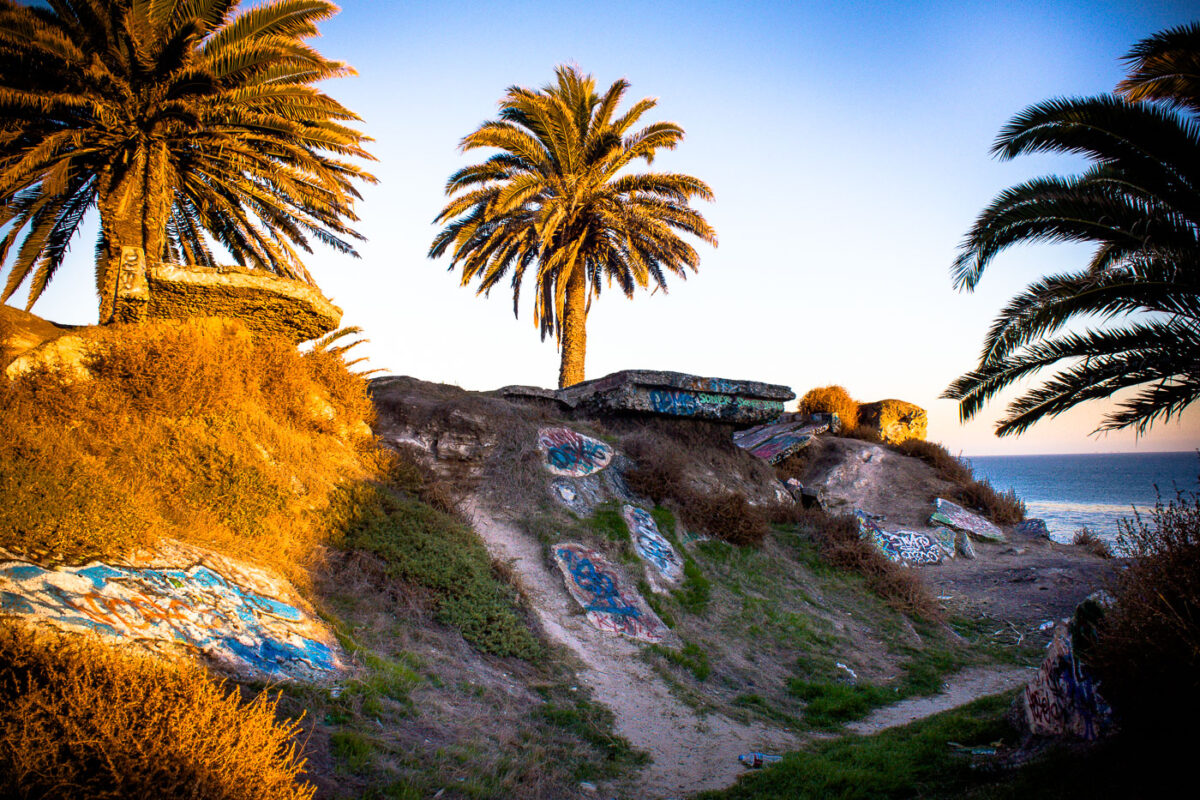
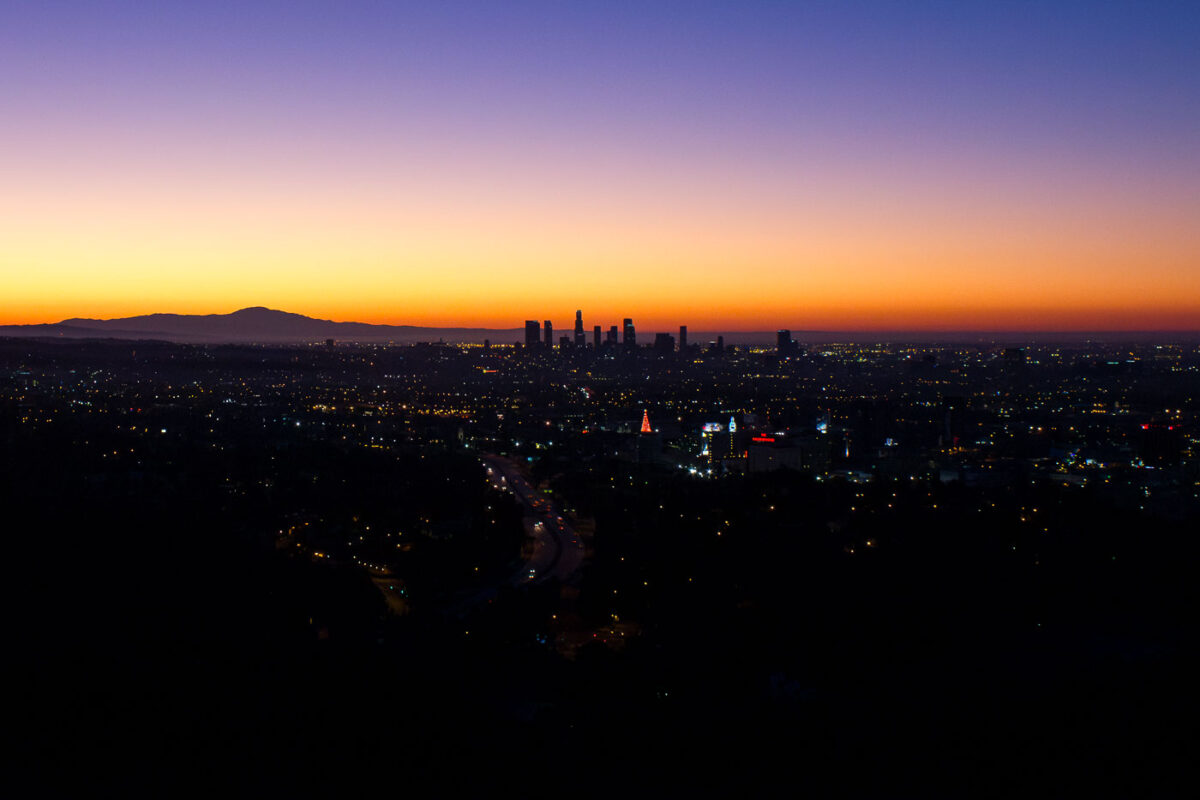
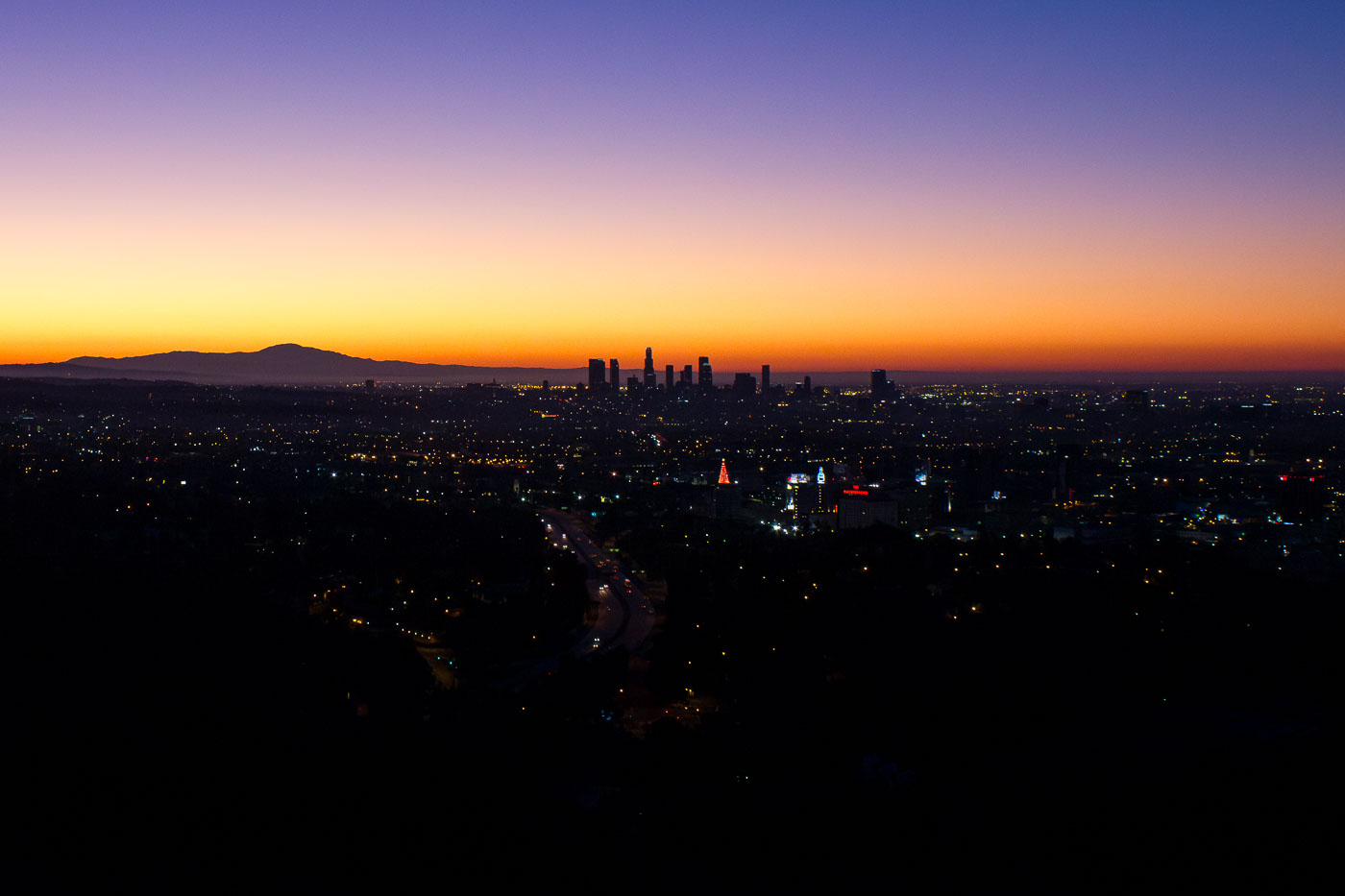
April 12, 2015 — Homes in Pacific Palisades, Los Angeles, photographed in April 2015. This affluent residential area is situated in the Santa Monica Mountains, overlooking the Pacific Ocean. The neighborhood has historically been susceptible to wildfires, a risk tragically underscored by the January 2025 fires that significantly impacted the region.December 10, 2011 — A hotel room at the Grafton on Sunset in Hollywood, California, features two beds with zebra-print comforters and large-scale photographic art on the walls. The Grafton on Sunset, located on the famed Sunset Strip, has a history tied to the entertainment industry and the vibrant culture of Los Angeles. The hotel's design often reflects the bold and glamorous aesthetic associated with Hollywood's past and present.December 10, 2011 — Sunset over the Pacific Ocean as seen from San Pedro, California. Silhouetted trees and coastal grasses are visible in the foreground, with the sun's rays breaking through the foliage. The ocean stretches to the horizon, meeting a sky transitioning from deep blue to warm orange hues.December 10, 2011 — The San Pedro Coastal Bluffs in California are seen with palm trees and rocky terrain marked by graffiti. The ocean stretches to the horizon under a soft, golden sky, with evidence of human presence including scattered debris and painted surfaces on the bluffs.
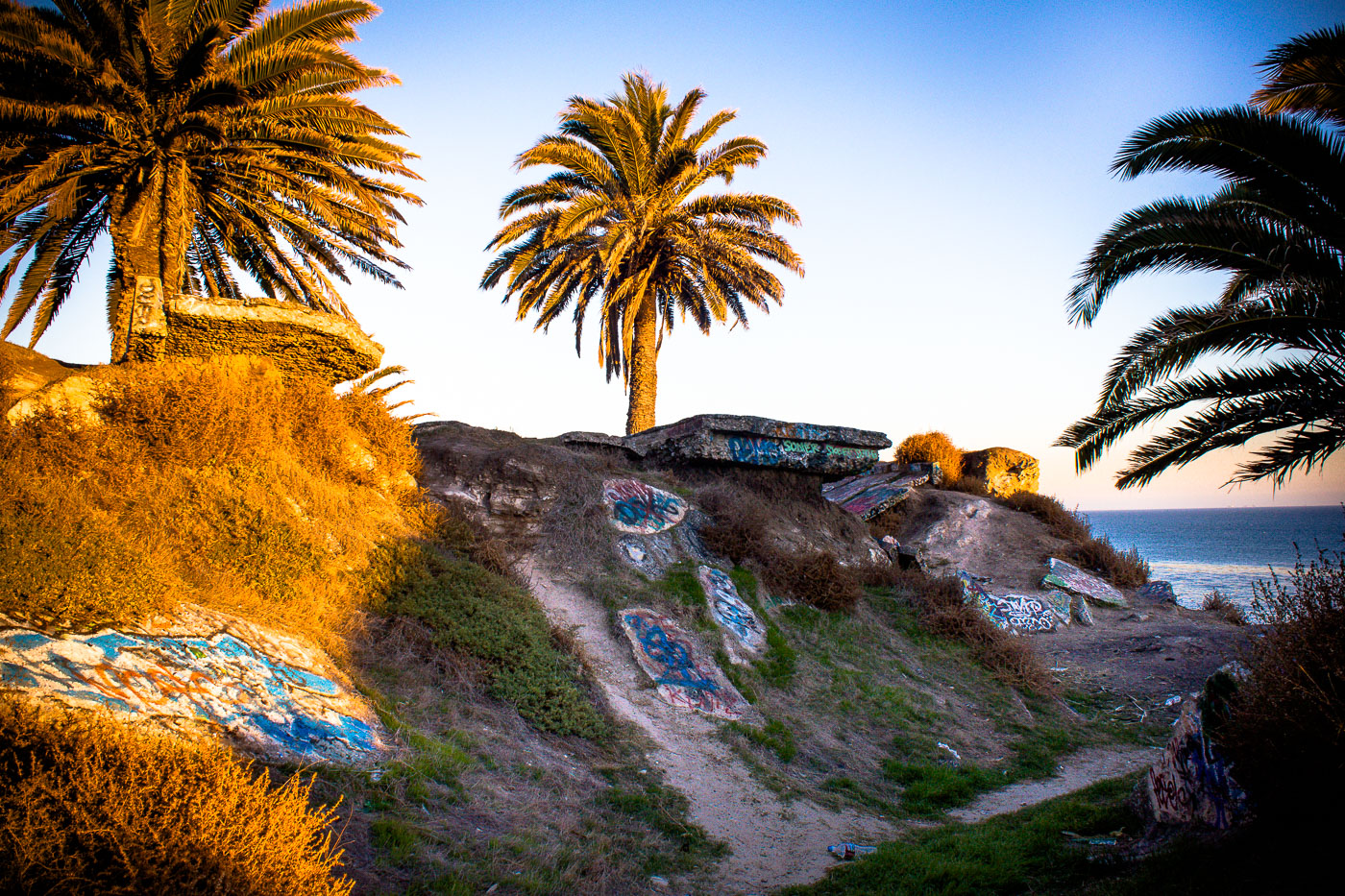
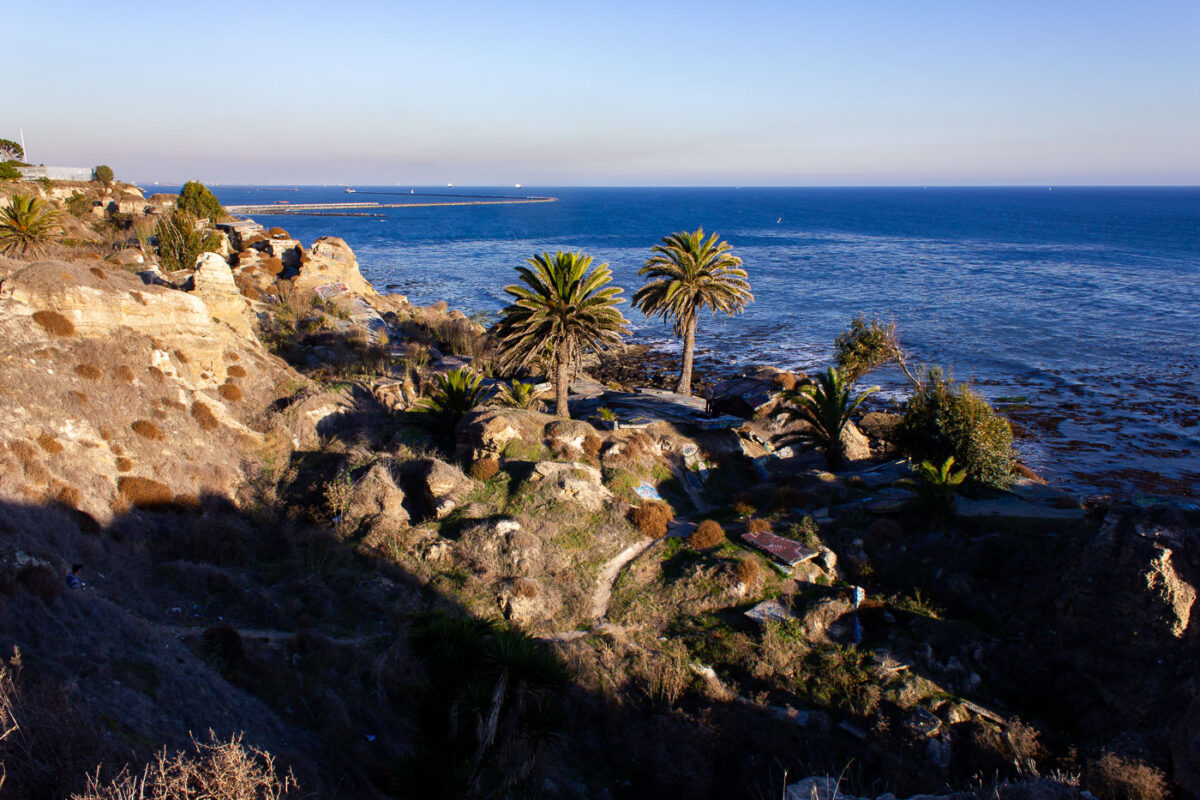
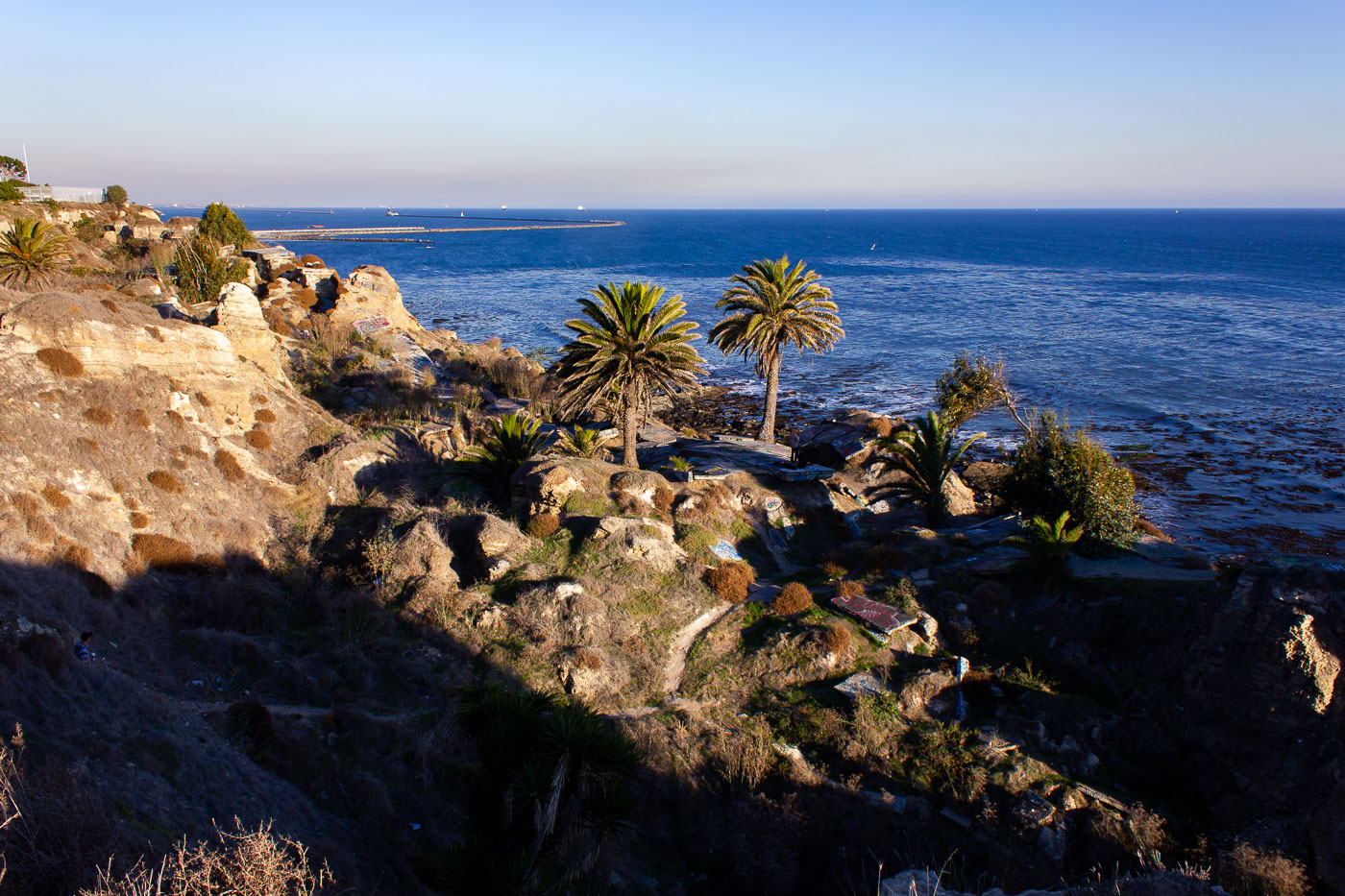
This area is known for its geological instability and historical significance, particularly its connection to the 'Sunken City' legend, a section of land that slid into the ocean in 1929. The graffiti indicates ongoing informal use of the bluffs, contrasting with the natural coastal environment and the distant shipping lanes.December 10, 2011 — The San Pedro Coastal Bluffs in California are marked by weathered concrete structures and palm trees, with visible graffiti adorning the rocks and debris scattered on the ground. The ocean is visible in the background under a clear sky.
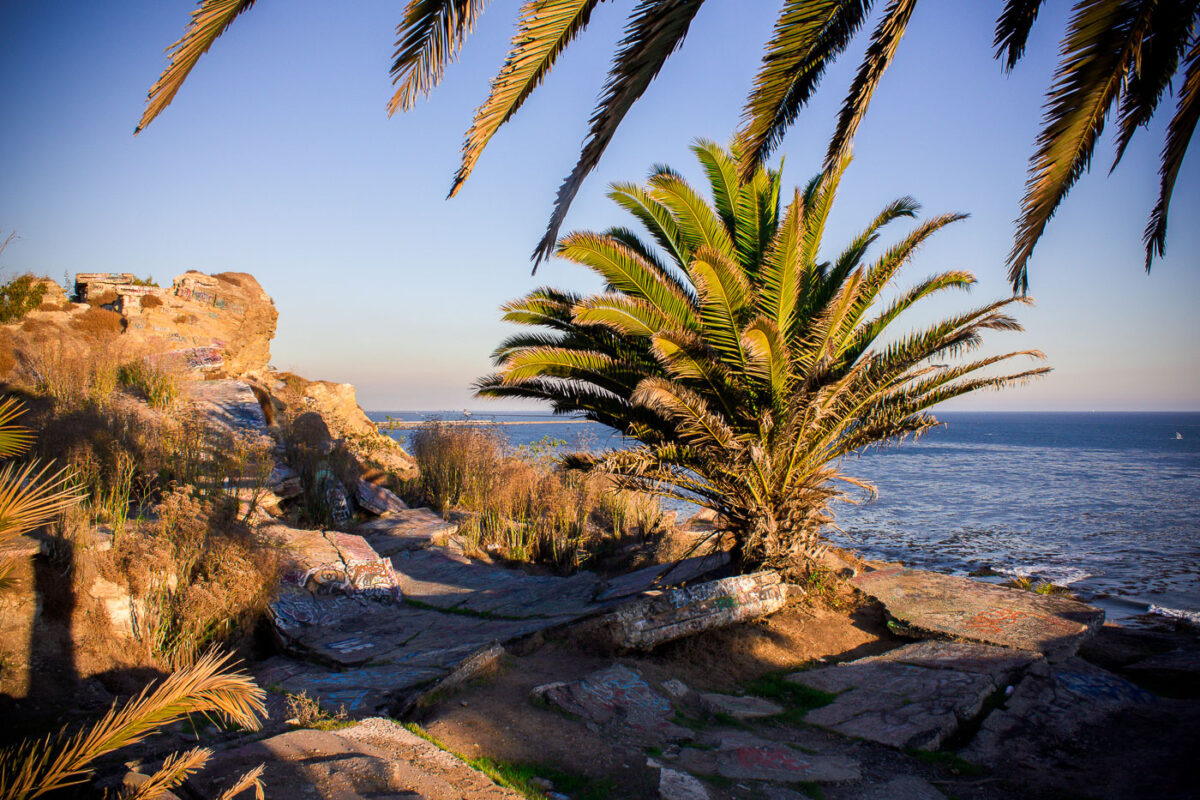
These bluffs are part of the coastline near the historic Sunken City, an area of San Pedro that experienced a massive landslide in 1929, causing homes and streets to slide into the ocean. The remaining concrete structures are remnants of the area's past development, now a popular spot for urban exploration and often adorned with graffiti.December 10, 2011 — The Sunken City in San Pedro, California, features rugged coastal rocks and palm trees overlooking the Pacific Ocean. The area is characterized by broken concrete slabs and graffiti-covered surfaces, remnants of a past development.
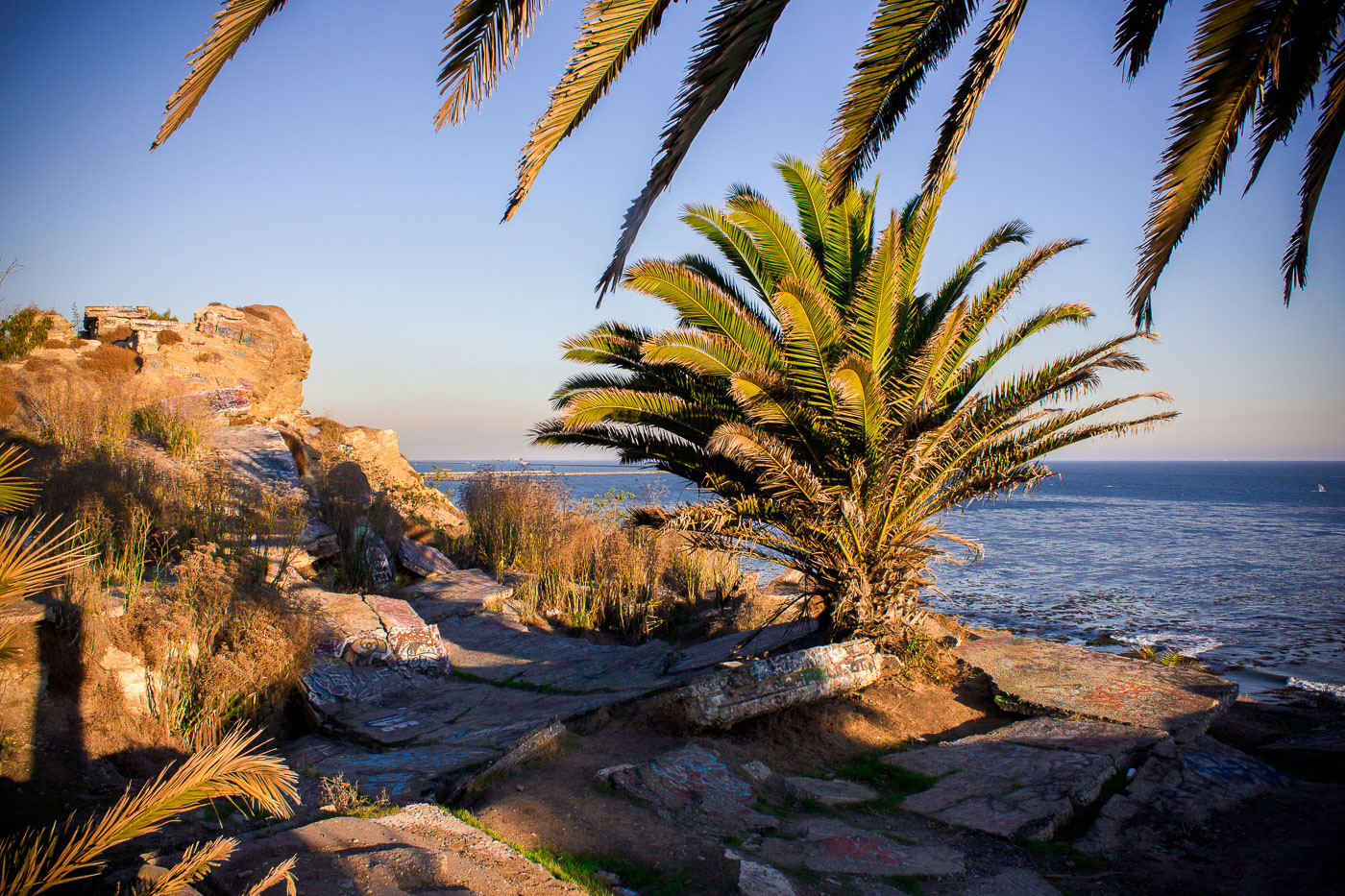
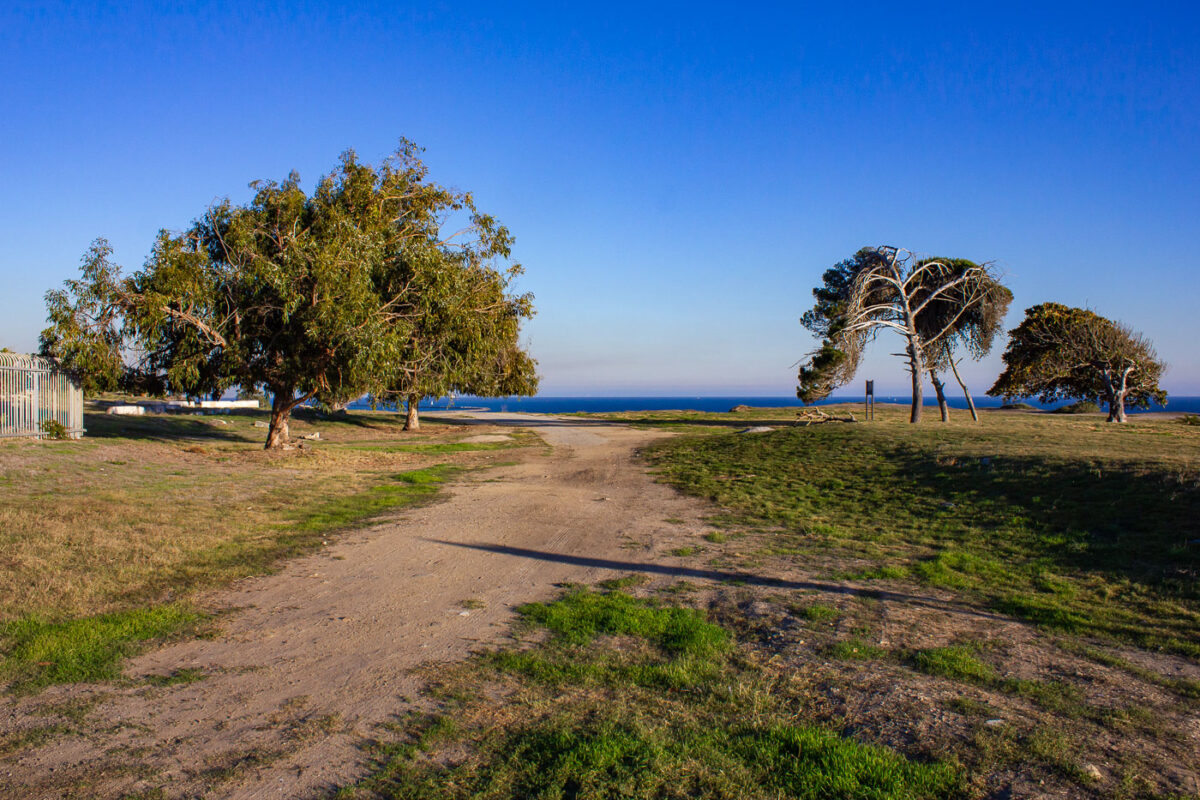
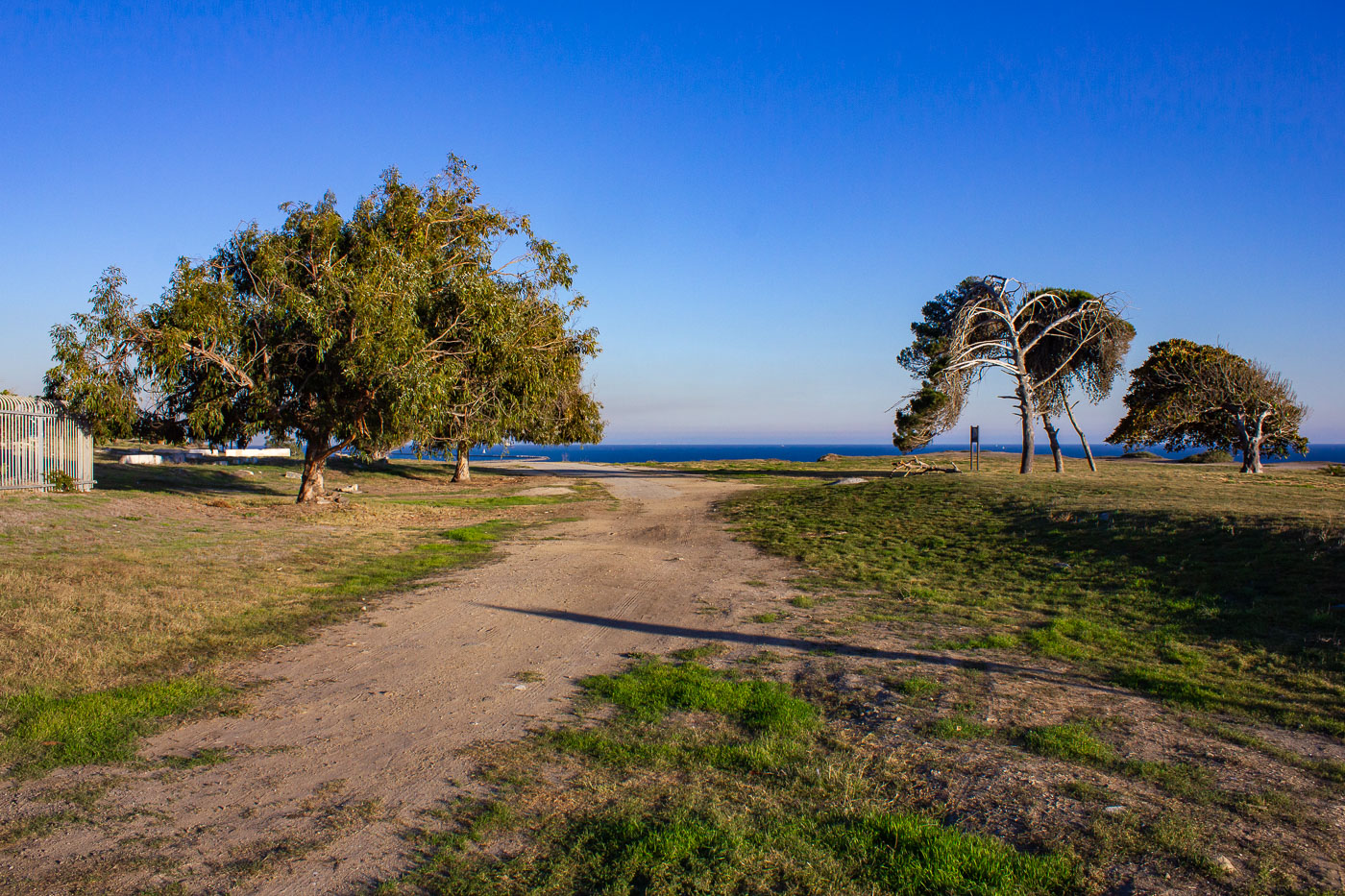
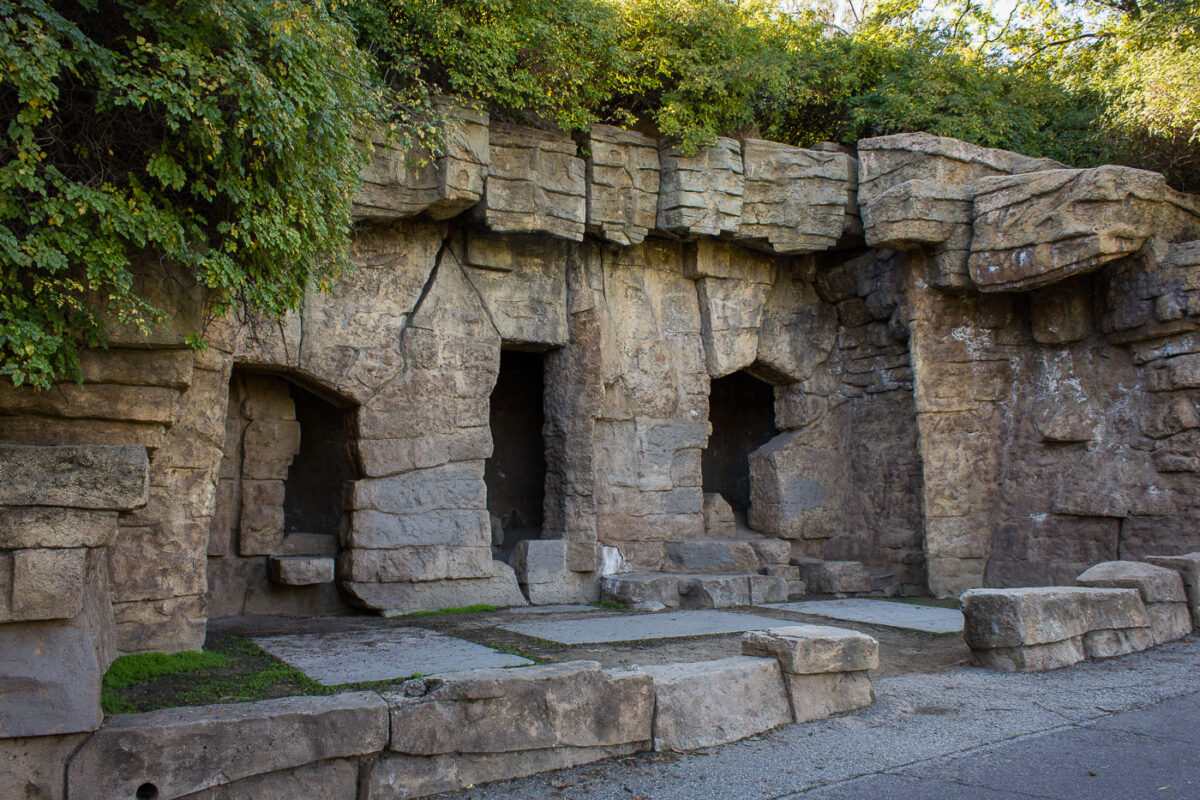
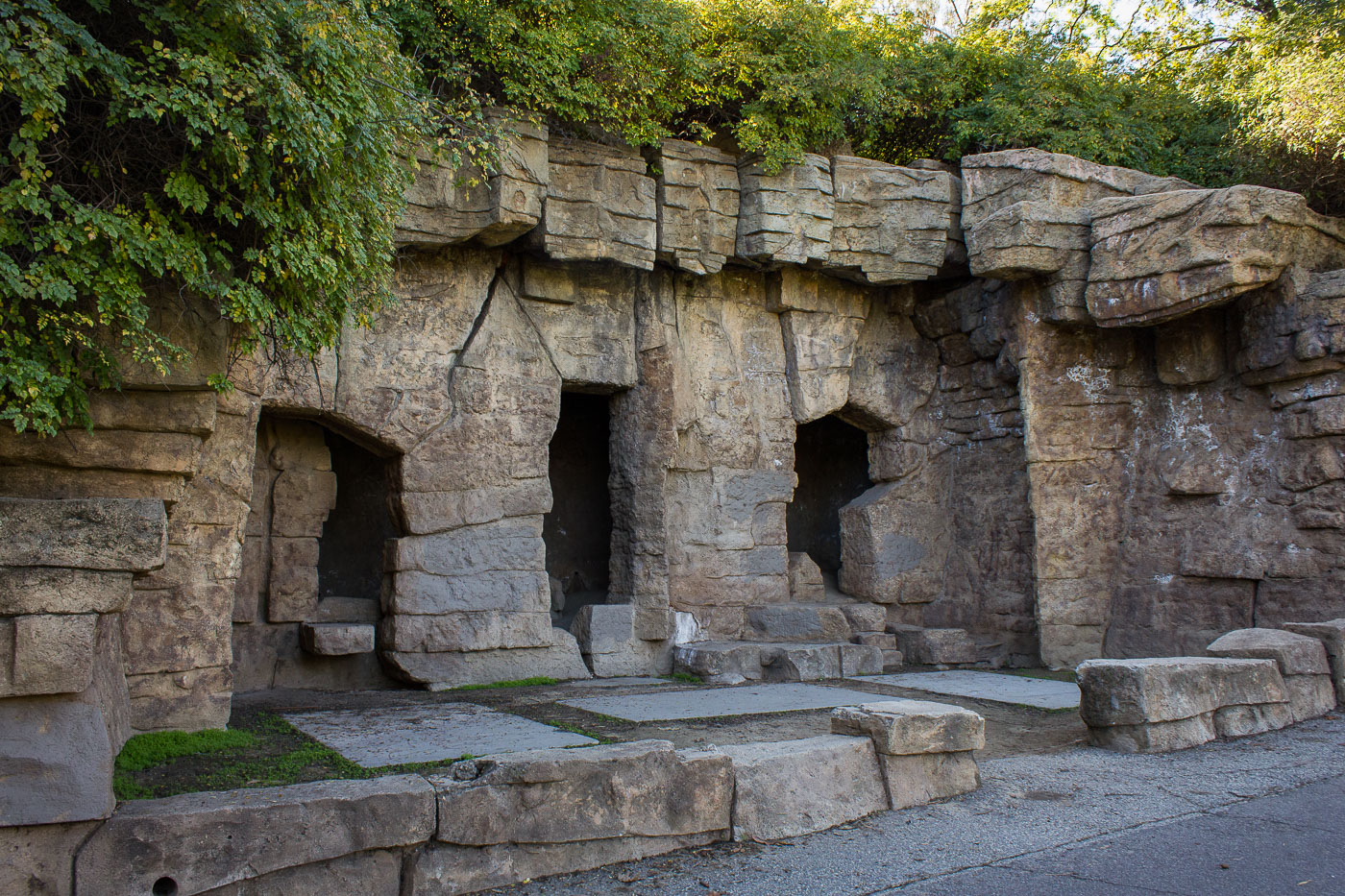
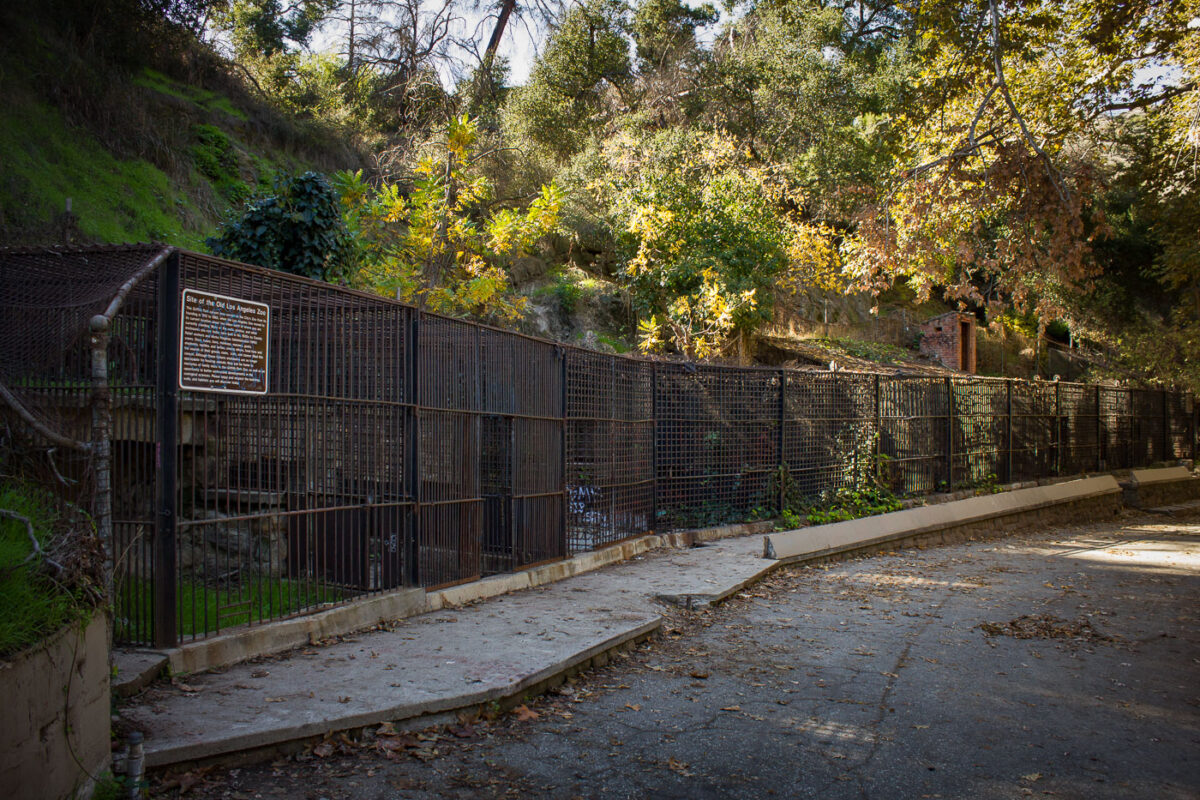
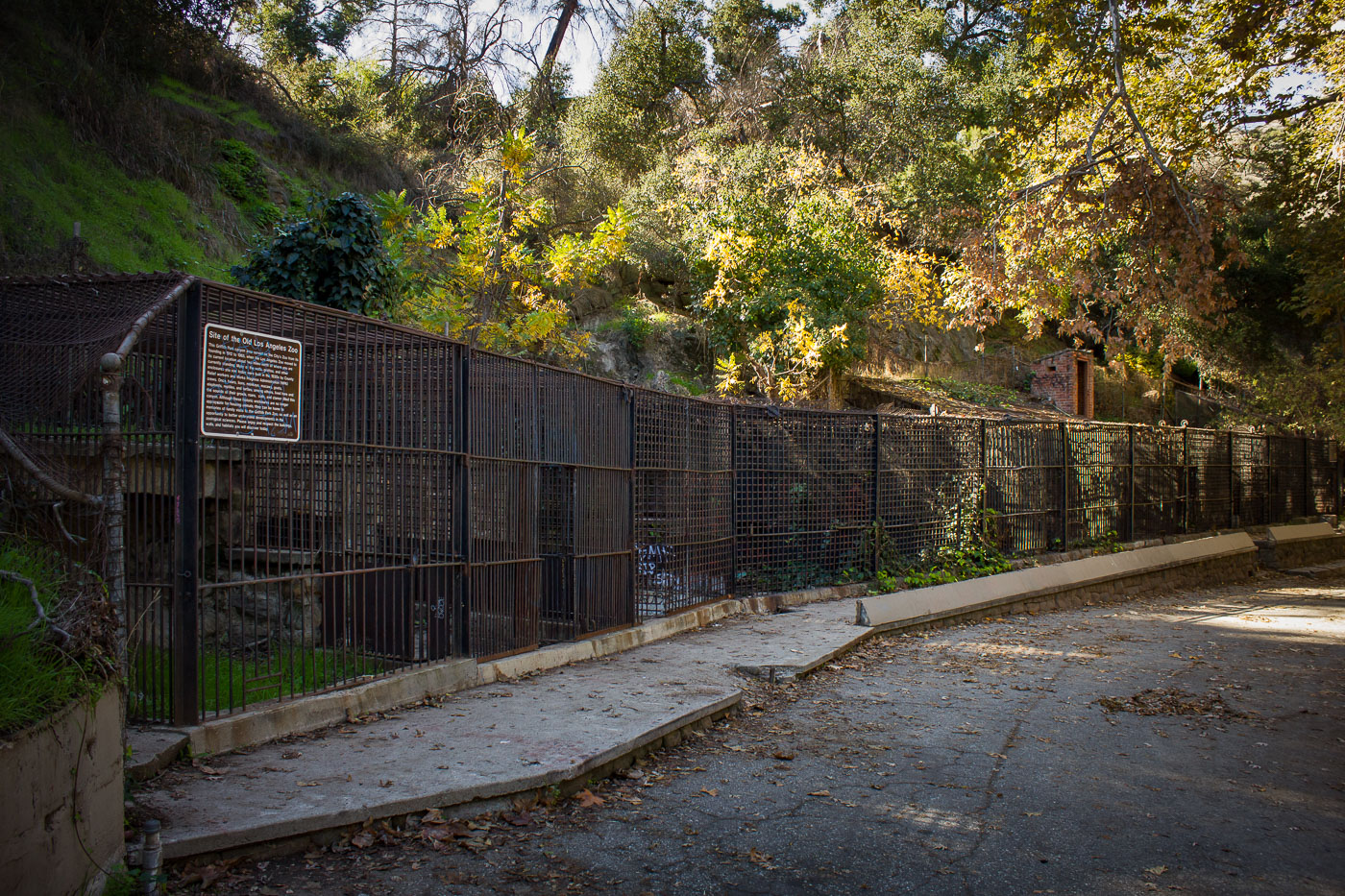
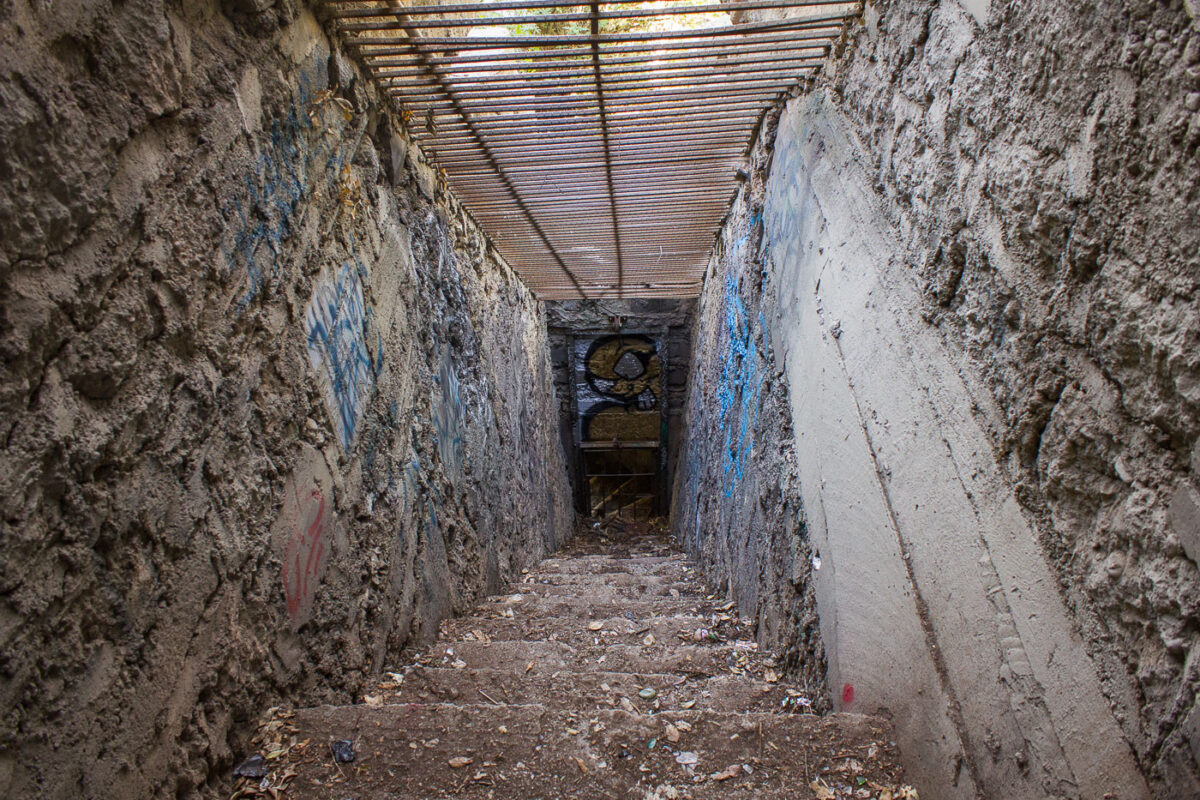
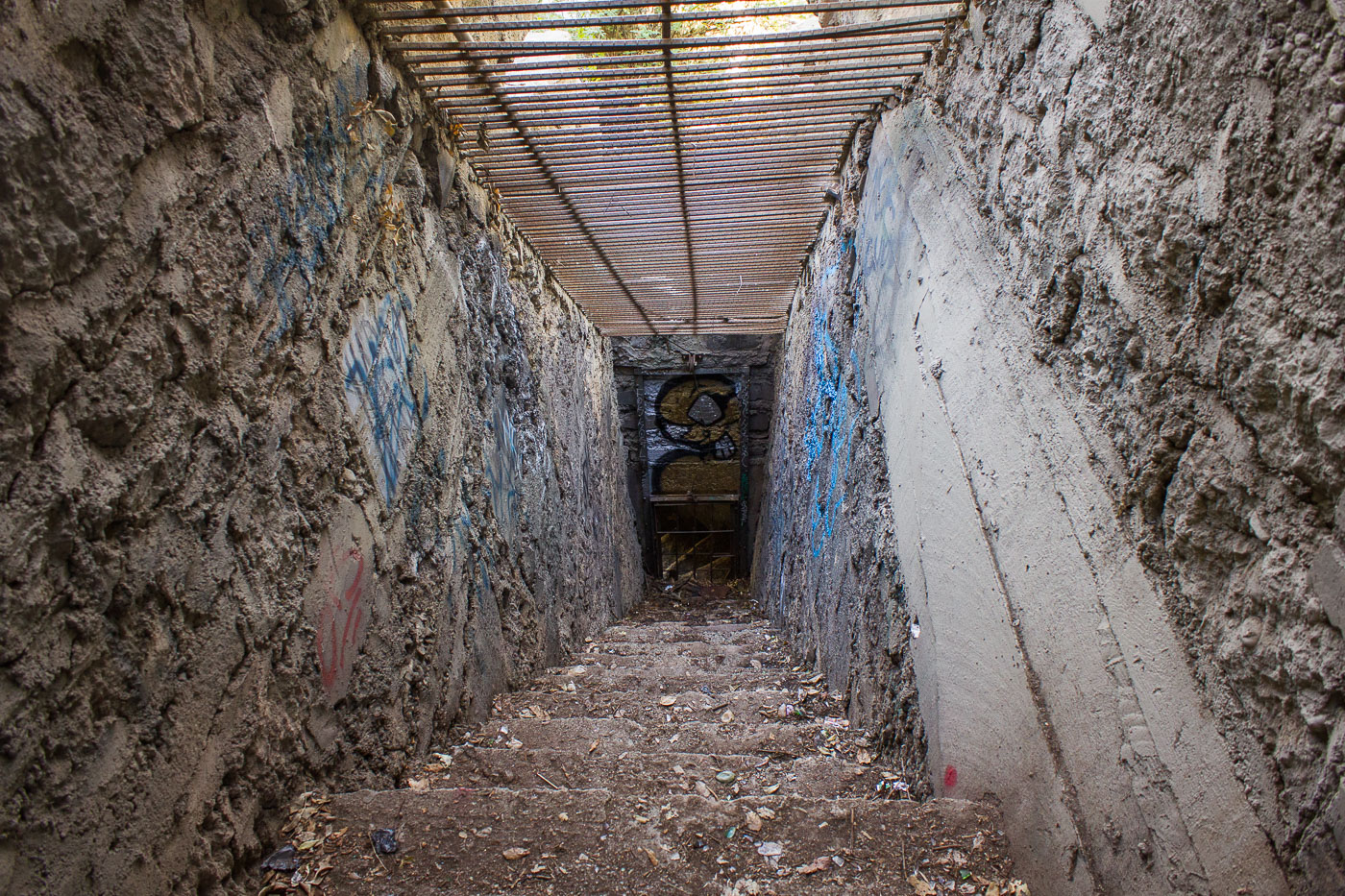
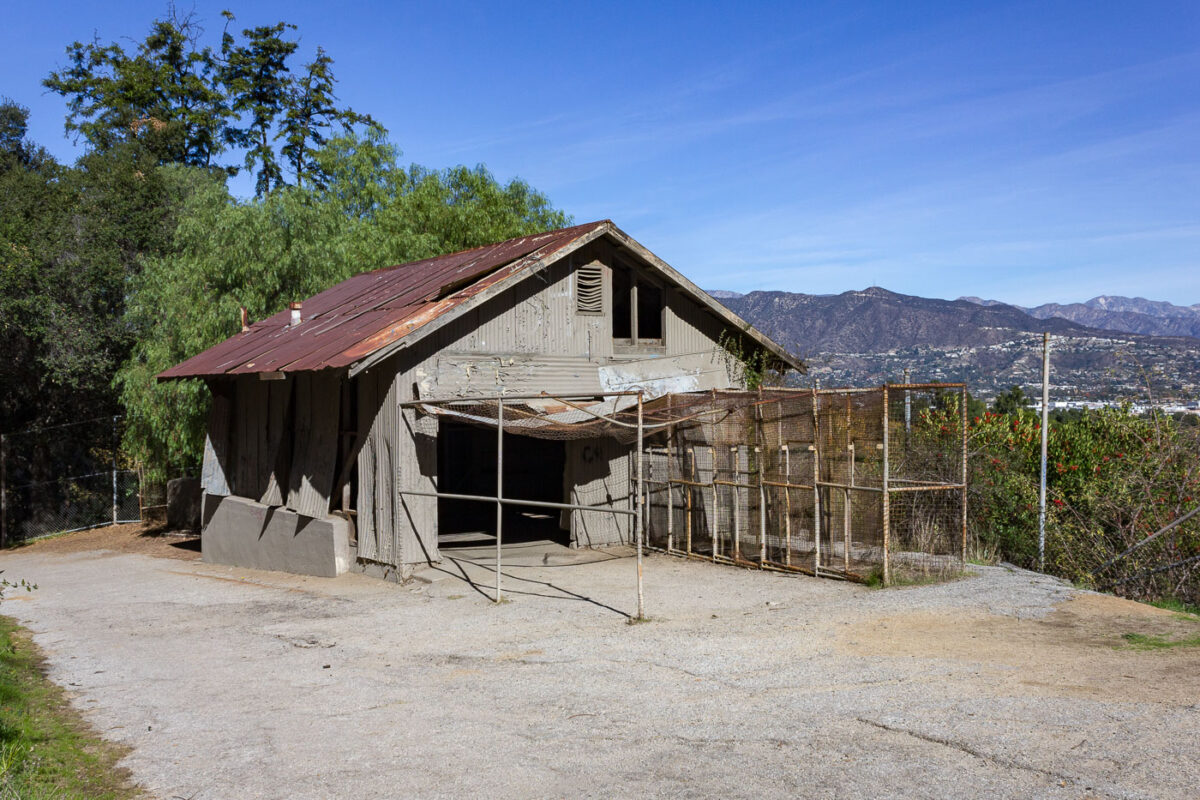
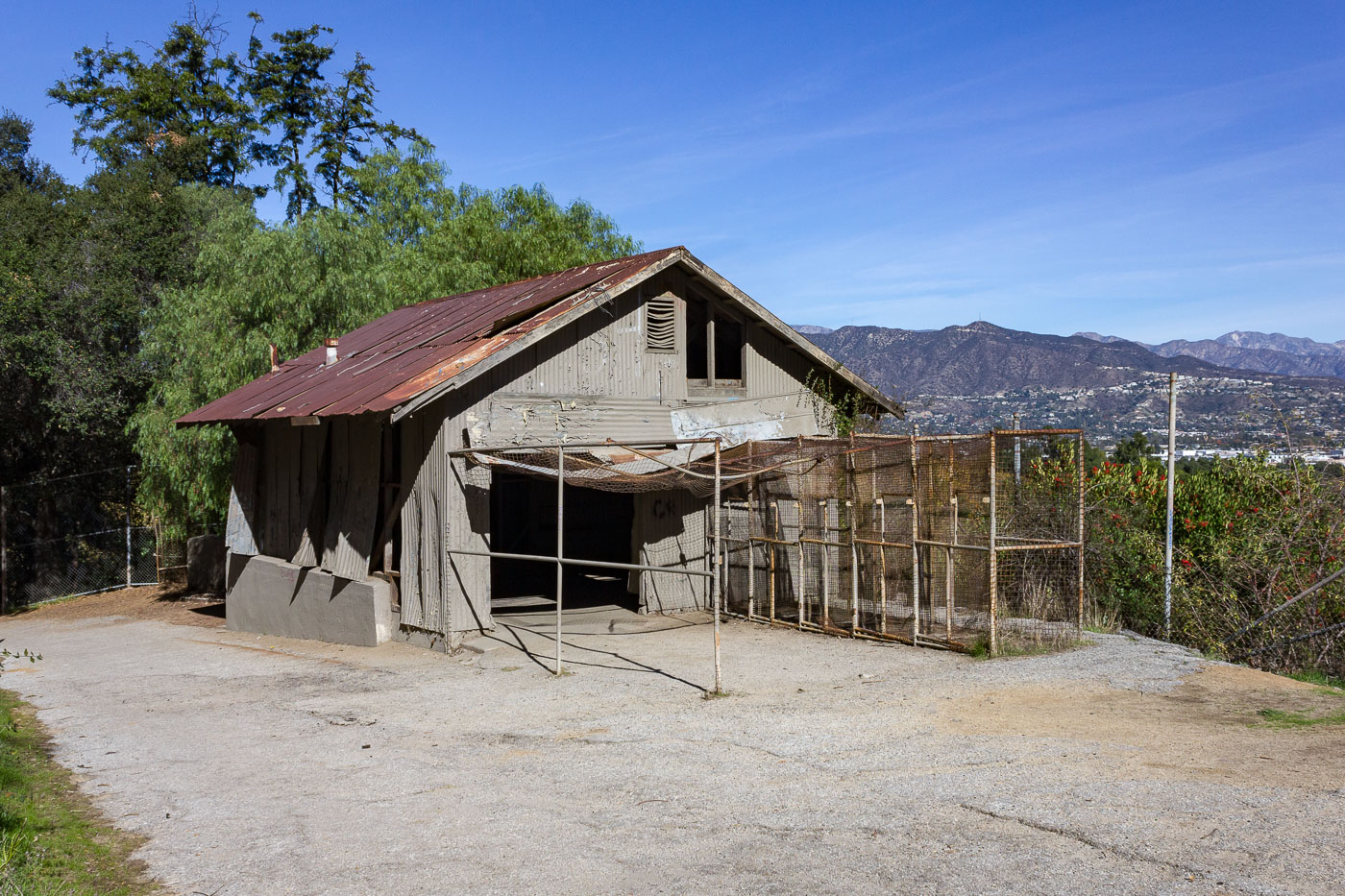
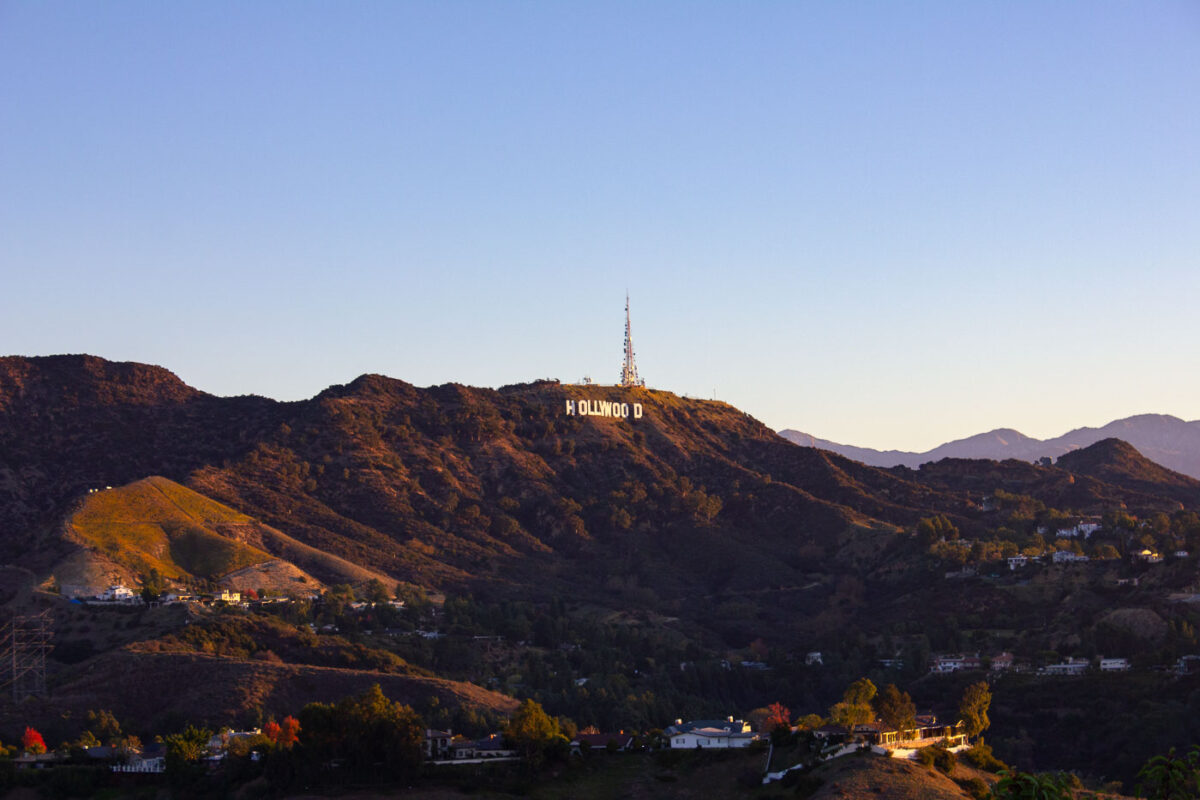
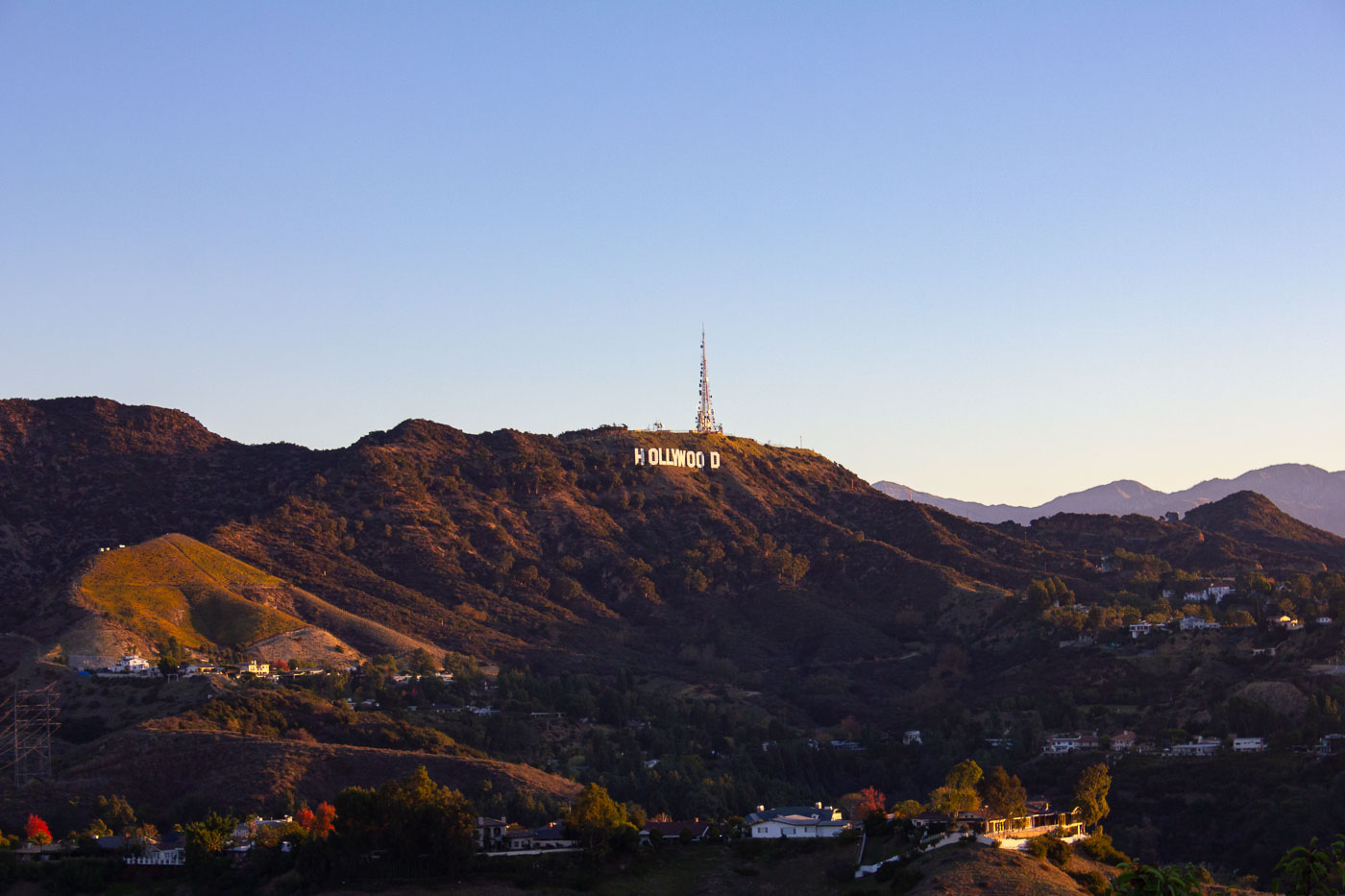
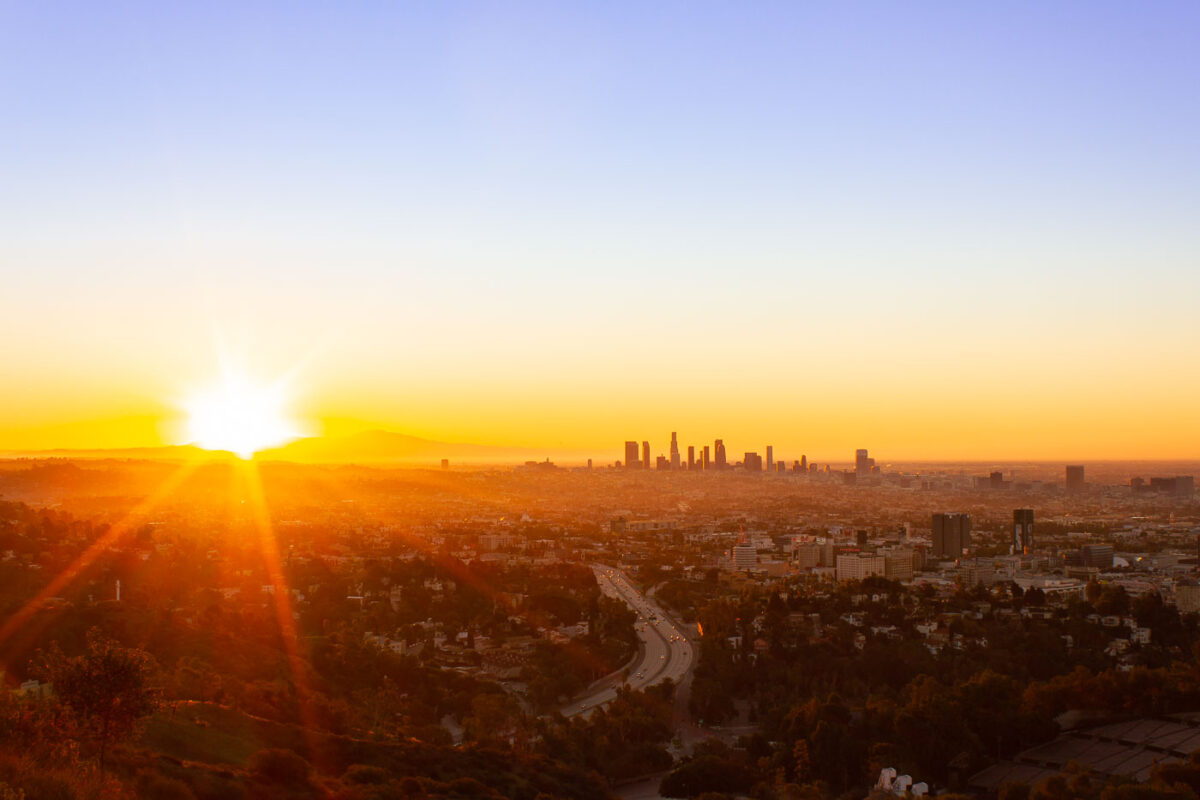
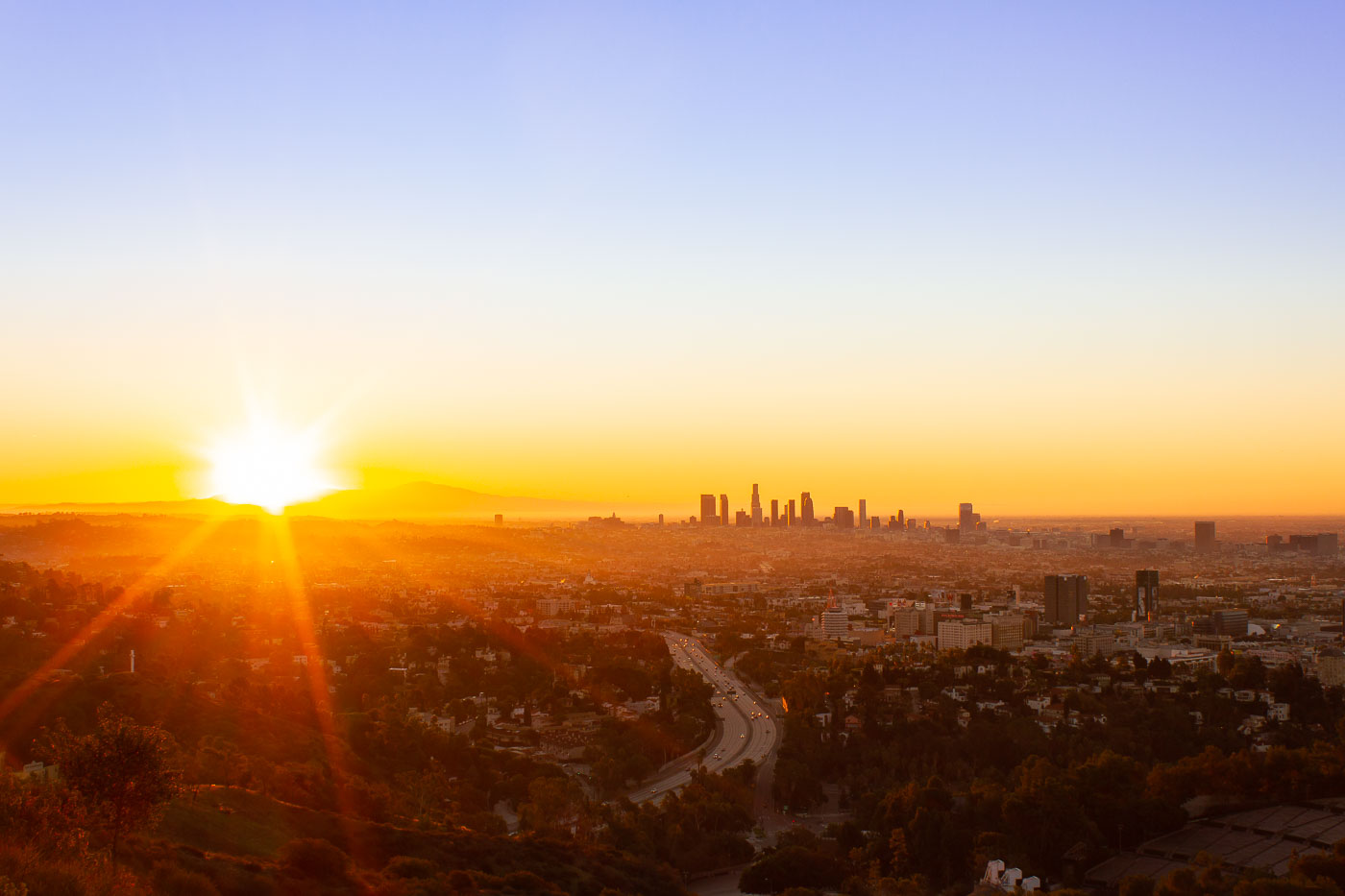
This site, once a wealthy residential neighborhood, was inundated by a landslide in 1929 and subsequently submerged by high tides. The exposed ruins are now a popular, albeit unofficial, destination for urban explorers and photographers, offering a unique glimpse into the area's geological and historical past.December 10, 2011 — Sunken City, a neighborhood in San Pedro, Los Angeles, California, was once a thriving residential area. In 1929, a massive landslide caused much of the neighborhood to slide into the Pacific Ocean, leading to its abandonment. The area is now a popular spot for urban exploration and offers views of the coastline and the Port of Los Angeles breakwater. The remaining structures and debris serve as a stark reminder of the geological forces that reshaped the coastline.December 10, 2011 — San Pedro Coastal Park in California overlooks the Pacific Ocean. This area, known for its dramatic cliffs and ocean views, has a history tied to geological instability, most notably the "Sunken City" area which experienced landslides in the early 20th century. Today, the park serves as a public space for enjoying the coastal environment and its natural beauty.November 27, 2011 — These abandoned bear enclosures are part of the original Griffith Park Zoo in Los Angeles, which operated from 1912 to 1965. The zoo housed a variety of animals, including bears, lions, elephants, and reptiles, before relocating to a new facility. The structures, designed to mimic natural habitats, now stand as remnants of the zoo's past.November 27, 2011 — The Griffith Park Zoo, established in 1912, served as Los Angeles' primary zoological facility until its closure in 1965. The animals, including bears, lions, elephants, and reptiles, were relocated to a new site. These now-abandoned enclosures, built in the 1930s with the help of the Works Progress Administration, remain as a testament to the zoo's history. The site is now part of Griffith Park, offering a glimpse into the city's past and the development of its public spaces.November 27, 2011 — Operating from 1912 to 1965, the Los Angeles Zoo once held bears, lions, monkeys, macaws, goats, elephants, reptiles and turtles. The animals were moved to a new zoo when this location was closed.November 27, 2011 — Operating from 1912 to 1965, the Los Angeles Zoo once held bears, lions, monkeys, macaws, goats, elephants, reptiles and turtles. The animals were moved to a new zoo when this location was closed.November 26, 2011 — The Hollywood Sign, originally erected in 1923 as "HOLLYWOODLAND" to advertise a real estate development, has become a global symbol of the film industry and Los Angeles. The Griffith Observatory, completed in 1935, is visible in the background, offering panoramic views of the city and the sign. The observatory serves as a center for astronomy and public education, and is a significant landmark in the Hollywood Hills.November 26, 2011 — Sunrise over the Los Angeles basin, viewed from Mulholland Drive. This scenic overlook provides a vantage point for observing the sprawling urban environment, including the downtown Los Angeles skyline and the Hollywood Hills. Mulholland Drive itself, completed in 1924, was designed as a scenic parkway to offer panoramic views of the city and the Pacific Ocean, becoming a significant element of Los Angeles's mid-century development and its car-centric culture.November 26, 2011 — A sunrise over Downtown Los Angeles in November 2011. The city's central business district, a hub for finance, law, and entertainment, is visible in the distance. The development of this area began in the late 19th century, with significant growth in the mid-20th century. Today, it continues to be the economic and cultural heart of the region, characterized by its diverse architecture and extensive transportation networks.
Built in Minneapolis
Photographs made over time, focused on place, public life, and ongoing reporting.
Browse by location, move through long-running series, or start with recent work.