Manhattan and Queens streets, transit stations and commercial landmarks
New York City, NY
Photographs from Manhattan and Queens documenting streetscapes, subway stations and commercial facades, with emphasis on architecture, transit and neighborhood retail.
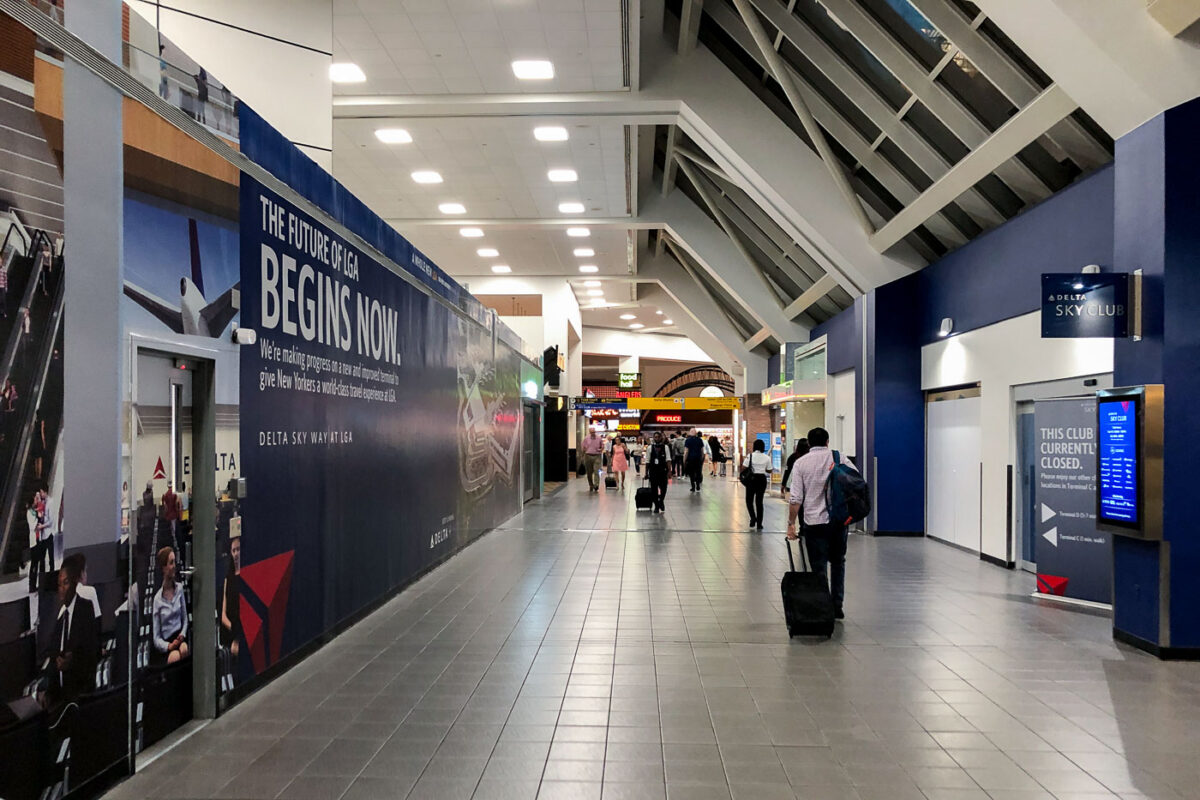
September 3, 2019 — Travelers walk past a large construction barrier within LaGuardia Airport's Delta Terminal in Queens, New York. The barrier displays graphics and text that reads, "THE FUTURE OF LGA BEGINS NOW. We're making progress on a new and improved terminal to give New Yorkers a world-class travel experience at LGA. DELTA SKY WAY AT LGA."
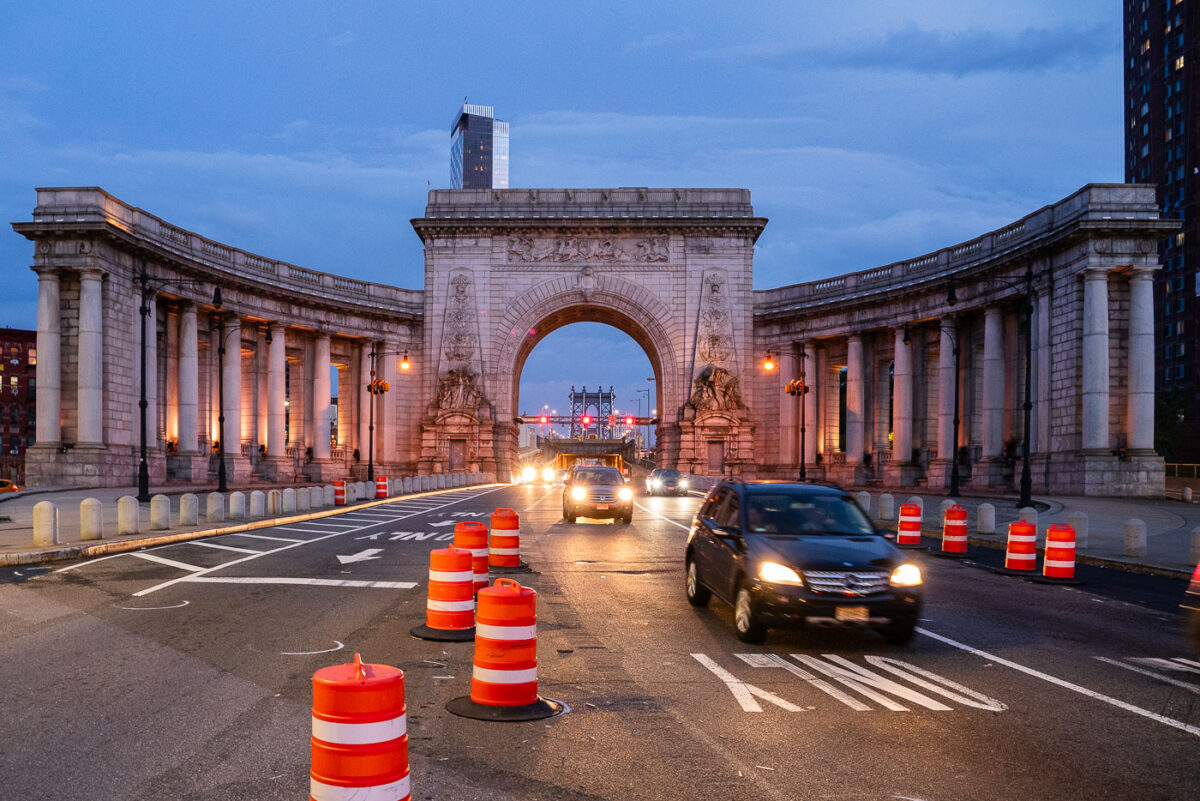
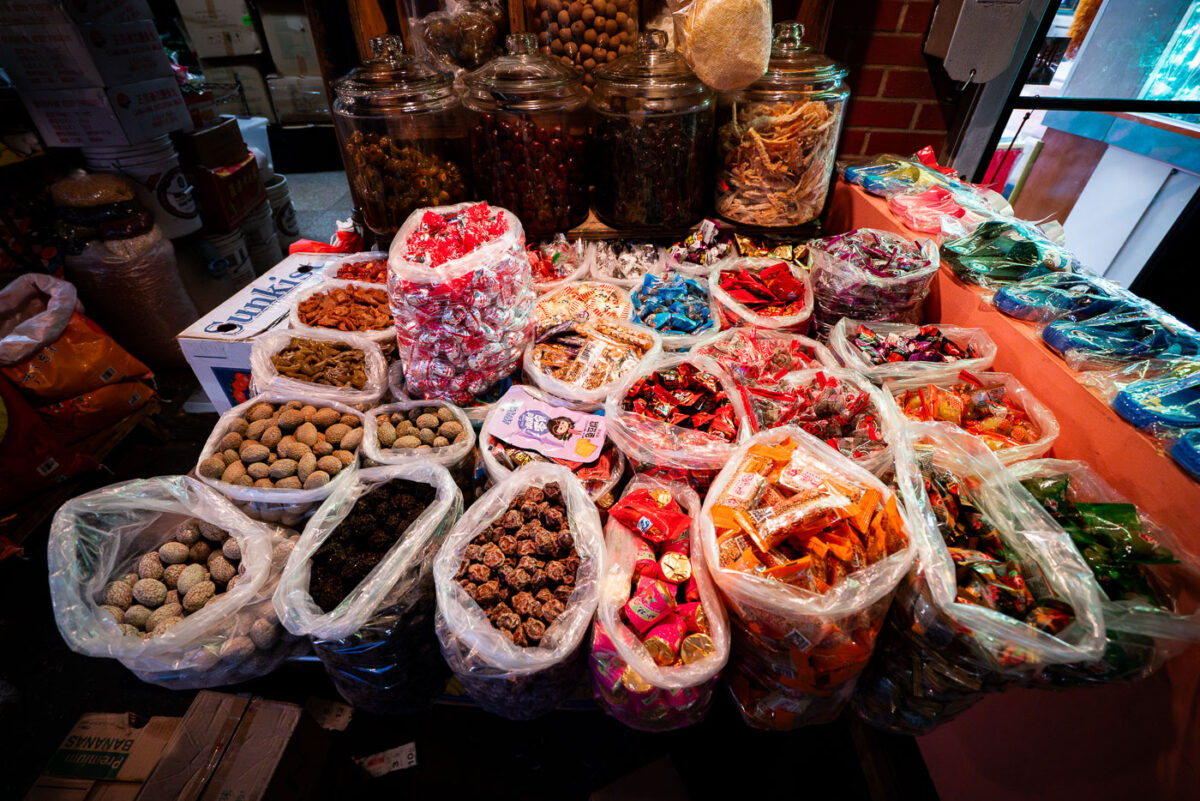
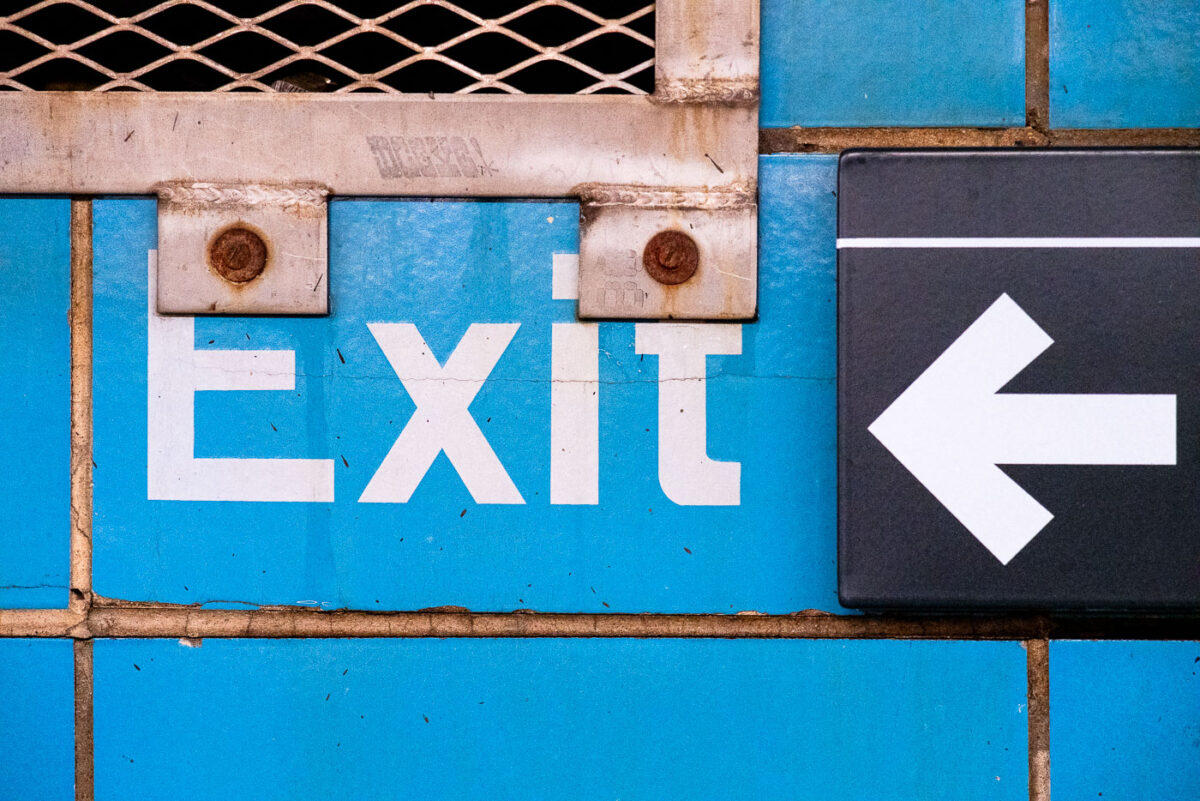
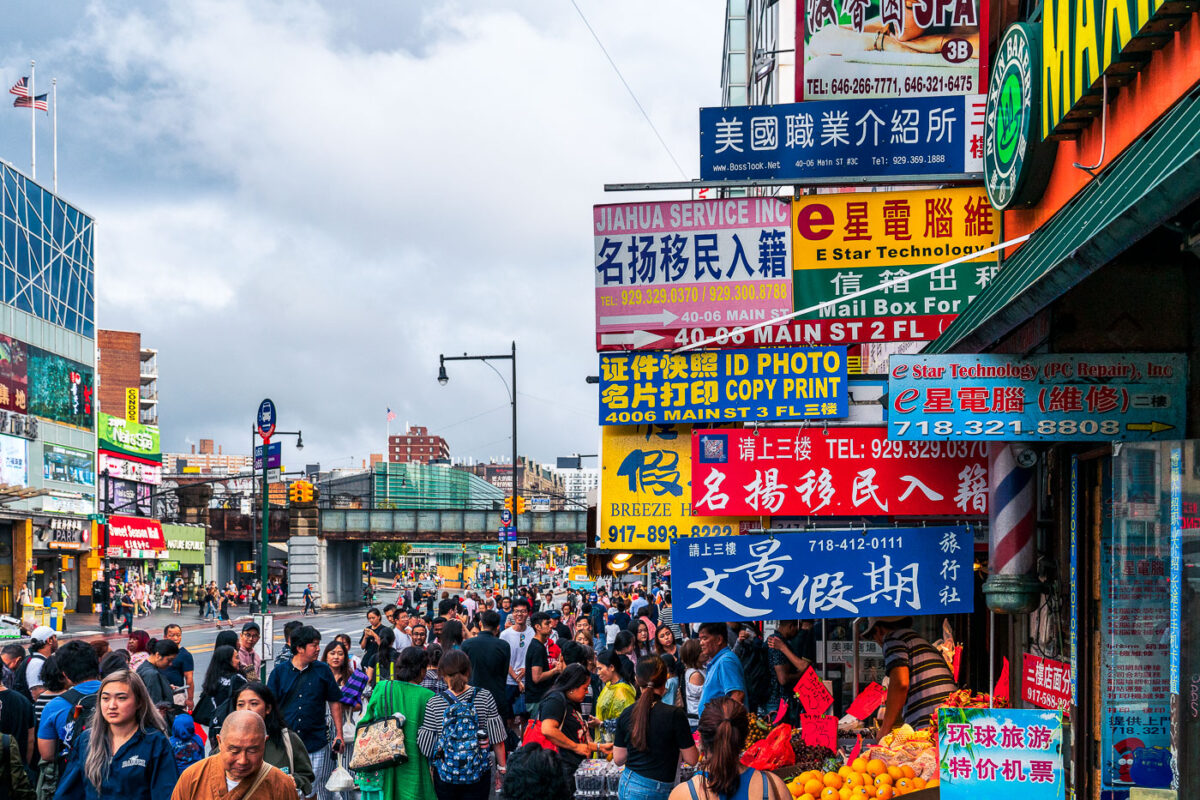
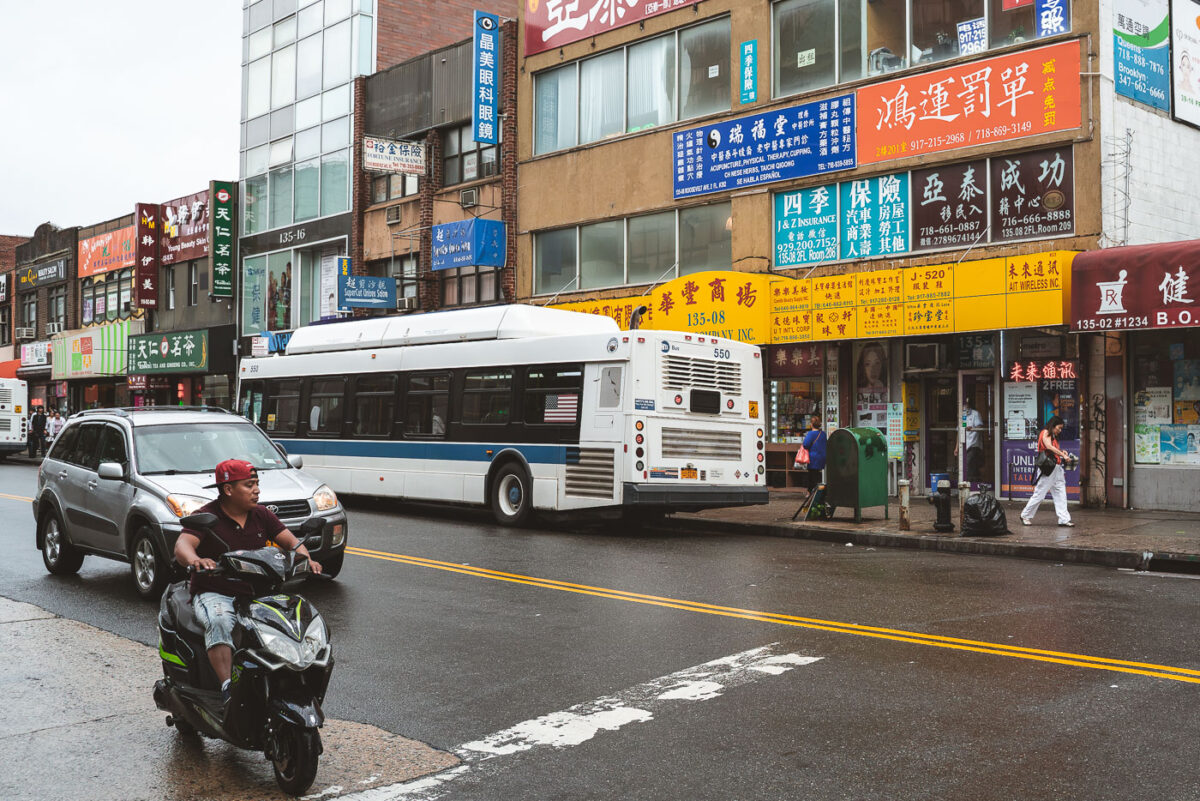
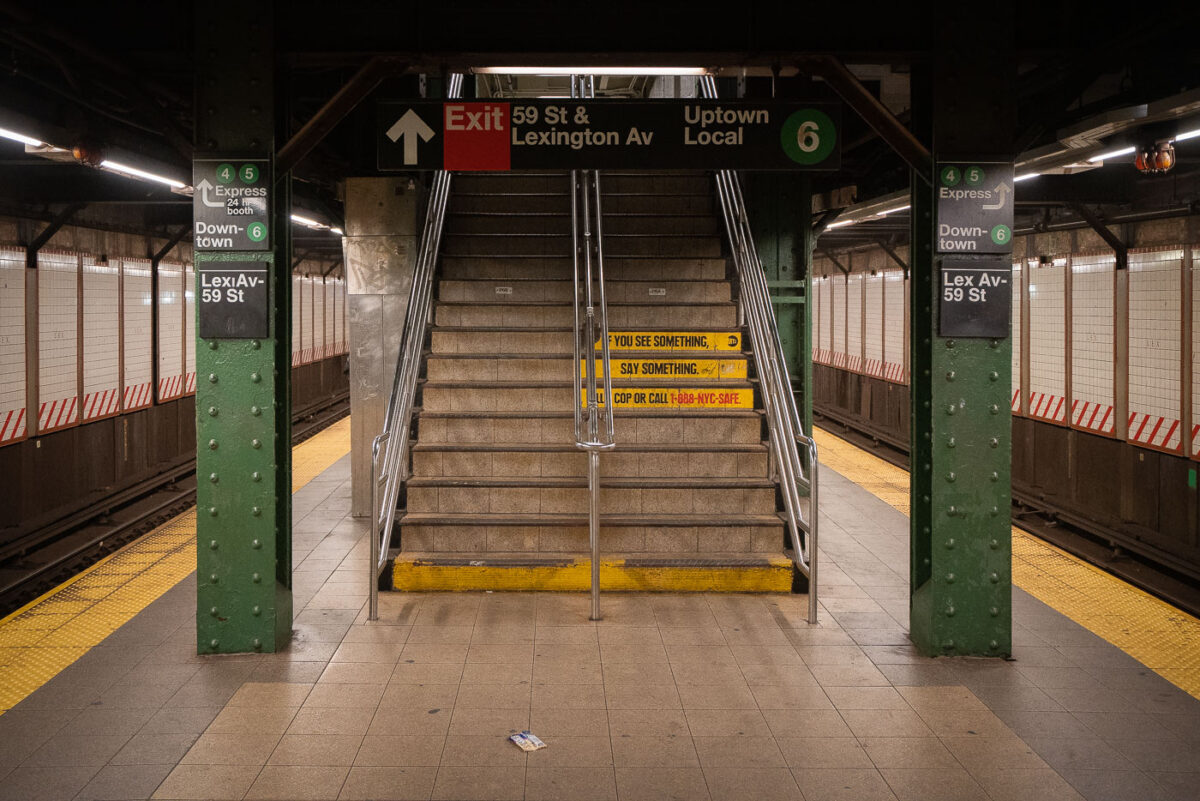
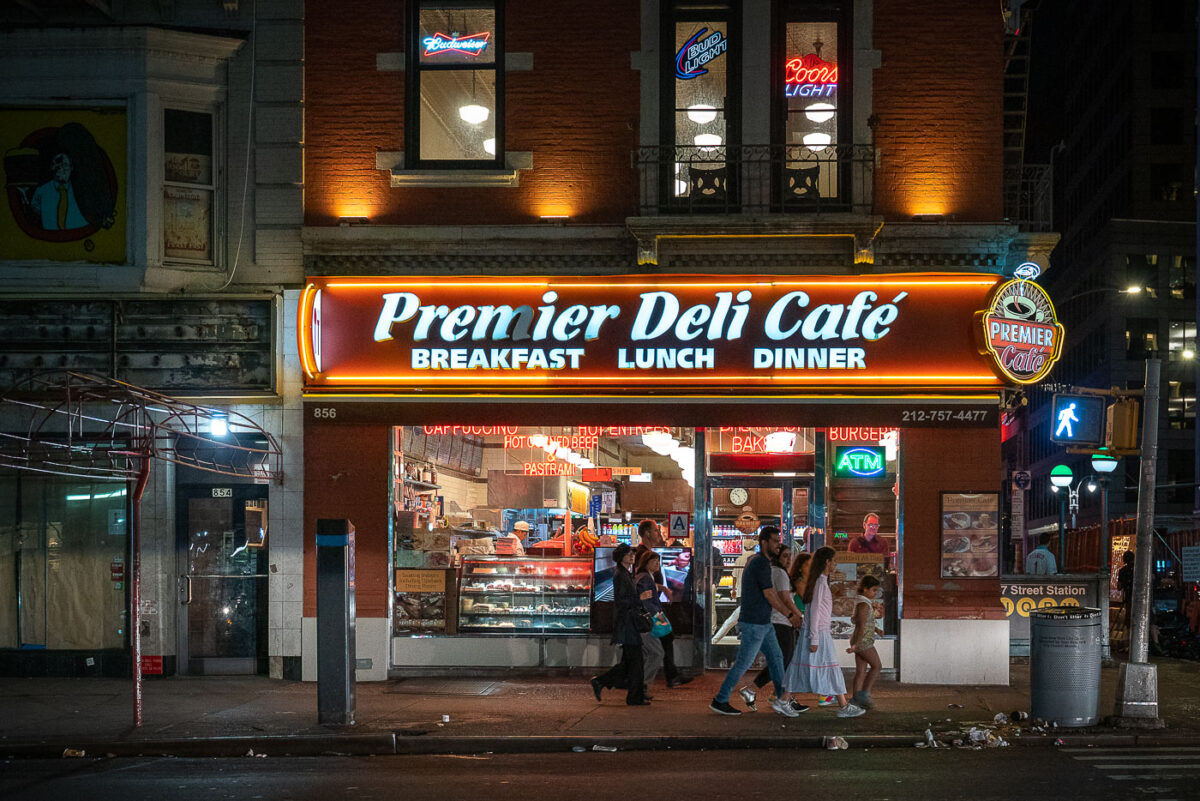
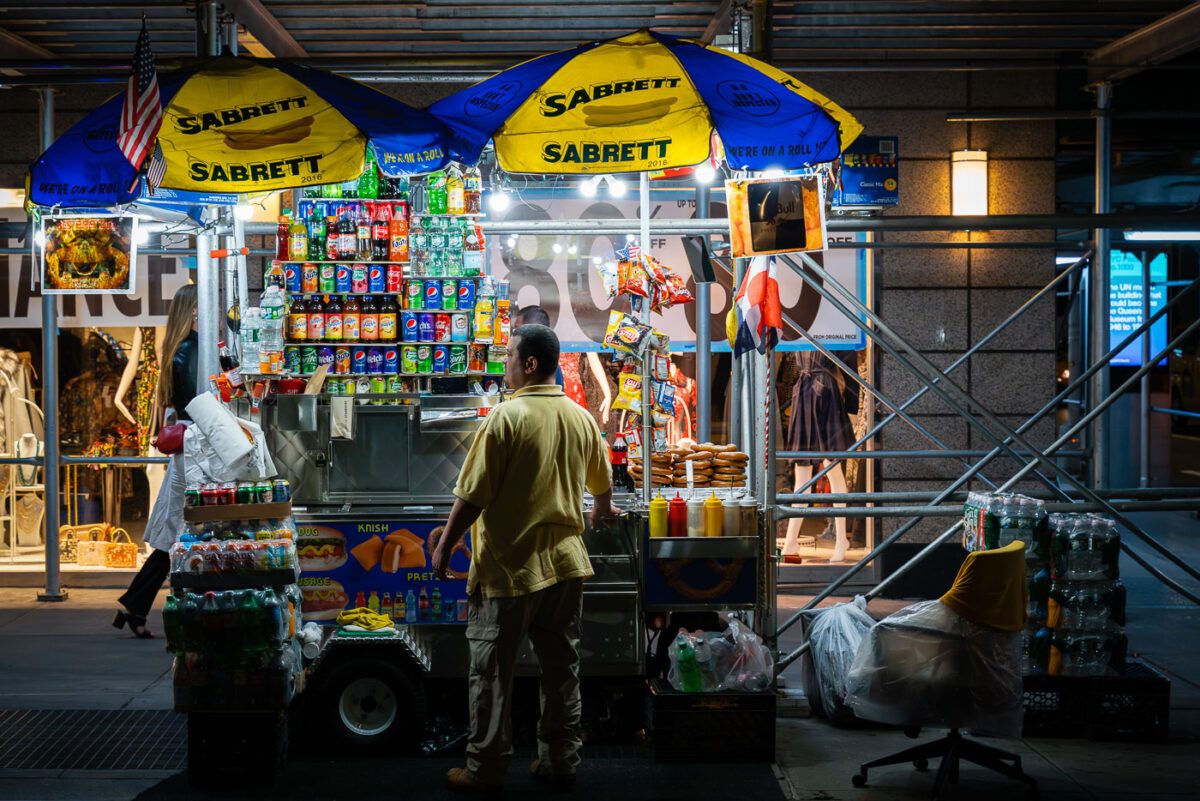
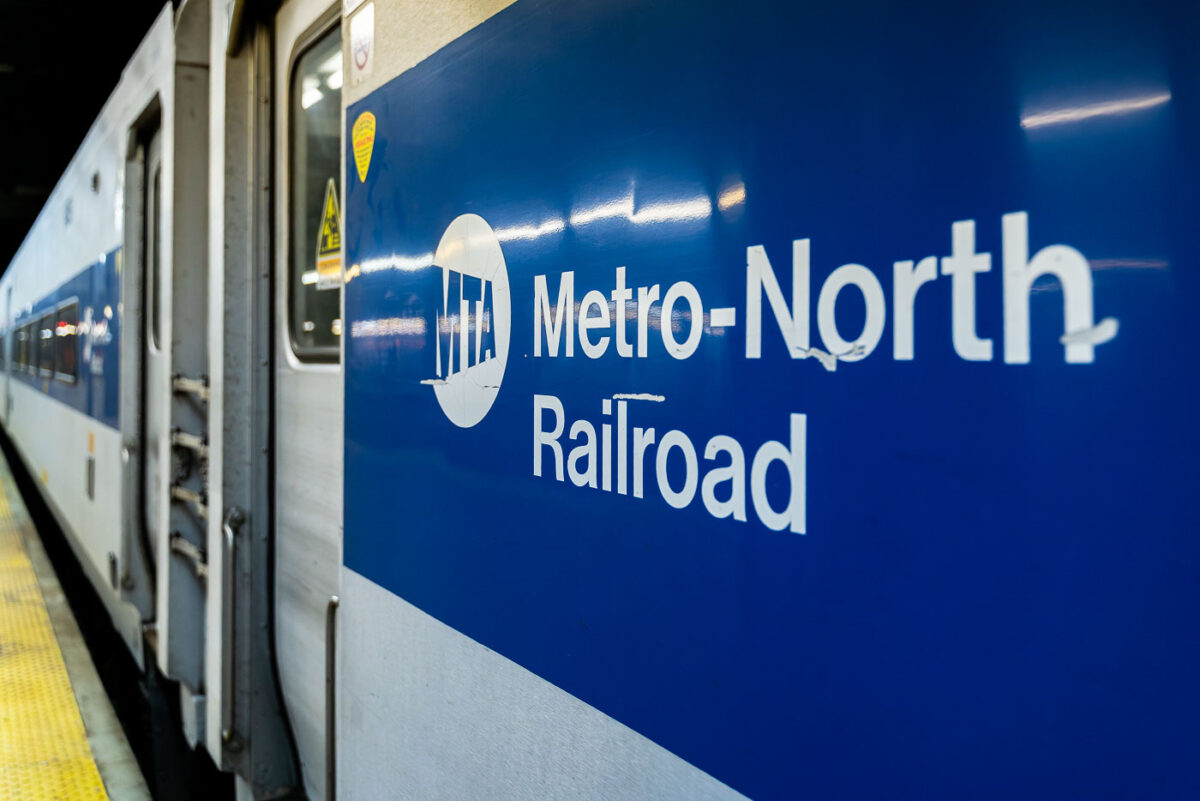
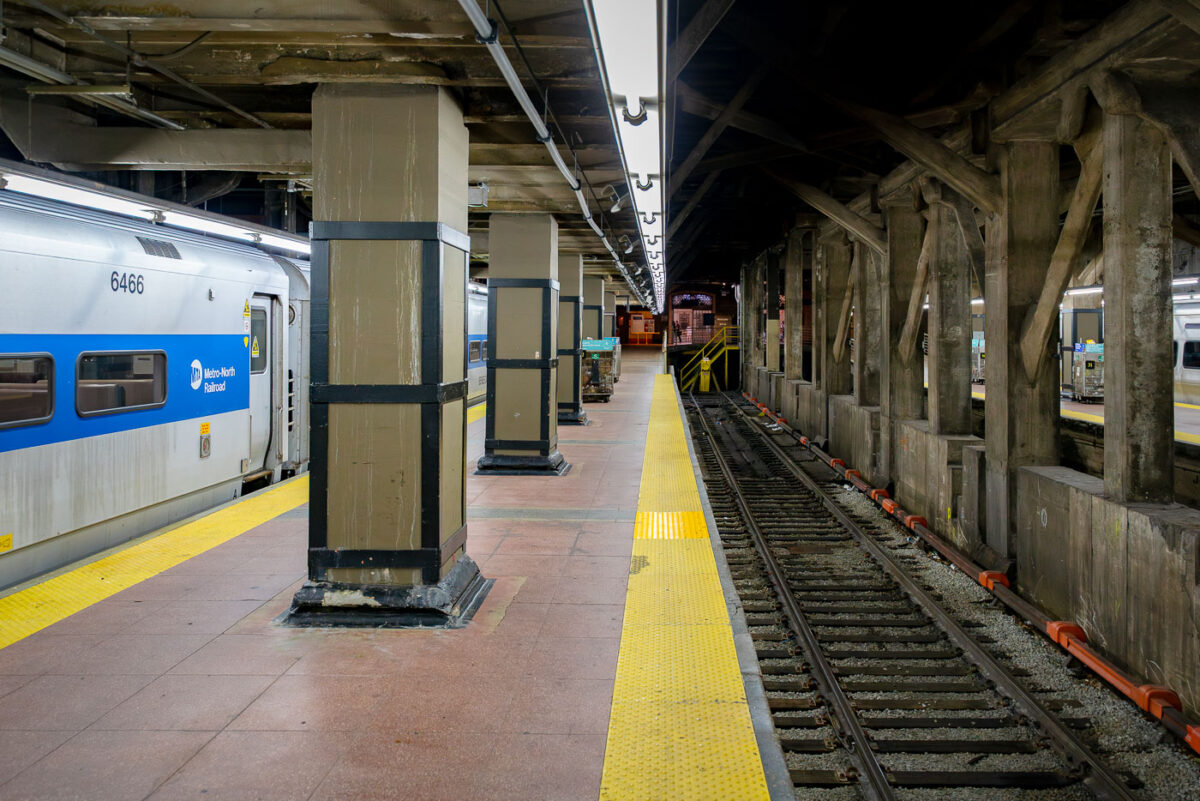
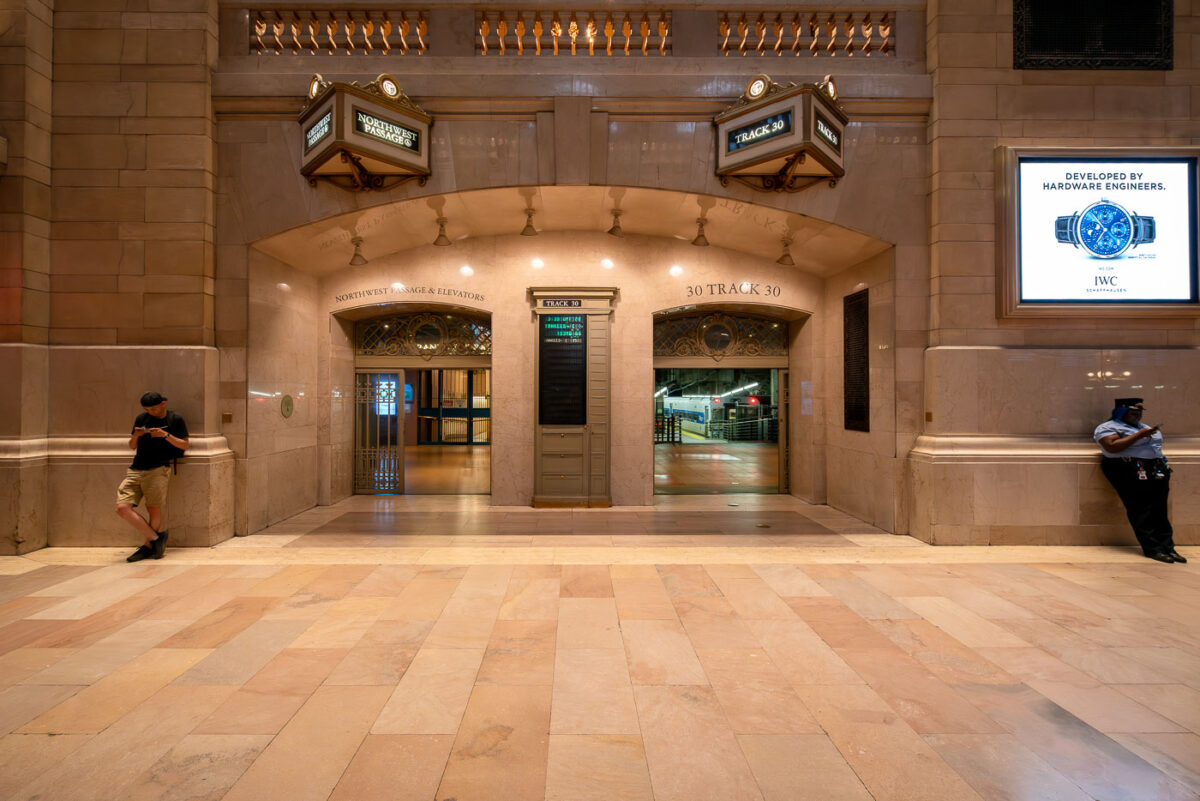
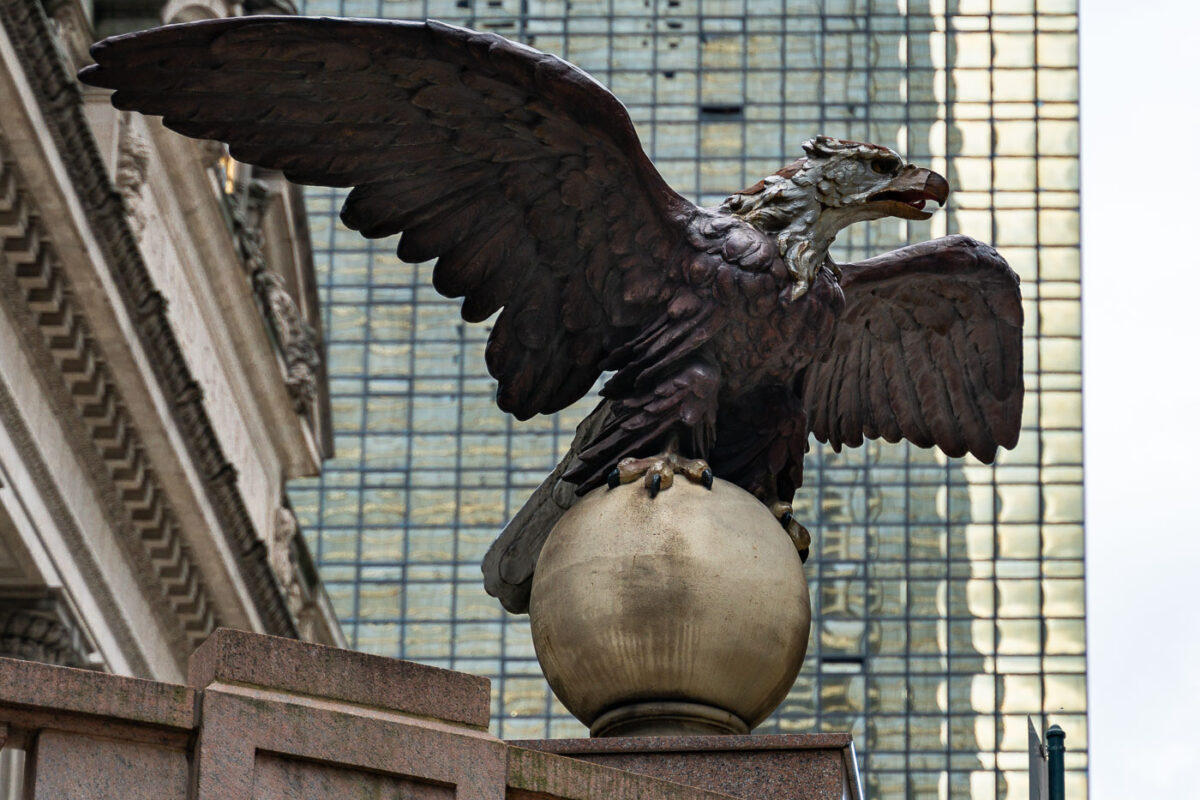
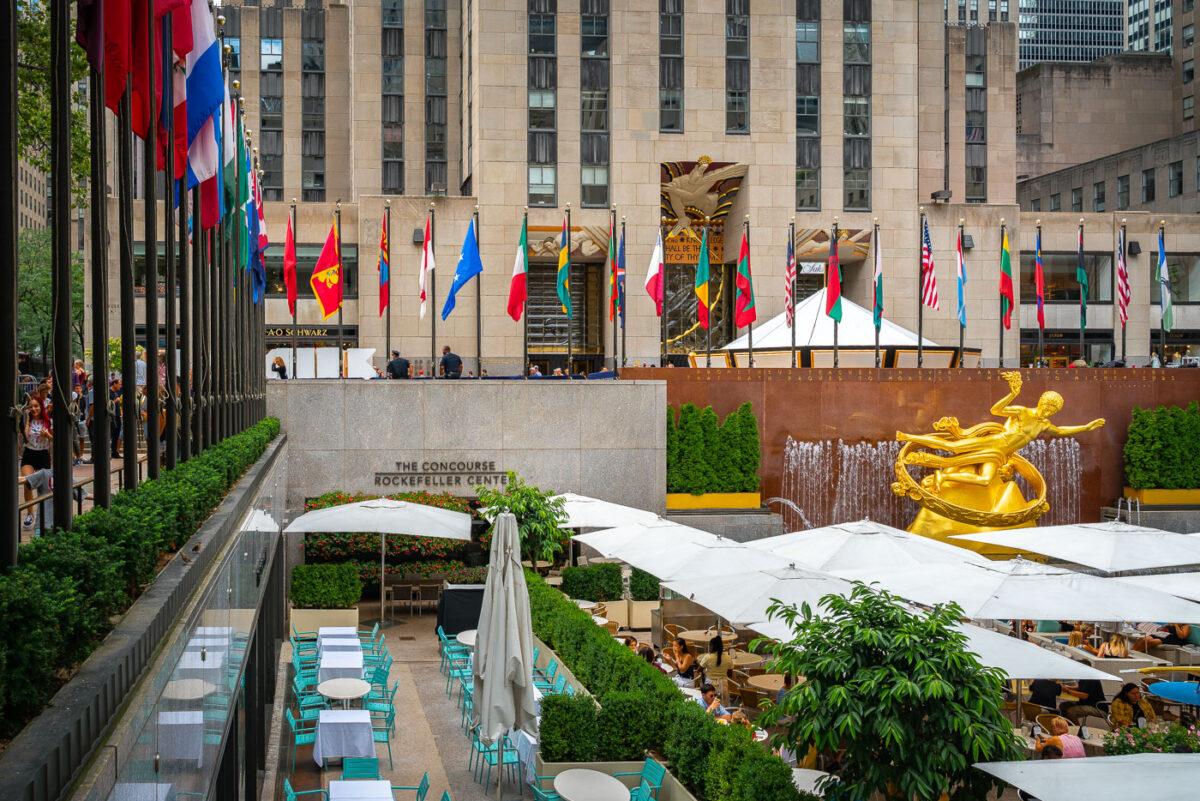
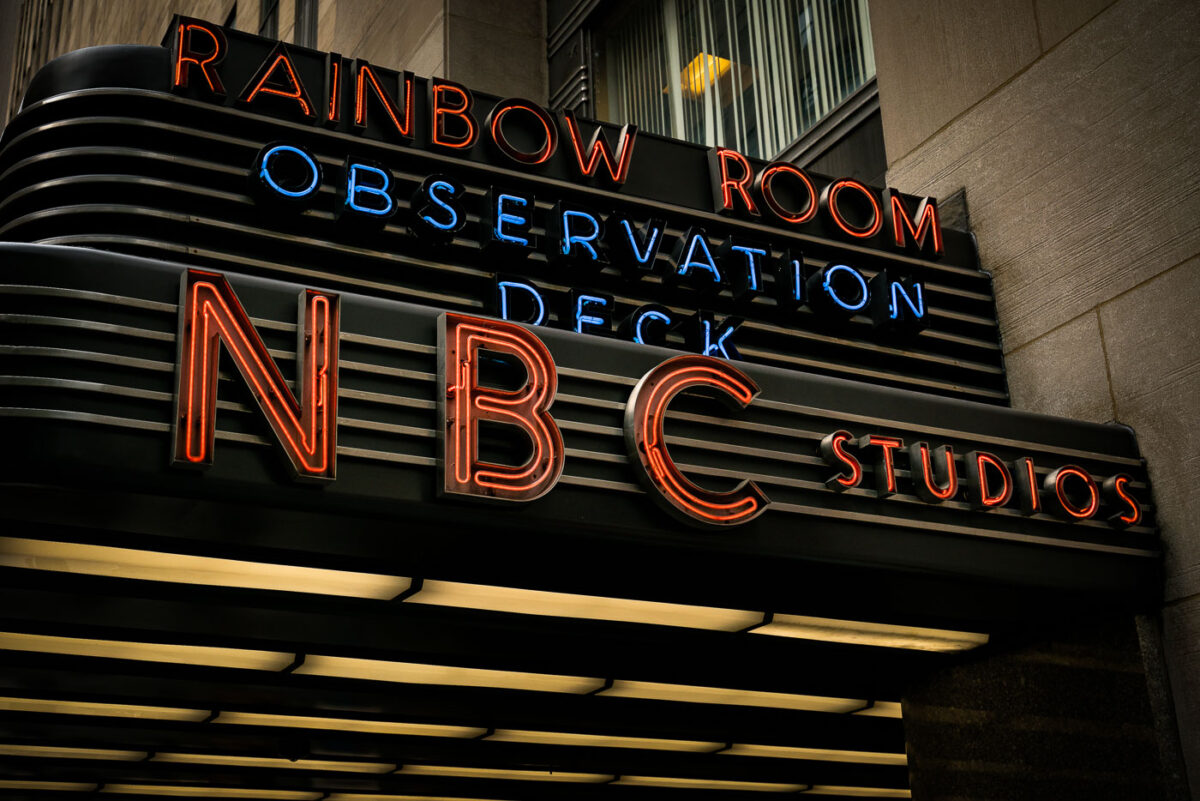
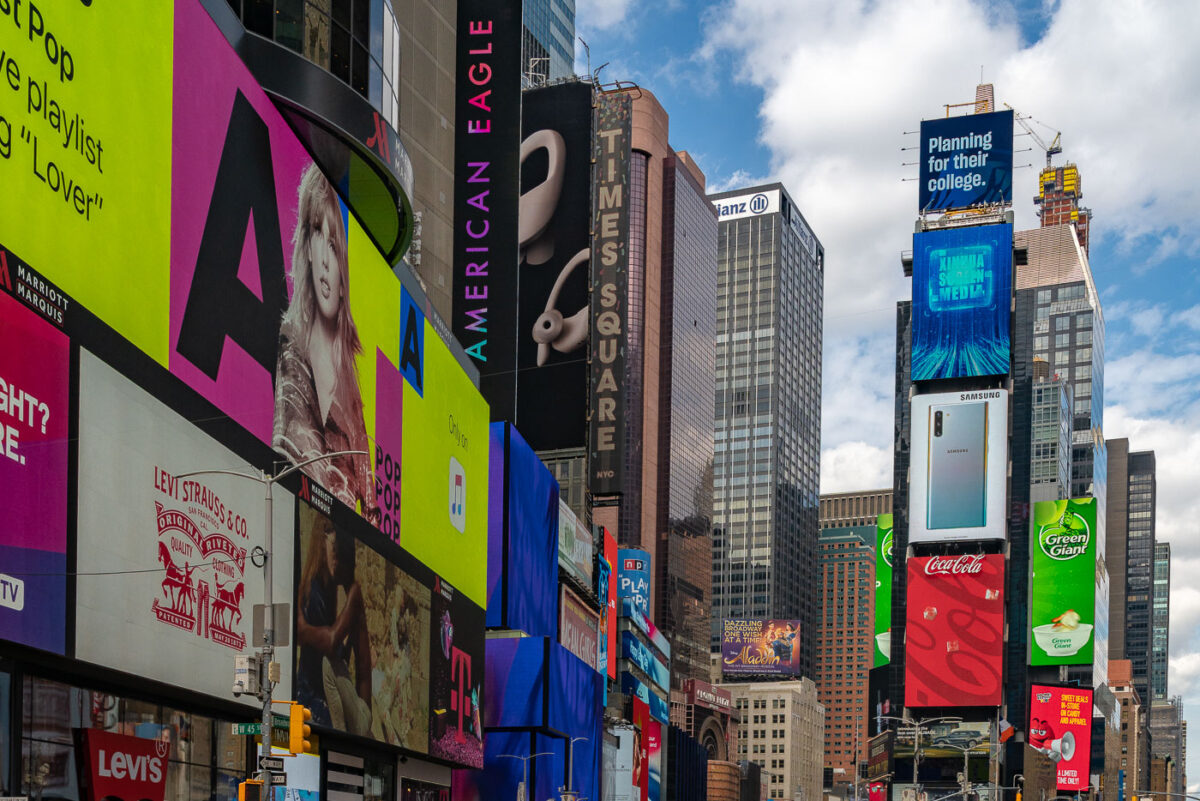
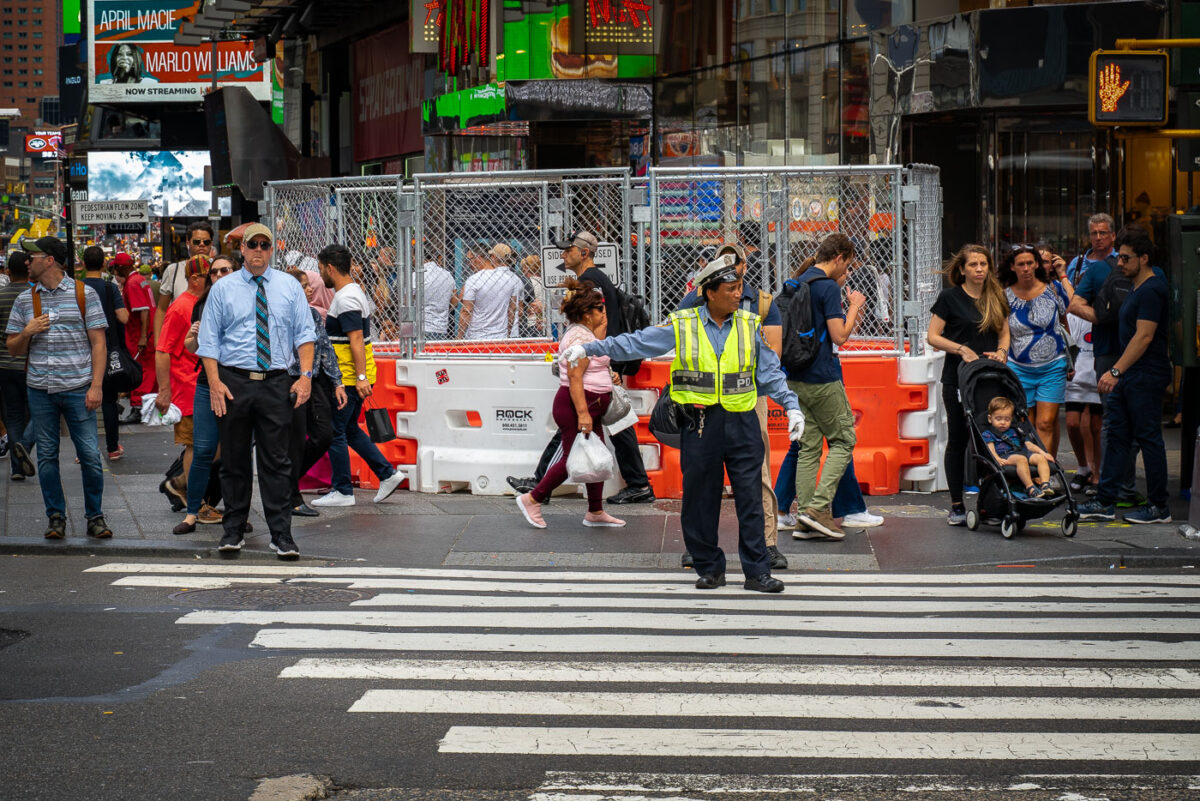
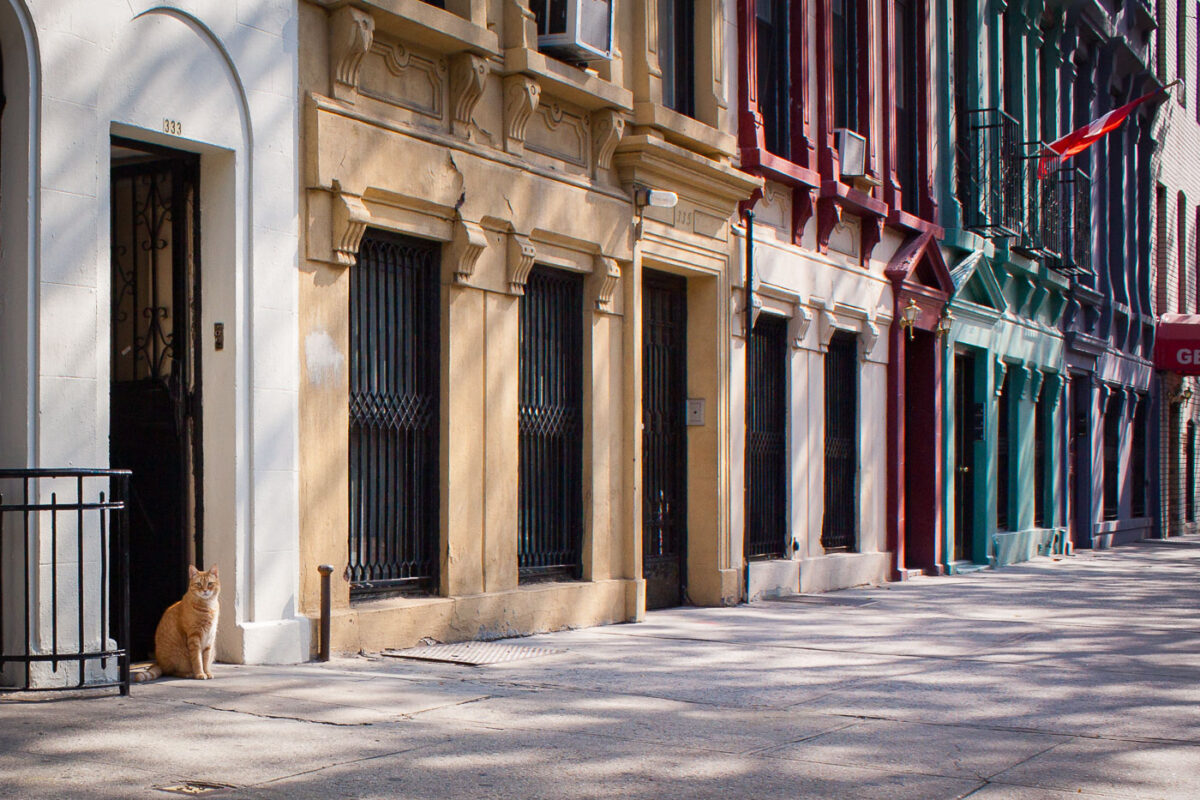
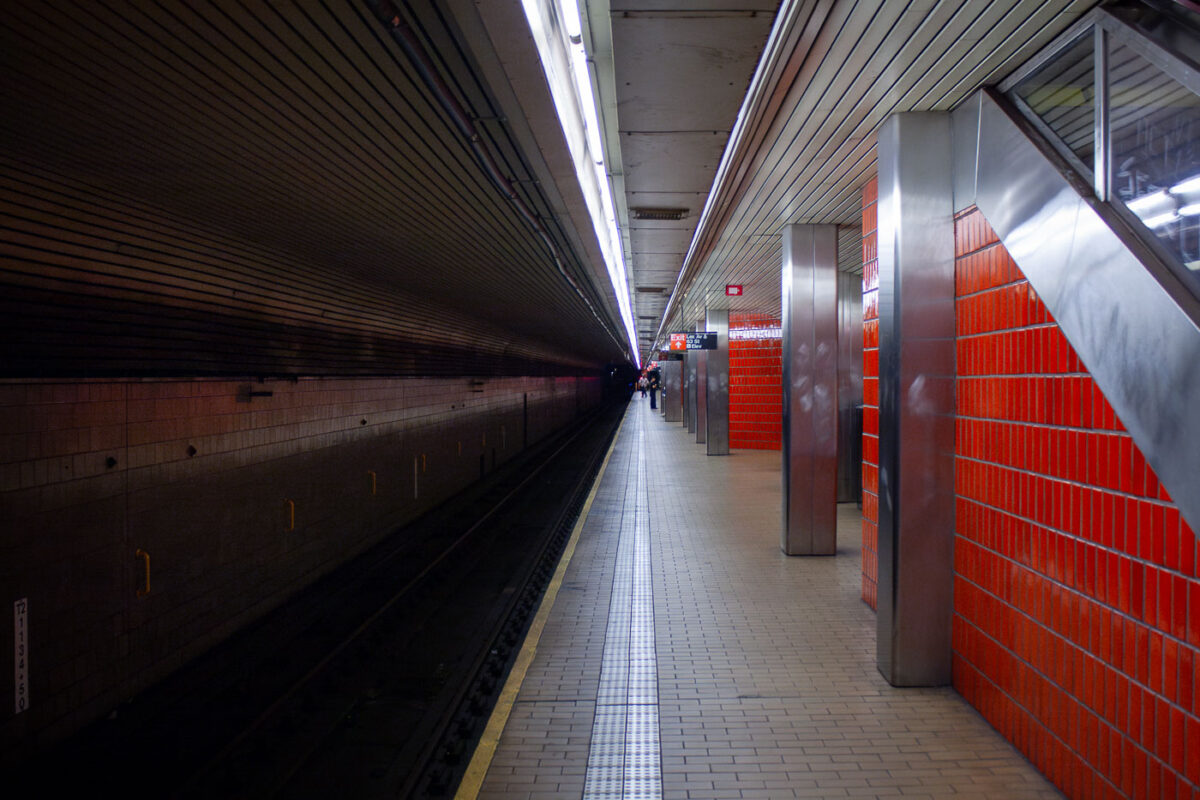
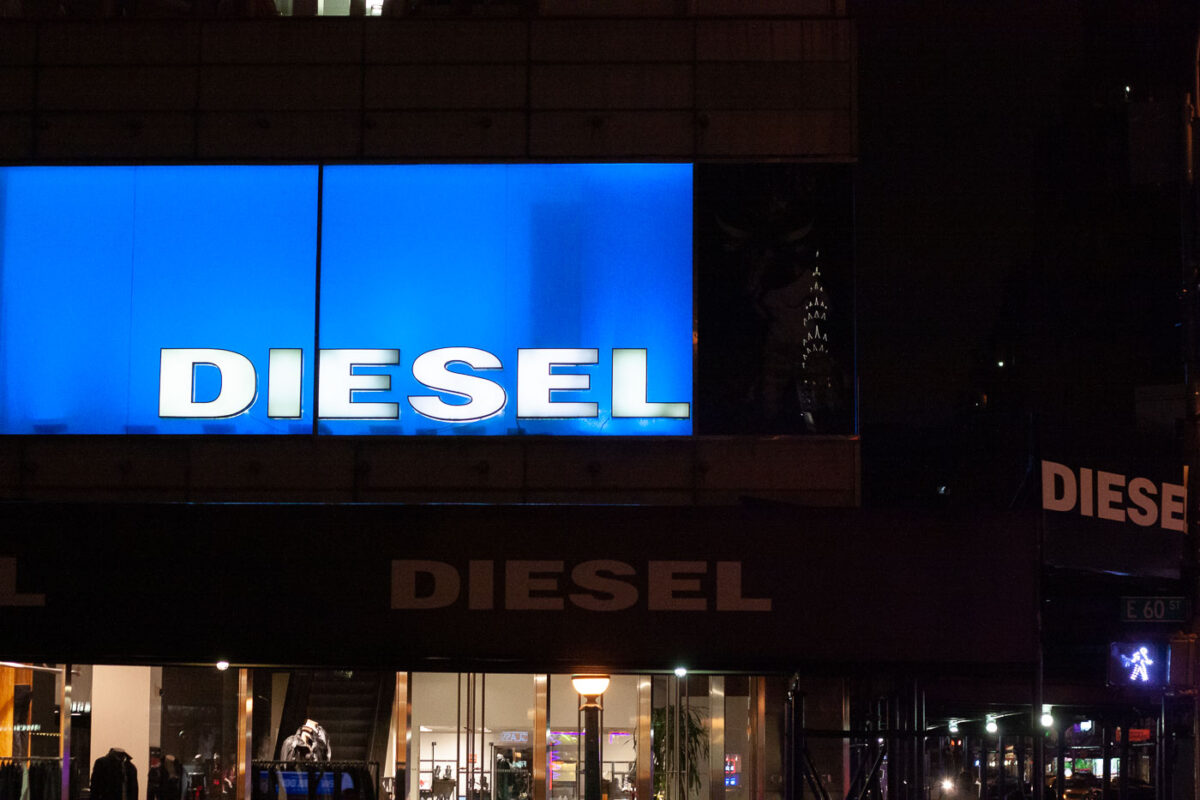
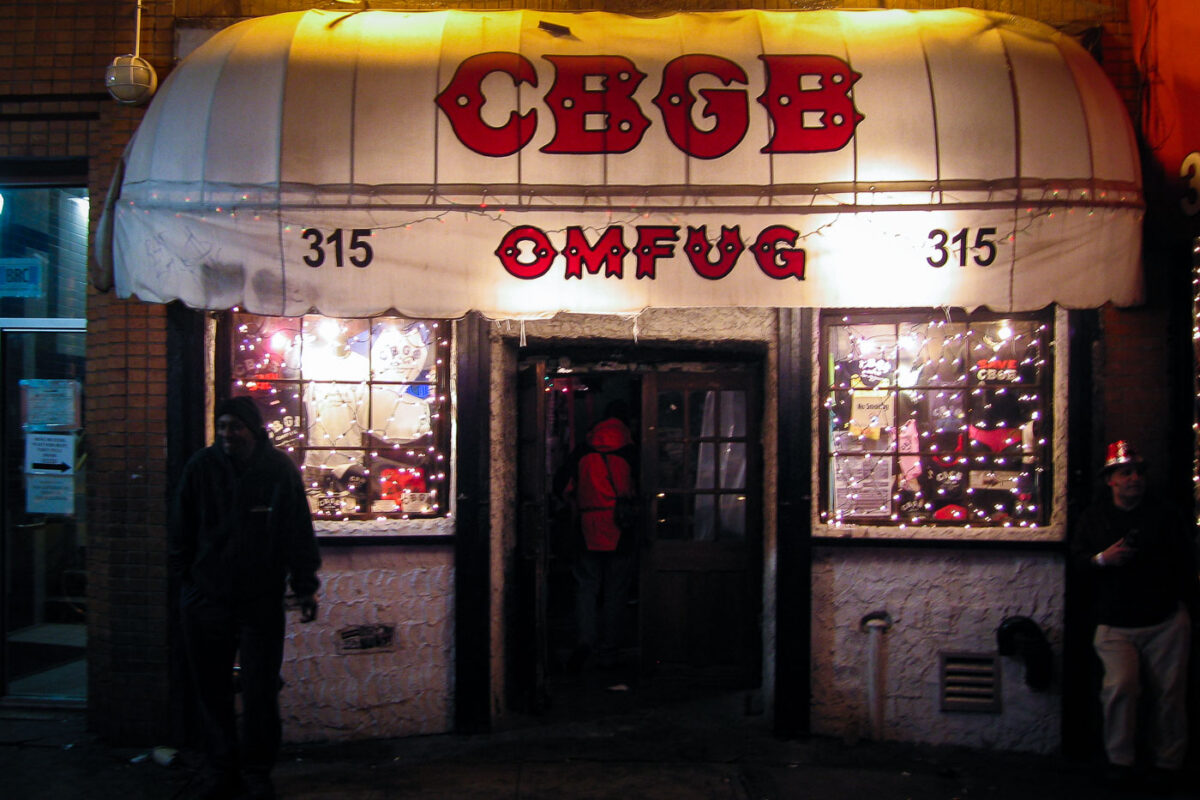
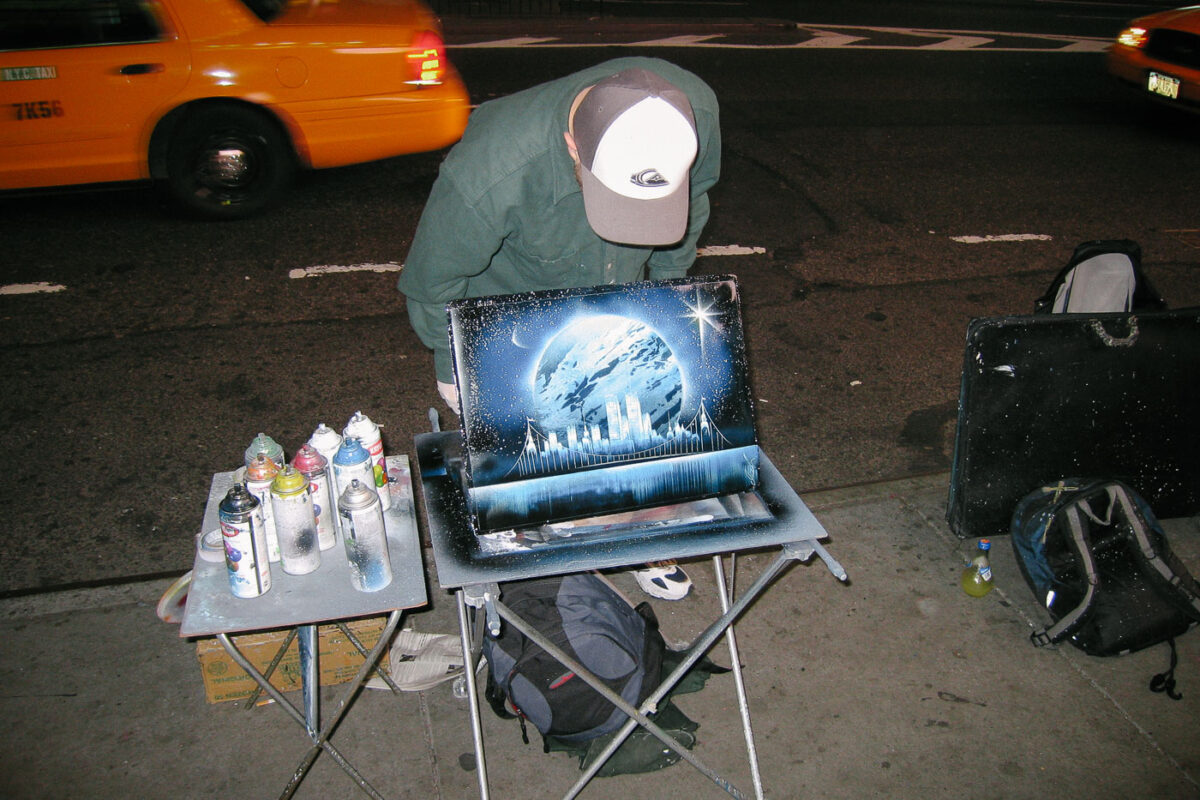
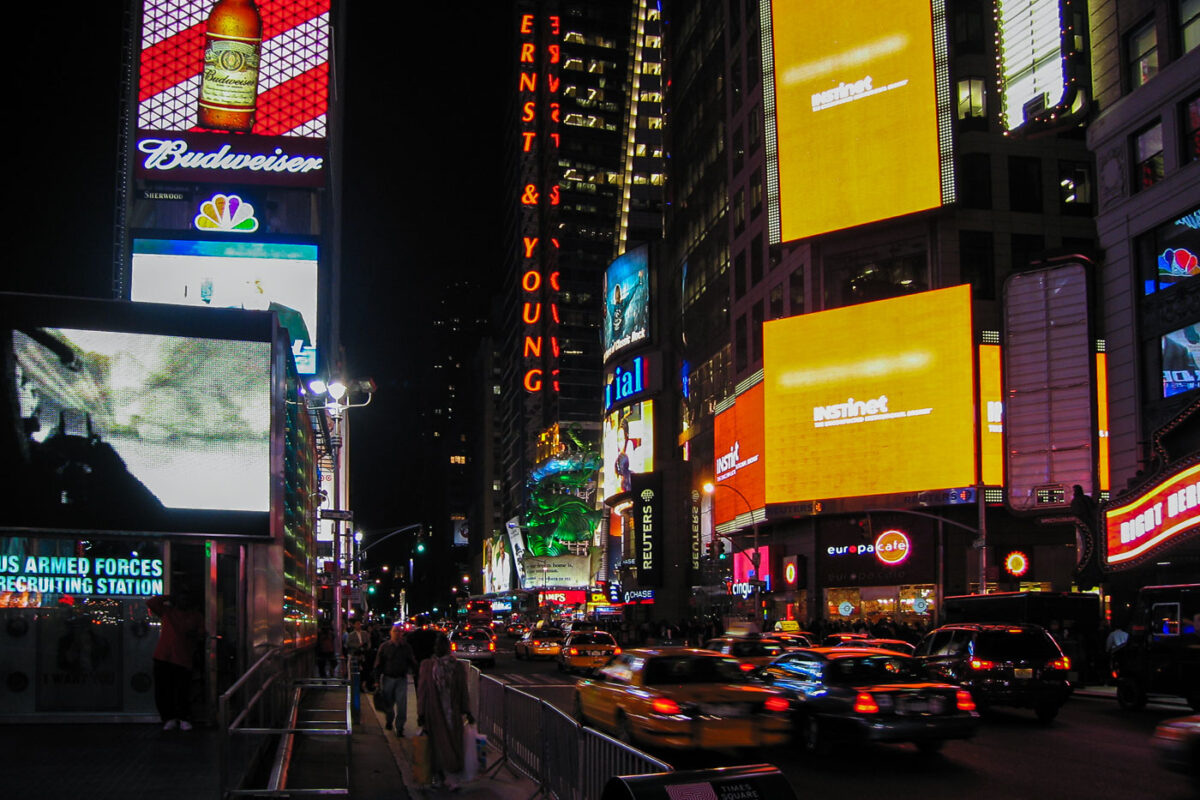
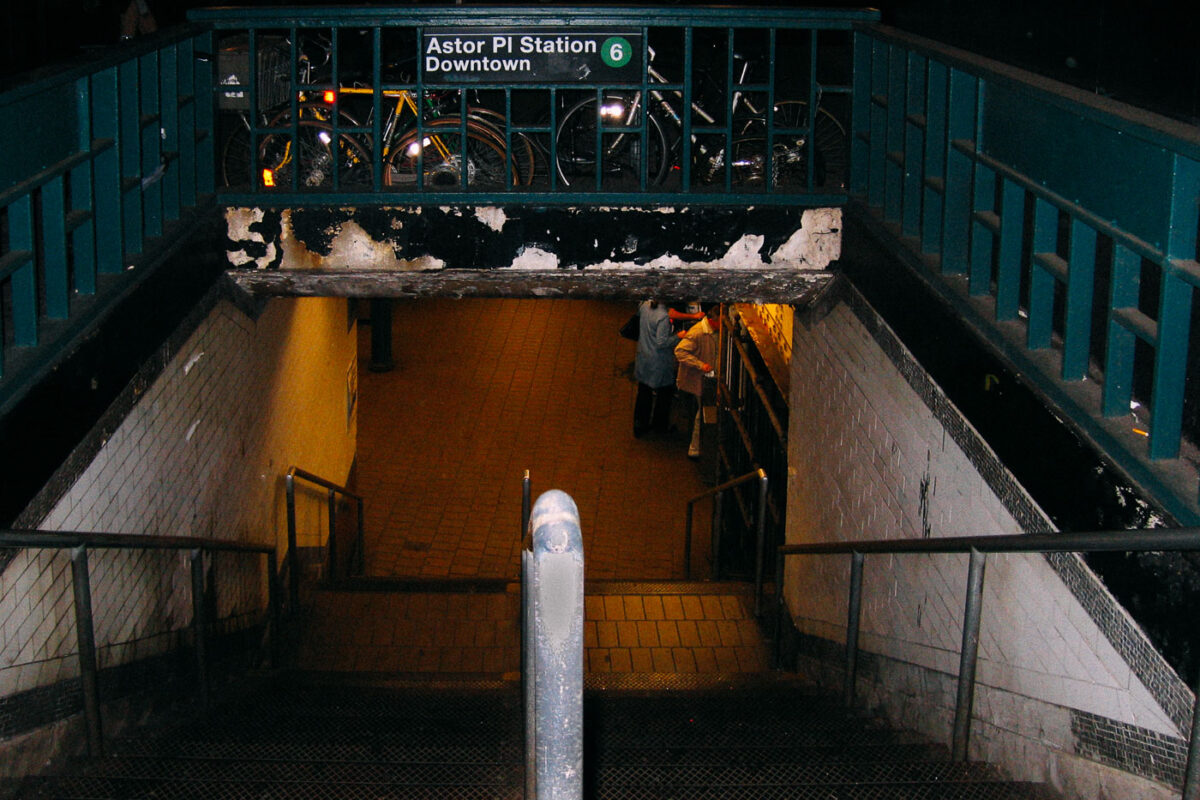
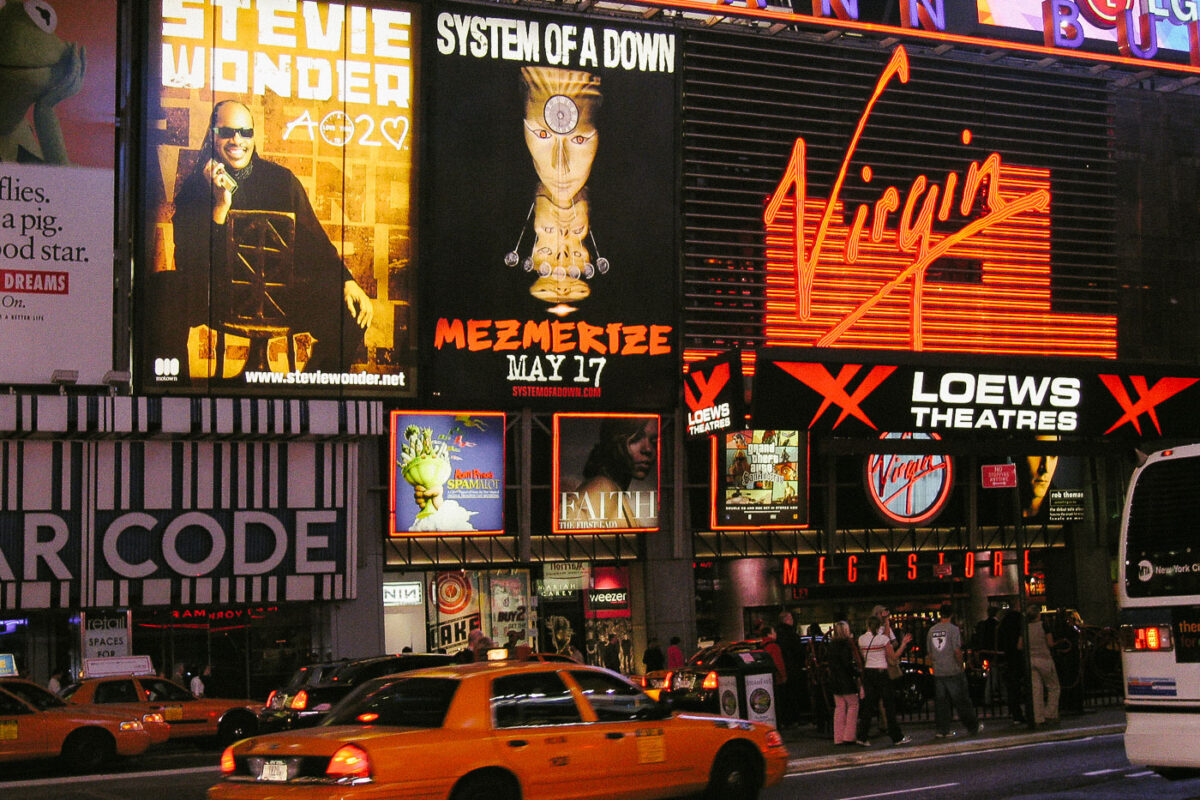
This image documents the ongoing multibillion-dollar redevelopment project at LaGuardia Airport, specifically focusing on the modernization of the Delta terminal. The construction is part of a larger effort to upgrade the airport's facilities and enhance the travel experience for passengers in the New York City metropolitan area.September 2, 2019 — Cars pass through the Manhattan Bridge arch and colonnade at dusk in Lower Manhattan. Orange traffic barrels line the roadway as construction continues near the historic Beaux-Arts structure.September 2, 2019 — A worker in a red apron prepares food inside Zheng Xing Fu Zhou Cuisine Inc. in New York's Chinatown. The storefront, located at 13 B, displays signage in Chinese and English, including the restaurant's name and phone number (212) 343-0548. Piles of black garbage bags line the sidewalk outside the establishment.September 2, 2019 — A market stall in New York's Chinatown displays an abundant selection of dried fruits, candies, and snacks. The goods are presented in clear plastic bags and glass jars, with some items in colorful packaging, offering a vibrant visual of the diverse offerings available in the neighborhood.September 2, 2019 — Exit signage is visible at the Rector Street subway station in Manhattan, New York City. This station, part of the Metropolitan Transportation Authority (MTA) system, serves as a vital transit hub for commuters and visitors. The clear, directional signage is essential for navigating the complex underground network and ensuring passenger safety. The blue tiled walls and stark white lettering are characteristic of many New York City subway stations, reflecting a functional design intended for durability and visibility.September 2, 2019 — An exit sign for Morris Street and Trinity Place directs passengers at the Rector Street subway station in Manhattan, New York City. This station, part of the New York City Subway system, serves as a vital transportation hub for the Financial District. The station has undergone several reconstructions and expansions since its original opening, reflecting the area's development and the evolving needs of commuters.September 2, 2019 — The bustling streetscape of Flushing Chinatown in Queens, New York City, is characterized by a dense concentration of businesses catering to the local Chinese-speaking community. Signs in both English and Chinese advertise a variety of services, including immigration assistance, technology repair, and travel agencies, reflecting the neighborhood's role as a vibrant commercial and cultural hub. The elevated railway structure overhead signifies the area's integration into the city's transit network, while the street-level activity highlights its function as a center for daily commerce and community life.September 2, 2019 — Roosevelt Avenue in Flushing, Queens, is a major commercial thoroughfare serving a large Asian immigrant population. The street is lined with numerous businesses, many displaying signage in Chinese and Korean, reflecting the area's demographic makeup. An MTA bus, part of the public transportation system that serves millions of New Yorkers daily, is stopped along the avenue. This corridor is a vital artery for local residents and visitors, facilitating commerce and community life.September 2, 2019 — Stairs lead up from the platform of the Lexington Avenue-59th Street subway station in New York City. Signage indicates "Exit 59 St & Lexington Av" and "Uptown Local 6," along with "4 5 Express" and "Downtown-6." The platform features yellow tactile paving and a sign reading "IF YOU SEE SOMETHING, SAY SOMETHING. COP OR CALL 1-888-NYC-SAFE."
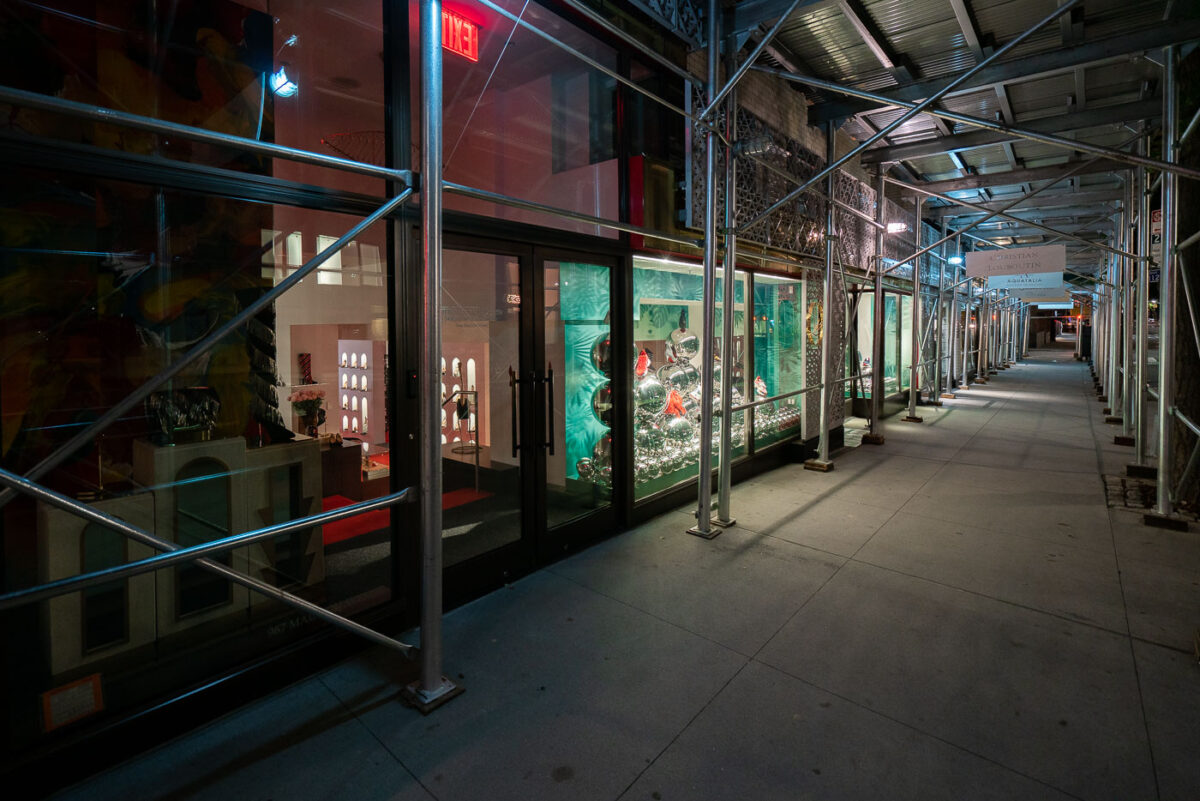
This station is a major transfer point for the Lexington Avenue Line and the 63rd Street Line, serving millions of riders annually. Opened in 1904 as part of the original New York City Subway system, it has undergone numerous renovations to accommodate increased ridership and modern transit needs. The station's design and function are integral to Manhattan's transportation network.September 2, 2019 — The Christian Louboutin store at 967 Madison Avenue in Manhattan is covered by scaffolding at night. The storefront displays the brand's signature red-soled shoes and elaborate window arrangements, with an illuminated "EXIT" sign visible above the entrance.
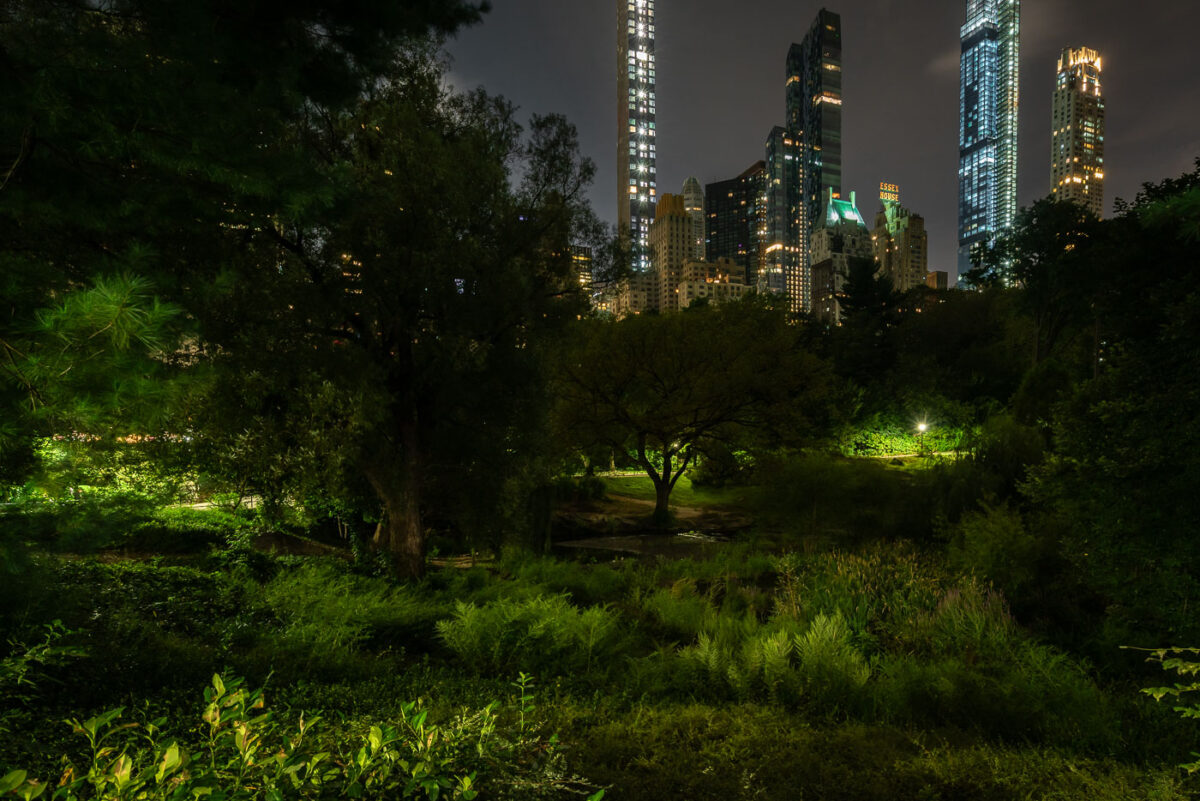
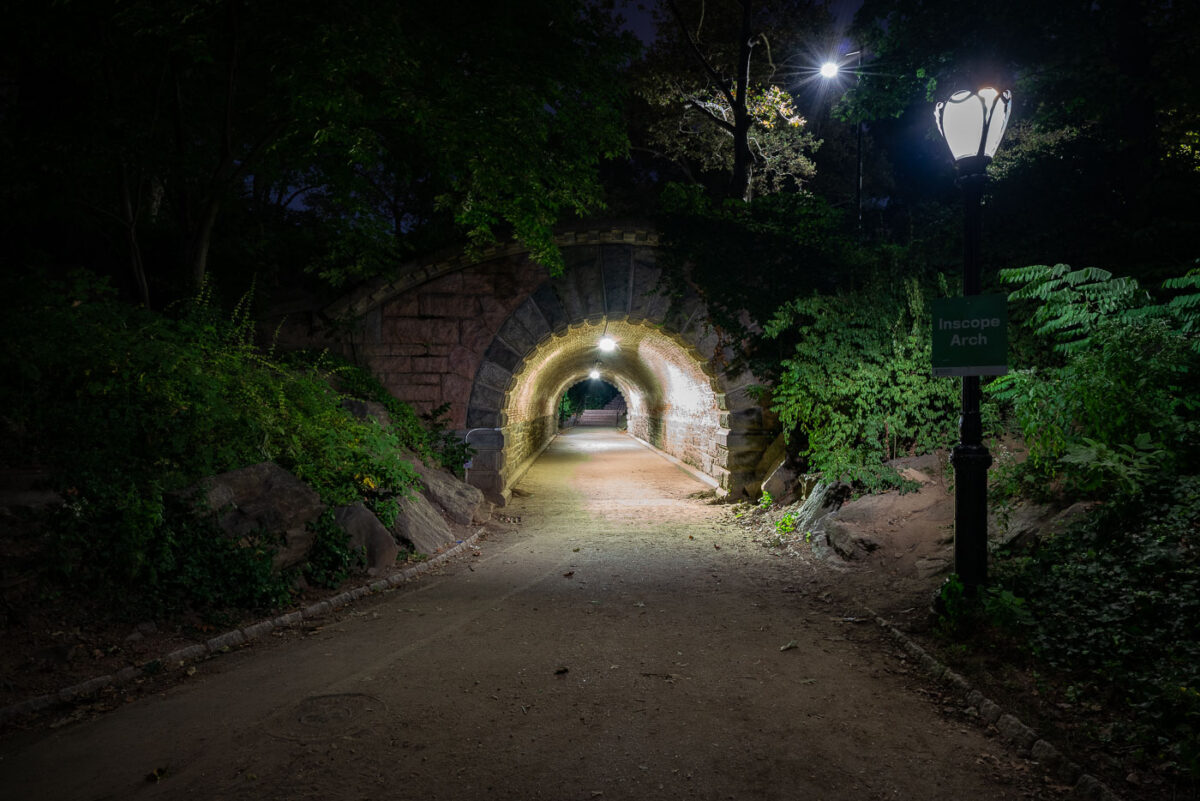
The scaffolding indicates ongoing construction or renovation work at the luxury retail location on Madison Avenue, a street renowned for its high-end fashion boutiques. The presence of the scaffolding temporarily alters the streetscape of this prominent Manhattan commercial district.September 2, 2019 — Central Park South at night, featuring the Essex House hotel and the supertall residential towers of Billionaires' Row. The Essex House, an Art Deco landmark opened in 1931, stands adjacent to modern skyscrapers that have reshaped the Manhattan skyline. This view highlights the contrast between historic architecture and 21st-century supertall structures along Central Park South. The development of these supertall buildings, including 111 West 57th Street and Central Park Tower, represents a significant transformation of the area's built environment. This ongoing construction and architectural change are characteristic of New York City's dynamic urban landscape. Keywords: Central Park South, Essex House, Billionaires Row, Manhattan, New York City, Architecture, Urban Development, Night PhotographySeptember 2, 2019 — The Inscope Arch, a stone passageway in Central Park, New York City, is illuminated at night. A green sign on a lamppost reads "Inscope Arch."
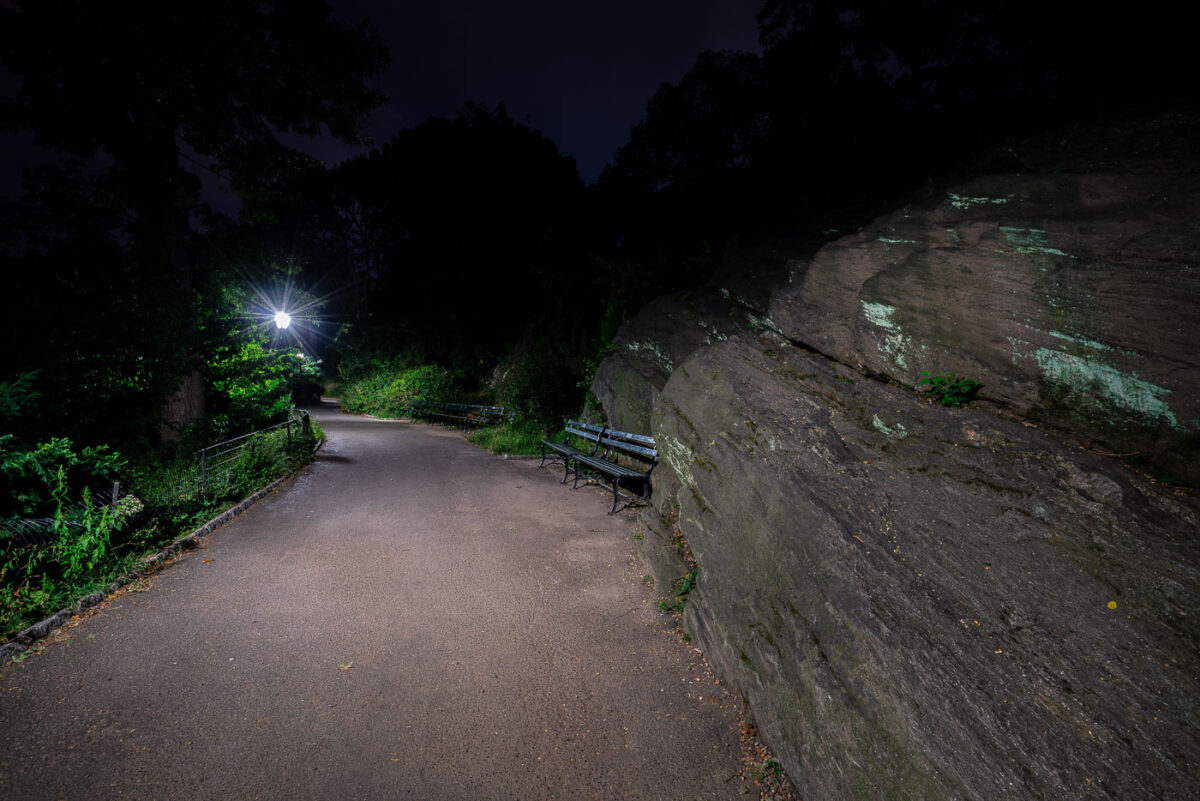
Constructed as part of Central Park's original design by Frederick Law Olmsted and Calvert Vaux, this arch separates pedestrian paths from carriage roads. It facilitates circulation and connects different areas of the park, contributing to its naturalistic landscape design.September 2, 2019 — Park benches are visible along a pathway in Central Park, Manhattan, illuminated by lamplight at night. Central Park, established in 1857, is a 843-acre public park in the center of Manhattan, New York City.
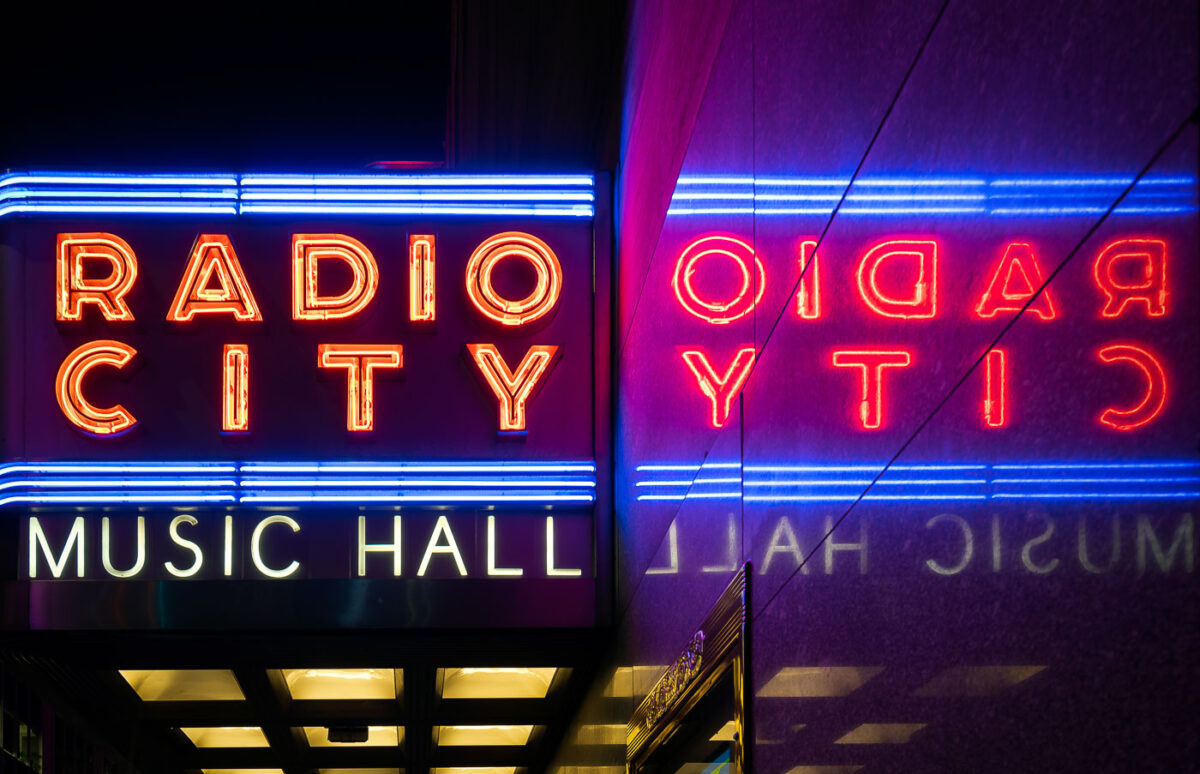
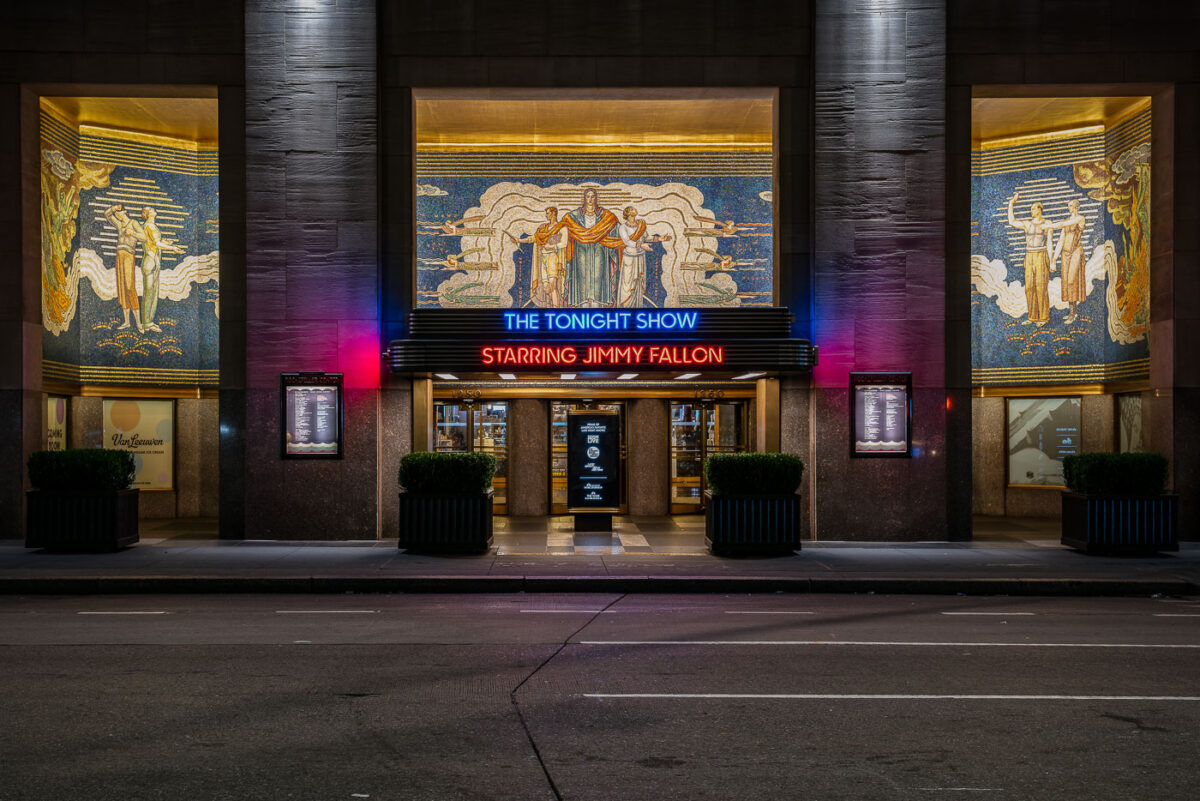
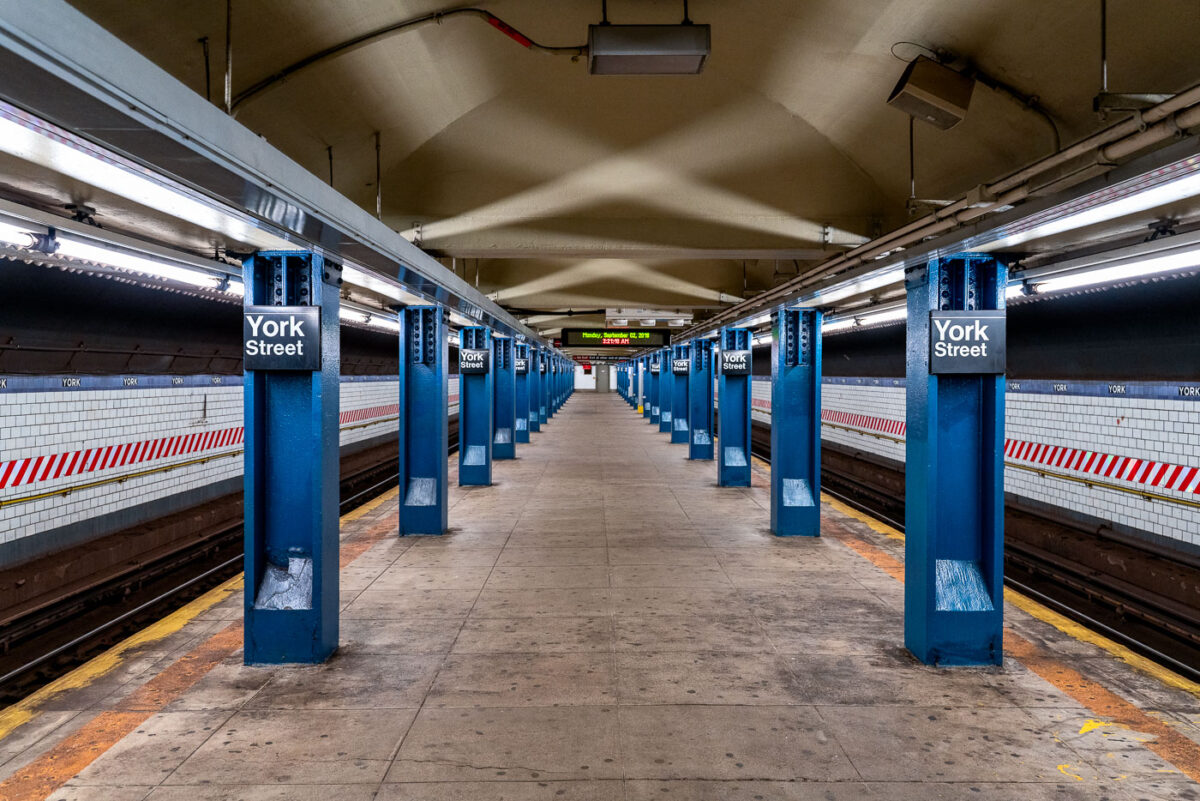
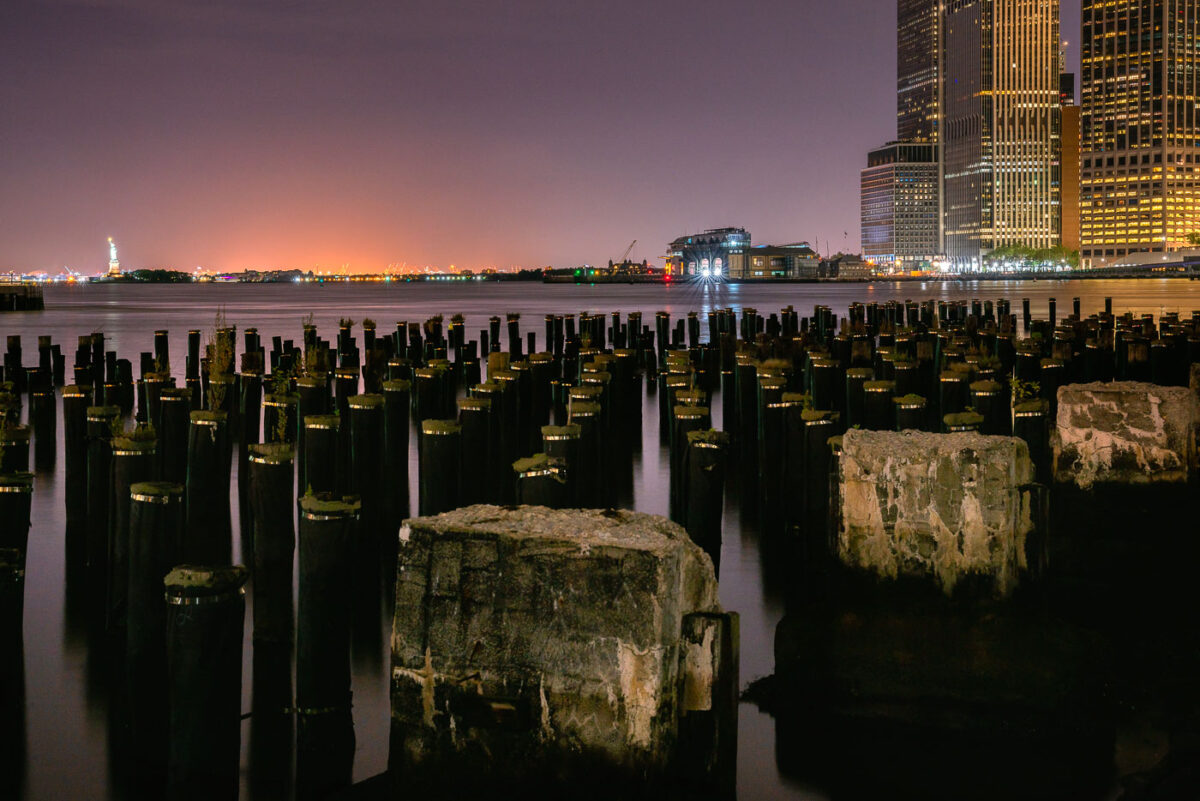
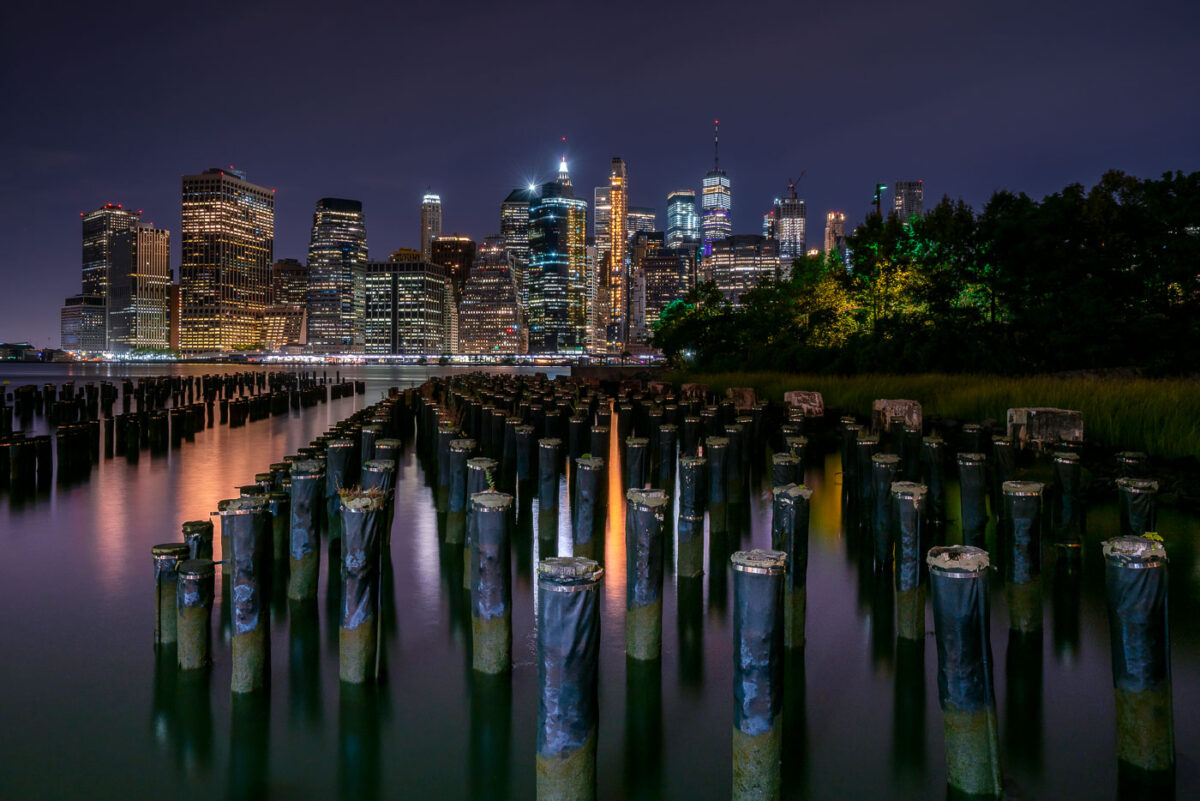
The park's design by Frederick Law Olmsted and Calvert Vaux features naturalistic landscapes and winding paths, providing a green space for city residents and visitors. These benches are part of the park's infrastructure, intended for quiet contemplation and enjoyment of the natural surroundings within the urban environment.September 2, 2019 — Radio City Music Hall in New York City is illuminated at night, with marquees advertising upcoming performances by Incubus and comedian Dane Cook. Opened in 1932, the venue was designed by Edward Durell Stone and Donald Deskey as part of Rockefeller Center. It was originally conceived as a space for the Roxy Theatre's stage shows and to broadcast NBC radio and television programs. Today, Radio City Music Hall remains a premier entertainment destination, renowned for its Art Deco architecture and its role in hosting concerts, the Christmas Spectacular Starring the Radio City Rockettes, and other major events.September 2, 2019 — The neon signage for Radio City Music Hall in New York City illuminates the building's facade at night. Opened in 1932, Radio City Music Hall was designed by architect Edward Durell Stone and interior designer Donald Deskey as a premier venue for vaudeville and musical productions. It quickly became a landmark of Art Deco architecture and a cultural hub in Manhattan. Today, the venue continues to host a variety of live performances, including concerts, stage shows, and the annual Christmas Spectacular starring the Rockettes.September 2, 2019 — The Tonight Show, hosted by Jimmy Fallon, broadcasts live from Studio 6B at 30 Rockefeller Plaza in New York City. This Art Deco skyscraper, completed in 1933, was originally known as the RCA Building and served as the headquarters for NBC. The building's facade features elaborate mosaics, including the one above the entrance that depicts Prometheus. Today, 30 Rockefeller Plaza remains a prominent entertainment hub, housing television studios for NBCUniversal and serving as a backdrop for numerous live broadcasts.September 2, 2019 — The York Street subway station, located in the DUMBO neighborhood of Brooklyn, New York, serves the F and M trains. Opened in 1931, it is one of the deepest subway stations in the New York City Subway system. The station's distinctive vaulted ceiling and blue-painted support columns are characteristic of the era's subway construction. It continues to be a vital transit point for residents and visitors accessing this rapidly developing area of Brooklyn.September 2, 2019 — The remnants of the East River piers stand in the foreground, a testament to New York City's maritime past. These pilings once supported bustling docks that facilitated trade and passenger travel along the East River. In the distance, the Statue of Liberty is visible, a symbol of the city's historical role as a gateway for immigrants. The modern Manhattan skyline rises behind, representing the city's continuous transformation and its enduring status as a global center.September 2, 2019 — Rows of old wooden pilings emerge from the East River, with the illuminated Manhattan skyline visible in the background. These pilings are remnants of former piers in Brooklyn Bridge Park, a waterfront area in Brooklyn, New York City.
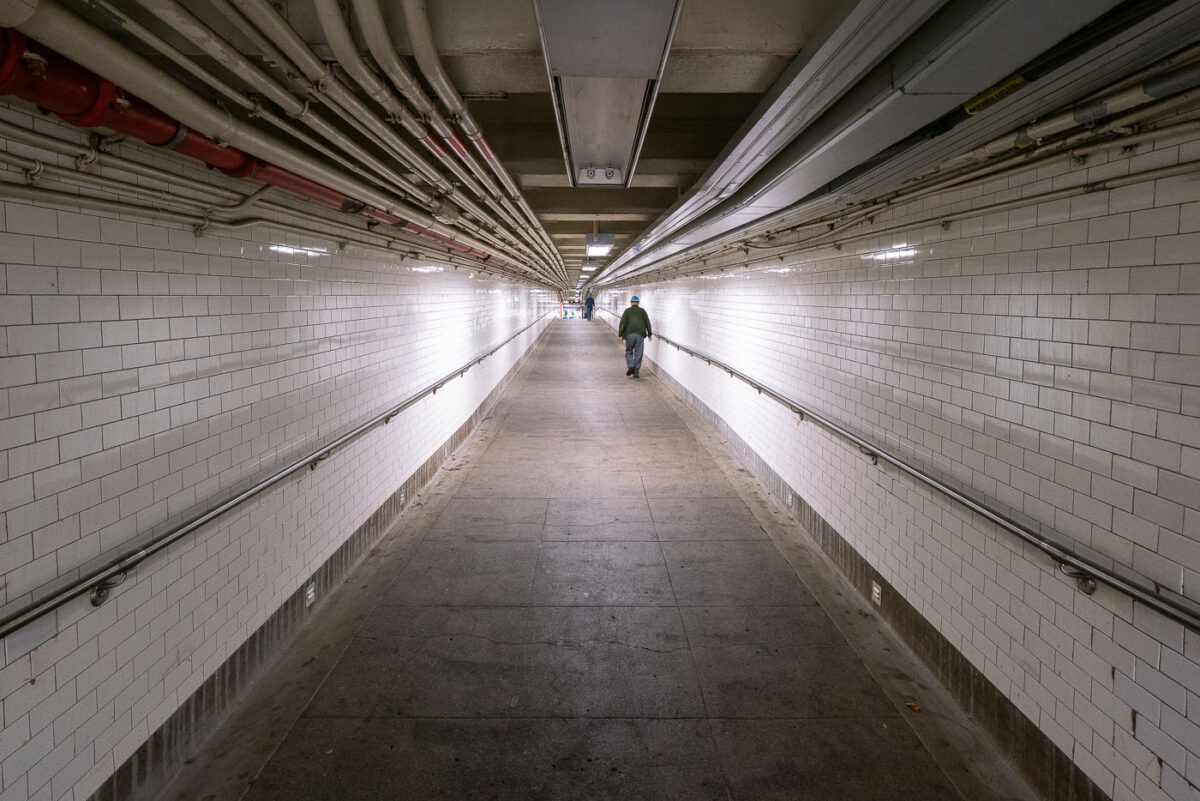
The park was developed on the site of former industrial port facilities, and the preservation of these pilings offers a visual connection to the area's maritime history. The Manhattan skyline represents the financial and cultural center of the city, viewed here at night from across the river.September 1, 2019 — A lone figure walks through a long, tiled tunnel in the New York City Subway system, with numerous pipes and conduits visible overhead. The tunnel features white subway tiles on the walls and a concrete floor, with a metal handrail running along the side. This utilitarian space is part of the extensive underground network that serves millions of commuters daily.
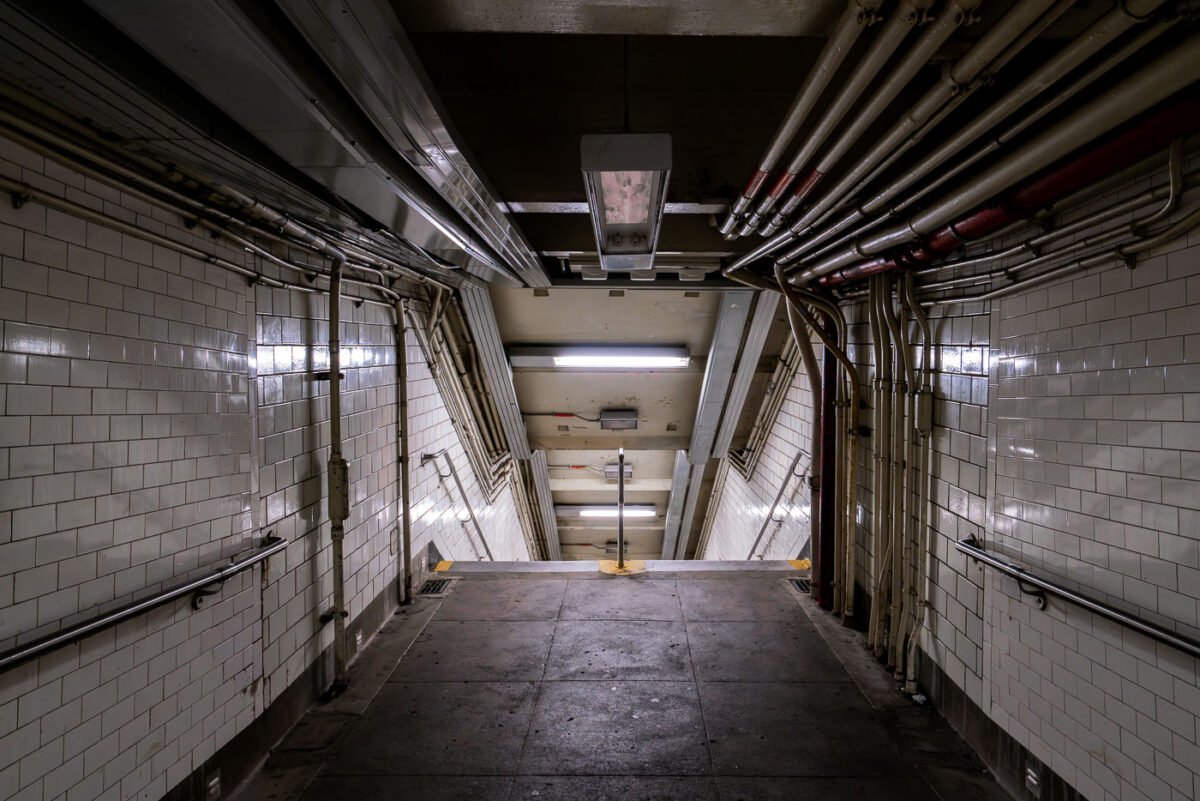
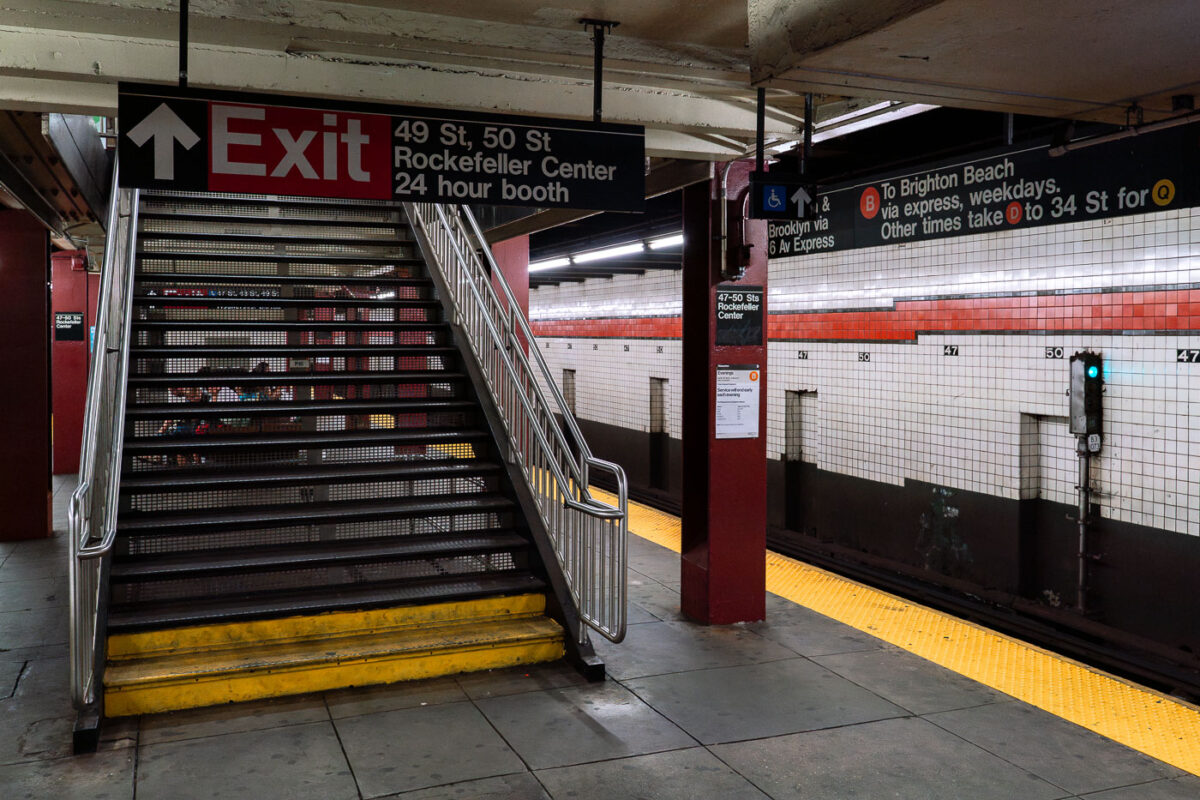
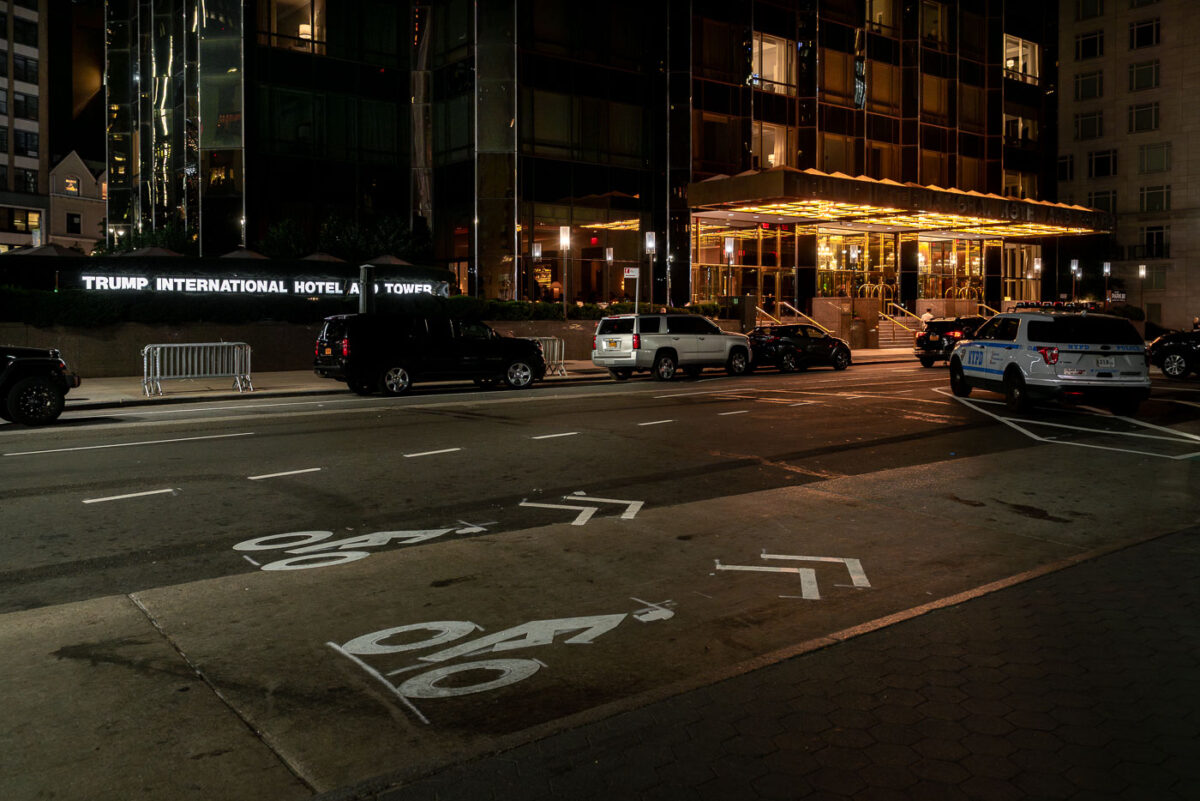
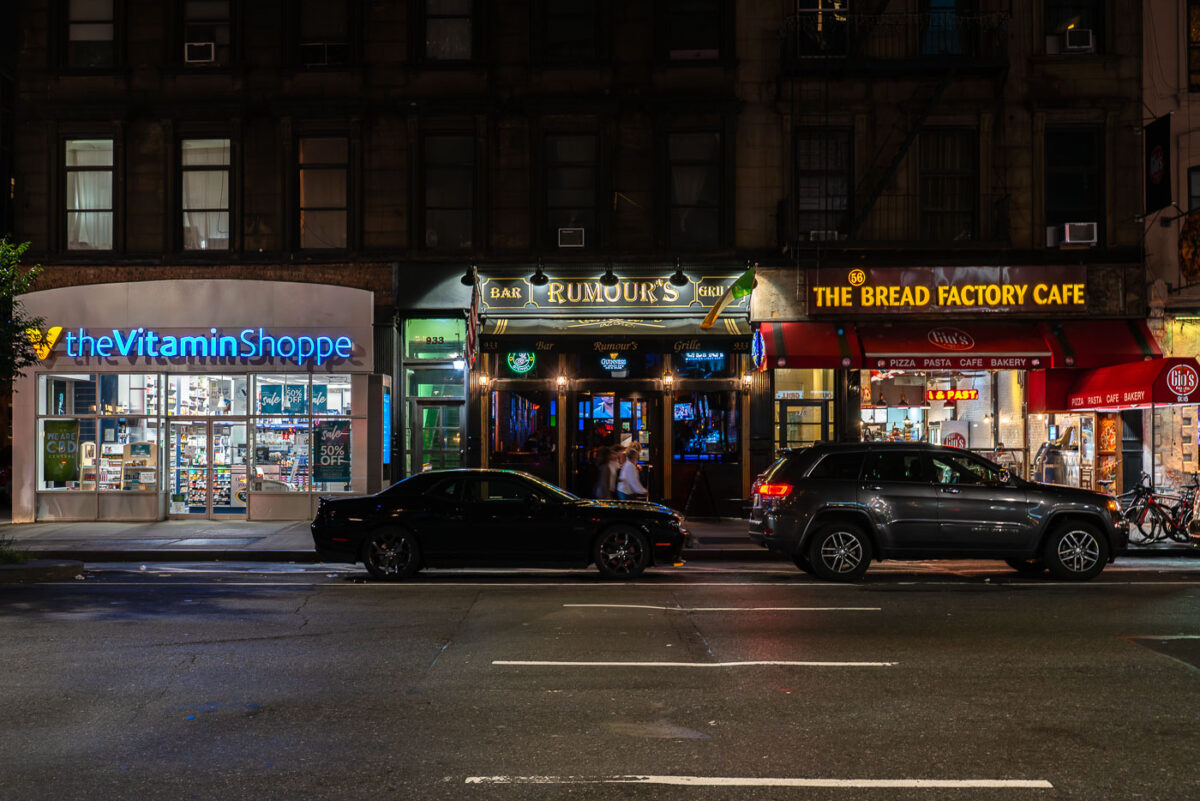
The New York City Subway is one of the world's oldest and largest rapid transit systems, with its infrastructure dating back to the early 20th century. The exposed pipes likely carry essential services such as water, power, and ventilation, critical for the operation and safety of the subway. These tunnels represent the complex engineering and ongoing maintenance required to keep the city moving.September 1, 2019 — A dimly lit stairway descends into a New York City subway station, revealing extensive exposed piping and tiled walls characteristic of aging transit infrastructure. The image captures the utilitarian design and visible systems that support the daily operation of the MTA's underground network.September 1, 2019 — A staircase with metal railings and yellow-striped steps leads to an "Exit" sign for the 49-50 Streets Rockefeller Center subway station, which includes a 24-hour booth. The station serves the B, D, F, and M lines, with signage indicating routes to Brighton Beach and 34th Street.September 1, 2019 — The entrance of the Trump International Hotel and Tower in Manhattan is illuminated at night. An NYPD police vehicle and other cars are parked along the street, adjacent to a marked bike lane.September 1, 2019 — Nighttime view of storefronts along a Manhattan street, including The Vitamin Shoppe, Rumour's Bar and Grill, and The Bread Factory Cafe. Cars are parked along the curb in front of the businesses.
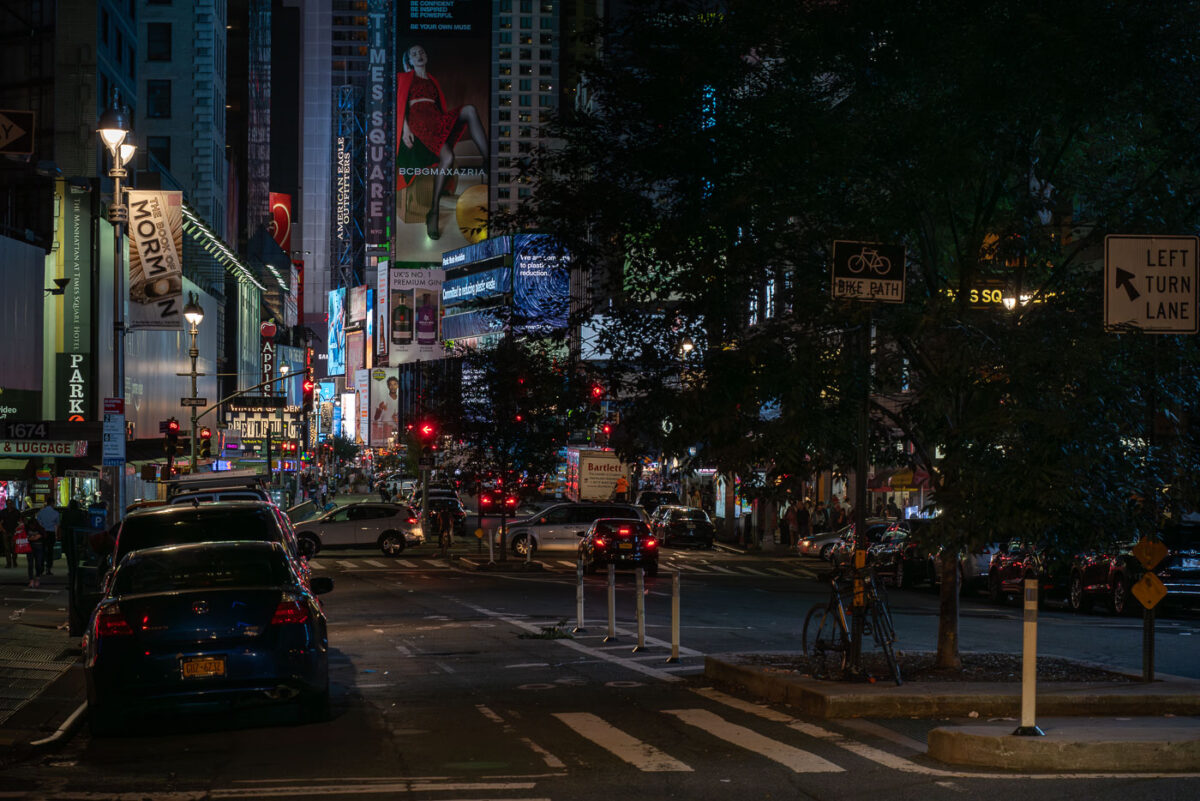
This image documents a typical commercial streetscape in Midtown Manhattan, showcasing the diverse retail and dining establishments that operate within the bustling urban environment. The presence of multiple businesses, from a health supplement store to a bar and a cafe, highlights the varied economic activity and nightlife characteristic of the area.September 1, 2019 — Illuminated billboards and vehicle traffic fill Times Square in Manhattan at night. Visible signage includes advertisements for "The Book of Mormon," "BCBGMAXAZRIA," and "Apple," alongside directional signs for "LEFT TURN LANE" and "BIKE PATH."
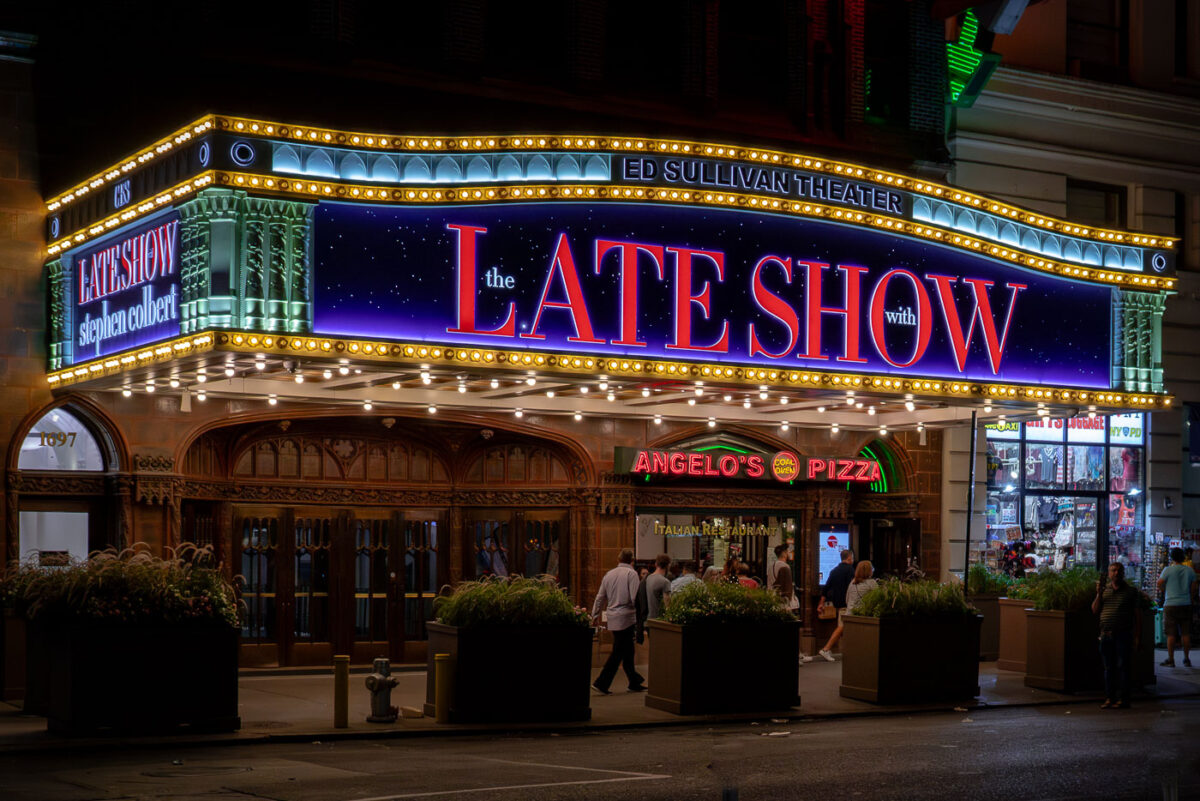
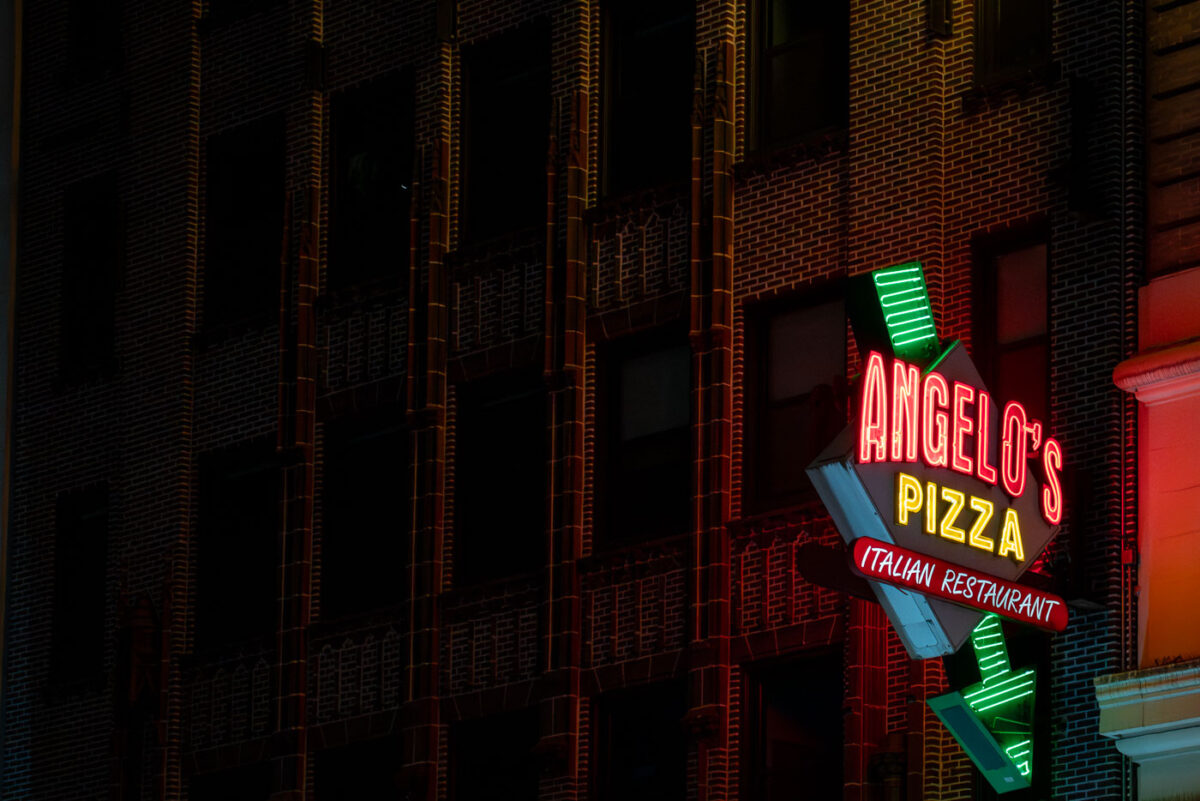
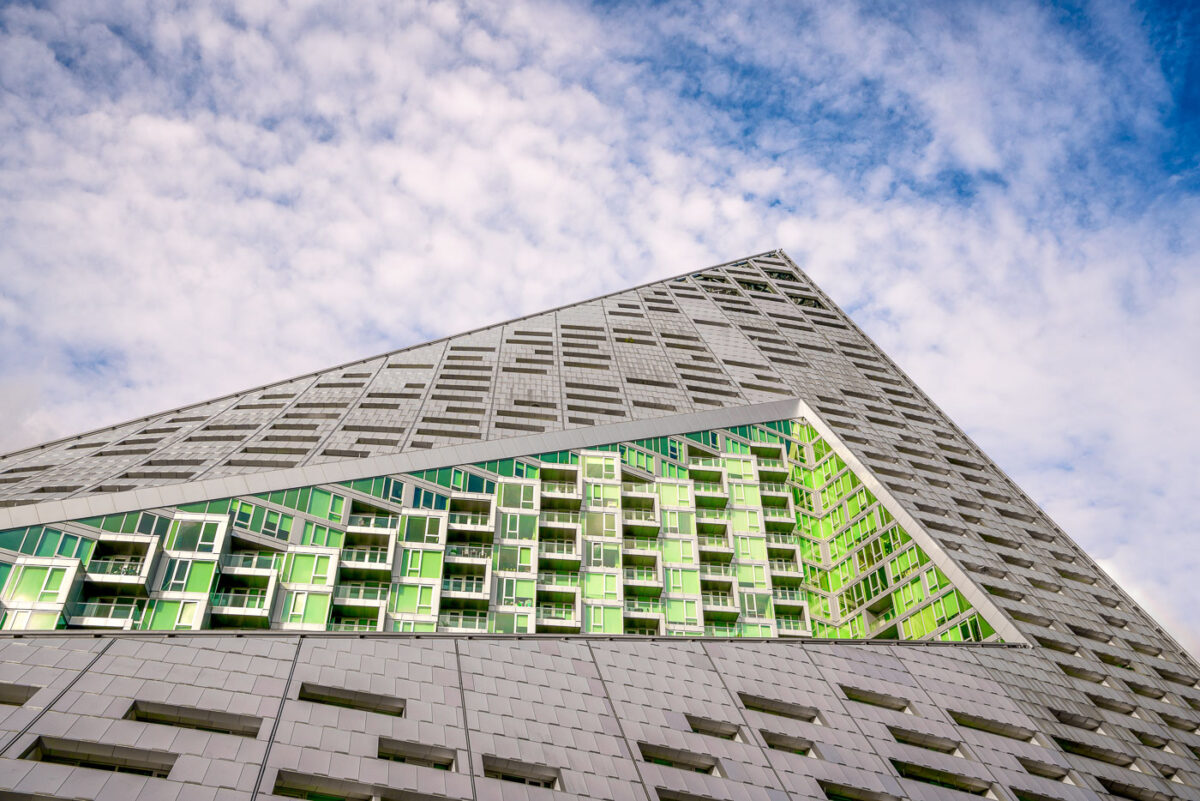
Times Square is a major commercial and entertainment center in New York City, known for its vibrant advertising displays and constant pedestrian and vehicular activity. The presence of bike lanes and traffic management signals indicates ongoing urban planning efforts to accommodate diverse transportation modes within this densely populated area.September 1, 2019 — The Ed Sullivan Theater marquee in New York City illuminates the night, advertising "The Late Show with Stephen Colbert." Originally built in 1927 as a vaudeville house, the theater has a storied history in broadcasting, most famously hosting "The Ed Sullivan Show" from 1955 to 1971. It later became the venue for "The Late Show with David Letterman" and continues its legacy of late-night television with the current "The Late Show with Stephen Colbert."September 1, 2019 — Angelo's Pizza, an Italian restaurant in Midtown Manhattan, is identified by its prominent neon sign. Located near the Ed Sullivan Theater, the establishment contributes to the vibrant nighttime atmosphere of the area, which is known for its dining and entertainment options. The sign, with its bright red and yellow lettering and green directional arrow, is a classic example of the illuminated signage that has long characterized New York City's commercial districts.September 1, 2019 — Premier Deli Cafe, located at 856 Lexington Avenue in Manhattan, New York City, is a bustling establishment offering breakfast, lunch, and dinner. The exterior features prominent neon signage for the cafe, along with advertisements for various beer brands and an ATM machine. Inside, patrons can see a display case filled with food items and staff preparing orders.September 1, 2019 — A vendor works at a brightly lit Sabrett hot dog stand in Manhattan, surrounded by stacks of soda cans, bottled water, and snack foods. Street carts like these are a common sight across New York City, serving pretzels, knishes, and hot dogs late into the night to passing pedestrians.September 1, 2019 — VIA 57 West Residential Building, New York City
This photograph shows the distinctive pyramidal form of the VIA 57 West residential building, located at 625 West 57th Street in Manhattan's Hell's Kitchen neighborhood. The building's facade is characterized by a textured, grey exterior with recessed windows, contrasting with a vibrant section of green-tinted glass balconies and windows.
Designed by the architectural firm Bjarke Ingels Group, VIA 57 West was completed in 2016. Its unique design aims to maximize sunlight and views for residents while creating a communal courtyard. The building represents a significant example of contemporary residential architecture in New York City, integrating innovative design with urban living.
Keywords:
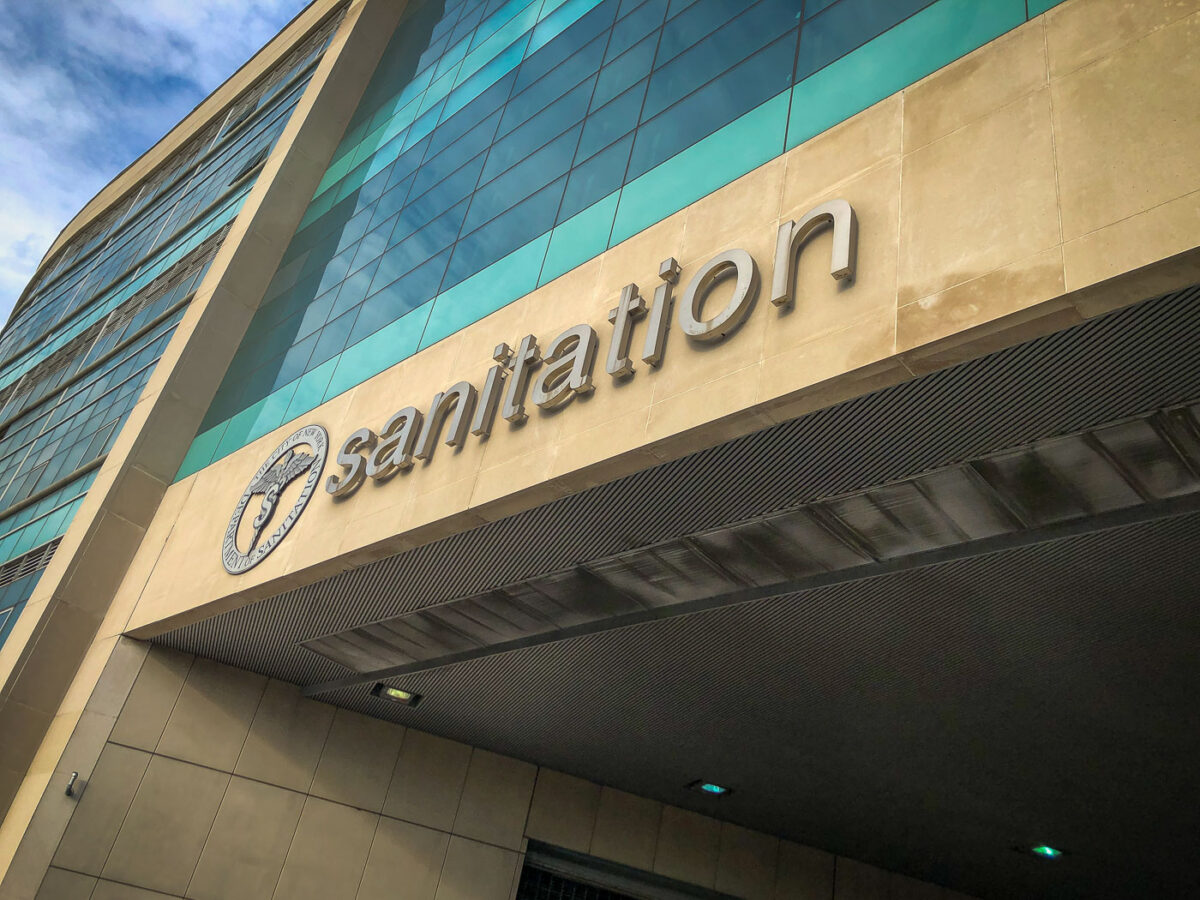
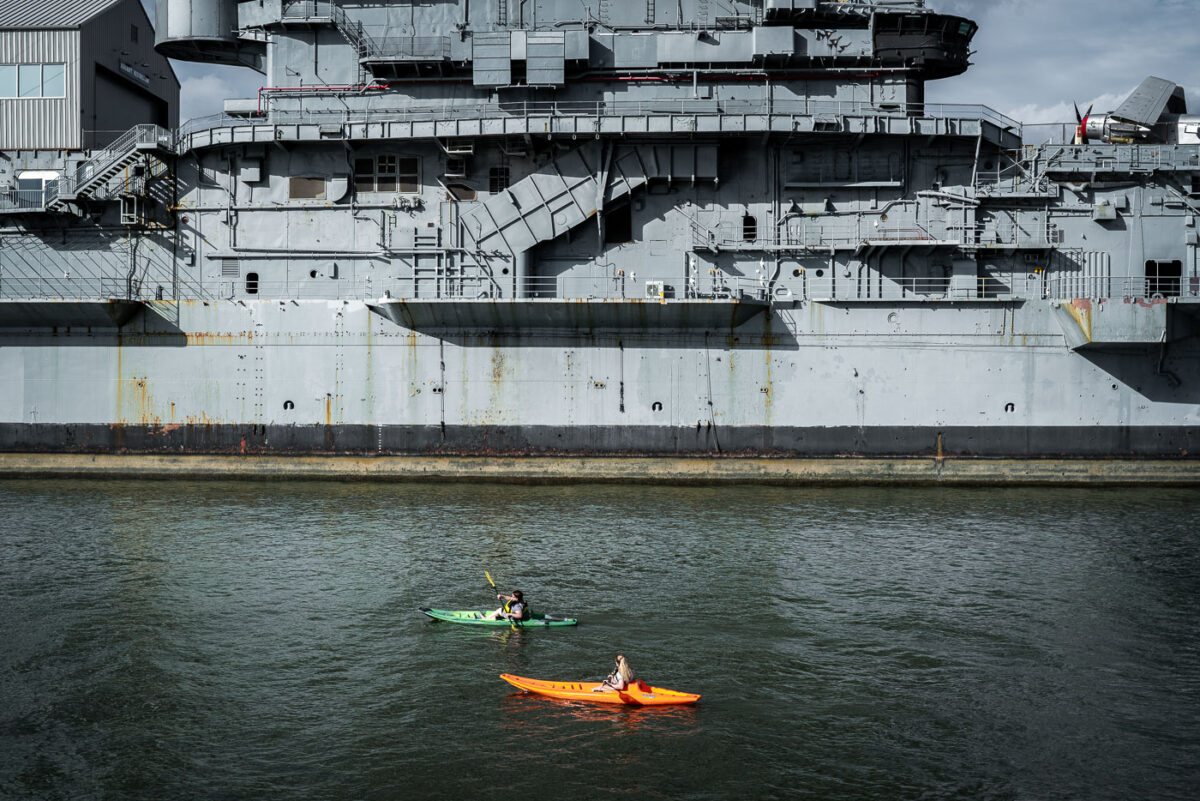
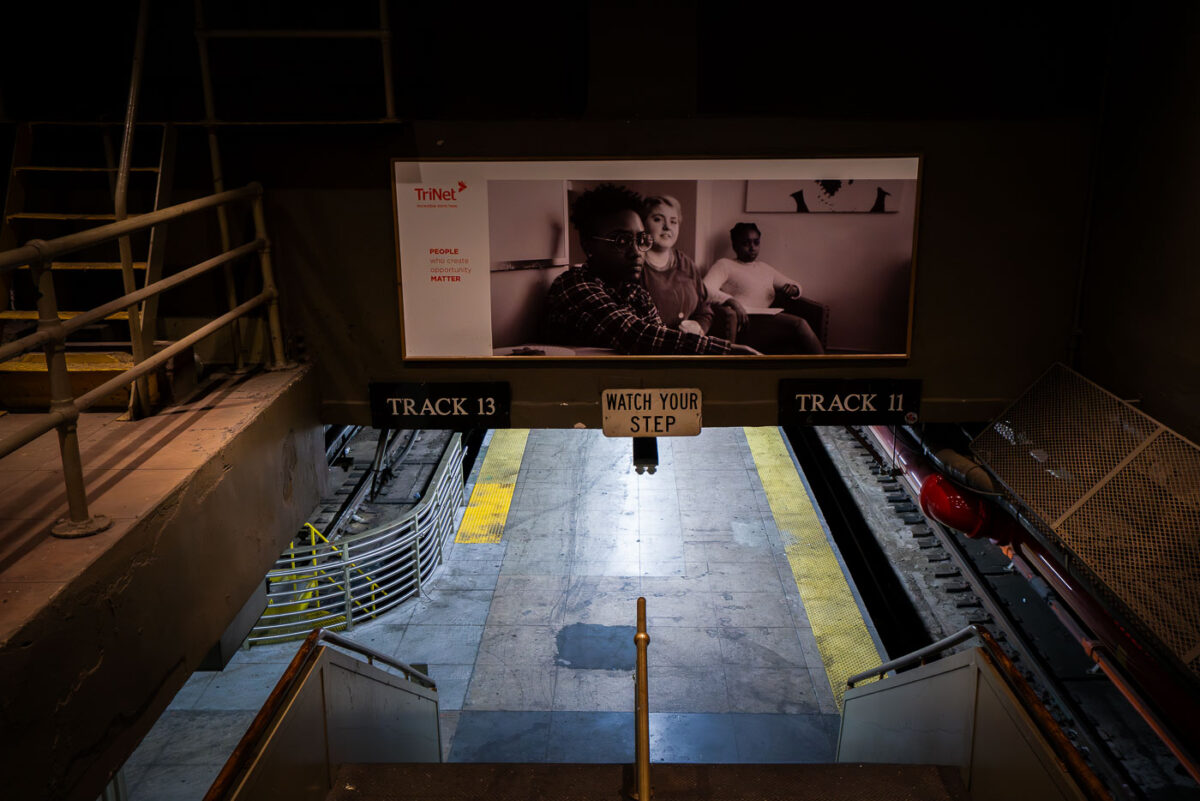
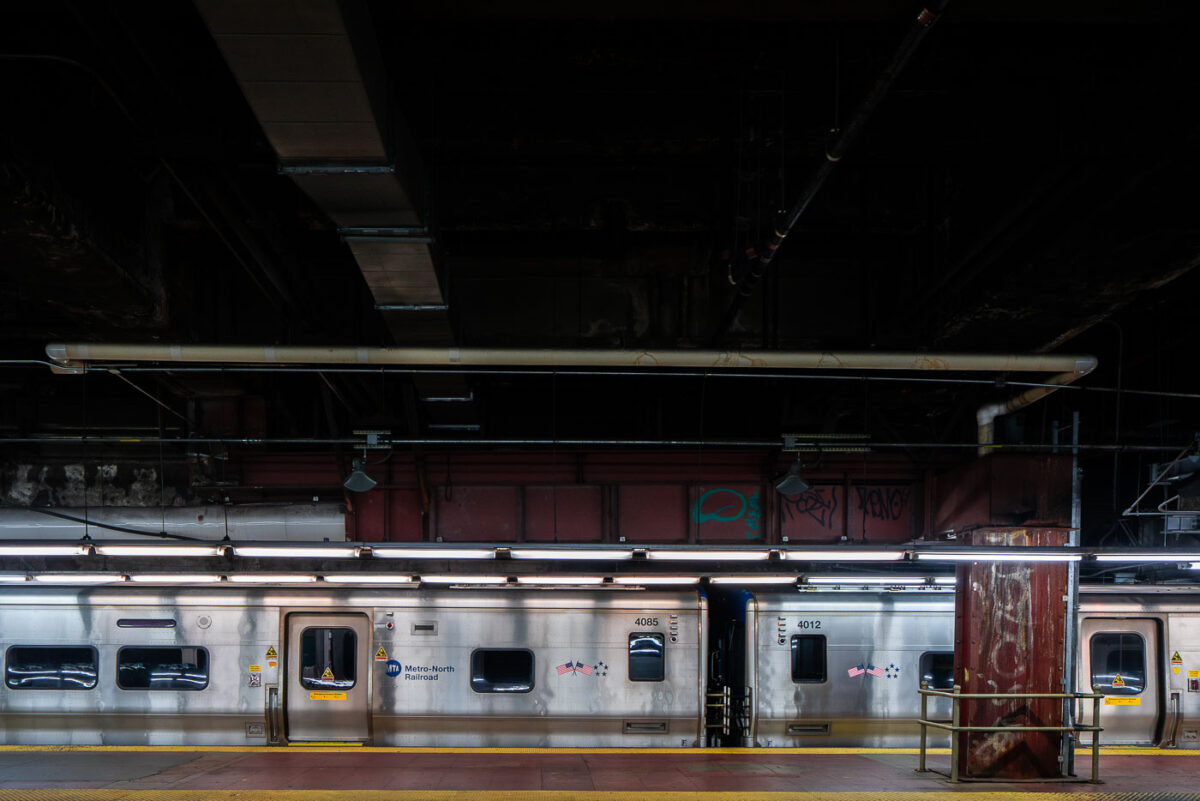
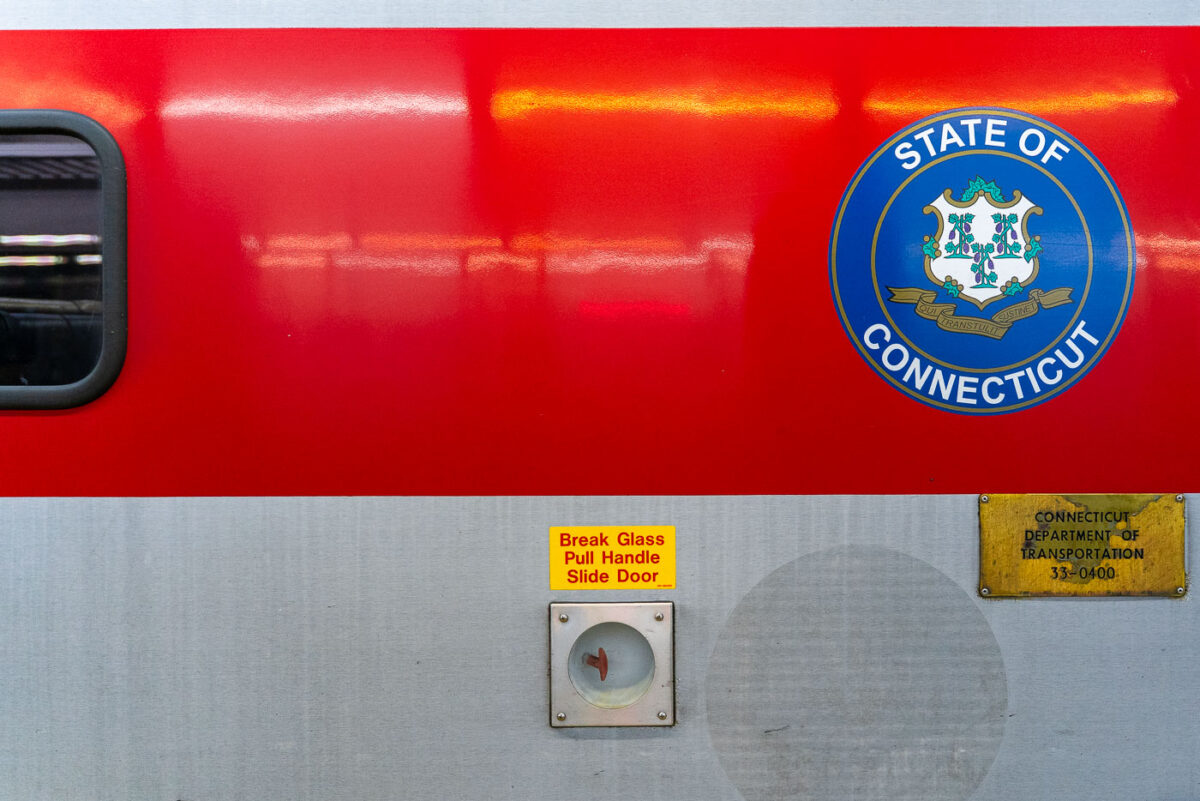
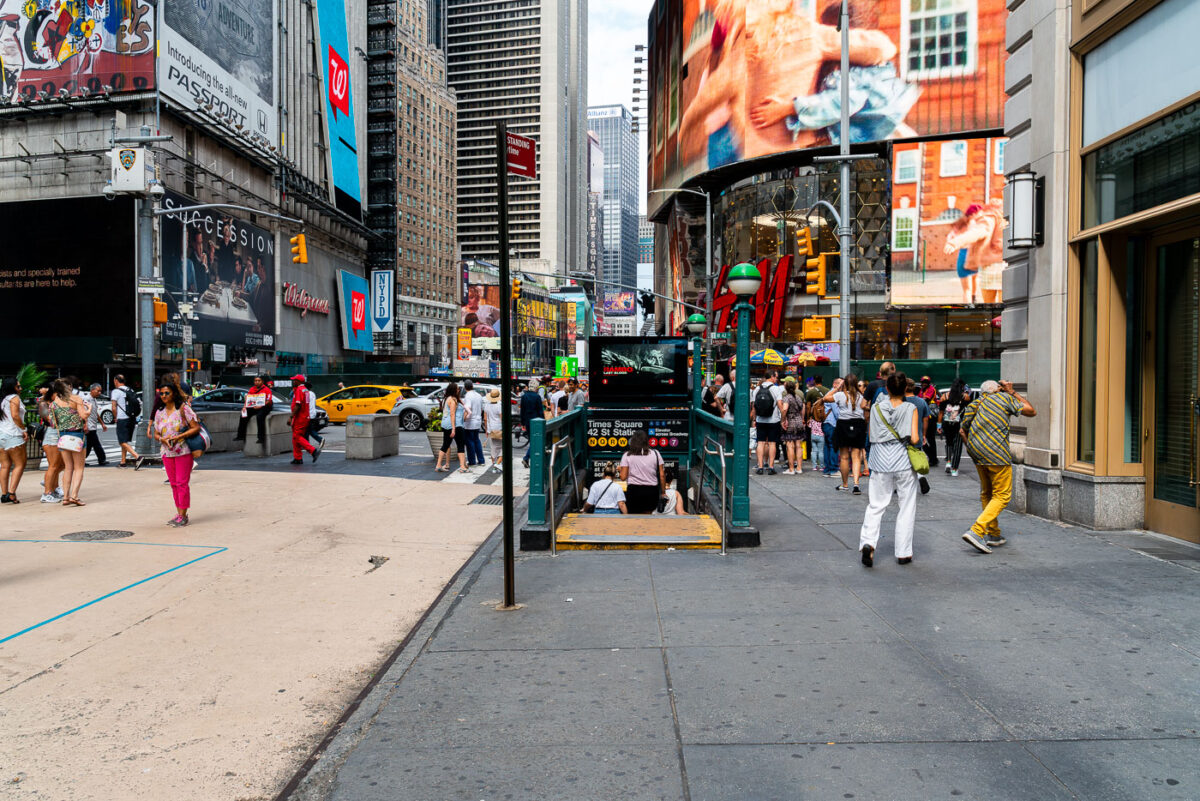
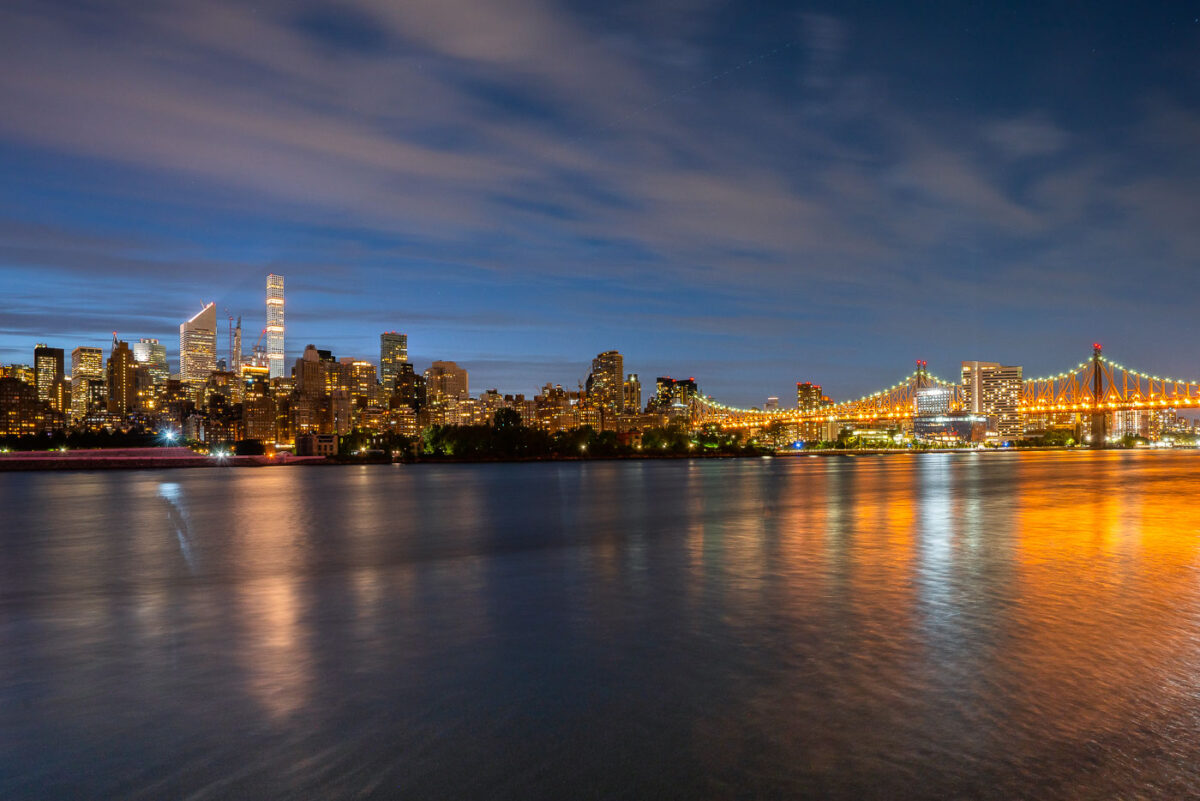
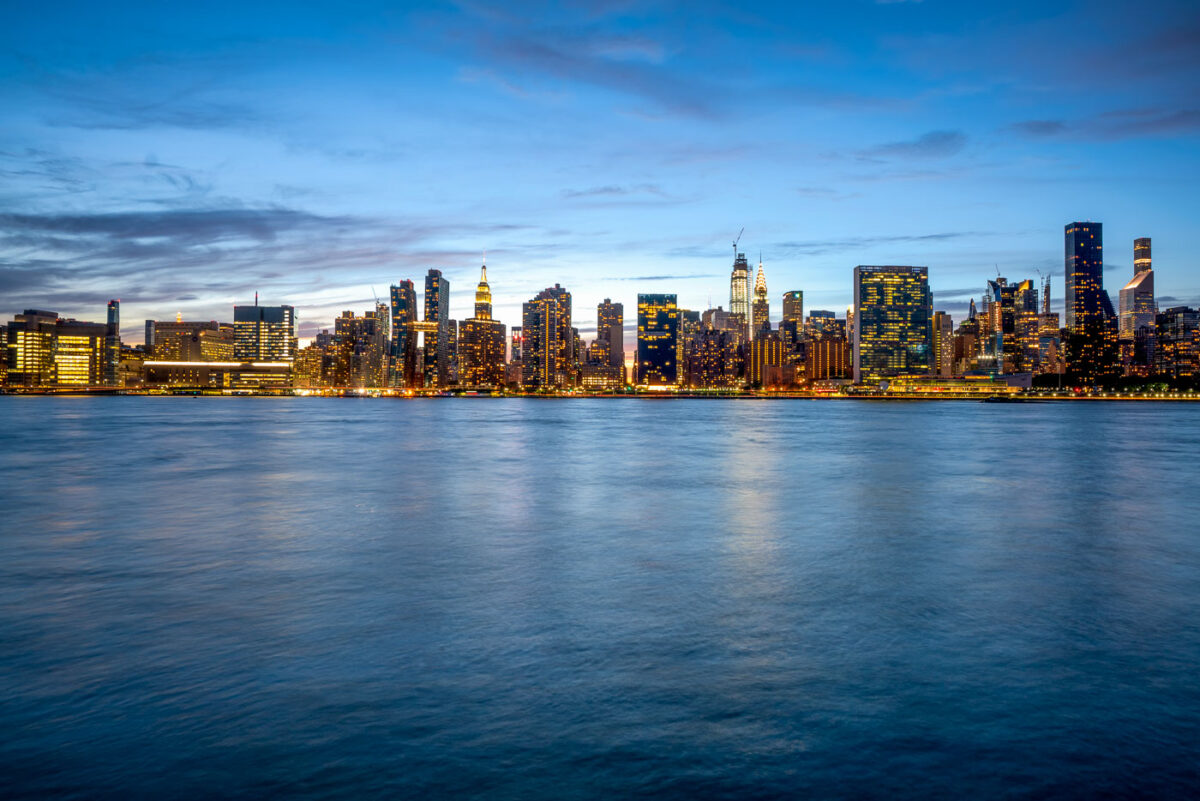
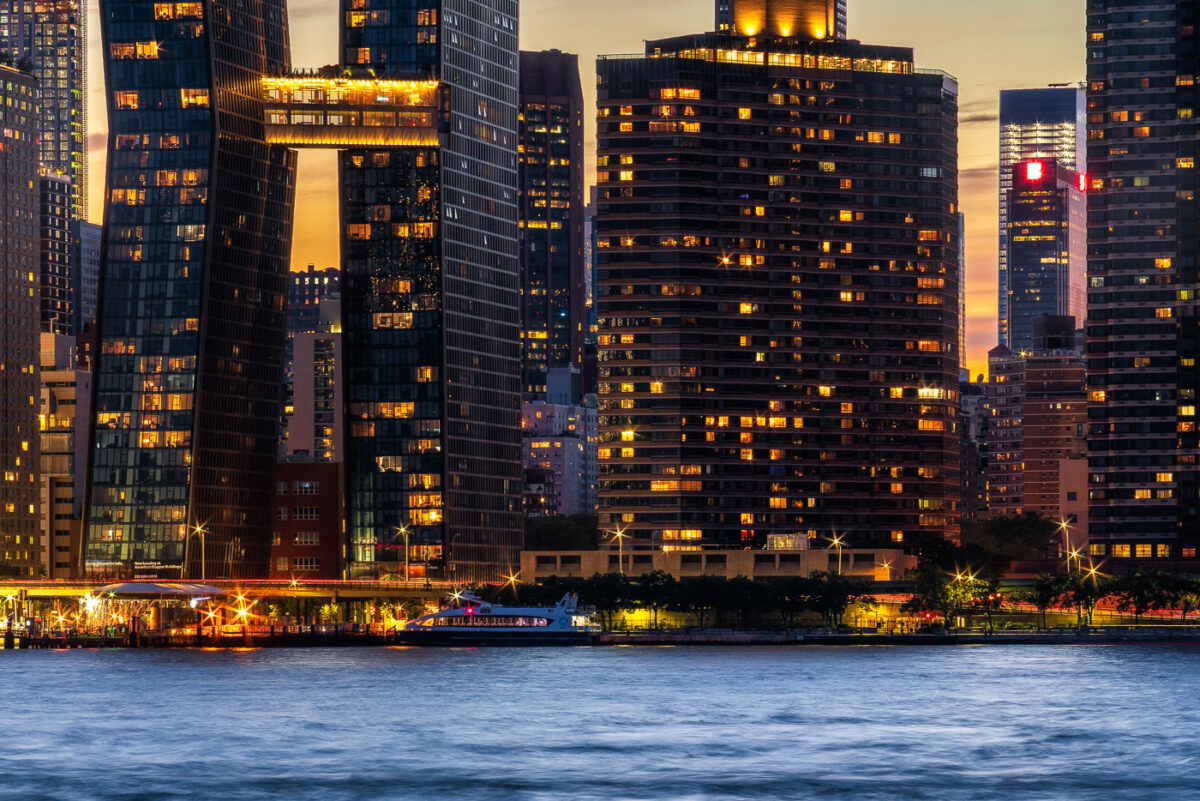
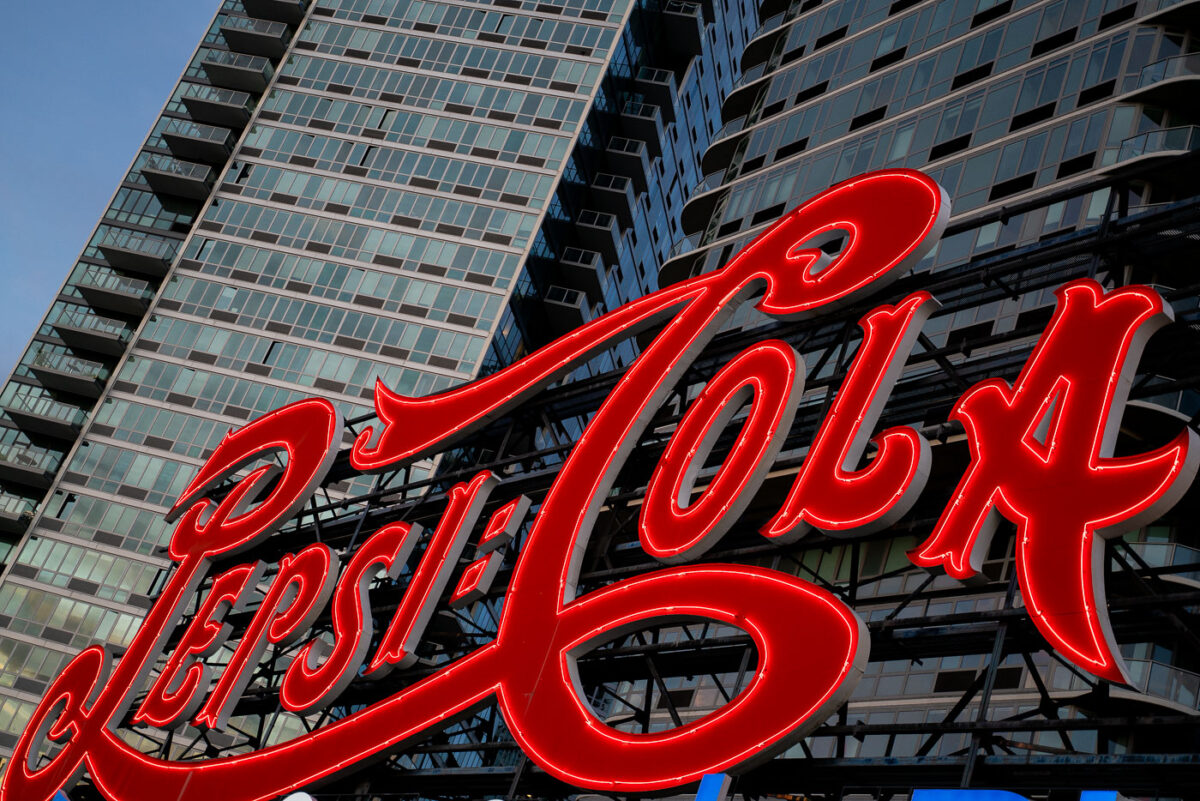
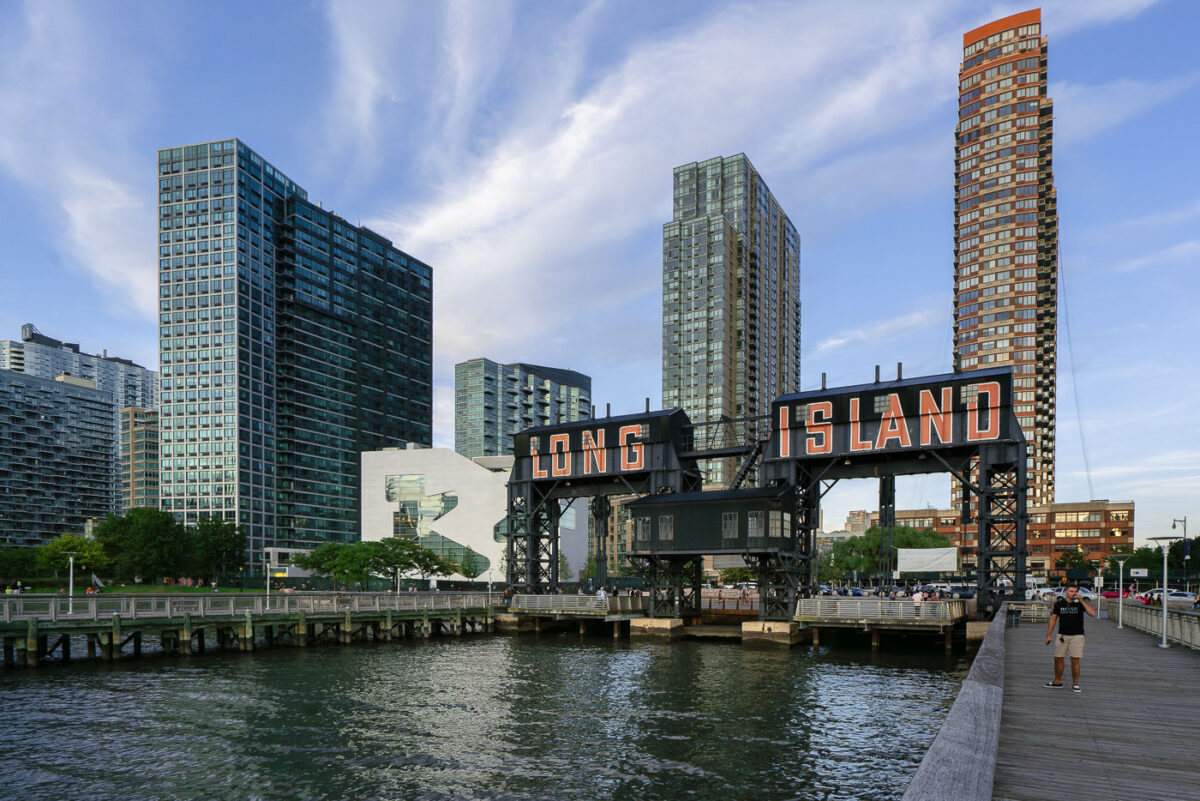
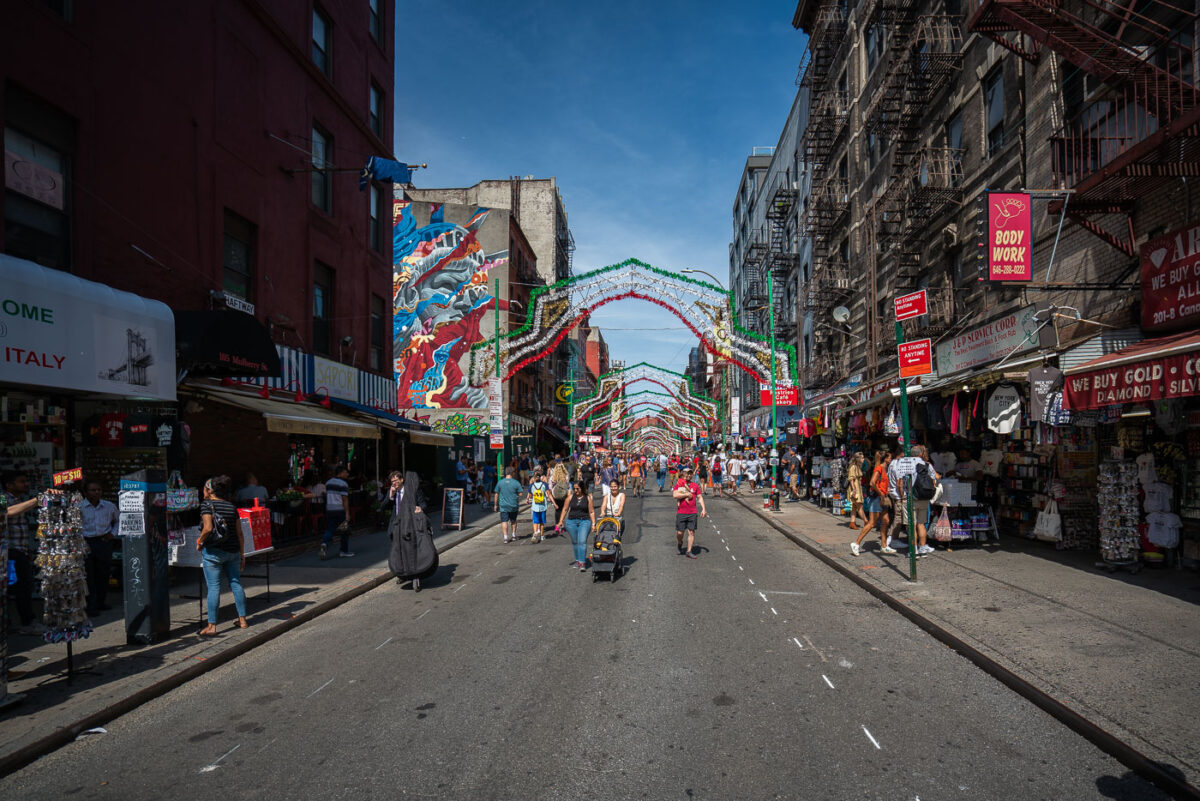
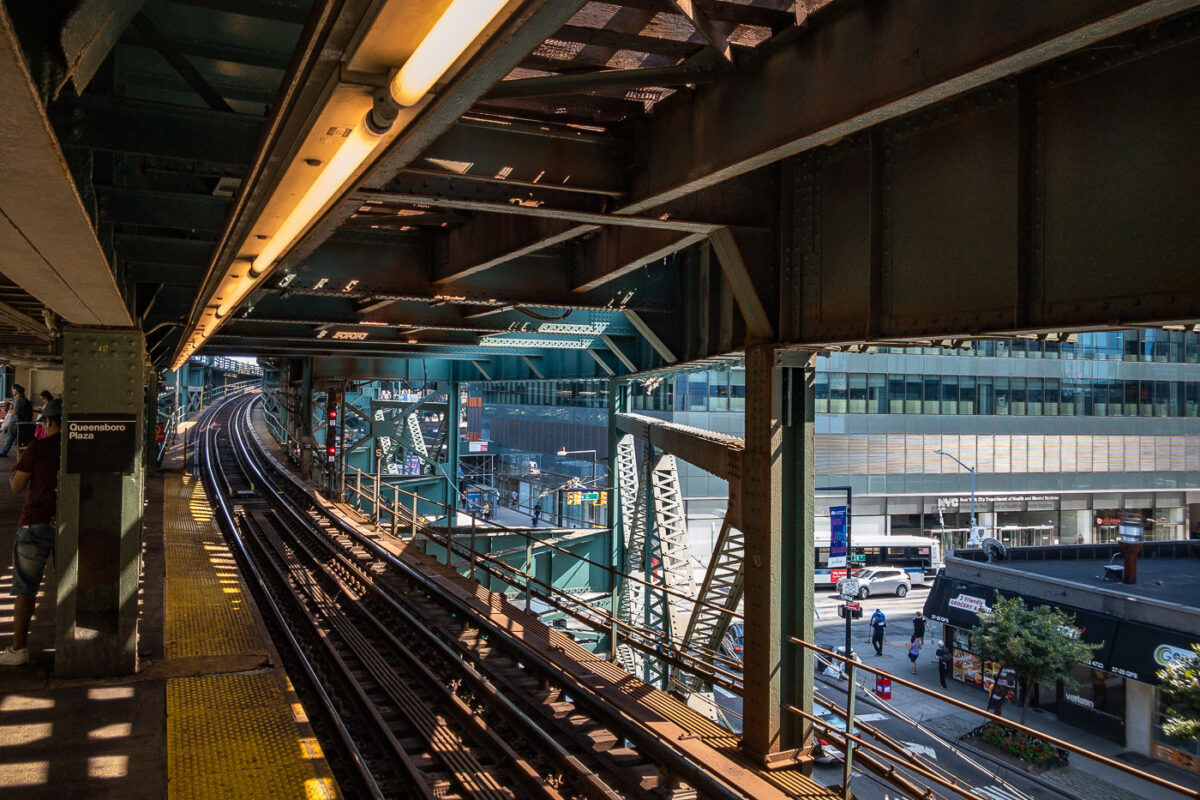
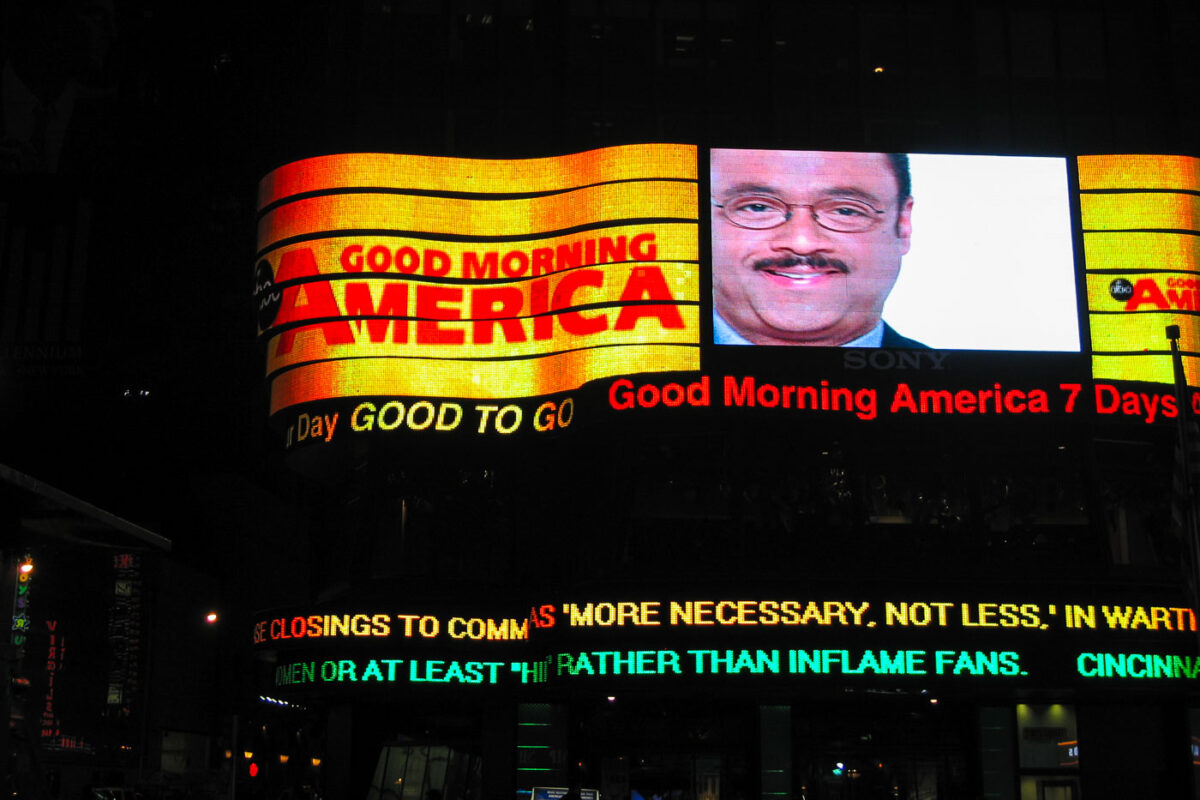
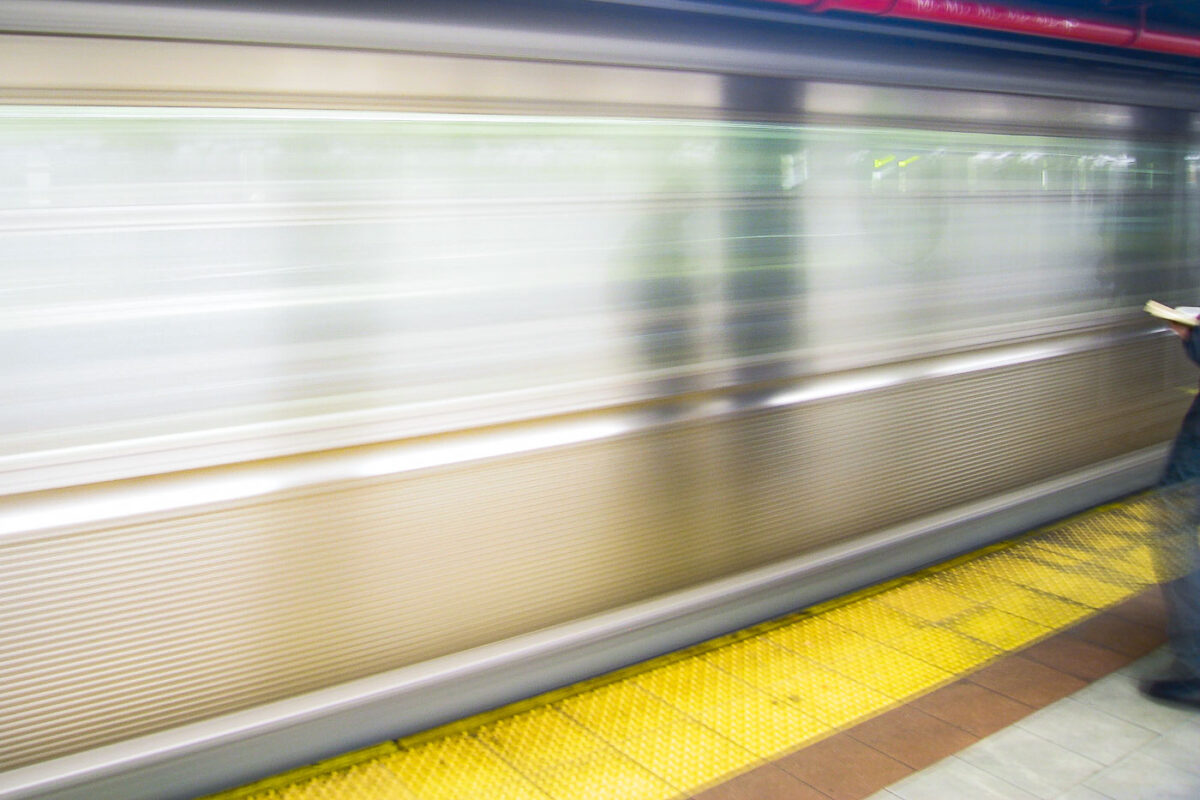
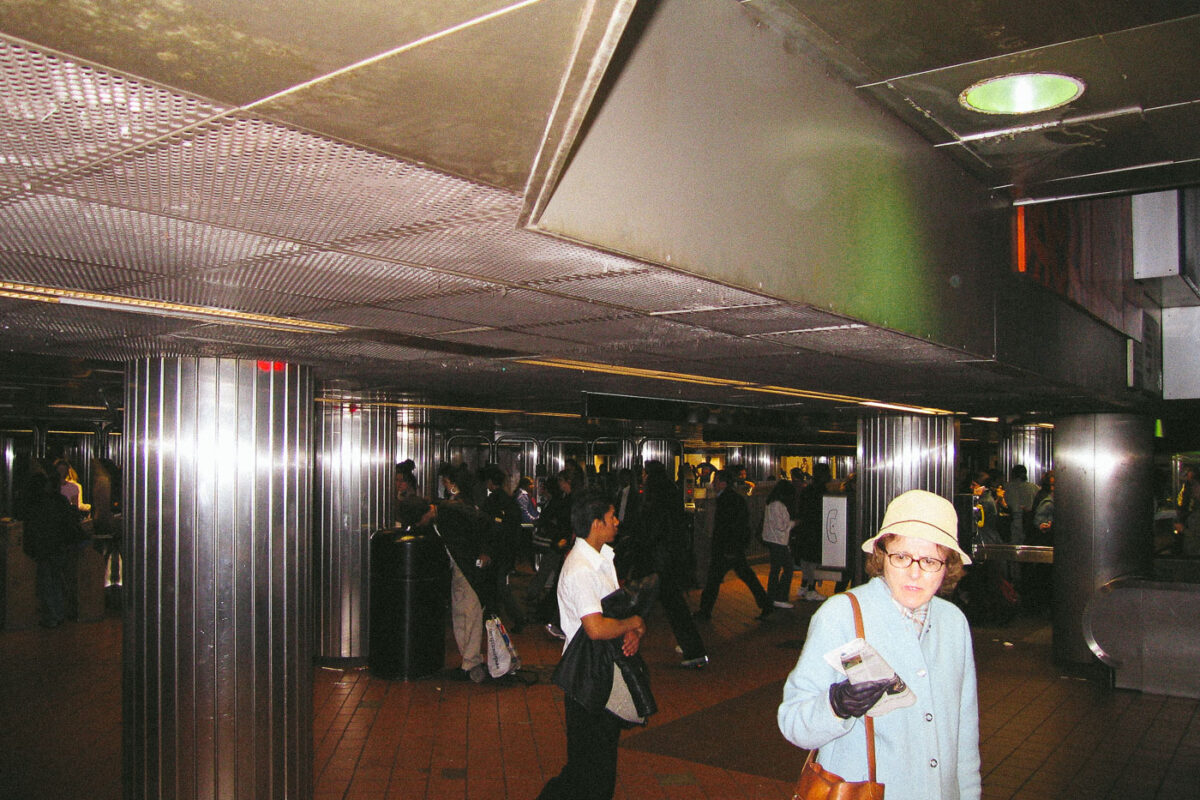
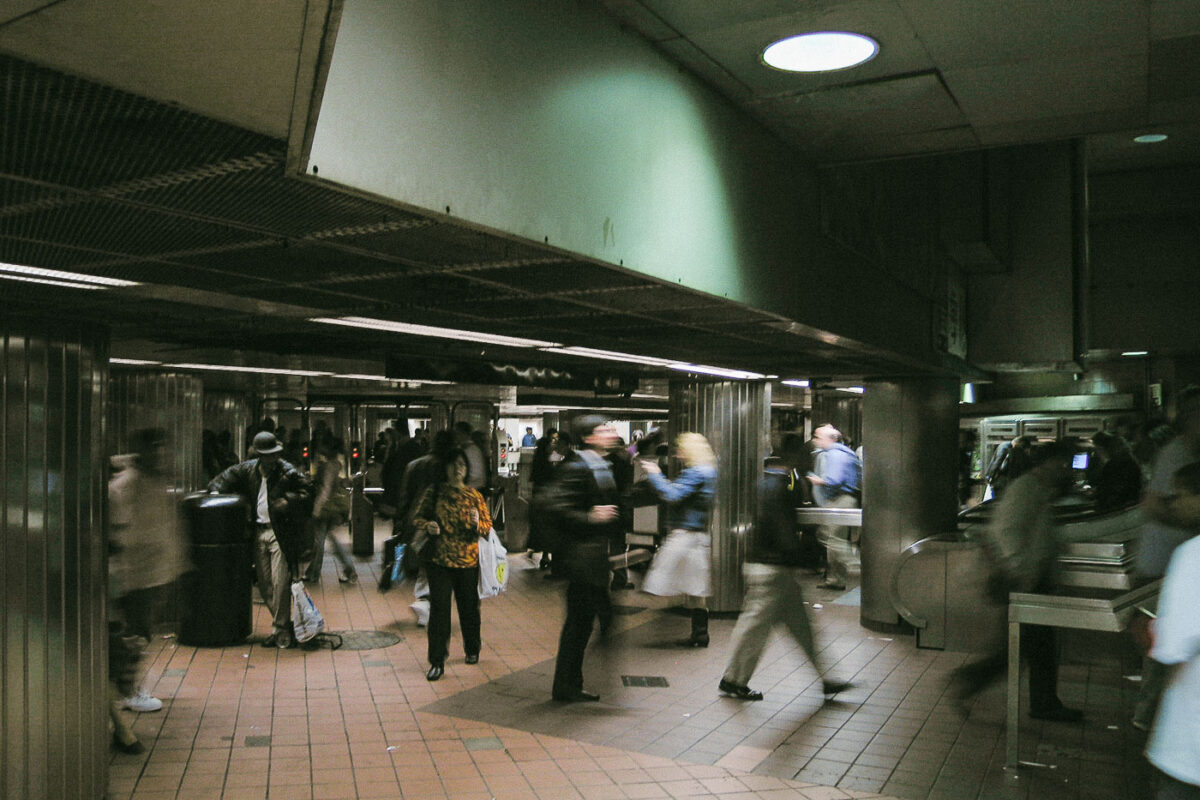
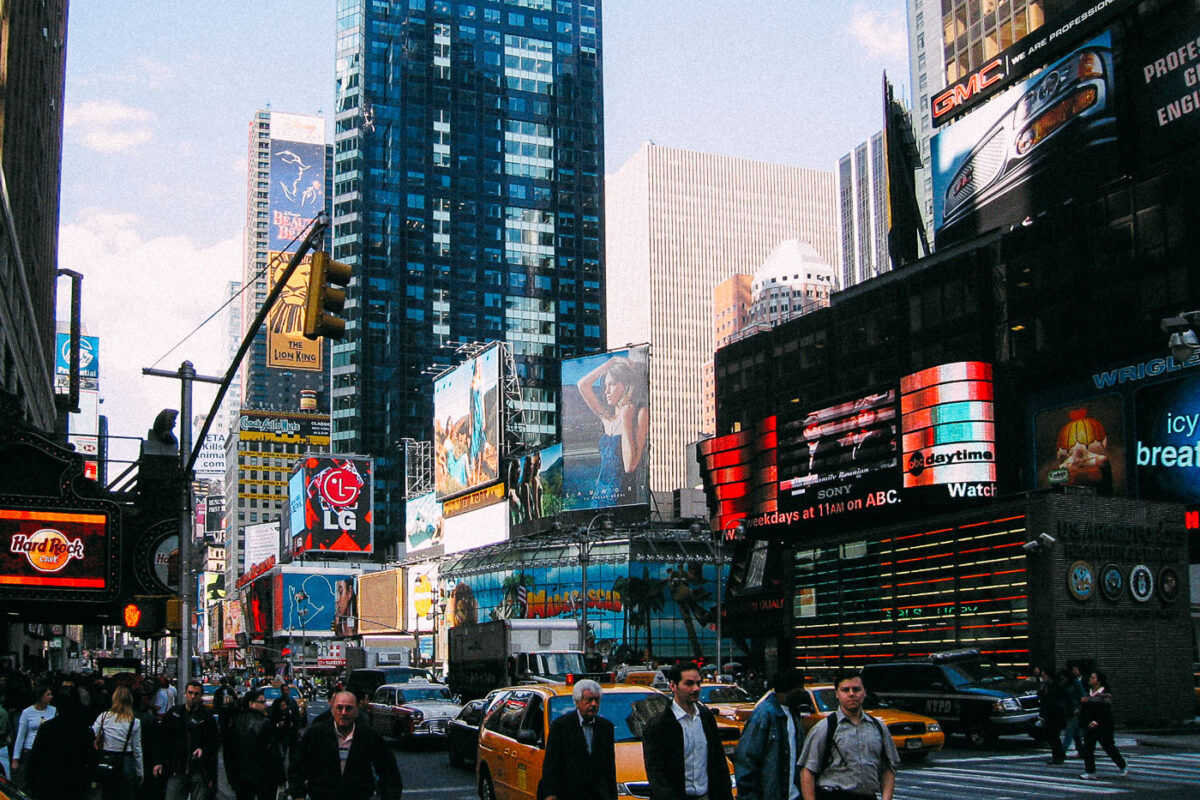
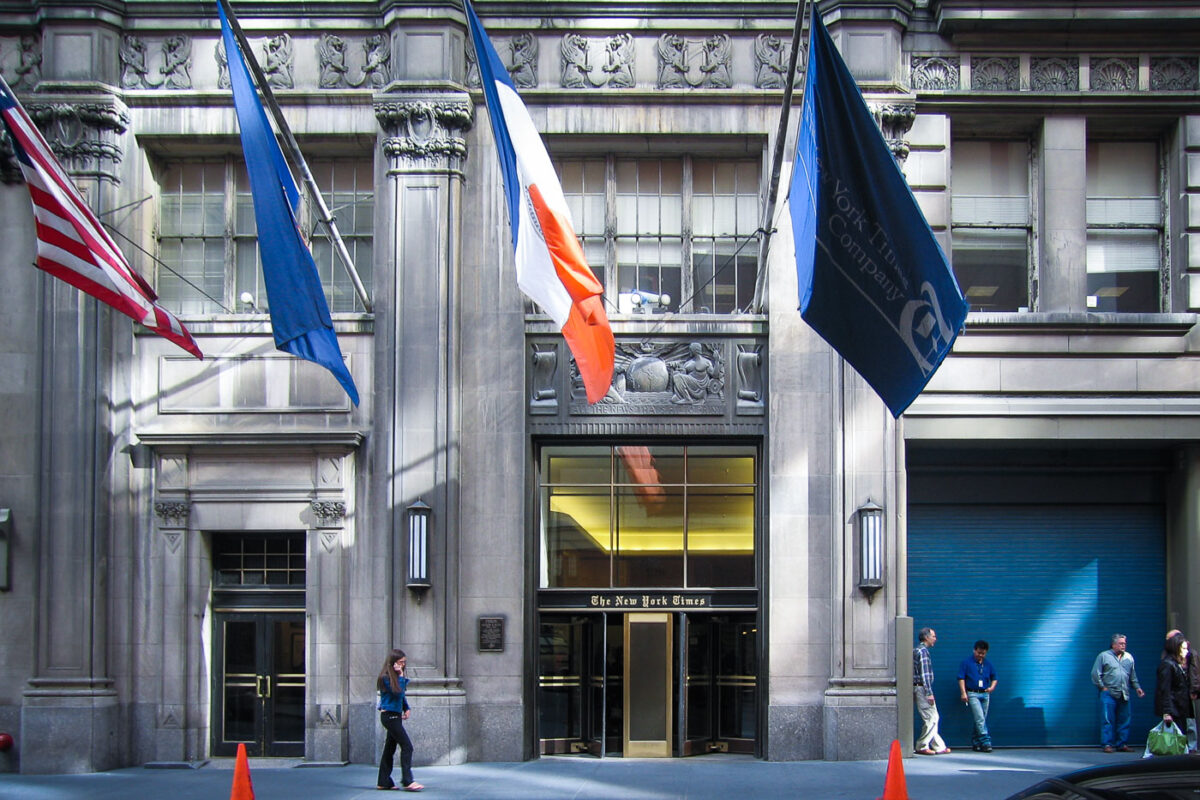
VIA 57 West, Bjarke Ingels Group, New York City, Manhattan, Architecture, Residential Building, Hell's KitchenSeptember 1, 2019 — The New York City Department of Sanitation Headquarters building features prominent signage with the word "Sanitation" in raised metal letters, alongside the department's official seal. The architecture includes a facade of beige stone tiles and reflective blue-green glass windows, characteristic of modern municipal buildings.September 1, 2019 — Two people paddle kayaks along the Hudson River near the USS Intrepid, a decommissioned aircraft carrier now serving as part of the Intrepid Sea, Air & Space Museum in Manhattan. The massive gray hull of the ship looms over the water, contrasting with the small boats below.September 1, 2019 — A stairway leads down to the train platforms for Tracks 11 and 13 at Penn Station in Manhattan. A sign reading “Watch Your Step” hangs above the stairs, while a black-and-white advertisement looms over the tracks in the busy transit hub.September 1, 2019 — A Metro-North Railroad train sits at a platform inside Grand Central Terminal in Manhattan. The stainless-steel cars reflect the dim lighting of the underground station, where exposed pipes and graffiti-marked beams highlight the aging infrastructure of the busy commuter hub.September 1, 2019 — A Connecticut state seal is displayed on the side of a Metro-North Railroad train car, operated in partnership with the Connecticut Department of Transportation. The red-and-silver exterior includes safety instructions and signage, highlighting the regional rail system that connects commuters between New York and Connecticut.September 1, 2019 — A Metro-North Railroad train is seen at a station platform, its blue-and-white exterior bearing the MTA logo. The commuter rail line, operated by the Metropolitan Transportation Authority, connects New York City with suburbs across New York State and Connecticut.September 1, 2019 — A Metro-North Railroad train waits at a platform inside Grand Central Terminal in Manhattan. The concrete pillars and exposed beams of the underground station frame the tracks, where the yellow warning strip lines the edge of the platform.September 1, 2019 — The entrance to Track 30 inside Grand Central Terminal in Manhattan is seen at night. The marble hallways of the landmark station lead to the train platforms below, as a commuter and a security officer stand near the archways beneath illuminated signs.September 1, 2019 — An eagle statue perched on a globe stands outside Grand Central Terminal in Manhattan. The bronze sculpture, one of several around the historic landmark, looks out over Midtown with the glass facade of the MetLife Building rising in the background.September 1, 2019 — The Lower Plaza at Rockefeller Center in Midtown Manhattan is seen with the golden statue of Prometheus overlooking the outdoor dining area. Rows of international flags line the upper concourse, while crowds gather around the landmark complex that is home to shops, offices, and seasonal attractions.September 1, 2019 — The neon marquee of NBC Studios glows outside 30 Rockefeller Plaza in Midtown Manhattan. The sign, also advertising the Rainbow Room and the building’s observation deck, marks the entrance to the historic headquarters of the television network.September 1, 2019 — A dense vertical corridor of advertising light and architecture defines Times Square, seen here at 47th Street and Broadway in Midtown Manhattan. Towering LED billboards and commercial facades—featuring brands from Levi’s to Samsung—create one of the world’s most iconic visual environments. Once a gritty crossroads of theaters and print media, the area was redeveloped in the late 20th century into a symbol of global commerce and digital spectacle, blending entertainment, marketing, and architecture into a single overwhelming urban experience.September 1, 2019 — A traffic officer directs pedestrians at a crosswalk in Times Square, Manhattan. Crowds move past construction barriers and street signage in the busy tourist district, where theaters, billboards, and entertainment venues draw thousands of visitors daily.September 1, 2019 — The 42nd Street–Times Square station, a major transit hub in Manhattan, serves as a critical connection point for multiple subway lines. This station, one of the busiest in New York City, is situated beneath the vibrant commercial and entertainment district of Times Square. Its existence facilitates the daily movement of millions of commuters and visitors through the city, underscoring its importance to the urban infrastructure and the functioning of the theater district.August 31, 2019 — Manhattan as seen from Long Island CityAugust 31, 2019 — Manhattan as seen from Long Island CityAugust 31, 2019 — Manhattan as seen from across the East River.August 31, 2019 — High rises in Long Island City, NY.August 31, 2019 — The iconic Pepsi-Cola sign glows in red neon along the East River waterfront in Long Island City, Queens. The landmark sign, originally installed in 1936, now stands in front of modern residential towers and remains a prominent feature of the New York City skyline.August 31, 2019 — The iconic Long Island sign towers over the East River waterfront in Queens as evening light reflects off the glassy high-rises of Long Island City. Once a gritty industrial dock, the area has transformed into one of New York City’s fastest-growing neighborhoods.August 31, 2019 — People walk along Mulberry Street in Manhattan’s Little Italy under rows of simple festive arches. Shops and cafés line the street as vendors sell food and souvenirs to passersby. The scene reflects the neighborhood’s everyday rhythm and long-standing cultural roots.August 30, 2019 — Queensboro Plaza elevated train station in Long Island City, Queens, New York City. The station features multiple tracks and platforms, with the distinctive green and steel structure of the elevated railway overhead.
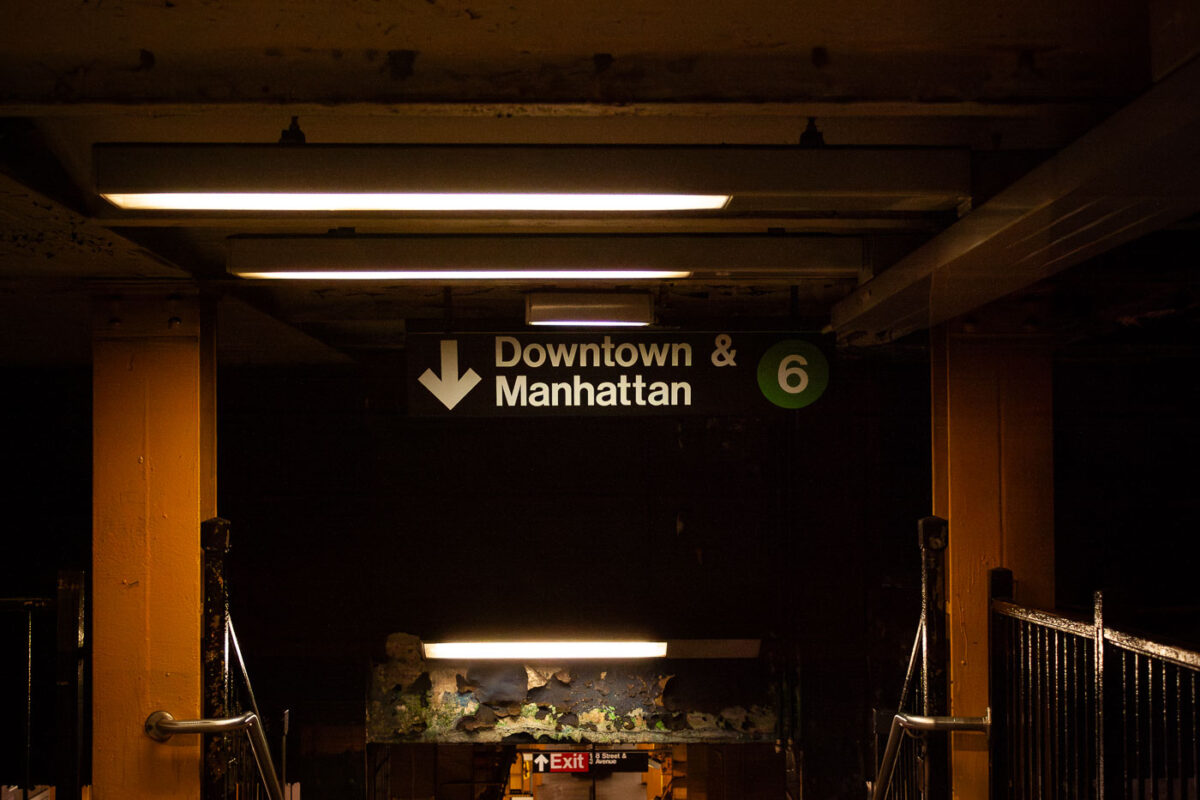
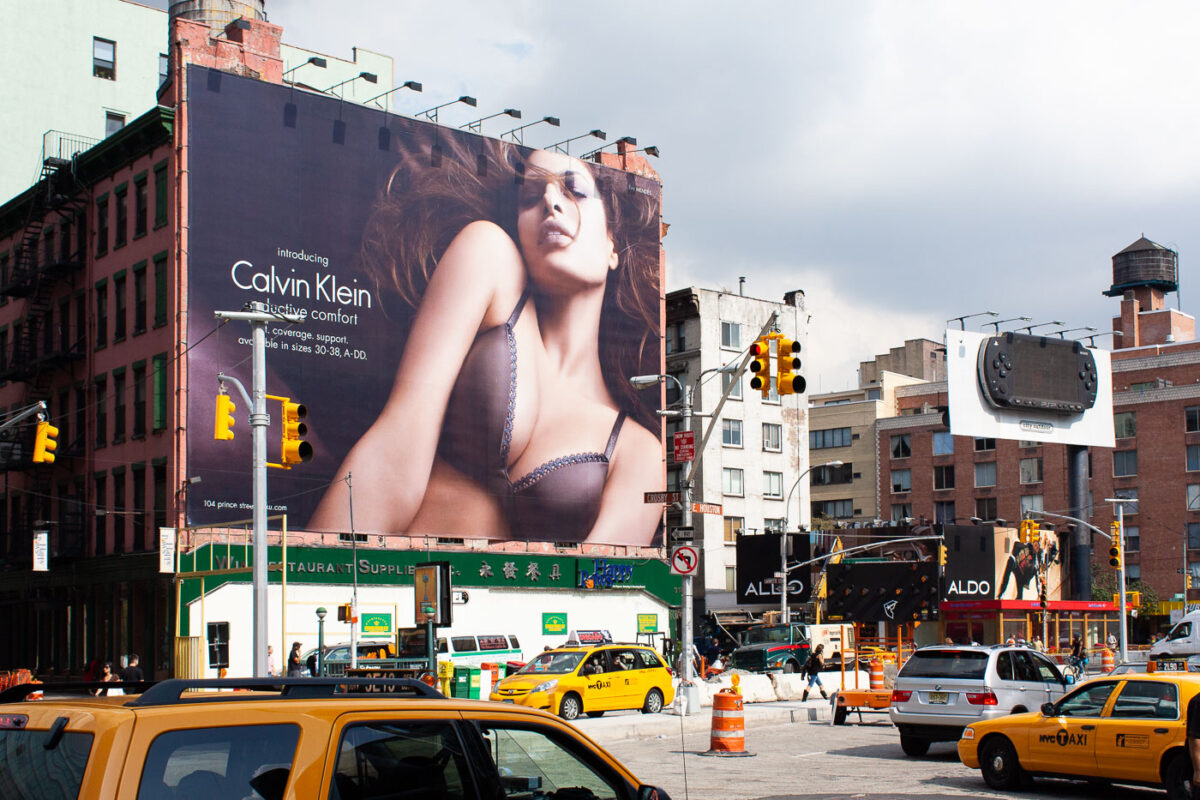
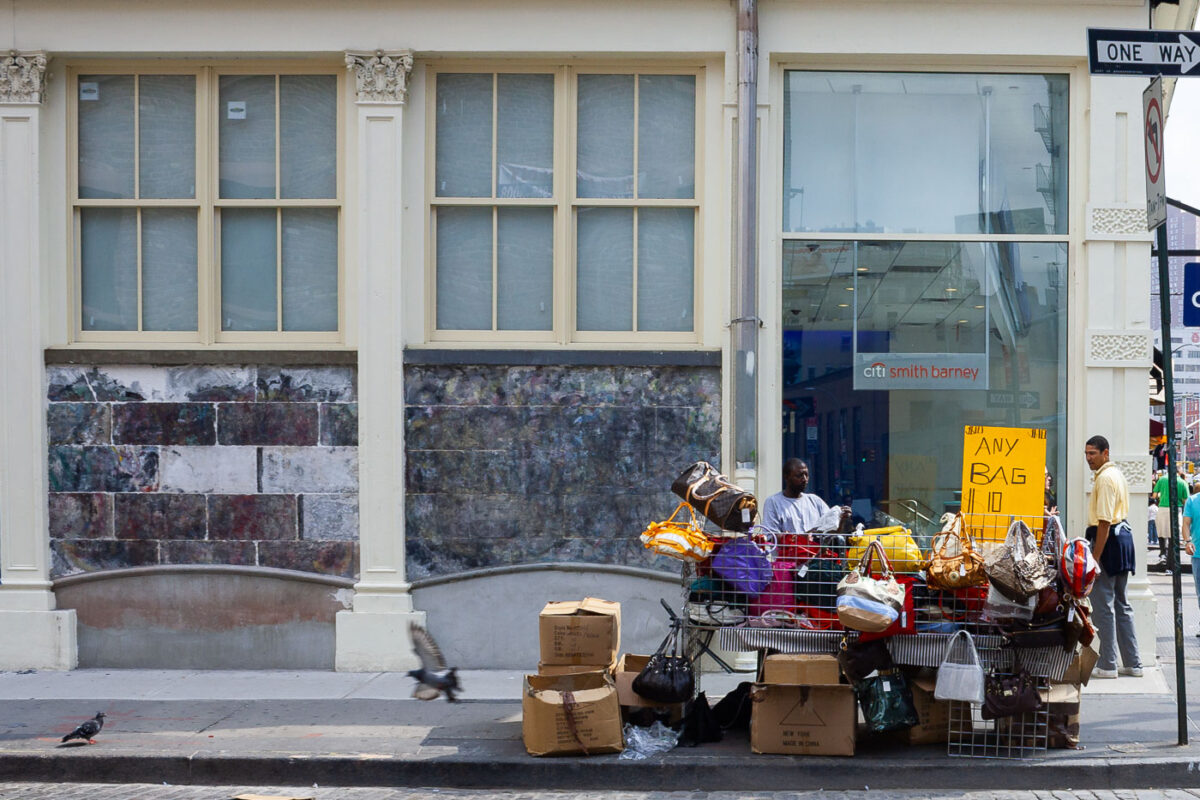
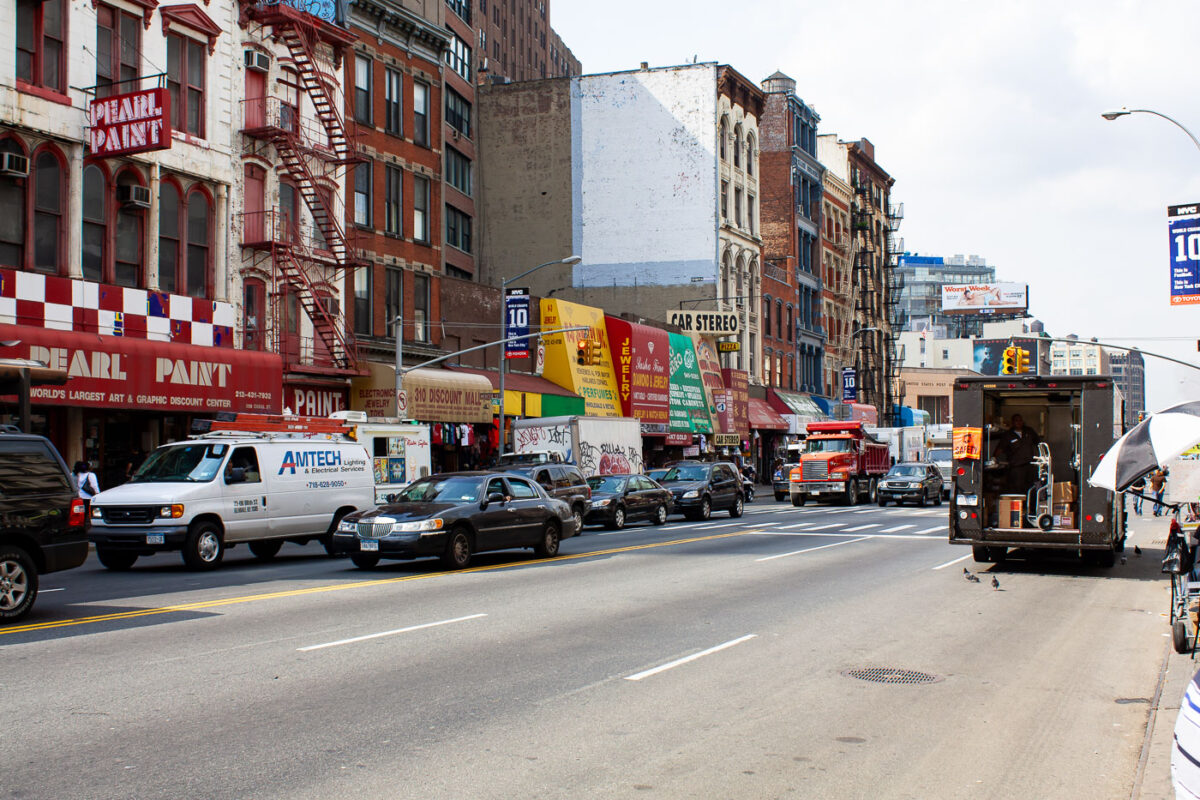
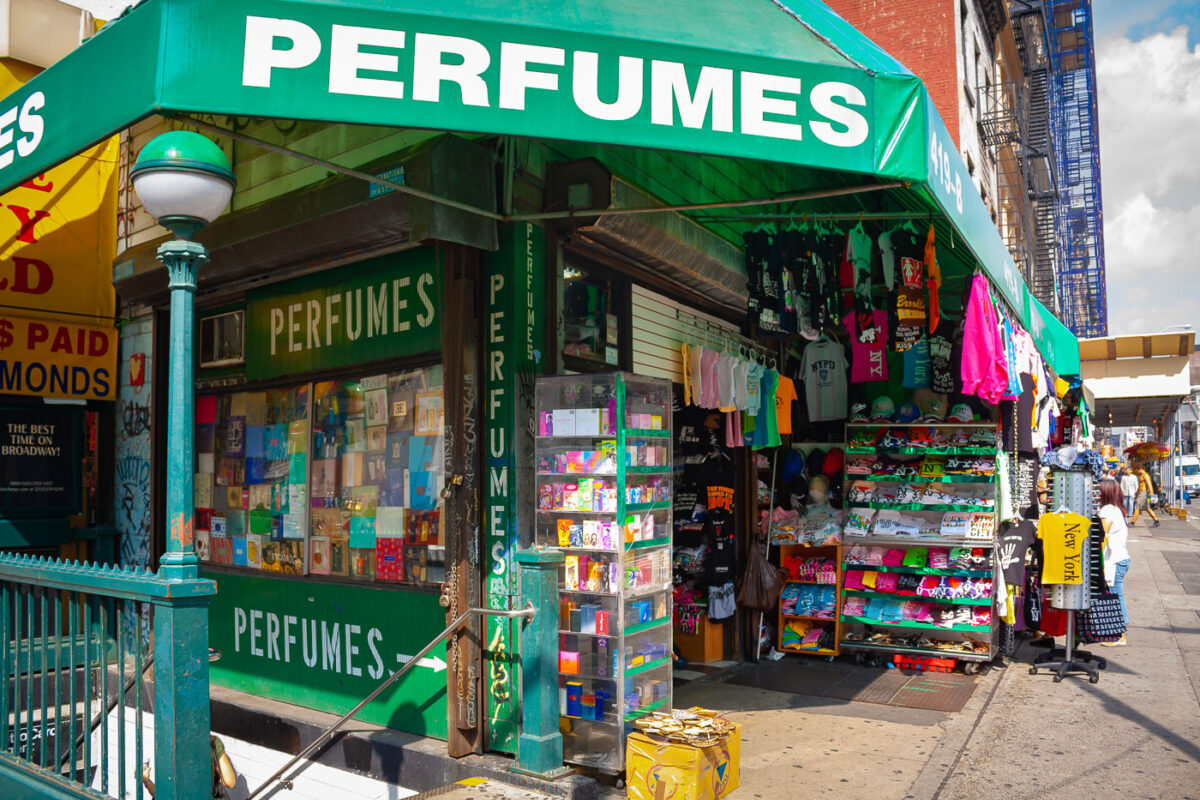
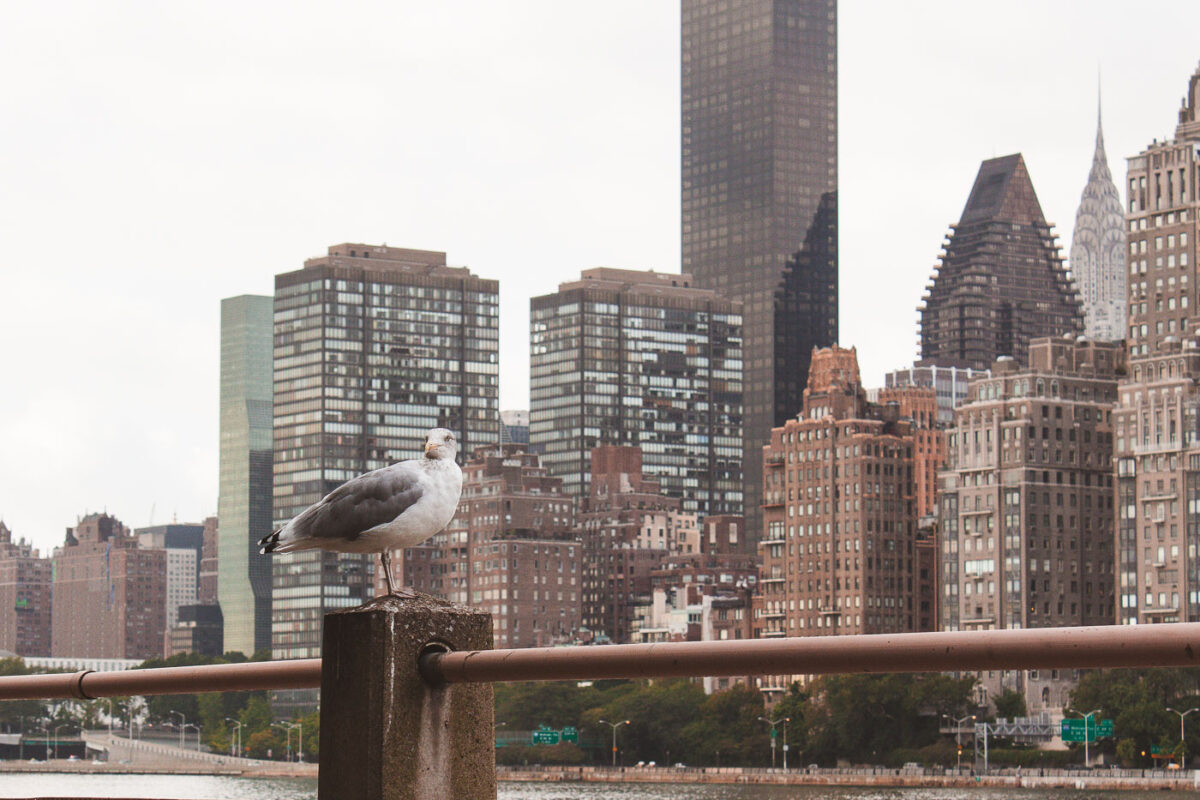
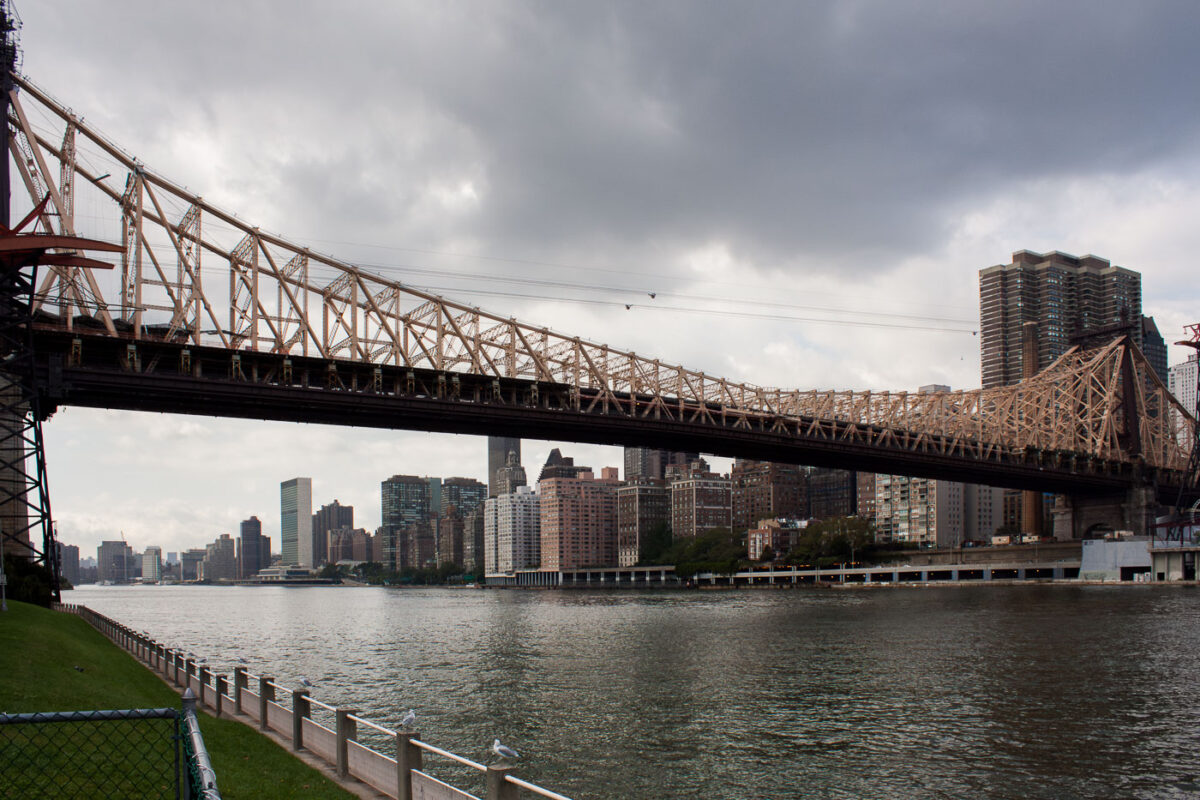
This station is a key transit hub, serving as a transfer point for the 7 train and formerly for the Long Island Rail Road. Its construction and ongoing operation are integral to the connectivity of Queens with Manhattan and the rest of the city's transit network.September 30, 2008 — This image shows an entrance to the downtown-bound 6 train platform in the New York City Subway. The signage, featuring the MTA's standardized Helvetica font and the green circle route marker, directs passengers toward Manhattan. The utilitarian design of the aged steel columns and peeling paint reflects the enduring character of the city's century-old transit infrastructure, which continues to serve millions of daily commuters. An illuminated red exit sign in the background indicates a path to street level.September 30, 2008 — A large Calvin Klein billboard is prominently displayed at the corner of Prince Street and Crosby Street in SoHo, Manhattan. This advertisement, promoting "seductive comfort," is part of the dense advertising landscape characteristic of the neighborhood, which is historically known for its cast-iron architecture and its role as a center for fashion and commerce. The presence of such large-scale advertisements reflects the area's ongoing significance as a commercial hub and a canvas for brand visibility within New York City's dynamic urban environment.September 30, 2008 — Street vendors are a persistent element of New York City's commercial fabric, with Canal Street in Manhattan serving as a prominent example. This image showcases a vendor's display of handbags, a common sight in this bustling area known for its diverse retail offerings. The informal economy represented by such vendors contributes to the dynamic character of dense urban environments like Canal Street, which has historically been a marketplace for a wide array of goods.September 30, 2008 — Canal Street in Manhattan's Chinatown is a vibrant commercial artery, historically a hub for immigrant communities and diverse retail. The street is lined with businesses, including the long-standing Pearl Paint, once a "World's Largest Art & Graphic Discount Center," and the 310 Discount Mall, reflecting the area's tradition of offering a wide array of goods at competitive prices. The presence of delivery vehicles, such as the UPS truck, signifies the ongoing commercial activity that characterizes this dynamic New York City neighborhood.September 30, 2008 — A street-level perfume and souvenir stand operates on Canal Street in Manhattan, New York City. Canal Street has historically been a bustling commercial thoroughfare, known for its diverse retail offerings that cater to both local residents and tourists. This establishment, with its prominent "PERFUMES" signage, sells fragrances alongside New York-themed merchandise, reflecting the street's character as a destination for affordable goods and mementos. The presence of such businesses contributes to the vibrant street life and economic activity characteristic of this busy Manhattan neighborhood.September 30, 2008 — Moss colonizes the herringbone brick pavement of a New York City street. This type of paving, common in urban areas during the late 19th and early 20th centuries, provided a durable surface for foot traffic and horse-drawn vehicles. The permeable nature of brick allows for water drainage and, in damp, shaded conditions, encourages the growth of moss and weeds. While aesthetically appreciated for its texture and historical character, such paving requires ongoing maintenance to preserve its integrity and functionality.September 30, 2008 — A seagull perches on a railing along the East River in Manhattan, with the United Nations Secretariat Building and the Chrysler Building visible in the background. The UN Secretariat, completed in 1952, is a landmark of International Style architecture and serves as the administrative headquarters of the United Nations. The Chrysler Building, an Art Deco masterpiece finished in 1930, remains one of New York City's most recognizable skyscrapers. The railing is part of the waterfront infrastructure that provides public access and views of the city's architectural heritage.September 30, 2008 — The Ed Koch Queensboro Bridge, completed in 1909, is a double-deck cantilever bridge spanning the East River and connecting Manhattan and Queens. It was a significant engineering achievement of its era and continues to be a vital transportation route for vehicles and pedestrians. The bridge's steel structure is visible against the backdrop of the Manhattan skyline, with the Roosevelt Island Tramway cables running parallel above the roadway. This structure remains a critical component of New York City's transportation network and a testament to early 20th-century bridge construction.September 30, 2008 — An orange cat sits outside a building at 333 Manhattan Avenue in New York City. The building features a row of distinct architectural styles, with the entrance at 333 Manhattan Avenue characterized by a white facade and an arched doorway. Adjacent structures display varied colors and decorative elements, including red and teal facades with ornate trim and wrought-iron balconies. This streetscape showcases a mix of residential and commercial architecture, typical of many New York City neighborhoods that have developed over time.September 28, 2008 — The Lexington Avenue–63rd Street station, a key component of the New York City Subway's IND and BMT lines, opened in 1989 as part of the 63rd Street Tunnel project. This station, serving the F and Q trains, connects Manhattan's Upper East Side with Queens and the Second Avenue Subway. Its design features distinctive red-tiled walls and a long central platform, characteristic of late-20th-century transit architecture focused on durability and efficiency. The station's linear geometry and bright finishes are typical of the era's major transit expansion projects.September 28, 2008 — The Diesel store is located on East 60th Street in Manhattan, New York City. This retail establishment is part of the global fashion brand Diesel, known for its denim and casual wear. The store's prominent signage and illuminated facade are visible at night, indicating its presence within a busy commercial district. Its location on East 60th Street places it in proximity to other high-end retail and cultural institutions in Manhattan.December 31, 2005 — CBGB, a legendary music club located at 315 Bowery in New York City's East Village, is pictured here in December 2005. Founded in 1973, the venue became synonymous with the punk rock and new wave movements, hosting seminal performances by bands such as the Ramones, Blondie, and Talking Heads. Despite its cultural significance, CBGB faced eviction and closed its doors permanently in October 2006, marking the end of an era for live music in Manhattan. The "OMFUG" designation, an acronym for "Other Music For Uplifting Gormandizers," was part of the club's distinctive branding.May 17, 2005 — In 2005, a street artist created spray-paint art on a sidewalk in Times Square, Manhattan, New York City. The artist's work features a stylized depiction of the Manhattan skyline and a bridge, set against a celestial backdrop. Times Square has long been a hub for public performance and artistic expression, attracting both tourists and locals with its vibrant atmosphere and commercial energy. This image captures a moment of individual creativity within the bustling urban environment of one of the world's most famous public spaces.May 17, 2005 — Times Square in Manhattan, New York City, is illuminated by numerous digital billboards and advertisements in May 2005. This area, a major commercial intersection and tourist destination, has been a hub for entertainment and advertising since the early 20th century. The presence of yellow taxis, a quintessential symbol of New York City, is evident as they navigate the busy streets. The "US Armed Forces Recruiting Station" sign visible on the left highlights the diverse functions and messages displayed within this vibrant urban environment.May 17, 2005 — The Astor Place subway station, serving the downtown 6 train in New York City, is a vital transit hub. Opened in 1904 as part of the city's first subway line, it has undergone numerous renovations and expansions. The station's distinctive architectural elements, including its tiled walls and metalwork, reflect the early 20th-century design of the New York City Subway system. This entrance, photographed in May 2005, shows commuters descending into the underground network.May 16, 2005 — Times Square in Manhattan, New York City, is a globally recognized center for entertainment and commerce, historically known for its vibrant advertising displays. This image captures the area's dense visual environment, featuring prominent advertisements for musicians Stevie Wonder and System of a Down, alongside the Virgin Megastore and Loews Theatres. The presence of these specific businesses and artists indicates a period when Times Square was a major destination for music retail and live performances.May 16, 2005 — A large digital billboard in New York City's Times Square displays a promotion for ABC's 'Good Morning America.' Times Square, a globally recognized hub for advertising and entertainment, features numerous electronic billboards that have become a defining characteristic of the area since the late 20th century. These displays serve as a primary medium for commercial promotion and broadcast media advertising in one of the world's busiest public spaces.May 16, 2005 — A New York City subway train, part of a system established in 1904, passes through a station. The extensive network serves millions of daily riders, functioning as a vital artery for the city. The yellow tactile warning strip along the platform edge is a standard safety feature for visually impaired passengers, common in transit systems worldwide. This image conveys the continuous motion and daily operation of urban public transportation.May 16, 2005 — A woman walks through a New York City subway station in May 2005. The New York City Subway system, established in 1904, is one of the oldest and most extensive public transportation networks in the world. Its stations and infrastructure are vital to the daily life and movement of millions of residents and visitors. This photograph captures a moment of transit within the complex urban environment of New York City.May 16, 2005 — Commuters navigate a New York City subway station in May 2005. The subway system, established in 1904, is one of the oldest and most extensive in the world, serving as a vital artery for millions of New Yorkers daily. This image captures the constant flow of pedestrian traffic characteristic of the city's underground transit network. The station's utilitarian design, with its tiled floors and overhead lighting, reflects the functional demands of high-volume public transportation.May 16, 2005 — Yellow cabs and people walking in Manhattan in May 2005.May 16, 2005 — The New York Times Building entrance in Manhattan, photographed in May 2005, features the newspaper's name above revolving doors. The building's limestone facade is adorned with classical architectural elements, including sculpted reliefs and decorative cornices. Flags, including the American flag and a blue banner bearing the "New York Times Company" logo, fly from poles outside the entrance. This structure, located at 229 West 43rd Street, served as the headquarters for The New York Times from 1913 until 2007, when the company relocated to a new building designed by Renzo Piano.