Midtown Greenway, Minneapolis: Pedestrian Bridge and Apartments
July 2022
—
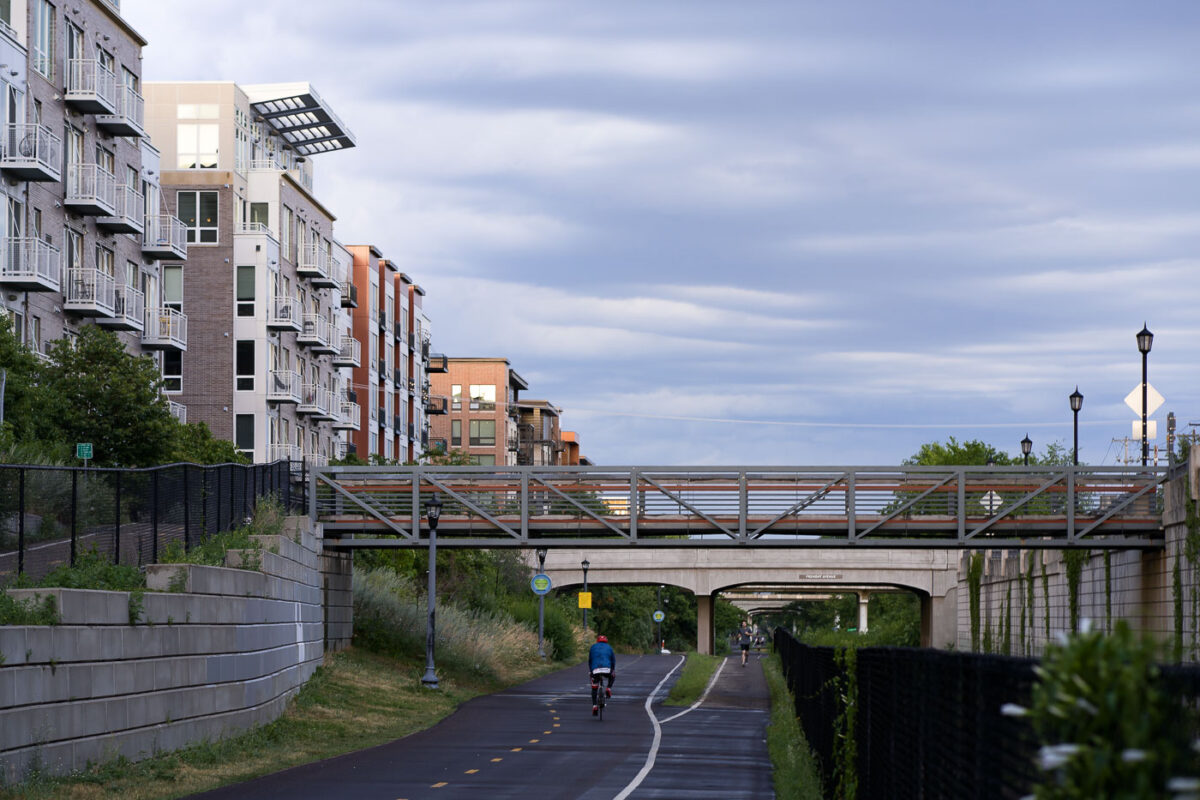
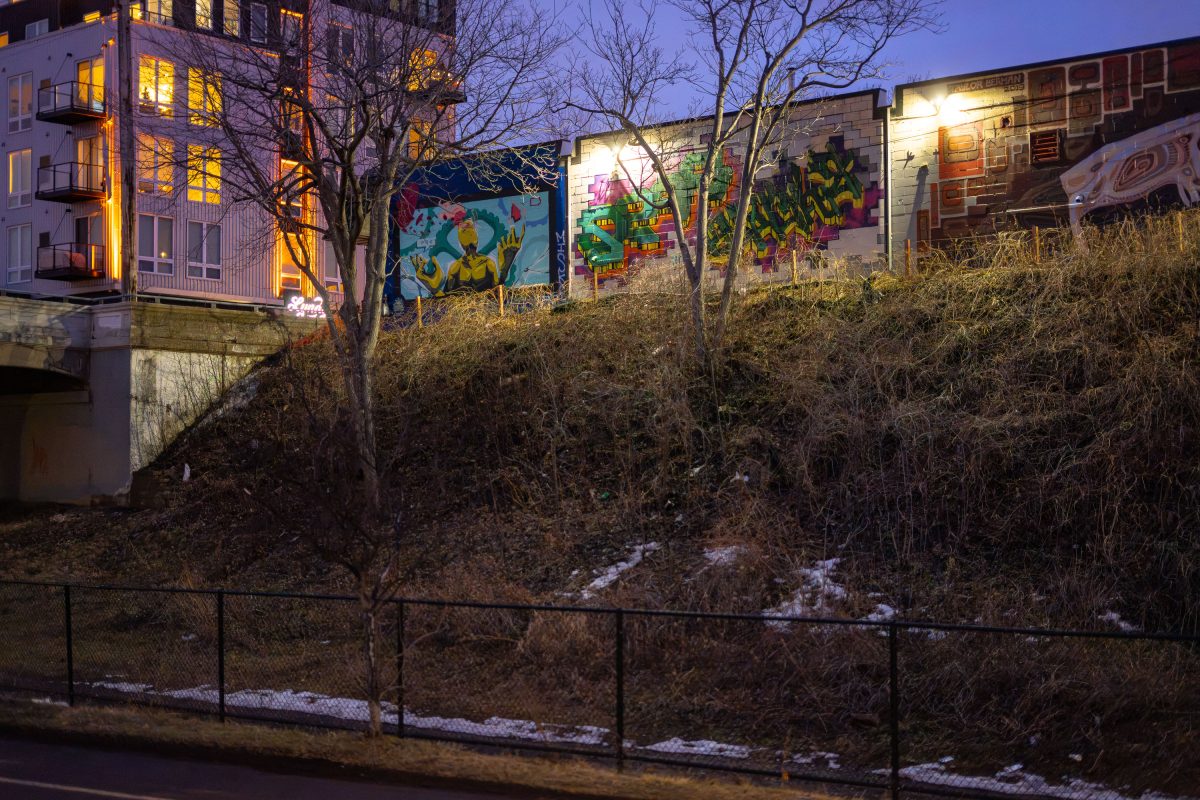
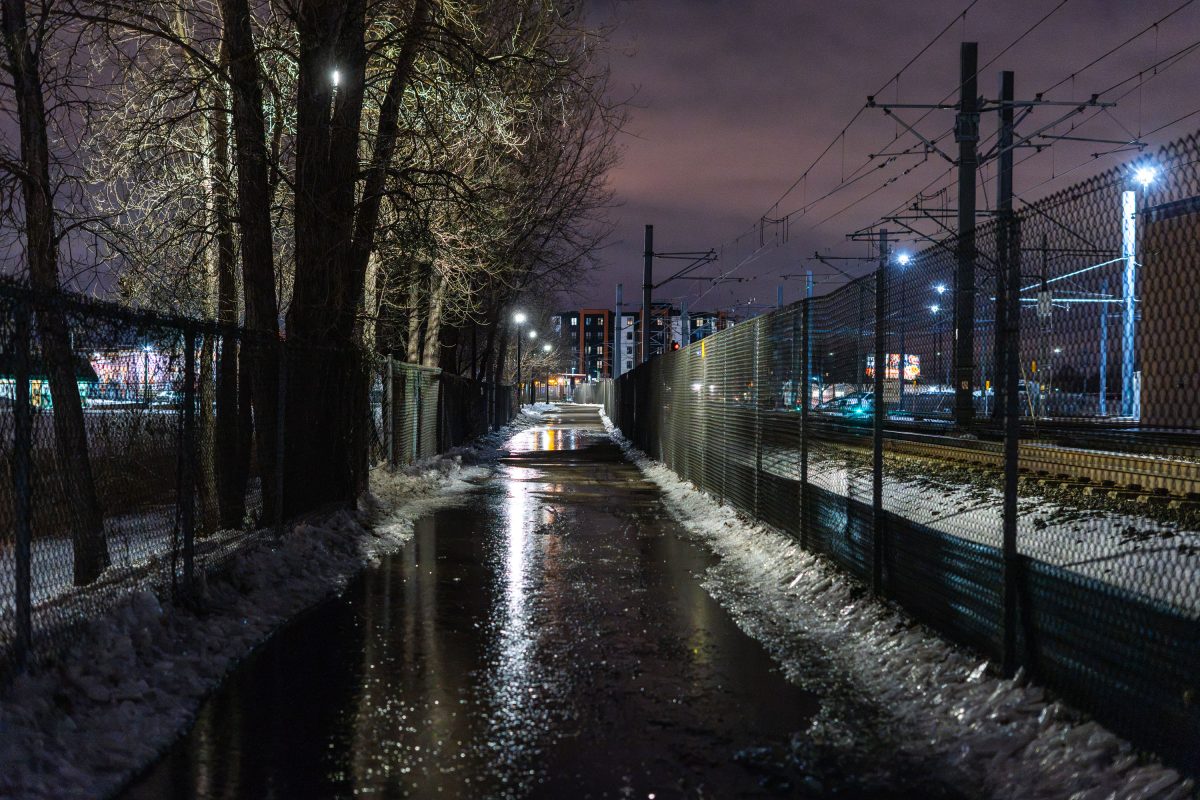
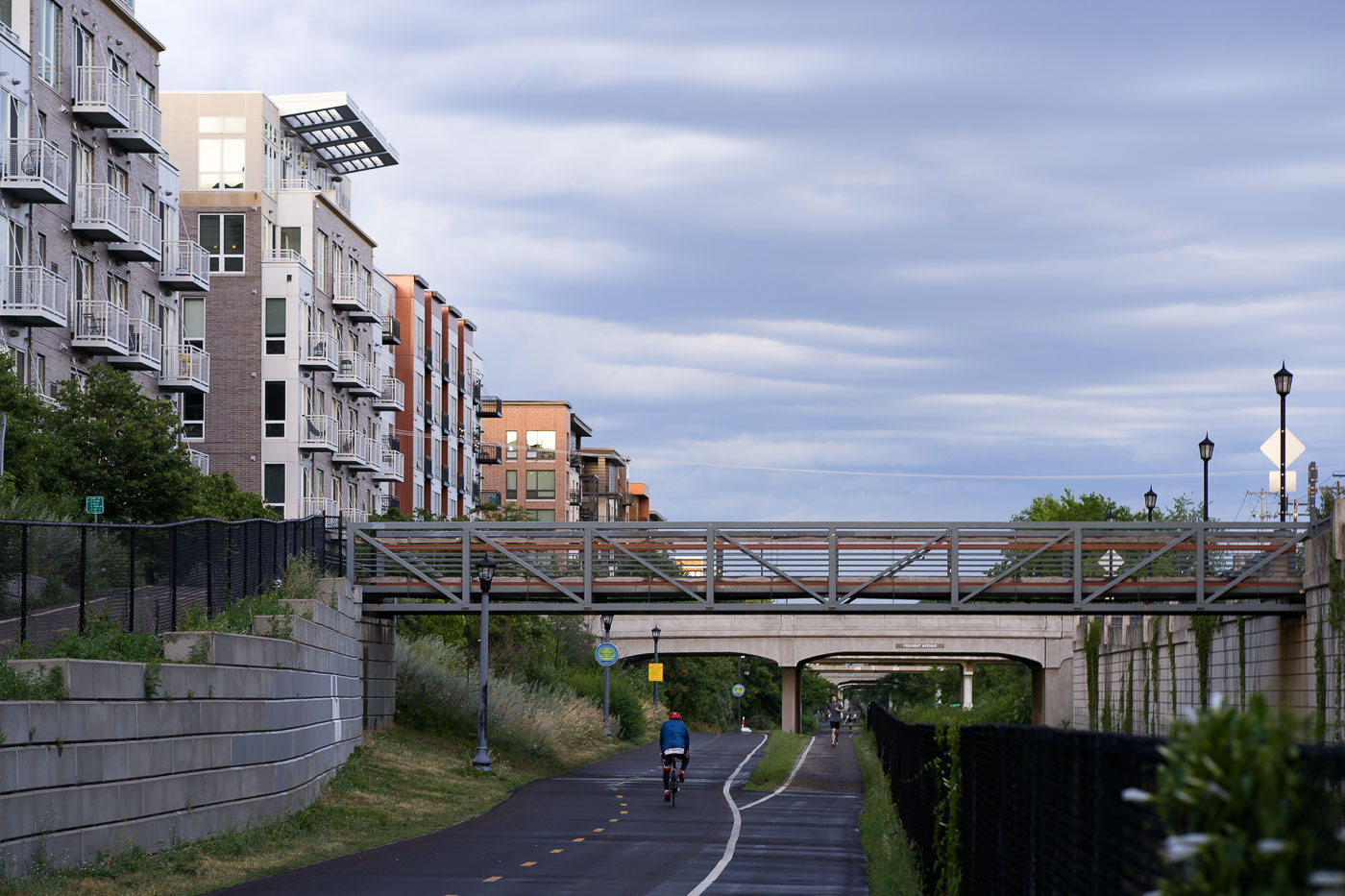
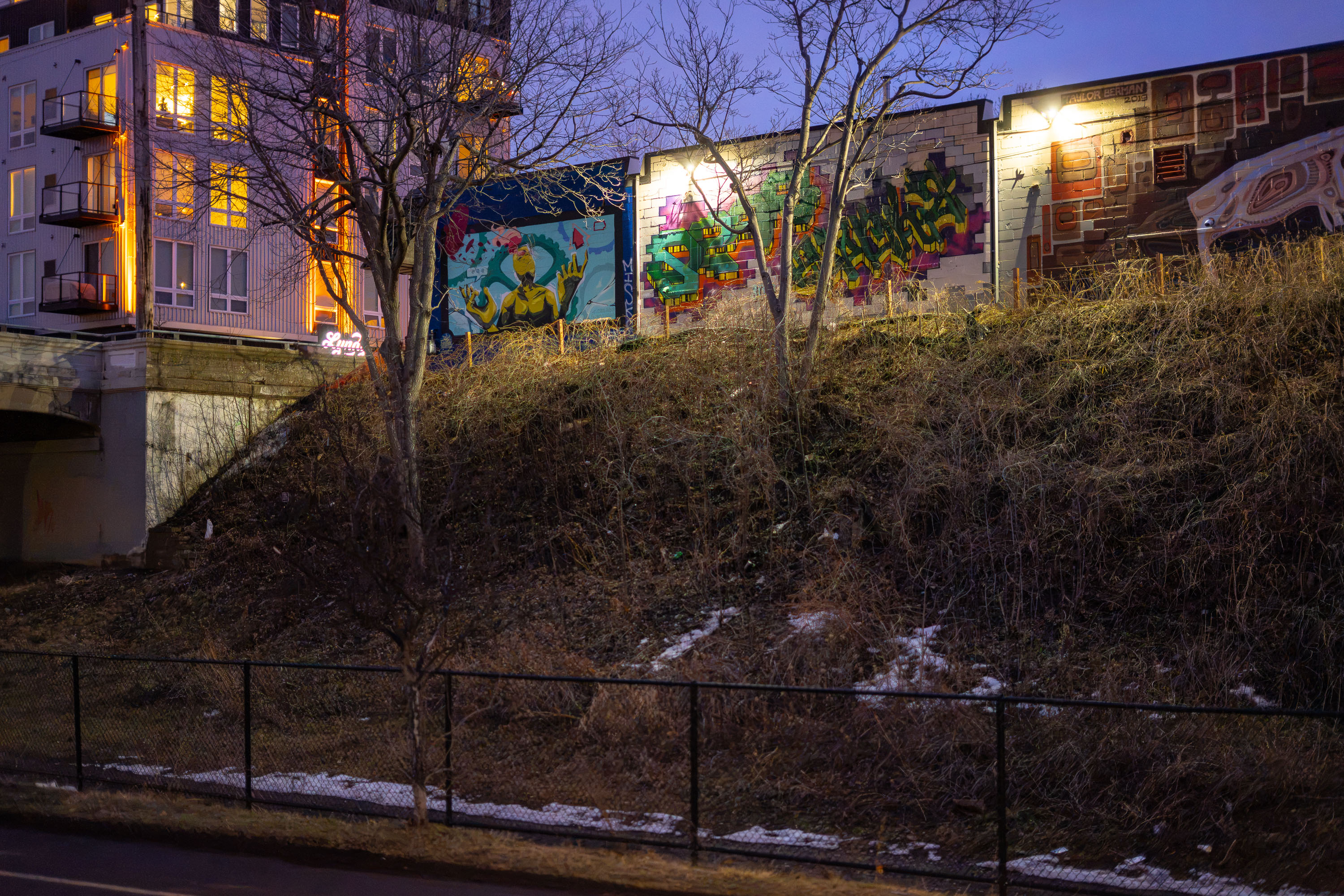
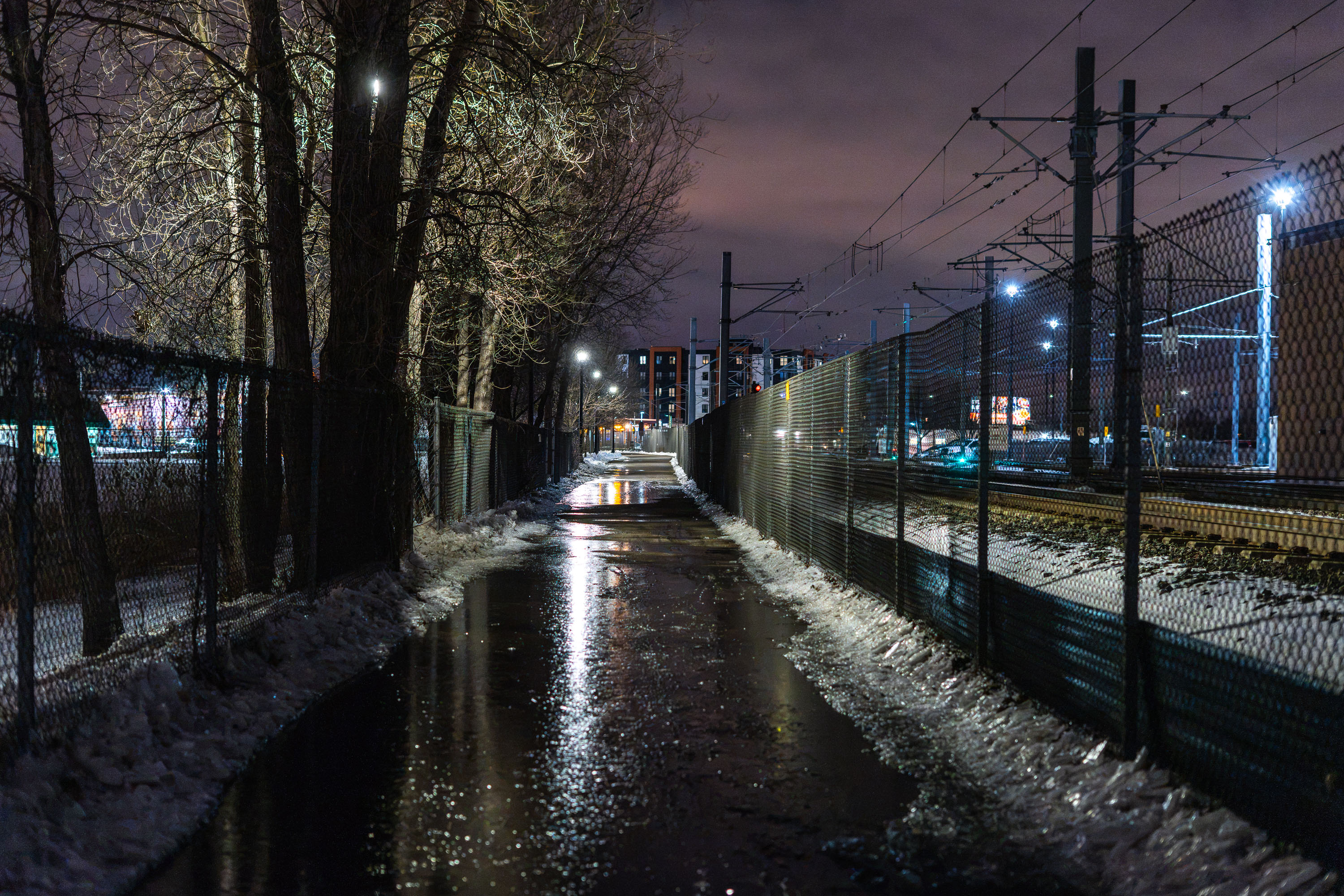
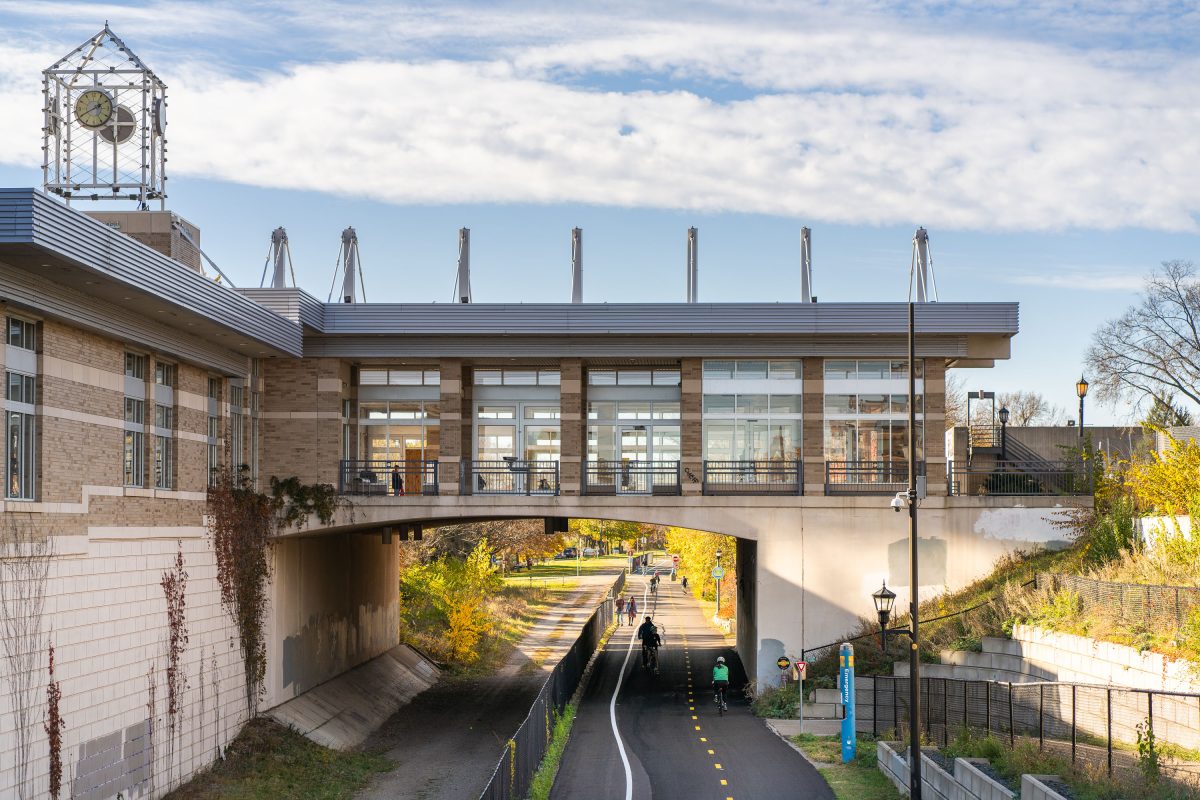
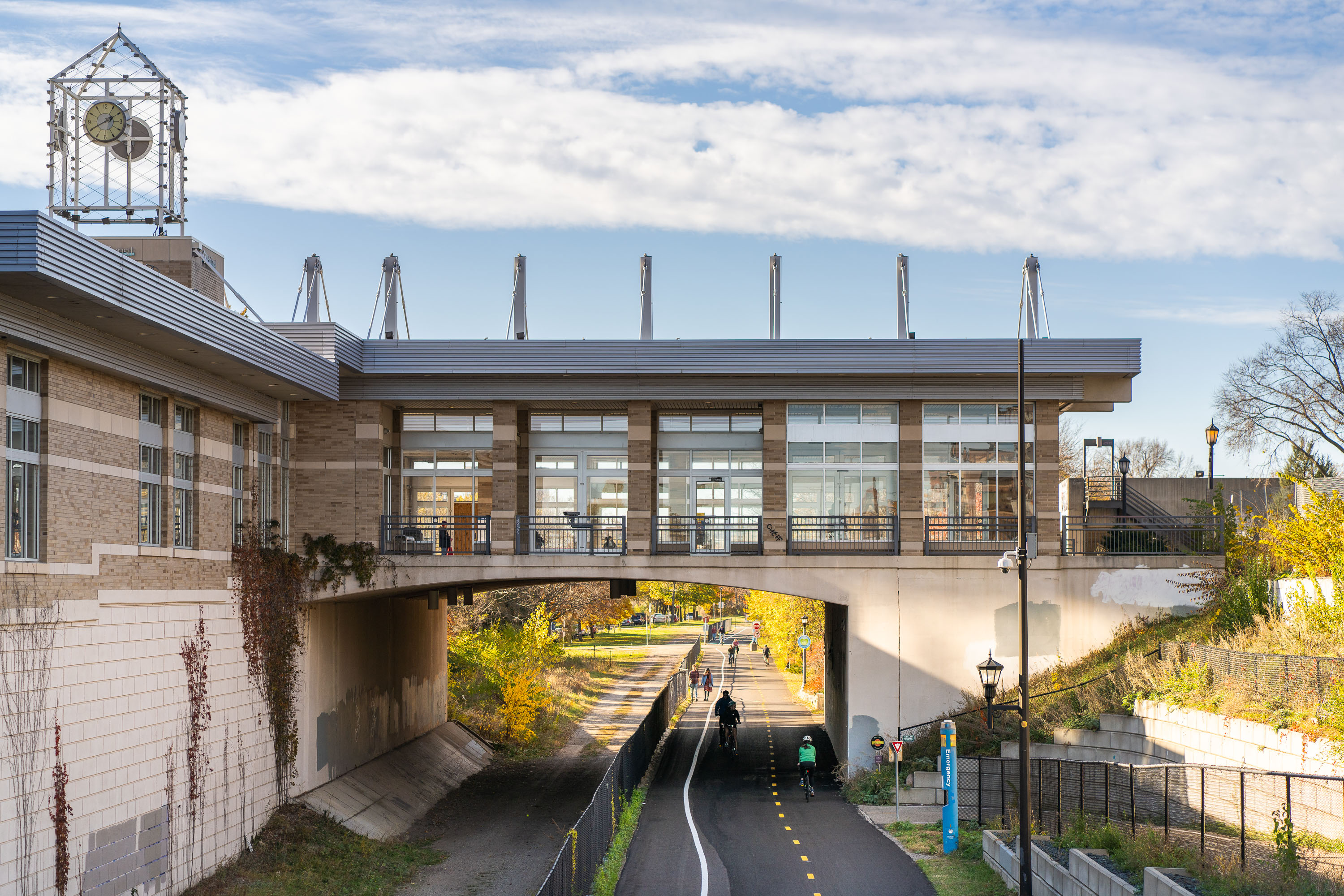
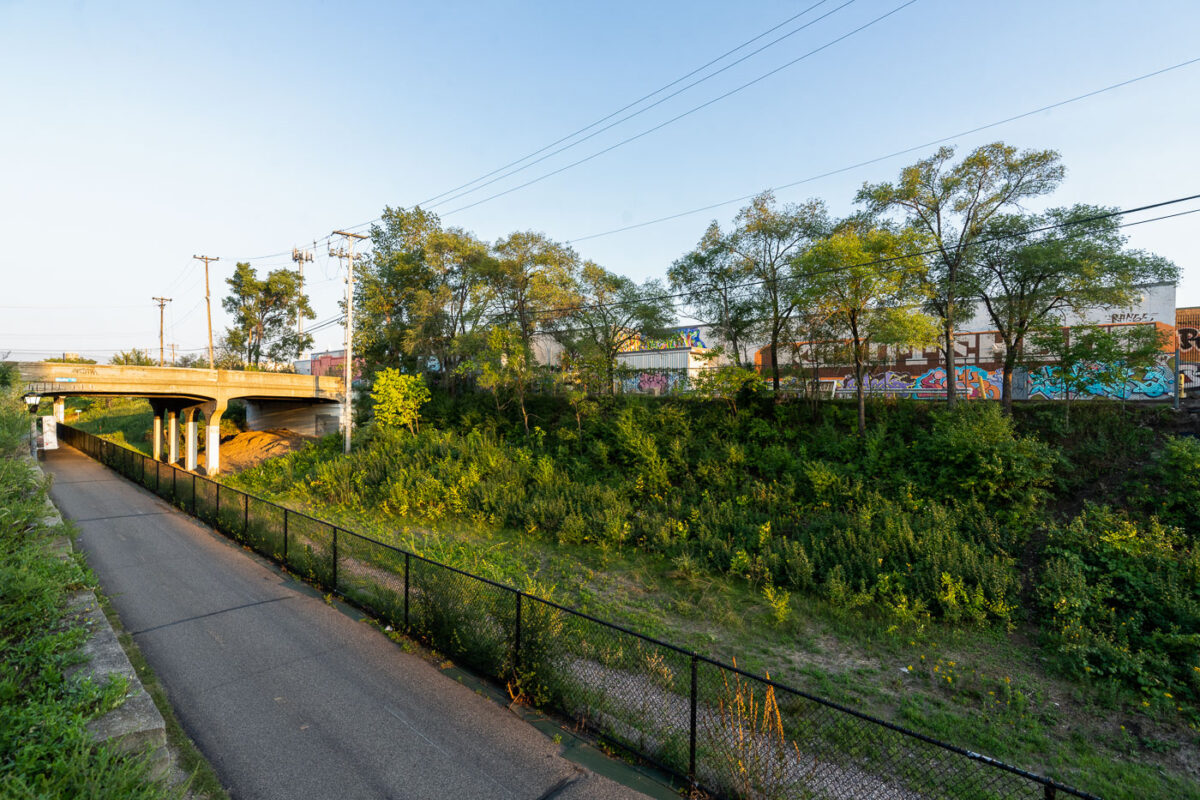
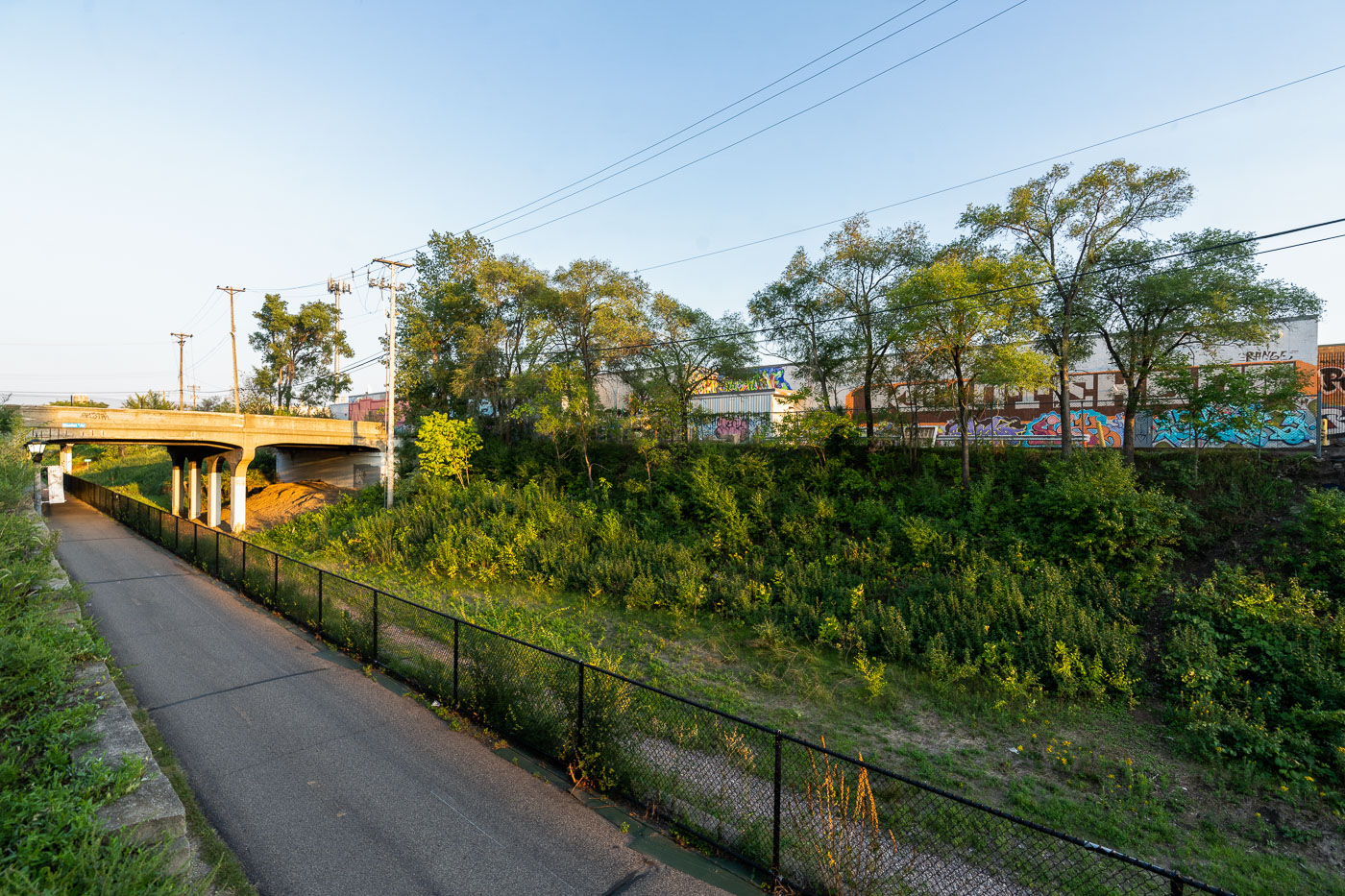
The Midtown Greenway in Minneapolis is a 5.5-mile-long trail developed on a former railroad corridor, providing a vital artery for cyclists and pedestrians through the city. Adjacent apartment buildings, constructed in recent years, demonstrate the integration of modern residential development with the trail's active use. A pedestrian bridge spans the greenway, connecting neighborhoods and enhancing access to this popular urban path.
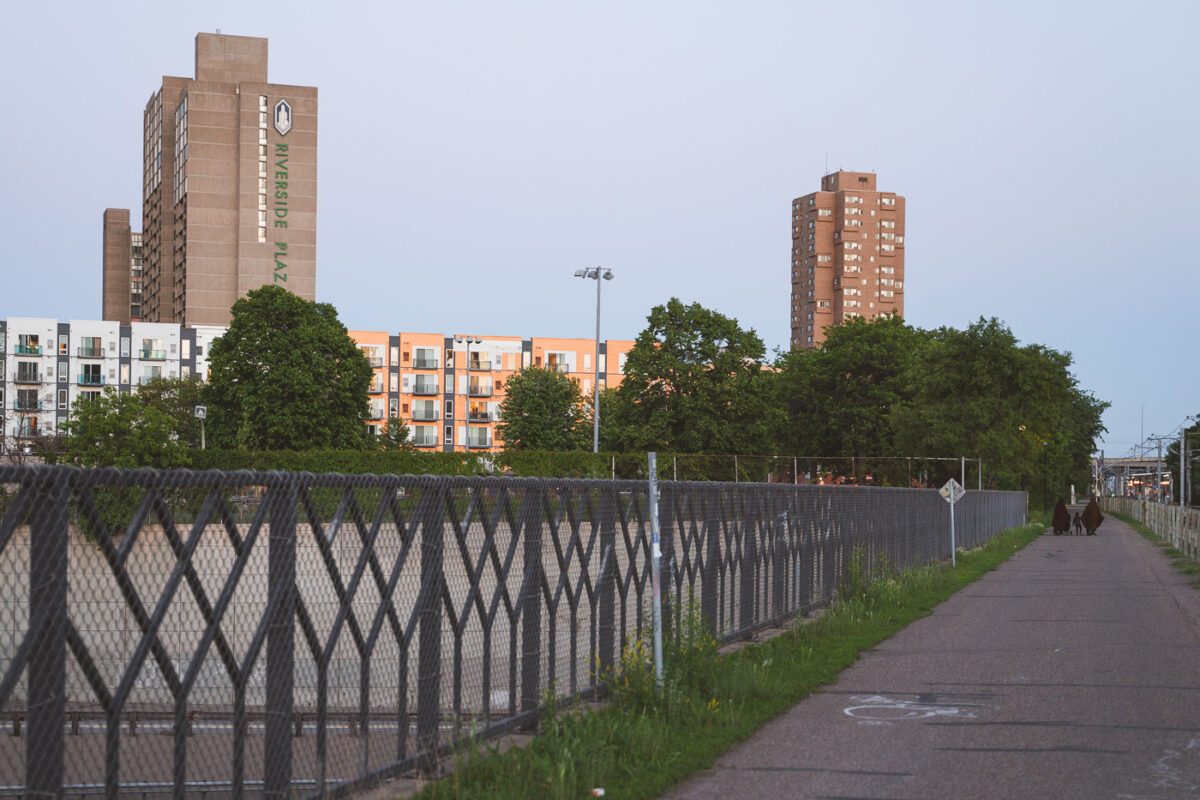
Riverside Plaza in Minneapolis
June 2022
—
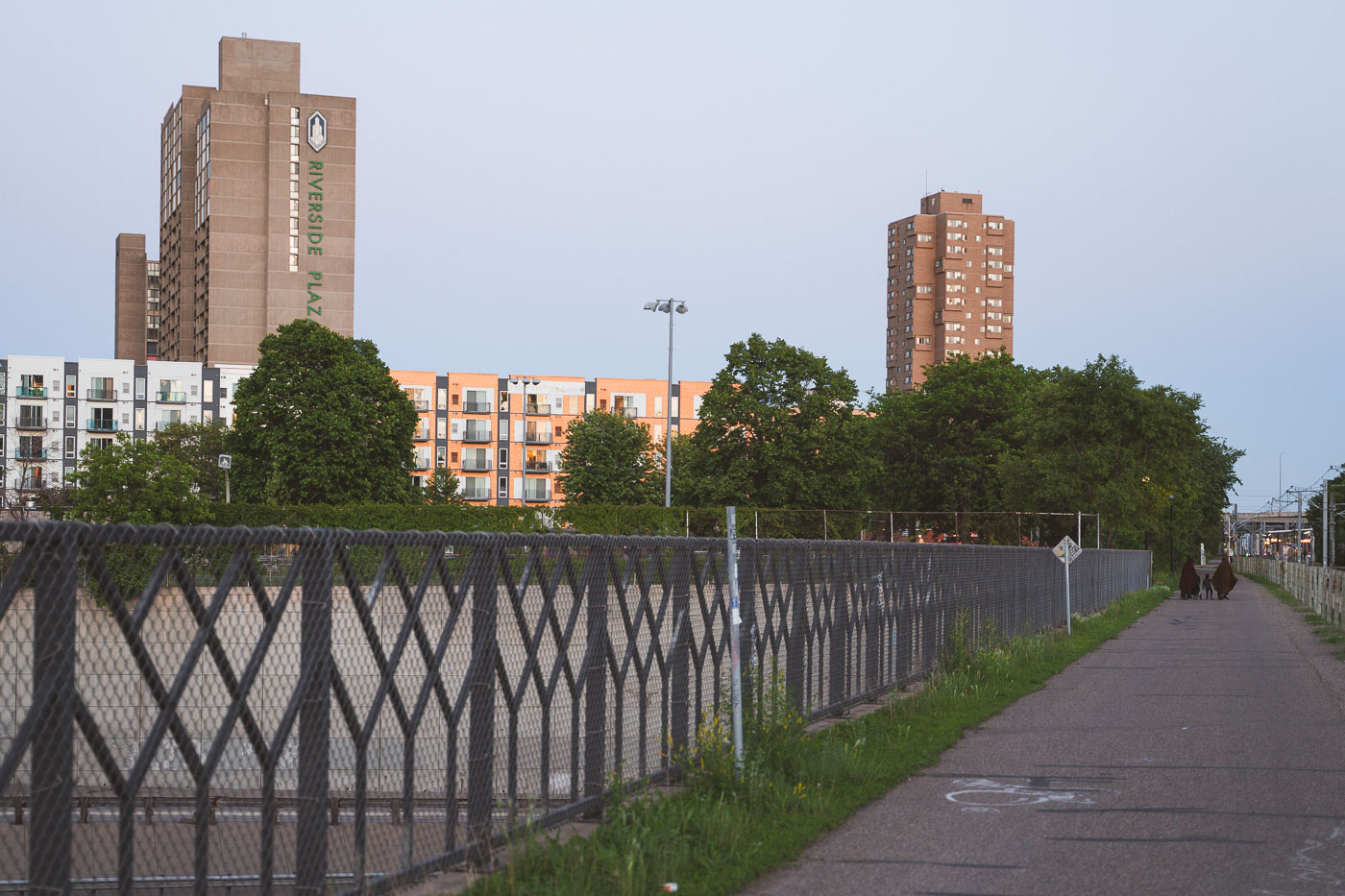
A family walks down a trail near Riverside Plaza in Minneapolis.
Midtown Greenway, Minneapolis: Overpass and Graffiti
September 2021
—
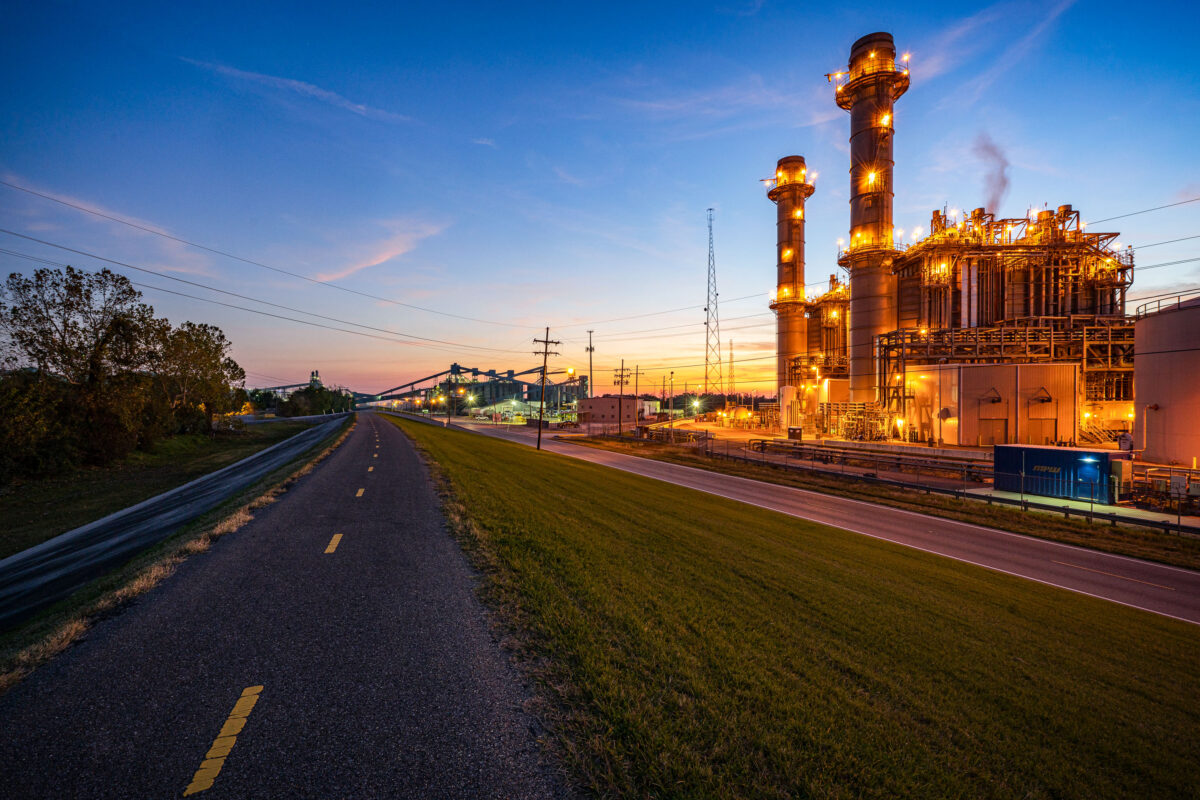
Entergy Ninemile 6 Power Plant at Dusk, Westwego, Louisiana
December 2019
—
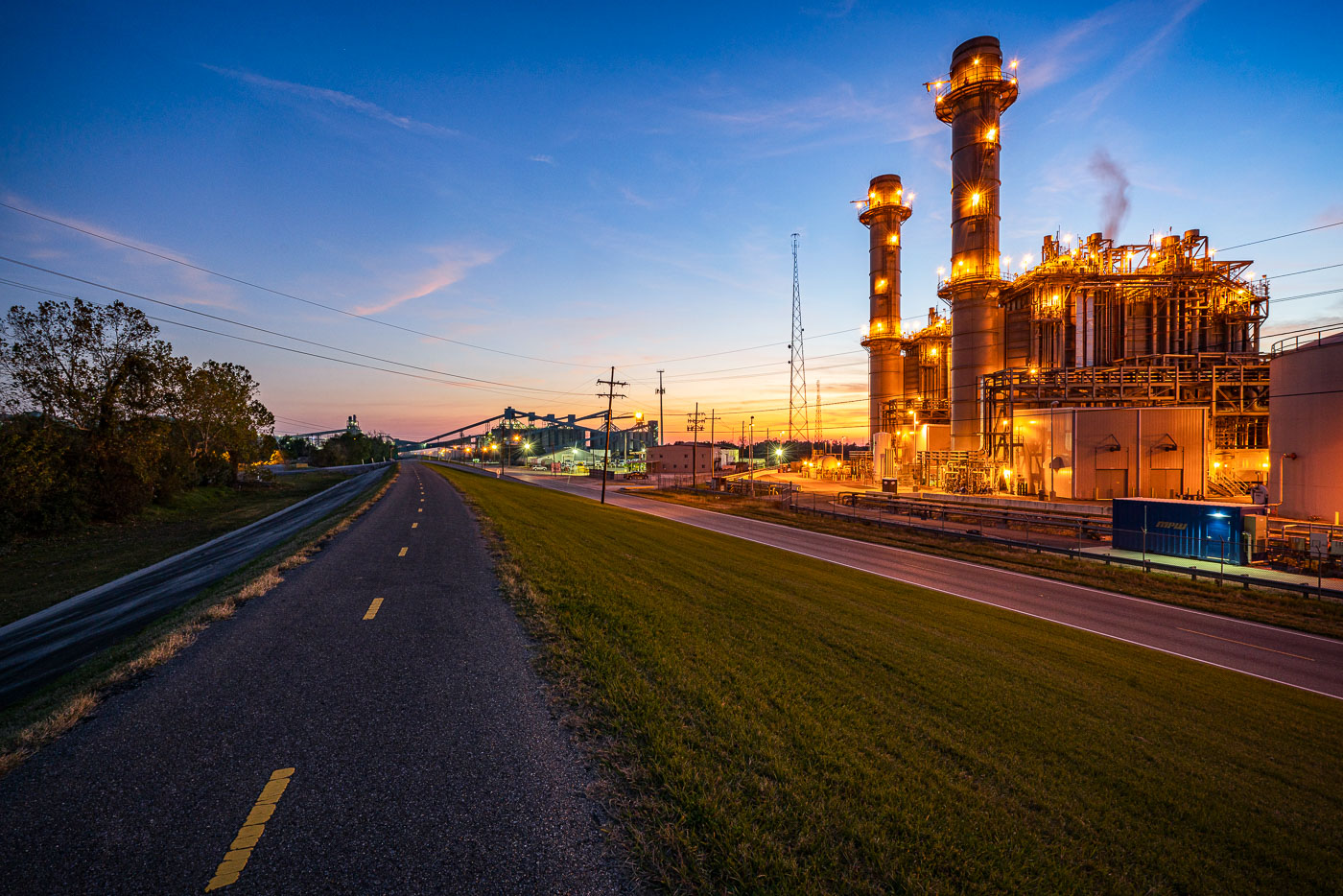
Entergy Corpās natural gas-fired unit at the Ninemile power plant in Westwego. The 560-megawatt unit (known as Ninemile 6) went online in December of 2014 after a construction cost of $655 million.
Horseback riders on Black Elk Peak trail, South Dakota
July 2019
—
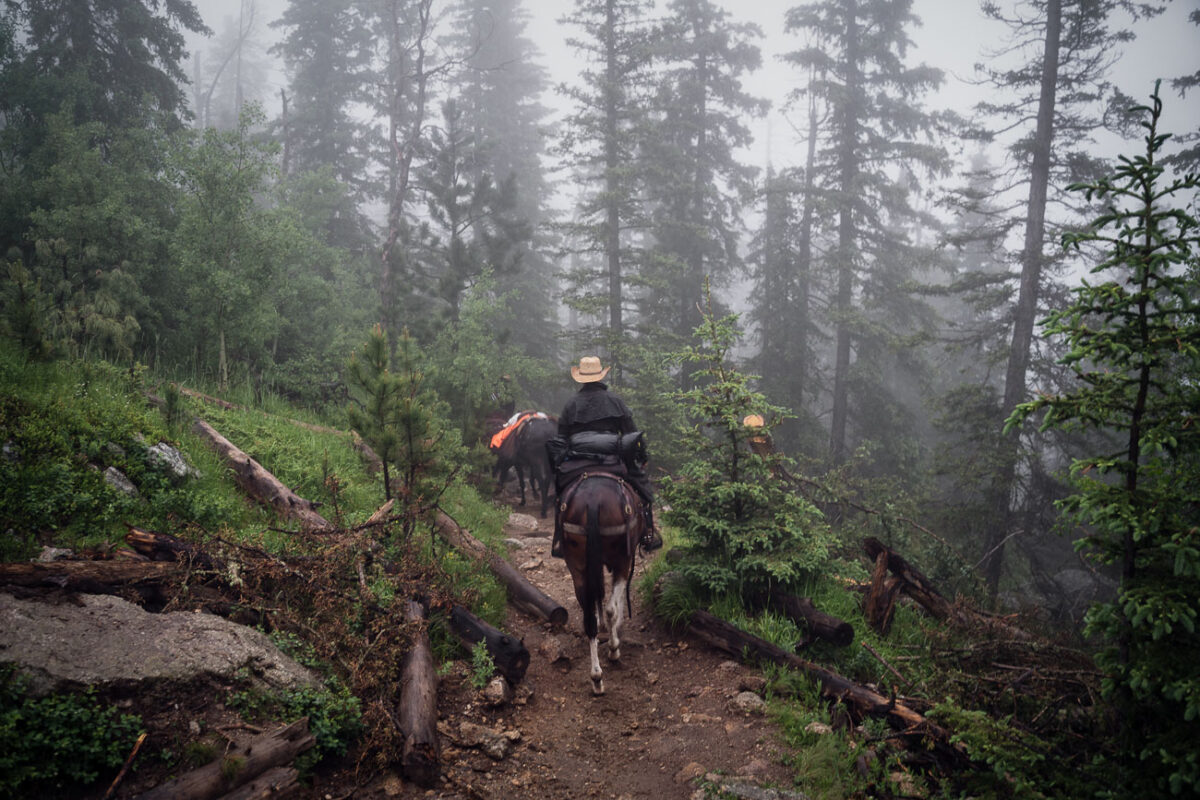
Horseback riders navigate a mist-covered trail near the summit of Black Elk Peak in South Dakota’s Black Hills. The fog clings to the ponderosa pines, softening the rugged landscape that rises above Custer State Park. This peak—renamed in 2016 to honor Lakota spiritual leader Black Elk—has long served as both a place of pilgrimage and a vantage point over the vast granite formations and pine forests of the region.
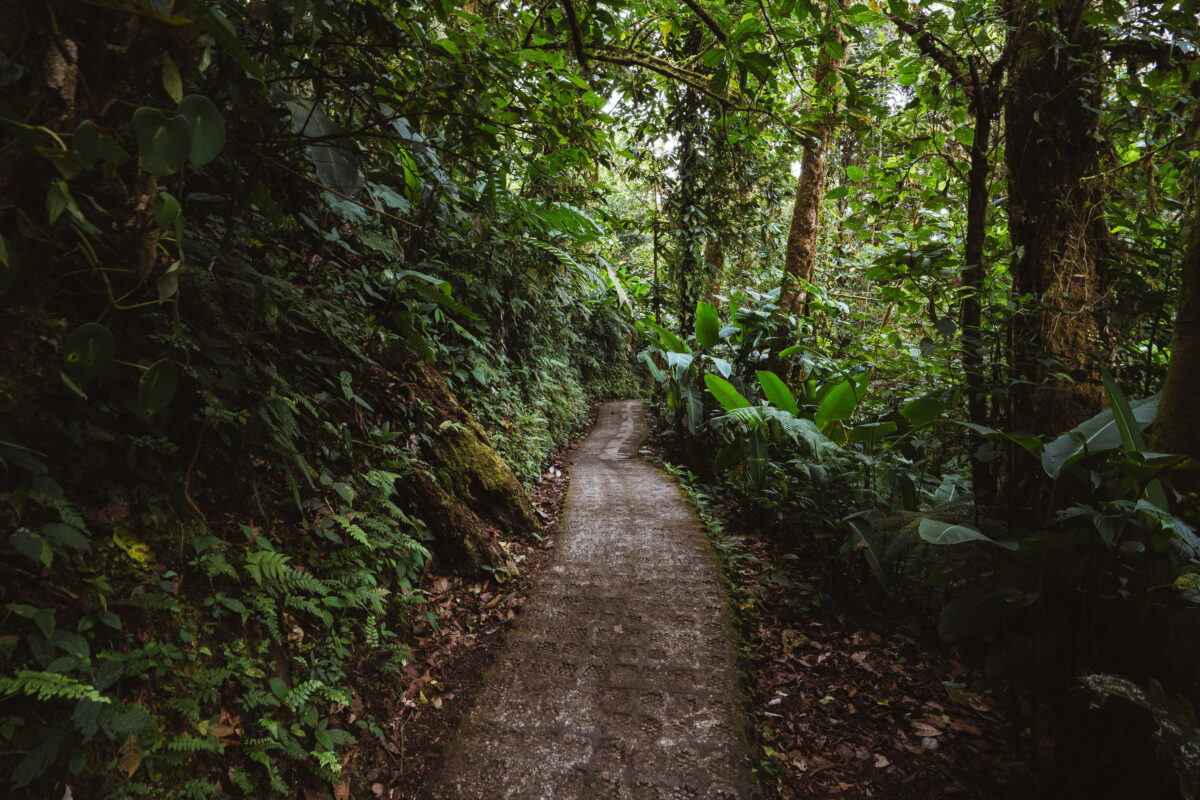
Monteverde Cloud Forest Trail, Costa Rica
February 2019
—
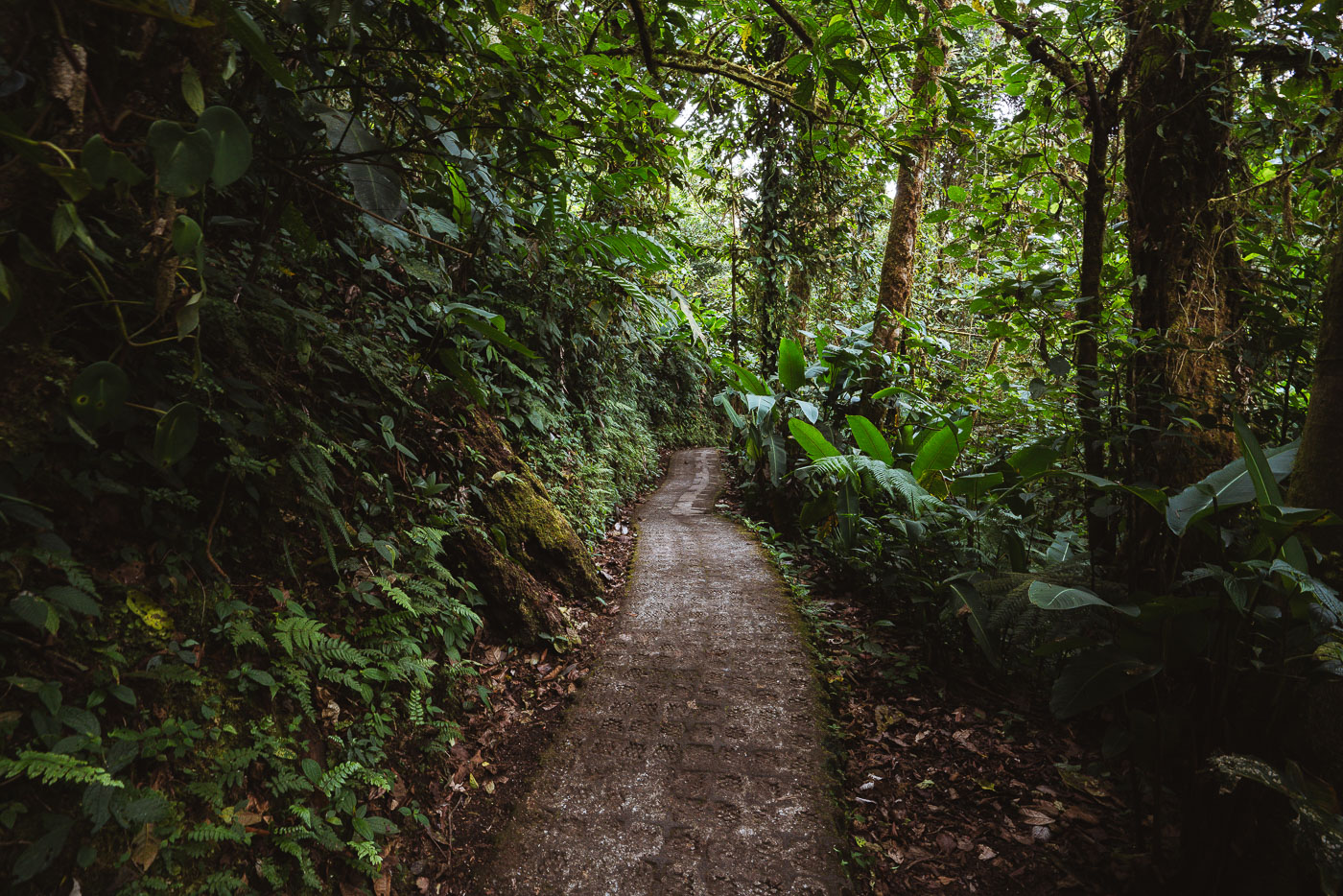
Hiking in a Monteverdes Cloud Forest, Costa Rica.
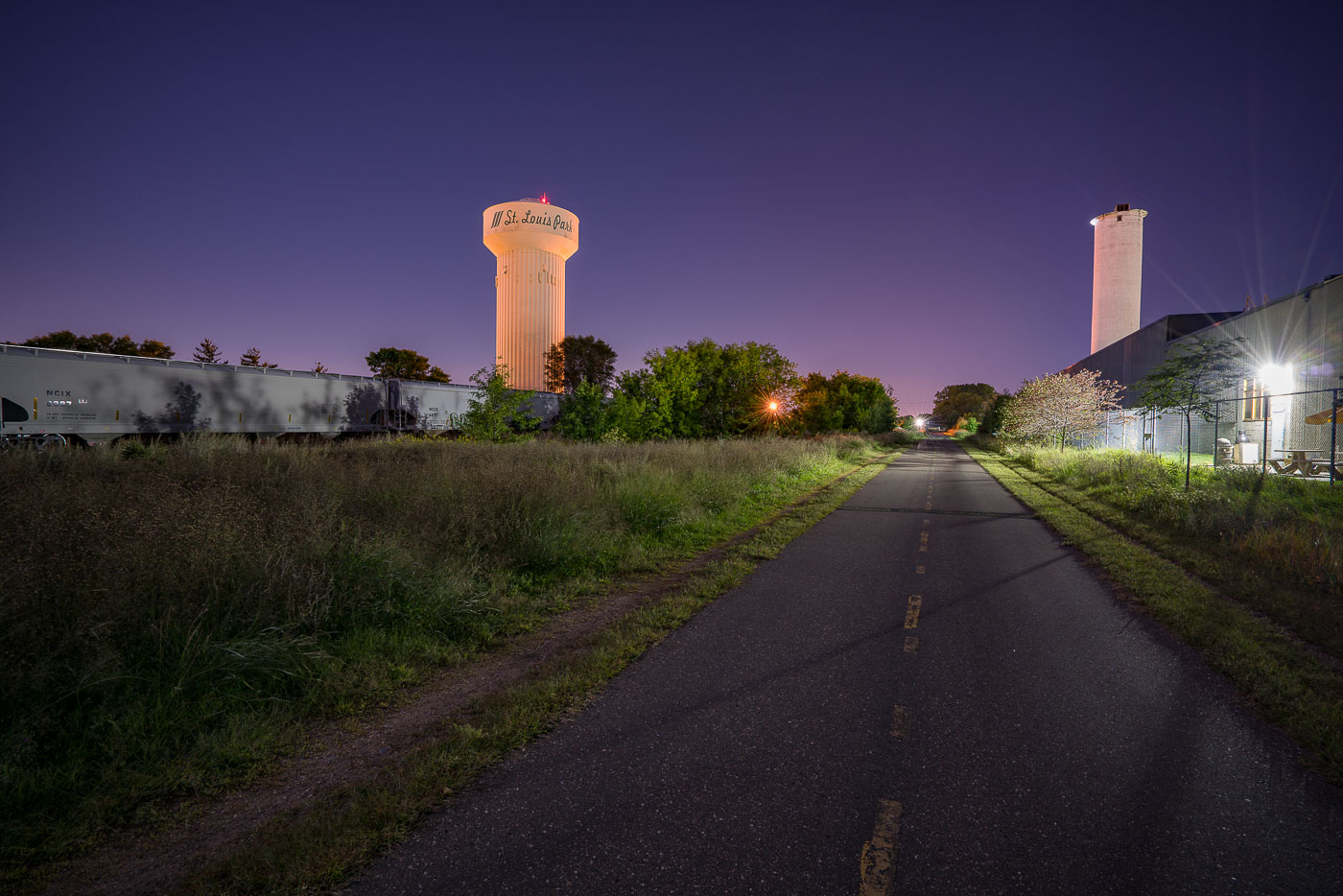
Cedar Lake Trail, St. Louis Park: Water Tower and Grain Elevators
September 2017
—
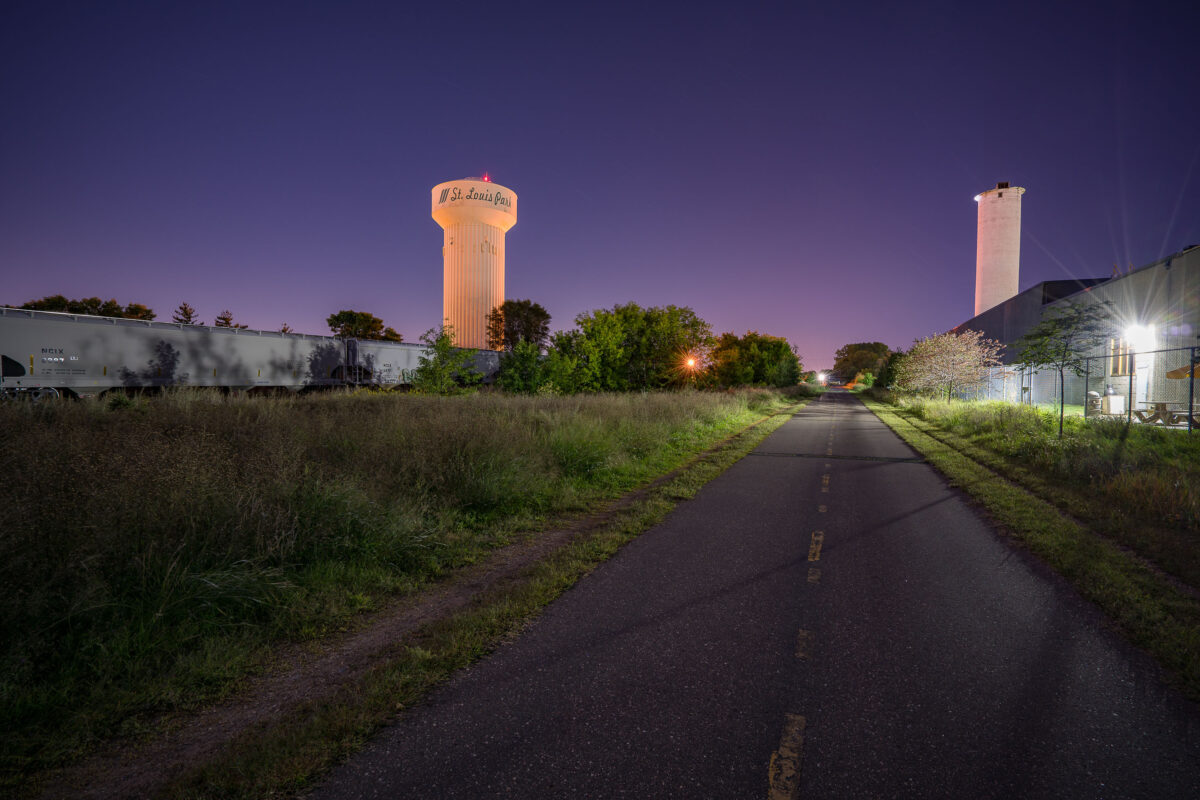
The Cedar Lake Trail passes through the industrial district of St. Louis Park, Minnesota, illuminated here by the community’s water tower and nearby grain elevators. This segment of the trail follows a former railroad right-of-way once used by the Minneapolis & St. Louis Railway, which connected local industries to the region’s freight network. The corridor’s transformation into one of the country’s first bicycle “freeways” in the 1990s marked a major milestone in urban redevelopment and sustainable transportation planning.
Once lined with lumberyards, steel fabricators, and mills, the area surrounding the trail reflects the industrial origins of St. Louis Park—a community that grew rapidly in the early 20th century due to its proximity to both Minneapolis and key rail junctions. The trail today bridges that history, offering cyclists and commuters a route through a landscape where freight trains, utility towers, and legacy industry remain active reminders of the city’s manufacturing past.