Post-fire wildlife amid the 2021 Greenwood Fire burn in Superior National Forest near Isabella, MN
September 24, 2021 - September 27, 2021 — Isabella, MN
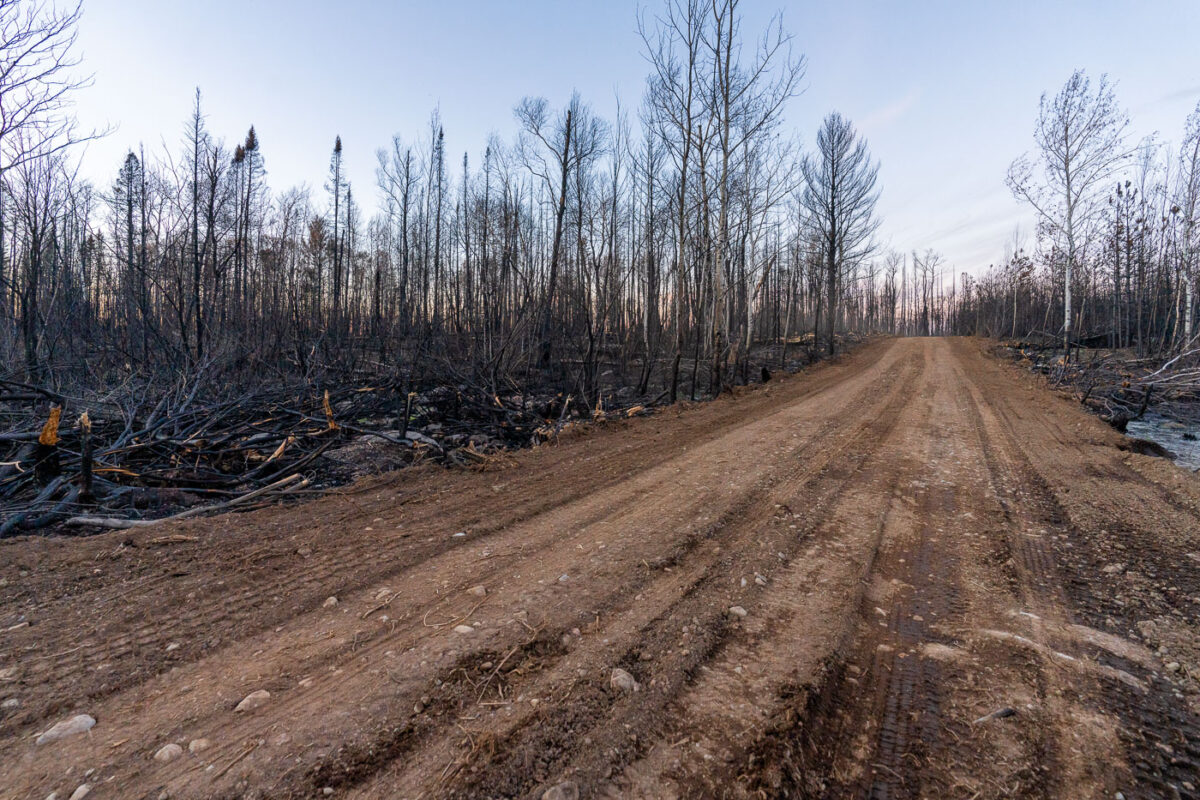
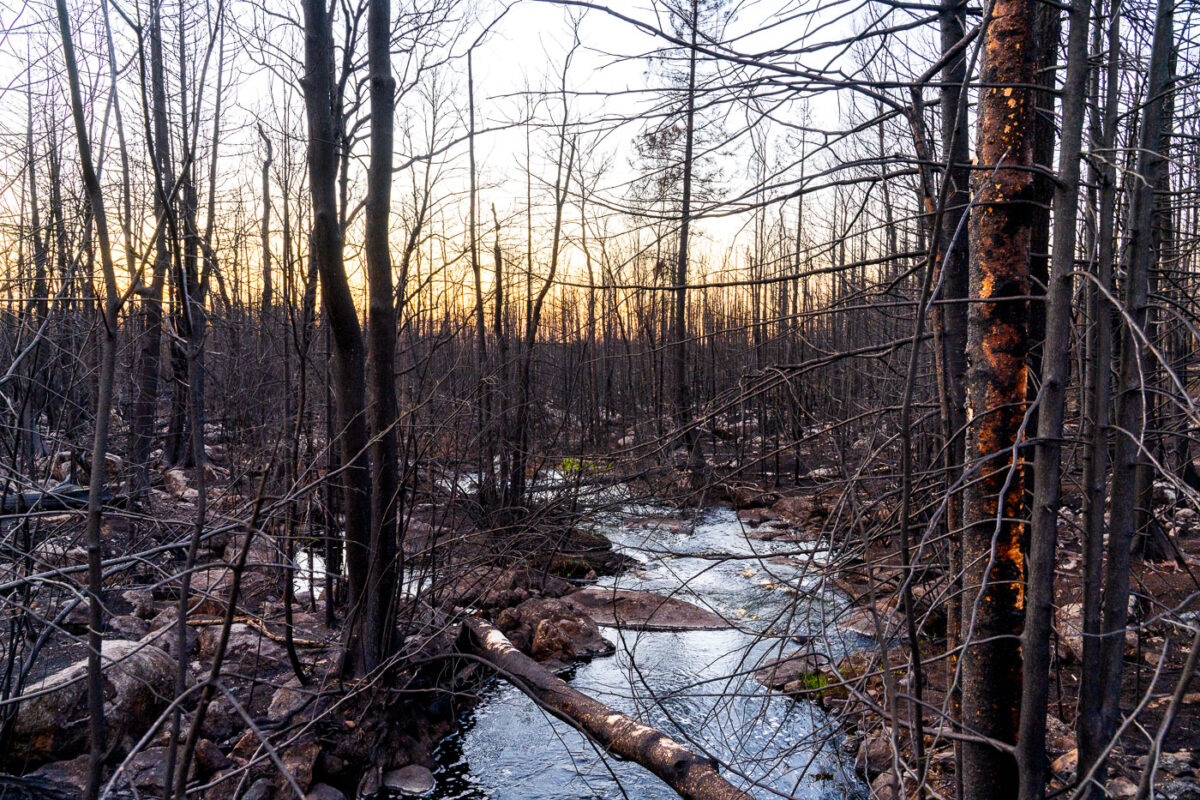
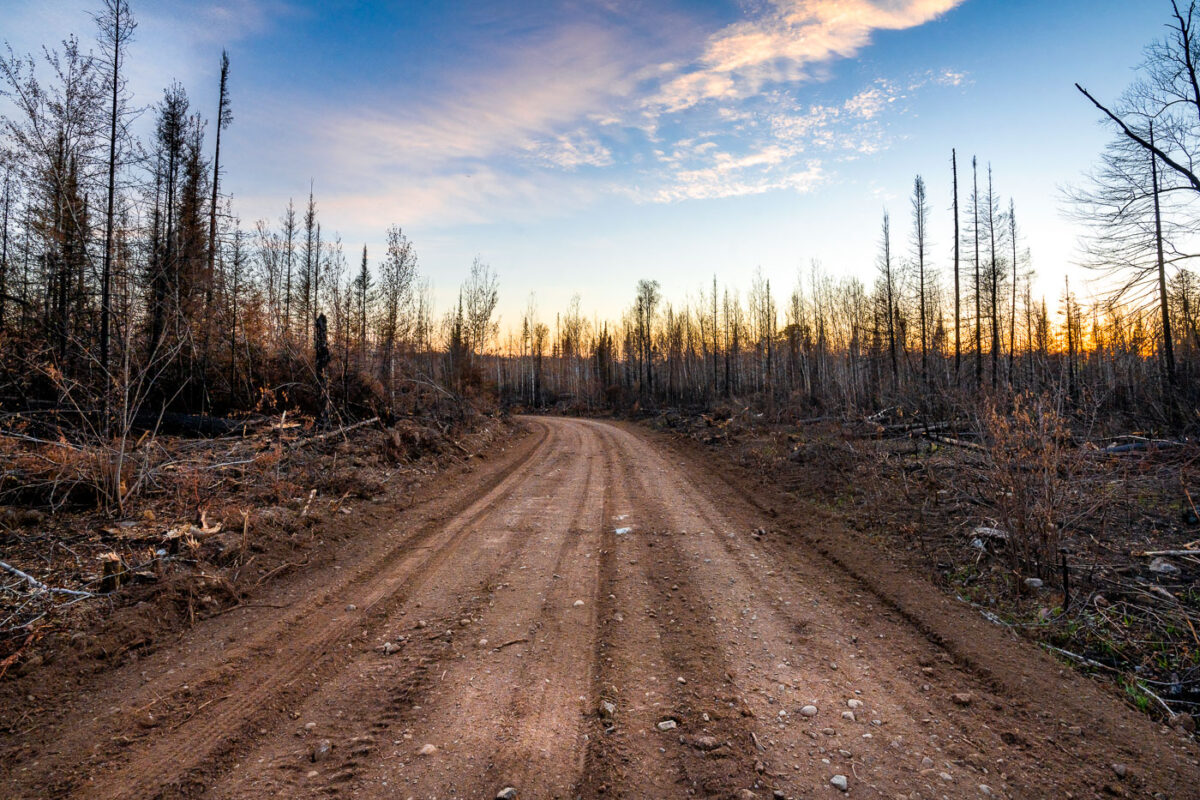
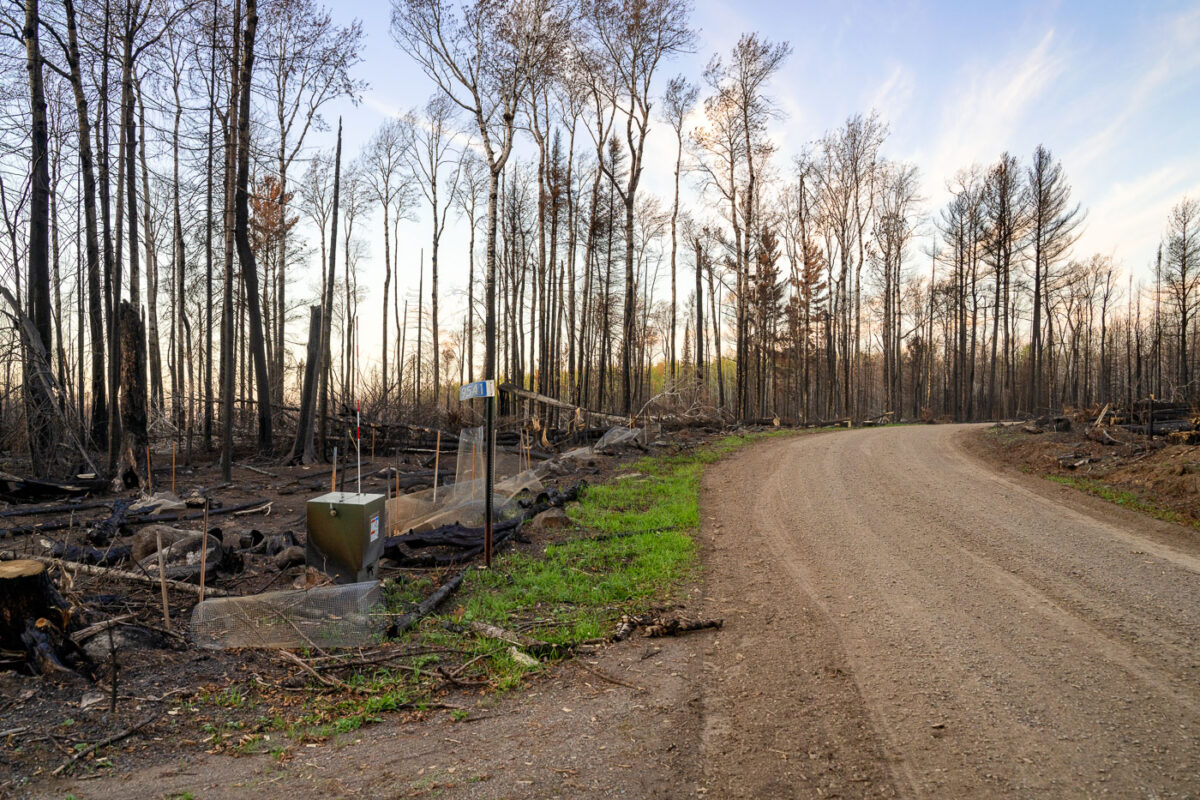
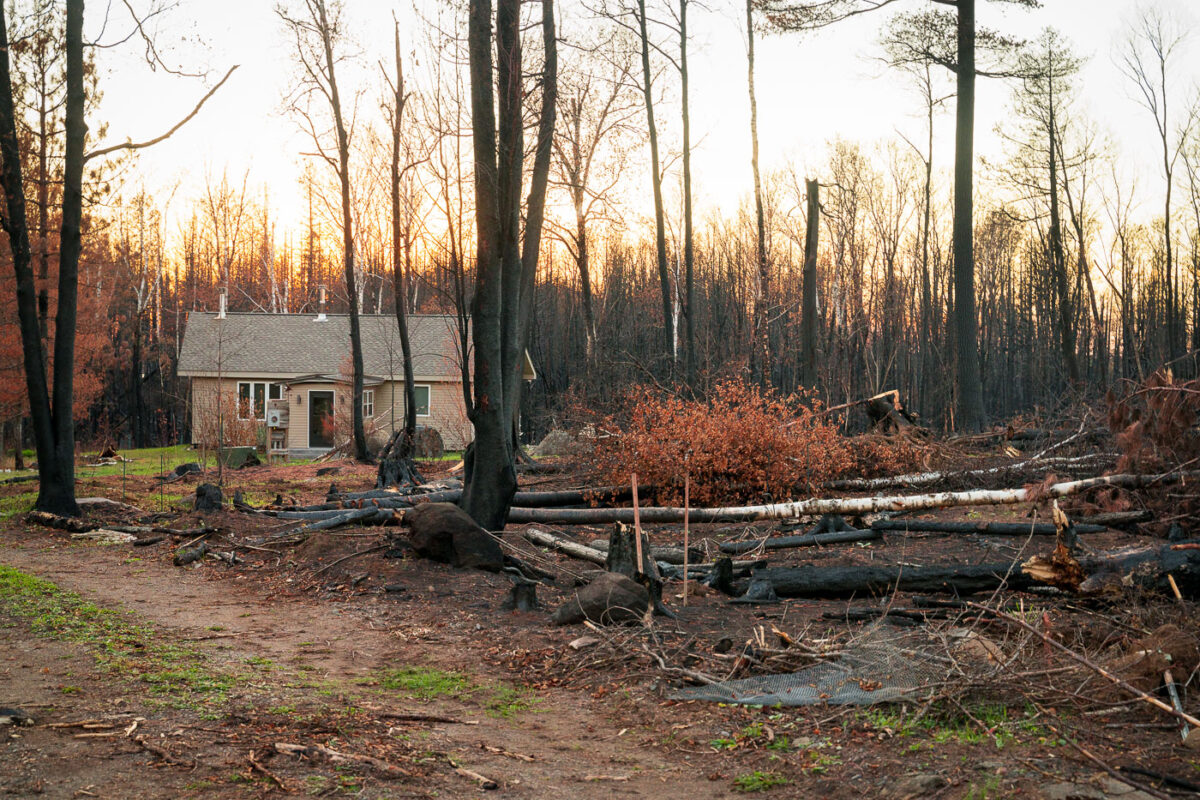
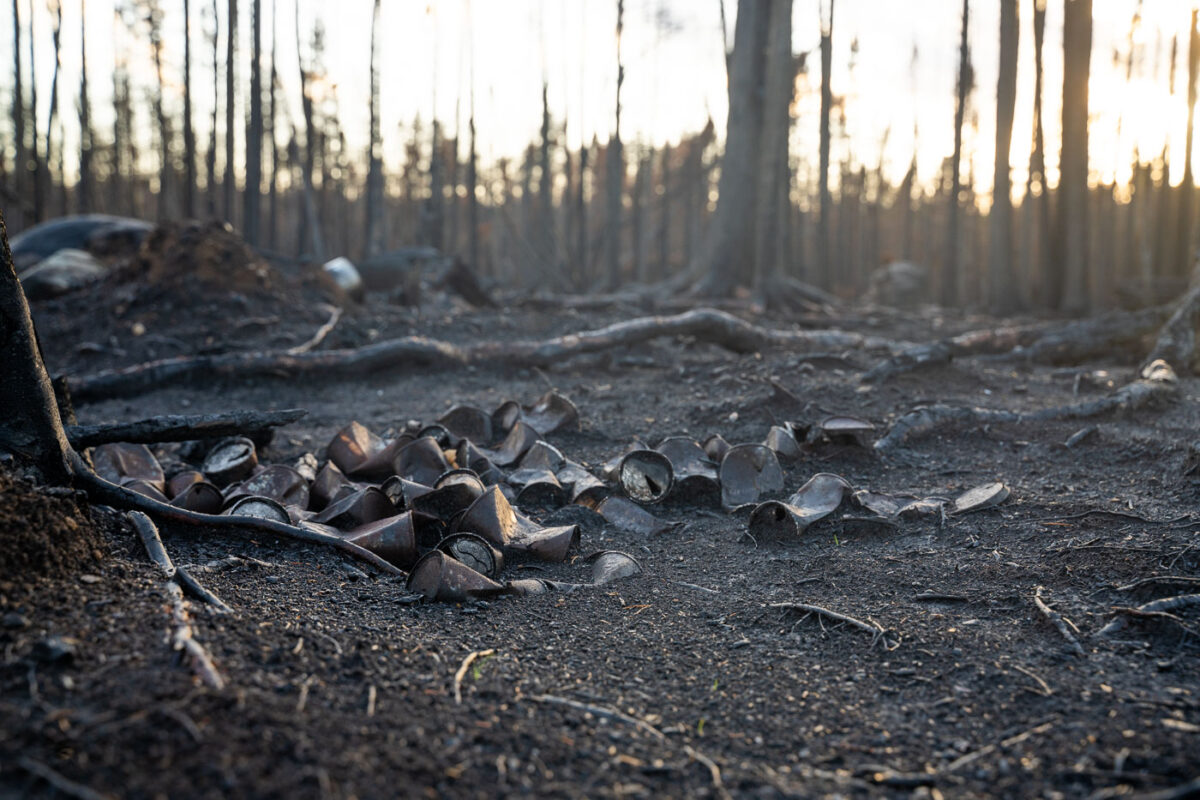
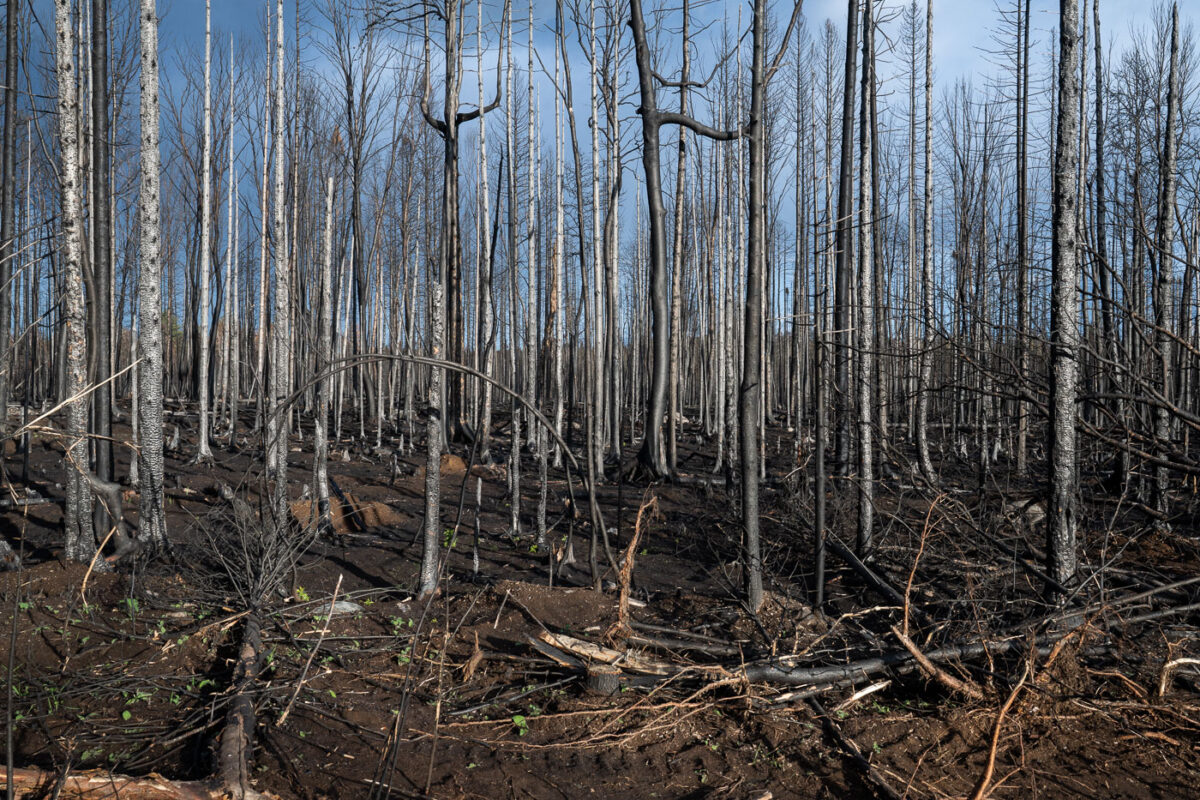
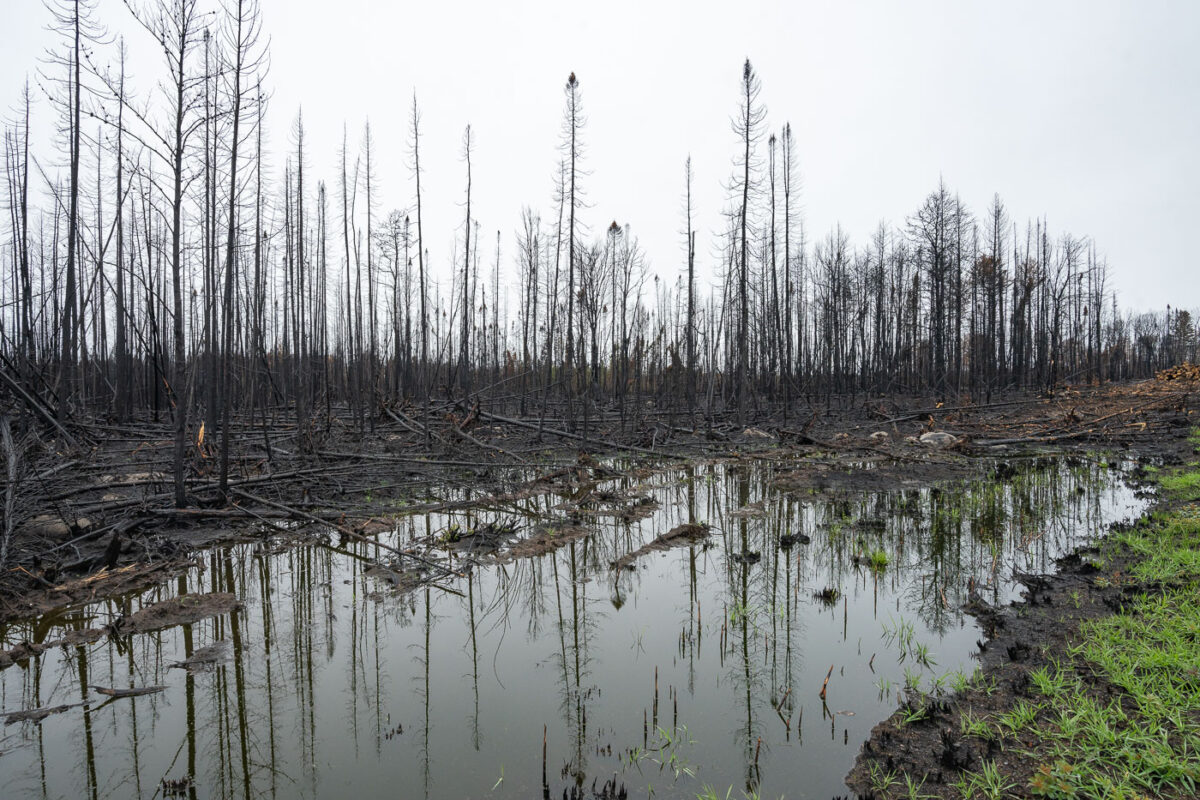
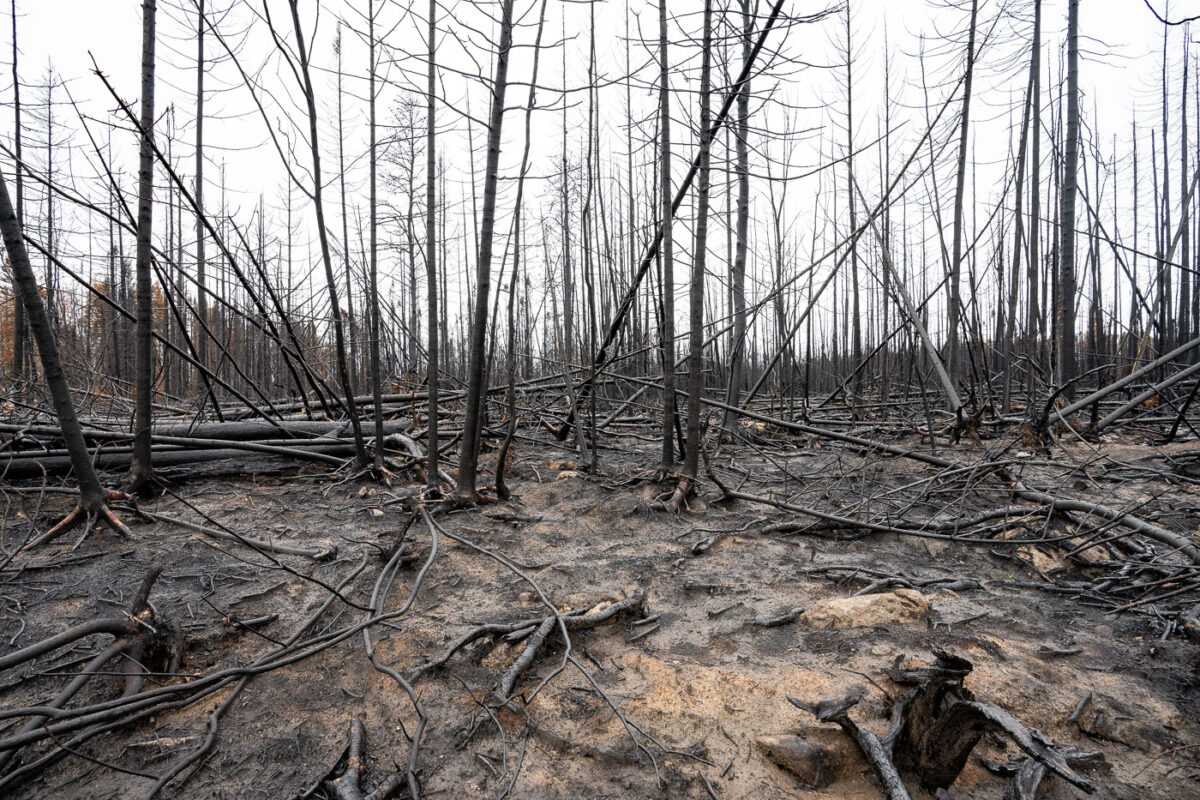
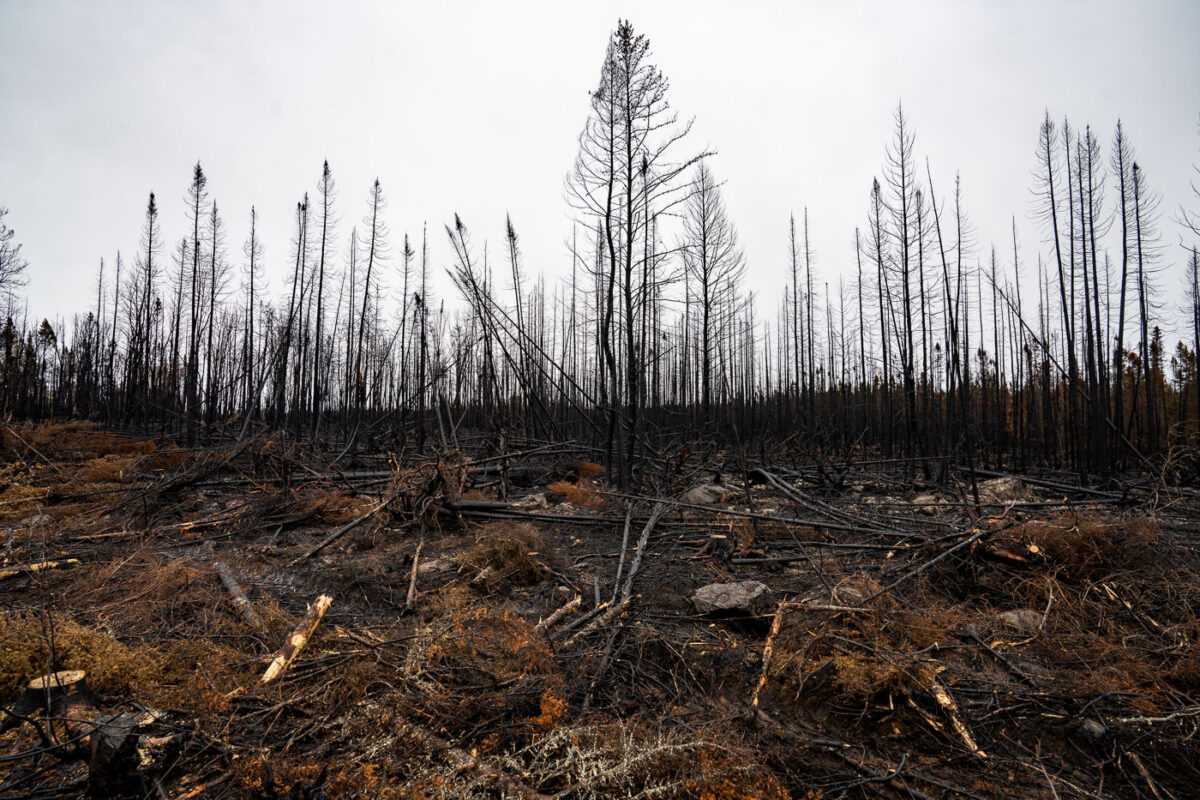
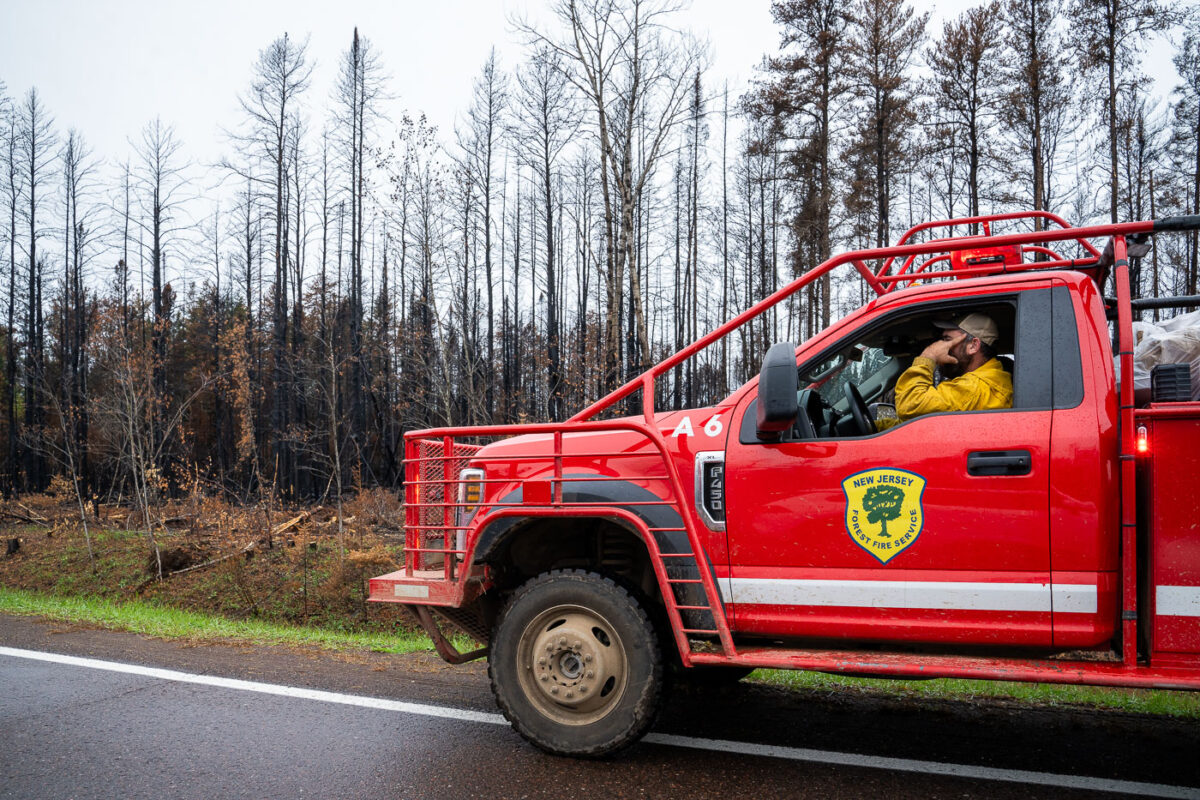
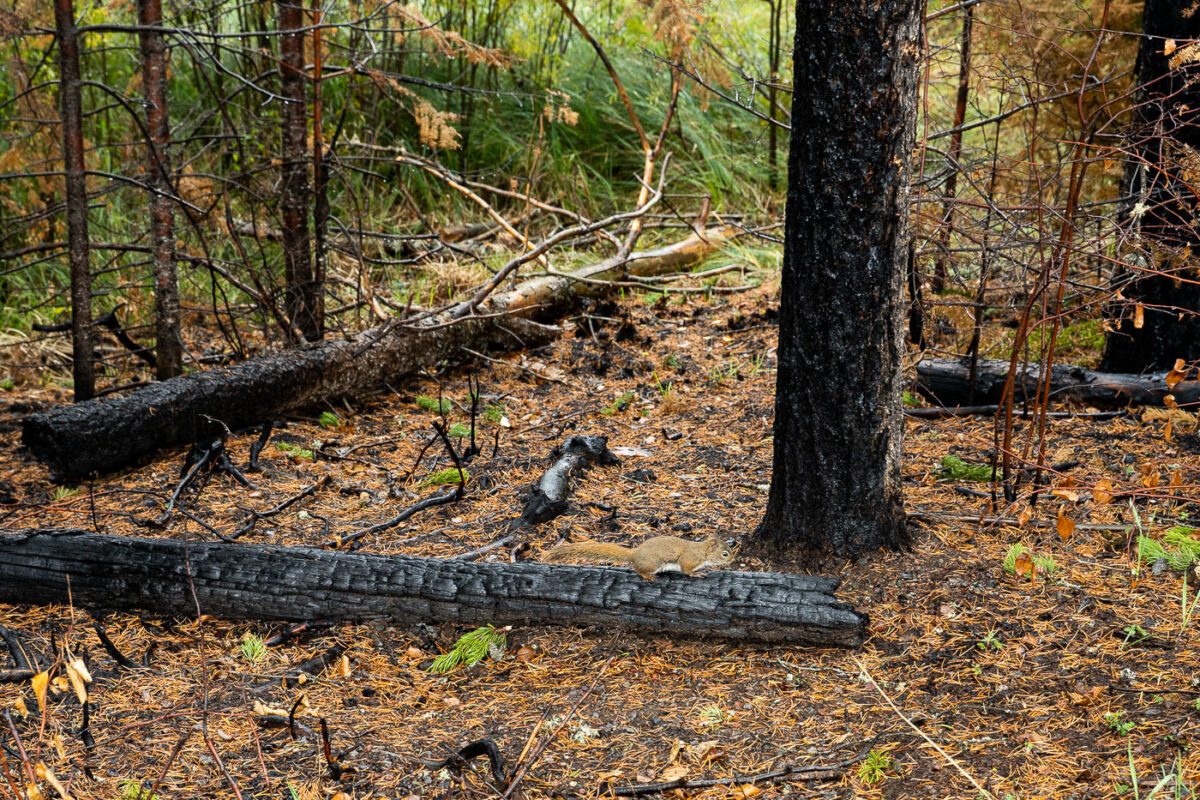
September 27, 2021 — A road traverses the charred landscape within the Greenwood Fire closure zone in Minnesota's Superior National Forest. This area was severely impacted by the Greenwood Fire, which burned 27,000 acres after a lightning strike ignited the extremely dry forest. Hundreds of US Forest Service crew members were deployed to combat the wildfire, with ongoing efforts continuing in the aftermath. The fire significantly affected this northern Minnesota wilderness, including portions of the Boundary Waters Canoe Area Wilderness near Isabella.September 27, 2021 — A burnt forest stands within the Greenwood Fire closure zone near Isabella, Minnesota, part of the Superior National Forest and Boundary Waters Canoe Area Wilderness. The Greenwood Fire, ignited by a lightning strike in an exceptionally dry forest, burned approximately 27,000 acres in 2021. Following the extensive wildfire, the US Forest Service deployed hundreds of crew members to manage the area, with 97 personnel continuing operations in the aftermath. The fire significantly altered the landscape, leaving behind charred trees and a stream flowing through the affected terrain, marking a period of natural regeneration and recovery.September 27, 2021 — A Forest Service road traverses the burn scar of the 2021 Greenwood Fire in Superior National Forest, northeastern Minnesota. This wildfire, ignited by a lightning strike in August 2021, consumed over 27,000 acres of drought-stressed timber. The skeletal tree canopy and exposed soil visible along the road illustrate the early stages of ecological recovery in the affected area. During the fire's peak, approximately 500 personnel worked to protect communities and infrastructure, with U.S. Forest Service crews continuing monitoring and repair work in the closure zone after the blaze. This ongoing process will shape the Northwoods landscape for decades.September 27, 2021 — A road winds through the Greenwood Fire closure zone within Minnesota's Superior National Forest, showcasing the extensive impact of the August 2021 wildfire. The Greenwood Fire, ignited by a lightning strike in an exceptionally dry forest, burned approximately 27,000 acres, affecting parts of the Boundary Waters Canoe Area Wilderness. Following the initial containment, hundreds of US Forest Service crew members worked to manage hot spots and begin recovery efforts. This landscape now serves as a testament to the fire's destructive power and the ongoing ecological restoration in the region.September 27, 2021 — A home in Isabella, Minnesota, stands within the Superior National Forest, showing the aftermath of the Greenwood Fire. This significant wildfire, ignited by a lightning strike, consumed 27,000 acres across the forest and parts of the Boundary Waters Canoe Area Wilderness. While hundreds of firefighters initially battled the blaze, a smaller contingent of 97 crew members continued working in the closure zone to manage its lasting effects. The image documents the profound environmental impact and the resilience of structures in the fire-affected landscape.September 24, 2021 — Melted cans rest on the charred forest floor in the Superior National Forest, a lasting impact of the Greenwood Fire that ignited in August 2021. This significant wildfire devastated areas near Isabella in northern Minnesota, affecting the landscape within the Superior National Forest and adjacent Boundary Waters Canoe Area Wilderness. The blaze left behind a stark landscape of blackened trees and debris, underscoring the ecological impact of such events in this sensitive northern wilderness. The presence of these distorted cans indicates the intensity of the fire and the extent of human activity in the affected region.September 24, 2021 — Burned trees stand within the Superior National Forest, illustrating the lasting impact of the Greenwood Fire. This significant wildfire ignited in August 2021 near Isabella in northern Minnesota, affecting a substantial area of the forest. The Superior National Forest, which borders the Boundary Waters Canoe Area Wilderness, is accustomed to natural fire cycles, but the scale of such events has broader ecological implications. The charred landscape represents a stage in the forest's natural regeneration process, with new growth slowly beginning to emerge from the scorched earth.September 24, 2021 — The landscape near Isabella, Minnesota, displays the aftermath of the Greenwood Fire, which occurred in August 2021. This wildfire significantly impacted the forest and wetland ecosystems within the Superior National Forest, an area adjacent to the Boundary Waters Canoe Area Wilderness. Charred tree trunks and fallen timber stand in waterlogged ground, reflecting the fire's intensity. Despite the extensive damage, new green vegetation is beginning to emerge, marking the initial stages of ecological recovery in this northern Minnesota environment.September 24, 2021 — Charred trees stand in the aftermath of the Greenwood Fire within the Superior National Forest in northern Minnesota. This wildfire burned in August 2021, impacting areas near Isabella and within the broader Boundary Waters Canoe Area Wilderness. The Greenwood Fire consumed over 26,000 acres, leaving behind a landscape of scorched earth and skeletal tree trunks. Such fires are a natural, though often destructive, part of the forest ecosystem, influencing long-term ecological succession and forest management practices in the region.September 24, 2021 — Charred trees stand within the Superior National Forest, marking the extensive burn scar left by the Greenwood Fire. This significant wildfire ignited in August 2021 in northern Minnesota, near Isabella, impacting thousands of acres within a region adjacent to the Boundary Waters Canoe Area Wilderness. The fire necessitated evacuations and left a lasting ecological impact on the forest ecosystem. This landscape illustrates the long-term effects of large-scale wildfires on protected wilderness areas and the challenges of forest recovery.September 24, 2021 — A New Jersey Forest Fire Service firefighter operates a fire apparatus in the Superior National Forest, Minnesota. This deployment occurred during the Glenwood wildfire, a significant forest fire event in the region. Forest fire services from various states often provide mutual aid to combat large-scale wildfires across national forests and other wildland areas. The surrounding landscape shows the impact of the fire, with numerous burnt trees lining the roadside.September 24, 2021 — A squirrel rests on a charred log within the Superior National Forest, an area significantly impacted by the Greenwood Fire. This major wildfire, which occurred near Isabella, Minnesota, burned thousands of acres, including portions of the Boundary Waters Canoe Area Wilderness. The image documents the immediate post-fire landscape, characterized by blackened trees and fallen timber, yet also shows the resilience of wildlife. While forest fires are a natural ecological process in these northern forests, the Greenwood Fire represented a substantial event requiring extensive management and recovery efforts.