Place Archive

Charleroi

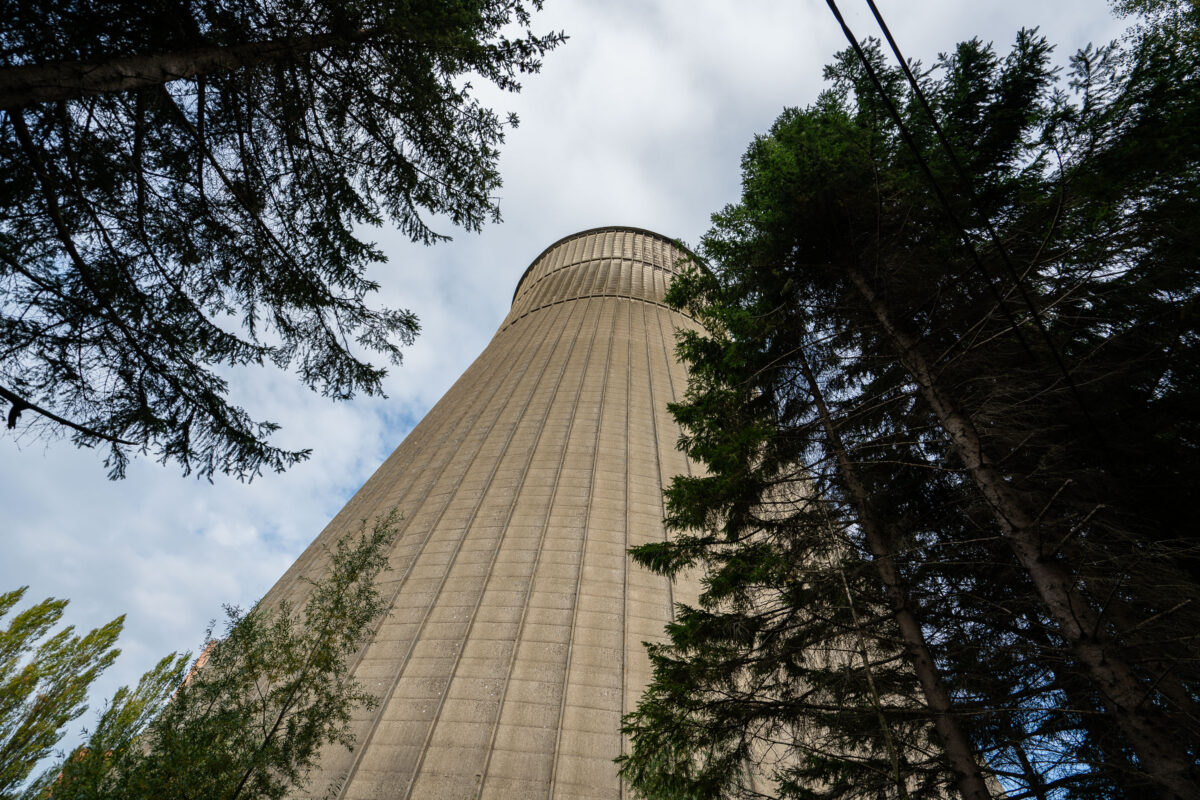
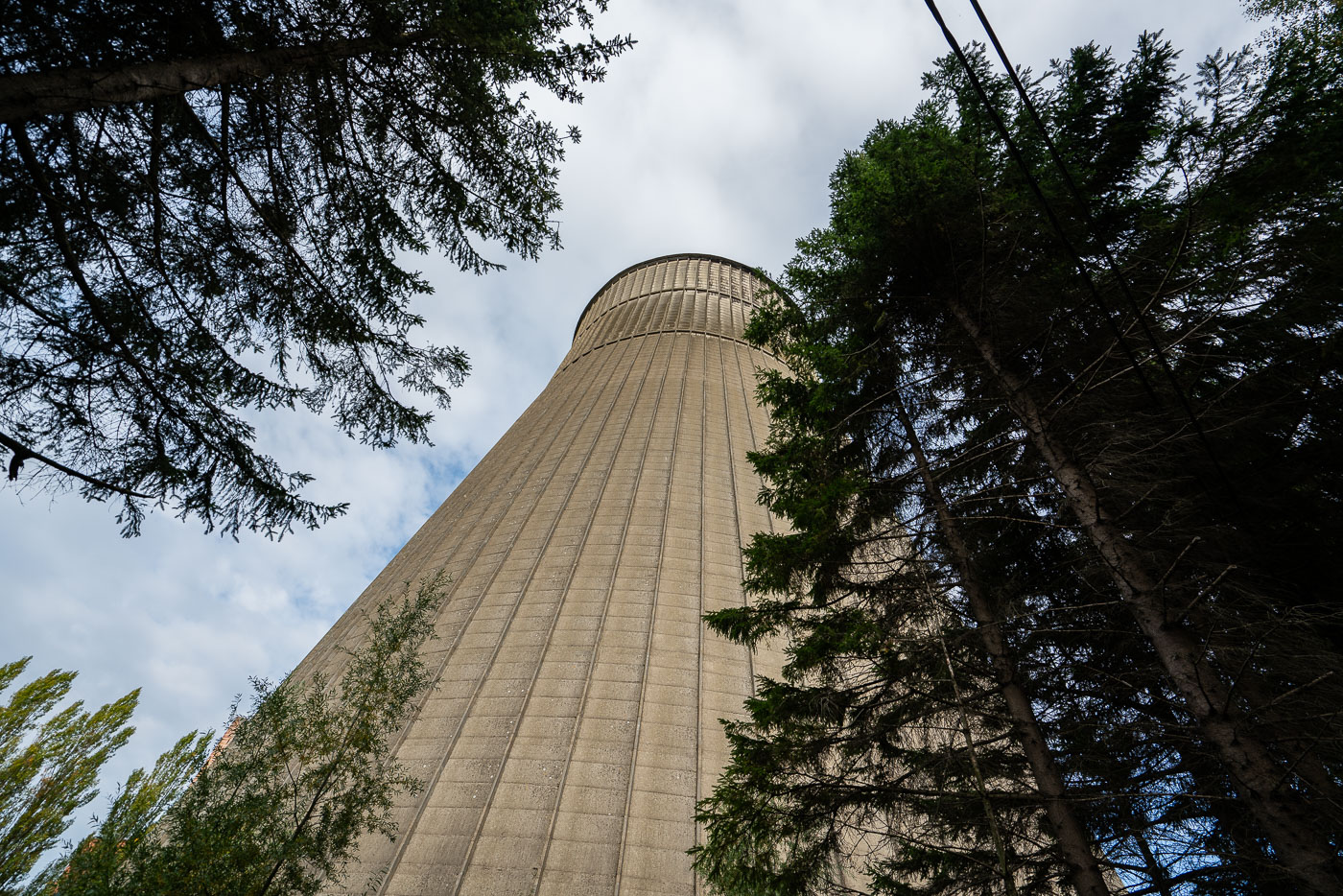
Charleroi’s industrial heritage is marked by structures like the Monceau-sur-Sambre cooling tower, a 118-meter hyperboloid built in the 1960s for the Electrabel coal-fired power station. Nearby, abandoned rail vehicles such as the SNCB Autorail 4001 and locomotives reflect the decline of regional manufacturing and transport infrastructure.

4 photos

Photos from Charleroi

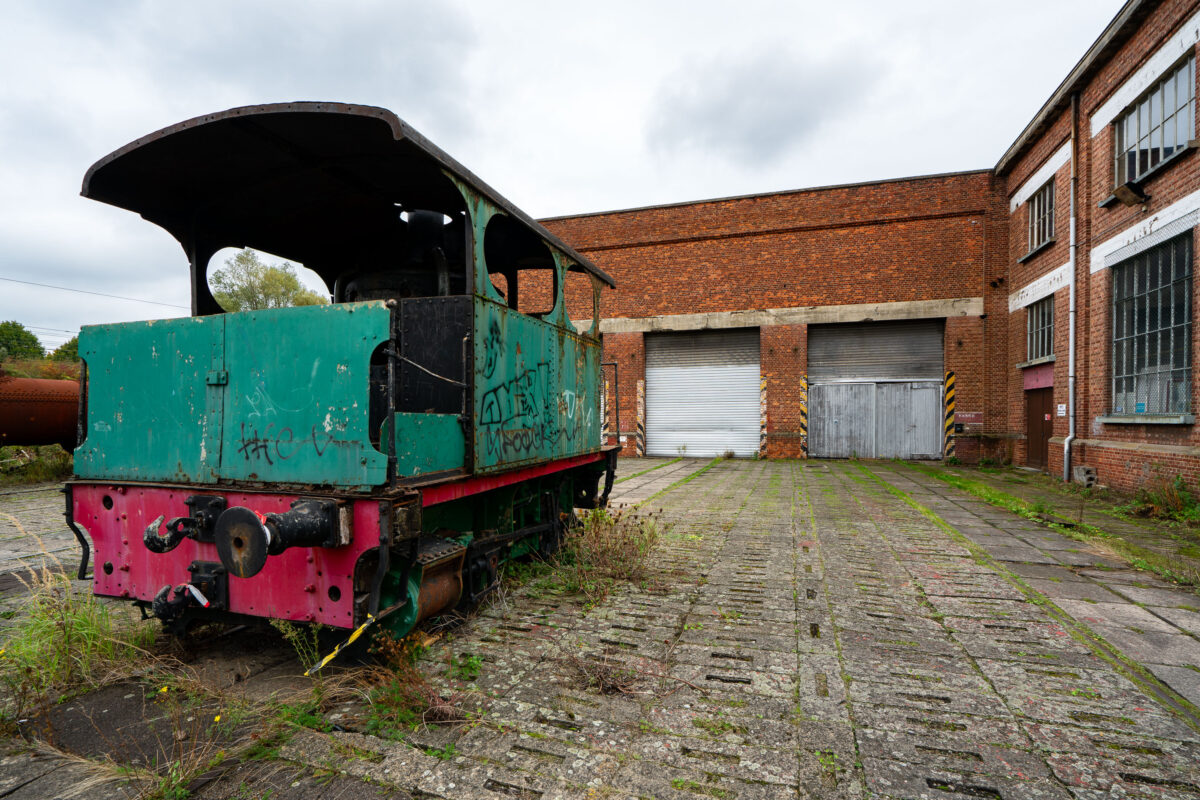
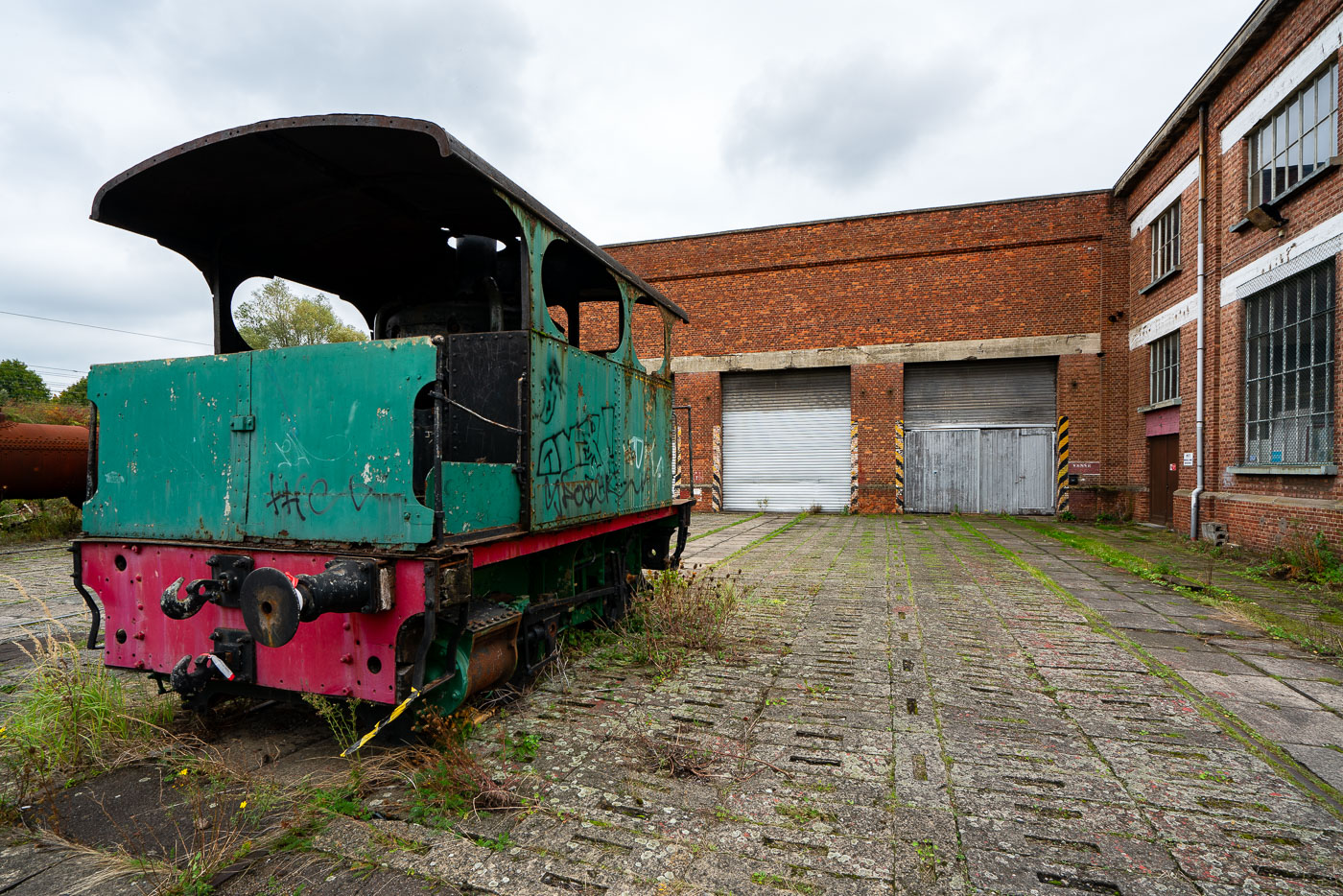
Abandoned locomotive at an industrial site in Belgium, with a brick building in the background.
An abandoned locomotive rests on tracks at a former industrial site in Belgium.
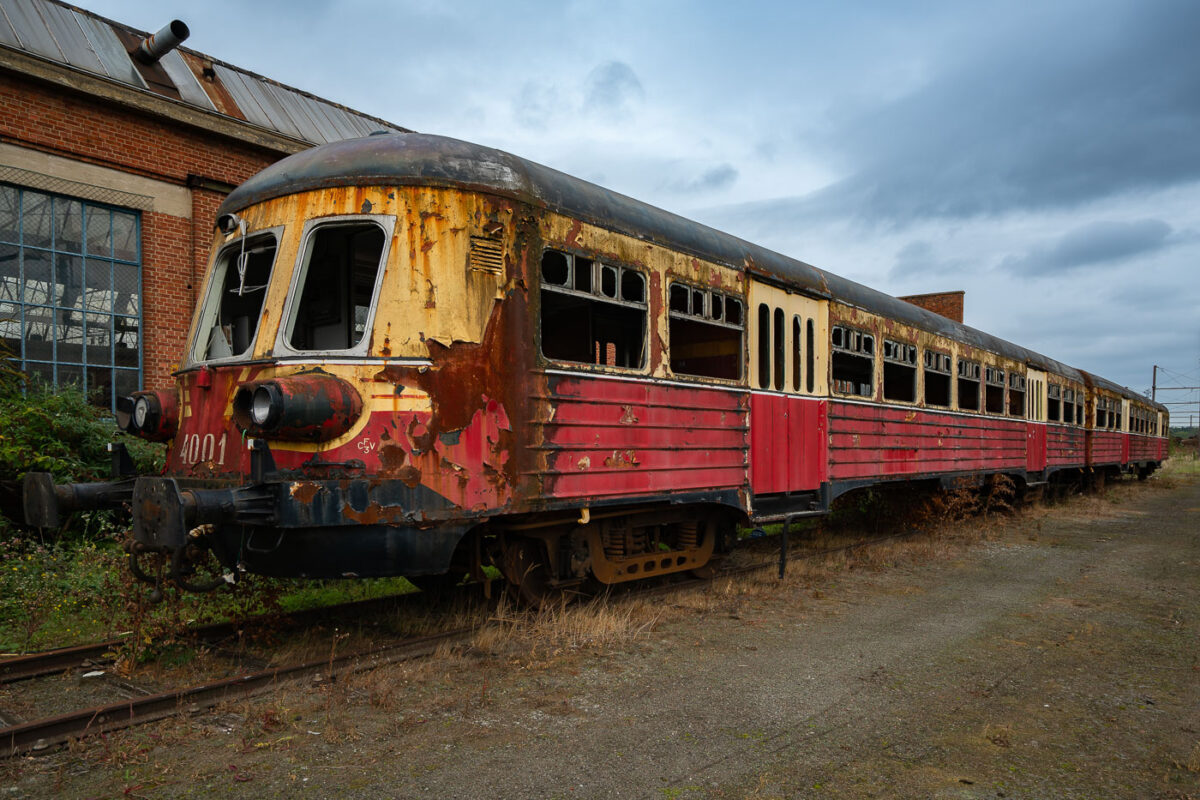
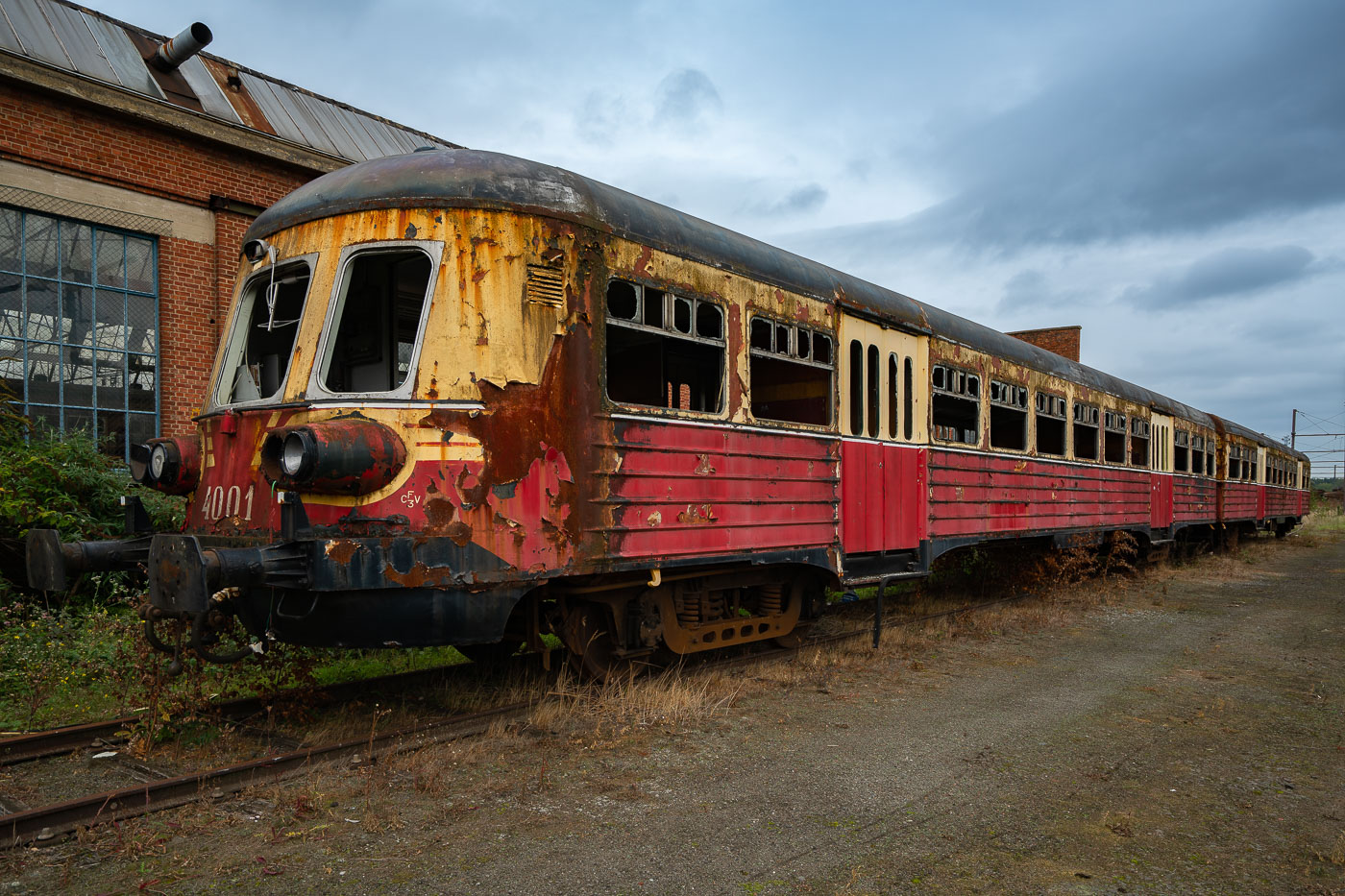
Abandoned SNCB Autorail 4001 sits on a disused track near Charleroi, Belgium.
An abandoned SNCB/NMBS Autorail Série 400, unit no. 4001, sits on a disused track near Charleroi, Belgium. These diesel multiple units, built by BN (La Brugeoise et Nivelles) in the early 1950s, were a significant post-war modernization effort for Belgian regional rail. Their streamlined design and distinctive red-and-cream livery symbolized industrial progress at the time.
The Monceau-sur-Sambre cooling tower in Charleroi, Belgium, stands as a relic of the region's industrial past.
The Monceau-sur-Sambre cooling tower in Charleroi, Belgium, is a 118-meter reinforced-concrete hyperboloid built in the 1960s for the nearby power station. Its flared shell and vertical ribbing were designed to cool large volumes of circulating water used by the generating plant. The associated coal-fired station was taken out of service in the early 2000s, leaving the tower as one of the most prominent surviving industrial structures in the Charleroi area.
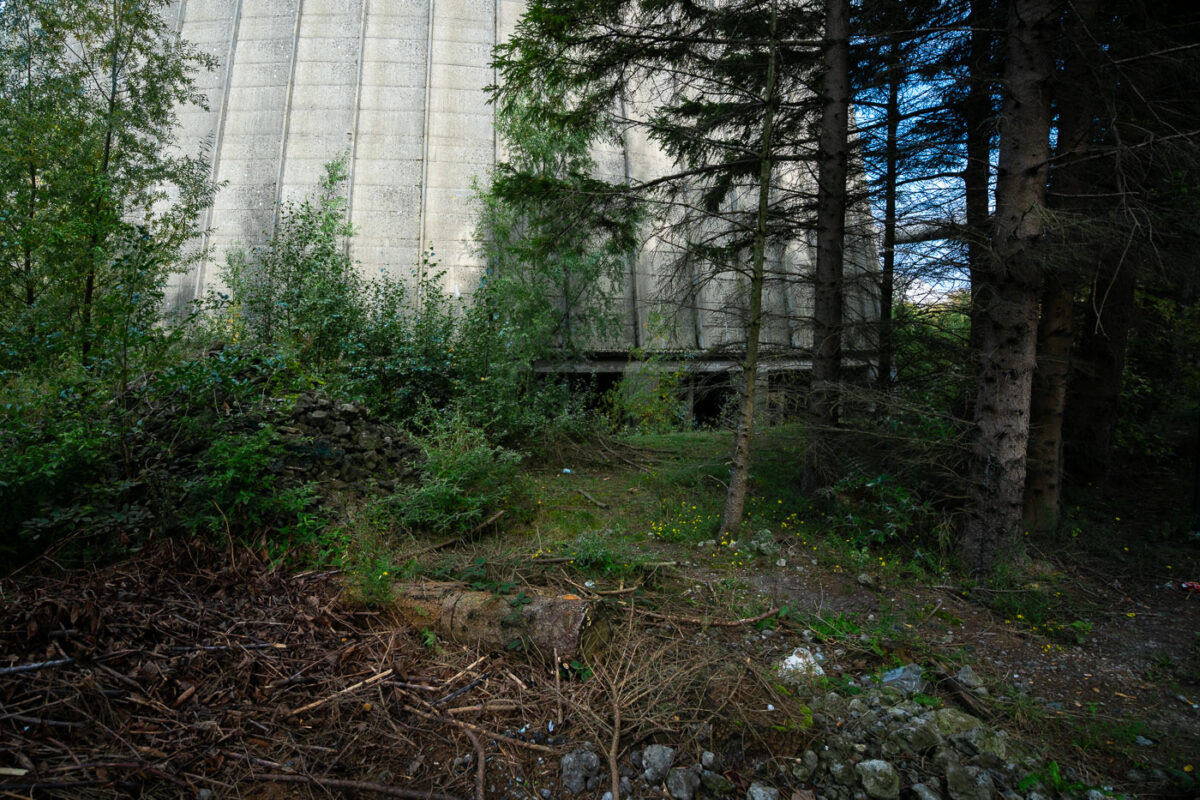
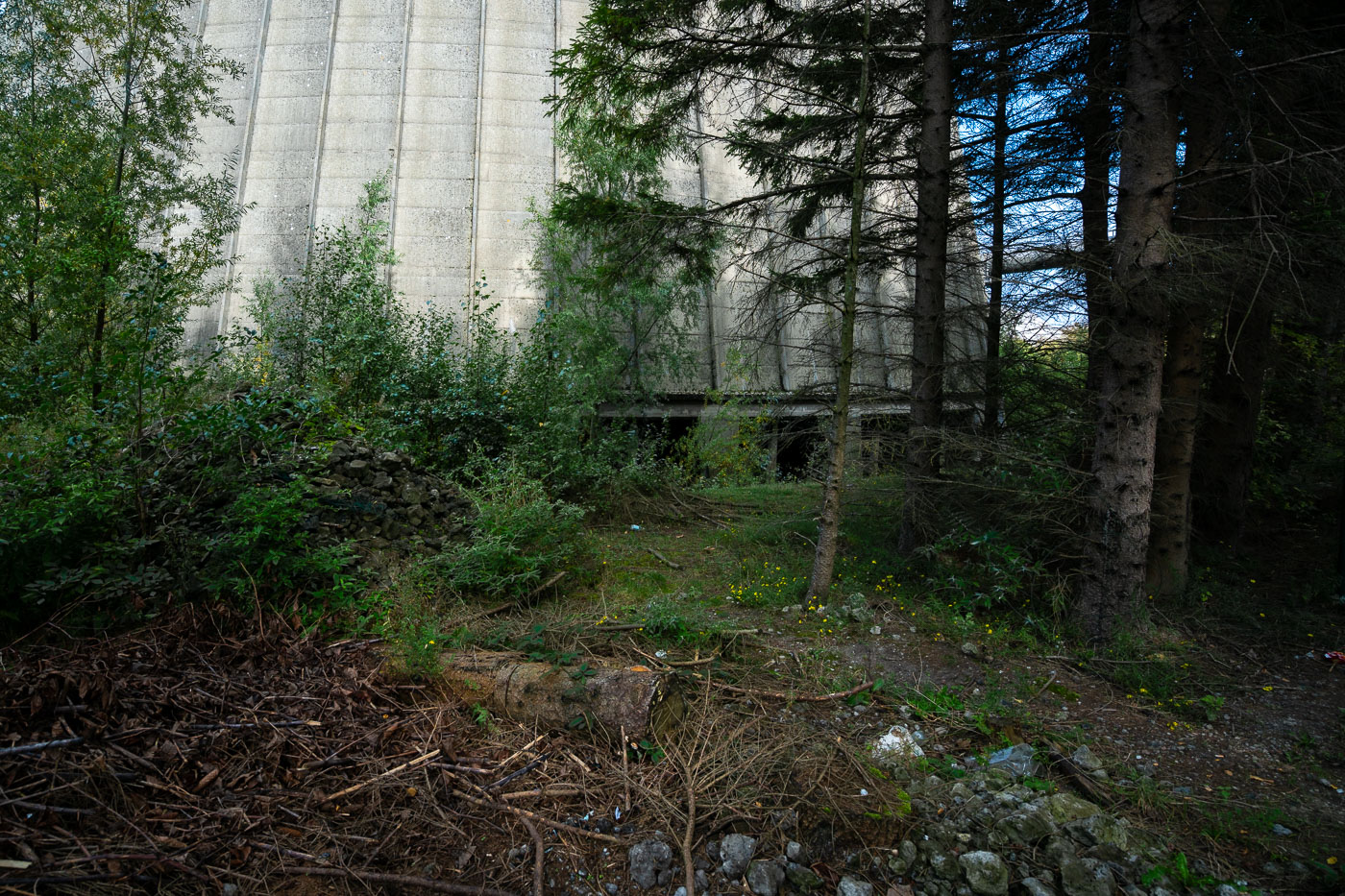
The base of a cooling tower at the former Monceau-sur-Sambre power plant in Charleroi, Belgium, is overgrown with vegetation.
The base of a cooling tower at the former Monceau-sur-Sambre power plant in Charleroi, Belgium, stands amid dense vegetation on the abandoned industrial site. The tower was part of a coal-fired generating station in the Charleroi basin, one of Belgium’s major heavy-industry regions. By 2017, when this view was made, the plant had been closed and the remaining structures formed part of the post-industrial landscape left after the decline of coal-fired power generation in the area.

Built in Minneapolis

Photographs showcasing change over time

Browse by location, move through long-running series, or start with recent work.