April 2023
Minneapolis Uprising – April 2023
Street-level views across Minneapolis in April 2023, from the 3rd Precinct rebuilding debate to protest flyers, police deployments, and the Stone Arch Bridge
Nearly three years after the Minneapolis Police Department's Third Precinct on Lake Street was gutted by fire during the uprising that followed George Floyd's murder in May 2020, the building still stood vacant behind chain-link fencing and barbed wire — fire-scarred, snow-covered, and unresolved.
The question of what to do with the site had by April 2023 moved into a formal public process. The city held a series of community meetings, including sessions at Augsburg University and the Midtown Exchange, where residents were asked to weigh in on two potential locations for a rebuilt precinct. Many attendees refused the premise entirely. Signs reading "No New Third — Not Now, Not Ever" and "We Demand Abolition" appeared both inside the meeting rooms and posted to the fencing outside the damaged building itself. City Council Member Robin Wonsley and Minneapolis Police homicide detective Richard Zimmerman — who had testified in the Derek Chauvin trial — both spoke at the forums, illustrating the range of voices the process drew in. The People's Movement Assemblies distributed a document called "The Future In Ruins: Over the Third Precinct," outlining a community-led alternative to a rebuilt station, with neighborhood assemblies planned to begin at Walker Community Church in 2024.
Beyond the precinct debate, the city in this period showed the ordinary texture of a place still working out who it was after years of upheaval. The Northstar commuter rail ran its route between downtown and Big Lake. The Green Room had just opened on Lagoon Avenue in January 2023, taking over the corner space that had been The Pourhouse. Graffiti along the Cedar Lake Trail named Winston Smith, killed by Minneapolis officers in June 2021. Flyers on the Midtown Greenway connected local grievances to the proposed Atlanta police training facility known as Cop City and to emissions from the Hennepin Energy Recovery Center. The wider reckoning that began in May 2020 had not ended — it had become the background condition of the city.
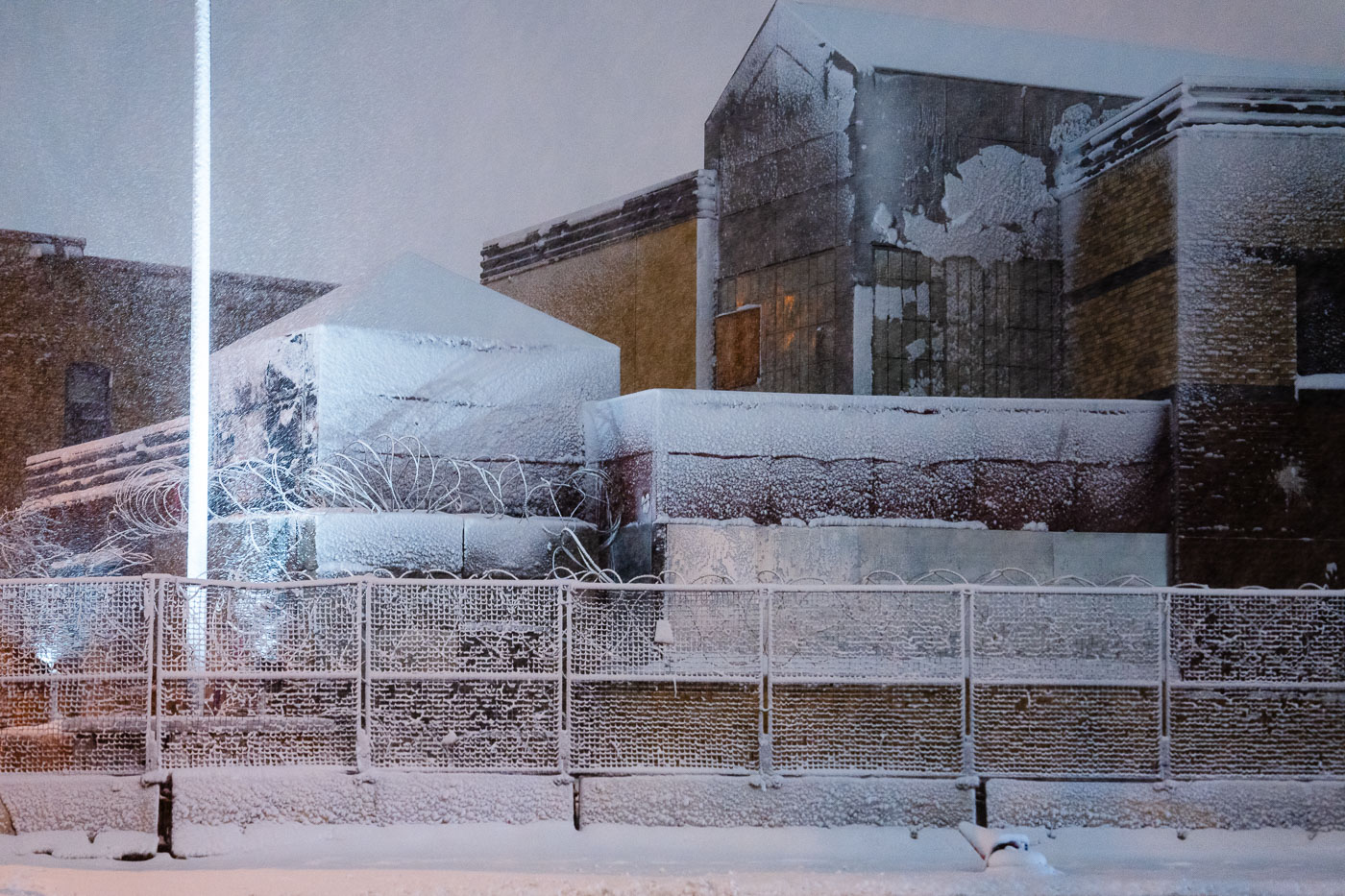 View full post: Minneapolis Police 3rd Precinct in Snow After Riots
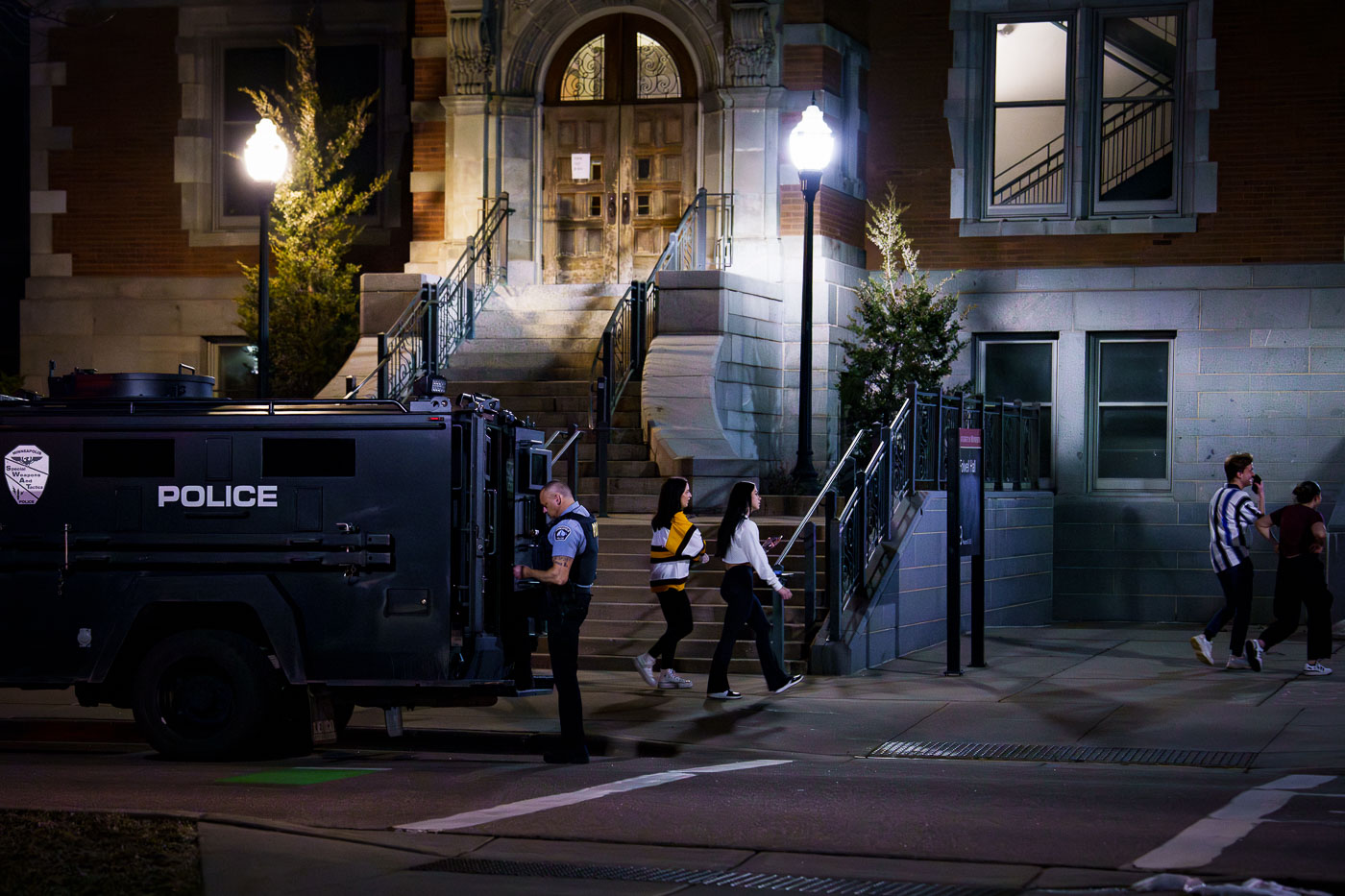 View full post: Minneapolis Police at University of Minnesota after Hockey Loss
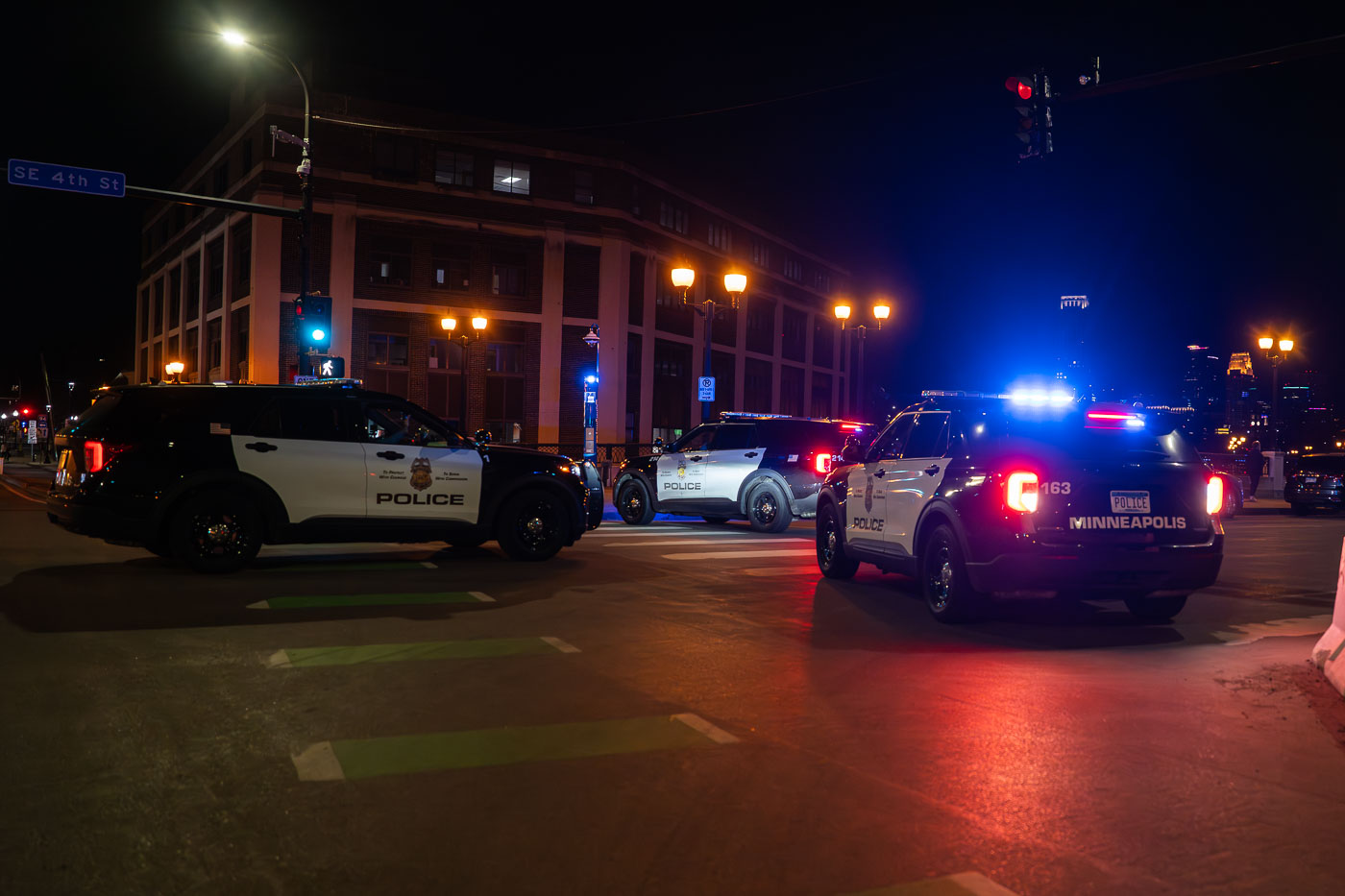 View full post: Minneapolis Police Cars in Dinkytown After Hockey Game
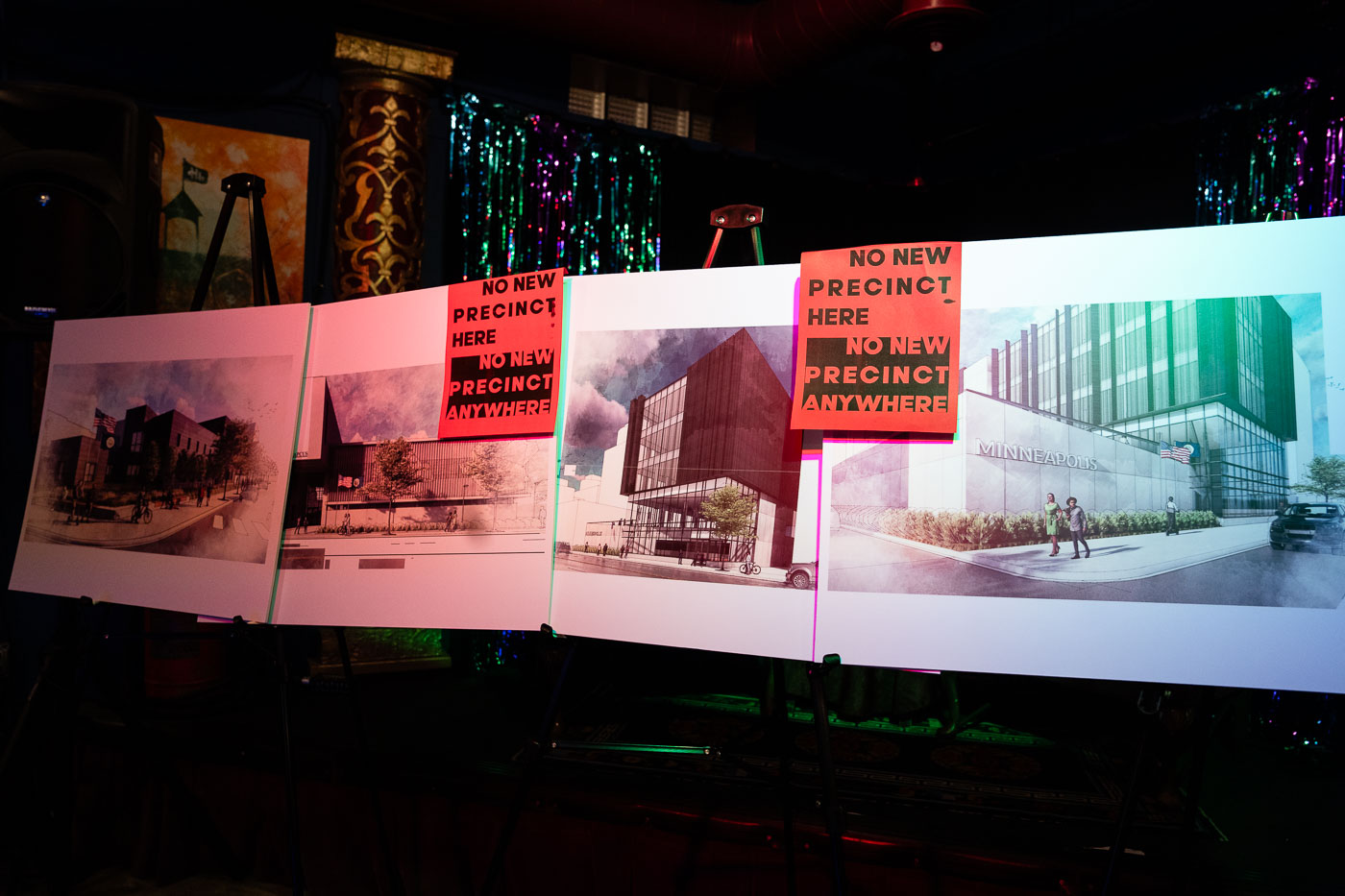 View full post: Minneapolis Community Meeting: New Police Station Renderings
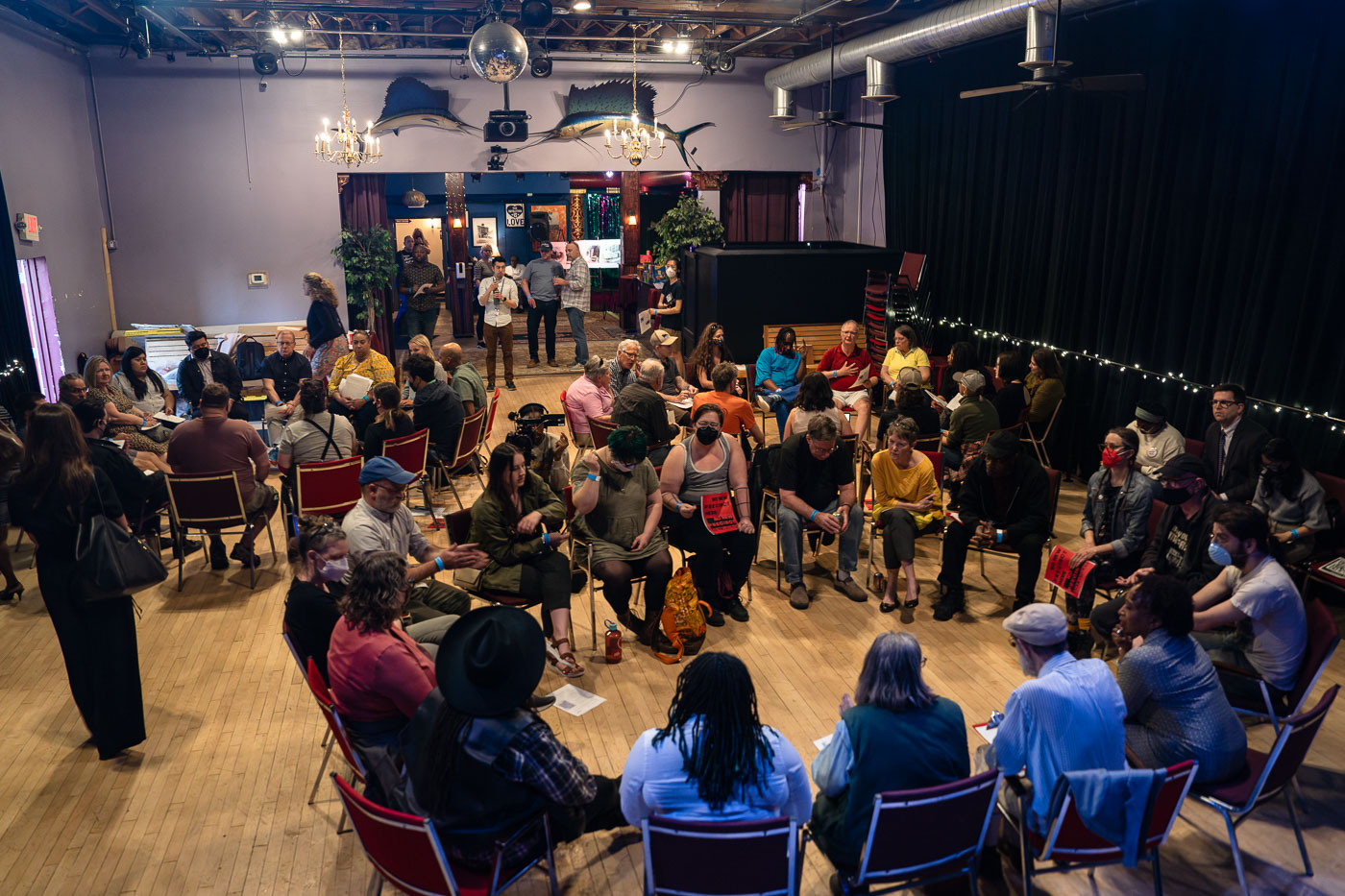 View full post: Minneapolis Police 3rd Precinct Community Meeting on New Location
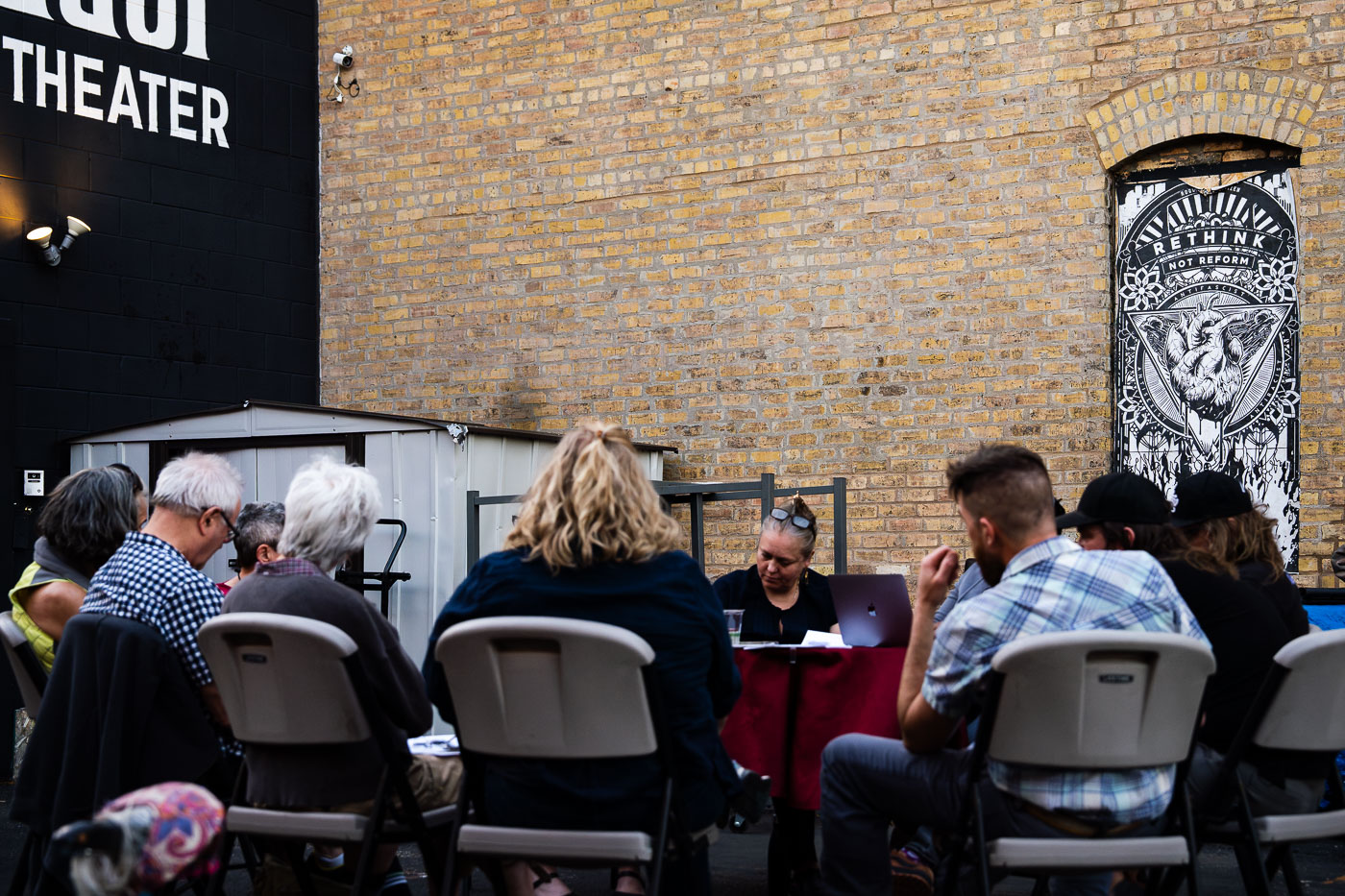 View full post: Minneapolis Police 3rd Precinct Community Meeting
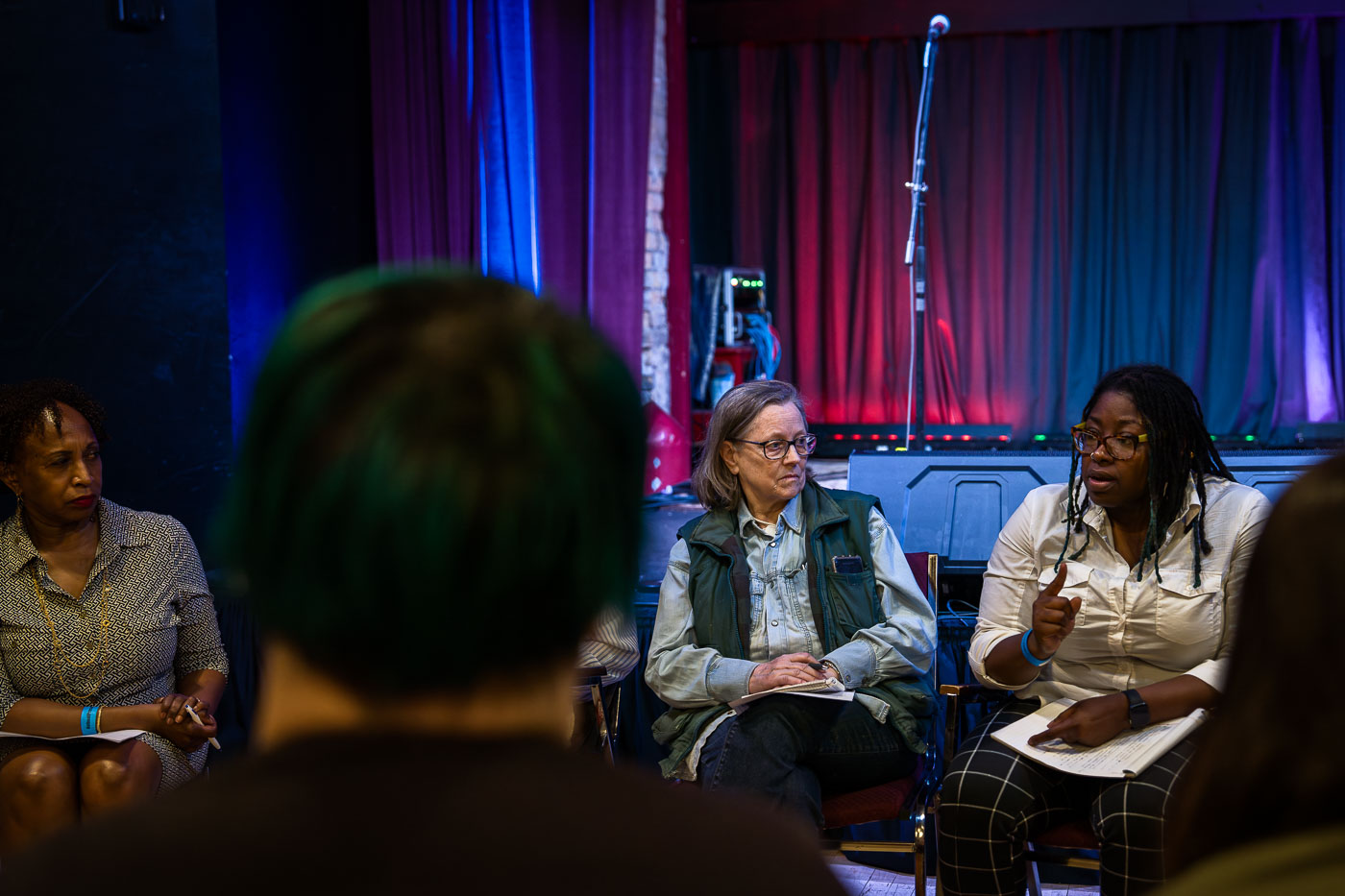 View full post: Robin Wonsley at Minneapolis 3rd Precinct Community Meeting
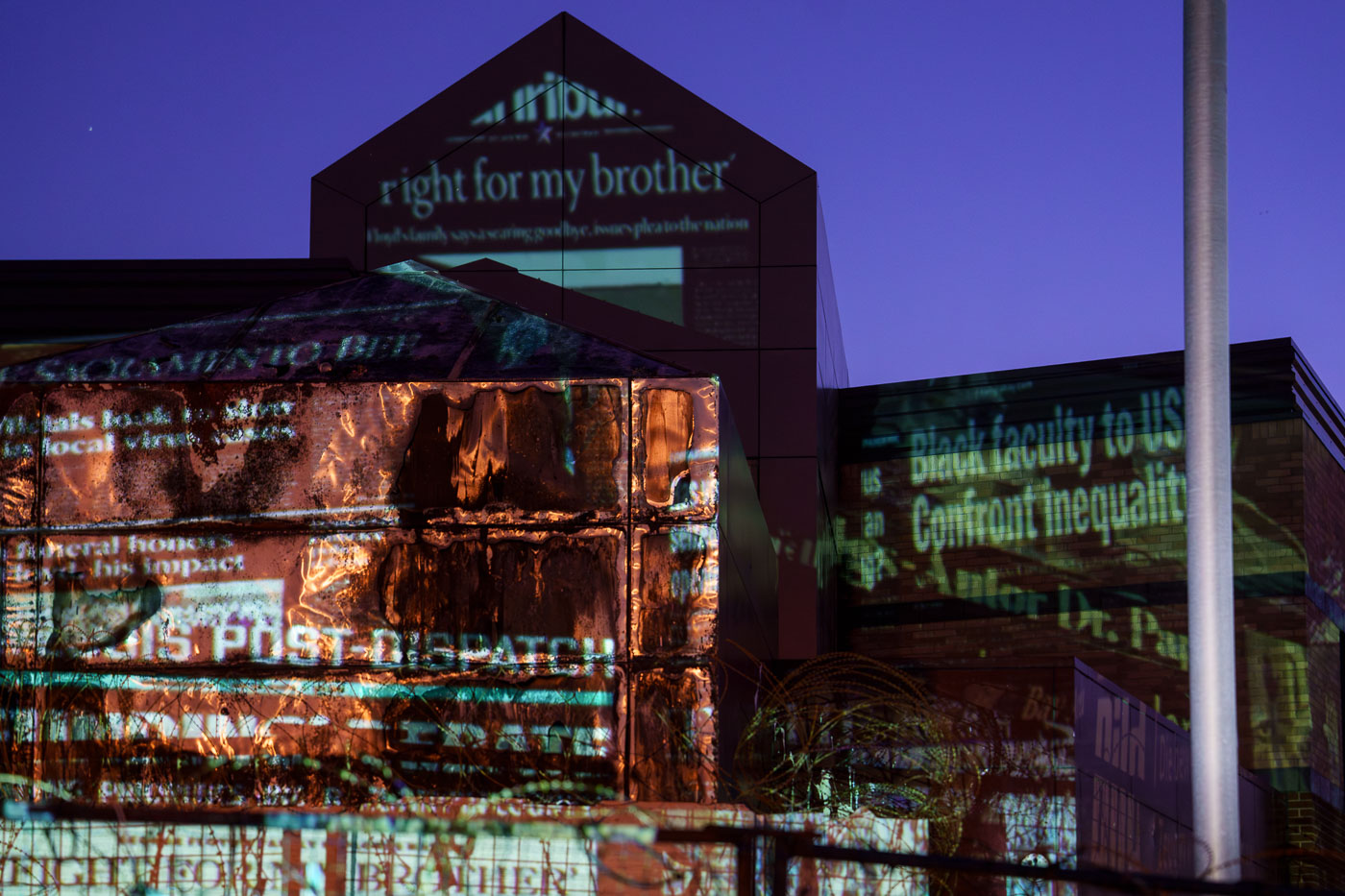 View full post: Minneapolis Police 3rd Precinct Building Projection Art
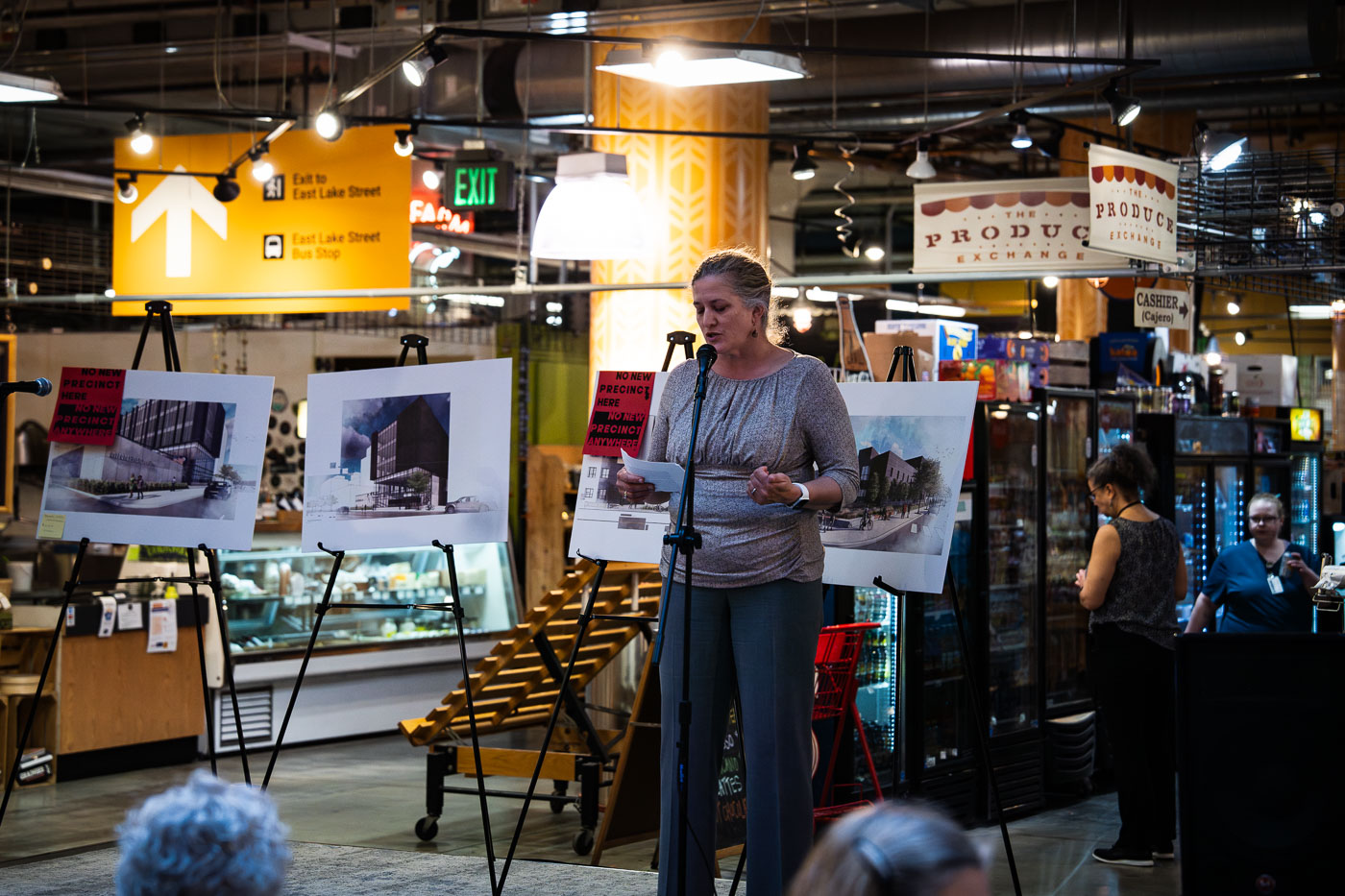 View full post: Heather Johnston at Minneapolis 3rd Precinct Community Meeting
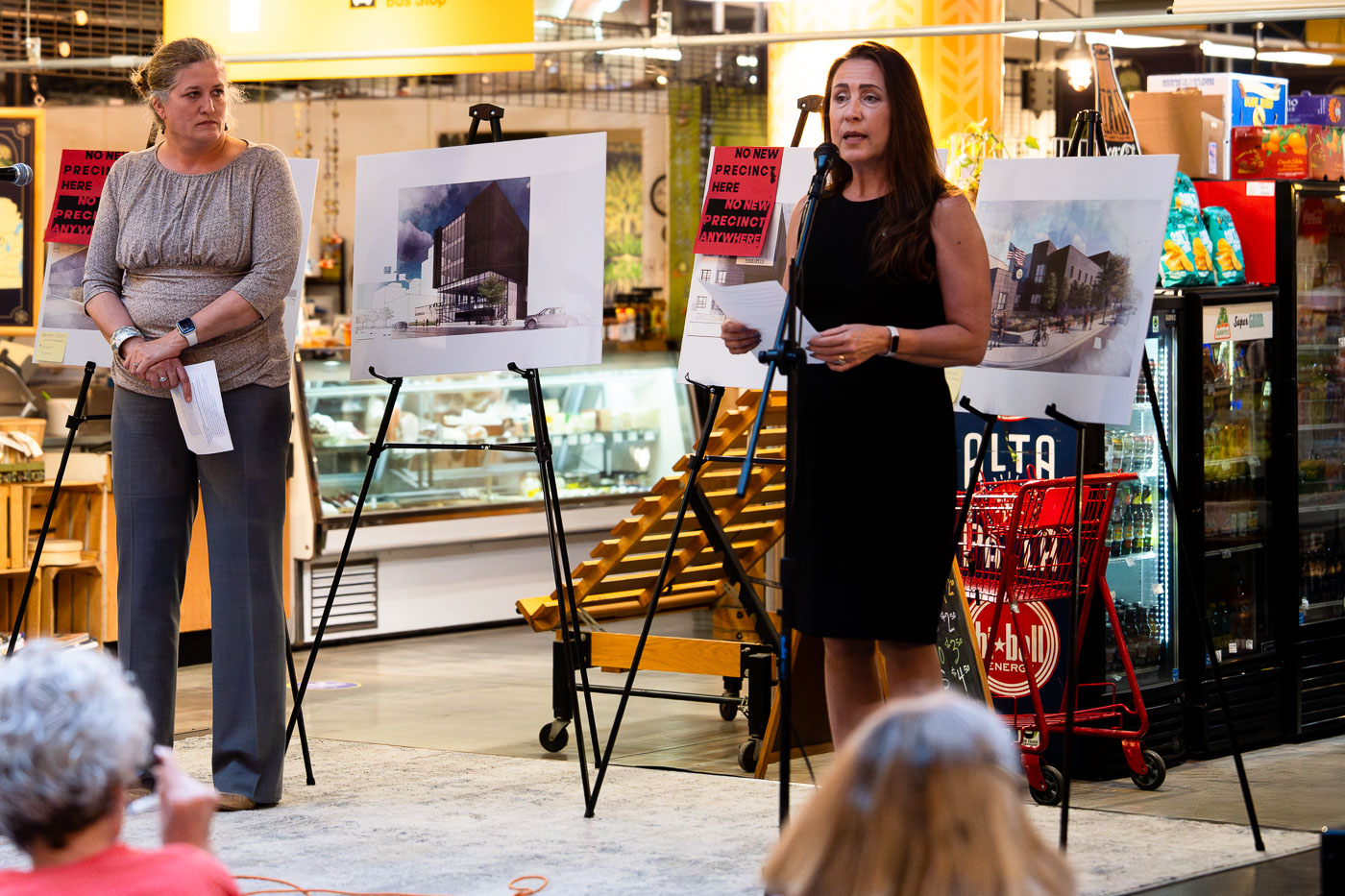 View full post: Meeting on future of the third precinct
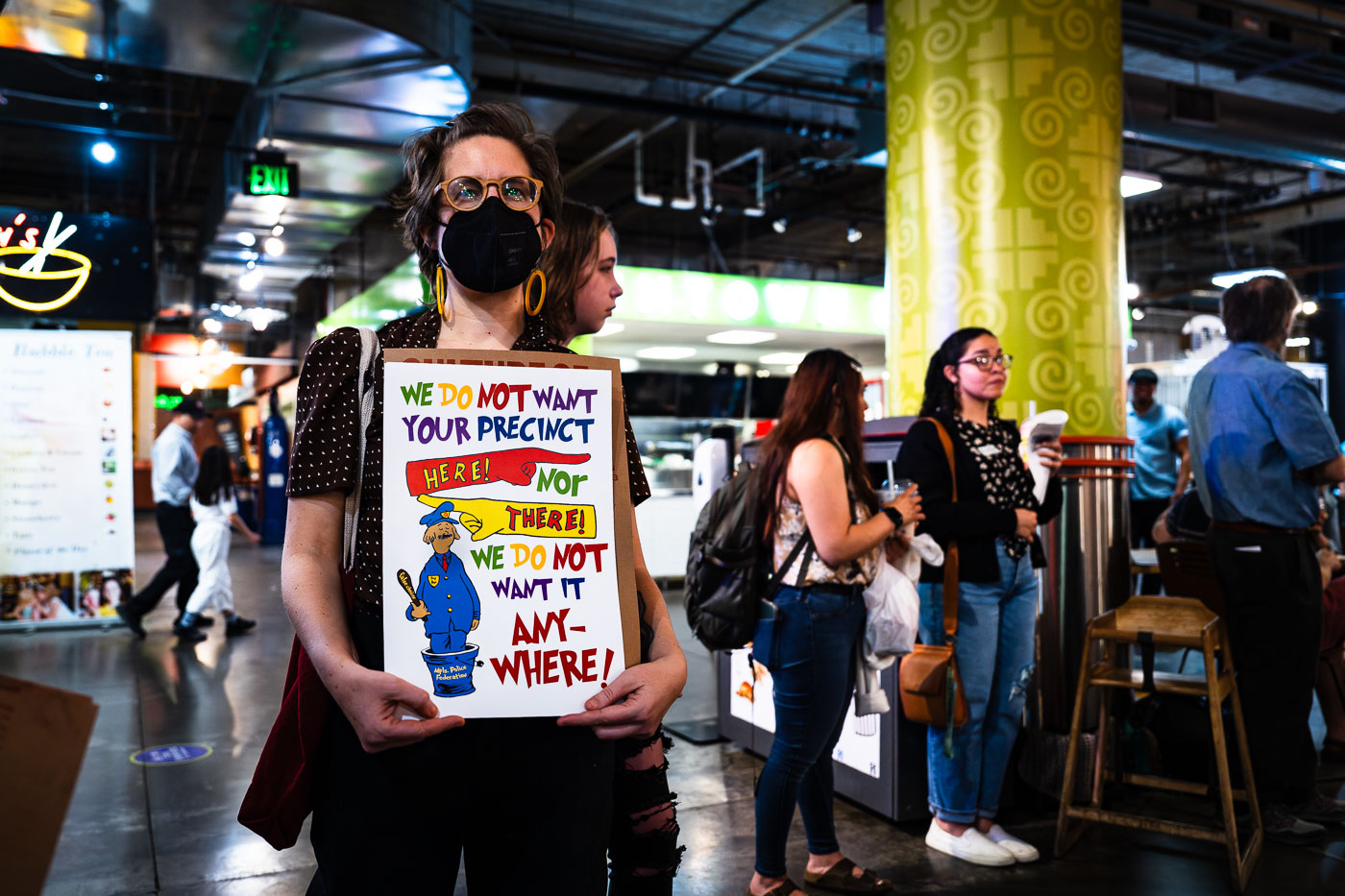 View full post: Minneapolis residents protest new police precinct at community meeting
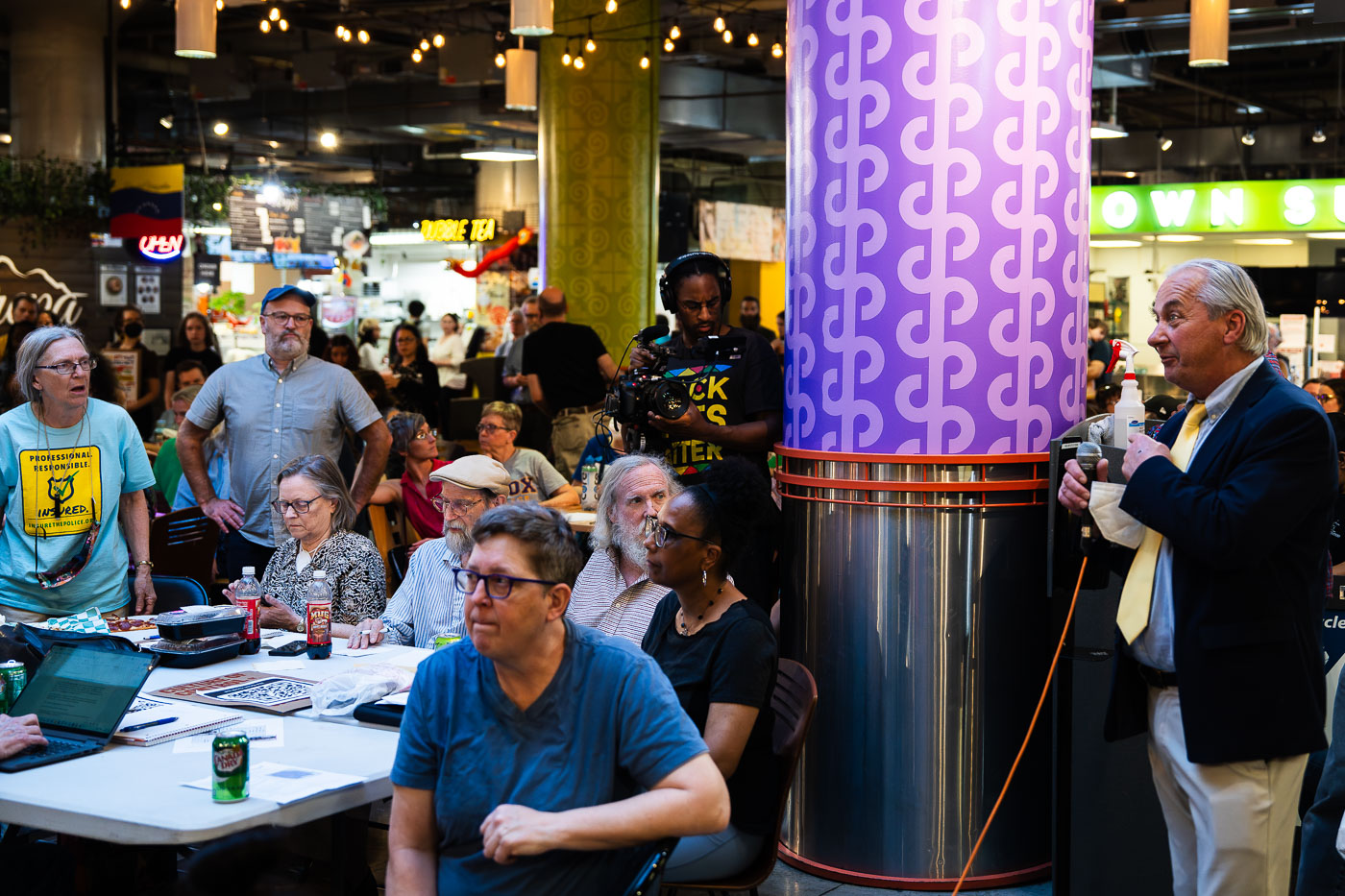 View full post: Richard Zimmerman discusses new Minneapolis Police 3rd Precinct
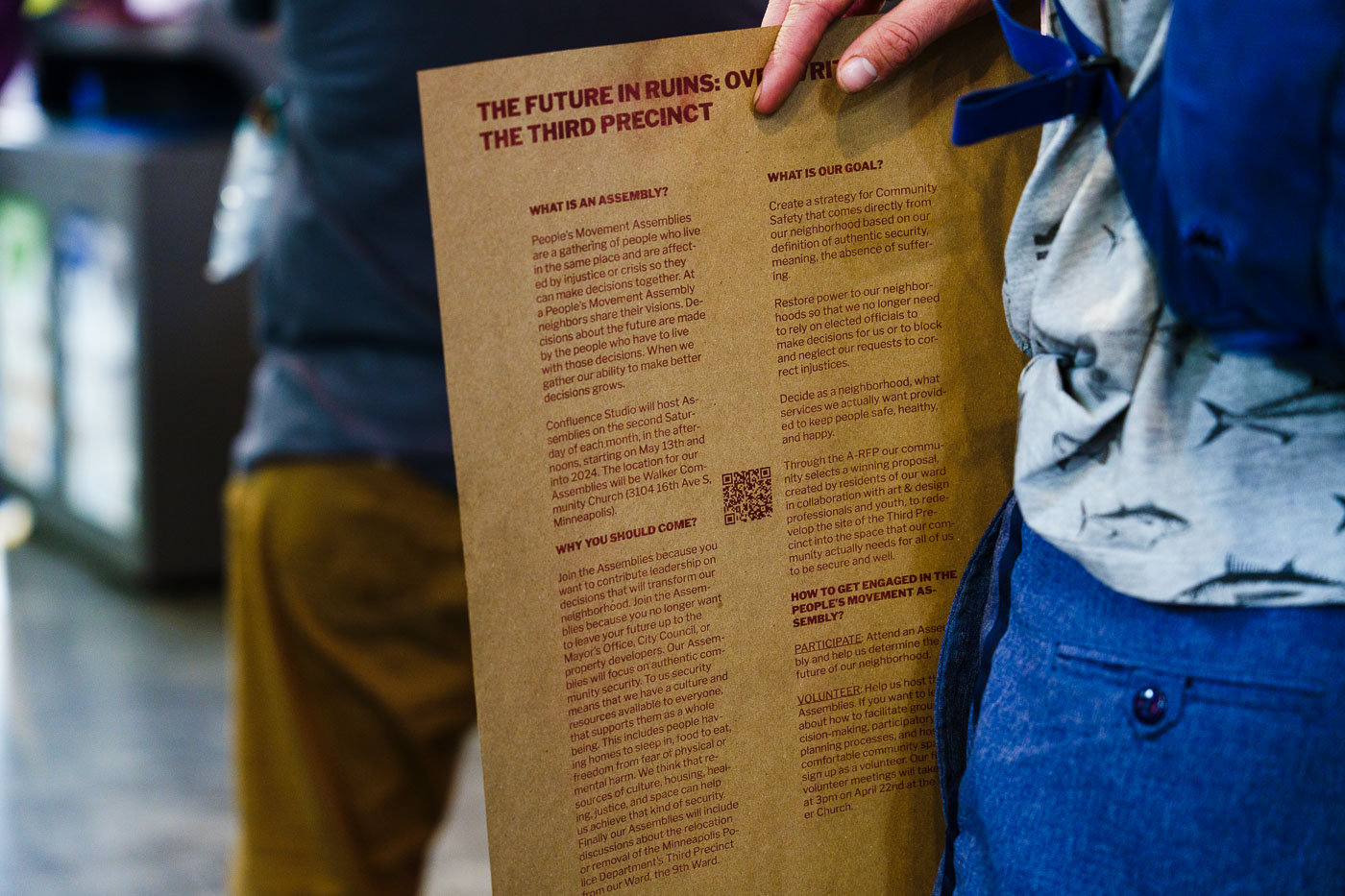 View full post: The Future In Ruins poster at community meeting
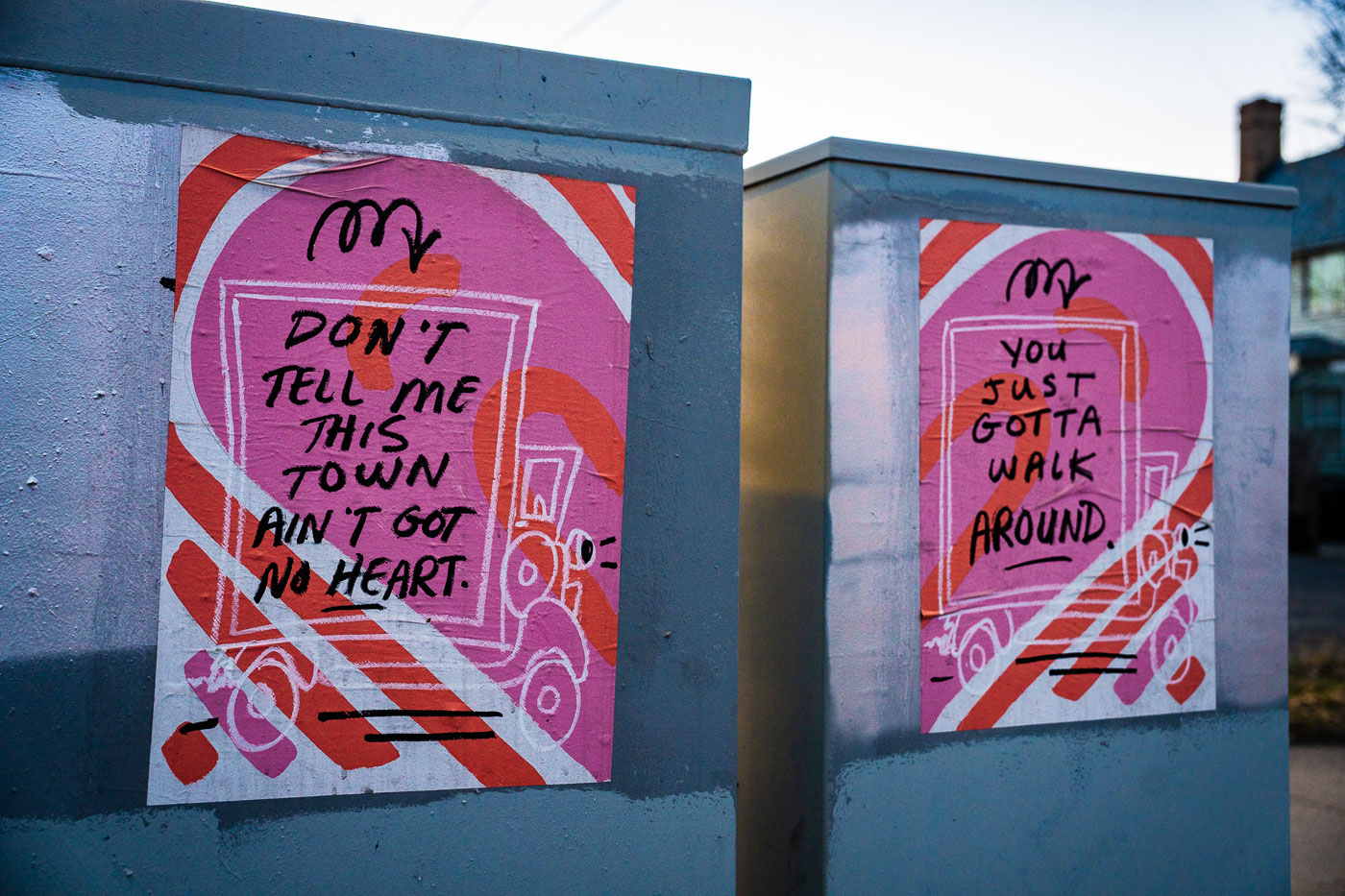 View full post: Minneapolis Uprising Art: “This Town Ain’t Got No Heart”
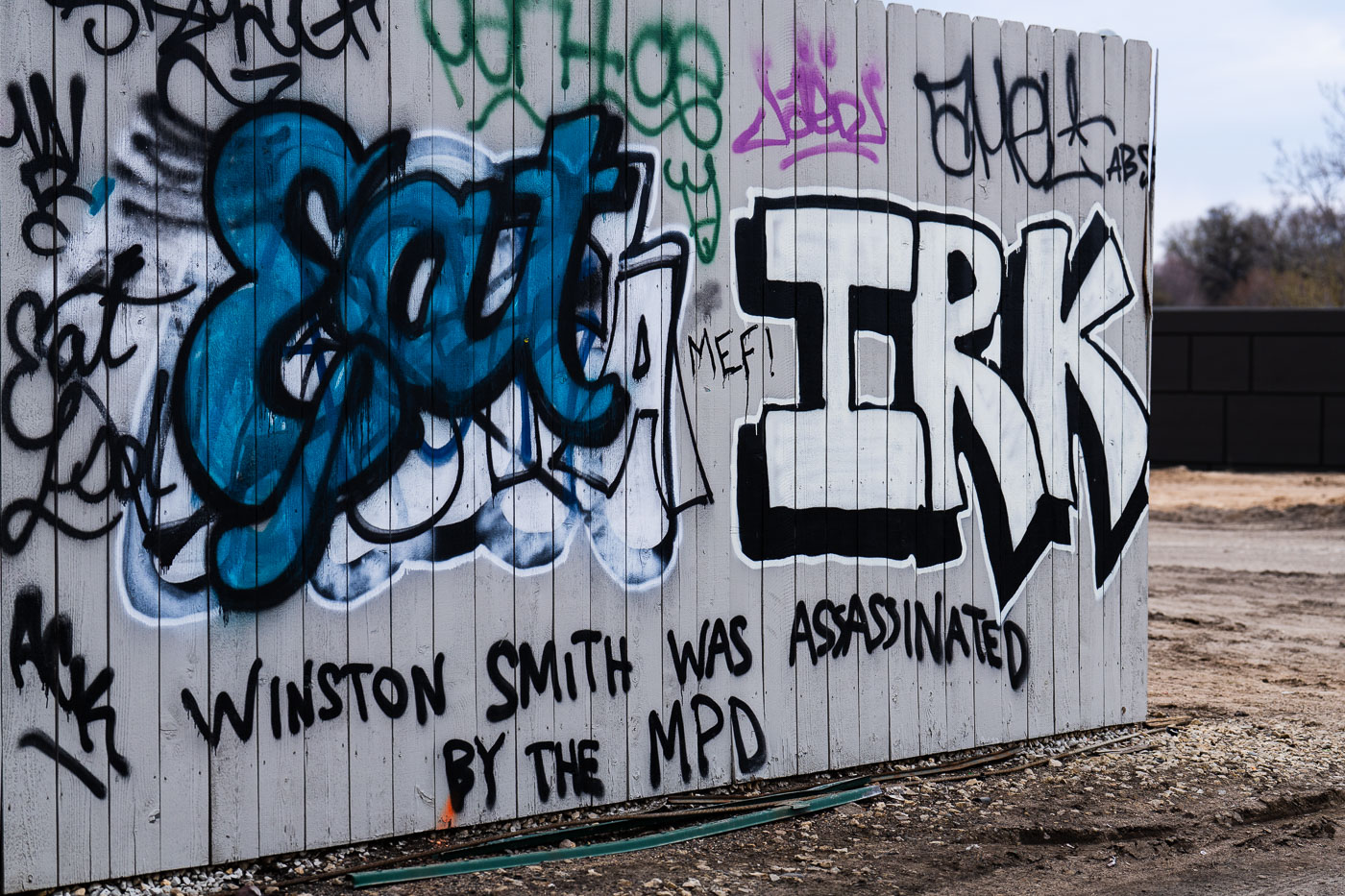 View full post: Winston Smith Graffiti on Cedar Lake Trail, Minneapolis
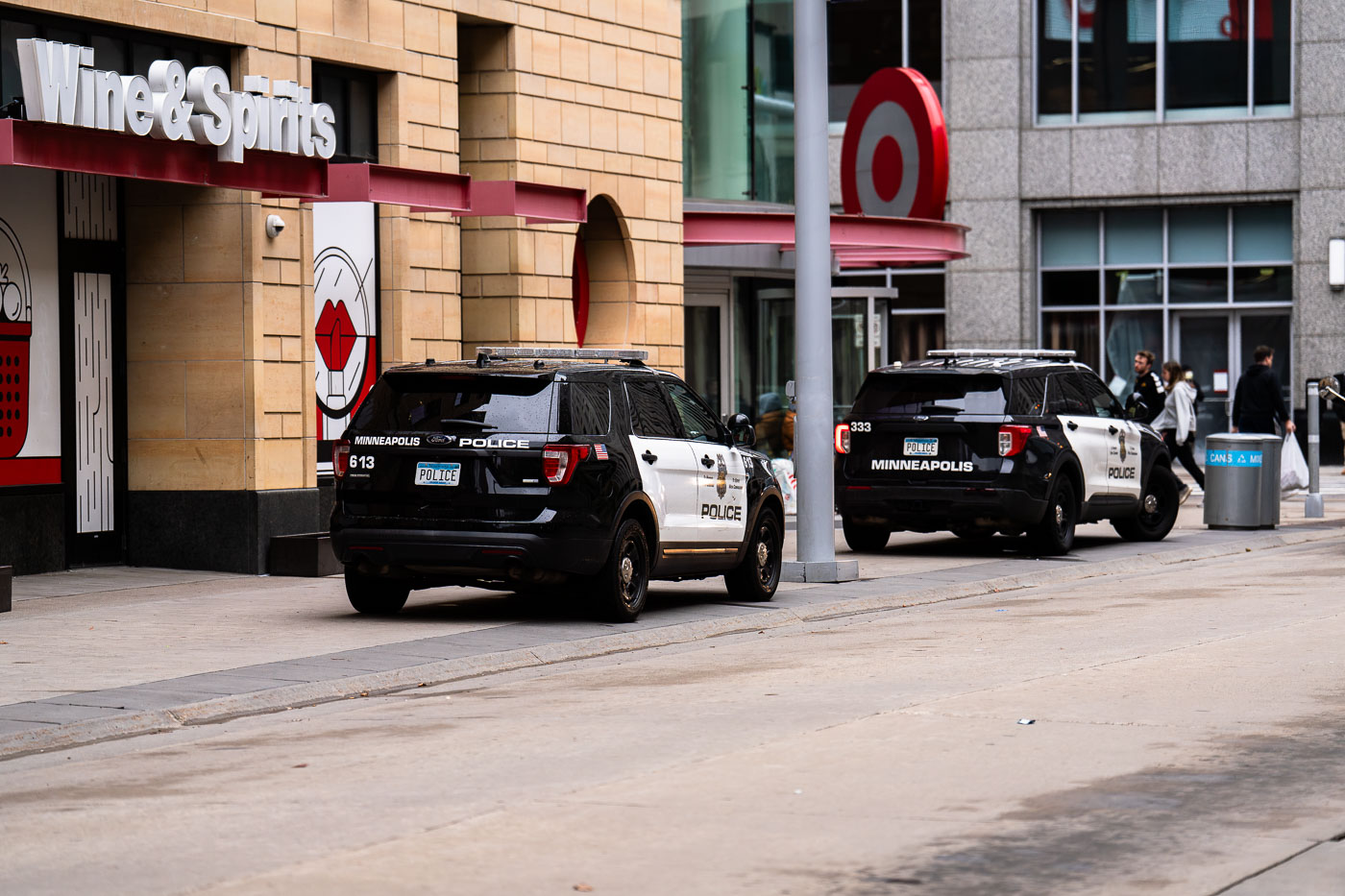 View full post: Minneapolis Police Cars on Nicollet Mall Sidewalk
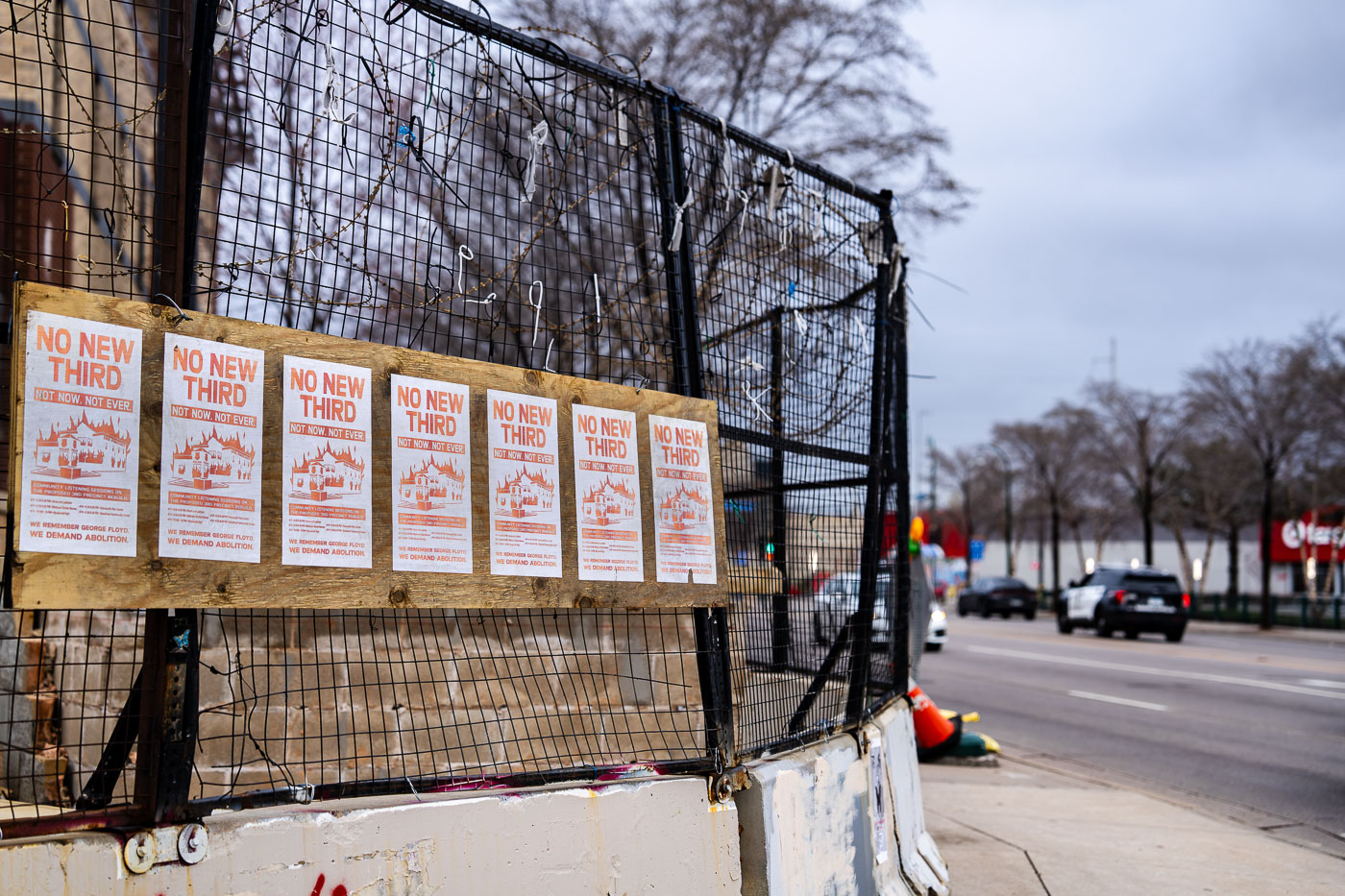 View full post: Minneapolis: Flyers on former 3rd Precinct demand abolition
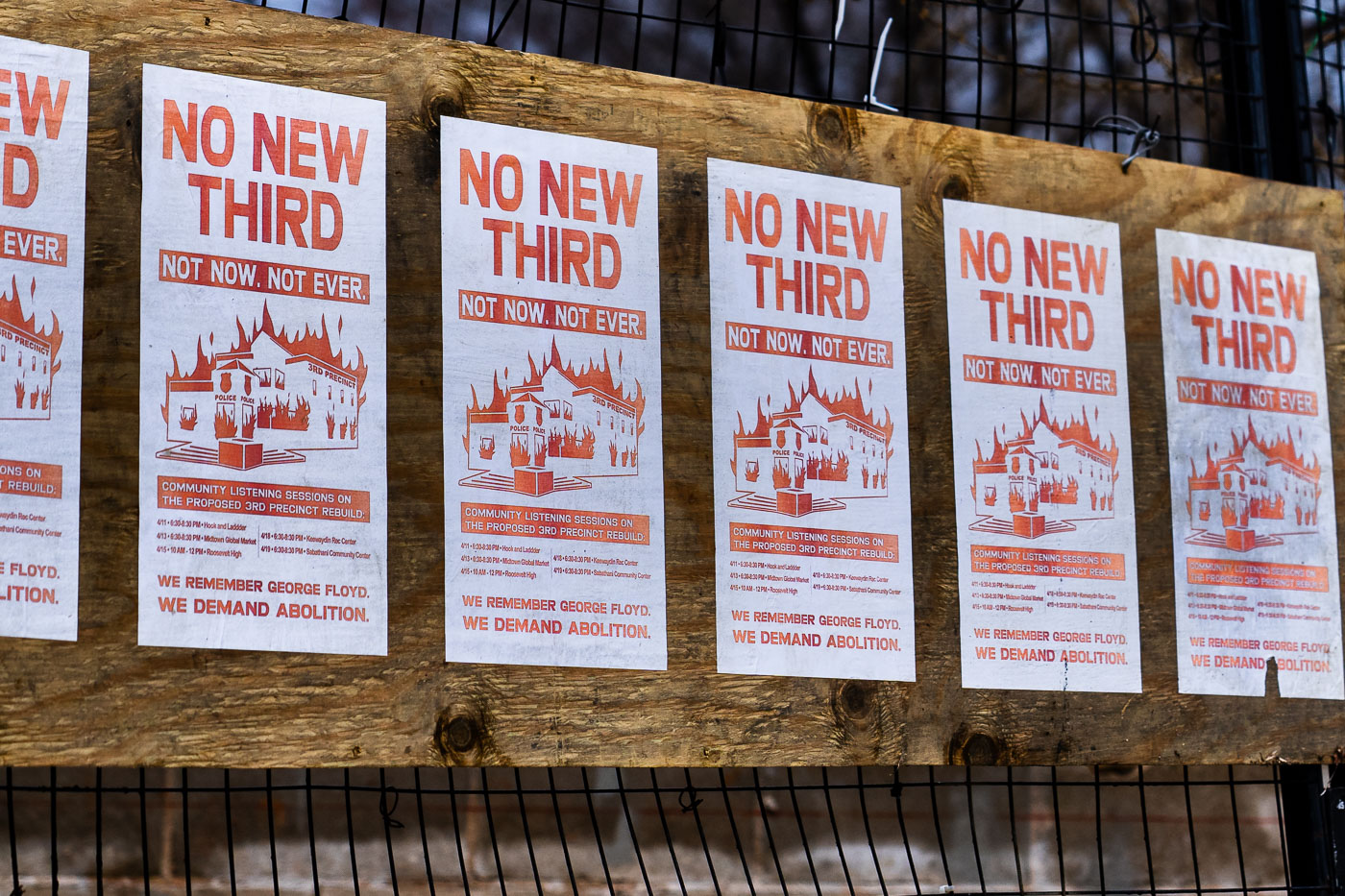 View full post: Minneapolis: Flyers protest proposed 3rd Precinct rebuild
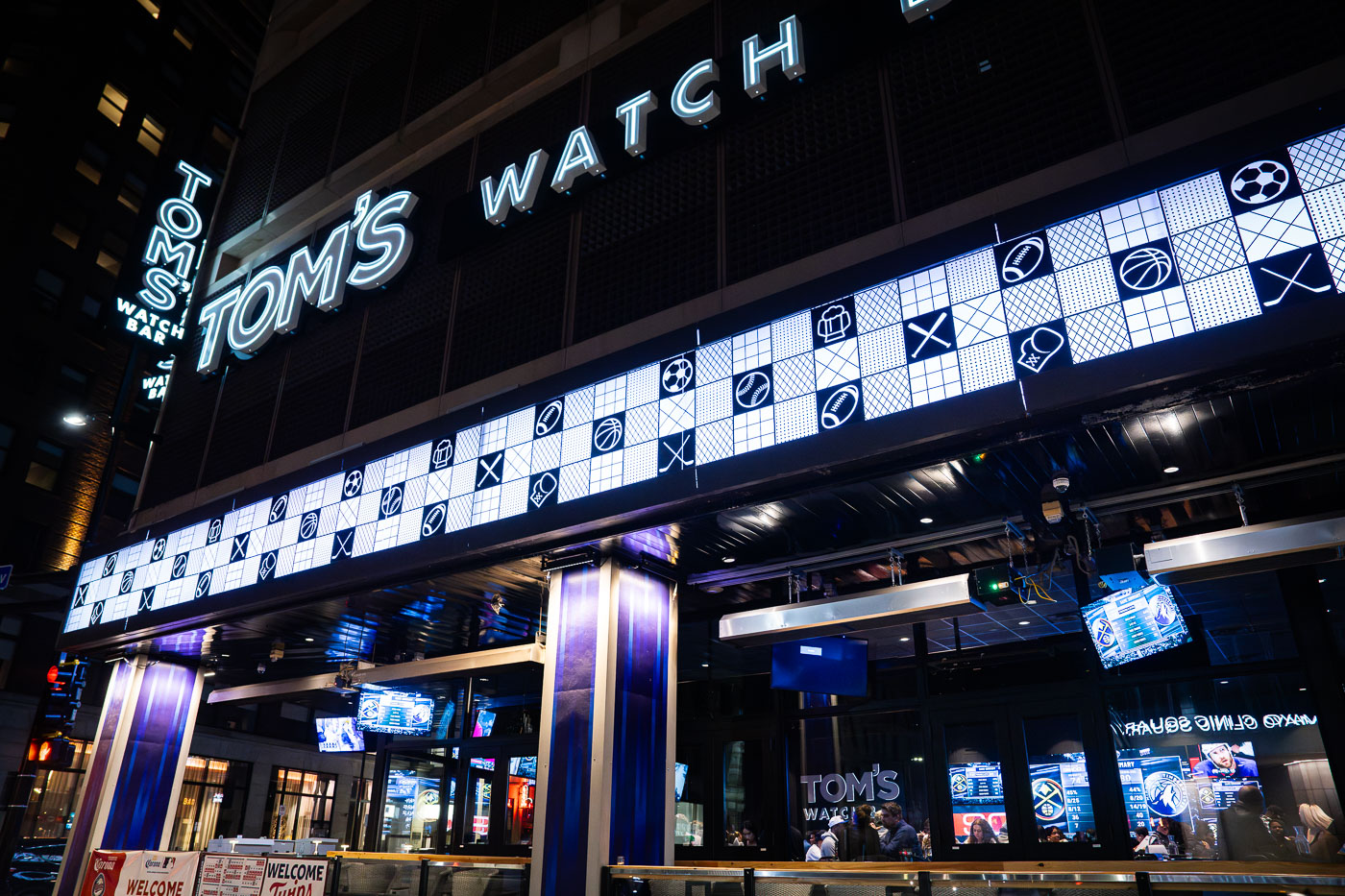 View full post: Tom’s Watch Bar, Downtown Minneapolis, April 2023
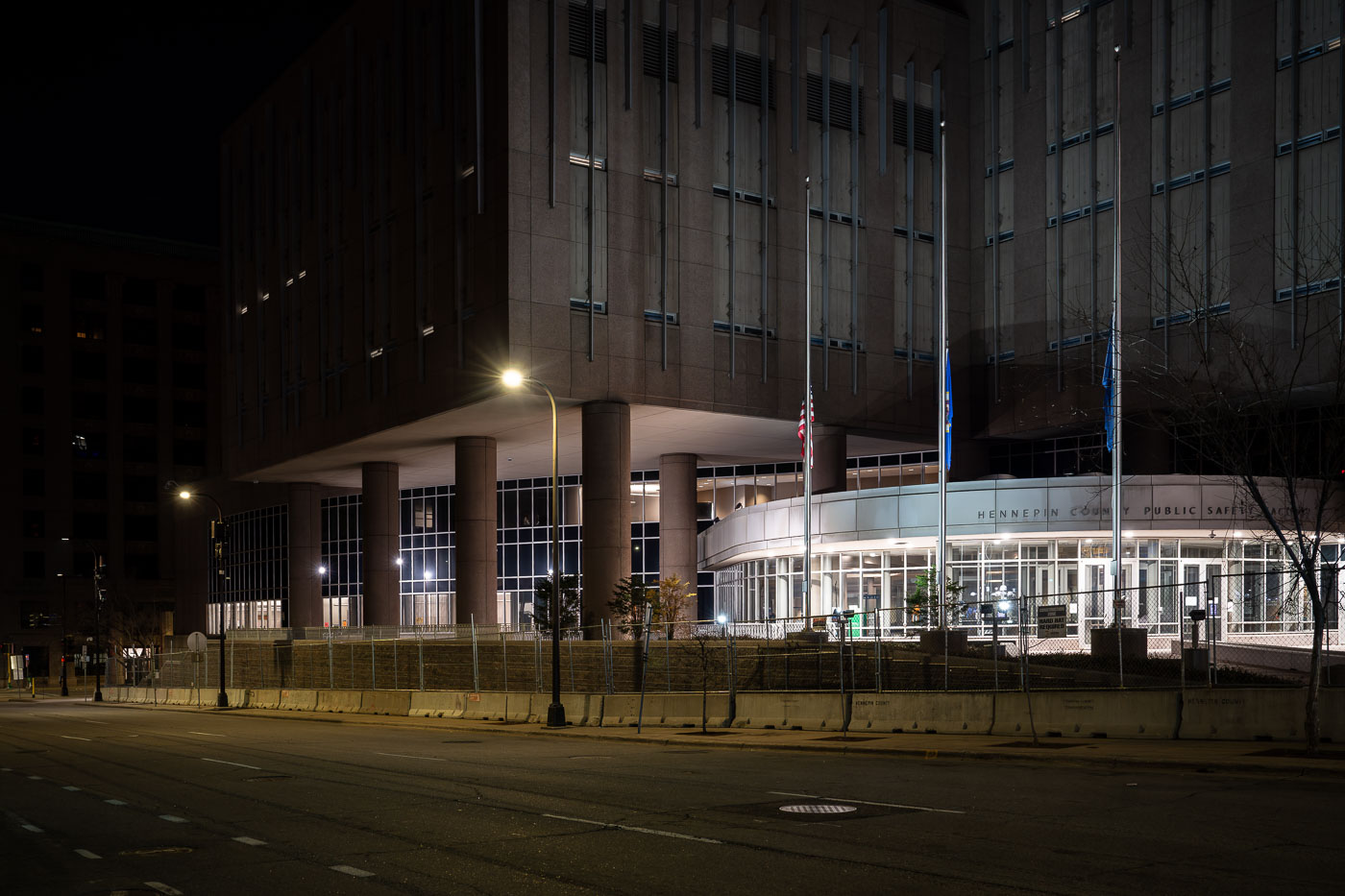 View full post: Hennepin County Public Safety Facility, Minneapolis, April 2023
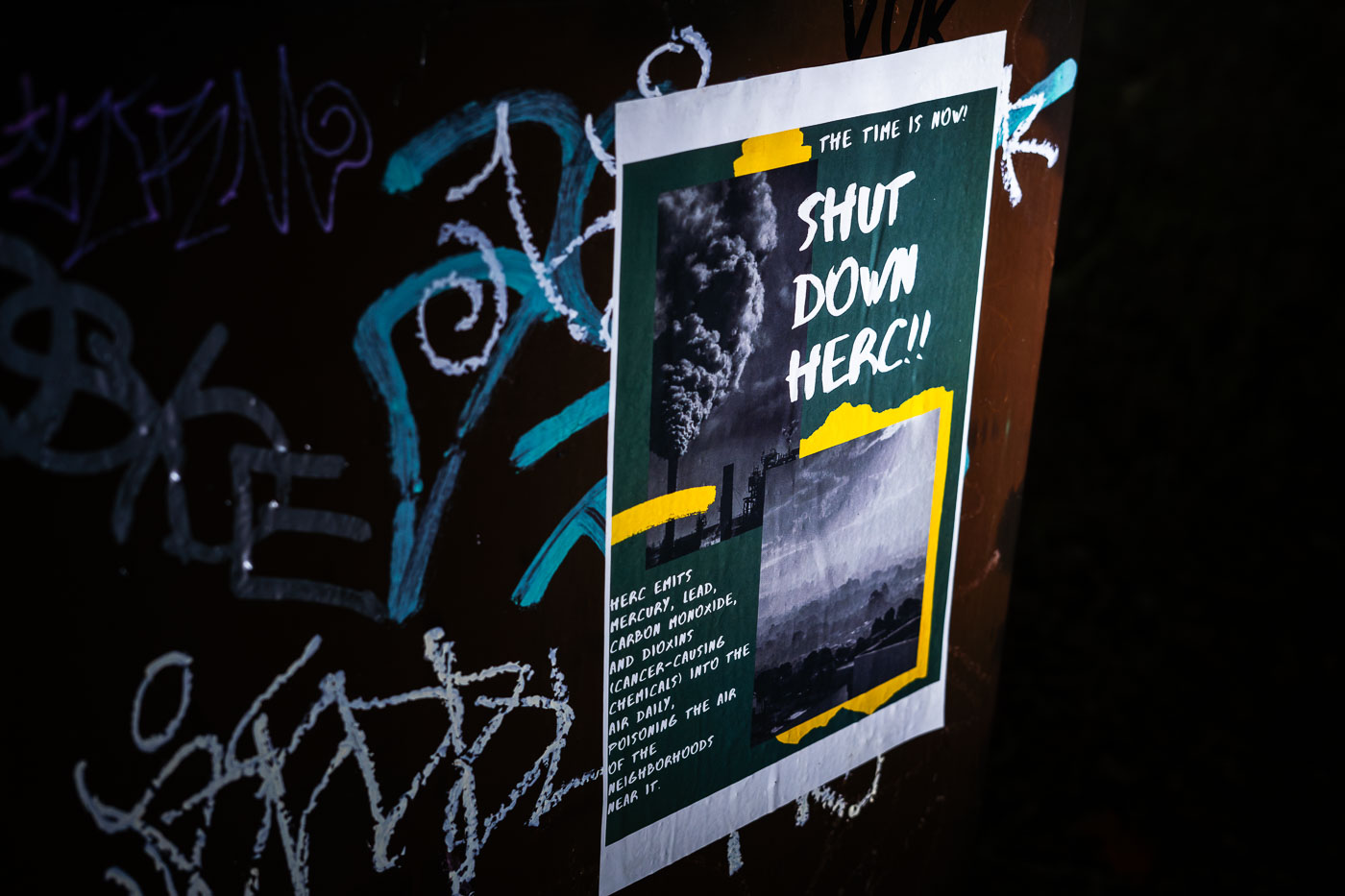 View full post: Protest Flyer for Hennepin Energy Recovery Center on Midtown Greenway
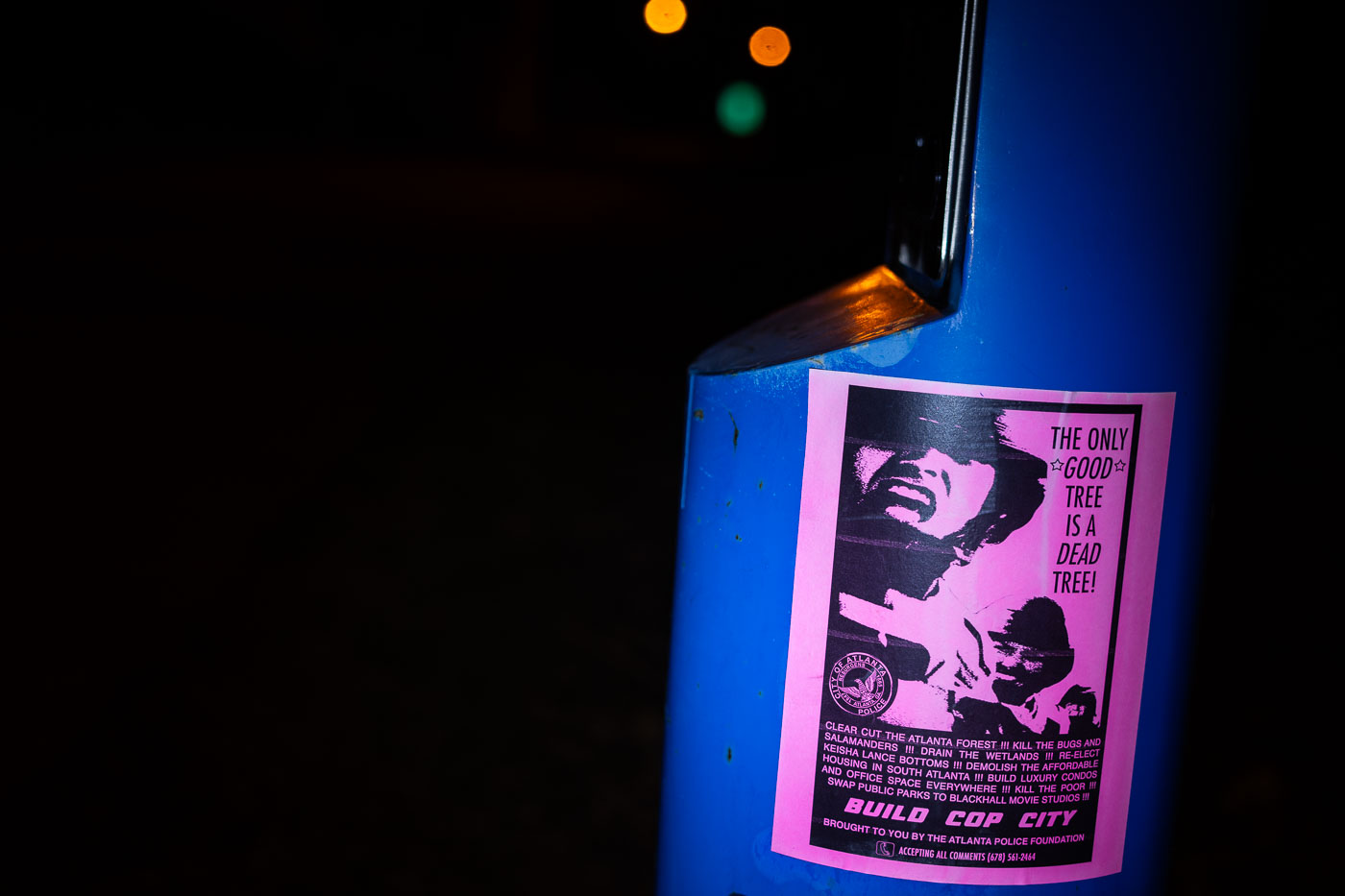 View full post: Cop City Flyer on Minneapolis Greenway
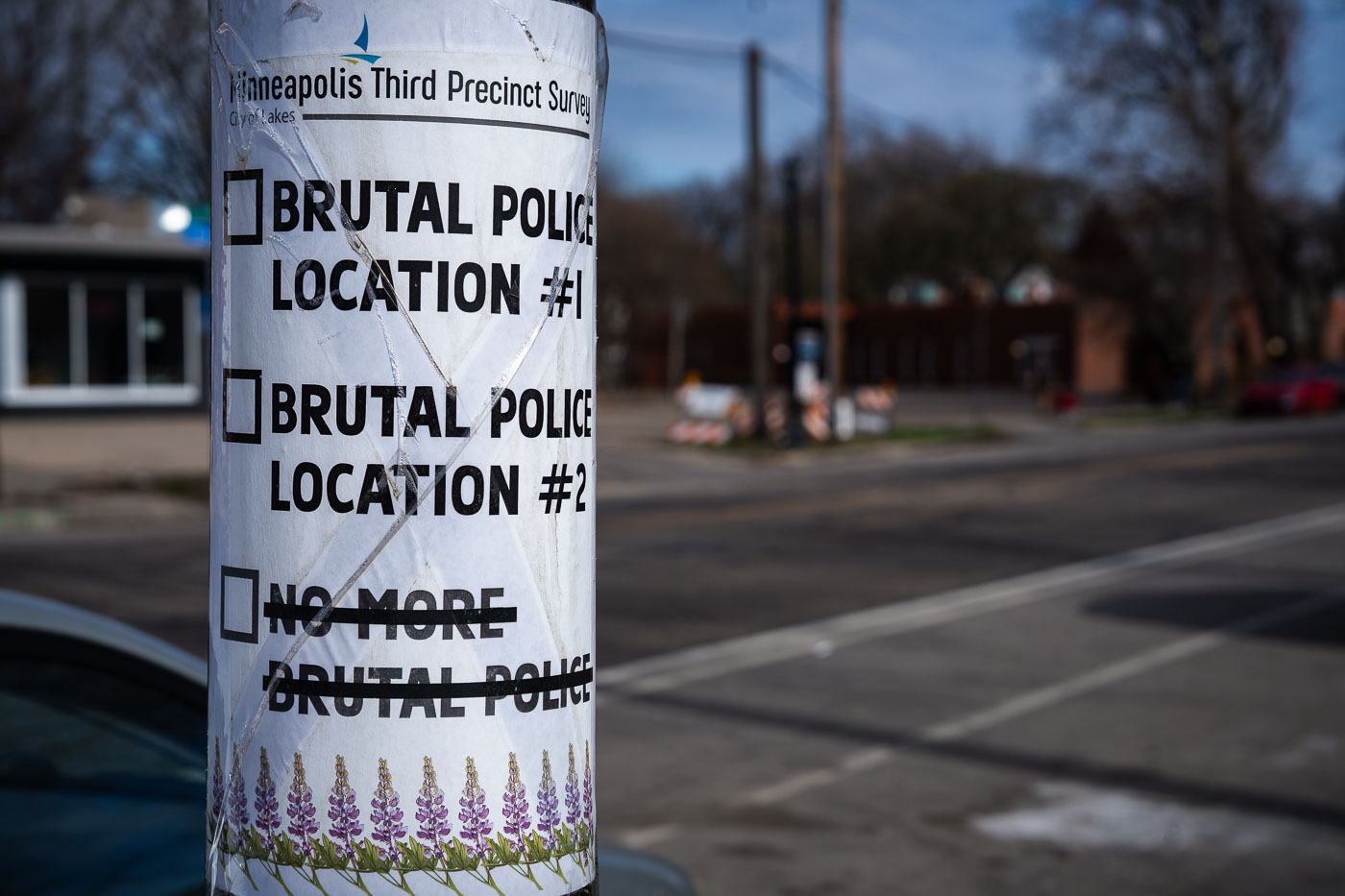 View full post: Minneapolis Third Precinct Survey: No More Brutal Police