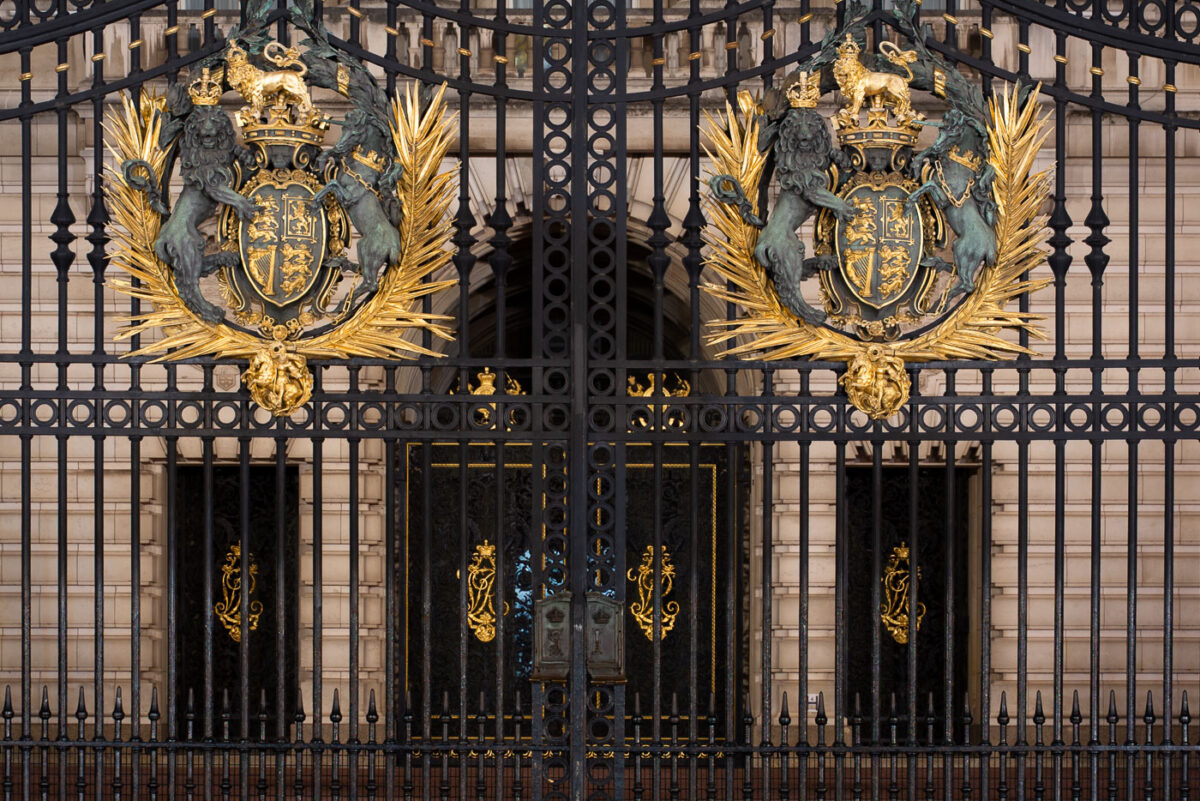
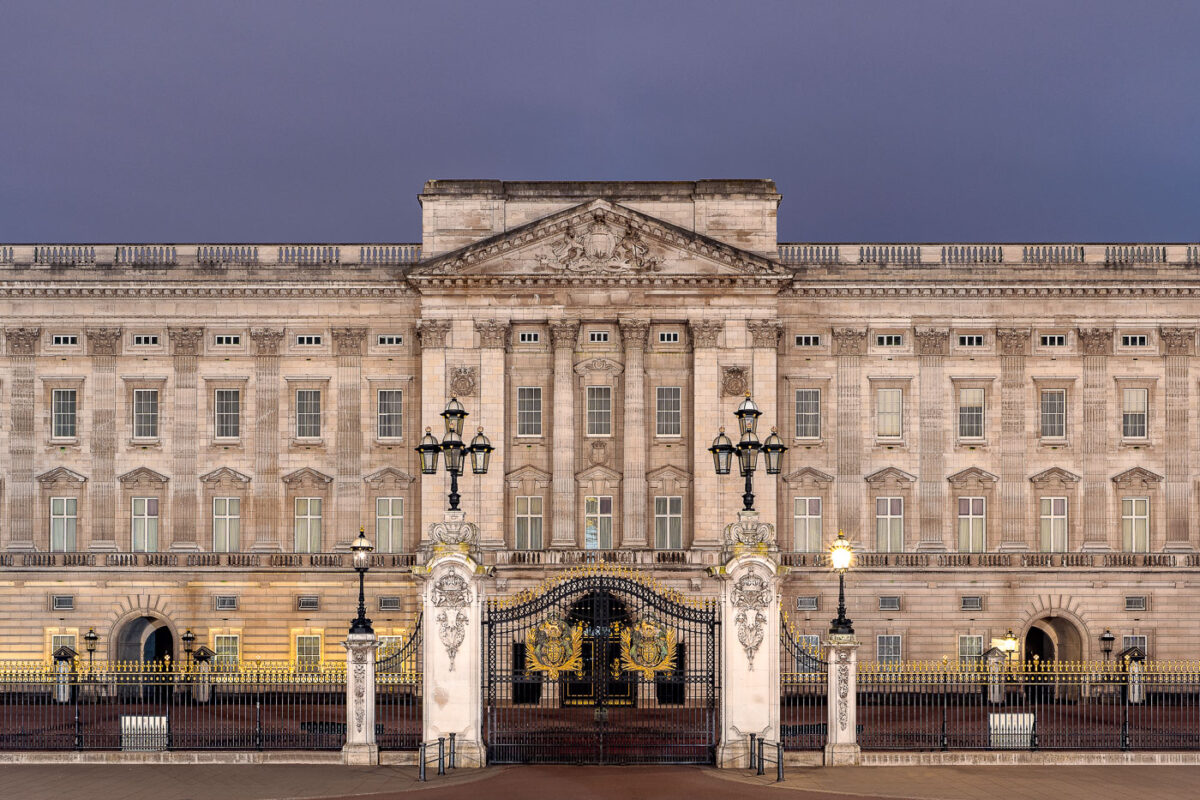
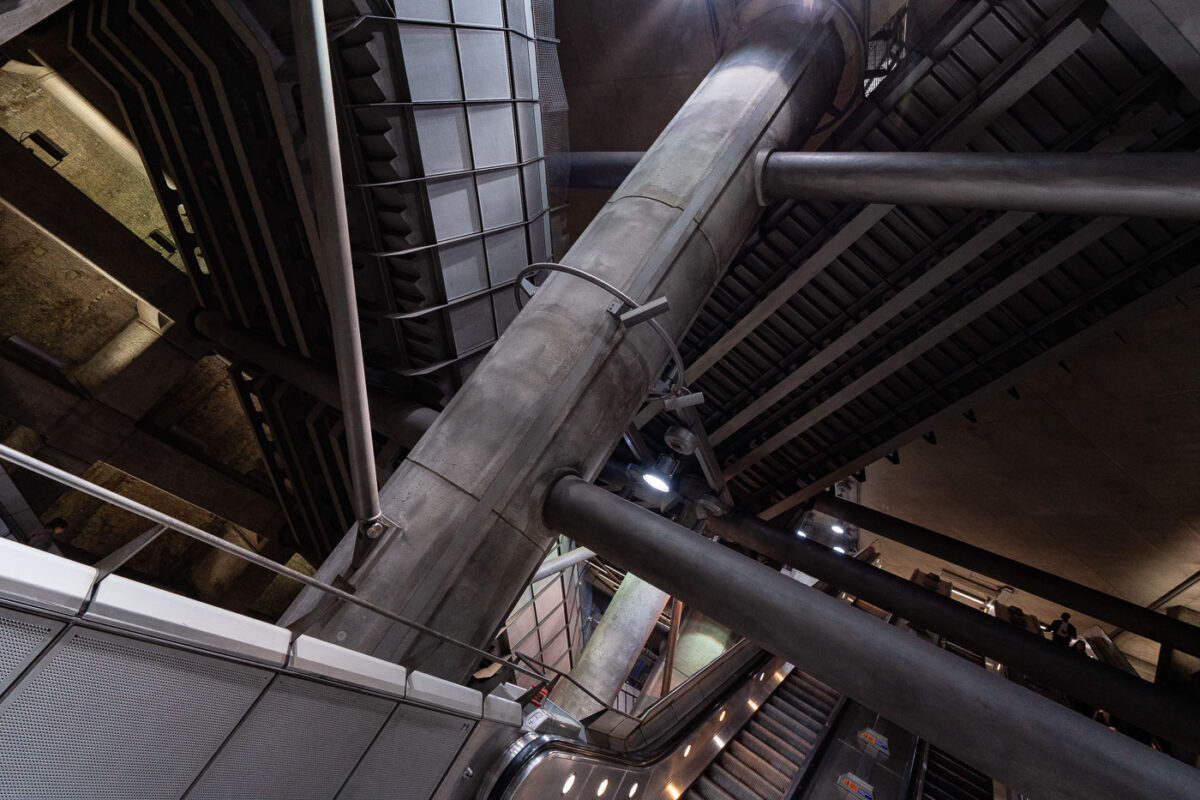
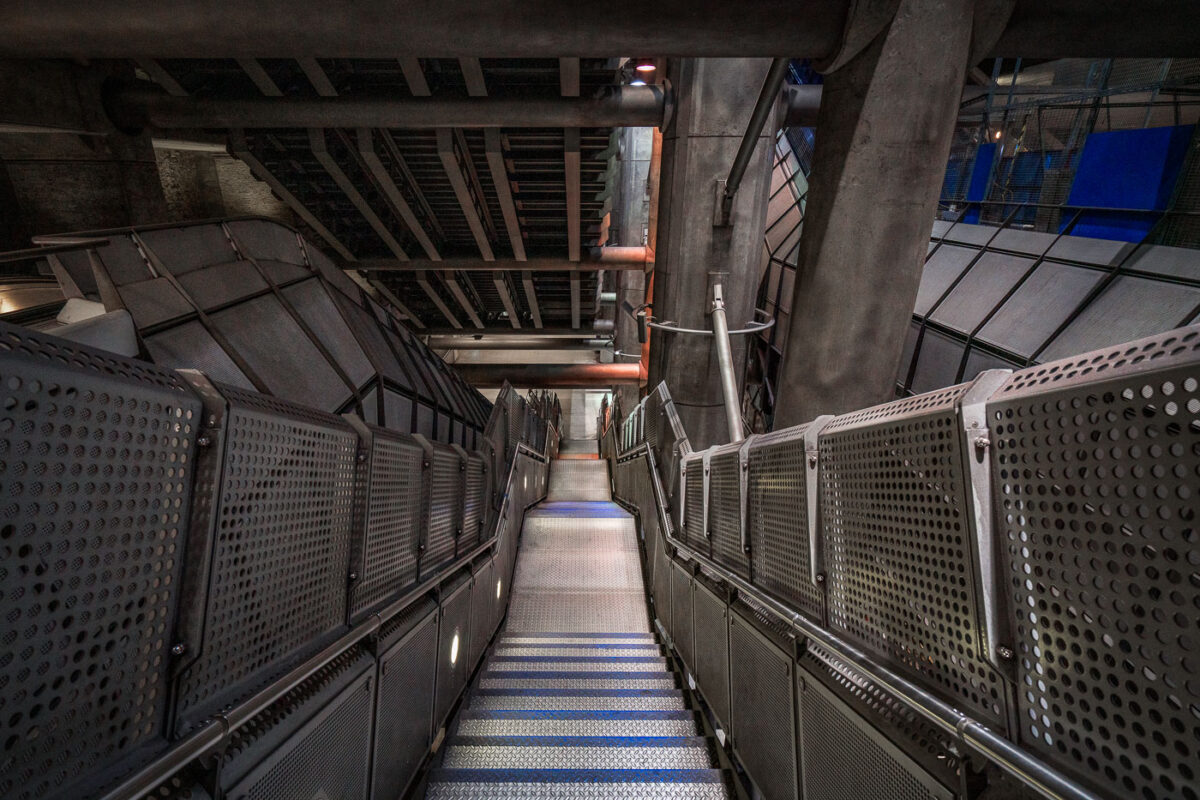
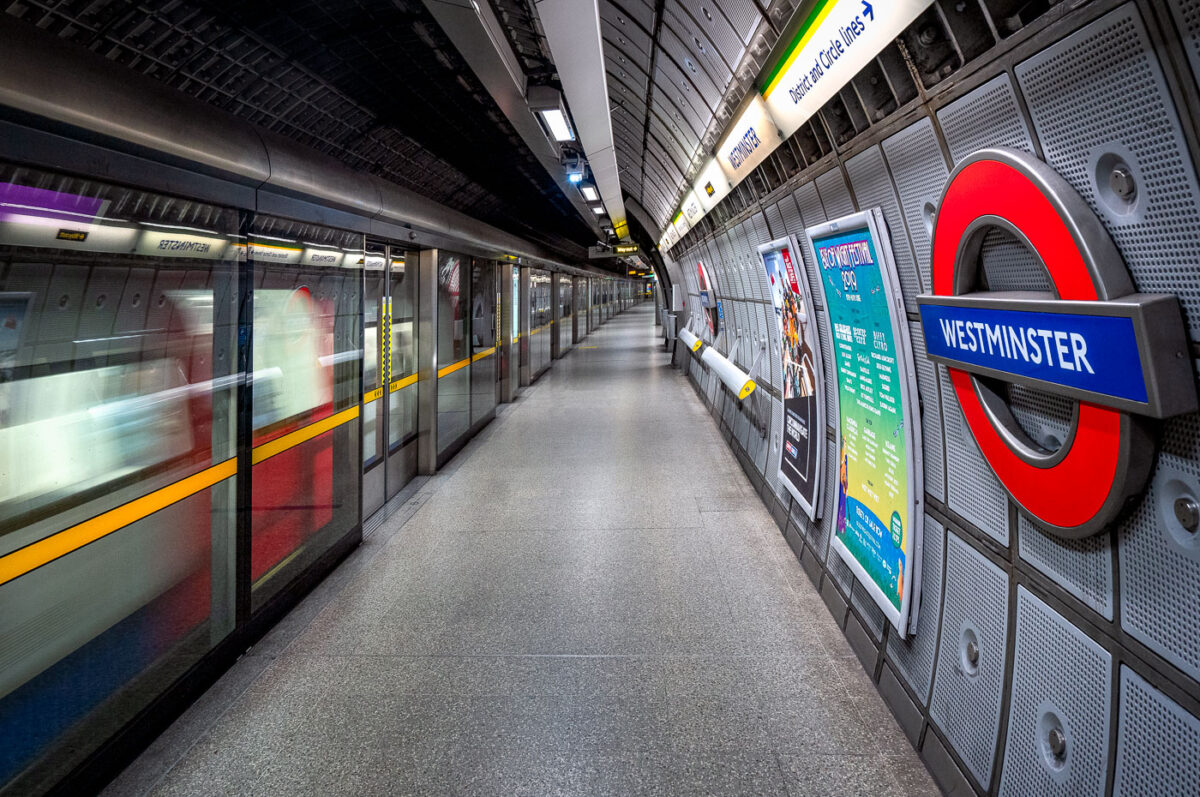
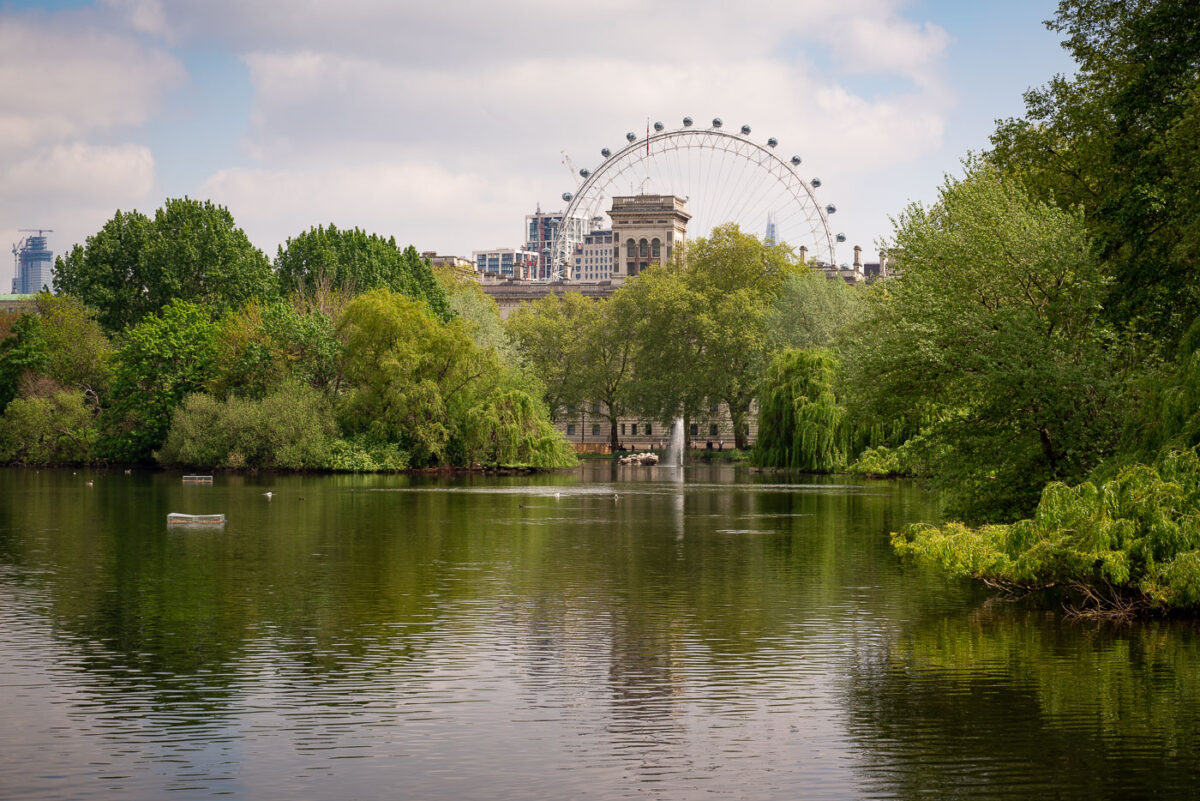
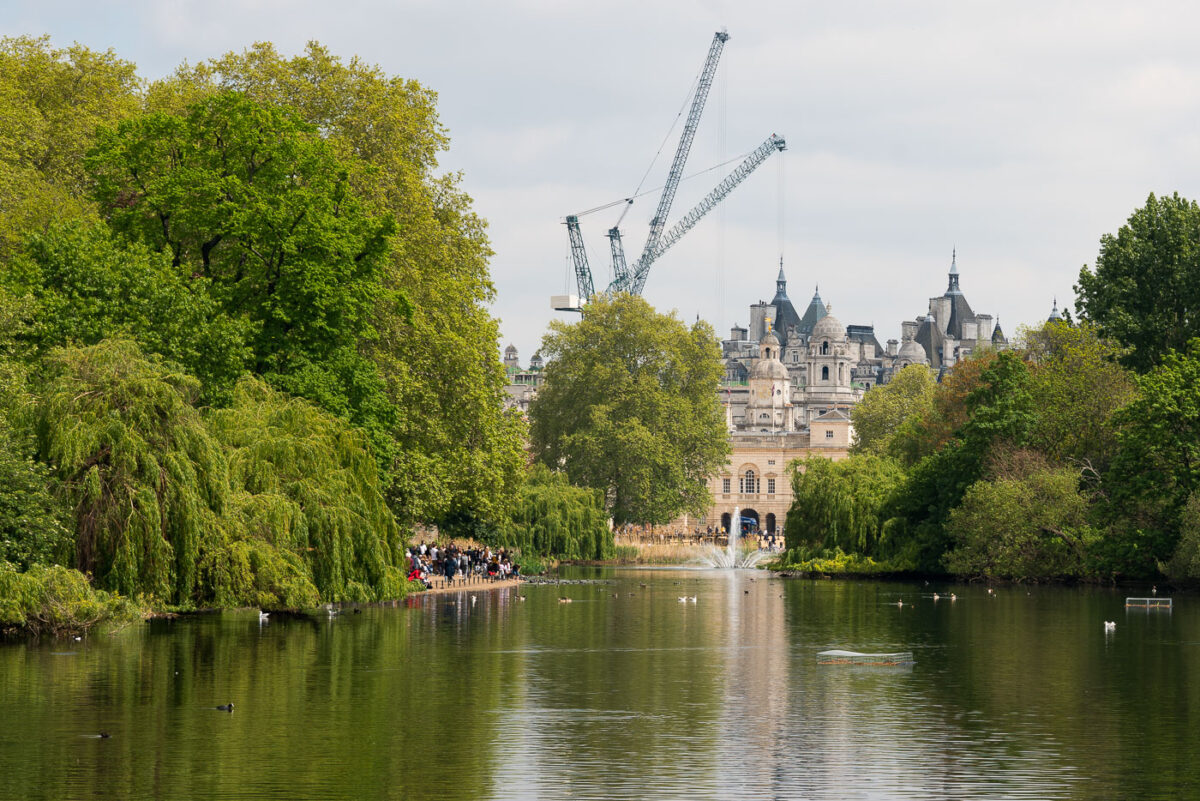
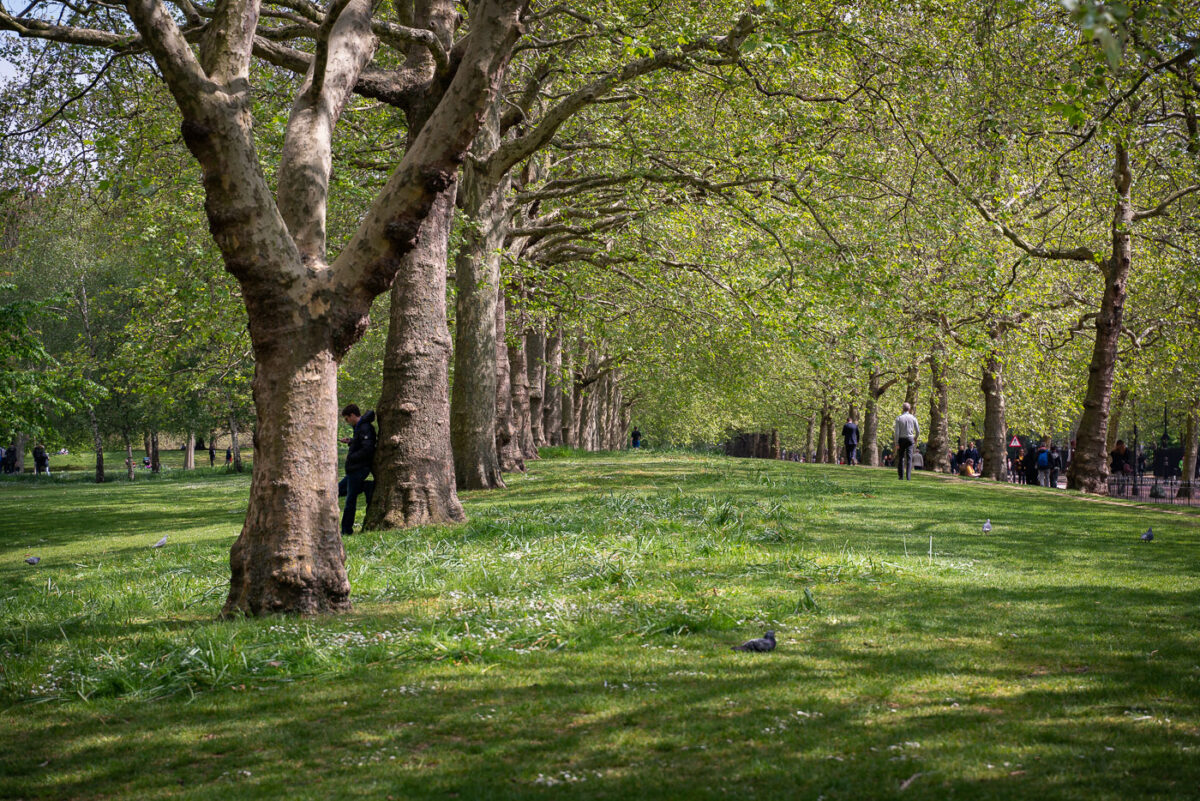
May 2, 2019 — The ornate front gates of Buckingham Palace display the Royal Coat of Arms of the United Kingdom, rendered in gilded bronze against black wrought iron. The emblem—featuring a crowned lion and a chained unicorn supporting a quartered shield—symbolizes the unity of England, Scotland, and Ireland under the Crown. Each detail of the design, from the gilded laurel bursts to the scrollwork on the surrounding ironwork, reflects both heraldic tradition and the craftsmanship of early twentieth-century metalworkers. These gates form one of the most photographed entrances in the world, standing as a ceremonial threshold to Britain’s royal residence.May 2, 2019 — The east front of Buckingham Palace, photographed at dusk, displays the neoclassical grandeur of Britain’s royal residence. Designed by architect Sir Aston Webb and completed in 1913, the symmetrical limestone facade is illuminated softly against a violet evening sky. Ornate wrought-iron gates adorned with gilded royal crests frame the main entrance, while gas-style lamps evoke the palace’s Edwardian-era detailing. The balanced rhythm of Corinthian pilasters and sash windows underscores the building’s enduring place as both a functioning royal residence and an architectural symbol of the British monarchy.May 1, 2019 — Westminster is a London Underground station in the City of Westminster. It is served by the Circle, District and Jubilee lines. On the Circle and District lines, the station is between St. James's Park and Embankment, and on the Jubilee line it is between Green Park and Waterloo. It is in Travelcard Zone 1. The station is located at the corner of Bridge Street and Victoria Embankment and is close to the Houses of Parliament, Westminster Abbey, Parliament Square, Whitehall, Westminster Bridge, and the London Eye. Also close by are Downing Street, the Cenotaph, Westminster Millennium Pier, the Treasury, the Foreign and Commonwealth Office, and the Supreme Court.May 1, 2019 — The angular steel and concrete design of Westminster Underground Station represents one of the most ambitious architectural undertakings of London’s Jubilee Line Extension, opened in 1999. Designed by Foster + Partners, the station descends more than 30 meters below ground beside the Houses of Parliament, requiring deep excavation and advanced structural engineering to stabilize the surrounding historic area.
The stairwell seen here showcases the station’s signature industrial aesthetic — exposed concrete ribs, perforated metal panels, and massive supporting beams that evoke the look of a subterranean cathedral of infrastructure. Built within a massive box excavated beneath Bridge Street, Westminster’s layout integrates vertical circulation through lifts, escalators, and these steep stairways connecting the ticket hall to multiple underground levels. The design not only accommodates heavy passenger volumes but celebrates the raw mechanics of public transit, merging utility with architectural expression.May 1, 2019 — The Jubilee Line platforms at Westminster Underground Station represent the deep-level engineering and modernist design of London’s late-20th-century transit expansion. Constructed as part of the 1999 Jubilee Line Extension, these platforms sit approximately 30 meters below ground, directly beneath the District and Circle line tunnels. Designed by Foster + Partners, the station features full-height platform screen doors — a safety innovation uncommon on most of the Underground — and a sleek system of acoustic panels and perforated aluminum cladding that enhance both sound control and visual uniformity.
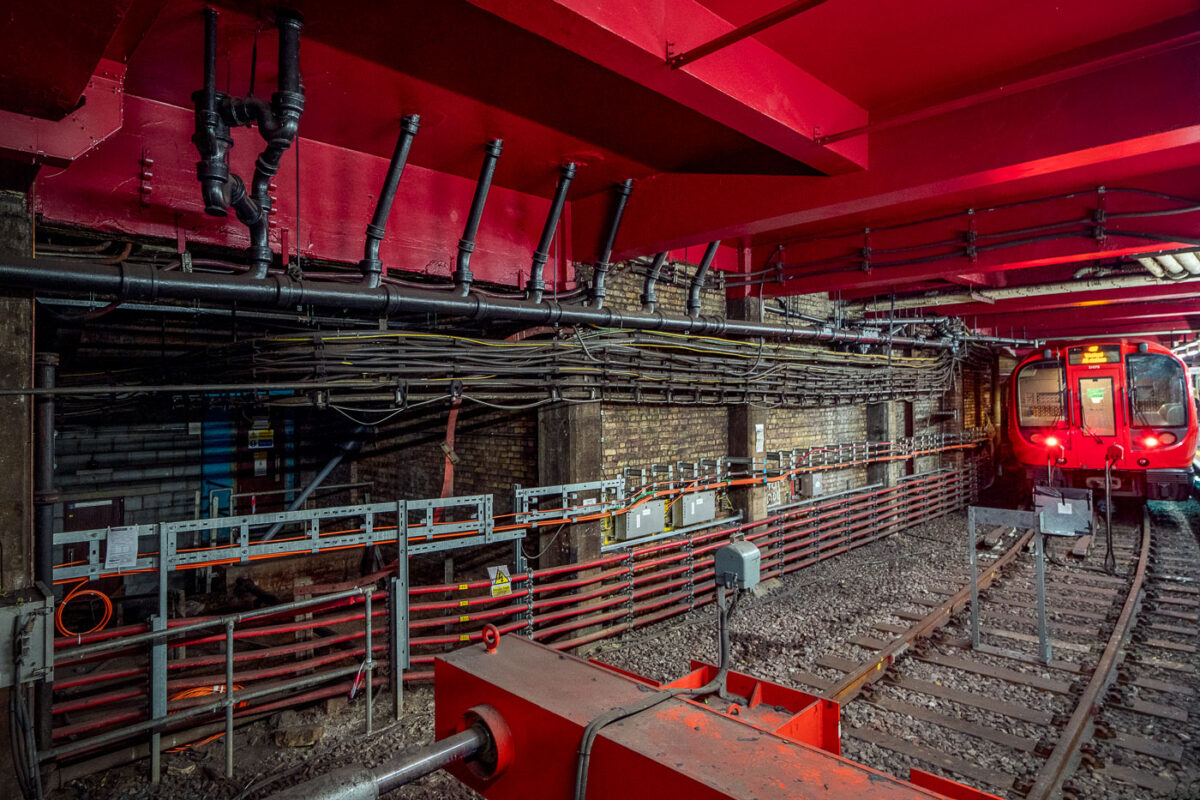
Every structural and material detail reflects the project’s dual purpose: to manage immense passenger flow serving Parliament and Whitehall above, while preserving architectural clarity within a highly constrained urban site. The smooth curvature of the platform walls, precision lighting, and isolation of mechanical systems behind layered steel panels highlight the station’s integration of industrial functionality with the aesthetics of modern infrastructure.May 1, 2019 — Deep beneath central London, Baker Street’s Metropolitan Line platforms reveal the layered engineering of one of the oldest functioning railway systems in the world. The exposed brick tunnel and steel framing date back to the Victorian “cut-and-cover” era of the 1860s, when steam locomotives first ran through these very corridors. The heavy red girders seen above were reinforced during modern refurbishments, supporting the city streets above while housing utilities and cable conduits that power today’s Underground network.
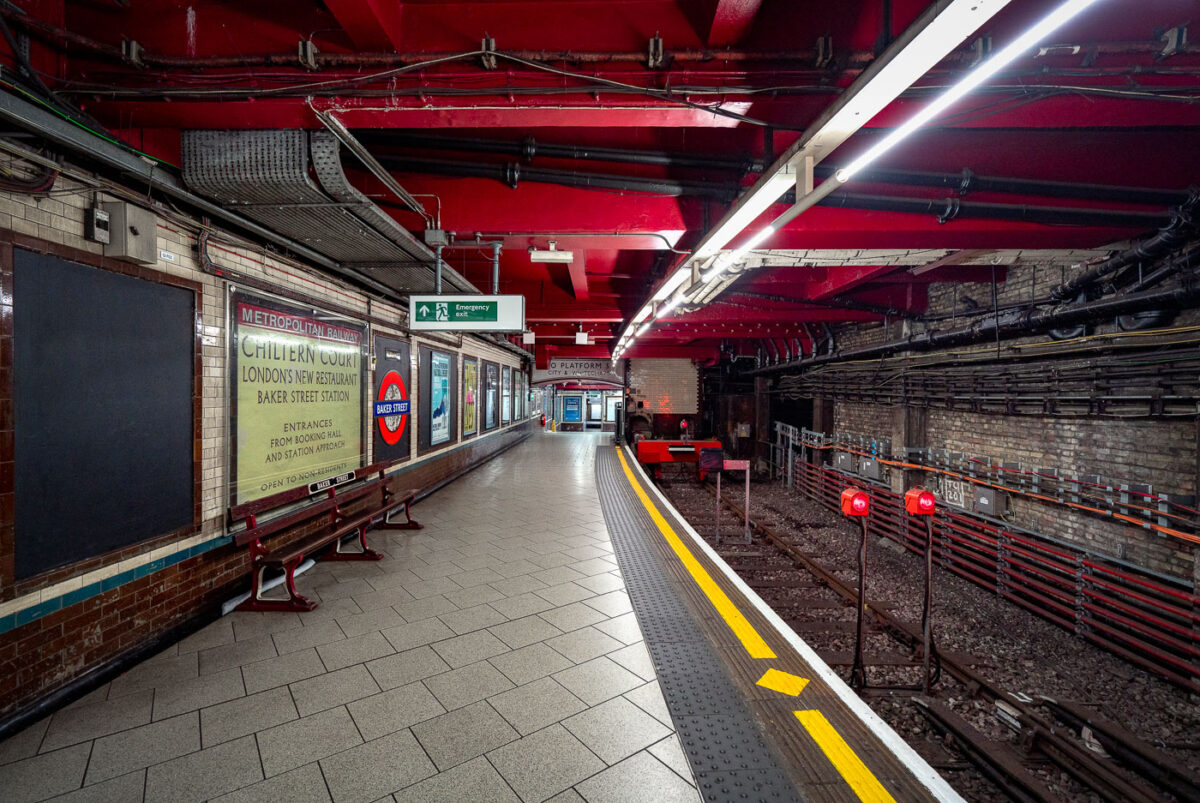
The train at the far end belongs to the S8 Stock series, introduced in 2010 by Bombardier for the Metropolitan Line, equipped with air conditioning and regenerative braking. The dense web of cables and control boxes along the wall carries signal, communication, and traction power circuits, all vital to the line’s safe operation. Baker Street’s infrastructure embodies London Transport’s continual evolution—from soot-covered tunnels to precision-controlled, electrically powered systems still running along the same 19th-century alignments.May 1, 2019 — Baker Street Station’s Metropolitan Line platforms represent one of the oldest sections of the London Underground, opened in 1863 as part of the world’s first subterranean railway. The terminus platforms, seen here, retain their cut-and-cover Victorian brickwork paired with modern safety updates and striking red-painted steel reinforcements added during later refurbishments.
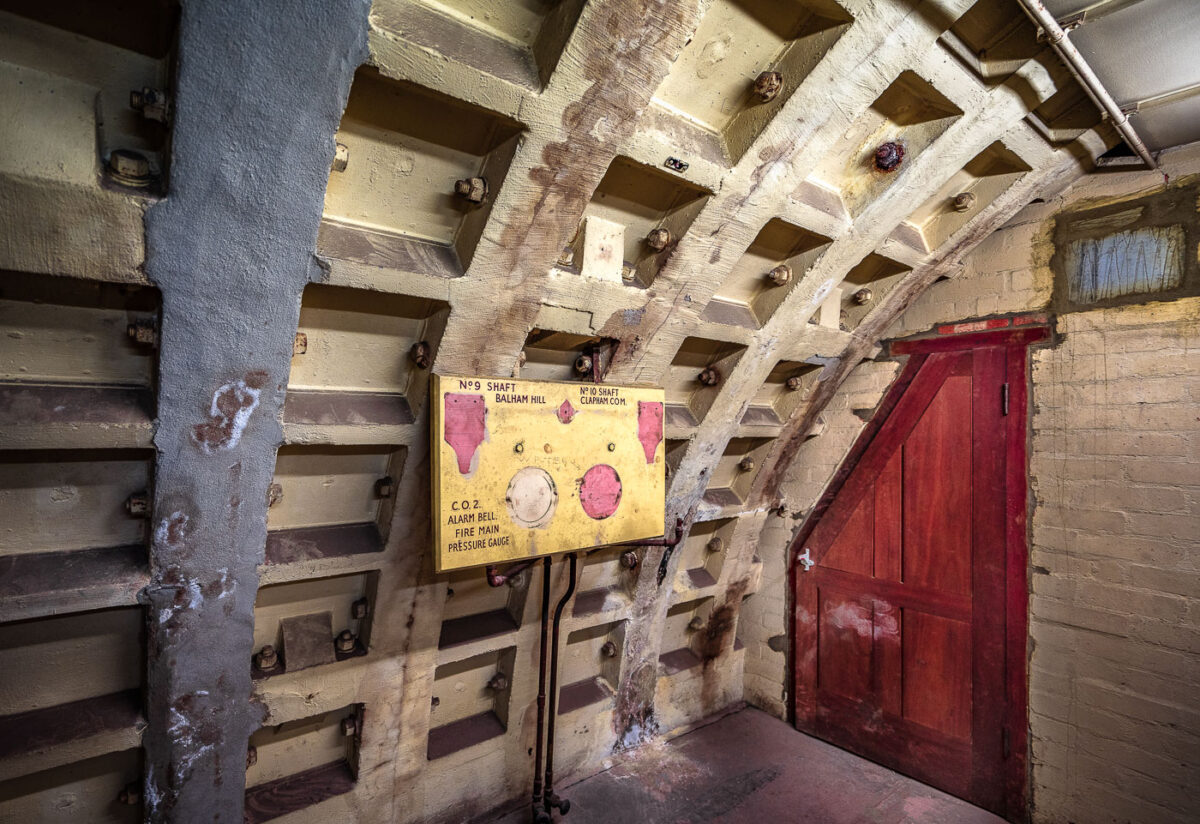
The station originally served the Metropolitan Railway’s steam-hauled trains running between Paddington and Farringdon before electrification in the early 20th century transformed the network. Period signage advertising “Chiltern Court” and the original Metropolitan Railway branding pay homage to its heritage, contrasting with the exposed wiring, signal lights, and tiling that reveal more than 160 years of evolving underground infrastructure. Today, Baker Street remains a key interchange, connecting five Underground lines while preserving much of the industrial atmosphere that defined London’s pioneering approach to mass transit.May 1, 2019 — A surviving pressure control and alarm panel from the Clapham South deep-level shelter, part of London’s extensive subterranean civil defence network built during World War II. Marked for Shafts 9 and 10 — Balham Hill and Clapham Common — this steel and cast-iron tunnel section reflects the industrial engineering that underpinned the capital’s wartime infrastructure.
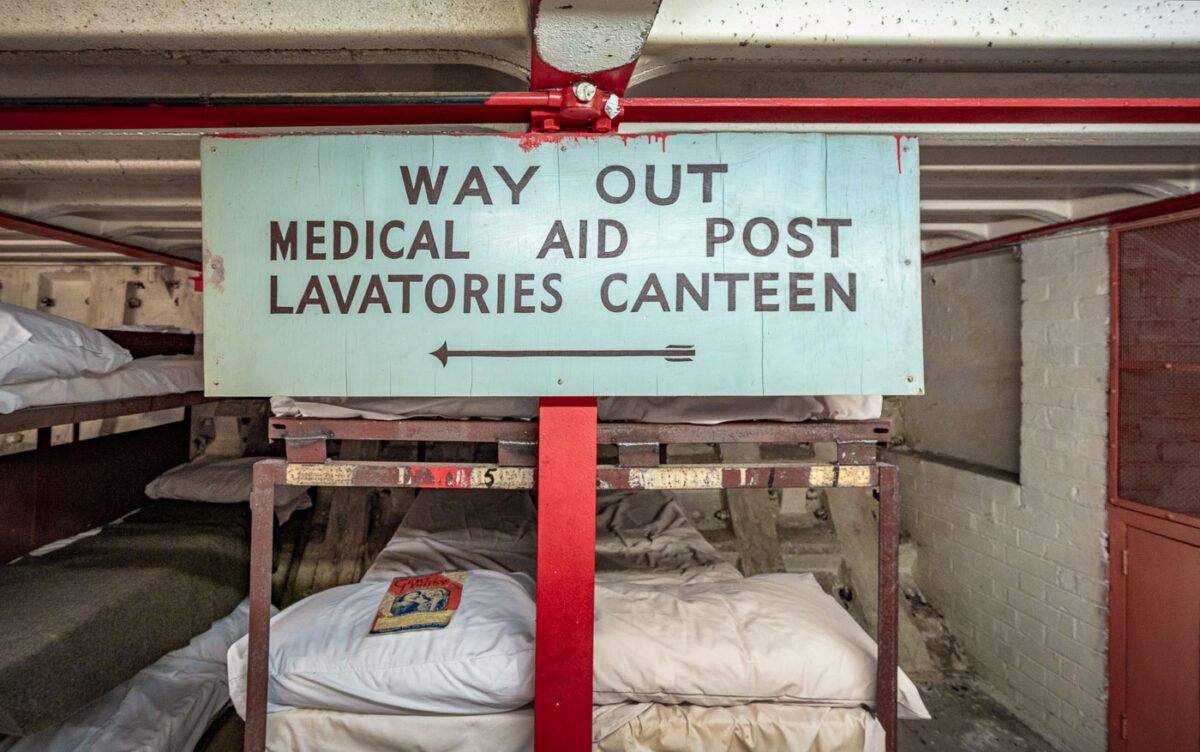
The shelter, completed in 1942, was constructed 36 meters below ground to house up to 8,000 civilians during Luftwaffe air raids. Panels like this one were integral to the shelter’s life-support and safety systems, monitoring air pressure, fire mains, and CO₂ levels to maintain breathable air and protect against smoke or gas intrusion. The utilitarian design, reinforced bolted segments, and residual wartime paintwork remain as tangible reminders of Britain’s wartime engineering precision and the resilience of Londoners forced to seek refuge deep beneath the city’s streets.May 1, 2019 — A wartime directional sign inside the Clapham North deep-level shelter, one of eight civilian bunkers built beneath the London Underground during World War II. Constructed in 1940–1942 and located over 100 feet below ground, these tunnels were designed to protect thousands of civilians from German air raids during the Blitz. The painted wooden sign directs occupants toward vital amenities — medical aid, lavatories, and the canteen — illustrating the organized, self-contained nature of these subterranean refuges.
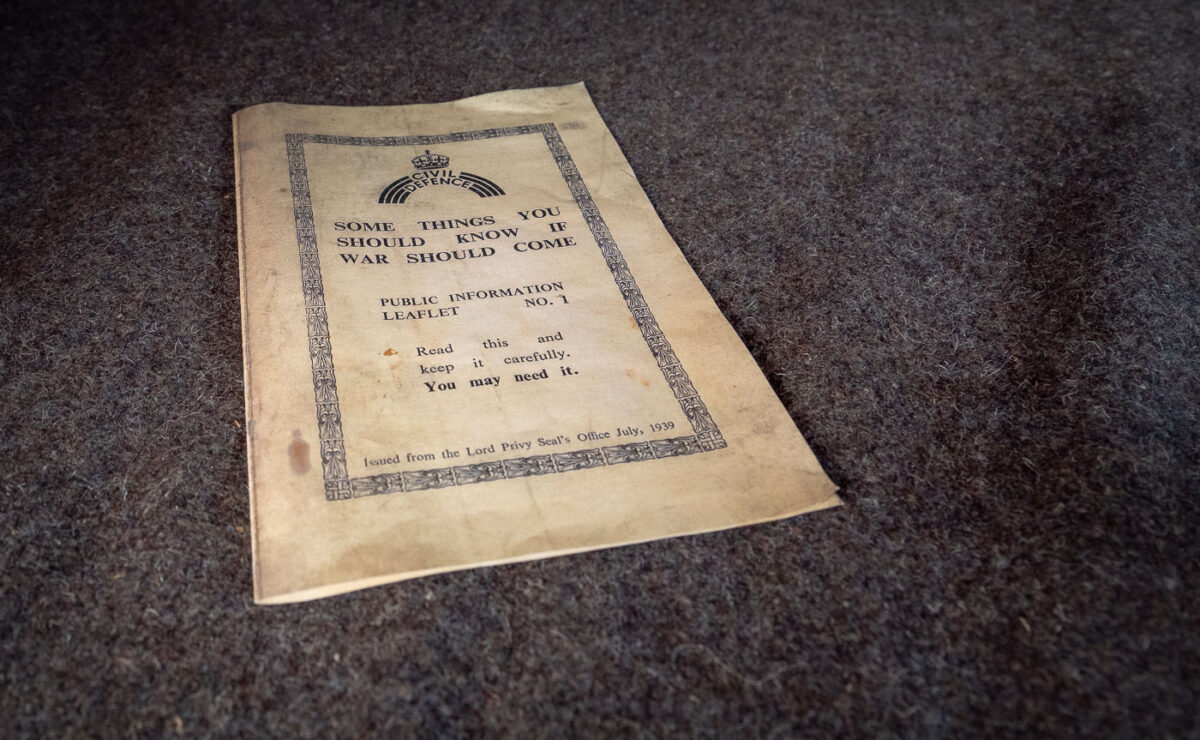
Rows of bunk beds once lined these tunnels, each assigned a number for families or individuals. The close quarters, reinforced concrete linings, and utilitarian signage evoke the claustrophobic yet crucial life-saving environment that became a hallmark of London’s wartime resilience. Today, Clapham North’s deep-level shelter stands preserved as a powerful reminder of the capital’s civil defence network and the endurance of its citizens under bombardment.May 1, 2019 — A British Civil Defence leaflet issued in July 1939, weeks before the outbreak of World War II, titled “Some Things You Should Know if War Should Come.” Distributed by the Lord Privy Seal’s Office, it was the first in a series of public information pamphlets intended to prepare civilians for air raids, blackout regulations, and the use of gas masks. The leaflet’s sober directive — “Read this and keep it carefully. You may need it.” — reflects the government’s attempt to balance reassurance with realism as Europe edged toward conflict.
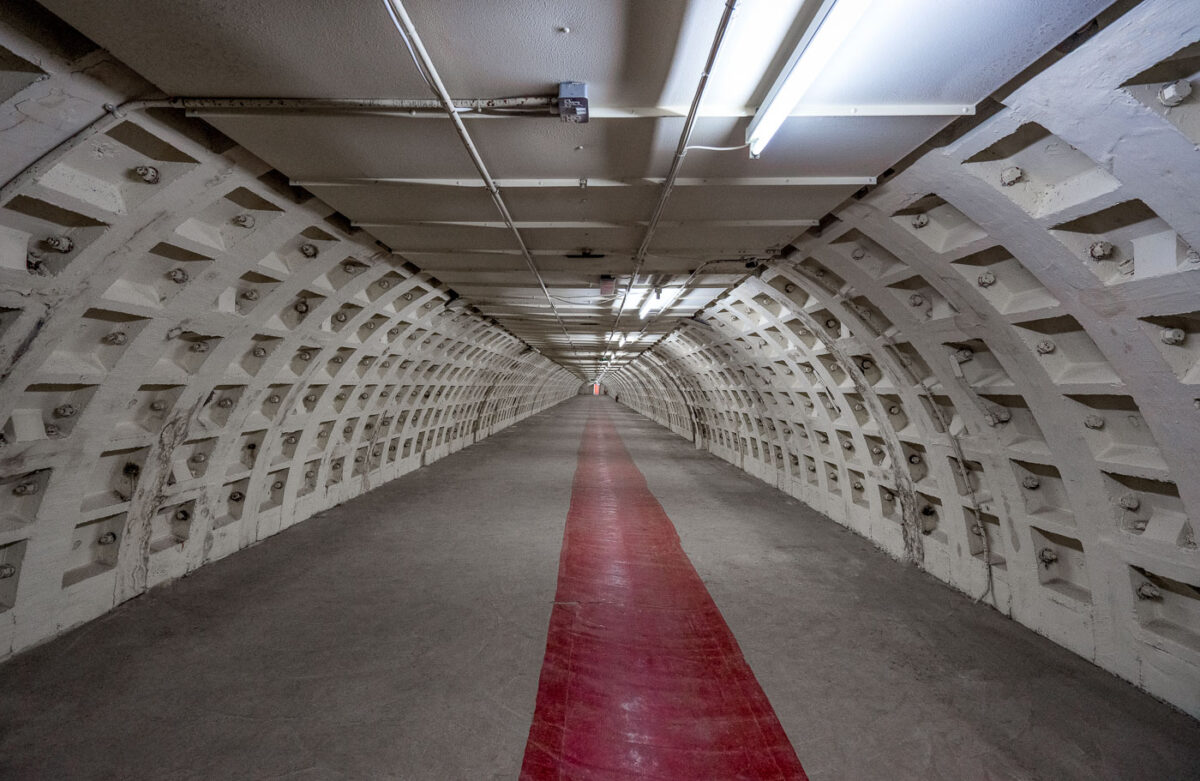
Millions of these leaflets were delivered to homes across Britain as part of an unprecedented civil preparedness campaign. Surviving examples like this one, often yellowed and worn with age, stand as historical evidence of the anxious months before September 1939, when the nation braced for the total war that would soon arrive.May 1, 2019 — A deep-level shelter tunnel beneath Clapham North, one of eight such subterranean structures built during World War II as civilian air-raid refuges along the London Underground. Constructed between 1940 and 1942, these reinforced cylindrical passages were designed to house up to 8,000 people during bombing raids, each equipped with bunks, lavatories, and medical posts. The distinctive bolted cast-iron lining — a hallmark of wartime tunnel construction — remains intact, illuminated by fluorescent fixtures added decades later.
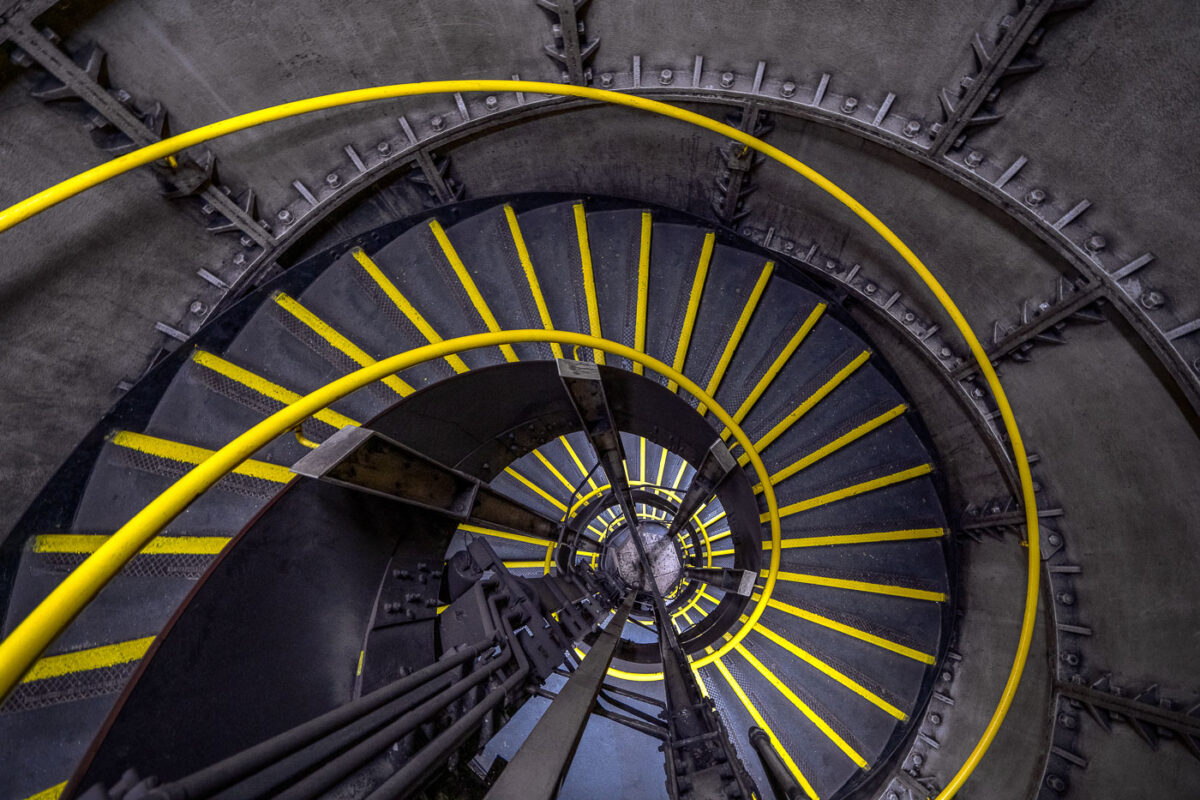
After the war, the tunnels were repurposed for various uses, including temporary accommodation for Commonwealth immigrants and later as part of London Transport’s secure archival storage. Today, the Clapham North tunnels represent one of the most intact examples of London’s wartime civil engineering — a hidden layer beneath the active Northern Line that reveals the city’s dual legacy of transit innovation and wartime resilience.May 1, 2019 — A view inside one of the distinctive spiral staircases of Clapham North Underground Station on the Northern Line, part of London’s deep-level tube network completed in the 1920s. The cast-iron stairwell descends nearly 120 feet below ground, wrapping tightly around a central ventilation column used to regulate air pressure and temperature within the tunnels. The staircase, equipped with yellow anti-slip edges and a steel handrail, was designed as an emergency exit and maintenance access route for the deep-bore platforms below.
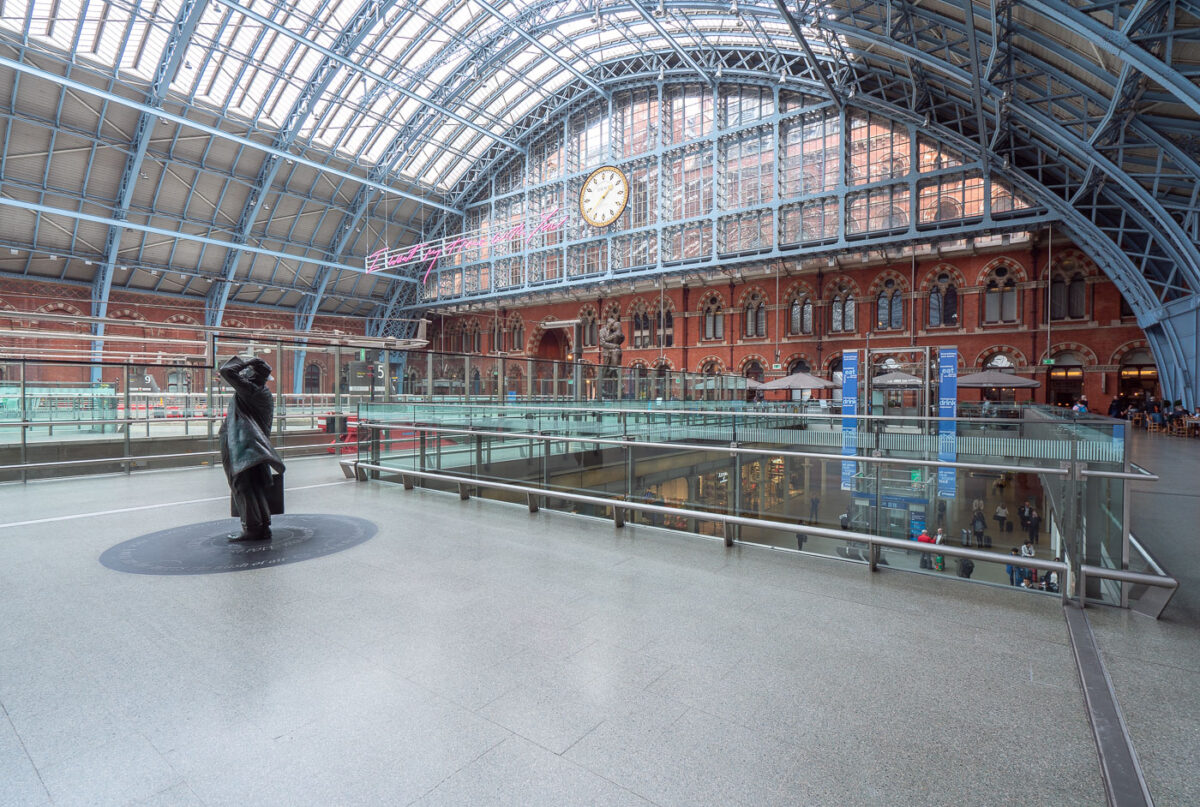
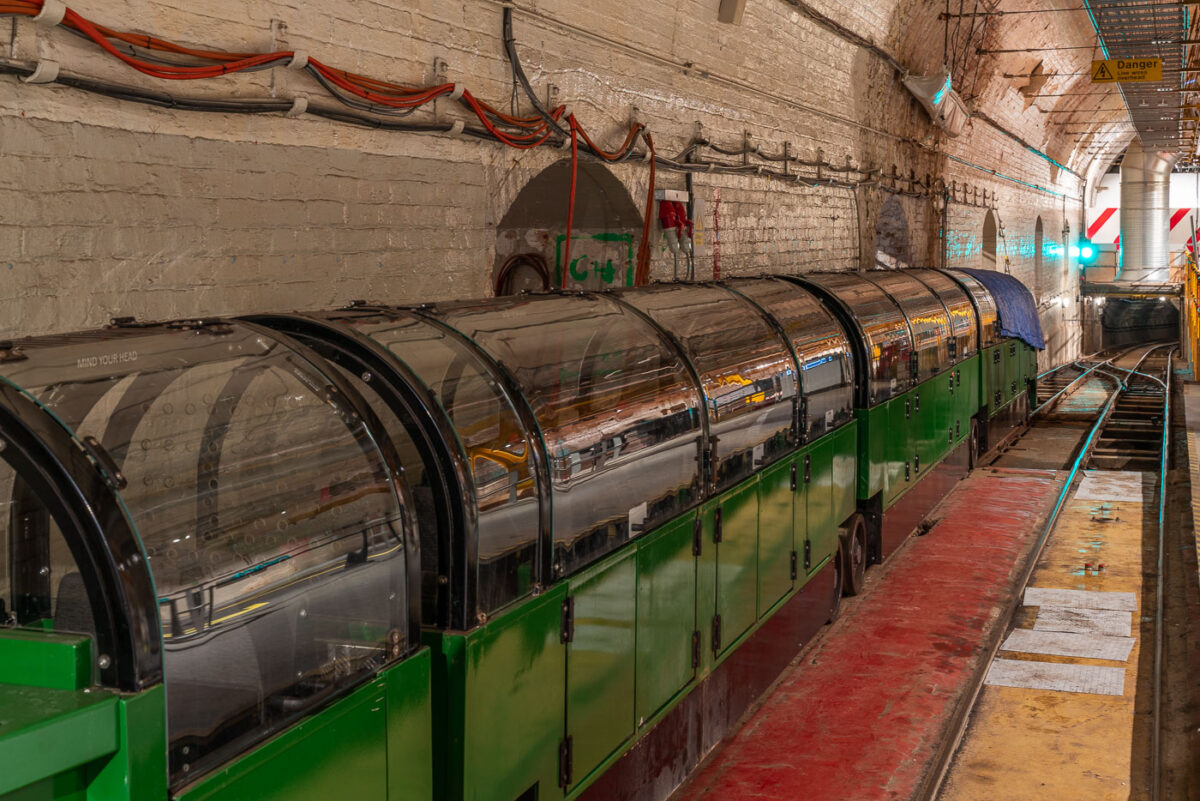
Stations like Clapham North, along with its twin Clapham Common, are known for their rare narrow island platforms and compact circular shafts — relics of early tube engineering when space and construction methods were limited. The robust riveted metalwork and industrial geometry of the stairwell reflect the period’s emphasis on function and endurance, forming part of London’s complex subterranean infrastructure still in use more than a century later.May 1, 2019 — King's Cross St. Pancras (formerly King's Cross) is a London Underground station on Euston Road in the Borough of Camden, Central London. It serves King's Cross and St Pancras main line stations in fare zone 1, and is an interchange between six Underground lines. The station was one of the first to open on the network; as of 2017, it is the most used station on the network for passenger entrances and exits combined.May 1, 2019 — Beneath the streets of central London lies one of the city’s lesser-known engineering feats—the Post Office Railway, more commonly known as the Mail Rail. Built in the early 20th century and officially opened in 1927, the driverless electric railway carried letters and parcels between key sorting offices and railway stations, including Paddington, Mount Pleasant, and Liverpool Street. The tunnels, only 2 feet wide and running for over six miles, allowed mail to move across the capital in a fraction of the time it took above ground, unaffected by London’s constant congestion.
The trains, such as the preserved unit pictured here, were designed to operate automatically, hauling specially built mail containers along narrow tracks deep below the city. Each train could carry up to 12 tons of post at speeds of up to 40 miles per hour, operating 22 hours a day at the network’s peak. The system remained in service until 2003, when changing logistics and new road systems made it redundant.
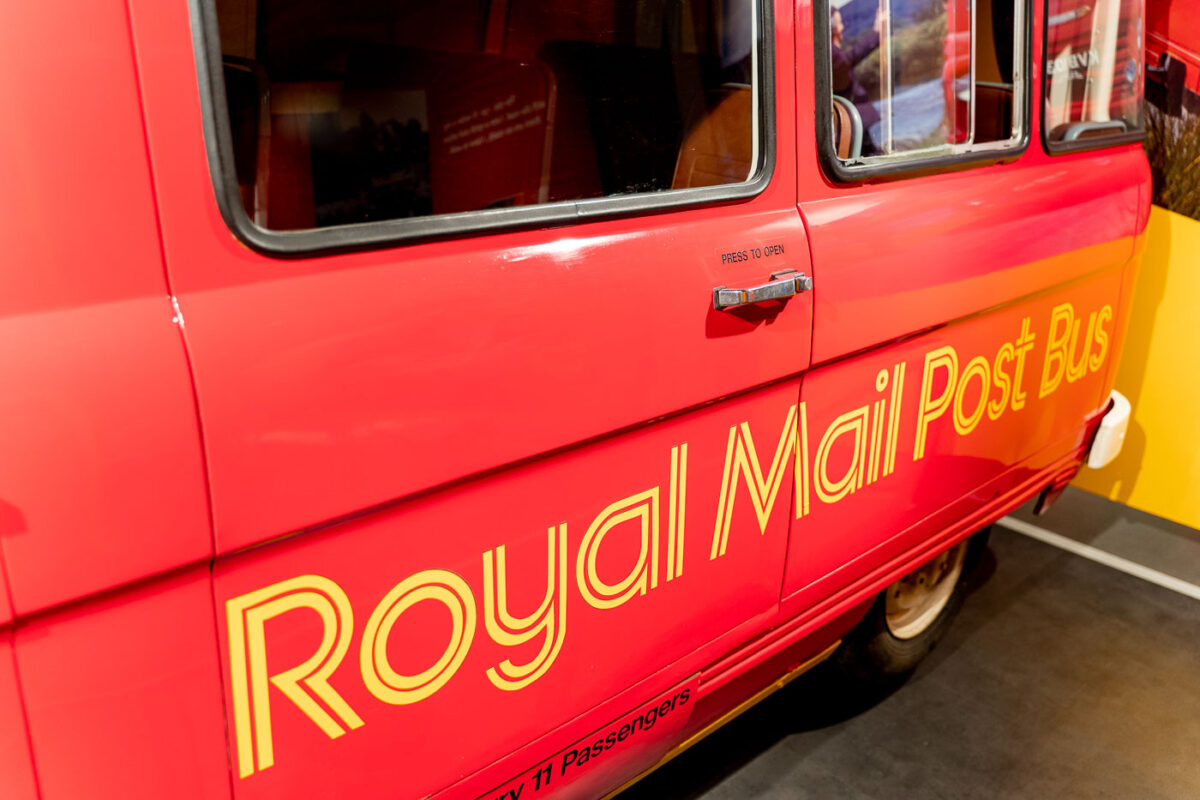
Today, visitors to the Postal Museum in Clerkenwell can ride a restored section of the railway and see the machinery that once kept London’s communication network in motion. The preserved infrastructure—brick tunnels, signal systems, and compact rolling stock—stands as a rare example of early automation in transport history, reflecting Britain’s long-standing innovation in engineering and urban logistics.May 1, 2019 — A preserved Royal Mail Post Bus, once a familiar sight across rural Britain, is seen here on display with its signature red and gold livery. Introduced in 1967, the Post Bus service was an innovative hybrid of public transport and postal logistics, providing passenger seats on vehicles that also delivered mail along remote routes where dedicated bus services were uneconomical. Operated by Royal Mail in partnership with local councils, these vehicles—often based on small vans or minibuses—served isolated villages across Scotland, Wales, and the English countryside.
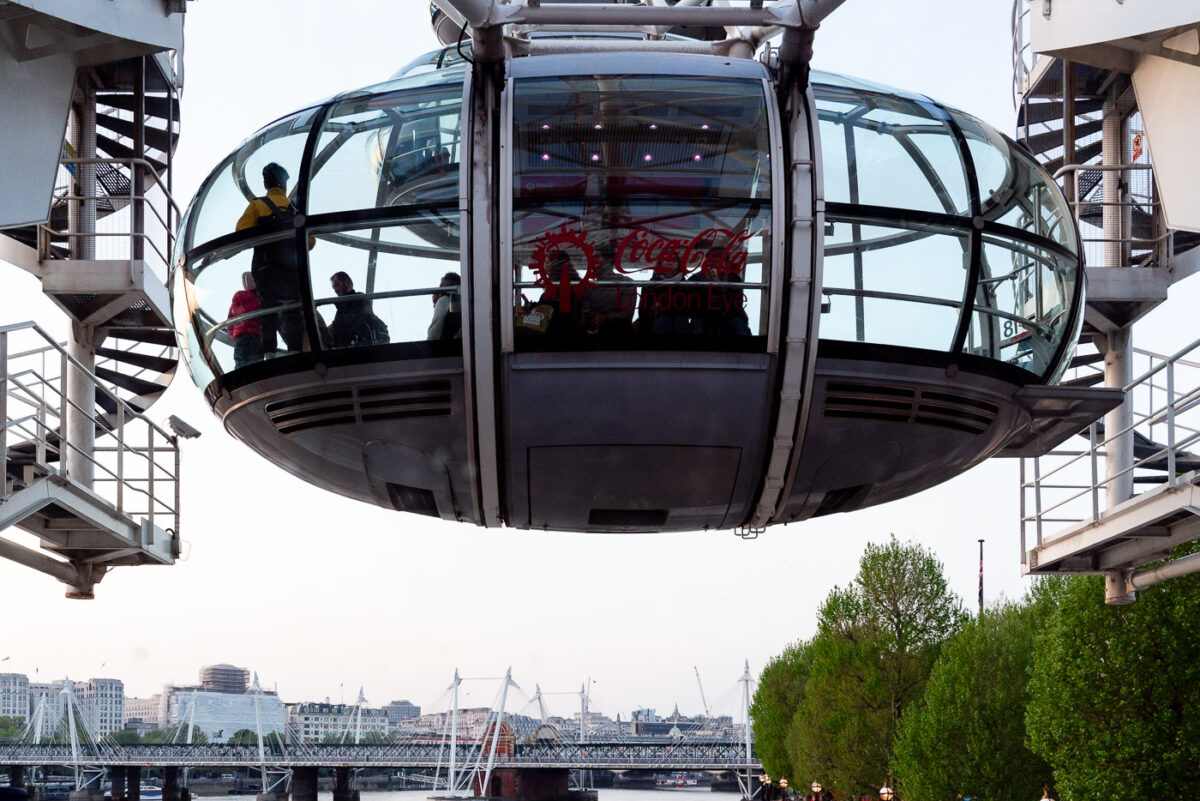
Each bus carried both letters and up to a dozen passengers, connecting rural communities to larger towns while ensuring that even the most remote addresses received daily mail service. The scheme ran for over four decades before its gradual discontinuation by 2017, marking the end of a uniquely British solution to the challenges of rural mobility and communication.April 30, 2019 — A close-up look at one of the passenger capsules of the London Eye, captured while docked at its embarkation platform along the South Bank of the River Thames. Each capsule is a marvel of modern engineering — a fully enclosed, climate-controlled glass pod capable of carrying up to 25 passengers. Suspended externally from the wheel’s rim, the capsules are mounted using a unique motorized bearing system that allows them to remain perfectly upright as the 135-meter-tall structure rotates.
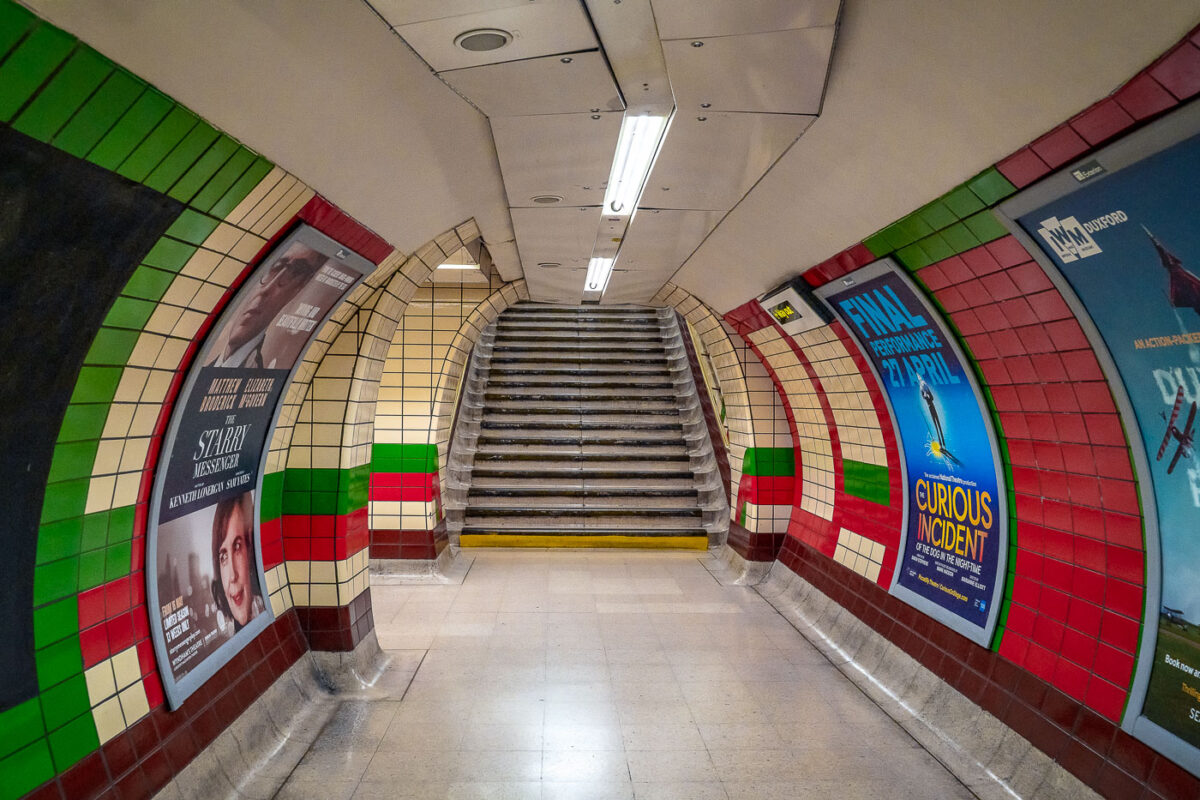
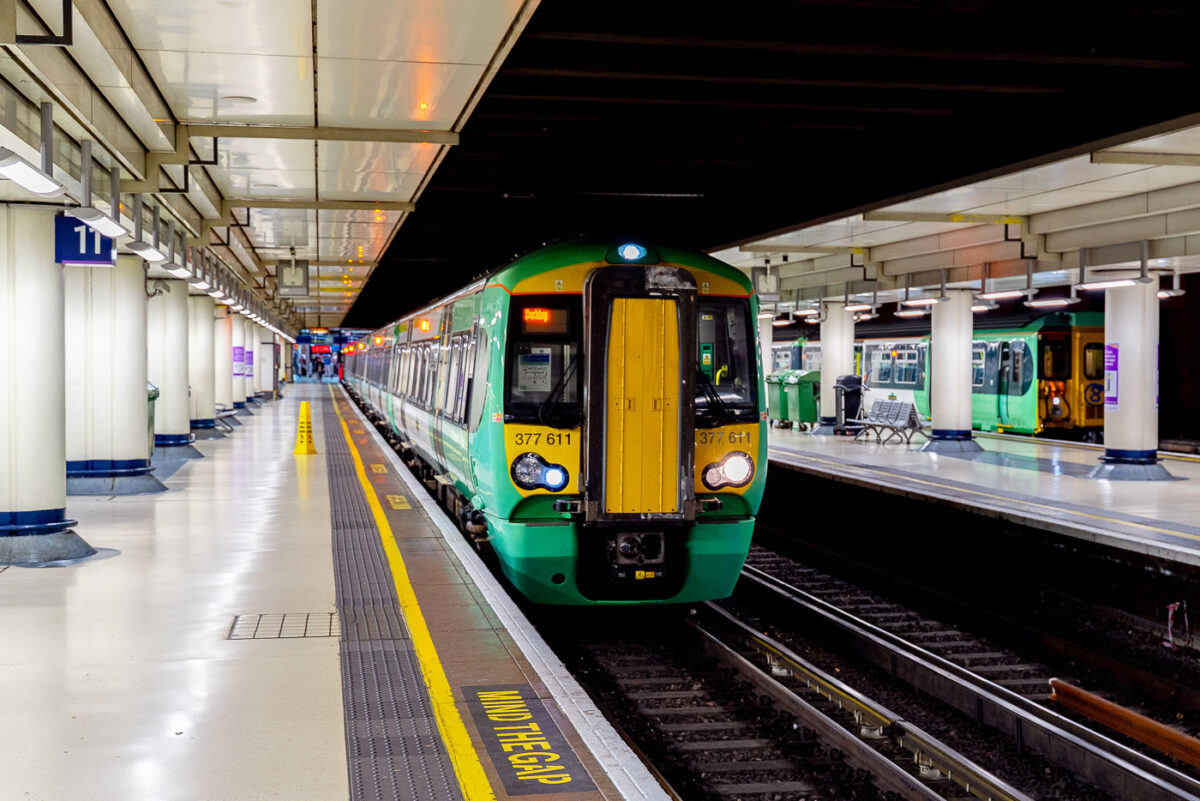
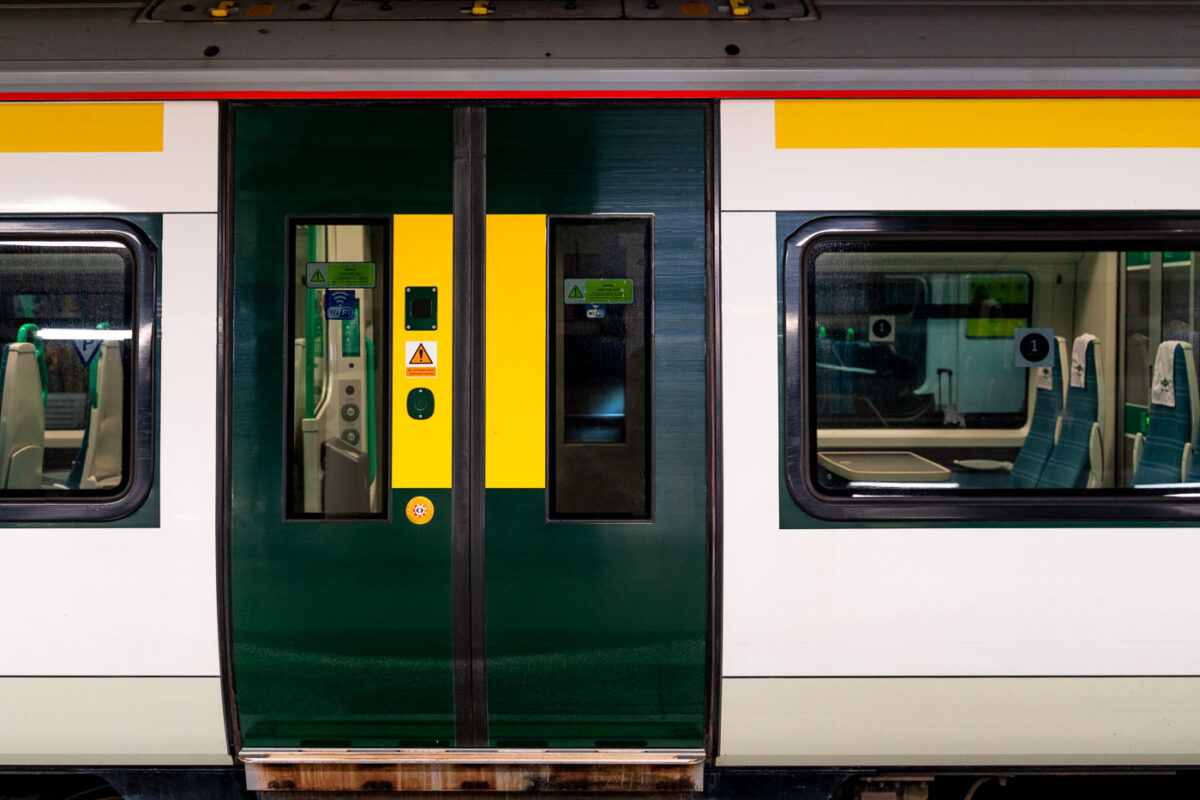
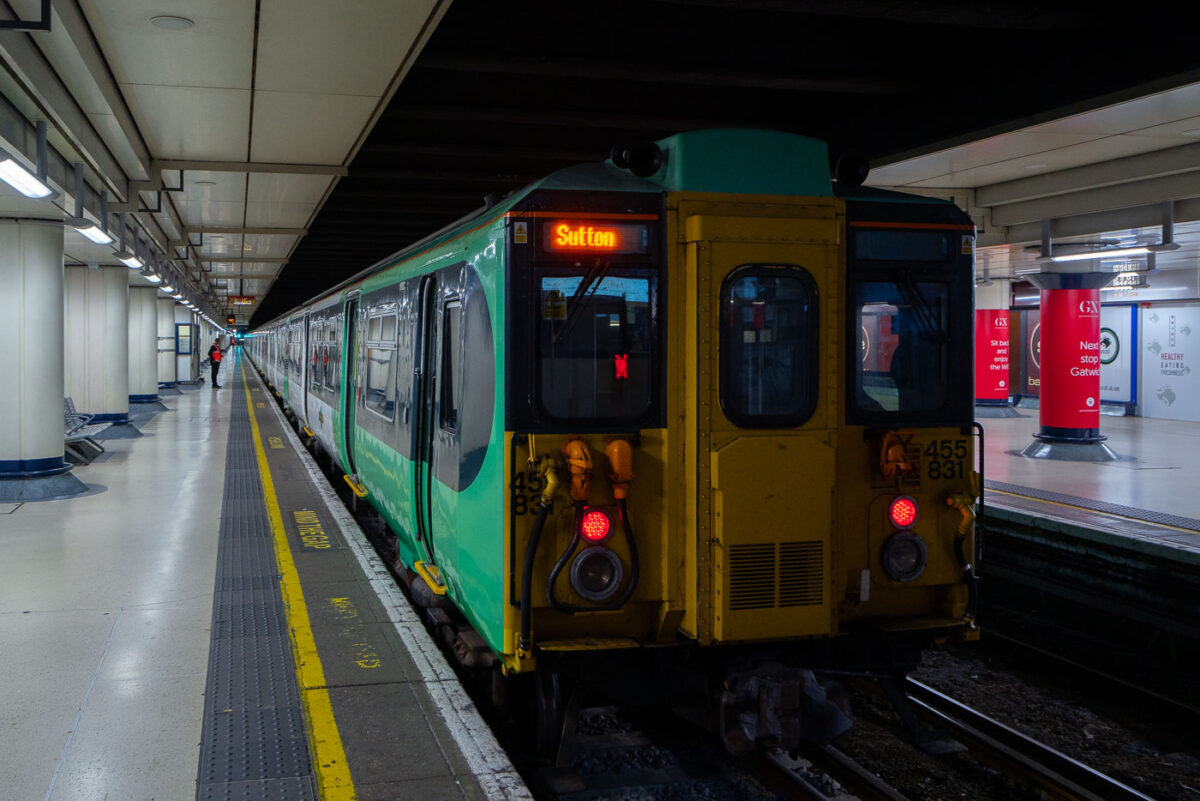
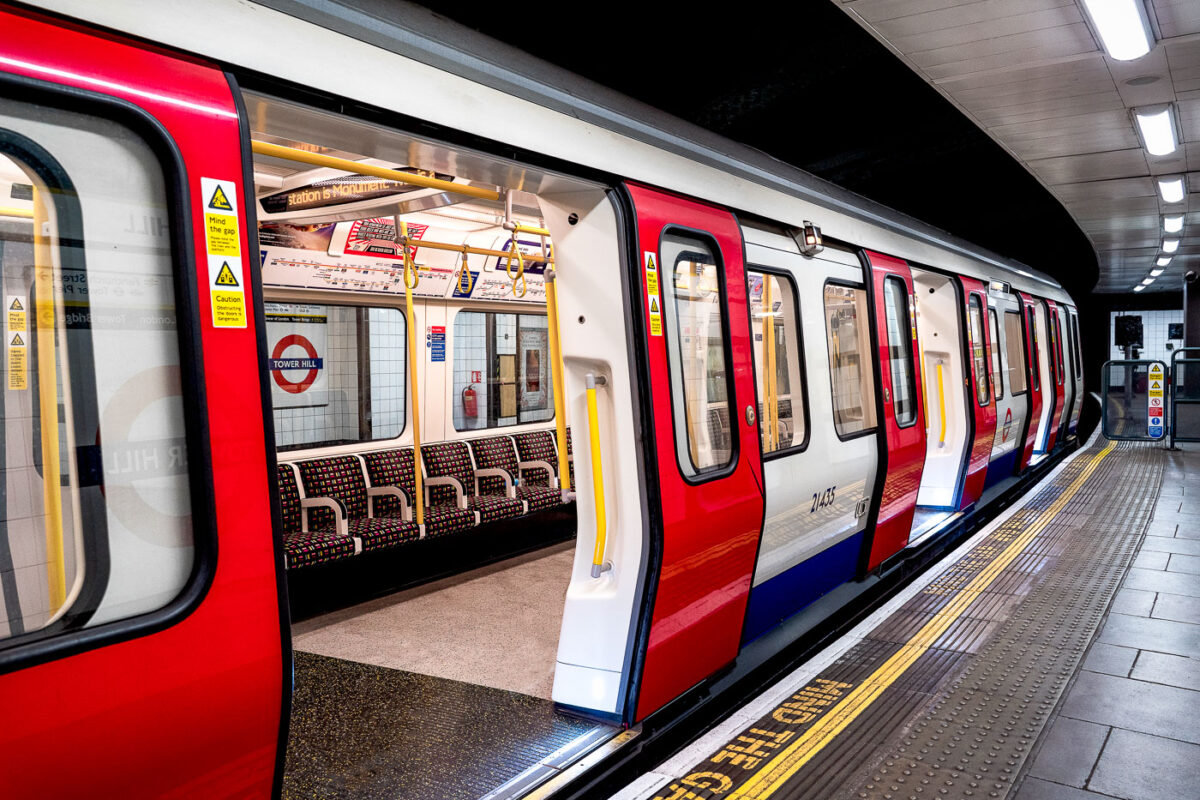
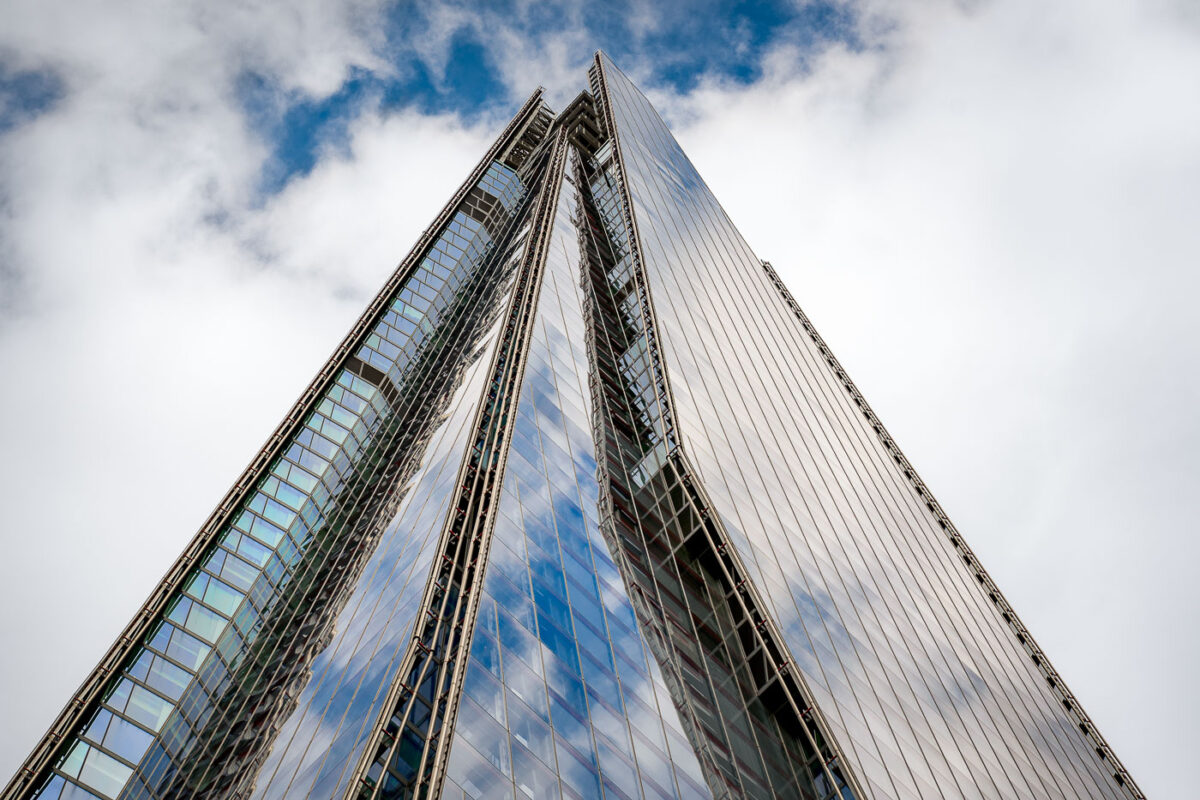
The London Eye, officially opened to the public in 2000 and designed by Marks Barfield Architects, was originally the world’s tallest observation wheel and quickly became an icon of contemporary London architecture. Built by a consortium including Hollandia, Tilbury Douglas, and Poma, the structure represents the transition into the new millennium — combining aeronautical precision with architectural transparency. From within these capsules, riders experience a slow, 30-minute revolution offering sweeping views of Westminster, St. Paul’s Cathedral, and beyond, encapsulating both the technical and cultural ambition of modern London.April 30, 2019 — Victoria station, also known as London Victoria, is a central London railway terminus and connected London Underground station in Victoria, in the City of Westminster, managed by Network Rail. Named after the nearby Victoria Street (not the Queen), the main line station is a terminus of the Brighton main line to Gatwick Airport and Brighton and the Chatham main line to Ramsgate and Dover via Chatham. From the main lines, trains can connect to the Catford Loop Line, Dartford Loop Line, and the Oxted line to East Grinstead and Uckfield. Southern operates most commuter and regional services to south London, Sussex and parts of east Surrey, while Southeastern operates trains to south east London and Kent. Gatwick Express trains run direct to Gatwick. The Underground station is on the Circle and District lines between Sloane Square and St. James's Park, and the Victoria line between Pimlico and Green Park. The area around the station is an important interchange for other forms of transport: a local bus station is in the forecourt and Victoria Coach Station is nearby.April 30, 2019 — The intricate trackwork and tunnel entrance at Queen’s Park Station in northwest London reveal the dual identity of this site as both a passenger stop and a key depot for the Bakerloo Line. Opened in 1915, Queen’s Park serves as the operational transition point where London Underground trains share Network Rail tracks toward Harrow & Wealdstone. The junction’s dense web of points, signals, and electrified rails embodies over a century of continuous modernization—bridging early 20th-century tube engineering with today’s integrated mainline-underground operations.April 30, 2019 — The London Eye rises beyond the tree canopy of St. James’s Park, one of London’s oldest Royal Parks, originally laid out by King Henry VIII in the 16th century and redesigned in the 1820s by John Nash. The park’s lake, seen here with its central fountain, was part of the early landscaping that linked Buckingham Palace and Whitehall. Today, it remains a sanctuary for birds and waterfowl in the heart of Westminster, offering a striking juxtaposition between the park’s pastoral calm and the modern skyline crowned by the Ferris wheel completed in 1999.April 30, 2019 — Seen from St James’s Park, the Horse Guards building stands as one of London’s most recognizable 18th-century landmarks. Completed in 1755 and designed by William Kent, it served as the headquarters for the British Army’s Commander-in-Chief and remains the official entrance to St James’s and Buckingham Palace. The twin domes crown the clock tower that marks the central archway, through which The Household Cavalry still passes during ceremonial events. Behind it, the turrets of the Old War Office and Whitehall’s ministries rise, linking centuries of British military and government history into one dense architectural corridor.April 30, 2019 — A line of London plane trees borders the Mall in St James’s Park, one of the oldest of the Royal Parks in central London. Planted in the late 19th and early 20th centuries, these trees are known for their resilience to urban pollution and distinctive patterned bark. The park, established in the 1600s and redesigned by John Nash in the 1820s, forms part of the ceremonial route between Buckingham Palace and Trafalgar Square. On mild spring afternoons, this shaded corridor provides a quiet refuge for pedestrians and city dwellers.April 30, 2019 — A member of the Queen’s Guard stands watch outside the archway of Buckingham Palace, London. The sentry is dressed in the traditional dark uniform with white belt and bearskin cap, symbolizing centuries of ceremonial military service. The arched passageway behind him connects the forecourt to the inner courtyard of the palace, the official residence of the British monarch since 1837. These guards belong to one of the Foot Guards regiments, trained soldiers who perform both ceremonial duties and active service in the British Army.April 29, 2019 — The Shard rises 310 meters above London Bridge, serving as one of Europe’s most recognizable high-rises. Completed in 2012 and designed by Italian architect Renzo Piano, the building features an 11,000-pane glass façade engineered to reflect the city’s changing sky. The structure houses offices, restaurants, the Shangri-La Hotel, and an observation deck that offers views across Greater London. Its sharp, tapering design symbolizes the modern transformation of London’s skyline along the River Thames.April 28, 2019 — An underground corridor at London’s Piccadilly Circus Station connects the Bakerloo and Piccadilly line platforms deep beneath central London. Opened in 1906, the station sits directly under the city’s busiest intersection and handles tens of millions of passengers each year. The tunnels were rebuilt in the 1920s to improve crowd circulation, creating a complex network of escalators and passages like this one that channel travelers toward exits under Shaftesbury Avenue and Regent Street. Despite its age, the station remains one of the Underground’s most recognizable and heavily trafficked transport hubs in the West End.April 27, 2019 — A Southern Railway Class 455 electric multiple unit prepares to depart from London Victoria station on a suburban service bound for Sutton. These 1980s-era trains, built by British Rail Engineering Limited, have long served the dense commuter corridors of South London and Surrey. The terminal’s subterranean platforms, seen here beneath the main concourse, handle both Gatwick Express and local Southern services, linking central London with its southern suburbs through one of the busiest rail hubs in Britain.April 27, 2019 — An S7 Stock train stands at Tower Hill Station on the District and Circle lines, its doors open beneath the curved tunnel roof. These Bombardier-built trains, introduced between 2010 and 2017, form part of London Underground’s Sub-Surface Railway modernization program—featuring wider gangways, air conditioning, and regenerative braking.
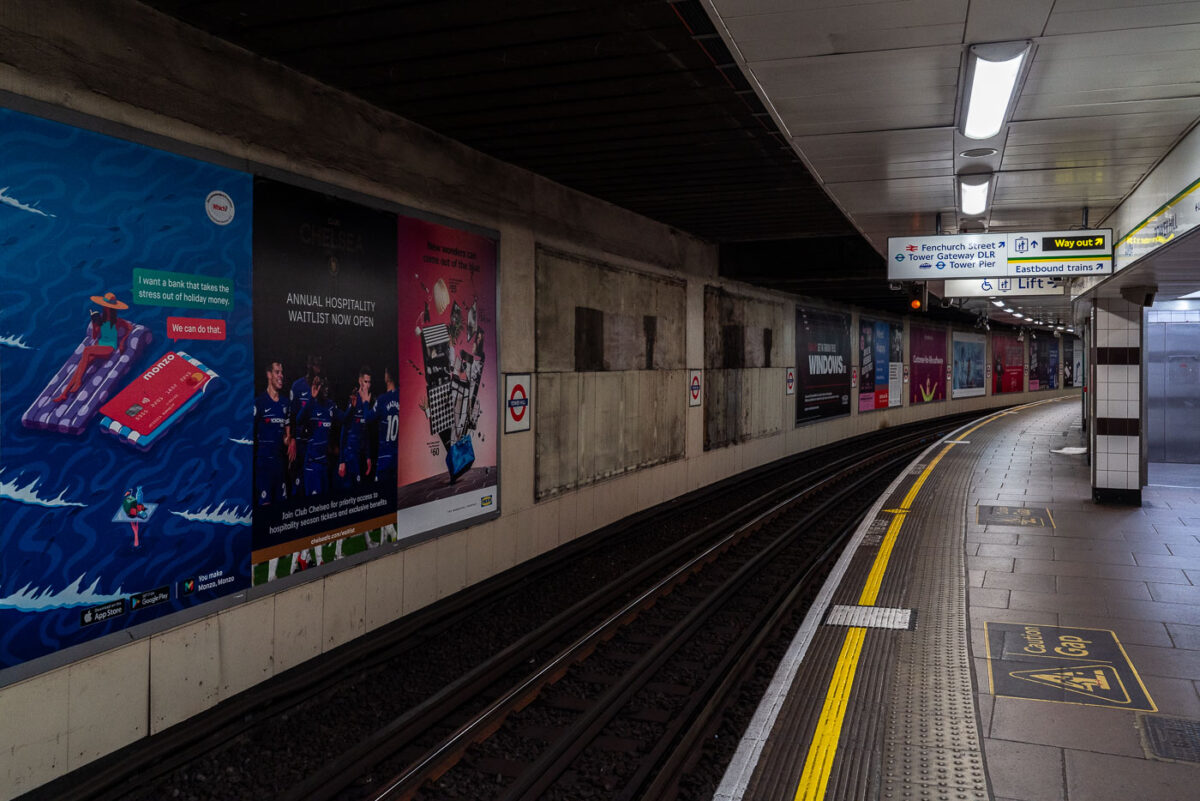
The tiled walls and bright signage retain the visual identity of the Underground, while the yellow safety line and tactile paving mark the boundary of one of London’s busiest commuter platforms. Tower Hill’s proximity to the Tower of London and the Thames makes it both a vital interchange for daily travelers and a gateway for millions of visitors exploring the city’s historic core.April 27, 2019 — The eastbound platform at Tower Hill Underground Station, serving the District and Circle lines, curves gently beneath the City of London’s historic core. The tiled walls, layered advertising panels, and utilitarian ceiling panels reflect the practical design language of the post-war London Underground system.
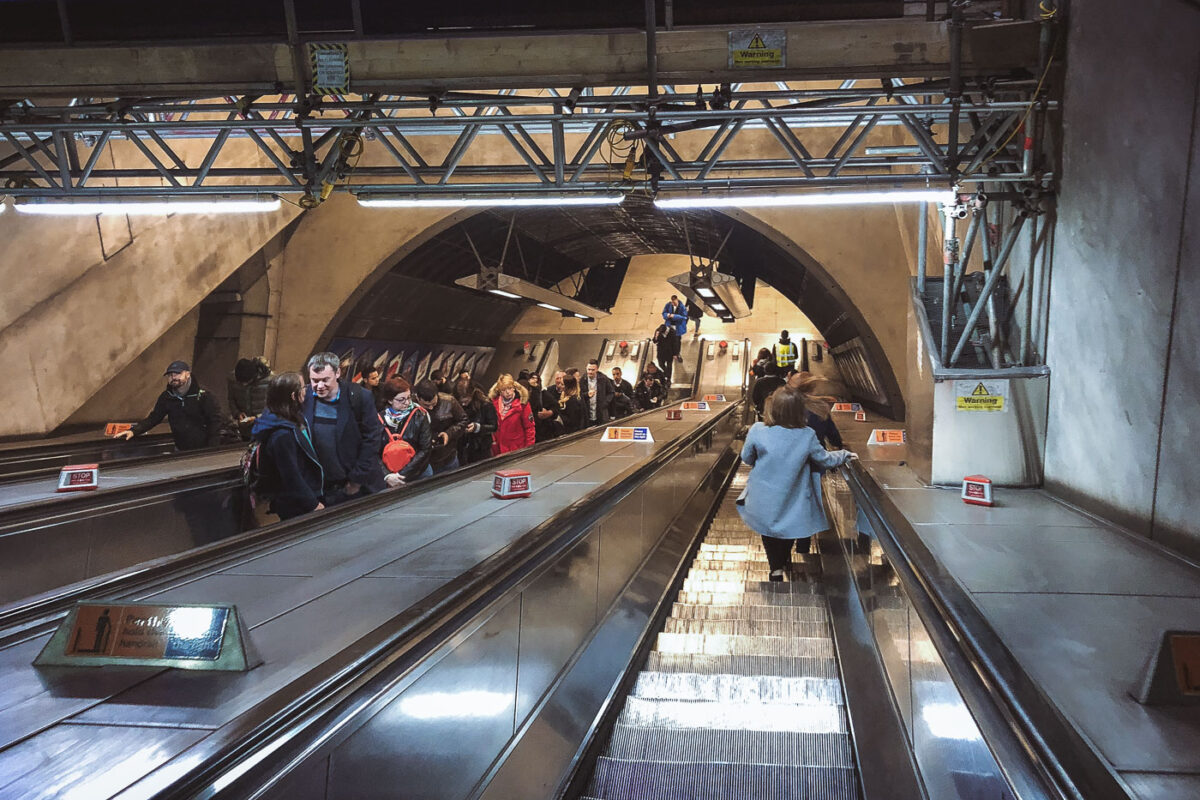
Located adjacent to Tower Gateway DLR and just steps from the Tower of London, this interchange is one of the busiest tourist-access stations in central London. Its narrow curvature and close tunnel clearances are characteristic of legacy sub-surface lines built in the 19th century—still forming the backbone of the modern network more than 150 years later.April 27, 2019 — Passengers ascend and descend the deep escalator shafts of London Bridge Underground Station, one of the busiest interchanges in the capital’s rail network. Rebuilt and expanded during the Jubilee Line Extension project of the 1990s, the station’s concrete-lined tunnels and exposed mechanical framework represent a fusion of industrial engineering and modern architectural design.
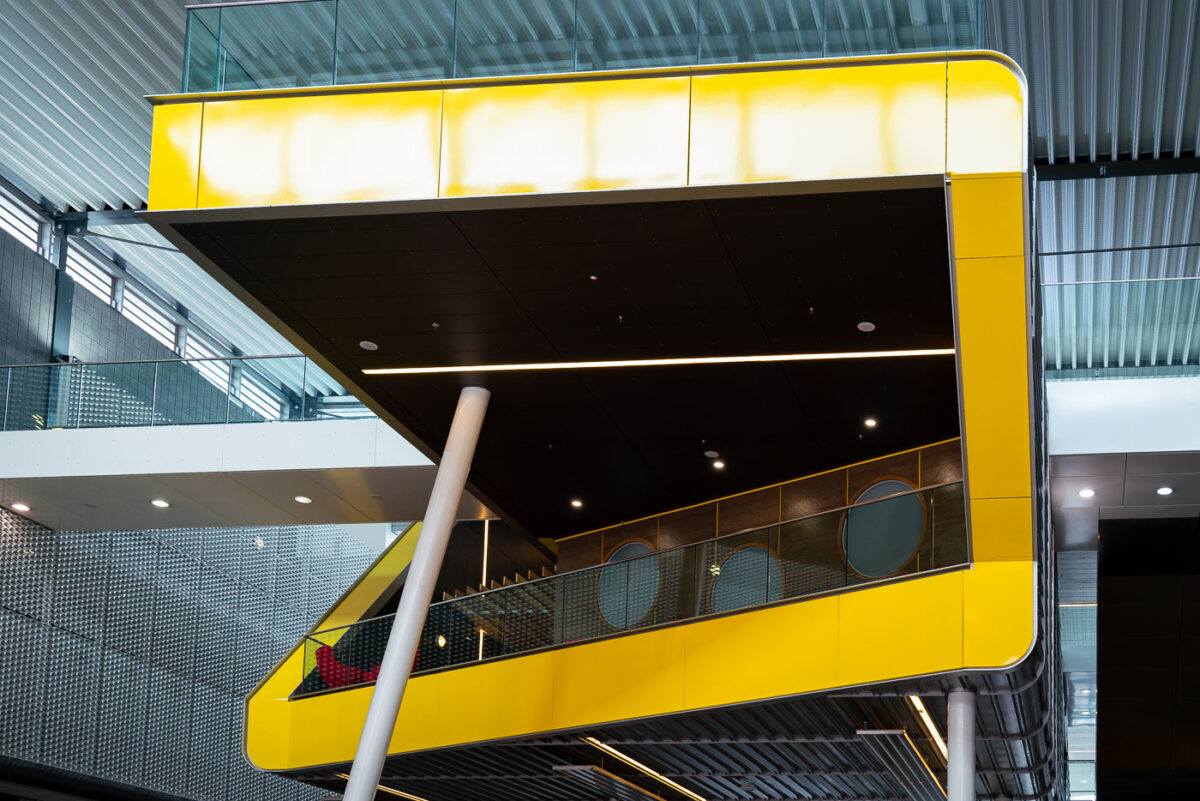
At nearly 26 meters below ground, these escalators connect the Northern and Jubilee lines with the mainline concourse above, handling tens of thousands of passengers daily. The structural bracing and utilitarian lighting were deliberately retained as visual elements, emphasizing the monumental scale of London’s deep-level transport infrastructure.April 27, 2019 — A bold yellow cantilevered structure projects over the concourse at ExCeL London, the capital’s premier exhibition and convention complex in the Royal Docks. This elevated platform, supported by slanted steel columns and lined with circular observation windows, exemplifies the venue’s late-modern architectural style—combining industrial materials with contemporary design.
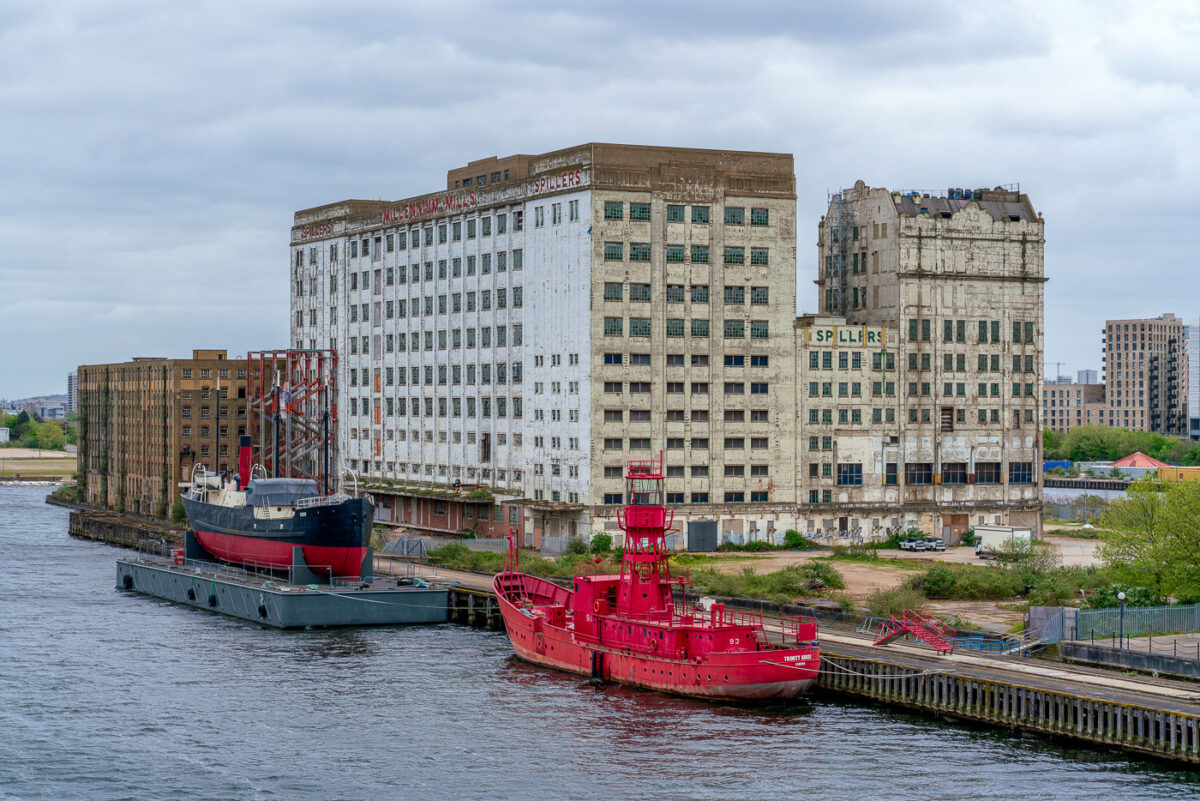
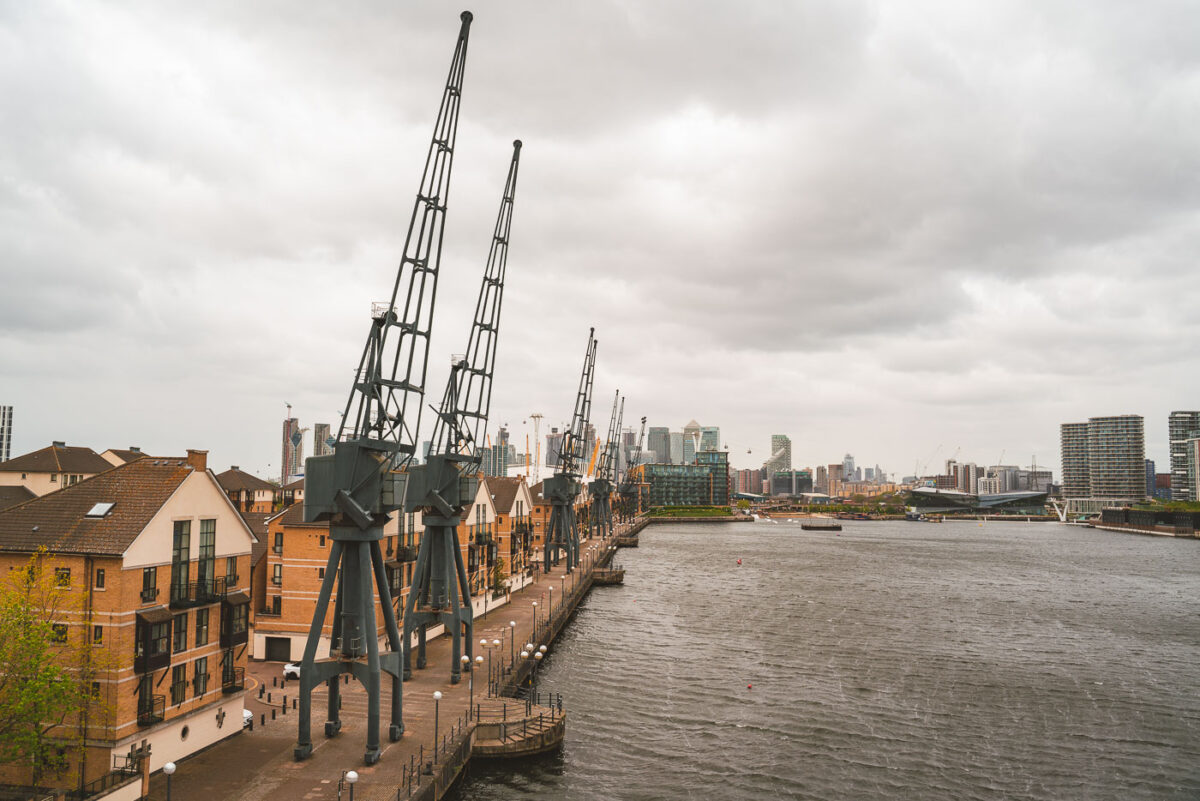
Part of the 2010s interior upgrades, the structure houses meeting and hospitality spaces overlooking the main exhibition halls below. Its polished metal, glass, and composite cladding echo the docklands’ engineering heritage while signaling ExCeL’s role as a centerpiece of London’s post-industrial regeneration and event economy.April 27, 2019 — Once a centerpiece of London’s industrial age, Millennium Mills stands derelict on the south side of the Royal Victoria Dock in Silvertown. Built in 1905 for Spillers, the flour mill operated for decades before closing in the 1980s. The weathered façade and faded signage remain prominent features of the docklands skyline. Moored in front is the striking red Trinity House Lightship 93, formerly used as a floating lighthouse to warn ships at sea. Today, the area is part of the Royal Docks regeneration zone, blending remnants of Britain’s maritime and industrial heritage with modern redevelopment.April 27, 2019 — A line of preserved dockside cranes stands sentinel along the Royal Victoria Dock, a lasting symbol of London’s once-vast maritime trade. These iron giants were built in the mid-20th century to load and unload cargo ships during the docks’ industrial peak, when the Royal Docks complex handled millions of tons of goods from around the British Empire.
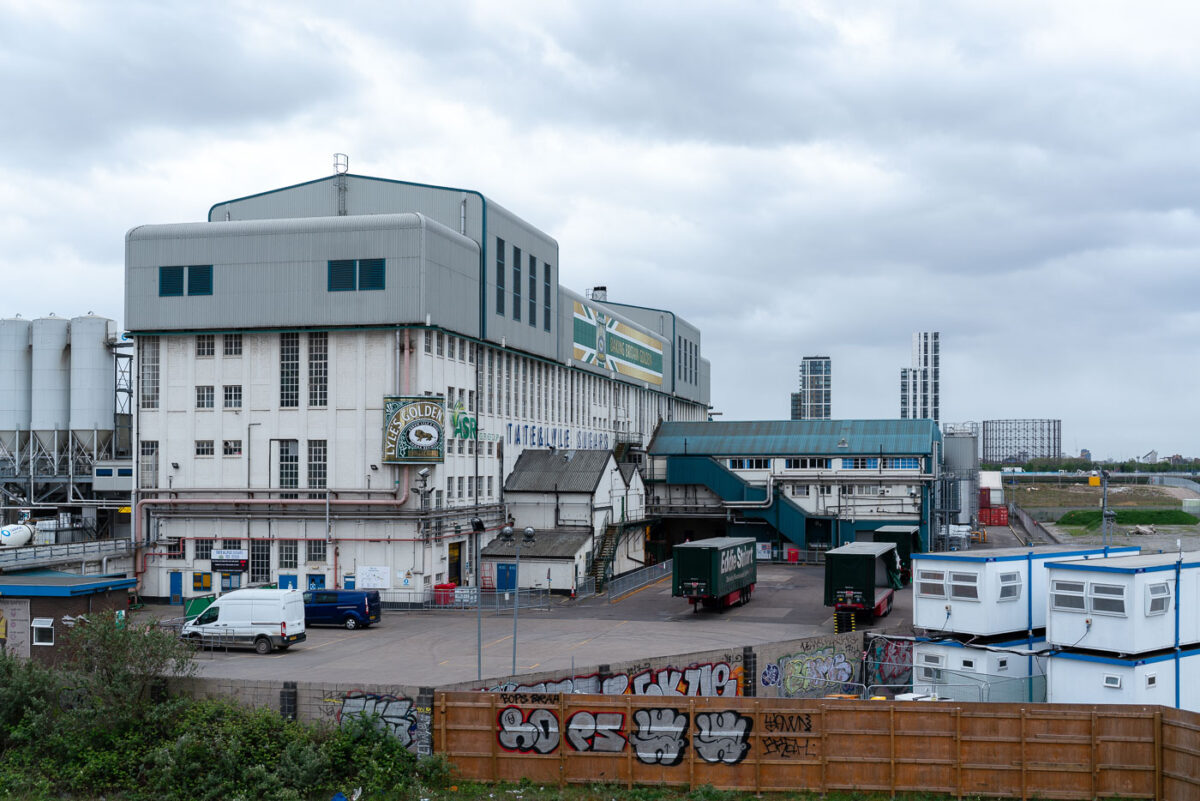
Today, the cranes are carefully retained as part of the area’s regeneration, contrasting sharply with the modern glass towers of Canary Wharf and the O₂ Arena visible across the Thames. The Royal Docks have transitioned from working port to mixed-use district, now home to ExCeL London, residential developments, and the Emirates Air Line cable cars spanning the river. This juxtaposition of preserved machinery and new architecture reflects London’s ongoing evolution from industrial capital to global service and cultural hub.April 27, 2019 — The Tate & Lyle sugar refinery in Silvertown remains one of the last major industrial landmarks on the north bank of the Thames. Established in 1878, the refinery was once the world’s largest sugar processing plant and continues operations today under the ASR Group, producing the famous Lyle’s Golden Syrup from its historic brick and steel complex.
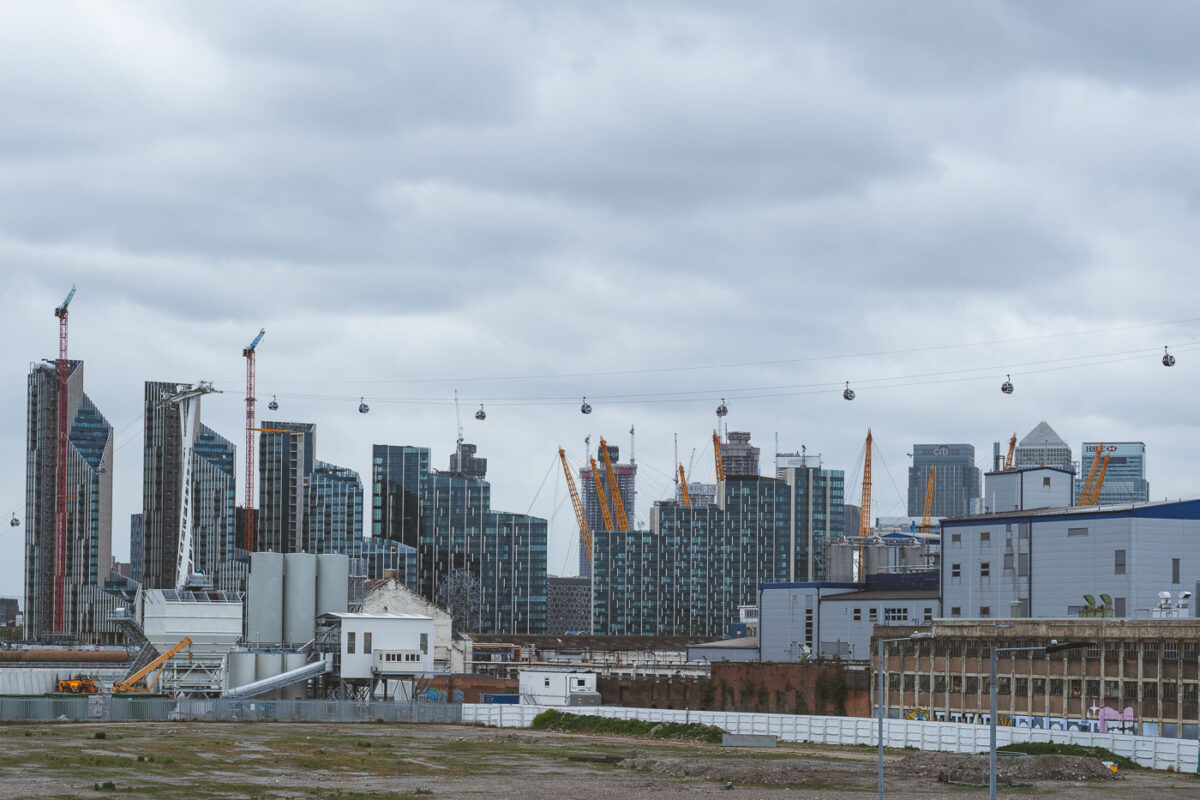
The building’s layered architecture—Edwardian masonry below, modern extensions above—reflects more than a century of adaptation to changing technologies and ownership. Despite the surrounding redevelopment of London’s Royal Docks into residential and commercial districts, this factory endures as a functioning reminder of the capital’s industrial heritage. The refinery’s green cat logo and “Out of the Strong Came Forth Sweetness” slogan have become enduring icons of British branding and trade history.April 27, 2019 — Viewed from the Royal Docks, London’s skyline reveals the dense mix of modern architecture and post-industrial redevelopment that defines the Docklands. The glass towers of Greenwich Peninsula and Canary Wharf rise behind the cable cars of the Emirates Air Line (now London Cable Car), a river-crossing system linking the Greenwich Peninsula to the Royal Docks across the Thames.
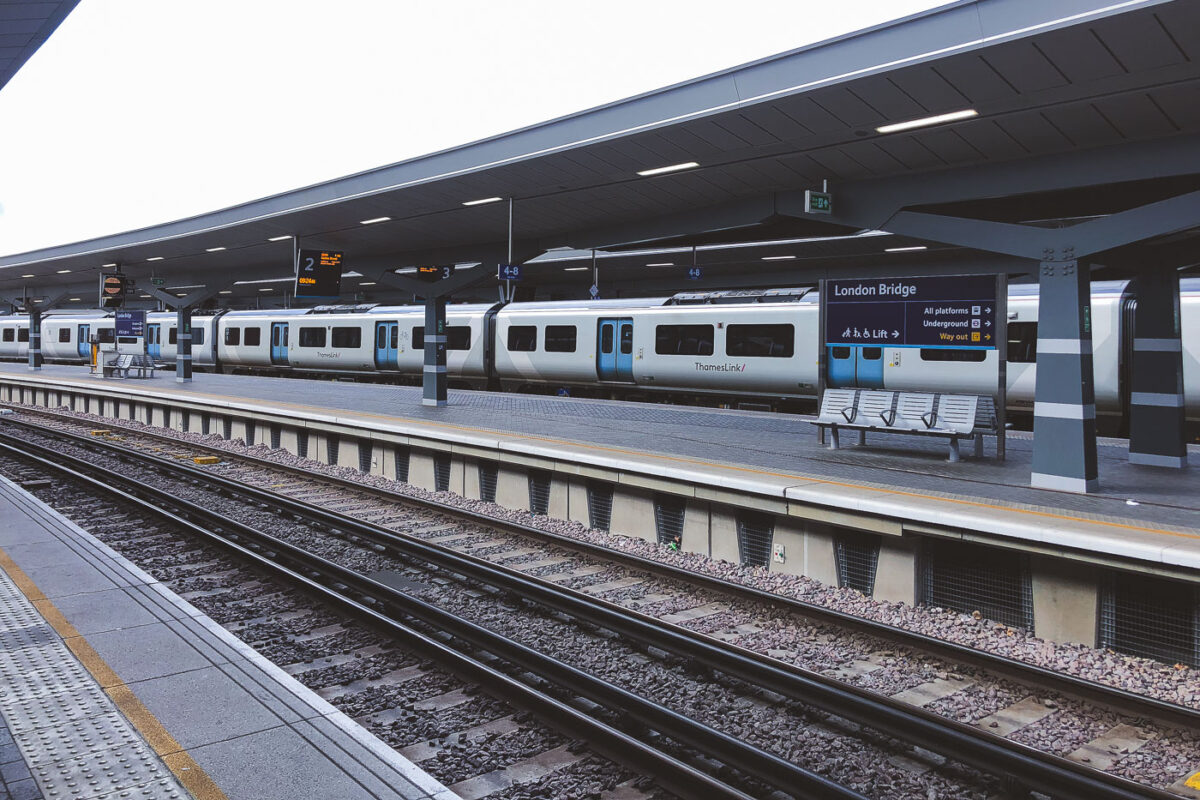
In the foreground, remnants of light industry and aggregate plants along Silvertown contrast sharply with the polished towers beyond—symbolic of East London’s ongoing transformation from its shipping and manufacturing roots into a hub for finance, technology, and luxury housing. Construction cranes mark continuing phases of regeneration near the O2 Arena and North Greenwich station, areas that once formed part of London’s maritime infrastructure but now represent its 21st-century economic frontier.April 26, 2019 — London Bridge Station’s Thameslink platforms represent one of the most advanced pieces of commuter rail infrastructure in the UK, rebuilt as part of the £1 billion redevelopment completed in 2018. The redesign introduced a vast concourse beneath the platforms, new canopies, and digital passenger systems to accommodate over 50 million travelers annually.
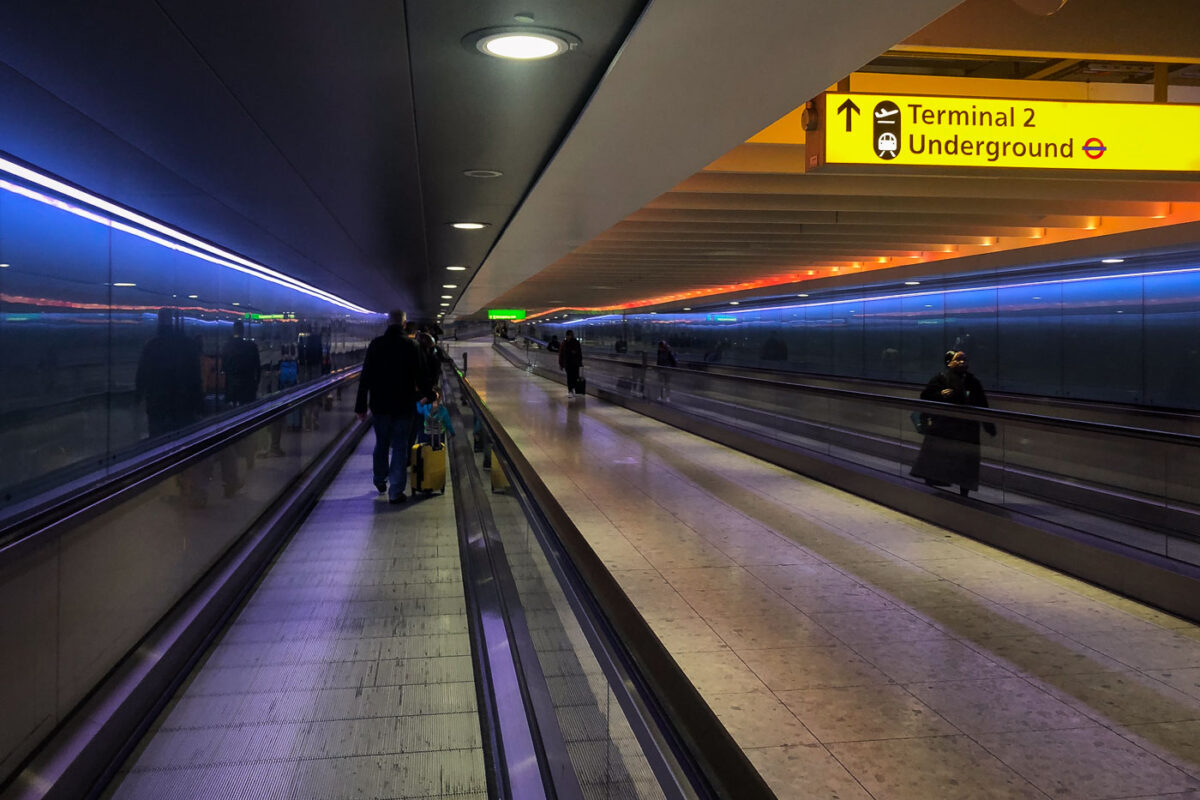
Visible here is a Class 700 Thameslink train, part of Siemens’ Desiro City fleet, which operates high-frequency services linking Bedford, Brighton, and Cambridge through central London via the core Thameslink route. The streamlined architecture and wide canopies were engineered to handle both heavy peak-hour volumes and seamless integration between National Rail and the London Underground’s Jubilee and Northern Lines, establishing London Bridge as a key interchange in Britain’s modern rail network.April 26, 2019 — A sleek underground corridor connects Heathrow’s Terminal 2 to the London Underground, illuminated by alternating bands of blue and amber light. The tunnel’s reflective glass walls and moving walkways guide travelers between the arrivals area and transit connections, representing one of the airport’s most efficient passenger links. Opened as part of Heathrow’s “Queen’s Terminal” redevelopment in 2014, this passageway exemplifies the modern design ethos of London’s busiest airport—streamlined, functional, and visually striking in its symmetry and ambient lighting.