Place Archive

Puerto Vallarta

Puerto Vallarta is a major resort and port city on Mexico’s Pacific coast in the state of Jalisco, developed from a 19th-century fishing village into a central hub for tourism and regional transport. The city's accelerated growth in the latter half of the 20th century was driven by enhanced road access, air connectivity through Licenciado Gustavo Díaz Ordaz International Airport, and continued investment in hotel and resort infrastructure along Bahía de Banderas. Landmarks such as the Malecón promenade, Playa de los Muertos, and the modern hotel zone are central to its function as a destination for both domestic and international travelers. Nearby, San Sebastián del Oeste—a designated Pueblo Mágico—preserves key elements of its 17th-century mining and colonial heritage within the Sierra Madre Occidental, including adobe construction and cobblestone streets. The contrast between Puerto Vallarta’s coastal tourism economy and the historical preservation in San Sebastián illustrates the region’s economic and cultural diversity. Key infrastructure such as transportation routes, municipal services, and airport facilities support the ongoing connection between mountain communities and the coastal city, shaping travel, commerce, and daily life in western Jalisco.

1 photo set 25 photos

Map

Photo Map

Markers

Puerto Vallarta Photo Locations

25 geotagged photos

Photos
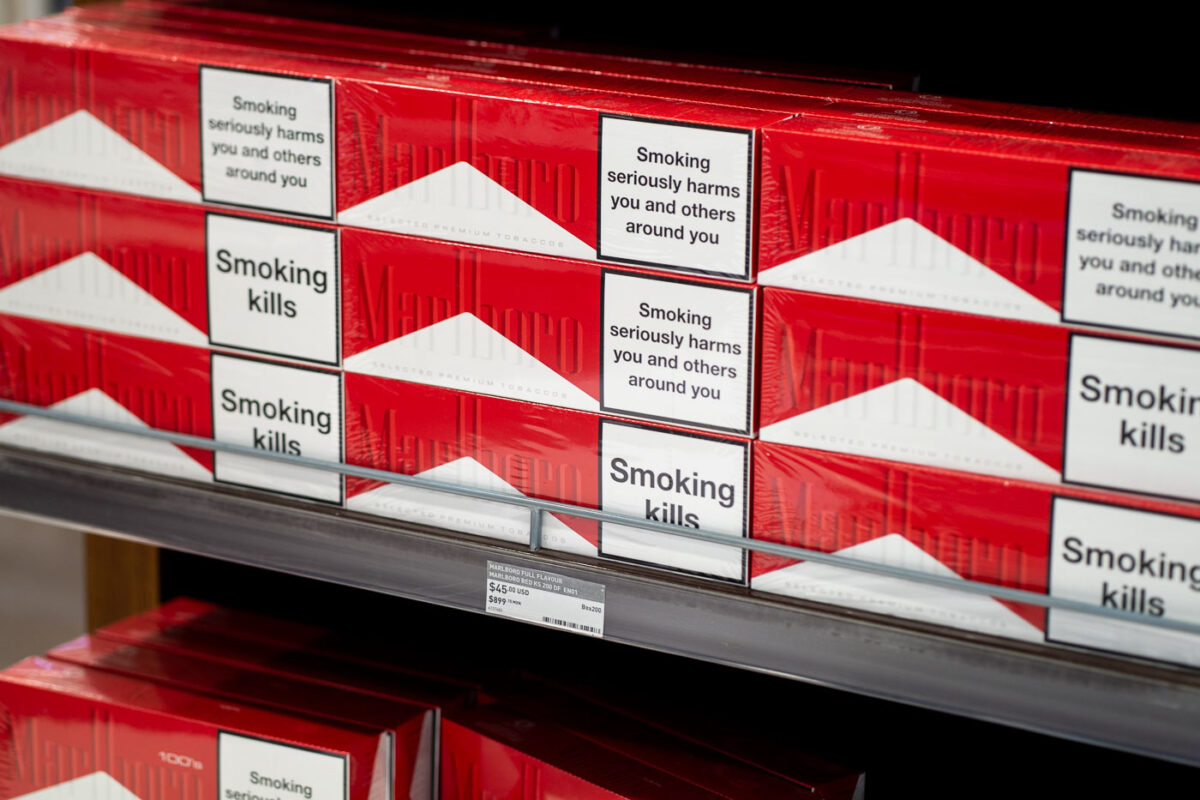
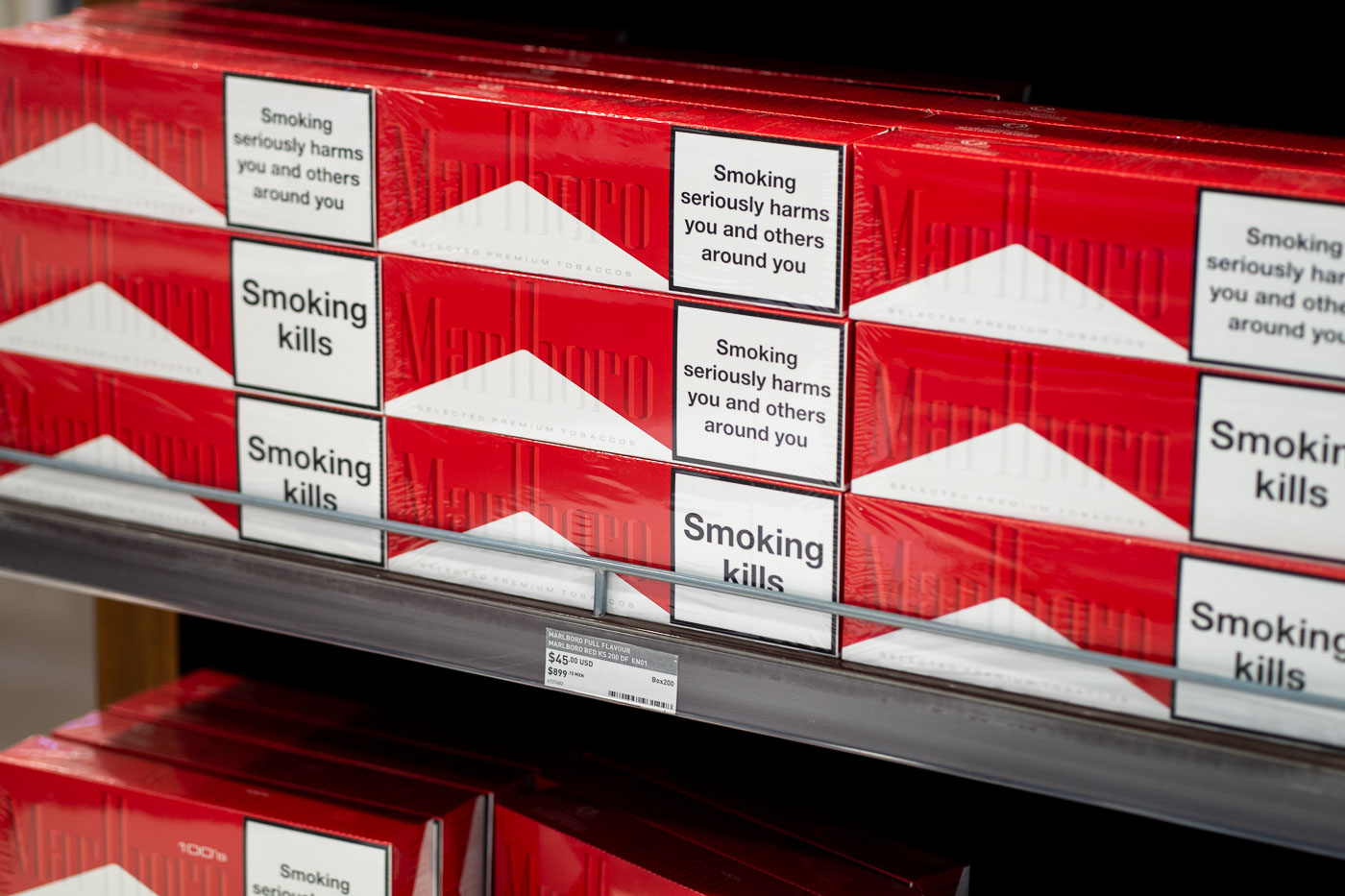
Marlboro cigarette cartons are displayed in a duty-free shop at Puerto Vallarta International Airport. The packaging features prominent health warnings, such as "Smoking kills" and "Smoking seriously harms you and others around you," mandated by international tobacco regulations. The pricing, shown in both U.S. dollars and Mexican pesos, reflects the airport's role as a point of international transit and commerce. This display illustrates the global standardization of tobacco product presentation, including mandatory public health messaging, even in retail environments catering to travelers.
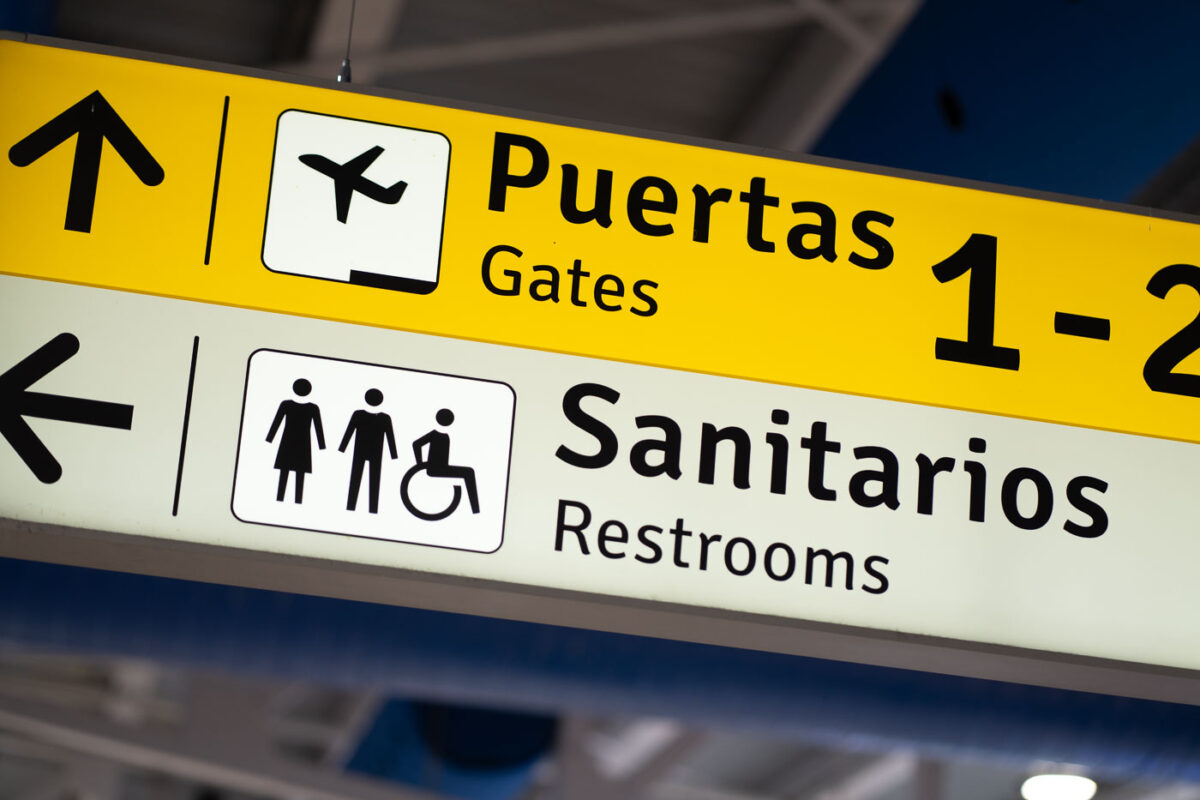
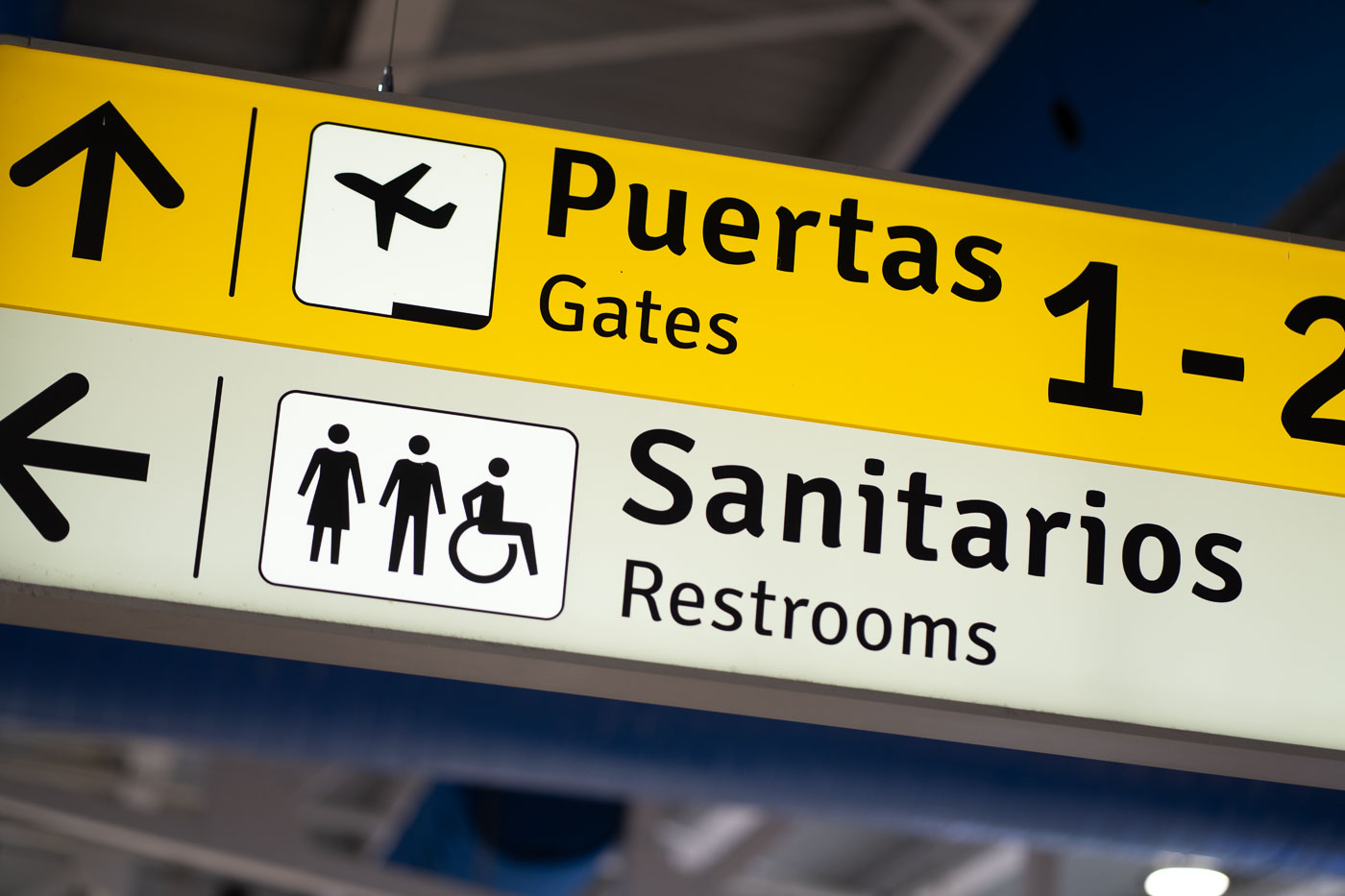
Bilingual directional signage at Puerto Vallarta International Airport (PVA) provides essential guidance for travelers. The signs clearly indicate directions to Gates 1-2 ("Puertas") and restrooms ("Sanitarios"), using both Spanish and English. International symbols for accessibility are also present, reflecting the airport's role as a major gateway for international tourism in Mexico. This clear wayfinding is crucial for the efficient operation of one of the country's busiest coastal airports.
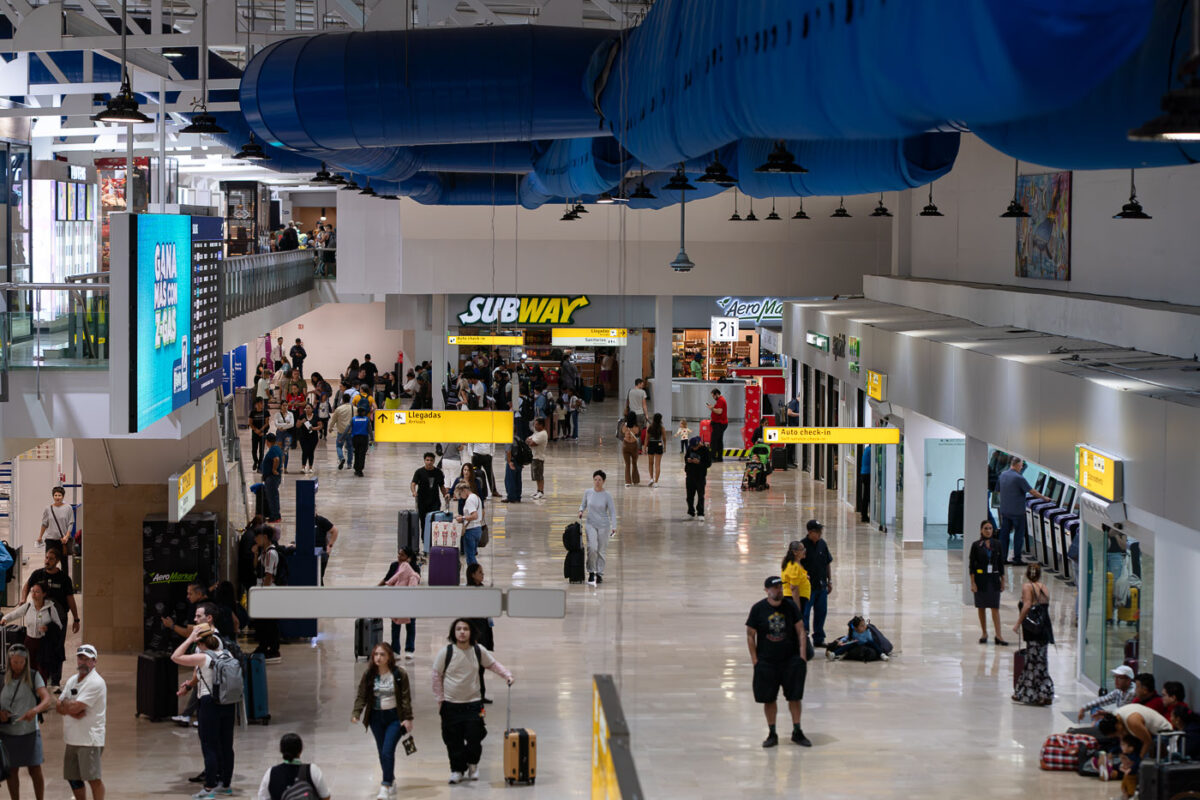
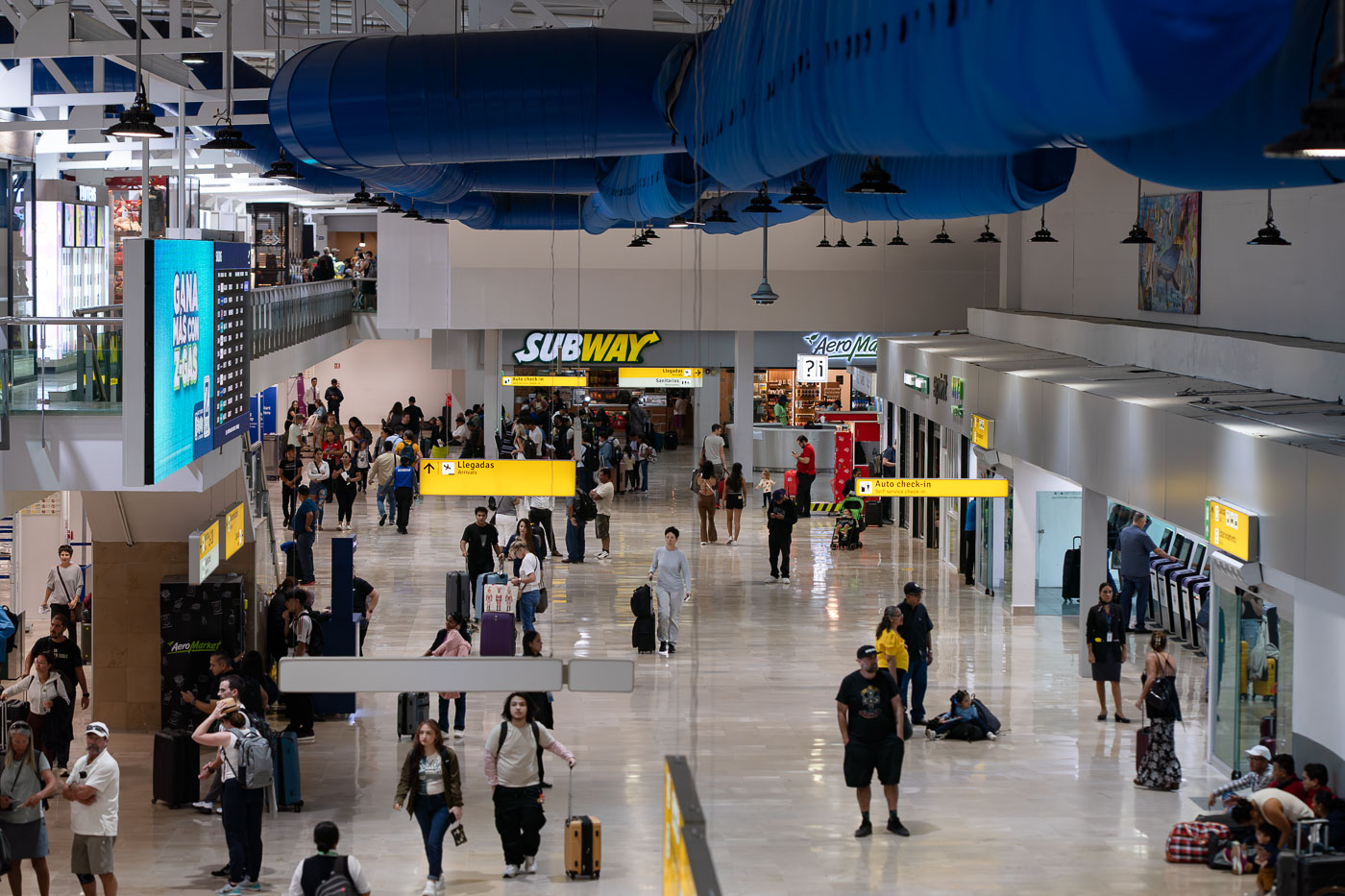
Passengers navigate the arrivals and departures concourse at Licenciado Gustavo Díaz Ordaz International Airport (PVA) in Puerto Vallarta, Mexico. This airport serves as a primary gateway for tourists visiting the resorts along Bahía de Banderas. The concourse features prominent blue air ducts and polished floors, indicative of recent modernization efforts aimed at accommodating international tourism. Signage in Spanish and English, including directions for check-in counters and baggage claim, guides travelers through the bustling space.
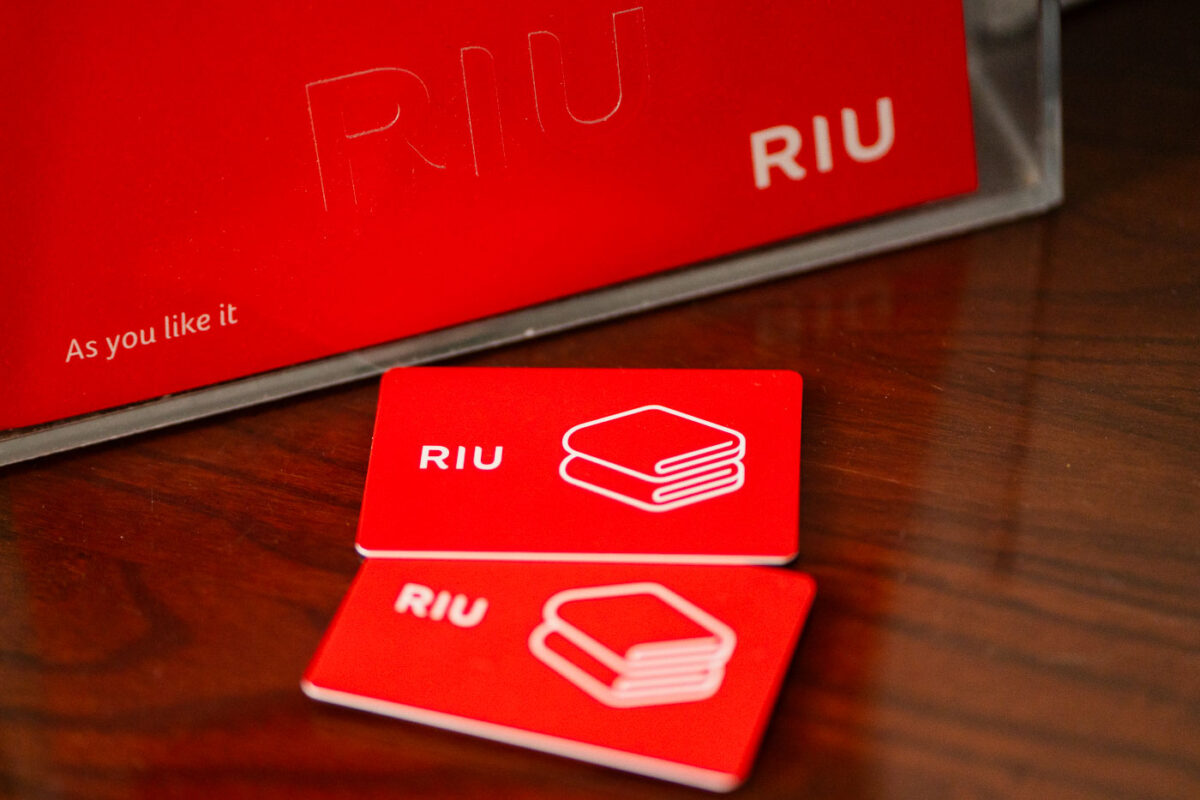
These red towel cards, bearing the RIU Hotels & Resorts logo and the slogan "As you like it," are used at the resort in Puerto Vallarta, Mexico, for guests to exchange for beach towels. The cards, featuring a minimalist icon of folded towels, represent the operational efficiency required in the hospitality industry. Their presence signifies the standardized procedures that facilitate high-volume guest services in popular tourist destinations.
A Super Smash Bros.-themed slot machine, a common sight in informal gaming establishments across Mexico, is pictured in a rural game room. These machines, which often feature popular culture characters alongside traditional slot symbols like fruits and bells, serve as a blend of modern entertainment and local gaming culture. Their presence highlights Mexico's long-standing affinity for coin-operated amusements and the adaptation of international gaming trends into localized forms of low-stakes gambling.
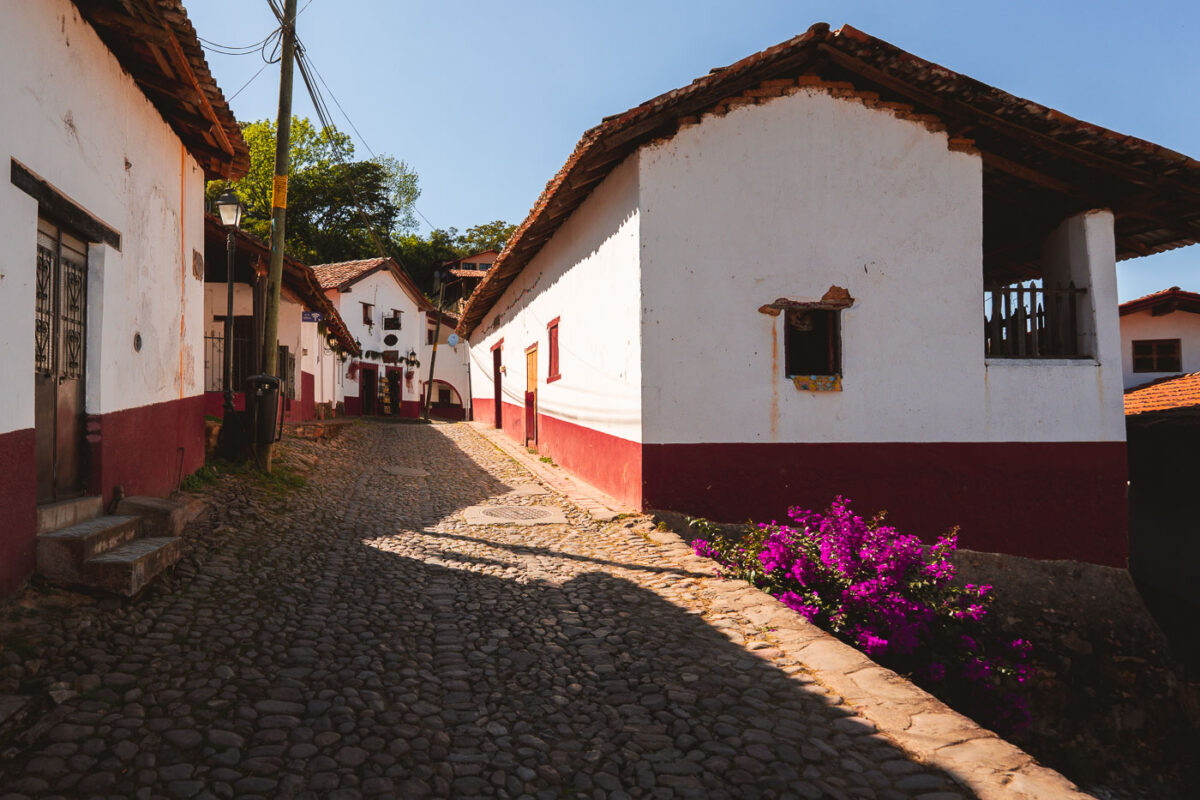
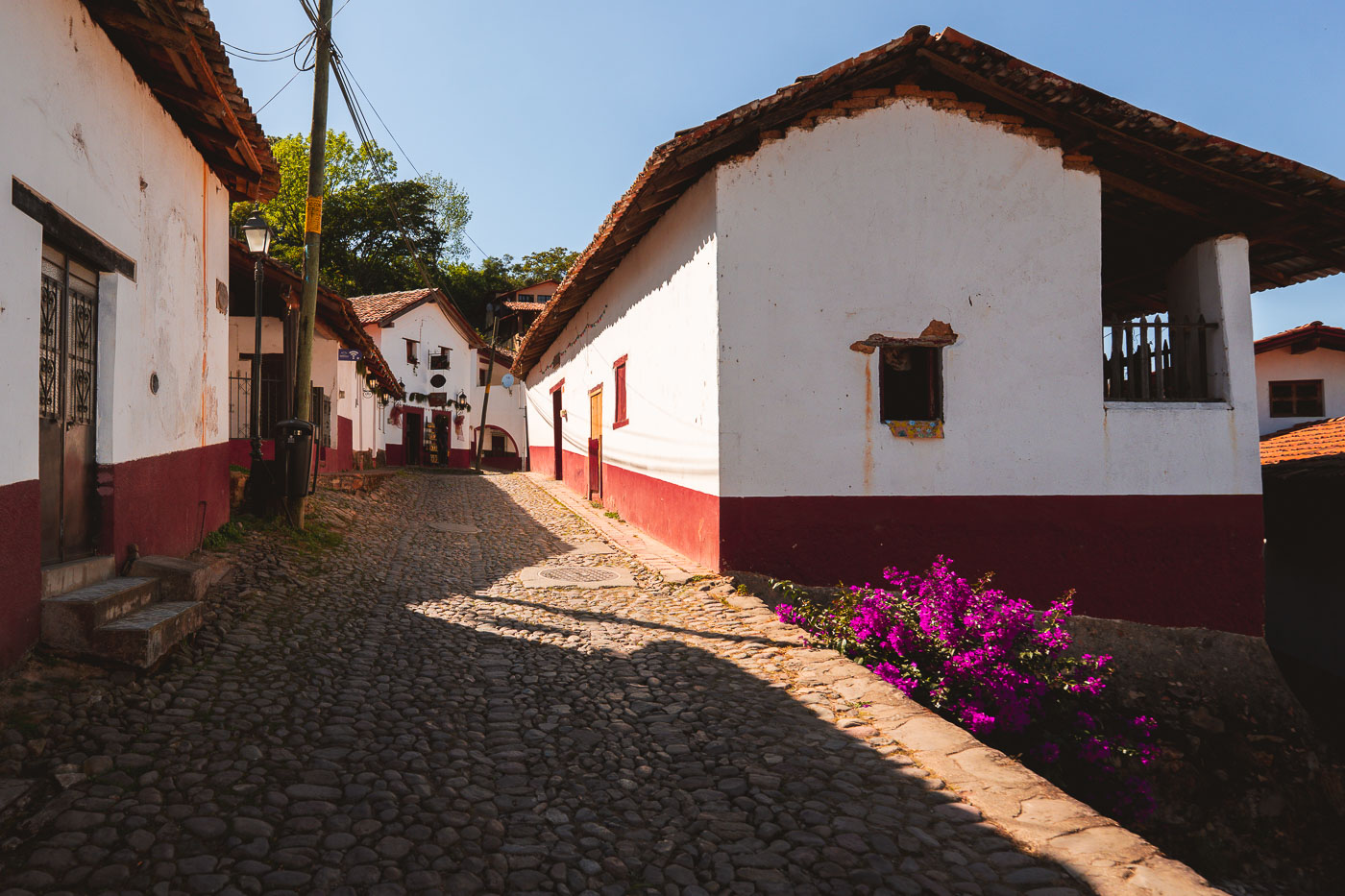
A cobblestone street, characteristic of its 17th-century origins, winds through San Sebastián del Oeste, a historic mining town in Jalisco, Mexico. The town, designated a Pueblo Mágico, retains its colonial architecture with adobe houses painted in traditional red and white hues. This street, lined with rustic façades and vibrant bougainvillea, reflects the enduring charm and preserved heritage of this mountain community.
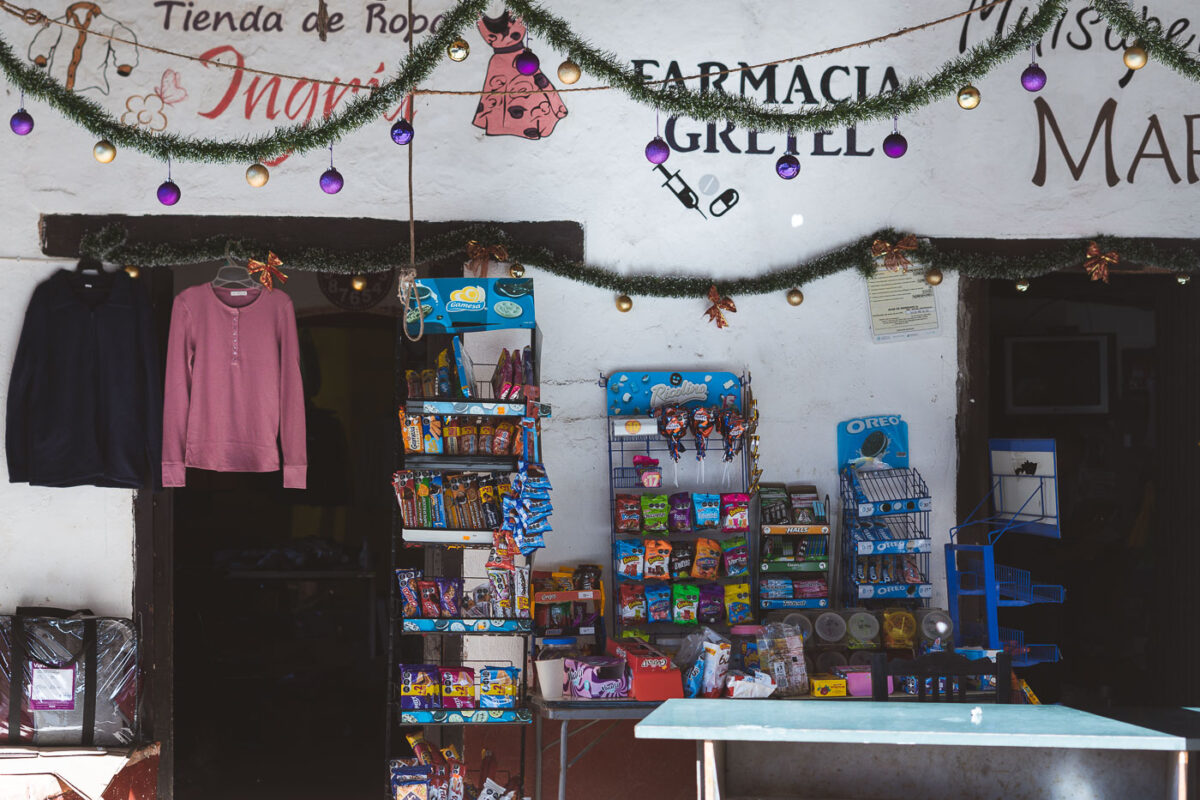
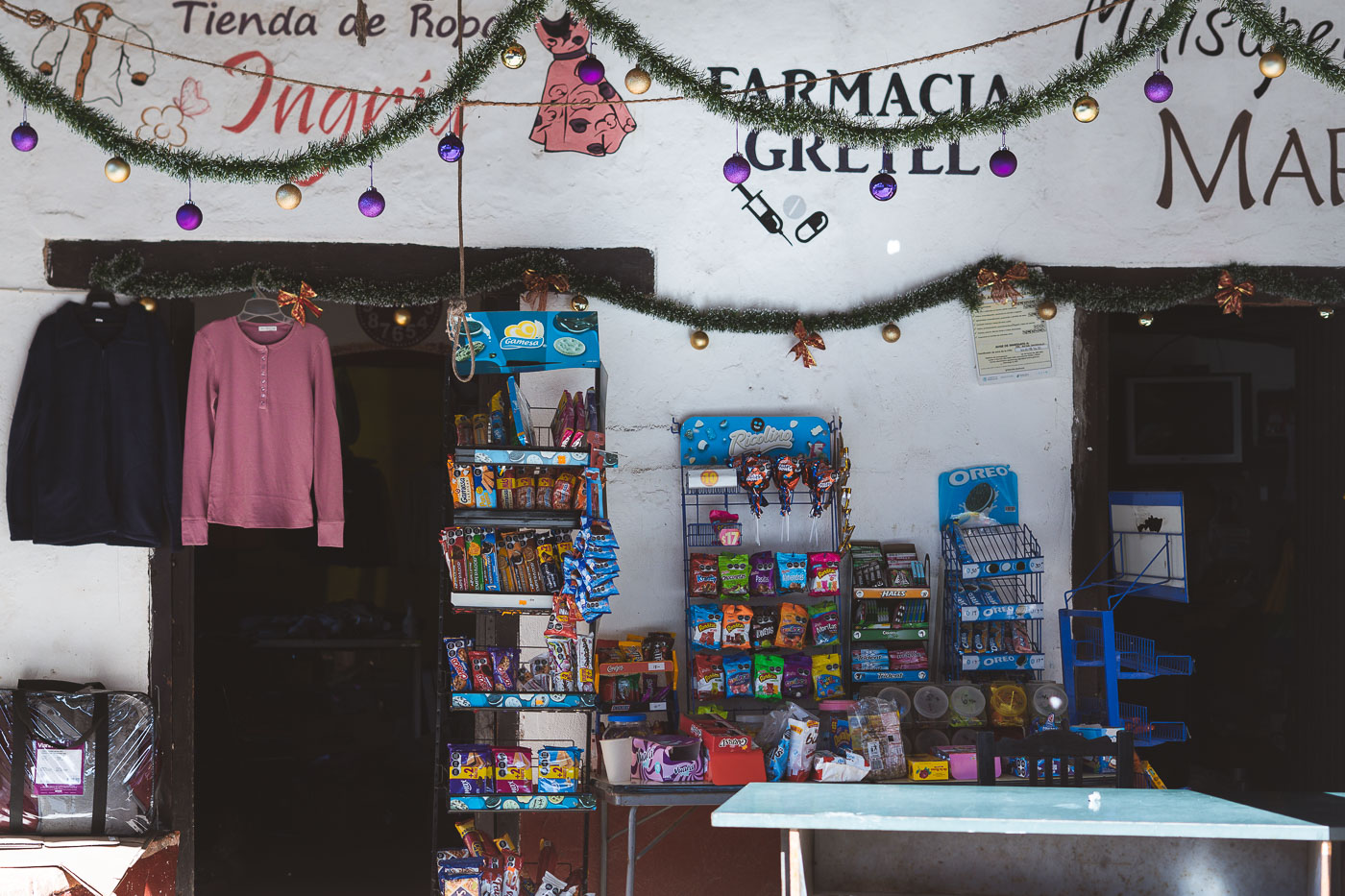
Farmacia Gretel and Tienda de Ropa Ingrith, a combined pharmacy and clothing store, operates in San Sebastián del Oeste, Jalisco, a designated Pueblo Mágico. This dual-purpose establishment, typical of family-run businesses in the region, offers everyday goods from snacks to apparel. The town itself is known for its well-preserved colonial architecture, characterized by thick adobe walls, and its tranquil pace of life, reflecting traditional Sierra Madre culture.
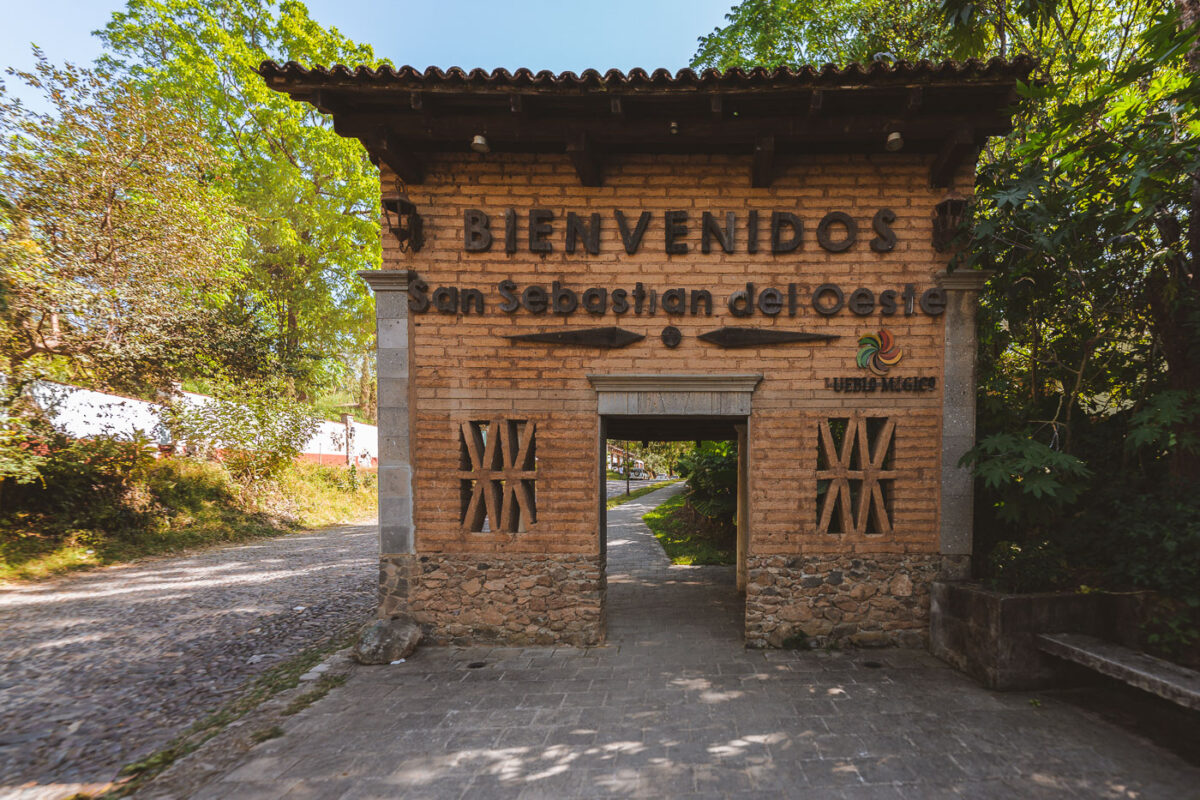
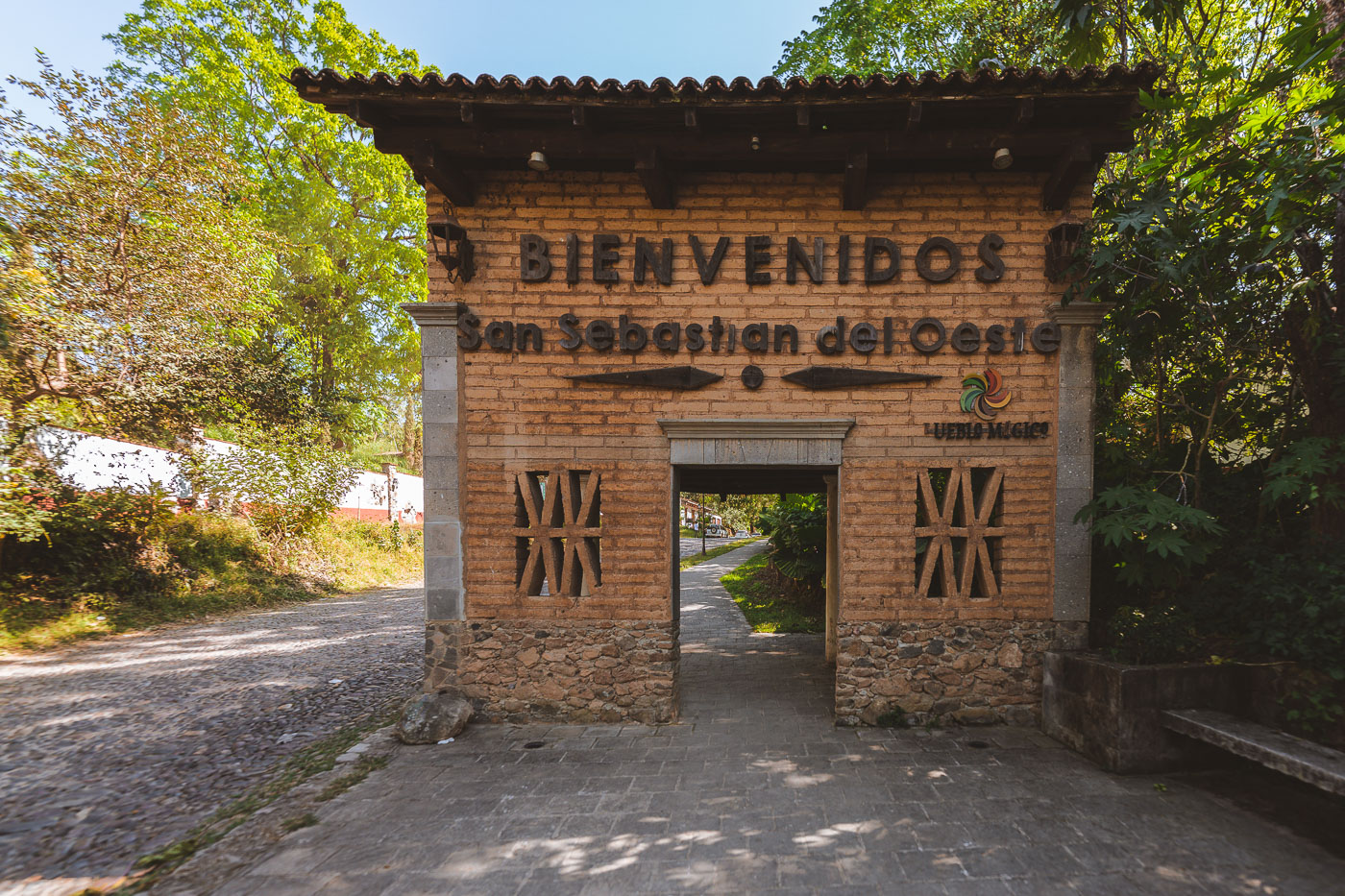
The "Pueblo Mágico" (Magical Town) designation is a program by the Mexican Secretariat of Tourism to promote towns with historical and cultural significance. This archway marks the entrance to San Sebastián del Oeste, a town in Jalisco, Mexico, recognized for its well-preserved colonial architecture and rich mining history. The arch, constructed with local brick and stone, serves as a welcoming gateway, signifying the town's unique heritage and its status as a protected cultural destination. Visitors passing through this entrance are entering a community that retains much of its 17th-century charm and atmosphere.
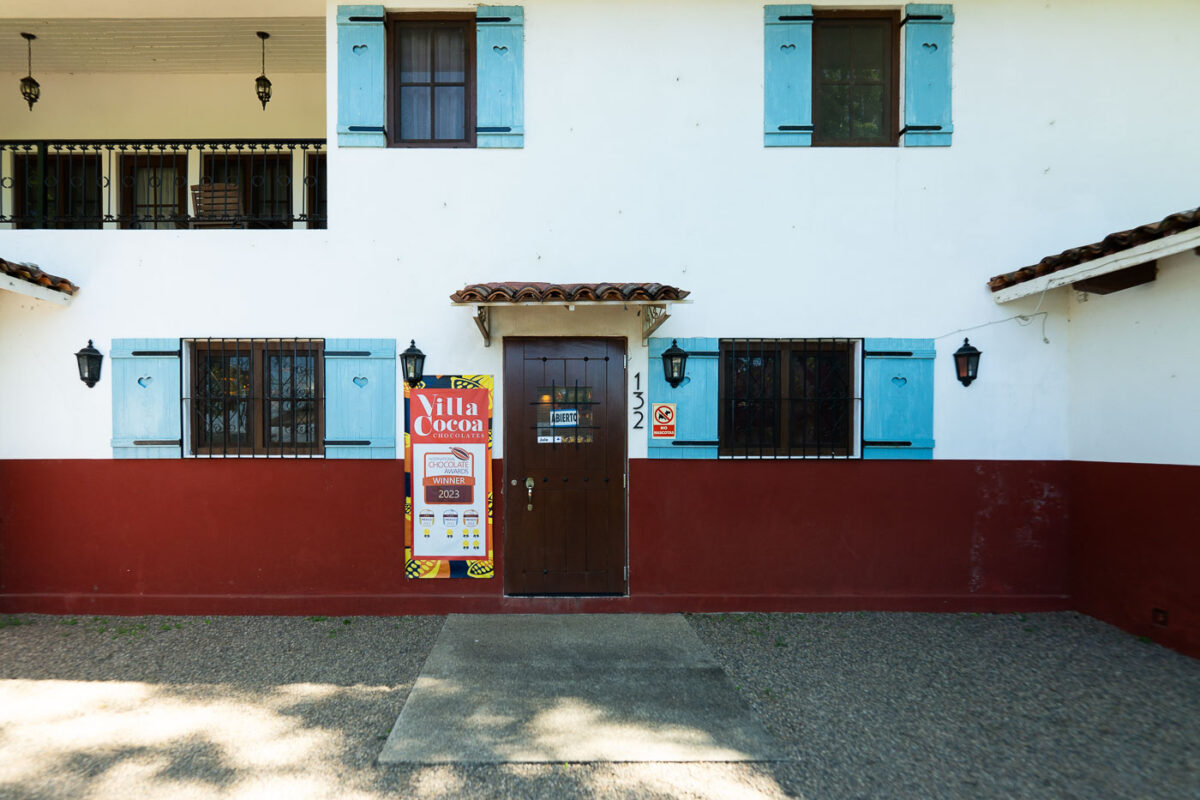
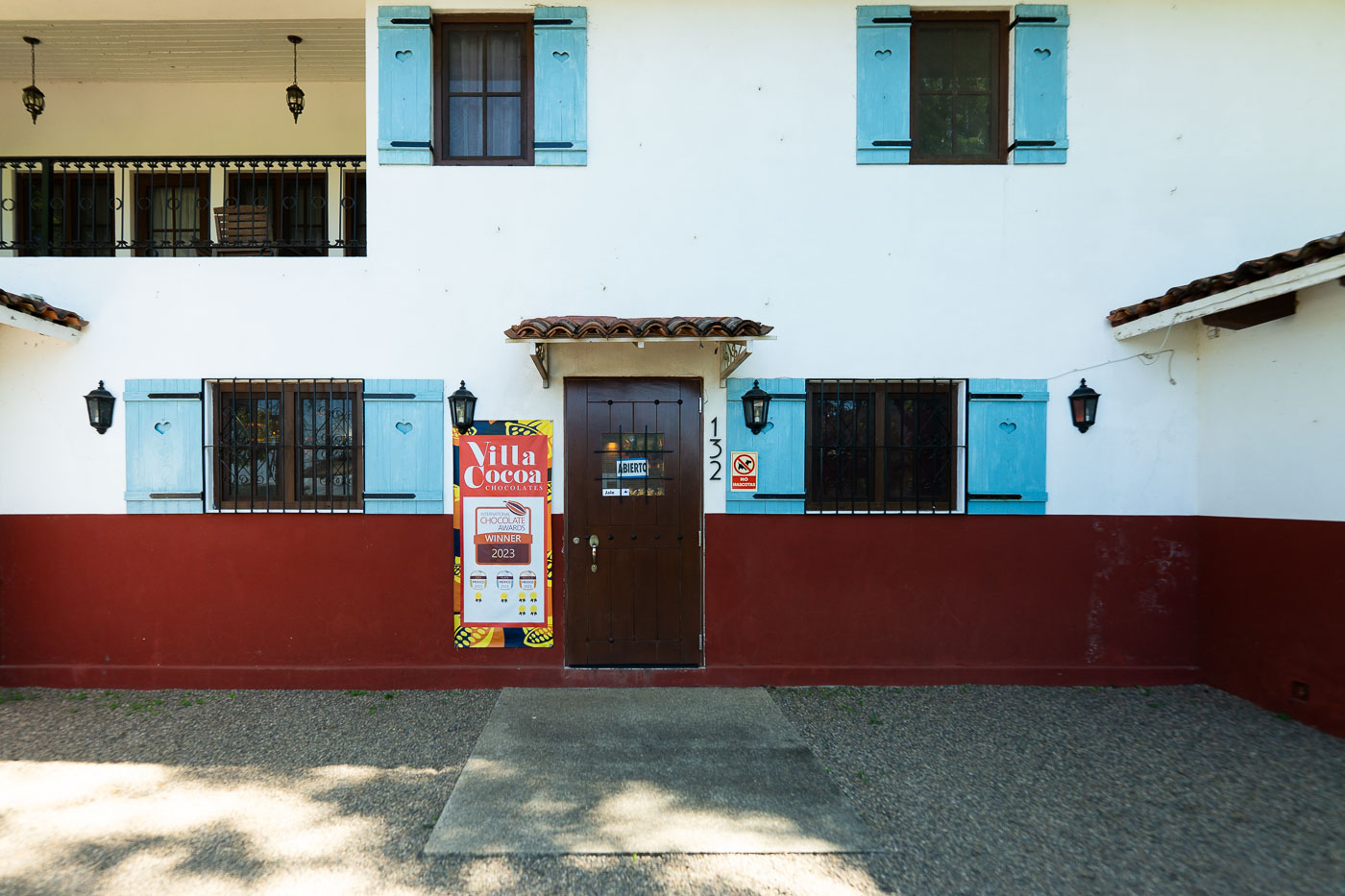
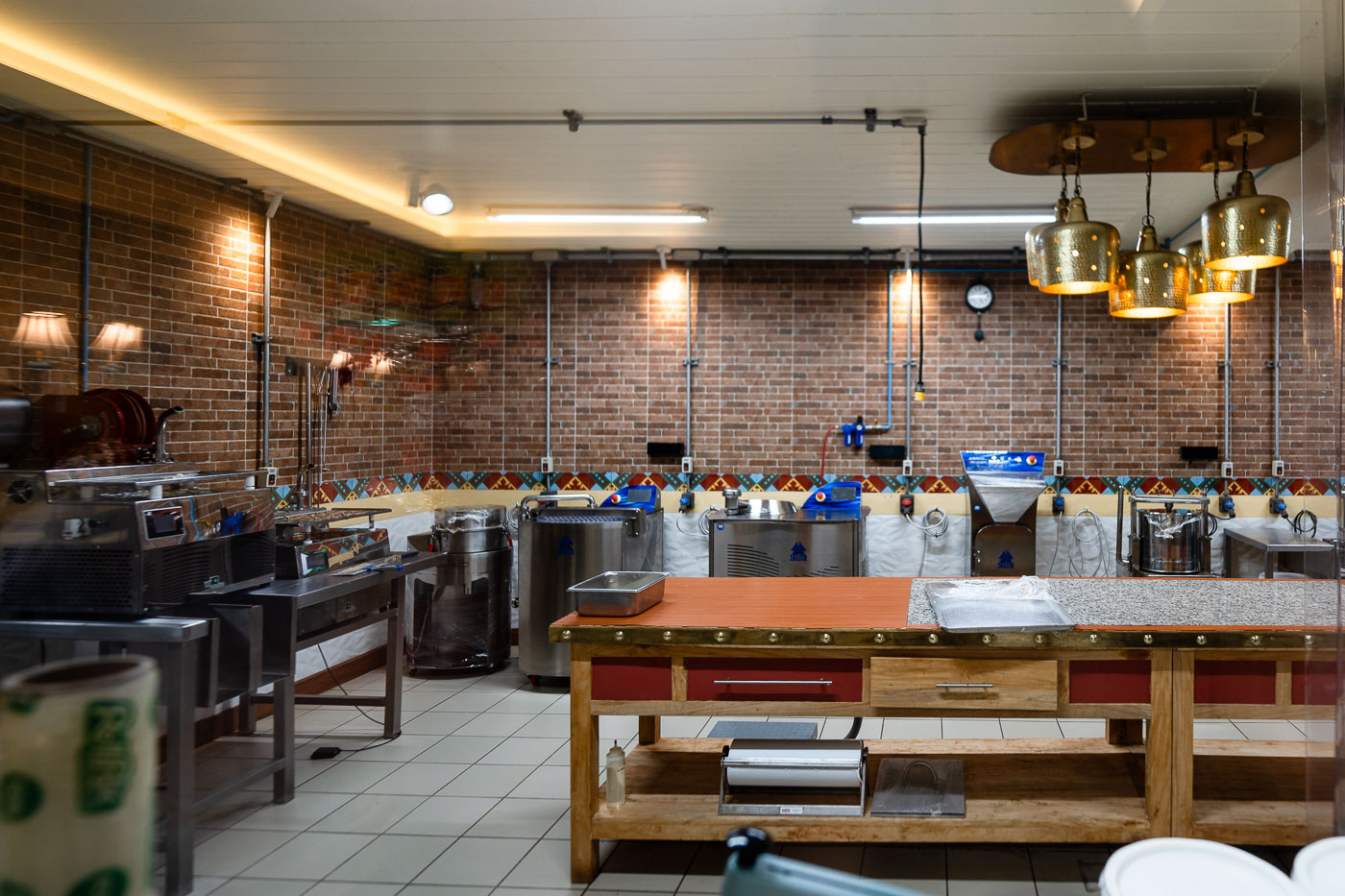
Villa Cocoa Chocolates is a chocolate factory located in San Sebastián, Jalisco, Mexico, a town recognized as a "Pueblo Mágico" (Magical Town). The establishment has gained recognition for its high-quality products, as evidenced by its multiple awards at the International Chocolate Awards in 2023, including gold, silver, and bronze medals for Mexican chocolate. The factory offers visitors an opportunity to experience and purchase artisanal chocolate, contributing to the local economy and the town's appeal as a tourist destination.
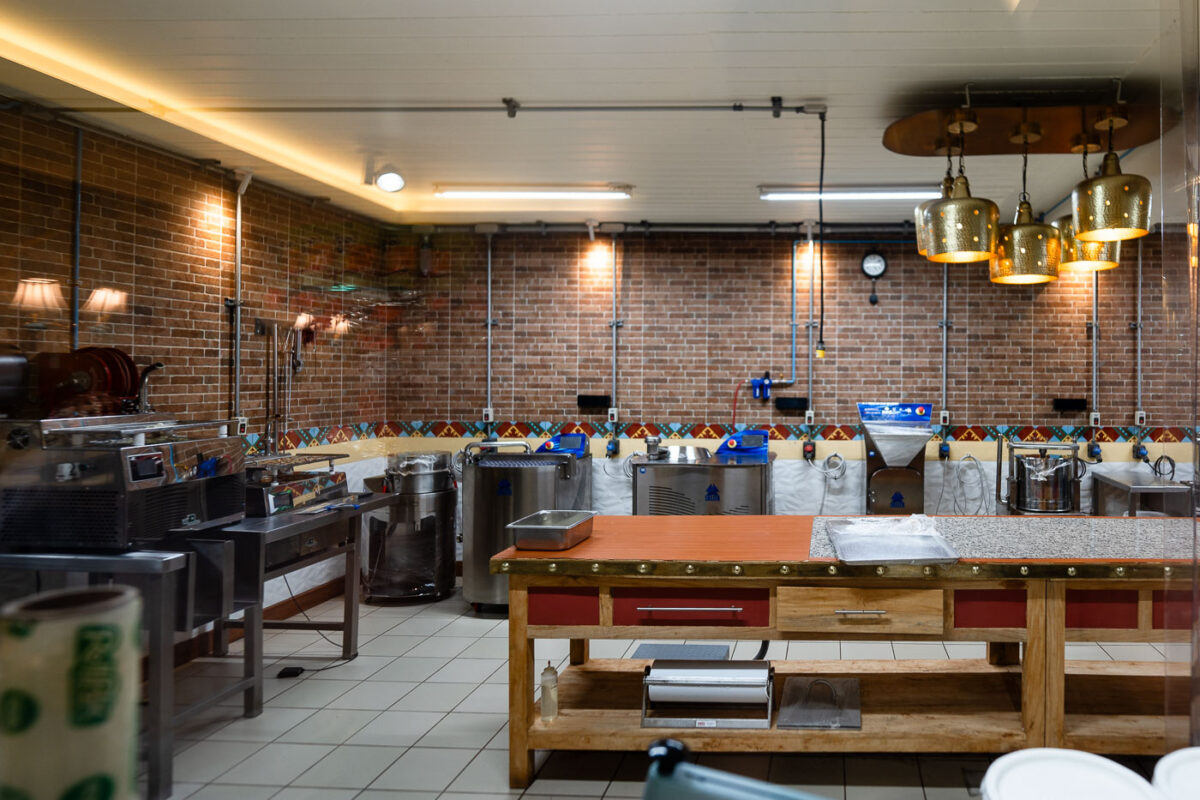
The interior of the Villa Cocoa chocolate factory in San Sebastian, Mexico, showcases the specialized machinery used in chocolate production. This facility is part of San Sebastian's designation as a "Pueblo Mágico" (Magical Town), a program by the Mexican government to promote tourism in historically and culturally significant small towns. The factory contributes to the town's appeal by offering locally produced artisanal chocolate, a product that aligns with the region's rich culinary heritage.
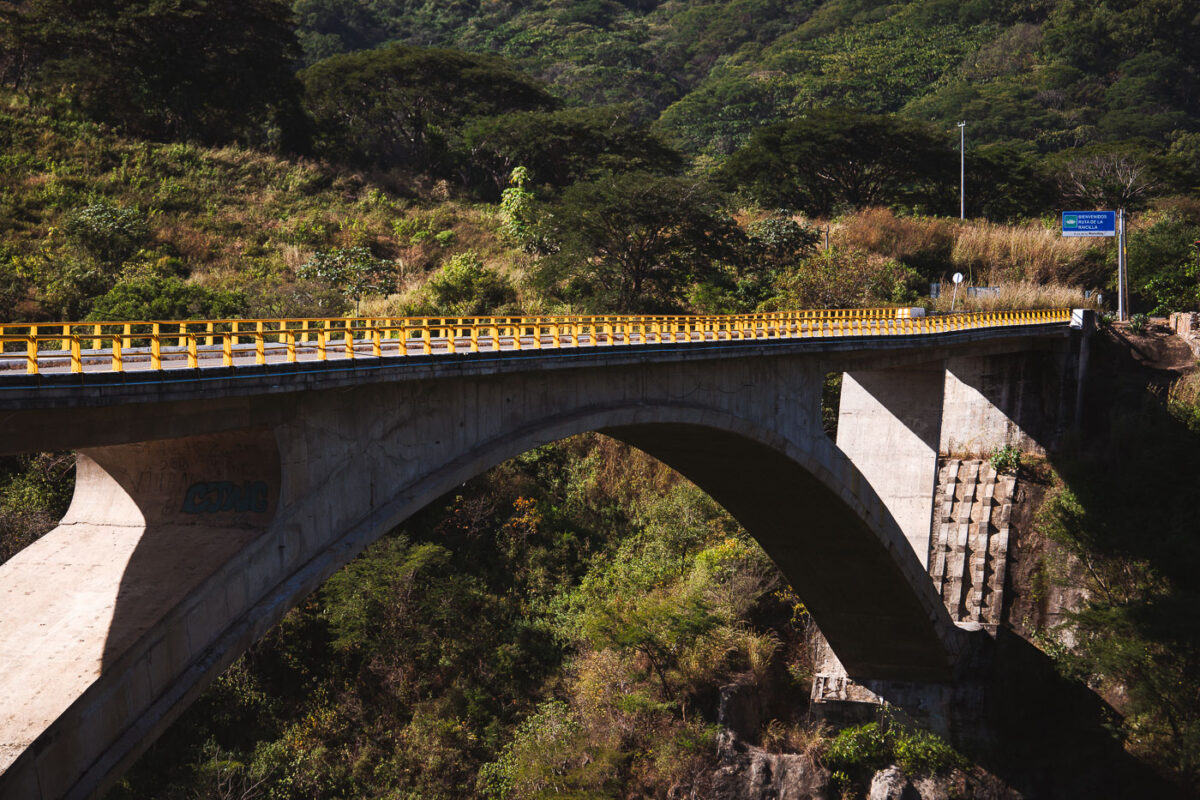
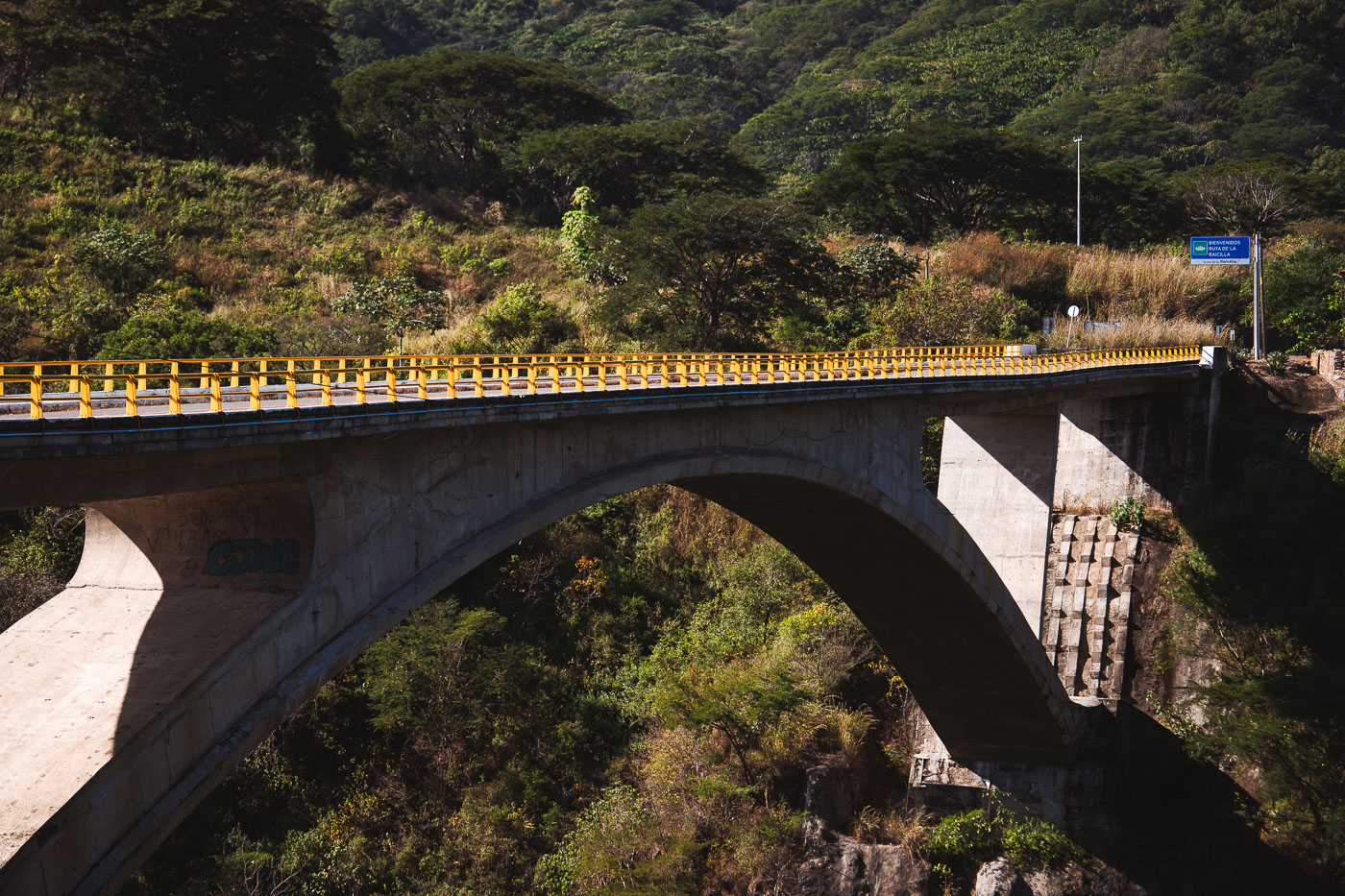
The Progreso Bridge serves as a vital crossing over a deep ravine, marking the border between the Mexican states of Jalisco and Nayarit. This concrete arch bridge, distinguished by its bright yellow guardrails, facilitates travel between Puerto Vallarta and the popular tourist destinations of Riviera Nayarit. The structure's construction was essential for connecting these coastal regions, enabling easier access and commerce. A sign at the Nayarit end of the bridge, reading "Bienvenidos Ruta de la Raicilla," welcomes travelers and indicates the transition into a region known for its agave spirits.
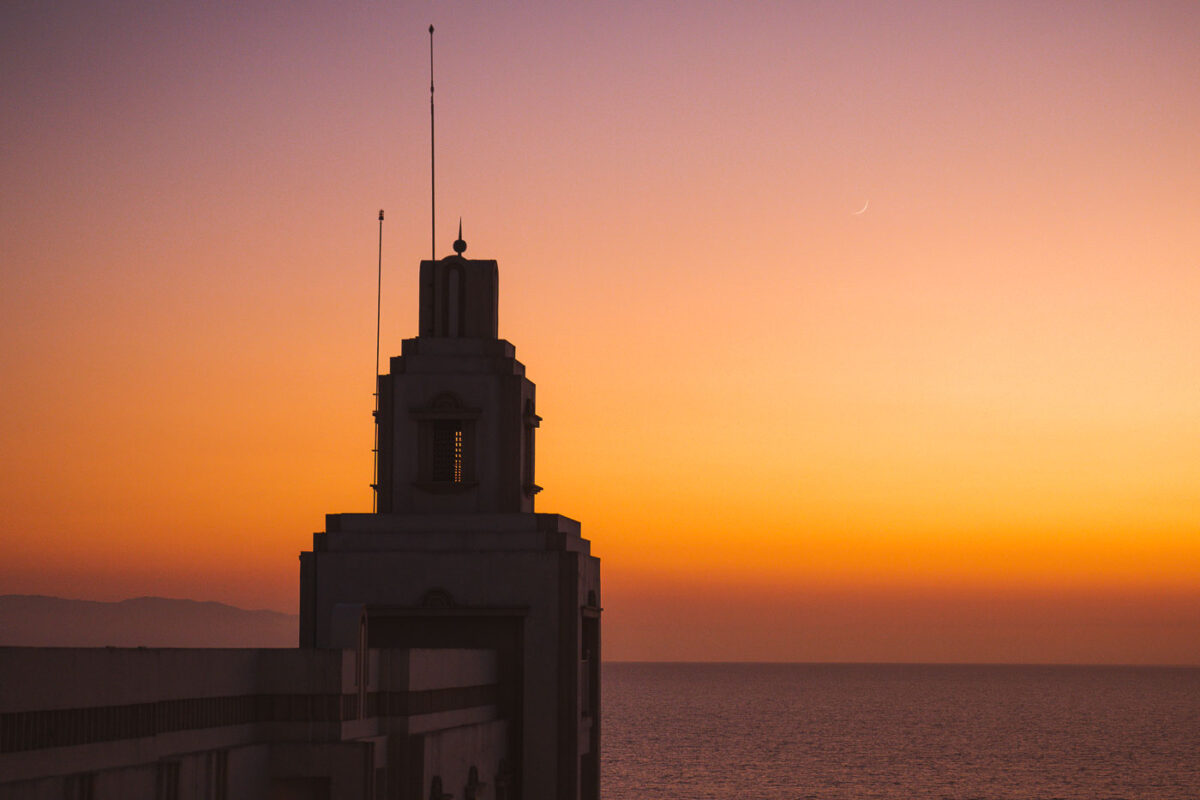
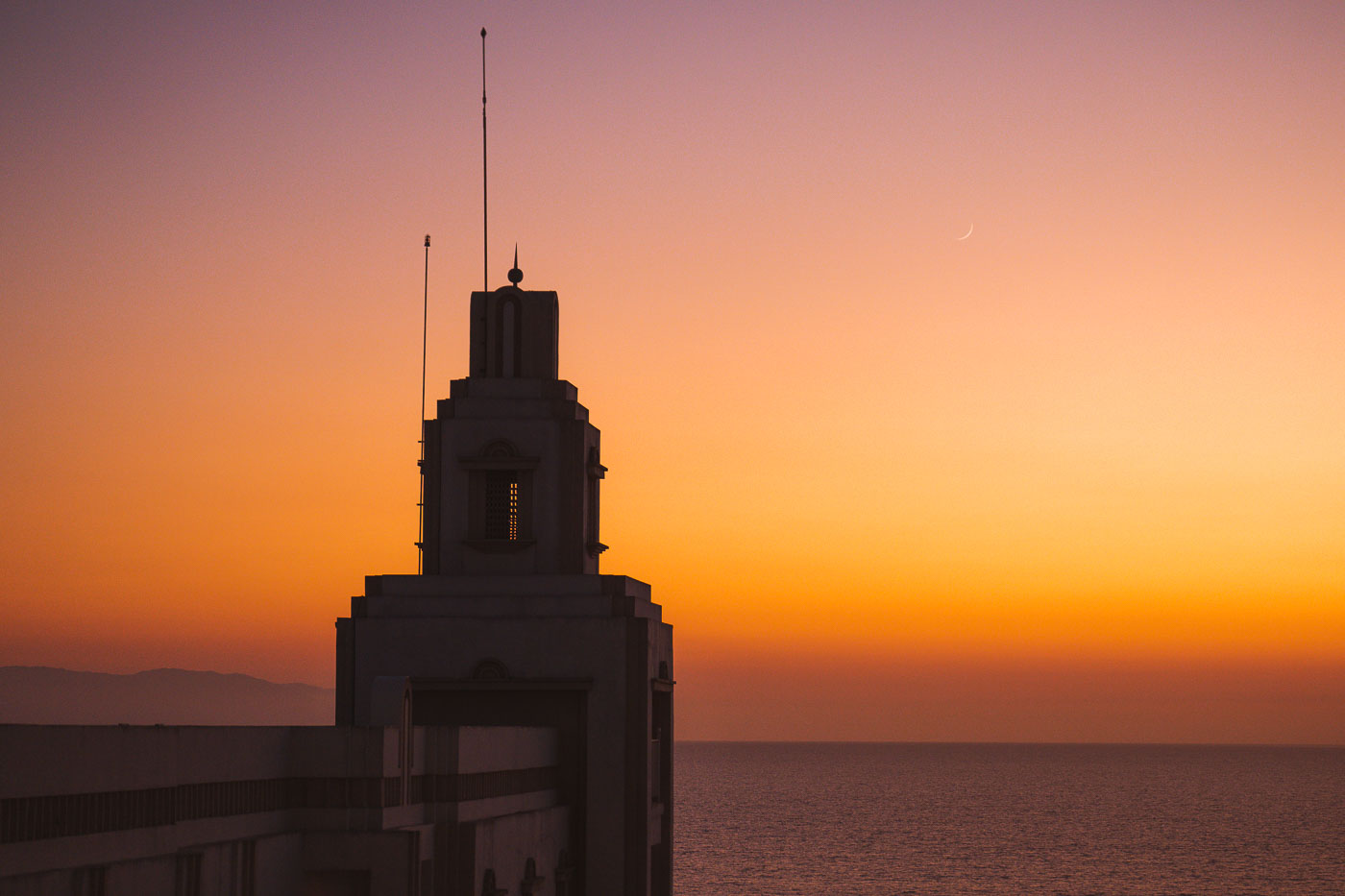
A sunset over the Pacific Ocean is visible from Puerto Vallarta, Mexico. The image features the distinctive Art Deco architecture of the Riu Palace Pacifico hotel, which opened in 2007. This resort is situated along the Banderas Bay, a significant geographic feature on Mexico's Pacific coast. The bay is known for its natural beauty and its role in the region's tourism industry.
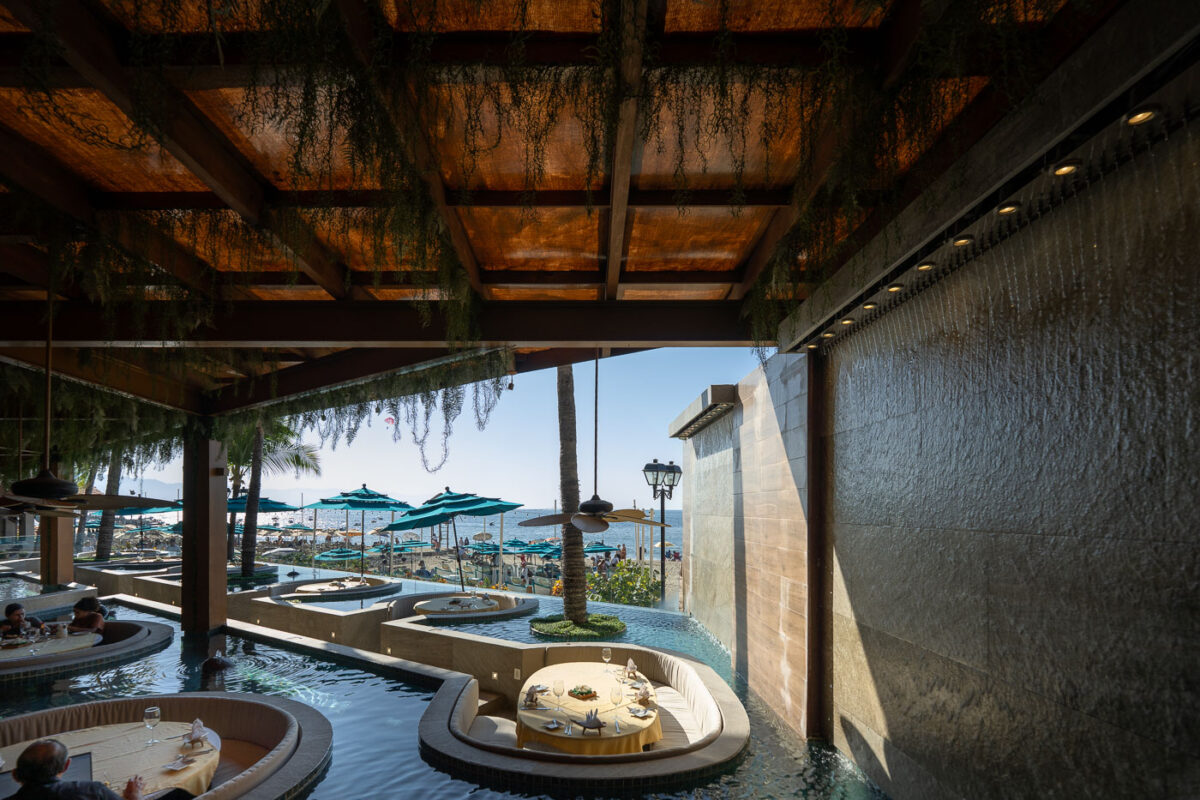
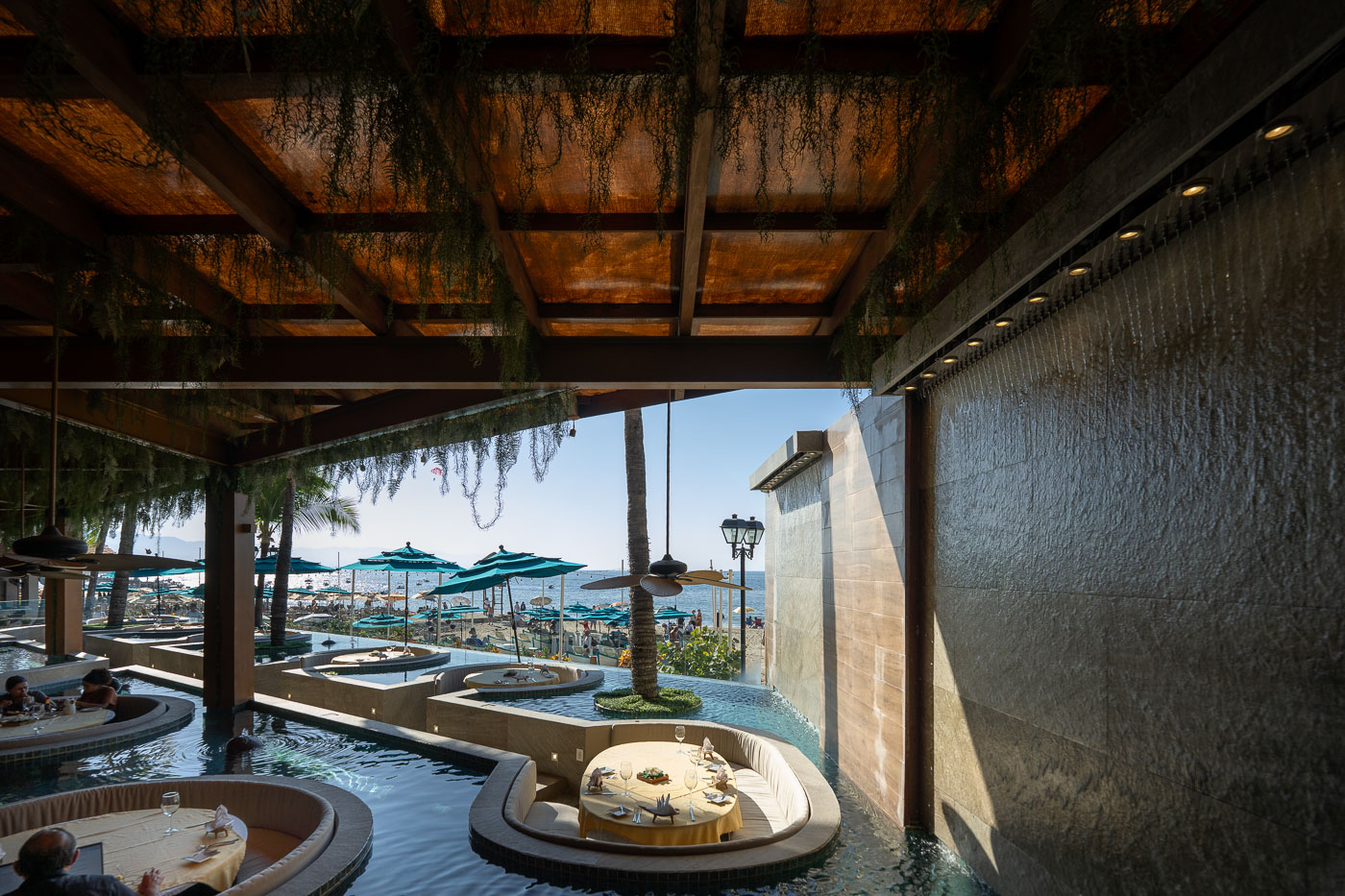
This restaurant, located in Puerto Vallarta's Zona Romántica, offers dining experiences with integrated water features and views of the beach. The design incorporates multiple pools and a cascading water wall, creating a tranquil atmosphere. Such establishments contribute to the vibrant tourism and hospitality sector of Puerto Vallarta, a popular destination on Mexico's Pacific coast.
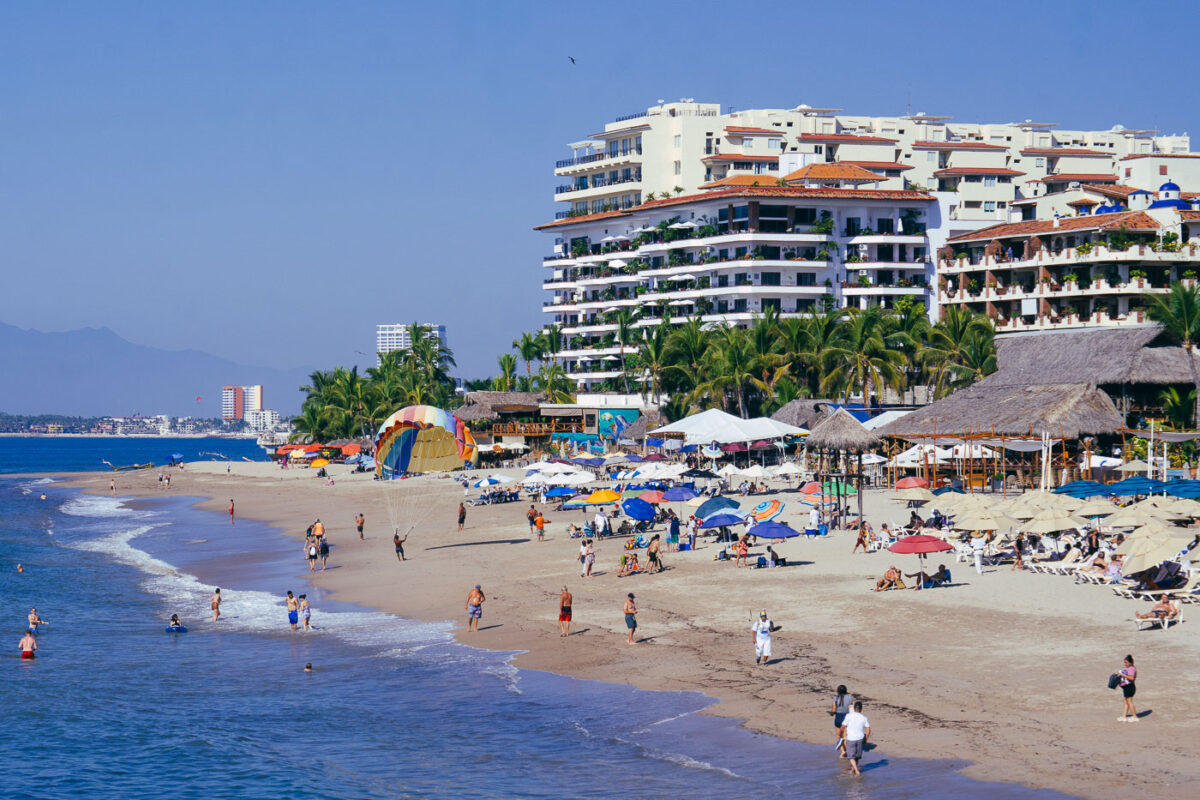
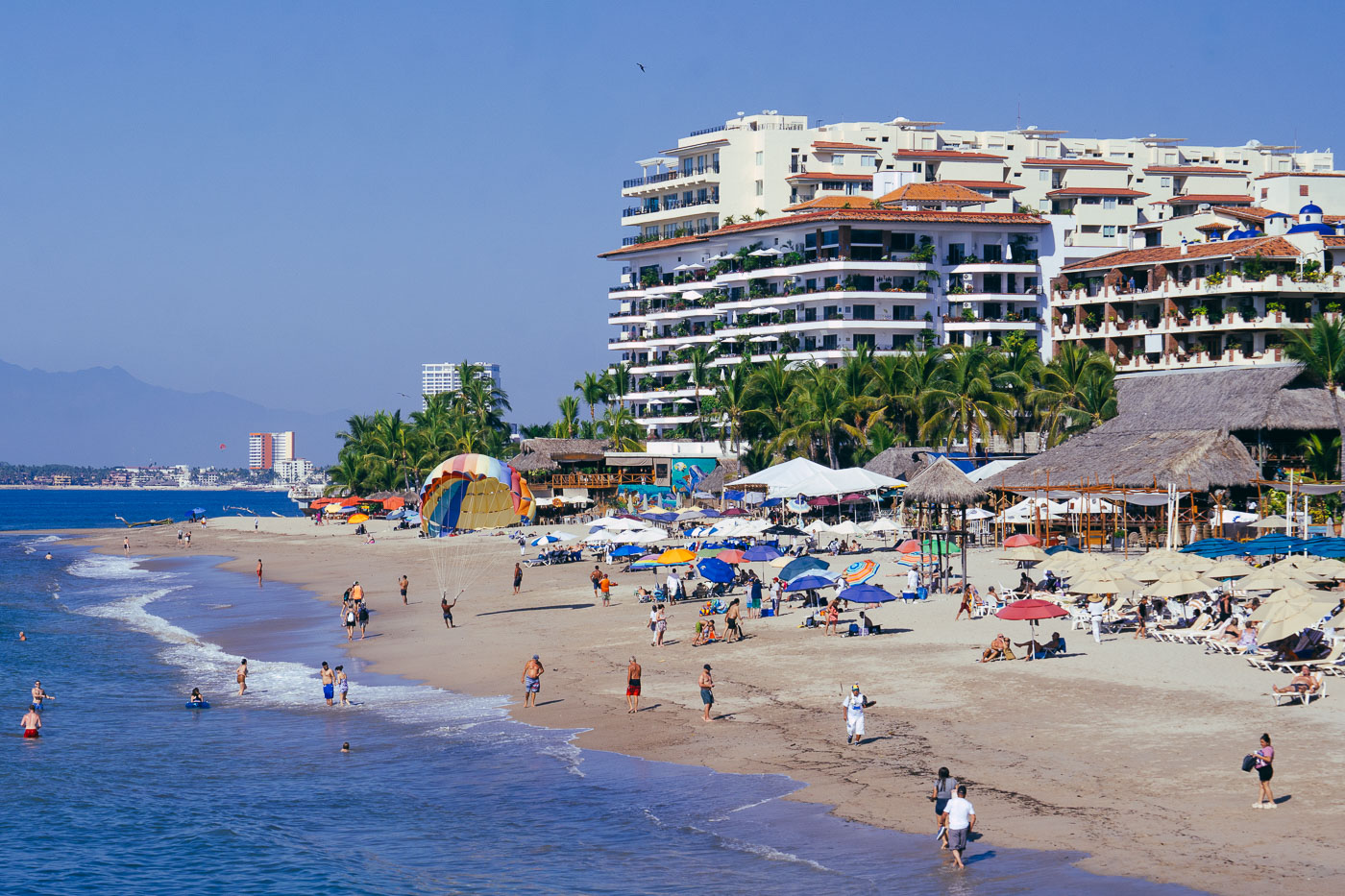
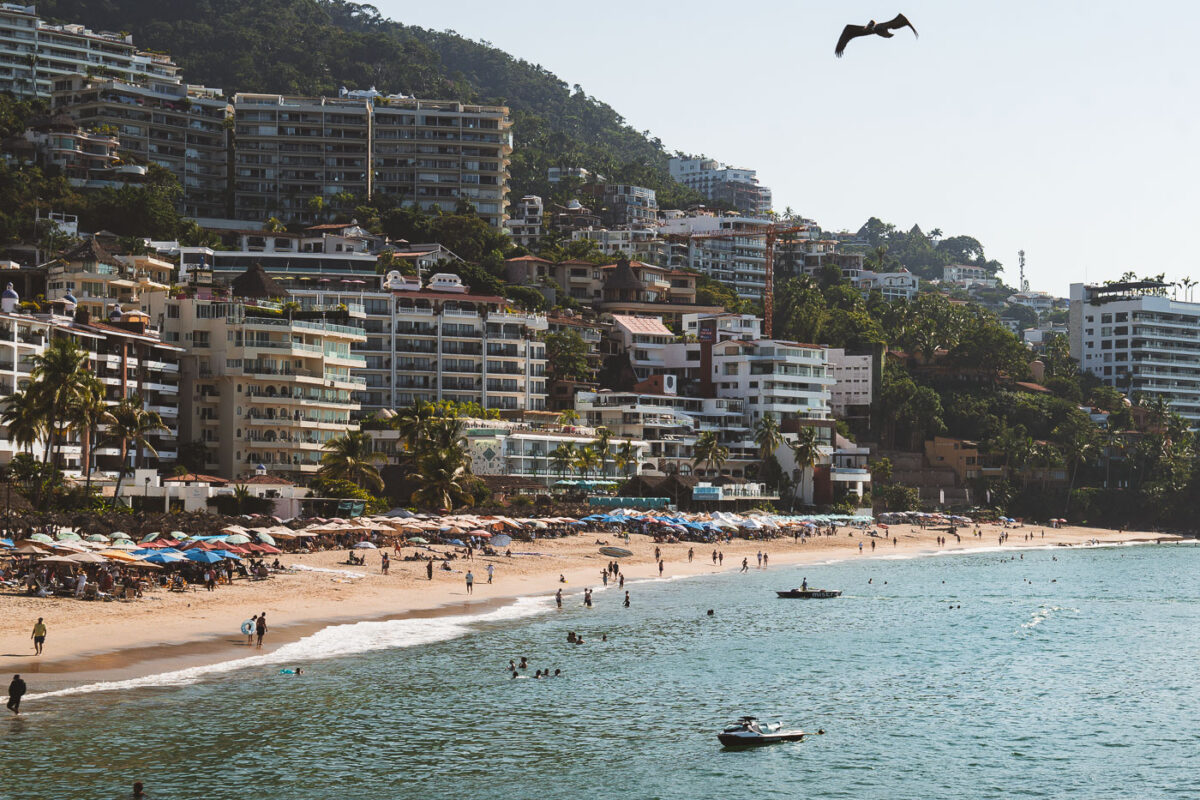
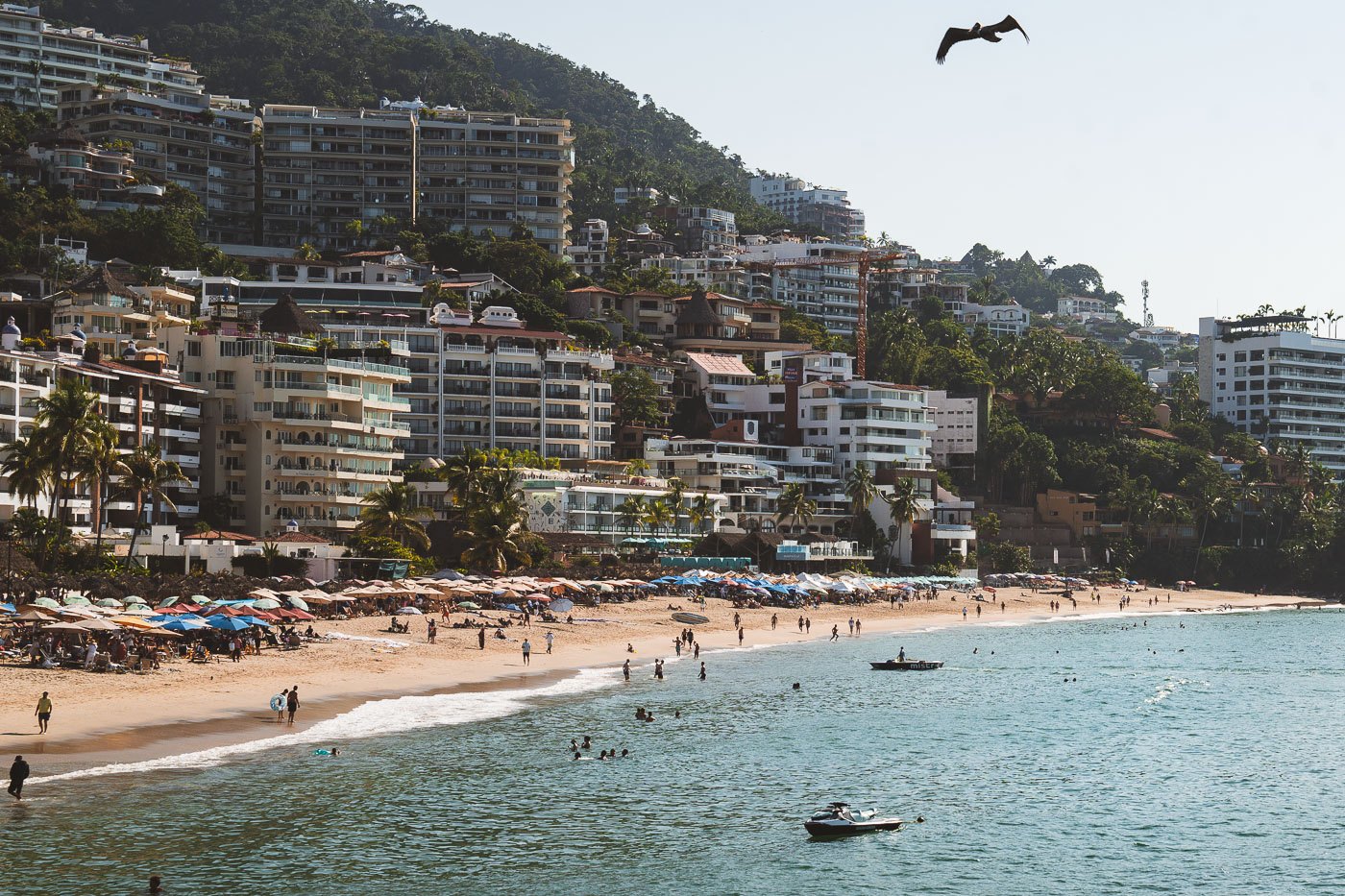
Playa de los Muertos, a central beach in Puerto Vallarta, is characterized by its dense development of beachfront resorts and hotels that ascend the steep hillsides of the Sierra Madre Occidental. This area, part of the Bahía de Banderas, has long been a focal point for tourism and local life, with its shoreline supporting a variety of activities from fishing to water sports. The adjacent Zona Romántica neighborhood, with its historic cobblestone streets, complements the modern resort architecture, contributing to the area's reputation as a significant coastal destination in Mexico.
Playa de los Muertos, a popular beach in Puerto Vallarta's Zona Romántica, is a central hub for local life and tourism. The pier, a prominent feature extending into the Pacific Ocean, serves as a vital access point for water taxis and a gathering place for visitors and residents. The surrounding Zona Romántica, known for its vibrant atmosphere and diverse businesses, has seen significant development, transforming from a quieter area into a bustling district that attracts international visitors. The beach and its pier are integral to the identity and economy of Puerto Vallarta, reflecting its growth as a major Mexican resort destination.
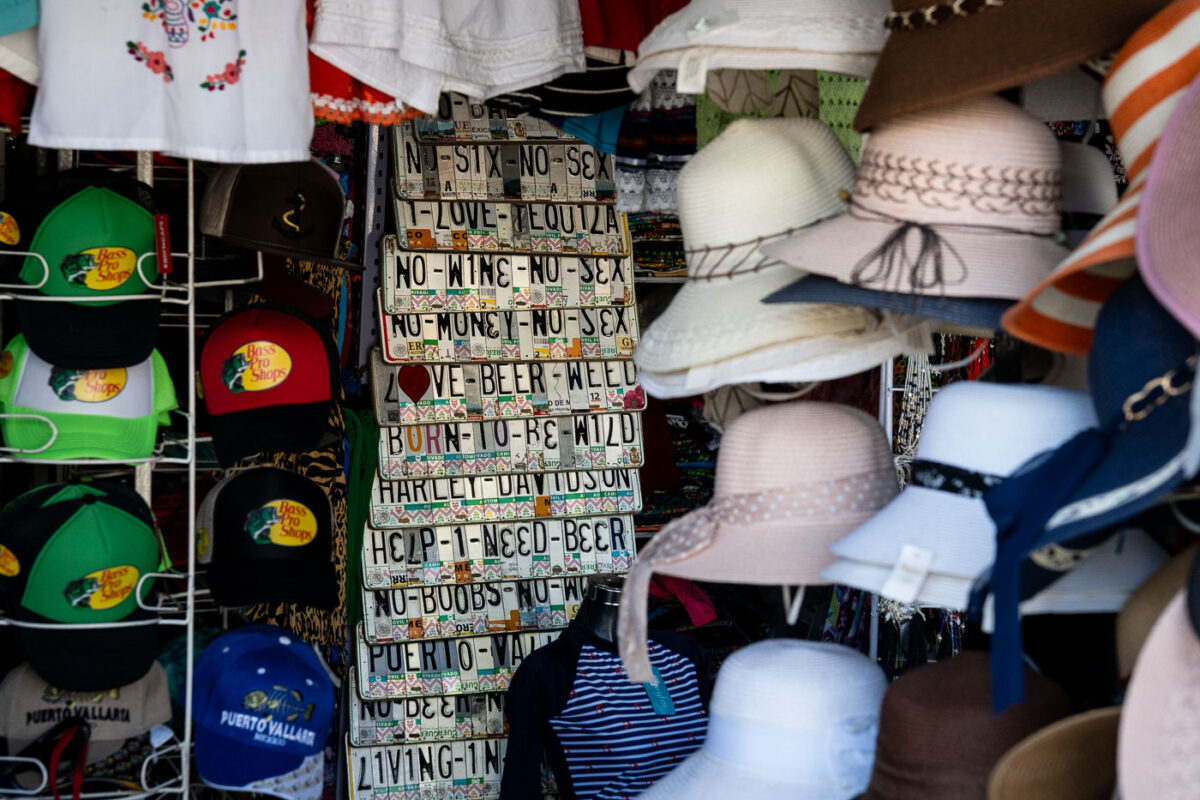
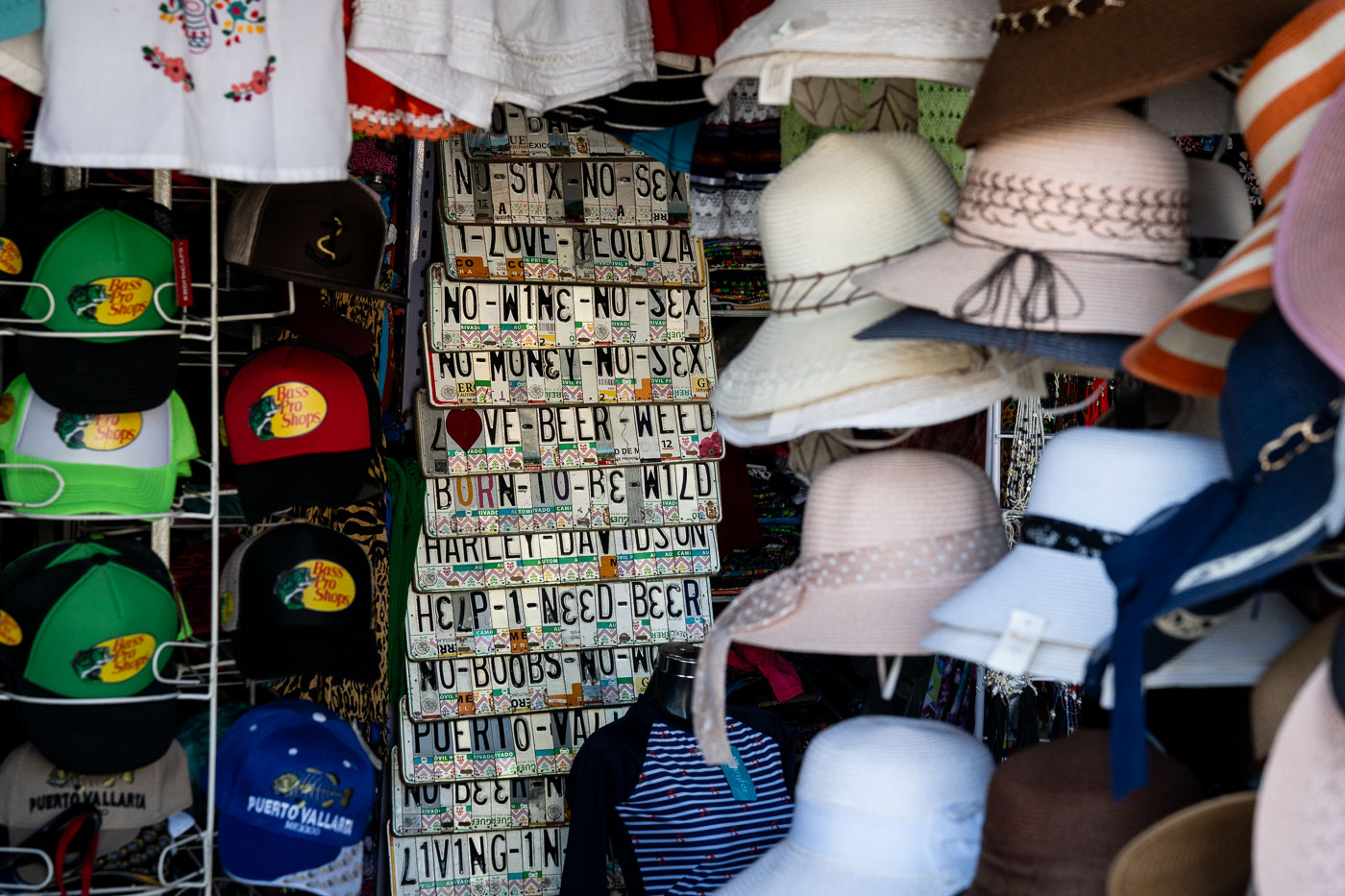
This stall in Puerto Vallarta's shopping district showcases souvenirs crafted from repurposed Mexican license plates, featuring humorous phrases and local branding. Alongside these unique items, racks display hats and caps, some bearing the "Bass Pro Shops" logo, indicating a blend of North American consumer culture and local artisan crafts. Such stalls are characteristic of Puerto Vallarta's tourism-driven economy, offering visitors a tangible connection to the resort city's vibrant atmosphere and coastal Mexican identity.
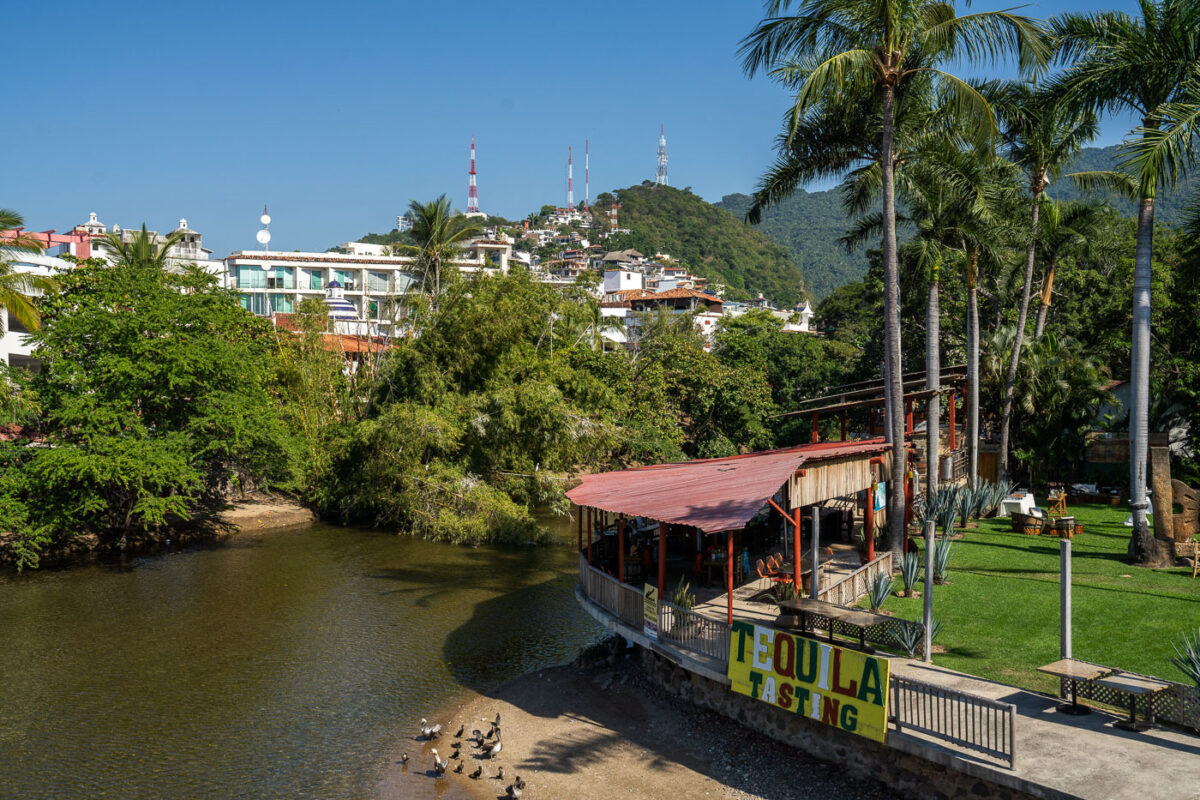
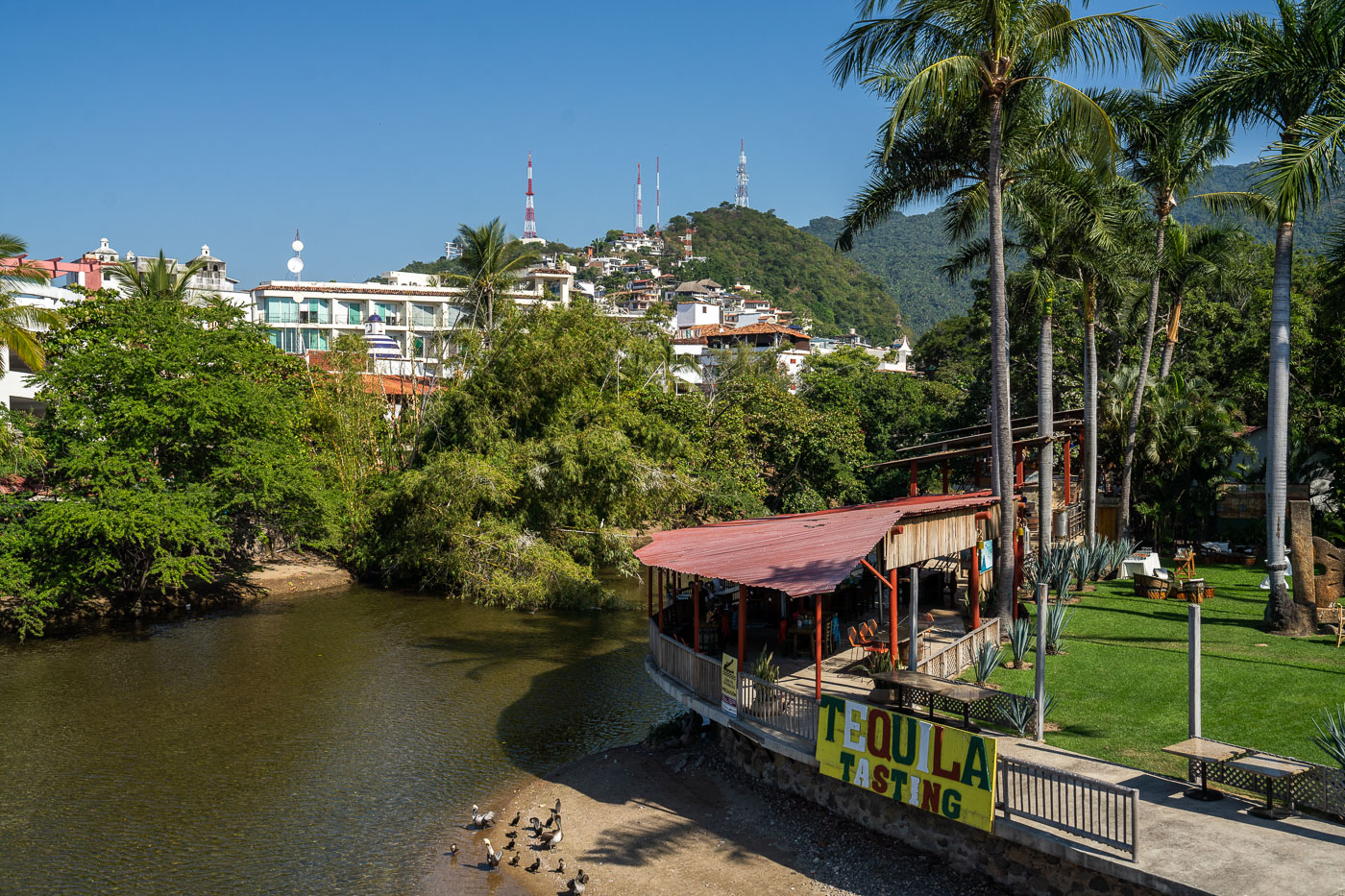
A "Tequila Tasting" sign is prominently displayed at a riverside establishment in Puerto Vallarta, Mexico. The location, situated along a river and overlooking the city's hilly terrain dotted with communication towers, offers a blend of natural scenery and urban development. This area, known for its tourism and cultural offerings, provides visitors with opportunities to experience local traditions such as tequila tasting, alongside the enduring presence of older infrastructure like the payphone mentioned in previous descriptions.
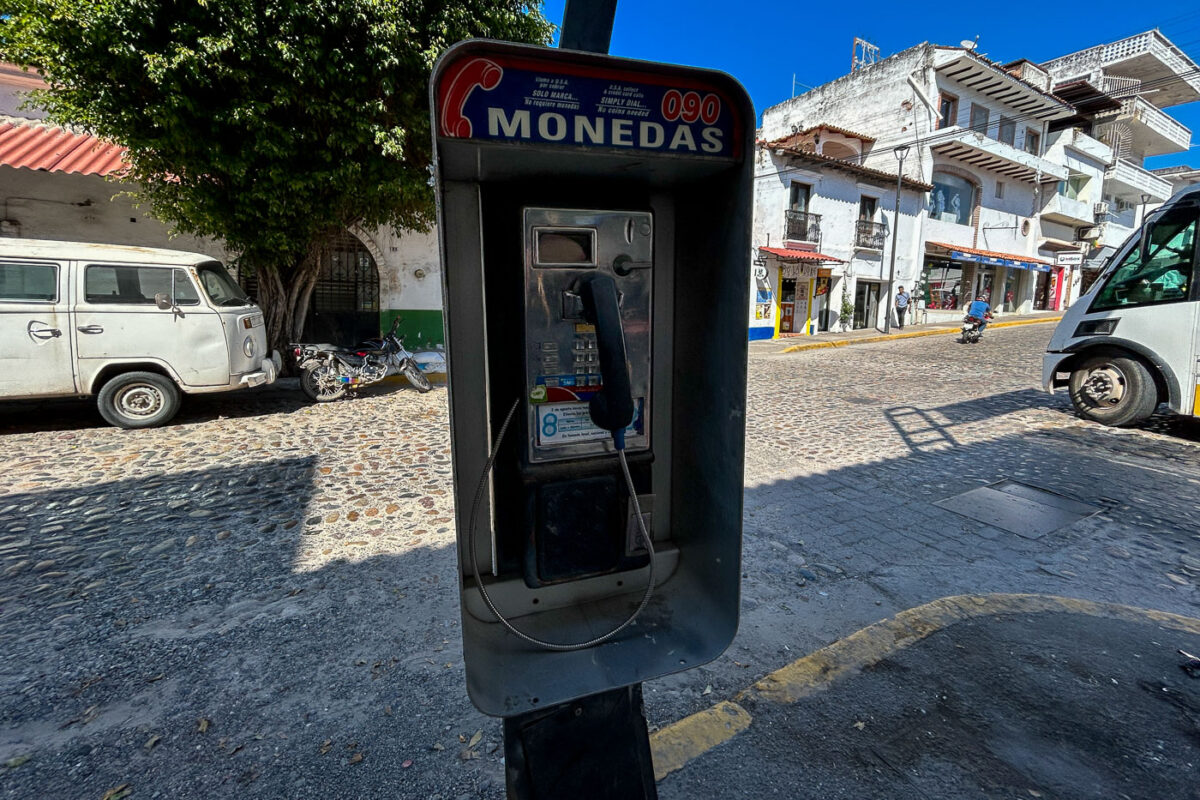
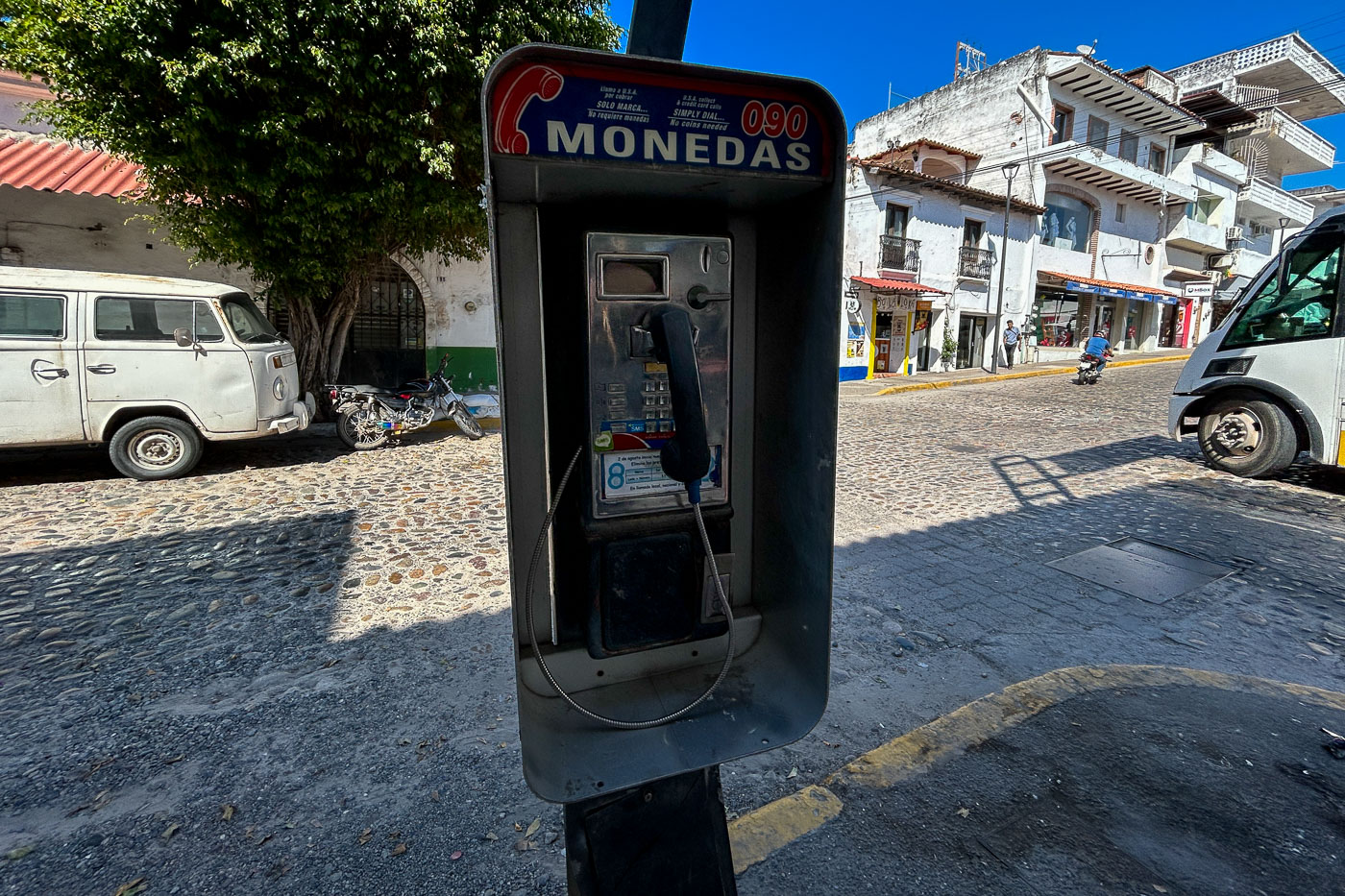
A coin-operated payphone, marked "Monedas 090," is situated on a cobblestone street in Puerto Vallarta, Mexico. This relic of analog communication, though rarely used today, represents a past era of public connectivity. The surrounding architecture, with its whitewashed buildings and red-tiled roofs, reflects the city's historical character. Such payphones were once vital for travelers and locals, serving as a primary means of communication before the widespread adoption of mobile technology.
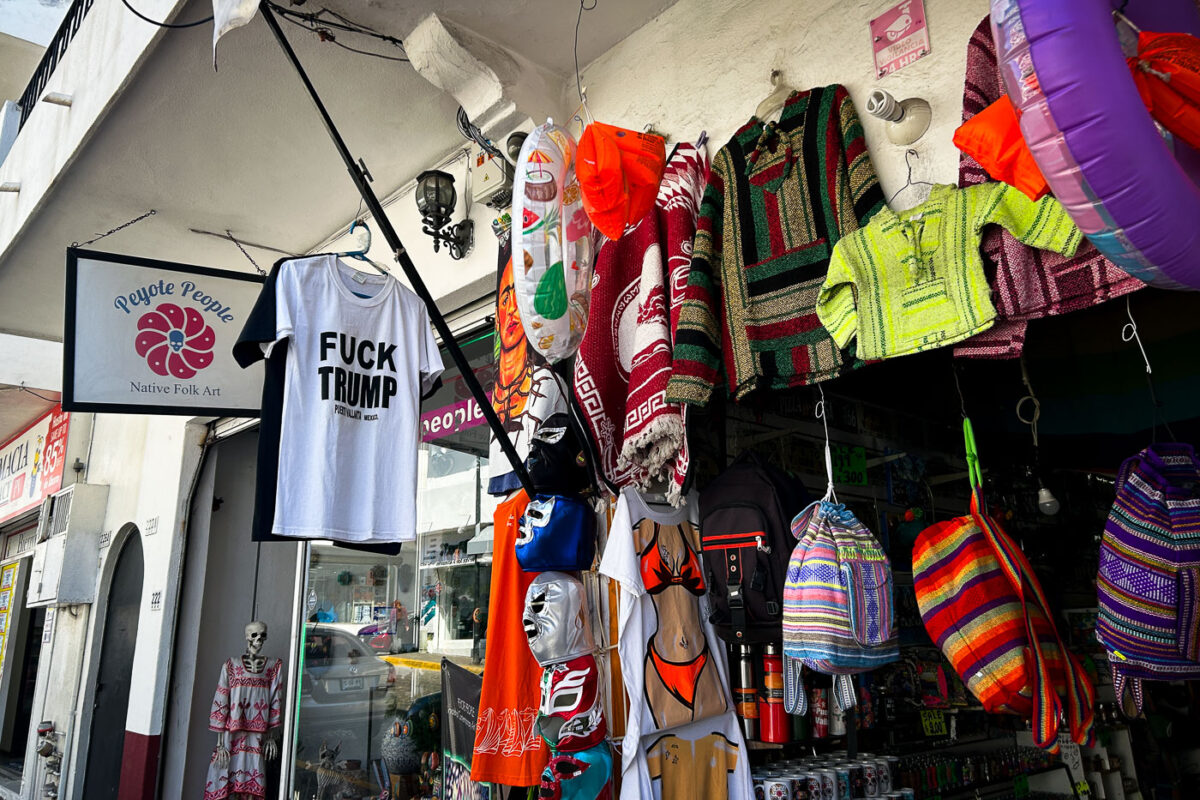
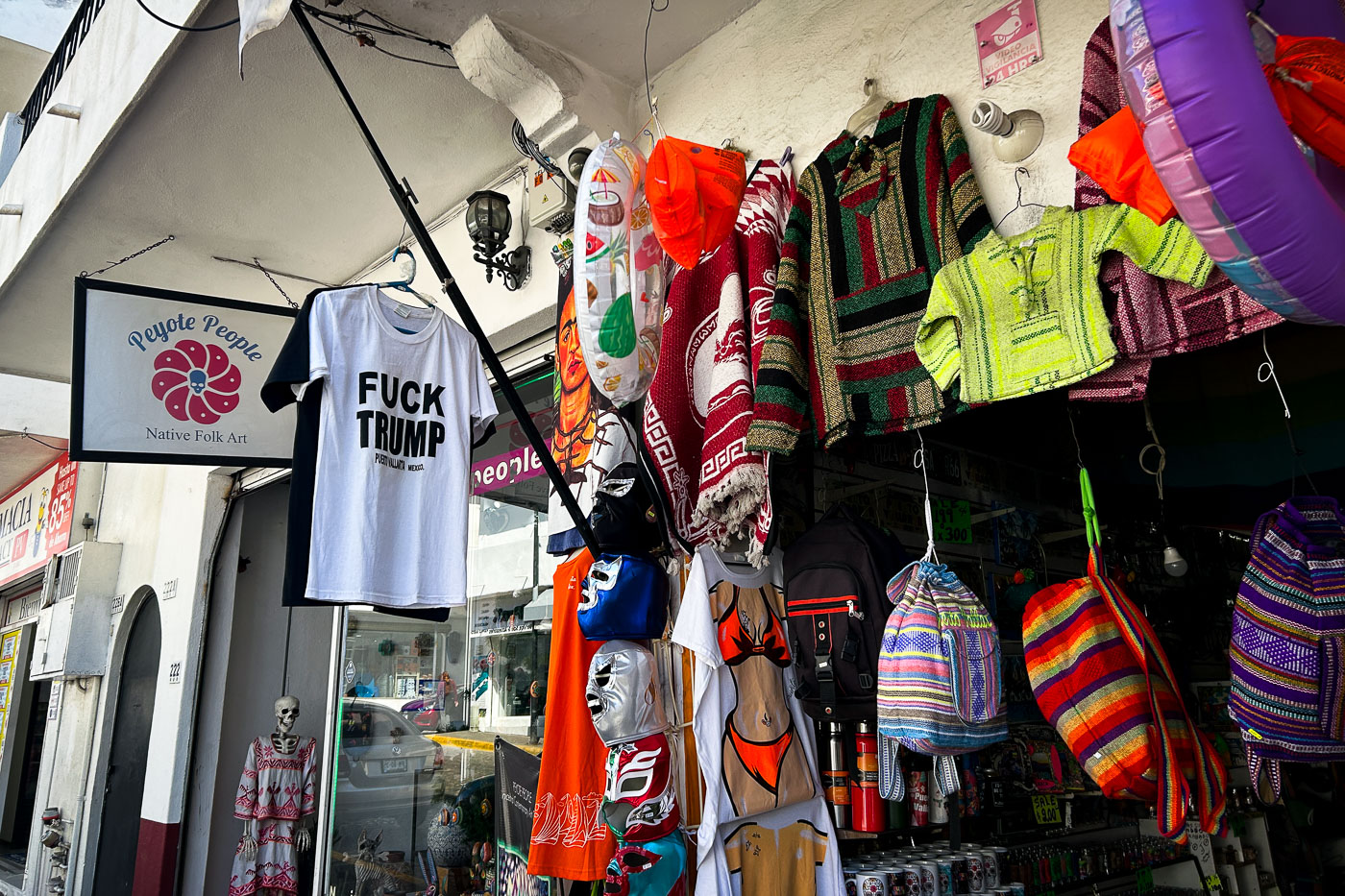
A souvenir shop in Puerto Vallarta, Mexico, displays a range of merchandise, including traditional folk art and contemporary political statements. The shop, identified by its sign as "Peyote People - Native Folk Art," offers items such as handwoven textiles, luchador masks, and graphic t-shirts. The prominent display of a "Fuck Trump" t-shirt alongside indigenous crafts highlights the complex cultural and commercial landscape of Mexican tourist destinations. Such juxtapositions reflect the blend of local artistry, global commerce, and political expression found in many coastal market streets.
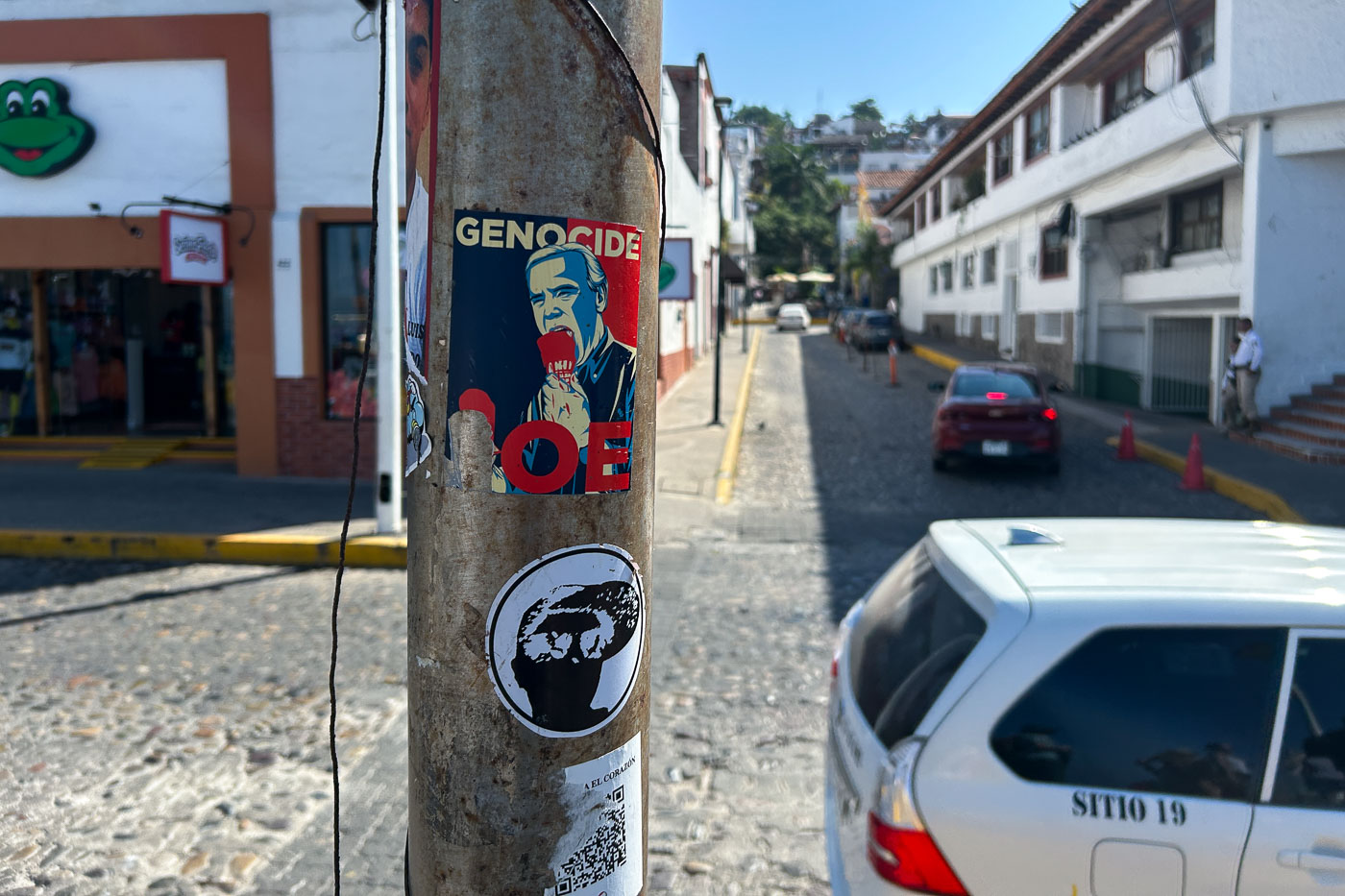
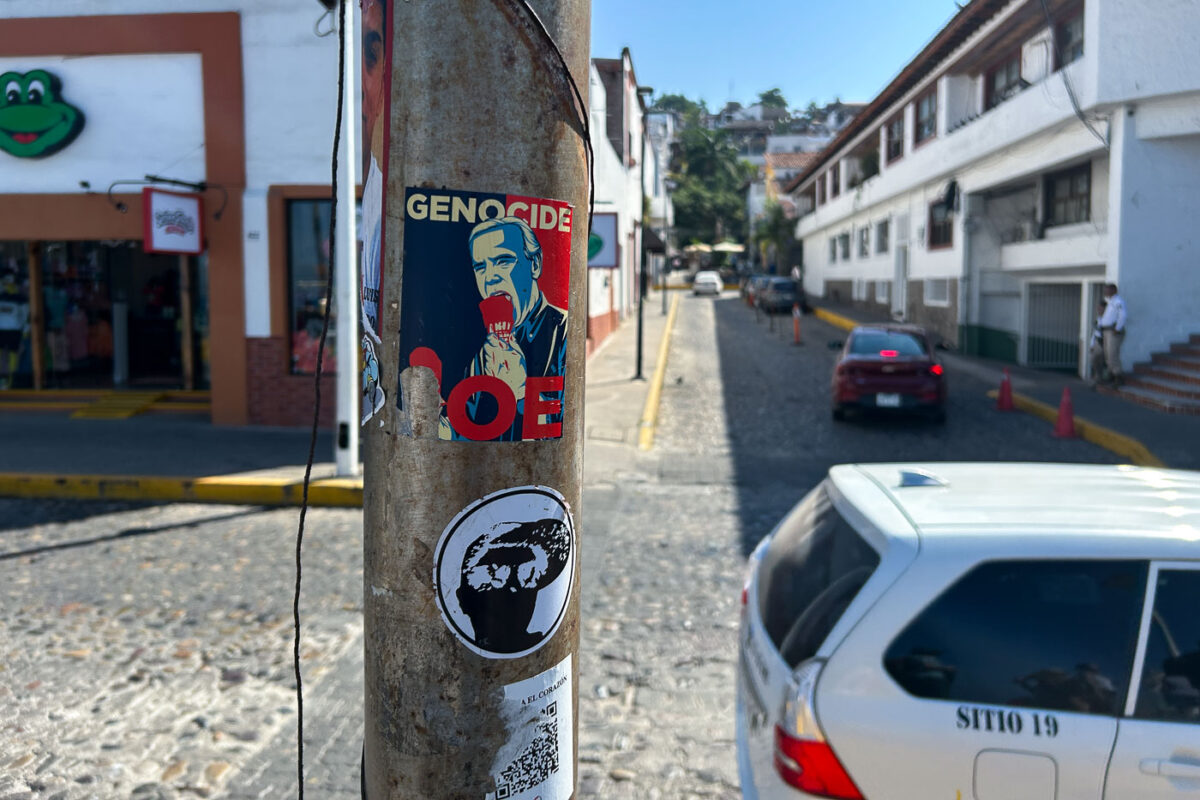
Political stickers, including one critical of Joe Biden and another with a "GENOCIDE" message, are affixed to a street pole in Puerto Vallarta, Mexico. The pole is located on a cobblestone street lined with traditional whitewashed buildings and small shops, a common urban environment in the coastal city. Such public displays of political commentary are a frequent occurrence in many urban centers, reflecting local and international political discourse within everyday life. The presence of these stickers on public infrastructure highlights the integration of political expression into the urban fabric, even in popular tourist destinations like Puerto Vallarta.
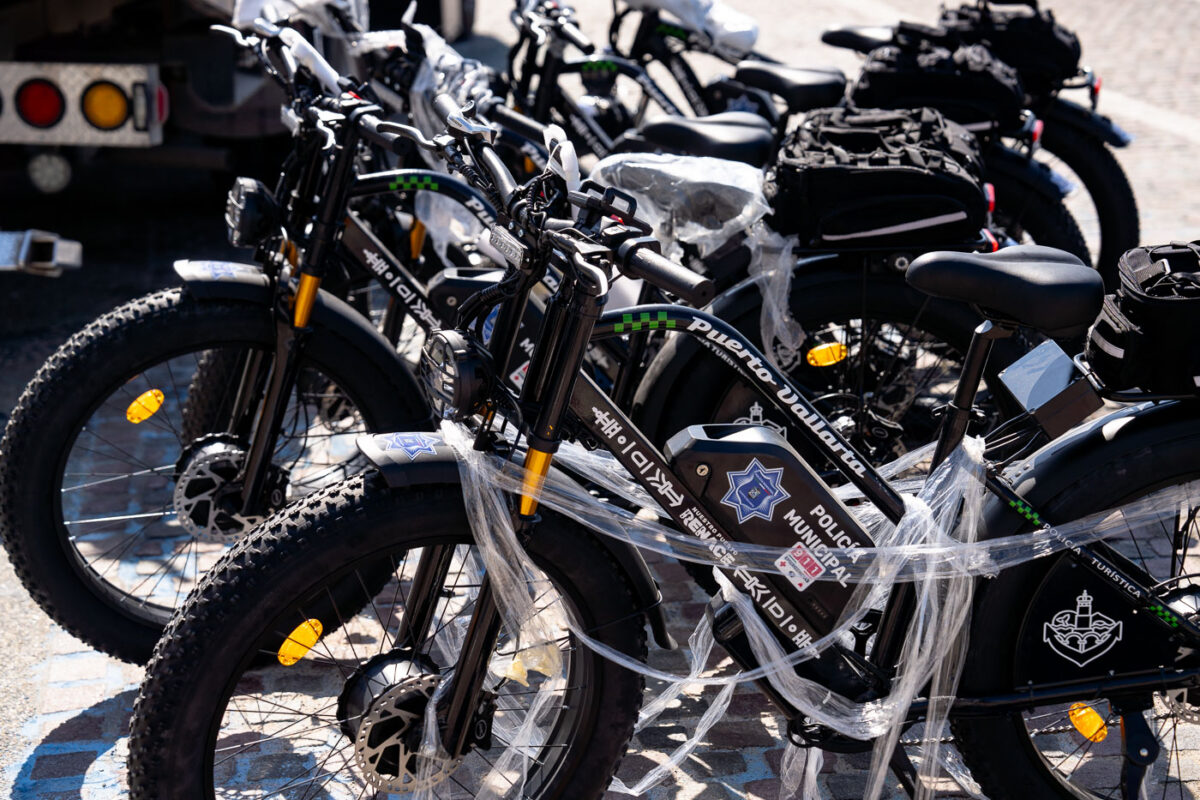
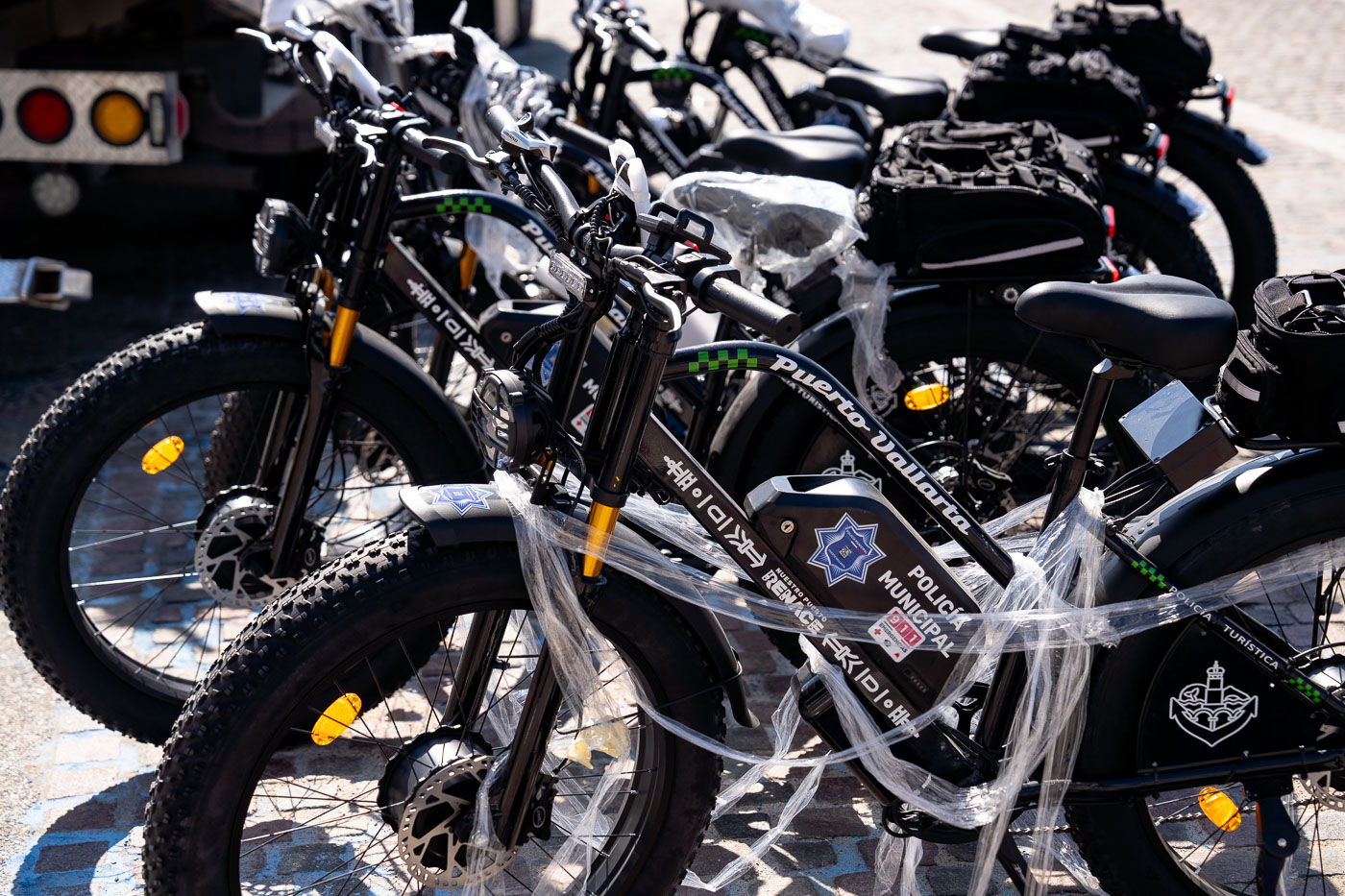
A new fleet of electric bicycles for the Puerto Vallarta municipal police are prepared for deployment. These fat-tire e-bikes, marked with the city’s emblem and "Policía Turística," are intended to enhance patrol mobility along the Malecón, beaches, and narrow streets. The initiative aims to improve response times in pedestrian-heavy areas while reducing emissions and traffic congestion in this popular resort destination.
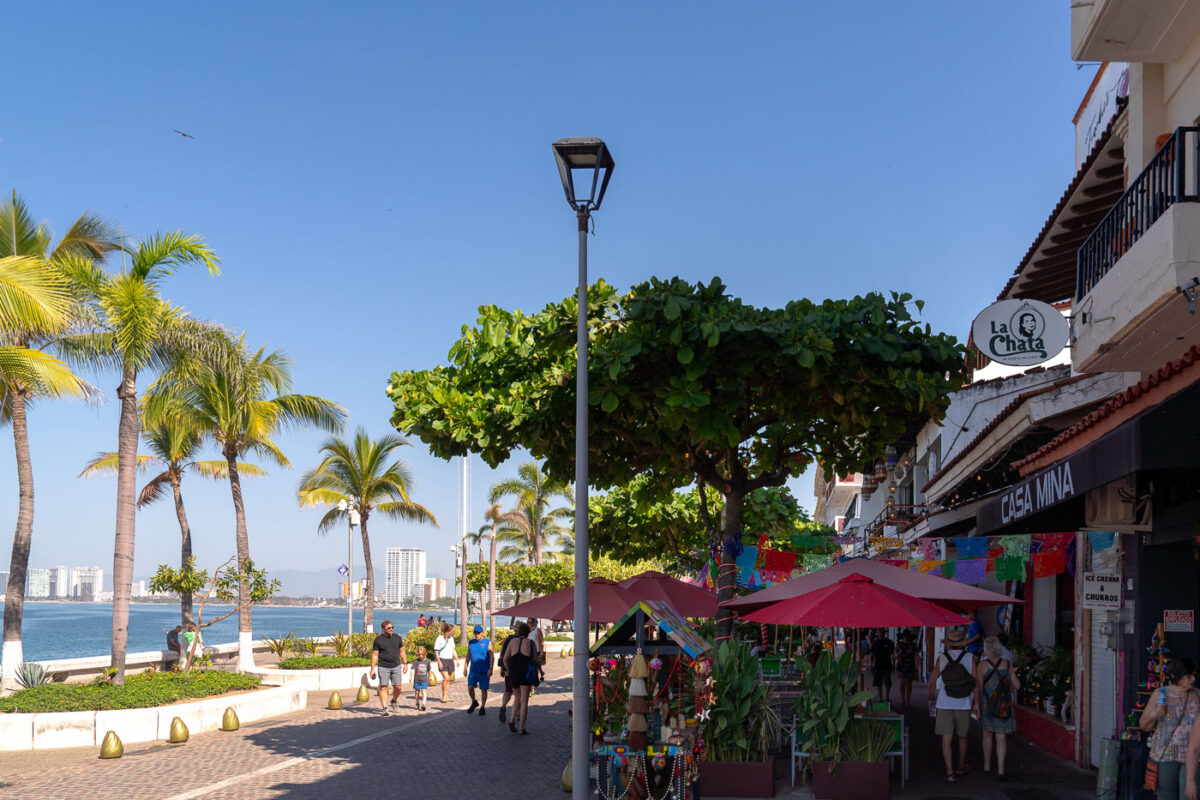
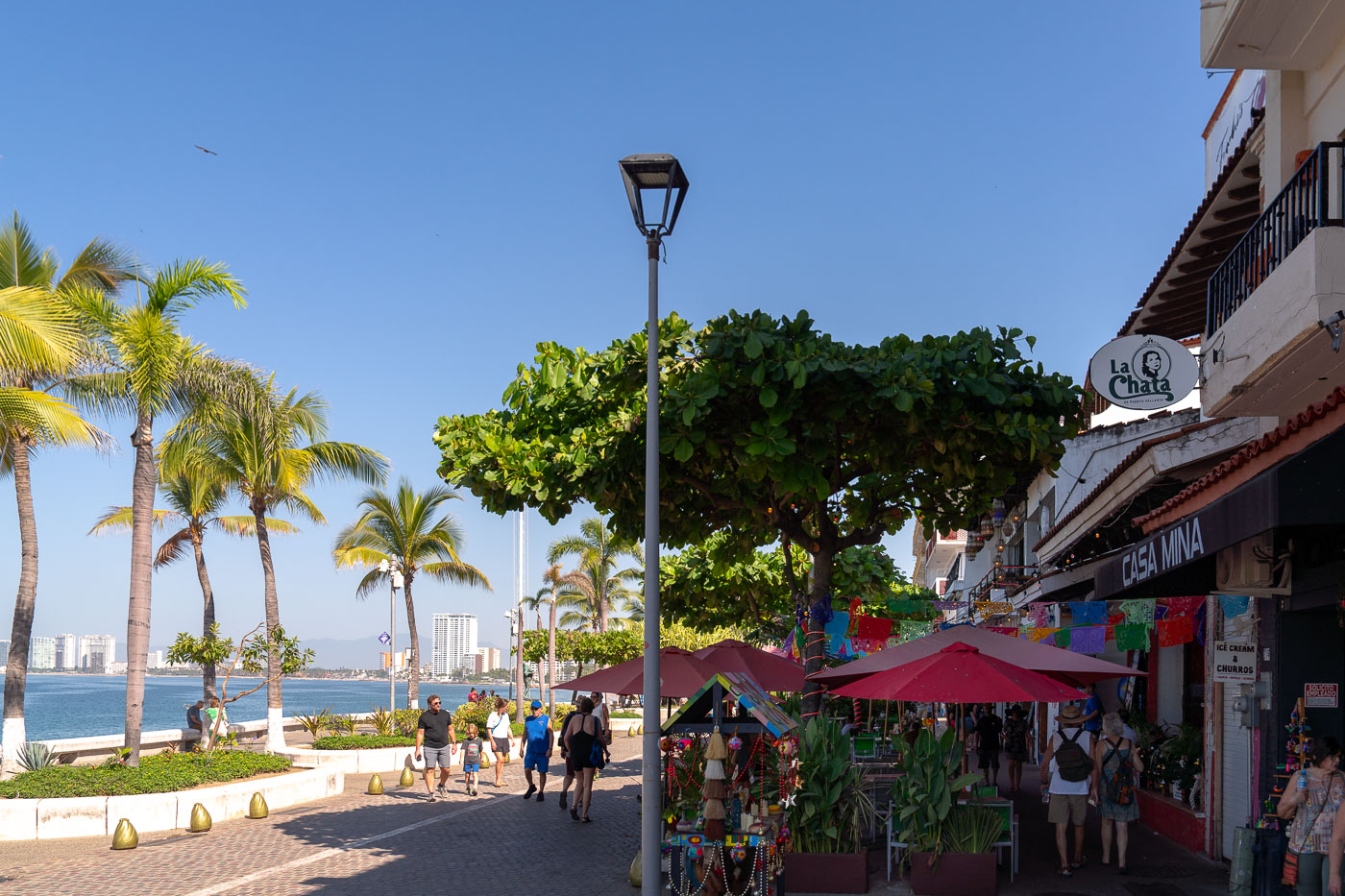
The Malecón in Puerto Vallarta, Mexico, is a vibrant waterfront promenade that runs along the Bay of Banderas. Originally developed to protect the town from storms and provide a public gathering space, it has evolved into a central hub for locals and tourists. Lined with shops, open-air cafes, and artisan stands, the Malecón offers views of the bay and the city's modern high-rise hotels juxtaposed with its historic architecture. The pedestrian walkway, adorned with colorful papel picado flags, is a popular destination for strolling and experiencing the coastal charm of Puerto Vallarta.
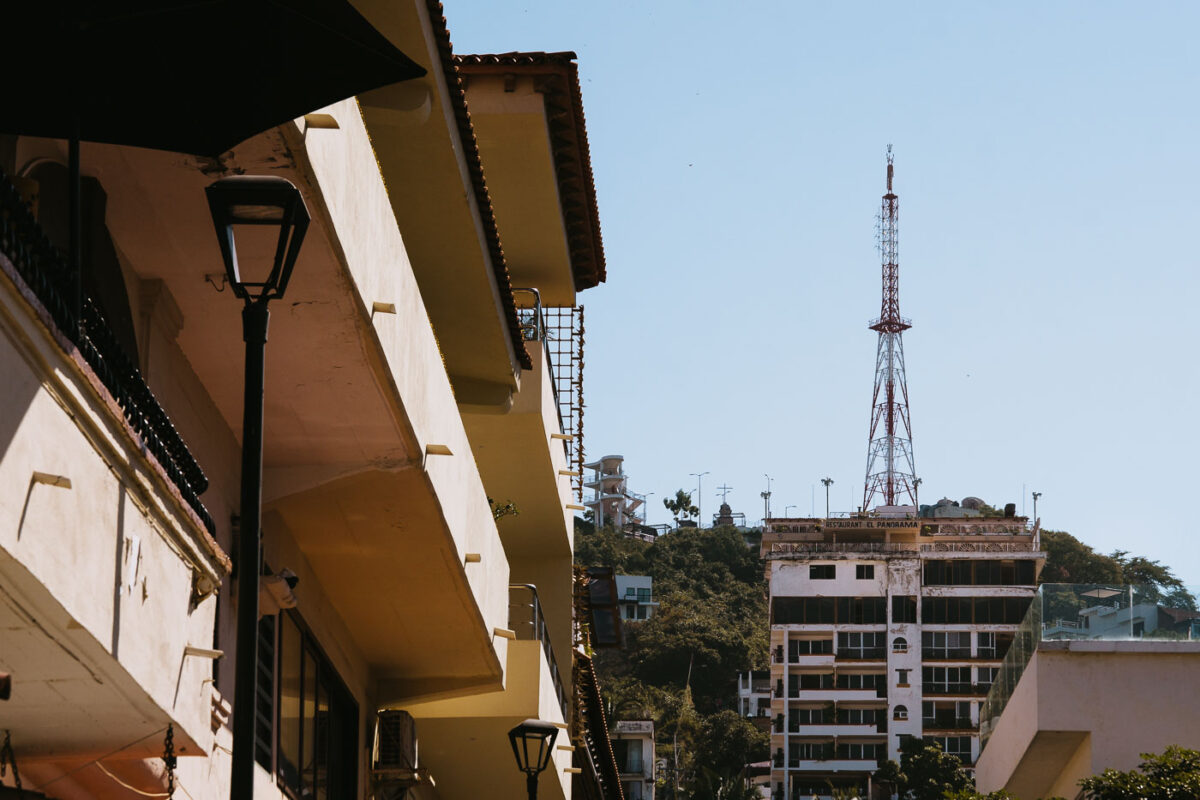
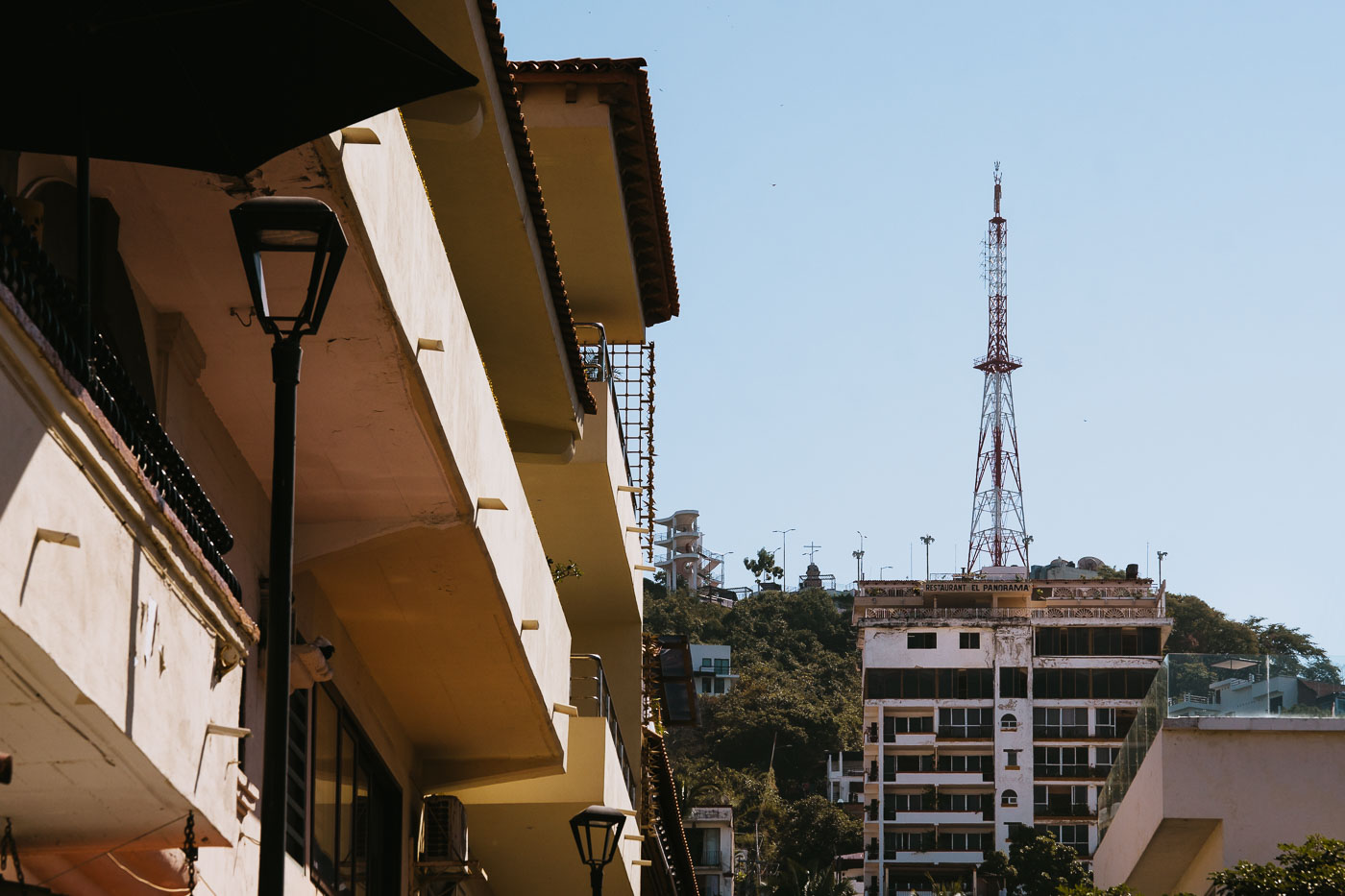
A radio tower stands atop a building labeled Restaurante El Panorama in Puerto Vallarta's Zona Romántica. The structure, built into the steep hillsides, reflects the city's development as a resort destination, with its dense mix of balconies and satellite dishes. The tower likely serves communication purposes for the coastal community, which is characterized by its compact urban architecture set against a lush, mountainous backdrop.
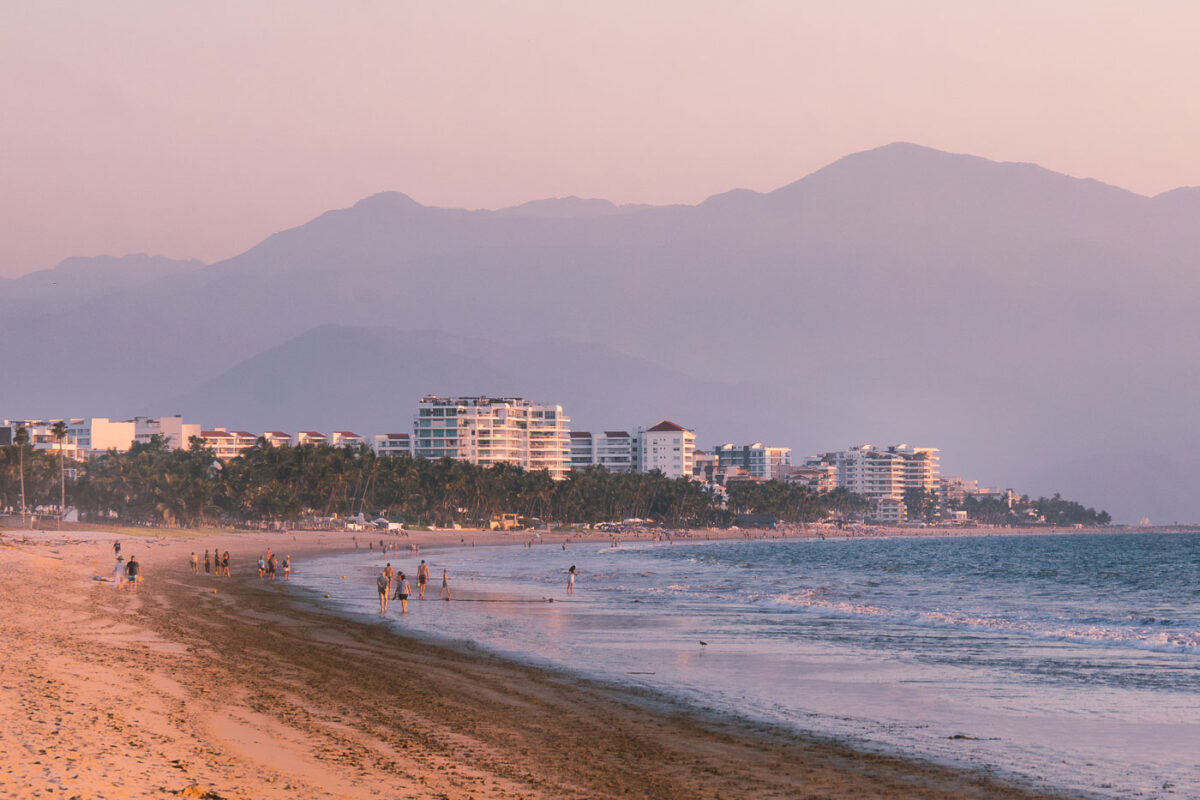
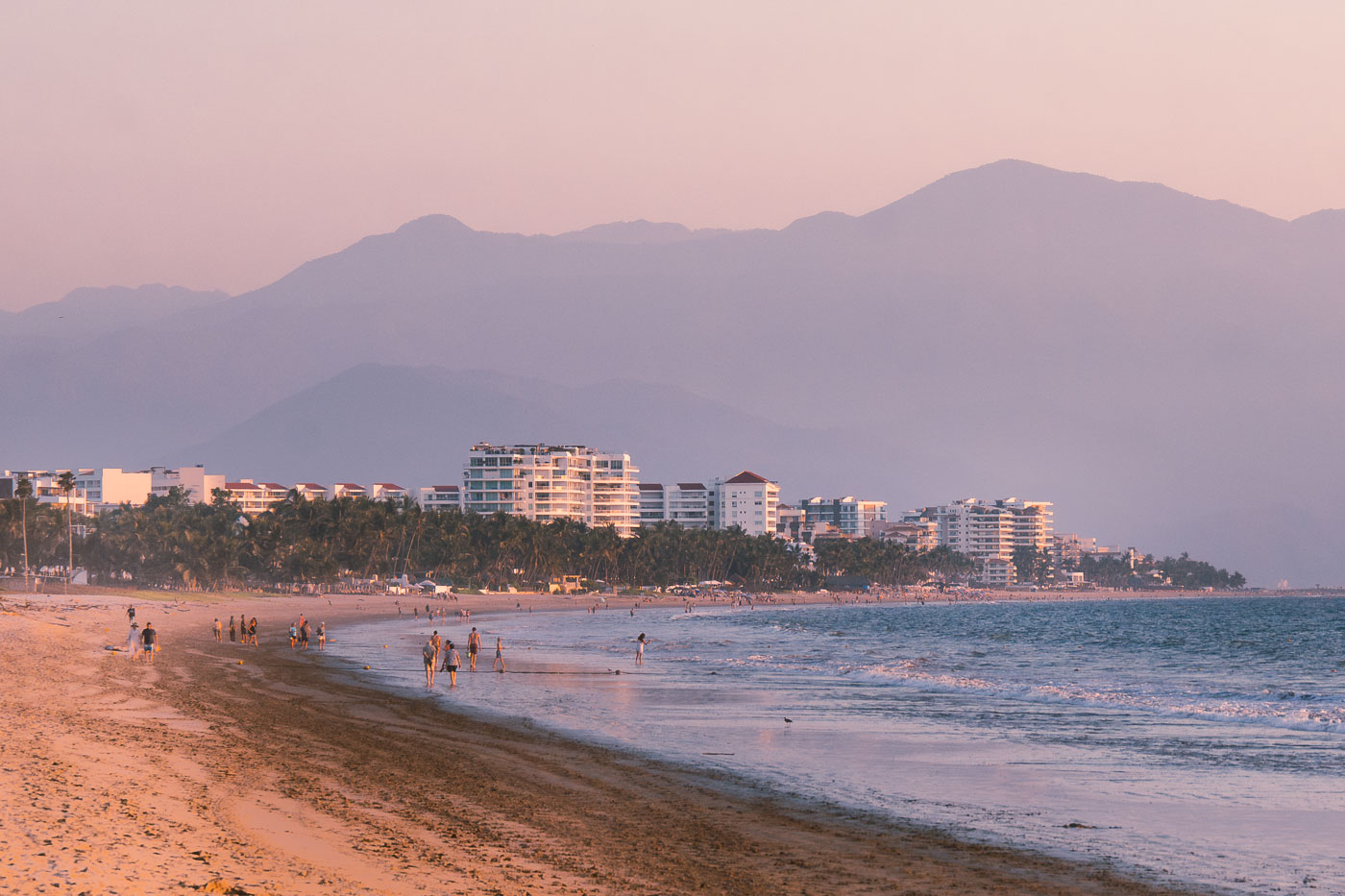
Nuevo Vallarta's beachfront hotels line the Pacific coast of Riviera Nayarit, a region developed for tourism beginning in the late 20th century. The resort developments, including condominiums and hotels like the Riu Resort, stretch towards Puerto Vallarta. Behind the coastal strip, the Sierra Madre Occidental mountains form a dramatic natural backdrop, highlighting the area's unique geography where steep mountains meet the sea. This corridor remains a significant destination for international tourism, attracting visitors to its beaches and resorts.

Built in Minneapolis

Photographs made over time, focused on place, public life, and ongoing reporting.

Browse by location, move through long-running series, or start with recent work.

© 1996–2026 Chad Davis