Place Archive

Kyoto

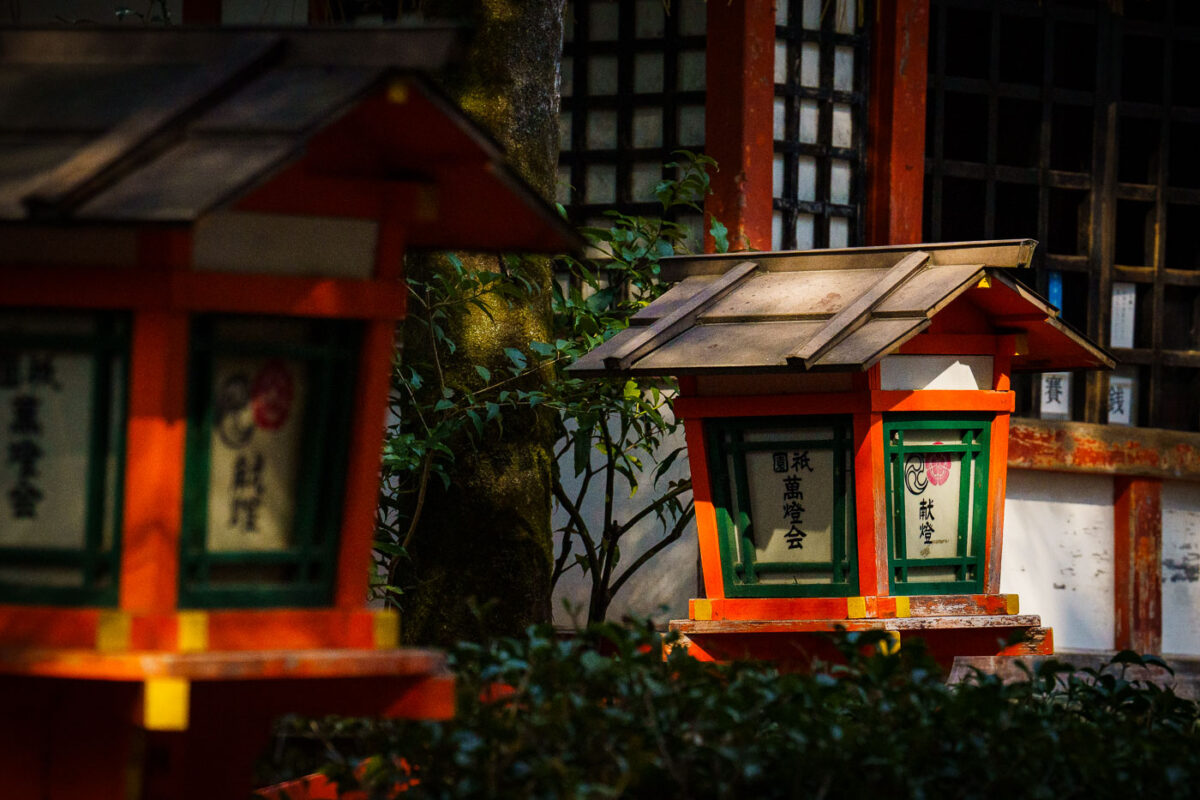
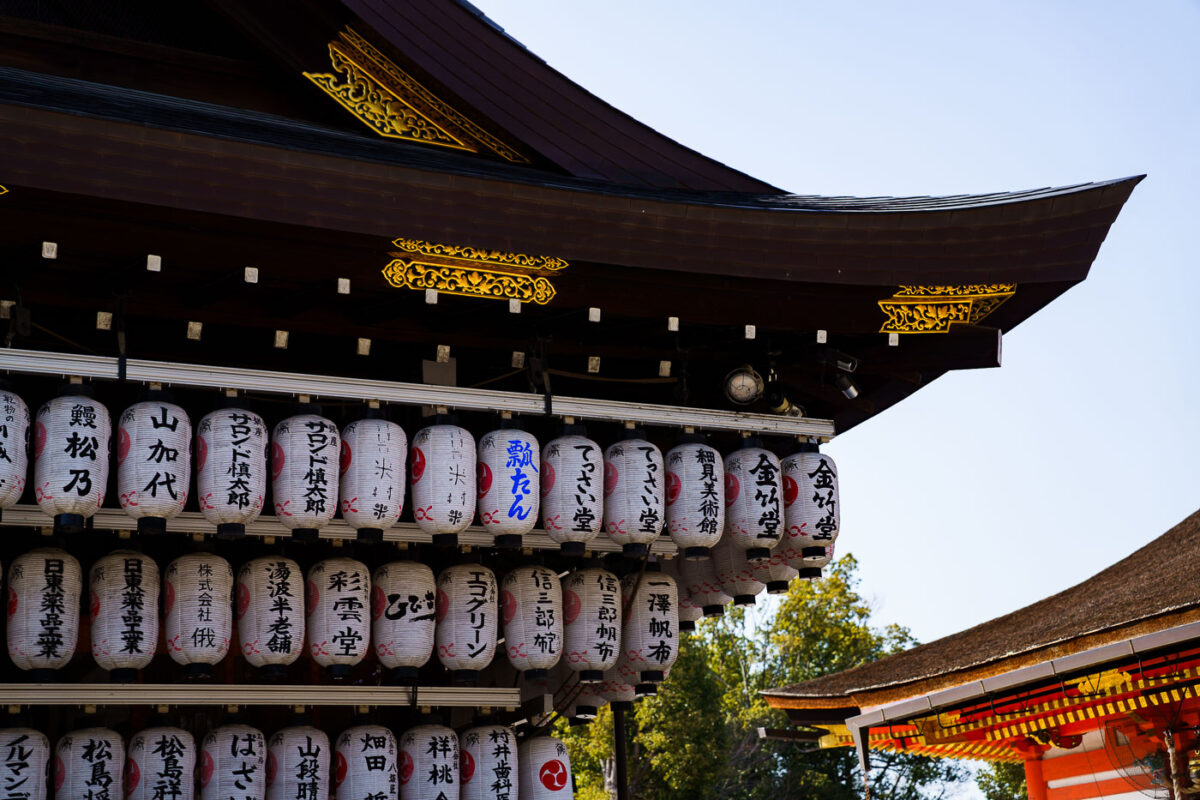
Yasaka Shrine in Kyoto’s Gion district is a historical Shinto site established in 656 AD, featuring traditional paper lanterns inscribed with Japanese characters. The shrine hosts the annual Gion Matsuri festival, a major event that draws visitors every July and reflects Kyoto’s enduring cultural heritage.

20 photos

Photos from Kyoto
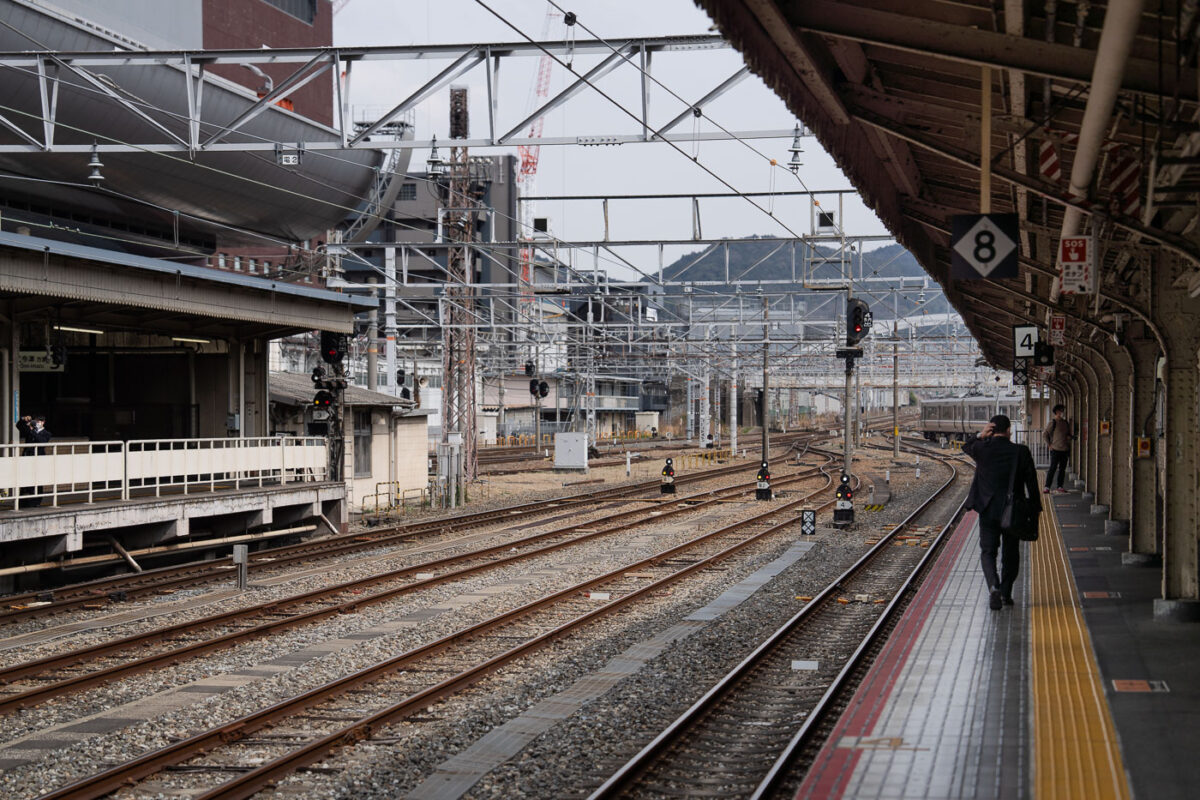
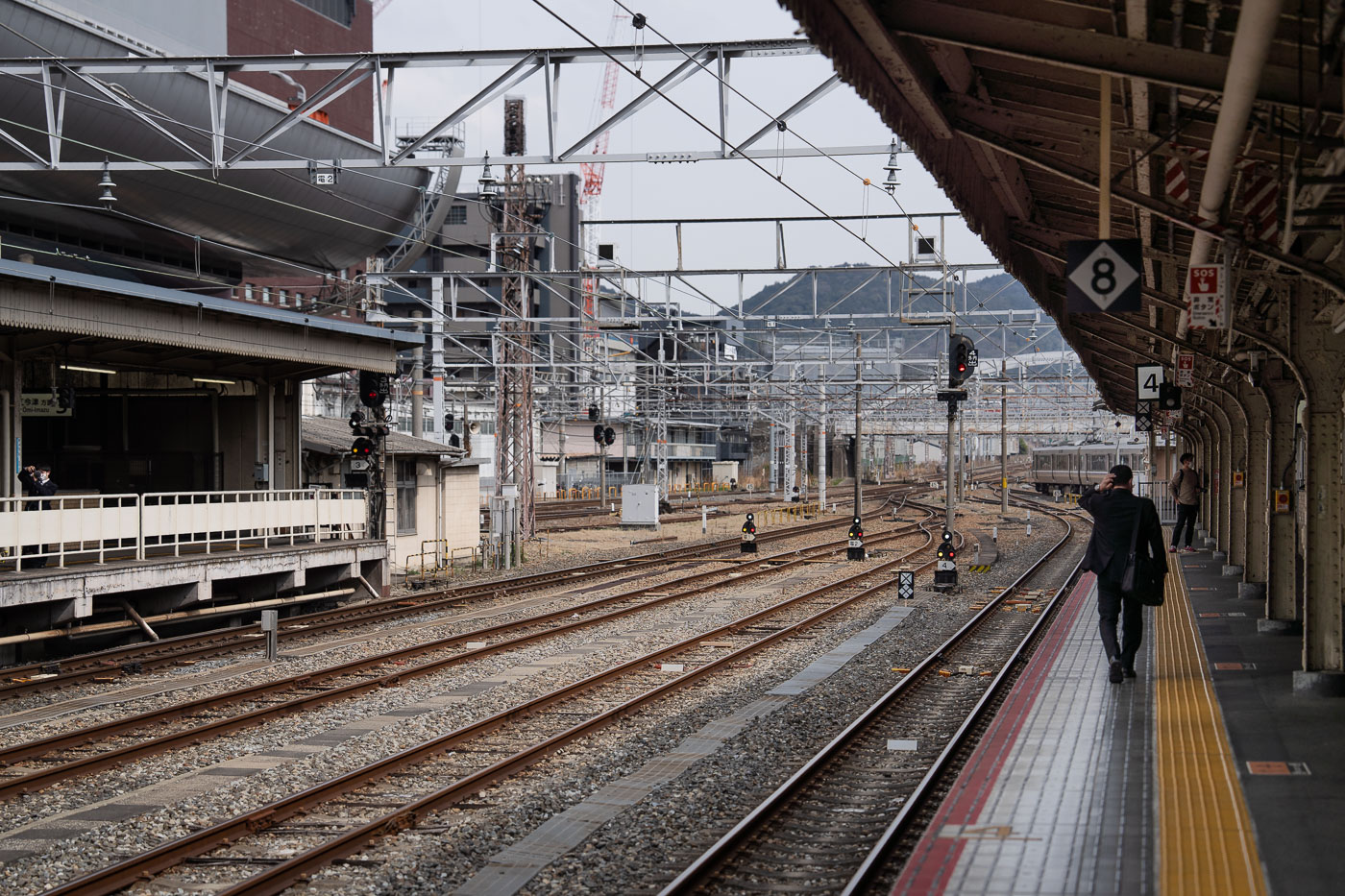
Kyoto Station platforms and tracks in Kyoto, Japan, with passengers and overhead rail infrastructure.
Kyoto Station in Kyoto, Japan, is a major rail hub for JR lines and the Shinkansen. The station complex connects intercity and commuter rail services across the Kansai region. Its elevated platforms and extensive track layout handle heavy passenger traffic throughout the day.
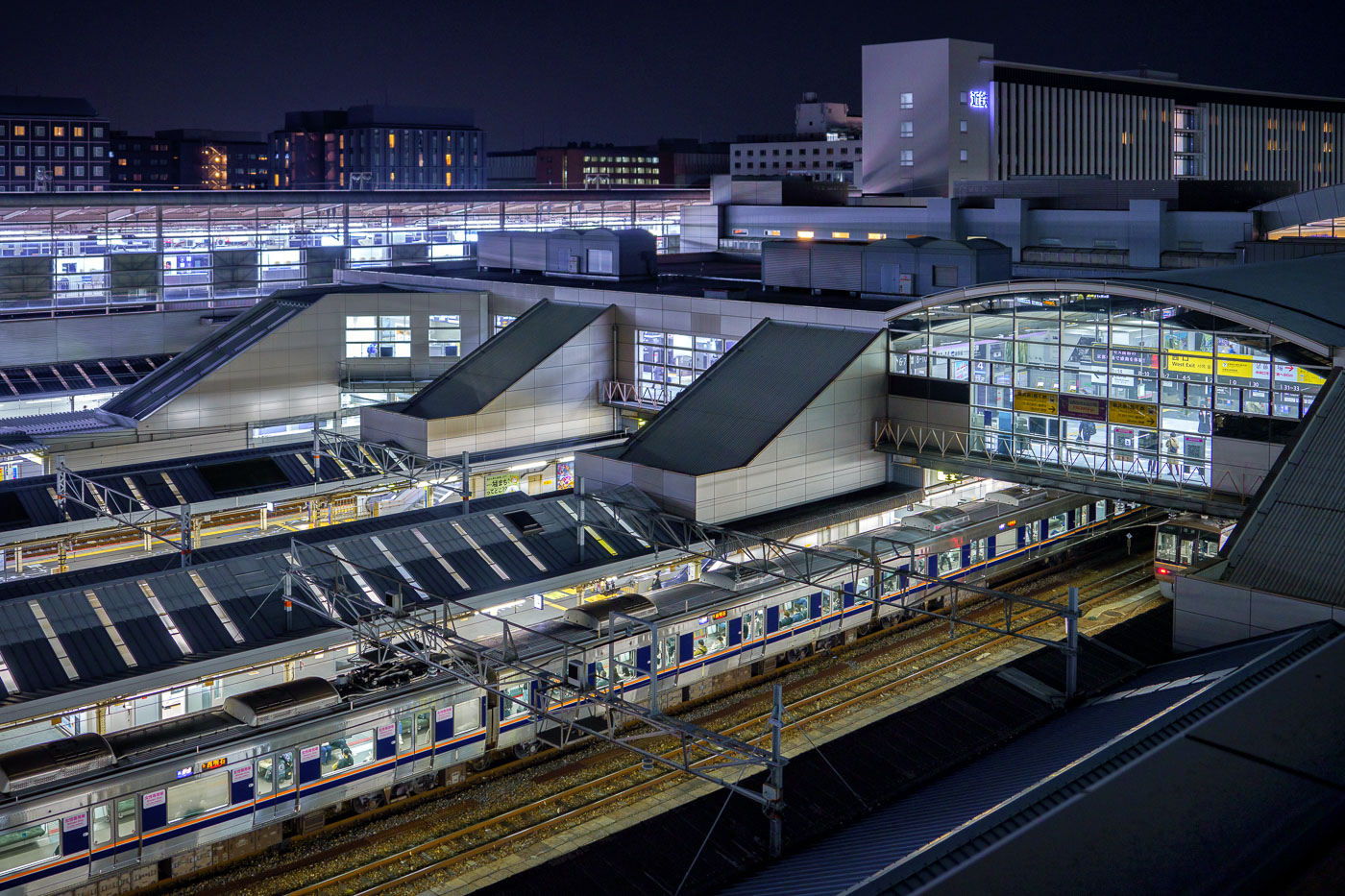
Kyoto Station platforms at night in Kyoto, Japan, with illuminated trains and elevated walkways.
Kyoto Station in Kyoto, Japan, is a major rail hub opened in 1997 and designed by Hiroshi Hara. It handles Shinkansen, JR lines, and private rail services, linking the city with destinations across Japan. The station complex also includes retail, dining, and hotel facilities.
Prada storefront in Kyoto, Japan, with a luxury retail window display and illuminated sign.
Prada storefront in Kyoto, Japan. The luxury fashion house, founded in 1913, operates boutiques worldwide for handbags, clothing, and accessories. This Kyoto location features a contemporary retail display on a central commercial street.
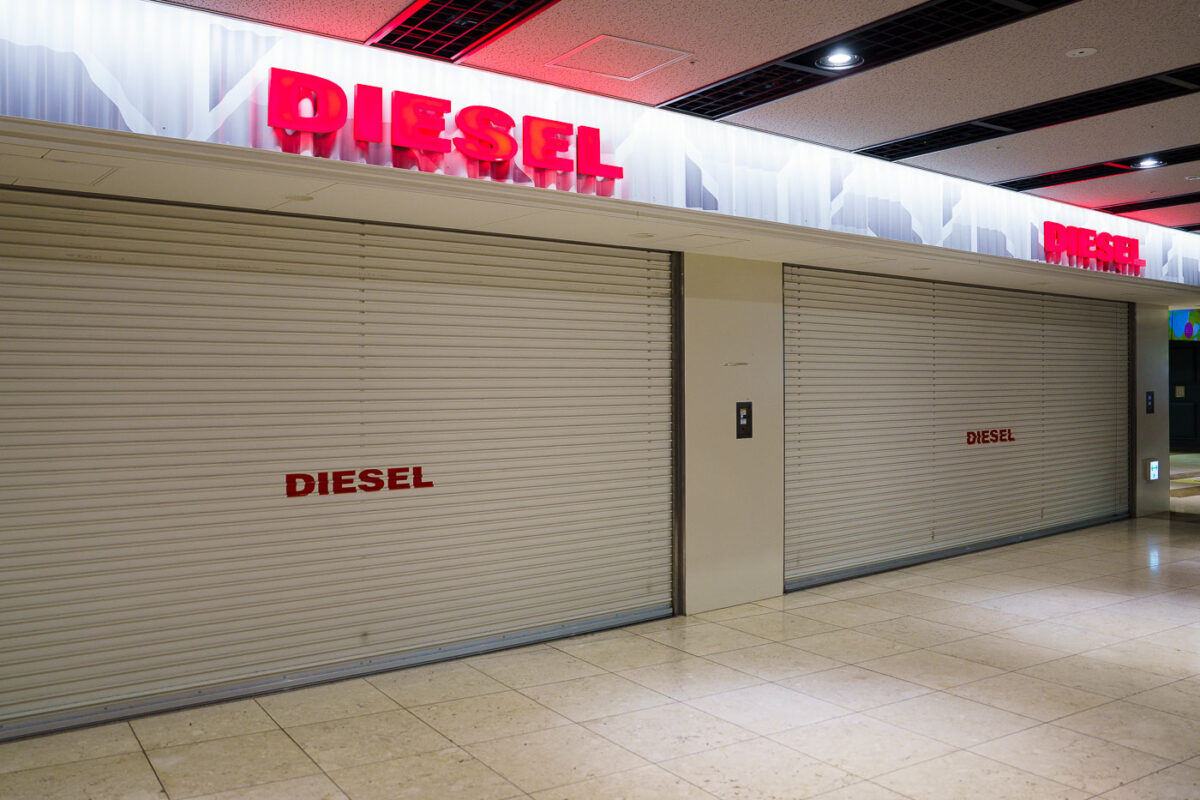
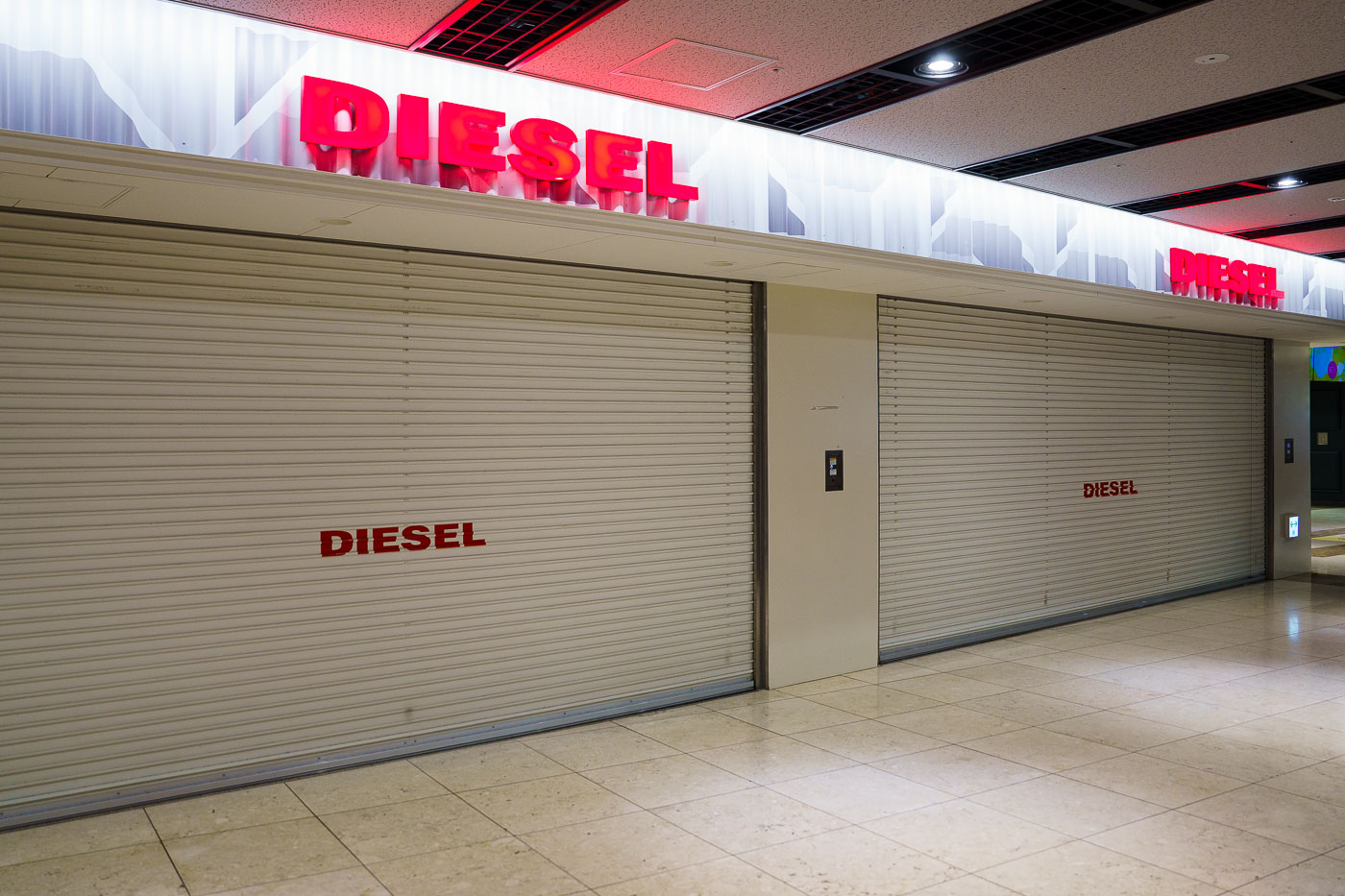
Diesel storefront in Kyoto, Japan, with closed security shutters.
Diesel storefront in Kyoto, Japan, with its security shutters closed. The fashion retailer’s branding remains visible above the closed entrance.
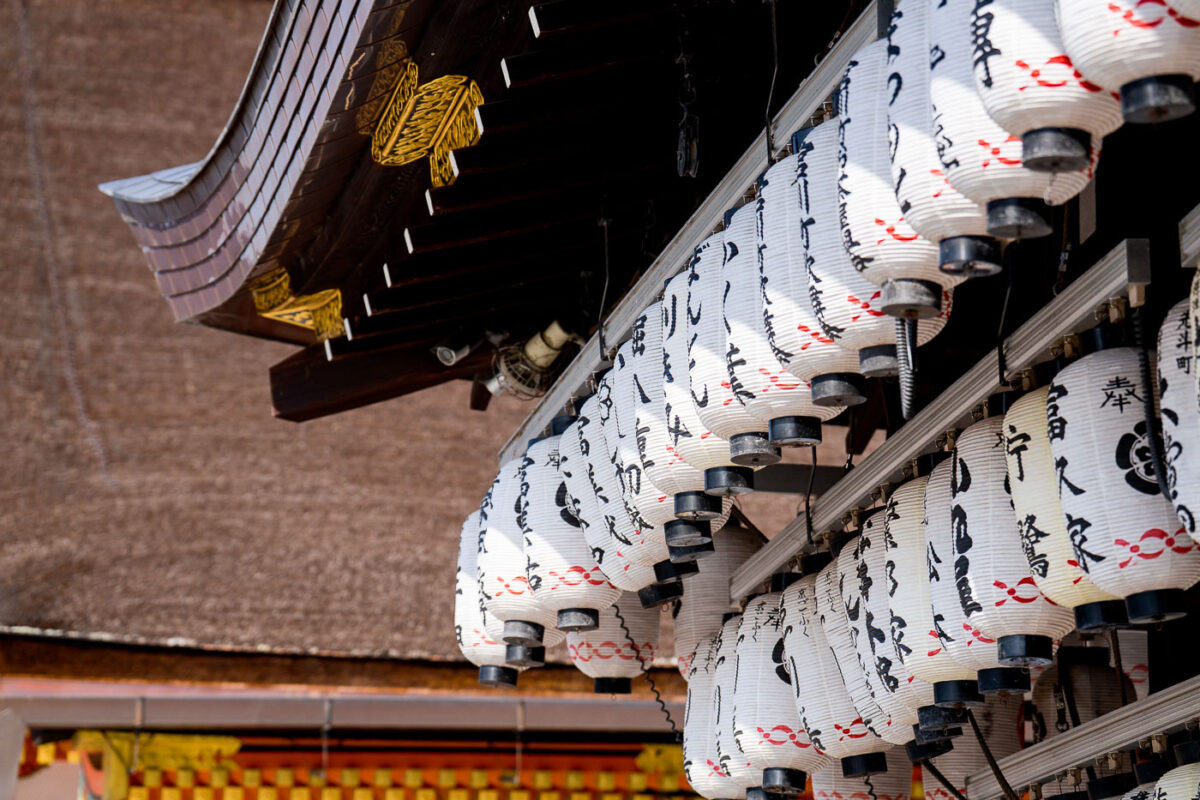
Yasaka Shrine in Kyoto with rows of white chochin lanterns beneath the eaves.
Yasaka Shrine in Kyoto displays rows of white chochin lanterns beneath the shrine eaves. These paper lanterns are commonly donated as offerings and are used during festivals and ceremonial occasions.
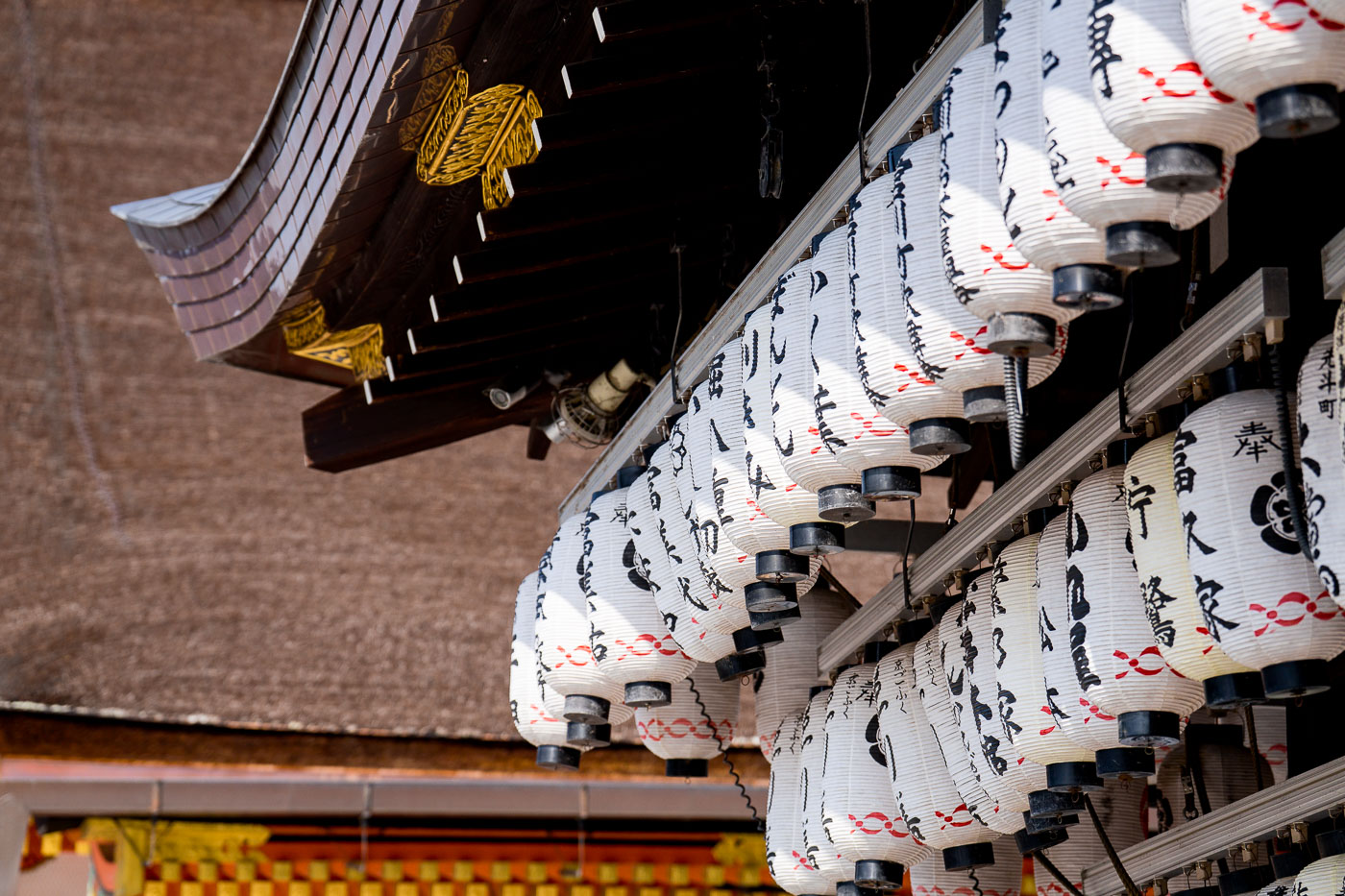
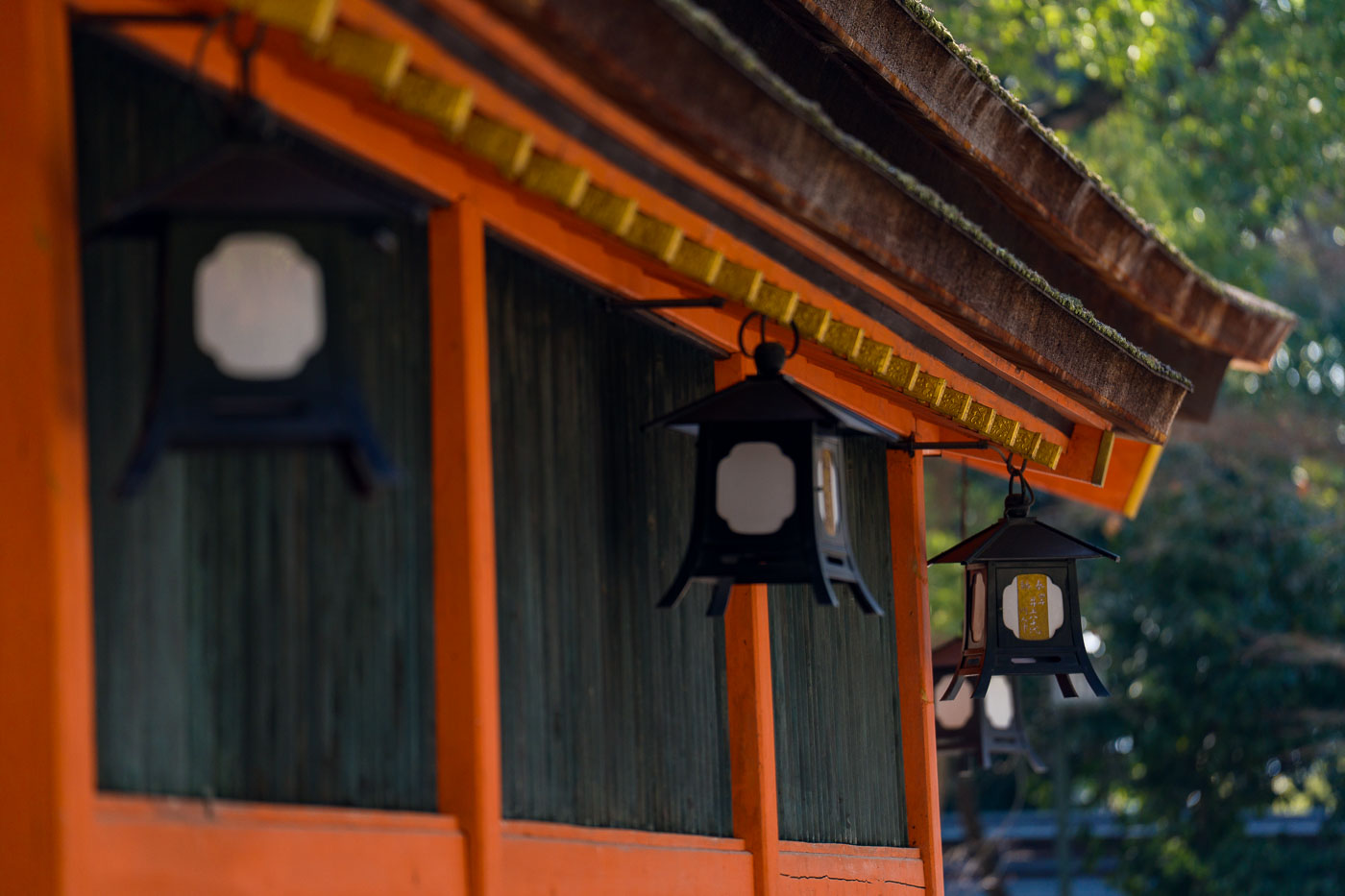
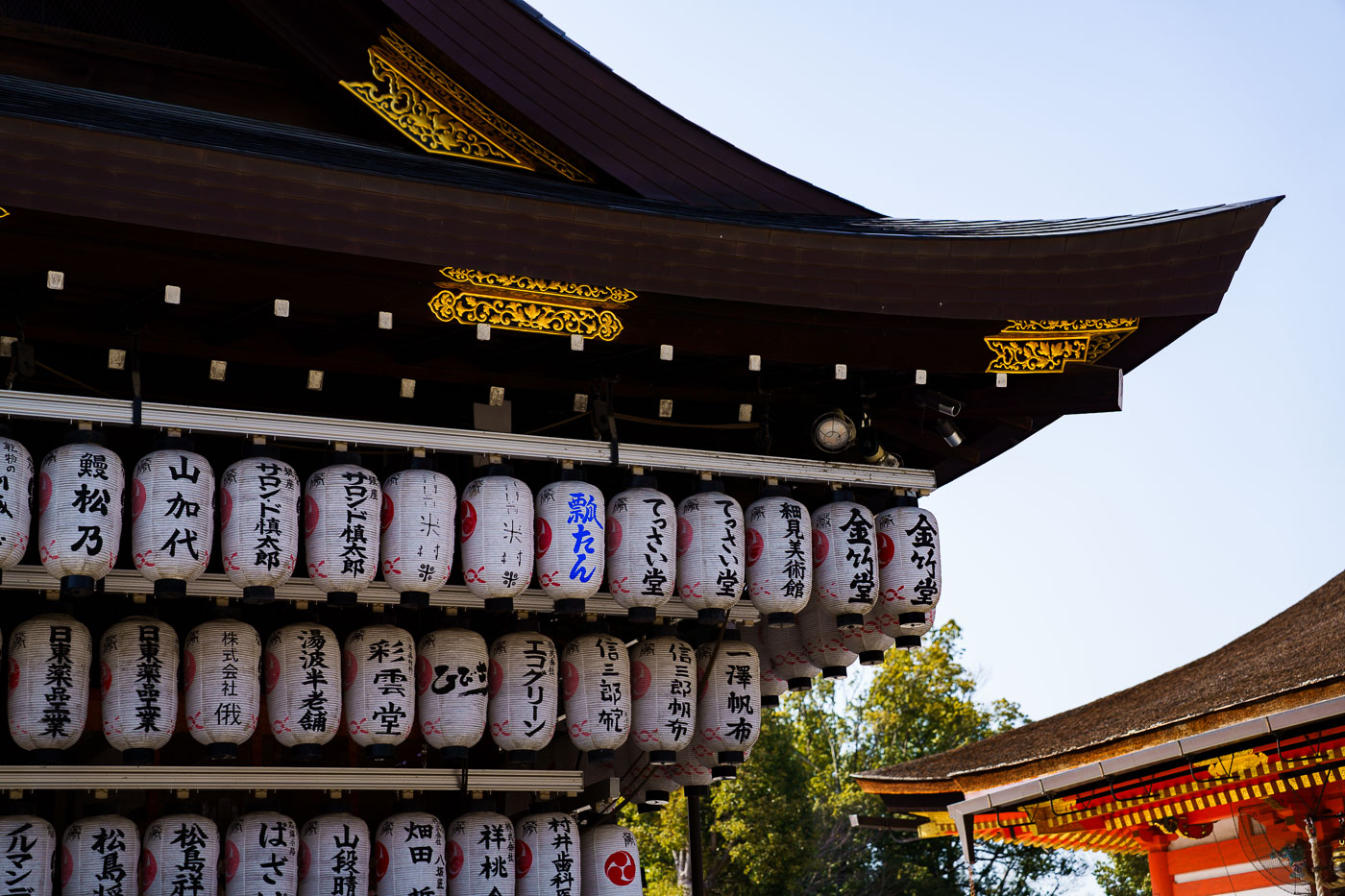
Yasaka Shrine lanterns hang from a Kyoto shrine building in Gion.
Yasaka Shrine in Kyoto, Japan, is also known as Gion Shrine and stands in the Gion district. The shrine was founded in 656 and rebuilt several times, including in 1654. It is closely associated with Gion Matsuri, one of Japan’s best-known annual festivals.
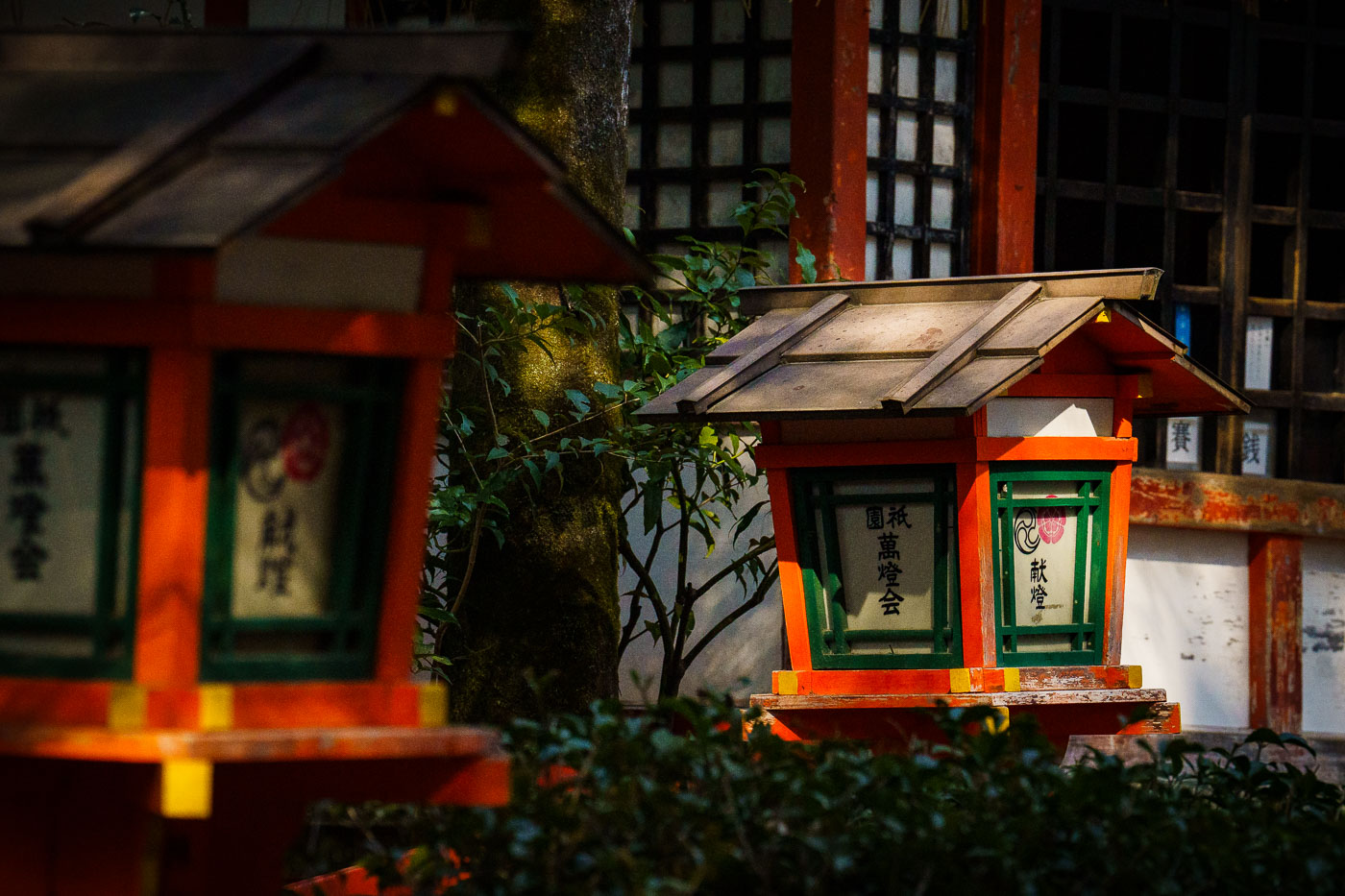
Yasaka Shrine tōrō lanterns in Kyoto, Japan.
Yasaka Shrine in Kyoto, Japan, is known for its rows of donated tōrō lanterns. The shrine, also called Gion Shrine, is closely associated with the Gion Matsuri and has been a major Shinto site in Kyoto since the 9th century.
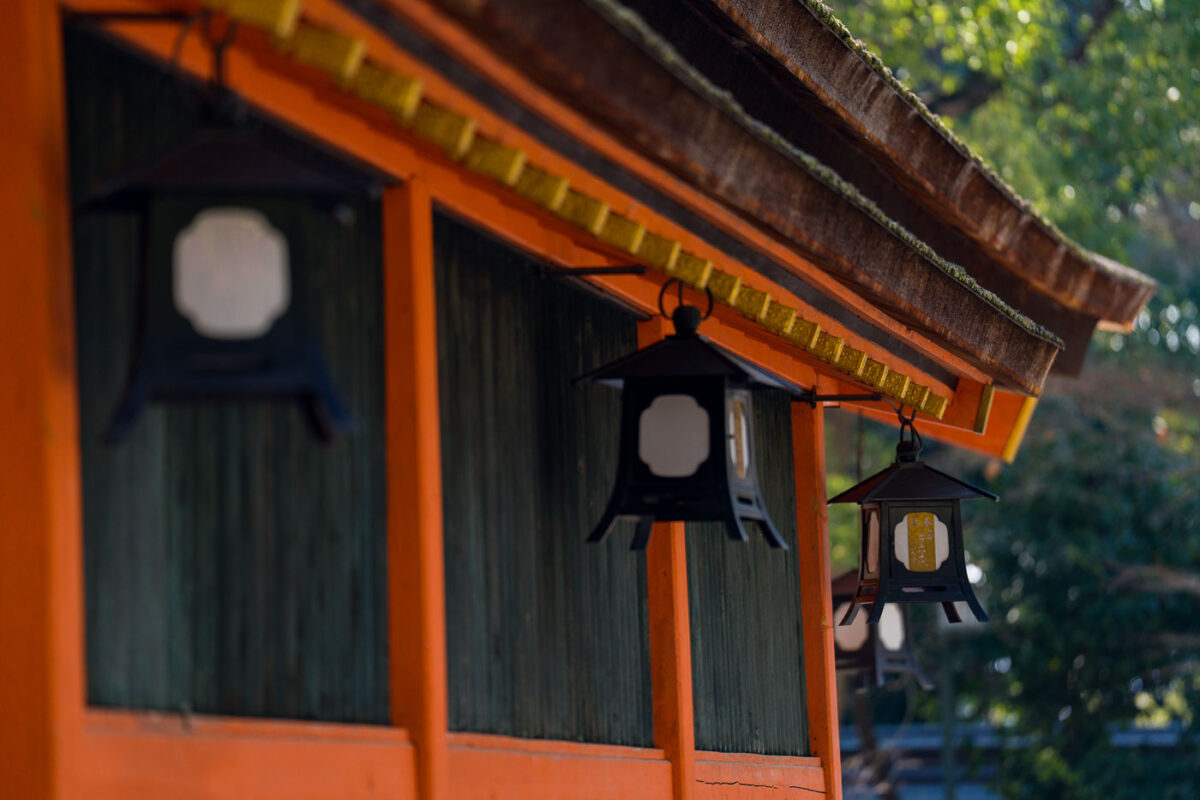
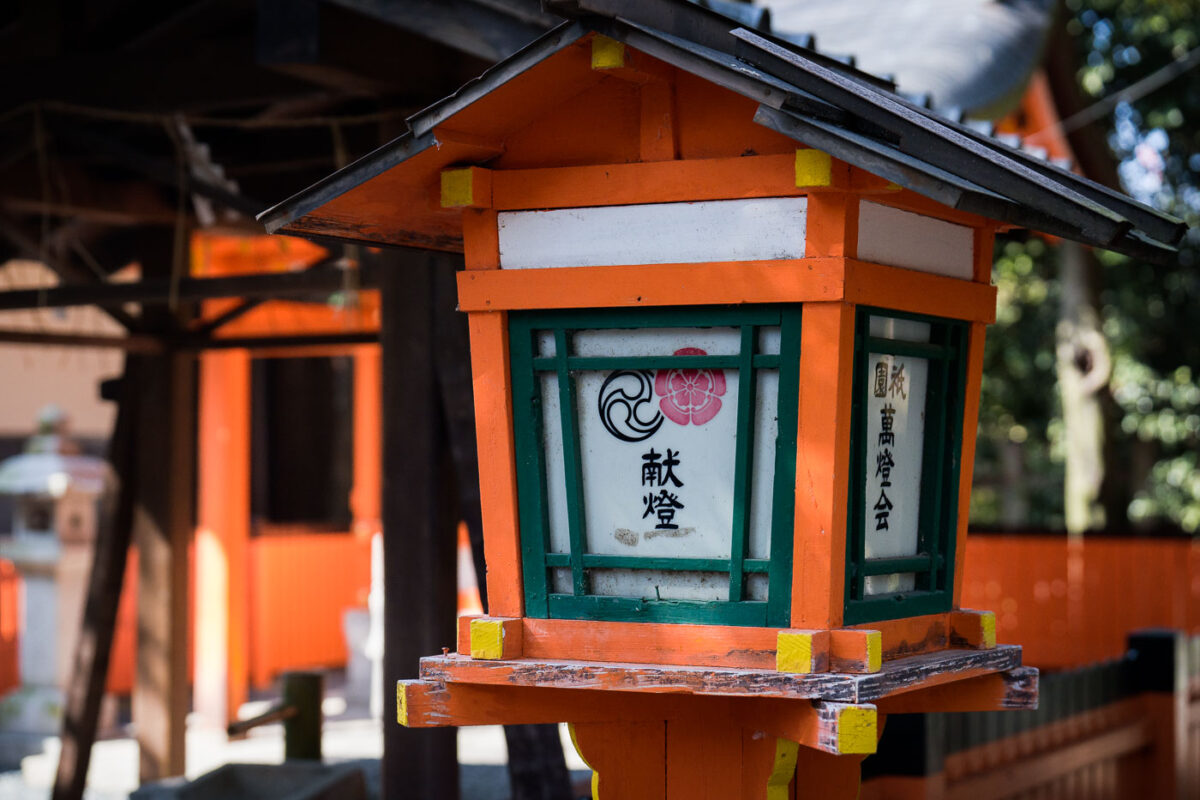
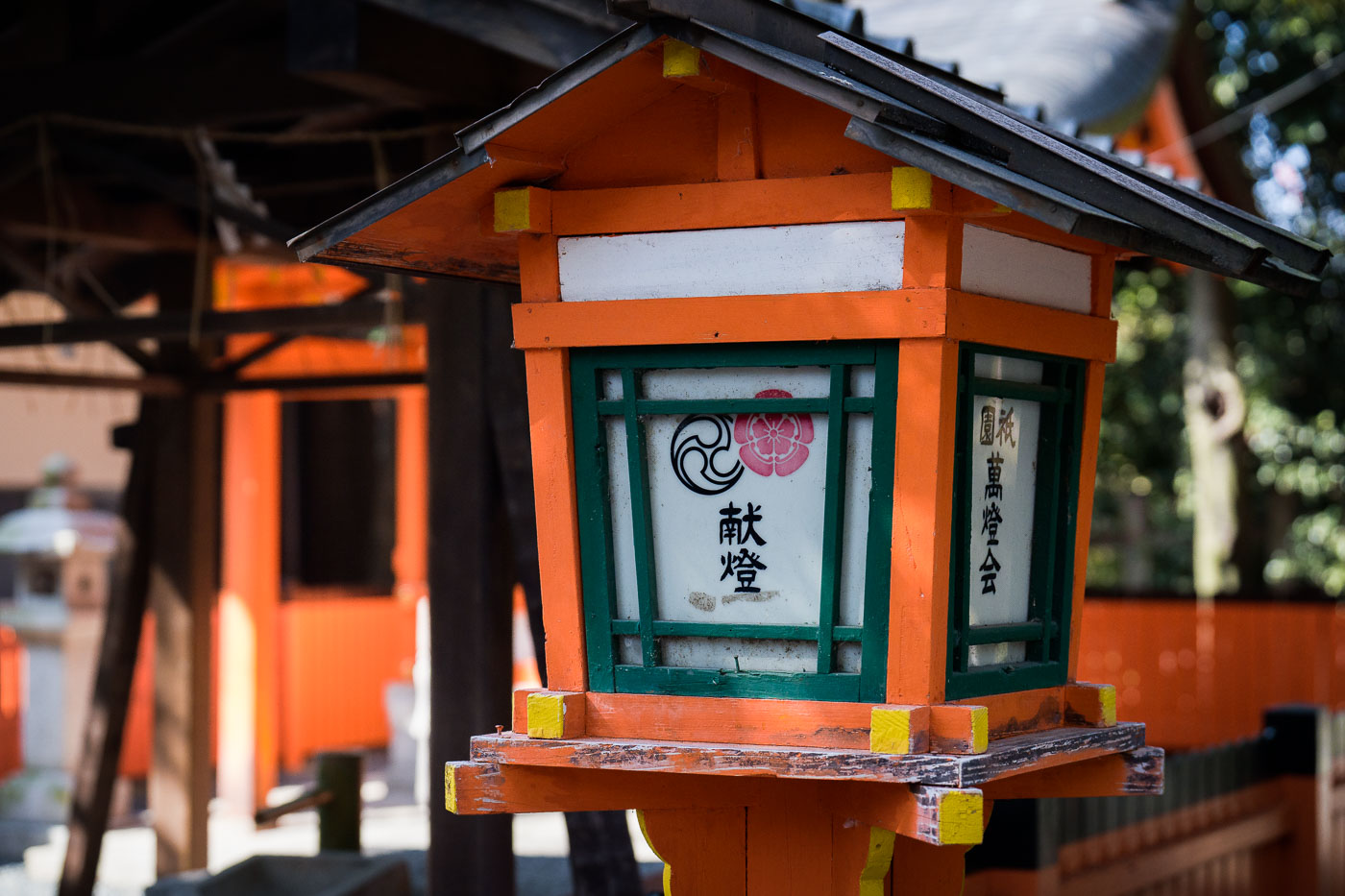
Yasaka Shrine lantern stand in Kyoto with orange and green painted wood.
Yasaka Shrine, also known as Gion Shrine, is a major Shinto shrine in Kyoto’s Gion district. The shrine dates to 656 AD and is associated with the annual Gion Matsuri, one of Japan’s best-known festivals.
Yasaka Shrine lanterns in Kyoto’s Gion district hang beneath the eaves of the shrine.
Yasaka Shrine in Kyoto’s Gion district is known for rows of donated chochin lanterns hung beneath the shrine eaves. The lanterns are inscribed with the names of businesses and supporters and are a familiar feature of the shrine’s approach. Yasaka Shrine, also called Gion Shrine, is one of Kyoto’s प्रमुख Shinto shrines and is associated with the annual Gion Matsuri festival.
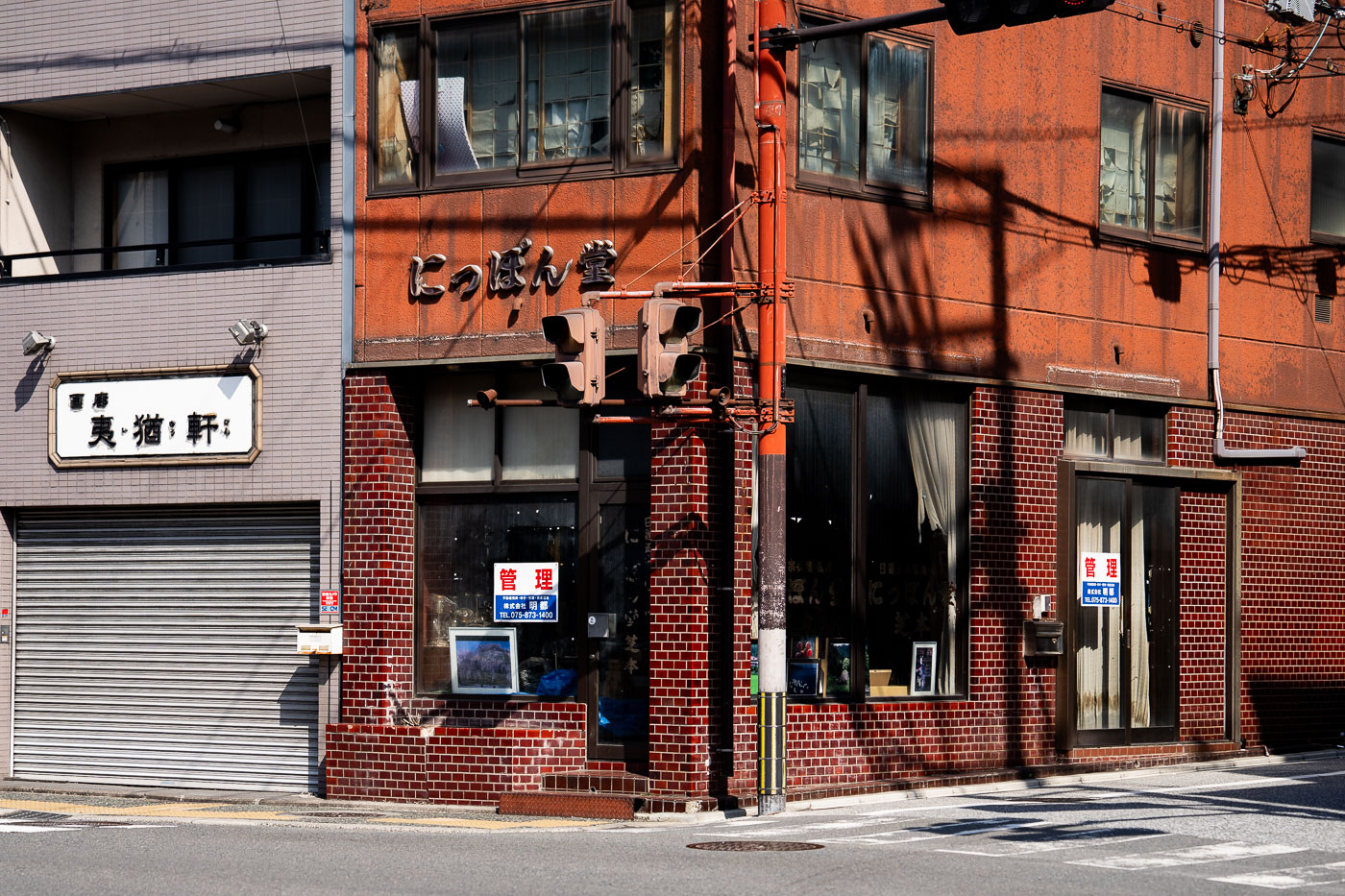
Nippondo Building at a Kyoto street corner with weathered orange and red tile exterior.
Nippondo Building, Kyoto, Japan. The corner commercial building appears to house a small business and sits beside another low-rise structure along a street with traffic signals. Its tiled lower facade and weathered upper exterior suggest an older urban storefront building.
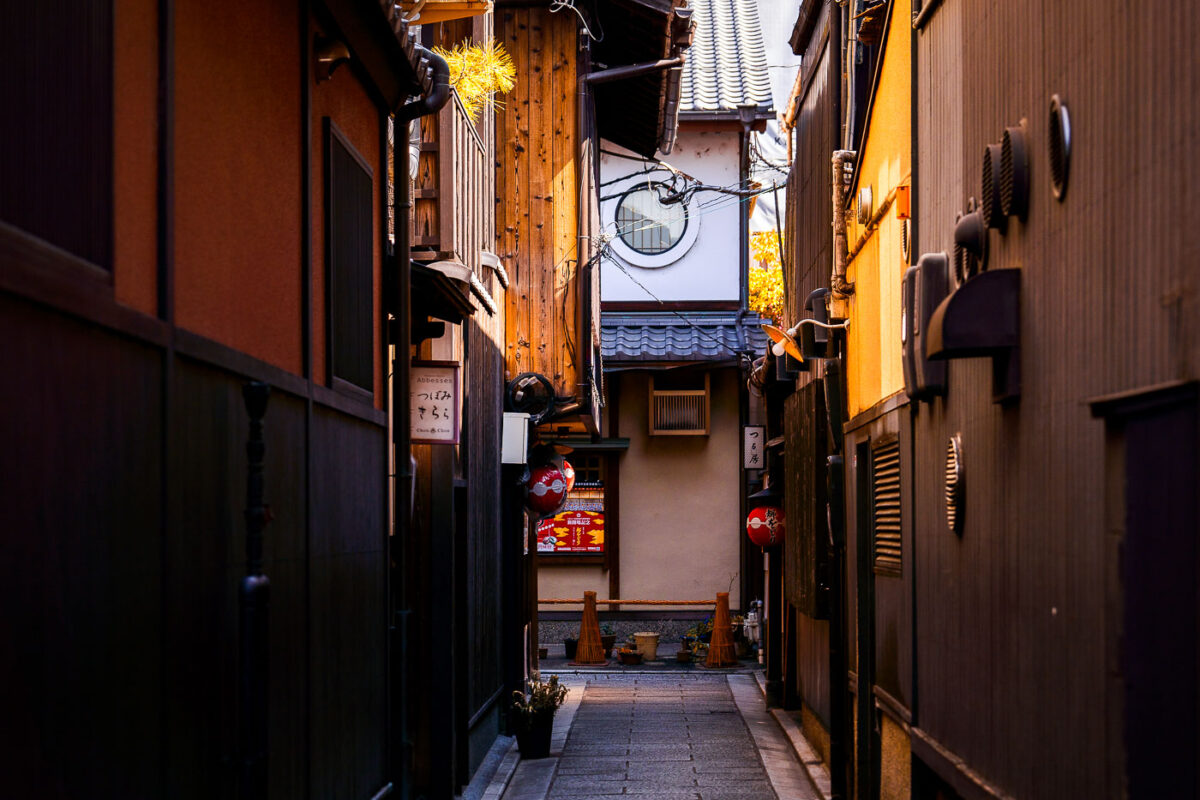
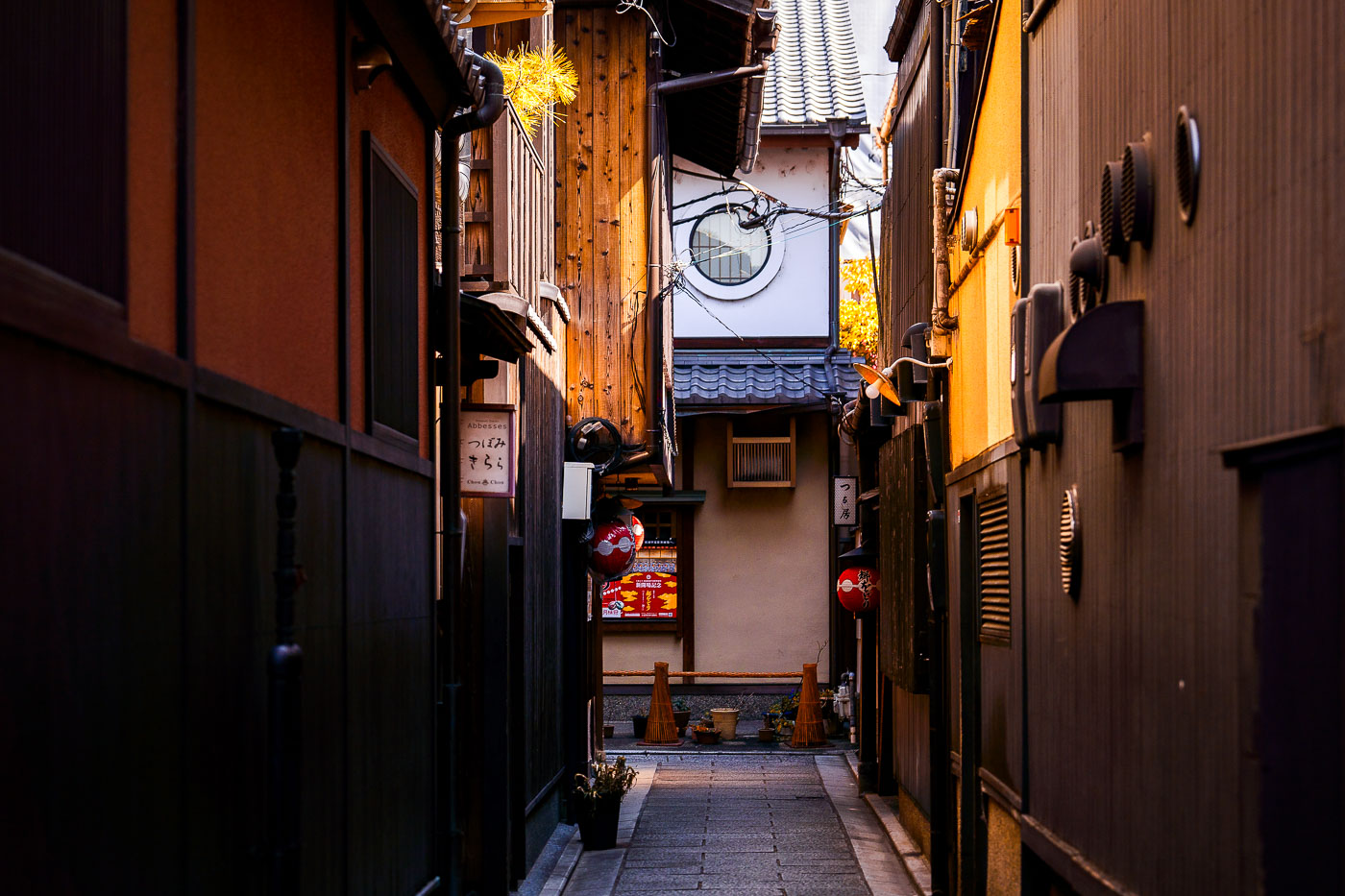
Alley off Hanamikoji-dori in Kyoto's Gion district with traditional wooden buildings.
An alley off Hanamikoji-dori in Kyoto’s Gion district, known for preserved machiya townhouses and traditional teahouses. The area remains closely associated with Kyoto’s geiko and maiko culture.
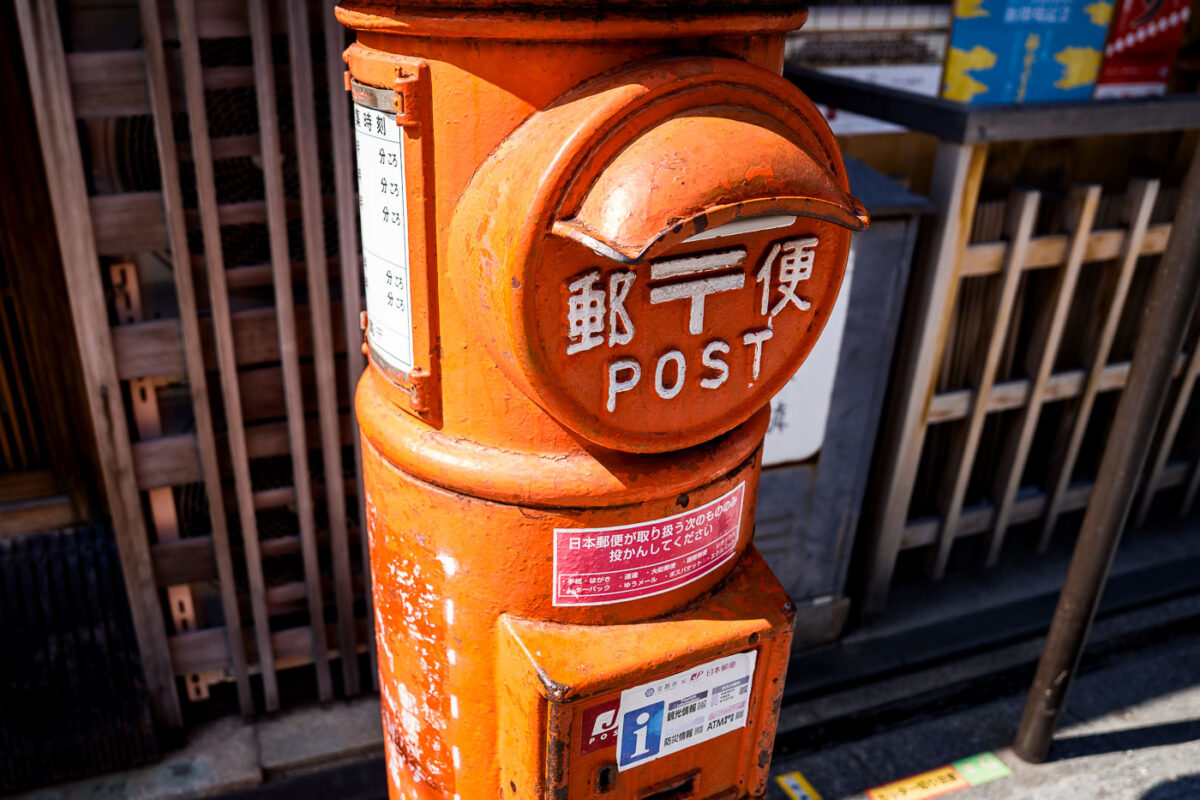
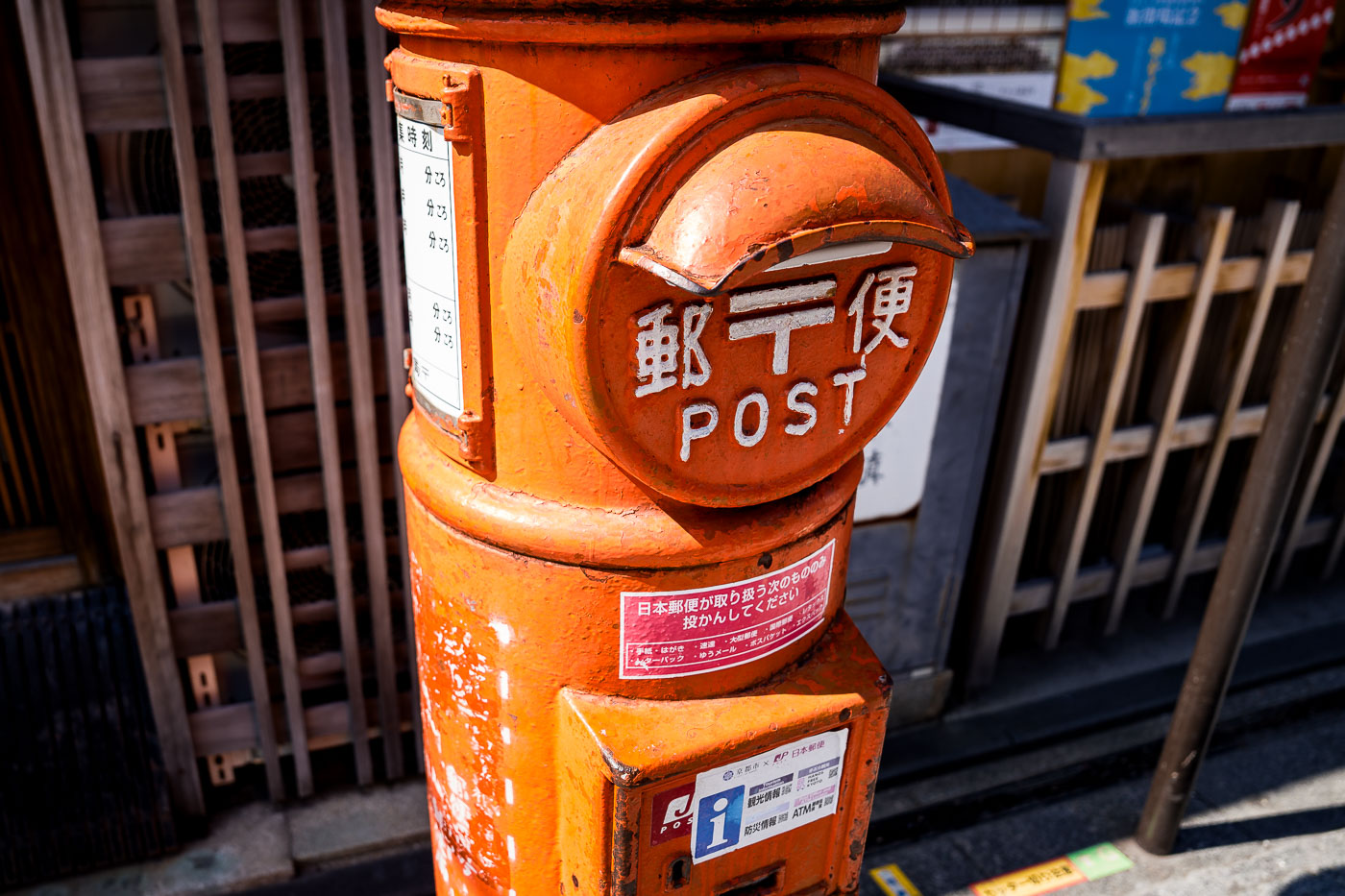
Vintage Japanese post box in Kyoto, Japan.
A vintage Japanese post box stands in Kyoto, Japan. These cylindrical mailboxes were widely installed across the country during the 20th century and remain in use in some areas.
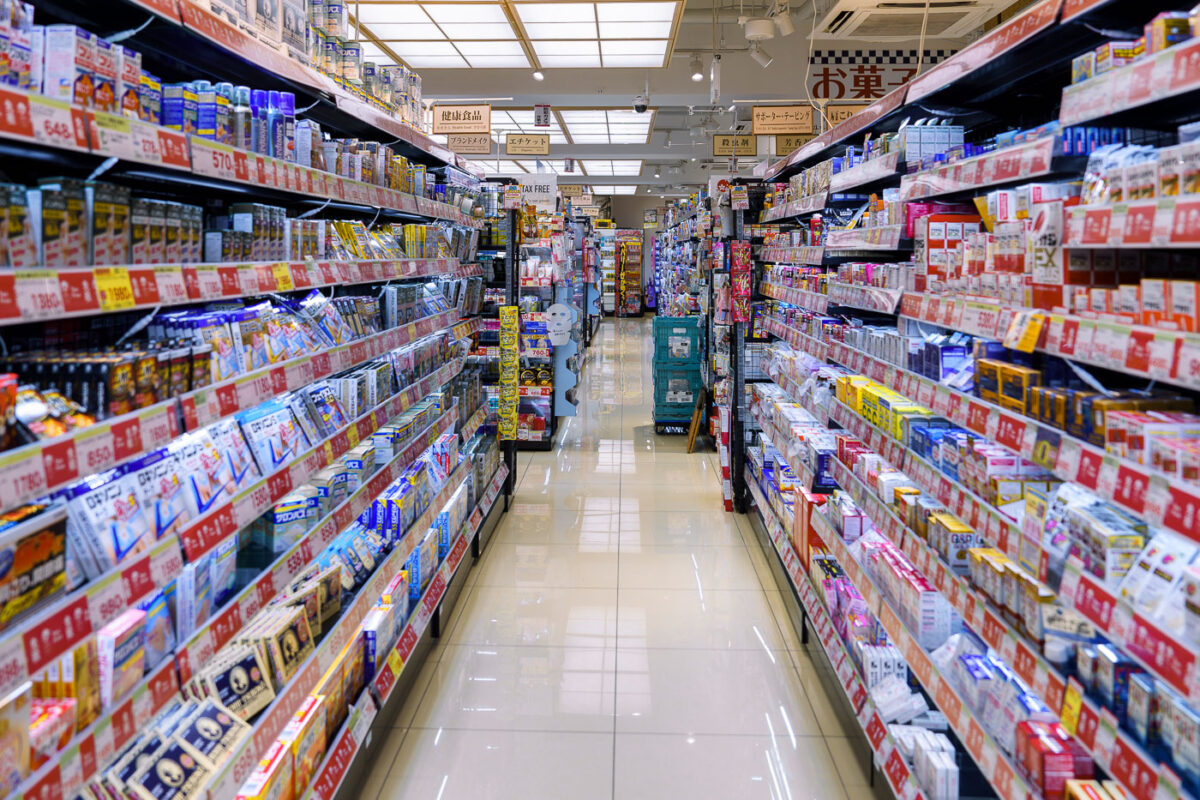
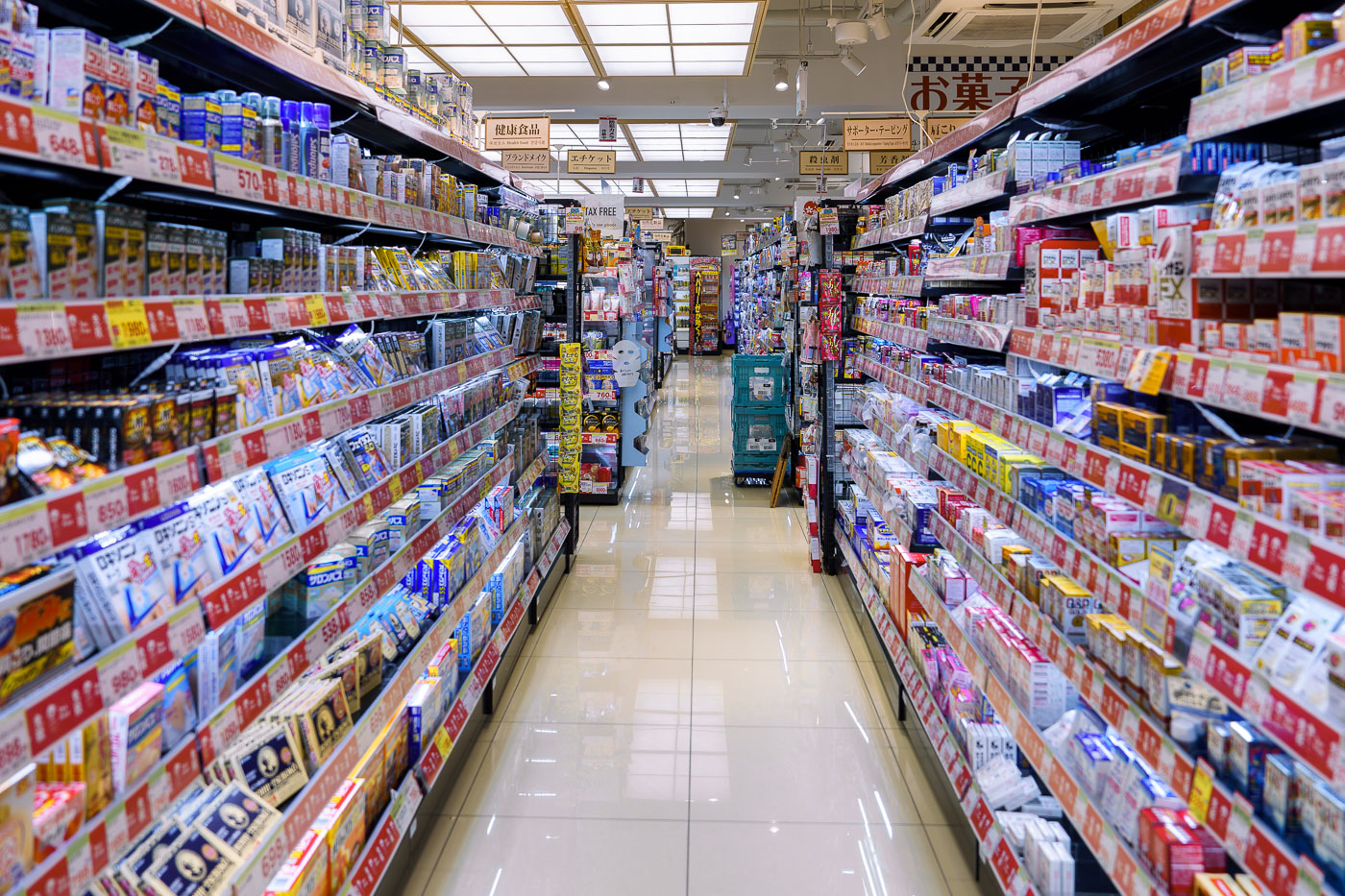
Tokyo convenience store aisle in Japan stocked with snacks, medicines, and daily essentials.
A convenience store aisle in Tokyo, Japan, stocked with snacks, medicines, and daily essentials. Convenience stores, known as konbini, provide a wide range of products and services in compact retail spaces across Japan.
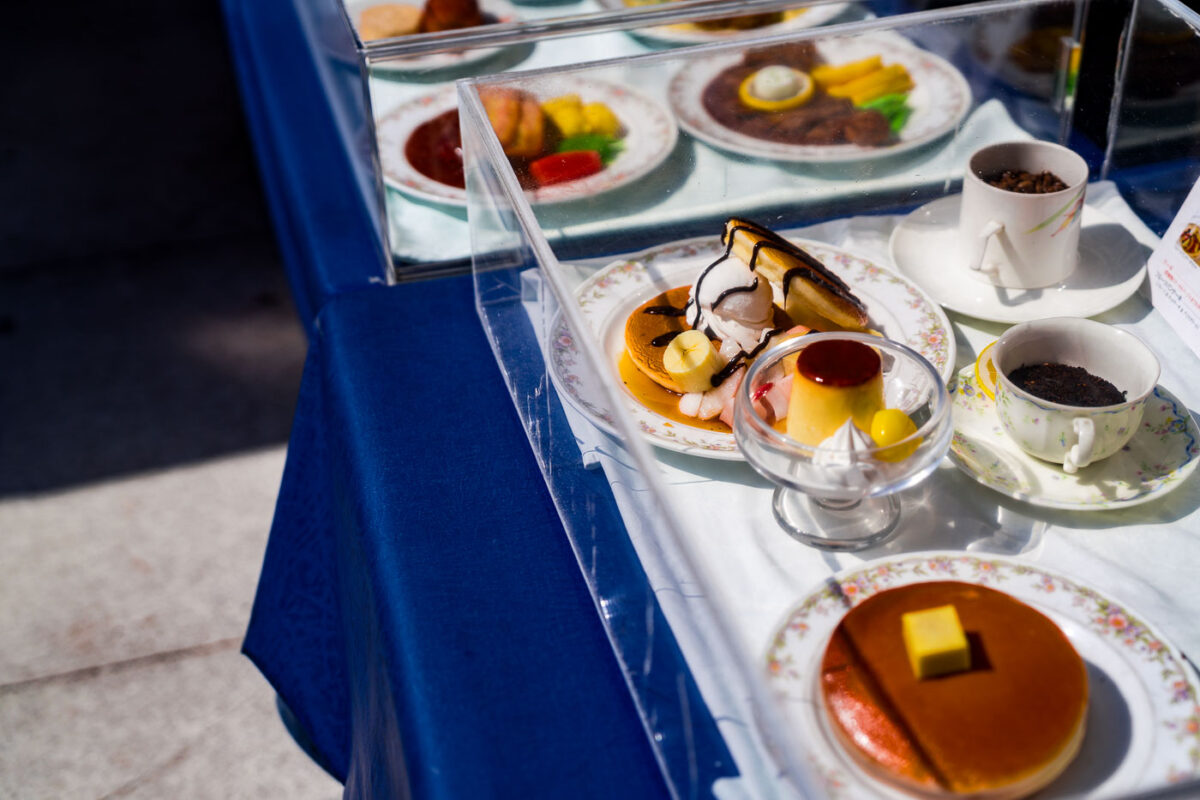
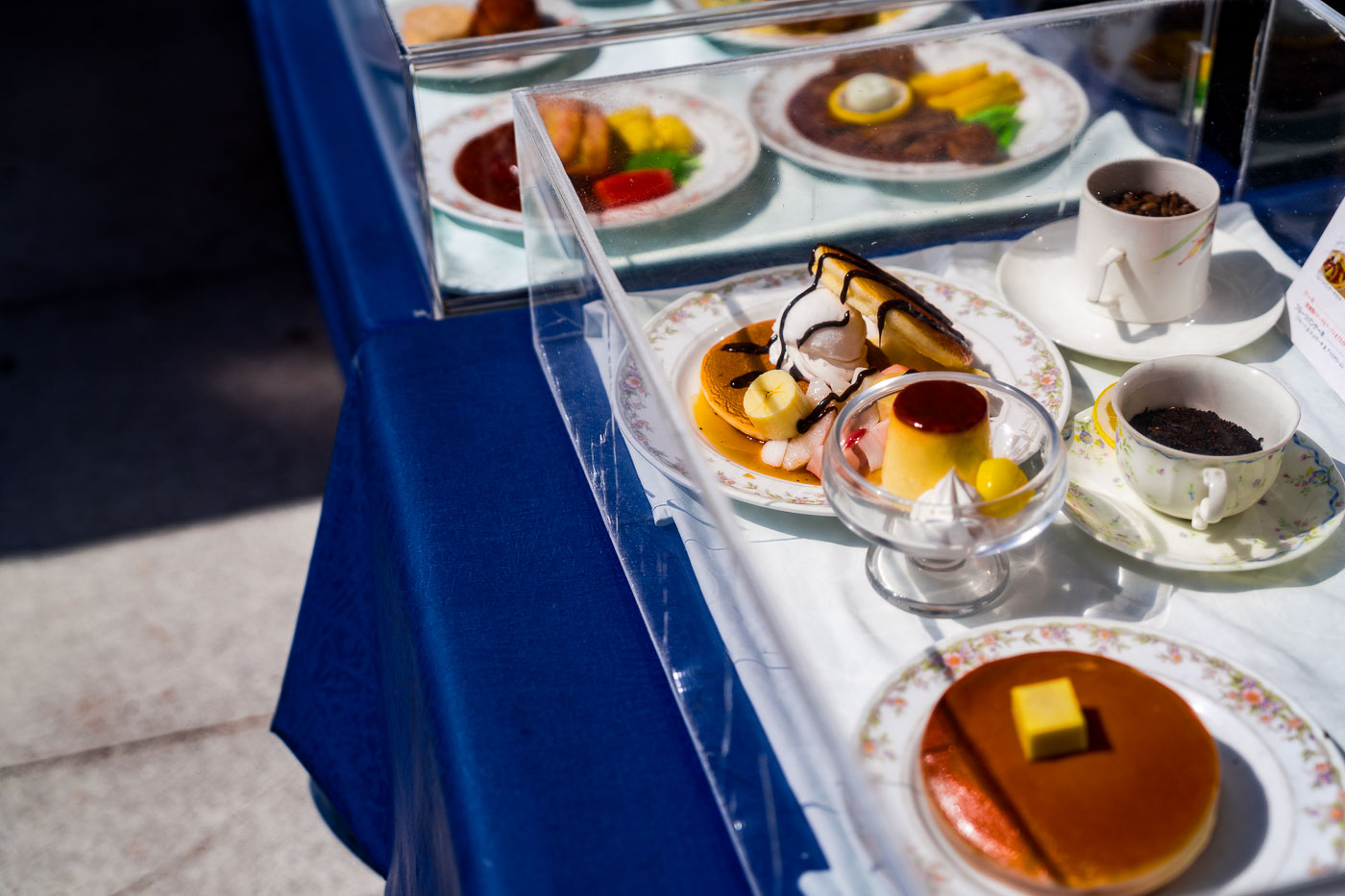
Osaka shokuhin sampuru dessert models display plated sweets and coffee cups in a café showcase.
Osaka shokuhin sampuru are hyper-realistic plastic food models used by restaurants to display menu items. These handcrafted replicas are part of a long-running Japanese craft tradition, with Osaka recognized as a major center of production. The display includes desserts and coffee service items arranged as café samples.
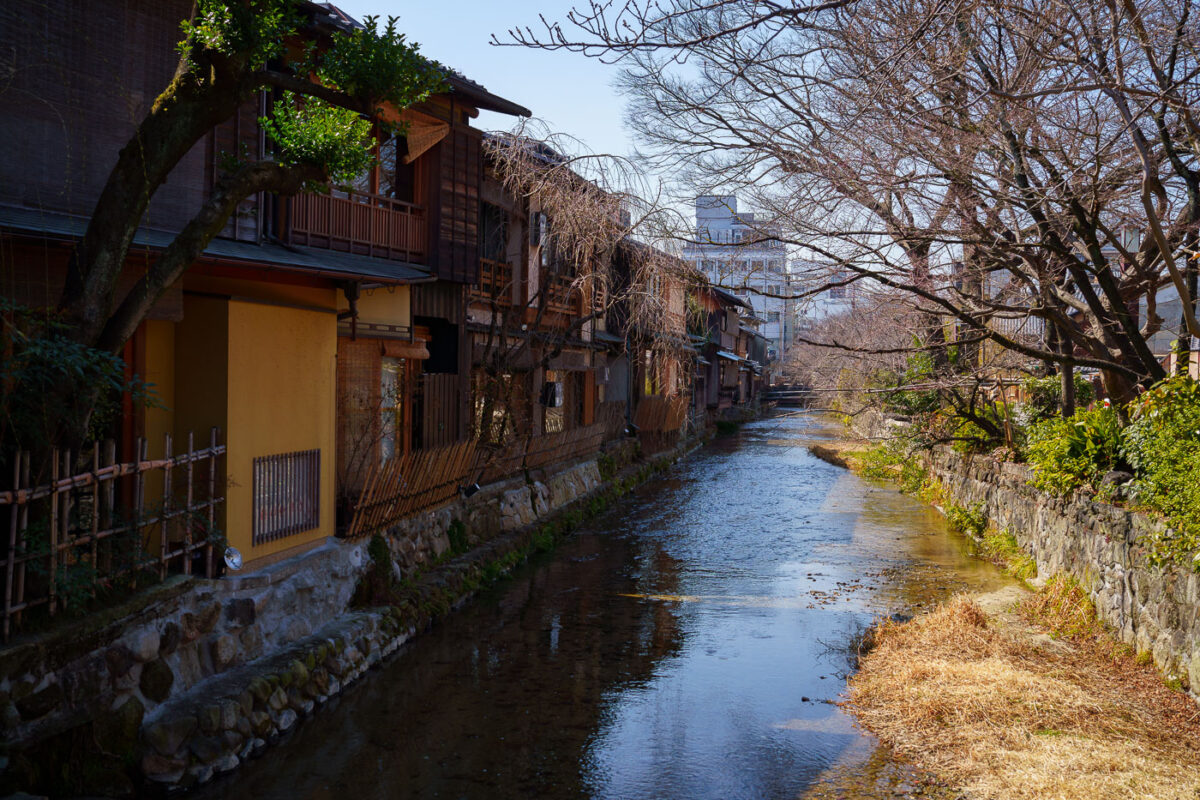
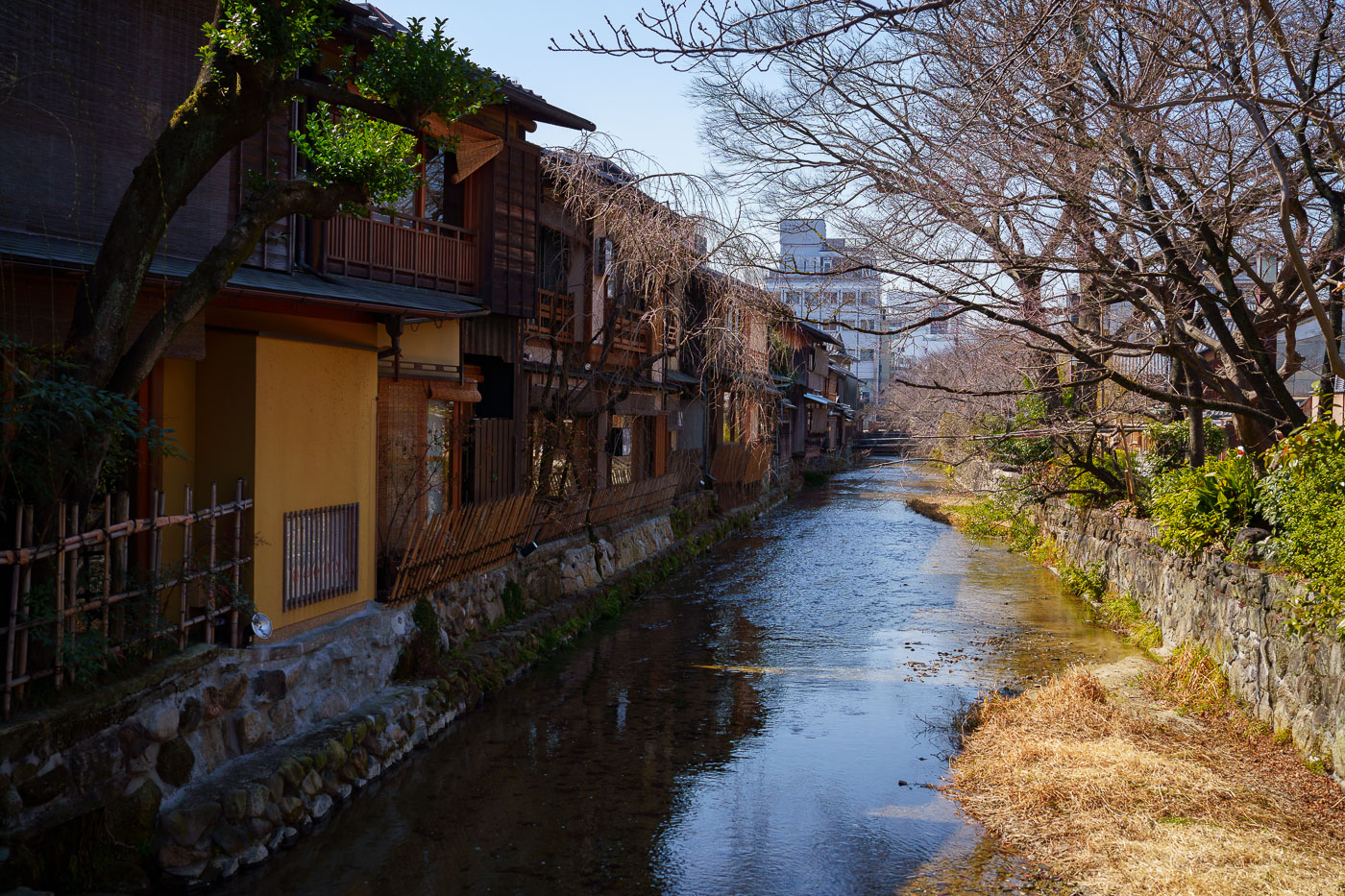
Tatsumibashi spans Shirakawa Stream beside machiya townhouses in Gion, Kyoto.
Tatsumibashi spans the Shirakawa Stream in Kyoto’s Gion district. The waterway runs past traditional machiya townhouses and stone embankments in one of Kyoto’s historic preserved areas. The bridge and stream are part of a streetscape long associated with the city’s teahouse quarter.
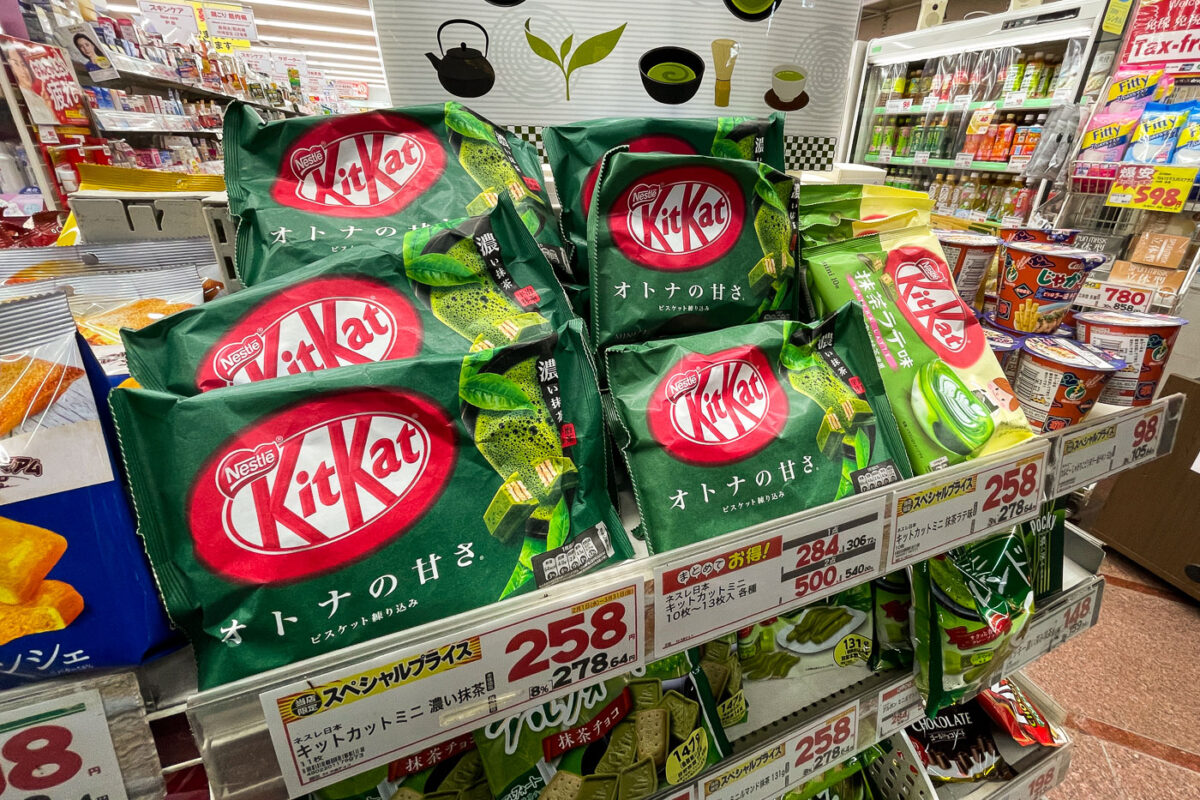
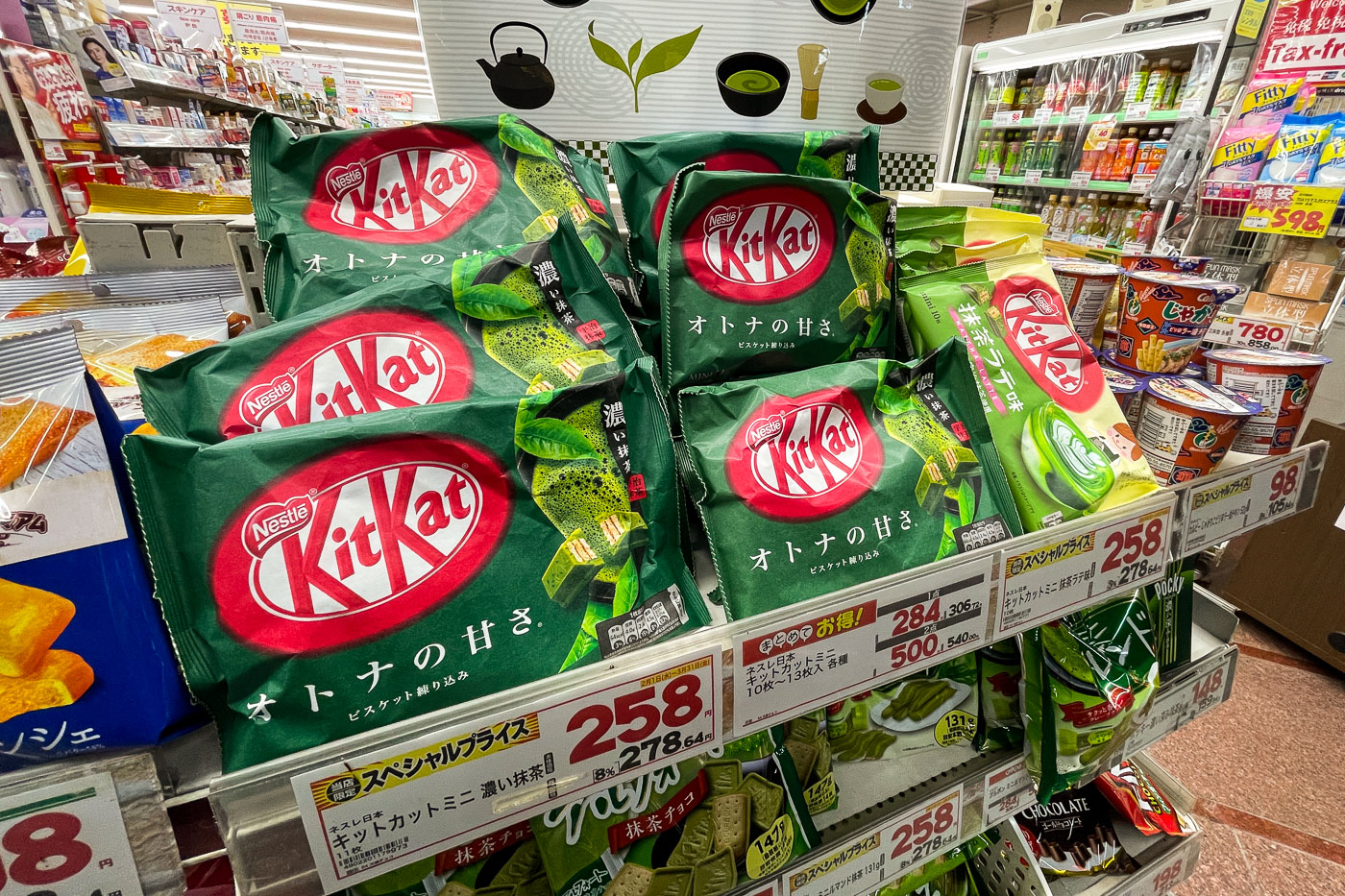
Matcha KitKat display in a Tokyo convenience store with green Nestlé packages.
A display of Nestlé KitKat matcha varieties in a Tokyo convenience store. The products are part of Japan’s long-running regional and seasonal KitKat lineup, which includes flavor variations marketed under the Otona no Amasa series.
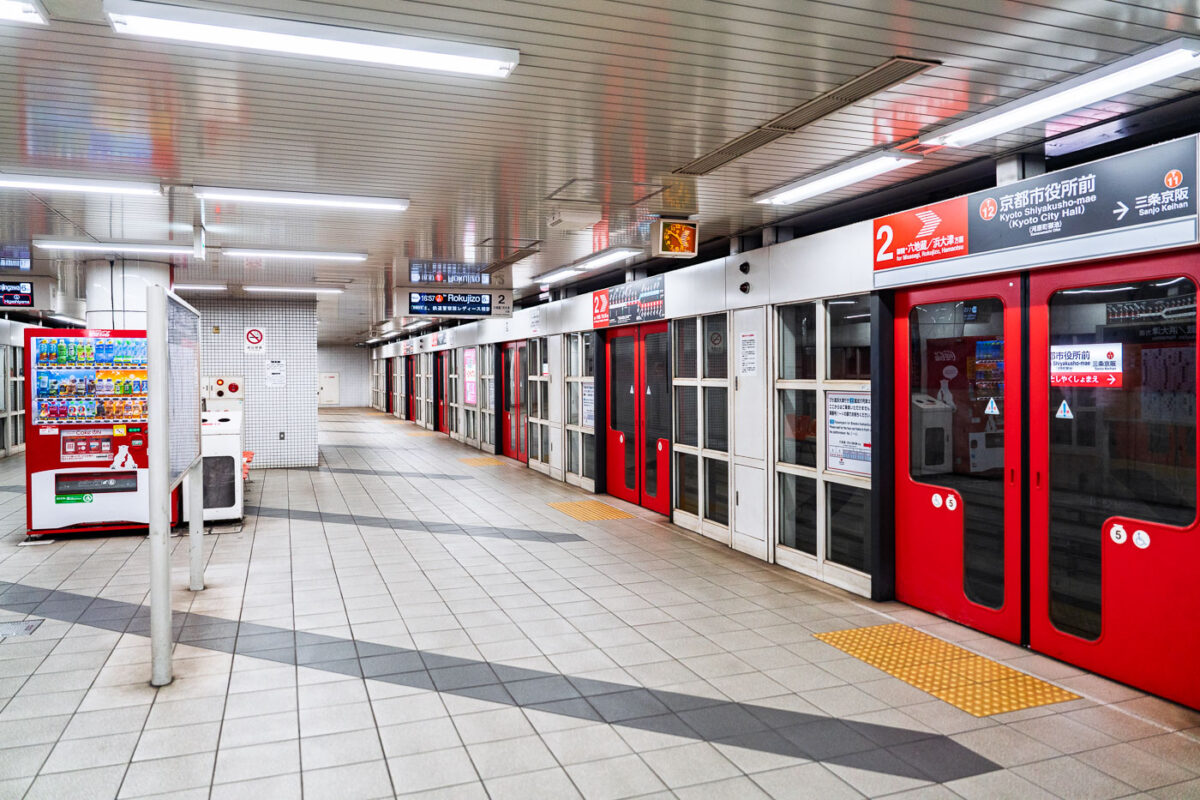
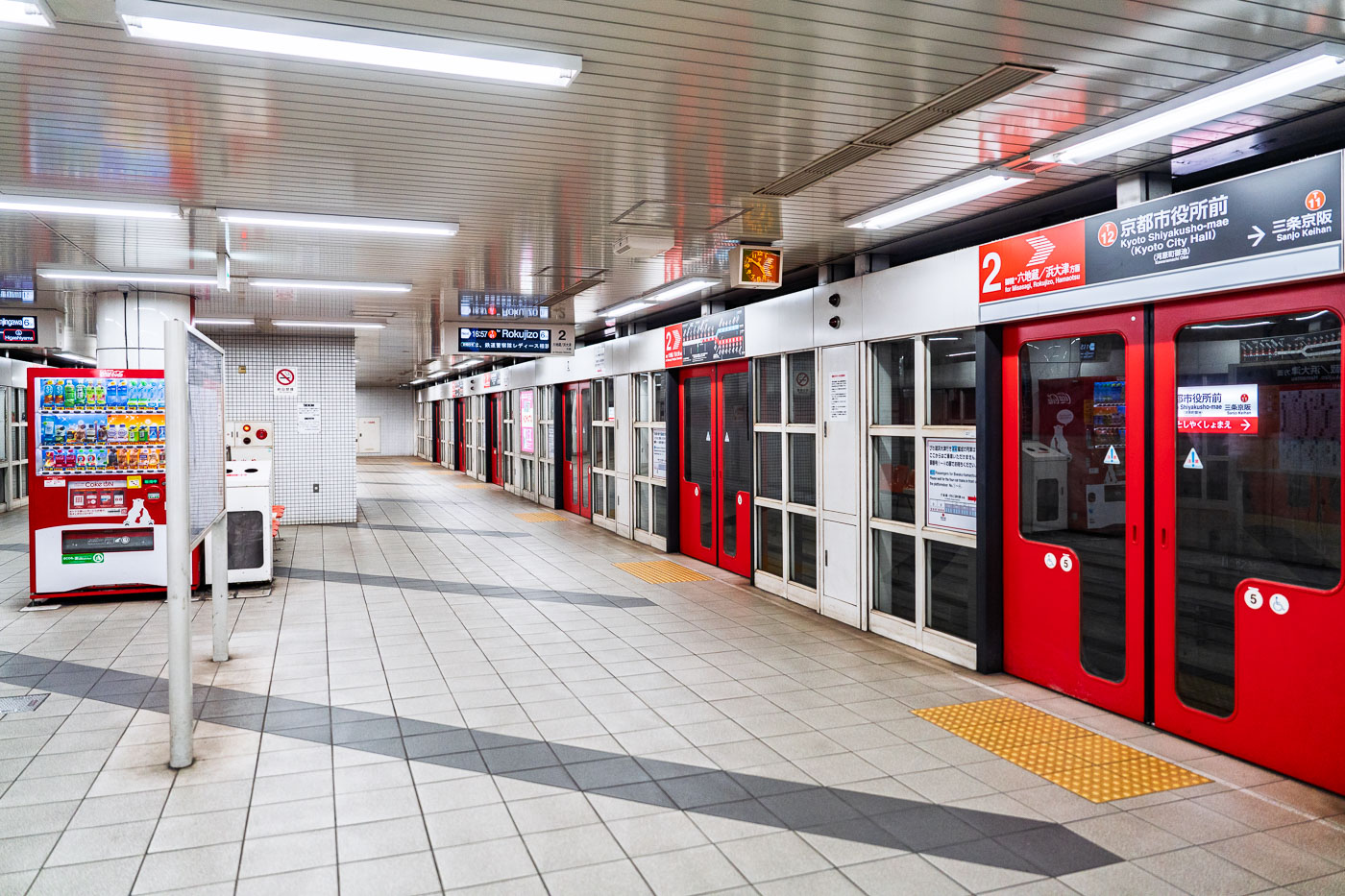
Shiyakusho-mae Station platform in Kyoto, Japan, with red platform screen doors and subway signage.
Shiyakusho-mae Station on the Kyoto City Subway Tozai Line in Kyoto, Japan. The underground platform serves Kyoto Shiyakusho-mae and nearby connections toward Rokujizo and Misasagi. Platform screen doors and clear bilingual signage manage boarding on one of Kyoto’s main east-west subway routes.
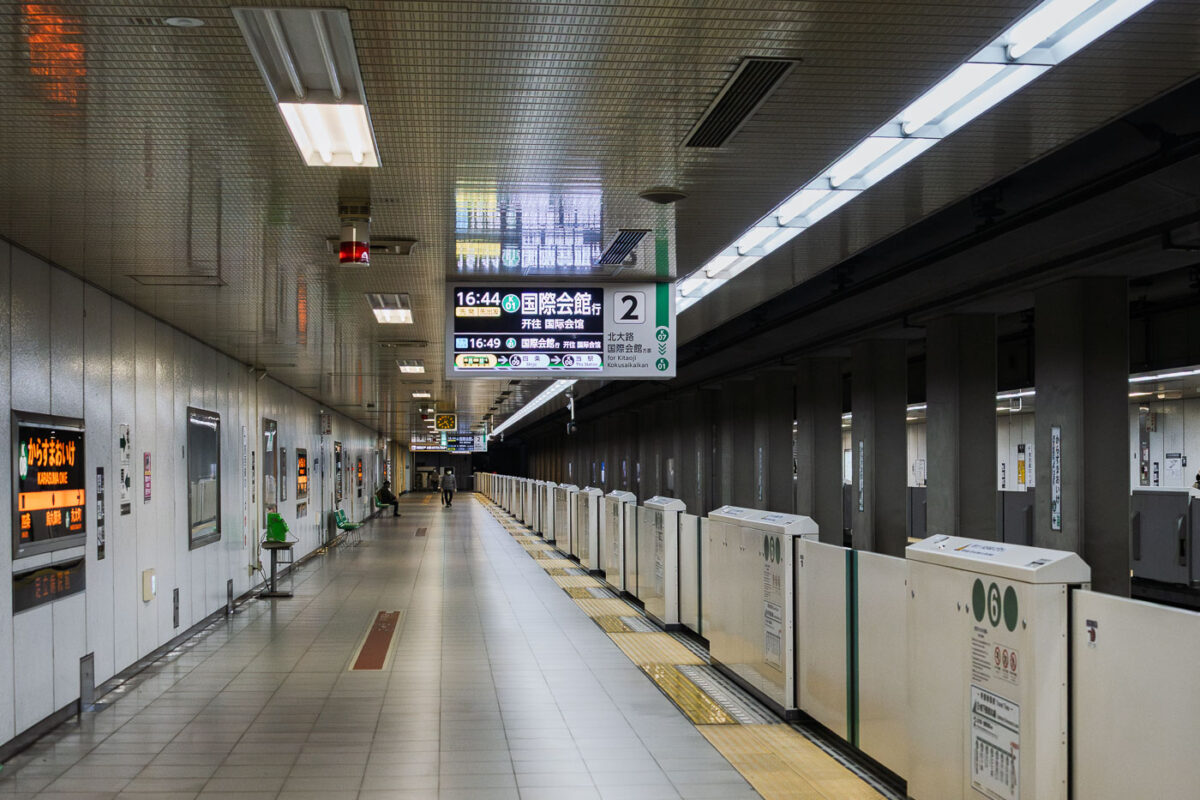
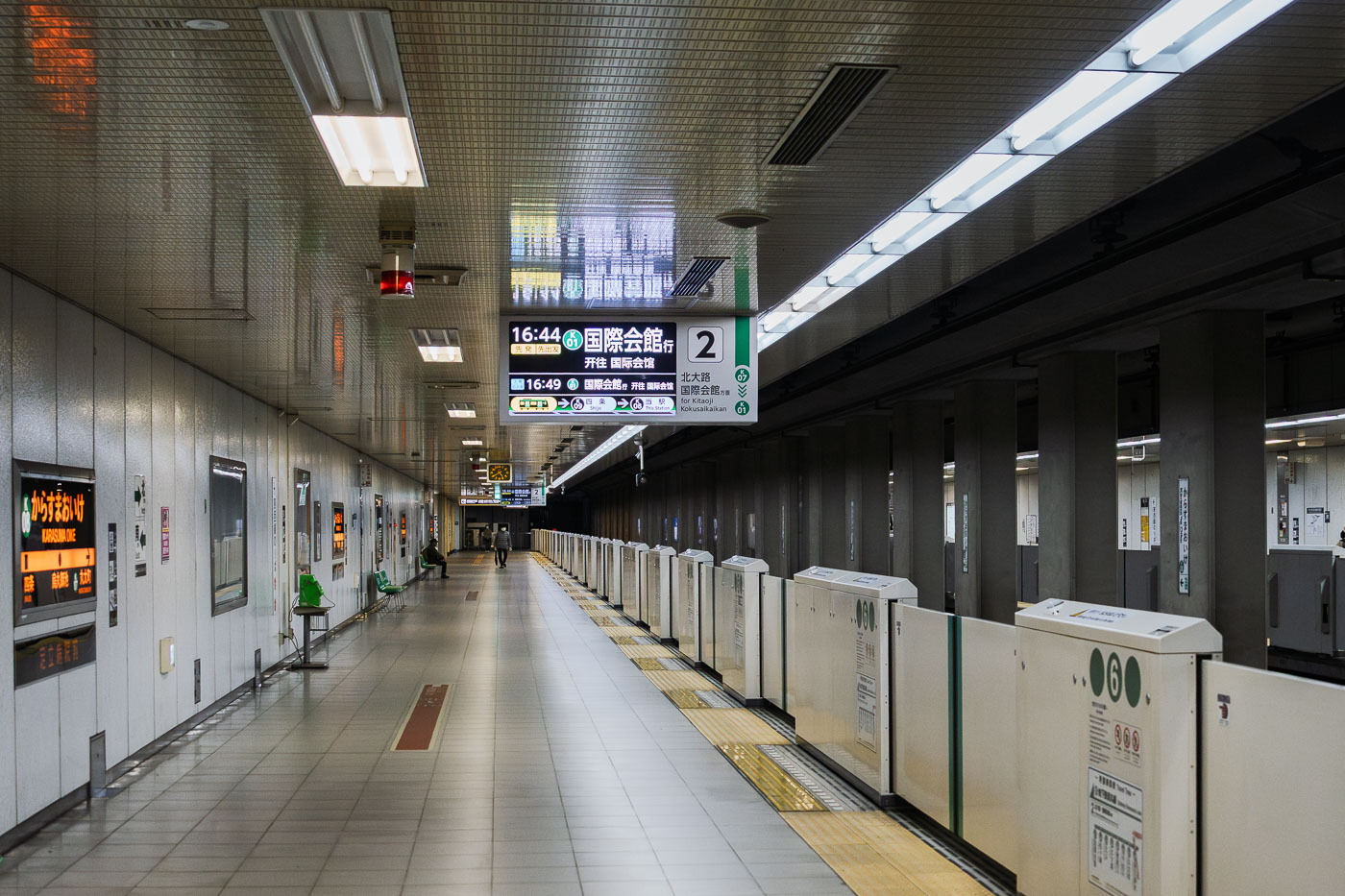
Karasuma Oike Station platform 2 in Kyoto with platform-edge doors and overhead train information.
Karasuma Oike Station in Kyoto is an underground interchange on the Kyoto Municipal Subway, where the Karasuma Line and Tōzai Line meet beneath Karasuma-dōri and Oike-dōri. Opened in 1981 and expanded as a transfer station in 1997, it links central Kyoto with destinations across the city and toward the suburbs.
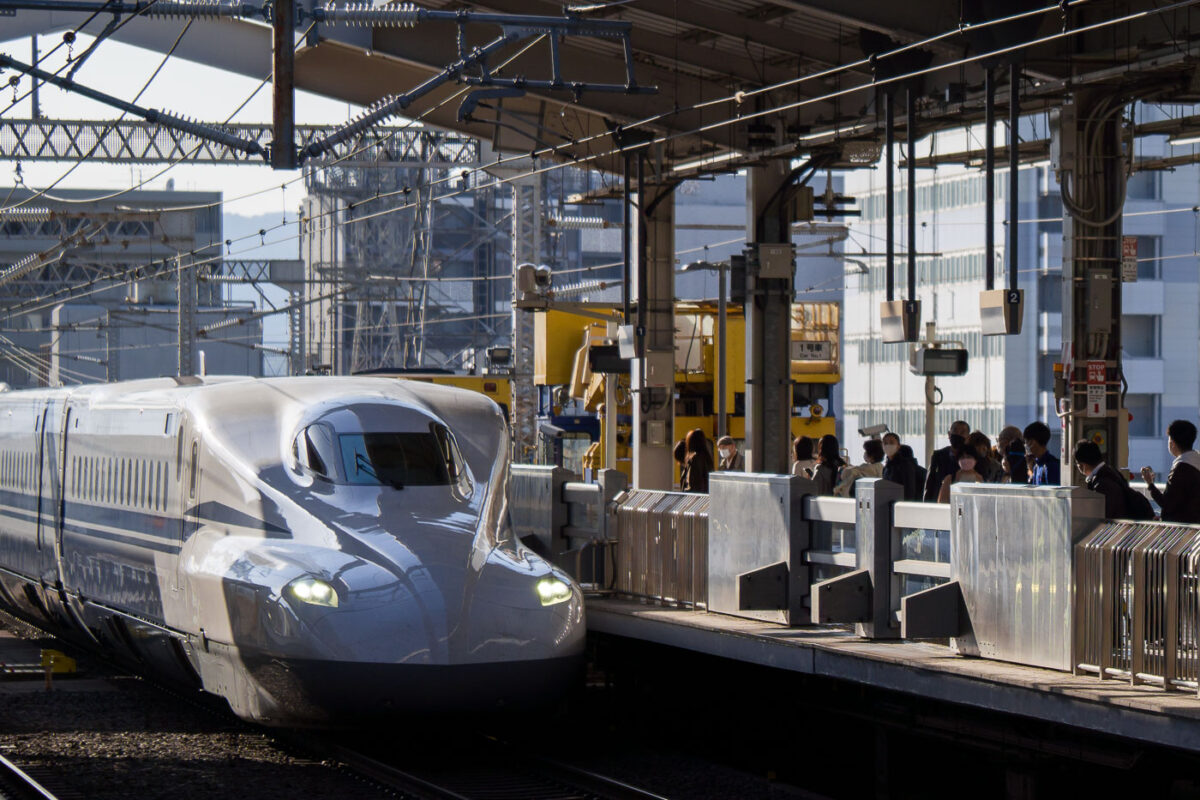
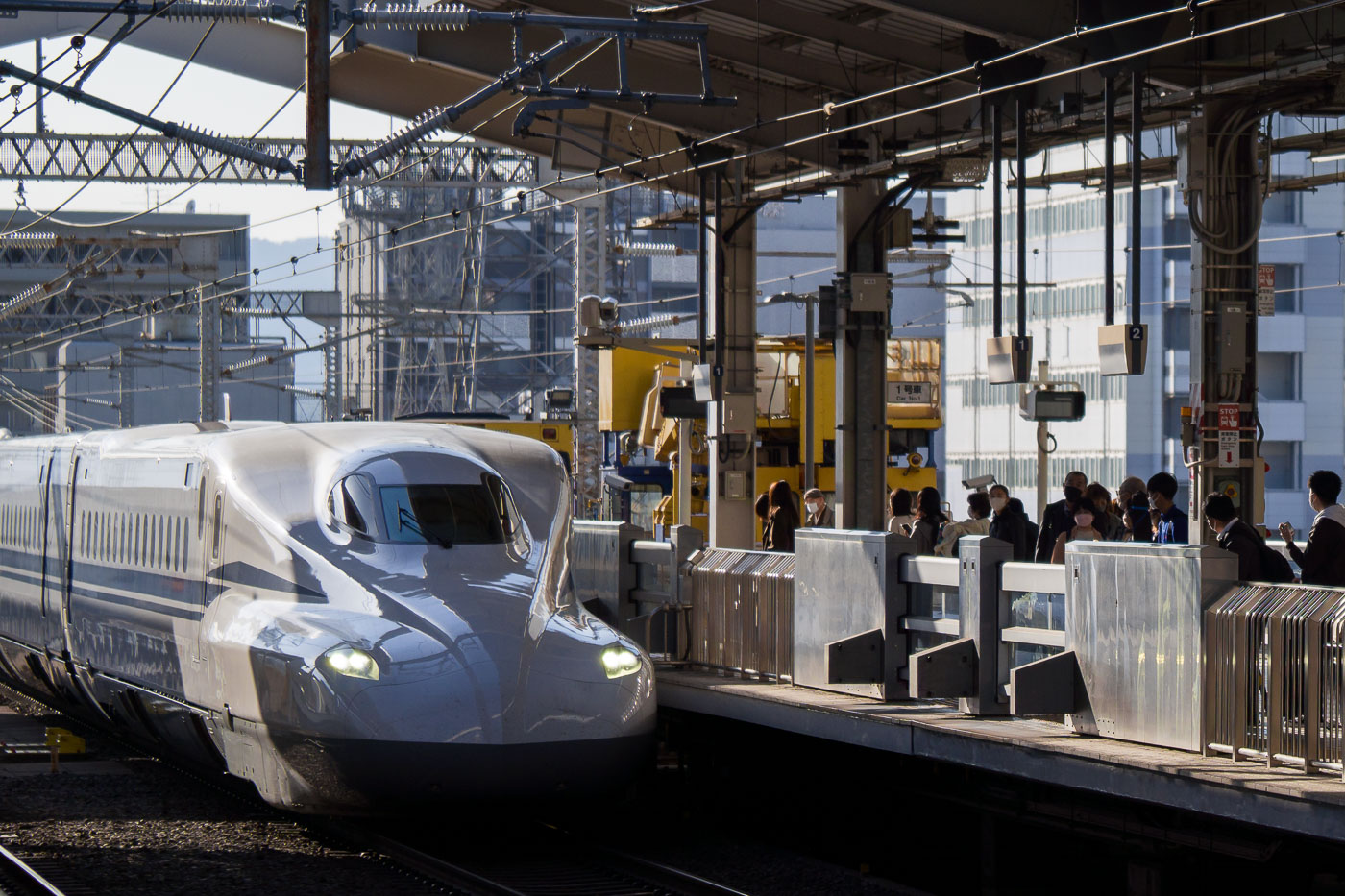
N700A Shinkansen arrives at Kyoto Station in Kyoto, Japan.
Kyoto Station, Kyoto, Japan. An N700A-series Shinkansen arrives on the Tōkaidō Shinkansen, JR Central’s high-speed line linking Tokyo and Osaka. Introduced in 2013, the N700A added braking and control refinements to the earlier N700 design.
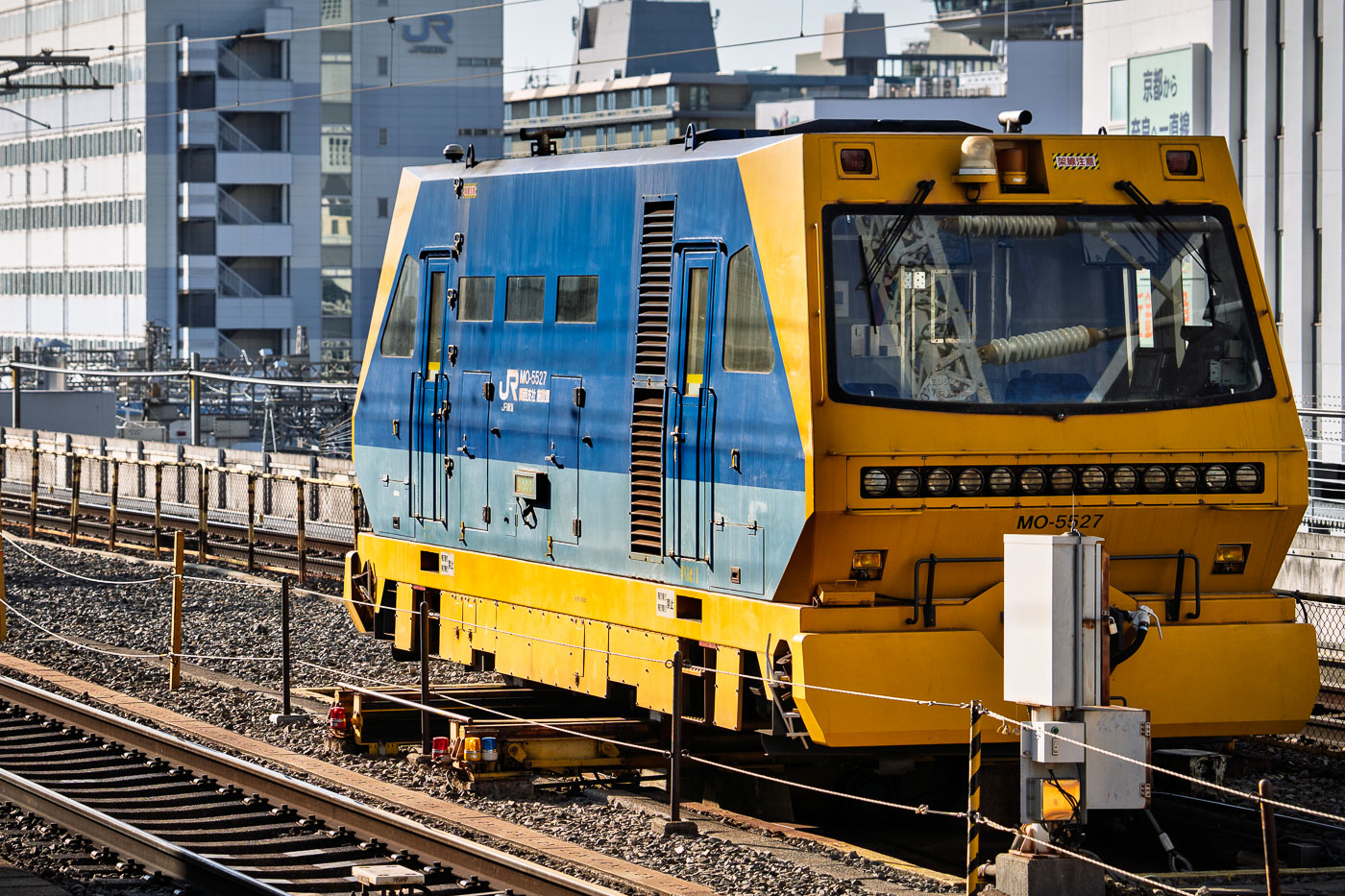
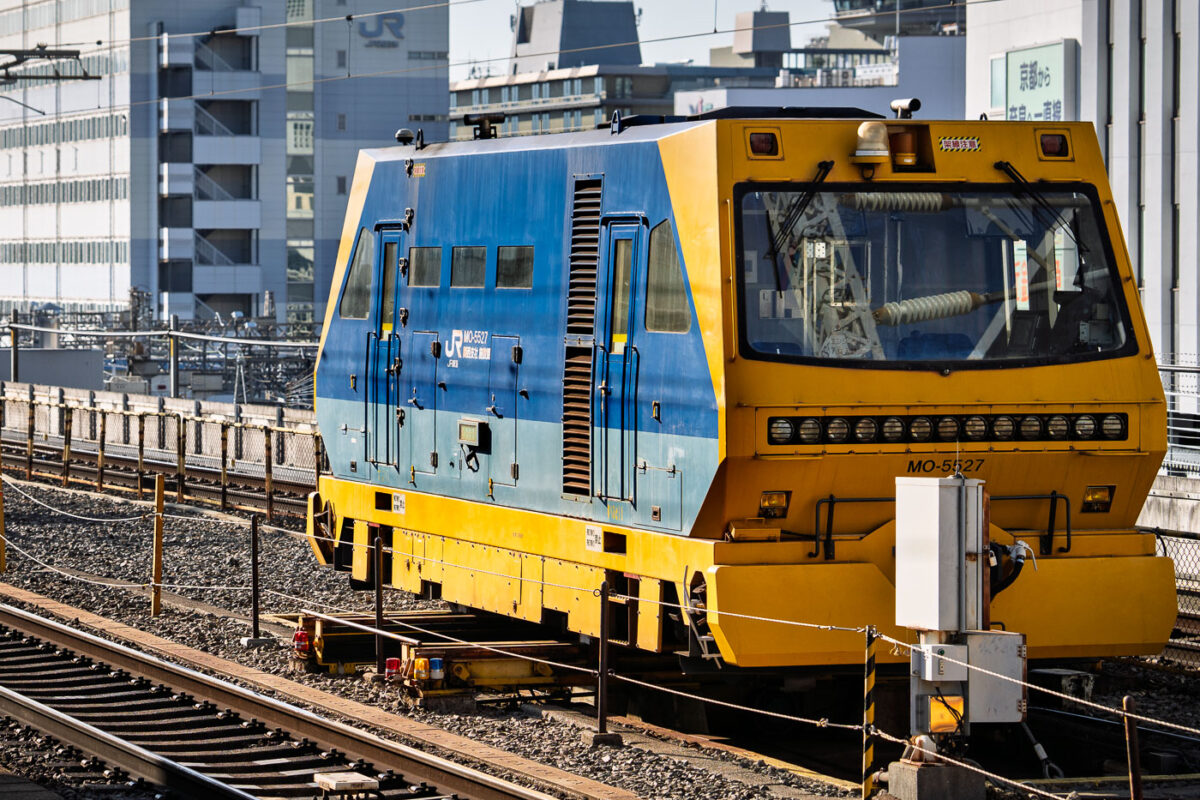
JR West track maintenance vehicle in Kyoto on an elevated railway.
JR West track maintenance vehicle in Kyoto. The rail machine is used for inspection, alignment, and maintenance work on Japan’s railway network, typically during service breaks.

Built in Minneapolis

Photographs showcasing change over time

Browse by location, move through long-running series, or start with recent work.