Place Archive

Lake Atitlan

Lake Atitlán in Guatemala is a volcanic caldera lake framed by the stratovolcanoes Atitlán, Tolimán, and San Pedro. The lake supports indigenous Mayan villages like Panajachel and Santa Cruz, where boats serve as essential transport links across its waters.

13 photos

Photos from Lake Atitlan
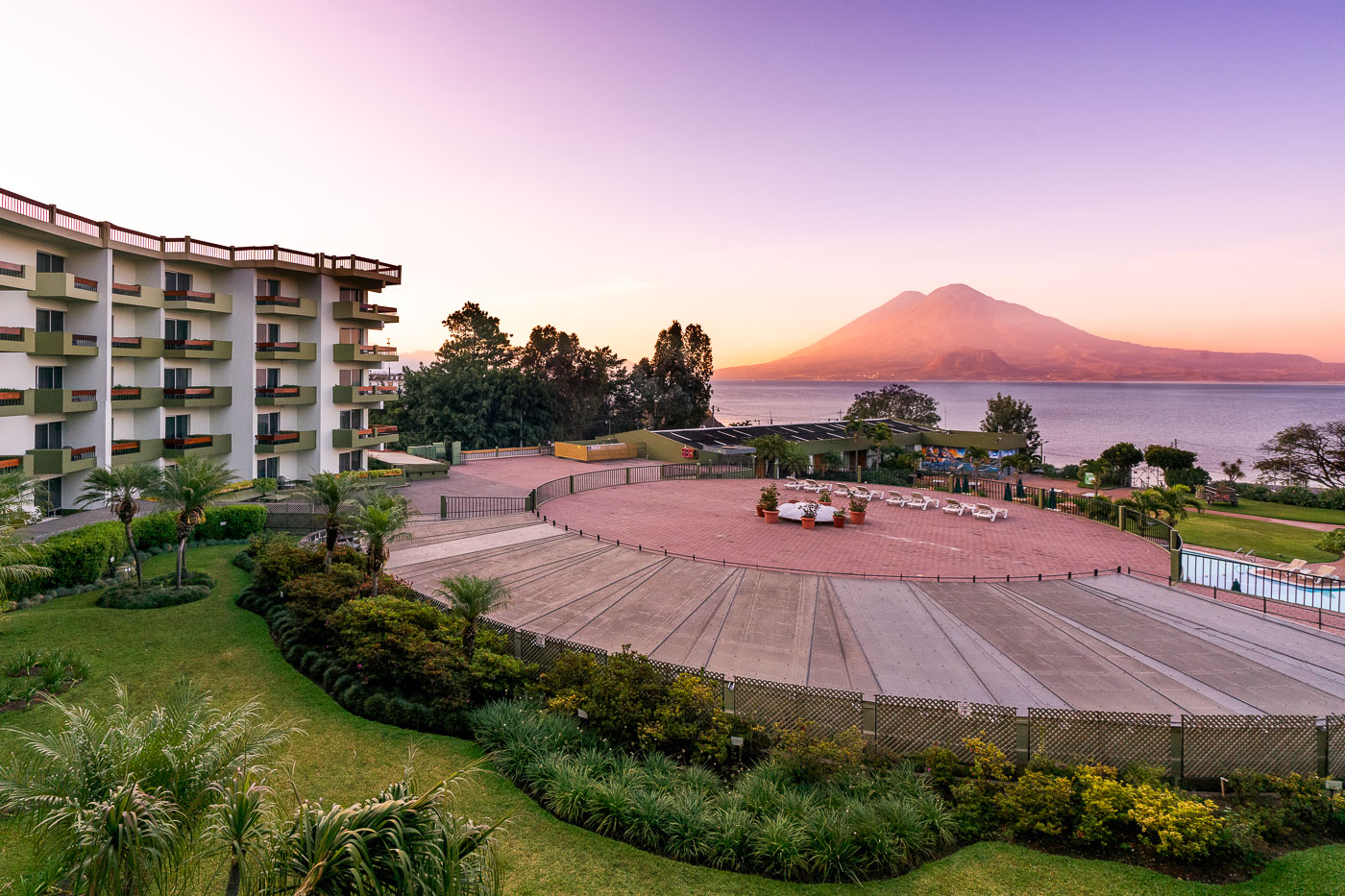
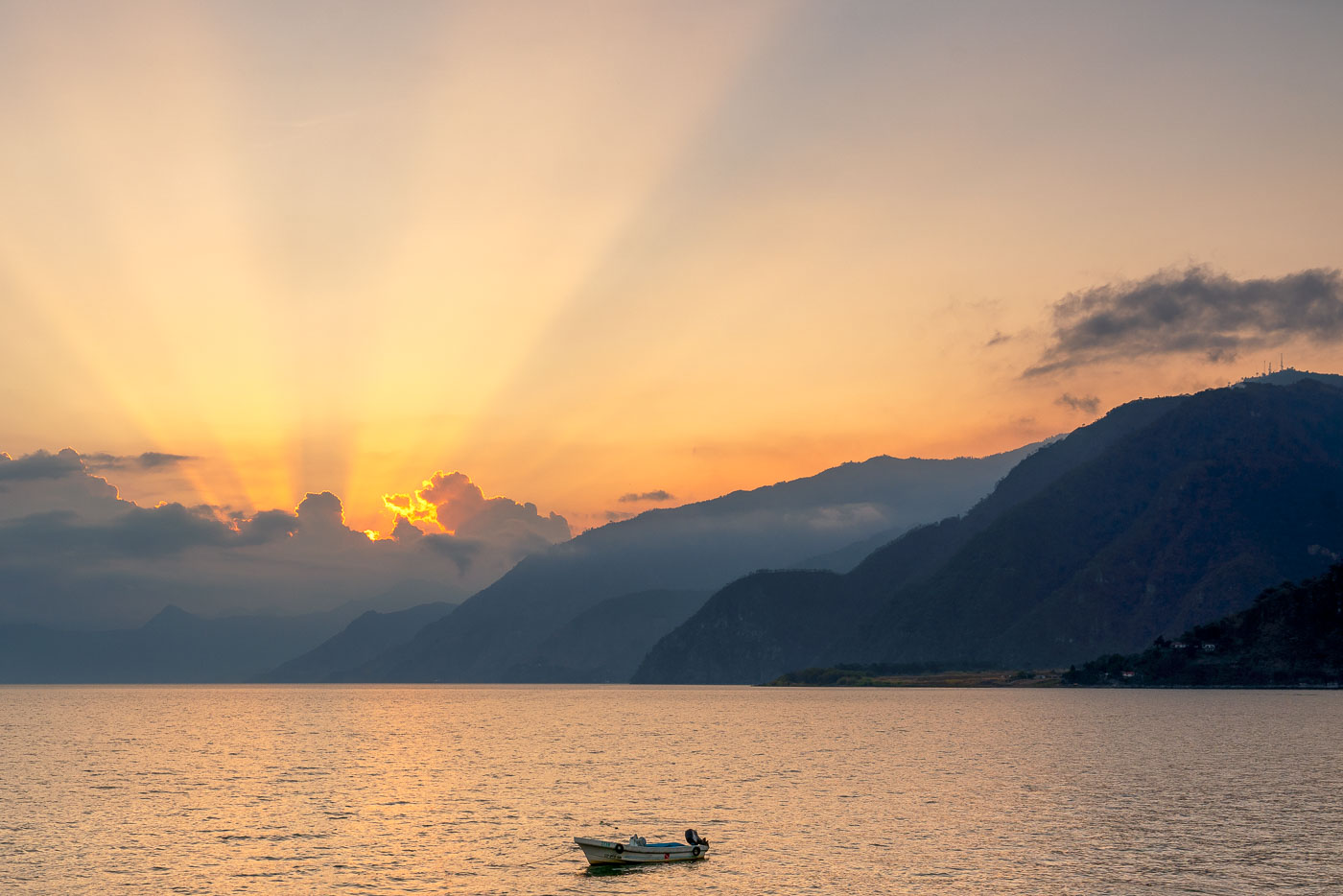
Lake Atitlan during a gorgeous sunset
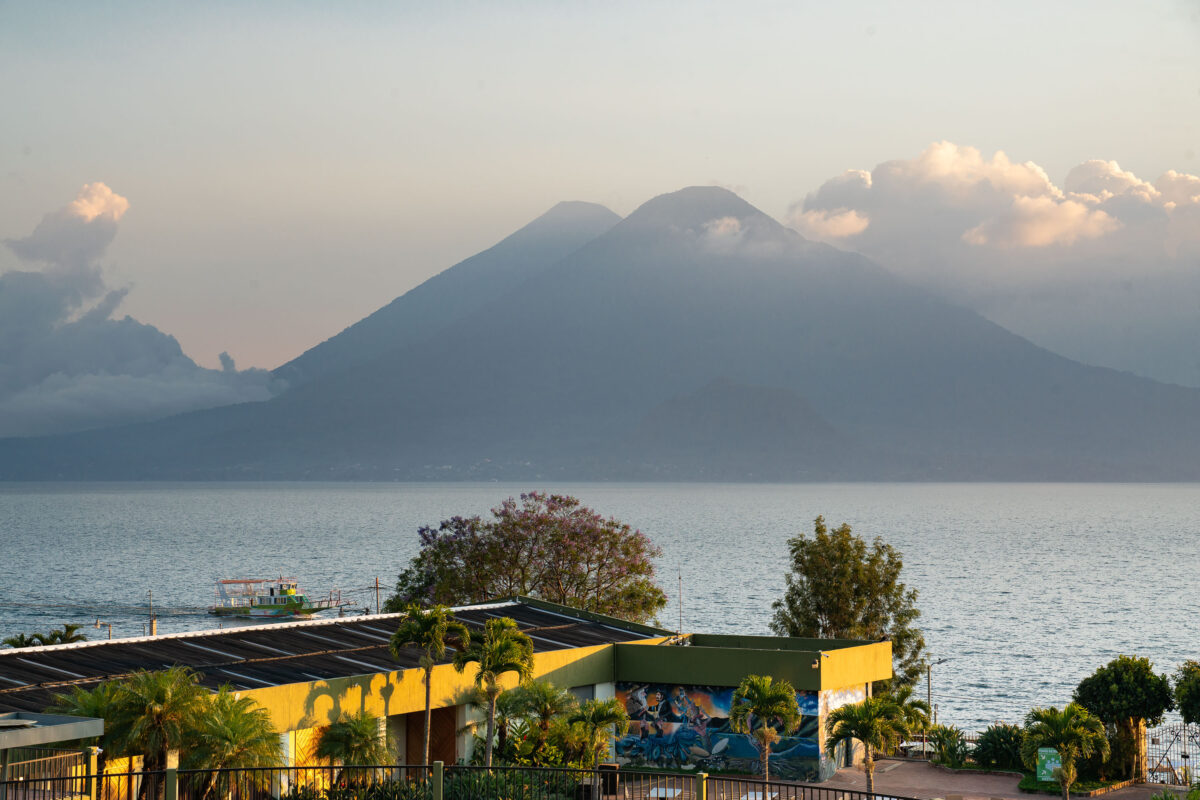
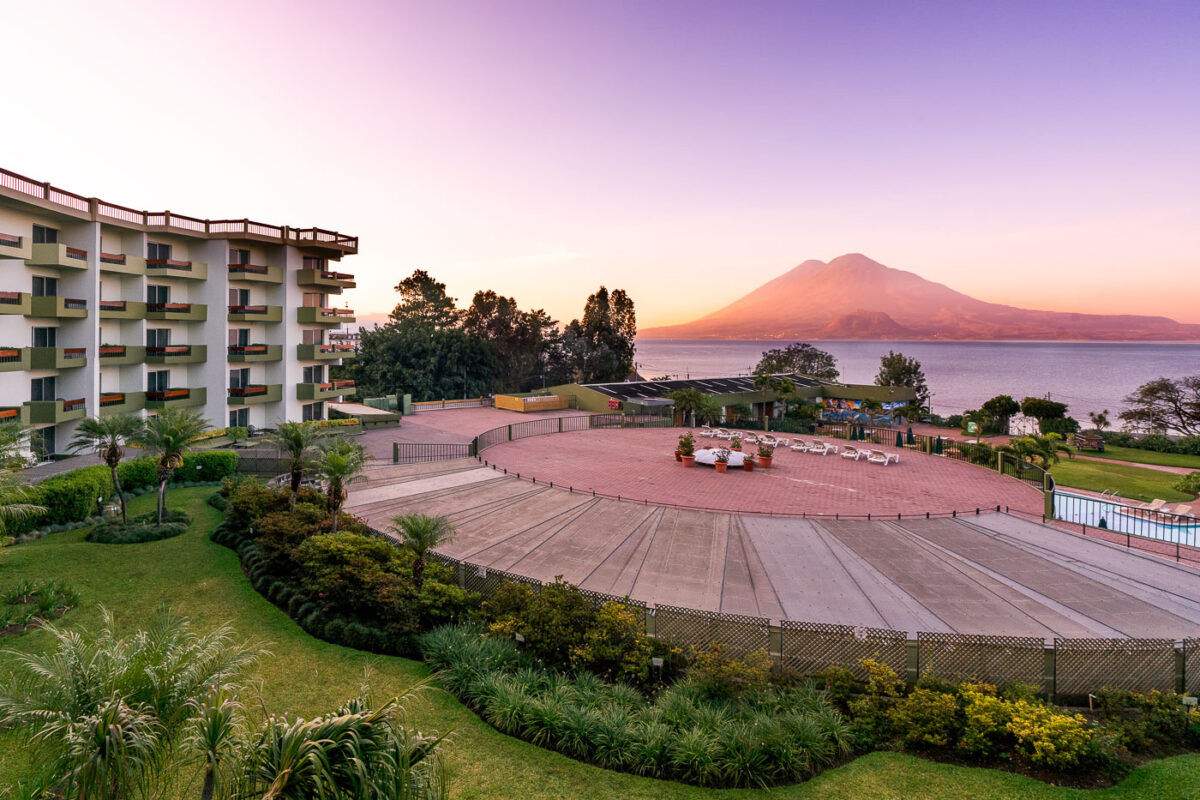
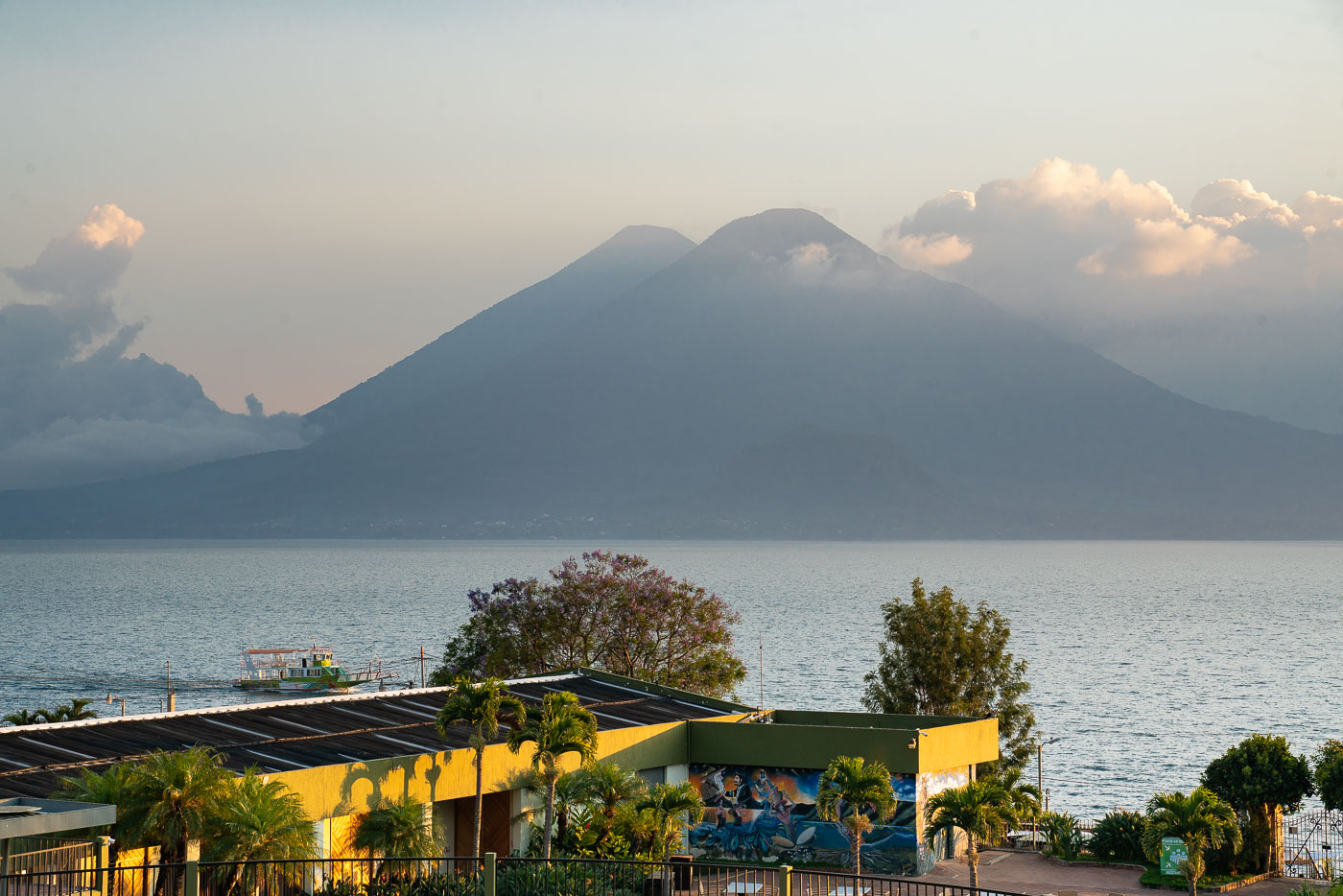
The Porta Hotel del Lago in Panajachel, Guatemala, offers views of Volcán Tolimán and Volcán Atitlán across Lake Atitlán. Established to capitalize on the region's natural beauty and accessibility, the hotel has long served as a popular destination for tourists and visitors seeking to experience the volcanic landscapes surrounding the lake. The hotel's architecture, with its multi-story structure and balconies, is designed to maximize the vistas of the lake and its prominent volcanoes. This area is a significant geological and cultural hub within Guatemala, drawing attention for its stunning scenery and the imposing presence of its stratovolcanoes.
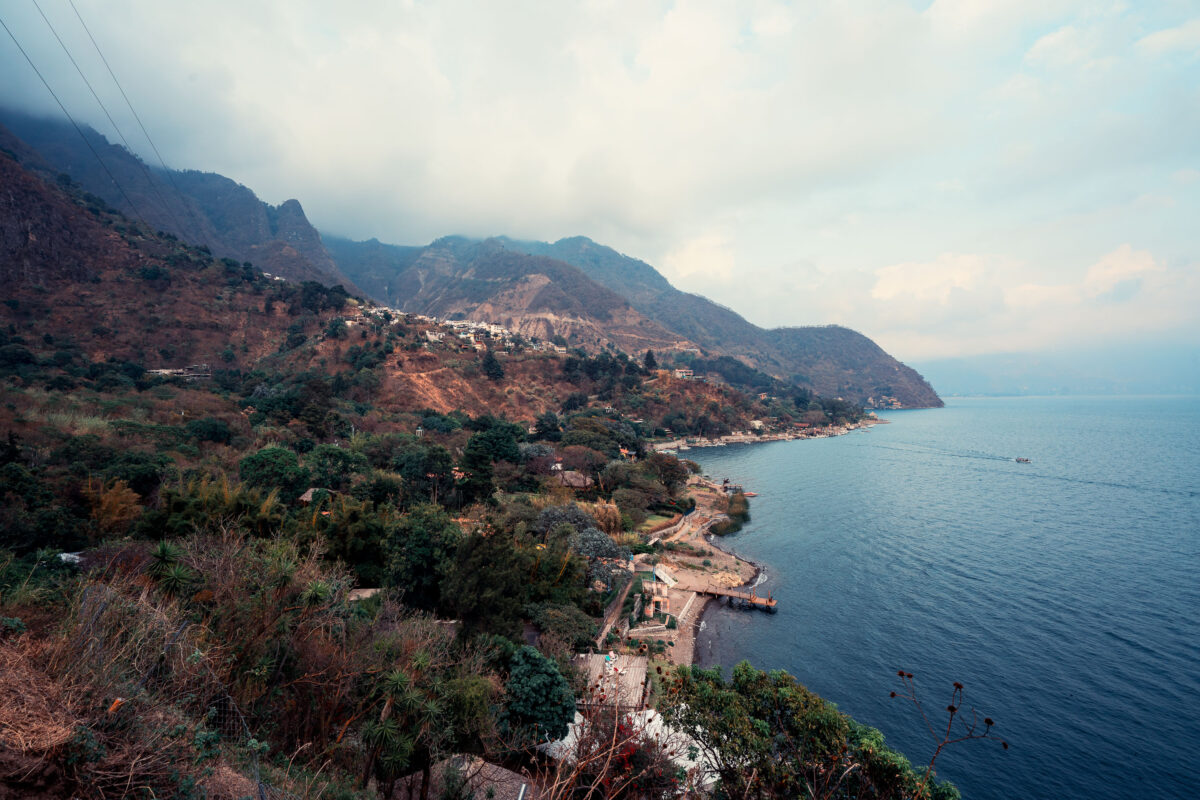
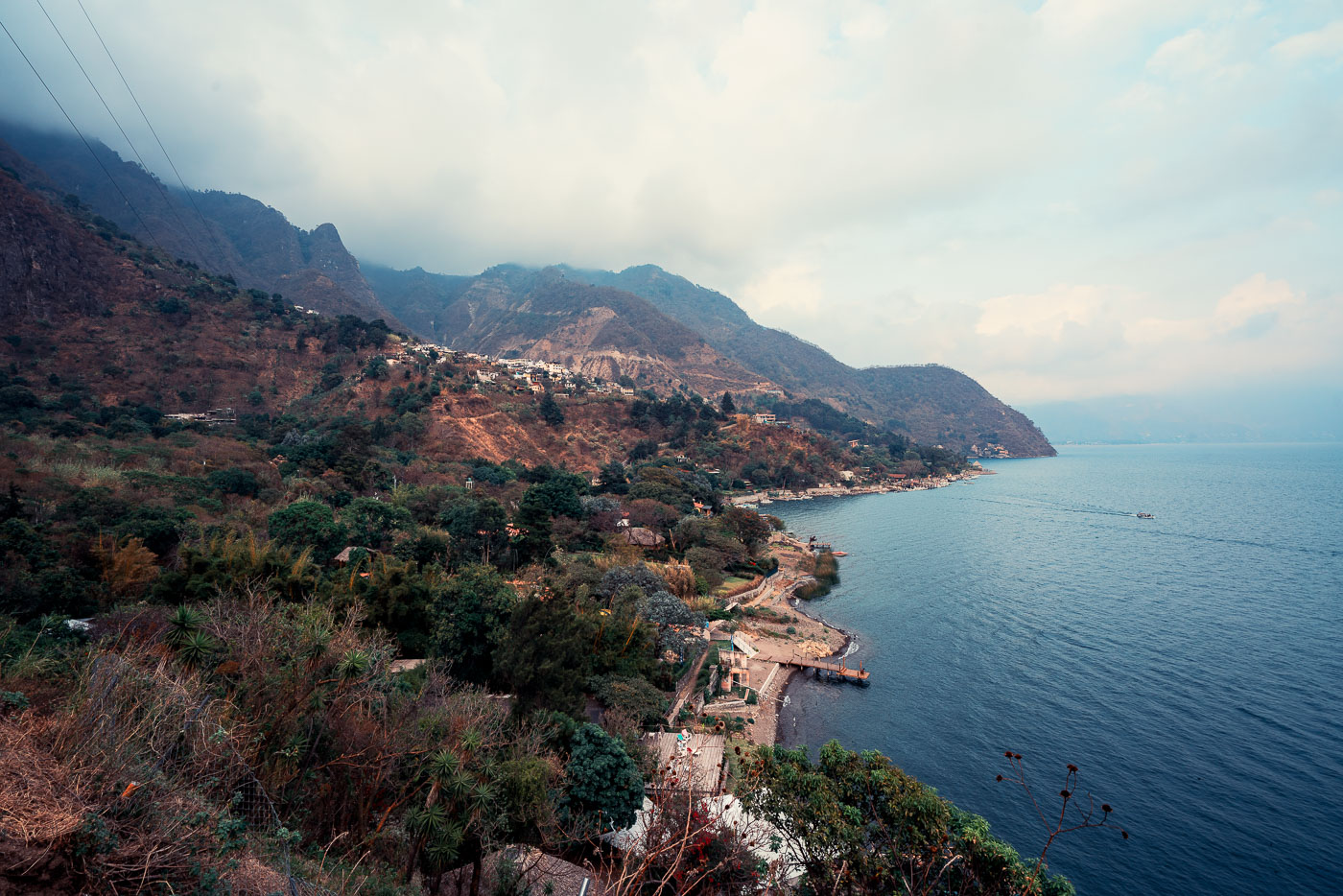
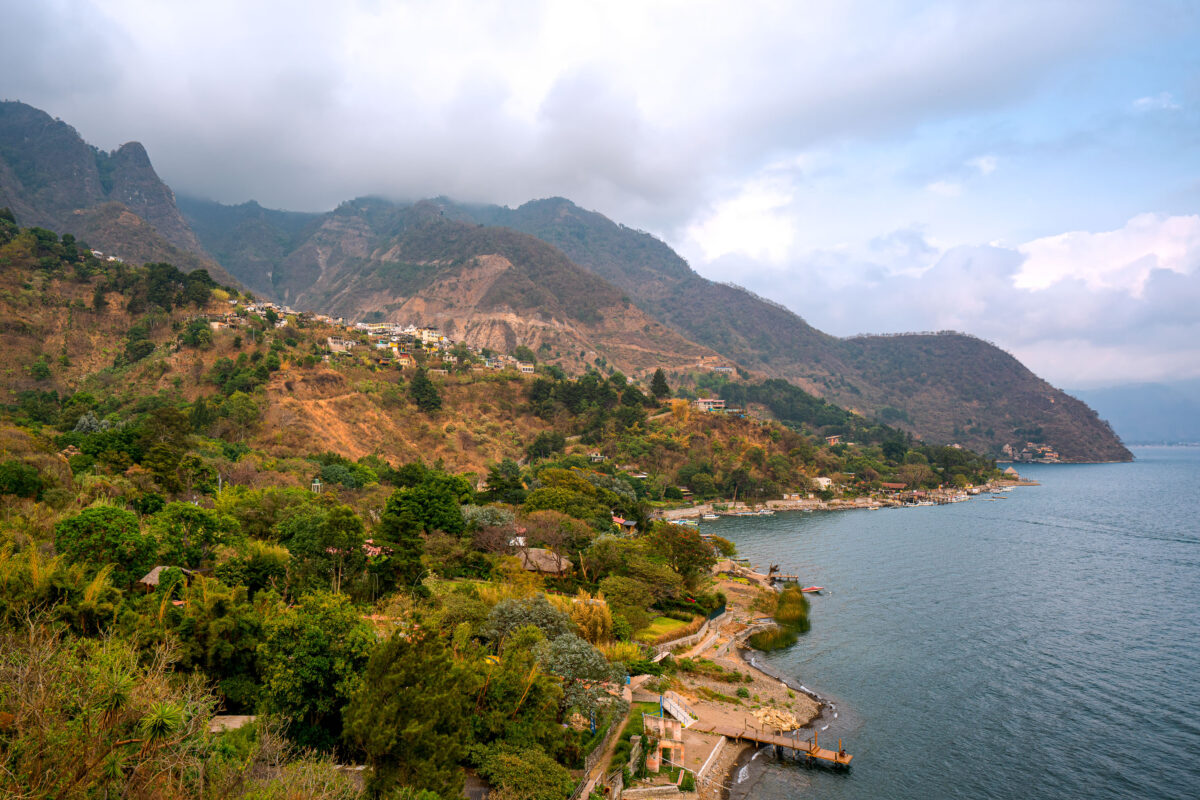
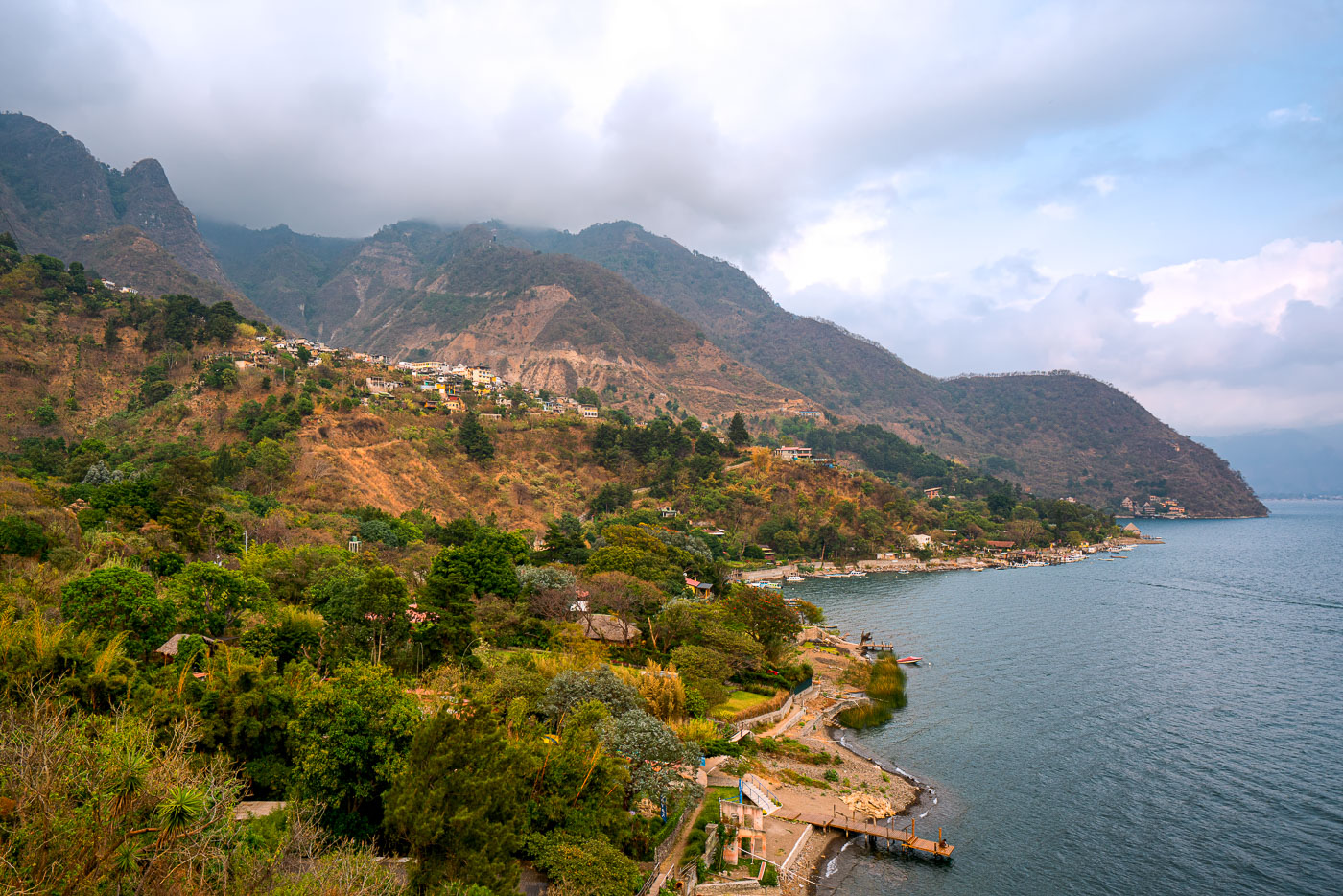
Santa Cruz, Guatemala, a lakeside settlement on Lake Atitlán, with buildings cascading down hillsides towards the water.
Santa Cruz, Guatemala, is a settlement nestled on the shores of Lake Atitlán, a caldera lake surrounded by volcanic mountains. The town's location on the lake makes it a hub for transportation and tourism, with boats serving as a primary mode of travel between lakeside communities. The steep terrain dictates the settlement's architecture, with buildings cascading down the hillsides towards the water. The area is known for its natural beauty and cultural significance, attracting visitors interested in the region's indigenous heritage and volcanic landscapes.
Santa Cruz La Laguna village on the steep slopes overlooking Lake Atitlán, Guatemala.
Santa Cruz La Laguna is a traditional Mayan village situated on the steep slopes overlooking Lake Atitlán in Guatemala. Accessible primarily by boat or footpath, the village's isolation has preserved its cultural heritage. The community, with a population of approximately 3,100, relies on the lake for transportation and commerce, with a single road connecting the dock to the village center. While electricity is intermittent, the village's sports court serves as a central gathering place for its residents.
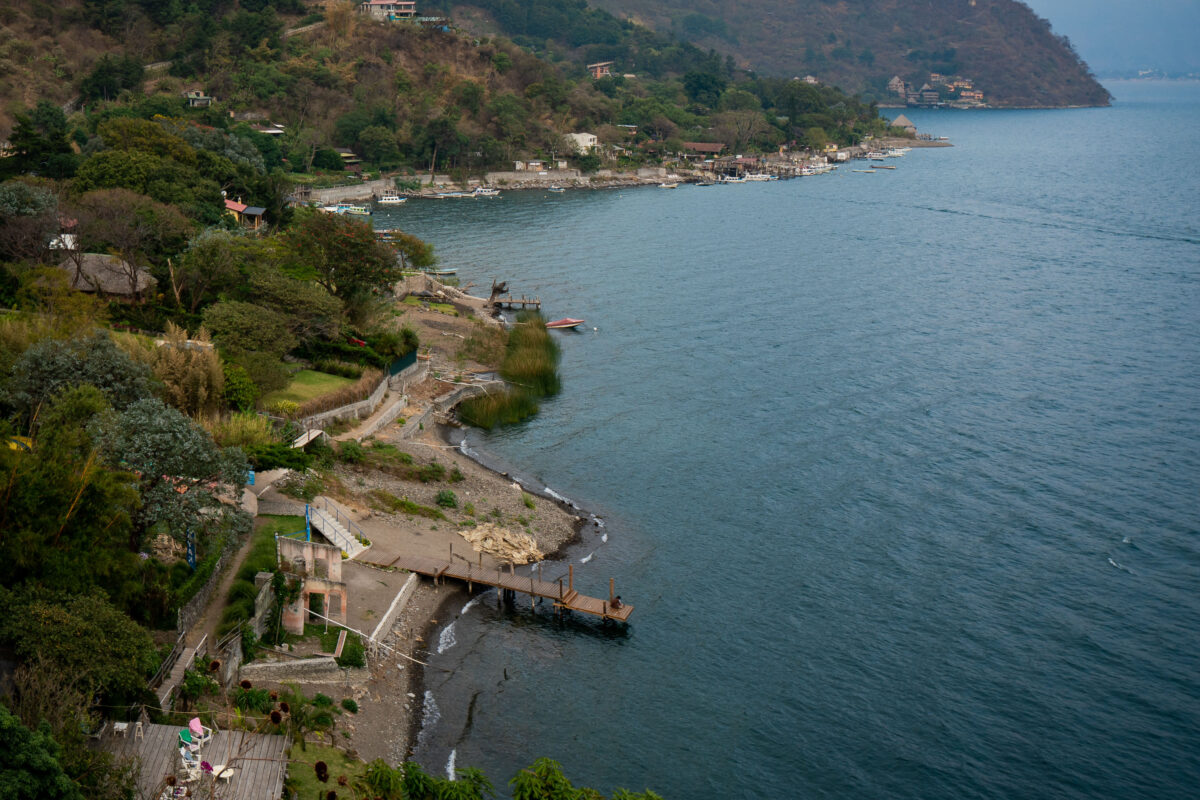
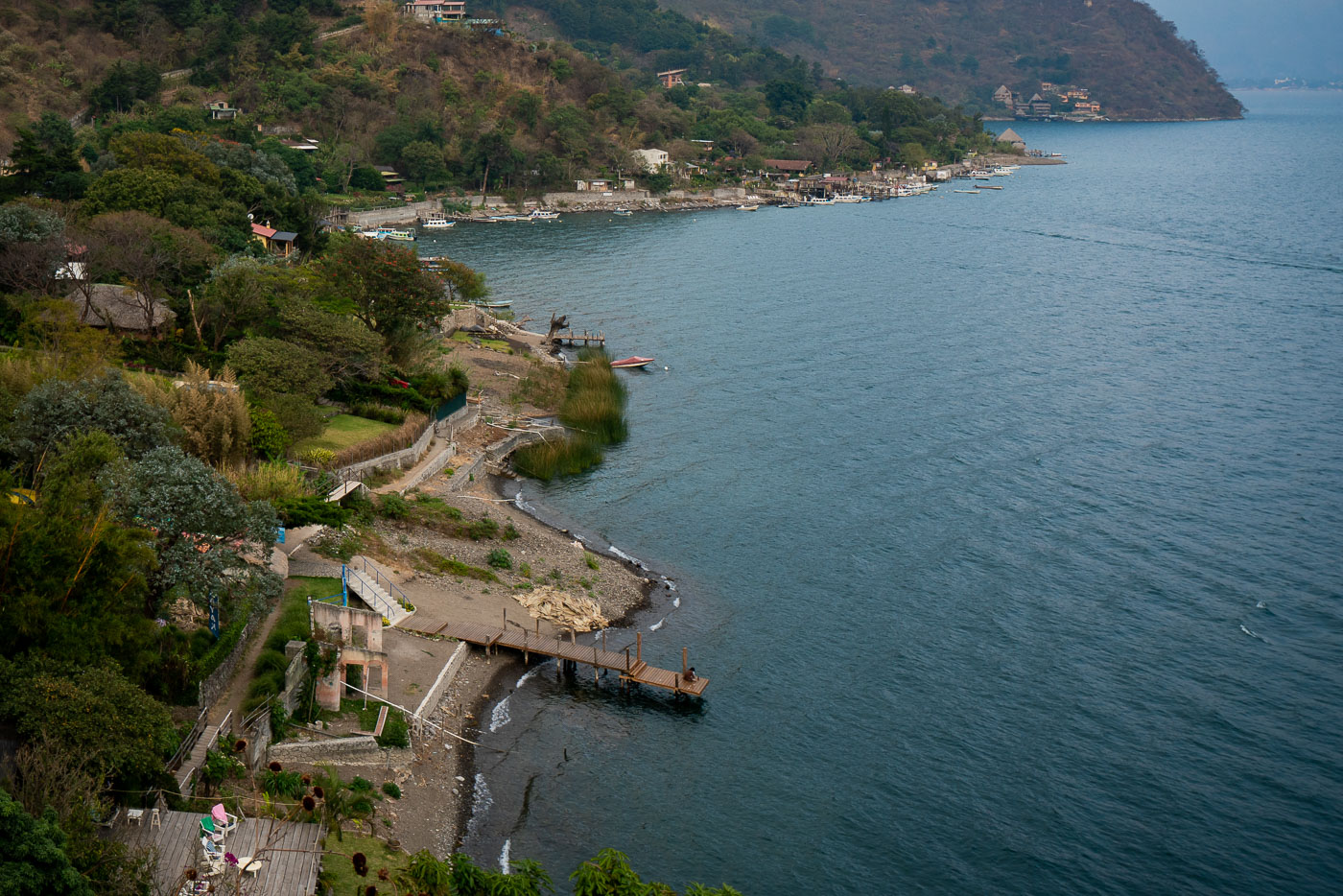
Docks line the shoreline of Santa Cruz village on Lake Atitlan, Guatemala, with boats moored and volcanic hills in the background.
The shoreline of Santa Cruz, a village on the northern shore of Lake Atitlan in Guatemala, is characterized by its docks and the surrounding volcanic landscape. Lake Atitlan, formed by a massive volcanic eruption, is one of the deepest lakes in Central America and a vital transportation route for the region's communities. The docks serve as essential points for local boat traffic, connecting Santa Cruz to other lakeside villages and facilitating trade and daily life. The steep hillsides, covered in lush vegetation, frame the lake, highlighting its dramatic geological origins and the human settlements that have adapted to its shores.
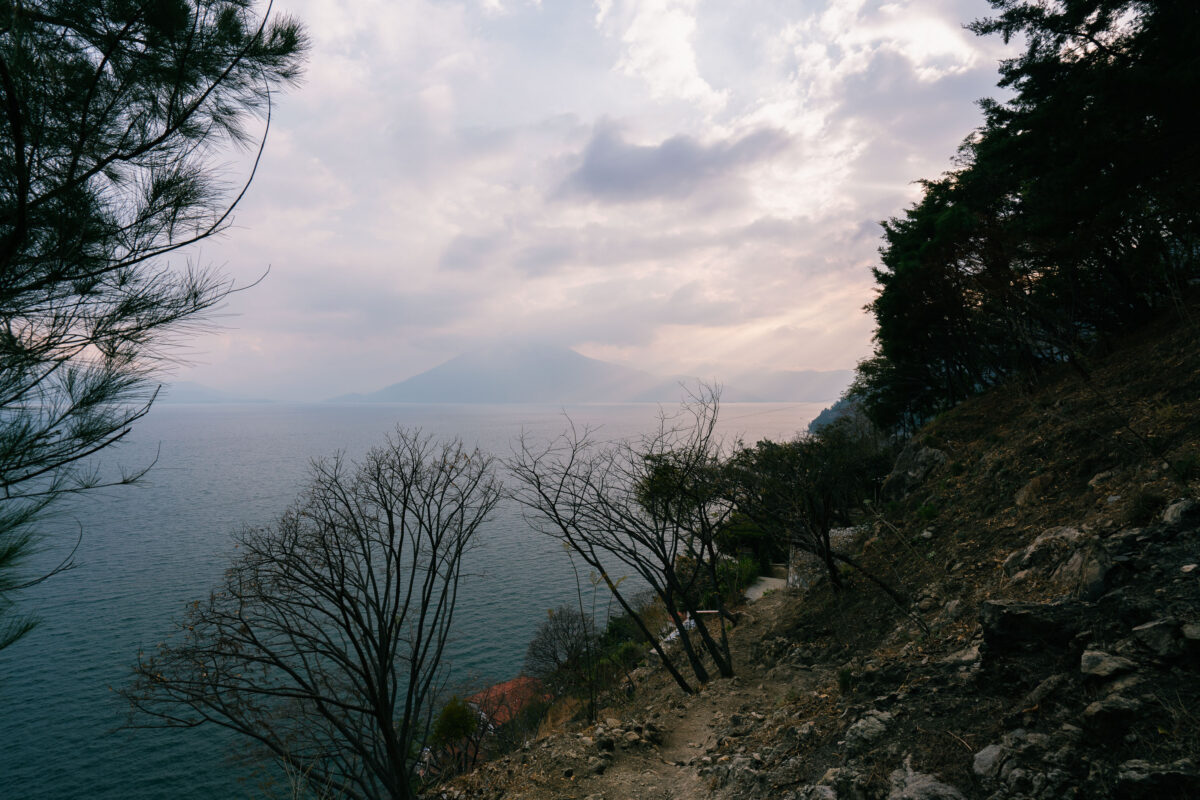
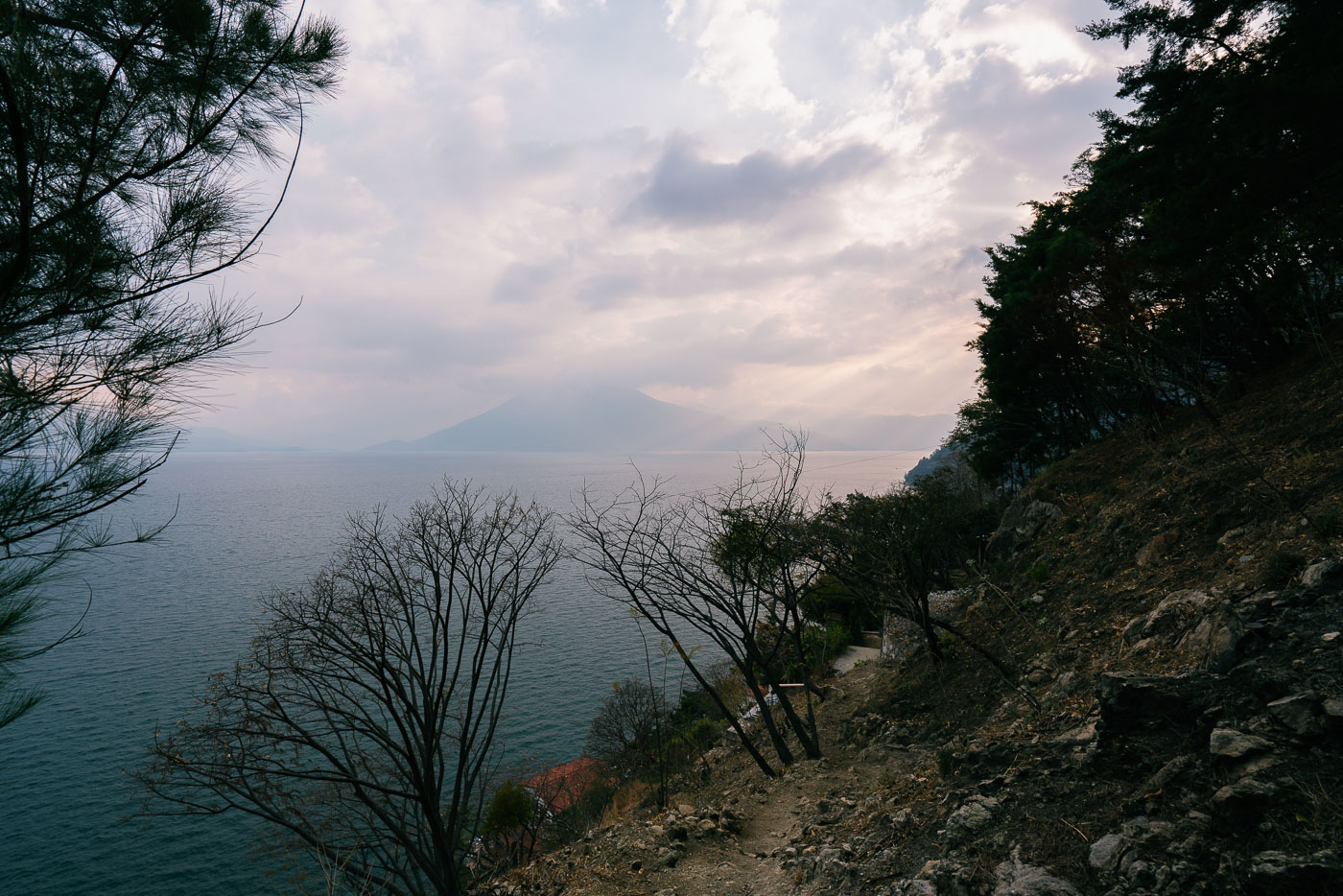
A hiking trail winds along the steep slopes overlooking Lake Atitlan near Santa Cruz, Guatemala, with a volcano visible in the distance.
A hiking trail winds along the steep slopes overlooking Lake Atitlán near Santa Cruz, Guatemala. The lake, formed by a volcanic caldera, is a significant geographical feature in the Guatemalan Highlands. The surrounding area is known for its Maya villages and the volcanoes that encircle the lake, including Volcán Atitlán visible in the distance. This path serves as a vital connection for local communities and a route for visitors exploring the region's natural beauty and cultural heritage.
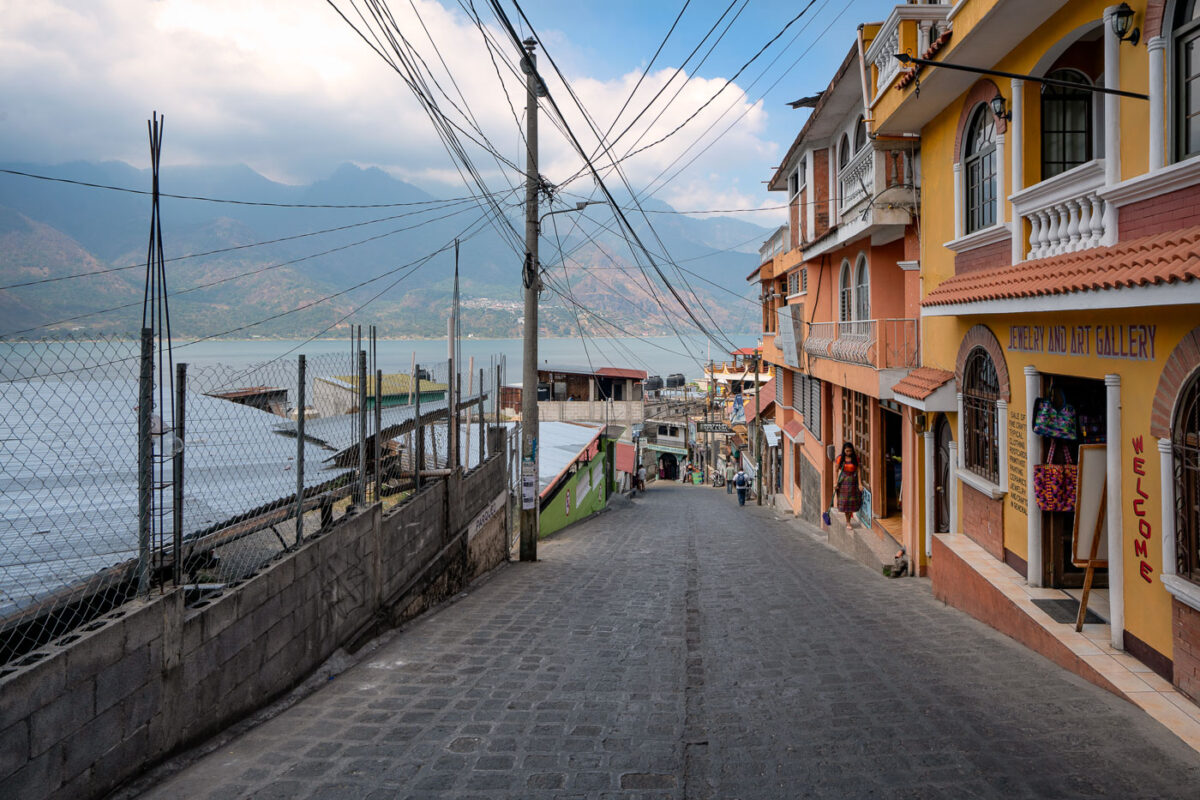
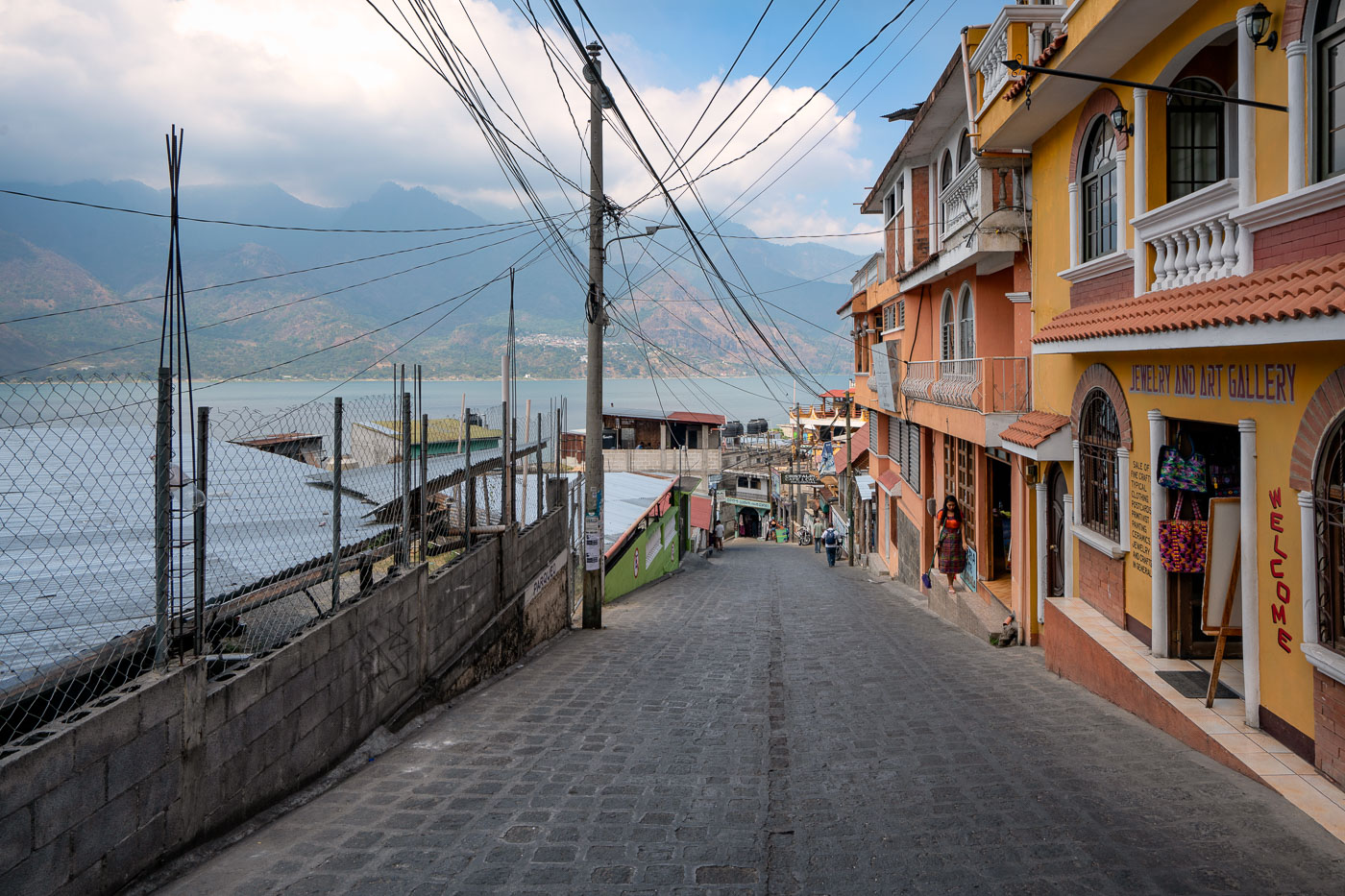
San Pedro and Lake Atitlan Guatemala
On March 3, 2020, a woman walked past a jewelry and art gallery in San Pedro, a town situated on the shores of Lake Atitlán in Guatemala. The gallery offers a variety of goods, including fine crafts, clothing, paintings, ceramics, and jewelry, reflecting the local artisan traditions. The street, paved with cobblestones, slopes down towards the lake, with the volcanic mountains forming a dramatic backdrop. This area is a hub for both local commerce and tourism, drawing visitors interested in the region's natural beauty and cultural heritage.
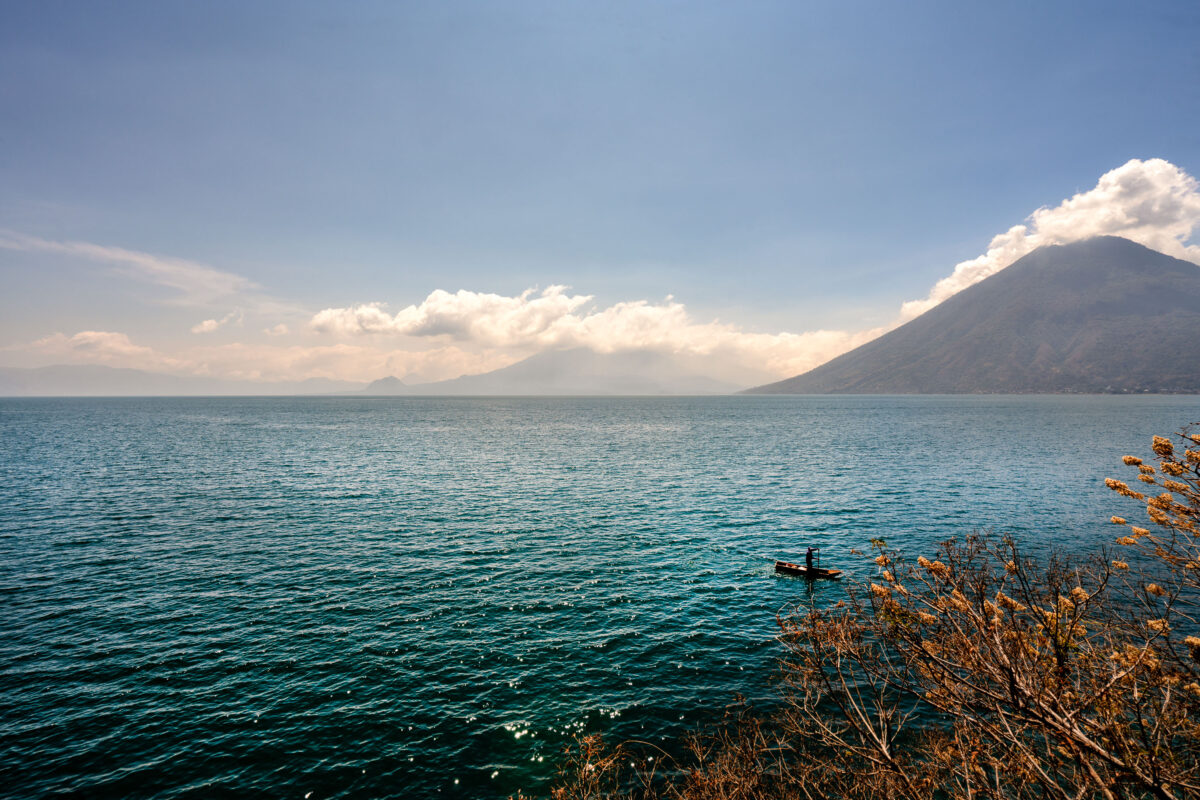
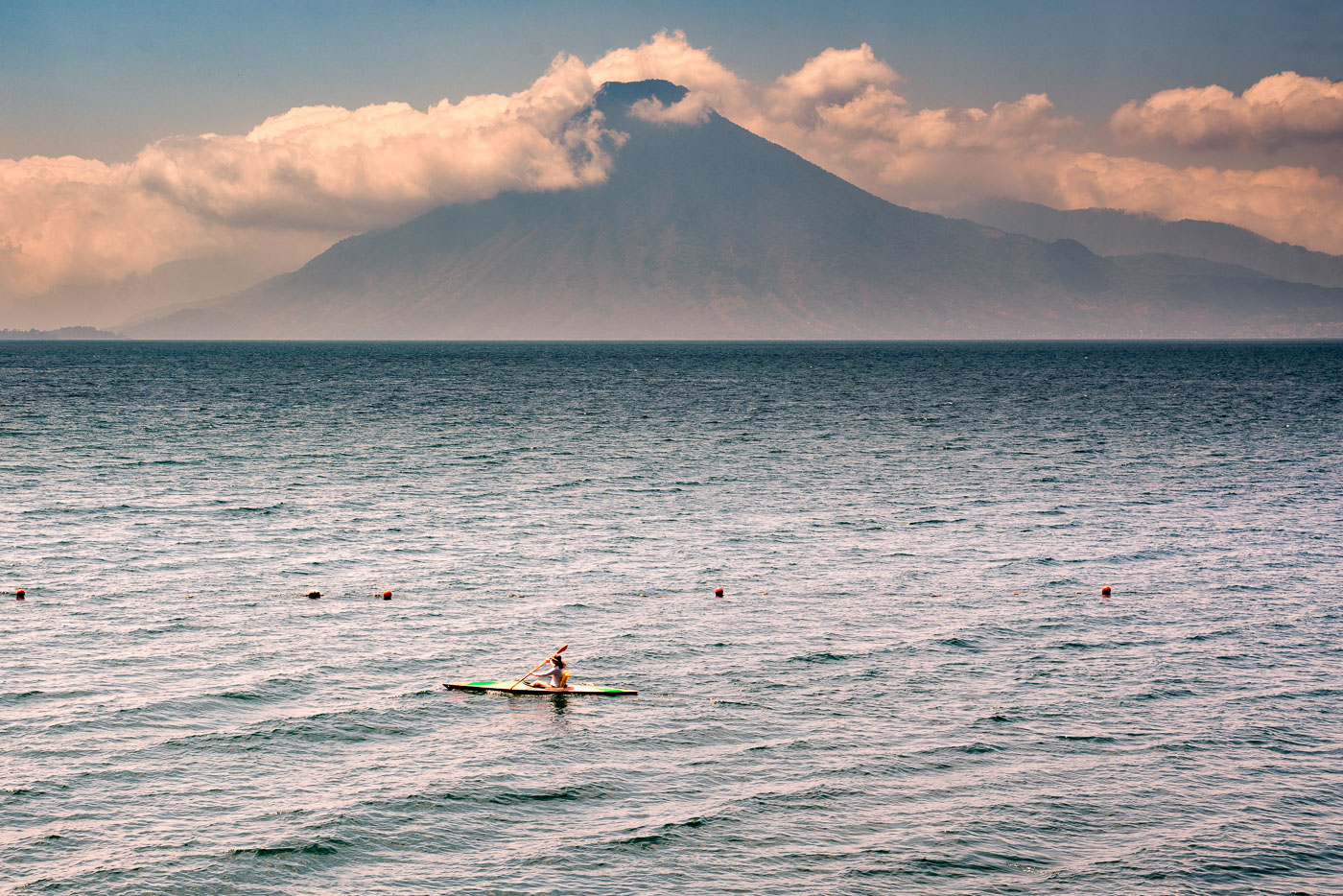
Sunny morning at Lake Atitlan Guatemala
A lone kayaker navigates the waters of Lake Atitlán in Guatemala, with the prominent Volcano San Pedro forming a dramatic backdrop. Lake Atitlán, formed by a massive volcanic eruption approximately 84,000 years ago, is renowned for its stunning natural beauty and the surrounding Maya villages. The lake and its volcanoes are a significant geographical and cultural landmark in Guatemala, attracting visitors and serving as a vital resource for local communities who rely on its waters for fishing and transportation.
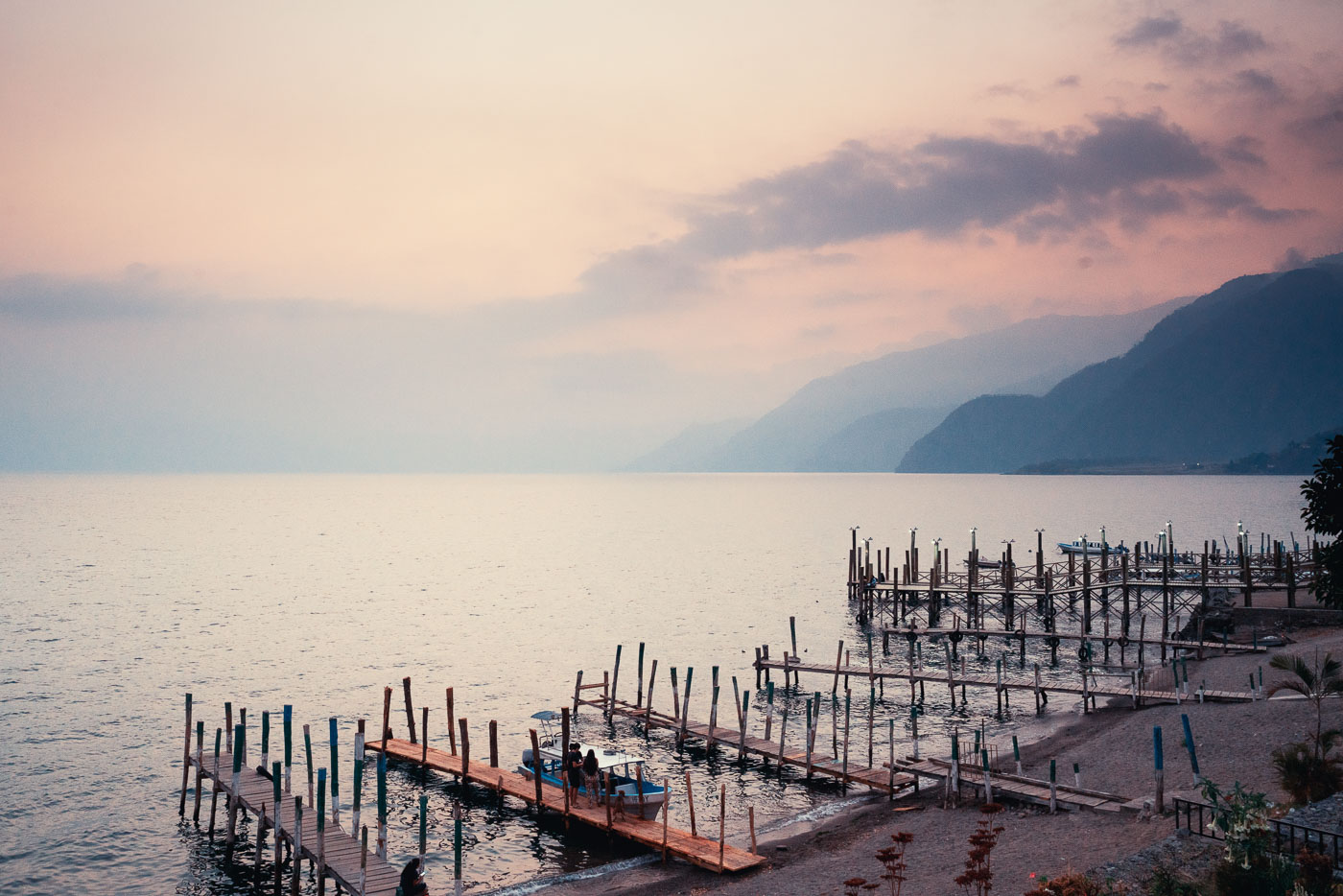
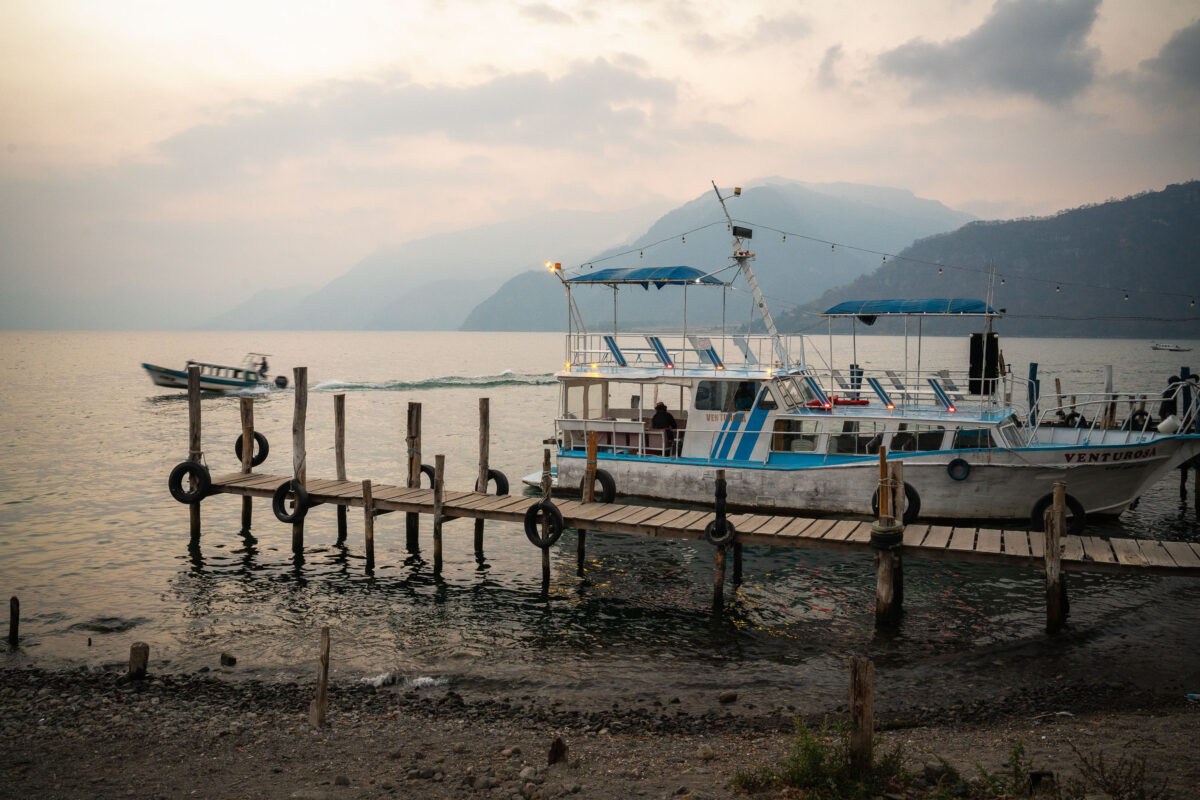
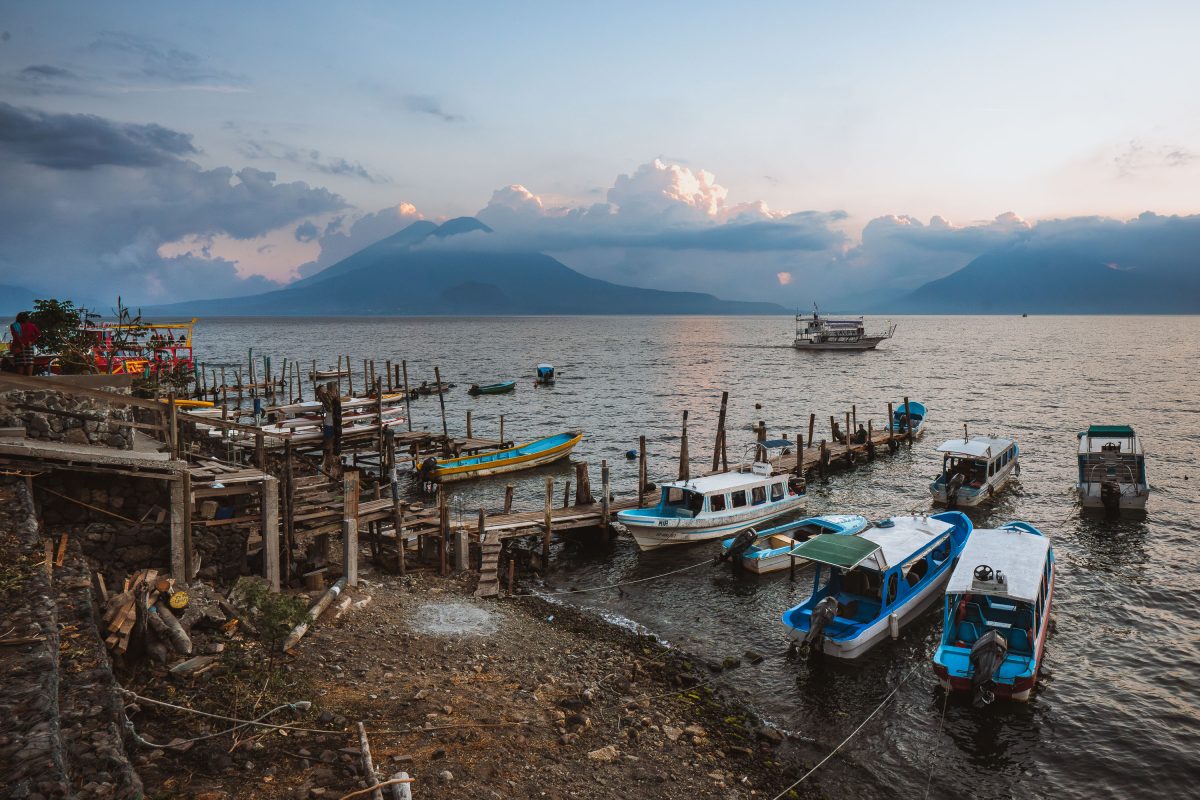
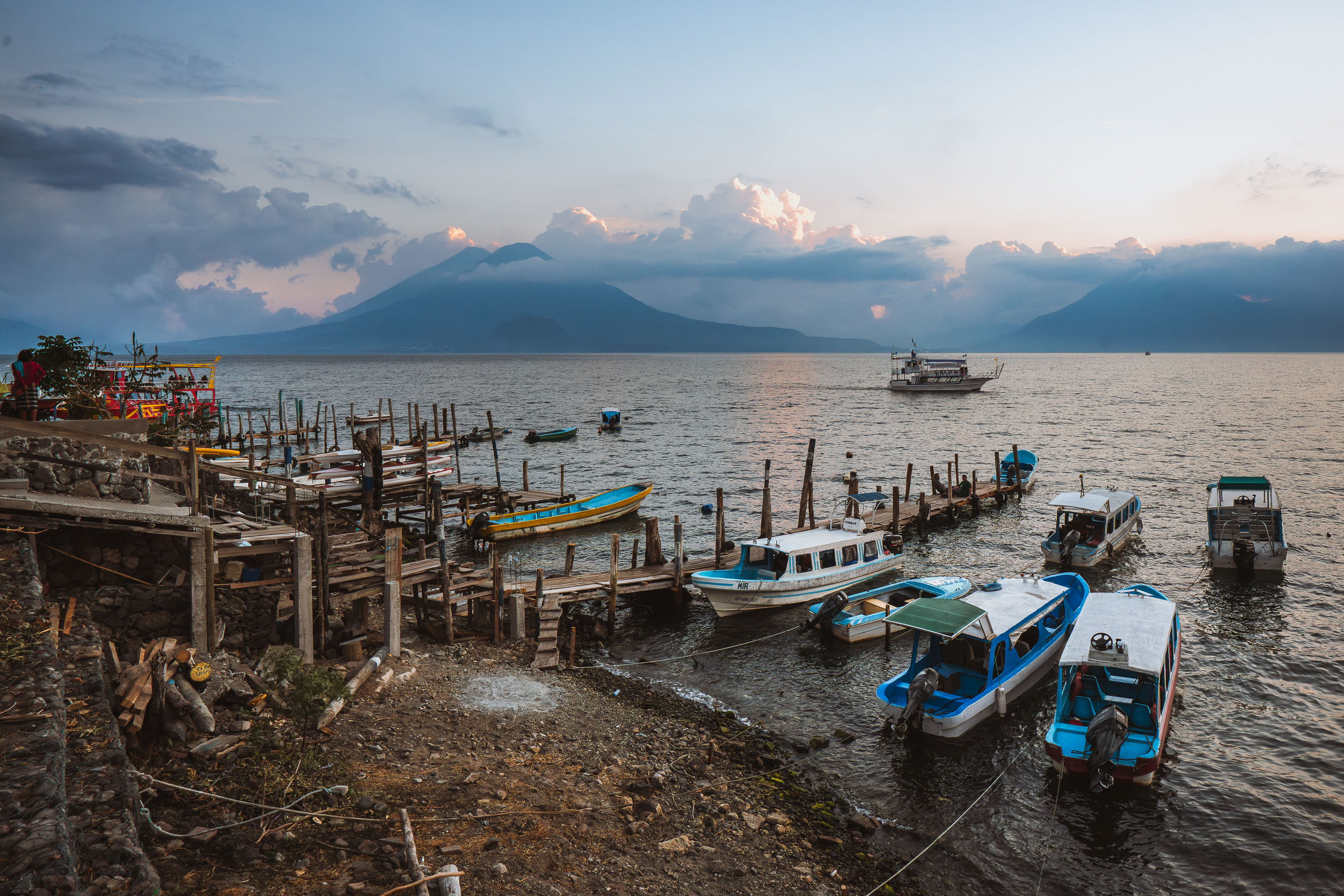
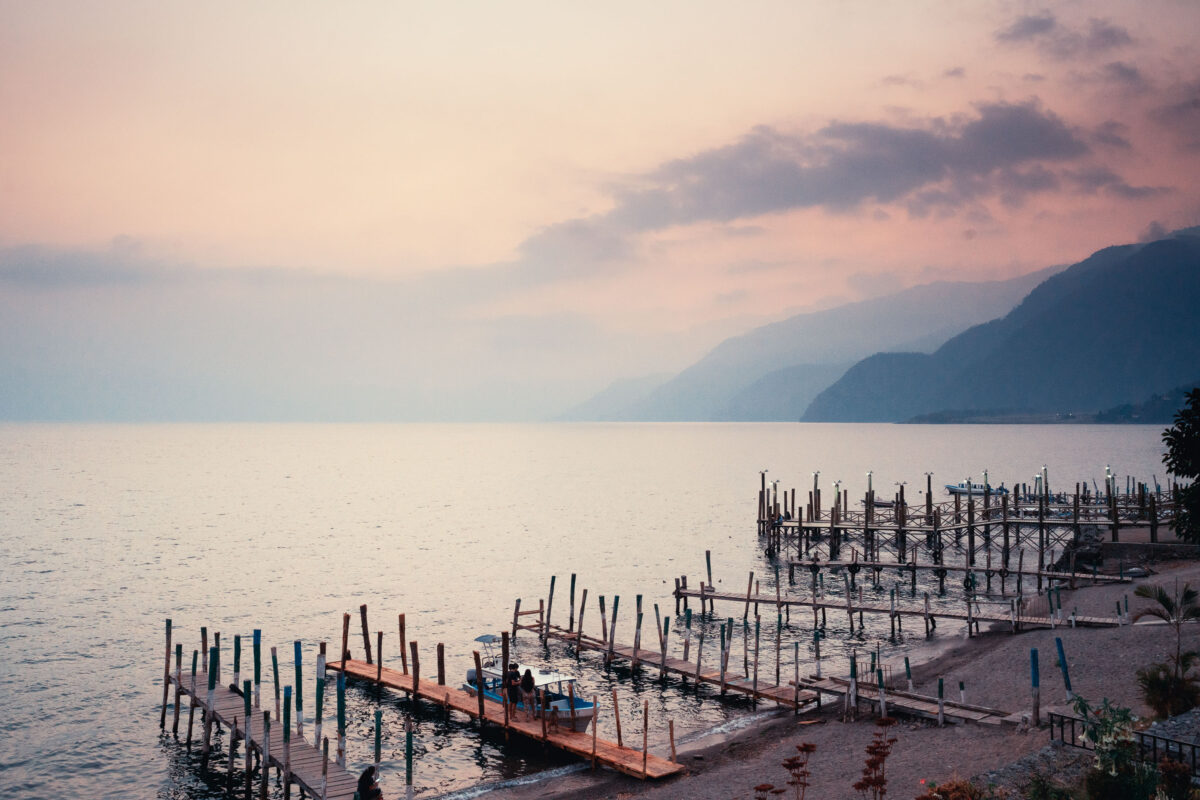
Sunset over Lake Atitlan Panajachel Guatemala
Wooden piers extend into Lake Atitlán from the shore in Panajachel, Guatemala. These structures serve as vital docking points for the numerous boats that transport people and goods between the lakeside communities. Panajachel is a major hub for tourism and local commerce, with its waterfront activity being central to the town's economy and daily life. The piers, built and maintained by local operators, facilitate travel across the lake, connecting Panajachel to other villages and offering access to the surrounding volcanic landscapes.
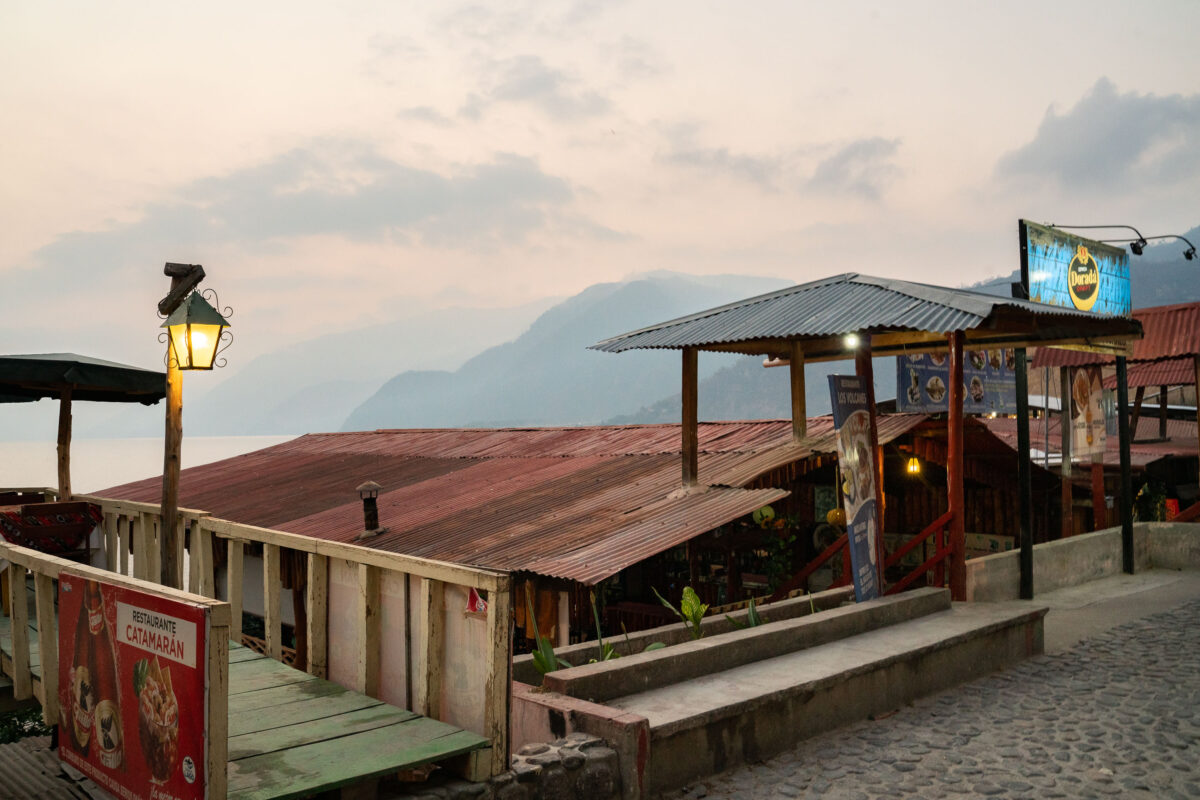
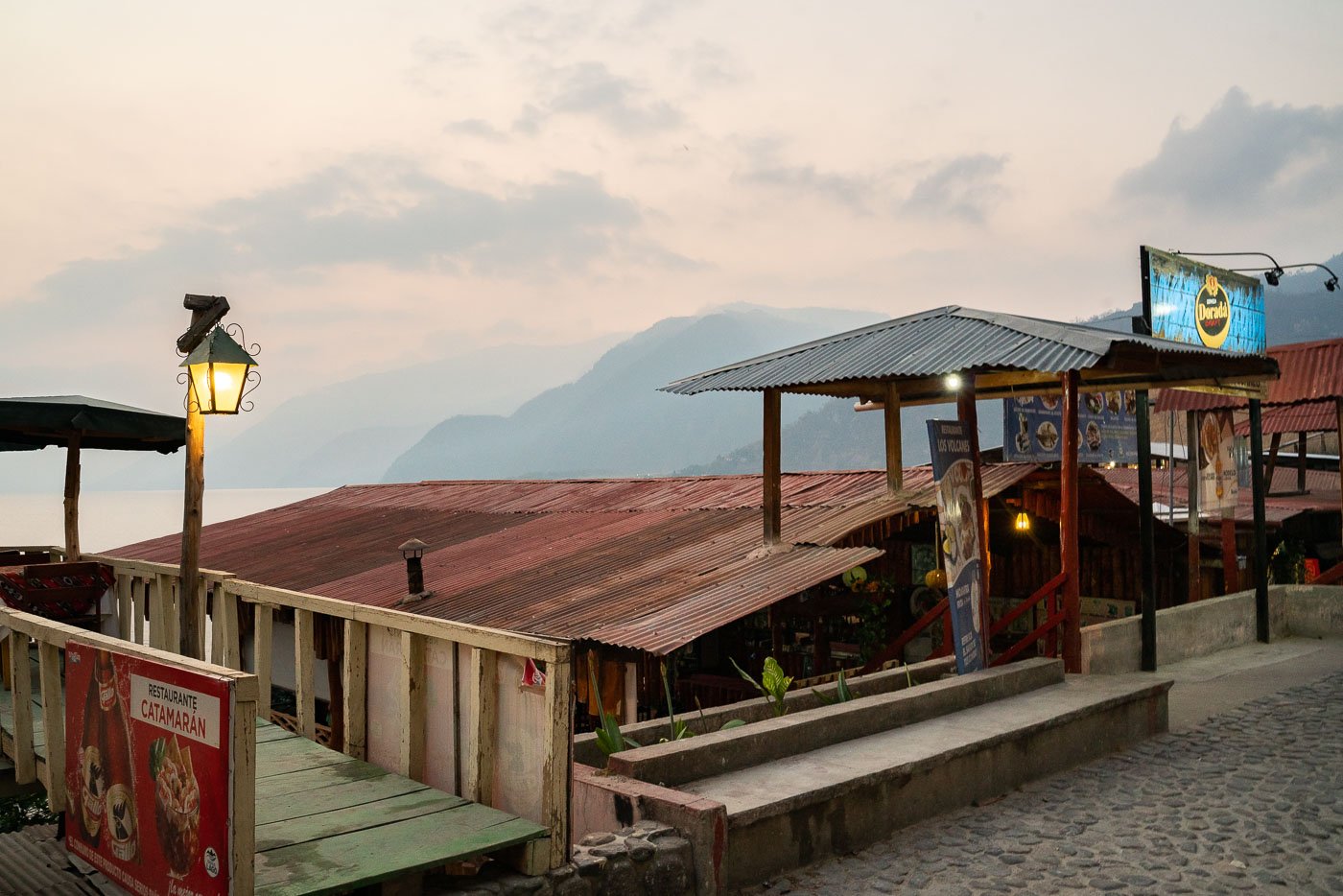
Dining in Panajachel Guatemala
Restaurante Catamaran is a dining establishment located in Panajachel, Guatemala, on the shores of Lake Atitlán. The restaurant's open-air design, with its corrugated metal roofs and wooden structures, is typical of lakeside eateries in the region. It serves as a gathering place for locals and tourists, offering views of the lake and surrounding volcanoes. The establishment contributes to the vibrant atmosphere of Panajachel, a town known for its tourism and cultural significance in the Guatemalan highlands.
A boat in Panajachel Guatemala
Boats serve as a primary mode of transportation across Lake Atitlán, connecting the various indigenous Mayan villages that dot its shores. The town of Panajachel, visible here, is a major hub for these watercraft, facilitating tourism and local commerce. The vessels, often carrying passengers and goods, navigate the lake's waters, providing essential links between communities that are otherwise difficult to access by road. This vital network of water transport has been crucial to the region's development and continues to be a cornerstone of daily life for its inhabitants.
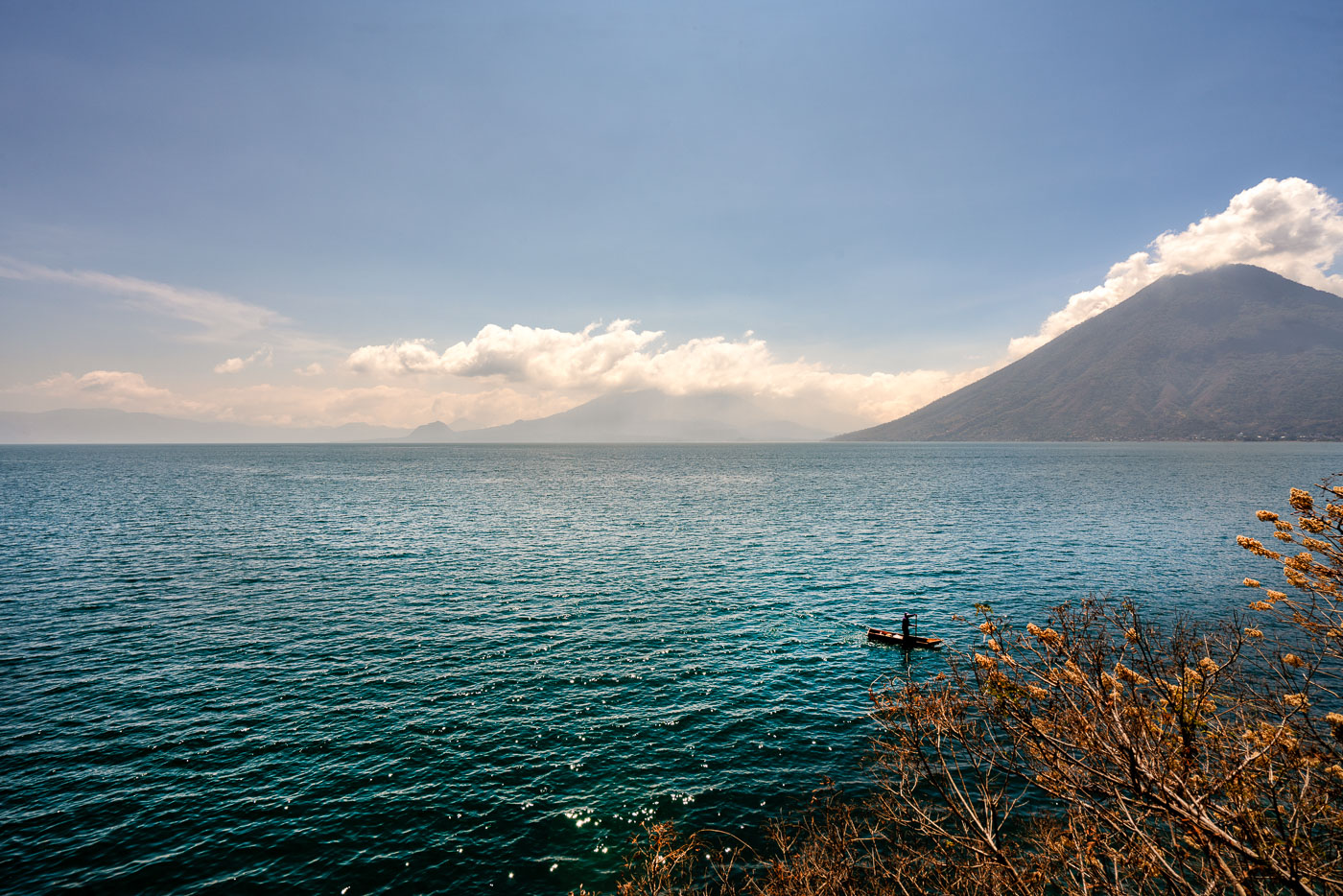
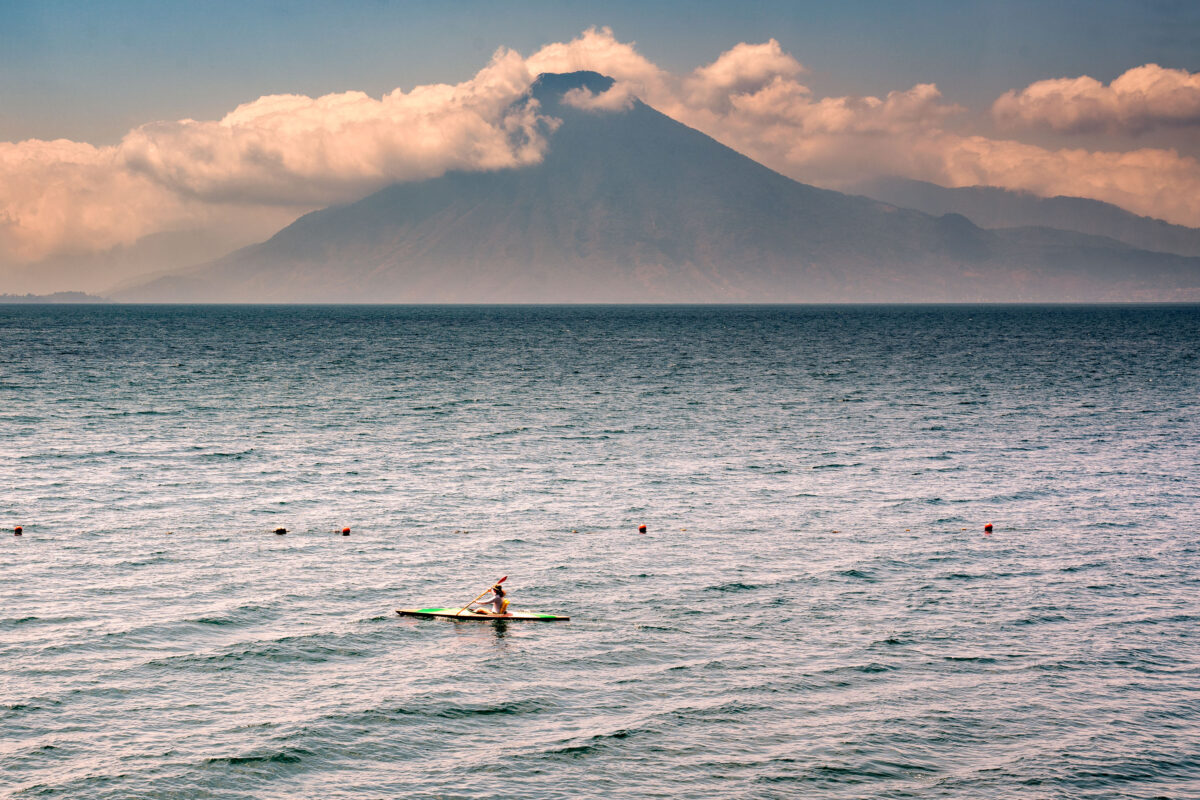
Kayak in Lake Atitlan Guatemala
A lone kayaker navigates the waters of Lake Atitlán in Guatemala, with the imposing Volcán Atitlán shrouded in clouds in the background. Lake Atitlán is a large endorheic lake formed by a massive volcanic eruption. The lake is a significant geographical feature in the Guatemalan Highlands and is surrounded by several Mayan villages. It is a vital source of water and a center for local commerce and transportation, with kayaking and other water activities being popular among residents and visitors alike.
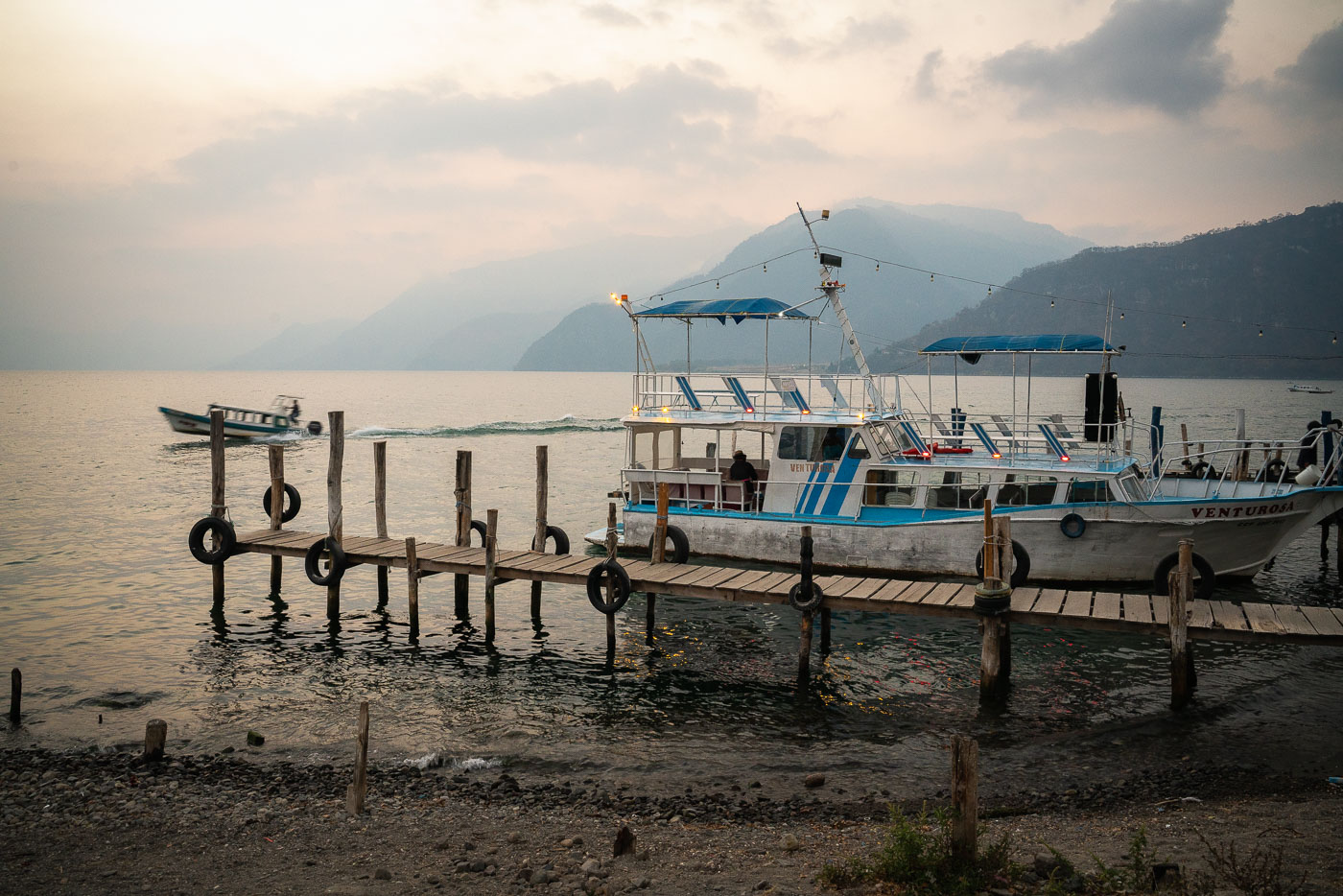
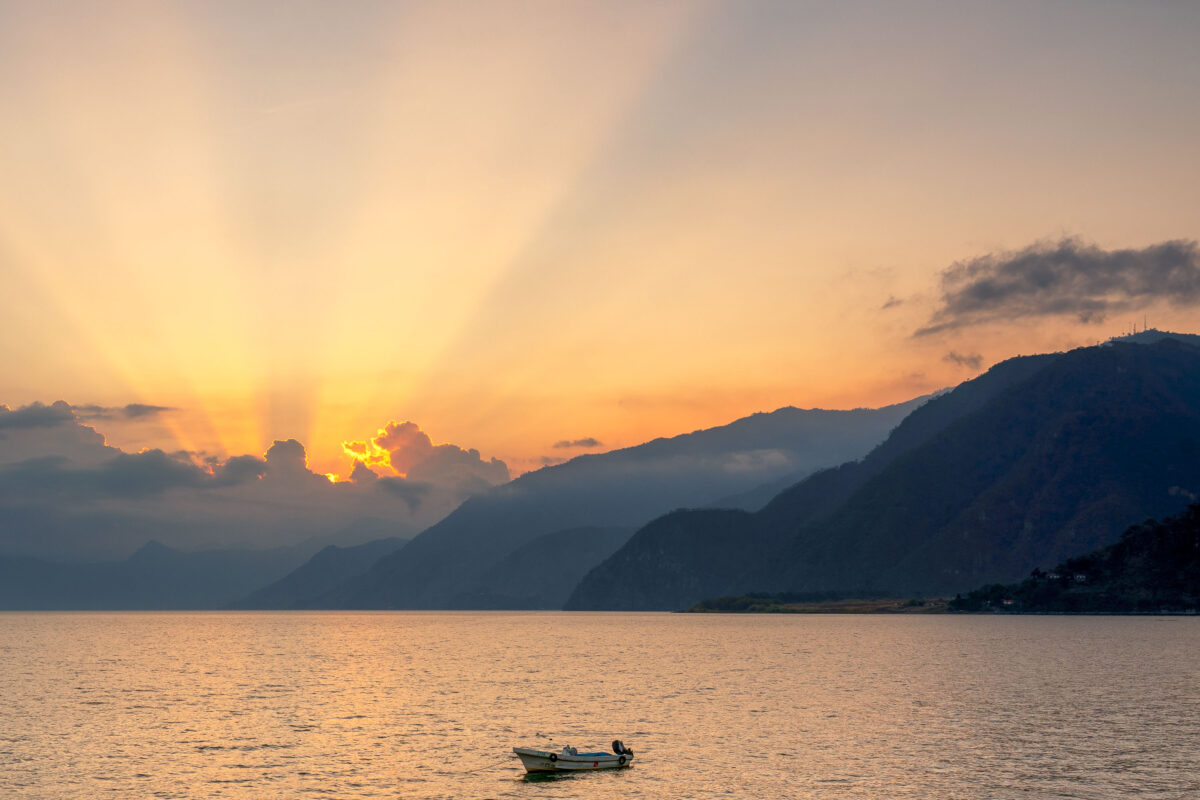
Sunset from Panajachel, Guatemala in 2020
The sun sets behind the volcanic peaks surrounding Lake Atitlán, near Panajachel, Guatemala. This caldera lake, formed by a massive volcanic eruption approximately 84,000 years ago, is a significant geographical feature in the Guatemalan Highlands. The lake is a vital transportation route for local communities and a center for tourism, with small boats like the one pictured ferrying passengers and goods between the lakeside villages. The surrounding mountains are home to indigenous Mayan communities who have inhabited the region for centuries.
Lake Atitlan Panajachel Guatemala
The tranquil waters of Lake Atitlán are framed by the imposing volcanoes of Tolimán and Atitlán, viewed from the lakeside town of Panajachel, Guatemala. The Porta Hotel del Lago, a prominent establishment on the shore, offers visitors a vantage point to appreciate the natural grandeur of the region. This area is a significant hub for tourism, drawing visitors to experience the lake's beauty and the surrounding volcanic landscape, which has shaped the cultural and geographical identity of the region for centuries.

Built in Minneapolis

Photographs showcasing change over time

Browse by location, move through long-running series, or start with recent work.